
Leaderboard

Popular Content
Showing content with the highest reputation on 06/14/2021 in all areas
-
Thanks very much everyone for your help. We're putting together a wee album to share all our Japanese blades. As Grey Doffin succinctly put it, small museums don't always have the know how. That's been the case here - a lot of good intentions and care but not the right kind. Also several mismatched blades and scabbards that probably came to NZ like that. We'll share our small collection and hopefully the experts here can let us know if any of them warrant further investigation. We don't have a ton of resources to throw at this and it's slightly outside the parameters of our project, but we all feel that if we have something special we would like to celebrate it. Thanks again and we'll get an album up soon :-)4 points
-
Hi Alex Glad you enjoyed it and found it useful. One of the problems with the sandai is that he died relatively young (50 I think) and was outlived by his father. As a result there are not so many of his works and according to Roger Robertshaw most of his output were daimei for his father. Add to that his Tadayoshi mei was not dissimilar to some of the Shodai's various forms and that his workmanship was of very high quality and comparable in style to the Shodai's later output then the problem is compounded. I think Thomas mentioned in a separate mail about Michael Hagenbusch talking about probabilities and I think that applies here. The only illustrated examples of niji-mei (which are very few) have been attributed to the first generation. I haven't found any attributed to the third. Therefore the first would appear to be the most likely candidate. If you then add in the Yasurime, the length of the blade the not quite suguha hamon then the features pushing it towards the Shodai start to add up. I find these blades fascinating and a great learning tool. If you have something screamingly obvious then you don't need to look so hard nor think about it so much. With something like this you really have to start working through the process (well I have to anyway). It is like doing the NBTHK monthly kantei. If you know the answer as soon as you see it you actually don't learn too much. If you have to wade through references to confirm your thinking it teaches you more and is more fun.3 points
-
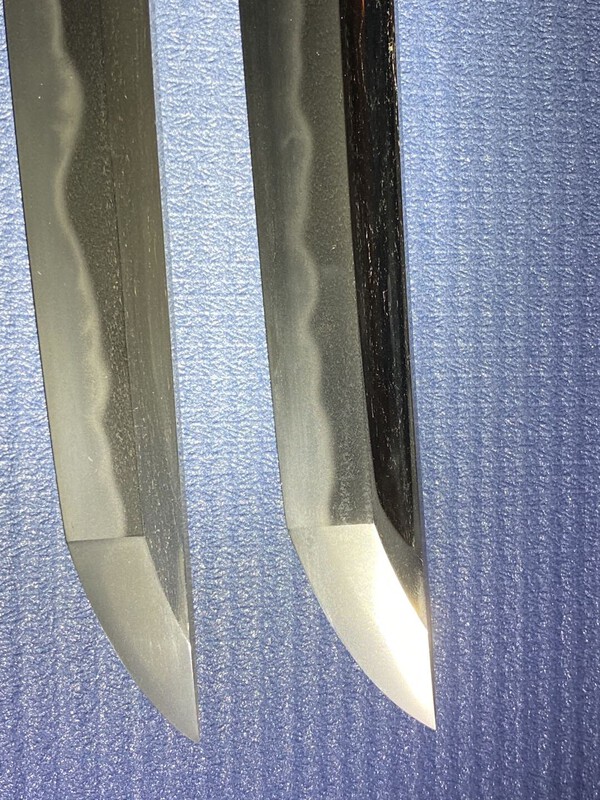
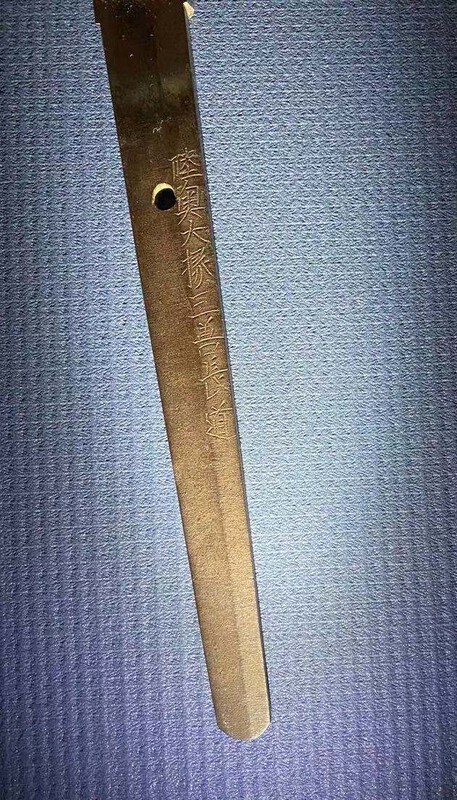
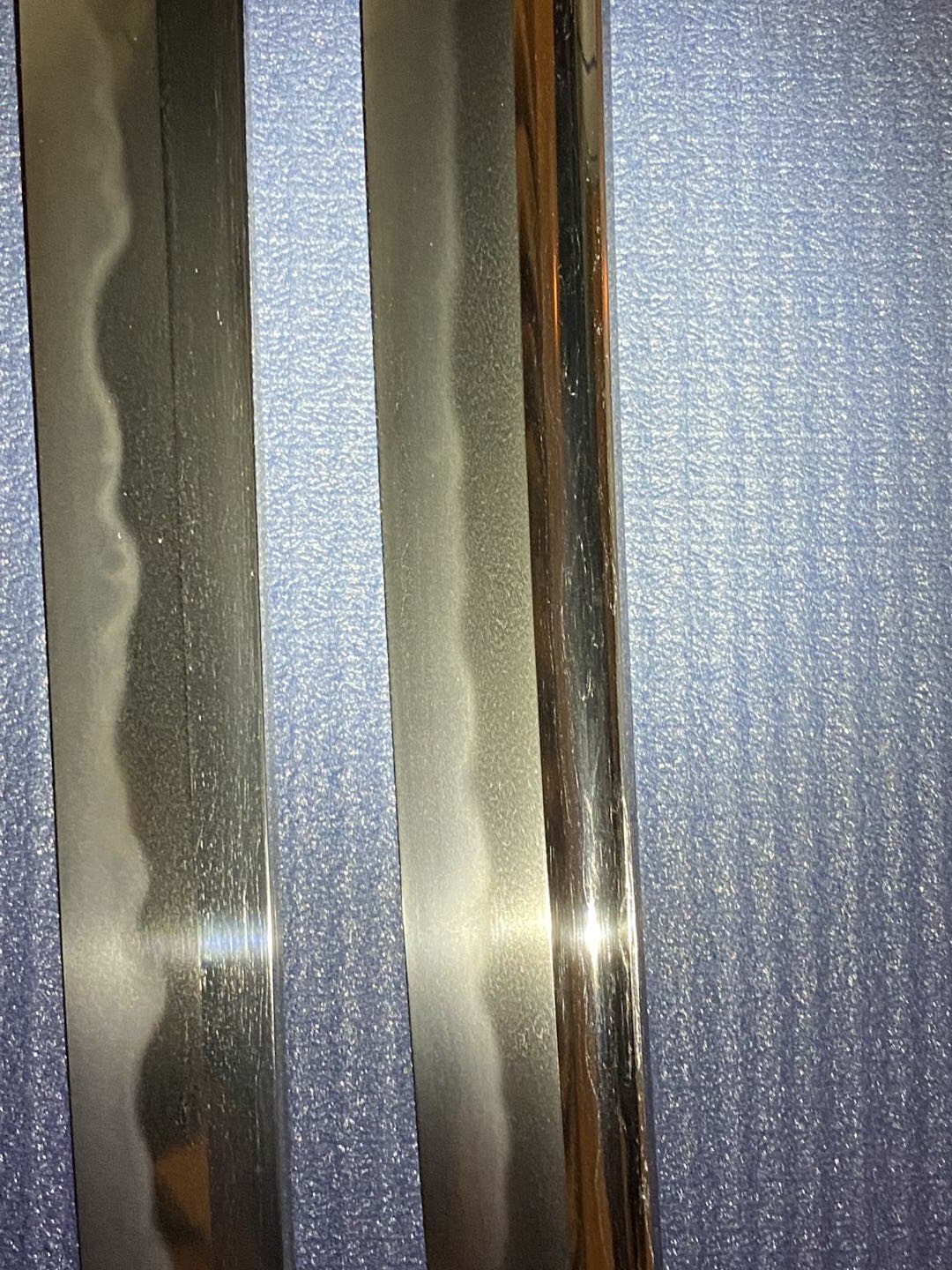
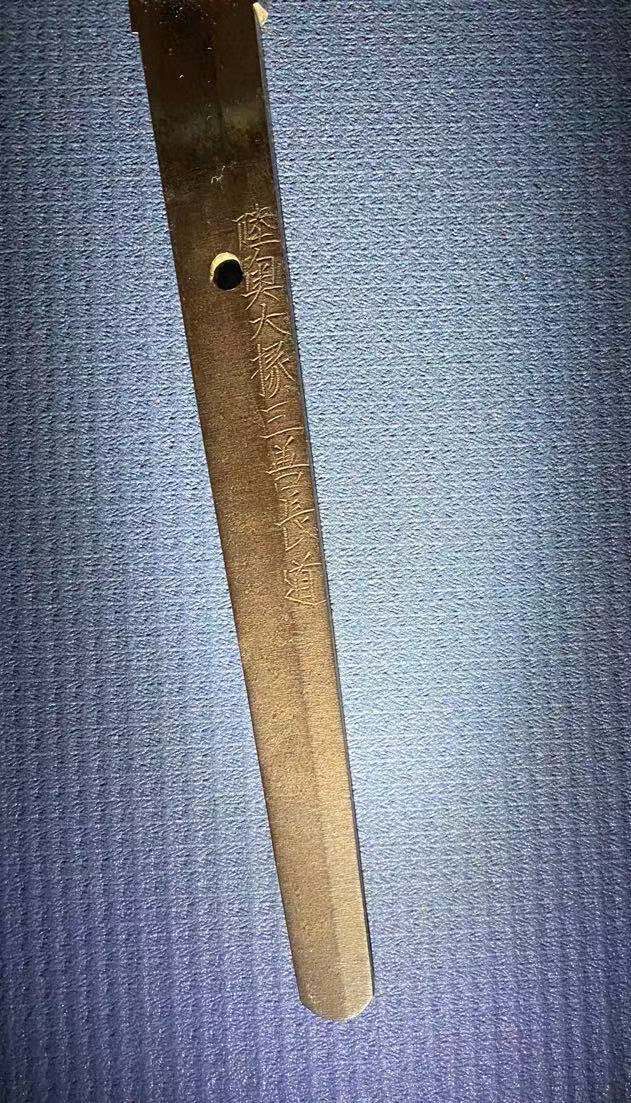
We call "Miyoshi Nagamichi" Aizu Kotetsu. So, How similar can they be?


 2 points
 -
Kotetsu maybe born in A.D 1605 , and A.D 1678 passed away. At the age of 50 star to make katana(1655). Nagamichi born in A.D 1633, and A.D 1685 passed away.At the age of 26 used signature is "Mutsu Daijyo Miyoshi Nagamichi" And Nagamichi also have other nickname "AIZU MASAMUNE". So,maybe just same style to make sword.2 points
-
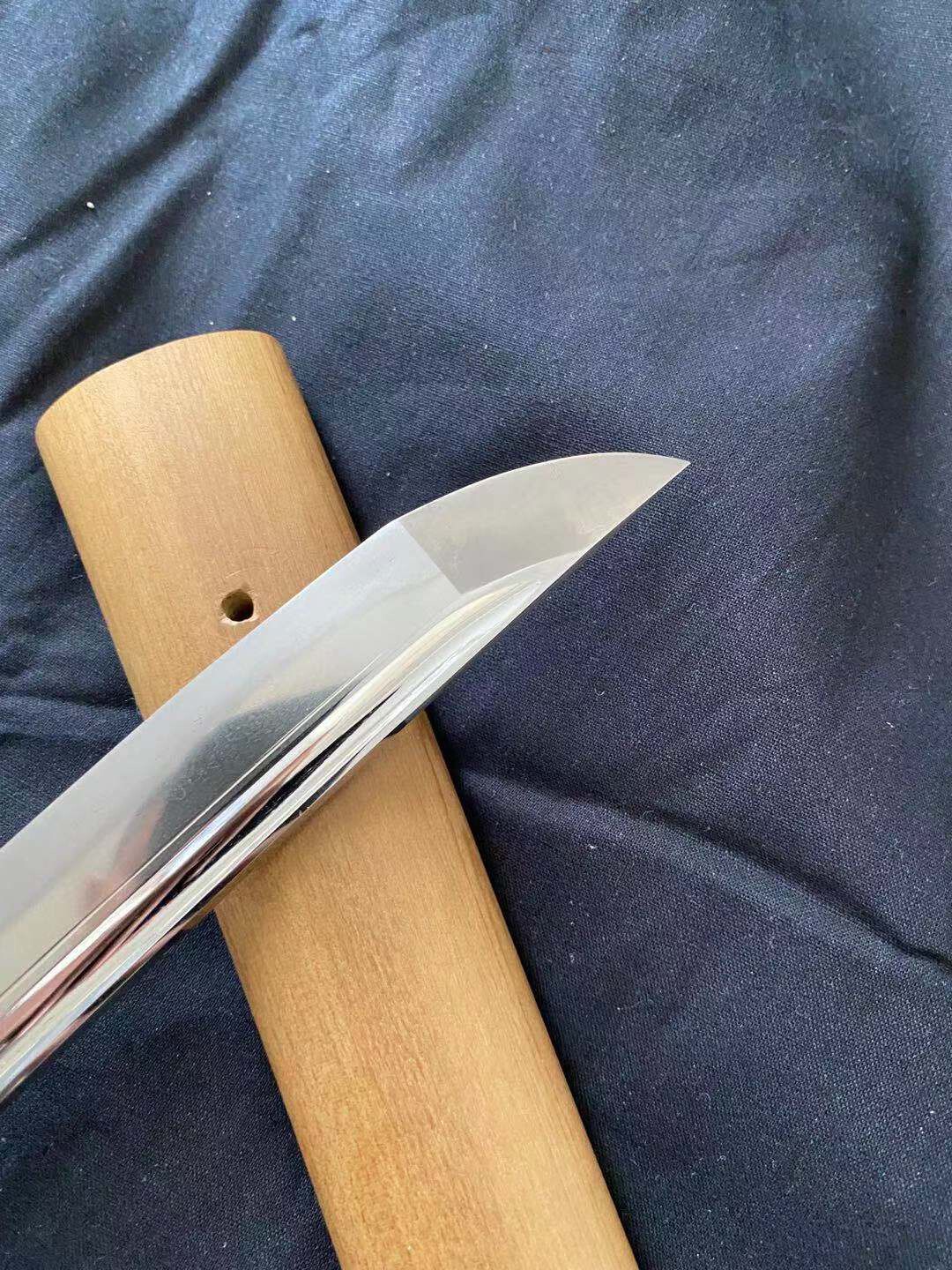
Nagamichi have some different style. Anyway I show whole photo for you . and I also up some Video for this Nagamichi, just for clear to see
 2 points
 -
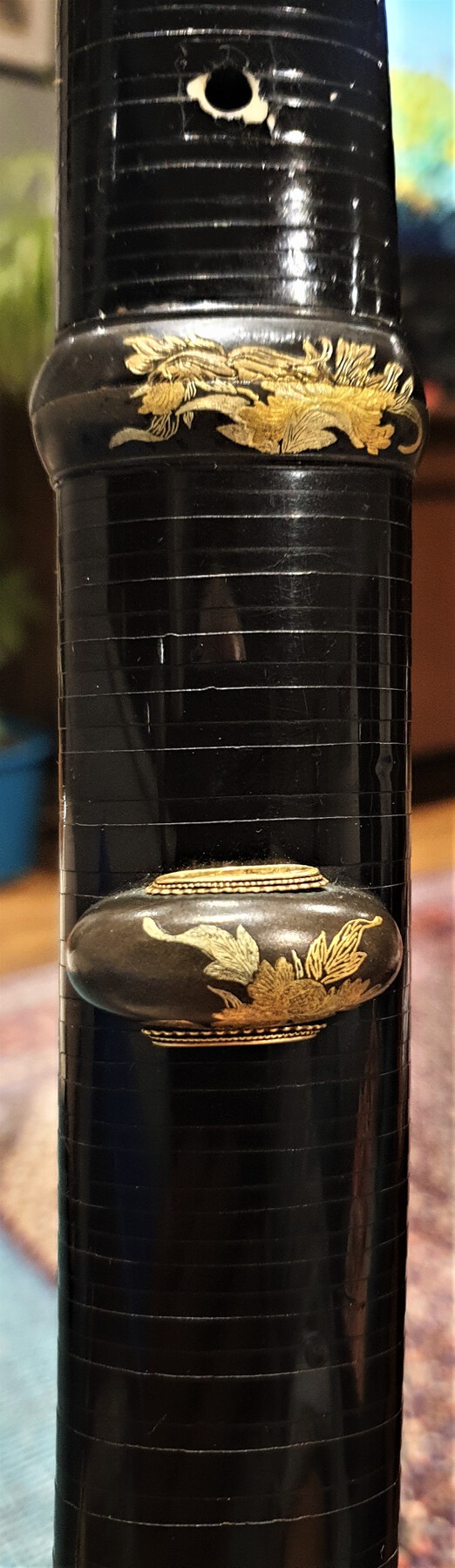
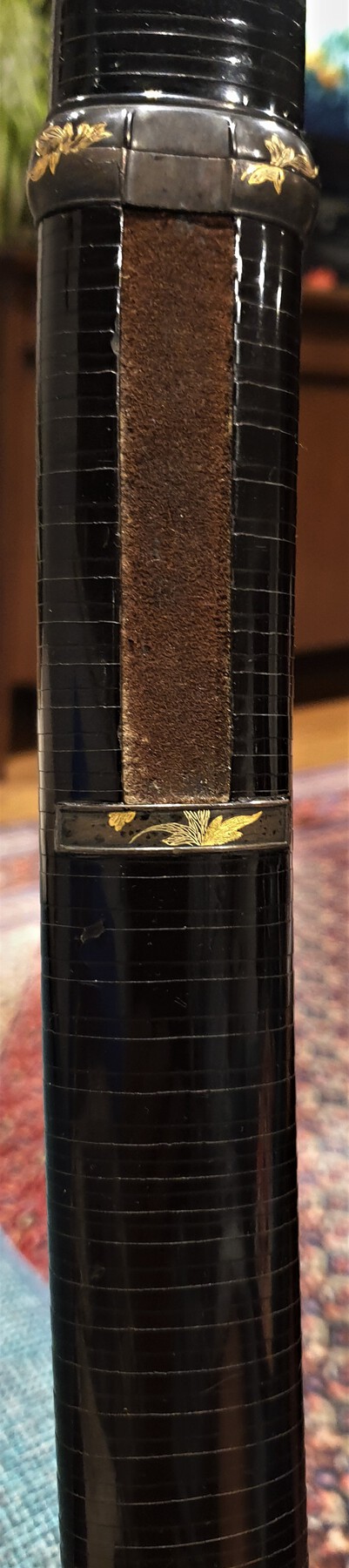
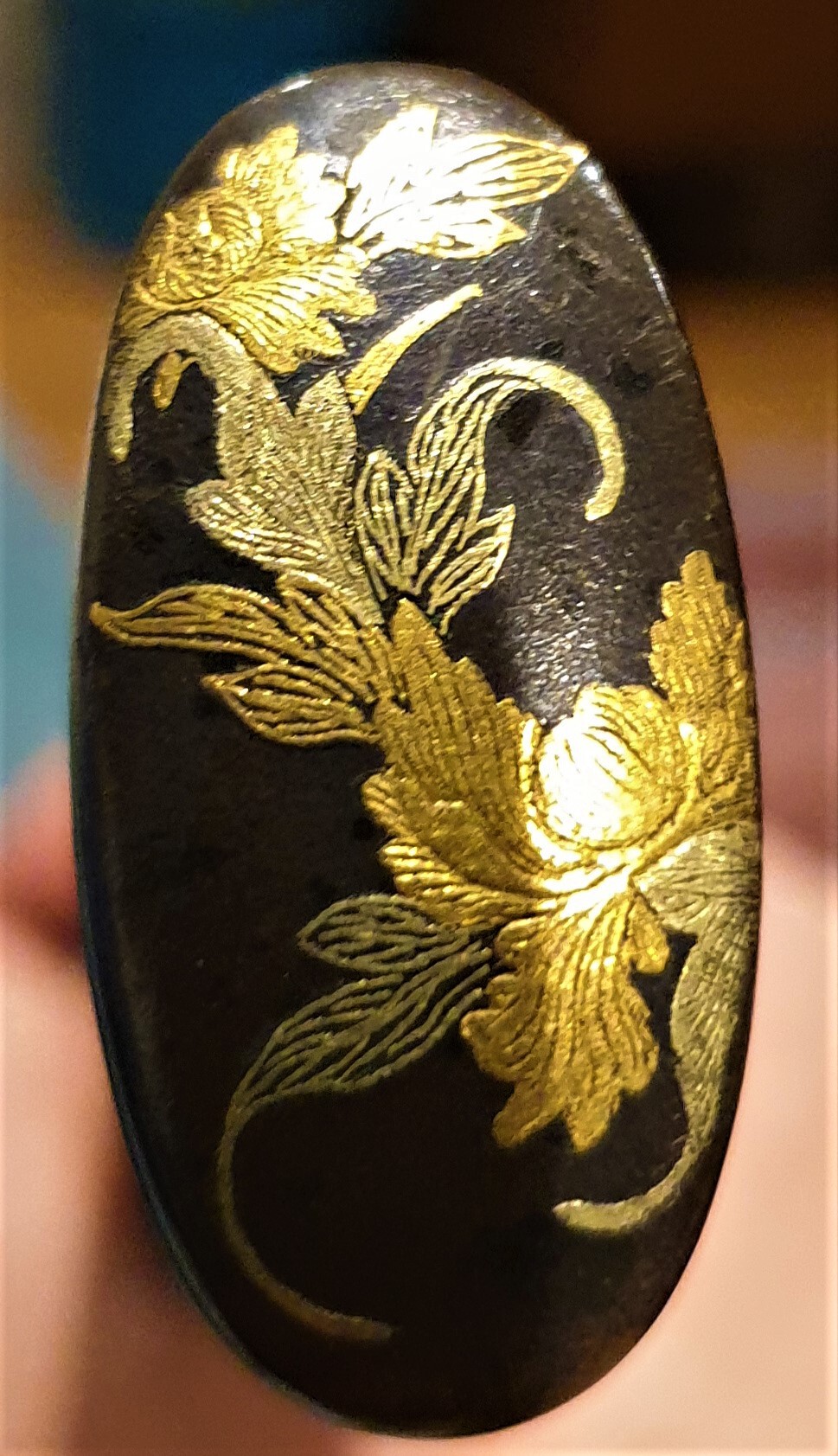
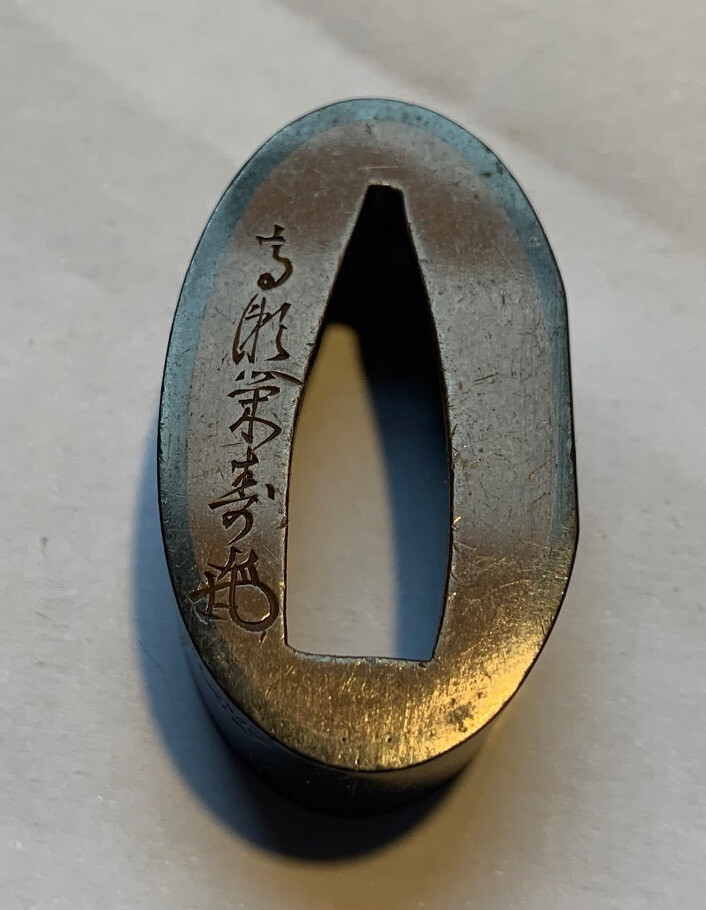
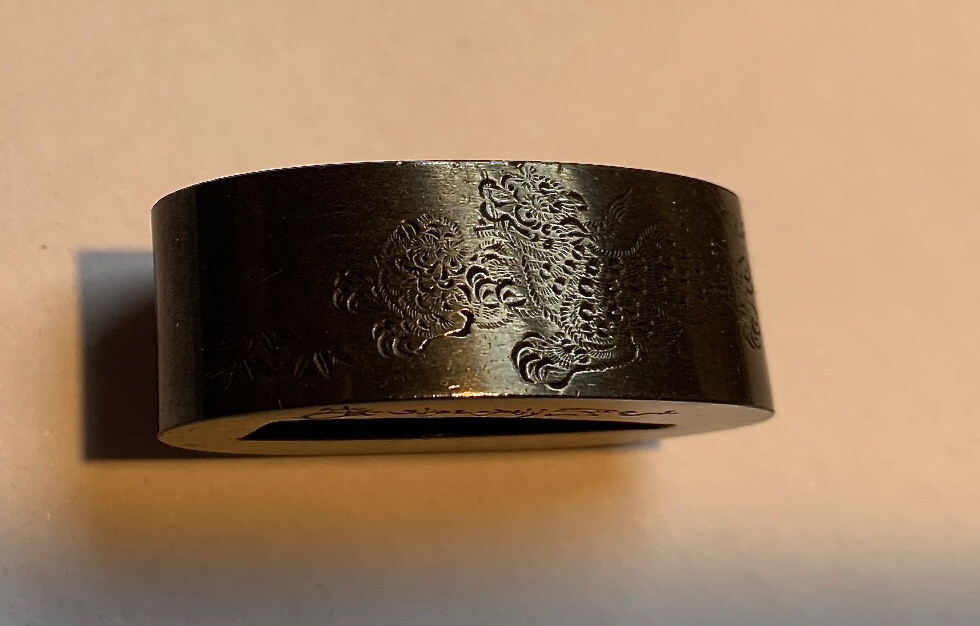
The tsuba is not mine. I found it on ebay. I find the small details interesting and how they differ. Hopefully we will find more examples.2 points
-
That knotty mess would have carried on like that in a dusty back corner for years. It sounds as if it is getting the right kind of attention now, even if you only find 25~ 50% of the answers that you want. This can only be a good thing. Fresh eyes and bright ideas. Many thanks for your attention, beyond the call of duty.2 points
-
I was just wondering if anyone knows if there is register of NBTHK certificate numbers? Also are duplicate certificates kept as references by NBTHK? It would be a great resource for study if available.1 point
-
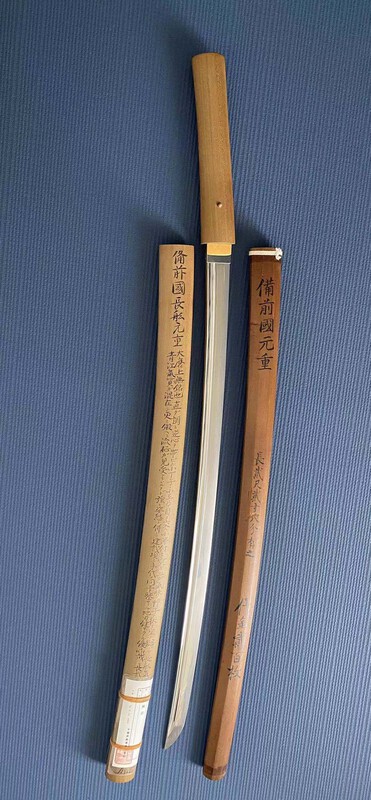
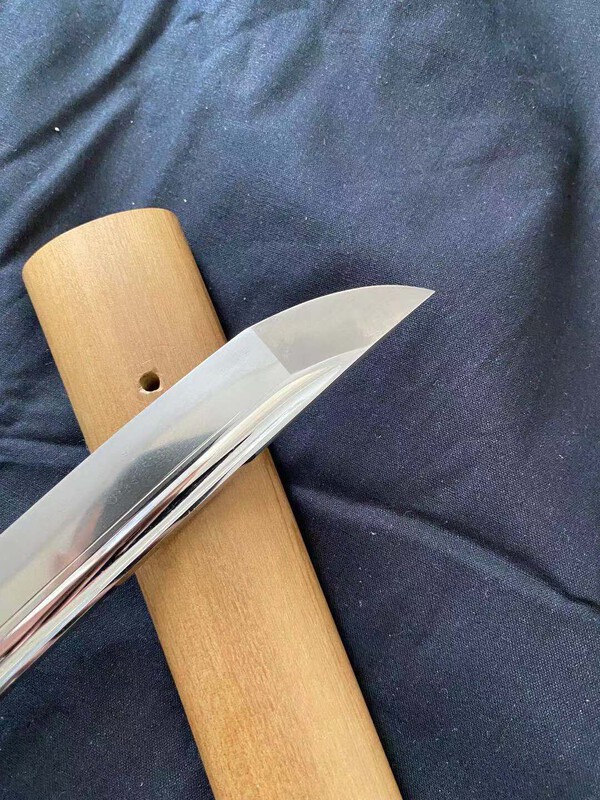
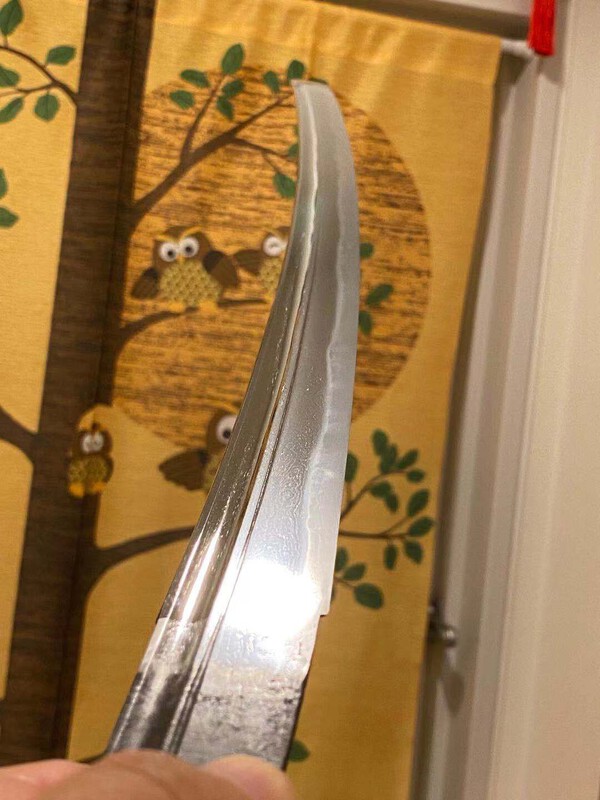
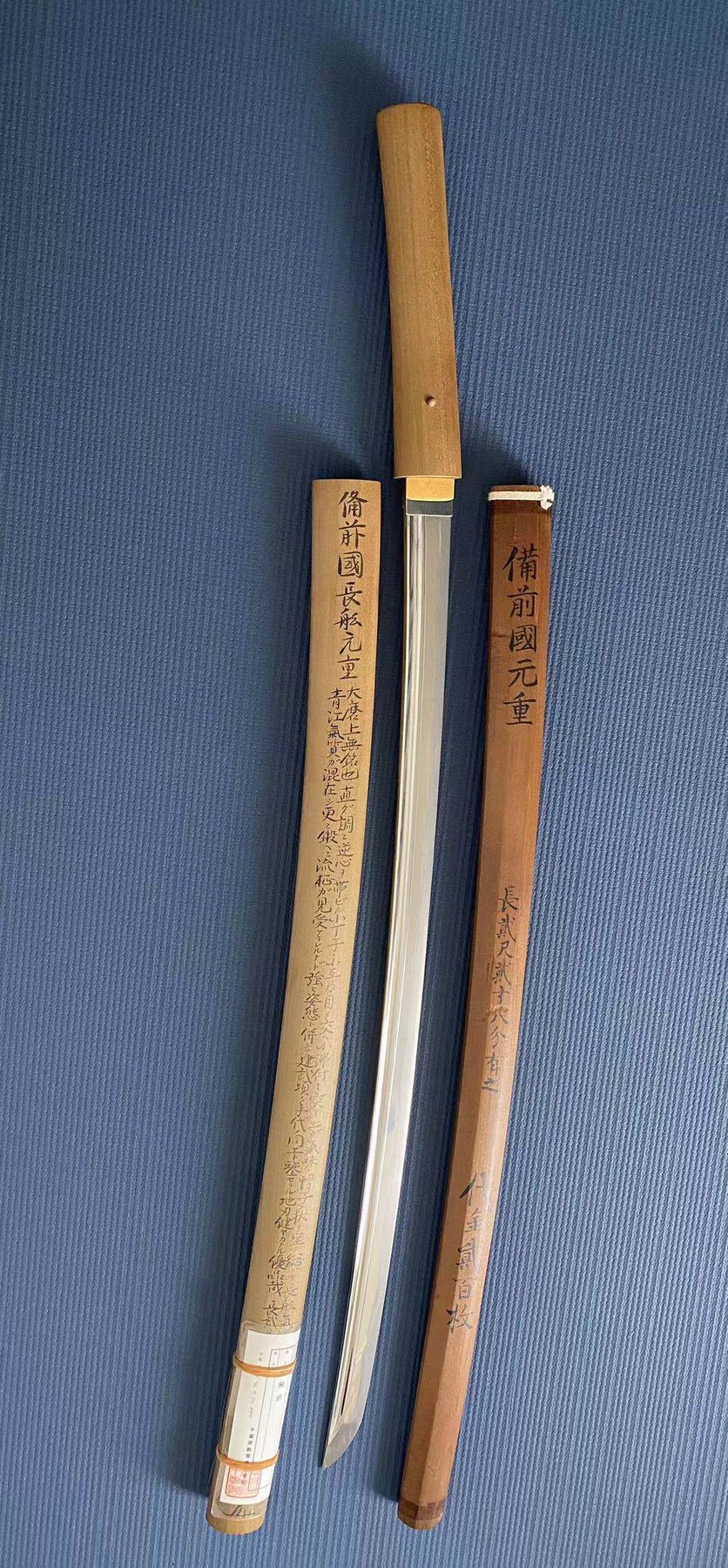
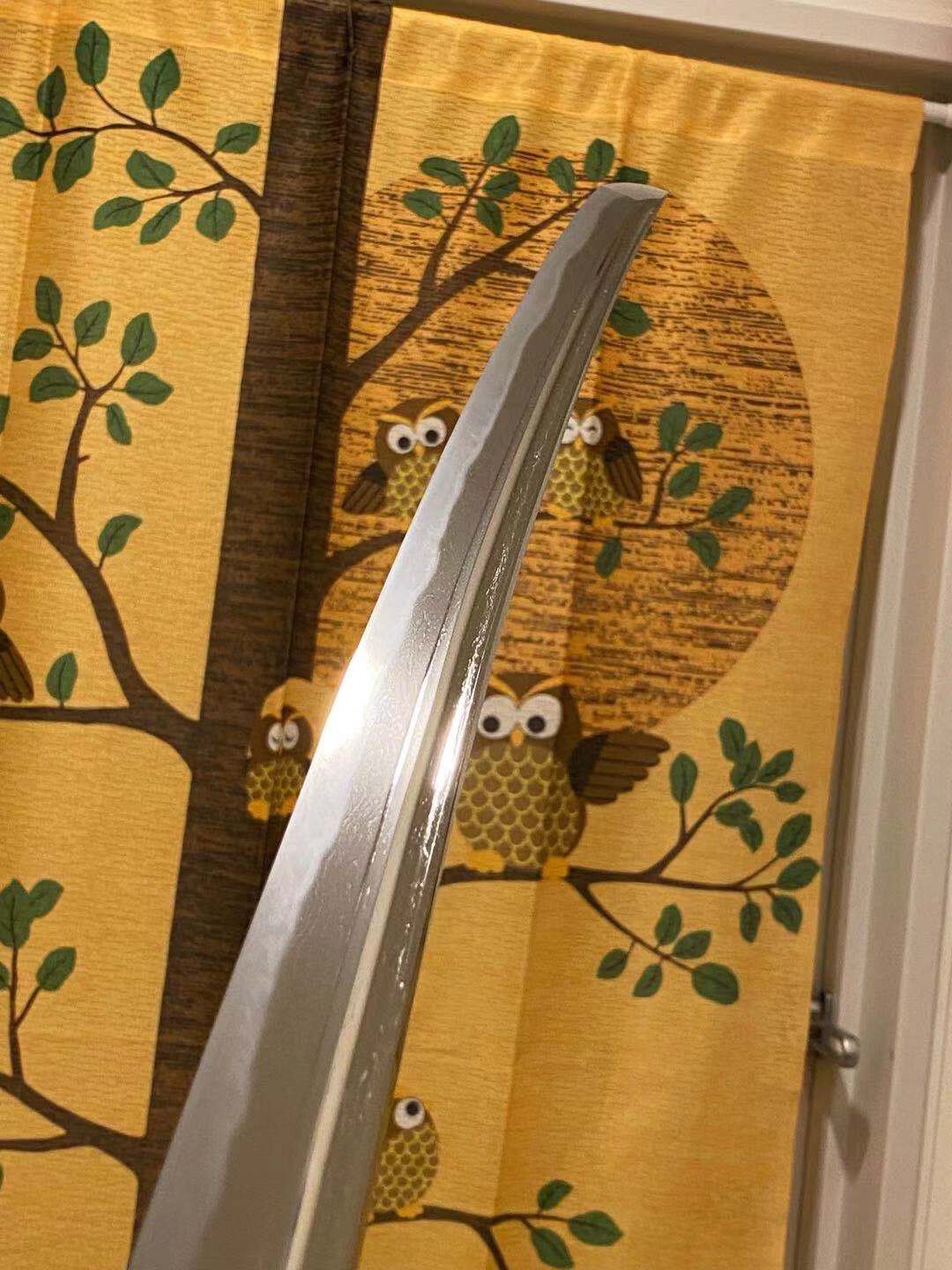
Location: Japan,TOKYO. PriceL 45,000USD (Include shipping) JUYO TOKEN 重要刀剣 Appointed on 17th Nov 2017 平成二十九年十一月十七日指定 Session 63 第六十三回重要刀剣 Katana:Mumei Motoshige 刀:無銘 元重 Period : Nambokucho (1336-1392) Nagasa(blade's length): 69.1 cm Sori : 1.6 cm Motohaba : 3.05 cm Sakihaba : 2.15 cm Kissaki length : 4.1 cm Nakago length : 20.2 cm Nakago : O-suriage Mumei, Two mekugiana. Nkkago Sori : 0.3 cm Form : Shinogi Zukuri(镐造) , Mitsu-mune (三ツ棟),wide mihaba with inconspicuous difference in the width of the motosaki, the sori is extremely shallow, Chu-kissaki. Kitae : Itame-hada(板目肌),Hadatachi(肌立), Ji-nie(地沸), Chikei(地景),mixed Jifu(地斑)producing Utsuri tachi(映り立). Hamon: Predominantly Suguha(直刃主調), Gunome(互の目), Ko-Gunome(小互の目) mixed Ashi(足), Yo(葉), Ko-nie(小沸), deep Nioi(匂深), Sunagashi(砂流し) Boushi :One side Midare-komi(乱れ込み)maru(丸)Kaeri(返り), the other side Ko-maru(小丸) Kaeri(返り)is round shape and Hakikake(掃掛). Horimono (彫物): Bohi(棒樋) and Soebi(添樋) of both sides. Bishu Osafune Motoshige The well known Motoshige's full name is Bishu Osafune Motoshige(備州長船元重), who is 'Nidai'(二代) (Second generation) of the Motoshige family actually, while the Shodai (初代)(First Generation) who is called Ko-Motoshige Nijimei(古元重二字銘). The "Ko-Motoshige" works were knowned in later Kamakura(鐮倉) period,while Nidai Motoshige was active in Nanboku(南北朝) era. Though Motoshige was a smith of the Bishu Osafune school, his style is slightly different from Kanemitsu(兼光) or Chogi(長義) in the same period. He were learnt from Aoe(青江) so that his pieces of works are influenced by Aoe's stlye a lot. That is the reason why some Motoshige works have the same Boshi(帽子) with Aoe's.(In this case). Also, Motoshige was known as one of the 'Sadamune no santetsu'(貞宗三哲), who were Disciples of Soshu Sadamune(貞宗) . The another two were Yamashiro Nobukuni(山城信国) and Tajima Hojoji Kunimitsu(但马守法城寺国光). So that we can see Ko-Bizen(古備前), Bizen Osafune(備前長船), Aoe(青江)and Soshu(相传) are all mixed together in one sword sometimes. That's why we say Motoshige's works are always in totally diffecent styles. Fujishiro(藤代) appraised Motoshige as Jo-jo saku (上々作) for his extremely superior quality of works. And Motoshige was one of the only fifteen smiths who were achieved the rating of Sai-jo O-wazamono(最上大業物) assessed by the professional cutting appraisers in Edo period for the supreme level of sharpness. The cutting prowess of Motoshige's blades are legendary.




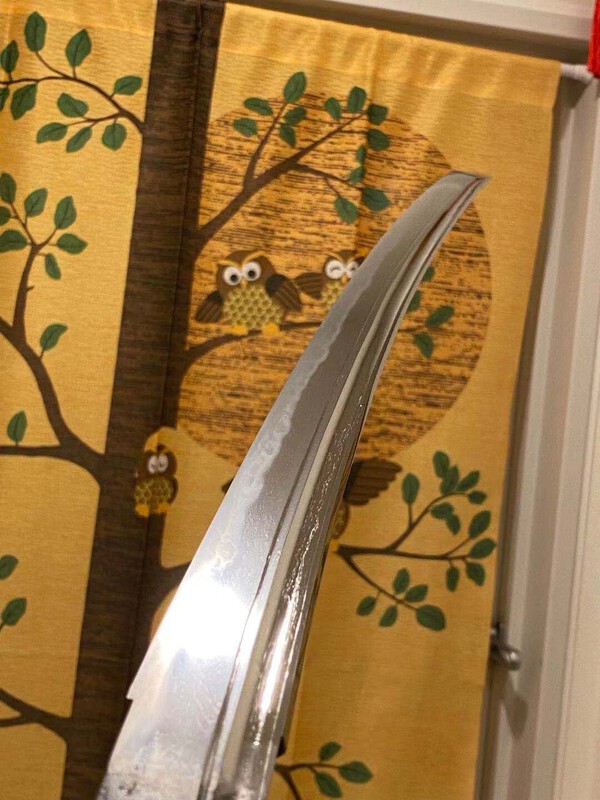


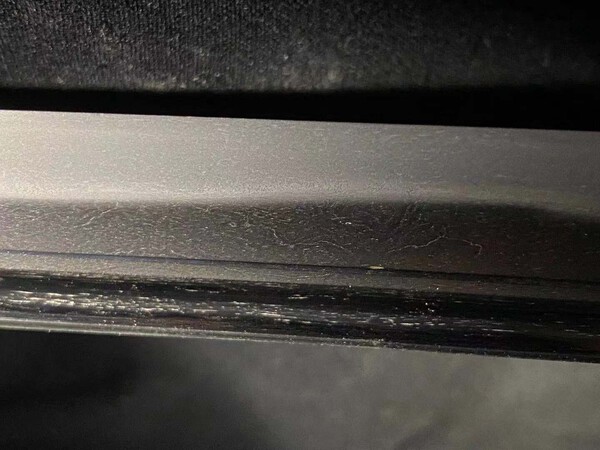 1 point
 -
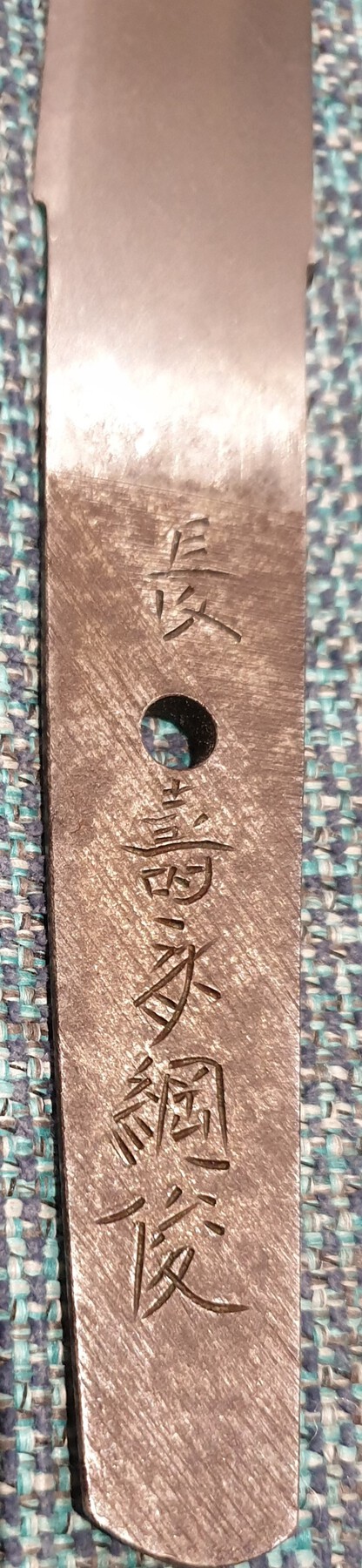
Hi guys i wouild like to get your opinion on this tanto, i Know the tsuka has been reconstructed i belive it says chounsai tsunatoshi, Bunkyu gannen san gatsu (1861) if I'm reading it right. many thanks in advance Chris H


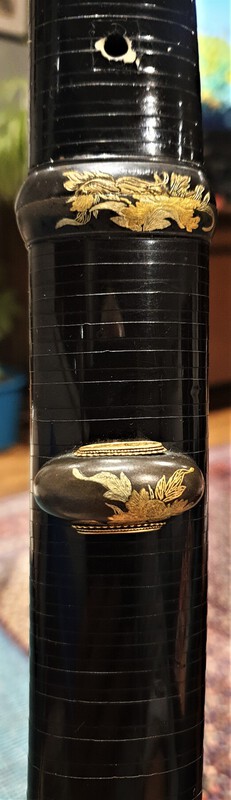
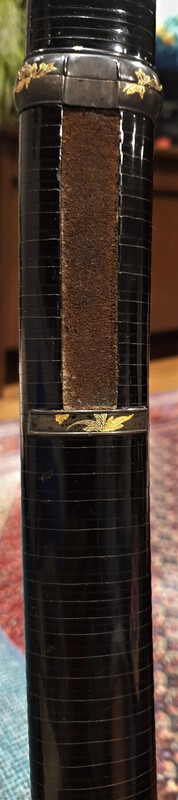
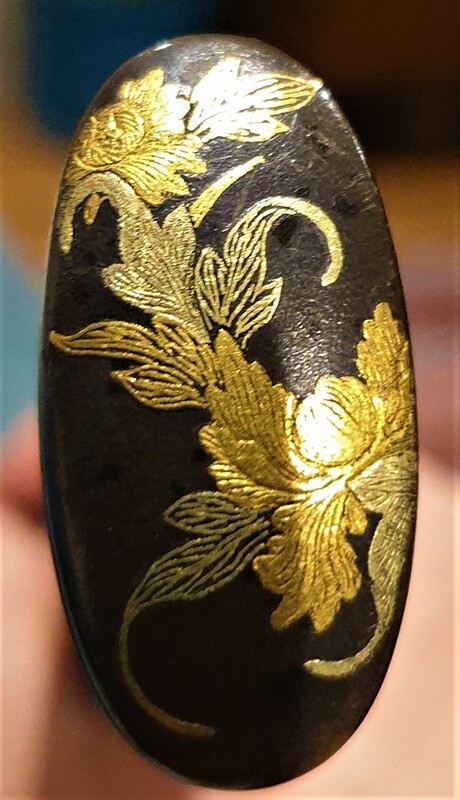
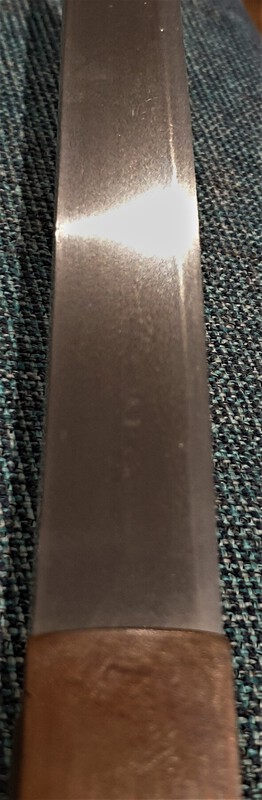 1 point
 -
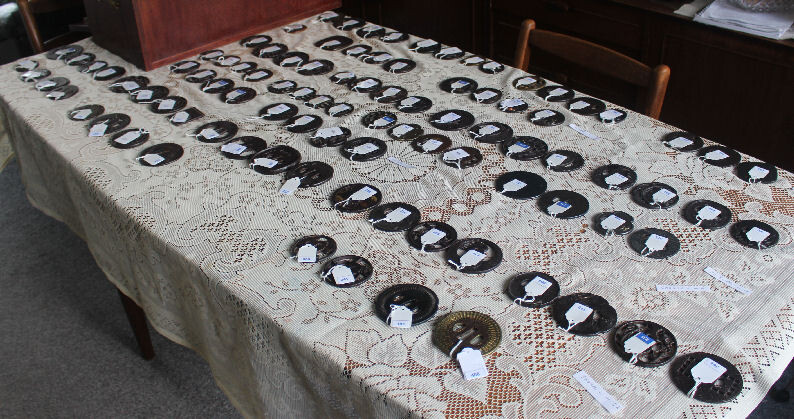
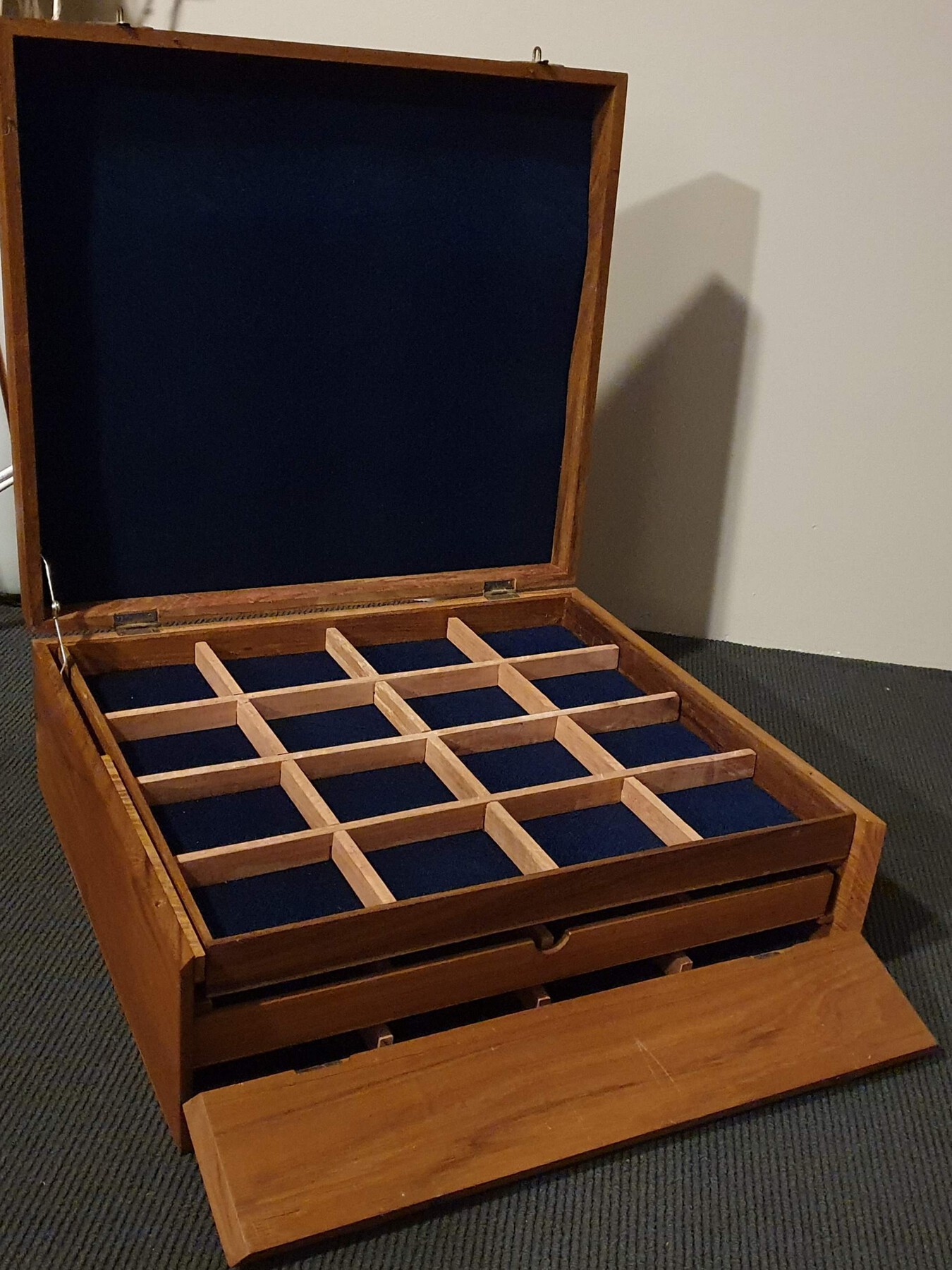
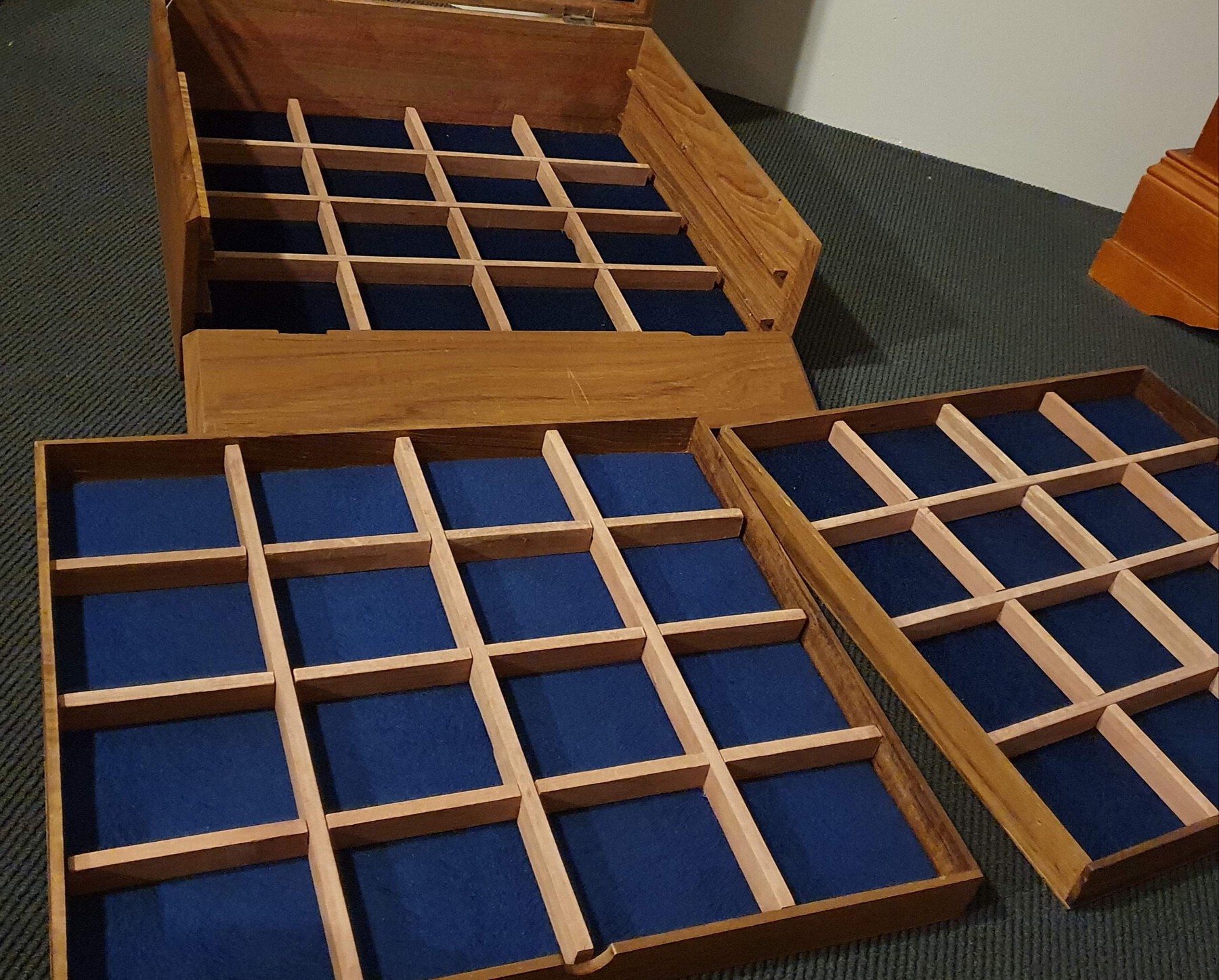
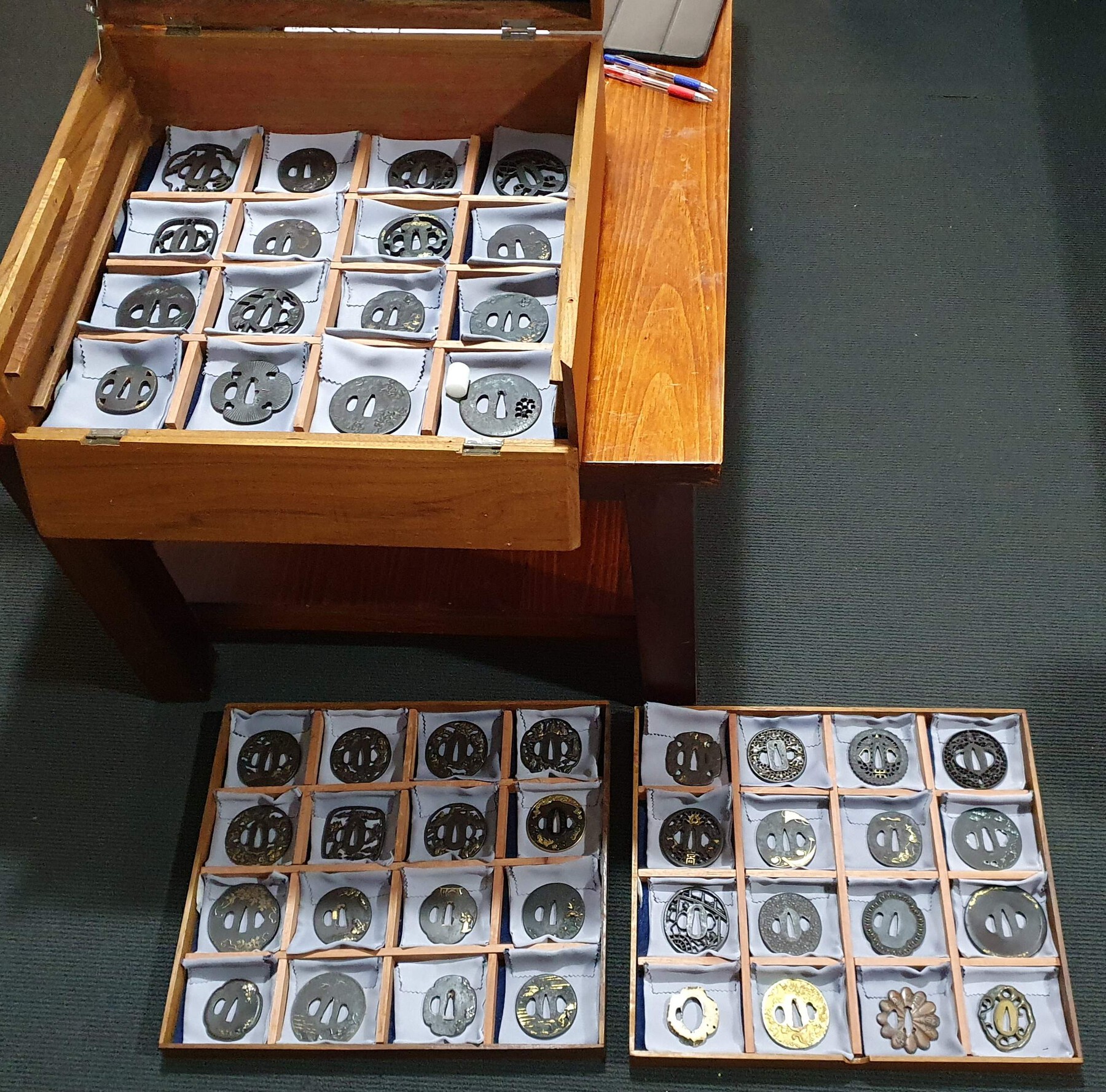
The cabinet made that was shown on the NMB by Richard P a few weeks ago was superb. This is for us lesser mortals so not in Richards league but a nice project I bought a coin cabinet that the draws were messed with and too small for tsuba so I needed to make all new draws. This was a cheap wat way to house a lot of tsuba Images in the order shown. 1 - The bought coin cabinet with 24 draws 2 - The amateur way the draws had been messed with 3 - Initial test with plywood but due to the large hole is distorted so I used MDF 4 - Shows the old draw and my modified draw. My friend had 0.56 stainless he gave me for the backing plate 5 - The original handles were chrome screws so I bought beads that were only drilled half way. I needed two diameters for the csk screws and this is how I aligned the holes 6 - The felt should have had the cuts to allow the felt to fit into the recess but it just got too fiddly so I just forced the felt into the recess 7 - The completed draw. I should have cut the felt slightly bigger than draw as when the felt was forced into the recess it pulled some of the felt away from the edge 8 - Stages of the draw build 9 - Finished cabinet that hold 98 tsuba It was a snug fit that would have been better if I used 8mm MDF rather than 9mm I tried to remove the last duplicated image but when I do it just comes back - what a pain!
.jpg.70c0126613cfc02df6d2b525387bd534.jpg)
.jpg.b07e6be15918ff9902b51438484047a6.jpg)
.jpg.d6b9340b094a279dcaed65ee090d056b.jpg)
.jpg.75f6148300a6b04e2a091350267adac5.jpg)
.thumb.jpg.561feddc901e8938cc92ffaf0c54e2df.jpg)
.JPG.28814b91cdbfe439151b99f4f65a08f3.JPG)
.JPG.cff8a8ed30899872e1bd1c265f0b2929.JPG)
.JPG.866fa4869a7f07c697c845579a295d72.JPG)
.thumb.jpg.8976aa254bf375d4efe5c74e3f5df295.jpg)
.jpg.b5340b0edc1c07b0a73138e9e7bcbaca.jpg) 1 point
1 point -
Thank you very much John. Have a great day. Just did not look crispy enough and all too blurry so thank you for your input best regards erwin1 point
-
Hi Jacques, yes, Tokubetsu Hozon Paper. Anyway, In a smith whole life, then will make alot katana, and There are differences in quality and style.1 point
-
After a second look, I agree with all of you, seems more Heianjō.1 point
-
Much better. Very nice looking F/K set. I can't say much other than how much I admire the aesthetics.1 point
-
Better? photos added regards chris colman


 1 point
 -
G'day John, That is a beautiful sword with fantastic provenance. Very jealous. Cheers, Bryce1 point
-
Thanks Ray.1 point
-
Tampa is the busiest I have ever seen it in near 2 decades. Orlando should be busier.1 point
-
Thanks everyone and Paul Bowman An exciting and educational lesson Robert M Unger Sweden1 point
-
青木甲八郎源忠勝作 - Aoki Kohachiro Minamoto Tadakatsu saku1 point
-
ummmm no. my idea when starting this thread, was so that new collecters can learn from and aspire to own and preserve the better then average gunto. sadly due to the market levels the "averge" gunto now being lookied apon as being special or rare, which i disagree with. sorry that migh sound like me on a soup box. If the idea of low class gunto section was to be born it most likey will be filled with crap you can already see on "fleabay" or heavan forbid the obvious fakes that some members cling to in hope that they are genuine, being put in. thus distorting the line between of what genuine and wahts fact for the new collector.1 point
-
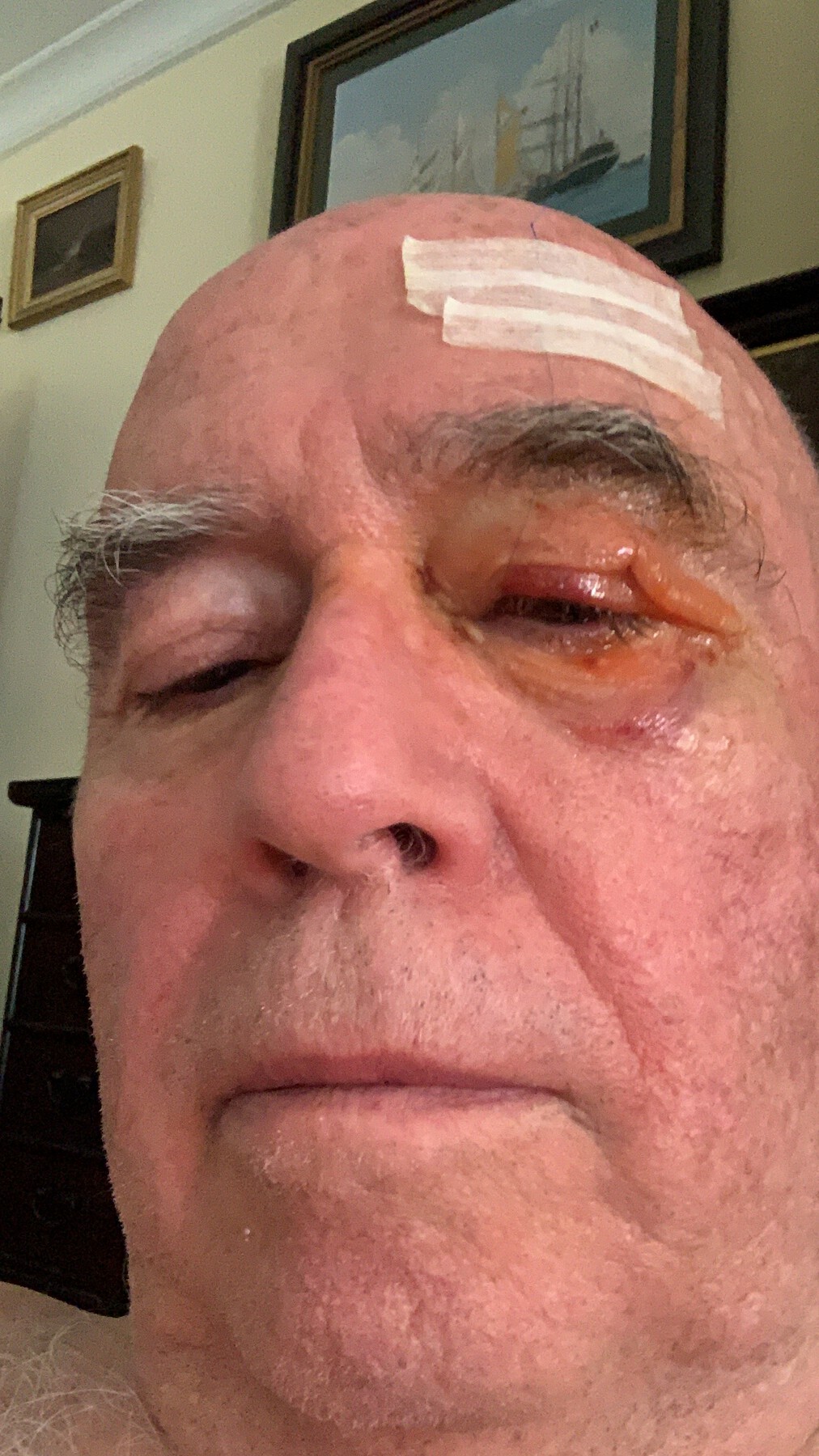
I think Nicholas that the mei is genuine. Smiths’mei are not necessarily all listed, that’s why shinsa is the best solution. If good, I would place it early Muromachi (Oei). Don’t worry for my eye, just an eyelid surgery which makes you look like a boxer at the seven round.😄
 1 point
 -
Peter, best you study up on him a bit. There is nothing legal about most of what he does. Both in Japan and in his sales. A few honest junk items mixed in with a whole lotta trouble.1 point
-
Hi Jon, I haven't bought from them recently but the importation process went smoothly, I think on three occasions, and I had no issues in terms of how the items were described in the paperwork and import tax paid. I once had to chase them over a tracking number once as there was a typo in the one they gave me but this was dealt with quickly and was easily resolved. Like Alex, I had an issue over the condition of a blade: because they scan images of their swords they have to photoshop in what is effectively a generic mune and one that I bought had a muneware that didn't show in the picture. Unfortunately, I was less than eagle-eyed and it was very fine so I didn't notice it until some time later and I didn't feel I could raise the issue with them so I'm partially at fault, but I did feel somewhat disappointed that it hadn't been mentioned in the sales blurb as it wasn't something I could see and take a view on in the pictures. They are normally pretty good at highlighting the big stuff though i.e. fatal flaws like hagiri or issues with signatures. Like Alex says, size isn't everything and take your time - there's no shortage of swords and the right one will come up before long.1 point
-
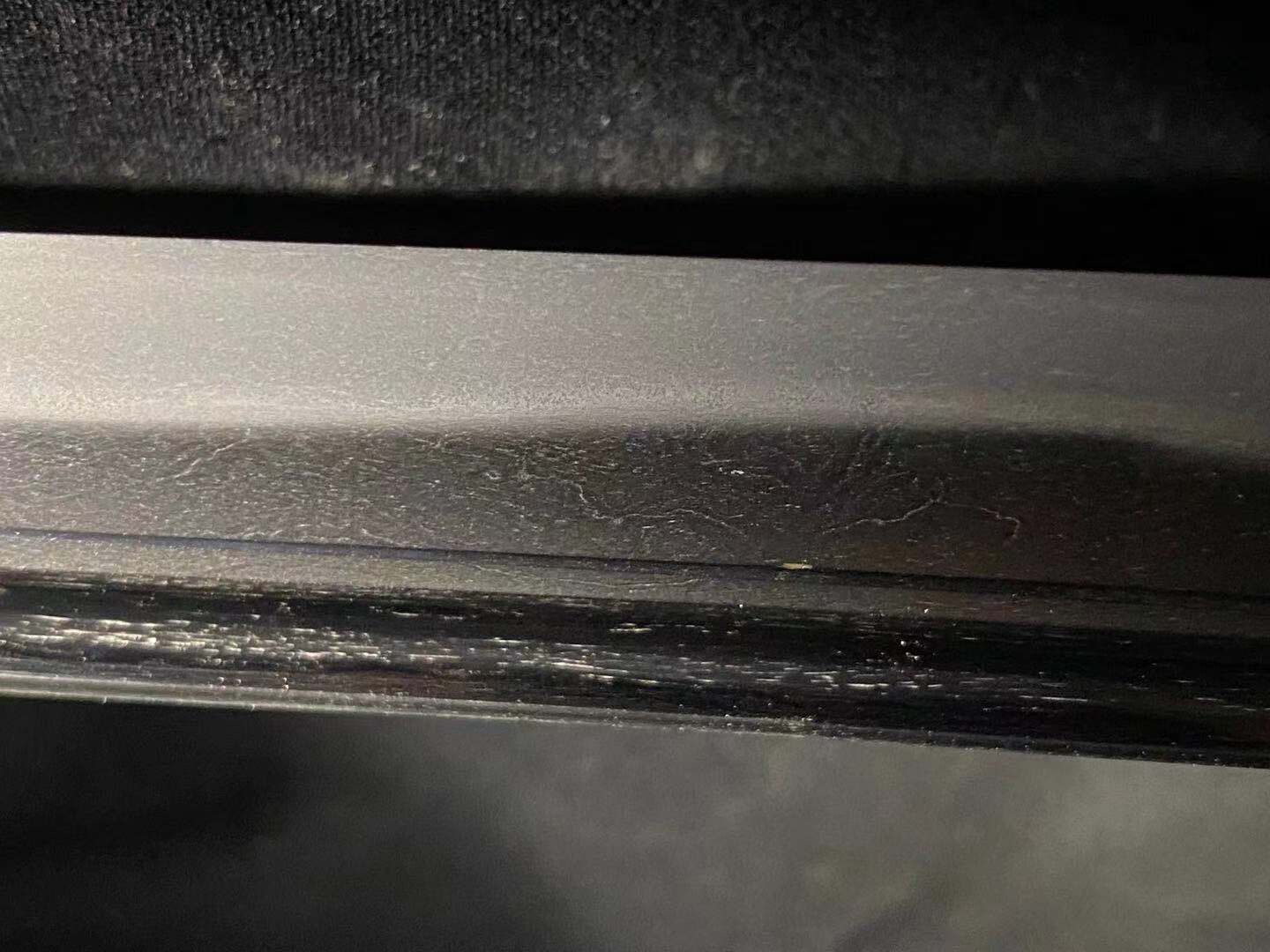
Thinking about it Jon, i did have one small issue but it was resolved quickly. Bought a sword and it turned up with some rust spots in the Bo-hi (groove), they accepted it back but shipping it back took some time and was a bit of a worry (as shipping swords ALWAYS is). I didnt study the images online as closely as i should have done. There is no rush to buy a sword, hang around for a bit and get to know what you like first. No point buying something then wishing you hadn't, as a lot of folk do when they become interested in these swords. You see some fair deals on Aoi, sometimes great deals though in the sales section below. Usually, new folk have to have the "katana", but tanto or waks can be a better option. Lets face it, you dont need a 70cm blade for study and they can be pretty cumbersome. Shipping is more awkward and then you get the likes of customs and couriers being a little more curious, maybe All depends where you shop, i am but an humble bottom dweller happy with stuff like this Tanto: Kanekishi | Japanese Sword Shop Aoi-Art (aoijapan.com) Nota recommendation, just personal preference and making the point that it does not need to be so expensive. No papers, no need, good saving. Nice signed blade, nice fittings., small, easily studied, easily shipped, happy days. Have fun!1 point
-
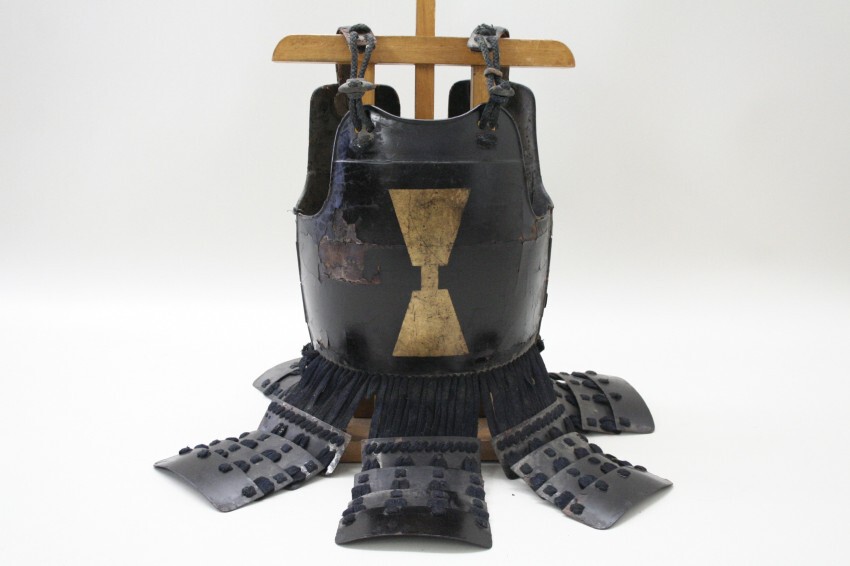
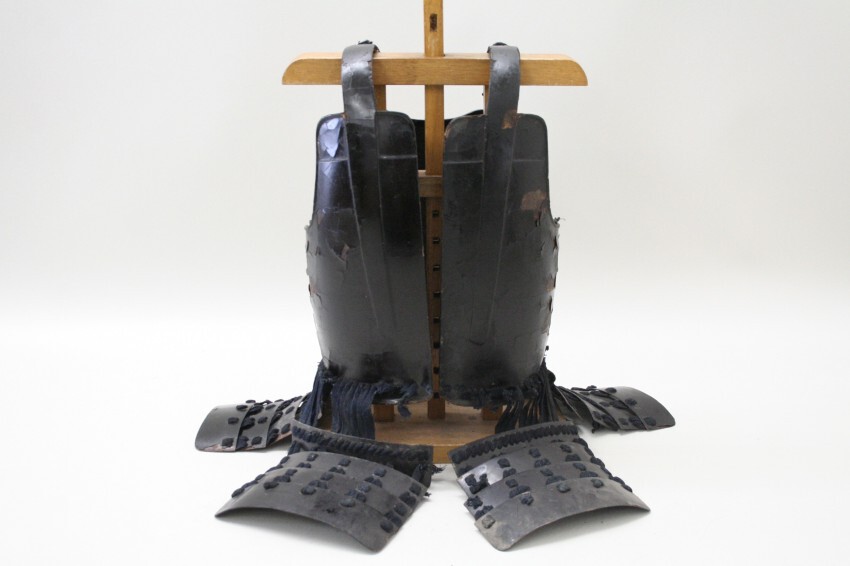
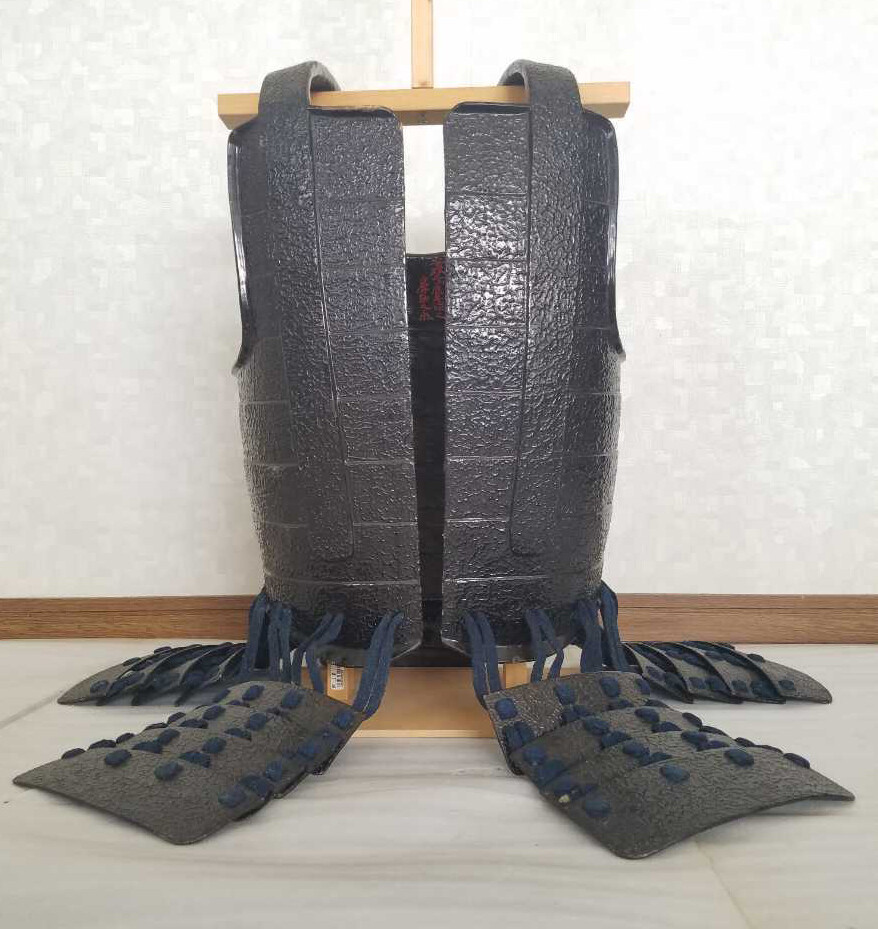
The Dou, all alterations aside is actually quite interesting, a relatively uncommon form, these Dou are essentially munition/Okashi grade items. The reason it is signed is because the Iwai were often tasked with and responsible for repairing and refurbishing Okashi armour in the Edo period, this is also why there are so many examples of mediocre armour bearing the Iwai inscriptions. Below is an example of similar style of Dou, and another that has an Iwai inscription that sold recently on yahoo. These examples are more indicative of what the Dou originally would have looked like.


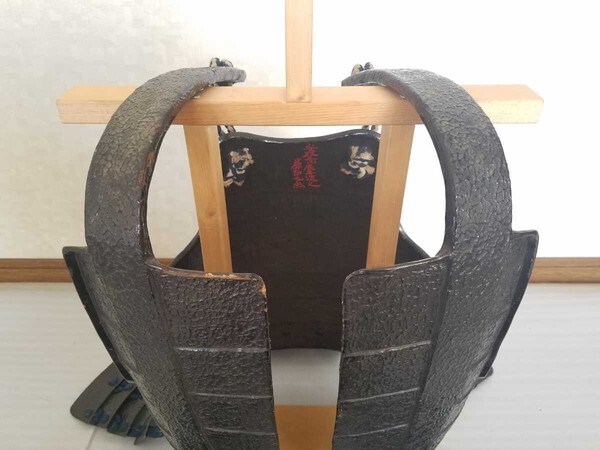 1 point
 -
The lacquer damage is consistent with the holes being drilled after it was lacquered, generally the surface would be lacquered and then the fittings added (this would be true even if it was refurbished in period). That fact that no lacquer remains intact around any of the fittings, that some of the fittings punch though part of the inscription, that there is evidence of other post period modifications all indicate that there was likely never any fittings originally and that the current fittings were likely added post period.1 point
-
Hello everyone-- I did a brief review of this book in another thread 9 days ago. Reposting it here: I received the “Sho-shin Index of Swordsmiths & Price Guide”yesterday. This is the first volume of Robert Cole’s long awaited book series on Japanese sword appraisal. This is a handy reference handbook for Nihonto collectors. It is not a picture book with pretty pictures of Japanese swords and beginner’s information on Nihonto. If you do not own at least the intermediate level references Toko Jiten by Fujishiro and the Toko Taikan by Tokuno, then this reference is not going to point you to any comparative oshigata or signatures of swordsmiths. The primary component of the book is 76 pages of single line listings of swordsmiths by name and kanji, along with 9 columns of useful information. This information includes the smith’s generation (if needed), working era, province, and page numbers if listed in the Toko Taikan, the Toko Jiten, and Hawley’s. Also listed is a rating of the smith using Fujishiro’s Chu-saku through Saijo-saku ranking system. Of use for comparative pricing is the column listing Tokuno’s “Man-yen” rating for the swordsmiths listed. There is a helpful section in the book listing swordsmiths by title; there are 49 smiths listed that had the Izumi-no-kami title and only 4 that had Totomi-no-kami for example. The titles are written both in Romaji and kanji. There are two listings of Nengo; one alphabetically (Romaji) and the other chronologically with kanji. One interesting listing I don’t recall having seen before is an alphabetical listing in Romaji for a spoken word, such as “Nori,” and the kanji that are associated with it. Apparently there are 9 kanji that can be used for Nori. Who knew? There is a Nihonto glossary and some other handy things in this book, but the author’s primary focus was on listing the swordsmiths’ data. If you want quick access to the information available in this book, you will find it very useful. If you are just beginning to learn about Japanese swords, then this book is definitely not for you. Bob Gilmore1 point
-
Komonjo sells real and fake stuff. He is a serious case of "caveat emptor." You can find some real nice stuff from him rarely, but you can also lose your shirt trying to do so. He has no scruples with selling whatever comes his way. However, he is fine with taking returns. I dealt with him once and he made that very clear that he'd do returns if I were unhappy. This is not me giving my approval for what he sells though. If you buy from him, be aware of what you're looking at.1 point
-
I had resisted the urge to add further to this discussion. Modified Japanese bayonets are anything but rare, but I had never seen what looked to me like a Japanese style modification so I thought it might be a worthy addition to our assembled understanding of WWII era cutlery. The world was awash in Arisaka bayonets as the War wound down and this sorry weapons suggested to me that bored American lads were NOT the only ones exploring ways of using them. Could this have been made as a homeland defensive weapon – up there with pointed bamboo sticks? We’ll never know, I suppose. But then this discussion took a turn toward character assessment of the seller. I do not know Komonjo-sama. And I certainly don’t know anything about the other purveyors that sell stuff on eBay. But with sincerity – and even respect -, I think that modern sword collectors ought to look closely – and even positively – at Komonjo-sama’s wares. It looks to me like he has dependable access to (among other things) real and true Japanese junk. Japanese society is well organized, in swords and everything else. When blades surface in Japan, they are assessed, judged, and moved to the right market. It looks to me like Komonjo-sama gets ahold of stuff that has surfaced and been assessed AND cannot find a market in Japan. The Japanese antiques system has figured out that in Japan this is scrap iron. Discard it…, ahh, BUT wait! Greedy, naïve, or optimistic Americans seem willing and able to buy it. Hence, Komonjo – his prices are low and his descriptions seem all right. He makes no bones about it. Anyone who would buy Komonjo-sama’s low end stuff assuming that it is ‘good’ is either a gambler, or foolish. BUT somebody IS buying his blades. Once those blades get to the New World, they will show up in auctions and gun shows and the next generation of emergent collectors will not know their history, but will have heard the stories of “barn finds.” Bargain hunters will buy them, “clean them up” (OMG!) and very likely come to the NMB to “ask advice.” Peter1 point
-
Left side supposedly says 三郎左衛門 Saburō Saemon (according to an auction site that was selling this) I can't see anything other than the 三, and maybe the lower part of the final character 門. The auction site said Saburō Saemon was the son of Genbei, and that this was a gassaku (collaboration). An internet search showed that there was a set of armor by Genbei which was shown at the Hikone Castle Museum as part of an exhibit of the collection of Daimyo Ii Naoaki. No idea if it was this particular item or not. https://hikone-castle-museum.jp/cms/wp-content/uploads/2016/10/ab1b40f40d8aa3c6a1366da4a3587ae0.pdf1 point
-
I saw that, gut feeling is that it is indeed a broken bayonet someone has cut up to fool the uninitiated. Being that Komonjo is selling it, that is likely the case. Someone got taken for about $200, a real shame that.1 point
-
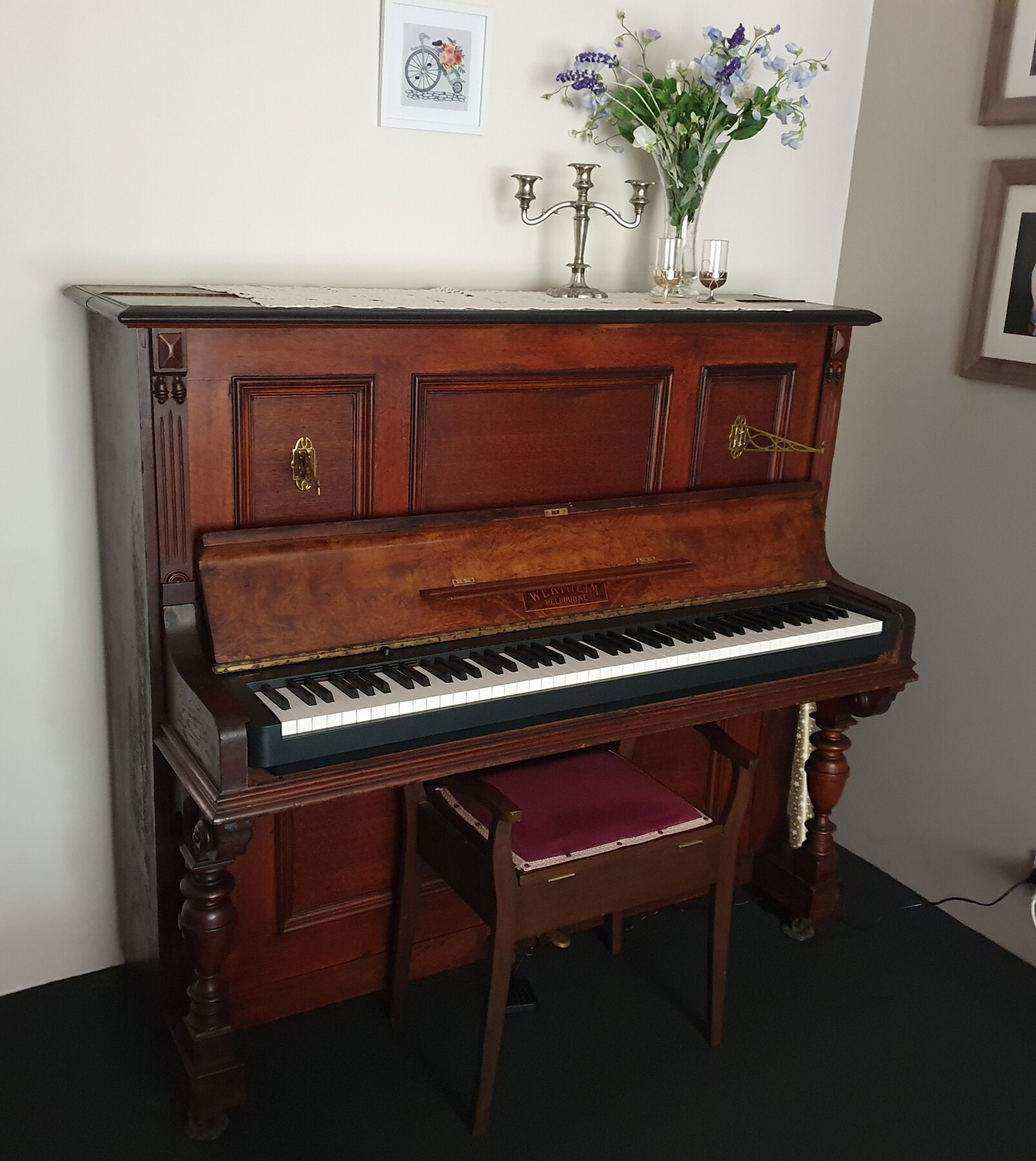
I love it Grev, well done. I'm very passionate about up cycling, I have have literally hundreds of examples I've done, although I don't have pictures of many on hand (two pictured below though), I have done at least 5 other storage boxes for Tsuba sized collections. I don't want to deviate this thread from your excellent drawer, but one of the last up cycles I've done has been for my wife. I won a 1910 Australian Wertheim piano, but full restoration was prohibitively expensive, so instead of re-selling for parts or scrap, I decided to retro fit a new casio s150 digital Piano into it. Up cycling an old piano to a newer old piano??

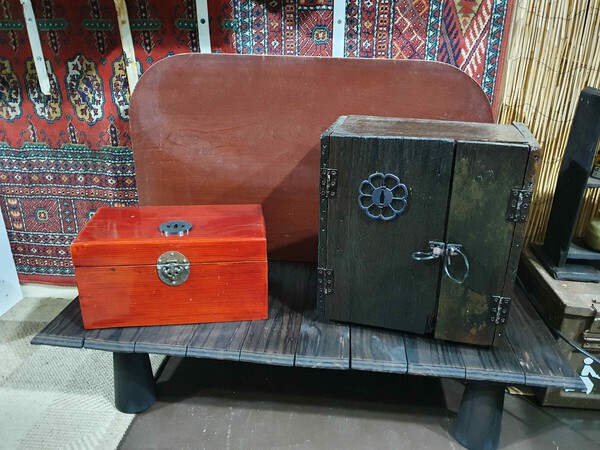
 1 point
 -
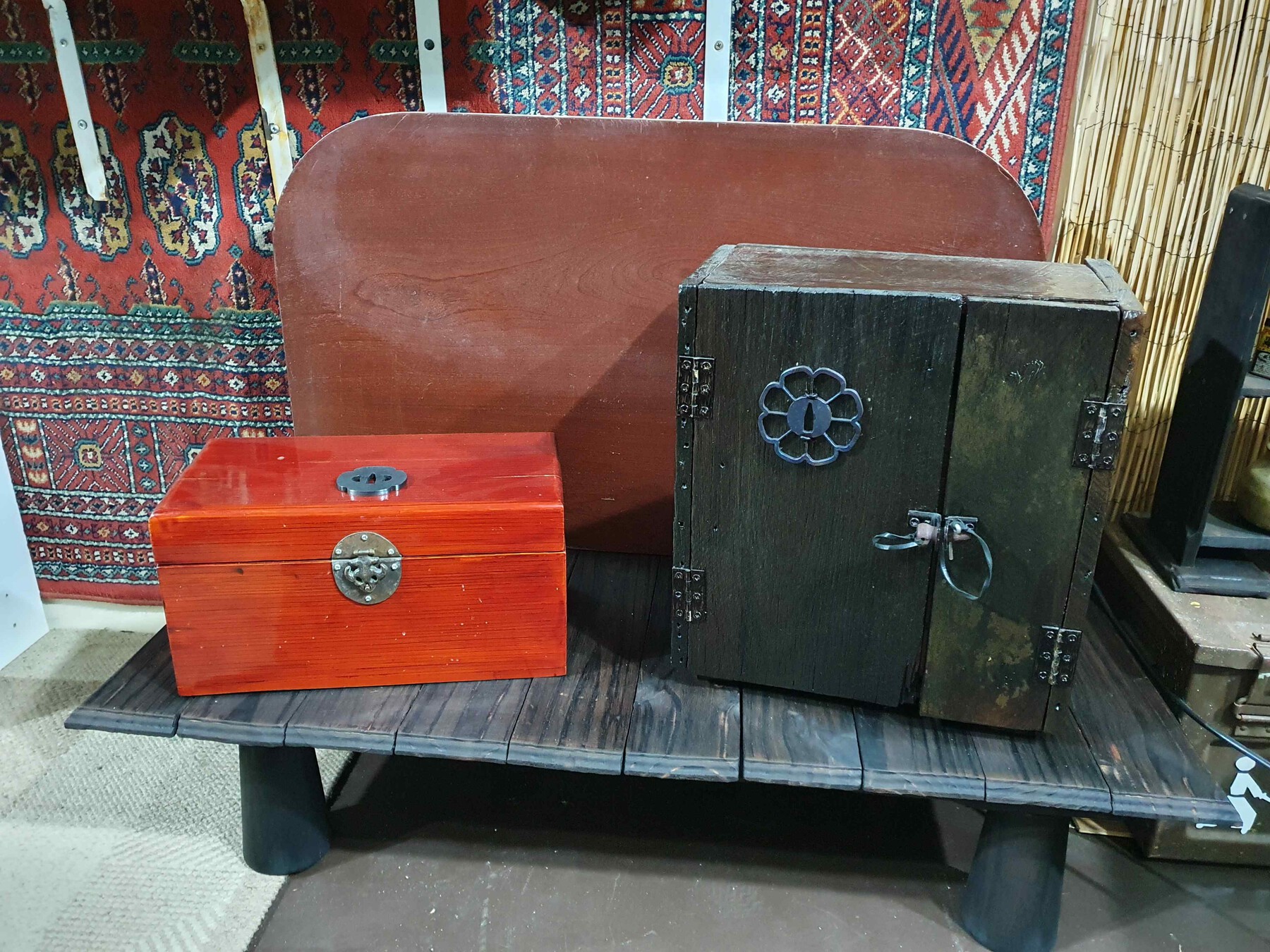
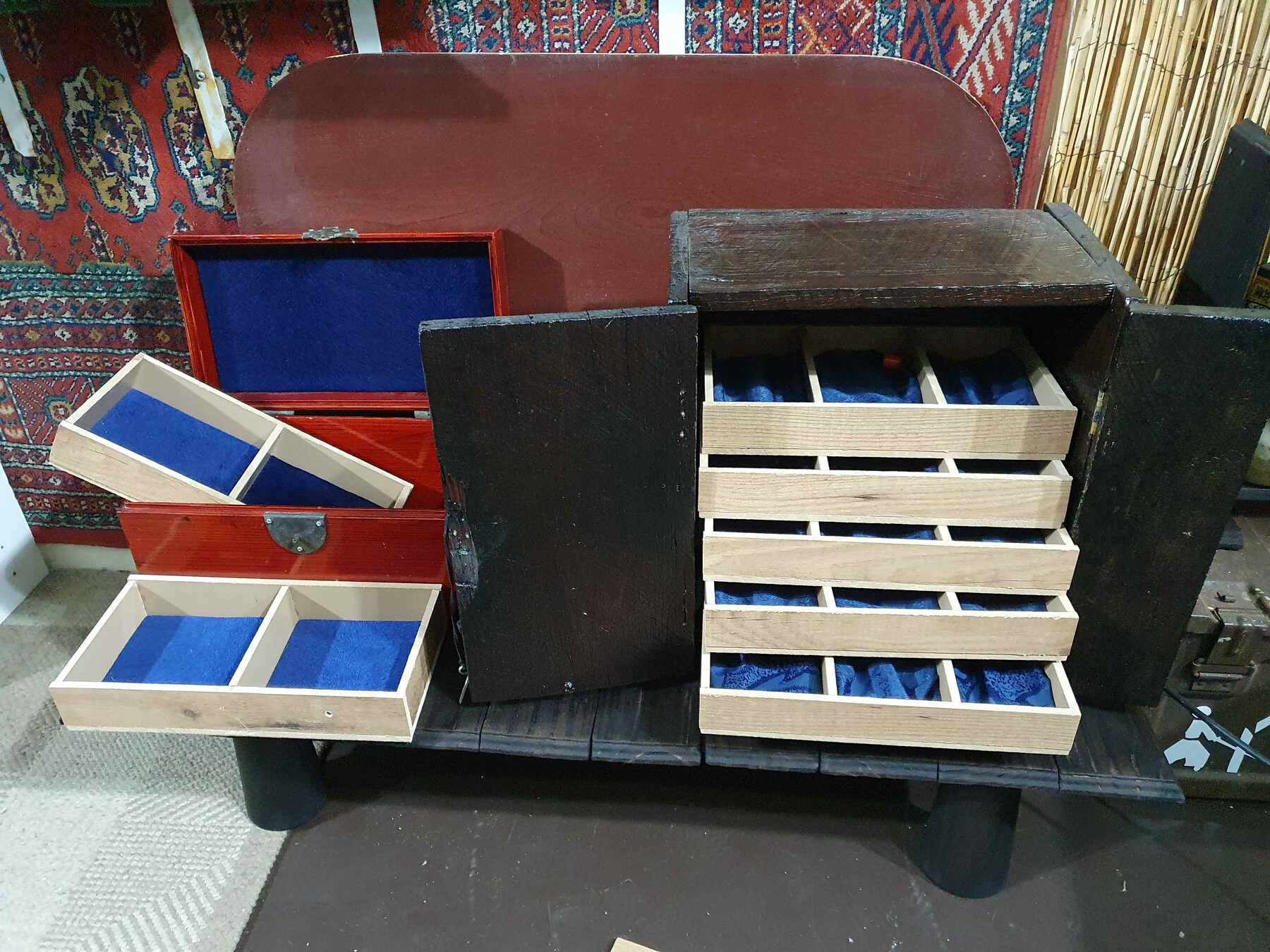
Nice comments - thanks. I think upcycling can be done with very little skill as shown in my box. I forgot to say that I buy pre-glued felt as the first felt I glued myself but the glue showed through the felt - not nice Nice box Stephen. Amy more upcycled items? Now my cabinet has been completed I can remove some tsuba from my wall cabinets as they were way over crowded These are ready to go back into my wall cabinets and look much better as there is more space to see them This was my first box for carrying my tsuba and kozuka about especially to fairs. It was charity find children's tool box that I made draws for and added handles and veneer to the top. Soon it was too small but still usedful Second cabinet was a cheap eBay buy that was very poorly made. First a rub down, a light stain then and added the partitions. These hold my for sale tsuba and I take it to fairs as it holds loads of tsuba

.thumb.JPG.4083a4575733e248d2a6c2d216fd515e.JPG)
.thumb.JPG.e19220c187d85443b8f0b55107f2dc38.JPG)
.thumb.JPG.d60b95856fd5e4d9e014517038cd4e93.JPG) 1 point
1 point -
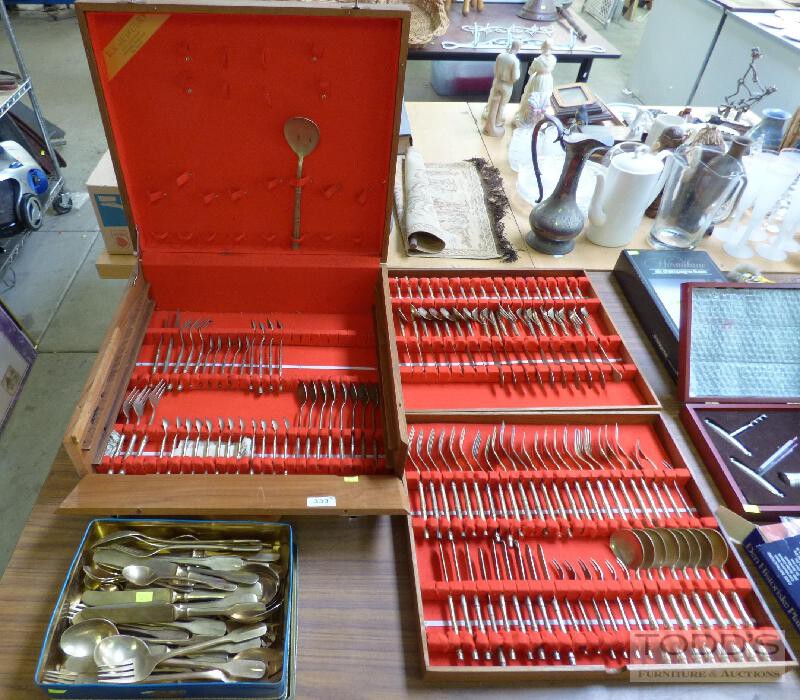
excellent Grev, very good job! I am also another fan of up cycling. I did my own version with an old cutlery canteen I won at auction very very cheap. I removed all the old linings and re-installed some new velour replacements, created some timber partitions and then sewed up some little fabric baggies (light blue shown under the guards). the front was "decorated" with a few metal Tsuba looking things too. admittedly the Tsuba are on display most of the time, but it has been great for moving the collection or safe housing when needed. not as nice as your own, but it does the job cheers
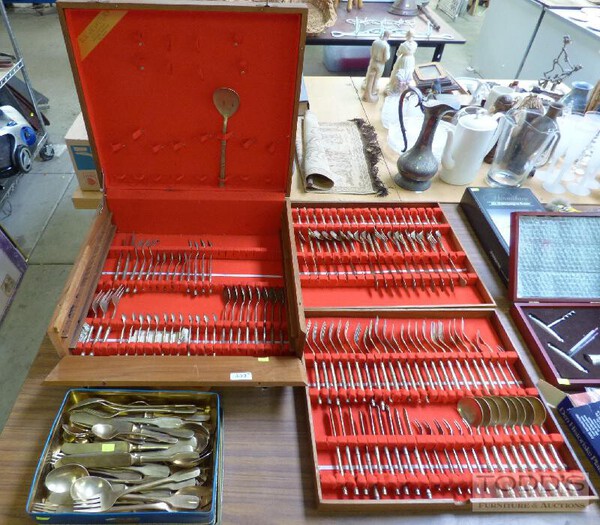

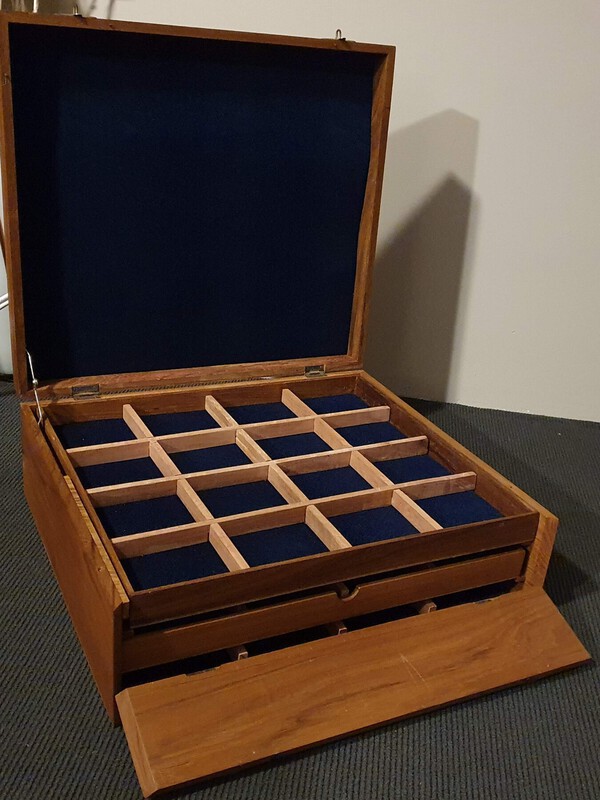

 1 point
 -
片山則房 長貳尺三寸四分 表裏樋磨上無銘也 代金百五拾枚 明治十四年晩冬鑑定同十六年一月記之 本阿弥長識 Katayama Norifusa Nagasa ni-shaku san-sun yon-bu Omote Ura hi. Suriage mumei nari. Daikin hyaku gojū mai Meiji jūyon-nen bantō. Kantei dō jūrokunen ichigatsu kisuru kore. Hon'ami Chōshoku Katayama Norifusa Length of 2 shaku, 3 sun, 4 bu Groove on both sides. Shortened, mumei (unsigned). 150 gold "mai" Appraised Meiji 14 (1881) winter. Recorded Meiji 16, January. Signed Hon'ami Chōshoku1 point
-
Not bad at all. I would say On the occasion of enlistment upon the outbreak of the Great East Asia War, early spring. (My guess would be 1942?) Over 380 yen was collected through the sincere efforts of the townspeople of the hometown, and we hereby present this to you: Oura, Saga. Shōbu Michisaburō (could also be read as Dōsaburō).1 point
-
Dear Steve Thanks for the kanji. I did try to translate but not sure if I am even close. Please no laughing. On the occasion of the greater east asia war enlisting at the outbreak in the spring. Shōbu Michisaburō of Saga, Ōura was awarded this sword by a sincere old hometown villager after gathering 108 yen. please let me know how bad is this translation. thanks david1 point
-
When followed by Ju, it means 'living in'. 備前国 Bizen Koku, the Bizen region, Bizen. 備前の国 Bizen no Kuni, the region of Bizen. See 日本国 Nihon/Nippon Koku, (not Nihon Kuni, although you could imagine a missing の and read it Nihon no Kuni).1 point
-
Correct. Kuni/Koku just means country.1 point
-
Hello Nicholas, 3rd post down1 point
-
Harim no kami Teruhiro saku. My head hurts. Thank you for nudging me along.1 point
-
Thanks Mark. Jean, I meant to say thanks for sharing your two tsuba, both very nice.1 point
-
Yes, your reading is correct. 国(or 國 in the old/unabbreviated style) can be read as both kuni or koku depending on context. Usually its read "koku" when it is part of a compound word, and "kuni" when it is a stand-alone word. In this kind of mei, it acts as a stand alone word, appended onto the province name, which in this case is Yamashiro-no-kuni (the country of Yamashiro). The "no" is abbreviated in the mei, but is understood from the context.1 point
-
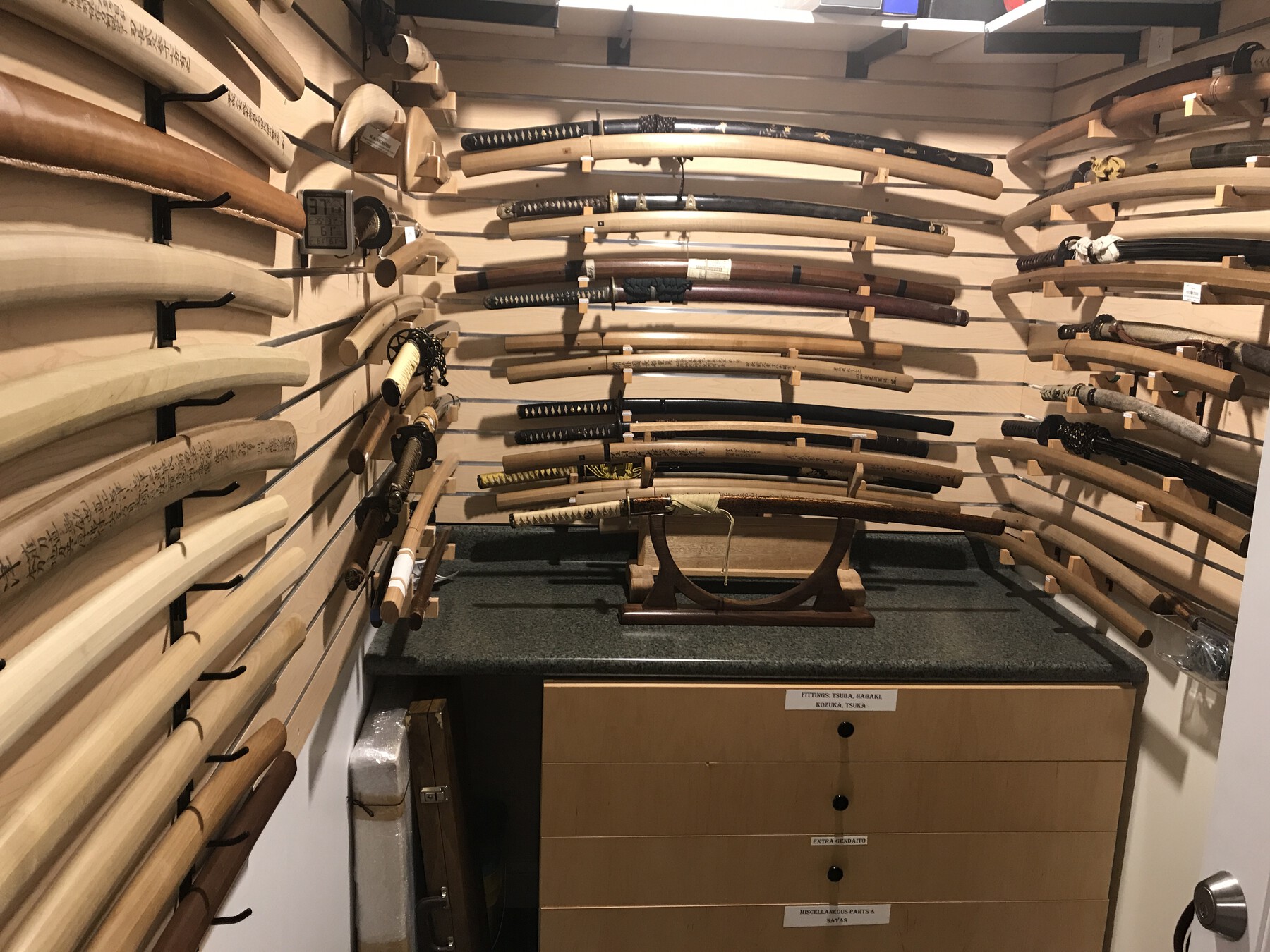
I built a fire proof lined vault in the man cave and lined it with slat board. Then we got to work in the shop and made wooden, stepped brackets which allow a blade in shira saya to be displayed adjacent to the koshirae. Blades having just shirasaya simply rest on slatboard hooks. I’m now gradually repositioning blades and grouping them by eras, and schools which is useful for study purposes . jim
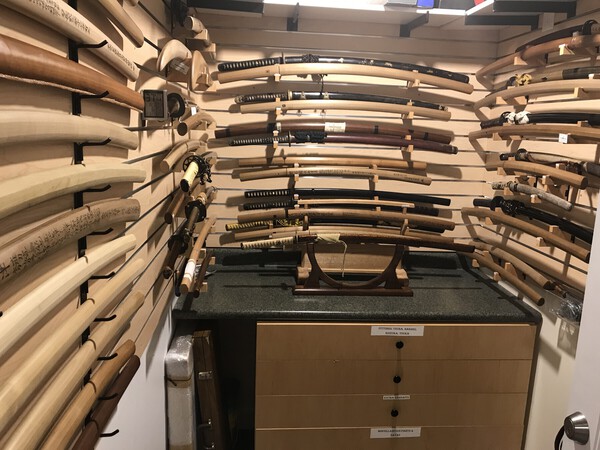 1 point
 -
The answer depends on the country. Some countries have a minimus (amount below which they do not charge import duty). Some countries charge a VAT or other tax based only on price. Some items may be duty free e.g. antiques over a certain age. Some items are charged import (duty) fees.1 point
-
The little Tansu in my study room.
 1 point
 -
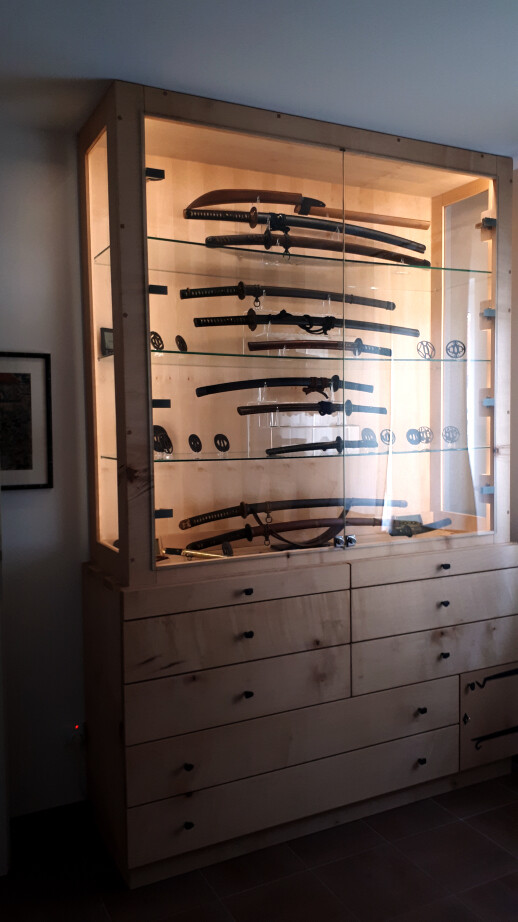
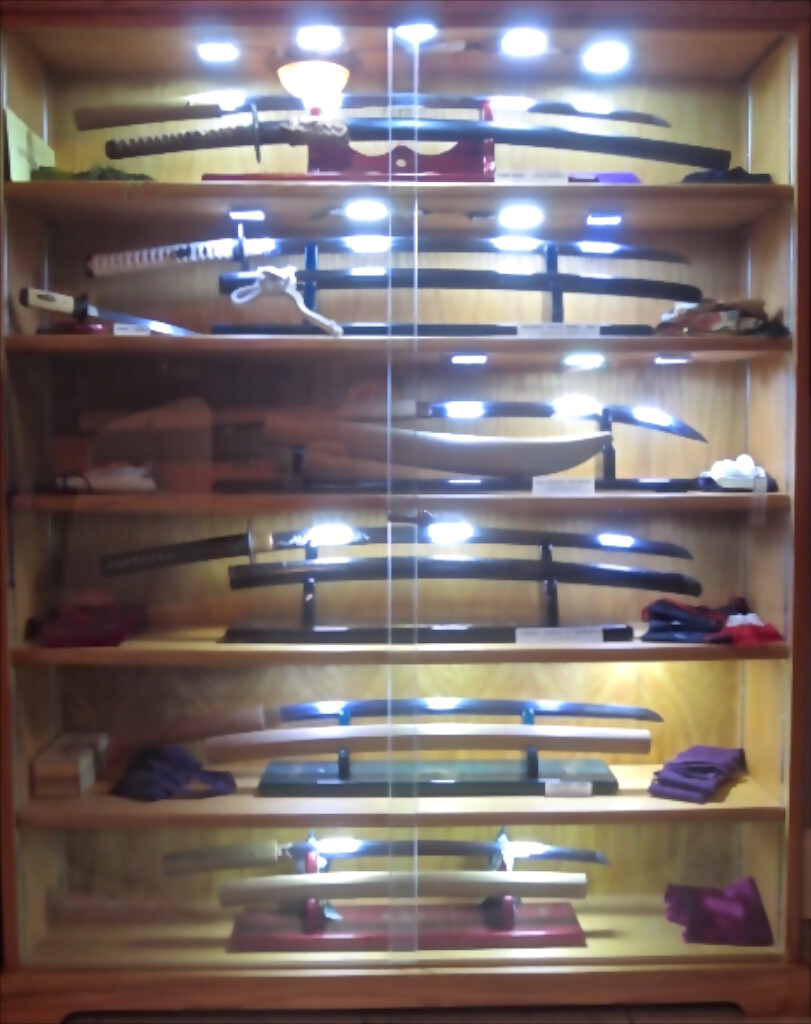
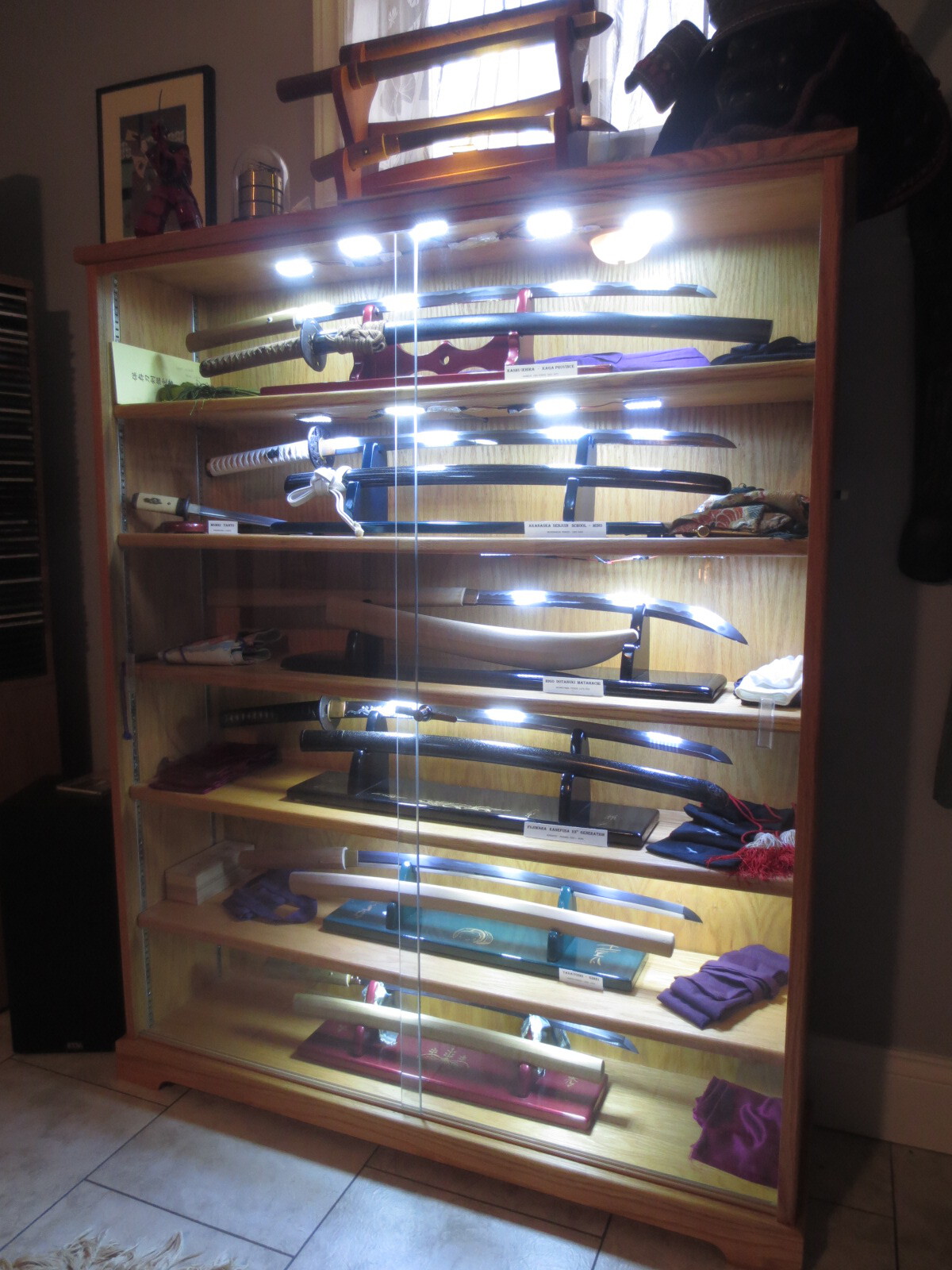
Custom case with dehumidifier and locked glass front doors - over blade LED lights and I can sit and look at them all day !!

 1 point
 -
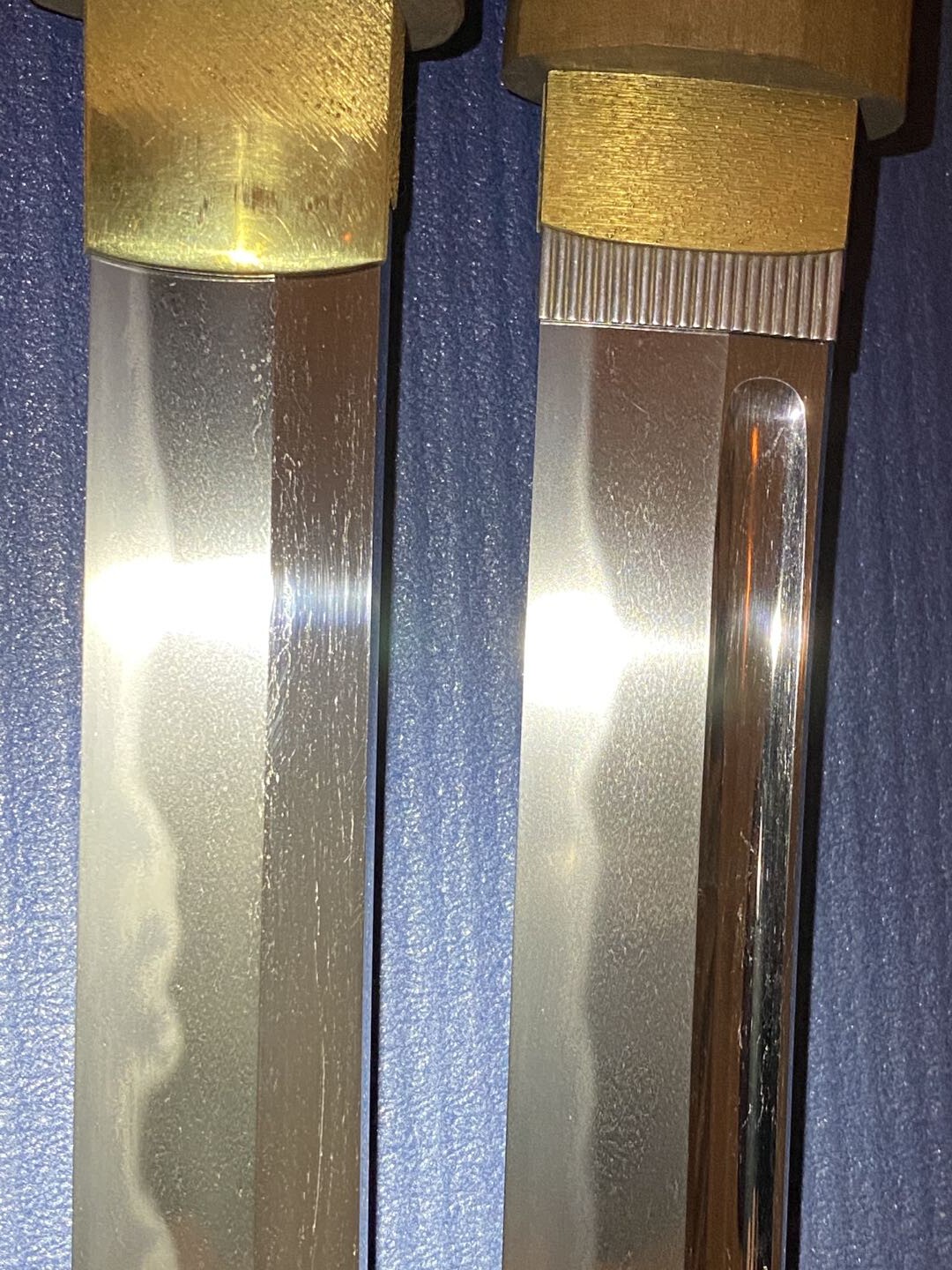
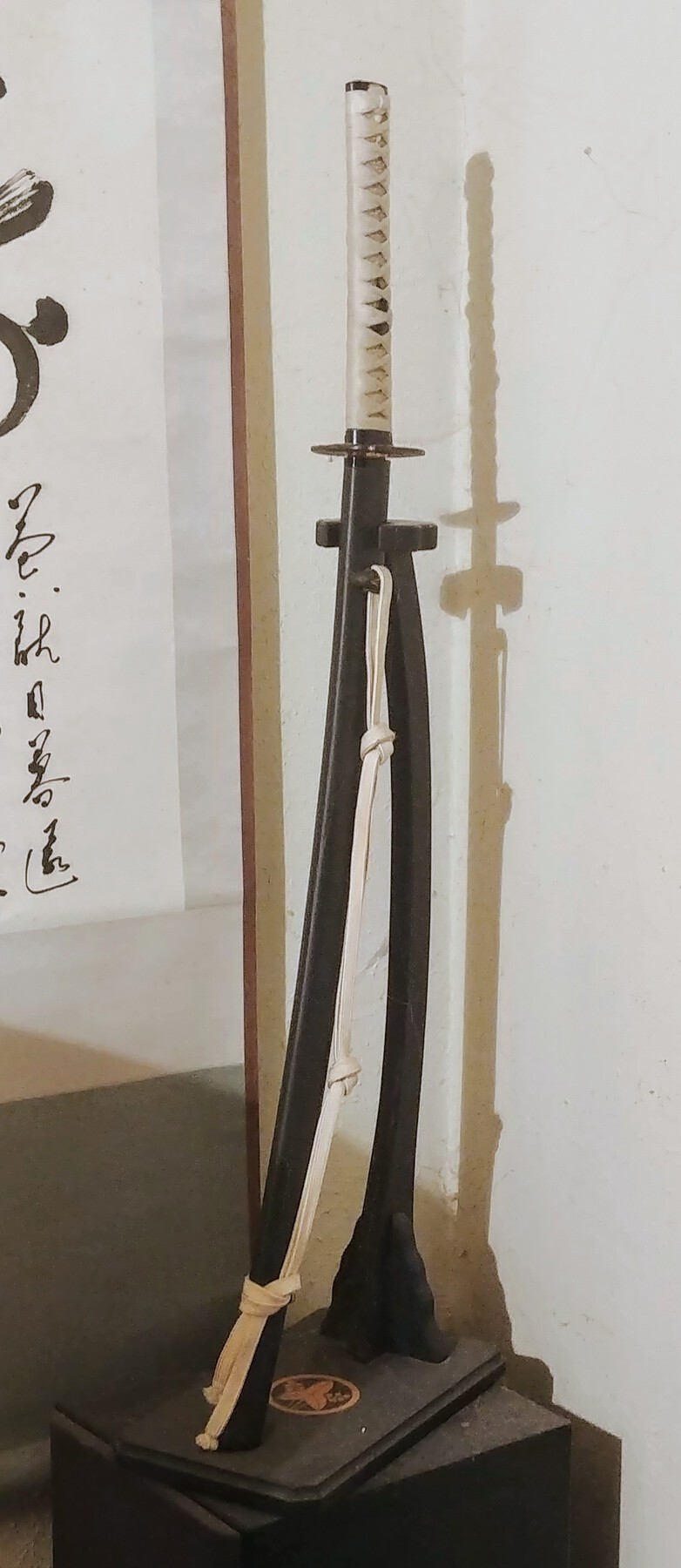
The bottom sword doesn't rest ther it was out to show the sori...it has its own stand

 1 point














.jpg.63d575236651b055edc22bc9e9d662fb.jpg)
.jpg.80b283ff59d22f72bec5a4d878b11474.jpg)













.JPG.9ac4c71f8e31fc5d9574075c9d0ce145.JPG)
.JPG.31bd0350505782c33385cce4a3999f6c.JPG)
.JPG.b99e523365276440ab065e1799ad2446.JPG)







This leaderboard is set to Johannesburg/GMT+02:00