SalaMarcos
-
Posts
147 -
Joined
-
Last visited
2 Followers

SalaMarcos's Achievements






-
Dear Colleagues, Recently I visited a tsubakō that ask me to help him for sale his tsuba works. He's Mr. Ōkawa Chikō renowned artist winner several times of Tōken hakubutsukan contests, and also 18th generation of Edo-Itō school of tsuba artists under the name Itō Masanori also received the artistic name Tōhōsai Masami from his sensei, which dates back not only the Itō school but also Ametani Jyūmin line which is related to Unnō Shōmin. Prices are between 300.000 and 500.000¥ depending if there's so much gold in or if the tsuba won a first, second or third award at Tōken hakubutsukan. Serious customer interested in, please PM me. Best regards,


-
- 5
-

-

-

[JP] Fuyuhiro mumei sword for sale
SalaMarcos replied to SalaMarcos's topic in Swords and Edged Weapons


-
[JP] Fuyuhiro mumei sword for sale
SalaMarcos replied to SalaMarcos's topic in Swords and Edged Weapons

-
[JP] Fuyuhiro mumei sword for sale
SalaMarcos replied to SalaMarcos's topic in Swords and Edged Weapons
Don't know why the message didn't show, I'll try again -
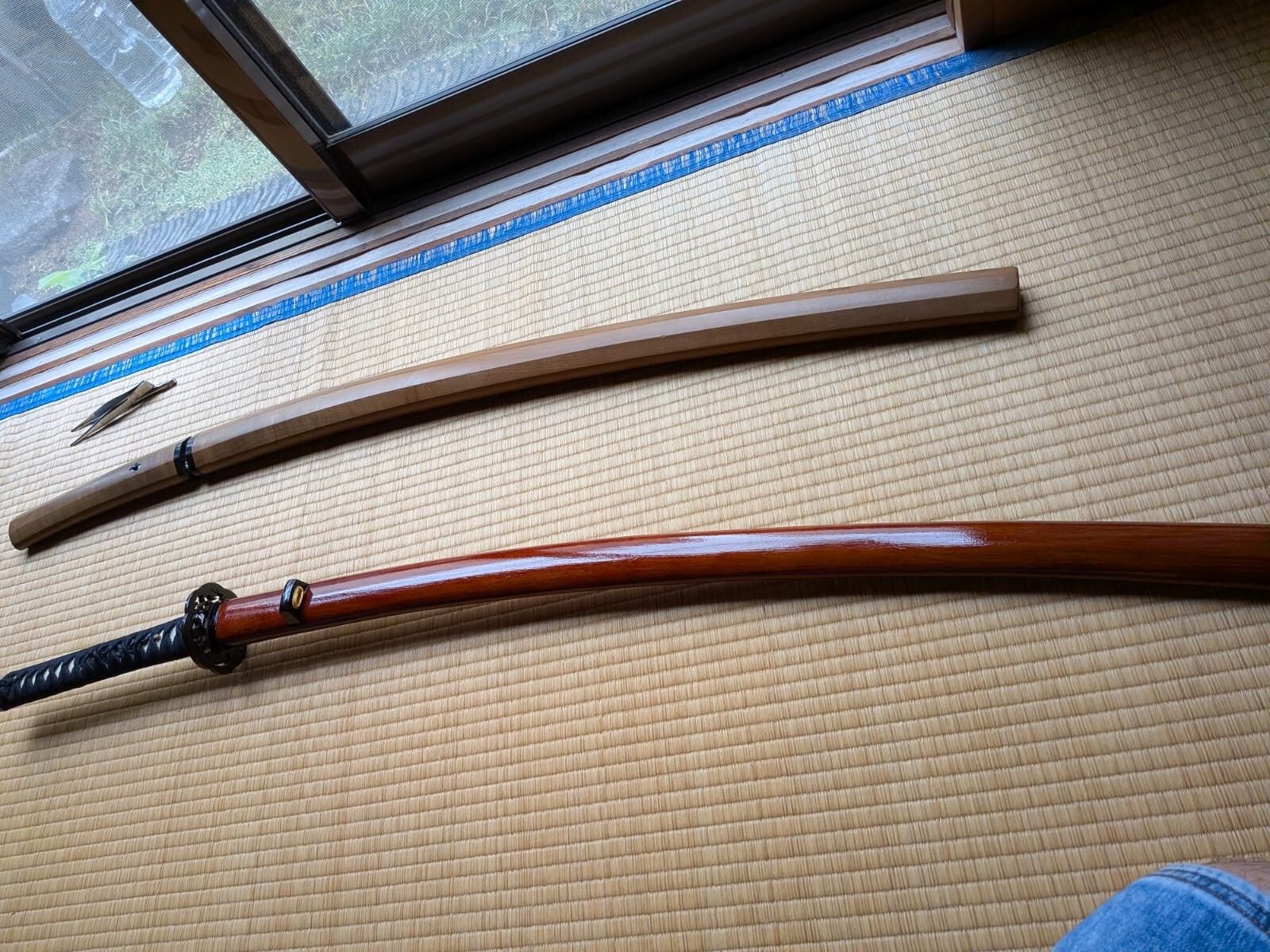
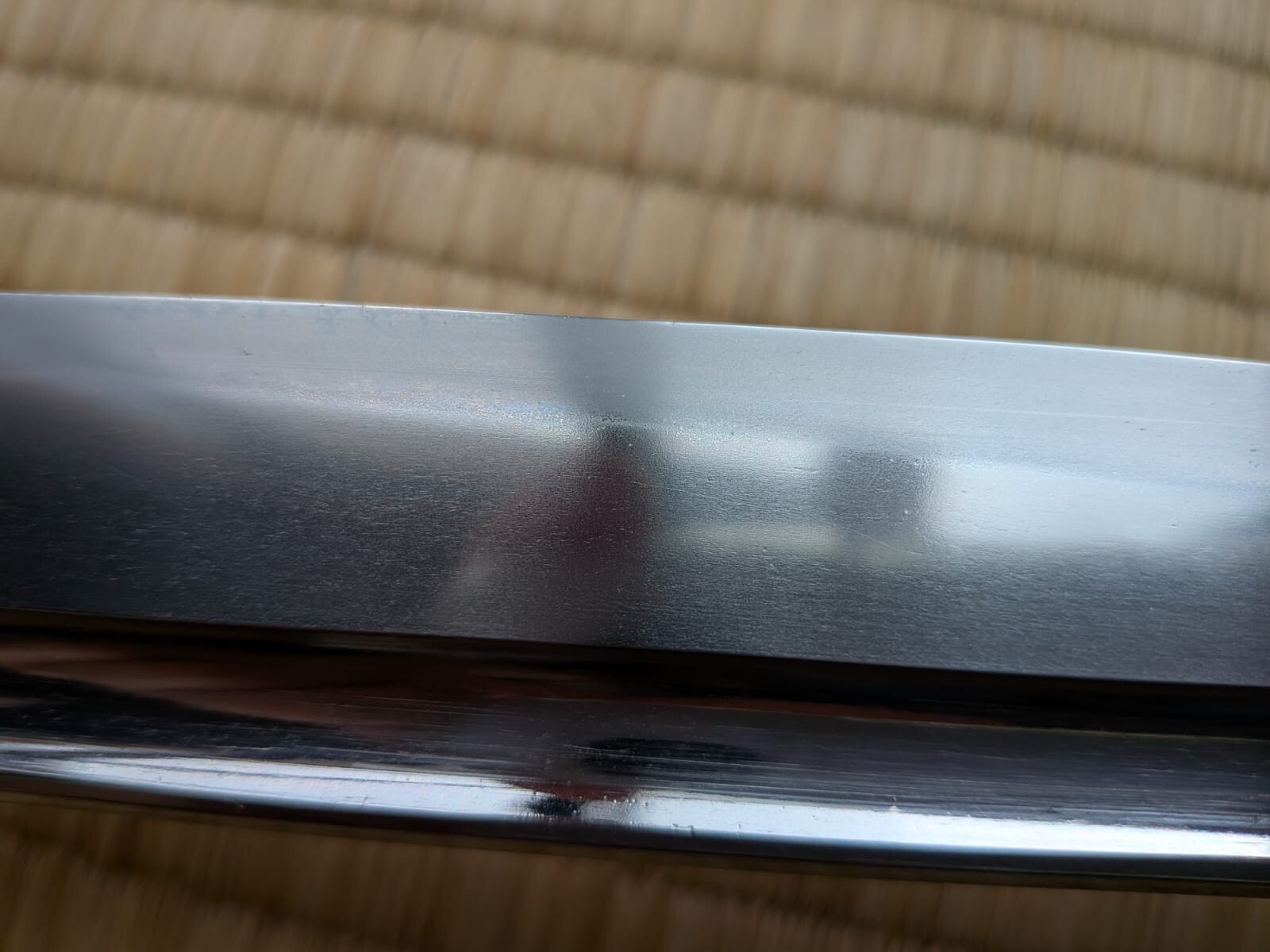
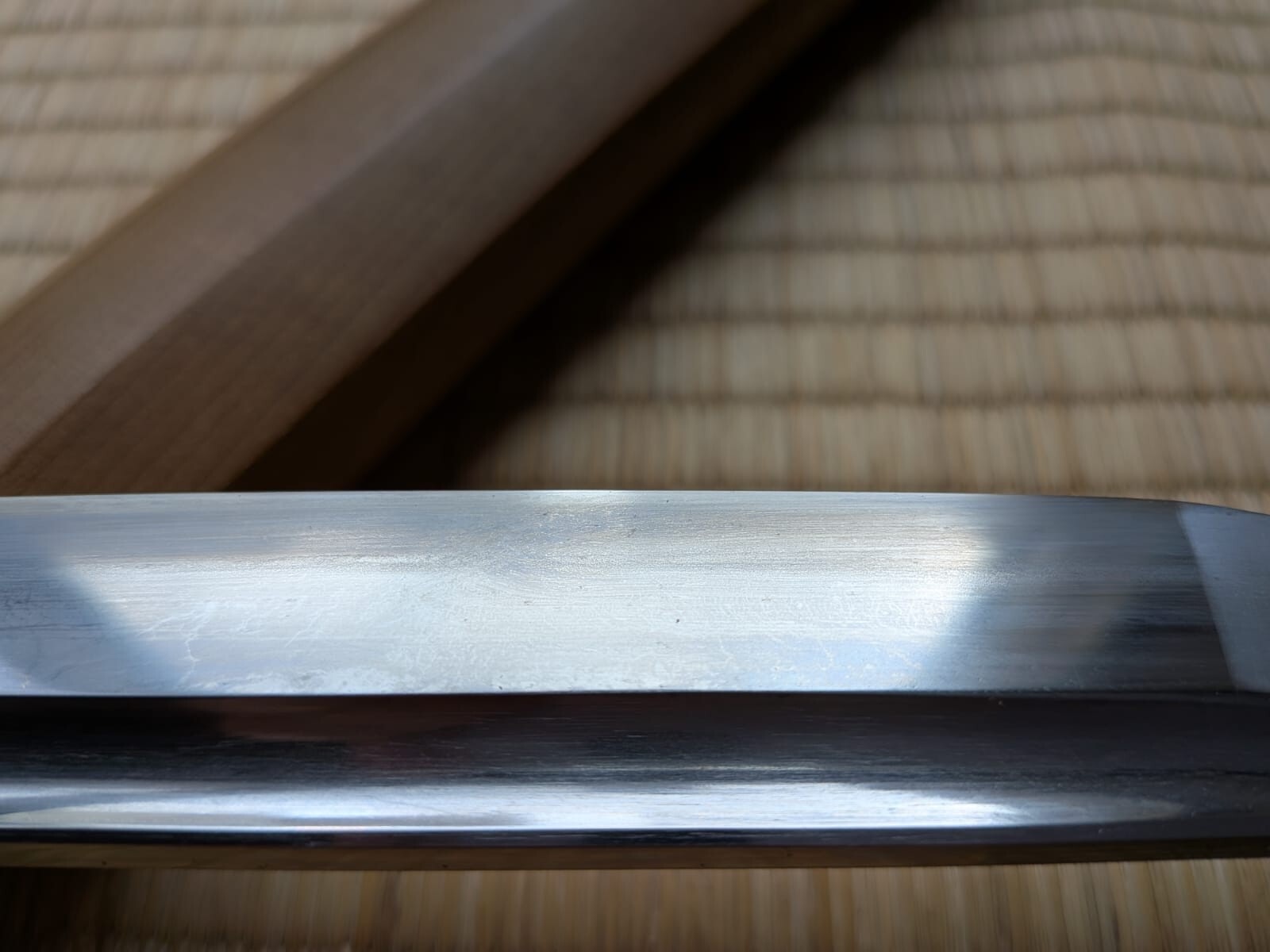
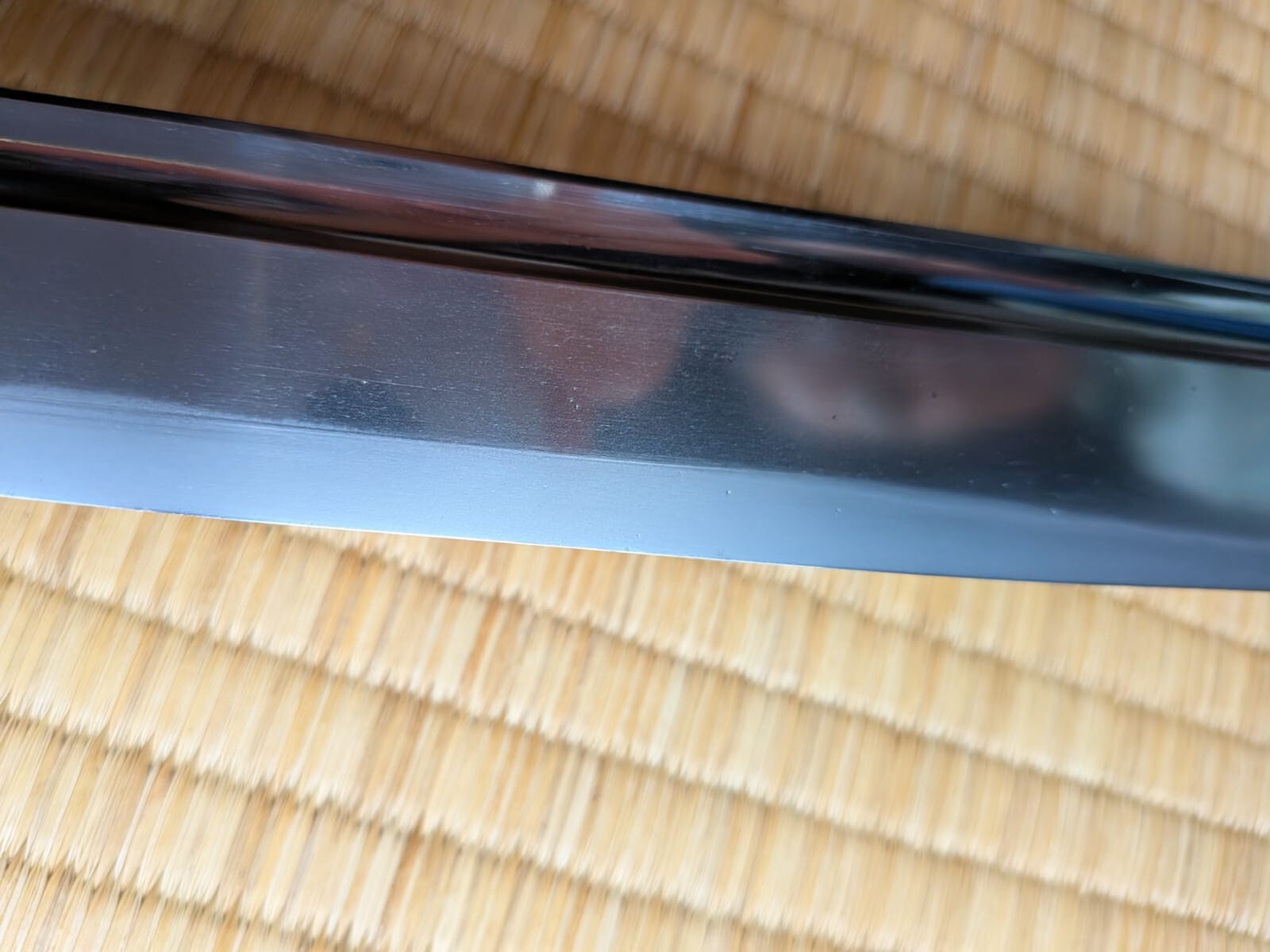
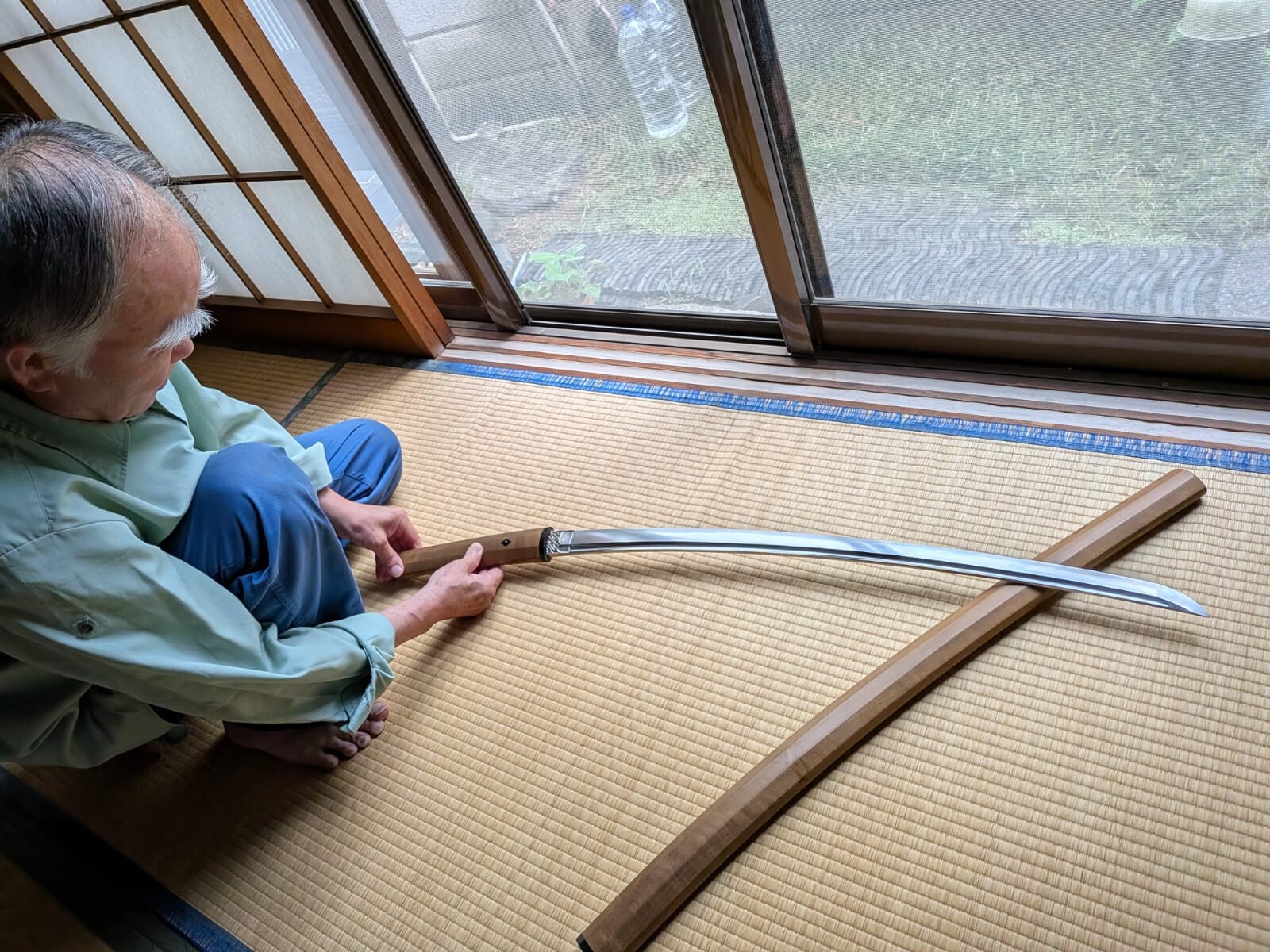
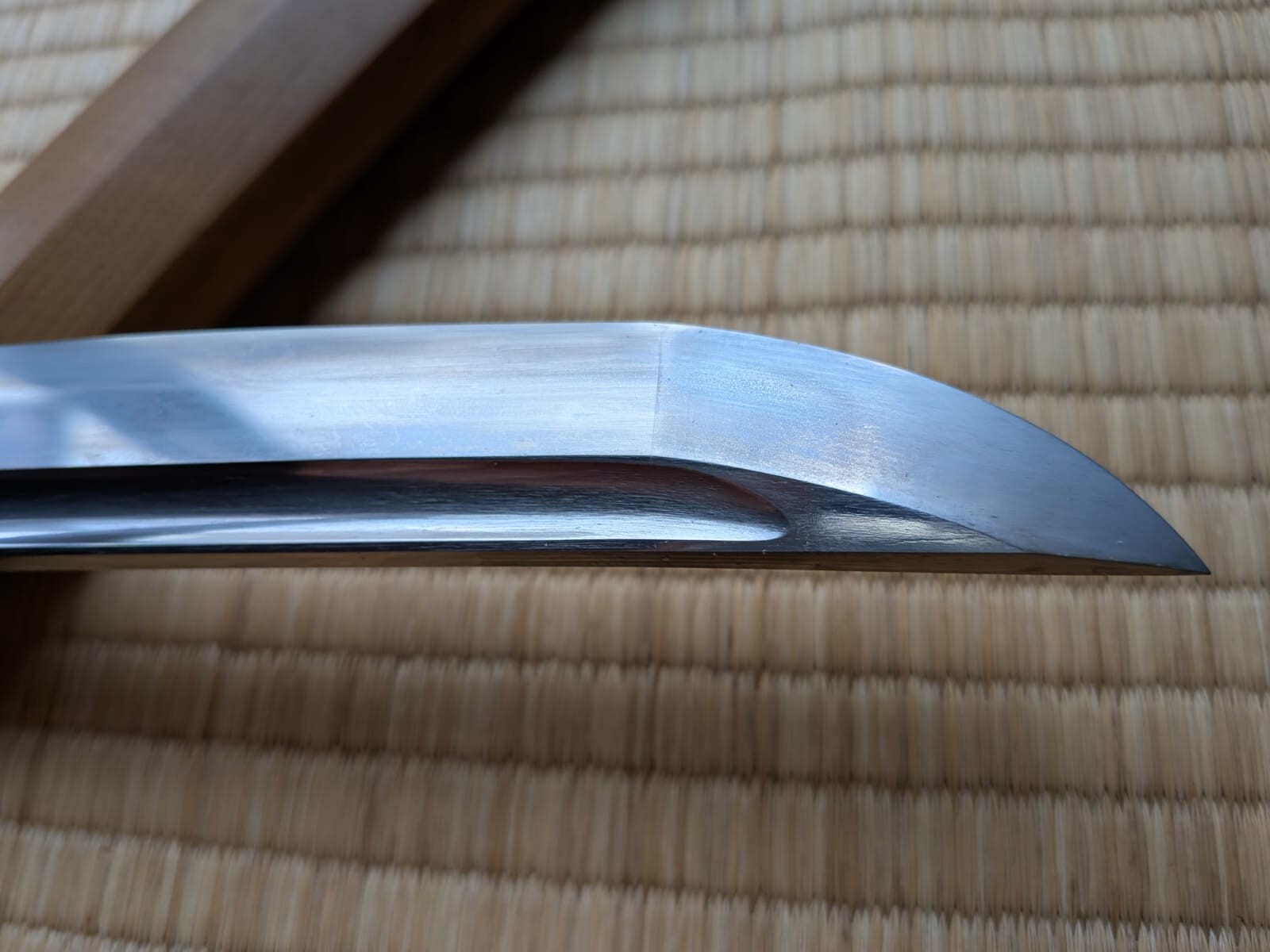
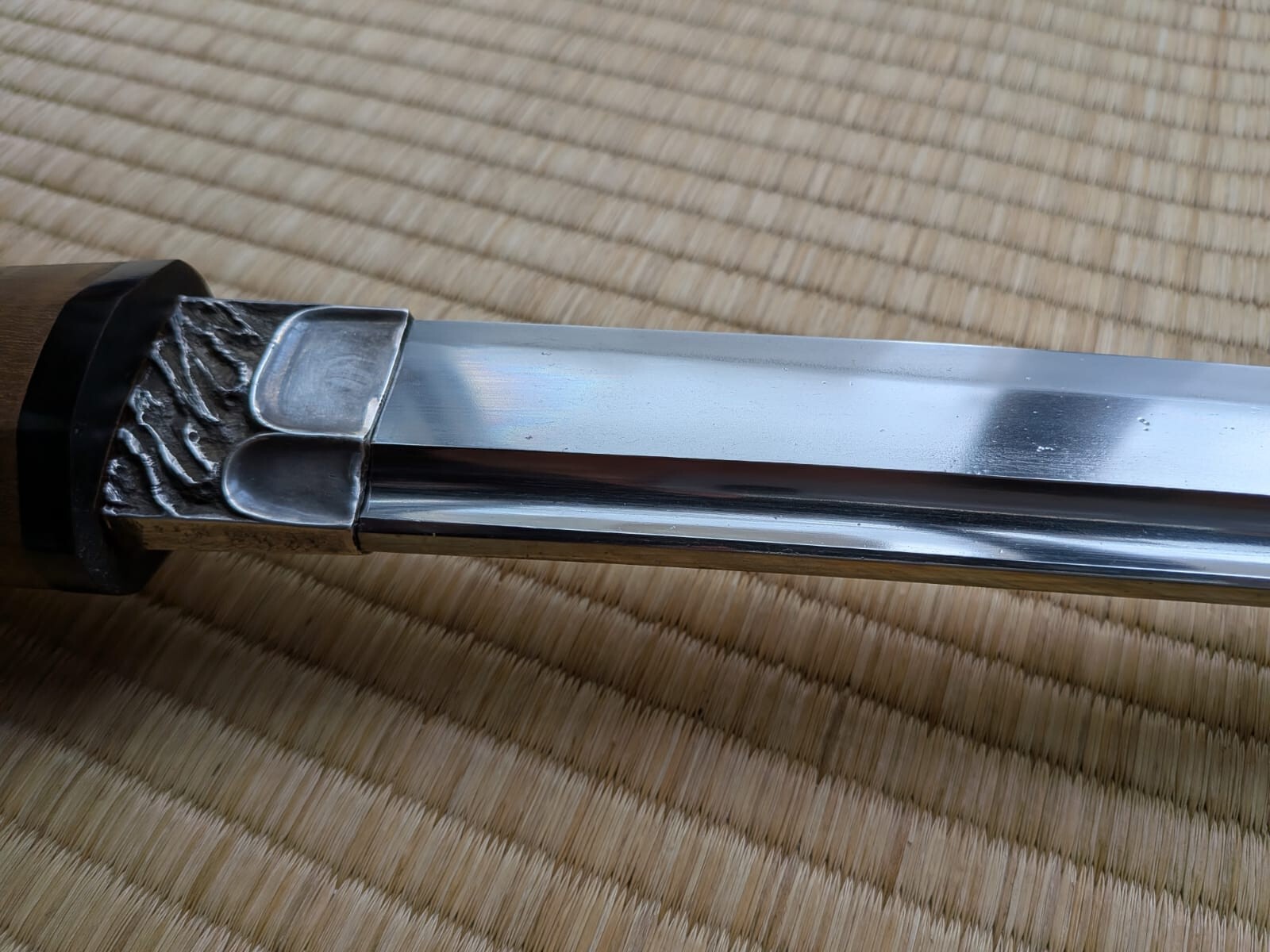
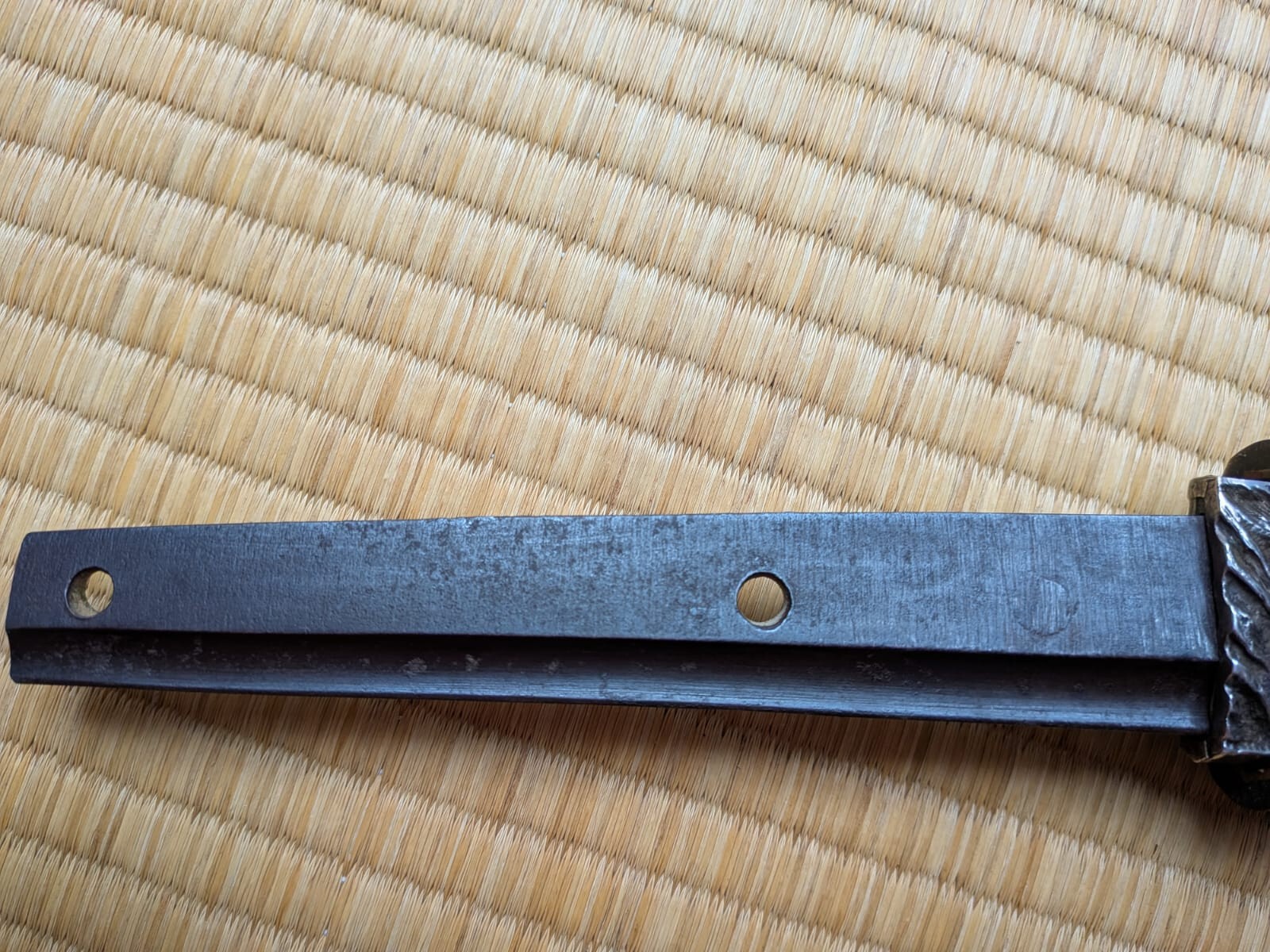
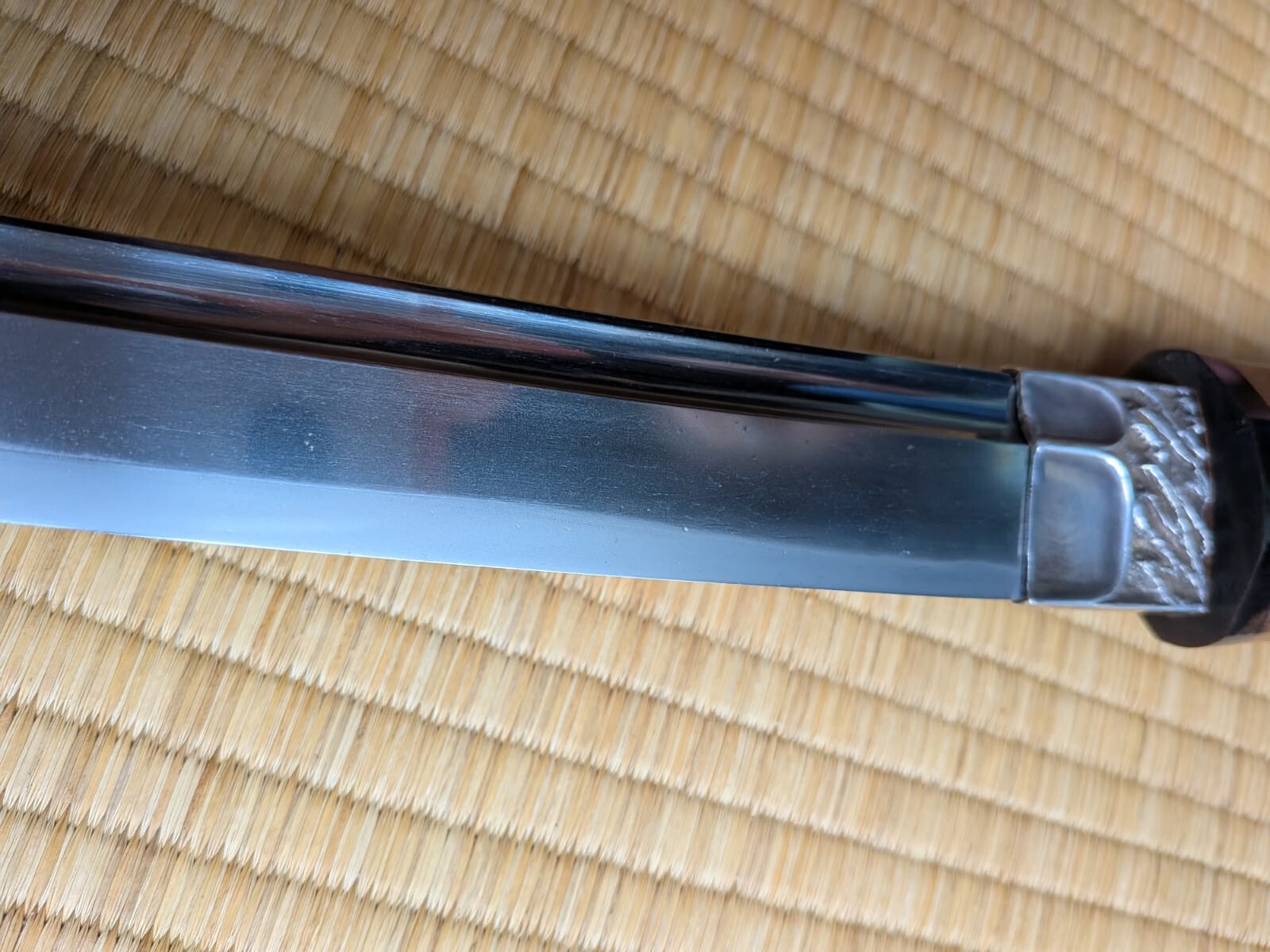
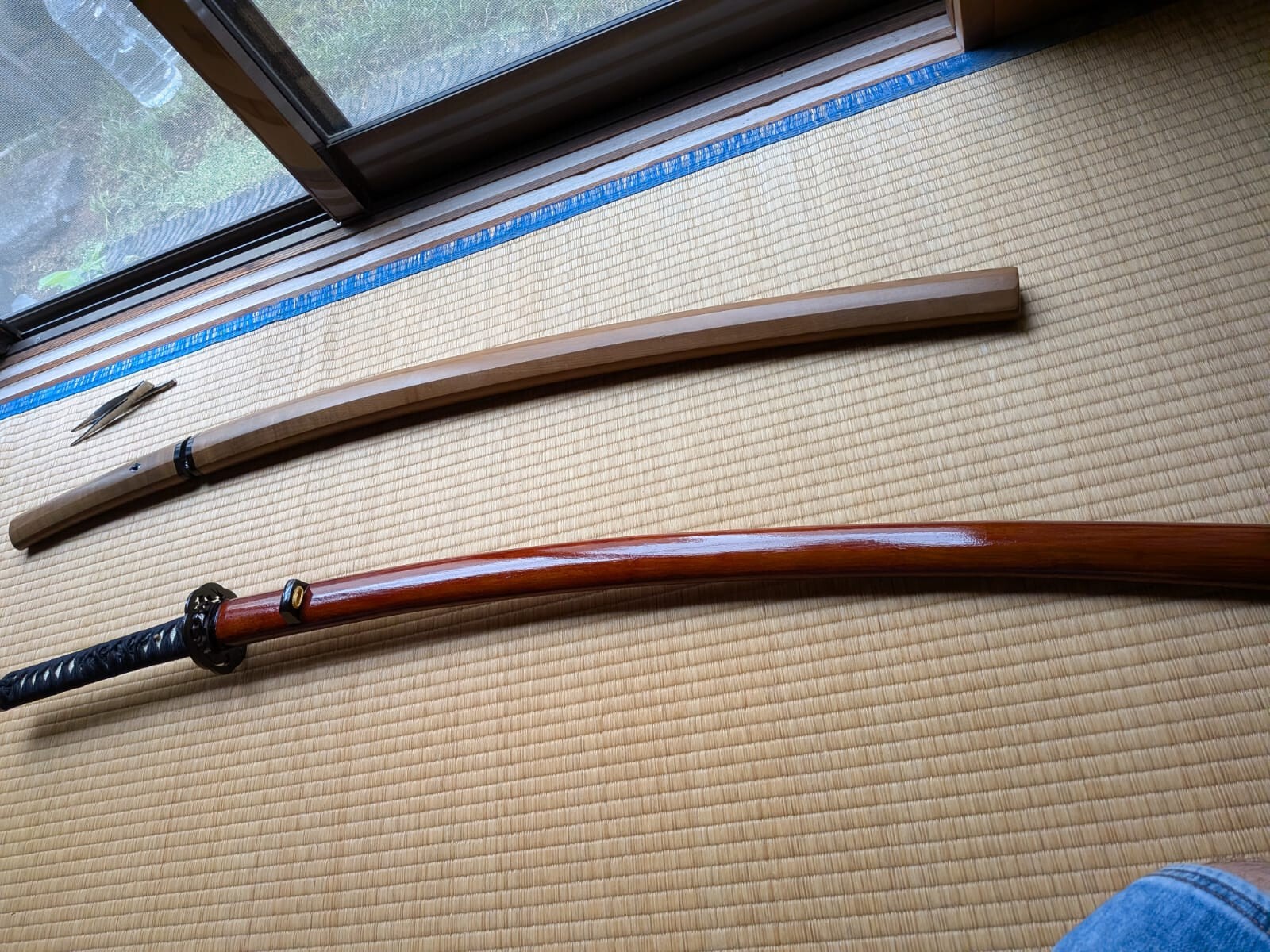
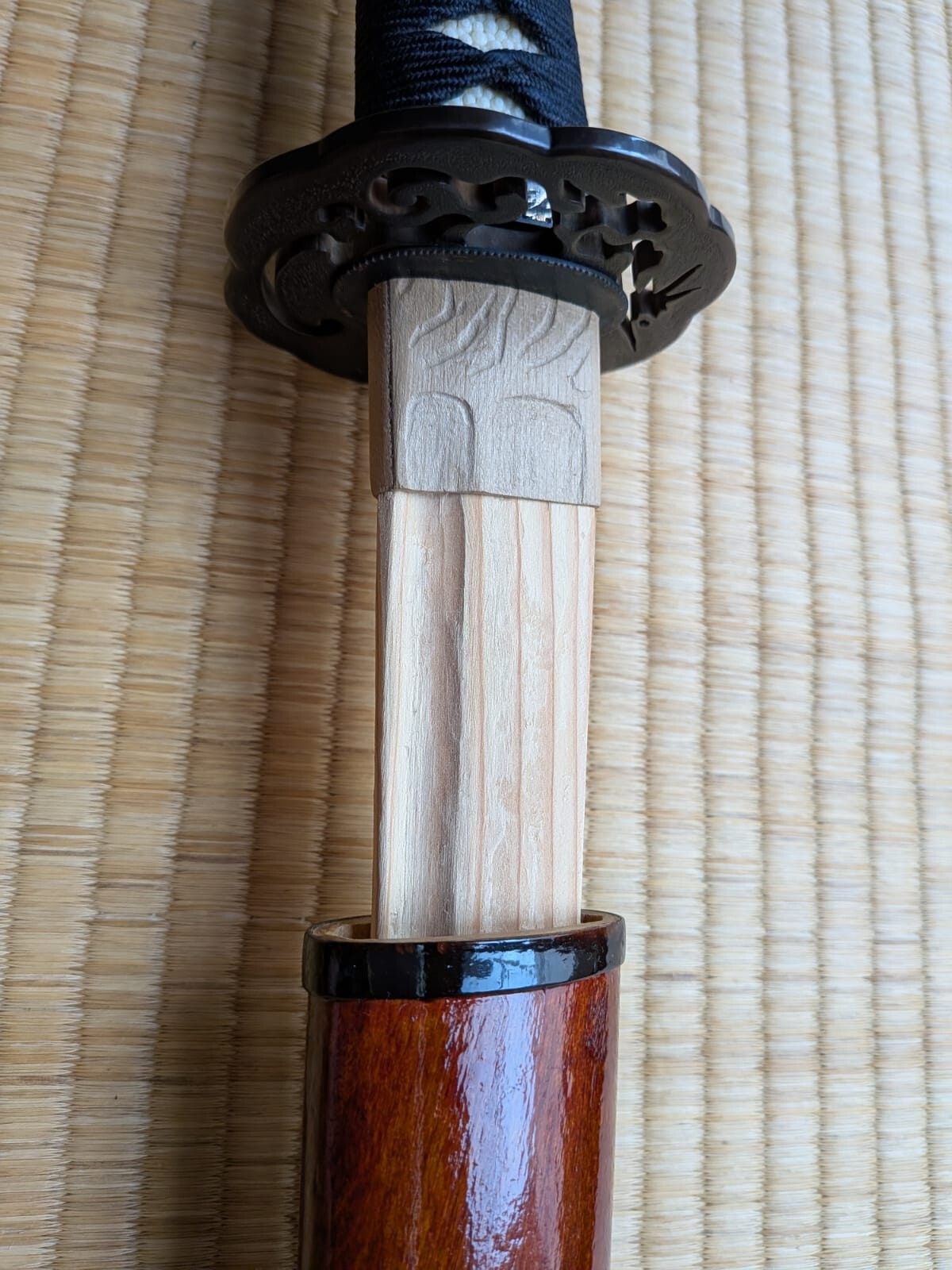
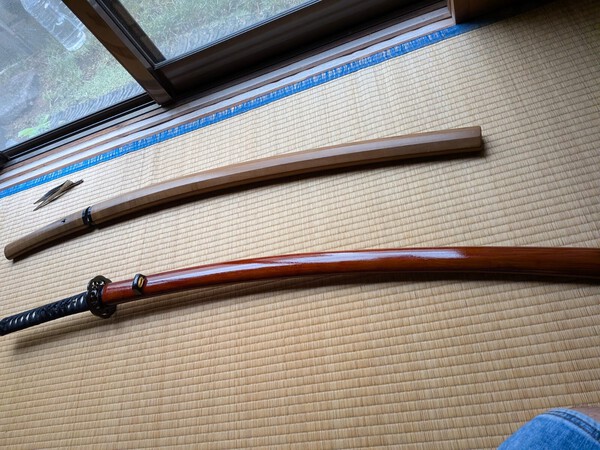
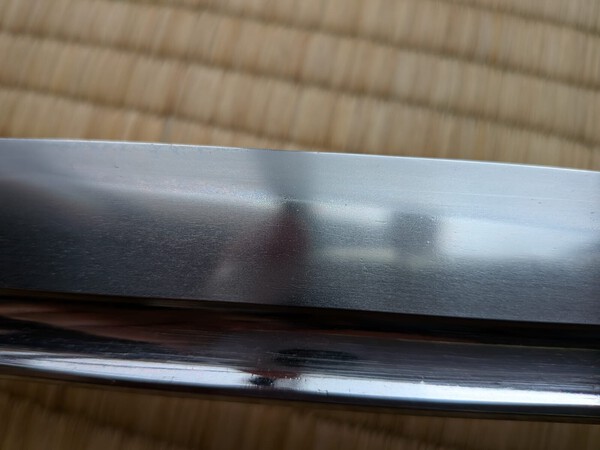
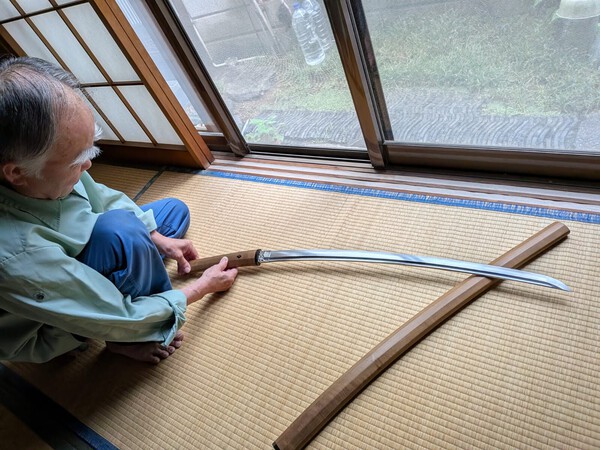
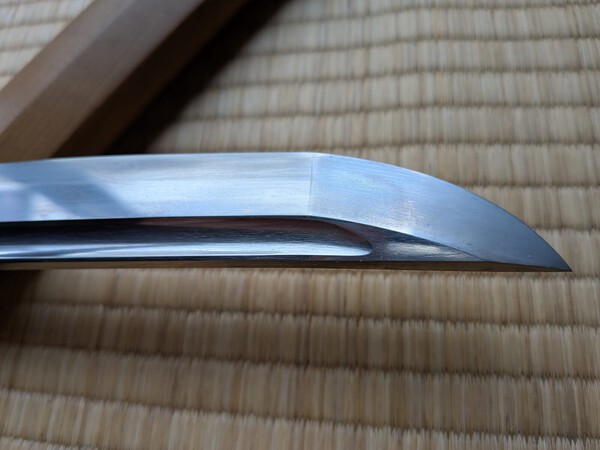
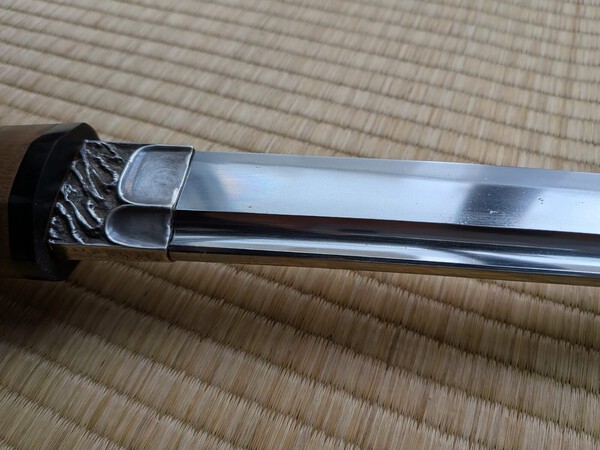
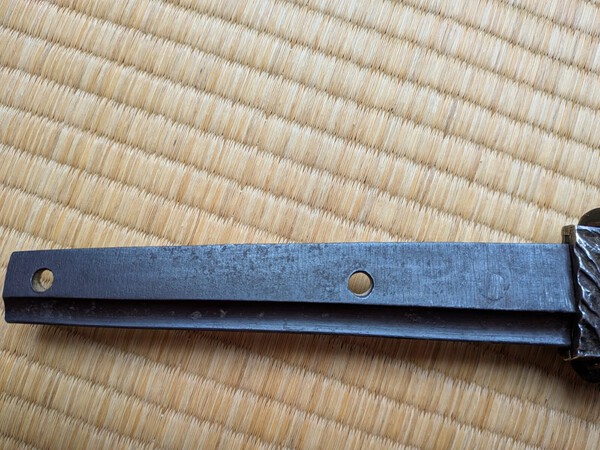
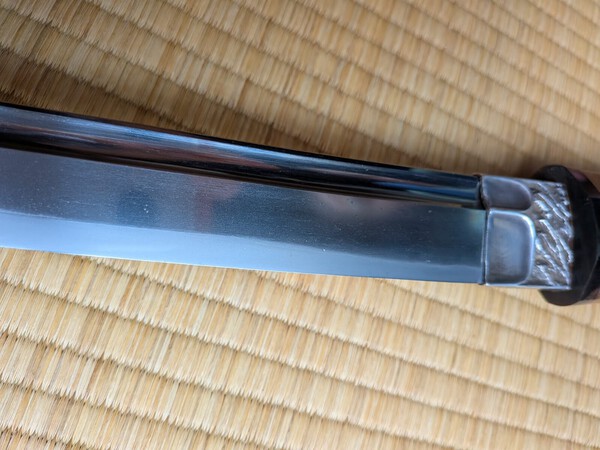
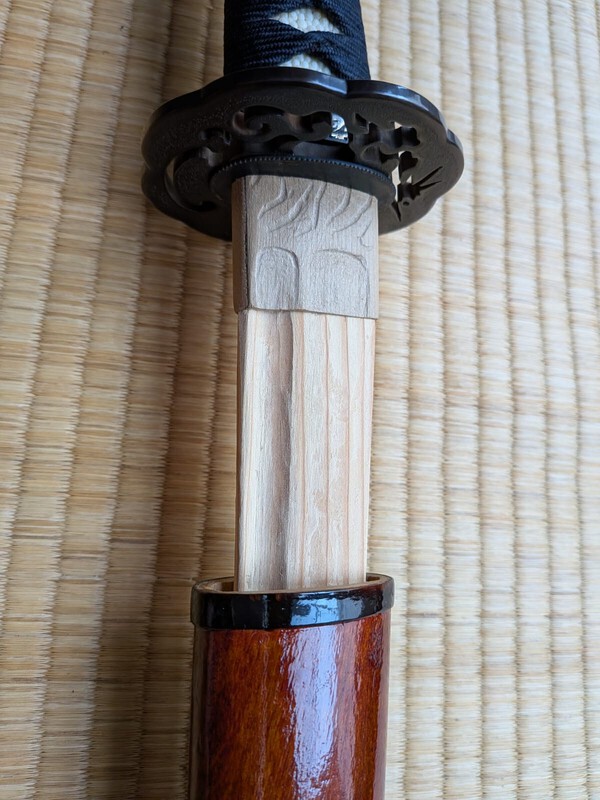
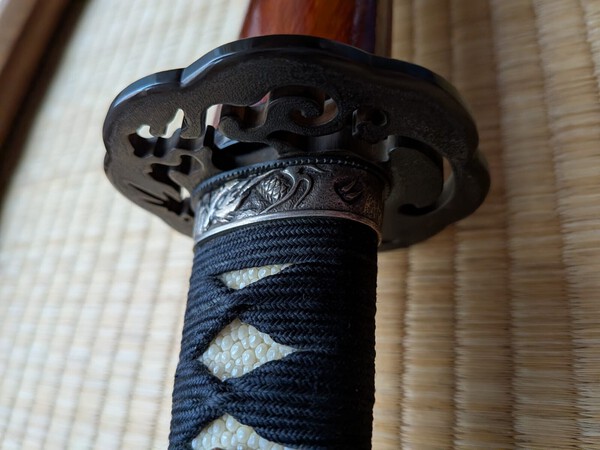
Dear colleagues, I'm helping a friend to sell his sword. Here I paste what you can read in the Hozon certificate made by NTBHK. Mumei attributed to Fuyuhiro. Blade length: 2 shaku, 2 sun, 1 bu Hozon. NTBHK. The koshirae is all new made, but the tsuba was made by Ōkawa Chikō, renowned artist winner several times of Tōken hakubutsukan contests. Also 18th generation of Edo-Itō school under name Itō Masanori, also awarded with the artistic name Tōhōsai Masami. He also studied unde Ametani Jyūmin line, which traces back to Unnō Shōmin. Saya os not urushi. Habaki is high quality. Tsunagi was also made by Ōkawa san. Sword Location : Japan Will ship to : I travel once a year to Spain, so I can bring it there or also shop from Spain if it's cheaper than Japan. Anyway, shipping costs will cover the buyer. Payment Methods Accepted : bank transfer, cash (in case of Japan or Spain buyers, and Paypal. Price and Currency : 700.000¥ Returns Policy: No return.
-
You're totally right. In fact, the case of art pieces lying in the down floors of the museums, is the perfect description of how the 70-80% of nihontō and yoroi is storage in Spanish public institutions.
-
The problem, at least in Spain, is the square minds curators and law against invasive restoration. They will never let publish the blades, because for them, the blade is loosing some material. Also, they will never throw to the trash a loose putrid or eaten (by insects) tsukamaki and put one new, because you're throwing to the trash an historical part and supply with modern. They said it's like Viollet-le-Duc restoration of Carcassonne. Also they will never let clean a tsuba or menuki. I will put here two examples. 1st In the last 10 years, Spanish government with the collaboration of Japan Foundation brought to Spain a ningen kokuhō of urushi, Murose Kazumi sensei. Each time he came, gave ideas for urushi conservation, which everyone listens, but also ask for restoration, and each time they said no. So they pay for a people that come and give his expert opinion to not to be listened. 2nd Except The Vitoria and the Zaragoza Museums, the rest which have yoroi have it in a mannequin, many with the sune mistaken and even one has around the neck an old water bottle from Peru. I'm all cases the answer is...we don't change the old things, in special when comes from older collections.
-
thank you very much for your kind words. I will try doing my best to spread in Spain, the Japanese culture related to nihontō.
-
It is what you said, specially the lack of funding and, at the same time, the excessive caution (and also arrogance) of those who have obtained the position of curator of public museums, a permanent position for life that takes years to obtain, but once you have achieved it, you stop worrying about everything.
-
Dear colleagues, I translated to English my latest Q1 article about Japanese swords in Spanish Army Museums, I hope you'll find interesting. Because this article covers both blades and tosogu, I posted here. https://www.academia.edu/129530963/Study_and_cataloging_of_Japanese_swords_in_Spanish_army_museums_GE_Conservation_Magazine_Q1
-
Ford Hallam Has Passed Away
SalaMarcos replied to zanilu's topic in General Nihonto Related Discussion
A huge loss for the tsuba world. Condolences for the family, friends and students. Thanks to his videos I could understand many things. Rest in peace sensei. -
Congratulations! I'm very interested in the two additional books as I've the first one. In fact, in that book I found some of the tsuba that nowadays belongs to some Spanish museums. Please keep us in touch regarding place to order. Best regards,
-
I will try ask the tsubakō if he agree to share. What I can say is that's a group of 3 tsuba (sorry not daishō as I said) but 3 on the same size, nadekaku gata 9x8cm if I remember well.
-
Not directly related, but since 4 years, a reknowed tsuba master in Japan is wornking in a daishô tsuba depicting the Guernika of Picasso. I hope he finsih soon, I saw it 2 years ago and, even when it's not a "traditional" tsuba, is amazing.
-
Dear Steve, It's my plan to make a translation, but I didn't did it yet. I will post here when it's done. Thank you for your interest.