
Leaderboard


Popular Content
Showing content with the highest reputation on 03/11/2021 in all areas
-
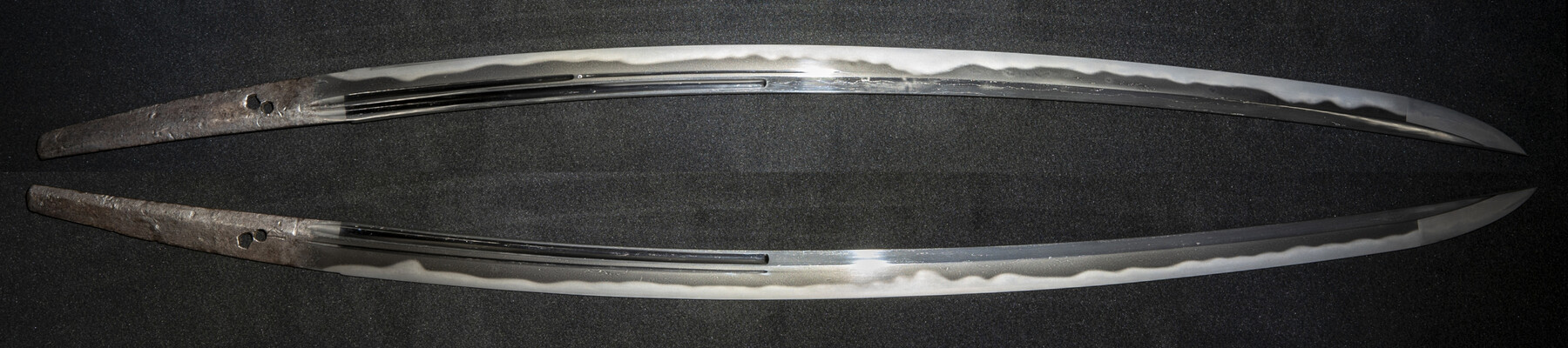
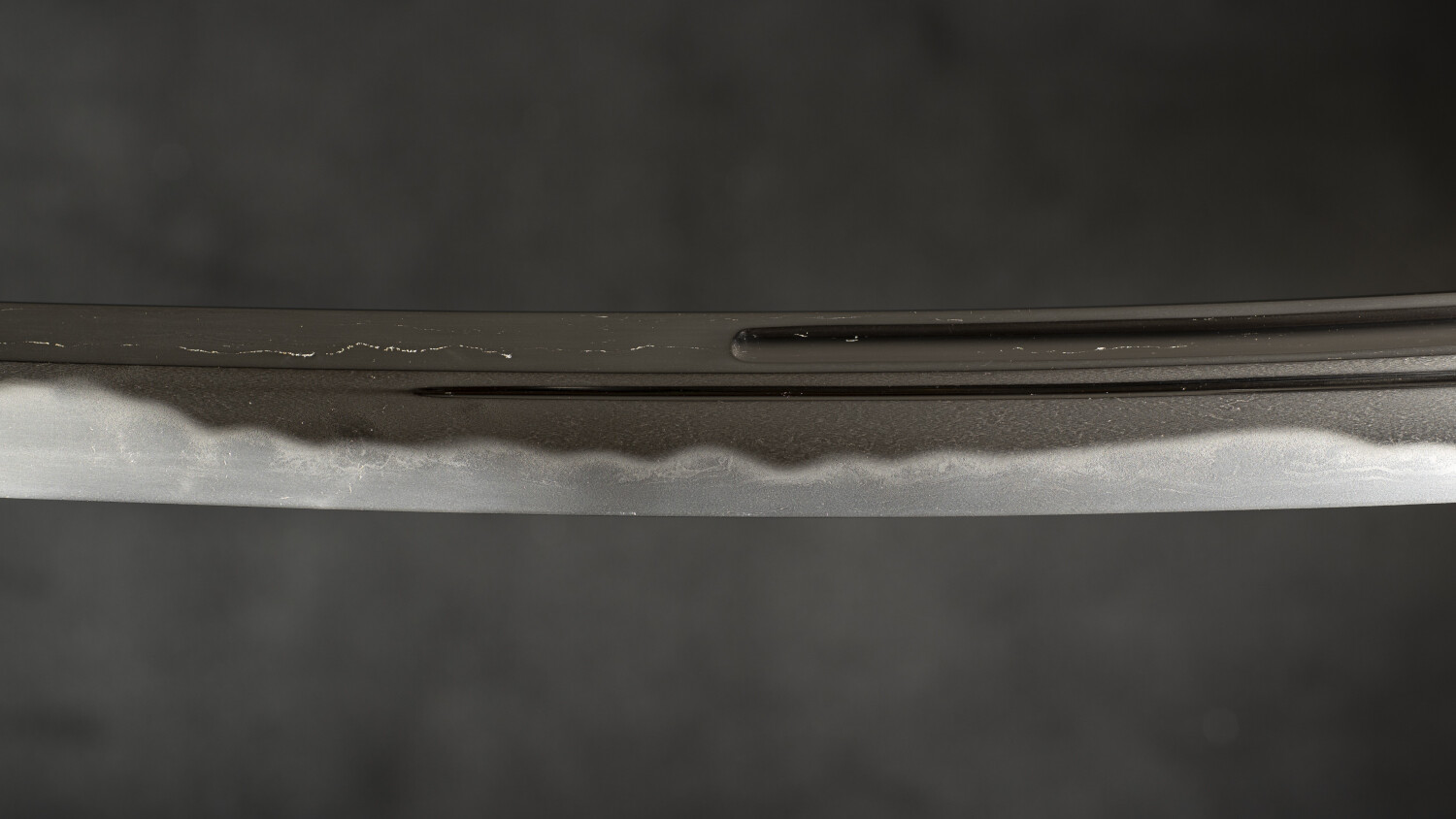
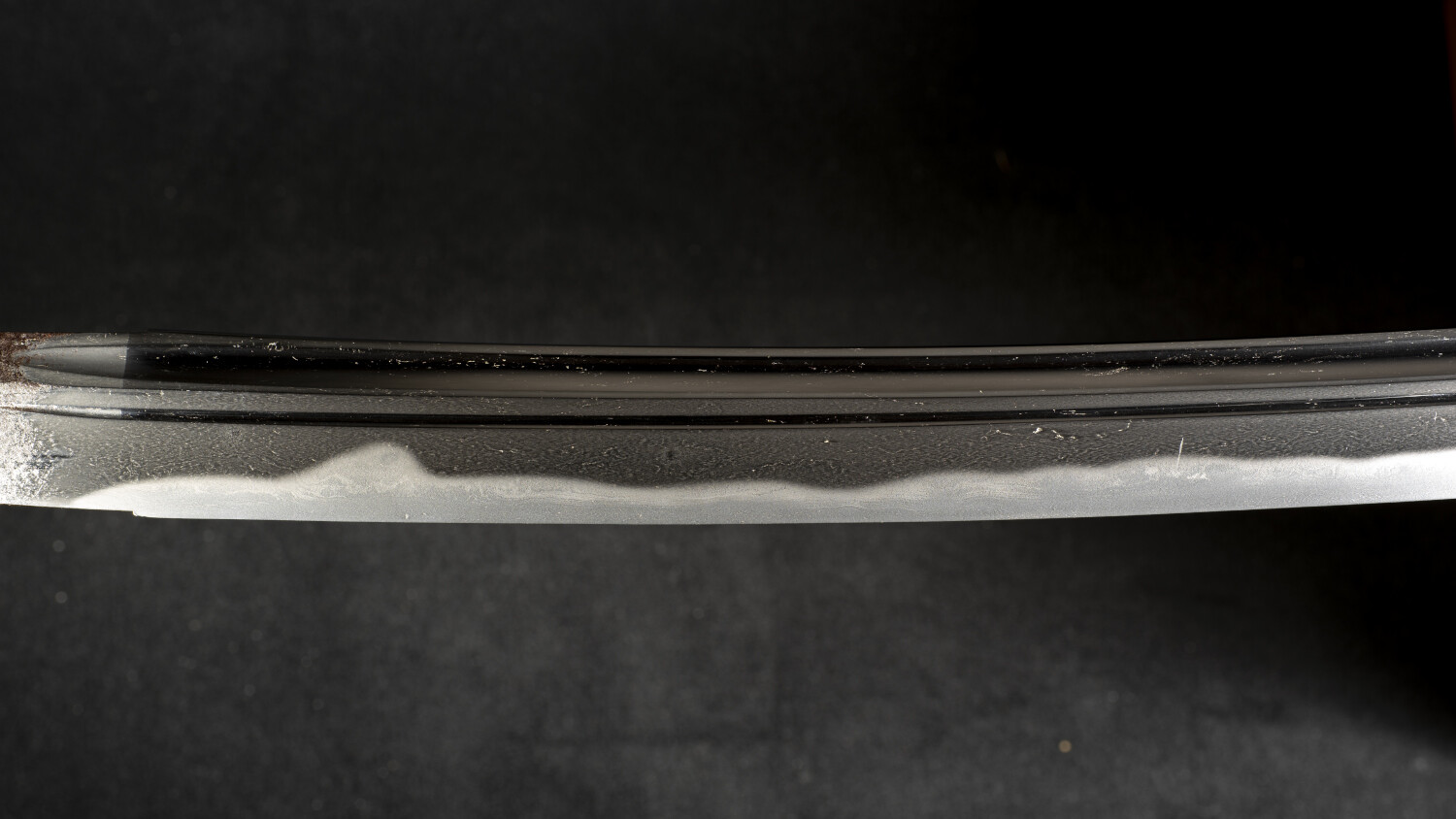
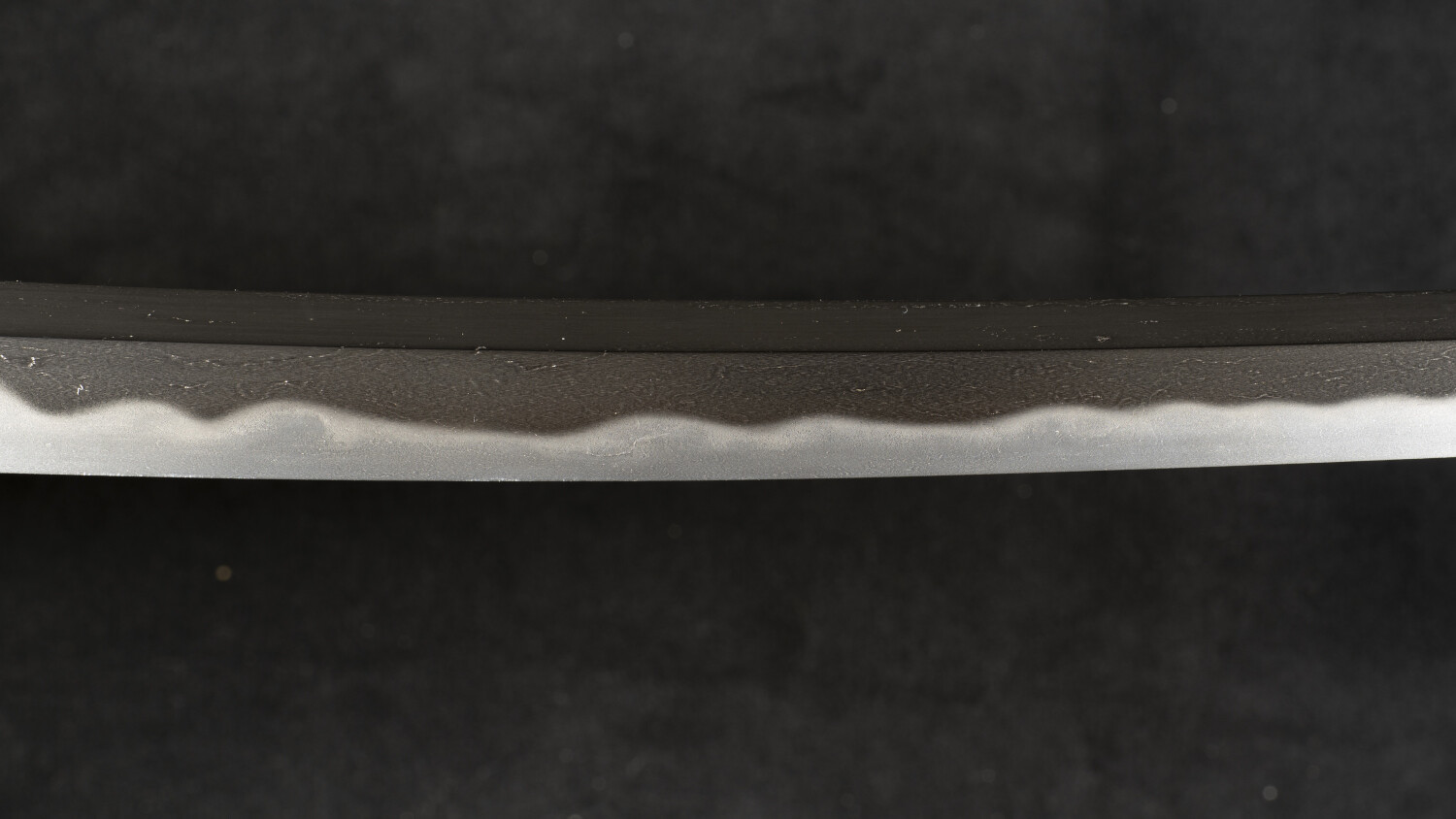
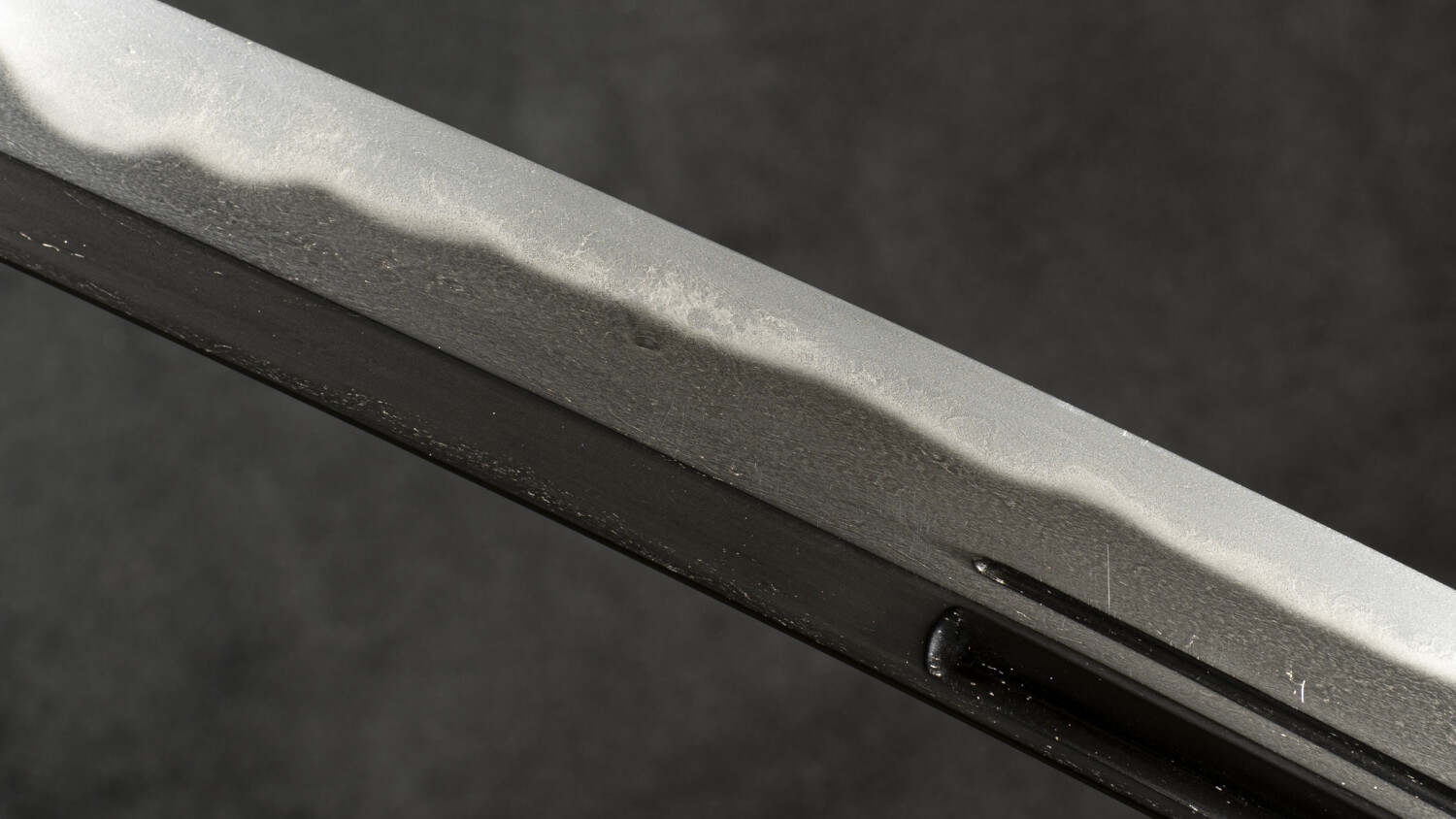
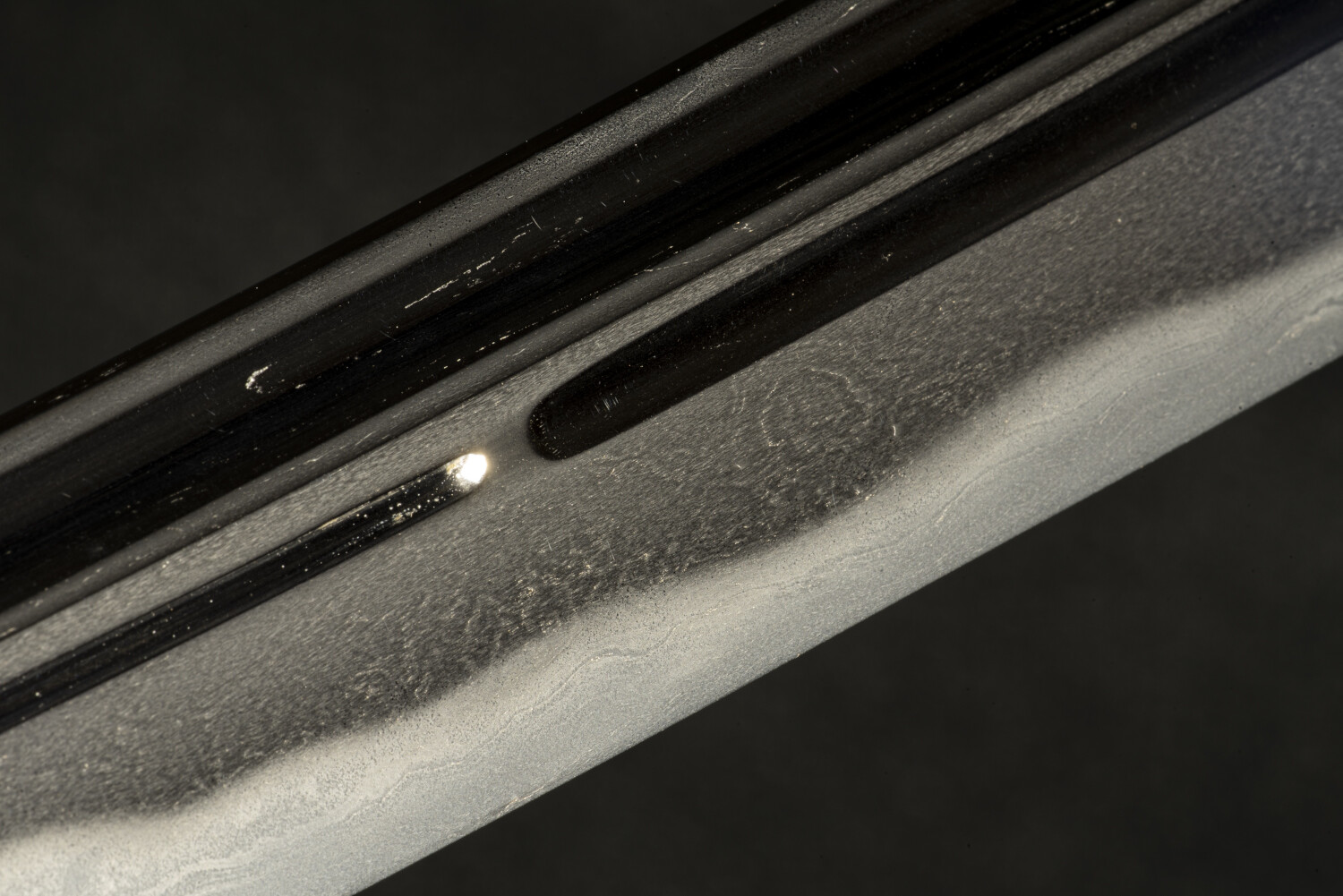
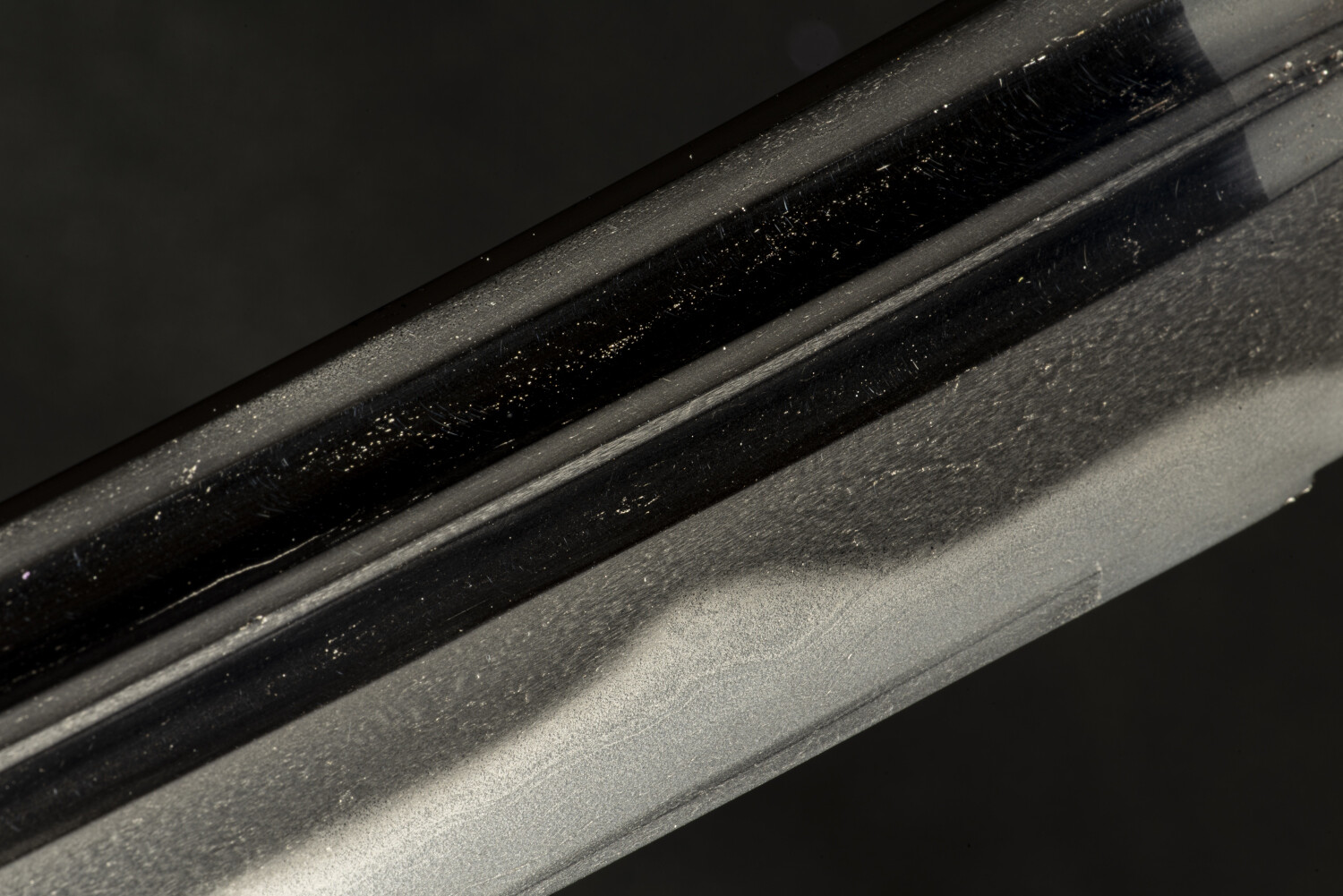
Sharing a few examples of my shinsakuto by the swordsmith Hizen (Nakao) Kazuyoshi. It can be a challenge digging up detailed swordsmith information, and often, even moreso with shinsakuto. I have found a few excerpts, and it seems his father and one of his brothers both achieved Mukansa status, but the little info that I've found is mainly from google translated pages and often has to be kind of puzzled together. I stumbled upon this particular smith in my early travels, and I always found his work quite appealing. Thus far, I've ended up with 5 of his katana and 1 tanto. A few other examples have been popping up recently on the usual Japanese sword sites. 176cm Odachi 1972 (this is my main tameshigiri blade, and the only nihonto I have that I actually cut with) 71.4" Nagasa, 7.2mm Motokasane, 3.3cm Motohaba, 2.4cm Sakihaba Next to a Sabatier 1992 Utsushi Kiyomaro 74.1cm Nagasa, 8.5mm Motokasane, 3.6cm Motohaba, 3.1cm Sakihaba 2006 Utsushi Kiyomaro 75cm Nagasa, 8.2mm Motokasane, 3.7cm Motohaba, 3.2cm Sakihaba6 points
-
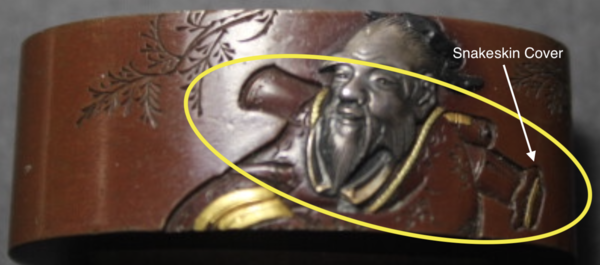
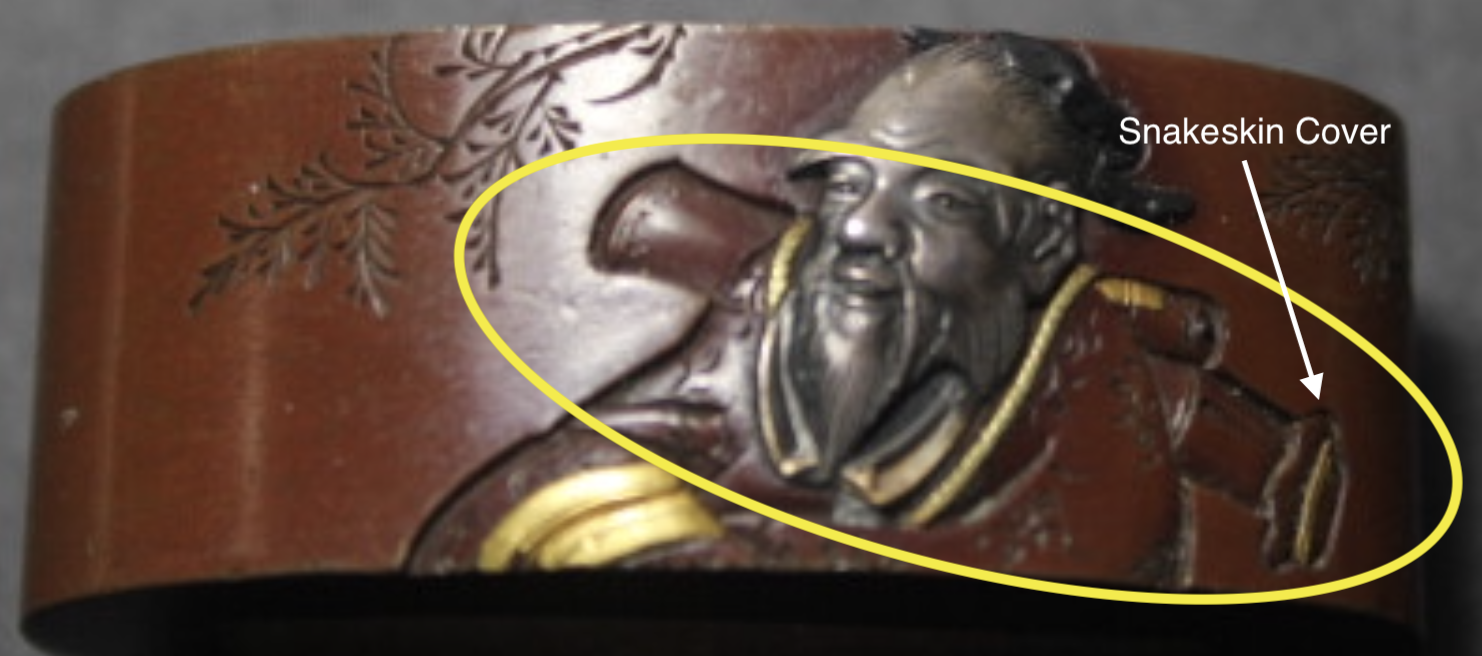
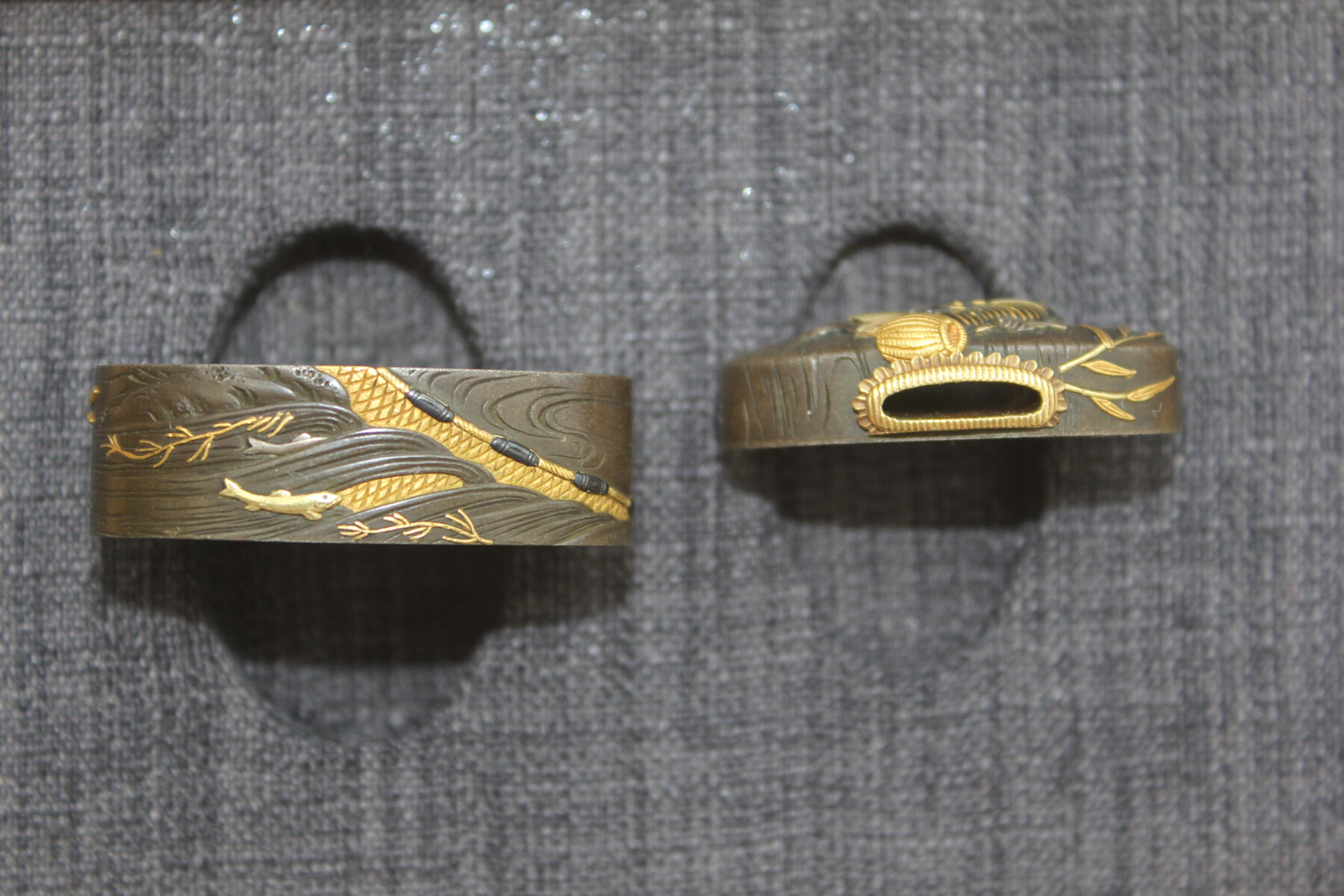
Dear Bob, Your No. 8b (Masayoshi Fuchigashira) was really a tough one. Tekka Sennin was a good guess because if Gama Sennin is combined with another Sennin on tosogu, 99.9% of the time it is Tekka Sennin. In this very rare case, the other Sennin on your fuchi is Chokaro (sometimes Chokwaro) Sennin. What made it so difficult is that Chokaro Sennin is almost always shown with his main attribute - a white horse/mule coming out of a gourd. In the case of your fuchigashira, Chokaro Sennin has a yuku or fish drum over his shoulder. A fish drum is a musical instrument formed from a bamboo tube with one end covered by snakeskin (see the snakeskin cover held on by some gold cord at the bottom right of the photo of your fuchi below?). Chokaro Sennin is based on the Chinese Immortal Zhang Guo Lao, and in classical Chinese Art, Zhang Guo Lao (Chokaro Sennin) is usually shown with a yuku (fish drum) even though he can also conjure a horse/mule from a gourd. One of the disciplines of elite Samurai was the study of classic Chinese Art and Literature, so your fuchigashira is a Samurai "flexing" that knowledge. Is there anything on the other side of the fuchi? Woodcut of Zhang Guo Lao (Chokaro Sennin):

 6 points
 -
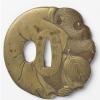
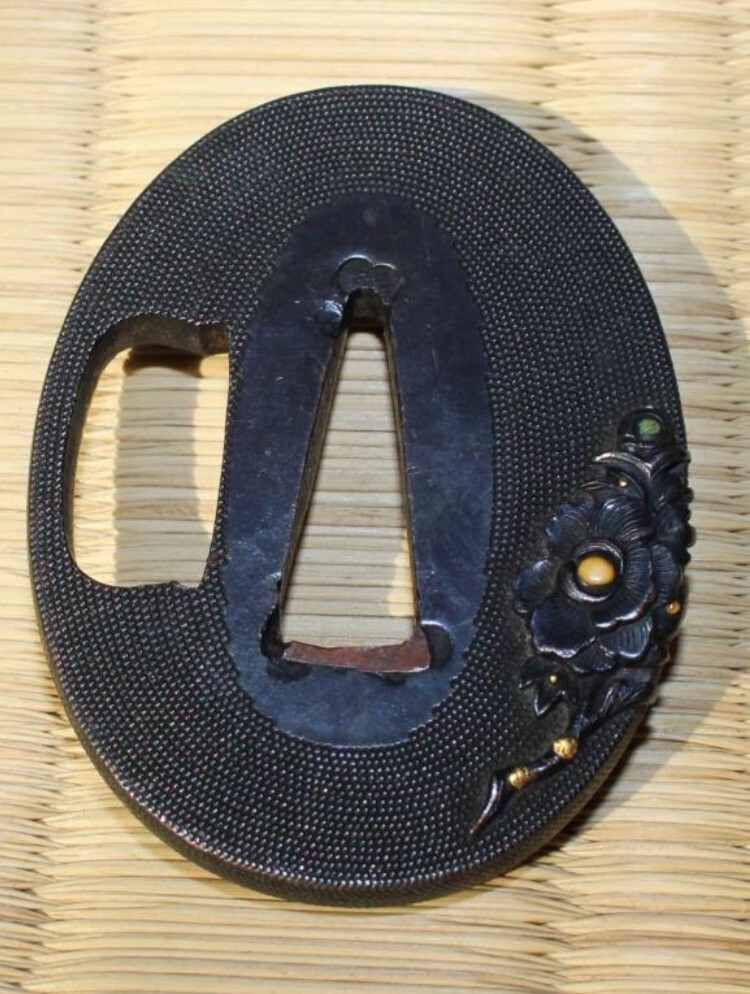
This is an early 19th century piece by Horie Okinari. It features coral 'berries' and a malachite inlay representing a mossy rock. The use of gemstones, glass, ivory, lacquer and other such non-metallic materials in tosugu decoration isn't very common but we do occasionally see examples. This suggests that while not unknown it wasn't, evidently, ever a hugely popular feature. Curiously, though, the use of enamels (the Hirata school output being most notable) was highly appreciated. And Murakami Jochiku is celebrated for his creative use of mother of pearly in his compositions. The Tsuba is copied from the "Tosogu, Treasures of the Samurai" catalogue by Graham Gemmell, one of my early mentors in this field.
 3 points
 -
RYO-SAN, very impressive! Thank you for sharing!3 points
-
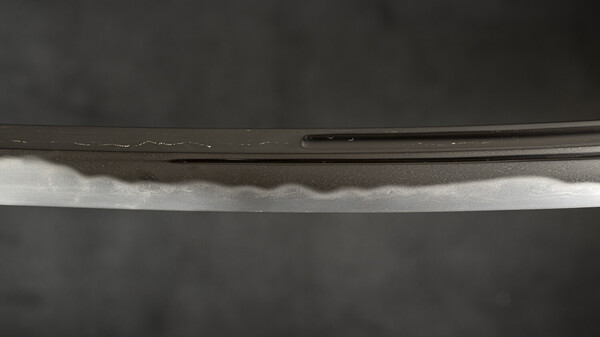
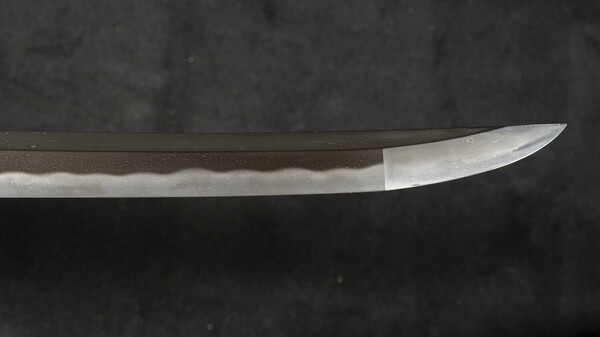
I recently received a new piece in my collection. The blade is a mumei with the attribute Den Tametsugu I know that the "Den" attribute is not unusual, it usually means that the blade also contains properties that are not usual for Swordsmith to whom the blade is assigned Therefore, I would like to hear your opinion If we didn't know Shinsa result who would you think of as a swordsmith ? For capacity reasons, there are only a few pictures If anyone wants to see the full gallery, they can find it here https://www.zonerama.com/Nihonto/Album/7069496






 2 points
 -
One scabbard throat can see very clear X56 ,not sure was is the first digit .The other one is kind of hard to see, but the number t's there.I think Steve saw/have other example like this.2 points
-
The two nearer ones are all that remain of the original long bamboo ramrods. The top one is also bamboo, probably modern, which I took from a gun and replaced with a more robust red oak example. It is worth remembering that Karuka often broke, so ashigaru would carry spares for each gun. Of course it is nice to have an old example, but they were thought of as expendable.
 2 points
 -
I am in in the US. I actually haven't needed to have anything sharpened up to this point, but I also have other modern blades that I cut with. Various monosteel, etc. The Kazuyoshi is/was still in original polish and is quite sharp - the original owner was an Iaido practitioner who never used it to cut. As to your specific question, and attempting to be careful knowing the general forum views on cutting with nihonto, and polish work by anyone other than a togishi; based solely on what little firsthand work I have seen from the states, and strictly where only a cutting edge is concerned, I would have no issue with Josiah Boomershine or Walter Seton. (Josiah has edge honed a shinsakuto wakizashi for me as well.) I can't speak to his work with more intensive polishing, but as for myself, I wouldn't be sending a nihonto to anyone outside of the few known Japanese trained polishers for an art polish and such. (and even then, I may just prefer to send it to Japan.) For reference, I'm aware of a sword by Yasuhiro Kobayashi that has been used to cut tatami and bamboo for the past 43 odd years, and has never been sharpened. I started typing a paragraph here about various gendaito/shinsakuto that I have cut with over the years (including a Nagamitsu that may as well have been a spoon, and still would cut tatami-omote and bamboo just fine) and the niku/geometry of a traditional Japanese blade not requiring the kind of paper slicing razor edge that so many are obsessed with in order to cut well (as is seen on a lot of modern competition oriented blades with geometry catering to soft targets, nihonto or otherwise) - but such tangents and/or opinions never seem to bode well for the thread.2 points
-
BREATHTAKING 🤯🤯🤯2 points
-
Some explanation about this tsuba topic... https://varshavskycollection.com/collection/tsu-0356/2 points
-
Hello together, I always find it nice to see a face to the smith. I found a photo of Ishido Teruhide (Kikuchi Seiichi) - 石堂輝秀 (菊池清一) b.1900 - d.1982 I have a sword from him and hope to make others with it also a small joy. SOURCE: http://www5e.biglobe.ne.jp/~ttoishi/sub18.htm https://www.kurashigetools.com/english/ Maybe there is interest to collect more photos from WWII smith's here.
.jpg.5ac55f804be0adb4664d31c5fa9687f3.jpg) 1 point
1 point -
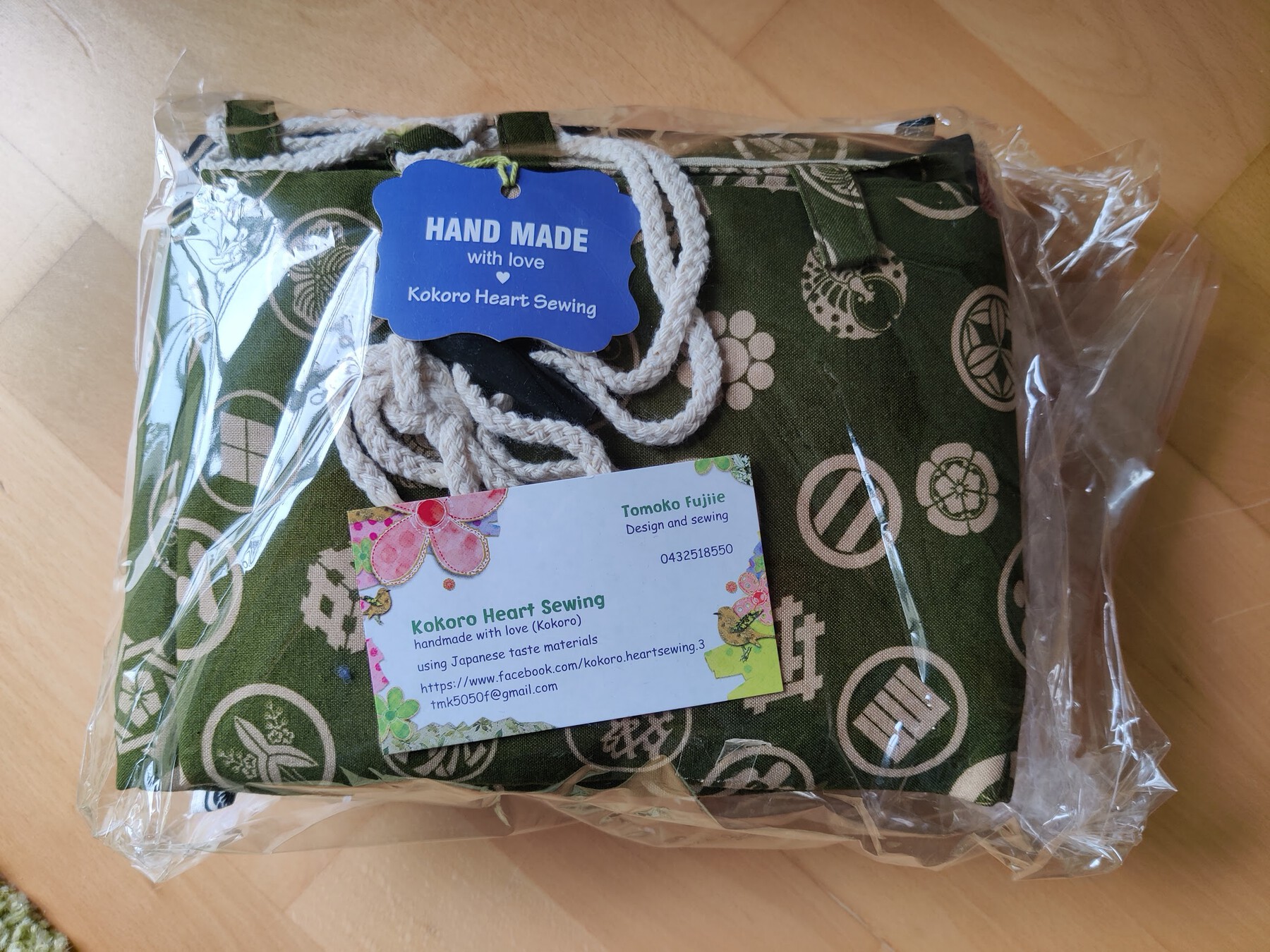
Hi members I just wanted to let you all know about an eBay seller that is my Sensei's wife from Japan. I recently bought a katana bag from her and its the best bag I've had. Please check out her items. Regards Greg
 1 point
 -
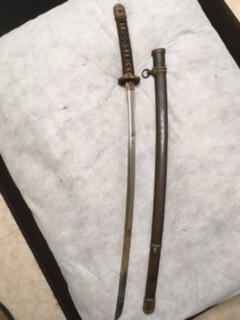
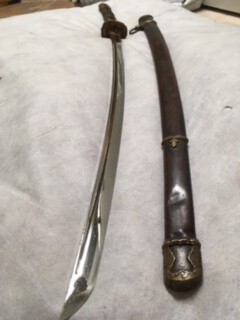
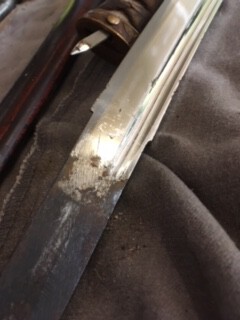
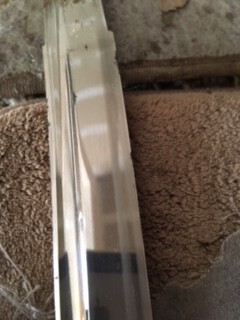
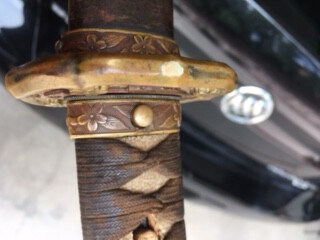
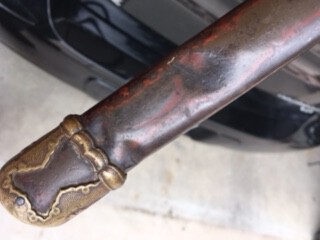
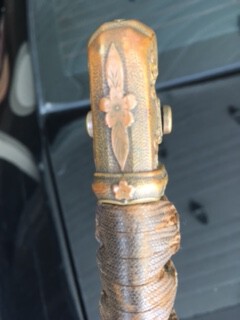
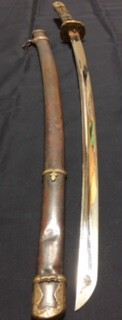
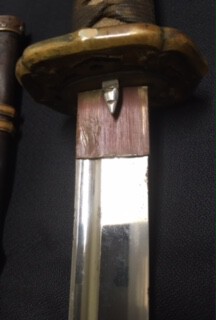
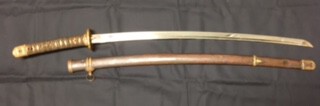
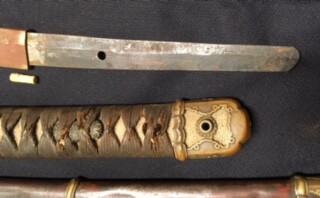
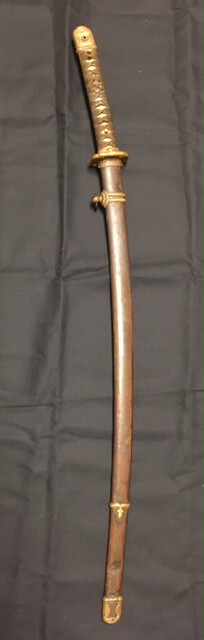
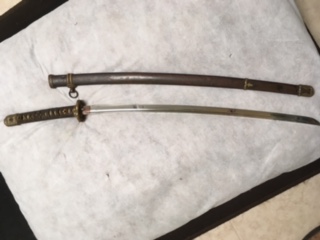
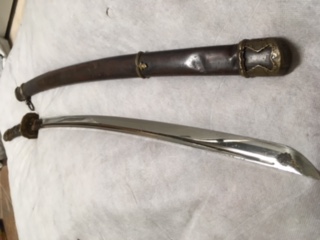
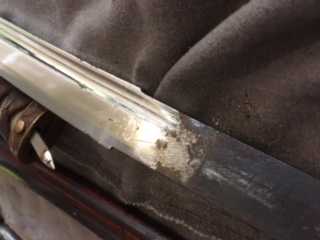
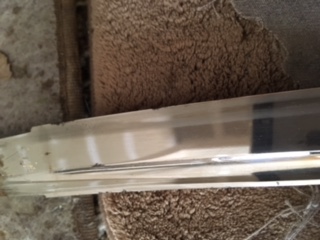
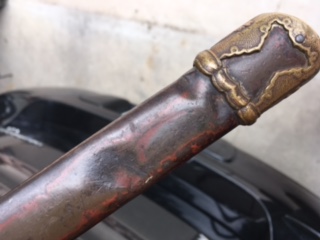
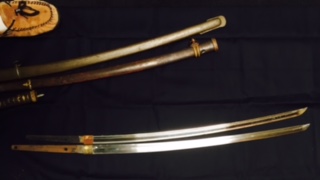
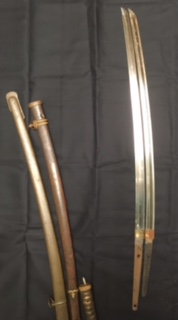
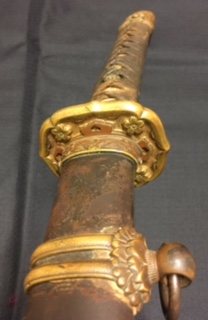
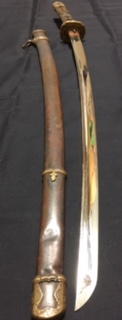
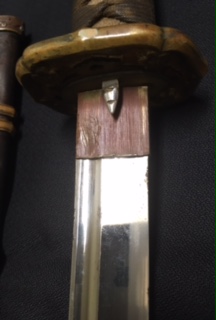
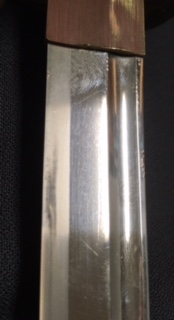
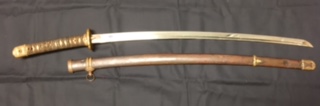
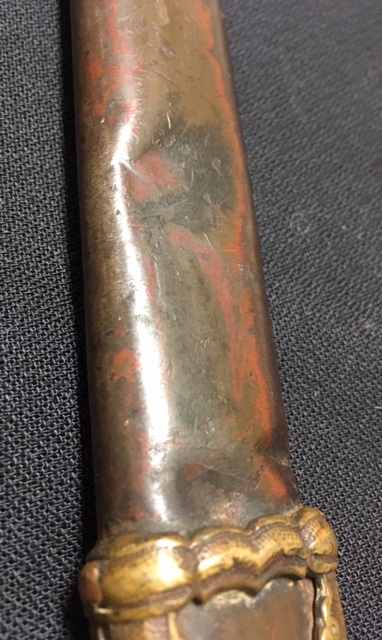
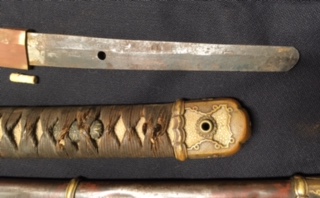
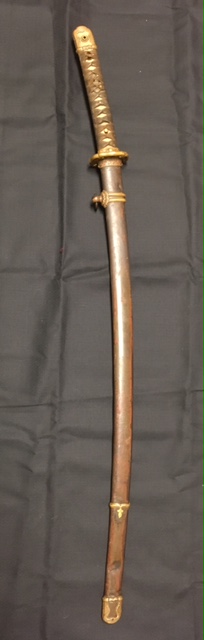
I was excited to pick up this item because it's almost identical to the one depicted on Dawson's book, pages 156-158! Sadly, the chrome is coming off in isolated spots. Nakago has small inspector stamp, probably a Seki. My impression is that these were made during the gunto shortage of the mid-to-late '30s. It seems to be made by the same process as the NCO Type 95 blades, but chromed to "officer-ize" it, and obviously no serial number. The whole thing seems to have quite a bit of wear as the tsuka ito is fully darkened by hand oil and the saya paint is heavily worn off in most areas.
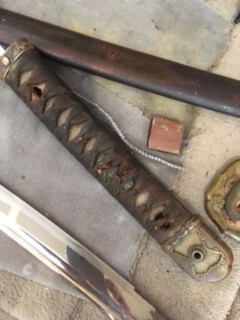
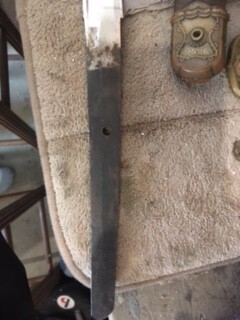
 1 point
 -
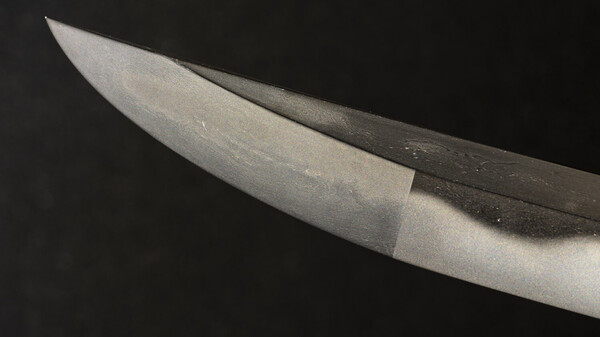
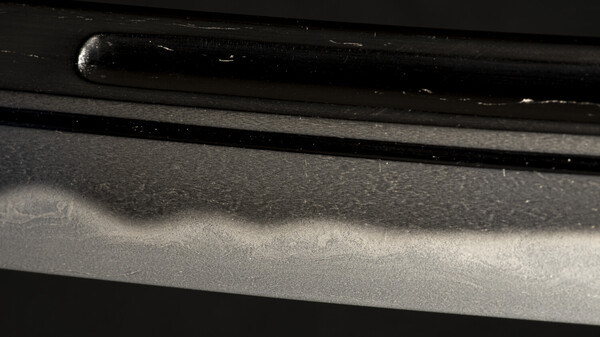
My best guess is late meiji/ early showa. Maybe something made for a competition. The edge is not completely sharpened to the nakago. Yasurime is opposed. One sode is downd from edge the other is down from the spine. The hamon calms down towards the tip into a more choji like pattern. Previous owner says the habaki and shirasaya are brand new. Mumei. Not for sale. No opinions will be used to sell.


 1 point
 -
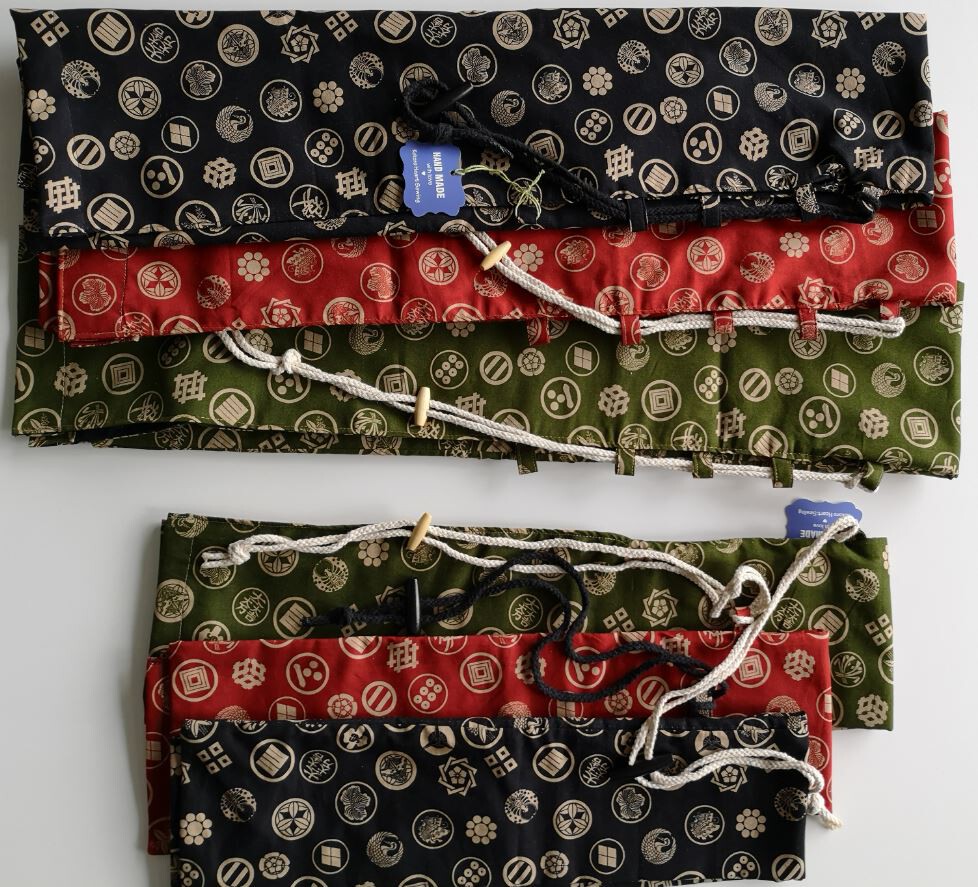
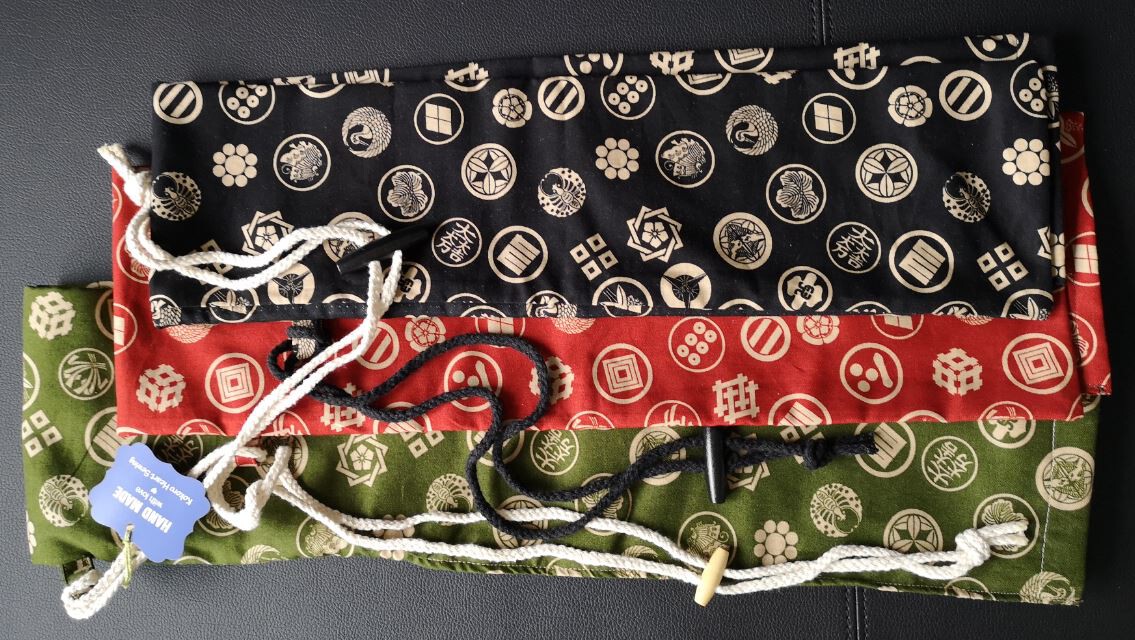
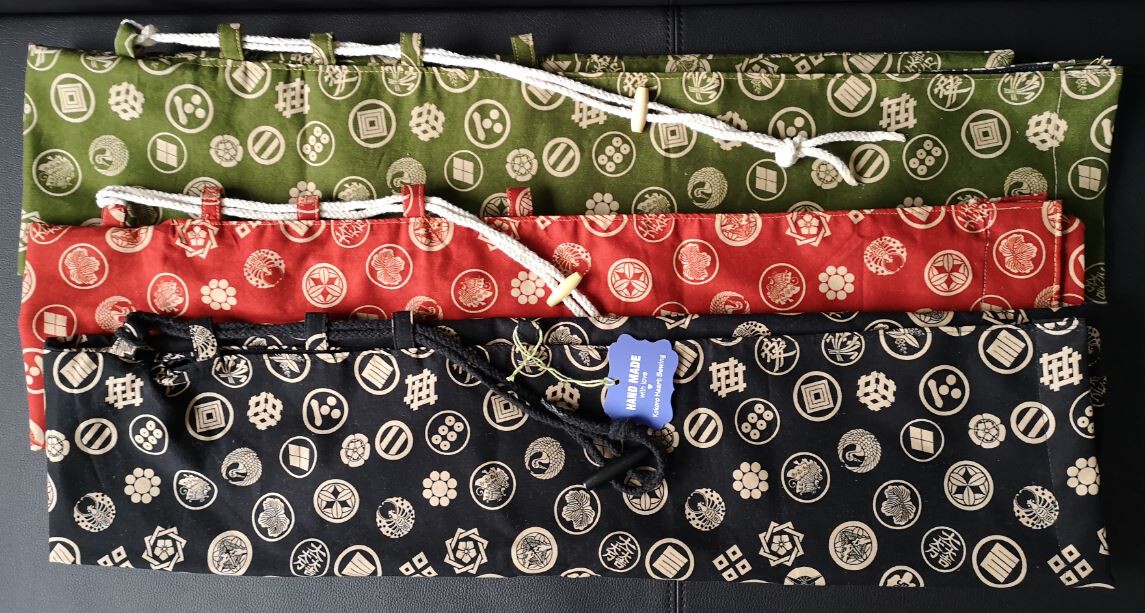
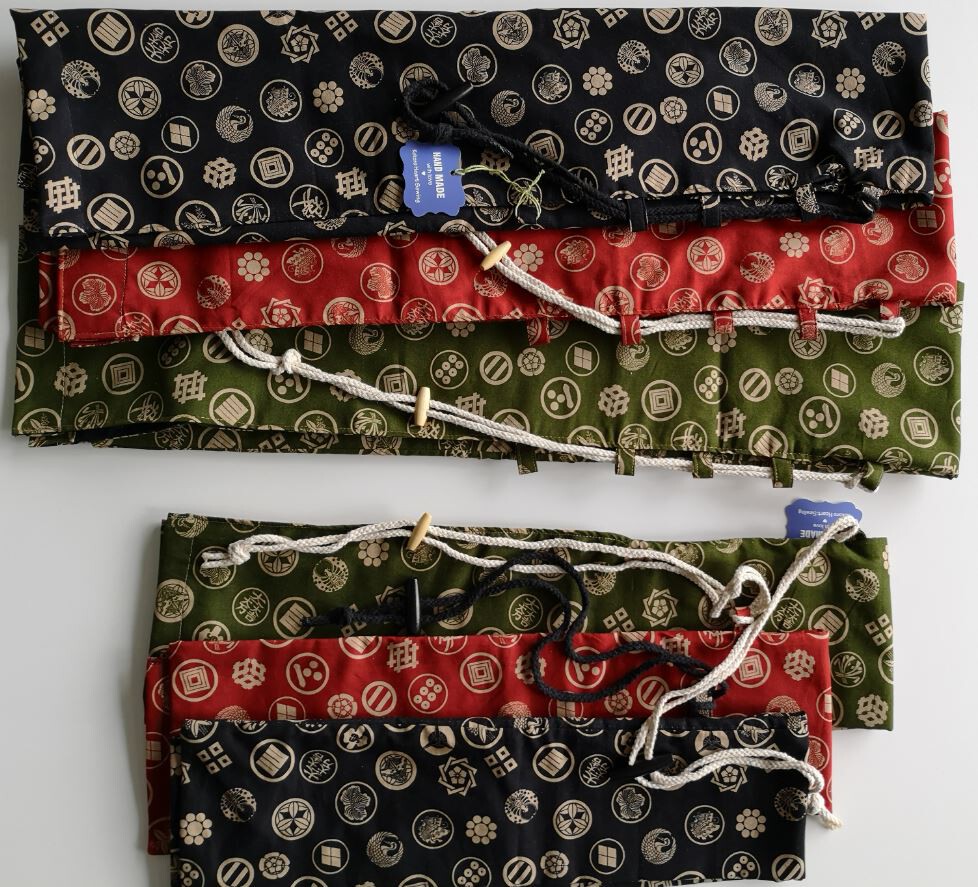
Hello, Ordered some special Katana,- and Wakizashi bags (different sizes and without the leather bottom.. based on my request - see attached pictures) from Tomoko-san via eBay and from here shop directly for a very good price. I was quite surprised on the quality of these bags and the professionalism Tomoko-san is working. I can fully agree Greg, these bags are great! Communication was also very good - despite the big time difference. The whole transaction was very smooth and reliable, same the delivery. I am really happy. If somebody is also interested in, here the contact details: eBay: futtmk_047omvqpw FB: Kokoro Heart Sewing So finally, I just can really highly recommend the service from Tomoko-san and will for sure order additional bags and many thanks to Greg for introducing Tomoko-san´s business here. See also: regards Klaus @Admin: I added this in the Izakaya section as well, as I am really happy. If it´ not allowed, please delete it here.

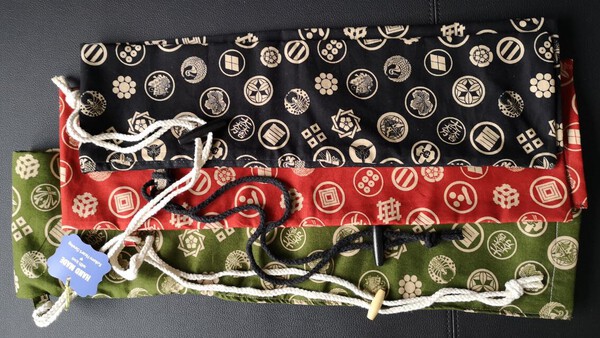
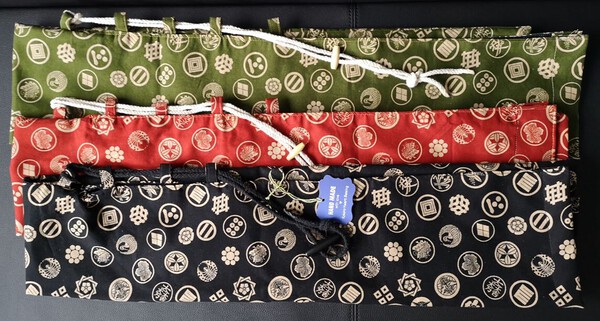 1 point
 -
Very possible!The number maybe 277 or 271?1 point
-
Yes, i think it means that the swordsmith was 63years old when making the sword.1 point
-
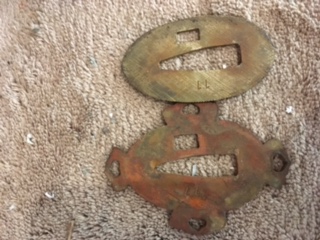
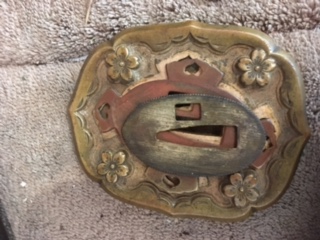
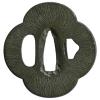
A Tanto Tsuba in owned....some stones on it.
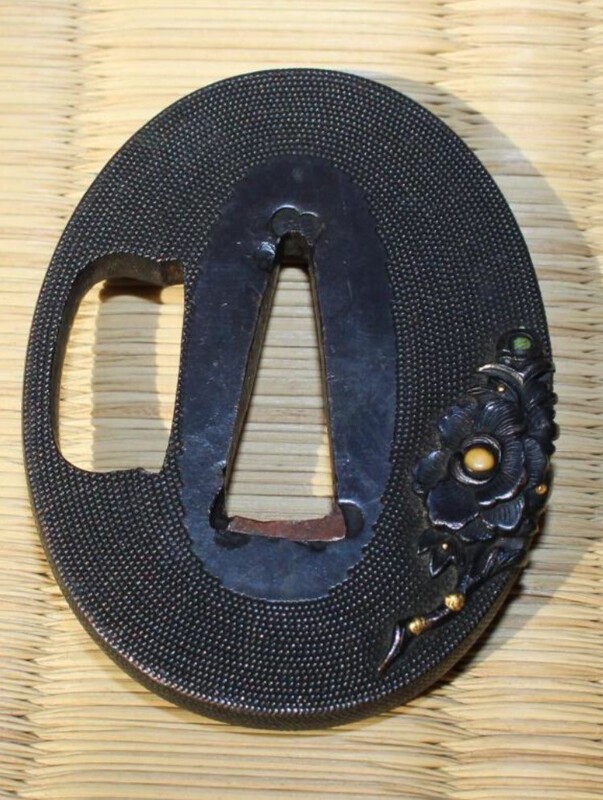 1 point
 -
Cheers Geraint, I have another four Kinmichi's my Dad likes the Mishina School I prefer the ishido school but I'm sure I can suffer a bit longer 🤣1 point
-
I got mine today and I second that Tomoko's service is really top notch. Those bags are just excellent, thanks Greg for the tip
 1 point
 -
"A real genuine samurai sword for just $44.95? What a deal! And what could possibly go wrong?" Ahh, the Knife Show. I remember those guys. They've drawn blood from themselves quite a few times while on-air.1 point
-
A lot of swords in various armies had chromed blades in the early 20thC . One of those things that was popular for a time and then the problems made themselves apparent. As a collector I avoid them because you never know what is going on under the plating. Stainless is now the go to for parade swords..... and I avoid them as well.1 point
-
Wow, that is one good looking tsuba. Ty for the reply! -Björn1 point
-
1 point
-
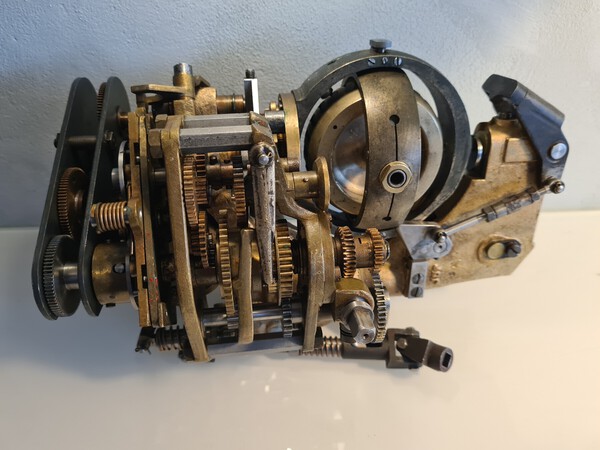
I am borrowing Neil's thread with his kind permission. As I also borrow this blade now, or keep it safe for the next generations. I am from Norway and collect militaria. I have a soft spot for industry design and technology. We have used the best of our technology and the brightest minds to intimidate or kill each other since the dawn of time. Attached is a Geradelaufapparat VIII (LUT1) for the German T1 torpedo. The mechanics for a single use device like this is astonishing. I am new to this side of collecting, and I would appreciate any hints and tips for further study of this blade. I have looked at hundreds of pictures of beautiful blades on this side, and only when I tried to photograph my own I understood the skills needed. My ugly mug ended up in the reflection of each and every one. I tried searching, but could not find any posts on sword photograpy 101.
 1 point
 -
George, you are a master at this1 point
-
Darn, now there is a comparison shot against a 32, it's not even close, is it. The search goes on.1 point
-
OK, Thanks Bruce. It was just a thought at the time of seeing it.1 point
-
Peter, if my earlier suppositions, based upon your excellent verbal description, do not hold water, then please allow my imagination to roam a little further. Assuming then that this ramrod has not been broken off and reworked at any point, i.e. that it is a self-contained ramrod, then the only logical conclusion is that a ramrod from another gun was used at some point, either for cleaning or for ramming. (Remember that when blackpowder and ball is rammed into the barrel, the ramrod only needs to reach that far and not right to the internal breech end of the barrel, so a somewhat shorter ramrod was still possible to use. At the point where it got pushed back into the 'fukuro', however, it lost any further use.) As to ramrod material, iron was relatively rare, and only became more widely used towards the Bakumatsu, but by far the best wood was aka ichii-gashi, a kind of pink/red oak, also used for stock/butt and bo and yari shafts. Other woods were less all-round perfect, but easier to carve and would work in a pinch just about as well for a while. Bamboo, which can be liable to splitting, was also used from early times. Indeed, I have a private theory that arrow fletchers were the first to be asked to produce ramrods. This is based upon the Portuguese word for 'chargers' (think of 'cargo' in English) and the native Japanese word for a reed 'Karukaya' ('ya' containing the sound of 矢 'arrow', which words are all reflected in the Japanese word for a ramrod, i.e. Karuka. I have/had two old examples of long thin bamboo arrow-shaft-like ramrods with eyelets in one end. Sadly I cut them down for use with shorter guns.)1 point
-
Yes, you got it: 若芝 (Jakushi)1 point
-
Just saw this thread and had a thought. It looks like the blade shown as the modified type95 (from type 32) Are you able to get some dimensions on this? (width, thickness, bohi and it's position to the mune)1 point
-
I tend to agree with you. Also, I would assume that a gimei with a "big" name would need to have been made relatively well (at least above average?) if it would have hope of fooling a buyer. But that's just conjecture on my part.1 point
-
@JH LeeThese specifically were done more as a political statement. There is a long history/legend of Muramasa being hated by Tokugawa ieyasu even though he actually collected them and most of his daiymo had them. My point is even gimei has its place in the history and study of nihonto. Someone clearly cared enough for this blade to keep it in such good condition and pay for that lacquered box. (Which honestly i got a thing for boxes and that one does it for me🥵) The polish also looks fresh and i know you all know how expensive that is. IMO whoever picked this up got a decent deal and probably knew exactly what he was paying for( that sweet sweet box🤤)1 point
-
No expert but I remember that a scanned image looks a bit featureless so I'd expect it to look much better in hand Try looking up the maker1 point
-
Here's a blade from 1974, just stumbled upon it by chance. https://www.samuraishokai.jp/sword/20163.html1 point
-
No 8a - Fuchi Kashira in shibuichi from the Ichinomiya school , signed Nagatsune with kao. Subject of an Ayu fisherman , with fish swimming towards his net. As he holds the net rope in his mouth , with his right hand he is putting a fish into the wicker basket at his waist.

 1 point
 -
1) What Brian said; but also 2) When we’re talking about a signed Shinto wakizashi, condition and validity of signature matter very much indeed (regardless of papers, though papers make something more marketable because most buyers rely on papers to some extent).1 point
-
Do you see it selling anytime soon?1 point
-
江戸住 寛政の頃 Live in Edo during the Kansei period(1789-1801) 藩士の注文に応じて製作 Manufactured according to the feudal retainer 予州松山臣 Yosyu Matsuyama sin(retainer of matsuyama city ) 藤原國住作之 一本 made by Fujiwara Kunizumi one 清次作之 二本 Kiyotsugu two1 point
-
From what I can understand both types of dress blade with/without habaki are correct. Considering how early the mounts look the Habaki version may have come later on.1 point
-
Id say it's Momoyama-Early Edo, a relatively low end piece. At some point it was heavily corroded, which did quite a bit of damage and was later cleaned and stabilised.1 point
-
Hi Jacques I have some doubt myself seeing that it has the old paper, it was bought from a well known dealer but that means nothing. I have seen similar Mei on line, will need to give it more study. My dad bought this sword, I personally would not have as it's not to my taste although it has a nice koshirae. Cheers Chris H1 point
-
Thanks, i've some doubt about it.1 point
-
This is a linen example, has yellowed with age, I am sure many souvenir hunters ripped them off. Luckily this is one of the rare ones that survived.
 1 point
 -
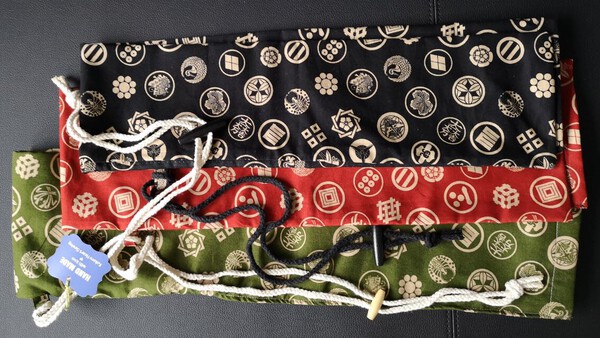
Hello, Ordered some special Katana,- and Wakizashi bags (different sizes and without the leather bottom.. based on my request - see attached pictures) from Tomoko-san via eBay and from here shop directly for a very good price. I was quite surprised on the quality of these bags and the professionalism Tomoko-san is working. I can just fully agree Greg, these bags are great! Communication was also very good - despite the big time difference. The whole transaction was very smooth and reliable, same the delivery. I am really happy. If somebody is also interested in, here the contact details: eBay: futtmk_047omvqpw FB: Kokoro Heart Sewing So finally, I just can really highly recommend the service from Tomoko-san and will for sure order additional bags and many thanks to Greg for introducing Tomoko-san´s business here.

 1 point
 -
Wow, over 2,200 swords. Hard to comprehend.1 point
-
I personally prefer the photo in Guido's post #125 myself. If I had ever had a chance with a woman like that, it surely would have been the end of my story....1 point
-
Thank you for the kind words John. The Hidekage is still available. Whether an Oei period Bizen Hidekage, or an earlier blade as others have suggested, this is an exceptional sword. As always, an inspection period (3 days) and unconditional return is offered. Any inquiries, please reach out to me via email at raymondsinger@gmail.com. Best regards, Ray1 point
-
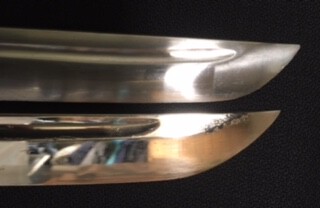
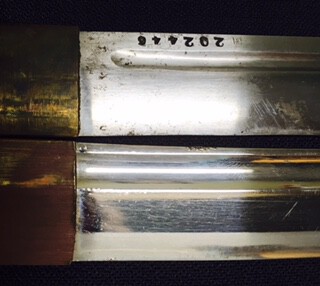
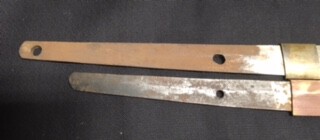
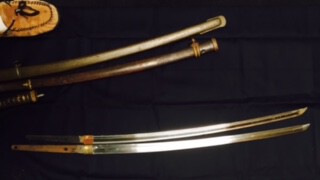
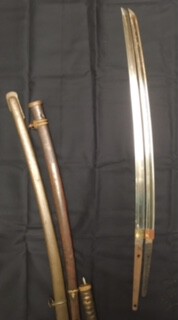
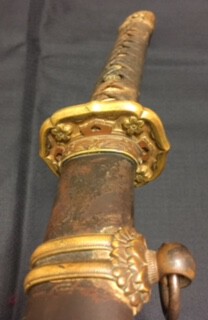
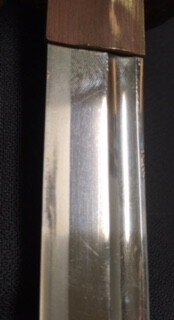
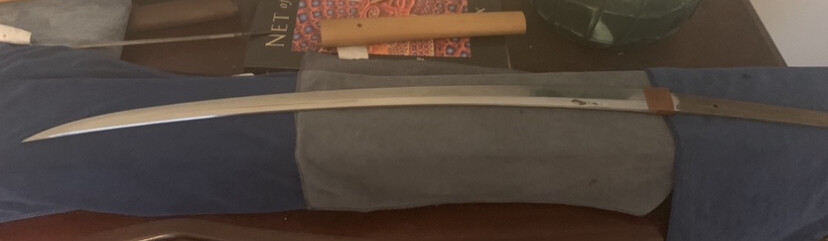
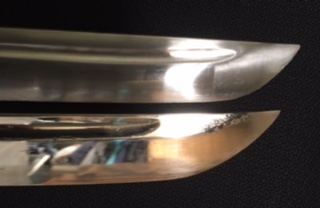
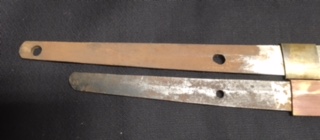
I've taken better picutres and compared it to a Type 95 blade. It's definitely different and not made the same way. It is more koshi sori than the NCO, slightly shorter, slightly narrower. The weight feels quite close, with the difference only due to the dimentional differences. The bo-hi goes under the habaki, and stops sooner than the NCO. Obviously the nakago is shorter. So, while this may have been made from a single piece of steel, like the NCO, it was made specifically to be this kind of gunto.

 1 point
 -
Dawson doesn't identify the left sword (the one matching Bruce's) as chrome plated, only the right side one, which is the dress sword. The left hand sword matching Bruce's certainly looks chrome plated in the photo, but I wonder if that's just the picture. Dawson states "A Type 98 shin-gunto (left) and a rarely encountered shin-gunto dress sword (right)... The dress sword has a copper handle, a chrome plated blade, and a chrome plated scabbard." Recent research has suggested that at one time all NCO swords were considered for chrome as a means to preserve the blade and prevent the process of sharpening and blunting of the blade during wartime: "And the reverse outcome of dulling the blade as well as rust-proofing was hoped to be achieved by chrome-plating the sharpened blade and thus sheathing the edge in a layer of chrome, which they had been trying since 1932. This dulling by chrome-plating was meant to be a reversible process, in which the blade was supposed to be returned to a sharp state by removing the plating at the edge at times of war. However, this plan of killing two birds with one stone (rust-proofing and dulling/sharpening) was not successful in the end." Full credit to Nick Komiya. Something similar?1 point





































This leaderboard is set to Johannesburg/GMT+02:00