
Leaderboard


Popular Content
Showing content with the highest reputation on 09/29/2020 in all areas
-
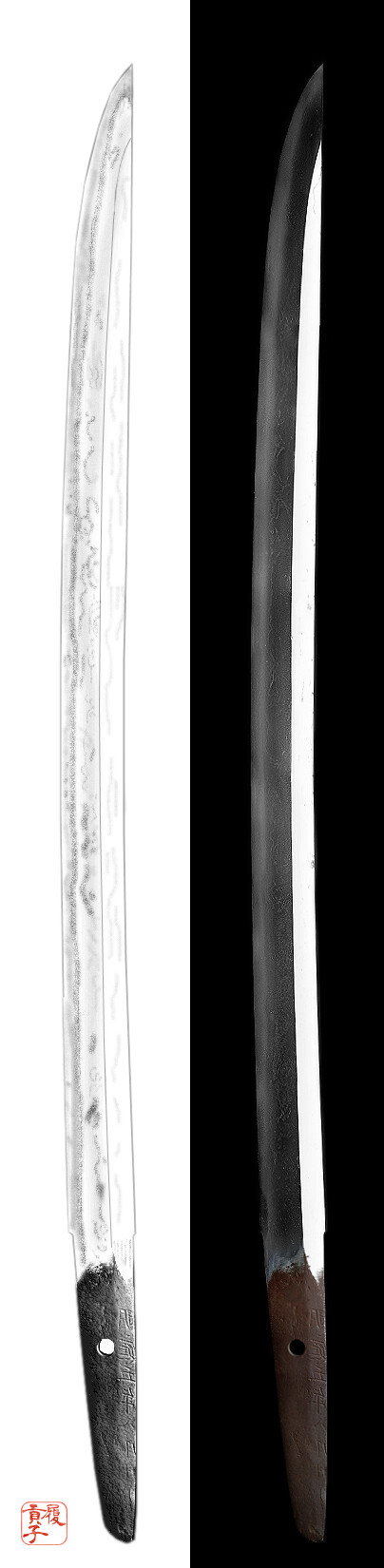
I was pointed towards this thread. Checked the listing, and I hope I can clarify a few things: 1 The Jūyō paper states that the nakago is "almost ubu," although they do not point out what was altered (sometimes they add "just tip was cut off" or "slightly machi-okuri" in parenthesis). The paper also says "dates not later than mid-Kamakura" and "no other examples of such a tsukurikomi for the time period in question." 2. Tanobe sensei says in his sayagaki that the blade is ubu, that it does not date later than early Kamakura, and that "such a tsukurikomi is not only rare for this school [Ko-Aoe] but also rarely seen in blades from other provinces around that time." That is, he is playing it safe, not stating that they do not exist at all. 3. Aoi Art dates the blade on their Japanese site to "end of Heian to early Kamakura period" and indeed state ō-suriage. However, this might just be a website template error (or some other copy and paste error) as they write later down for the blade's characteristics that the blade actually does have an ubu-nakago and is thus an extreme rarity.6 points
-
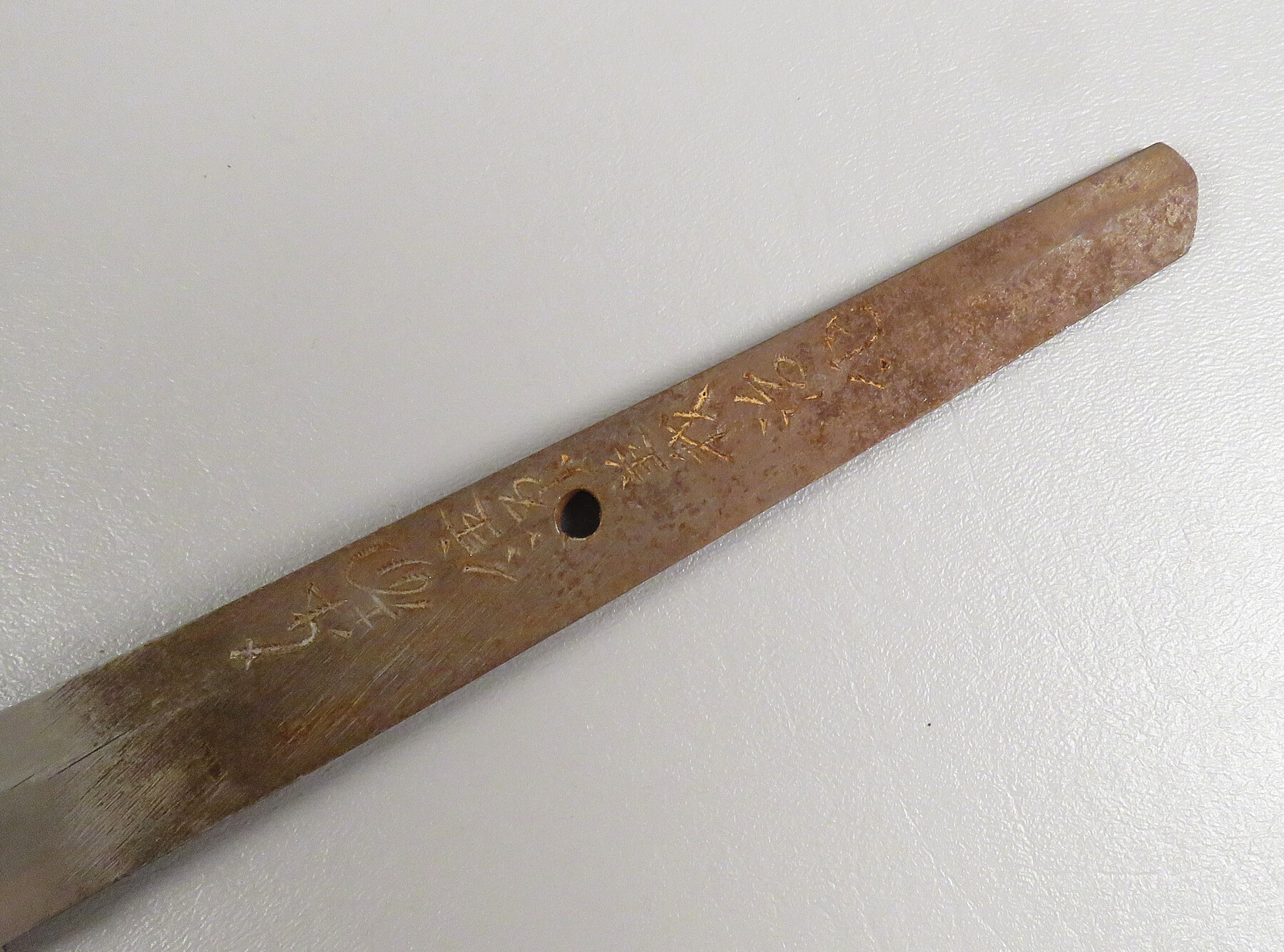
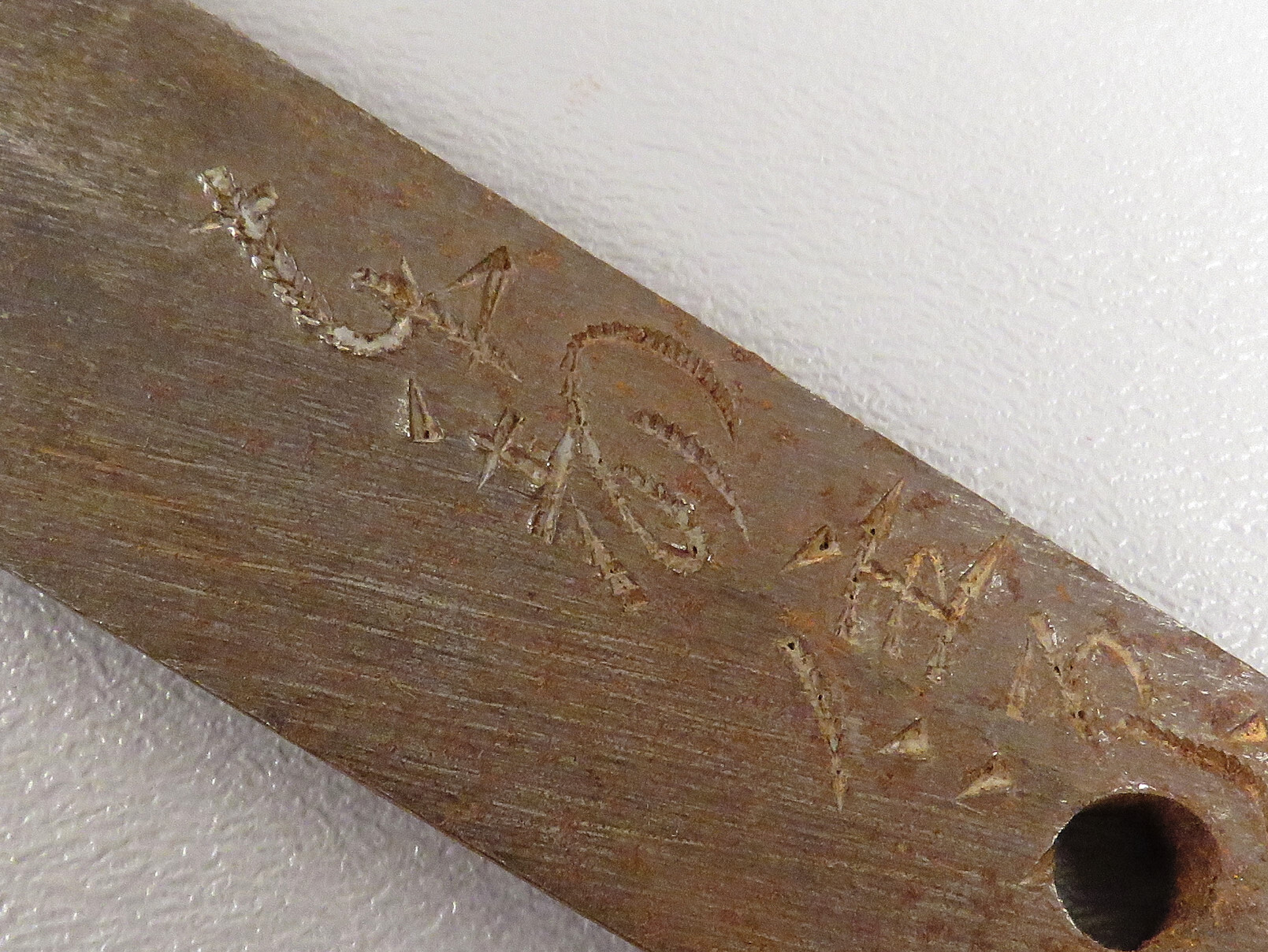
For those people who want to know the meaning of the Kanji "Ichi" under the chrysanthemum crest, "Ichi" in Japanese not only has the meaning of "one" but can also be used as bullet point. For example, please look at this official announcement/oath of Meiji reformation from the Meiji government: And based on the description of the swordsmith below the hole of the tang "備前国住長船河内守祐定”, the swordsmith is Sukesada of the 長船 Osafune school. So I don't think the "Ichi" in this description refers to the Ichimonji school. On the other hand, for those people who want to get detailed explanation of the description on the tang, here they are: The omote side 備前国 the state of Bizen 住 live 長船 Osafune school 河内守 this is a governmental position title. 河內 is the name of a region in the central area of Japan's Honshuu island. 守 in case of being used as a governmental position title, it means the authority of the region written before this character. But I think this kind of titles "(name of region)守” is just an honorary title since many swordsmiths had this kind of titles but never seemed to actually have governed the region that he was titled with. 祐定 Sukesada The ura side 為 for 吉田 Yoshida is the family name of the commissioner 六左衛門尉 this is also a governmental position title 藤原 Fujiwara is the clan name of the commissioner. Back in the old days, people of Japanese noble/samurai often claimed their families traced back to either of the three of the most influential clans: 藤原 Fujiwara, 源 Minamoto, or 平 Taira. 国家 Kuniie is the given name of the commissioner. 造 made 之 this 元禄十二年八月日 a day in August in the year of 1699 AD6 points
-
Hello friends, I also wanted to share, I found a website post by Katana_case_shi who went to the first half of the exhibition and took pictures of EVERYTHING for us to enjoy! for those of us who could not make it to Japan due to the Pandemic. I for one, would absolutely kill to be there right now and to see the exhibit. But heres the next best thing. Some really beautiful stuff there. I hope he goes for the second half which actually starts today and captures those as well, although I doubt it. Please enjoy. https://note.com/katana_case_shi/n/nd8f7ee9d5a044 points
-
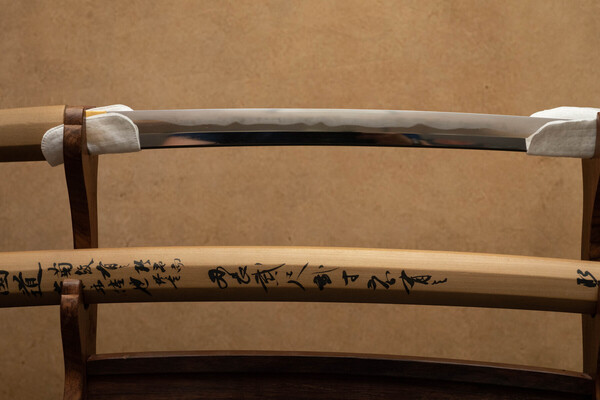
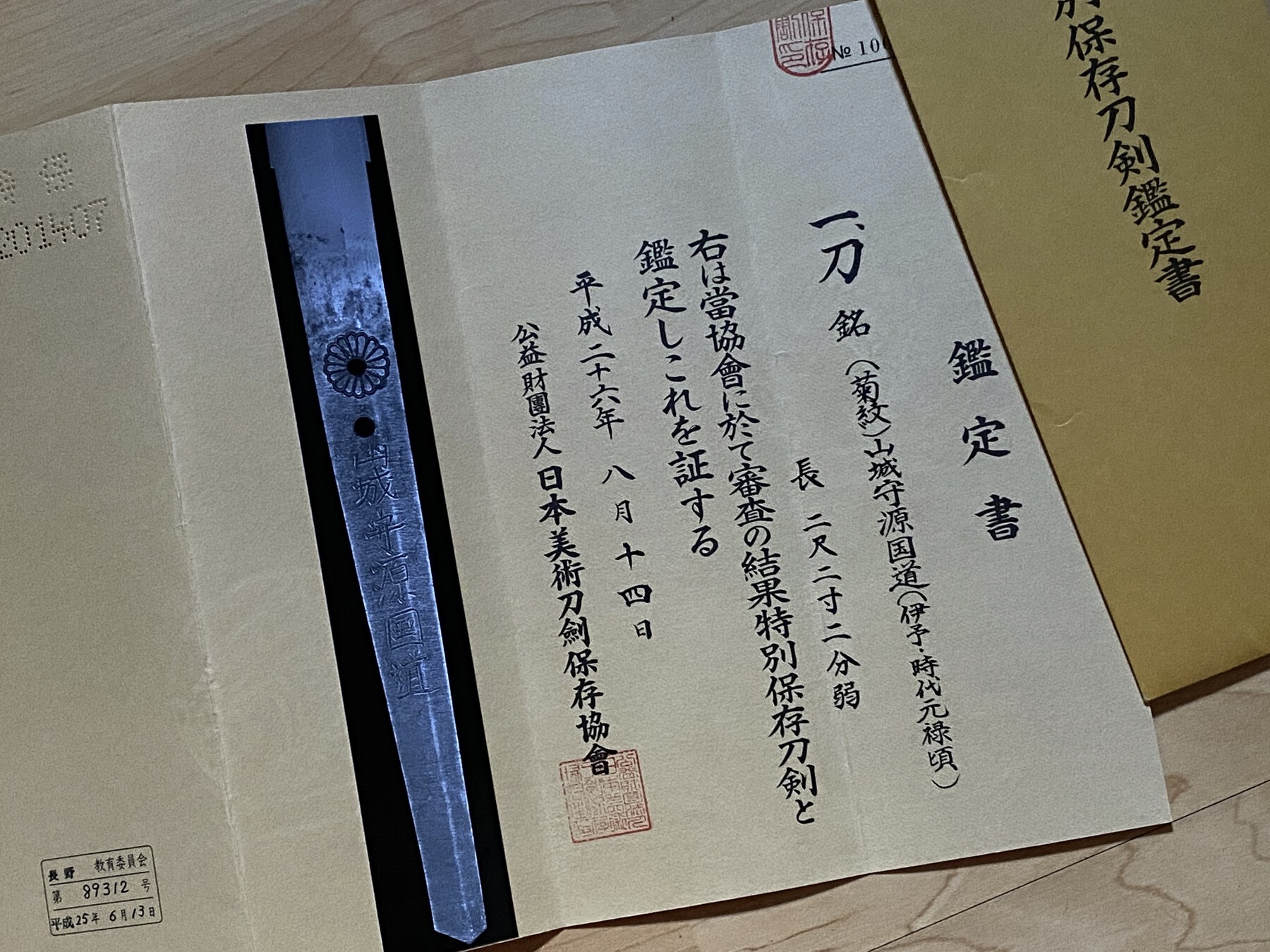
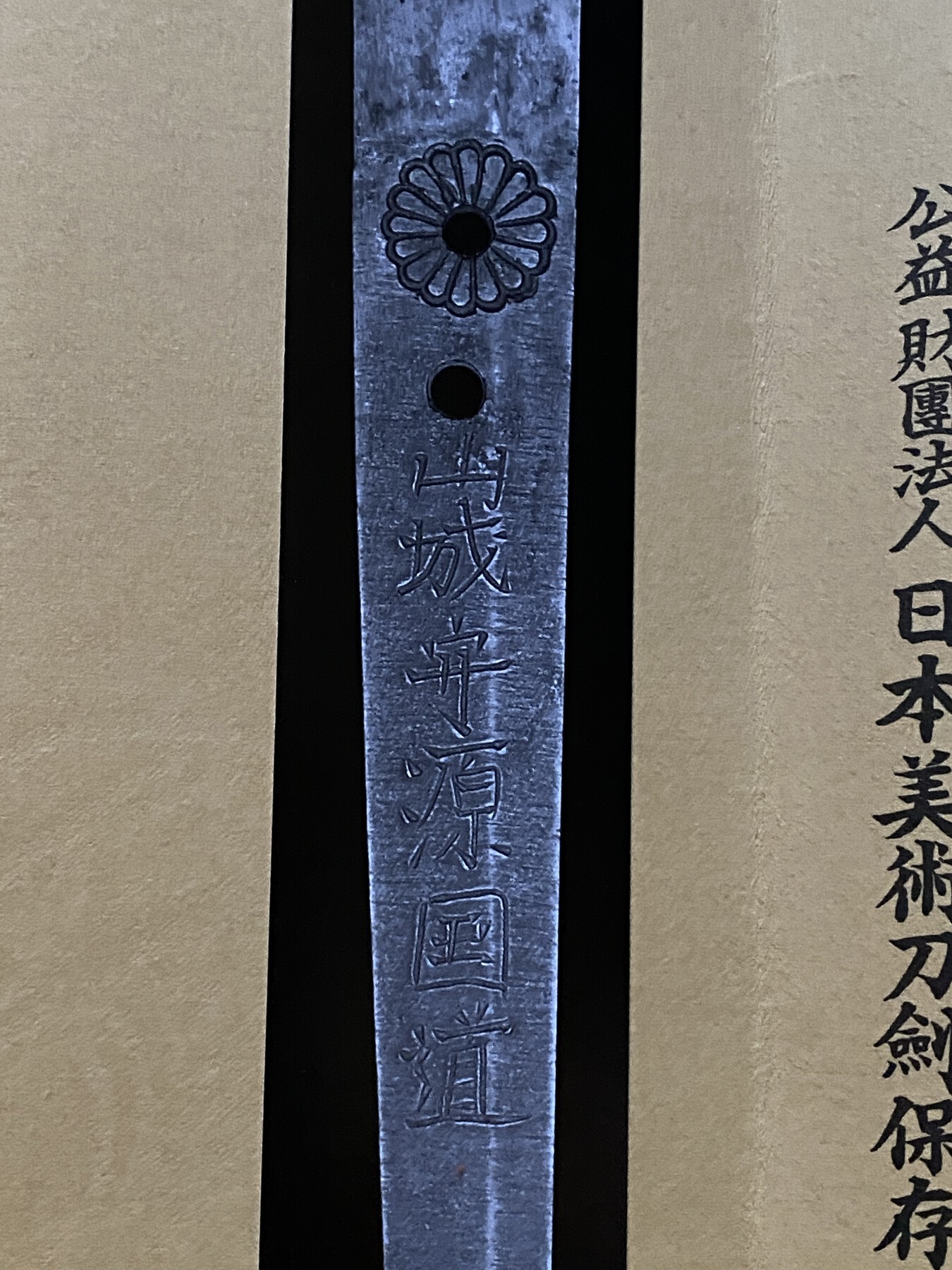
Hello This forum has been a pleasure to read and I very much appreciate all the knowledge here, for a new collector like me it has been a great resource Wanted to post a picture of my first blade, a katana. Yamashiro Minamoto Kunimichi Tokubetsu Hozon papers and sayagaki by Sato Kanzan Wondering about the meaning of the kikumon on the nakago was this a common practice? Thanks Jason




 3 points
 -
A ko-Aoe blade on Aoi Art site this morning. The shape is very unusual. I don't remember seeing another one before, certainly not an Aoi. I was wondering how the lack of symitry affected the hardening and how they kept the blade straight during quenching https://www.aoijapan.com/katana-mumeiko-aoe55th-nbthk-juyo-paper/ Strange but interesting piece3 points
-
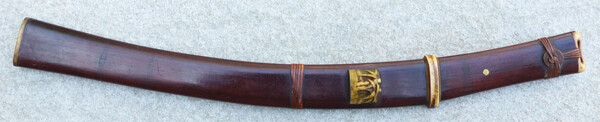
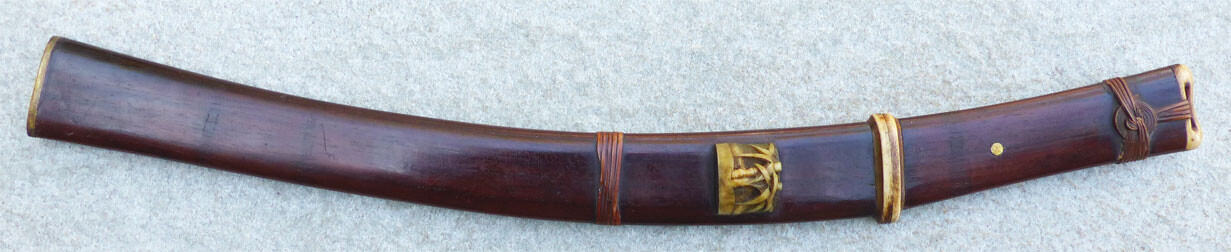
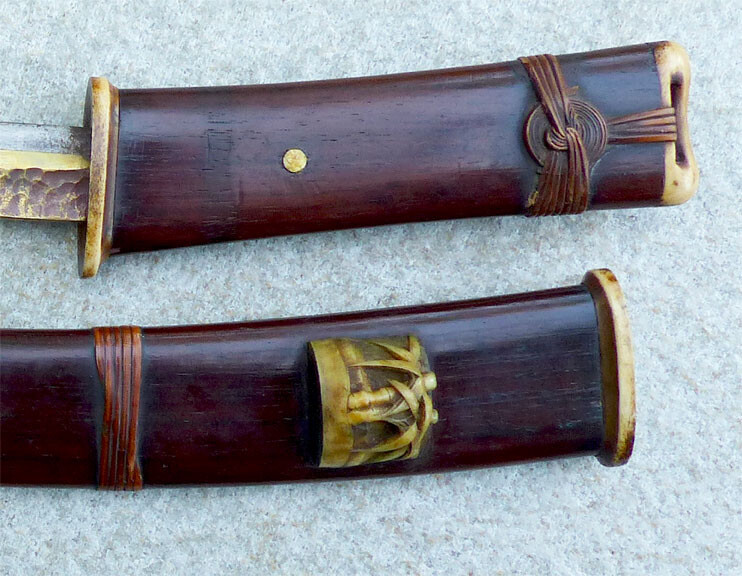
I have had this Tanto for a number of years and I have no idea what it is or it's purpose. The tsuka and saya seem to be rosewood, all fittings are antler and the wrappings are baleen. The blade is steel backed by brass. I can not remove the pin without damaging the tsuka. The steel blade is razor sharp. Any ideas? Thank you for your help. Dick



 3 points
 -
I suspect it's a nata. Used for flower arranging, pruning and other horticultural uses. Looks like a nice one.3 points
-
For reference. According to this website https://meitou.info/index.php/福岡一文字派 (My translation) Norimune was the founder of the Fukuoka Ichimonji group. He was called the Great Ichimonji 大一文字 as he was the first to cut a 'One' Mei. Described as the Kiku Ichimonji in the 古剣書...Kokensho(reading?). He was assigned to 1st of January as a Goban Kaji by Emperor Gotoba-In. Called Bizen Tayu (Taifu), he was given the job of 'Gyobu no Jo'. He was allegedly No.1 among the Goban Kaji, and allowed to cut a 16-petal chrysanthemum Mon, thus coming to be called the 菊一文字 Kiku-Ichimonji. 則宗 備前福岡一文字派の祖。 古剣書においては「菊一文字」と書かれる。最初に一文字銘を切った人という意味で「大一文字」とも呼ばれる。 備前太夫と称し、刑部允に任じられた。 後鳥羽院の御番鍛冶正月番。 御番鍛冶中第一位とされ、十六葉の菊紋を切ることを許され「菊一文字」と呼ばれる。3 points
-
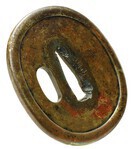
碁石形 Go-ishi-gata is the shape of Go stones, i.e a discus, fatter in the middle 小透 Ko-sukashi is a small transparency, window or cutout. 片櫃穴 Kata-hitsu-ana indicates one hole for the Kozuka only.3 points
-
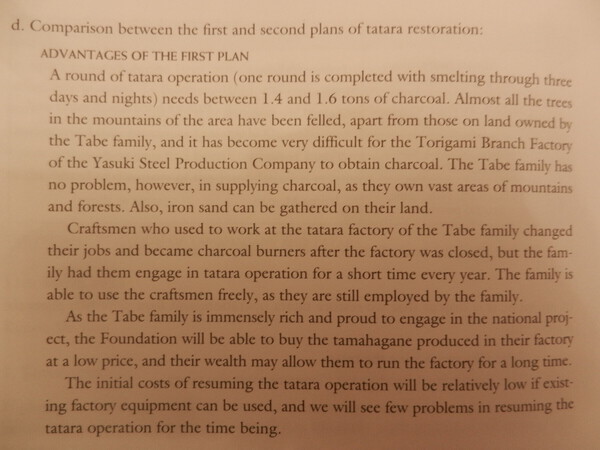
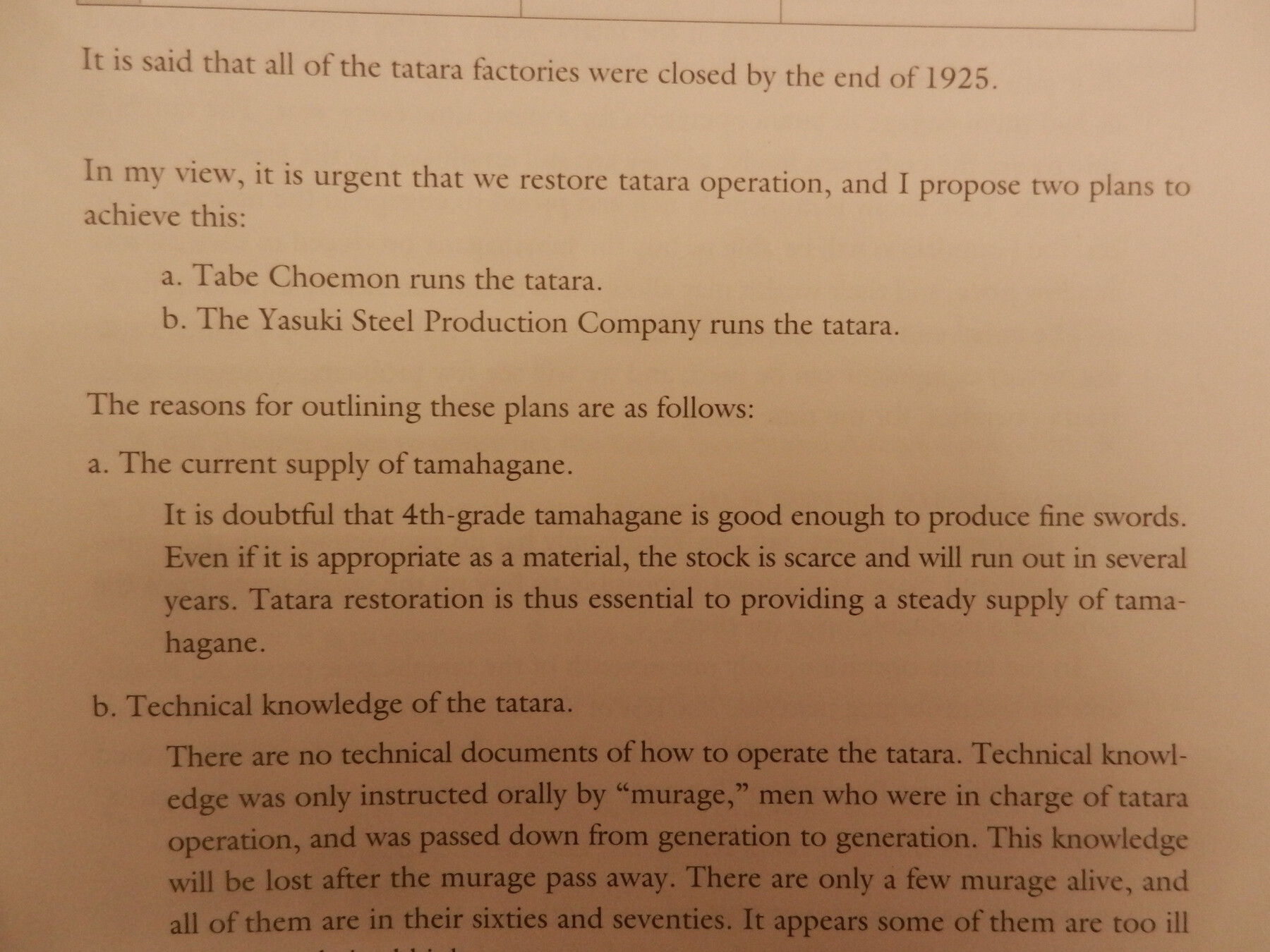
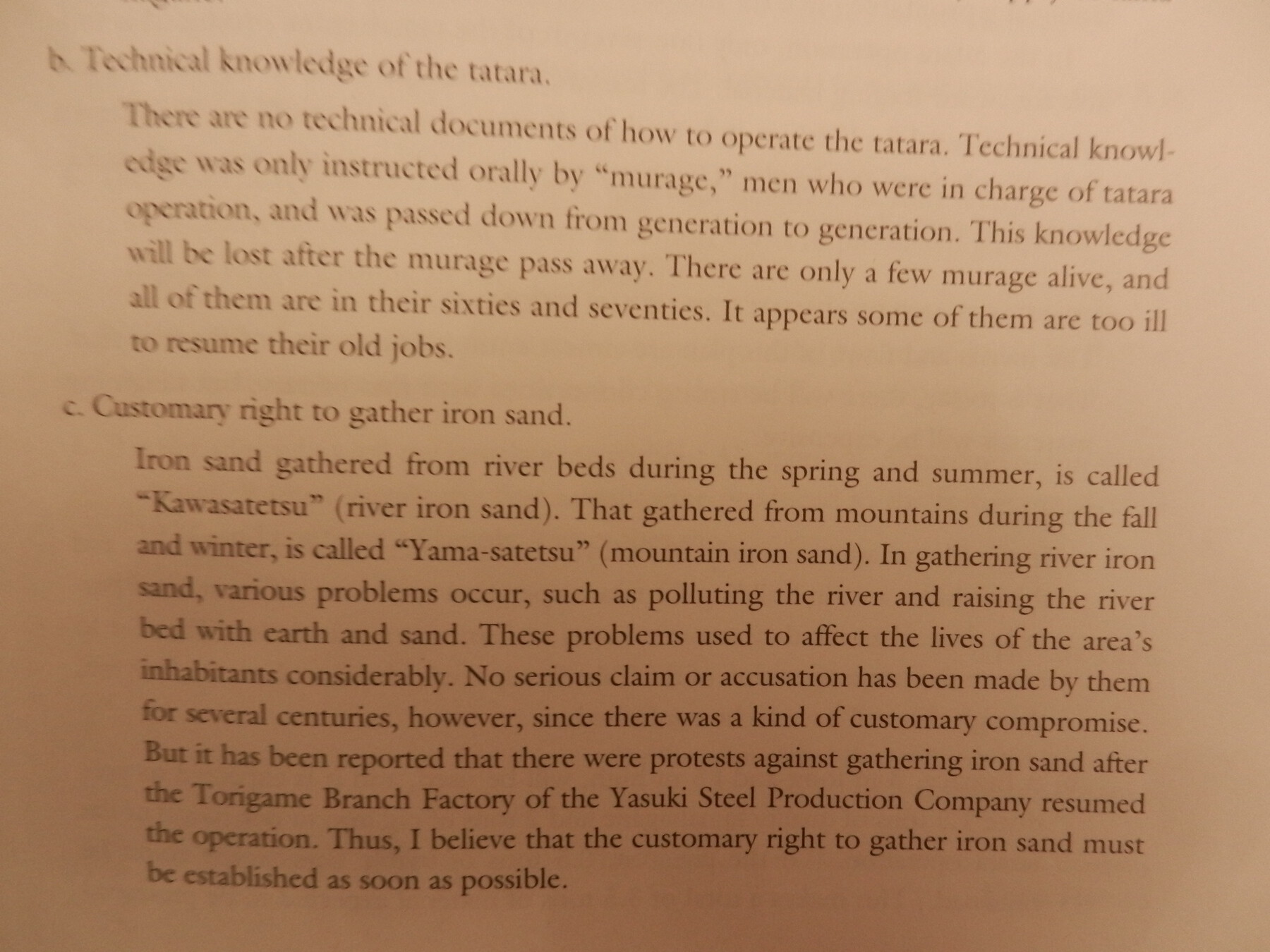
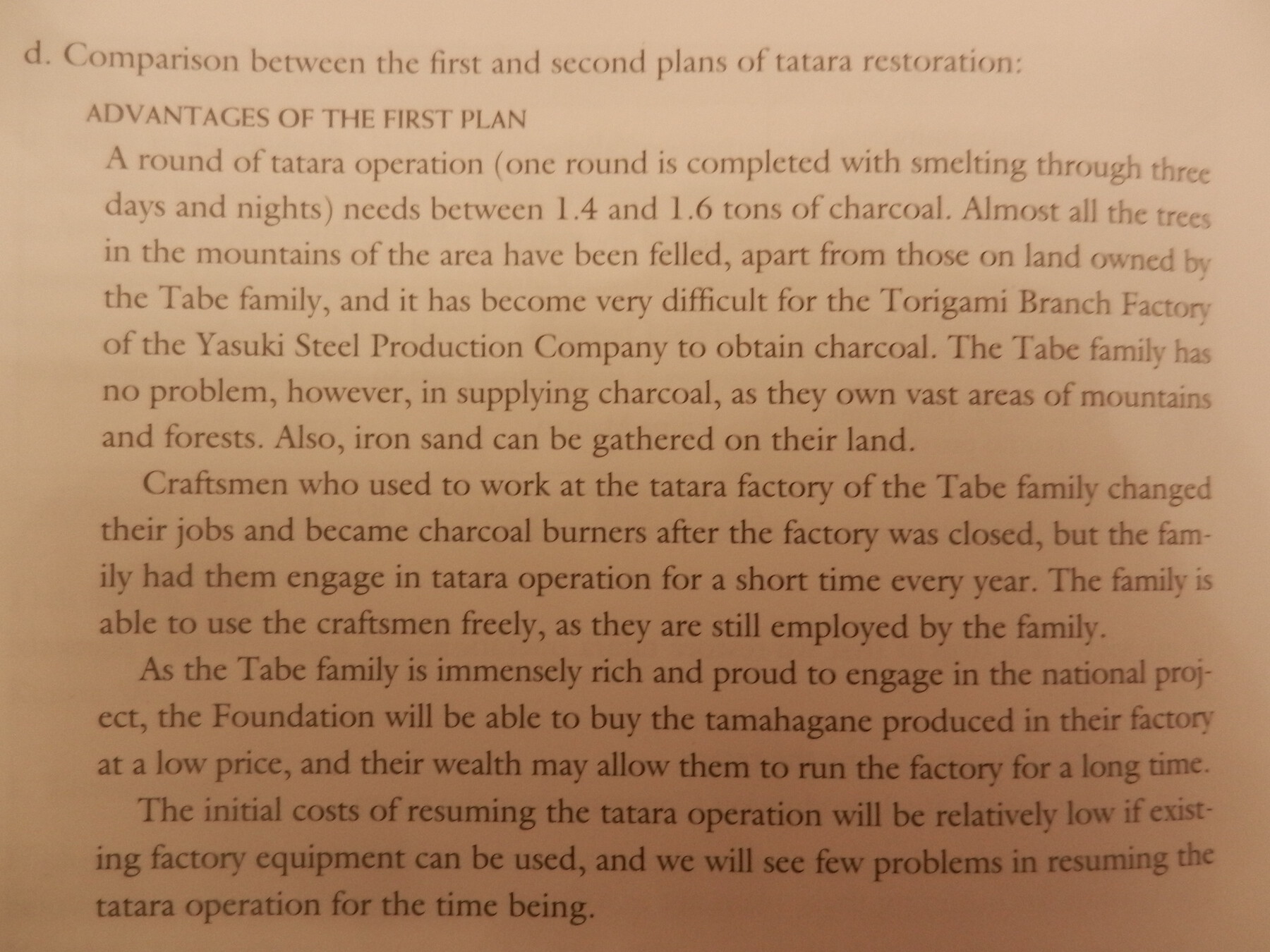
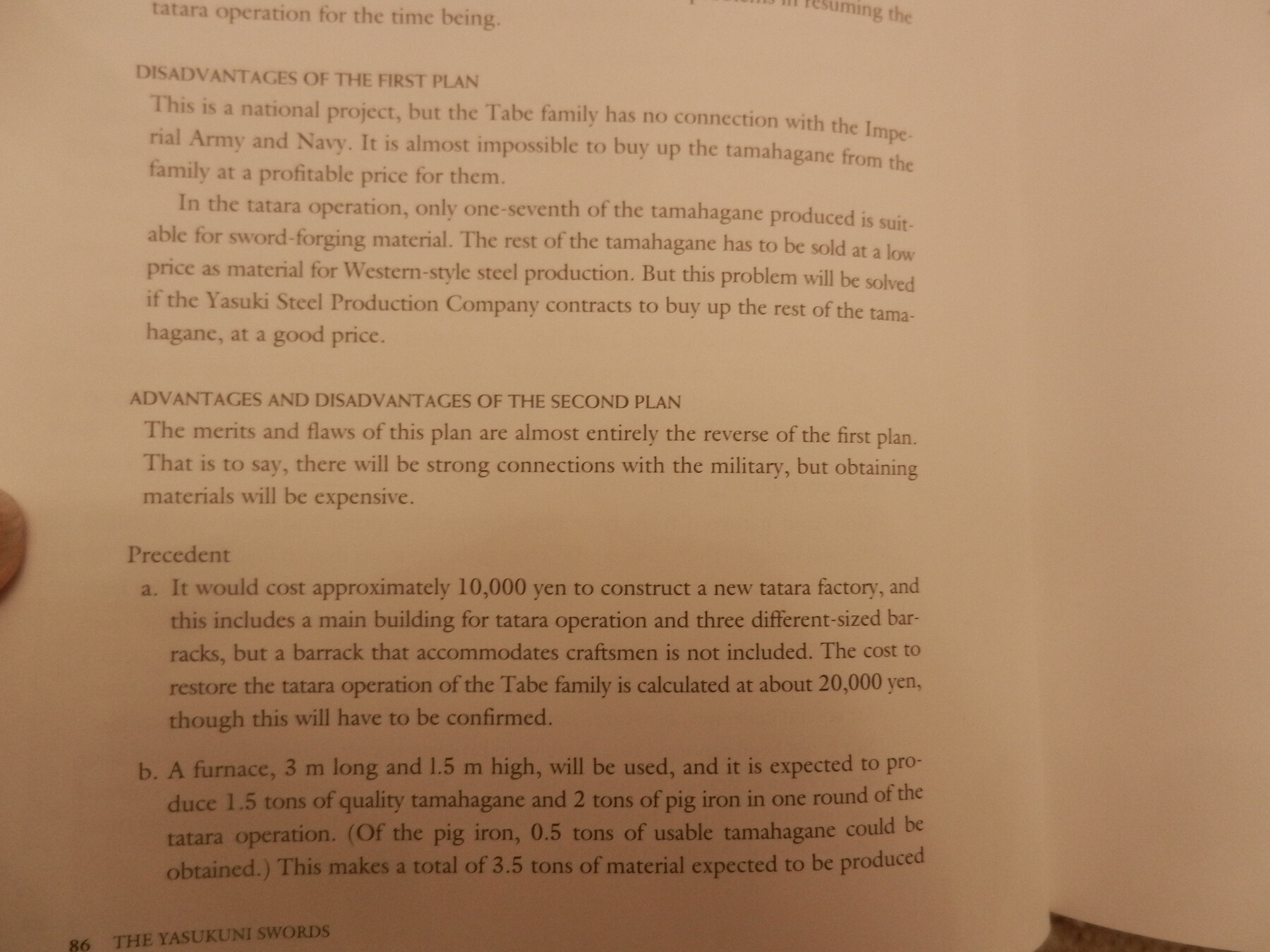
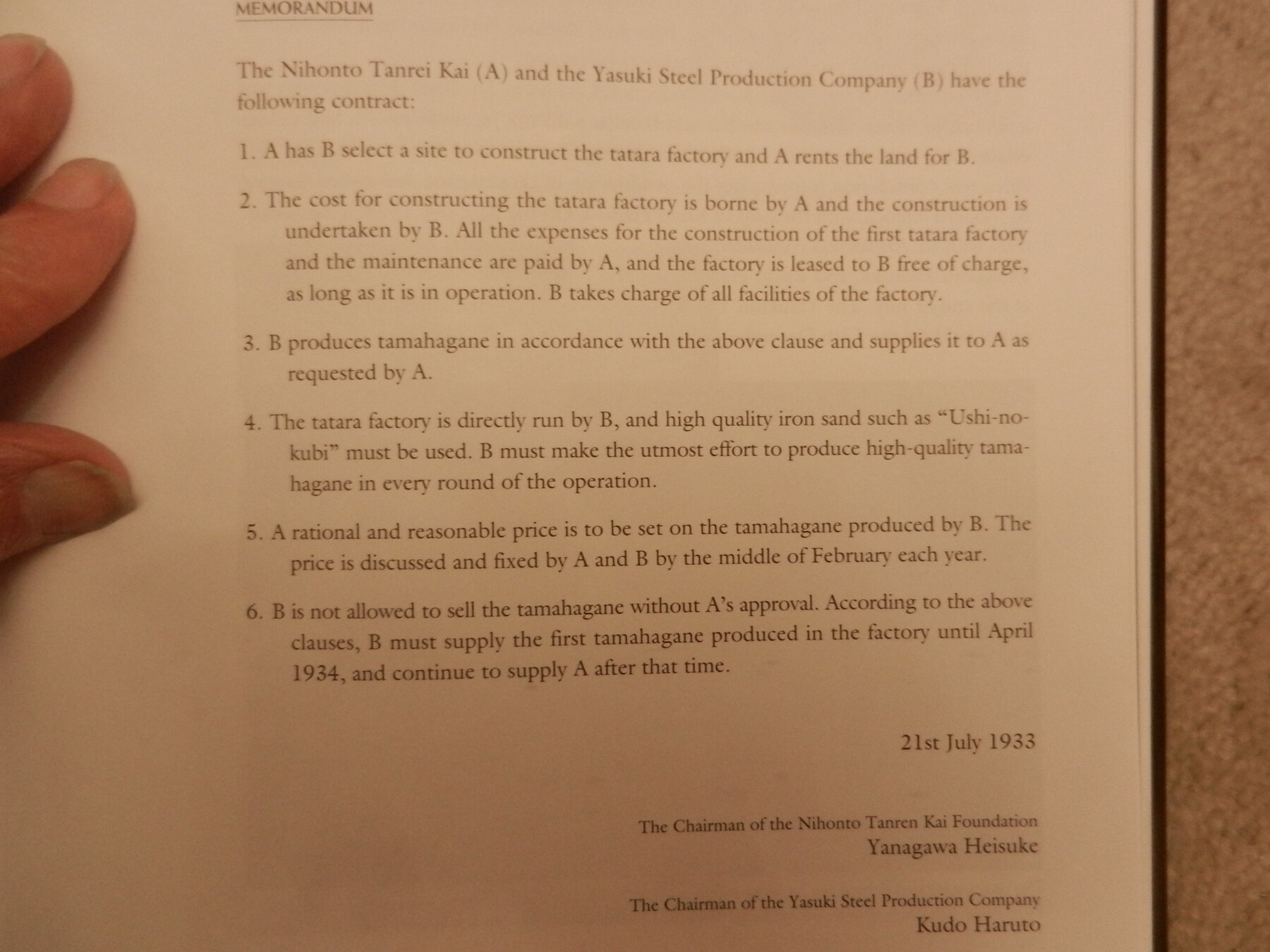
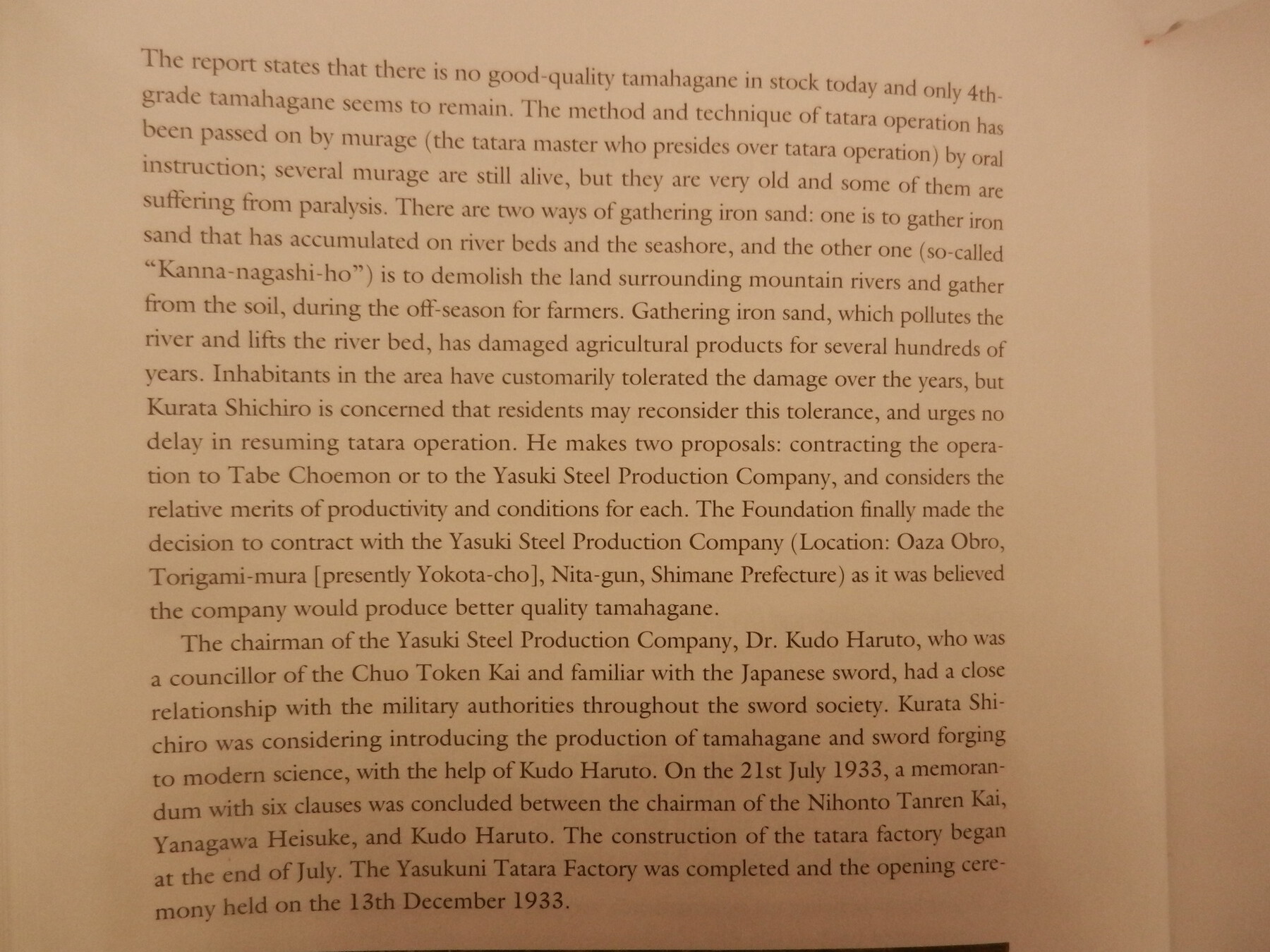
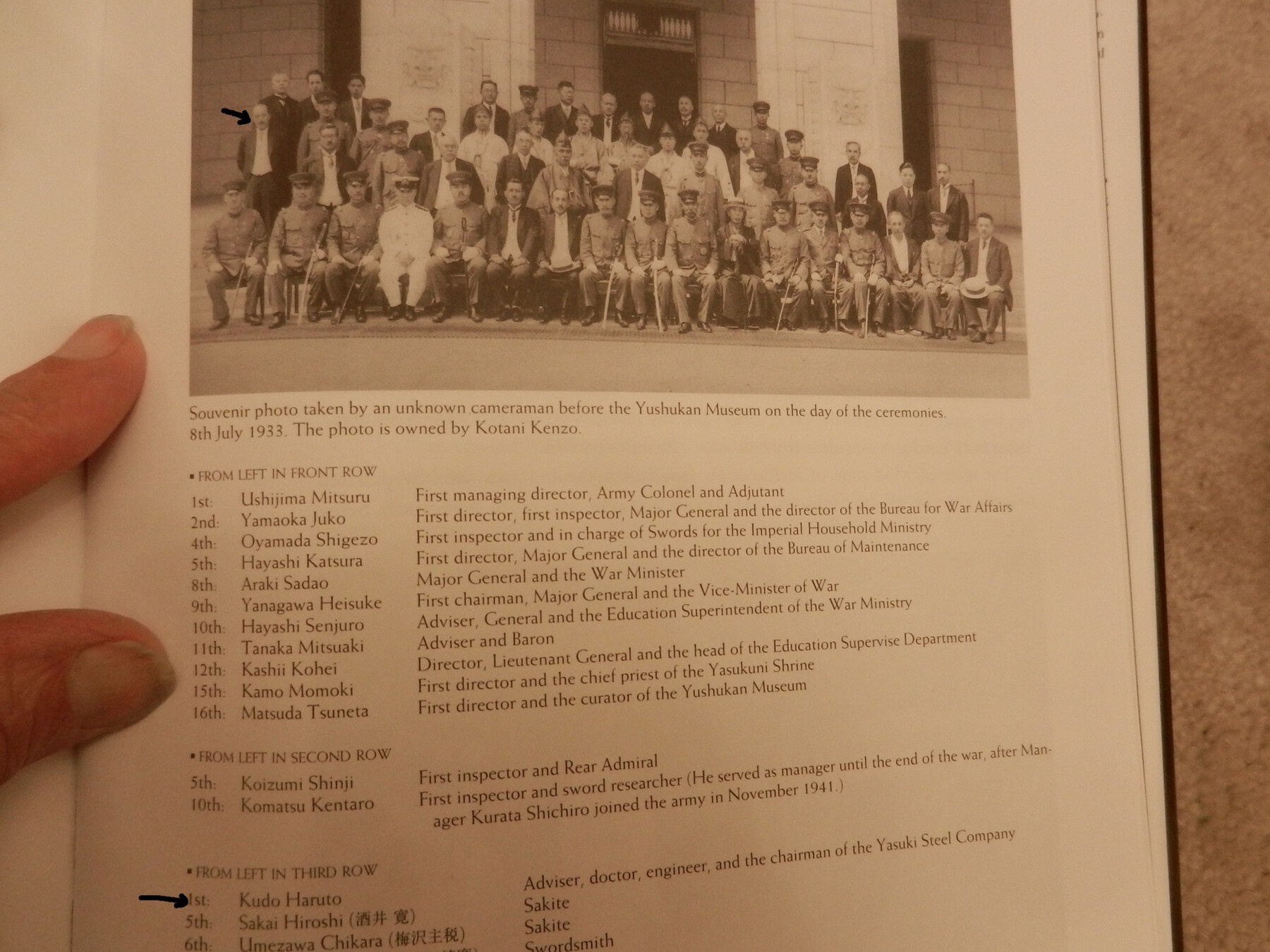
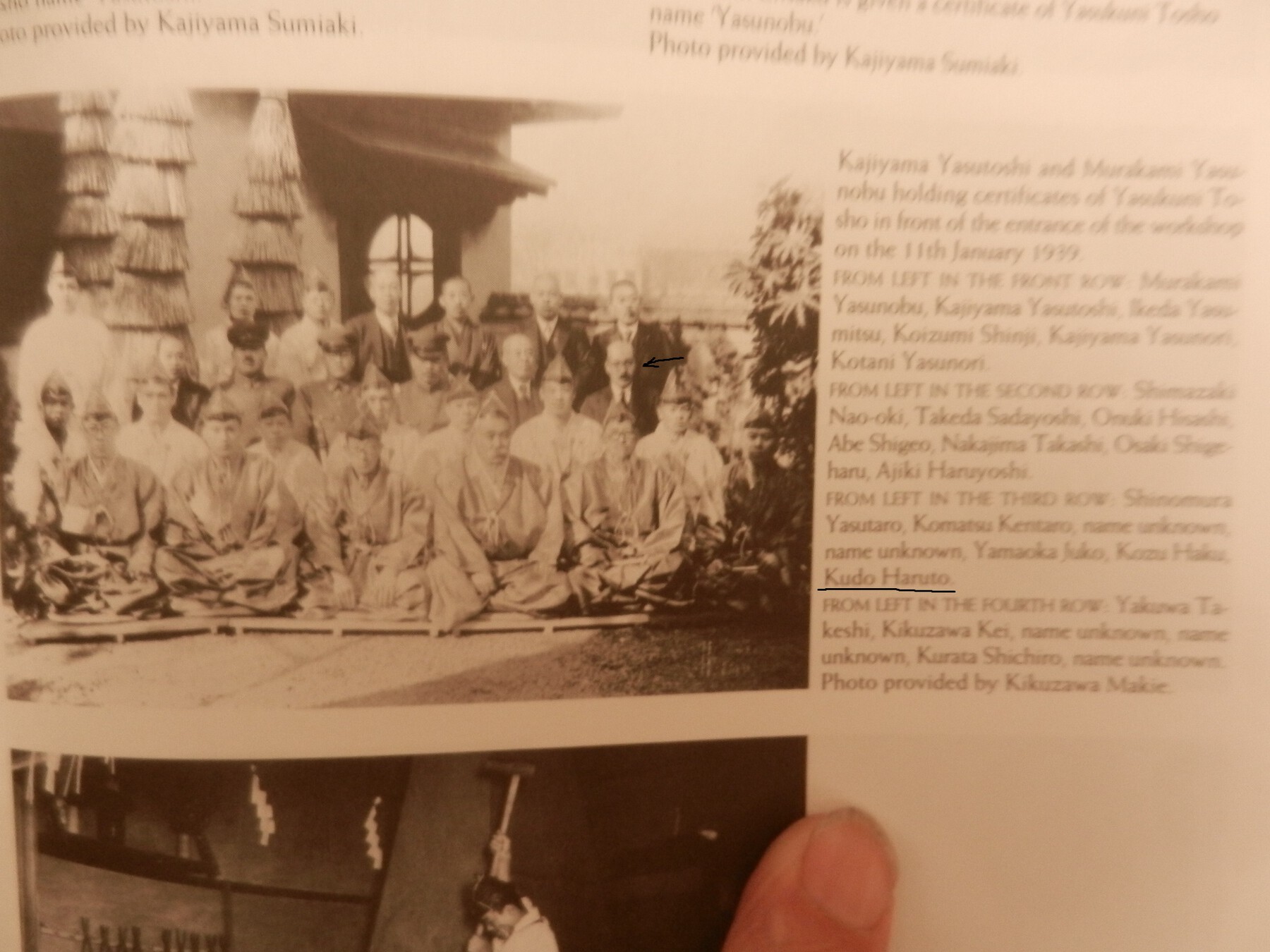
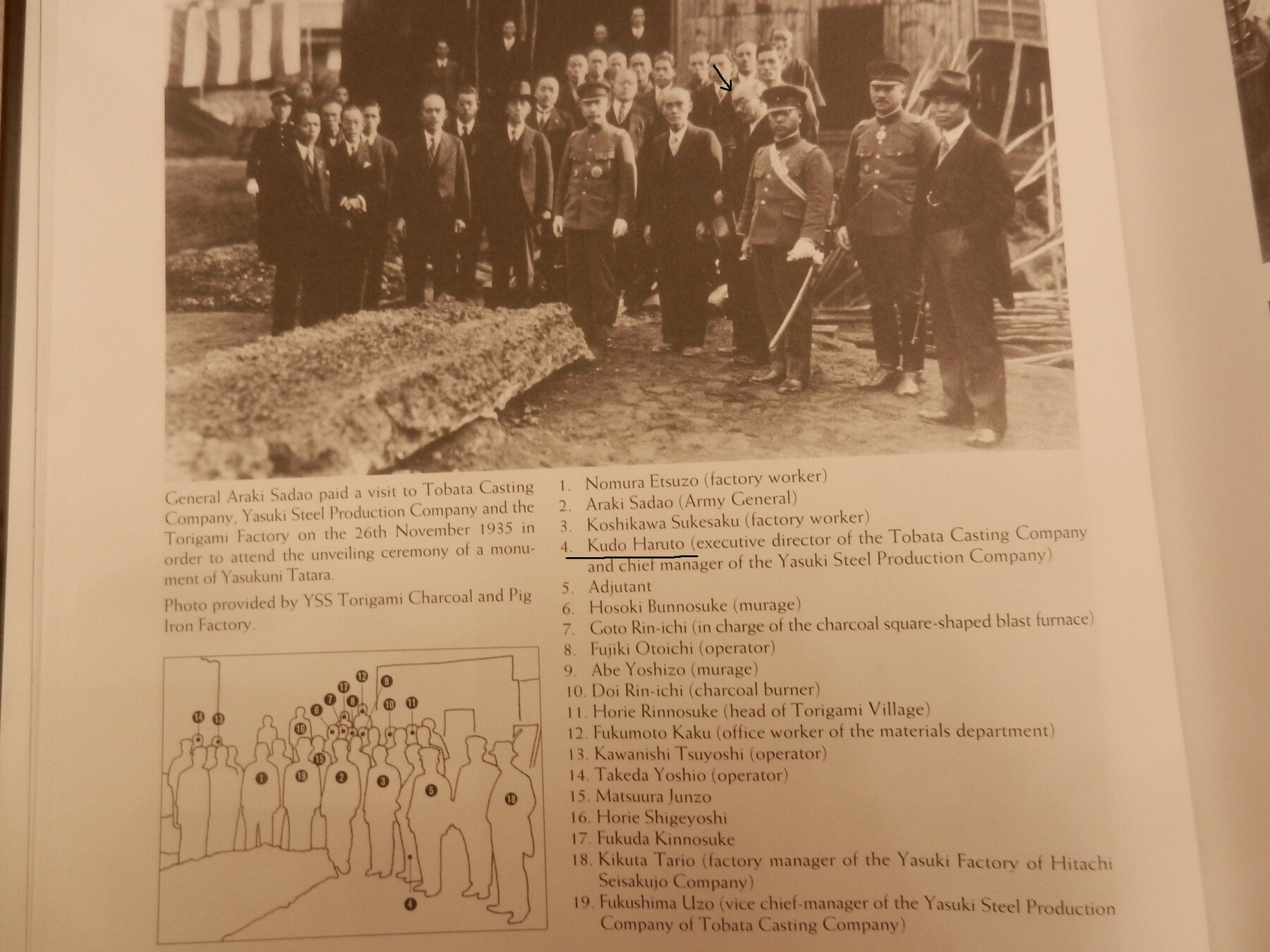
Having read thru Tom Kishida's THE YASUKUNI SWORDS I find that Kudo Haruto was kinda in the good graces of the Japanese Military /Industrial complex and probably had a few cups of sake with the upper echelon of the Imperial Japanese Army/Navy. And my money is yes, this Minatogawa sword was made with steel from Yasuki but it was "tamahagane" which is the same steel produced by Yasuki Corp for the Yasukuni tatara. I find it hard to believe supplying the Yasukuni tatara with tamahagane for years and then using common mill steel for a presentation sword forged at the Minatogawa tatara.. Anyway, Haruto was according to Kishida's book knowledgeable of swords and of course steel and beat out his only competitor Tabesan to get the contract for the Yasukuni tatara. And I believe we can assume Haruto also supplied the Minatogawa tatara with the same "tamahagane" and this sword was forged from same. 5G bet is still on. May have it sold with absolute GUARANTEE IT IS REAL!




 3 points
 -
Can I just say that this is a lovely tanto? Have a nice day.3 points
-
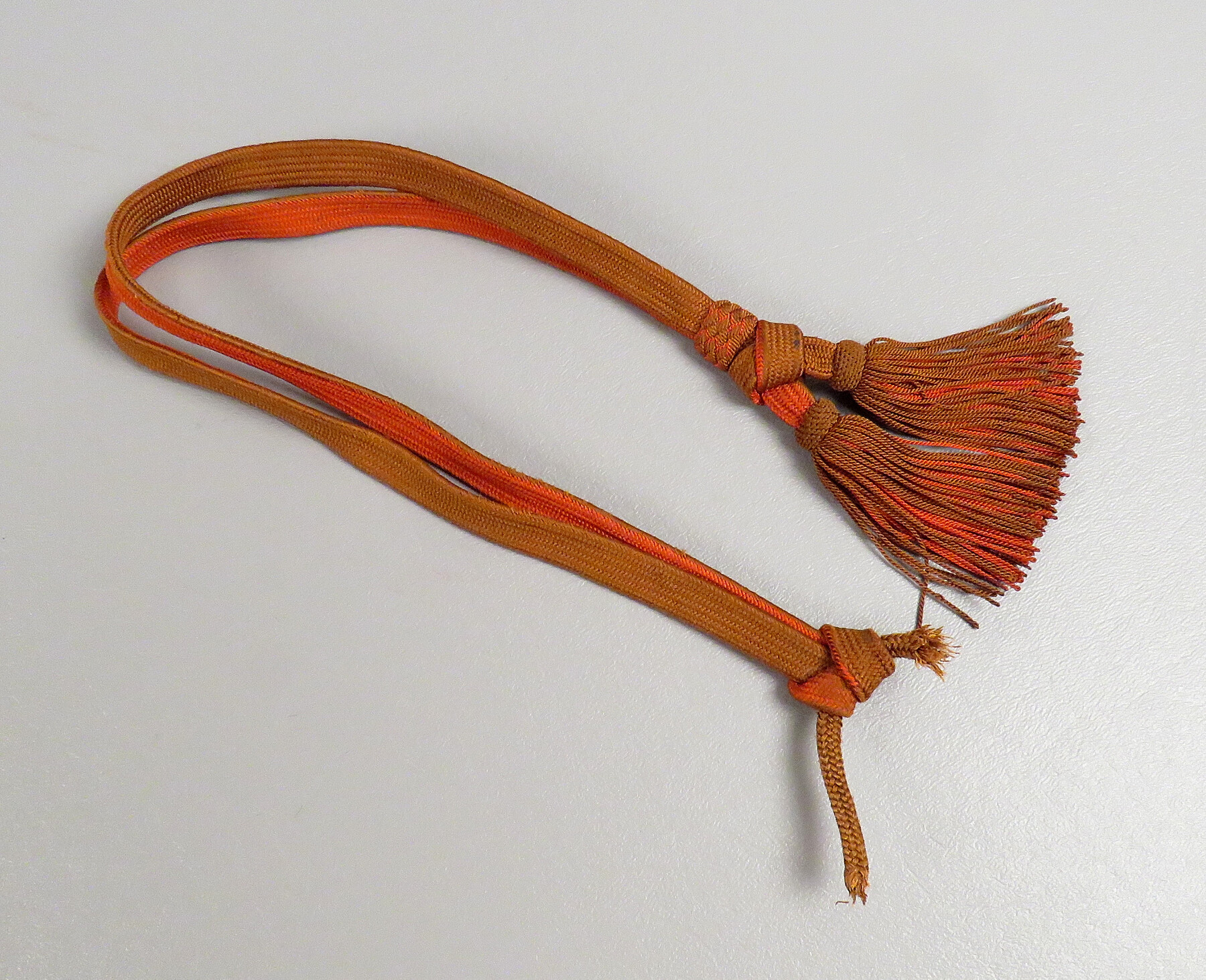
This was attached but the cord securing it just came apart when touched.
 2 points
 -
Looks authentic to me. The lacquer missing from the Mabisashi is a small minus, but it confirms that it is made of iron. The unusual shape of this zunari, from those photos at least suggests a zeppeki, or rear cliff, the shape of some people's heads in Japan! The prow shinogi is unusual for a zunari, unless that is a trick of the light. You are lucky to have 1. a tsunomoto in front for the Maedate, 2. both fukikaeshi and 3. a complete shikoro, plus 4. a Shinobi-no-o cord and 5. an ukebari (failry recent?) inside. Often one or more of these is missing and a job to replace. Usually zunari were not signed, but if the ukebari is untorn it will be difficult to check.2 points
-
Thickness of the Tsuba, the separate Sarute barrel on the Kabutogane, the curvature of the Tsuka and the colour of the paint on the fittings. All are consistent with the Type 94, at least to my eyes.2 points
-
I am sorry, John. But I think chrysanthemum crest is for the Japan royal family. The most famous sword maker who used chrysanthemum crest in his sword was the retired emperor Gotoba 後鳥羽上皇. If the swordsmith was under the retainership by the Shogunate, the swordsmith would use the crest of the Shogun family. For example, Yasutsugu used Tokugawa's "three Aoi tree leaves" crest in the swords he made.2 points
-
無銘 後代梅忠 unsigned attributed to the later generation Umetada 碁石形 is the description of the shape of the sword guard. 碁石 could mean "the foundation rock of an architecture" based on the meaning of the Kanji characters. 形 is the kanji for the word "shape". 鉄地 means the material of the sword guard is iron. 小透 片櫃孔 This is the description of the holes on the Tsuba. 小 means "small". 透 could mean "penetration". 片櫃孔 is the description of the holes on the sword guard. I don't know how to describe 片櫃; but 孔 means "hole". I guess 片櫃 could be a description of the shape of the hole on the left.2 points
-
I was told these are called shigure yasuri, meaning like a rainshower.
 2 points
 -
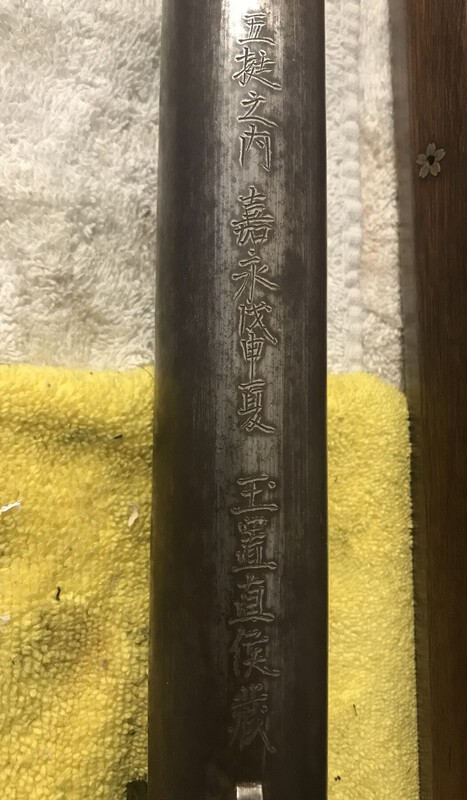
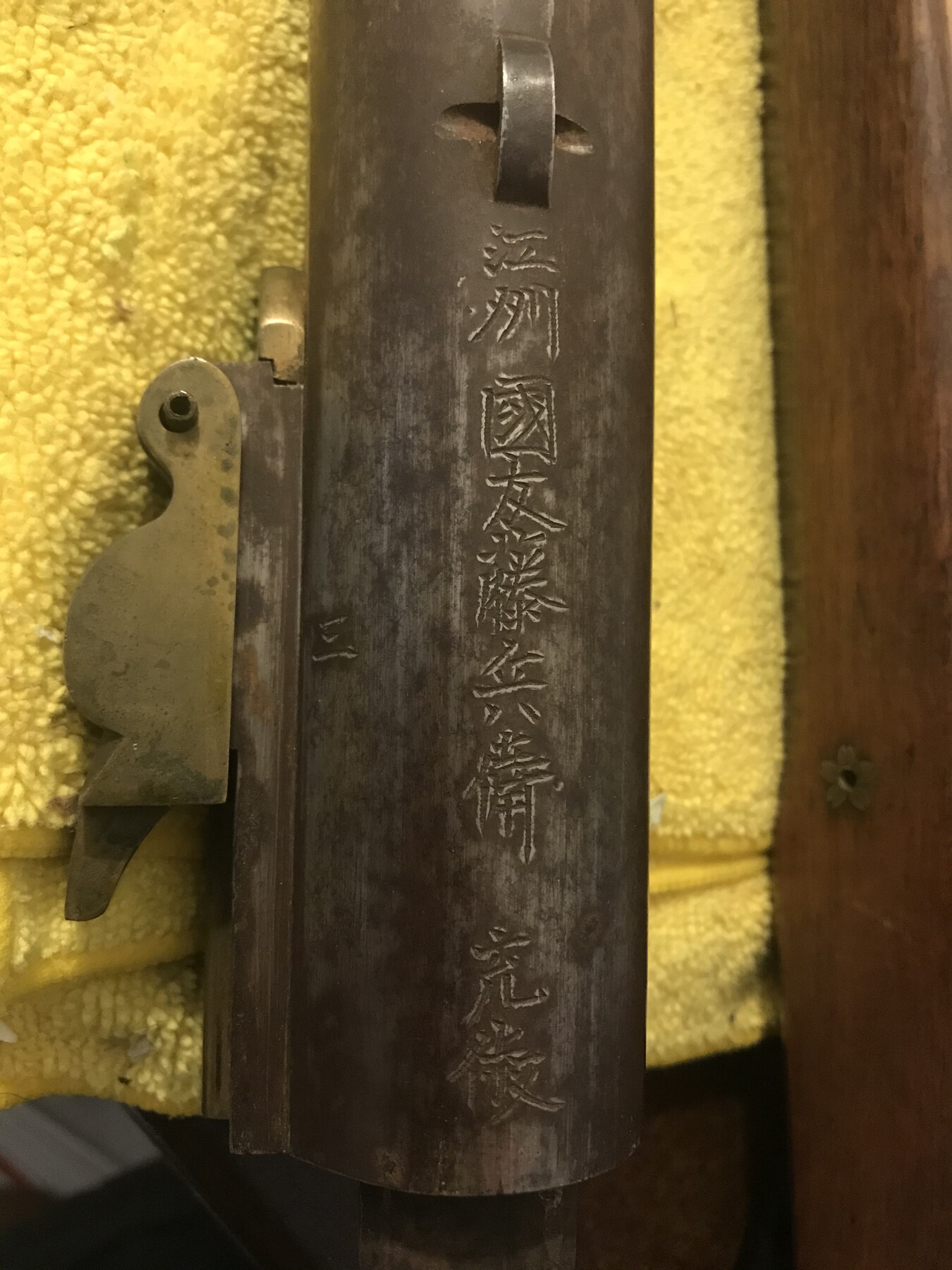
Hello. I picked up a Kaei period wall gun. I could use help translating the signature. Hopefully someone here can assist. Thank you in advance! —Matt Brice

 1 point
 -
Thanks Markus, and hope all is well with you.1 point
-
Brian I would agree with the older part ,not sure about the rest. I have a nice one coming back from Japan I look forward to sharing with you when it's OK for them to export again.1 point
-
Sukesada is a Bizen Smith. Sukesada originated there, and Osafune is the key seat of Bizen smiths. However, , as I mentioned, it needs to be viewed it its entirety as a badge of honour or like a medal or insignia of title awarded by a daimyo to a skilled smith. Please do not delve into it thinking it has anything to do with Ichimonji. It does not. See below completely unrelated (ie, not Bizen) smiths employing the kiku and ichi For instance, Kunikiyo was granted the right to use the chrysanthemum by Matsudaira Tadamasa, whom he loyally followed around from province to province and he was given an honorary title of “daijo”, subsequently upgraded to “kami”. Interestingly, the honour and right to carve chrysanthemum passed onto his son, the second generation.

 1 point
 -
Very nice sword Michael, Just for interest, Bruce has shown a screw in type of sarute cord retention, here is a push in type I got when I purchased a lone kashira with the remnants of the sarute cord in it. Regards
 1 point
 -
The peg is not all the way in so the tsuka has been off and not put all the way back on hence the gap. Same looks late war plastic. Hamon goes from flat to kochoji Emura or Nagamitsu is good chance the hamon does drop very close to ha so im ruling out mass showato. Cant wait ...lol1 point
-
😁. Thank you for your help at this late hour. —Matt1 point
-
You forgot to subtract 1. Showa 17 - 1 + 1926 = 1942. I have read where (and I'm talking WAY out of my area of knowledge) the full mei is a sign the smith, himself, cut the mei, but the 2-character mei could be done by apprentice of mei-cutter. Could be off-base about that, though.1 point
-
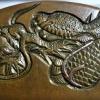
Piers, I see it now, you're right! They aren't animals, simply the trunk, obscured in places by the gold remnants and cuts of the craftsman's tool.1 point
-
The two signs ("Ichi" and the chrysanthemum crest) should be looked as one complete family crest. The samurai family Nasu 那須 can trace back to the legendary samurai archer 那須与一 , who sided with the Minamoto clan during the civil war between Minamoto and Taira during the 12th century. But as to how the Nasu family came up with this family crest design, I don't know the detail. After reading the post from Piers and the links provided by Michael, I believe my original assumption for the "Ichi" following the chrysanthemum on "Kawachi no Kami Sukesada's" blades is wrong. But I believe there must be a reason why Sukesada used Kiku-Ichimonji sign and claimed to associate with the Osafune school. Does anyone have Mr. Iimura's Shinto Taikan? That book might have some good information, hopefully.1 point
-
Without my books here I can say it’s a Gō-Shū Kunitomo Tōbei gun, summer of 1848. Something about one of five. Not quite sure what you define as a ‘wall gun’, Matt (?) The stock is signed Yoshida Saburo Uemon Nao... something. Plus 3 and 571 point
-
Perhaps people know or sense something that we don’t. I think I would prefer to have it in hand before making a decision on purchase. (Having seen a Chinese fake.)1 point
-
Hi Ron, If you can get the seller to list it as "antique, more than 100 years old" on the customs form all should be fine. Odds are quite good that US Customs won't even open the package; at most they'll put it through some sort of scanning machine and send it on. Grey1 point
-
you are right it isn't cheap. Aoe blades tend to be highly regarded (especially ko-Aoe and Chu-Aoe) and command high prices in Japan. This one is also mega rare. I have seen very few blades of this configuration and no Aoe examples. I think those factors contribute to the starting price. I have seen shinogi-zukuri blades from this school and period sell for a lot more. personally I don't think the hamon runs especially close to the edge the variation falling within the normal midare in examples I have seen. What is unusual is the boshi. Normally Aoe blades have a small kaeri and a very tight and pointed return similar to the candlewick boshi seen in later Bizen work. BTW I should maybe confirm that I have no commercial interest in this piece and no intention of trying to buy it. Wile rare I am not over keen on the shape. I just thought it was an interesting piece to study.1 point
-
My initial default thought was that the Ichi meant that the work is a Bizen/ Ichimonji utsushi or style work I recall several Hizen smiths (e.g Yukihiro) also inscribed Ichi as well signifying 'in the Ichimonji style' Edit:. Here's an example https://yuhindo.com/hizen-yukihiro-4/1 point
-
Could be a trick of the light, Bruce. I was pulled up on this by the way. It's actually three layers of one pine tree!1 point
-
Hi Uwe, thanks for the reply. Im just looking to verify that it is authentic and not a later copy. Cheers1 point
-
John, you're the Type 94 expert - are you basing that on the thickness of the tsuba? Just curious. I don't see any tell-tale rubbing signs of the second haikan (ashi), but that may just mean the owner removed it immediately. Michael, From the first 2 pics, I can see the remnants of a cloth sarute. You must have removed it already for the subsequent photos? My dad's Mantetsu came with the same thing, which is how I knew to look for a cloth one to replace it with. Very pristine gunto. I agree with John, that the officer paid some extra Yen for this. The sakura chuso button (release button) is not very common, and is clearly custom addition. Hopefully someone will translate soon. If not, be sure to drop a pic of the mei over at the Translation Assistance thread. I also haven't seen that family mon before. I'm posting it on the Mon thread, if you don't mind!1 point
-
Kanbun swords were made to standard lengths for the period - a sword so long it needed to be cut down would be a rare thing from this time period. More likely it had greater curve before being cut down. I would be looking in Yamato - nagare hada - sunanagashi - hakkikake - chu-suguha - short or no turn back - suggests Yamato to me. This is Koto imho. -t1 point
-
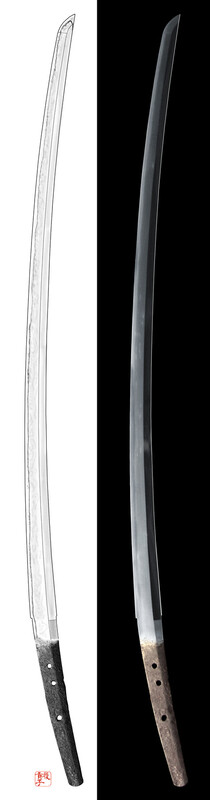
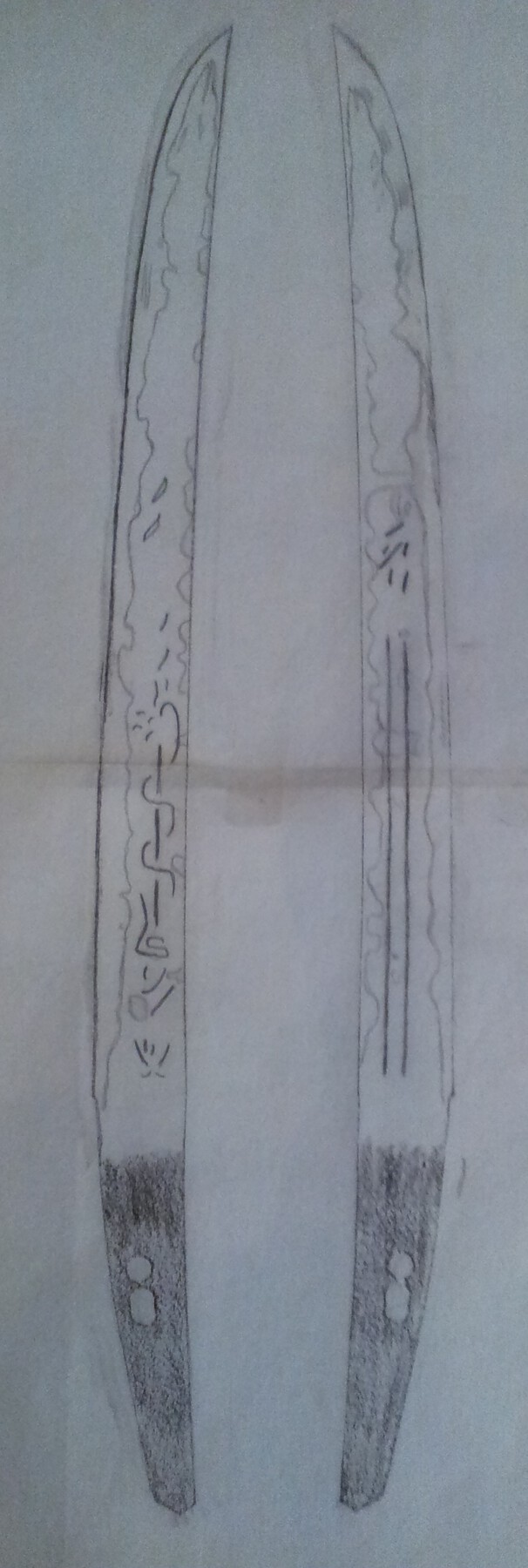
Unfortunatly i lost some of the oshigatas i made by storing it in the cloud (i cleaned up the storage - it seems i do it very carefully). These are the six oshigata i have found in record for some of the swords in my collection. Maybe you find it usefull and you have selfmade Oshigata? I would enjoy it if you show it. The NMB has a very good remembrance in the world wide web. Making these oshigatas is a good training for me to study the details of a sword. From left to right: 1. Muromachi Sadanobu Wakizashi 2. Muromachi Mino Wakizashi (mumei) 3. Nanbokucho Kuninobu Tachi 4. Koto Senjuin (possible Uda) Wakizashi 5. Koto Chikushi Naginata 6. Gendai-to Morinobu Katana




 1 point
 -
Great oshigata!1 point
-
The hada is amazing on this one! Great price for such a well aged sword! There are swords made 30 years ago that are in a worse state so considering this blade is what? 650 years old or more? If I had the cash I would buy this in a heartbeat. The koshirae is just a bonus at this point!1 point
-
We all noticed. But none of it changes anything. I consider the matter closed.1 point
-
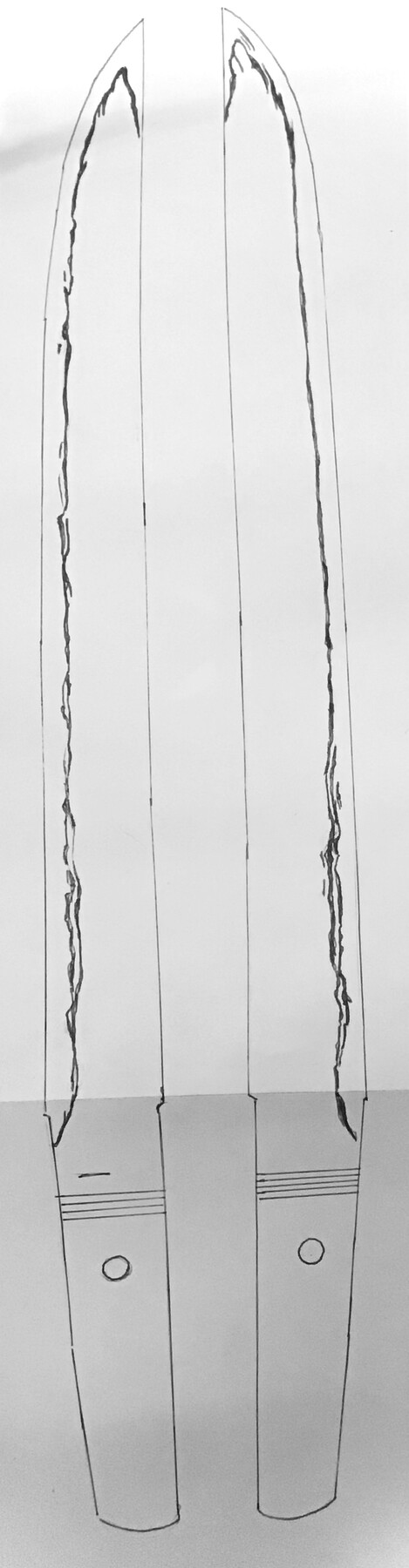
I am among the artistically challenged folks, haven't even tried doing oshigata for a long while now. Should definately do some in future again. I did this 7 years ago of Shimada Sukemune tanto I used to own back then. Horimono on that blade is quite worn and my skills are lacking in bringing justice to the sword, some things are definately wrong in that oshigata too but it is what it is...
 1 point
 -
I believe it was made by Ikkansai Shigetoshi - 一貫斎繁寿 It is tiny tanto dated to 1905 and stating he was 68 when he made it - 明治三十八年二月日六十八翁作 , and I believe seller describes it never being polished. He also hints it might be among the last blades produced by the smith (if I understood that part correctly). I checked the smith died January 25th 1906 at the age of 69.1 point
-
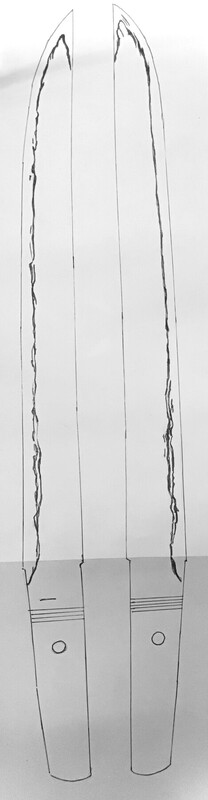
... and here is the only one I’ve ever made for a probable Sue Mihara tanto. Was quite fun in the making!
 1 point
 -
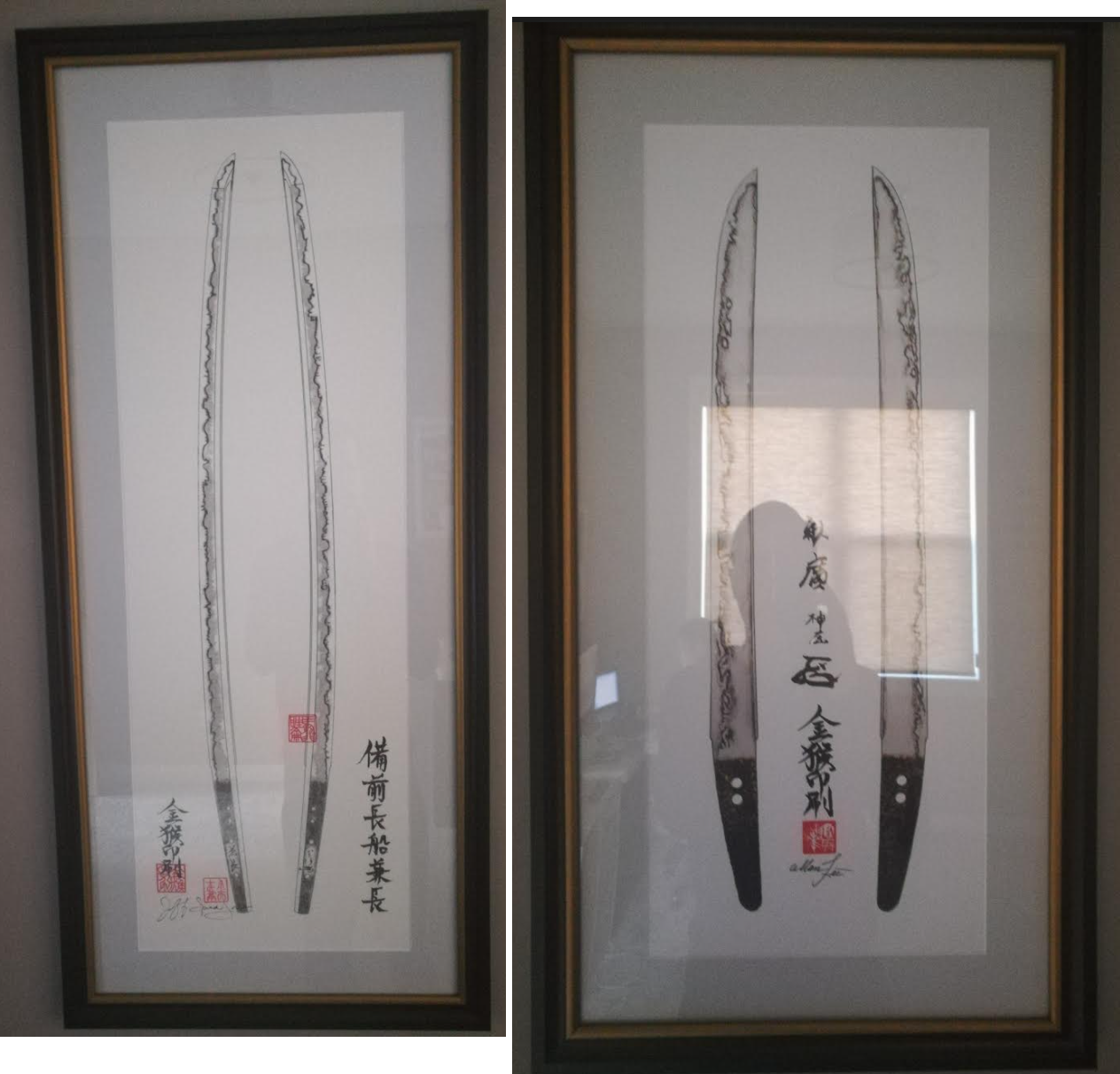
Allan Lee does some nice ones too if your artistically handicapped like myself (sorry for the glare)
 1 point
 -
Wondering that too. Could it be a claim that they trace back their lineage to Biden Ichimonji? EDIT: lololololol! Bruce has just asked me the meaning of my joke on Biden Ichimonji. Well, sadly, it was no joke. Spellcheck just changed my "Bizen" into "Biden" (though both probably belong to the same period ). I’ll leave it as a proof that we should always read twice before posting.1 point
-
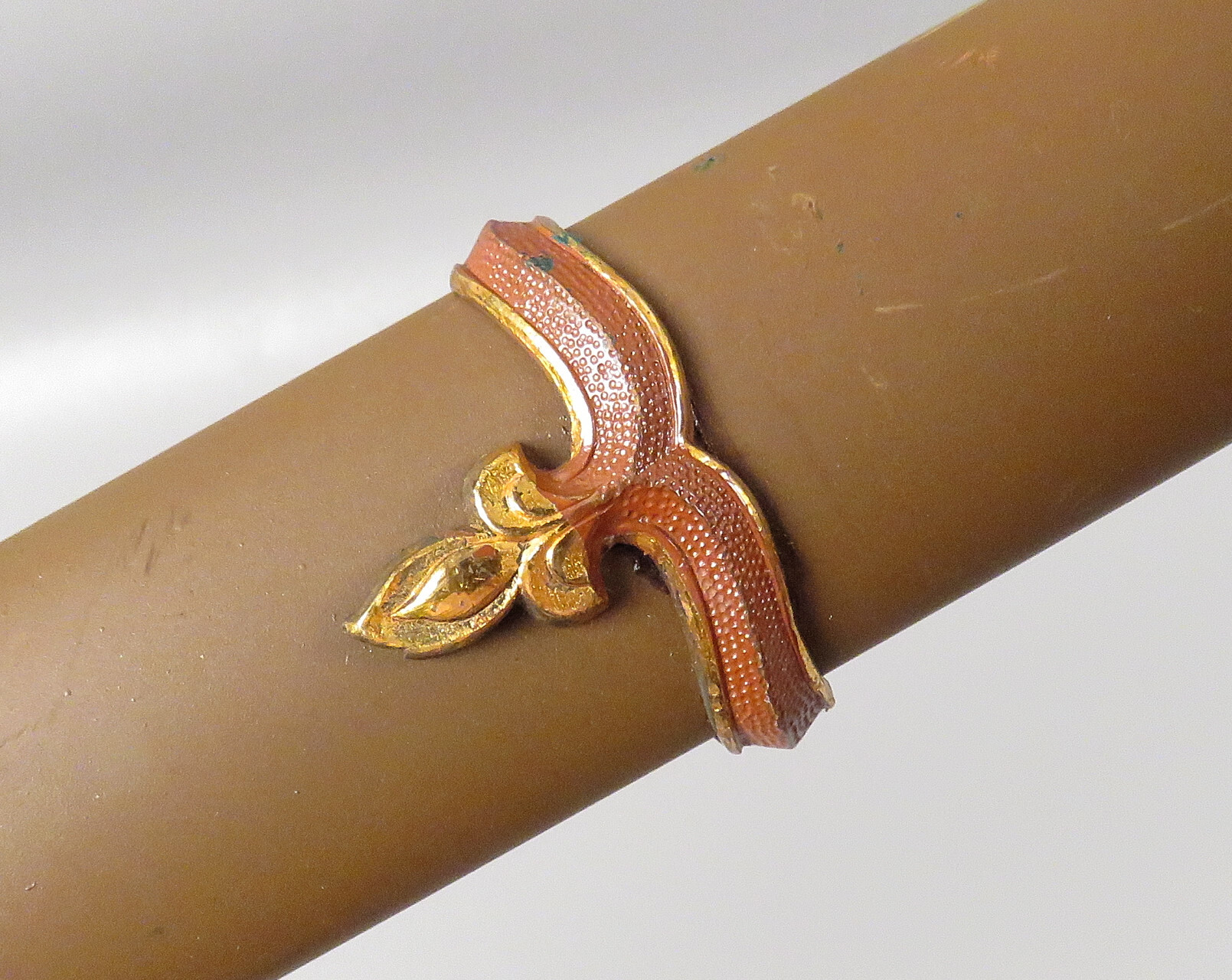
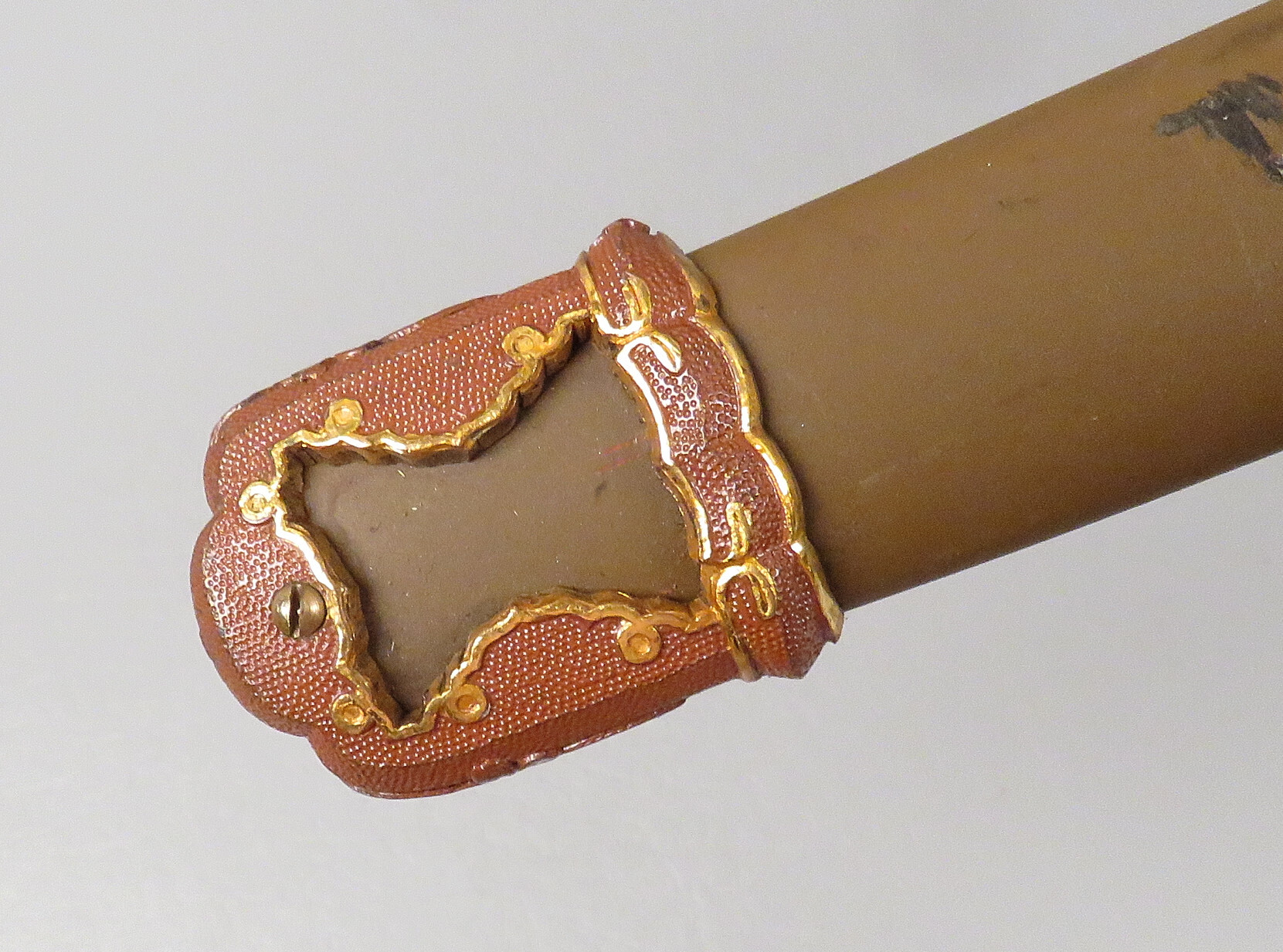
Let me start by saying that Guido Schiller is a huge wind up merchant and is probably not in any way good for my health. He 'generously' sent me a link to this thread suggesting it'd amuse me. So...here I am🤪 I had a good look at the images before reading any opinions. I formed my own 'take' on the set completely independently of those posted previously here. My first impression, and it remains so, it that the entire koshirae is original. The copper metalwork workmanship is unmistakably 'en-suite'. The only feature that stands out, in an awkward way, is, to my eyes, the rough file marks and outline of the kogai atari on the fuchi. The same feature on the other side, for the kozuka, appears to be neatly and delicately shaped and filed. But, significantly, it also clearly has traces of silvering still present in the textured area. This is quite absent on the other side, the rough one. Now, as has been pointed out, there's no way copper implements like the kogai and kozuka, even the steel blade, could create that sort of 'yasuri-mei' pattern in copper. So we can safely rule our wear. Adam (Babu) stated quite emphatically, early on in this thread that This is incorrect, as the descriptive term 'yasuri-mei' might suggest. In fact, a filed ground is a fairly common feature on tosogu. We see it most frequently on the soft metal liners of hitsu-ana on tsuba, for example. It appears specifically to have been applied where there was a possibility of some 'metal to metal' contact. This type of finish hides well minor scuff marks that would otherwise be glaringly obvious and unsightly on a polished ground. So we have one anomaly in an otherwise perfectly matched and well preserved period piece. I would suggest that the absence of any traces of silvering might mean that someone worked on that area sometime after the whole koshirae was first completed. The work carried out is clearly not as careful or skilled than the original work. The 'yasuri-mei' on the untouched side are very even and quite fine, and the out-line is neat and a pleasing curve, and was silver, which would have echoed the moon on the habaki and looked quite stylish when the kogai was withdrawn, a nice 'surprise'. To create all of that elegantly takes a great dal of hand skill, experience and attention to minute detail. Whoever attempted to rework the other side simply wasn't good enough to match the level of skill required. They lost control of the outline, the shape became less than elegant, and the file marks are uneven, with occasional lines noticeably deeper, which in turn creates a less refined effect. And the silvering wasn't re-applied. We can speculate as to why this additional work was carried out, possibly there was a blemish of some sort, a knick or some verdigris for example...I've seen far worse as the result of well meaning restoration by inexpert restorers. There you have it, my opinion, for what it's worth, and including previously unnoticed and crucial evidence, to wit the traces of silvering. 🤓 I should like to add that no amount of experience as an engineer, in modern times, will provide any insight at all into the subtitles of hand working copper, or any of the metals, ferrous and non, at this level of finesse in the Japanese tradition. So can we please all agree not to toss irrelevant credentials about on this forum like they might actually mean something? They don't, and are only being used to claim some authority where none exists. I'd go so far as to say that it's a bit like claiming special insight into Rembrandt's technique because you've been a painter and decorator for 40 years. I bet some of you wish now that you'd let sleeping dogs lie...🙊 oh, and just for the record, as part of my training to become a master goldsmith...a real qualified one with papers 'n s**t, I had to study metallurgy, and gemmology. But the most valuable skill one learns on the way to becoming a master craftsman, like Drurer, Da Vinci, Bernini, Holbein et al, is that of seeing....and then trying to understand accurately what it is you see.1 point
-
I still think its amazing that we can own items like this, even if it is in less that perfect condition. Its still a piece of history. The armor display at Odawara Castle is what originally got me thinking that it would be amazing to own some of this. It surprises me there is so much of it for sale. Now to research enough to choose a few big categories of items, then find a great piece from each category to build myself a cool collection. I also have a helmet, but its a rusty shell. Very intricate but not all clean and pretty like I see for sale. Haven't seen anything like my helmet for sale, only in pics. Its in storage, will post when I get to it.1 point
-
Hi Barry I'm fairly certain it's just 十二 with no second 二 Maybe it's the photos but the nakago and inscription does look remarkably fresh and well preserved almost like it was done in the last century!1 point
-
Dear members, Better you take a seat. Take a deep breath. And remember what I wrote before: Don´t take this too serious. This is just an experiment. Whatever your judgement is, it is not important. You never had the chance to hold one of these blades in your hand. All you got was a single photo with a part of a blade. So, here we go… Seems so, that I forgot a very important single word. The name of the game was indeed Find the Tokubetsu Juyo Token…(plural). Means, there was not just one Tokubetsu Juyo Token in the gallery but three. Bad news first: since it was only an experiment I deleted the gallery. But why comes later. Here is THE LIST: 1. Katana, unsigned, attributed to Tametsugu – Juyo Token 2. Tachi, signed Nobukuni - Tokubetsu Juyo Token; thanks to Markus Sesko you can find more information about the blade here: https://markussesko.com/2016/05/30/kantei-4-yamashiro-26-nobukuni-%E4%BF%A1%E5%9B%BD-school-1/ Picture 7 3. Katana, unsigned, attributed to Rai Kunitoshi - Juyo Token 4. Katana , signed Koyama Munetsugu - Juyo Token 5. Katana, unsigned, attributed to Sa Kunihiro - Juyo Token 6. Katana, unsigned, attributed to Hosho - Tokubetsu Hozon Token 7. Wakizashi, kinzogan mei Akihiro, attributed to Nobukuni - with Fujishiro papers 8. Katana, unsigned, attributed to Rai Kunitoshi - Juyo Token 9. Katana, signed Awataguchi Omi no Kami Tadatsuna - Tokubetsu Hozon token 10. Tachi, signed Bishu Osafune Nagashige - no papers (if I remember correct) 11. Katana, signed Hizen Kuni Tadayoshi - Tokubetsu Hozon Token 12. Wakizashi, unsigned, attributed to Wakasa no Kami Ujifusa - Hozon Token 13. Katana, unsigned, attributed to Ukai Unji - Juyo Token 14. Katana, unsigned, attributed to Ko-Bizen Kageyasu - Tokubetsu Juyo Token http://www.japanesesword.de/?site=sword&id=68 15. Wakizashi, signed Bizen Kuni Morimitsu - Tokubetsu Kicho Token 16. Katana, signed, Tamba no Kami Yoshimichi - Tokubetsu Hozon Token 17. Katana, signed Shinano no Kami Fujiwara Daido - Tokubetsu Hozon Token 18. Wakizashi, unsigned, attributed to Kongobei - Tokubetsu Hozon Token 19. Katana, unsigned, attributed to Shiga Seki - Hozon Token 20. Katana, Kinzogan mei, attributed to Rai Kunimitsu - Tokubetsu Juyo Token https://www.nihontophoto.com/arbeitenfuermuseen 21. Wakizashi, unsigned, attributed to Enju - Tokubetsu Hozon Token 22. Tanto, signed Akihiro - no papers and the worst tourist crap I have ever seen So, why did I do that? Well, mostly fun. And I didn´t want to do another kantei. It was an experiment: Can I make a photo that shows all the qualities in a blade when I only show a part and are you able to make a conclusion about the status? And the simple answer is: “No! No way!” Because the better the sword the harder it is to show all the details. And the way I do it is maybe technically correct. But if you want to see the beauty in a blade, than you should take a long and close look at Darcy Brockbank photos. And so the answer to Chris question about finding the Tokubetsu Juyo Token is “You can´t!” You can make some educated guesses. But that´s it. On the other hand, if there is no quality at all you can hide that fact with a photo. See #22. Years ago Michael Hagenbusch did almost the same. He presented 6 blades and you should judge the quality of the blades. A gimei Muramasa, a saiha, only the core left, kizu en masse and one Juyo blade. So the correct answer was one 1 and 5 x 6 (or one A and 5 x F). And I failed big. But it was a good experience. A few words about some of the swords. The Juyo and Tokubetsu Juyo blades + the Hizen Kuni Tadayoshi and the Nagashige are all in the possession of the Samurai Art Museum Berlin. You have three blades by Rai. And #3 is my personal favorite when it comes to Rai. Sometimes I guide a group of people (not very often) and I always ask: “What is in your eyes the best sword?” 4 meter distance and you can only judge by shape. 30 seconds to pick a sword and the answer is always #8. Rai Kunitoshi. This year a catalogue about armor will come out. Maybe October/November. And next year swords and tosogu. And here you will find all the blades. An overall view and some detailed photos. So you have a chance to see all the photos again. And more. I will post some photos of the other blades in the evening. I hope you liked the experience. Conclusion is: You have to hold a sword in your hands to make a correct statement. Don´t let yourself fool you by a photo. Especially not when it comes from me! And so I say Good Bye for the moment. Hope you enjoyed it. I have to go to jail (Don´t worry, I am the First Royal Bavarian Legal Officer and I work sometimes there. But for what I do with photos I should better stay there). Uwe G.1 point






































This leaderboard is set to Johannesburg/GMT+02:00