
Leaderboard
.thumb.png.4c5df79fec171b2dc4a23af38e280a4d.png)

Popular Content
Showing content with the highest reputation on 02/24/2026 in all areas
-
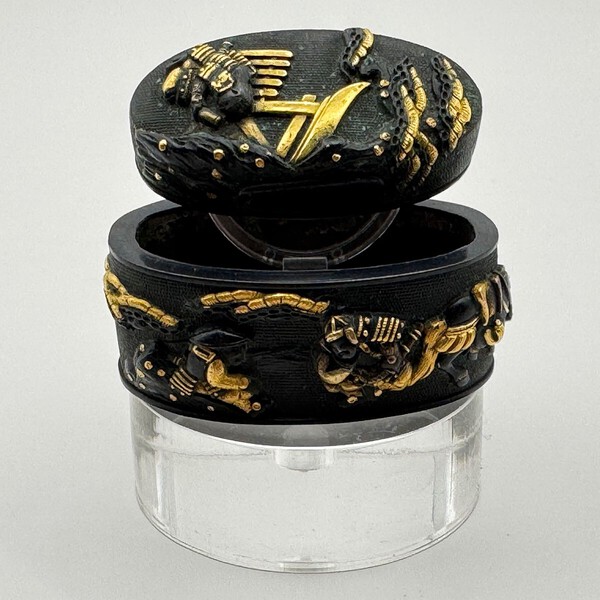
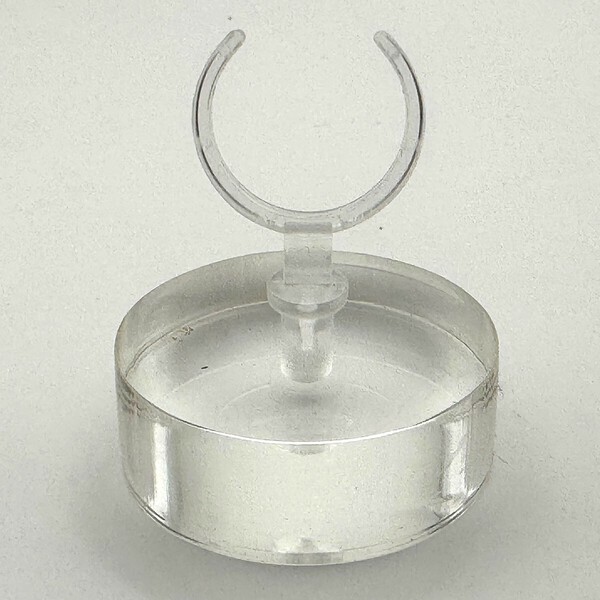
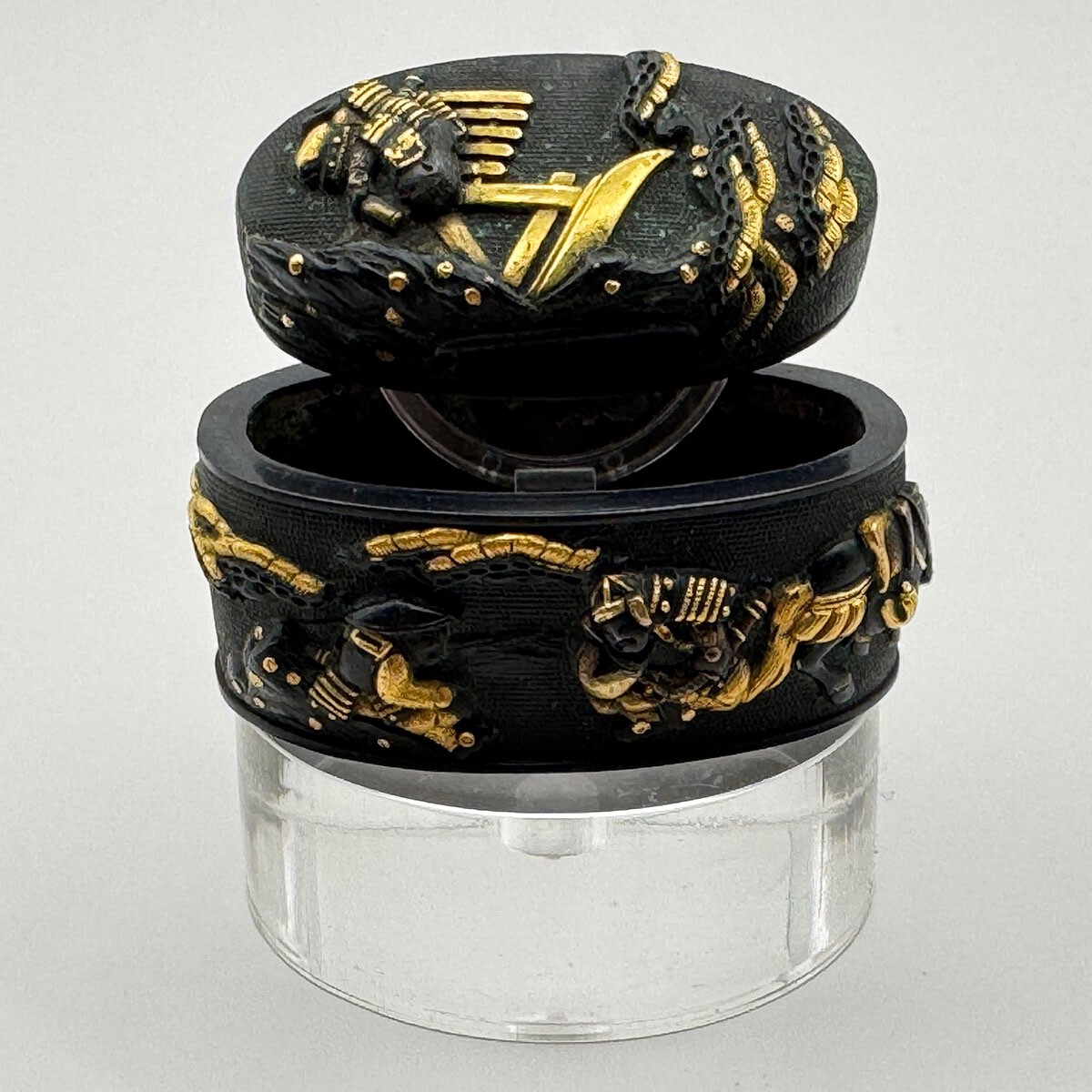
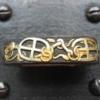
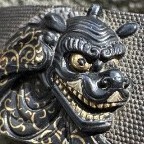
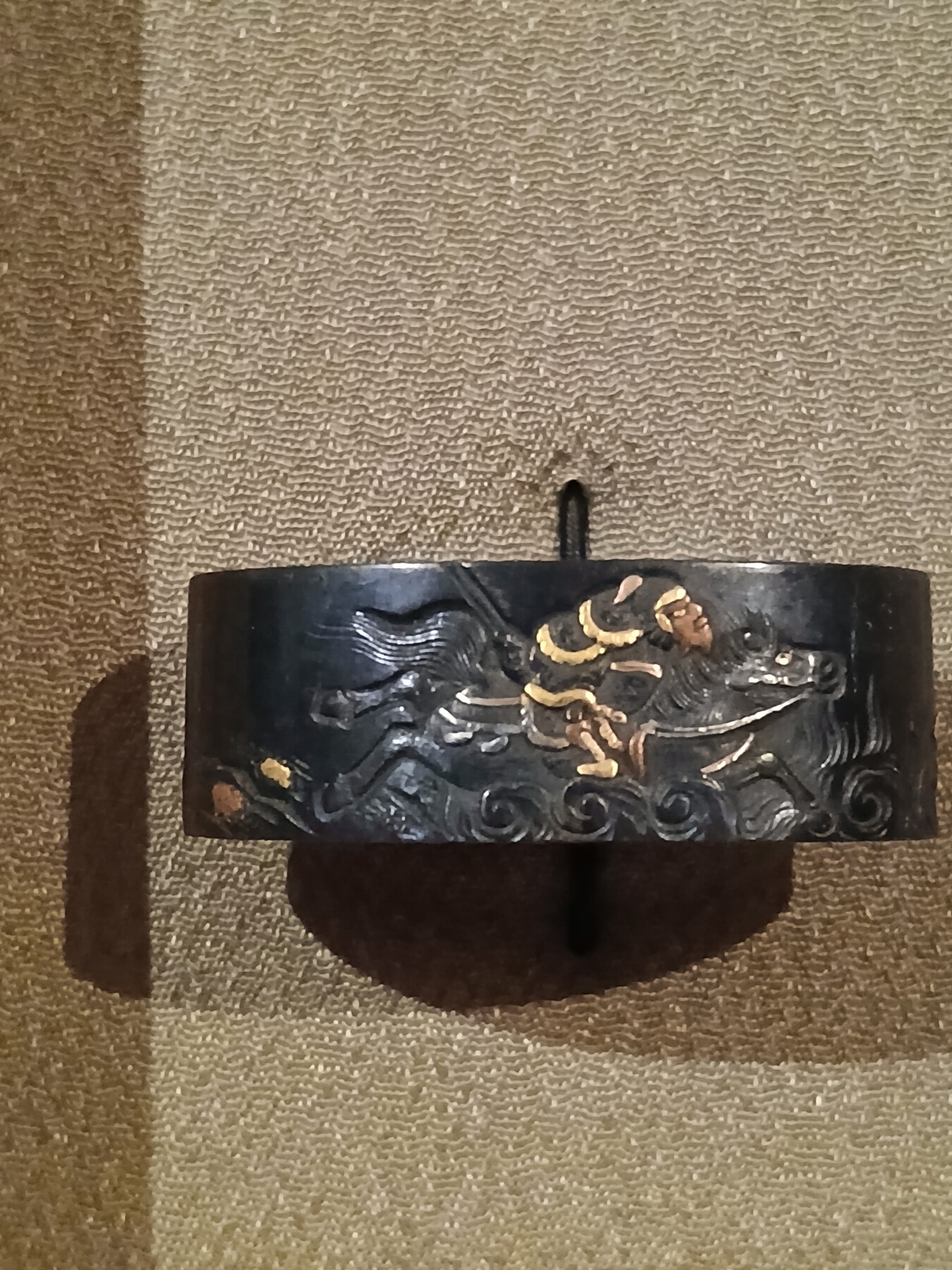
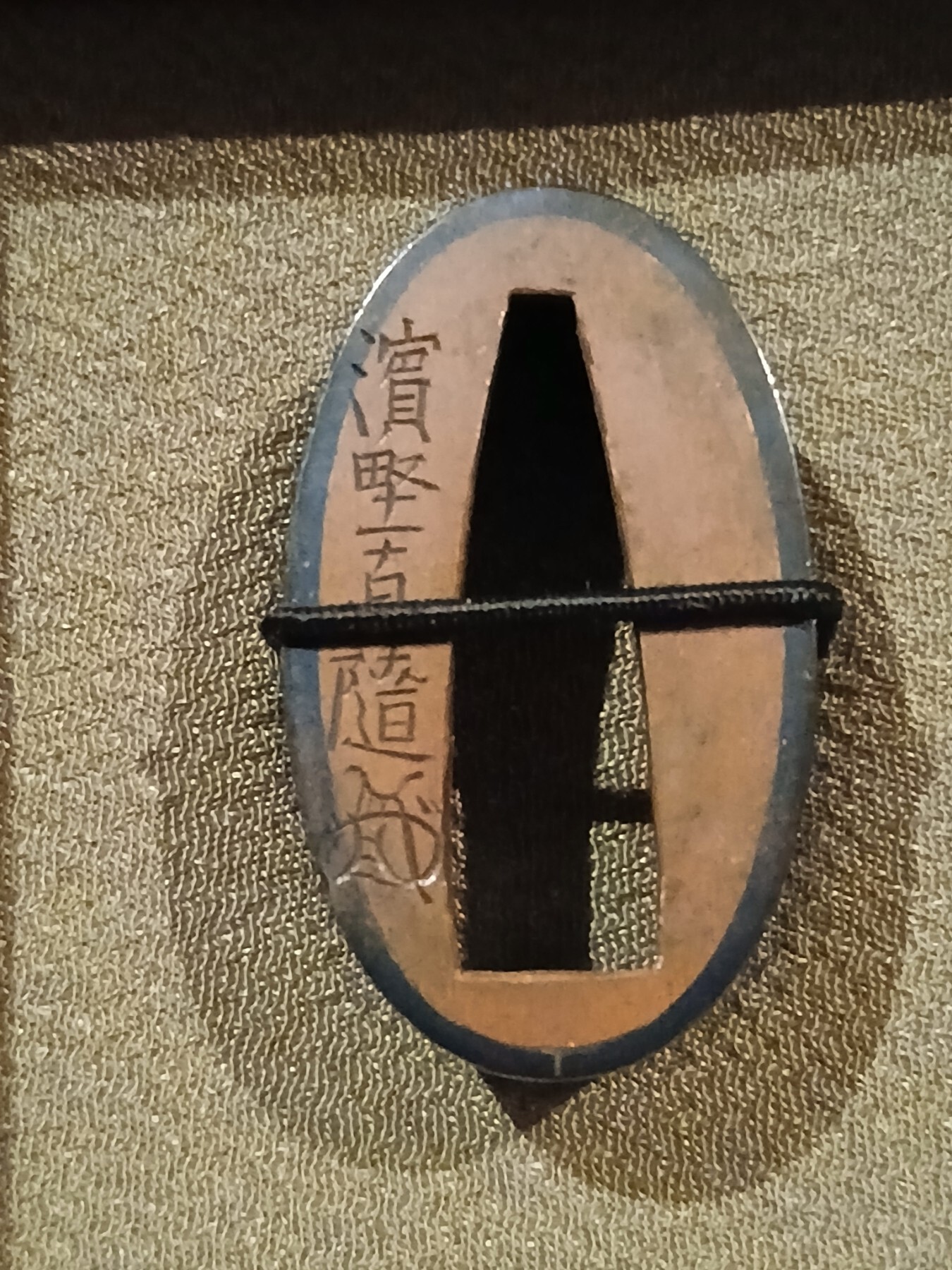
Inspired by this, I gave it some thought, and decided to try a simple acrylic ring display. I have been really struggling to find a good way to display fuchi kashira, and I don’t have the skills to craft a wooden stand, so I bought these on Amazon. It seems to have worked out quite well, I think. Anyone else have any cunning plans for this sort of thing?
 4 points
 -
The post that I linked to contains some more information, but there was a smith named Yanagawa Shōshin (or Seishin, both pronunciations are possible, and I haven't dug deep enough to figure out which one is correct, or if there is a consensus). There was speculation that the smith later added 右 to his name, thus the new name became 右正心 (Ushōshin, or Useishin). There have been a few swords with this signature on them posted to NMB. Not a great deal of info on this smith, so its all a bit murky.4 points
-
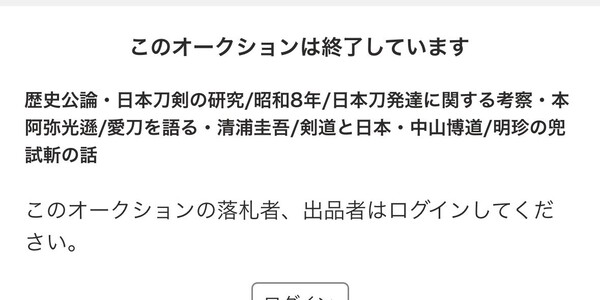
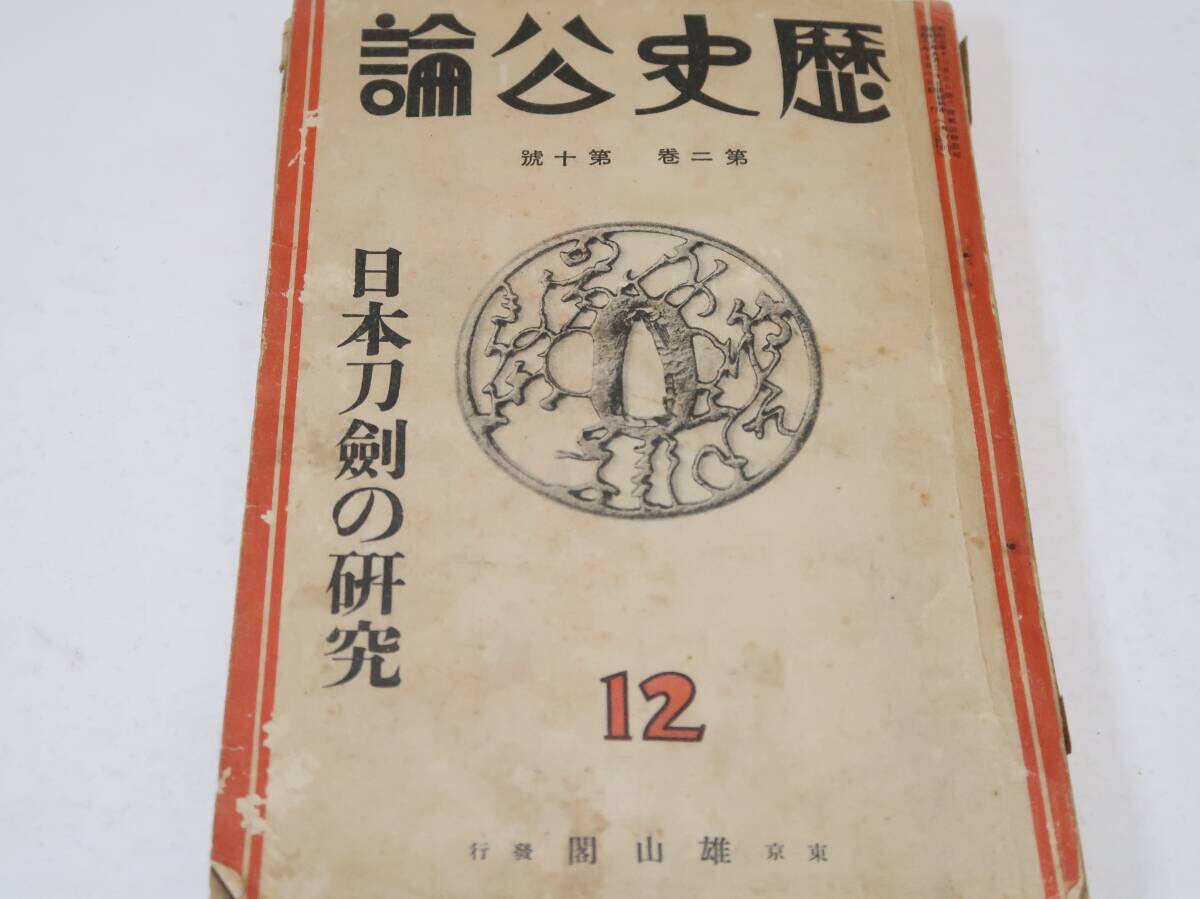
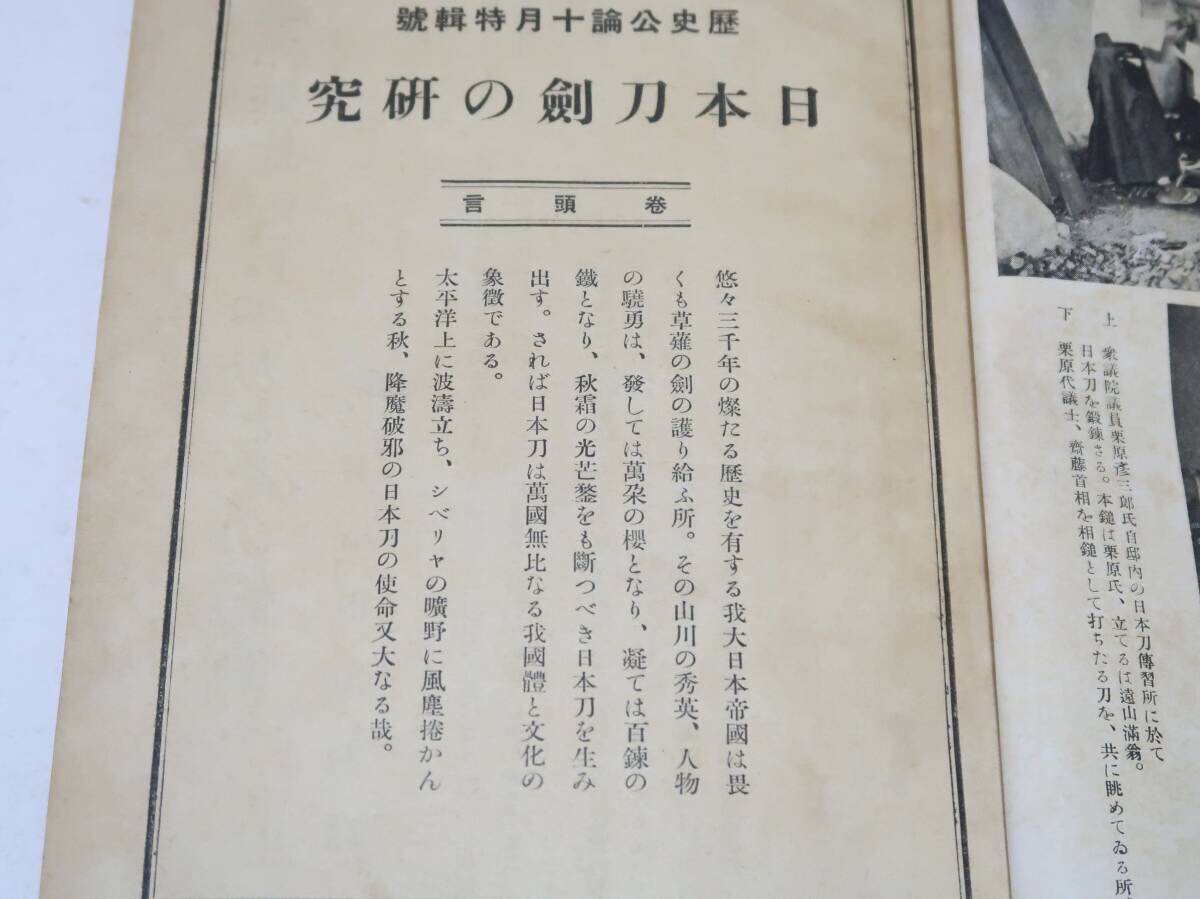
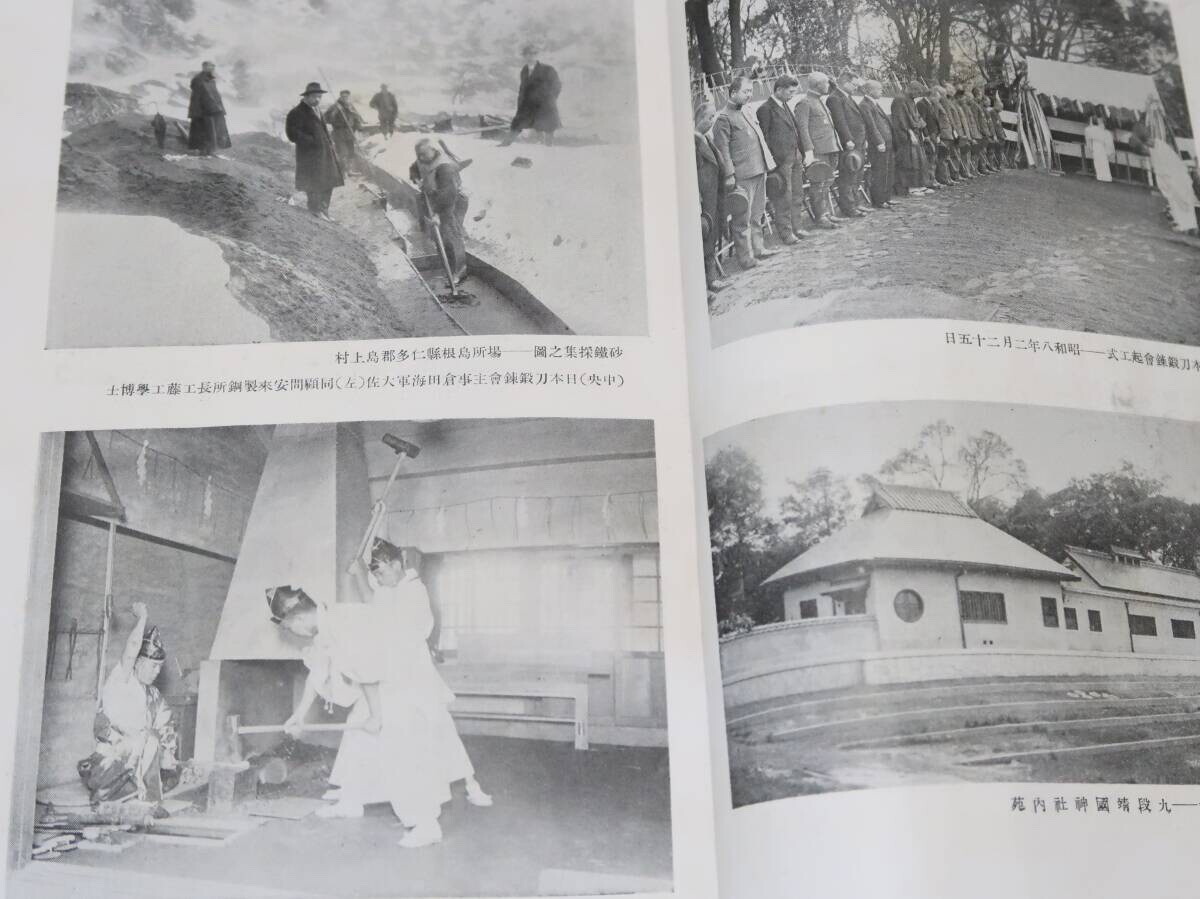
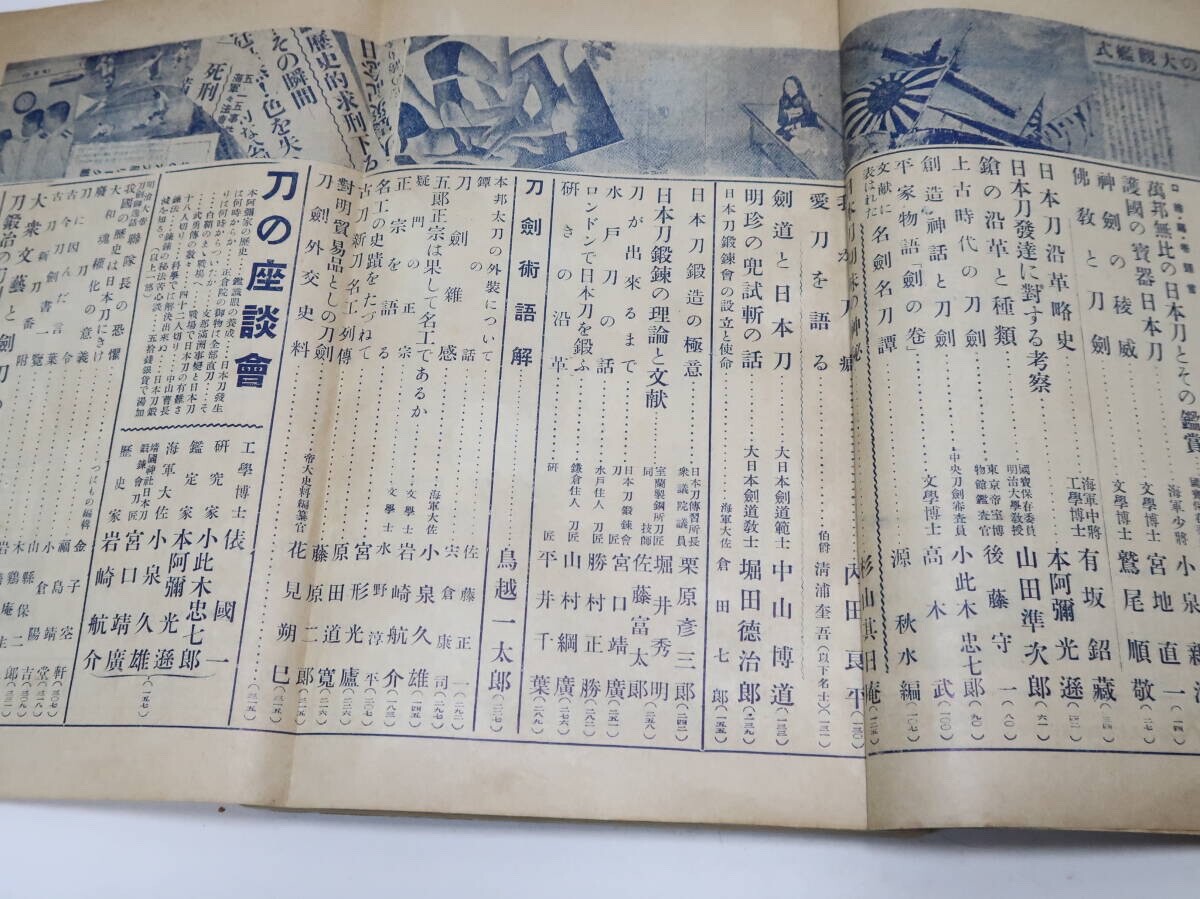
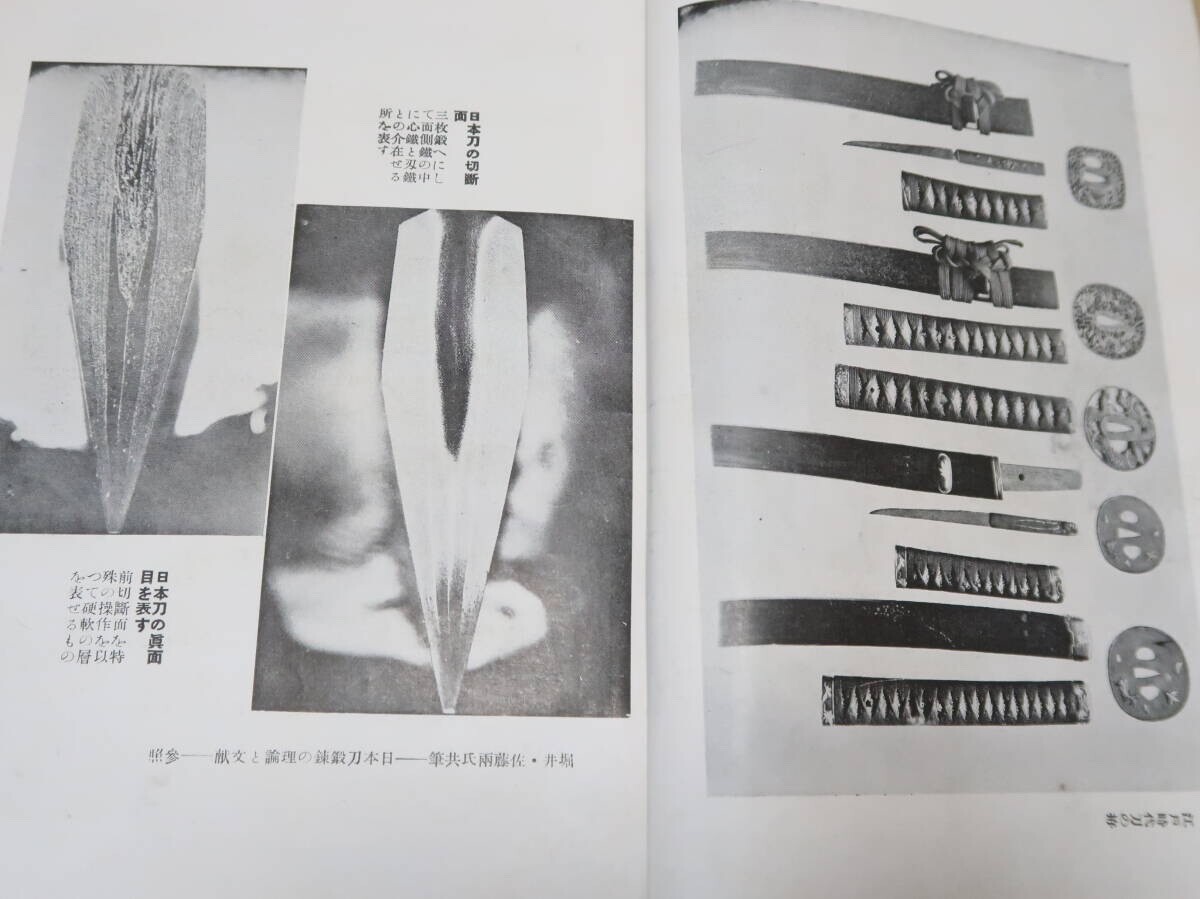
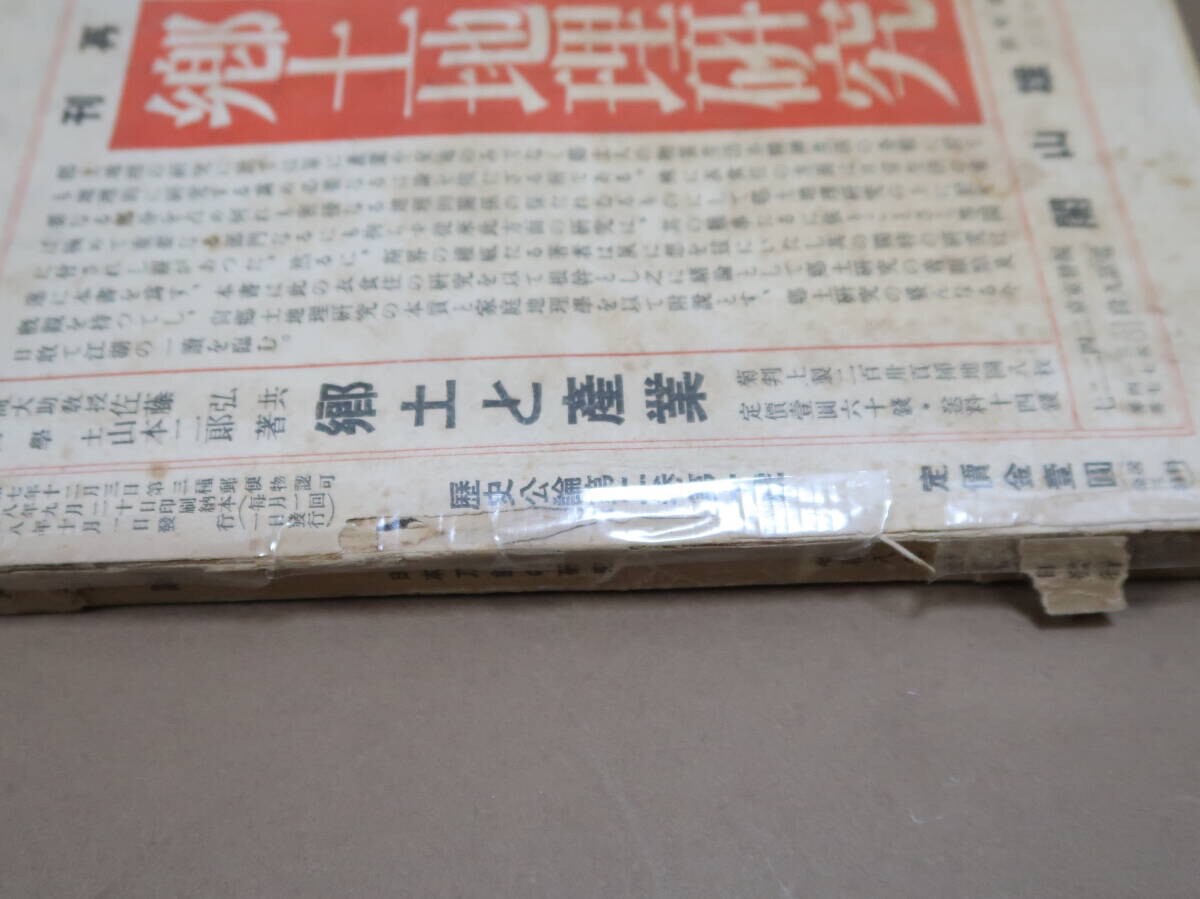
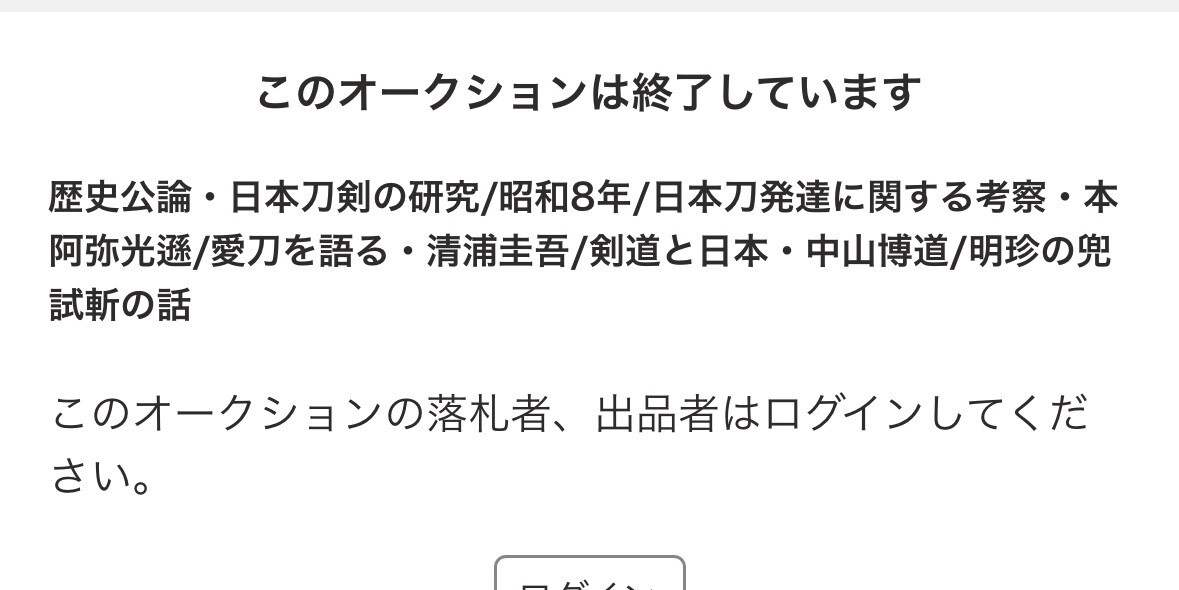
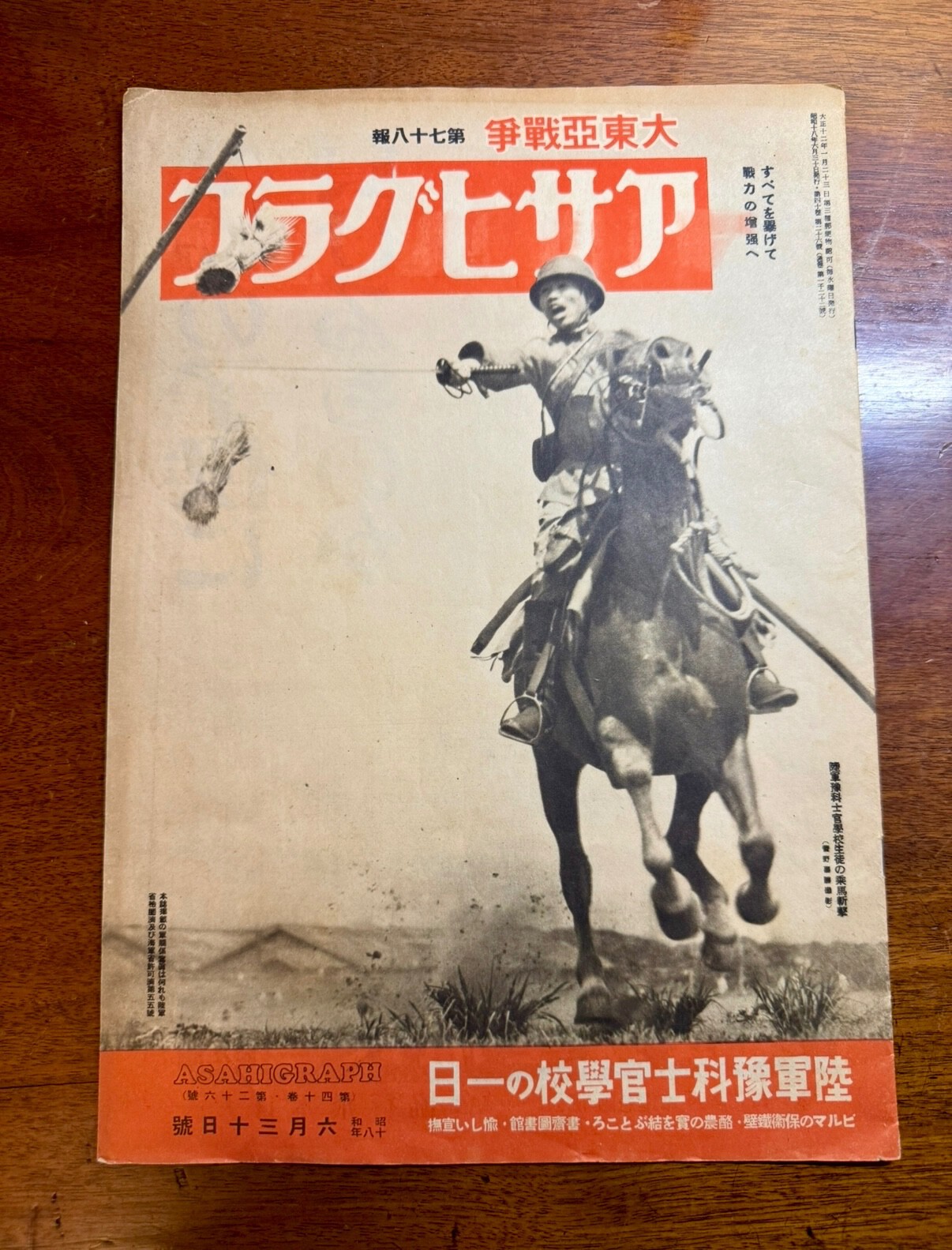
Yesterday I scored another vintage Japanese magazine about swords. Basically, I know it's from Showa 8 and I recognised one of the photographs as being from the Yasukuni Shrine but, that aside, I have very little idea what it's actually about (apart from swords). I'm including the seller's photos because I've discovered that I am absolutely awful at taking my own (of blades, books - basically anything). 🥴 Best, Hector
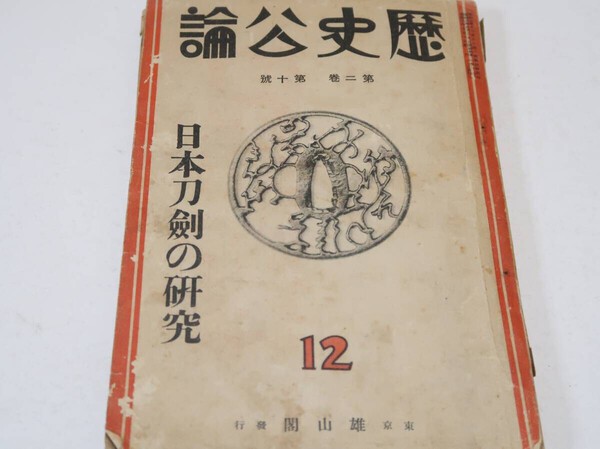
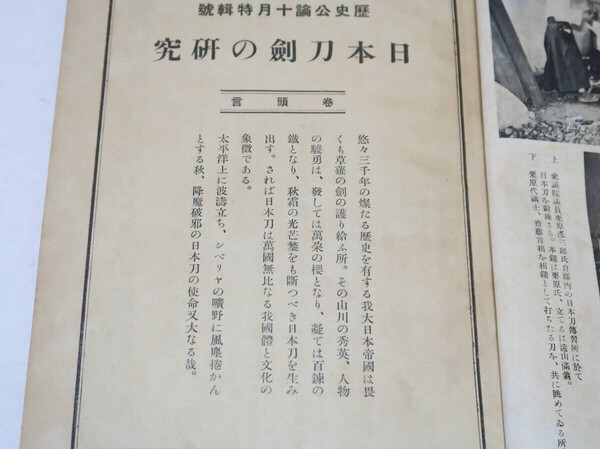


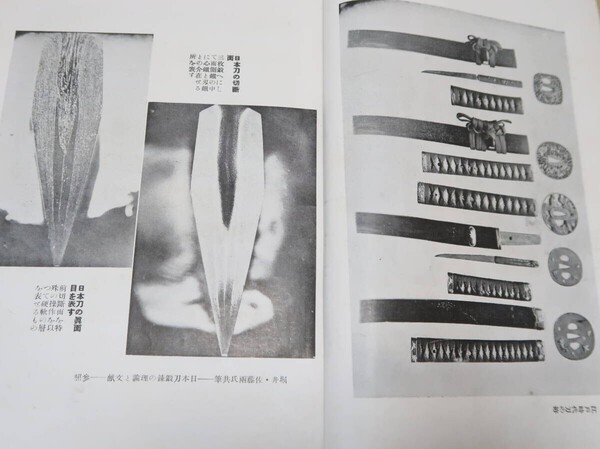

 3 points
 -
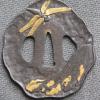
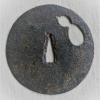
Just to add a little to Florian's suggestion, copper is indeed used as a base coat, or more commonly as an inlay which can then be gilded. This tsuba is in nunome zogan which, as a physical process does not require that step. The gold is applied directly to the base metal even when this is iron. The details may still be copper or indeed another alloy. Whatever the technique it is a lovely thing. All the best.3 points
-
Hi All, No offense at all taken regarding disagreements. After about 5 years of consistent use, with a tameshigiri session every month or so, cutting 20-30 mats each time, with say roughly 4-5 cuts per mat, let's say for argument's sake roughly 5,500 cuts or so, my sword looks very much like this, albeit with the scratches more concentrated in the monouchi area. Yes Jeff, tip cuts are a thing and are practiced specifically in certain styles and by certain practitioners. 'Notice how the scratches stop right at the shinogi — someone did this by hand with a goal in mind.' Tameshigiri scratches do this also though. The pressure from the force/action of cutting is all focused onto both sides of the ji through the path of the cut, hence why the scratches are most prevelent there. The shinogi ji barely touches the target in the cut, because by the time it gets there, ji has forced all the material away from the blade...also worth noting is that the shinogi ji is burnished so is much harder to scratch deeply than the ji, hence the shinogi ji typically does not get as many scratches from tameshigiri. In this case, there doesnt need to be any sandpaper involved - used tatami has in it ingrained many many little sharp bits of dust, dirt and SAND from peoples feet and daily use as a floor mat. This grit of all sorts stays inside the makiwara and scratches blades when they cut it. The scratches are identical. Just my casual opinion looking at the blade, as a tameshigiri practitioner. I have no hesitation to say thats what caused it, but there certainly could have been some non-standard targets used.3 points
-
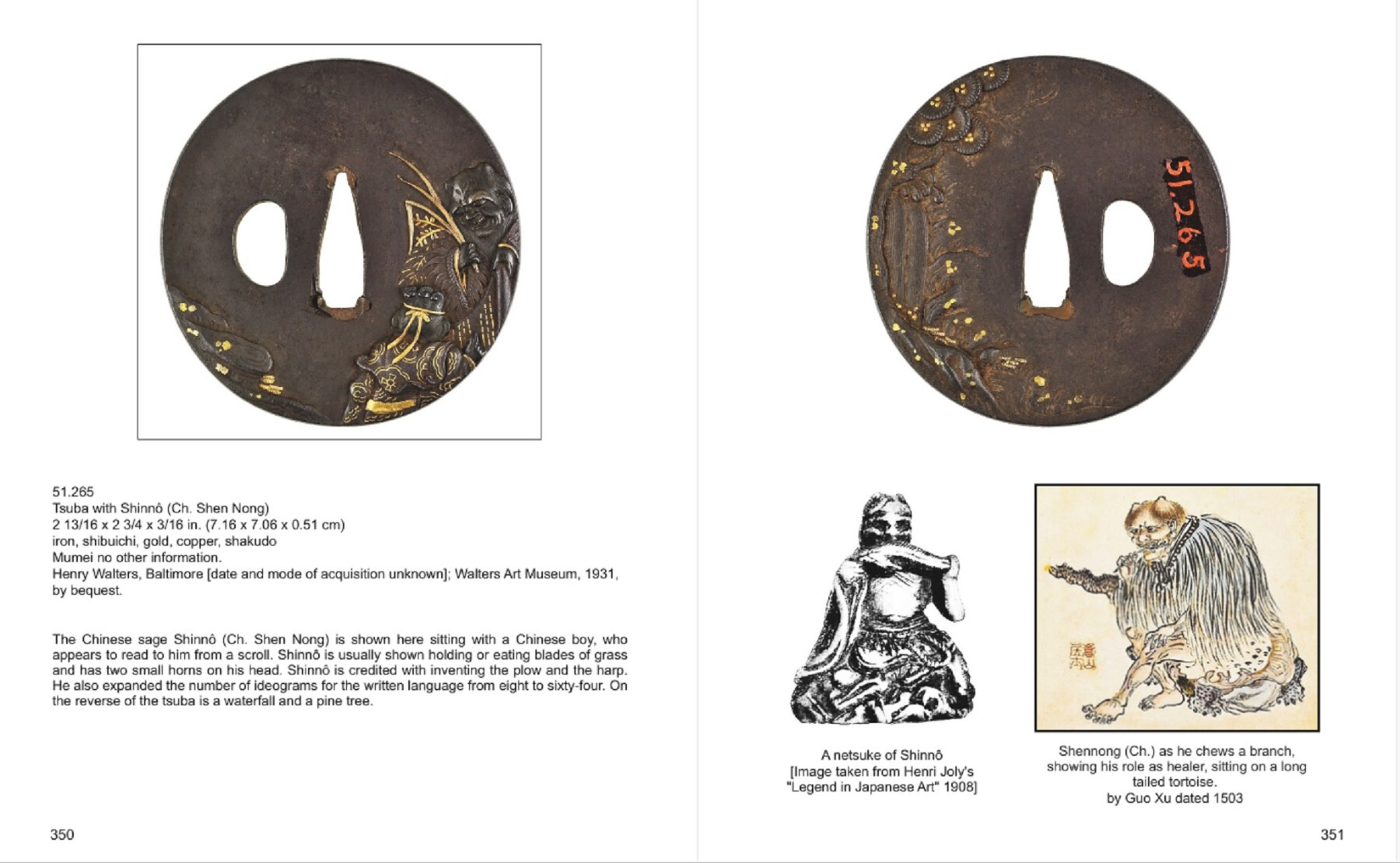
There is another with the same theme in the Walters. https://art.thewalters.org/object/51.265/ Handy having done a two volume book on that museum with a few extra bits of information added, Henri Joly has him mentioned in "Legend in Japanese Art" 1908

 3 points
 -
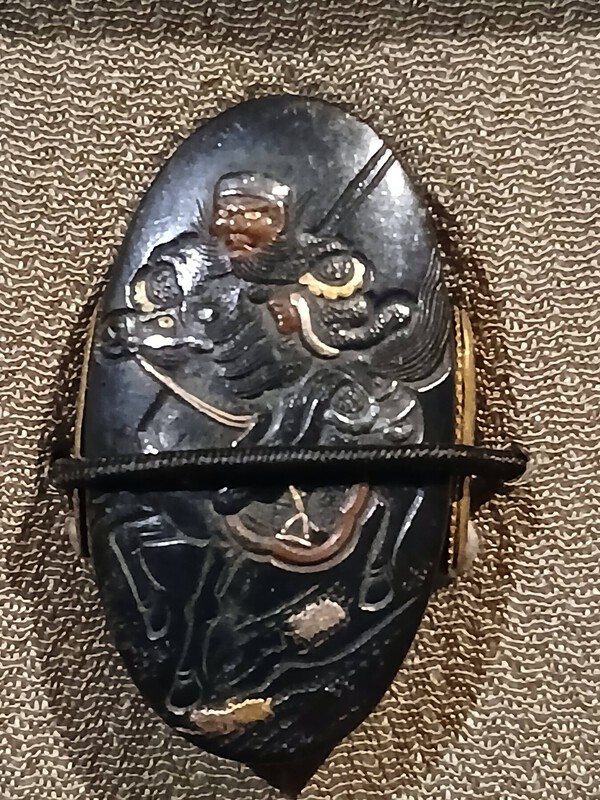
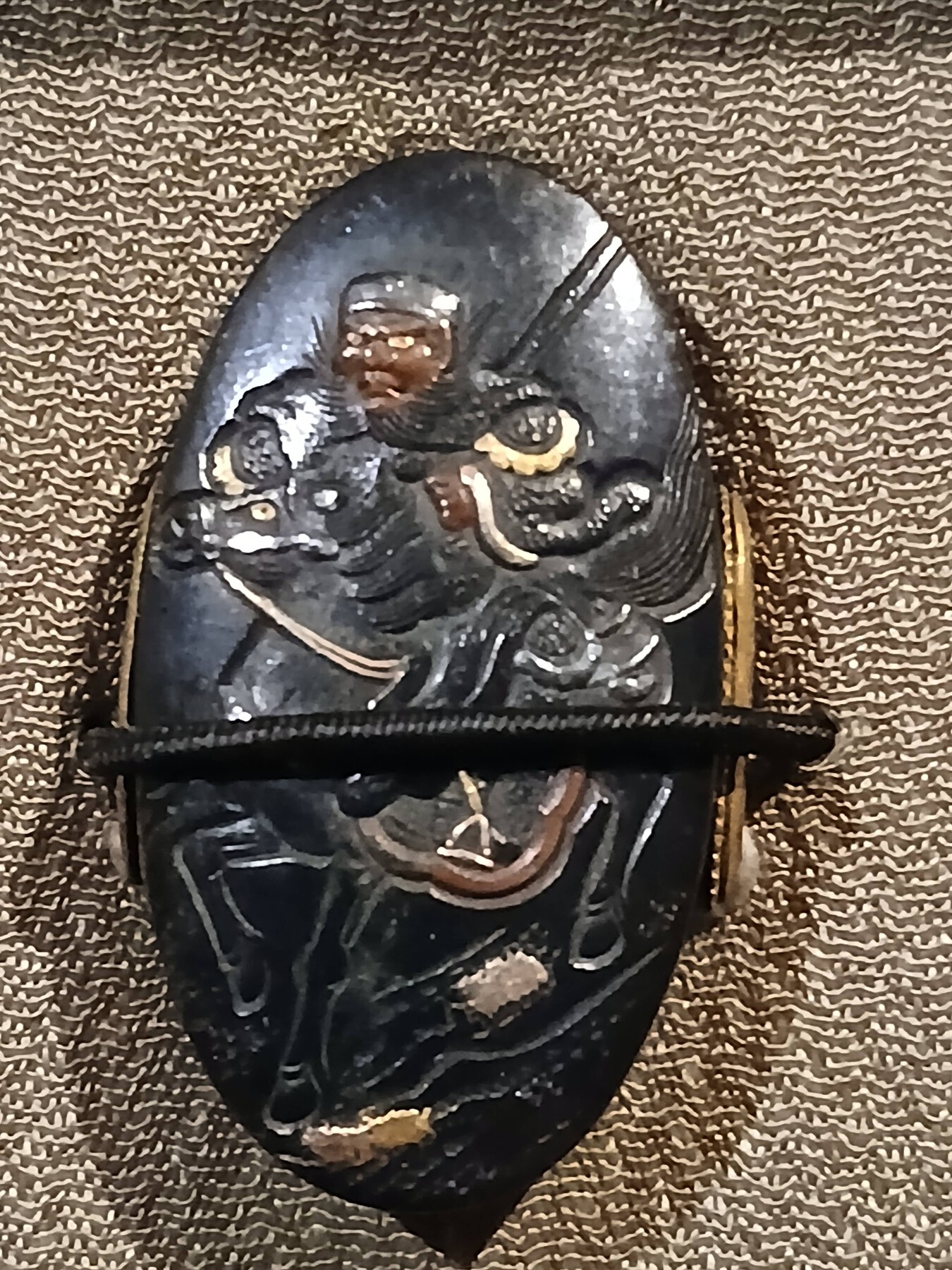
Hello, May I have your opinion on this kozuka and to which school might it belong? Does anyone have any idea who the character is or which legend he is referring to ? Thanks
.thumb.jpg.b825cec3dbc64d6e4c94e4881fee6974.jpg)
.thumb.jpg.b20b5e872e71a7a0cd404e45bf5b27ba.jpg)
.thumb.jpg.a99257b49656d7edcf007e4779420698.jpg)
.thumb.jpg.8e7de33a305486aab741256dac01f463.jpg)
.thumb.jpg.ee2a7ccbb45b5df54622a660f4eeea27.jpg)
.thumb.jpg.8321d418926b359f534b80cba61cb312.jpg) 2 points
2 points -
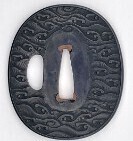
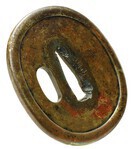
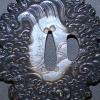
This tsuba came with a koshirae for a recent nihonto arrival. Iron base and it has some nice relief carvings on it of a chrysanthemum and leaves. For the gilding, it looks like some of the flowers might be copper or some other alloy? Maybe a later fix, oxidation, or some other phenomenon? Any thoughts on school, or period would be appreciated as I'm a complete novice with tosogu. I can get more pictures or measurements if needed as well. Thanks!
 2 points
 -
Not sure if these are of interest. I have others and when I locate them will post.


 2 points
 -
Those "flowers" are pines. Not sure about, but the base metal for the ornaments is copper which was gilded and the gold wears off.2 points
-
Interesting! So far I have ony cut with modern chinese reproductions with modern steel, and even after a year of regular use the scratches are nowhere near that level. But maybe Tamahagane is a bit weaker in terms of material. I would be too scared to cut with a nihonto anyways...too much money I could ruin.2 points
-
There is something similar… https://www.christies.com/en/lot/lot-5618020?ldp_breadcrumb=back
 2 points
 -
Looks typical of amateur sharpening or cutting of abrasive items.2 points
-
Hi Jeff, They may be caused by a bent blade having been straightened and are called shinae. https://www.japaneseswordindex.com/kizu.htm2 points
-
Compare to Rai Kuniyuki, I am sure you can see the differences...1 point
-
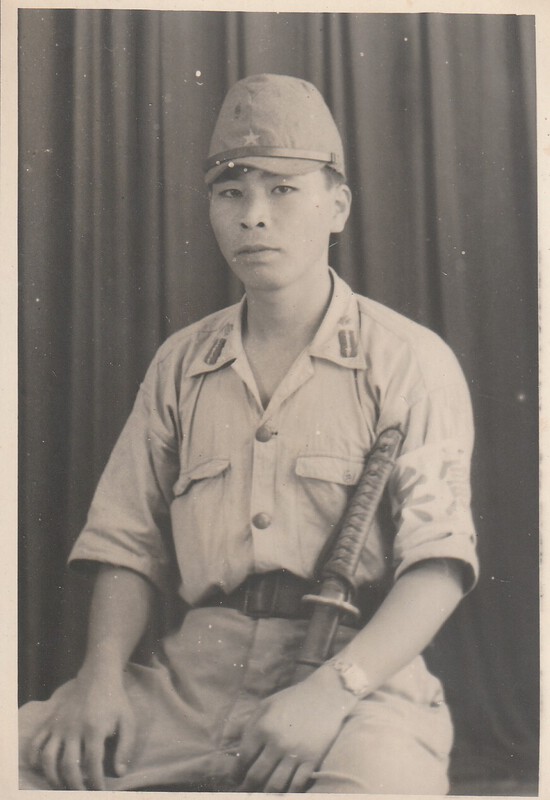
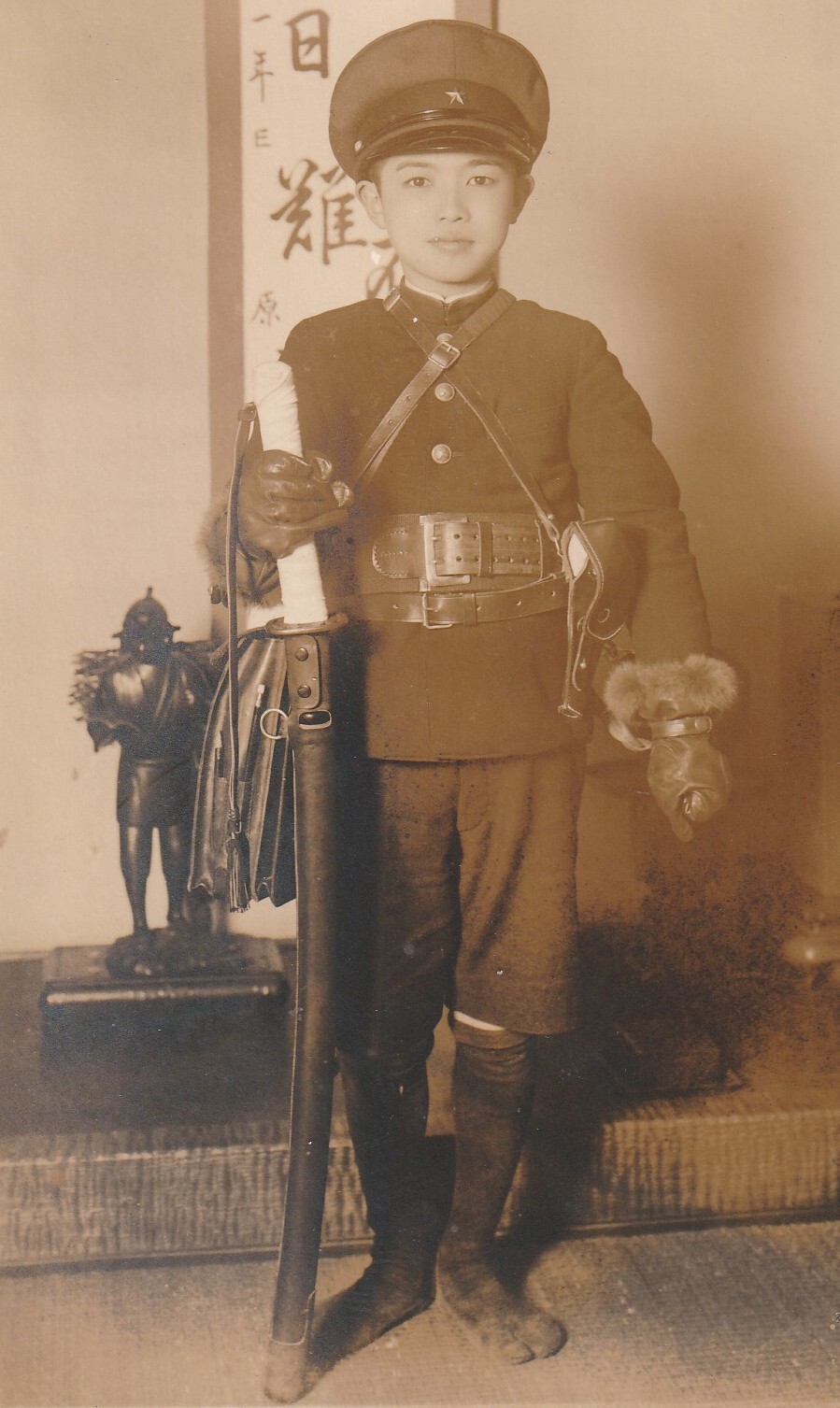
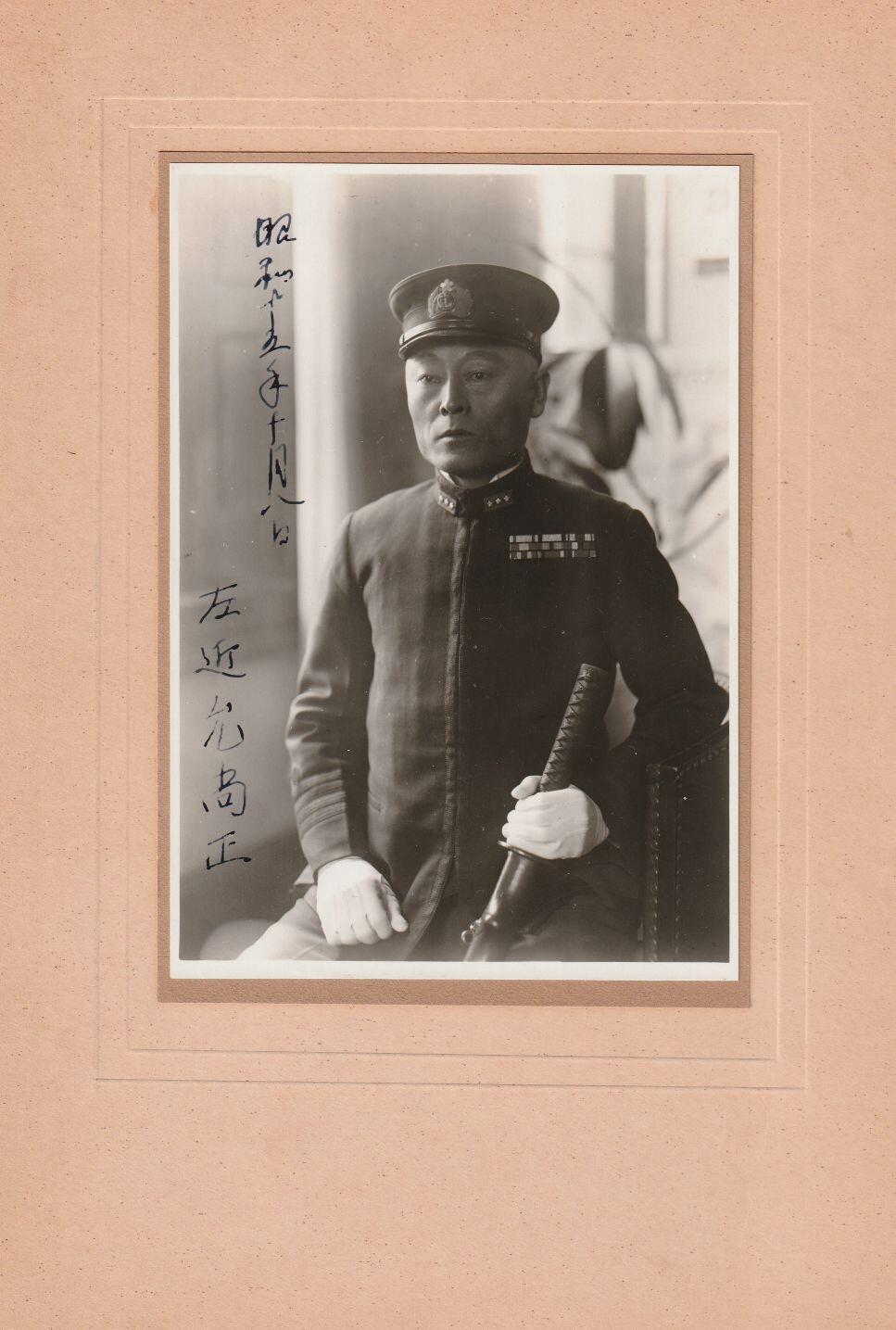
This photograph of Vice Admiral Naomasa Sakonju was originally in a silver coloured frame and was gifted to me by an English woman friend of his.
 1 point
 -
Oh this photo is quite different in my opinion. Very helpful. Perhaps Alex saw more clearly than I did from the start. I'm willing to move a bit on my point of view here — this could be from someone attempting tameshigiri, but I still harbor some doubts because the scratches appear in clumps. Regular tameshigiri practice, even by an amateur, creates a consistent area of wear. The "clean" areas we see here raise questions for me. I'm still more than 50% confident that what we see here is due to what I called "misadventures" (including whacking unorthodox targets) than traditional tameshigiri, but everything others have said is totally fair.1 point
-
Note the tassel is around his wrist, as designed originally.1 point
-
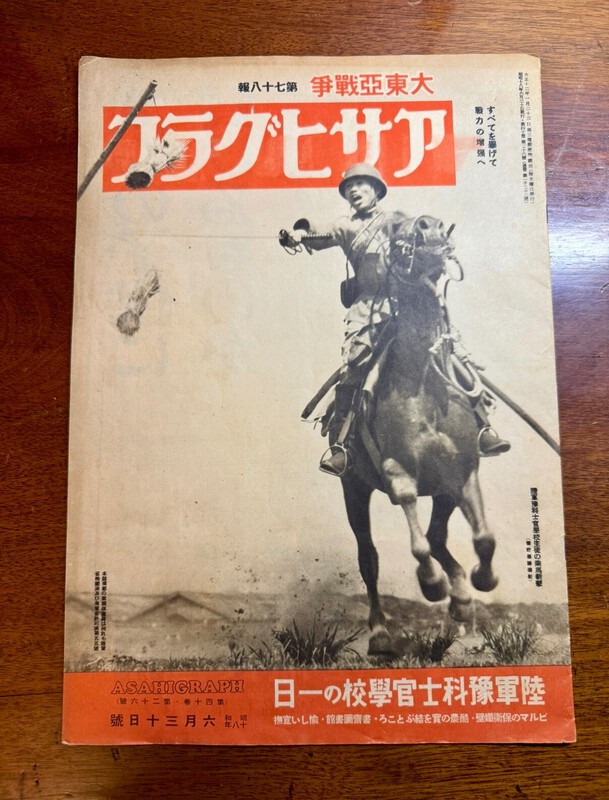
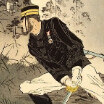
Image of sword in-use (in training). I share this image every chance that I get, so apologies if some of ya’ll have seen it before. I find it fascinating, and very cool. I would frame it, but I like having access to pages within. Best, -Sam
 1 point
 -
An interesting Fudo-Myō-Ō statue, thank you for sharing photos of it on NMB. I really like all types of Japanese Buddhist Art like this. This standing pose of this wisdom king (personification of the Wisdom of Dainichi Nyorai) is not as common as the more common seated pose. To me it looks Edo Period in terms of age. I really nice find. He would have been part of a Buddhist temple alter, or part of a Buddhist home alter. It would not be part or associated with shrine because that would be Shinto and he is not a Shinto god.1 point
-
As explained above, these ripples are not stress cracks, so not SHINAE.1 point
-
Hi, I added a toggle in profile that lets you enable view on listings less than 100K. Go to profile -> activate toggle. https://nihontowatch.com/profile You'll see absolutely everything. Enjoy. Best, Hoshi
 1 point
 -
I have to agree with Alex on this one in absence of better pictures. Speaking as someone who has spent an embarrassing amount of money on tatami mats over the years, this pattern of wear can easily be the result of tameshigiri. That said, there are a number of alternative cutting mediums that could have contributed as well since tatami isnt "expensive" in the strictest sense of the word, but it sure isnt cheap, especially if you require them to be shipped. As for the placement of the wear, again, I would concur with Alex. There are two types of tameshigiri....first is to simply test the sword and its sharpness. The second is more practical where speed and placement are the focus and cutting through the mat is secondary. The fastest part of any blade is the tip.....and it also allows for maximum distance from your opponent..... there are several schools that focus on this type of training.1 point
-
Nice unusual tsuba.1 point
-
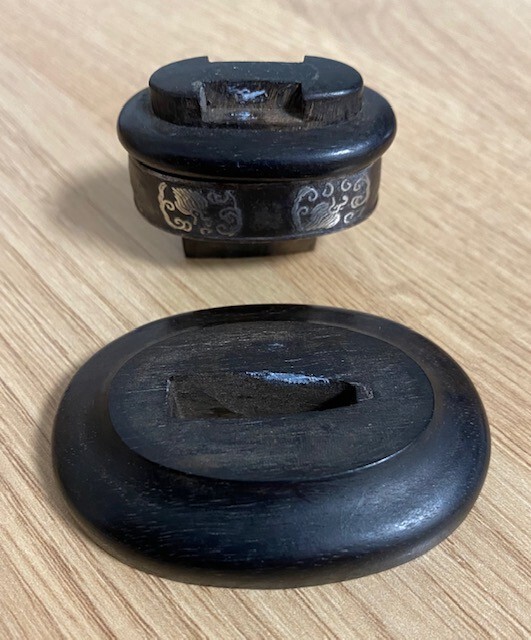
Hi All, Attended a local military show this weekend and spotted this little beauty. I thought it was a clever way to display a fuchi & Kashira. It would seem a lot of time and effort has gone into this, made out of a hardwood. What do you think? All the best

 1 point
 -
Nice, but labour intensive! An awful lot of work to display one set, Mark, I agree. (I’ve just been making some ‘simple’ stands for maedate.) The acrylic one looks like a good first step, …1 point
-
Those scratches look like they came from sandpaper or a tool of some kind. Like an amateur tried to repair or remove the results of some misadventures. I respectfully disagree with Alex. Scratches from tatami on wara are generally more subtle than this, so I don’t believe that’s what this is. They’re also a bit too close to the end of the blade in this case to reflect consistent use for tameshigiri. There’d be no need to do anything in the kissaki if the blade was used for actual tameshigiri practice.1 point
-
I agree . Ive used so many swords for tameshigiri in Japan and here in Australia and have bent more swords than id like to think about. Some of the bent and re-straightened swords had exactly this ripple shinae in the shinogi-ji. I think it depends on the severity of the bend too.1 point
-
Unfortunately it is not the Rai Kuniyuki. The work has distinctive, harsh nie, very large featured hamon, very chaotic and non-traditional. Edo period work most likely. But can be still attractive.1 point
-
Thank you both1 point
-
Hi Tosogu enthusiasts, Over the holidays I acquired a number of new fuchigashira that appear to have come from a single collection. The acquisitions include 4 pieces in total, two signed Hamano Naoyuki and two signed (Ichinomiya) Tsunenao. The two Tsunenao pieces still have their original auction tags from a Sotheby's collection dated November 15th 2000. The other two pieces are missing their tags, but all 4 appear to have been from the same collector/owner. (This does not mean they are from the same Sotheby's collection necessarily...) These pieces are pretty high quality with some interesting motifs and I'm hopeful the mei might be authentic. If not however it's no big deal as the quality was well worth the price I paid for these. Photos taken with my less-than-spectacular phone camera and size compressed but I tried my best... Do let me know what you all think! I'll start with the Hamano pieces:

 1 point
 -
A "steal" band would not help, even not a steel band. As I wrote above, it is called KUCHI GANE (not fuchi gane), and it is made of brass.1 point
-
The kokuin is just the kanji be used for YASU.1 point
-
I can understand where this confusion is coming from. It is based on the character No.4903 in Nelson's dictionary. It is translated as CHIN or shizu(maru); also used as "shizu" in given names. Doesn't mean much when it comes to given/artist names hundreds of years ago. reinhard1 point
-
The reading Shigetomo is used by the 日本刀銘鑑; they do not offer 'Shizu' there for these Takada/Iga smiths.1 point
-
Sorry Ray, but it is "Shigetomo" not "Shizutomo". A line of smiths with this name and title was working in Iga province during 17th and early 18th century. upper picture: The paper was handed out by the NTHK and is stating the blade is "shoshin" (genuine) and is "o-suriage mumei" (fully shortened without a signature). They attribute the blade to the school (den) of Hizen-no-Kami Shigetomo. The paper was handed out in year 14 of Heisei era (2002 in Christian calendar). lower picture: The blade is described as o-suriage mumei. Followed by specifications of hada, hamon, boshi etc. It is said to be made in Iga province during Kan-ei era (1624-1643). For whatever this "expertise" is worth. reinhard1 point
-
Hello, It must be an Awa Shoami tsuba from the Edo period1 point
-
Dear All. To clarify and not to contradict. Shinae are fine cracks in the blades surface, often appearing together. However mukade shinae, or giant centipede shinae, are indeed cause by straightening a bent blade, they appear generally at right angles or thereabouts, to the blade edge and sometimes resemble crackled ice. Rather like a fukure burnishing will not remove these, they are miniature delaminations. According to this link, http://www.ksky.ne.jp/~sumie99/flaws.html they can sometimes be removed by polishing. You will have to scroll down a little to find this specific fault. As is so often the case applying logic to the terminology used is a waste of effort, just because shinae refers to actual cracks in one case it seems that it does not neccesarily mean cracks in the other. I cannott see well enough in the pictures of the original blade to be sure but I do suspect that they illustrate mukade shinae. All the best.1 point
-
Posting the 4 pieces in 4 separate comments just for space...
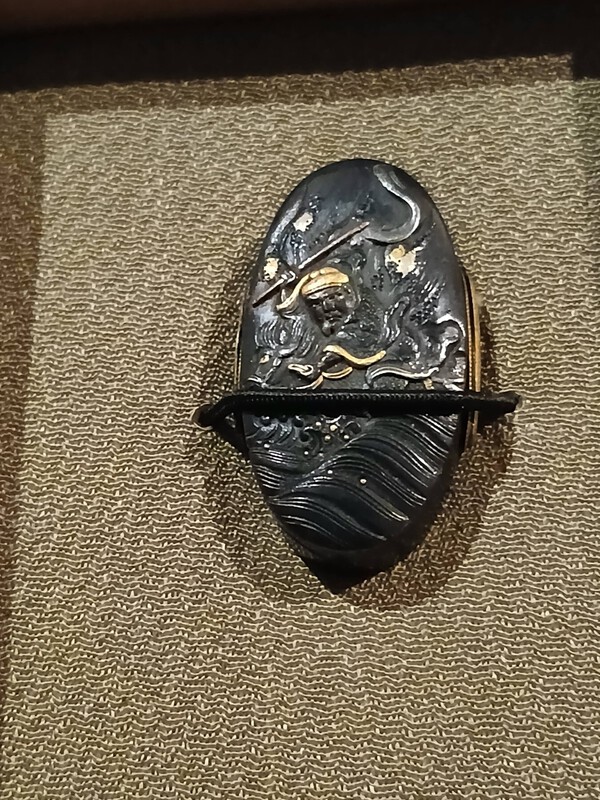
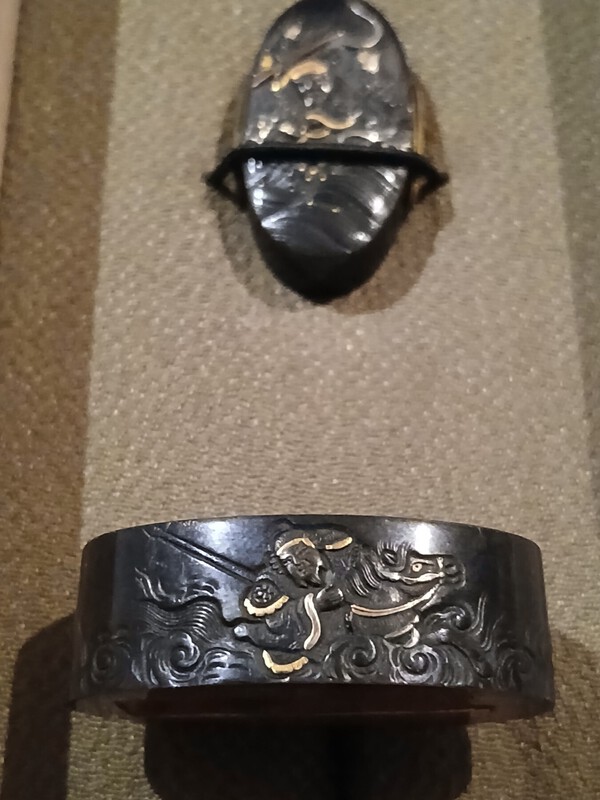
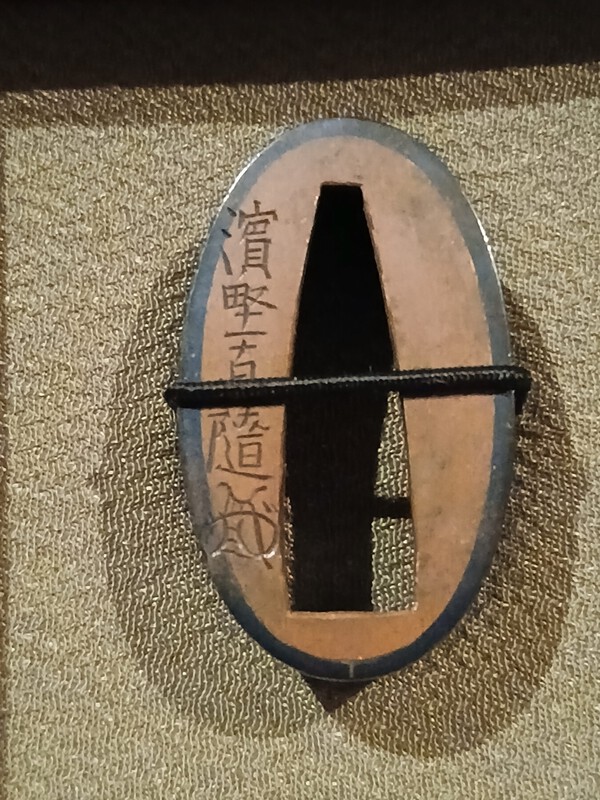 1 point
 -
A KUCHI GANE.1 point
-
Alex: I give my two cents here since I have been doing some ordering from Japan. As Rohan noted, it can depend on the seller. There are options for them to ship the item having already paid the fees. On the stuff I have gotten, under shipping it usually says something like "includes all duties and fees" etc. Sure it costs more for shipping and I suspect they are charging a little more than necessary, though the transactions have been seemless so far and actually faster than USPS. I've had stuff shipped DHL, USPS Speedpak, and USPS priority mail international. John C.1 point
-
At the Tokyo National Museum in Ueno Park. 4/14-6/7 https://tsumugu.yomiuri.co.jp/kagamaedake2026/1 point
-
A LOT1 point
-
That is shitte. @#$%^&! Sorry. Busy week traveling, and I'm thinking about work tomorrow. I figured I would check in on NMB before bed. This is ____ news. Brian- Thank you for letting us know. Yet, I'm angry about it. We've had some painful losses over the years, including Jeremiah last year. I cannot believe Brian (Winchester) is gone. He and I had some fun correspondence and too much in common. We traded a few things, just to play. I have two Benchmade pocket knives from him- one for home and one for car/field, that I traded for a tsuba just to have some fun. I didn't know that he was younger than me. This is wrong. Condolences to Sarah. He is certainly missed by me. He was fun, and correspondence from him was welcome any time. I will miss it.1 point
-
That is excellent. I have been looking for a good way to display fuchi-kashira sets. Thanks for sharing.1 point
-
Brilliant detective work as always Moriyama san1 point
-
My guess. Its a plant hanger. Pot sits in the bowl which catches runoff. The theme being plants and butterflies sorta supports that theory.1 point
-
Another common one is putting blades into shirasaya with legit sayagaki (using a file rasp to ensure the sayagaki fits the new occupant). Regarding mukansa blades - Ono Yoshimitsu swords can easily sell for the price of a Juyo, and there's no shortage of cheap-ish gendaito and shinsakuto with Bizen-style hamon that one could pass off as his work to the unwary.1 point
-
Yes, it's become increasingly prevalent, and not just for historical smiths. I've seen a few gimei of Ningen Kokuho and Mukansa smiths as well. This sort of thing is a big factor behind the push to make the NBSK the shinsakuto equivalent of NBTHK certification, especially with some Chinese forges now at a point where they're able to produce stuff more or less on par with entry-level Japanese shinsakuto.1 point
-
Exactly. Some people moan there is not enough "high class" swords, and when they do they have put up with this **** Explains why we don't see more.1 point







.jpg.c53596f1cd9954f2dd86ac6f8df49aa1.jpg)
.jpg.79cce2c0dd34de5c2693eed2a934e620.jpg)
.jpg.d39a4e8b638f95e9d5b75d8b291fd746.jpg)
.jpg.8484b655ec11fcd1e4076913917367dd.jpg)
.jpg.300d14f27da5a97f56aa64953d3ce220.jpg)
.jpg.bf2c9229496e4554d04433bac82d8f74.jpg)
























This leaderboard is set to Johannesburg/GMT+02:00