Hector
-
Posts
312 -
Joined
-
Last visited
-
Days Won
2
Recent Profile Visitors
893 profile views




Hector's Achievements






-
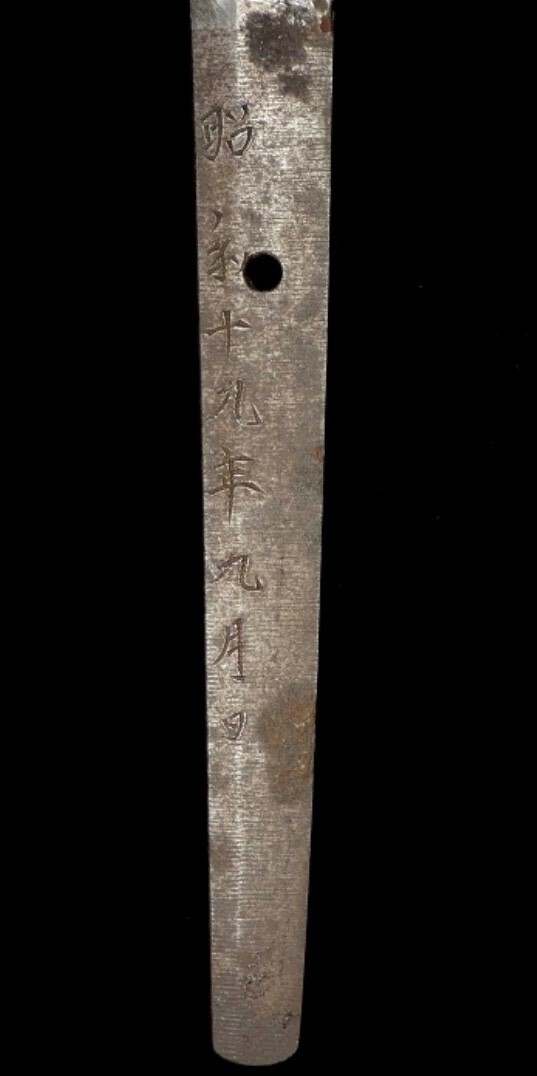
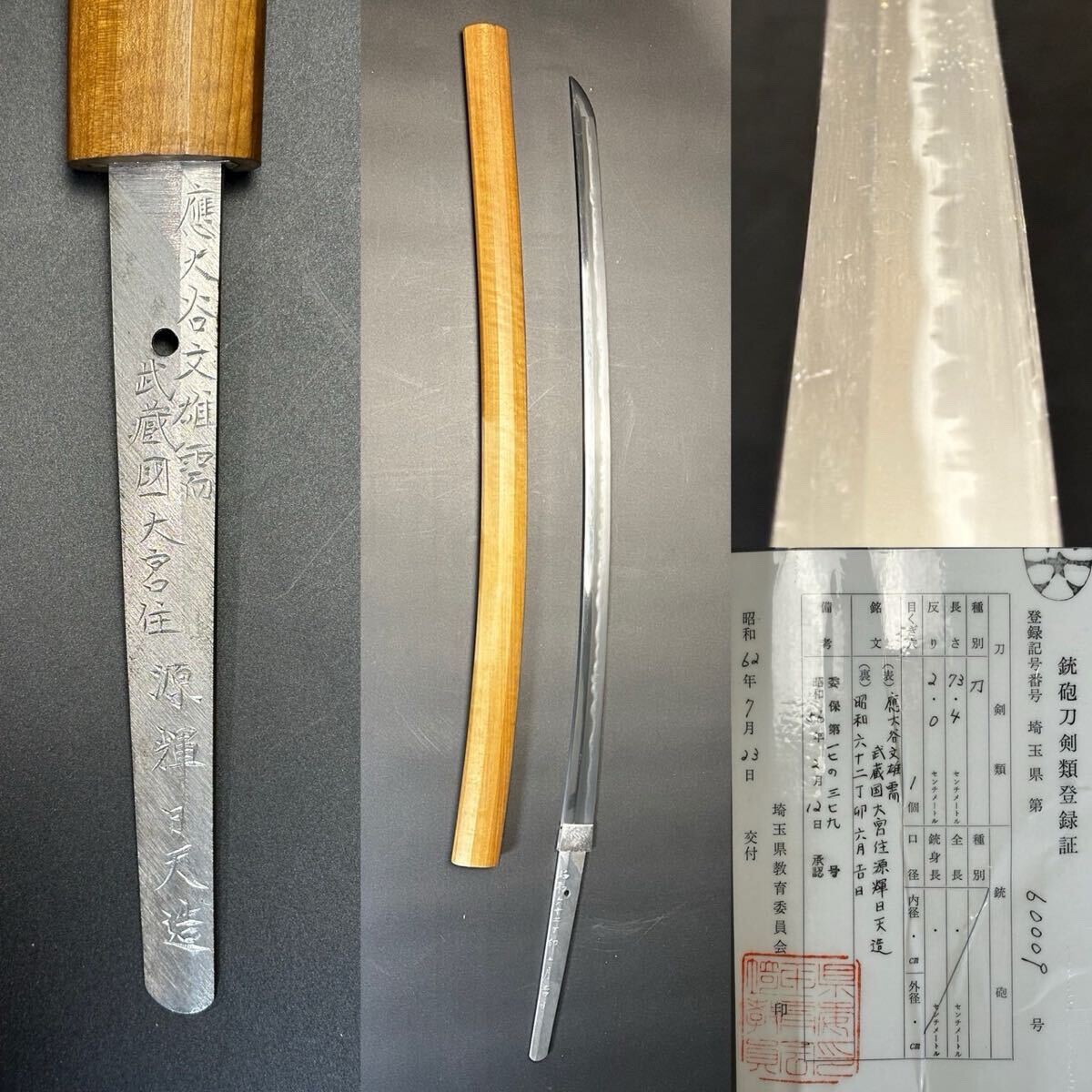
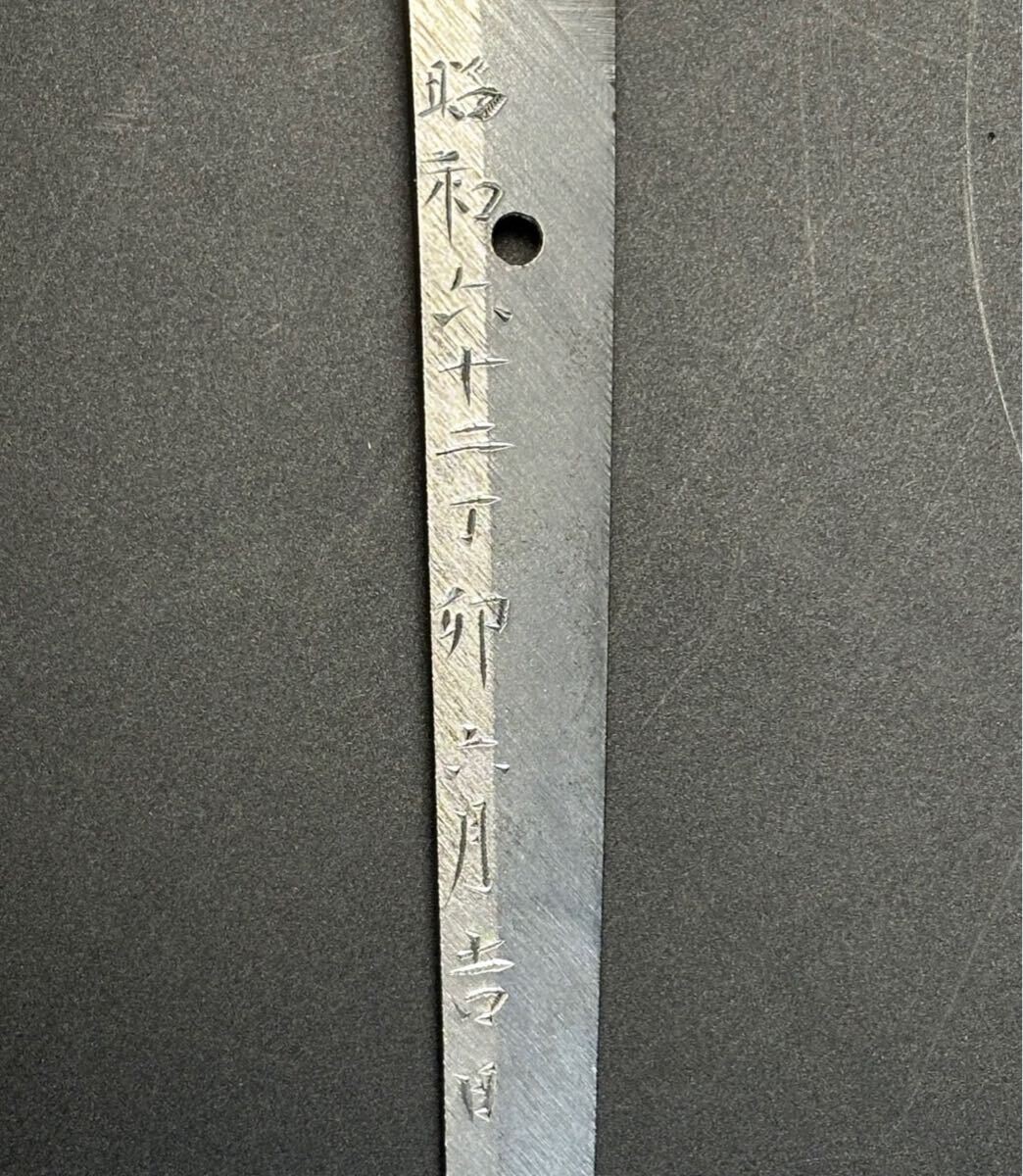
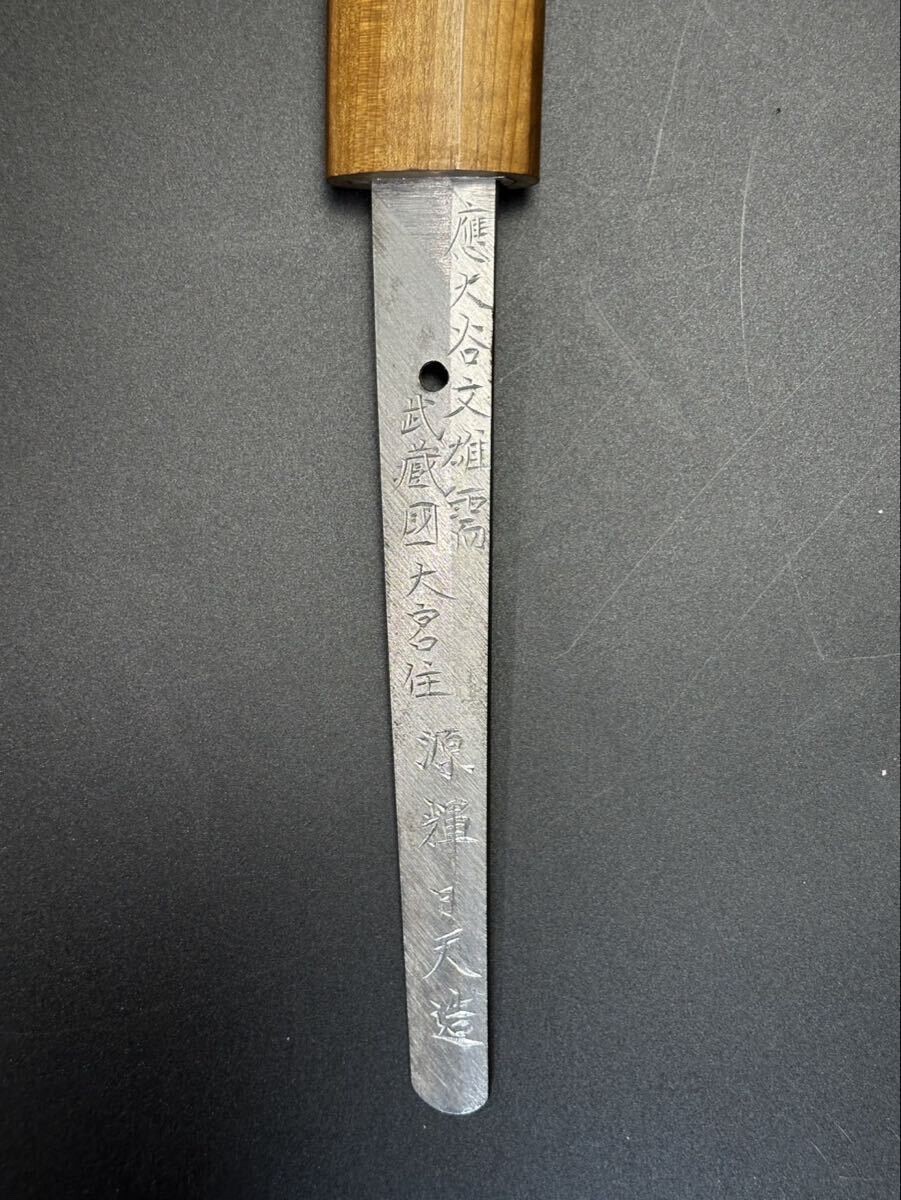
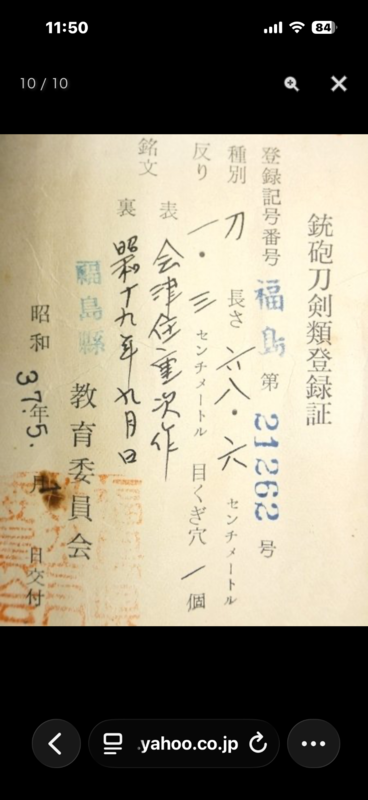
Hi Bruce, This is a Yahoo auction from a couple of months ago for one of Aizu Shigetsugu's blades from Shōwa 19. It may be one that is already featured above - in which case I apologize. I can't see any number stamps on it. https://auctions.yahoo.co.jp/jp/auction/g1096064452 PS: The blade itself went for absolute peanuts!


-
Didn't Kiyomaro used to be 'three sheets to the wind' practically all the time? His stuff still turned out ..... kind of ok. Hector
-
This is obviously not intended to deceive anyone as it is being sold as a modern blade and is clearly dated 2018. Kunihisa, the smith, has just decided to patinate the fresh nakago with rust. Personally, I don't like it visually (it doesn't even look old) and I don't see the point of doing It. Part of the beauty of a shinsakuto is that you start with a clean nakago and then the rust accumulates naturally over the following centuries. It's not like a tsuba, where it should have a protective patina applied to the steel from the very beginning. I'd like to hear others' thoughts and opinions on this unusual practice. Best, Hector https://japanesesword.net/collections/modern-fine-art-katana/products/authentic-Japanese-katana-tanto-kunihisa-nbsk-shinsakuto-certificate-tozando?variant=53752214946155


-
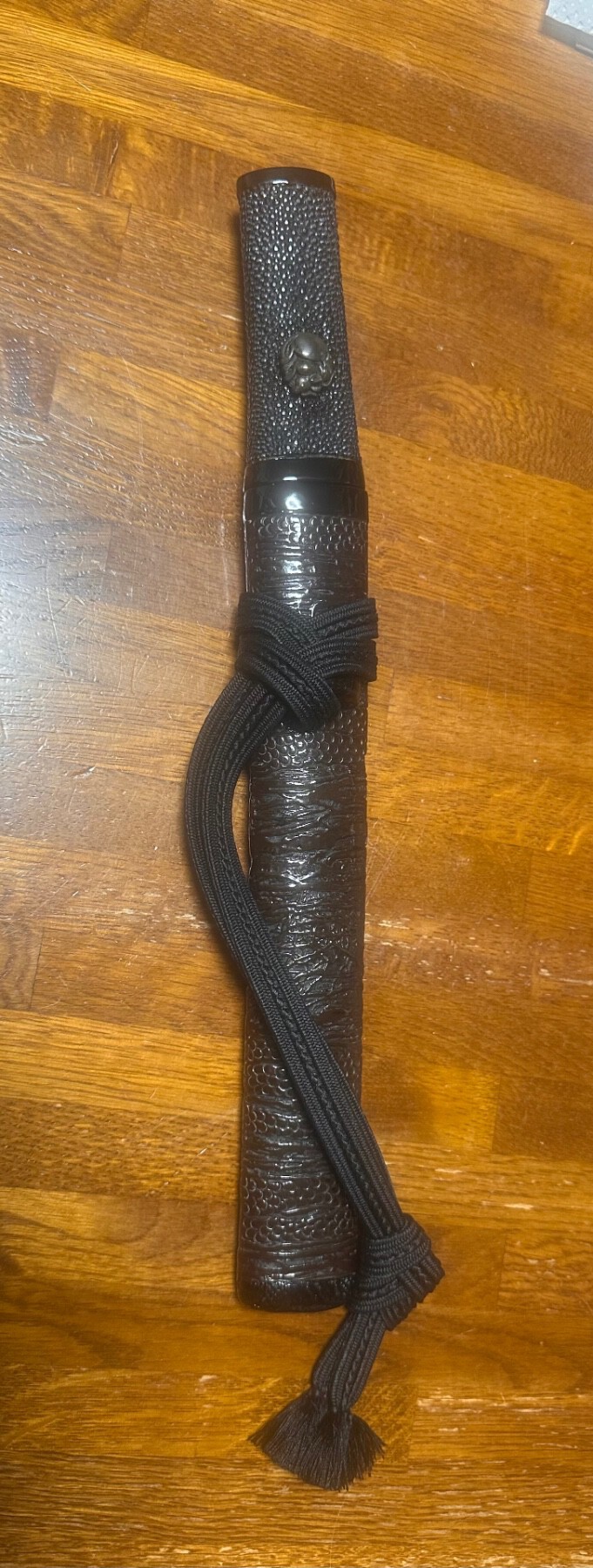
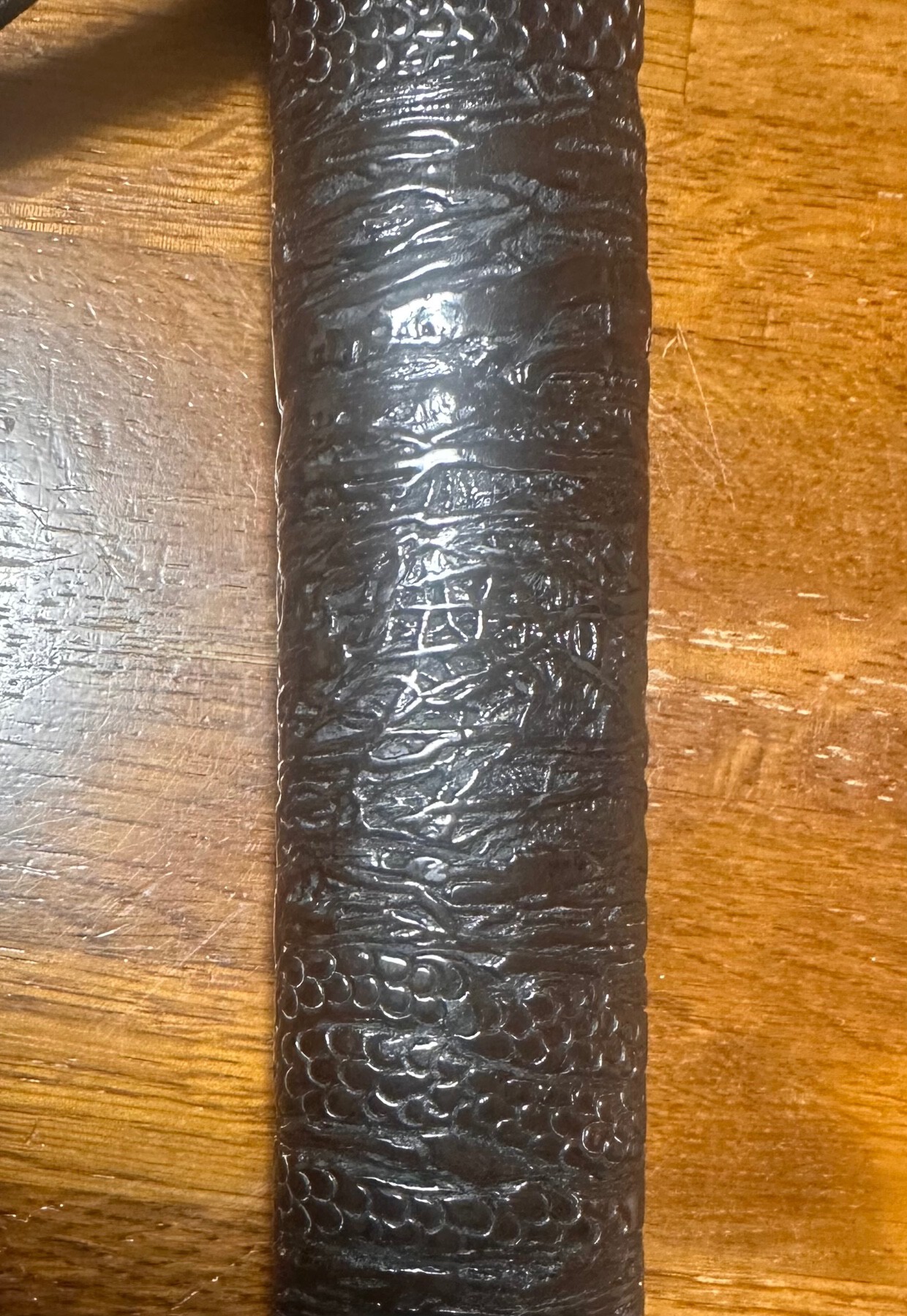
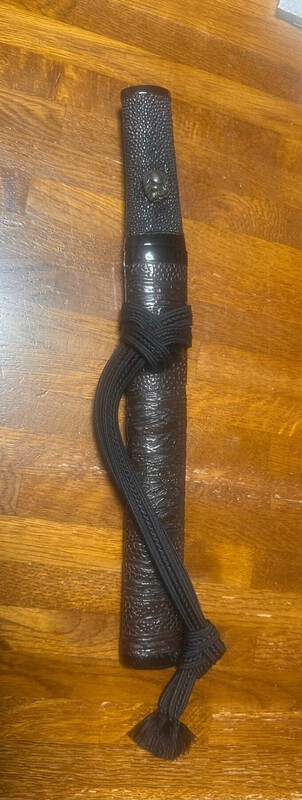
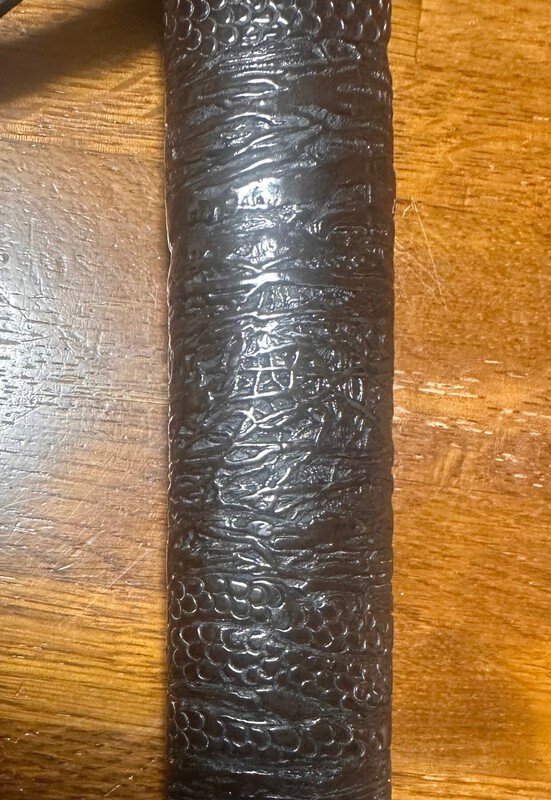
This is a quaint little tanto I picked up a while back. The dark brown urushi is almost sculpted in a three dimensional way. Best, Hector
-
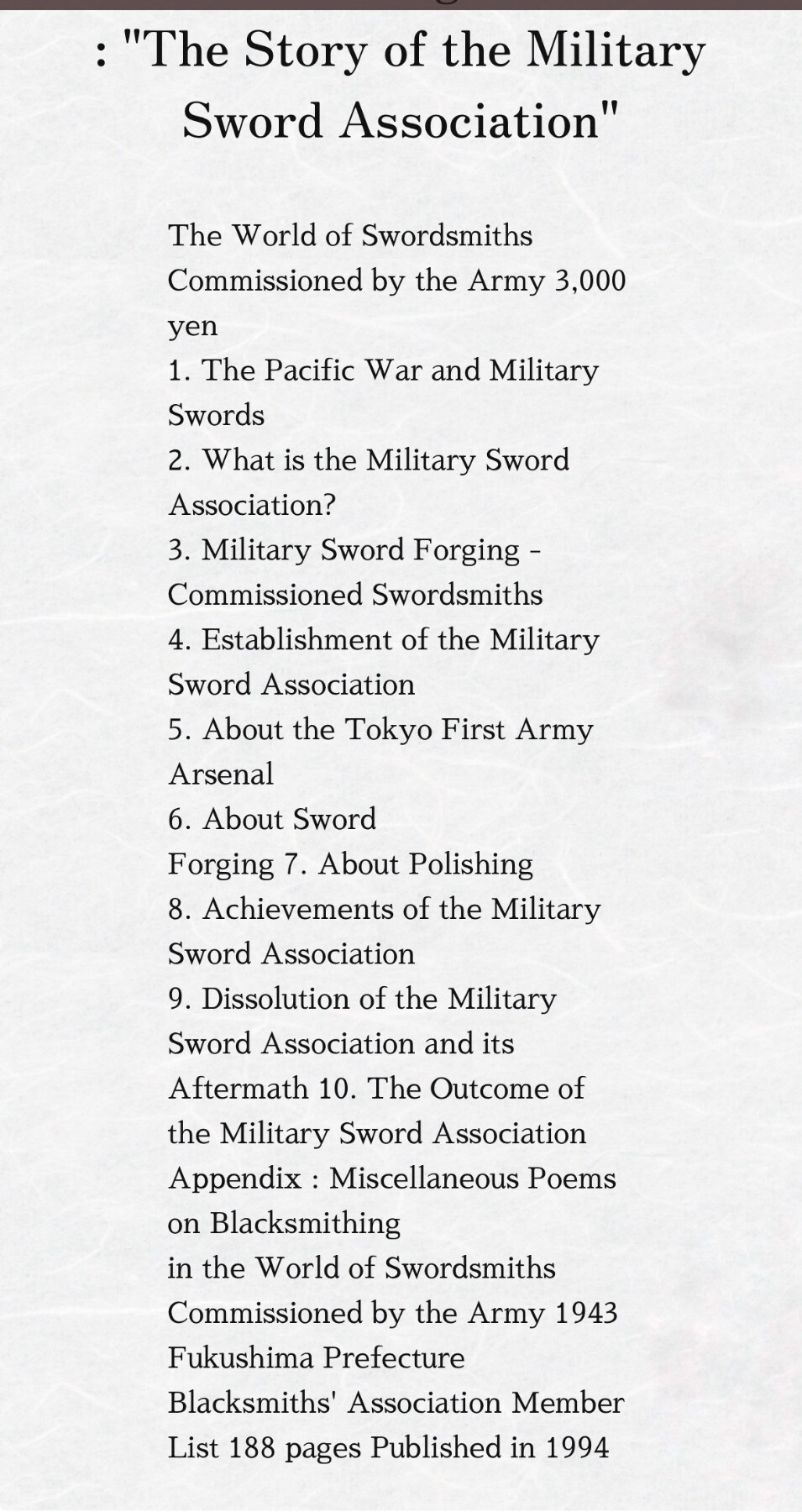
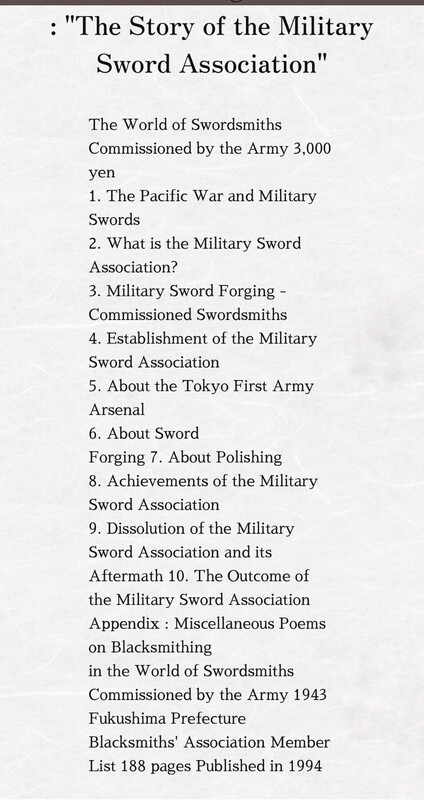
It's the last of a series of five books by the same author - the first four being primarily concerned with traditional blacksmithing of agricultural tools in Aizu province. Below is the contents list of the Gunto book translated into English. Best, Hector
-
 Jacques now blocked. Sending me an insulting PM crossed the line.
 -
Not at all! I was just adding village idiots for humorous effect (and obviously failing miserably). Apologies for any confusion!
-
I did a search on Jacques' past comments (spanning many years) and now I get it. There's always an outstandingly trollish troll on every board and forum, just like there's always an outstandingly idiotic idiot in every village. Neither are worth interacting with.
-
Slow loading today anyone?
Hector replied to Matsunoki's topic in Forum Technical Details and Maintenance
First time I've managed to access the system in over 24 hours (from Japan). -
Are Japanese swordsmiths artists or craftsmen?
Hector replied to MassiveMoonHeh's topic in General Nihonto Related Discussion
I asked my wife to help me with a little more translation, this time of a page on Mr. Ohmura's site regarding the ranking of wartime sword makers. Regardless of what Masamune and his contemporaries were capable of, it would appear that, by World War II, top prizes and high status went to the cosmetic rather than the practical. Of course, practicality is also never put to the test nowadays because, if you've paid millions of yen for a living national treasure or mukansa level smith's work, you're never actually going to take a swing at anything. Therefore, your exquisite blade may be completely useless as the tool it is still pretending to be. The Japanese have an insult that 'someone is a paper carp' - they look splendid on the outside but have no guts. I suppose it's similar to our expression 'a paper tiger'. Anyhow, here's the section which I think relates to this thread. Japanese Swordsmiths and Their Rankings Under Wartime Rule Translated from Ohmura Study (ohmura-study.net), specifically: http://ohmura-study.net/025.html "An evaluation of actual cutting performance appears only, and exclusively, in the Test-Cutting Division. This shows just how lightly functional performance was regarded even at an exhibition ostensibly devoted to gunto technique — and it lays bare the true nature of the Officers' Gunto Inspection Committee. Given the gravity of the wartime situation, one could almost call it a clown's farce. Mr. Naruse's battlefield observation that "many of the best blades came from obscure provincial smiths" was itself a pointed criticism of a sword world fixated on outward appearance. As it happens, a blade forged that same year by a certain student of Kurihara Akihide — a smith who received the Chairman's Award in the Forged Blade Division — was purchased by a collector after the war. Because the smith later changed his professional name and eventually rose to be designated a Living National Treasure, the buyer assumed the blade's performance must be just as outstanding as its reputation. Tempted to find out for himself, he carried out a test-cut. On the very first strike, the blade snapped clean in two. The tester was stunned, as disappointed as he was furious. Unable to accept this, he confronted the now-famous swordsmith directly, since the two lived in the same prefecture. The smith, too, must have been at a loss; it became quite an affair, but there was naturally no way to resolve it. Some of the blame lies with the tester as well, for assuming too readily that a blade praised for its appearance must also perform well. This is a true story, known only to those directly involved, that took place in Nagano Prefecture. Among those concerned it could be dismissed as a tragicomedy — in a way, they were fortunate it went no further. This was a blade made in 1944 (Shōwa 19). Had an officer mistaken such a blade for a fine sword and carried it into battle, the outcome, depending on circumstances, could have cost him his life. Sergeant Sasanuma of the North China Expeditionary Force, writing on "The Gunto on the Battlefield" in the magazine Tō to Kendō (Yūzankaku, September 1939), reported that a blade by a smith who had won a special prize at a contemporary sword exhibition snapped in the middle simply from cutting through a rolled-up magazine. The Officers' Gunto Inspection Committee, and sword specialists generally, calmly went on committing the error of judging blade performance — a matter of life and death — by outward beauty alone. There must have been a good many officers who fell victim to this illusion. Those who went on perpetuating the myth of the Japanese sword in this way, deceiving the public, deserve the harshest condemnation. Today, swords that have won prizes from famous smiths or at sword exhibitions command high prices. Buyers, unwilling to risk such an investment, will almost never test-cut them. As a result, the illusion of quality is preserved, since a blade's actual weaknesses are never exposed. If you wish to keep the dream alive, you should never attempt anything as reckless as a test-cut — the odds are quite high it will shatter that dream. Whether one prefers a blade with beautiful grain and temper that may snap on first use, or a plain-looking blade with solid fundamental performance, is entirely a matter of the individual collector's own philosophy of the sword. It is safer to understand that public evaluations of swordsmiths, old and new, based on outward appearance — of which this ranking table is only one example — generally work this way. Readers should not mistake this table for a ranking of these blades' fundamental performance. The compiler adds this caveat out of a sense of responsibility for having published the ranking table in the first place." (That anecdote would appear to concern Miyairi Akihira (宮入昭平) — entry #21 in the Chairman’s Award list, from Nagano, listed as a student of Kurihara Akihide. He later changed his professional name to Miyairi Yukihira (宮入行平), and in 1963 was designated a Living National Treasure (Ningen Kokuhō) for swordsmithing. Best, Hector -
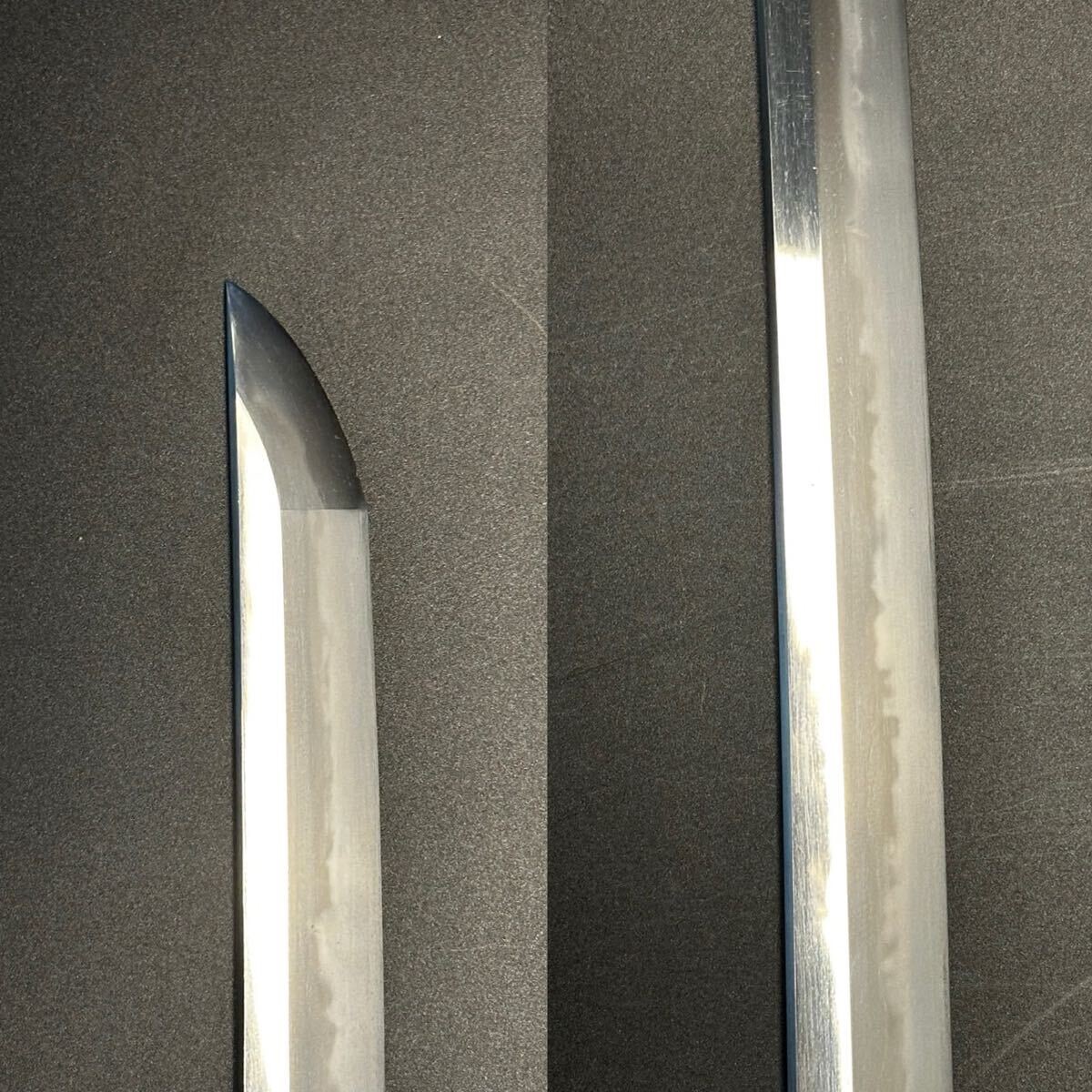
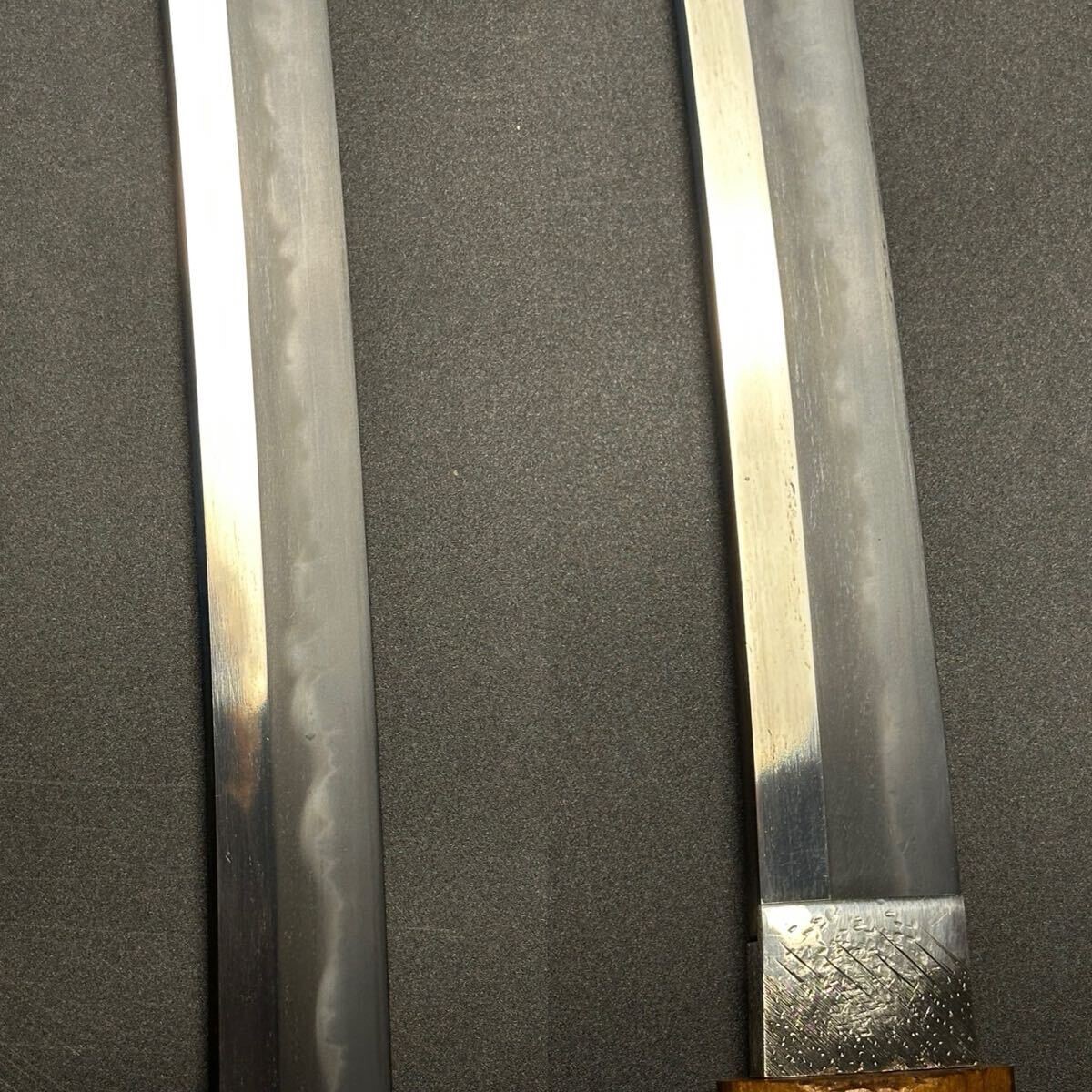
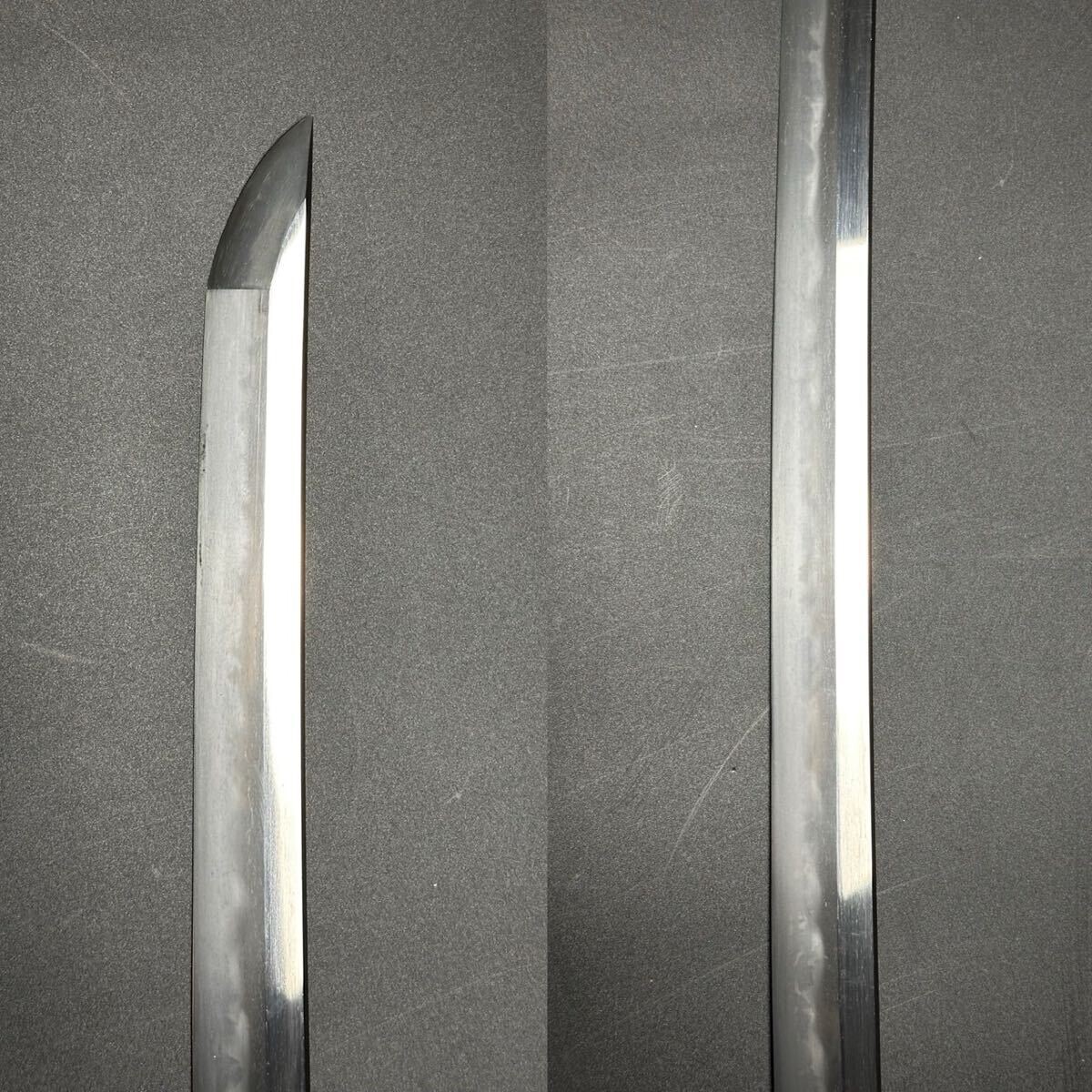
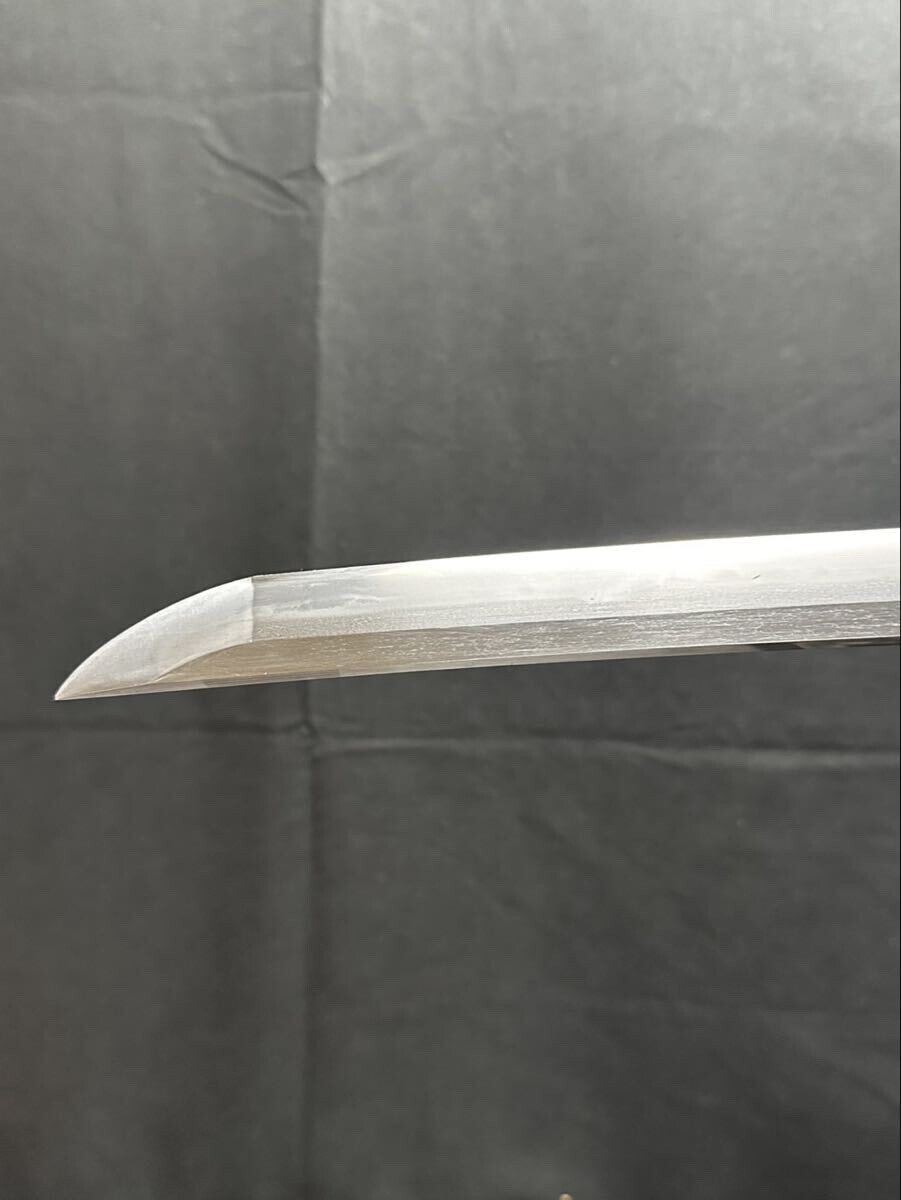
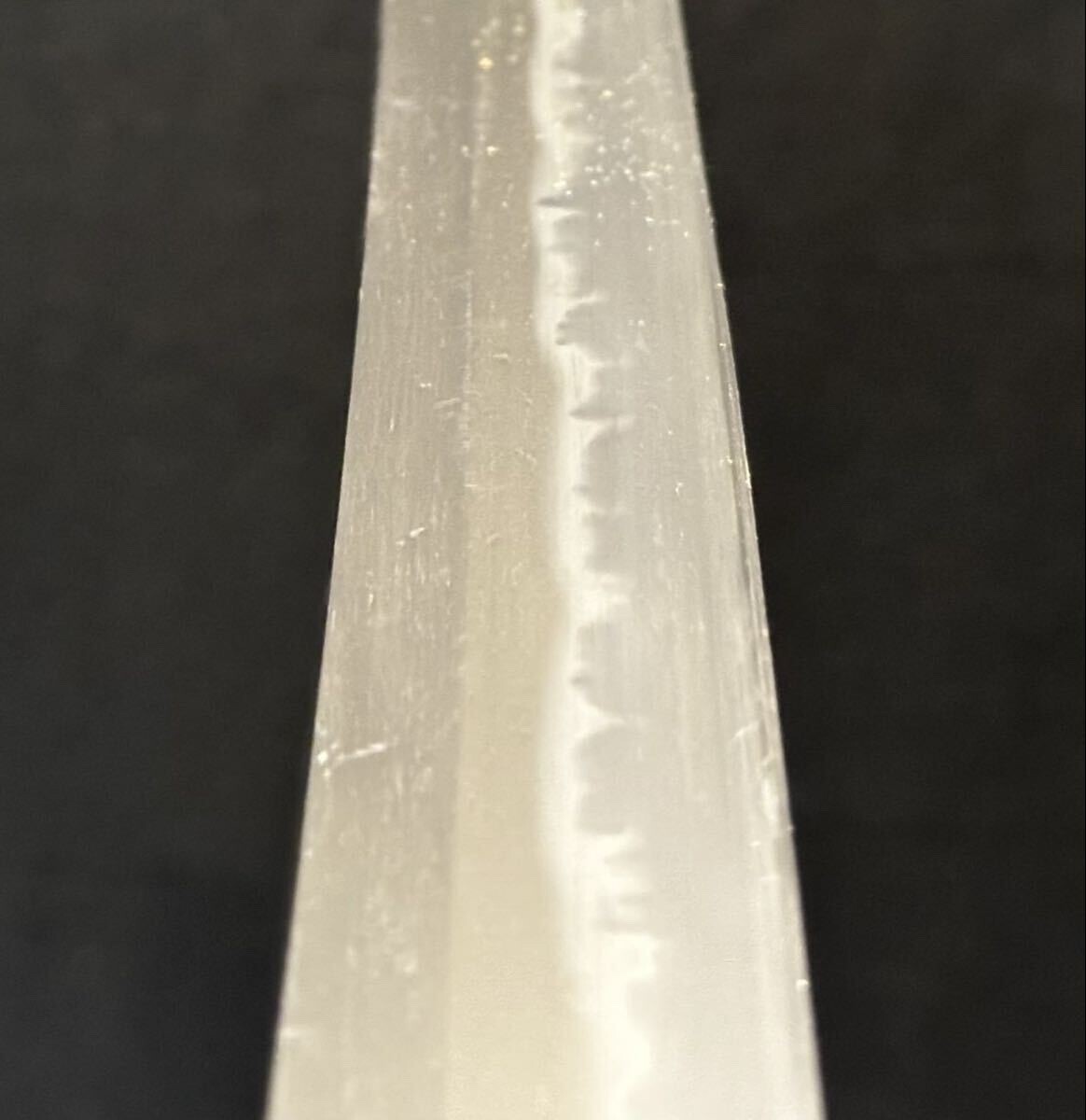
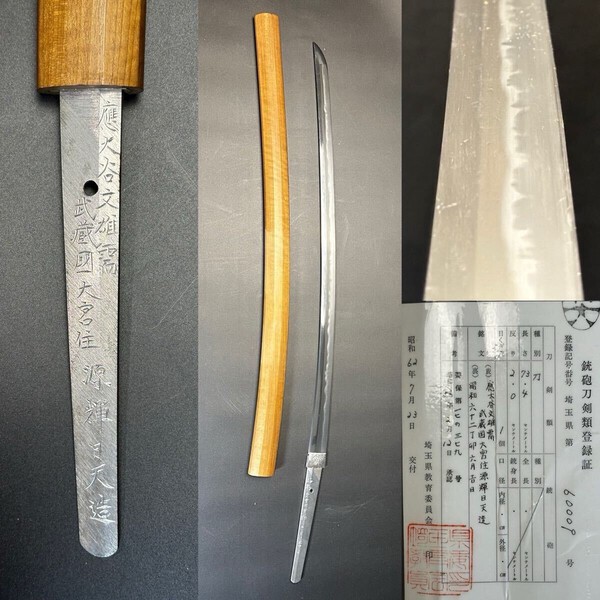
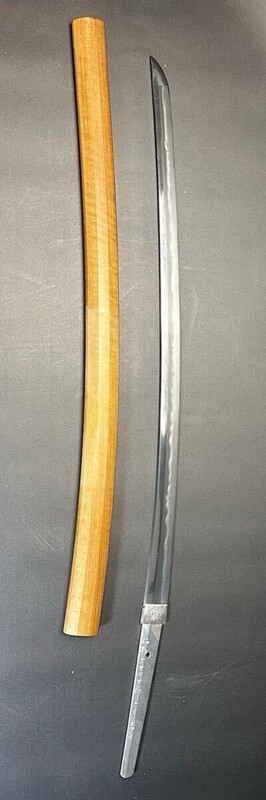
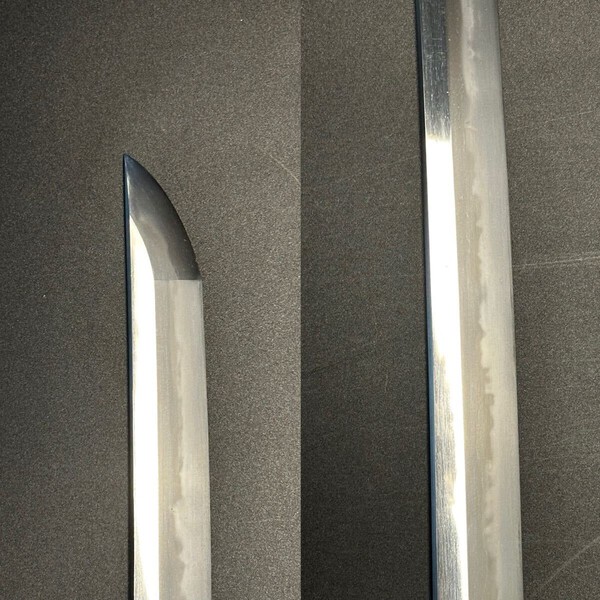
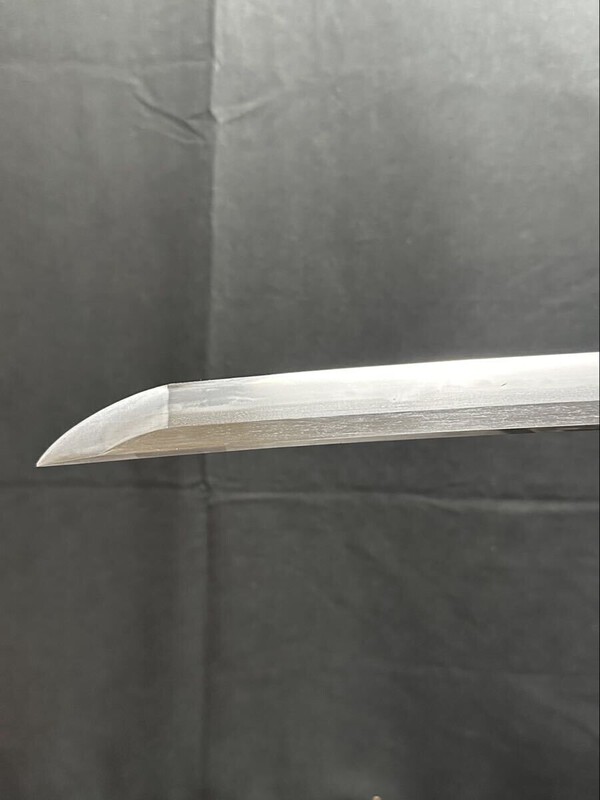
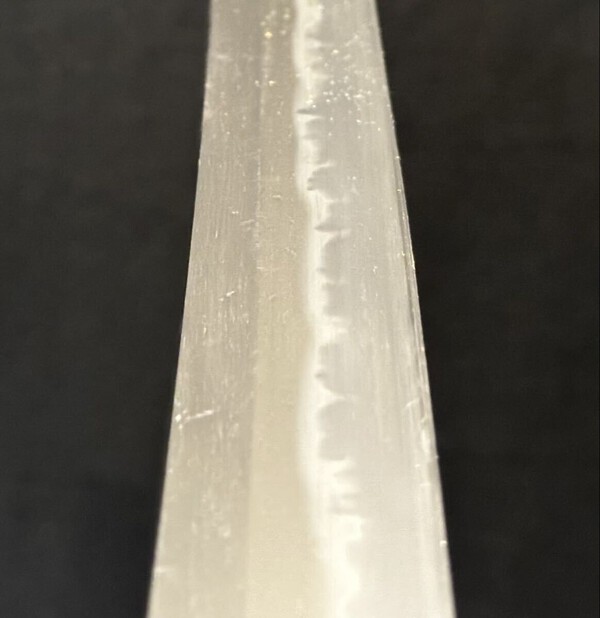
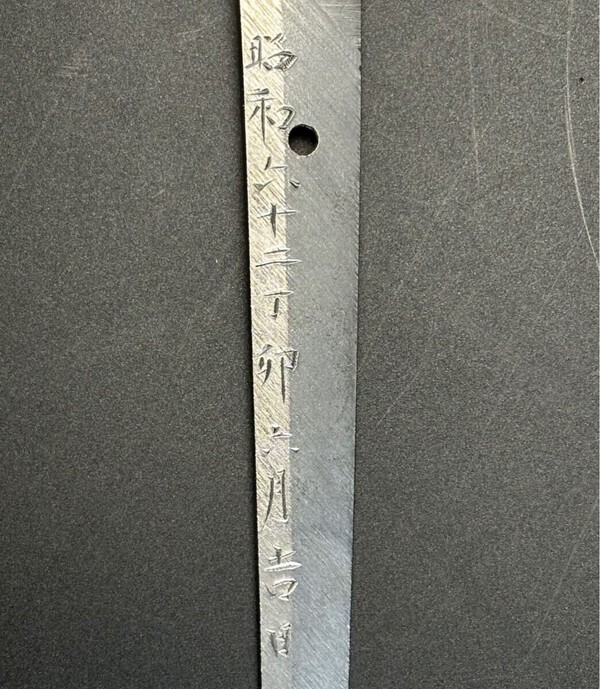
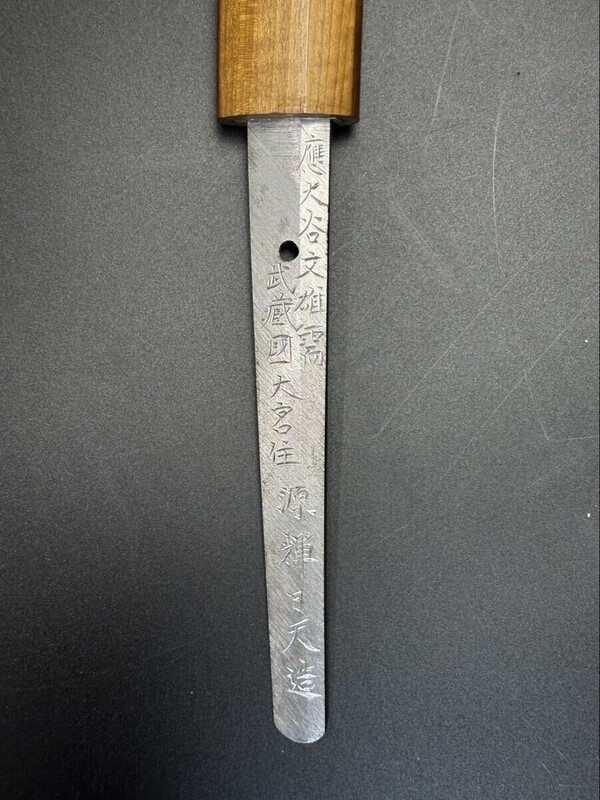
@Rivkin Thanks for the confirmation! @ROKUJURO Yes Jean, it has a few minor scuffs but is still a long, great looking, Bizen inspired blade. 😊 (Seller's photos attached below.)



-
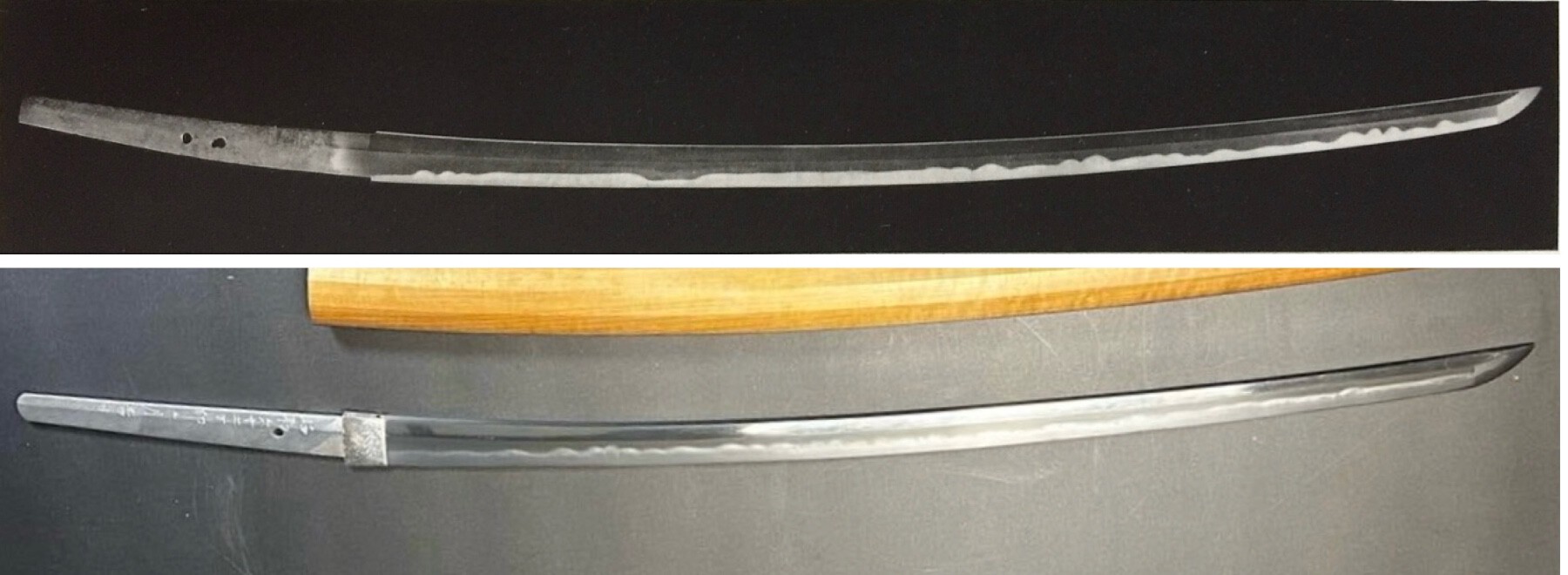
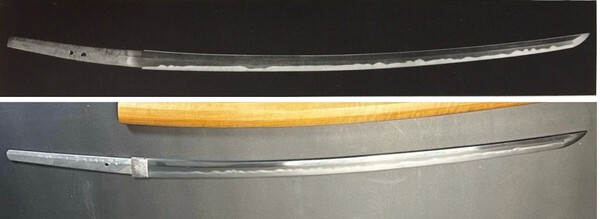
Thank you both! I thought it might be koshizori based on a side by side comparison with two old Bizen blades which I found as specific examples of that curve - but I can see my sword's angle is not so acute. (Actually, the upper picture shows the Bizen Saburo Kunimune (備前三郎国宗) that Walter A. Compton located in Atlanta, bought and gave back to the Terukuni Jinja in Kagoshima Prefecture.) Best, Hector

-
Many thanks for such a concise explanation Rohan. I thought that I was doing something wrong at this end.
-
If I do a search and get a big hit of say, 50 pages, as soon as I press 'next page' I get a warning like "Please wait another X seconds before attempting another search". So let me get this straight; each page of one search counts as a separate search? Best, Hector
-
Translation help on possible Myochin Tsuba
Hector replied to thutson's topic in Translation Assistance
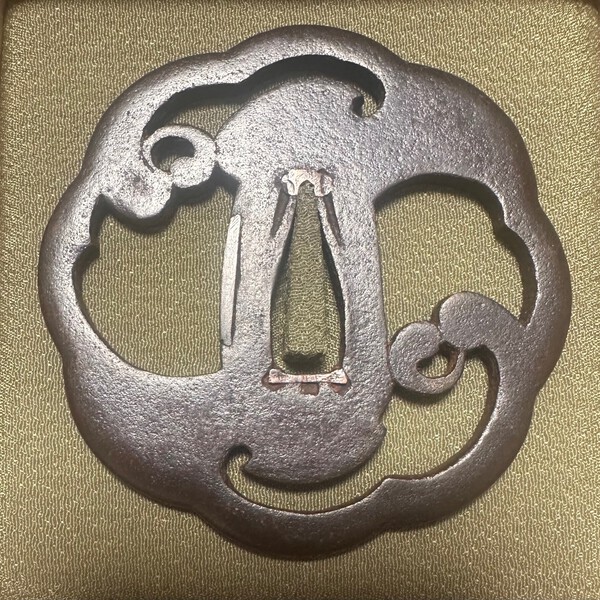
Congratulations Tom - that is an absolutely beautiful tsuba! I love the swirling cloud design myself (whether bad luck or no 😉), which is why I purchased this Higo tsuba on Yahoo recently. Best, Hector