Tcat
-
Posts
615 -
Joined
-
Last visited
-
Days Won
2
2 Followers


About Tcat

Tcat's Achievements





-
Wow and congratulations, that cleanup turned out VERY nice.
-
Ko-Naminohira Yasumitsu perhaps? Edit: Looks like characteristics of both Bizen and Yamato. (Ko-Gassan?)
-
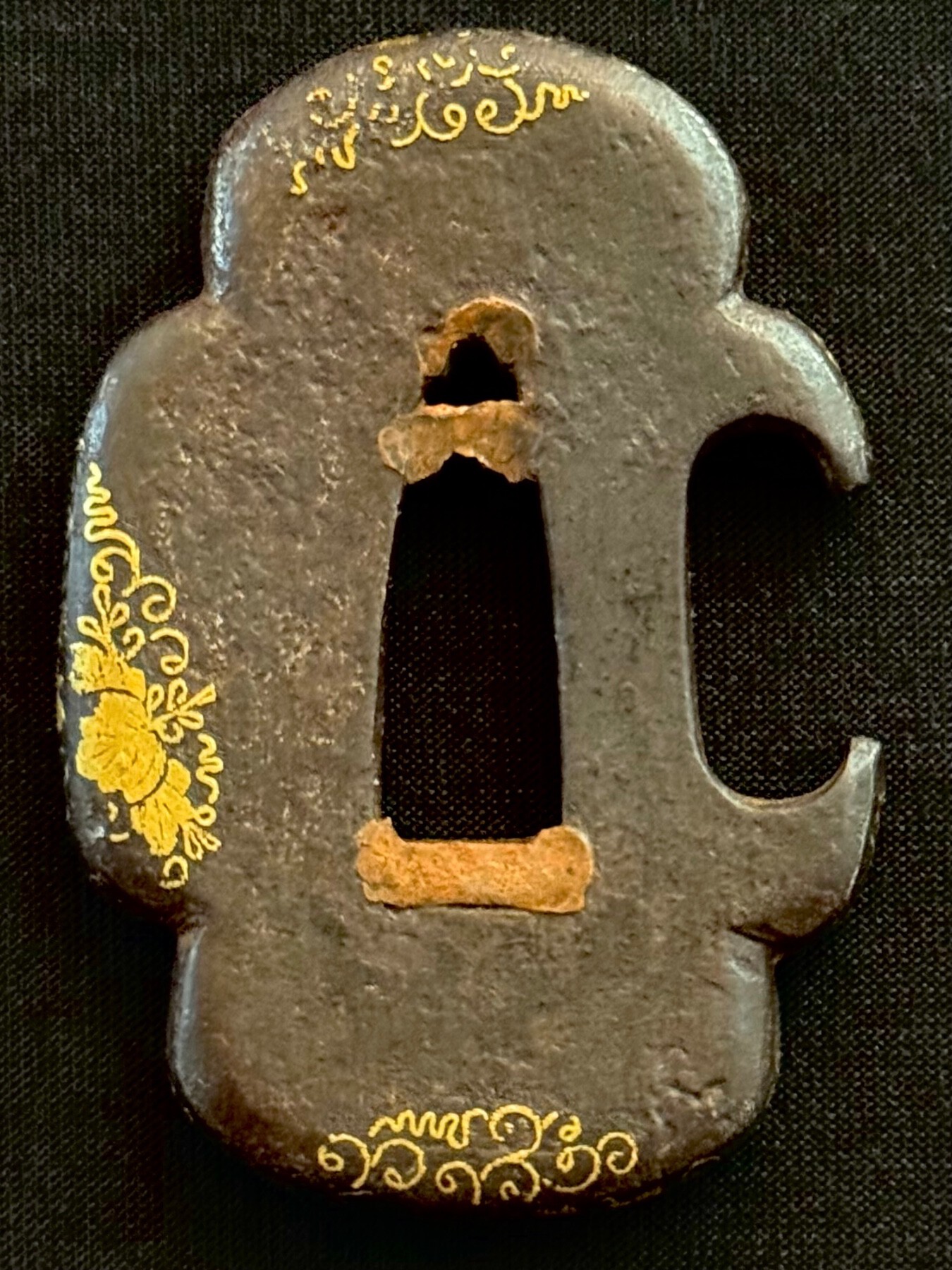
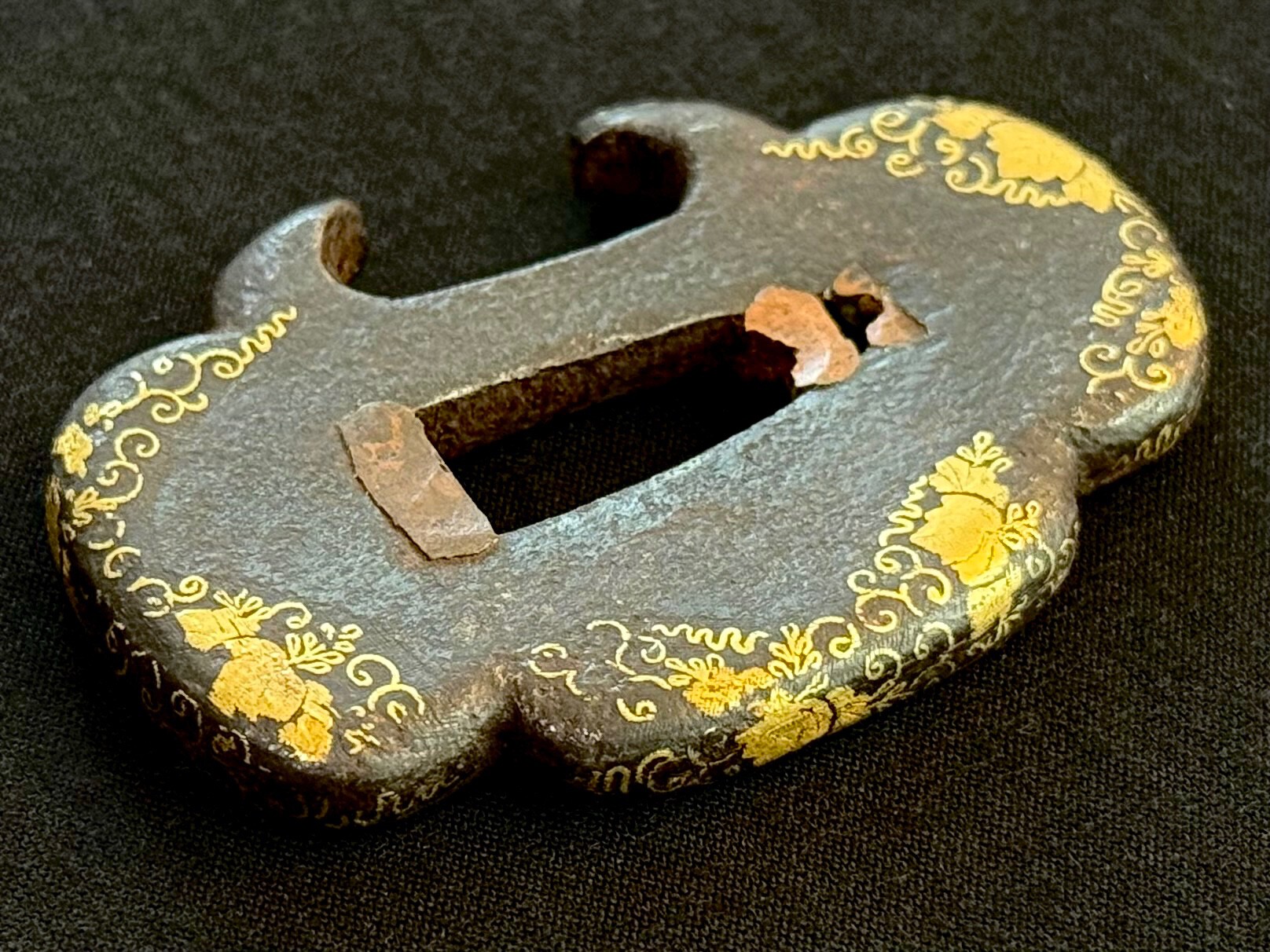
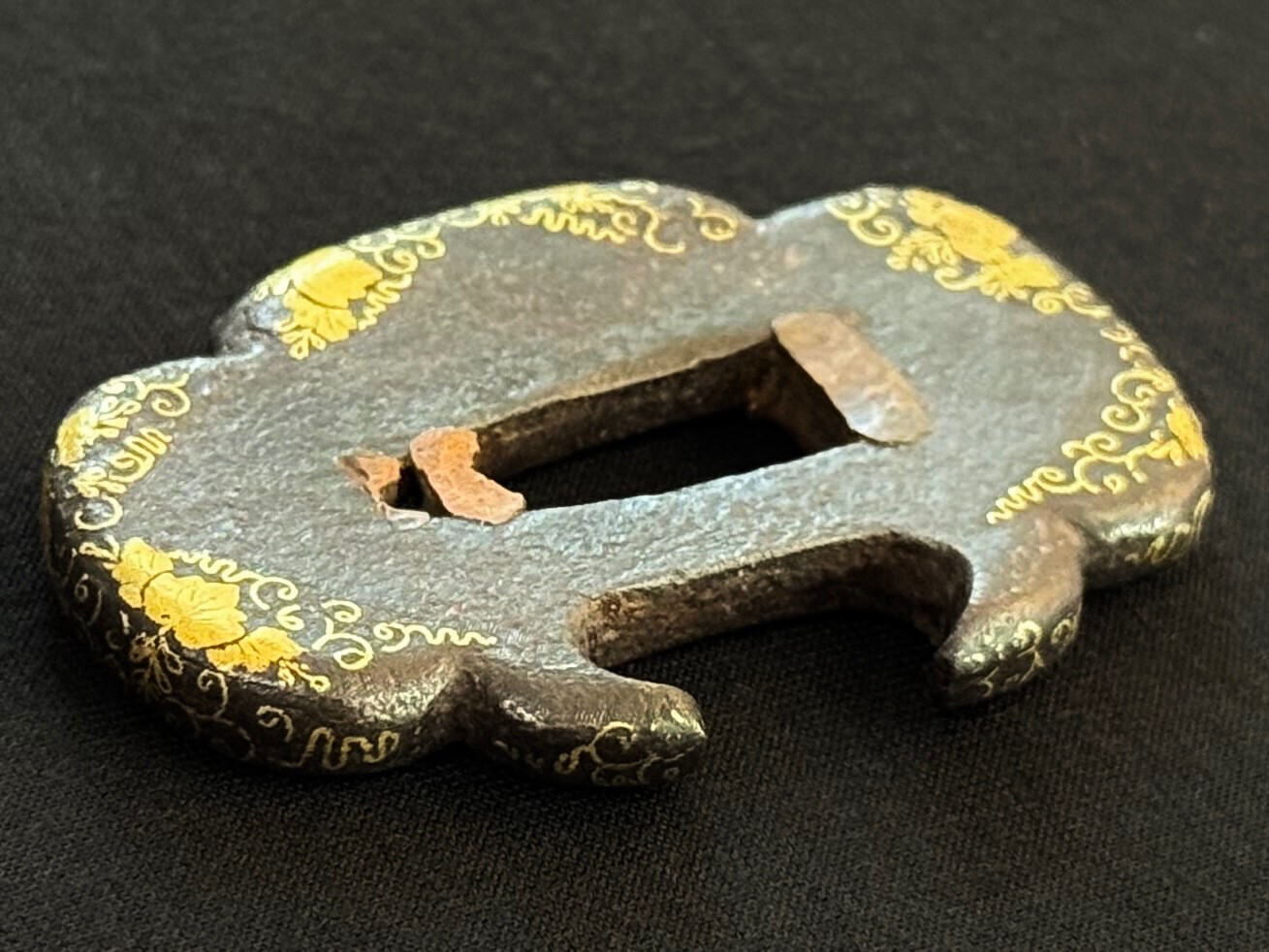
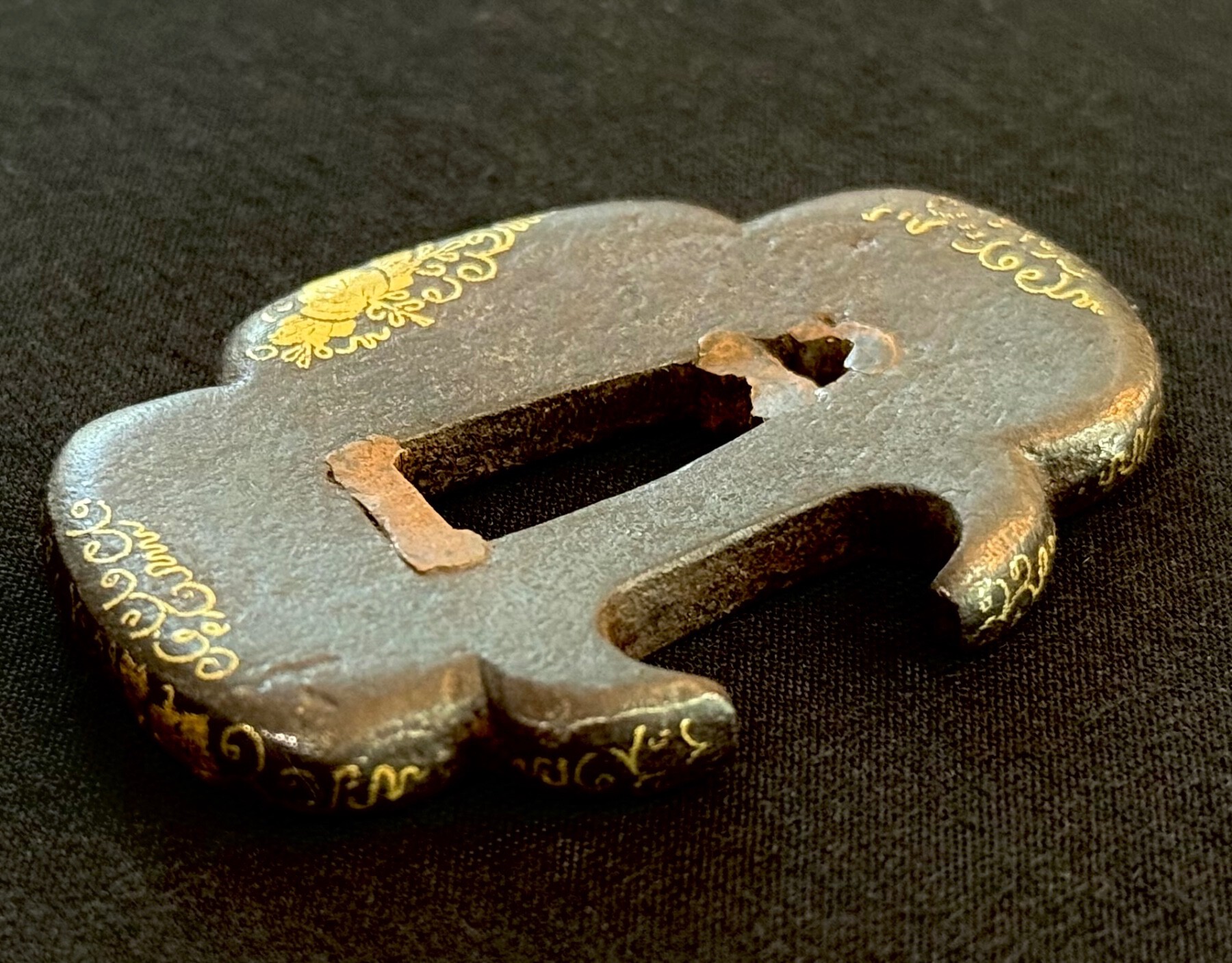
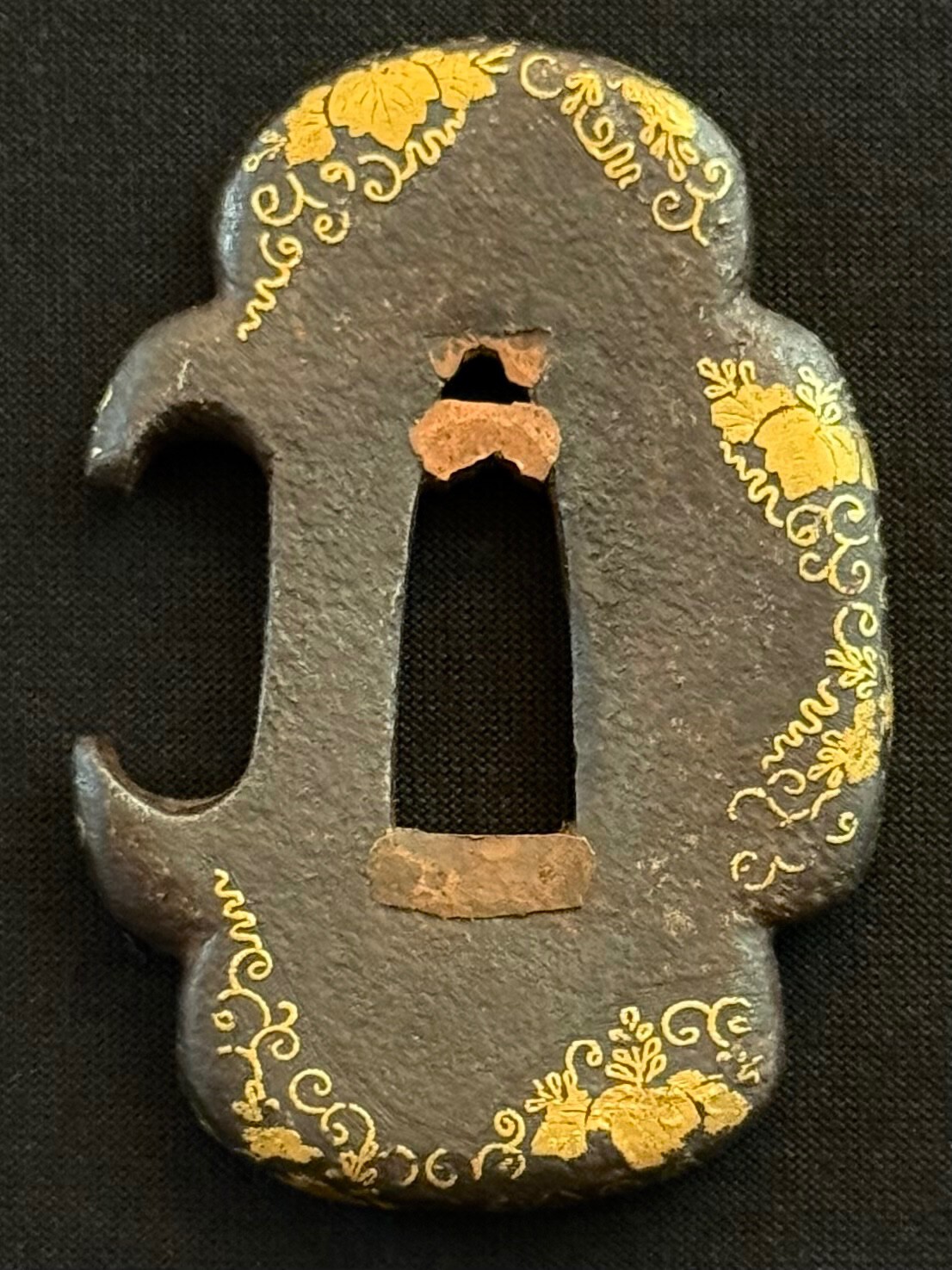
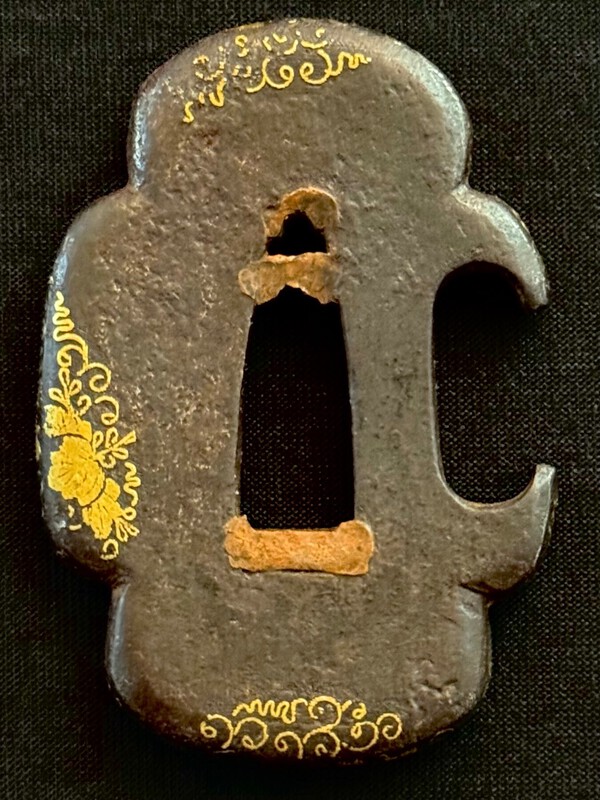
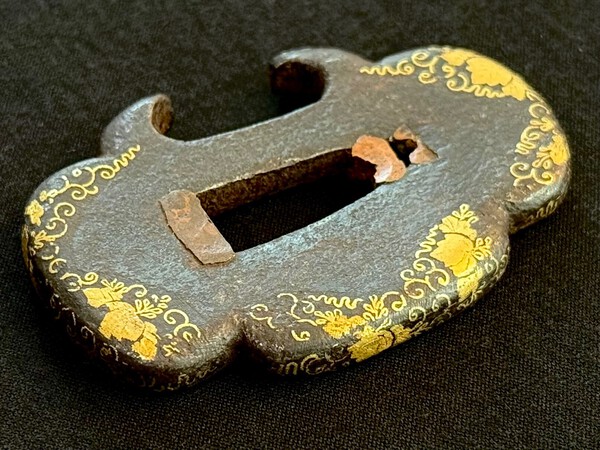
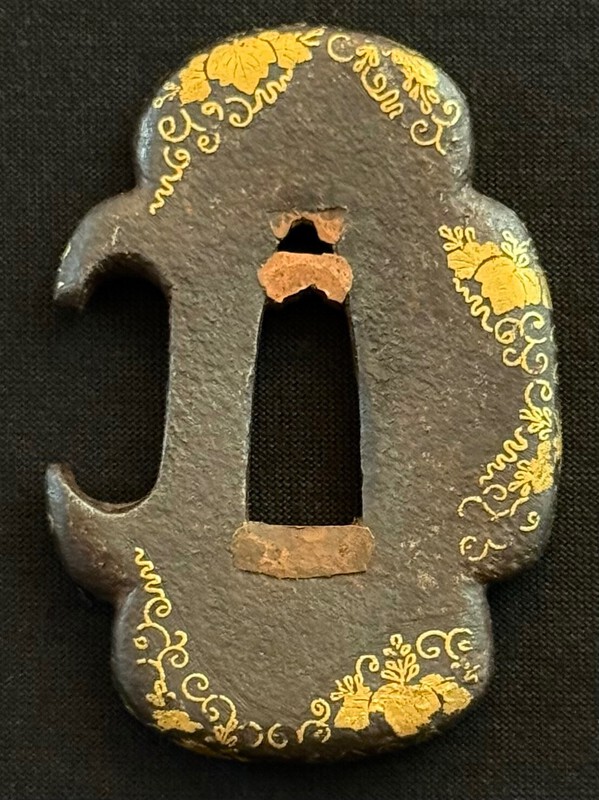
For sale- Edo period iron tanto tsuba of mokkō-gata form decorated with kiri mon and scrolling vines in fine gold hira-zōgan. The iron plate is quite thick. Dimensions - 55 x 38 x 5.5 mm Asking $225 shipped CONUS. International shipping is available. 5% of the sale will go to NMB


-
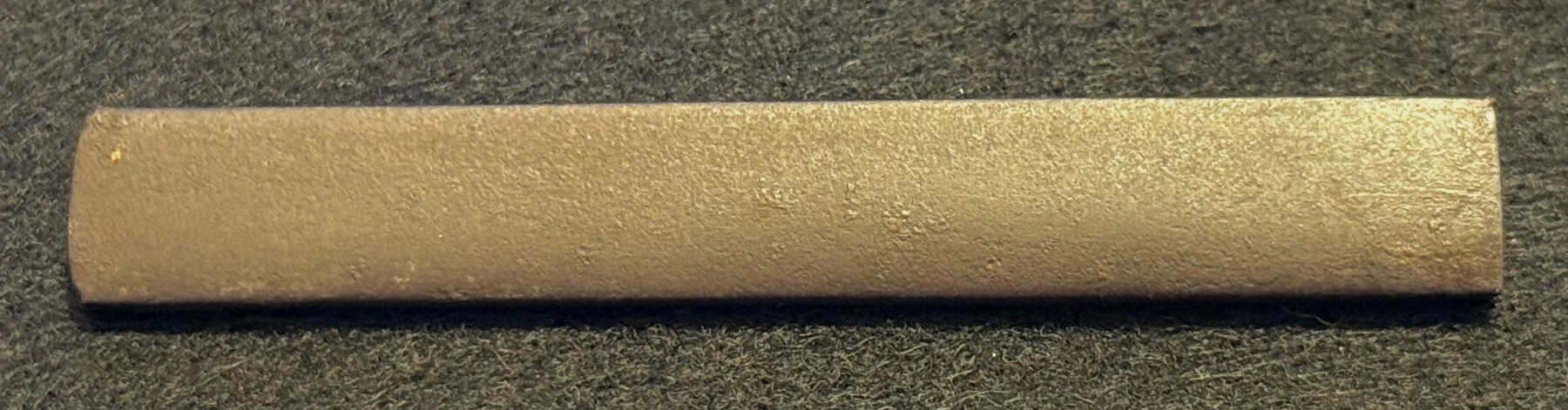
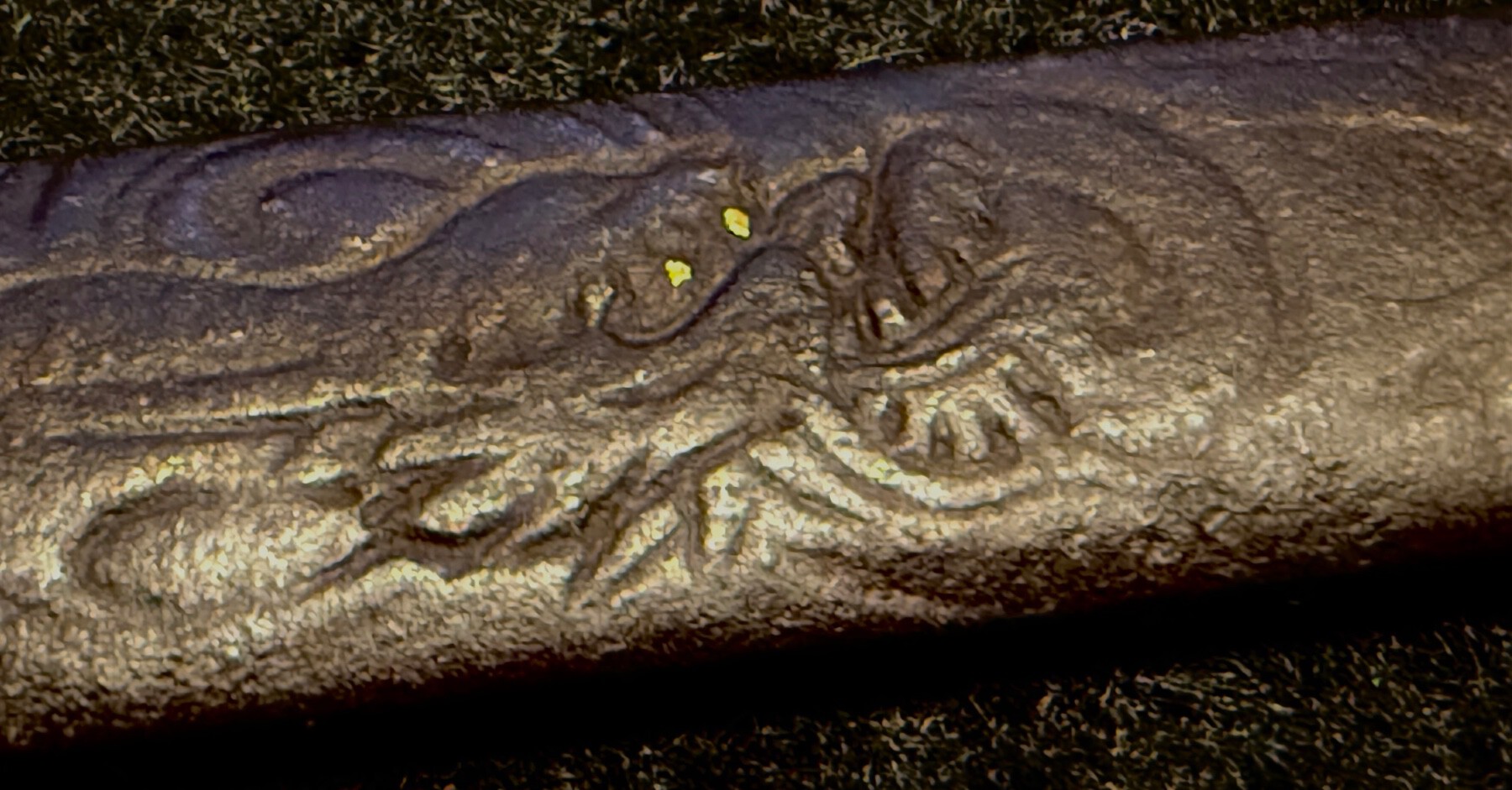
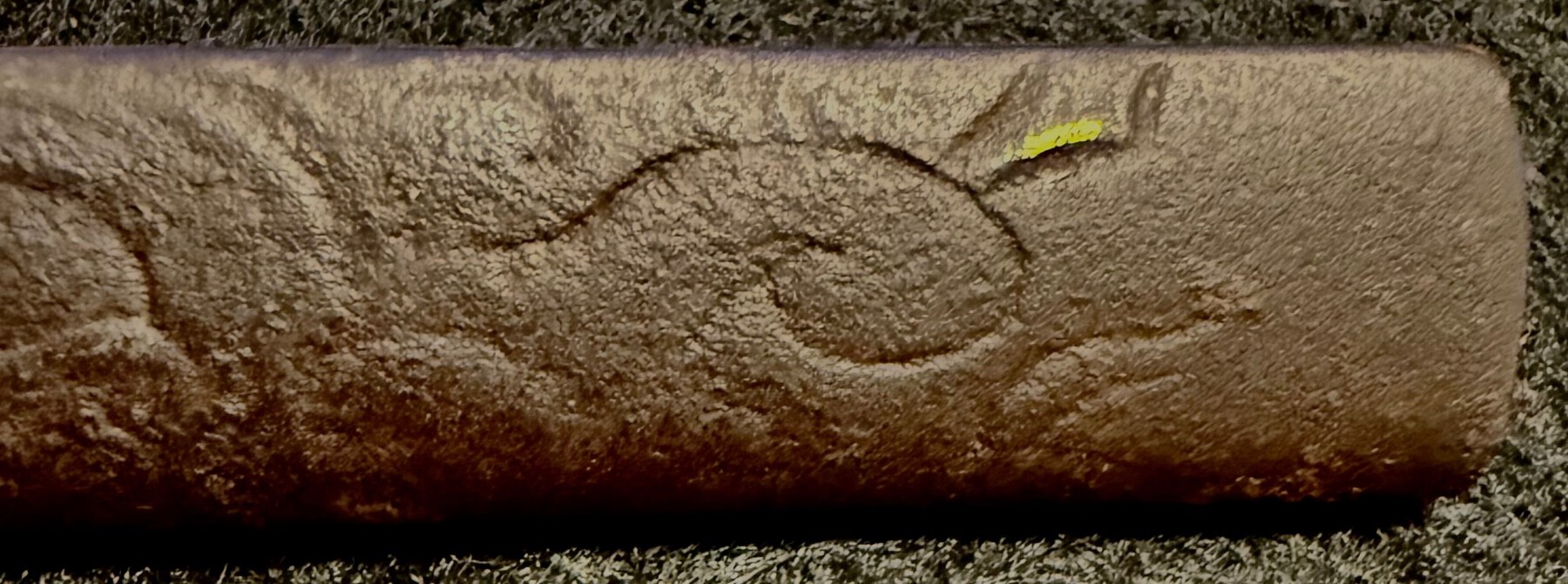
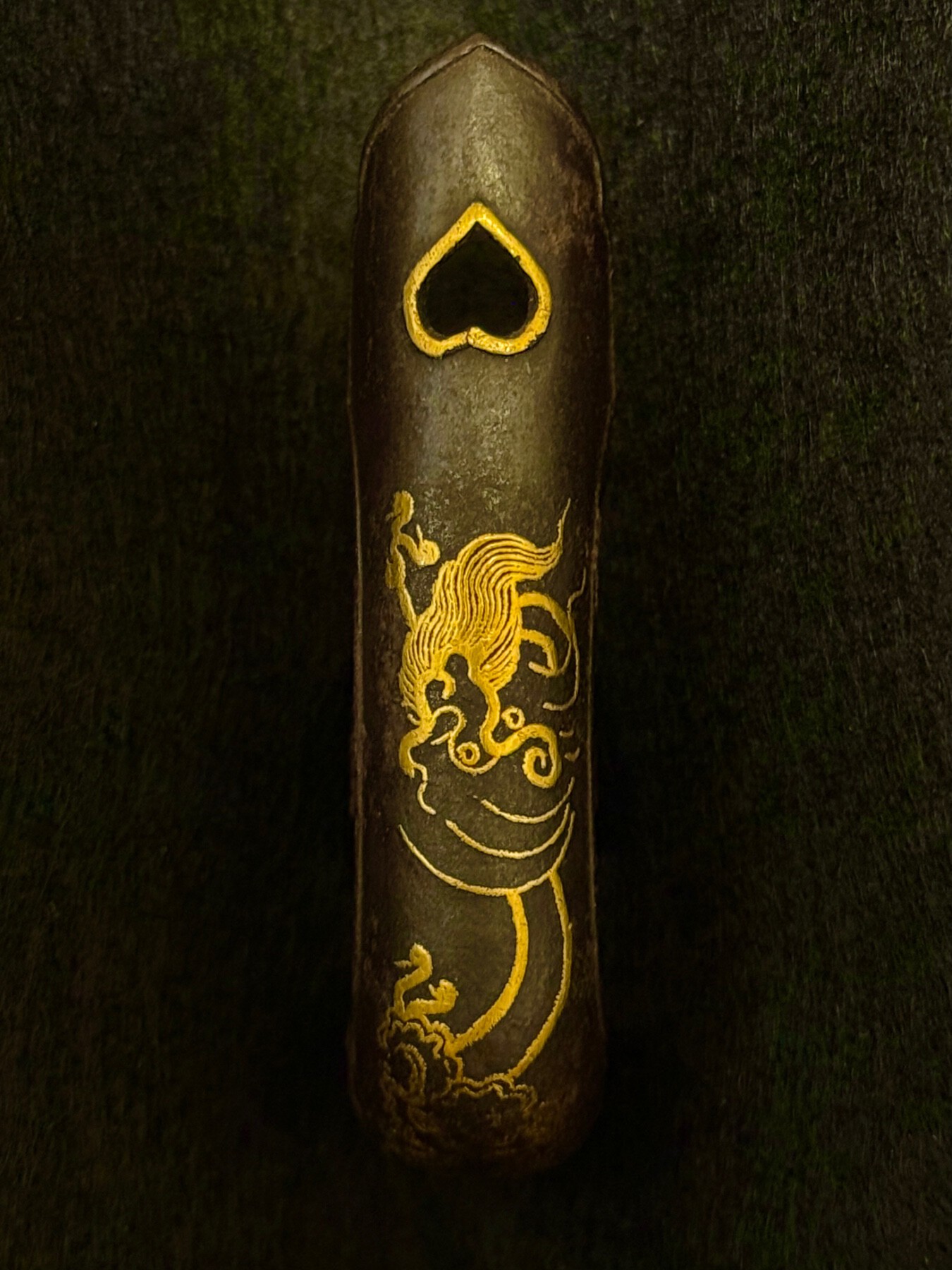
For sale- An Edo period kozuka featuring a low-relief carving of a dragon in the male form, with gold hira-zogan eyes and sword-tail highlights. The plate surface has developed a pleasing dark patina, showing the passage of time. Asking $200 Shipped CONUS. International shipping available. 5% of the sale will be donated to NMB.


-
Shakudo Menuki, Shishi, Edo Period, Excellent Carving
Tcat replied to Tcat's topic in Fittings/Tosogu/Kodogu/Koshirae
Bump $280 shipped CONUS. International shipping available. -
Iron Kojiri with Gold Zōgan Dragon and Clouds
Tcat posted a topic in Fittings/Tosogu/Kodogu/Koshirae
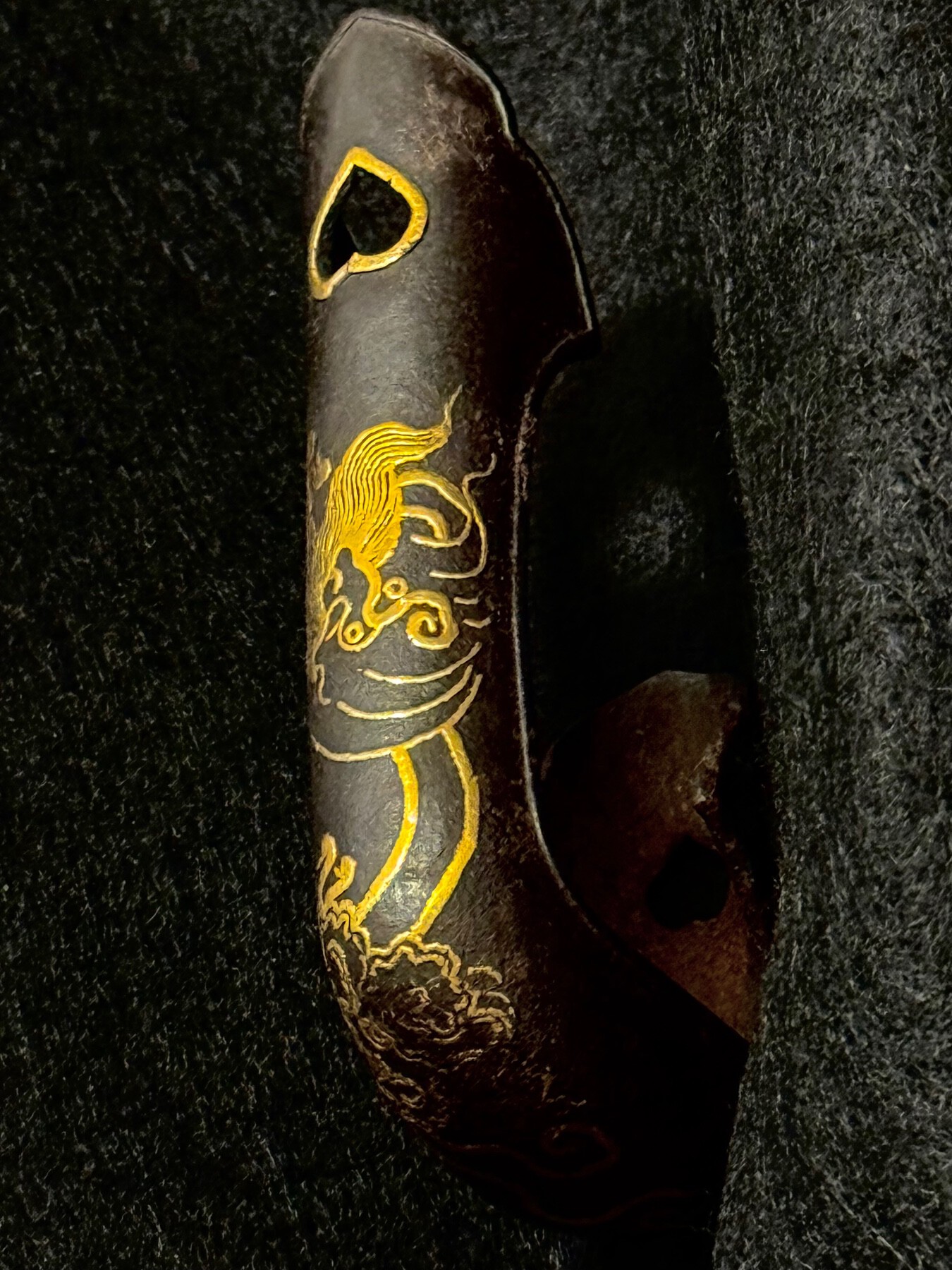
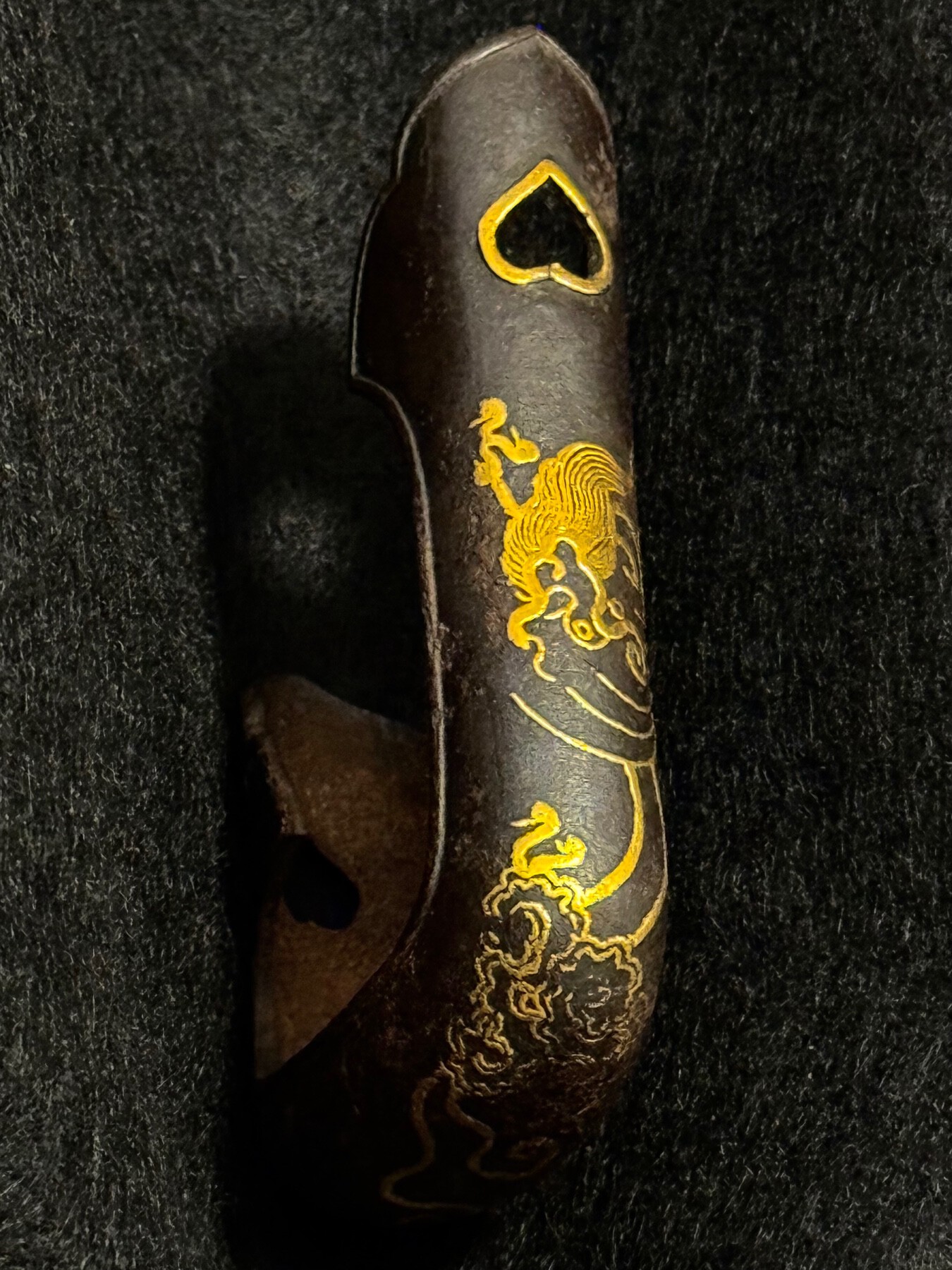
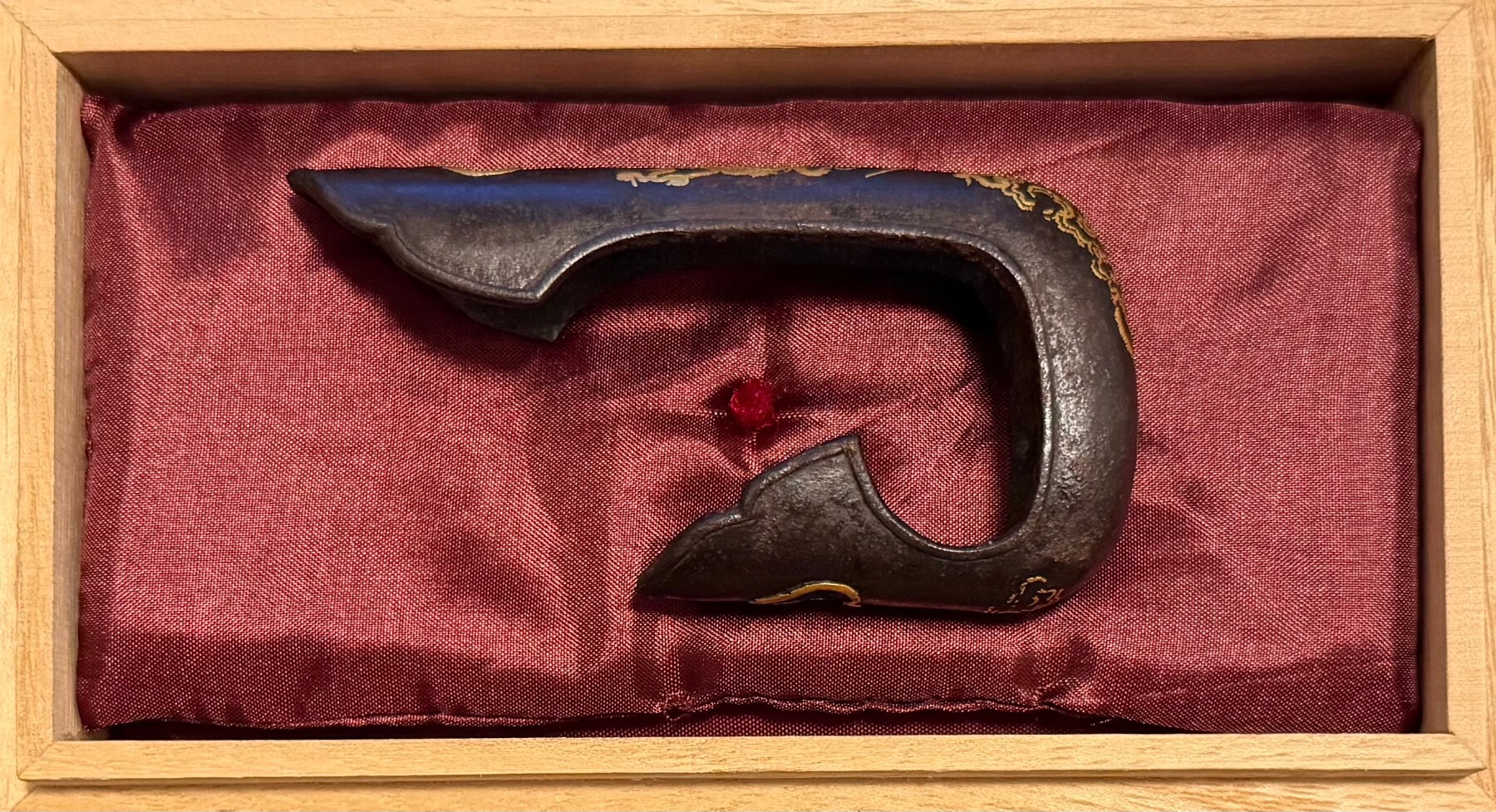
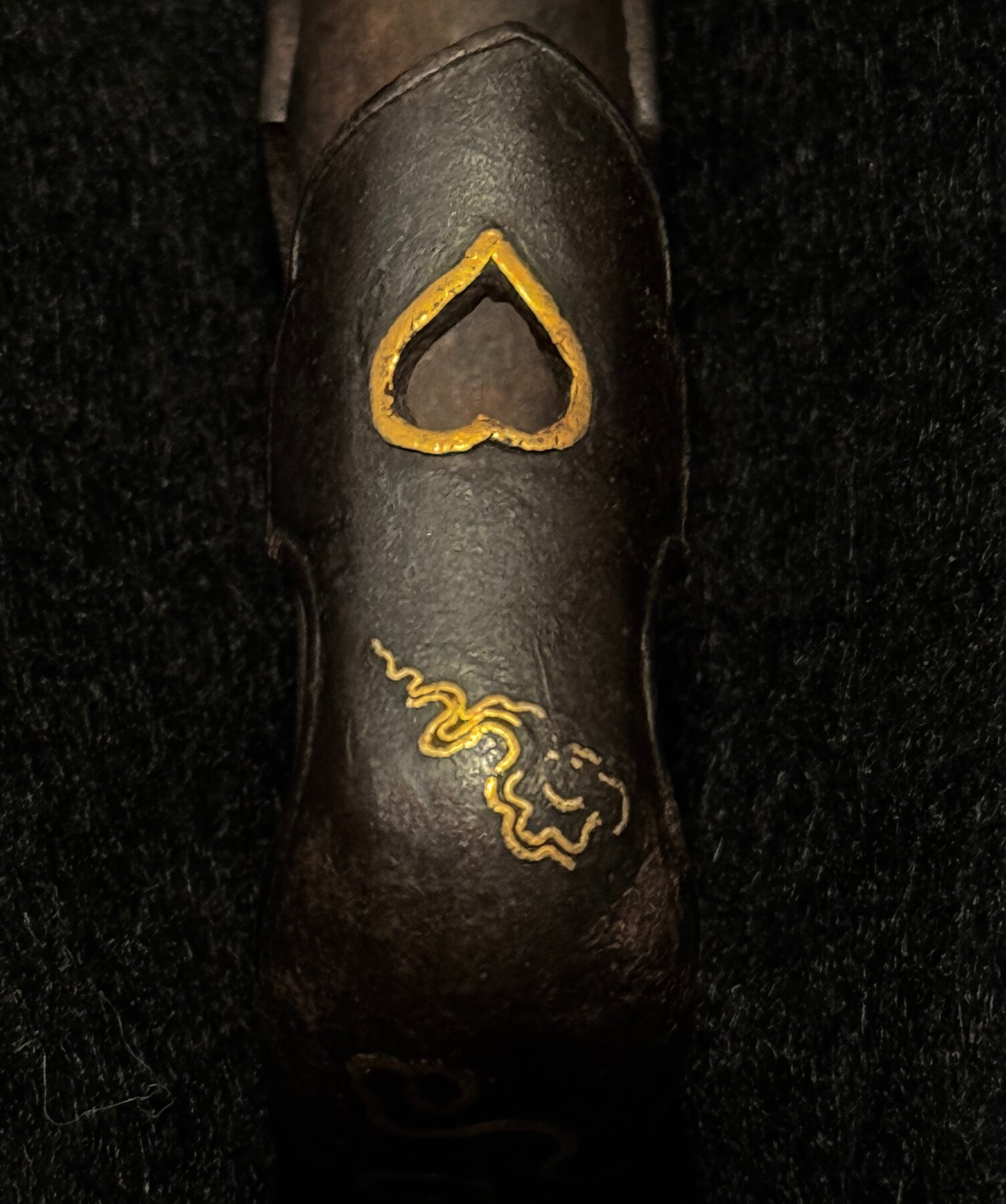
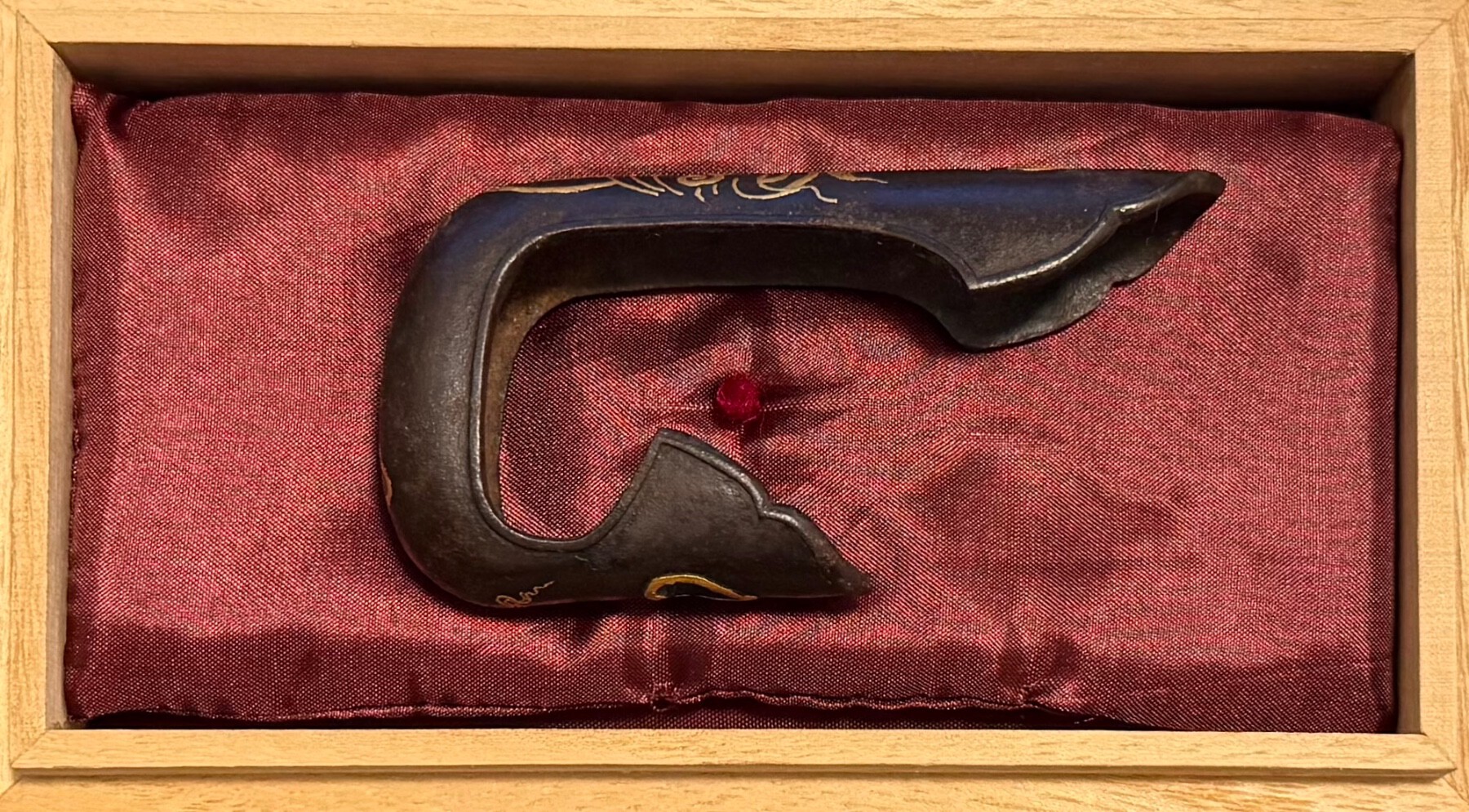
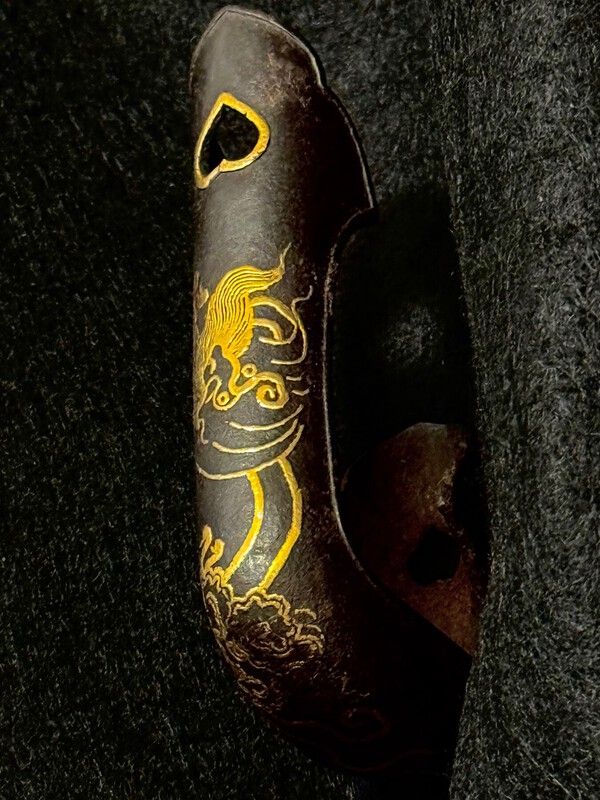
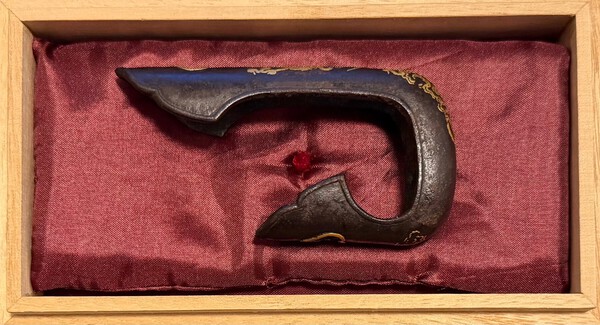
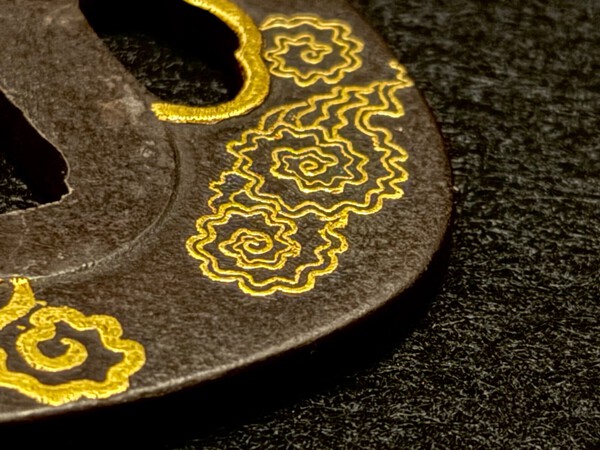
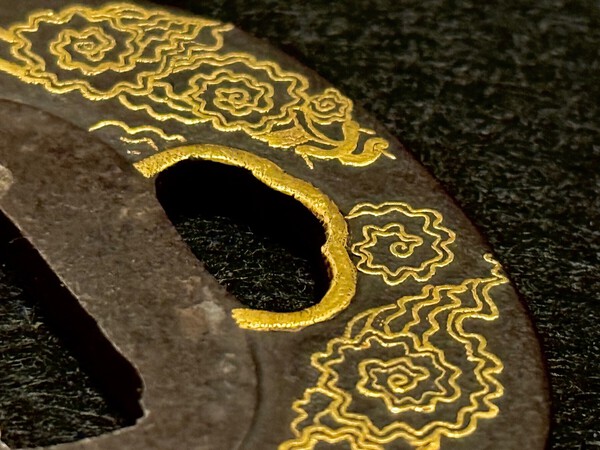
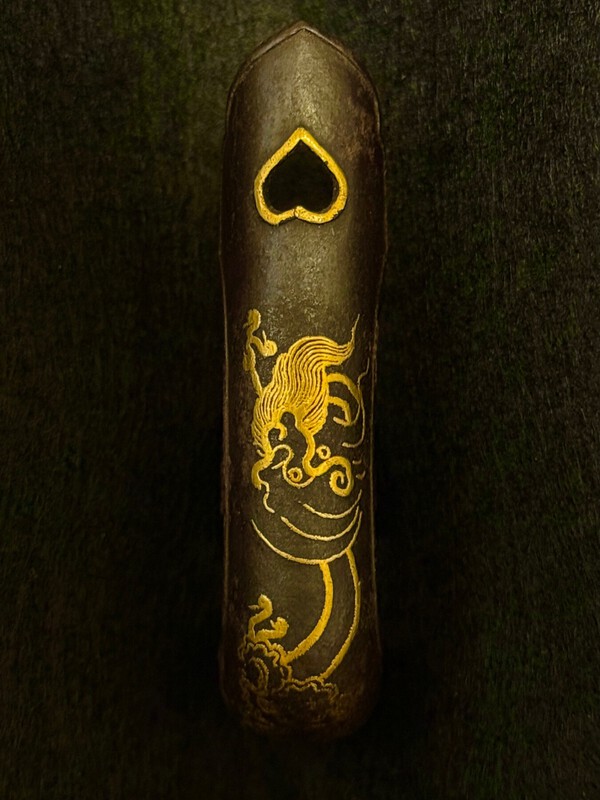
For sale- Edo period iron kojiri featuring a stylized dragon moving through swirling clouds rendered in gold hon-zōgan. The iron plate has developed a dark, even patina that contrasts well with the surviving gold inlay. Looks to be Kumagai style in execution. The plate has two boar’s eye piercings decorated with gold. Dimensions- 80x42x18mm Comes with kiri wood box and cushion. Asking $200, shipped CONUS. A matching tsuba is offered here on NMB with a package deal of $450 for the pair.

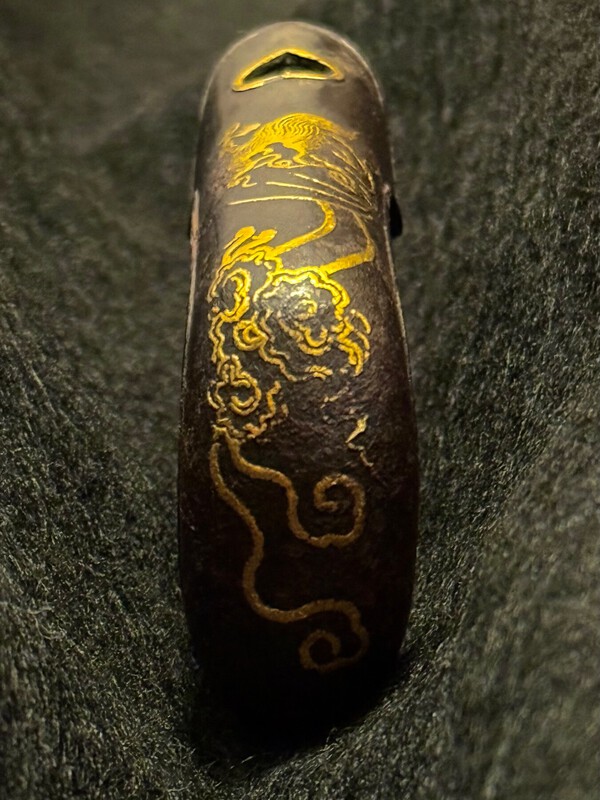
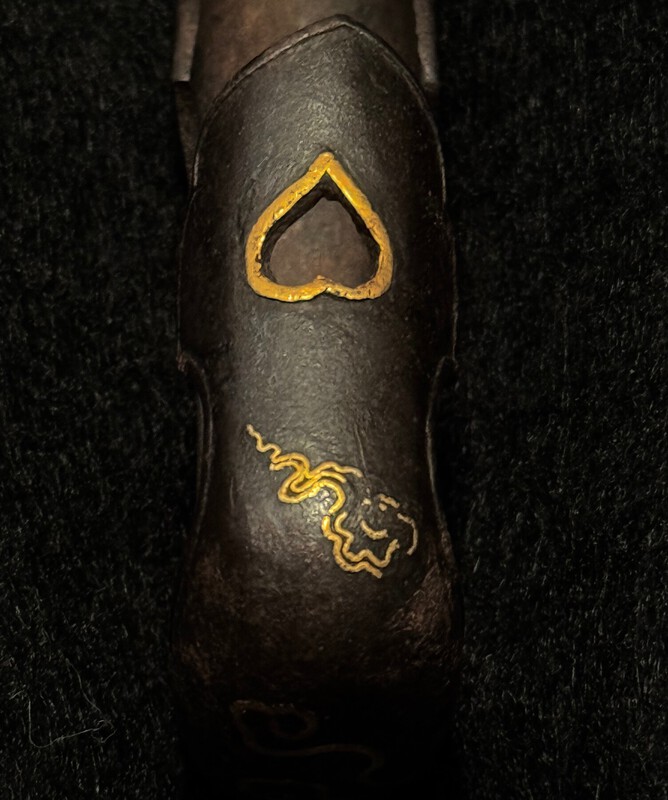

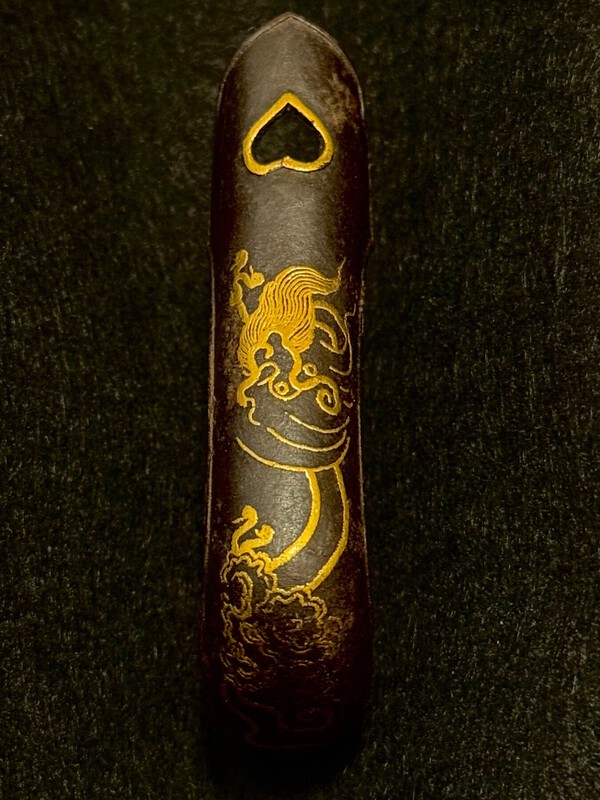
-
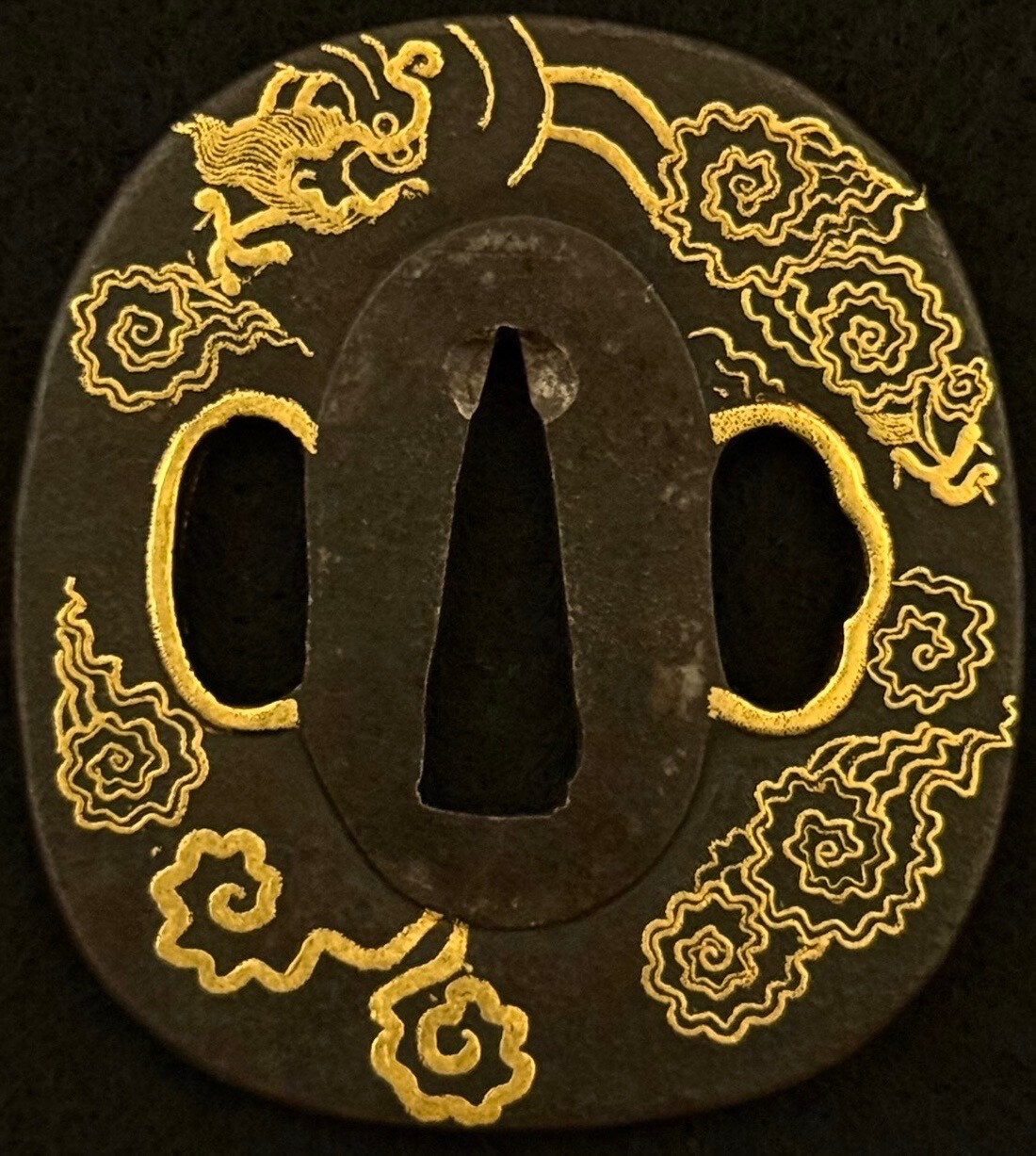
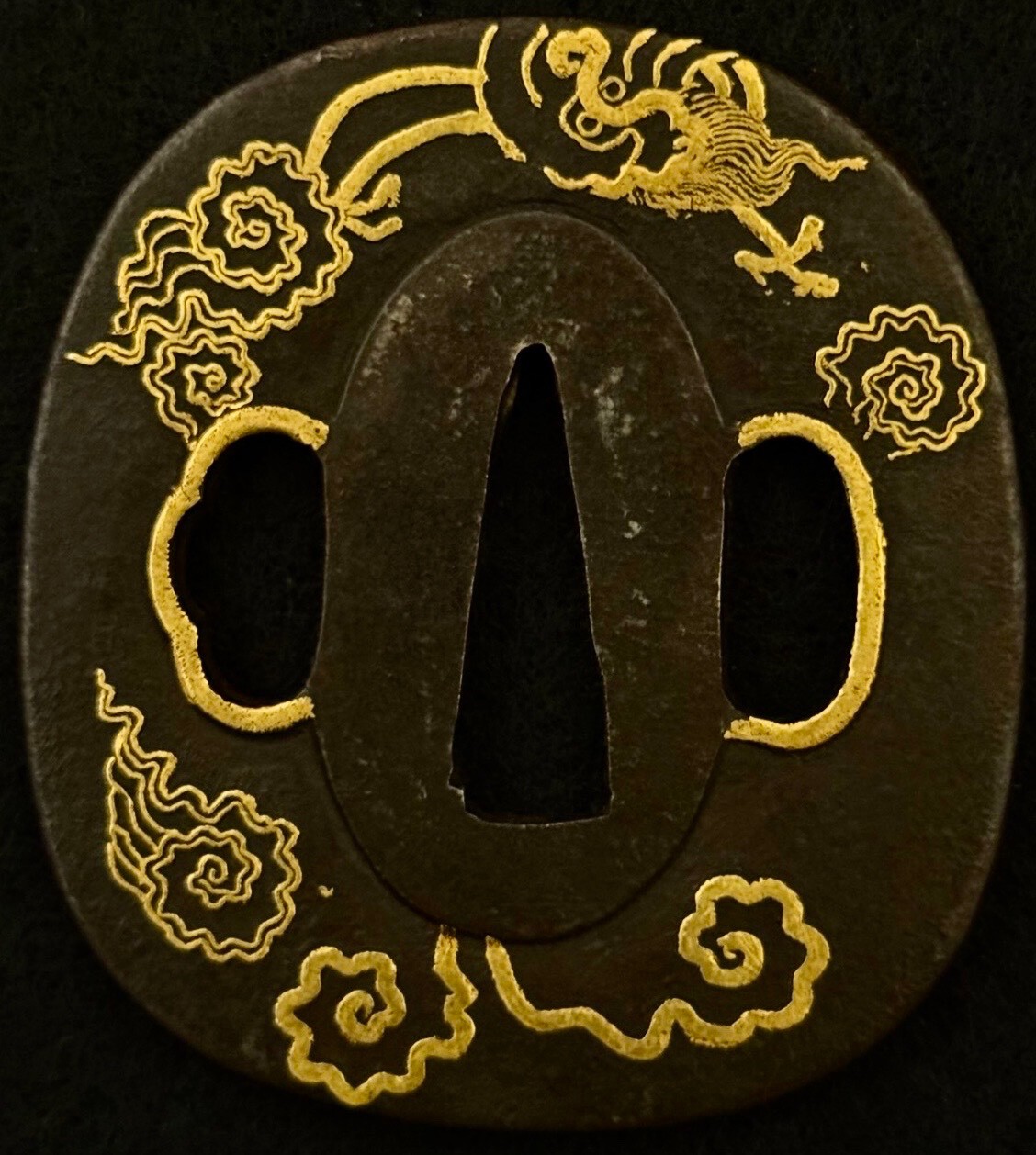
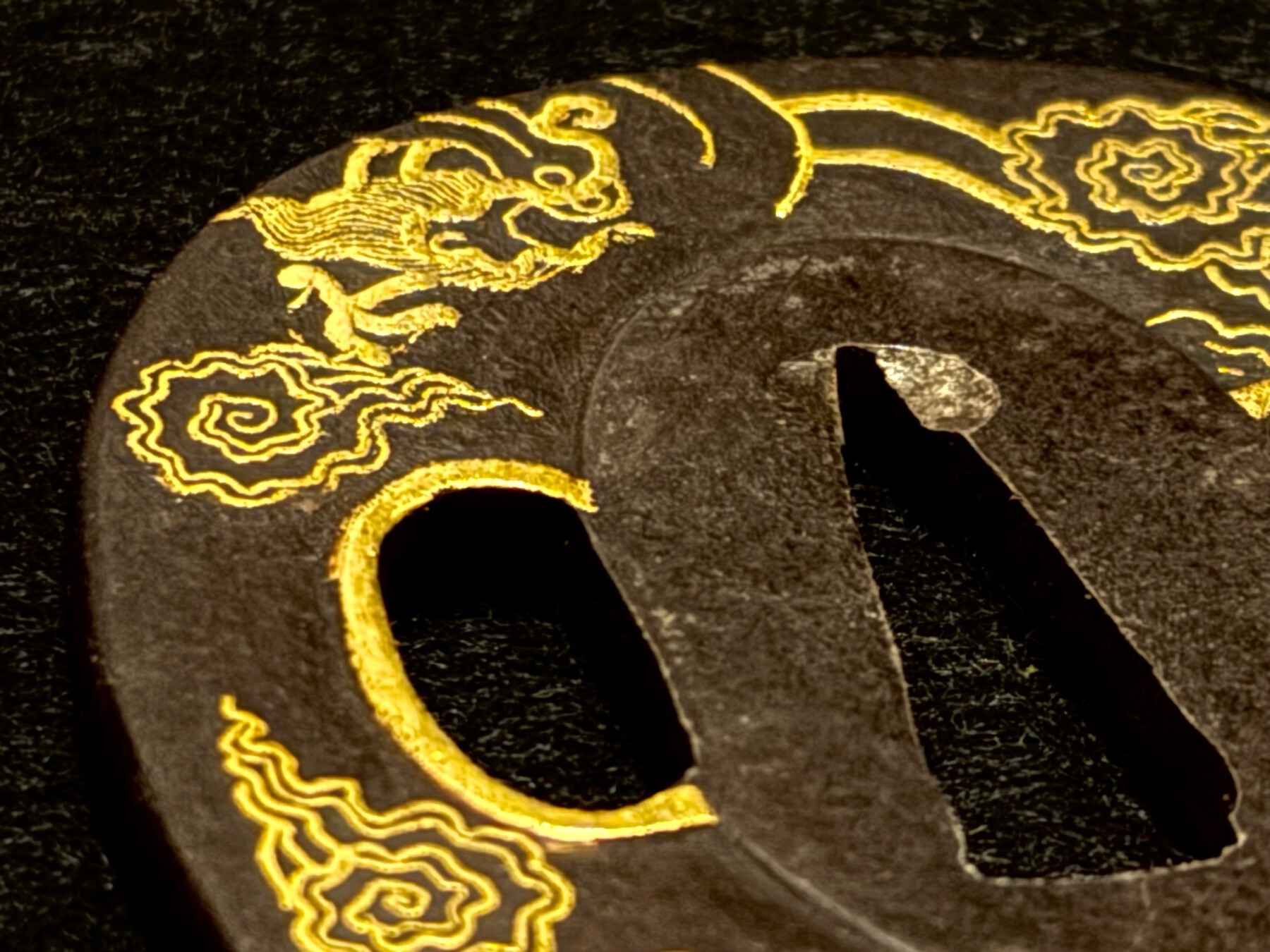
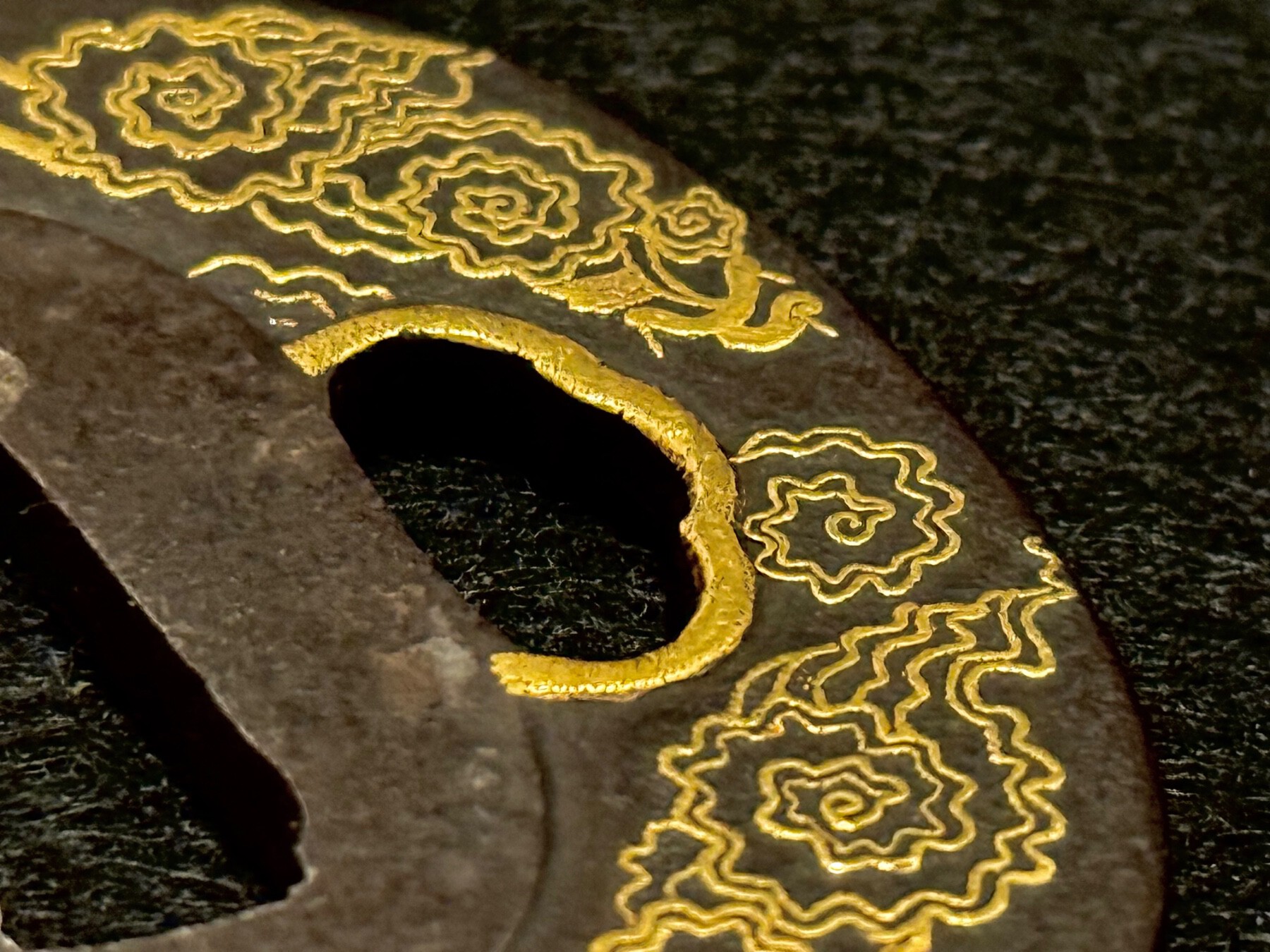
For sale - Edo period iron tsuba featuring a stylized dragon moving through swirling clouds rendered in gold hon-zōgan. The iron plate has developed a dark, even patina that contrasts well with the surviving gold inlay. Looks to be Kumagai style in execution. The plate is a rounded saddle-shape. Dimensions- 63x58x4mm Comes with kiri wood box and cushion. Asking $350 shipped CONUS, 5% of the sale goes to NMB. Include this matching Edo period kojiri (80x42x18mm) in your purchase for a package offer of $450 shipped CONUS. International shipping available. More photos on request.


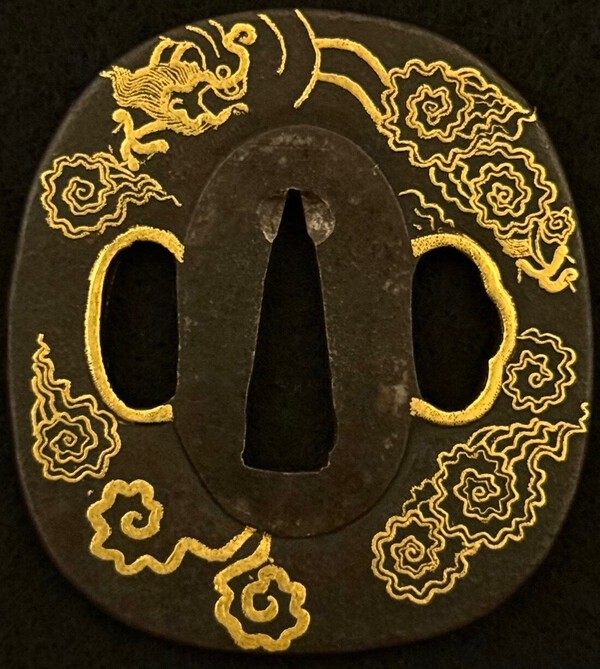


-
Shakudo Menuki, Shishi, Edo Period, Excellent Carving
Tcat replied to Tcat's topic in Fittings/Tosogu/Kodogu/Koshirae
Hi Adam, and thank you. Goto school I am not sure, but the quality is on par with some of the top kinko schools of the age. I agree that however they are mounted, they should be seen, because the carving work is so good! Having said that, they can be enjoyed as is. I have hung onto them for fourteen years and enjoyed studying them in the box with a magnifying glass. Now is the right time to find them a new home. 100% confident they will paper to an Edo kinko school. For their level, they are priced to fly away rapidly and I’m a little surprised they haven’t already done so. -
Shakudo Menuki, Shishi, Edo Period, Excellent Carving
Tcat replied to Tcat's topic in Fittings/Tosogu/Kodogu/Koshirae
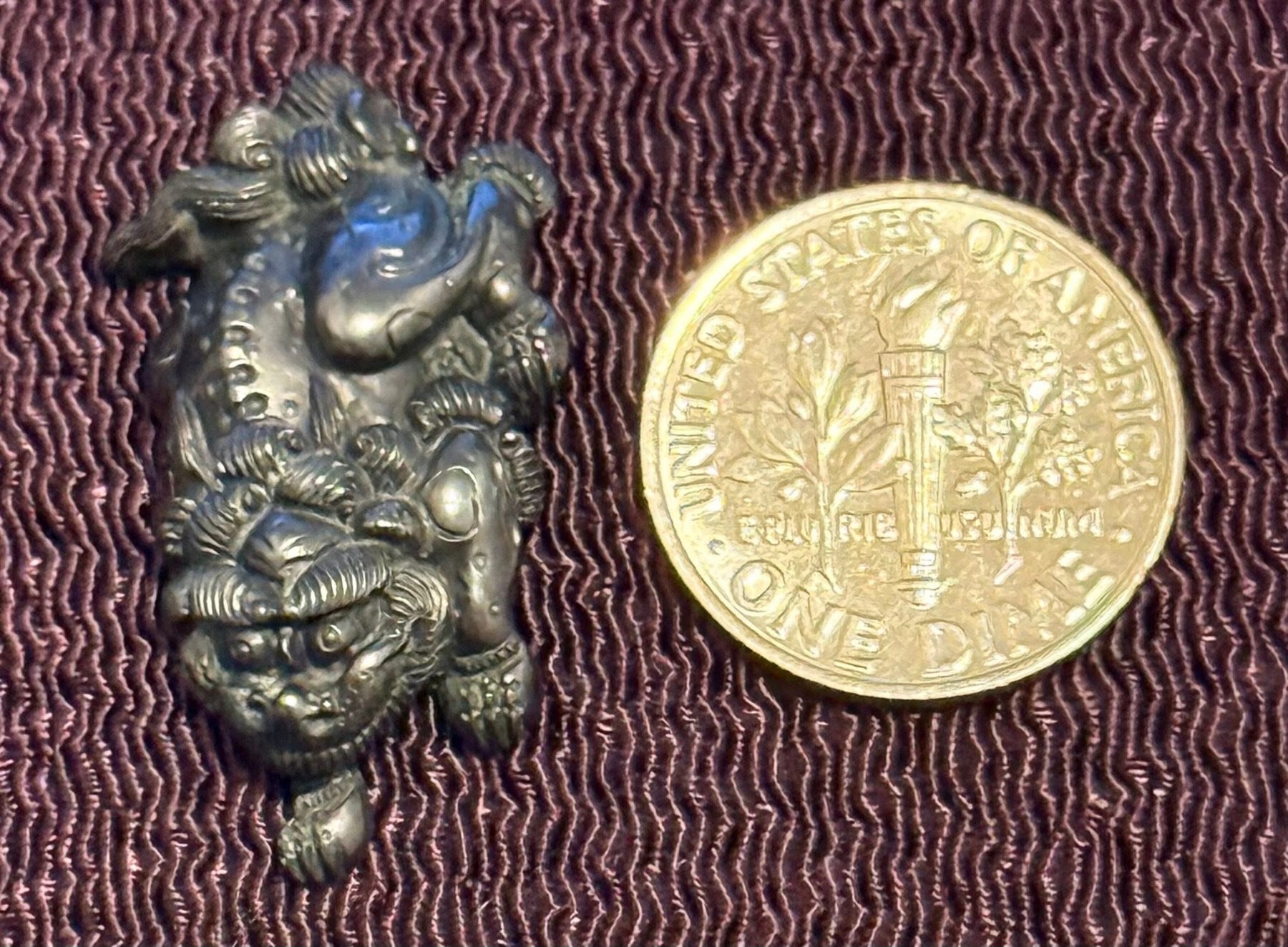
Do I hear $300 (shipped CONUS) for these triumphs in antique Japanese traditional miniature carving? Dime for scale.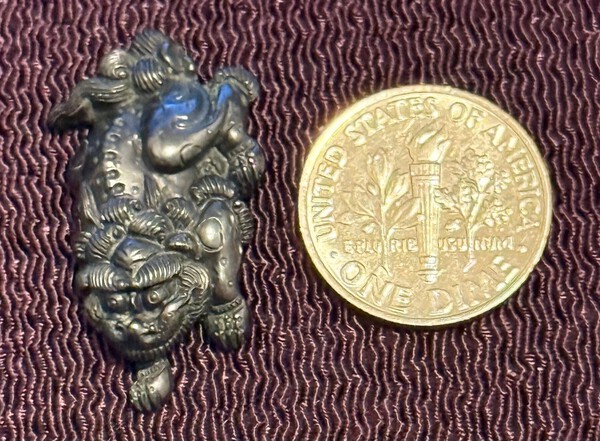
-
Shed light is an interesting turn of phrase, because features which appear white in photographs can be caused by reflections along high points, or appear as artifacts of scattered light. Uchiko can be the culprit, but over use is not necessarily the case when normal use will cause small openings to fill with powder also. User error here would be failure to correctly remove the uchiko after it is applied. A good clean with isopropol alcohol and a microfibre cloth would remove any uchiko, were that to be the cause. The examples in these photos seem to be kitae-ware and a small rust pit, or perhaps what was once a tiny fukure now opened by the most recent polish. In the case of the kitae-ware, it looks like light reflecting off the walls of the canyon or ridgeline. Where the other flaw is concerned, it looks to be the same basic cause, light reflecting off the inner surfaces.
-
It's doing many things at the same time - part of why I commented and why I think its such a great example of the aesthetic genre.
-
Great pipe. Plainly Japanese by virtue of execution. A very Chinese subject, yes, but as others have noted, in East Asia, all roads lead to China. I think the piece provides a nice opportunity to talk about the intriguing artistic trend it falls into, because it is an excellent example of a distinctly East Asian material aesthetic. A great deal of its beauty comes not merely from its form, but from its surface finish and “maturation” (aging, like a fine wine) through time, care, handling, and use. The coloration seen here, warm copper-browns, amber-black transitions, tea-toned lacquer hues, is part of a palette long prized in East Asian decorative arts. One sees the same shades in smoked bamboo tea utensils, rubbed walnut bracelets, old lacquerware, tiger-eye beads, darkened bronze, polished deer antler, and centuries-old furniture. They seem to evoke an aroma of autumn, smoke, earth, tea, resin, and slow oxidation - they are organic, “living” colors that speak to an artistic philosophy where time becomes a collaborator. This sensibility is deeply rooted in Chinese academic and literati culture, especially the traditions surrounding 文玩 (wenwan), the appreciation of scholar’s objects whose surfaces evolve through repetitive touch and care. In this worldview, objects are not considered complete at the moment of manufacture, rather, they gradually mature and are “nourished” by human contact. Oils from the skin, exposure to smoke, incense, tea vapors, friction from cloth, humidity etc all contribute to the development of 包浆 (baojiang): the mellow, lustrous patina prized by collectors. This concept certainly crossed over into Japan from China together with the wider genre of art, I propose as a sort of “way of seeing” or way of “appreciating” these objects to a greater degree. You get more bang for your buck from the thing if you’re encouraged to fixate, fiddle and baby it. The idea that the object becomes richer, darker, softer, and more spiritually intimate over time, as one invests one’s care and attention into it, is admittedly an alluring albeit romantic idea for me. There are even certain strict handling customs and beliefs associated with this “genre”, if you will, from the perspective of a purist. Discussing the topic with Chinese aficionados, it was noted several times to me that these sorts of objects are exclusively male oriented and should under no circumstances be handled by women, nor enter a bathroom or wash area. Although many of these artistic sensibilities originated in China, Japan absorbed and transformed them through centuries of cultural exchange. Chinese influence, especially during the Tang dynasty, profoundly shaped early Japanese court culture, artistic imagery, decorative vocabulary, Buddhism, and material arts. Over time, Japan cultivated its own parallel sensibilities, especially through concepts such as shibui, sabi, and wabi, which favor subdued richness over brilliance and quiet depth over overt display. This pipe reflects this genre wonderfully. Its artistry lies in tactility, atmosphere, and accumulated human presence. One undeniably romantic truth is this: following the notion that handling improves such an object, it is accurate to say that through years of touch and companionship, the connoisseur owner does in fact become part of the object’s final finish.
-
You noticed! Ura side has the USB end
-
Shakudo Menuki, Shishi, Edo Period, Excellent Carving
Tcat replied to Tcat's topic in Fittings/Tosogu/Kodogu/Koshirae
Bump and substantial reduction to $325 (shipped+insured CONUS) for this unusually well-carved pair. Note the double exclamation point on the attribution remarks, unusually emphatic. 5% of the sale will be donated to NMB. -
I admit being partial to a bit of gold decoration here and there but totally appreciate the presence and atmosphere imparted by each style to be really quite different in impact. For me, zogan application seems to add levity to the “weight” and seriousness of plain iron, but I’m familiar with the opinion that it is distasteful to add “makeup” to an iron tsuba. (Last one, I promise 😂)