
Leaderboard


Popular Content
Showing content with the highest reputation on 11/22/2022 in Posts
-
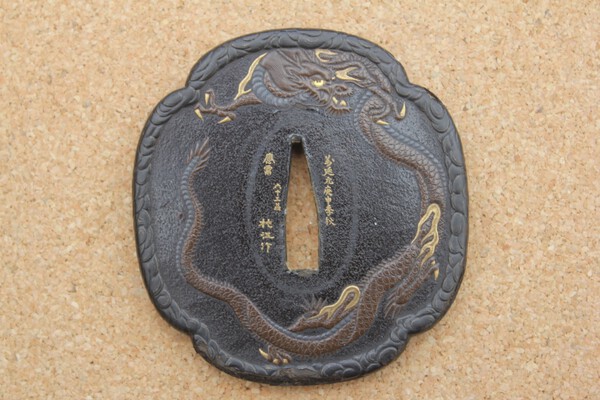
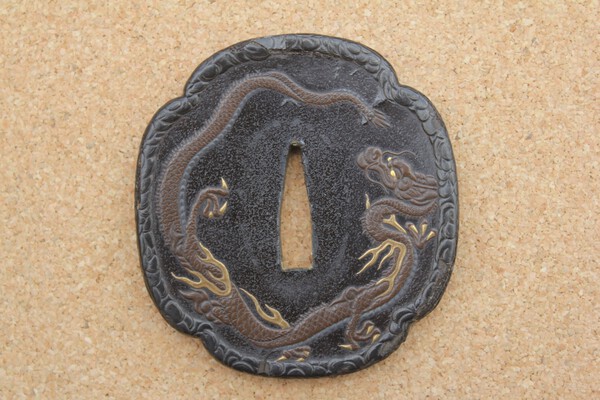
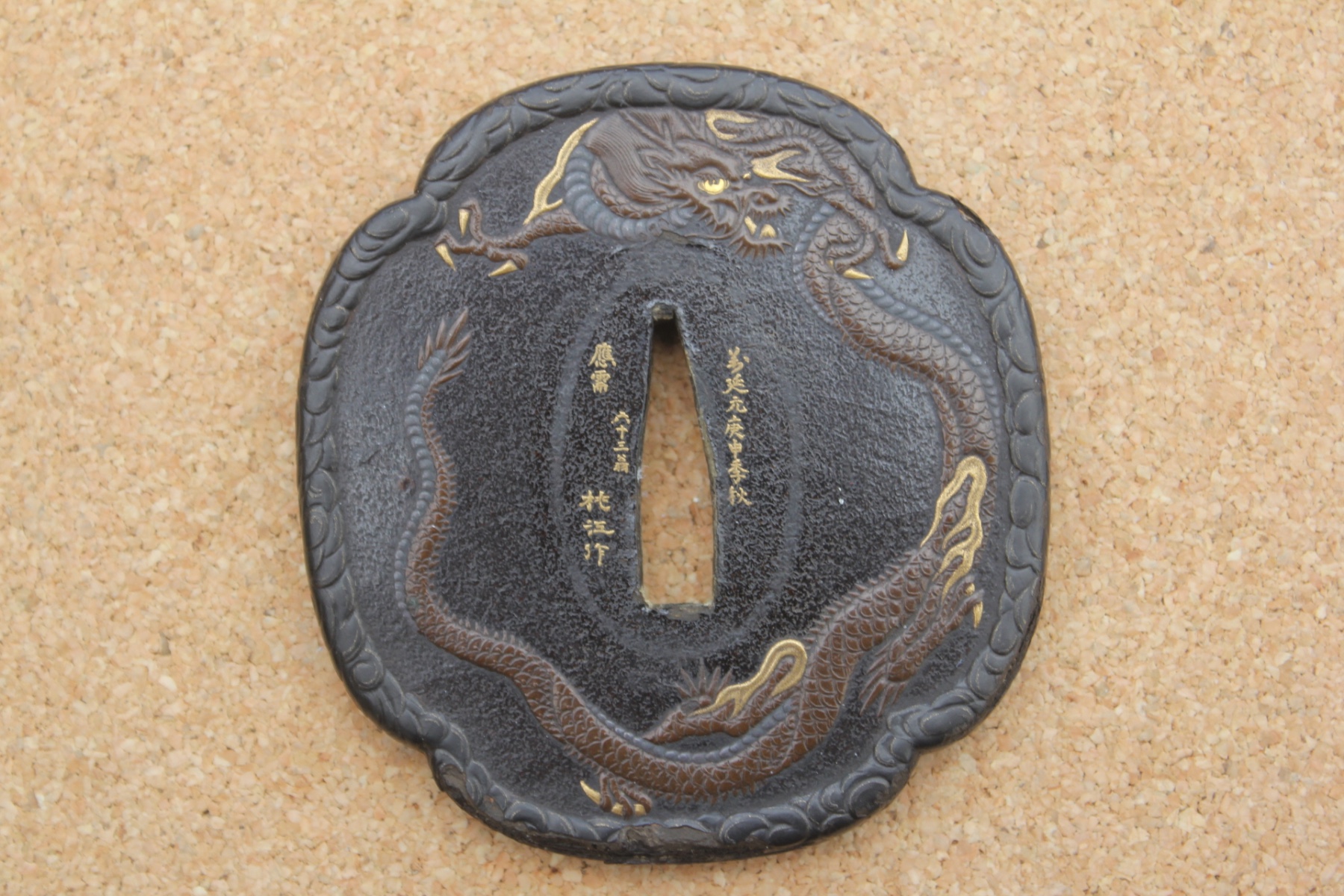
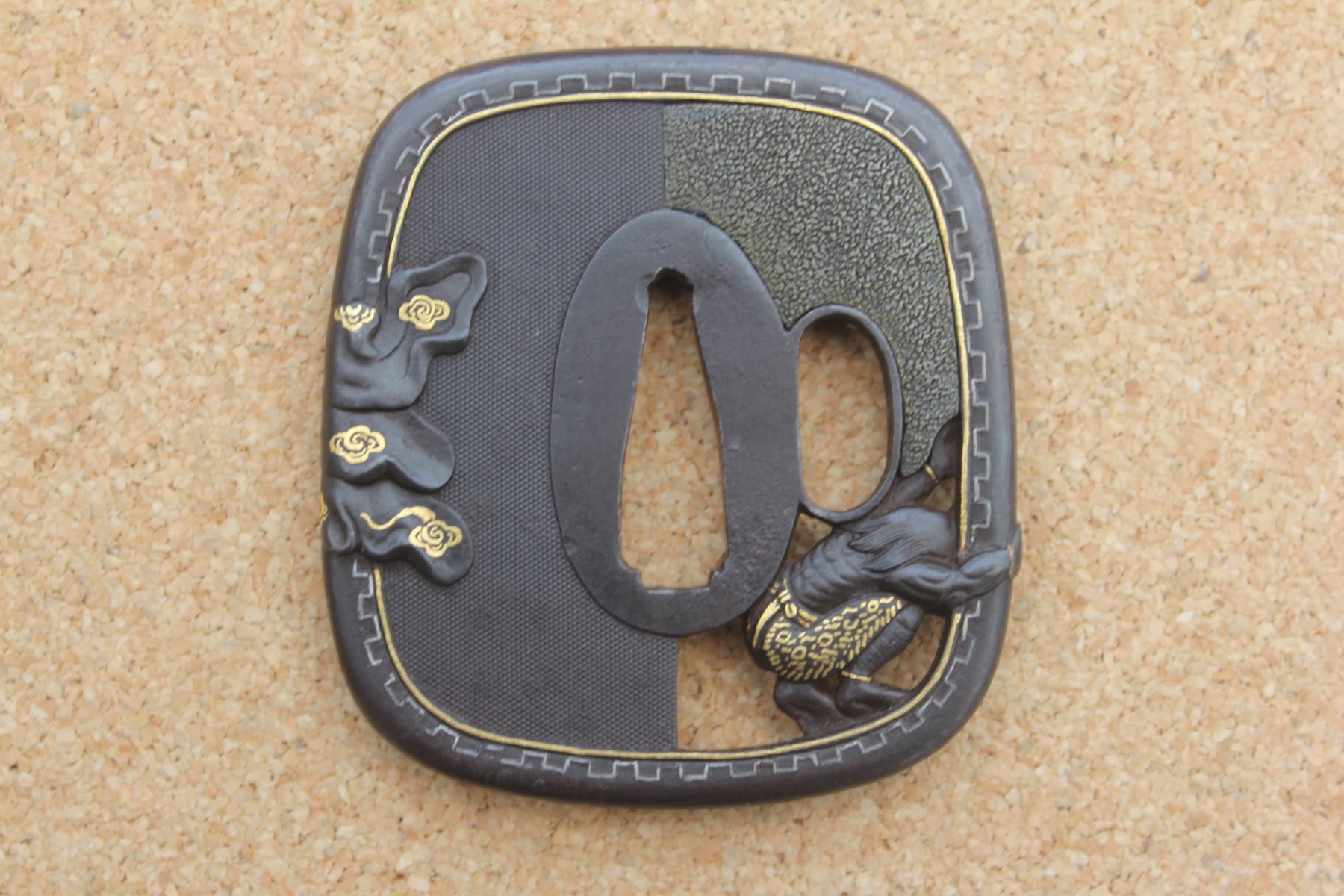
Item No. 279 Tsuba in Makie 8.32 cm x 7.80 cm x 0.65 cm Subject of dragons by a Makie artist called Momoe , made in the autumn of Manen 1 ( 1860 ) when he was 63 years old. A rare 160 + year old leather based tsuba , again the craftmanship speaks for itself. A prime example , in my view , of the Japanese ability to picture dragons that you can believe in , unlike the cartoon characters in the chinese versions. Bought on ebay direct from Japan over 20 years ago.
 5 points
 -
Glen With reference to the paper by Shinya Isogawa, you didn't say specifically which paper but as there is only one of his research papers available on-line in English, I'm assuming it's this one? https://www.jstage.jst.go.jp/article/isijinternational/54/5/54_1123/_html There seems to be no mention of Edo period casting in this paper nor are the following points you say are derived from the paper in evidence. Is there perhaps another version you've found that does offer these suggestions? I only ask because if they are supported by archeological evidence I'd suggest that while not quite 'the smoking gun' it comes pretty close. I'd also add that melting cast iron is impossible "at a relatively low temperature" . Typically 1200 degrees C is needed to do the job, this is really at about the limits of a bellows fed charcoal fire. The Chinese, of course were producing vast quantities of cast iron more than 2500 years earlier but this utilised blast furnaces, was a huge government run industrial operation involving around 3000 men, according to existing official documents. The point being that casting iron is not a quick nor simple process. The "widely available, distributed cast-iron ingots" you cite we in all likelihood import from the mainland. This trade is well documented in pre-Edo times. This aspect and the broader issue of casting technology is amply covered in Prof. Gina Barnes' superb 'Archaeology of East Asia'. Prof. Barnes has been kind enough to assist me and guide my own research. And simply filing a cast surface to apply nunome-zogan will simply not work. Ford4 points
-
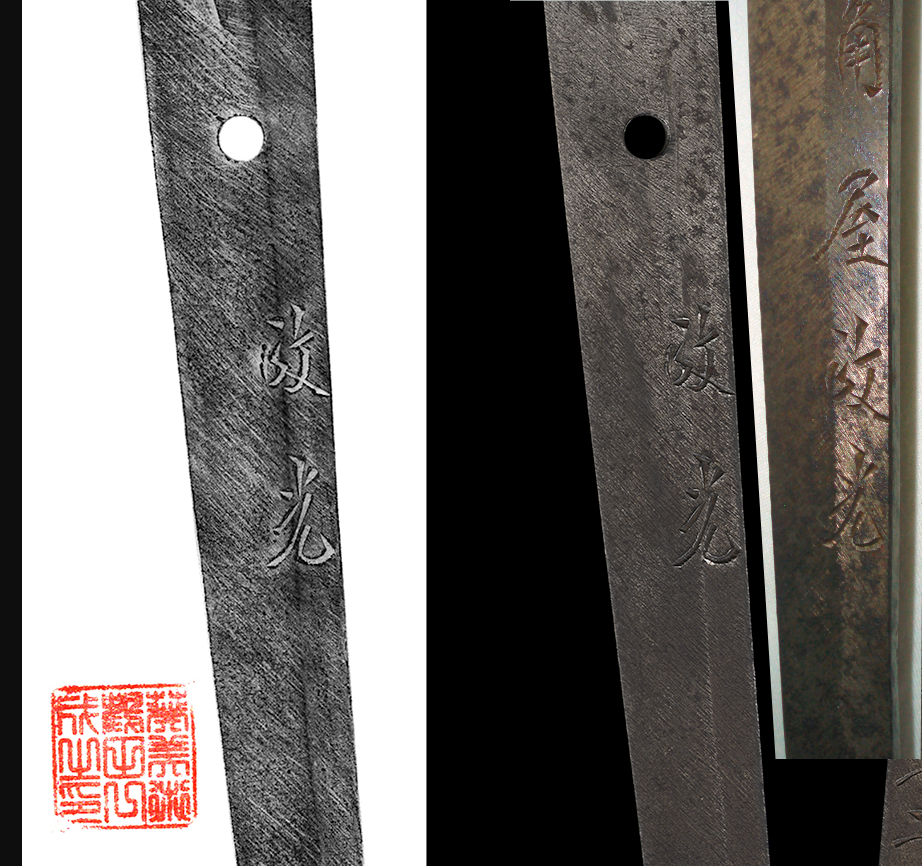
The long blade is signed: 於東都長運斎綱俊造 = made in Tōto (i.e., Tokyo) by Chōunsai Tsunatoshi 慶應二年八月日 = on a day in August Keiō 2 (1866 CE) The short blade is signed: 吉光 = Yoshimitsu3 points
-
Malcz old feller, try 三峰 Mitsu Miné3 points
-
My dear forumites, You are going nerdy on this one (once more). You hear "Tadahiro" (Oh, that must be a Hizen smith!) You hear "Musashi" (There was something with Hizen and Musashi as well!) The first Hizen master Tadayoshi acquired the title "Musashi Daijo". The mei in question only states that this Tadahiro was a resident of Musashi. Apart from the fact that the state of the blade is beyond serious judgement, you actually see a rather random assembly of objects. Especially the tsuka looks like a very clumsy attempt of repairing something that is not worth the pain and shows no signs of Japanese craftsmanship. What probably caught your particular attention is the surrender tag. What makes you think, this surrender tag has any connection to this blade? I'd expect a surrender tag together with a GunTo-mounted sword. During WWII Japanese officers weren't allowed to bring just any wild assembly of koshirae to service. reinhard
 3 points
 -
Steve, DTI was good to me. I heard a lot of people complain about the prices (and it was suggested they were adjusted to accommodate the inflated American dollar). I mostly looked at fittings, and there were certainly less lower priced items than in 2019, but I managed to get a couple of bargains after a bit of bartering.3 points
-
Hello all, Jean stated in his last post- “Training your eyes and understanding traditional techniques will help you to decide what is good work and what is not. Buy what you like, and look at it also from the artistical and aesthetical side. Buying a cheap TSUBA like that "JAKUSHI" does not teach you anything, and it is not a pleasure to look at. It may well be a genuine Japanese TSUBA, but it is nothing one should collect. Lastly, there are really good TSUBA at reasonable prices available, so there is no need to hunt for bargains.” Well, the only tsuba I can afford are cheap type tsuba (it is the only tsuba I can afford to collect, I hunt for bargains, and they are a pleasure to look at). I never spend over $250.00 U.S. dollars for a tsuba (the tsuba I have purchased cost me anywhere from $40.00 U.S. dollars to $250.00). Why? Because that is all I can afford. But also, if I get “bit”, if what turns out to be a fake or reproduction tsuba, I don’t lose a lot of money! I really enjoy my collection of tsuba (over 120 and counting!). They are a pleasure to look at, hanging on my walls. I learn a lot from these “cheaper” tsuba. The techniques used in making them, the Japanese legends that are sometimes depicted on the piece, the different materials used on the piece, and the intricate designs (yes, even on a “cheap” tsuba), and other learning experiences. Now, maybe unlike others, I will never be able to afford a beautiful museum piece type tsuba. Maybe others can, and that is great for them! But I still look at books of tsuba collections at museums and just “drool”! Anyway, I feel that someone must give these lower quality and lower priced tsuba a “good home”. Hey, that is what I do!! Hurrah! With respect, Dan3 points
-
Welcome Darin Nice sword but i think we need to see better pictures of your blade. Hamon and activity to say anything. Hard to say for me anything about your Masamitsu signed swordsmith. There was some showa era swordsmith who signed with Masamitsu. The jo-saku gendai Masamitsu was Fukuoka Masamitsu and he was a Kaigun swordsmith during WWII. others: Fukuda Masamitsu (from Saga) Fujita Masamitsu (Shimane) Suruga Masamitsu (Okayama) These are the one i know. But there are some others out there. I think that is your smith Katana(Gunto): Masamitsu | Japanese Sword Online Museum (aoijapan.net) Tsuruta san wrotes that the blade is machine made not forged (whatever he means with that) but the pictures shows a showa-to sword (not gendai-to). That Masamitsu is not reported in a book he says. But overall as allways. I'm not an expert. Others here in the board know much more about these things.

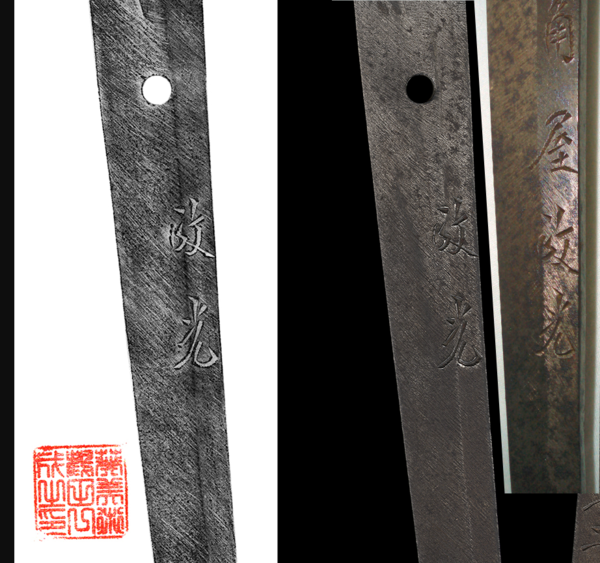 2 points
 -
Bingo!!! Old Bean My Thanks as Always2 points
-
The other issue for collectors is exchange rate. A 75usd Tsuba is actually about 130aud for me after paypal adds their cut and that's not including local taxes and the post covid shipping rates of 35-75aud on top. Bidding against someone who's primary currency is USD is almost impossible these days. The cheap bargains are a life saver2 points
-
Here on the Tosogu site Bob Morrison has been posting pieces from his collection under "A series of fittings (or how not to build a collection) and a second thread just "How not to build a collection". It would be worth your while to start at the beginning of those postings and go through them. IMO. Roger j2 points
-
Context: I focus on the lower price range of the market so my experiences/opinions will be from that perspective. I started collecting nihonto about 4/5 years ago and I don't think prices are up 30%. There's always more sellers asking more then somethings worth than otherwise but if you watch auctions then prices have been pretty stable with some fluctuation. For a specific example, 3 years ago on eBay I bought a Koa Isshin Mantetsu in Type 98 for $1700 and I just saw one that also went for $1700 a few days ago; both werent perfect but still solid pieces. Also seen them go for a good chunk more but the "bottom" prices at the auctions throughout the variety of nihonto categories still appear the same as when I started except for when (at minimum) two people want a thing and therefore bidding does what bidding does. I think it's a good time to buy, especially from Japan, but I've noticed the same "stock" just sitting around. Haven't been in this hobby that long but already saw quite a few little up and downs. I started at a down, saw an up, waited for a down...rinse and repeat. The fluctuations between an up and down though aren't anything crazy...in general 5% to 15% with a few "outstanding buys" scattered about.2 points
-
I am interested in "collections and collecting" so I am finding this thread interesting. Thank you! Japanese sword collecting in the US was basically "treasure hunting" for a long while. I think that era is over and that the sword "market" has become "rational." At least the distribution of 'good' swords is being rationalized. Excellent stuff has gone to Japan where it is appreciated and rationally valued. If we want it, we have to pay for it at that level. Along with good stuff, a bunch of bad stuff also went to Japan where experts have seen and rejected it. There is not much of a market for 'bad' stuff in Japan so it is washing BACK on toward the US and world market. I think we have to assume that anything leaving Japan - without papers and at anything like a bargain price - has to be considered to be "bad." Peter2 points
-
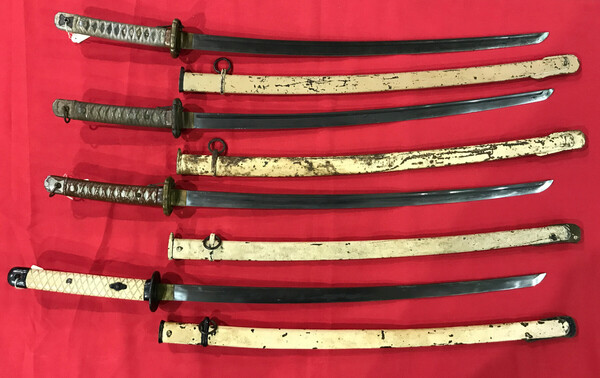
I've been hijacking @Shamsy's Type 95 Black Saya thread for too long, so I'm starting a Gold-painted gunto thread to track the gold ones. I considered labeling it "Painted Gunto" to gather all the colors, but the discussions of each can get quite lengthy, so I'll keep this one just on the gold. But for reference, Steve's thread also has several examples of officer gunto painted black as well. And we have the thread on Mottled Green paint on Type 95s. I've had examples of all 3 colors and regret stripping the 2 gold-painted 95s and the mottled-green 95. I still have one black-painted 95. But back to the gold! My interest started with the acquisition of 2 Type 95s, one totally painted gold (even the blade) and a late-war 95 painted black and gold: I believe this one might have been post war as the paint come off relatively easy using acetone, and the blade, once cleaned, had lots of scratches and marks as if used plenty prior to painting. Also, there was no original paint underneath. It had been completely stripped before re-painting with gold. The late war 95: In hindsight, I now believe this one to be a wartime personalization. The paint was hard to get off with acetone, and the original color was underneath. The following are other examples that I've filed, beginning with a primo one just posted by @Arty A on this thread HERE. The paint is old and abused from use, and is covered with patina inline with the rest of the gunto: (out of time for now. Will update and continue later)


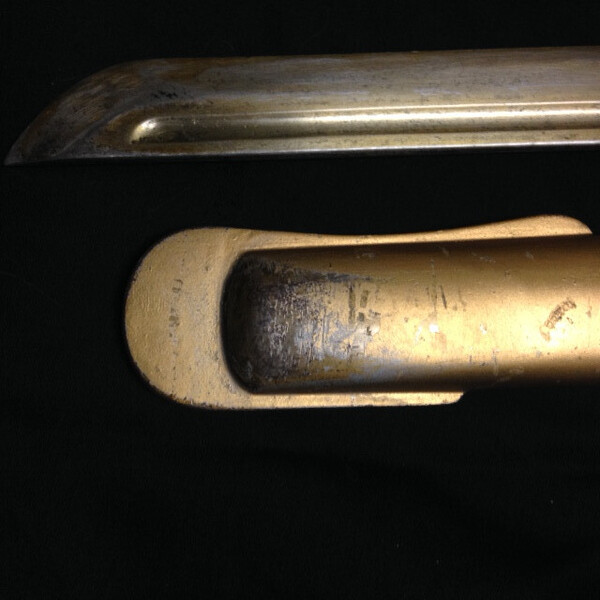


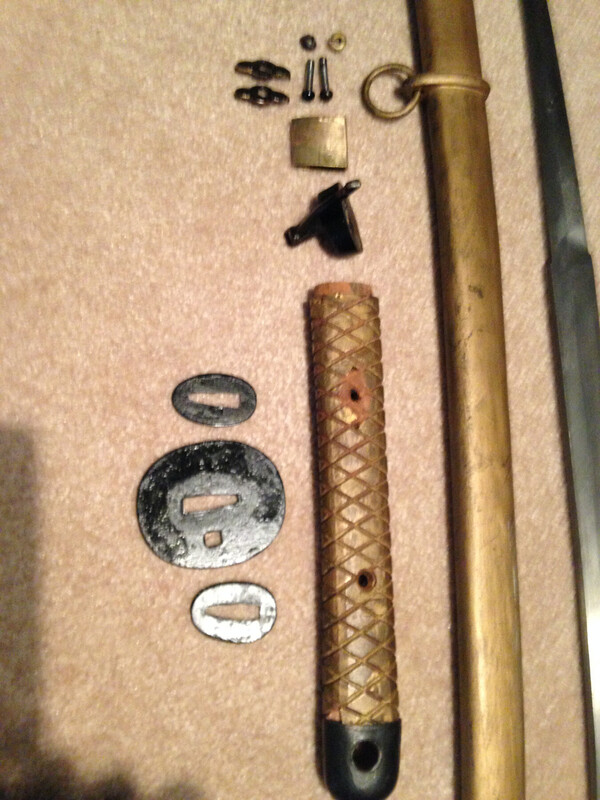


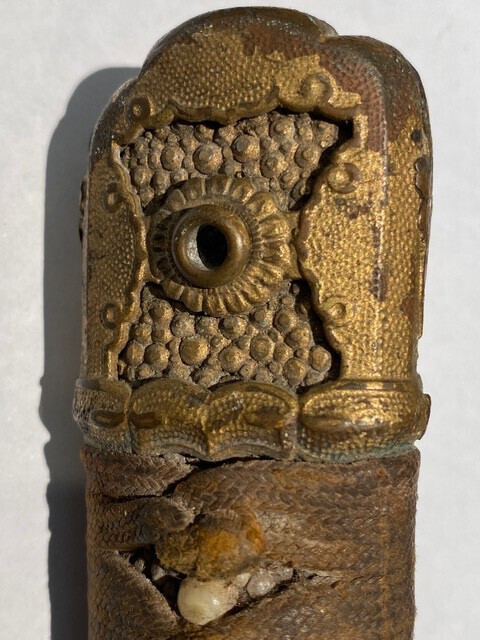 1 point
 -
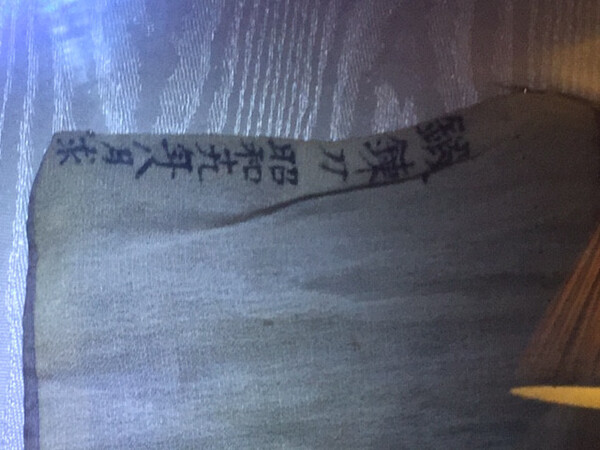
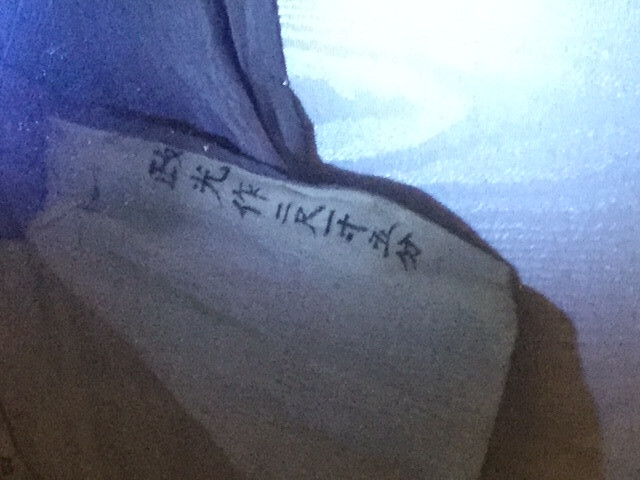
I have a superb condition WW2 Naval Office’s Kai-gunto Sword, its one on most precious possessions and would like to know more about the maker please? ‘Calaforniasteve’ on the ‘Japanese Reference Forum’ has been very helpful with the interpretation below and has suggested the Nihonto Message Board, as you are 100% focused on swords. There any no other marks on the sword ‘Calaforniasteve’ gave me the feedback below after viewing some photos I have (as attached)... My sword is signed 角屋政光 Kakuya Masamitsu Masamitsu is the swordsmith's name - the name he used when signing his swords. It is usually different from his given name. It's kind of a professional name. The family name is Kakuya. Note there are multiple ways to read these kanji (角屋). Normally I would read them as Sumiya, but the noted Western author of Japanese swordsmiths and sword inscriptions, Markus Sesko, claims this name is read as Kakuya. So, I'll defer to him, but if you search around on the web for more information on this smith you will get some hits if you search for Sumiya Masamitsu, or maybe even Kadoya Masamitsu, or possibly even Tsunoya Masamitsu. There is a known WW2 smith named (confusingly) Kakuya Masamitsu, who uses a different kanji for "Masa" (角屋正光). Obviously the coincidence is too large to be ignored, so I think its likely that your Masamitsu is somehow related to the above Masamitsu. It could be that your Masamitsu was apprenticed to the above Masamitsu. Or it could be a father/son relationship. Or, it could simply be that they are one and the same person, with the smith changing his "professional name" at some point in his career. I think that last explanation is probably the most likely. The "different kanji, but same pronunciation" poses a challenge for western students of Japanese swords, because often they are not even aware of the difference, which gives rise to errors and confusion. Anyway, yours is Kakuya Masamitsu (角屋政光), who I think is probably the same guy as Kakuya Masamitsu (角屋正光), and that for some reason he changed the kanji spelling, but kept the Masamitsu pronunciation. The bag says, on one side: 政光作ニ尺一寸五分 Made by Masamitsu, 2 shaku, 1 sun, 5 bu (using old measurements of length) or about 65.15 cm The other side says 鍛錬刀 昭和十九年八月求 Forged sword, ordered in August, 1944. Thank you very much Regards Darin


 1 point
 -
A: mumei B: nagamaru-gata ryō-hitsu-ana kaku-mimi ko-niku tetsu-migaki-ji C: botan karakusa shishi-mon zu kin-nunome-zōgan D: dimensions E: Edo jidai kōki (late Edo period)
.thumb.jpg.43a56c05e8bcff08014e12b9f3c4a4d8.jpg) 1 point
1 point -
1. Tosogu no Kigen - Sasano 2. Sukashi tsuba - Sasano 3. Akasaka tsuba - Sano Bijutsukan I believe Sano also did a "Sukashi" monograph but I'm not at home so cannot lay my finger on the title. FWIW I think Akasaka is an Edo period school and if you are looking at earlier development you want Kyo-Sukashi and Owari... -tch1 point
-
When I did my book (from LuLu) on the Birmingham museum tsuba at least 75% had the wrong attributions What I thought a a one year project took me 4 years to correct the errors1 point
-
https://nihontoantiques.com/project/chonsai-tsunatoshi-fss-845/ https://www.aoijapan.net/katana-kato-chounsai-tsunatoshi-the-first-generation/ few more but you get the picture1 point
-
TSUNATOSHI (綱俊), 1 st gen., Tenpō (天保, 1830-1844), Musashi – “Katō Hachirō Tsunatoshi kore o tsukuru” (加藤八郎綱俊造之), “Katō Tsunatoshi tsukuru” (加藤綱俊造), “Tōto ni oite Katō Hachirō Tsunatoshi kore o tsukuru” (於東都加藤八郎綱俊造之, “made by Katō Hachirō Tsunatoshi in the eastern capital [= Edo]”), “Ushū Yonezawa-jū Katō Chōunsai Tsunatoshi” (羽州米沢住加藤長運斎綱俊), “Chōunsai Tsunatoshi” (長運斎綱俊), “Chōunsai Tsunatoshi tsukuru” (長運斎綱俊造), “Efu ni oite Katō Chōunsai Tsunatoshi” (於江府 加藤長運斎綱俊, “made by Katō Chōunsai Tsunatoshi in Edo”), real name Katō Hachirō (加藤八郎), he came originally from Dewa´s Yonezawa (米沢) and was like his father Katō Kunihide (国秀) a student of Suishinshi Masahide (水心子正秀), he moved to Edo during the Bunsei era (文政, 1818-1830) where he worked in the residence of the Uesugi family (上杉), the daimyō of Yonezawa, around the first year of Ansei (安政, 1854) he left his gō Chōunsai to his son Koretoshi (是俊) and changed his pseudonym to Chōjusai (長寿斎), he died on the fifth day of the twelfth month Bunkyū three (文久, 1863) in the Uesugi Edo residence at the age of 66, like his brother Tsunahide (綱英) he too hardened a tōran-midare but his best works are in the Bizen tradition, the jigane is a dense ko-itame with ji-nie which tends to muji, the hamon is a ko-chōjimidare or ko-midare in nioi-deki with tight nioiguchi, the bōshi is a smaller midare-komi, the jihada can also be a dense mokume which tends to muji but which also show mixed-in ō-hada, blades are generally rather long, have a deep sori, and a thick kasane, jō-saku1 point
-
PS maybe share the Navy and NCO in military section.1 point
-
Surrender tag is often a misnomer. 90% of the time it's the transportation tag with owner's name address and sometimes the rail line it was on. Like this one in question the owners name who probably had hopes of getting it back. Often romanticized.1 point
-
菊一文字 Kiku ichimonji1 point
-
It's got fins on the body and tail, so shachi it is Looks like it's also cast like so many (but not all) of the others.1 point
-
Pic's of tsuba an nakago to come.1 point
-
Certainly looks old. Not saying this is the case, BUT bear in mind that of it was painted gold around the time it was brought back as a souvenir, you could reasonably expect it to exhibit a patina like that. That's what makes these things so difficult to determine.1 point
-
I just happened across this thread, and was wondering if your Kaneshige piece had another stamp on the other side of the nakago. I have a piece by shoda masafusa like this, and... FWIW, the stamp you show is described in Slough's book (see attached) I am not sure if the piece I have is oil quenched or not. Best, rkg (Richard George) masafusa_info.pdf1 point
-
Kay, Stegel described the details above, but didn't specifically point out each stamp. You have the arrangement depicted a item 3 on this chart from Ohmura's excellent webpage HERE. Iijima contractor - Tokyo 1st Arsenal inspector - Kokura Arsenal
 1 point
 -
Good point made by Brian. To me the mei looks rough and certainly not a neat Hizen. Cant see much of the blade, but the ito binding is a quickie western job, so dont know about menuki, and could be some composite parts. Of course this could also go to the owners name tag. No guarantee its original. I have see added ones, both canvas strips and wooden label. Not a dump, just a comment!1 point
-
The good old days are always behind us - of course there is the mule, oblivious, moving like time - further away from them. Looking back gives you a horses arse perspective!1 point
-
Kijimomo tangs had a specific function. They were used on blades fitted to a style of tachi { efu no dachi ] that had unbound hilts having a row of nails with rice bale shaped heads fastened into them. These nails were positioned along the lower edge of the hilt, as worn, and towards the kabuto gane. The kiji momo tang was in effect cut away to clear the points of the nails. Ian Bottomley1 point
-
Might it be Zhang Guolao and his mule ? I have one such tsuba, a very nice one depicting him, one of the eight Taoist immortals and the most eccentric, living between 650 to 750ad, was a great traveler and was mostly depicted riding his mule sometimes backward wearing a traveler's straw hat. He was born old and is the patron of elderly men, his image believed to bring long life and a good death. I wonder what it is about riding a horse or mule backwards? Roger j1 point
-
Most collectors are not investing in Nihonto or if they are they will be disappointed. Dealers will have problems selling blades between 5000 and 25000 as they are a little pricy except for people with a high disposable income and over that is another group of purchasers all together. Unless an individual collector gets into a situation where they absolutely need the money they will rarely sell for less than they paid. They may not make anything but will hold on until they at least feel they didn't lose. Japanese edged weapons are a very small piece of the collectable world and for everyone I am sure you have found to get something nice - they are hard to find at a really low price - however they are also hard to sell and the usual mark up for most through dealers has to be close to 50%. Almost as bad as the depreciation on a new car. In any event - we all rent them from the next silly buyer while we own them and can enjoy them while we have them in hand.1 point
-
This “discussion” is heading in exactly the same direction as when I formed my first collection aeons ago…..and it will continue in that vein until no-one is interested anymore I guess! The old topics….. mei vs mumei, papers vs none, Koto vs Shinto, ubu vs suriage, koshirae vs shirasaya, gimei vs genuine (not that anyone really knows), long swords vs short swords, opinion vs opinion vs opinion etc etc Of course it is interesting and very challenging to build knowledge and expertise as long as it doesn’t spoil the pleasure we derive from these magnificent weapons. Way back, a very famous Japanese polisher that I was honoured to have visit me several times told me, almost in the exact words from the book quoted above - unless you stand next to the smith as he forges it you can never be sure…..it’s just opinions. That really clarified for me what I wanted to collect based on two simple questions “do I like it?” and “is it a good sword” Yes or no. Anything that you can learn about it after that (often with very kind and generous help from others) is the icing in the cake that led me to many friendships. I try to collect “good” swords in koshirae that exist largely in the condition that the last Samurai owner left it in. Not as easy as it used to be! Now we can debate what is “a good sword”🙂🙂 Just my 2p worth All the best. Colin1 point
-
Just getting back to the 'singing' of good iron. This quote from Marcus B. Huish 1889. "The decoration of the sword furniture showed symptoms of decline early in the present century. Working in hard wrought iron was first of all shirked, and similar effects were endeavoured to be produced by castings; then the decoration ran riot and transgressed all limits, so that many of the pieces made between 1840-1870 could never have been used for the purposes for which they were professedly intended; such products are remarkable in a way, as showing the lengths to which elaboration may be carried, but they can never stand for a day beside the dignified workmanship of an earlier date. Imitations of sword guards are now being imported into the market. These are cast from old specimens, and can usually be detected by holding them at the point of one's finger and hitting them sharply with another piece of metal, when they will emit a dull sound only, whereas a fine old guard will ring like the best bell-metal. It is well to test all guards in this way, but it must be recollected that guards with much piercing will not ring, and that many of those made since the beginning of this century [19th] are of such malleable iron as not to stand the test. It is a question which has not yet been solved whether some of the old guards may not be castings, even some of those which are chased. The difference between wrought and cast iron is that the latter contains from 11/2 to 4 percent, of carbon, the former hardly any; but it is possible to anneal or toughen cast iron by a process known as 'Cementation' [Ed. In metallurgy: a process of altering a metal by heating it in contact with a powdered solid], that is, by a surface removal of carbon. Many of the guards are covered with oxide of iron, to which they owe much of their beauty." This quote was added way back near the beginning of this thread and you might have missed it.1 point
-
I suspect that the sayagaki mighi be fake. There is an unbelievable typo.1 point
-
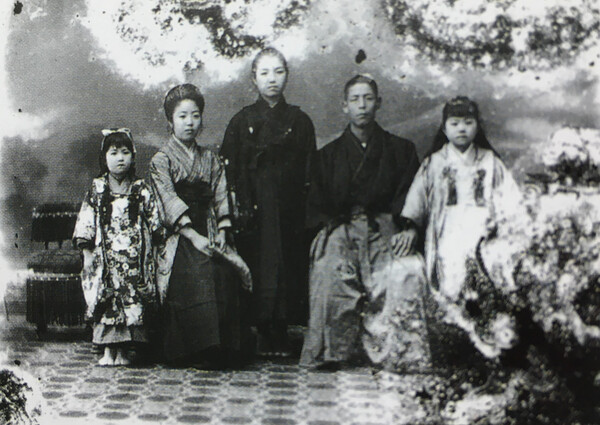
Rare Pic of 9. Gen. Ishidō Hidekazu (石堂秀一) Name Ishidō Shuichi in 1906.
 1 point
 -
Wonderful post! And that bottle opener is indeed a thing of beauty! I had always thought there was a difference in how the metal 'sings' when struck? Doesn't a folded metal tsuba have a brighter, more harmonic sound; whereas cast iron has a duller thud to it? Or is that my imagination?1 point
-
I don't think the casting of tsuba more than 200 years ago would have been done for deceit. I wouldn't imagine it would have been done to save time or money. Just a different way to manufacture. So no reason to hide them back then.1 point
-
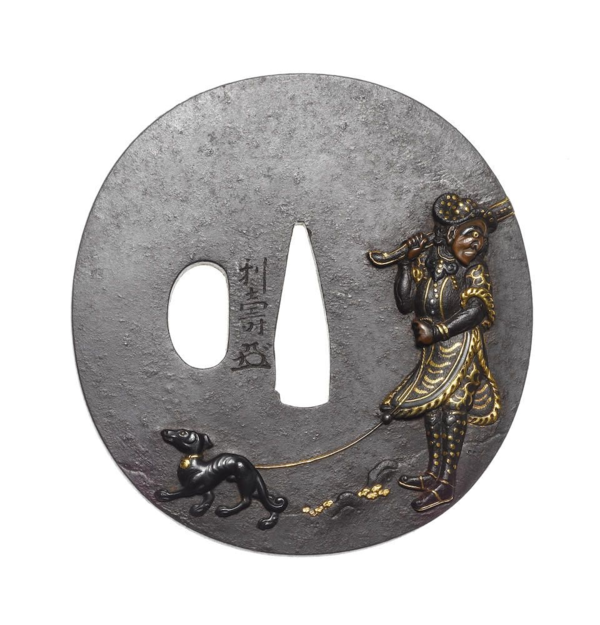
A previously published image of the same guard. Someone please feed the poor dog!
 1 point
 -
Item No. 278 Iron Tsuba with shakudo , gold and copper 7.51 cm x 7.16 cm x 0.54 cm Subject of a European, possibly a Dutchman , with his matchlock gun and hunting dog ( definitely a male ). Signed Toshinaga with kao, early 1700's. A foreign devil caricature of a huntsman wearing his best outfit and generally lording it about with the assistance of his canine companion. Early Nara school piece in good original condition. Ex. Roland Hartman collection Ex. Edward Wrangham collection
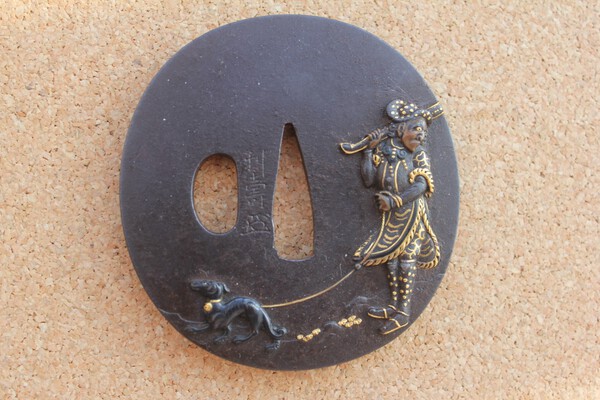
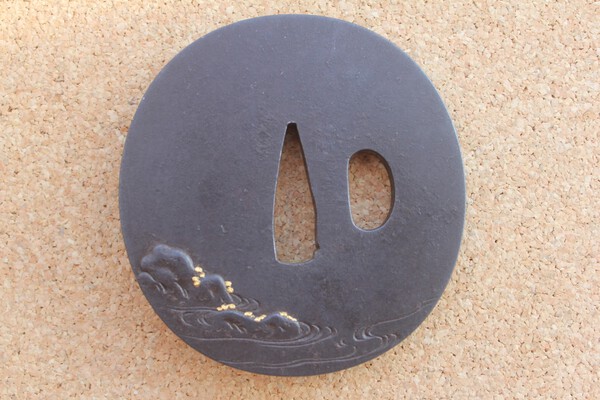 1 point
 -
Dan I have to take exception with your suggestion that collecting is firstly about fun, specifically in this context. The real issue here is the pushing for acceptance of an unverifiable theory that cast iron tsuba were made, according to your suggestion, as early as the 1600's even. The problem is then that unknowing or unscrupulous sellers can take advantage of this area of vagueness and pass off fakes as somehow being legitimate Edo period artefacts. It's amusing that you took such pains to demonstrate so clearly that my "joke' about a samurai faxing Lincoln was impossible because according to one website you found there was no suitable cable available at the time. Yet in defence of you own thesis you're happy to posit all sort of alternative explanations to fill the gaps in your required evidence trail to support the casting of iron tsuba in Edo Japan. What if I claim that the unrecorded cable my 'theory' requires was actually a secret project operated by the Satsuma clan, in defiance of the Shogunate's laws, so that they could learn about the outside world. When the black ships arrived they realised that they couldn't trust intermediaries so they pushed ahead with their cable laying efforts, first to the Ryukyu's, then Hawaii. The goal was of course the trade delegation there, from whence a reliable communication route might be established with the US government more directly. All treasonous so naturally kept top secret with no incriminating evidence or records being kept. It's possible...gotta keep an open mind As for being considered 'a leading expert' or whatever, not my claim so please don't be so rude as to try and demean what I have achieved, it's a strawman argument at best. And if you're looking for a comparable specialist in the craft/technology of tosogu in Japan let me know when you find them please. Spoiler alert, you may be in for a disappointing let down. Anyway, everyone can believe what they like and spend their money on whatever they wish also. I would suggest, though, that a few hours perusing the numerous late 19th century and early 20th century published catalogues, huge tomes most of them, with thousands of pieces recorded in photographs, many surprisingly good images too, as well as any pile of pre 2000 auction catalogues searching for obvious cast iron tsuba might well be like searching for a needle in a haystack! If anyone is in the Dartmouth area anytime feel free to contact me in my studio at 17 Foss street and I'll give you free access to about 6 feet of such material to search through. I've not seen anything in the slightest way convincing yet, and my trained craftsman's eyes have been intimate with these sources for more than 30 years. Your milage may vary, as they say Actually there is one more quite relevant point to make; Throughout this thread various images of tsuba, some papered even, have been presented and various details in the surface highlighted as being 'evidence' of casting technology. The problem I have with this approach is that firstly it is based on a second hand 'imagined' idea of what tell tale marks might be left after casting work. Has anyone here, or anywhere for that matter, actually recreated a ferrous tsuba by the means suggested and can we see what the results actually look like. Obviously this is a hypothetical question, we have no clue what the supposed Edo period process of iron tsuba casting would produce. All we have is a patchwork of ideas cobbled together from various contemporary craft and jewellery sources. In contrast to that area of assessment who in this discussion actually knows have iron tsuba were made by hand? I don't just mean the basics, but the actual nitty gritty of taking forged plate to final carved and patinated form. What are the tell tale signs and details that those processes leave and how do our modern working methods differ from the Edo period? what do they look like? and how do they differ from these other imagined Edo period cast iron tsuba? Just as one very simple example of the dangers of uninformed supposition... Dr Lissenden saw clear evidence of a cast seam in the interstices of his scrolling Namban tsuba. I saw evidence of drilled holes and chiselling from each side leaving a little 'lip' where each chiselled surface met roughly in the middle. Why did I see that? Because I've done it myself and I easily recognised the same traces of workmanship. But if you don't fully appreciate that tsuba were not cut out with a saw blade but drilled and chiselled as routine then that possible interpretation is unavailable to you and you're forced to base your conclusion only on your limited understanding. Beginners mind is often woefully devoid of useful or relevant data in many situations. My consultant doctors would get short shrift from me if they went all 'Zen beginners mind' with me Anyway, once again I've written too much but its apparently all grist to the mill1 point
-
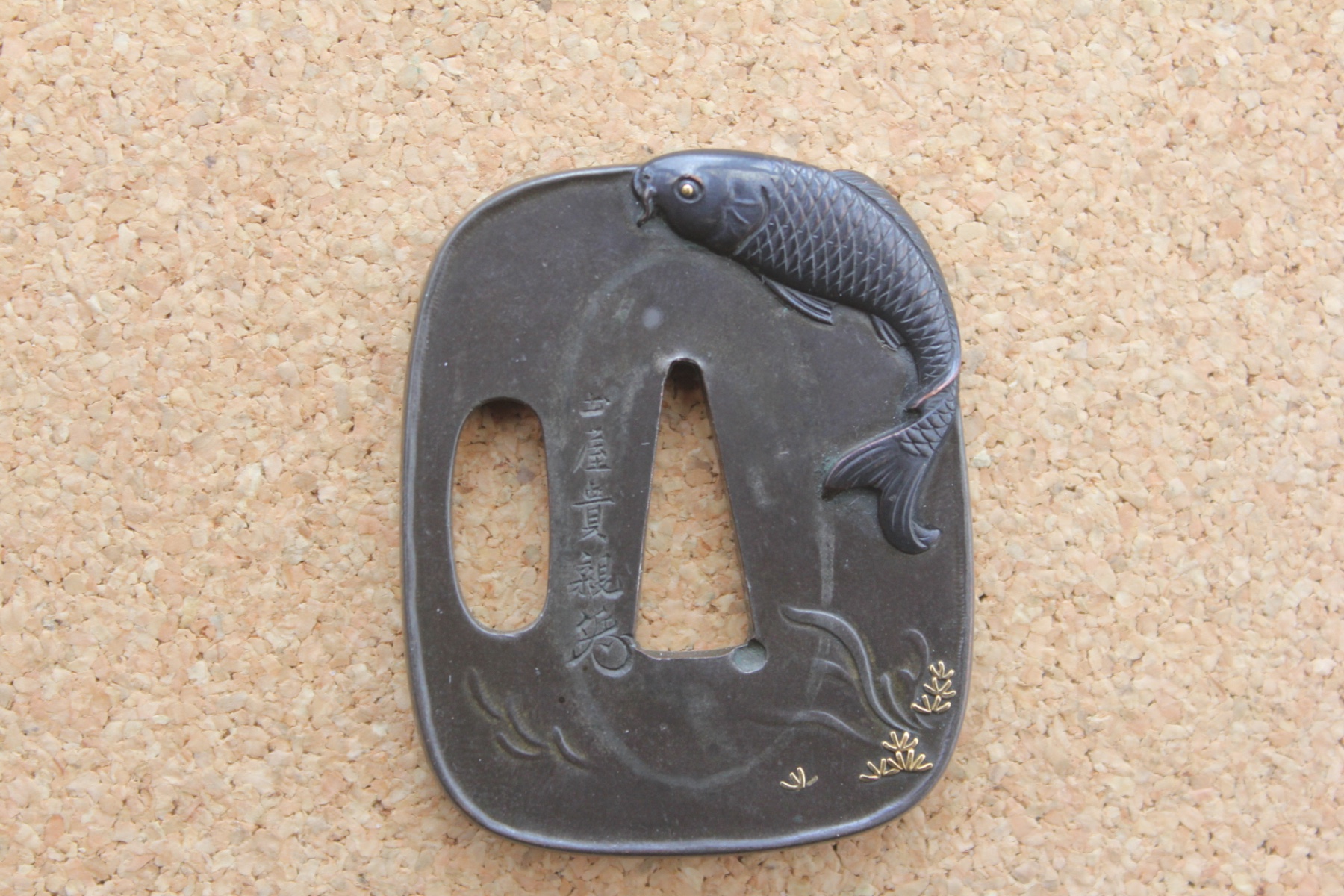
Item No. 275 Tsuba in shibuichi with shakudo and gold and silver details 5.02 cm x 4.08 cm x 0.38 cm Subject of leaping carp with water plants. Signed Tsuchiya Takachika with kakihan , and dated - a day in the tenth month , in the year of Kanoto-tori. ie. Bunkyo 1 1861 Smallest tsuba in the collection , showing good workmanship , as one would anticipate from a student of Tsuchiya Yasuchika . The treatment of the water weeds and the Lotus flower are matched by the intricate modelling of the leaping carp in shakudo - a model of persistence and therefore much admired. My thanks to George Miller for his invaluable assistance on this piece.
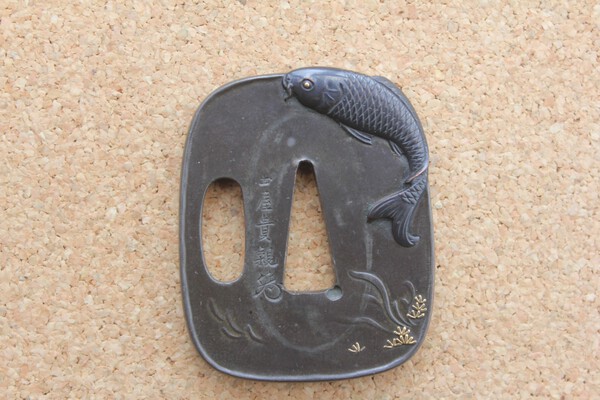
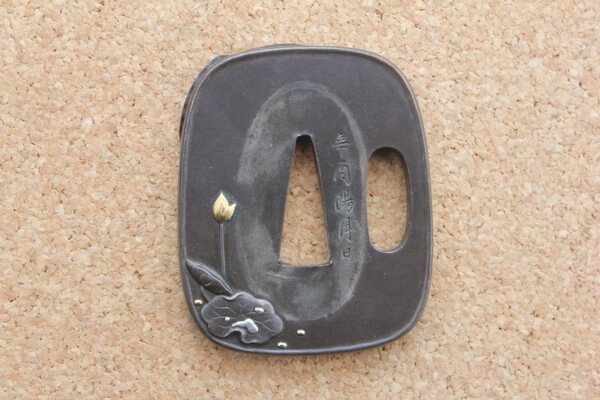 1 point
 -
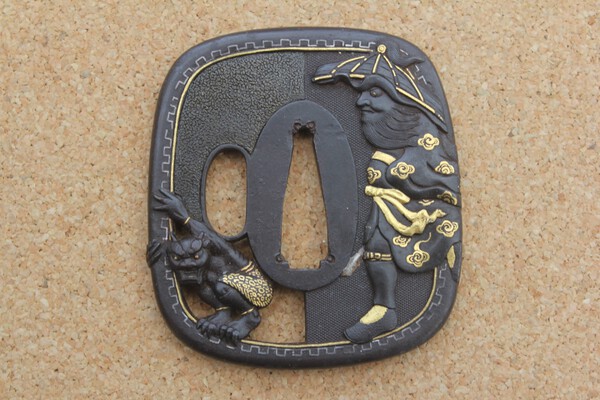
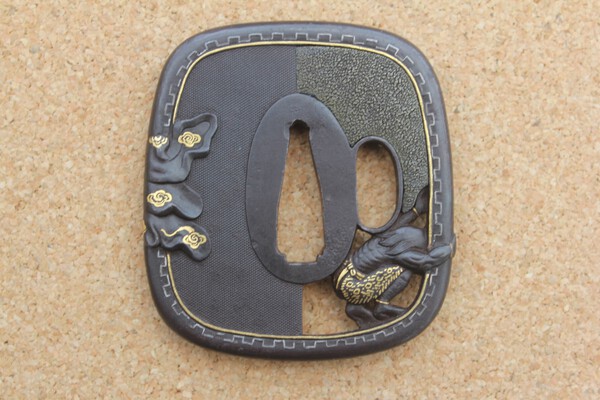
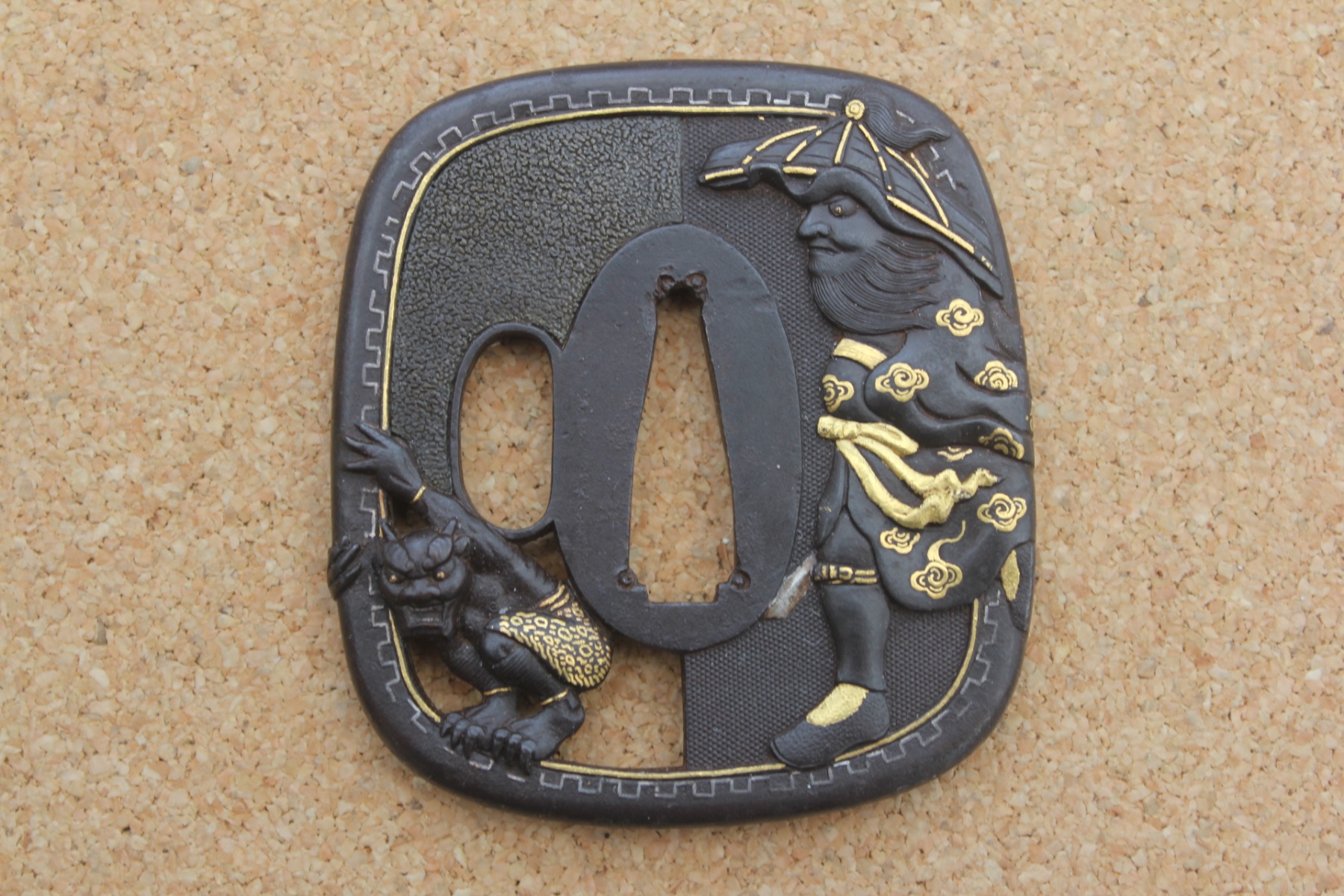
Item No. 271 Tsuba in iron with gold and silver/shibuichi 7.08 cm x 6.45 cm x 0.50 cm Subject of Shoki and Oni unsigned , design after Toshinaga. A determined looking Shoki in pursuit of a realistic, powerfully muscled oni . Good detailing throughout with a micro nanako ground to half of the tsuba - not easy to do on iron. Although without signature , papers or provenance , one of my favourite pieces , acquired nearly twenty years ago off ebay , before the Chinese fakes started to appear . Difficult to assess age , but possibly about 150 years old . Has been mounted at least once.
 1 point
 -
Xander, this is a very solid ECHIZEN KINAI TSUBA in seemingly good condition! Nothing wrong with that. Cleaning a bit with a pointed piece of antler will improve the looks and prevent rust coming up. Be careful with that nice gold decoration! Your attitude in collecting TSUBA is your personal thing, and there is nothing to criticize. Perhaps in the long range, you will develop another look at the subject and no longer enjoy the lower quality TSUBA. The problem is then that these cheaper TSUBA will not sell easily. But perhaps that is not really a problem...1 point
-
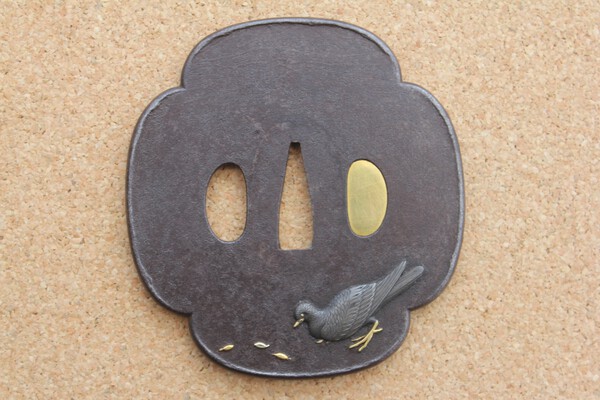
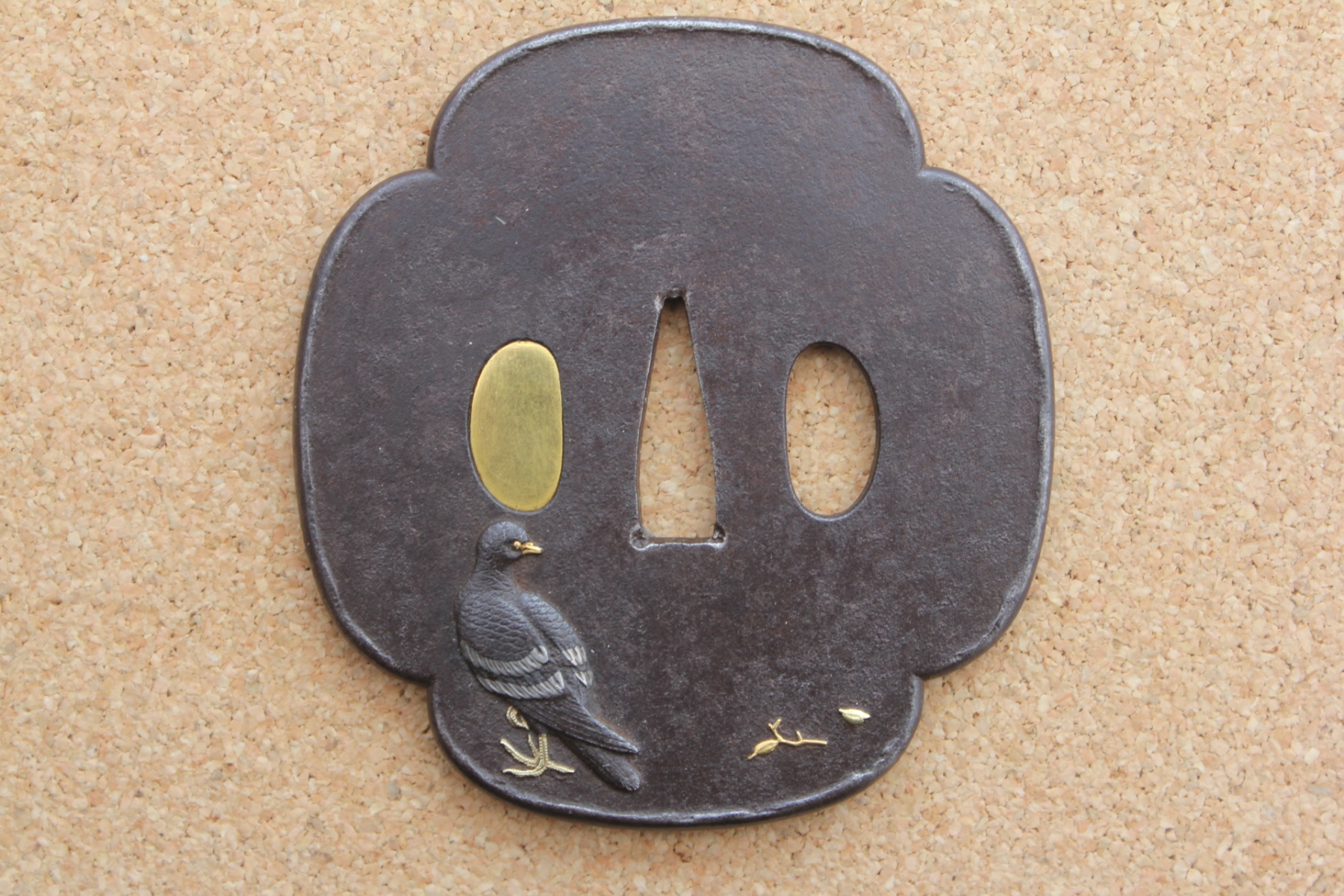
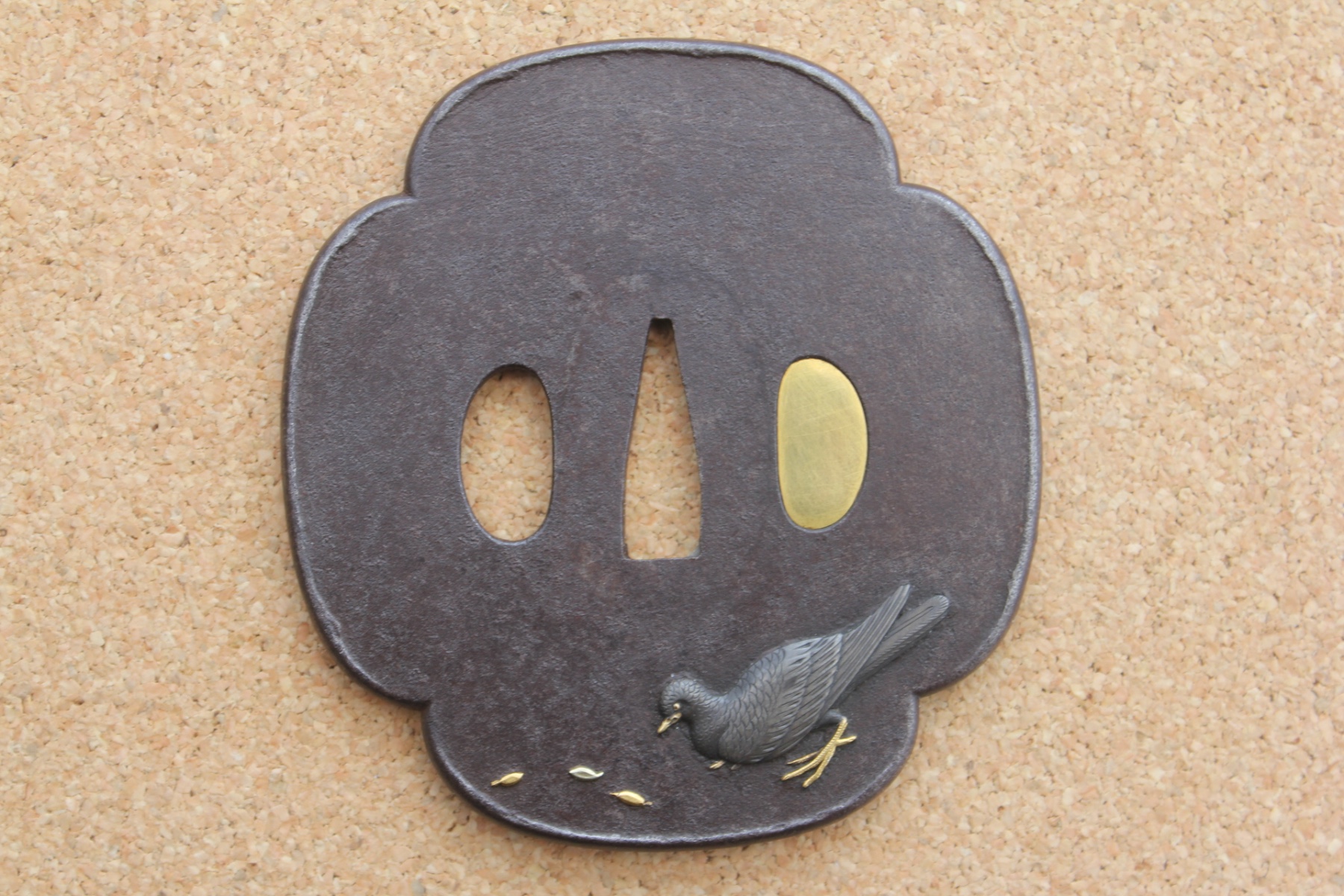
Item No. 269 Mokkogata Tsuba in Iron with gold , shibuichi and silver 8.94 cm x 8.36 cm x 0.35 cm Subject of pigeons feeding . Unsigned , attributed to Kawarabayashui Hidekuni 1825 - 1891 ( adopted son of Hideoki ). Unusual theme from an artist of the famed Otsuki school - nicely portrayed - those pigeons have Attitude . As usual , the piece looks far better in the hand with carefully worked details becoming apparent. Haynes ref. H01054.0 NBTHK papered

 1 point
 -
Not made by ford just cleaned etc by him, for me.
.thumb.jpg.a81969c245fbe0c4b4da3314eeae9b45.jpg)
 1 point
 -
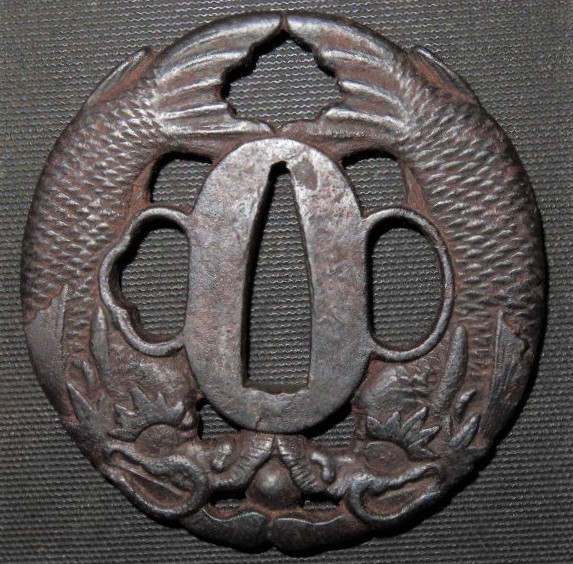
Another variant of this style. It has a mei (光徳作時代) that doesn't come up in Sesko's meikan, but a nice looking signature nonetheless. I like the kanji strokes that were done as round dots rather than linear strokes. Perhaps this is a kettle makers work, rather than a tsubako? I'm curious to see if anyone else can find examples of this mei in whatever meikan they may have access to. Also, there's a clear irregular casting "crease" line along the body and fin at the 10 o'clock position of the signed side. And the eyes didn't quite turn out as they usually do (especially on the ura side). now to compare to the previous two:


 1 point
 -
That is the operative question, Geoff. No one knows. And it wasn't until recently that some of us began believing that some of this strange paint was done during the war. Obviously, none of it was factory. But I'm growing to believe that individual soldiers, officer and NCO, had personalized their gunto with a paint job - black, mottled green, white, gold, and there are some other colors coming that I'm aware of. The blacks, whites, and green seem understandable as a guy would want to reduce his detectability in the field. I believe these are in @Shamsy's collection: But I haven't come up with a reason for gold. But then, who doesn't like gold, right?!
 1 point
 -
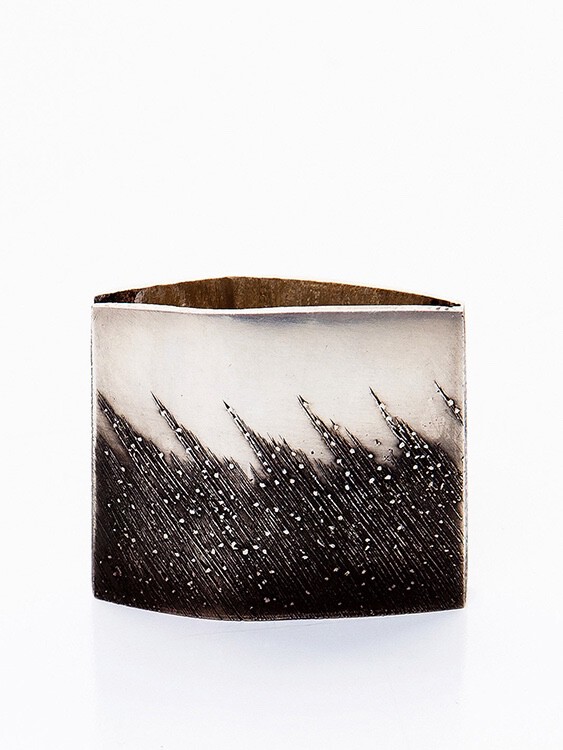
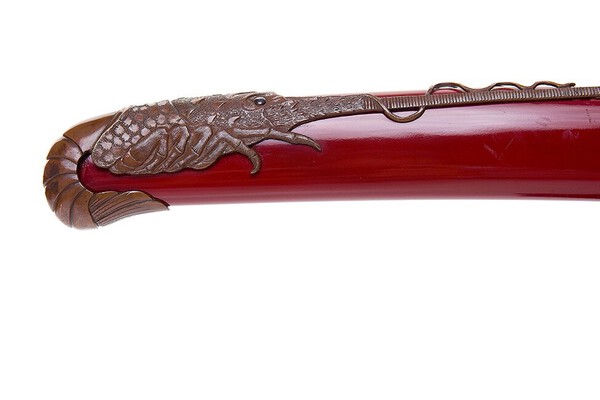
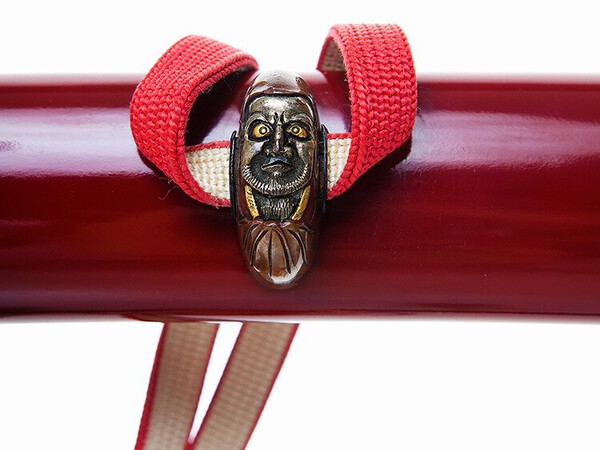
Still more photos






 1 point















.jpg.fc1901307c503a19c1ac95e5f3f0925c.jpg)











.jpg.b74f003704d4b830724c03cef6a718aa.jpg)




This leaderboard is set to Johannesburg/GMT+02:00