Manuel Coden
-
Posts
556 -
Joined
-
Last visited
-
Days Won
13


Manuel Coden's Achievements






-
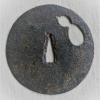
Thank you, I don't usually count hours when I work, but for sure several weekends of work 🙂 Btw the tsuba is up for grabs if anyone is interested
-
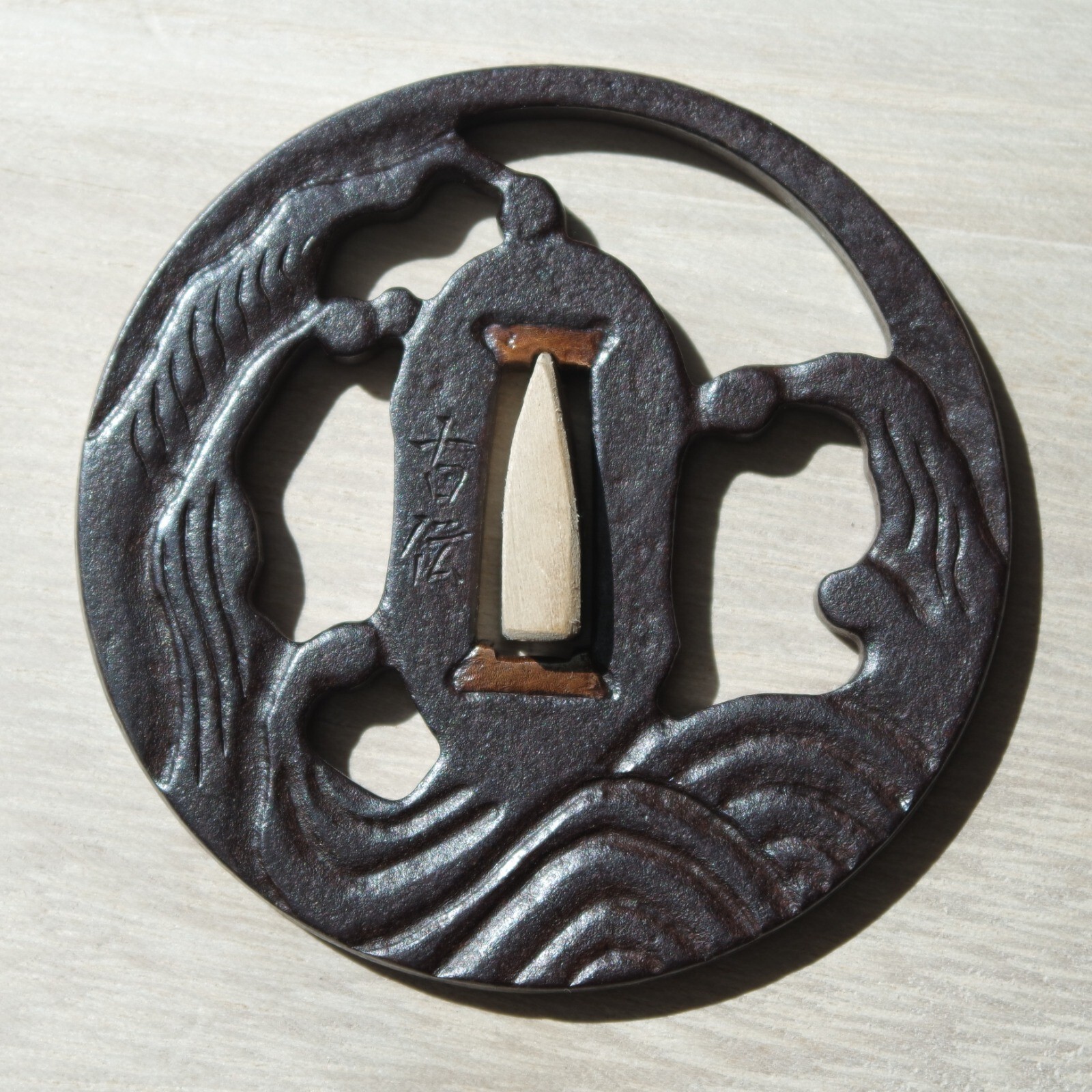
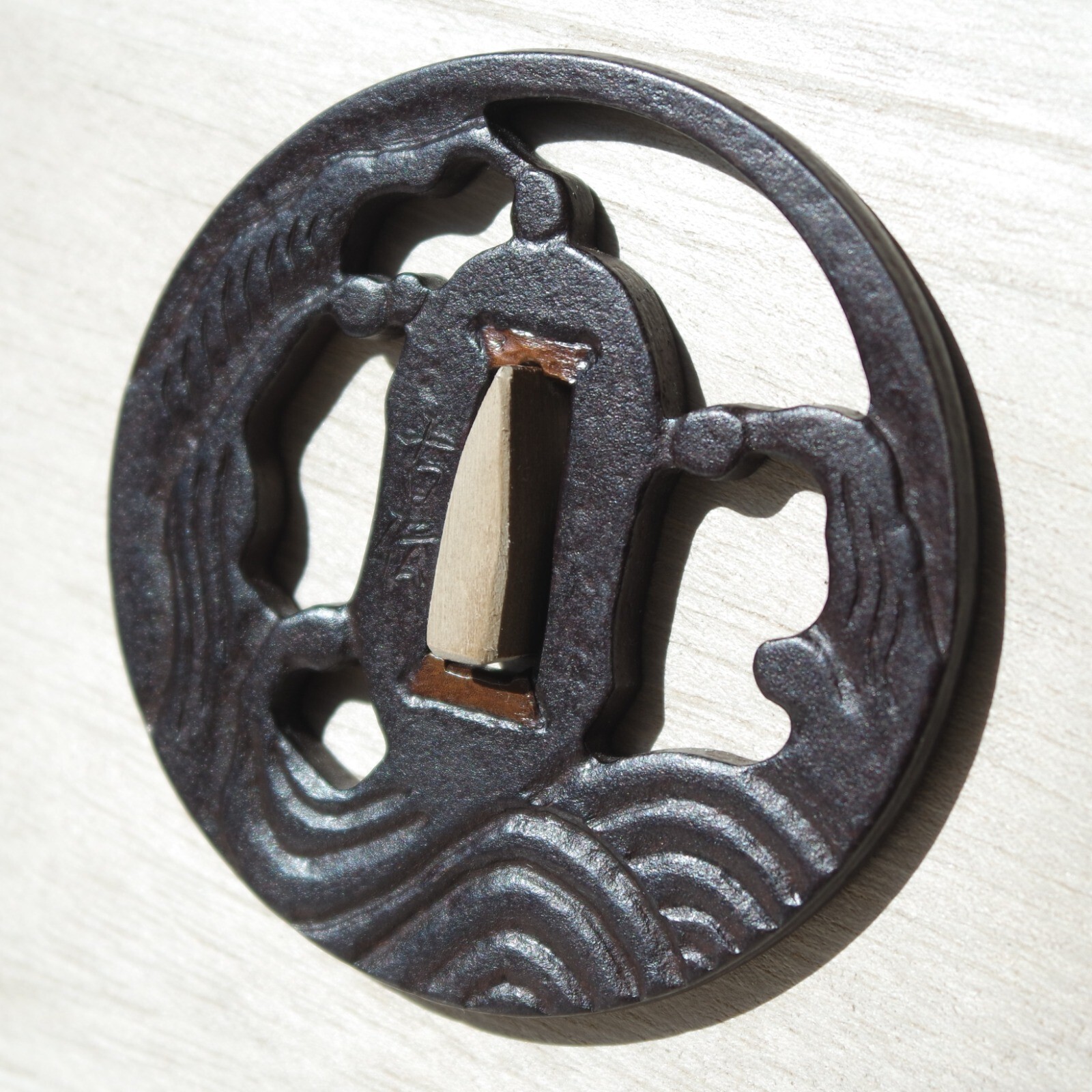
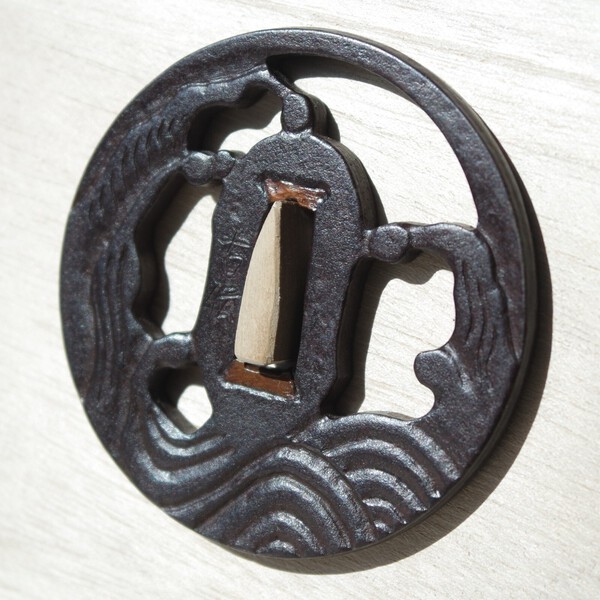
Now that the tsuba is back I took some more pictures using a better camera

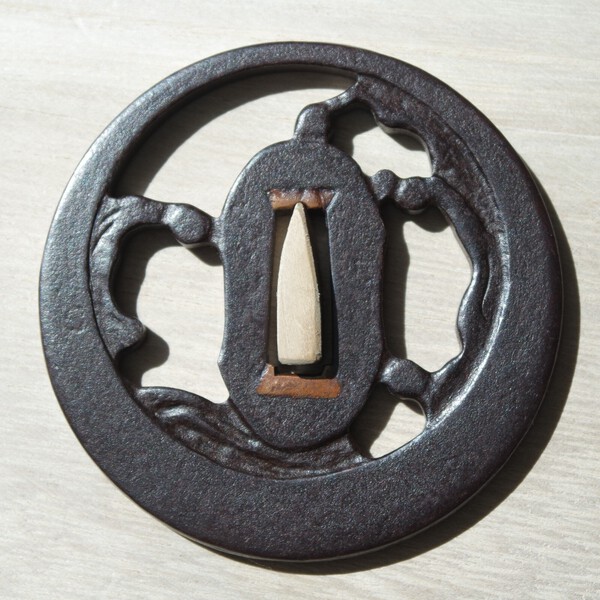

-
Thank you, i'm working to always improve and to carry on this tradition. The pin is actually the logo of the Italian sword association INTK, it's gifted to all the new members that join it.
-
Video interview with the talented Sandro Furzi, who covered my attendance at the award ceremony for the NBTHK 2026 contest. You can turn on captions with automated translation if you can't understand Italian.
-
Thank you again! Today NBTHK published the results, I was the only non Japanese resident and the first of foreigners in the metalworking category, Jeff Broderick was the only other one and ranked Nyusen 7th. In light of this I'm fairly satisfied with the result, especially the competition seems to have been on a pretty high level this year. Here's the results in both Japanese and English (translated with AI) 2026年度現代刀職展「研磨・刀身彫・彫金・外装の部」審査結果一覧.pdf NBTHK Contest 2026.pdf
-
Here's also a video in sunlight that shows the patina and the engraving better https://drive.google.com/file/d/1IZBWxKms-XeEPxmkI7JKiWbH4DQ0gMWp/view?usp=drivesdk
-
Thank you, it took me many years of experiments and studying good quality tsuba to figure out how to reproduce tekkotsu on my works,which is now one of my trademarks together with texture and patina, so I'd rather keep it for myself for the moment, probably in the future (when I'm famous enough 😂) I'll post an article about what is tekkotsu and how they appear according to my experience. I'm only 4th Nyusen you should wonder how the First prizes look like 😄 I will go to Japan at both the study session and the ceremony, so if you guys like I'll post the awarded works here
-
Thank you guys 🙂 Still not there yet, but getting closer 😄
-
Some more pictures


-
I'm happy to announce that my Yagyu utsushi tsuba ranked Nyusen 4th in this year's NBTHK contest. Despite being ranked lower than last year it's still a positive result.


- 21 replies
-
- 19
-

-

-
There's a seller on Yahoo selling these tsuba, they're pretty good copies and they get better year by year, he does also other iron tsuba like Higo. His patina looks off tho, many got fooled by the pics but then in hand it was clear they aren't the real deal
-
Today there was the ceremony for the NBSK contest, unfortunately I couldn't attend but a friend was so kind to send me some pictures. The exhibition will go on until August 30th.
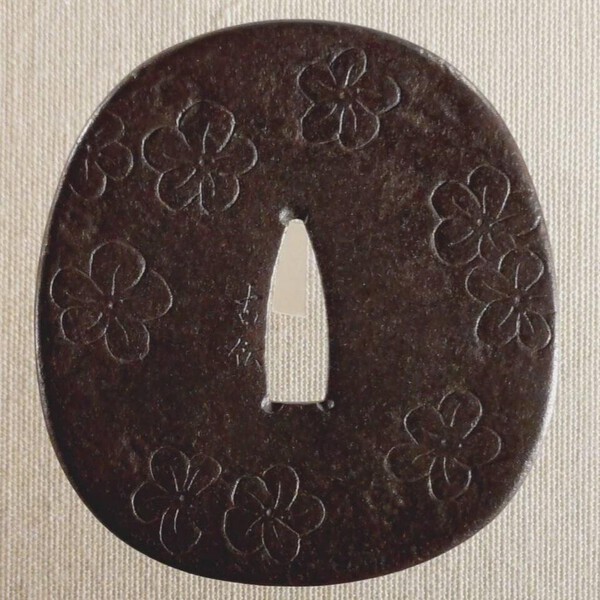
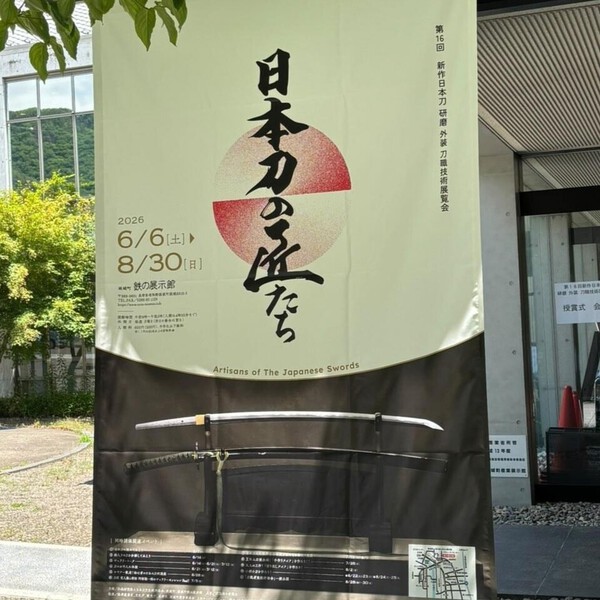


-
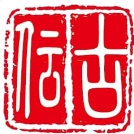
What do non-Japanese tosogu artisans sign their work with?
Manuel Coden replied to NotANinja's topic in Tosogu
Traditionally the names are given by the teacher, usually taking one kanji from teacher's name and another new one that carry a specific meaning. But of course if one has no teacher can choose the one he thinks fits,of course must make sense in Japanese. If in doubt you can just use katakana. Also normally one signs with his given name,not his surname, mine is a special case cause it just made more sense to use it. -
What do non-Japanese tosogu artisans sign their work with?
Manuel Coden replied to NotANinja's topic in Tosogu
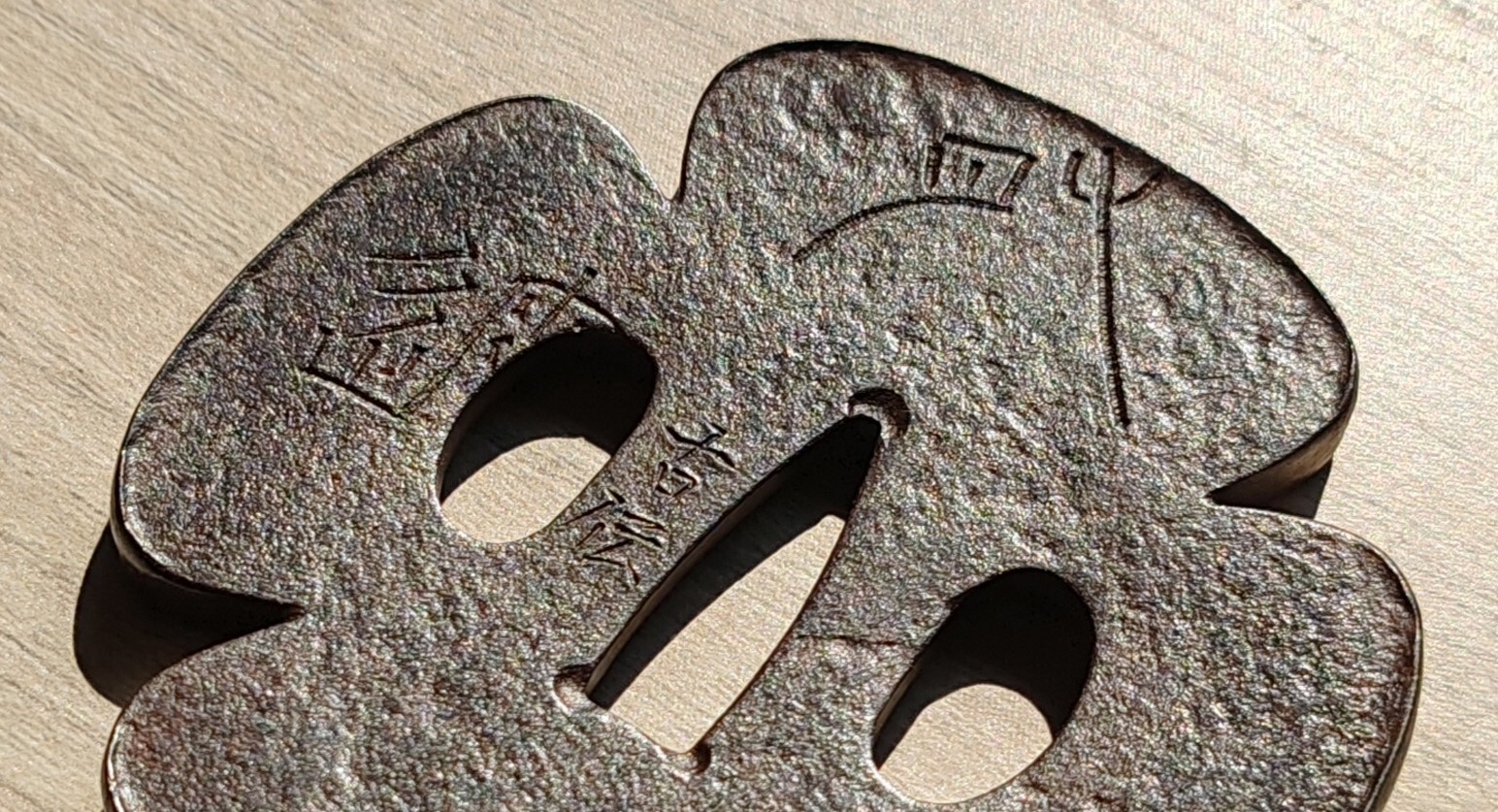
As Jean said I signed with the kanji 古伝 which reads as "Koden" that sounds like my surname and also have a meaning of "old tradition" which fits my style of Muromachi -Early Edo style. For NBTHK contest you're required to have either a signature or a kao to submit -
Here's a quick video in sunlight of the tsuba for you to better appreciate it https://drive.google.com/file/d/1xPGDzFvqnX69nEFrNMGgFwfyYPqa5tLJ/view?usp=drivesdk