
Leaderboard



Popular Content
Showing content with the highest reputation on 01/22/2022 in all areas
-
Malcolm, if you can put up with some ramblings for a moment, I can offer a potential line of enquiry/inquiry. One of the fashionable words in Yokohama in early Meiji was カメ. This was based on Westerners walking their dogs on the Bund and shouting "Ca'mere!!!". It sounded like the Japanese Kame, and indeed there was an amusing craze/fashion in Yokohama for people to name their dogs 'Kame'. The third character is 丼 don, suggesting that the sign may be for a restaurant called 'Kame Don', not that they actually served turtle but that the name was still amusing in 1880, and in Katakana to indicate a foreign word. There are weaknesses to this explanation, however. I have not made an effort to locate such a restaurant by a bridge on an old map. Why is the sign rounded at the ends, giving the impression of an artist's seal? And what does the last Katakana character ト indicate? I started looking but soon gave up, finding possible *leads but nothing solid. Scruffle this up and chuck it in the bin as you please. Offered in true humility, Your fiend, etc. *The sound Donto ドント (丼ト?) conjures up the sound of the Donto Matsuri, Kyushu-ben 'donto' after which some eateries are named, and katakana for the English word 'don't', rendered as 'donto'. Some kind of clever word play here? OK, I promise not to dig this hole any deeper!3 points
-
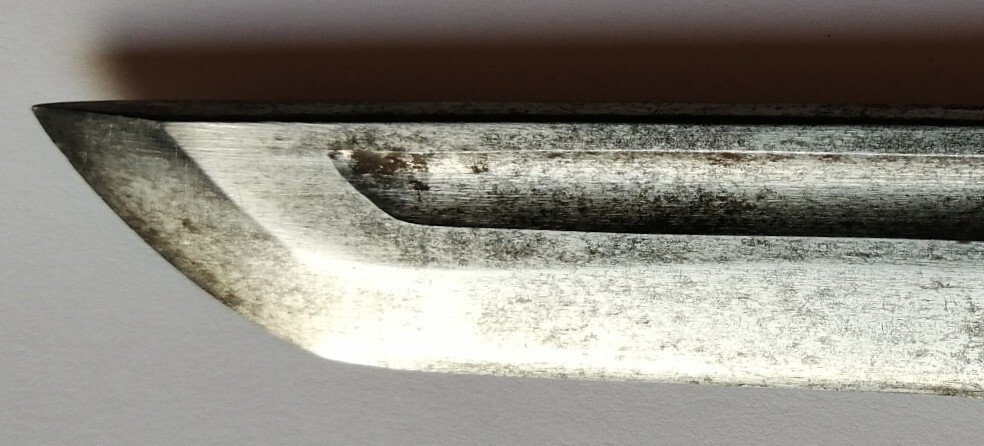
I'd be interested to find out more about the straight blade. "Kanbun style"2 points
-
Maybe not appropriate for this forum, but after learning a bit about the matchlock gun my father-in-law acquired in post war Japan, I started watching YouTube videos and surfing the internet for information about his other war stories and memorabilia from the Pacific theater. He at one time had three swords he said were samurai swords he picked up during the battle of Manila. He earned 4 Purple Hearts so saw much battle with the Japanese. One awful story he told was how he came upon a Japanese soldier who had lined up nuns and was beheading them. He shot the soldier and took the sword. He and my husband always thought they were real samurai swords but my reading about them after joining this site reveals they weren’t. Regardless, I wish we still had them. Unfortunately, during his many moves in the military they disappeared.1 point
-
Bäähmm
 1 point
 -
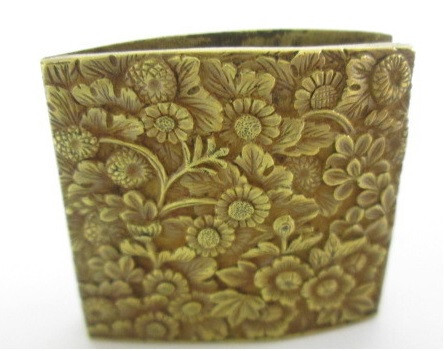
Again you come up with the goods!!!!!! Here's our chap at his best: https://www.bonhams.com/auctions/21840/lot/302/ One cannot but think what manner of items would he have worked upon had he been active pre - Meiji1 point
-
THAT'S NOT A BOOMERANG . . . THIS IS A BOOMERANG
 1 point
 -
https://studyenglish.at.webry.info/201505/article_4.html Your answers might lie here. 亀戸天神社 Kameido Tenjinsha. (See link with Claude Monet.)1 point
-
A brilliant and atmospheric reply Old Bean!!! Curiously, the Sanju Workshop also used a stylised turtle seal on more grander pieces. Thank you1 point
-
Laws in Russia are pretty strict regarding certain edged weapons. I know they are crazy strict about bayonets and "cold weapons" but I'm assuming there are no problems with swords? It was funny a few years ago when I used a translator to ask on guns.ru if anyone could assist me with finding a rare mechanism for my NRS/NRS2 (HP2/HPC2) Spetsnaz knives....there was deathly silence followed by a swift ban They don't like to discuss such items. (Btw, still looking for any such items )1 point
-
https://page.auctions.yahoo.co.jp/jp/auction/h1033077981 It does not say what it is, but it is listed as ‘unused’ under Bugu, Tsuba and Tōsōgu… A modern ‘Kozuka’ knife handle??? Beautiful work, by the way.1 point
-
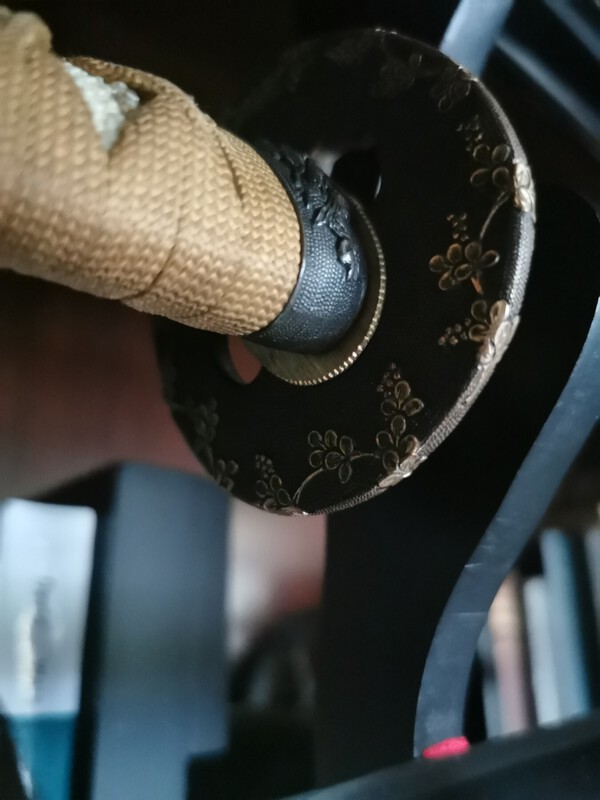
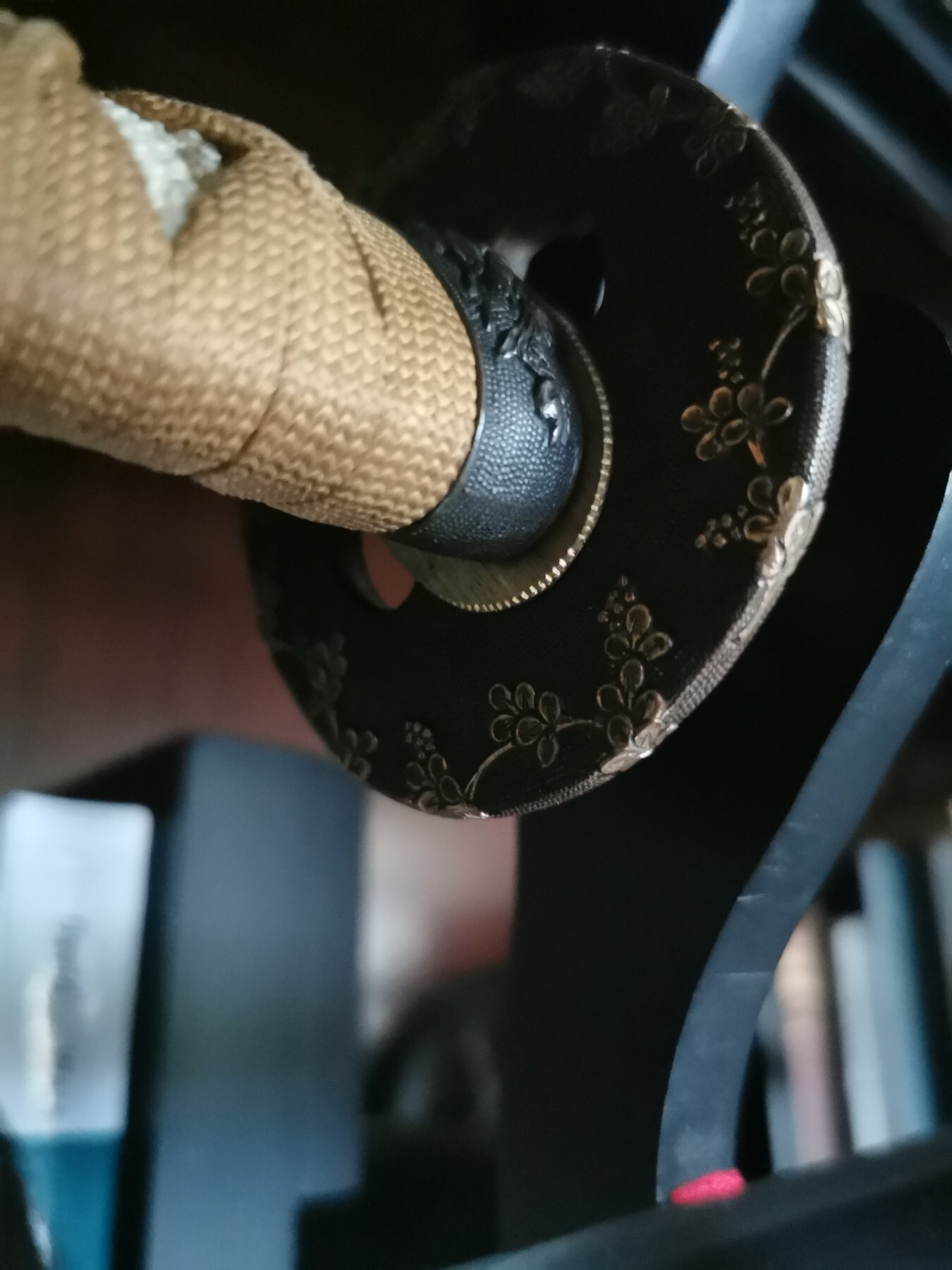
Thx for the info... Awesome story not least because I have it next to a sword with a cherry blossom motif!!
 1 point
 -
Dale, do you have a link to the original Japanese site? I wonder if that word ‘Kosuke’ is an attempt at rendering 小柄 Kodzuka/Kozuka into English? A fancy knife handle decorated with Higo Zōgan?1 point
-
I understand the bug all too well. JakeNYC makes great sword pillows. He has a thread going, just search sword pillows and it will pop up.1 point
-
Gee, it looks to me like it says "Bizen" - a district not a signature. Is it ceramic? P1 point
-
The straight blade is interesting for sure and the hamon looks pretty good nearer the nakago - seems a little long and wide for a sword cane - have had a couple and they tend to be wak length and about 1/2 - 3/4" wide .1 point
-
I'm checking email inbox each time the phone vibrates, especially as Japan time is our in bed fast asleep time Lol1 point
-
The waiting is the hardest part. On my last blade my heart sank every time I looked at the tracking information to see the package sitting in Anchorage, AK every day for three whole days.1 point
-
I know the feeling! I still have the sword from my dad, but he’s gone now and I never asked him how he got it. Wish I had. Well, there are plenty of both kinds to be found these days. You should pick up one or two and get hooked to the hobby like the rest of us!1 point
-
He has had two of the non Sahari ones from the Owari Blue Book sell before. Whatever his source, they cornered the market on the non Sahari Kunitomo.1 point
-
What a way to enter into Nihonto, congrats on the new additions. Four swords all at once with different character, did the previous care taker have any stories for any of the swords?1 point
-
Hi Adam, yes, suitable space is a real problem, also for me. Especially when you have to keep the peace at home 😉 Hmm, interesting “extension plate”. Such modifications are seldom seen! When it comes to the placement of the sode (like Piers suggested). Try to put the shoelace loops under the watagami and tie each sode to the stand, right above the shoulder bar (or directly together). This way, the largest portion of the laces will be hidden by the watagami and the kobire… Keep us updated!1 point
-
@BazzaLove the kozuka and the kogatana!1 point
-
most probably they do all sort out from the same former collection..... their´s "taste" least would fitt so.... I personally do not understand what should be so special with these Kunitomo, but well.1 point
-
Thanks Brian , No I don't believe that there is any such requirement. My understanding is that if I took the piece to Japan I would continue to own it but would not be able to take it back out of the country unless I had received permission to do so before I took it in . When these missing pieces have turned up in the past there has been no push by the Japanese government for them to be returned so I don't think it is an issue The Treaty of San Francisco which was signed by Japan and the US in 1951 contains provisions recognizing the validity of dispositions of property made pursuant to directions of the US Military government . As the swords were handed in on the directions of the occupying forces this treaty , I think , validates our possession of swords handed in during the occupation. Article 19(d) of the treaty also recognizes the validity of all acts and omissions done during the occupation under or in consequence of directives of the occupation authorities ( ie the SCAPIN's requiring the swords to be handed in ) and waives Japans right to take action for those acts or omissions. Ian Brooks1 point
-
Agreed, the straight blade looks interesting!1 point
-
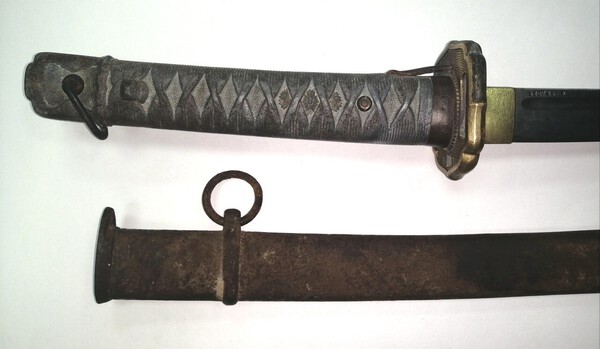
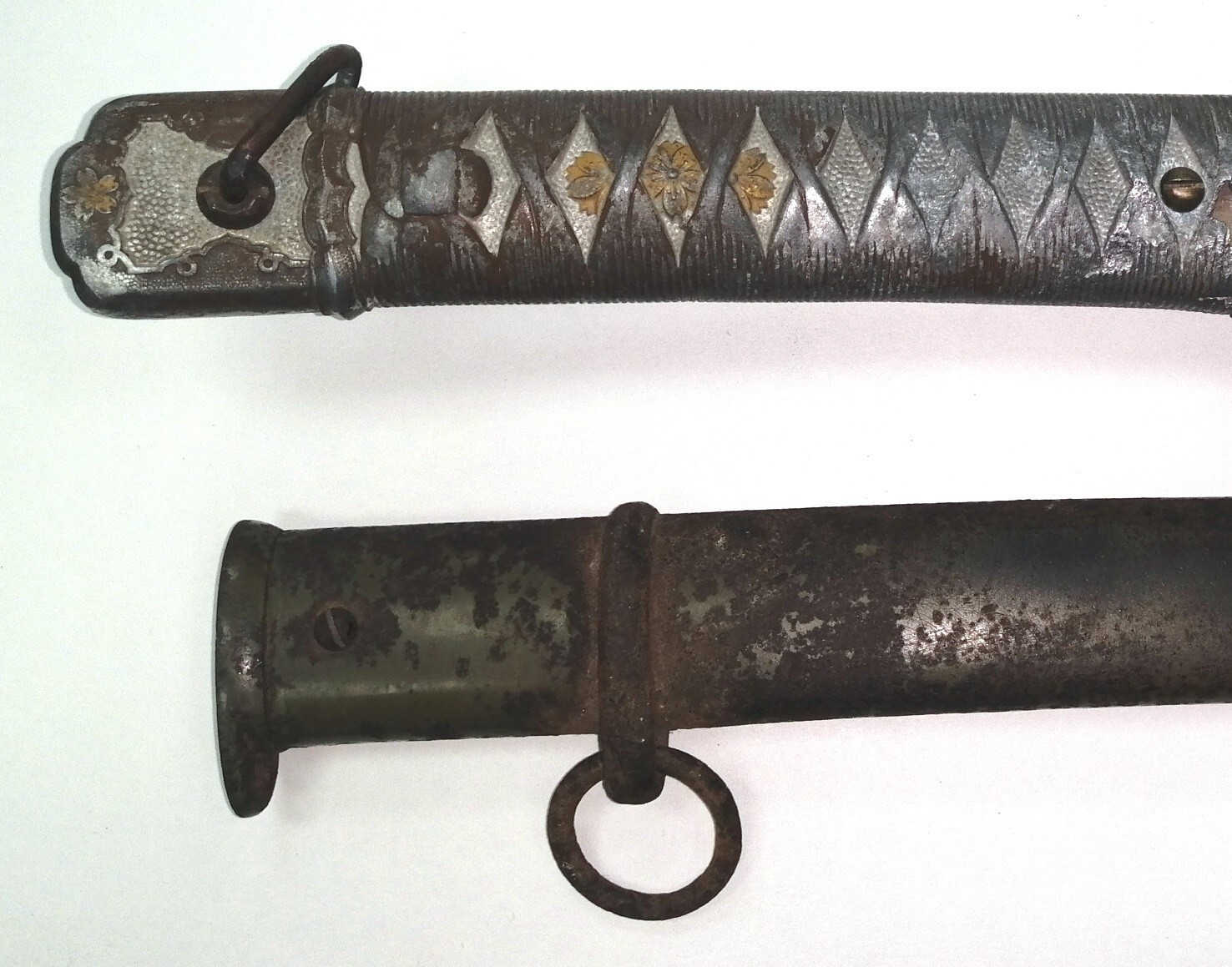
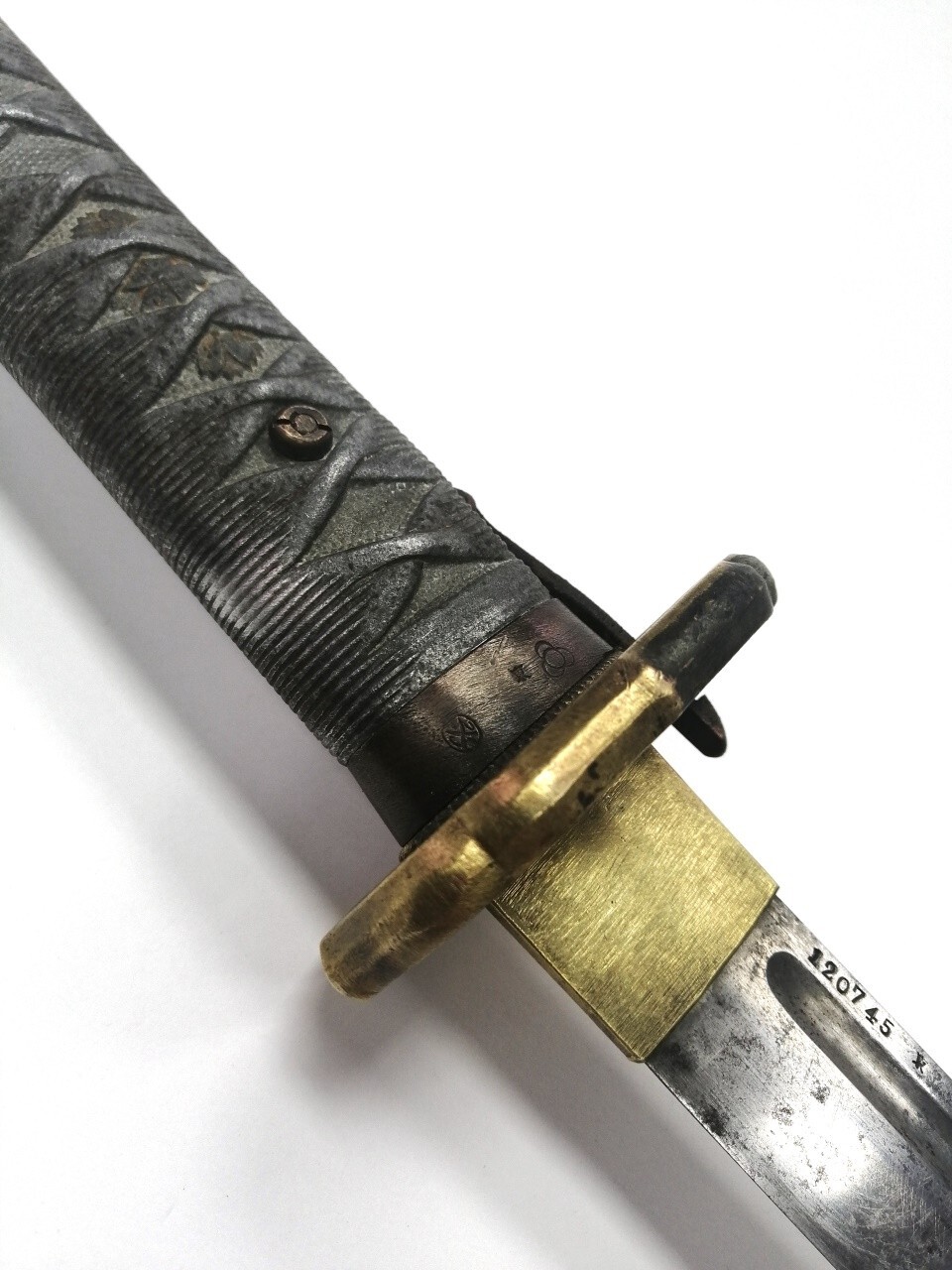
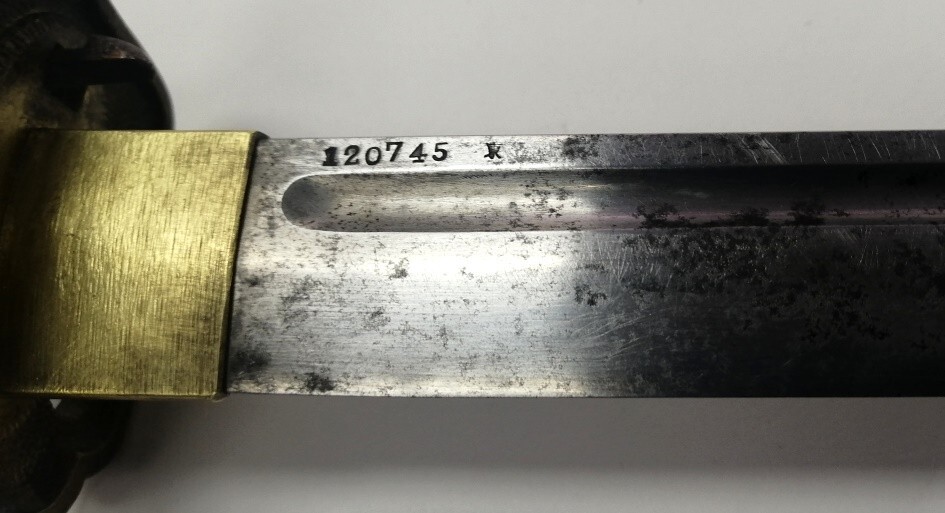
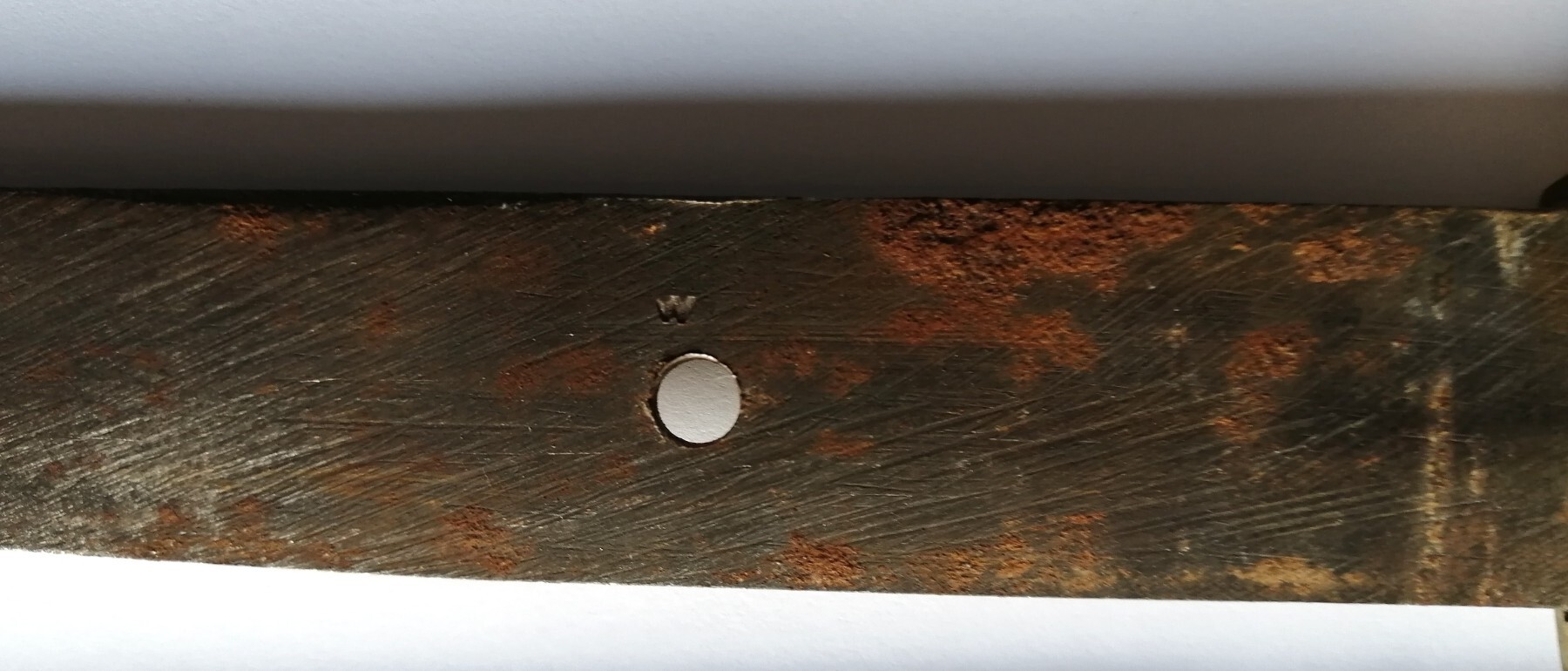
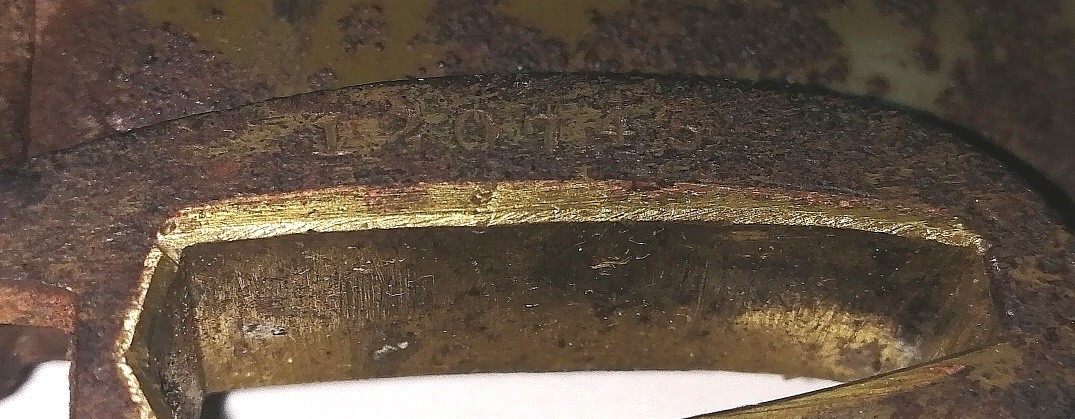
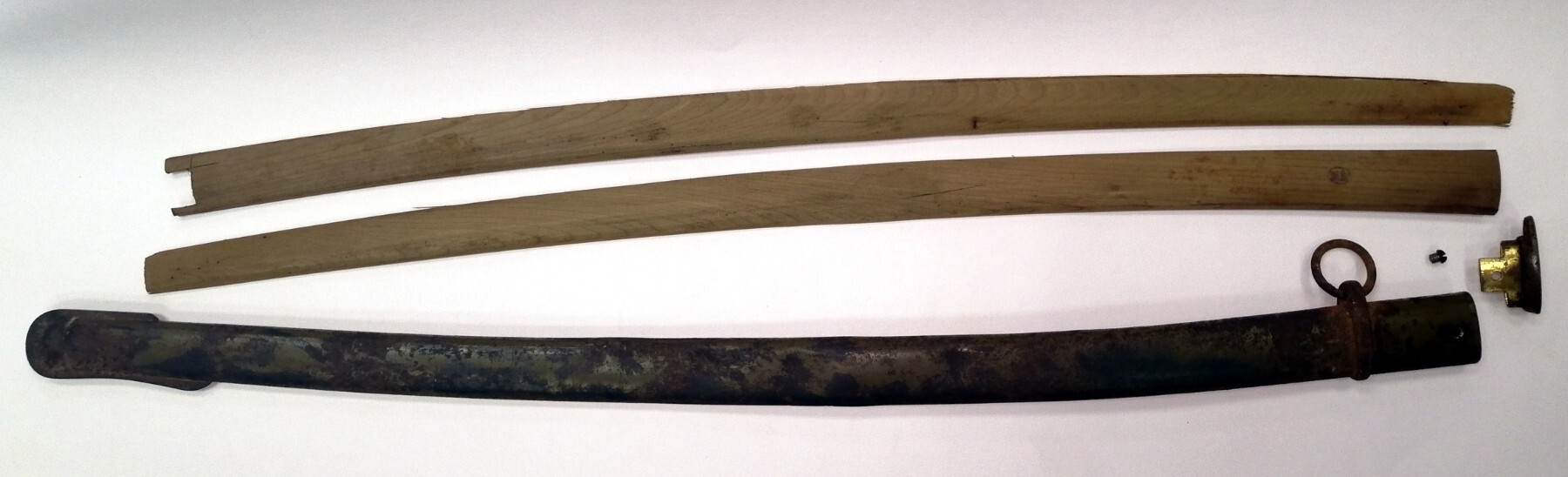
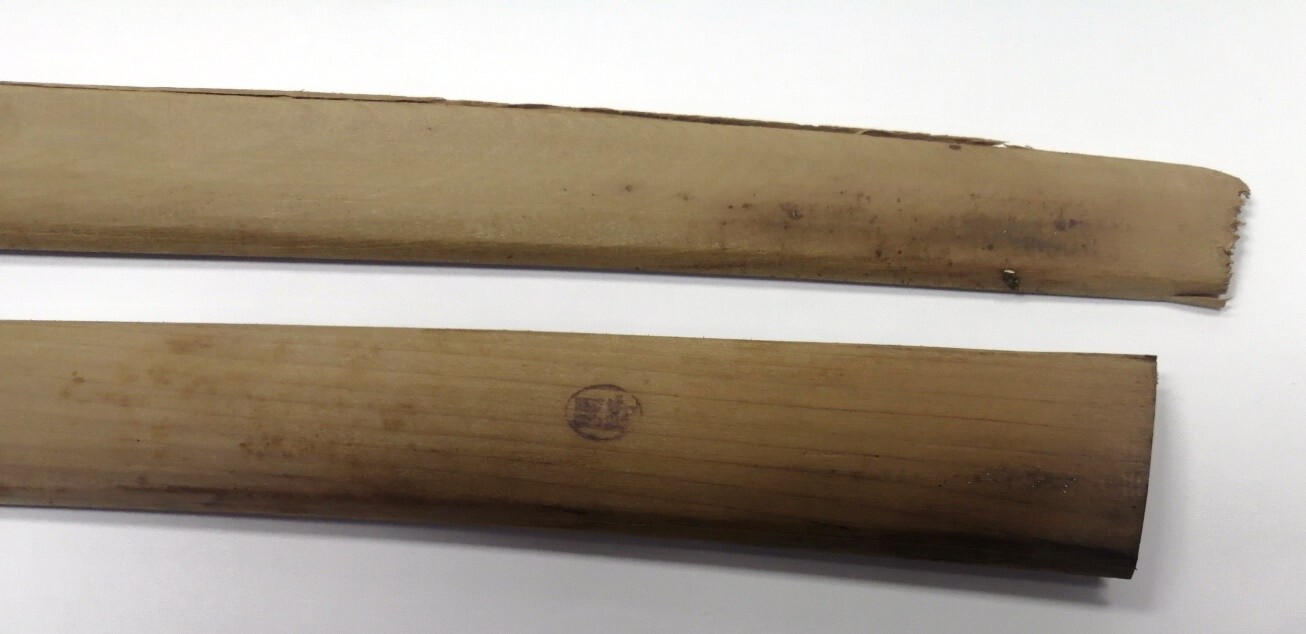
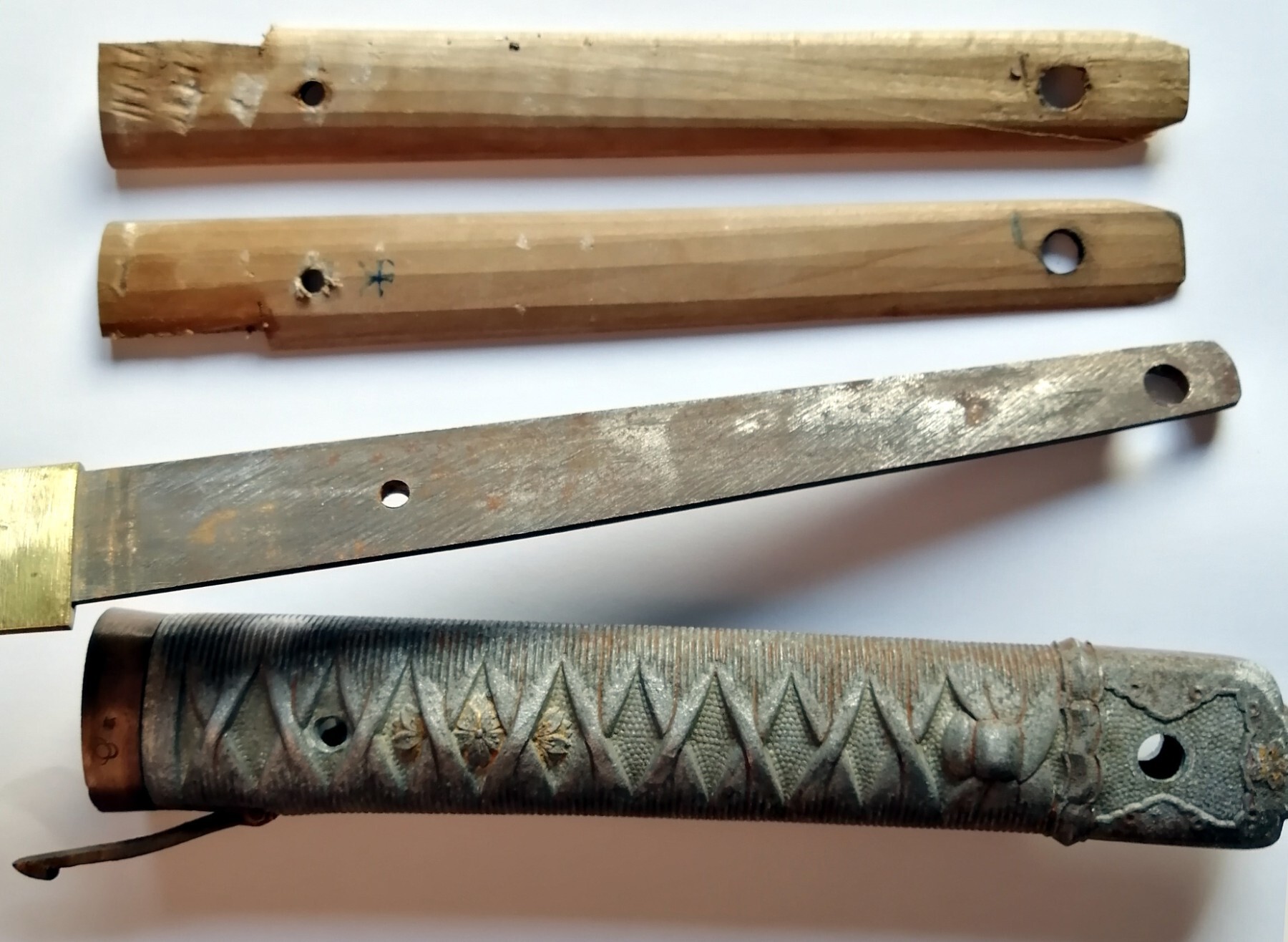
Hello everyone. This sword was found under the floor in an abandoned house. I think the number is useful for information.


.thumb.jpg.ffe44380ce9bc718e0e442db4fc2e6b9.jpg)

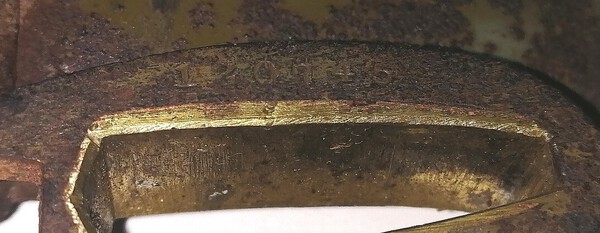


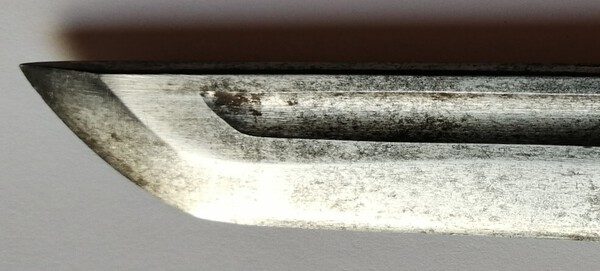 1 point
 -
This Kanji should be 國泰 instead of 國奏1 point
-
Keith, Yes, usually this base coat would be raw lacquer without pigment that dries to a very dark brown colour. On armour this would be followed by a layer of hemp cloth, again glued on with raw lacquer. Then you get sealing coats and fillers and finally black colour coats. If a colour finish is wanted, such as red or gold, they are put onto black undercoats because they enhance the colour effect. One very pleasing effect is done in Kyoto I think which involves rubbing through the red coats to reveal patches of black. I've seen bows done in this way as well as scabbards. Ian1 point
-
I wonder if the heat is not transmitted only to the small surfaces that have to receive the laquer, thru the mean of an hot enough piece of metal, and then the first coat is applied in quite a rough way. Refining the bords of the basic coat should allow to apply the following ones on a stable and defined surface...1 point
-
Here is a slightly different take. Lacquer is an aqueous medium and hence will not readily adhere to steel which is hydrophobic. When armour is being lacquered the plates have to be heated to a temperature above 100 C. so that it sizzles when applied. This effectively bakes the first bonding coat onto the metal. Presumably the same had to be the case with sword and yari blades. I can imagine many would hesitate waving a blade over a charcoal fire to get it hot enough. Ian Bottomley1 point
-
I saw this restored yari on another forum and wondered if lacquering was perhaps originally done as a shortcut to finishing the blade, thinking that a coat of lacquer would be a lot quicker to apply than finish polishing the hi and/or kerakubi. With your above comment, I guess not. As a polisher, do you think it is quicker to lacquer than polish, regardless of cost? Depends on what it is - every blade is different, lacquer work does take time as does polishing a carving. There are no solid answers for that question. Louis1 point
-
Hi Guys, when I polished this a few years ago I had restored it to the original fashion as you can see here: http://www.japaneseswordcollector.com/nao/nao1.html There were no openings in the hi or on the neck. I've polished many blades that have had lacquered grooves and quite a few had no openings or flaws under the lacquer, some others have had some problem areas but nothing that isn't seen on non lacquered grooves. Between the fashion at the time, the smiths tastes and preferences, the customers request, and maybe the "used car salesman" tactics of the sword dealer, there are many reasons but in the end it boils down to taste whether one likes lacquer or not. It should be noted that to prepare the groove and then lacquer it would be about the same as polishing it completely cost wise, so unless there was something to cover up no cost would be saved by lacquering in my opinion. Regards, Louis1 point
-
Hi Piers. Indeed it's new, but th restoration followed the original situation of the blade, lacquer re-applied after polishing. Don't know what is idden or not...1 point
-
This one has red laquer on the Kerakubi too...
 1 point
 -
I saw a red groove and I want to paint it blaack Guys, I could almost write a song with this1 point
-
oi mate! 'ats a boomerang!0 points







.thumb.jpg.bc10b59027a00aa142dce0349f3ba9e0.jpg)



.jpg.8c8db10d7f0e88246209349d277e9508.jpg)






This leaderboard is set to Johannesburg/GMT+02:00