
Leaderboard




Popular Content
Showing content with the highest reputation on 02/27/2026 in all areas
-
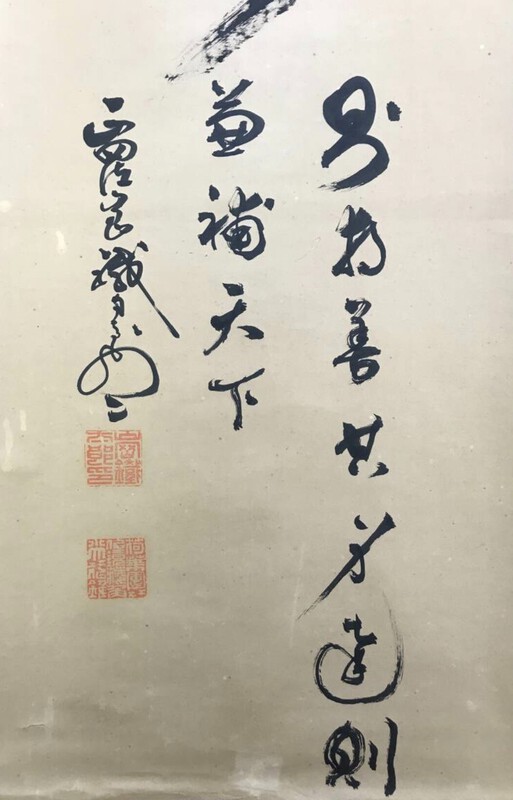
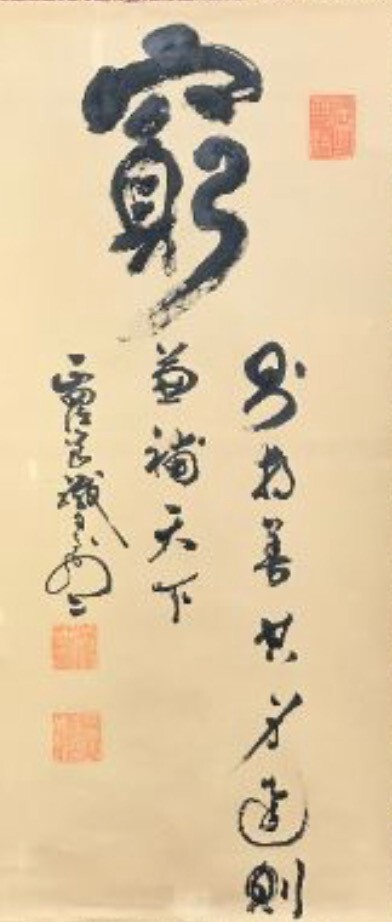
窮則独善其身達則兼濟天下 Something like: In times of plenty, the virtuous man strives to help others. In times of need, the virtuous man strives to help/improve himself.7 points
-
Here it is......

 6 points
 -
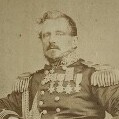
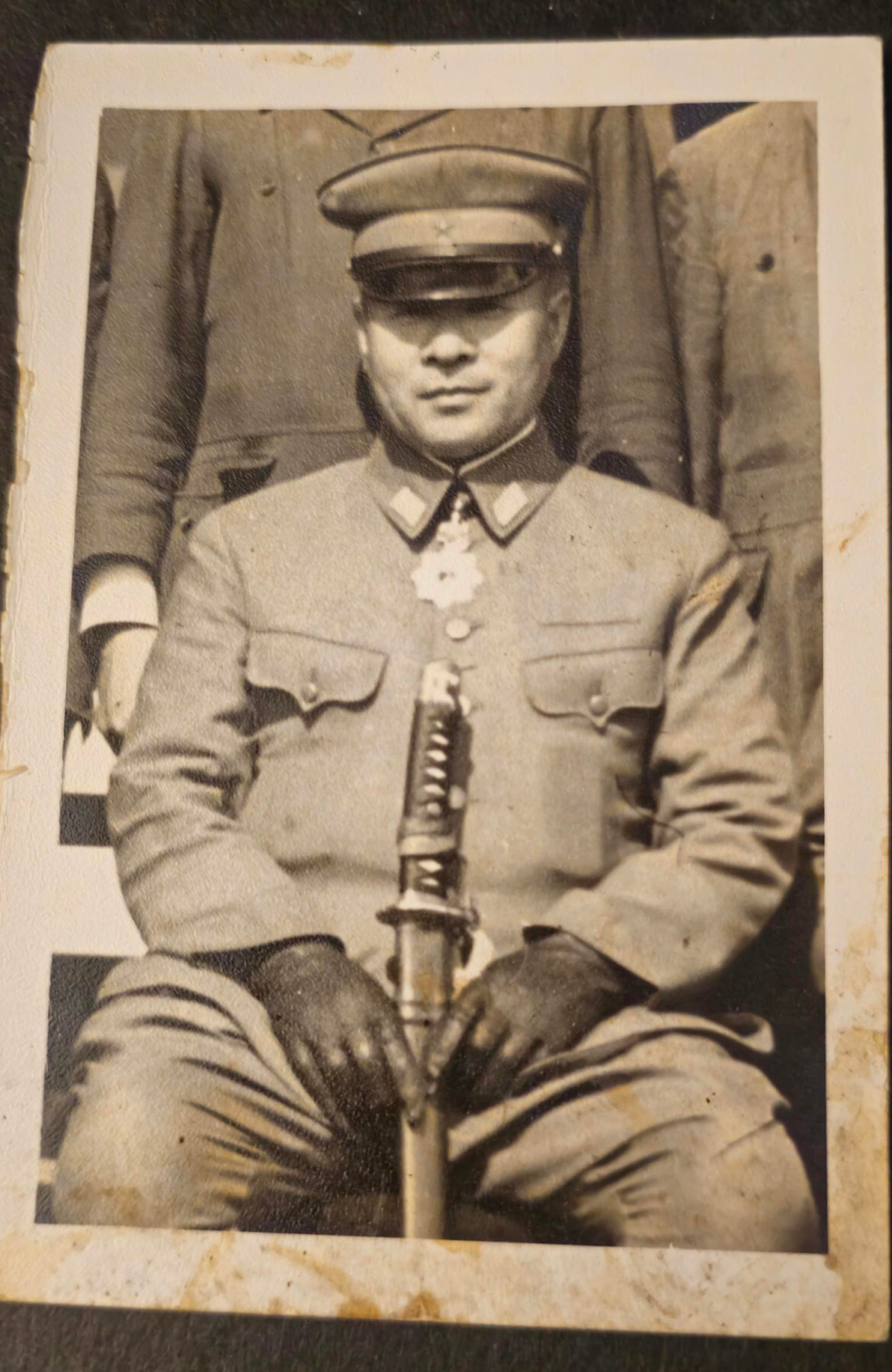
Original photos of unidentified General officers:
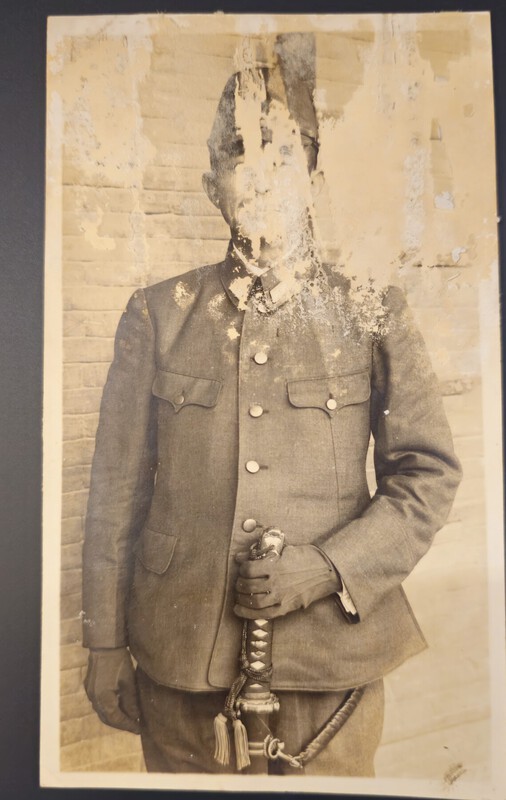

 5 points
 -
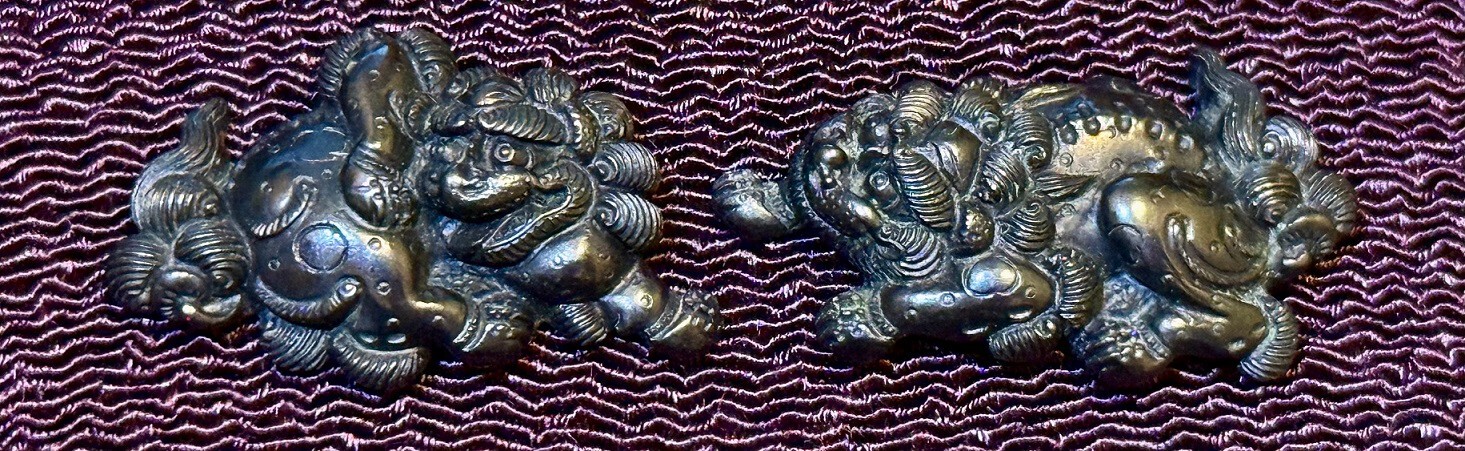
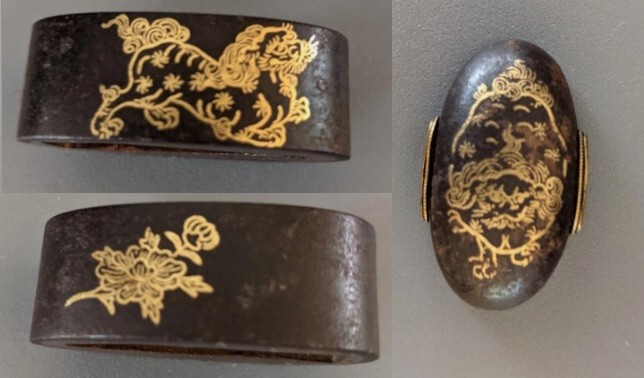
This thread unearthed a lot of interesting examples. There are no Goto ones so far. I only have one Shi-shi and it is by Goto Kenjo. My particular shi-shi seems to have the Zoomies.... Dog people will know what I mean.
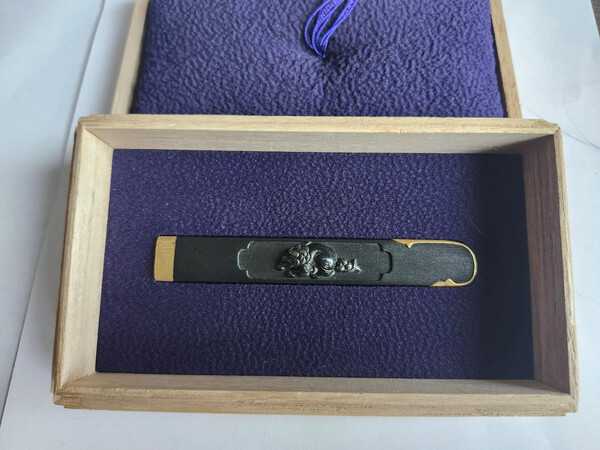
 5 points
 -
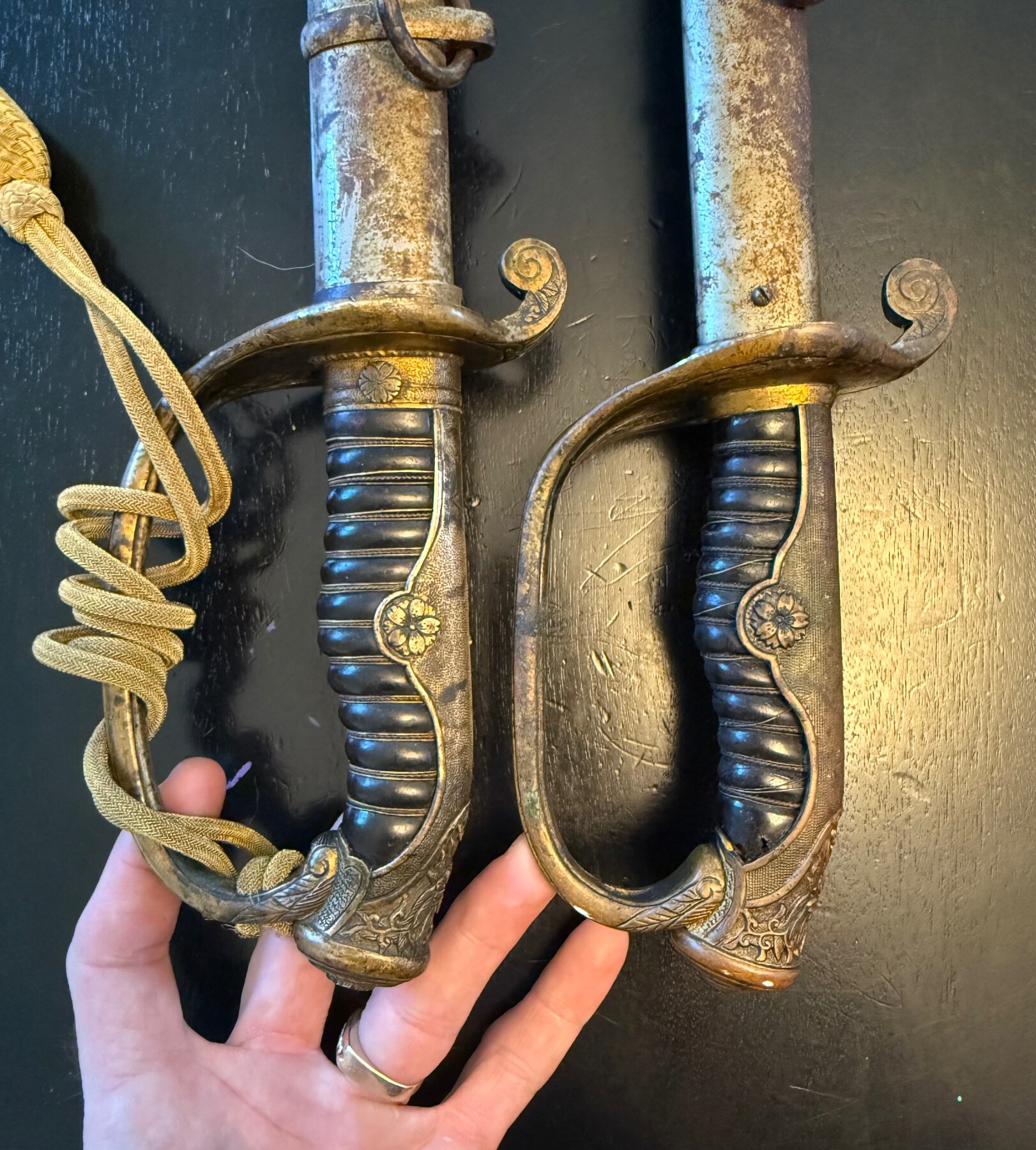
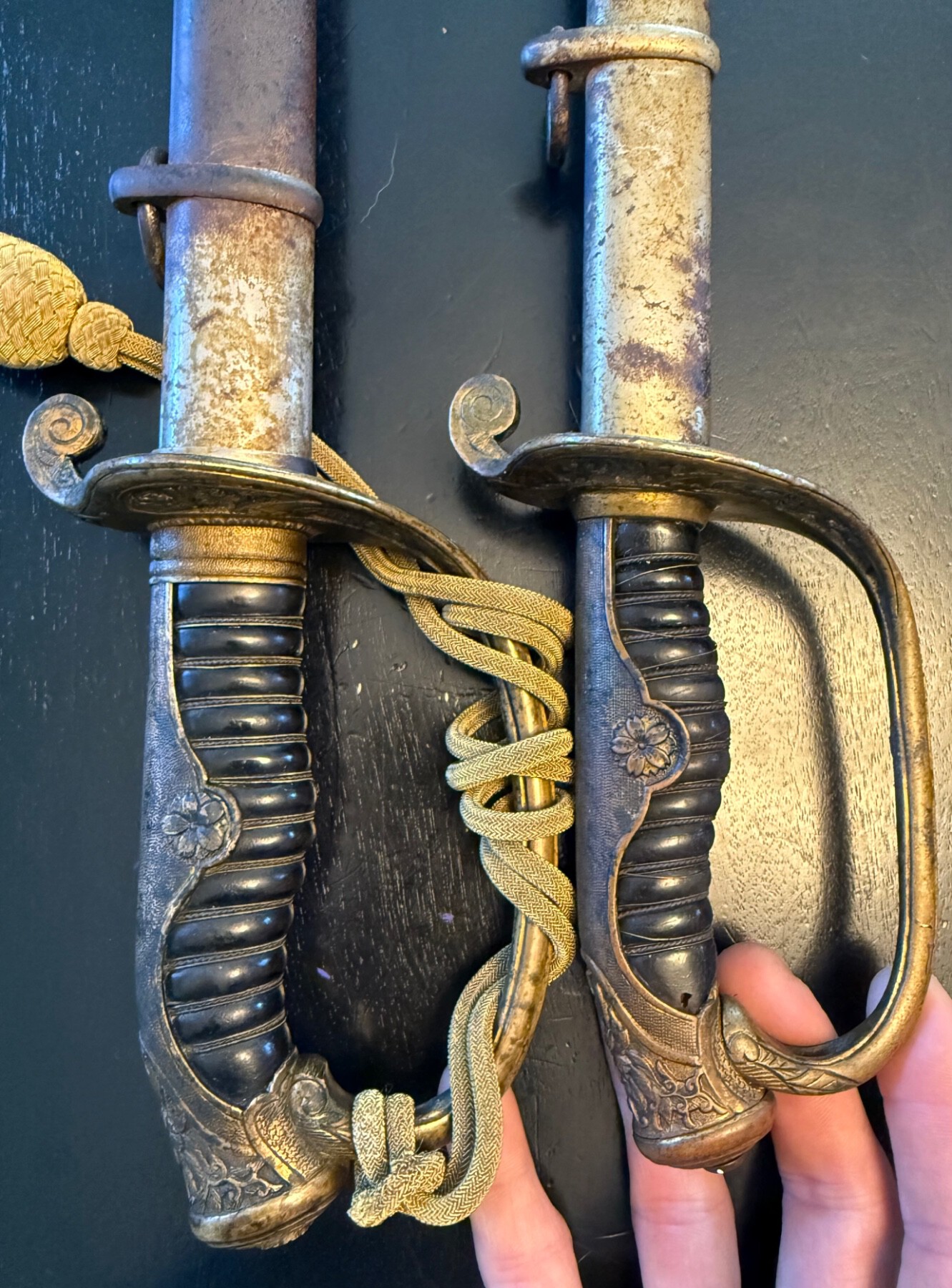
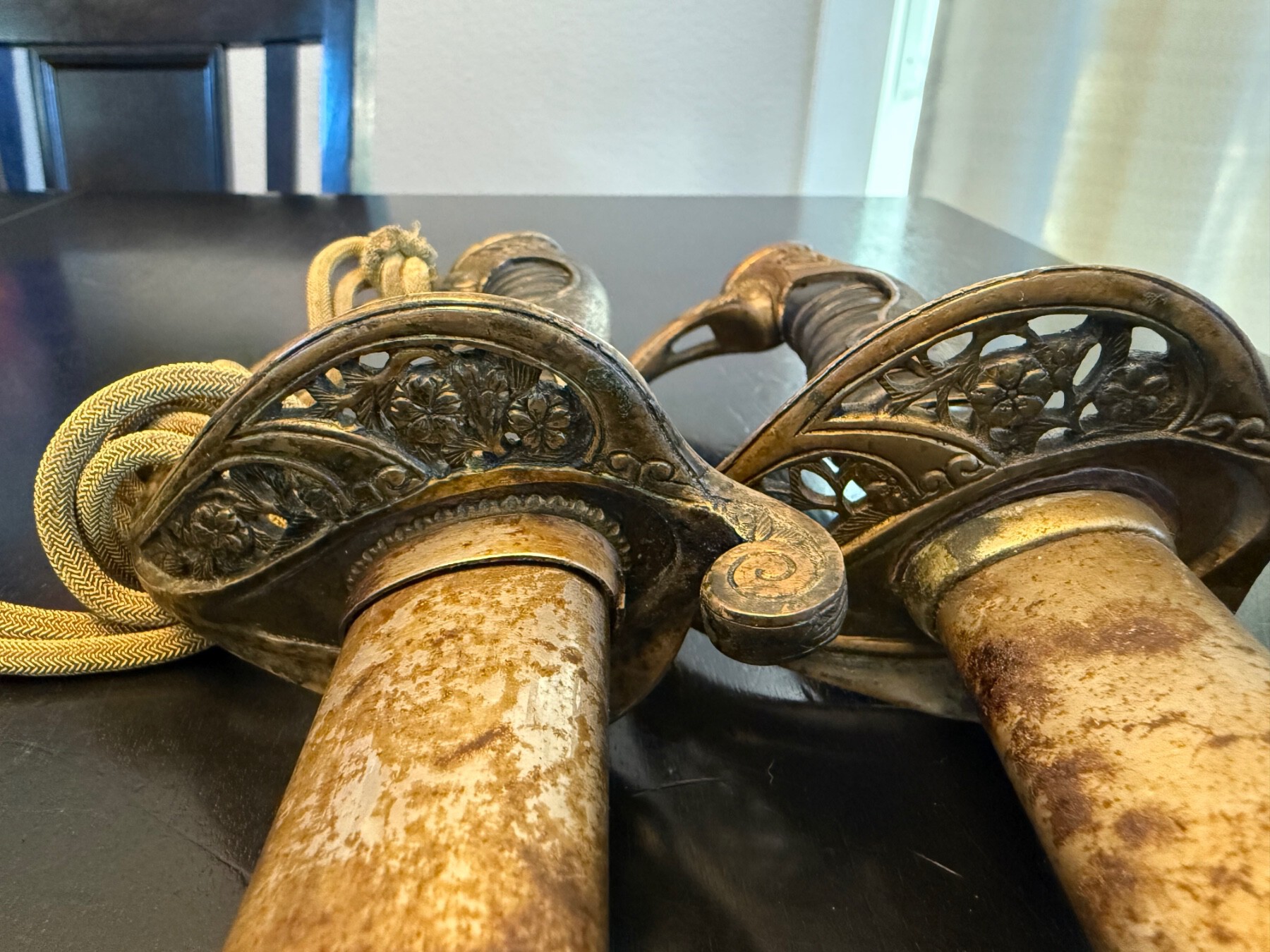
find the difference
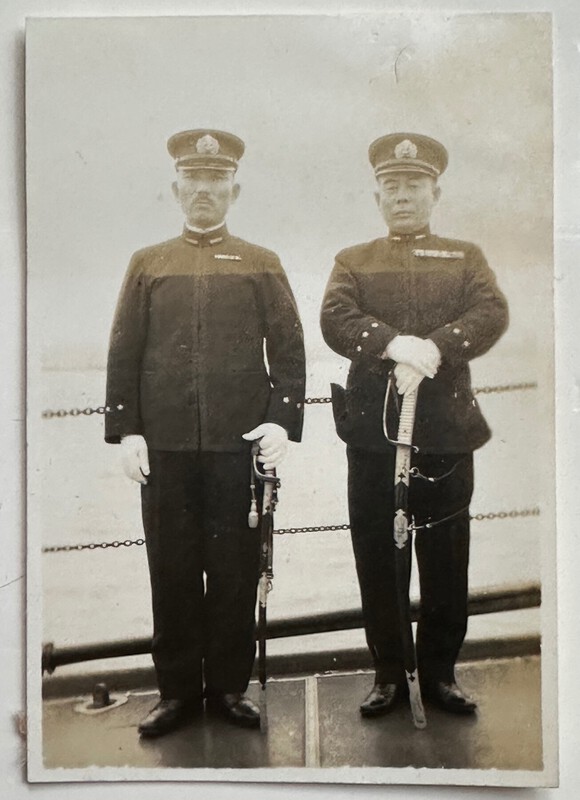 3 points
 -
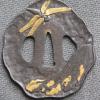
small update for those interested, I finally received my tsuba and I am absolutely in awe about the craftmanship. The pictures don't do it justice at all. It has easily become my favourite tsuba, so thank you all again for your help! Also, I just found this very similar example - apparently papered to be mito school? However I like mine a lot more... (and I did not need to pay 550.000 Yen )

 3 points
 -
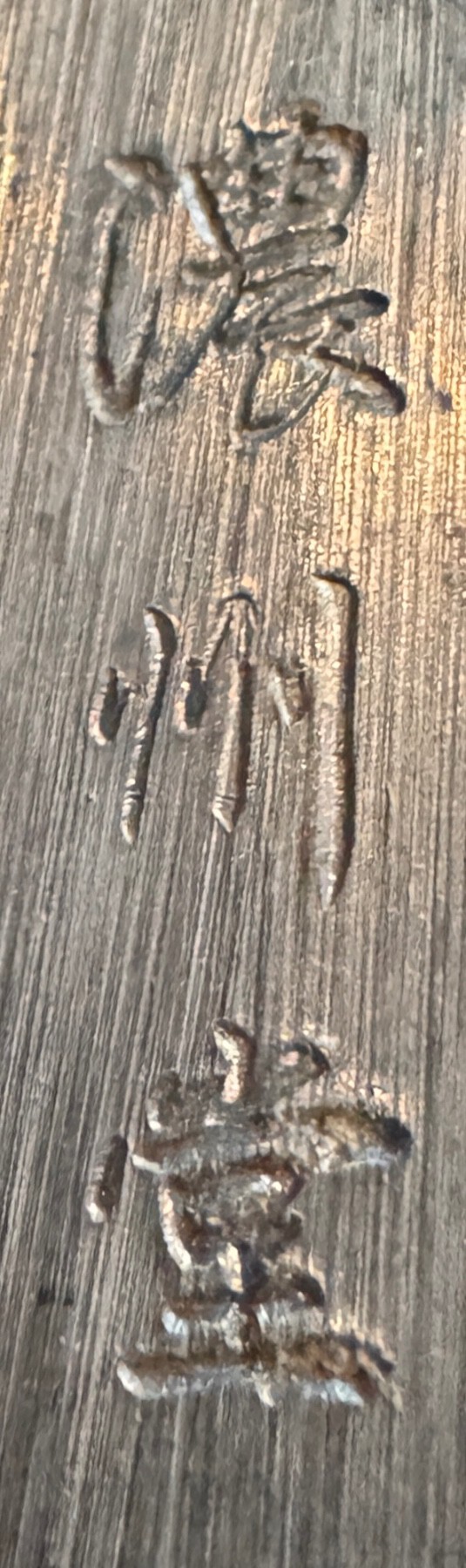
Nosyudo, 濃州堂 One of the highest quality iaito manufacturers in Japan, they are based in Seki (Gifu Prefecture) and much-loved by Westerners. https://nosyudo.jp/ Their English catalog: https://nosyudo.jp/catalogs/EnglishCatalog2025.pdf3 points
-
Thanks everybody for the reply and the feedback. Especially for the eirakudo listing. I was sceptical on the information given, I´m not able to read or translate the nbthk paper nor the sayagaki myself, but i asked several AI to do so, and it seems to not match what they described in the listing. And @atm @Rivkin pointed out correctly, is very misleading and not strenghtening the trust in buying this. Aoi on the other hand offered sayagaki from Mr. Tanobe sensei at a little extra cost, and they seemed more honest with the information given. I thought this would make that blade a little more interesting. They said their attribution to fuyuhiro (1st gen) is from their experience and not from the nbthk paper when i asked, and they trust that Mr Tanobe sensei would agree with their estimate. As for budget, i was looking at blades between 0 and 1600000 yen. So there will be something left for import taxes, shipping and vat. which adds up quickly. Wish would be early edo period and below (muromachi, nanbokucho..). This probably already limits the amount of nihonto available, even more so if you look at my "wishlist" of specs. If it came with a nice shirasaya and a well made sayagaki i´d be very happy. I´m aware that there are modern smiths too which make very nice blades, sometimes with soshu influence. Those would be the nicest probably because of their overall condition and less polishing and scratches and such over the decades. Still i like having a piece with history in hand, just to imagine what it might have seen over the hundreds of years it was appreciated by other individuals. Anyway, in november last year i was in Japan for the first time, so i went to every place that had swords on display that i could find. Saw a lot of nice blades, held none made tons of pictures and videos, but quickly realized that the blades who i would desire most, are likely out of budget. I found out that my taste in anything quickly turns up with the more expensive items... I´ve been collecting knives for years and oh you can get very pricey with them as well depending on materials and craftsmenship and so on. Until now, i have a tanto without papers from aoi, and a yari (also no papers) from touken komachi which is in the process of getting a koshirae made. I´m trying to get familiar with all the terms of nihonto through reading: The connoisseur´s book of Japanese swords and so on. https://archive.org/details/connoisseursbook0000naga/page/n11/mode/1up Anyway, just by looking at blades i quickly realized that i like: Kissaki: chu-kissaki and better o-kissaki Jihada: mokume-hada or itame-hada Hamon: Hitatsura, Midare, choji and variations of those Lenght: 66cm plus (just a personal preference) I guess i´m looking at the usual suspects online. I´ve also checked in with unique japans mailing list, but missed 3 blades already, because the seem to sell within hours or even minutes after release, or are simply out of budget. Probably because of my limited budget and desired specs, nihonto like that don´t show up that often online, and if they do they sell quickly. Hence i started looking at other nihonto that tick some boxes and are as close to what i desire as they get. Thanks again for reading and your education.3 points
-
This sort of obfuscation is surprisingly common on Japanese dealer websites, more so than the English dealers who usually try to educate the buyer (eBay/auction sellers excepted, obviously). They'll put some verbiage about the most famous/sought after smith in the line that the blade belongs to, and leave it to the buyer to realize that the stated era the blade is from doesn't match said smith (or to read the attached papers and note the specified era or generation).3 points
-
Patrice, It's far too early to tell. In the Netherlands you have access to some real expertise. Go slowly, clean nothing apart from a light coating of sewing machine oil on the blade. About the peg/mekugi, support the sword horizontally such that the handle is particularly firmly supported. With a pin punch or similar round tool slightly smaller than the peg, use a hammer to gently hit the peg. Gently is the keyword and do this from each side in turn watching for movement. One side will be the correct, ever-so slightly smaller original side to tap from, but it may be difficult to tell. Keep working gently and the peg may slowly move. A good indicator is that the habaki (the 'collar' next to the guard /tsuba) is a blue/black colour indicating it is shakudo, or a shakudo foil cover. Others will pop in with more advice, I'm sure. Read the extensive Board articles on care before doing too much. Knowledge is your best ally here. Regards, BaZZa, aka Barry Thomas.3 points
-
Welcome to NMB, @Harlekin2xs. If you like Soshu blades, I'm not sure that I'd be focused on the two you've identified. The Kaneuji is not the same as Shizu Kaneuji of Soshu den (Eirakudo's description is a bit confusing on that point) and its hamon looks very one-dimensional to me. Good quality Soshu has a three-dimensional hamon with lots of activity inside the hamon. What is your budget? Knowing that might help us point you toward blades that better fit your collecting interest. If you are new to this hobby, many advise to take your time before purchasing a sword. That's because many (myself included) have regretted our first sword purchase as we gained knowledge. Taking time to study swords, especially in person, and increasing your knowledge of swords is invaluable to making smart collecting decisions and finding what truly appeals to you. There are lots of swords out there, so you have plenty of time to find the right first purchase.3 points
-
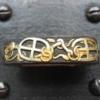
It is rare and interesting to me to see the menuki signed on the front like that. Cool exception to the rule.3 points
-
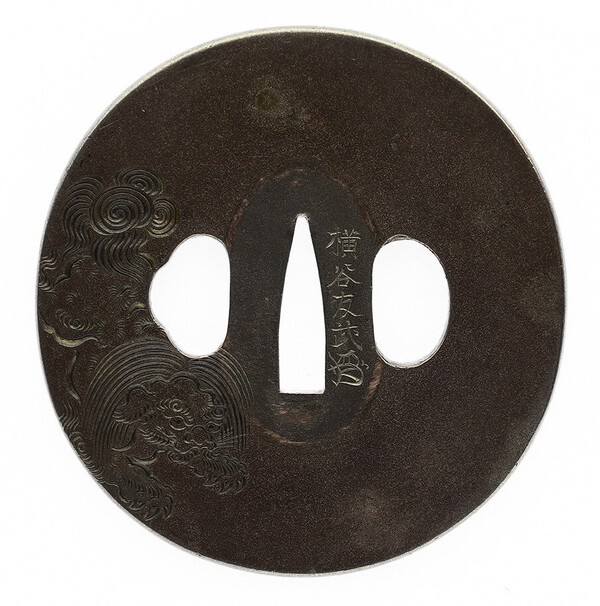
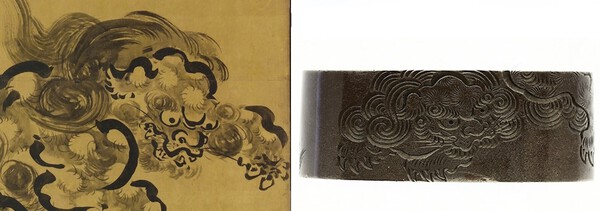
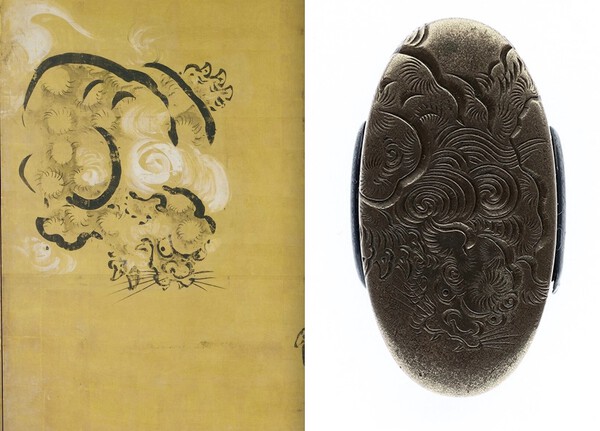
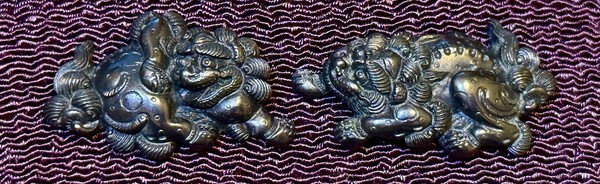
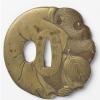
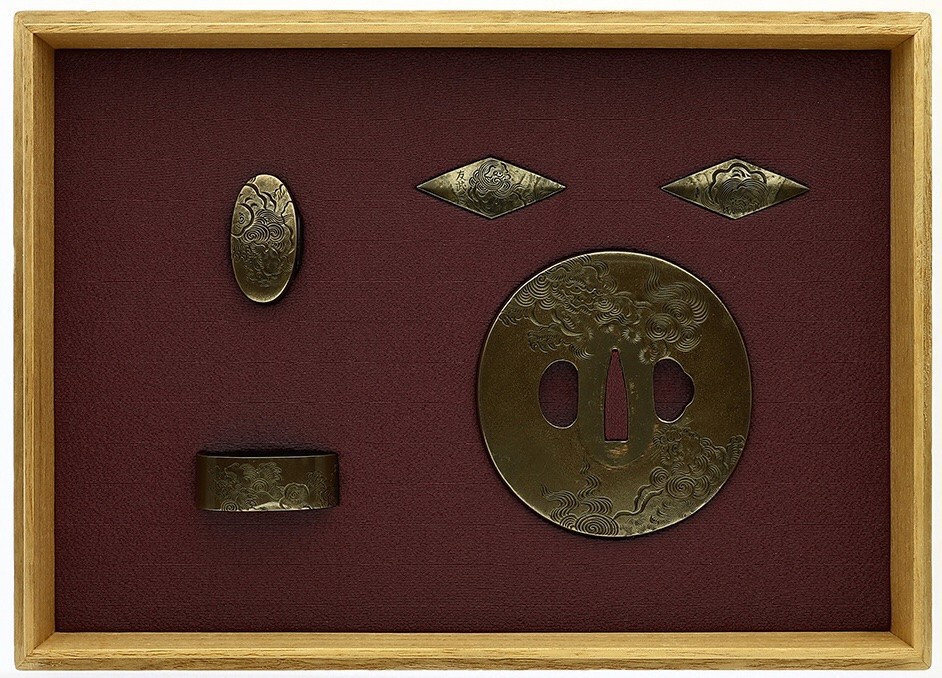
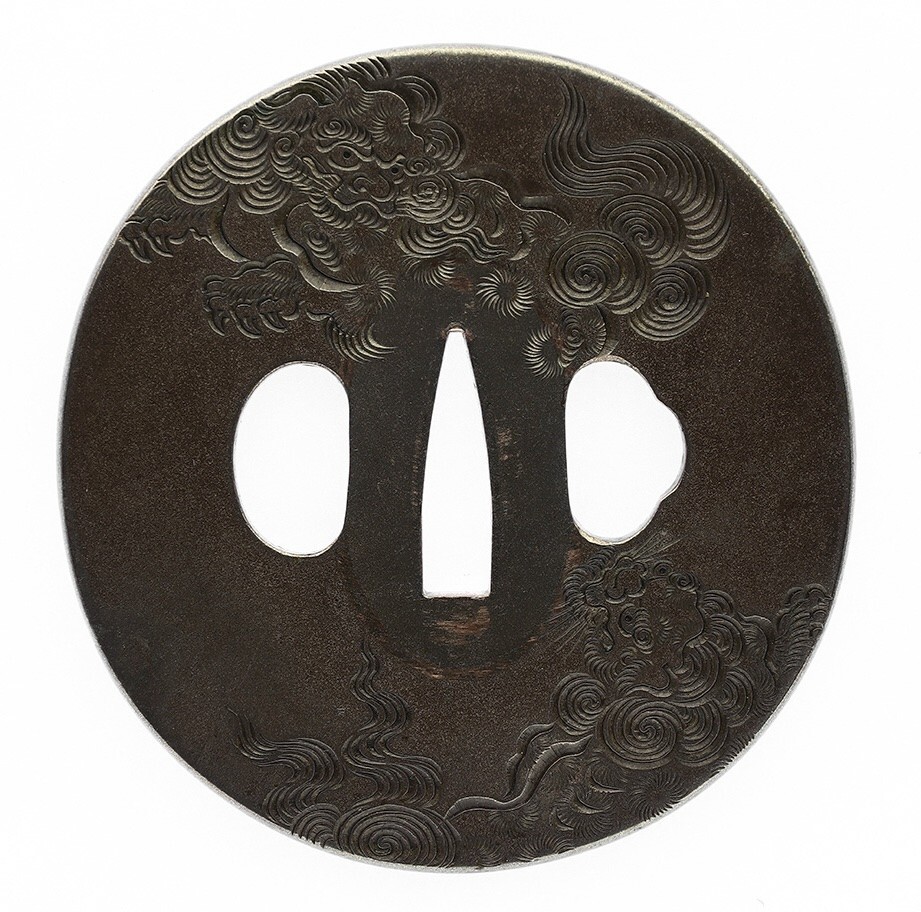
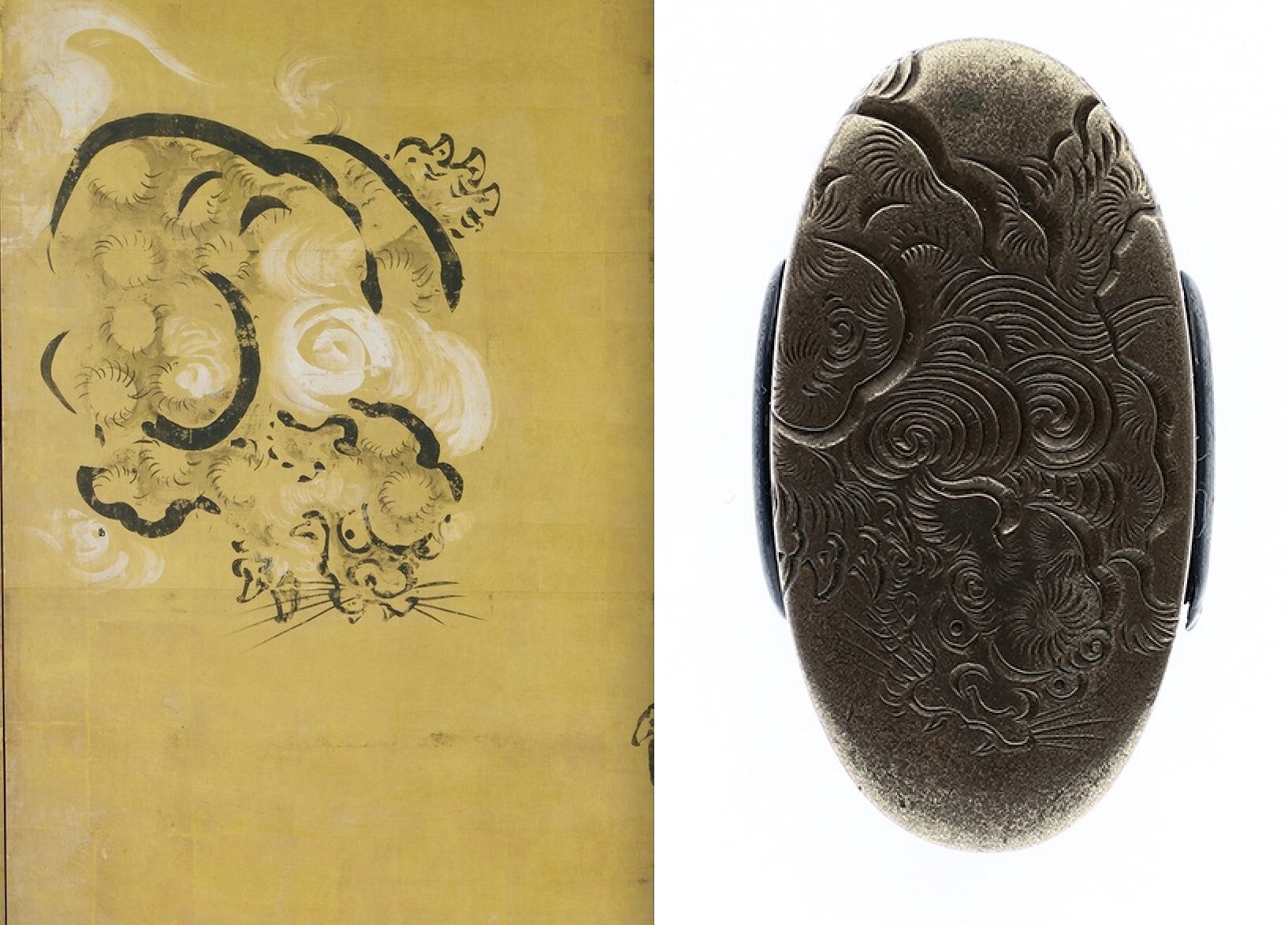
I would like to share a lovelyset of tosogu by Yokoya Tomotake featuring Shishi play fighting. It’s a great example of katakiribori workmanship, which is done to a high level. One intriguing thing I have noticed while studying the set is that the carvings of the Chinese Lions resemble the paintings from a pair of screens by Hanabusa Itcho, which is in The Met collection, I’ve attached some comparison photos. I have read that Hanabusa Itcho was a close friend of Somin Yokotani. I wonder if the screens were used by Yokoya Tomotake when composing this set of tosogu.

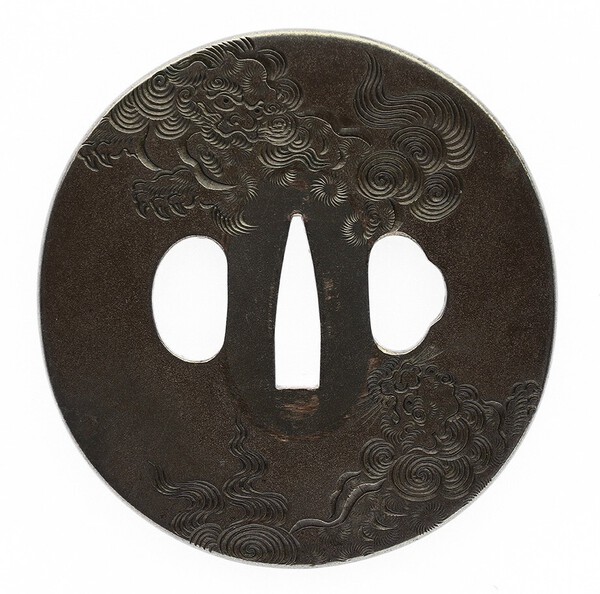




 3 points
 -
Not sure if this has been posted, but I just visited the Juyo Token exhibition in Tokyo today and there were some amazing blades. Here is the list they are showing: https://www.touken.or.jp/Portals/0/pdf/english/(英語))第71回重要刀剣等新指定展目録.pdf They had a Hizen blade done in a killer hitatsura temper that was over 94cm nagasa! Absolutely stunning....but my favorite was probably the Yasumitsu. There was also an Awataguchi Kuniyoshi that belongs to Nicholas Benson that is being submitted to TokuJu, even thought its listed under Robert Benson. Also Awatguchi Hisakuni. Amazing to see 36 Juyo from all different smiths for future reference.2 points
-
Hi Janne, Great feedback. I implemented the report feature, which also lets user ask for new features, report item data bugs, or artisan data bugs, or general bugs. Top navigation bar: Item card: Artist/School page: And good idea on the dimension filtering. I added it for Nagasa, this is the easiest. Weight, I'm afraid is not documented consistently, more than 90% missing data. Motohaba and sakihaba I would say are of marginal utility. Note that there are some data errors on some items, as is to be expected. Best, Hoshi



 2 points
 -
I visited two days ago and was surprised to see that some blades and fittings which would barely have qualified for Tokuho 5-6 years ago were able to pass Juyo. Of course, there were some great pieces as well.2 points
-
We don't have any rule against discussing prices I would guess this would sell for around $700 to $800 here, maybe a bit more on eBay, but you lose on fees. That's just a wild guess.2 points
-
Wow That was fast Thank you2 points
-
For 1.6M yen you'll have plenty of good options for a first sword matching that list, even if you just limit yourself to koto Soshu. Take as much time as you need to better understand the market and your own preferences, and don't be afraid to post in the WTB forum here as well; there are many members who have, or have access to, blades that might interest you within those parameters and budget.2 points
-
Hi, before you buy online, i would advise to visit the Japan Art Fair (https://www.japanartfair.com) . There are a lot of Dealers from around the world and you can have a look on the blades in real. Regards Oli2 points
-
I have been looking at this appealing work by Yamaoka Tesshu, whose calligraphy is consistent, but highly idiosyncratic. The large "One Word Barrier" is "窮 (poverty/poor)", rendered in an almost pictographic form that is rare for Yamaoka, but I cannot make out the rest of the inscription. There is some water damage, but I've never seen such an inscription done by this otherwise prolific artist who often produced many versions of the same theme. Thanks.
 2 points
 -
Thanks so much, Steve. You are absolutely spot on. Turns out that "When poor, one should cultivate one's own virtue; when successful, one should benefit all under heaven," comes from Mencius, Book 7, Part 1, Chapter 9, which reads: "Therefore, a scholar does not lose righteousness in poverty, nor does he stray from the Way in success. When poor, he does not lose righteousness; therefore, a scholar holds possession of himself. Those who achieve success do not stray from the Way, therefore the people are not disappointed. In ancient times, those who were successful brought benefits to the people; those who were unsuccessful cultivated themselves and made their virtues known to the world. When poor, one should cultivate one's own virtue; when successful, one should benefit all under heaven." Yamaoka would have studied Confucian thought, as did all well-educated samurai.2 points
-
My Japanese skills are meager, but both postings are great examples of obfuscation. Eirakudo sword is papered to Seki Kaneuji. Very indirect relation to Nambokucho Kaneuji, who dominates the description. Late Muromachi work, its ok but a bit bland and ambitious. Fuyuhiro - nowhere it says this is the first generation. Yes, its probably Tensho period work. Again its not real quality, but beginner friendly in terms of being easy to appreciate, showy.2 points
-
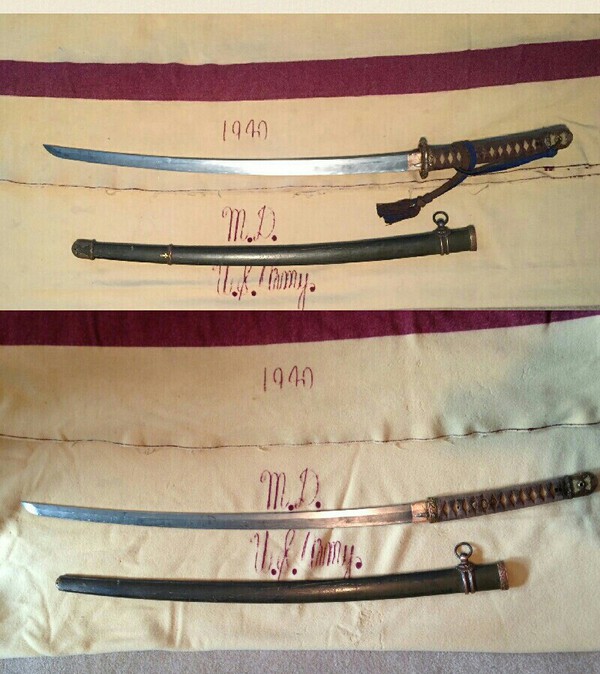
Hi Patrice, Your sword is a legit WWII Japanese officer's Type 98 sword. To those who study WWII and Japanese swords, they are all valuable and worth preservation. Monetary value can vary greatly depending upon condition of the sword, and sometimes due to the way it was made, and the smith that made it. That's one reason we are all interested in seeing the nakago (tang). As a family heirloom, and in honor of your grandfather, I think it's worth putting some time into restoring it to some degree, like having the handle (tsuka) rewrapped. Having the blade restored, via professional polish, depends on you. Many collectors like to keep a sword in the condition it came to them, calling it the "Life of the Sword." Others like to take the time and effort to return their swords to their intended beauty. I spent 2 years finding missing parts to restore my dad's sword, and even spent the $2,200 to have it polished. But that was a personal choice. Some before and after shots:
 2 points
 -
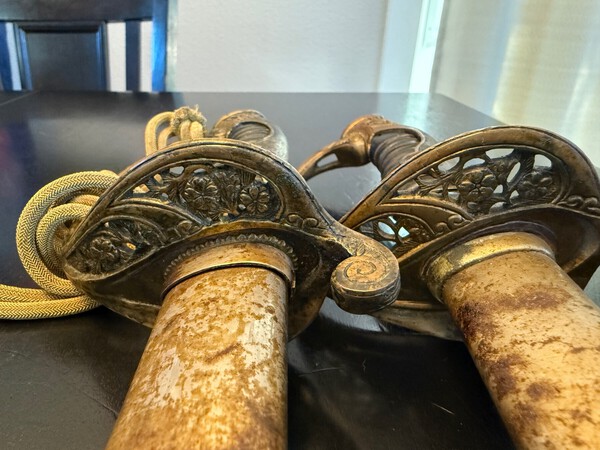
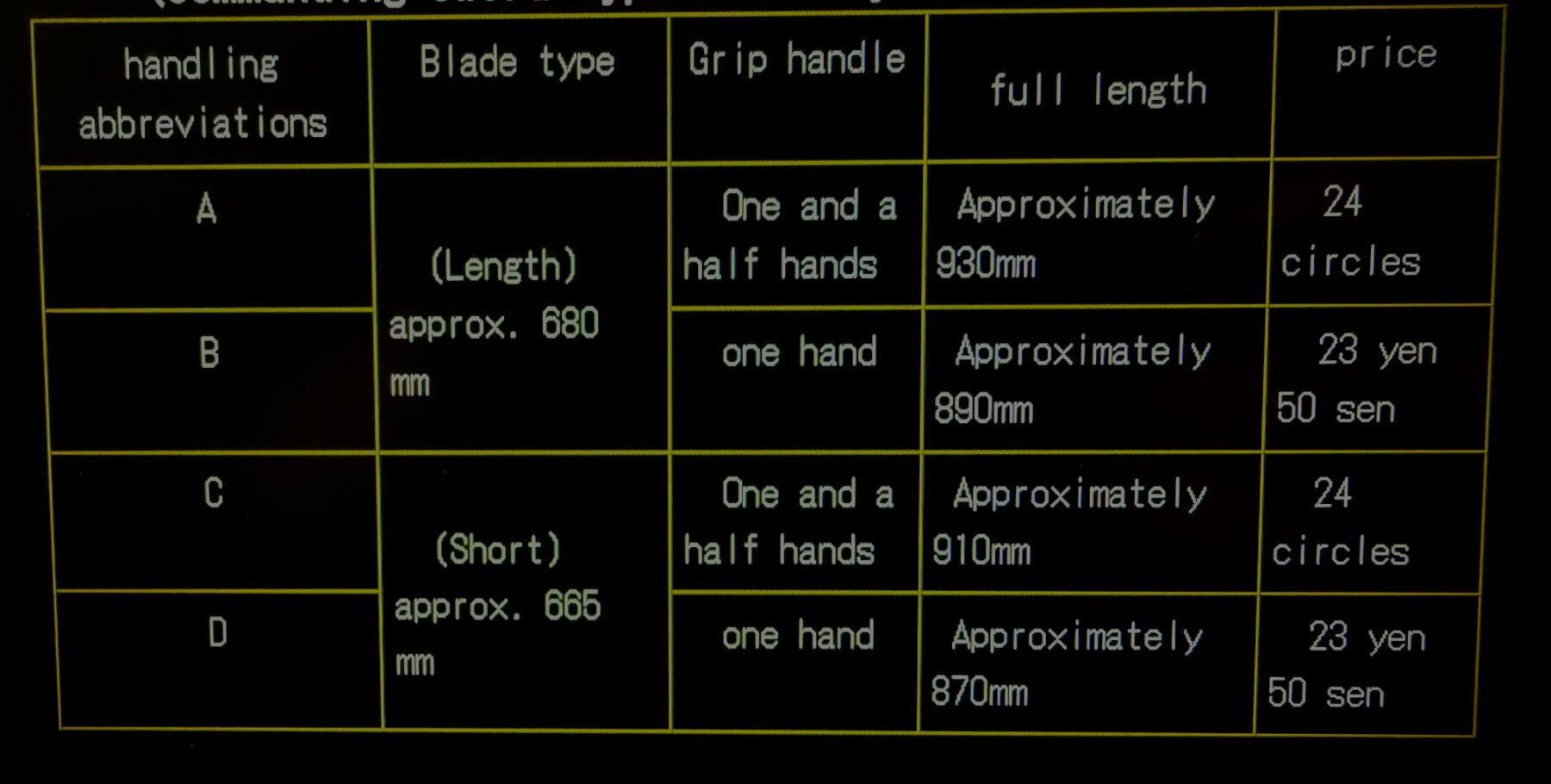
Just finished with my measurements. On Ohmura’s site, his specification table states that the measurements are approximate. Although, I feel my sword is far enough outside the specifications to say it’s probably not a combination sword? I’d be curious to hear others interpretations. I will attach the table below of the combination sword specifications. http://ohmura-study.net/210.html The measurements of my sword: Total without scabbard = 845mm Total with scabbard = 875mm Nagasa = 695mm Motokasane = 5.5mm Sakikasane = 3mm Motohaba = 22mm Sakihaba = 13.5mm Kissaki = 23mm Handle, from pommel to lip of guard = 139mm. Handle, from pommel to end of quillion?/finial? = 160mm. Side-by-side with the dress sword it was bundled with, it’s slightly shorter. The handle is slightly longer and larger. The engravings are slightly deeper and more detailed. The brass guard appears slightly more thick. I had told myself I wouldn’t get any more of these sabers after my field grade find. Funny how things change -Sam


 2 points
 -
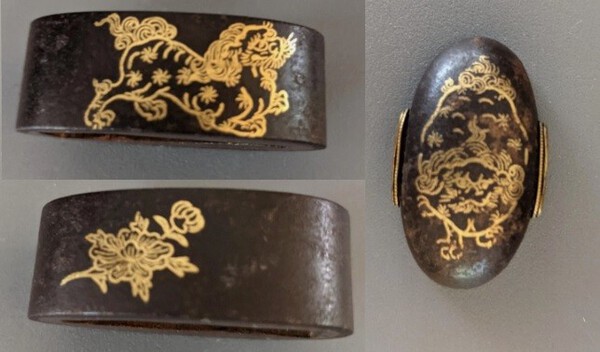
Shameless plug, I need to find a home for these beautiful beasties if anyone is interested, click to zoom...they are currently over in the 'for sale' section. Hi Bruno, great tsuba, did you see these on ebay - https://ebay.us/m/FwRBtN - looks like a nice match.
 2 points
 -
2 points
-
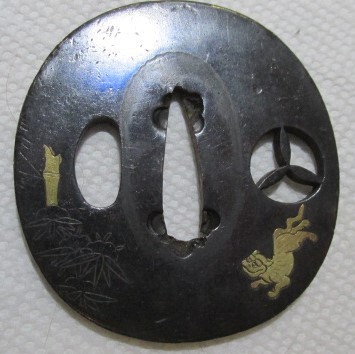
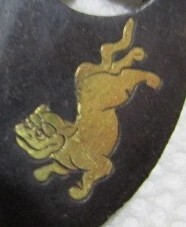
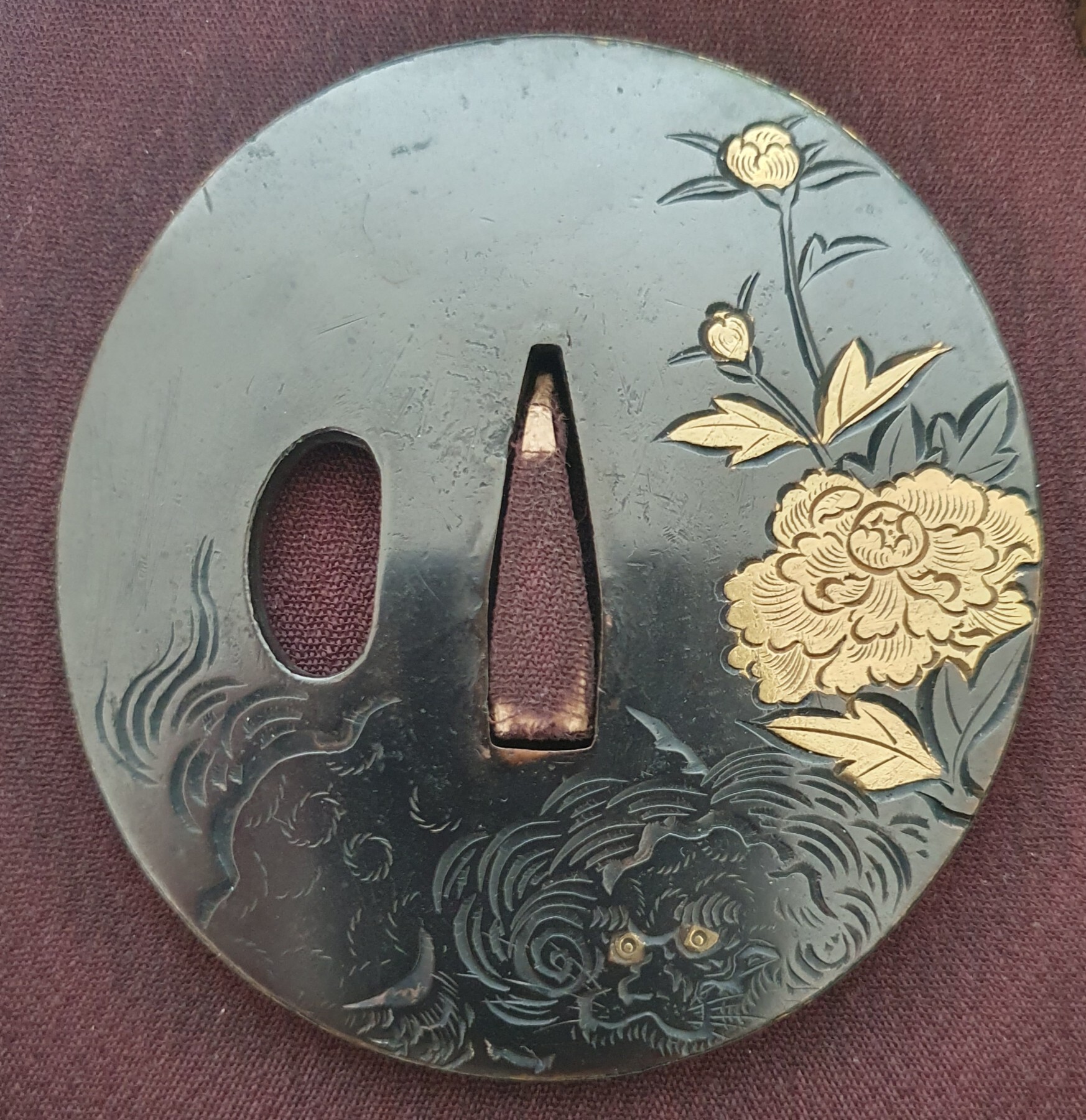
Another tsuba of mine.

 2 points
 -
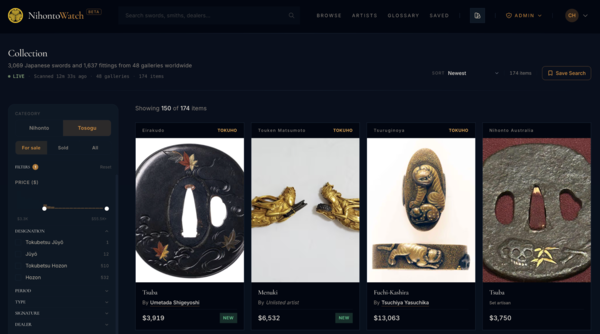
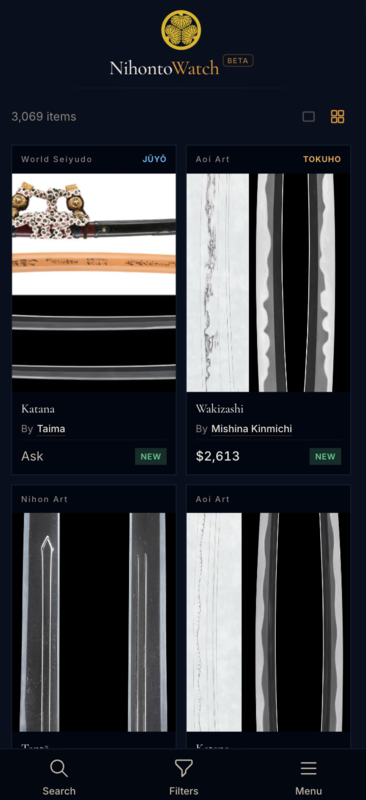
Hello everyone, TLDR: Interested in Japanese swords and fittings? I made this to help the field. Open nihontowatch.com on your phone browser, and add to home screen (Share → Add to Home Screen). Thank me later. --------------------------------------------------------------------------------------------- I have been thinking for quite some time about the future of our field. I have been blessed with incredible mentors and opportunities, most notably the late Darcy Brockbank, who was so generous in sharing his knowledge. Since his tragic passing, I have felt a responsibility to carry that work forward. What I am about to present, I built as an homage to his memory. Our field has problems. We operate in a field of extraordinary depth without being equipped with the knowledge and tools to understand what we're looking at when we browse the market. Refreshing dozens of dealer websites every week, most in Japanese, copy-pasting listings into translation apps, pinching to zoom on sites built twenty years ago — market awareness is just painful and you miss things constantly. You spend an hour and walk away unsure you have seen everything. And this is just the market experience. The deeper problem is access to knowledge. There are no catalogues raisonnés for artists. Yuhindo would have grown into it — it was planned. But alas, Yuhindo is no more. No way to know, with any confidence, whether a price is reasonable without decades of experience or tens of thousands of dollars invested in published references. No way to know why something costs what it does. Communication with Japanese dealers remains daunting for most. No easy way to know who is a reputable dealer. The barrier to entry is simply too high, and this friction keeps our field artificially small. Fine art has Artnet. Watches have Chrono24. Antiquarian books have AbeBooks — markets with comparable depth and comparable opacity, served by platforms that bring transparency and accessibility. These fields have benefited immensely: they have enabled new entrants in droves to collect in confidence. Our field needs more knowledge and transparency to build interest and trust.Japanese swords and fittings. Eight hundred years of collecting history at the highest levels. The category that contains the most national treasures in Japan. The indefatigable search for perfection of an entire civilization. And yet, we have nothing. This had to change. As I write this, there are 3,021 Nihonto and 1,607 Tosogu items for sale across 44 dealers, Japanese and international, in a single searchable interface. Every listing is structured with attribution, certification, measurements, and artist intelligence data. NihontoWatch is on track to follow 100% of the online market for genuine items with NBTHK papers. Refreshed 12 times a day. Everything is translated and structured, as it trickles in live. But what is this worth, if it's so hard to know what you're looking at? Especially for newcomers, it is so hard to tell what you're looking at. This is where the magic is. I am nostalgic of reading through Yuhindo's artist descriptions. It made me deeply appreciate the field. It got me in. NihontoWatch scales this experience and creates something approaching a living catalogue raisonné for every Tosogu and Nihonto artist. It matches every listing against a database combining the complete Juyo, Tokubetsu Juyo, Juyo bunkazai, Kokuho, and Gyobutsu designation data — over 23,000 items at the highest level, with rich text in classical Japanese. This data is then processed, synthesized, and presented into NihontoWatch's artist directory in a way that is respectful of the NBTHK's copyright. With this, you'll be able to discover a maker's historical reputation through quantitative analysis of exhaustive provenance records, in ways never seen before. Over time, all of these artist pages will come alive, forming an ever-expanding knowledge base. - How rare is it? - How many Tokuju? - How many designated works ranked Juyo and above? - Why is this important? - Where does it rank relative to other works? - What is for sale right now? - What was for sale recently? All the answers are in. These are questions that come up constantly in our community, and until now, answering them required years of collecting published references worth tens of thousands of dollars, and patiently indexing them with post-its or one-by-one in a spreadsheet. Only professional dealers or major collectors could afford to do this. This is a BETA, so there are errors. The more obscure the artist, the higher the error rate, and there are still basic errors I need to fix with some famous artists. A lot of algorithmic tinkering and curation ahead. It will keep getting better with your feedback. See the results for yourselves: - Soshu Masamune: https://nihontowatch.com/artists/masamune-MAS590 - Ichimonji school: https://nihontowatch.com/artists/NS-Ichimonji - Yasuchika (tosogu): https://nihontowatch.com/artists/yasuchika-TSU001 - Goto school: https://nihontowatch.com/artists/NS-Goto Click one and explore the designations, the provenance abalysis, the measurement distributions. This is just a first shot — over time this data will grow. Here is one where I have published an item I studied for my Substack article on Mitsutada: - Osafune Mitsutada: https://nihontowatch.com/artists/mitsutada-MIT281 Imagine Yuhindo, but with a page for every artist and every piece ever captured on camera. Saw a national treasure at an exhibition in Japan? Share your photos on NihontoWatch's artist catalogue. In the future, owners of particular works will be able to publish them to the artist's catalogue. Think of it as a growing, community-curated knowledge base for every artist in the field. And so much more Browse and filter: Designation, dealer, item type, school, province — all filterable, all instant. Prices display in JPY, USD, or EUR. Every filter combination is a shareable URL. The sold archive tracks thousands of items for pricing research. And it works for every budget, for collectors at every level. - All Tokubetsu Juyo Nihonto on the market - All Tsuba with Hozon or Tokubetsu Hozon, maximum price $2,000 Setsumei translations: On some items, you can press the floating book icon on any Juyo item to toggle between photos and the Juyo setsumei translated text. For most Juyo and above items, the NBTHK evaluation text from the dealer's page is identified by computer vision and translated into English. It will fail if the dealer has not posted the Juyo Zufu extract, but in the majority of cases they do, and the result is remarkably accurate. Do use responsibly — the quality is great, but not perfect. Always purchase professional translation from Markus Sesko when contemplating the purchase of a Juyo-designated piece. Search alerts: Never miss an item again. Define keywords and filters and save them. NihontoWatch will run your search every 15 minutes, and when something new appears, immediately send you an alert email. In practice, missing a listing that fits your interests becomes almost impossible. Tip: I recommend avoiding overly specific queries. "Juyo tsuba" or "Kamakura signed tachi" are safer than specific artists such as "Yozozaemon Sukesada," which would be more fickle. Broad queries give you the best market coverage. Inquiry emails: Press "Inquire" on any listing to draft a professional inquiry in Japanese. Handles etiquette and formality, and can help you request the 10% consumption tax exemption available to overseas buyers. Did you even know you could get 10% off? How many new entrants lost 10% on this, at least at the beginning? I for one did. I've seen countless high spenders neglect to request it while shopping across Japanese galleries. Glossary: The technical language of Nihonto and Tosogu is deep and specialized — needlessly so for non-Japanese speakers. Anytime a technical term comes up, you can click and see what it means. Over 1,200 terms, searchable, automatically linked from the setsumei translations. Who remembers always keeping an index open to keep track of terms when studying Juyo items? https://nihontowatch.com/glossary How best to use NihontoWatch While it works wonders on desktop, NihontoWatch works most beautifully on your phone. I use it every day — it feels like I have the market in my pocket. Open nihontowatch.com on your phone, hit Share → Add to Home Screen. And voila, you have an app. It becomes something you check with your morning coffee, the way one might check the news. A word of caution The data has errors — always verify independently. This is a tool to explore the market, not a substitute for critical thinking. If it looks too good to be true, it likely is, and this system can't easily correct online misrepresentations. Old listings where dealers have not marked items as "SOLD" will still appear as available. Listing errors will slip through, but data quality improves continuously as the system learns over time. Get involved - Missing a listing or dealer you like? PM me or post here. - Bug? PM me or post here with steps to reproduce. - Dream feature request? Reply in this thread. I will keep this thread active and share major updates when time permits. Everything is free right now, and will remain so until ready for official release. This is no trivial task, and it is expensive to operate — it will need to be covered in some way down the line. It will be tempting to keep it for yourself. But if we want our field to grow, we must share knowledge and expand market access and transparency. The single most impactful thing you can do right now is help others discover and use the tool. Share it with your study group. Share it with your collecting circle. Share it with a friend who has been curious about Nihonto and Tosogu but found the barrier to entry too high. That barrier just got a lot lower. Farewell, Darcy. This is for the teacher in you. Hoshi

 1 point
 -
Just to give you some examples fo visual things that i get attracted to: https://www.giapponeserie.com/nihonto5.htm This one ticks a lot of boxes. Just not the period and it doesn´t come with papers. Plus, i see something that looks like a crack starting at the mune machi, a silver line visible on both sides. So i believe that might be why it is not papered... again i might be completely wrong. https://www.nipponto.co.jp/swords2/KT221833.htm the pictures that show it under light, the blade itself faint and in need of a polish. but i might be wrong with that. https://www.nipponto.co.jp/swords11/NT334721.htm Hamon under light looks pale, but jihada and the hamon line itself looks nice..1 point
-
Fair enough.1 point
-
Hello to all, Please forgive my recent multiple posts of less-than-fascinating swords: it's just that I am glad to have finally discovered a forum that can provide good information regarding my small collection. I ask that you view these images of a long wakizashi which I purchased a few months back. I would appreciate any and all comments that you might provide; especially if you have an opinion as to possible School, Smith, or Period of manufacture. Nagasa = 23.75" Nakago = 6" Width at Munemachi = 28mm Width at Yokote = 20mm Thanks for looking, James A
 1 point
 -
That is a terrible replica...... Fortunately I have a service where I will take this off your hands and properly dispose of it........and I won't even charge you. You can trust me, I go to church. Seriously though, wow......what a beautiful piece1 point
-
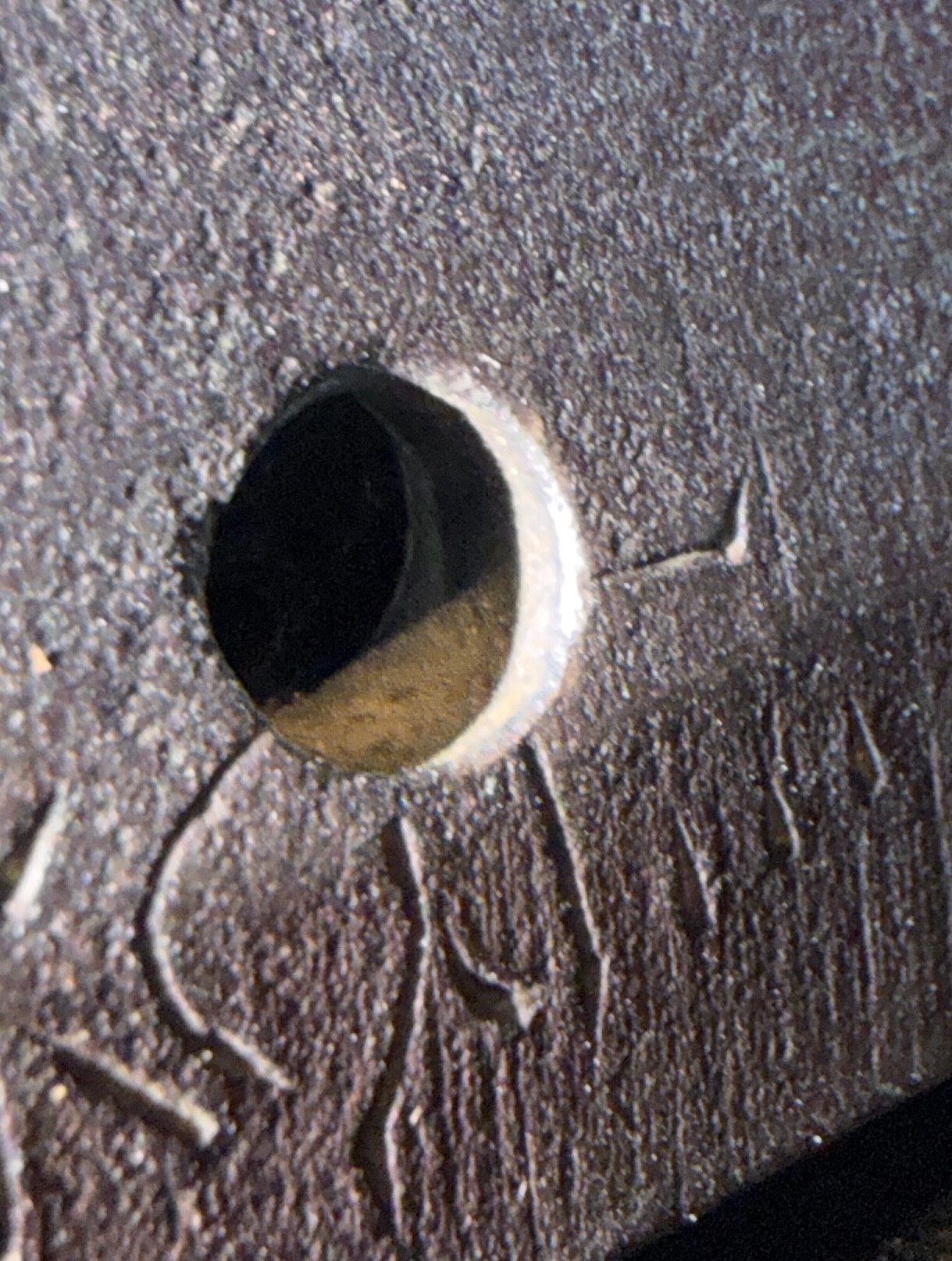
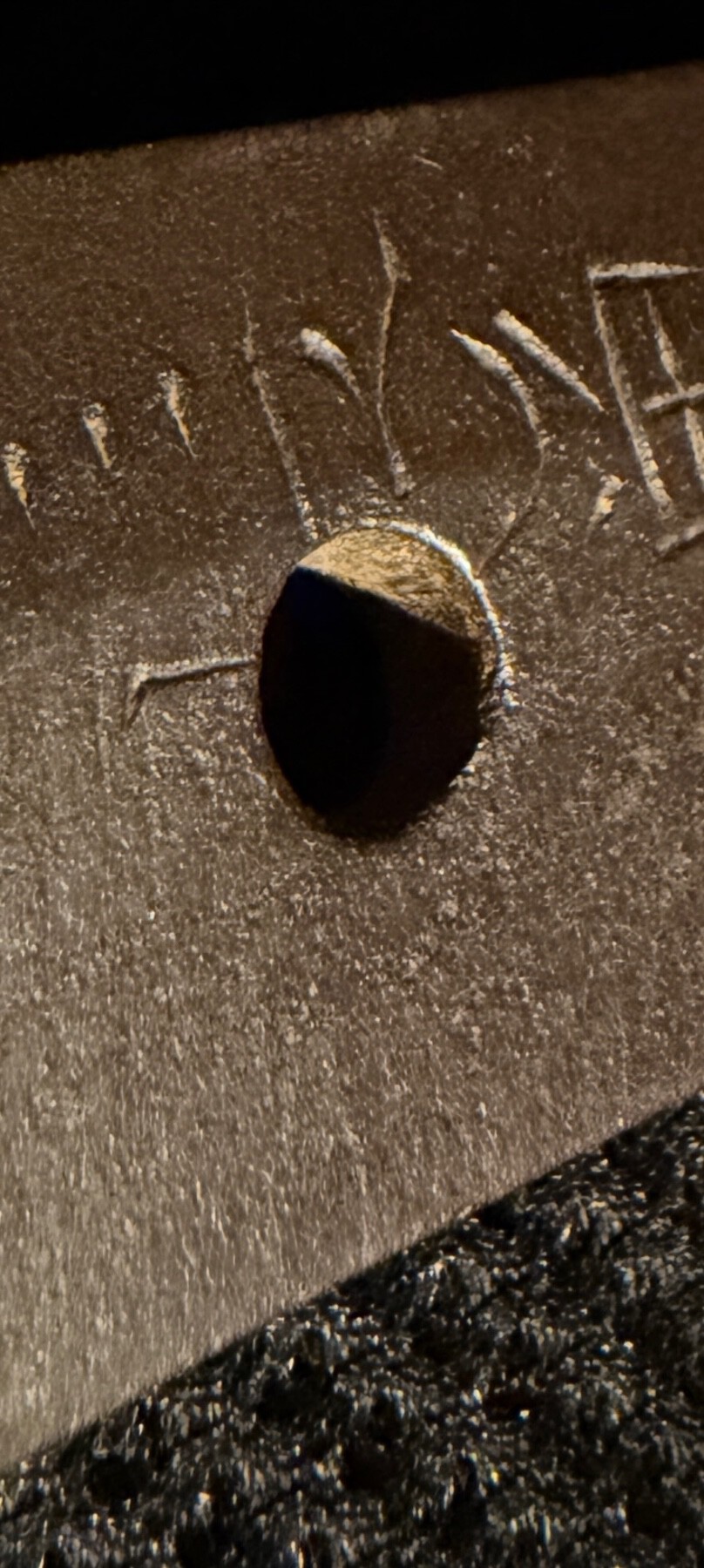
Good Morning All I encountered a three character stamp on a high end Japanese Mogito Nakago and would appreciate a translation. I have not encountered such a thing on a Duralumin training blade before. As an aside, Duralumin was developed in 1909 and was used in the frames of Zeppelin.
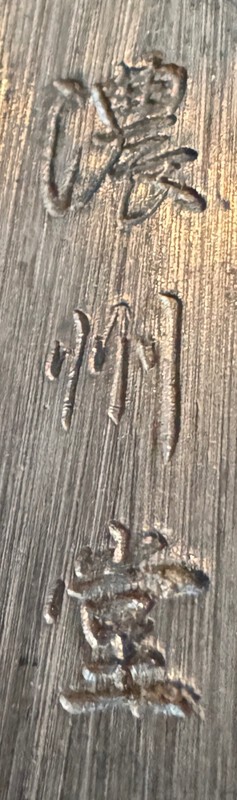 1 point
 -
Jeremy, you may believe what you like, but in this case, the KASHINA sisters are plain wrong. SHINAE in whatever form are structural damage in the KAWAGANE.1 point
-
I took some pictures because I can’t tell.
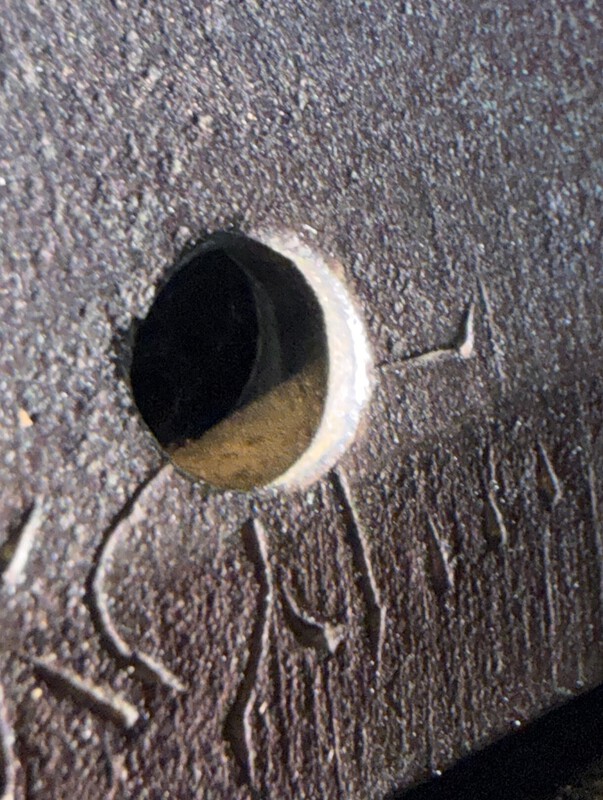
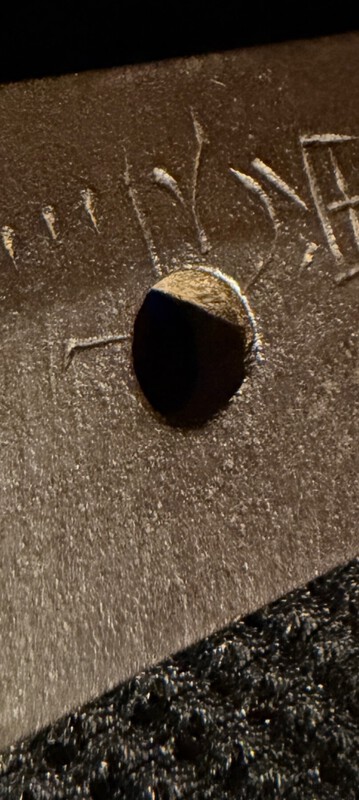 1 point
 -
I suspect that the scabbard was swapped and painted after the war. The glossiness/finish of the handle also leads me to suspect post-war alterations. The serial number on the scabbard, if original, makes it hard to imagine how this came together. Perhaps a couple occupation men, or friends after the war swapping parts and “blinging” up their bring-backs. Without a time machine, it’s hard to know for certain and I’m merely speculating scenarios. All I can say is that it did not leave the manufacturer that way. Interesting piece, and thank you for sharing. A unique one for sure. -Sam1 point
-
The mei on your sword is very close to Kajihei's, as far as I can tell, Nicholas. reinhard1 point
-
Original photo of Lt General Homma:
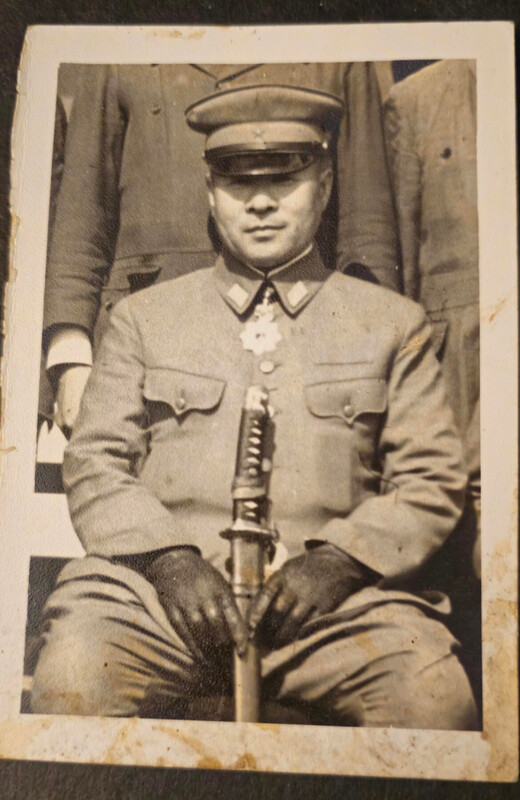 1 point
 -
Officers with Type 94 and Kyu Gunto dress knots:
 1 point
 -
As Barry said, the peg can easily replaced and has no monetary value. I’ve had success using tweezers to pick at the wood until it splinters and then you can remove it piece by piece.1 point
-
That is certainly a strikingly resemblance, particularly in the f/k. Beautiful set, I can see why Tomotake signed them all proudly.1 point
-
1 point
-
The blade is signed Kanenori and appears to be Sue-Seki (late Muromachi period Mino school). Best regards, Ray1 point
-
Here is a Yanagawa Naomasa Fuchi Kashira


 1 point
 -
Hi, yes. This is a data bug. A juyo item by a unicorn smith called "Iemura" from the Oei-period has been mistakingly assigned to the Showa smith Emura. Thank you for the report, the error is now fixed. Note on the BETA: There are many data bugs currently. For obscure smiths with 1 Juyo, best assume it's an assignment error. Best, Hoshi1 point
-
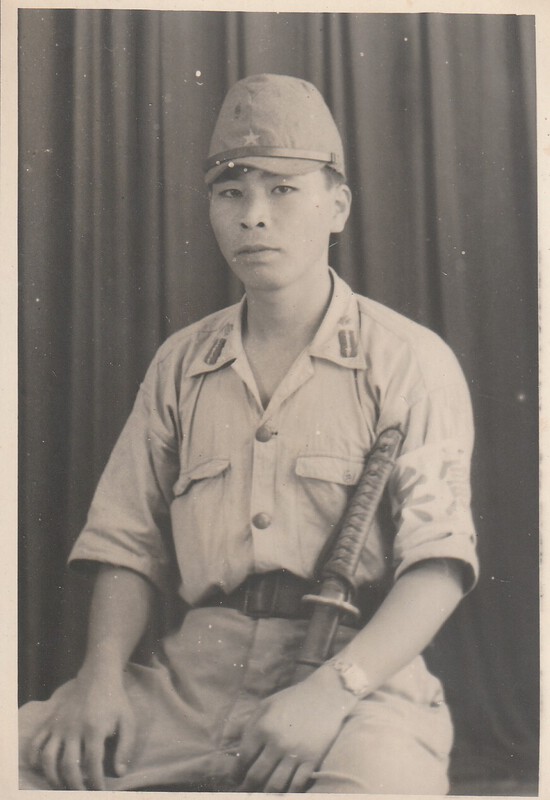
Not sure if these are of interest. I have others and when I locate them will post.


 1 point
 -
Like Lewis (great advice there), I say this a lot as well…… One of the best ways to start developing an “eye” if you cannot physically handle a lot of pieces is to study past auction results. Usually you get a few decent images and can often see the price they sold for, when and where they were sold etc. Images can be enlarged if of sufficient quality enabling the finer details to be examined. You will not learn everything but you will start to be able to discern what “quality” looks like and what quality costs. It’s just my opinion and others will disagree but I think it’s far more important to recognise quality, both in artistry and manufacture than it is to chase Mei. It’s the same principle that is applied to swords……buy the item, not the Mei A good place to start….(and your tsuba is fine around that price imo) https://www.bonhams.com/search/?chronology=past&query=Tsuba1 point




































This leaderboard is set to Johannesburg/GMT+02:00