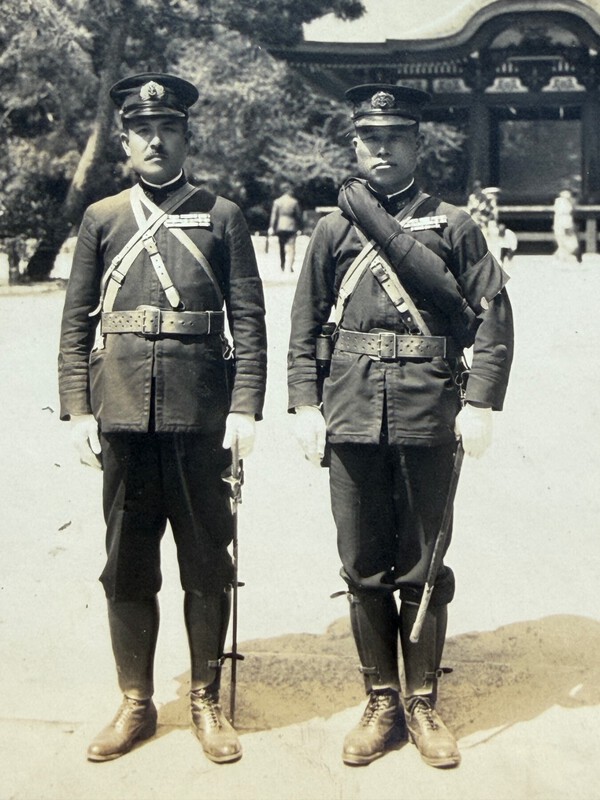
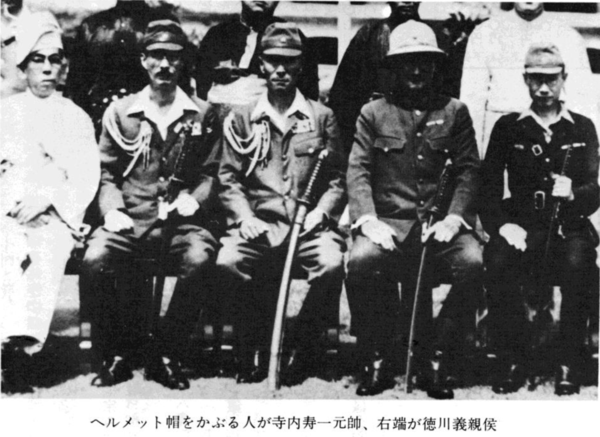
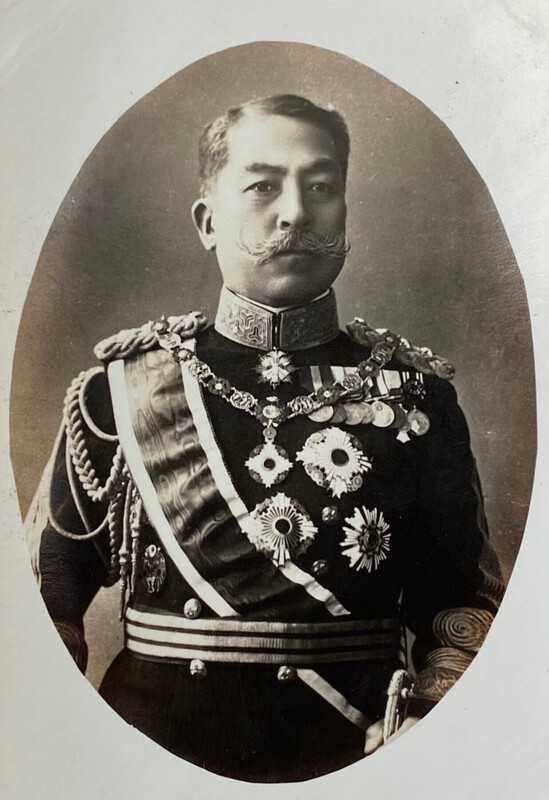
swords in the exhibition
Tachi — Property of Captain/Pilot Ōhori Mamoru, forged by Kanenobu (Nōshū-jū). Mounting: shin-guntō Type 98.
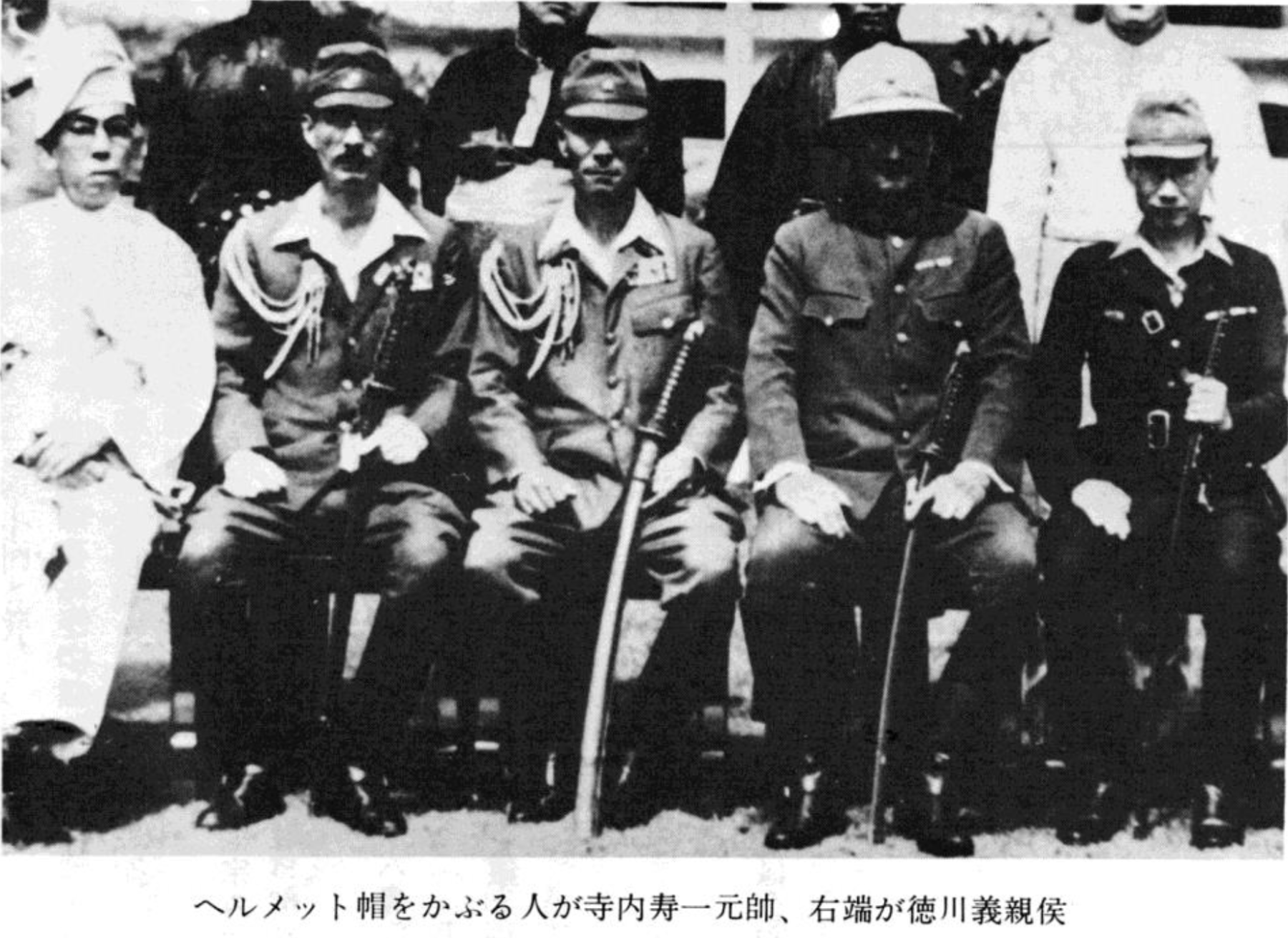
Katana — Property of Lieutenant General Nakamura Aketō, forged by Shizumasa. Mounting: shin-guntō Type 98 with general’s tassel.
Katana — Presumably belonging to Major General Shimura Fumio, Vice Chief of Staff of the 7th Army. Blade: ō-suriage, Aoe school (Nanbokuchō period). Mounting: shin-guntō Type 98 with general’s tassel.
Wakizashi — Kyū-guntō Model 1906 (Japanese police), worn by a keibu (police lieutenant). Blade: hira-zukuri, Mino workmanship from the early shintō period (ca. 1615).
Wakizashi — Kyū-guntō Model 19. Blade: kotō period (pre-1596). Hiriyō-mon in silver on the tsuka.
Katana — Kyū-guntō Model 19. Blade signed Kashū Komatsu jū Kanemaki, dated 1642. Tassel indicates the rank of lieutenant or captain. The tsuka bears a mon of two crossed feathers (Abe family). Equipped with a “surrender tag” inscribed: Saikai-mura; Minami Kōhachirō.
Nagamaki-naoshi — Kyū-guntō Model 19. Blade from the late 14th century, forged by a smith of the Sōden-Bizen school. The signature has been lost due to ō-suriage.
Katana — Signed Yasutsugu, made with namban-tetsu, inscribed Bushū Edo. Featuring the Aoi-mon of the Tokugawa and the Gosan-kiri-mon on the tsuka. Mounting: cavalry kyū-guntō Model 19 for field-grade officers.
Tachi — Yasunori kinsaku (Kenzō Kotani), dated August 1937. Mounting: shin-guntō Model 94 with red-brown tassel for field-grade officers.
Tachi — Yasuhiro, dated June 1934. Mounting: shin-guntō Model 94 with red-brown tassel for field-grade officers.
Katana — Yamato daijō Fujiwara Masanori (Keichō period, 1596–1615). Mounting: itomaki no tachi with Gosan-kiri-mon.
Tantō — Yasumitsu, dated October 1935, with original wooden presentation box. Inscription: “Made by Yasumitsu” and “Received by Nihontō Tanren Kai.” Interior dated April 1936.
Tantō — Yasuaki kin saku. Mounting: shirasaya.
Tantō — Yasutoku saku, dated March 1936. Mounting: shirasaya.
Katana — Yasutoku Kajiyama kin saku, dated 1939. Mounting: shirasaya.
Tachi — Yasuhiro Miyaguchi, dated July 1937. Mounting: shirasaya, with sayagaki by Tanobe Michihiro.
Tachi — Takenori (Kenzō Kotani), signed Geishū-jū Takenori and dated Shōwa 18 (1943). Mounting: shirasaya.
Tachi — Yasumitsu (Ikeda), dated September 1937. Mounting: shin-guntō Model 94 with general’s tassel. Mokko-mon on the tsuka.
Tachi — Yasuyoshi, dated April 1943. Mounting: shin-guntō Model 94 with red-brown tassel for field-grade officers. Kuruma-mon on the tsuka.
Katana — Shin-shintō, mumei, with horimono. Mounting: kai-guntō Type 94.
Katana — Mumei. Mounting: kai-guntō Type 94. Feature: Ikeda-mon on the menuki and tsuka.
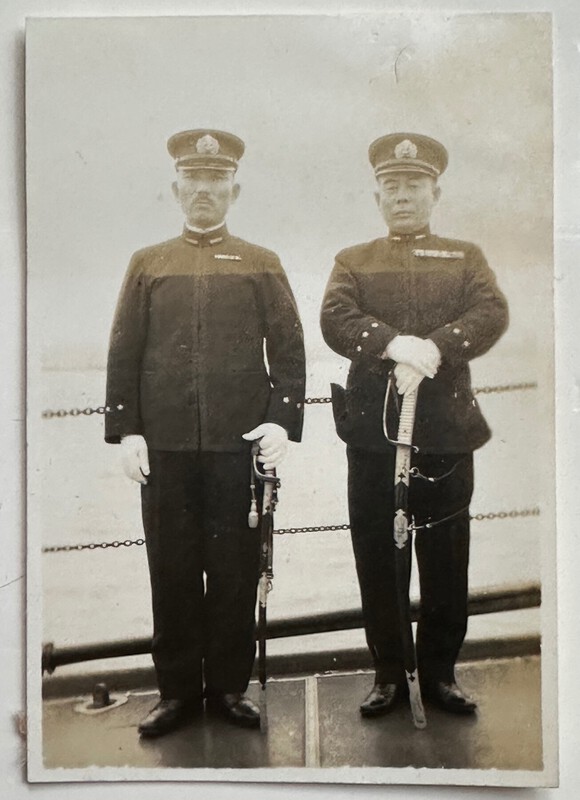
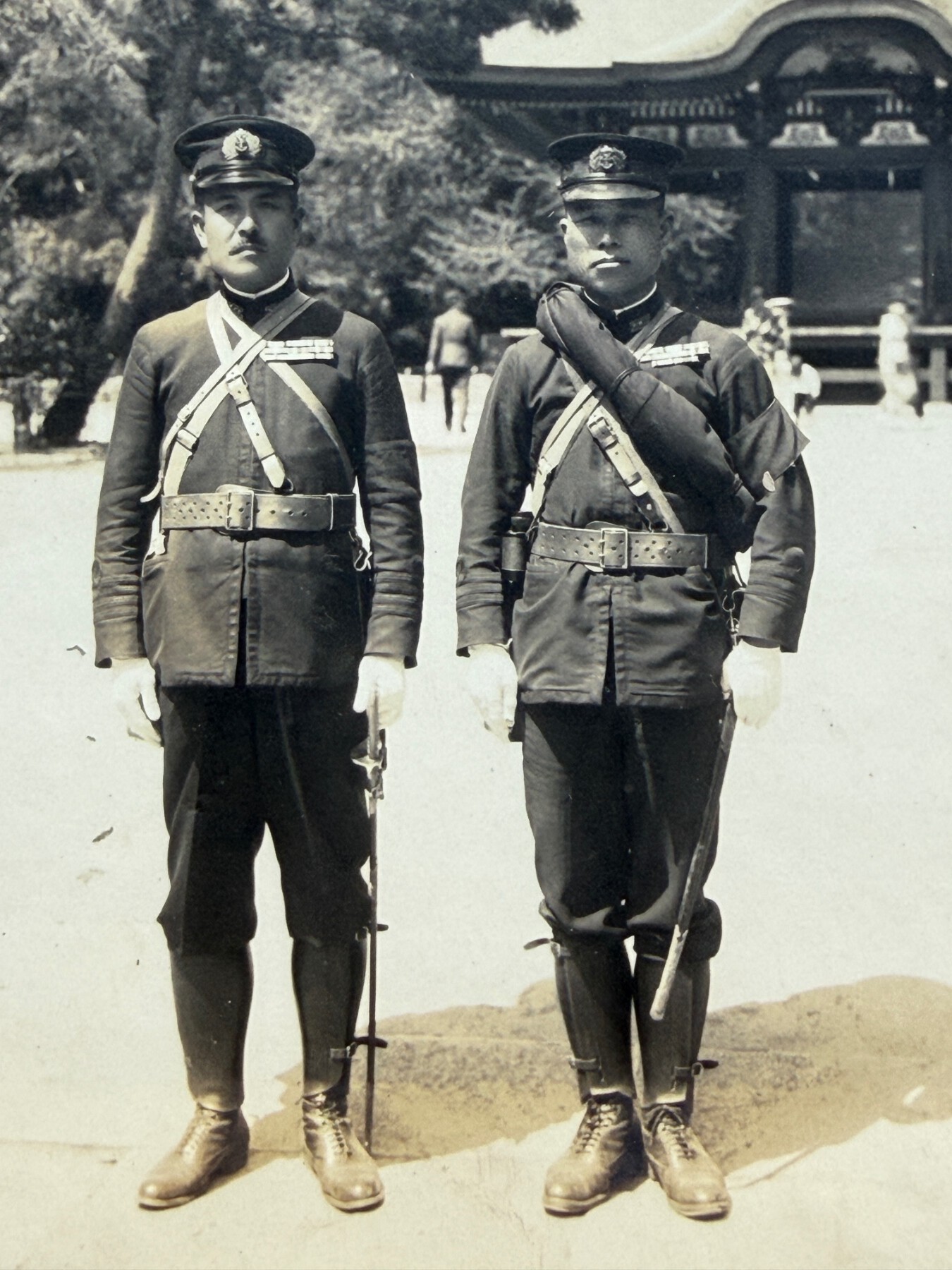
Katana — Ikkanshi Tadatsuna. Mounting: naval Type 1883. Maru ni Jigami-mon on the tsuka.








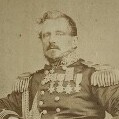 Two ways of wearing the Model 1883 naval sword. Both officers were KIA in 1945.