
Leaderboard


Popular Content
Showing content with the highest reputation on 12/30/2025 in all areas
-
Being a diagnosed dyslexic myself, makes this stuff pretty challenging. Even keeping word order and spelling straight in English can be rough. I usually reread my posts 5-10 times before I finally catch mistakes that other people notice almost immediately. Sometimes I don't even see those mistakes until I leave and come back with a fresh perspective. It gets even harder when kanji are involved, especially counting strokes. A lot of that comes from just not being familiar with another language, but it still takes a fair amount of effort. I've done it before, but I don’t really like using dyslexia as an excuse, because it’s just part of my everyday life. It’s very common, and most people who have it don’t even know, and those who do, often don't lean on it like an ailment. I literally don't even know what it's like to NOT have dyslexia . As I understand it, there's varying levels severity with dyslexia, so I must have the more common mild version... So it may be the cause for mistakes in spelling here and there, but it's typically no biggie. It makes me a slower and more careful learner, and I think that's a good thing. I even read slowly, which is how I was flagged to then be diagnosed while I was in school. I still have to google MENUKI and MEKUGI half the time, so I don't mix them up -Sam6 points
-
Interesting discussion. There are at least three (four?) systems of transliterating Japanese to English, some from the 19th century. I used to agonise over this in my early days of collecting, but no more. My view is that we should be as good as we can by example individually and be gentle and encouraging with other folk as Jean has done, without being didactic in the matter. The Hepburn system is the preferred method, but these days I reckon we should roll with the punches instead of being overly precious about it. The way to have the stuffing knocked out of you is to study Japanese intensively for a few years... BaZZa.4 points
-
LB142 straight guard Type 30 bayonet with bright blade,豐田自動織機(Toyoda Automatic Loom Works)made, under Nagoya arsenal‘s (名古屋陸軍造兵廠)supervision .Ser# on the bottom of the pommel should start with Hiragana ろに,which means 100th Series.4 points
-
No. Atobori was a historically common and context-dependent practice from the Edo period onward. To recap.. Atobori (後彫り) refers to carving in a blade separate from the original design for the blade at its time of manufacture. That is to say after the sword was originally forged and finished, rather than as part of the smith’s initial “conception”. While often viewed critically by modern collectors, atobori was quite common practice from the Edo period onward. The prolonged absence of large-scale warfare in the Edo period reduced the practical emphasis on armor-piercing and battlefield durability, while factors such as balance, handling, and visual refinement gained relative importance. Within this context, atobori bo-hi were sometimes added to existing blades to alter weight distribution, improve handling characteristics, or adapt older swords to contemporary preferences. Atobori was also influenced by aesthetic fashion. Certain periods favored the presence of hi as a visual element, particularly on otherwise plain blades. Adding a groove could visually sharpen the sugata, emphasize curvature, or lend an older sword a more “classical” appearance in keeping with prevailing taste. When carried out by skilled hands, such work could be executed in orthodox styles, including nagashi terminations, making the best atobori difficult to distinguish from original carving. In the Meiji period, motivations shifted further. The abolition of sword-wearing and the collapse of the traditional samurai market led to the modification of many older blades to enhance their visual appeal to collectors, tourists, or foreign buyers. Atobori bo-hi from this period were often added to make a blade appear more dynamic or refined, sometimes with little regard for historical coherence, though the quality of execution varied widely. In the early 20th century, atobori continued for mixed reasons. Some blades were modified for martial arts use, where balance and handling were prioritized, while others were altered during remounting or refurbishment. As before, the workmanship ranged from careful and traditional to purely cosmetic. Importantly, atobori does not automatically imply deception / fake / gimei or poor quality. Many atobori hi were executed competently and reflect legitimate historical practices. However, because the carving was not part of the blade’s original forging concept, any but the best often reveal subtle inconsistencies in proportion, termination logic, or stylistic harmony when compared to original work. For this reason, experienced observers tend to assess atobori not by a single technical fault, but by the cumulative weight of visual, stylistic, and historical considerations.4 points
-
Smartphone in hand it feels akasaka senjuin mino. Datewise late Nambokucho or beginning of Muromachi. Mune does not match, but everything else looks good for it....3 points
-
Ian, concerning the hi, it is a gut feeling. I have seen a lot of hi and this one makes me feel uneasy, it takes time to carve futasuji hi, (there are seen mainly on koto blades, Nambokucho, short ones in the first part of Muromachi). Why carve futasuji hi on a low quality tired blade. BTW, all these info can be found in Nihonto books, buy the Nakayama Kokan, the Connoisseur book of Japanese sword. You will learn from it. have look on the futasuji hi of this Tametsugu blade:3 points
-
The blade is proposing to be by Chikuzen Daijo Taikei Naotane and dated Tenpo 8. This is a very famous late Edo period swordsmith and there are many gimei (fake inscriptions) purporting to be his work. Compare with authenticated examples.3 points
-
A friend is going to look at this blade tomorrow. Sorry these are only pictures from the seller. Sounds like maybe not in great shape and rest of the mountings are missing. Wondering if from the markings anyone can give me any more info on the blade - when it was made perhaps?

 2 points
 -
Uwe, how did you get that!?!?2 points
-
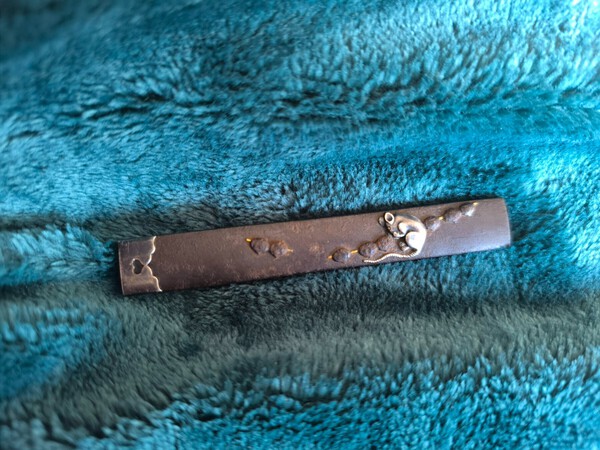
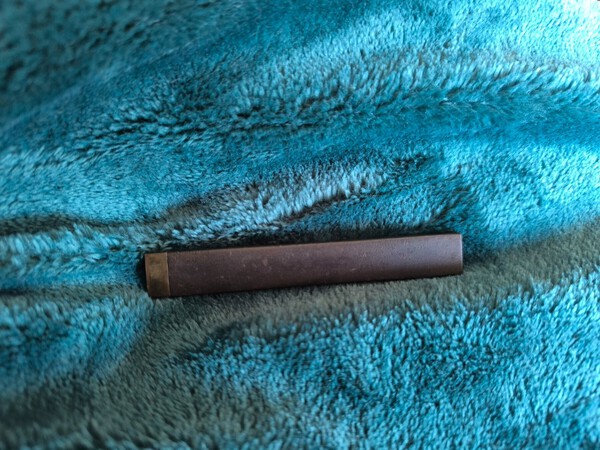
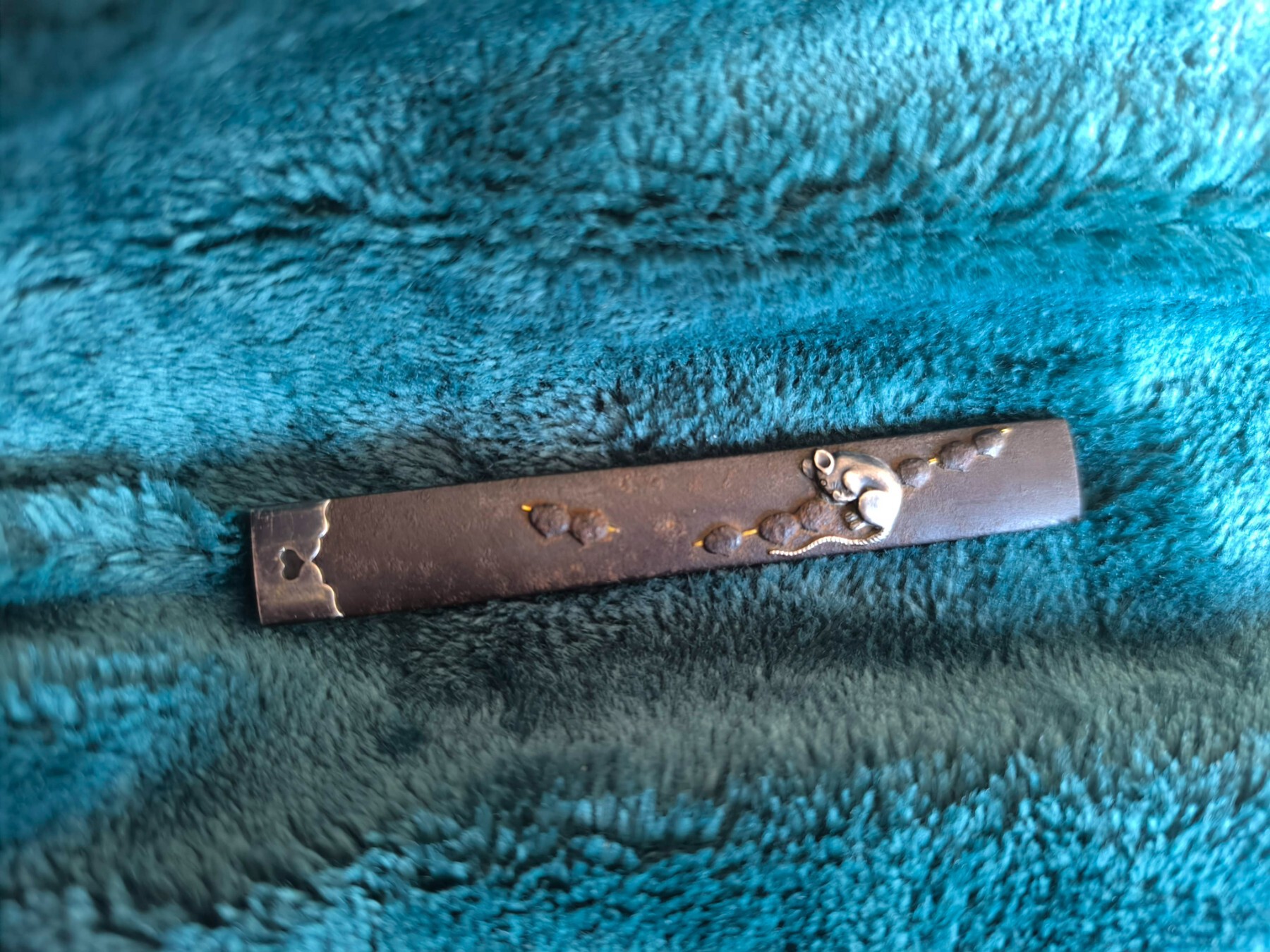
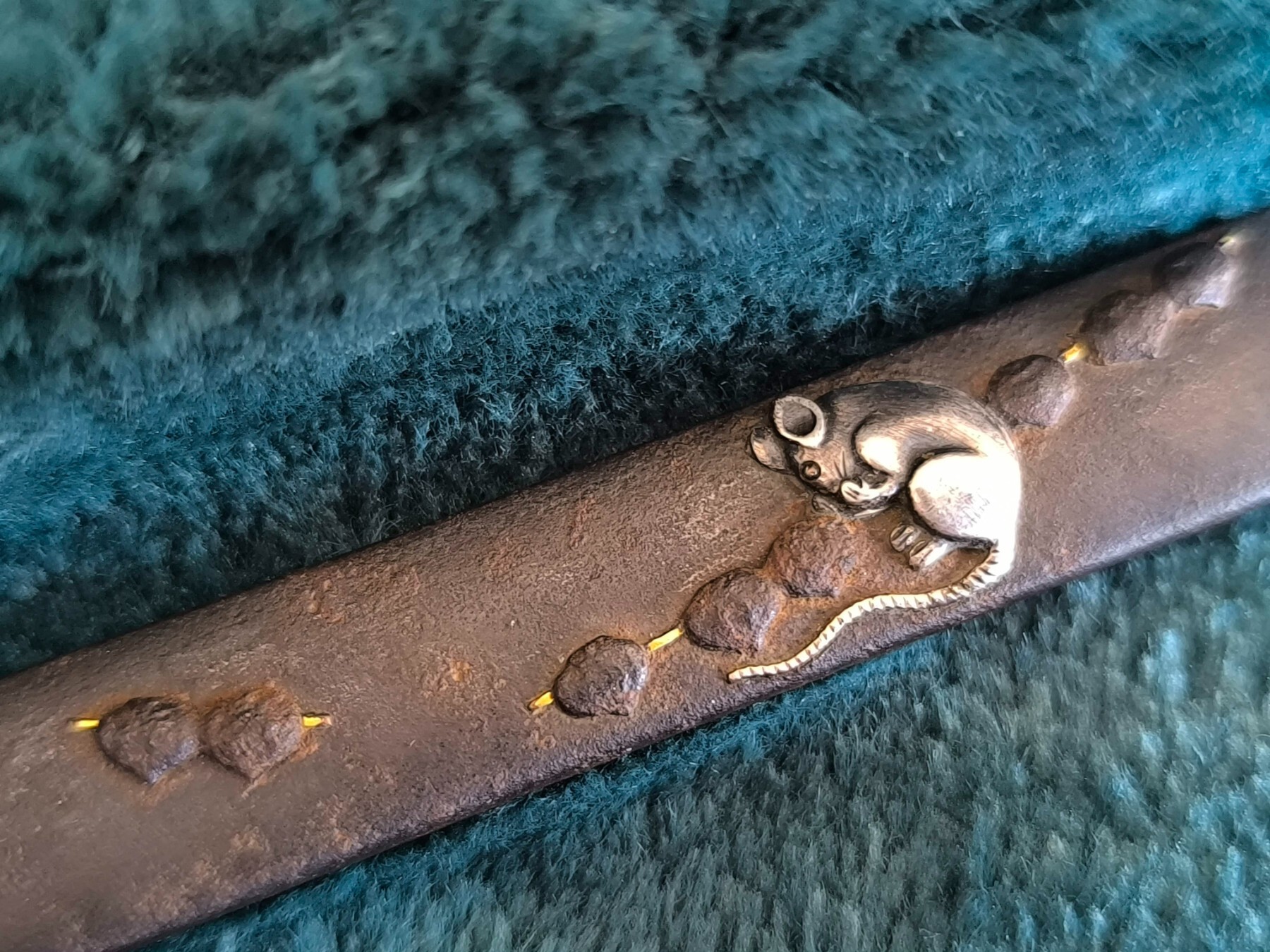
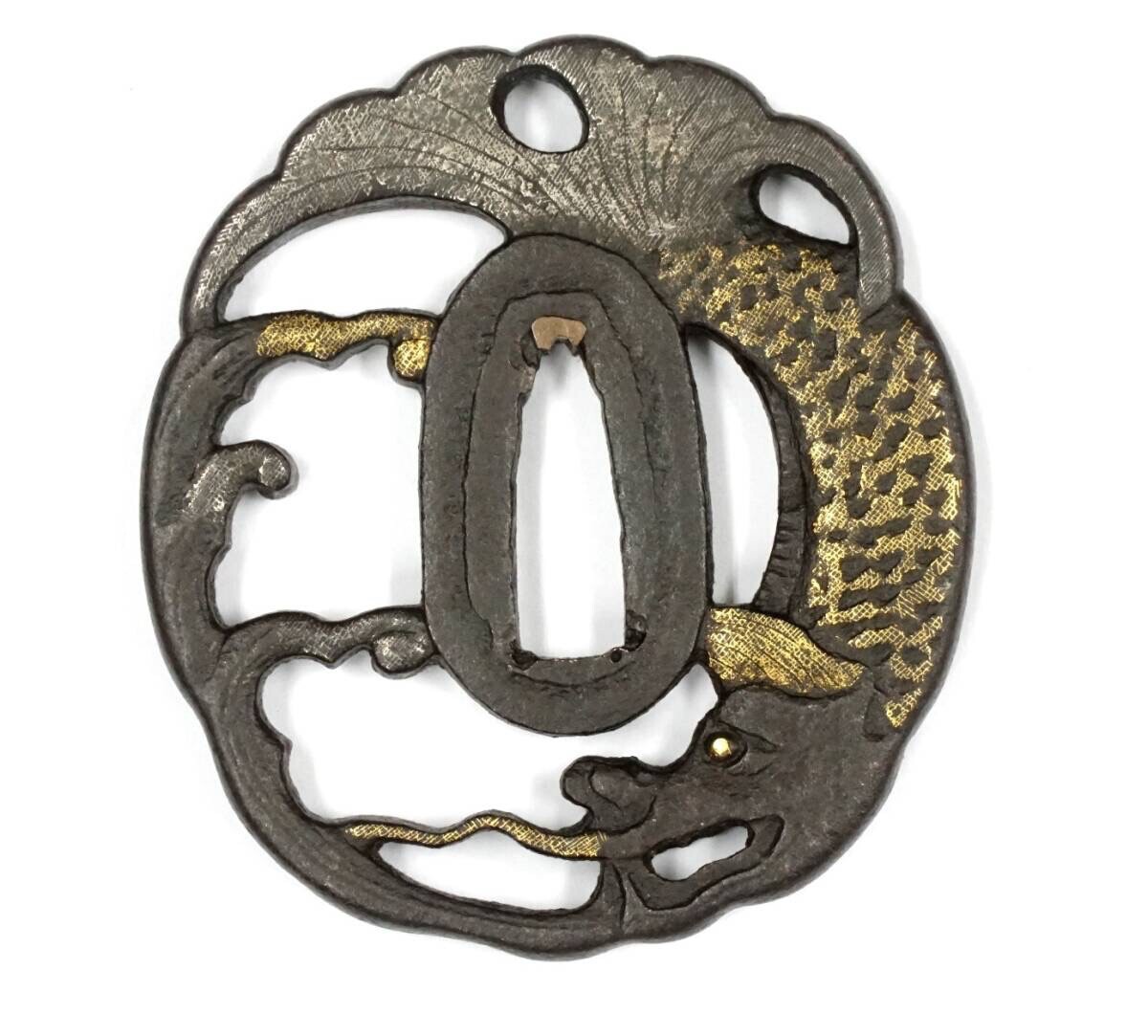
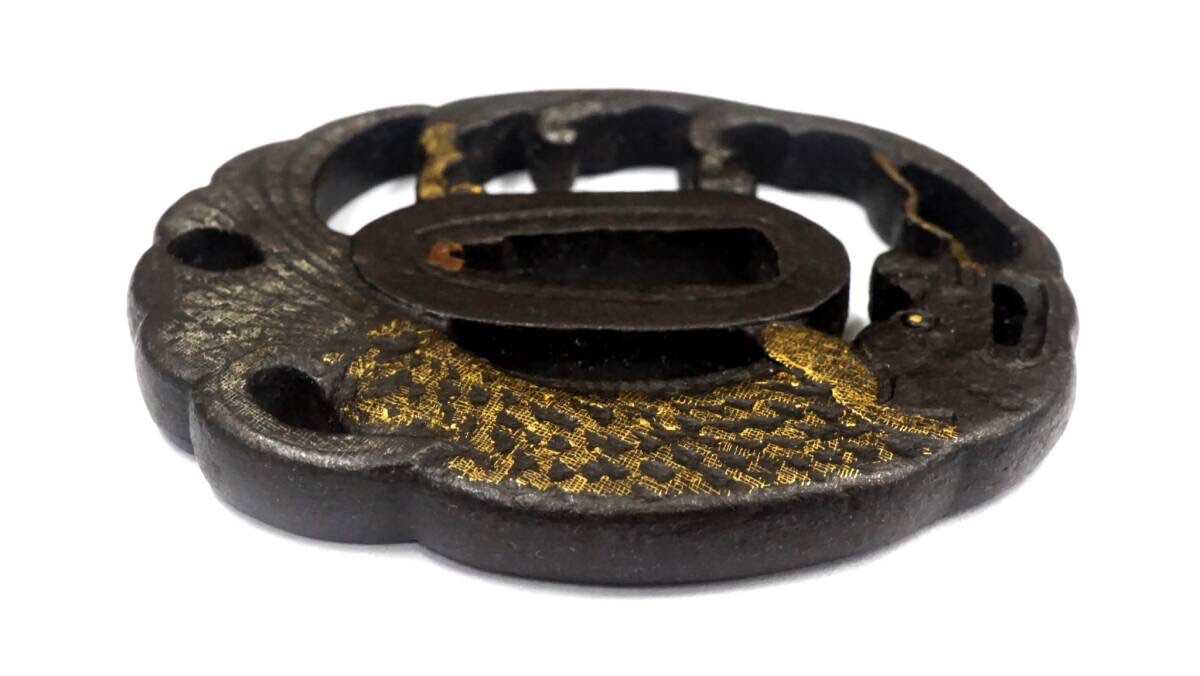
Hi Friends sorry for the delay. Past days i have a trouble uploading images. The color is more realistic in that pictures. Thanks for the info! In Spain the tradicional day for the Christmas presents is on 6th of january, i still have some time. Gemini (better app providing images análisis rather than chat gpt ) sais its late edo too and the fruit is kachi guri, representing dry chessnut joined that simbolice like rokujuro said Fortune and prosperity.
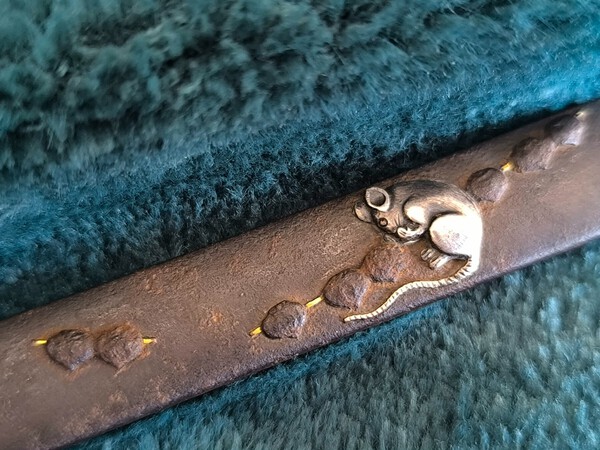 2 points
 -
正阿弥 Shōami on the right?2 points
-
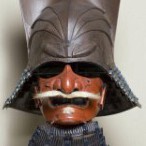
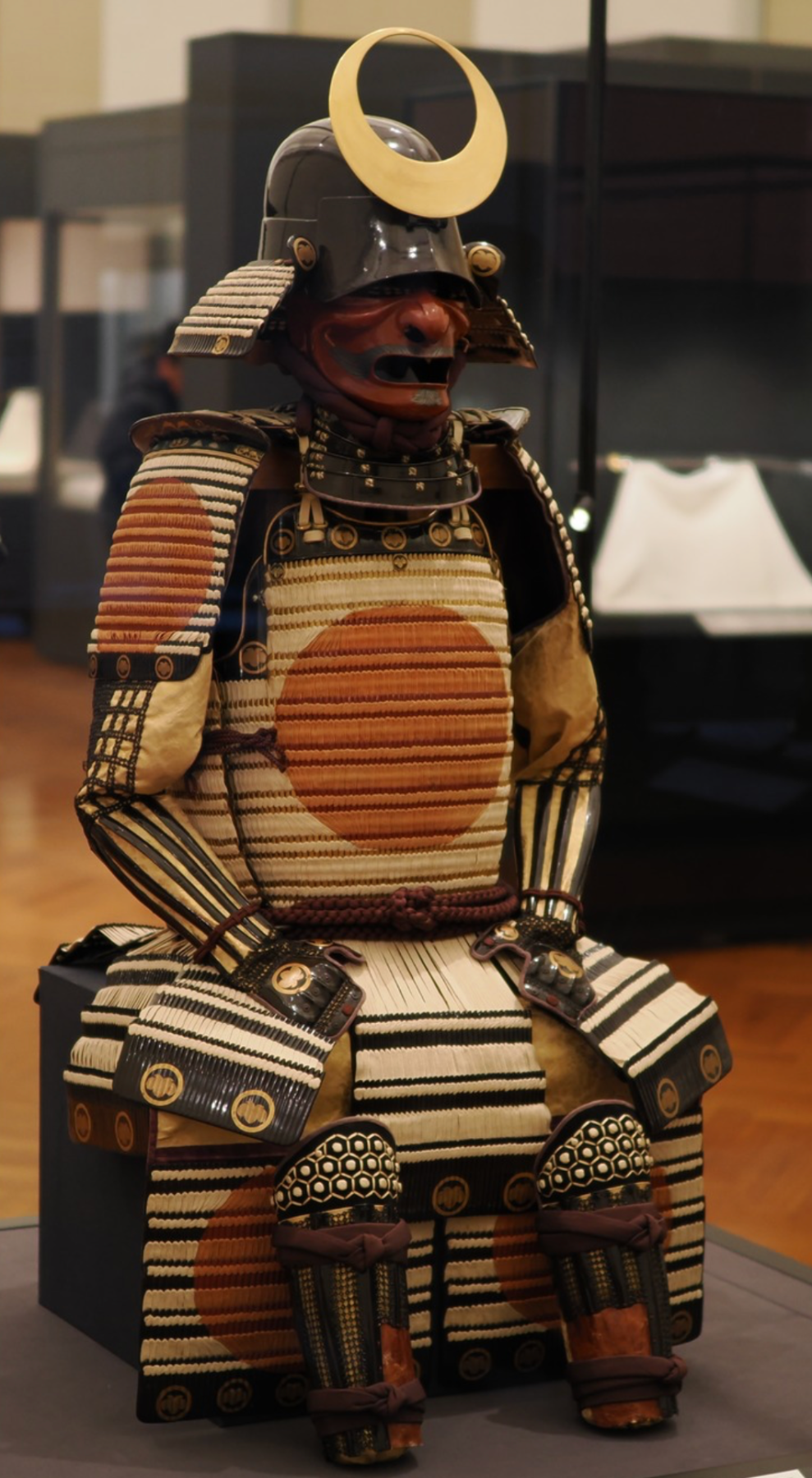
Museum displays sometimes need a little tweaking here and there. This is a high zunari. The kabuto pole section is usually adjustable, and in this case maybe could be lowered a notch, or they have inserted too much stuffing in support of the ukebari. (Possibly they've lifted the kabuto higher to give visitors a better view of the menpo.)2 points
-
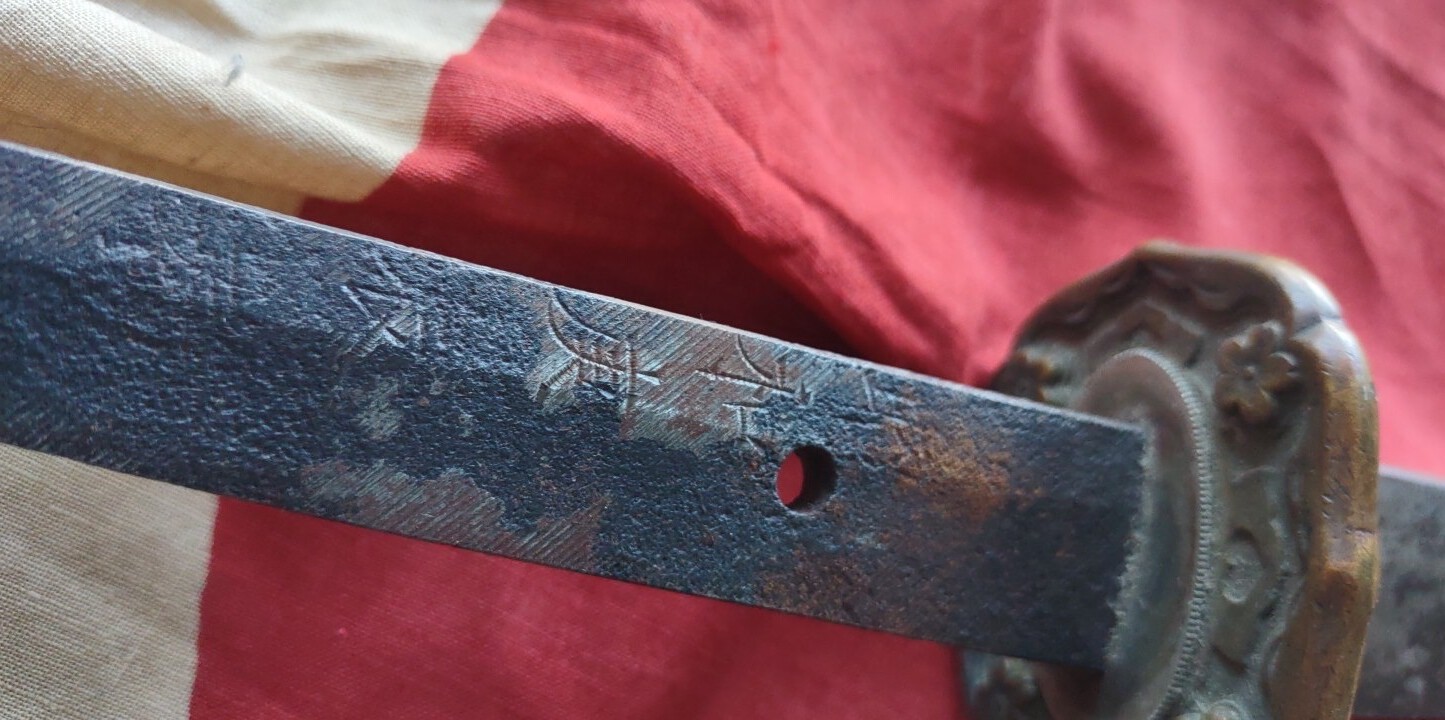
興亜一心と 満鐵作之 Kōa Isshin Mantetsu kore wo tsukuru. 昭和庚辰春? 1940 probably Spring?2 points
-
@Hudson Pat, well the mounts look to be shingunto. Pics of nakago not too clear. left one is date: 昭和康辰春 Showa kou tatsu haru Showa year of dragon spring (1940). right one is the smith . Last two kanji are 作之 "saku kore" made this. I will look further into his name. Edits now added. I added an example. Well made swords, initially made in Manchuria, under Japanese supervision then later in Japan. See the newer email by Kiipu

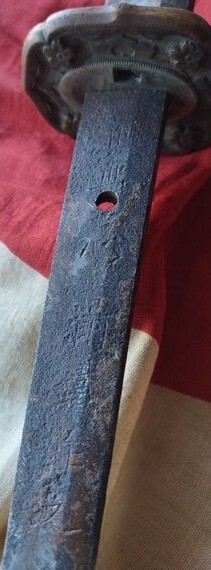
 2 points
 -
You've done a fine job there, Jay. Really something to be proud of, restoring a piece of history like that. Small-bore Sakai guns from the mid-Tokugawa period onwards tend to be flashy, highly decorated for the rich merchants who would buy them, but yours is more understated, which may be because it is an older version.(?) According to Sawada Taira in his book Nihon no Furuju (and he is a proud resident of Osaka), guns of up to 3 Mon-me were sporting guns for hunting small game, or for target practice. Military guns only start from 3.5 Monme (bore of 13.2 mm) and above, most often around 5 (14.95mm) or 6 Monme (15.78mm). When you talk about the wider diameter of the front of the barrel, do you mean the exterior diameter, or the bore? If the exterior, then I suppose a bulge at the end could stop your hand from slipping off the end of the barrel when loading in cold or wet weather. (Last year I came into possession of a long Sakai gun like yours, and then more recently a shorter, heavier 5 Mon-me military version with larger bore.) For reference:
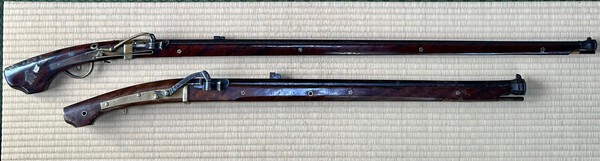 2 points
 -
Thanks Piers, From reading that page you have provided, I see that it is rare for the front of the barrel to have a wider diameter that the rest of the bore. I assume for easier loading. My example has that characteristic too. I have provided the assembled photo of my gun. From what you have seen, is it possible to tell if it could have been a military gun or for a private individual such as a sporting gun? Thanks, Jay
 2 points
 -
I have discussed it a bit in the Guide, but generally if you see one of those with say Kaga Muromachi blade, they are reliable and the blade itself is often good grade because those were not dished out in huge quantities. If you see it with very top name, the modern judgement was obtained and was 1-2 grades lower. Blue papers are never crazy, they can be optimistic... or the modern team could be pessimistic, or even plain wrong.2 points
-
Higo or Nanban? Pretty thick. 75 X 68 X 7.

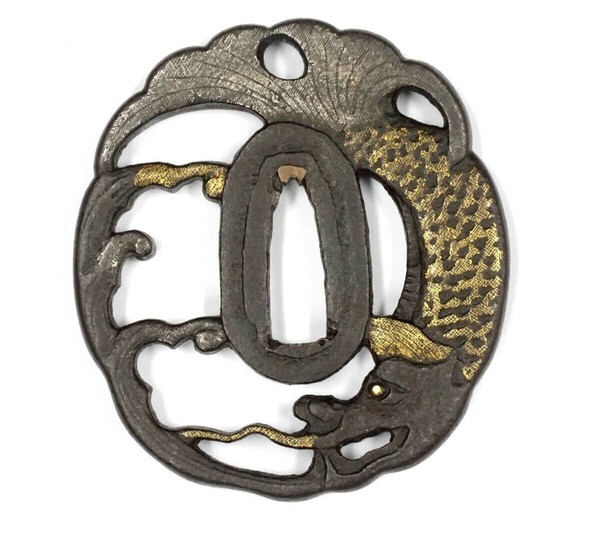
 2 points
 -
荘司筑前大掾大慶藤直胤 = Shōji Chikuzen Daijō Taikei Fuji Naotane 天保八年仲秋 = mid-autumn of Tenpō 8 (1837 CE)2 points
-
Modern generation...instant gratification and everything handed on a plate. You get used to it. Many of the people are innocent though...some sign up and forget their details to come back and say thanks. Some just assume it's implied. I try give them the benefit of the doubt. But yeah...it's common everywhere online nowadays.2 points
-
Hey guys....I notice this a lot. Newbies with one or two posts, publish something with questions....they get a whole lot of opinion and discussion (mostly correct) but there is a distinct absence of acknowledgement let alone comment by the OP ???? Is it just me?2 points
-
“Museum quality” means absolutely nothing. Knowledge determines the understanding of quality, not what some museum displays show us…..stuff they were left eons ago that they neither understand nor try to understand. Of course, there are some specialist exceptions but mostly I have little time for museums. Fine quality things are safest in collectors hands.2 points
-
What makes me curious is the length of the shikoro. Doesn't seem to offer much neck protection even if the kabuto is sitting slightly proud on the stand.
 1 point
 -
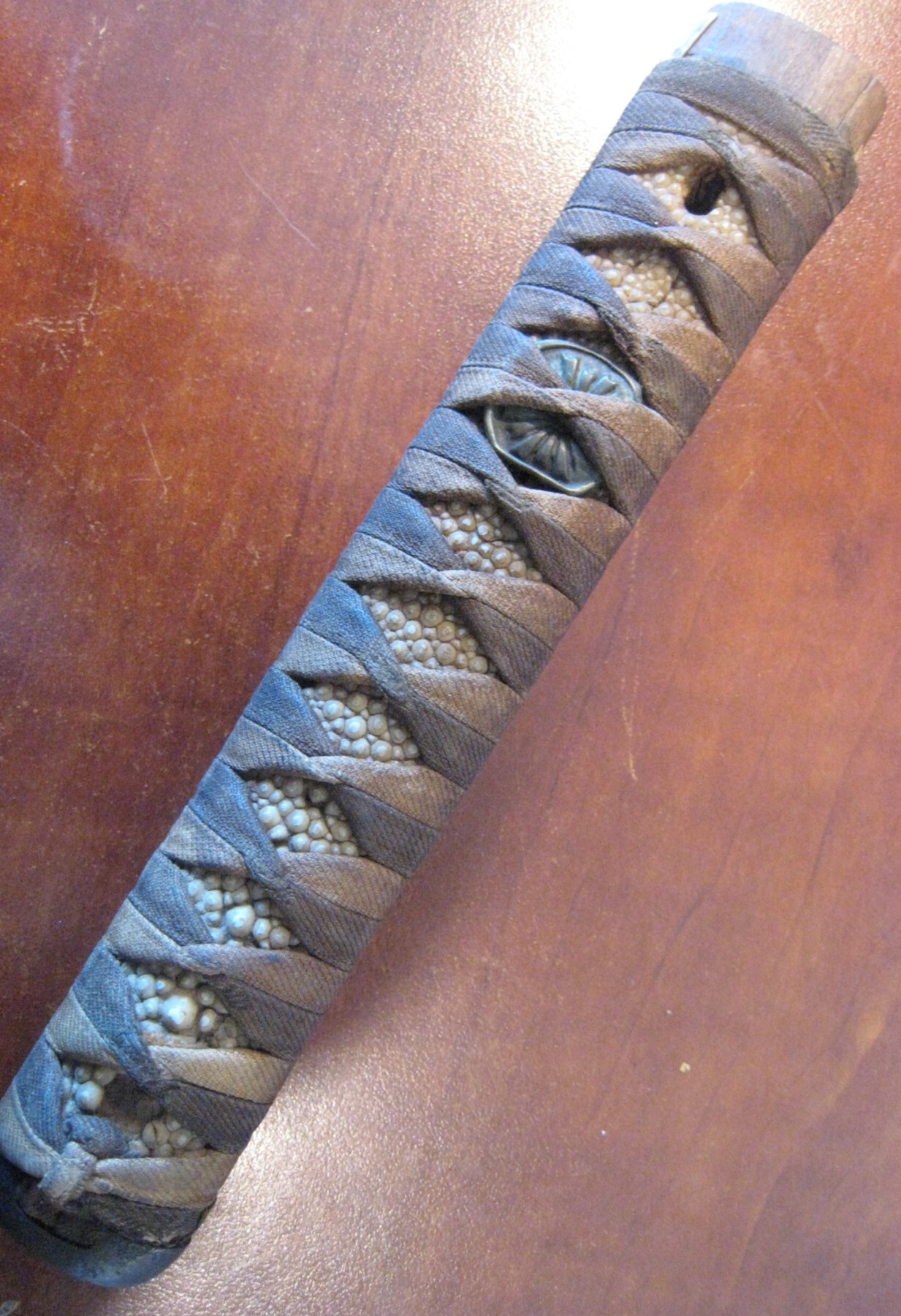
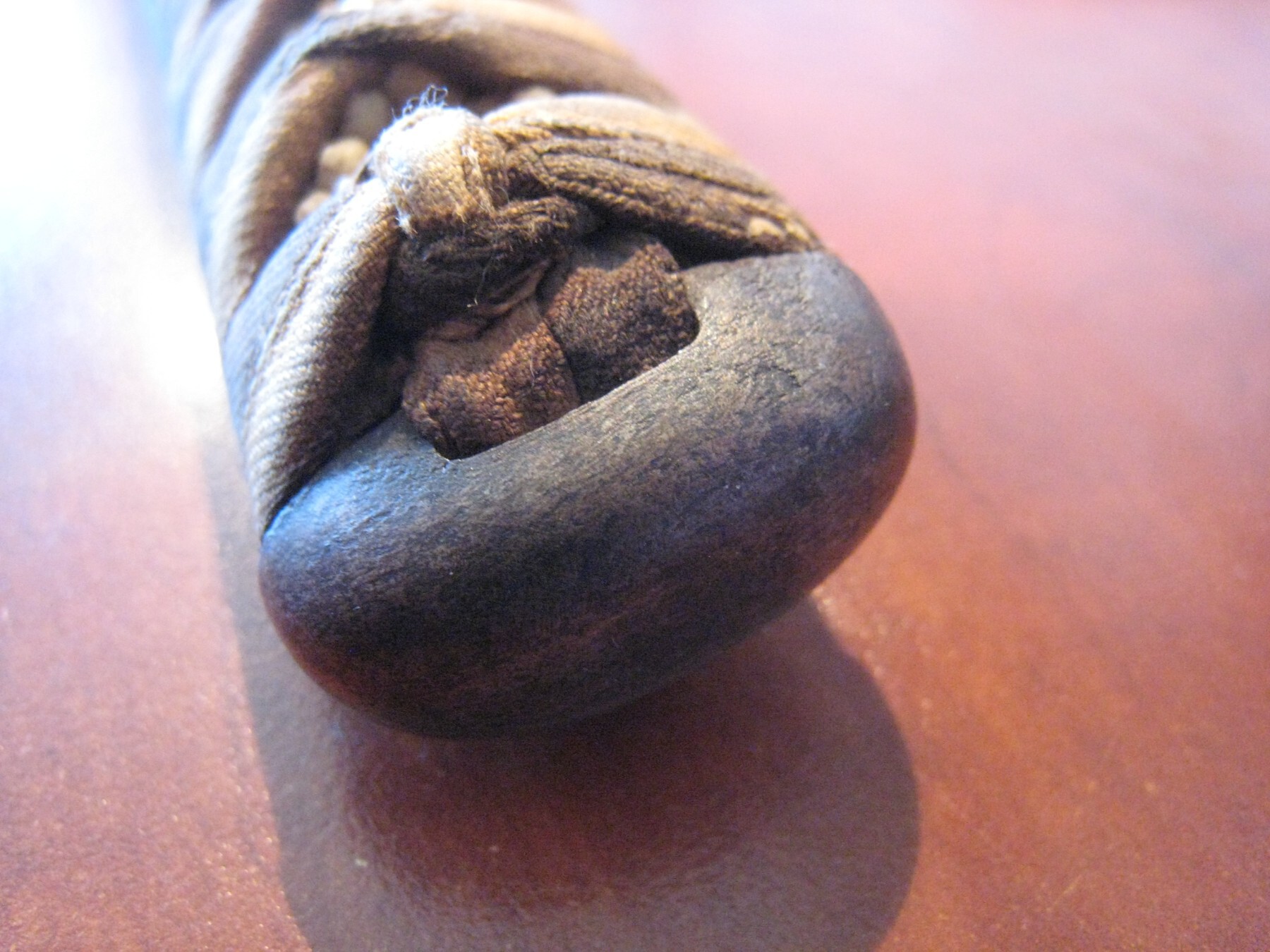
Looking for comments..... Although the Menuki are tightly bound I believe there are 16 total long and short Sun Rays radiating from the center. Is this a variation of the National Police Symbol? The Ito is definitely two tone (Dark Brown/ Light Brown) which is interesting. The Samegawa has some nice large grain accents at the copper Kashira. Is this a WW2 Police Officer Wakizashi Tsuka? I looked for a Family Crest and did not find anything like this but the National Police crest has the same shaped points but with 20 Sun Rays.
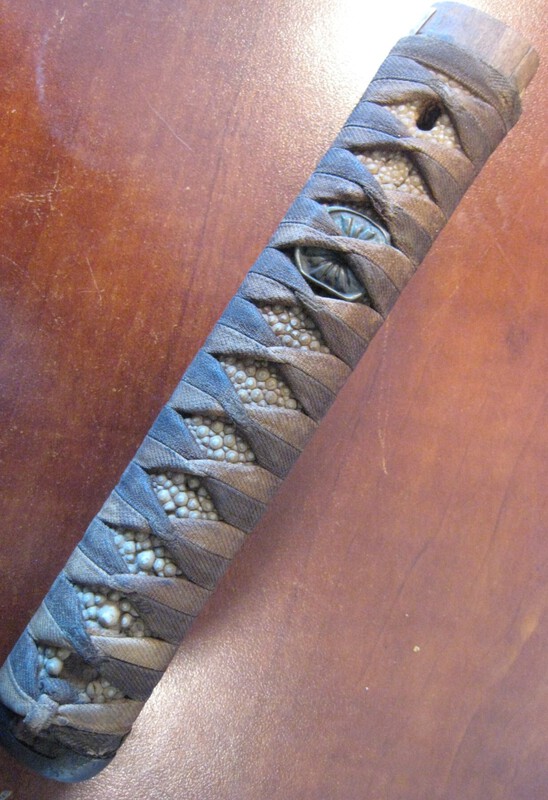
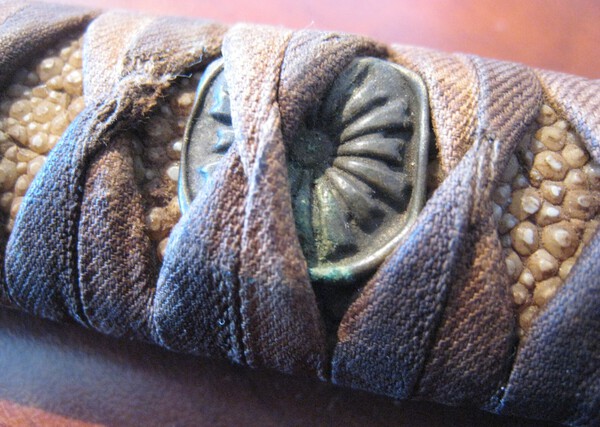
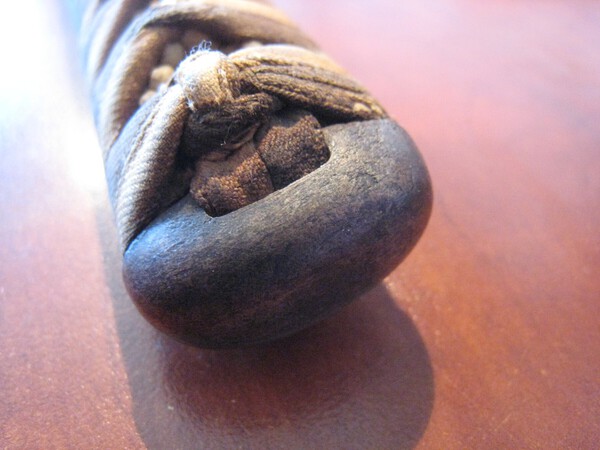 1 point
 -
Sam, that is exactly the way to deal (= live) with it! Others have other disabilities, and sometimes it is not even obvious.1 point
-
Both Conway and Mal did, above: Nobumitsu 信光 on tachi-mei, and date is Showa ju kyu nen ju ichi gatsu 昭和十九年十一月 Showa 19 (1944) November.1 point
-
Agreed. So long as we know what we're talking about it's all good. Whats the saying don't let perfect be the enemy of good. In any case I get the impression that some here have dyslexia, making things extra troublesome.1 point
-
Thanky Mike, the last photo is good! So Mauro saw it correctly!1 point
-
i would agree, looks alot like the old police badge1 point
-
Interesting! So what about writing FUCHI-GASHIRA vs. FUCHI-KASHIRA? I don't speak Japanese, but I always thought there were rules to it. And KOGATANA vs. KO-KATANA, KOZUKA vs. KO-TSUKA?1 point
-
Thanks, Piers. I knew we had foot-powered lathes here for quite some time, however I was not sure about Japan. John C.1 point
-
I think the hi have been added later. What is the blade nagasa? Could be late Muromachi (16th century) Bizen.1 point
-
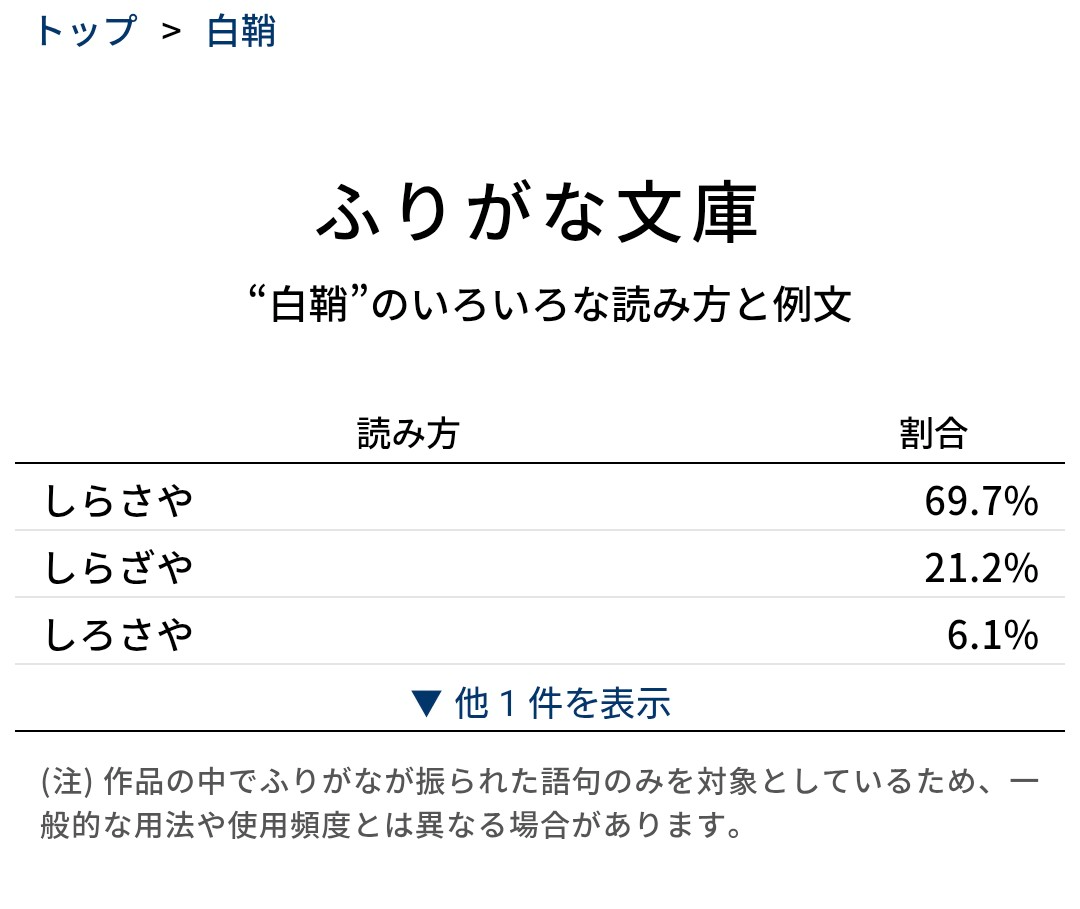
Whilst I'm ever the pendant, is it accurate to say "shirosaya" is an _incorrect_ transliteration? I don't dispute it's the most common pronunciation, but both shirazaya and shirosaya appear frequently in Japanese literature on the topic.
 1 point
 -
Sound advice Rohan, it'll be interesting to see how accurate it actually gets over time. Quite a useful metric to apply to AI though; 'can you accurately translate the mei on this nakago?'.1 point
-
The forum software has the ability to go full store mode if we ever want to try that, like it was want to market books, shirts, mugs...anything at all. Would be nice to have some stuff to sell, but obviously the logistics are considerable. But oneday we'll explore that further.1 point
-
Just human nature I'm afraid, especially if the response isn't the one they were hoping for (as was the case here). This is a single purpose forum so they wouldn't have much of a reason to remain active here, unlike e.g. Reddit or Facebook.1 point
-
Thanks Guys, I really appreciate that, I was finding it particularly hard to make out the signature and only confused myself further when I had the brilliant idea of asking Microsofts CoPilot AI. It told me the smith was Kanesune which just goes to show that it may be 'Artificial' but its not necessarily 'Inteligent' Mal, really appreciate the detail. I'll get the rest of the swords photographed and posted as soon as I get some time. Happy New Year Every one1 point
-
@Fusilier David, as noted smith signed Nobumitsu 信光 on tachi-mei, and date is Showa ju kyu nen ju ichi gatsu 昭和十九年十一月 Showa 19 (1944) November. Late war mounts as noted. Rather quick/rough signature, maybe was left-handed. But an arsenal product and Gi in sakura shows he was from Seki (Gifu) but could be working in Nagoya Arsenal. Its likely the suguha hamon is artificial. There was a Seki smith Sako Shinichi Nobumitsu, born Meiji 38 (1905) June 24, living in Seki, and registered as a WW2 Seki smith on Showa 14 (1939) October 26. He produced some quite good work ,, not sure if him. but towards end of war they were mass producing in arsenals. The painted numbers are 541 which are assembly numbers for the different parts.1 point
-
David: I'll take the easy one - the stamp is the Gifu (Gi in sakura). John C.1 point
-
Should be Nobumitsu 信光 dated November 1944.1 point
-
i agree on not polishing the sword. It appears to be a late (1880s-1940s) blade. Unless it was shortened. Either way best to enjoy it as is1 point
-
Hi @Bendy, Unfortunately this sword is a fake, and not made in Japan. https://www.jssus.org/nkp/fake_japanese_swords.html Thanks to @Bugyotsuji's translation in the other thread before it was split, he stated: "Ishii Tarō 石井太郎 A random name added for decoration I would guess." When I split the thread, many of the comments did not carry over unfortunately, but this basically sums it up. Apologies for the bad news, -Sam In an attempt to clean things up for now, i've hidden the posts on the Mantetsu thread. Apologies @Hector @Bruce Pennington . Maybe Brian can merge them here in time.1 point
-
Enso Nakahara Nantenbo (1839-1925), whose Buddhist name was Toju Zenchu (Complete Devotion), was in the last 17 years of his life the Exalted Master of the main temple of Moyoshin-ji of the Rinzai sect. A contemporary of the great lay Zen master, swordsman, calligrapher/artist, and statesman Yamaoka Tesshu, whom he met while teaching at the training hall at Sokei-ji in Tokyo and had daily private meetings with, he was a tireless reformer of Zen monastic training and activity, emphasizing strict practice and koan study. Done when he was 80 years old, this delightful Enso shows Nantenbo's sense of humor even while encouraging the pursuit of enlightenment. The moon is a more concrete manifestation of the Enso in the empiric world, symbolizing sudden enlightenment. However, he also challenges us to make a diligent, single-minded, and bold effort to seize the opportunity for achieving self-evident truth. Tsuki (moon) appears in kanji as 月. The structure is not quite haiku. If that moon falls, I will give it to you, Now try to take it. kono tsuki ga, (この 月 が) hoshiku bayarou (ほしく ばやろ) tote miyo (とて みよ)1 point
-
A tool. Maybe something meant for woodwork or...? Nice item though.1 point
-
Chestnuts?
 1 point
 -
Hmmm… they could be persimmons, maybe, which slowly turn a dark rusty colour as they cure.1 point
-
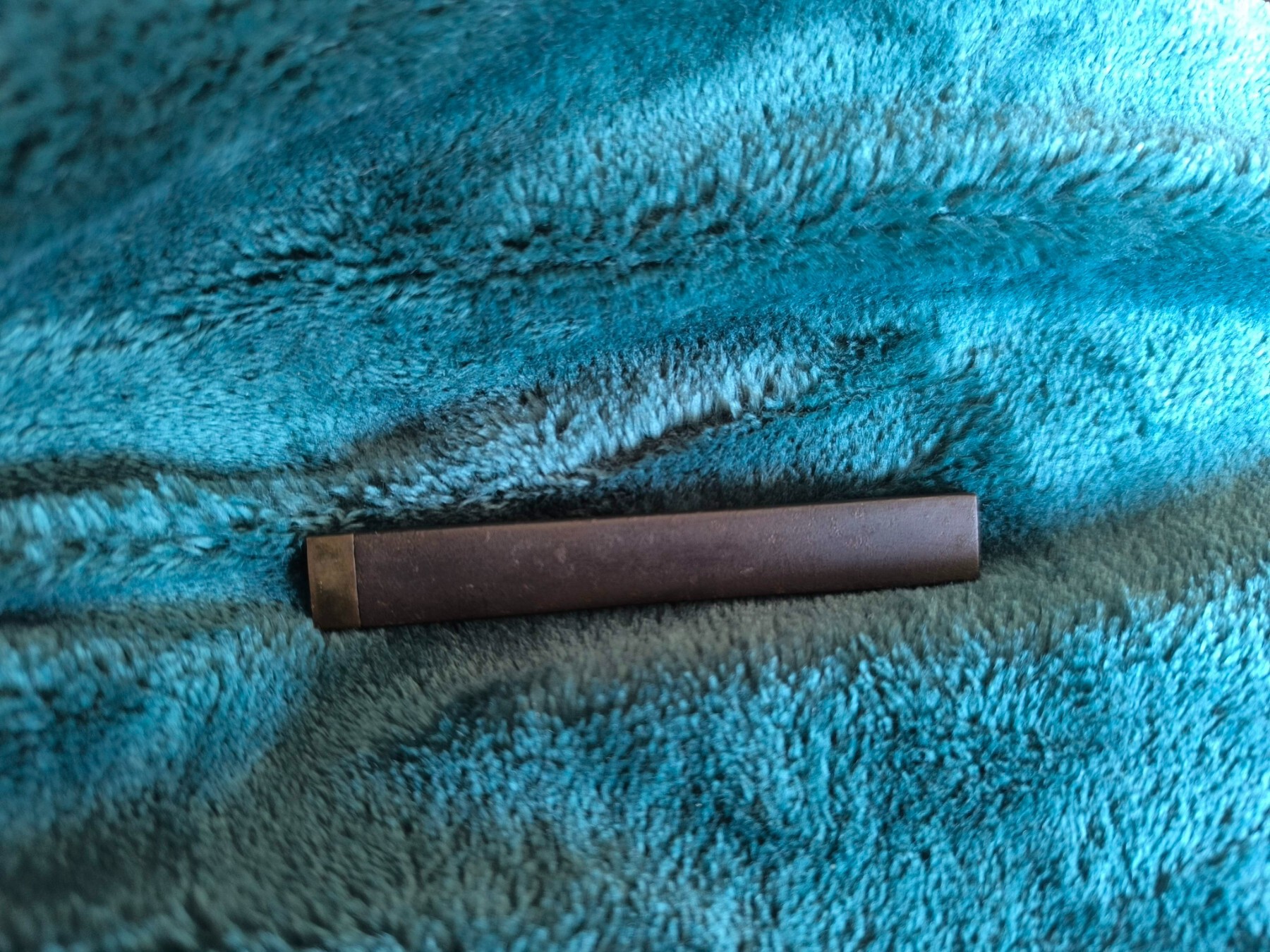
Mike, nice KOZUKA, unfortunately the iron front has some rust which should be dealt with competently. You say the back is SHAKUDO (not Sakudo), so a picture of that (dark background please!) would be nice. That's not a mouse but a rat (NEZUMI) on the front, a symbol of prosperity and good fortune, and the start of the Zodiac cycle. The technique of the KOZUKA (the KOGATANA blade is missing?) reminds me of NARA school, but as it seems to be a later EDO item, techniques and motifs were often shared among schools and traditions, so it may well have been made by other artists. The photos are not good enough to see what the rat is eager to eat. Maybe plums hung up on a string for drying? Just a guess.1 point
-
What a beautiful little shachi incense case. https://page.auction.../auction/f1103063495 Any takers? Damon
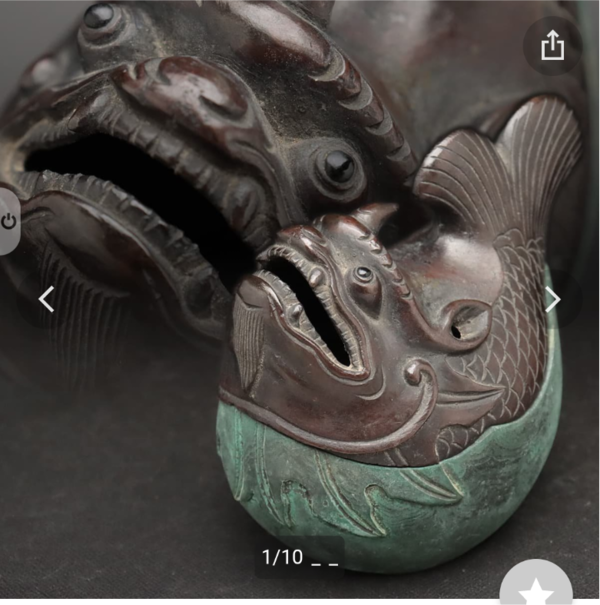 1 point
 -
Got to list this before Glen does. https://www.jauce.com/auction/w1101247410 Is it just me? Why is the image download size so small? 22 kb seems excessively small considering it was close to 4MB not that long ago.
 1 point
 -
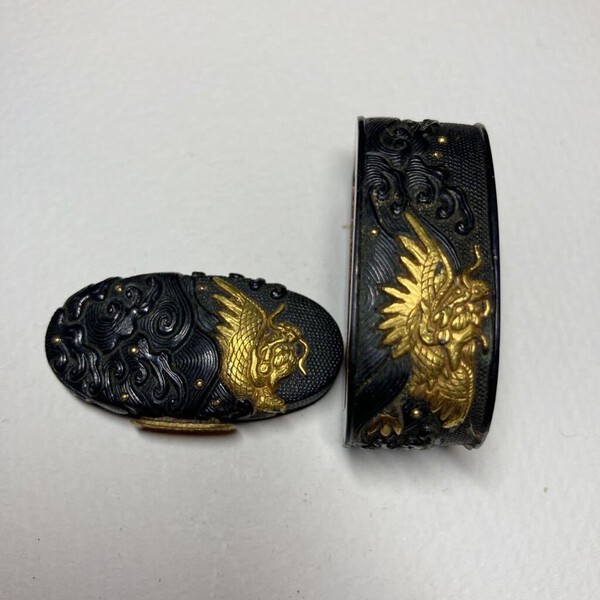
A couple of others pictures

 1 point
























This leaderboard is set to Johannesburg/GMT+02:00