Klink
-
Posts
60 -
Joined
-
Last visited
Klink's Achievements






-
I think I am getting better at distinguishing copies from true artist works based on the forum in general and these comments. It is a slow process because of all of the individual component and styles involved with Nihonto. But I used to not be able to look at a picture and tell a Chinese tsukamaki job, a chemical etch hamon, Chinese Koshirae, ect. This tsuba was included with a bunch of other parts and as the story goes you have to separate the chaff from the wheat. As the listing started I had a gut feeling that the item was a copy but I was interested in the Kanji and the associated artist. Jean, I did mean to say that metal was not magnetic but some how metallic came out. :-) Also thanks for the casting info in general. From this discussion I found links to works of Nobuyoshi / Shinro and compared the Mei ect. Thanks to all for sharing and helping a Neophyte gain some knowledge. I look forward to gaining more insight!
-
Thanks Steve, good points.
-
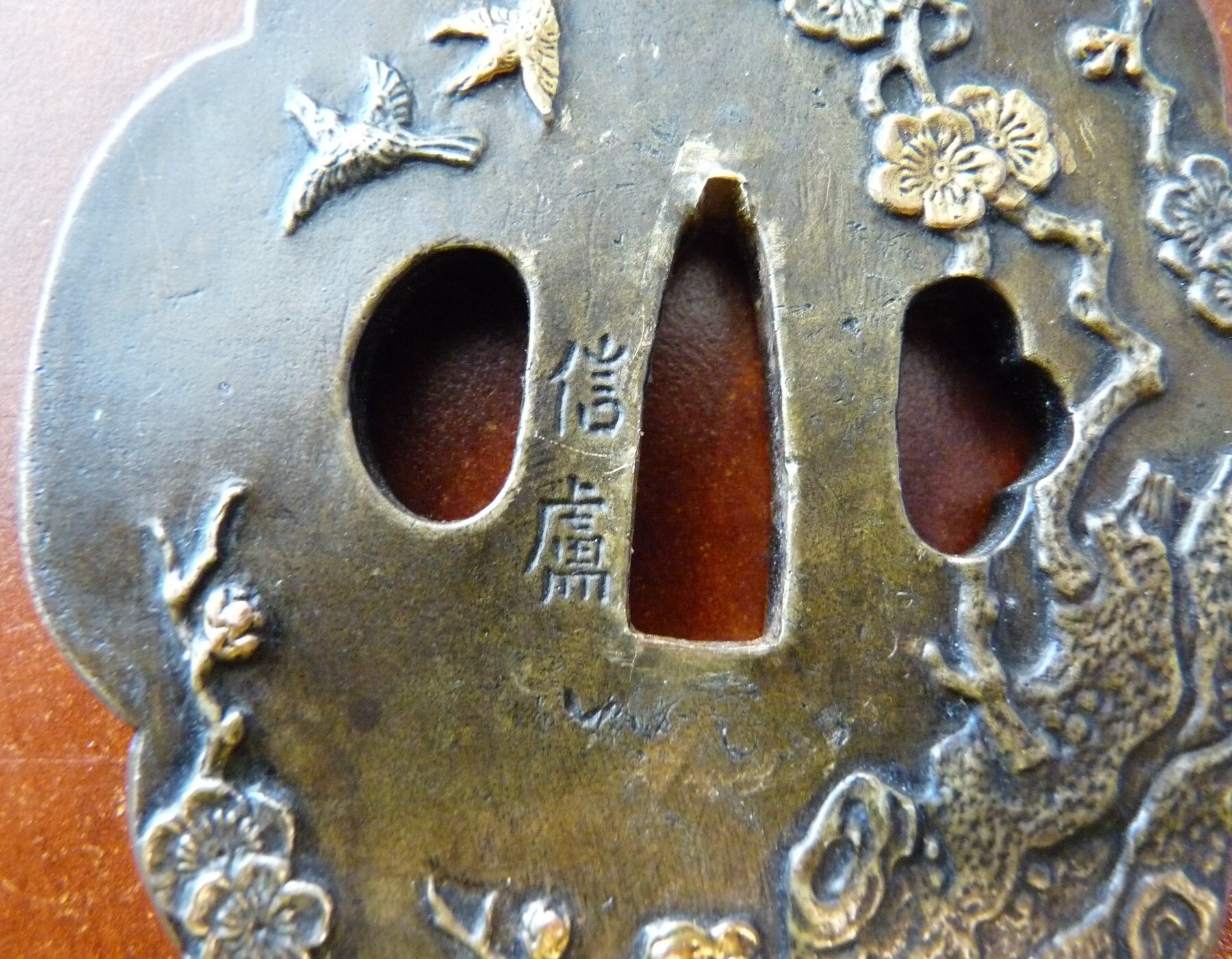
OK I just found ChatGPT and here is what that AI states regarding the Kanji: The Japanese characters 信盧 are not a common Japanese word or phrase. Shin — “trust,” “faith,” “belief,” or “reliance” 盧 (ろ / ro) — the uncommo Together, Shinro (Shinro / sh doesn't have a standard meaning in modern Japanese. It may be a name, a typo, or Chinese characters being used in a Japanese context. Out of curiosity the Kanji in the picture for Ro does not have the bar on the bottom. Is that common in writing Kanji to leave out a stroke?
-
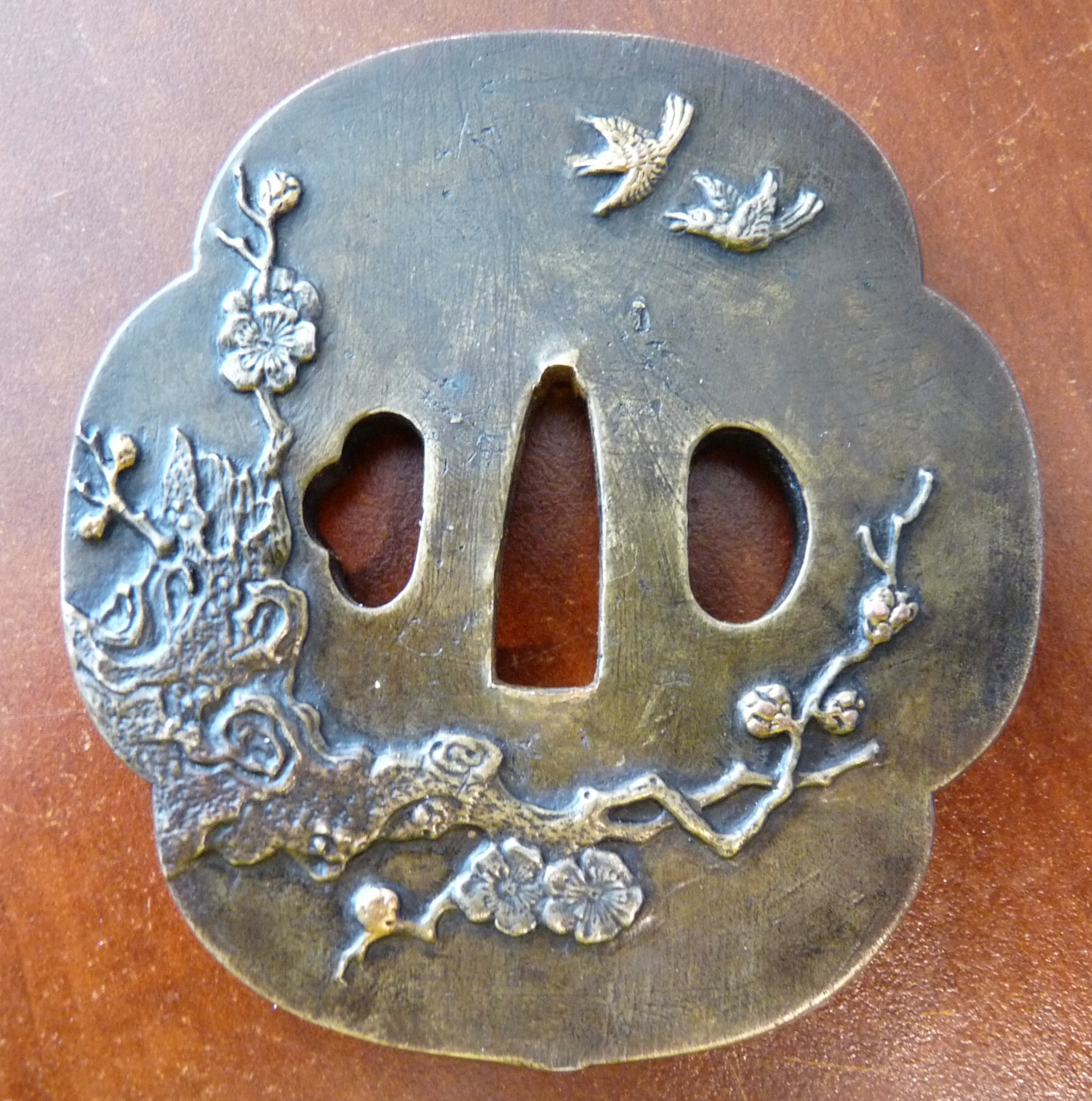
Thanks for the comments! 1) First looking at the Kanji for Yoshi in the "Kanji Used In Names" section, I don't see one that resembles that Kanji. 2) What AI do you use because Google AI comes up with Lee even if I take that character and search. Maybe I need to get Grok?? 3) Uwe it does look a little rough..... So here is a question. My AI says Japan started casting brass in the early Edo period. So when the artist made a casting did he then make multiple Tsubas? "Excavations in Nara, Japan, uncovered roughly 800 tsuba-casting artifacts and over 200 spherical melting pots containing zinc and copper traces." quote from Markus Sesko
-
Is this a Chinese Tsuba? It looks like Nobu to me but the bottom looks like Chinese Lu. Its non-metallic and heavy so I guess its brass and cast ...... Thanks in advance.


-
Dale it's a weird thing with AI, apparently it has a hard time as well with five fingers on a hand.... it likes to make 6 fingers!!
-
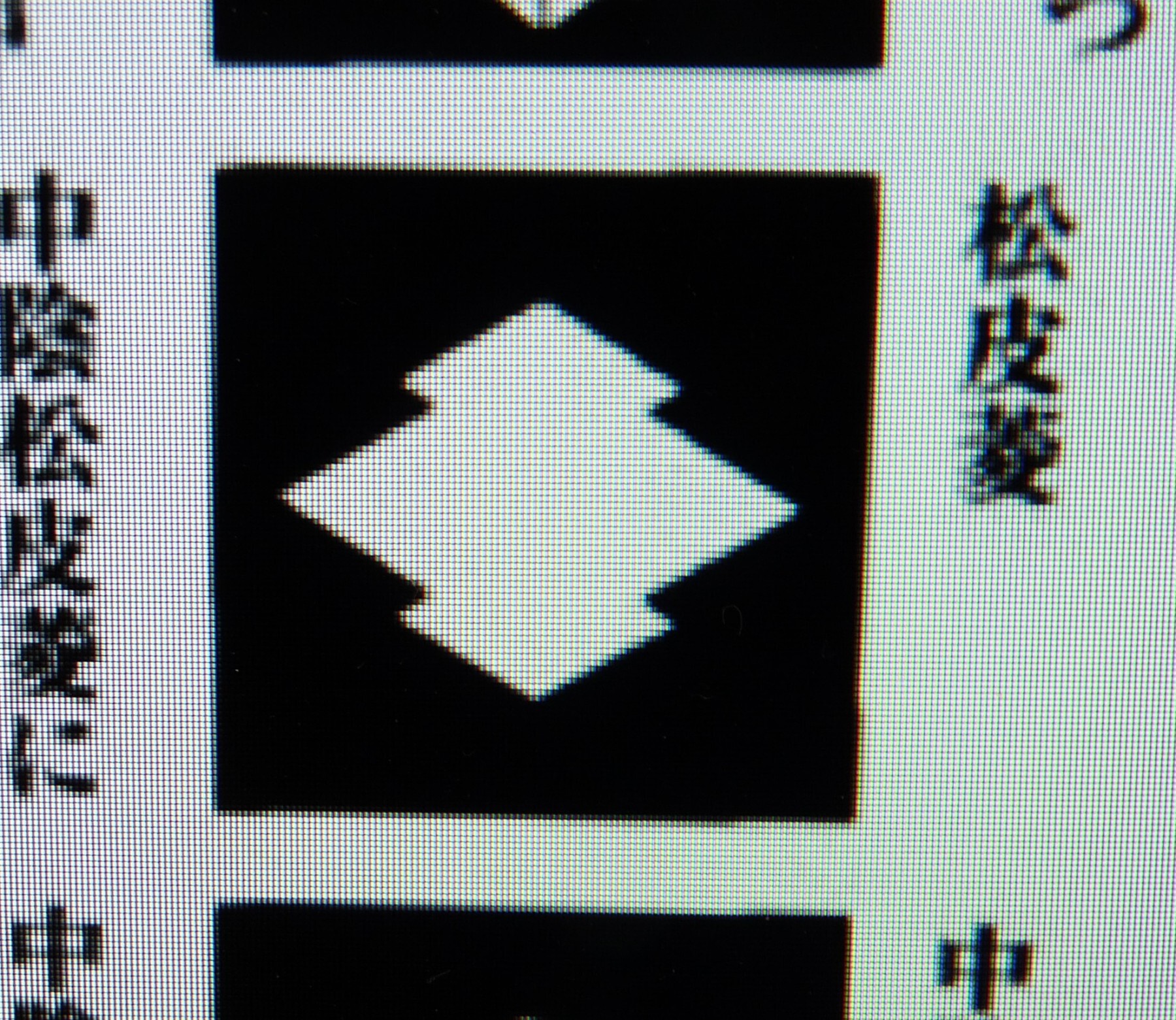
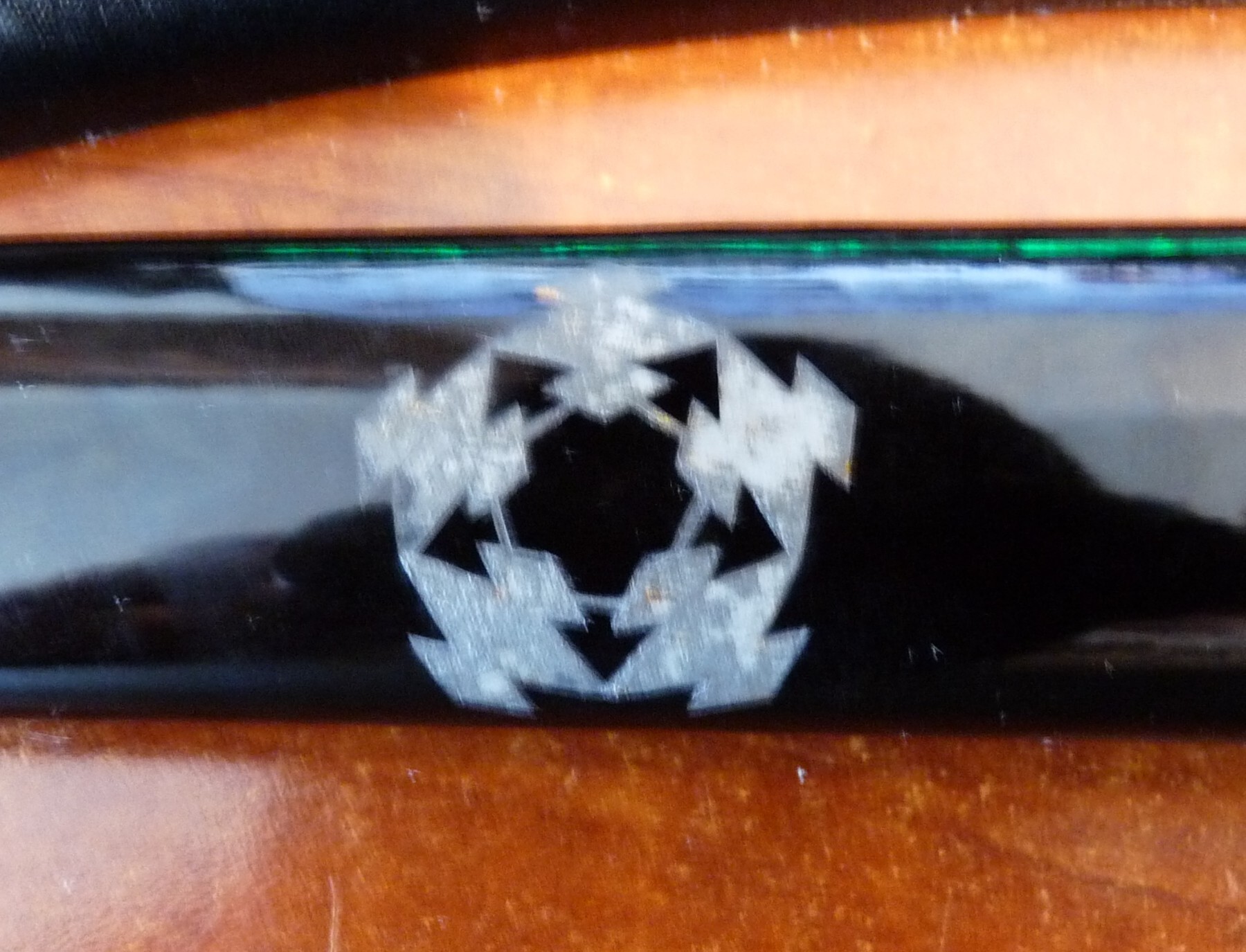
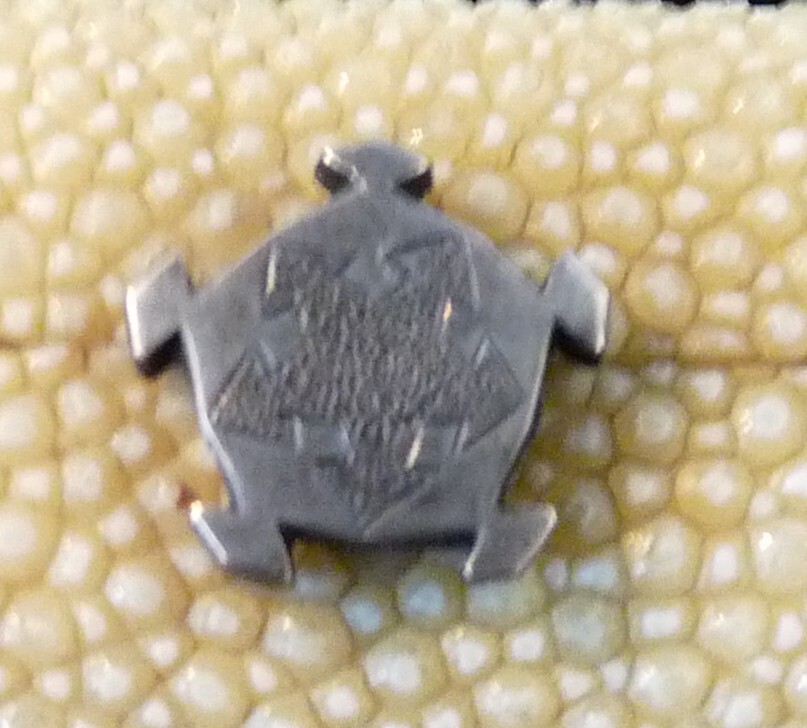
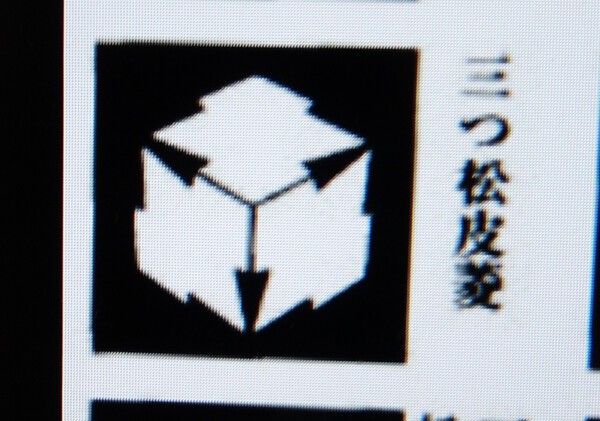
I was so focused on the inside five points that I missed the outside five individual Matsukawa-bishi symbols. So if you take these five symbols as the basis of the Mon then isn't the inside five pointed arrows just something created by the main design? For example I found the single symbol and a three symbol Kamon. In the case of the three symbol aren't the three arrows created just a random occurrence? If this is the case then as stated by Piers it is perhaps a descendant of the Ogasawara family. So where do you find that 10,000 Kamon book . LOL Thanks for the comments as I would have never seen the forest through the trees.

-
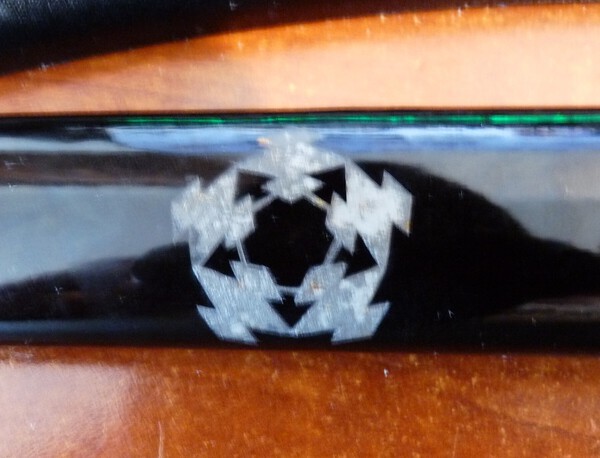
It intrigues me to think how the Symbol was made on the Saya. It appears to be something that was done over the lacquer finish. It has a raised abrasive feel when you touch it and I can see spots of what looks like copper underneath the silver or tarnish finish. So did they have a process of taking a thin copper foil and doing a silver plating to a intricate design and setting that in the lacquer? The Habaki has a silver finish over copper and the Menuki looks like a solid piece of silver or nicely plated metal.
-
Hello all and thanks in advance for any thoughts on this Symbol. I believe it to be a Kamon because it is on two sides of the Saya and one of the Menuki on the Tsuka. I went through the 5000 Kamon book twice and did not find anything that resembled it. I tried Google Lens and also thought it might be a Shinto symbol but no luck there either. Maybe I need a 10000 Kamon book or better reading glasses.

-
That was quite a exhibit of Habaki. I have rain pattern ones but nothing like some of the examples. So I saw cutouts and some were on two piece models and I saw the Boars Eye as well. So great information. and Thanks for the posting!
-
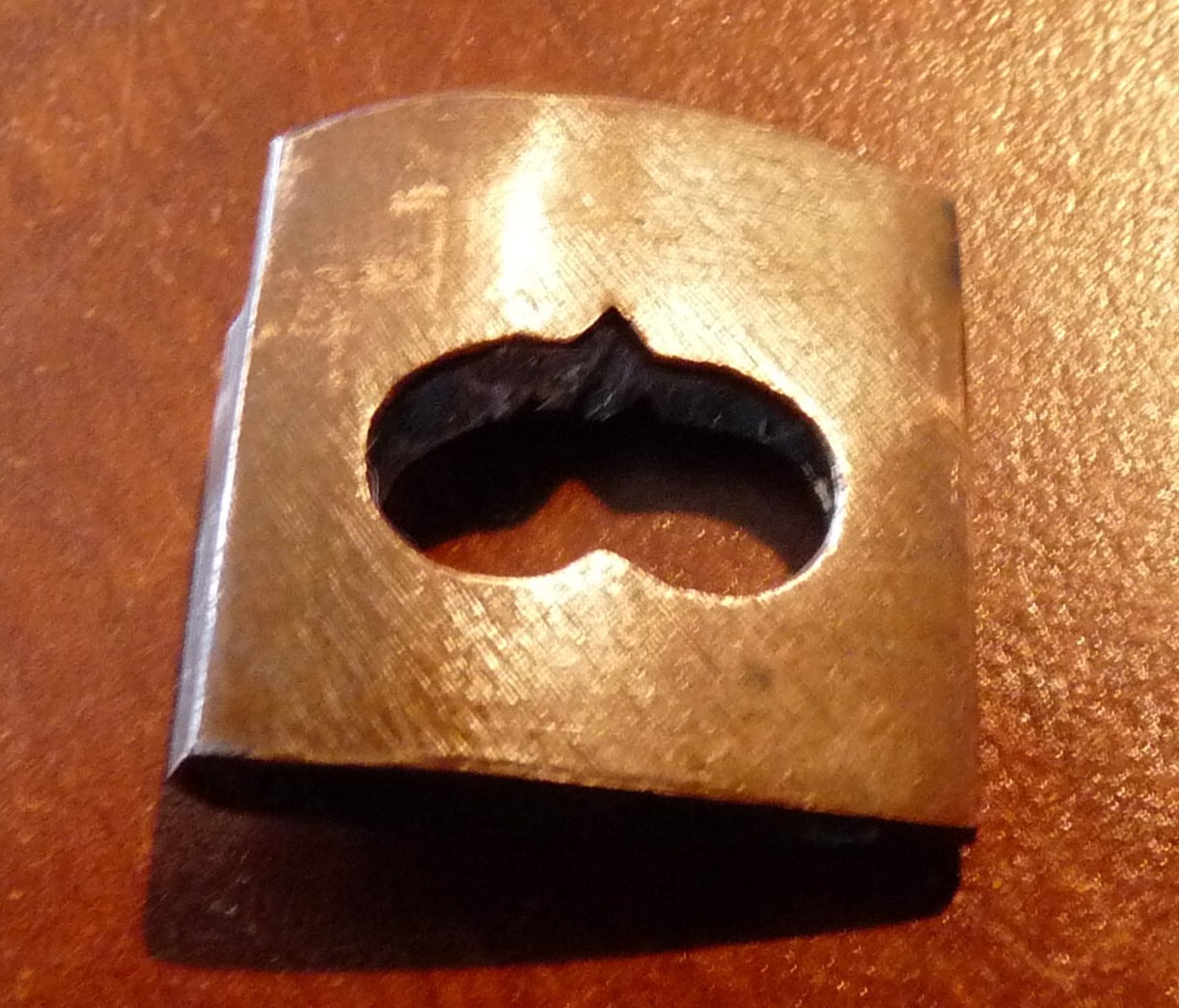
I think you got it.... Thanks! Taking the AI with a grain salt ...... A 猪目 (Inome), which translates to "boar's eye", is a traditional Japanese motif resembling an inverted heart or a stylized heart shape. On sword mountings, this symbol—representing the unwavering, forward-charging wild boar—is meant to convey bravery, determination, and protection. While Inome is most commonly seen as cutouts in sword guards (tsuba) and decorative scabbard fittings, it is occasionally applied directly to the habaki. Design Details: When applied to a habaki, the boar's eye is typically seen as a decorative pierced cutout (sukashi) or engraving on the side of the collar. [1] Symbolic Meaning: Just as the "never-twitching eye of the boar" shows a beast charging into danger without considering risk, a habaki featuring this motif is an artistic talismanic expression of a warrior's readiness and courage.
-
Probably not the most common thing but it looks like a Aoi leaf?? / Hollyhock my guess. I looked through the 5000 Mon book but did not find a single leaf Mon. Anyone see a cutaway Habaki before.


-
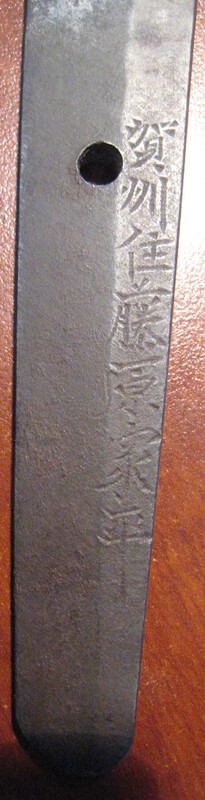
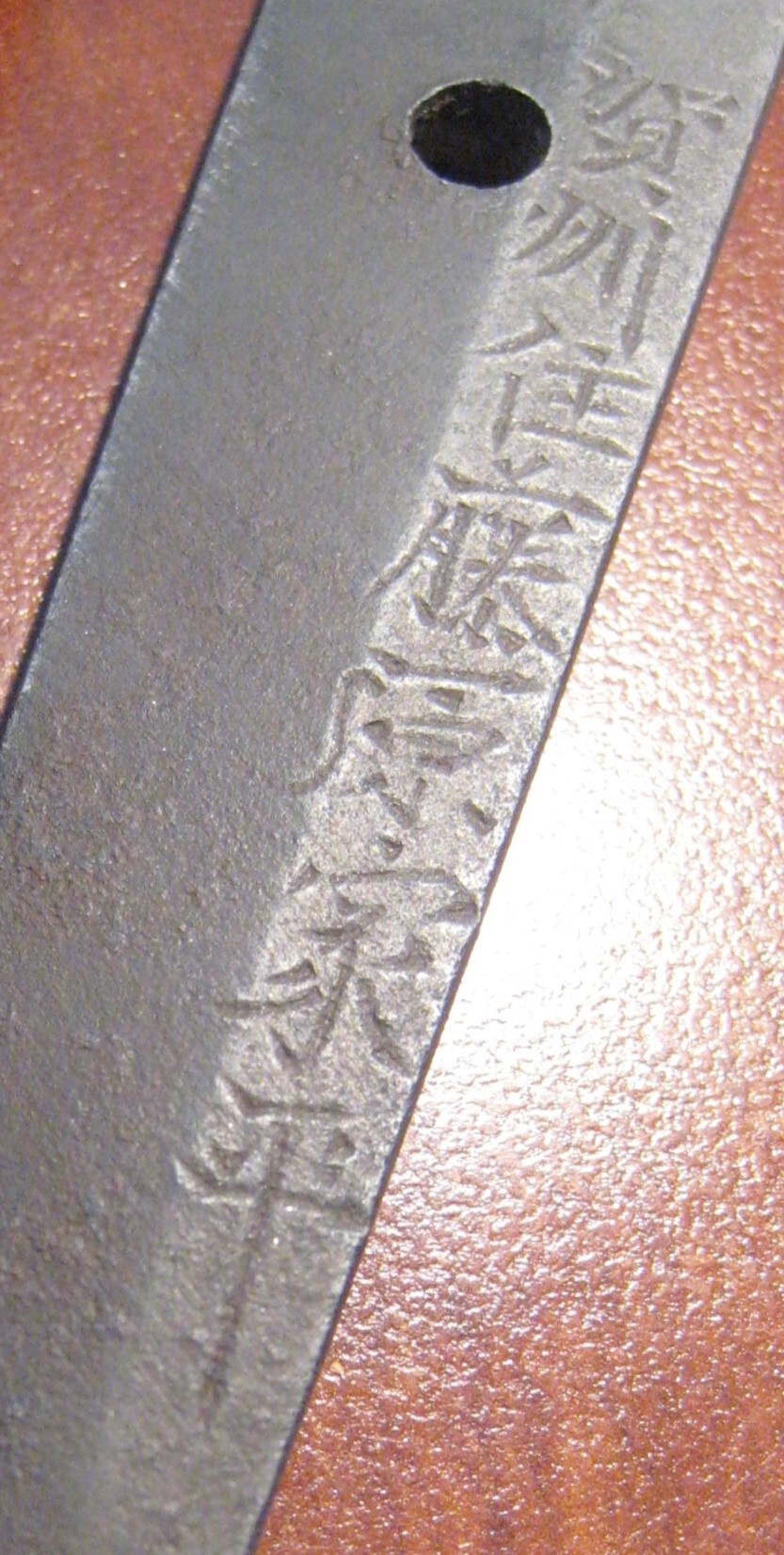
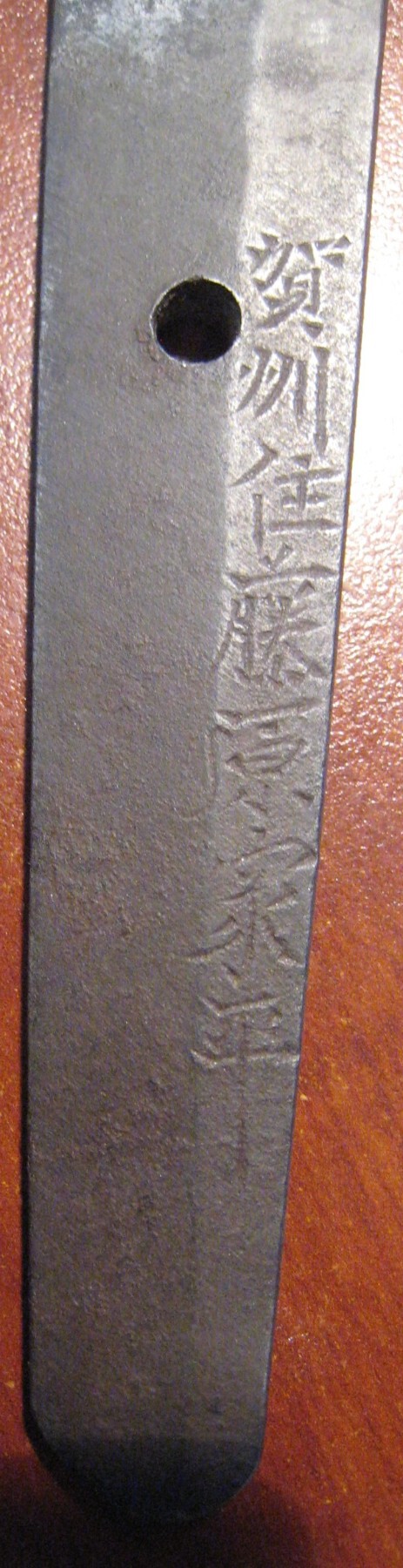
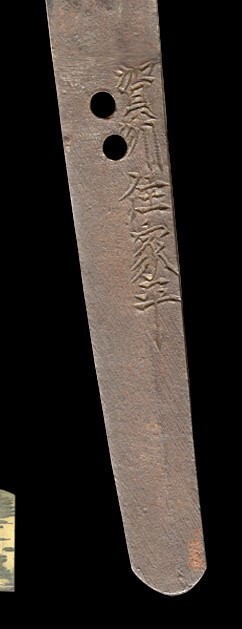
Uwe, I think you have it... Thanks. I didn't see Gashu in the Province list of Site Kanji... So if you trust AI it states the following about a smith named Iehira... ....... wakizashi" from Genroku era in the early 1700's by a representative swordsmith IEHIRA 家平 whose real name is Suzaki Kichibei 洲崎吉兵衛. He collaborated at his father IEHIRA's studio and worked for the feudal lord MAEDA 前田 in Kaga province (present-day Kanazawa, Ishikawa pref.) I found a picture of a Mei from this smith....
-

-