Scogg
-
Posts
2,237 -
Joined
-
Last visited
-
Days Won
28
Content Type
Profiles
Forums
Events
Store
Downloads
Gallery
Everything posted by Scogg
-
Here’s the oshigata from F&G for your comparison. The second one is not really legible on the nakago photo, but the first looks OK. All the best, -Sam


-
 congrats on the auction win! Yes, please contact Brian for payment. Once confirmed, I will ship to you! Congrats and thanks to all who bid!
 -
I am not totally convinced that this is a fake. In fact, several details make me think it is more likely an authentic sword that has been heavily altered and reworked. Very tricky one... First, it would be very unusual for a fake to have a mismatched scabbard, particularly when this variation is so obscure and little-known. That just kills the value by about 50% right off the top. Also, it seems highly unlikely that a faker would specifically target such an obscure variation with the drooped ito and asymettrical ito wrap pattern. Additionally, the serial number falls within the correct range for Variation 2 Gifu swords. The thick black seppa are also significant; it's my belief that they indicate a wartime rework or repair. This would explain the presence of the steel round tsuba. The screw is definitely altered and messed up... Notice how the screw is flush with the imitation samegawa. On the fakes we commonly see with similar looking screw; the fastener sits raised above the surface and is very obviously a bolt-and-nut arrangement. Here, however, it appears to be some kind of barrel nut inset into the tsuka; and it definitely looks wrong... But the flathead side of the screw on the other side is correct for Variation 2 swords. The stamps and tsuka certainly look very poor at first glance, but I think there is an explanation for that. The indentations in the stamps appear to be filled with the same brown paint that can also be seen on the tsuka and the ferrule (fuchi). In other words, I suspect the stamps look bad because they are filled with paint. The tsuka appears to have originally been painted gold over aluminum, with the ito and fuchi later painted brown. It looks like a very sloppy and unattractive job. The scabbard also appears to have received a modern paint job. Taking everything together, what I see is a fundamentally correct sword that was wartime reworked and then, at some later point, very badly adulterated. The alterations and poor cosmetic work make it look suspicious, but I don't think those characteristics necessarily mean the sword itself is a fake. All that said, I totally see the sceptisisms and concerns that you see... I think some more opinions would be good for this one @BANGBANGSAN or @Stegel . All the best, -Sam
-
Amazing guys, very generous! The Auction ends today at 5pm pacific standard time. In just under 10 hours from now
-
Hi Mike, welcome to the forum. Nice sword! I see you've already looked into the Monograph, and that's a great place to start! What you have is a Variation#4 Type 95 Gunto; and yours likely would have been manufactured around 1941 or 1942. Yours has the TO ( 東 ) stamp on the blade, which is for: 東京第一陸軍造兵廠監督課 , Tōkyō 1st Army Arsenal Supervisory Section. About your tassel. It's unusual but not unheard of to find officer tassels on Type 95 swords. We have seen these blue/brown company grade tassels on Type 95 swords before. That said, most Type 95 gunto would have had an all leather tassel for the NCO’s. It's hard to know for certain how this tassel found it's way onto your sword, but here are a couple likely scenarios. 1. The soldier who originally had this sword received a promotion during his service and wanted to continue carrying his 95. 2. An officer chose to purchase a Type 95. We know that in July 1937 that army officers were granted the opportunity to purchase Type 95 swords for 33 yen from the Tokyo or Kokura arsenals. Source from Nick Komiya here: https://www.warrelics.eu/forum/Japanese-militaria/sos-swords-out-stock-alert-783673/ 3. The tassel was added after the war by the GI, who wanted to "complete" the package. Found a loose tassel, and added it. 4. It was added post-war and post-occupation. All the best, and best of luck. Let me know if you have any additional questions. -Sam PS: Very cool flag, I love the tiger. Good on you to donate that to a museum. These flags are called "Yosegaki Hinomaru", and they often have good wishes and sentiments toward the soldier from their family, neighbors, coworkers and/or friends. They are extremely personalized items, and there are even efforts being made to return them to families in Japan. You can read about that humanitarian effort here: https://www.obonsociety.org/eng/ , I volunteer for them sometimes, and the organization is run by some very good people.
-
IIRC, especially long omiyari were sometimes offered to shrines, as they were made to be wielded by the Kami. Here is a good discussion that you might find interesting Best, -Sam
-
Beginner wanting to know about the sword and authenticity
Scogg replied to bkww2's topic in Military Swords of Japan
My pleasure, @bkww2 . Welcome to the forum! This sword has been listed online for a little while now. Everything appears to be genuine, but nothing about this sword is very normal. The fittings and scabbard are for a machine made Type 95 gunto; sometimes called Type 95 NCO sword. Type 95 gunto were originally made with serialized blades that do not have signatures. This appears to be a different WW2 sword blade that has had the tang altered (suriage and machi-okuri) so that it could be fitted into Type 95 hardware. I think we’ve seen similar configurations in the past, but I’m not sure if they are wartime assembled, or pieced together after the war. Others here might have more input. All the best, -Sam -
Beginner wanting to know about the sword and authenticity
Scogg replied to bkww2's topic in Military Swords of Japan
I will relocate your thread for you to the military section. Will save you the hassle of creating a new one -
A very low-priority idea/request, but would it be possible to add a feature that allows someone to “gift” a yearly paid membership to another user account? Holiday season is fast approaching All the best, -Sam
-
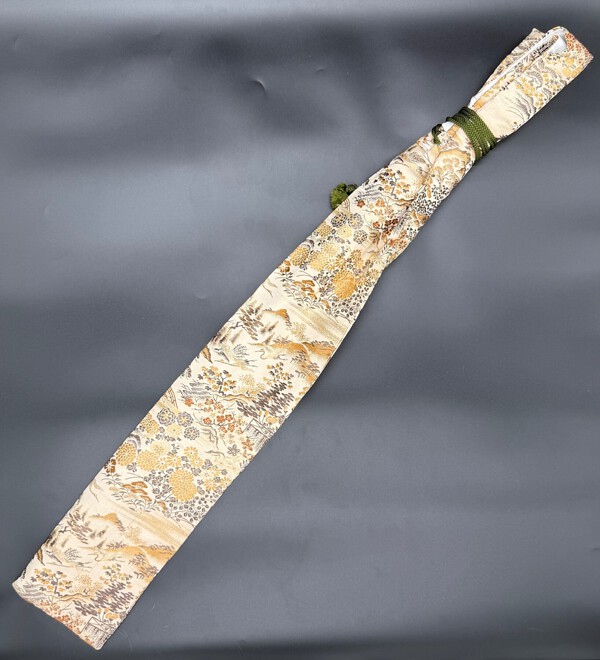
If the bids reach $1250… I will include a company grade blue/brown tassel, and a silk sword bag, both from my own collection. Could make a nice package or display for the military sword collectors! Bidding ends in just over a week on September 12th, at 5pm Pacific Standard Time, USA. All the best, -Sam



-
I think I have a late World War 2 Japanese Cavalry sword.
Scogg replied to Moderk's topic in Military Swords of Japan
The non-matching scabbard hurts the value quite a bit, unfortunately. Otherwise it’s actually in decent condition. You find these really beat up sometimes, or with cracked hilts. I recently sold on auction the same variation (variation#8), also with a non matching scabbard, and it sold for $800 USD. So I would think it would be worth around that price. Best of luck, -Sam -
Introducing NihontoWatch's Great Kantei Games Season 1
Scogg replied to Hoshi's topic in General Nihonto Related Discussion
Finally gave it a go, and it’s a lot of fun! Love the daily game. Also, the traditions and schools kantei is a bit more my speed, so I’m very happy that is now available. Well done on this site, it is really impressive! Happy to now be a member -
I don’t like it either, especially how it’s patinated right on top of where the bohi starts. It’s hard not to be reminded of similar practices being done, but for unethical reasons. Not for me personally. Maybe a special order or request? Best, -Sam
-
Awesome guys, thanks so much! @Bruce Pennington , what would be your opinion on date range for the large SEKI stamp?
-
Photographs Illustrating the Wearing of Japanese Guntō
Scogg replied to saemonjonosuke's topic in Military Swords of Japan
Thanks again! Very interesting and cool photos. Also, that looks like a black painted scabbard. -Sam -
Photographs Illustrating the Wearing of Japanese Guntō
Scogg replied to saemonjonosuke's topic in Military Swords of Japan
Thanks Trystan, very interesting. Great belt, too. -Sam -
Jacques is the one who brought up collecting in the first place. Otherwise, this thread is simply about papering standards. The discussion is specifically about papers and military swords, so I’m not really sure what Jacques’ point is here, other than simply being contrarian. -Sam
-
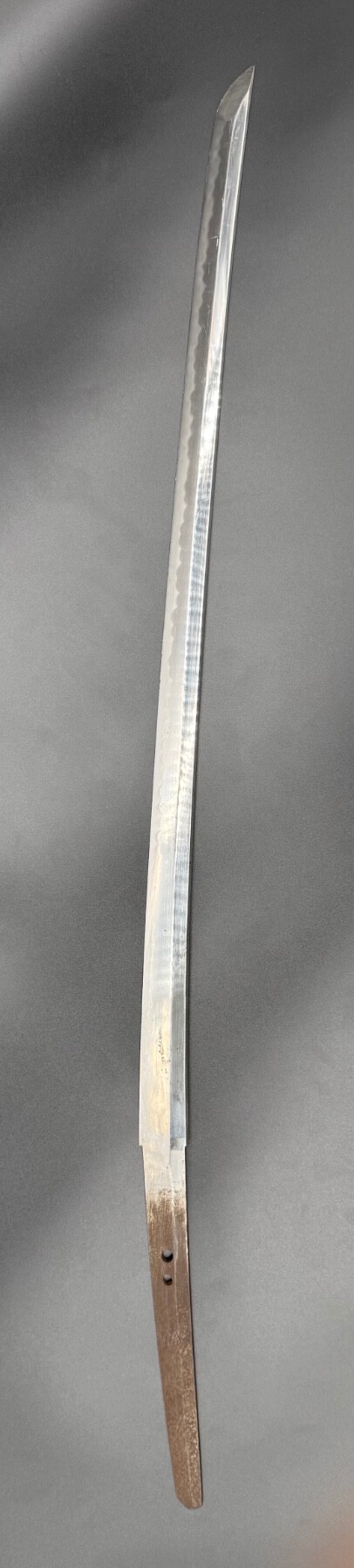
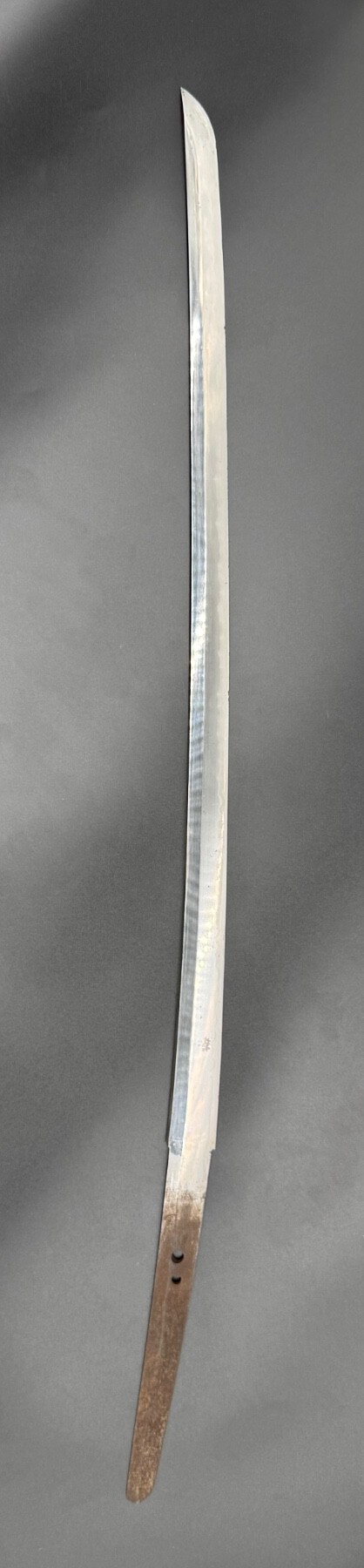
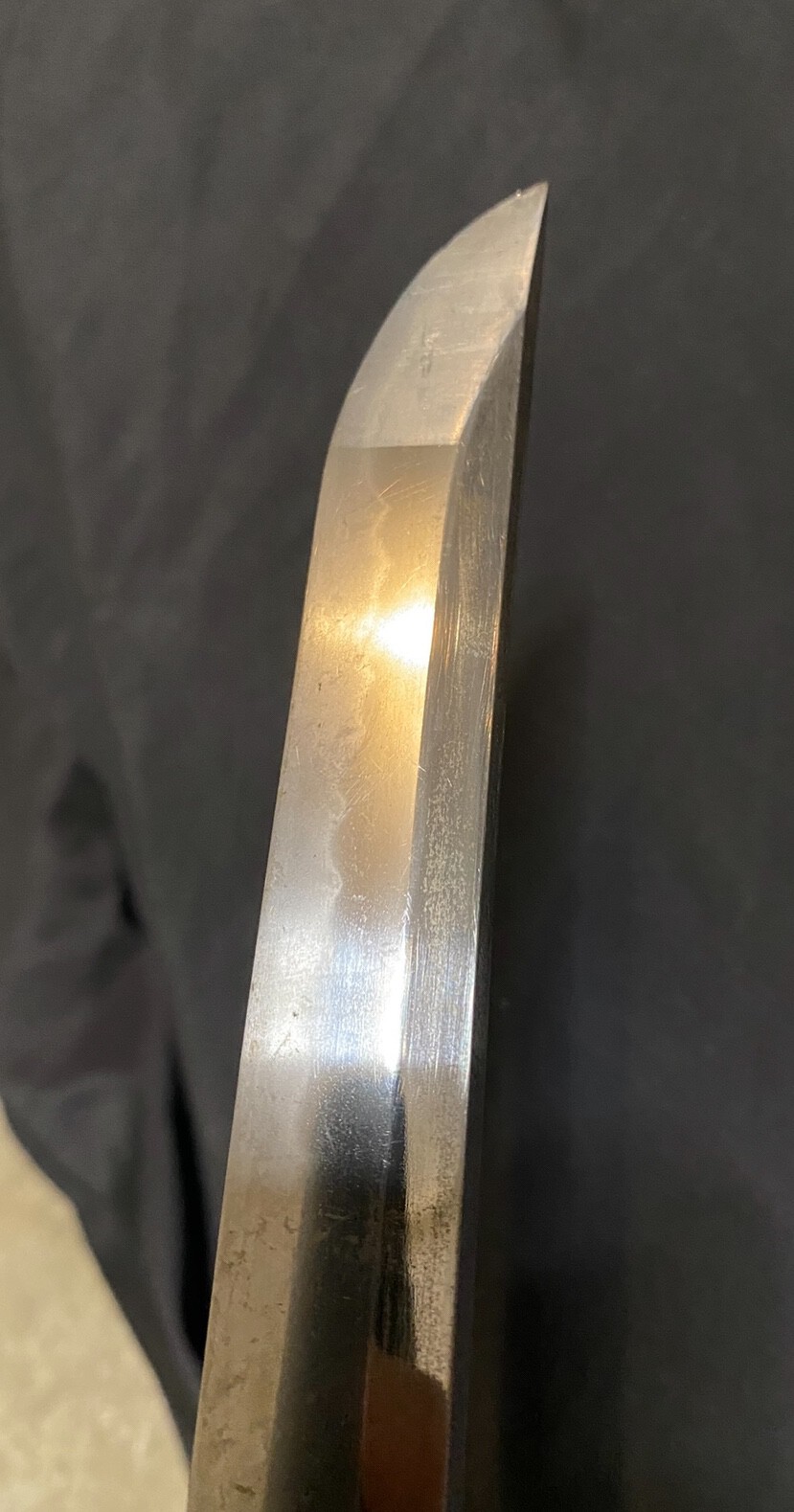
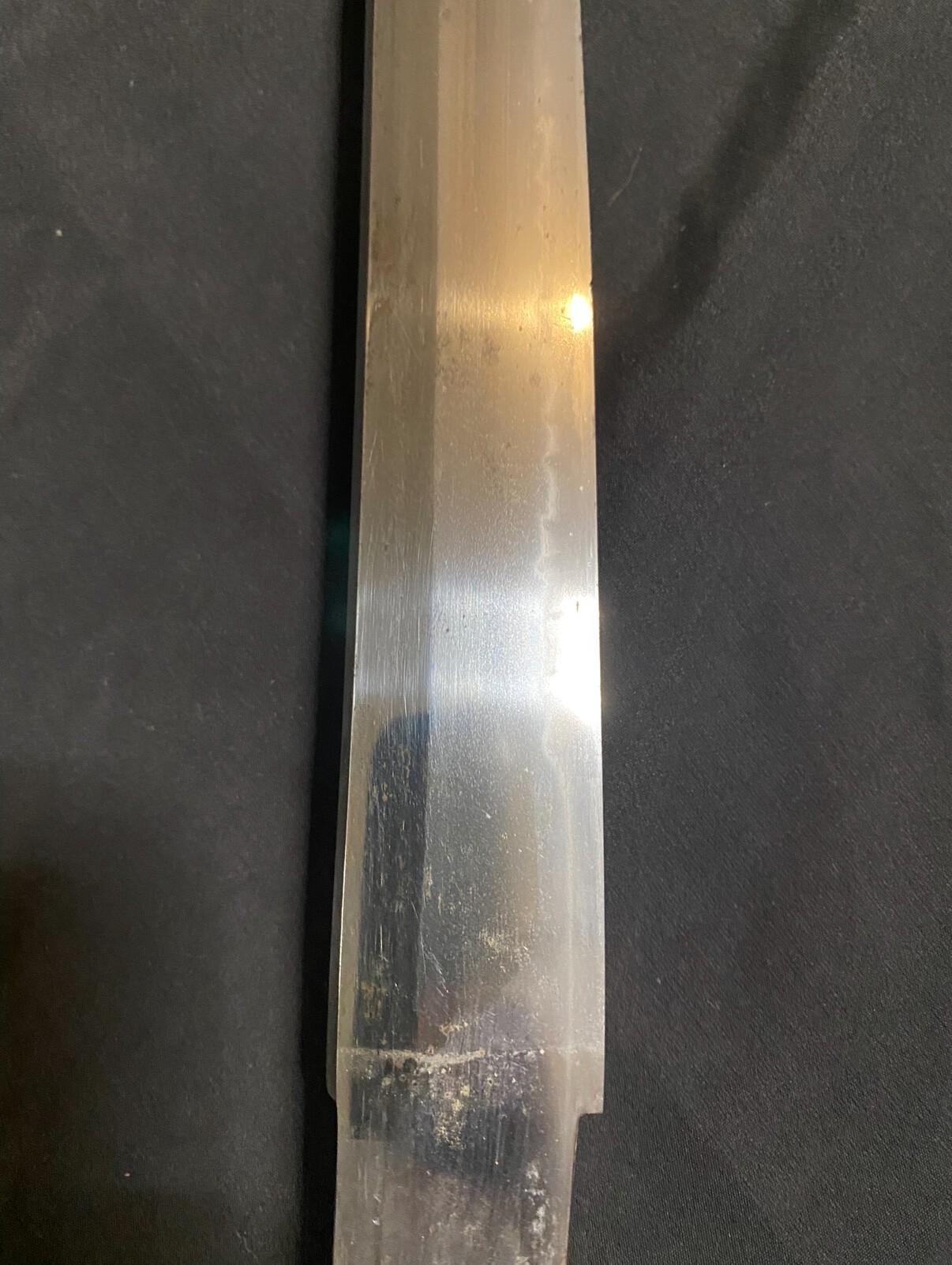
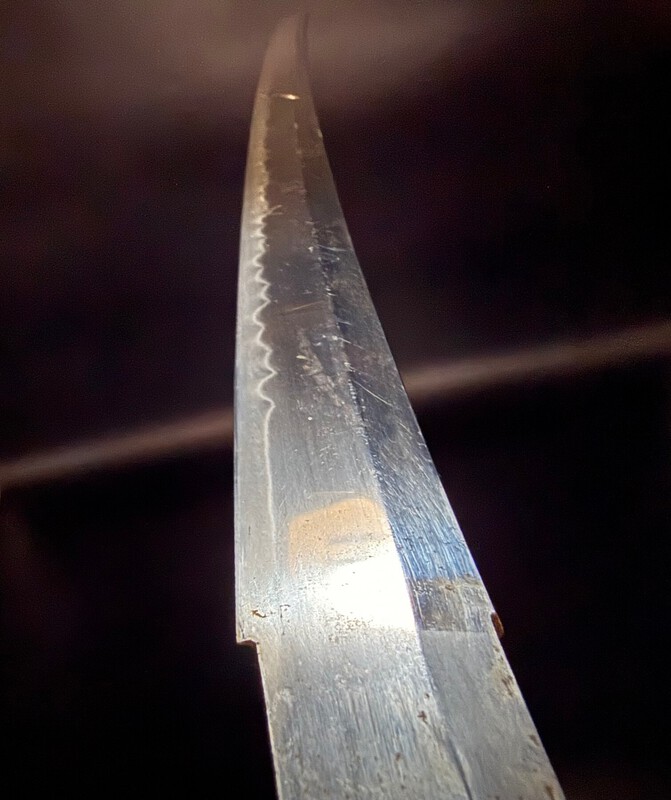
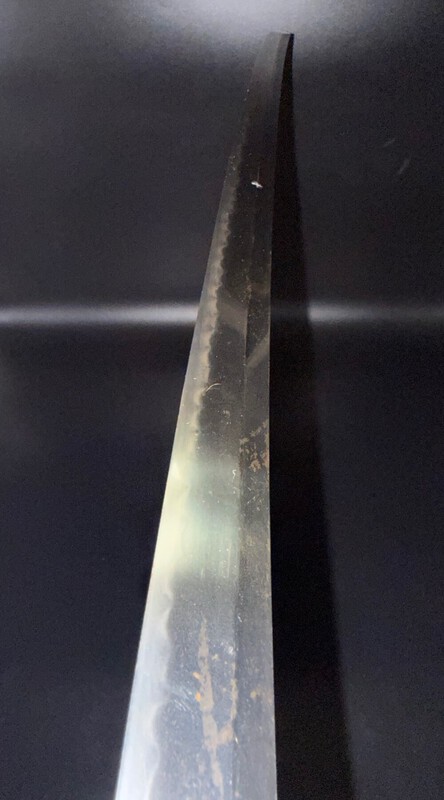
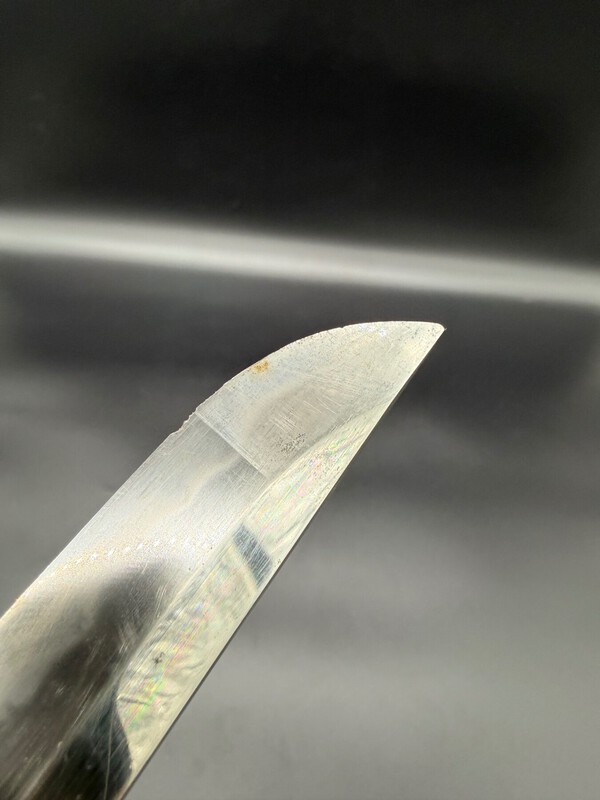
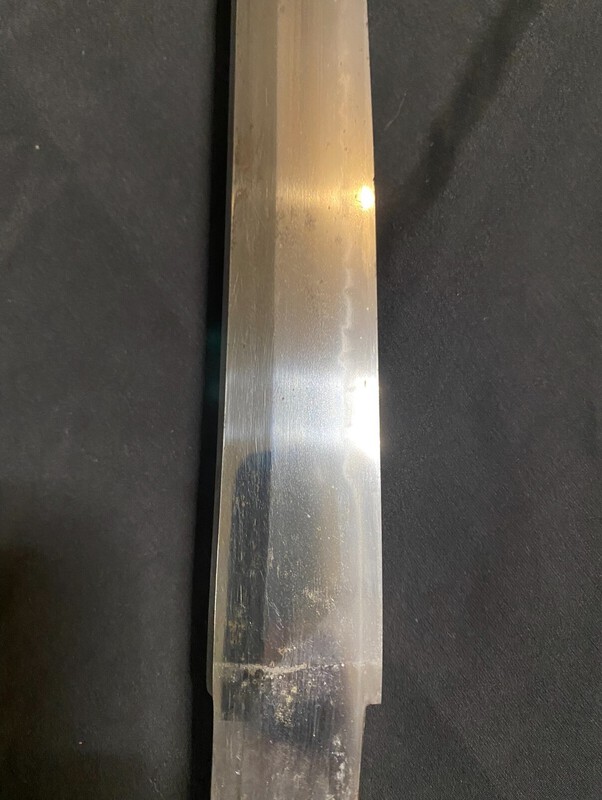
Blade pictures:


-
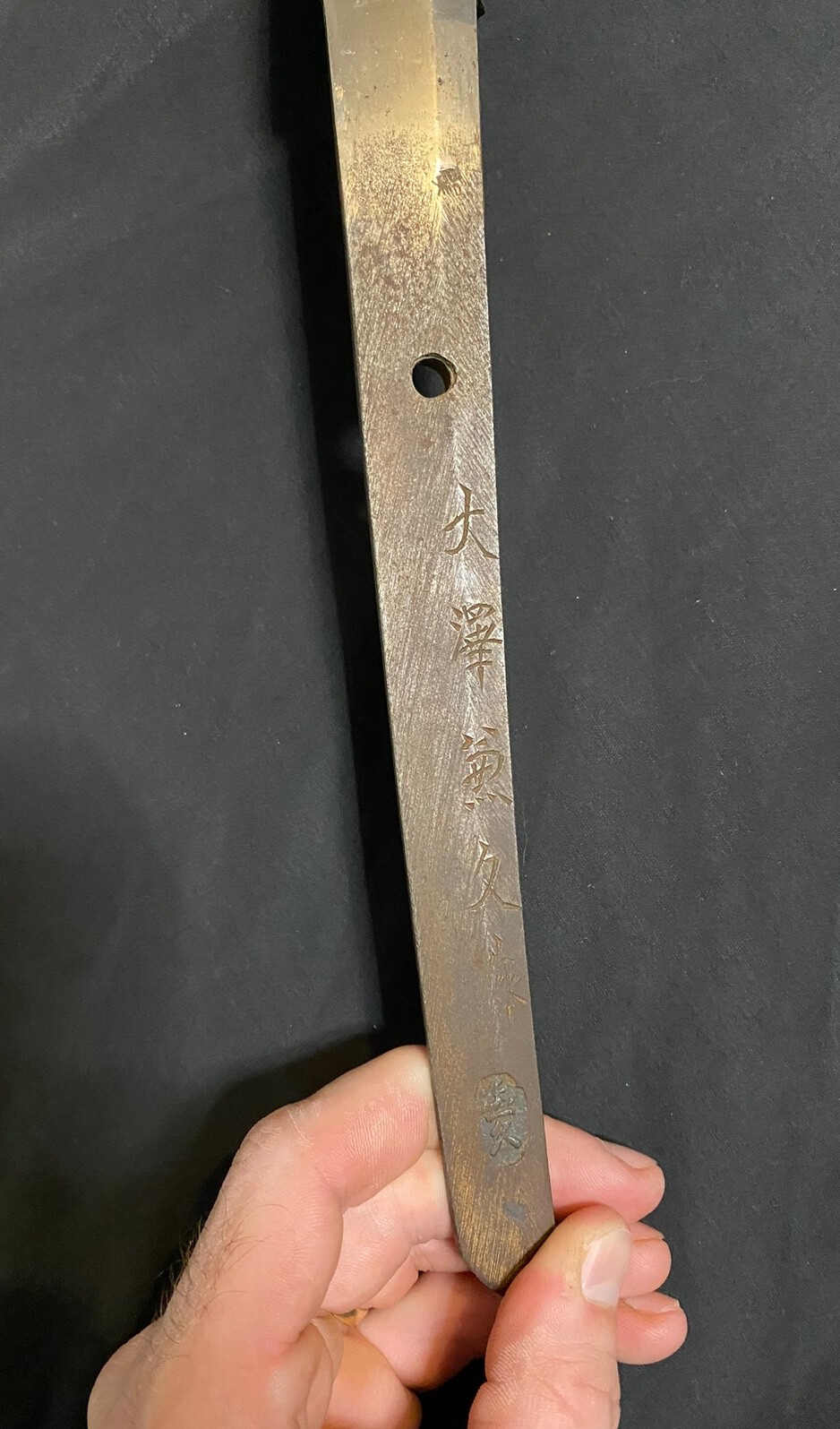
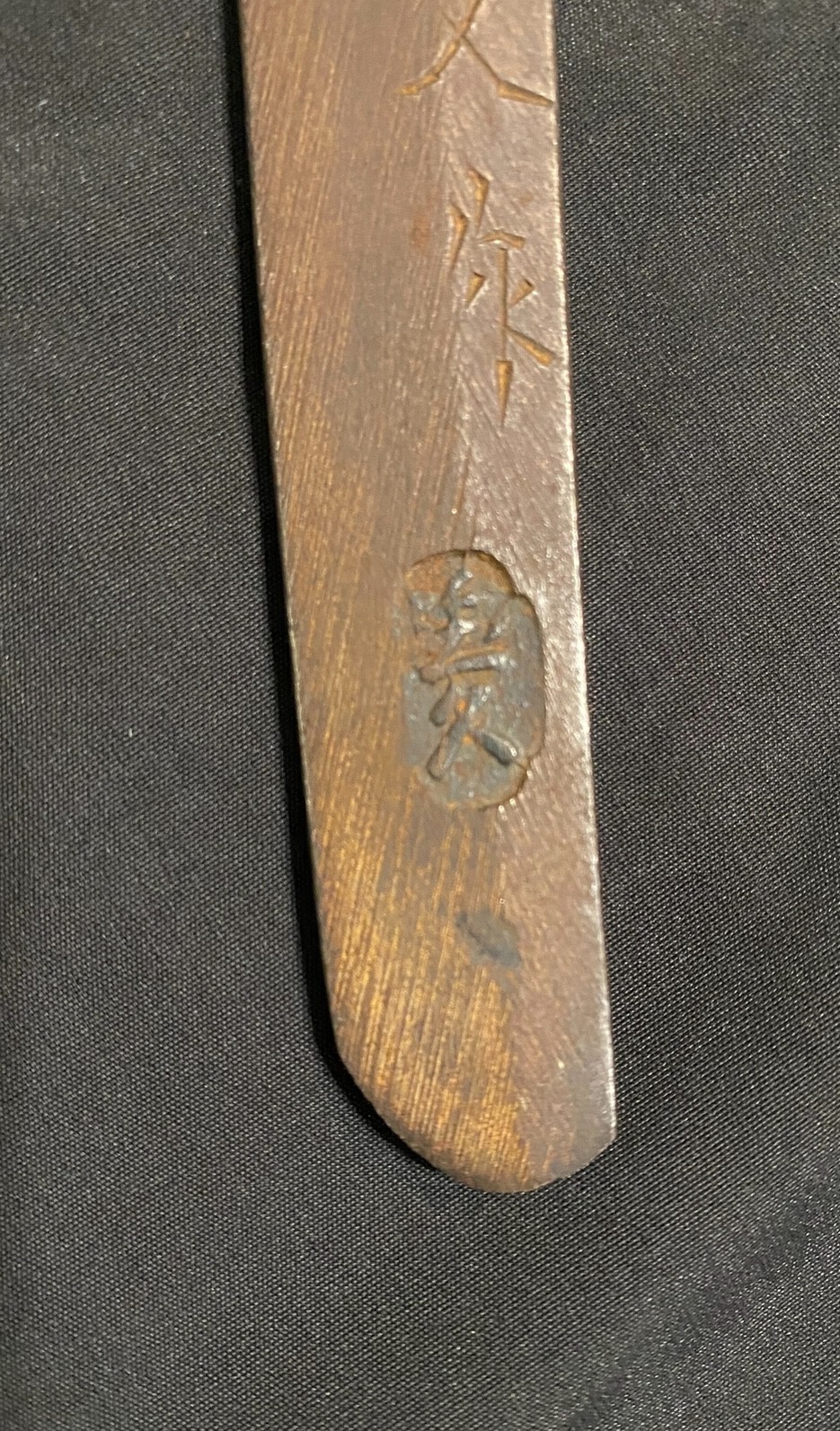
That would be awesome, Bruce! Thank you. The person I sold the sword to is one of the PNW club members. It would be great to share with him some additional information / data on Osawa Kanehisa. Best, -Sam
-
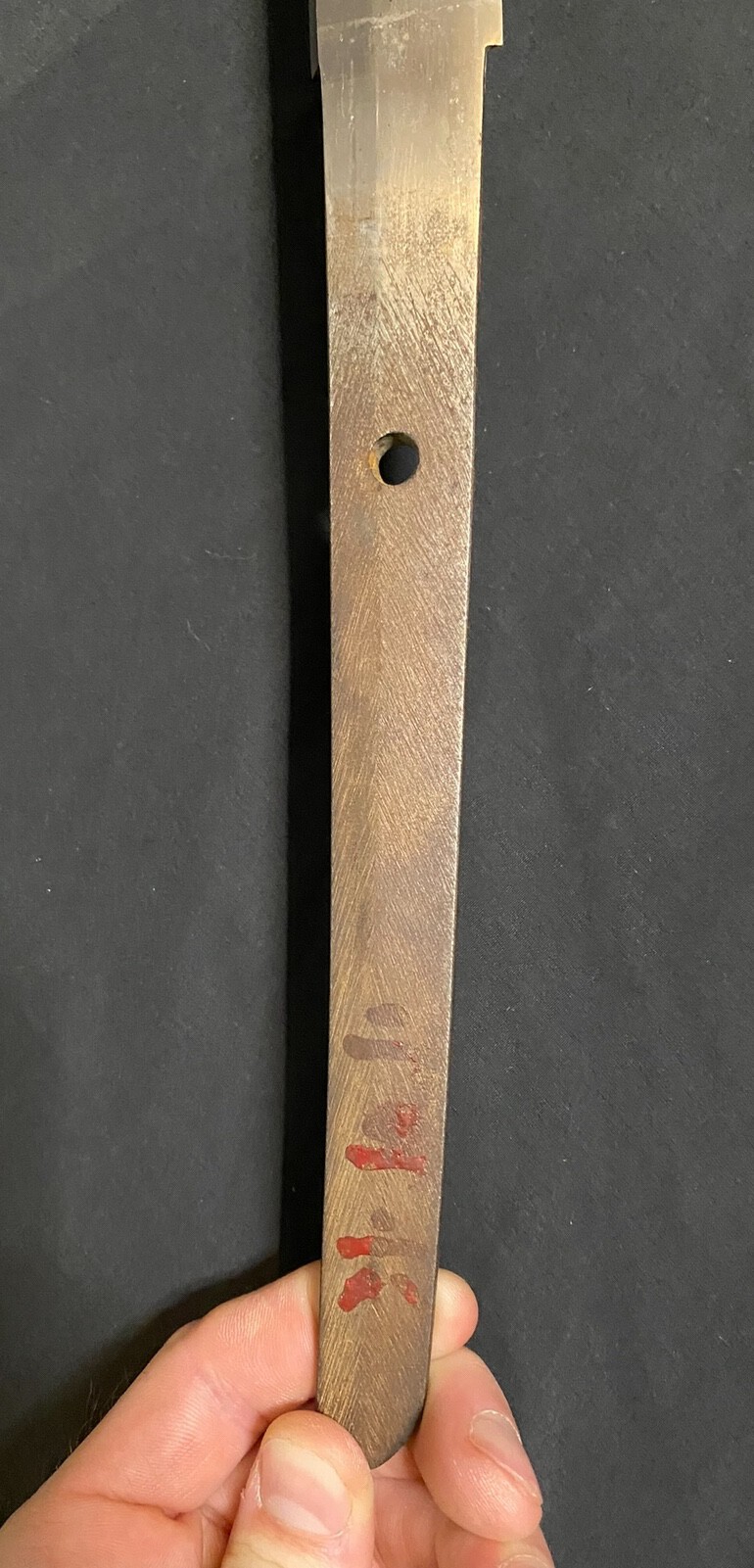
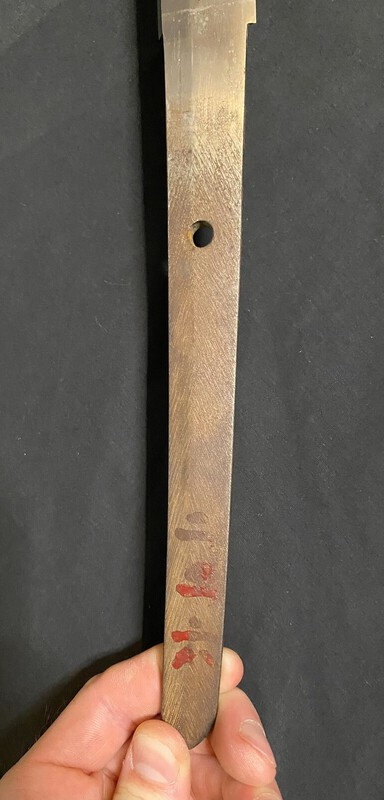
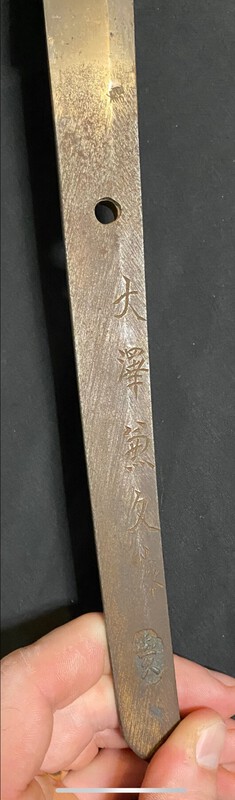
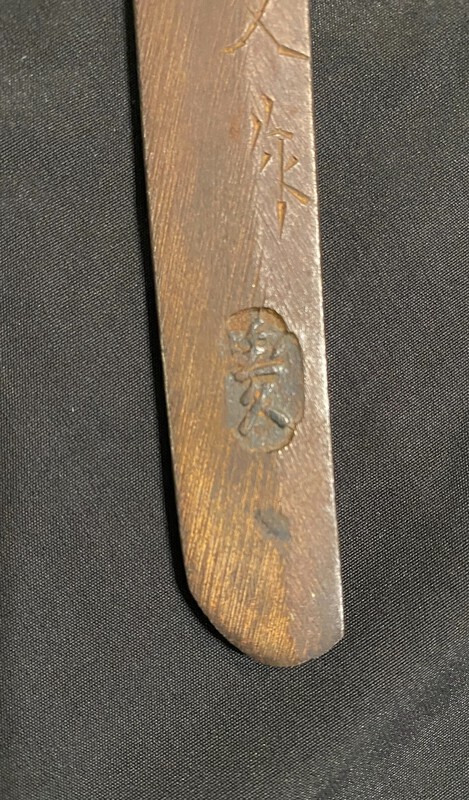
I have a bit of an interest in Osawa Kanehisa, as I once owned a blade by him and sold it to a friend. I notice there is not a ton of information about him, and I found that a little unusual for someone who signs with a kokuin. Since I had that blade, I think I've seen 3 more swords signed by him with kokuin. Some with longer signature than others as can be seen in my quote + image/link above. Another for the data pool
-
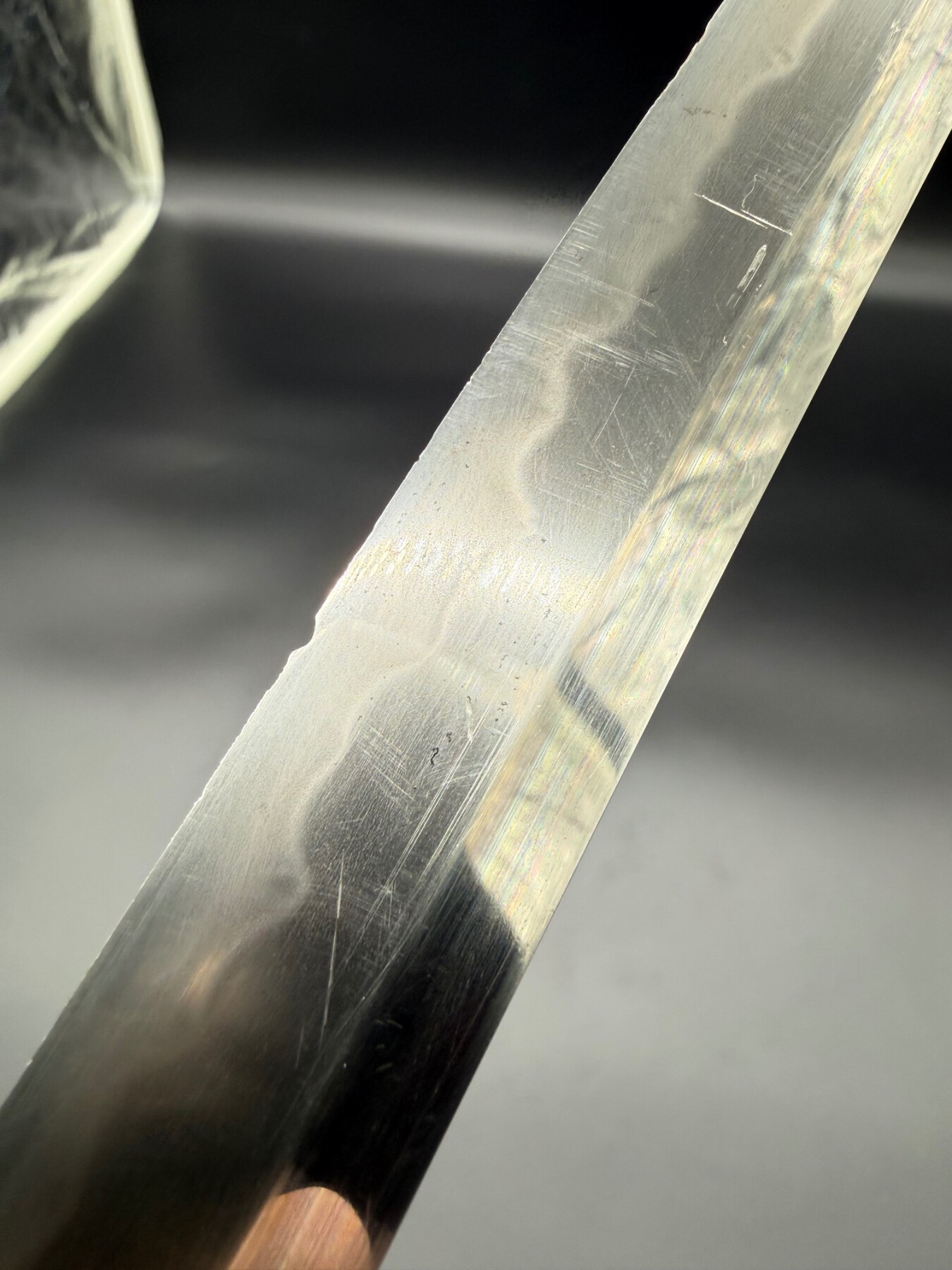
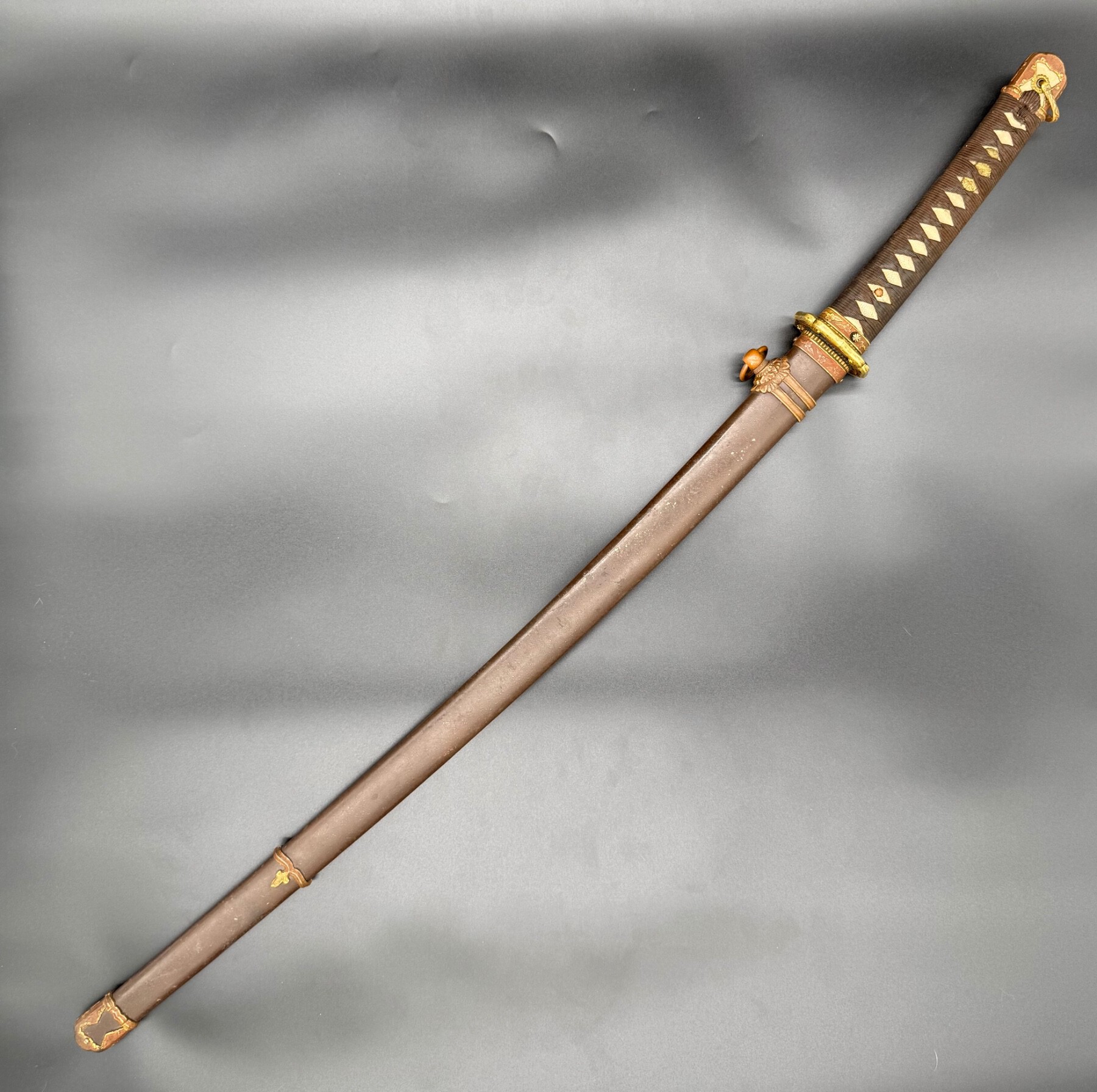
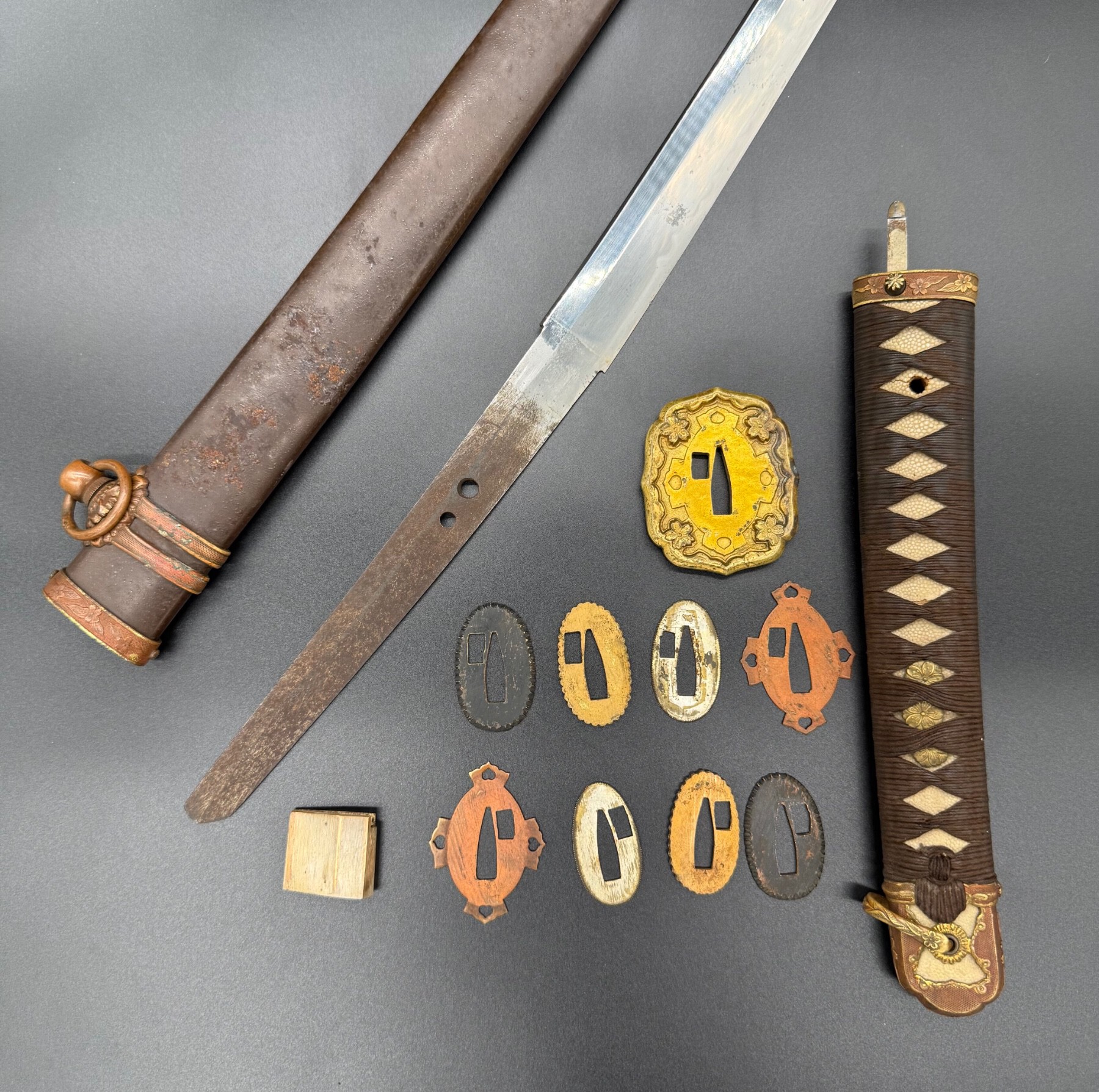
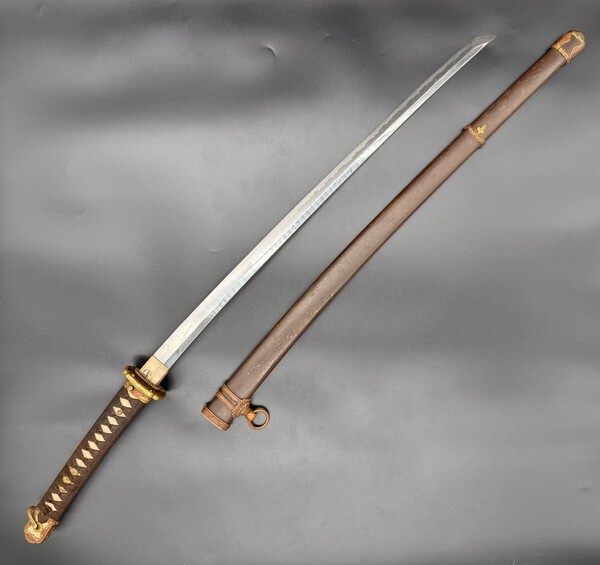
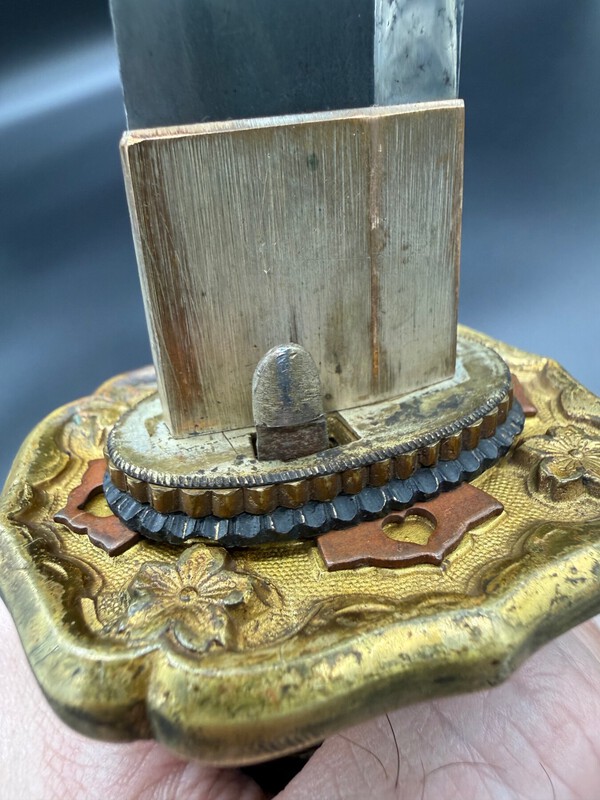
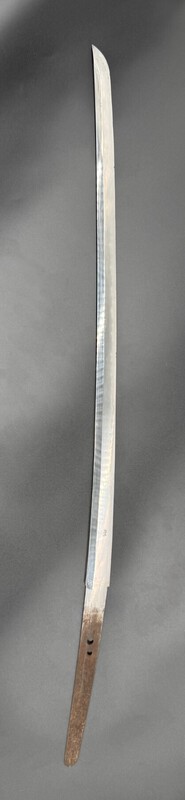
We are fortunate enough to have another sword donation, from an anonymous donor, to benefit the forum! This is an extremely generous gesture, and we cannot be more thankful. The funds from this sale will be spent to benefit the Nihonto Message Board and support it's much needed and pricey upcoming updates. This is an awesome opportunity to get a sword for your collection, and also help the board in a very meaningful way. Auction rules: Place your bid in a comment below. Bid in at least $50 increments. Auction will run until Saturday September 12th at 5:00pm Pacific Standard Time. Highest bidder by that time will win the sword, payments will be made directly to @Brian, and when payment is confirmed I will ship the sword to you. Free shipping within the USA. For international shipping I will cover $50 of the cost, and you will have to walk me through the process for shipping to your respective country and cover the difference in price. Please message me or Brian with any questions you may have. Type : Katana Ubu, Suriage or O-Suriage : UBU Mei : 土岐兼正 = TOKI KANEMASA . (R&G oshigata #202). Not dated. Papered or not and by whom? : Not papered. Era/Age : World War Two Shirasaya, Koshirae or Bare Blade? : WW2 Type 98 army officer Koshirae Measurements : Nagasa: 650mm Sori: ~10mm Kissaki: 34mm Motohaba: 30mm Sakihaba: 20mm Motokasane: 6.5mm Sakikasane: ~5mm Hamon Type : ~Midare Jihada : Non traditional blade with large Seki Stamp. Flaws : Some scuffing, tarnish, scratching, and some shallow chipping. Some cracking in samegawa. Sword Location : Oregon, USA. Will ship to : USA preferred. International shipping is available, with some patience and instruction. (I am not a dealer and do not have experience with this; I may need instruction on how to ship to your respective country). Payment Methods Accepted : Payment made directly to @Brian here at the NMB. Price and Currency : * Forum auction setting. Place your bids in the comment section below. * Returns Policy: No returns. Other Info and Full Description : This is a World War II Type 98 Shin Guntō officer's sword featuring a signed blade by Tōki Kanemasa ( 土岐兼正 ). Tōki Kanemasa is documented in the thick Fuller & Gregory oshigata book as oshigata #202 (photographed below). The blade is arsenal stamped with a large Seki stamp and is not dated. The hamon and boshi are clearly visible, and no fatal flaws have been observed. The blade remains in good overall condition, with some minor scuffing, small chips, and areas of tarnish consistent with its age and having been carried during WW2. The sword is in Type 98 officer fittings that are nicer than typically encountered. A desirable combination of a documented maker, well made showato, clear hamon and boshi, large Seki arsenal stamp, and above-average Type 98 fittings. More photos can be provided upon request. From Markus Sesko swordsmith books: KANEMASA (兼正), Shōwa (昭和, 1926-1989), Gifu – “Kanemasa” (兼正), real name Toki Yoshihira (土岐善平), born November 21st 1897, he worked as a guntō smith and died November 2nd 1980.



-
Another example signed Osawa Kanehisa with large seki stamp and kokuin, found here: https://www.ima-usa.com/collections/new-arrivals/products/original-Japanese-wwii-type-98-shin-gunto-handmade-katana-sword-by-osawa-kanehisa-with-aluminum-scabbard




-
Hi @Jonas W, I can relocate this for you to the Tosogu section. Welcome to the forum! Best of luck with your investigation. I am sure the fittings members will offer input soon. All the best, -Sam