2devnul
-
Posts
676 -
Joined
-
Last visited
-
Days Won
1
Recent Profile Visitors
4,760 profile views



2devnul's Achievements






-
Hi, I will take Cutting Edge, Japanese Swords in the British Museum, Victor Harris, hardcover, excellent, 35€
-
 Last drop 2150EURO, 50EURO will go to NMB.
 -
Echizen Fujiwara Kunitsugu - dated (1632) with NBTHK
2devnul replied to 2devnul's topic in Swords and Edged Weapons
Last drop 2350EURO, 25EURO will go to NBM. -
Mumei Koto Tanto with NBTHK attributed to Chikushi Ryokai
2devnul replied to 2devnul's topic in Swords and Edged Weapons
Last drop 625EURO, 25EURO will go to NMB. -
Mumei Koto Tanto with NBTHK attributed to Chikushi Ryokai
2devnul replied to 2devnul's topic in Swords and Edged Weapons
Going below purchase price. 680EURO from which 30EURO will go to NMB if sold here. -
Echizen Fujiwara Kunitsugu - dated (1632) with NBTHK
2devnul replied to 2devnul's topic in Swords and Edged Weapons
Going way below purchase price. 2400EURO from which 50EURO will go to NBM if sold here. PICs and video: https://drive.google.com/drive/folders/15gHm8jSv8NOW44DYfUmZEKq7R78uG7QJ -
Echizen Fujiwara Kunitsugu - dated (1632) with NBTHK
2devnul replied to 2devnul's topic in Swords and Edged Weapons
New price 2650EURO from which 50EURO will go to NBM if sold here. PICs and video: https://drive.google.com/drive/folders/15gHm8jSv8NOW44DYfUmZEKq7R78uG7QJ -
Mumei Koto Tanto with NBTHK attributed to Chikushi Ryokai
2devnul replied to 2devnul's topic in Swords and Edged Weapons
New price: 750EURO from which 50EURO will go to NMB if sold here. -
Mumei Koto Tanto with NBTHK attributed to Chikushi Ryokai
2devnul replied to 2devnul's topic in Swords and Edged Weapons

-
Mumei Koto Tanto with NBTHK attributed to Chikushi Ryokai
2devnul replied to 2devnul's topic in Swords and Edged Weapons



-
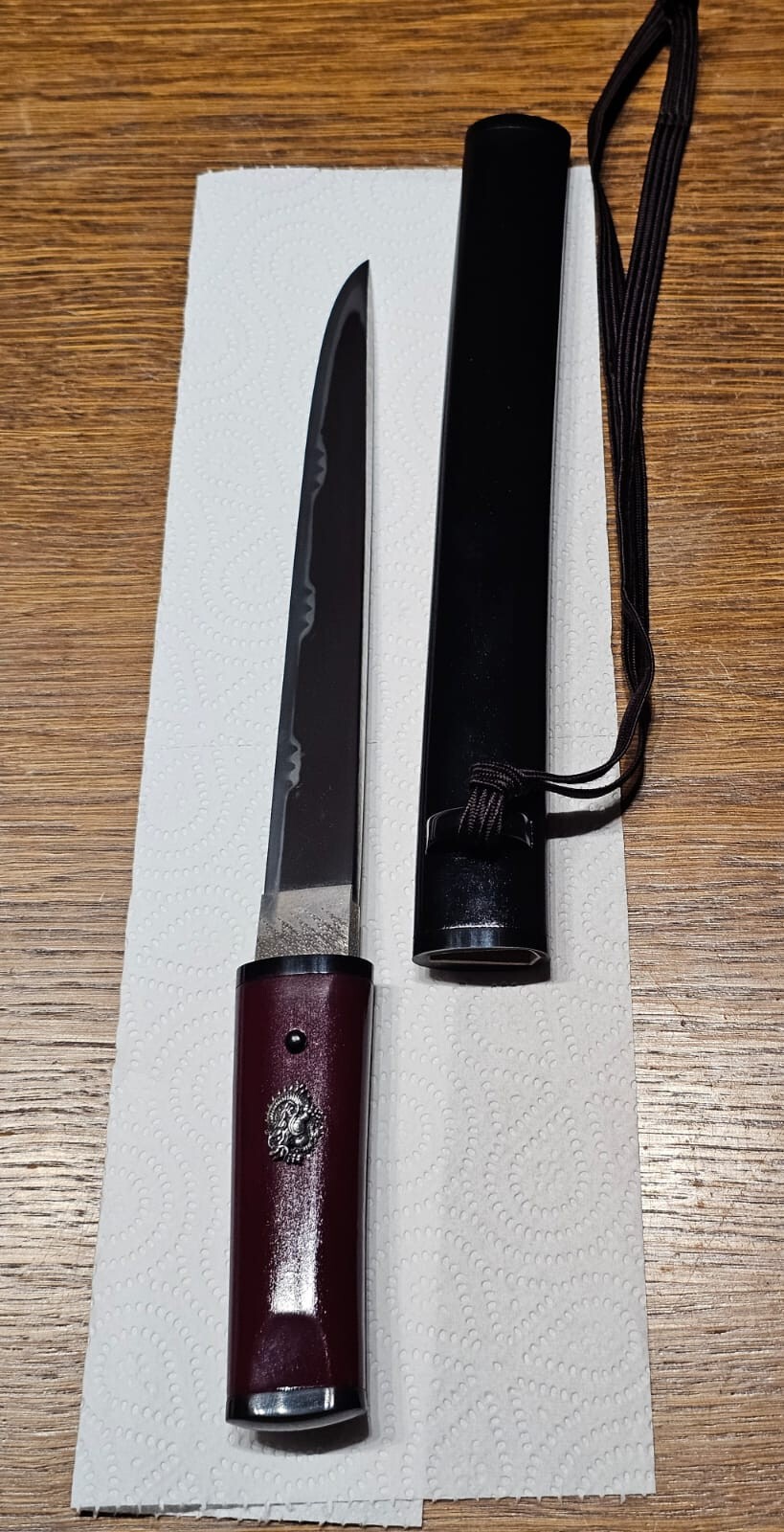
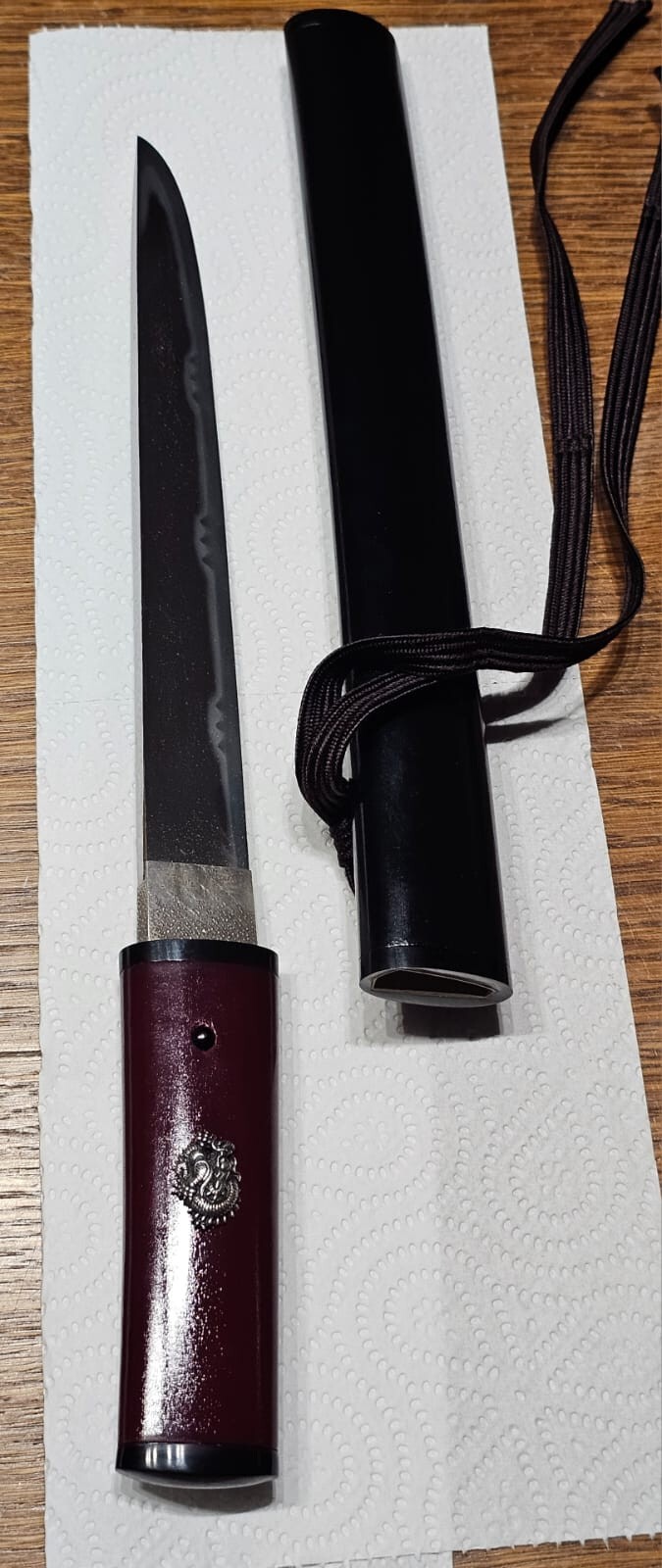
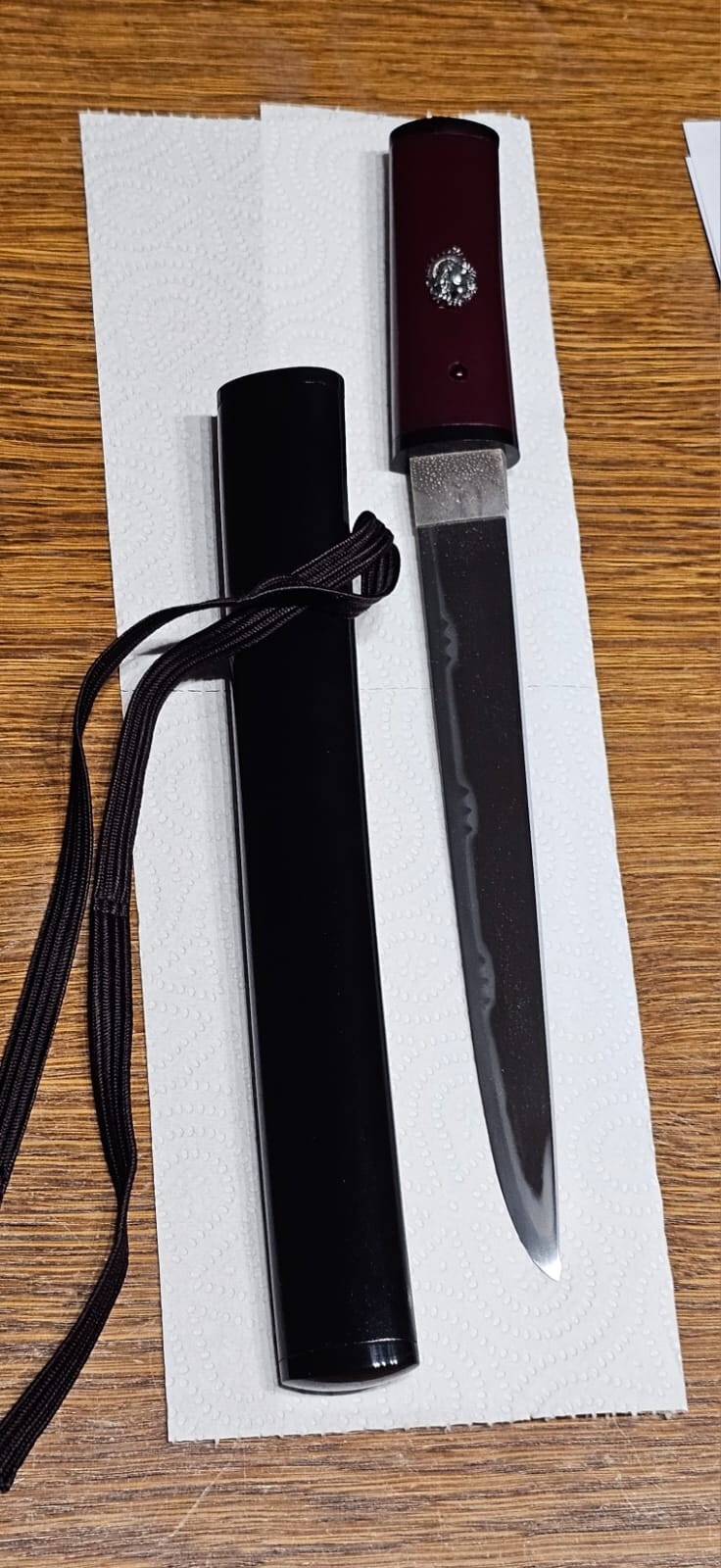
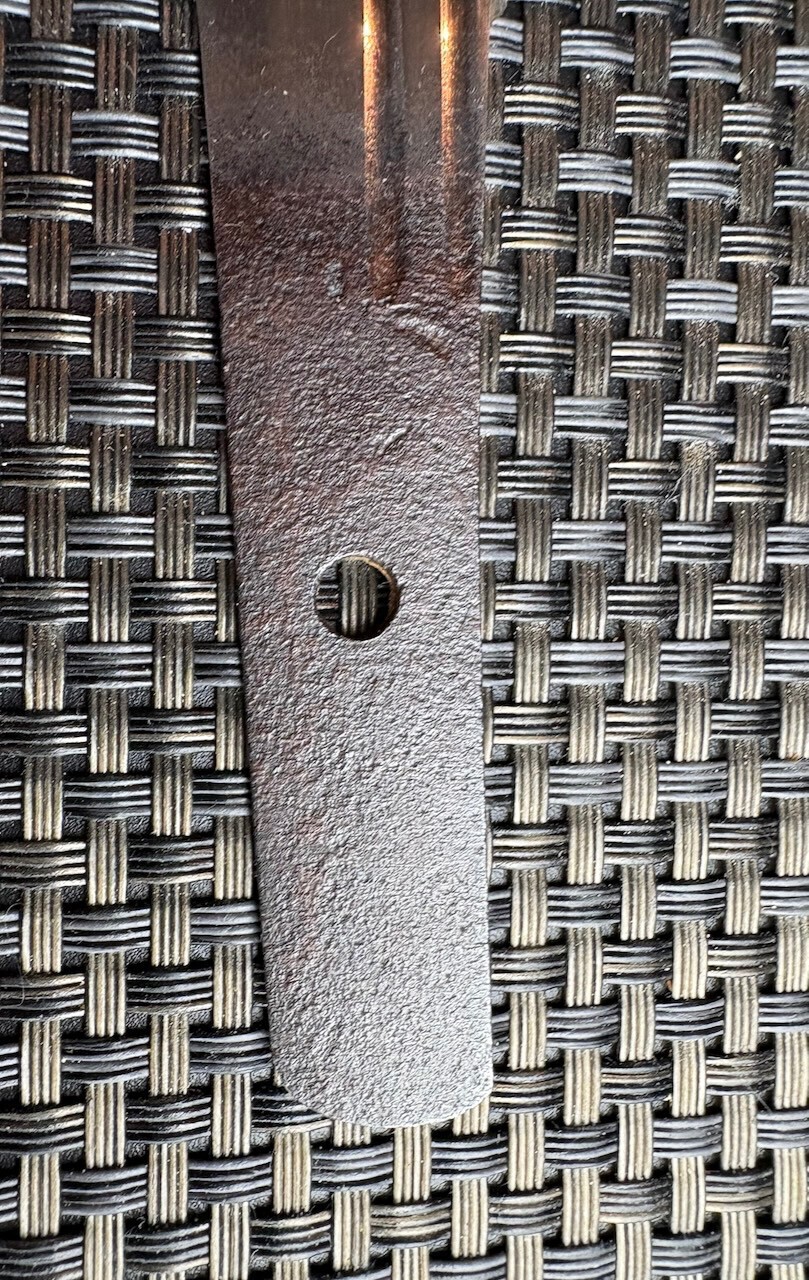
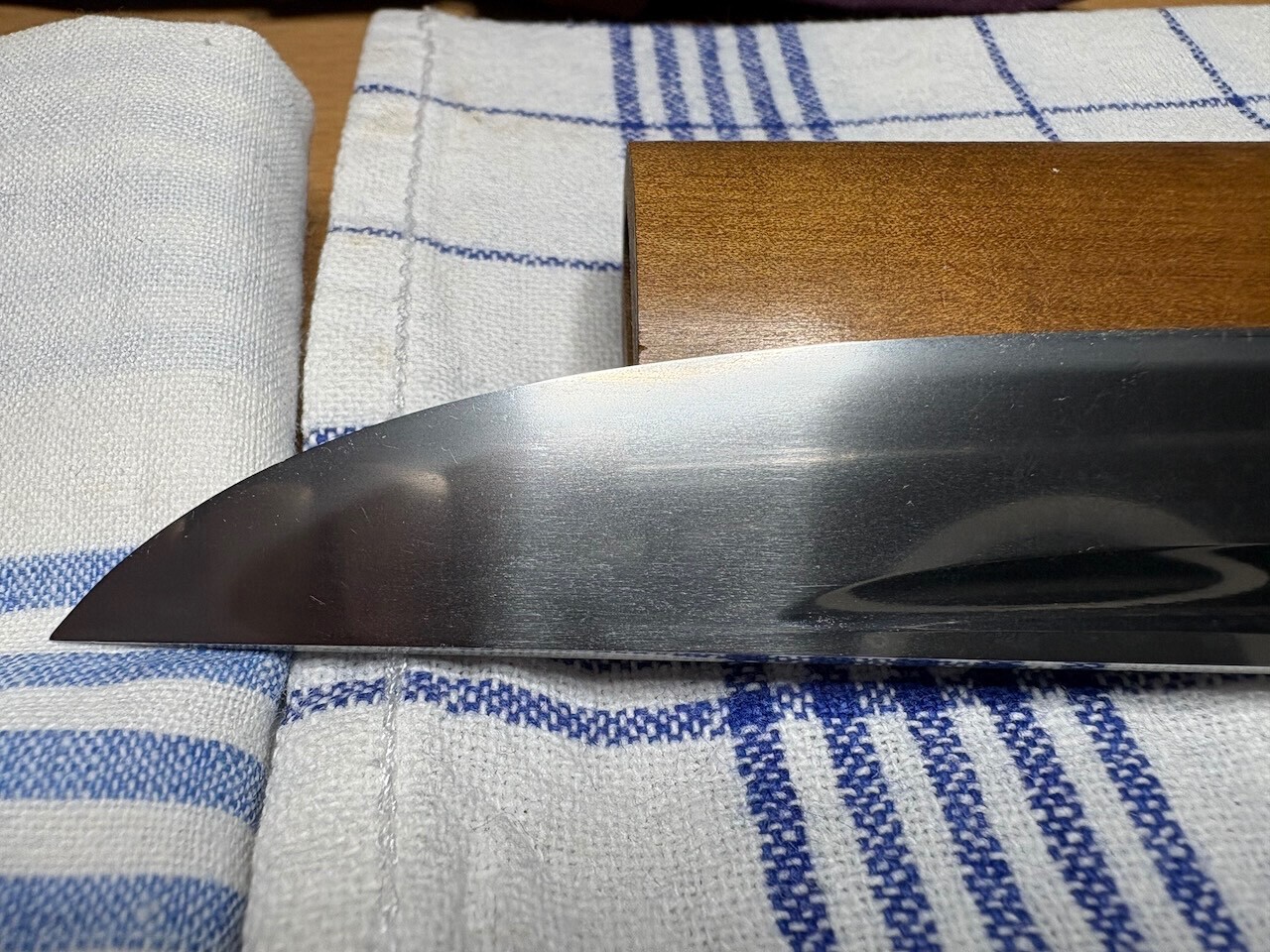
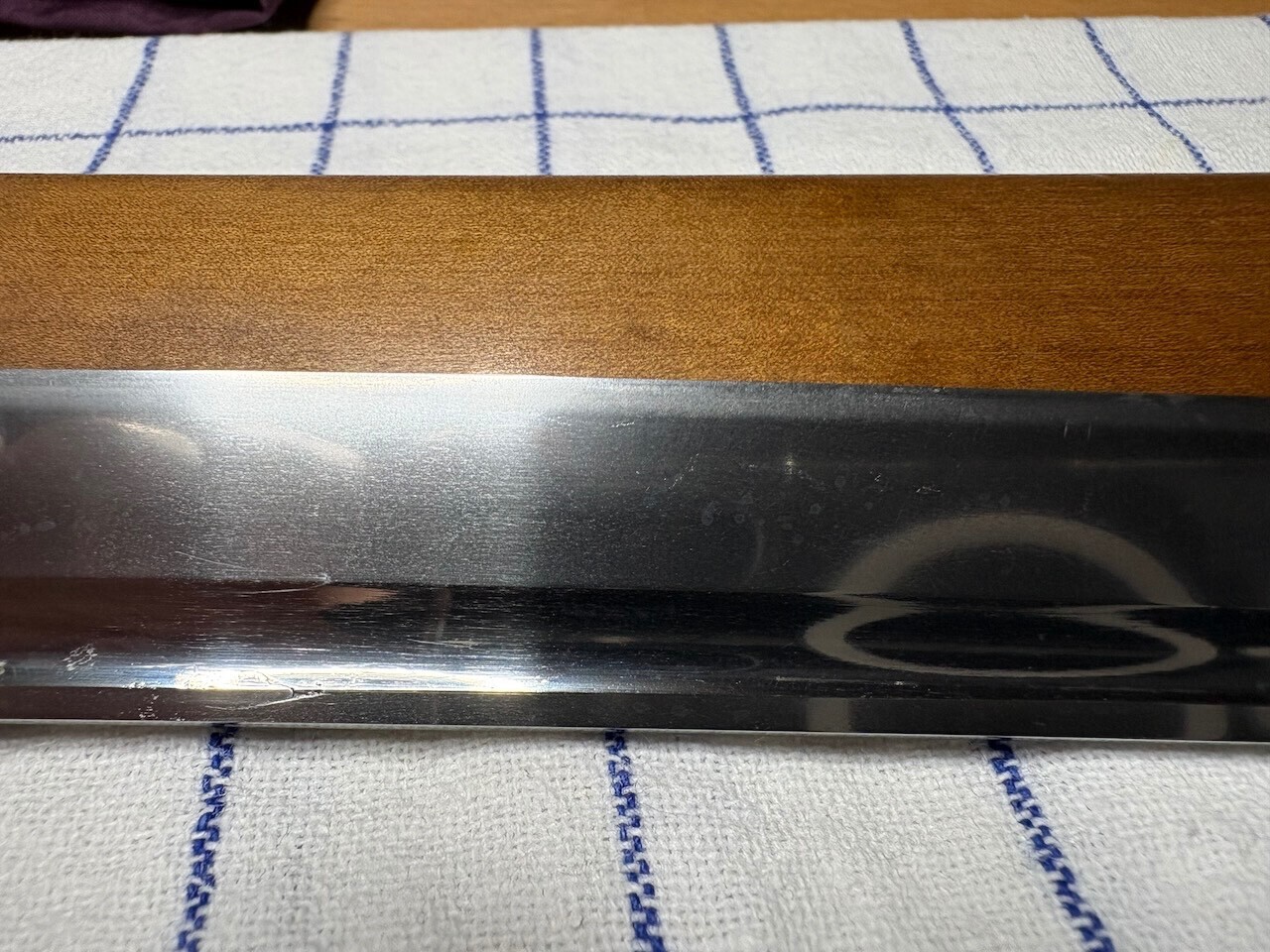
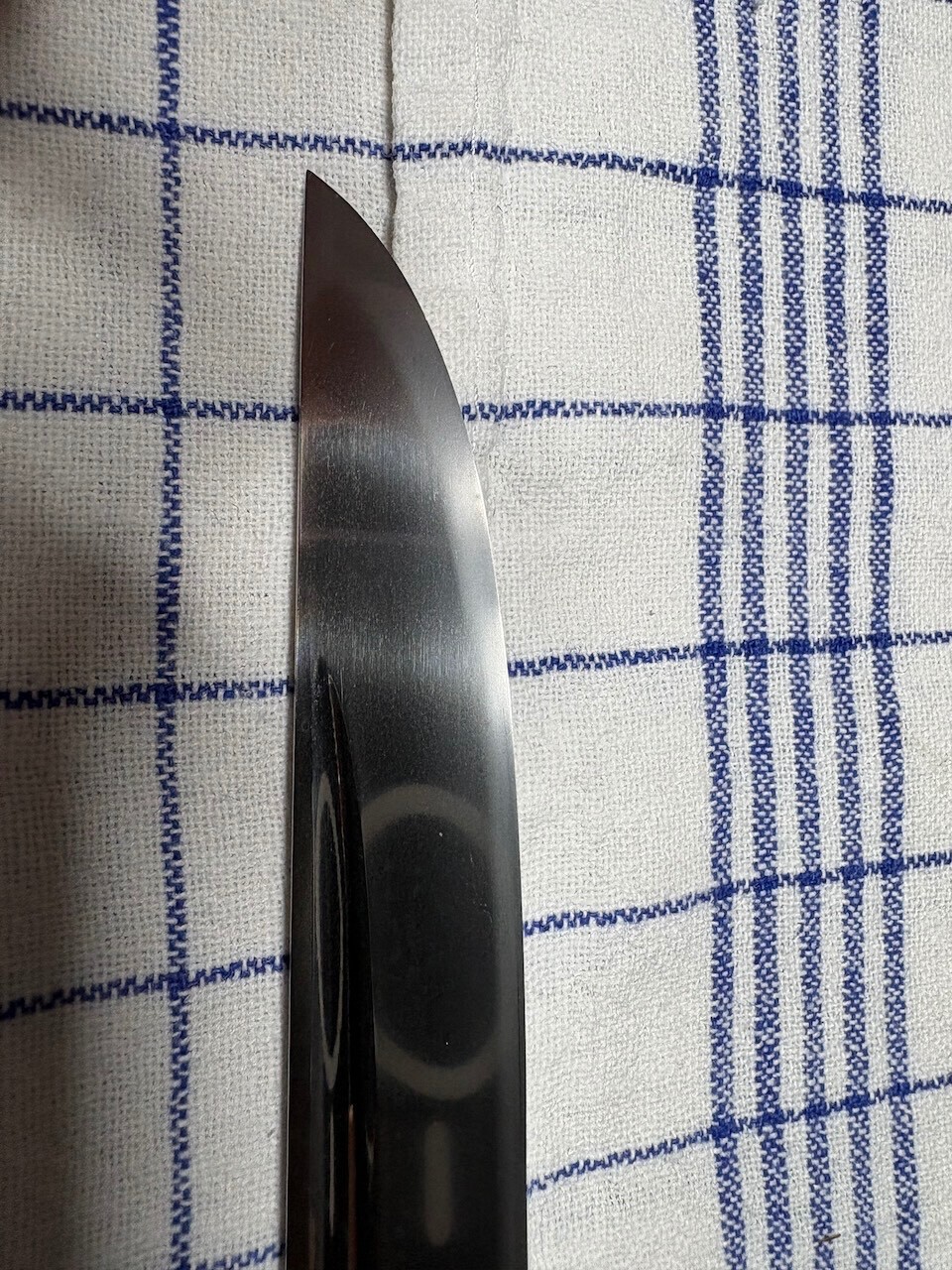
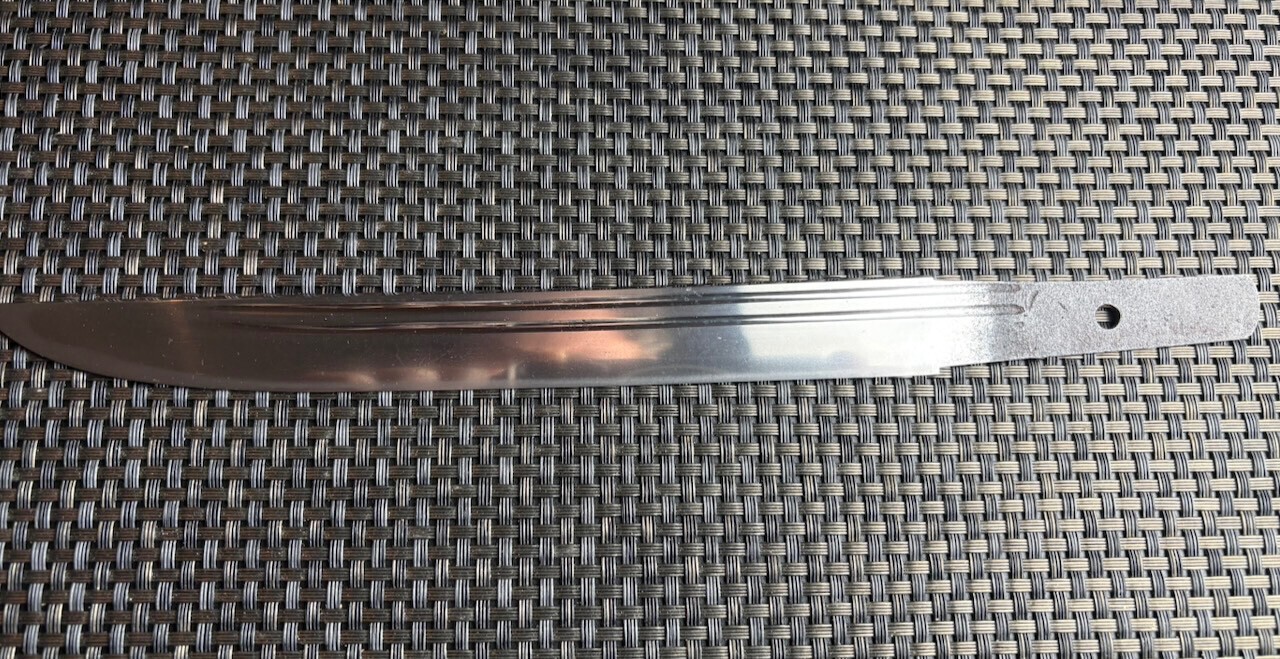
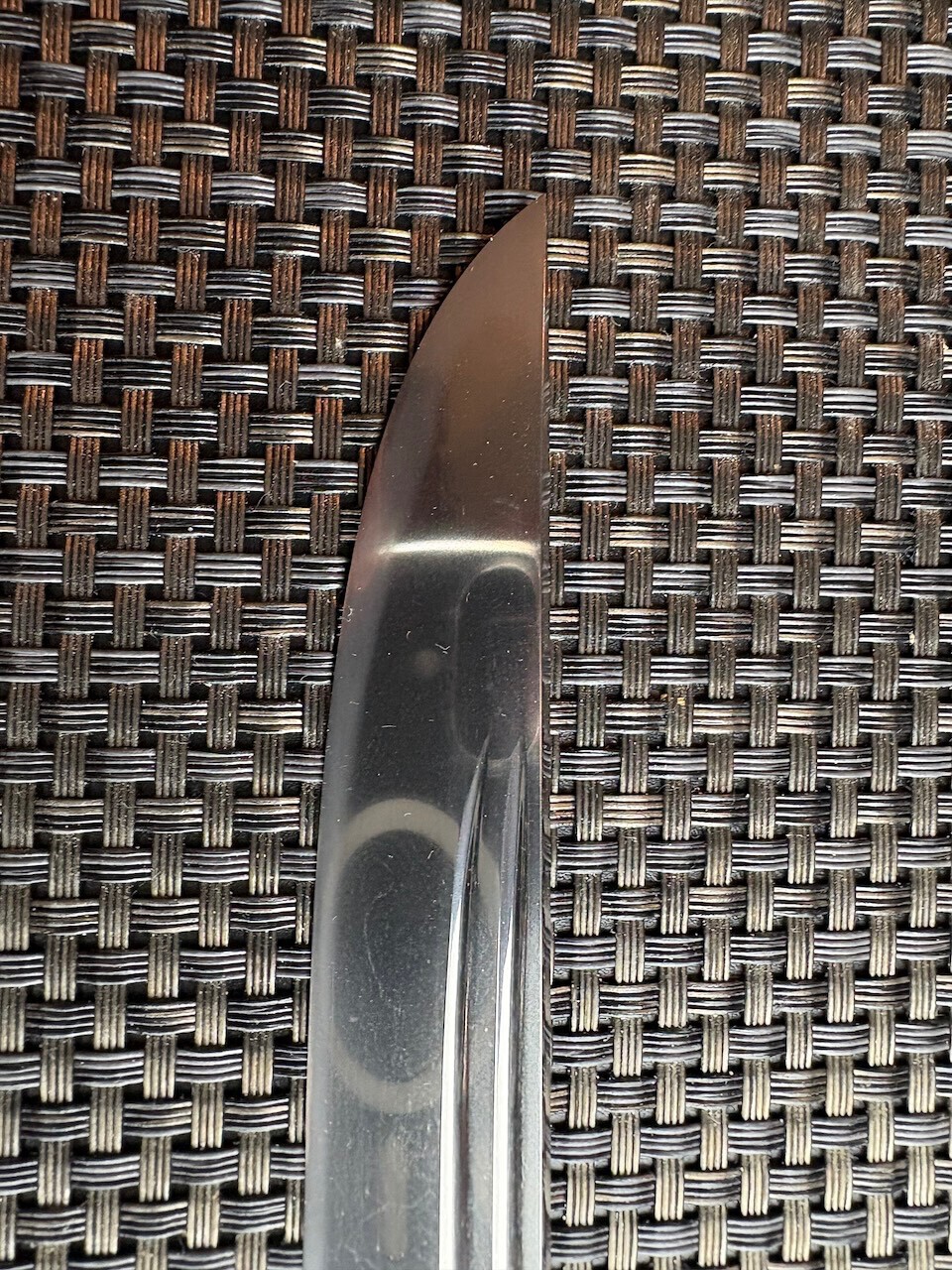
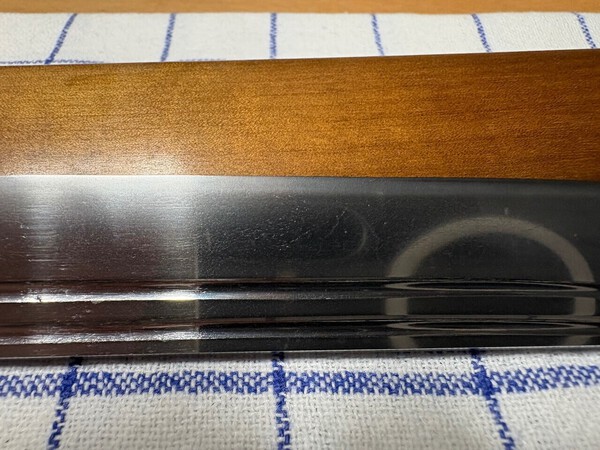
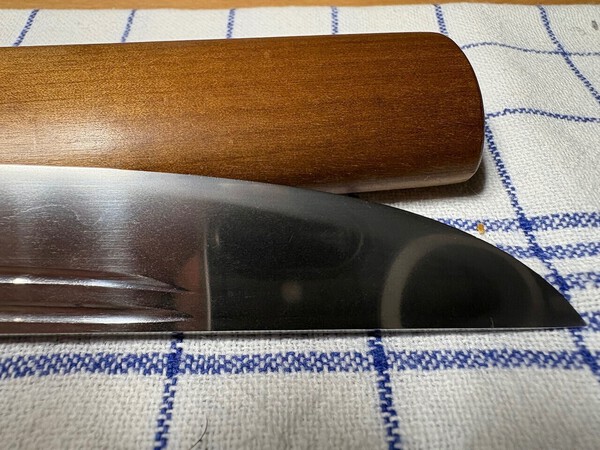
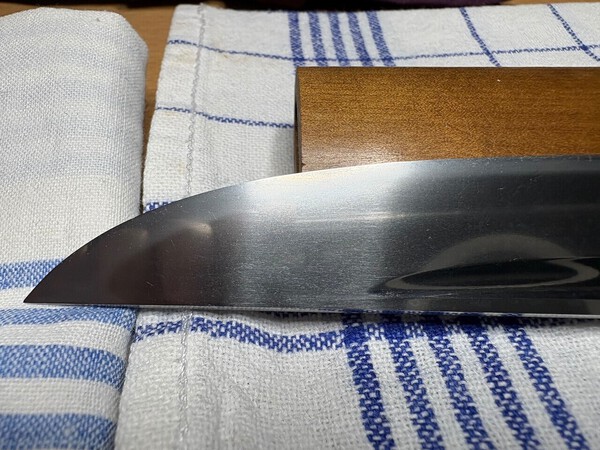
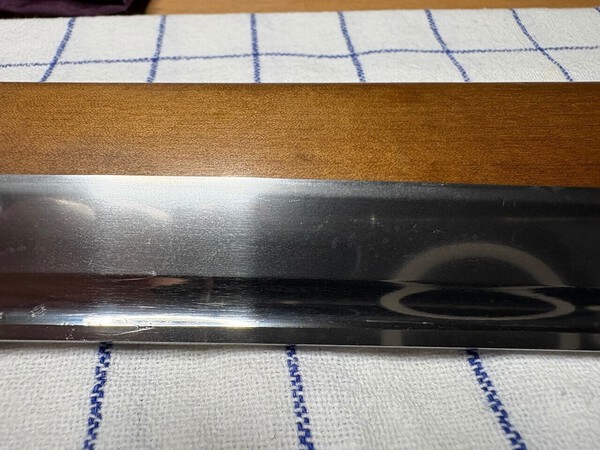
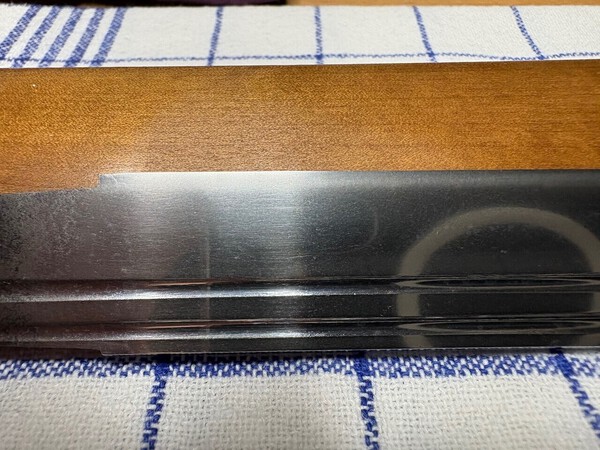
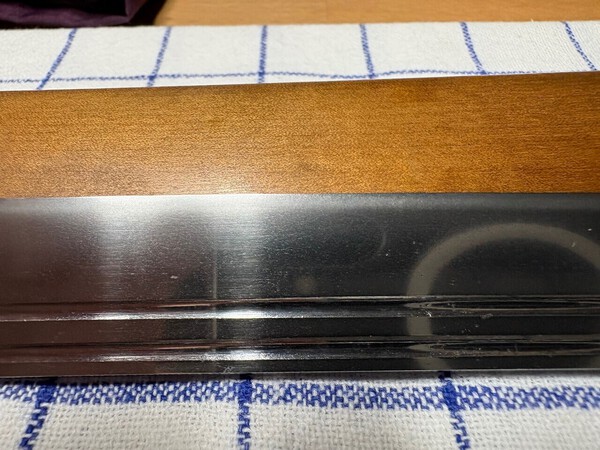
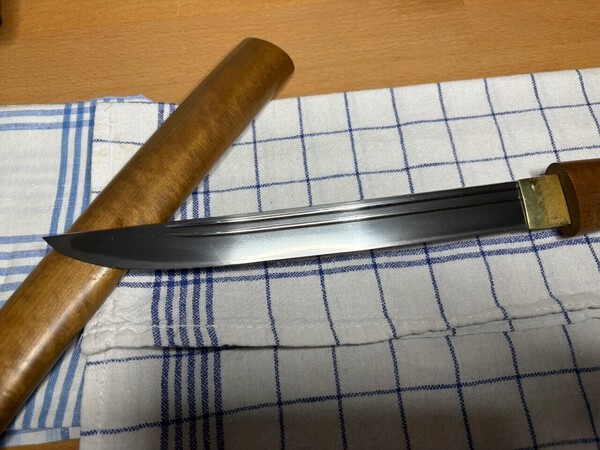
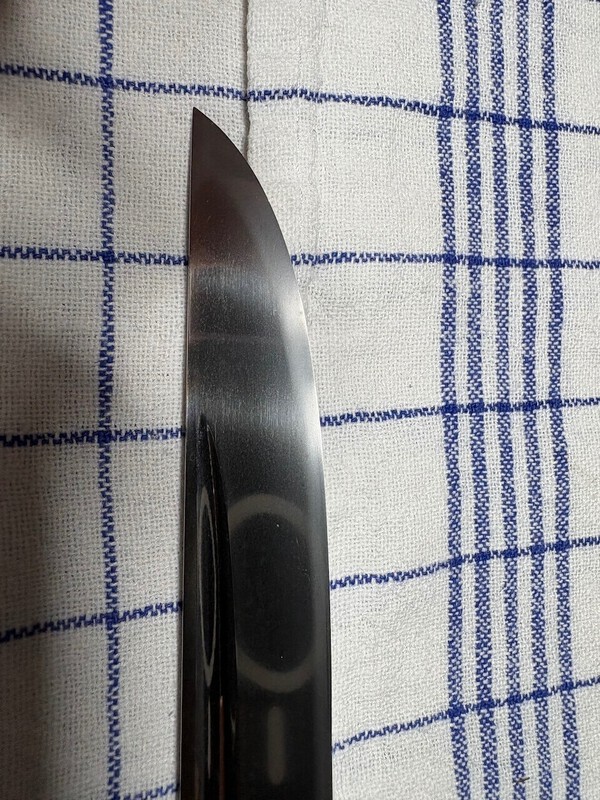
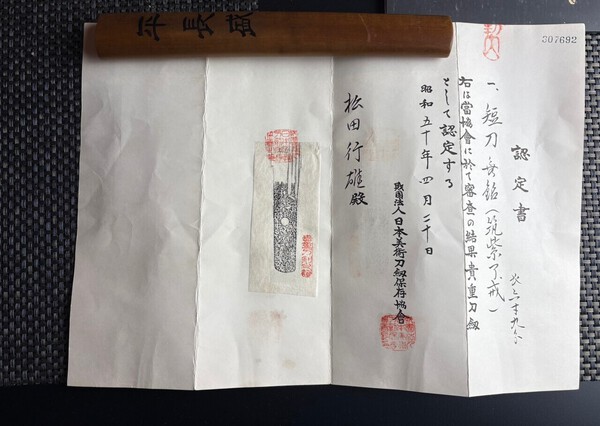
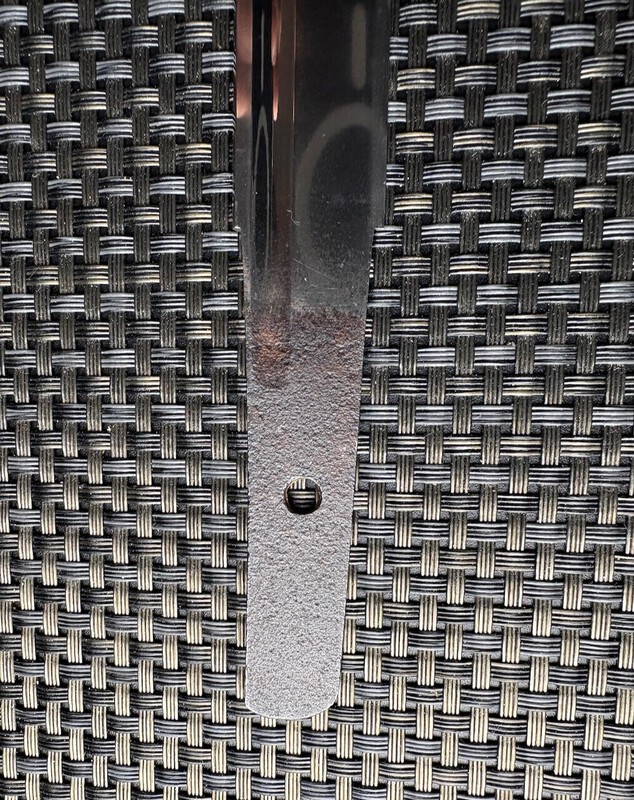
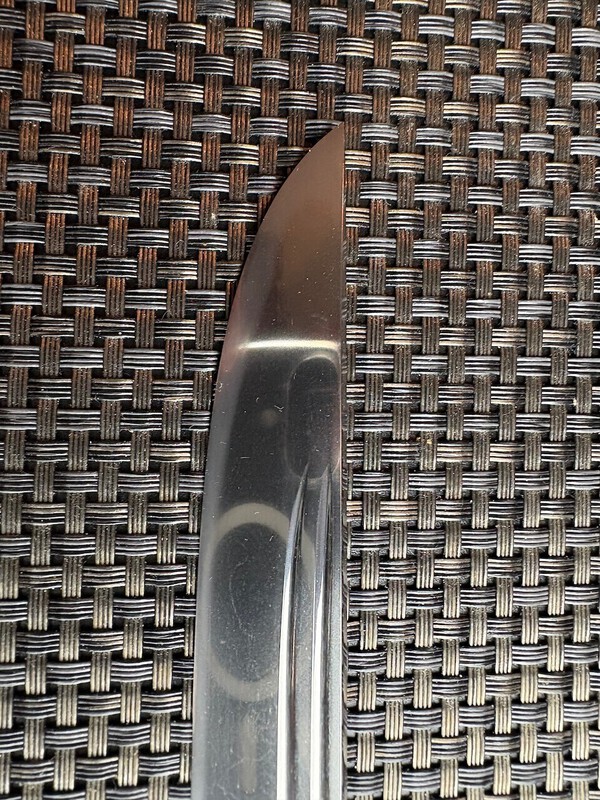
Hi, I'm chasing for money so putting also this nice recent acquisition for sale. Price 800EURO, located in Poland/EU (no customs withing EU). Mumei Koto Tanto, NBTHK attributed to Chikushi Ryokai. Nagasa : 212mm Sori : 0mm Total length : 345mm Motohaba : 22.8mm Sakihaba : 15.1mm Motokasane : 3.9mm Sakikasane : 3.5mm Chikushu Ryokai (筑州了戒), often referred to as Tsukushi Ryokai, represents a branch of the Yamashiro Ryokai school that moved to Chikuzen Province (Chikushu) in Kyushu during the early Muromachi period. They are distinct from the earlier Yamashiro Ryokai school of the late Kamakura period. The founder, Ryokai Iyeyoshi (first generation), moved from Yamashiro to Chikuzen (Bungo/Chikushu area) around the Oei era (1394–1428). Characteristics (Sugata/Jitetsu): The blades often feature high-quality jitetsu (steel forging) with a strong itame-hada mixed with fine ko-nie. Shirake utsuri (a faint white reflection) is often present, which is a hallmark of the school. Hamon: Typically, the hamon is ko-nie deki suguha (straight hamon with small nie) and the nioi-guchi is soft. Boshi: Often ko-maru (small turn-back) with a short return, sometimes yakizume (no turn-back) on the ura side. Reputation: They are well-regarded smiths, with Ryokai Iyeyoshi (later generations) listed as Chu Jo Saku (middle-upper work) in Fujishiro’s sword guide. Distinctions While the Kamakura-period Yamashiro Ryokai focused on pure Yamashiro style, the Chikushu (Tsukushi) Ryokai works show a mix of Yamashiro and Kyushu influences, making their steel particularly admired for its strong activity, including chikei (fine black lines in the steel). They are known for crafting both swords (katana/wakizashi) and converting styles, such as modifying kikuchi yari (spears) into tanto (daggers).


-
Going way below purchase price: 2300EURO
-
Like this one? https://www.militaria.co.za/nmb/topic/54417-please-helpadvise-what-can-you-tell-me-about-this-sword/ PS. Great bargain, Nihonto in Koshirae for that money ... cheers!