Iwo87
-
Posts
8 -
Joined
-
Last visited
Iwo87's Achievements






-
The Little Known Lives of Koto Swordsmiths
Iwo87 replied to Mushin's topic in General Nihonto Related Discussion
Wow! Thanks for sharing this amazing work with everyone. Incredibly generous. Can’t wait to take a deep dive into your passion project! Thanks again to you and Markus for all your hard work and willingness to share for the benefit of all of us. -
Thanks for your reply and input. It’s much appreciated!
-
John C. Thank you very much for the article! Looking forward to reading and learning from Mr. Ford!! Kyle
-
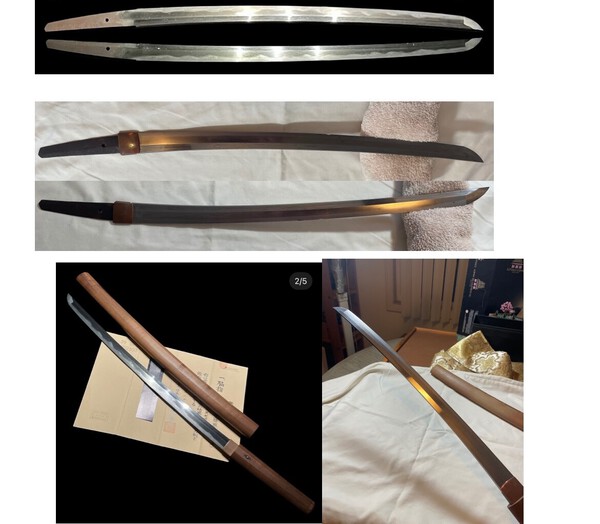
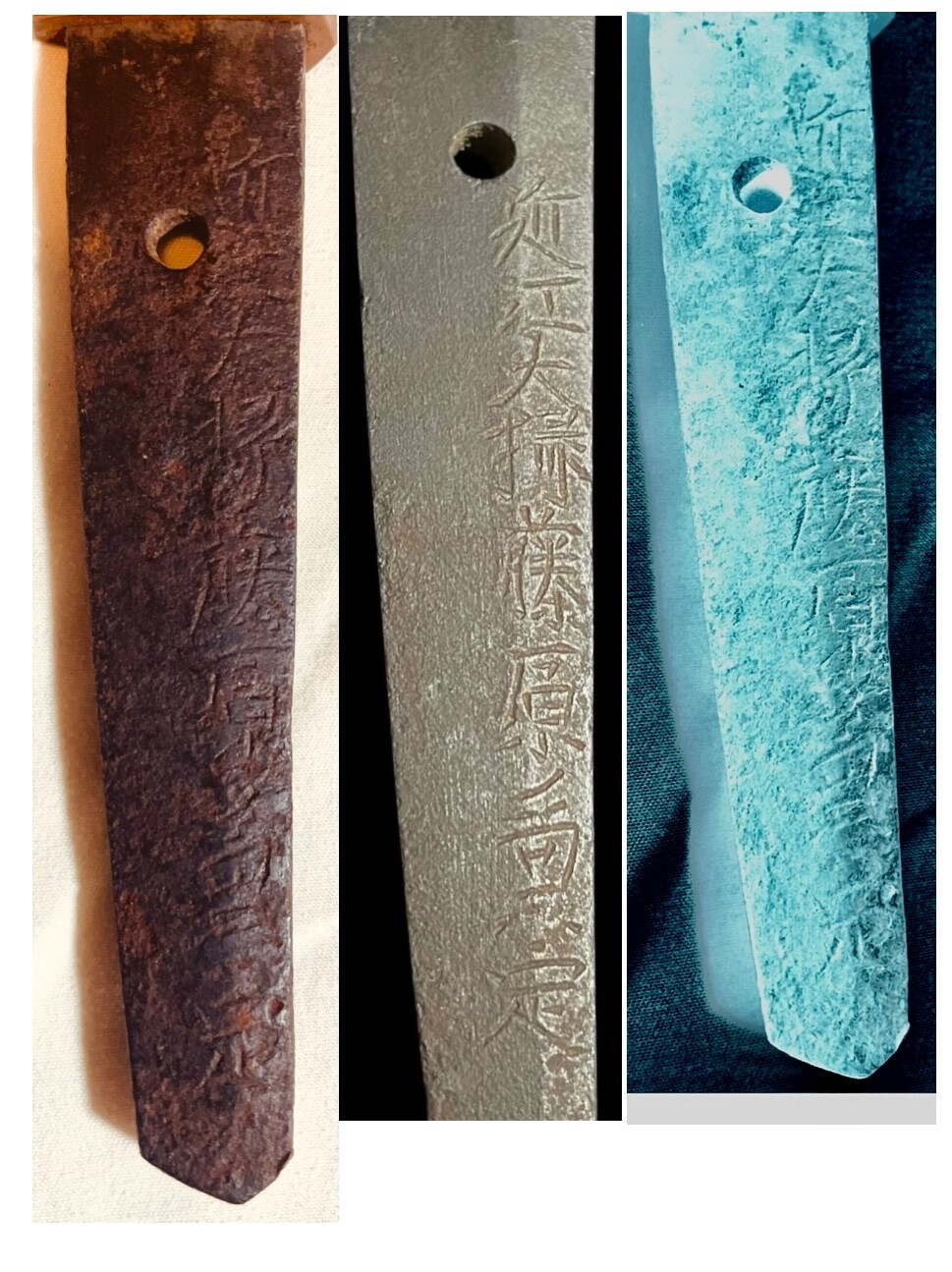
Hi there! I was hoping to get a little help with this signature on my Wakizashi. Apologies it’s hard to read so really challenging to take quality pics. 1) I was told it’s 近江大掾藤原兼定 Ōmi Daijō Fujiwara Kanesada 2) late 1600s 3) I was told the Nakago was burnt in a fire 4) the pics w 3 images the middle Mei is from a papered Wakizashi and the 2 outside images are from my study blade with my attempt to make it more legible. Thanks for any input or help! kyle


-
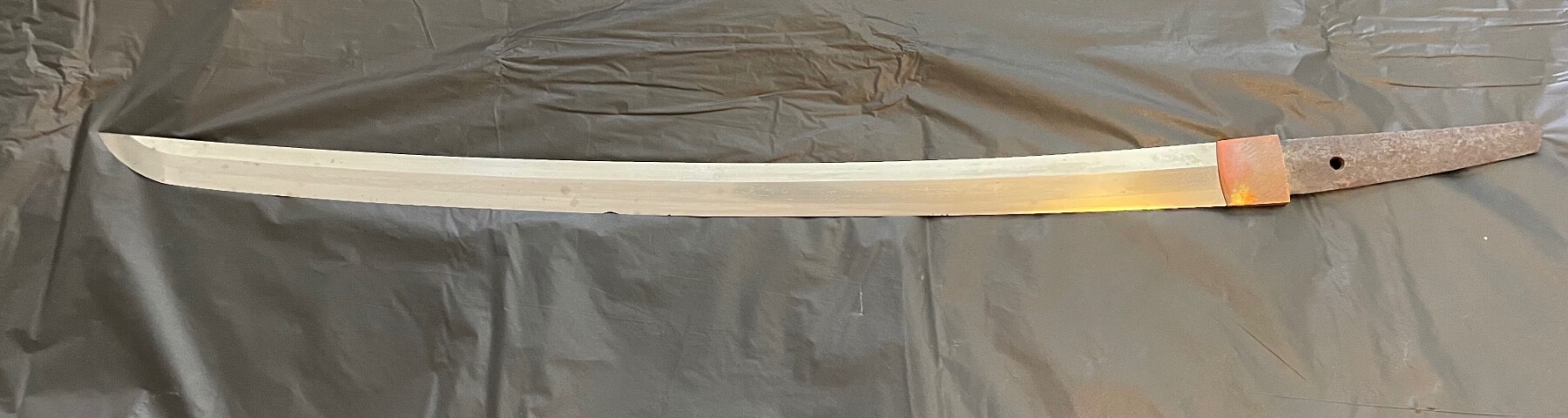
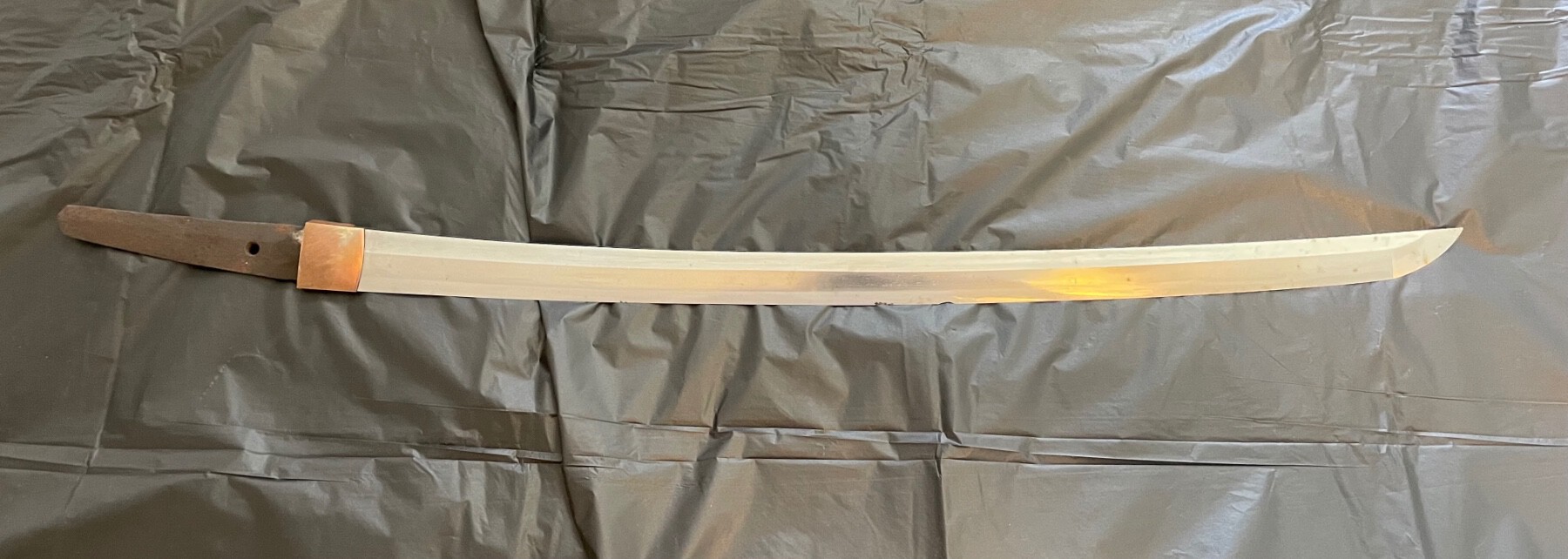
Tried take new pics with black a background as Grey suggested but looking at the pics I’m not if it was dark enough. Anyways, do the new pics help at all? Does the blade look retempered, again I have no idea if it is, other I was told the nakago was burnt. Thanks for checking the post out again! Kyle
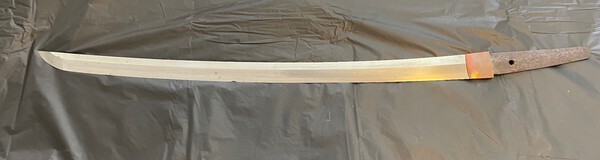

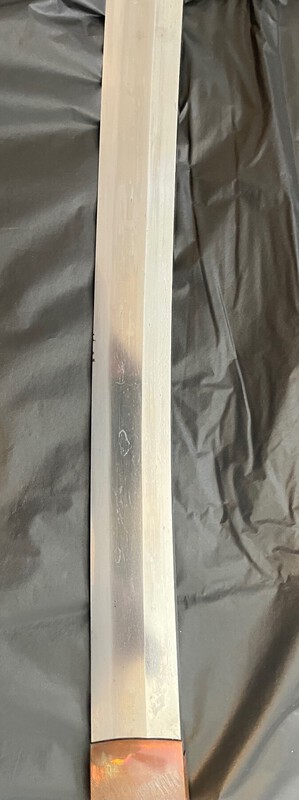

-
Sam, sorry the late reply I just saw your post. Thanks for you and Grey taking the time to give me some input! Again, completely new to Nihonto , I was told by a well known expert that the tang Nakago was burnt , then just doing some reading on the internet and using AI I read about burnt blades being retempered. I need to take better pics on a black background as Grey suggests to help analysis. I’m just enjoying researching and trying to learn more about this rough study sword.
-
Hi Grey, Absolutely not sure if it’s been retempered, just from I’ve read this would most likely what happened after a sword was in a fire. I’ll try your recommendation on taking pics w a black background to see more detail , thanks for the suggestion! Regards, Kyle
-
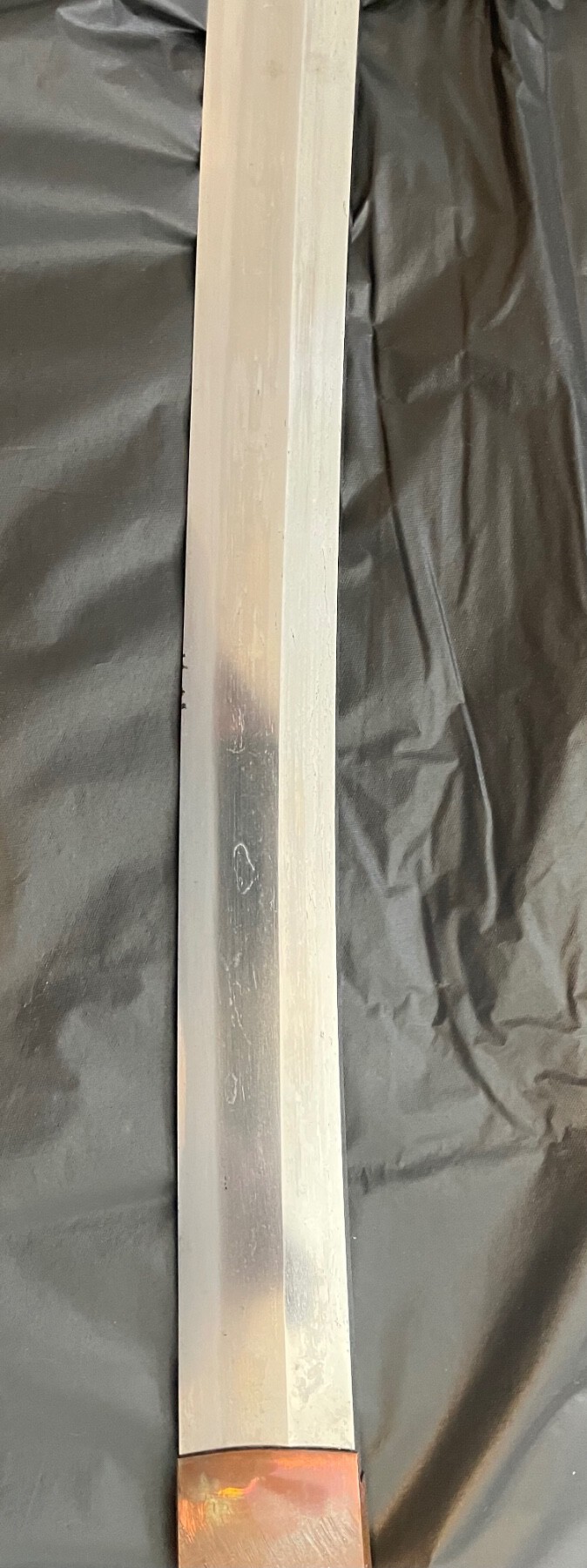
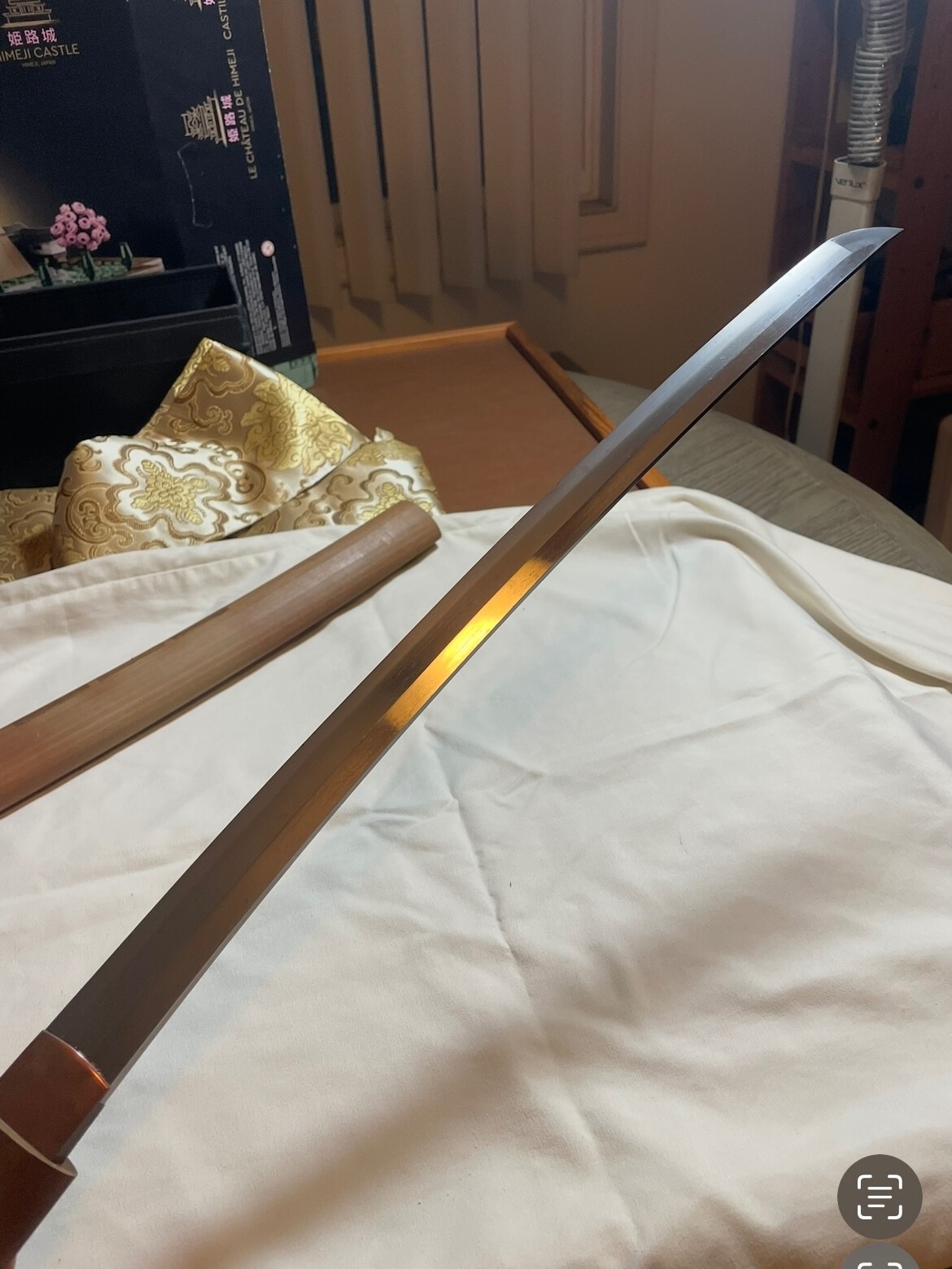
Hello there, I am new to the world of Nihonto and recently acquired this entry-level study sword. I bought it not as a high-grade collector piece, but as a personal tie to my family history—my ancestors were samurai retainers of the Aizu domain in Aizu-Wakamatsu. As you can see, the blade has significant condition issues: the nakago (tang) shows obvious historical fire damage (saiha/yaki-naoshi), and there is a pronounced chip along the edge. I recently came across a papered wakizashi by the 3rd generation Aizu Kanesada, and I put together some side-by-side pictures for comparisons with my study blade. I would love the forum's insight on a few quick questions: Specs & Attribution • My Blade: Wakizashi // Nagasa: ~46.5 cm (18.3 in) // Shirasaya with copper habaki. • Attributed Smith: 近江大掾藤原兼定 (Ōmi Daijō Fujiwara Kanesada) // Mid Edo period, circa 1660–1740. • Reference Blade (Papers Attached): Aizu Kanesada 会津兼定, Omidaijo Kanesada 近江大掾藤原兼定// Nagasa: 54.2 cm (21.34 in) ō-wakizashi. My Questions for the Forum: 1. Mei & Sugata Comparison: Looking past the fire scale and heavy pitting on my tang, does the Mei on the study wakizashi look like it's Kanesada? 2. Historical Context: I’m curious about the reasons why an owner would go to the trouble, time, and expense to find a qualified artisan to save/re-quench a blade in this condition? What time period would this have most likely happened, and what period would they most likely have had the reason and access to a skilled artisan to do this work? 3. The Edge Chip: Any opinions on what type of impact or stress caused this specific chip? Is it highly probable this damage occurred after the historical retempering? I have attached the side-by-side layouts and close-up details of the tangs. I tried to play around with the pictures of my sword's nakago using different filters to make the Mei more legible. Thank you all in advance for your time and expertise! Best regards, Kyle Top Pic is papered Kanesada, below is my Wakizashi. Left is papered Wakizashi , RT is mine. Middle Pic is Papered Kanesada, 2 other pics adjusted for better visibility are my WakizashiChip in blade Full view of my Wakizashi.