
Leaderboard



Popular Content
Showing content with the highest reputation on 10/18/2025 in all areas
-
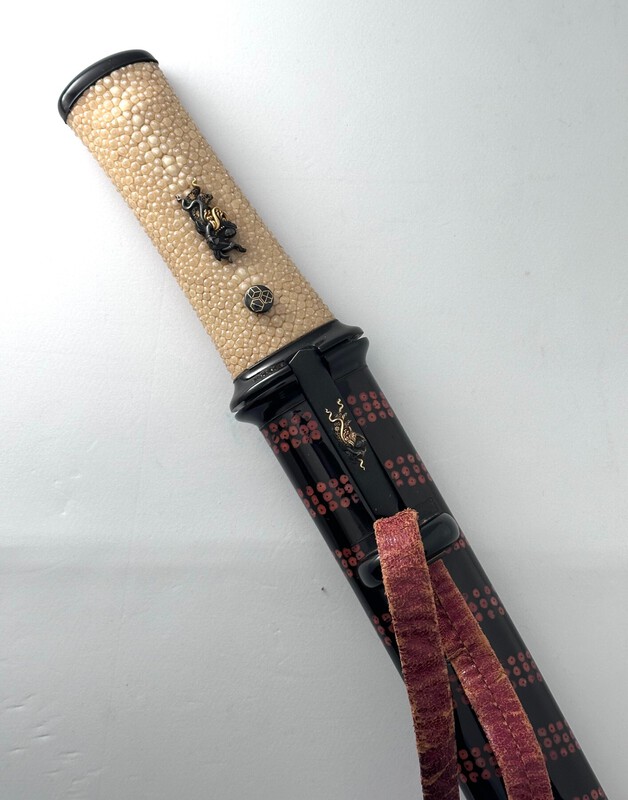
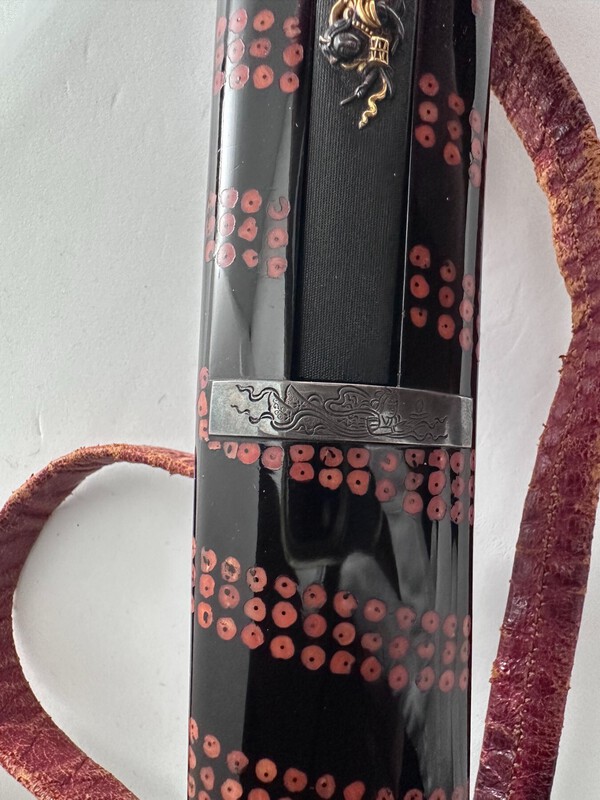
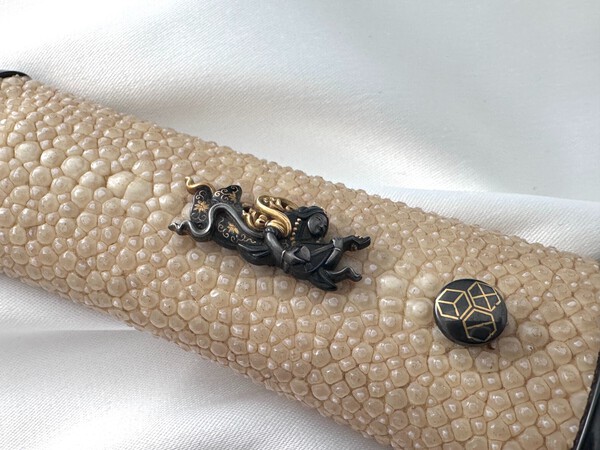
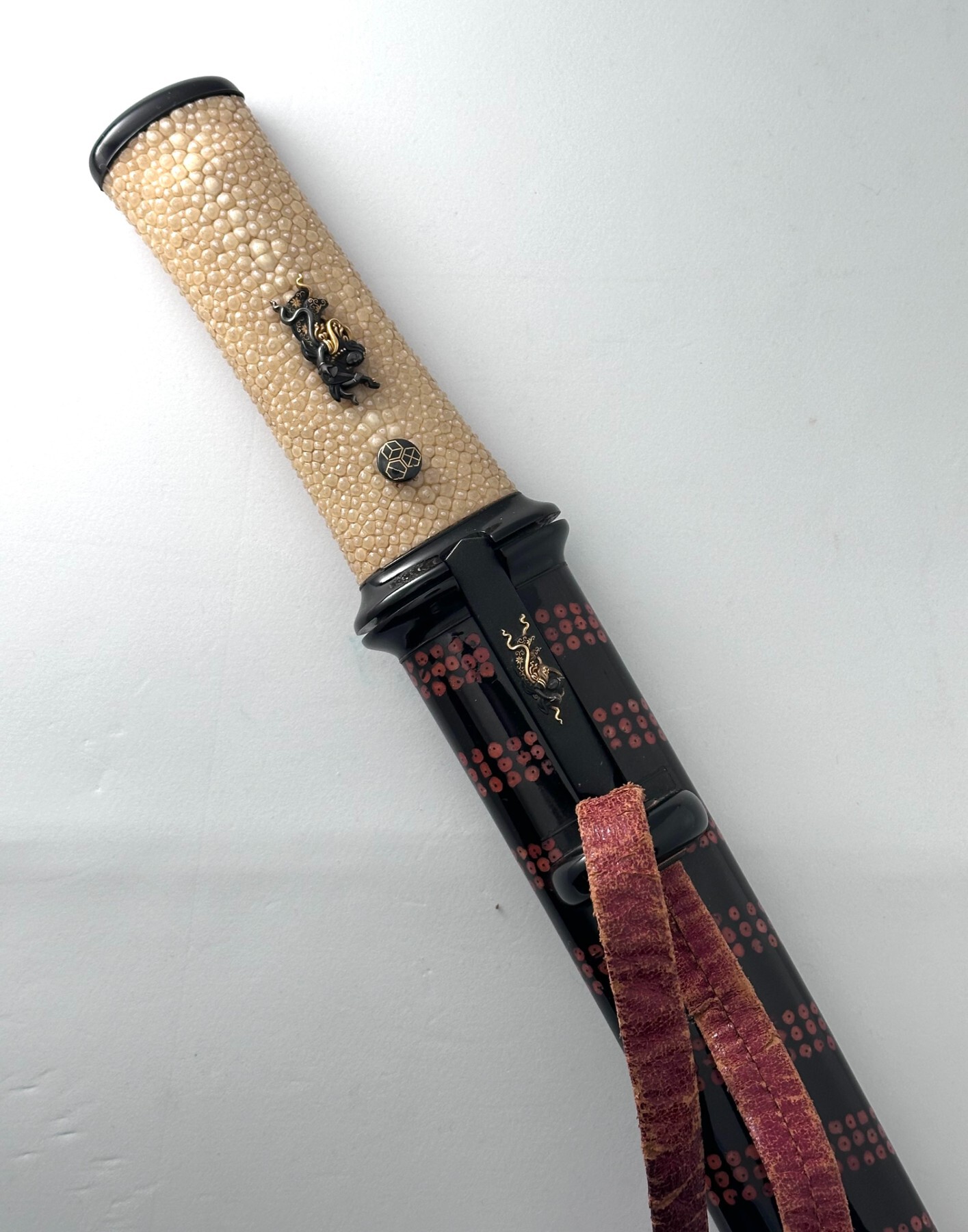
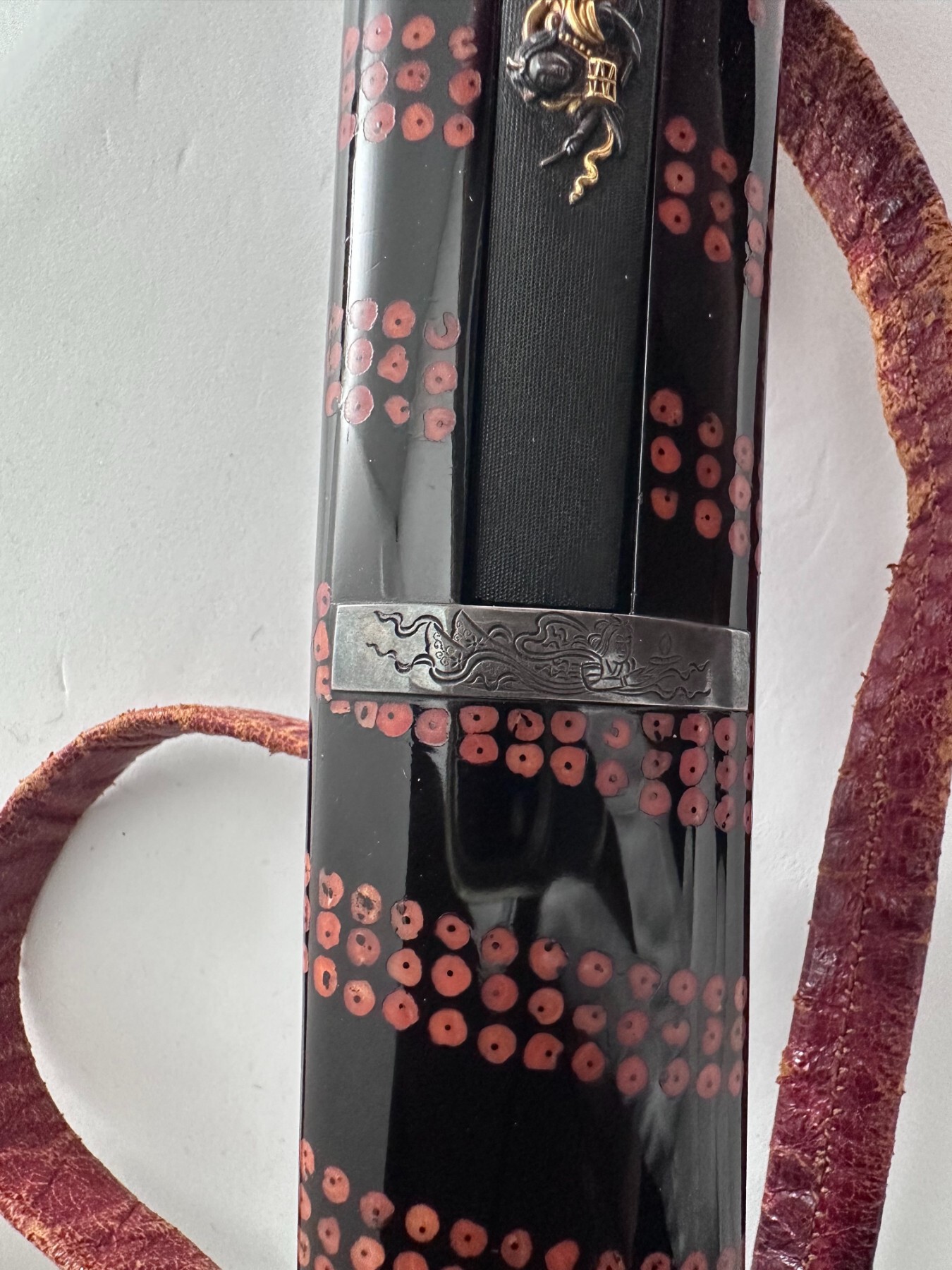
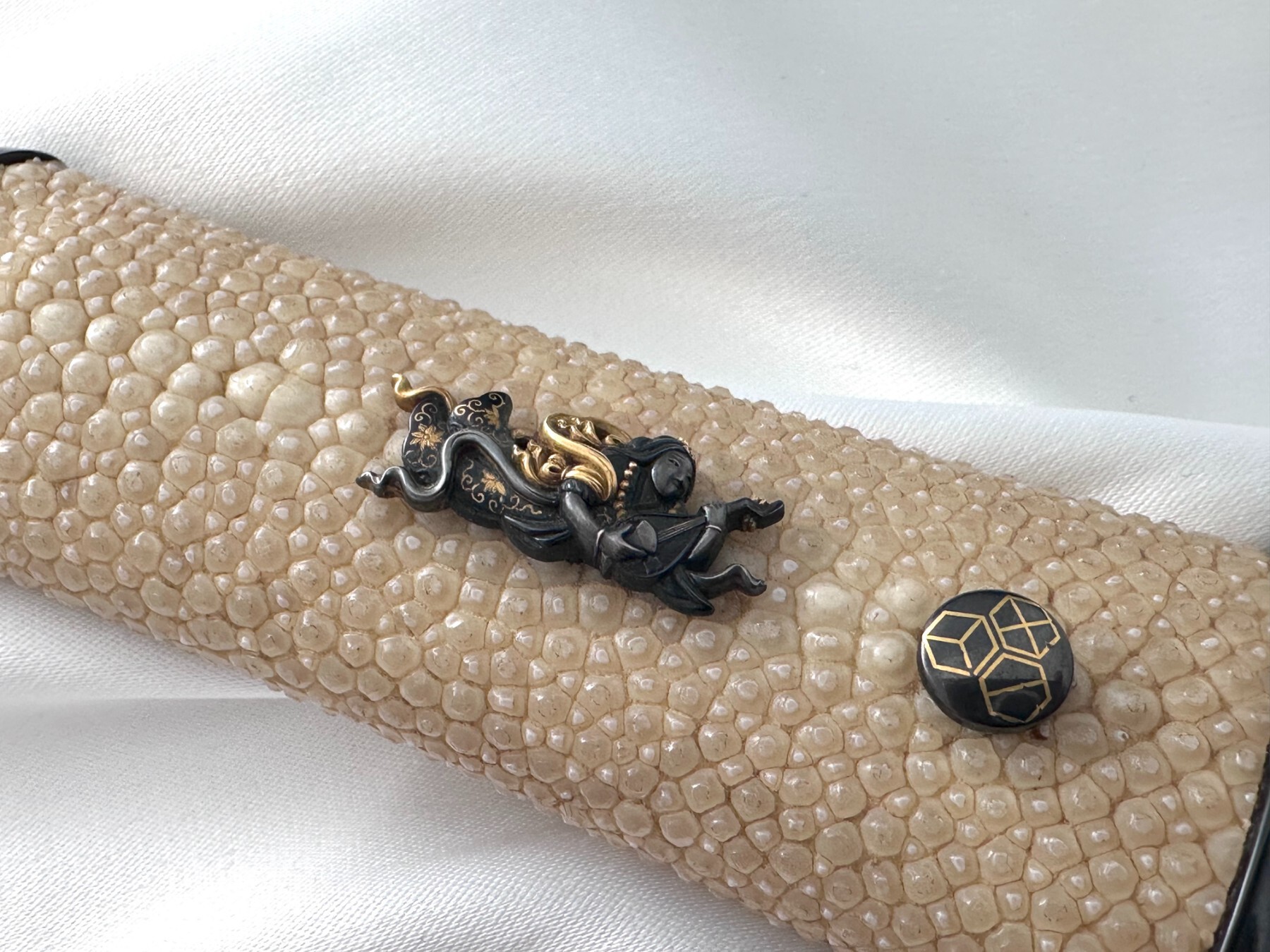
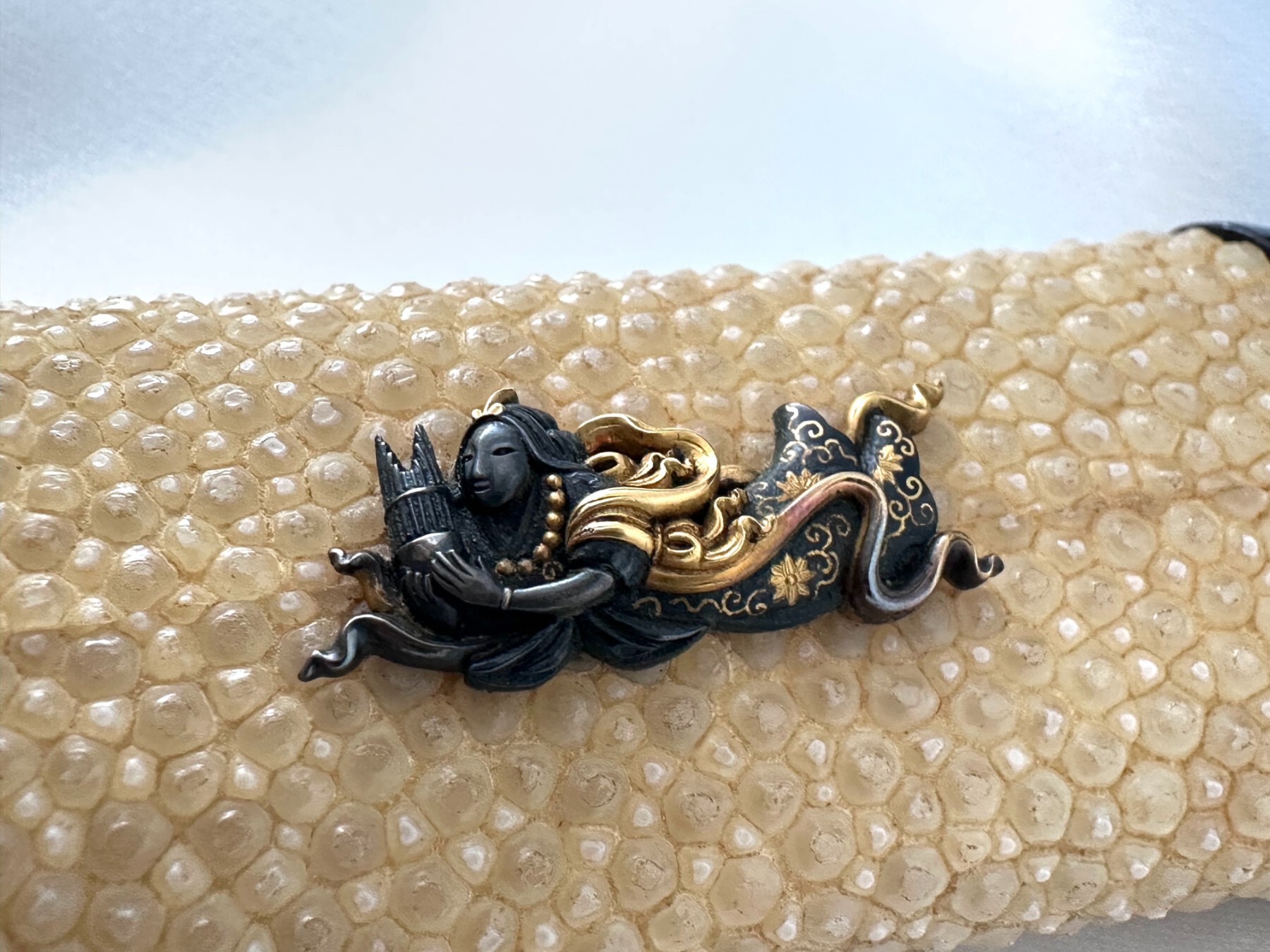
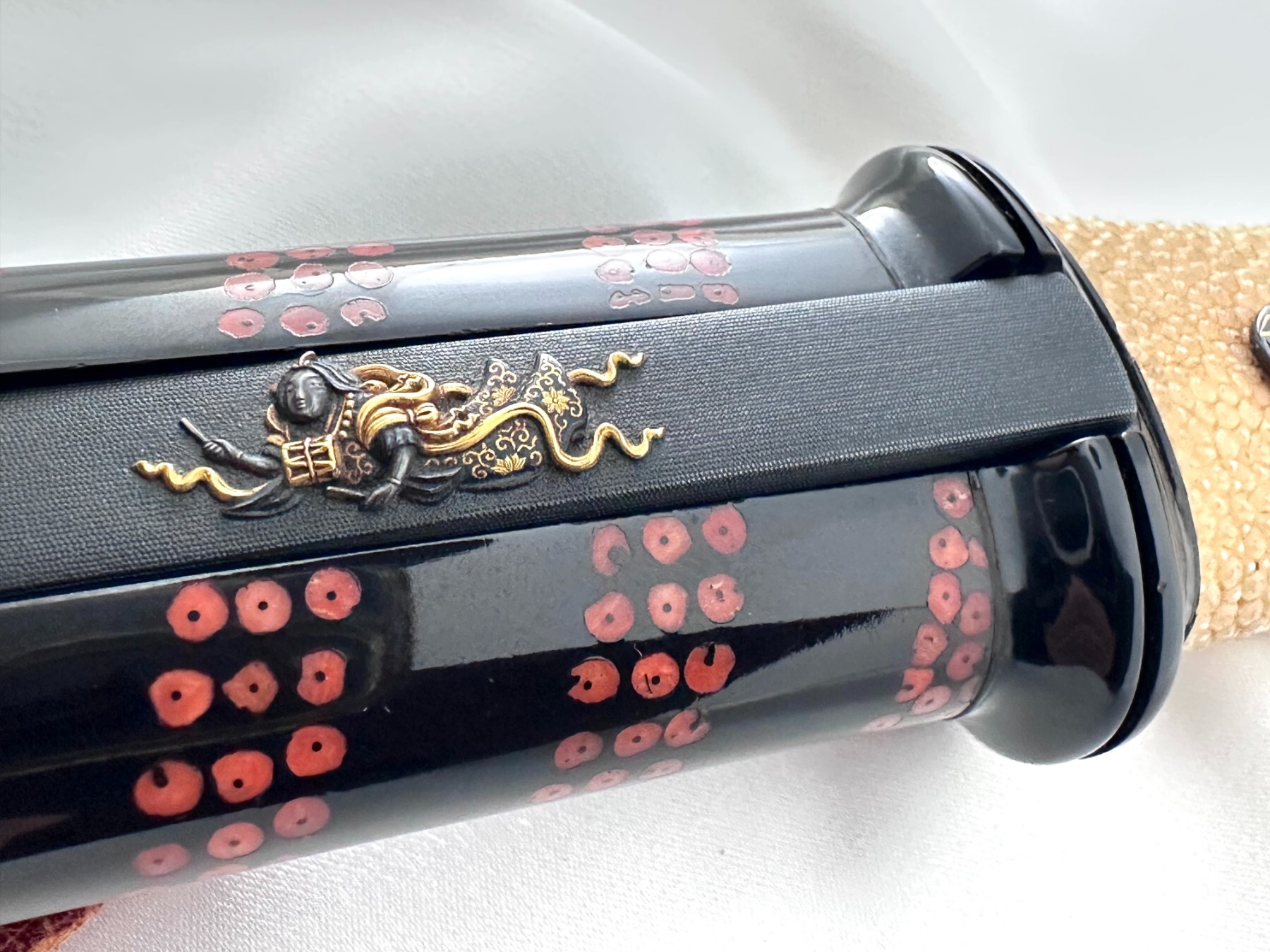
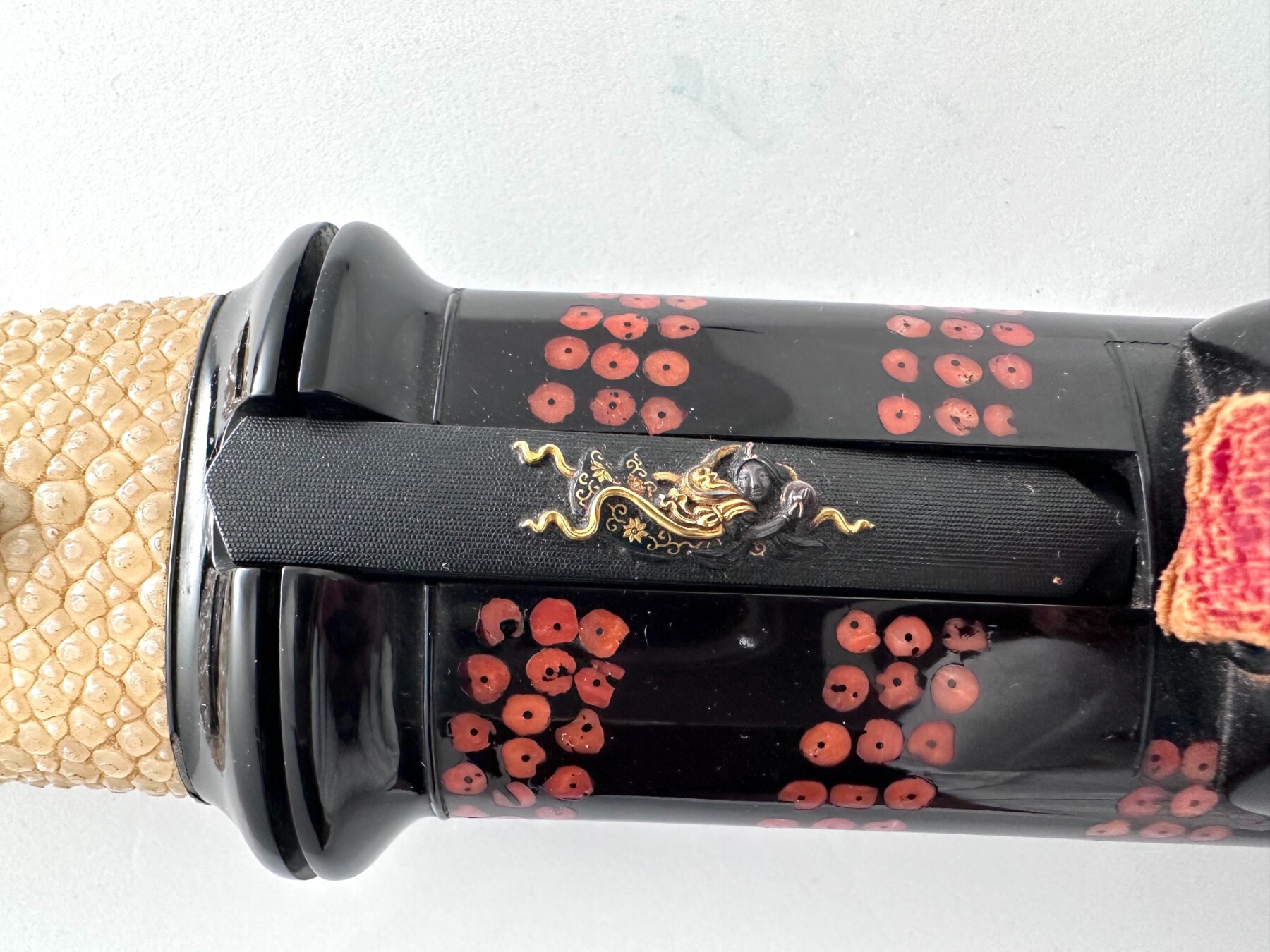
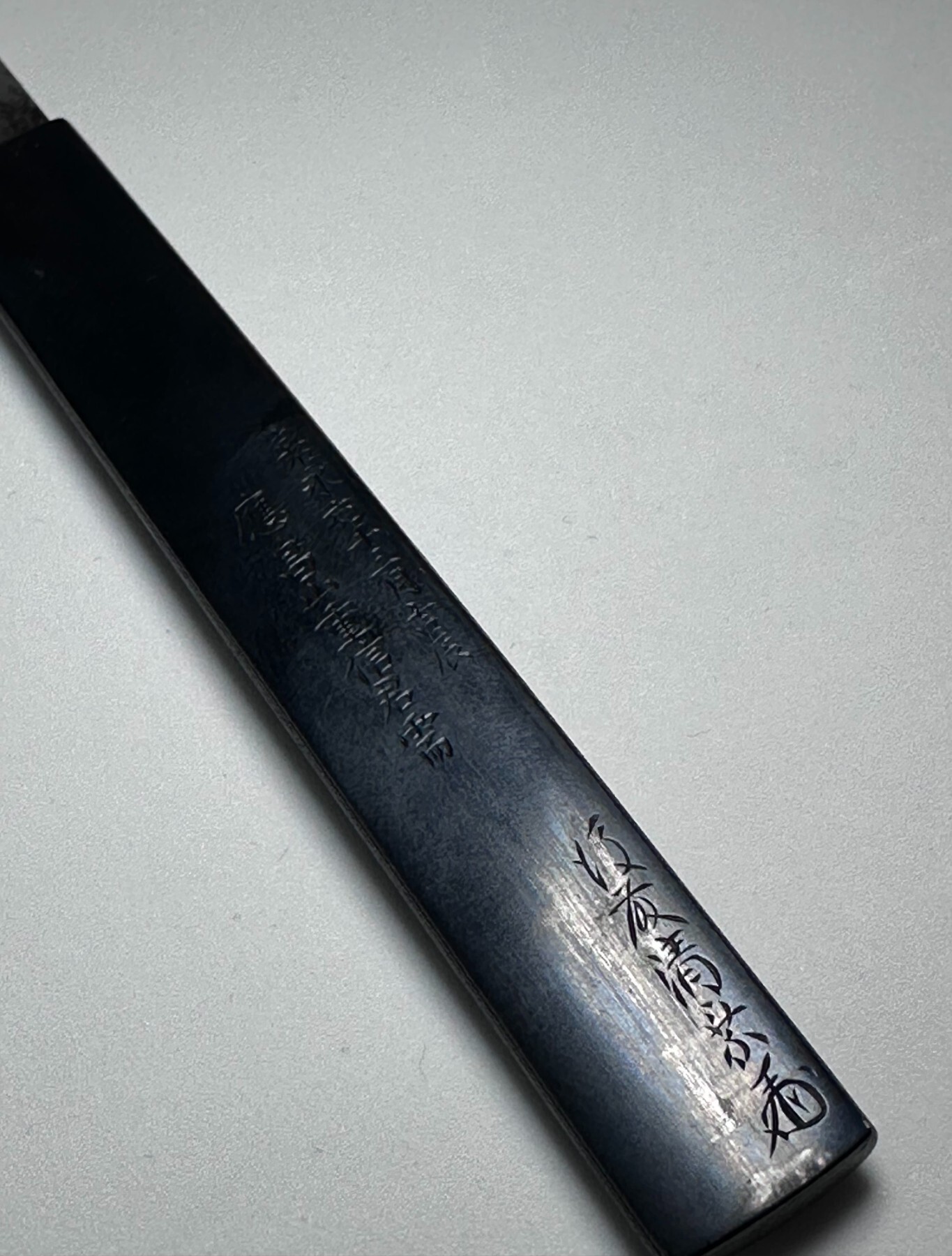
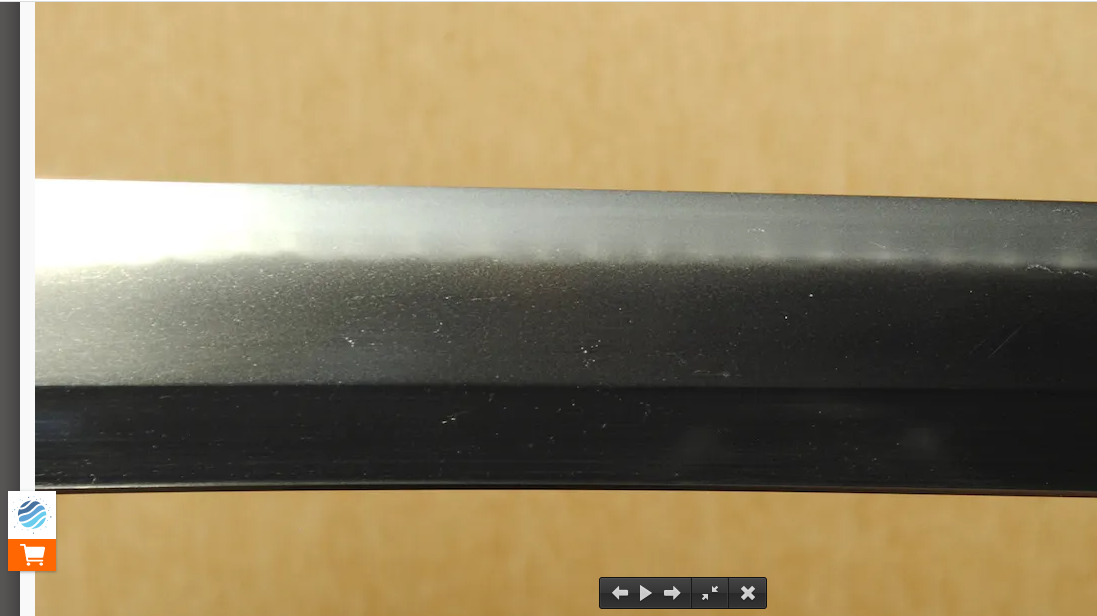
Hello all, I’m pleased to share something that I’ve gave a lot of effort to get. It’s a special order Naokatsu Wakizashi. Although the name is inscribed, I don’t want to give so much information about the person who ordered it as my research is still going on. All fittings are made and signed by 7th gen Goto Seijo, and whole set is original to the blade(possibly sageo as well), bearing the name of the same individual - been preserved in perfect condition for exactly 172 years. I’m not sharing detailed images of the blade yet, as it needs to be photographed in a better setup. And at present, it is not for sale. Hope you enjoy it.


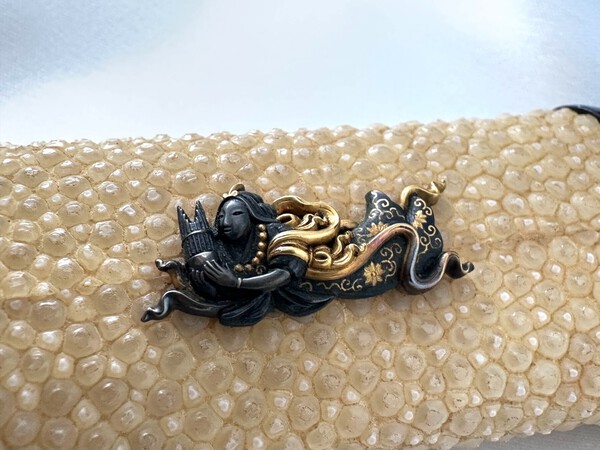
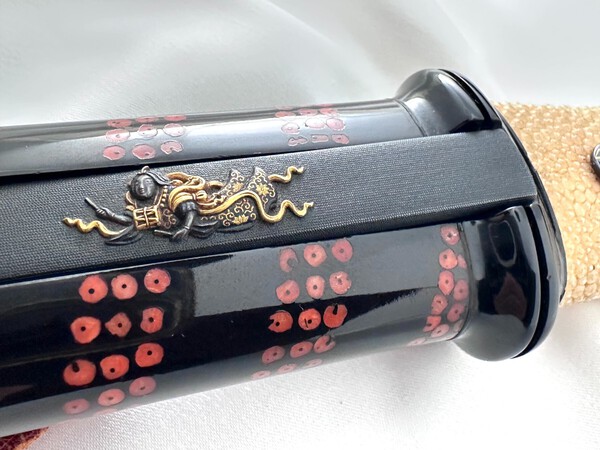

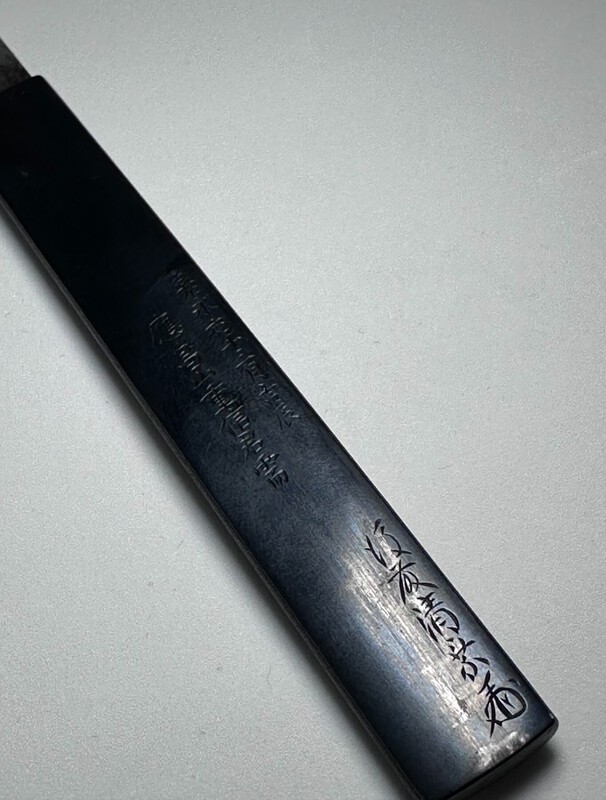
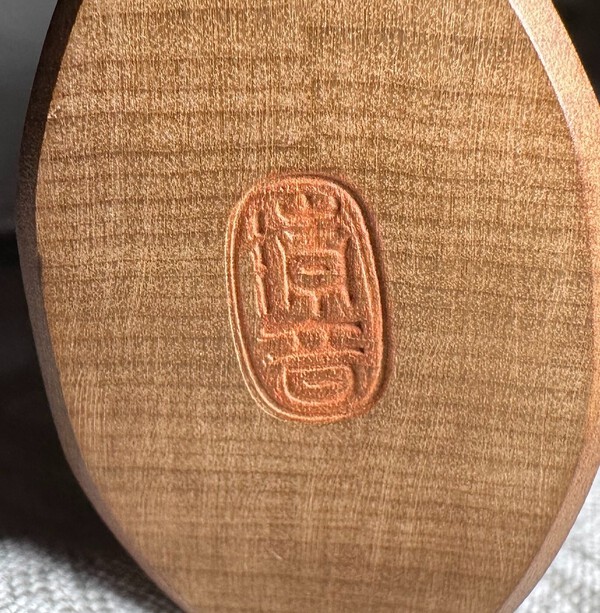 10 points
 -
Thanks for letting us know Bob and sorry for your loss, and the nihonto community’s loss. These last few years I had often thought about Guido, hoping through some miracle he might wake from his coma… not to be. Guido was someone I respected very much, he was highly intelligent, full of knowledge and insight, and willing to share it, he also had a very sharp wit and more often than not our conversations would end in belly-laughing. Many years ago, when I first set out to become a nihonto craftsman, there were very few people willing to help me, most would just dismiss me as a foolish foreigner, but not Guido. He offered to meet up with me in Tokyo, a complete stranger from the other side of the world, to discuss all things nihonto and nihon. Over the years, we corresponded quite a bit, and we would sometimes meet up at nihonto related events, where we could continue our running in-jokes with each other. He was a gentleman and a scholar... with a strong sugata!! May he rest in peace.


 9 points
 -
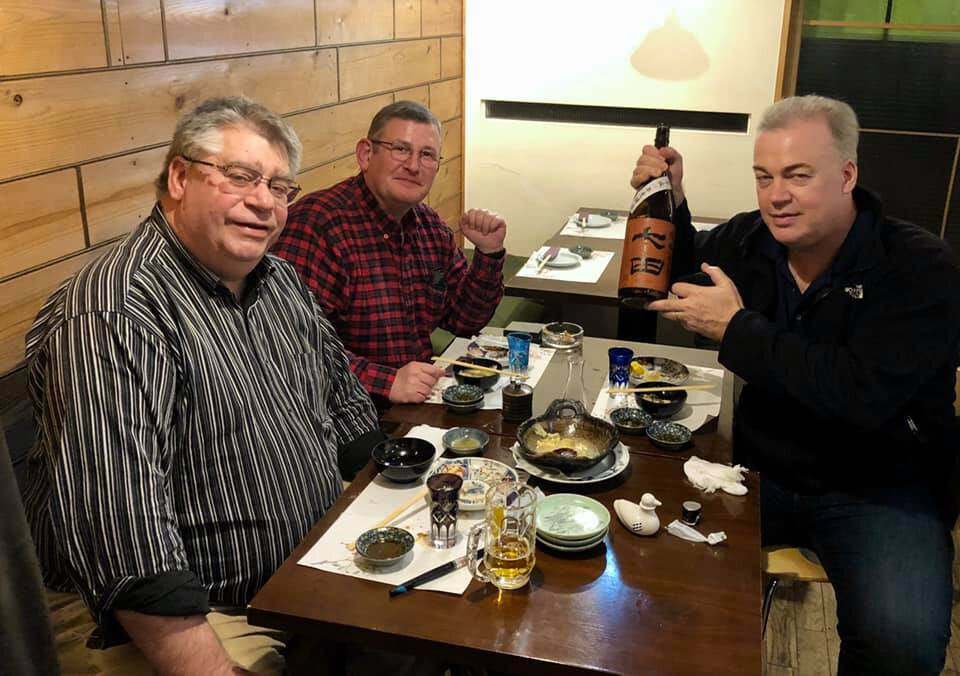
Many knew Guido for his acerbic wit, potent intellectual bon mot and direct, trenchant delivery. He was a man of many talents as we can see from the photos above. I would like to share a different, lyrical side to the man, larger than life. He did say he would chase any of us using his special service contacts if any of this ever surfaced but I think this is an important tribute to the great Guido. Well, I have cut the two songs he performed to a short illustrative snippet as Brian will probably not like 300MB of the entire performance on his server. IMG_3212.mov5 points
-
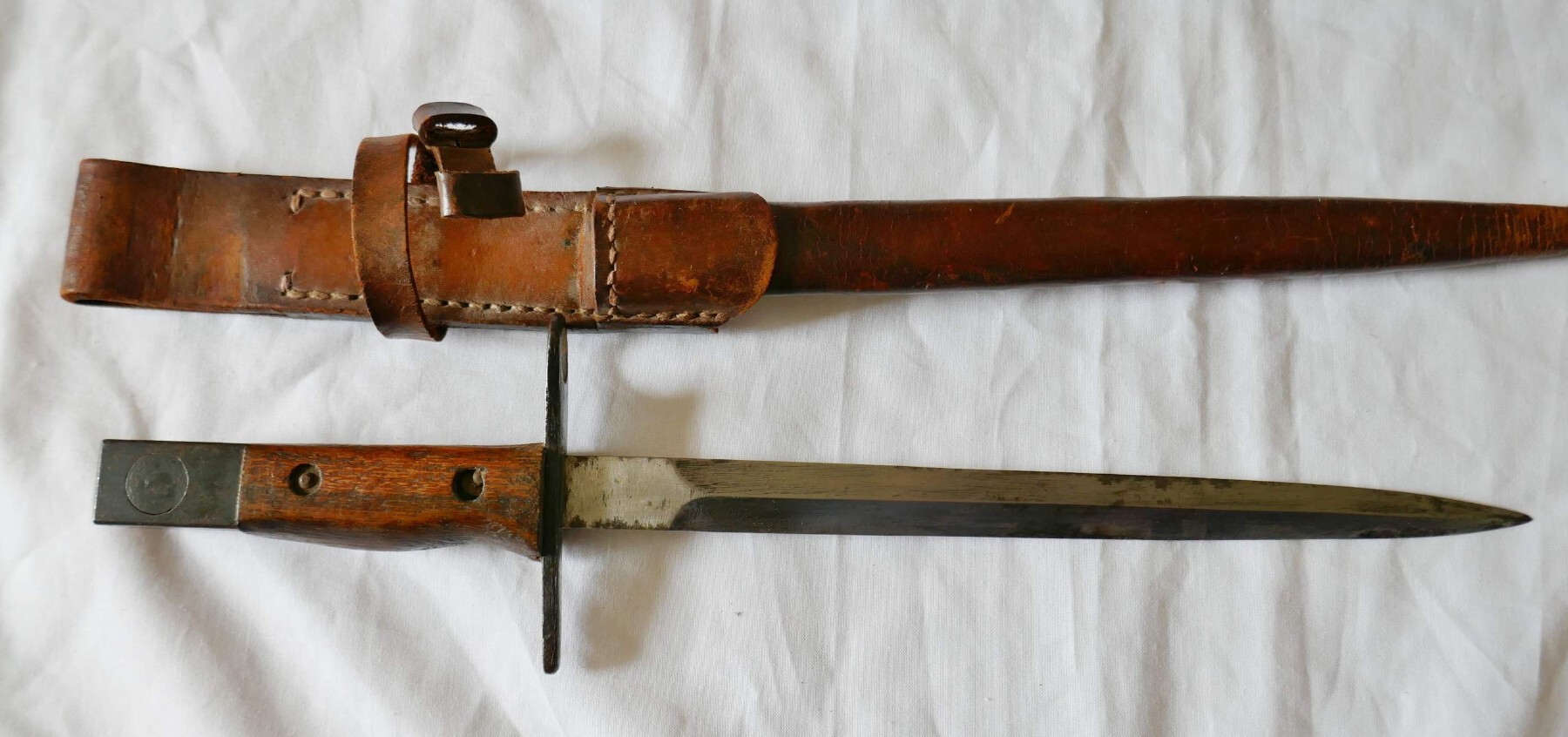
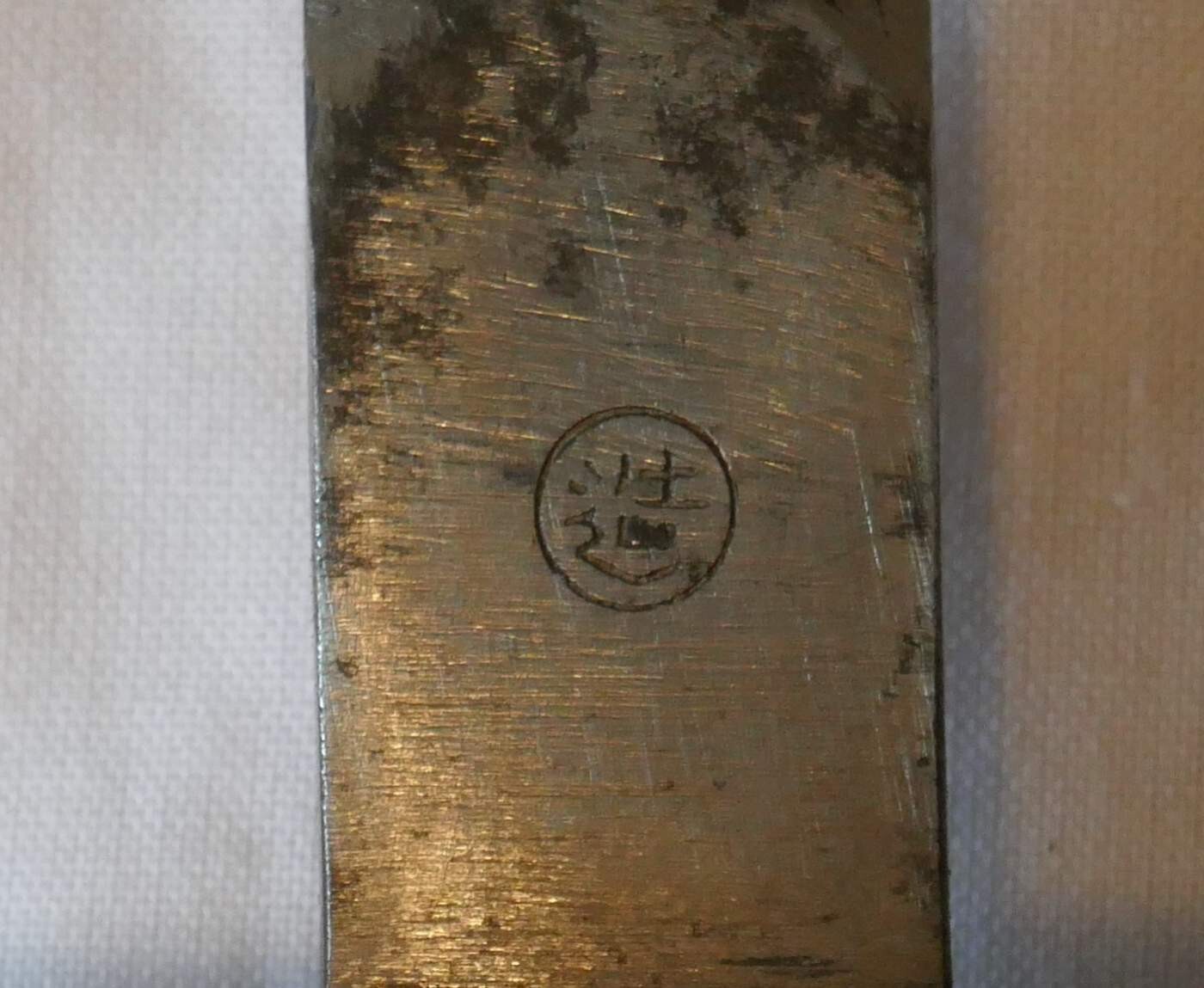
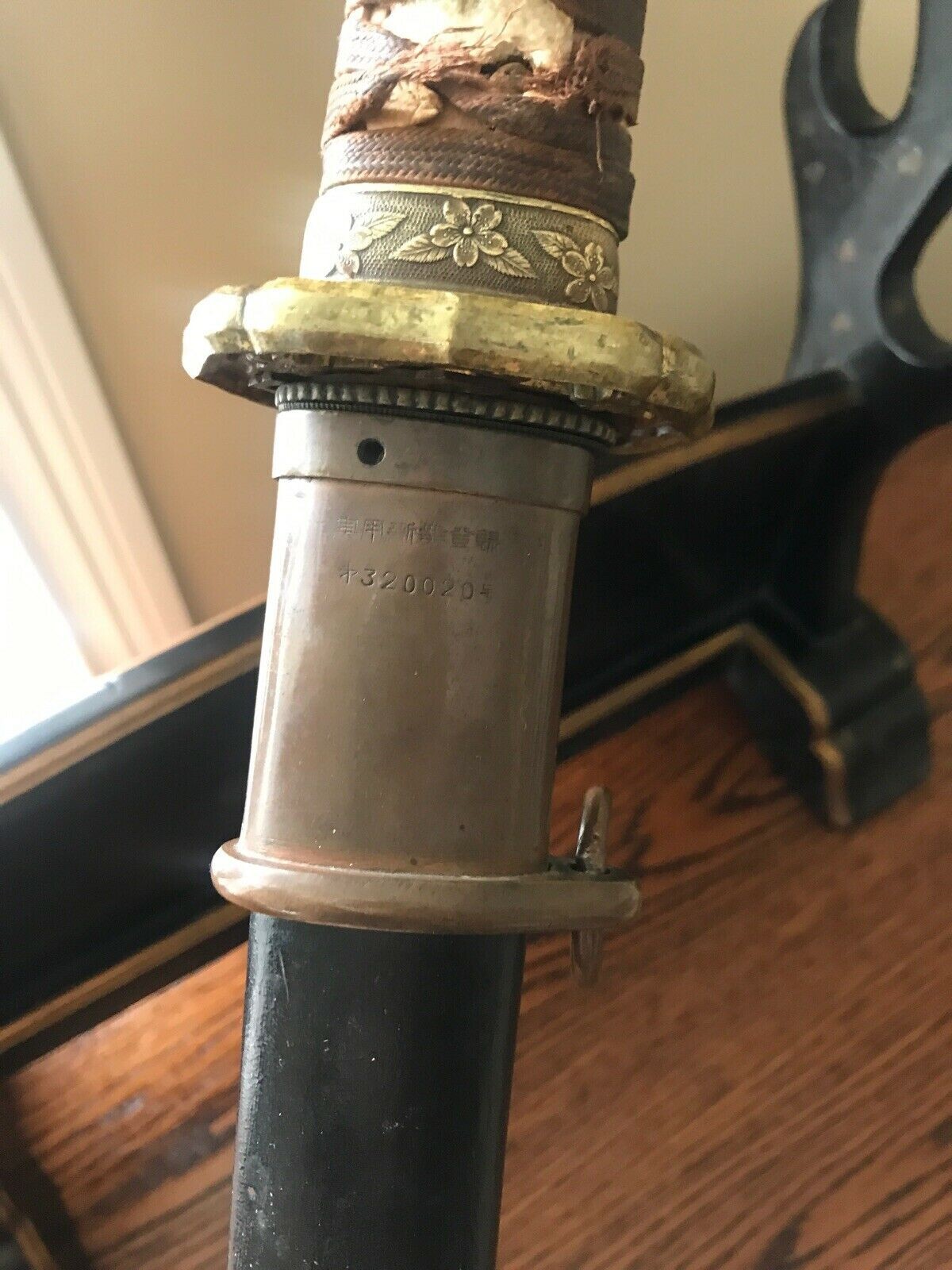
This "造“ mark was used by Bandung Arsenal in Bandung ,western Java Island,it was also seen on the Japanese captured and reused Dutch M1895 bayonets. Bandung Arsenal (バンドン造兵廠 / Bandung Arsenal) Originally was a Dutch East Indies Army weapons and ammunition repair facility known as Artillerie Constructie Winkel (A.C.W.) Bandung.Following Japan’s occupation of the Dutch East Indies in 1942, the arsenal was taken over by the Imperial Japanese Army and reorganized as“Southern Army Field Arsenal Bandung Branch” (南方軍野戦造兵廠 バンドン支廠),commonly referred to simply as “Bandung Arsenal” (バンドン造兵廠). Main Functions:Repair and overhaul of captured Dutch and British weapons,Small-scale production of ammunition and rifle parts,Support for Japanese Army units stationed in Indonesia and Malaya.It also likely make or assembly ジャワ 刀(Java sword) for the PETA army. Southern Army Field Arsenal (南方軍野戦造兵廠 / Nanpōgun Yasen Zōheishō) Directly subordinate to the Headquarters of the Imperial Japanese Army Southern Army (main command located in Singapore).To facilitate logistics and maintenance, the Southern Army Field Arsenal established several regional branches including:Singapore Headquarters ,Bandung Branch ,Surabaya Branch ,Medan Branch.


 5 points
 -
Something new..

 5 points
 -
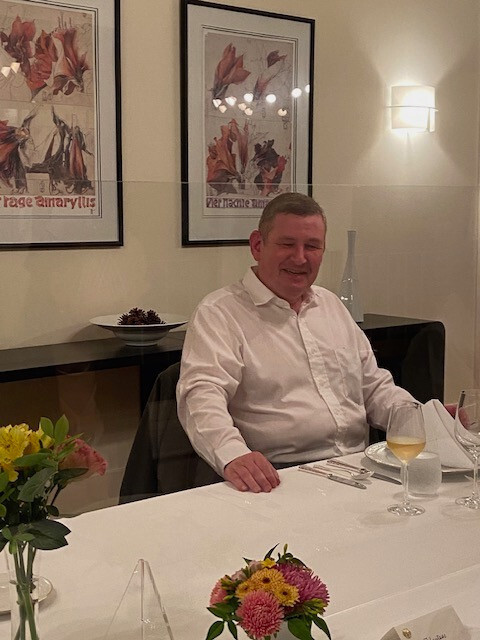
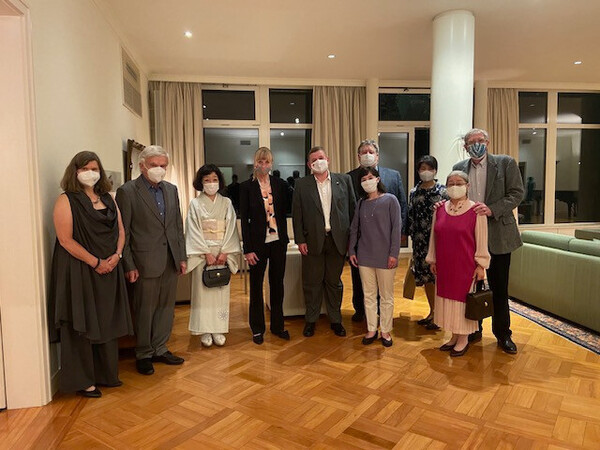
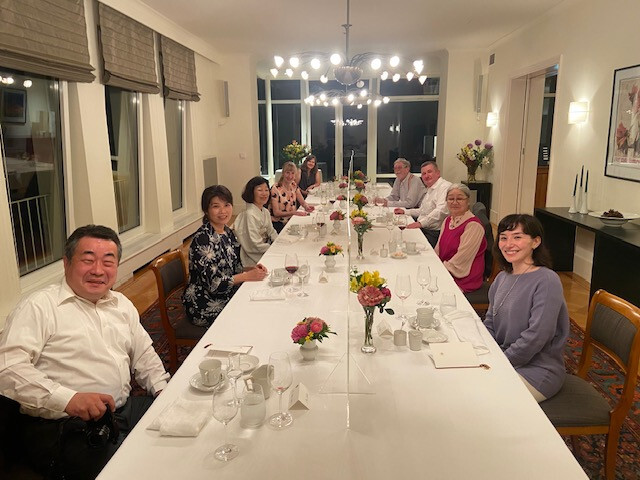
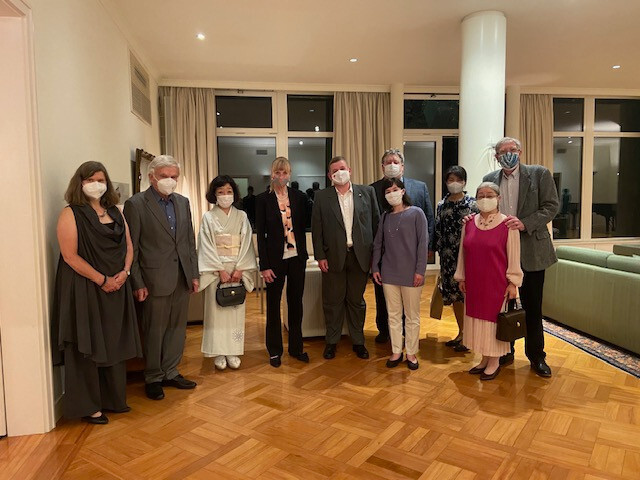
With a heavy heart from a recent phone call from Minako Schiller, I wish to report that Guido has taken his leave from this plane of existence! Guido was an early and a long time member of NMB! From his posts, you will recall he was not shy and well... he called a Panzer ... a Panzer! As a career diplomat, he served the German Embassy as an Attache in several Asian countries. He greatly enjoyed his two postings at the embassy in Tokyo. This was certainly his sweet spot because he was very much at home in Japan. In all our years of associating in Japan, I cannot recall a time when we didn't imbibe when meeting. any occasion was an opportunity or an excuse for a Kampai! We had no illusions of grandeur... it was either beer or nihonshu... or beer then nihonshu. We traveled a lot together domestically but only once internationally when we ventured over to Macao! Suspicious minds out there... I know what you are thinking! No, it was not to gamble! We had been invited to attend the gala events for the opening of the History of Steel in Asia Exhibition at the newly opened Macao Art Museum (MAM). Guido, Roger Robertshaw, and I were honored guests for we contributed the entire display of Japanese swords, tsuba, and armor for the three month exhibition. All our items from Japan were shipped through the Embassy diplomatic channel. Edged weapons from seven Asian countries were on display as the Chinese government made their pitch to demonstrate the historical importance of their homeland in the development of edged weapons. Guido was an avid collector! When he was stationed in New York at the United Nations, he collected some fine Civil War firearms including a nice Sharps rifle, a Henry rifle, and several cap and ball revolvers. While in Jakarta, he put together a collection of Kris blades, and in Japan he was in Nihonto heaven and he developed a netsuke collection as well. In mid 2021, during Covid, Guido was recalled to Germany to take his final posting for his remaining two years prior to retirement. To this end, the Ambassador of the Federal Republic of Germany, Her Excellency Ina Lepel sent out a limited number of invitations for the farewell dinner for Mr. and Mrs. Schiller held on May 17 at 7 p.m. at her residence. During this solemn period of emergency pandemic privation, on the day in question, my wife and I made our way to the German Embassy to determine if there really was cause for celebration and if the rumors were true. In fact, Her Excellency Ambassador Ina Lepel, had indeed made great arrangements to send Guido and Minako Schiller back to Germany. It had not been determined if this action resulted from an infraction or if it were a benevolent gesture. It was entirely possible that Attache Schiller had been doing good work and this reassignment was, in fact, a reward. Yet, was it a reward to send a man home to sausage and sauerkraut after years of eating Tokyo’s finest sashimi and raw oysters? Is it even possible to willingly give up the range of heavenly sake found in Japan? What hypnotic spell could shots of Apfelkorn or Rumpel Minze Schnapps have over the infinite variety of locally brewed sake? To this day, these questions remain unanswered… unsolved mysteries and unanswered questions to compete with Guido's speculation on the missing Masamune sword. Like a Teutonic knight, loyal to the order, Herr Schiller was indeed packaged up and moved to his ancestral home. Unfortunately, the final stage of Guido's employment was not completed. He suffered a massive stroke and fell into a coma from which he never recovered. He remained in this state until October 10th, 2025. He is now only with us in our memories of his deeds, a man who served his country well as he rose to officer level in the army and then entered diplomatic service. Of greater importance was his service to his family, to his wife Minako and his daughter Hana. Sadly, Guido never got the opportunity to play with his new granddaughter. Guido is greatly missed... by me... his drinking buddy... I mourn this loss!



 4 points
 -
4 points
-
There are no pros and cons comparing Etchu Norishige and Jiro Taro Naokatsu. They lived 500 years apart and both of them did extremely well. Norishige has the bonus of being the inventor, being the original one. Naokatsu on the other hand mastered the task of reproducing Norishige's work in a most stunning way. He cleared the super-wild and most-exaggerated style of Norishige and brought it into a more dignified form. And he accomplished this task on a very high level. Whatever you like better personally; it's not an absolute competition. Both smiths deserve our highest respect and are worth a very close look at. reinhard4 points
-
A scholarly article that some may find interesting. https://newvoices.org.au/volume-2/understanding-samurai-disloyalty/ John C. @Scogg Sam: should this be in some other category?3 points
-
3 points
-
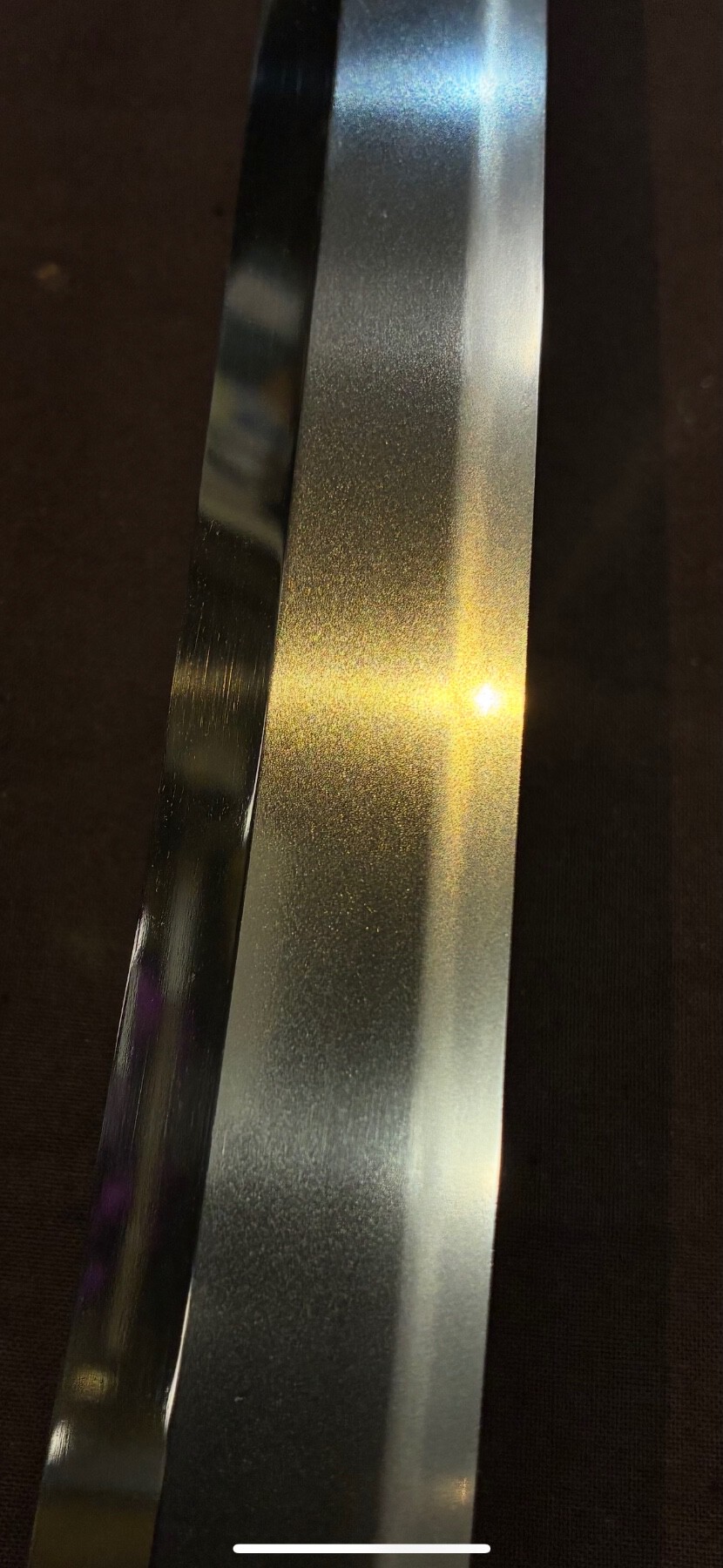
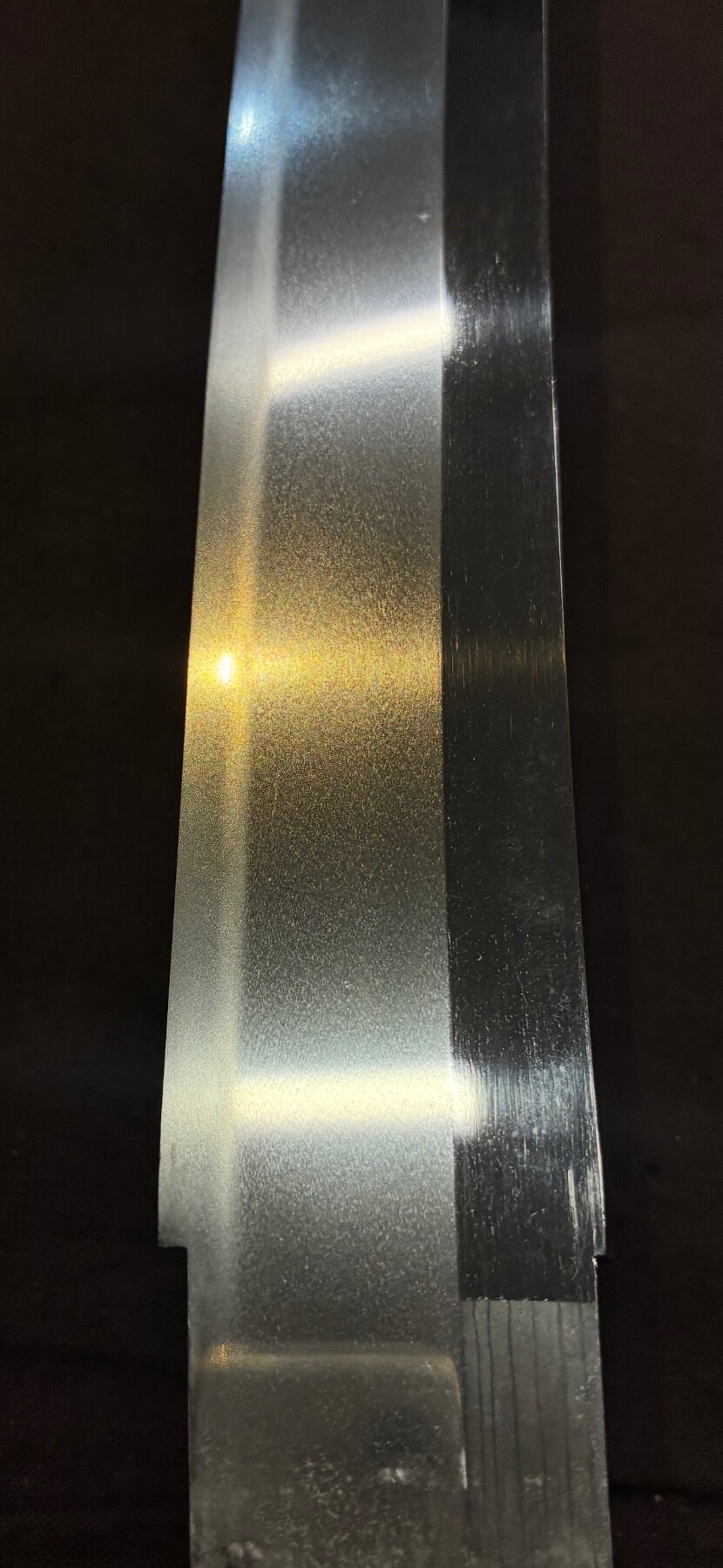
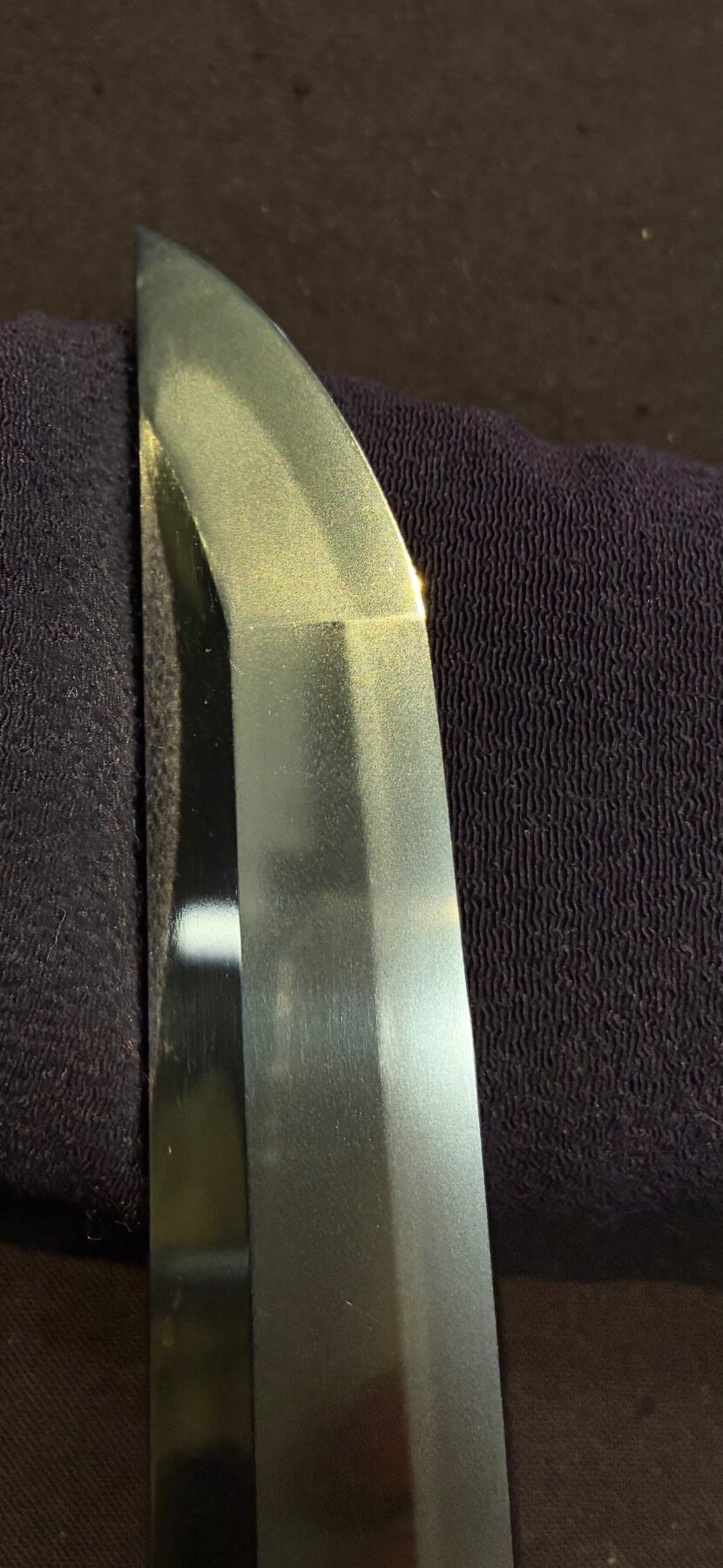
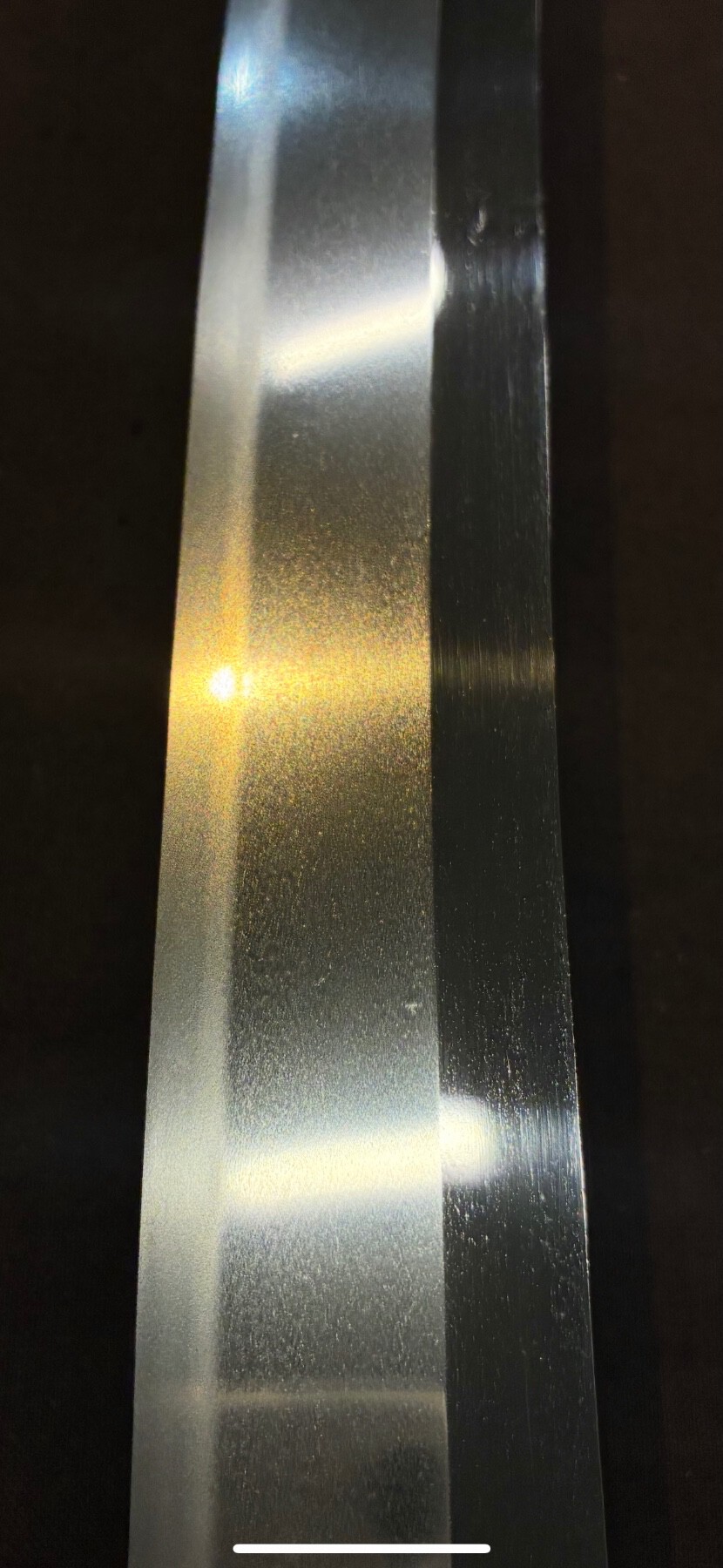
The topic of how to photograph Nihonto appears here regularly Here you will find a few posts on the subject of how to photograph Nihonto All you need: macro lens with manual focus at least an APS-C sensor in the body (FF is ideal) tripod remote shutter release for the camera several light sources ... and above all a lot of patience I am attaching a few photos of kissaki


 3 points
 -
Very sad but not unexpected news. My condolences to all his family and friends. I only had the pleasure of meeting Guido on a couple of occasions, during visits to Japan but will always remember the underlying sparkle of his personality and his pleasure in word games. RIP Guido. Your race now fully run.3 points
-
No questions - just dropping some recently acquired Tadayoshi 3 eye candy.
 2 points
 -
I agree with Piers, that certainly looks like byakudan on the reverse of the tare. If I had to guess, I think this tare is not original to the mask because the guruwa usually extends to the tare itself. In other words, the plates that would attach to the hinges and which encircle the back of the neck, would be mirrored on the tare itself. See attached image.
 2 points
 -
I had this photo awhile ago ,but forgot where did I got it.
 2 points
 -
Good morning Piers Old Bean, I thought the fitting points for a Guruwa were familiar. There are more images in this thread here:2 points
-
It can go both ways. Sometimes a nakago-jiri might be slightly truncated and the hamachi/munemachi left in the same position. In other cases, the nakago-jiri might be untouched leaving a longer (sometimes exceedingly long) nakago. I believe there was an early Rai tachi in the Compton collection that had an ubu nakago-jiri and a raised machi that left the nakago with an exaggerated length. All things considered, I believe that machi-okuri is less impactful to shinsa outcomes than modifications to the nakago-jiri, but these things becomes less-and-less important the older the sword is (ie. o-suriage is acceptable for a Nanbokucho blade that is otherwise a juyo candidate, and even moreso for Kamakura-jidai, etc).2 points
-
This is one of my latest images in my ongoing battle to achieve Japanese dealer-like images. Photographing on plexiglass with a dark background. Using large LED lights to light the blade from both angles with a camera above. In this case, I removed the background in post in Photoshop and then composed the two images of the tanto together. I was taking some inspiration from Darcy's guide (can be found in the Links section, although the link does not seem to work anymore). I will add the guide to this post. Photographing_Nihonto.pdf
 2 points
 -
Back in black! https://www.jauce.com/auction/m12043095792 points
-
Hello everyone :D As mentioned in my previous post, I had the pleasure to receive my first Nihonto last week. It´s been bringing me so much joy and motivation to learn more about those beautiful pieces of art. Naturally, as a hobby photographer, I always wanted to try taking pictures of them and now that I got a blade of my own, I can finally try my luck. It is a whole new field of photography for me, one that I am, quite frankly, unprepared for. Usually I shoot Landscape and Nature, with the occasional plane spotting trip to nearby military air bases. Macro photography however is completly new to me and my lacking equipment (I don´t even own a tripod. Foolish, I know). Reading all the resources and past posts here on Nihonto Message Board, especially Darcy`s PDF file about this topic, really helped me getting started and giving me a rough idea what to do and what to avoid. While it´s not exactly the setup mentioned in that article, I tried to copy it with what I had. I went with the following setup (will leave a picture below). For the enviroment I used the wooden box usually used for painting model planes with an airbrush. I hung up some dark cloth in it to have a proper background and placed a daylight LED-Panel on the Plexiglass roof of the box for the lighting. I used a secondary lamp for some diffusing background lighting and to set accents in the pictures. Since I do not own a tripod, the camera was fixed to a music stand using a cable tie. For the camera I used a Sony a6400 with the Tamron 17-70mm f2.8 lens. I chose it over the Sigma 30mm f1.4 for its lower minimum focus distance of 0.19m at wide angle of 17mm (~25mm if we take the 1.5x factor for APS-C into account) and 0.39m at maximum focal lenght. In terms of settings I chose a focal lenght of 25mm and apeture of F4.5 since I found that as a sweetspot where it is the sharpest in the past. I wanted to keep the ISO at 100, even though the a6400 has good noise control up until around 1600 ISO, as I worried it would interfere with the Hada and other details in the blade. Shutter was set at 1/15s since I was shooting on a stationary position anyways and not handheld. Personally, I would say for the second try ever at this the pictures are quite okay. Compared to the pictures in the last post I find the current ones a big upgrade. I found a big spot without Hada which I suspect is core steel (marked in red, correct me if I am wrong) that I somehow overlooked when inspecting it at the shop. Also, some little rustspots, scratches, and a few nicks in the mune, but I was already aware of those as the seller mentioned them in the listing. Overall, I find the blade quite nice to look despite those things listed. I will post a few of the better pictures below. All the pictures are cropped and compressed to JPG so I can do them all at once. If anyone wants the full sized ones, let me know. Also, any tips for better pictures are of course welcome! Thank you for listening my Ted Talk Have a nice day/night everyone


 1 point
 -
I believe it is Nakajima Masayasu1 point
-
It's referring to the claying techniques that result in steel that is うるおい (uruoi, also written 潤い) - it looks wet, or moist, due to the distribution of the ji-nie and hada catching the light and mimicking beads of water on a wet surface. It was, and is, a highly sought-after feature and kantei point for many high-class makers in Koto blades, and naturally something that more modern smiths worked hard to recreate.1 point
-
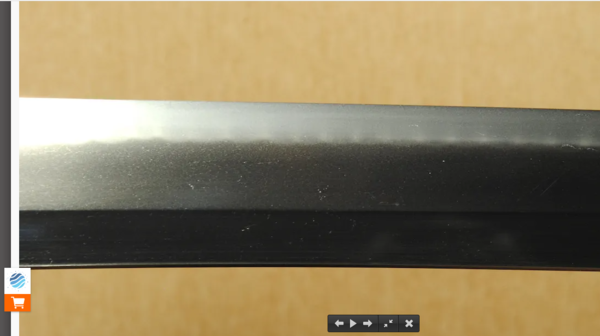
Here's a nice one from Ikedaart,doesn't say how much it sold for but interestingly is signed katana mei,also shows the Emura elongated kissaki whicj I think makes them look sharper and more elegant. charles.


 1 point
 -
昭吉 - Akiyoshi 藤田 昭吉 (Fujita Akiyoshi) ranked Joko no Joi (Chu Jo Saku)1 point
-
It’s indeed one of her most well-known waka. This one is very easy to relate to even for people not used to enjoy poetry. For reference let me share the same poem executed in a slightly different style 🙂 This is a large shikishi and it shows how the old lady never wasted anything. This is from her early years. Work from this period is quite rare. First it got an illustration made by Rengetsu herself. A huge bonus. But what makes it truely unique is that she clearly ran out of space. But instead of putting it in the fire, she just added the last line of the poem to the bottom of this shikishi. Apparently a good move as this piece of art survived until the 21th century 🙂 Jan
 1 point
 -
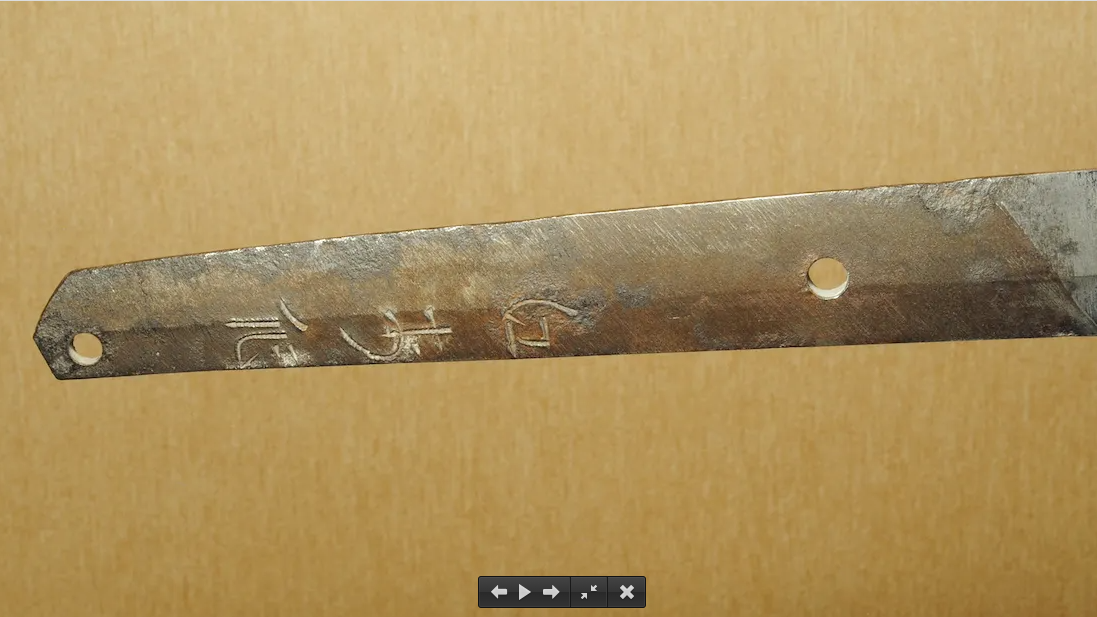
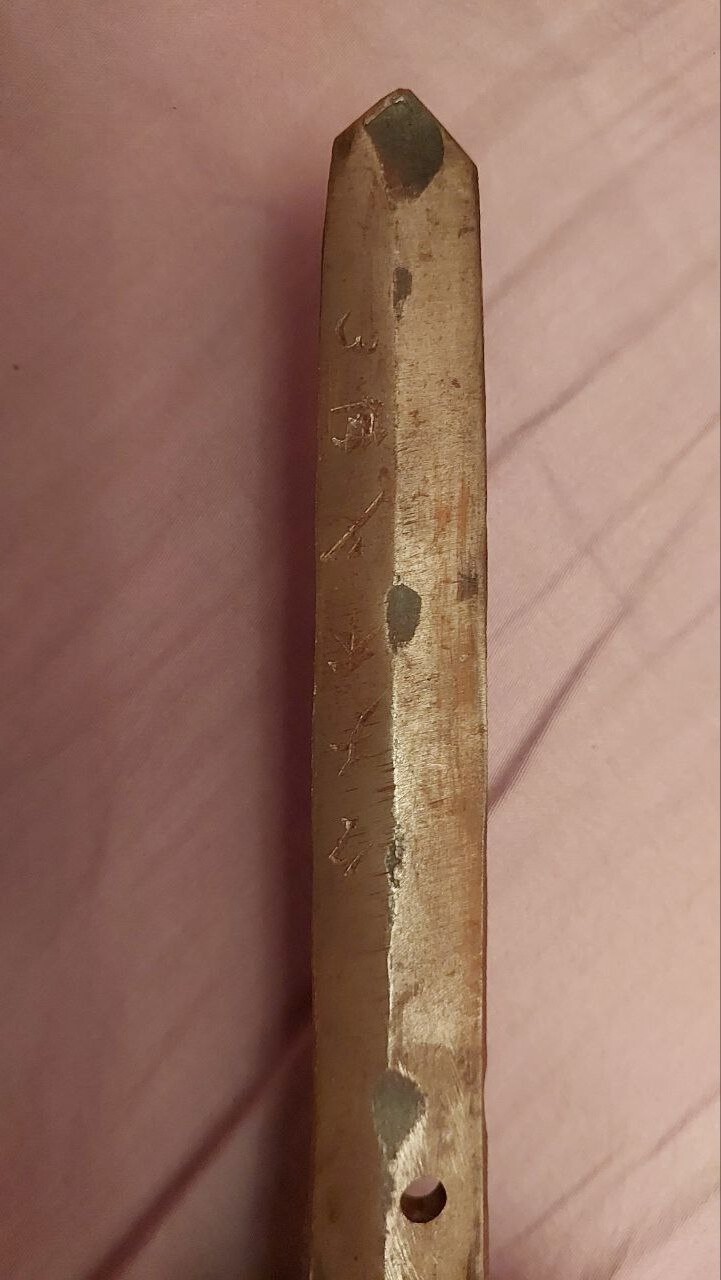
Unfortunately, the blade is a fake. Although they tried to make the characters look like Japanese, the characters are not katakana or any other Japanese characters. They are just meaningless.1 point
-
That is an interesting paper, thanks for posting that. It takes an intriguing position and makes a very strong case. As soon as I got into it, I thought of a raft of historical examples proving the author's position. The one section that didn't quite work for me was the part on zanshin, an issue that has been an essential part of my three decades of aikido training. I liked the thought-exercise of considering how zanshin could be related to the acceptance of disloyalty in samurai culture, but ultimately I wasn't convinced of its relevance. The idea of being on the lookout for betrayal is not really a component of zanshin, which is pure awareness, apart from the judgment of friend or foe. Zanshin doesn't exist because of disloyalty, it exists because it is the most effective mindset for a warrior. This problem in no way undermines the author's thesis, though, in my opinion. Paul1 point
-
Very useful to something I'm working on currently!1 point
-
We simply MUST see the blade and rest of Koshirae that belongs to this Habaki!1 point
-
Just from that one shot it looks like Byakudan-nuri, a superior lacquer coating along the lines of what Jean describes above. 白檀塗1 point
-
Charles, I am not an expert on KACHU, but as far as I know they are traditionally made of thin iron with a lacquer coating. Different colouring could be a result of combining parts of different origin, but not necessarily. The gold colour may be an effect of different layers of URUSHI, in this case a metallic component (gold ot copper powder) could have been coated with transparent URUSHI.1 point
-
1 point
-
Ilya, the photo (or the "MEI") is upside-down, and the characters cannot be read (at least not by me). Without seeing the rest of the blade, this looks like a bad reproduction. I hope you did not buy it.1 point
-
That is true, which why I want to see it after the mukansa sashikomi polish in hand, in Japan before making any decision. It is a sick piece without a doubt. It is done in soshu style and filled to the brim with hataraki - kinsuji and inazuma in the hamon, chikei with a whitish ji-nie covering the entire blade plus a pretty vivid nioguchi. Also nice that Kondô Hôji took the time to create a nicely detailed oshigata for it. Personally I love the sugata and boshi/kissaki on this one. In any case, even if it doesn't get submitted to Juyo, you guys will see some finished pics in Feb!1 point
-
Catalogue1 point
-
How on earth have you got this far doing research and noticed its a crappy fake-to1 point
-
All you need to learn is how to avoid reflections. The rest is easy then.
 1 point
 -
The article is in the downloads section1 point
-
Thanks @ROKUJURO. That’s a typo. My fingers were typing faster than my brain!1 point
-
I have moved this to Community News, because Guido was such an important part of the community. I'm really sorry to hear this Bob. No doubt all of us were expecting it for years now. He has been in a comatose state for so long, and I was told there was no chance of recovery, so for him I think it is probably best. But it's terrible news for all who knew him. Met him in Japan, and he was a real character. What a sense of humour! Guido was known to be blunt and to the point, which was an asset when teaching the finer aspects of collecting. But underneath that, he was a real knowledgeable guy who had a ton of info to share. And he knew how to party! A giant of a man, I'll miss him terribly. Condolences to all who knew him and his family. What a sad loss to us all. RIP Guido.1 point
-
Hi Adam, very nice picture! You can avoid reflections in case you have a dark room or a photo box. Btw: It is NAKAGO, not Nagako.1 point
-
Okan you actually did it! A massive congratulations on pushing through and making it happen. In the oast, Okan reached out to me at a time where it was very welcome and I can personally vouch for his character. I can't wait for your website to go up so I can have a look👏1 point
-
Thanks. If I remember correctly, I had a naked bulb on the mune side and within a couple of feet of the sword. I held the nakago of the sword and kept adjusting its angle relative to the lens as I took photos. That's probably one out of 20+ I took in that position. Photos of the other side of the sword were also good for showing the activity in the boshi, but it shows the reflection of the phone.
 1 point
 -
You could also ask Tanobe sensei to write a sayagaki and see if he thinks it has a chance at Juyo.1 point
-
It's a noble cause Erik and one I approve of. Very few people take the time to optimise the photography of nihonto, which is a shame as there is so much beauty that is lost to the casual observer. I get as much pleasure from taking photographic images of my blades as I do studying their history. Darcy and Pablo are the two pioneers who really sparked my desire to improve my own skills. I'm by no means a photographer and had limited equipment when I started last year. My camera is an aging Fujifilm XT2 with the kit zoom lens. I quickly realised to capture all the fine detail a sword has to offer, a macro lens was essential. I bought a cheap, used Laowa 65mm F2.8 from Ebay Kleinanzeigen. The lens is manual only but I think the way manual focus works on the XT2 there is no problem getting pin sharp photos in combination with the Laowa. Next most important consideration were the light sources and I think it's true to say there is no universal light that will highlight every feature in the hada, hamon and boshi. After a few experiments the primary light sources I use now are an Ikea Jansjö LED lamp, which was recommended on a forum dedicated to macro photography. These are unfortunately discontinued but you can easily find them listed on Kleinanzeigen and I bought four for 5 euro each. To see the hataraki in the hamon, I discovered a high intensity halogen light with a dimmer to control output produced the best results (I think this is what Pablo Kuntz's photographer uses). Finally a tripod is critical when implementing longer exposures and I use the Fujifilm iPhone App to control the shutter release so there is zero risk of unintended movement. Here are some images I took from my first session. These are all jpg's without post-processing. You'll find more in the Google Drive folder. Still room for improvement, not least wiping the blade to eliminate all the dust particles . Ikea Jansjö LED lamp/Macro lens/tripod https://drive.google.com/file/d/1hcfbKl8l-efqxqyAxZ4Oe_PdNVX_jwDN/view?usp=sharing https://drive.google.com/file/d/1crDNe1w38OAxs56JgM0YfQpHB6nDpDWd/view?usp=sharing https://drive.google.com/file/d/15k7eGF_EwuC_oCAi-dd5qTee_p5E5PgY/view?usp=sharing 250W High Intensity halogen bulb/macro lens/tripod https://drive.google.com/file/d/1Ri4luL4j5Lslik8-sYD63RvJ-mJj9jlX/view?usp=sharing iPhone 12/natural diffuse daylight/handheld blade and phone https://drive.google.com/file/d/1ppwmEYqNJq_mI8zImLY5FQg2Vkbu6M-1/view?usp=sharing Good luck1 point
-
One way of looking at it: Top level guys doing fittings for the govt Tokugawa types go to = Goto, individually hand tooled stuff Higher officials needing work appropriate gear go to = Yoshioka shop, good formal. Some minor time saving shortcuts ex: https://www.aoijapan.com/kozuka-kogatana-yoshioka-inabasuke/ Other bureaucrats needing a rig, but a bit more cost go to = Yasuda shop, also pretty good- but maybe more gold plated or lacking in specifics of design. Example: https://www.aoijapan.com/kozuka-mumeiyasuda/ Or ... Fifth Avenue NYC, vs Off Fifth Avenue, vs Filene's Basement / Century 21. All decent, but how bespoke is it? You have Tokugawa mon on the kozuka and kogai. They look very clean yet not too ostentatious in execution. If you look at the nanako, probably it is very uniform and consistently the same size. Yoshioka work is often very clean and strongly uniform elements in the execution. Put another way, they had High quality control. Often unsigned. When they wanted to, they could kick it up a notch or two- so not all Yoshioka work is the same level. Tokugawa mon+ fairly formal with no signs of gold loss + very precise nanako => first guess is Yoshioka.1 point
-
Charles, In general, guruwa and menpo with guruwa were mostly seen in the late Sengoku period, particularly the Momoyama, since protection was paramount. Guruwa on menpo were uncommon probably because they were naturally more difficult - and more expensive - to make.1 point
-
Sorry to hear of Dr. Stein’s passing. I definitely enjoy his work. I’ve been reading JSI and NMB for years.1 point
-
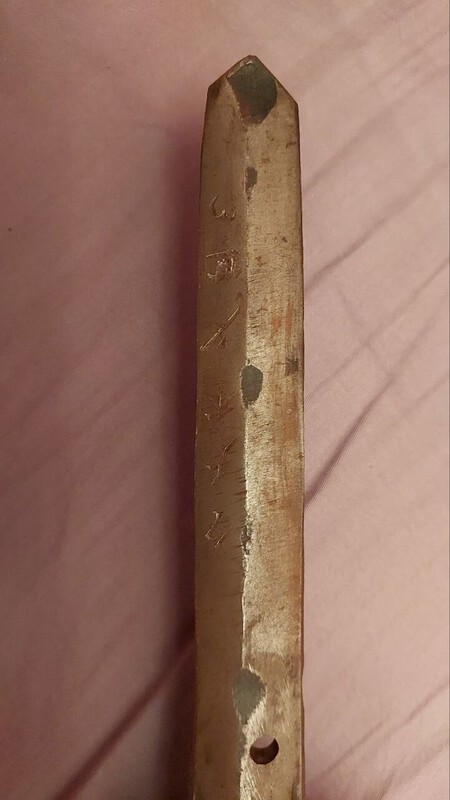
Dear colleagues, I am trying to identify katana smith with Mei, consisting of 6 characters, written in Katakana (presented on the photo). So far I am not able to identify the 5th character. I would like to ask you if any one knows what smiths Mei it is or may be. Any one knows? Is it "クチポソ ?ヨ " /does not make sense so far/ or "アリホシ?ヨ " So far the only candidate is "アリホシ?ヨ " . In this case first 4 characters correlate with: アリホシ Arihoshi 有法師 smith. Аrihoshi ID ARI3 Province Yamato Era Kakitsu (1441-1444) Active Period 1441-1444 School Tomonaga In this case it would belong to Taima (or Taema) group (当麻) : アリホシ Arihoshi 1338 Yamato アリホシ Arihoshi 1362 Yamato アリホシ Arihoshi 1441 Yamato Fondateur : Kuniyuki (国行). Caractéristiques générales : jihada : mokume-hada avec itame-hada, chikei et yubashiri. Taima-hada : l'itame-hada sur le yokote devient masame-hada. Le jigane est sombre avec beaucoup de ji-nie ; hamon : chu-suguha hotsure en nie. Beaucoup d'activité en nie de type nijuba, kuichigaiba, uchinoke, kinsuji et inazuma apparait dans la zone du yokote ; bôshi : yakitsume. Forgerons : Kuniyuki (国行), Tomikiyo (友清), Toshiyuki (俊行), Kunikiyo (国清), Tomotsuna (友綱), Tomonaga (友長), Tomoyuki (友行), Arihoshi (有法師).
 0 points


























This leaderboard is set to Johannesburg/GMT+02:00