
Leaderboard


Popular Content
Showing content with the highest reputation on 06/14/2025 in all areas
-
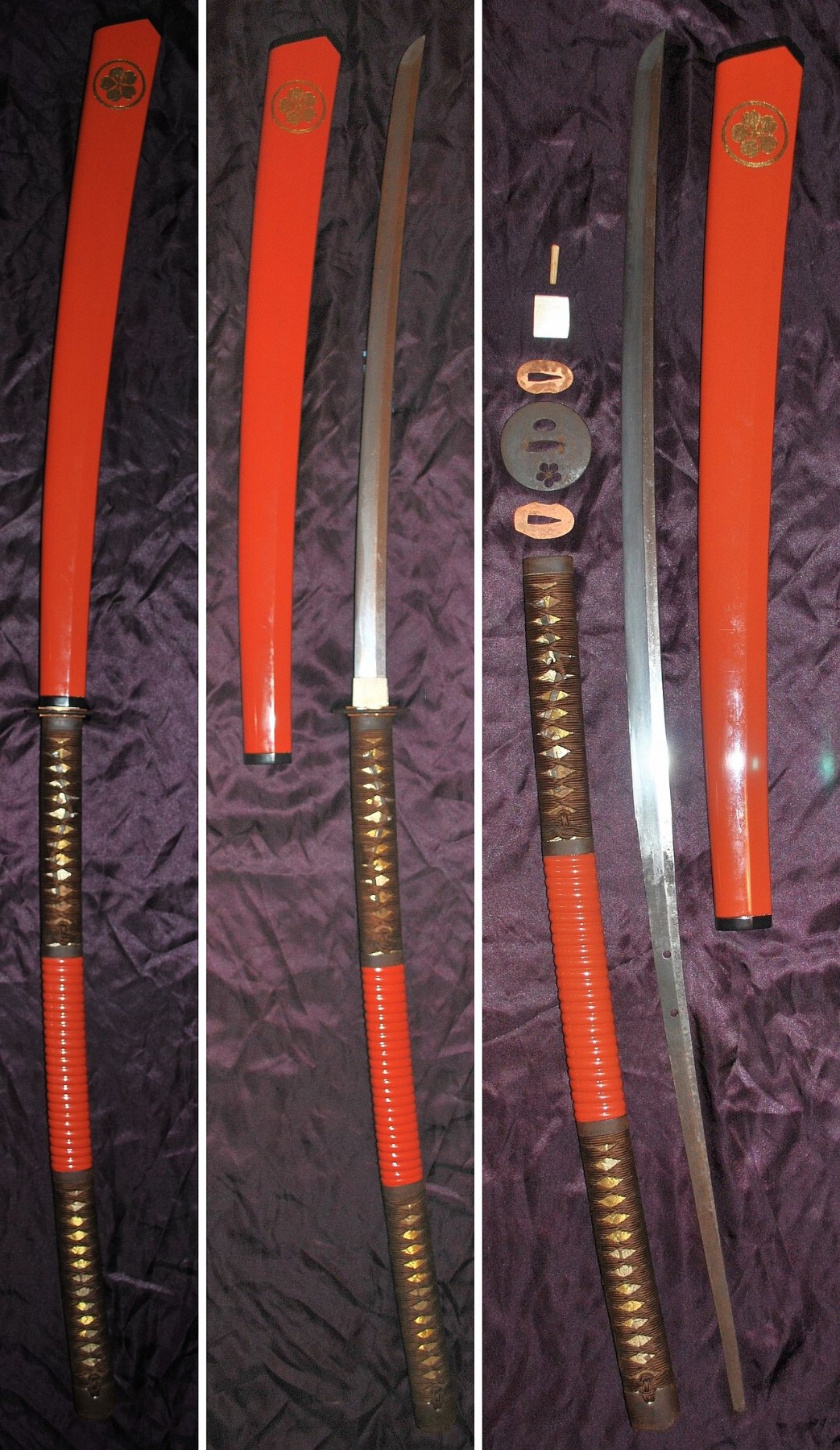
Possibly Kanbun Shinto. Grey5 points
-
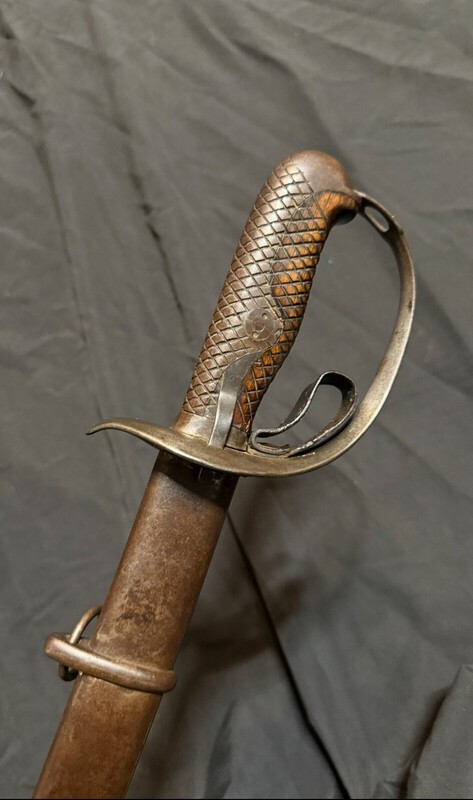
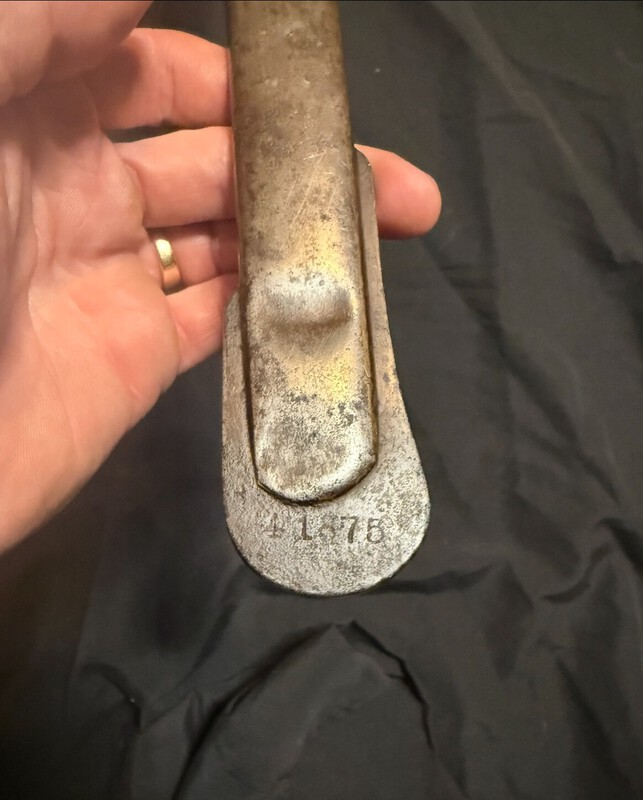
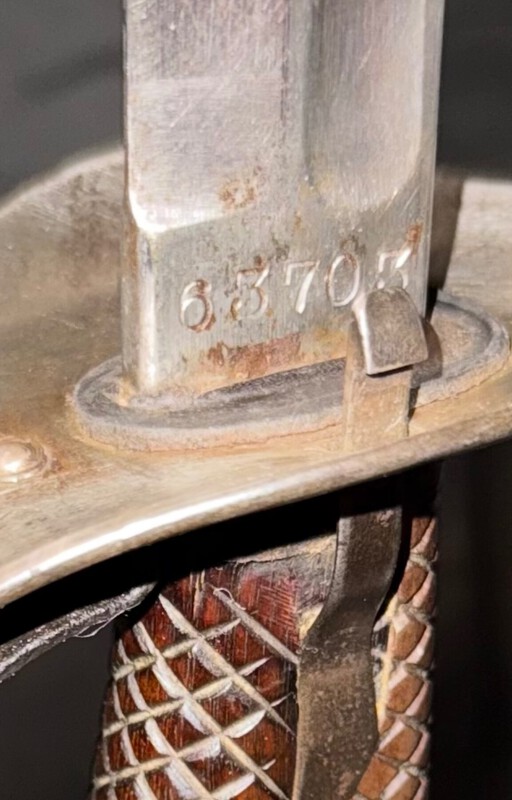
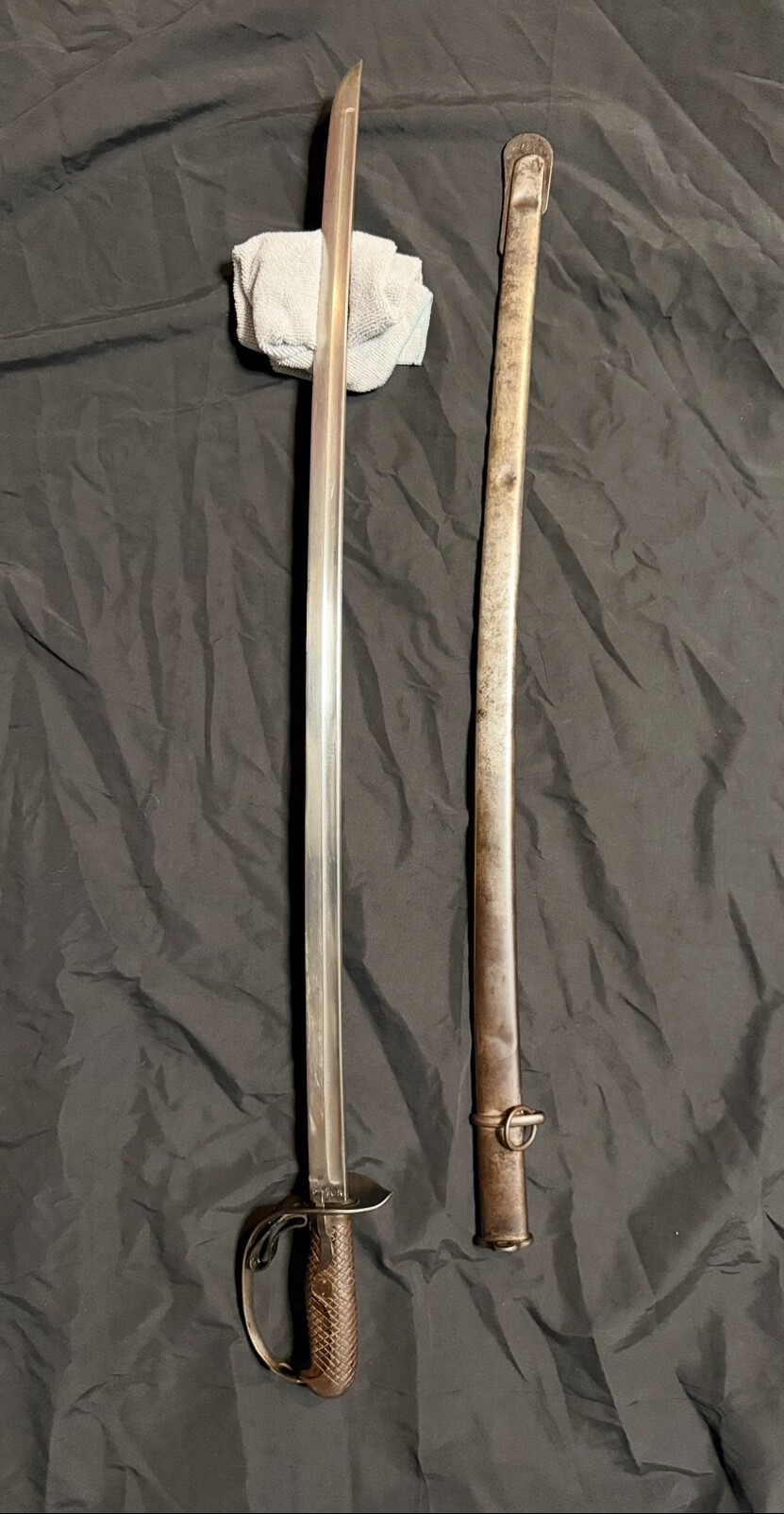
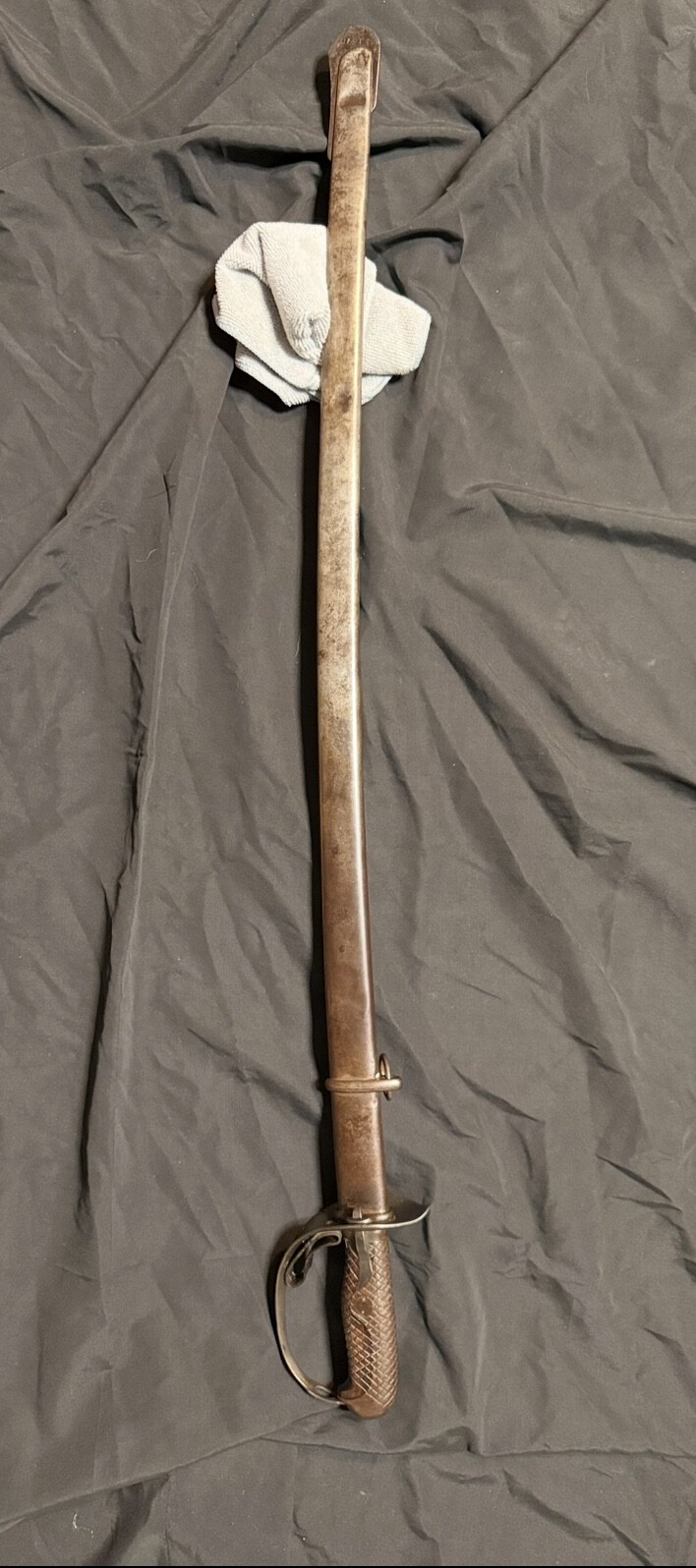
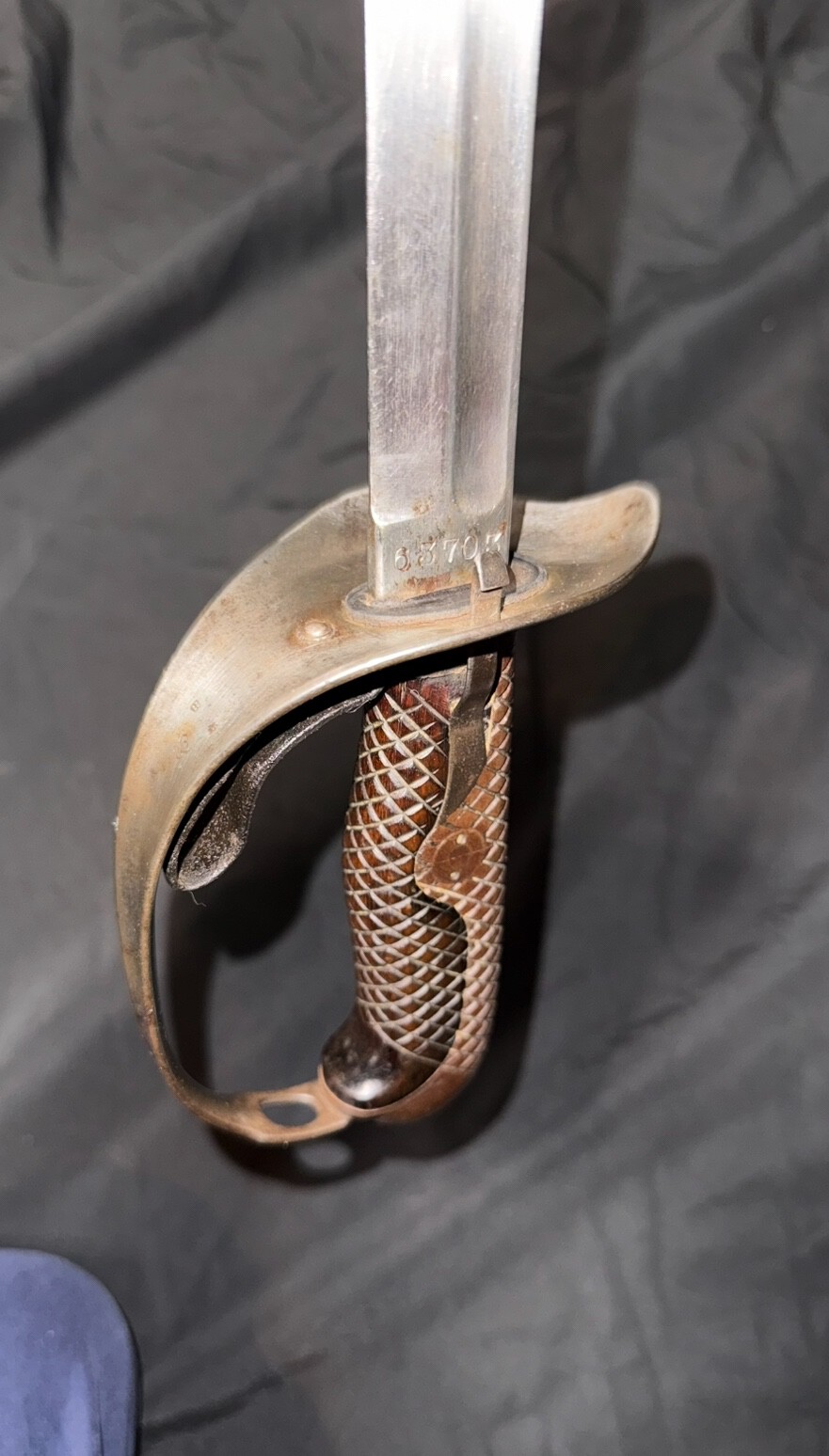
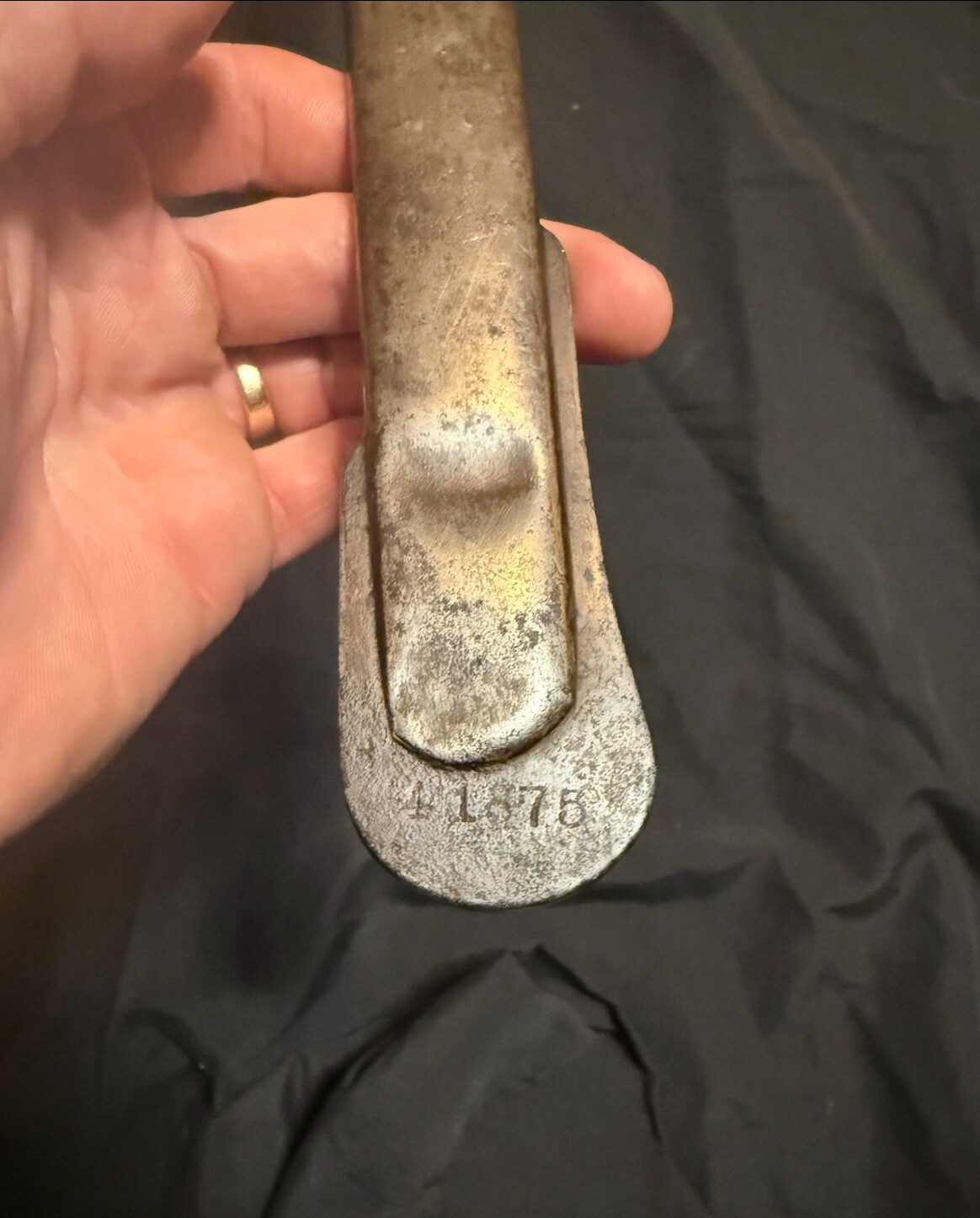
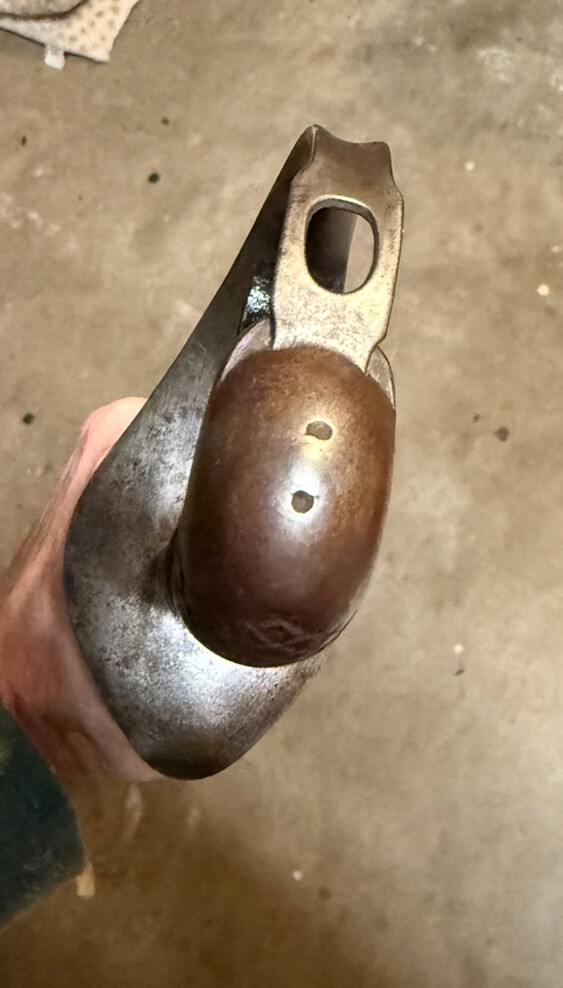
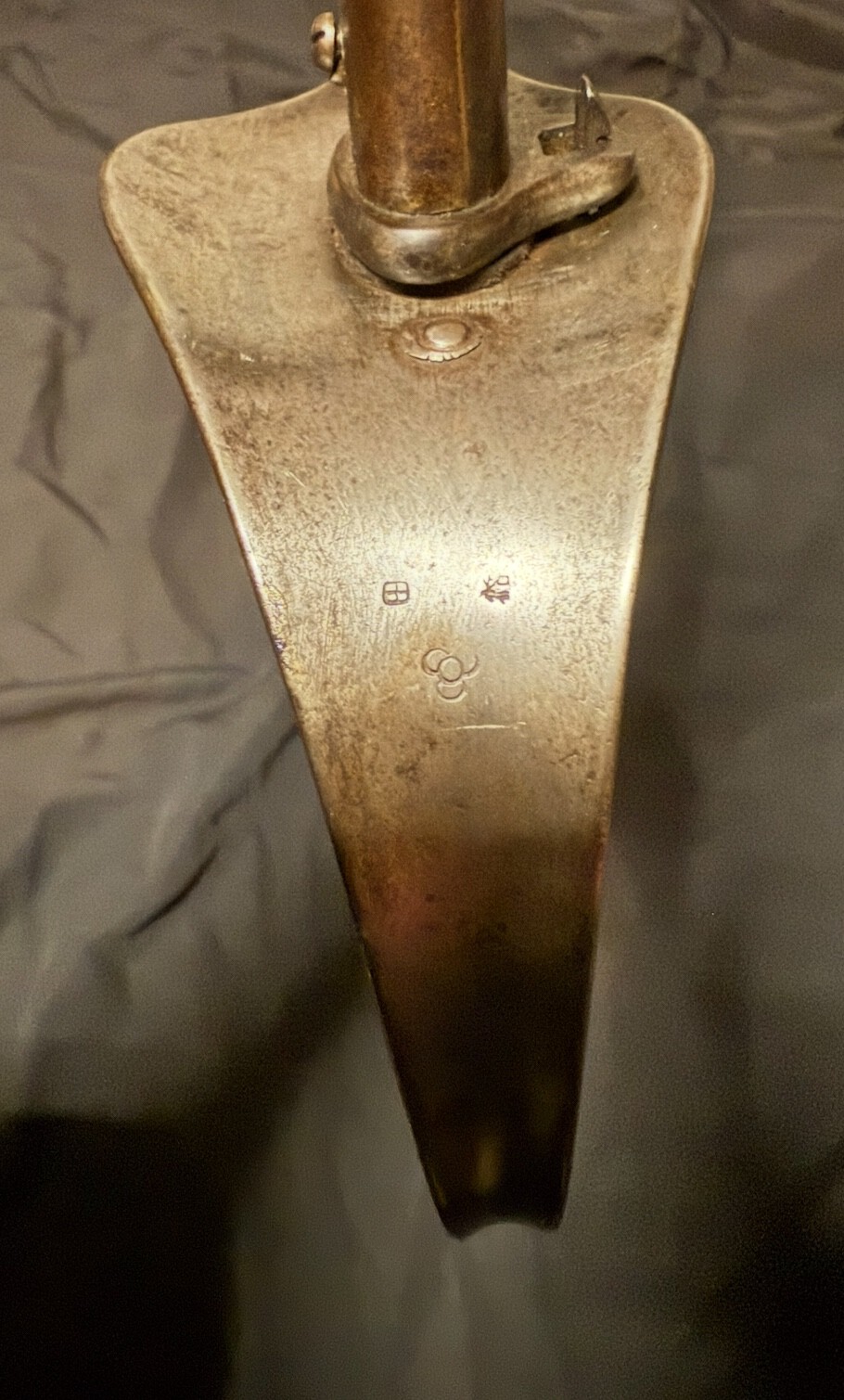
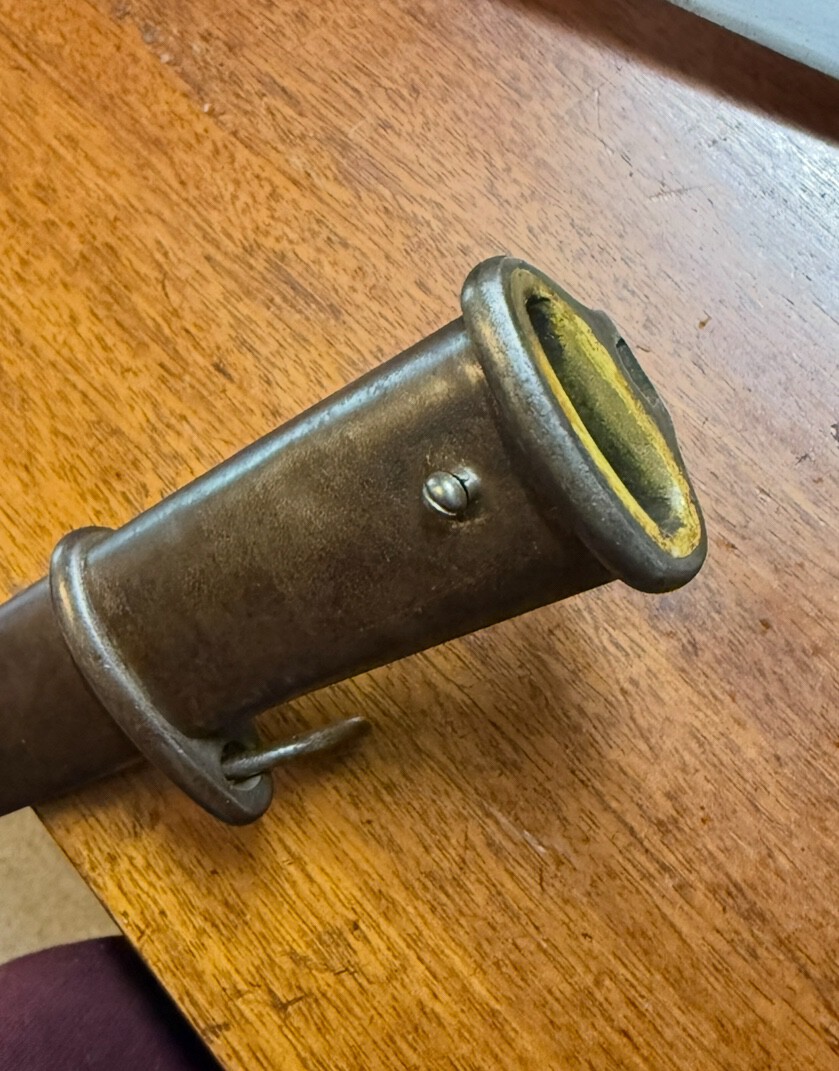
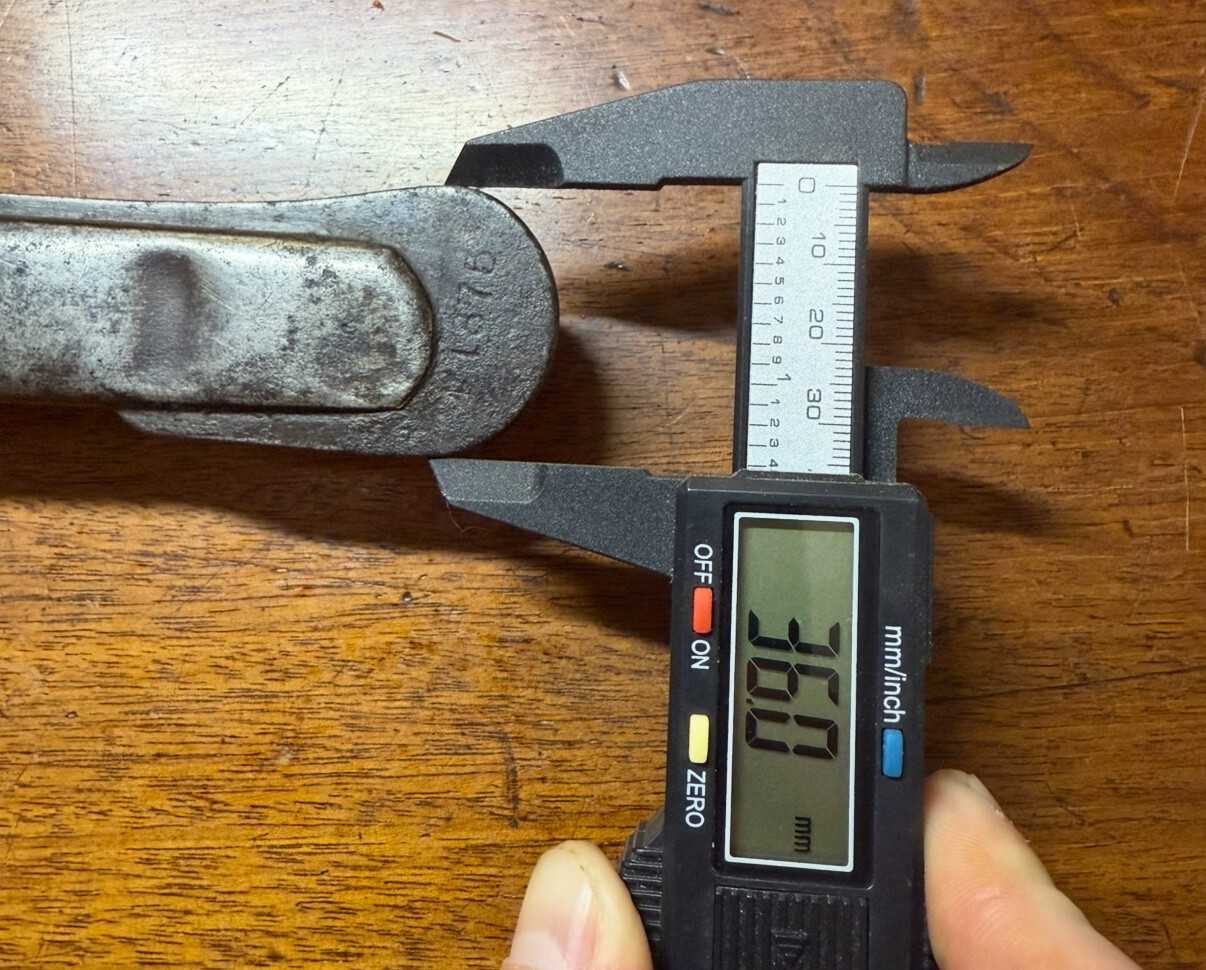
Found this at a militaria show for a great price, and decided to add it to my collection. I know a little bit about these and have read all the ohmura material. Saya number does not match. Can anyone put a date on it based on the stamps and serial number? Otherwise mostly just show and tell! Enjoy! Neat sword. -Sam





 2 points
 -
Think this could easily be Ainu. In fact, based on your link https://www.proantic.com/en/994063-rare-japanese-ainu-sword.html I think it is highly likely.2 points
-
Dominique, a problem is that the sword and metal parts seem to have been 'cleaned'. Besides many other factors, patina is important for an age guess. Even good photos do not allow a precise judgement, so all comments will have to remain a bit vague. The best way would be to find an expert - de préférence an NMB member - and show him your sword in hand.2 points
-
Bro please remove your localization from pics link. Im feeling disturbed. And add pics of mei.2 points
-
One word of warning. There is no perfect blade, as everyone knows. You seem to be asking for people to point out stuff you cannot see, in advance. But if someone actually does that, you then seem to go off the boil, as with your first candidate above and BBB's subsequent comments. If you show a blade to people, ten people will tell you ten different things. If the blade is really good, and cheap at the price, someone may step in and buy it! In order to rise above small defects, you may decide to spend more and more, until you reach another fiscal limit, only to have another flaw or drawback pointed out by some higher authority later. Some collectors have several swords, each with imperfections of some kind, but each strong in certain other points, a series of compromises...(?). Hoping you can find a nice balanced medium!2 points
-
Little Sori was popular during Kanbun Shinto, and later Shin Shinto.2 points
-
This Nobuhide (信秀) seems to be a son of Horii Toshihide (堀井俊秀) who was a swordsmith of Japan Steel Works, Muroran Plant (日本製鋼所室蘭製作所). The symbol of the company
 2 points
 -
Dear Dee. I am sorry that answers have not been forthcoming, perhaps at the least this post will stimulate others who know much more than I but here are a scant few references for you. In 'A Glossary of the Construction, Decoration and Use of Arms and Armour in All Countries and in All Times', by George Cameron Stone,(Universally known as Stone's glossary for obvious reasons!), one Japanese example is listed under 'muzzle', p460. In, 'Arms and Armour of the Samurai', Bottomley and Hopson. 1988, two are illustrated on p10 and attributed to the Kyoto Arashiyama Museum, referencing that catalogue they seem to be the only two in the museum. I understand that the Arashiyama collection was disposed of some years ago. One other example features in the catalogue of the Dai Token Ichi annual exhibition catalogue for 2006. illustrated on page 125. On the whole they seem to be rather rare survivors. I hope this information is of some use to you. To add, I think bamen may mislead your search as this usually refers to face armour for a horse, the equivalent of European chanfron. Laurent suggests Kuchikago, (and quotes the Bottomley and Hopson reference). All the best.2 points
-
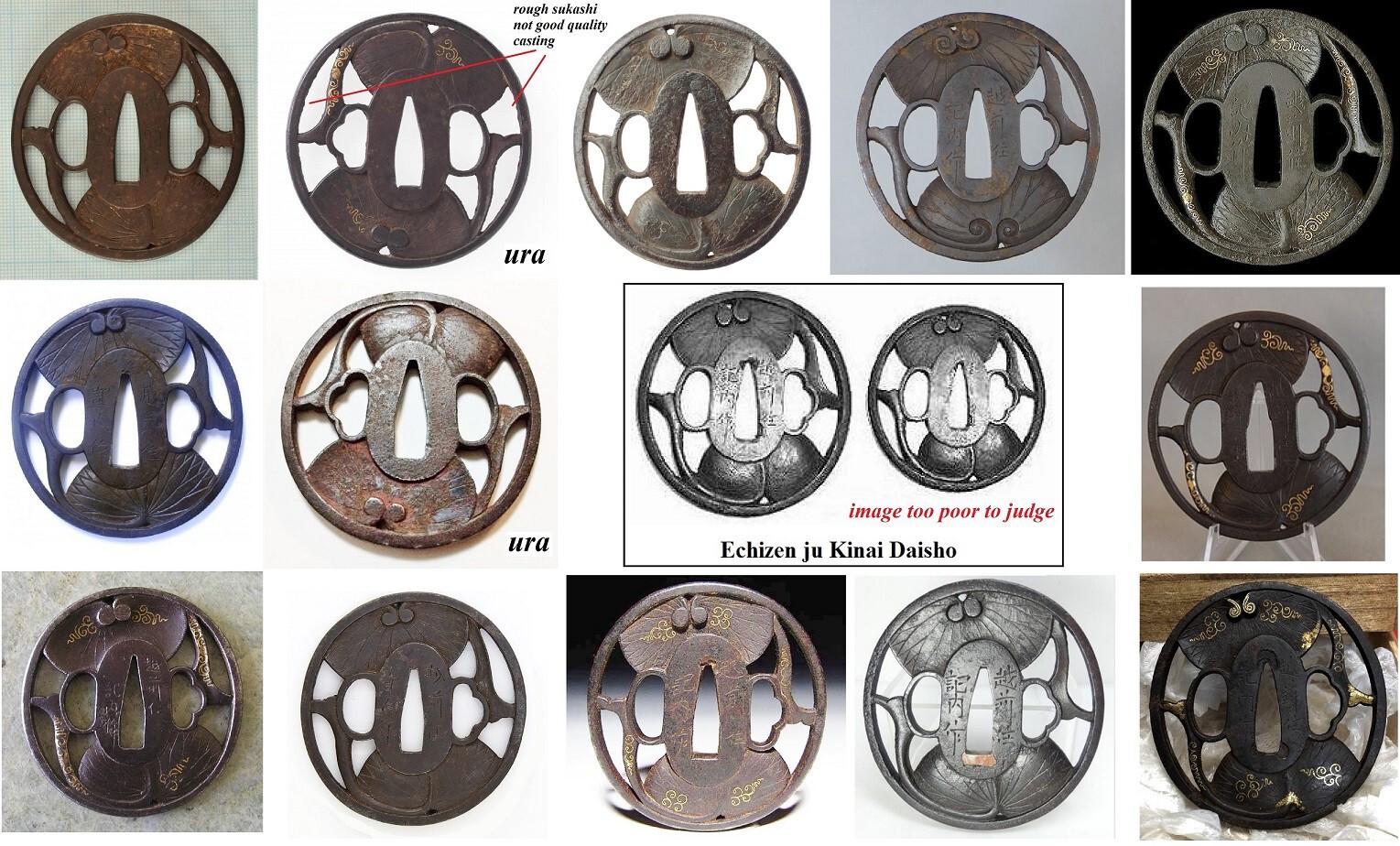
In Japanese art there is a tradition of "utsushi" which translates as homage or emulation at its basic level. Popular designs were done over and over again but generally not as direct copies but as the new artists interpretation of the original design - at least in the best case senario. Copies have been made, some as "practice" by students/apprentices others as outright forgeries aimed at deceit. Yes there are also cast copies made in large numbers but these would not be called utsushi as they do not celebrate the art and are more about making fast money. From what I have seen almost every school of tsuba artist has had followers who make utsushi of their school or other schools master works. I would not be surprised if on some rare occasions some buyers might put in a request for some change or enhancement, there are rare signatures where the maker has included "made to the order of ... " Some schools were almost production lines producing the same pattern over and over again just to keep up with demand Kinai school was well known for it.
 2 points
 -
Daruma Yamaoka Tesshu (山岡 鉄舟) was born in Edo June 10, 1836 and died July 19, 1888. The vast majority of his works were calligraphy from the Jubokudo lineage of Shodo established by Wang Hsi-chi (Wang Xizhi), a Chinese calligrapher of the 4th century. Yamaoka created a calligraphy manual based on the 154 Chinese characters of a poem – “The Eight Immortals of the Wine Cup” – by the Tang Dynasty poet Tu Fu (712 – 770 A.D.) that is still practiced by the Chosei Zen Rhode Island Zen Dojo in the US. This powerful depiction of Daruma, the patriarch of Japanese Zen Buddhism, is a rare subject matter for Yamaoka. The calligraphy is taken directly from a famous poem Xinxin Ming (心性铭) attributed to the great Chan master Jianzhi Sengcan (鉴智僧璨). The translation is "Directly pointing to the human heart/mind, seeing one’s true nature leads to Buddhahood [直指人心見性成佛]. Brushed by Yamaoka Tetsutaro, Senior Fourth Court Rank." The Chinese pronunciation is "Zhí zhǐ rén xīn jiàn xìng chéng fó." The origin of this line is the Platform Sutra of the 6th Patriarch of Chinese Chan (Zen) Buddhism who was named Dajian Huineng or Hui-neng (638-713). The scroll painting and calligraphy (kakejiku) comes in a fitted paulownia box on which has been brushed "Yamaoka Tesshu Buddhist Layman, Bodhidharuma" on the outer lid and "May 1990, Follower of Xuanzang (early and influential Chinese Buddhist Monk of the Tang Dynasty)" on the inner lid. This Zen painting with calligraphy dates to 1885 (3 years before Yamaoka's untimely death and well after his enlightenment experience at age 45, based on his seals and during a time when he was the personal bodyguard and advisor to the Meiji emperor. He played the central role in the bloodless surrender of Edo castle--one of the most important events in the Meiji Restoration of 1868. Fearing the loss of traditional Yamaoka was born Ono Tetsutaro. A samurai and master swordsman who founded the Ittō Shōden Mutō-ryū (一刀正伝無刀流) school of swordsmanship ("Sword of No-Sword). He was also a master calligrapher who is said to have completed 1 million works, and a recognized lay Rinzai Zen master who died in the seated meditation position at the age of 52 from gastric cancer. Aside from being a master of Ken-Zen-Sho (Sword-Zen-Calligraphy), he was renown for his love of drinking sake and sleeping. At 62.5 cm x 137 cm (excluding mount), this work is among the largest of his works.1 point
-
I also agree Kanbun/Shinto.1 point
-
1 point
-
It's been a couple of years since i picked this sword up but thought i'd update you guys on it's journey. I tried to facilitate shinsa at the time and showed it to a few people in the community and in the end decided to leave it as it was. Since then I picked up a couple of other blades that are worthy of polish and papers and I'm happy to say that this week it started it's journey to Japan for Polish and Papers. Will keep you guys updated as it goes through the Journey1 point
-
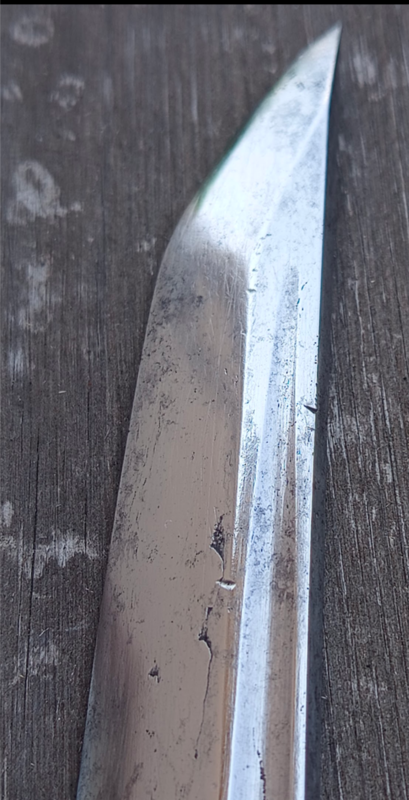
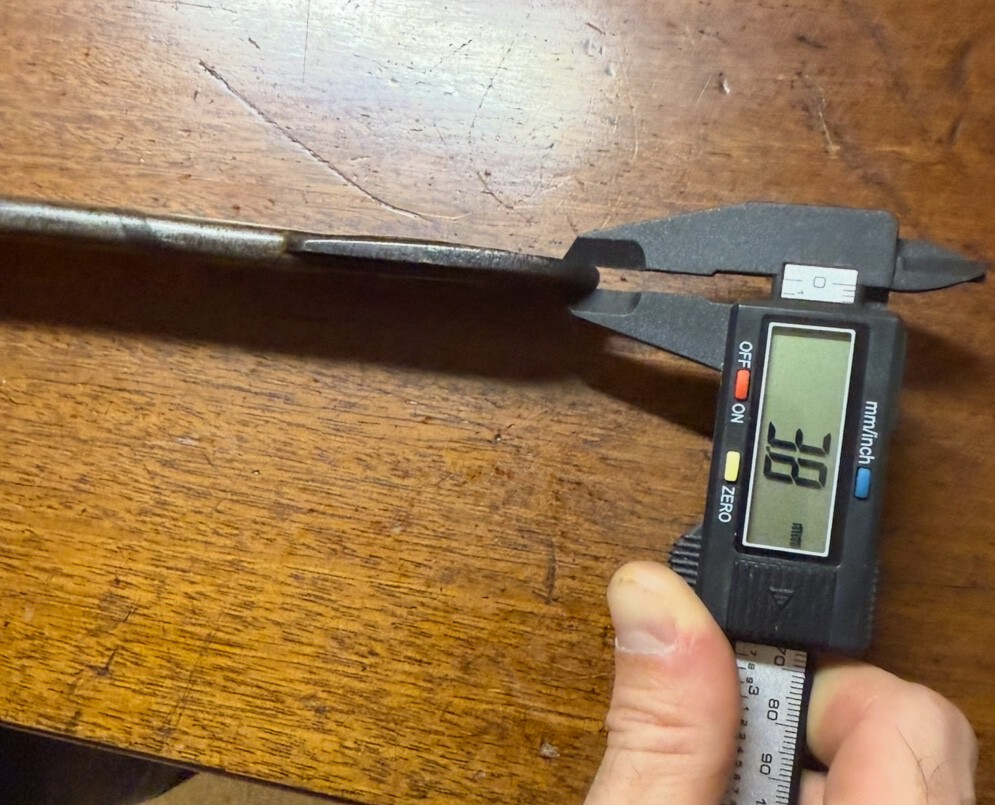
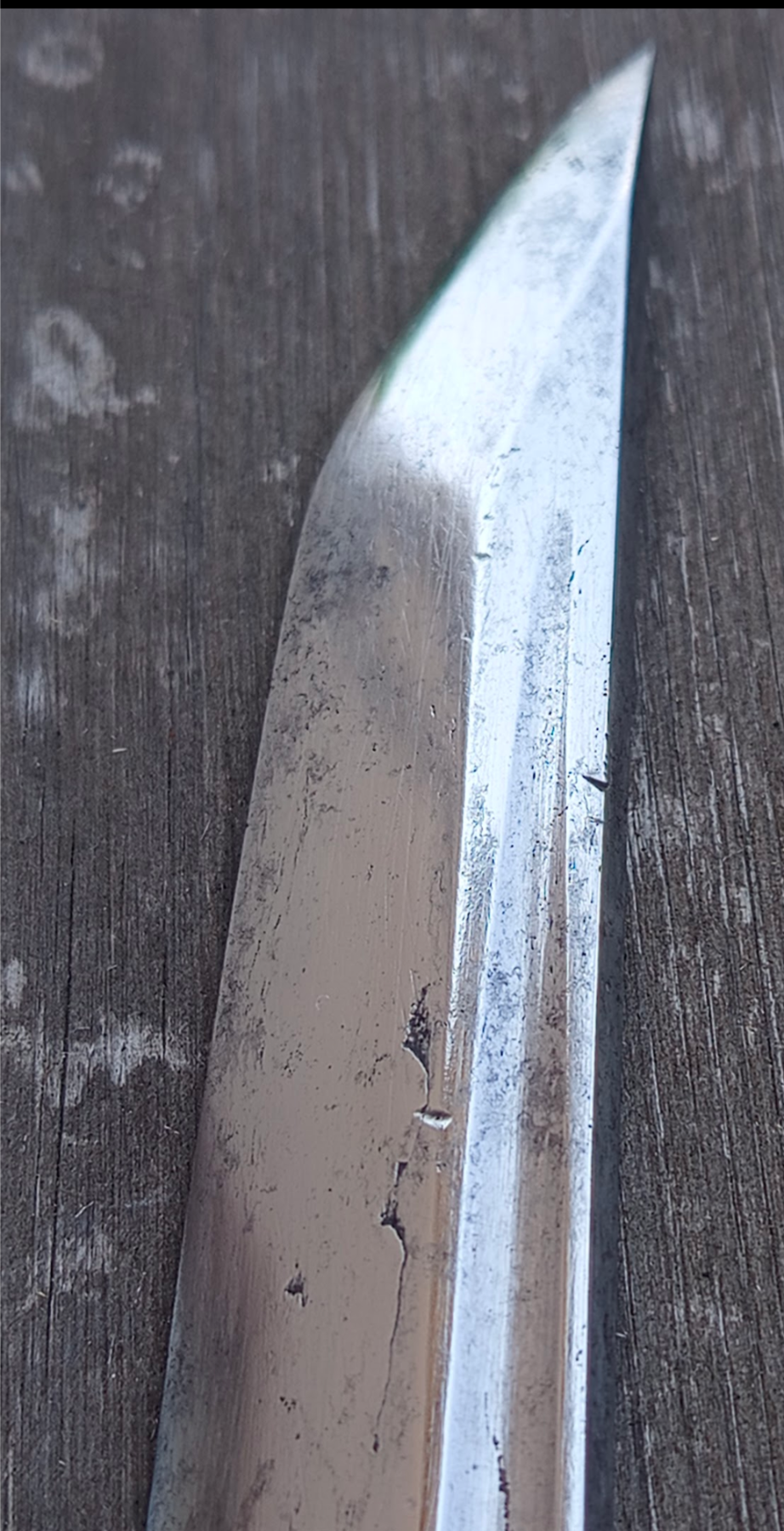
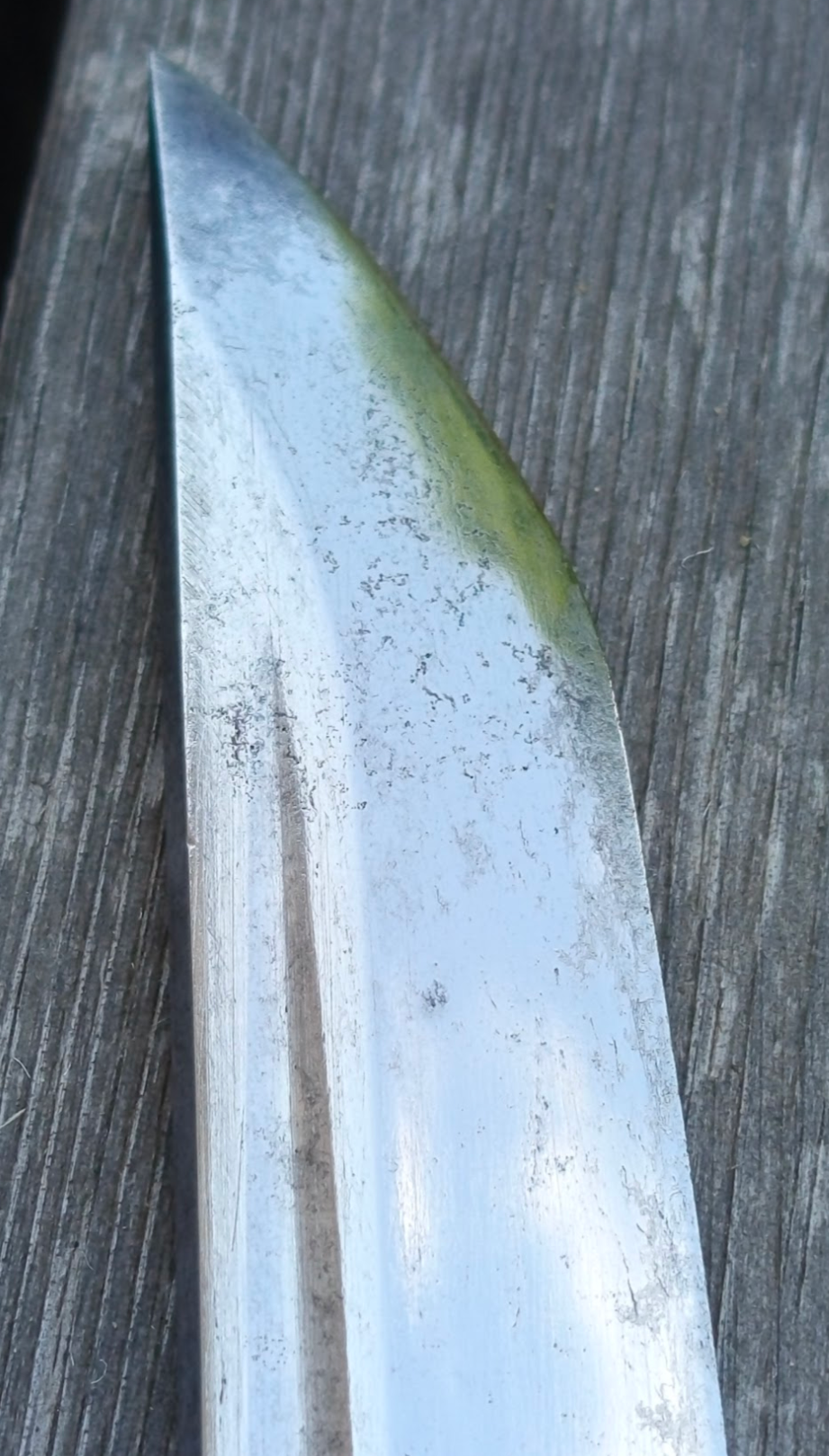
It is very likely that the sword is fatally damaged, the kissaki has been very crudely reshaped, the natural fukura (curvature of the kissaki) removed completely and most probably the boshi is gone at this point. I don't see any indication of a naginatanaoshi here, this appears to be a o-suriage mumei katana (Shinto or earlier) but with likely fatal issues due to the amateur reshaping of the kissaki combined with non-fatal forging flaws.
 1 point
 -
The early Otsu Type 32's were undated. Later on, a date was added above the arsenal symbol. The earliest dated 乙 [Otsu] I know of is serial number 66604, dated 明四〇 [1907]. Based upon the serial number of 63703, I would guess it was made sometime during the Russo-Japanese War of 1904-1905. As Bruce already indicated, the "stamps' are final inspection marks. One of which seen is 田.1 point
-
I also vote Kanbun Shinto1 point
-
You’re totally right, and it’s a common problem. Sometimes they can be really stuck, and especially if any adhesive was used. Hard to know without inspecting it in person. Typically the peg will be tapered, or slightly conical shaped. It should come out one way more easily, and not the other. Inspect both sides, and push on the smaller end. If all else fails, you may need to gently tap with a block of wood. Tough to say without having it in hand. I’ve struggled many times to release a tsuka from the nakago, and it’s not always an easy or simple task. Overall, the value of the bone peg pales in comparison to the information it hides; but no need to break anything if you’re careful. Best of luck, proceed gently and with caution, and remember “time is on your side” so don’t rush it. -Sam1 point
-
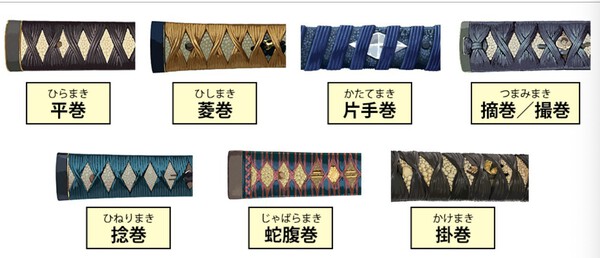
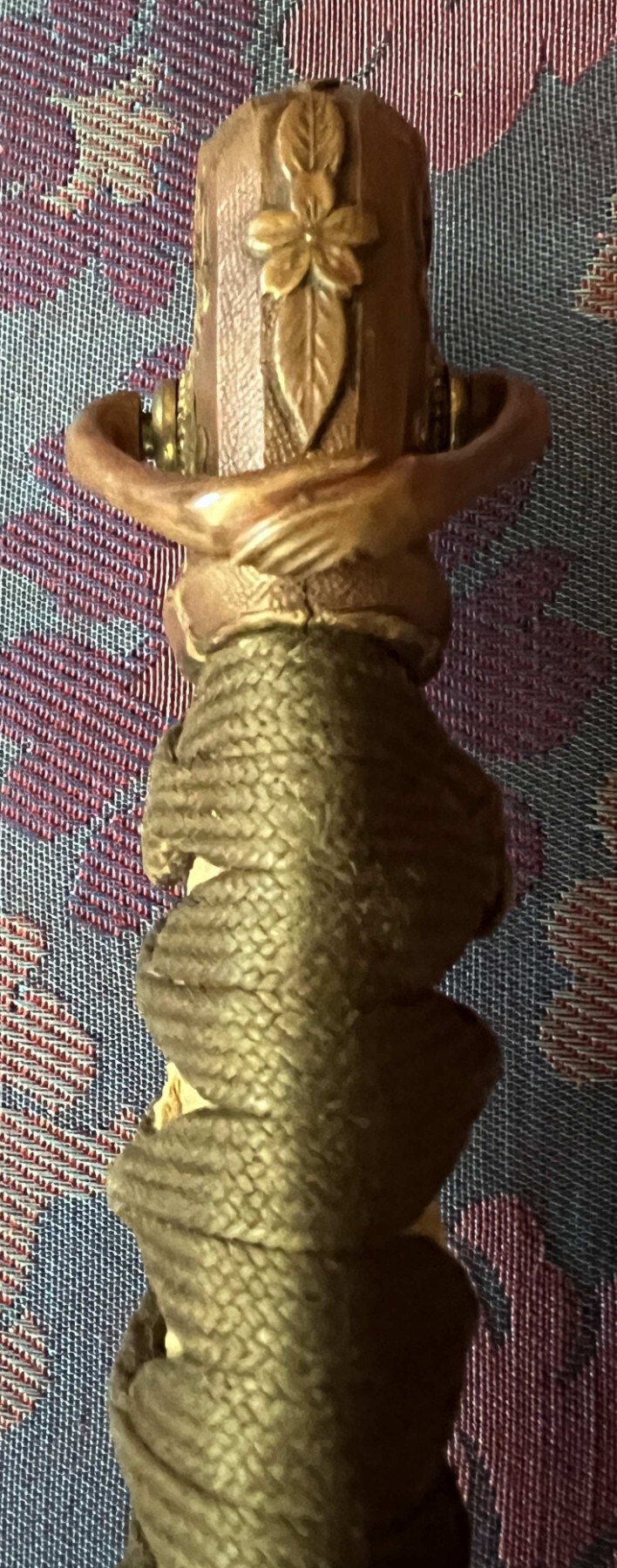
About the ito wrapping, I noticed that all the tsuka posted here have the criss-cross pattern just over the menuki done in the kai gunto style. It would seem an hallmark of this maker.
 1 point
 -
Then we will never know.1 point
-
If you take the peg out does the hilt come off? If so image of tang? Its possible it could be a very poor condition Tanto blade in “home made” mounts. Cant be sure from these pics.1 point
-
The kanji “柄平” and “柄順” found on the handle may indicate the intended wrapping method or style of the tsuka.
 1 point
 -
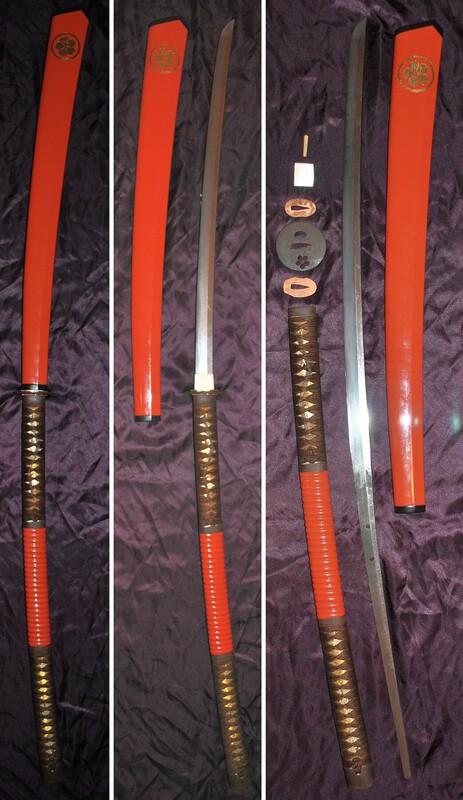
Sugata looks kinda similar. Double habaki, tsuba with real sekigane. Maybe tsukamaki, fuchi, kashira are not great but overall would say muromachi [15/16c] or older [koto sword era]. Don't polish it.
 1 point
 -
That's a nice one, Sam! Be careful with putting your finger in the leather loop. I have one that broke on me after doing it a few times. Some of the stamps can be dates, but I don't think yours are, just inspection marks. I could be wrong, though. Best to wait for @Kiipu, or one of the other guys that study these.1 point
-
Yamato den = high shinogi1 point
-
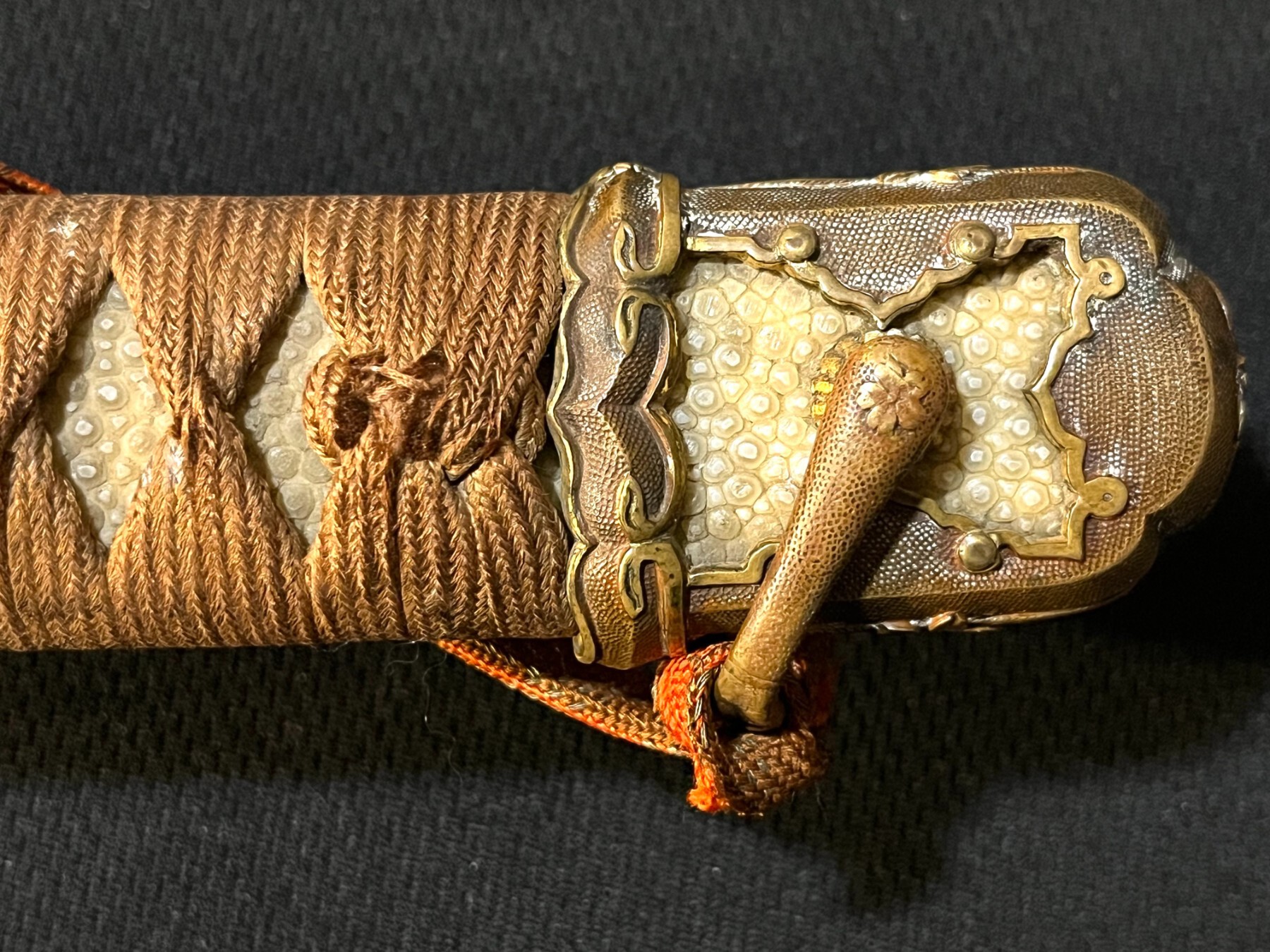
Your suspicions are correct. Late Meiji period intended for the enthusiastic foreigners that were around at the time. It looks as if the tsuka and saya are clad in thin pressed sheets of a base metal which would have been brightly gilded/multipatinated at the time thereby giving an impression of some quality. The blades are often just plain unforged steel. I believe the metal used for the mounts is a pewter type alloy. Apologies for any disappointment.1 point
-
We’ve made it to Kyoto and I see there are several sword shops near me. Even though our schedule is packed, I’m going to hold off on bidding for Chiyoruzu before the bidding ends tomorrow, even though it is at the top of my list. There is a store that says they always have 300 blades for sale and they do not sell online, so I’m hopeful of adding another option or two to my list. I’ll try to hit some of the other stores as well.1 point
-
One stamp near Tang end
 1 point
 -
No Stamps above the mei . I think it is now a Masakane handmade water tempered
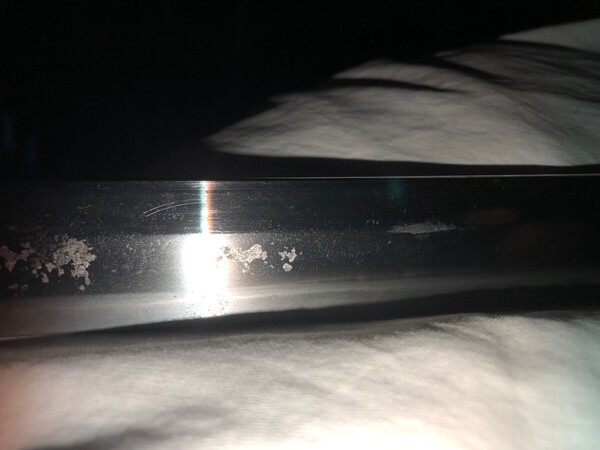 1 point
 -
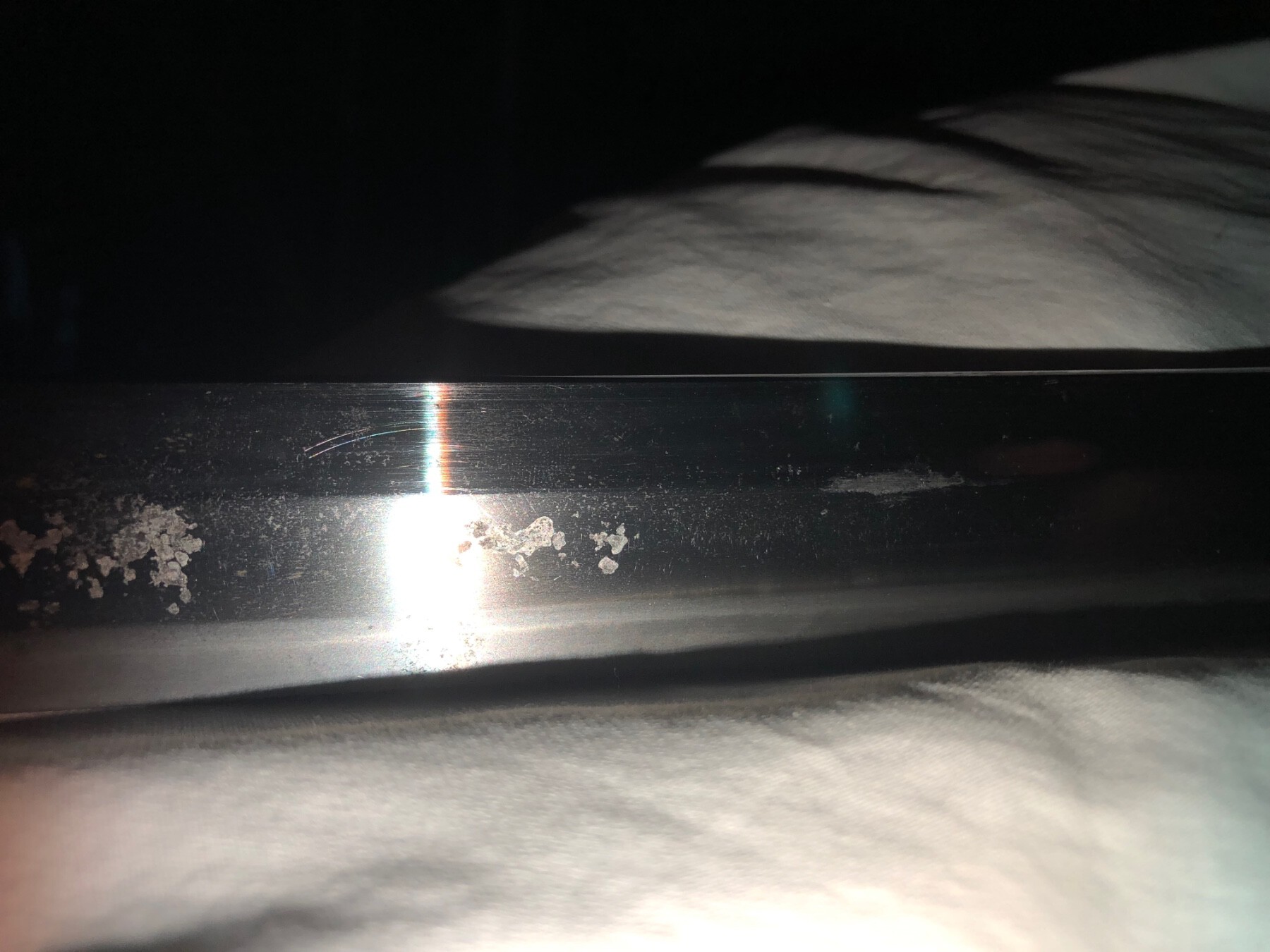
FYI, from two sets of experiments done in the early 2000s with bladesmiths (published by Prof. Takuo Suzuki), there is little evidence that the "impurity" content (I mean atoms that are not interstitials, like carbon) actually changes with folding. Only the carbon content and the amount/shape/distribution/size of inclusions changes with the folding and forging process. About the effect of composition, it has a clear effect on oxidation, but I am not aware that it changes the colour of polished steel. Forging indeed will give you smaller grains, but then again, how the smith heats the blade prior to quenching will also change this grain size. There was a very nice study in Prof. Morito's team where they managed to show how different the grain size prior to quenching was with different smiths. Also, I thought a lot of the final aspect of the blade depended on the polisher. But here, I have virtually no knowledge. EDIT: All that to say that I think the carbon content, the smith, and the polisher have a larger effect on the final aspect of the blade than the other elements present in minute concentrations.1 point
-
Unfortunately, I do not have additional photos. The ito wrap appears to have been painted in the style of a Type 3, and there are no visible traces of the カケス mark. It seems unlikely that it is from the same maker.1 point
-
Lol no worries. I was very certain this was gimei when I bought it. It was just a pretty blade for $300 so I figued id enjoy it as it is 😊1 point
-
I have seen a few in my time and have one on a kodai Kanemoto katana in Shinguntou koshirae dated TAISHOU ROKUNEN (1917). If you put "polisher's mei" into the NMB search field for 'Everywhere' you will pull up a few threads. There have been a couple where the nagashi area is a mokume pattern Regards, BaZZa.1 point
-
Edited: Oh! I'm sorry, but this does look like a Gimei. Looking at the Nakago, this could be Shinshinto or even Showa IMHO. Yes! I did not know people would do this, but just like what Rivkin san said, the Nakago is cleaned. So no Showa, but Shinto (or Shinshinto).1 point
-
Thank you!!! Gosh darn it, I knew it! Because I think I remember hearing people say"Togiberi" in videos and in person, but when I want to confirm that, I couldn't for the life of me find any of those videos, while Google search only showed 研ぎ減らす/Togiherasu on Kotobank. Then I wanted to ask someone, but this is such a trivial question, so I was worried about bringing Meiwaku to the people I asked. This really helped my OCD! I can't thank you enough, Tsuji san! ♡♡1 point
-
Quick note on the words 'togi', polishing and 'heri', lessening, wearing away. When spoken together as one word, out loud, the 'h' changes to a 'b', giving us "togiberi". (Interesting discussion, apologies for interrupting the flow.)1 point
-
Hi! Can we have a look at the signature? This could be a genuine Shinshinto Jumyo. Sugata looks Kanbun, but Kitae is Shinshinto-like, so it would help if we had specific data on this sword, if this is notably long, broad and thick, then it is more likely a Shinshinto.1 point
-
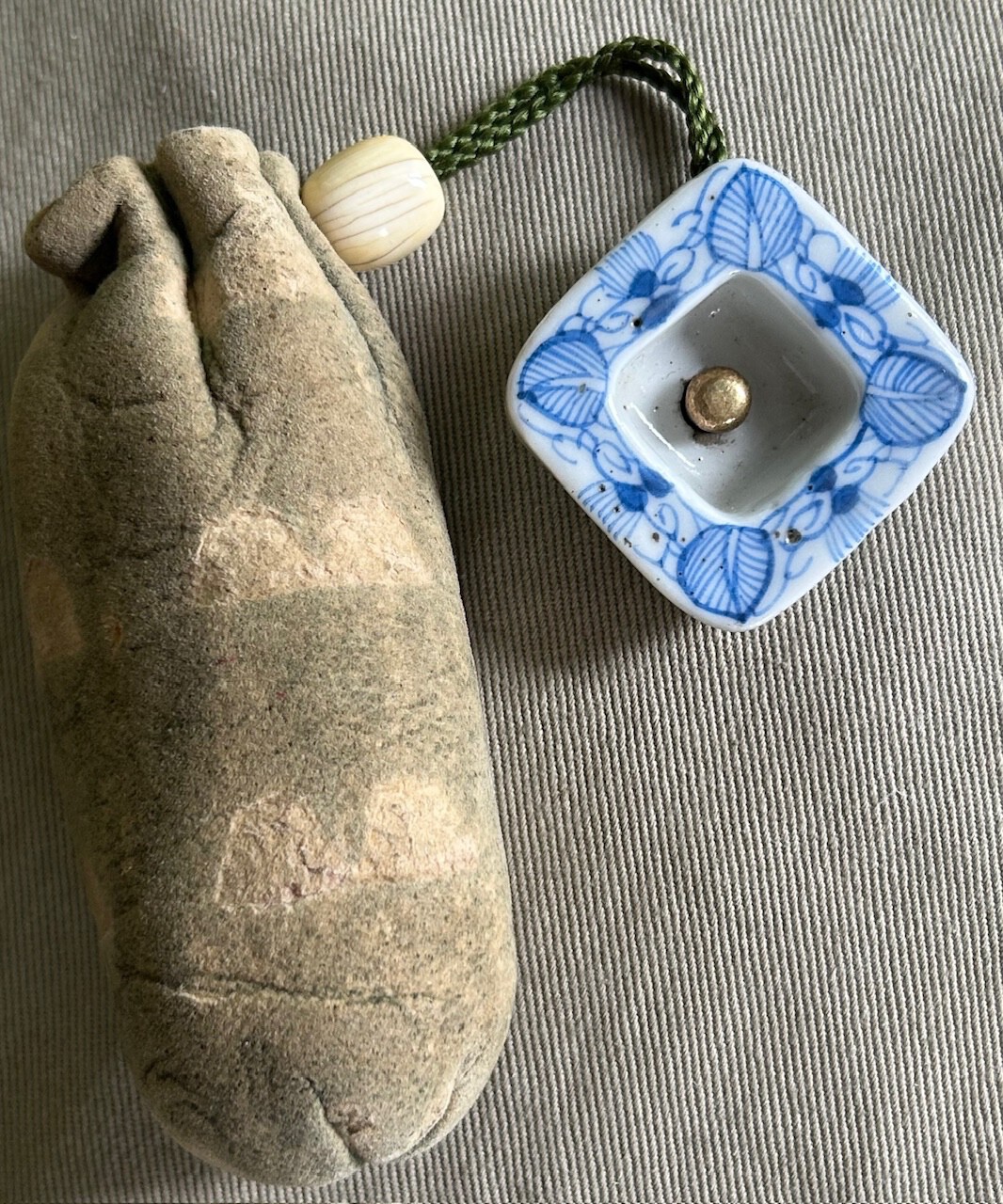
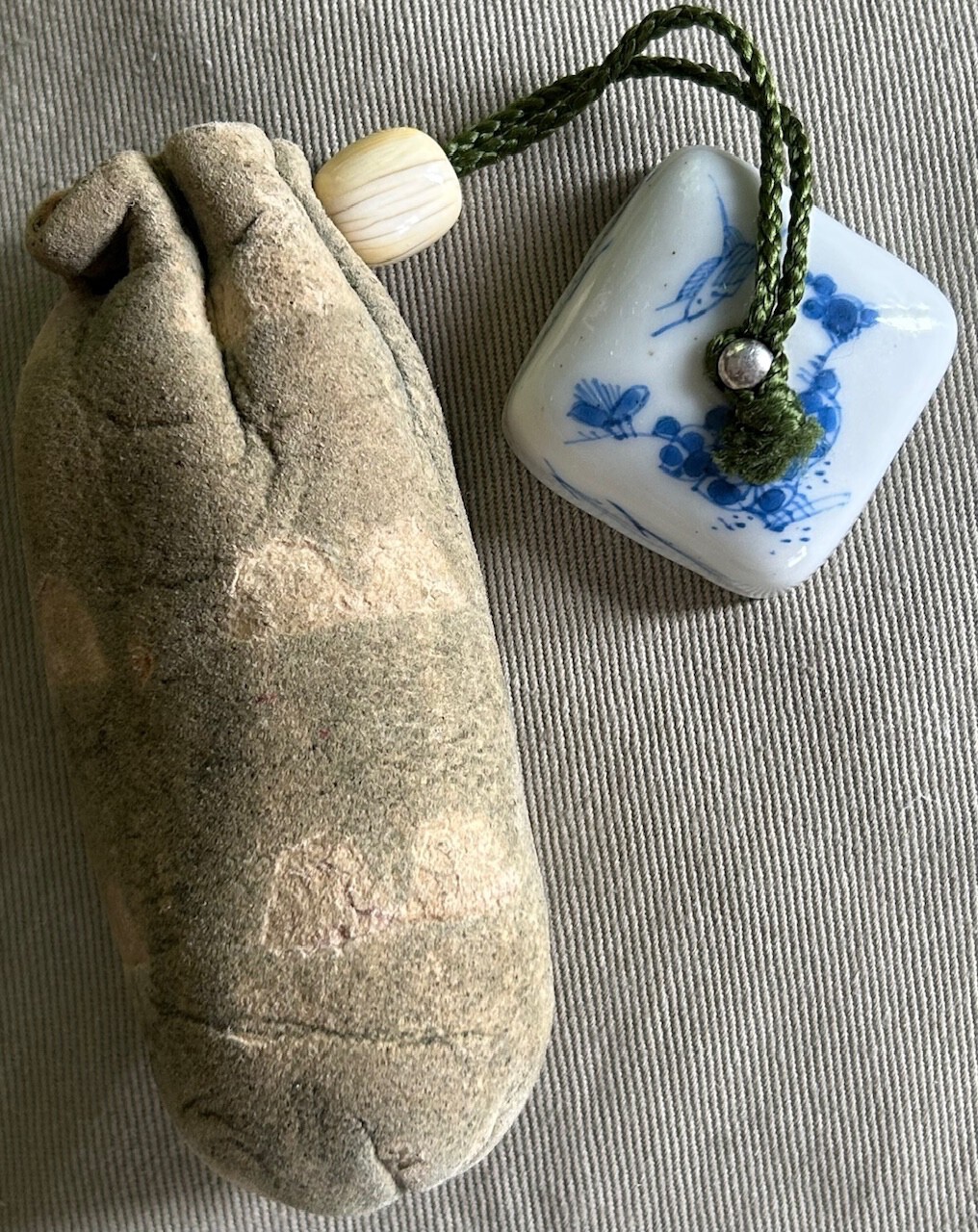
And the simple Manjū, plus the Satsuma lady. If she is a netsuke, the strings would have been wound around her body, as with the natural curves of hyotan gourd netsuke etc., but, as with some Netsuke, she can also stand up okimono-like! So there we have a few examples. Ceramic Netsuke will often break if dropped, which may account for their relatively rarity. I tend to think of them as an interesting off-shoot of mainline Netsuke. What do you think? Satsuma peasant lady with giant beet, side view front view


 1 point
 -
Here is the ceramic or pottery chestnut. The reverse with typical Himotōshi holes forming bridge. Recent antiques fair 灰皿 haizara find And reverse


 1 point
 -
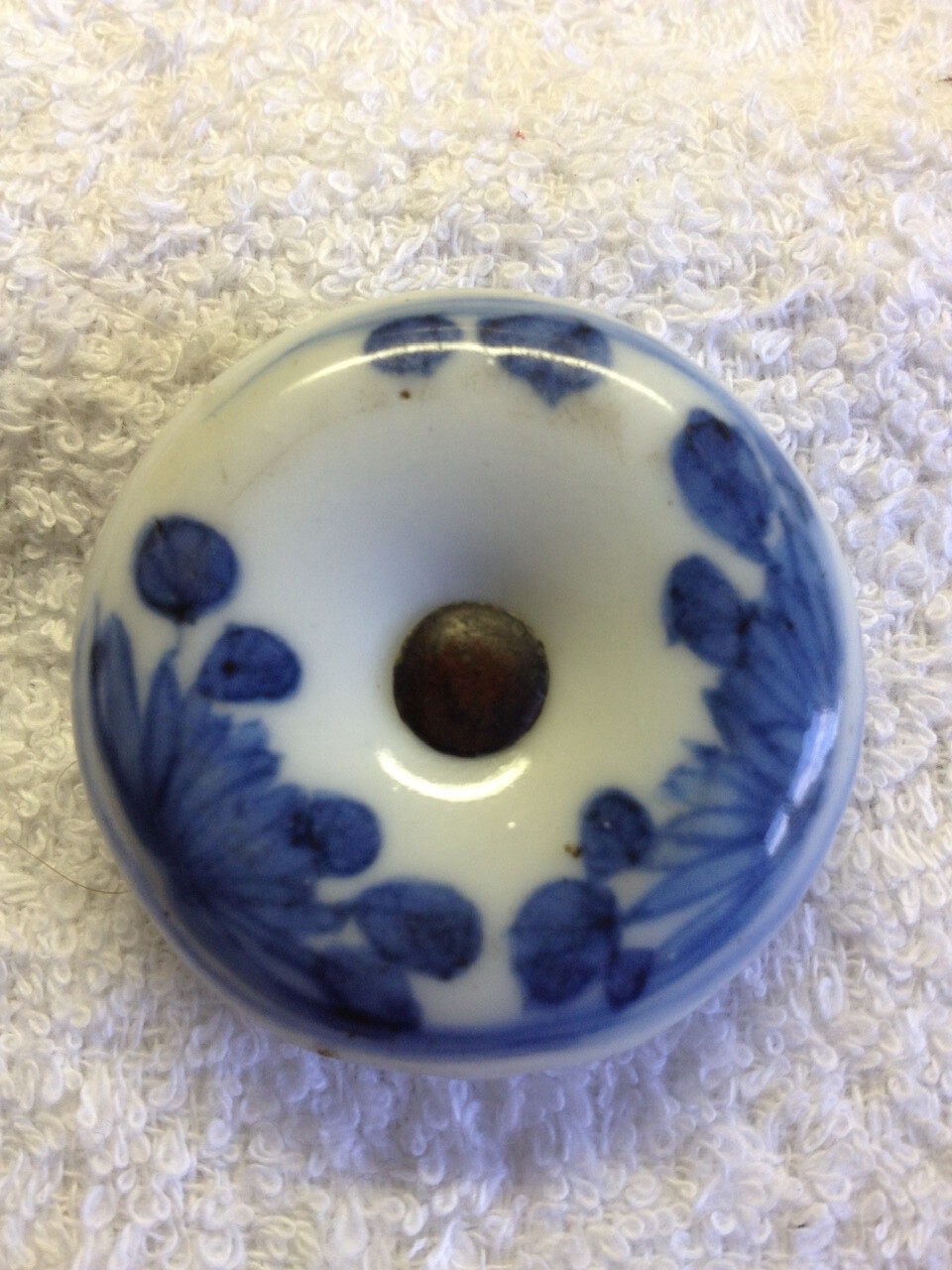
This is my old faithful, possibly Hirado ware. Quite heavy in the hand, about 4 cm across by 2 cm thick. Silver mekugi peg/post/pin gold-plated at one end, an eye in the other. And the reverse

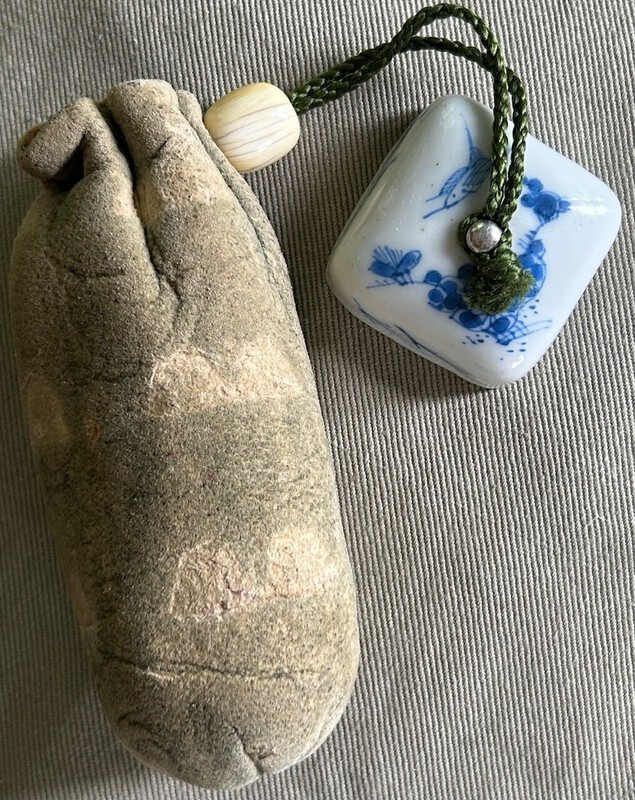 1 point
 -
Some illustrated examples. Two of mine are very similar, the seated Daruma and the manju.
 1 point
 -
I wouldn't get too caught up in smith names or time periods. Go to a reputable dealer and buy what you like, what calls to you, because you'll be living with it and appreciating it for a long time. I have swords from 1200s, 1300s, 1400s, 1500s, 1600s and 1800s and my favorite is one from the 1600s. Hits me every time I draw it from the Shirasaya.1 point
-
常陽住源正兼? https://nosyudo.jp/b08021385/ Masakane(?)1 point
-
Alex , I had this conversation not that long ago with someone who lived in Japan for nearly twenty years , he is a high Ranking Iiado instructor , now living back in the UK . he also travels back to Japan to order Shin-ken for private commissions , his take on it is due to the lack of artisans covering all the different discipling's in the new sword making process , it is now taken up to a two years, to have a custom sword made for his Iiado students , previously one year was about the average time for a new Shin-ken .1 point
-
1 point
-
Will post this sword on the board later tonight-enjoy
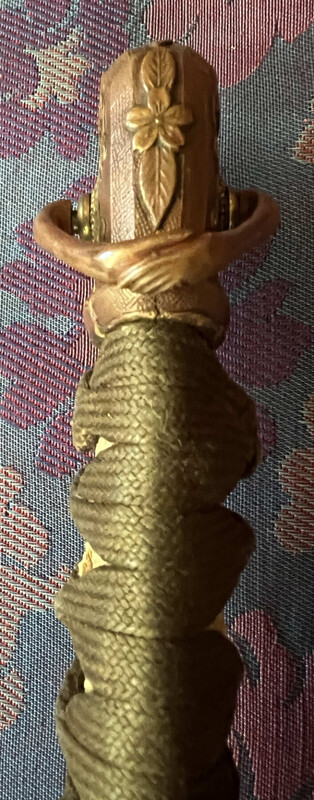 1 point
 -
This ones on a Navy sword-will post on military forum
 1 point
 -
In my humble opinion, the era is of little importance, the savoir-faire of the blacksmith is paramount. A sword of an Inoue Shinkai or a nidaiTadahiro is more desirable than the sword of an obscure swordsmith of the Kamakura period.1 point
-
Some nuggets: Late muromachi, Seki methods spread and dominate during Shinto times, leading to loss of school-level variations. Brief Momoyama effort to resurect the old methods, fades quickly. Some of it lives on in Hizen in a parallel universe. Shinto peace times reinforce the non-utilitarian aspect of swords, craft is driven by fades and fashions which are disconnected from function. Centralized Tamahagane production leads to loss of regional specificity in iron Reduction in demand for swords during Shinto times leads smashes the right tail of the distribution of geniuses which would have turned grand-masters. Shinshinto Masahide revival starts from scratch after observations that swords are no longer functional. Two generation, destruction test on Naotane swords reveal that the Masahide school wasn't successful in returning functionality. Mozart Kyomaro manages to reproduce some of the beauty of old Koto but then dies young and full of debt. Sword ban strangulates the craft even further... Amongst all these, I think the most underrated is probably 5.1 point






















.thumb.png.54593db2789c8a1dcb235543b184ce39.png)






This leaderboard is set to Johannesburg/GMT+02:00