MauroP
-
Posts
860 -
Joined
-
Last visited
-
Days Won
5
Content Type
Profiles
Forums
Events
Store
Downloads
Gallery
Everything posted by MauroP
-
Could be somethig like 熊谷囗明 (Kumagai ...iaki)? See: https://blog.goo.ne.jp/tsuba_001/e/6227c6f39ad54c9eb403554d0d309267
-
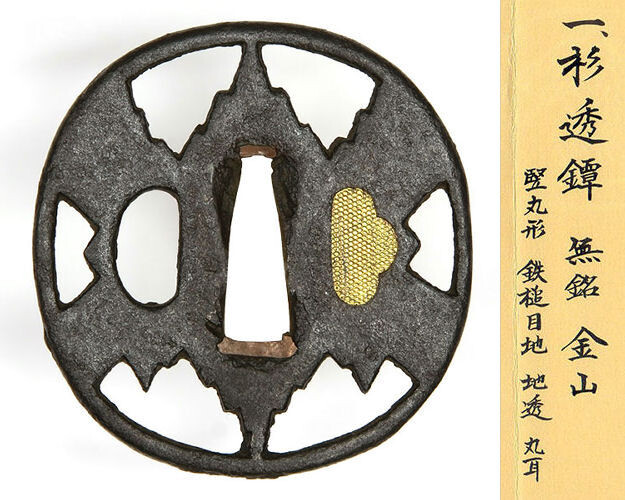
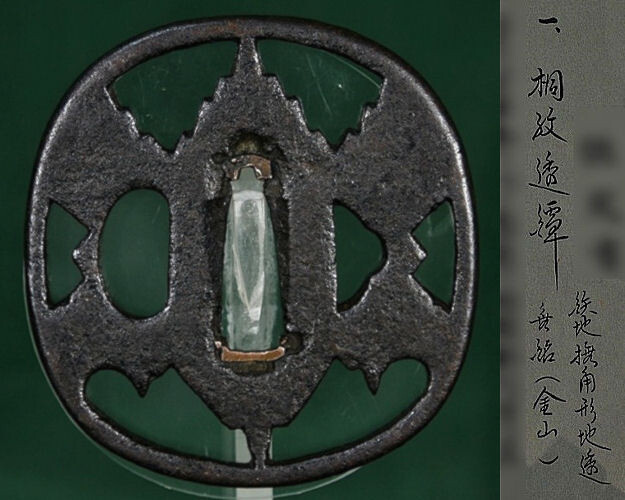
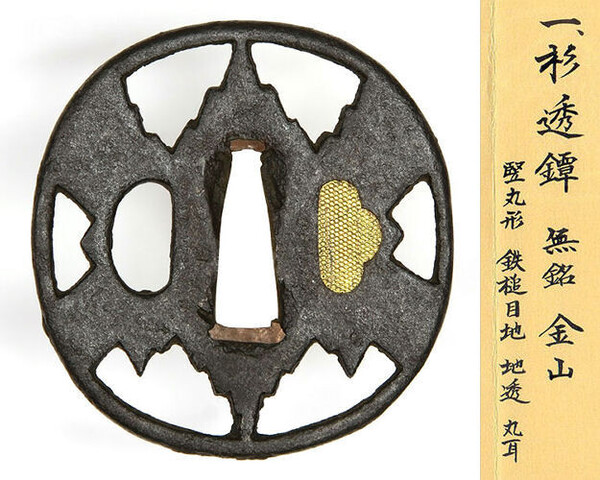
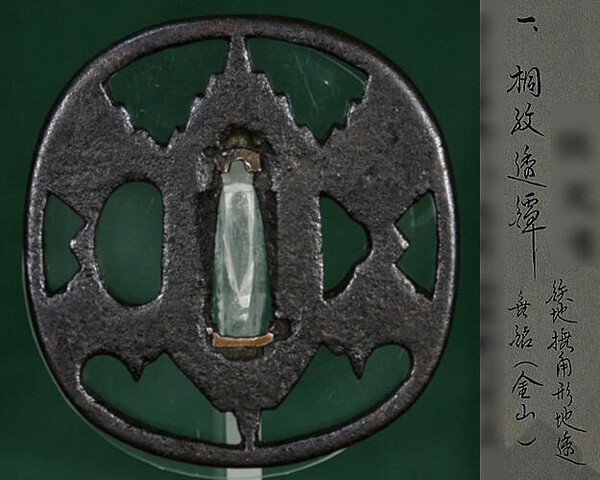
Not shure if the same pattern is represented in the 2 Kanayama tsuba here below. Anyway the interpretation is far from staightforward, since the same pattern is described either as 桐紋 (kiri-mon - paulownia) or 杉 (sugi - Japanese cedar).
-
blessed are those who have not seen and yet have believed [John 20:29]
-
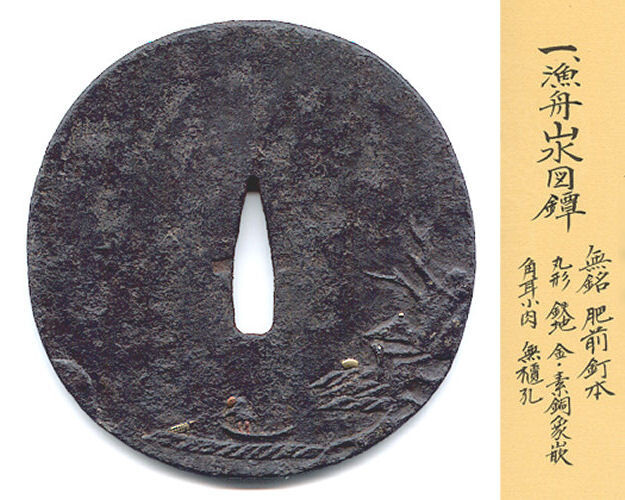
Hi Stephen, good catch. I also have a tsuba I've previously tagged as Jakushi (but unsigned), then I found an almost identical one papered as Hizen Kugimoto. Anybody knows relations between Hizen Kugimoto and Jakushi school?


-
Actually not. Ko-sukashi is written 小透. Ko-sukashi written 古透 means "old openwork", and makes little sense. Here below a NBTHK paper reporting a ko-tōshō (red box) tsuba with ko-sukashi (blue box) decoration.

-
Should be pieces of a Korean armour
-
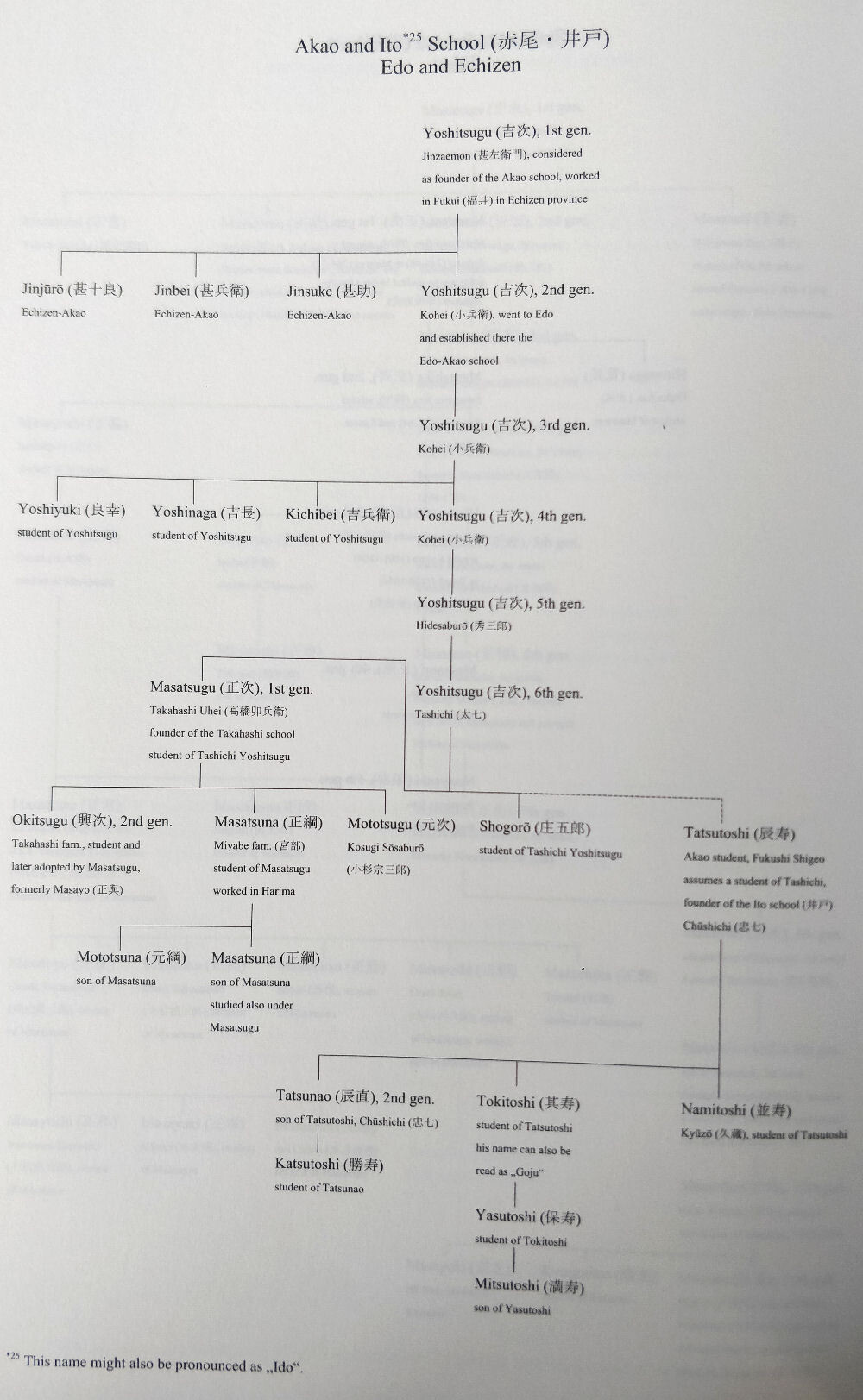
Hi Dale, the signature is consistent with Masanao (正直), Bushū-Itō school. The gingko leaves composition is well carved, and the price is still low... (but I'm out of budget)
-
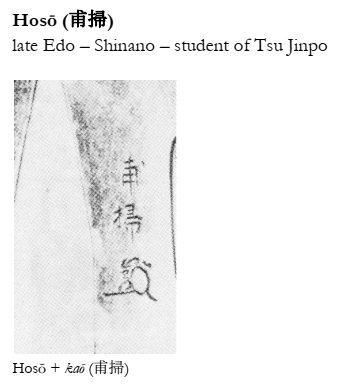
From "Signatures of Japanese Sword Fittings Artists" by Markus Sesko, an invaluable source for collectors.
-
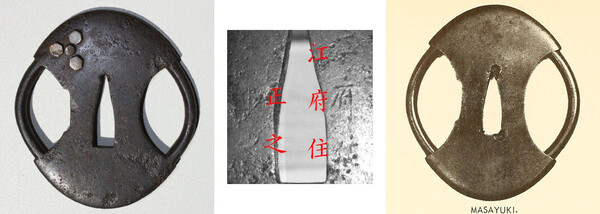
Hi Chris, here below a tsuba from my collection, signed Kōfu jū Masayuki and wth the same shape of fundō (分銅), i.e. the shape of old scales weights. A similar tsuba is also reported in the booklet "The Japanese sword and its fittings, from the collections of the members of the Japanese Sword Society of New York and the Cooper Union Museum", p.26.
-
A deeply irregular surface (ōtotsu - 凹凸) is quite common in Sanada Tenpō, Myōchin and Shōami (of course..). Your tsuba is not typical of one of the above schools, but does't looks modern to me, maybe late Edo.
-
Hi, here you have a NBTHK certificate. The relevant informations are as follow: A kanteisho (certificate) B subject (here a katana) C signature (here 備陽長船藤原祐盛); the sword also report the date of forging (文政二年二月日 should be february 1819) D the dimension of the blade

-
紀府住 正喜 - Kifu jū Masayoshi
-
Ciao Luca, the seller explicitly stated that Ginza was an error in the appraisal paper: 鑑定書の「広島住 銀座長介」は「廣嶋住 銀屋長介」の誤記。- "Hiroshima jū Ginza Chōsuke" in the appraisal is an error for "Hiroshima jū Gin'ya Chōsuke". Sometime such errors happen, and I've found some in my records of NBTHK kaiteisho.
- 4 replies
-
- 1
-

-
- tsuba
- translation
- (and 1 more)
-
報國盡忠 something like "loyalty and patriotism"
-
Hi Sebastien, no clear idea about the school. The theme is called iwashi no atama (鰯の頭 - sardine heads) and refers to a ceremony of driving out evil spirits. During Setsubun (the day before the beginning of spring) some families put up small decorations of sardine heads and holly leaves on their house entrances so that bad spirits will not enter.
-
Worth reminding a post a couple of years old about the same subject: https://www.militaria.co.za/nmb/topic/14025-next-best-thing-to-having-nbthk-papers Bye, Mauro
-
Thank you Dale, the tsuba from Christies is reported as Heianjō, but I don't think brass inlays alone are enough to make such a call...
-
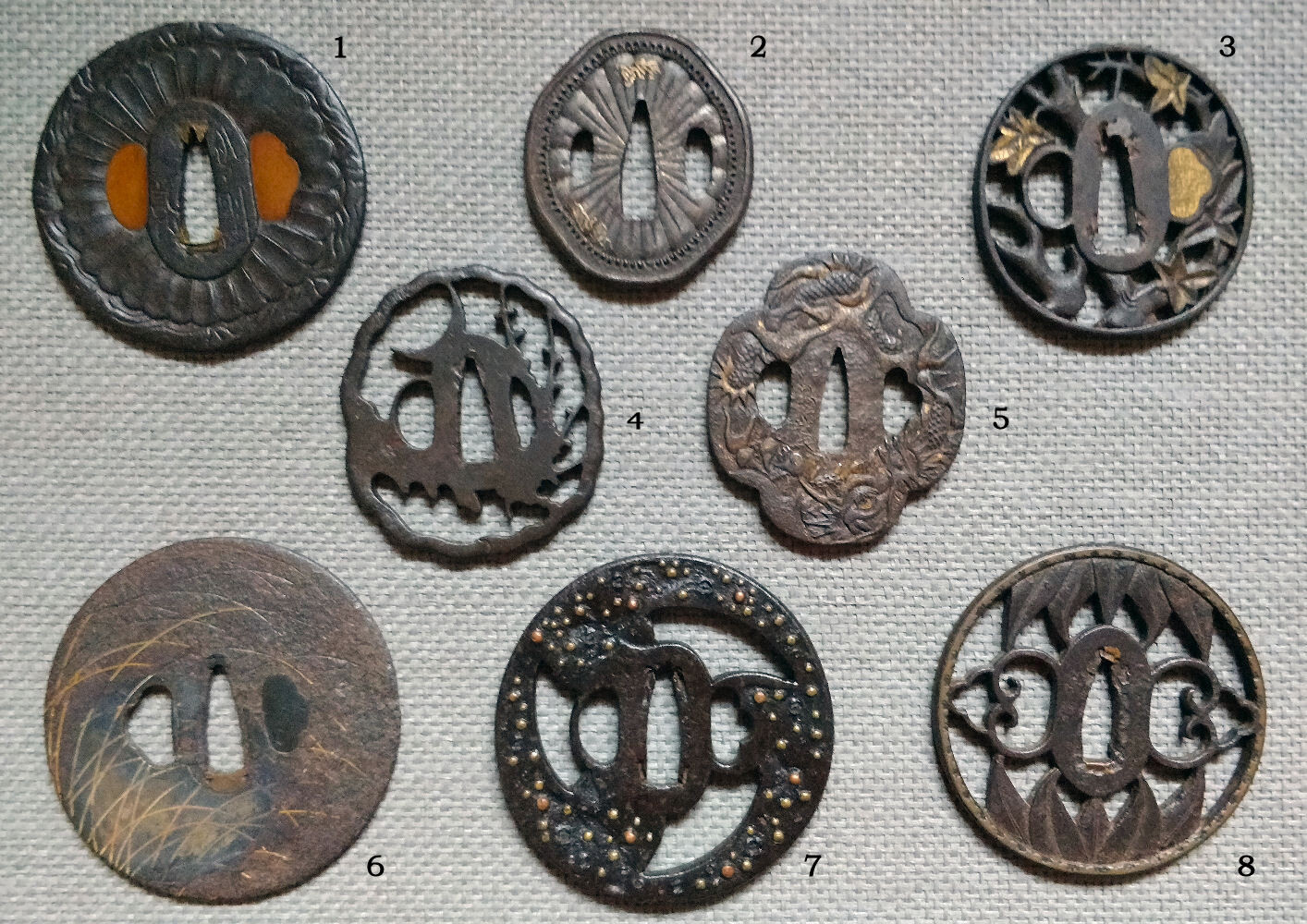
I should be a wiser man... I know that making up a coherent collection needs making choices. But actually I'm not rational in collecting. In that strange year of lock-down, social distancing and hard work I had to wait months to receive in hands, almost at the same time, all my acquisitions. Definitely I'm not a "serious" collector, but after all I'm quite happy about my new pieces. No masterpiece here but some interesting opportunity for study. 1 signed Echizen jū Kinai (越前住 記内), possibly Yondai Ishikawa (circa 1640). 2 otafuku-mokkō-gata tsuba with an unusual tetsu-fukurin, possibly Edo Higo (thanks to Mark from NMB). 3 maple and deer antler tsuba, possibly Shōami. 4 plum blossoms in moonlight, possibly kodai Higo (thanks to Thomas AKA Leporello). 5 signed Jakushi (若芝), quite typical of the school, and the only tsuba I purposely searched for buying. 6 Musashino theme tsuba; the still good zōgan remakably contrast with the weared iron surface, and make me think it could be an old tōshō tsuba (just 3,5 mm thick) repurposed and decorated in late Edo. 7 mitsudomoe, inlaid dew drops (or toad skin?); signature unreadable. 8 bamboo and snow tsuba, possibly Kyō-Shōami.

-
Ciao Luca, "gan no nami" sounds like a genitive case. I suppose that simply gan nami or gan ni nami (雁に波) should be the correct form (but let a true expert in Japanese chime in). See: https://artsandculture.google.com/asset/雁に波文皿 肥前焼・-柿右衛門様式-plate-with-geese-and-waves/-AH96HQsuwb9nQ Love your Heianjō findings.
-
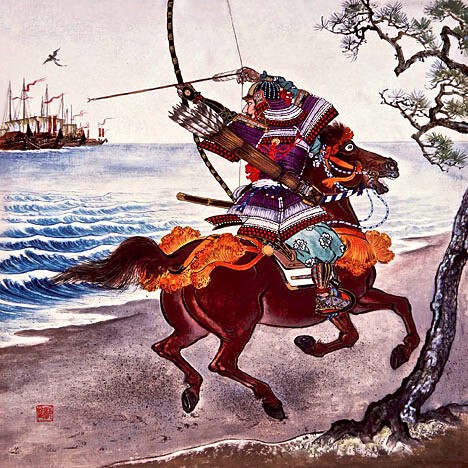
I thought it was... ... instead it's

-
Hizen (肥前)?
-
Possibly Shōnai (庄内) school.

-
The signature should read Sano Naoyoshi, but one kanji of family name is different in reported examples, so possibly gimei.