MauroP
-
Posts
892 -
Joined
-
Last visited
-
Days Won
5
Content Type
Profiles
Forums
Events
Store
Downloads
Gallery
Everything posted by MauroP
-
No. 55: usually referred as 格子 - kōshi (lattice pattern).
-
Tosa-Myōchin?
-
Item No. 53: the subject is usually referred as Aridōshi (蟻通し). It's a Nō play in which the god of Aridōshi shrine is represented disguised as an old priest holding an umbrella and a lantern.
-
Hi, I think it's just a tsuba for a bokken. Possibly this one was originally made to be mounted on a wood sword (late Edo to Showa), but I've seen some true old tsuba modified accordingly.
-
Luca, you have open to me a whole library of wonderful design Meiji book. Thank you!
-
葡萄図鐔 - budō zu tsuba 無銘 平安城象嵌 - mumei Heianjō-zōgan 竪丸形 鉄鎚目地 鋤出彫 - tatemaru-gata tetsu-tsuchime-ji sukidashi-bori 真鍮象嵌 角耳小肉 - shinchū-zōgan kaku-mimi ko-niku
-
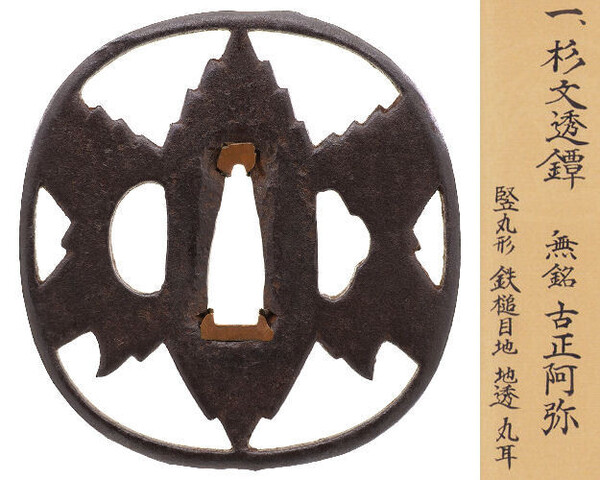
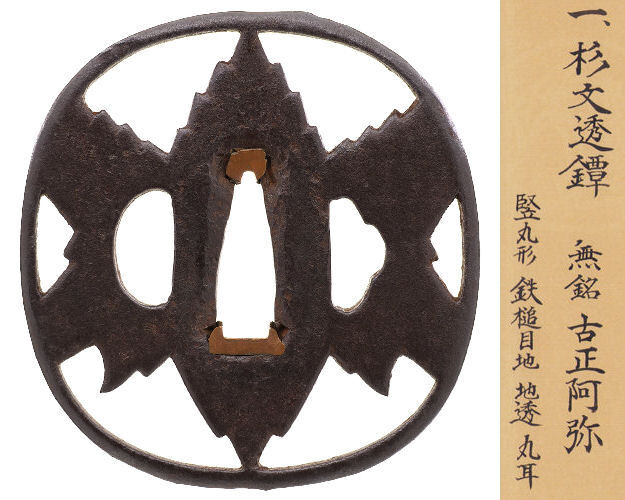
Chevron-like decoration are frequently referred as sugi (杉 - Japanese cedar), but I suspect (and somewhere indeed I read about it) that it could also be a highly stylized representation of waves.
-
If shinchū-zōgan then Heianjō. That's the way tsuba are presently "boxed" (I doubt this classification is of any help, but what I know?). Nice tsuba, anyway.

-

Dragon tsuba in katakiribori with sōsho signature
MauroP replied to MauroP's topic in Translation Assistance
Steve and Morita, thank you both for your effort. Once more the contribution of Morita-san shows invaluable for our community.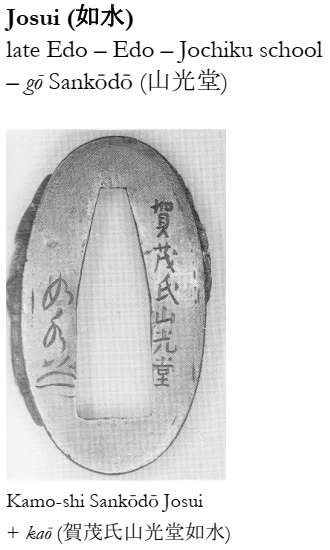
-
I've had this tsuba for some years, but far too difficult for me to figure out the mei. Two kanji and a kaō, even hard to take in photo. Here my best pictures, obtained trough a flatbed scanner. Thank you for any input.

-
The polearm should be the "Green Dragon Crescent Blade" of the Chinese general Guan Yu.
-
Vita brevis, ars longa, ... iudicium difficile...
-
-
The keshō-tagane finish and the round shape of hitsu-ana make me lean toward Akasaka (or Shoami )
-
Hi Colin, the pattern inlayed in the upper part is called sayagata - 紗綾形 (pattern of interlocking swastikas).
-
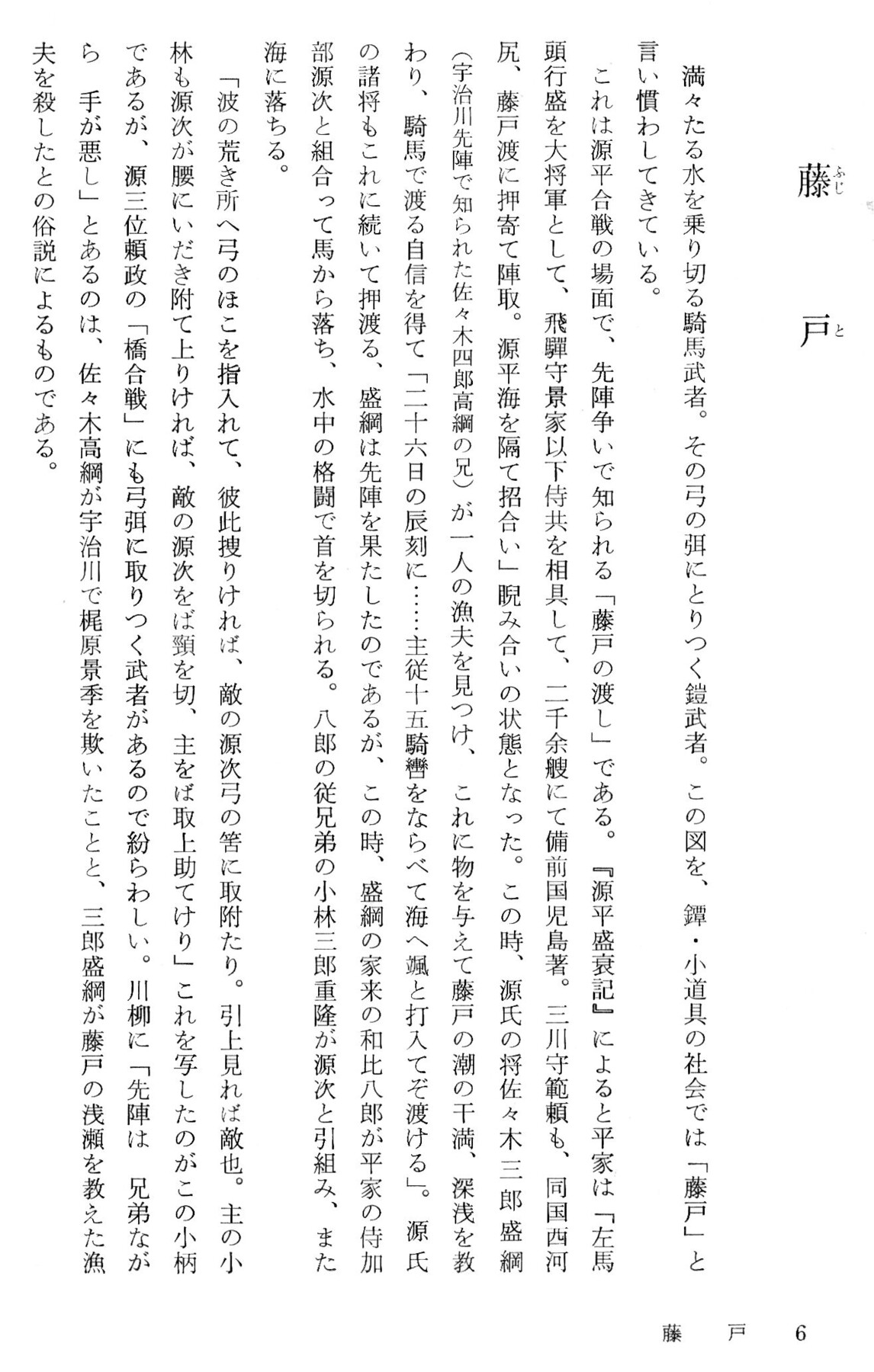
I've made the transcription (some OCR work pretty well), now we need someone making a translation better than Google. 藤戸 満々たる水を乗り切る騎馬武者。その弓の弭にとりつく鎧武者。この図を、鐔・小道具の社会では「藤戸」と 言い 慣わしてきている。 これは源平合戦の場面で、先陣争いで知られる「藤戸の渡し」である。『源平盛衰記』によると平家は「左馬 頭行 盛を大将軍として、飛騨守景家以下侍共を相具して、二千余艘にて備前国児島著。三川守範頼も、同国西河 尻、藤戸渡に押寄て陣取。源平海を隔て招合い」睨み合いの状態となった。この時、源氏の将佐々木三郎盛綱 (宇治川先陣で知られた佐々木四郎高綱の兄)が一人の漁夫を見つけ、 これに物を与えて藤戸の潮の干満、 深浅を教 わり、騎馬で渡る自信を得て「二十六日の辰刻に......主従十五騎轡をならべて海へ颯と打入て ぞ渡ける」。源氏 の諸将もこれに続いて押渡る、盛綱は先陣を果たしたのであるが、この時、盛綱の家来の和比 八郎が平家の侍加 部源次と組合って馬から落ち、水中の格闘で首を切られる。八郎の従兄弟の小林三郎重隆 が源次と引組み、また 海に落ちる。 「波の荒き所へ弓のほこを指入れて、彼此捜りければ、敵の源次弓の筈に取附たり。引上見れば敵也。主の小 林も源次が腰にいだき附て上りければ、敵の源次をば頸を切、主をば取上助てけり」これを写したのがこの小柄 で あるが、源三位頼政の「橋合戦」にも弓弭に取りつく武者があるので紛らわしい。川柳に「先陣 兄弟ながら 手が 悪し」とあるのは、佐々木高綱が宇治川で梶原景季を欺いたことと、三郎盛綱が藤戸の浅瀬を教えた漁 夫を殺 したとの俗説によるものである。
-
Hi, here below is the entry relating to Fujito from vol. 3 of "Tsuba-Kodōgu Gadai Jiten", for those who want to learn more (and translate ...)

-
hoshinamako.pdf Here three examples of unsigned hoshinamako-zu tsuba with NBTHK attribution to Shōami, Fukanobu and Yagyū (so you can choose...)
-
The object depicted in ura could be a Buddhist sceptre (nyoi - 如意), so the bald man could be a monk...
-
About item no. 34: 霊獣図 - reijū zu - sacred beasts The shape (in the NBTHK paper generically reported as kawari-gata) is sometimes referred as fundō-gata (分銅形). Bye, Mauro
-
Hi Barbara, I'm unsure about the theme, could be snowflake (雪花 - yukibana) or sea cucumber (海鼠 - namako). The hammered surface (tsuchime-ji) could suggest a katchūshi or Myōchin school (or Shōami, of course...), early to mid Edo period, maybe. Just my not-so-educated opinion (waiting some more knowledged people would chime in).


-
Hi Piers, nice tsuba, I think you are correct about yatsuhashi theme and aori-gata. The carving could have been obtained through kusarashi (腐らし). Symmetrical hitsu-ana could suggest Higo...
-
Hi Thomas, find here enclosed my record for a tsuba i bought 10 years ago. I'm sorry it's in Italian, but I've a busy time now. Tsuba018.pdf
-
Little to add on the merit of this topic, but just to remark the relativity of our judgement. The tsuba here below got a kanteisho as ko-Shōami (I can't understand why).