
Leaderboard

Popular Content
Showing content with the highest reputation on 12/16/2025 in all areas
-
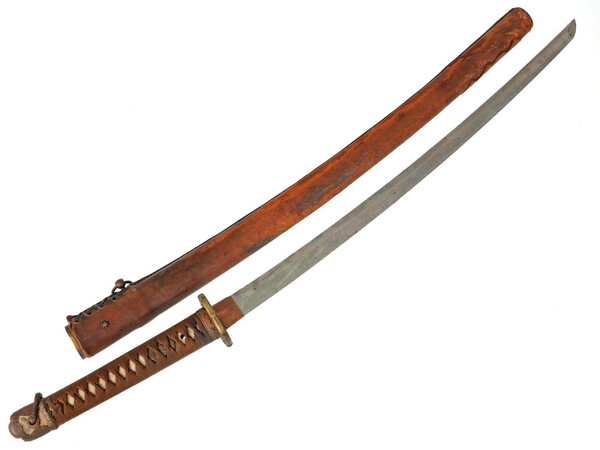
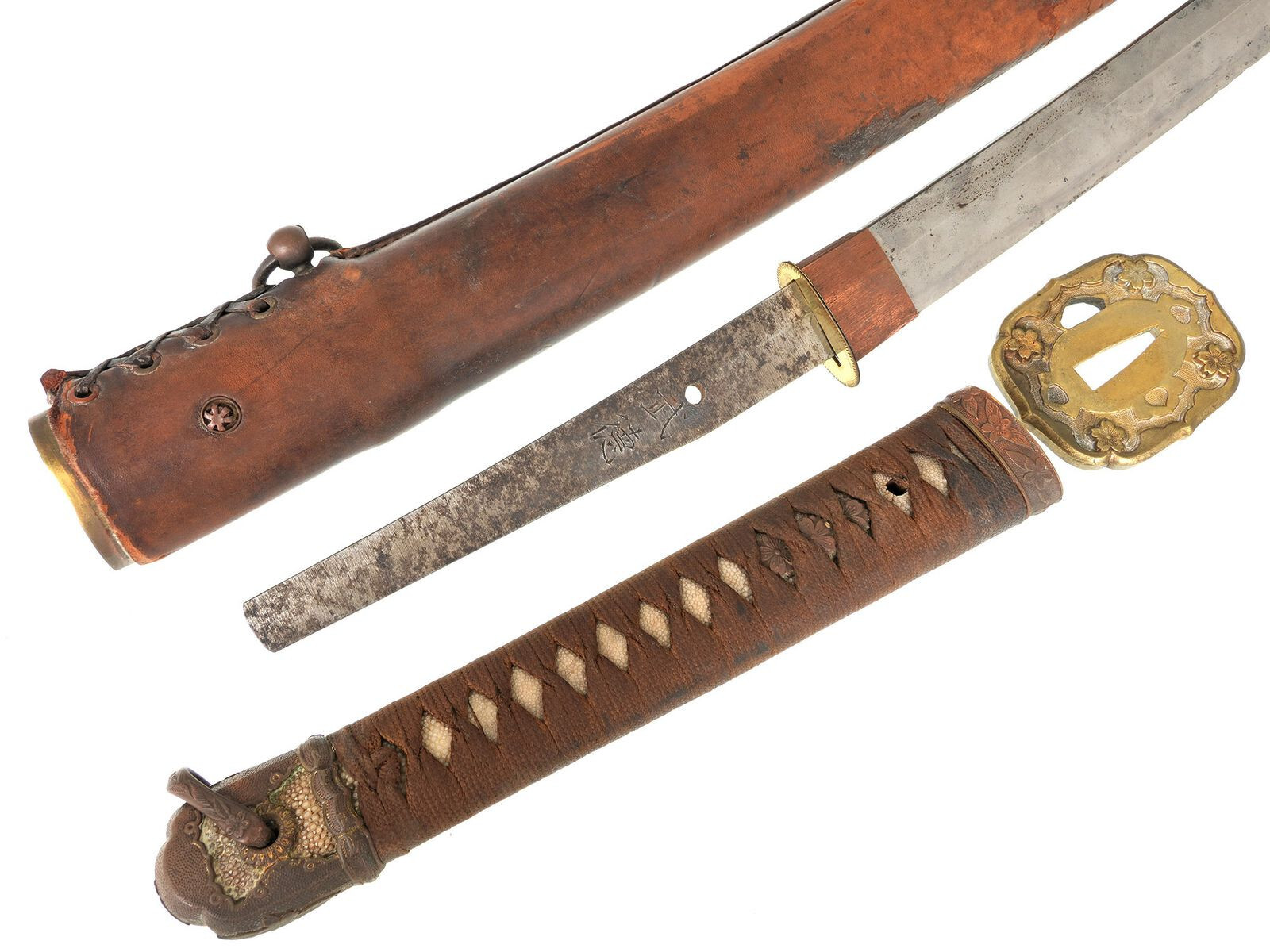
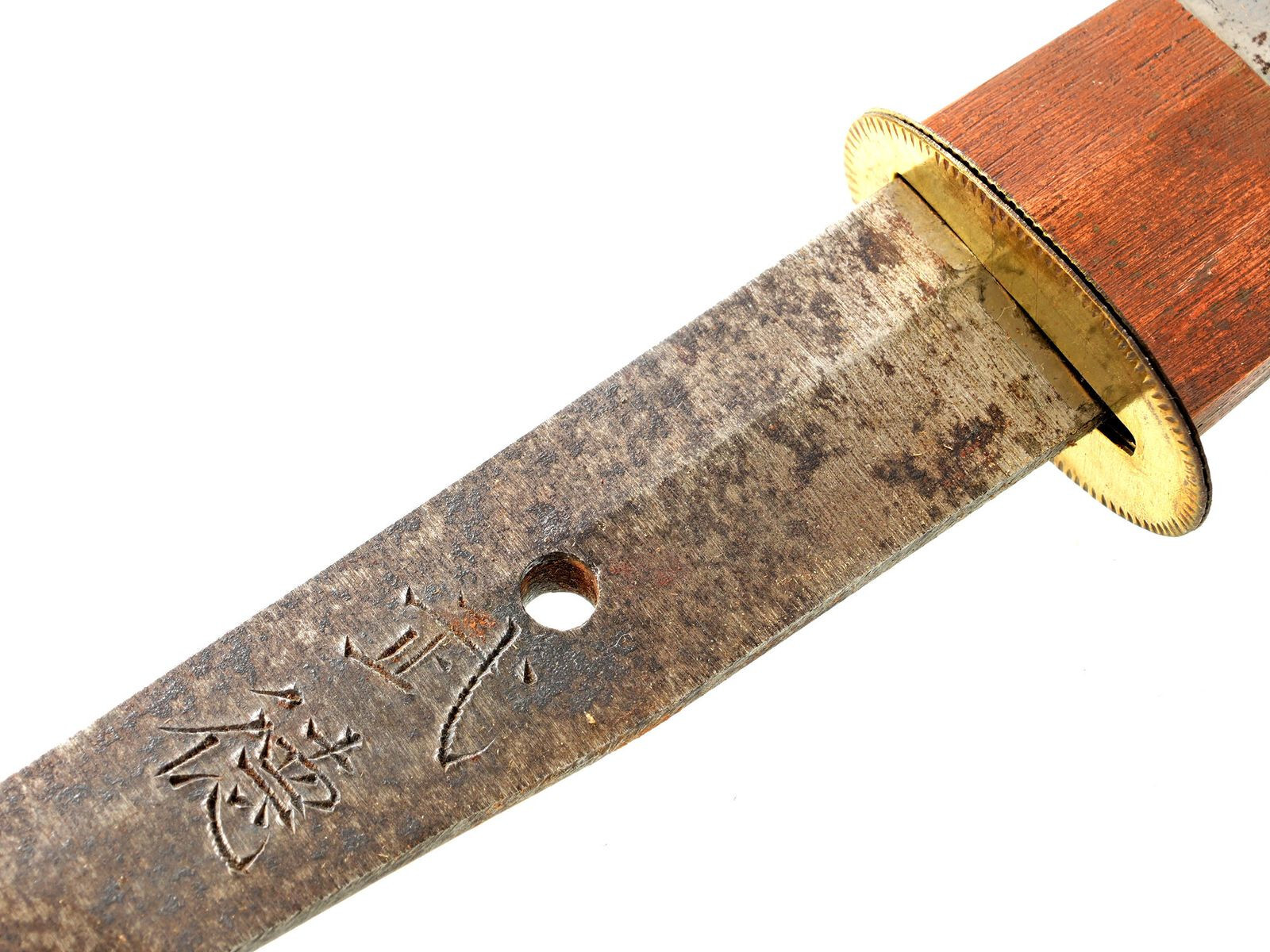
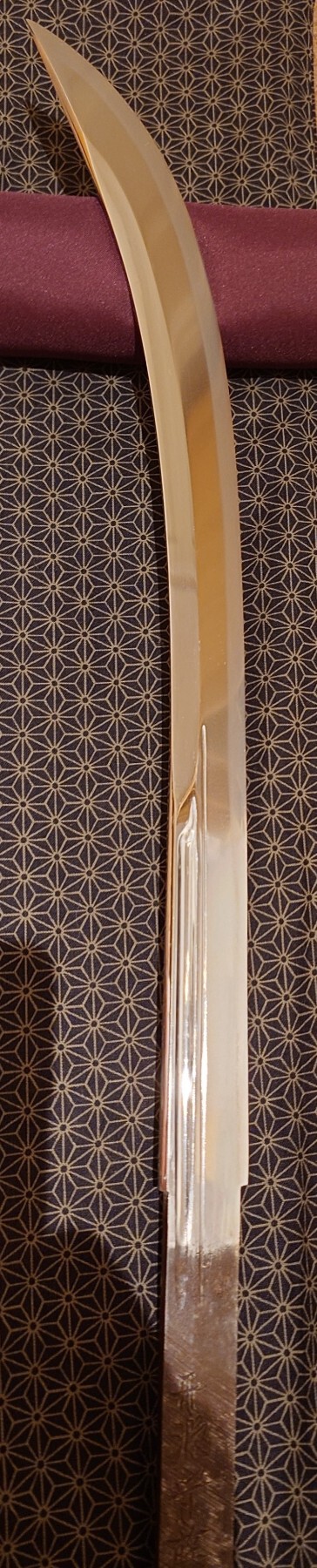
Even a blind squirrel finds a nut :-) I think I got my Xmas present. About a week ago, a respected and high end US collector of Gendaito posted on an SA site asking for advice on shipping a sword from SA to the US. All I could offer was the name of a lady that does knives for the collectors here, and the advice that shipping a sword from here is very complicated and difficult. None of the courier companies want to handle them. Anyways, I was interested how a decent sword would be found in SA of all places, since we hardly ever see Nihonto for sale here, but I forgot about it. About 3 days ago...I was browsing the website of a large local auction company that regularly has antiques and collectibles auctions. I have bought from them a few times, but almost never Japanese stuff. Usually knives and other small things. Imagine my shock when among the lots, I see a Shin Gunto for sale. I assumed it was a fake, but opened the pics anyways, and was surprised to see it was genuine, with a nijimei signature. Took me a few minutes, and I was gobsmacked to realize it was signed Takenori! (Later I realized it was Taketoku)| Realizing this was the Yasukuni smith, my heart went into overdrive. I realized this must be the sword that the collector had his eyes on, and i knew on an SA budget, there was zero chance I could compete. But I bookmarked the auction, and started planning what my budget was. A Yasukuni related sword has always been on my bucket list. Before the auction ended, I took the bid to a winning bid of about US$1150, and prepared for a fight at the end, and to see it end at far more than double that. Auction time, the lot eventually came up, and I prepared to lose, but at least to put up a fight. The lot starts...the price sits there. I'm waiting for other bids. Nothing? My heart is about to burst. Final call comes up...usually for about 5 seconds...this time it sits there for about 15 seconds. I am having a panic attack. Closed. I win it at $1150 plus about 20% premium. I don't know what I did to have some luck for a change, but I'm not complaining. Maybe shipping overseas was too complex. Don't know why locals didn't bid, that's cheap even by local standards for a regular Gunto. I was lucky..a friend was flying down to that city yesterday and driving back, and he agreed to fetch it. After some complications (Auction house decided to close yesterday and i had to reach out to the owner) my buddy brought it back late last night and I got it today. A lovely Kajiyama Taketoku Gendaito, made privately while he was working at Yasukuni but after he changed his nakago shape to kijimomo to prevent confusion between himself and his nephew Kotani Kenzo. Dated 1937 and in very good original polish, some stains but everything can be seen. Cleaned up nicely with isopropyl alcohol and some oil, and has a stunning sugata, tapering to a small ko-kissaki. Kijimomo nakago, nagasa is 655mm. Signed below the mekugi ana, which is something I need to research. It's only in hand you can appreciate how different these are to military swords. Light in the hand, with a Koto feel. Has a straight and active ko-choji hamon that I am still getting into examining. Lots to see and beautifully forged. Hard to take photos, so will add as i go along. But consider me one very happy guy. No idea how this got to South Africa, or the story behind it. But for now I am happy to be its owner, and thanks to that collector for giving me the shot at it. It has a good home and will be well cared for.
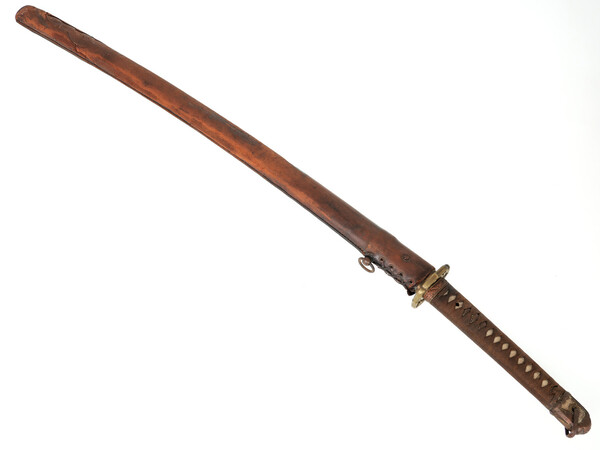


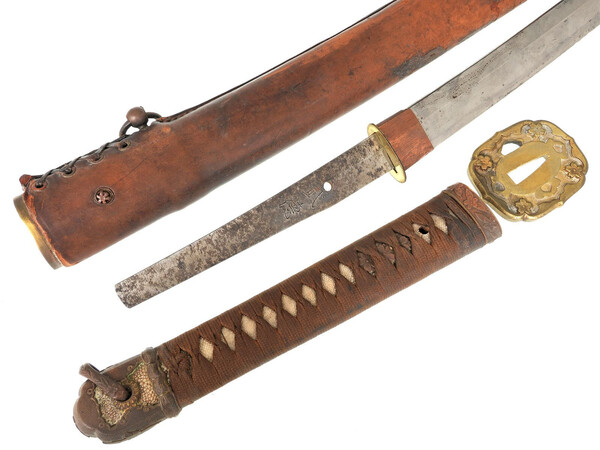
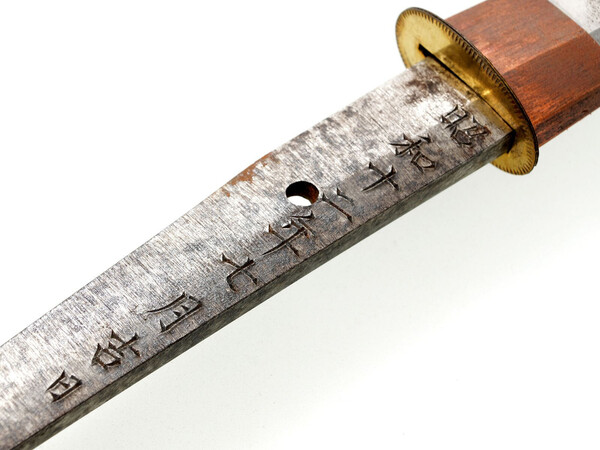

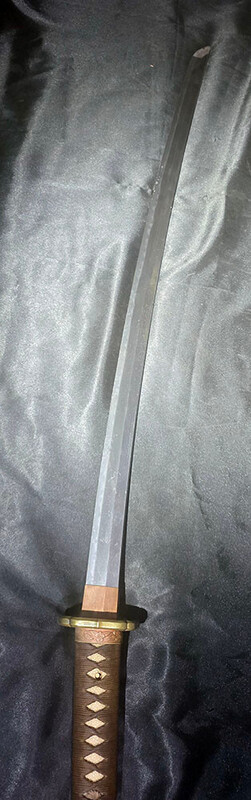
 18 points
 -
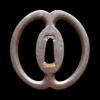
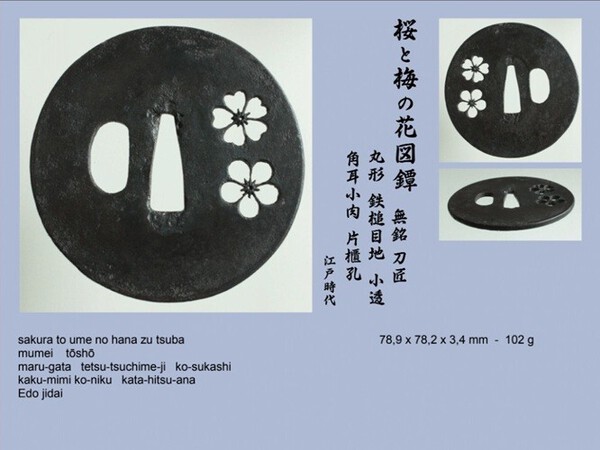
I've always kept a record of my tsuba in a doc format as below I also keep a spreadsheet so I can easily organise them in any order such as schools and dates With the record you can add as much or as little as you like This one of my earlier records from over ten years ago and nothing has really changed but now I remove the tsuba background to white
 8 points
 -
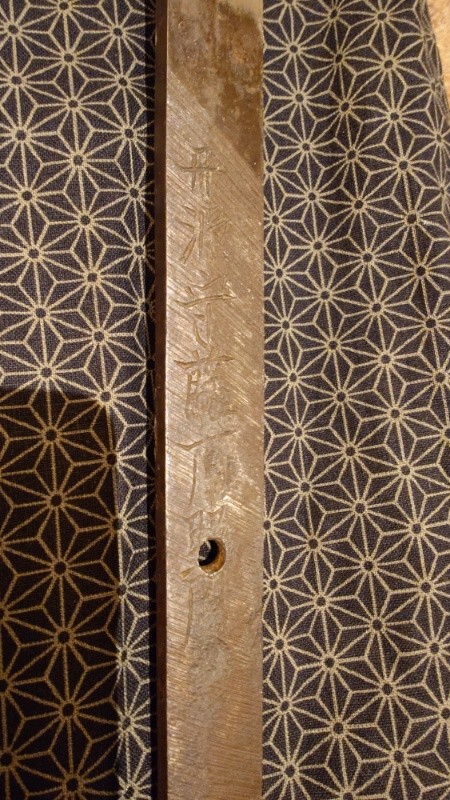
Just wanted to share my latest purchase. This is another Tanba no Kami Terukado blade. I bought this one at auction, and had it sent to shinsha - slightly worried as the mei had some corrosion, so I was only 80% confident. Anyways, it passed Tokubetsu Hozon, and I'd say the hamon is actually finer than some of the long sword examples I have. So very happy. Looking for a good ko-wakizashi or tanto next. 💪


 6 points
 -
正 sho- 真 shin 甲 ko- 伏 buse 鍛 kitae 中 Naka- 根 ne 行 Yuki- 宗 mune 作 saku6 points
-
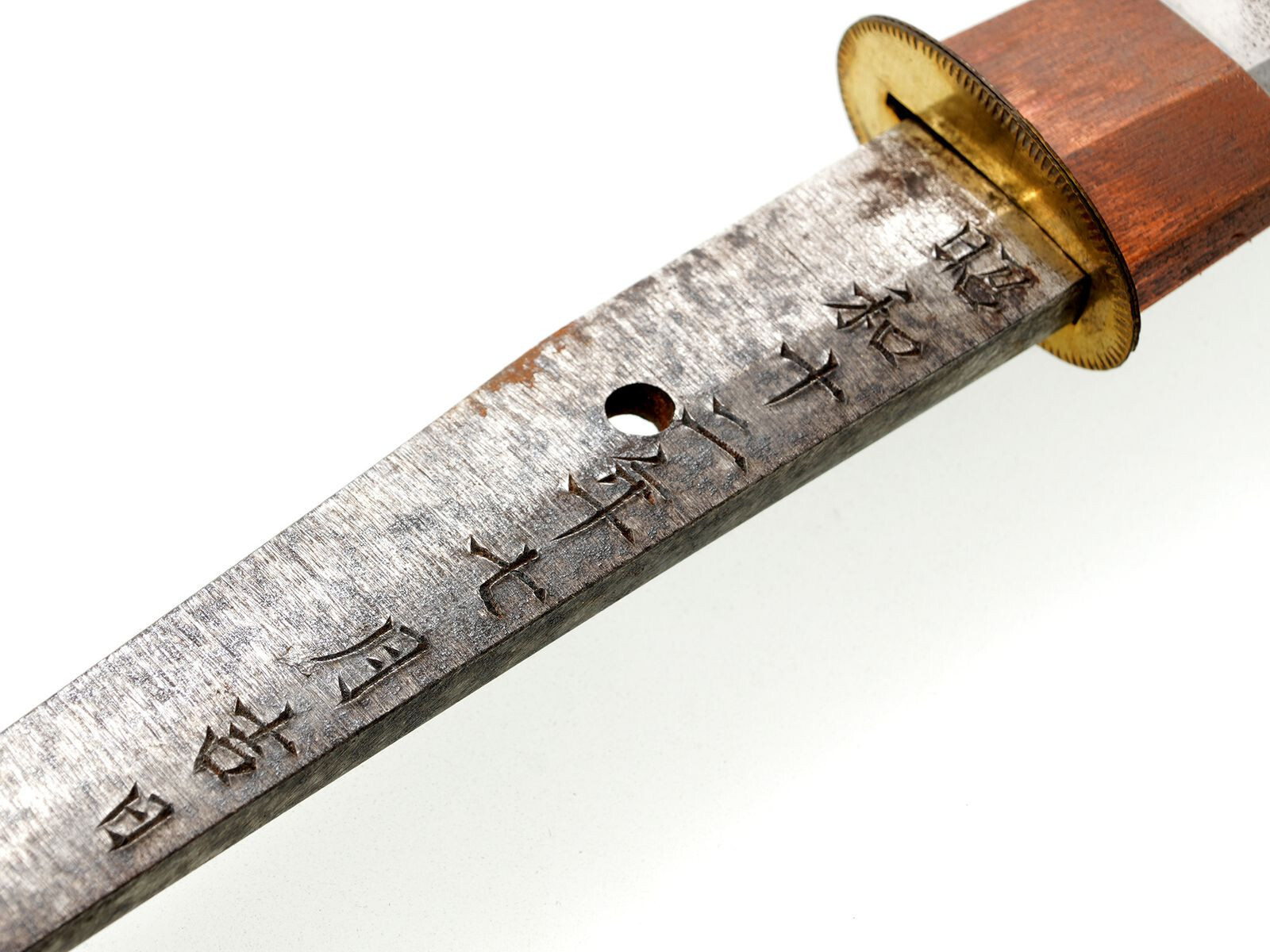
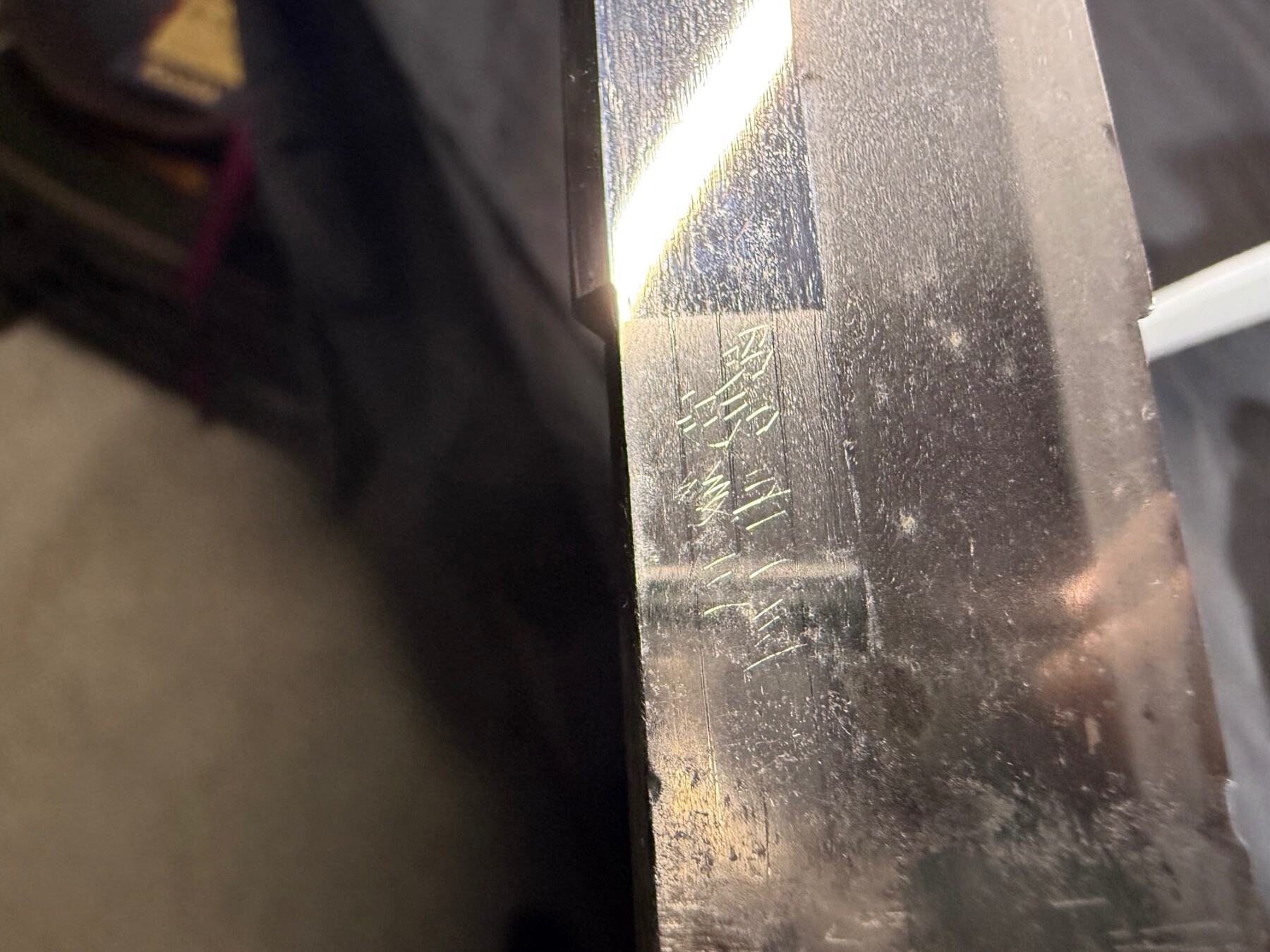
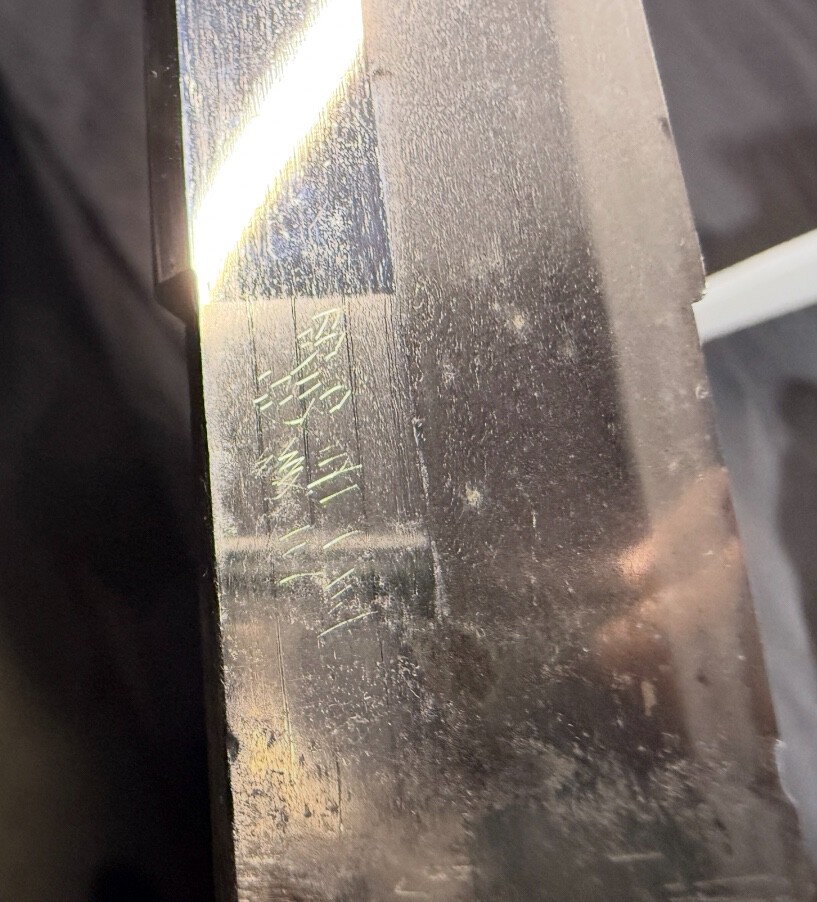
君山研磨 – Kimiyama kenma (“Kimiyama polished” or “Kimiyama polishing shop”) 昭和五十一年 – Showa 51st year (1976) 越後住 – Living in Echigo (Vertical lines of characters are not well taken in your photos on this side.)6 points
-
High or low quality, you should definitely do it if you find them interesting. Even a lowest-quality shattered tsuba can be very educational if someone identifies its style, era, etc. Most importantly, they are your collection and your heirs would supposedly at least want to know what you collected.5 points
-
Here's how I organized my collection records (now I need to improve the photographs)
 4 points
 -
Hi Dan, Whatever time you have left (and I sincerely hope you make it past 100), do it for your own pleasure and satisfaction - no one else's. Collections can give us joy in different ways; finding each object, cherishing it, taking it out to study whenever the urge takes us - and cataloging it. Actually sitting down with something and trying to describe it in writing often deepens your appreciation of it (though sometimes the opposite occurs🙃) and provides yet another facet of collecting as a hobby. I say go for it! Best, Hector4 points
-
Dan: I too am cataloging my meager collections (yatate, ojime, and maekanagu) - and for the same reasons, I suppose. I also have what some would consider a low-end collection. But I'm doing the whole thing with photos, write-ups, history, etc. I figure there must be some information about the every day person who used this stuff and not just museum quality pieces found in most books. The premise is that any budget can have fun collecting these items if we make it interesting enough. John C.4 points
-
My good friends, I know that we have been through some major conflicts on some other of my threads on this forum (oh let’s think, like my "Tsuba casting molds?" thread!). But when the end is in sight (come on God give me at least 10 to 15 years!), everything doesn’t matter anymore. Maybe a little too much philosophy! Oh well! This is a great forum. And I will continue to put forward my thoughts on subjects, no matter what kind of backlash I get. Hey, that is just me! Starting tomorrow, I will start taking digital pictures of my collection to start cataloging them! Onward and with respect!4 points
-
It can get confusing when swordsmiths and schools share names, so you aren't wrong @klee if you were referring to the school. The names Samonji and Sa can reference the school or the smith. So some differentiate by referring to the smith as O-Sa. We run into the same problem when only referring to Shizu--are we referring to Shizu Kaneuji, Yamato Shizu, or Naoe Shizu?4 points
-
Go for it, Dan. Every collection will eventually be dismantled. Whether it’s sold at a Goodwill or at Sotheby’s doesn’t really matter from the point of view of the deceased collector...4 points
-
Hi Dan, I think it’s a good idea. The collection of information is always a noble effort. Maybe such a catalog would help your heirs know what to do with them. It might even spark that interest in Japanese art for one of them in the future. I say, why not? Sincerely, -Sam4 points
-
I would like to ask the opinion of members on this subject If I have more than a decade left to live, I will consider myself lucky. Hopefully, I am lucky! Should I try to make a catalog of my meager (about) 200 tsuba collection? As many members know, I collect what many would consider low end tsuba. Is it worth my time to try to catalog my tsuba? I mean who knows, after I pass, they will probably end up in a Goodwill or Salvation Army store because my heirs really have no knowledge about tsuba and won’t care about my collection. Just asking for opinions. e3 points
-
Well done indeed Brian. I think the sword angels like you. Merry Christmas, George.3 points
-
congratulations well deserved win3 points
-
鐔 寒山拾得図 * tsuba Kanzan Jittoku zu 朧銀銅广地丸形 * oborogin migaki-ji maru-gata 耳打返高彫 * mimi uchikaeshi takabori 金銀色絵象嵌 * kin gin iroe zōgan 銘定常金象嵌 * mei Sadatsune kin-zōgan 昭和甲辰年春吉日 * Shōwa kinoe-tatsu-nen haru kichijitsu [1964, spring, an auspicious day] 寒山誌 * Kanzan shirusu3 points
-
The present condition of every barrel is different depending on the life it has led. How to ‘clean’ it depends on what the problem is, but too much cleaning once done is almost impossible to undo. Go gently. Any barrel with zōgan inlay presents extra difficulties, and probably needs to be seen in hand by someone who knows what they are doing. Otherwise it is usually better to leave as is, until a way forward becomes more clear. There are threads here on this site describing how to dismantle a Tanegashima and remove the bisen breech screw for cleaning, etc. Your gun was made in Mito, north of Edo. (The history of Mito starts really with Tokugawa residence at the beginning of the Edo Period.) The Mito City Office might be able to point you to (a museum with?) similar Mito guns and their foresights. Your gun is a generic Tanegashima with little to indicate place of manufacture, except that your muzzle surround does look distinctive. This may or may not help you to choose a foresight shape. (No particular school of gunnery was specified in the original order for this gun either.)3 points
-
I also say catalog it as it does mean something to you. The rest of what I was going to say Sam said first. Jason3 points
-
3 points
-
I finally decided to make a purchase since tariffs have gone crazy in the US. I have some great news at least when shipping with DHL. They let me assign my own tariff code which they supply the link to when filling out the form. I selected "antique metalwork" as this seemed the most appropriate. You then are also asked for a brief description to go along with the code to which I wrote "antique metal fittings". This cleared customs without any issue and was delivered to my house today. This piece was also valued at more than $800 so it did not slip through that way even though I believe that has changed too and all items are tariffed no matter the cost. Just thought some members may be interested in this update. Has anyone else had this experience or have the opposite experience? Jason2 points
-
Well as I mentioned bit earlier this year in a thread in here I have been working on a index of Jūyō items. It has been ongoing for a few years now but now I have the 1st version finished. It took some time as I originally planned to just have old swords (Kotō) in a document (as they are my own personal interest), but then I didn't want to do a partial job, so I took on all of the swords, and finally I forced myself to tackle all the fittings, attachments and kinzōgan, kiritsuke etc. As I typed probably few hundred thousand kanji characters in by hand the project took a while. Now this should have all of the Japanese characters that appear in the index pages, and I have written smith / school etc. into Western characters, followed by Japanese characters. However I am not yet comfortable enough trying to translate the style of fittings, kiritsuke-mei, kinzōgan-mei etc. as I would make too many errors so for those you have the Japanese text that I typed in. The format in this should be very simple to follow. It is the same as in my last index (Kokuhō, Bunkazai, Bijutsuhin). 691 pages, 66. Jūyō sessions and 14792 items (if I added them up correctly). Hopefully the PDF will be easily readable (it should be searchable too). Now as this has been a solo project spanning over a long time period, there must be some errors in there that I have made (there are definately some in rare fittings makers as fittings are not really my thing and sometimes I found 0 results with Google on some of the mei). If you spot some errors, send me a message and I will fix them for next release. I plan to make a yearly updates after NBTHK releases the session results. Might be bit boring stuff as it is just lots of pages with plain text. I hope some will find this enjoyable and can find some help in personal research etc. Juyo Index.pdf2 points
-
Sunnobi tanto, yes. Wakizashi size by modern torokusho categorisation, but clearly made to be used as tanto based on the era and shape. Oversize tanto are a kantei point for certain smiths, including Soshu Sadamune. Given that this has a tanto sugata but is over 30.3cm and mounted like a wakizashi, either term is appropriate.2 points
-
It is stable in this condition. If you want it to look differently, it will have to be polished, but the HAMON is as it is; you cannot make the HATARAKI disappear completely.2 points
-
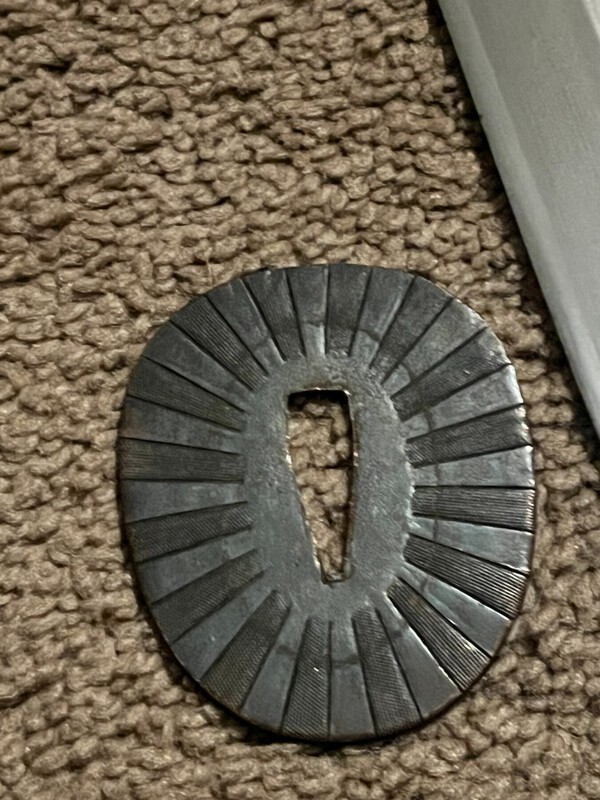
I was enjoying my kaigunto last night, and thought to count the rays of the daiseppa. There are 32, just like the 32 petals seen on the Imperial chrysanthemum. Maybe this is common knowledge, but I've never realized it before.
 2 points
 -
Aren't there in excess of 100 Juyo tanto over 30.3 cm? Torokusho is only a superficial record of the as-presented blade - with no research or context. I'd accept it if we were talking about an NBTHK kanteisho...2 points
-
My instinct leans toward Sue-Seki or Sue-Bizen. Both possibilities share characteristics with your blade, particularly the nakago and nakago-jiri (end of the nakago)2 points
-
Hoshi this was probably the best thing I have ready all week - certainly made me smile - great write up. Thank you so much for taking the time out to share your hard earned knowledge. I woudl say you did Darcy proud!2 points
-
Yup, all good things come to those who wait. It was meant to be. Serendipity at work! Great find, and nice write-up.2 points
-
John is a friend and I have a few photos of his sword in hand. It is a kai-gunto (I am mentioning this, as there are shin-gunto parts shown in the Ohmura diagram above). John is looking for a matching seppa for the other side (between tsuba and tsuka). I'm attaching photos here to show what John has and what he is missing. Appreciate if anyone can assist. Best regards, Ray


 2 points
 -
I think we can agree these modern items are simply made as a “work of art”…..not necessarily a good work of art. There is no intention for them to be mounted thus not tsuba in the true sense. Maybe there is no real intention to deceive, after all the one I posted with deer on it is dated 2001. On the other hand some are not dated and have fooled the so called experts in some “prestigious” auction houses so that proves they can deceive some folk. Personally I think they could be made in Japan, the mei on some of them does have a distinctly Japanese feel to me although I am no calligraphy expert. I am really interested to see what the inscriptions on the boxes say, that might shed some light on them. Know what you buy!2 points
-
2 points
-
Thank you so much Moriyama-san! Very much appreciated for the updated translation. Very interesting. When Ray helped me earlier with translation, he was working with much worse photos (my fault). Very cool for me to have a date on the polish. 1976 makes sense to me considering the state of Nihonto in Japan, as I understand it, in the 1950s versus the 1970s Sincerely, -Sam2 points
-
The first part of the inscription is 脇下 (wakishita) - underarm.2 points
-
2 points
-
Steve: I believe the first name is Yamata (Yamada). Try getting the last name in this orientation. John C.
 2 points
 -
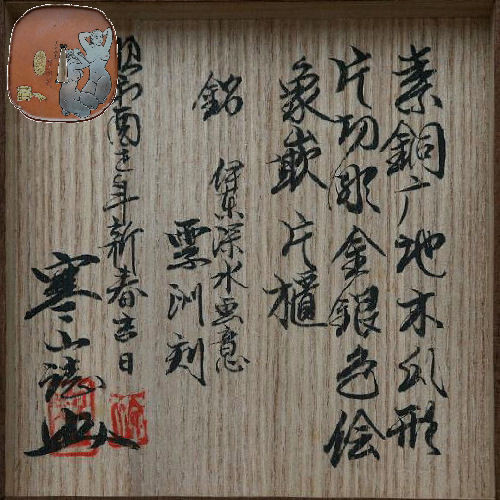
The hakogaki is well written and states some perfectly legitimate assumptions about the tsuba. Unfortunately (or rather, thank God), it is not by the Satō Kanzan. Below are others hakogaki, likely written by the same “pseudo-Kanzan,” concerning modern tsuba.

 2 points
 -
Could be a postwar PX sword and I will kindly ask @Bruce Pennington to take a look at it.1 point
-
You will sometimes see a number with an added zero on Type 32 saya drags after they have been back to the factory for a refurbish/repair, but never on a Type 95.1 point
-
Largely just the prominence / highlighting effect of the hada - to me, it looks artificially exaggerated. But, I'm certainly no expert, so just take it as a thread of enquiry to rule out.1 point
-
PS Lars, without further shots I cannot decide whether your container is a water canister or blackpowder flask. They are often confused, especially by dealers. If it has a drinking spout and another small hole to release pressure, then it’s likely for water. If it has a large hole for filling, then more likely it is a powder flask. What size is it by the way?1 point
-
They never really matched Kongo jigane. O-Sa went Rai first, then Sa went Soshu with very fine jigane and hamon which is sort of choji or suguha nioi with very strong belts of nie. In Muromachi after Oei it mostly reverted to weird provincial Yamato.1 point
-
Hard to tell how large or small it is. I was thinking obidome, too. I once bought an item listed as an obidome that turned out to be a repurposed kashira https://www.militaria.co.za/nmb/topic/46031-shakudo-nanako-obidome/1 point
-
This is new to me. It dares give me hope.1 point
-
Really sorry, I know it’s not a sword but I couldn’t resist….I bet that gave him a headache……

 1 point
 -
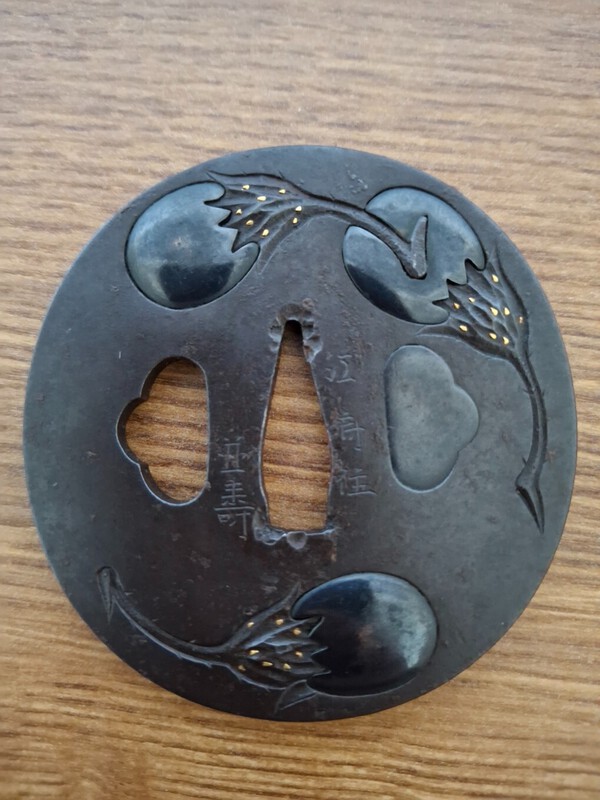
Prolific Namitoshi...... tsuba transformed latter with shakudo plugs
 1 point
 -
Had a photo session this morning and was able to get some better photos


 1 point
 -
You need the opposite side (after the tsuba to the blade). Its bigger than that seppa.1 point
-
From Japan: https://auctions.yahoo.co.jp/jp/auction/u1209946393

 1 point
 -
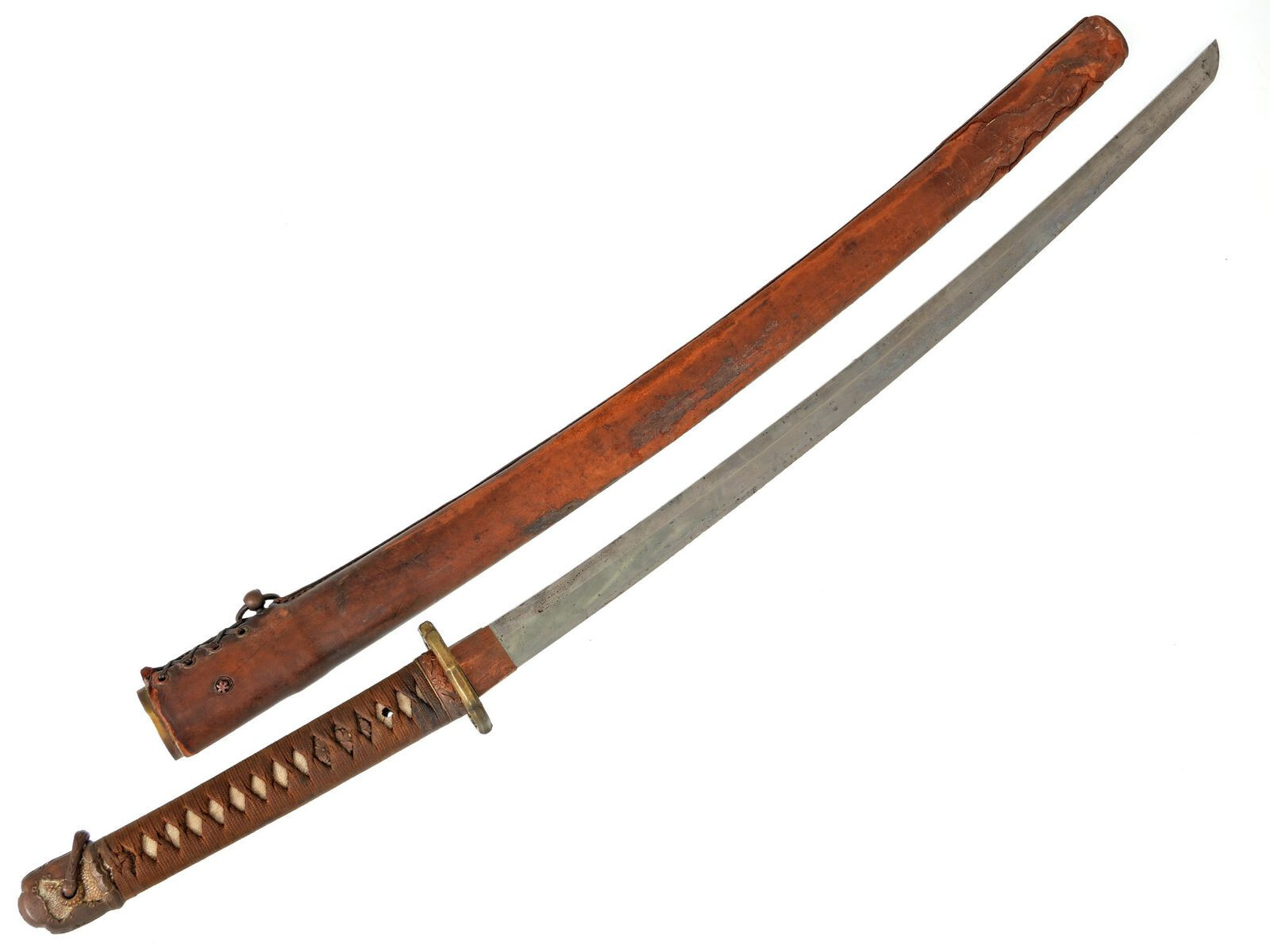
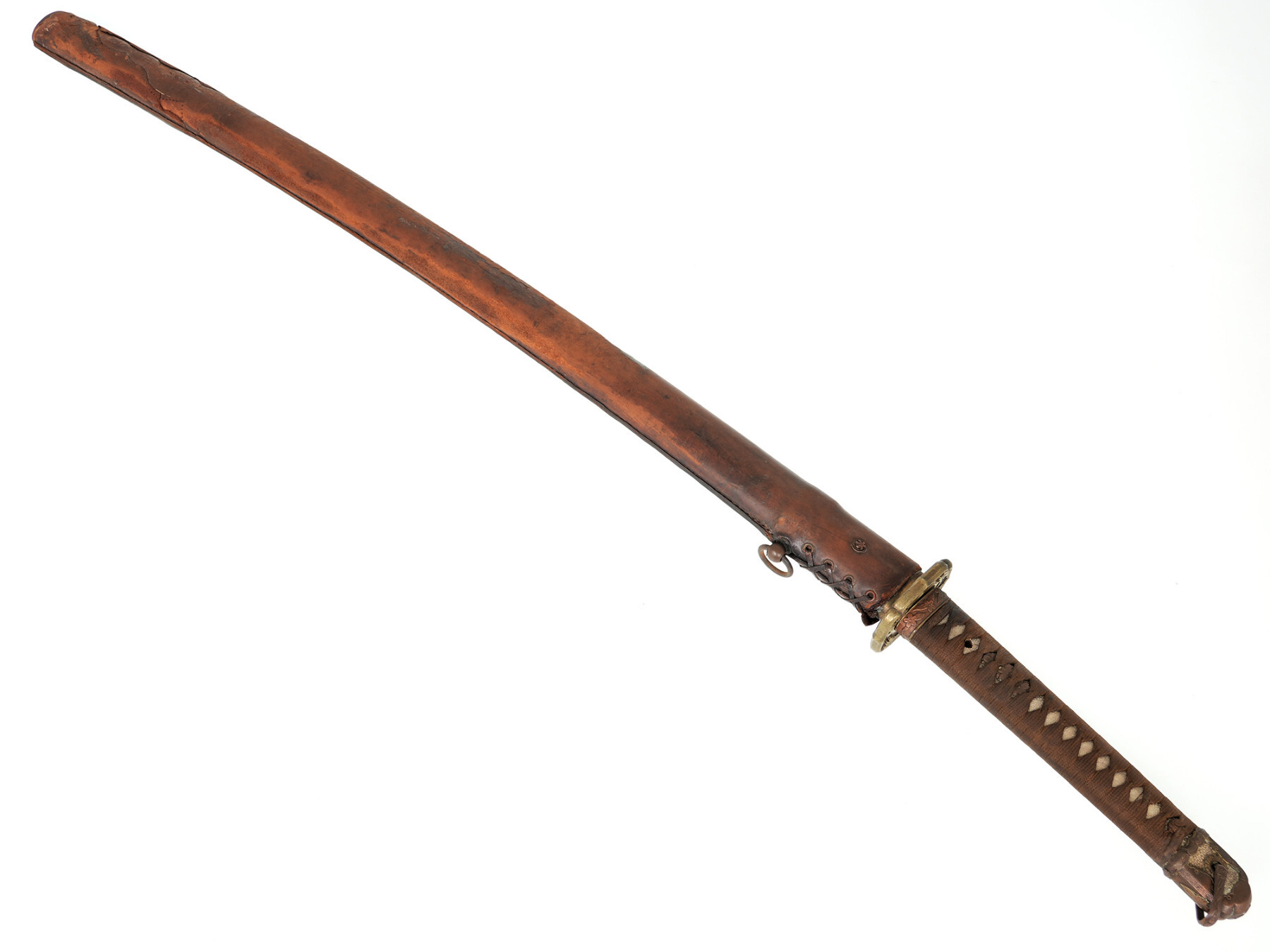
I find this explanation of a Tokubetsu Juyo (Den Masamune) appropriate and fitting with the explanation by Hoshi and images above:1 point
























This leaderboard is set to Johannesburg/GMT+02:00