
Leaderboard


Popular Content
Showing content with the highest reputation on 10/04/2025 in all areas
-
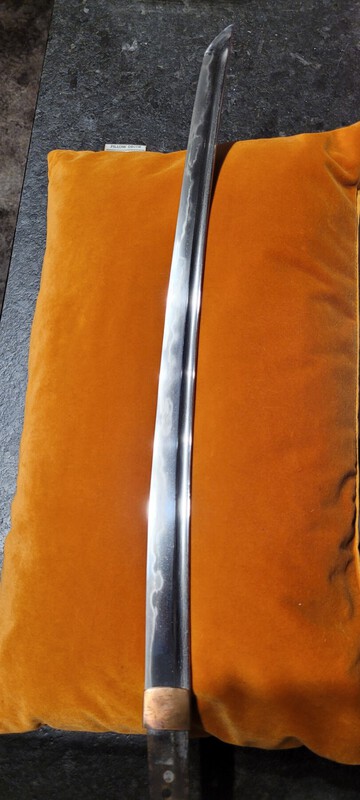
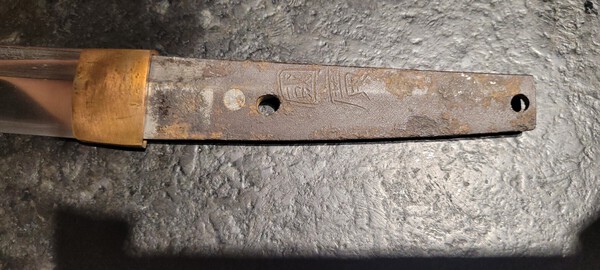
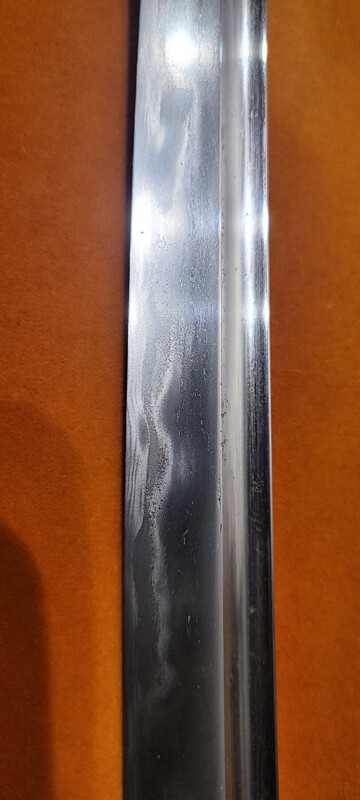
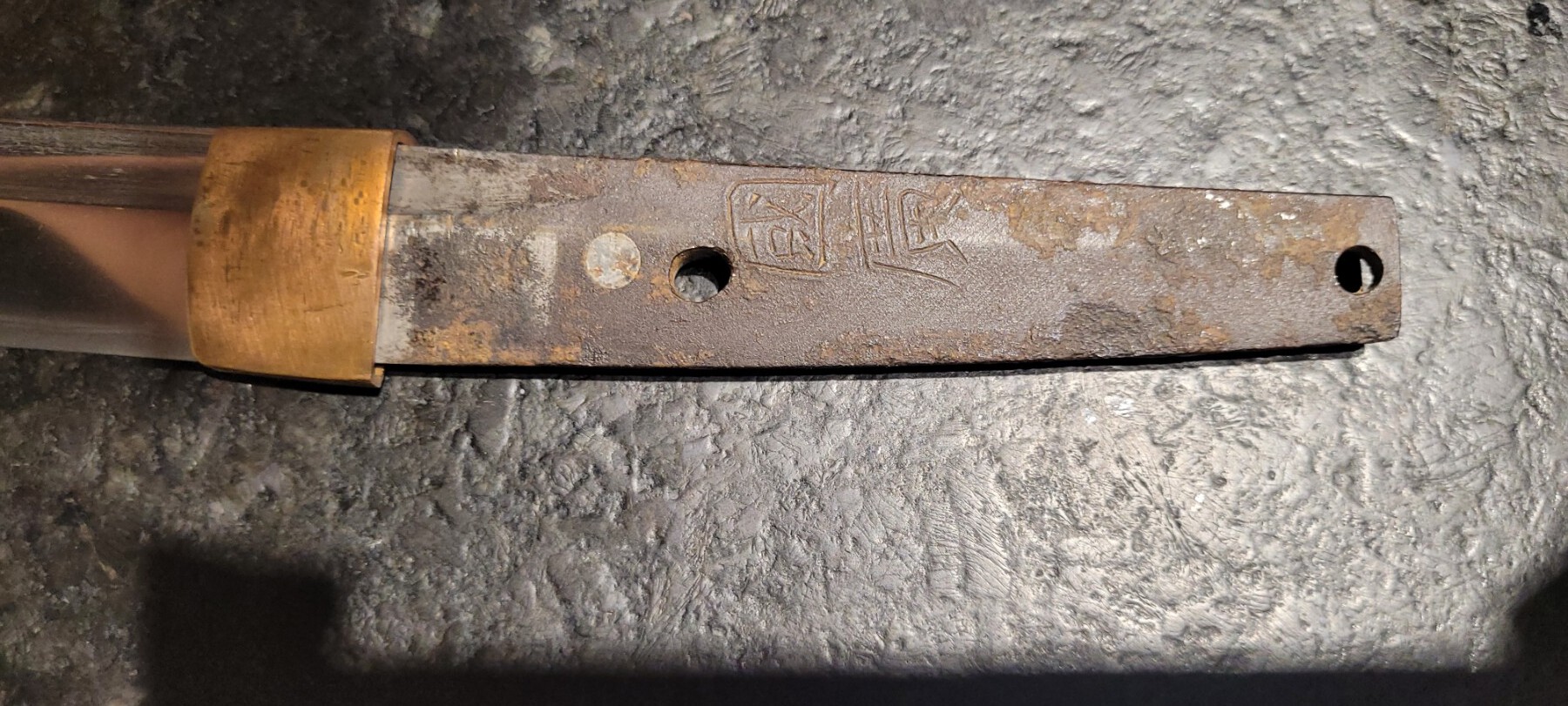
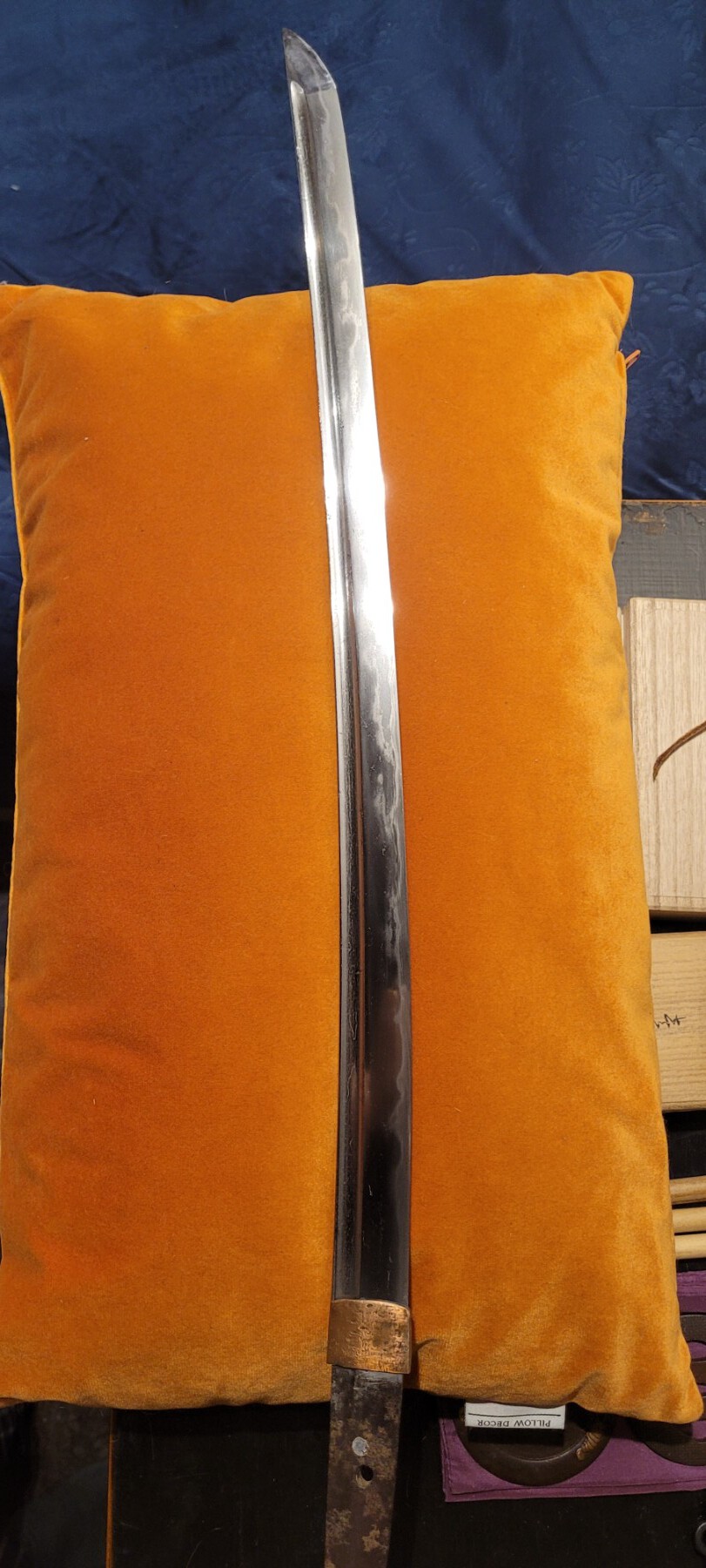
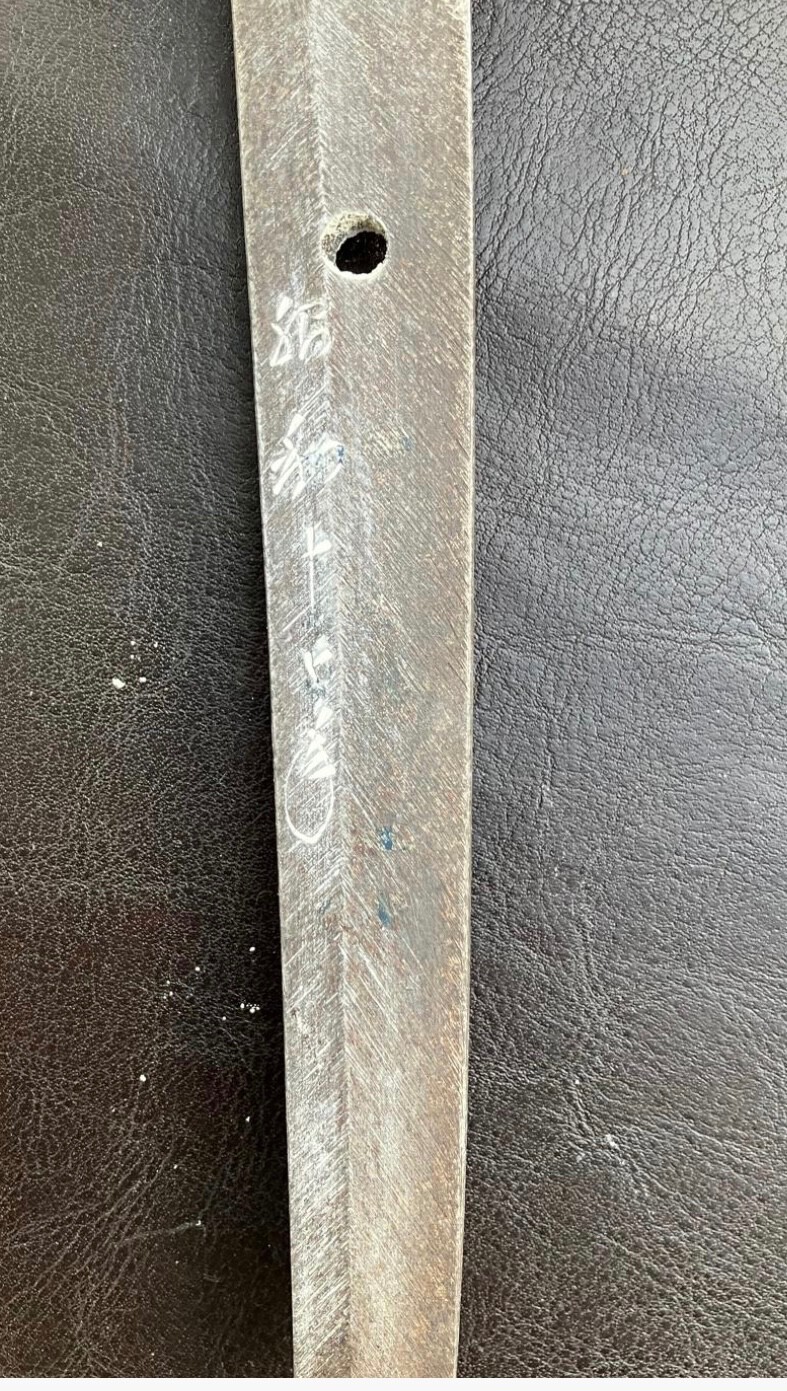
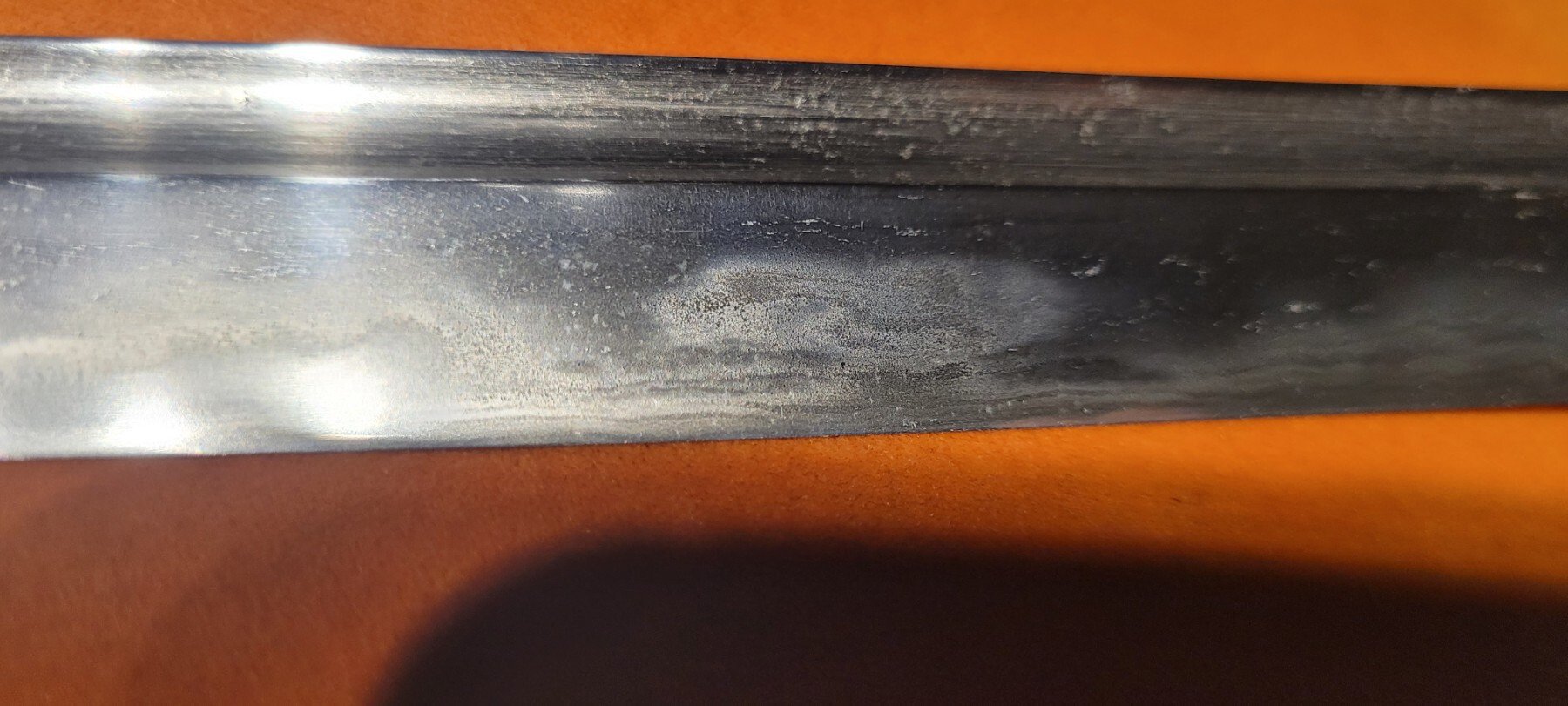
So I got a package a while ago from my dear friend Kazuhiro Hayashi, who as many of you know had recently passed. In the package, a bare blade, no fittings. . He did this from time to time, sending me unusual pieces that he thought I would be Interested in. I like the odd sort of things. Its a Wakizashi with just shy of a 22 inch Nagasa and a deep bohi running the lengh of the blade into the nakago. The sori is about 1/3 inch measured from the Mune machi. It has a very very slight bend but I think that could be sorted by someone who knows how. The polish is not great, but some of the details are visible. Of note, the Hamon is all over the place, which is why I think he sent it to me to begin with. No clear pattern. There is a lot of activity. Big Nie crystals. Lots of sunegashi all up and down the blade. I cant really see much of the hada. It is signed. KUNIHIRO. old style kanji. The nakago does still have some yasuri mei, and there are 3 mekugi ana. one was plugged, one towards the bottom looks recent, and the main looks to be hand punched. I'll post up some pictures and we can all have a discussion about it and what I should do with it next. I'm considering full restoration considering the personal meaning it has.


 4 points
 -
I had a look through the books on this and while I found the smith as signed on the tang there is no new info or any mention of him being RJT. Gendai Toko Kinko Shokukata Soran by Ono 1977 p.70. He was born Yamagata, Sakata, Meiji 38, studied under 1st Gen. Fujita Akiyoshi. He started in swords 1n 1942 and restarted in swords in 19554 points
-
They still keep turning up - I guess they will always be there! https://www.jauce.com/auction/n1202559131 At least you don't have to drop it to tell it was cast! Extraordinarily the description is accurate: "Tsuba with a picture of a tower landscape, by Munenori, cast iron, round, with double hole holes (modern work)" A few touches of gold to increase the "value" Price: 600 € Artist: Soten Period: 18th century https://www.proantic.com/en/1136826-tsuba-in-cut-iron-damascened-with-gold-nunome-zogan-school-of-soten-Japan-edo-18.html4 points
-
Dale, when you look at these later added signatures, you will find that they are not cut deeply. If you are careful, you can work on cast iron without breaking it. It is not really hard but brittle at the same time, depending on the force applied. I will try and post samples of this process in the near future. On the other side, it is only little work to anneal/temper a finished cast TSUBA, especially in an industrial production line.3 points
-
What also strikes me is they do get signed after they were cast - - so are they "really" cast iron? Are they steel, iron alloy or are they annealed to soften the metal? The mysteries keep croping up. They also appear in museum collections with provenance that they are not recent "modern", most are at least a hundred years old - we don't know [as far as I am aware] where they were made and by whom, it is not as if they have any factory markings on them and you sure can't trust the signatures. Like the whole subject of tsuba and tosogu they keep us intrigued.3 points
-
I have seen shingane in a Kotou tanto with my own eyes... BaZZa.3 points
-
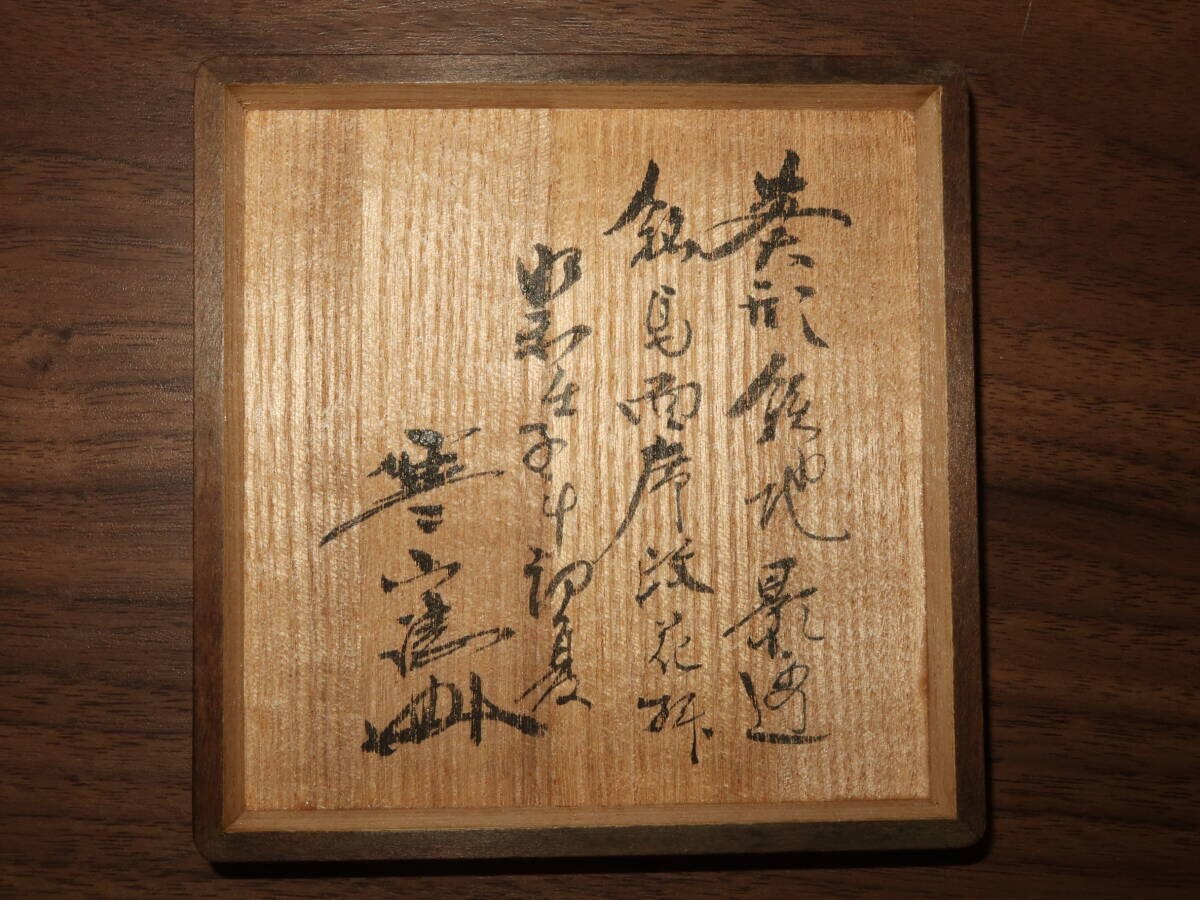
Dear all, I would be most grateful if someone could help translate the mei on this tsuba and the calligraphy on the box lid. Regards, Tom
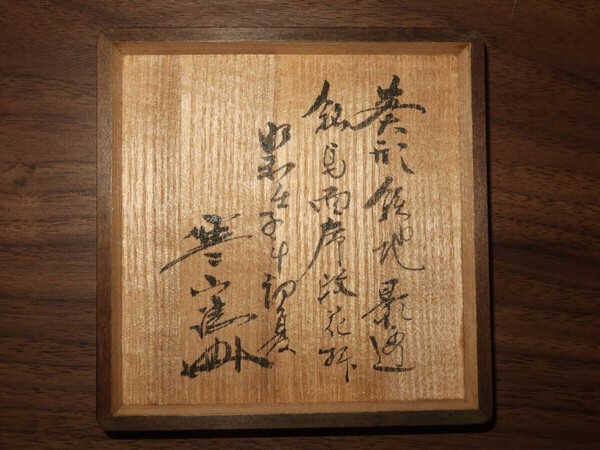
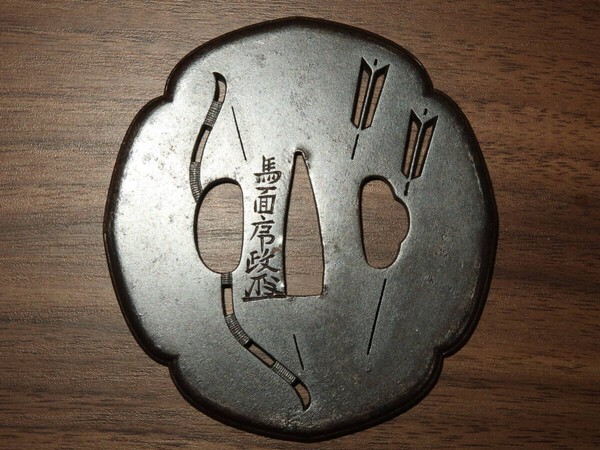 2 points
 -
The relevant part is this: 扨又鍔の鉄の性これまた大ふん品ある事 本ン鍛ひ鍔といふは古鋤から古鍬がらを水に漬数日を経てのち土砂を洗をとし是を吹革に入レ尤至極きたふ事也 それを鍛ひ〱て鍔につくる 形彫は好に随ふこれきたひ鍔の上品 Further, the quality of the iron is very good / high quality. Forged tsuba are made from old hoes and spades, soaked several days in water, then cleaned of the dirt and sandm and put in a forge (the word fuigo, bellows, is used), and forged. This is forged into a tsuba. It is carved into the desired shape and it is a high quality tsuba. ※The translation is partially mine, helped with google. It is possible that miwo missed or misread some letters, but the text is transcribed in this paper, page 92: https://www.kurokawa-institute.or.jp/files/libs/640/201904281025162413.pdf ※※I am fairly sure someone (maybe me) has posted both links before, possibly even here.2 points
-
A work of mingei 民芸. Sōetsu Yanagi (1889 - 1961) first coined the term in the early 20th Century, to describe the "art of the people"—anonymous, functional, and mass-produced folk crafts over expensive, "high art". His book "The Unknown Craftsman" is well worth reading.2 points
-
boy I hate this yes that's true "RAWA "but that doesn't make me your advisor without asking first, try showind some respekt and couresty2 points
-
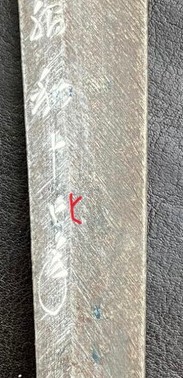
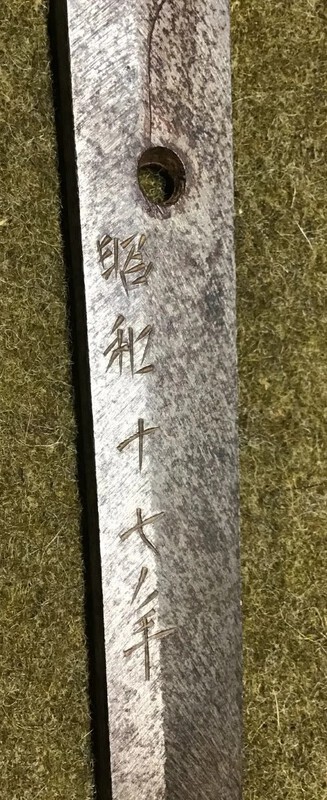
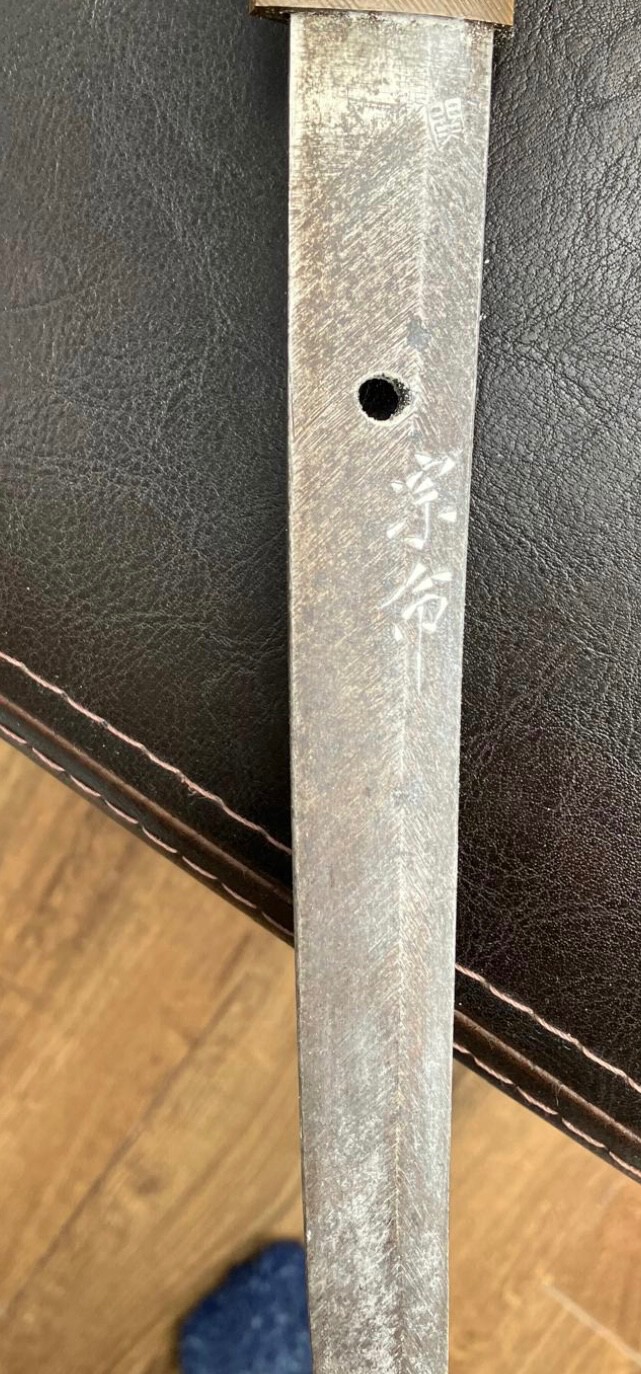
It is signed Munenaga and dated Showa- something,can't make it out2 points
-
Yes. I thought that likely too. Other than some of the ratios being very Un-Edo, it is a very well made tsuba. Someone had skills.2 points
-
Oooff. I had similar thoughts, but the geometry seems younger. Beginning to think it is Meiji or newer. Very well made, so I hesitate at saying post WWII. Size ratio of the seppa dai and the hitsu-ana do open up to me the idea of whether it possible it was made by a talented Japanese artists somewhere in the 1960s or so? But there is a lot of good workmanship in there. I find this one challenging.2 points
-
1 point
-
The initial Type 100s, those made traditionally, were not sold by the arsenals directly but merely inspected. See the quote below by the late Nick Komiya. Deflating another Myth1 point
-
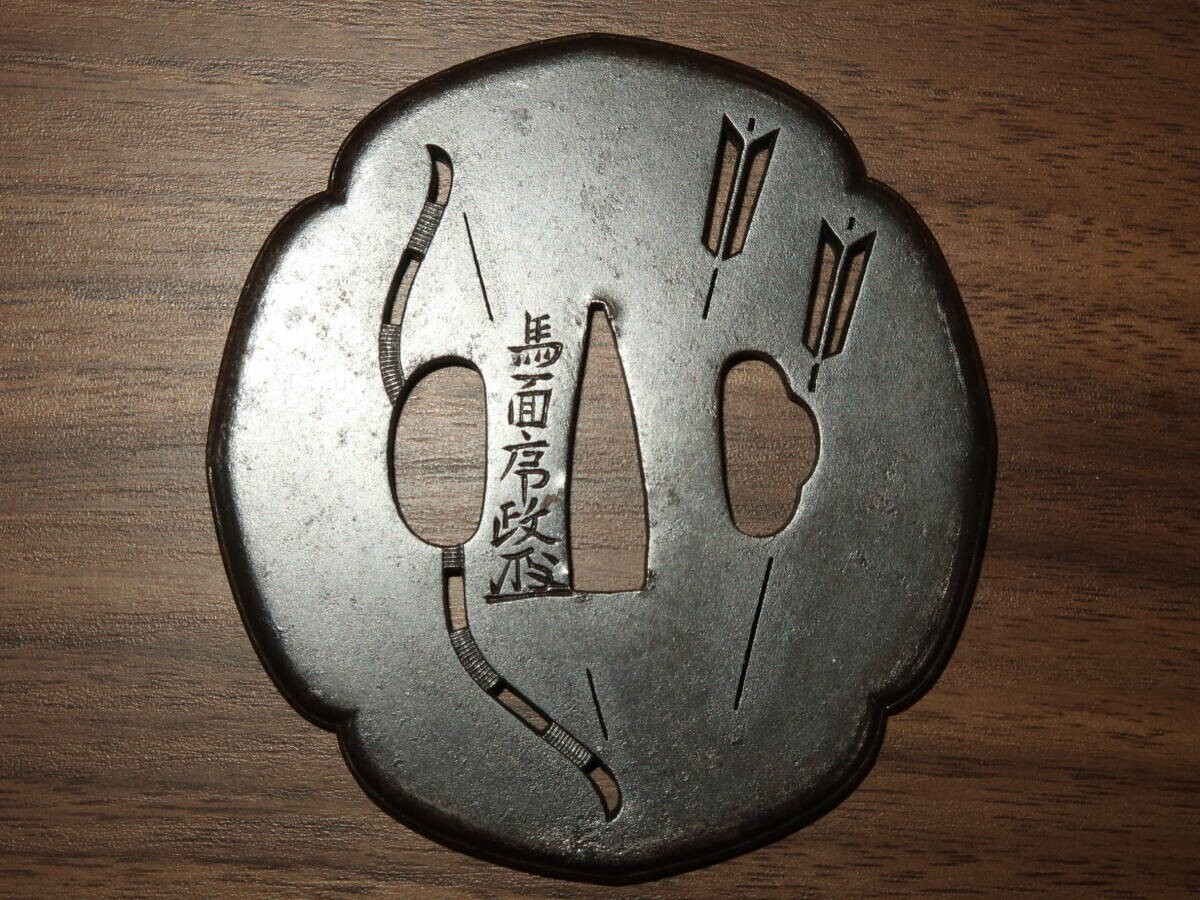
Here the hakogaki (I'm not shure about the date): 葵形鉄地影透 * aoi-gata tetsu-ji kage-sukashi 銘馬面序政花押 * mei Bamen Tsunemasa kaō 昭和壬子年弥生 * Shōwa mizunoe-ne-nen yayoi [March 1972] 寒山誌 * Kanzan shirusu (+kaō) Would you mind to post an image of both sides of the hakogaki? (I'm collecting images from hakogaki by Satō Kanzan)1 point
-
Can't fool me. Its chikei.1 point
-
@Volker62 I appreciate your honesty.1 point
-
Not common on either army or navy steel crossguards but have seen one or two? Below is a link to a possible marker's mark on a Type 97. Kai Gunto Naval Sword A little more common are guild or arsenal inspection marks. Below is an example of a guild marking on a Type 100 crossguard. Type 44 Katana + Information request The most common markings on steel crossguards are subassembly numbers.1 point
-
I would be most grateful for a translation please.. Regards, Paul
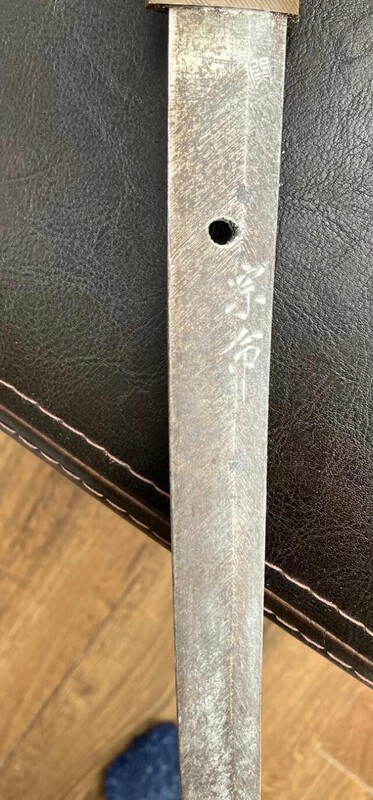
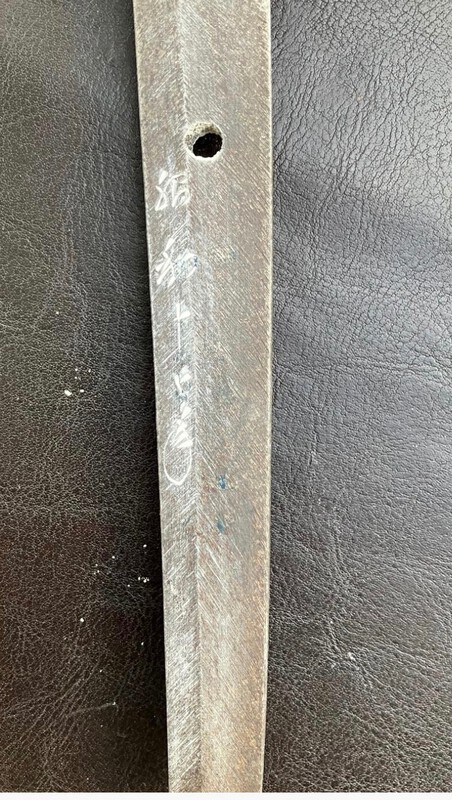 1 point
 -
1 point
-
Hi Jean, This might be a bit tenuous and this subject is very much yours rather than mine, but the term oroshigane can have the meaning "blown steel" so maybe a reference to him using this process rather than a tatara to make his steel? From an article by Markus Sesko: "At this point, you may ask yourself, what does the very term oroshigane actually mean. I mean, gane is clear, it means “steel”, but oroshi? In our case, the term oroshi is assumed to come from the term fuki-orosu (吹き下す) which means “blow down upon,” and was probably chosen because it resembles the way the smith blows air into the prepared steel/charcoal arrangement for the oroshigane process in his furnace. Strong and dangerous winds blowing down the slope of a mountain are referred to as oroshi as well, written with the character (颪), which has to be taken literally so to speak, i.e. “down” (下) and “wind” (風)." https://markussesko.com/2018/09/30/oroshigane-mentioned-in-signatures/1 point
-
I'd go with Showa 17, 1942: I have 6 other Munenaga and only one is dated, also 1942:
 1 point
 -
Yes, I failed to mention that it is star stamped.1 point
-
Thank you1 point
-
"To my mind, it's a sword that exemplifies the best aesthetics, forging and metal for its place and period. Sometimes its also a sword that was part of breaking new ground in practice or aesthetics." (Robert S.) Well spoken and fully agreed with. But just for consideration: The criteria for excellence in metal quality and forging can be easily learned on an objective scale. Japanese aesthetics though are more tricky to understand and are not just "in the eye of the beholder", which is a silly Western concept. reinhard1 point
-
Yes looks to be Munenaga (宗命), real name Seibu Takeo (西部 武夫) born Meiji 34 (1901) October 1, from Gifu, Bugi-gun, registered as Seki smith Showa 16 (1941) Nov 19. Date on blade not clear but likely 1944 (Showa ju kyu nen) 昭和十九年 also has Seki stamp.1 point
-
Paul, if you used a non-reflecting dark background for better contrast and light from the side, I would perhaps be able to help. With these photos, I can only guess MUNENAGA (?)1 point
-
Possibly made for one of the tsuba competitions in Japan?1 point
-
Thank you. Given my Owari focus, this is one I really want to own.1 point
-
Not a week goes by without the appearance of fake Japanese swords on UK auction websites,I've looked at four this morning! Auctioneers either don't know or don't care about the authenticity of the items they describe variously,including 'samuri' and 'kutani' swords yet they're able to describe with exquisite perfection the nuances of pottery and furniture. They clearly believe that "Ignorance is bliss" and just look to sell,sell,sell,which is hardly surprising given the extortionate commission rates that are being charged,I recently bought a sword knocked down (hammer) £480,with commission and shipping it finished at just over £700,so no bargain! charles1 point
-
made by Naruki Issei (成木一成 ) - mukansa 2009 - he was a very prolific tsuba maker and especially his Owari tsuba were very nice Born on September 10, 1931 (Showa 6) in Nakatsugawa, Gifu Prefecture, as the eldest son of Seiichi Naruki. 1945-1950 (Showa 20-25) He studied ancient ceramics under Fujio Koyama and Toyozo Arakawa. In 1960 (Showa 35), he was unable to move his lower body due to illness and had to abandon his research into ancient ceramics. He was deeply impressed by an iron tsuba his father showed him, and began researching and prototyping. 1963 (Showa 38) He began full-scale production of iron tsuba in Saneto, Nakatsugawa City. 1966-1969 (Showa 41-44) He learned the Kaga inlay technique from Isamu Takahashi. Around 1975 (Showa 50), he began considering creating the base metal for tsuba by blowing iron sand. Prior to that, he experimented with Western iron and collected reclaimed iron from the Edo period, which he then commissioned a swordsmith to roll into sheet form for his tsuba crafts. In 1977 (Showa 52), he held his first solo exhibition, "Tracing the Four Seasons of Mino," at Ginza Matsuya. He expressed the simple yet powerful painting of ancient Mino ceramics on his tsuba. He was awarded the Gifu Prefectural Governor's Award for Outstanding Craftsmanship. In 1978 (Showa 53), he began making tsuba from his own steel. He was awarded the Medal with Dark Blue Ribbon. He held his second collaborative exhibition, "Reproduction of the Tetsuhirumaki Tachi Koshirae," at Ginza Matsuya. In 1981 (Showa 56), he was designated a holder of an intangible cultural property by Nakatsugawa City for his iron tsuba-making techniques. In 1982 (Showa 57), he began performing the entire process, from charcoal making to tatara (smelting) work. From November 1982 to January 1983, he worked daily on the kettle pressing and kept records. He collected iron sand and iron ore from over 50 locations across Japan. In 1983, he held his second solo exhibition, "Making Tsuba with Homemade Steel," featuring homemade steel made from iron sand from various regions. He compared iron made from iron sand and iron ore from various regions across Japan. He also published "Making Tsuba with Homemade Steel." In 1986, he received the Medal with Yellow Ribbon. In 1987, he held his third solo exhibition, "Yagyu Thirty-Six Immortal Poets Tsuba," at the Kuwana City Museum. Yagyu Ren'ya passed away just as 31 original Yagyu tsuba had been produced. The drawings, drawn 20 years later, reveal that the illustrations for the remaining five tsuba are unknown. Naruki, based on the secrets of their names, also produced those five, resulting in a total of 36 pieces on display. In 1998, the "Tsuba: The Keystone of Japanese Swords: Naruki Kazunari and Ishida Tetsuo Exhibition" was held at the Hoshi to Mori no Uta Museum. In 1999, he received his first Grand Prize (Chairman's Award) at the Nittoho New Masterpiece Swords Exhibition. Since then, he has received the award 11 times in a row, and his award has been included in the "Special Exhibition: The Beauty of Tsuba: The Challenge of Tsuba Craftsman Naruki Kazunari." In 2000, he received the Grand Prize (Chairman's Award) at the New Masterpiece Swords Exhibition. In 2001, he received the Grand Prize (Chairman's Award) at the New Masterpiece Swords Exhibition. The "In Pursuit of the Purple Rust-Colored Steel Bark: The World of Naruki Kazunari" exhibition was held at the Hoshi to Mori no Uta Museum. In 2002 (Heisei 14), he received the Grand Prize (Chairman's Award) at the New Masterpiece Sword Exhibition. Held the exhibition "Pursuing the Beauty of Naruki Kazunari's Worldwide Iron Tsuba" at the Gifu Prefectural Museum. In 2003 (Heisei 15), he received the Grand Prize (Chairman's Award) at the New Masterpiece Sword Exhibition. In 2004 (Heisei 16), he received the Grand Prize (Chairman's Award) at the New Masterpiece Sword Exhibition. In 2005 (Heisei 17), he received the Grand Prize (Chairman's Award) at the New Masterpiece Sword Exhibition. In 2006 (Heisei 18), he received the Grand Prize (Chairman's Award) at the New Masterpiece Sword Exhibition. In 2007 (Heisei 19), he received the Grand Prize (Chairman's Award) at the New Masterpiece Sword Exhibition. In 2008 (Heisei 20), he received the Grand Prize (Chairman's Award) at the New Masterpiece Sword Exhibition. In 2009 (Heisei 21), he received the Grand Prize (Chairman's Award) at the New Masterpiece Sword Exhibition. Certified as a non-judgmentalist Since 2010 (Heisei 22), he has entered competitions every year. Since he was non-judgmental, he did not receive any awards. In 2011 (Heisei 23), he was awarded the Gifu Prefecture Traditional Culture Inheritance Award. In 2013 (Heisei 25), he held the exhibition "The Beauty of Tsuba: The Challenge of Tsuba Craftsman Kazunari Naruki" at the Gifu Prefectural Museum. He passed away at the facility in 2022.1 point
-
Mauro, I'm not really familiar with Shonai, but that looks as good an attribution as any from pics I have seen. I did buy a 'shibuichi Kaga' tsuba from Bonhams about four years ago (pic attached, signed Kashu ju Katsukuni)) and the workmanship looks similar. It was evidently made of an unusual shibuichi alloy in that it was magnetic and had some rust spots. At least they did not describe it as shakudo! I agree with Dale, it looks too good to be Kinai. A bit like Ferrari using a Fiat as a model for their new car. thanks for your comments, John

 1 point
 -
This one has the Aoi leaves as part of the outline - no rim https://www.worthpoint.com/worthopedia/2076-jp-samurai-sword-guard-aoi-openwork-tsuba Polished iron not Shibuichi and not Kinai either IMHO. No signature - who else used the Aoi pattern? another on ebay https://www.ebay.com/itm/1868248258101 point
-
It might be blasphemy but that guard looks too good to be Kinai !1 point
-
Mark, there is no clay application for the tempering (= YAKIMODOSHI). This is only done before hardening (= YAKIIRE). What you call "temper line" is in fact the hardening line (= HAMON). Generally, clay application is mostly done with one side of the blade at a time (there are videos on that on YouTube). In this case the HAMON may not be symmetrical on both sides. However, some smiths took great care in producing almost "mirrored" HAMON. Japanese nouns do not have a plural form, so it is always TANTO (not Tantos)1 point
-
SHOT is one of the largest industry firearm shows....anyone in that industry tries to go to meet with suppliers and plan agencies and orders etc. Many, many km of every major firearms, ammo and accessory distributor. No retail there, only for industry people. Have been quite a few times. It's also where people go to steal agencies away from others It's lucky because it ends around the same day the Antique Arms show starts in Vegas, so going to SHOT allows one to take a few extra days and do that show and the sword show.1 point
-
Nanban or Hizen... not Jakushi (although there's a similar look to the nunome, Jakushi never did this tsuba shape or did this type of design theme). It's probably a Chinese craftsman working in one of the ports in Japan (therefore should get a hybrid combined attribution of both Nanban and Hizen... which never happens in the papering world, because they are fixated on sticking to the narrow set of categories that were agreed upon in the past. Both categories of Nanban and Hizen are loosely defined at best and have lots of issues... so the exact attribution under those two labels is kind of arbitrary anyway. Either way, it's an unusual tsuba so congrats on your first purchase.1 point
-
There very much can be. I know it's said tanto didn't use kawagane and shingane, but there is no doubt that some tanto were made that way, and I have a late koto/early Shinto tanto showing shingtetsu after many polishes. I have zero doubt some smiths did make tanto the same way they made wakizashi and katana. We already had this debate way back: https://www.militaria.co.za/nmb/topic/49145-shintetsu-good-bad-or-acceptable/ http://www.ksky.ne.jp/~sumie99/shingane.html1 point
-
As to market price, $450 is what I got mine for, however it is rare to see one sold as a souvenir. Almost all sellers market them as Navy kaigunto. But I've always felt they should be priced higher, more like Brian said. Rebecca, I don't see how or where you would get an official appraisal for this. You are currently talking with the only guys that really know what this sword is. Like the other guys said, the market itself is the real appraiser. They are worth whatever people are willing to pay for them.1 point
-
万金産業袋 (also written 萬金産業袋), published in 1732, describes how to make iron tsuba. The method is to recycle old farming tools, no casting. https://kokusho.nijl.ac.jp/biblio/100258979/31?ln=ja It is all in Japanese and written in kuzushi-ji, but you can scan it with the miwo (みを) free application, which will give you the writing in typed text, which you can paste in a translation software.1 point
-
Agreed! I also like studying the catalogues and archives of high end auction house as well (I have attached a catalogue with a good selection of menuki, althought the resolution is not great). Another good museum website is: https://collections.vam.ac.uk/search/?page=1&page_size=15&q=menuki&utm_source=chatgpt.com, they have ~230 menuki on file.1 point
-
I also like to browse menuki designs in museum collections online. the best site is MFA in boston. You can learn a lot by examining the high definition pictures and the artist name and schools. However, the museum collections usually focus on extrermely high quality and most of them are solid gold. it is beyond the reach of me. Does anyone know other good museum collections of menuki? other than MET, MFA boston ?1 point
-
Have a look at this thread. Tom Buttweiler's articles had information about how to identify and date menuki based on construction method, however, his interest was mostly in pre-Edo menuki. The Bushido articles are in the Downloads section. the 1976 Taikai article may be harder to find, but goes through Kokinko, Mino and Goto jidai menuki in detail. There are specialist books available that discuss Goto and Mino small fittings. For Edo period kinko, there are books that discuss specific artists and schools but will have a mix of tsuba, fuchi-gashira, kozuka, and menuki. Check Grey Doffin's site for what is available.1 point
-
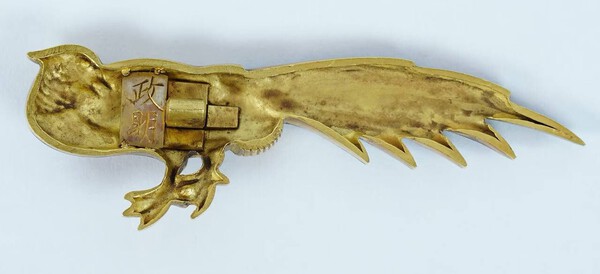
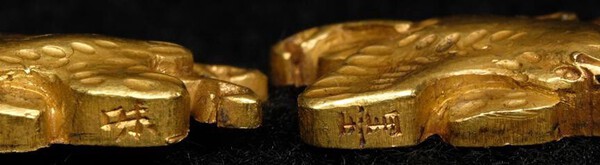
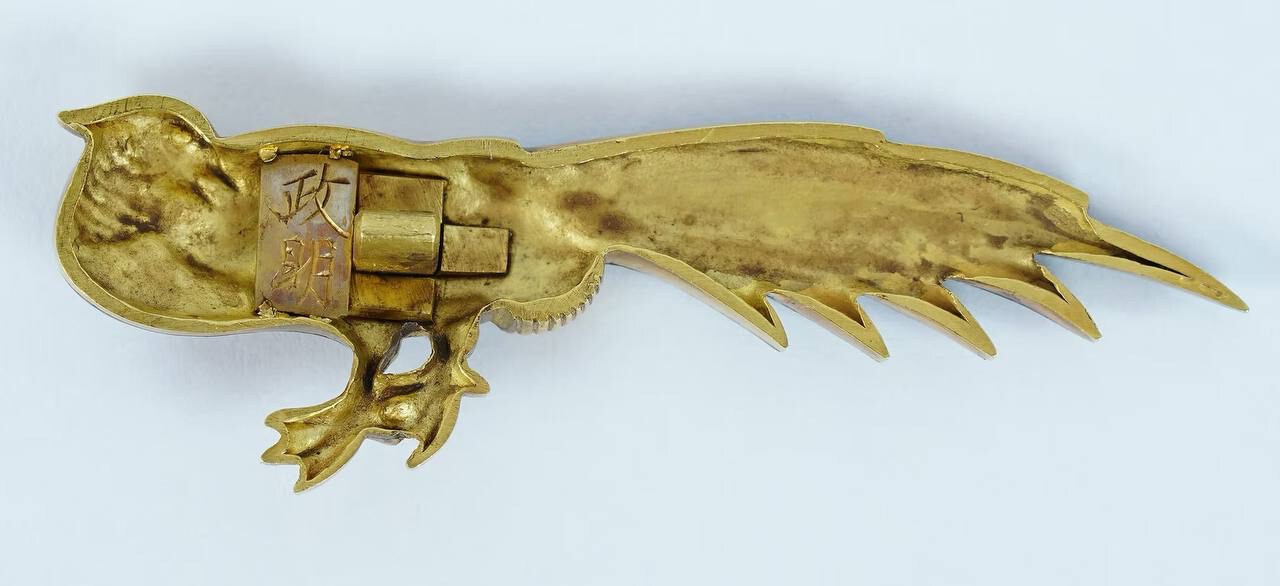
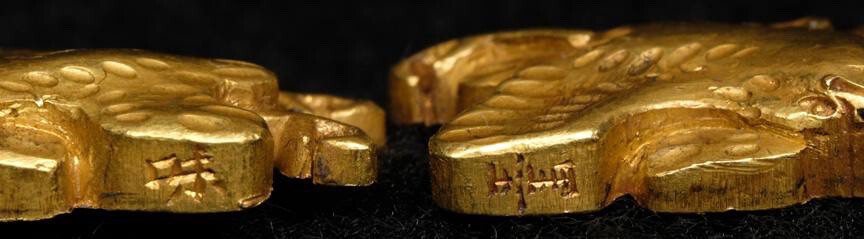
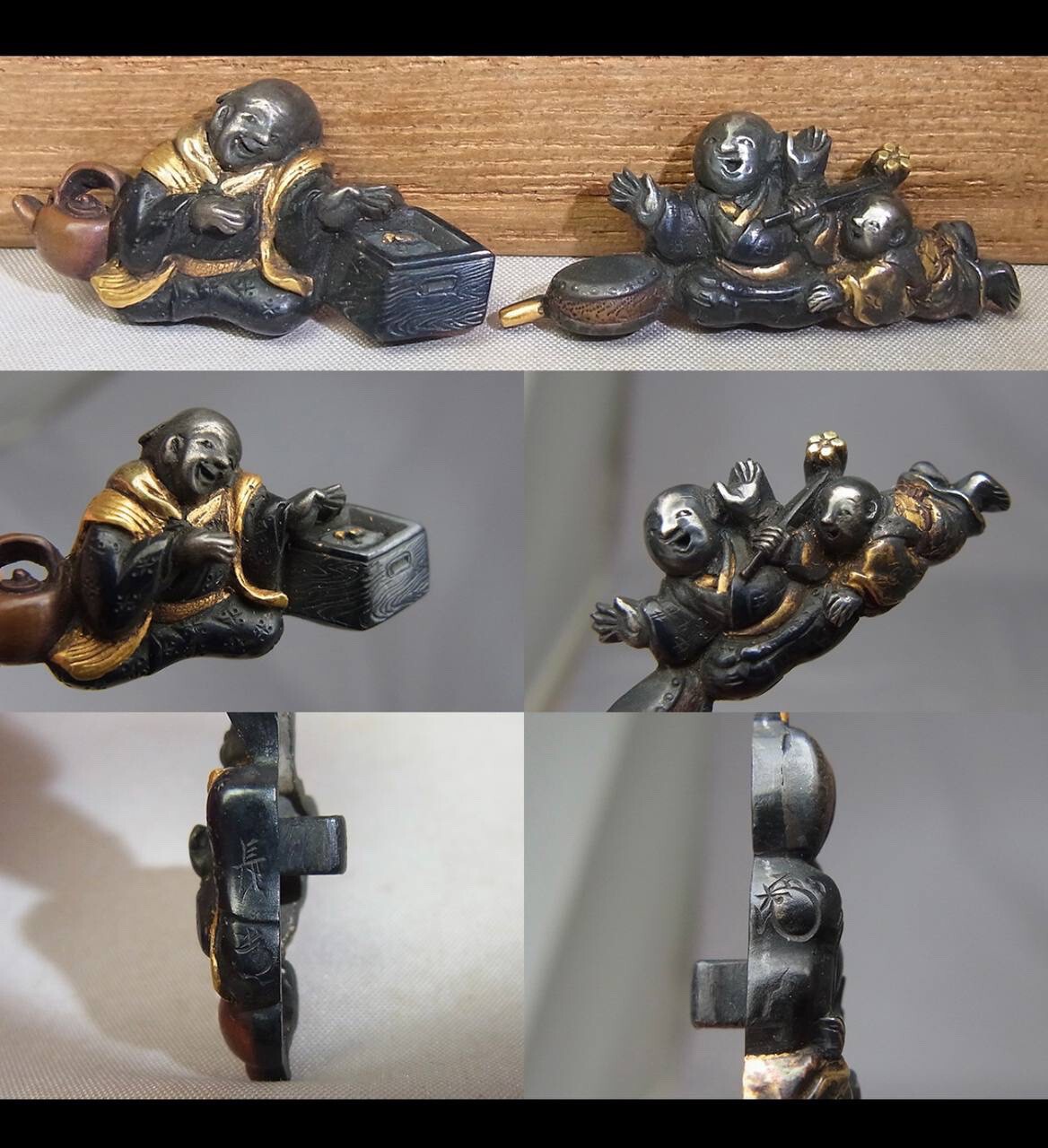
Hi! Brian said it quite accurately. The mei can be in different places, sometimes even on a plate of pure gold inside. However, as with other tosogu items, it all comes down to the quality of the craftsmanship. The more intricate the work, the more likely it is that it was created by a renowned master who may have included a mei. In most cases, mei signatures are not present, which is normal. This item is genuine. Menuki are less likely to be counterfeited, and you can easily identify them.
 1 point
 -
1 point
-
PLEASE, everyone. Can we save the vitriol for facebook where it belongs? Let's talk swords instead. John C.1 point
-
Mass produced "reproduction" ie. cast fake. The biggest give away is the nakago-ana [tang hole] but in reality for most of us with years of seeing these, it is just how commonly they turn up. They can come either with applied colour or just a darkened metal and there are others in the "set" - same sort of nakago-ana. You can buy the "set" https://www.supeinnihonto.com/product/aorigata-daisho-set-tsuba/ but please don't! Not at this price 950 € Over a thousand dollars US. It Comes with certificate of SupeinNihonto. ! Well the certificate is not worth the ink it was printed with and the description of "gold inlays" is also a joke - if any gold was used it is overlay!!! There is even a more modern copy of a copy - the nakago-ana is better but still it is a copy of the same design. https://teraasekeskus.com/tuote/ryumon-raijin-tsuba/?lang=en https://teraasekeskus.com/tuote/ryumon-raijin-tsuba/?lang=en https://www.ebay.com/itm/315774157914 https://www.ebay.com/itm/356441228047 These are paperweights at best1 point
-
Ok Dale, I bow to your superior knowledge and insight into classical Japanese metalwork. I'm certain the collective membership will benefit from your well intentioned guidance henceforth.1 point
-
If only we could bury them all - permanently - what a dream!1 point
























This leaderboard is set to Johannesburg/GMT+02:00