
Leaderboard


Popular Content
Showing content with the highest reputation on 11/25/2024 in all areas
-
here’s mine


 5 points
 -
Hello all! So, I just wanted to share how I purchase tsuba on eBay. I have been doing this for almost 6 years and have about 150 tsuba. Out of those 150 tsuba I have purchased 149 of them from eBay (and only about 5 of those through the bidding process!). I don’t like to bid on a tsuba. For me, that takes too much effort and time. Sometimes you must wake up in the early hours of the morning as the bid is ending to place your final bid and you may end up paying more than you wanted as you tend to increase your bid to outbid someone else. So, you see a tsuba you like on eBay. You have discerned that it is an actual (not a fake or reproduction) antique tsuba and most likely made in the Edo period. Your research is based on several good beginner’s books that are out there, or you can refer to this thread for a quick reference- https://www.militaria.co.za/nmb/topic/47395-tsuba-purchasing-for-new-collectors/ Now you are on eBay and see a nice tsuba that you want to purchase. Of course, if it is within your price range you may just decide to purchase it! Or there is something else you can do! If you look on the upper right-hand side of the page (below the description of the tsuba) you will notice an area on the far right that states “Contact seller”. If you click on that it will take you to another screen where you can find out about details of the piece, shipping, or returns. However, at the bottom of that screen is an area labeled “Still have questions” and on the right of that is an area labeled “Contact seller”. Now, if you are not in a hurry to purchase the piece (and by using this method you may lose the piece to someone else who has bought it by paying the full price) you can click on the “Contact seller” box and send a message to the seller. I have sent messages to several sellers when I see I piece I would like, but it is maybe just a little too expensive for me to afford. I tell the seller how much I am willing to pay for the tsuba and if he would please consider my offer. On several occasions, the seller has accepted my offer or we discuss a price that both of us think is a fair price for the piece. That is the technique I use when the seller has not listed a “Make offer” box with the listing. Sometimes, you don’t have to end up paying the full price shown for the item on the eBay listing! One other thing to be aware of when purchasing tsuba on eBay is the shipping charge. Some sellers offer free shipping from Japan. While other sellers usually charge anywhere from $20 to $40! The shipping charge can be seen under the price of the displayed item. Just trying to help some of the newer members that may be trying to purchase tsuba on eBay by relating the method that I have used successfully. Onward!4 points
-
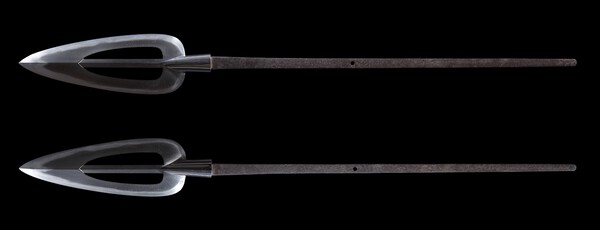
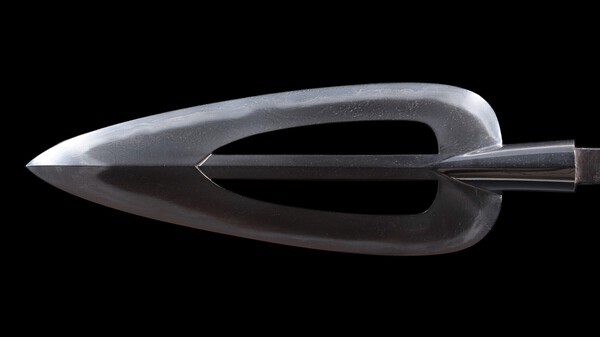
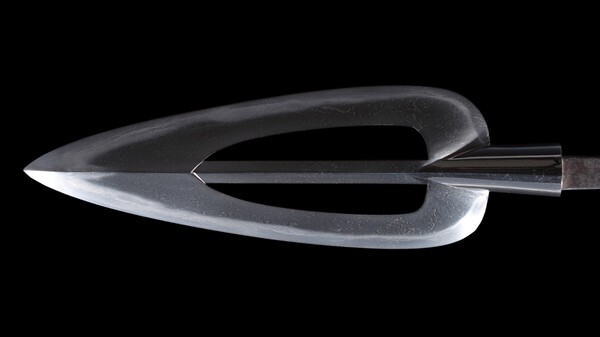
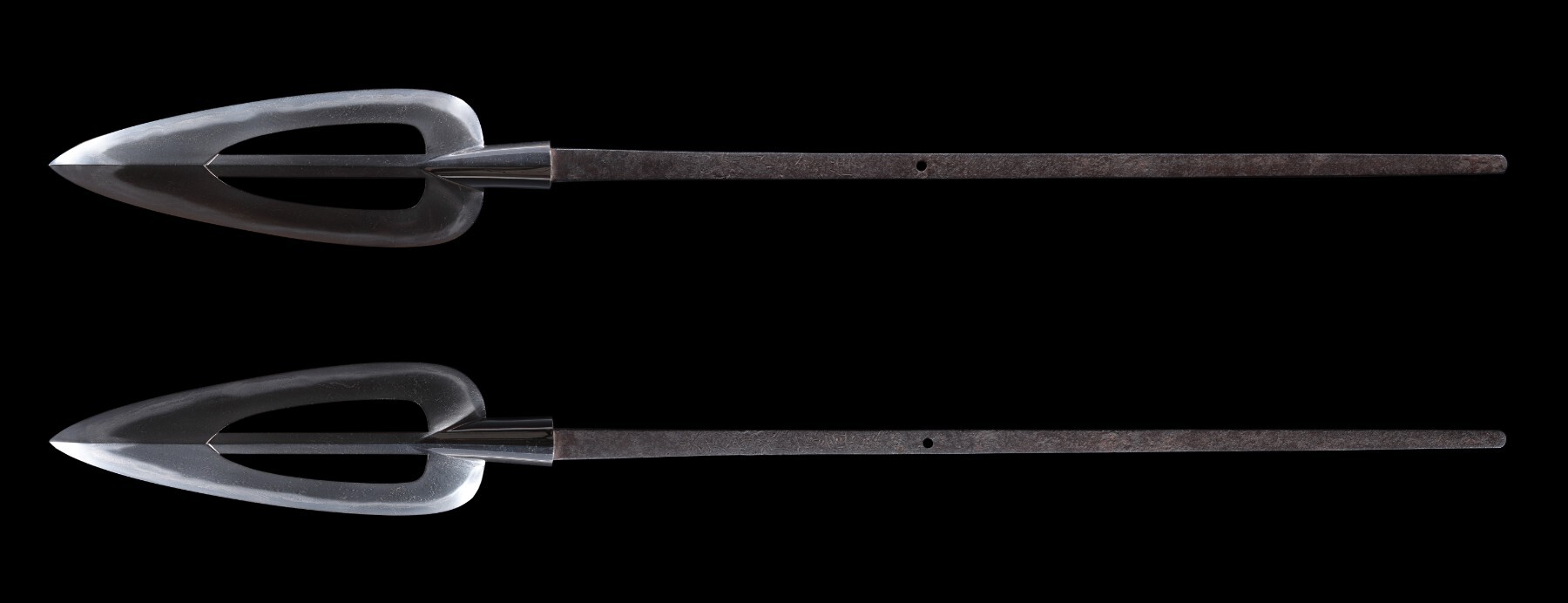
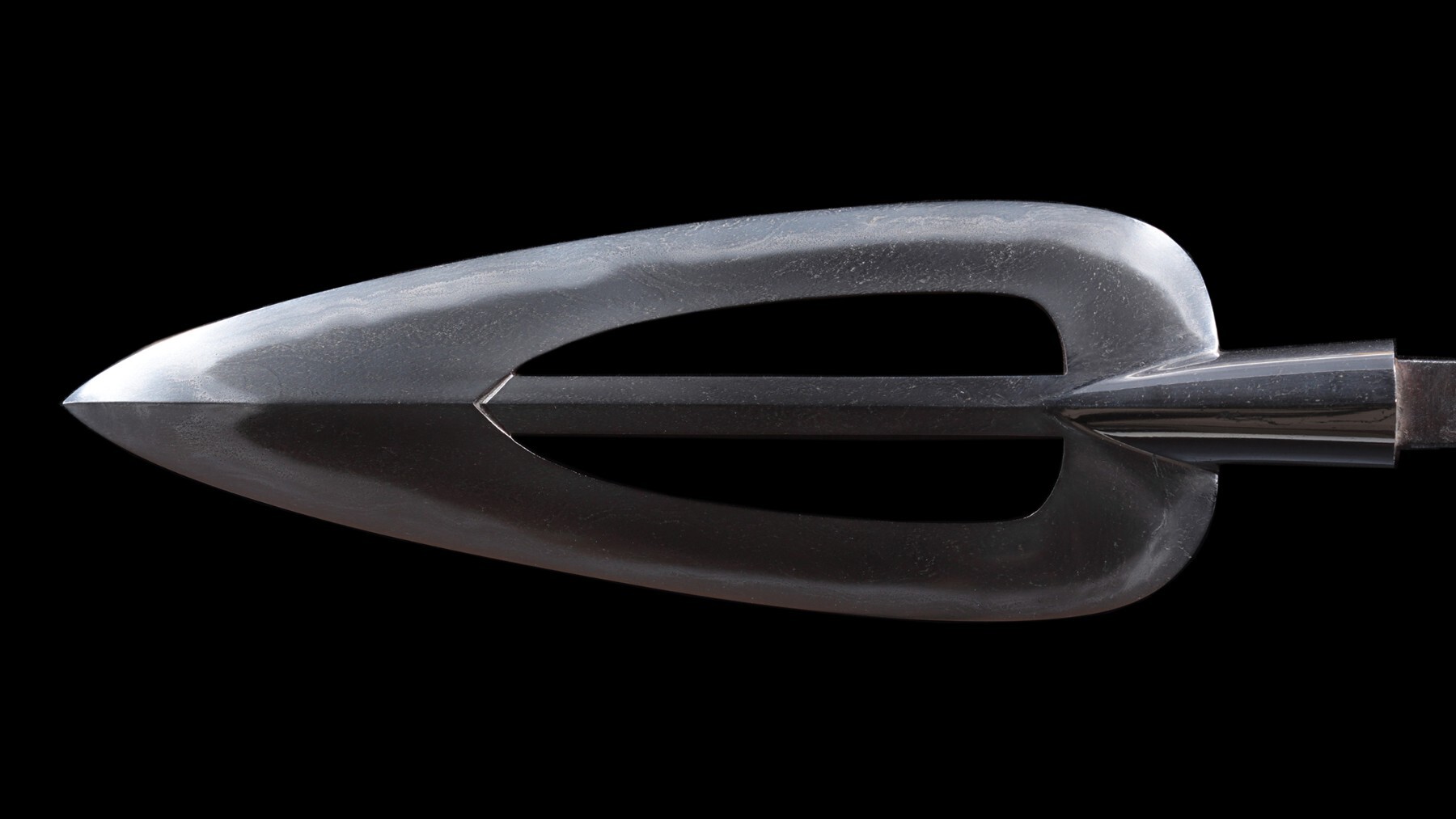
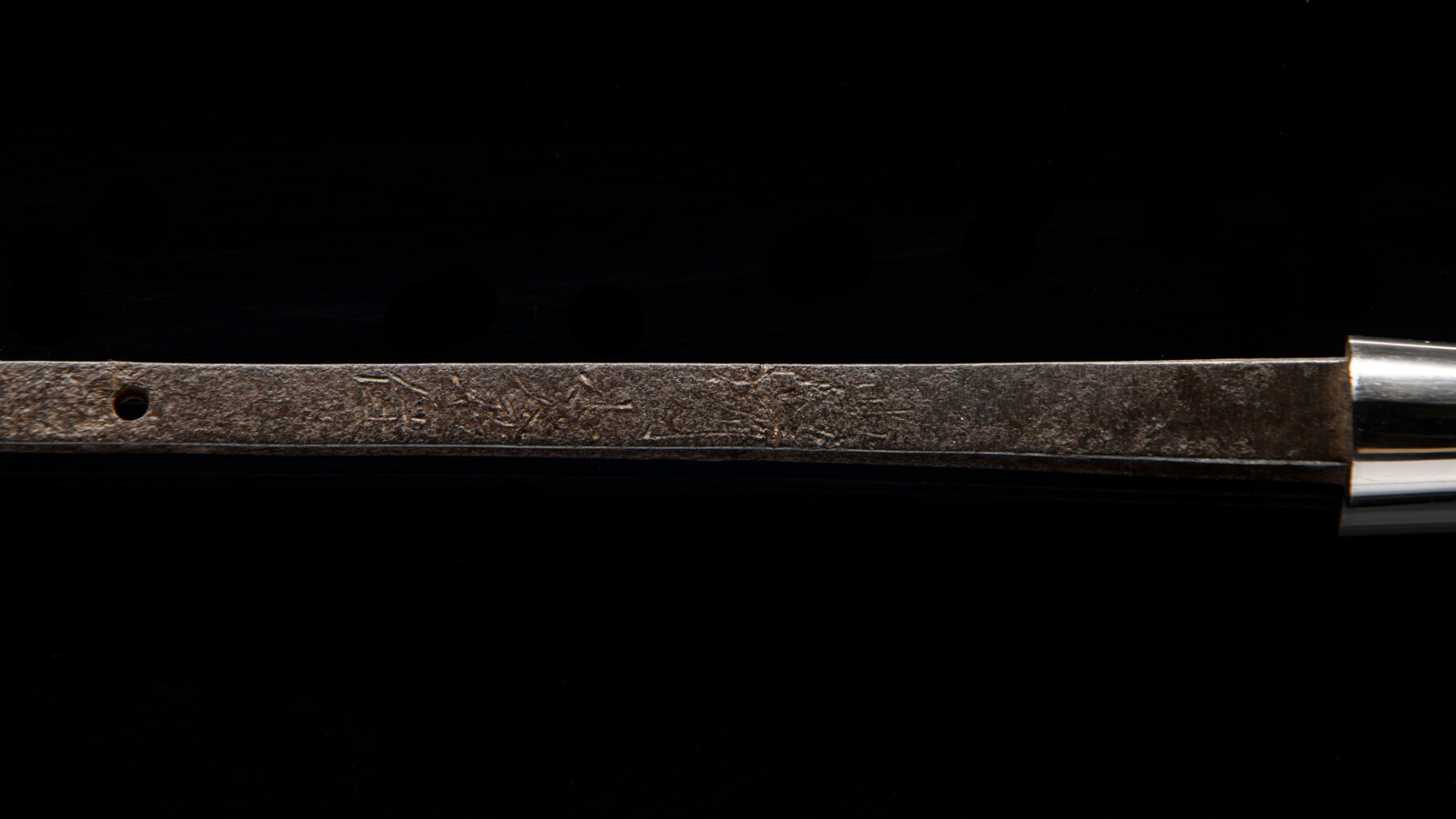
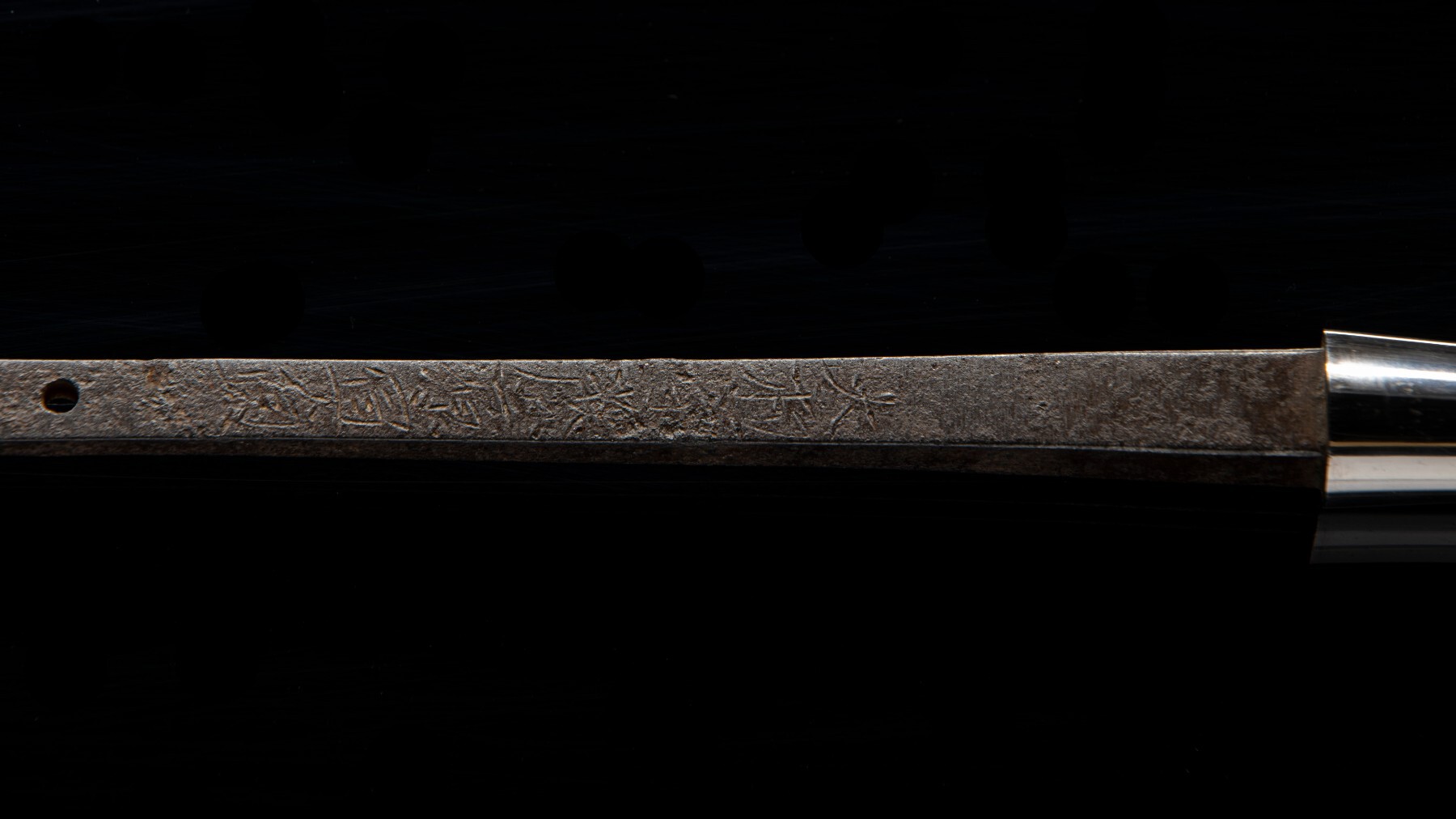
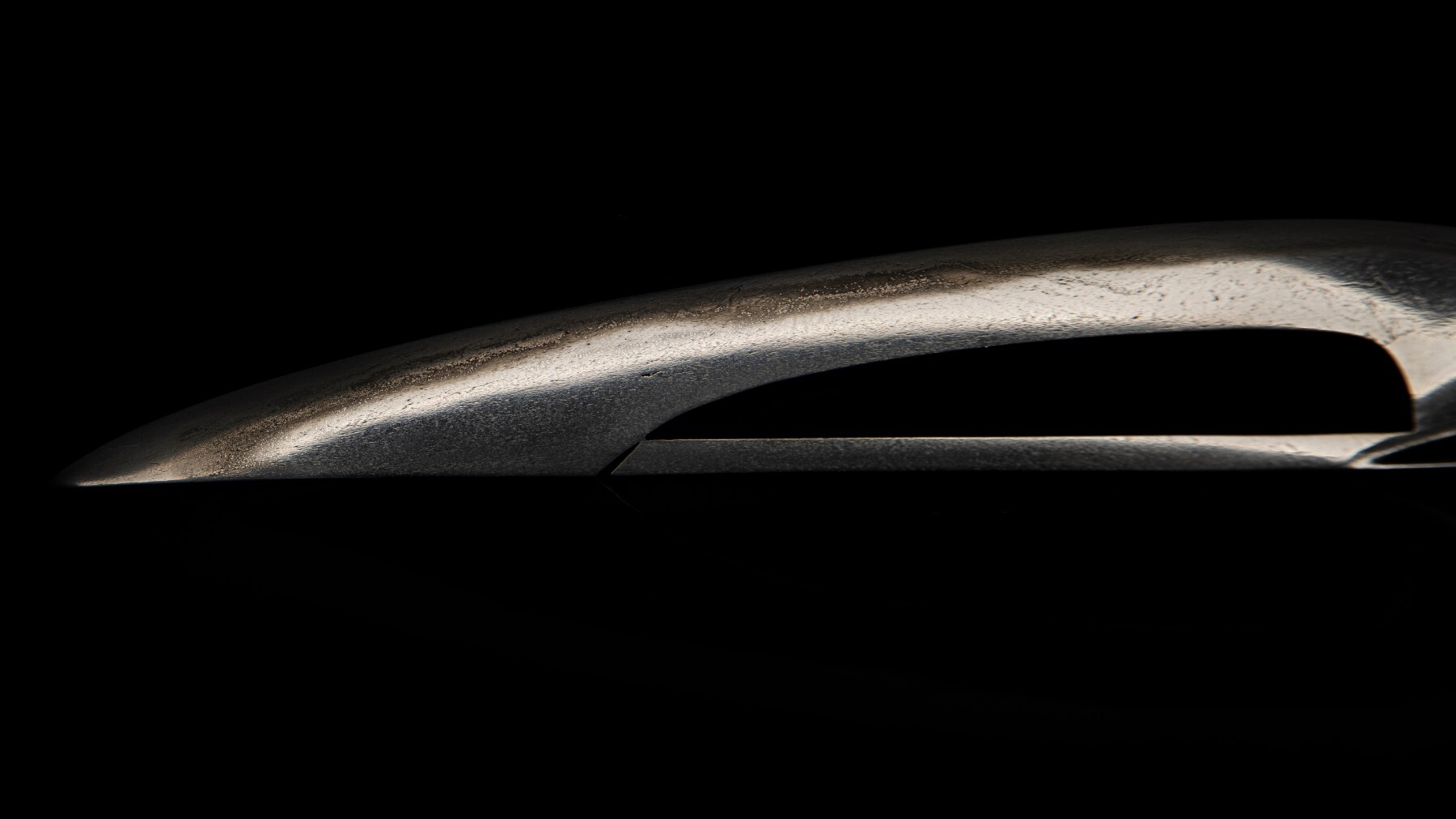
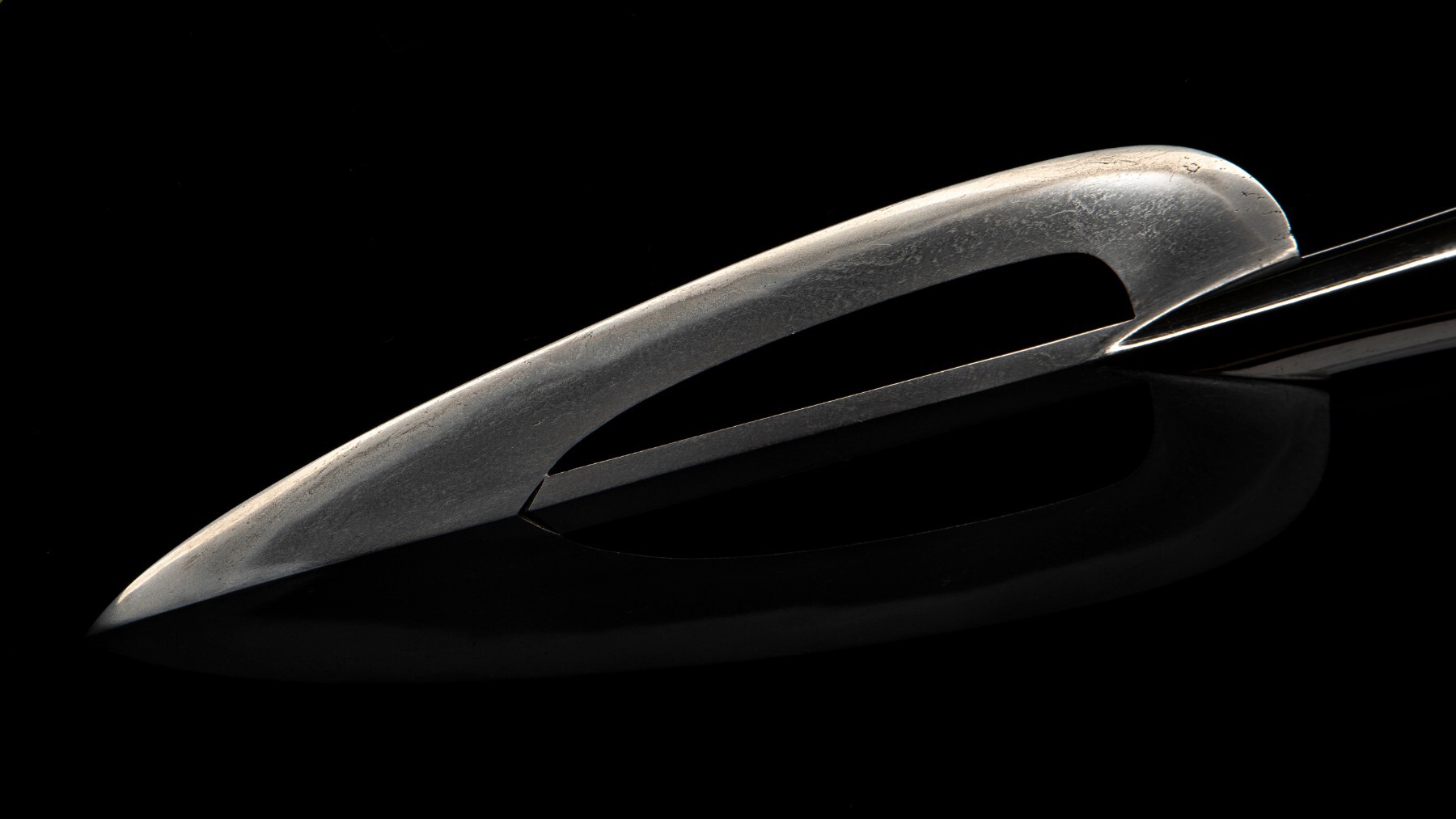
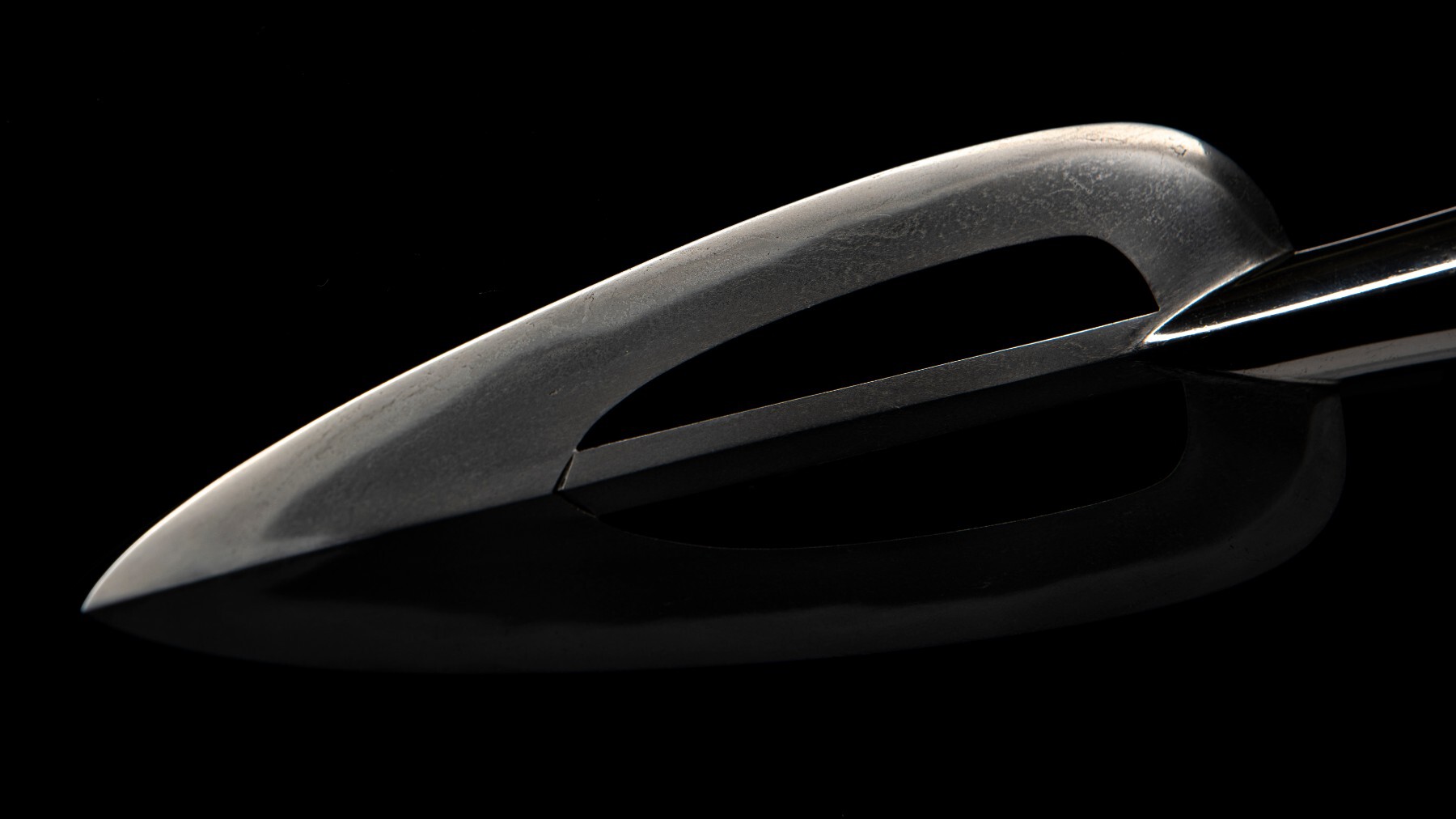
I am offering for sale a very rare type of Yari - Yajiri nari Yari by Yamato Nobusada (around 1630) NBTHK Tokubetsu Hozon Mei Omote: Yamato no Kami Fujiwara Nobusada Mei Ura: Buzenkokura jū Nagasa: 18.4cm Max. width: 5.58cm Kasane of kera-kubi 1.81cm Blade weight 322.5g with shirasaya Price 4.600 EUR + postage + PP fee Shipped from Slovakia
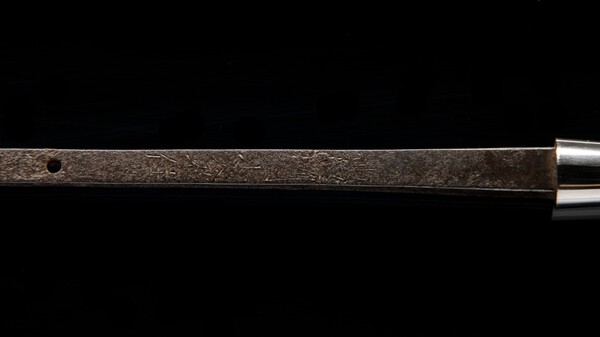
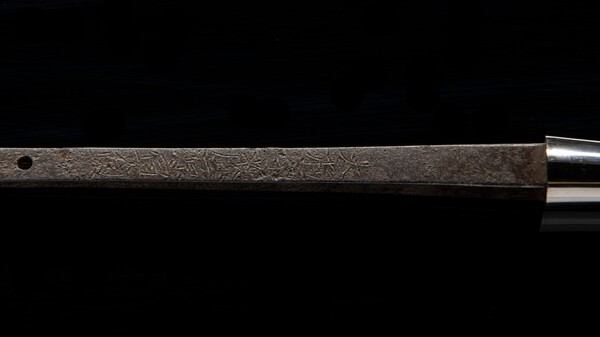

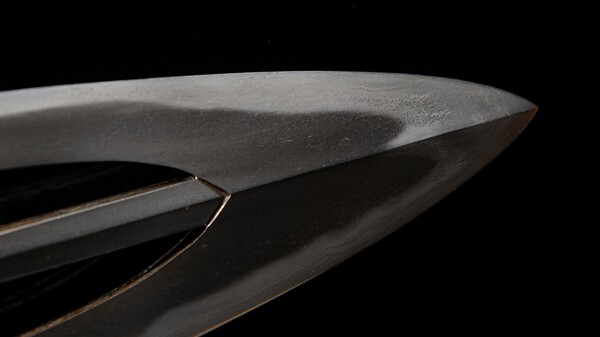
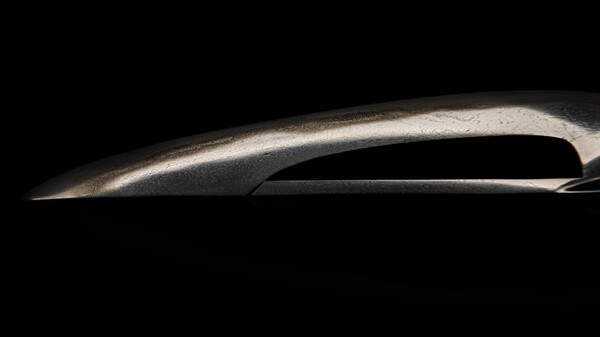
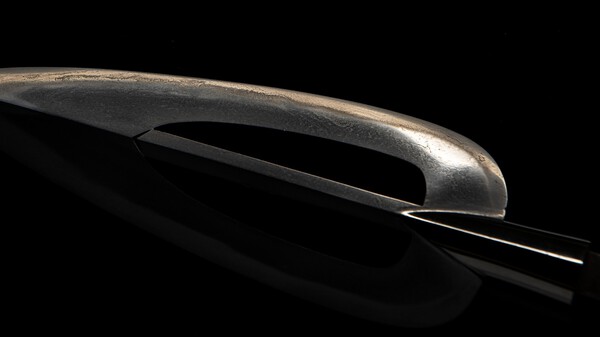


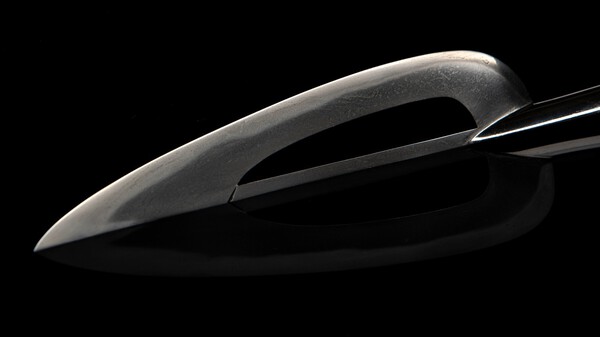 4 points
 -
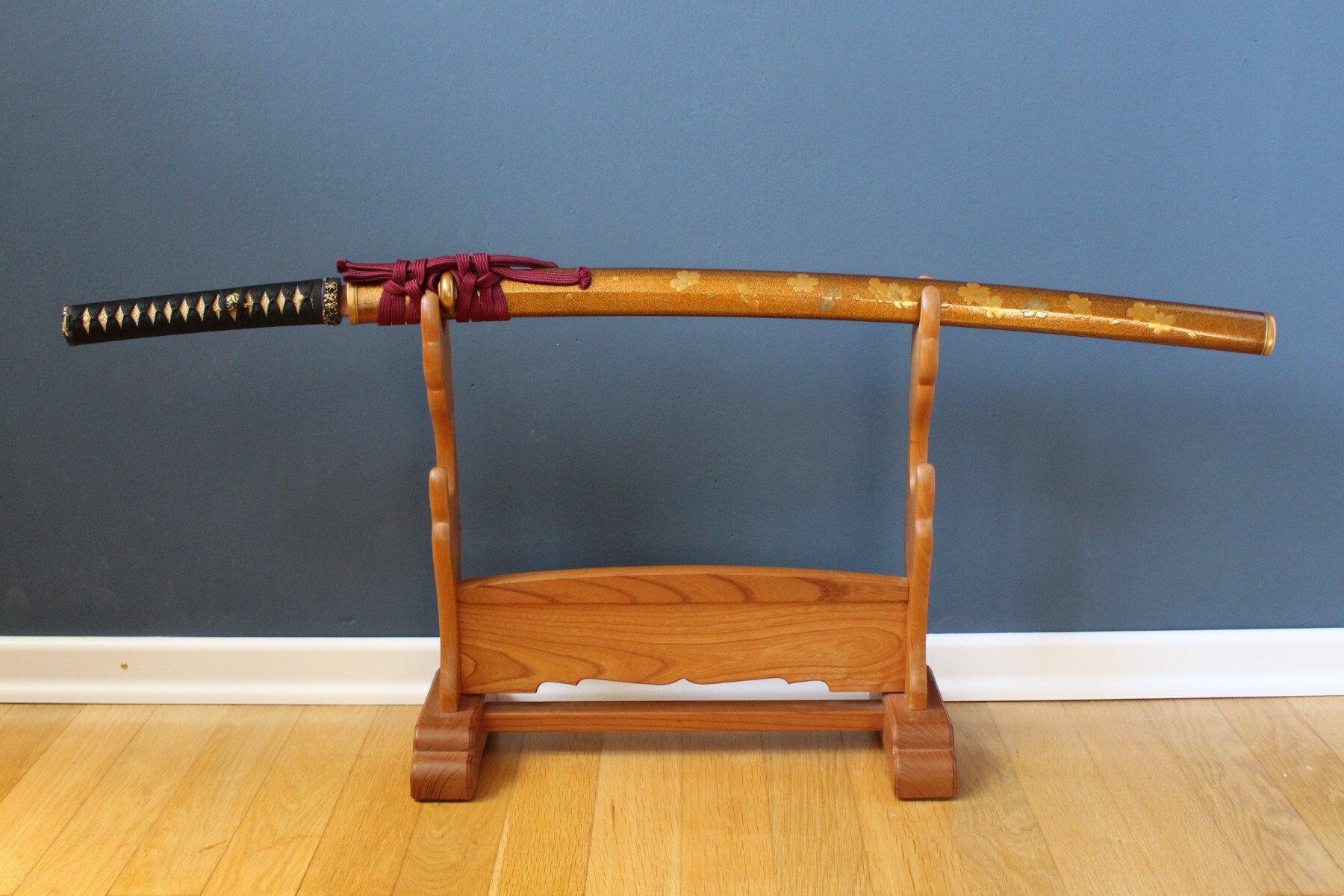
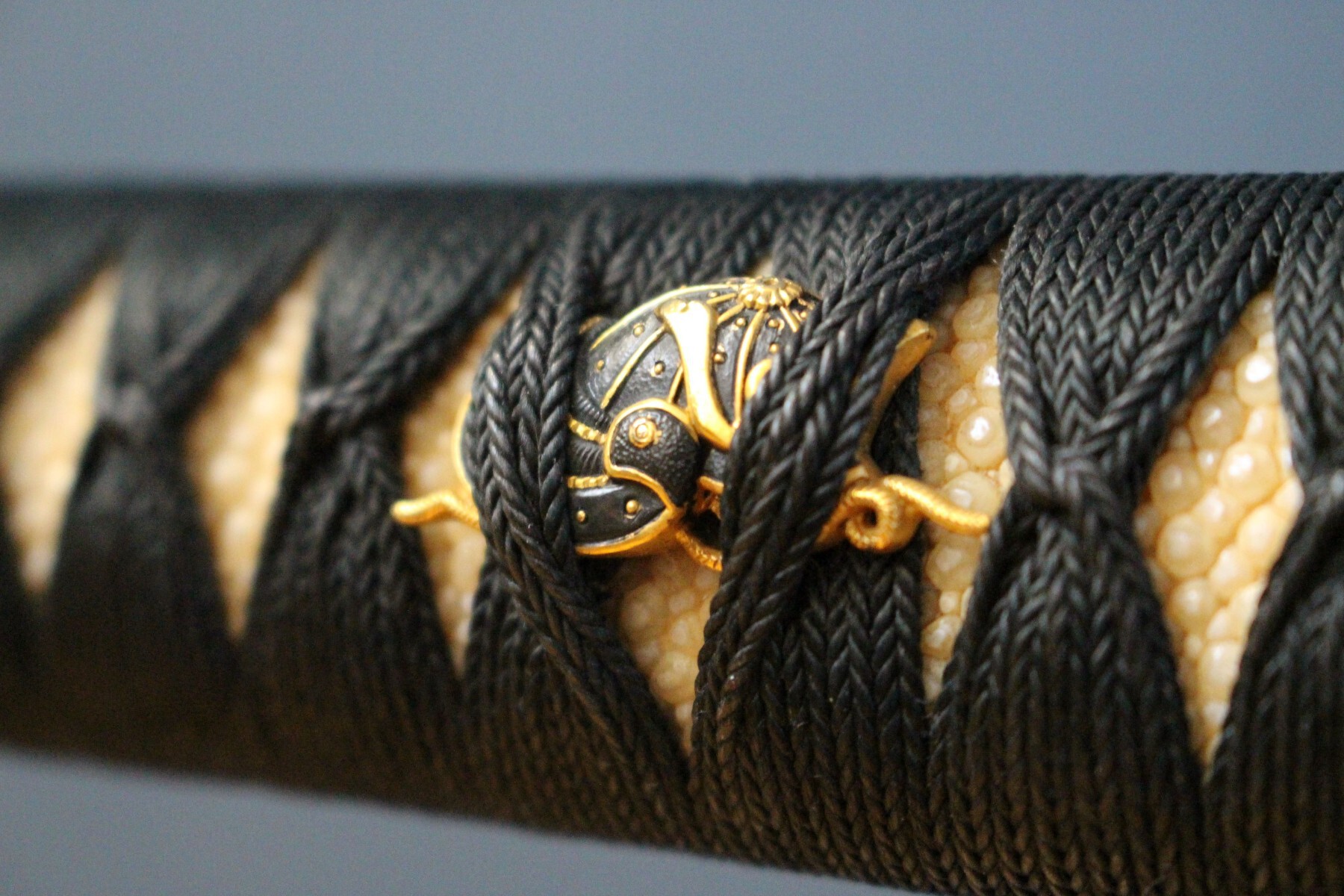
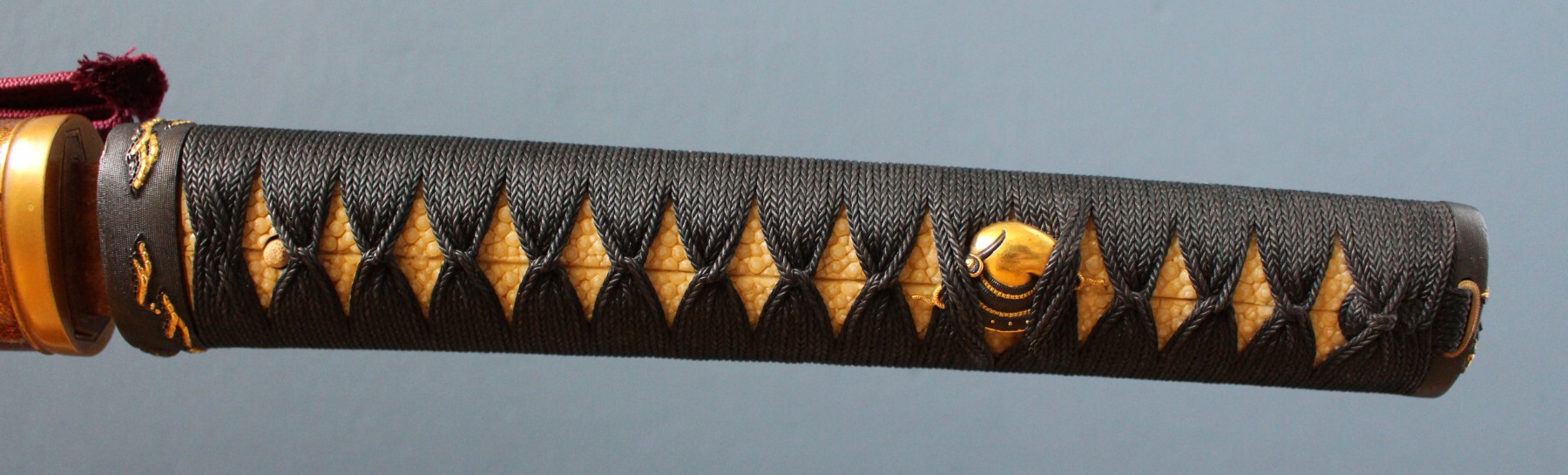
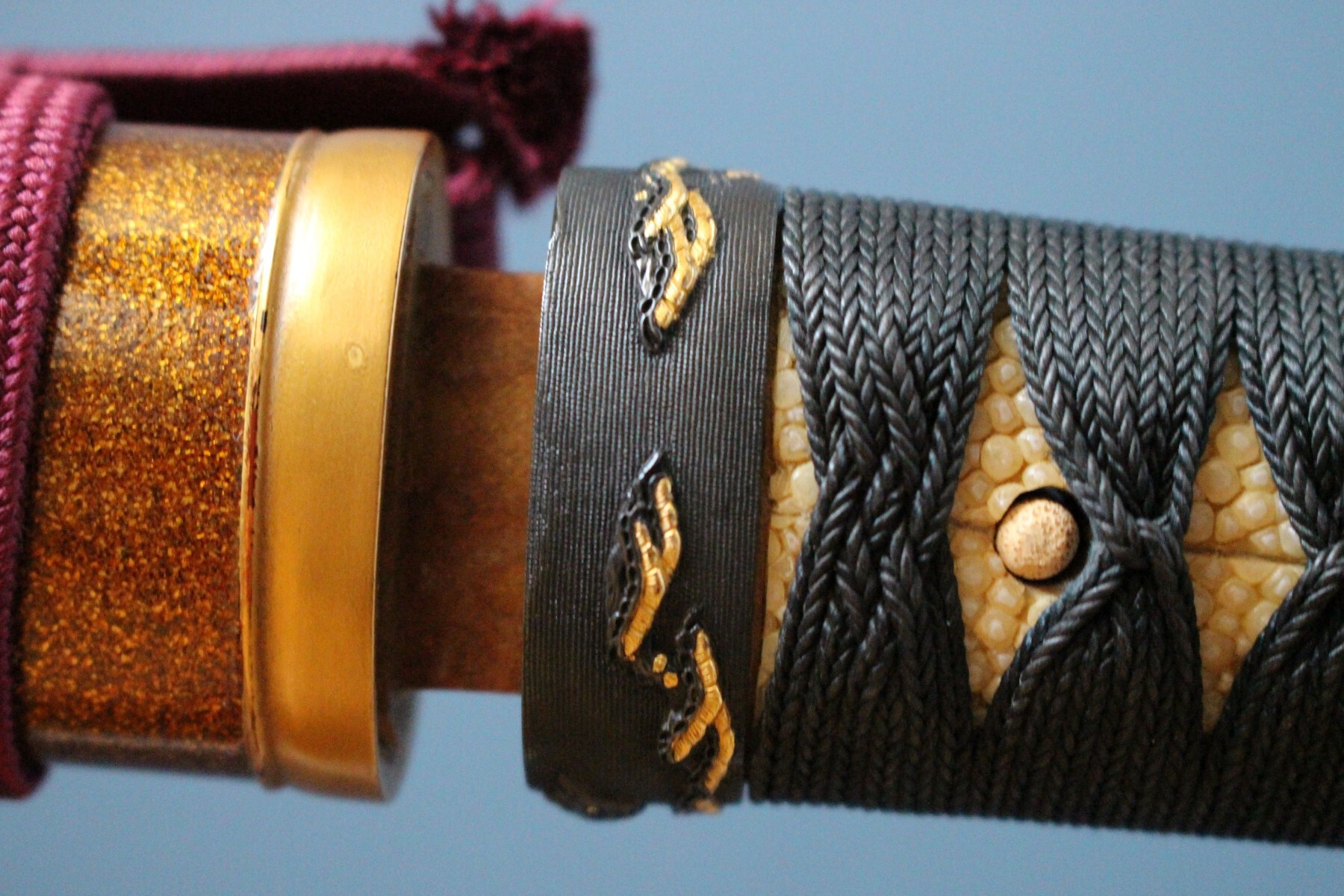
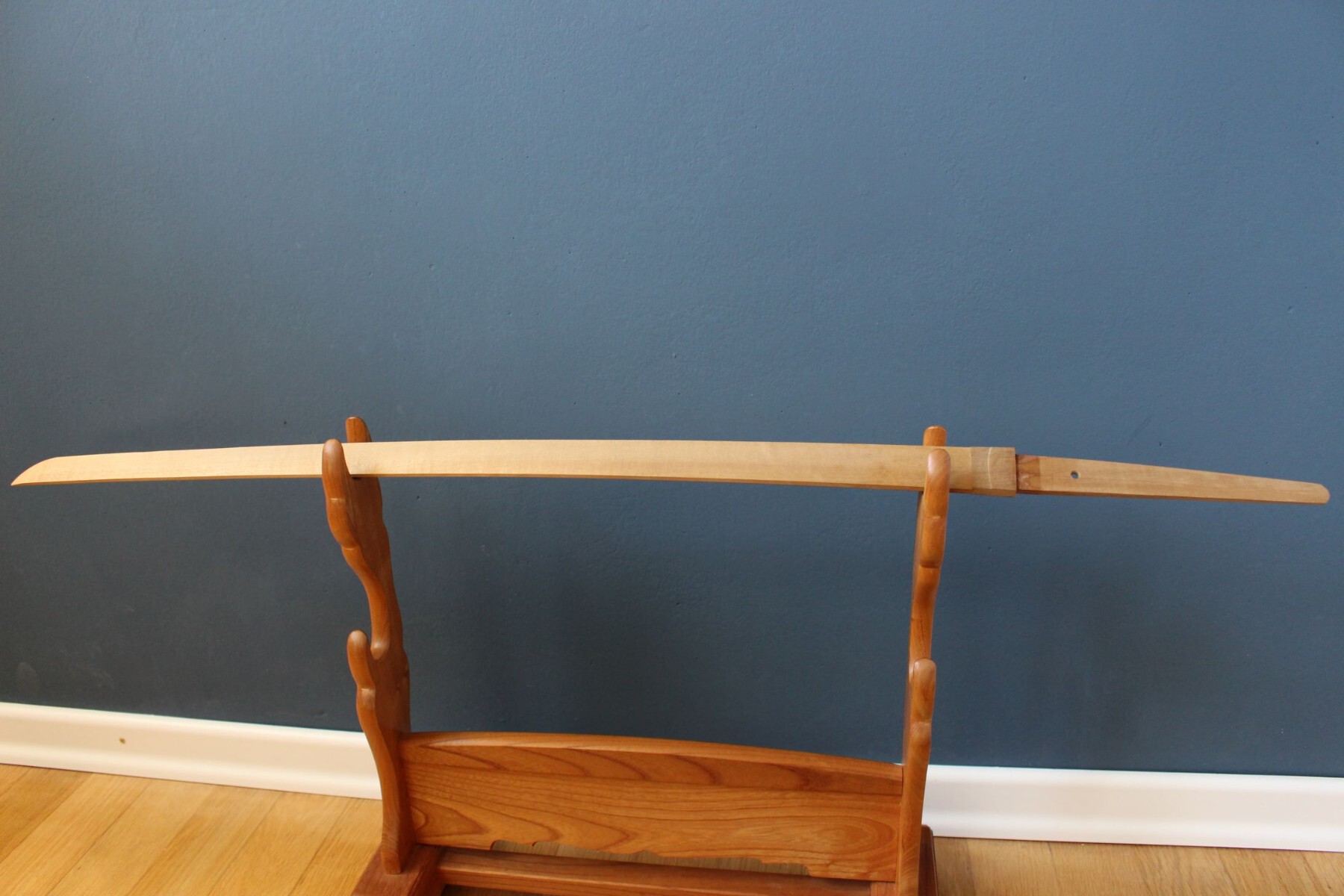
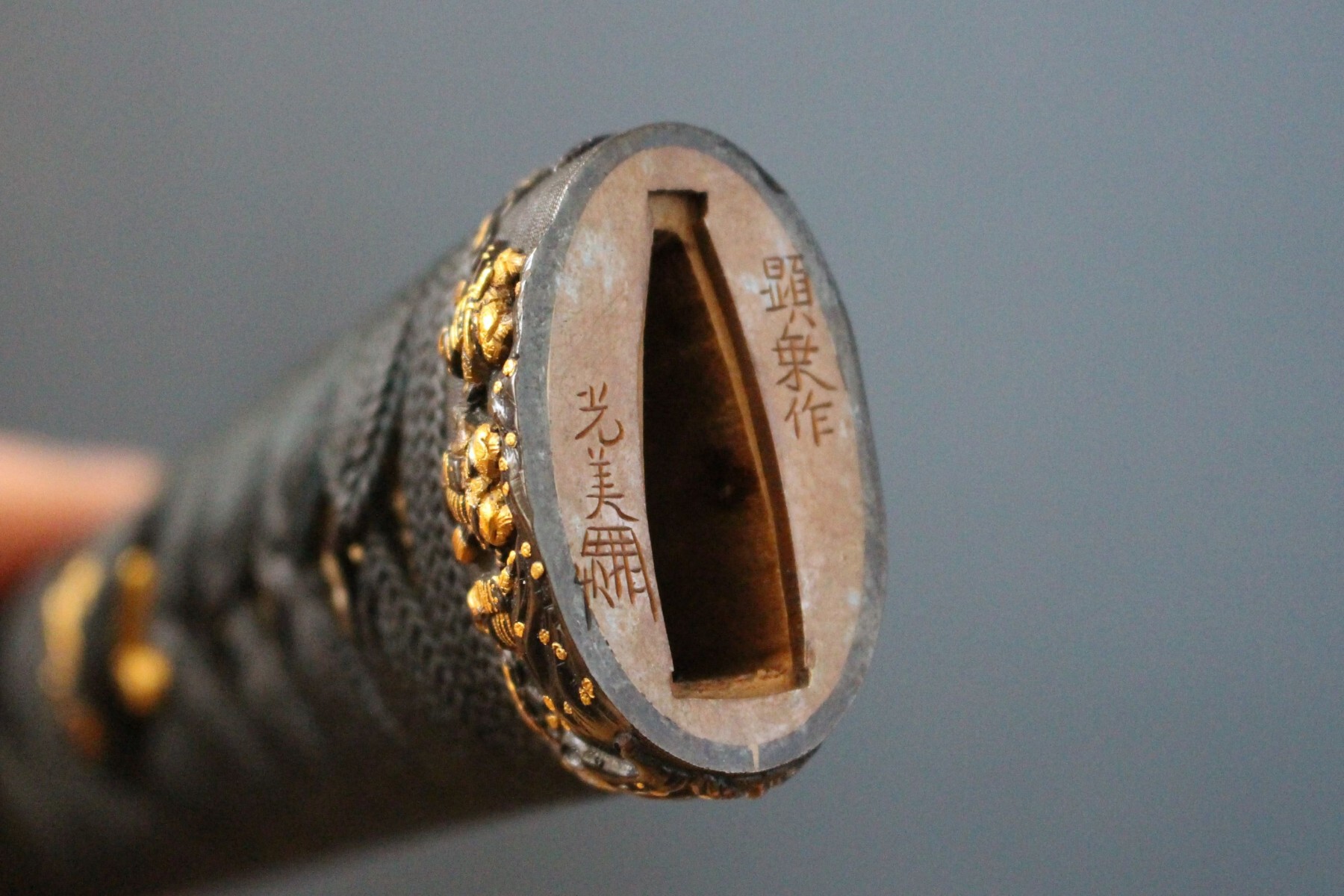
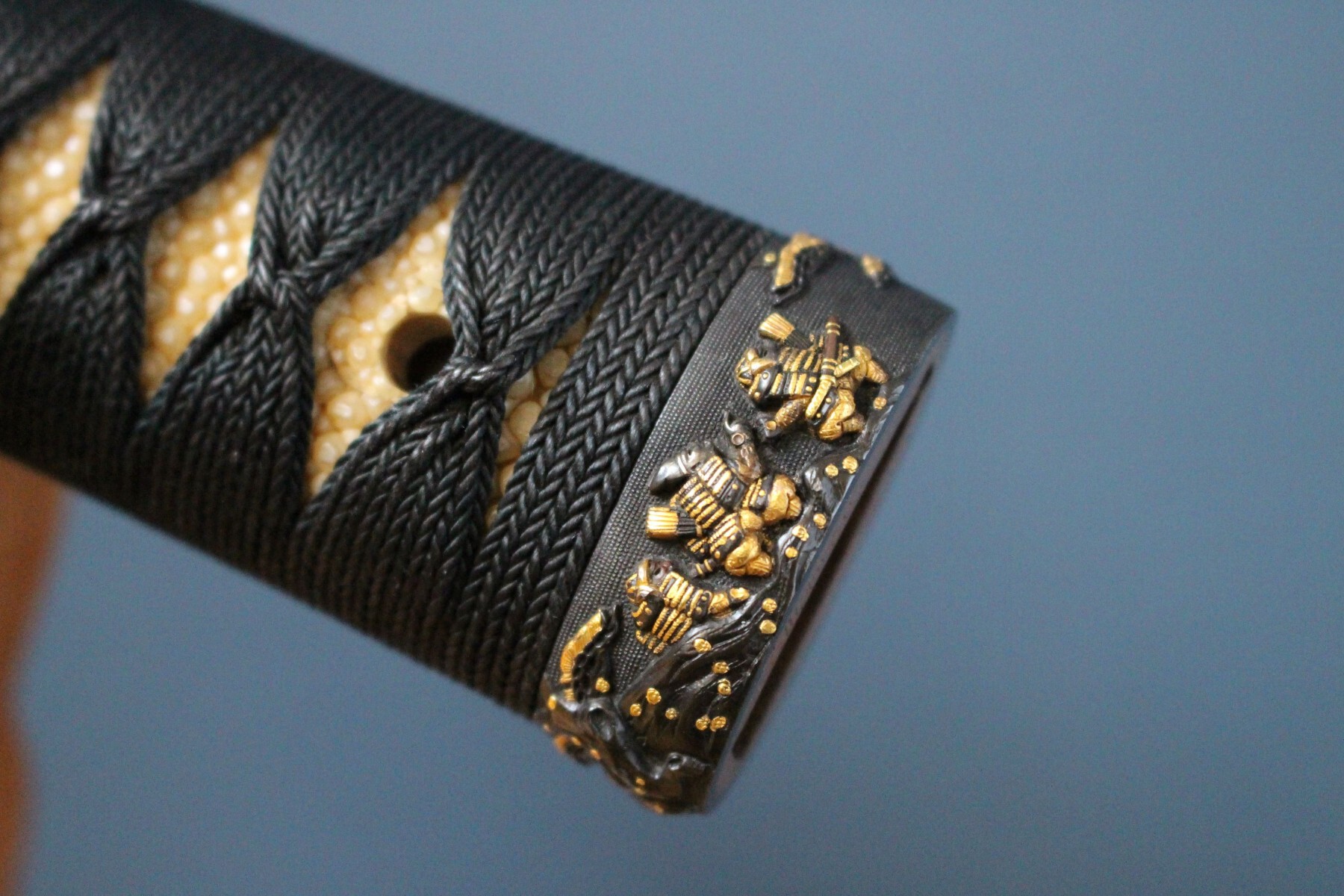
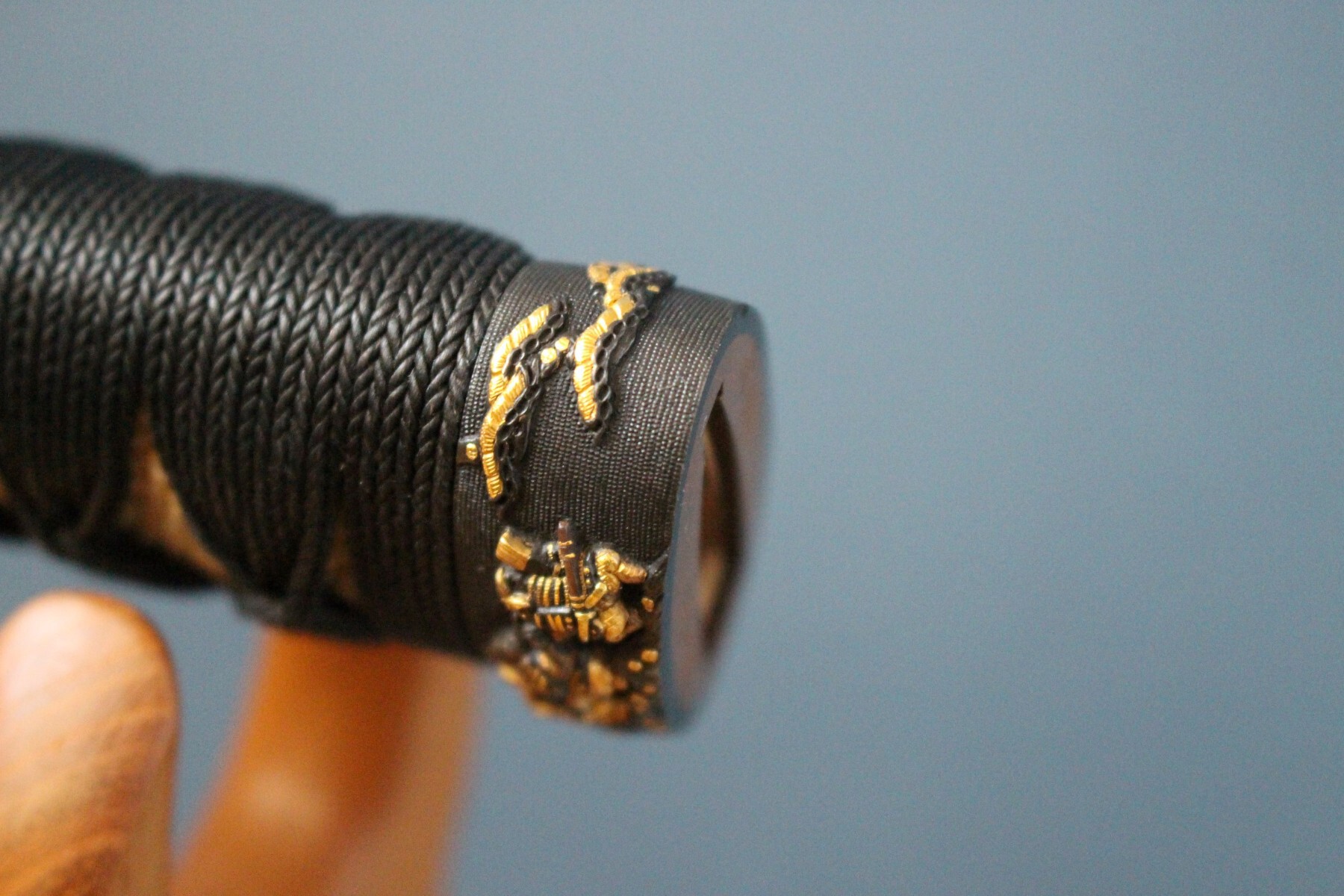
Dear all I would like to part with some koshirae - the first comes without a tsuba and is a breath-taking Gotō-style koshirae: Magnificent koshirae with a saya lacquered with gold nashiji urushi with scattered cherry blossoms in gold, aokin hiramaki-e and takamaki-e. The tsuka is covered with ray skin and wrapped with a black silk. The fuchi kashirae are made of shakudo with a nanako ground depicting samurai in a pine grove (the kiwame mei Kenjō Saku Mitsuyoshi Kao (顕乗作 光美 [花押]) has to be considered gimei as the work resembles Kaga Gotō). The menuki each in the shape of kabuto. The koiguchi, kurigata and kojiri are made of gold lacquer. The high quality tsunagi is inscribed Mitsuhira (光平 = Heki Mitsuhira) in pencil on the back. Dimenensions: Tsunagi Nagasa: 70.3 cm Tsunagi Nakago: 21.7 cm Tsunagi Total length: about 92 cm Asking price: EUR 1,700.00 plus actual shipping costs (varying depending on your location between about EUR 15 up to EUR 80) I am open to reasonable offers - but unfortuantely, I cannot accept trade-ins. Kind regards Chris


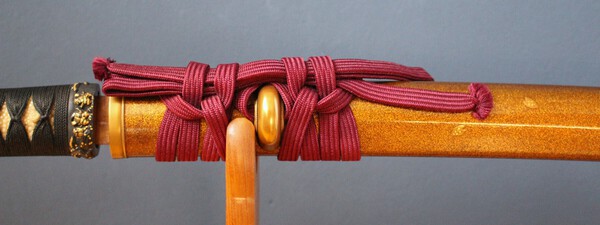

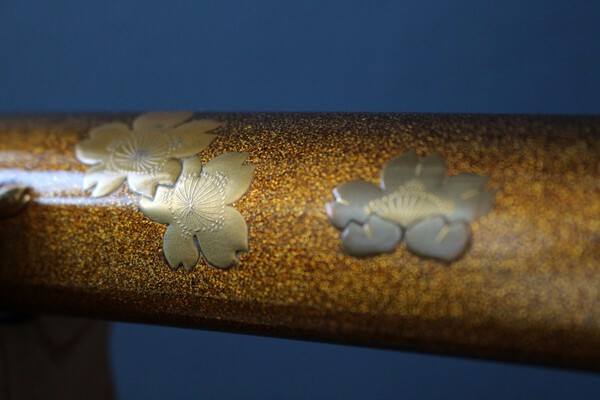


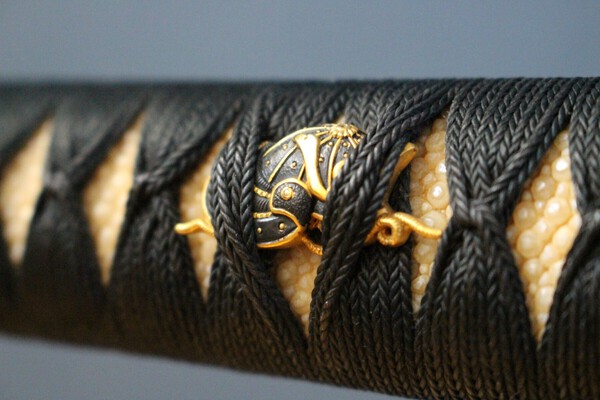

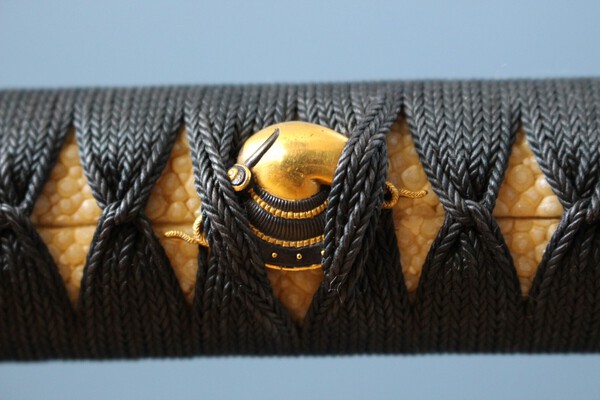

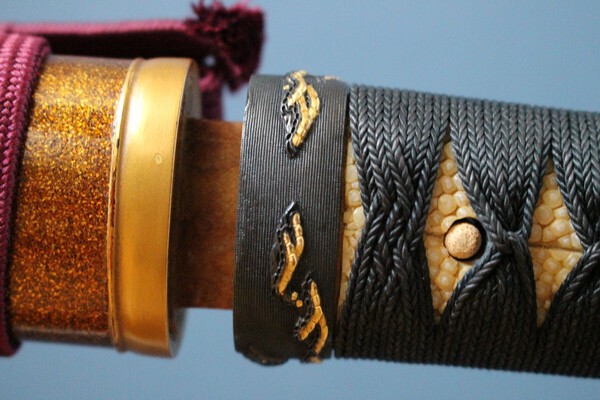
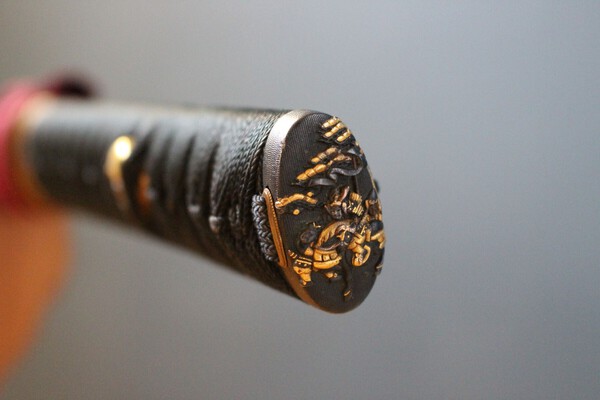
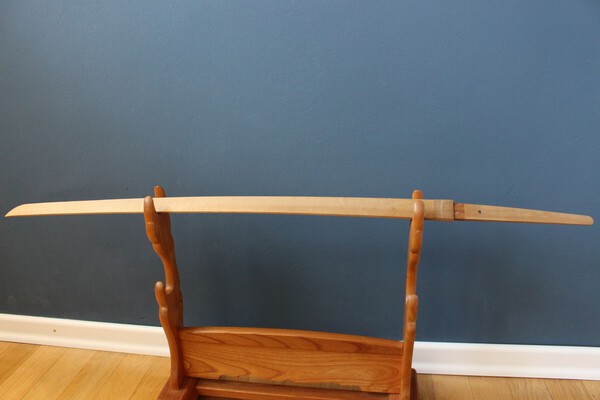


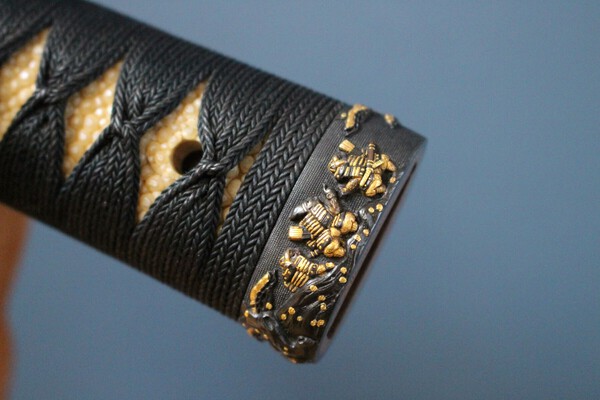
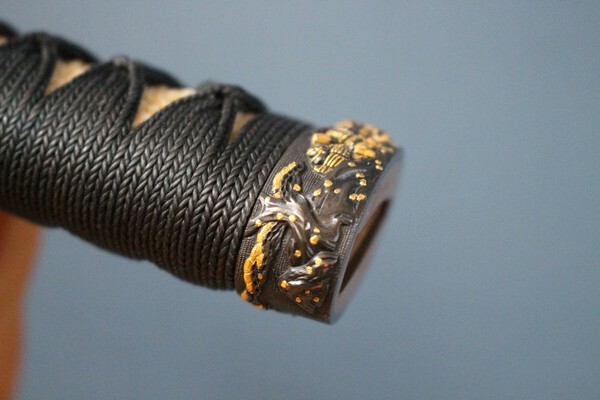
 4 points
 -
Not sure if you’ve seen this photo before, but I thought I should share it. This is General Walter Krueger, who presented a Masamune to President Truman.
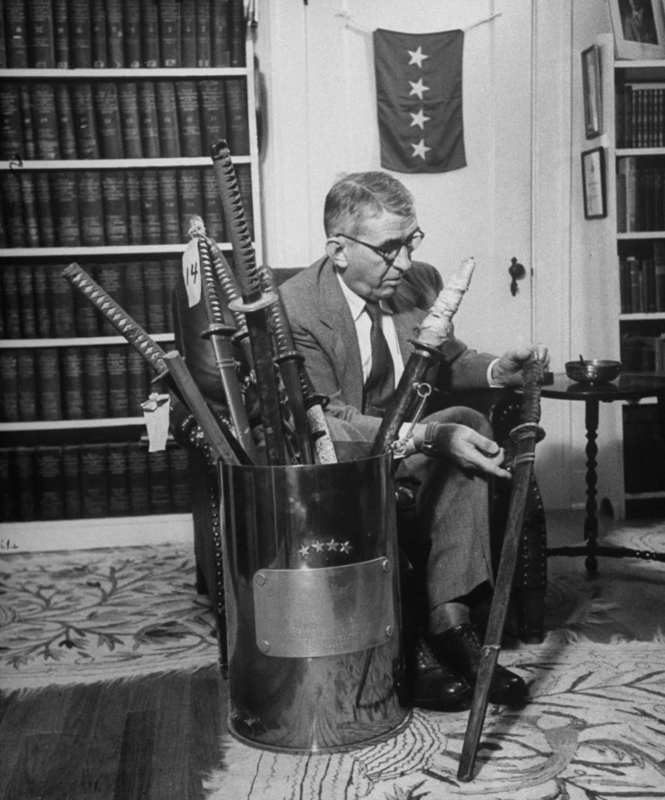 4 points
 -
Hello Jason (and also Sam since I saw his recent post on this thread). I started this thread to try and help new collectors negotiate the labyrinth of tsuba that are on eBay and maybe give them some useful tips. And I do love my pieces, so I will keep doing what I have done for the past about 6 years. My philosophy is “never change a winning game, always change a losing game”. I feel that I have been winning in the way I acquire my pieces from eBay. I have tried Jauce (and have acquired one piece from them). But it was not a bid (like I stated before, bidding is not for me!), it was a buy it now. I found out that with putting a required amount of money in Jauce before you can purchase, and with all the added fees attached and then the shipping; it just about equals what I could have bought the same tsuba for on eBay (especially if I communicated with the seller and was successful in negotiating a lower price with him for the piece). Not only that, but the eBay pieces arrived in a timelier manner than the Jauce piece. As I stated somewhere else on this forum (darn it, can’t remember the thread!) I am not interested in selling my tsuba. I don’t purchase them to turn them around and make a profit (as I am sure many other collectors do). I buy them, learn from them, give the lower quality tsuba a good home (until I pass and move on, as my collection will also move on!), and enjoy them by hanging them on several walls of the house and viewing them every day! Also, I know that I have been fortunate enough to purchase quite a few quality pieces on eBay for under $150. I know that because I have a very knowledgeable friend that studies tsuba and I have shown some of my tsuba to him and he has stated that I got a great deal for the price that I paid! So, deals can still be had on eBay. You just have to learn to discern and know what you are looking at (and you can always contact the seller and ask questions about the piece). And yes, (and I also know I stated this on another thread-but again old age has made me forget where; I have to blame something!) I have been bit once or twice on my eBay purchases because of misleading seller pictures or other information. But when I get bit, I don’t lose much money compared to someone else that has deep pockets and spends a lot more for a tsuba. And when I have gotten bit, I have spent less than what many known and stated as such reproduction tsuba cost. So, not a big loss and they still end up on my walls! We all collect in different ways and for different reasons. I personally enjoy the challenge of finding a nice old, showing signs of possibly being mounted on a blade, possibly rusted (more than likely!) tsuba on eBay for about $150 (sometimes a little more, sometimes less). Hey, that is just me! Onward!4 points
-
I was at this same exhibition on Saturday, and they had a Sadatsuna that had a sublime jigane.

 4 points
 -
Hello Yves, The armour is composite, meaning that the armour has be complied from unrelated components in modern times. It has been recently relaced, to make it look more like a matching set. The Sangu (arms, thighs, shins) do not match and the Haidate (thighs) have been heavily restored, a lot of the silk has been replaced. There is some nice individual pieces in there, including the kabuto, but the armour being composite has a pretty big effect on the value, as can extensive restoration. At the current asking price a much better armour can be found.4 points
-
Agree with this but just thinking that finding a pair with such documentation must be rare as hens teeth. Crossed my mind looking over this Daisho, the swords were made seven years apart towards the end of the Edo period but that really dont mean that they could not have been owned as a pair by the same owner. They come with a box with a family crest, but there's that all important question of provenance. Maybe there is further documents, maybe not. A splendid pair Dai Sho : Motohira(Dai Sho:NBTHK Tokubetsu Hozon Token)(Daisho Koshirae: NBTHK Tokubetsu Hozon Tosogu) - Japanese Sword Shop Aoi-Art4 points
-
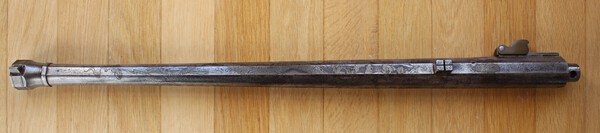
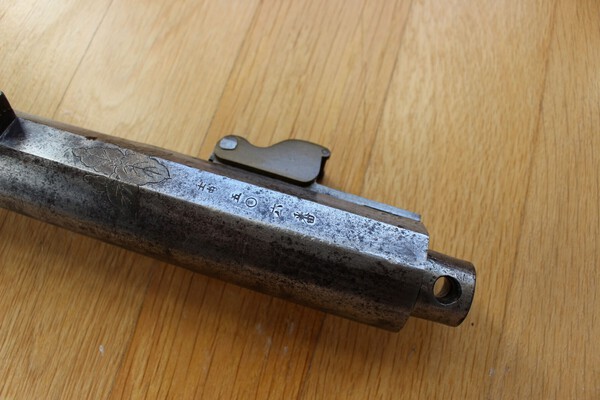
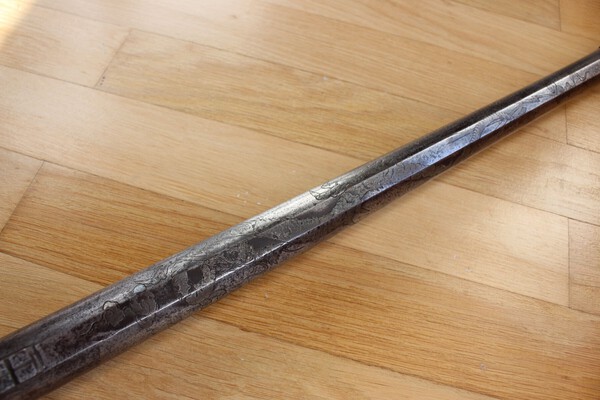
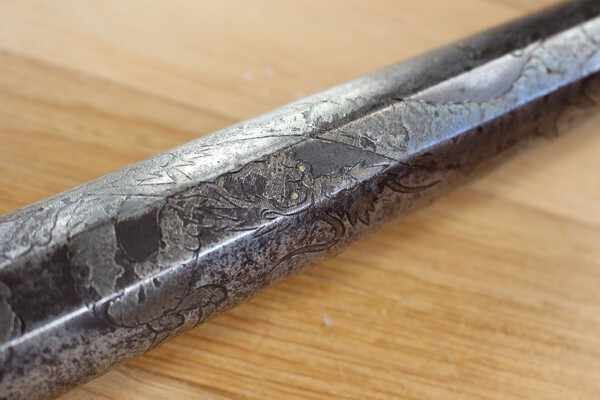
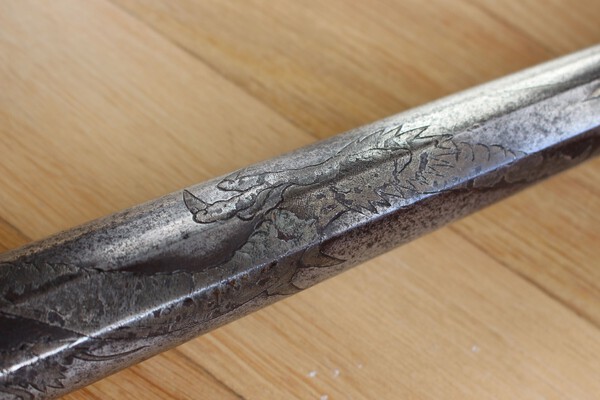
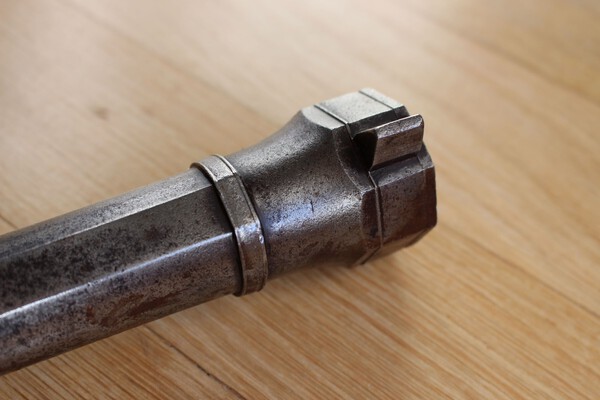
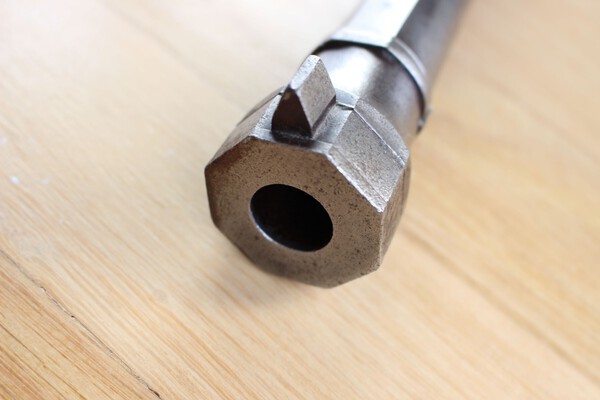
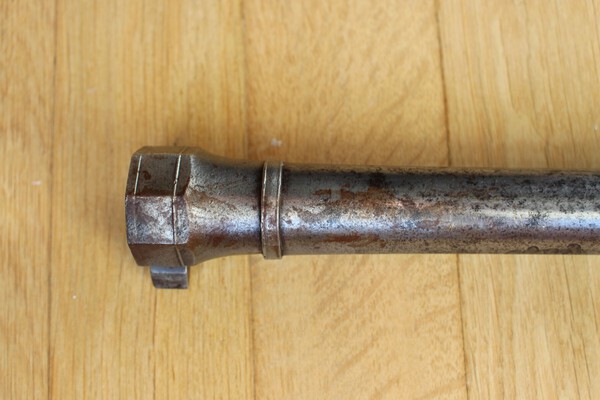
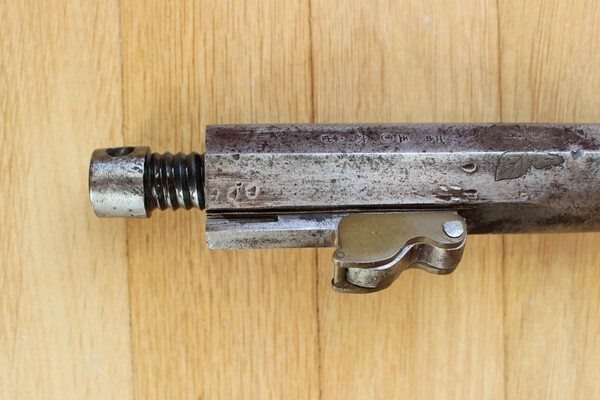
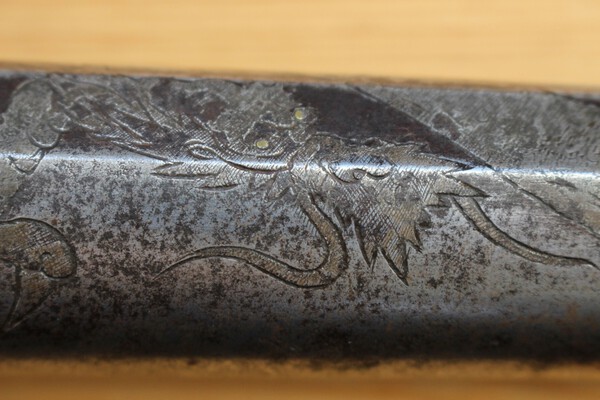
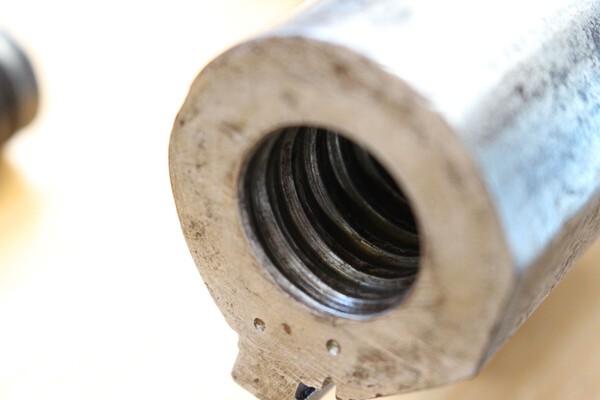
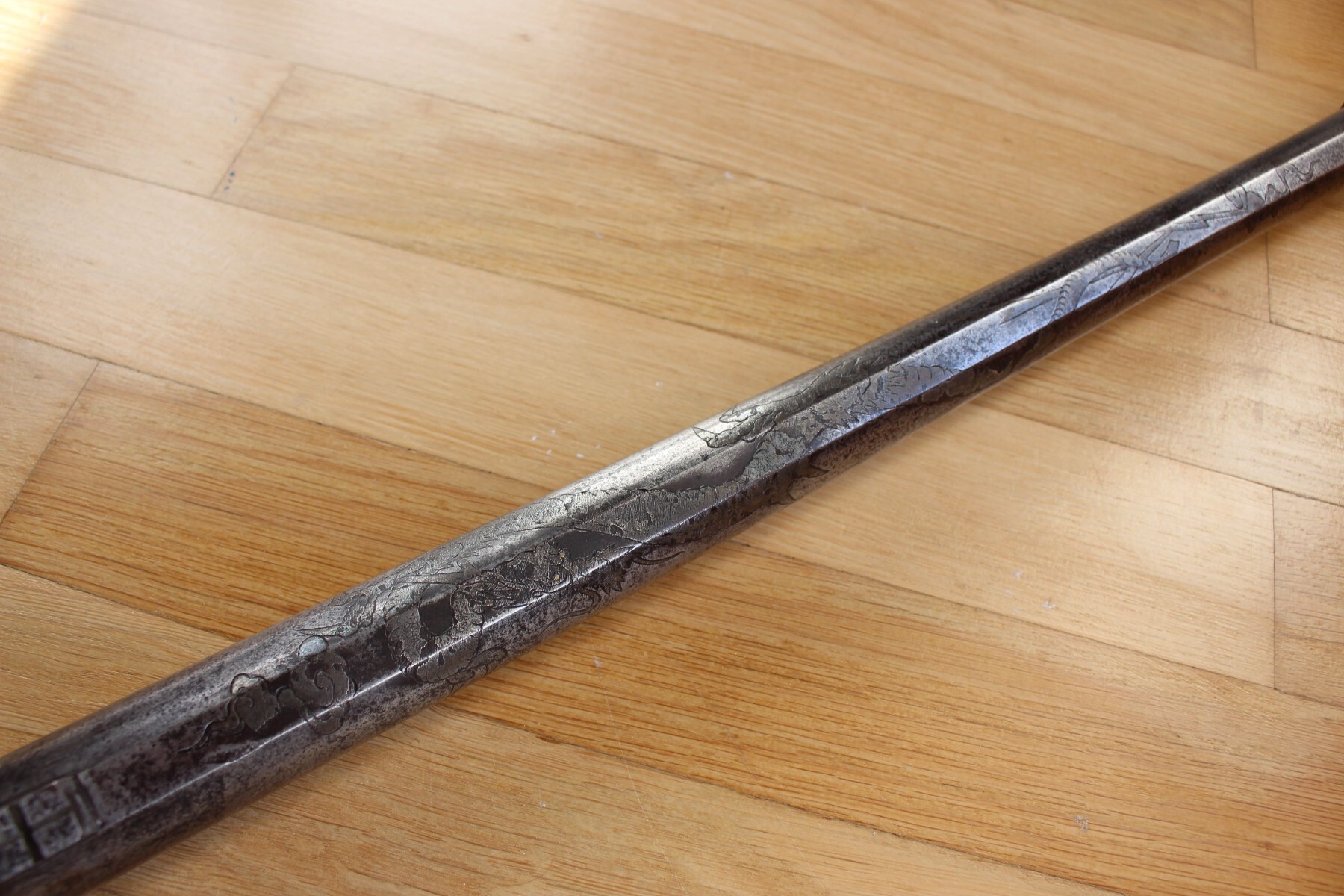
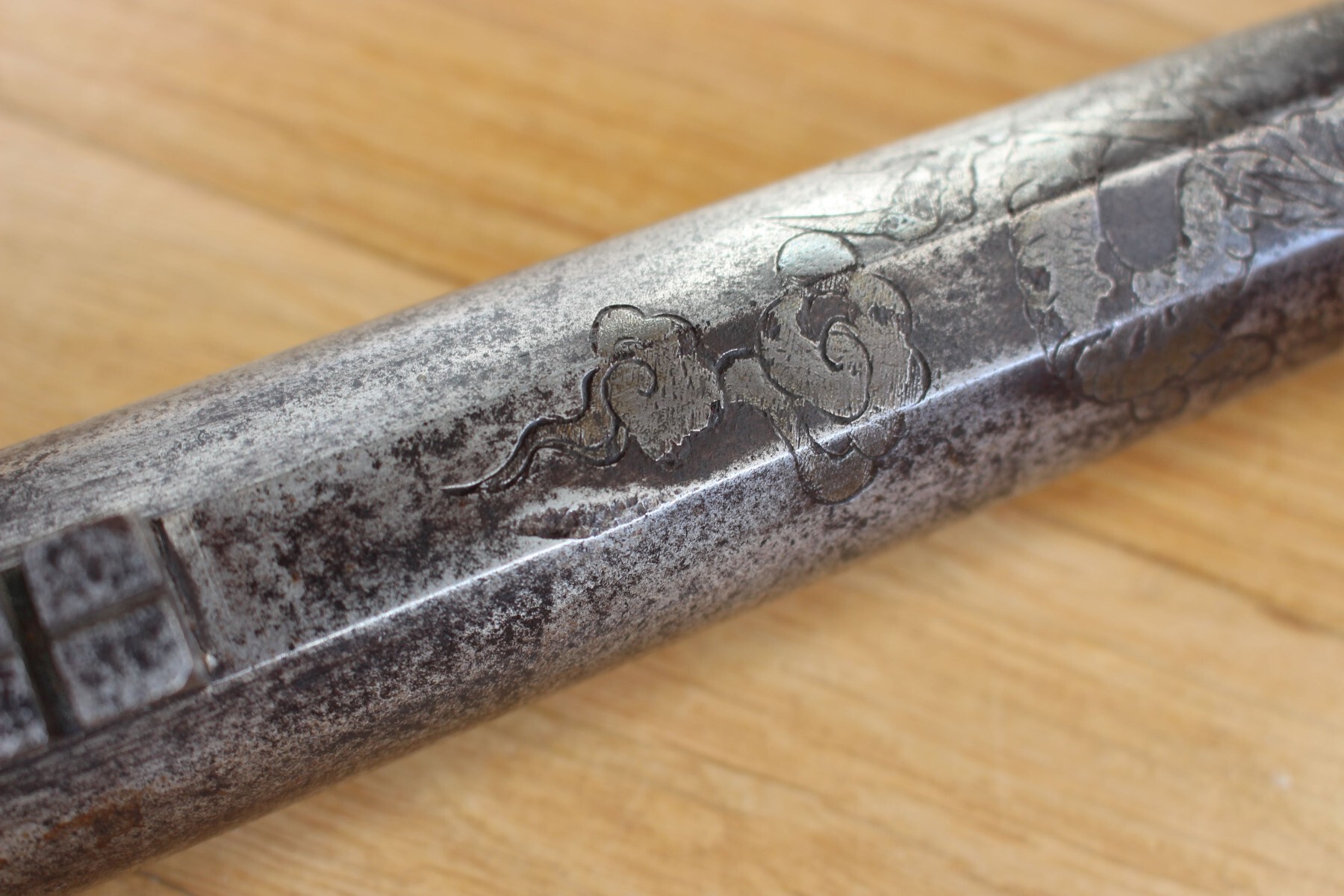
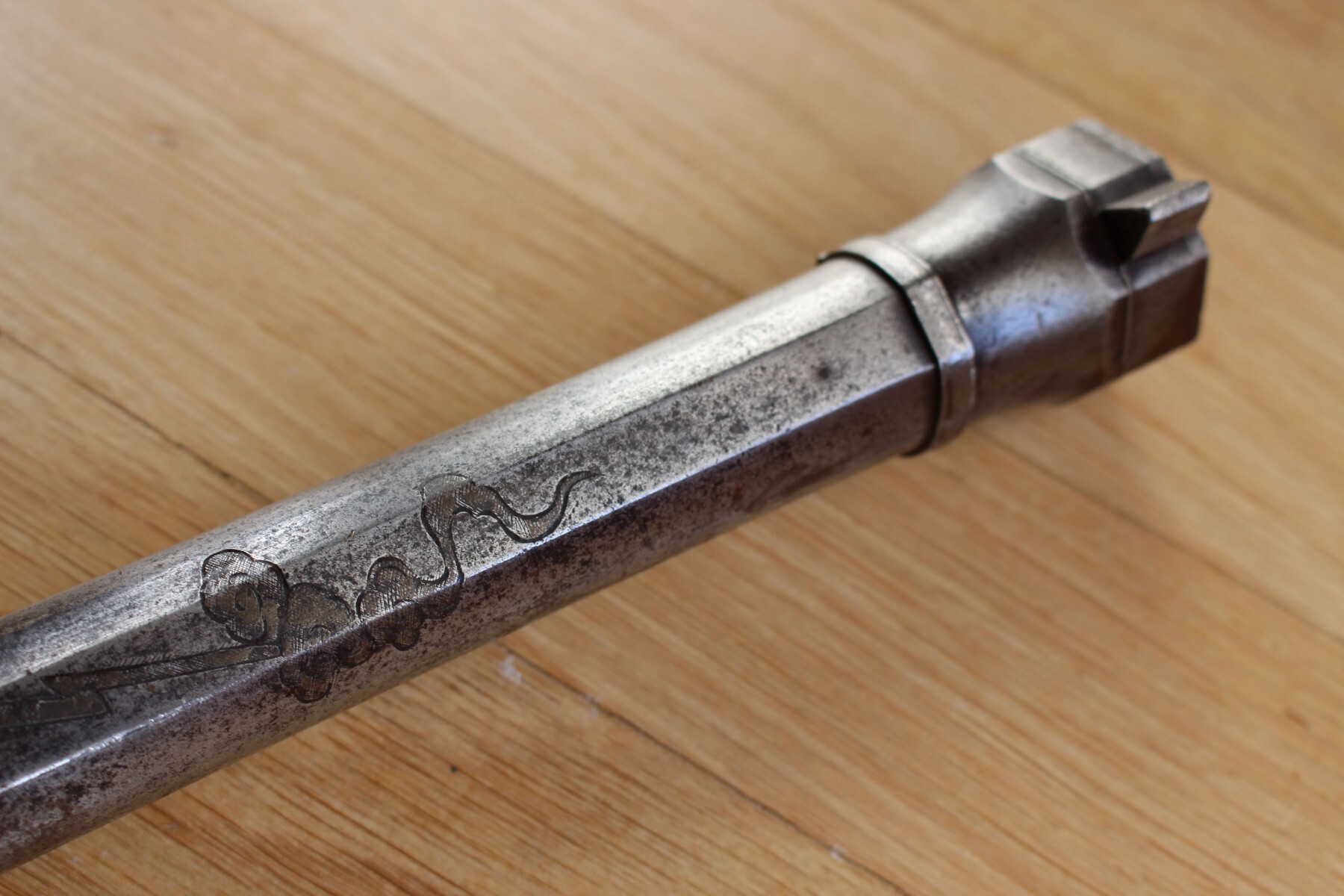
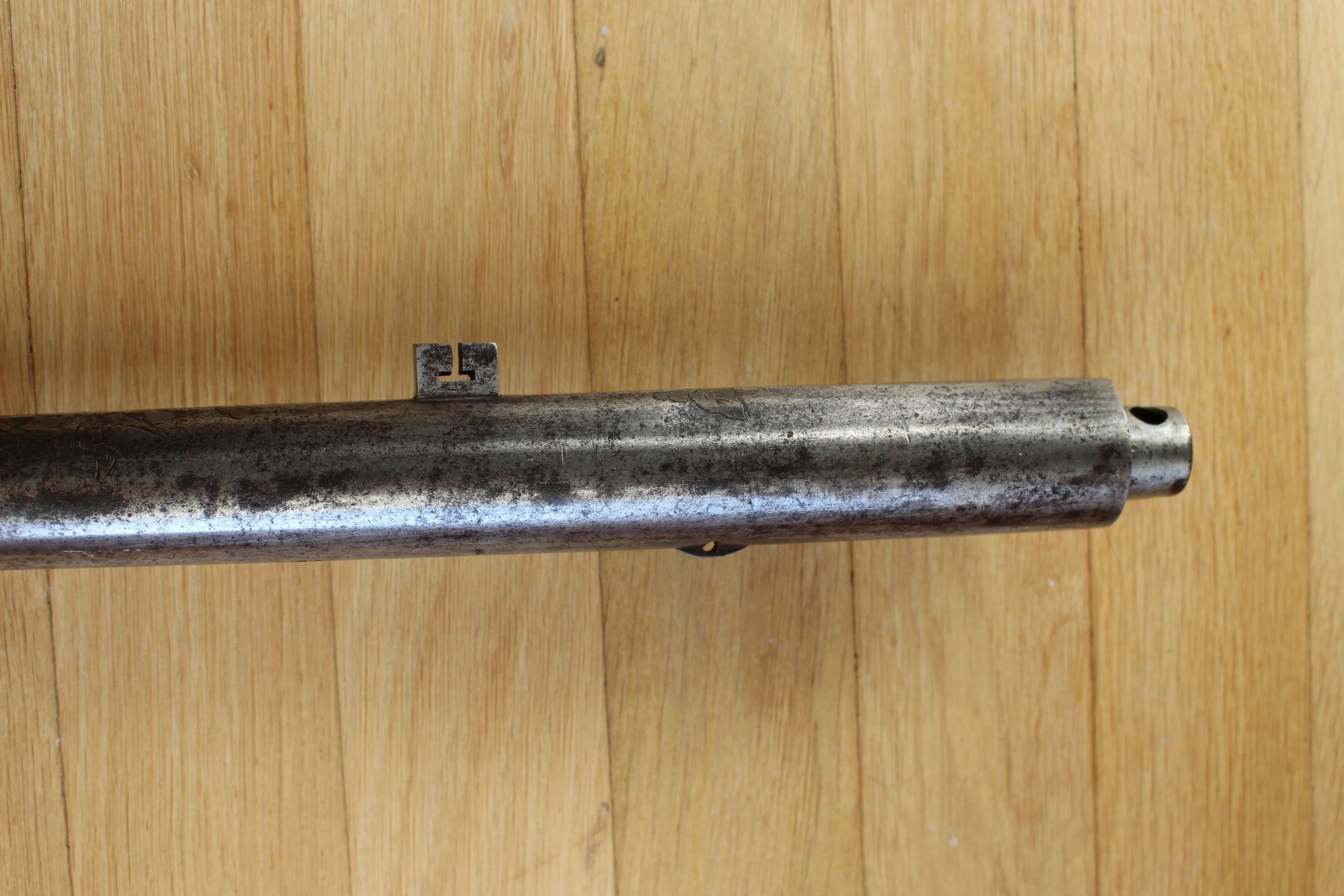
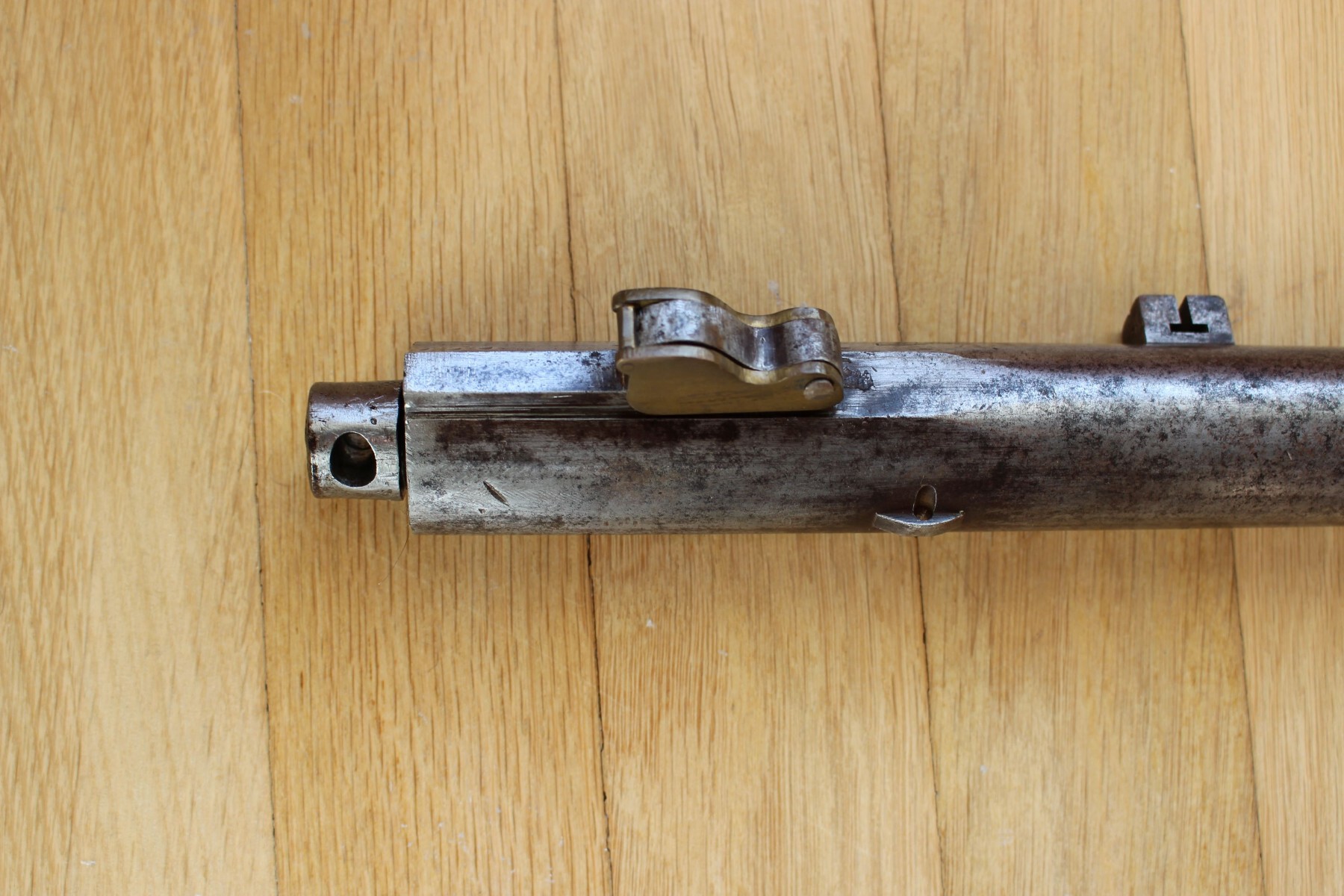
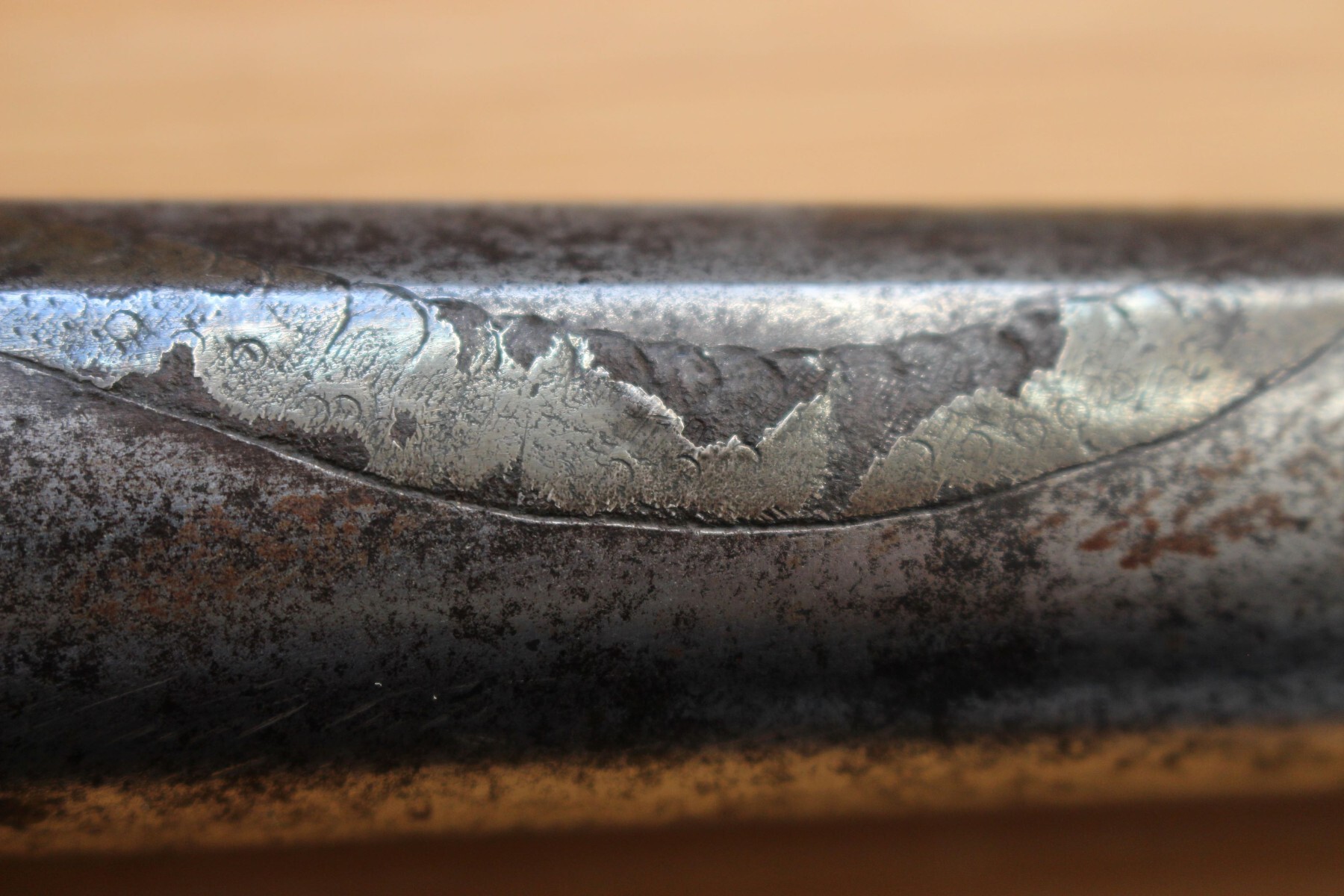
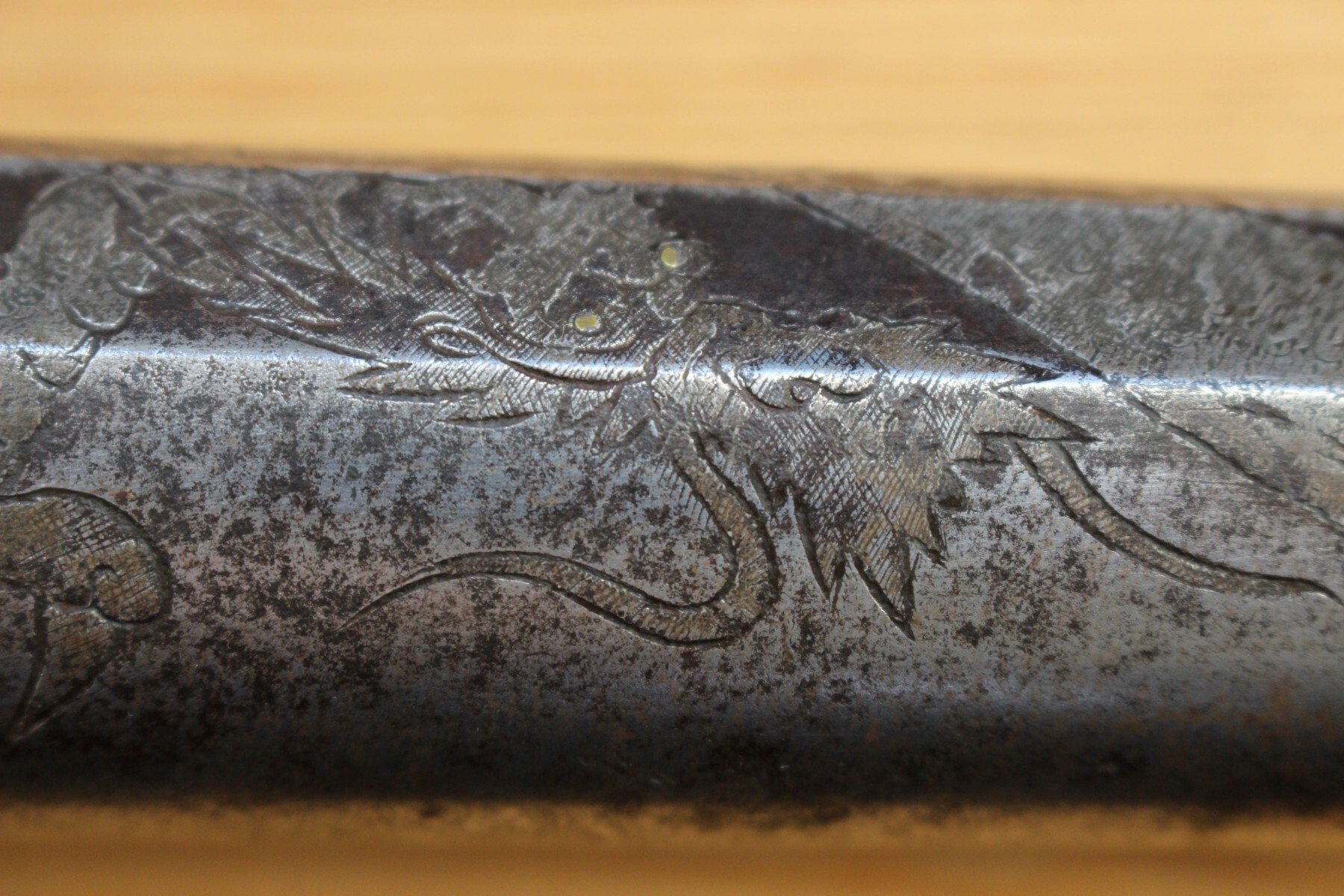
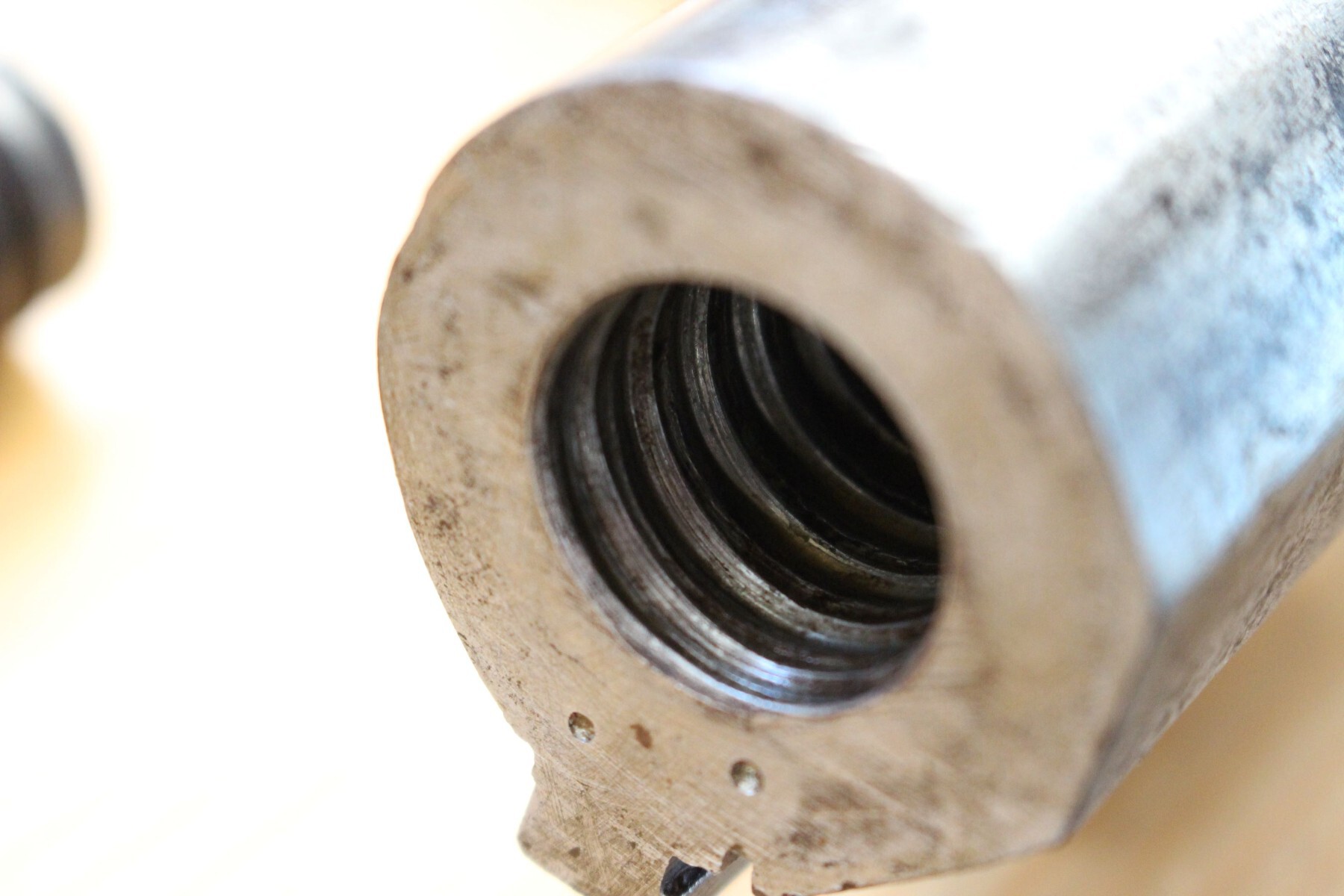
Dear all I am offering a very well done Edo period tanegashima barrel with a jinshin registration number. The barrel is decorated with a fierce looking dragon with clouds and lightning - I am sure that this one will come out nicely once repatinated! 壬申五〇六番 = Jinshin Nummer 506 calibre: 17.5mm/about 8 monme Length: 70 cm without screw Screw: 6,5 cm Asking price: EUR 450 plus shipping costs (Germany: EUR 10.49/EU: EUR 21.49/GB: EUR 34.99/ US 77.99) Best Chris










 3 points
 -
I think going wide is just as viable as going quality, in my opinion there is no correct way in collecting and enjoying the hobby. I can very well understand Dan. As to certain point I would be going similar way if I had funds. In my personal collection I would much rather have 10 middle tier swords than 1 high quality sword in comparison. To me that would be much more enjoyable. I have a friend here in Finland who has 100+ tsuba along with very massive collection of all things Samurai. I always enjoy greatly viewing so large number of tsuba with huge variation in styles and quality as well. I know not everyone would like that but I try to enjoy items of all levels.3 points
-
Crap tsuba are of course not restricted to ebay https://www.zacke.at...nagatsune/?lot=63242 this is a fake for €1,300.00 https://www.bonhams....period-19th-century/ same type of fake sold for US$976 Two "respected" auction houses? Who don't know their elbow from .............. Same fake minus the nice paint job on ebay https://www.ebay.com/itm/144617398691 A "better" fake also minus the paint on Jauce https://www.jauce.com/auction/f1162467177 I say "better" because the hitsu have been cut through (crudely) by someone after they got their hands on it. Whereas the others have only got the hitsu stamped into the design. How does a new collector get past the lies that some sellers tell when describing these things? I bet that the Bonhams' buyer is really pleased with his "WIN". I wouldn't be happy! PS Two sizes available - with or without the paint job.


 3 points
 -
The only trouble with this statement is - Who can tell what are the most important works? Several times people have said you need to wait to get the very best - but who says what is the best? That is always a personal judgement based on experience. New collectors don't have that experience and should not be force fed the opinions and tastes of other people. We would all love to collect the absolute best but I will guarantee that each of us will have a different view of what that means. Price never guarantees anything, so we can rule that right out of the equation. JMHO3 points
-
Here’s some excellent advice for new collectors from the late Darcy. Thought I’d share it here in his memory! "For a collector, this small range in valuation differences between the mediocre and great is something that can be taken advantage of, no matter what your spending level, as small increments in valuation give rapidly increasing rewards for rarity, interest, and quality. This is the primary reason why it is a mistake to accumulate large numbers of items, because concentrating the same funds into fewer and more important works yields excellent results in these collecting domains. There has to be a reason to buy something. More than just liking it, because there are a lot of things out there to like and they do deserve being liked. Owning is a different set of criteria however. If you end up with the dreaded accumulation of stuff you will have missed much more interesting paths in exchange for simple quantity. "3 points
-
Sold for $36K... out of my price range :-)3 points
-
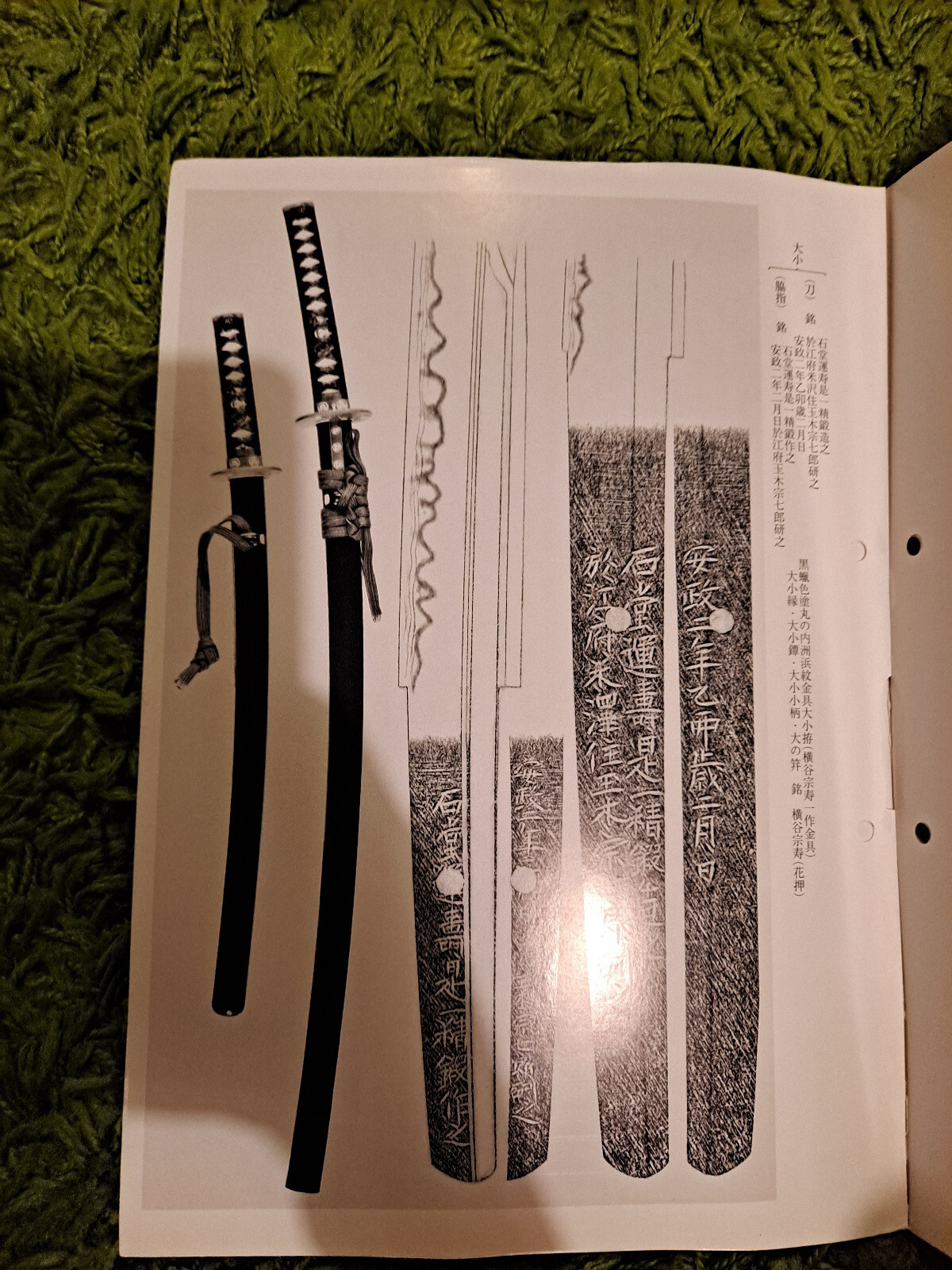
Hello gents, I traded recently one of my swords for a splendid Kurihara Akihide katana, which was also introduced recently in the thread high class gunto by its previous owner. The sword was made in February 1945 and comes with the original shingunto koshirae. The mounts are in minty condition and look amazing. Everything works perfectly and is as good as it can be. The katana was recently polished by David Hofhine. Here are the measurements: Nagasa: 66,67cm Motohaba: 3,3cm Sakihaba: 2,31cm Motokasane:0,71cm The blade resides currently in Germany and can be shipped internationally. Payment should be done with bankwire or PayPal. The parcel can be shipped with DHL premium international, Fedex, or UPS. My asking price is 6300€ obo plus shipping and fees. Here is the link to the mentioned thread:https://www.militaria.co.za/nmb/topic/18610-show-us-your-high-class-gunto/page/21/
 2 points
 -
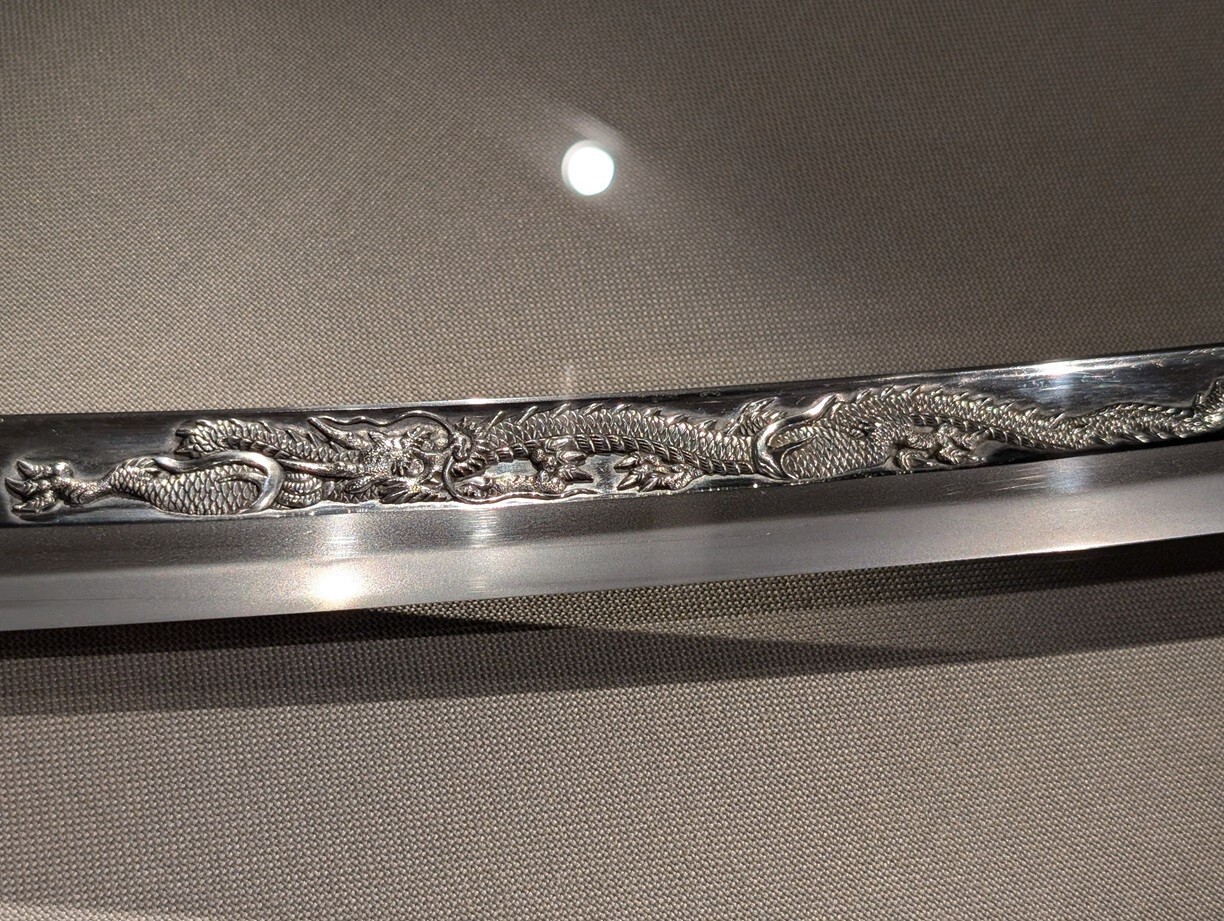
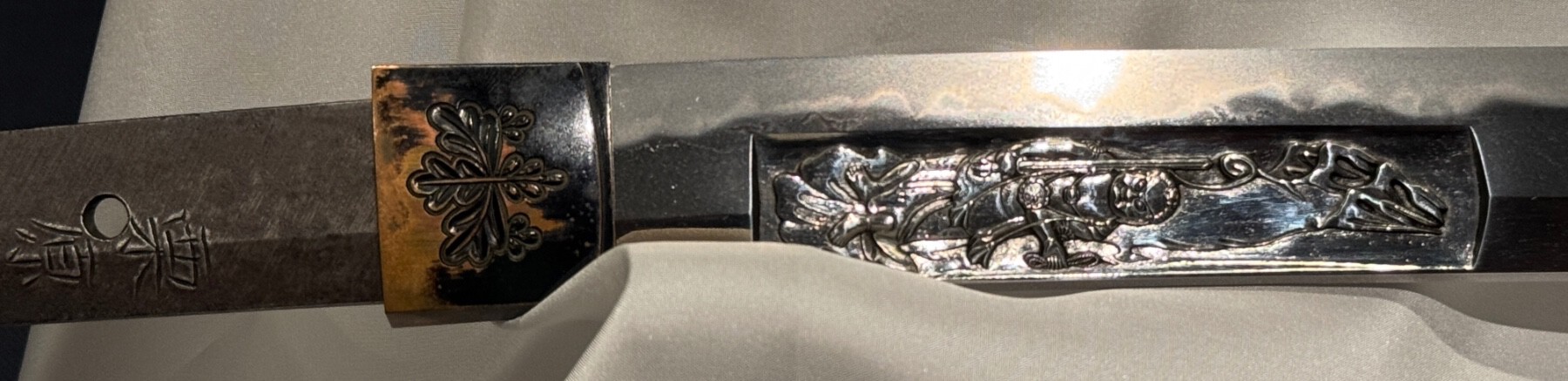
A few snaps from the current Horimono exhibition at the NBTHK Hakubutsukan in Tokyo. Photography is allowed, just no Flash.
 2 points
 -
Thanks Dan, and fair enough. To each their own. I've been collecting for a similar amount of time. When I started, I had similar aspirations to collect more, but as I've learned and acquired items of varying quality, I now want less (but nicer) items. It's interesting to hear other peoples perspectives and collecting motivations. I generally agree, that I'd rather have 5 great swords over 1 supreme sword. I find enjoyment in variety, and I imagine I'd get bored with a tiny collection. To careen this back on track. If you must buy on eBay, here's some advice that I recommend: 1. Like Spartancrest said above, always check shipping price! I've seen items listed for $10 with $500 shipping attached, in hopes someone won't notice. 2. Always check seller history and feedback. If a seller has no history, or bad feedback. Take that into account and proceed with caution. 3. Always check seller location and shipping details before purchase. I've seen sellers with "pickup only". Or sellers shipping from antarctica. Beware! 4. Find sellers you like and trust, or are recommended, and prioritize them. 5. Understand the inherent risks of buying on the internet. Happy hunting. -Sam2 points
-
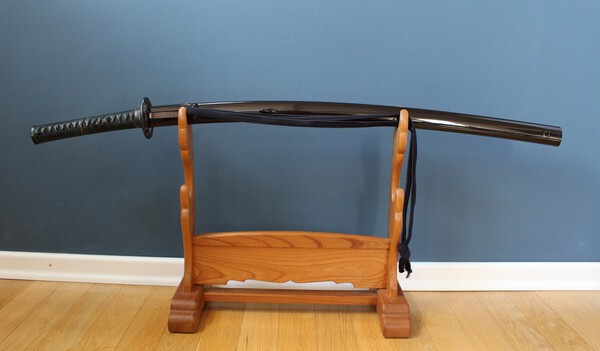
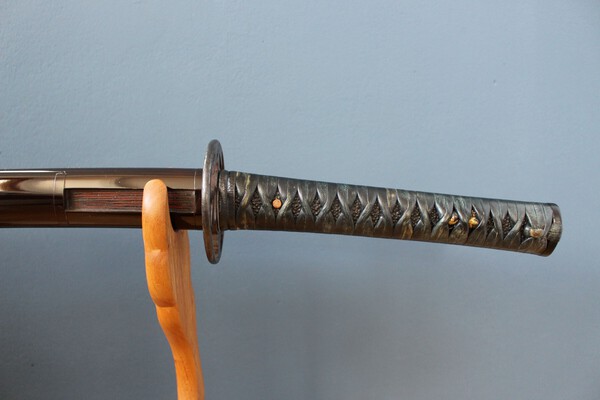
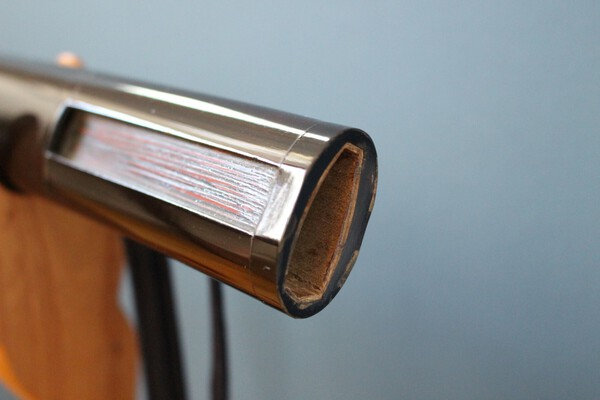
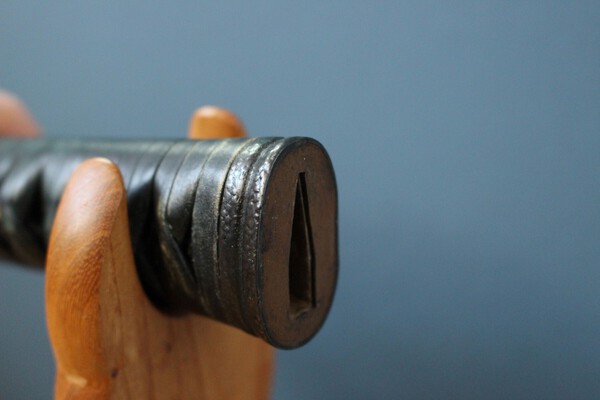
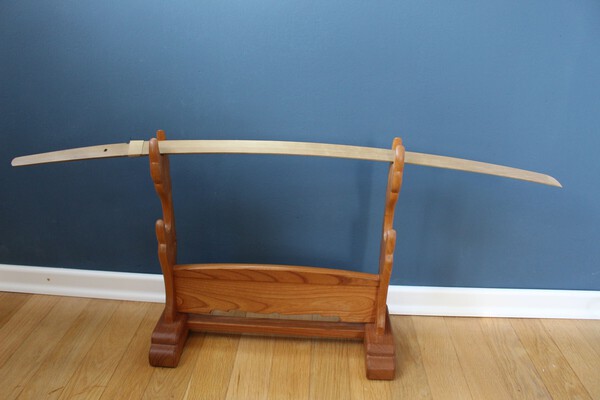
Dear all this is the second koshirae I would like to part with and a highlight at a very reasonable price (thanks to the Yen). A nice and original early Edo/late Muromachi period Tensho koshirae featuring a Ko Shoami (?) tsuba with lots of tekkotsu and yakite with the design of a bamboo in the snow which originally came from the collection of Sasano Masayuki. The Ko Kinko menuki represent eggplants (nasu) and are made of shakudo that has been fire-gilded (keshi-toki). The Kashira is made of dark horn that has been covered with black urushi. The Fuchi is made of suaka that is covered with a thick shakudo foil. Tsunagi nagasa: 70 cm Tsunagi nakago: 23 cm Tsunagi total length: 93 cm Asking price: EUR 2,800.00 plus actual shipping costs (varying depending on your location between about EUR 15 up to EUR 80) Kind regards Chris

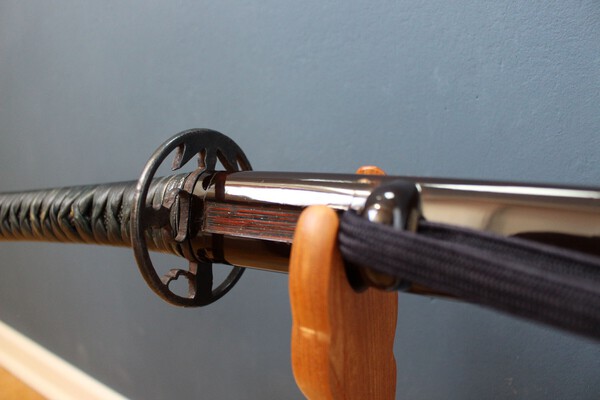

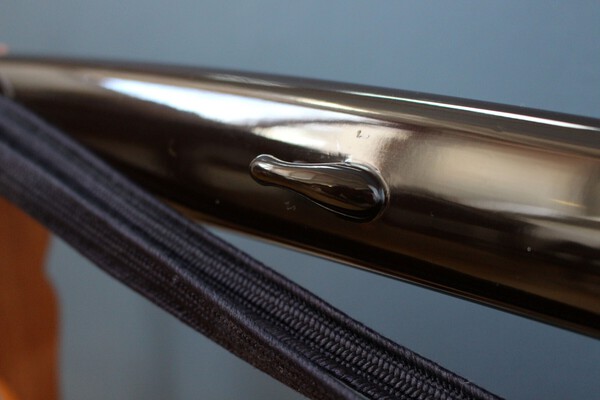
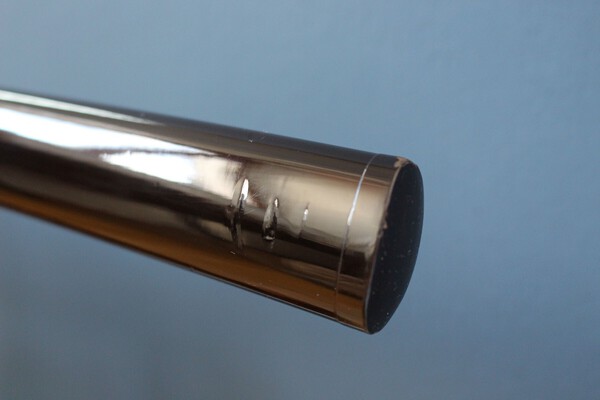
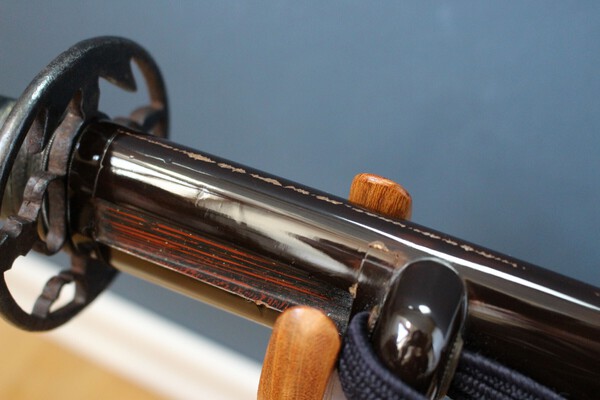

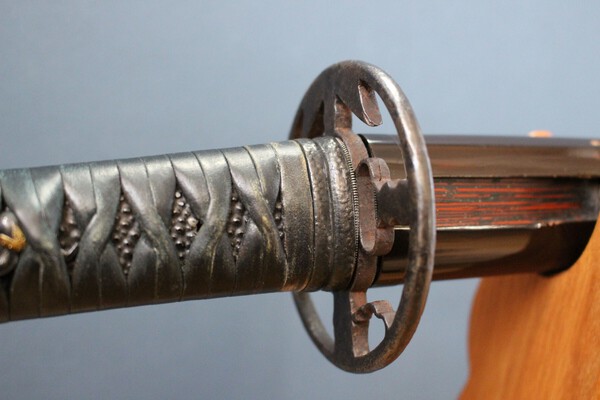

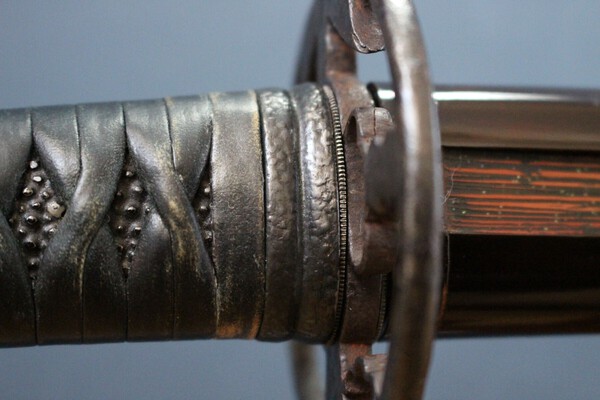
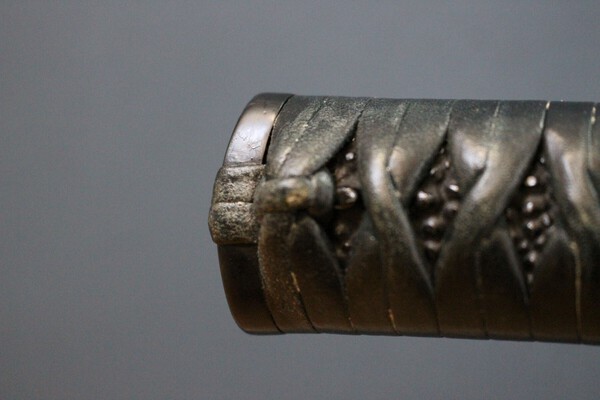
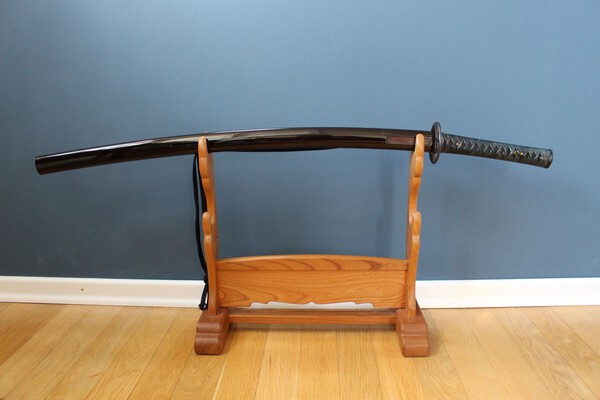


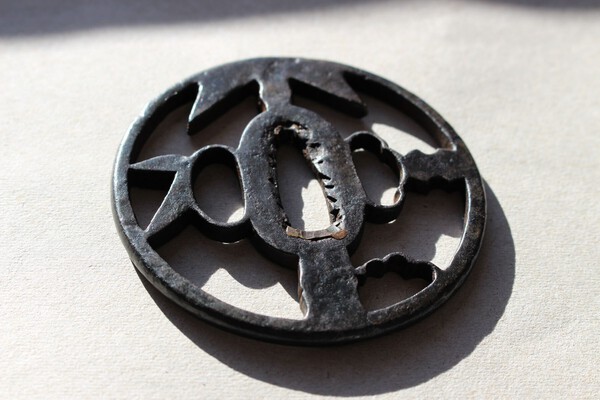
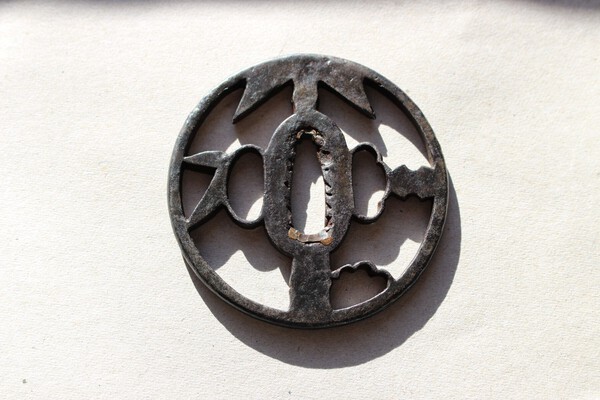
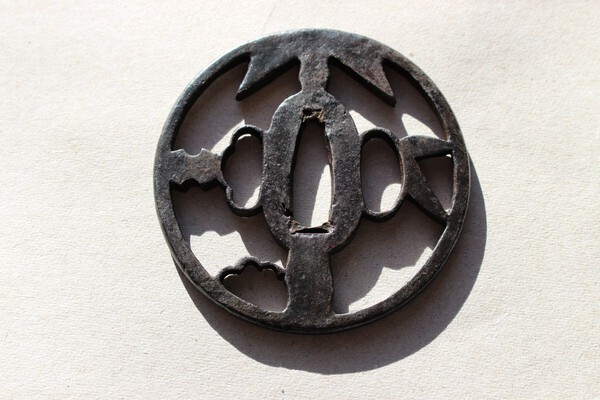 2 points
 -
And there were quite a few Tadatsunas with fantastic horimono.
 2 points
 -
Here is one very rare set that is in Europe. These are not really my thing so I am not that interested in these but I remember this was at Japan Art Expo 2023. https://www.honto-ni...en-no-suke-munetsugu2 points
-
I was just checking some historical items in Japanese books and there are possibly few daishō that are slightly pre-1600 as they can be traced back to specific owner. However they had the blades the person had historically and not matching pair of blades. Also the pair of tachi & short sword is referred in books as ryō-goshi (両腰). The actual surviving historical examples of these are ultimately rare. I think in the few koshirae books I have there is only 1 with proven ownership. Now bit tongue in cheeck but still factual at the same time. Unfortunately I don't yet own all of the Jūyō books but so far this is the only item anywhere I have seen with this setup after they re-sent this for Jūyō as the package. There are some papered Jūyō daishō that have attachment daishō koshirae. However this was originally from Jūyō 16 as daishō with attachment koshirae but re-evaluation at Jūyō 47 now has daishō & daishō koshirae on the same paper. An unicorn to chase...
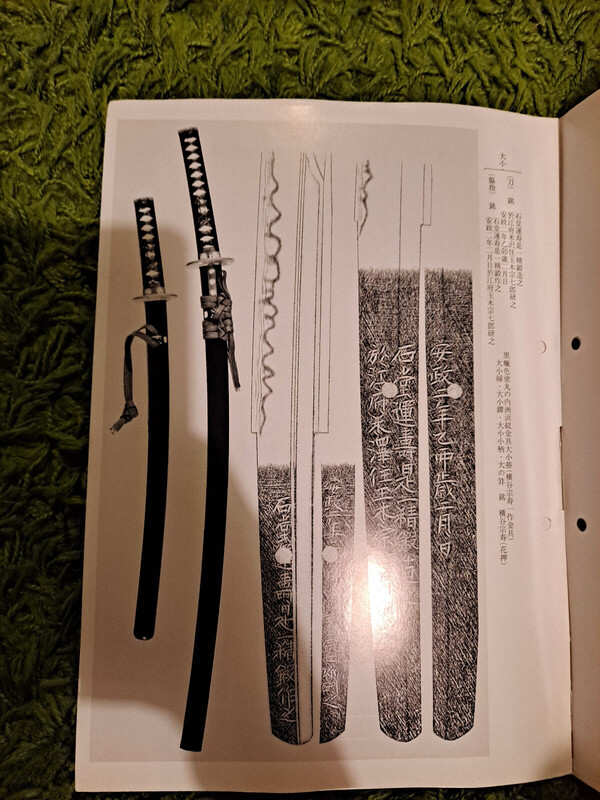 2 points
 -
I'm a hopeless romantic, so my dream swords are personal picks. Both projects are in the works! But won't be done for several years... One, being my inherited early shinto kanemoto school katana - in full polish. Two, being the o-suriage late Kamikura Tegai I found in the wild - in full polish. Aside from those personal blades. A dream would be to own a Koto ubu Awataguchi or Rai Tachi. Certainly, only in my dreams Cheers, -Sam2 points
-
刕 is the correct kanji for “shu”, which is a variant character of 州 (shu). 劦 (kyo) is a different kanji, but it is sometimes misused as 刕. BTW, 江州(刕) reads Goshu.2 points
-
One 'lucky' owner of EXCEPTIONAL (definitely for the price) sword With that budget I could afford something like this https://www.aoijapan...ubetsu-hozon-tosogu/ Price: ~35,5k USD2 points
-
I do totally agree with you. I buy 99% of my things from Jauce - they are reliable and a great deal of the time much cheaper [especially when the same object is selling on ebay] I am not so happy with the multiple fees but even taking that into account they still end up better value. It is a shame even Jauce is now allowing the crude fakes to appear, but at least they tend to be bunched together so you can easily skip them en-masse. Of course Jauce and Yahoo and Buyee tend to sell the same items, it just depends which company people like to deal with. I have been buying through Jauce for more than ten years now - why would I switch? https://www.ebay.com.au/itm/286181606407 vs https://www.jauce.com/auction/v1162501365 that is US $163.89 on ebay vs US $55.70 on Jauce https://www.ebay.com.au/itm/286181606420 vs https://www.jauce.com/auction/t1162476189 that is US $120.99 on ebay vs US $36.27 on Jauce These are not insignificant price differences even with fees and shipping.2 points
-
Money is not a indicator of intelligence but monkeys do like bananas2 points
-
It's a good sentiment but all of this feels very much like teaching grandmother to suck eggs..... A list of trusted sellers, who to avoid, useful search terms etc etc might be more helpful?2 points
-
Allen Presley was the President of a sword club in Rochester New York in the 1990s. It was called Mu To Kai. He was an engineer and a very good researcher in Japanese swords. The Rochester group was an excellent sword club. I miss the many members who have deceased over the years. The last meeting that I attended was pre-covid.2 points
-
Today I got out my Chidori Jumonji yari to maintain/ view and decided to share them. I really enjoy this type of yari and it's quite interesting to see the slight differences each of the yari has. It may take a little time to see them but when you do there quite noticeable. From left to right the smiths are- Higo no kami Kuniyasu, Echigo no kami Kanesada (Sakaura Terukane) and Kawachi no kami Monjyu Kanesada. Hope you enjoy them. John C.
 2 points
 -
I would say this is a Chinese puppet army sword (伪军刀). Please check out the photos. The sword at the very bottom is an exhibit in the Military Museum in Beijing. The tag reads: 冀热察挺进军第三科科长贾顺林缴获的日伪军战刀 "A battle sword seized by Jia Shunlin, head of the Third Section of the Ji-Re-Cha Advance Army, from the Japanese puppet army." Notice that the metal parts of this puppet army sword are very similar to the one Dave posted.
 2 points
 -
Never tried to use a sniping tool? I usually place bids this way on Ebay. Set max bid amount and the bid will be placed approx 5 s before the end of the auction. This removes the inconvenience of having to manually bid no matter what time the auction ends.2 points
-
Signed Tsuda Echizen no kami Sukehiro. Unfortunately the inscription does not appear to be authentic, I would not consider it to be a good target for investing in restoration. Best regards, Ray2 points
-
Hmmm... Not sure where this idea came from, but it is quite inaccurate. There are a good handful of pre-Edo tsubako who regularly signed their works. Among them are the two Nobuiye, the two Kaneiye, the early Yamakichibei smiths, Hoan, Sadahiro, Umetada Myoju, Umetada Mitsutada, and Koike Yoshiro Naomasa. So, not only were there pre-Edo smiths who regularly signed their tsuba, but each of these artists is generally regarded as one of the very finest tsubako of any era in Japanese history. This doesn't have much to do with the OP's concerns, but I did want to respond to that statement for educational purposes...2 points
-
While technically indeed daisho comprises a long sword and short sword, historically, as Kiril says, the term really signified the presence of a long blade and a short blade (not necessarily by the same smith or even school, or era) in a long saya and short saya respectively. Ideally, the koshirae were a matched set (not the blades necessarily; if the latter were a set - great, but not a must) from an aesthetic but also “regulatory” point of view during Edo (since daisho codification emerged at the end of Muromachi). As extra colour about definitions, see the last sentence of the second NBTHK text below: ie, only banzashi were strictly regulated but otherwise free interpretations of daisho emerged. Below comes from the NBTHK: “In the Edo period, in public places, samurai wore daisho koshirae, which were called Hakama-zashi (worn inside of the hakama pants belt), Ban-sashi, or Denchu-zashi (worn inside of the castle). These styles were not always the same and depended on the samurai's status and the area. Basically there was a hilt covered with white same and wrapped with a black cord in the hishimaki style, a kashira made out of black painted horn, and a saya lacquered with black urushi. The tip of the katana saya had an Ichimonji design (a flat bottom on the saya), and the wakizashi had a round bottom on the saya. The tsuba had a polished shakudo ground with a mon, i. e. it was a Kenjo-tsuba (a formal design), or had a scattered mon design. Usually a Mitokoro-mono consisting of a kozuka, kogai, and menuku provided sophisticated matching pieces.” With kudos to Markus Sesko, same idea but elaborated slightly differently by the NBTHK again in this second text: ”A daishō is a pair of uchigatana and wakizashi and the practice of wearing such a pair of swords is assumed to have emerged at the end of the Muromachi period. With the Edo period, a formalized daishō-koshirae came into existence which was used at an attendance at a castle and which was referred to as kamishimo-zashi (裃指) or banzashi (番指), The official code of the Bakugi Sankō (幕儀参考) defines such a formal daishō-koshiraeas having glossy black-lacquer saya, with the sayajiri of the dai being straight and that of the shō round, with the hilts being covered in white same and wrapped hishimaki-style with black braid, with the kashira being of black-lacquered horn, and with the fuchi being of shakudō with either a nanako ground or a polished finish. The tsuba was proposedly a Kenjō-tsuba of polished shakudō and the mitokoromono first-class Gotō works. The only decoration should be family crests highlighted just in gold iroe and the sageo should be black braid, although for presentation purposes also purple sageo were used. Apart from the above mentioned official use however, daishō-koshirae were not regulated by the bakufu but several interpretations emerged that base on the banzashi regulations.” Furthermore, while the NBTHK in the texts above specifically refers to wakizashi, strictly speaking the Edo period sho could be a tanto too. We can see that in this Juyo daisho set appended here. If we go further back in time, when warriors wore tachi suspended from the waist, they often had a secondary blade thrust through the sash - koshigatana. Could have been a long tanto or kodachi. There are various depictions of such samurai in scrolls, paintings etc. From memory, the depictions did not seem to indicate matched fittings and outward appearance. Attached below are Nanbokucho and early Muromachi koshigatana. Their form could be viewed as the predecessor of the wakizashi function, just the way katana gradually replaced tachi. On the last point, for formal occasions even during Edo period, specific tachi koshirae were required. Some time ago I had put together a few slides on koshirae for our Society and you can see in the enclosed image that in the case of the hitatare outfit, the displayed figure is actually carrying a tachi and a tanto or koshigatana through the sash.


 2 points
 -
Jussi delivers superbly of course as usual. in my view, the oldest really are the chokuto and that is what counts.

 2 points
 -
Here are the oldest swords with horimono that I have in references, in no particular order as I cannot really say exactly how old they are but I believe all of these date to late Heian period. 三条宗近 - Sanjō Munechika 五条国永 - Gojō Kuninaga 正恒 - Ko-Bizen Masatsune 友成 - Ko-Bizen Tomonari 大原真守 - Ōhara Sanemori However there are multiple chokutō that are much older and feature carvings. I did not include those. There are swords with horimono that were made in Early Kamakura period but they are not as old as the blades from makers above. Then of course I will include 5 oldest dated swords with horimono I am currently aware of. 国綱 - Awataguchi Kunitsuna 1253 (I believe this mei might need more research) [an interesting sidenote it is an ōdachi] 守家 - Hatakeda Moriie 1280 来国俊 - Rai Kunitoshi 1292 了戒 - Ryōkai 1293 国光 - Shintōgo Kunimitsu 12942 points
-
Two videos of the exhibit from a good channel: Part 1: Part 2:2 points
-
2 points
-
2 points
-
2 points
-
2 points
-
2 points
-
2 points
-
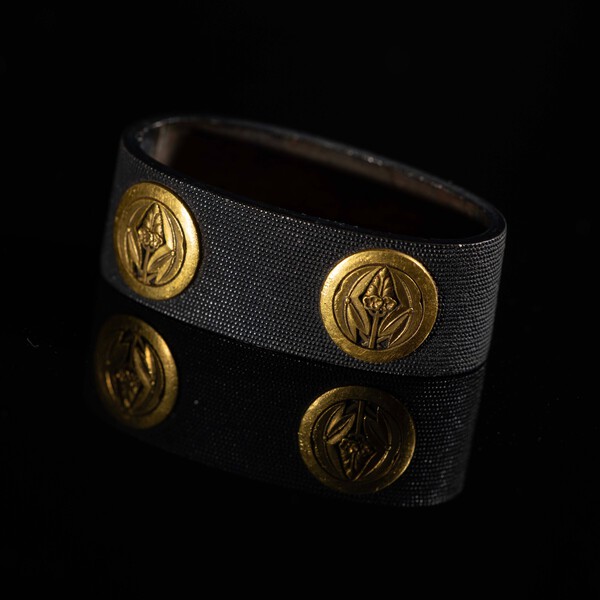
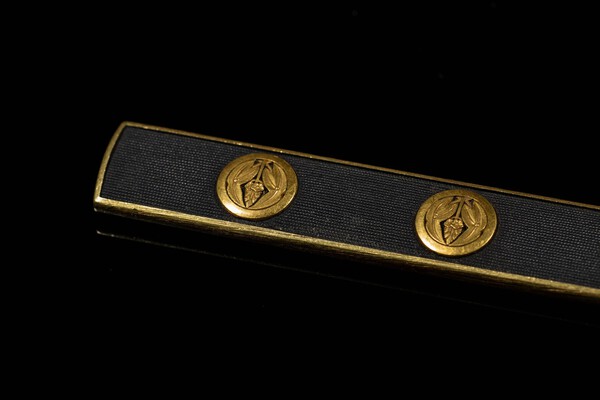
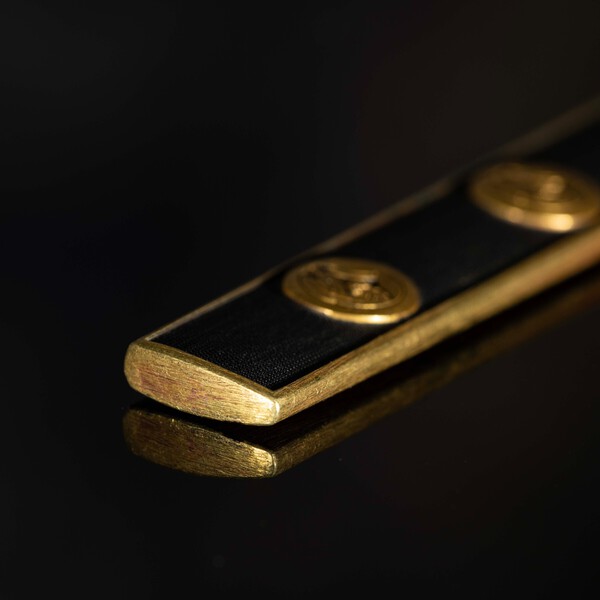
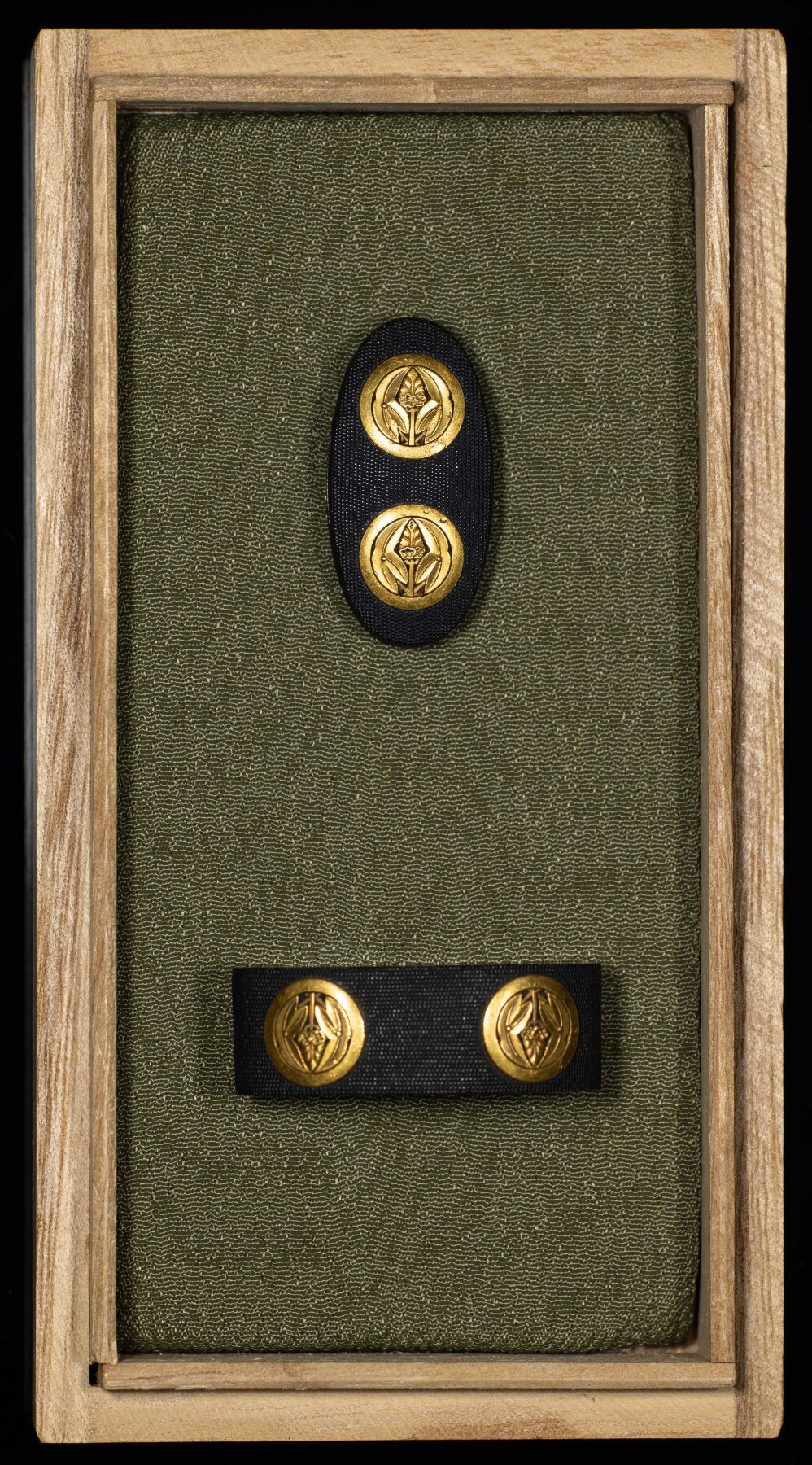
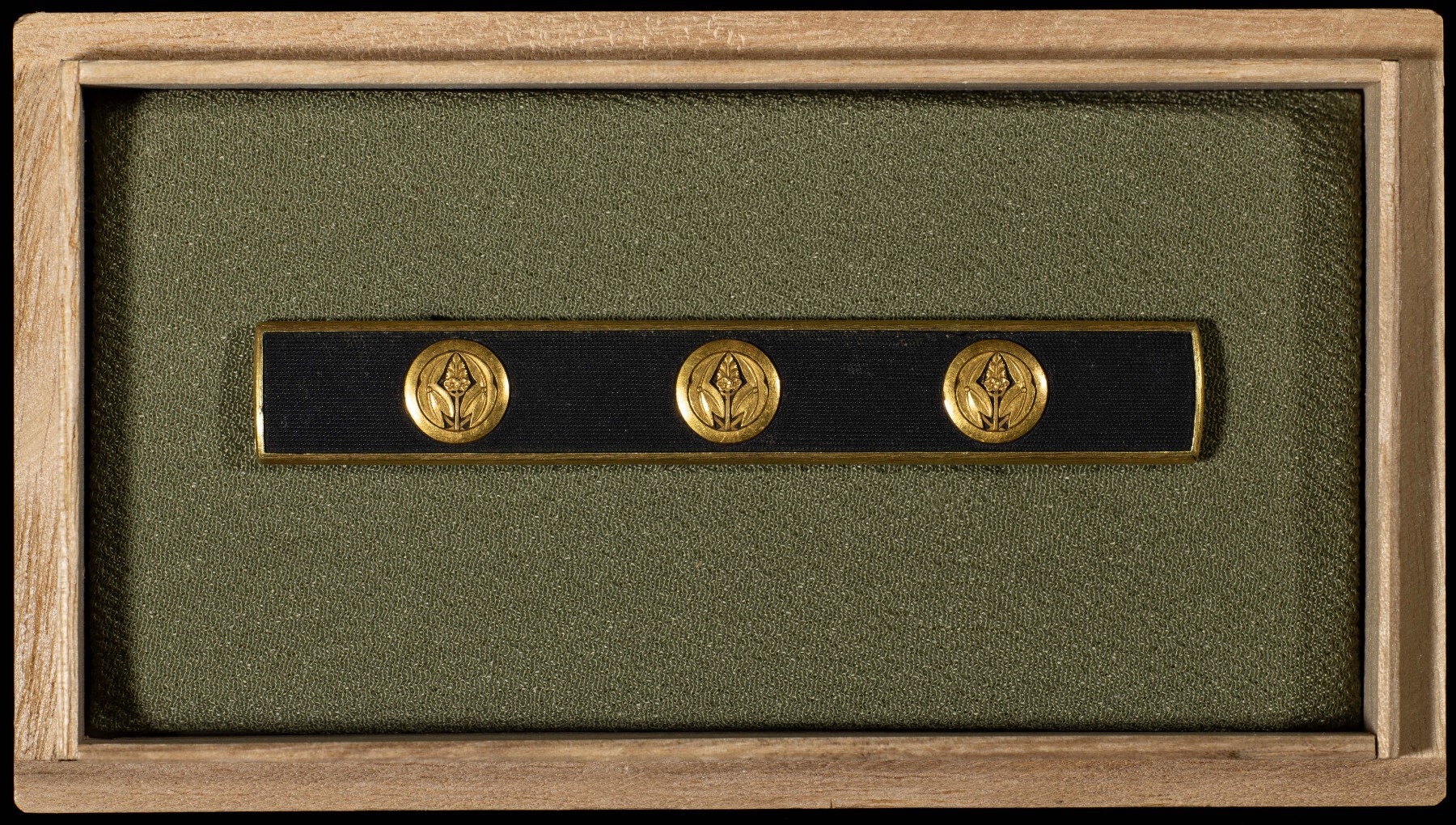
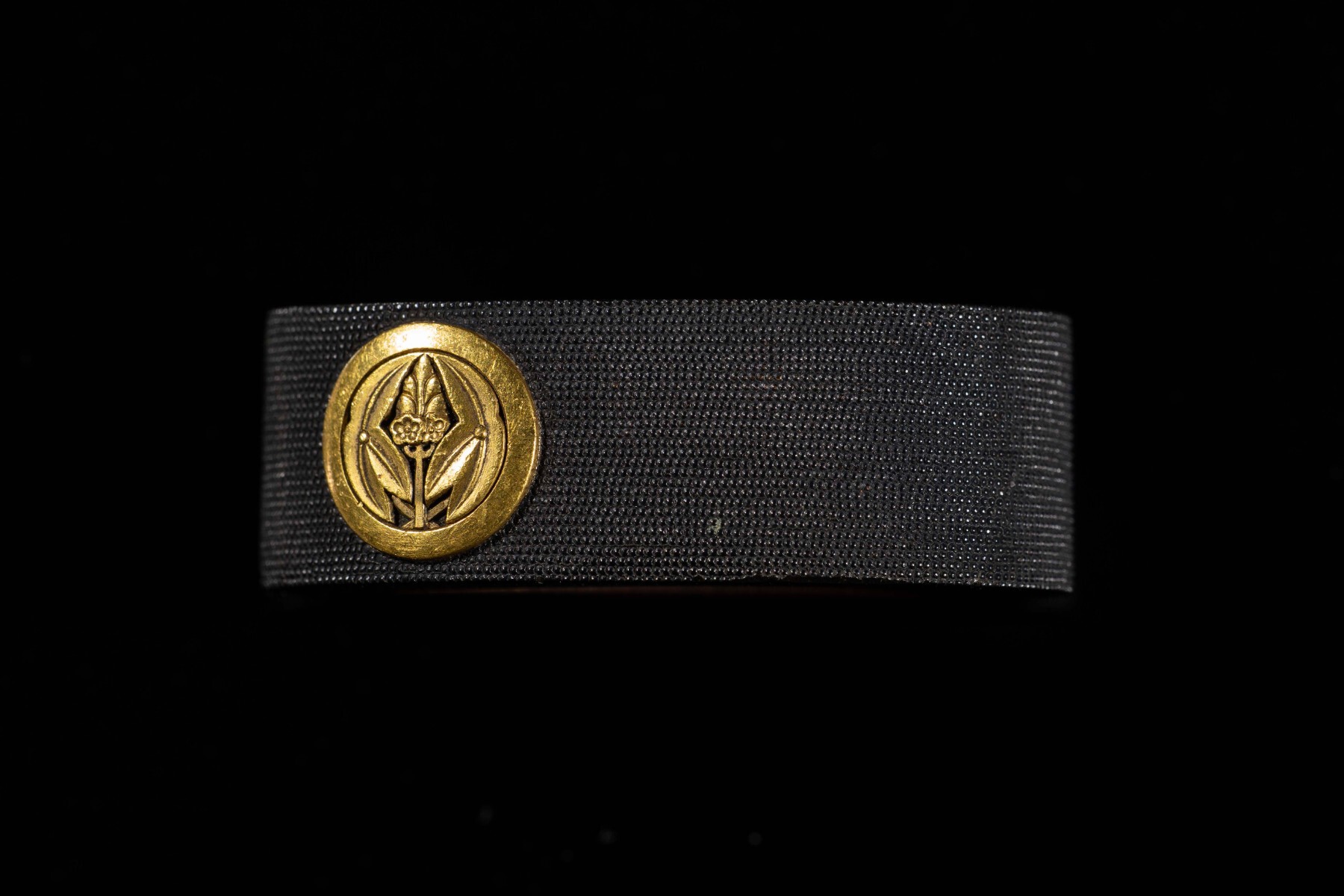
For sale Futatokoro set by Yoshioka school with Omodaka Mon design 1.600 EUR + postage + PP fee Shipped from Slovakia





 1 point
 -
It was in the original listing, @SteveM, but it appears to have since been removed.1 point
-
I think your heart is in the right place Dan and if it makes you happy, keep on keeping on. Maybe someone will benefit by your post? Everyone has different budgets and interests; this could be a way for someone to purchase that maybe they couldn’t otherwise. Who knows?1 point
-
According Danny Massey (Nihontocraft)1 point
-
Dear Jake, it's a nice set of fuchigashira and not out of line with what one would expect from the Hamano school. However, I don't think this set would paper to Shozui. Although the quality is good, I don't think it's good enough for Shozui, who was considered to be on par with the top Nara masters. There are also quite a few inconsistencies in terms of the mei. The top left hand stroke of 正 in 政, for example, floats higher than all of the examples in the meikan, and the third stroke is too long. In the second part of that kanji (攵) the third stroke isn't usually connected to the first two strokes. In general, that kanji lacks the balance seen in all shoshin (papered) examples that I've seen. Sorry to be the bearer of bad news... It is a nice set though, and the glass eye is an interesting feature. In general, I'd avoid buying big names without papers from Japan. It is possible to find some treasures, but artists like Shozui (and Yokoya Somin, of whom there are also lots gimei examples) will sell for a considerable amount of money with papers, and in Japan it is fairly easy to submit for kanteisho. So if someone knows what they have there is the financial incentive to submit for papers and make a lot of money.1 point







































































This leaderboard is set to Johannesburg/GMT+02:00