
Leaderboard



Popular Content
Showing content with the highest reputation on 03/08/2026 in all areas
-
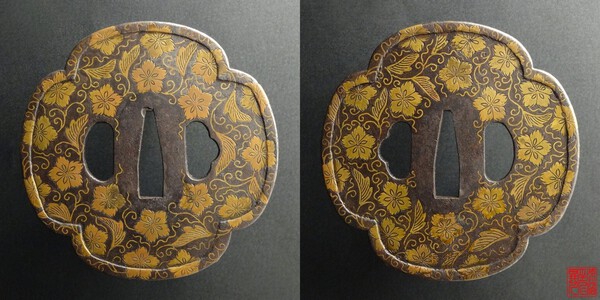
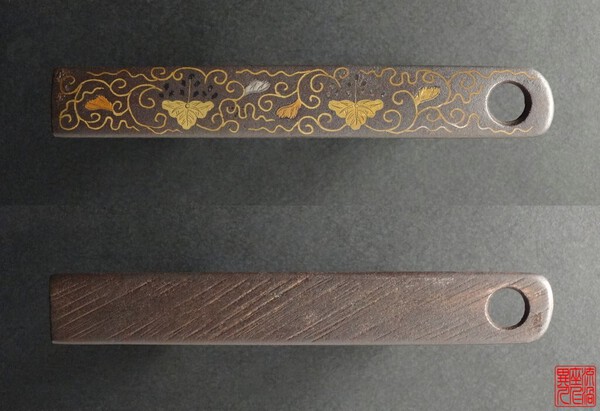
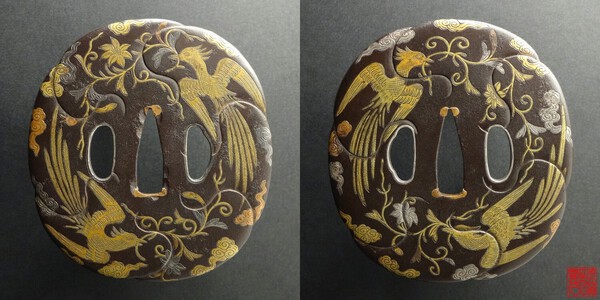
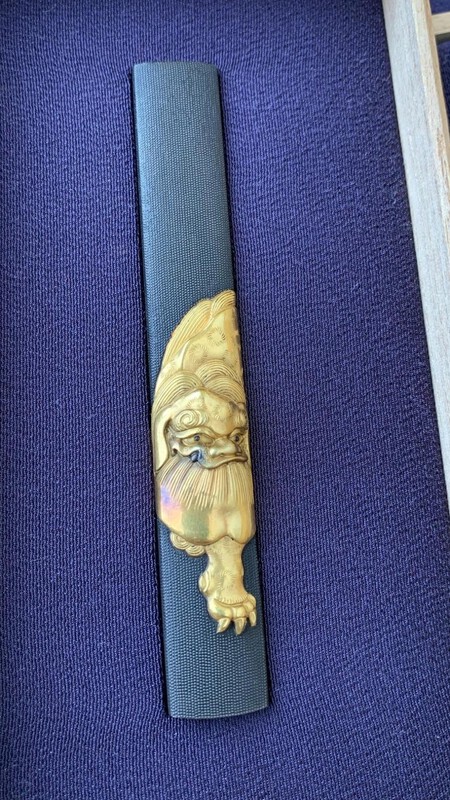
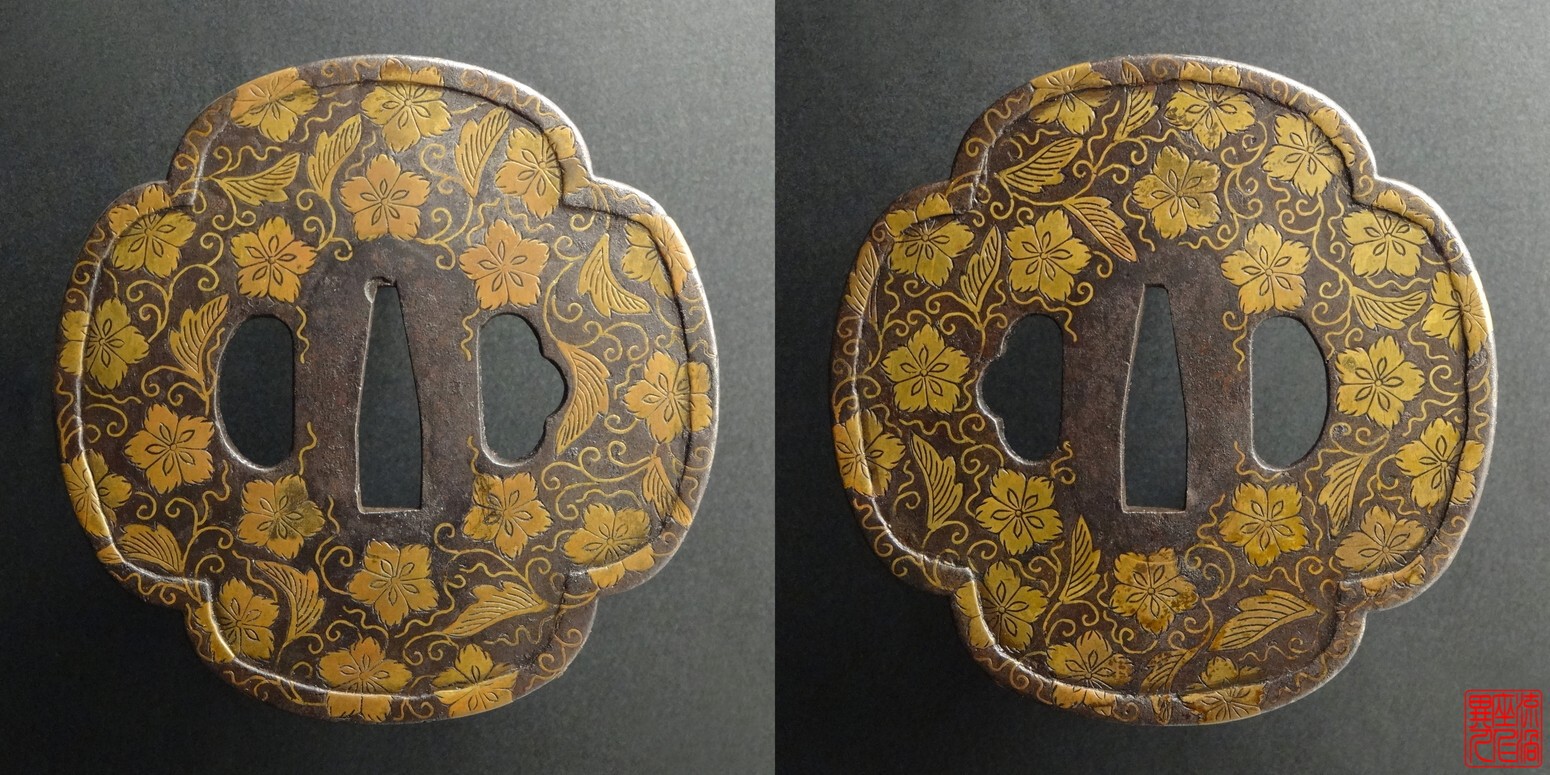
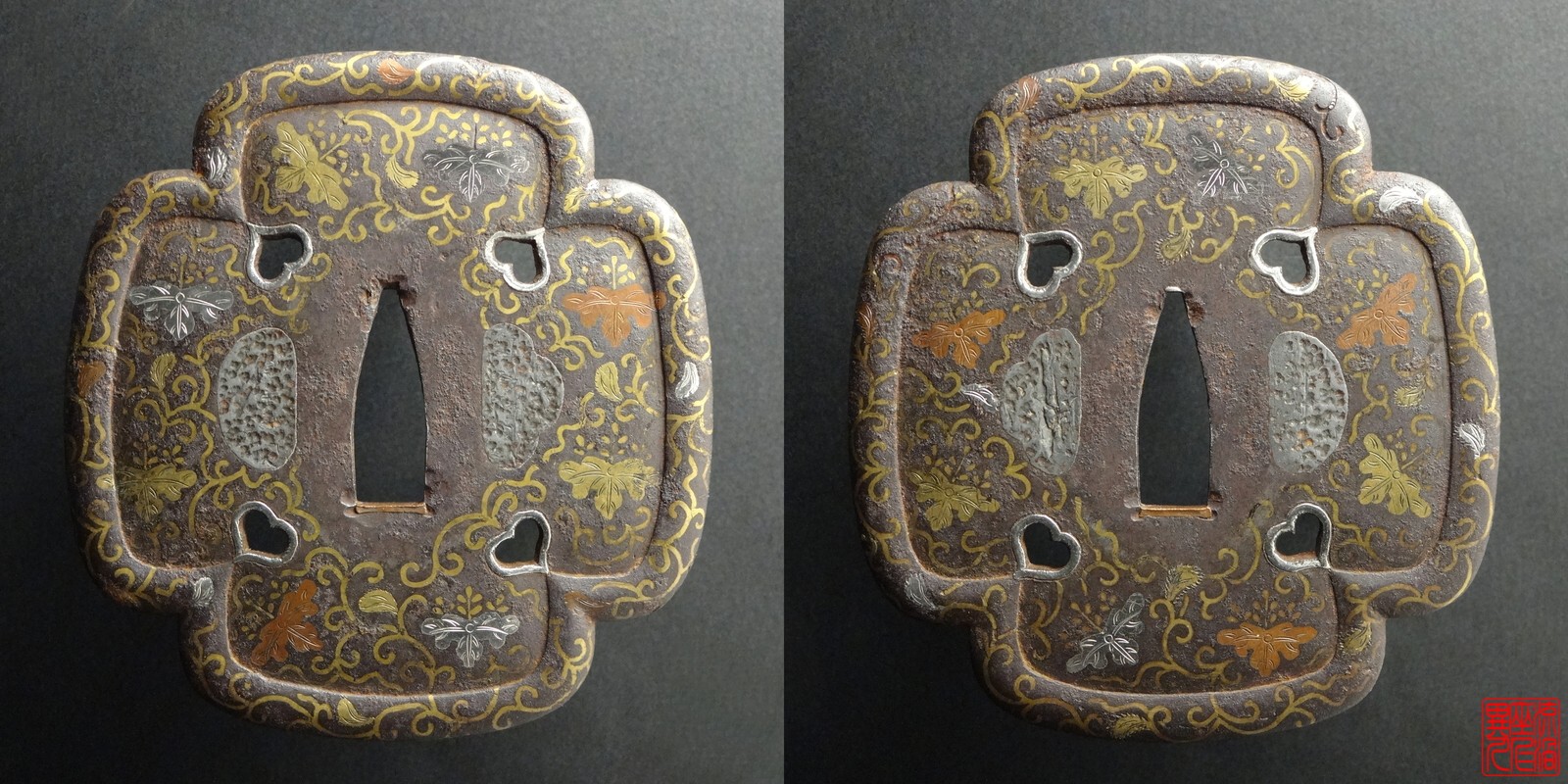
Having a particular fondness for brass-inlaid tsuba, I eventually added several pieces from the Washida school of fittings makers to my collection. This sparked my interest in learning more about the school and its production. Over time I gathered a fair amount of information and eventually decided to compile it into a single document, which you can find in the download section of the board: https://www.militaria.co.za/nmb/files/file/210-the-shōnai-washida-school/ I hope you enjoy reading it as much as I enjoyed putting it together. As I mentioned, given my particular weakness for brass inlay, the document is somewhat biased toward the work of Washida Mitsunaka! Just as an example of the Washida production here are the pieces from this school (or supposed to be from this school) in my collection: NBTHK Hozon to Washida. Dimensions 85.4 mm x 85.3 mm, thickness 3.9 at seppa dai, 4.2 at mimi. NBTHK Hozon to Washida. Dimensions 85.3mm x 79.2 mm, thickness 3.6 at seppa dai, 4.0 at mimi. Identical to tsuba attributed by NBTHK to Washida. Dimensions 87.2 mm x 82.2 mm, thickness 3.7 at seppa dai, 4.0 at mimi. Signed in kinzogan mei Kyozan Mitsunaka with Kao. Dimensions 87.2 mm x 77.6 mm, thickness 2.6 at seppa dai, 4.2 at mimi. Dimensions 83.5 mm x 78.6 mm, thickness 3.0 at seppa dai, 4.1 at mimi. Dimensions: 96.9 mm x 13.9 mm, thickness 4.7 mm. REgards Luca


 6 points
 -
海軍燃料廠 – Navy fuel factory 製油員 – Refinery operator 里村清吉 – Satomura Seikichi 第三蒸溜工場 – The 3rd distillery6 points
-
雪斎書 = Sessaisho (presumably the art name of the person who made the tsunagi) 宗雨 = Muneame I would imagine this is the professional name of the maker. I haven't seen a copper tsunagi before. It would be an unusual extravagance. The name is also kind of unusual. Mune is common, but 雨 (ame) isn't a character you would typically expect to see in a name.4 points
-
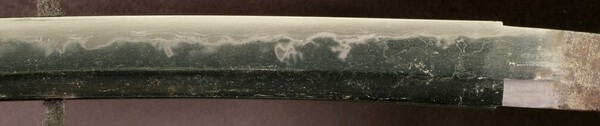
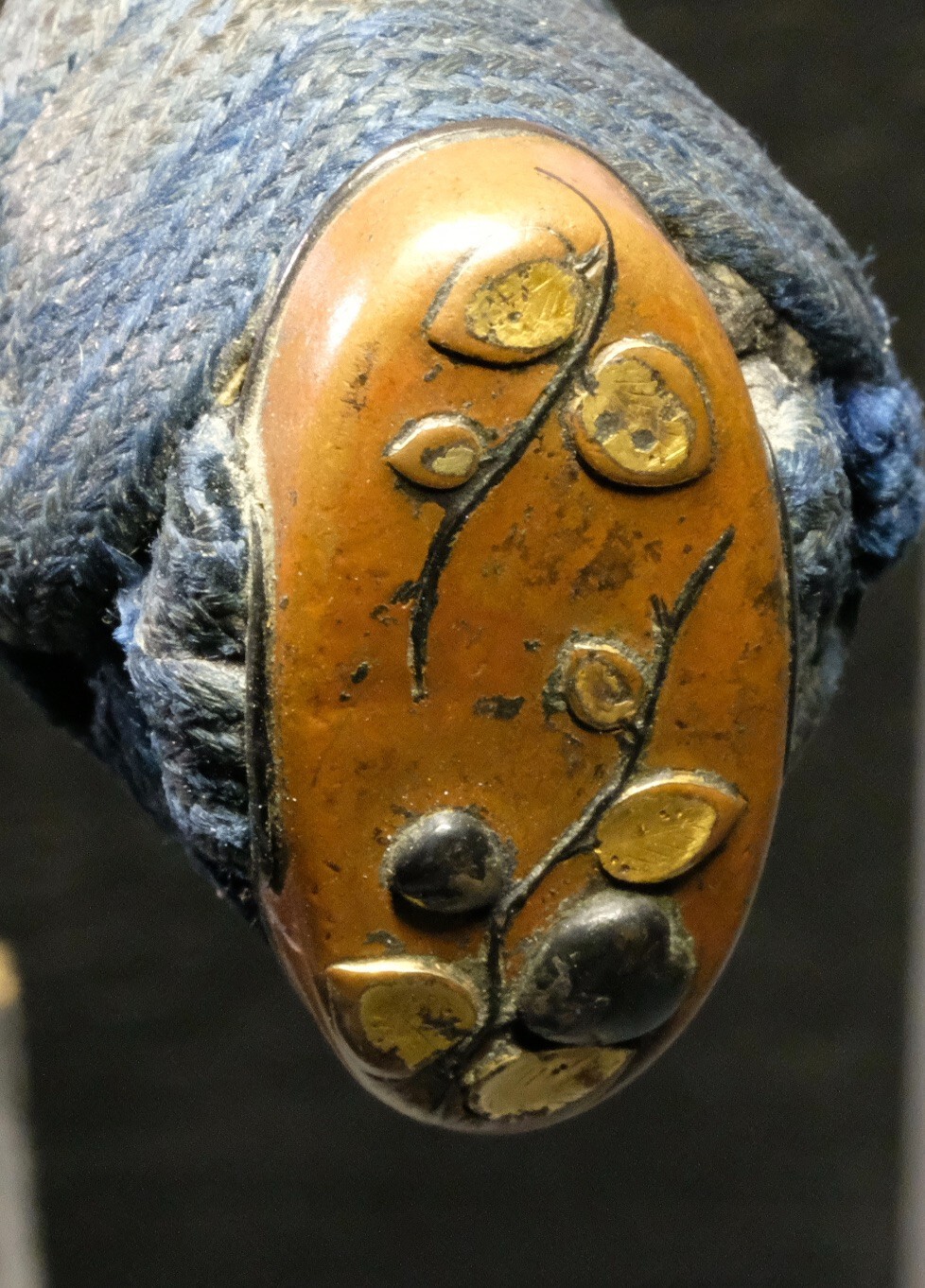
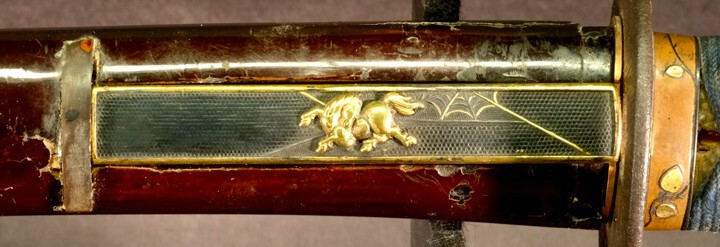
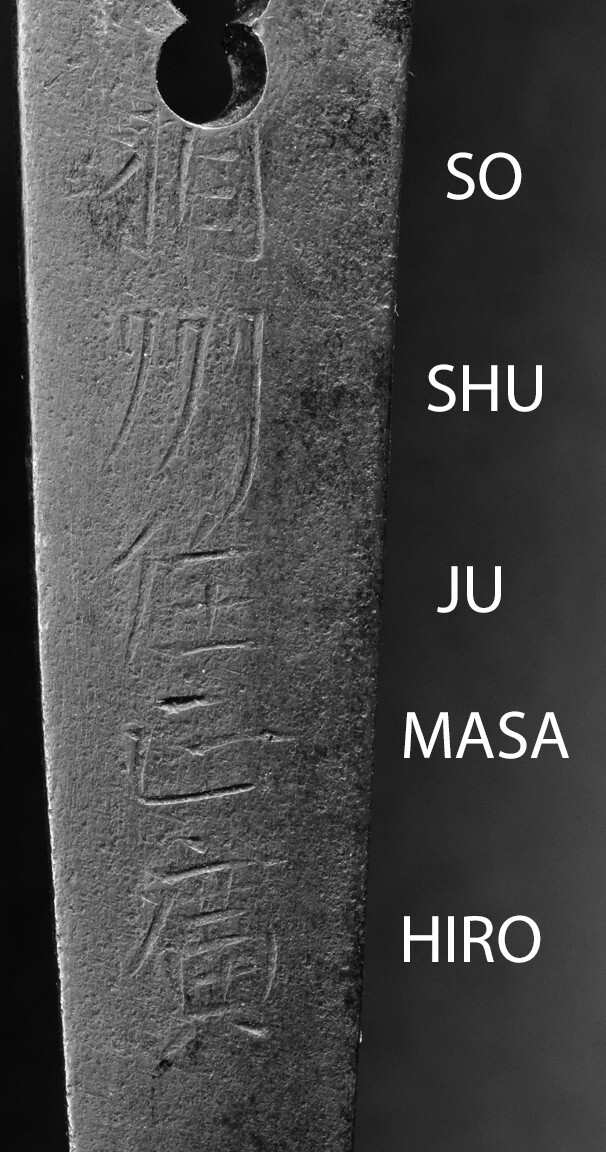
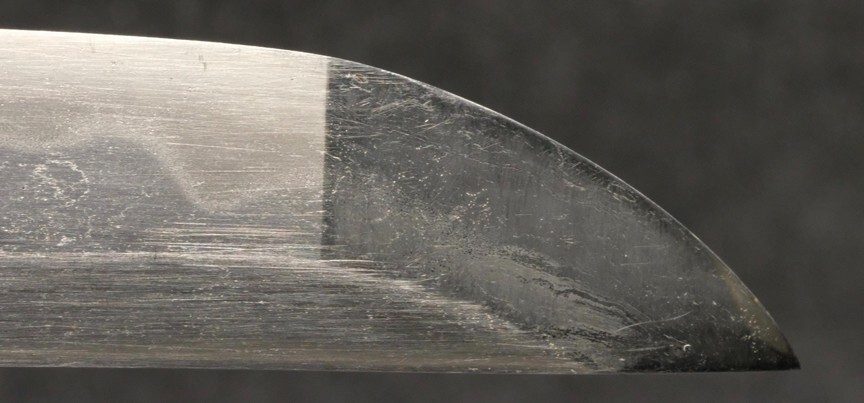
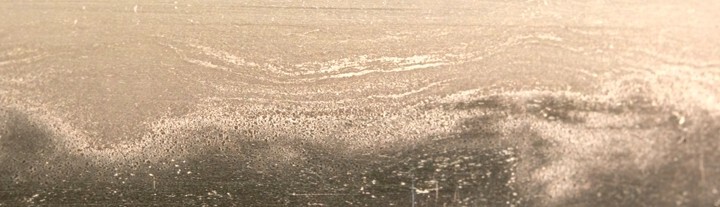
SOLD! MASAHIRO, SOSHU -SOLD- MEI: SOSHU JU MASAHIRO DATE: NONE NAGASA: 45.08cm (17.75") OVERALL: 57.15cm (22.5") MIHABA: 2.698cm (1.0625") KASANE: 0.63cm (0.25") SORI: 1.27cm (0.5") NAKAGO: UBU MEKUGI ANA: TWO YASURIME: KIRI MUNE: IORI HADA: KO-ITAME HAMON: O-MIDARE WITH TOBIYAKI BOSHI: KO-MARU WITH HAKIKAKE HABAKI: 2 PIECE GOLD FOIL KOSHIRAE This sword is signed Soshu Ju Masahiro. I want to state clearly, the majority of swords signed Masahiro are gimei. On such a big name it is always wise to assume gimei when there are no papers to authenticate the mei. While the mei is undoubtedly false, which was common throughout history, the sword is guaranteed to be a genuine Nihonto. The blade is in relatively poor polish with a couple of small ware but no serious flaws. The hada is tight ko-itame with some masame. There is considerable activity to be seen (see photos). The koshirae is in poor to fair condition. The kurigata, kaerizuno, are intact. The aragawara is missing. The saya is a brown lacquer with some damage and losses, again see photos. The Fuchi / Kashira are a copper base with eggplant and foliage done in mixed metals of shakudo and gold wash. I have no idea what the menuki depict, but they are brass. Tsuba is iron with what I am calling a stylized amida rays. The Kozuka is done in gold utori and depicts a horse and spider web on the shakudo nanako jita. The Kogatana is signed Jiro Taro Naokatsu, but is likely gimei as well. This sword is being sold under the assumption that all signatures are gimei. Nonetheless it is a genuine Nihonto with no fatal flaws, and may be perfect for the budget constrained. SOLD




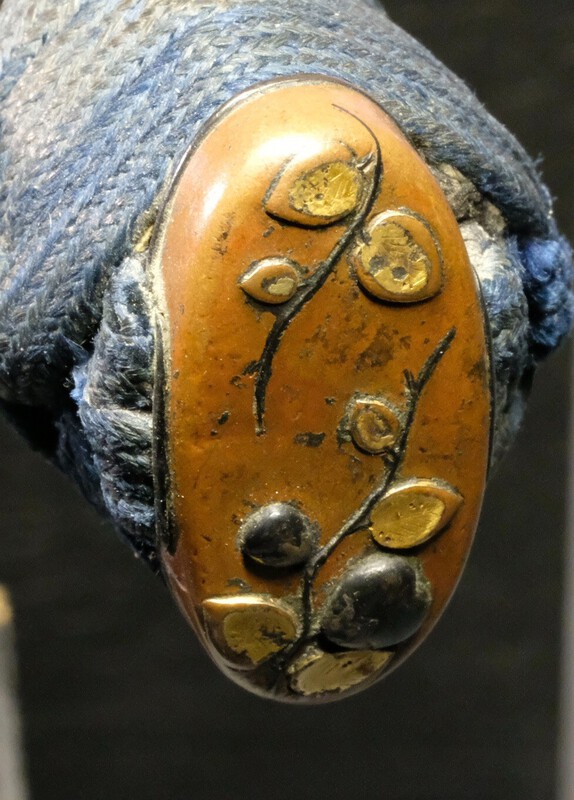




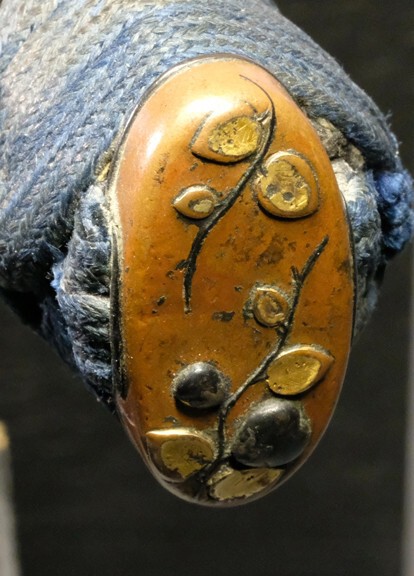
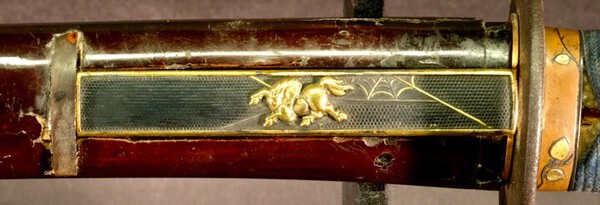


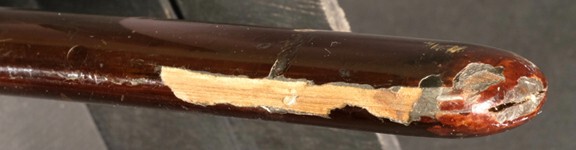




 3 points
 -
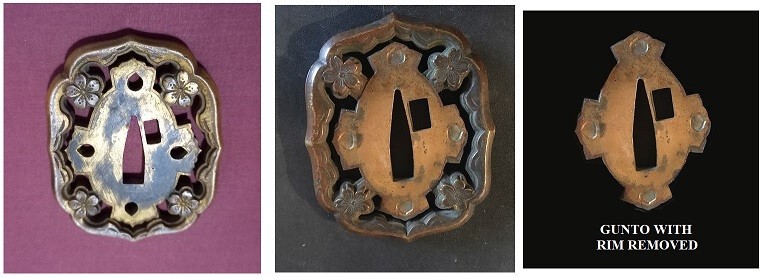
The guard looks very similar to a type of gunto guard with the rim removed - except that the majority of these have a locking hole - the guard in question may have been given a "texture" recently if it was in fact a WWII altered piece but the colour is not what you would expect either. Could you give us some dimensions for this piece?
 3 points
 -
I also will be attending. This will be my first show as I’m a fairly new collector. I will be traveling from Michigan.3 points
-
I generally find anti-Muromachi sentiment prominent among many collectors to be both understandable and strange. There was a ton of crap forged between 1500 and 1550, the kind of crap the jigane is so coarse it barely holds together. There are blades of true mastery - more during Oei to Onin, but some of Tensho work of almost zero level names was very-very impressive.3 points
-
I will admit to liking Japanese dealers. Yes, certain nonchalant description writing can be next level compared to western ones. There are no guarantees. Communications can be edgy. You want to pair koshirae with a blade from different dealers, and as a rule they hate each other and proud to make impossible. But I am yet to see a western dealer (though youngest generation shows great promise) who would close the knowledge gap compared to upper grade Japanese ones. Or have an actual impressive personal collection NFS. Which again speaks to personal knowledge, re: ability to pickup the magic guntos that matter. Yes, Japanese dealers have "make money" attitude, and they have solid acceptance of the fact they are traders by profession. Frankly, dealing in some loveable items and making money - why can't one be proud of this profession? Comparing this with a certain (common) type of Western dealers... I actually wish they would accept being professional dealers, and be more concerned about the knowledge gap, rather than investing into building a brand of a warrior-scholar who is not doing this for the money.3 points
-
Uchiko from Robert Benson is of the highest quality. The uchiko is already processed. It just takes a day to put the ball together…3 points
-
The best advice is always to buy the blade and not the papers. The internet makes that very hard and many of us are no novices to what you said, the lies of omission, downplaying of kizu, and romanticizing the blade to discount its flaws. A good buyer should know that the fluff is just that. Fluff. Even papers, which are supposed to be a certificate of authenticity aren’t always the source of truth many claim to be. I’ve seen faked papers posted here. I’ve also seen blades faked to match real papers but with a different sword posted here from a notorious Jauce auction. And most disappointingly of all, I’ve seen real swords pass Juyo Shinsa with fake mei to grandmaster smith’s showing that even Shinsa judges have been duped by nefarious means. This shouldn’t come as a surprise as we are in a hobby where gimei blades are abundant and we have a saying “green papers are no papers. Even then, right now on eBay I can go and purchase the only other extant daito signed “Sa” in the world besides the Kokuho daito! My Samonji collection would then rival that of the TNM and most seasoned collectors for only a few hundred bucks!3 points
-
Hello, some days ago I found this youtube channel. There are incredible good nihonto videos. https://www.youtube.com/@sakodakanji/videos In some videos you can see the hada, hamon and hataraki very well. Regards Manfred2 points
-
Thought I'd put a post here to raise awareness of a very good article put up by Danny Massey at his website: https://www.nihontocraft.com/Problems_Buying_Swords_on_the_Internet.html I've seen umegane and airbrushed ware/hagire before, but this is my first time seeing putty being used to fill openings. With several folks recently asking for opinions on swords offered by Japanese dealers, as well as some discussions around a particular dealer potentially being more "dodgy" than others, this is a good wake-up call that the Japanese market is no stranger to dodgy dealings and lies by omission, and this is hardly restricted to any one dealer. Unlike Western dealers, who typically have to balance the need for profit with the responsibility of educating and promoting interest in the field, Japanese dealers have a thriving, established and competitive market and have less to lose from the usual unethical practices you see in any other market of that nature. Always remember, if something seems too good to be true, it probably is.2 points
-
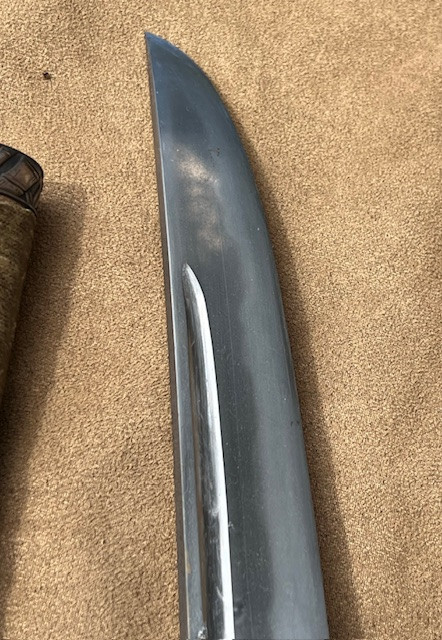
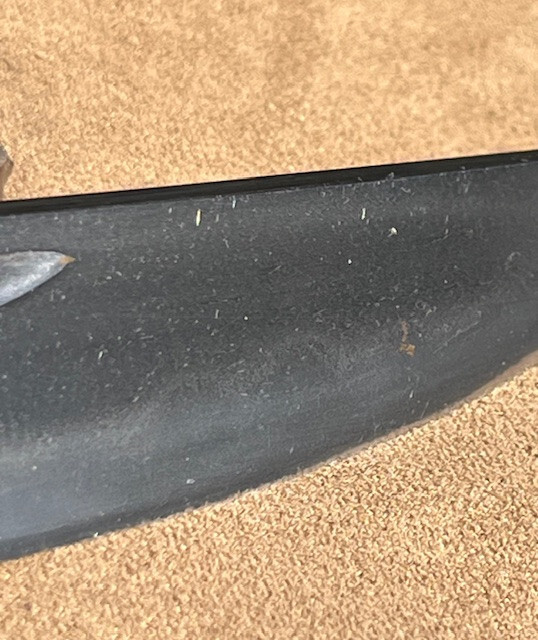
last batch


 2 points
 -
Johan: Frome those pics, it looks like a legit type 98. You might look at the area marked in the pic for a mekugi. It would ba an unusual place, but could be. You could also try peeking under some of the wrap to see if it is hidden. John C.
 2 points
 -
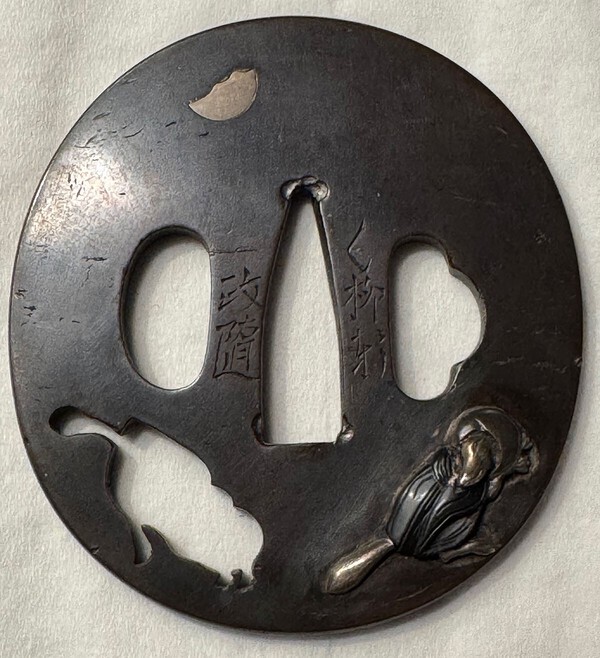
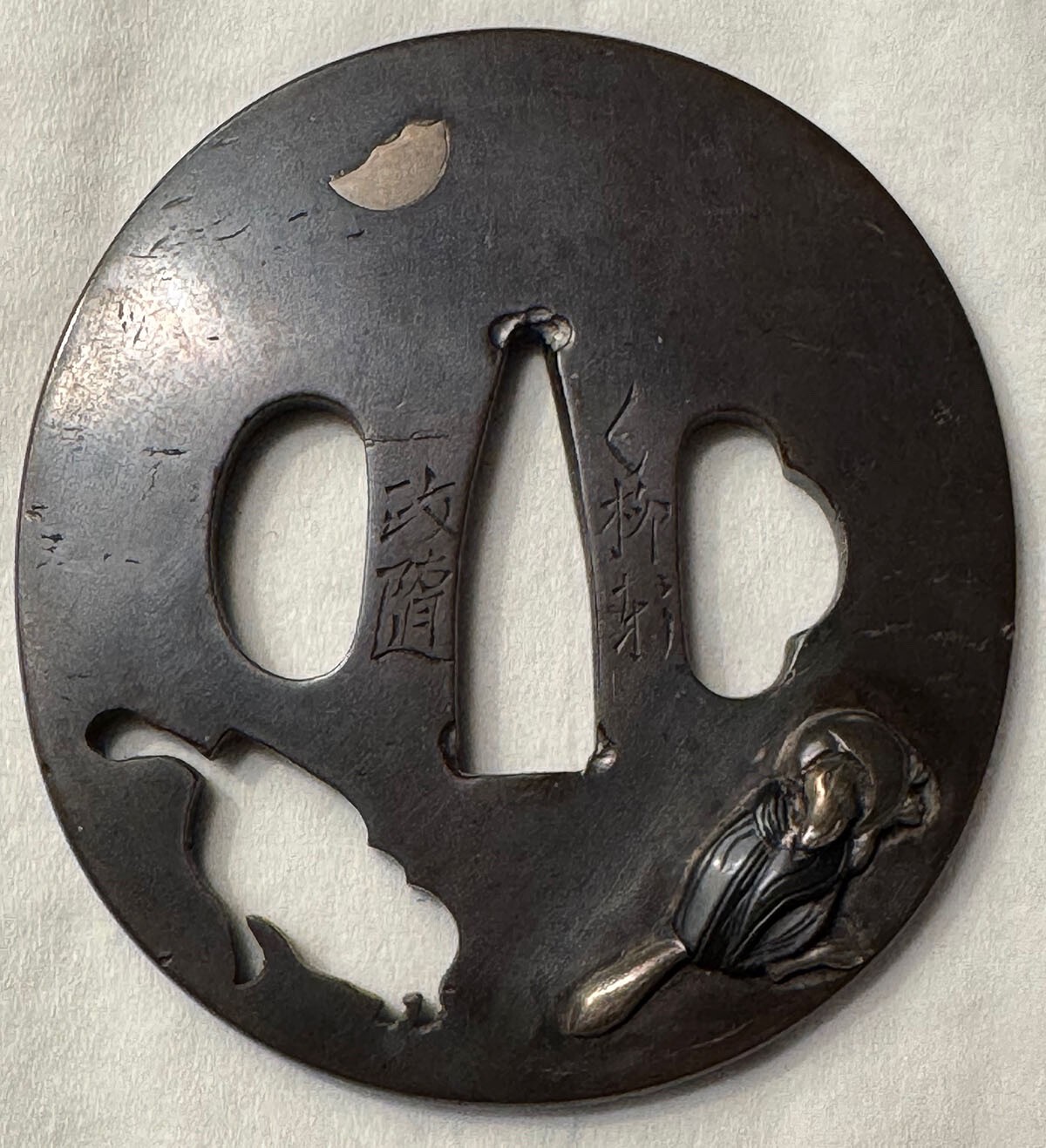
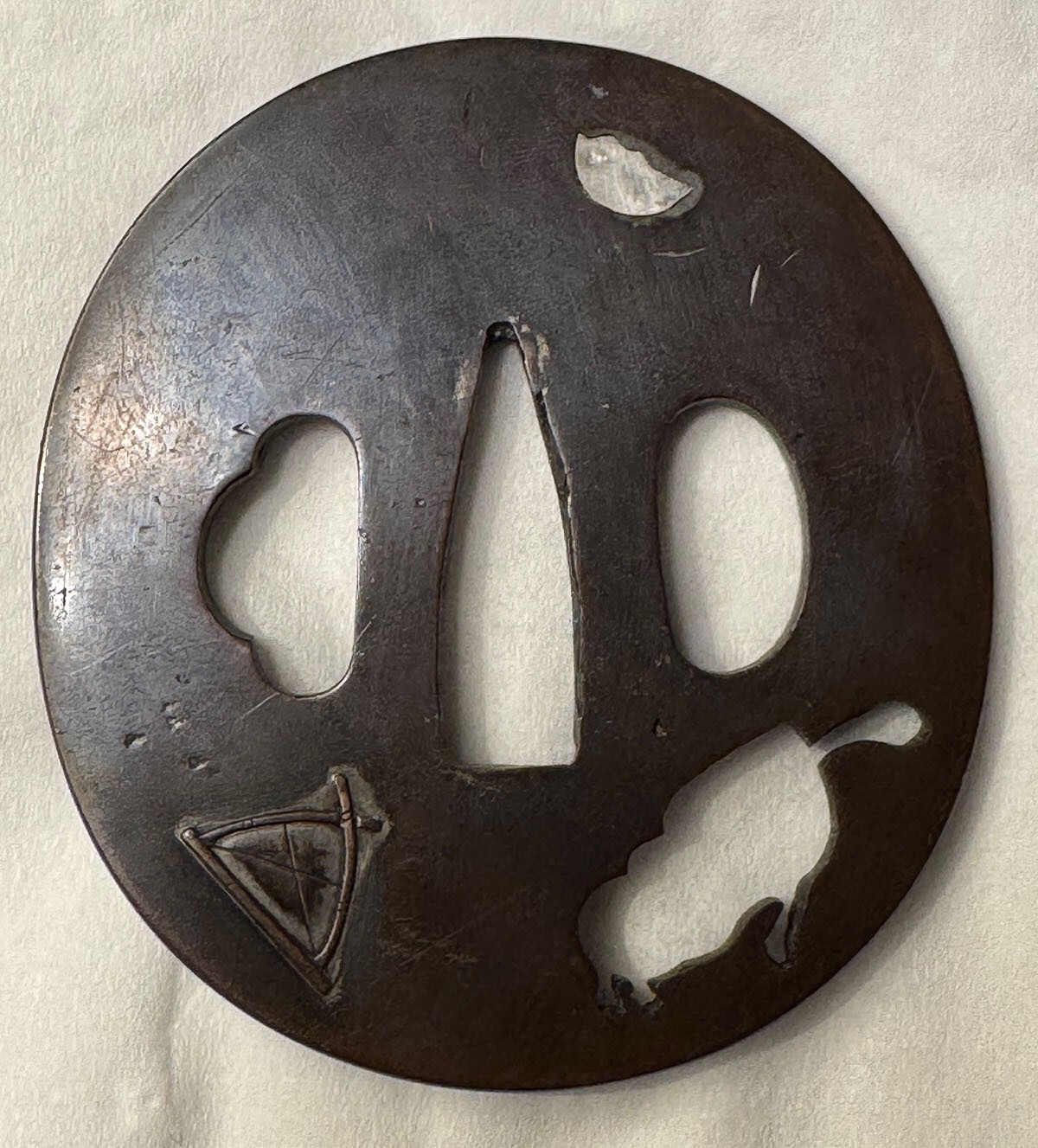
I just picked this one up in London. There’s a kitsune under a moon, with a kitsune in openwork. I am not sure what the design on the ura side is. If anyone can help with the mei, and origins that would be great. Thanks.

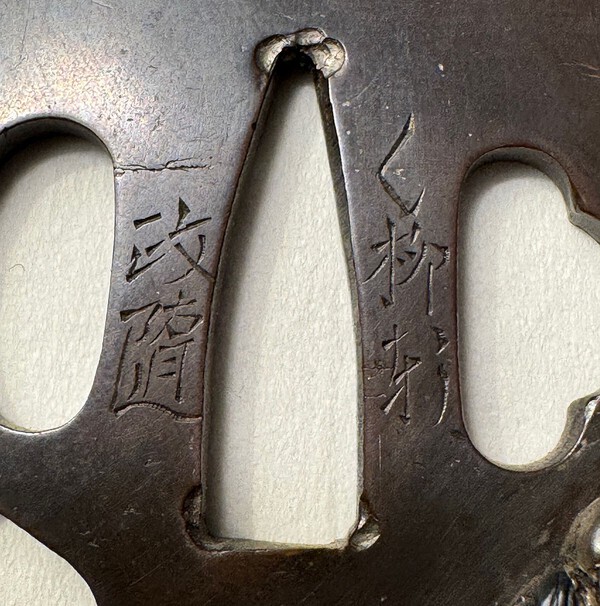

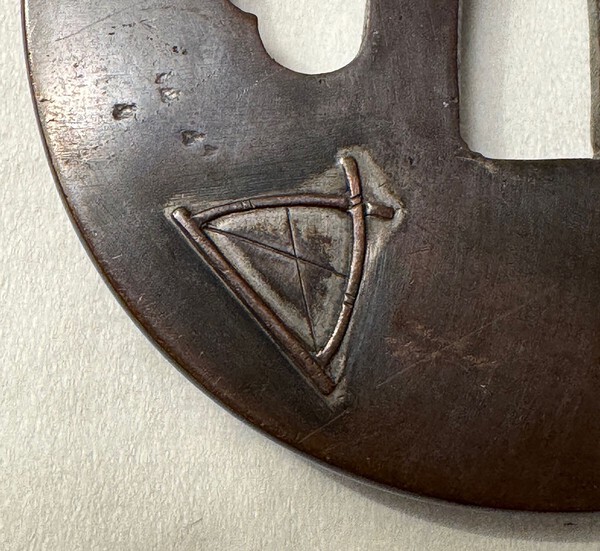 2 points
 -
This is kiri motif or Paulownia Dan Massey has one signed for sale on his site http://www.nihontocraft.com/Moriyoshi_Iyo_Shoami_200.jpg2 points
-
To all NMB members in and around the Greater Los Angeles area, The Nanka Tōken Kai, also known as the Southern California Japanese Sword Society, is a club for Japanese sword and fittings (and occasionally armor) enthusiasts that meets monthly in Gardena, California. Meetings are typically held on the second Friday of each month at the Gardena Valley Japanese Cultural Institute, running from 7:00 p.m. to 9:00 p.m., and are open to the public. Our next meeting is this Friday, March 13, 2026, and NTK Club Sensei Mike Yamasaki will host the session. If you are in the area and interested in attending, please come along, the meeting is open and free. If you have something interesting that you would like to share or discuss, please bring it with you. Meeting Details: Location: Gardena Valley JCI, 1964 W. 162nd Street, Gardena, CA 90247 Day/Date: Friday/March 13, 2026 Time: 7:00-9:00 PM2 points
-
Shozui Founder of hamano school.2 points
-
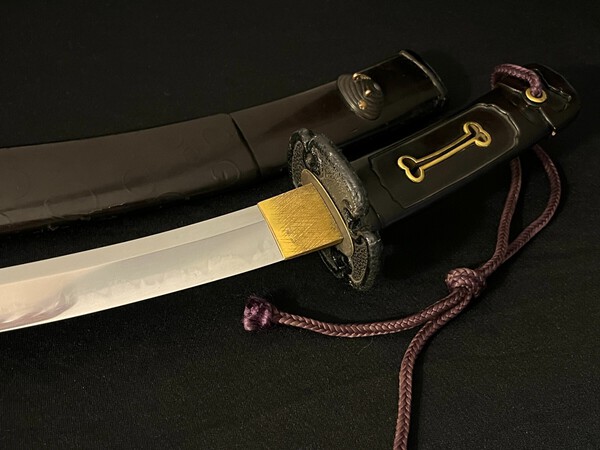
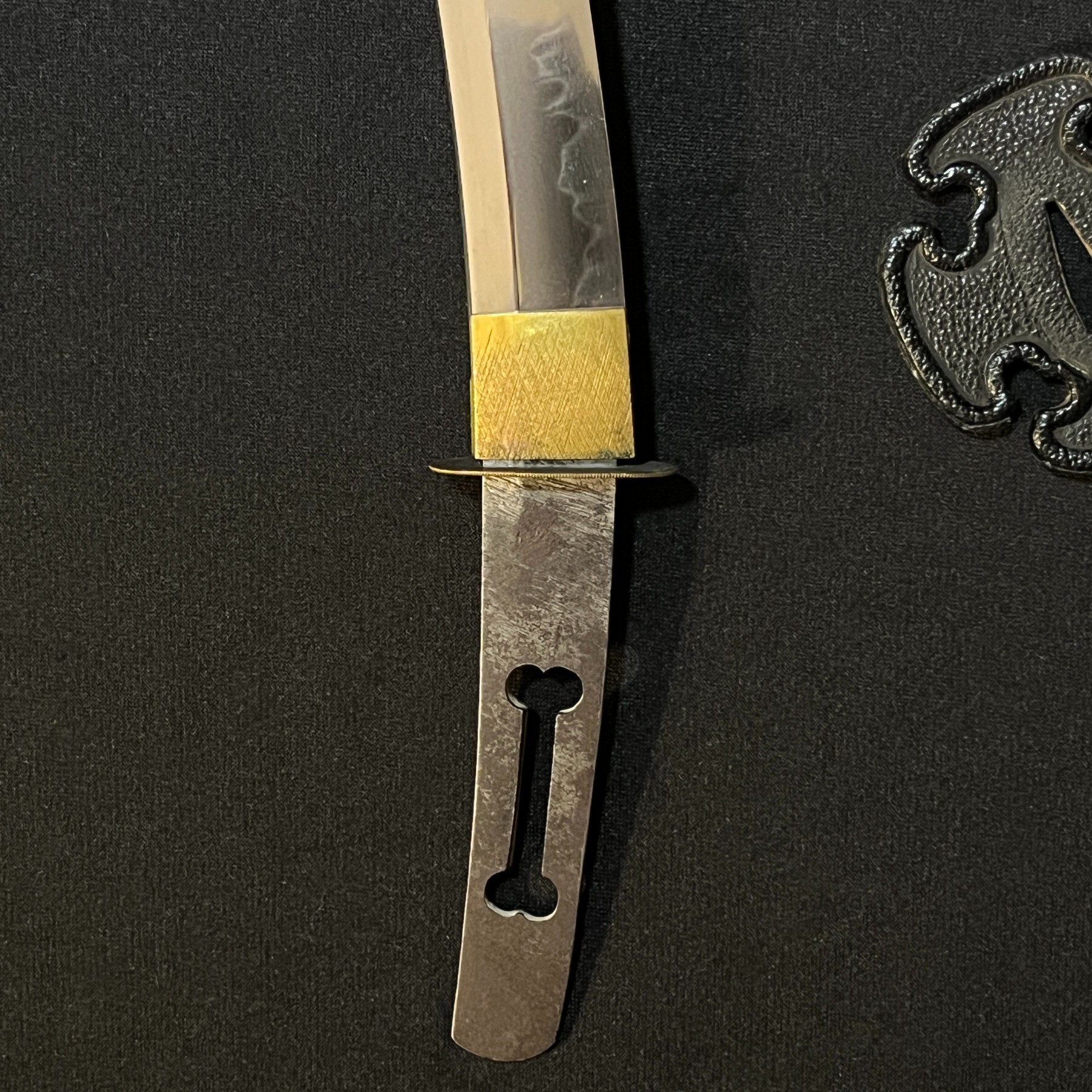
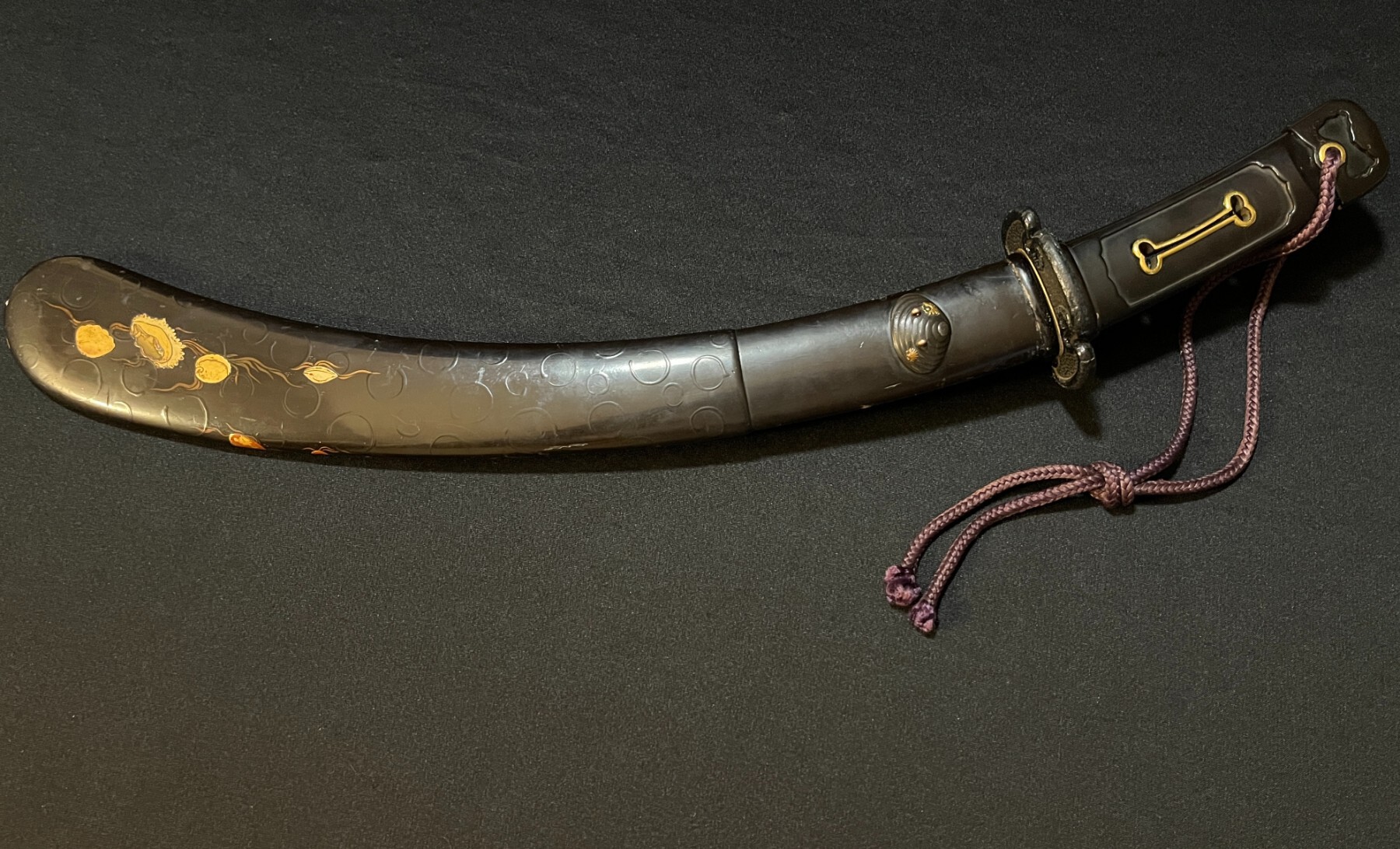
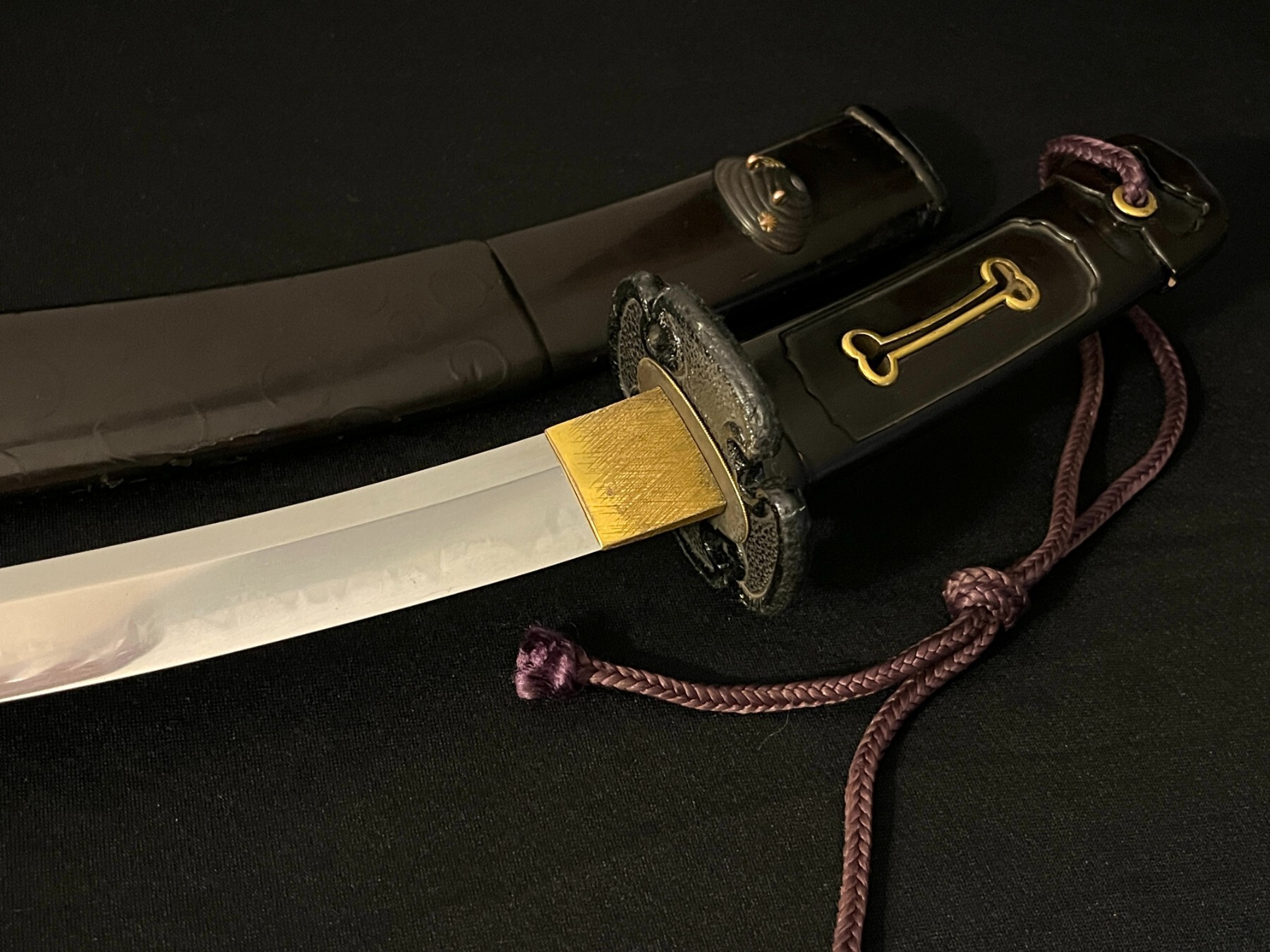
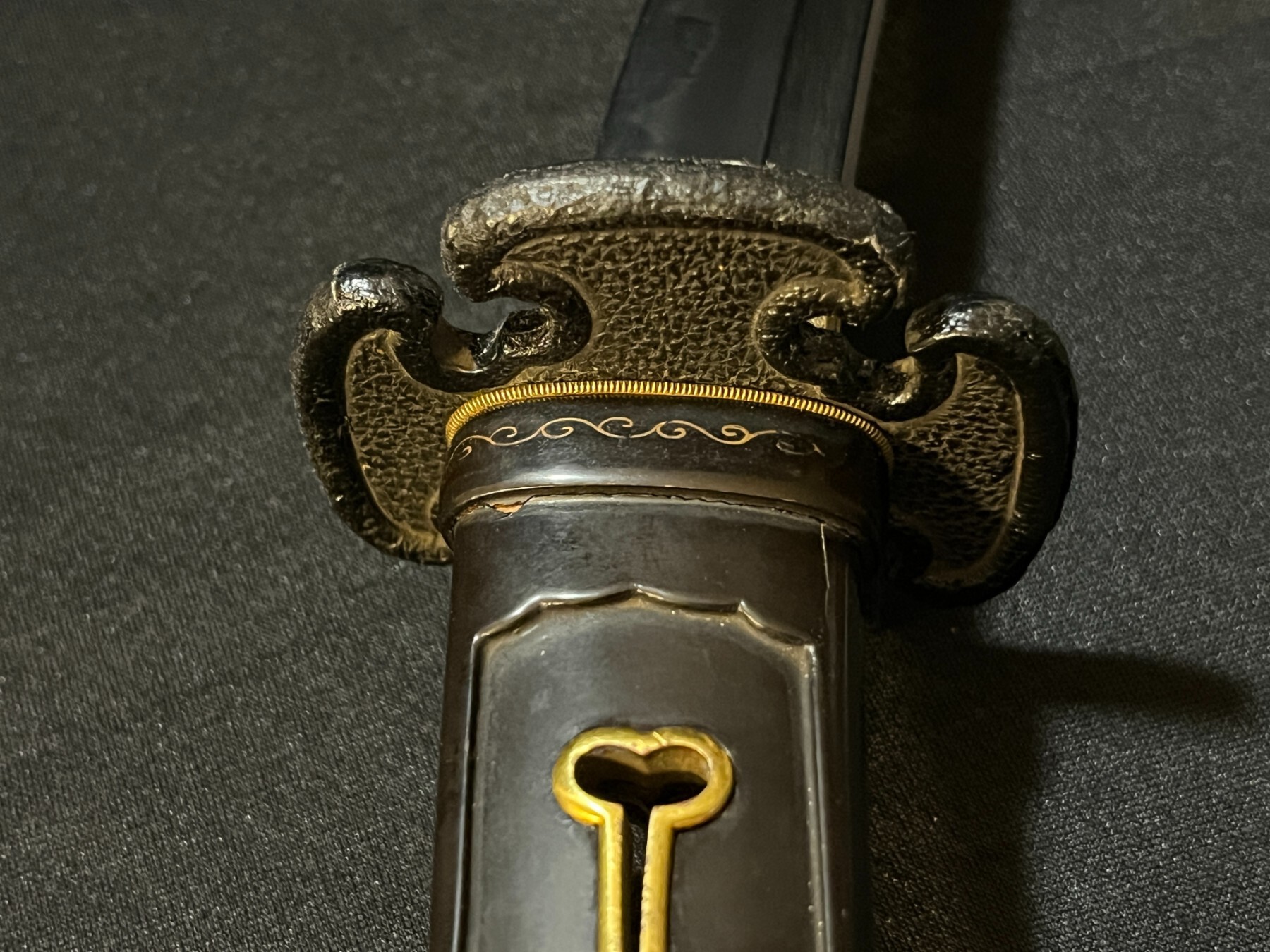
An exceptionally rare kenukigata tachi–style Japanese sword available. This Edo period utsuchi (tribute sword) faithfully recreates a National Treasure kenukigata tachi from the Heian period in tanto size. A kenukigata tachi features a distinctive mekugi-ana shape in the nakago. Kenukigata translates to “tweezers shape” in Japanese (or dog bone shape). This tanto shares the graceful sori (curvature) of an early tachi and closely mirrors that elegant profile. The blade displays a fine hamon and remains in excellent polish. The mumei blade measures 12 1/4″ (31.1 cm) in nagasa. The kaigata (oar-shaped) saya further enhances the presentation. Notably, it features a kurikata carved in the form of seashells. The mounts include a leather tsuba. Two photos below are provided of early Heian swords for comparison. Historical Context: Kenukigata Tachi The kenukigata tachi represents a rare and early Japanese sword style from the Heian period (794–1185). Craftsmen forged these swords from a single piece of steel, piercing the tang (nakago) with an opening that resembles tweezers (kenuki). Consequently, they stand as a crucial transitional form in Japanese sword development and serve as ceremonial predecessors to the traditional tachi and later katana. Key Features and Significance History: Swordsmiths developed the kenukigata form during the mid-Heian period, evolving it from the earlier warabitetō swords of the Tohoku region. Therefore, historians regard it as a prototype of the curved Japanese tachi. Usage: High-ranking imperial guards (Efu) primarily carried these swords for ceremonial purposes. Elite warriors also wore them as symbols of rank and prestige. CONDITION This fine kenukigata tachi–style sword remains in beautiful polish. Importantly, the blade shows no openings (ware) whatsoever.. Additionally, the lacquer exhibits only occasional small dents consistent with age. Overall, this antique Edo period piece presents exceptionally well and retains outstanding collector appeal. $3400 plus shipping w/payment via check, Zelle, Venmo, bank wire (add 3% if paying via PP or credit card) Visit StCroixBlades.com for more photos

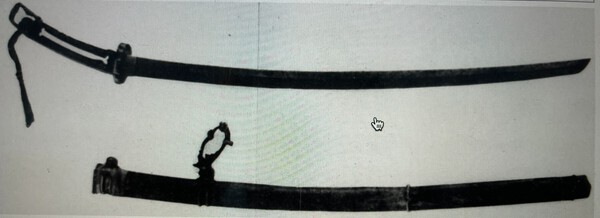
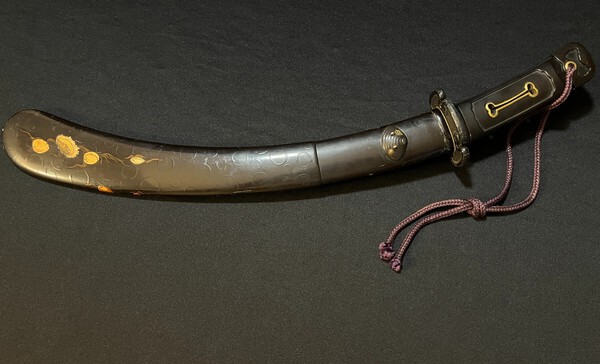

 2 points
 -
This appears to be Hisamitsu. Best regards, Ray2 points
-
We cant see the whole object but I'm 98 per cent sure this is a bat gaff for commercial fishing, probably tuna, made in Kogushi machi, likely before 1956 when the area still used this name. It's called a bat gaff because its short, truncheon to baseball bat sized. It uses a 90 degree bend hook and short lengh for hauling fish over gunwhales and moving fish around on deck/at market, compared to a long pole gaff design with a more classically shaped J hook used for controlling and lifting fish out of the water from above.2 points
-
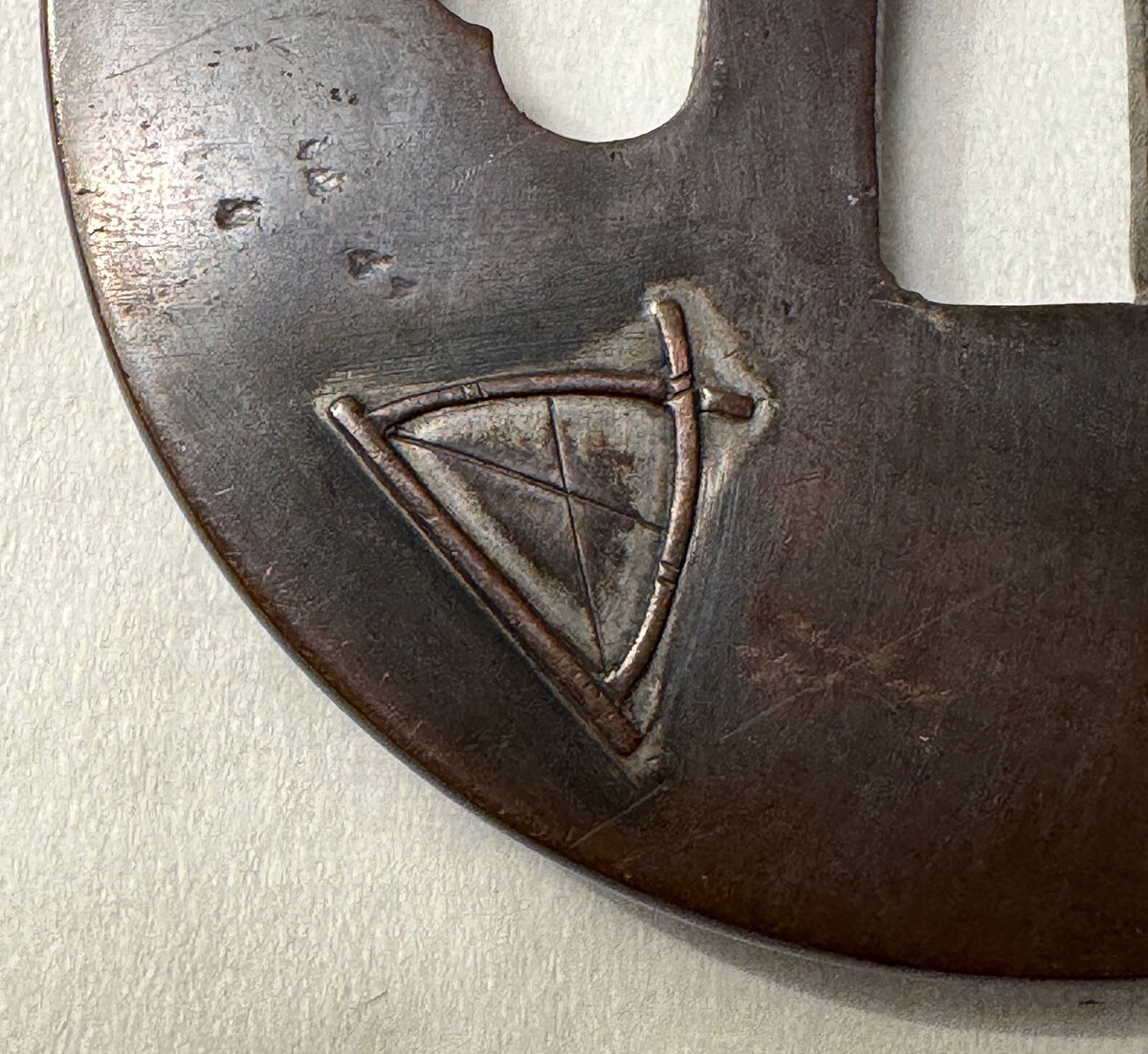
Fox trap?…..vague memory I’ve seen something like this on a tsuba where a farmer was trying to catch a fox.2 points
-
Dealer claiming that because sword has early Torokusho registration papers (ca. 1951) it was previously owned by a daimyo family Attribution drag Dealer suggestions of attribution fluidity eg "Because he inherited his master's style so perfectly, it is a consensus among sword scholars that many works attributed to Shizu were likely historically regarded as original Masamune blades"2 points
-
Aside from the main things (faked papers, kicho papers, photographs and descriptions that hide flaws, horimono in odd locations that cover up flaws) here's a few other "reading between the lines" things beginners and intermediate buyers should watch out for: Sword with papers and described as being from a famous smith, but if you check the papers themselves, they specify a different generation or area (e.g. kyodai Kanemoto or Seki Kaneuji) Sword with papers and described as being from a famous smith, but the papers specify a period that rules out that smith (e.g. Magoroku Kanemoto - late Muromachi) Sword with papers and described as being from a famous smith, but the mei matches that of a different smith with the same name Sword described as former daimyo/officer property without any proof of provenance Sword described as showing all the hallmarks of a big name smith, when the papers are only to his school Sword with a very thin motokasane, munemachi or hamachi Damage from mishandling being advertised as kirikomi A particular section of the sword not directly appearing in photographs "With a high ranking polish, the sword should paper as <big name/school>" (so why hasn't this been done yet?) "As this is the first time this sword is on the open market, it is being offered at a low price" (so why didn't the dealer buy it and put a markup?) "The sword is in an acceptable polish" (acceptable for Hozon? TH? Juyo?) or "the sword has been polished" (when? the Edo period?)2 points
-
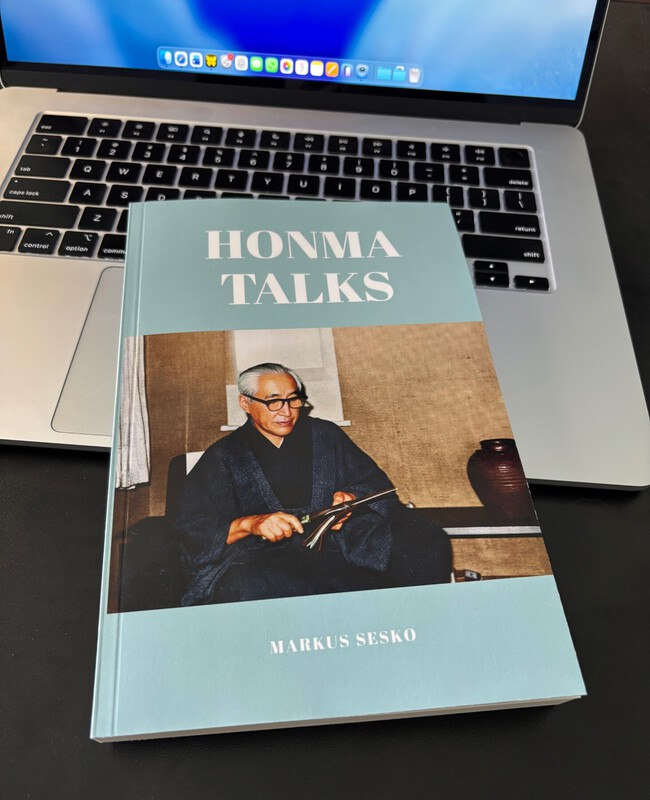
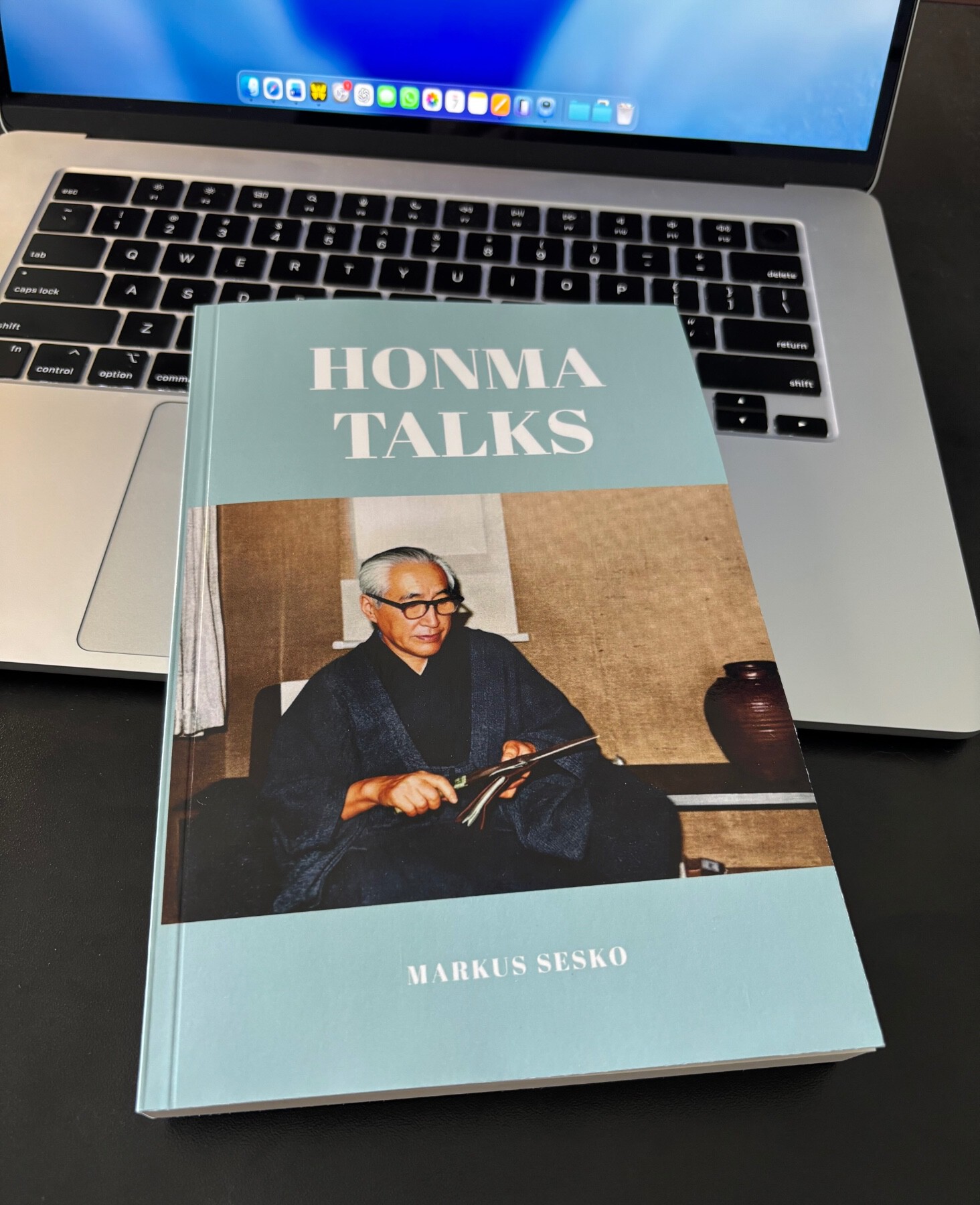
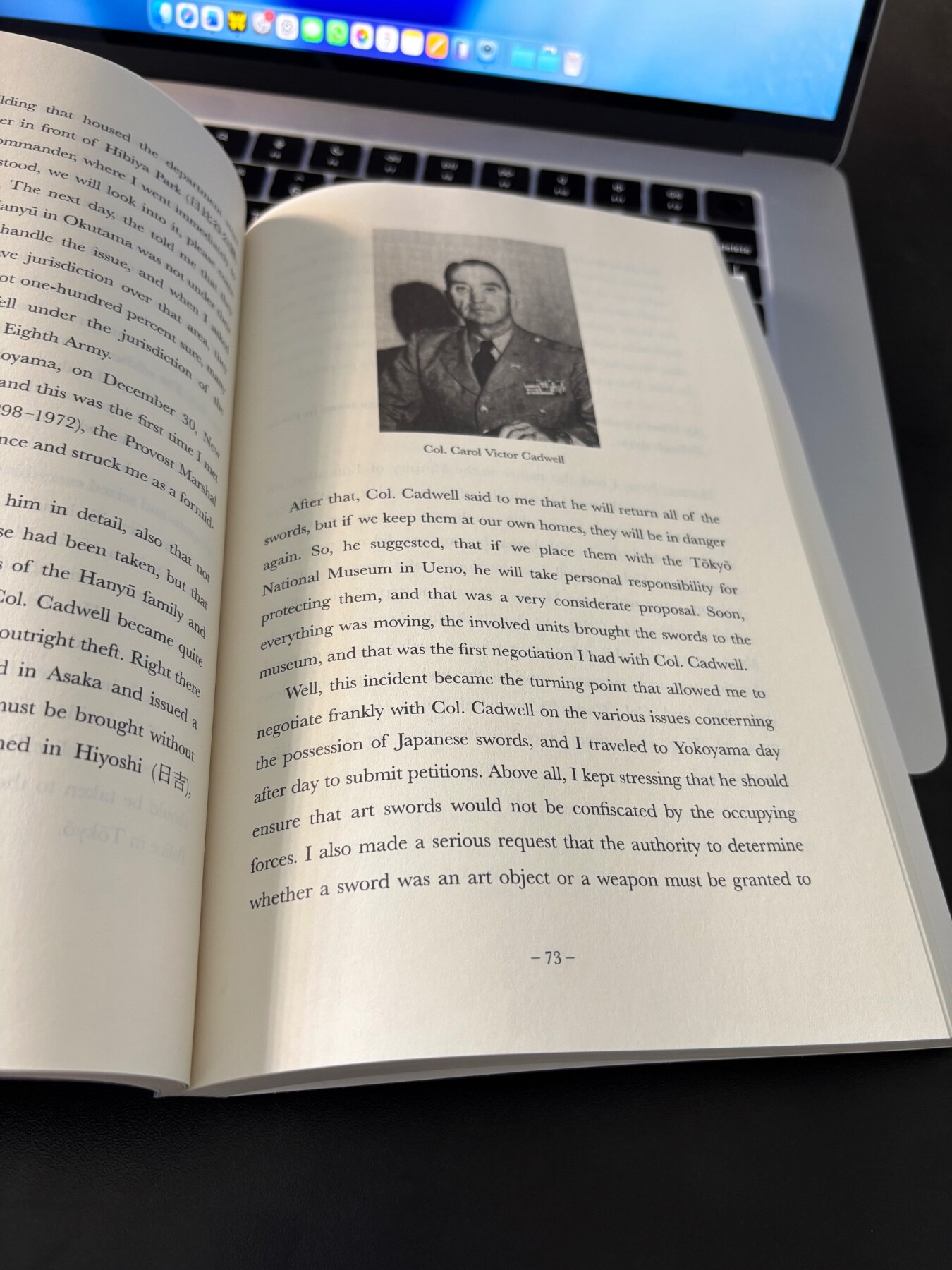
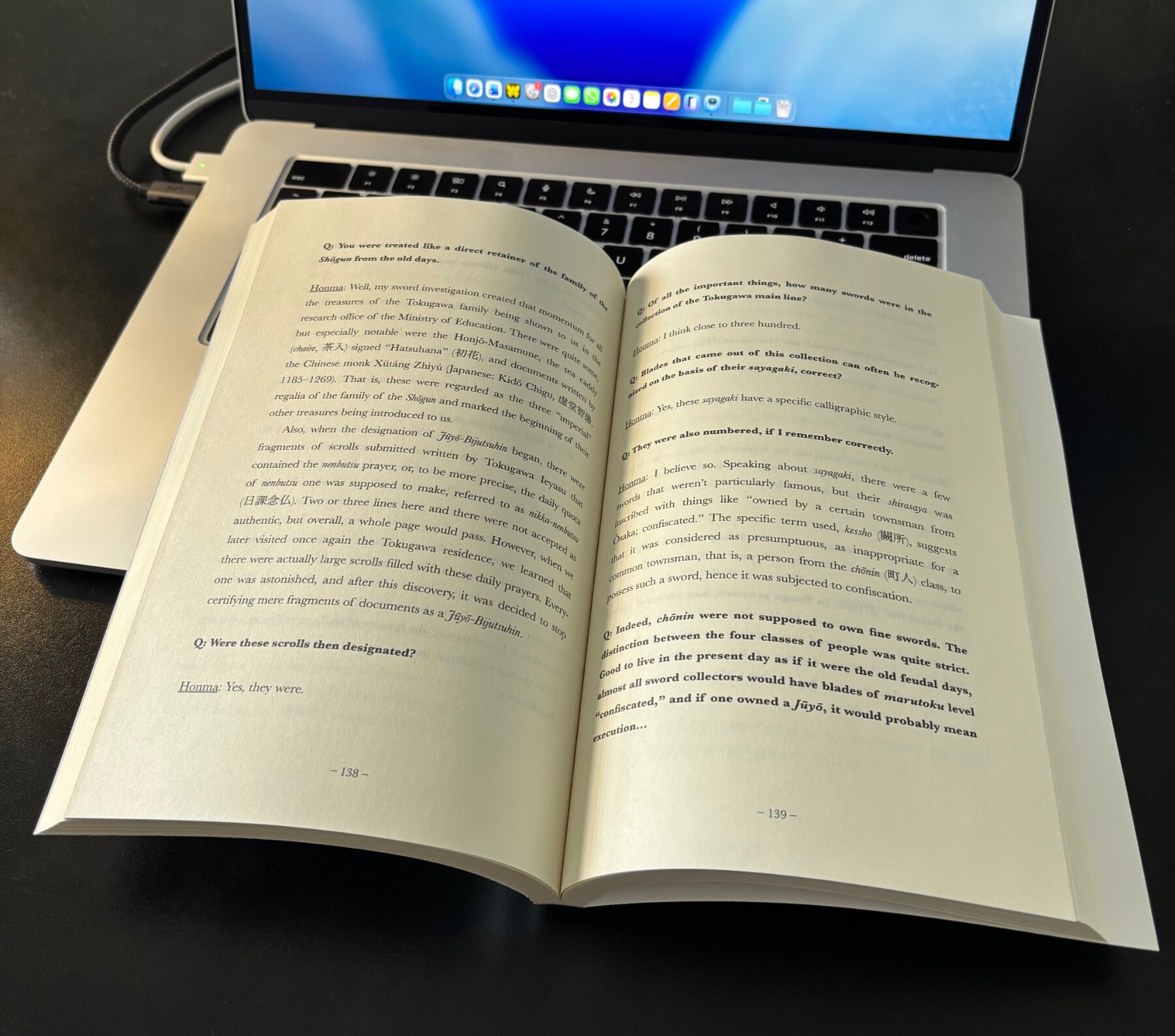
Before we start, I am not sure if this belongs here or to the Online Sellers or Dealer Showcase subs, so mods, please move if necessary. Just wanted to let you all know that whilst Volume 4 of the Tosogu Classroom is being prepared for being published later this week (yes, its done, just final layout and indexing), I have put together a humble read about Honma 'Kunzan' Junji talking about the Japanese sword world of the early 20th century and right after WWII. It is not so much about blades, but gives an interesting insight into what happened "behind the scenes" at that time, often not mentioned in other publications. Please enjoy, and reach out to me via email or DM if you have any question. https://www.lulu.com/shop/markus-sesko/honma-talks/paperback/product-dy85nwq.html?q=honma&page=1&pageSize=4

 1 point
 -
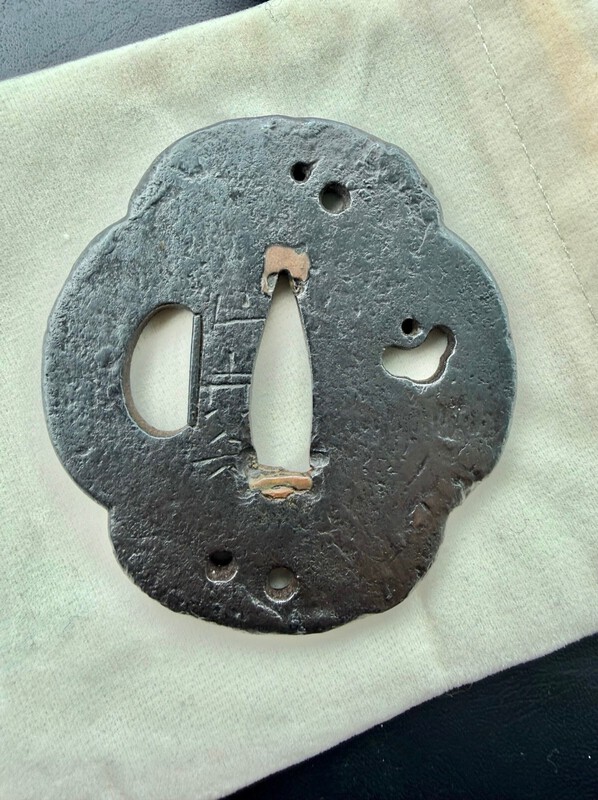
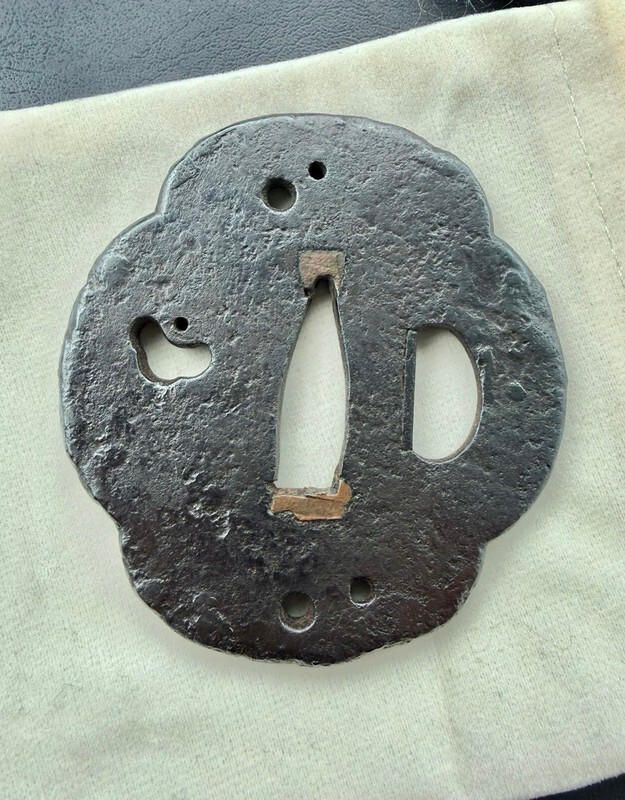
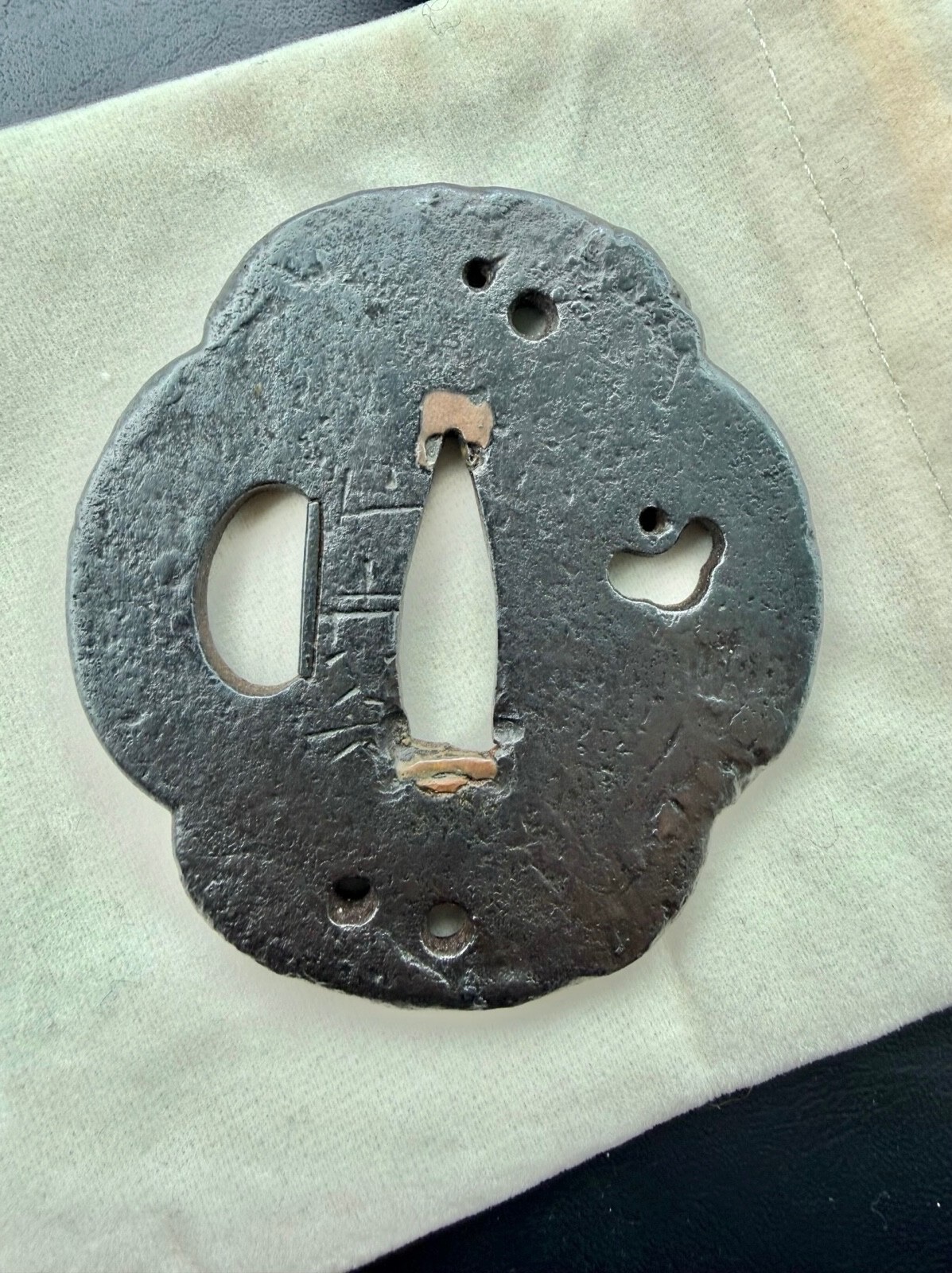
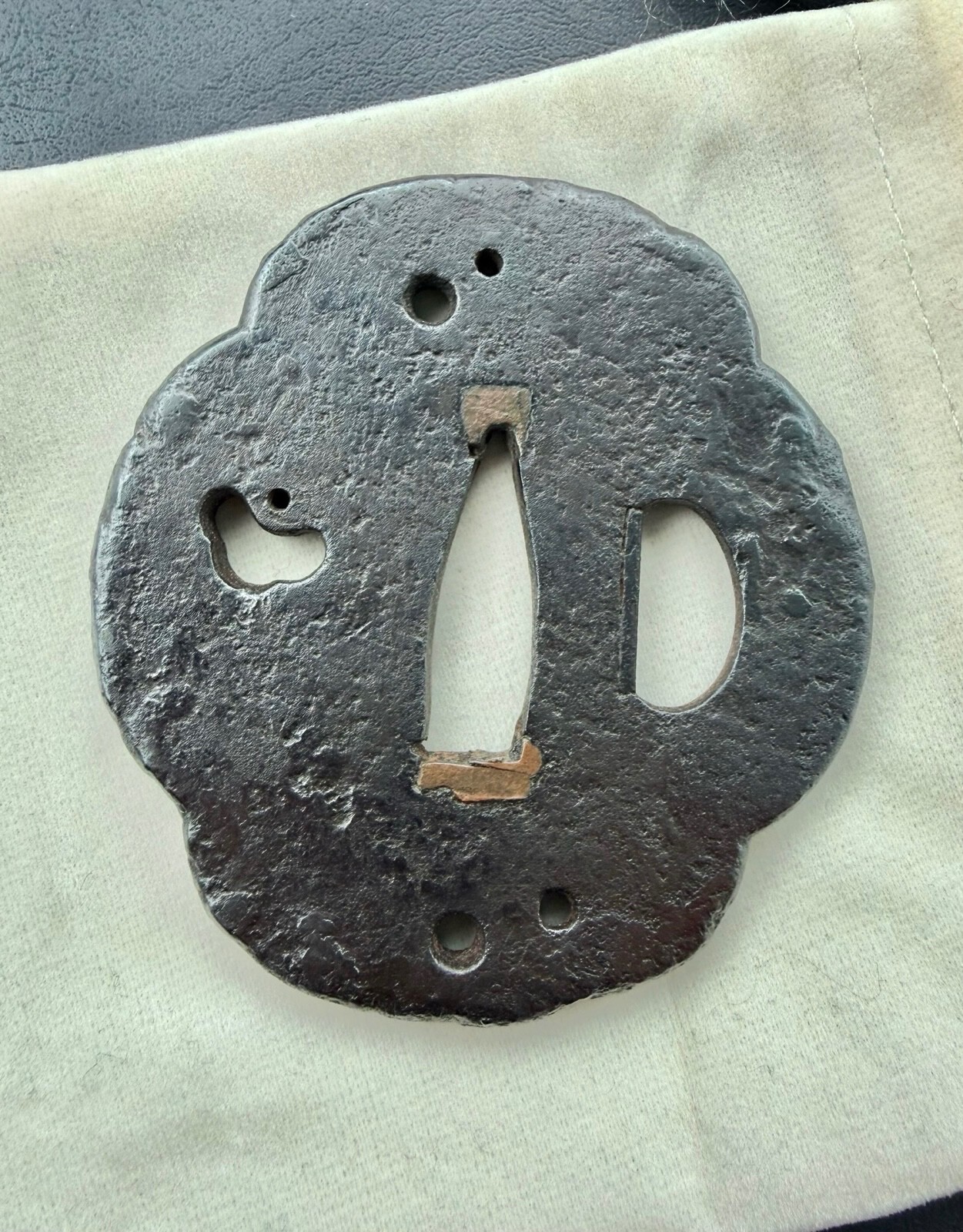
After looking for a YKB tsuba for a while, finally found something just perfect. I picked up this wonderful “Low-cross bar” YKB tsuba from Steve Waszak. Thought I’d share. About 7.1 x 6.7cm x 4mm. The tekkotsu and yakite are excellent.
 1 point
 -
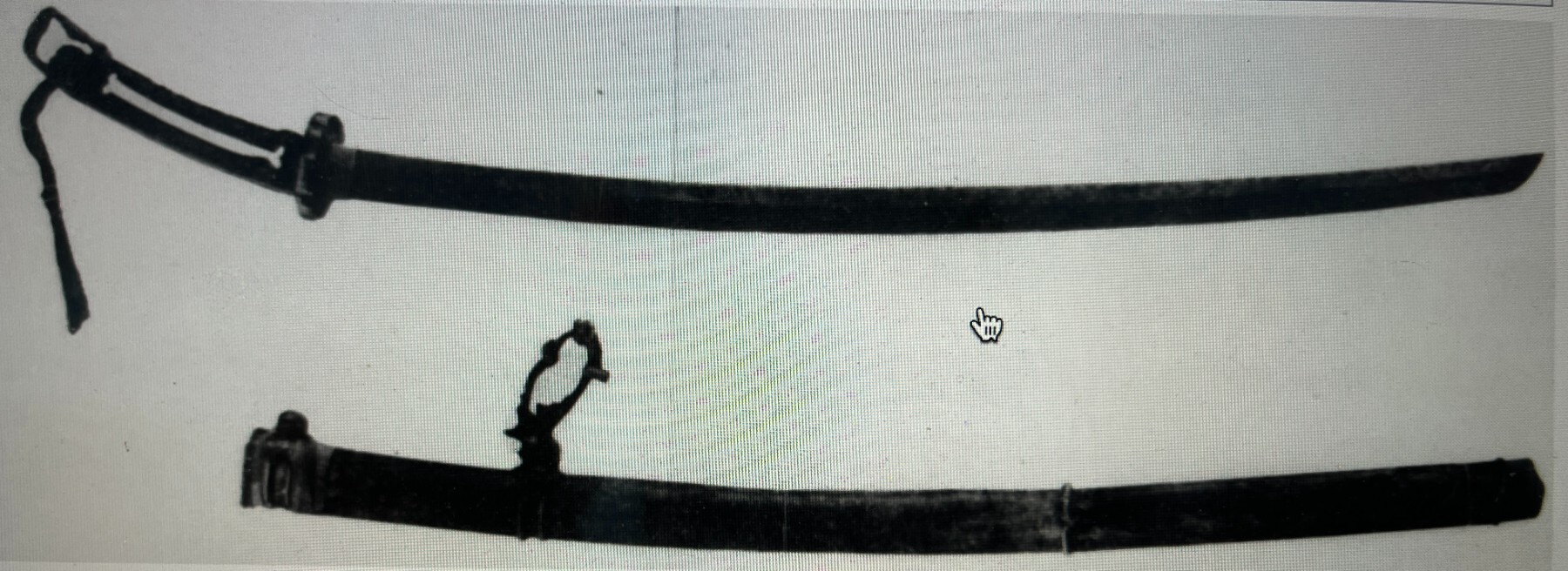
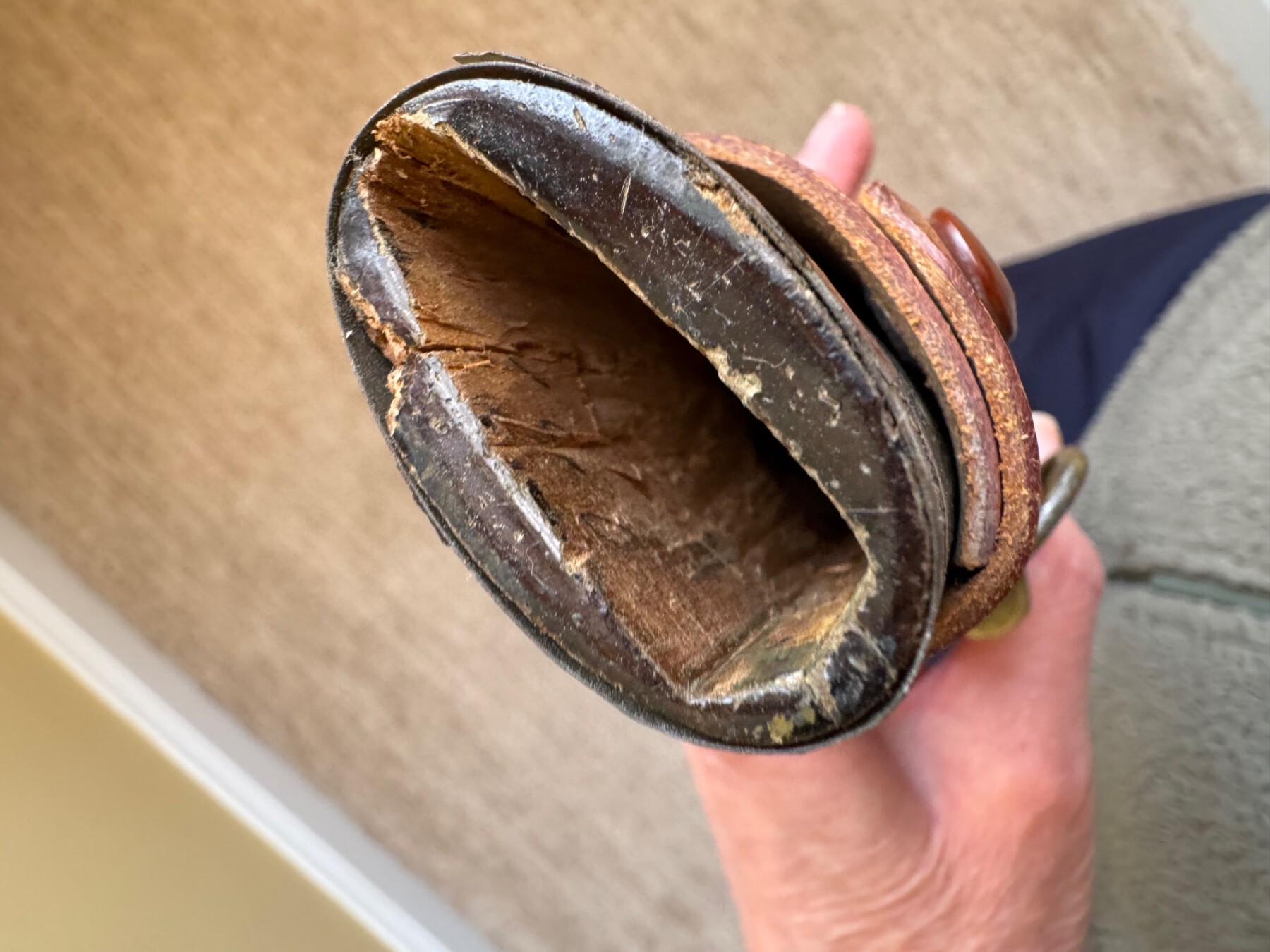
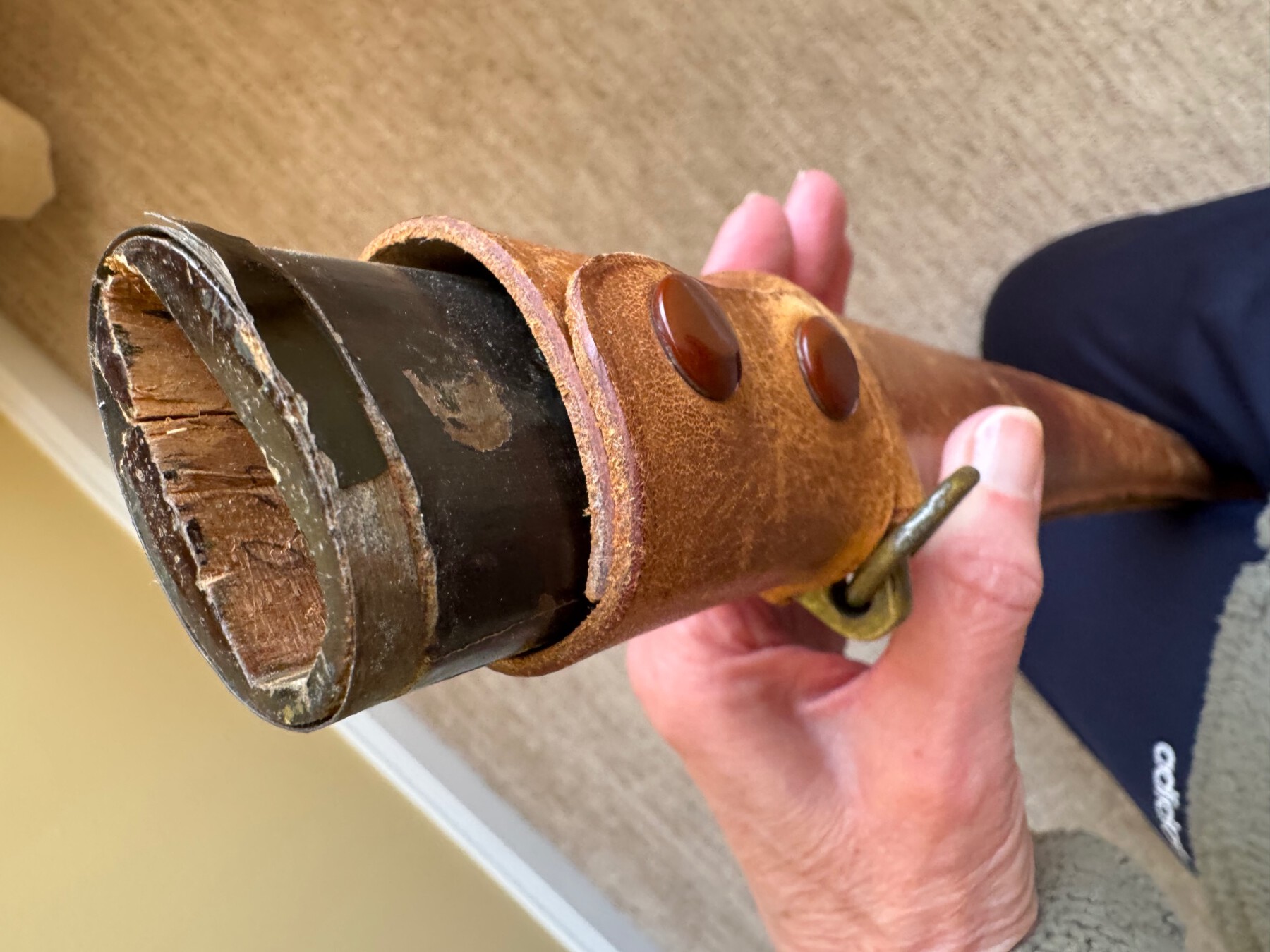
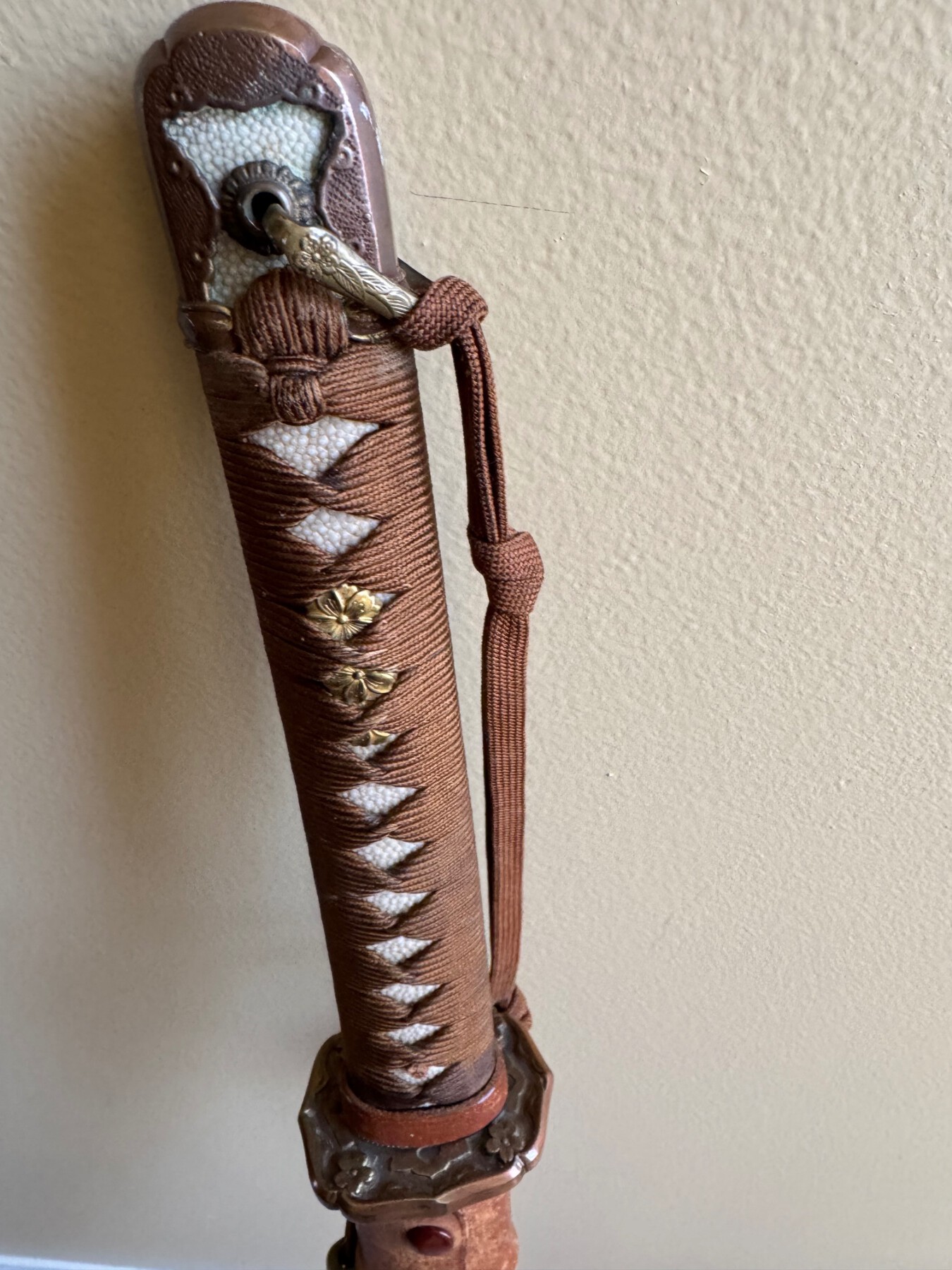
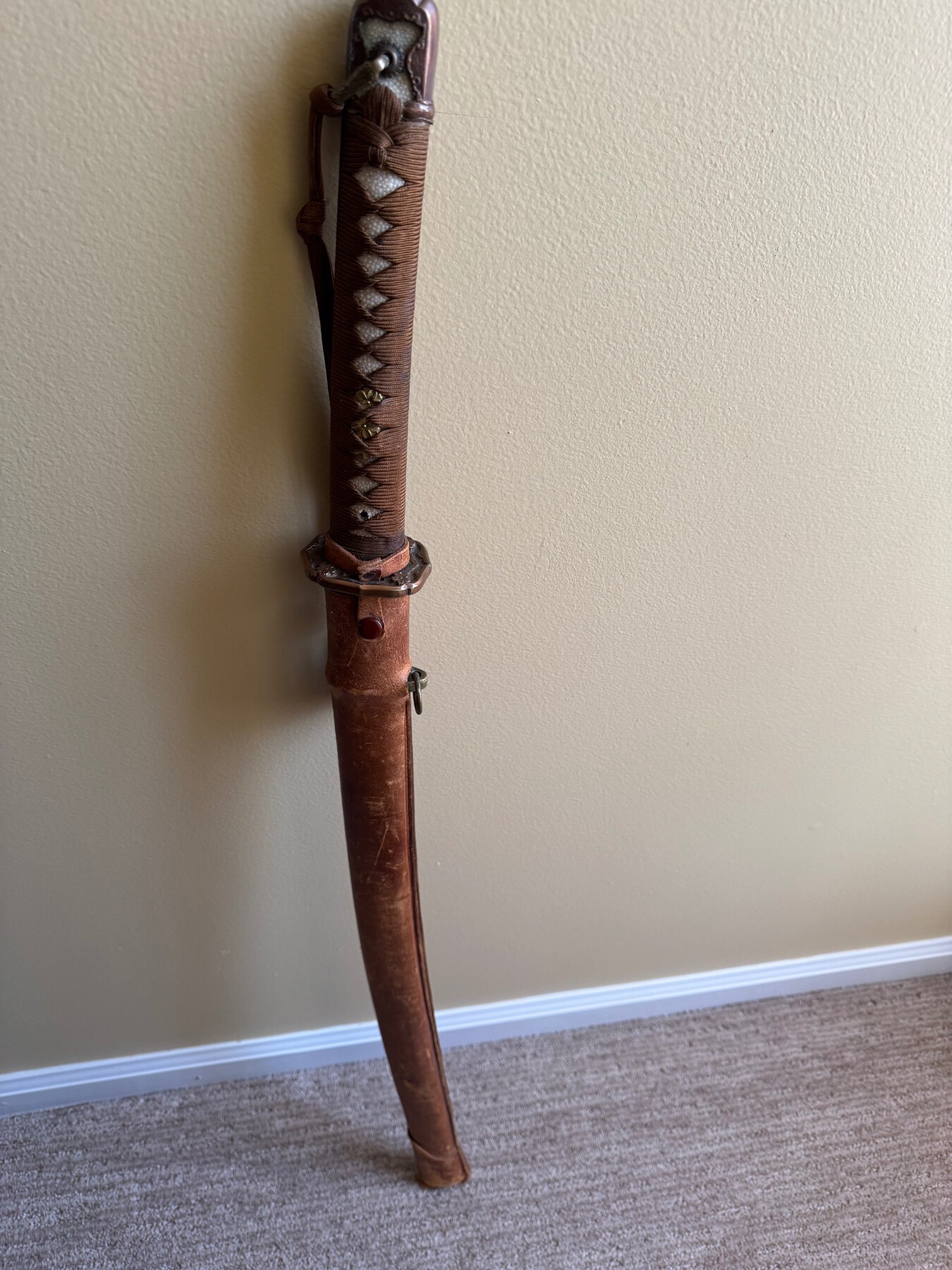
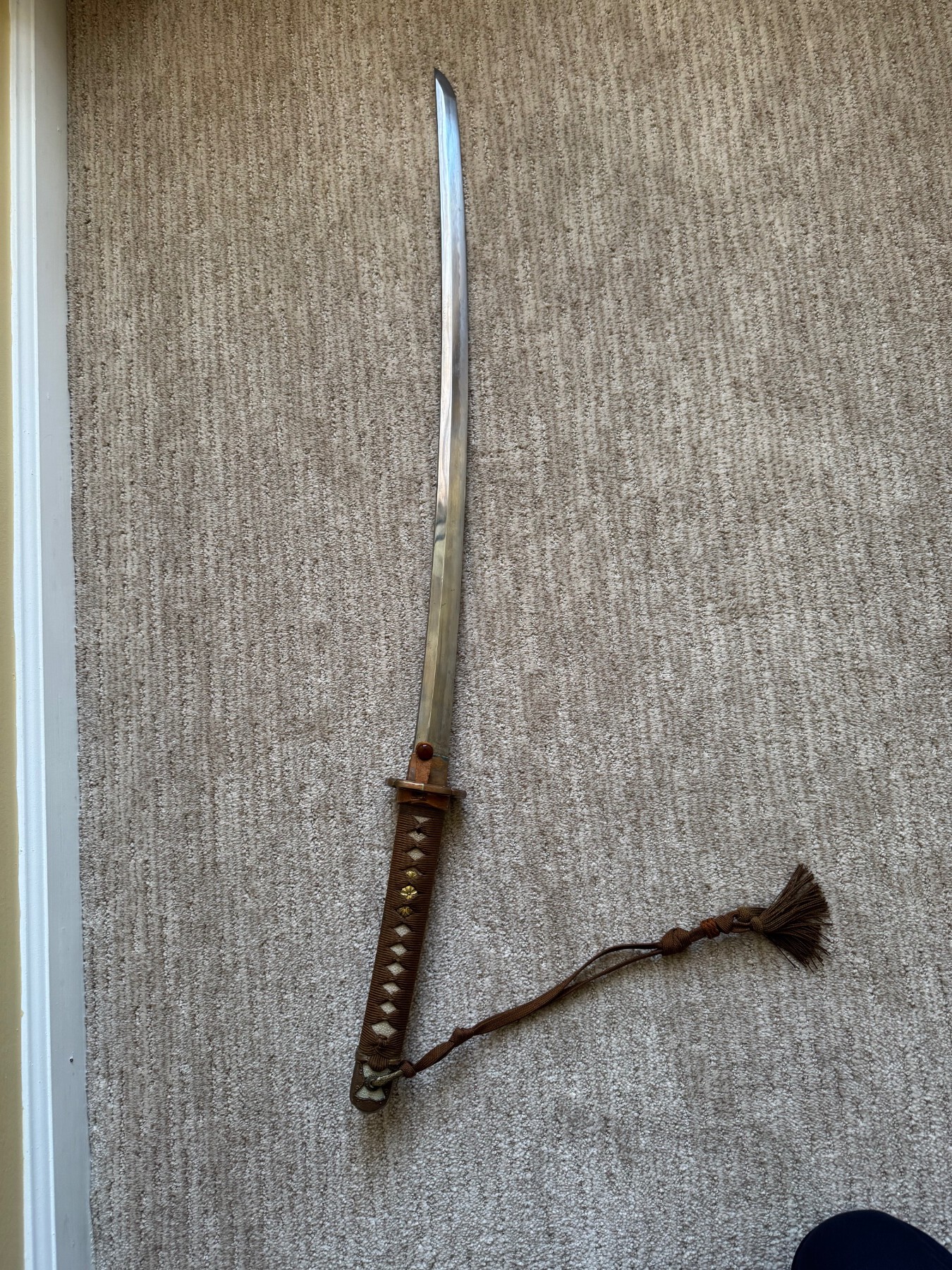
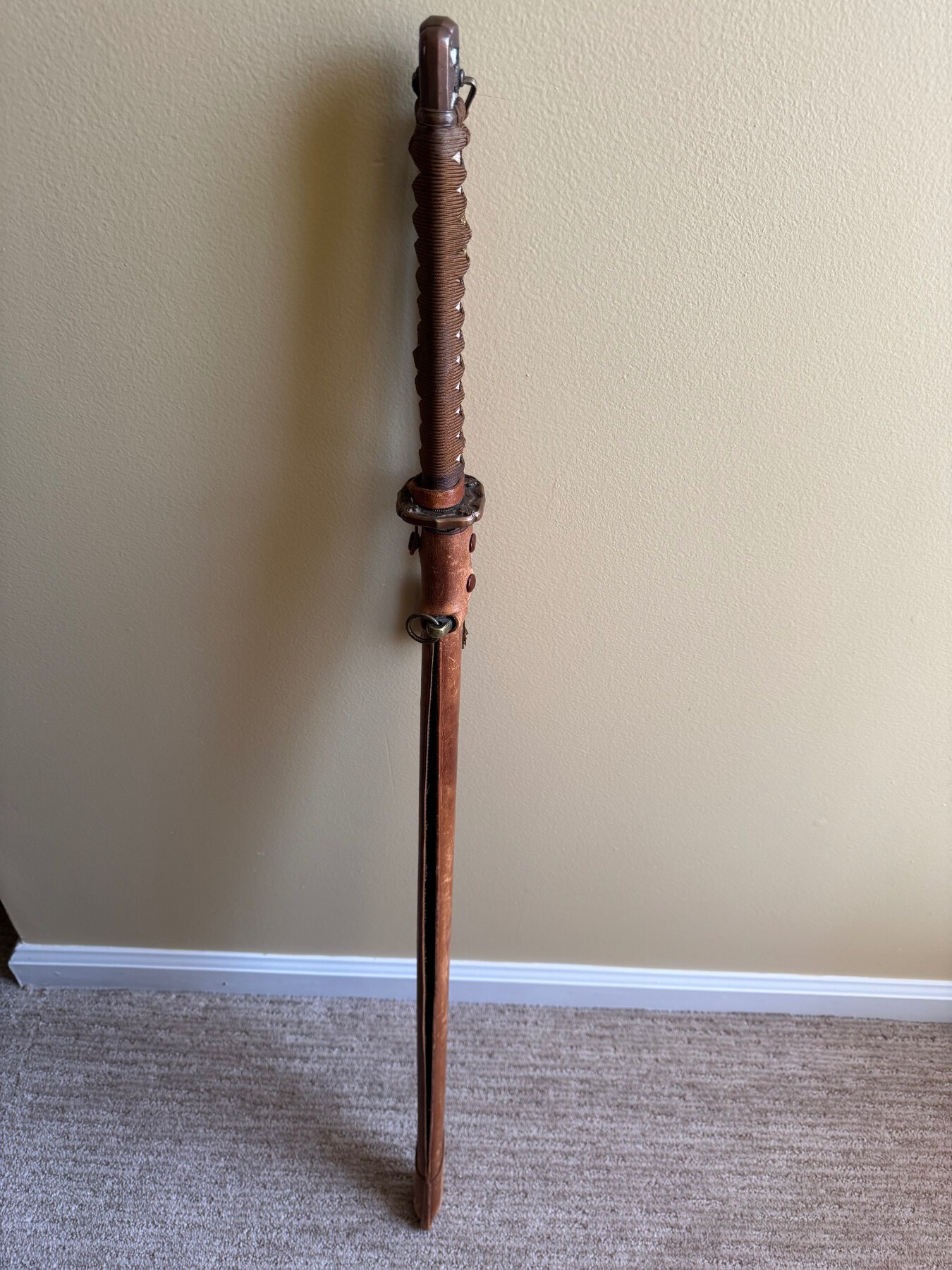
My grandpa brought this back with him after fighting in the pacific and it’s been in our family since. I did some basic research and it seems like it’s an authentic 98 shin Gunto but I thought I’d share some photos here and see if there’s any more information that can be learned.

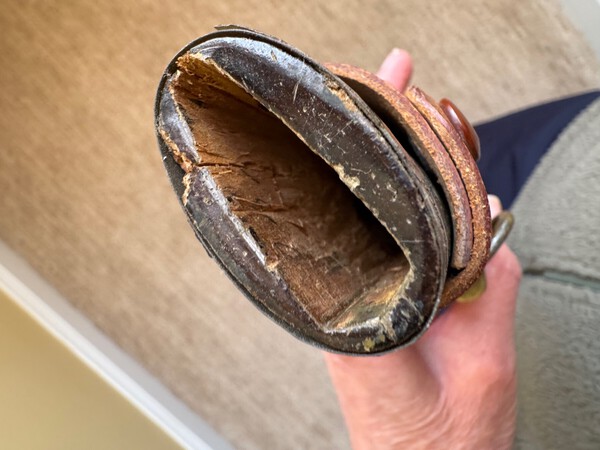

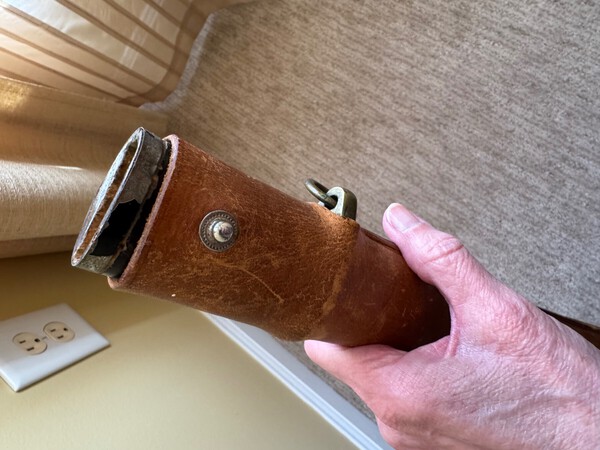


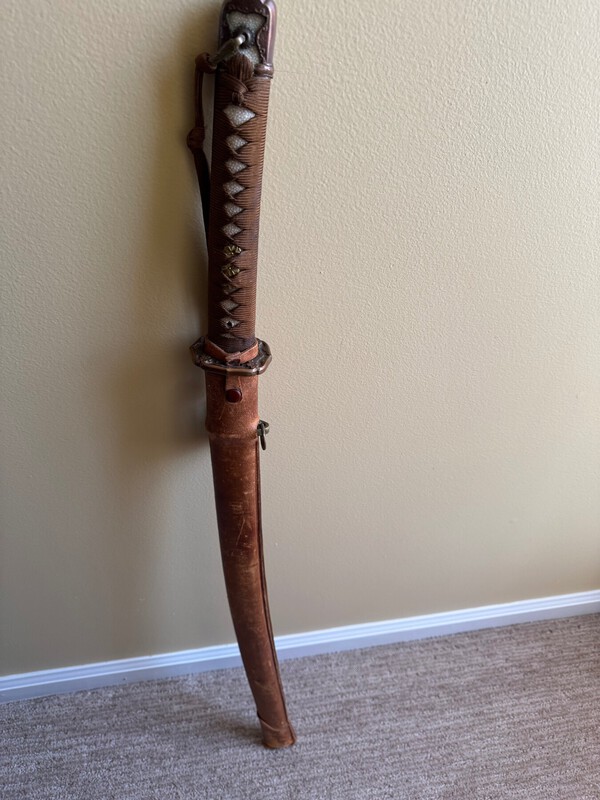
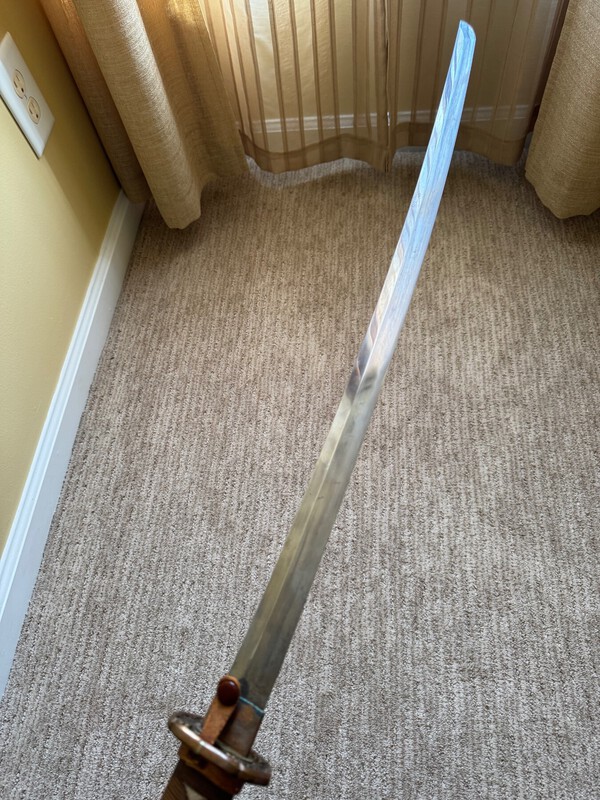


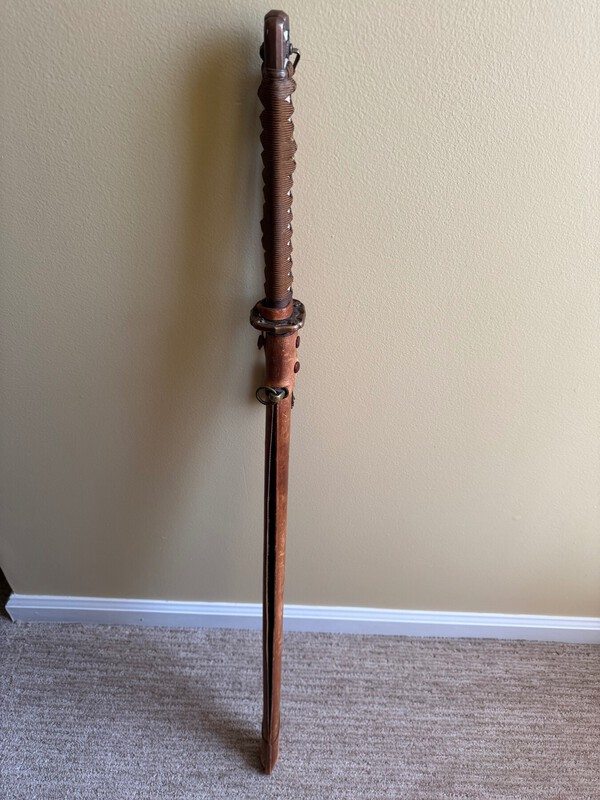
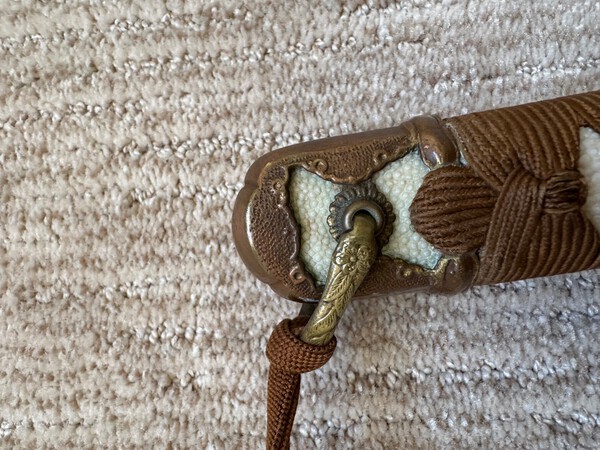
 1 point
 -
He's been doing this for a while. Not just good photography, but also regularly seeks out notable exhibits and gets footage of the best blades in the room. One of those essential bookmarks for collectors who can't regularly make it to Japan to see these exhibits in person.1 point
-
Back to the drawing board. For me it's faster, but if you are experiencing that then there is still something up. I know the server was down for a bit while they rebooted, but will wait to hear from others to see if they still experience issues. If anyone does, please post the time and your timezone, so that we can check the server logs at that time. Thanks.1 point
-
I’ll take it1 point
-
Makes my life harder because its not what I expected. Why these guys have to be like that... Its not enough to make any definitive judgement, unfortunately. But as a wild guess, end of Muromachi, early Edo. School... Bungo.1 point
-
I don't think this is a division within Okada. Just a general stamp indicating (or advertising?) that Okada performed the adjustments.1 point
-
I agree! When it comes to knowledge, range of items and market contacts, Japanese dealers are far superior as a whole to those in the West. And I'm certainly not suggesting that all, or even most, dealers in Japan are scoundrels or cheats. My main purpose in highlighting this article is to point out that beginners and intermediates without the necessary knowledge or Japanese language skills to read between the lines and understand why a certain piece is priced the way it is should either stick to Western dealers they trust, or do comprehensive due diligence. No doubt this is the same for any other field as well, but I've seen quite a few posts lately (and not just in this forum, but other platforms I frequent) of folks identifying themselves as first time buyers or beginners asking for advice on a piece listed in Japan. My secondary objective here is also a slight defense of a Japanese dealer who regularly catches flak (https://www.militaria.co.za/nmb/topic/53731-why-i-dislike-this-dealer/) to point out that the things this dealer is being criticized for are actually relatively commonplace in the market, and it is incumbent on us as customers to either cultivate the necessary expertise to identify them or else stick to dealers closer to home.1 point
-
Interesting! A much nicer example. Thank you!1 point
-
Very much agree. I consider the upper-tier Tensho Bizen-den blades to be peak Koto sword making. Bizen had some of the best local materials and culminated knowledge from generations of master smiths, combined with the mastery by that time to forge blades for maximum damage and survival in combat when they had to be used. Then the mudslide of 1591 came along and basically reset sword making in the region. While earlier Heian/Kamakura and later Edo period upper-tier blades are rightly treasured for their beauty, personally, I believe the late-Muromachi>Azuchi-Momoyama>Early Edo blades to be peak functional craftsmanship and metallurgy. Everyone has their favorites for sure and reasons behind that. For me, history is the major driver, so late Sengoku is where it's at (it has to be for most that are drawn to the history of true samurai warriors). Combine that with the beauty of the Bizen-den jitetsu, jigane, and utsuri ..... and I get excited :D The longer this period is looked down upon in nihonto collecting for all of the mass-produced lower-tier swords that it keeps the pricing of the upper-tier blade reasonable, the more I'll be able to collect. Just as taste in the shape of the hamon has ebbed and flowed with the centuries and even recent decades, this too may perhaps change. Now that I have my feet wet after years of study, I'm feeling cautiously confident to spend much more on the next one I acquire on perhaps a juyo blade.1 point
-
I think satomura kiyoyoshi is correct, however it may be pronounced Kiyoshi. 里村 (Satomura): Surname (Village/Home + Village) John C.1 point
-
Les: Sorry it's not much help, however the first kanji below the ana is Mune and the third is a kao but I can't get the second. John C.1 point
-
Indeed They were located in 東京赤坂
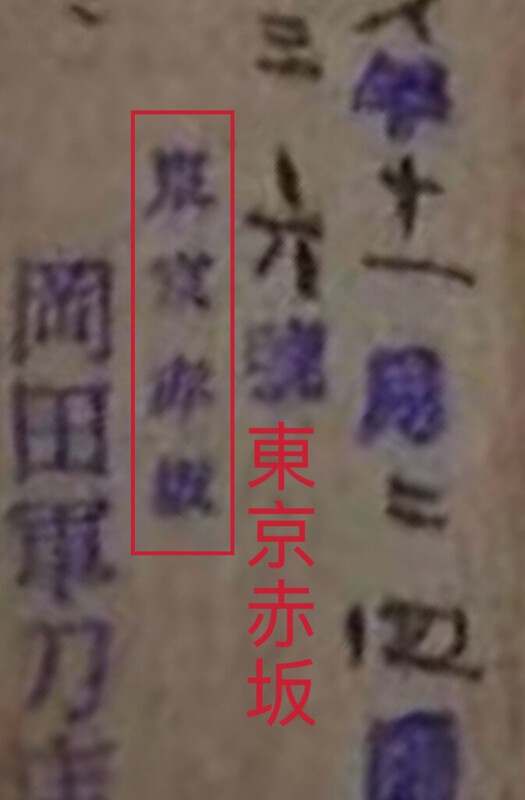 1 point
 -
I wanted to share a picture now that everything has arrived and I've had time to go through it all. Close-up images of the blade will have to wait until I get some appropriate lighting just for that. I've built a custom display in my living room with lighting that I'll post images of once it's all set up in there.
 1 point
 -
Firends, Thanks for these answers and reactions. It certainly seems that the "Japanese" view of what is interesting and collectible inthe firearms area is simple, clean, and "normal." We foreigners, of course, react positively to stuff that is "odd". Registration and handling of firearms in Japan sure seems complicated, especially fior those of us that have come out of the American local gun show scene. Peter1 point
-
I would also insist on it getting NBTHK papers before it leaves Japan. Submit as is. Will the dealer accept responsibility for getting it papered, at your expense. If it fails allowing you to walk away?1 point
-
Its a fun blade with fun sugata... there used to be an orikaeshi mei, probably to some koto Bizen, and it probably was so crazy they took it out with even papering the blade. Strangely enough it has distinctive grouping so it kind of goes as Oei Bizen style, not more popular ones like Kanemitsu. Yet, shinshinto probably. The quality of work itself appears to be decent, its easy to observe, so I personally kind of like it. The only thing is the resale value like indicated above. This is kind of stuff which can be difficult to sell at a sword show... But if you buy for yourself, then it should be an enjoyable sword. Usually this is a bad advice often for the first time buyer, but its not a bad first time sword at all, and I would not mind owning something like that personally. The only thing I would advise is getting it papered. Even just one day NTHK NPO shinsa in Tokyo. It does not seem to be Yokoyama Bizen line. Might be someone following Chounsai Tsunatoshi.1 point
-
Let's add this for completeness https://world-seiyudo.com/product/ko-050819/
 1 point
 -
Not for sale. Thanks for the inquiries.
 1 point
 -
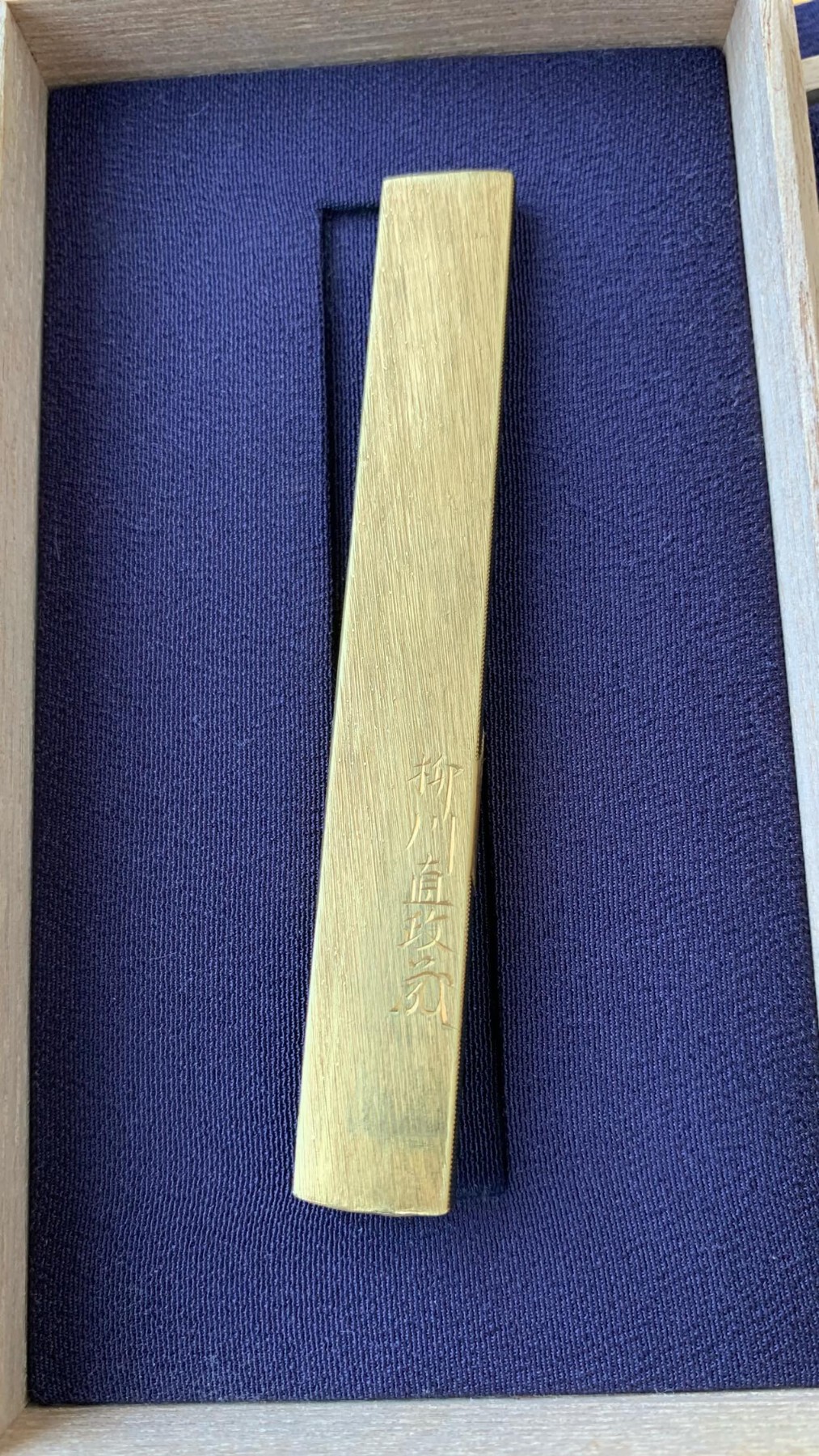
Yanagawa Naomasa
 1 point
 -
Here it is......

 1 point
 -
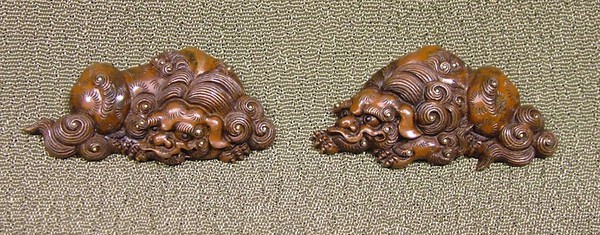
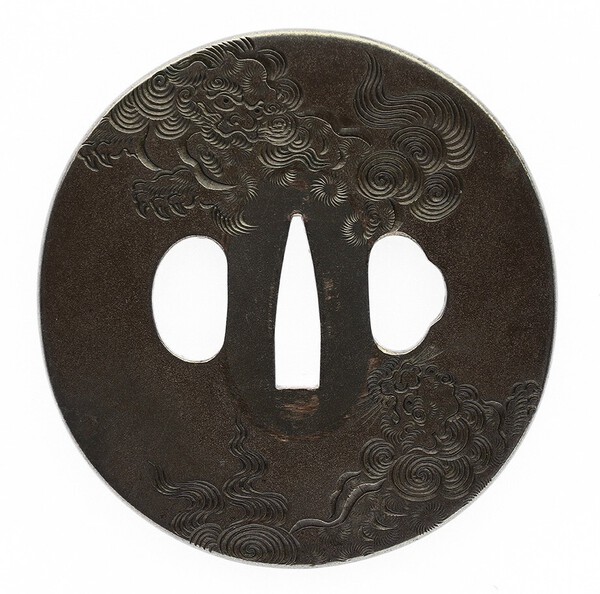
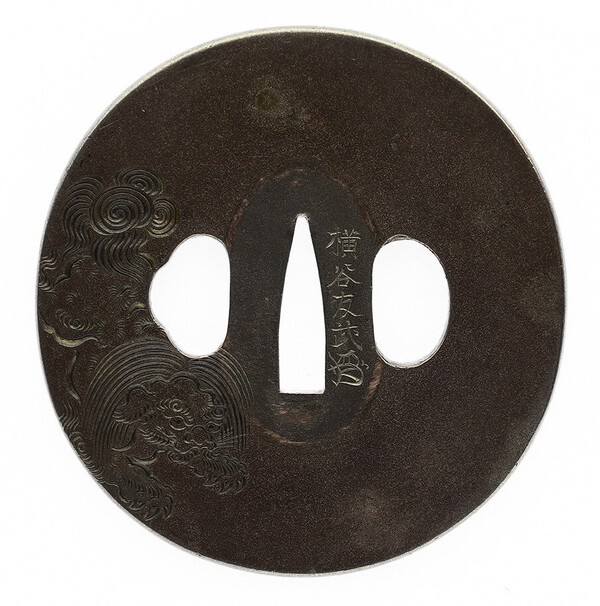
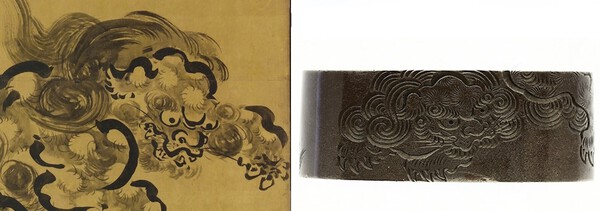
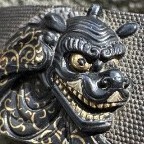
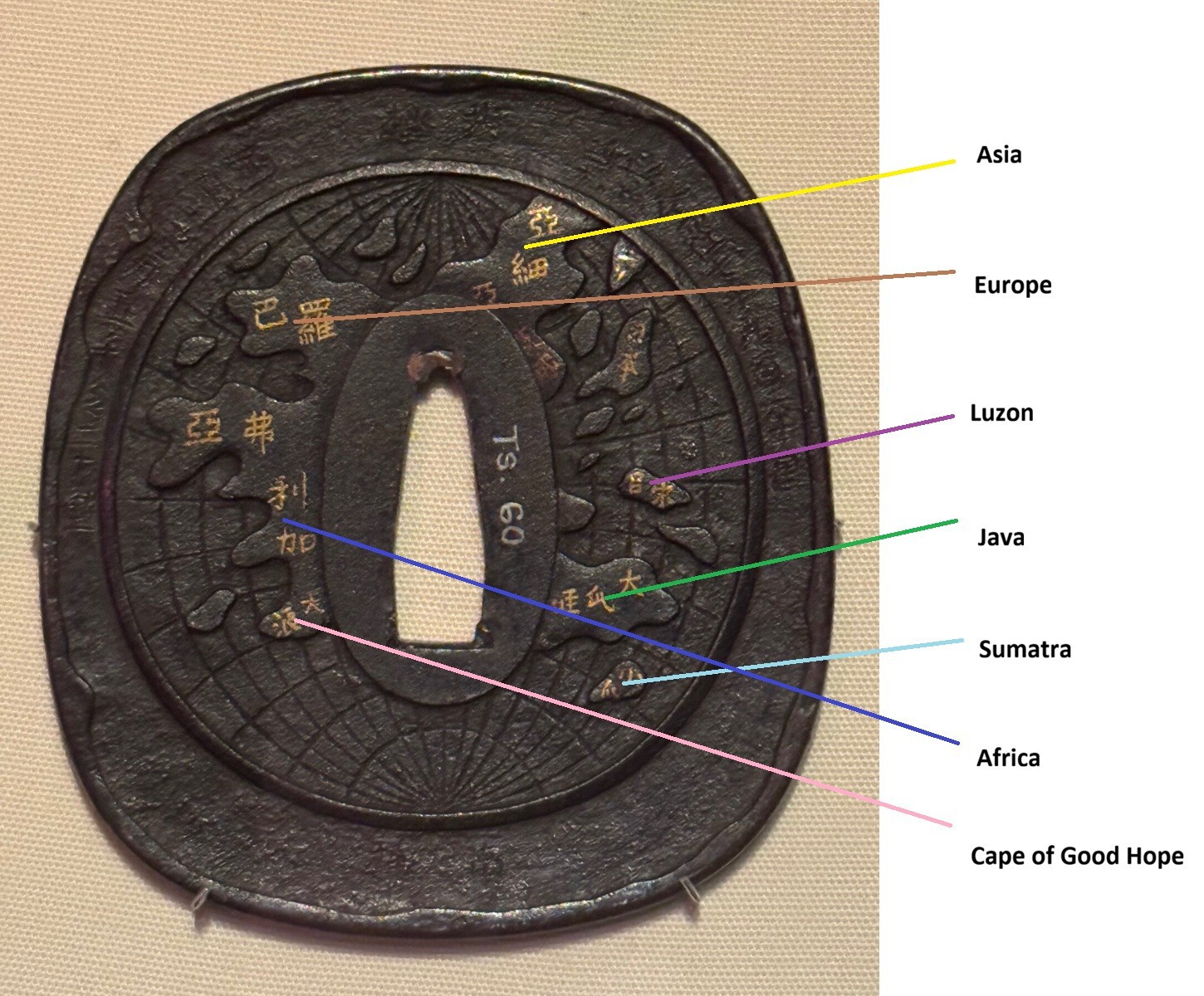
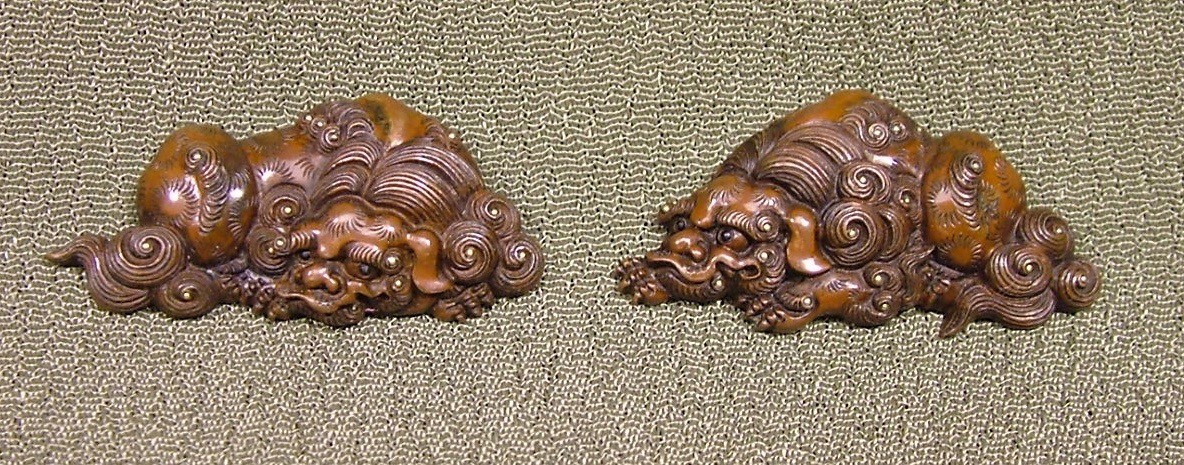
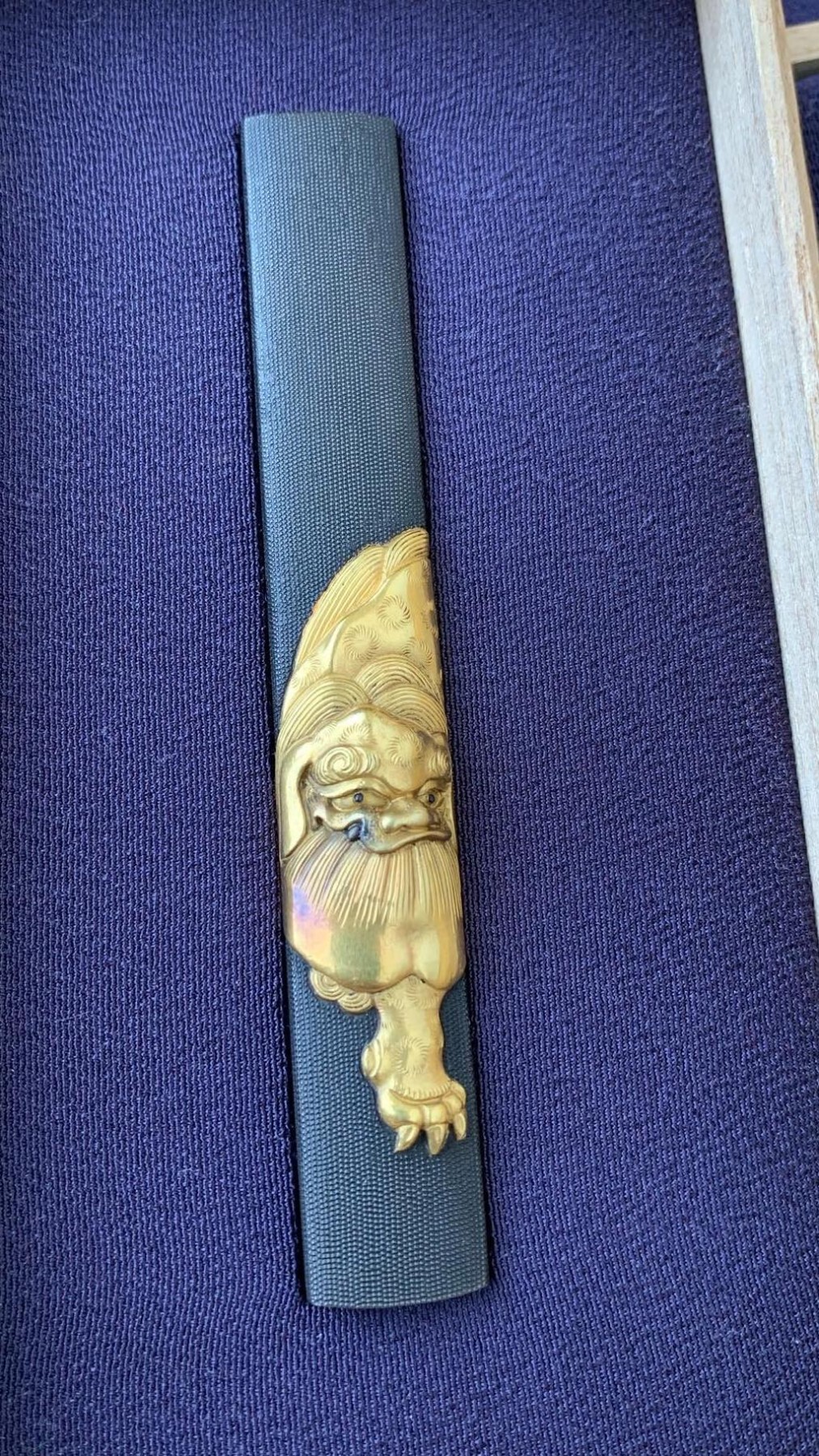
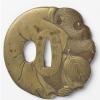
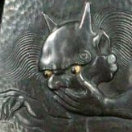
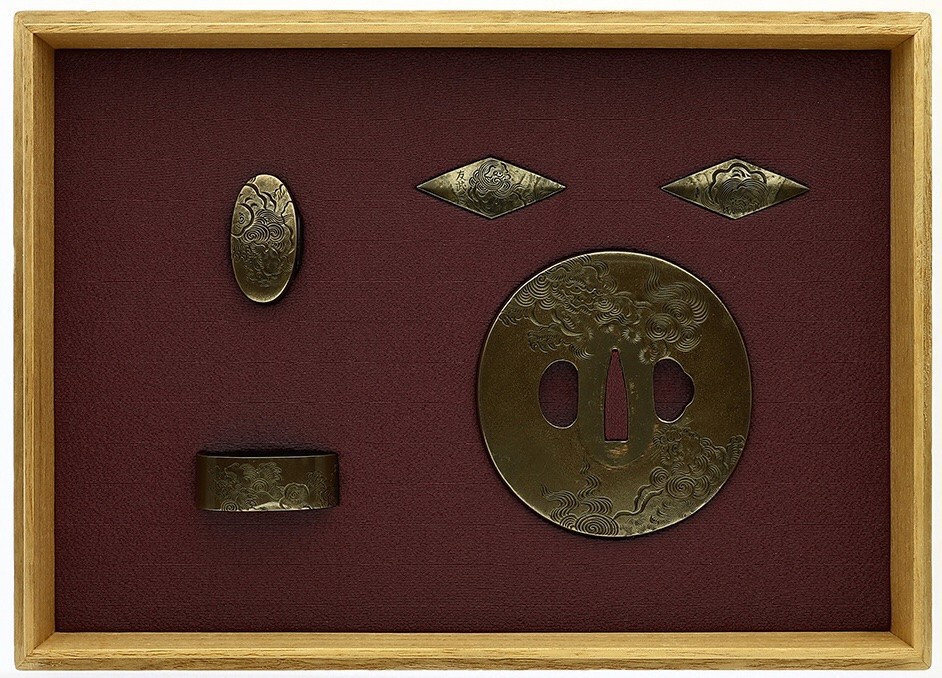
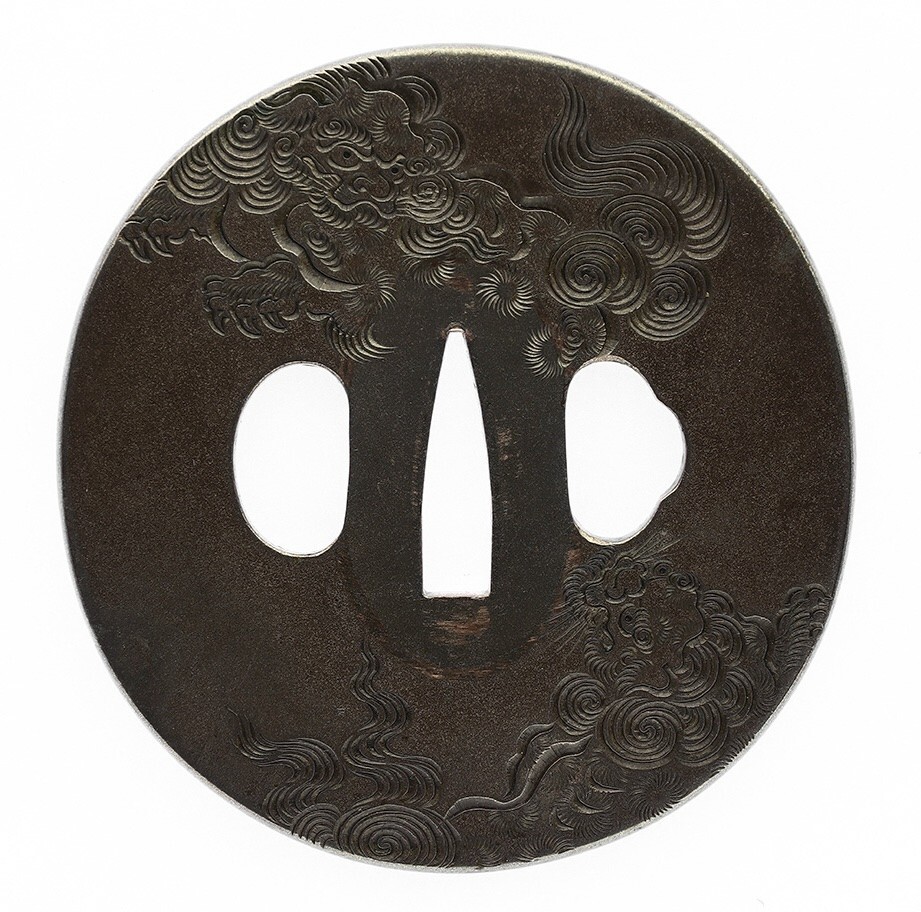
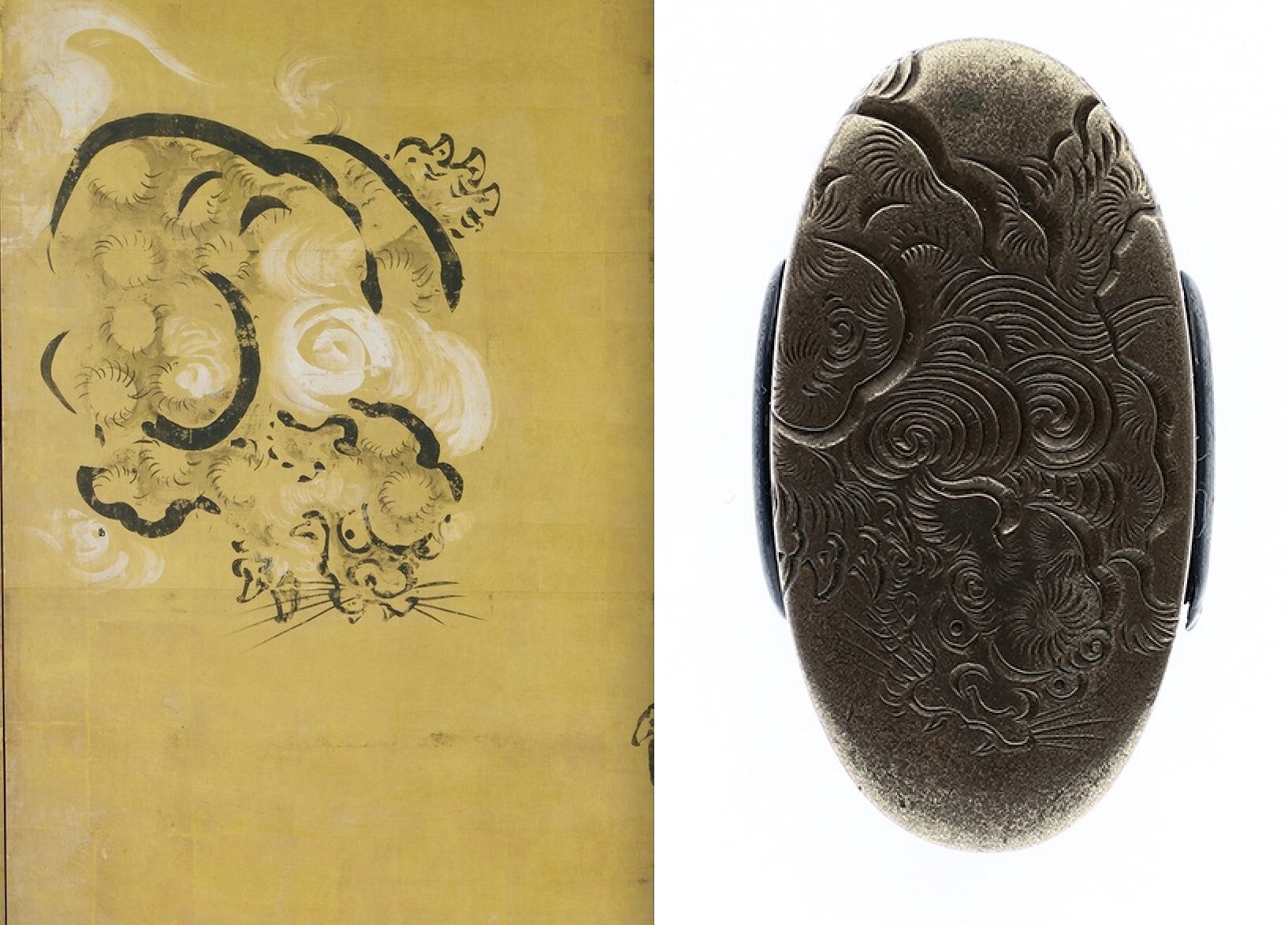
I would like to share a lovelyset of tosogu by Yokoya Tomotake featuring Shishi play fighting. It’s a great example of katakiribori workmanship, which is done to a high level. One intriguing thing I have noticed while studying the set is that the carvings of the Chinese Lions resemble the paintings from a pair of screens by Hanabusa Itcho, which is in The Met collection, I’ve attached some comparison photos. I have read that Hanabusa Itcho was a close friend of Somin Yokotani. I wonder if the screens were used by Yokoya Tomotake when composing this set of tosogu.



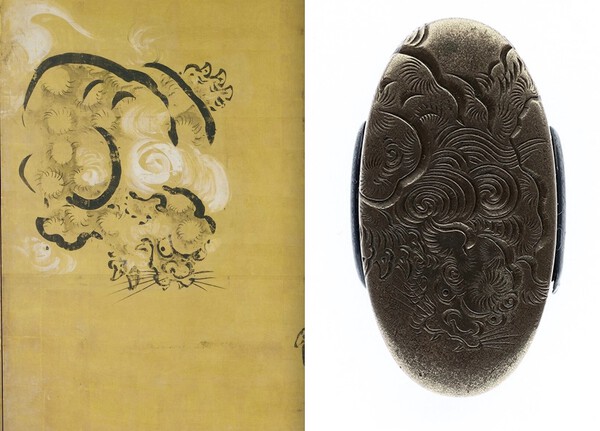


 1 point
 -
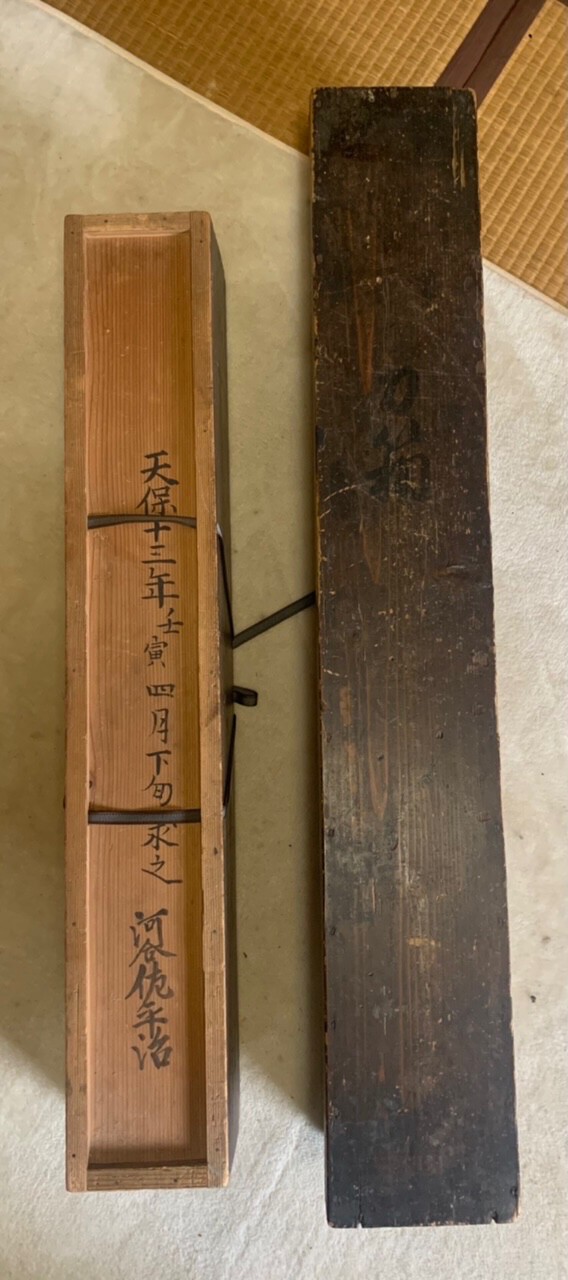
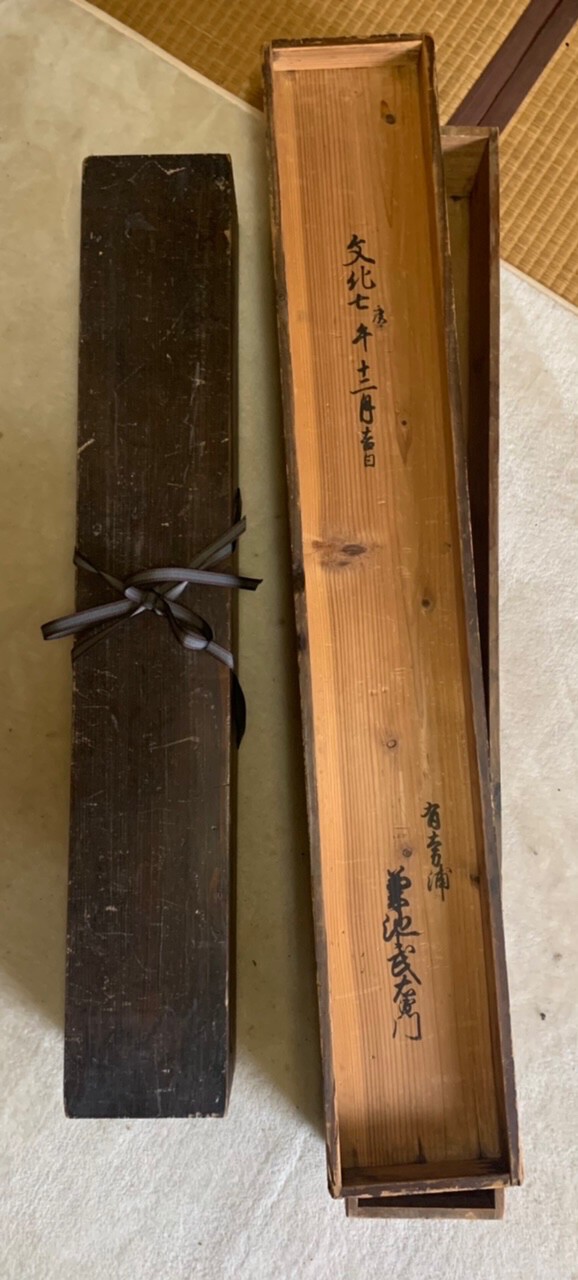
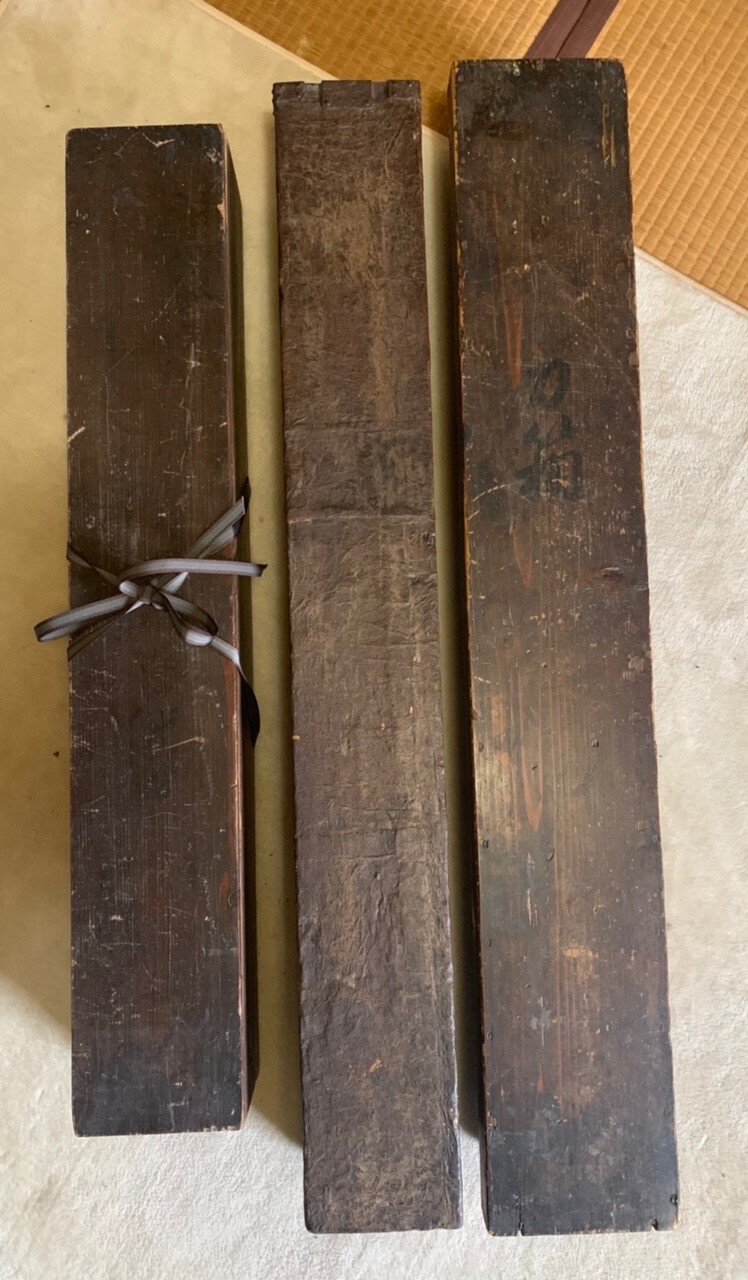
Just sorting through some old katana-bako and decided to take a couple of shots. I realized again that boxes with characters on them attract me. Left. Has a date on the bottom and is tied shut with cords through slits in the base. Right. Says 刀箱 katana-bako on the top, and is dated under the lid. Middle. Narrower one covered with oiled paper(?), has a 3-shaku+ (100cm) sliding drawer inside with an iron lockwork drawer face.
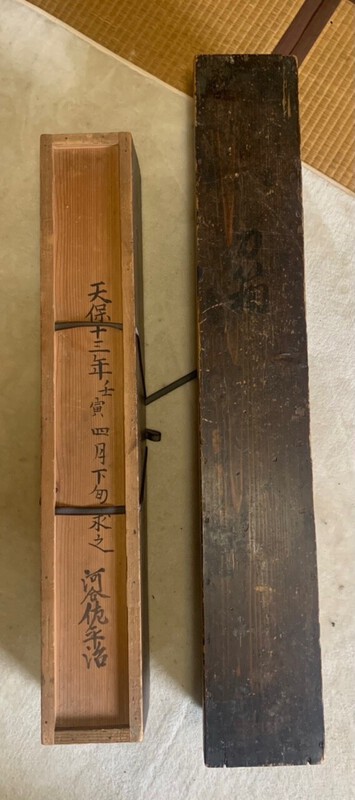
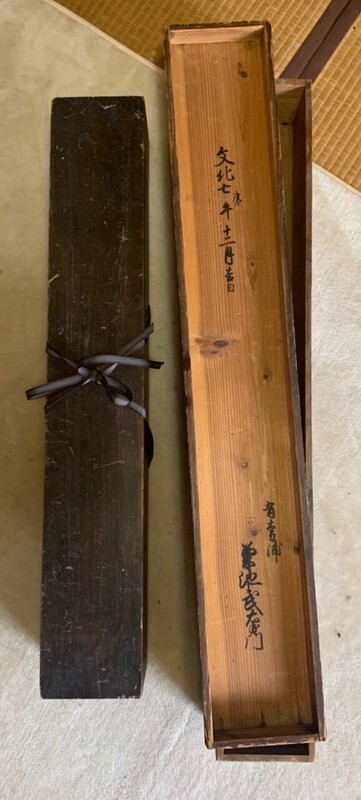
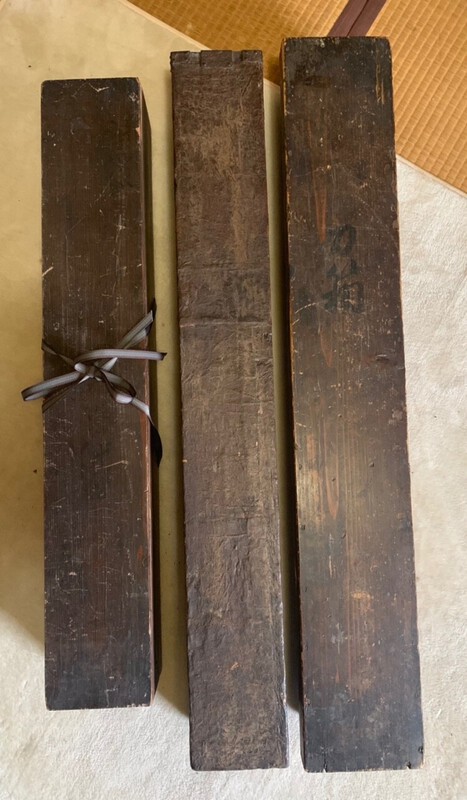 1 point
 -
I would like to point out that “Teikoku Hamono (刃物; Cutlery) Co., Ltd.†is not proved to be “Teikoku Seitetsu (製éµ; Steel) Co., Ltd.†yet. Or is it a known fact? Generally, “Teikoku +something +Co. Ltd†is a common naming for private companies. And the name does not necessarily mean being the same company or the same group.1 point





















-Copy.thumb.jpeg.f18b711cf196e15d6c1a75b865424888.jpeg)




























This leaderboard is set to Johannesburg/GMT+02:00