Ed
-
Posts
1,860 -
Joined
-
Last visited
-
Days Won
44






About Ed

Recent Profile Visitors
4,878 profile views



Ed's Achievements






-
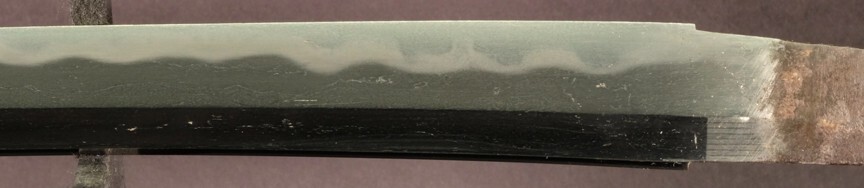
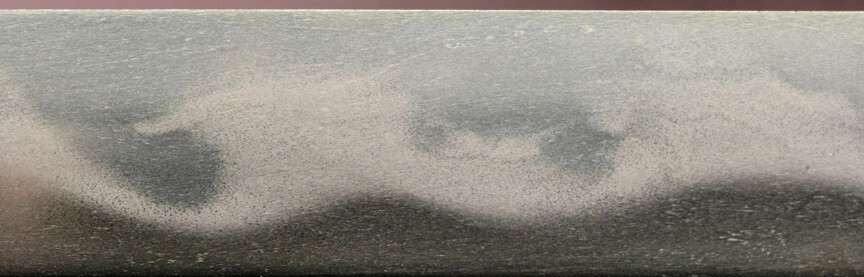
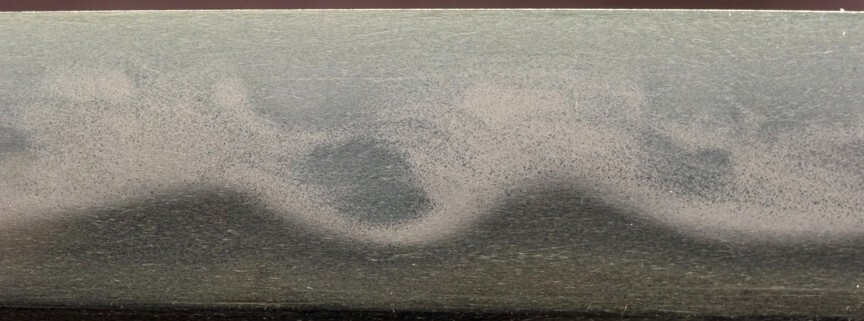
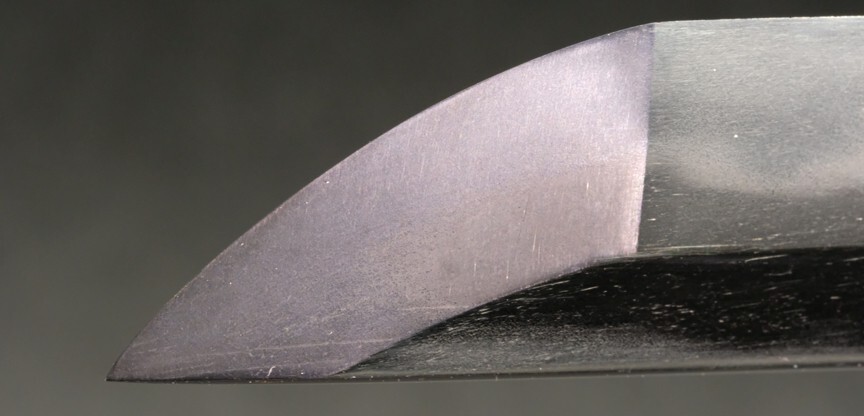
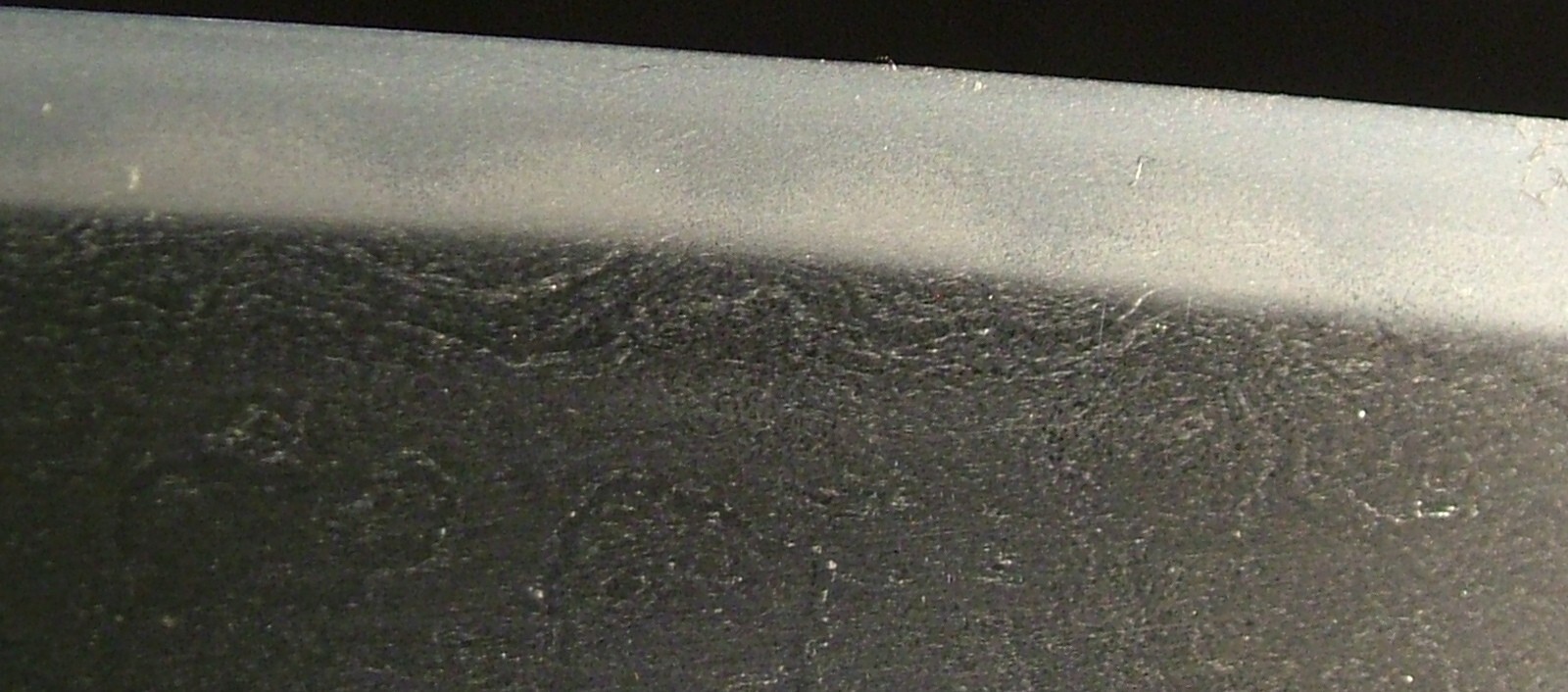
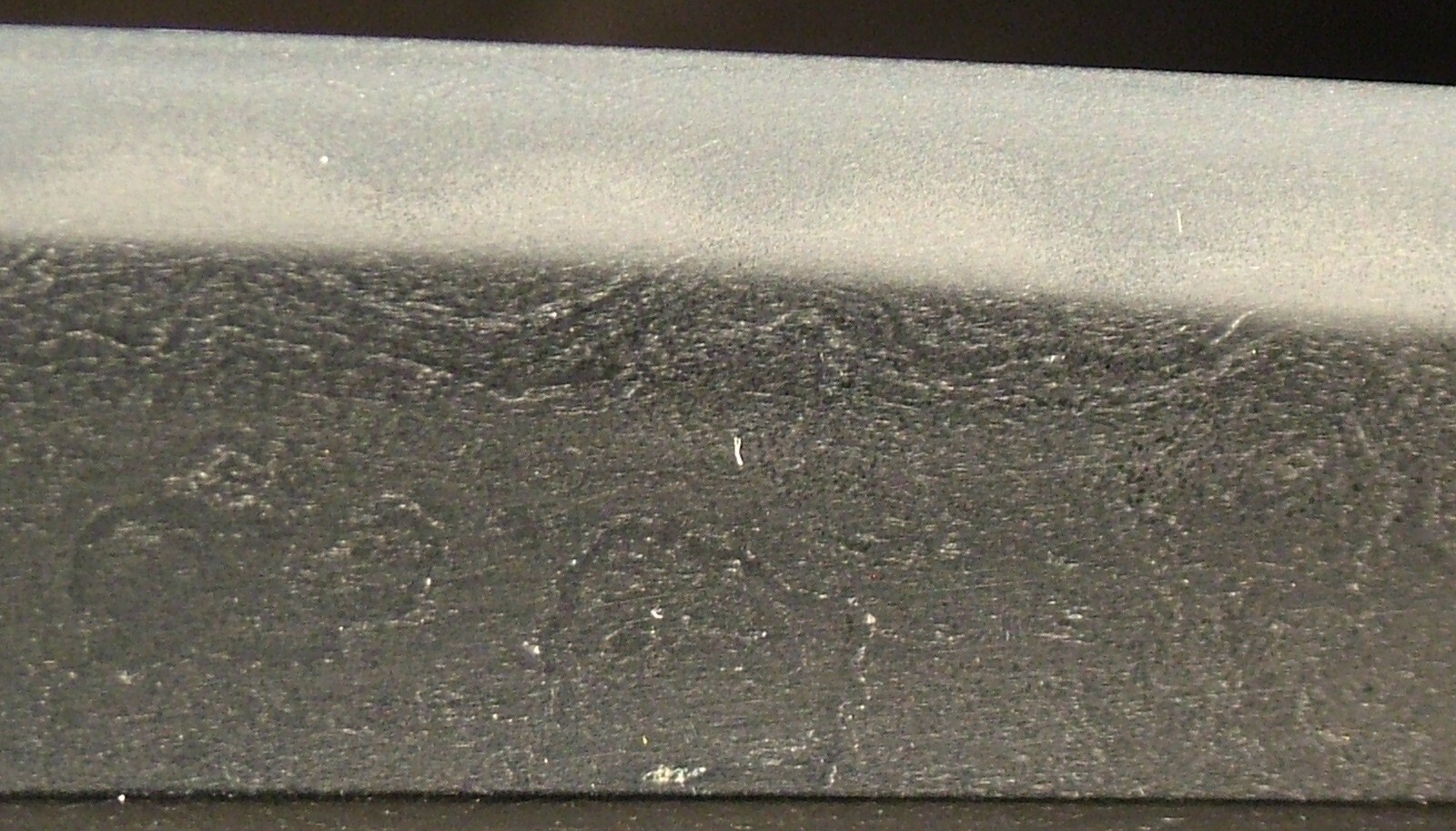
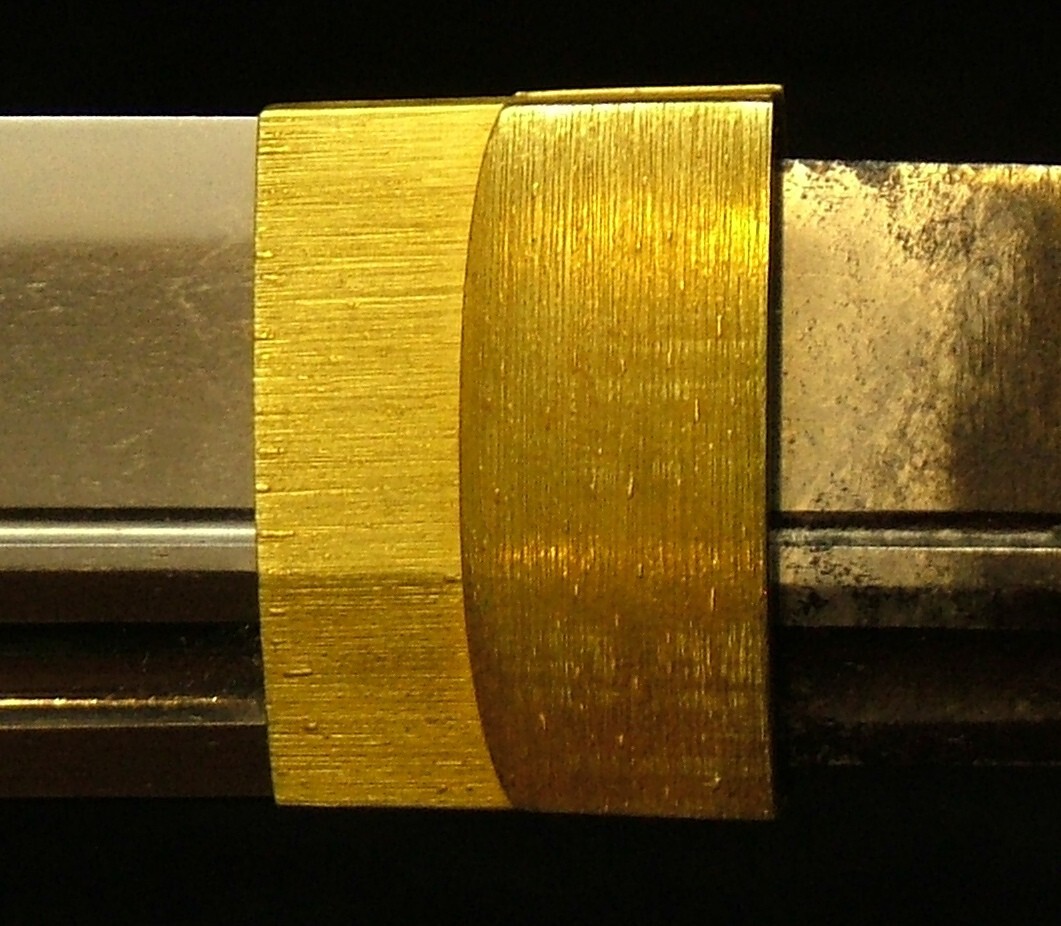
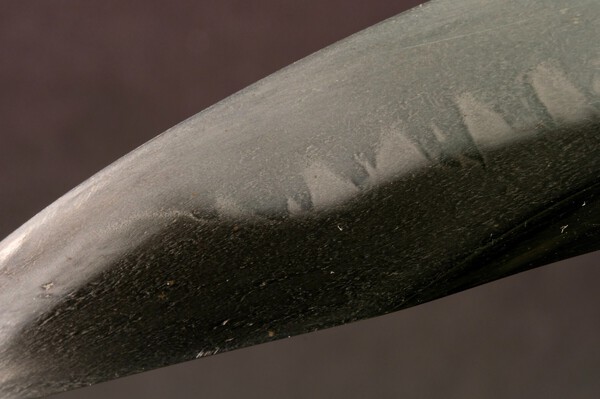
KII ISHIDO NBTHK HOZON KANTEISHO MEI: MUMEI DATE: NONE NAGASA: 39.37cm (15.5") OVERALL: 58.74cm (23.125") MIHABA: 2.698cm (1.0625") KASANE: 0.63cm (0.25") NAKAGO: SURIAGE MEKUGI ANA: ONE YASURIME: KESHO MUNE: IORI / NAGINATA HADA: KO-ITAME HAMON: MIDARE BOSHI: KO-MARU HORIMONO OMOTE: NAGINATA HI HORIMONO URA: NAGINATA HI HABAKI: 1 PC. COPPER SHIRASAYA KII ISHIDO The Ishido school was originally founded in Omi Province. While Omi province was known for numerous well-known smiths during the early Koto period, they had mostly disappeared by the late Koto period. During the mid-Muromachi Period many smiths from the Osafune school of Bizen relocated to Omi. One of these newly relocated smiths was Sukenaga. Upon his relocation to Omi, Sukenaga founded the Ishido school. In early Edo, the Ishido group split into three factions and left Omi province. The groups relocated in Fukuoka of Chikuzen province, Edo of Musashi province, and Wakayama of Kii province in Kyushu. This last group is collectively known as the Kii Ishido school. This Kishu group later moved again to Osaka. The head of this school was Tachibana Tameyasu. Other notable smiths were the nidai Tameyasu, Bitchu Yasuhiro, Yasunaga, Sukekuni, and most notable Tatara Nagayuki. Nagayuki may have been the most notable smith to work in the Bizen style during the Shinto period. Papered by the NBTHK and attributed to “Kishu Ishido”. Price: $3500 plus S/H *REDUCED PRICE: $2500 plus s/h and any additional fees such as (PP, Wire, etc.) https://yakiba.com/ishido-naginata/






-
- 6
-

-

-
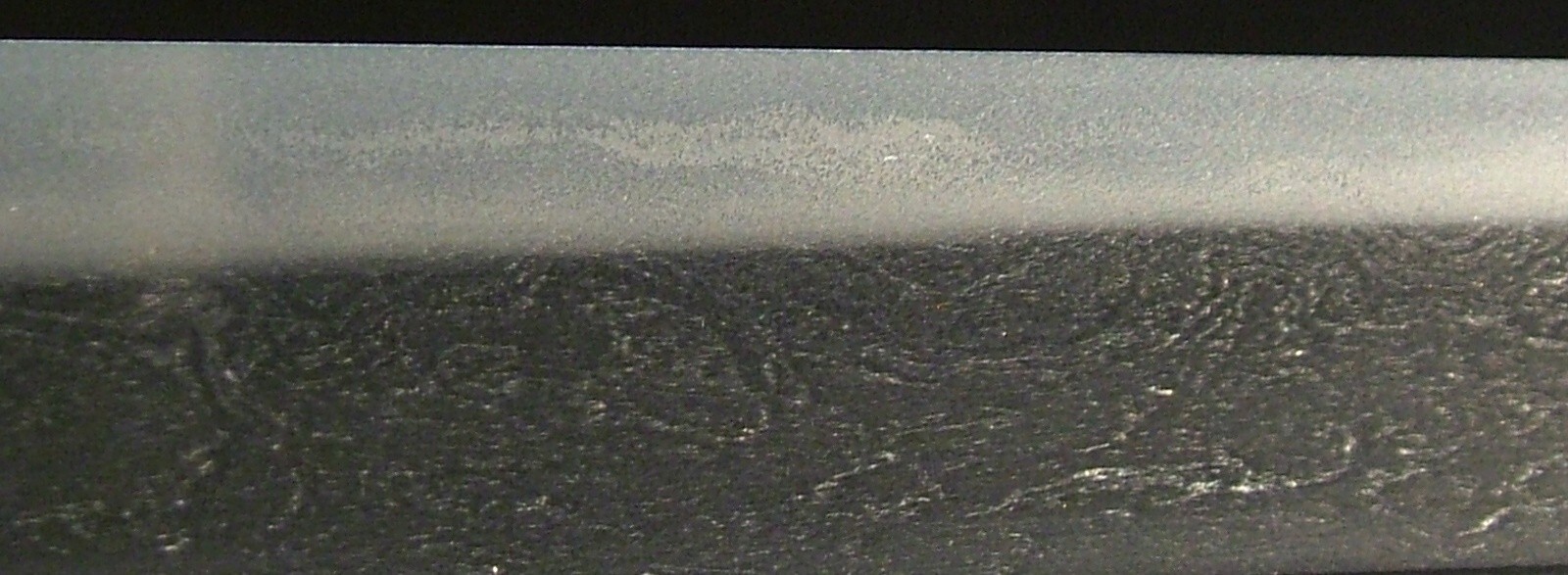
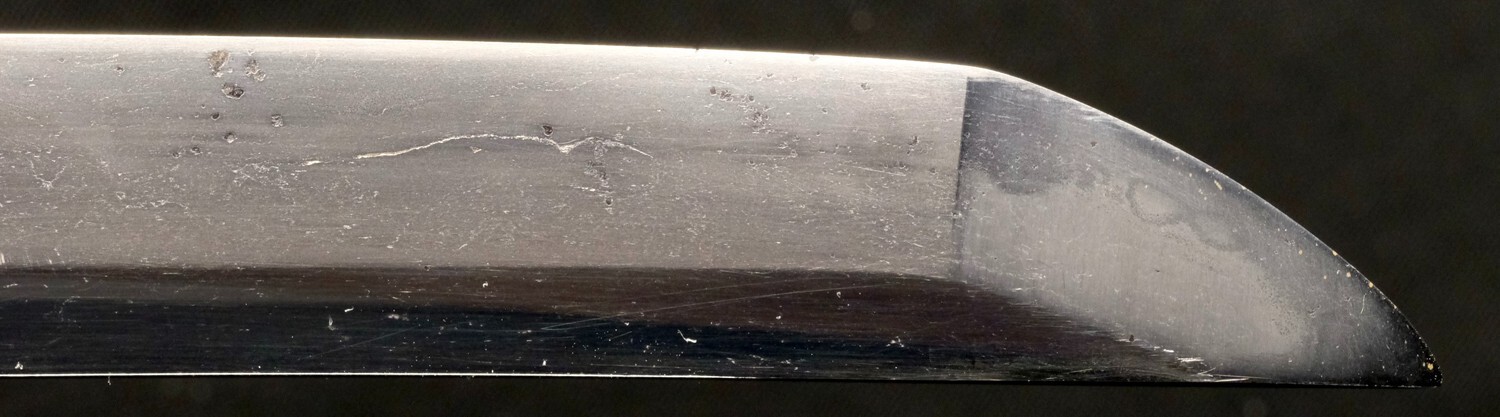
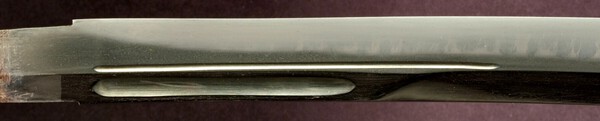
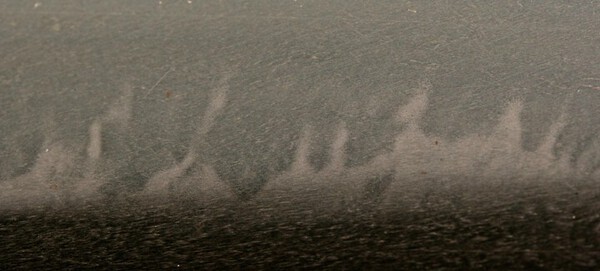
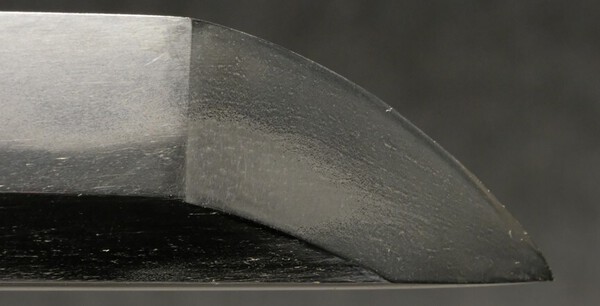
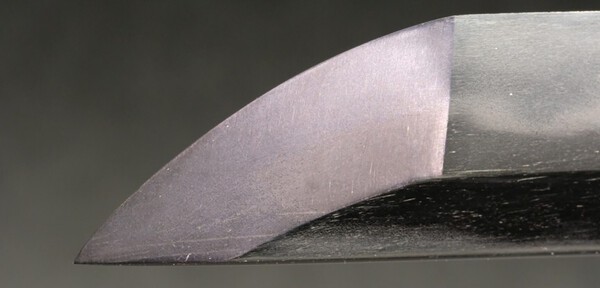
MUMEI WAKIZASHI MEI: MUMEI DATE: NONE NAGASA: 47.301cm (18.625") OVERALL: 59.69cm (23.5") MIHABA: 3.02cm (1.1875") KASANE: 0.63cm (0.25") SORI: 1.27cm (0.5") NAKAGO: UBU MEKUGI ANA: ONE YASURIME: KIRI MUNE: IORI HADA: KO-ITAME HAMON: NOTARE BOSHI: KO-MARU HORIMONO OMOTE: NONE HORIMONO URA: NONE HABAKI: 1 PIECE SILVER SHIRASAYA This wakizashi has a very elegant shape overall with considerable sori for the nagasa length. The chu-kissaki adds to its overall elegance. The nakago may be slightly machi-okuri as evidenced by the hamon extending beyond the ha-machi further than I would expect. Yet, the nakago retains one mekugi ana and the nakago jiri is Kiri. There are a couple of small ware which are barely noticeable. The hada is itame with masame in the shinogi-ji. The hamon is a gentle notare in nioi with lots of hataraki such as chikei, sunagashi, nie kozure, etc. There is hakikake in the boshi. Polish is excellent. Price: $2750 plus S/H *REDUCED PRICE $2200 plus s/h, and any additional associated fees (PP, wire, etc.)


-
- 2
-
-
Several new Koshirae added to the site. You can see them here: https://yakiba.com/koshirae/
-
- 3
-
-

-
*NOTE: Information provided on items offered without kanteisho (papers) or with old shinteisho (think green papers) is nothing more than an opinion or translation of what is actually inscribed on the item along with information of the smith smith in question. Nothing more! This opinion/translation and information is provided as a courtesy and is not an indication, opinion, or guarantee that the item is shoshin or gimei. Old shinteisho (white, green, blue, etc.) are no longer recognized by the NBTHK and in the case of a mumei sword, if re-submitted to shinsa, it may or may not receive the same attribution. As well, they may receive an attribution/opinion of gimei (false mei) or horyu (needs more study). Please do your own research, ask questions prior to committing to purchase and commit only when you are confident in your decision and ready to purchase. Do not commit to purchase, then attempt to negotiate a lower price.
-
- 6
-
-
-
-
Update: I have been working on updating the site since returning from Japan Tuesday night. I think most everything is current. If you see something that doesn't look right, feel free to contact me. Ed Yakiba.com
-
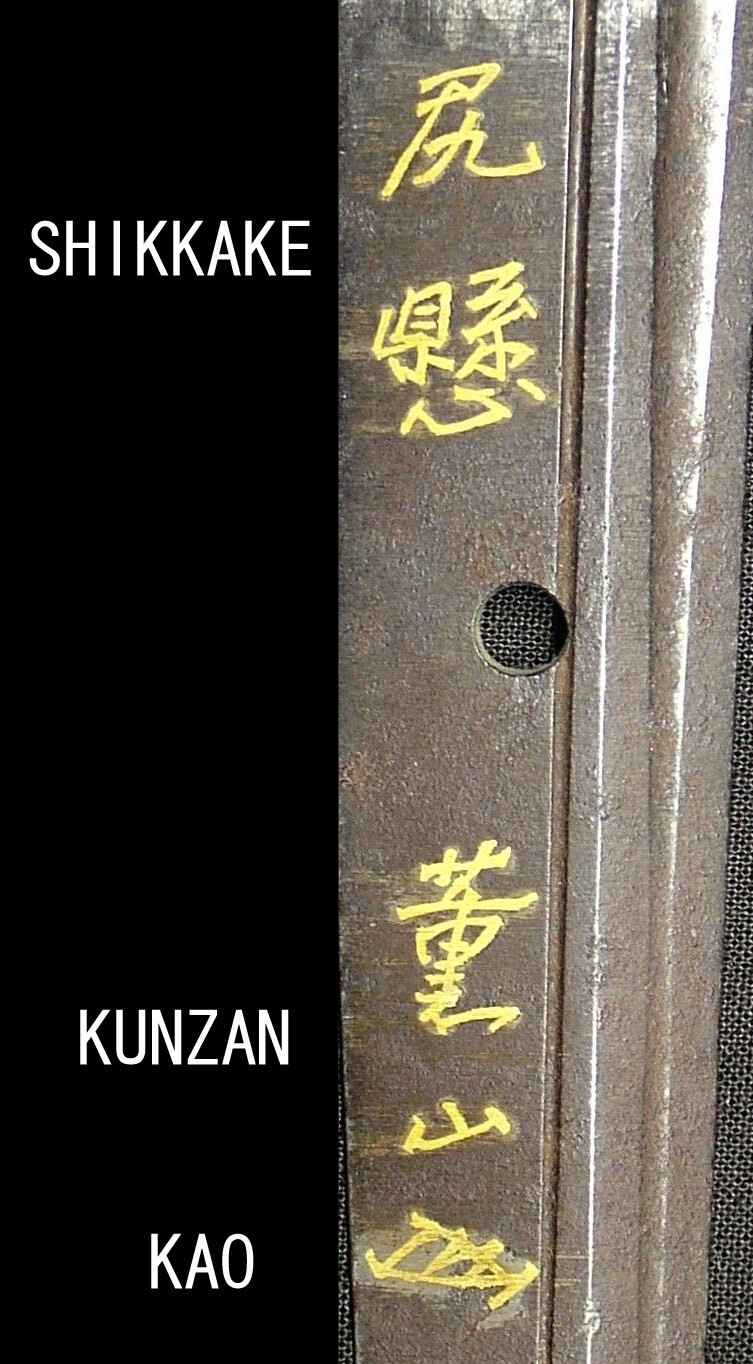
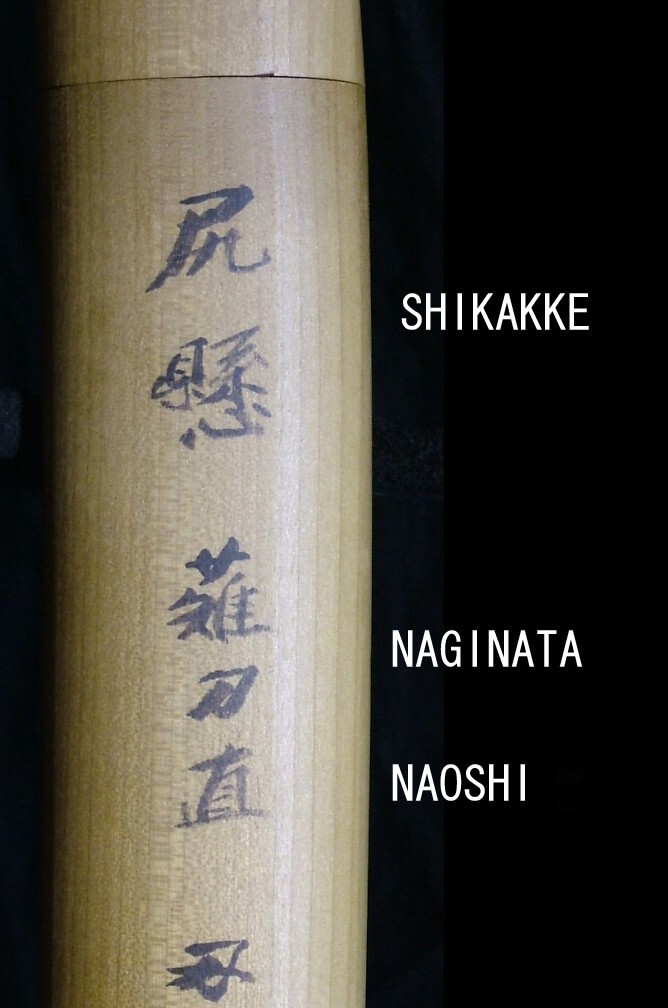
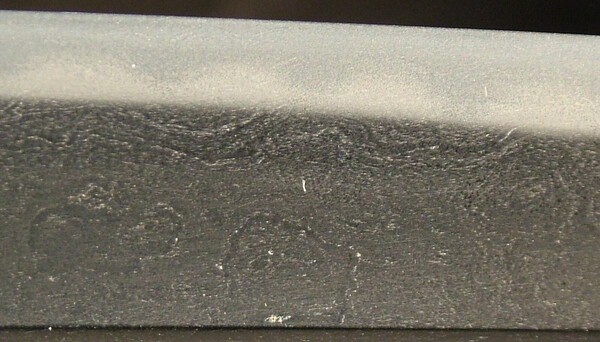
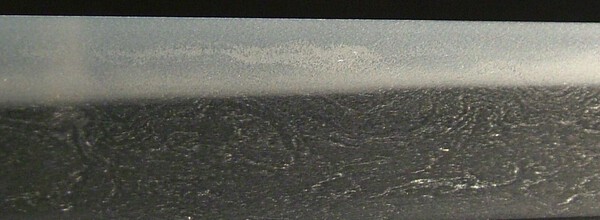
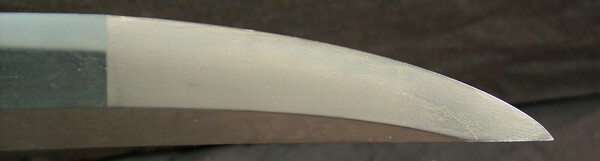
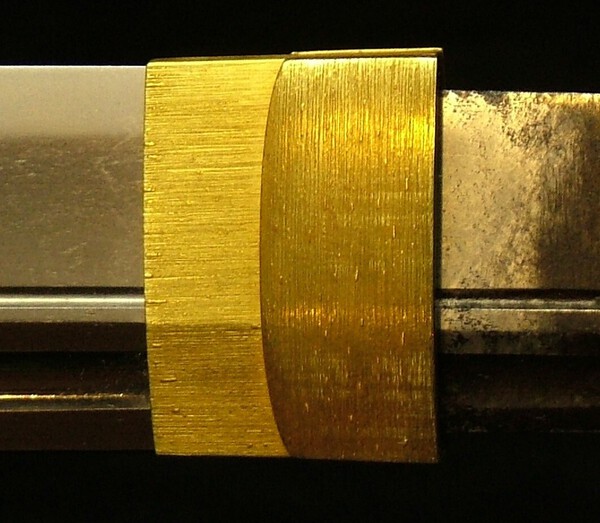
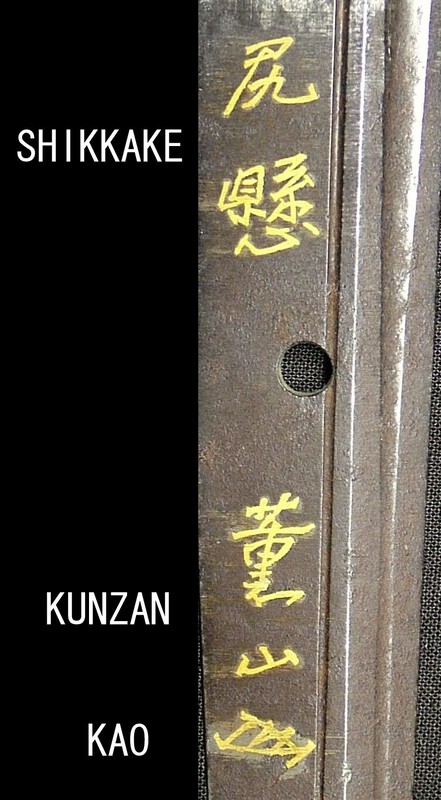
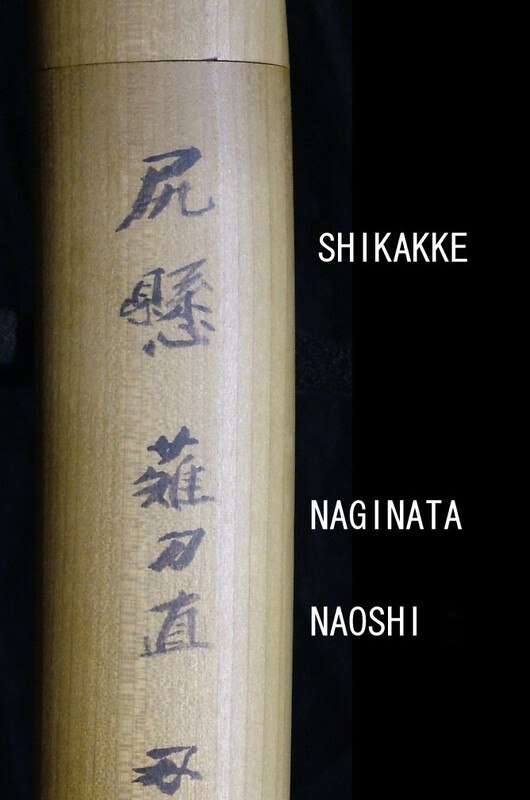
Not looking for cheap deals, let's move to the other end of the spectrum. Late Kamakura to early Nanbokucho period. Shikkake School of Yamato province prospered present Tenri City in Nara prefecture. The name Shikkake is from Shikkake-ishi, the flat stone to place the divine palanquin in Shinto. The Jitetsu of this sword is extremely fine that has something in common with Taima School. It satiates the collector’s interest. Five principal schools prospered in Yamato province: Tegai, Shikkake, Taema, Senjuin and Hosho. Norinaga is thought as the substantial founder of Shikakke school. Dated Tanto in 1319, the third year of Bunpo era in late Kamakura period still survive at the age of 69. Counting backward, Norinaga was born in 1270, the seventh year of Bunei era in Kamakura period. Later generations Norinaga forged sword to the Muromachi period. Smart Shinogi-suji, wide Shinogi-haba, stream like pattern of Itame-hada and Suguha-hamon are characteristics common to all Yamato province. The workmanship of Shikkake School shows traditional Yamato style. Typical ko-gunome hamon based on suguha. Kunzan Sayagaki which states this belonged to Dean Hartley. Provenance: Col. Dean Hartley Price: Ask, if you are prepared to purchase a sword of this level.






-
- 10
-
-
-
-
Thanks Jean. Hopefully, it has cosmetic issues but nothing fatal. Seems like a fair deal for someone starting out on a budget, but wanting a genuine Japanese sword.
-
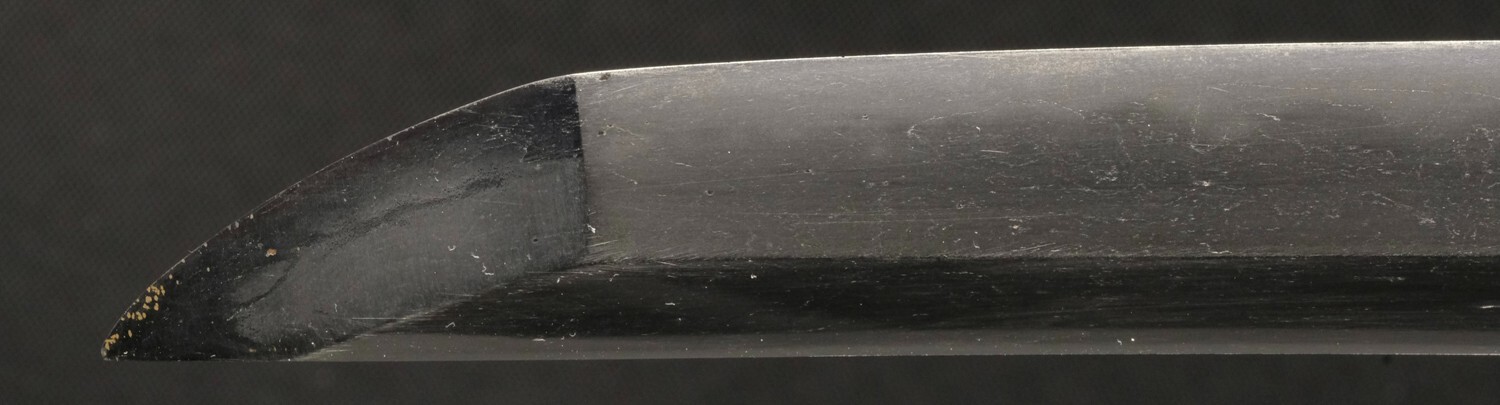
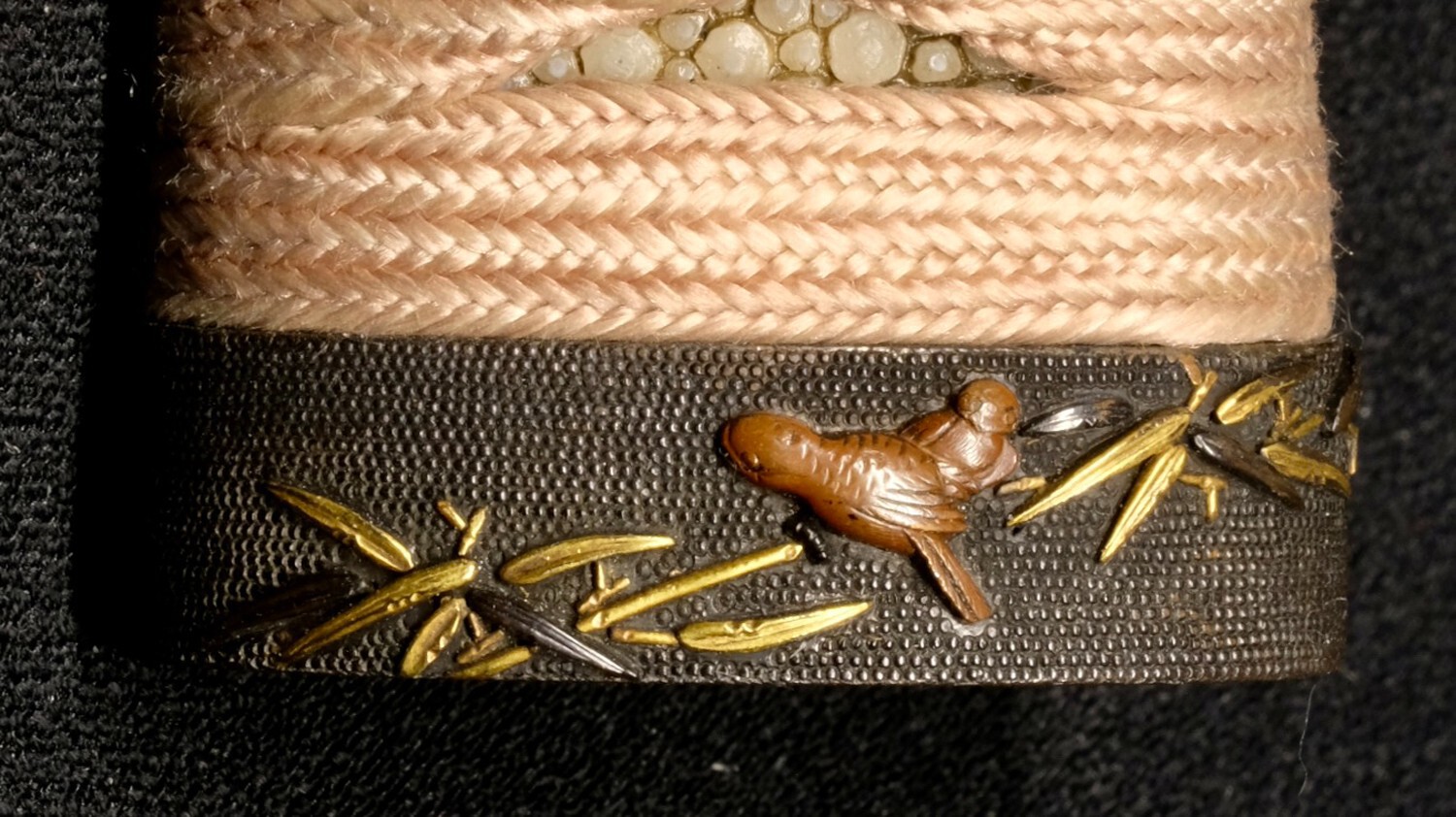
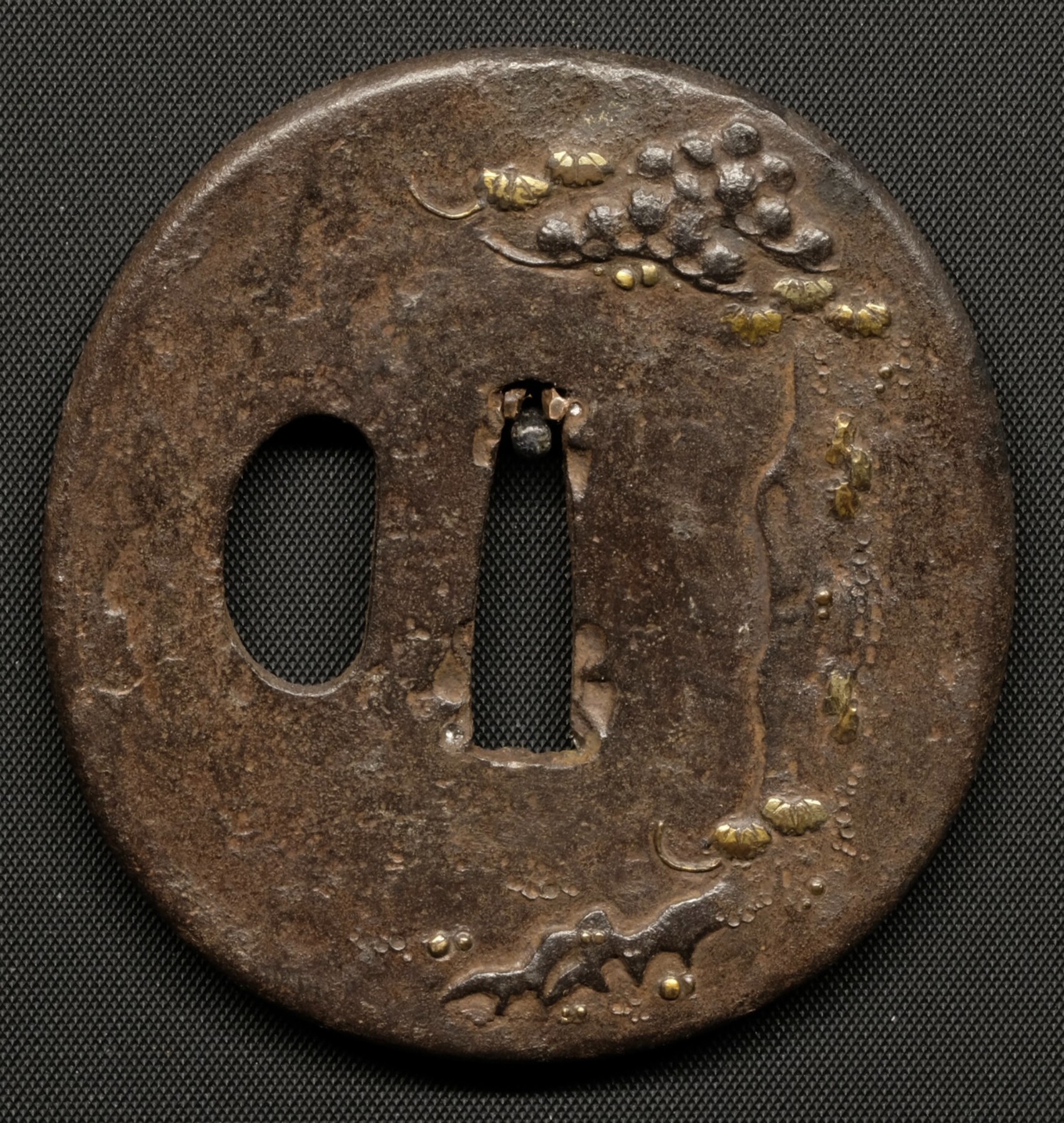
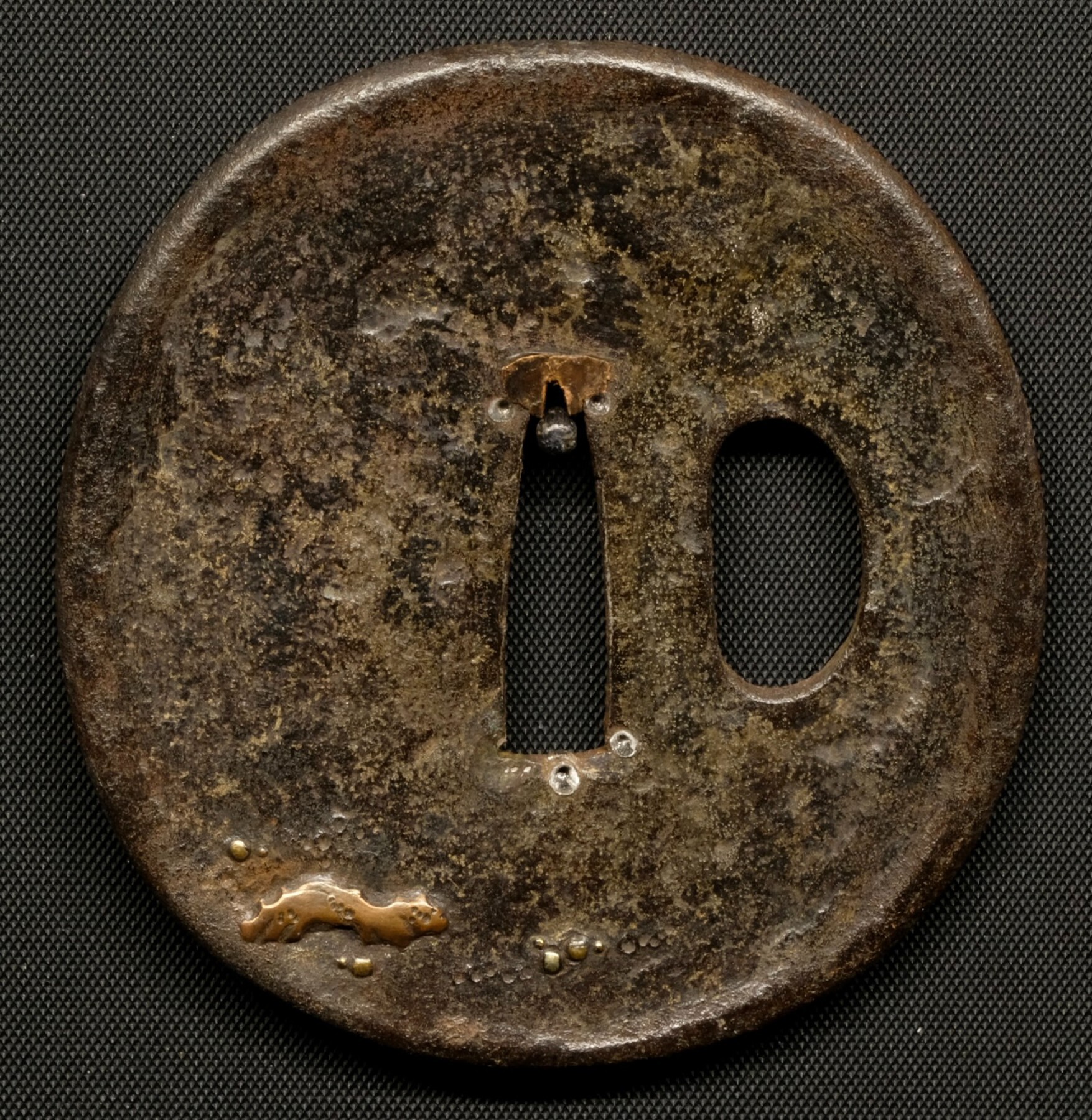
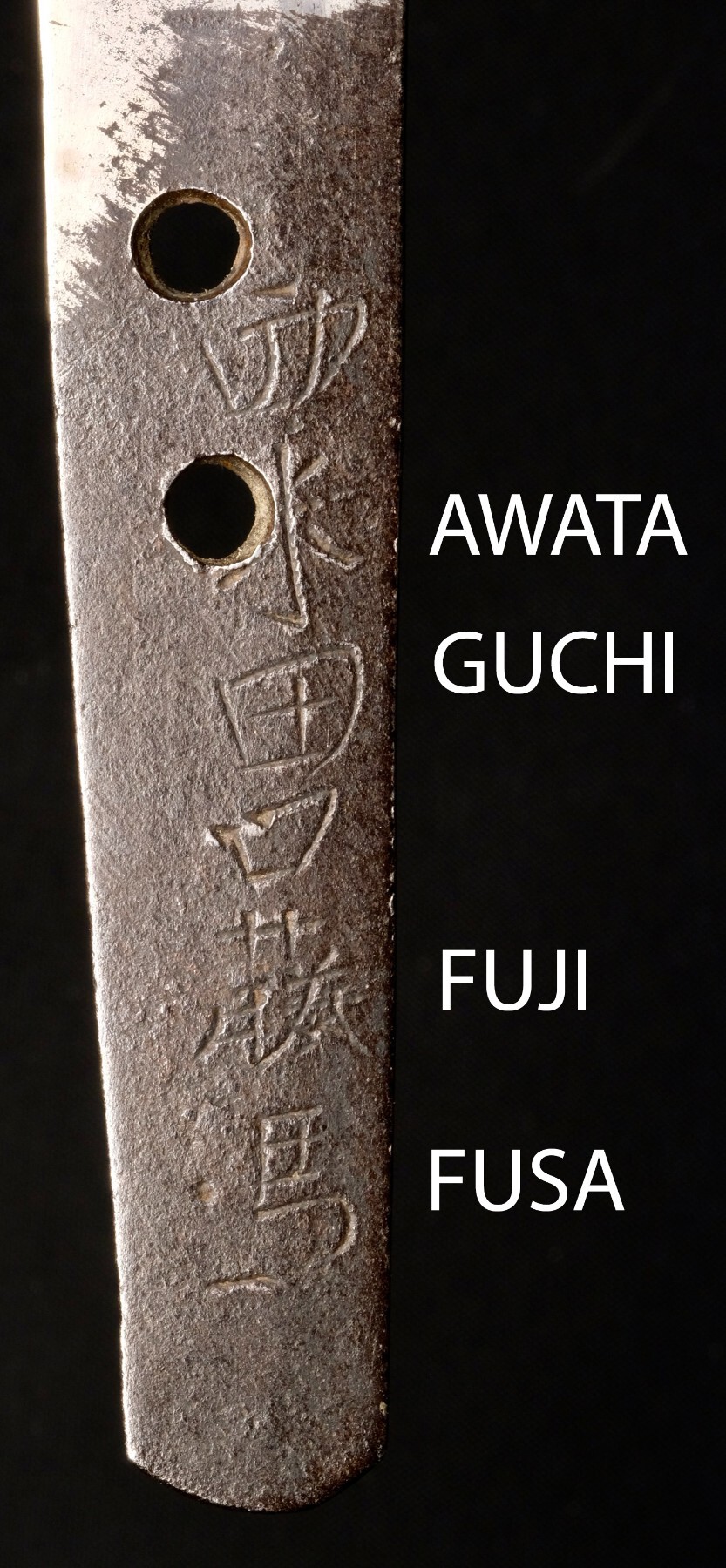
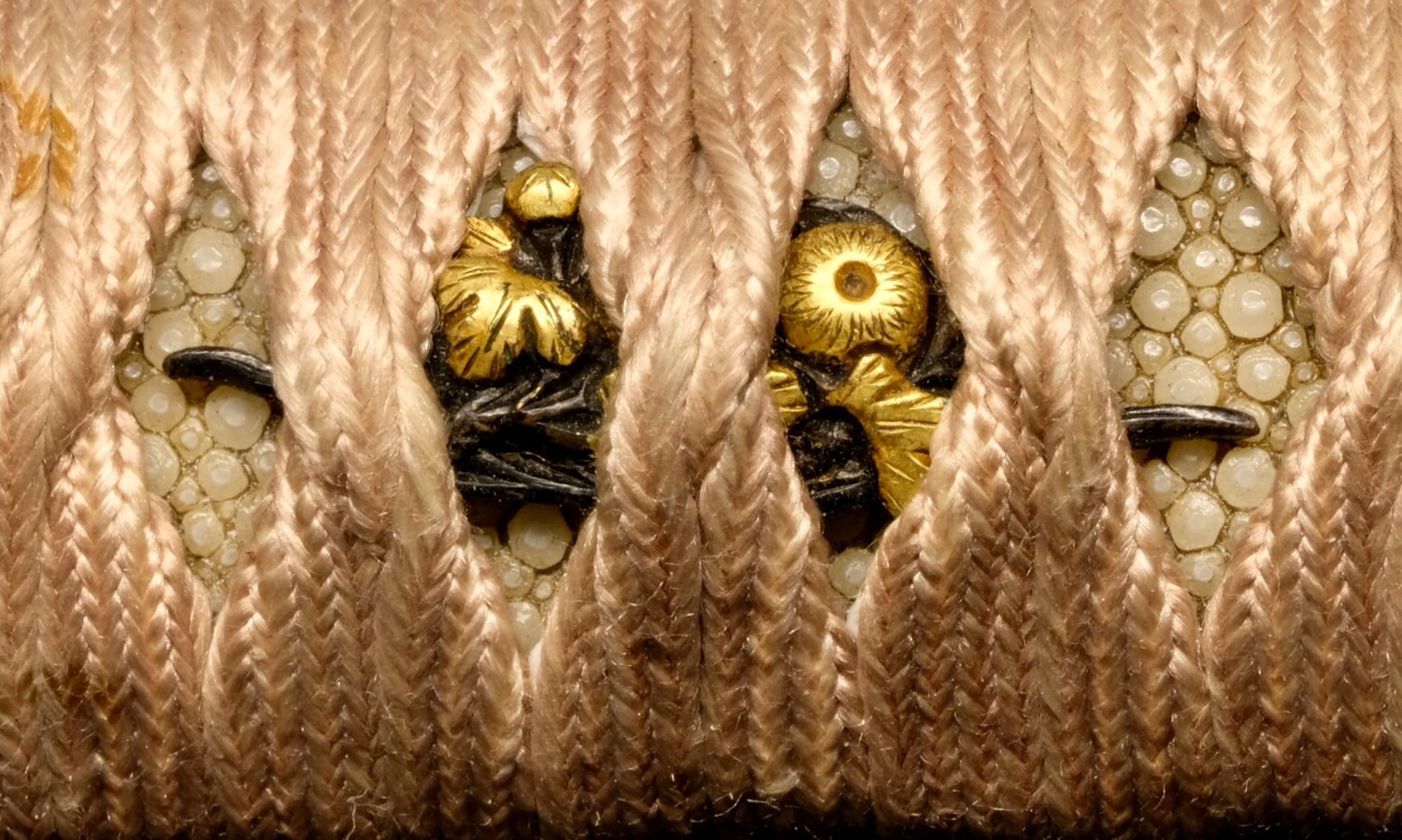
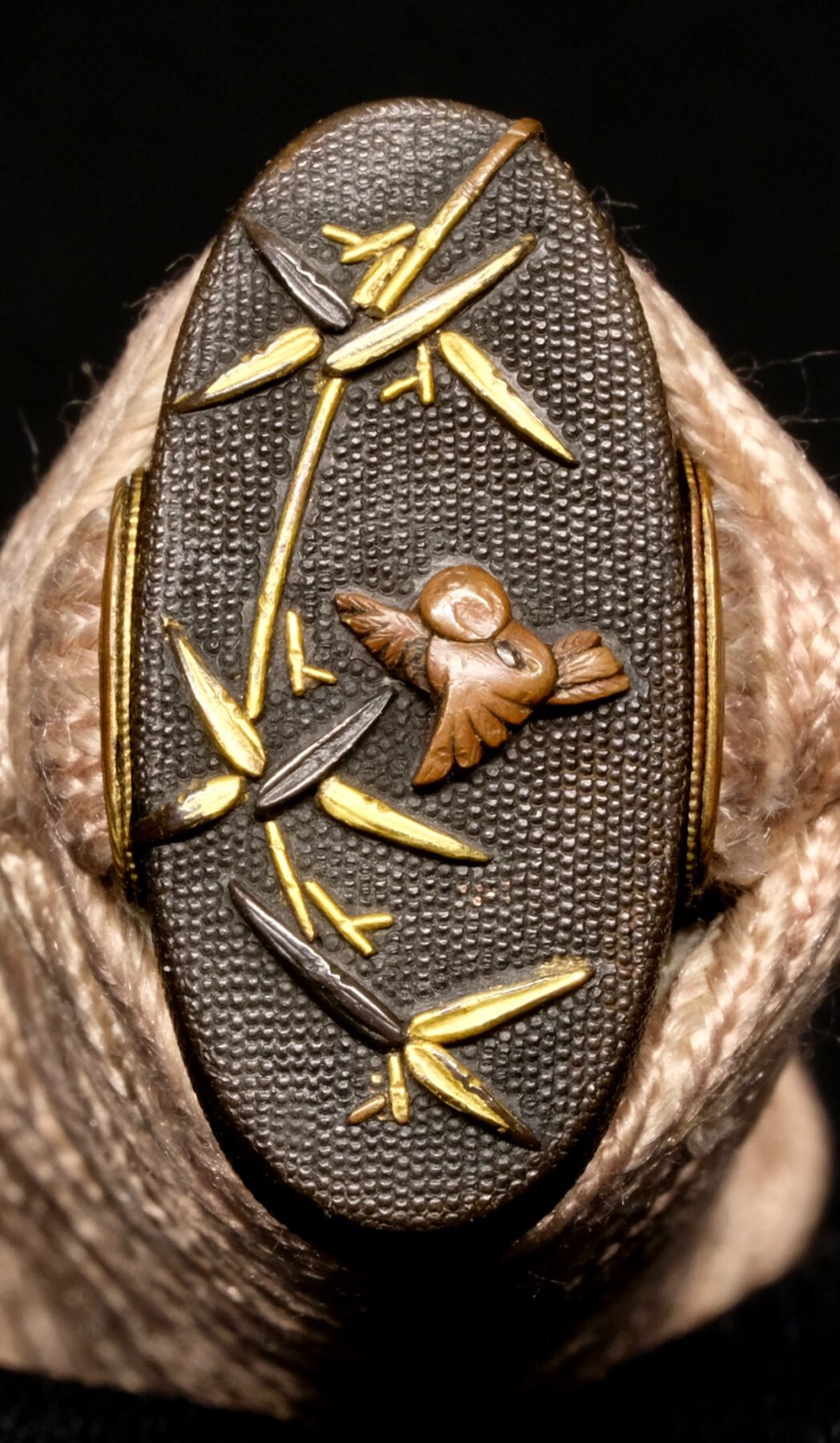
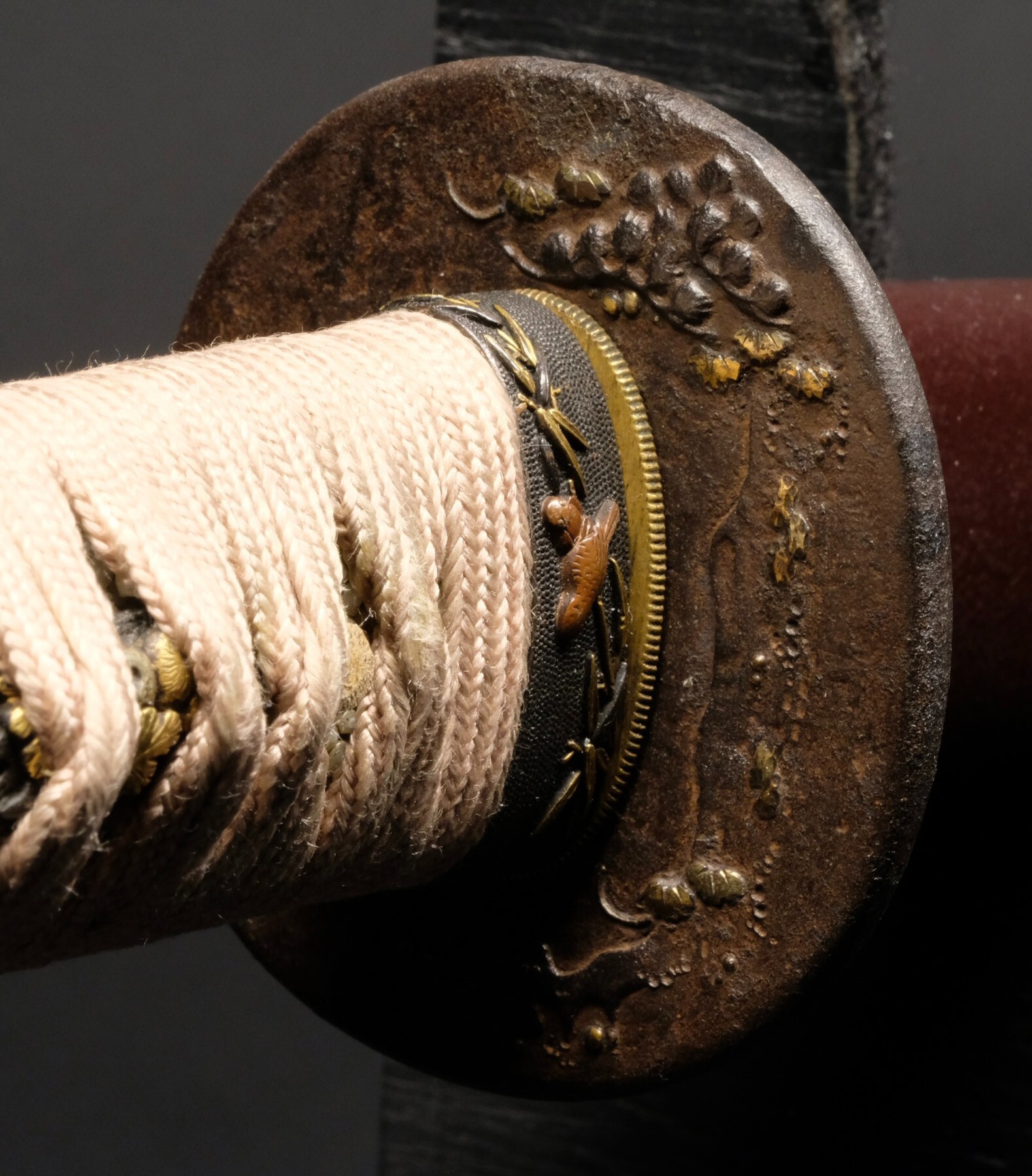
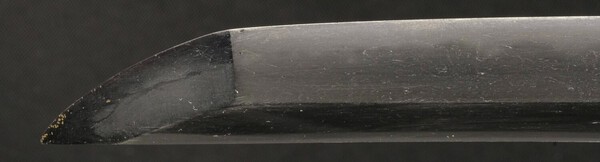
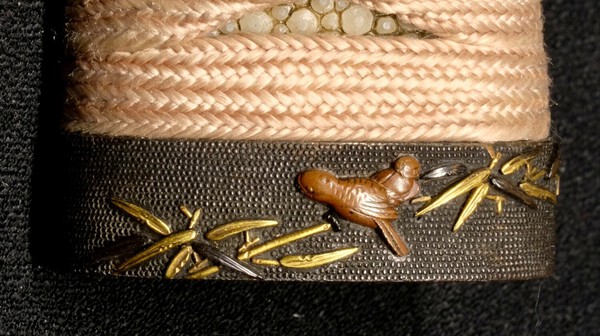
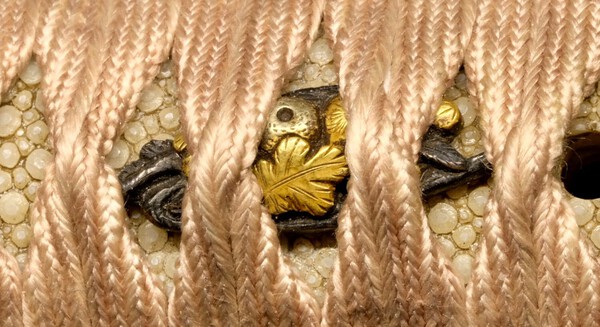
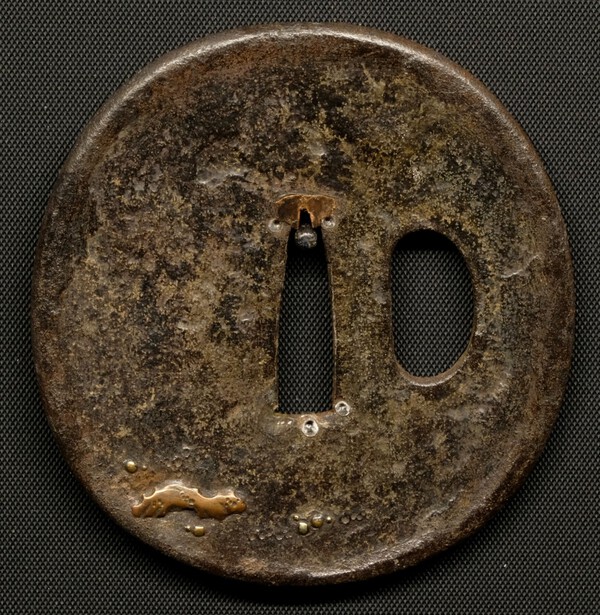
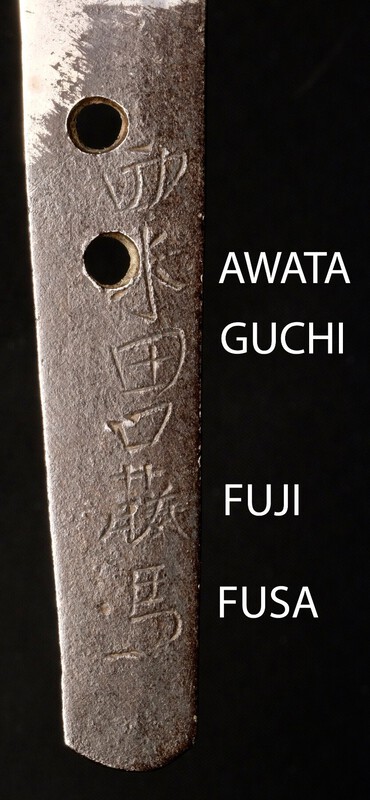
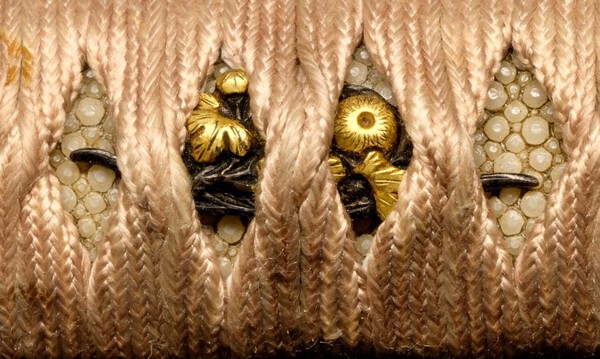
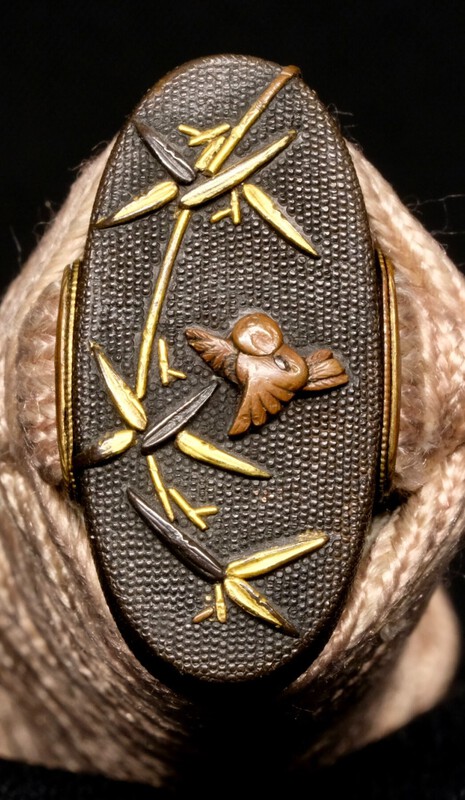
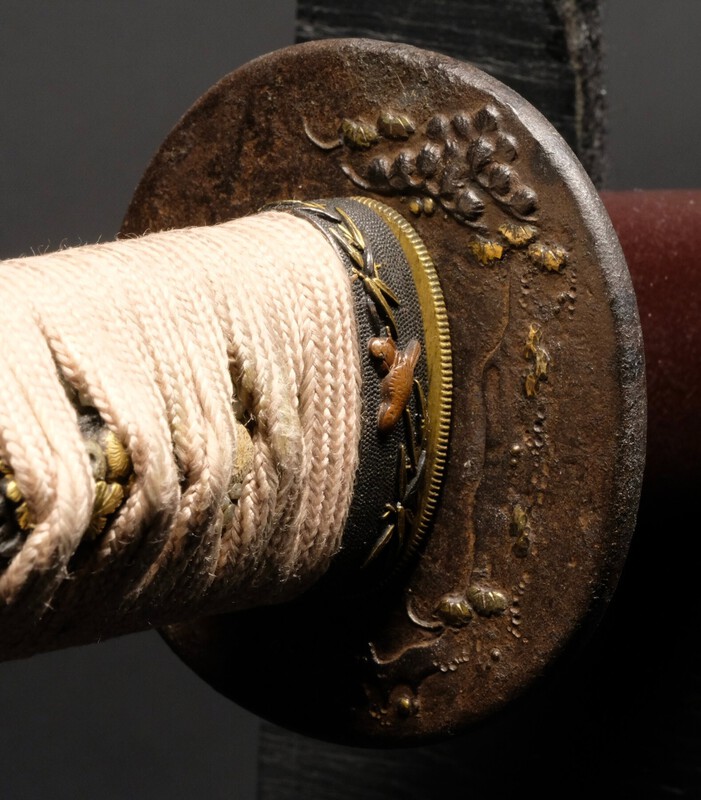
WAKIZASHI AWATAGUCHI FUJIFUSA / KOSHIRAE -SOLD- MEI: AWATAGUCHI FUJIFUSA DATE: 0 c. 1532 MUROMACHI NAGASA: 17.3125" OVERALL: 21.625" MIHABA: 1.01" KASANE: 0.25" SORI: 0.40" NAKAGO: UBU MEKUGI ANA: ONE YASURIME: SUJIKAI MUNE: IORI HADA: KO-ITAME HAMON: GUNOME CHOJI BOSHI: KOMARU HORIMONO OMOTE: NONE HORIMONO URA: NONE HABAKI: 1 PC. COPPER KOSHIRAE Wakizashi in koshirae signed Awataguchi Fujifusa. I could only find one reference for what may be this smith. Hawley’s lists one Fujifusa, a Muromachi smith c. 1532. It could be this smith, the other two options are gimei or an unlisted smith, (see reference and disclaimer below). Nakago is ubu with two mekugi ana. The hada is ko-itame and the hamon is gunome choji. Boshi is ko-maru. The sword is in fair condition but does have numerous small, non-fatal issues such as, surface pitting, kitte-ware, light rust, tarnish and hike-kizu or surface scratches. Comes with a one piece copper habaki. See photos for more detail. Koshirae has some nice fittings. The F/K are shakudo nanako with sparrows and bamboo in gold and copper. The menuki are a floral design of flowers and leaves in shakudo and gold. Saya is a rusty brown with horn koigughi and kurkata. Tsuba is iron with a carved pine with gold highlights. REFERENCES: Hawley’s (FUJ 6), pg. 31 15pt. c.1532 Condition: See Photos. The information I have provided is all I have on this item. Returns: Not accepted unless item is not as described. Ships USPS Priority Mail Insured. Your address and contact information is required to get an accurate shipping quote. Buyer is responsible for knowing your countries import laws and regulations. SOLD *Contact me via email only: Yakiba.com@gmail.com *Disclaimer: Information provided on items offered without kanteisho (papers) or with old shinteisho (papers) is nothing more than an opinion or translation of what is inscribed on the item as is along with any pertinent information of the smith referred to! This opinion/translation and information is provided as a courtesy only and is not an indication, opinion, or guarantee that the item is shoshin. Old shinteisho (white, green, blue, etc.) are no longer recognized by the NBTHK and if re-submitted to shinsa may or may not receive the same attribution. Items which are not accompanied by kanteisho (papers) have a higher probability of being gimei, but that is not always the case. Please do your own research, ask questions prior to committing to purchase and commit only when you are ready to purchase. Please, do not commit to purchase, then attempt to negotiate a lower price.












-
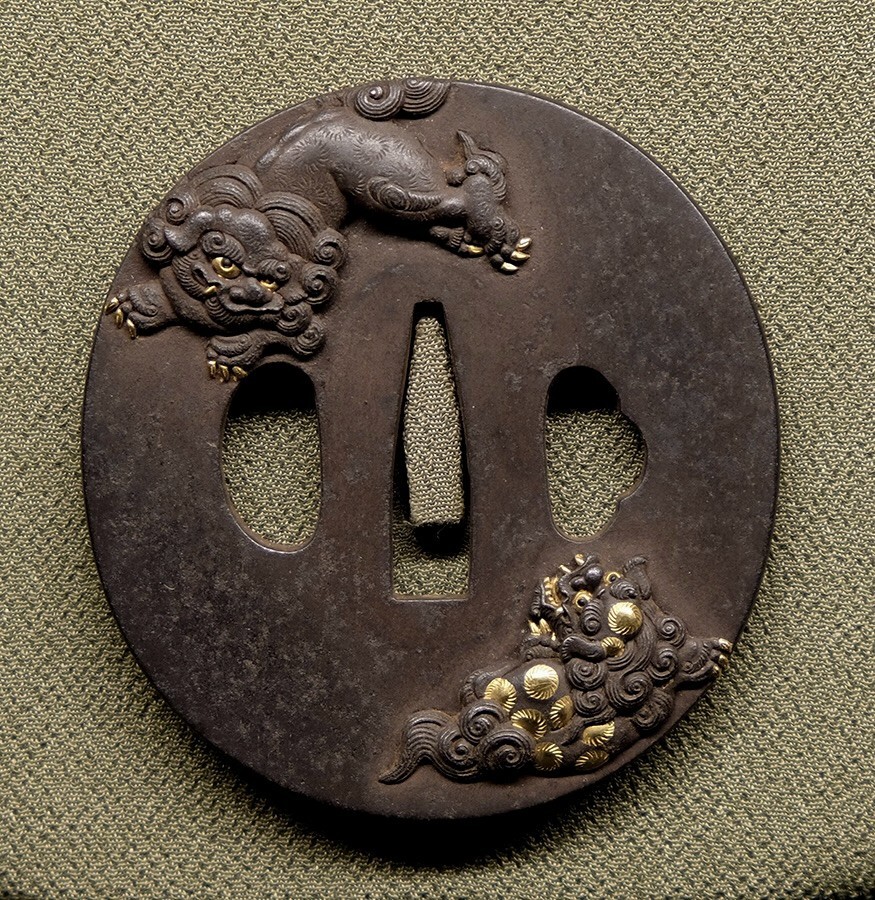
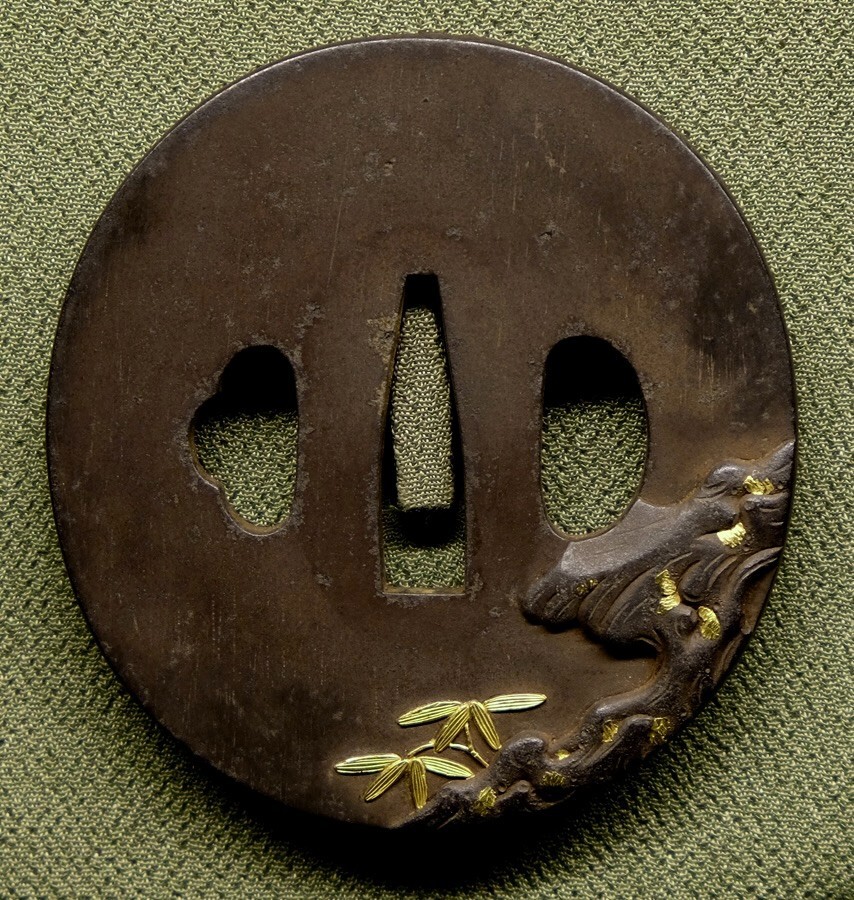
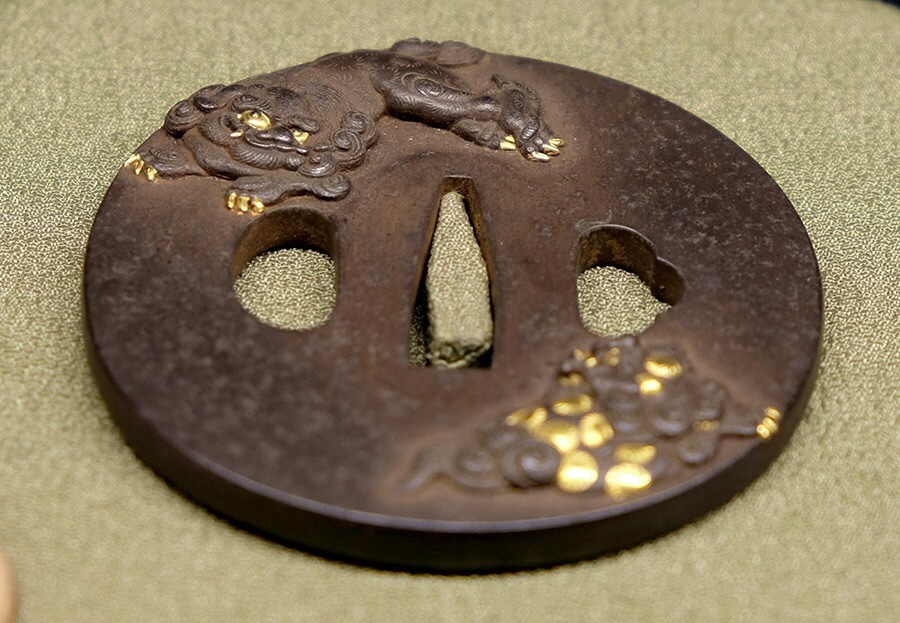
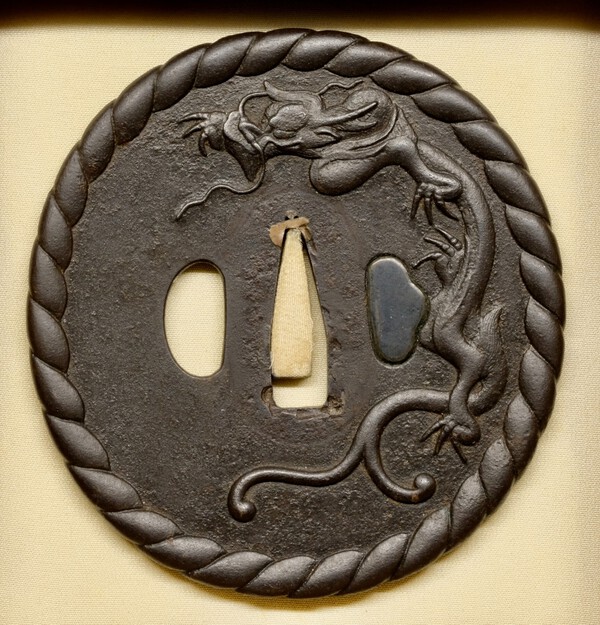
Large Iron Rain Dragon Tsuba 3.47" x 3.28" Outstanding iron example of a rain dragon, the mimi is carved as a rope. The Kogai ana he been filled with a shakudo plug. $2000 plus S/H and any associated fees such as Paypal fees, Wire fees, etc. Sale is final. All photos and information regarding this sword are included here. If you are interested in owning this tsuba, contact me via email only: yakiba.com@gmail.com


-
- 1
-
-
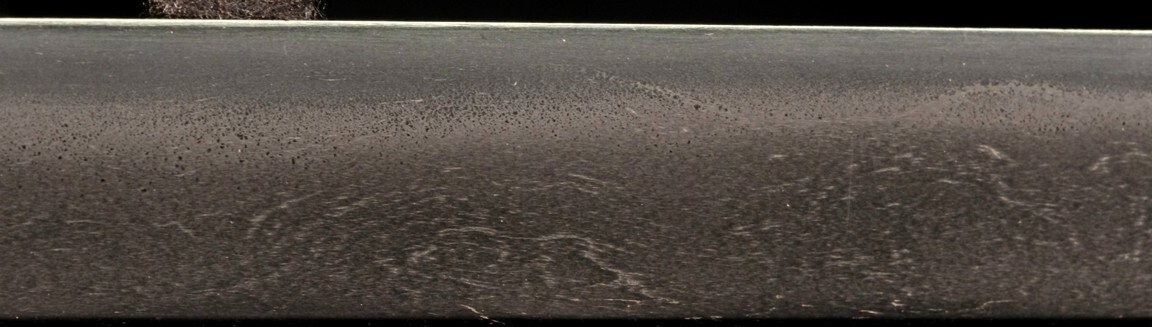
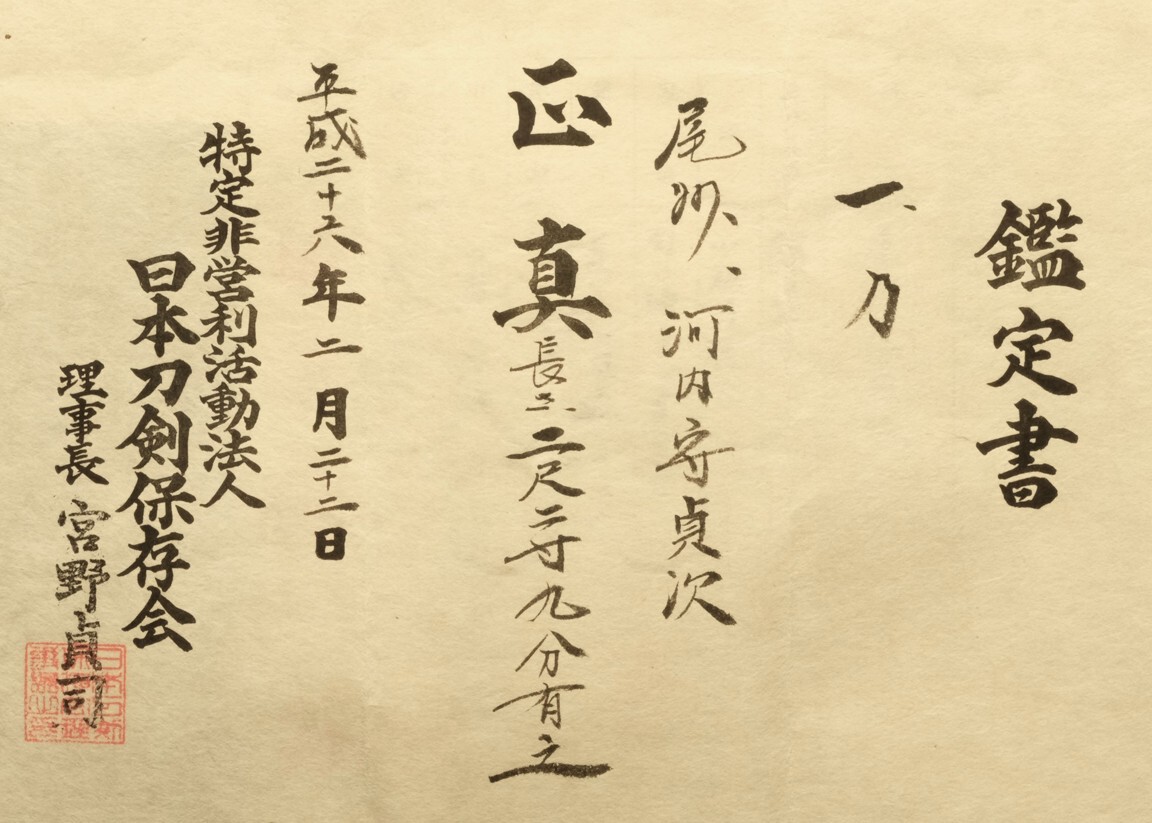
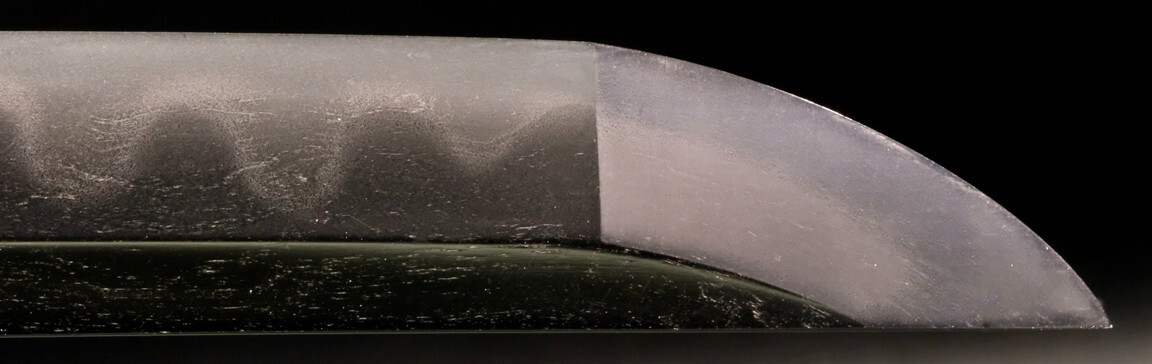
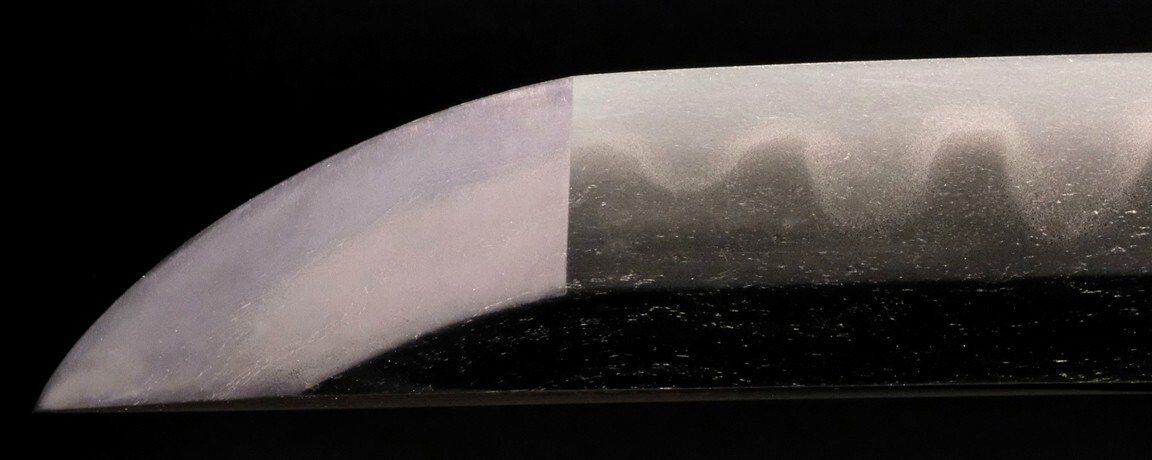
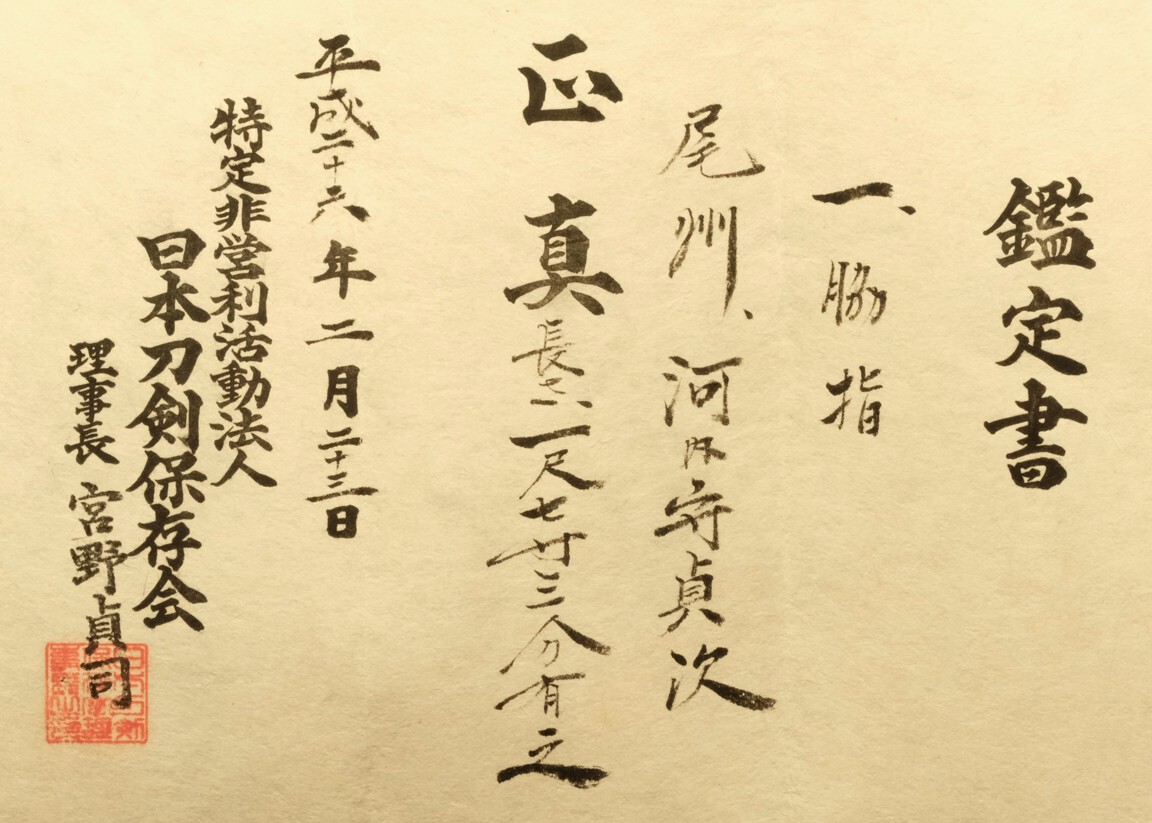
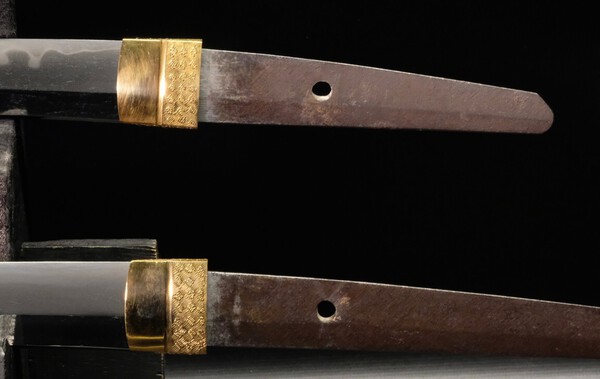
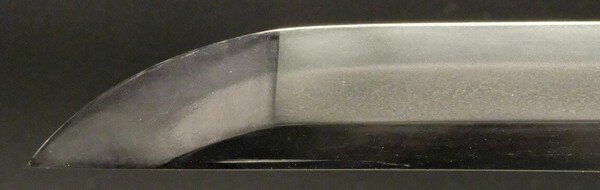
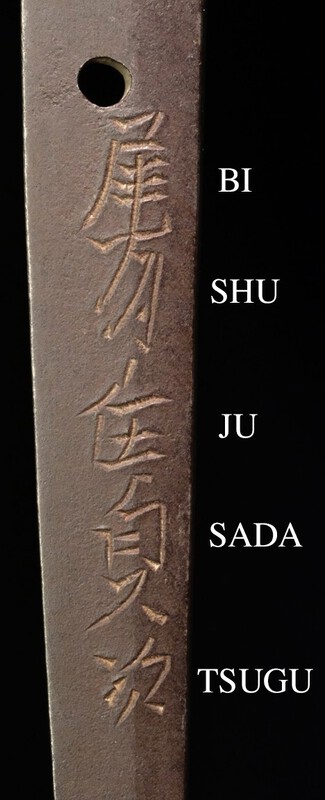
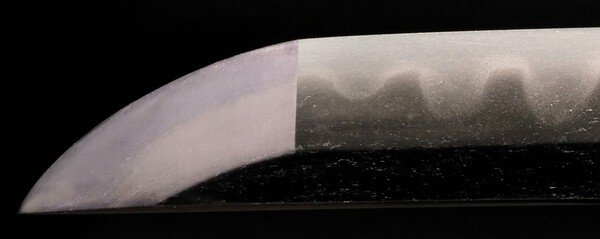
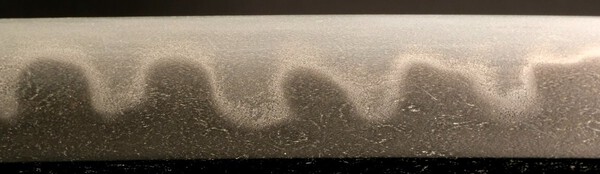
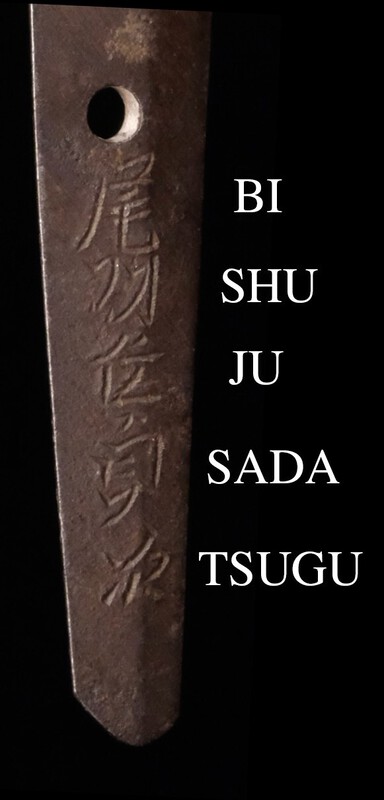
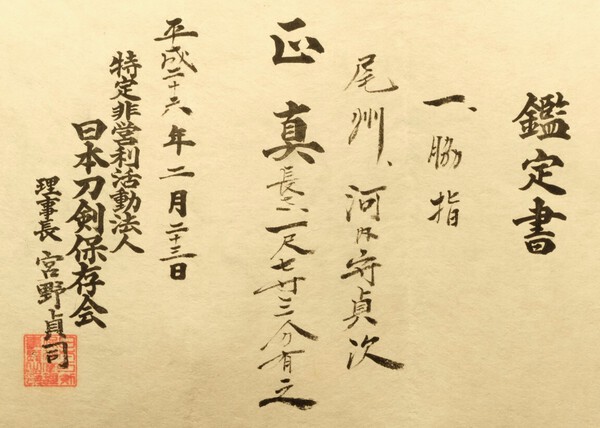
SADATSUGU, BISHU JU NTHK PAPERS CHU SAKU OWARI DAITO (Katana) SUGATA: SZ MEI: BUSHU JU SADATSUGU DATE: NONE c. GENROKU 1688-1704 NAGASA: 69.22cm (27.25") OVERALL: 88.9cm (35") MIHABA: (1.25") KASANE: 0.63cm (0.25") SORI: 0.5 NAKAGO: UBU MEKUGI ANA: ONE YASURIME: KESHO / SUJIKAI MUNE: IORI HADA: ITAME HAMON: SUGUHA BOSHI: KOMARU HORIMONO OMOTE: NONE HORIMONO URA: NONE HABAKI: 1 PC. GOLD FOIL SHIRASAYA ___________ SADATSUGU, BISHU JU NTHK PAPERS CHU SAKU OWARI SHOTO (Wakizashi) SUGATA: SZ MEI: BISHU JU SADATSUGU DATE: NONE c. GENROKU 1688-1704 NAGASA: 42.86cm (16.875") OVERALL: 56.83cm (22.375") MIHABA: (1.125") KASANE: 0.63cm (0.25") SORI: 0.5” NAKAGO: UBU MEKUGI ANA: ONE YASURIME: SUJIKAI MUNE: IORI HADA: ITAME HAMON: O-CHOJI MIDARE BOSHI: KOMARU / HAKIKAKE HORIMONO OMOTE: NONE HORIMONO URA: NONE HABAKI: 1 PC. GOLD FOIL SHIRASAYA REFERENCES: Hawley’s pg. 668, SAD 763 Sesko’s, Swordsmiths A-Z pg. 901 Courtesy of Sesko’s, Swordsmiths A-Z SADATSUGU (貞次), Genroku (元禄, 1688-1704), Owari –“Bishū-jū Sadatsugu” (尾州住貞次), “Kawachi no Kami Fujiwara Sadatsugu” (河内守藤原貞次), first name Kyū ́emon (久右衛門), student of Sadayuki (貞幸), ko-mokume, chōji- midare, chū-saku. You may prefer to call this a "pair" of swords. There are differing opinions on this as with most things in this hobby. Many feel if the koshirae are not matching they are not a daisho, or if the swords were not made together as a "daisho" then they are not a "true" daisho. Daisho literally means large and small or long and short. It does not specify that the swords were made together as a pair. Originally, even Daisho koshirae did not specify the koshirae were identically matched. I know all the schools of thought on what some refer to as a “true” daisho. Personally, I have always felt that is nothing more than a modern characterization. If you google the 47 Samurai's swords and look at their daisho, only a few were made by the same smith. Others were made by two completely different sword smiths. You will quickly see the “true” daisho hypothesis did not exist and certainly was not a “rule” in their time. Condition: See photos. All I know for certain is these are two very nice, polished, papered swords. Feel free to refer to them however you like once they are yours. $7,500 plus S/H and any additional associated fees (pp, wire, etc.) https://yakiba.com/sadatsugu-dai/ All photos and information regarding this sword are included here. If you are interested in owning these swords, contact me via email only: yakiba.com@gmail.com _______












-
- 2
-
-
In all fairness it could use a polish. Hope I have allowed for that.
-
I remember that.