Raiden631
-
Posts
41 -
Joined
-
Last visited
-
Days Won
1
Raiden631's Achievements






-
Moses was my kendo teacher for well over a decade and spent many years visiting his workshop, mostly to see my blades being polished. His level of polishing skill is on par or better than many “fully apprenticed” togishi I have sent swords to or have seen. He’s also willing to work on swords that many would turn away. I had one such sword with deep kizu that he fixed and subsequently received TH. He’s in no way an “amateur”. Yes, it’s true that he didn’t do a full apprenticeship, but that doesn’t affect his workmanship. I haven’t spoken to him in some time, but there’s no one else I’d send my swords to. Just my 2 cents.
-
Cool shape!
-
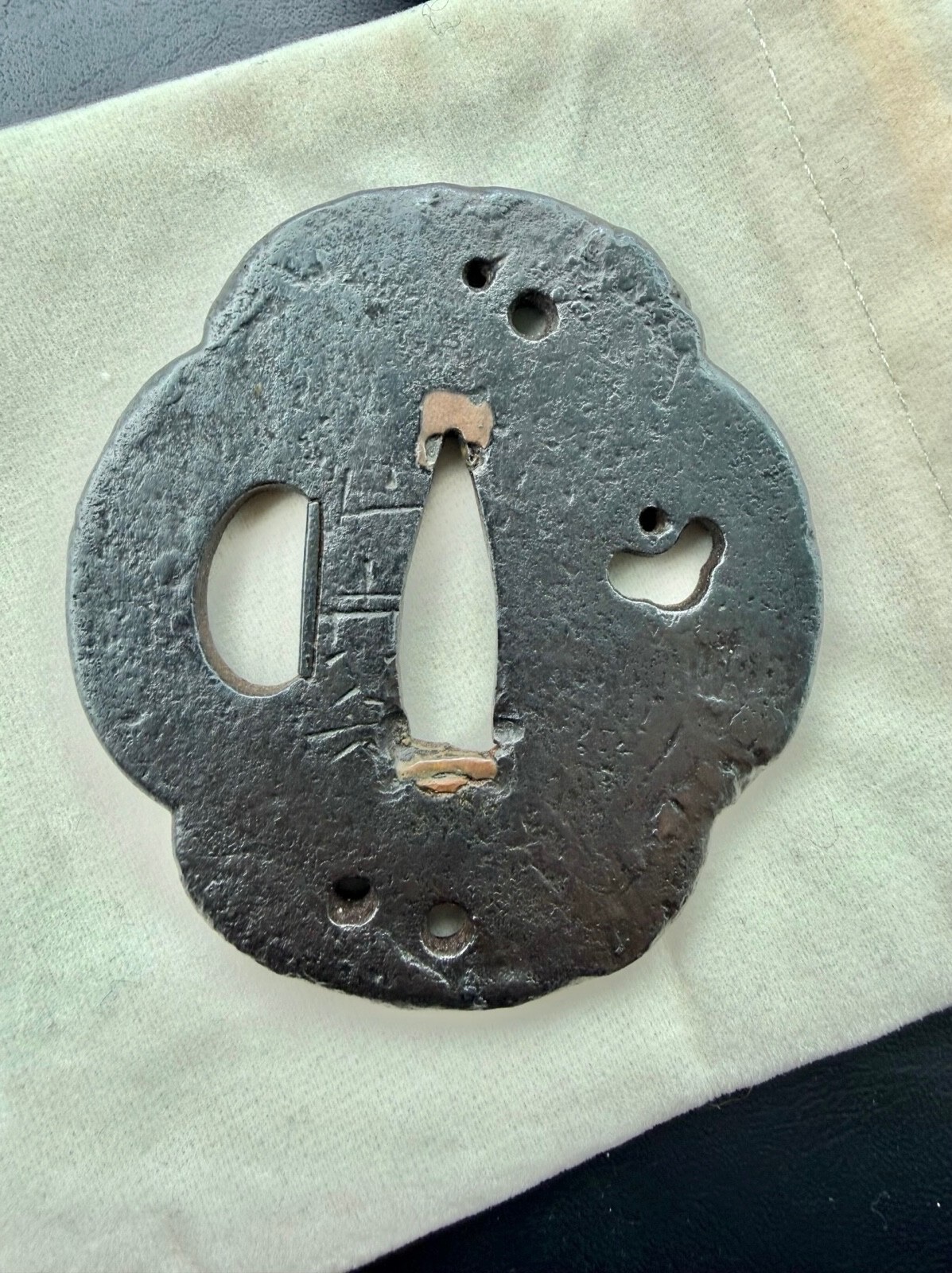
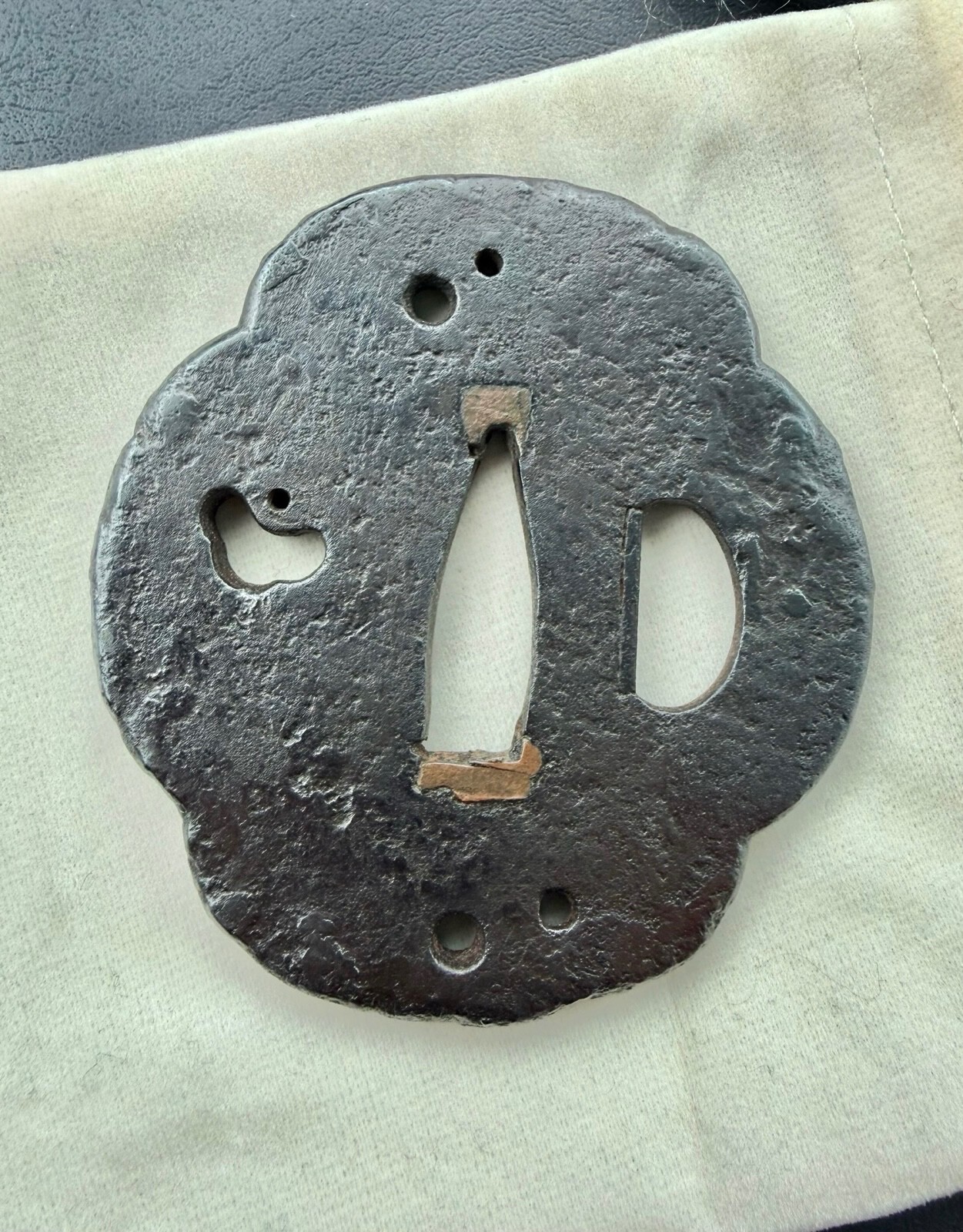
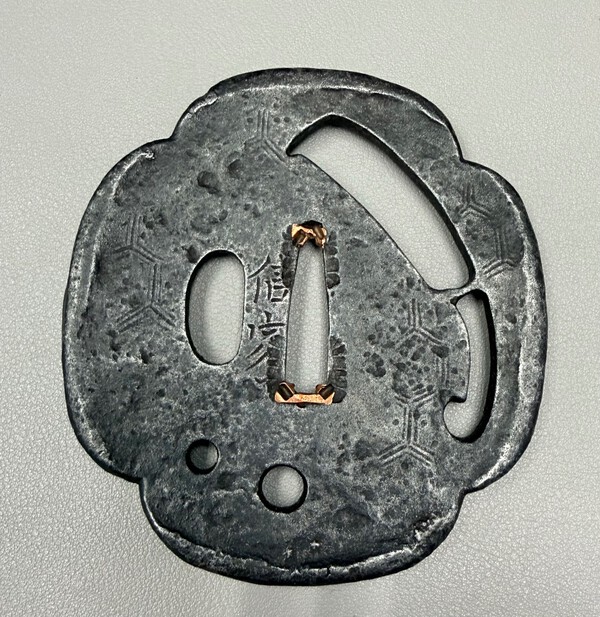
Just added a nice HUGE Nobuie Utsushi. Fantastic iron with lump tekkotsu on the mimi and ji. 9.1 x 8.5cm. SD 3.5mm and 7.5-8.1mm at the mimi. Thing is a brick.
-
No paper, bought it on its attributes. Shodai doesn’t always have a uniform tagane-mei. I’ve seen many pieces similar to this, but that’s not as important. It’s definitely much darker than its photos with a very reflective surface, probably from the urushi. Was in a US collection for a long time, I believe. I’ve been looking for one for some time, so got lucky. I was thinking second generation when I first saw it. Who knows.
-
Thanks for everyone’s opinion. Whether it’s a shodai or Nidai, love it. It had a slightly old repair on the rear. I hear the ste common with these types of mimi.
-
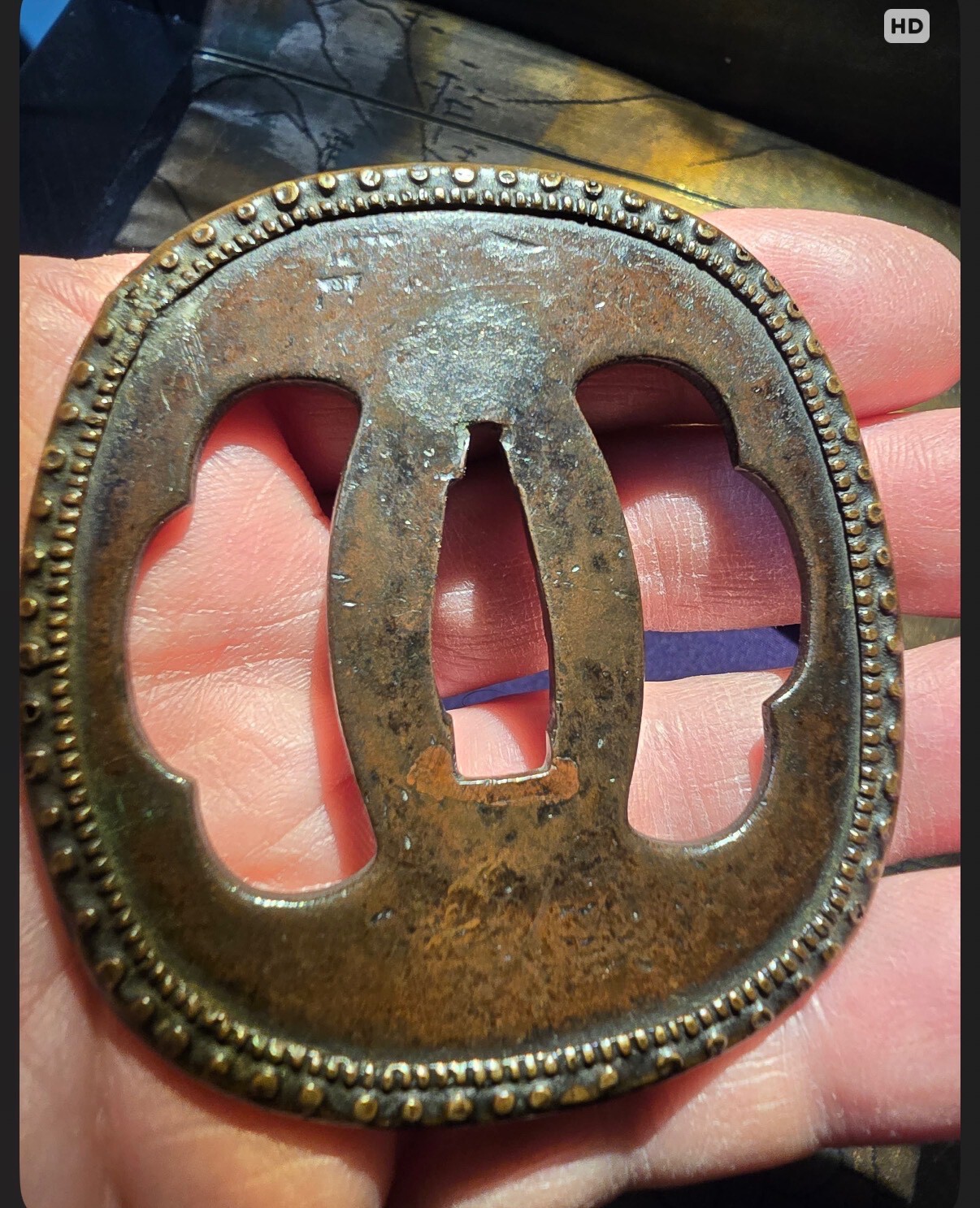
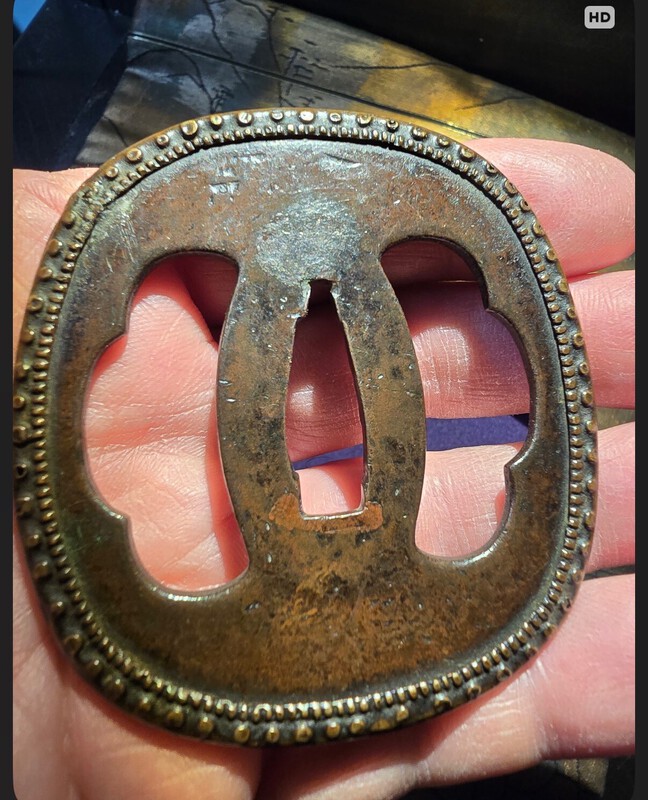
Hey all, Just picked up this nice Hirata school tsuba. Any thoughts to which generation? 7.62 x 7.14cm.

- 12 replies
-
- 11
-

-

-
Thanks!
-
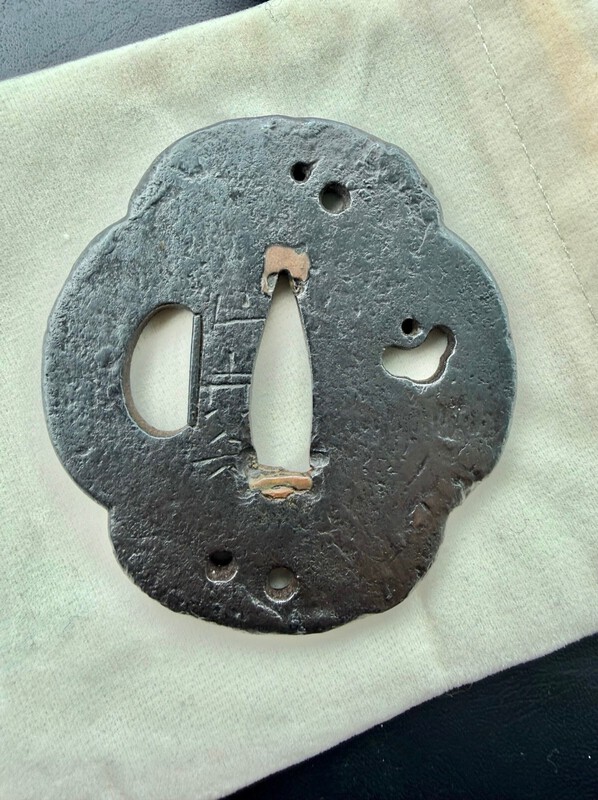
After looking for a YKB tsuba for a while, finally found something just perfect. I picked up this wonderful “Low-cross bar” YKB tsuba from Steve Waszak. Thought I’d share. About 7.1 x 6.7cm x 4mm. The tekkotsu and yakite are excellent.
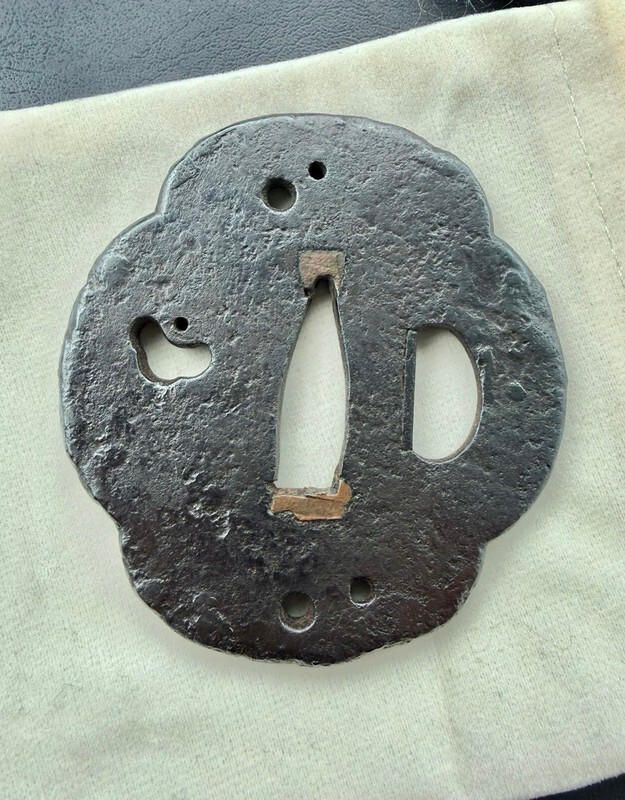
- 4 replies
-
- 11
-
-
-
 Raiden631 changed their profile photo
 -
Hey all, Trying to translate this sagakagi. It says Shizu and something about the school of Masamune. Any help would be appreciated. While the attribution was for Shizu, it received Naoe Shizu from the NTHK. TIA

- 1 reply
-
- 1
-
-
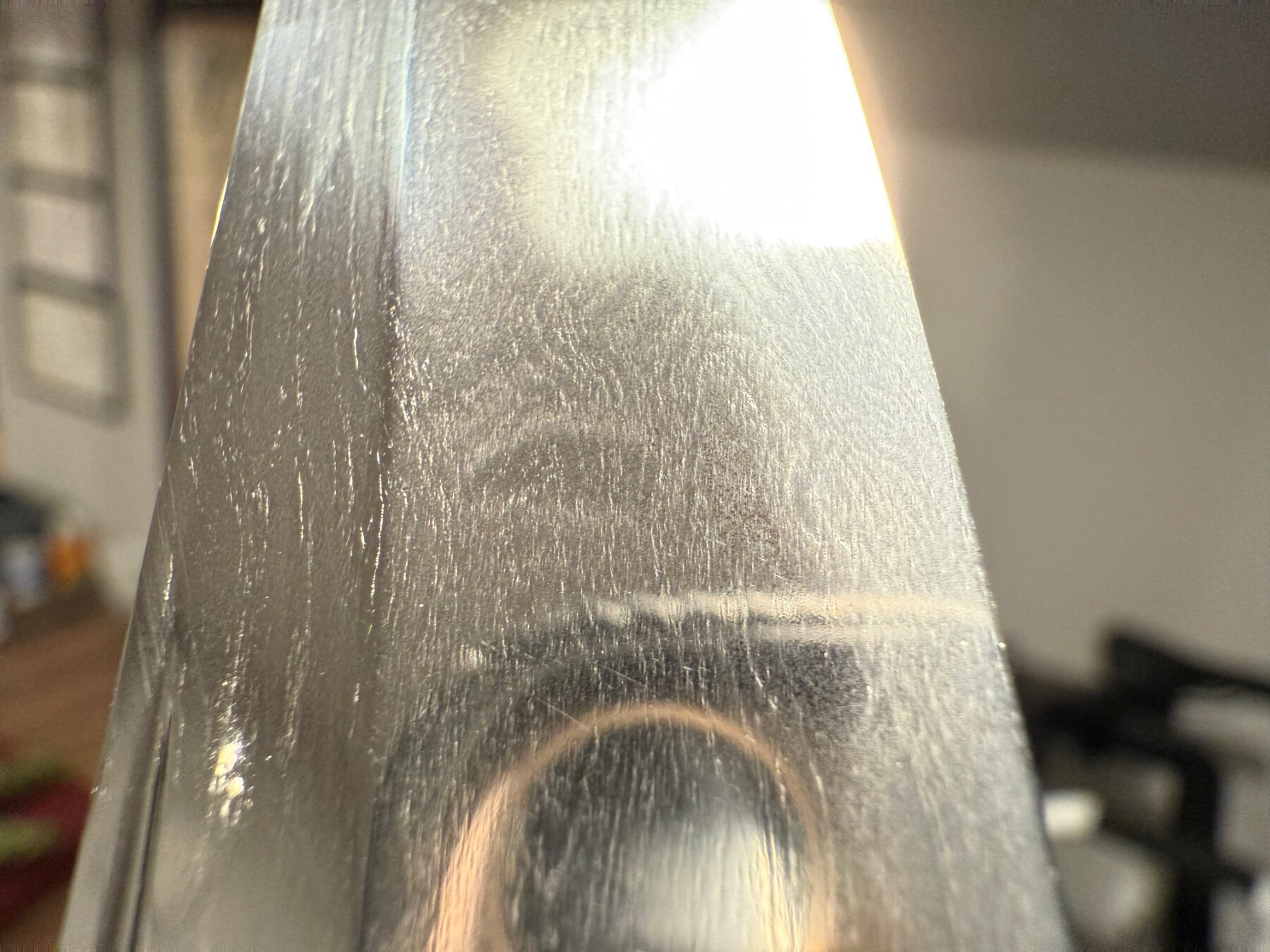
Hey all, So recently picked up a Sue-Sa school katana from Ray which is lovely. What I’ve noticed which is different from many other nihonto I’ve owned is the proliferation of the Ji-nie/ara-nie concentrated in the monouchi area on the Ura and omote compared to the rest of the blade. Is this specific to the Sa school, do other schools do this or is this generally meant to have a harder cutting area compared to the rest of the blade? I’ve owned many sue-soshu nihonto but haven’t seen this in that style.
-
Well. The hakogaki for one. Then the forging second. Then the design.
-
Man on bridge?
-

-
Hey all, i picked up this Yagyu tsuba with hakogaki from Sato Kanzan. I’m trying to understand the design. Any thoughts?