
Leaderboard



Popular Content
Showing content with the highest reputation on 03/07/2026 in all areas
-
Now sold, thanks5 points
-
菊一 - Kikuichi4 points
-
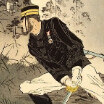
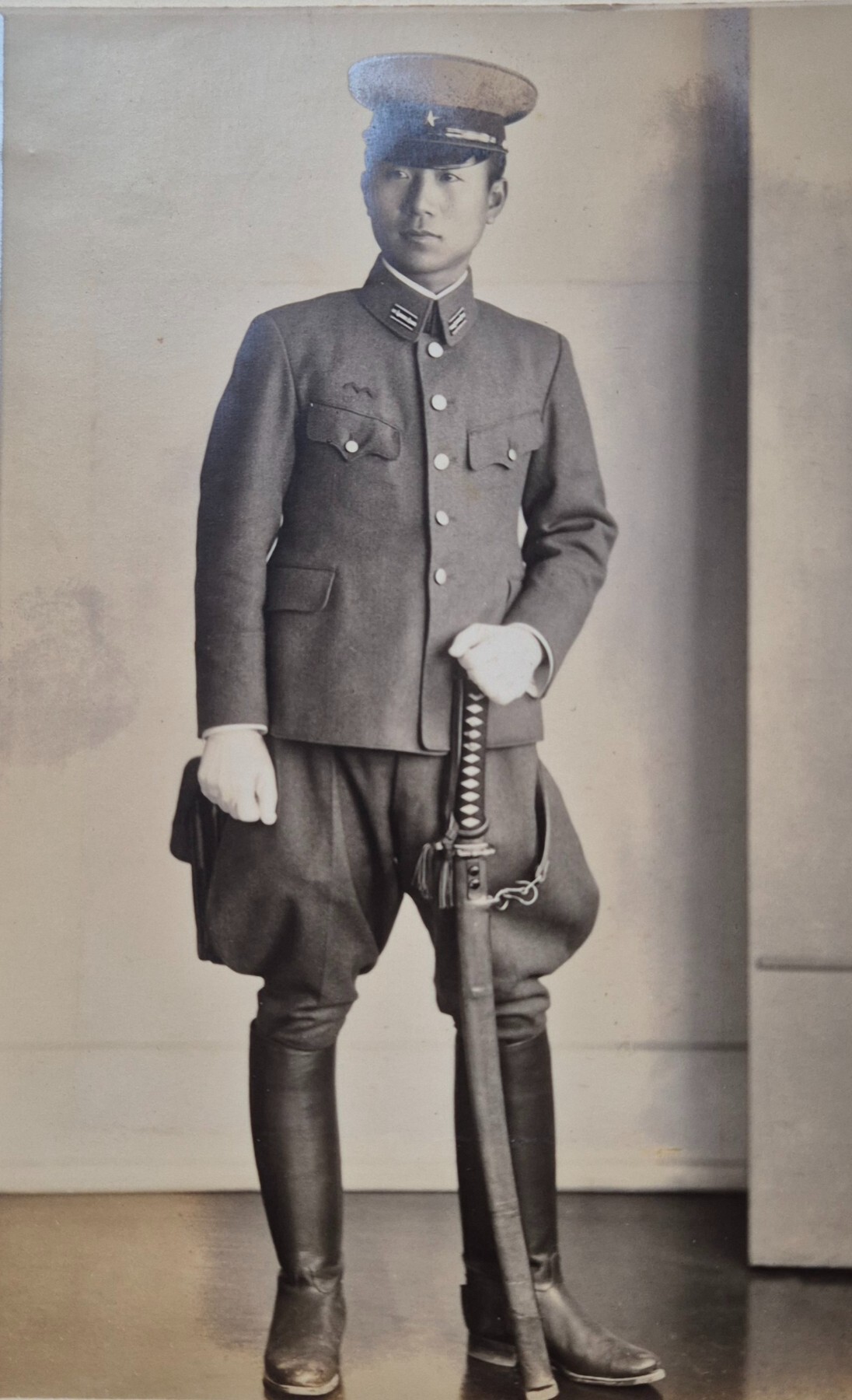
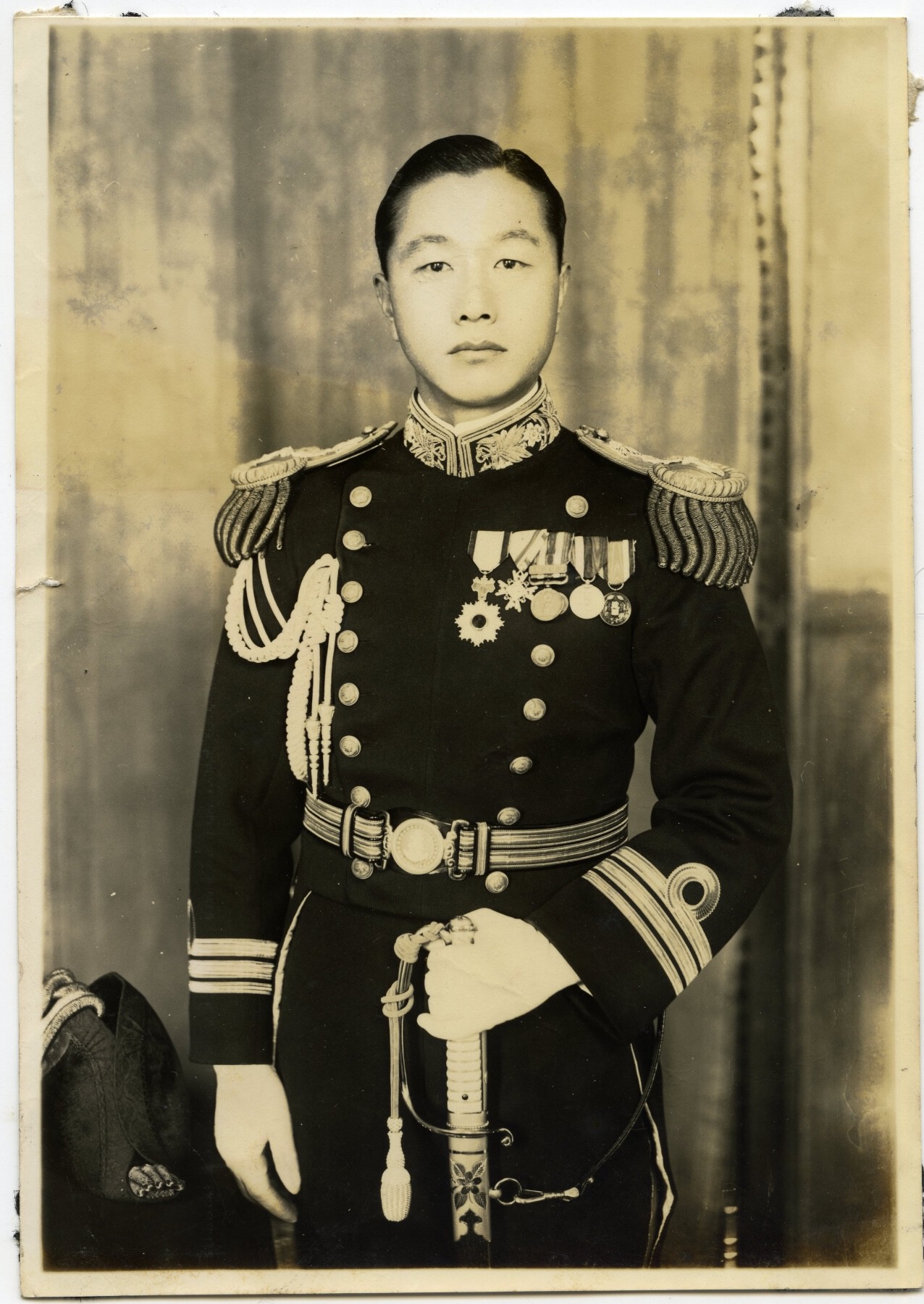
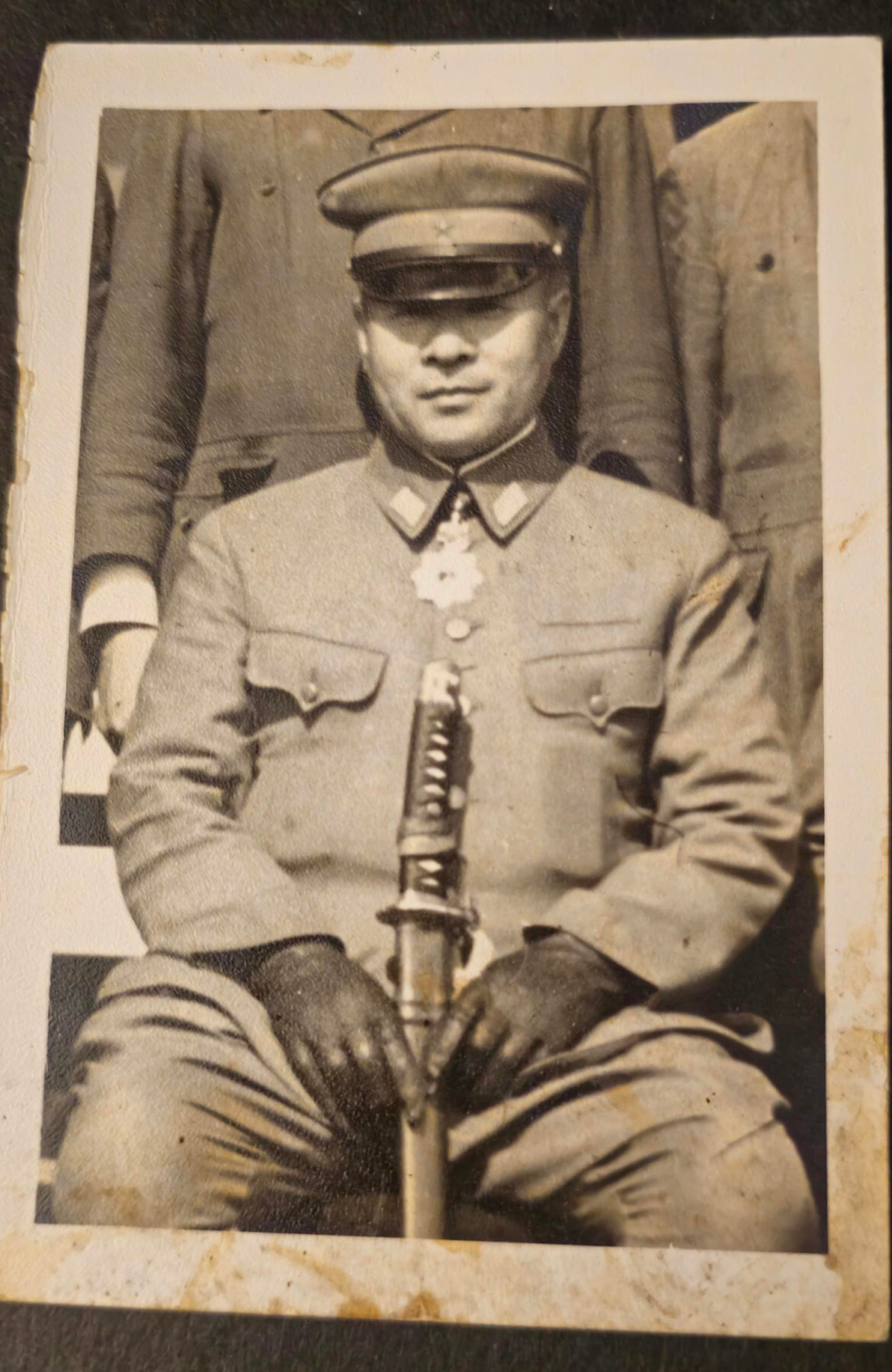
I thought this one was interesting , a naval officer with a Shinto gunto
 4 points
 -
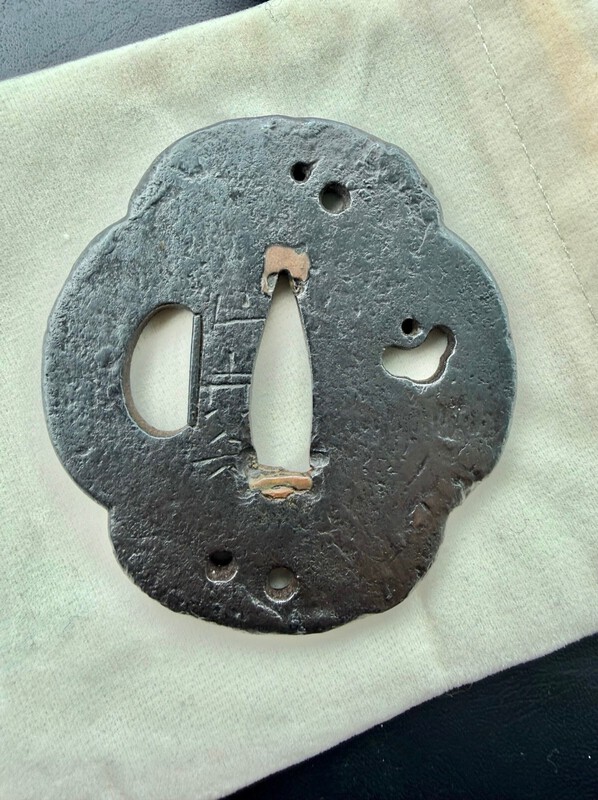
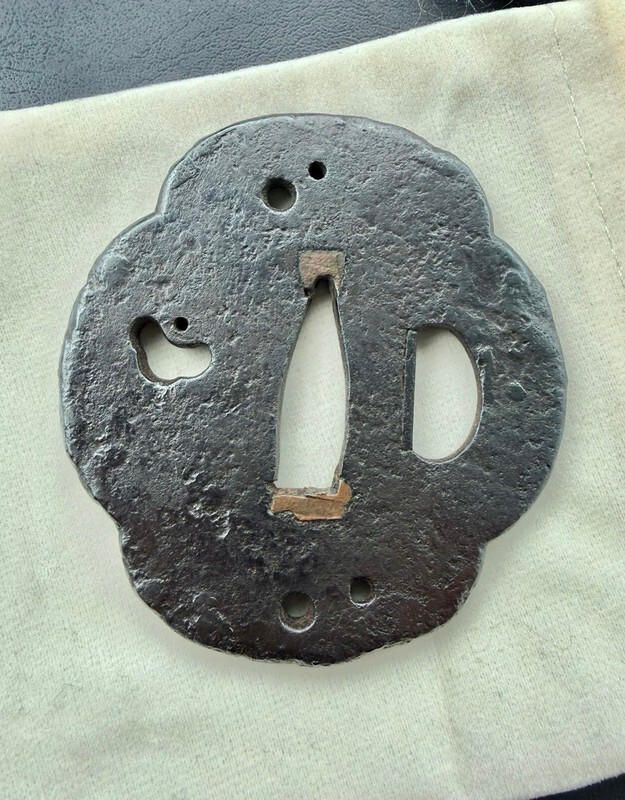
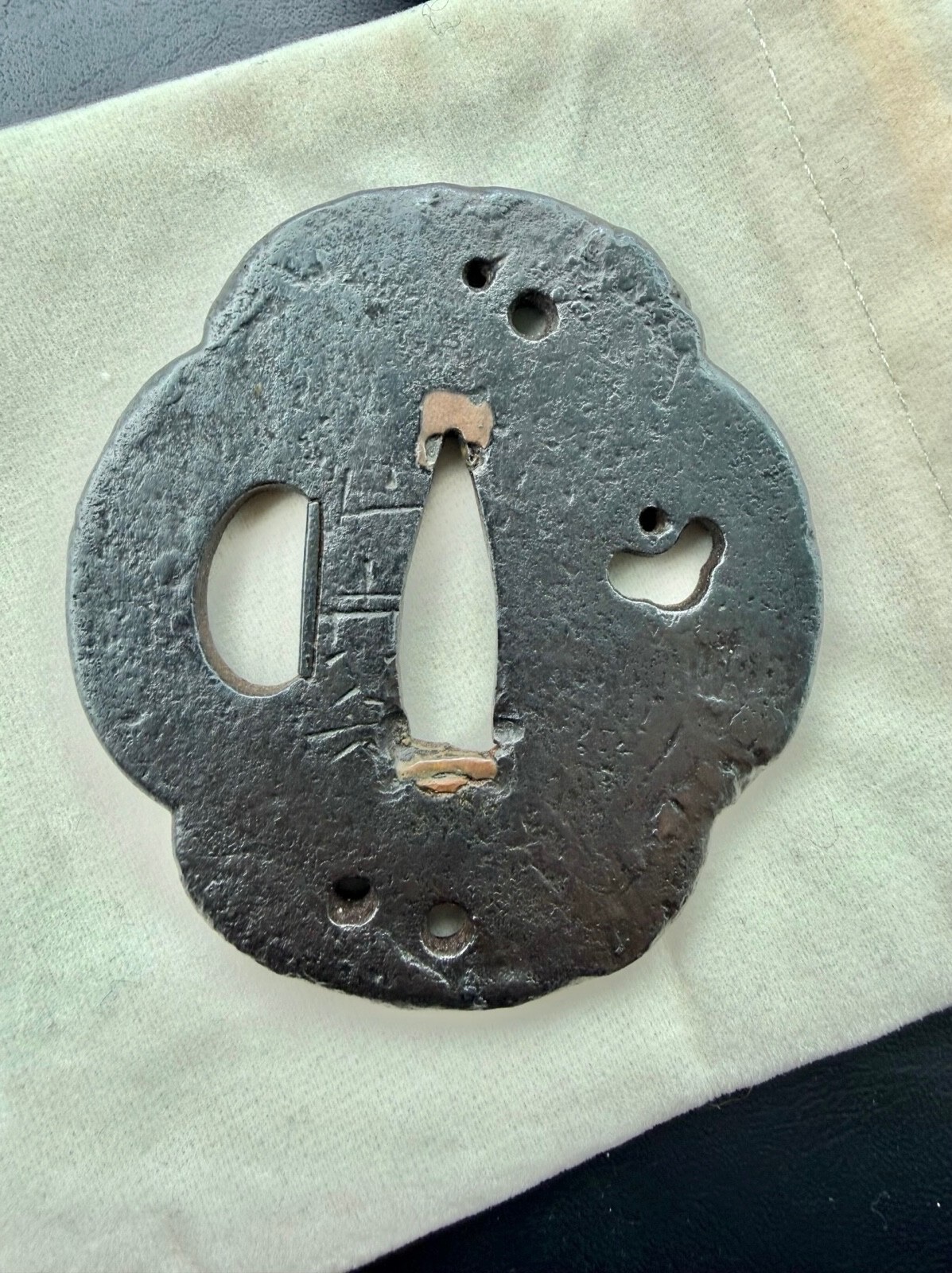
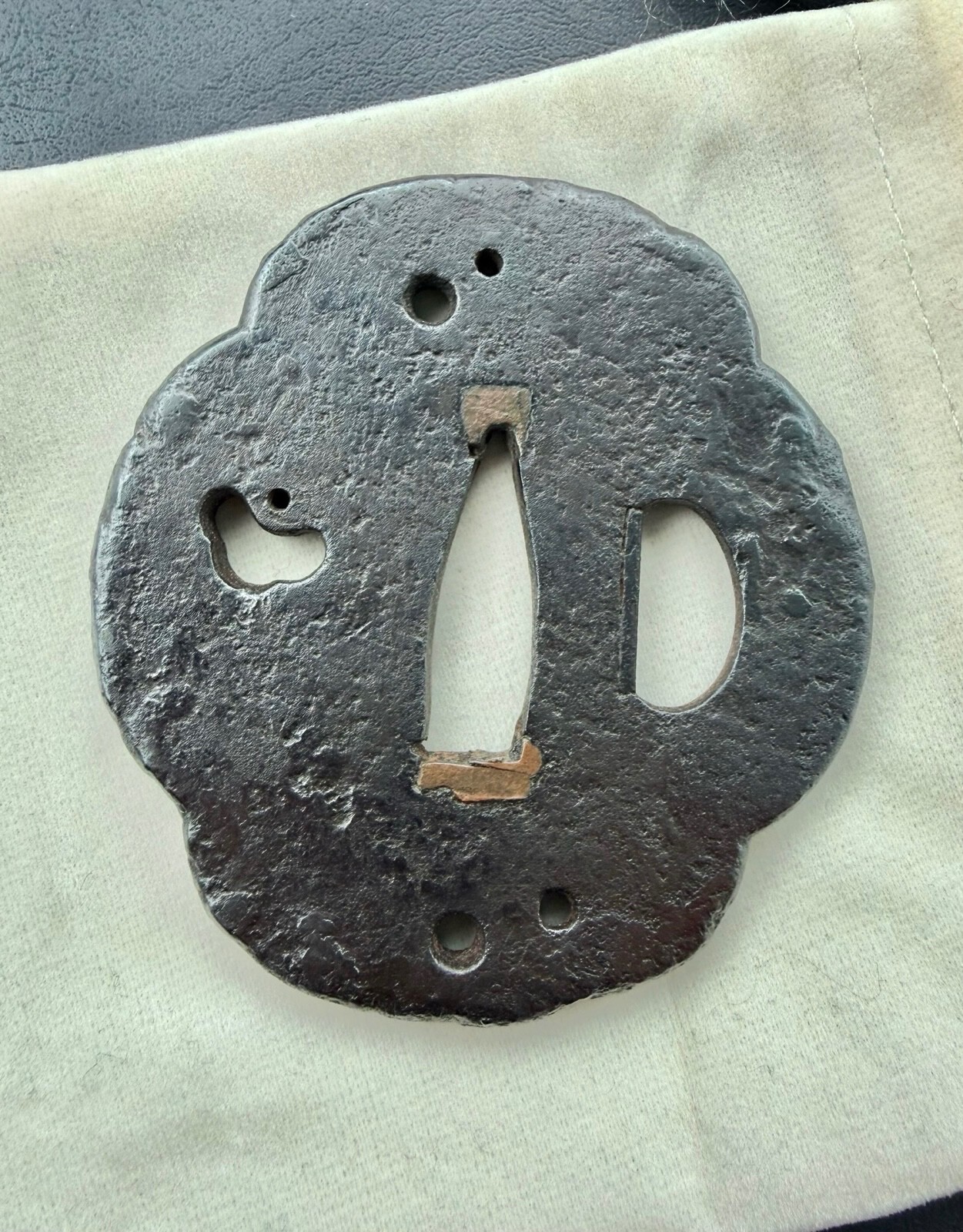
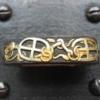
After looking for a YKB tsuba for a while, finally found something just perfect. I picked up this wonderful “Low-cross bar” YKB tsuba from Steve Waszak. Thought I’d share. About 7.1 x 6.7cm x 4mm. The tekkotsu and yakite are excellent.
 3 points
 -
Bruce, yes it is unusual to see an officer posing with his sword drawn. The reverse of this photo gives a lot of biographical detail and suggests he may have been in recent action. There is also a reference to his sword, John C. re the picture with palm tree background. I believe he is one of four friends who served together, probably military police, they were proud of their swords and took every opportunity to be photographed with them.3 points
-
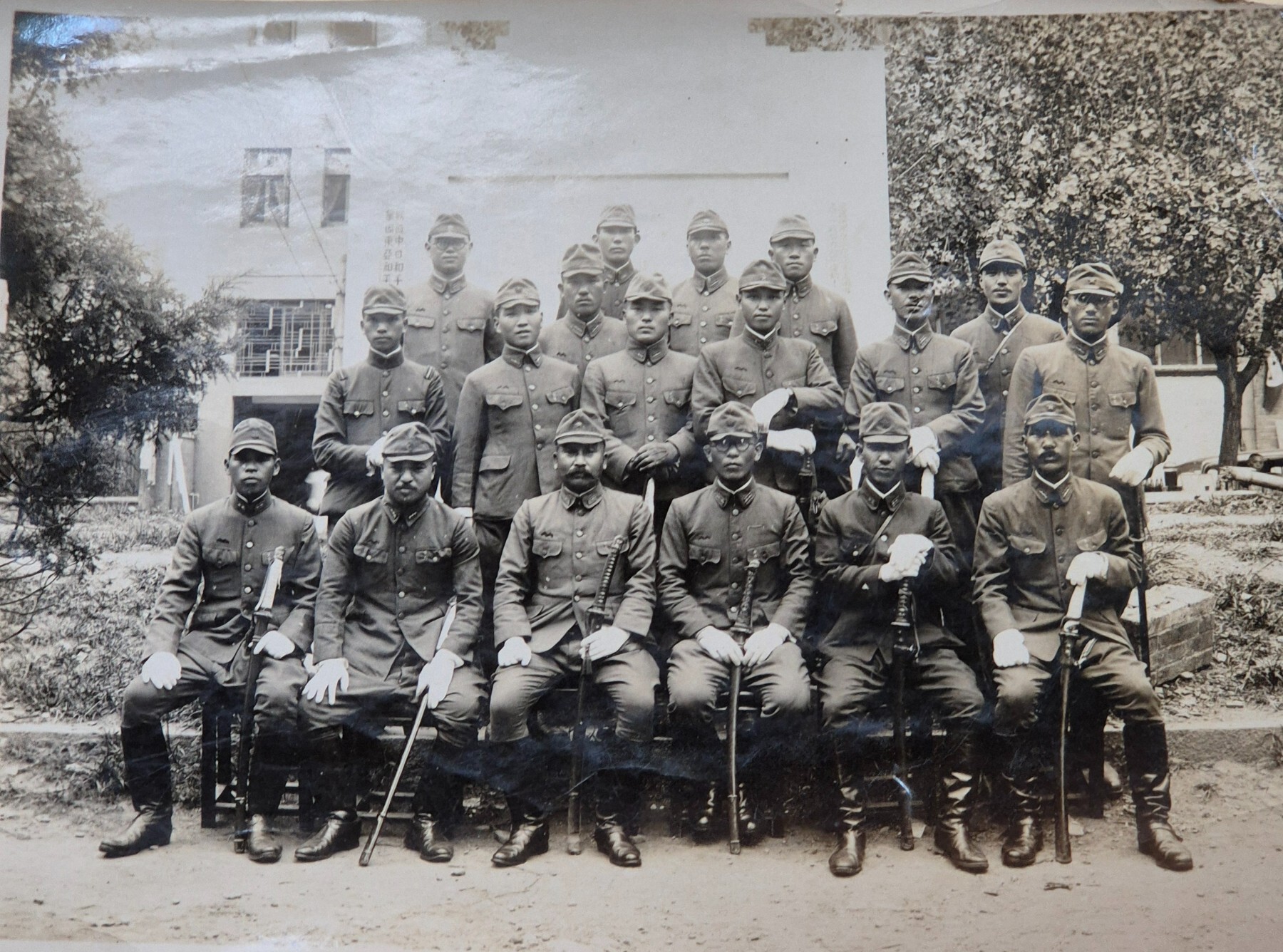
Officers with Type 94, again note Kyu Gunto knots:
 3 points
 -
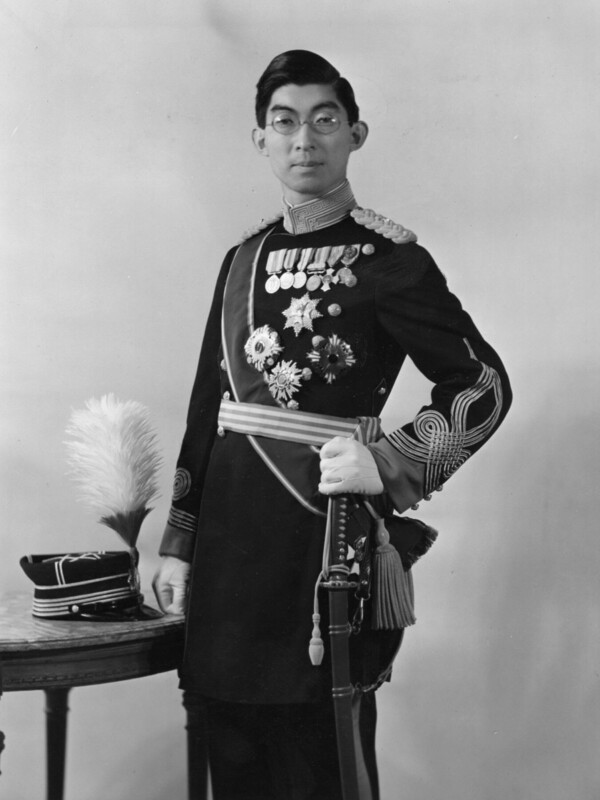
Prince Yasuhito, note the parade knot on his Type 94:
 3 points
 -
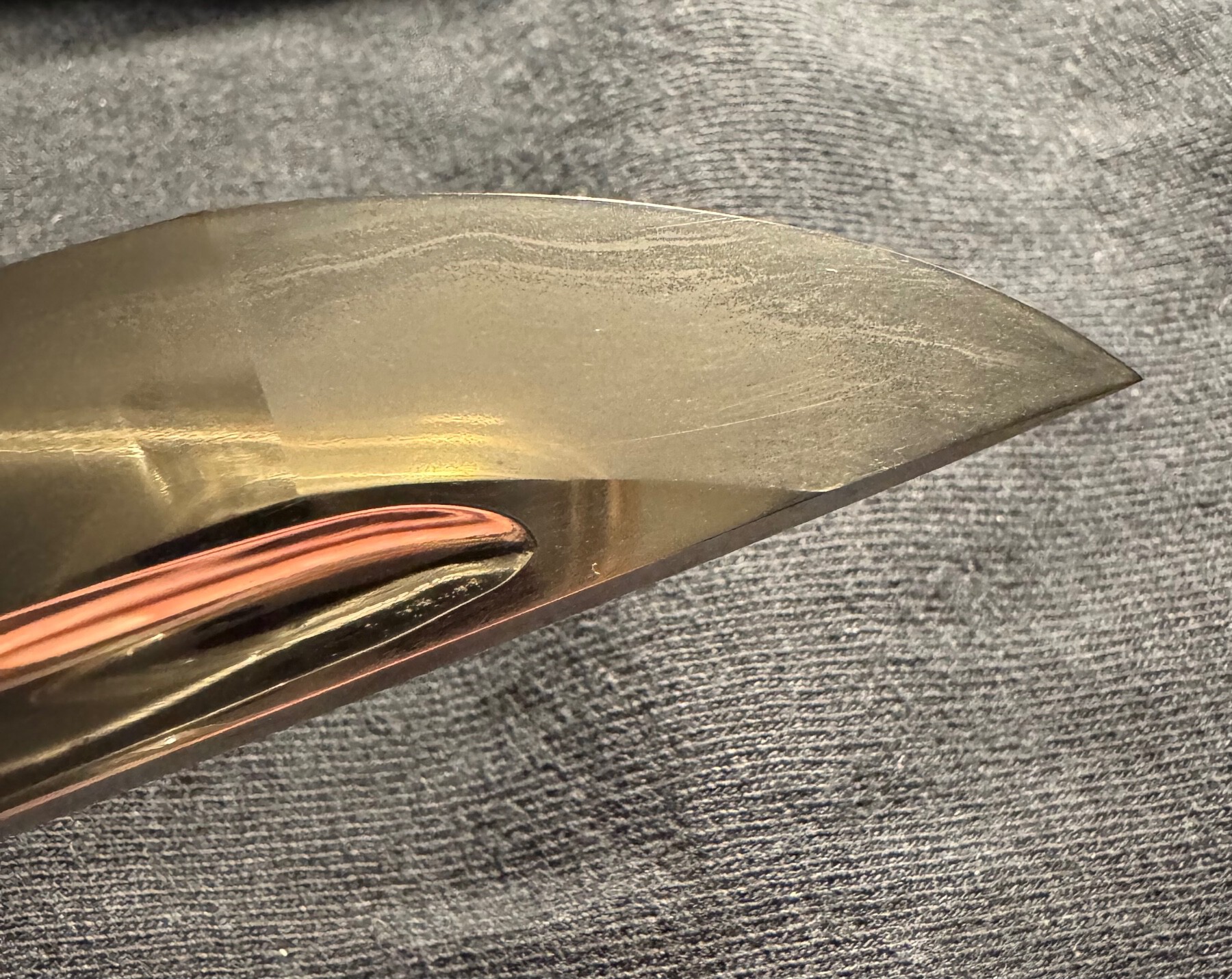
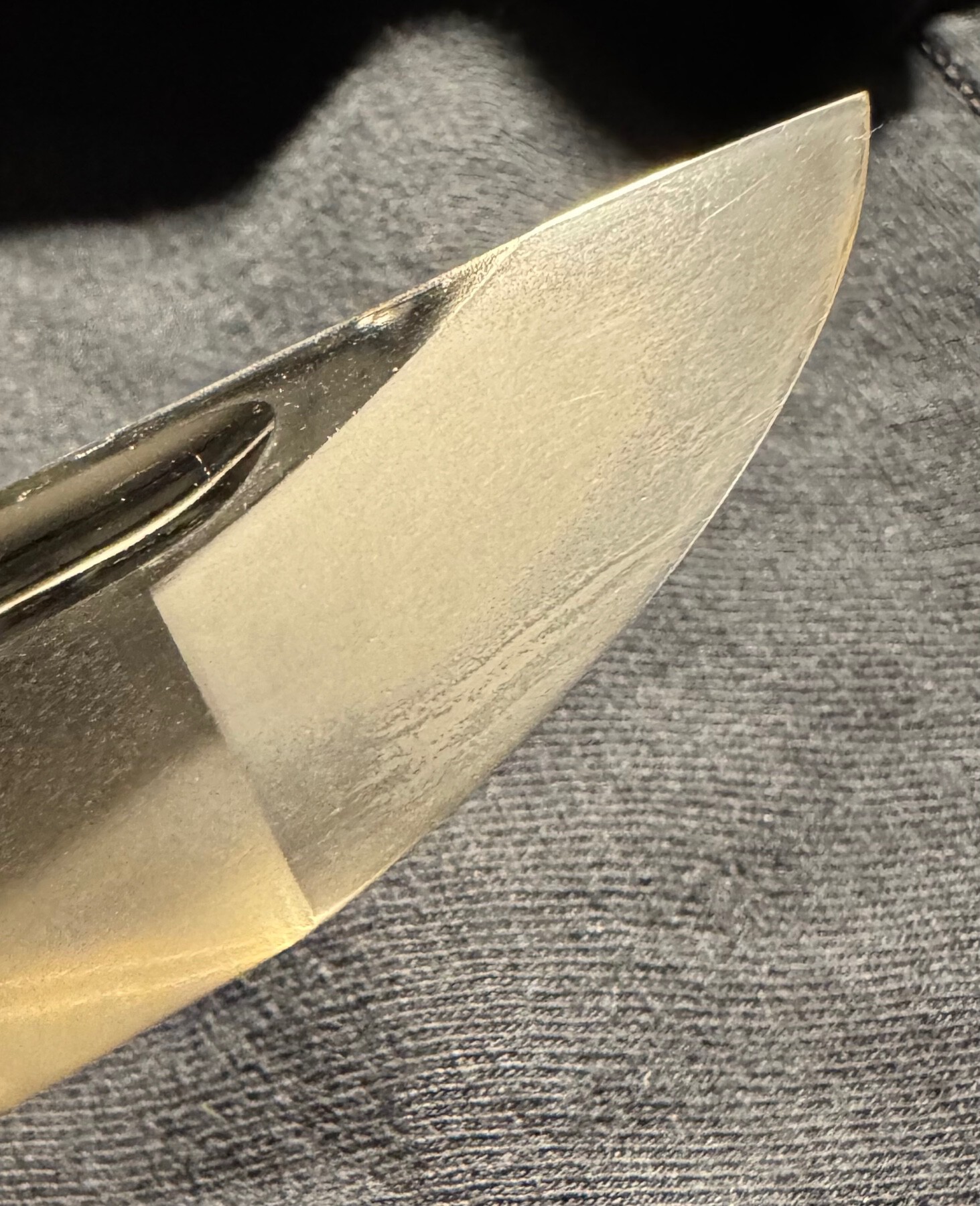
For reference, the Jūyō setsumei for this sword describes the kissaki as midare-komi, hakikake, kaen on the omote, and round turnback on the ura.
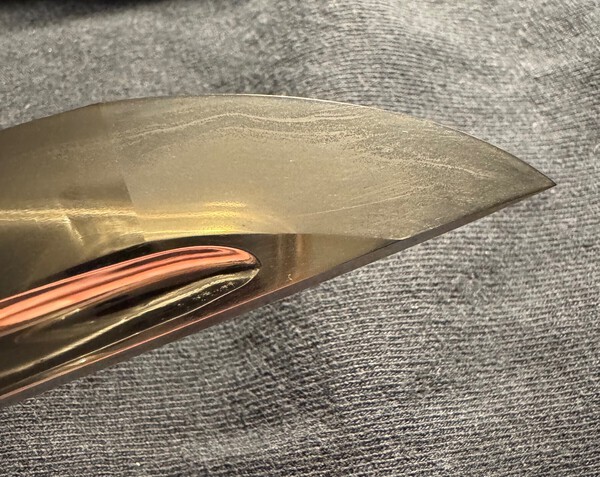
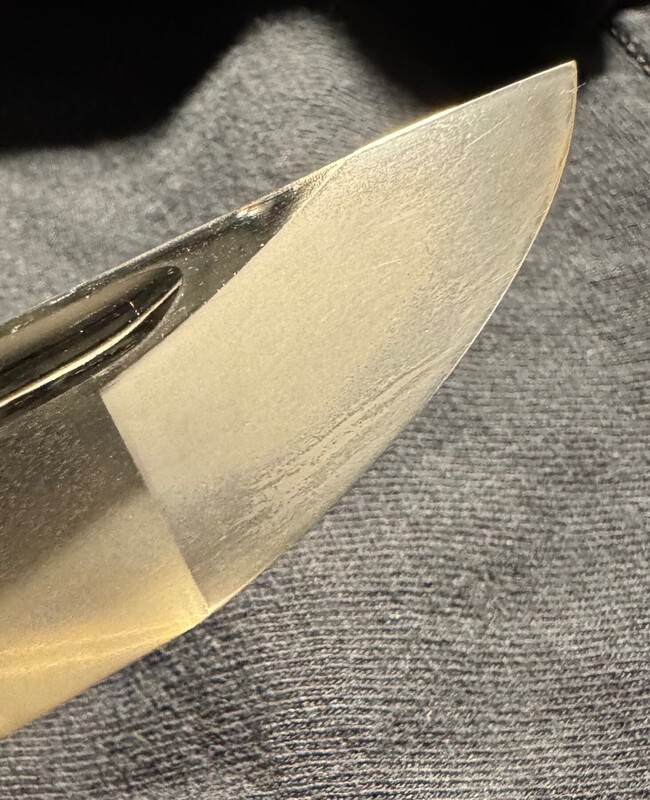 3 points
 -
Army Surgeon Lieutenant Kamisaka Yoshinosuke
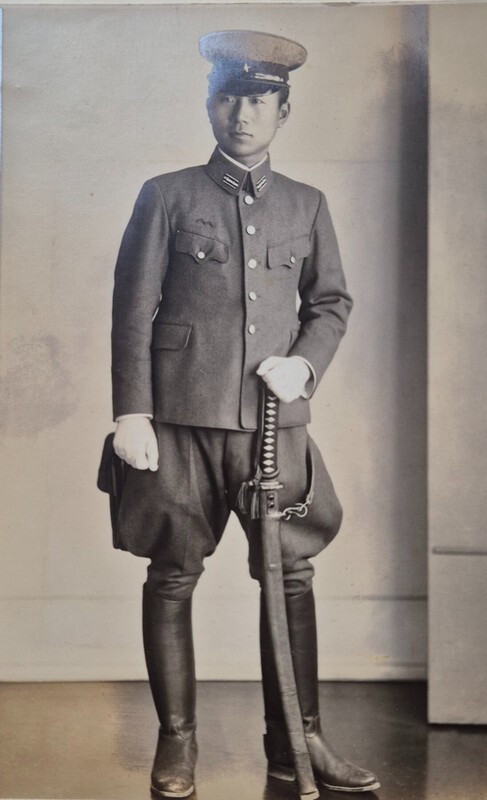
 3 points
 -
Glad it arrived safely, Matt. This tsuba perfectly exhibits the Tea aesthetics of Furuta Oribe, the leading Tea Master in Japan in the second half of the Momoyama Period. For such aesthetics, Yamakichibei sword guards (the genuine ones ) are at the top, IMHO. Remember, Matt: right of first refusal if you decide to part with this piece! Cheers3 points
-
Thought I'd put a post here to raise awareness of a very good article put up by Danny Massey at his website: https://www.nihontocraft.com/Problems_Buying_Swords_on_the_Internet.html I've seen umegane and airbrushed ware/hagire before, but this is my first time seeing putty being used to fill openings. With several folks recently asking for opinions on swords offered by Japanese dealers, as well as some discussions around a particular dealer potentially being more "dodgy" than others, this is a good wake-up call that the Japanese market is no stranger to dodgy dealings and lies by omission, and this is hardly restricted to any one dealer. Unlike Western dealers, who typically have to balance the need for profit with the responsibility of educating and promoting interest in the field, Japanese dealers have a thriving, established and competitive market and have less to lose from the usual unethical practices you see in any other market of that nature. Always remember, if something seems too good to be true, it probably is.2 points
-
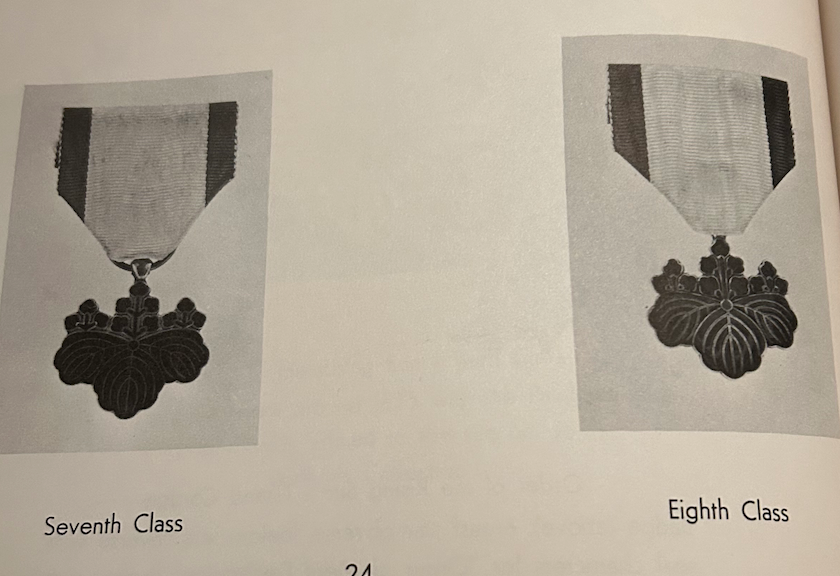
According to the "Orders and Medals of Japan" (Peterson), they appear to be the 6th and 7th class Order of the Sacred Crown (see boxed area of pic). They were bestowed on ladies who exhibited distinguished service. John C.

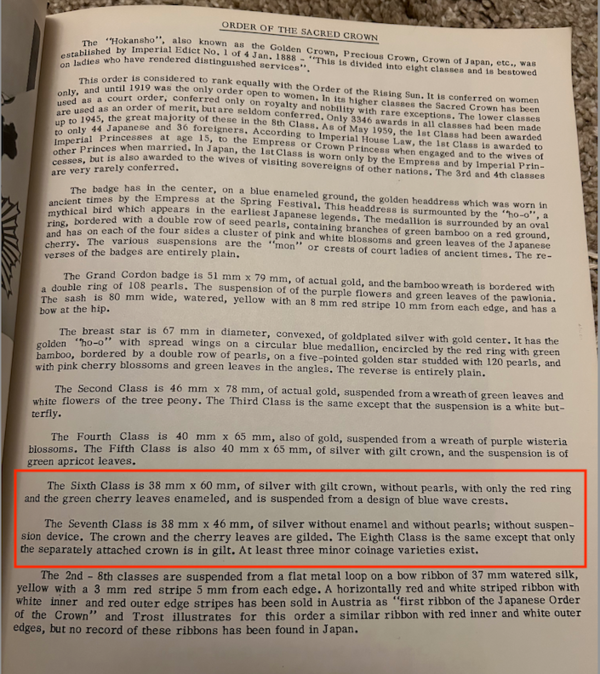 2 points
 -
@Scogg Hi, thanks for thinking about me. Been in West Australia for a month, which was fun. I only found one interesting private museum on a farm with some Japanese stuff. Will make a topic of it. I do love the sword you found! Interesting blade on it too. Also found something similar but with a parade blade. I will post pictures soon. Kind regards2 points
-
I remember seeing that single Kanji before, some years ago, and yes, the meaning back then was as you say: ‘Cold chiseled’. (Cut with Tagane, cold chisel.) 鐫 Sen/Horu, variant of…2 points
-
Hi Sally, In the separate cartouche at the top is the kanji 長 "naga" or "Chou" meaning long or superior. Below is a place name 小串町 "Kogushi machi" or "Kogushi Chou" - meaning Kogushi town which is a district of Shimonoseki city in Yamaguchi prefecture.2 points
-
I guess we'll never know. The seller got the sword from someone that got it at a flea market. It will be great to know if it was a vet bring back. But very well it's just something someone bling it. Still a very cool sword and I will keep it as is. Thank you all for feed back2 points
-
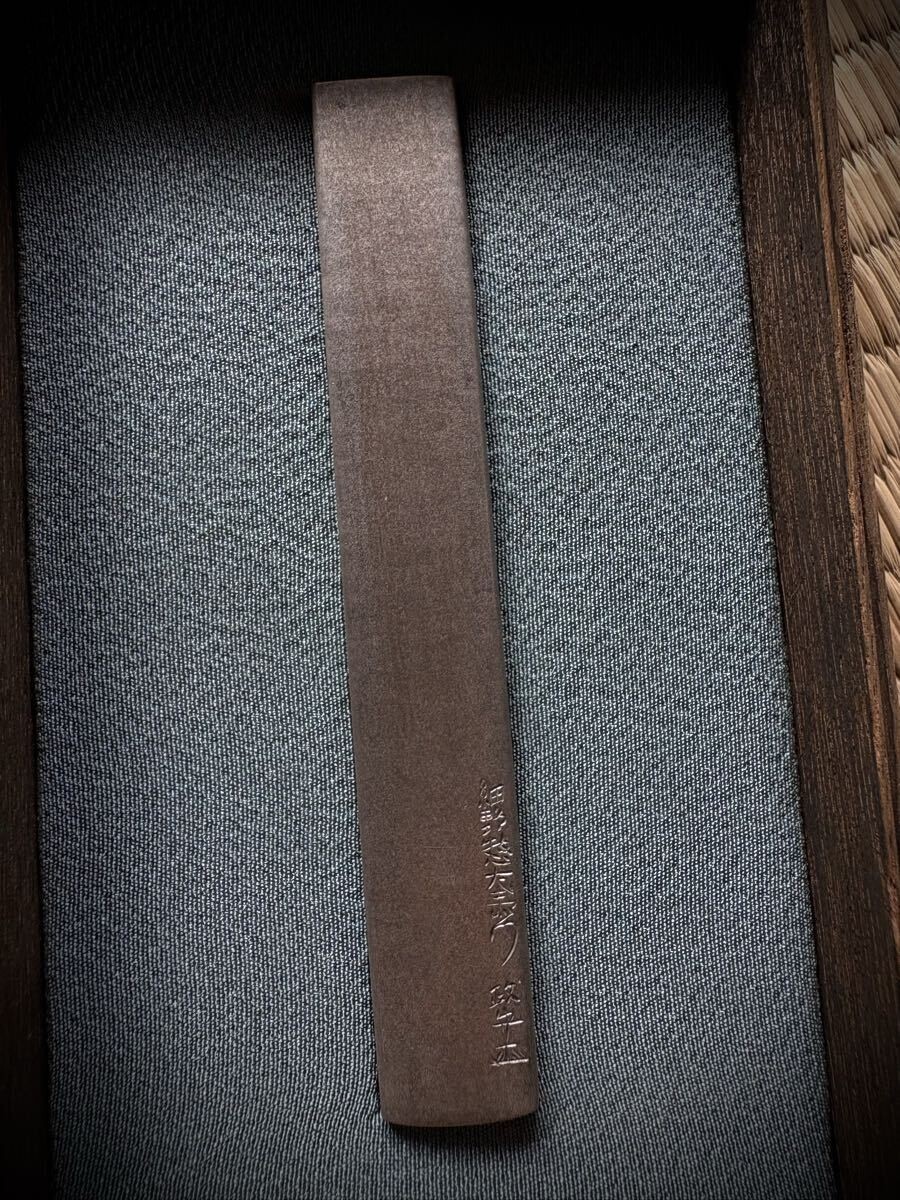
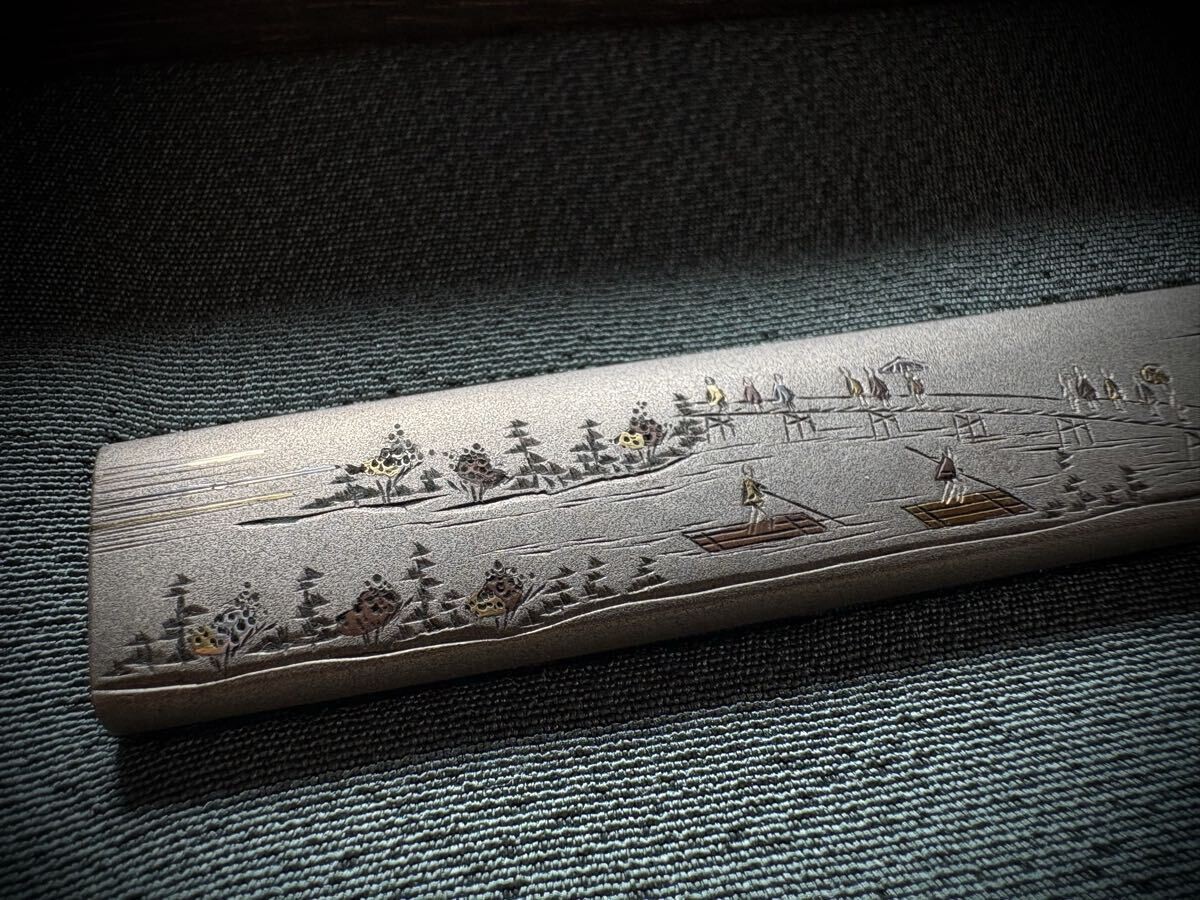
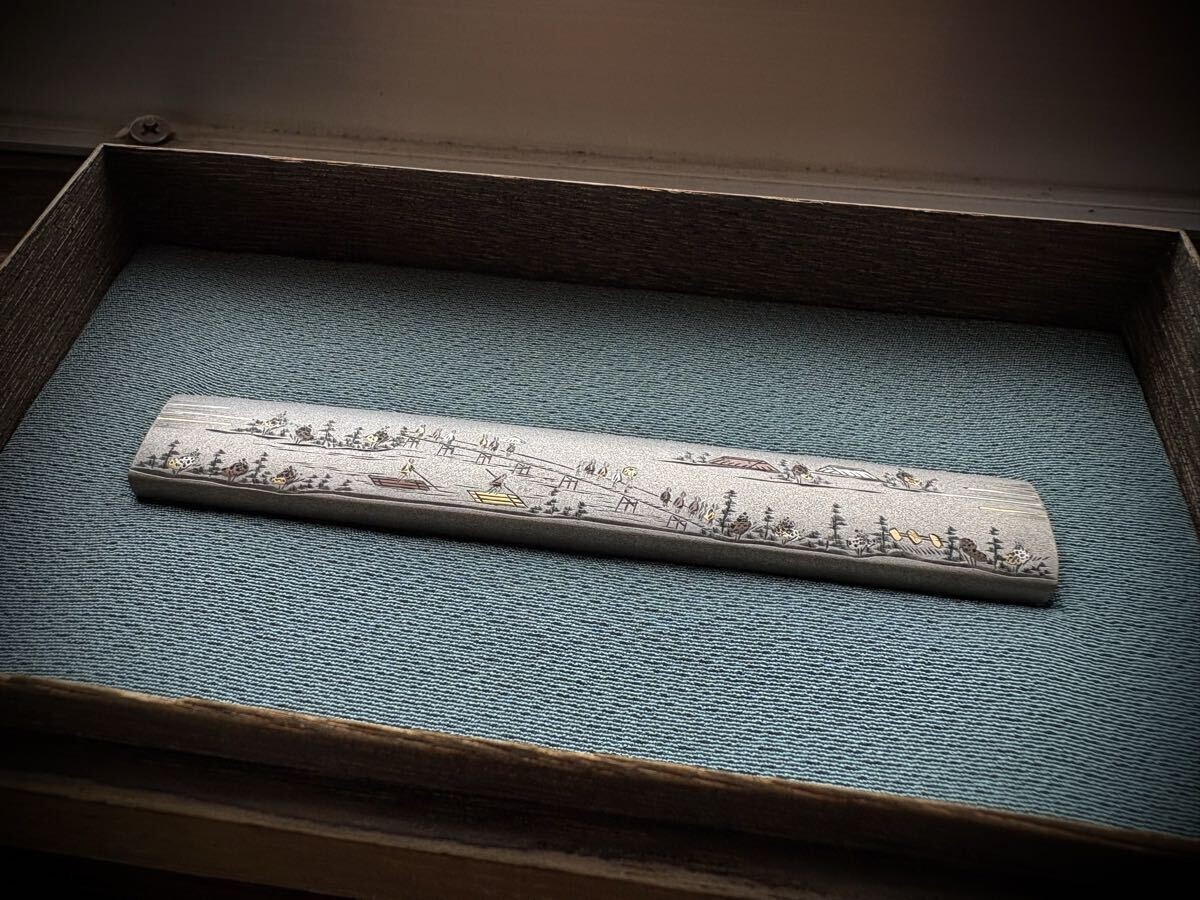
IMHO its a fake. The figures are too stick-like and the mei is wobbly and all over the place. FYI attached is a mei on a kozuka I have. It is identical to my eye to a second kozuka I have with the same theme of people. BaZZa. Here is the kozuka - I apologise for the poor shot. I've been 'gunner' upgrade the hasty photos... And here is a mei that was on a kozuka on the internet some time ago: Here is that kozuka: And here is the text for the kozuka immediately above: Hosono Sozaemon Masamori (細野惣左衛門政守) worked in Kyoto in the early Edo period between Genroku and Kyoho (1688 – 1736) . He used Kebori and Katakiribori mixed with Hira Zogan and often filled the whole plate with his motives of landscapes and rural life. For his time he was quite progressive as he not only depicted sceneries which had been famous from history or favoured by the noble class but chose to show the life of the working class people. Thus we often see workers or farmers going after their daily job in his work. This Kozuka depicts the eight views of Omi province (today’s Shiga Prefecture) also called the eight views of Biwa lake as all the views concentrate around the southern side of the Biwa lake. The theme was derived from the Chinese ‘Eight Views of Xiaoxiang’ (11th century) and came to Japan in the 14th century when it was used in poetry by Konoe Masaie a prince of Hikone. Later it became a subject for artists like Suzuki Harunobe or Utagawa Hiroshige. I do apologise for the brevity of this post, but I have been late to put my two kozuka into a substantive article. Regards, BaZZa (aka Barry 'Gunnadoo' Thomas)



 2 points
 -
The updated file is now in the original post. May upload it to the downloads section over the weekend. Thanks!2 points
-
I’d like to share some visual material here on the forum about the wearing of Japanese military swords (guntō). Special Navy Landing Forces staff staffmember Esaka Wataru, KIA at Tarawa 1943
 1 point
 -
John That’s possible. However, the IJN was very fond of applying black paint to bayonet scabbards, metal parts, and even the blades themselves. Perhaps the black paint on the assembly numbers was simply the same type of paint they commonly liked to use. Who knows? 😊1 point
-
7th class paulownia leaf - could it be from a Rising Sun medal? John C.1 point
-
John, No flack from me, brother. I think you're the guy that started to study the painted numbers, right? If so, you are currently the resident expert! I do think you are right about the colors and number schemes being specific to shops, forges, and arsenals. We have that one photo of several blades lined up with white, or the pale blue, numbers. With that in mind, the 2-digit black numbering on these souvenirs is specific to Tenshozan, which actually backs up your point.
 1 point
 -
Fox trap?…..vague memory I’ve seen something like this on a tsuba where a farmer was trying to catch a fox.1 point
-
Thank you. Unfortunately, the images do not comfirm my guess. My guess was 鈴虫 - bell cricket.1 point
-
Dealer claiming that because sword has early Torokusho registration papers (ca. 1951) it was previously owned by a daimyo family Attribution drag Dealer suggestions of attribution fluidity eg "Because he inherited his master's style so perfectly, it is a consensus among sword scholars that many works attributed to Shizu were likely historically regarded as original Masamune blades"1 point
-
Aside from the main things (faked papers, kicho papers, photographs and descriptions that hide flaws, horimono in odd locations that cover up flaws) here's a few other "reading between the lines" things beginners and intermediate buyers should watch out for: Sword with papers and described as being from a famous smith, but if you check the papers themselves, they specify a different generation or area (e.g. kyodai Kanemoto or Seki Kaneuji) Sword with papers and described as being from a famous smith, but the papers specify a period that rules out that smith (e.g. Magoroku Kanemoto - late Muromachi) Sword with papers and described as being from a famous smith, but the mei matches that of a different smith with the same name Sword described as former daimyo/officer property without any proof of provenance Sword described as showing all the hallmarks of a big name smith, when the papers are only to his school Sword with a very thin motokasane, munemachi or hamachi Damage from mishandling being advertised as kirikomi A particular section of the sword not directly appearing in photographs "With a high ranking polish, the sword should paper as <big name/school>" (so why hasn't this been done yet?) "As this is the first time this sword is on the open market, it is being offered at a low price" (so why didn't the dealer buy it and put a markup?) "The sword is in an acceptable polish" (acceptable for Hozon? TH? Juyo?) or "the sword has been polished" (when? the Edo period?)1 point
-
Yoroi doshi is pending payment Open to offers on the gimei Cheers1 point
-
Hi all, I WTB a tsuba or menuki, papered at Hozon level in either a tiger or wild goose theme. Price is below 700 USD. Thank you Jake1 point
-
Thank you both it was confusing for me Any idea for the kanji on the reverse?1 point
-
https://www.invaluable.com/auction-lot/saito-makoto-1858-1936-1589-c-e6e9ce8f25?objectID=202806750&algIndex=upcoming_lots_prod&queryID=766a104cadbd61662fc74eecc2847237
 1 point
 -
Hello everyone, https://auctions.yahoo.co.jp/jp/auction/t1221335764 I'm deeply interested at this kozuka signed 細野惣左衛門政守(Hosono Sozaemon Masamori), and would like to get advice of it. That design just hold my heart so I was all ready to GO... until some suspicion arose in my mind. Although Masamori's mei had various shapes this kozuka's mei makes me unsure if it is really his work or modern made fake. Especially 惣 and kao here looks kinda... wrong? Also kozuka overall looks very new. Considering Masamori's year of activity his genuine works should be about 300 years old yet I'm not convinced with this one. Is this red flag? It would be great if you could share your opinions about this.1 point
-
This is my experience as well, including with Giheiya. If there's nothing new to say - they won't say anything.1 point
-
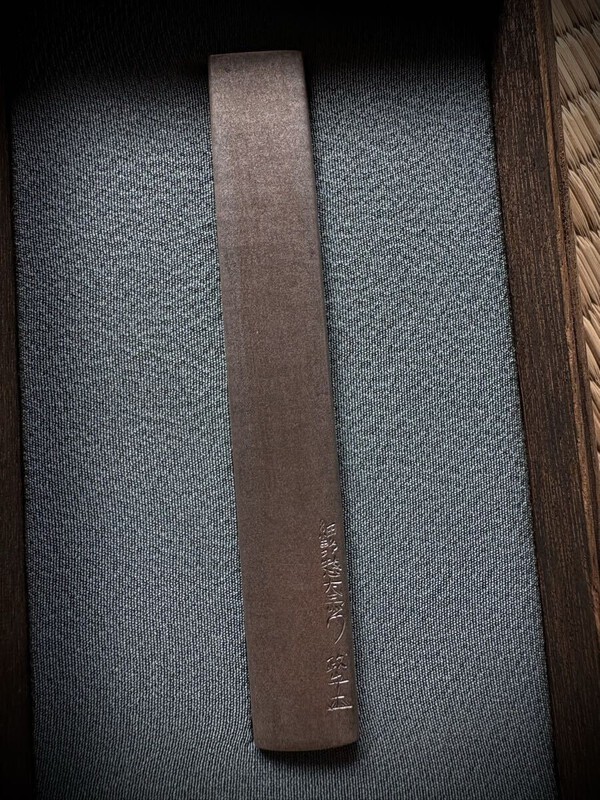
Not sure if this is the best I can get but here Thanks, I'll try finding way to leave a comment. Is it the mei that is suspicious?



 1 point
 -
The story of Tokyo in the 20th century post Meiji Restoration is as much a story about Japan as it is about the city. This video documentary by NHK captures the story beautifully and with the help of video footage from the day captures the spirit of Tokyo - the city that is first to meet the rising sun.1 point
-
I emailed them about the SSN thing because I had the same concerns. There’s no need for it as a buyer. They replied and said that I could just write N/A or something to that effect.1 point
-
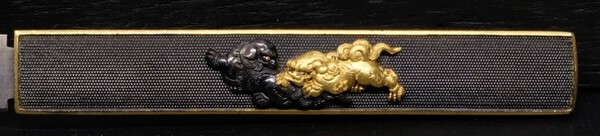
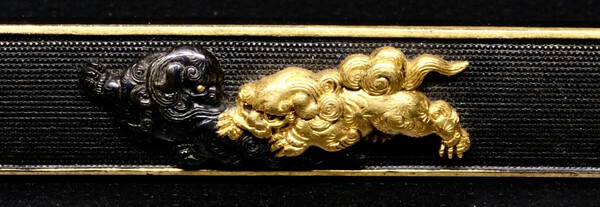
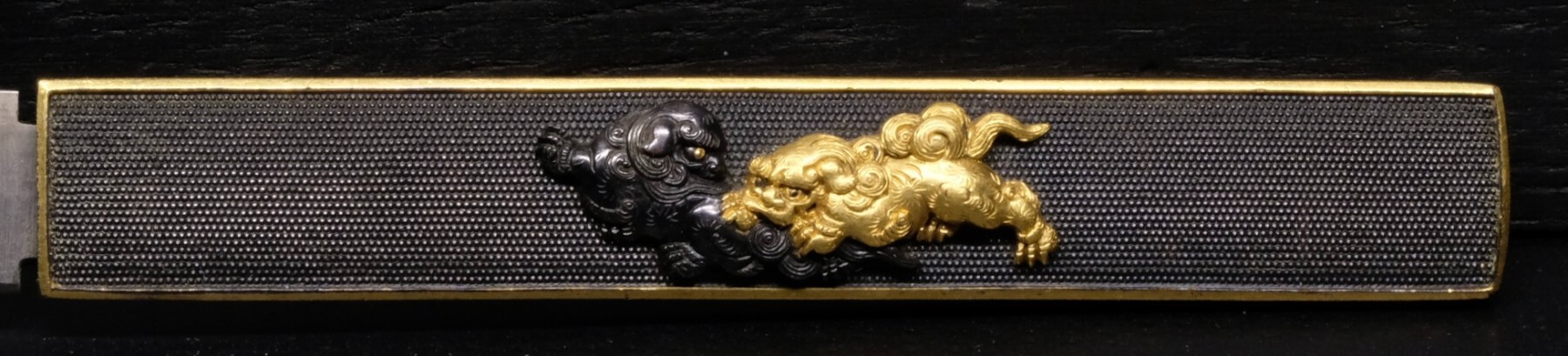
Gotō School (後藤) Kibei-Line (喜兵衛) Kyoto and Kaga Mitsunari, c.1719-1759 worked for the Kibei line of the Goto school. He became the 6th generation master or head of this branch. He was the son of Jōha (5th master). Over the span of his career he signed his works as Mitsuaki (光昭), Mitsunari (光生), Mitsuyori (光寄), Magojūrō (孫十郎) and also a variant character for Nari “成” as seen on this kozuka, Mitsunari (光成).
 1 point
 -
Cool! They went TH to Owari Kinko on that one. As I said before- usually they go Owari Kinko [aka. Kozenji] or Umetada. Sometimes I think it is just a coin toss between the two choices.1 point
-
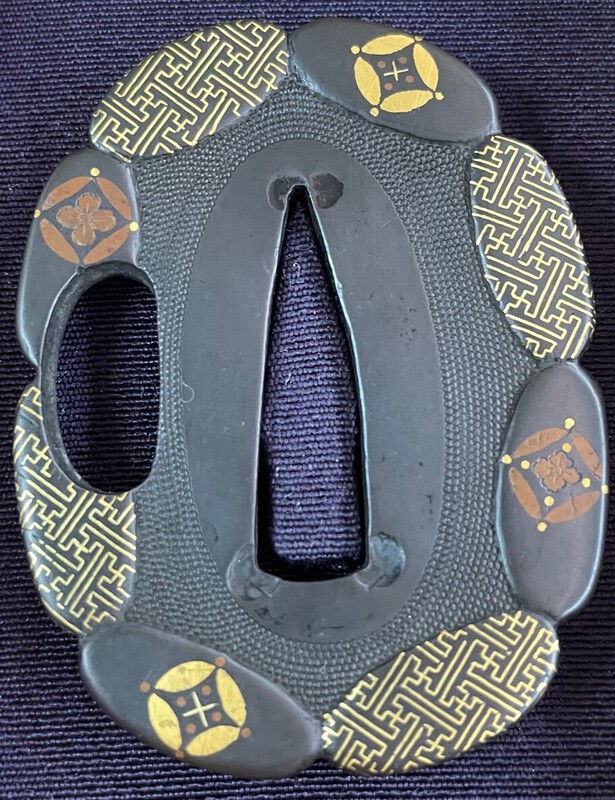
Would this be considered Yosegane work? These were part of the Samurai Museum in Berlin event last year. The tanto tsuba was especially nice and sold by Paul Kremers. These should be Umetada which was the subject of the tosogu session.

 1 point
 -
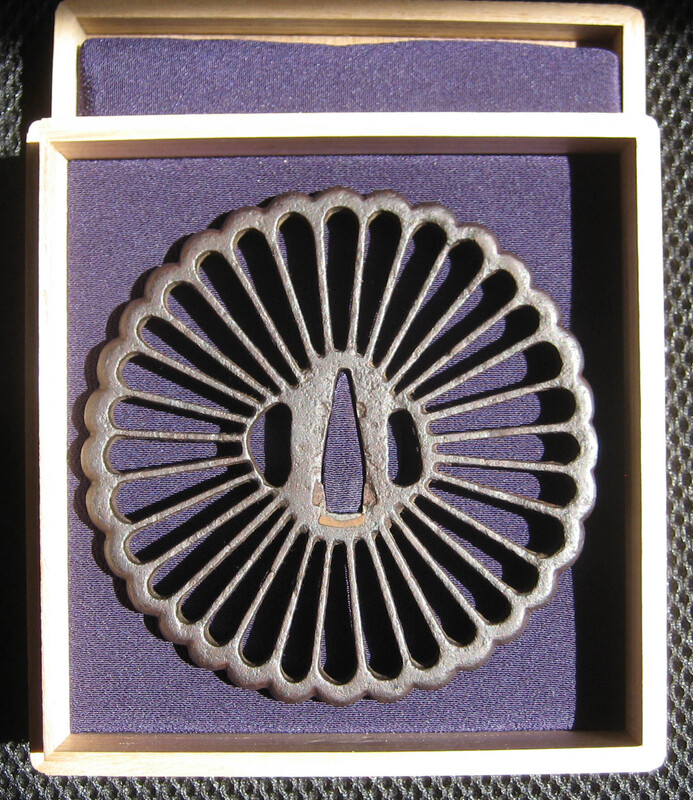
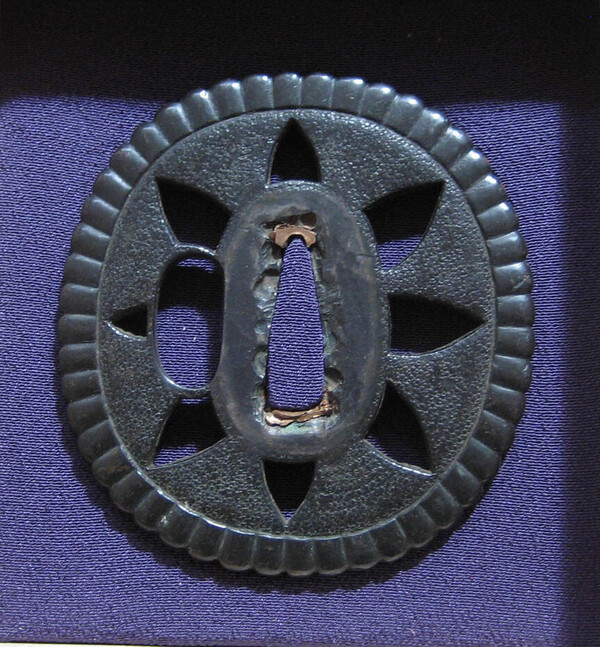
Some great tsuba popping up in an old thread. It is a popular theme with me, so I have (or had) a few. Being a Higo lover, I'm loving MIchael's two Jingo.


 1 point
 -
Great example, Conway! It looks like the measurements of both our swords are a bit different, and also different than the combination sword example on Ohmuras site. Although, yours is a bit closer to those specs. I believe the tang of mine is probably threaded, and I suspect it's threaded into that decorative Sakura flower at the pommel. I do not dare risk taking it apart, out of fear of damaging it. I hope @Kantaro is OK... We haven't seen him in a while. All the best and thank you for sharing, -Sam1 point
-
That is quite an interesting item. Matching numbers and the paint on the saya throat matches that of saya, and both look aged and worn appropriately for a wartime job. Considering all the late-war swords we've seen, where people were making-do with what ever was available, I'd easily believe this to be something done in the war and not a post-war Bubba job.1 point
-
Hi Kris @Krzysio, Really interesting Variation 8 (or pattern 5), Type 95. There’s a very light stamp from the Seki Supervisory Unit of Nagoya Army Arsenal forward the serial number. These swords are believed to have been made around June/July 1944. I don’t think the scabbard is original to the sword, because this variation had a flared metal drag at the end of the scabbard. The mouth of the scabbard can be removed, so it’s possible the mouth of the original scabbard was removed and put onto one that is reminiscent of a Type 98 officer sword scabbard. Can we see some more photos of the scabbard, particularly the scabbard end (the ishizuki), and the hanger? Is the hanger loop welded in place? Never seen anything quite like it with those ornaments. I wonder how they are affixed to the metal scabbard. Thank you for sharing. Regards, -Sam1 point
-
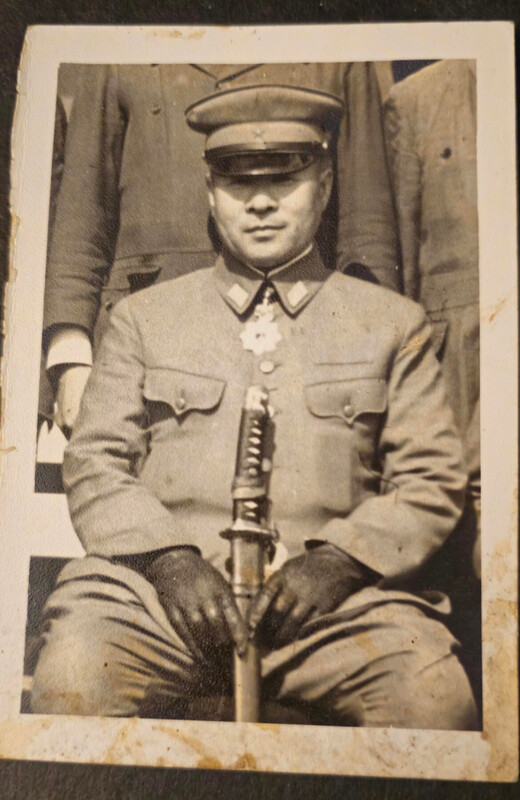
Original photo of Lt General Homma:
 1 point
 -
Officers with Type 94 and Kyu Gunto dress knots:
 1 point
 -
1 point






















This leaderboard is set to Johannesburg/GMT+02:00