
Leaderboard


Popular Content
Showing content with the highest reputation on 02/17/2026 in all areas
-
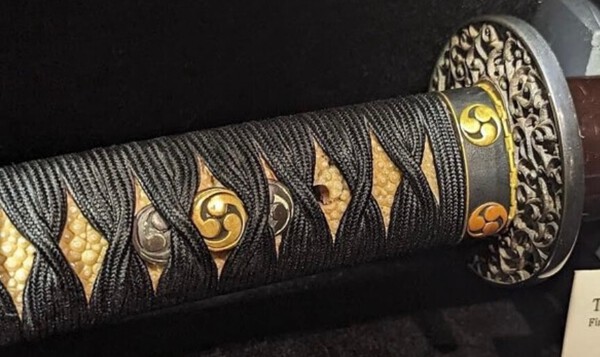
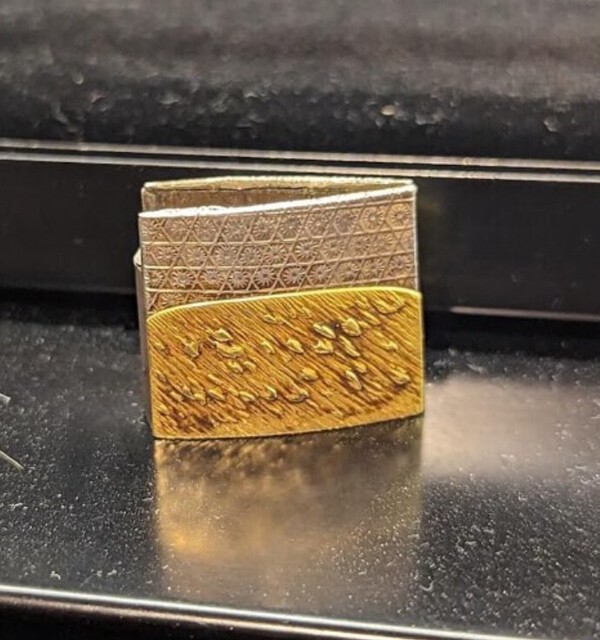
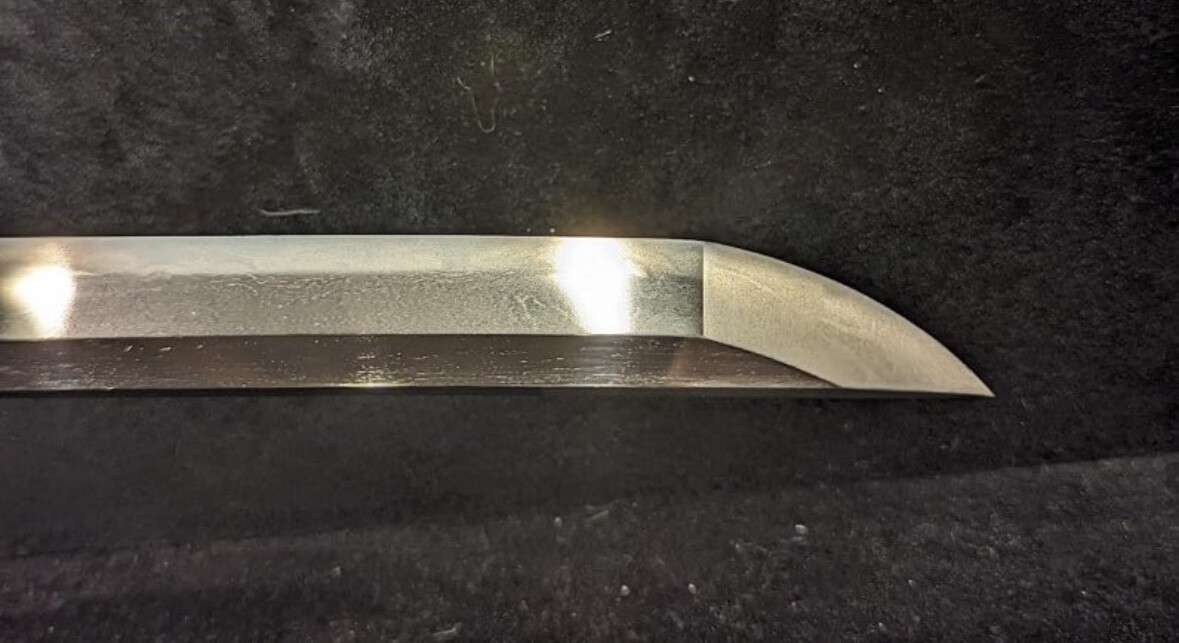
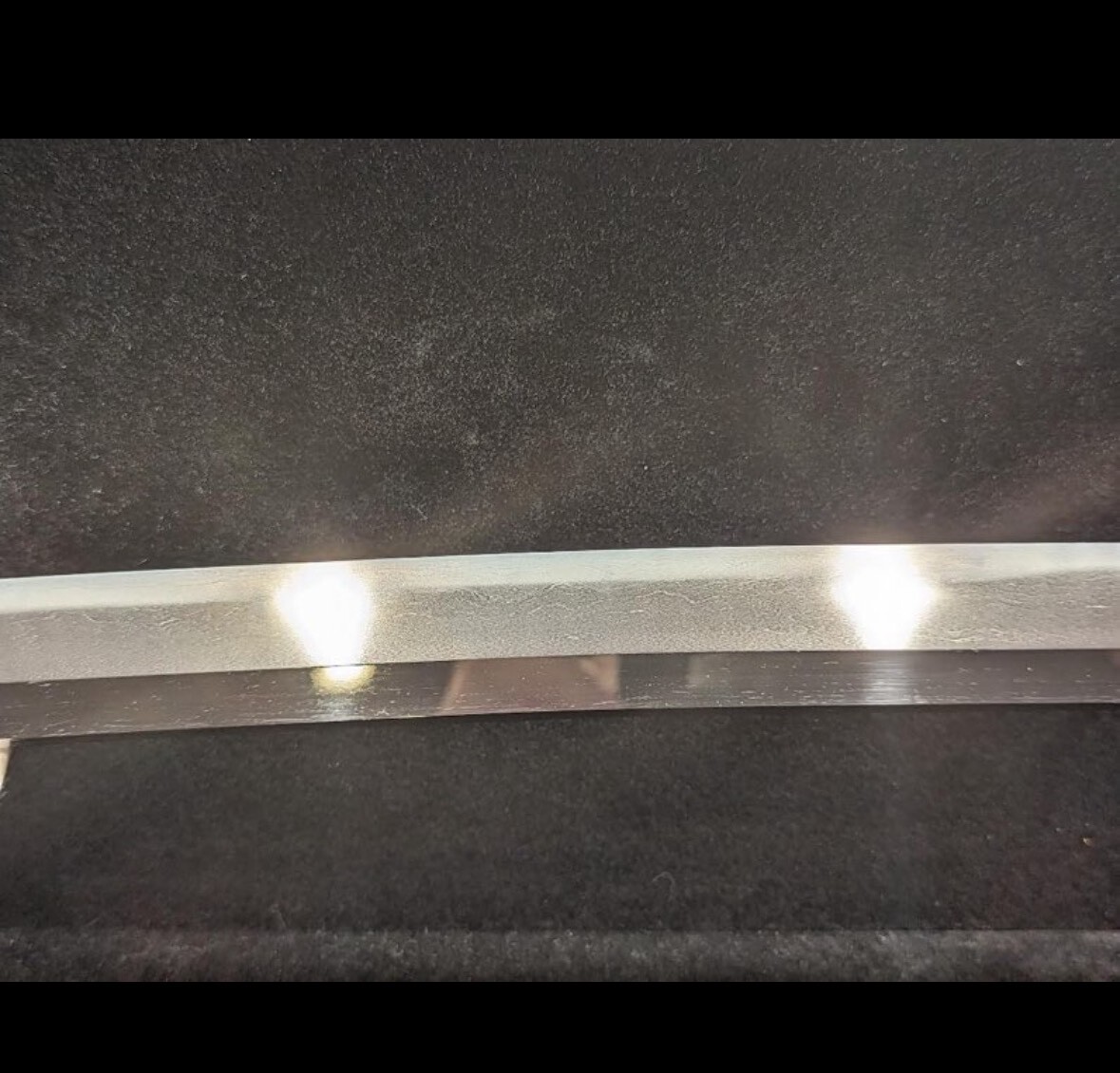
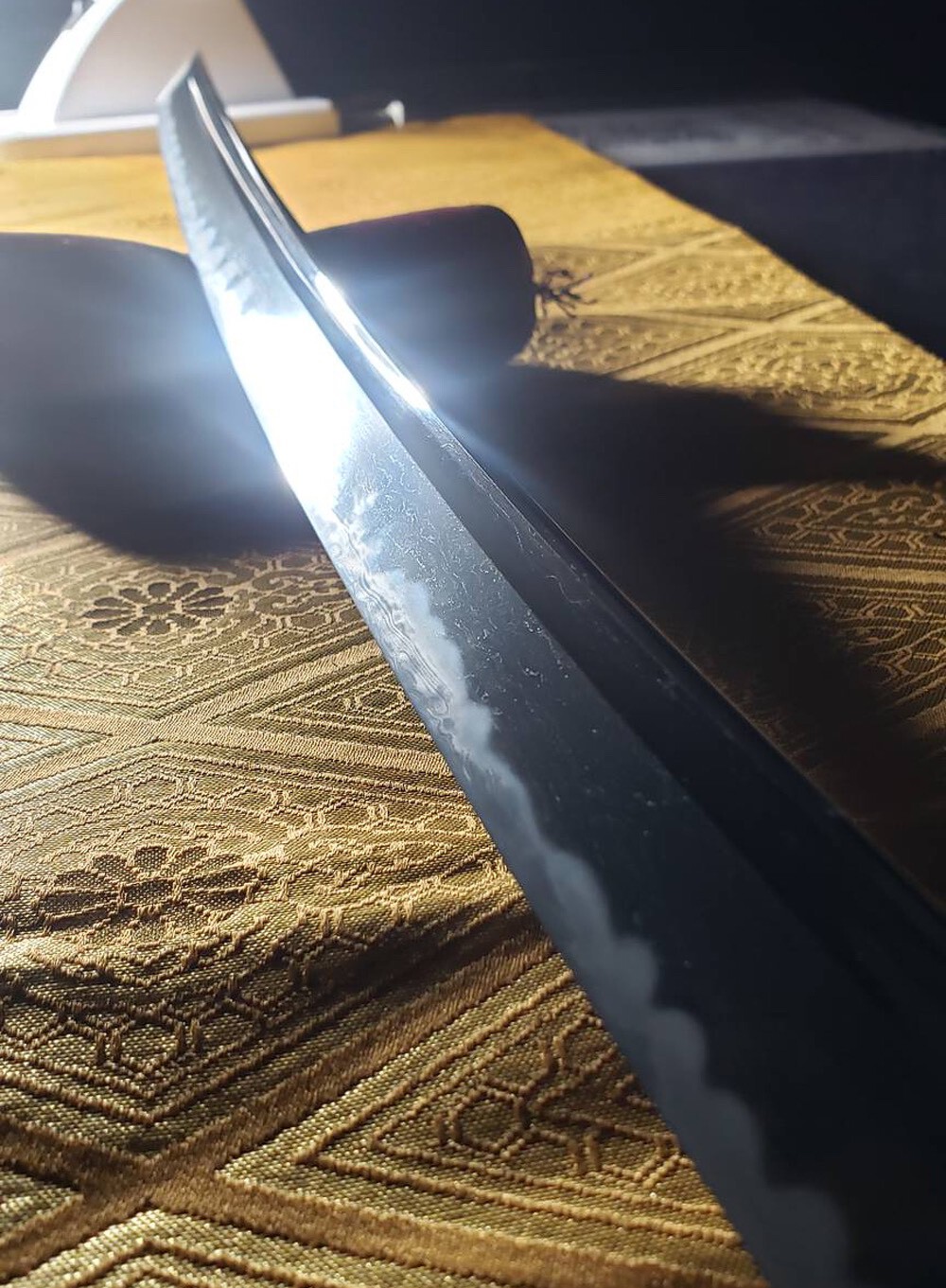
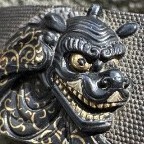
I was struggling with the Japanese description of a mounting . Mr Moriyama , who is a huge asset to the Board , assisted by giving me the translation ,being Yosegane ,together with a link to the Mokumekin Museum . The museum describes Yosegane as"like marquetry Yosegane combines metals of different colors to create patterns ". Members might be interested to see an example of what I now know to be Yosegane. This sword , regretably not mine , is one of the finest that I have ever handled. I hope you enjoy looking at it . Ian Brooks
.thumb.jpeg.fc5e542807b8c57224ba7d03e43a6d76.jpeg)
.thumb.jpeg.ff07293e7f2dc9c2699cf4180c2baf53.jpeg)
.thumb.jpeg.cb343a7676ef5e3a655b2e95d43039b7.jpeg)
.thumb.jpeg.18f7f5d3af0cc23dc0b64a9f429a9c05.jpeg)
.thumb.jpeg.024d72891165960bf447b78a64d346a0.jpeg)
.thumb.jpeg.d75ba5b8e446e48d3f5b73bf505c54c3.jpeg)
.thumb.jpeg.735f2788969c9ccc581bbcc09f1454f8.jpeg) 10 points
10 points -
That is shitte. @#$%^&! Sorry. Busy week traveling, and I'm thinking about work tomorrow. I figured I would check in on NMB before bed. This is ____ news. Brian- Thank you for letting us know. Yet, I'm angry about it. We've had some painful losses over the years, including Jeremiah last year. I cannot believe Brian (Winchester) is gone. He and I had some fun correspondence and too much in common. We traded a few things, just to play. I have two Benchmade pocket knives from him- one for home and one for car/field, that I traded for a tsuba just to have some fun. I didn't know that he was younger than me. This is wrong. Condolences to Sarah. He is certainly missed by me. He was fun, and correspondence from him was welcome any time. I will miss it.6 points
-
Auction house will send photos to a friend who will do B- job on translating signatures... and that's about it. You'll get better information going through a trouble of good photography and posting it here.5 points
-
The attached might be of interest

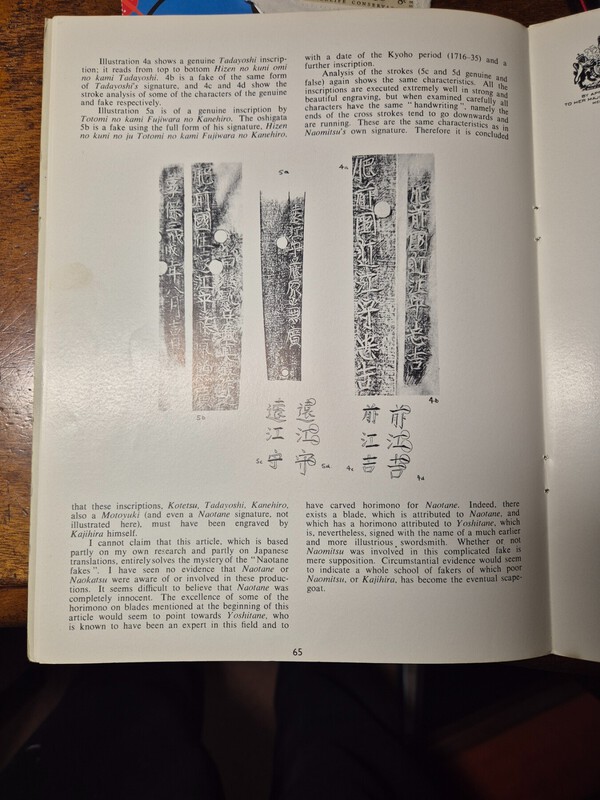
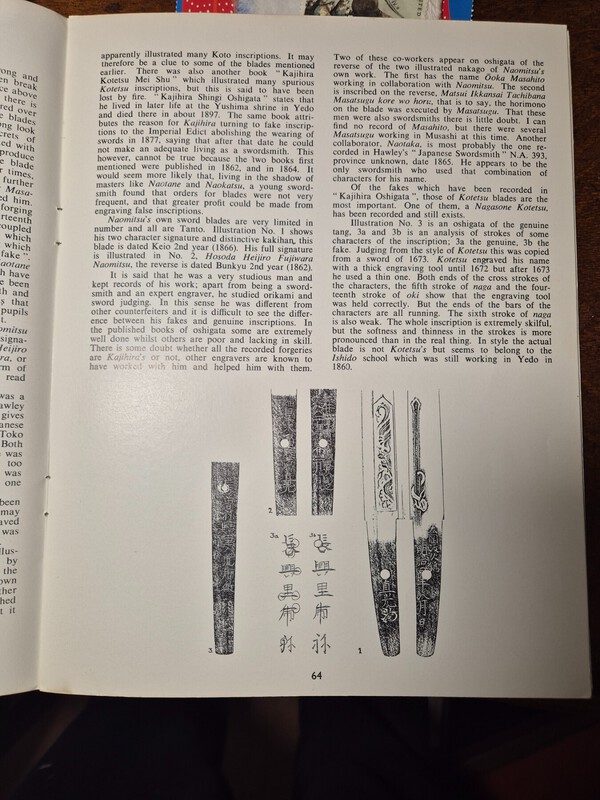 4 points
 -
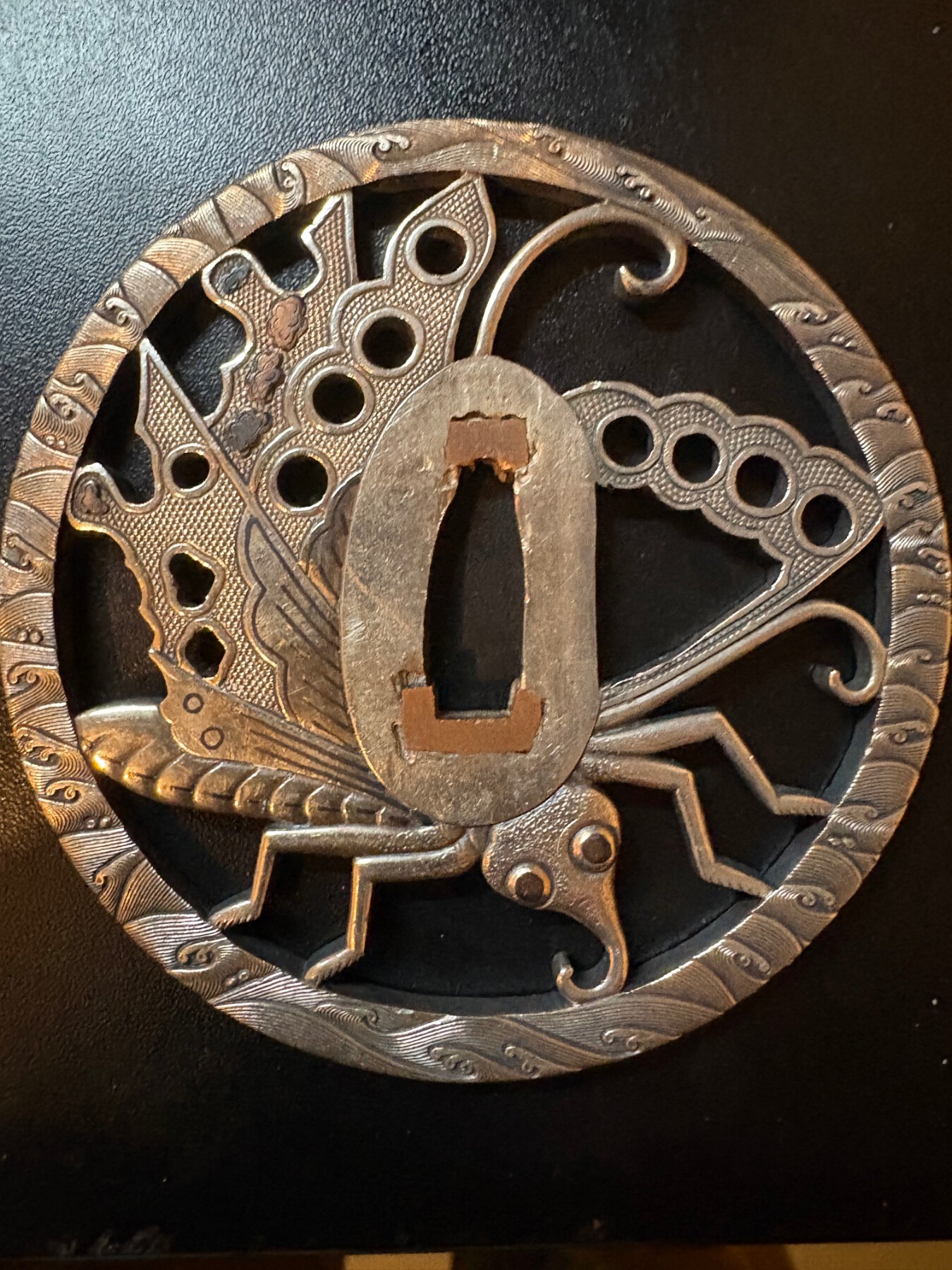
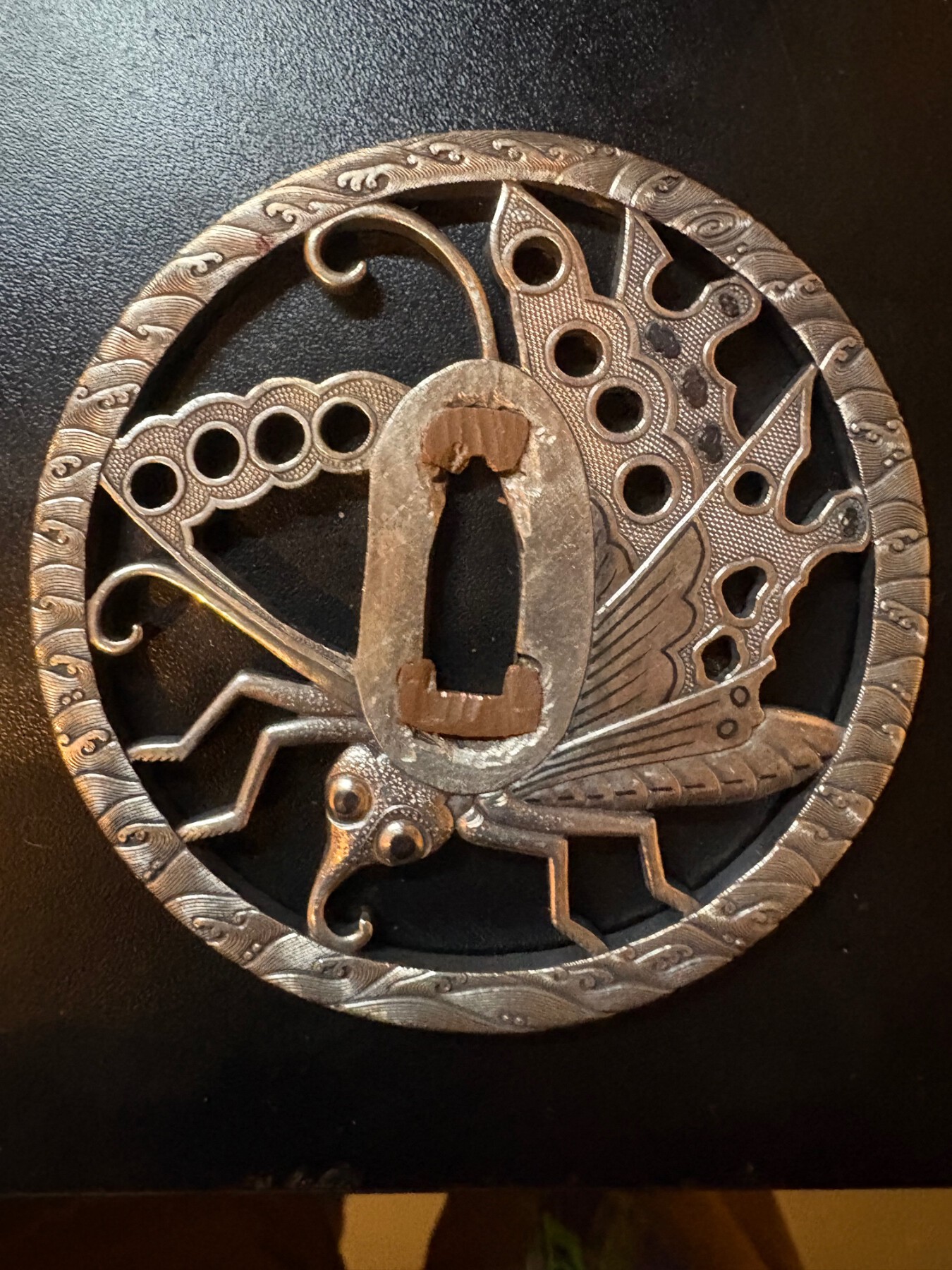
Unfortunatly, this tsuba I do own is not cast! [I invite you in France to verify]4 points
-
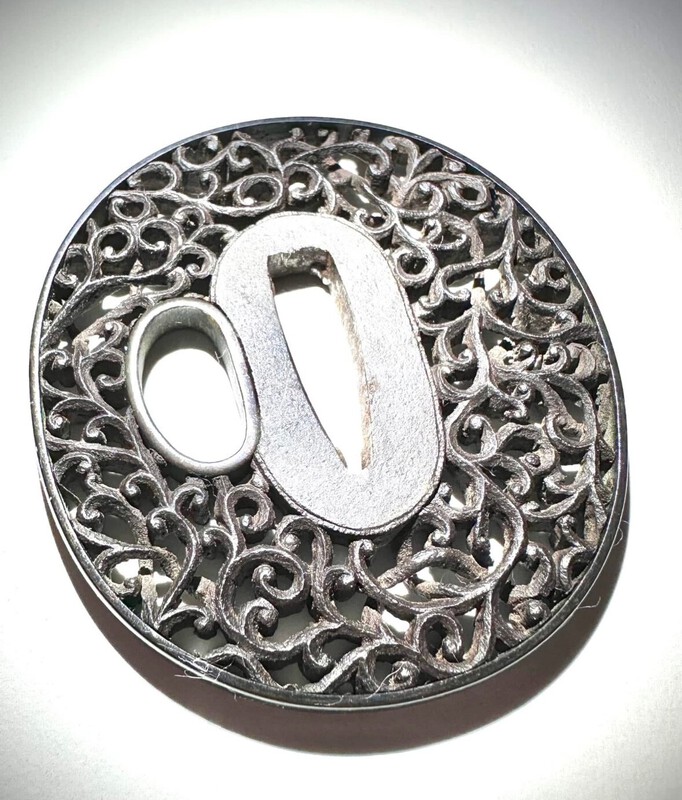
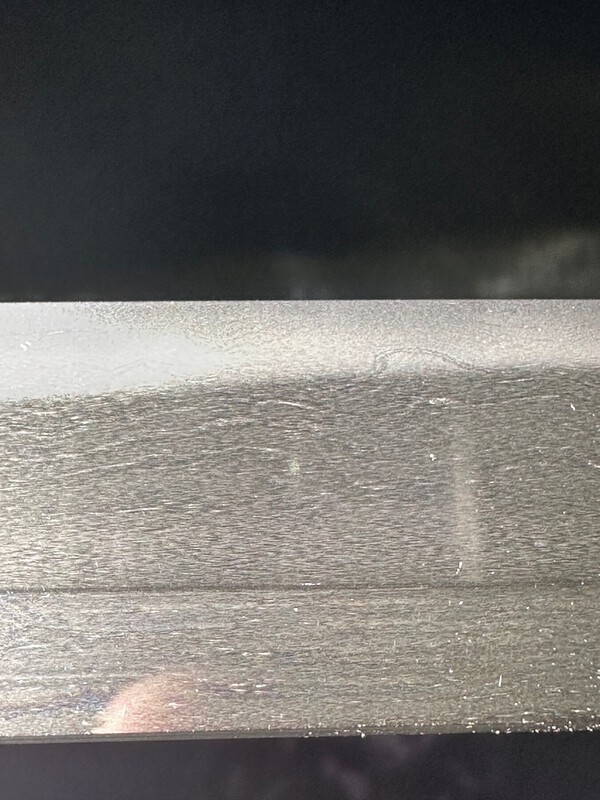
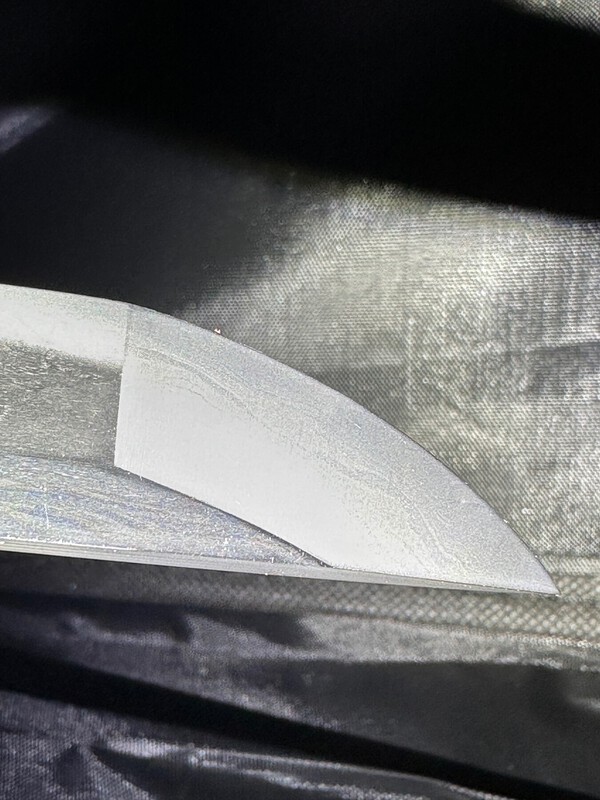
Yamato no Kami Fujiwara no ason Masakatsu NBTHK Hozon Very nice koshirae and shirasaya $5500 Flawless blade and polish Message for more pictures Nengo: bunka 5th year 8th month. (August 1808) Nagasa: 62.7 cm Sori: 1.9cm Mekugi ana: 1 Motohaba: 2.8cm Motokasane:6.5mm Sakihaba: 1.84cm Sakikasane: 4.9mm Sword description This sword was forged by the 9th generation Dotanuki smith who revived the school after its earlier collapse. Masakatsu was the descendant of Samanosuke Masakuni, and learned from the highly respected Hoki no Kami Taira Ason Masayuki (also known as Satsuma Masayuki) which were the beginnings of the revival of the Dotanuki school, bringing it into the Shinshinto era. Masayuki was a smith who made plenty of Koto Utsushi in the Soshu style, and it seems that in this blade, Masakatsu has taken alot of inspiration from his master. There is alot of resemblance to Shizu in this sword. Hamon: Notare and kogunome mix hamon. There are also areas of Tobiyaki and togariba. The hamon is also packed with lots of Kinsuji and areas of hataraki. Hada: Komokume hada with lots of Chikei and Jinie. There are also patches of Masame Nagare and itame hada butit's mostly based on Komokume. Boshi: ura and omote are different. The Boshi on the Ura is Kaen, the Boshi on the Omote is Jizo. Koshirae: The koshirae that comes with this sword is a Tomoe Mon koshirae, with matching Fuchikashira and Menuki. The Tsuba seems to be a Nanban Tsuba with aShakudo rim. The saya is new in 100% condition.
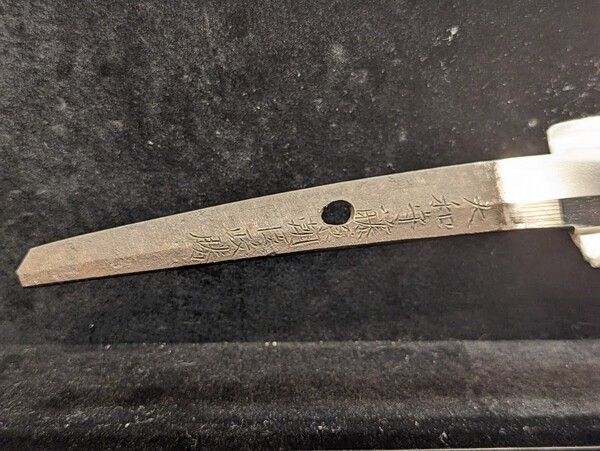

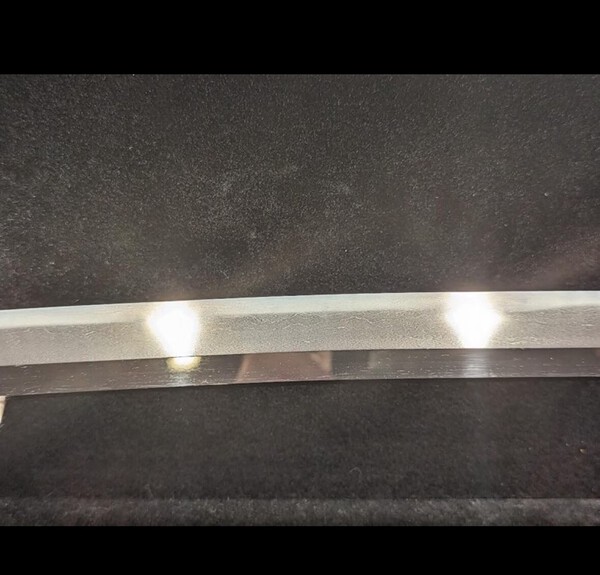
 4 points
 -
We are talking about a blade atttributed to a "Omi-no-Kami Tsuguhira....." with a nagasa (according to a dubious torokusho) of 65.1 cm and very little sori of 1.1cm. There were smiths with this name and title working during later 17th/early 18th century. No others. Kin-zogan (gold inlay) or Kin-pun (gold lacquer)-mei were never attached to o-suriage Shin-To and Shin-Shin-To blades. Partly shortened blades show clear distictions between the remaining original nakago and the shortened blade section. They are missing here. The disintegrated look of the nakago looks artificial and covers almost all of the nakago. Anyway: Within a strange and dubious setting like this, further research doesn't make much sense. reinhard4 points
-
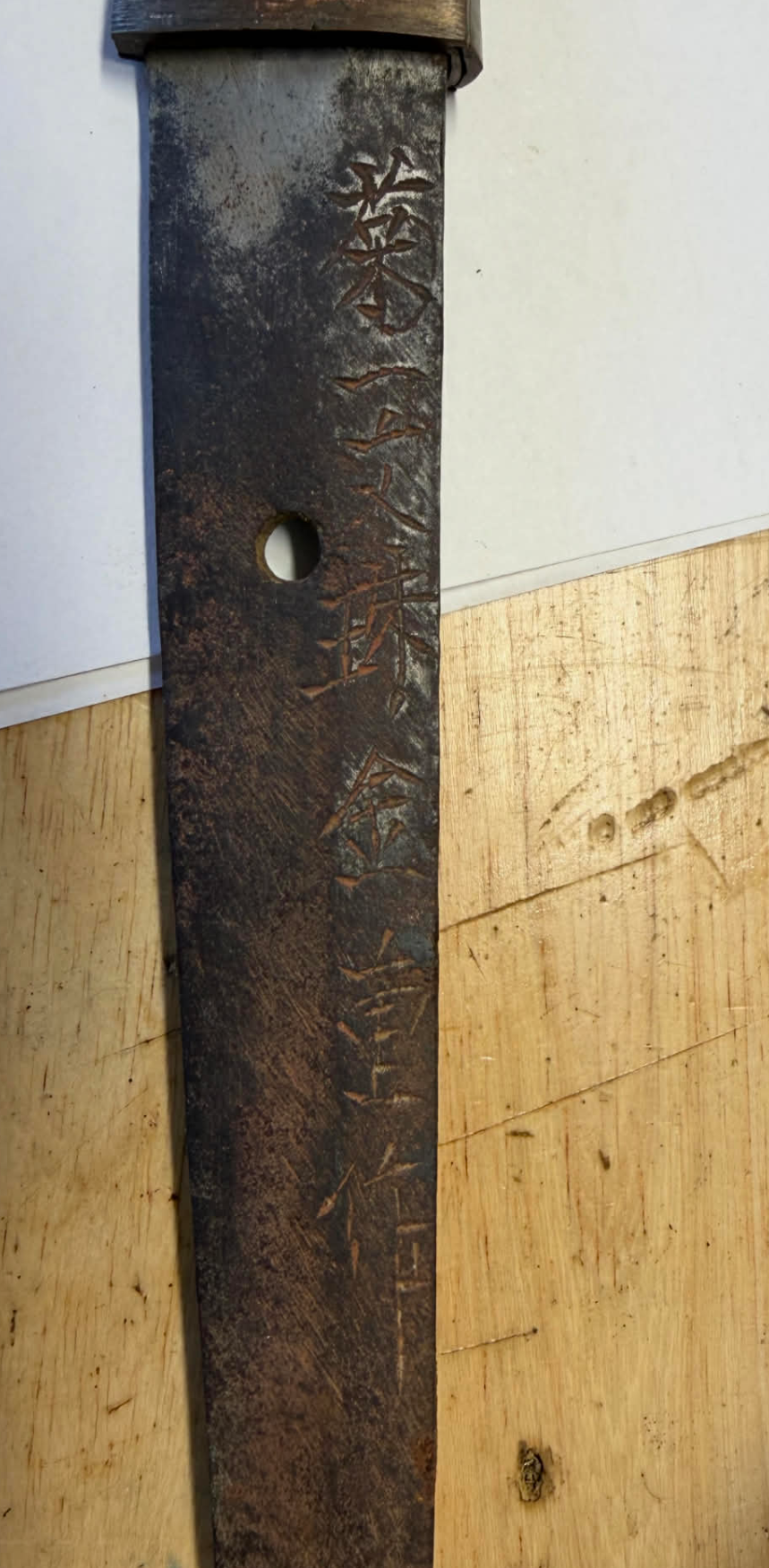
菊一文珠金重作 Kiku Ichimonju Kinju saku
 4 points
 -
Why? If he wants to shotgun sell it, maybe. If he wants to learn more about the pieces, he'd do better here or with the help of some of the private forums that exist around. Ed is more likely to help him than Bonhams. I have the greatest respect for Jeff Olson at Bonhams, and I have sold with him both there and when he was at Christies. When you walk into an auction house to sell something, you should really know before hand what it is that you are bringing in.3 points
-
I don't know that I can help you find the Honjo Masamune (any more than I am able to help myself do so), however a couple of quick items. I actually just posted a video on the Honjo Masamune a few weeks back, with some informtion which may be helpful in general in learing about the sword: I see now that the koshirae for the Honjo Masamune appears to have remained in Japan, perhaps rediscovered but likely never left Japan, and was displayed at an exhibition: https://tsumugu.yomiuri.co.jp/feature/桃山展「本庄正宗」の刀装初公開/2 points
-
Ray is your go-to guy that side, and making a plan to meet up with him will be a big benefit to you.2 points
-
Steve: Not sure if you still need it but the date, I think, is auspicious day Feb 1939 (showa 14). John C.2 points
-
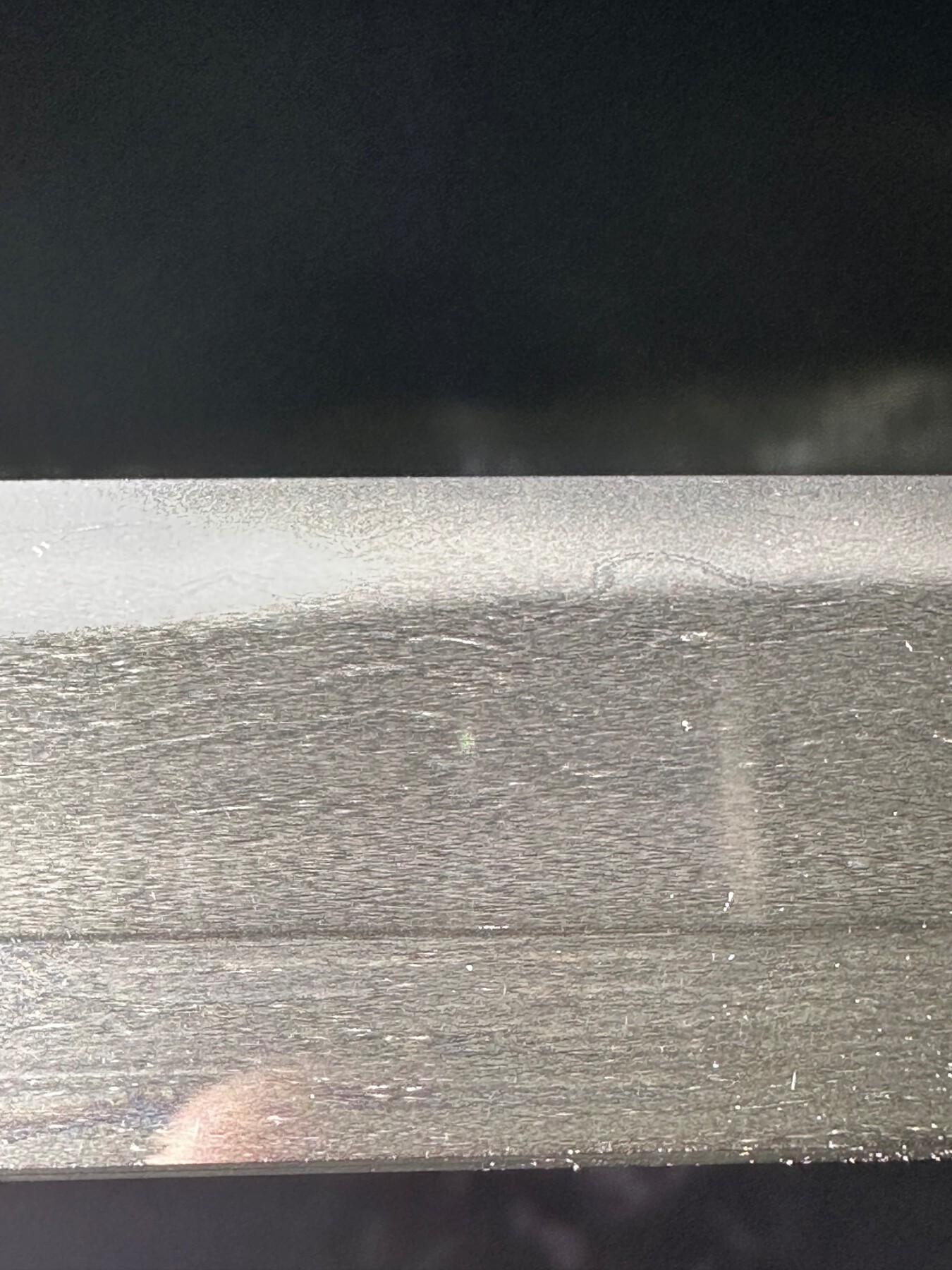
Hi Geraint, Thanks for your kind welcome and the information. I appreciate your advice on not rushing to buy a sword. I had read that you shouldn't polish a blade yourself, which is quite understandable, especially after watching videos of real polishers in action with sharpening stones. From the auction statement that was provided to them by the vendor, it was surrendered by an officer, so i'm hoping it was in good condition. They state its been in the same family since then so hopefully the blade will not have been used to chop wood! I'm not too bothered by the fact that the blade is out of polish as it's more of the history of the sword than having it looking like new. It's also at around £420 at the moment and my max is £600. I'm not sure if that's a good deal, but the sword in general looks in reasonably good condition from what i can see of it. I#ll contact the auctioneer and see if they can send some close ups of the blade. Many thanks again for your kind words and advise. I'll let you know how it goes and hopefully if everything's ok, i'll post some pictures if i'm lucky with the auction.2 points
-
Dear Anthony. Welcome to NMB. You are right, this is not a Shingunto but a civil mounted sword that has had a combat cover added to its existing saya. Forgive me if I state the obvious but the sword is out of polish which means that you will have a hard time seeing much in the blade. Whatever you do, do not attempt to polish this yourself as that will destroy any value the sword might have. Getting this one polished is an expensive and problematic process and may reveal flaws in the blade that could really spoil your day. The nakago/tang looks to have been shortened, something that is quite common but always done at the nakago so that the hardened edge in the kissaki/tip is retained. The auction house photographs really do not show enough to be sure that the blade does not have any fatal damage such as hagire/cracks. I quite understand the urge just to own one and if this is cheap enough then why not? However I think most of us would advise a little caution and perhaps get to know a bit more before you jump in. Feel free to ask any questions and whatever you decide, All the best.2 points
-
Guess I’m late to the party but I’m just discovering the fusion that is Sōden Bizen. Nanbokucho piece around 70cm with a 3cm / 2.65cm width. Morikage’s “Chikakage style”

 2 points
 -
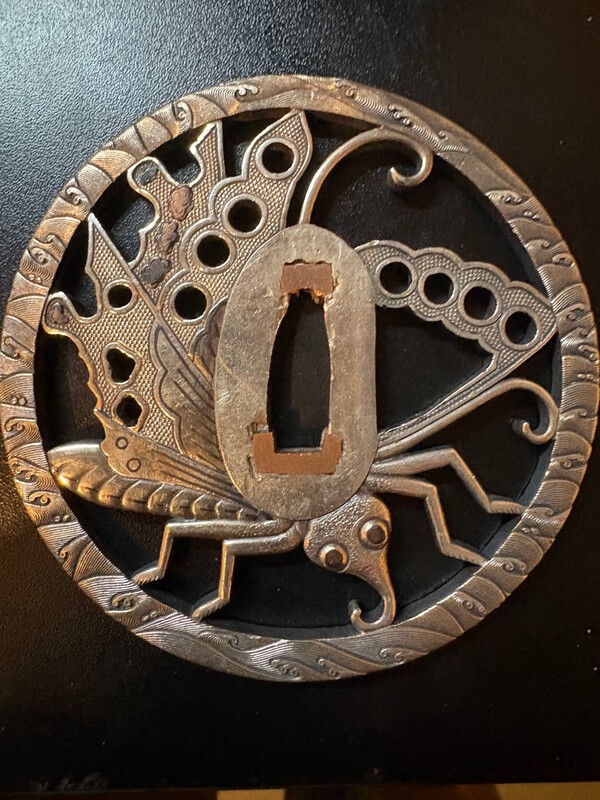
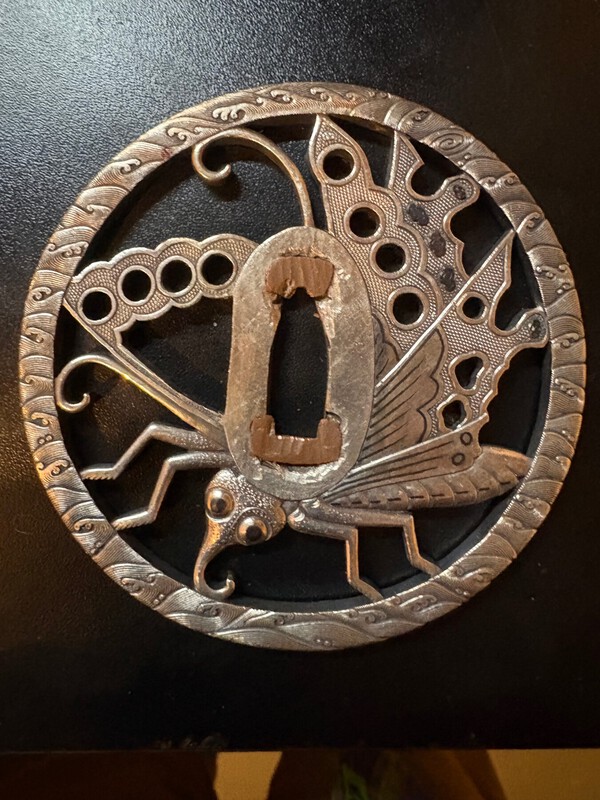
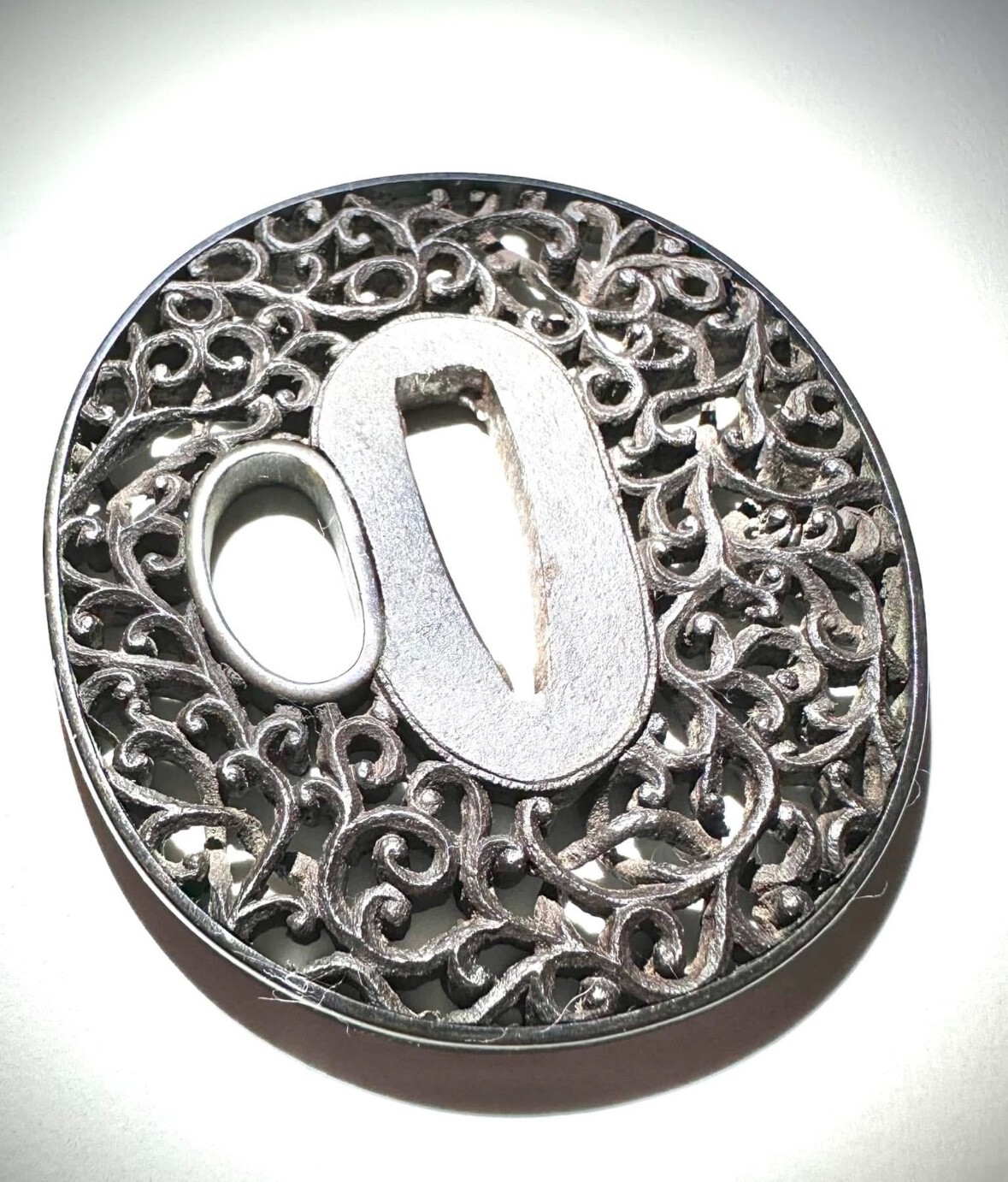
Hi in just looking for some info on my Tsuba. I got it from a family member who served in the pacific during World War Two. Thanks
 1 point
 -
An elegant pair of Kyō-kinkō menuki, crafted in shakudō and gold, depicting muchi (鞭), traditional horse whips with NBTHK Hozon. These menuki are finely worked in deep black shakudō, beautifully contrasted with gold details. The handle of each whip is executed in shakudō and wrapped in a delicate sheet of solid gold. The craftsmanship reflects the characteristics of the Kyō-kinkō tradition of Kyoto metalworkers. This is an attribution for mumei soft-metal work that is clearly from Kyoto but hard to assign to a specific school. Size: 5.5 cm × 1 cm Asking €650, box and shipping worldwide included.


 1 point
 -
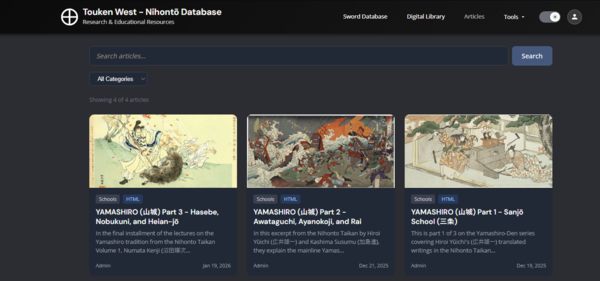
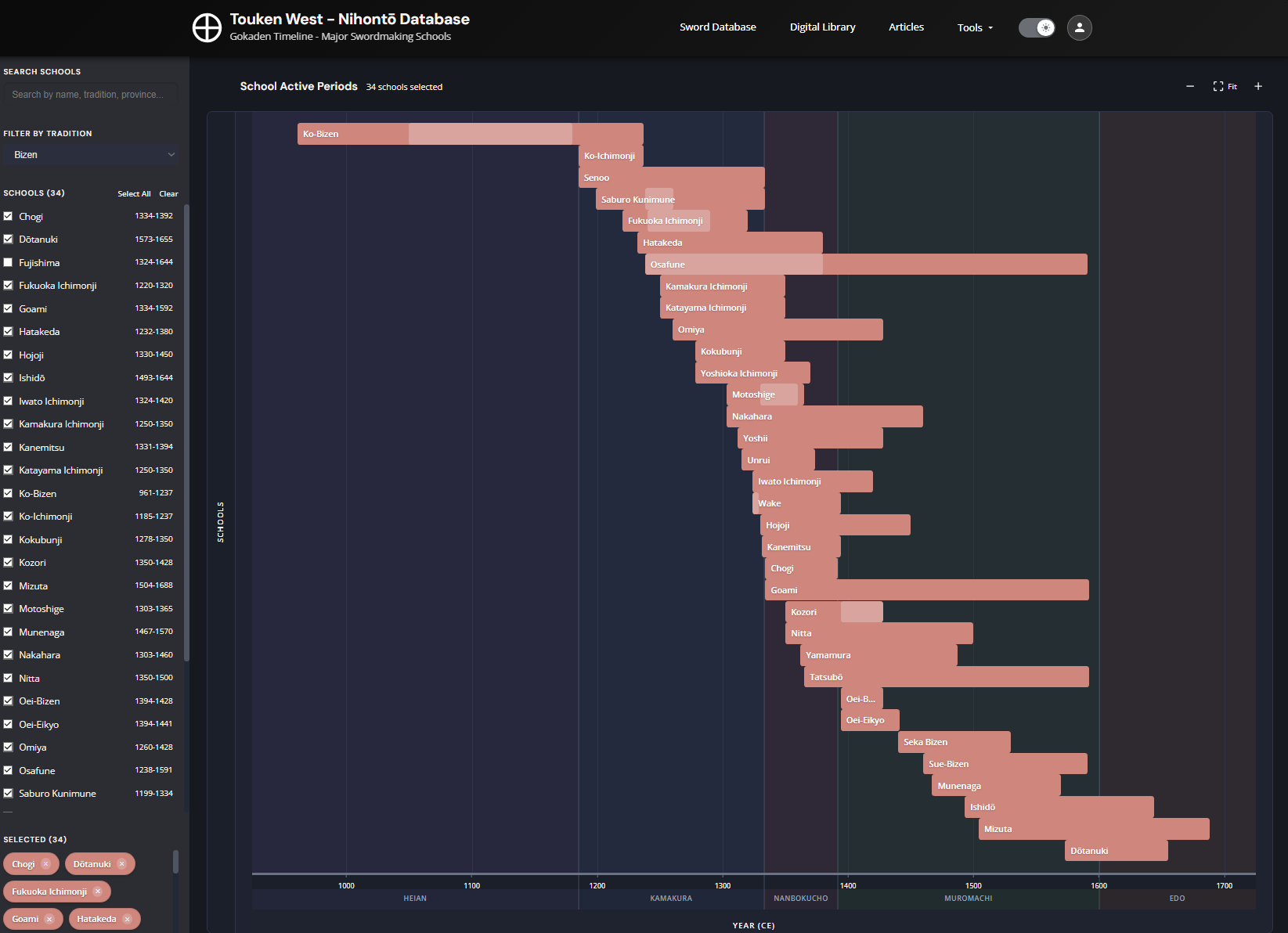
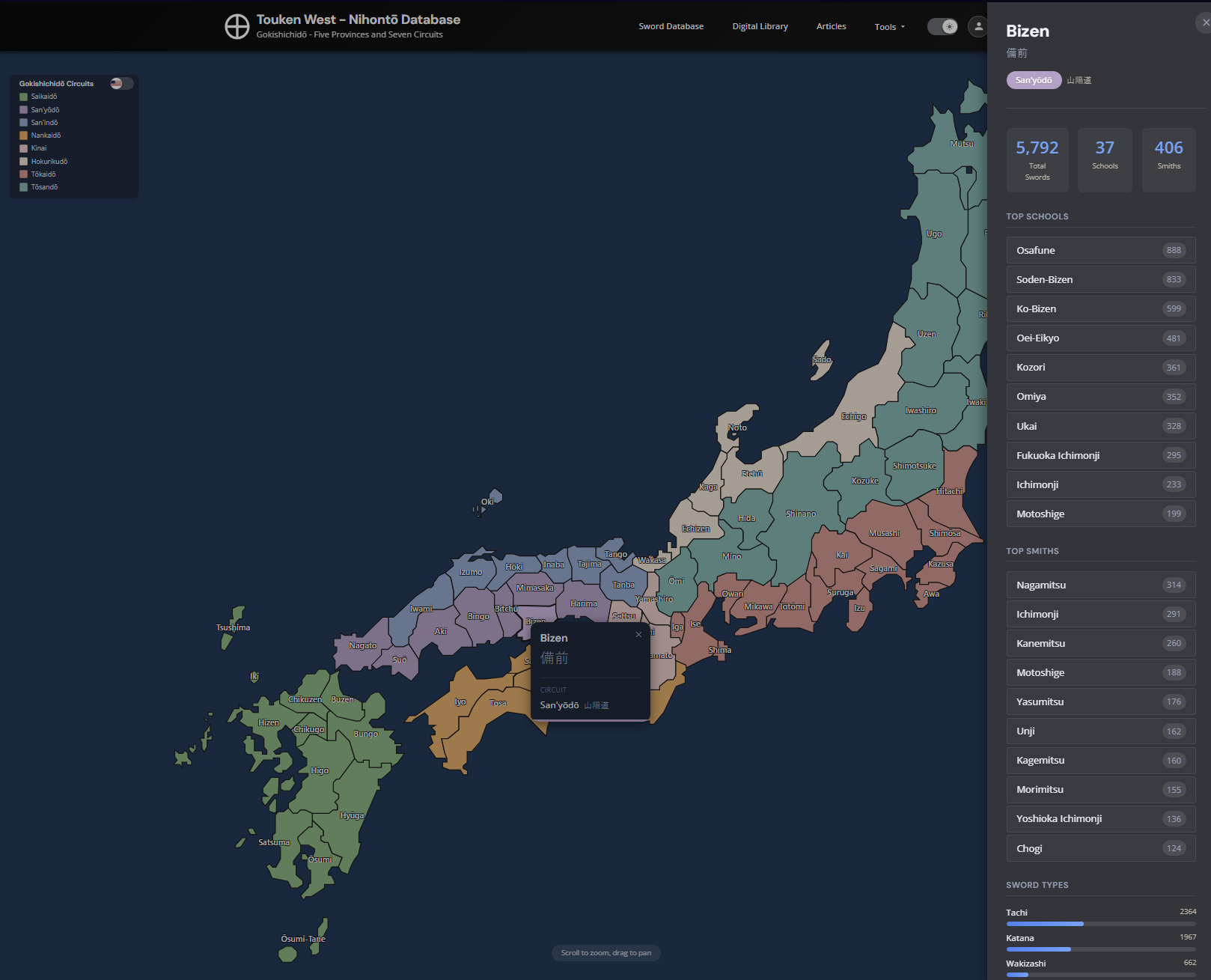
Hey everyone, I feel like its finally time to share a project that I've been working on for a while now. Not because it is finished but because my first child was just born a few days ago and development on this project will likely slow down for a bit as I navigate the new phase of life that is fatherhood! Anyways, I've been building a website https://nihonto-db.com for some time now and wanted to present it here. At the core, it is an interactive and searchable version of @Jussi Ekholm's Koto sword index he's so graciously shared with the NMB. I can't begin to state how incredibly powerful Jussi's research has been and without his tireless efforts and collaboration, this wouldn't have been possible. So at the core, the "Sword Database" portion is a simple searchable database that allows you to search from over 16,000 swords. There are filters and advanced filters available to allow you to search, filter, and compare works by many smiths with as narrow or broad of a search breath as you wish. Additionally, I've created a few other tools that I find useful. Namely an interactive Province Map of Japan showing the old swordmaking provinces which allows you to click on each province and see associated schools, swordsmiths, and other details of the schools and smiths of that province. Clicking on any province will pull up all of the swords in the database for that school and scrolling down you can view additional stats such as Kokuho, JuBun, JuBi, counts, counts of documented swords by type (Yari, naginata, katana, tachi, tanto, etc.) and other stats for each sword making region. There is also a Japanese/English toggle available which will show the circuits and provinces in Japanese rather than English which can be helpful when researching Japanese resources and sites. Thirdly, there is Gokaden Timeline which is built upon a Google Sheet collaboration that some of the members here helped with a few weeks ago. It is as the name suggests, a simple plotting tool that allows you to plot and view the various swordmaking schools broken down by their tradition, and the timeframe in which those schools spanned. Currently this is limited to mostly mainline and some obscure Koto schools. Shinto and Shinshinto aren't appropriately represented at this point and will be a future addition. Finally, there is an articles section where I have been posting various articles, photos, and zufu translations for the main Gokaden schools. Currently Soshu mainline and Yamashiro mainline are finished and Yamato and Bizen are in the works. The current selection of articles come from the Nihonto Taikan lectures from Honma Junji, Hiroi Yuichi, Numata Kenji, and other Japanese sword scholars and contain detailed genealogies, kantei points for grandmaster smiths, and the evolution of traditions, schools, and lineages of swordsmiths of the koto era. Each article goes into great detail and I've provided images when available of all of the swords (or an appropriate substitute) mentioned by the authors as well as translations of the various zufu used (when available). They are quite lengthy articles which provide a great deep dive into the prolific schools for each of the gokaden. I have many more plans for this site to hopefully become another helpful resource in the world of nihonto study and also be a place where swords can be researched in detail with photos, descriptions, and other additional information. I also would like to expand this into including many more shinto and shinshinto blades but as I'm a 1 man operation and now have a 1 week old baby, slow and steady is the key! There is a registration and sign-up option available, currently free users (there are no paid for options at this time) will also gain access to the Digital Library, an online encyclopedia of Japanese swords including some selected zufu, images of famous shrine swords, and translations when available. The current free digital library has ~2500 images of just over 500 swords. Feel free to make a free account and sign up with Google, Facebook, or register an email and password and take a look! I hope this site serves as a resource for all and if anybody has any comments or things the community would like to see, feel free to let me know and I will do my best to work on them as time allows. Thanks again to the NMB community and everyone here who has given their knowledge, time, and previous resources to make this all possible.


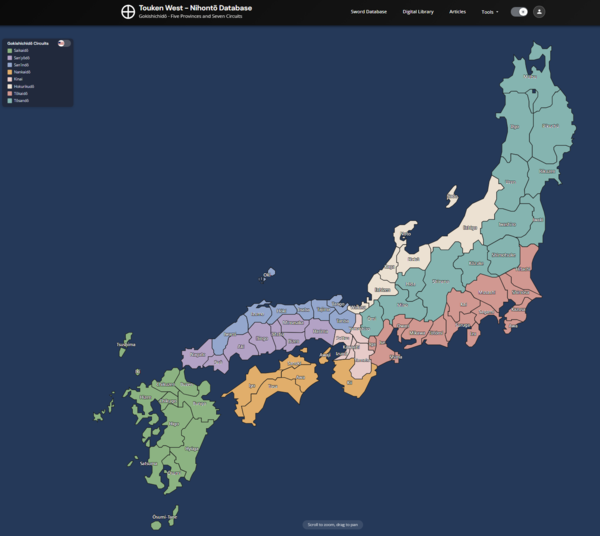
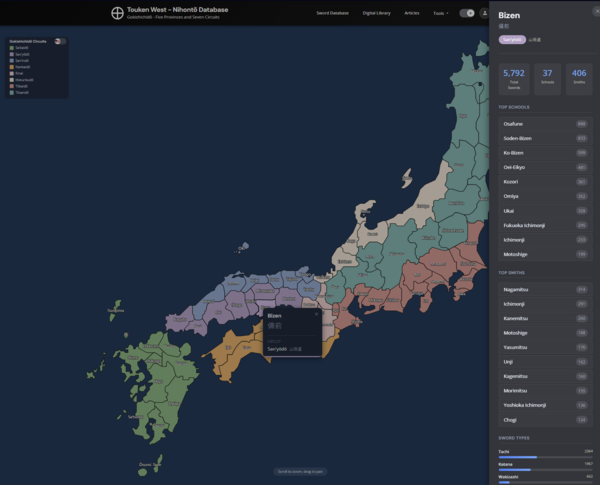
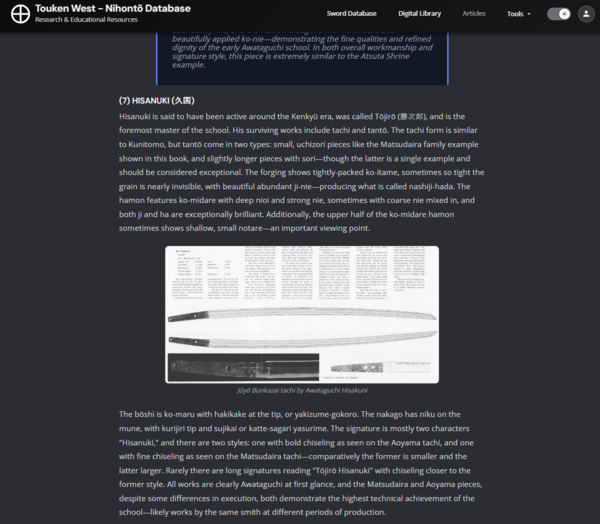 1 point
 -
It's certainly possible that I am wrong. I do have experience with casting, and this and some other namban tsuba bear the hallmarks, but it is possible that it has to do with the nature of the steel used. You're quite right that you have it in hand. If I'm ever in France... :-)1 point
-
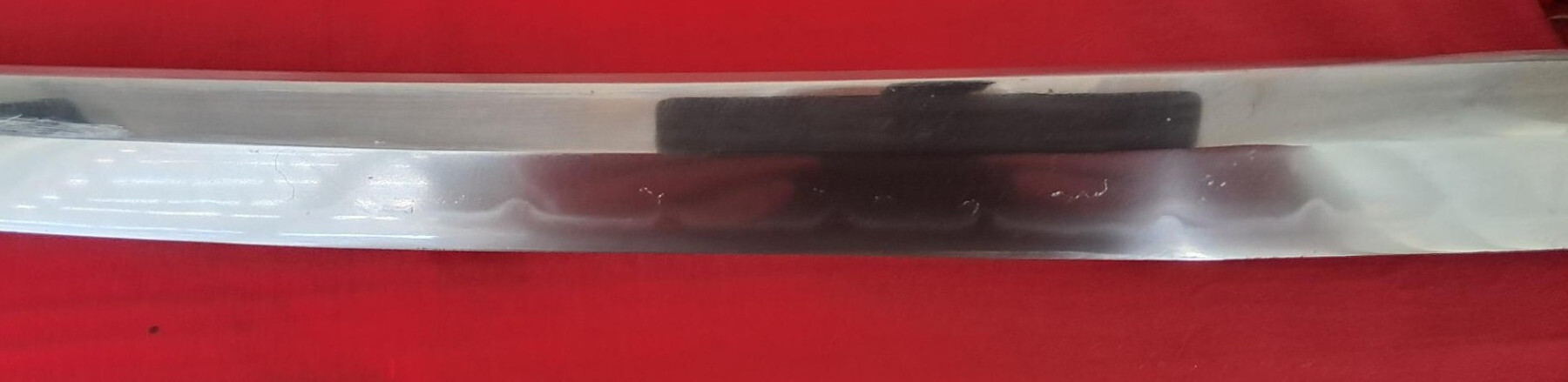
I wanted to post a brief update on what I’ve been learning about how blades like mine were originally shaped and finished in their period. The overall sugata of mine aligns with what is described as Tenshō-sugata: shinogi-zukuri construction; relatively wide motohaba, firm kasane, minimal funbari, and a robust chu-kissaki. This proportion set appears frequently in late 16th c Bizen work and reflects the practical requirements of the period. The edge geometry is best understood through the concept of niku (肉). Rather than a thin, flat bevel, these blades were shaped and maintained with a hamaguri-ba (蛤刃), a convex clam shell profile. This places more steel behind the ha, improving resistance to chipping or rolling when striking harder targets such as components of tōsei-gusoku. The convex surface also supports a smoother wedging action during the cut, reducing binding. I found this image posted previously on the forum which illustrates this: On the finishing side, I’ve been reading about sashikomi-togi (差し込み研ぎ) in contrast to hadori. In sashikomi, the hamon is not artificially outlined. Instead, the nioiguchi, nie, and internal activities such as ashi and sunagashi emerge naturally through the final hazuya, jizuya, and nugui stages. Earlier sashikomi approaches could rely on fine stone powders such as Tsushima-to during shiage, rather than heavier iron-oxide-based mixtures, resulting in a more integrated ji-ha contrast. - This approach is particularly relevant for late Kotō Bizen where features like utsuri may still be present. The choice of polish style has a direct effect on how utsuri, nie-deki, and gunome-midare are perceived. Studying the hamaguri-ba geometry together with sashikomi-togi has given me a clearer understanding of how blades of this period were shaped, sharpened, and intended to be used, and now viewed. It also explains why blades of this construction and metallurgy from Bizen in this period often show jihada which appeals to me much more so than others. I've never been a huge "look at that flamboyant hamon" fanboy, but man, dark/wet/active jihada just does it for me Also, early on when I started researching nihonto, I was greatly turned off by swords that appear mirror-like and overly polished, which can make the jihada hardly visible at all; it was partly down to the polish style and now I understand the differences. I hope I got all of the Japanese terms and my understanding right, I'm still learning.
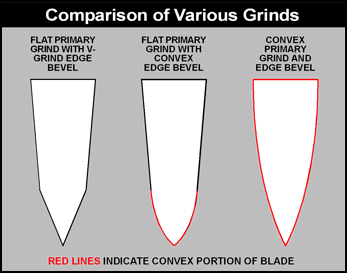 1 point
 -
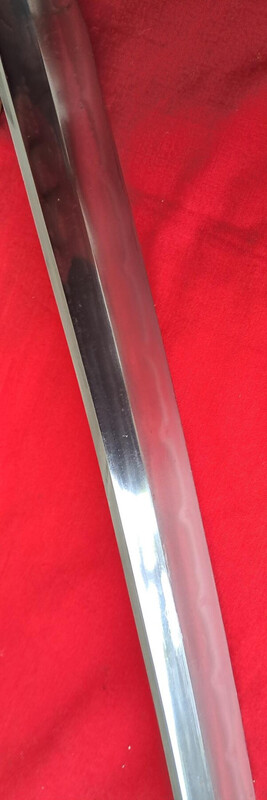
Type 97 Kaigunto – Naval Officers Sword Mei: Yabushita YoshiMitsu Saku Seki Stamp Circa 1942 66.7 cm Nagasa & Good Original Polish Togari/Gunome Hamon & Muji Hada Sharkskin Saya and Clasp Hands Sarute Overall Good Original Condition Price $2500 AUD……..approx. $1800 US Plus all associated Fees



 1 point
 -
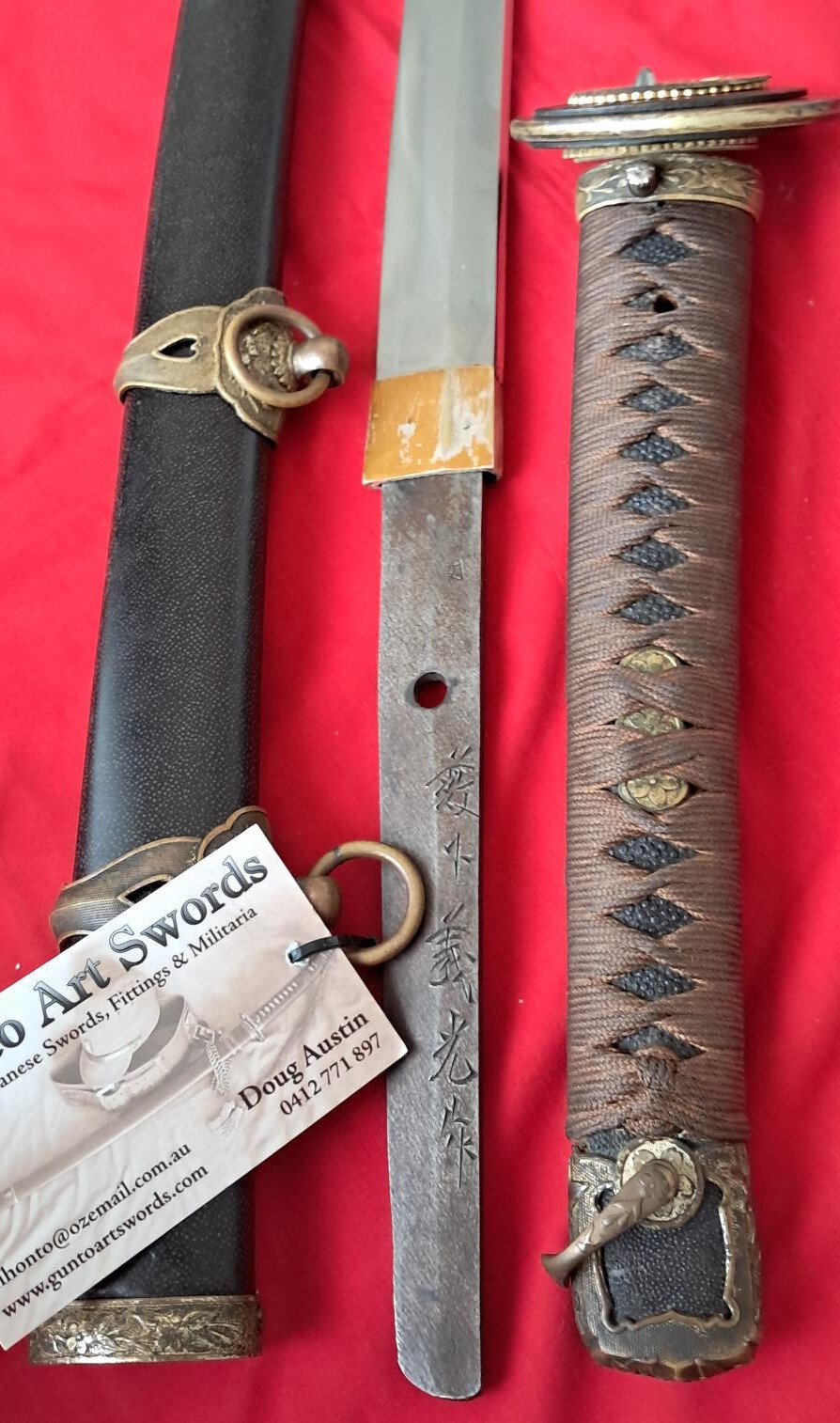
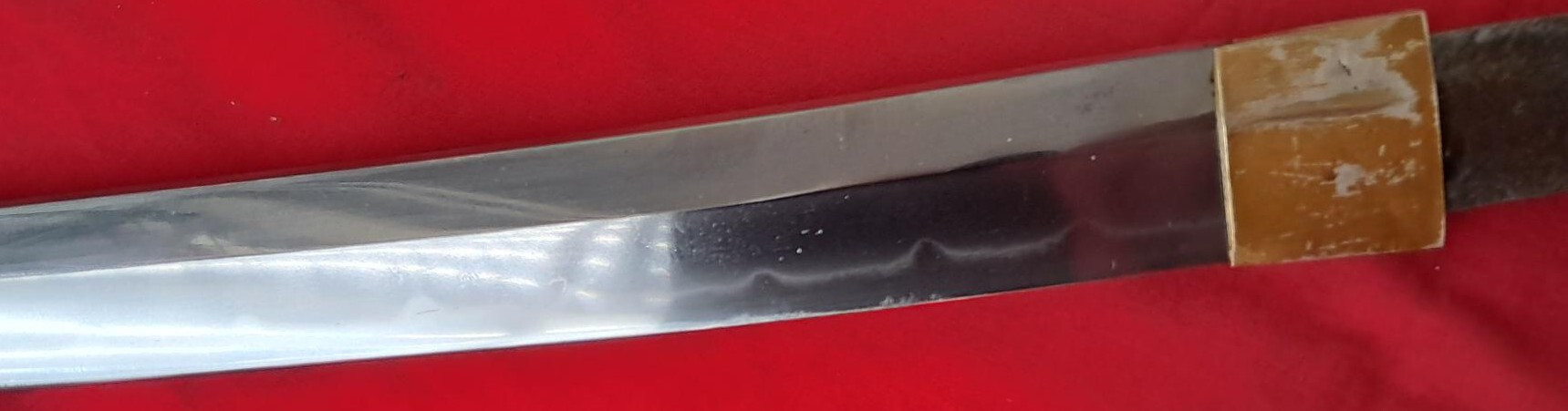
Type: Katana Ubu: Mei: Chikugo Kuroki Morimitsu Saku Kore - Dated August 1937 Papered: No Koshirae: Shingunto 94 pat. Nagasa/Blade Length : 25 3/4 inch or 65.3 cm Sori : 15mm Hamon Type : Nioi based Midare with sections almost looking like sudareba Jihada : Itame Other Hataraki Visible : abundant sunagashi Flaws : No chips, crack, bends although a small area of fine ware on Ji Sword Location : Australia Will ship to : Most countries excluding Russia, China, and North Korea Payment Methods Accepted : Bank Transfer and Pay Pal (Buyer to cover any Fees) Price and Currency : $3000AUD Other Info and Full Description : Mei: Chikugo Kuroki Morimitsu Saku Kore Nengo: Showa 12 Nen 8 Gatsu Kichi Nichi - A Lucky Day in August 1937 (Given name was Tatsumi Kinzo born 9th May 1898 and from Fukuoka) Sword measure 65.3 cm – 25 ¾” with a mm motokasane 6mm Motohaba 30mm…and Saki Kasane 6 mm Sakihaba 21mm Blade is in original polish and looking a little cloudy with some light scratches although it can still be appreciated in its current condition. A very good early dated gendaito and priced accordingly because of the ware.. Price $3000 AUD……..approx $2150US... Price is Firm and Payment in Australian Dollars plus any associated fees.
.thumb.jpg.9782202161442cdcec2e15d82553085d.jpg)
.thumb.jpg.5028c836ea16a74c65cd8c9e9786e289.jpg)
.thumb.jpg.d05fba1baf962eaca076deab1396491d.jpg)
.thumb.jpg.7dc719c818905f86d13bbb041c17294f.jpg)
.thumb.jpg.d15e32c7abd7ce02522e5f985dcb7285.jpg)
.thumb.jpg.f42854c3f837f55db506a613ac216c3e.jpg)
.thumb.jpg.193f1ac9d1512fe8cef2ad0b70716de2.jpg)
.thumb.jpg.0c309f3559d7392c42a48266bebc9870.jpg) 1 point
1 point -
untilOsaka Katana‑za returns to Shiromi Hall inside Osaka Castle! Osaka Katana-za is West Japan’s largest Japanese sword and sword-fittings exhibition and immediate sales event. Held annually in Osaka, it brings together over 40 top dealers, together with sword collectors, and sword professionals from across Japan. Unlike museums, Katana-za is a commercial exhibition, meaning all items on display are available for purchase. It is a rare opportunity to examine high-level Nihontō in person, speak directly with dealers, and handle pieces that seldom appear outside Japan. Dates: Saturday, March 28 & Sunday, March 29, 2026 Venue: Osaka Castle Hall – Jōken Hall Time: 10:00 – 17:00 (last entry 16:30) Admission fee: 1,000 yen on the day, 900 yen advance Lawson ticket code 55755 For more information please click here.1 point
-
I have been advised of the passing of Brian Klingbile (Username Winchester) by his wife. She had this to say: "This is Brian's wife, Sarah.....Unfortunately, Brian has passed away. Thank you so much for providing such a wonderful forum. Brian was new to collecting, and was excited not only to connect with others with similar passions, but to have access to learning opportunities for his new passion. What you have here is amazing, and I wanted to let you know that you make a positive impact on people's lives even if you don't hear this on a regular basis. Thank you for being so welcoming to Brian. I have attached Brian's obituary in case you or anyone else was interested in it. I don't know who Brian all connected with (or to what level), so I will leave announcing or contacting others up to you. I am comfortable with this information being shared. https://www.zimmerfuneralhome.com/obituaries/brian-klingbile " Our condolences go out to those who knew him, may he RIP.1 point
-
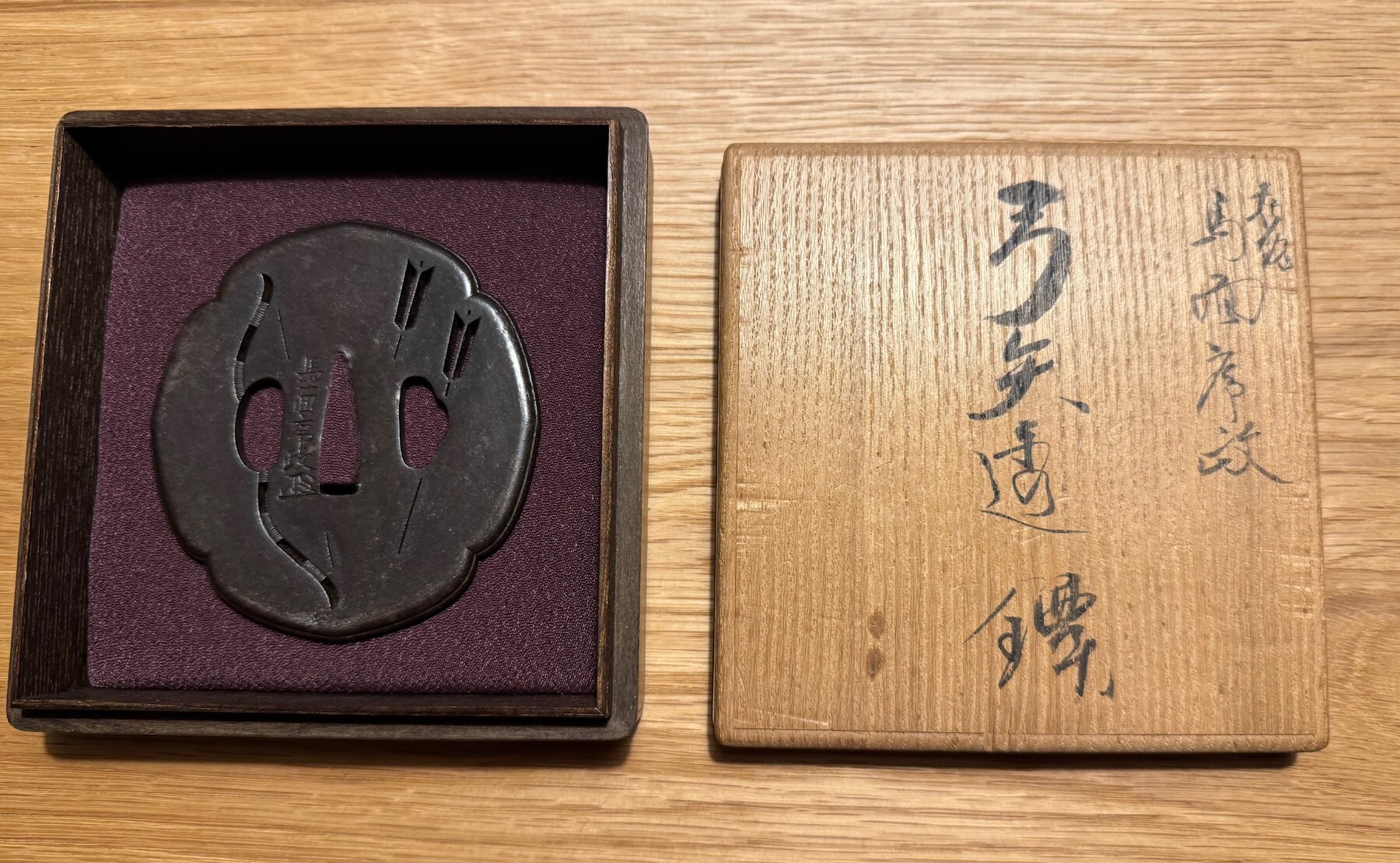
Thank you, Tom. I’ve been very busy, so the Satō Kanzan hakogaki project is running late. In the meantime, I’ve found additional hakogaki, and the database has grown. I just need to stop searching for more and focus on organizing and refining what I have so far (with help from the NMB community). Here are the records for the two tsuba by Bamen Tsunemasa. Bamen Tsunemasa.pdf1 point
-
Rai Kunifusa 来國房 with nakago mune character. See picture number 6. WW2 Japanese Officers Sword & Scabbard Signed1 point
-
It might be “吉岡因幡介” (Yoshioka Inaba no Suke).1 point
-
Ian, looking at the NANAKO-JI, I think it is a bit "random". The general appearance puts more weight on the decoration rather than on the basic work, so I would not exclude the possibility that this one is a better quality NAGOYA-MONO item from the end of the 19th century. More good images might prove me wrong, as so often.1 point
-
寄金 (Yosegane) FYI, 寄金 | 木目金美術館 | 杢目金屋1 point
-
Having some form of required gold membership or one off fee to post sales would at least allow the forum to recover some money on sales. It's only fair you can keep this board running efficiently without worrying about next months bills.1 point
-
It's funny that the yumi are standing upside down. As a former kyudo practitioner (and still a hunting archer), I'm totally relaxed about the fact that the yumi have been fitted with the tsuru (bowstring) on the wrong side. It would hurt my soul to stress an old yumi in order to string a bowstring. You need someone who knows how to string a powerful combat bow. That's quite different from the light training bows. I wouldn't trust an old, dried-out hemp string either. So you would have to make a synthetic string for a presentation. But that brings us to the next and actually most important problem: modern bows with glass or carbon layers in the bow arms can be left strung. But bows made exclusively from natural materials fatigue considerably when strung and, in the worst case, warp to the point of being unusable.1 point
-
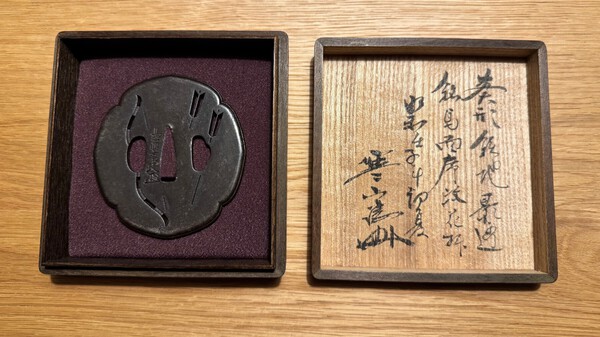
@MauroP please find some pictures of the hakogaki attached, apologies in the delay.
 1 point
 -
The whole package is a fake. Why? Study basics! reinhard1 point
-
So, a genuine question, to which I don’t know the answer is “what amounts to a kinzogan mei”? Should it be carved like a normal mei and then inlaid or just “keyed” like nunome zogan and then painted on? I think the former and as soon as I see the latter that arouses suspicion for me. Don’t know anything about how genuine Hon’ami attributions are executed though.1 point
-
Much clearer thanks. To me this appears to be gilded copper inlay and not pure gold as would have be traditionally applied. Could also be brass based on the shade of yellow1 point
-
I agree)
 1 point
 -
I didn't know Brian personally, but I had warm regard and I felt a connection, with Winchester. He often popped into my posts with an emoji and he was always understanding and encouraging.....never changed. Maybe (selfishly), he fitted my narrative, I don't know, but for someone I have never met or messaged, I just felt a connection.....he was a real gentleman. Thankyou Sarah for sharing this....thinking of you and Brian's extended family. We will miss him. Rob1 point
-
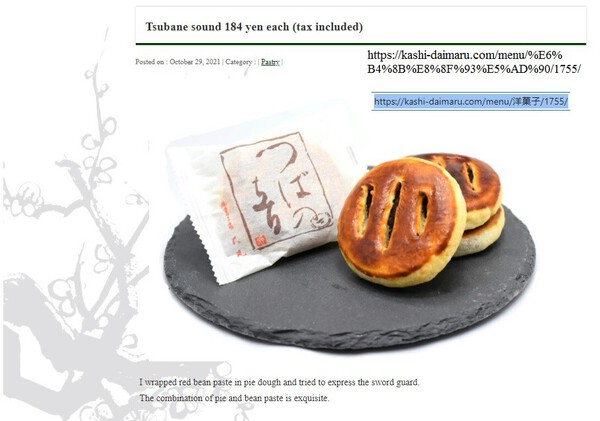
Let them eat cake! [chocolate for desert!]

 1 point
 -
I have experienced one dubious “bidding event” with this seller on eBay.1 point
-
Hello. As the title suggests, I'm an amateur explorer searching for the Honjo Masamune Sword. Any tips?0 points
-
0 points
-
This reminds me of when archaeological conspiracy theorists use the line "The absence of evidence is not evidence absence..." to justify whacky nonsense like aliens building the pyramids. Maybe so, but it also isn't evidence of presence... I can't disprove the idea that Genghis Khan rode a unicorn or that he was buried in Iceland; but that doesn't mean I'm going to start a unicorn cult in Reykjavik.....0 points
.jpeg.dcc02bc43c6d3cf944ebda9c0565ab87.jpeg)
.jpeg.547e0d31c275398aefed3dccc5814f5b.jpeg)
.jpeg.4d9c54ef43427fefadb279ed31f60156.jpeg)
.jpeg.96bfe51e7aa82a10342497fad29b9404.jpeg)
.jpeg.4773d892d208a86794c6a837d0a941d4.jpeg)
.jpeg.890d6d984176190b7ad2969a972a0e6d.jpeg)
.jpeg.c6f0b8dd8b44ba988064fa8aafd5315f.jpeg)























.jpg.5b6e71d408a7a244376210d0dbcdbdc3.jpg)
.jpg.34eeb447919e8b3d50fab34ab6317b9a.jpg)
.jpg.1f0f01f545ba10c7118e003de7764c82.jpg)
.jpg.18c491b7022a787769415a38f986af86.jpg)
.jpg.95c5e8ab9b746b70fdbf5f6147c4da26.jpg)
.jpg.739e41cef76578e5621cabb2a94eade0.jpg)
.jpg.32d6a4ff7934485d7662c3f89aa23c34.jpg)
.jpg.38c2ae0d2e8c20698203ace748f351df.jpg)












.thumb.png.4c5df79fec171b2dc4a23af38e280a4d.png)
This leaderboard is set to Johannesburg/GMT+02:00