
Leaderboard



Popular Content
Showing content with the highest reputation on 01/28/2026 in all areas
-
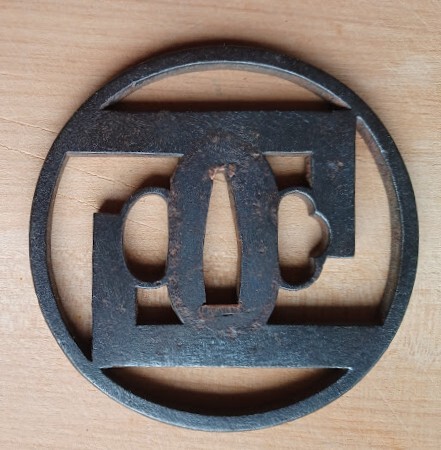
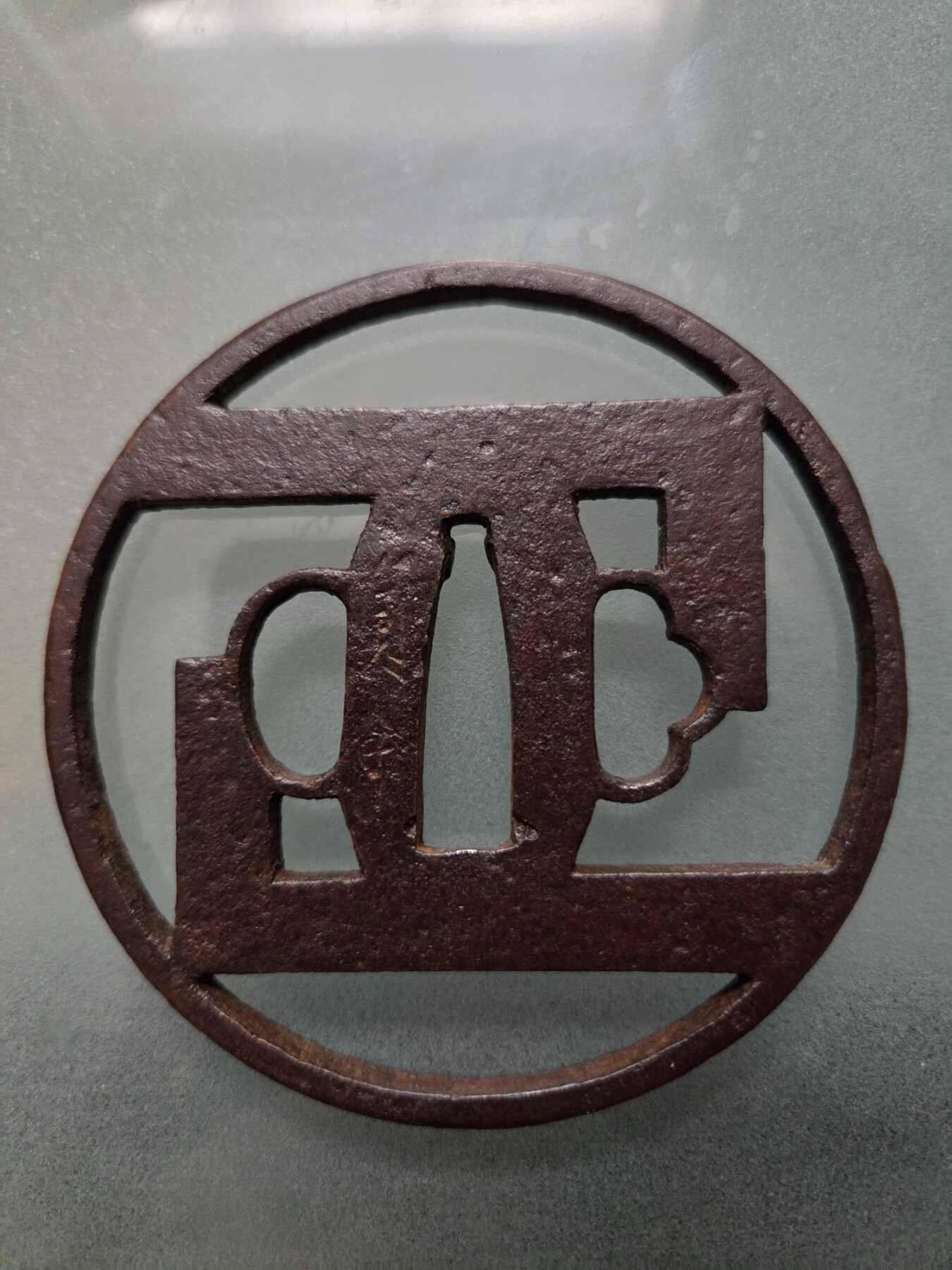
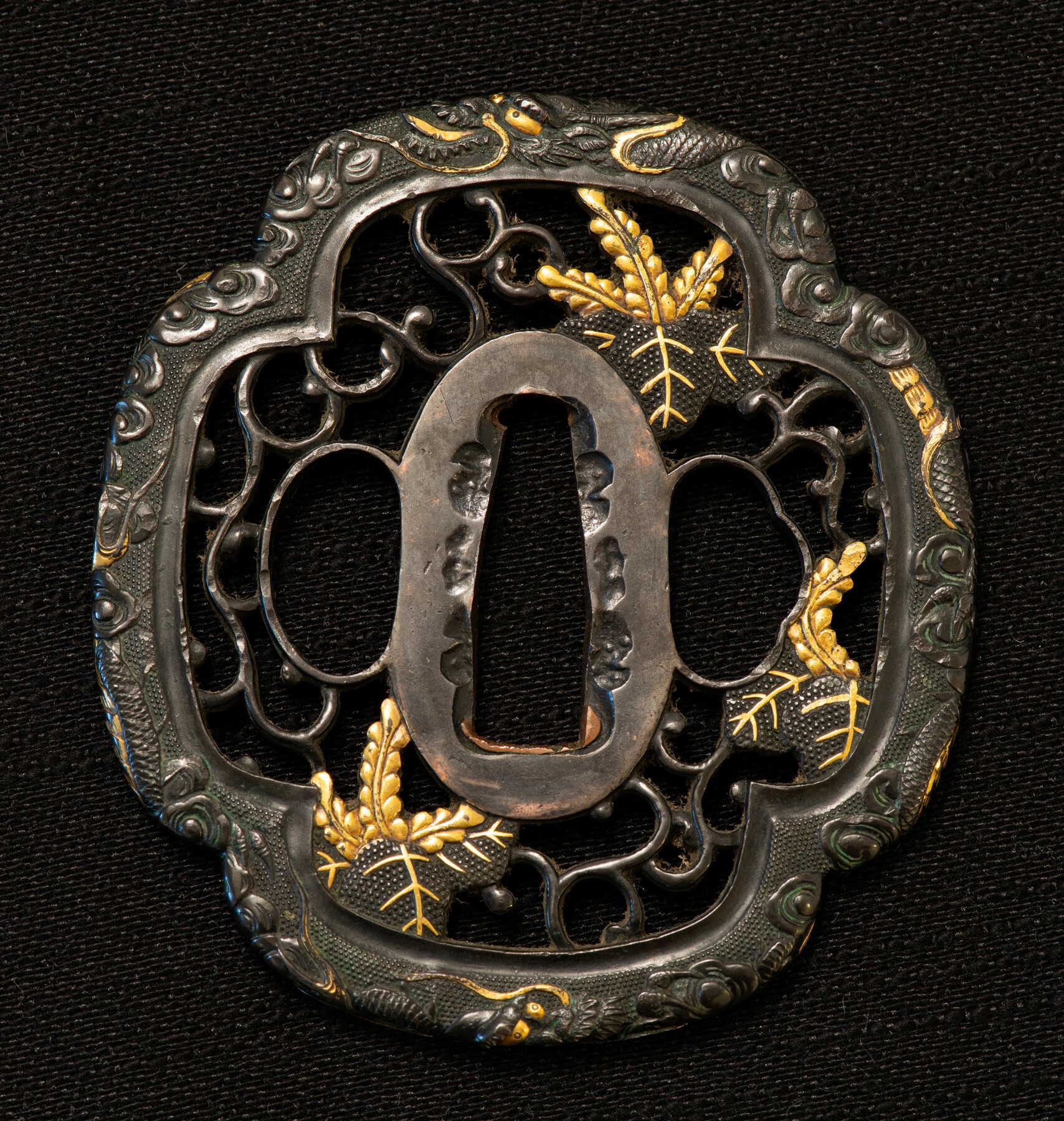
Yesterday, my Christmas gift to myself finally came. It took almost five weeks from AOI Arts to me, though the shipping time was less than two weeks. It was accompanied by a better quality KIRIBAKO which did not fit the rather smallish MEKUGI-ANA (!). I am quite happy with it. It is a typical TEIMEI/SADANAGA TSUBA (unfortunately MUMEI) in acceptable condition, featuring two carpenter's squares as motif. These TEIMEI TSUBA are often very simple in design, showing sometimes unusual motifs, but are very well made and were reliable accessories for SAMURAI.

 6 points
 -
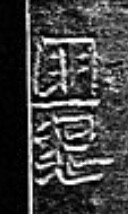
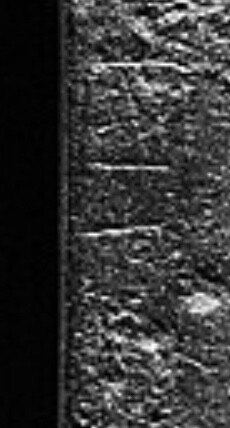
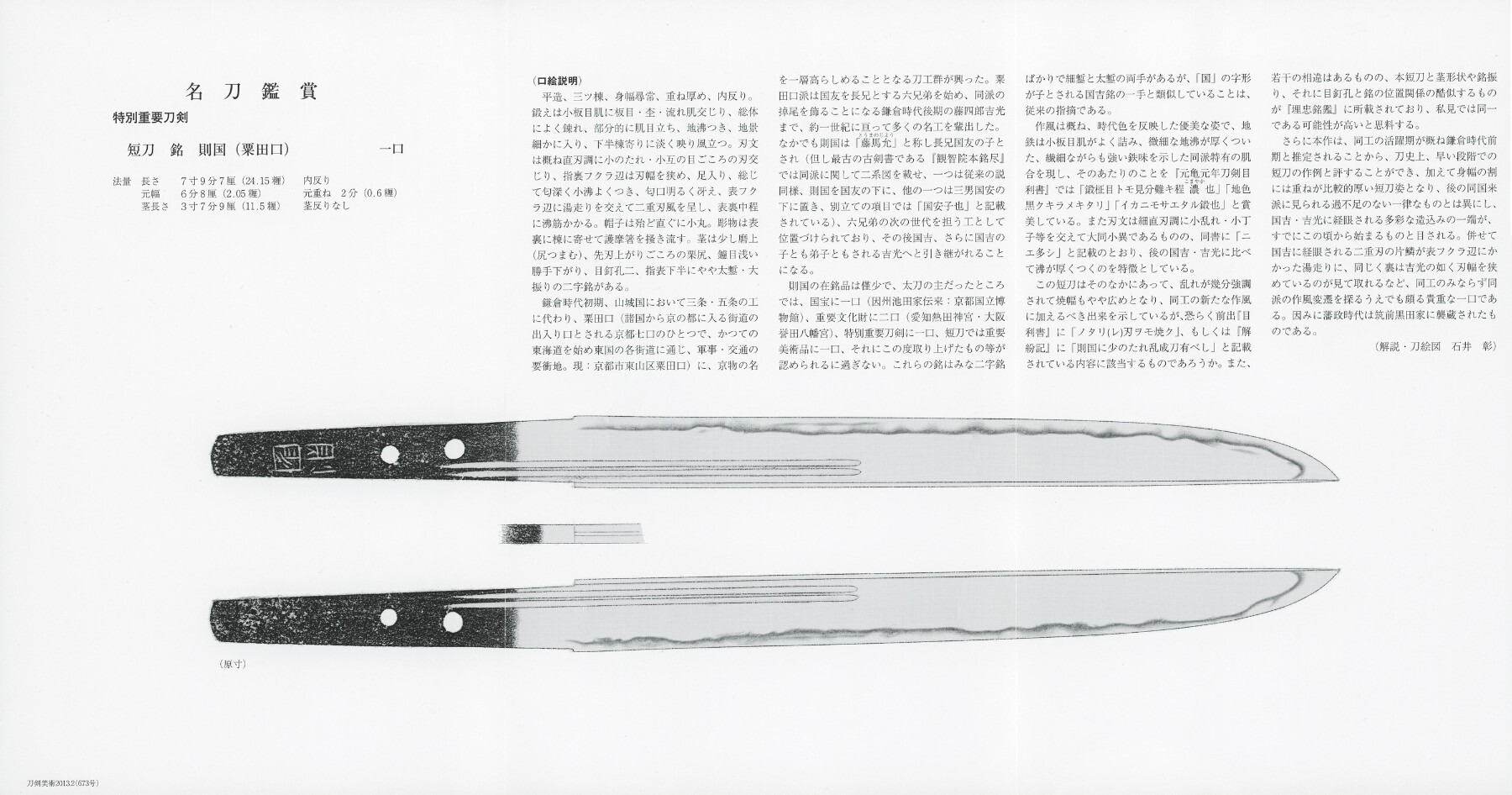
An update on progress. Habachi has been restored and a shirasaya is being made by the sayashi now that the togishi has removed the surface corrosion on the blade. I hope this will be completed in the next 1-2 months and given back to the togishi so he can begin the polishing. I have to admit I've become a little obsessed by Mei and the stylistic forms of kanji adopted by smiths in the Kamakura period, especially. It seems to be quite quirky to alter the regular form of kanji and it got me wondering why Shintogo adopted the unique strokes that are peculiar to him. I doubt it was something done in isolation. Likewise Norishige also carried on this practise, probably influenced by his Sensei, in the characteristic style he adopted when carving Nori and Shige. Many theories circulate around Shintogo's origins and his teacher(s). The Soshuden Museum offers some interesting theories. https://www.nihonto-museum.com/blog/shintogo-kunimitsu I'm reading the catalog @MassiveMoonHeh made available from the Art of the Samurai exhibition at The Met in 2009/10. In there a National Treasure tachi by Awataguchi Norikuni caught my eye. The character for Kuni has that distinctive central vertical strike. Could this smith have been the inspiration for Shintogo's Mei? One theory is that Shintogo's father was Awataguchi Kunitsuna, who was uncle to Norikuni, making Norikuni and Shintogo cousins. Both Norikuni and his father Kunitomo were two of the Gobankaji from the Awataguchi school. A young Shintogo might have held these guys in very high esteem and adopted some stylistic designs for his Mei in recognition and respect, as well as adding his own flourish in the form of the mirrored 'S' element. Norikuni also worked in narrow suguha. Awataguchi Kunitsuna mei Extant works by Kunitomo are extremely rare (less than 5 known per Markus) and I've been unable to find a really clear example of his Mei. The is the best I could get. Slanted vertical. Did anyone attend the exhibition? What a unique experience that would have been. If only I had been actively involved in nihonto at that time. It would have been unmissable.

 4 points
 -
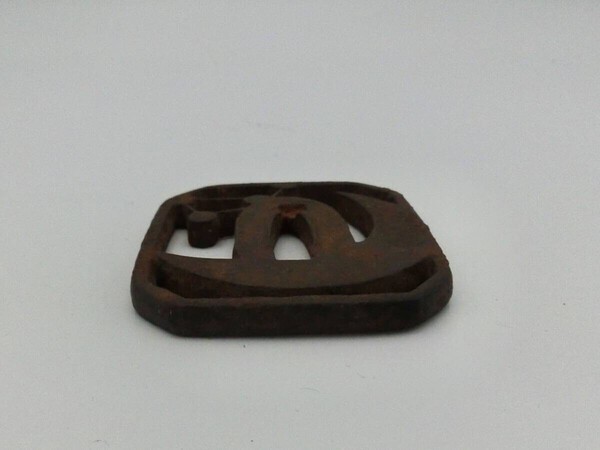
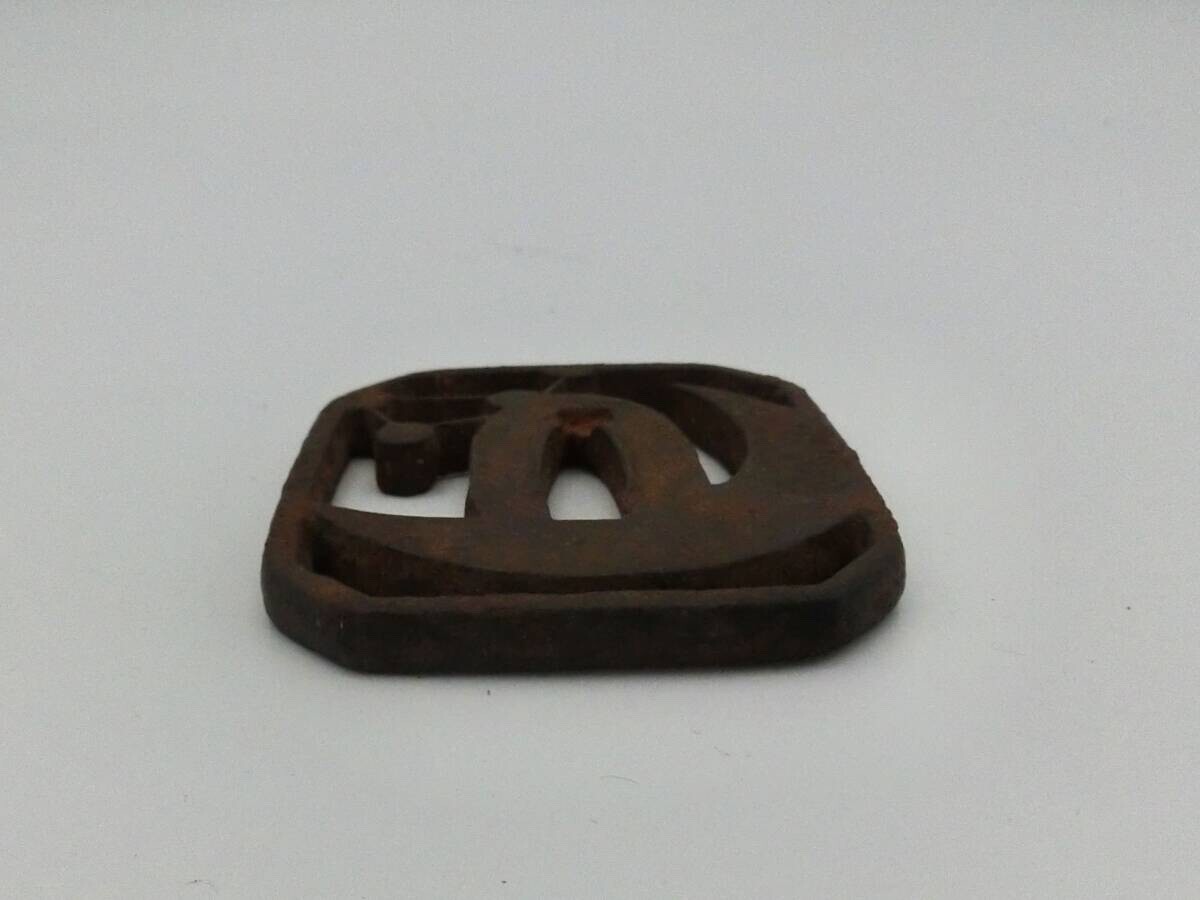
Last night I was bidding on this tsuba but lost my nerve in the end. It was going steadily up in price and, even if it did prove to be the genuine article (which was almost impossible to tell from the bad photos), it was in such a rusty condition I didn't have faith in myself that I could restore it - no matter how much bone or Ivory I used.


 3 points
 -
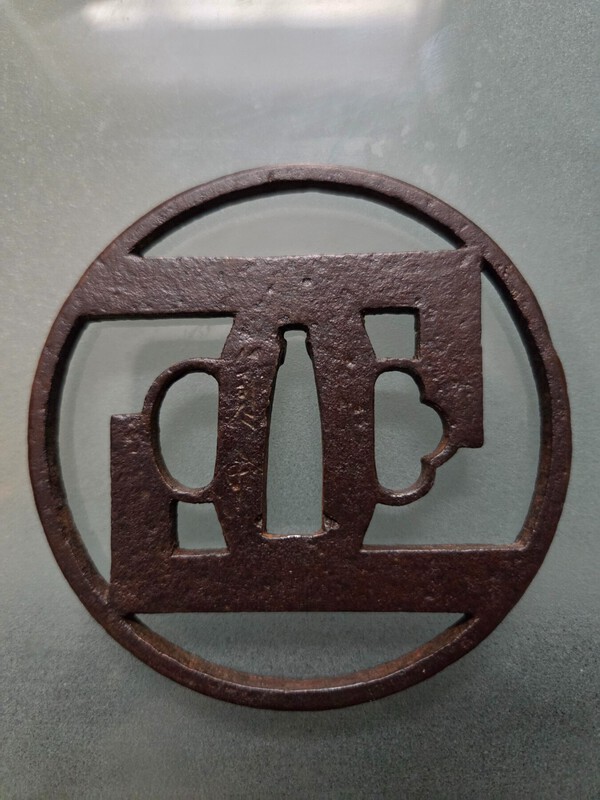
I have had this one for over 30 years. Way back when I started collecting and knew nothing. Now I have many books and tsuba and still know nothing.
 3 points
 -
always nice when there's an update in this thread, thank you Lewis for the updates. Patiently waiting to see how this all turns out!3 points
-
Just stumbled across this video by Cross Cultures from the NHK, published on the 12th January: https://www3.nhk.or.jp/nhkworld/en/shows/2084073/ "The fact that foreign collectors cherish Japanese swords helps to unearth ancient works taken overseas after 1945. It also serves as a force for preserving traditional techniques facing extinction." Nice little time capsule of today's Foreign Japanese Sword Enthusiast.2 points
-
Actually...I do yes. I have a fairly well stocked workshop, very proud of it :-)2 points
-
Working now. And noticed Lex makes a couple of appearances.2 points
-
Happy Christmas Jean! Nice bold tsuba.2 points
-
Hector, unfortunately, the photos are really bad, specifically because of the white background which does not allow a good contrast. In additition to all the corrosion, the surface and patiine cannot be seen properly, so it would have been a risk to put much money in it.2 points
-
untilDiscover the reality behind a millennium of myth at this sweeping exhibition on the legendary Japanese warriors. The samurai is an iconic figure, evoking images of formidable fighters possessing ideals of courage, honour and self-sacrifice. Yet much of what we think we know about samurai is invented tradition. Our concept of samurai today has its origins in medieval reality. A distinct warrior class – known in Japan as bushi – emerged and gained political dominance from the 1100s. But during a prolonged period of peace, beginning in 1615, the samurai moved away from the battlefield to become an elite social class that also included women. Samurai men formed the government, serving as ministers and bureaucrats. Many became leaders in scholarship and the arts, as patrons, poets and painters, in a world where intellectual pursuits were just as important as swordsmanship. By the late 19th century, the hereditary status of samurai had been abolished and their supposed chivalric values developed into the myth of bushido, or 'the way of the warrior'. This new code, promoting values of patriotism and self-sacrifice, was harnessed during Japan's period of colonial expansion and military aggression. The modern mythology of the 'samurai' emerged gradually across the 20th century through interactions between Japan and the wider world, with idealised images of the historical warriors increasingly consumed by foreign visitors. The story of the evolution of the samurai is told through battle gear such as the suit of armour sent by Tokugawa Hidetada to James VI and I, as well as luxury objects such as an intriguing incense connoisseurship game. From a Louis Vuitton outfit inspired by Japanese armour, to the popular, loosely historical videogame Assassin's Creed: Shadows, the exhibition explores the samurai's enduring legacy in games, fashion and film. This major exhibition is a candid look at the real men and women whom we know as samurai, from the battlefields of medieval Japan to the global pop culture of today. Price : Adults from £23, Members and under-16s free.2 points
-
untilA special exhibition commemorating the 100th anniversary of the founding of the Maeda Ikutokukai, the cultural legacy of the Kaga Maeda Clan is being showcased to its fullest glory. Historically significant, this is the first time in 60 years that the entire collection of cultural assets handed down through the family will be publicly displayed. The exhibition covers the clan’s history through artifacts, including armor and swords worn by successive heads starting with Toshiie, as well as calligraphy, classic books, tea ceremony utensils, and Noh costumes. It also details the founding of the Ikutokukai through the collecting activities of the 16th head, Toshinari. The audio guide is narrated by voice actors Daisuke Namikawa and Reona Irie. More information can be found here. Cost: ¥2,3002 points
-
The Kusanagi-kan Sword Treasury can rightfully claim to be one of the most architecturally beautiful Sword Treasury/ Sword Museum in the world. Part of the Atsuta Shrine, the Kusanagi-kan Sword Treasury is open to all visitors before or after saying your prayers. They just put out a notice advising that they have just changed their exhibits as part of an exhibition called "Blades of the Hokuriku Region" Starting from today, Wednesday, January 28, 2026 through to Sunday, February 23, 2026. There will be a total of 13 blades in the exhibition including a Tachi, signed by Tomoshige (Kaga) that is designated an Important Art Object by Aichi Prefecture. Please read the notice from the Atsuta Shrine regarding the festival events in February 2026 here. #草薙館 #熱田神宮 #太郎太刀 #次郎太刀 Information provided by: @etudes24 on X.2 points
-
And not far from the Samurai Museum Nagoya Touken World. Well worth a detour.2 points
-
NEWSFLASH: Dōjigiri Yasutsuna to be exhibited at the Tokyo National Museum from February 25 to May 17. Starting April 14, a special exhibition called “Million-koku! The Maeda Family of Kaga” will also be held at the the Tokyo National Museum, so from the 14th April you will be able to see both Ōdenta and Dōjigiri Yasutsuna, plus two of the Tenka Goken (Five Heavenly Swords) - four pretty incredible and very special swords in one place. Pretty cool. So if you happen to be in Tokyo perhaps swing on by and enjoy this museum - I guarantee it will be your lucky day. Information shared by: 畳@孖っコぐらし on X.2 points
-
Haha, thanks @eternal_newbie & @Lewis B - I will forgive you for the confusing the two of us, as we are both Aussie. By the way the exhibition was held at the MET not MOMA (although that would be pretty cool) - both museums are in New York, though, so we are still in the right city! Glad you found the catalogue useful! Thank you both for everything you share - loving the content.2 points
-
My bad. Edited the post with the correct acknowledgement.2 points
-
2 points
-
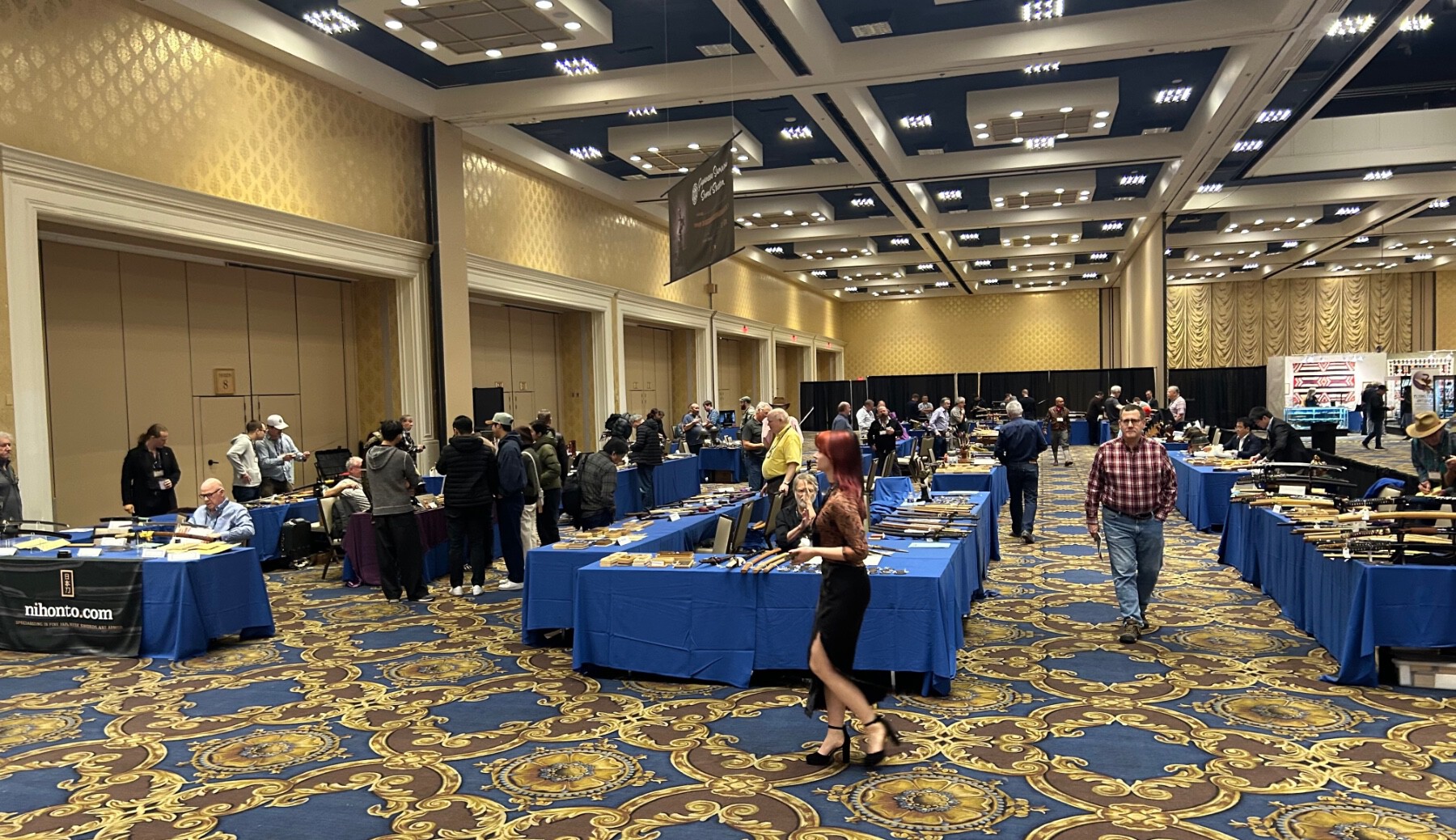
It was my third year attending the Las Vegas show, and I had a great time. There is something for everyone there--items are at all price ranges. I always enjoy seeing friends and meeting other collectors. While it is still a relatively small show, more tables were occupied than last year. And there were some dealers I had not previously seen at this show, such as Ginza Seiyudo with a really nice Ayanokoji tachi and a couple of nice kabuto. As @Scogg mentioned, Brian Tchernega's presentation was very informative. Mike Yamasaki gave a short behind-the-scenes presentation about his work on Pawn Stars, and there was an entertaining iaijutsu demonstration. The large, adjoining antiques arms show is also worth seeing. Several dealers over there had nihonto, menpo, and kabuto, including a nice kawari kabuto.2 points
-
Hi Jeffree, BONJI can be tough to identify, but I think you're correct with KANMAN FUDŌ. It is definitely a Nihonto; but in very poor condition as you've noted. It is difficult to say whether or not it would be worth restoring, and for that you may need to get it into the hands of a qualified TOGISHI (professionally trained Nihonto polisher). I'm up in the Portland area, but I spend quite a bit of time down in Eugene. If you want someone to take a look in person, and chat about the sword, feel free to reach out. (Edit: I’m a collector and enthusiast, not an expert.) All the best, -Sam2 points
-
The Italian auction company Czerny's has the Tsuba collection of R. E. Haynes up for an online auction that ends 18th March 2026. Auction catalogue with apparently a total of 267 lots up here: https://www.czernys.com/asta-158/?c=3211 point
-
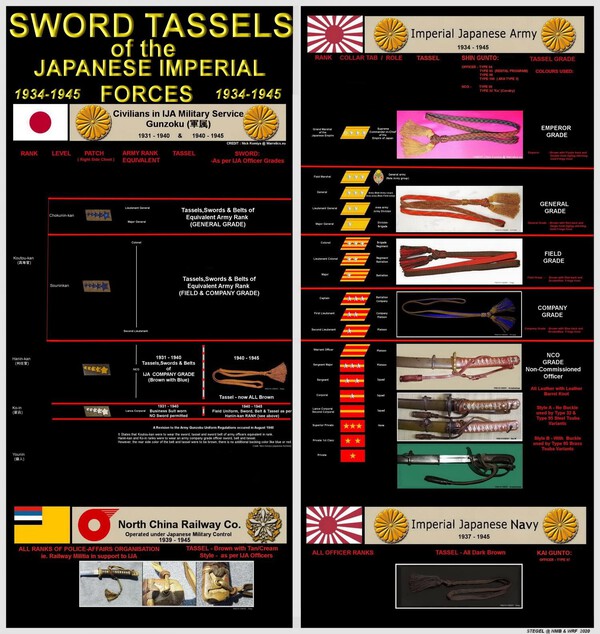
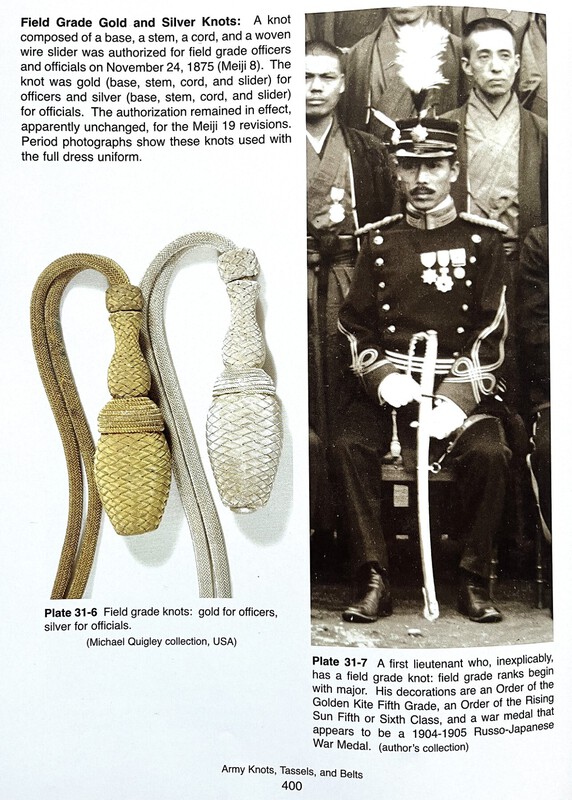
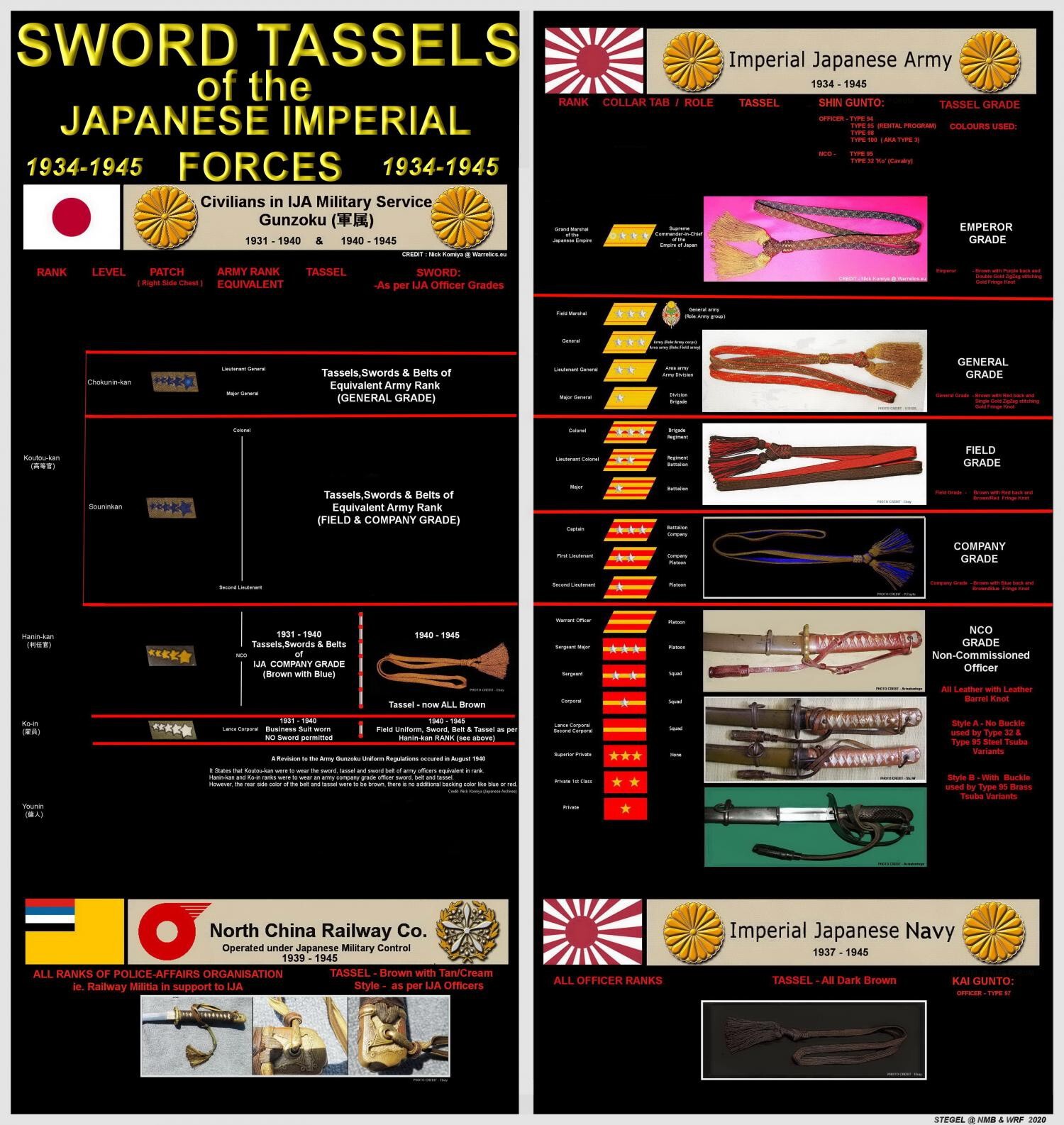
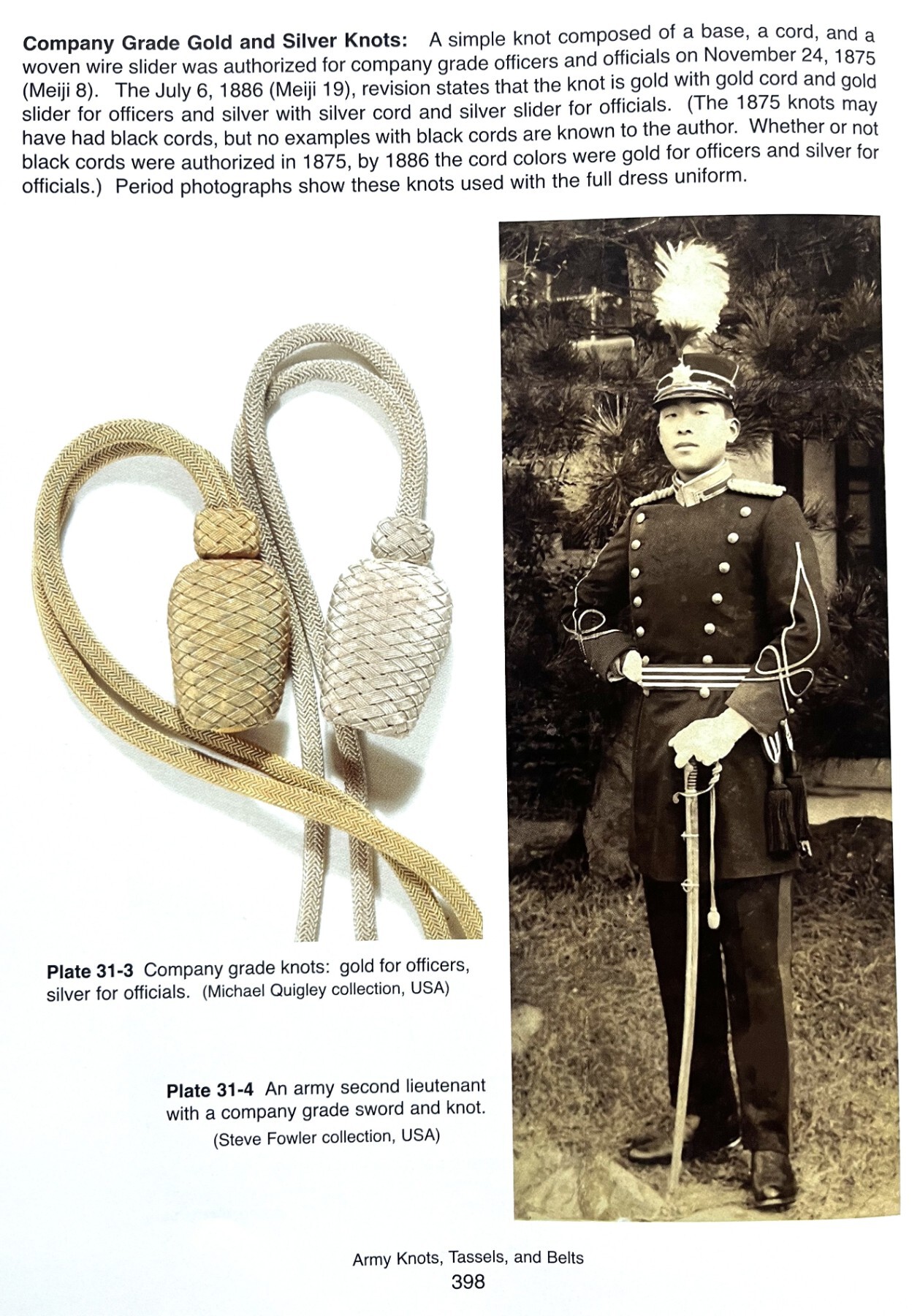
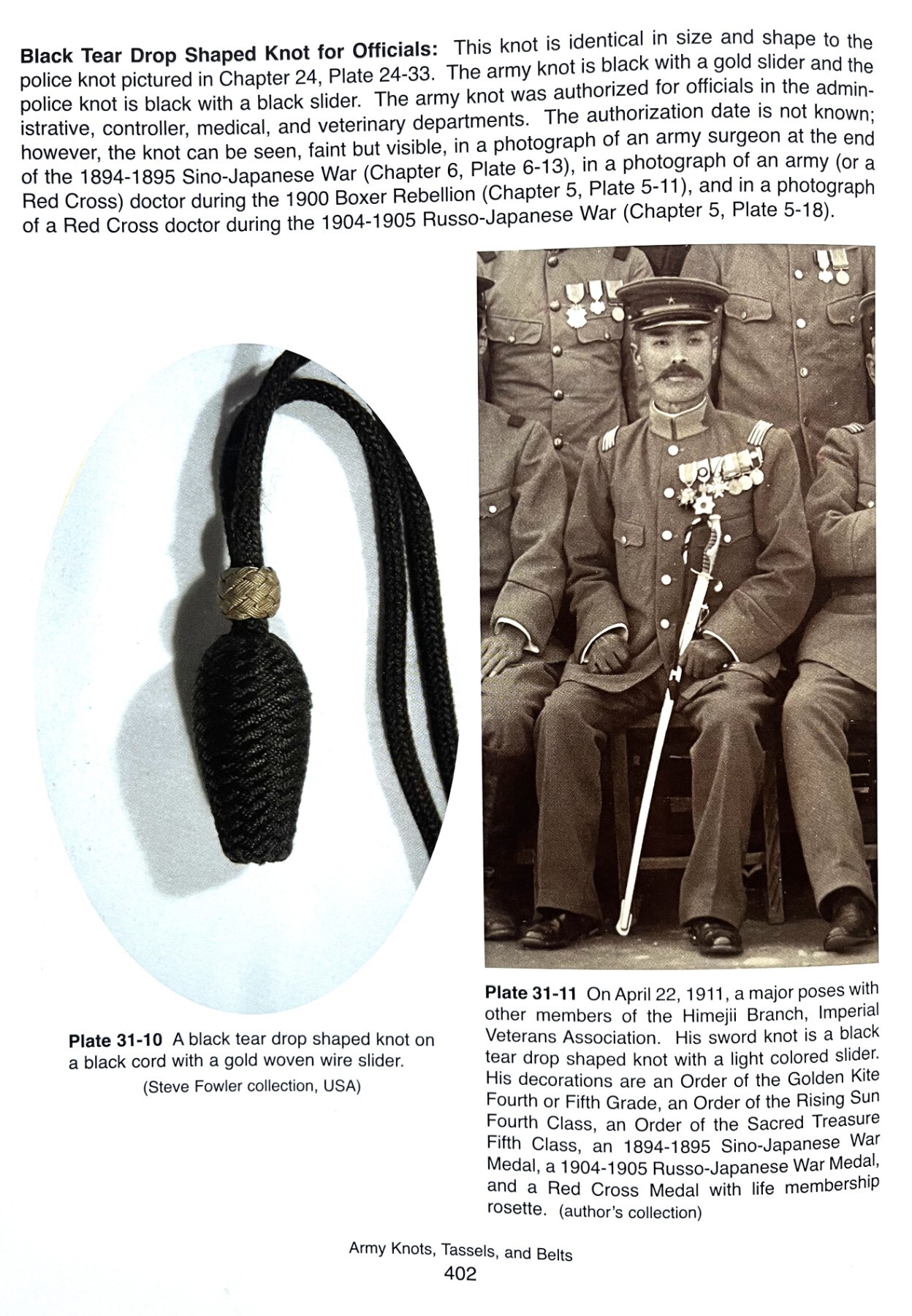
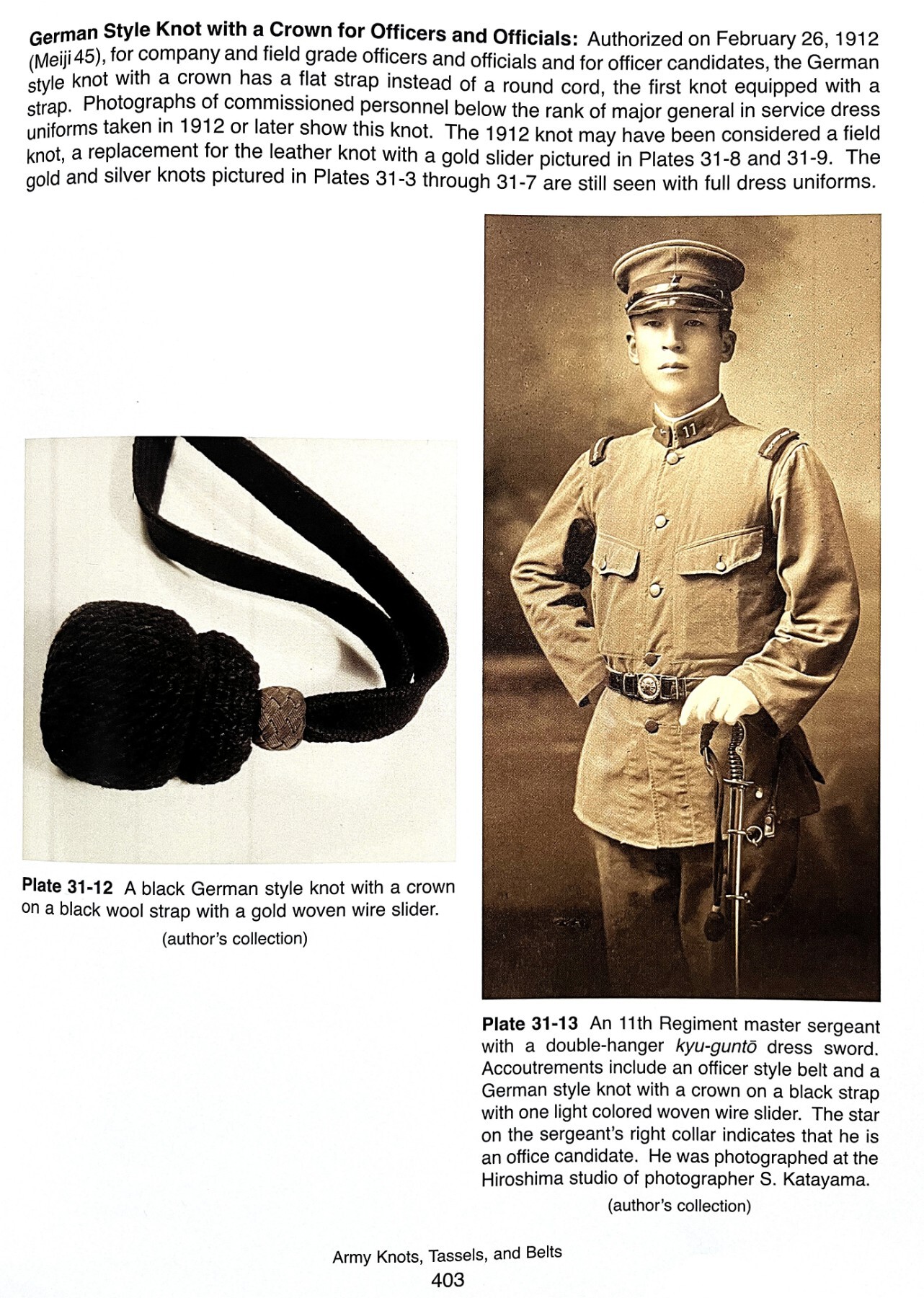
There have been a few requests for this topic, so let's have a go at it, shall we? Maybe @PNSSHOGUN, John, could create a Primer with the basics? I know this is out of the blue, so no worries if it's not possible at the moment. I will browse previous threads for useful info and link them here, in the meantime. I'll start with this chart created by Ernie @Stegel. Lots of detail, so might need to zoom in for specifics. Tassel Examples - Ohmura Website GENERAL GRADE TASSELS Generals Rank Tassel - Paul G Generals Tassels - David Flynn NAVY Legendary Zig-Zag Stich Kaigunto Tassel - PNSSHOGUN Unique Metal Tassel End; Navy Tassel - PNSSHOGUN "LATE WAR" ALL BROWN TASSELS All Brown Tassel for Gunzoku - Nick Komiya, Warrelics Breaking News on the All Brown Tassel - Bruce Pennington, NMB NORTH CHINA RAILWAY POLICE TASSEL - BROWN/TAN Help With Blade, Tassel, and Fittings - Michaelr NCO LEATHER TASSELS Another Leather Tassel Question [has some manufacturing info] - John C MISCELLANEOUS Cut Tassel Discussion - DWMC KYUGUNTO SWORD KNOTS These pages are from Dawson's book. {Posting for now. Will update as we go. Please feel free to post links or items that would add to the educational value of the thread}


 1 point
 -
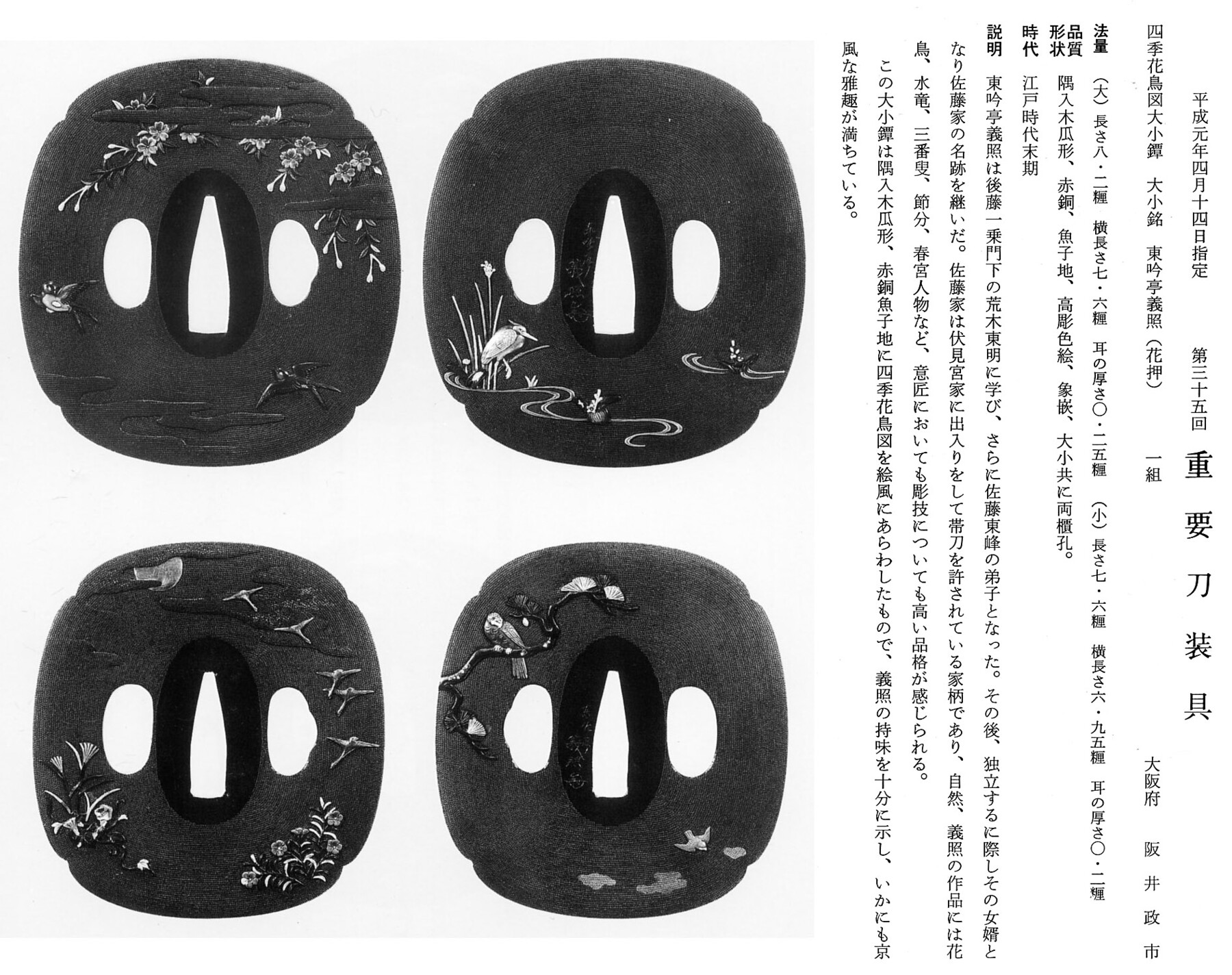
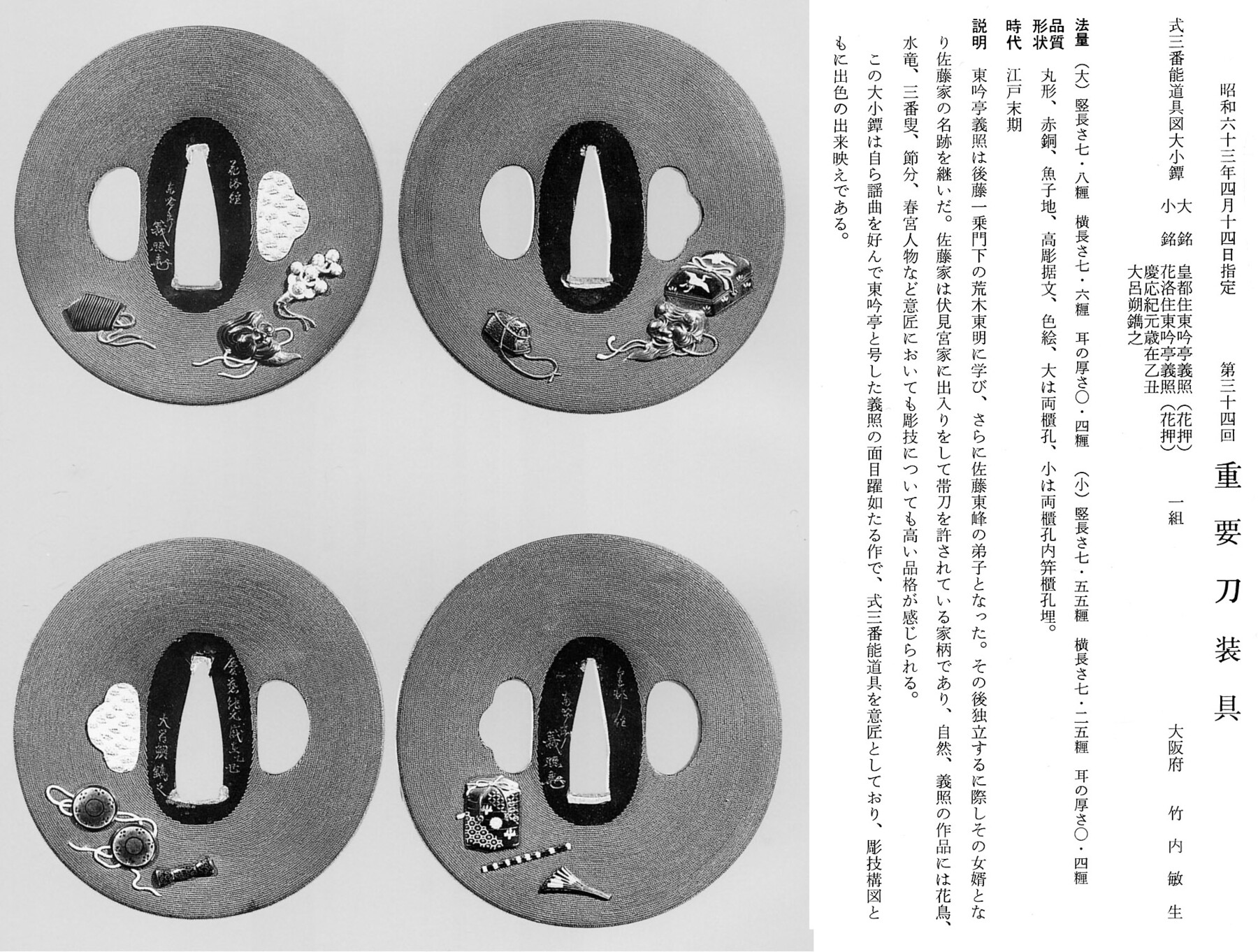
As for Togintei Sato Yoshiteru, Ive found a Juyo set of daisho tsuba, a few more Tokubetsu Hozon tsuba and one more tsuba on the Japanese cultural heritage website. I've also found other fuchi, menuki, and various fittings with his signature on it as well as a few metal storage boxes bearing his signature. The Boston MFA has a few kozuka but their images don't show the signatures and just show the front panel only. The only history I can find on him is from old auctions saying he studied under Araki Tomei from the Goto Ichijo school and Sato Toho later taking the Sato name after marrying into the family. From Jussi's juyo index I can see the following Juyo items: Juyo 34 - Daisho Tsuba Juyo 35 - Daisho Tsuba Juyo 44 - Chiisagatana Koshirae - Fuchi signed (Yoshiteru – 義照彫之) Juyo 47 - Daisho Koshirae (I believe this may be the daisho koshirae in the above photos) Juyo 58 - Daisho Tsuba Below are the zufu for Juyo 34 and 35 Daisho Tsuba


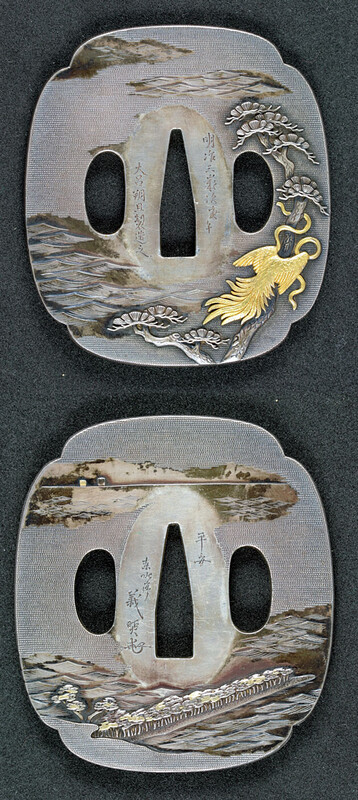

 1 point
 -
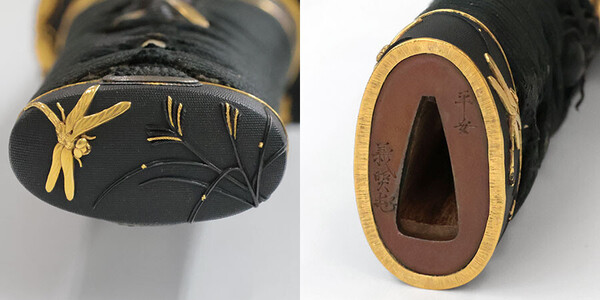
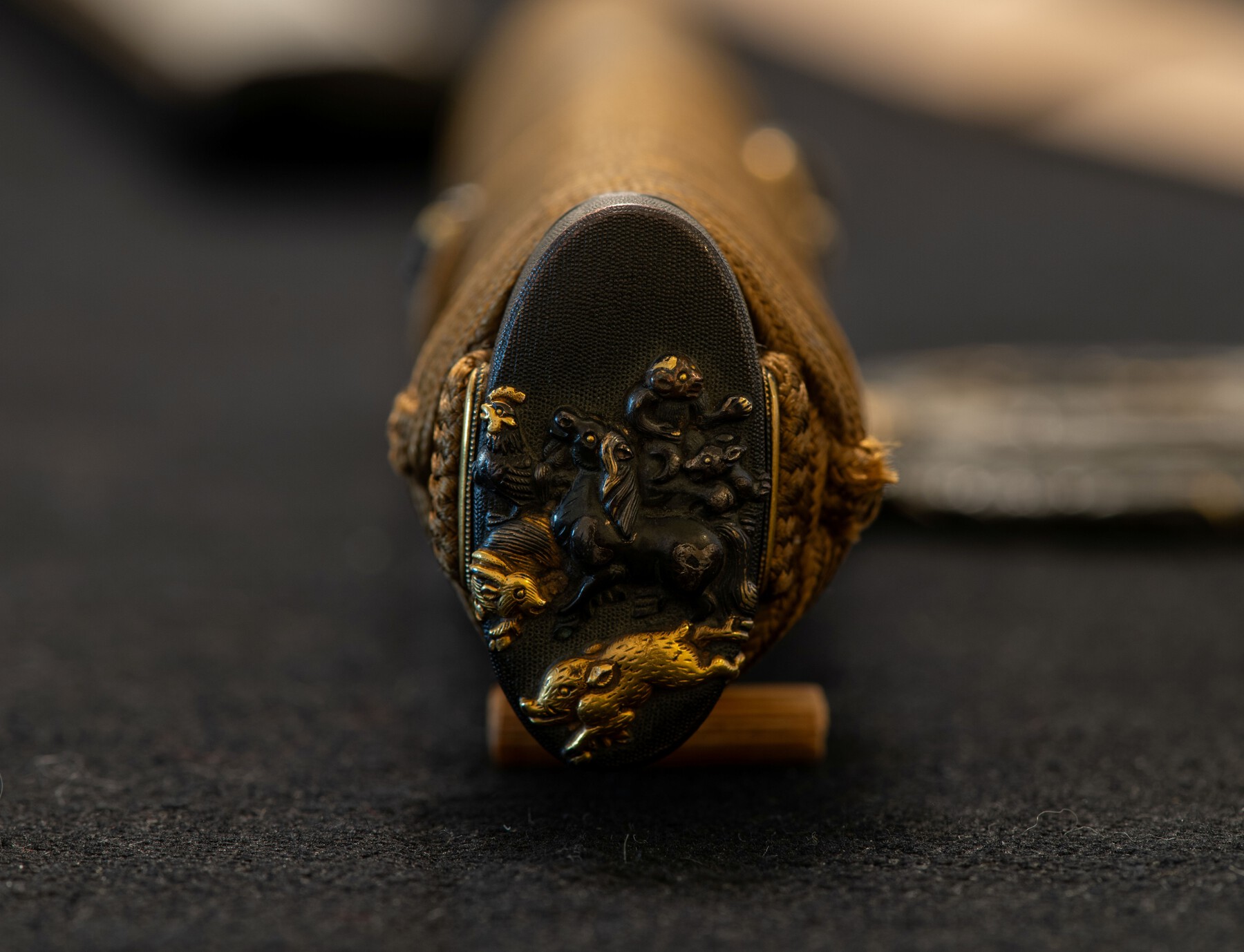
It seems the tsuba is its own standalone piece as it doesn't fit the Junishi theme but the rest of the fittings seem to form a 5 piece matching set which according to Touken World is called a itsutokoro-mono. These aren't seen much if this is indeed a 5 piece matching set.

 1 point
 -
Lou, welcome to the club!1 point
-
untilThis exhibition is presented by the Australian Society for the Preservation of Japanese Art and Swords, a private collectors' organisation dedicated to the research, preservation, and promotion of swords, sword fittings, armour, and related artefacts. This display features Japanese armour, masks, sword fittings, and other items dating from the late 16th century to the mid-19th century. Admire the armour crafted by Japanese artisans, the exceptional artistry, and the refined aesthetic sensibility of the samurai. For further information click here.1 point
-
until\Let's Peek into the World of Samurai/ Focusing on various procedures associated with battles, the daily lives of samurai, and aspects of their lifestyle and culture, the exhibition introduces the real faces of samurai. Venue: 3rd Floor, Reimeikan, Special Exhibition Room Admission: Regular Exhibition Viewing Fee1 point
-
untilIn addition to the regular collection of Kitano swords, which evoke the belief in Tenjin as the deity of martial arts, we will also be showcasing exquisite modern swords crafted by contemporary artisans. We will strive to promote sword culture by clearly showcasing the work of various artisans who preserve and pass on the ancient Japanese tradition of sword-making. This is a rare opportunity for contemporary artisans to bring their best works to the exhibition, so please come along. Organizer: Kitano Tenmangu Treasures Co-organizer: Public Interest Foundation & Kaha Association Admission Fee: ¥1,000 for Adults, ¥500 for Junior and Senior High School Students ¥250 for Elementary School Students and Students on School Trips1 point
-
untilThe Kusanagi-kan Sword Treasury can rightfully claim to be one of the most architecturally beautiful Sword Treasury/ Sword Museum in the world. Part of the Atsuta Shrine, the Kusanagi-kan Sword Treasury is open to all visitors before or after saying your prayers. There will be a total of 13 blades in the exhibition including a Tachi, signed by Tomoshige (Kaga) that is designated an Important Art Object by Aichi Prefecture. Please read the notice from the Atsuta Shrine regarding the festival events in February 2026 here. #草薙館 #熱田神宮 #太郎太刀 #次郎太刀 Information provided by: @etudes24 on X.1 point
-
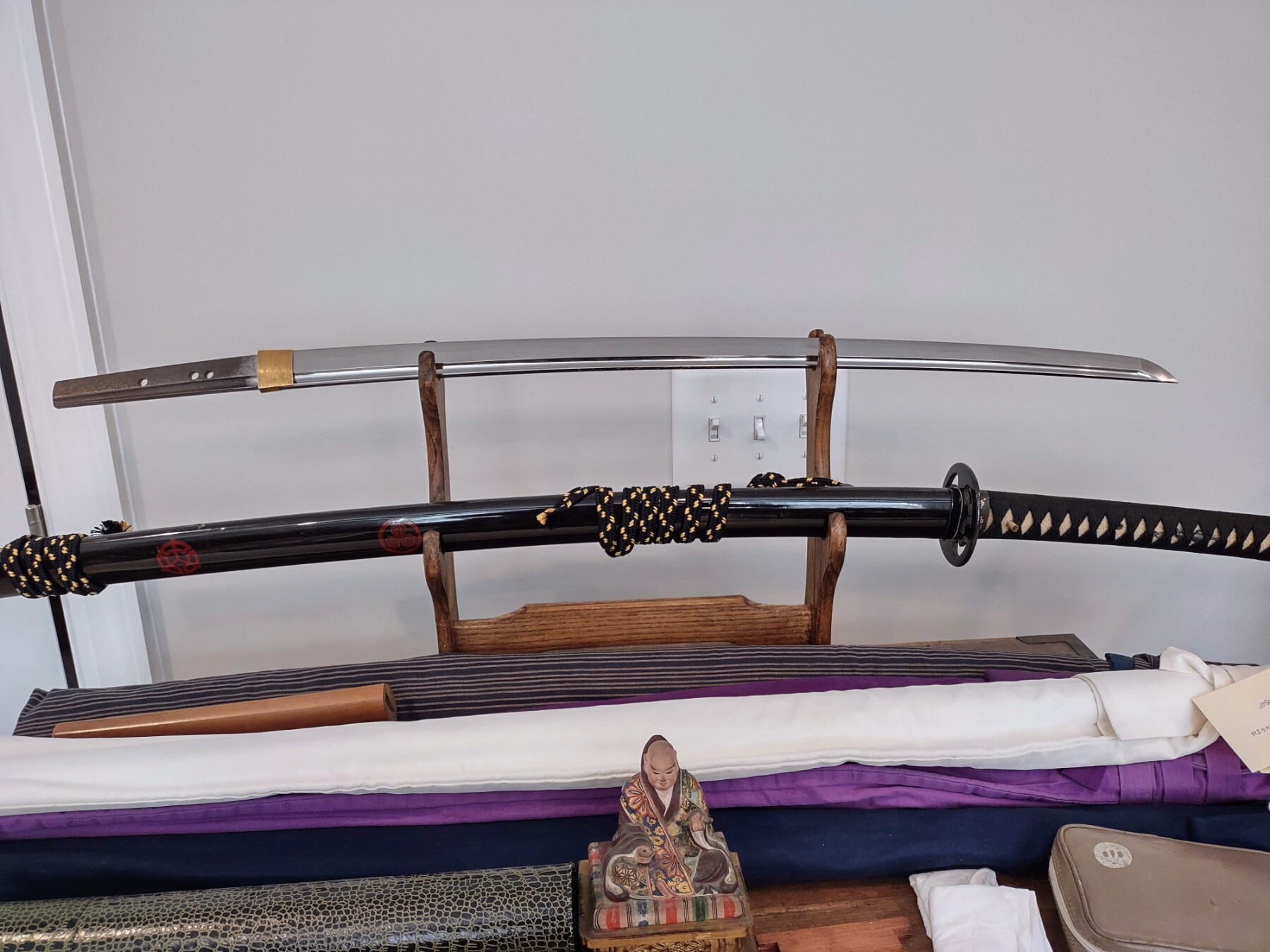
I bought this years ago at a gun show. I have never submitted for Shinsa . Please excuse the bad photos but if you have any thoughts about school or period I would like to hear them. I had always thought the kissaki was a little shorts ( temper is all there ) . The Hi are well made and it's healthy. It's 70 cm


 1 point
 -
Mere a hint in which direction to research. The shifty look of the person on the kashira was crucial.1 point
-
To me that main impact which carried through to the blade does look like a bullet, not shrapnel. Shrapnel would likely be much more jagged, and create a more "shattered" look to the saya. There may well be other damage which was from shrapnel. Someone was having a bad day... or a very good day, if the sword deflected the bullet away from him. Prior to the damage, that was quite a nice lacquer finish on the saya.1 point
-
Late muromachi/early Edo in my opinion. I don’t see clear jihada but maybe some late gen chiyozuru? Really dense grain. Maybe older? Nakago was shortened but jiri looks like shaped to reminiscent original. And this kissaki looks reshaped. More measurements please maybe photo with clear sugata. Overall feels like fat and healthy. Definietly worthy of appraisal.1 point
-
Yes I meant Tsuba, autocorrect got me there! Lol1 point
-
Ah yes, you may be correct. When I did my initial search I looked only to see if the lines were unique to elephants only, which of course they are not. However, thanks to you and making a deeper dive, looks like you are correct, elephants and mammoth only.1 point
-
Great explanation. Thank you.1 point
-
I always thought that Schreger lines occur only in elephant and mammmoth ivory. A quck google search doesn’t provide any evidence of the contrary. https://cites.org/sites/default/files/eng/resources/pub/E-Ivory-guide.pdf1 point
-
Christopher, you can read about these file marks in the monograph below. It is free to download and is courtesy of Bruce Pennington, author extraordinaire. Stamps of the Japanese Sword1 point
-
1 point
-
Edit: Updated photos


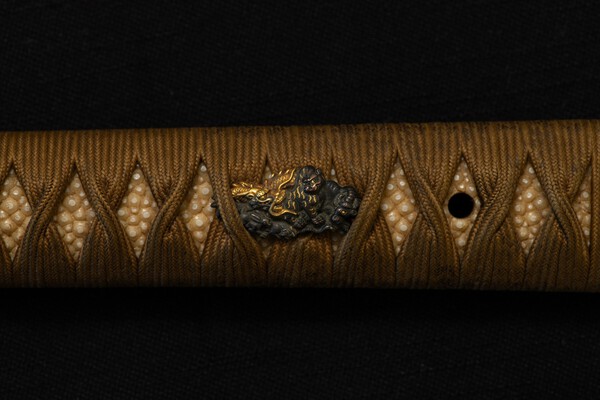
 1 point
 -
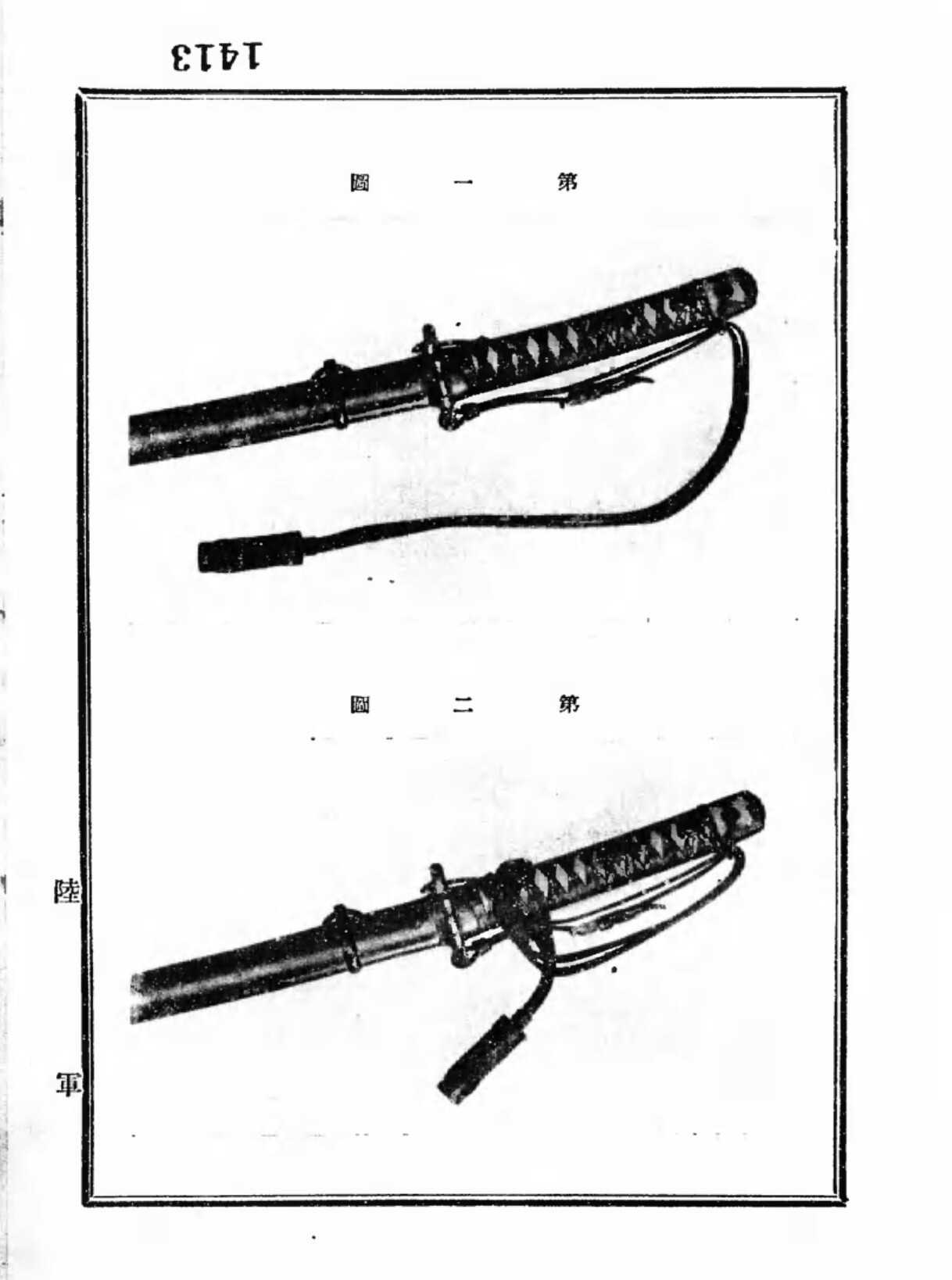
Some documents on the Type 95 Military Sword Leather Tassel. I'm neglecting to offer my google translations because they are not perfectly accurate; and I do not want to mislead in the interpretations. Source: Rules for wearing sword knot of saber Model 95 (remodeled sword guard): https://www.jacar.archives.go.jp/das/image-en/C01005289200 Firearms Section notification: Model 95 saber wearing and carrying guidelines: https://www.jacar.archives.go.jp/das/image-en/C01005222500
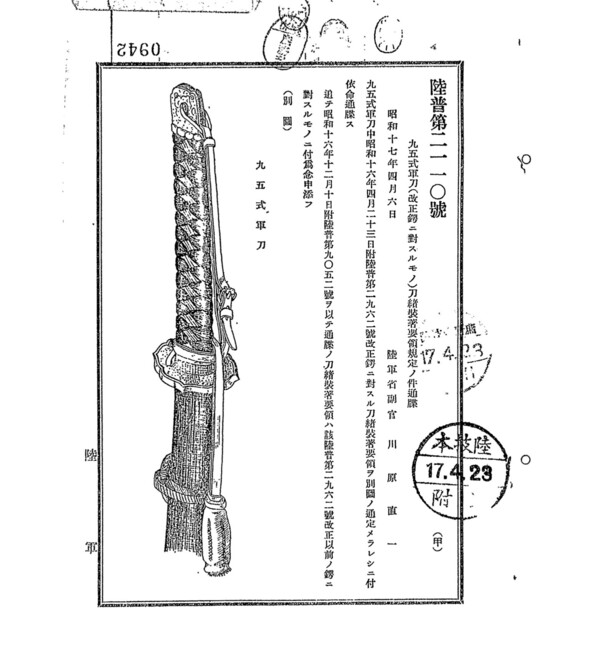


 1 point
 -
Despite the fuzzy shots I get a strong feeling (especially from the classical Chinese clothing) of Chōhi and the oath in the peach garden. Three Kingdoms. https://ja.wikipedia.org/wiki/桃園の誓い1 point
-
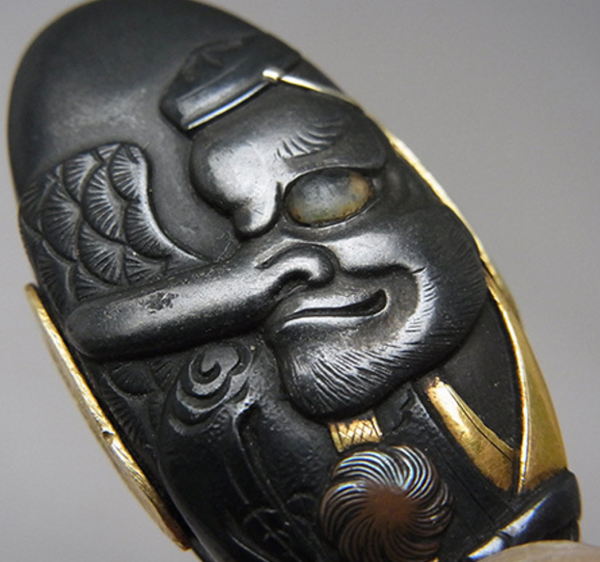
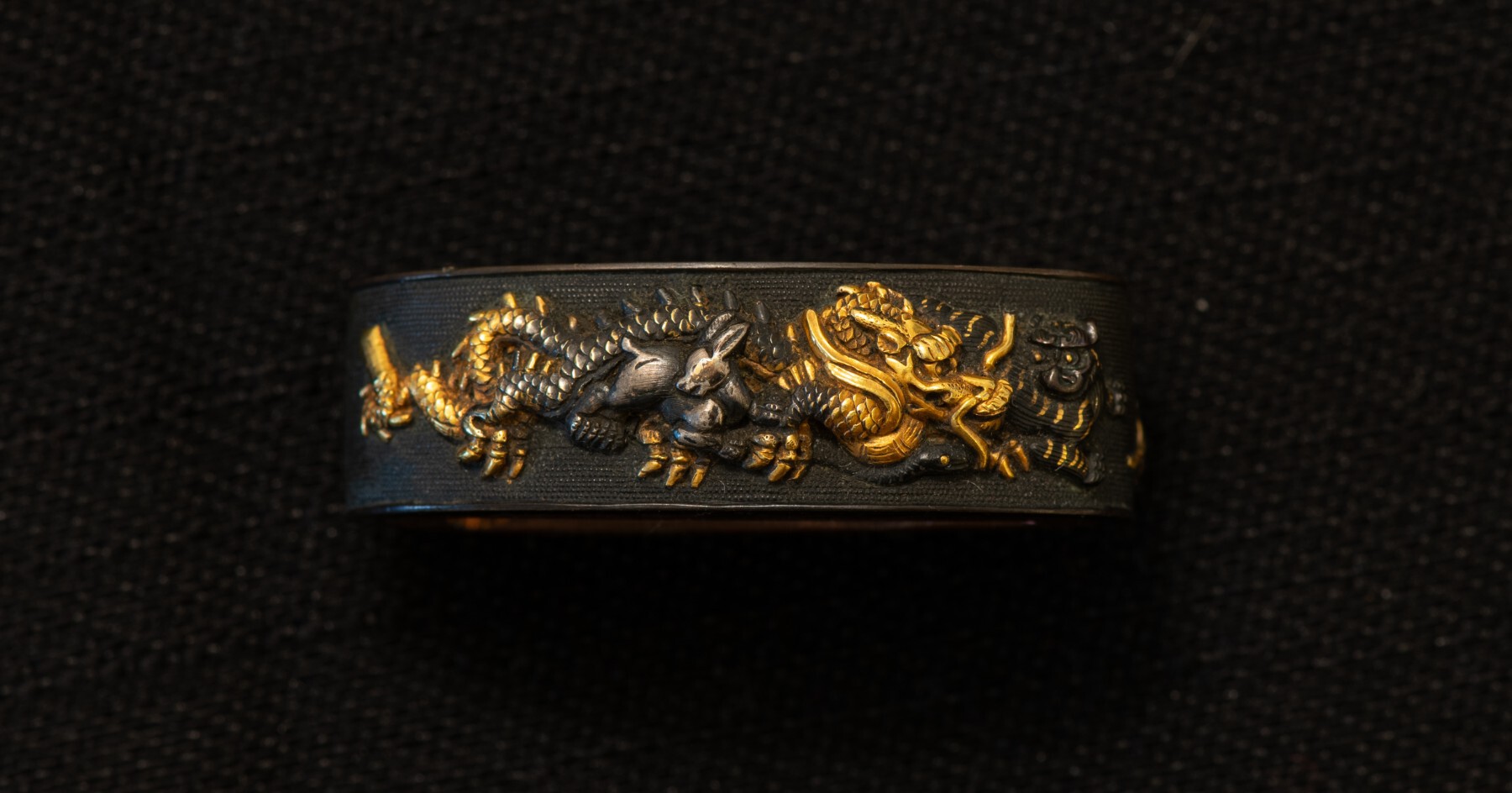
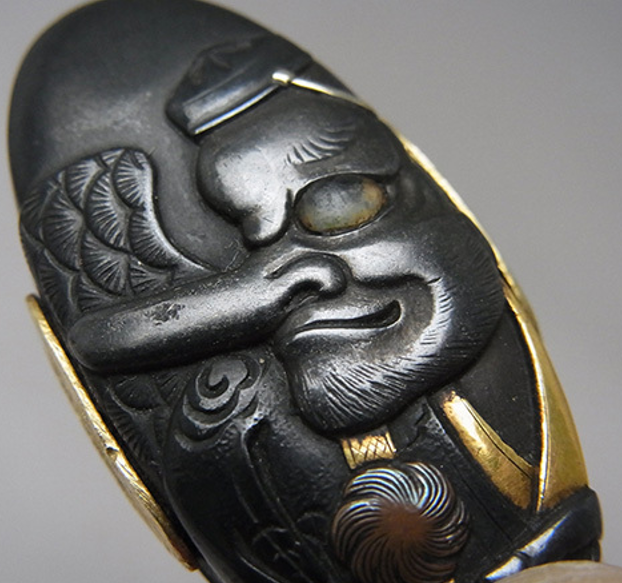
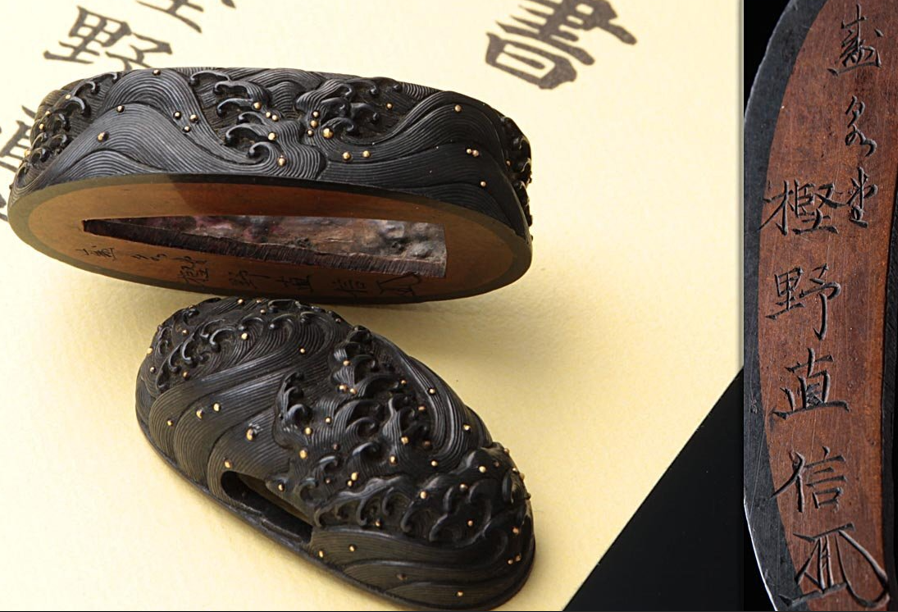
Hamano works typically feature taka iroe zogan like the example provided by Mikolaj above (beautiful piece btw). This means designs are typically carved notably in three dimensions as well as in multiple colours. Combinations of shibuichi or shakudo as a base contrasted with gold to create striking contrasts are typical of quality Hamano school works. Part of the design is usually raised whilst outlines and fine details are carved to create the three dimensional feeling. Whilst the material used does not in and of itself rule out authenticity, the lack of a three dimensional design means your piece lacks the style that is typical of quality Hamano school work. Moreover the quality of the work does not match up to high or even middle level Hamano school work in my opinion. Shozui's mei was of course reused in many gimei works as he was the founder of the Hamano school. Here are a few decent pieces of Hamano school stuff from my collection, images of which are already floating around on the forum in other threads to give you an idea... First, the item in my profile picture also signed "Shozui", but not papered. I would say it features a typical design for Shozui - Historical or folklore based, taka iroe zogan, etc. The unusual part of the design is the use of mother of pearl in the eye of the tengu which is atypical of Shozui's works: Next, here is a fuchigashira signed "Hamano Noriyuki" depciting the crossing of the Uji River: Lastly, my only papered piece, a fuchigashira featuring a three dimensional wave design that resembles the Omori school. The piece is signed "Seisendo Kashino Naonobu" who was a later student of the Hamano-Oguri school in Echigo province. I would like to submit this one for Tokubetsu Hozon assessment in the future to see if it passes: These pieces should give you an idea of what to look for in authentic Hamano school work. In fact, it is open ended as to whether even my first 2 examples would pass authentication as Shozui and Noriyuki were both elite artists. The mother of pearl eye in particular is something that I don't think exists in any authenticated Shozui piece. I do however still think it is a good example of Hamano school work based on the quality and style, even if it is gimei.

 1 point
 -
thought I better show a more realistic picture of the front and colour
 1 point
 -
My friend John C. Making a catalog of our tsuba collection for our heirs is a great thing to do and maybe it will let them realize that we had a great, interesting, and educational hobby. Or maybe they won’t care and just want to sell what we collected! Anyway, it won’t be my problem! But I will say that when I published my small books, Amazon KDP was great! I watched some YouTube videos about it. And even as computer illiterate as I am (with my one brain cell!) I figured it out! Amazon KDP doesn’t cost a thing! You only pay (and it is not very much) when you order your proof copy. I really enjoy that you can always edit and add new things to your book without much of a hassle. Onward my friend, to me taking pictures of my tsuba collection!1 point
-
Hi Dan, Whatever time you have left (and I sincerely hope you make it past 100), do it for your own pleasure and satisfaction - no one else's. Collections can give us joy in different ways; finding each object, cherishing it, taking it out to study whenever the urge takes us - and cataloging it. Actually sitting down with something and trying to describe it in writing often deepens your appreciation of it (though sometimes the opposite occurs🙃) and provides yet another facet of collecting as a hobby. I say go for it! Best, Hector1 point
-
Dear Lewis, This is a research study by Nobuo Ogasawara, conducted for and published in the Tokyo National Museum magazine in 1981. Although I made some small corrections, the translation(AI assisted) still contains some errors, but it should give you the general idea. "" The inscriptions of Shintōgo Kunimitsu, as can be seen from the rubbings presented here, each display individual differences. Broadly speaking, example 1 can be regarded as a representative inscription of the hidari-ji hokan style. Examples 2, 3, and 4 are similar to this, with example 4 bearing the latest date of Gen’ō, and is sometimes regarded as the work of a second generation. What is common among these four pieces is that the forging exhibits a well-developed ko-itame grain pattern, the ji-nie is present, and the blade shows clear ji-kage, resulting in a bright and lively jitetsu. The hamon is a straight temper line (suguha) with well-developed ko-nie, and it features pronounced kin-suji, demonstrating lively activity and excellent workmanship. In contrast, examples 5 and 6, dated to the Kagen and Tokuchi eras, show inscriptions that are finer and weaker in appearance. Despite being early in date, they convey the impression of late-period inscriptions. In terms of inscription style, they are clearly different from examples 1 through 4. Furthermore, the forging shows a pronounced masa-gokoro (straight-grain tendency), and compared to the previous four blades, the nioi-guchi of the hamon is tighter, there is less activity within the ha, and the fukura (blade curvature near the edge) tends to sink. Stylistically, examples 12 and 13 are similar, though their engraving chisels (tagane) are finer and the inscription style differs slightly. Examples 7 and 8, as well as those bearing the Buddhist posthumous name Kōshin, do not use the hidari-ji style, and example 7 also lacks the hokan (north-crown) character. These are considered a different type from examples 1 through 6, though stylistically they resemble 5 and 6. Examples 9 and 10 have overall solid inscriptions, with the third stroke of the ko in Mitsu rendered as a plain “tsu” rather than the variant “フ”. Example 9 features a midareba (irregular hamon) with pronounced kin-suji, and the forging shows a raised texture. Example 10 has an ordinary straight suguha. Example 11 differs greatly in inscription style; although it uses the hidari-ji hokan style, it shows unique characteristics not shared with the others. If anything, opinions have shifted toward a broader view that the pieces in question may date from after the inscription bearing the Buddhist posthumous name Kōshin in Shōwa 4. In that case, the works of Bunpō, Gen’ō, and Genkō would be considered second-generation. However, when it comes to pieces with only the two-character inscription, such as the famous Aizu Shintōgo Kunimitsu, it becomes difficult to determine whether they belong to the first or second generation. A detailed examination of Shintō Gokunikimitsu inscriptions shows that each character varies slightly, making it virtually impossible to estimate the production date based solely on a two-character inscription. Nonetheless, in addition to the common inscription style featuring the “left-character” with a north-crown (hidari-ji hokkan), there are several distinct variants: 1. Those executed with a fine chisel (hoso-zan), where the inscription appears somewhat larger (though in reality almost the same). Examples include works dated to Kagen 4 and Tokuchi 3 (Important Cultural Properties), and, although tachi, the famous Mutsu Shintōgo is included in this group. 2. Those not using the left-character north-crown, such as pieces in the Tokyo National Museum or those bearing the Buddhist posthumous name Kōshin. 3. Those where the “kuni” character is a left-character but the “mitsu” character does not have a north-crown, or where the third stroke of “mitsu” is unusually firm, as seen in the famous Ran Shintōgo. 4. Those with large inscriptions and a firm, rigid style, such as the famous Kojiri Gokunimitsu and the tachi passed down from the Tokugawa family. The four types described above differ from the typical left-character north-crown (hidari-ji hokkan) inscriptions. Based on these differences, it can reasonably be concluded that the inscriptions were not cut by a single hand. Rather than strictly distinguishing first and second generations, it is more plausible to view the head smith Kunimitsu as a single master while Shintō Kunimitsu operated as a collective workshop consisting of multiple smiths. Naturally, certain stages of sword-making required a lead smith, and there may have been several lead smiths working simultaneously, making the finished products the result of collaborative effort. On a larger scale, tasks such as forging, finishing, hardening, and polishing were likely divided among specialists. Although it is difficult to determine the precise scale of the Shintogo Kunimitsu workshop in Kamakura, it is reasonable to assume that multiple smiths inscribed the Kunimitsu signature during the lifetime of the head master. ""
 1 point
 -
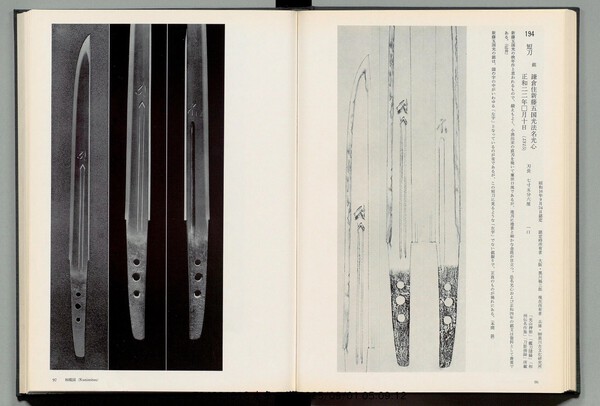
Dear Lewis, Here is the one with the Koshin mei that Jussi already shared with us. 鎌倉住新藤五国光 法名光心 - Shintōgo Kunimitsu, residing in Kamakura, Buddhist name Kōshin 正和四年 口月十日 - 10th day of [unknown month], Shōwa 4 (1315) Honma's note is important: “The signature of Shintōgo Kunimitsu usually has the character for ‘kuni’ (国) written in the so-called ‘left-hand character’ style. However, as seen in this tantō, there are rare cases where the mei is not in that form, and yet they are genuine. (Comment by Honma)”
 1 point































.thumb.png.4c5df79fec171b2dc4a23af38e280a4d.png)




This leaderboard is set to Johannesburg/GMT+02:00