
Leaderboard


Popular Content
Showing content with the highest reputation on 11/25/2025 in all areas
-
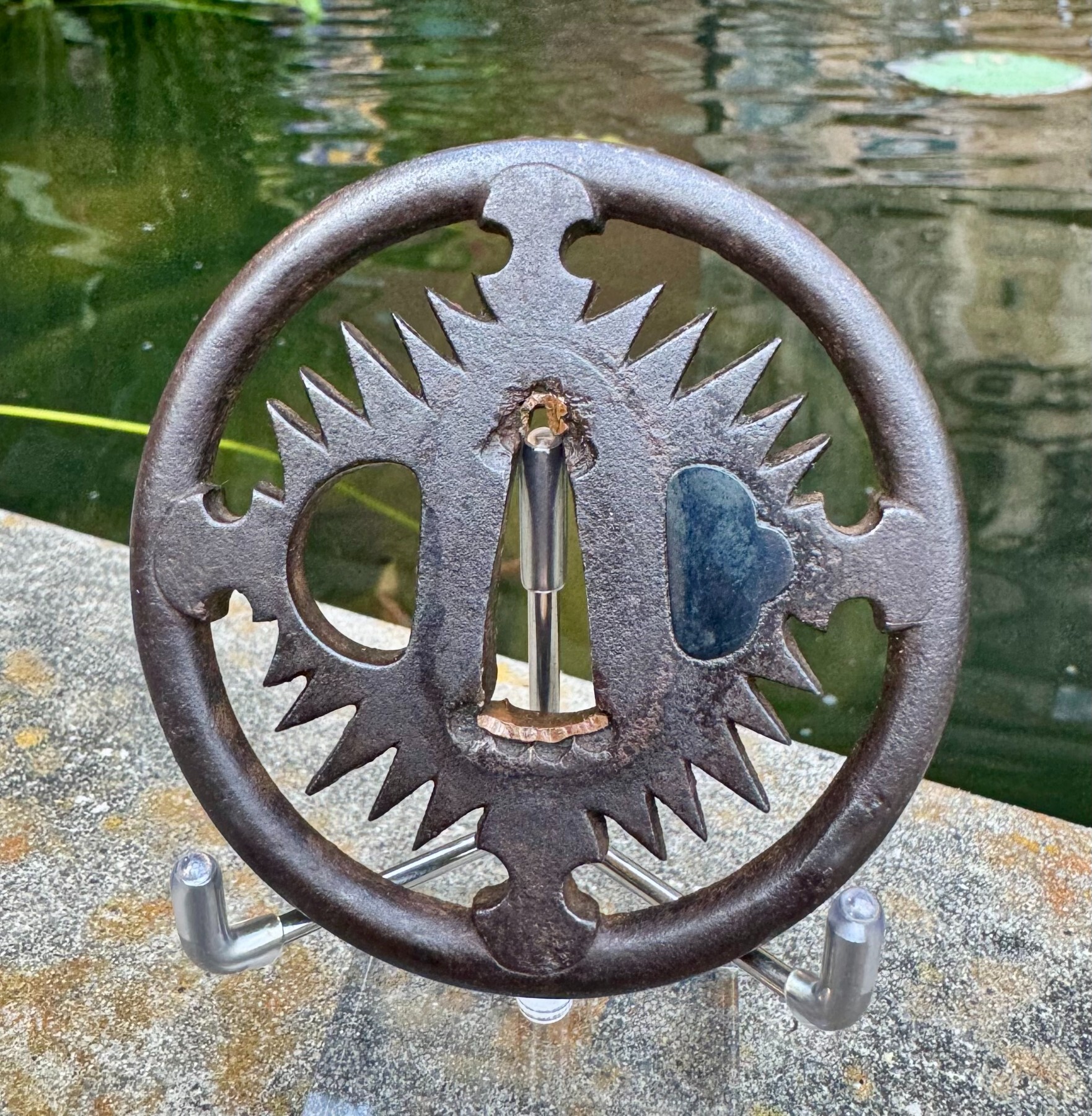
Not a dog really - more likely a seven tailed fox? https://www.jauce.com/auction/d1209118140 looks like a shoami tsuba Kitsune.3 points
-
Guys..seriously. If you are going to mention access issues, there is zero I can do about it unless you are VERY specific about what the issue is. I need exact error messages, screen shot if that is easier. What browser, phone, pc or mc etc etc. It is extremely difficult to know how to address issues if I don't know exactly what the error is. Some have zero issues accessing, others have a problem, which to me suggests it is overseas lines or related to cables somewhere, but I can't look into it unless I get as many details as possible. I would suggest starting at places like these, and see if the site is down for everyone else or just your location/country https://pulsetic.com/is-website-down/ https://semonto.com/tools/website-reachability-check https://www.websiteplanet.com/webtools/down-or-not/ https://www.site24x7.com/tools/check-website-availability.html3 points
-
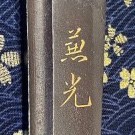
上野守菅原助包 - Kozuke no kami Sugawara Sukekane3 points
-
caveat emptor https://www.law.cornell.edu/wex/caveat_emptor3 points
-
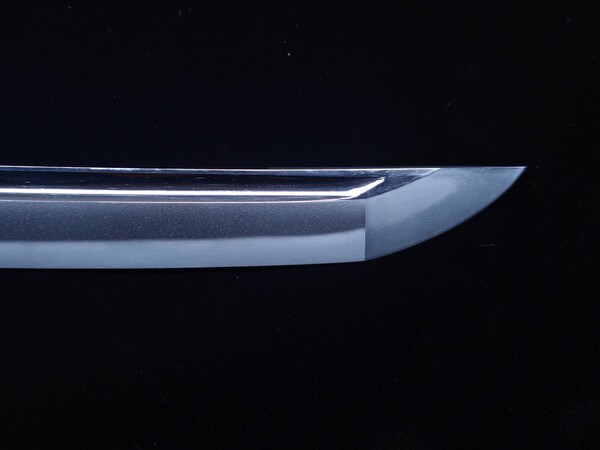
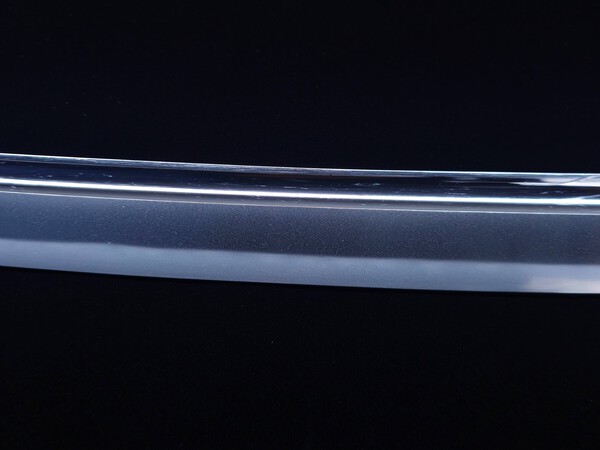
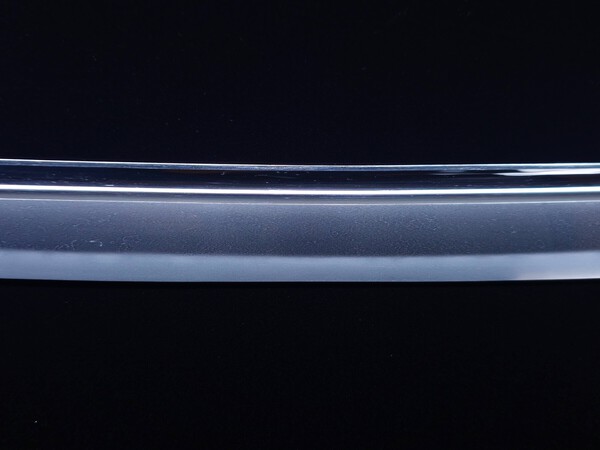
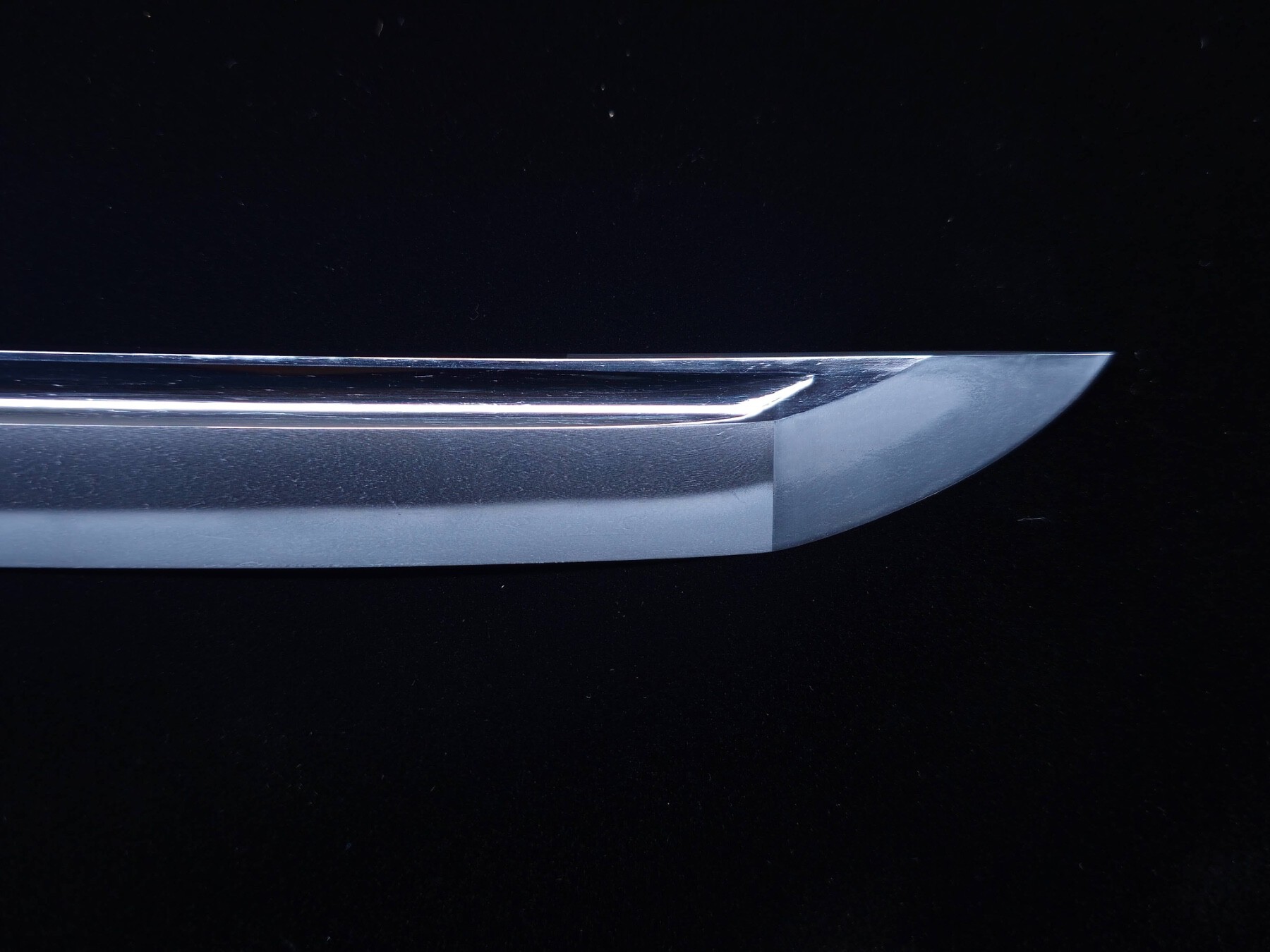
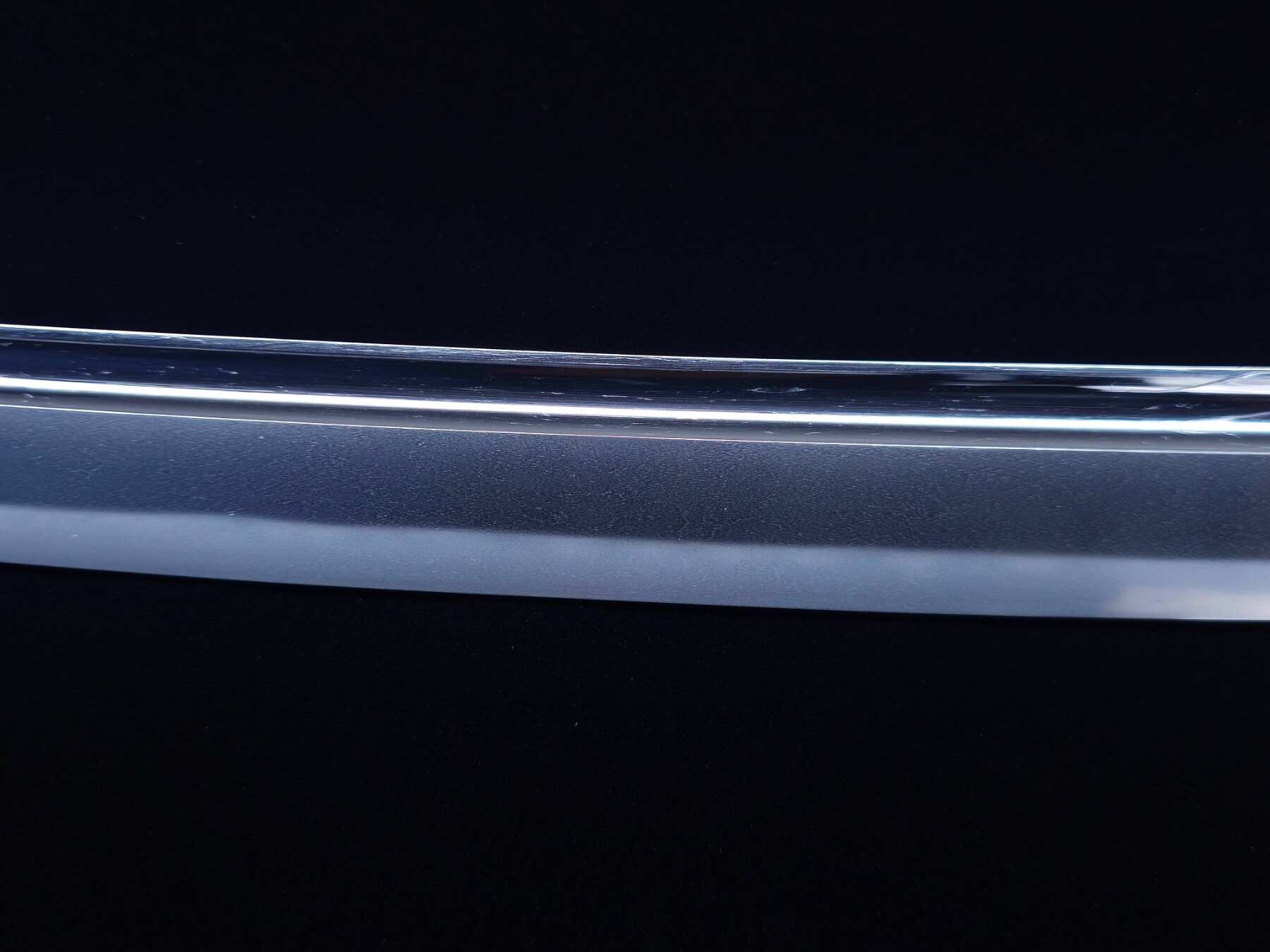
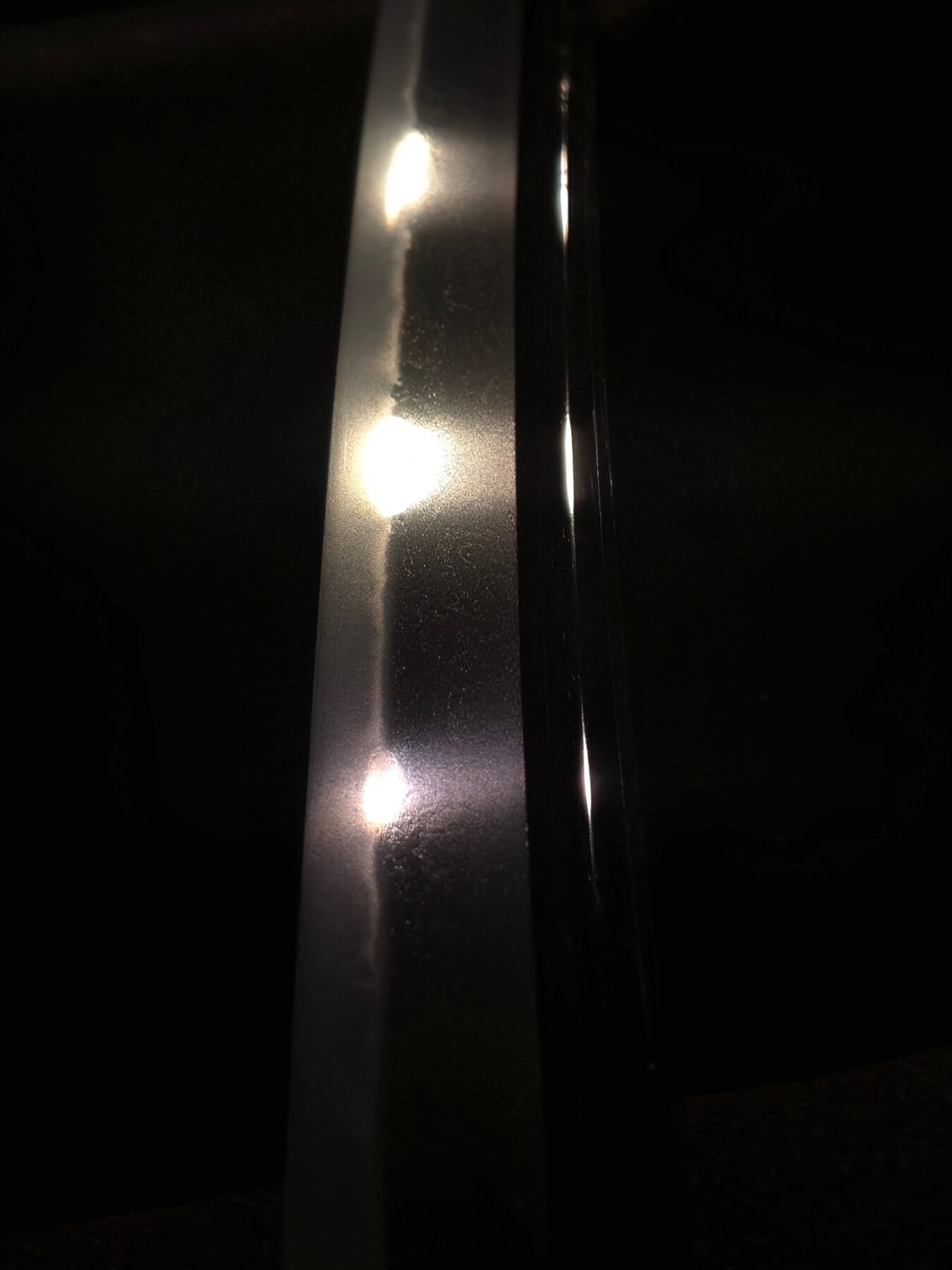
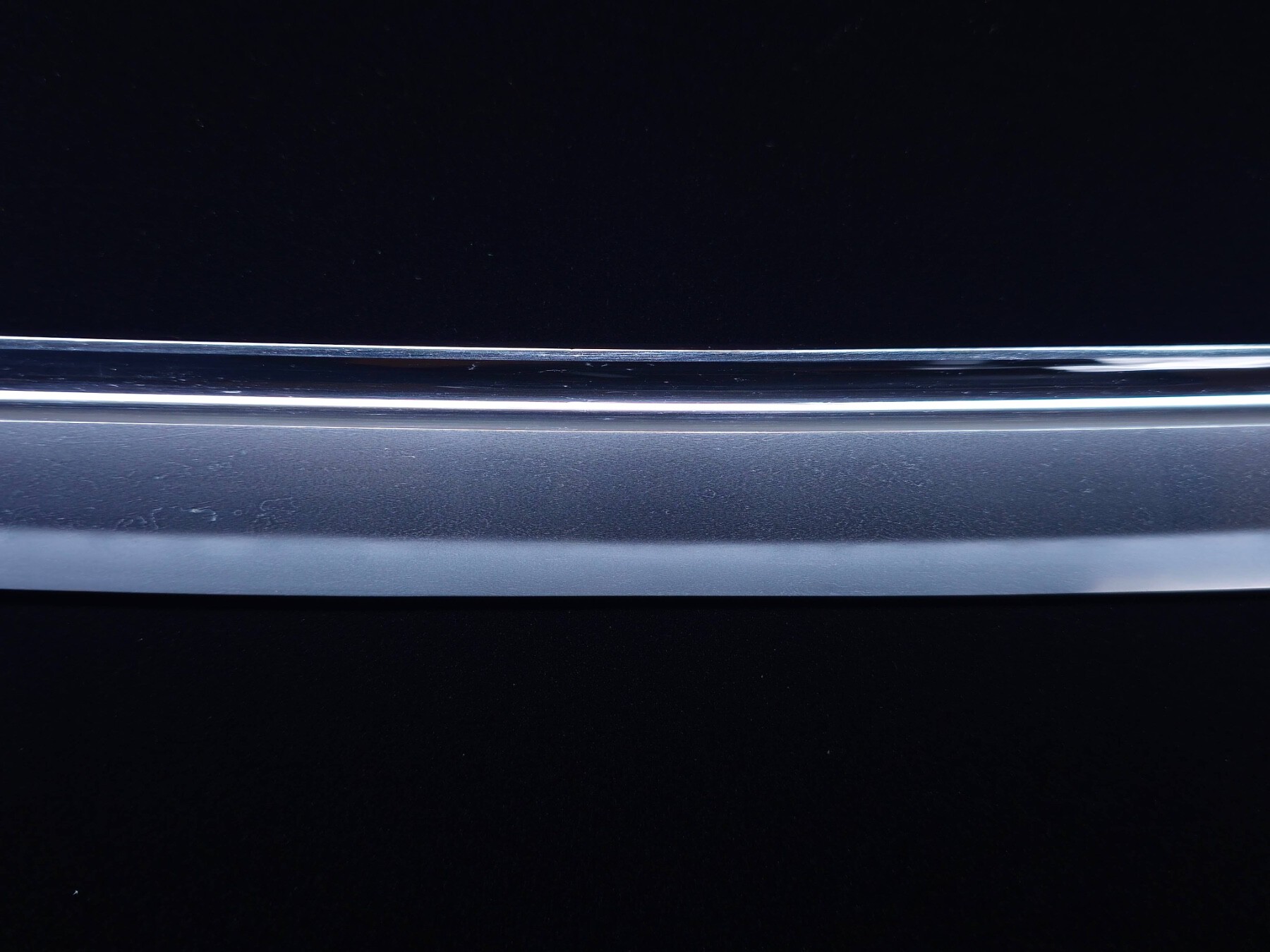
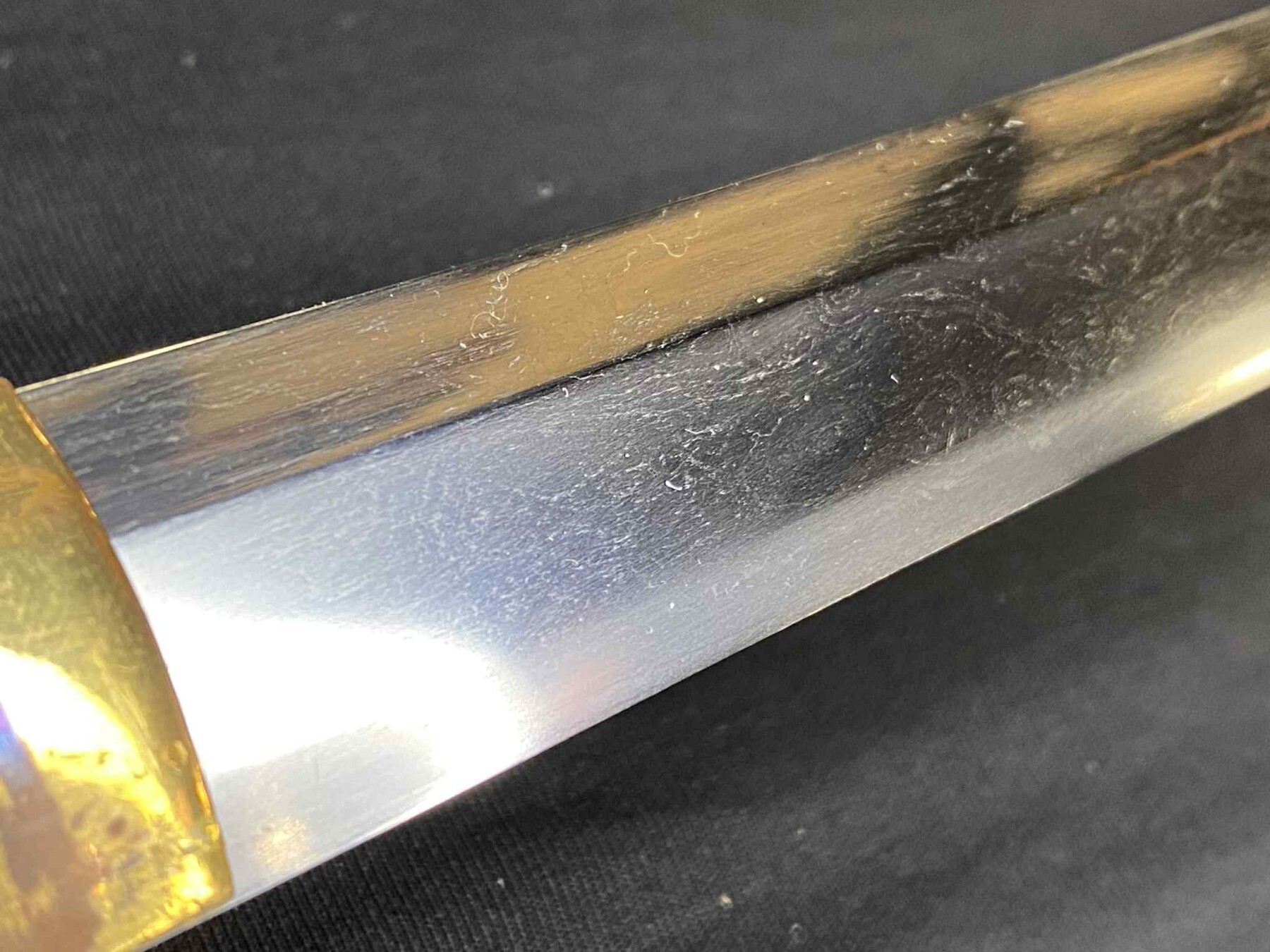
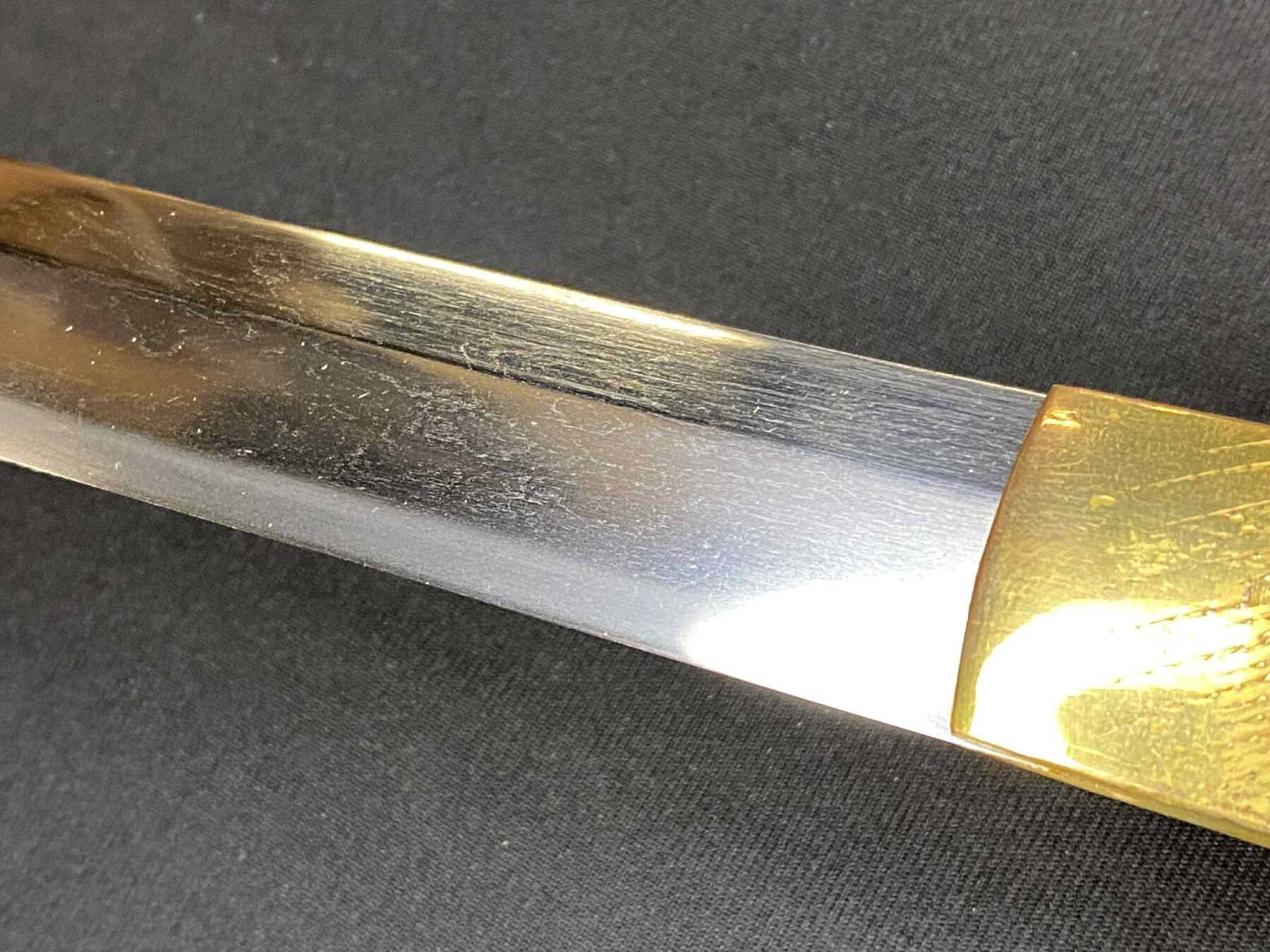
Putting these up (hopefully they don't degrade too badly) for anyone that wants to take an up close study of a Rai Kunimitsu that cannot view one in person. Cheers.

 2 points
 -
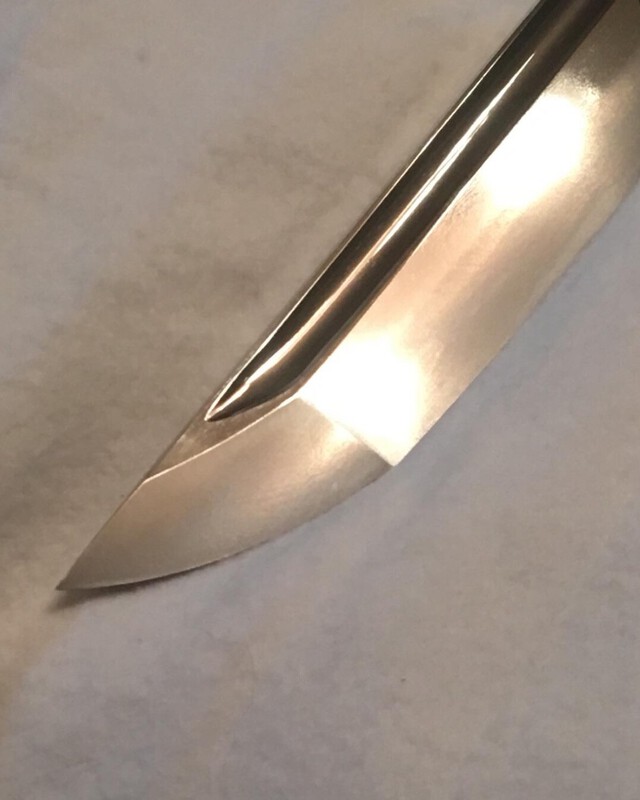
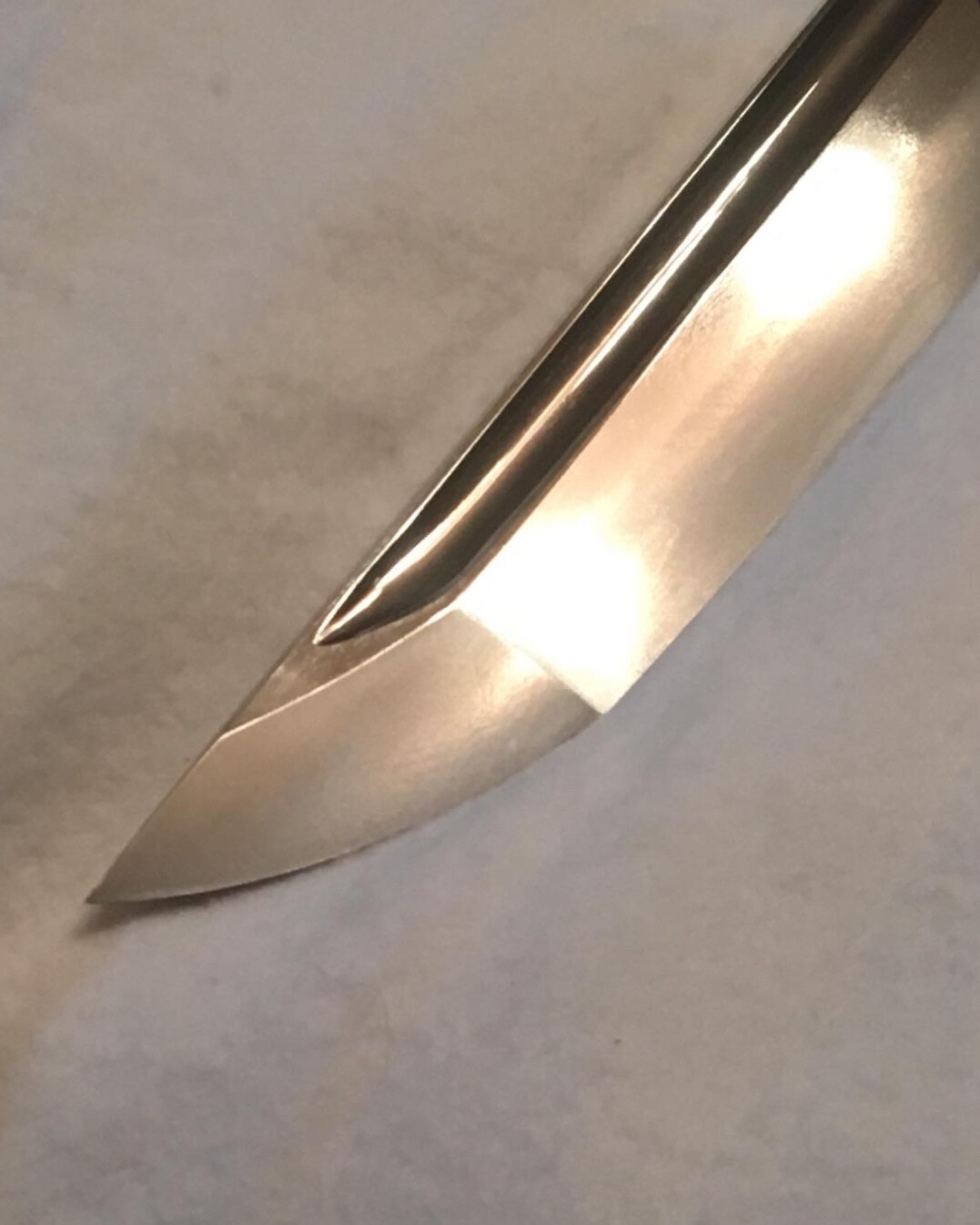
When people ask what we mean when we say the steel looks "wet", this is a great photo example. Well done, -Sam2 points
-
OK Brian! It was the VPN. Everything works fine when I put it on USA. Thanks!2 points
-
Can you try it without the VPN engaged? I'd like to see if the server is blocking you because it is detecting a VPN. Also worth trying a browser like Firefox or Chrome. But I suspect this may be a conflict with the security software and your VPN if you are using it all the time. Or try change the location of your VPN to the USA or elsewhere and see if that changes anything? If you aren't using the VPN, try switching it on, choose one of the other countries and see if that changes anything? It's not happening in most other places, so has to be between the server security and your ISP. You can also open a command prompt and type ping www.militaria.co.za and see if any of the packets are not making it through?2 points
-
2 points
-
2 points
-
Will post more soon2 points
-
Very late carving, the small details like completely flat toes and foot indicating... nothing good. Don't want to speculate if its cast and finished, but its just late.2 points
-
兼若 Kanewaka(?)2 points
-
These are teppōtai members from Tanegashima. We went to Portugal together in 2010.
 2 points
 -
Its a type 19 company grade2 points
-
Very early massive "proto-Akasaka" Kirishitan Ikenie.
 2 points
 -
When overcleaned shakudo does look very much like copper. The blue/black patina is purely an oxide on the surface.1 point
-
I had a more careful look at some of the items and a lot of them are pretty suspect actually. Quite a few of the Tsuba appear to have a base metal that has been painted over or had something applied that can be rubbed off. Shakudo remains shakudo It does not look like silver or copper underneath when you rub the surface. 😳 good eye Curran1 point
-
Hi Barrie, Please send me an email to markus.sesko@gmail.com to confirm your mailing address. I had placed the order for Volume 3 for all who had prepaid a while back. Apologies that your copy apparently did not arrive. Upon confirmation, I will have Lulu print and ship another copy to your place right away.1 point
-
Klee's on the money with that advice. For Muromachi and $4.5k I'd want a longer and/or signed blade. Seems like most of that price is going into the fittings and the "fancy sheath", as you put it. Which is probably fine if that's your area of interest, but it sounds like the blade itself is more important to you, in which case you can probably find something better for the same money.1 point
-
Congrats Sky! That looks like a really nice sword and decent quality photos too1 point
-
Sam, I'll get the Pattern 1 and Pattern 5 (no bohi) away to you via PM in the next few days1 point
-
Dear Bruce. Here are a couple of links to help you on your way. https://www.aoijapan.net/wakizashi-bichu-kami-tachibana-yasuhiro-the-1st-generation/ https://nihonto.com/5-1-17/ The seller who suggested 1300 is flying a kite, trying to link to the Kiku Ichimonji swords, https://en.wikipedia.org/wiki/Kiku-ichimonji All the best.1 point
-
I would argue its late Muromachi Jumyo or possibly Kanemoto. Shinto would have sugu boshi. First generations would have more nie, more complicated work, possibly sugu boshi. I don't see periodic groups of three, not a single one strictly periodic, strictly group of three. I see very periodic gunome-togari with a few sticking out. Its Mino, its possible Kanemoto but unless there is an argument missing, I would personally prefer Jumyo. Probably by a significant margin.1 point
-
上野 and 助包 Moriyama San was faster…1 point
-
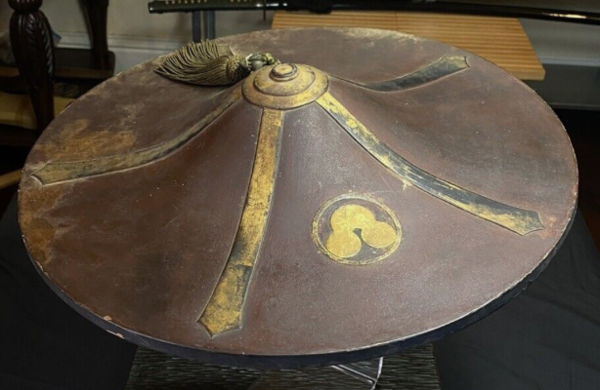
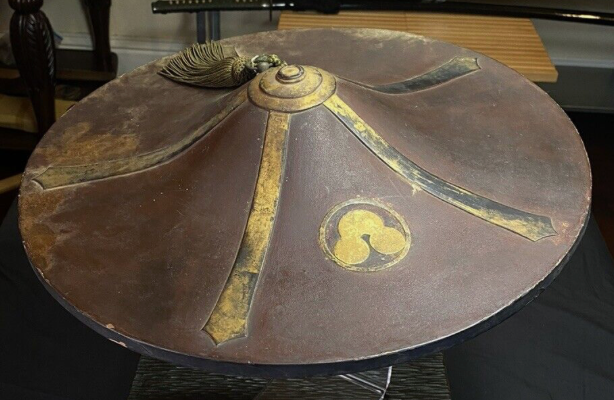
Nice, John! The Mon are called Suhama. Not so common in my experience, but it probably depends where you are in Japan. Yours is of much higher rank than ashigaru.1 point
-
That is an amazing example, I can see why you like it.1 point
-
I have a similar flat jingasa with the 5 rays (forgot the name) and tassel. Never looked up the mon, however I believe it's common. John C.
 1 point
 -
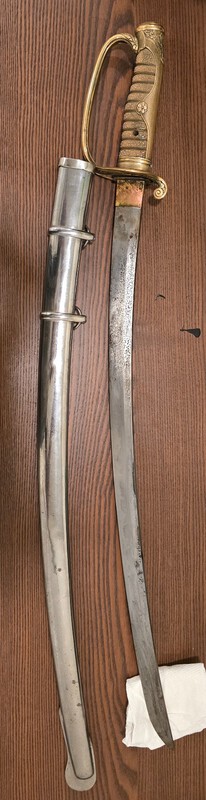
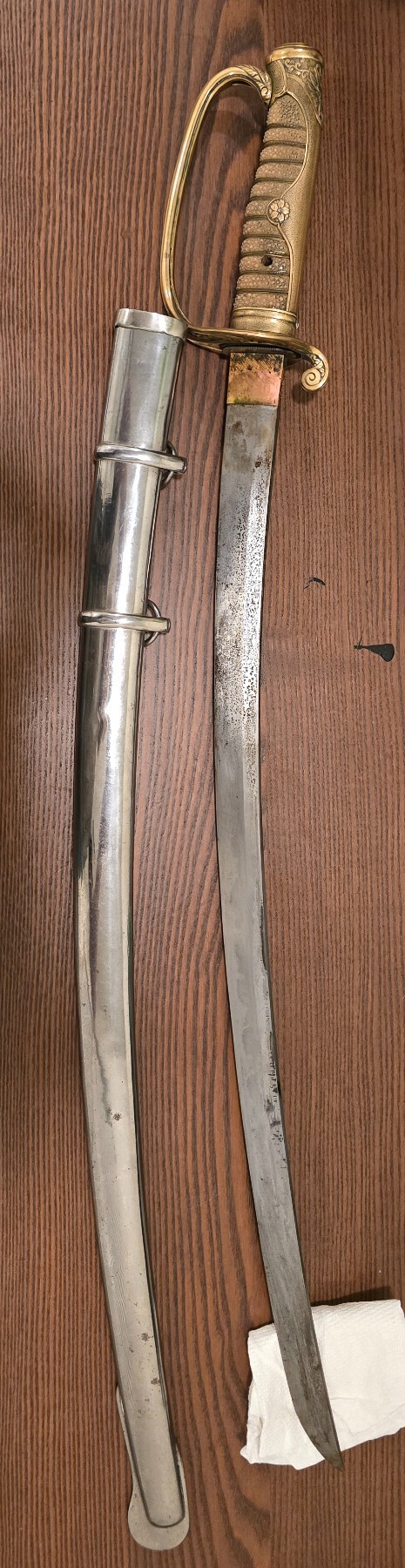
Here is a pic of the blade. Like I said before it is in terrible shape. This is probably the shortest and most curved kyu gunto I have personally seen. 30 inches overall. The hamon is visible but not much else. Eric
 1 point
 -
From my experience, this is not only probable, but likely. From my collection of I think eight or so non-parade type 19 Kyu gunto, most have old blades and are all functional weapons. Also most have silver mon. I would also say that your friend did rather well and I hope he takes good care of what he has. ---Scott M.1 point
-
This collector guide, written by member Rivkin, may be of help to you. https://www.militaria.co.za/nmb/files/file/125-nihonto-collecting-guide/1 point
-
Congrats! Could you please post more? Thanks1 point
-
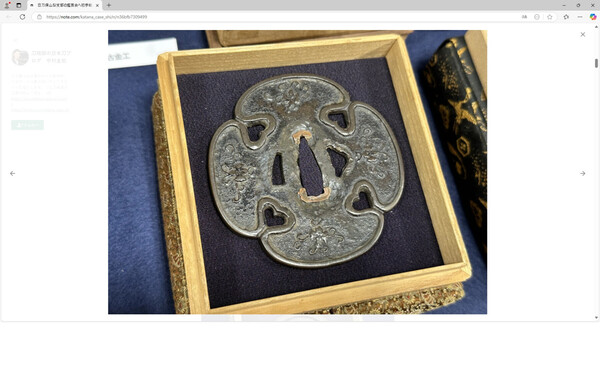
Yep. It is more pleasant than obvious in the photo. The patina is particularly nice. I'd rather own this one.
 1 point
 -
John, I have not heard that one before, but I can well believe it. As you look down to apply priming powder to the pan, water tends to drip off the front lip of your kabuto mabisashi straight into where you are looking. Firing a matchlock in the rain requires special tricks, and a light, broad jingasa would surely help, although it would not be much protection against enemy ball. But then again, Ashigaru were light foot soldiers with only rudimentary armour. The one in the photo is covered in Mon of the Kuroda house. (Kuroda Kanbei)1 point
-
Takes a while to get the light source angle right, but that's the key.1 point
-
Thank you Thomas @Kiipu, that's a huge relief actually. Makes a lot of sense, as they don't really "fit" with the rest. I was not sure how to catalog those ones anyway, and I encounter them vary rarely. Phew! Thank you so much, -Sam Updated: Copper Tsuka Initial Pattern: Pattern 1 = Copper handle - 11mm Brass tsuba - Offset ito at fuchi - Cap but no drag on saya. Aluminum Tsuka Patterns: *Pattern 2a = Aluminum handle - 9mm? Brass tsuba - Offset ito - punctured ito. SUYA, 東 .* *Pattern 2b = Aluminum handle - 9mm? Brass tsuba - Offset ito - adjusted ito around mekugi. GIFU, 名. * Pattern 2 = Aluminium handle - 9mm Brass tsuba - Mirrored ito. Pattern 3 = Aluminium handle - Steel tsuba - With/without bohi(rare without) - Mirrored ito. *Pattern 3a = Aluminum handle - Top latch steel tsuba but with side latch cutout - mirrored ito. Pattern 4 = Aluminium handle - Steel tsuba - Side latch - Mirrored ito. Wooden Tsuka “Last ditch” Late War Patterns: Pattern 5 = Wooden handle - Steel Tsuba - Side Latch - With(rare with)/Without bohi - Steel saya. Pattern 6 = Wooden handle - Steel Tsuba - Side Latch - Without Bohi - Wooden saya.1 point
-
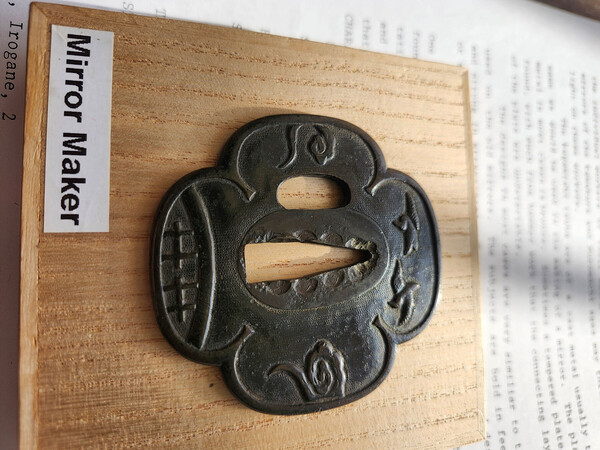
Only one that I own
 1 point
 -
Another blade this smith, signature type C

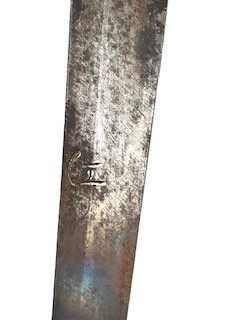 1 point
 -
Maybe some pre-ignition . I began this project as my own personal study guide and reference material; but it's evolved into something a bit bigger. Since we've started a new page now, below are the patterns that I still need good images of. Hoping to get donated images from peoples personal collections so I don't have to reuse images from internet listings. Slowly but surely getting there. -Sam Copper Tsuka Initial Pattern: Pattern 1 = Copper handle - 11mm Brass tsuba - Offset ito at fuchi - Cap but no drag on saya. Aluminum Tsuka Patterns: *Pattern 2a = Aluminum handle - 9mm? Brass tsuba - Offset ito - punctured ito. SUYA, 東 .* *Pattern 2b = Aluminum handle - 9mm? Brass tsuba - Offset ito - adjusted ito around mekugi. GIFU, 名. * Pattern 2 = Aluminium handle - 9mm Brass tsuba - Mirrored ito. Pattern 3 = Aluminium handle - Steel tsuba - With/without bohi(rare without) - Mirrored ito. *Pattern 3a = Aluminum handle - Top latch steel tsuba but with side latch cutout - mirrored ito. Pattern 4 = Aluminium handle - Steel tsuba - Side latch - Mirrored ito. Wooden or Ito Tsuka, “Last ditch” Late War Patterns: Pattern 5 = Wooden handle - Steel Tsuba - Side Latch - With(rare with)/Without bohi - Steel saya. Pattern 6 = Wooden handle - Steel Tsuba - Side Latch - Without Bohi - Wooden saya. Pattern 7 = Wooden ring handle - Steel Tsuba - Without Bohi - Side Latch - No serial numbers. Pattern 8 = Ito wrapped handle - Steel Tsuba - Without Bohi - Side Latch - No serial numbers.1 point
-
Yes, I was surprised at how much these varied. Here is a monster that I had for a while:
 1 point
 -
You managed to pull together a nice display for that event. Well done Jan1 point
-
Children’s Day Sunday, actually part of the annual Buddhist Kuyosai ritual commemorating the souls of Osafuné swordsmiths. The day started off with speeches, incantations and pinched offerings of incense. Kōzuke Daijo Sukesada’s gravestone is here, behind the dark green bush. I went round later to have a look. “No photos allowed” the sign said. It was the first time I had been invited to do a stall illustrating Bizen guns. I unloaded the car and set up the display at 9:30 am. Imagine my surprise then, when they required my attendance in the special dignitaries’ tent, and to be called in turn by name to go and offer incense and prayers at the altar. I watched closely and tried to memorize the ritualized movements of the Mayor etc., giving an internal moment of thanks for the lives of all those Bizen smiths of yore. Various attractions and events were held during the day for the children, with whole families joining in. Most visitors to my little display were respectful and full of questions, but a couple of the hyper kids were grabbing antiques as if they were playthings, and needed close watching! Family sword play My table


 1 point
 -
"Generic Edo Period" with numerous influences including Kyo-sukashi, Owari, Ohno smiths, which was sold as a Tanshu Sadamasa. I just like the very large size, heaviness, and motifs; mounts nicely on my katana for tameshigiri. Unexpectedly, it seems to have tekkotsu, but I dont' think it is Momoyama/early Edo. The indented tail feather motif seen at the bottom is unusual and not seen in earlier periods.
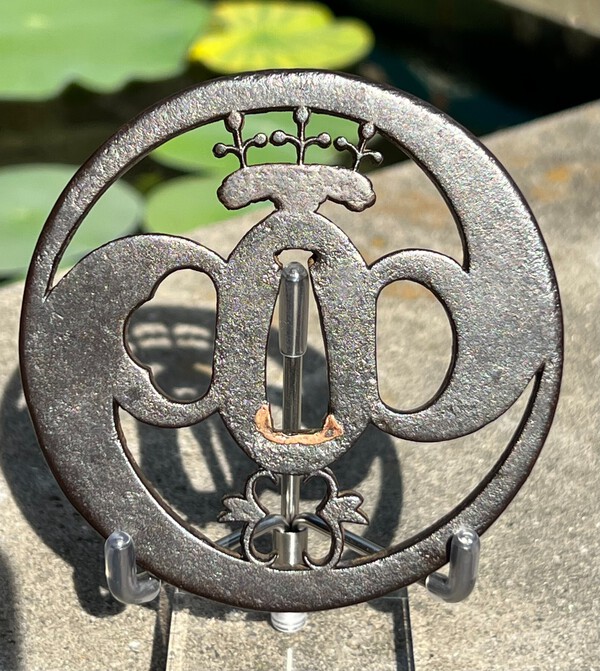
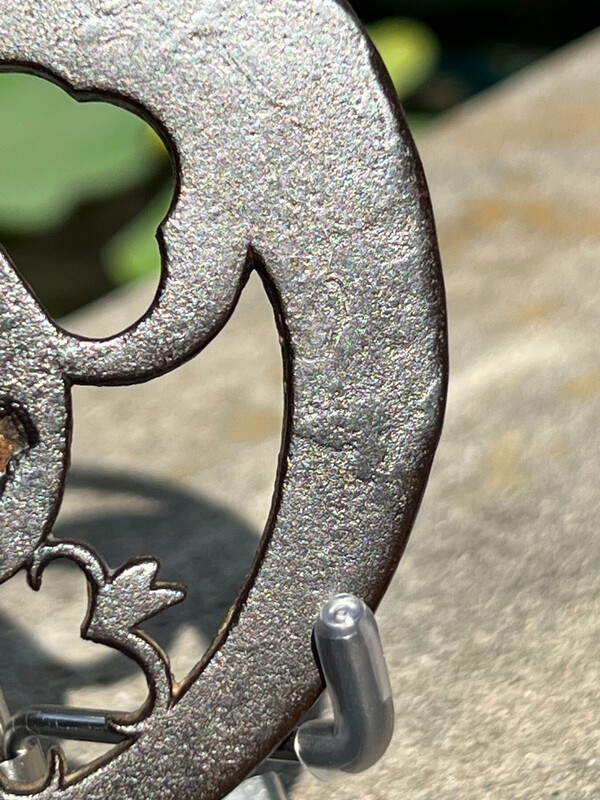 1 point
 -
Thick early Edo Ohno Karuma with massive tekkotsu.
 1 point
 -
In response to Steve's plea for more steel tsuba: Ex-Sasano (gold book Plate 75) Kanayama "Thunderbolt"

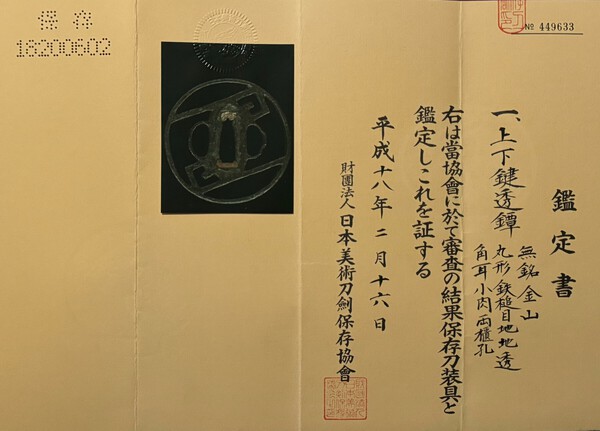 1 point
 -
Beautiful contributions by some friends above, who I know are fairly knowledgeable and I can attest they have handled numerous Go (as some of that was a joint opportunity). Elusive as Go is, they do come up occasionally in Japan and if one has the admittedly rare opportunity, they should study them. The nice organic hamon and clarity combined with the uruioi micronie in the jigane is beautiful. Apologies for the bad pictures below but this is what I currently have on my mobile below. I merely want to demonstrate with some photos the “connectivity” to Norishige (note that jihada in some of the Juyo Go photos below) and the lustre. That Go is not one of the most flamboyant but still educational. As Tsuki says, not as prominent chikei or very ostentatious kinsuji but they are still there.


 1 point
 -
Eight. I suspect that you won't believe me, but there's nothing I can do about that. This is indeed showing the signs of rapidly following Brandolini's law, isn't it?1 point
-
Looking at the SEPPA-DAI without any traces of use, the over-abundant use of gold colour, and a few technical flaws, I am not so sure that this TSUBA is Japanese. NAGOYA MONO have some age, and most of them have been used for a while, and this left some traces. Also, NAGOYA MONO were finished by hand (not by high-class artisans!), and they often were a bit crude in the smaller details (faces...). The gilding technique of that time was different. On his type of modern TSUBA I do not see traces of hand-tools (TAGANE), and seemingly this one was never mounted. I may of course be wrong in my observation. Dale will probably be able to provide a number of images of similar TSUBA.1 point
-
No feedback at all. If your blade already is in Japan for Polish anyway and if you can afford it, then submit it (shipping over just for Juyo shinsa is something I personally wouldn't consider). Not much additional hassle, just submission fee and time needed, but at least no extra shipping. At worst it failed, at best it gets papers.1 point
-
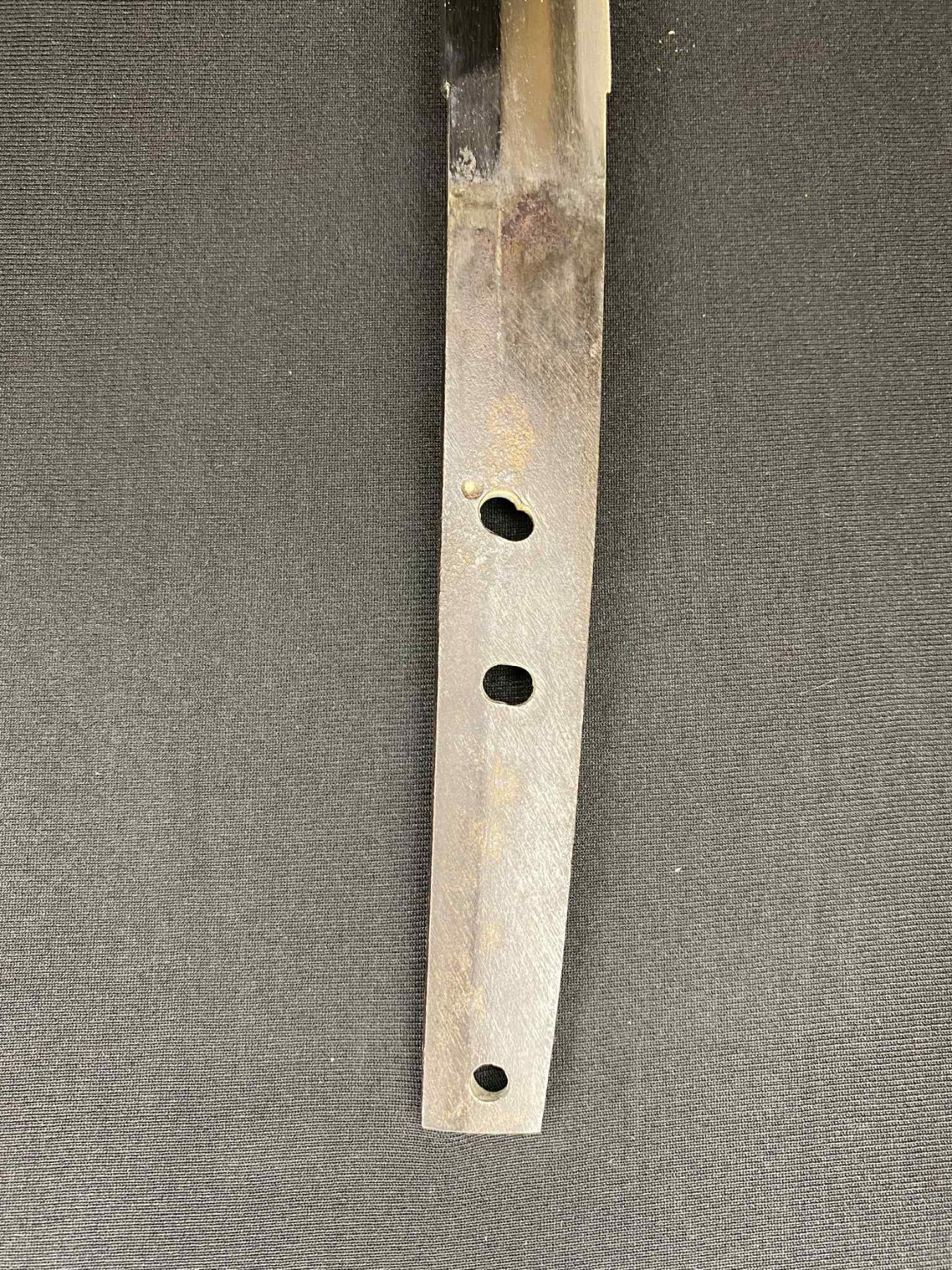
It seems like an interesting sword. Gassan signatures are usually located around the original hole on the tang. So I would think the lowermost hole is the original one, or it has been very slightly cut completely off. Now as the current length seems to be c. 73,5 cm and to me I would assume the sword has been cut down something in between 10-15 cm or so, so in original form it could have been c. 85 cm blade. The sword seems to have a large kissaki, which is throwing me off a bit, as almost all of the old Gassan tachi and katana in my references have small/smallish kissaki. I think I could only find 1 reference with a large kissaki: https://www.nipponto.co.jp/swords2/KT218912.htm To me the sword is a plausible Muromachi period Gassan sword. The long length and large kissaki are few things that are throwing me off a bit as I cannot find similar reference item.1 point


































This leaderboard is set to Johannesburg/GMT+02:00