
Leaderboard


Popular Content
Showing content with the highest reputation on 10/12/2025 in all areas
-
松葉屋内 染の助 - Somenosuke of the Matsubaya4 points
-
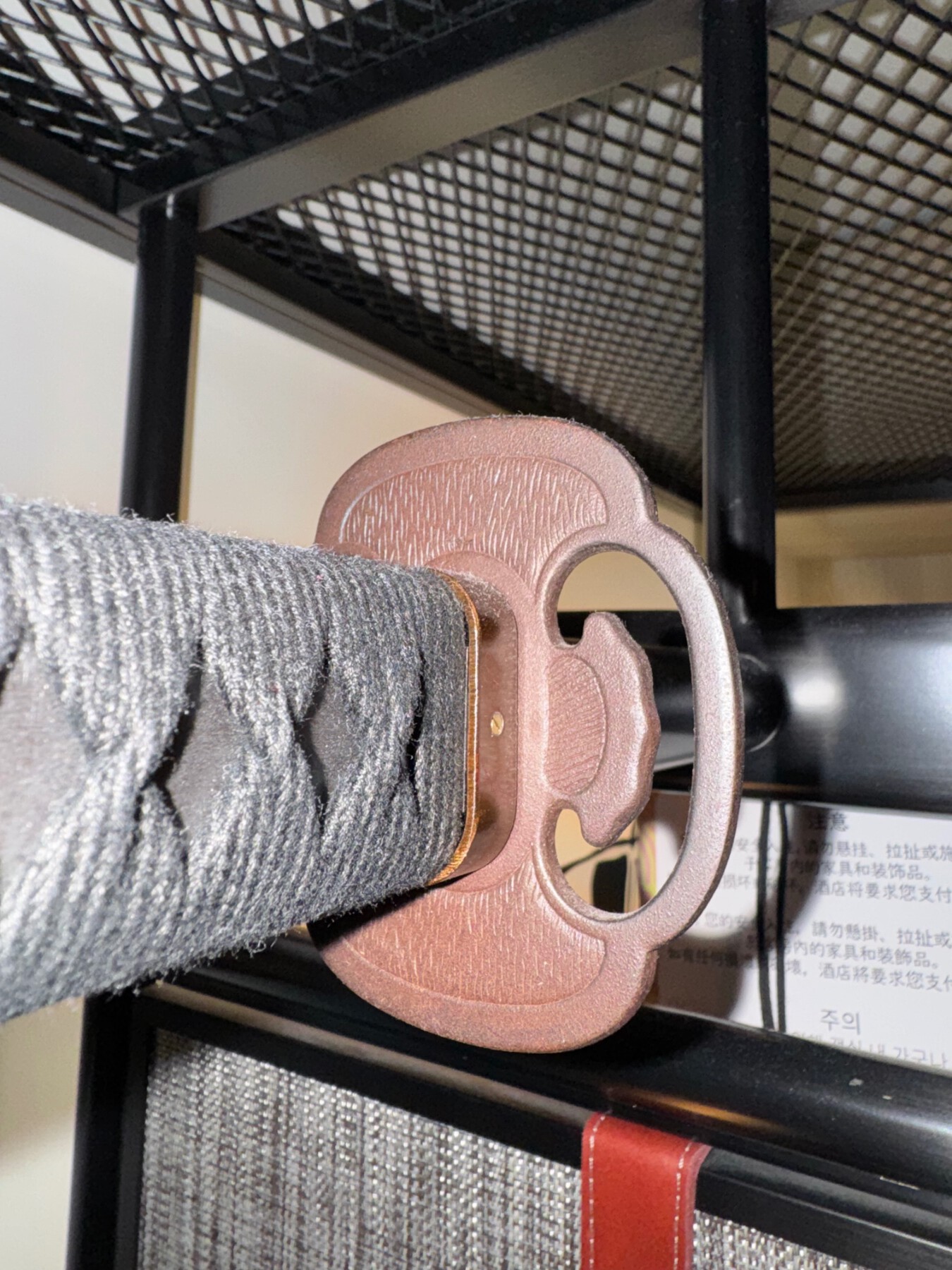
Very creative. My hotel had this as the clothes rail.
 4 points
 -
Posted October 25, 2024 At last a good use for CAST tsuba. I converted this cast guard into a door handle on my barn door. Well another one [slightly more embelished with Mitsudomoe] https://www.jauce.com/auction/c1203630746 a little expensive for a cast iron handle. Shame I don't have another barn door to affix it to!
 3 points
 -
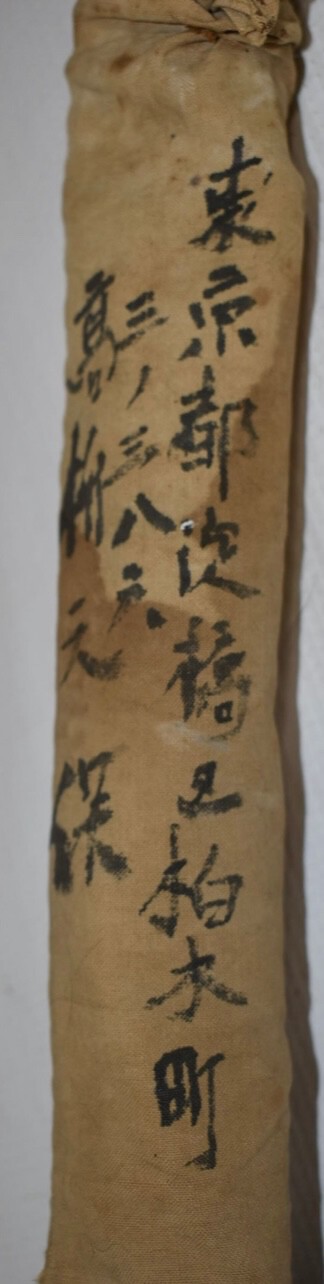
@Francis Wick interesting sword maybe late koto, does look to be "Bishu Osafune Kanemitsu". The covers on tsuka and saya give variations of Japanese officer owners name and address: (1) Tokyo-to, Yozobashi-ku, Kashiwagi-cho. (2) 3/386. (3) Takayanagimoto (family name?) Yasuyuki (given name). At bottom on saya the US soldier name "Louis O A----" (?)3 points
-
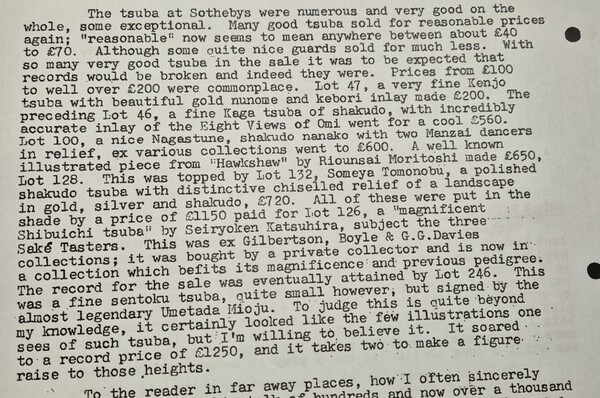
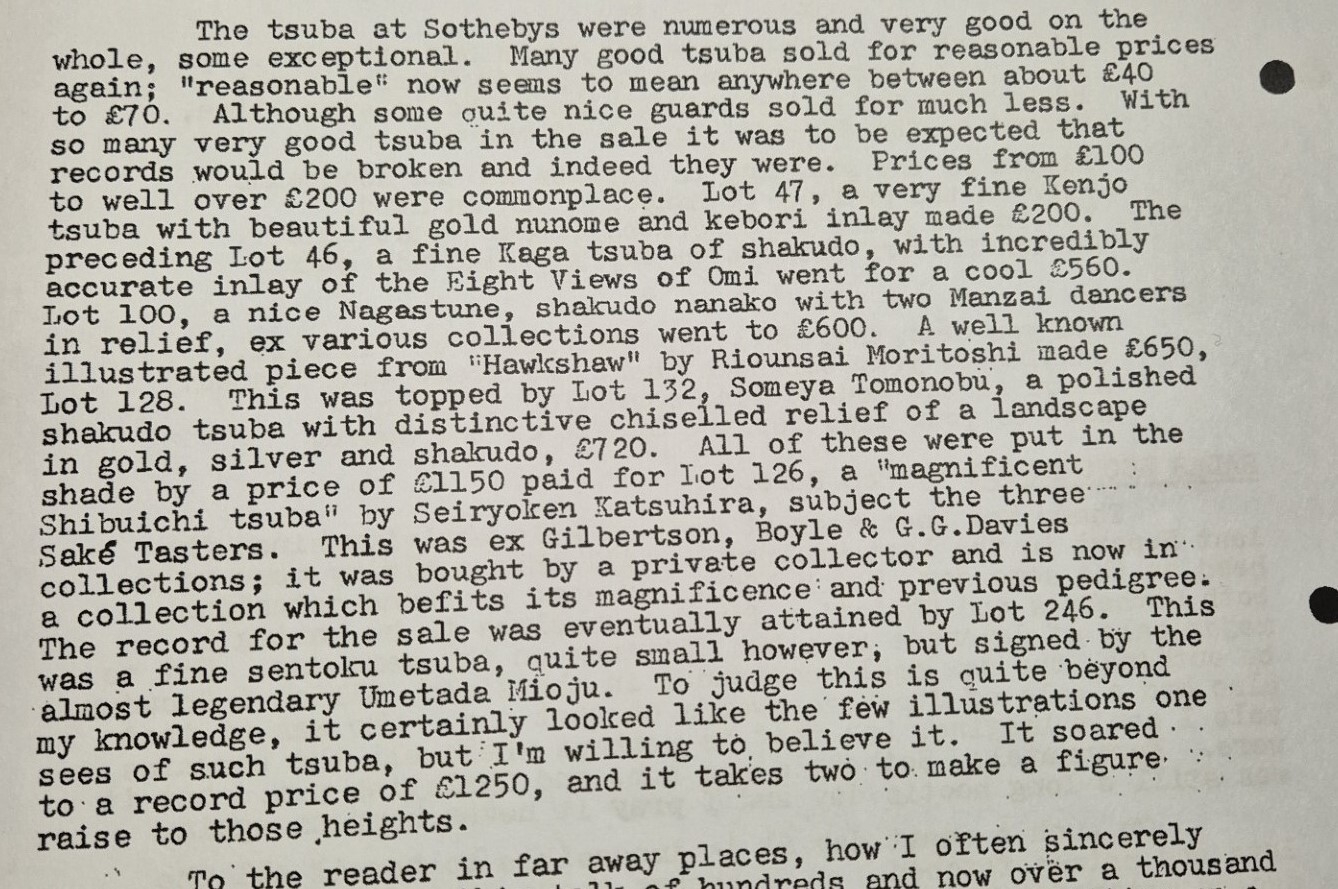
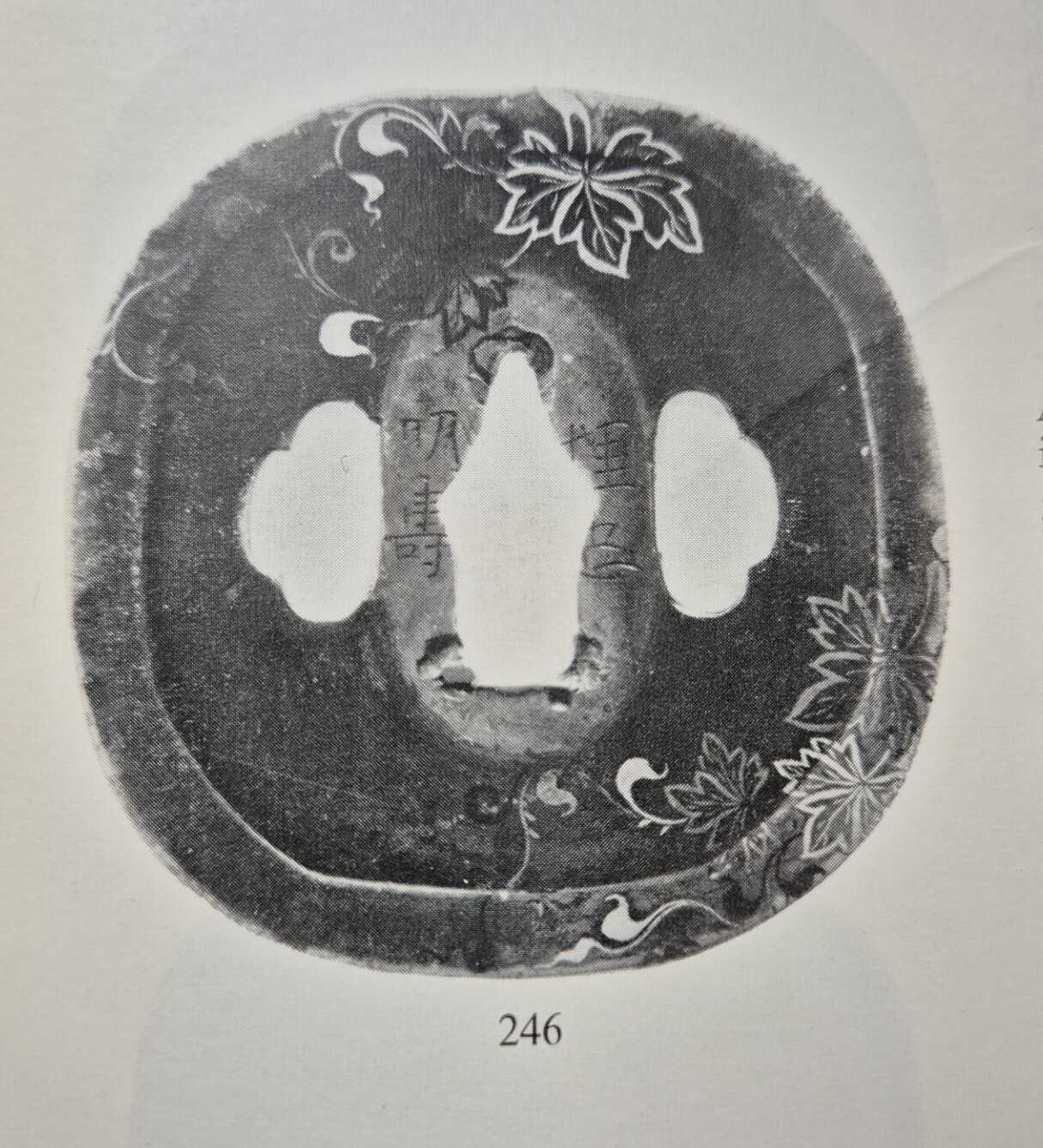
How soon we are forgotten ! As no one knows anything about Mr Petersen I will briefly set out what I found out about him. Russell Robinsons 1962 book on the manufacture of Armour and Helmets in the 16th century Japan shows an armour owned by Axel Petersen Copenhagen . I believe this is probably the Axel Petersen born in 1887 who was an electrical engineer best known for his pioneering work in developing " talking pictures " . As part of this process he directed movies in the early twenties . On the collecting front he was purchasing tsuba and other Japanese art at London auctions in the forties and fifties, primarily at the H C Clifford sale in 1947 and the E J L Gardiner sale in 1948 . Sothebys auctioned a few of his pieces at a sale in Dec 1969 but the bulk of them were sold at their auction on the 10th of March 1970 . Four pretty impressive tanto and about 120 tsuba of Petersens were auctioned . The tsuba were top quality and at least one is now Juyo tosogu. Bon Dale the chair of the Token Society , one of my boyhood collecting hero's , wrote the sale up in the Token Society's programme as attached . The Katsuhira tsuba that sold for 1150 pounds was purchased by Peter Hawkins who sold seven years later for over four thousand pounds , not a bad profit ! I wonder where it is now ? The Myoju tsuba that set the London record wasn't owned by Petersen . I wonder if this went on to bigger things . Mr Petersen died the year after his auction
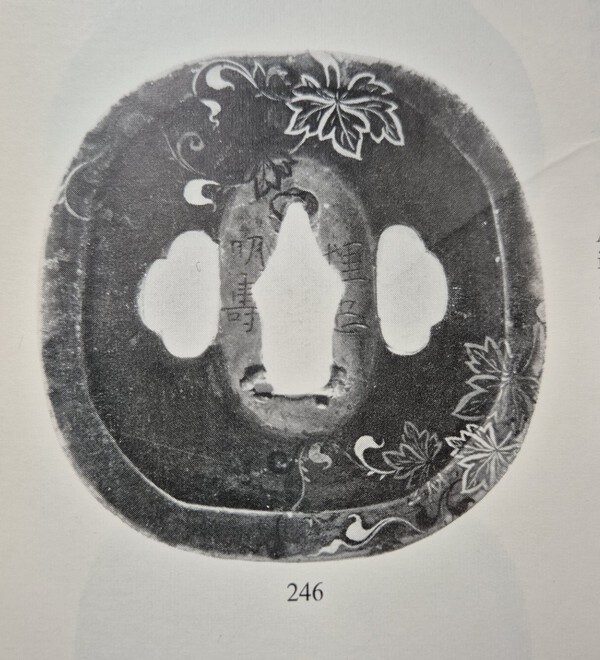 3 points
 -
Yes, Andrew won a prize in this years NBTHK togishi competition. I would put him up against any top level Japanese polisher. His work speaks for itself. Checkout his FB page to see examples of his work including the 2 Go's he's worked on.2 points
-
I may be wrong but the centered chuso, sarute barrel that is not connected to the Kabutogane, set screw in the ishizuke, and the overall quality led me to think that these are type 94. I could be wrong. I saw some discussion here about the sarute barrels so thought it may be a good reference. I will have the tsuka re-wrapped at some point still looking around for someone to do this. Thanks2 points
-
2 points
-
Dear Mason. Personally I would go for umegane on this one. There seems to have been a rather unfortunate longitudinal delamination which someone has thought to obscure, not quite achieving a match for the original metal. The rather sharp edges and regular shape along with traces of the delamination at both ends lead me to this conclusion. All the best.2 points
-
Ōtagaki Rengetsu (1791-1875). This fan was originally mounted on a scroll that was presumably damaged. Fortunately, the fan itself was preserved by cutting it free of the scroll. It was auctioned as an unmounted cutout. I cut away several layers of backing paper and trimmed along the edges to give a free margin. Eventually, it will be remounted. For now, I intend to mount it loosely on a thin hinoki veneer, which can then be affixed to a biyobu for display during tea ceremony or on a shoji screen. This is a lovely poem with painting in her distinctive man'yogana script, which is vivid and very well-preserved in this example. Translation from Rengetsu Foundation (https://rengetsu.org/poetry_db/index.php). white chrysanthemums near my pillow scent the night... in my dreams how many autumns did I pass through? shiragiku no (白ぎくの) makura ni chikaku (まくらにちかく) kaoru yo wa (かをるよハ) yume mo ikuyo no (夢もいくよの) aki ka he nu ran (秋かへぬらん)
 1 point
 -
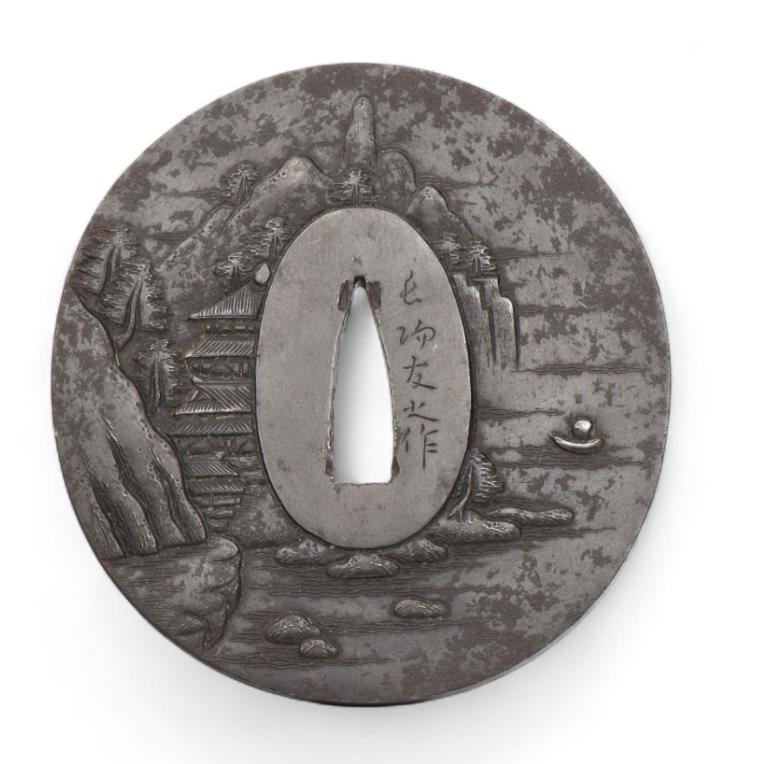
Could you help me identifying this Sansui tsuba and its signature Many thanks in advance
 1 point
 -
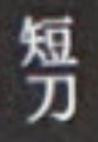
These are the kanji for tanto I think thats what we have here. Bayonets have a very different design and shape. I doubt Tamahagane would be used for such a mundane application. Regarding the habaki I wonder if someone installed it upside down. The design with the step over the hamachi looks odd, as does the mune sitting proud of the habaki.
 1 point
 -
Dear Dave. GPT is doing you no favours here, nothing to do with bayonets. However I can through no light on the habaki, it is something I have not seen in more years of study than I care to reveal. Looking forward to what this throws up. All the best.1 point
-
here is youtube video about nice example of Emura sword released by one of UK antique dealers. Sword is sold now but maybe someone finds that video interesting1 point
-
ChatGPT and other AI tools are not the best solution for translating Japanese sword inscriptions. Please see below. 播磨大掾藤原清光 - Harima Daijō fujiwara Kiyomitsu https://nihontoclub.com/view/smiths/meisearch?type=All&mei_op=contains&mei=播磨大掾藤原清光1 point
-
Signed Kaneyoshi and dated a day in May, 1944. It appears to be authentic.1 point
-
Likely local smiths but there was also a Dutch production plant in Bandung (Java). They were producing the Klewang for the KNIL. The Klewang is a mix between a sword and a machete. Everything was available to produce swords even skilled workers.1 point
-
Likely local smiths with rudimentary training. Swords were still a matter of national pride, and even when they didn't have access to swords from Japan, they did their best where they were located to try and make at least a version. Some are very crude, and don't follow a set pattern, but did the job.1 point
-
Thank you a lot Piers perfect !1 point
-
栄水画 Eisui ga(?) … Ichirakutei Eisui perhaps1 point
-
長□友之作 - …… Tomoyuki saku Usually the first two kanji may be 長州 (Choshu), but I cannot decipher the second kanji.1 point
-
I think Geraint says it all. It is clearly an UMEGANE, and the defect it was thought to conceal would be called KITAE-WARE. The English text is based on assumptions and is not correct. The forming of FUKURE happens in the fire-welding process, and has nothing to do with tempering (again, "tempering" is not quenching/hardening). Usually, FUKURE are caused by trapped coal or impurities like scale. FUKURE can have many different shapes, and as they are a defect in the KAWAGANE, they are not just a "cosmetic" issue but may well have an impact on the structural integrity of a blade in case they are large enough.1 point
-
Hi Chansen, unfortunately the style of the Mei differs from what you would expect from Hizen blades. https://www.sho-shin.com/shinto-hizen.html1 point
-
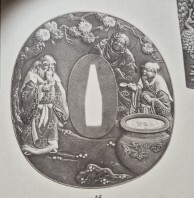
Hi Dale , I think your illustration is from the Red Cross catalogue at which time the tsuba was owned by Mejor Everard Calthrop who was killed in action at Ypres on the 19th of December 19151 point
-
Fixed it Interesting sword! Would love to see more photos when you acquire it. Congrats on winning the auction and best of luck. -Sam1 point
-
Thank you ! Probably muromachi I would guess . I thought it would be the officers name and so on so thank you for confirming1 point
-
Just noticed my grammar errors 🤣 it’s meant to state “ I just bought this sword …” too late to edit apologies
 1 point
 -
Francis, Can't help with the writing, but just wanted to say that blade would be quite stunning with a professional polish!1 point
-
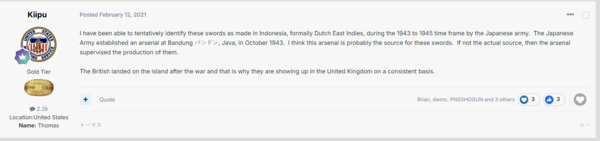
That was a really good refresher, thank you, Thomas! Marcel, You nailed it. See Thomas' observation from the discussion in the other thread (click on the photo and it will be clear to read):
 1 point
 -
If we're making an everything-Emura thread, here is what Sesko's Swordsmiths A-Z has on him (hopefully nobody will mind me copy pasting - I highly recommend buying the pdf, it's great for this!): One thing I have noticed with Emura though, not just in this thread, but in my own research too, is just how beat up most of the examples are. Pics of mine when when I first got it can be found here, but most of the ones in this thread are scratched badly too. I also find it interesting that a lot of examples have silvered habaki. Unsure I'm able to extrapolate anything from this yet, but it's fun comparing and contrasting with other surviving blades.1 point
-
It's very simple really. When you're good at something, people who know quality will find you and won't care if you are 'gaijin' or not.1 point
-
Thank you. If you have nakago jiri picture please share. What's nice here is some lines looks like writing brush. I had theory that only 2 kanji mei or with dedications [slough/example F] are made as tachi but no longer viable.1 point
-
Andrew is recognized even in Japan as a top notch polisher. I would trust him with any sword.1 point
-
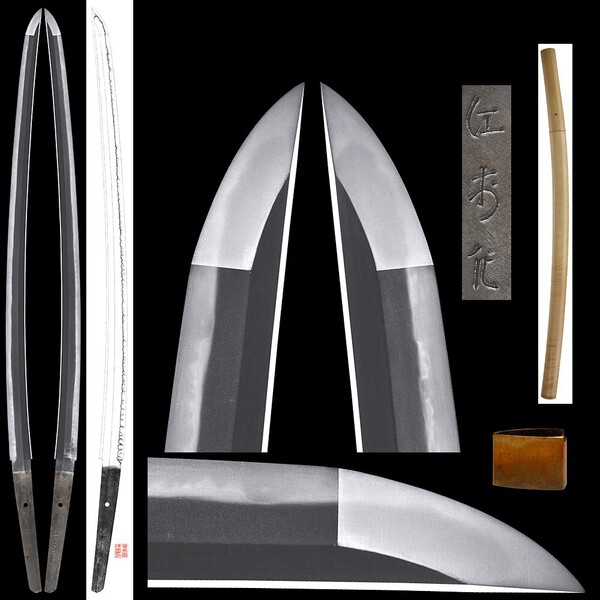
Old thread with many great examples. And example from aoi Japan from around 2014. Tachi mei 3 kanji. So sanji mei exists as both katana and tachi mei types. https://www.aoijapan.net/katana-emura-saku/
 1 point
 -
Here are examples of three different blades polished by gaijin BTW - the waiting period is over 2 years for his work

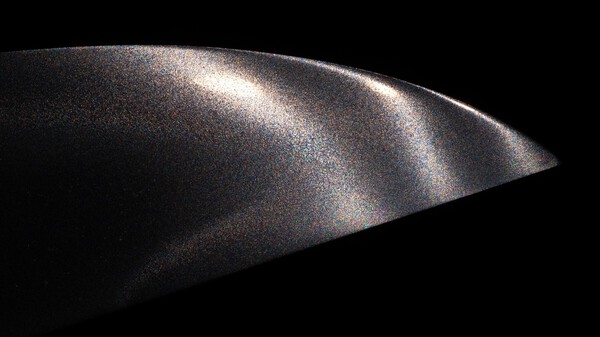
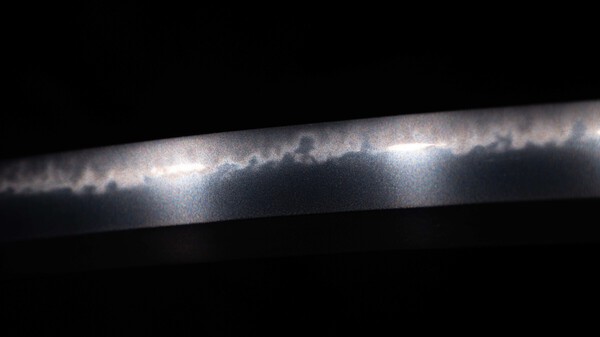
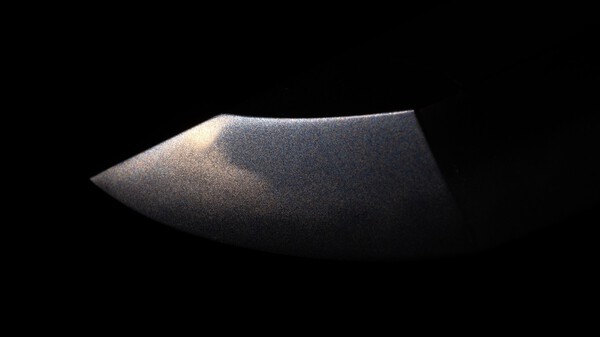
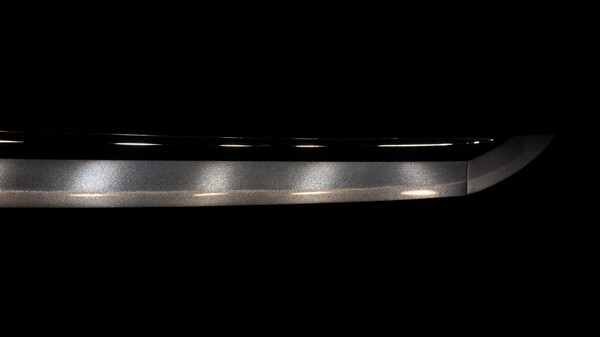
 1 point
 -
The Mei is casually rendered on the registration certificate, but it looks like Yoshimitsu 吉光, with the other form of Yoshi, i.e 𠮷. (Unfortunately I cannot see the Mei itself on the nakago clearly.)1 point
-
Rohan, that is of course correct. But in this case, it is not a "feeling" of your senses rather than a response of a tool on the steel. In this context, you could call the stone a "sensory device".1 point
-
Hello friends, I have found a high resolution image of the 1928 Oshigata of Honjō Masamune published in Tsuguhira Oshigata. Per Mr. Guido Schiller, it seems that this is the least detailed Oshigata, but it seems to be the one most commonly used for demonstration. Here is the file uploaded to Wikimedia Commons: File:Oshigata of Honjo Masamune (1928).jpg. I have also attached it to this post.


.thumb.jpg.173aca8db590e289f9aaf8c65559f97d.jpg) 1 point
1 point -
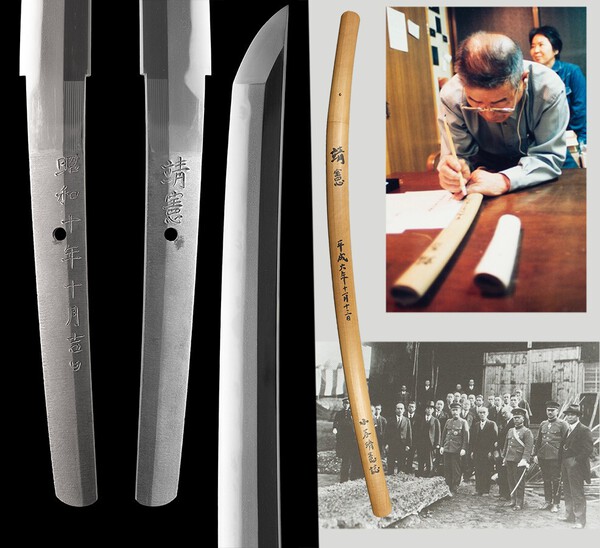
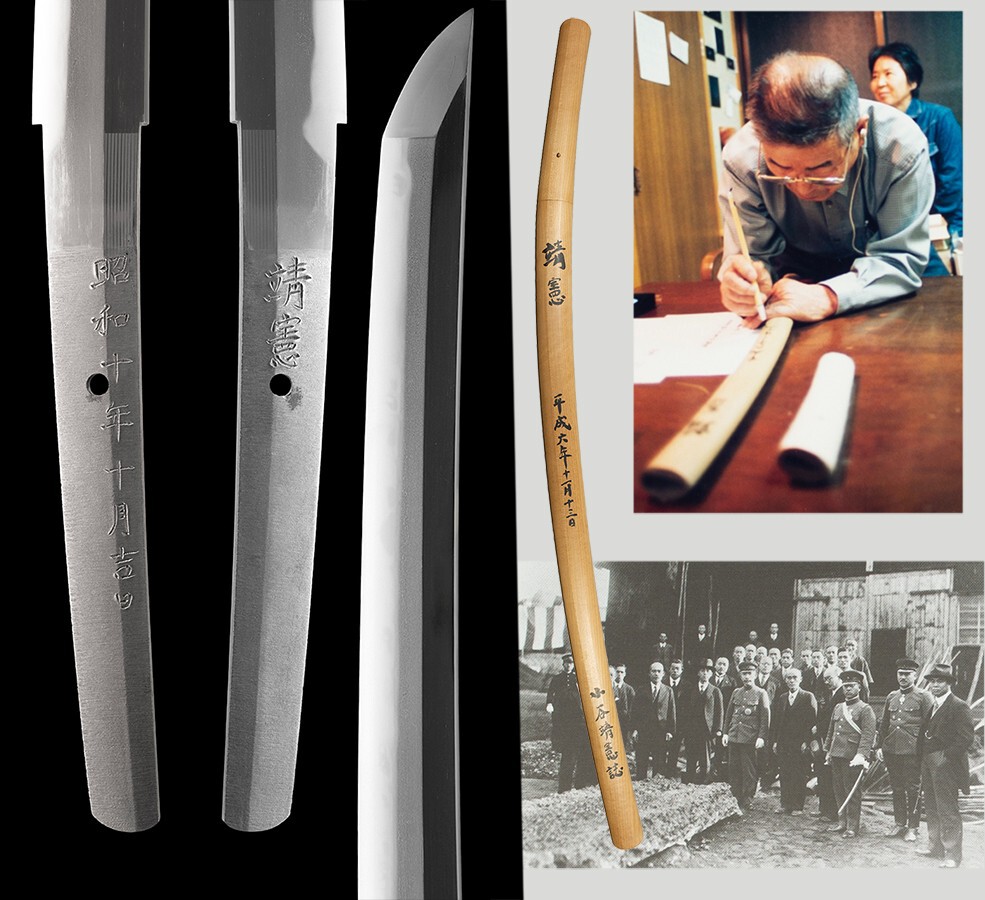
I think I found what I was looking for. This katana by Kotani Yasunori, in October 1935 is recorded as his third blade he made at the Yasukuni Shrine— according Kotani's daughter the first went to the Shōwa Emperor, the second to the Imperial Household. It was owned by Kudo Haruto, chairman of the Yasuki Steel Company and one of the founders of the Nihontō Tanren Kai. In the 1990s, it was polished by Okisato Fujishiro, and Yasunori himself added a saya-gaki to the blade. It was later exhibited at the 60th anniversary Yasukuni exhibition and comes with extensive documentation and a 1997 NTHK paper. The seller has all the papers including all exchanged letters from Kotani San and the togishi. Nice story! Link : https://www.nihontocraft.com/Kotani_Yasunori_Tachi.html?
 1 point
 -
Andrew, I think yours is more of a ‘Manju’ glutinous rice sweetmeat type, at best a kagamibuta cross. Most kagamibuta 鏡蓋 are tightly inset with a flat lid (the ‘mirror lid’ section) set into an uncarved, usually round frame. The string connects to a loop on the back of the lid and exits from a hole in the underneath of the frame body. Here is a well-worn example that I used to own. And here is a child’s one I posted earlier. (Top right)

 1 point
 -
Hi Davo , that’s is a tall order! I am into this hobby for years now, and still do not have what I consider “enough” knowledge about Nihonto. Getting your Connoisseurs book is a great start. When you start to read it, try not to be intimidated. It will take some time to be comfortable with the vocabulary and that’s totally normal. I would often read my connoisseurs book alongside “Marcus Sesko’s encyclopedia of Japanese swords”, so I could cross reference vocabulary and definitions. My recommendation is to view your sword study through a timeless lens. Understand that to fully understand Nihonto, it may be a life long journey. Going to Japan in October may be too soon to understand it a deep way, but not too soon to enjoy some swords, learn a lot, and catapult your study in a positive way. I’m sure others will have great recommendations for your trip. All the best, -Sam1 point
-
Personally, I like Craft of the Japanese Sword as a first book. Only because once you see what goes into making one, how difficult polishing is, making the koshirae, even things like habaki and shirasaya etc etc, you learn respect for this hobby and why it is so respected. Knowing what the entire craft is about is the basis for the study of Nihonto. Also you get an intro into the glossary, terms and technical aspects. After that, you can start learning about schools and traits and smiths etc using other books. For me, this is the place to start though. My opinion, others may differ.1 point
-
Its the Chinese character 造。 Basically means to create or make. For example 在中国制造的 means "made in China."1 point











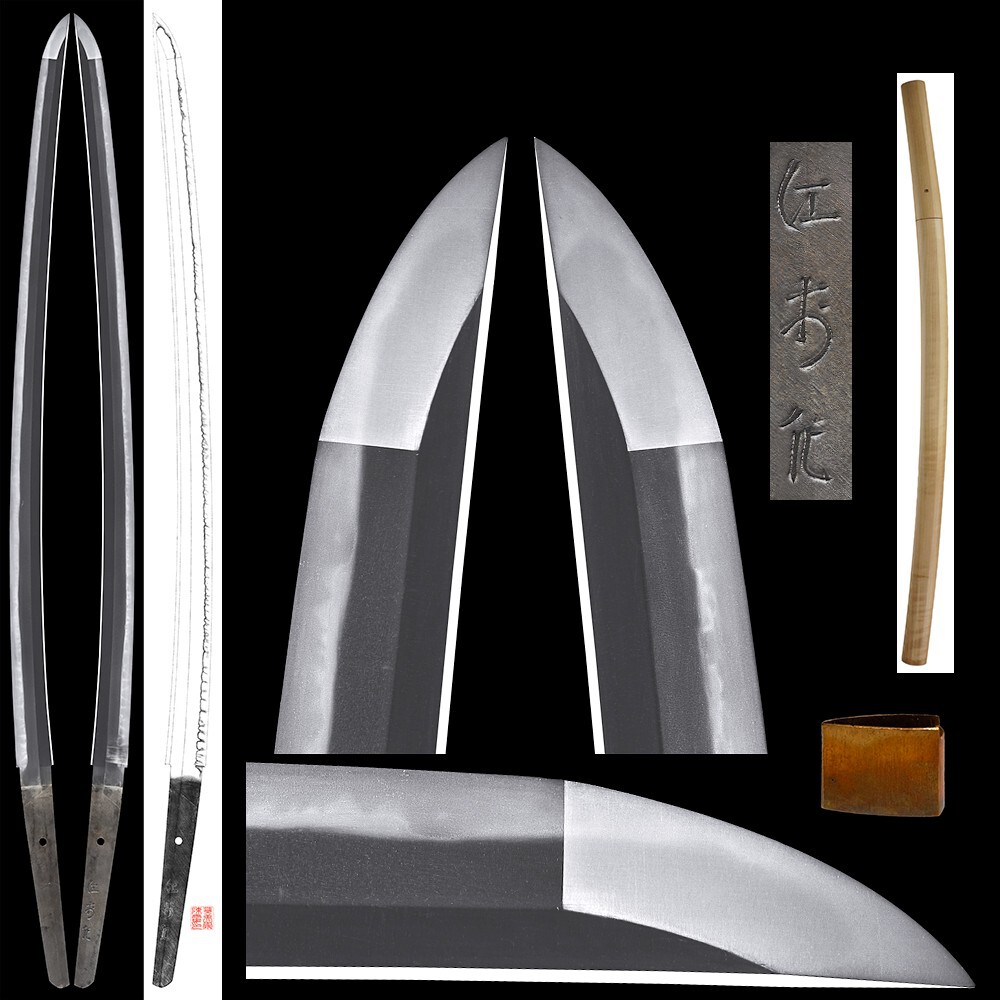

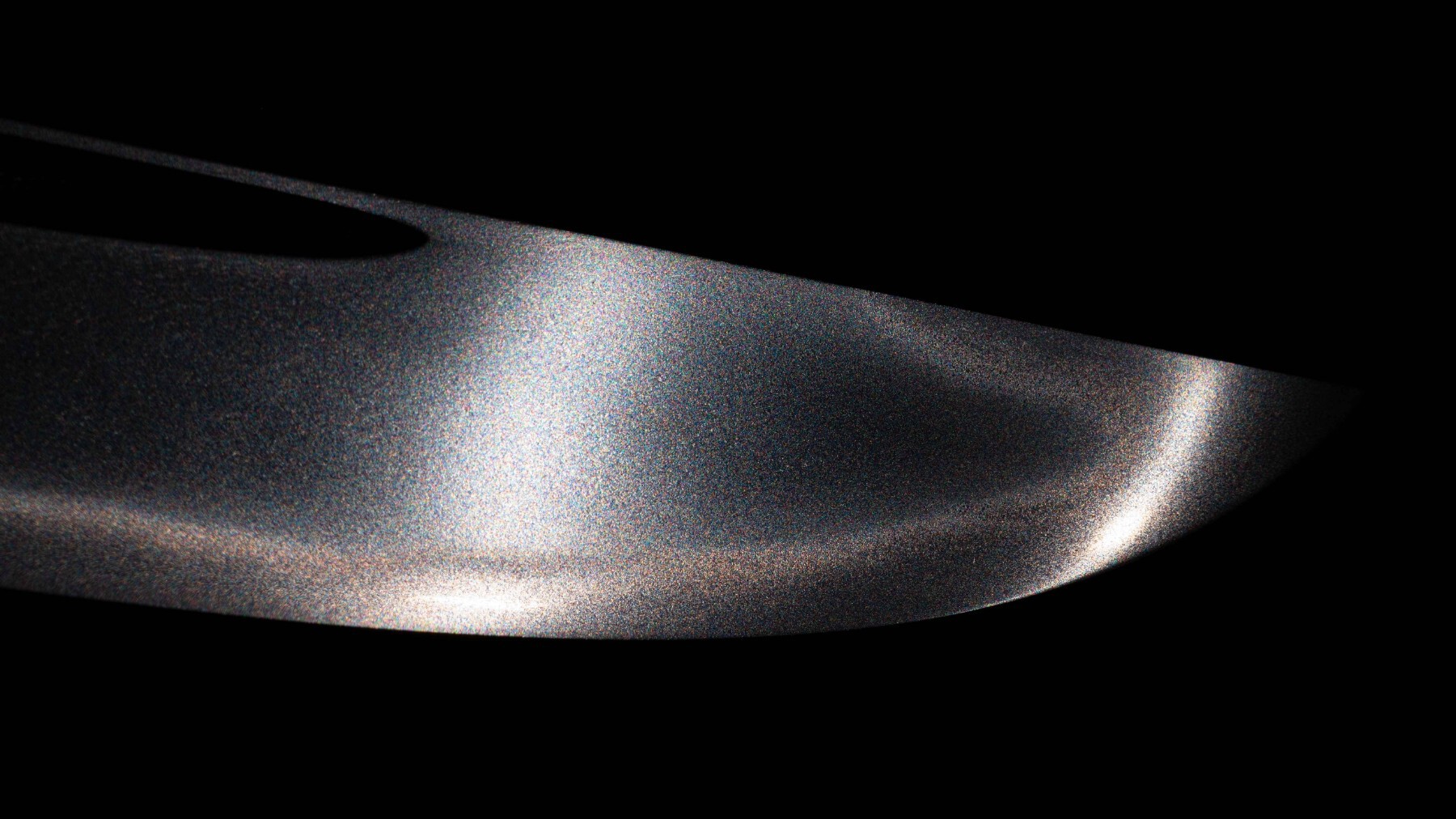
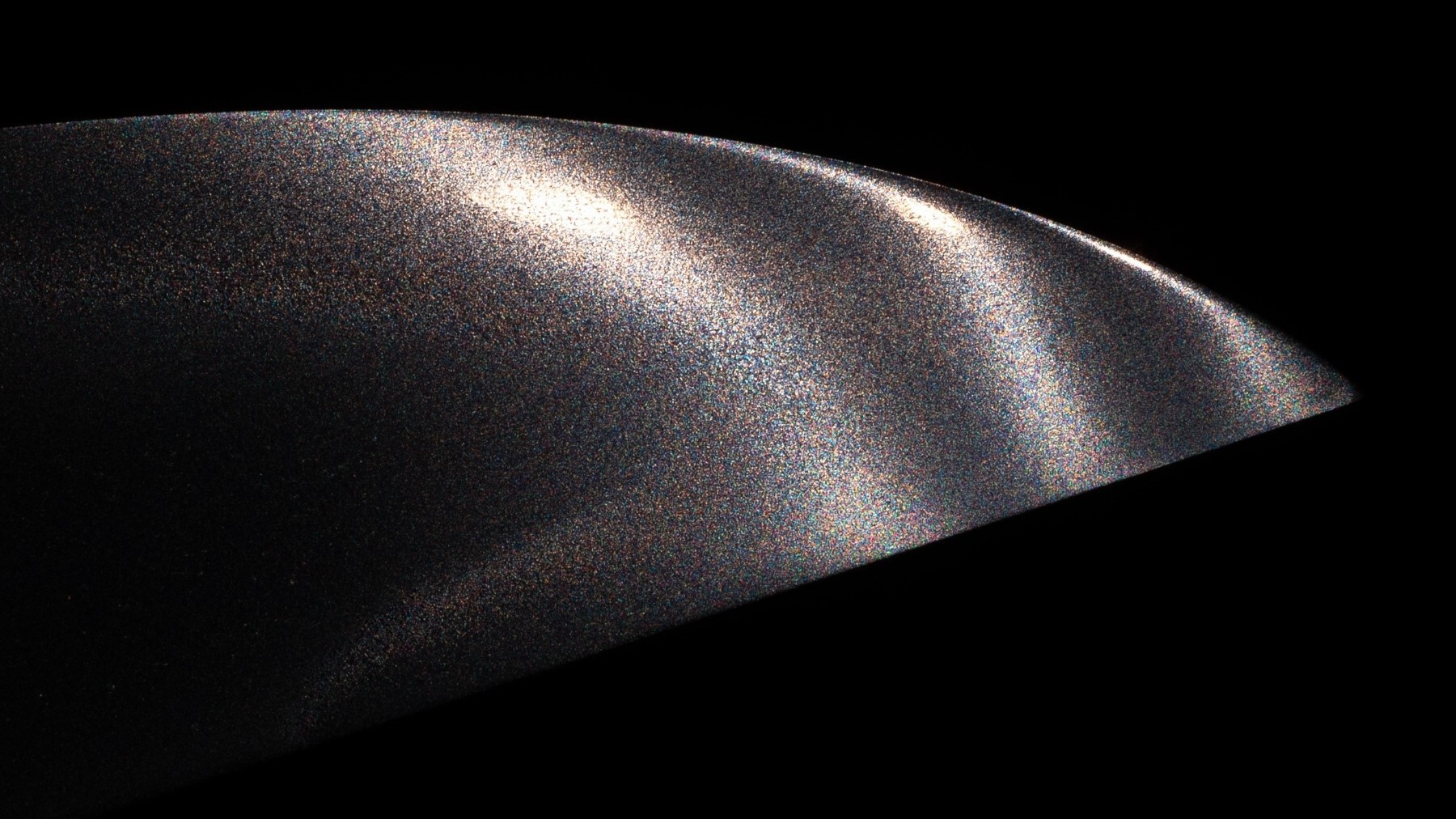
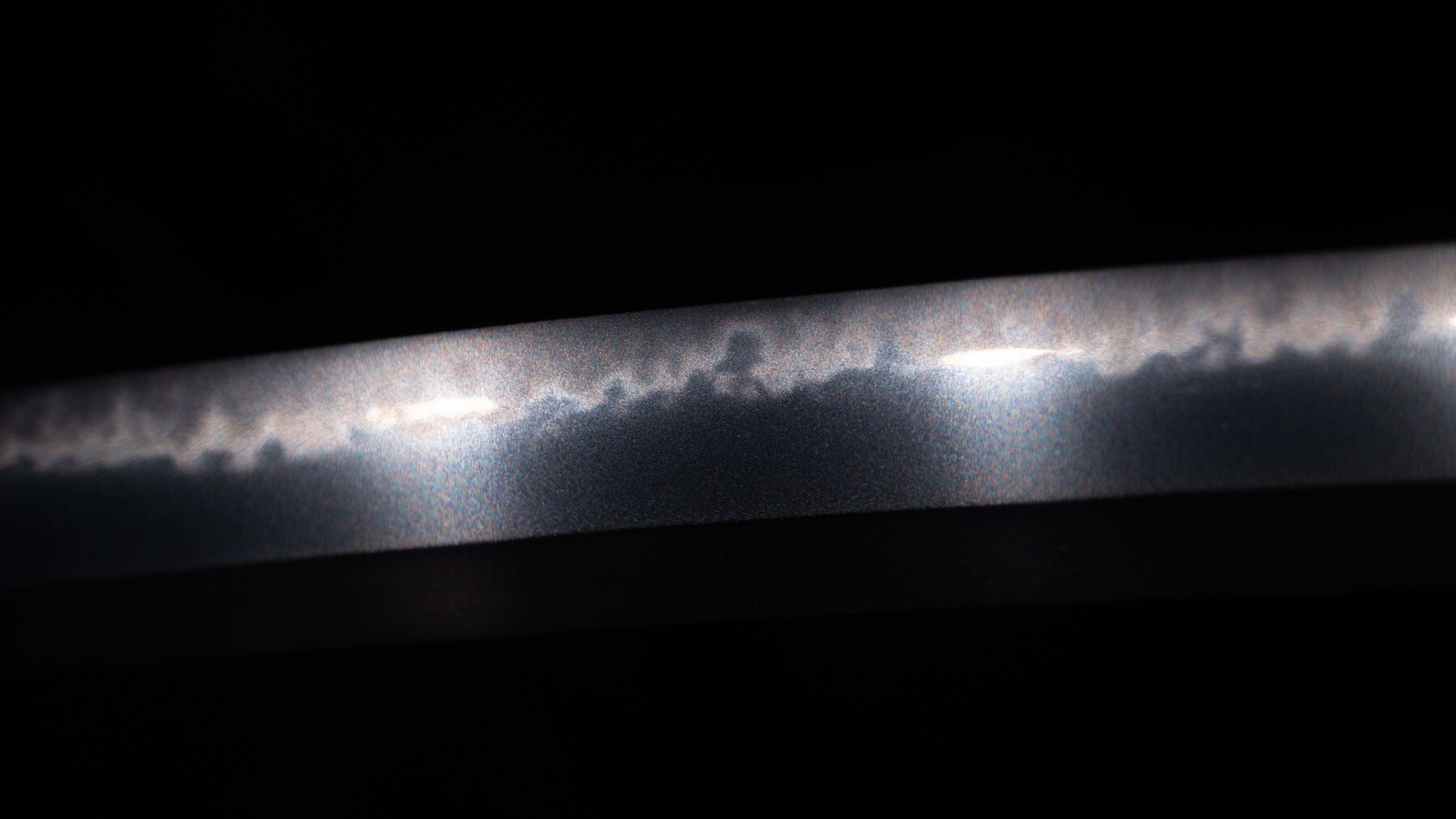


.jpg.d174d88e82b1e58ece12e5800a7c6ca7.jpg)



This leaderboard is set to Johannesburg/GMT+02:00