
Leaderboard



Popular Content
Showing content with the highest reputation on 03/31/2021 in all areas
-
My issue is that it is being sold on a Japanese web sales site, and being sold as genuine, and I don't "respect" that.4 points
-
The blue and gold labels both have the same logo and name on them. Both labels have the name spelled from right to left. The labels can show up on either a scabbard or a scabbard cover. Both labels are overwritten or overstamped, either with a person's name or date stamp. 関 = Seki. 刃物 =Hamono = Cutlery. 工業 = Kōgyō = Manufacturers'. 組合 = Kumiai = Society. As far as I know, the association was established in 1931. 岐阜県関市における刃物産業の歴史的な発展過程4 points
-
Always going to be dishonest people looking to make a buck. Dishonesty deserves no respect.3 points
-
Have to agree with Brian on the interest front, plus many of us contributed big bucks to the project, and I think we are owed at least a progress report.3 points
-
昭和六十年 would be 19853 points
-
Haha, ok where is Godzilla! This one?
 2 points
 -
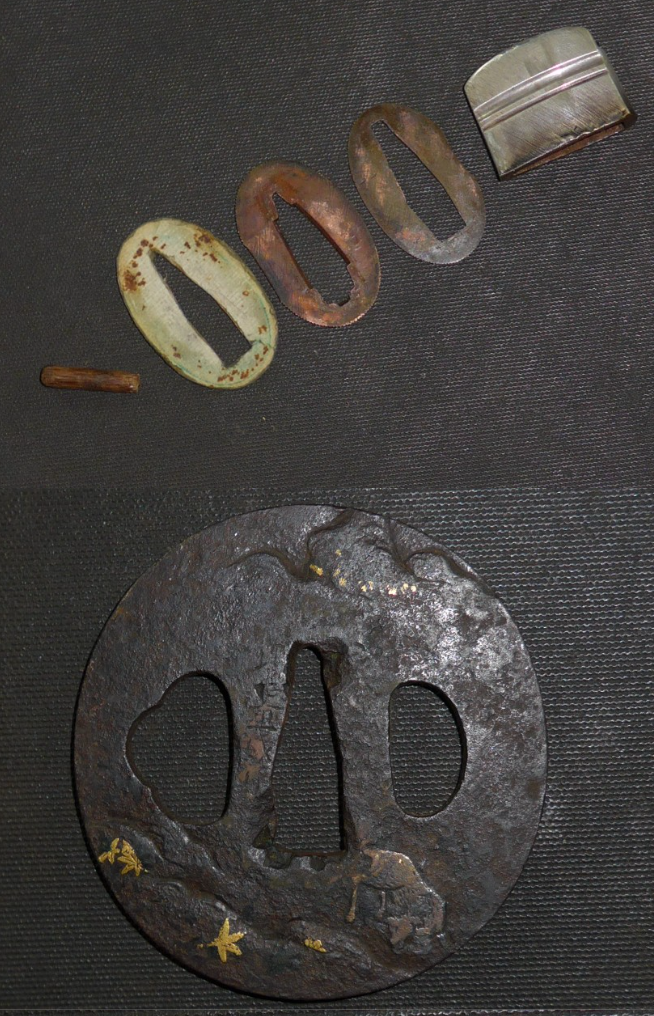
Its a totally made up modern piece of rubbish, using old cut down fittings. If you look the KUCHIGANE has a slot for a locking clip, where as the other fittings are off a koshirae with leather securing strap.2 points
-
Monkey just list this NCO sword as a rare prototype https://www.ebay.com/itm/RARE-PROTOTYPE-WWII-Japanese-Army-officers-samurai-sword-NCO-LEATHER-SCABBAR/114737295938 Actually, he just bought an NCO sword without a handle from eBay and put a handle on it, now he is trying to scam people. What a shame. Original sell https://www.ebay.com/itm/Imperial-Japan-Type-95-NCO-Gunto-sword-/393110215827
.thumb.jpg.51b8b51f061cb9b4265e4b12a3574723.jpg)
.thumb.jpg.200865a5c4ce1ea3a5a163a3814ab017.jpg)

.thumb.jpg.2b56e377dfaeb936bca514e277f4ea5a.jpg)
.thumb.jpg.c78fa4c28b487d9ab312aa7fcab8a856.jpg) 1 point
1 point -
I have a few more fittings for sale. Feel free to ask any questions or for more images. Akasaka school - haze across the moon SOLD

 1 point
 -
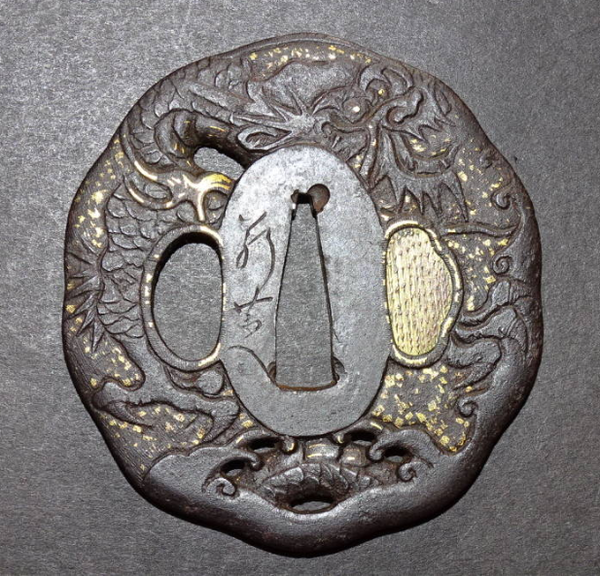
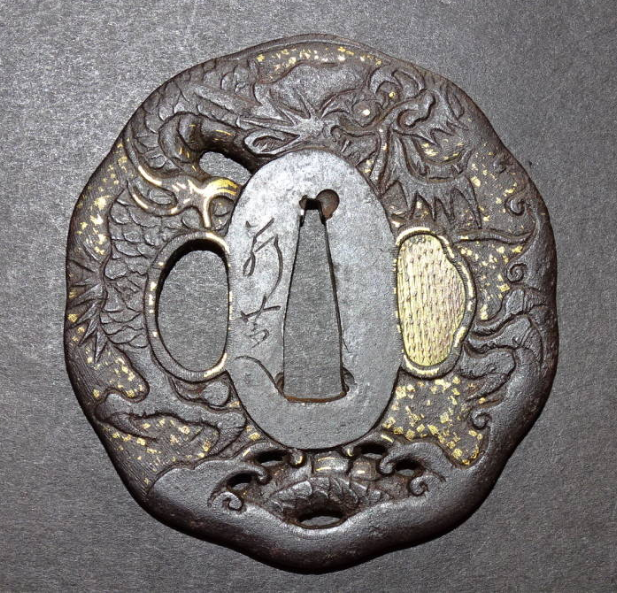
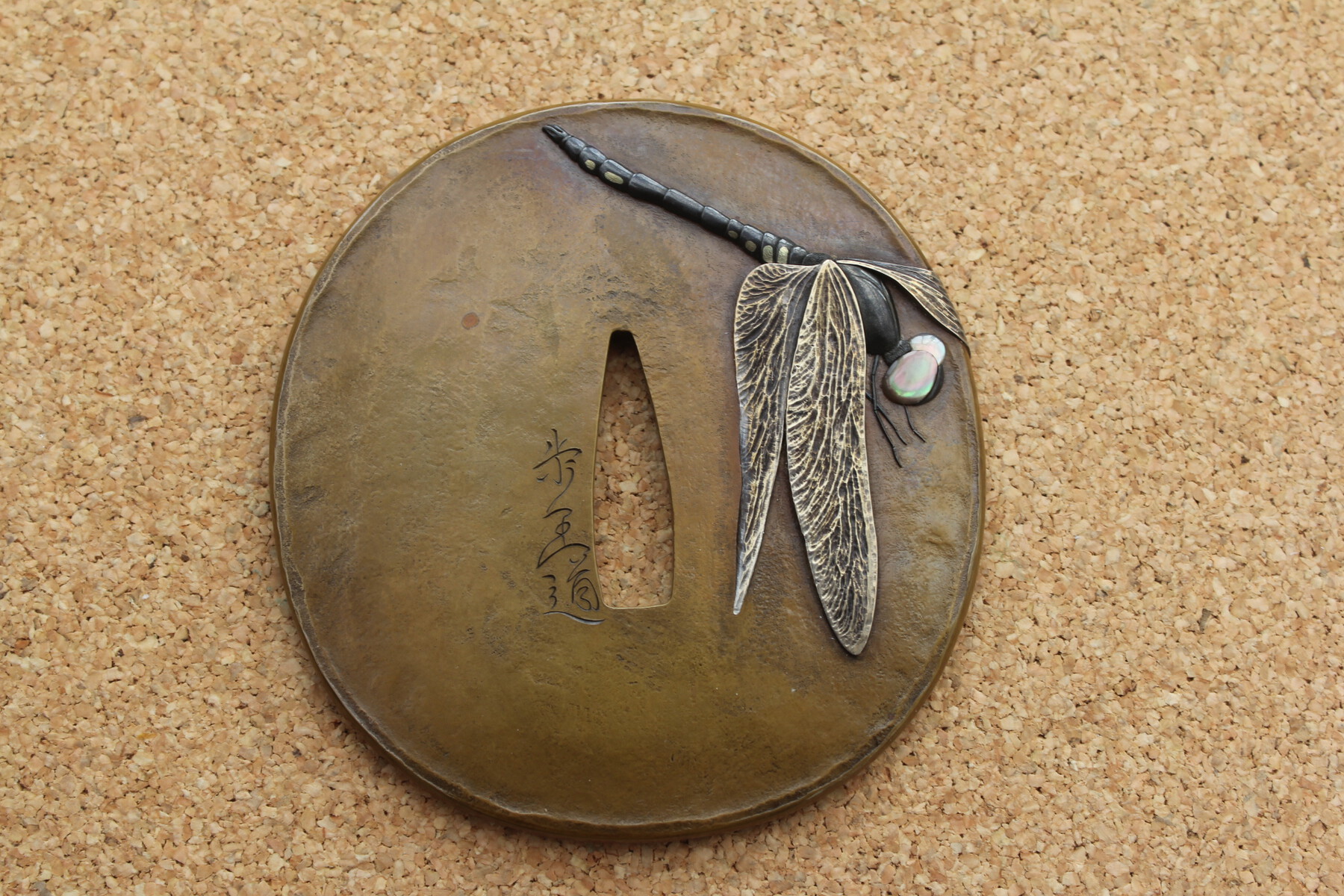
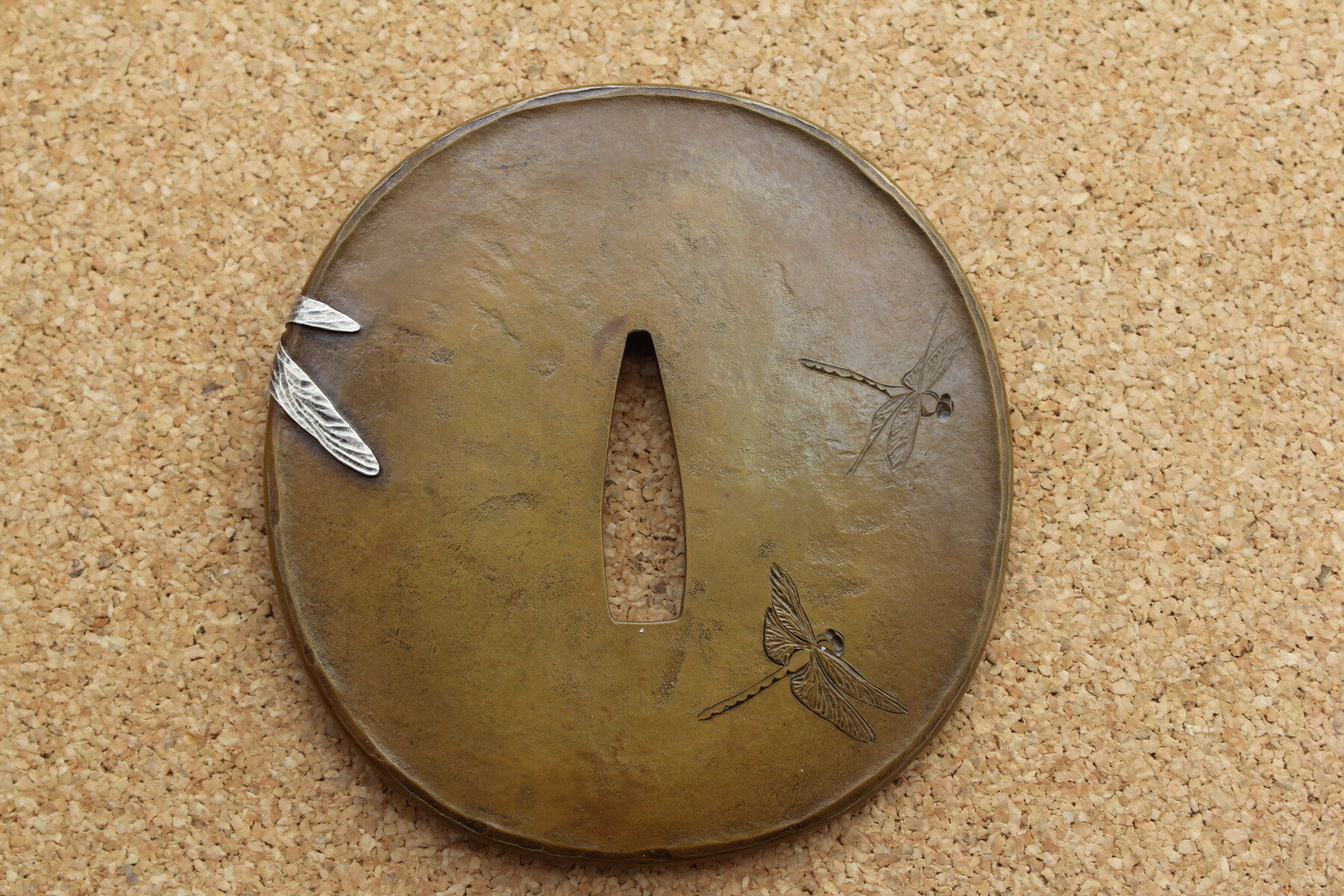
Jakushi dragon v Godzilla!! Don't miss this action packed tsuba.
 1 point
 -
No problem Stephen - have fun!1 point
-
Btw cool Tsuba Stephen i like it very much! I could not resist by the Godzilla call.1 point
-
I missed that point. A shame. Seems stupid, too. Japanese reading Japanese inscriptions on the nakago would see the 1985 date. I guess they're counting on non-Japanese buyers to get sucked in.1 point
-
Looks very good Arthur. The horizontal holes are often high like that.1 point
-
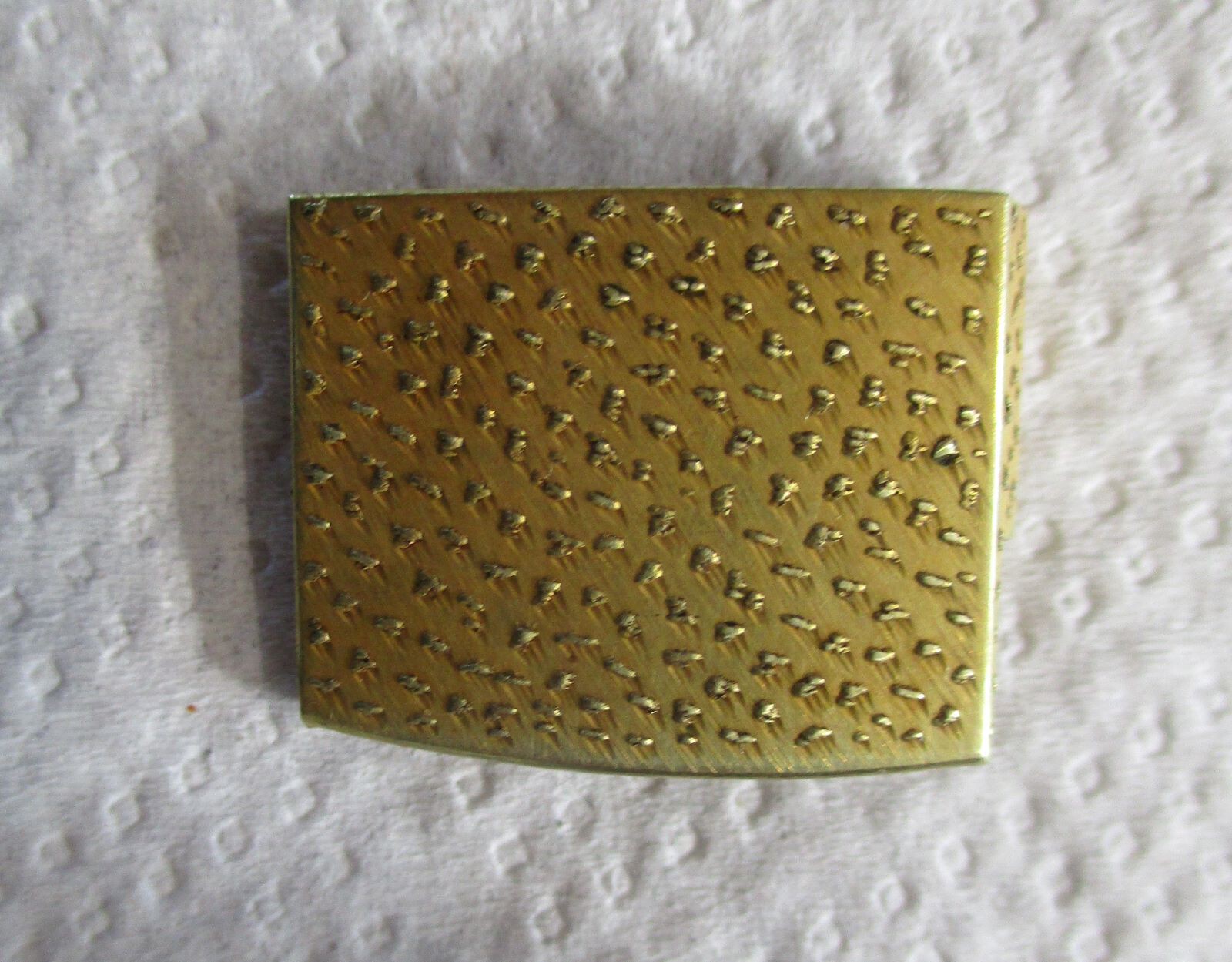
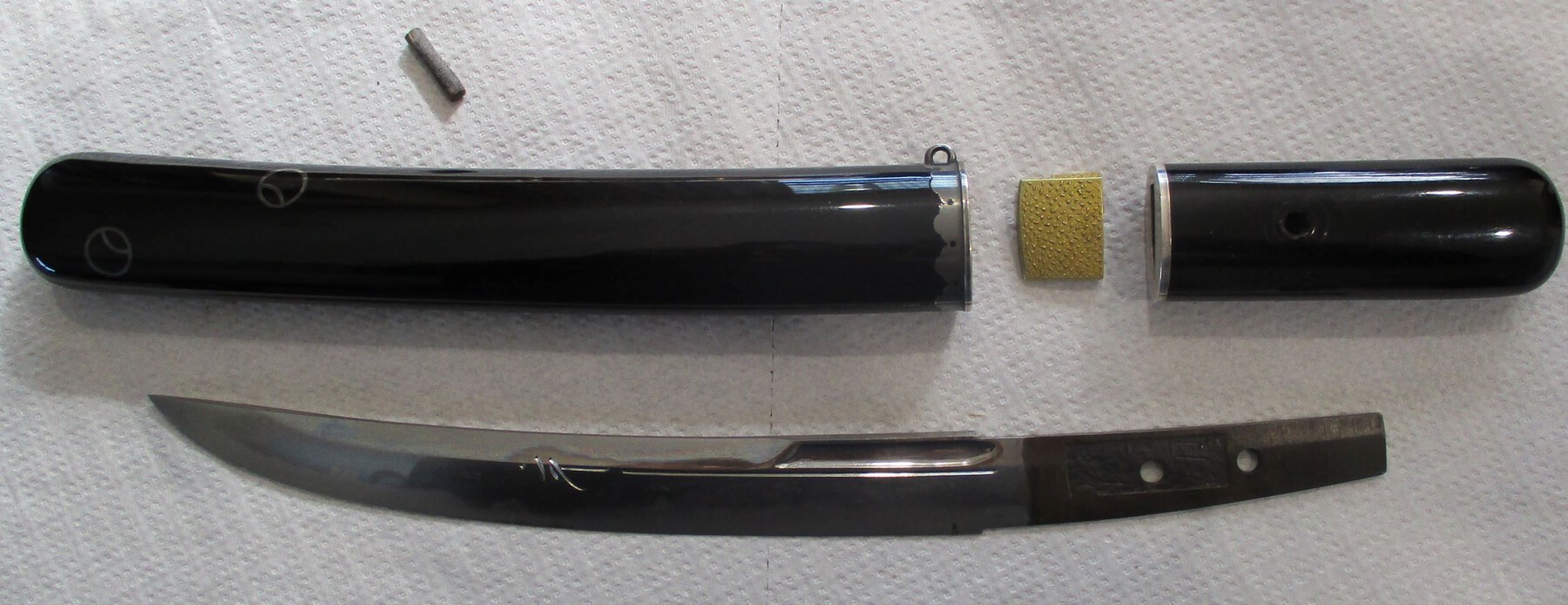
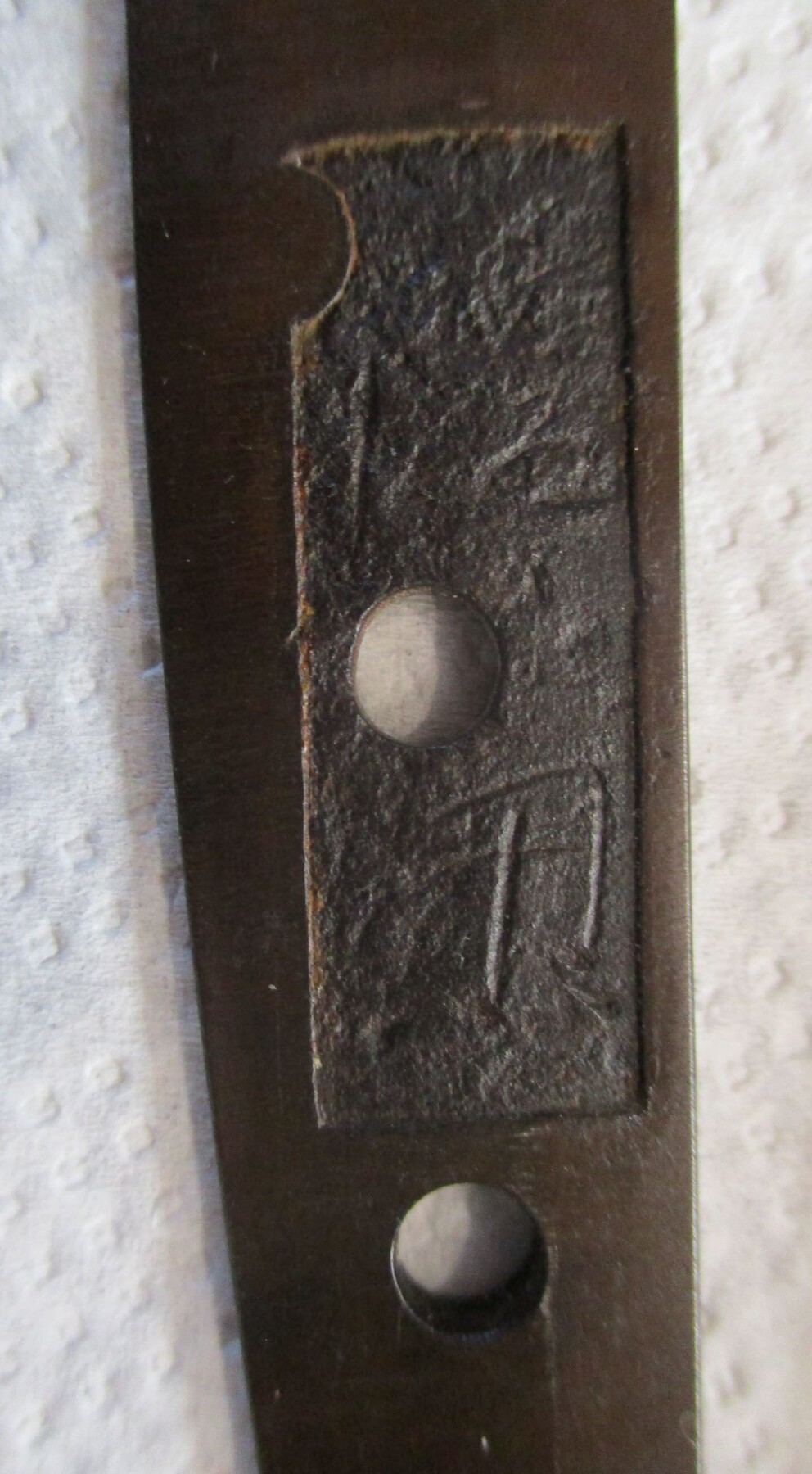
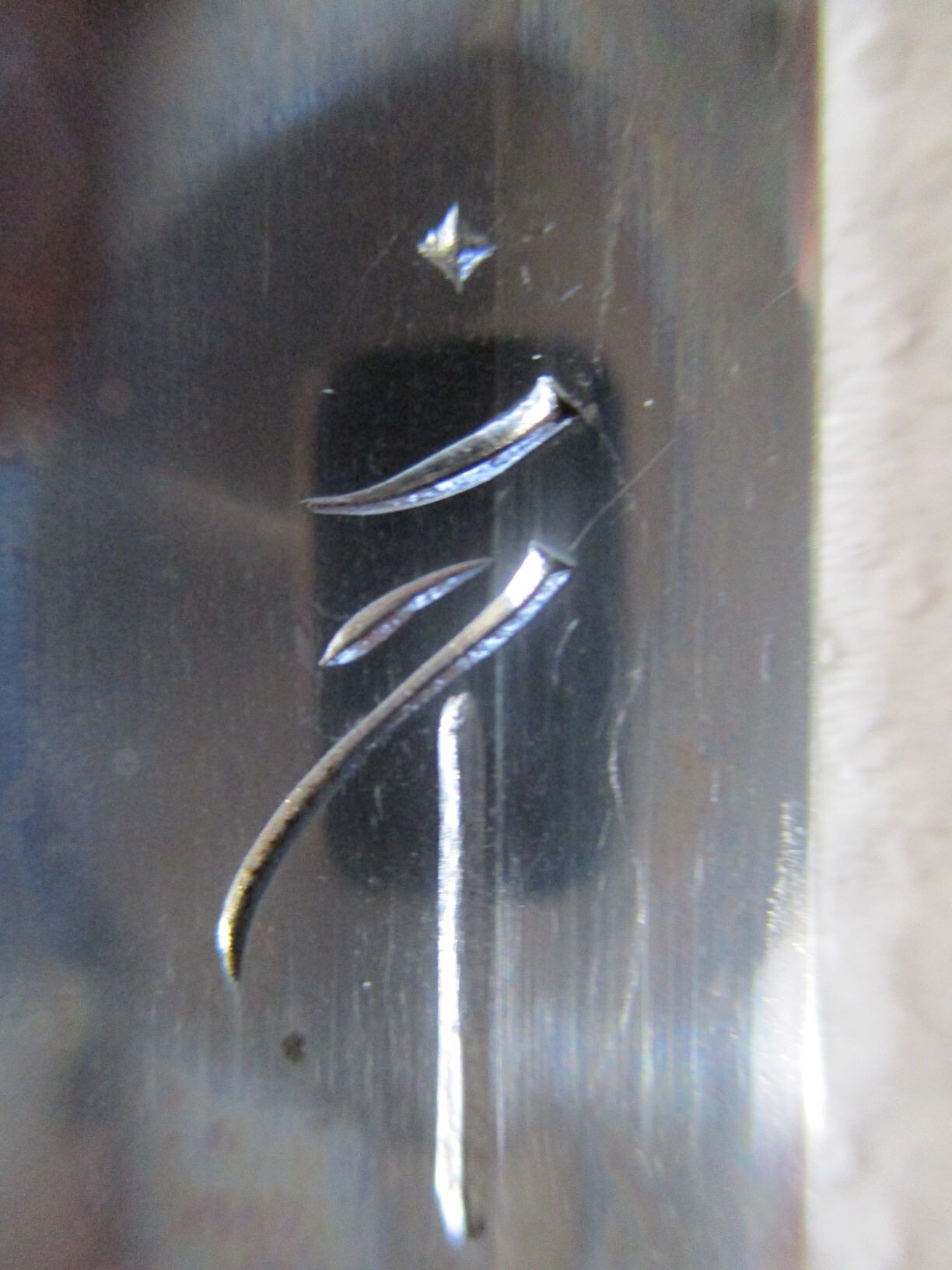
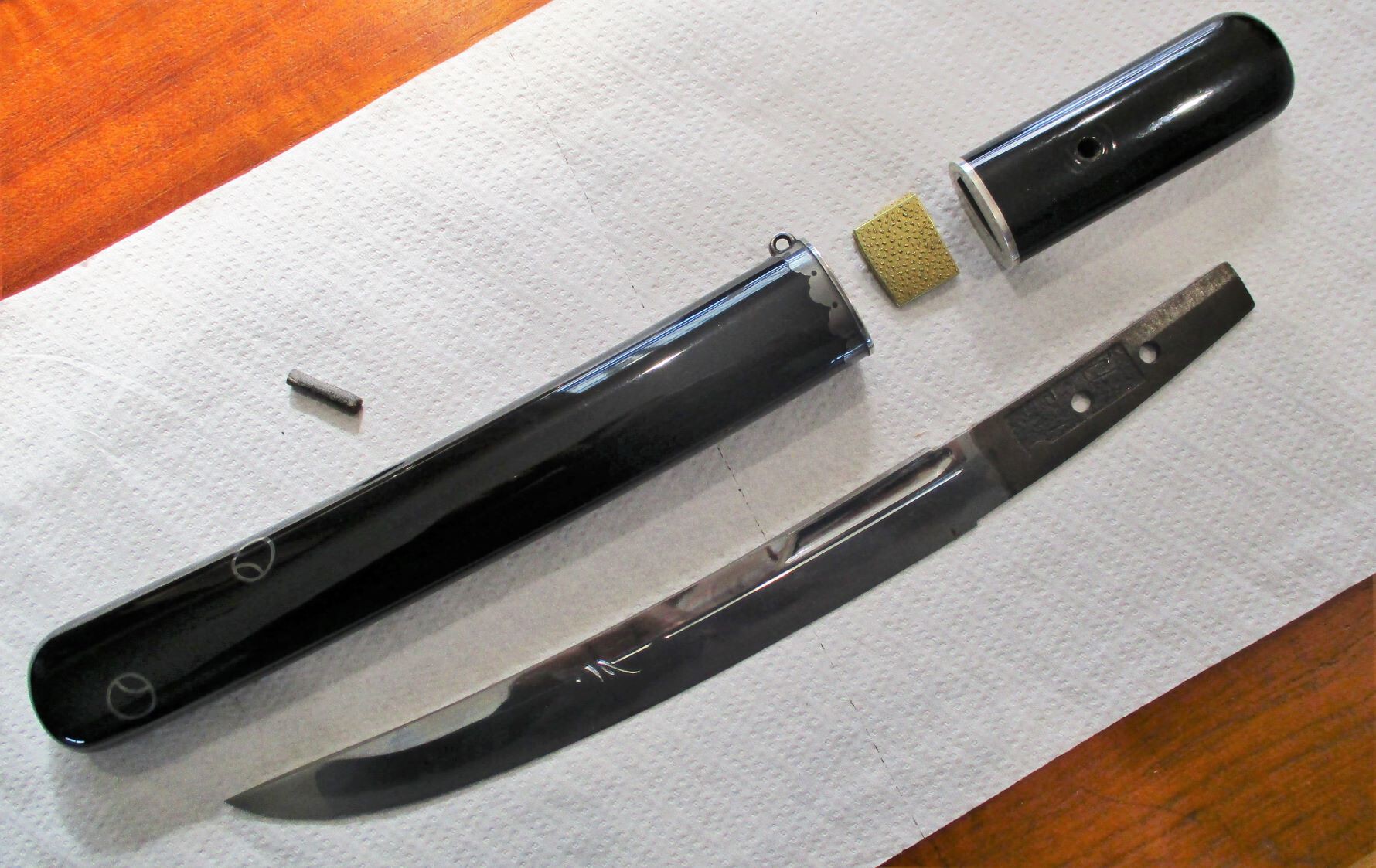
How's this for a first attempt? I have room to improve here. The hole for the retaining leather is too high up sadly, and I wasn't able to get the seam on the roll pin straight (hand forged it from a small sheet of brass). I tried to imitate the flaws in the hole at the top that seem to be prevalent on originals. Still need to do a final polish and patinate it.1 point
-
I like the blade design, probably only on a whim because it is different. The rest is so much meh. Personally, if I owned it, I'd remove all the koshirae and have a new one made to suit the blade. Patchwork pieces are pretty gaudy and unappealing to me. To me, I emphasise. We all have different tastes and we should respect that.1 point
-
Definitely recall seeing a few over the years with this black paint covering all fittings with clear signs of wear. One was a nice early mount from soheiswords on ebay, looked just like the example above in terms of paint and wear. Not totally out of the realm of chance officers painted the fittings black for a night operation.1 point
-
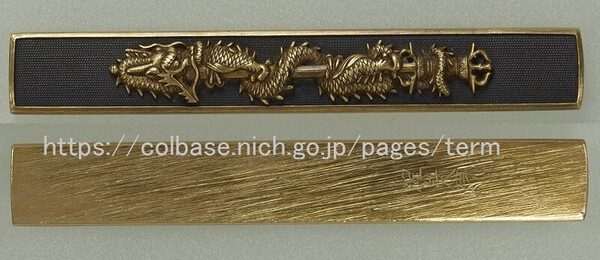
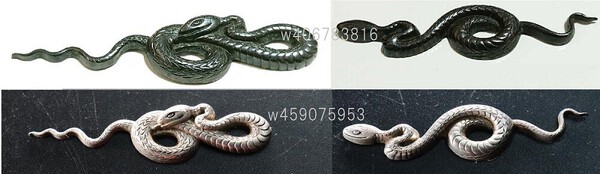
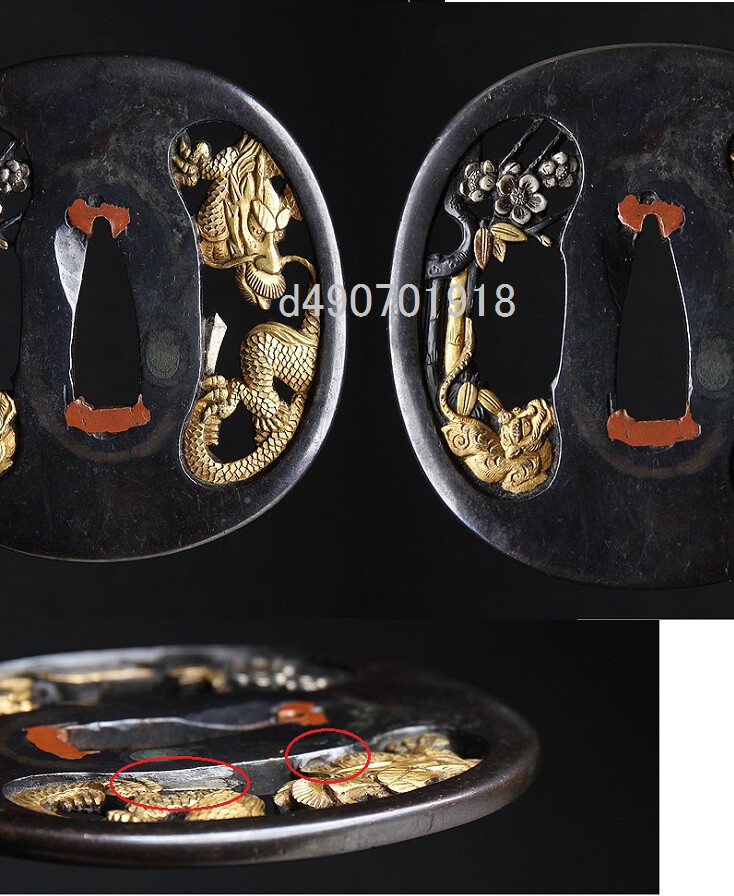
For March. The staple products. https://www.jauce.com/auction/f497787682 https://www.jauce.com/auction/n453460811 https://www.jauce.com/auction/m480343769 https://www.jauce.com/auction/g494831026 The Tokubetu- kicho paper records the name of tadashige and the age of 70. However, since the signature was cast together with the main body and then polished, the surface was covered with scratches and pinholes, and the sign disappeared and became unreadable. https://www.jauce.com/auction/m481407935 Menuki, a white snake that is said to have spiritual power in the Orient, may be more magical with "Yin and yang" if you also own a black snake. https://www.jauce.com/auction/w459075953 The color of gold is not good, it looks like painting. If you look closely, there are spots and burrs on the casting. https://www.jauce.com/auction/v790570960 I think that tsuba, which is soldered metal press working to mimi, will disassemble when it receives an impact. https://www.jauce.com/auction/r473272495 Since the Satsuma tsuba is popular even if it is unsign, casting reproductions are going around these days. https://www.jauce.com/auction/t790145663 reference sample https://blog.goo.ne.jp/yama2015073/e/1a423299a0c7b57b77459adf57d232c1 The two are the same replica. However, it is completely different when compared to Goto-teijo. https://www.jauce.com/auction/m480811334 https://www.jauce.com/auction/w441561691 reference sample https://jpsearch.go.jp/item/cobas-75065 The dragons and tigers that were soldering after scraping shakudo are it feels cramped. https://www.jauce.com/auction/d490701918 The cycle of reselling the same item is getting shorter. By adding a sticker printed with "Yagyu-tsuba"name, it will sell for several times the price. https://www.jauce.com/auction/s809950564 https://www.jauce.com/auction/c870737189 This item claims to be Kanayama-tsuba, which is the same type as the tsuba in the Sasano book. Sure, the shape is very similar, but there are many traces of fine sand molds and pinwhole-like objects on the surface. https://www.jauce.com/auction/d517568589 It is far from to call it Natuo. It's obviously fake on the contrary, it's smiling. https://www.jauce.com/auction/p838144028




 1 point
 -
Try posting one shot of the entire bare blade, which will tell us the blade's age.1 point
-
It looks very suspicious to me . Look at the almost new saya lining, binding and paint on the saya. On the other hand the fittings show age and as Bruce points out the seppa and tsuba come from a sword that had a retention strap .I would bet the woodwork underneath the fuchi is new as well. All put together I think, Ian Brooks1 point
-
Added by who though? I would be really surprised if these could be peeled off, postwar, and applied somewhere else.
 1 point
 -
Pretty sure it was added. Gold labels are always on saya which for the most part black lacquer. The gold stamp is from sword shops. The blue from seki cuttlery co.1 point
-
While I recognize the talent an art of more complex pieces, for some reason I really like these: found Here.
 1 point
 -
Wow - very pleasing1 point
-
Have very much enjoyed the above presentations. Hoping someone can clarify my offering. Purchased here at NMB just over a year ago from Mark who was very generous to me after being given something of a barracking from one, maybe more spectators on the "For Sale' sidelines. A Kwaiken, a concealable women's knife, great condition, about 16.8cm blade, originally a Kikutchi Yari cut down to make a small tanto in 1897 as per inscription on reformed tang. The maker's name is more obscure ?-Kane ? Koto period ? Actually it was Mark then BaZZa who put me in some of the picture. It is a lovely Kwaiken in my opinion. Thank you.


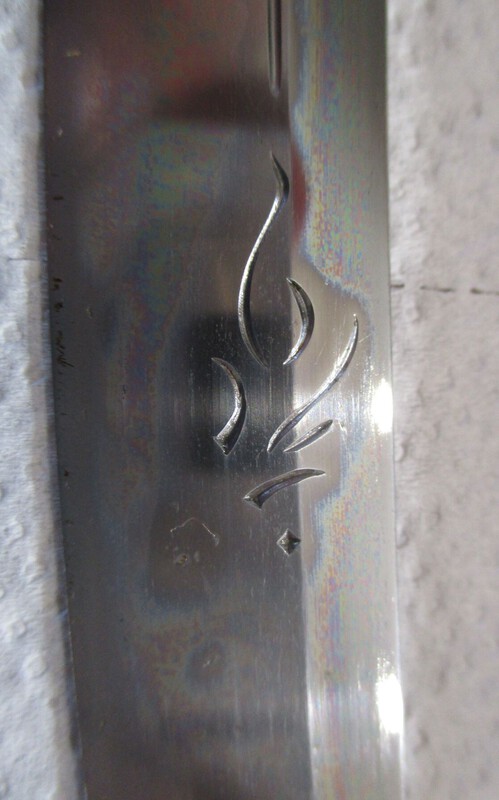


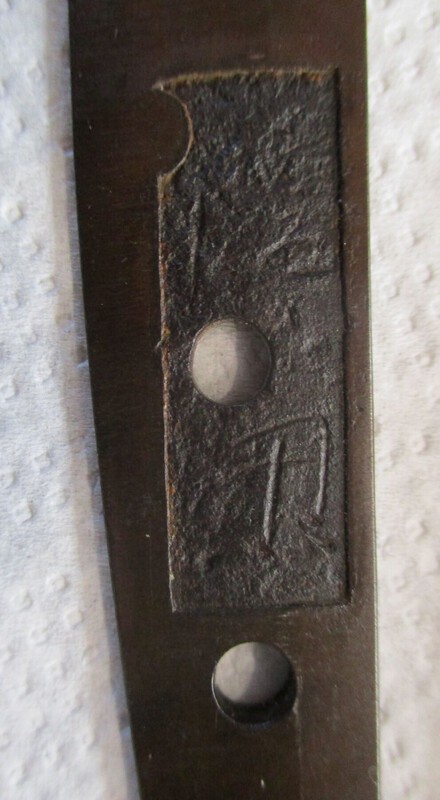


 1 point
 -
Loving the discussion, thank you to everyone for your thoughts. I'm continuing to research this on my own and am quickly finding out this is a very deep pool I have dived into. A couple of things to add as I look into this deeper. As Kirill mentions, I was leaving out the "Shinto Tokuden." And of course then we have some who classify upwards of 20 Shinto/Shinshinto schools from Hizen to Mutsu (working across the country). Also, within the Gokuden time period, we have both Majiwari-mono and Wakimono to describe "schools" that show multiple Gokuden traditions within one "school" and those schools who developed as offshoots or developed separately from the Gokuden (paraphrased from M. Sessko). A perfect example is on Darcy's site: https://yuhindo.com/reisen-sadamori/ And even within his description he quotes Ted Tenold stating "The masame in the ha of Kongobyoe works lends to their general classification of Yamato-den style." So, while I believe I still have a lot to learn and comprehend when it comes to this topic, I'm comfortable in saying I've cleared up that this is not nearly as linear a classification system as I was thinking it was.1 point
-
Namako shaped plate (Muromachi or older) with later heianjo zogan of ginkgo leaves in custom fitted box with NBTHK hozon SOLD


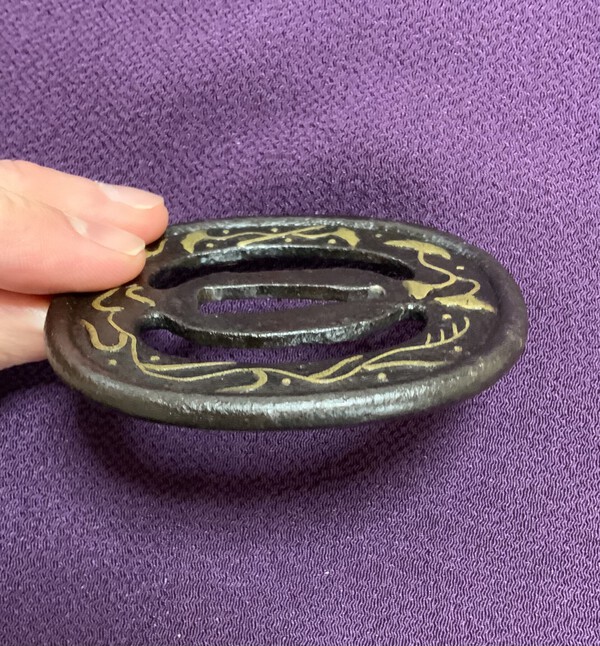 1 point
 -
Dear Bob, it is very refreshing to hear your honest opinion about “bones” in your various posts above. Too often I hear something like “experienced collectors should only collect old iron” or “no self-respecting Samurai Warrior would have a kinko (soft metal) tsuba.” I don’t know why (perhaps it is for the reasons that you indicated in your post above), but it seems that some of the Iron Guys feel the need to bully everyone into their way of thinking. Personally, I like both iron and kinko, and I believe that people should collect what they like (but they just shouldn’t be bullied or misled into it and they shouldn’t bully others). I also often hear “my Sword Sensei told me that real Samurai Warriors only used iron tsuba”. I want to respond, “was that the Sensei that told you to sweep the leg?” As Daniel learned, sometimes the Sensei is wrong... Occasionally, people need to study and think for themselves instead of relying on the often repeated BS. The idea that true Samurai Warriors only liked somber old iron is simply not true. In fact, the whole wabisabi somber, old iron aesthetic came from non-Samurai and non-Warriors like Sen no Rikyū, the famous tea master. He was a merchant and fishmonger. Later he was made a Buddhist priest, but he was never a Samurai or Warrior. The “ami” who regulated the import of Chinese art, literature and ideas (in the early times when the Samurai were coming to power in Japan) were not Samurai or Warriors either, but they governed the aesthetic including official tosogu and koshirae and tea ceremonies for mid and upper Samurai. The Shogun used these “art advisors” to help govern and control the Daimyo and Samurai under them by requiring the Samurai to expend great resources on old iron tsuba, tea bowls, etc. This was very much like the sankin-kōtai system (alternate residence system), which the Shogun used to keep the Daimyos under control. That system required them to spend a great deal of money to travel and change residences every other year (keeping them too poor to raise an army against the Shogun....) The bottom line is that true Samurai Warriors liked and used both iron and kinko tsuba, and irony is that the somber, old iron tsuba aesthetic came from merchants, tea masters and art advisors not Samurai or Warriors... As an aside, I have a Japanese friend in Tokyo who loves trains. He and his buddies get together once a quarter to talk about them. He tells me that one of the greatest possessions that members of his club have is a used iron electrical contact from the top of an electric subway car that is worn down from riding against the electrical supply cable. It’s basically a long iron bar with smooth groves in it. He says that members can talk for hours about those wear marks and almost get aroused when running their hands over the worn groves on that iron electrical contact.... That’s what I think about when I hear people going on and on about tekkotsu (bones) on tsuba...1 point
-
That's because he wants to get his grimy paws on it to butcher it for parts/tart it up. He thinks he can take advantage of people and make a buck (which he sadly accomplishes sometimes). So screw that guy.1 point
-
Been nailing him in the comments for a while now. I suggest people do the same.1 point
-
His channel needs a healthy review bombing.1 point
-
Bastard. I'd encourage anyone who has dealt with him to open a fraud case. I'll assist in any way.1 point
-
The scumbag ought to be beaten with a bokken to within an inch of his life, IMHO.1 point
-
I can add these photos to the sword. Very nice work.
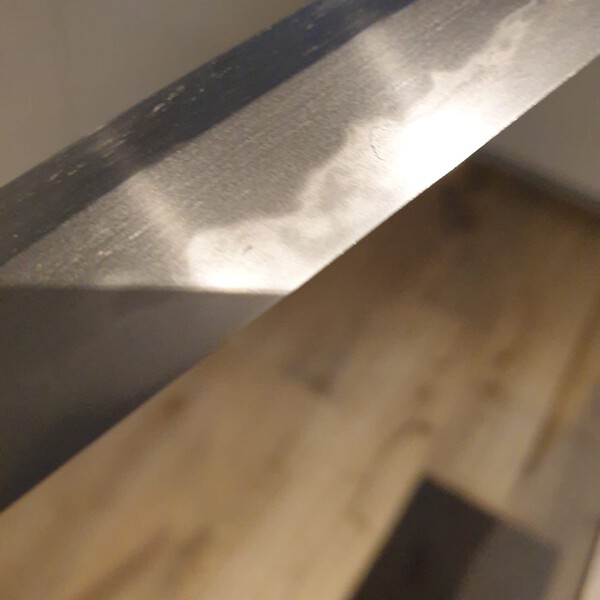

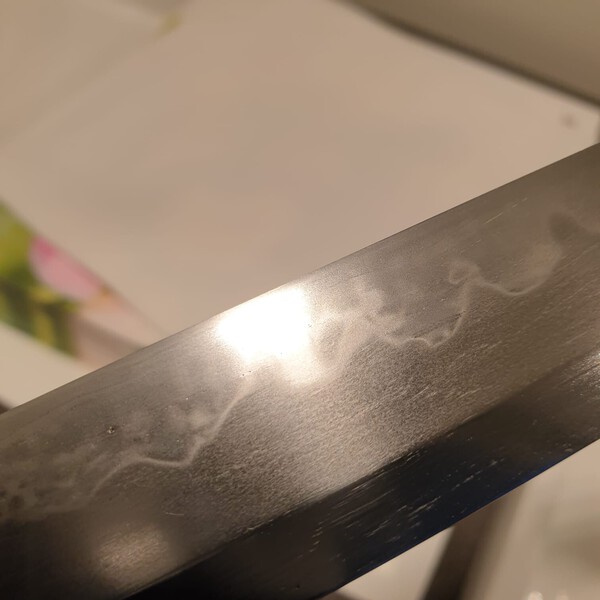


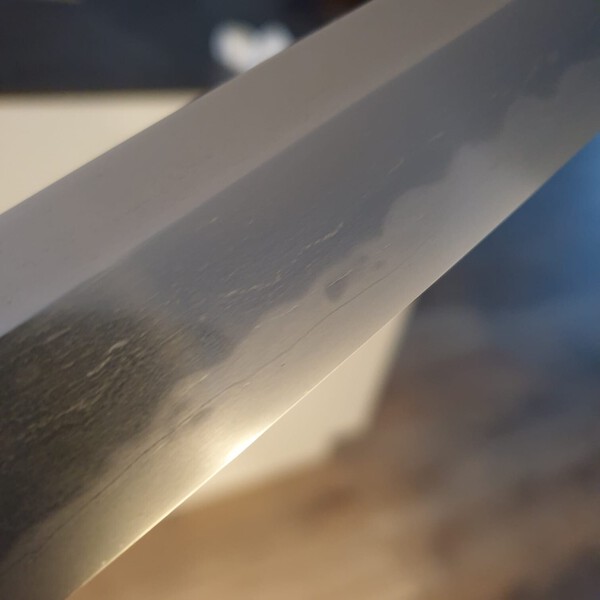 1 point
 -
No. 7 - a modern piece ...

 1 point
 -
Dear Bob, Lovely Tsuba. As you may know, Masatsugu worked in the late 1700’s in Kyoto and the surrounding area (including at Fushimi - the famous Inari Shrine in Kyoto). Your Masatsugu is Haynes H04701.0 and matches the mei and kao in several books (including Sesko’s Signatures of Japanese Sword Fittings Artists - but it should match because it’s your Tsuba on the bottom right of page 227 - right?). In the late 1700’s in Japan, Ginkgo Leaves could have symbolized several different things: Fall, endurance, longevity or the Urasenke School of Tea Ceremony (it is their emblem). In the case of falling ginkgo leaves like those on your tsuba, endurance and longevity are not likely themes. While Fall is a possible motif, I believe that your tsuba was probably made for a Samurai who was a member of the Urasenke School of Tea Ceremony. I reach that conclusion because Masatsugu worked in and around Kyoto (near the headquarters of the Urasenke School), and because I have seen several tea ceremony articles related to Sekiō Sōshitsu (who was the 9th Master of Urasenke during the time your tsuba was made) with this kind of falling ginkgo leaves design (and this is the emblem of the Urasenke School). I love your idea for this thread and am looking forward to seeing more of your collection. The following are a couple of photos of tea utensils with falling ginkgo leaves (not necessarily related to Urasenke or Sekiō Sōshitsu) (by the way, one of the Sumo hairstyles is a Chonmage that symbolizes a ginkgo leaf, but I don't think your tsuba symbolizes tumbling Sumo Players...)

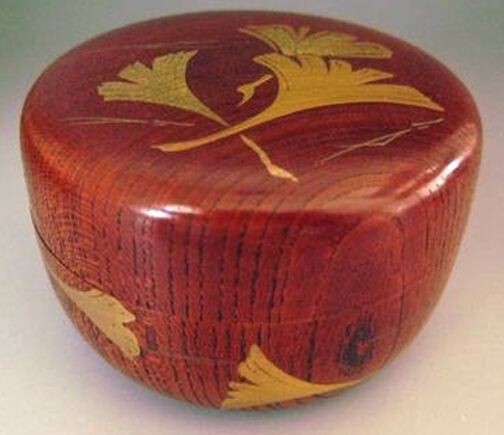
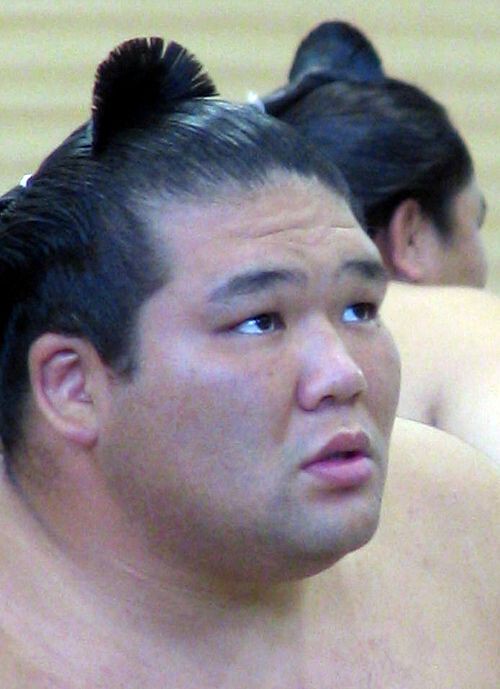 1 point
 -
To be honest I've only purchased a hand full of Nihonto's so far and I've had really good luck. Don't be afraid to take a chance I know for me it's made me money and put a few nice katanas on the wall everyone is skittish "SCARED MONEY DON'T MAKE NO MONEY".1 point
-
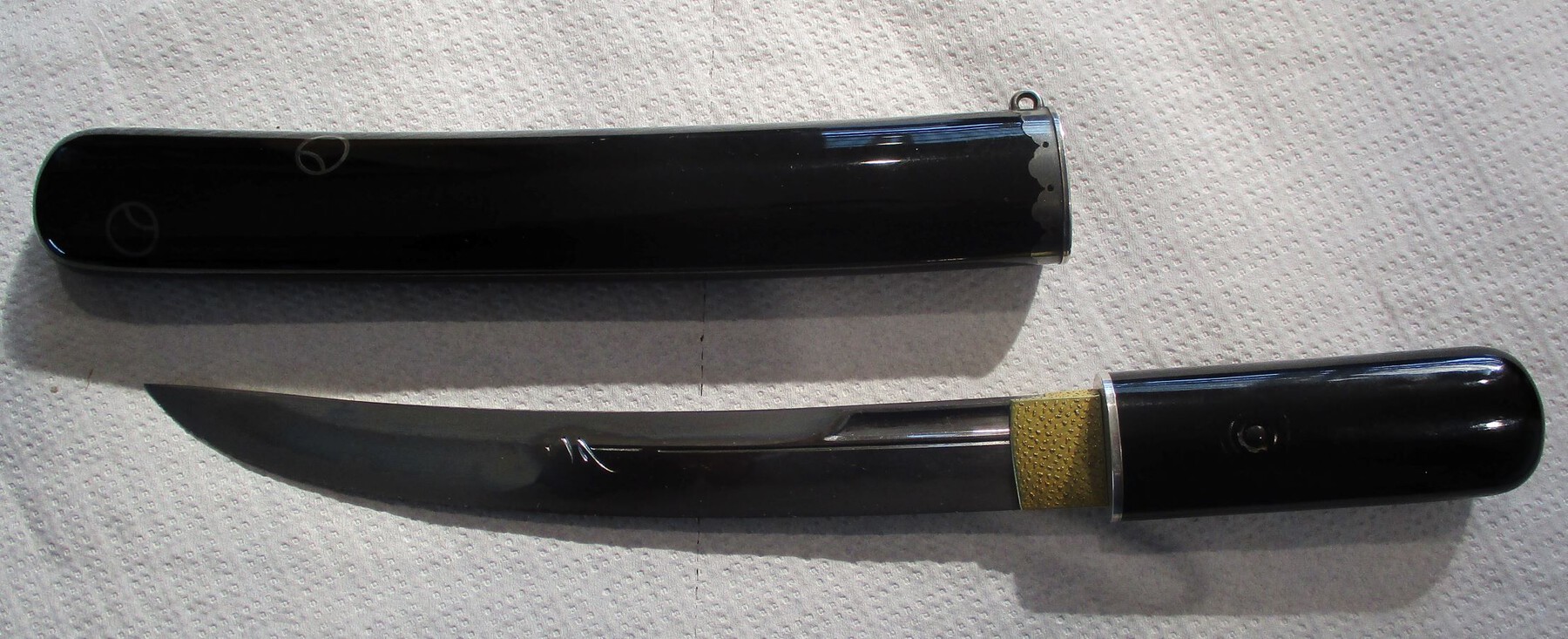
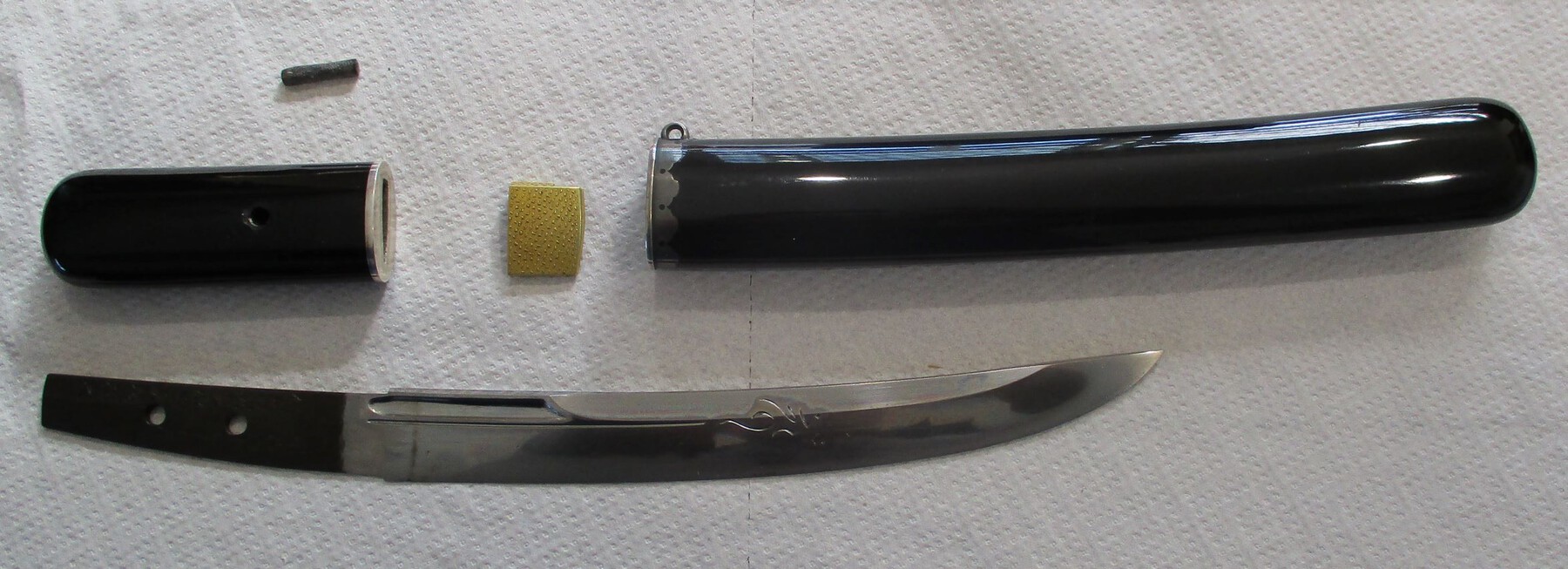
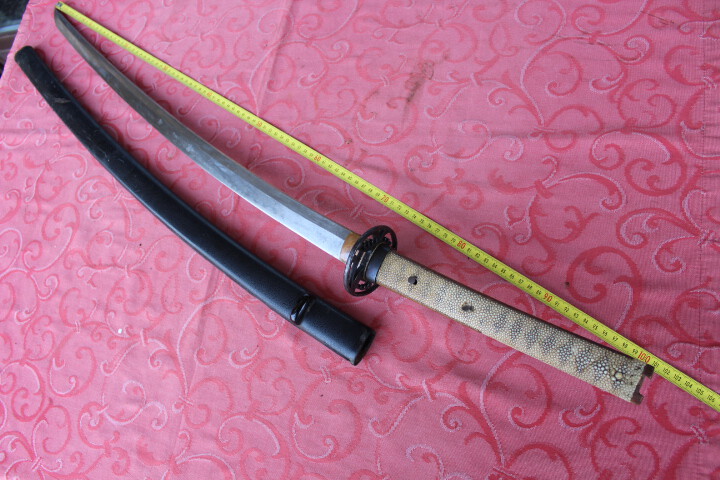
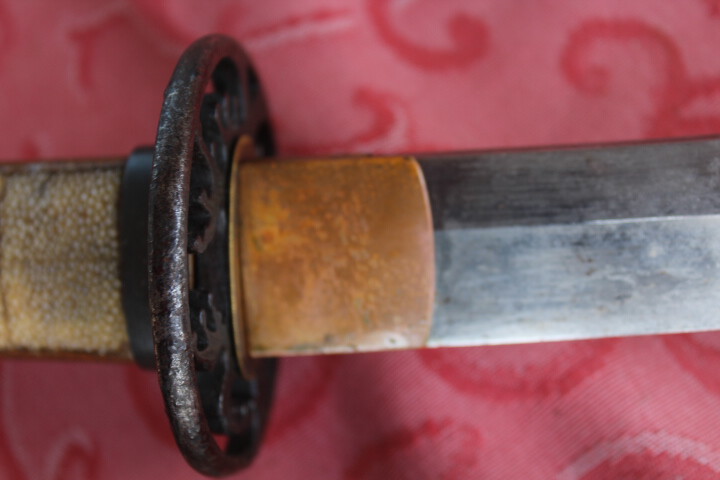
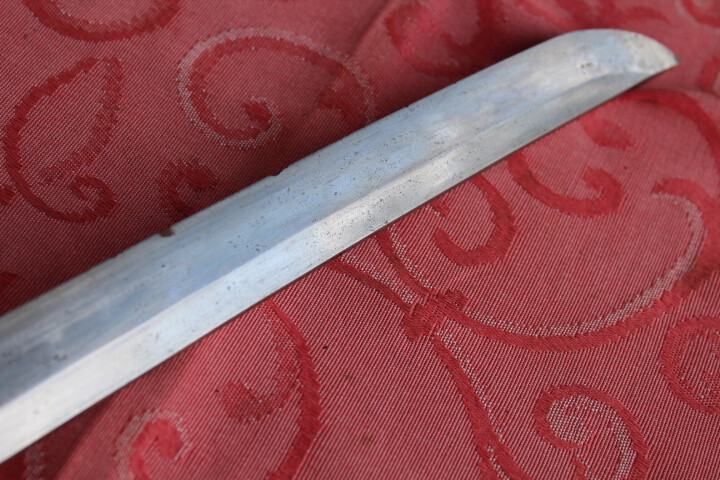
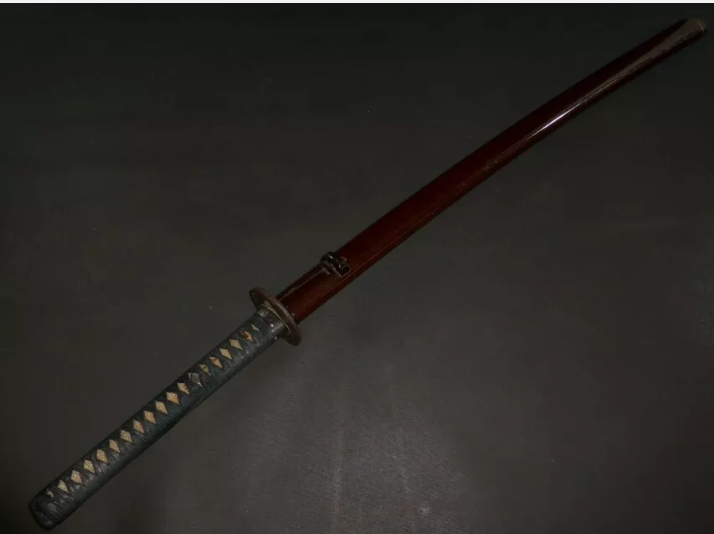
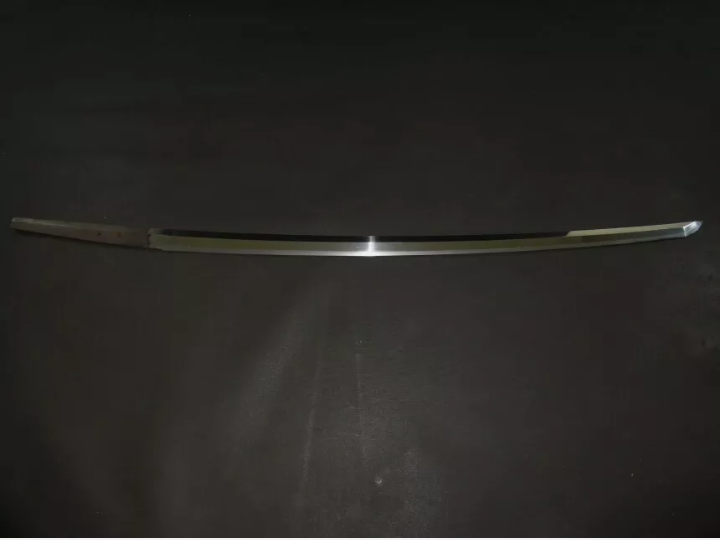
Hello, my granddad bought this sword decades ago on a touristic visit to Japan at a market. I remember it when i was younger, we used to play with it and cut objects with it, that's why the Koshirae is ruined and also the blade had to endure a sharpening attempt by my younger brother. Can someone of you give me a very rough estimation what this thing is about? My granddad plans to sell it on the internet, but i told him i would like to check it first. I suppose strongly it's a purely massproduced piece for selling to tourists (he bought it in the 70s), but as i myself have not the slightest idea, it would help me a lot if anyone could tell me his quick opinion. At the moment i can't get the handle off the piece, but i think it won't be neccessary anymore after your first feedback. I hope you don't see it as an offense to be confronted with such a piece, but i have simply no clue at all & I assume it takes a quick look for you experts. I think for someone with knowledge, already the used materials can give hints. Cheer and thanks Bert


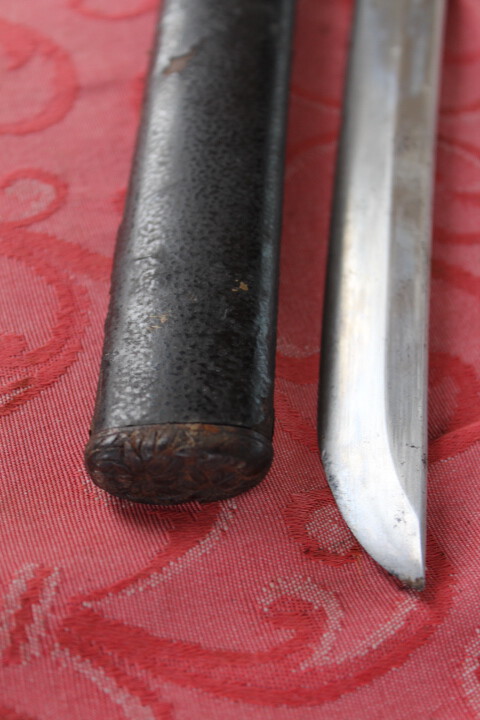
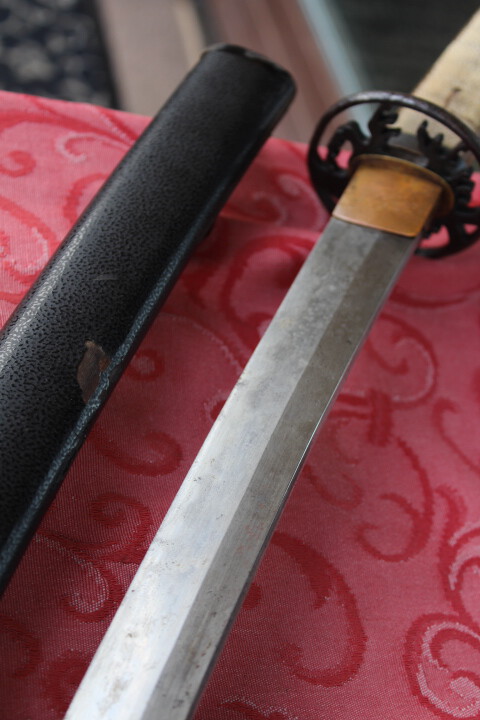
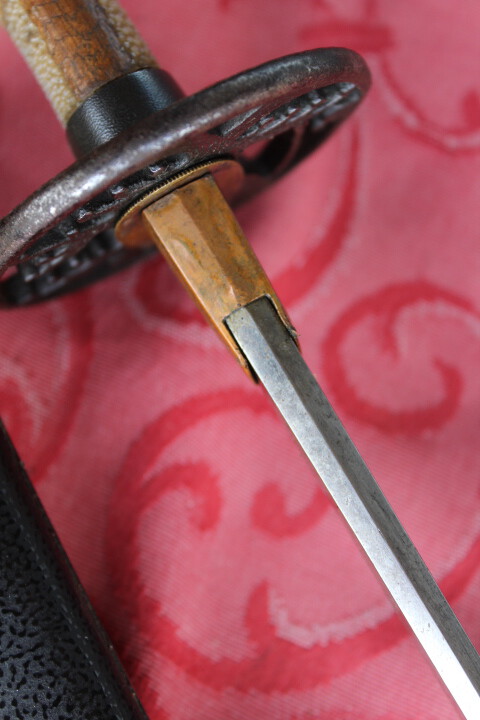
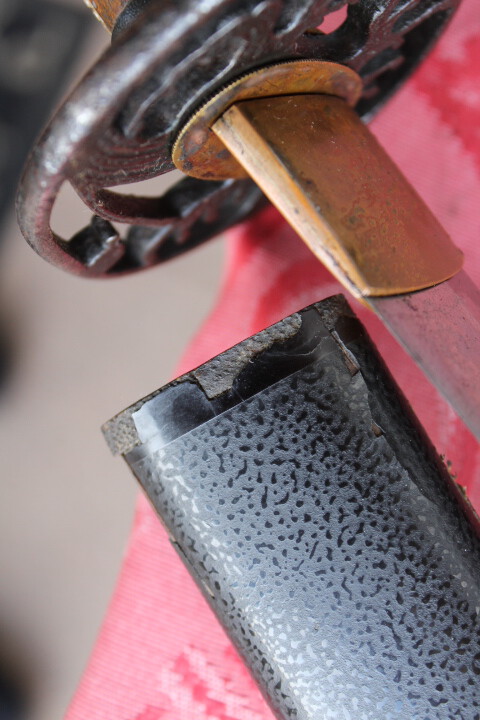 1 point
 -
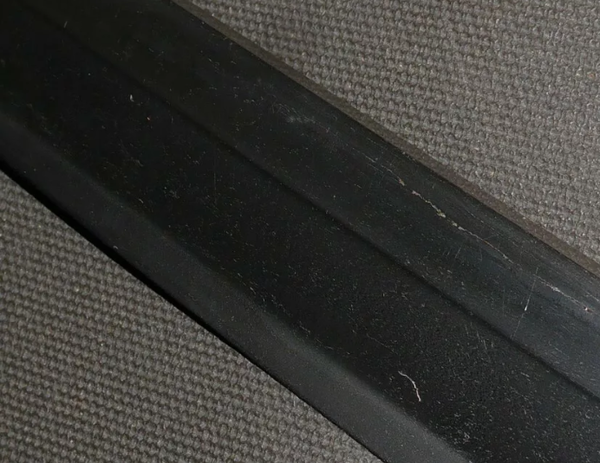
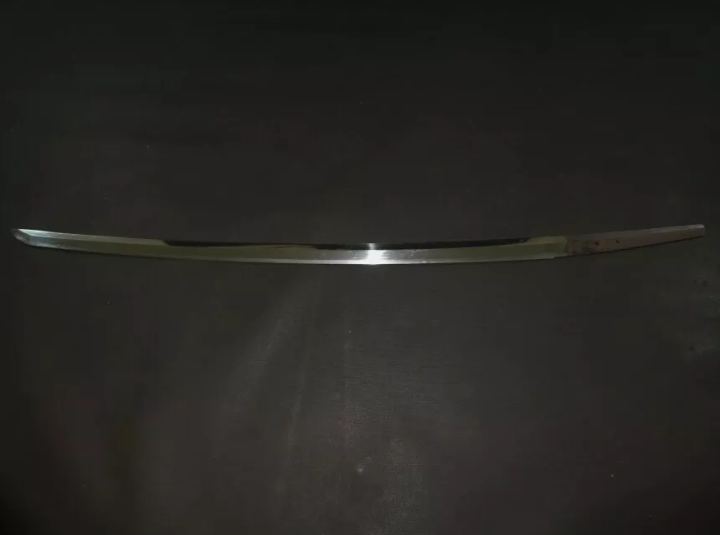
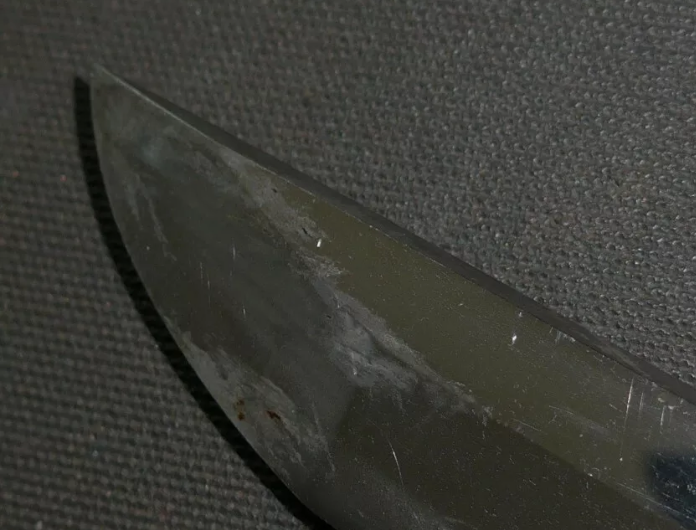
Hello NMB I have a early Edo katana forsale in poor polish but otherwise in decent shape. No chips or nicks in the cutting edge or the blade alike 39 inches in total length with a 27 inch cutting edge I think this would make a perfect starter blade and definitely Worthy of a polish in my opinion. SOLD


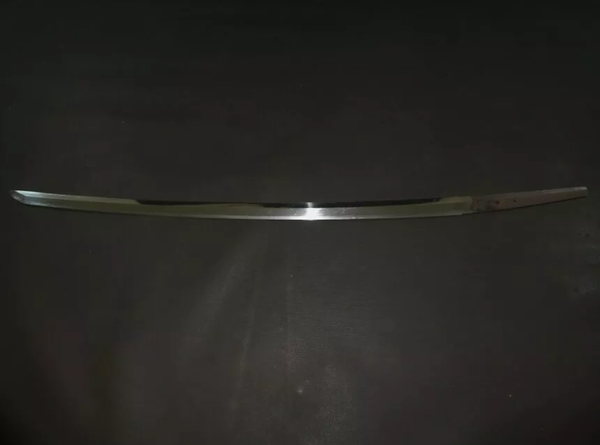
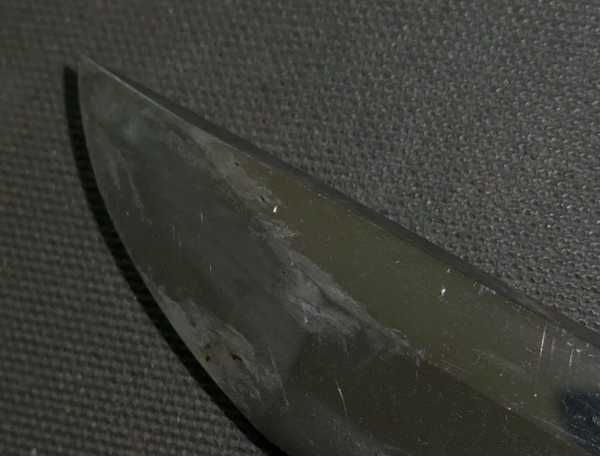
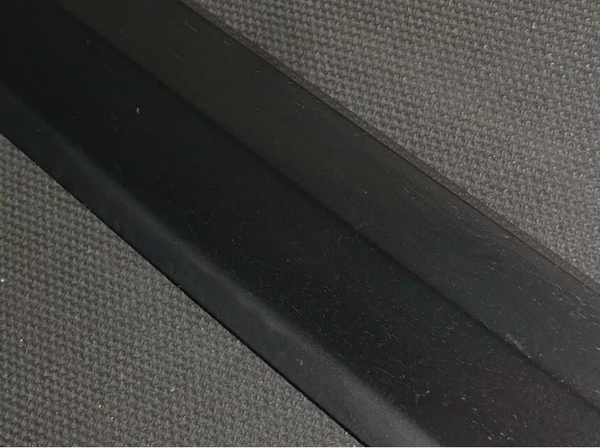
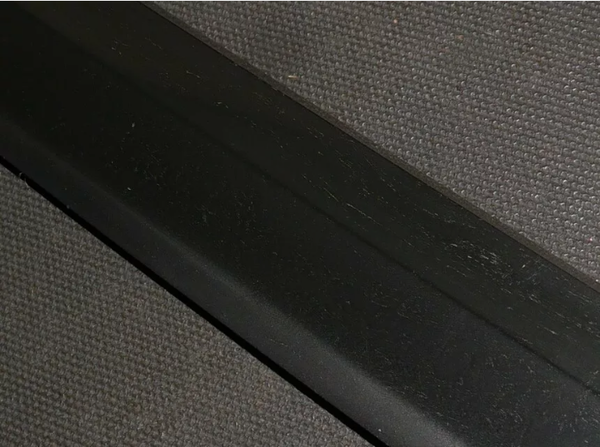
 1 point
 -
1 point
-
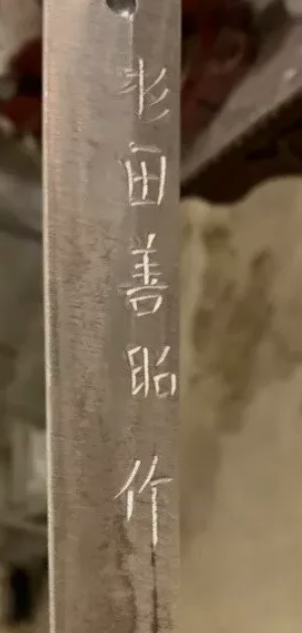
Just wondering if this is a real signature or gimi.
 1 point
 -
Thank you for that quick and easy.1 point
-
Thank you all for your kind and interesting feedback so far1 point
-
ok, i'll try to get it off somehow. It was professionally locked with an old rusty nale which was bent and hammered into the hilt (also performed by my younger brother). To me the scabbard looks strange. I'm not sure if it is just plastic or some kind of lacquer. How does the tsuba look to you? The material of the metal on the blade, i think it's called habaki looks like copper or brass.
 1 point
 -
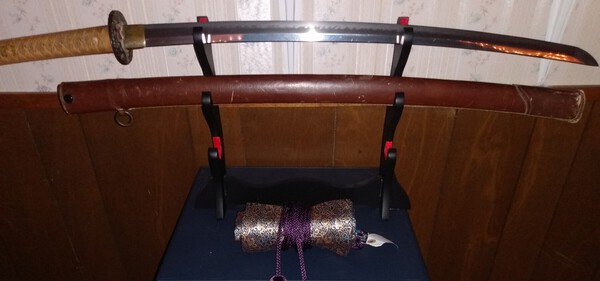
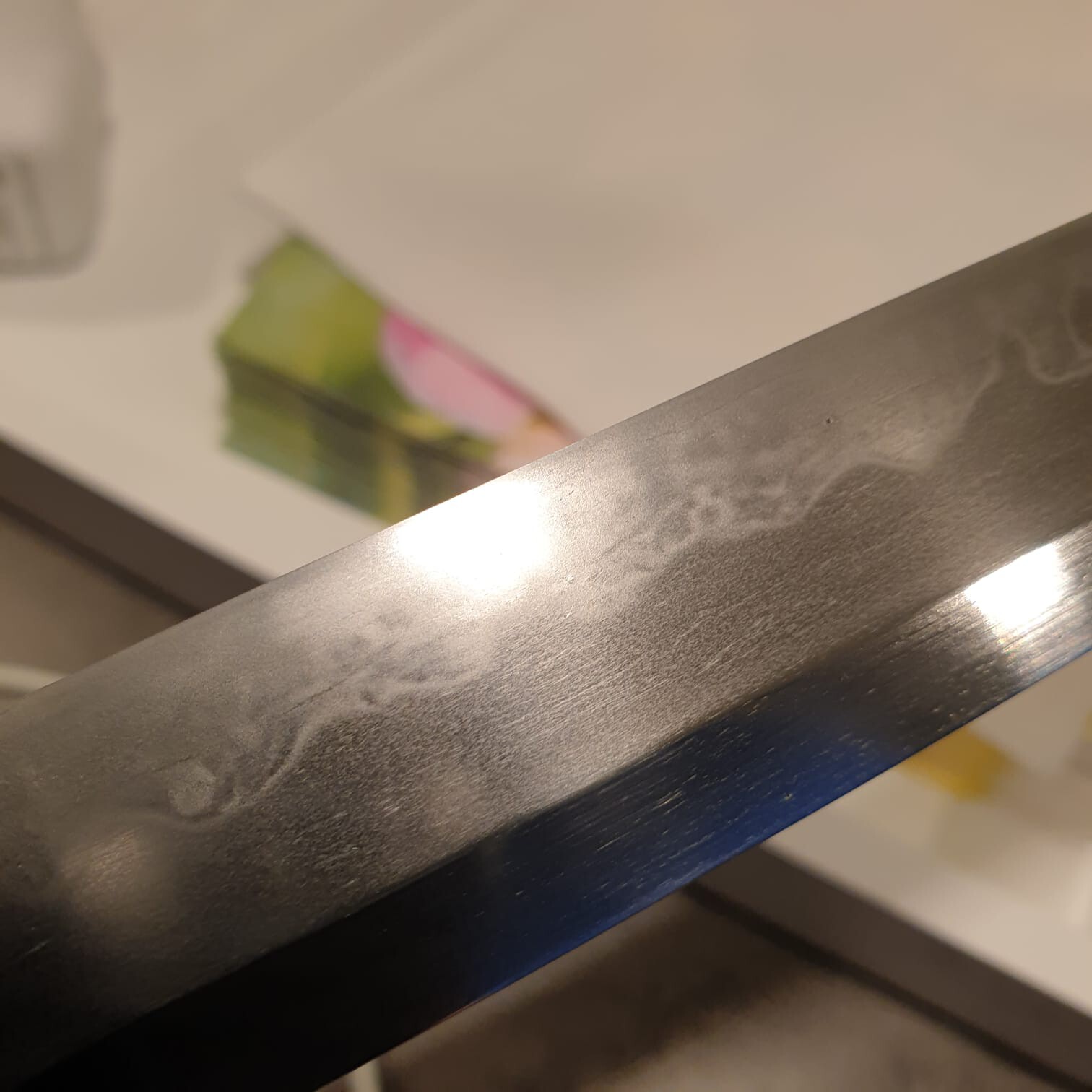
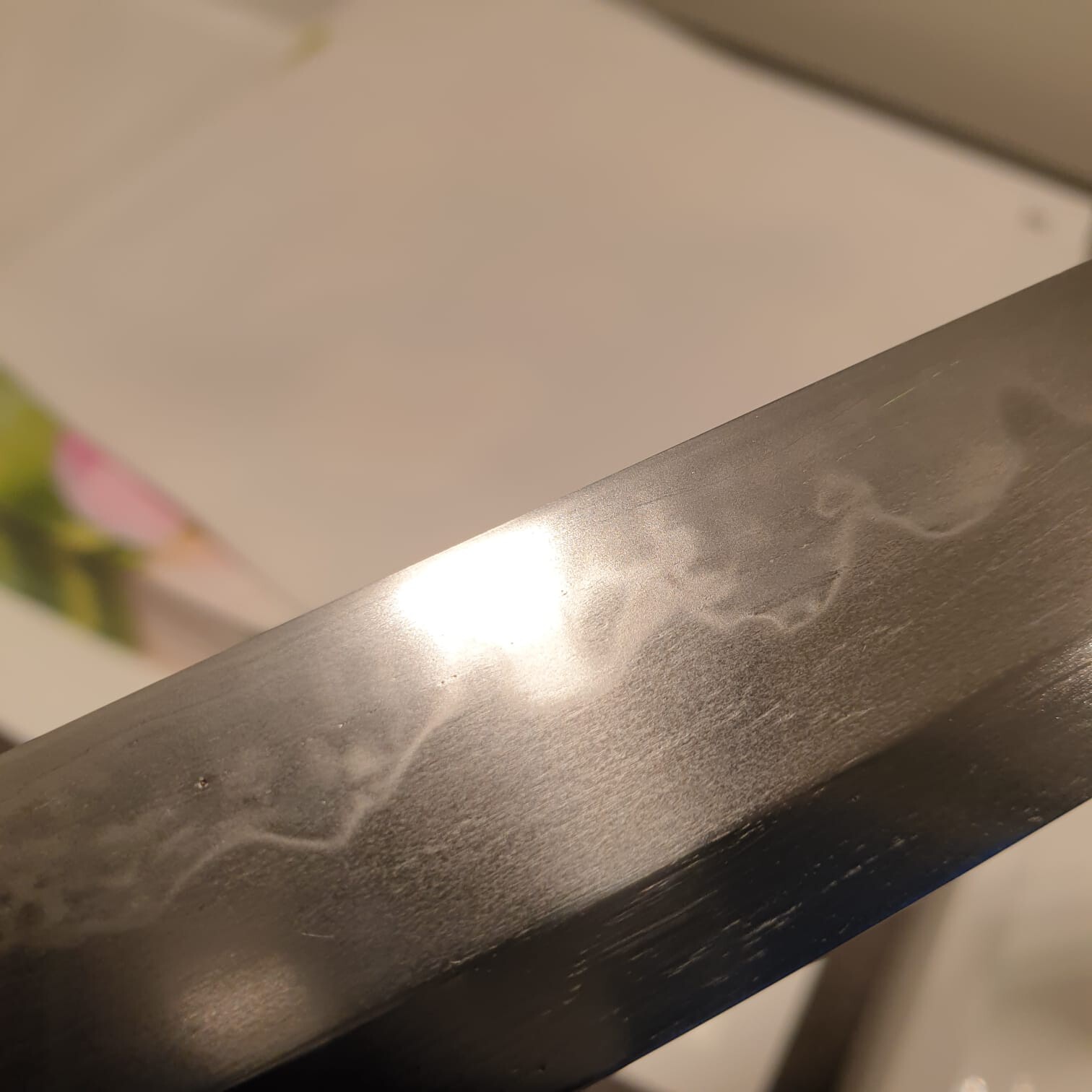
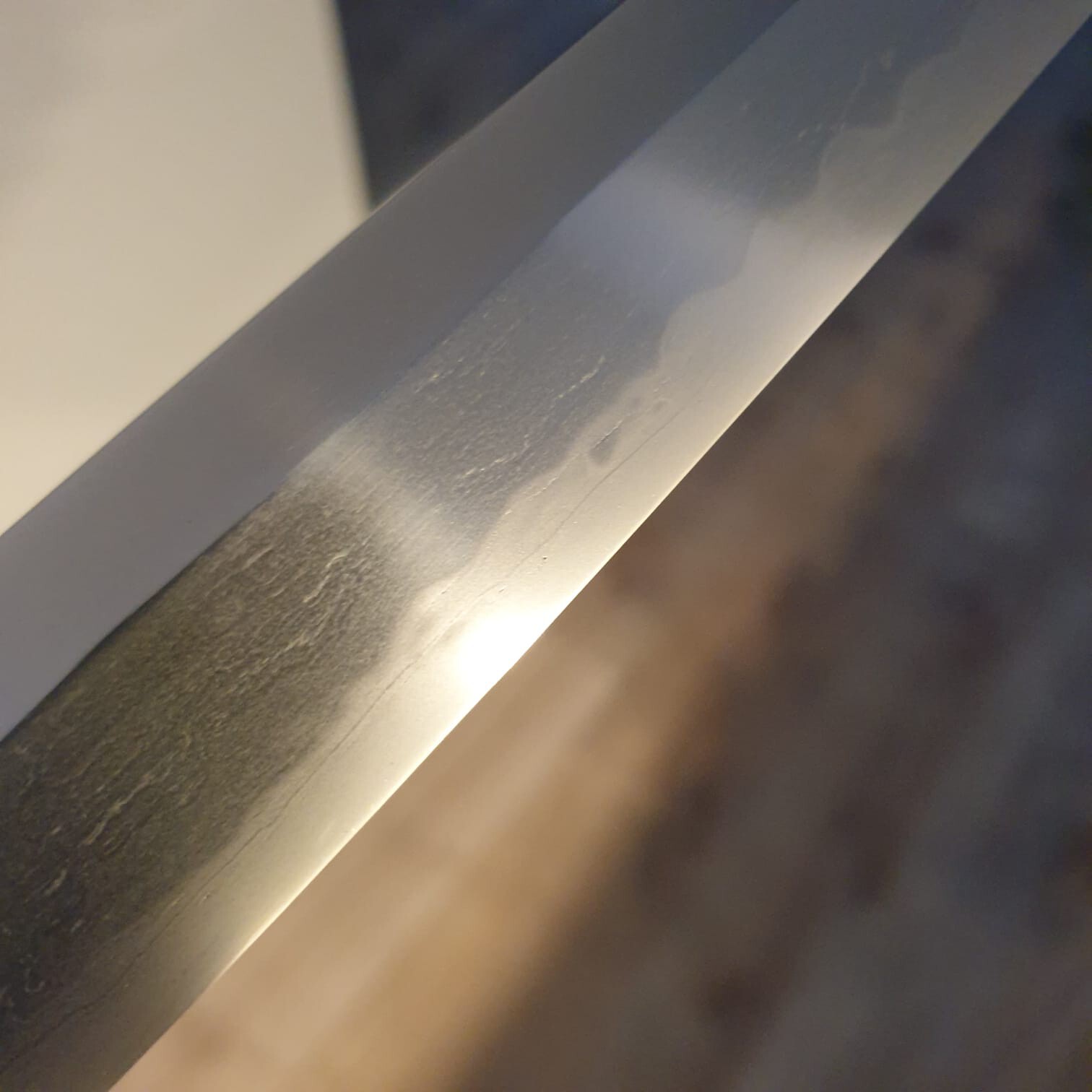
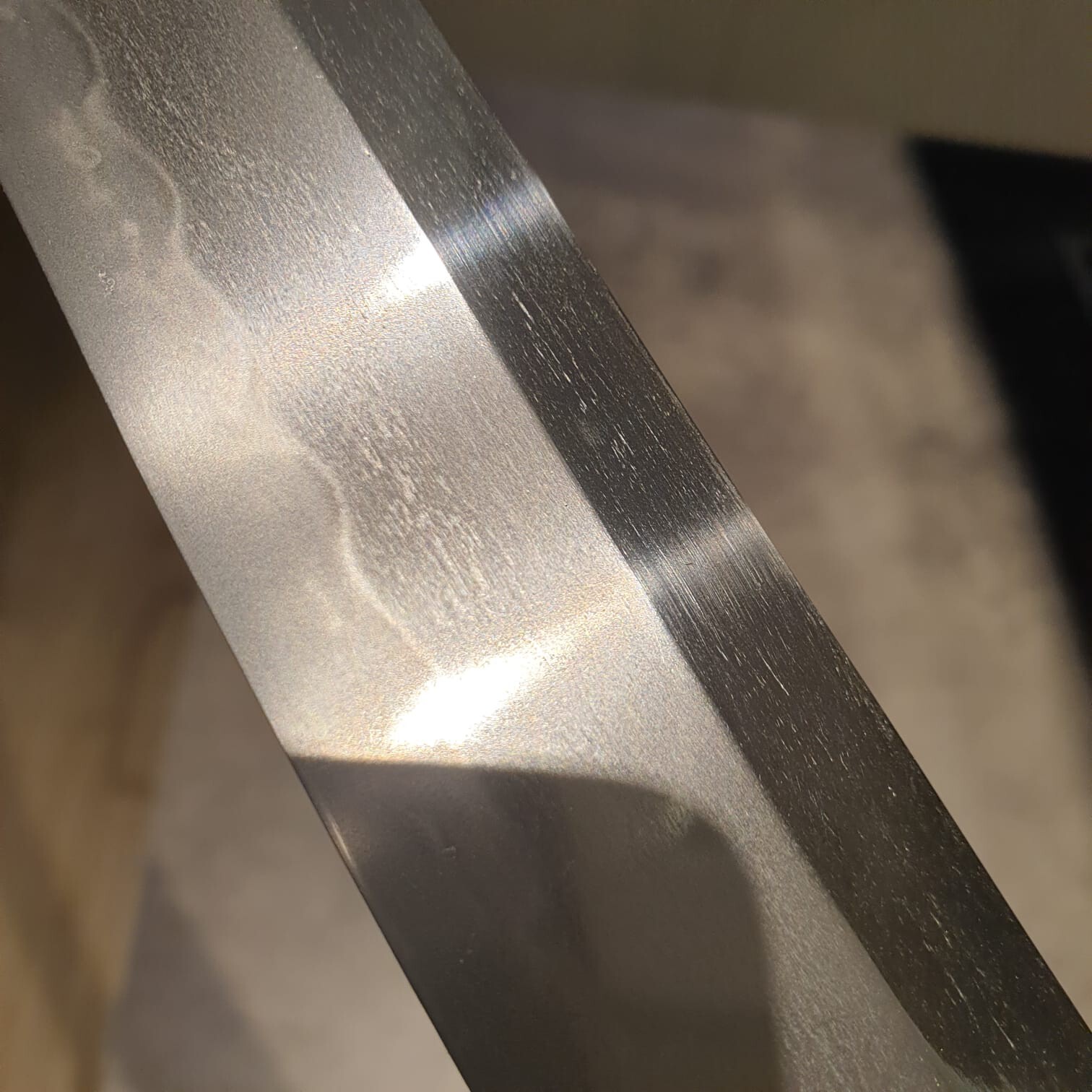
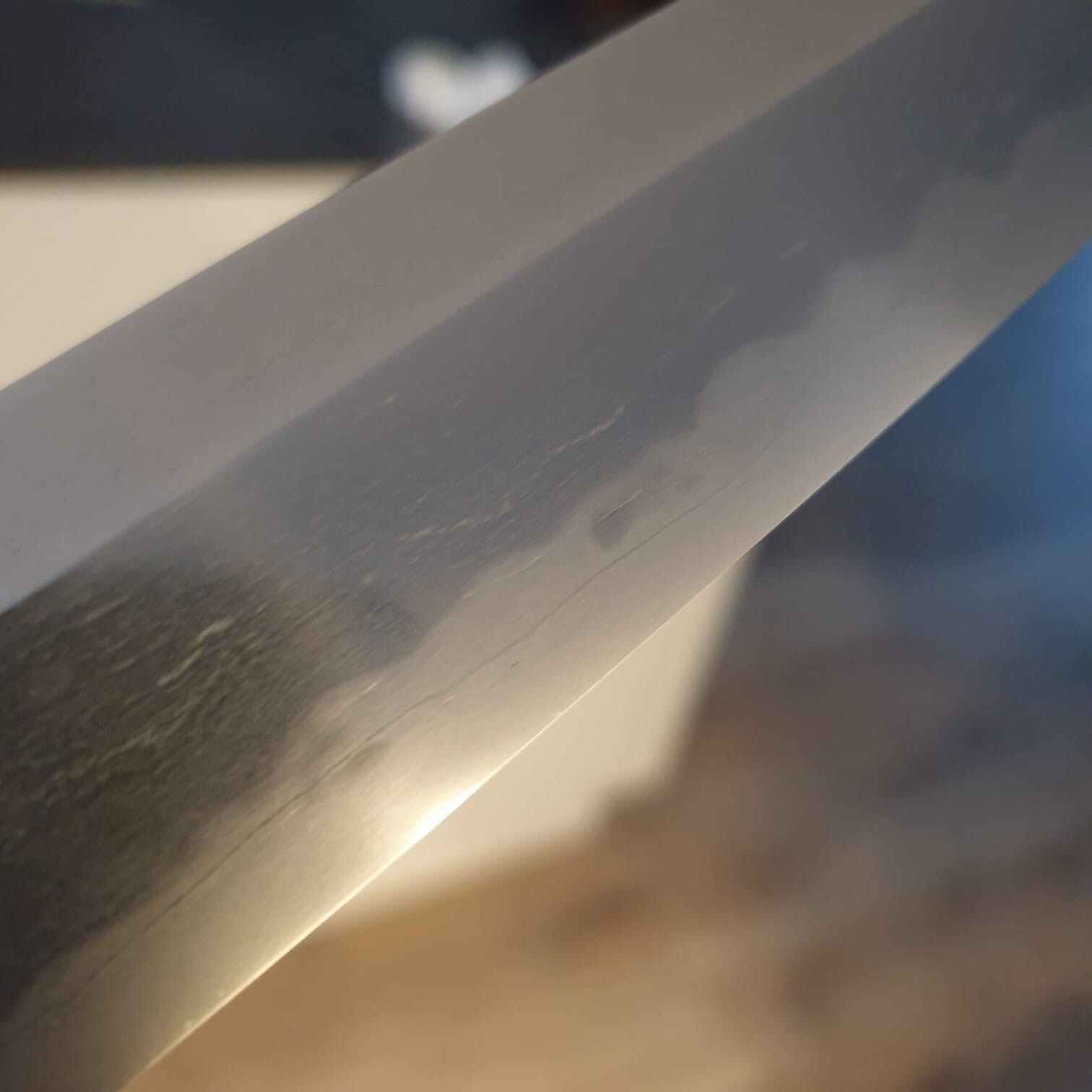
Hello NMB members just testing waters on my beautiful gendatio traditionally made signed Kanetsugu. Beautiful choji crab claws hamon ko Mokume tight hada, has a few scratches here and there and a spot with some dried grease no fatal flaws or anything that wouldn't clean off or polish out beautiful Nihonto comes with nice katana bag made in Japan of course. 3000$ firm because a portion will be donated to NMB+ shipping.

 1 point
 -
1 point
-
1 point
-
1 point
-
1 point
-
1 point

.jpg.a2fe6de6716082287543d9f8946c4434.jpg)
.jpg.ba871fa13a4f2967814e0e2d9ffebcf6.jpg)

.jpg.9760f777daa7d9b7c2f20ea50ee82da5.jpg)
.jpg.dba858fac6953150a0b2e9d2af61d1f2.jpg)























This leaderboard is set to Johannesburg/GMT+02:00