
Leaderboard

Popular Content
Showing content with the highest reputation on 04/02/2026 in all areas
-
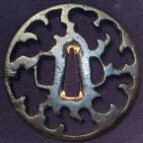
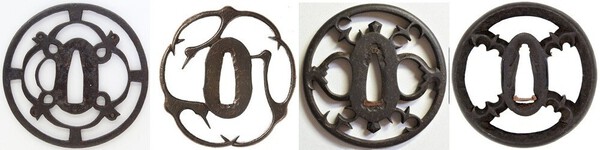
Love the discussion, although I’m not very confident that we can eventually arrive at a solid understanding of tsuba attribution to a specific school. So, let’s get back to the details, which may become clearer as our thinking progresses. Let’s try to move from naturalistic to more abstract representations of wild geese: Now it’s quite clear how the more abstract pattern is oriented.
 7 points
 -
源市太 MINAMOTO Ichita Minamoto Ichita was a swordsmith from the 1600s. No idea if the signature is genuine or not.4 points
-
Dear Joseph. It is perfectly understandable that you are looking for the type of boshi but there is a problem. When you read the texts they seem to suggest that there are discreet types of boshi and even that they can lead you to a specific smith. This is sometimes true, the example that Chris gave of a Mishina boshi being a case in point. Mishina being the name of the school. In some swords you would certainly expect a specific boshi as confirmation of the smith however in many others this classification by type does not work. To quote from Markus in Shinto and Shinshinto Kantei, "....on the omote side a shallow notare komi with a pointed and rather long kaeri, on the ura side a more sugu based notare with some ko gunome which turns into a jizo like and short ko maru kaeri. there is hakikake on both sides." It is useful to think of the types displayed in text books as just that, text book examples. What they are giving you is a vocabulary with which to describe the features of the hamon in the kissaki. (The same thing can be said for almost any other feature of a sword.) With some swords the description might be short and sweet, something like suguha with komaru and short kaeri, sometimes not. From what I can see in your photographs your sword does not have a nice tight nioi guchi running into the kissaki and so the description might be more convoluted. Feel free to wax lyrical in your description of the boshi on your sword. I hope that helps rather than hinders. All the best.3 points
-
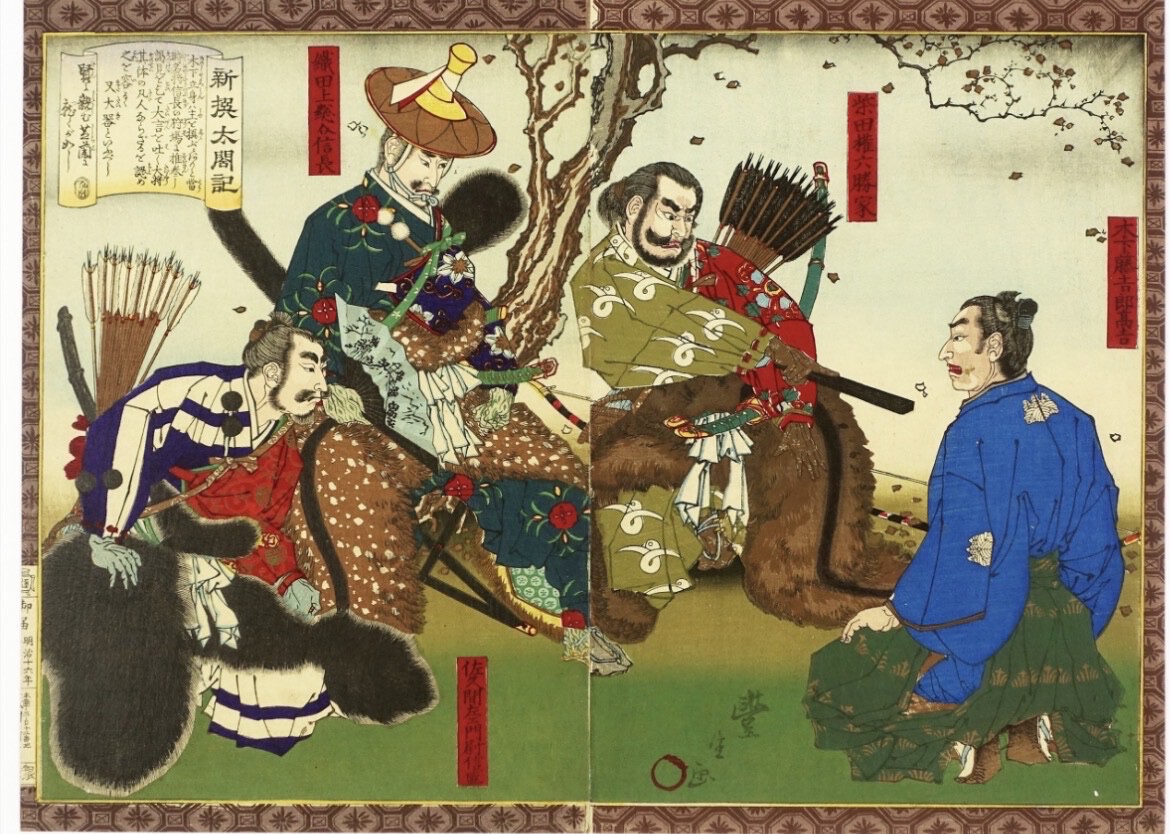
Look at the Kamon on Shibata Katsuie’s kimono.
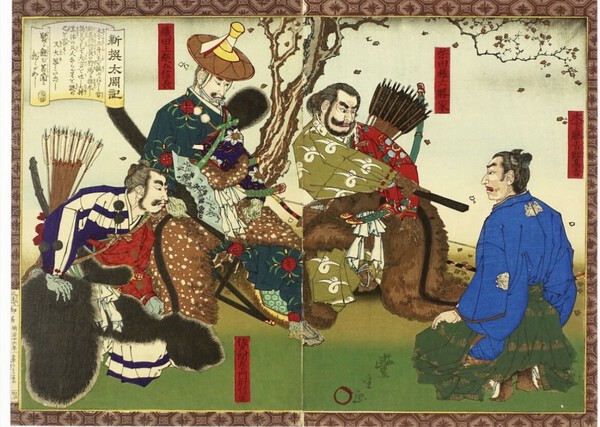 3 points
 -
Hello everyone, my name is Faustus. I’ve been reading the board for a while and thought it’s time to join. I’m based in Germany and still relatively new to collecting, although I’ve already picked up some smaller pieces along the way. I’ve been fascinated by Japanese culture since I was a child, but what really got me into Nihonto was my first trip to Japan in the middle of last year — that’s where it sort of clicked and I started looking into it more seriously. Since then I’ve been trying to learn step by step, looking at different aspects of Nihonto collecting. At the moment I’m waiting to receive my first katana from Japan and I’m really looking forward to studying it in detail. At the same time, I’m starting to get into topics like lighting setup, sword care, storage, and presentation. I really appreciate the amount of knowledge shared here and I’m looking forward to learning more. Best regards, Faustus3 points
-
Oh and back to schools issue...pertaining to these specific tsuba. There was a significant amount of overlap and cross-pollination, including direct contact between smiths among the Akasaka, Tosa Myochin and a strong stylistic pull for both of those groups toward the Higo Kanshiro, so it's no wonder all these tsuba have very similar characteristics, but are getting all these different labels. Even some late Edo period Tosa smiths were known to work in an earlier ko-Akasaka style (but usually with their own twist, rather than just doing rote utsushi copies). There's a really interesting and informative article that describes the detailed nature of this stylistic "entanglement": A Story of the Tosa - Myôchin 土佐 明珍 By Mark Ceskavich JSSUS Newsletter Volume 50, no.3, 20183 points
-
Chris wrote excellent post and information like that will take some time to process. It is actually quite complicated stuff. I was giving an introductory into Japanese swords during the weekend, and I briefly mentioned about the difficulties in looking at prices as there can be so much variation that is very hard to understand. This does happen at all levels, not just at high end. Sometimes it can be really difficult to say why one sword is listed at 500,000 yen and another one for 700,000 yen. I was about to dig up some reference example where the same seller has listed blades from the same school at various price points. As a fun fact I have recorded Aoi Art selling 46 different mumei Ko-Mihara blades. Here are 3 blades from my cherished northern Hōju school that all have been listed at Eirakudo and all papered as Tokubetsu Hozon by NBTHK, and all are in shirasaya so koshirae does not complicate things. As a fun fact N. 1 & 3 have also been at other dealers at different price point. 1: Tachi 78,1 cm : 2,000,000 yen : https://eirakudo.shop/token/wakizashi/detail/368087 2: Katana 79,1 cm : 2,600,000 yen : https://eirakudo.shop/806442 3: Katana 72,8 cm : 1,300,000 yen : https://eirakudo.shop/099872 If all items were equally priced I would pick them in order 3,2,1. I do like the number 3 most because of the strong shape. It has the strong Nanbokuchō profile that I like. I think the description for this one is good and there are of course some rougher areas on the blade that don't look that nice. There is one bit nasty delamination in kissaki that pop ups a bit, I could live with stuff like that but for many it might be annoying. Number 3 has also appeared on Samurai Museum for roughly 1,800,000 yen https://www.samuraimuseum.jp/shop/product/antique-Japanese-sword-katana-unsigned-hojyu-nbthk-tokubetsu-hozon-certificate-2/ and at Winners for price unknown to me https://www.winners-auction.jp/productDetail/99960 2 is the most expensive one and one that I have not yet seen anywhere else, it is recent 2025 Tokubetsu Hozon. This one has long length of 79,1 cm and in the sales ad it is mentioned this is ō-suriage. Long supposedly ō-suriage blades like this are always making my brain hurt. As then this would be an ōdachi originally and to me this does not really have the general vibe that ōdachi have. This is quite narrow sword in profile with little curvature. I know there is a hole at the bottom of the nakago but in my mind I see the middle most likely area for the original hole, so I would just see this as suriage sword and not ō-suriage. I would see this being bit similar to sword number one and both being late Kamakura period tachi originally. I am just comparing because I do have plenty of reference Hōju tachi that are in 80 to 88 cm range. I could very well see this being bit over 80 cm originally but struggle to see something like 95 cm. This does seem to have best polish of the bunch and most details are visible compared to other 2. To my eye sword also seems to be of the best quality out of all 3, the forging seems much finer than on other two. Even though you can see the pattern well it is still well made. I know Hōju often gets touted off as rough looking but Tokyo National Museum has Hōju tachi that has very fine forging. Number 1 is a decent tachi. I just can't personally see it desirable at this price point. Of course I have looked at Hōju tachi for probably over 10 years now and seen many nice ones pop up to market and going usually rather fast. I don't agree with the age estimate that is written on shirasaya and what sword shop also states 元暦 (Genryaku was 1184-85). I don't think this is late Heian - early Kamakura sword. In my opinion this is rather late Kamakura - early Nanbokuchō sword. I know that Hōju swords get often touted as really early ones, however as I have done research on them I believe there are only extremely few of the that actually date to early Kamakura. The one that I believe would be the perhaps the oldest one is the Jūyō Bunkazai tachi of Seikadō Bunko Art Museum (unfortunately haven't seen that one in person yet). The majority of Hōju school works are from late Kamakura period to early Muromachi period. I do think in the pictures this looks "hazy" and bit difficult to see the details. This tachi was later at Aoi Art and was listed for 1,200,000 yen https://www.aoijapan.com/tachi-mumei-attributed-to-hoju-nbthk-tokubetsu-hozon-token/ unfortunately Aoi now removes their listings (I can totally understand why they do it but it is too bad for saving information). Even though this is ubu tachi and in general I cherish original size, I just can't see myself liking this sword a lot. Now this is just a one opinion and other people might feel totally different and that is the fun part of the hobby. We don't need to like the same stuff. I think number 2 is the best item out of the bunch, number 1 closest to original, number 3 is the lowest in quality but to me best in form.3 points
-
Mauro, your sentiment basically captures one of the principal driving forces in posting this thread in the first place. It's a thought that can't be ignored the more you go down the rabbit hole of trying to sort out the mess of attributions and sometimes outlandish papers that exist (yes, even the new ones... not just the old green ones). Another point that really needs consideration is that the classification system itself is inadequate when it comes to assigning attributions. That's exactly why attributions seems to be subject to whims and fads and "cultism" of sorts. As the system stands at the moment, it's far far away from being a "science". It's only by gathering more evidence and really gathering up a strong database that we'll be able to do enough comparative analysis to really break things down into proper groupings and many more "sub-groupings" than currently exist. Some of these sub-groupings may never get a genuine name to hang on them, but I genuinely feel that could slowly tease out some more specific attributions that could even point to a specific smith's work (regardless of whether they fall under a larger category's umbrella or just shows an "influence" from one or more groups). But hopefully we can put together enough visual resources to point to see to say, "yup this is one of that guy's pieces". One day... but I sincerely hope we can all start slowly chipping away at it, one grouping at a time.3 points
-
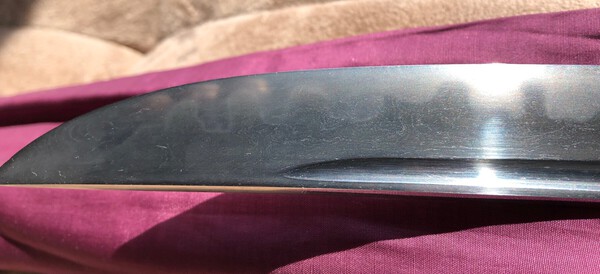
Another fatty and one of my favorites! Tom


 3 points
 -
Looking for auspices ("auspices" means "looking at birds") in tosogu is almost as varied as it is in nature. Birds may fly centripetally, centrifugally, or in circles (sometimes in the same direction, or occasionally in opposite directions). A brief treatise on “Tsuba Augury”:
 3 points
 -
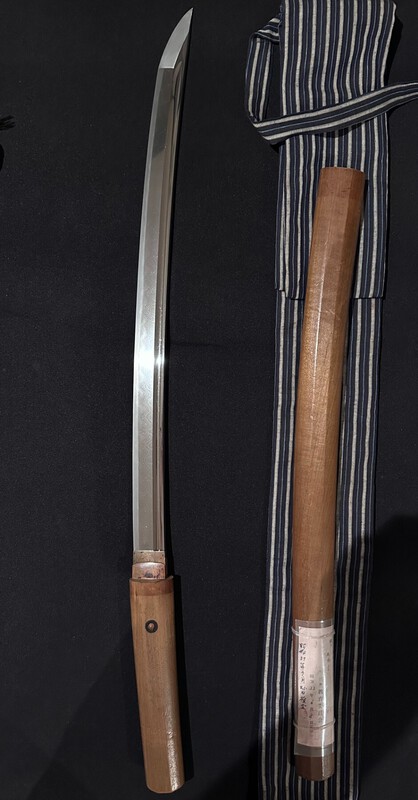
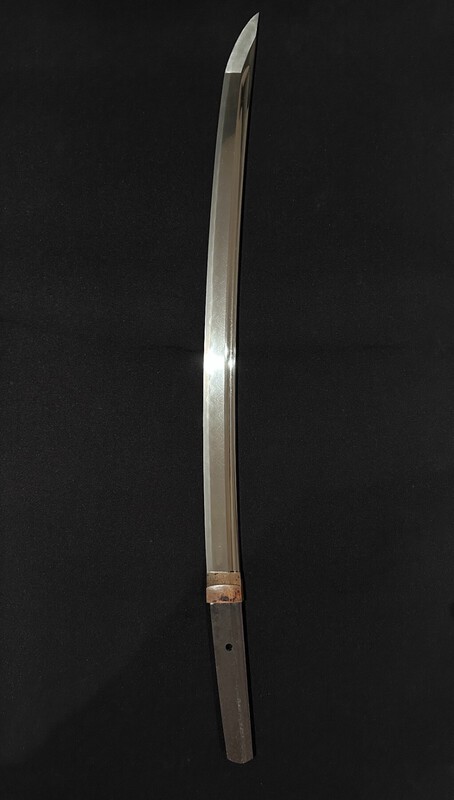
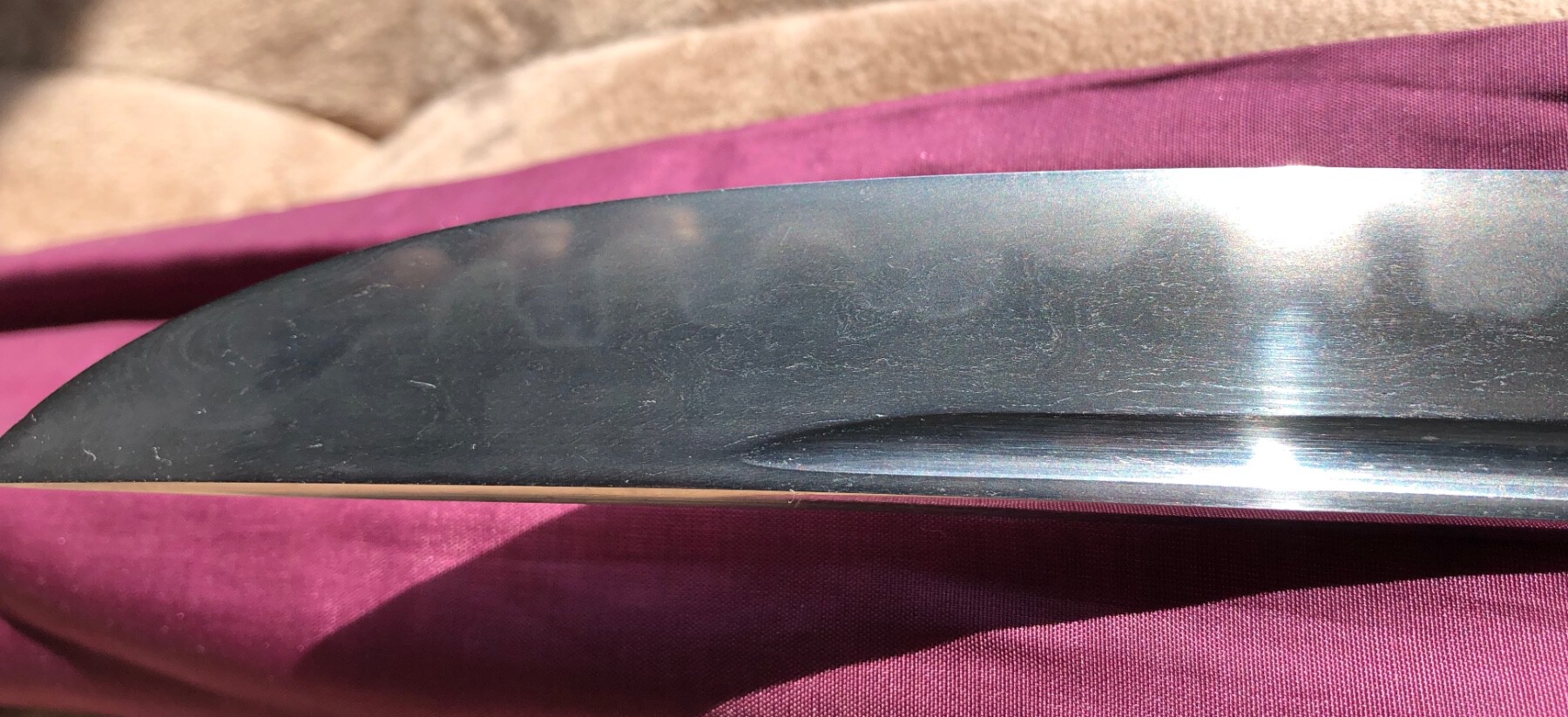
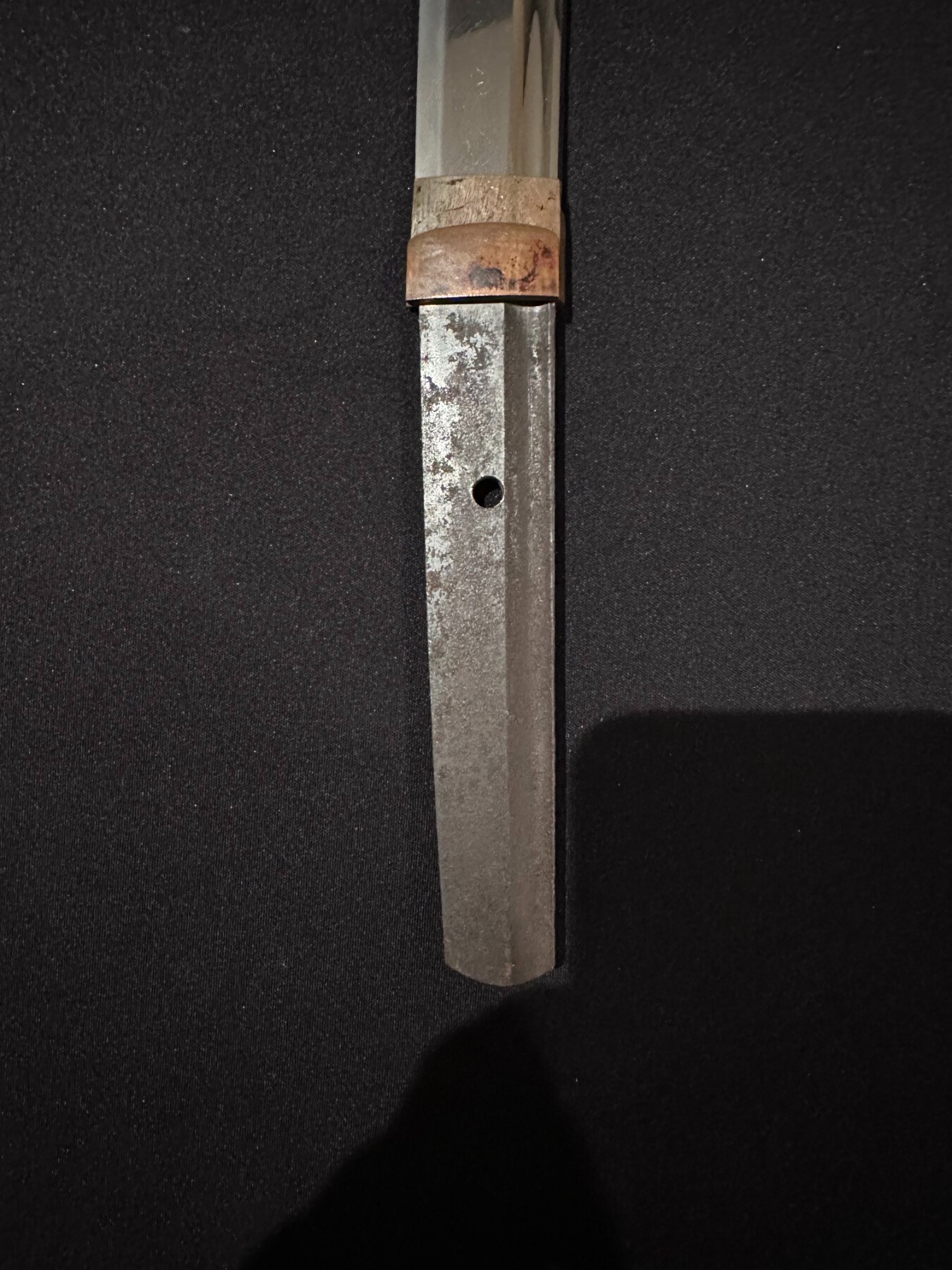
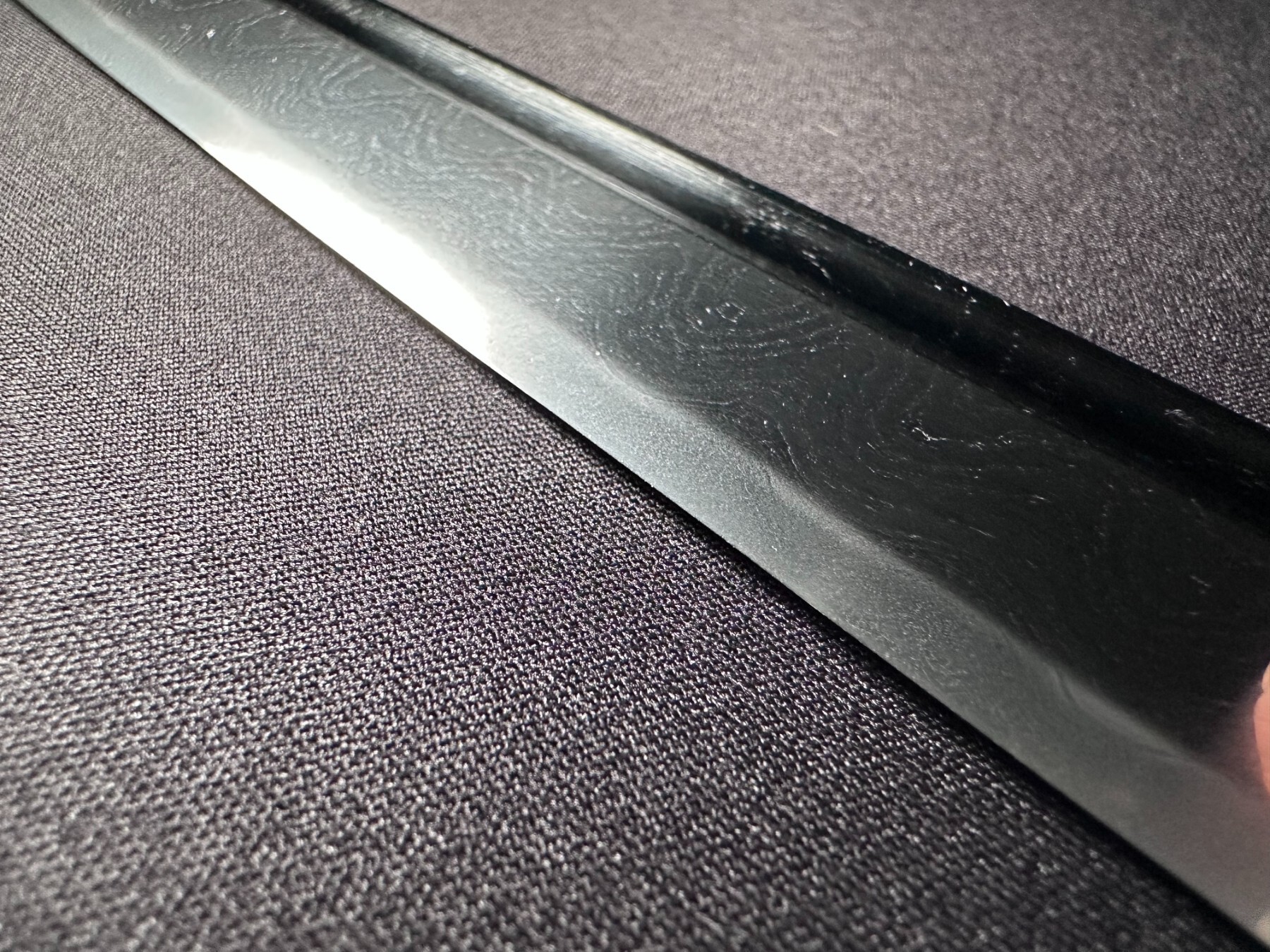
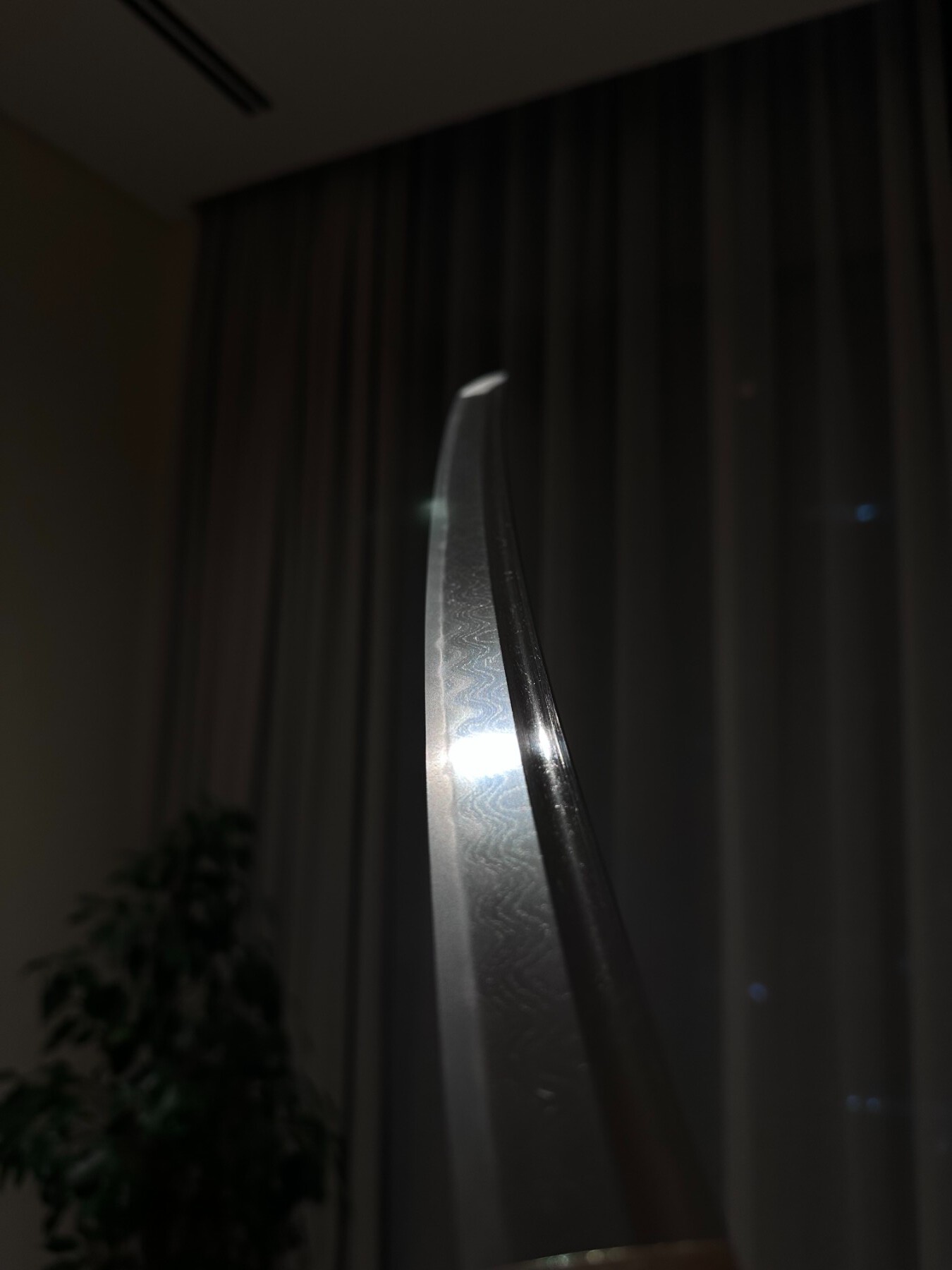
Hello all, I recently acquired a Gassan wakizashi (Hozon - Gassan) and would like to learn more about it. I would greatly appreciate your insight into identifying the period and any additional details you may notice. Thank you, and my apologies in advance for the photos.
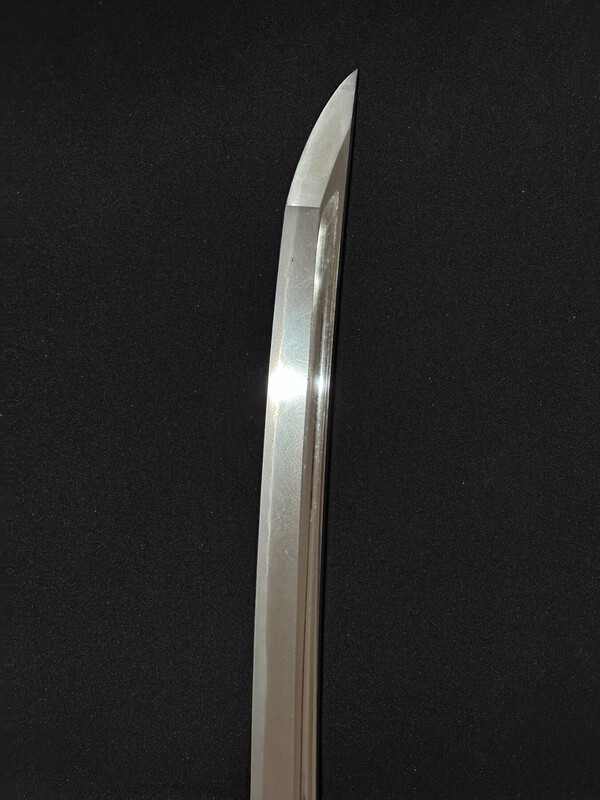
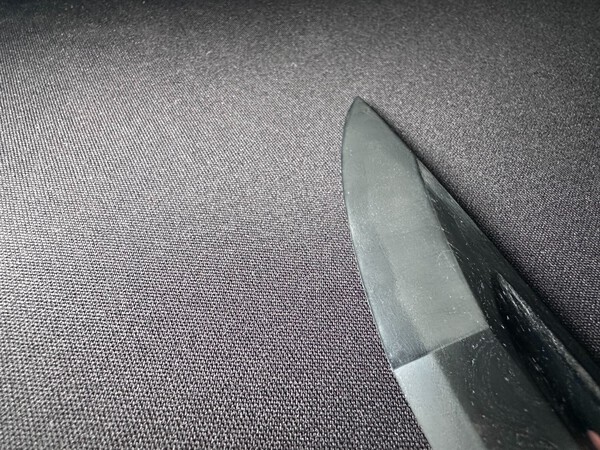
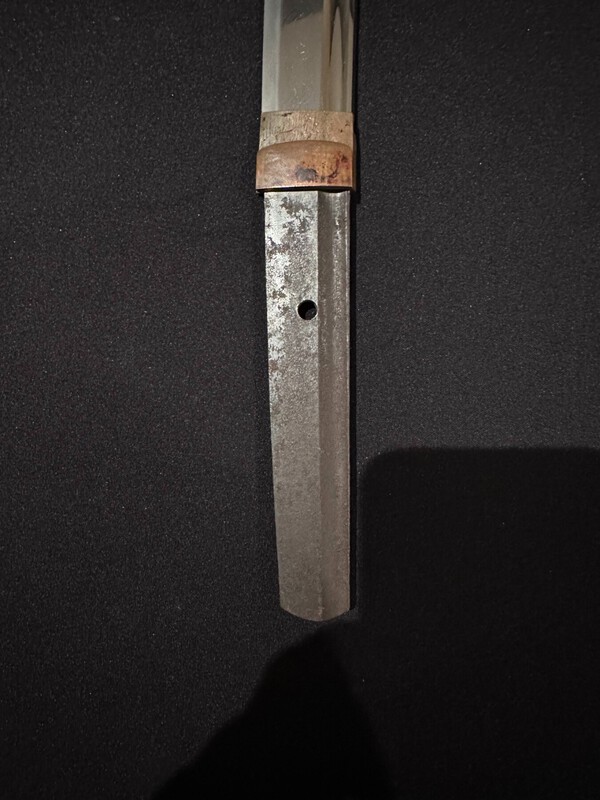
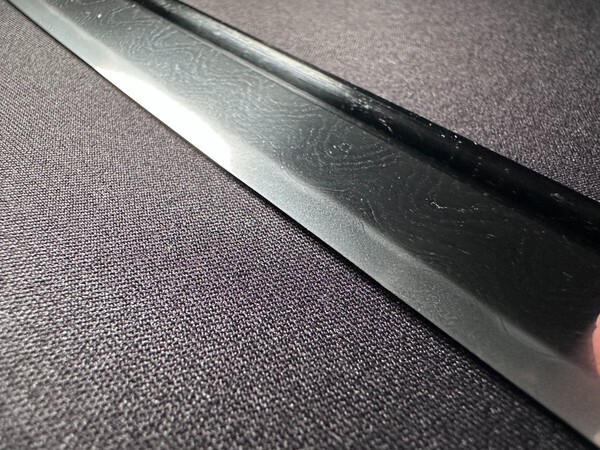
 2 points
 -
I only have about ~120 Variation#1 copper hilted swords cataloged. I include stamps, saya#, the source I found it, and any other notable features, damage, or paint colors, replacement parts, etc.. My highest cataloged serial number Variation #1 Copper Hilt Type 95 is #6561 (with #501 forward habaki). My lowest serial number Aluminum Hilt Variation#2 Type 95 is #6756 (SUYA). I continue to catalog more swords. I usually add about 5-10 new swords per week, and I think I have over 1000 total cataloged now. (I have not done a hard-count since I had around ~800, a while back). Best, -Sam2 points
-
And yet, the late model wooden tsuka version is worth a lot less. But I suppose it's the same with everything. With comparable production numbers at the beginning and end of a product's run, the first are almost always worth more than the last. John C.2 points
-
Wakizashi by Suketaka was the kantei item of Tōken Bijutsu 825 in October 2025. Scroll down the page to read the kantei explanation, includes bit of historical information on the smith and his workmanship. https://www.touken.or.jp/english/nbthk/swordjournal_December.html I think as you have done the research Jared you have noticed that only very small portion of Japanese smiths are often considered as the important ones in traditional Japanese sword appreciation. That is bit unfortunate but you usually always just find the works and information of these top tier smiths featured in every publication. Finding information on lesser known smiths is a lot more problematic and requires lot of digging.2 points
-
I thought that these were CHIDORI. They have a very different flight pattern compared to KARIGARE. This depiction always expressed the erratic flight - often in large flocks - of plovers in an appropriate way for me. But that is just my interpretation.2 points
-
Take the current status of "Lord" in the UK for an example. I am not sure exactly how you gain it, but I think by owning an estate or something similar. Does anyone really care that Mt Fontleroy can call himself Lord Fontleroy? Not really. Historically, it's of little importance. Same with these titles. It didn't change the status of their blades...or if it did, then by very little. The swords are judged on their own merits, and I don't know of anyone that values a sword higher because it is signed with an honorific title. But the swords are evaluated on their own for quality and historical significance. The title really is of little concern. This seem to bother you a bit, and I am not sure why.2 points
-
Didn’t we already have the whole discussion in 2024? Good to remember the imperfection of the entire classification system but I can’t see any progress in creating a new one. Until then for the most of us it seems the easy way to stick to the existing one. I must admit the mass of crossovers and copies of a certain design are not helpful and – sorry I stubbornly repeat it – pictures alone are not sufficient. Concerning birds and the direction of flight: I believe that in most cases geese are depicted because they have a significance in Japanese culture. We know that geese are leaving Japan in autumn and coming back in spring and thus the motif is used in Haiku as a „kigo“, a word wich indicate the season. I think those birds are flying outwards are leaving, those with flight direction inwards are coming. Another aspect is their regular formation in flight. This could be the reason for the use in a regular pattern especially in the abstract works. In other cases certainly other birds could be assumed according to the motif (i.e. bamboo and snow are connected with sparrows).2 points
-
I tend to agree with Robert. Hoshi also brings the nuance into light. When I was at Seiyudo last month they let me take out literally every sword in the store to inspect it. I was there picking up two fairly pricey swords so I think that’s why they invited me to do so. Anyway, they have a Ryokai there that is not listed on the site that they are planning to submit to Juyo and I want to say they told me it was currently around $60k. I asked them if the Juyo paper would increase the price they would sell it for and they said maybe, maybe not. I guess they were implying they would test the market at that time. Like Hoshi said, the paper just allows the market to potentially drive the price up since it’s gone through another level of scrutiny. All that being said, yeah some of these swords are just priced in already. Also what Julien said, two swords could be separated by a slight degree during judging and one wins out over the other. The sword might be important but this other one is more important at the moment. The owner or dealer doesn’t want to go through time and effort again etc. Doesn’t mean it isn’t Juyo, just means it hasn’t been granted it yet, and they just price it at Juyo. But smith name also doesn’t guarantee Juyo. Maybe it never will go. Just because it’s a Shintogo doesn’t mean it’s “important” to NBTHK in an absolute sense.2 points
-
Is it this guy (only one listed by Sesko) "TADATSUNA (忠綱), Shōwa (昭和, 1926-1989), Tottori – “Hōki Ōhara Tadatsuna” (伯耆大原忠綱), “Tadatsuna” (忠綱), real name Ōhara Chūjirō (大原忠次郎), born March 20th 1902, he studied from about 1935 under Moriwaki Masataka (森脇正孝) (see picture right)"2 points
-
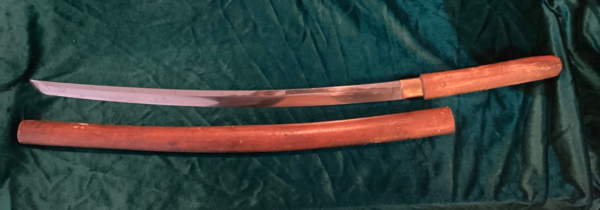
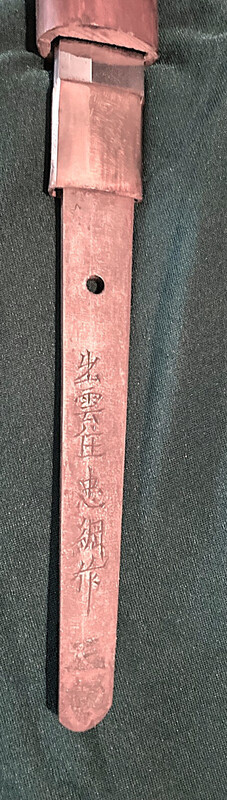
Another late war, unlisted RJT smith - Izumo jū Tadatsuna saku - 出雲住忠綱作, May 1945, found on ebay. Sesko has one, from Tottori, which is a very small prefecture right next to Shimane (Izumo), so might be the guy.


 2 points
 -
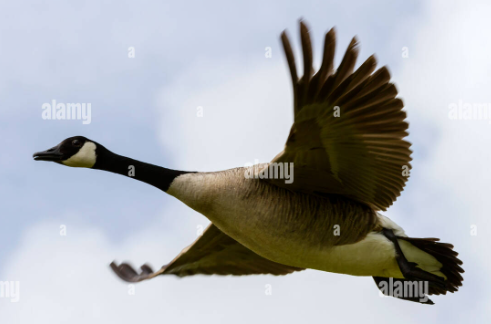
Back to direction of the wings... ughhh I give up LOL Sometimes they appear to have their wings arcing forward, especially when they seem to be taking a power stroke to get going: But then most of time they appear to have their wings arced backward, especially when they seem to be coasting/gliding: And there is also viewing angle and perspective to factor into it, which could alter the viewer's perception... so, um

 2 points
 -
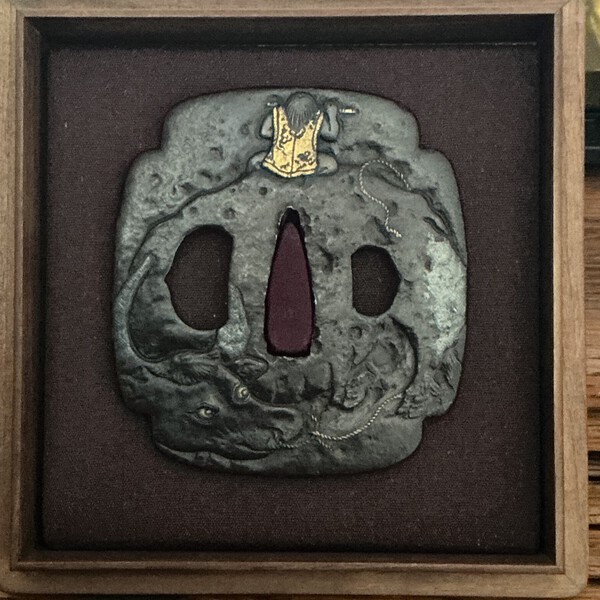
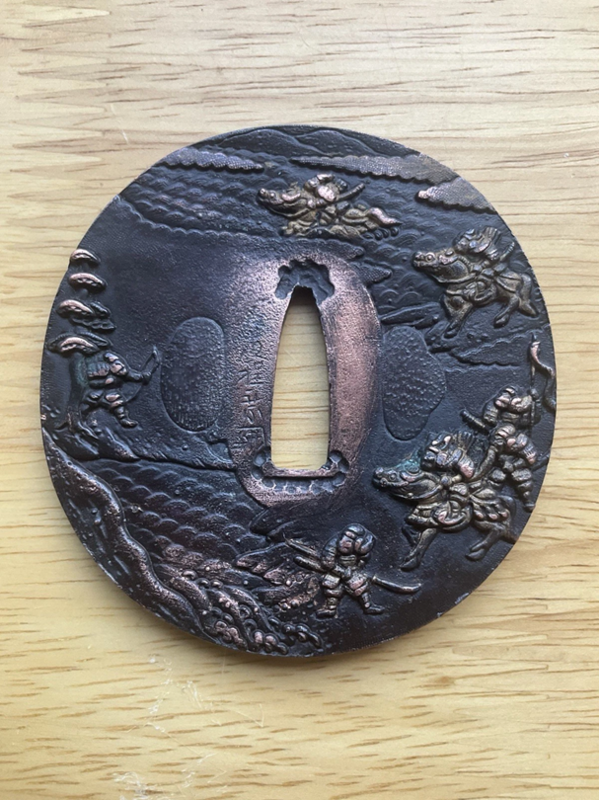
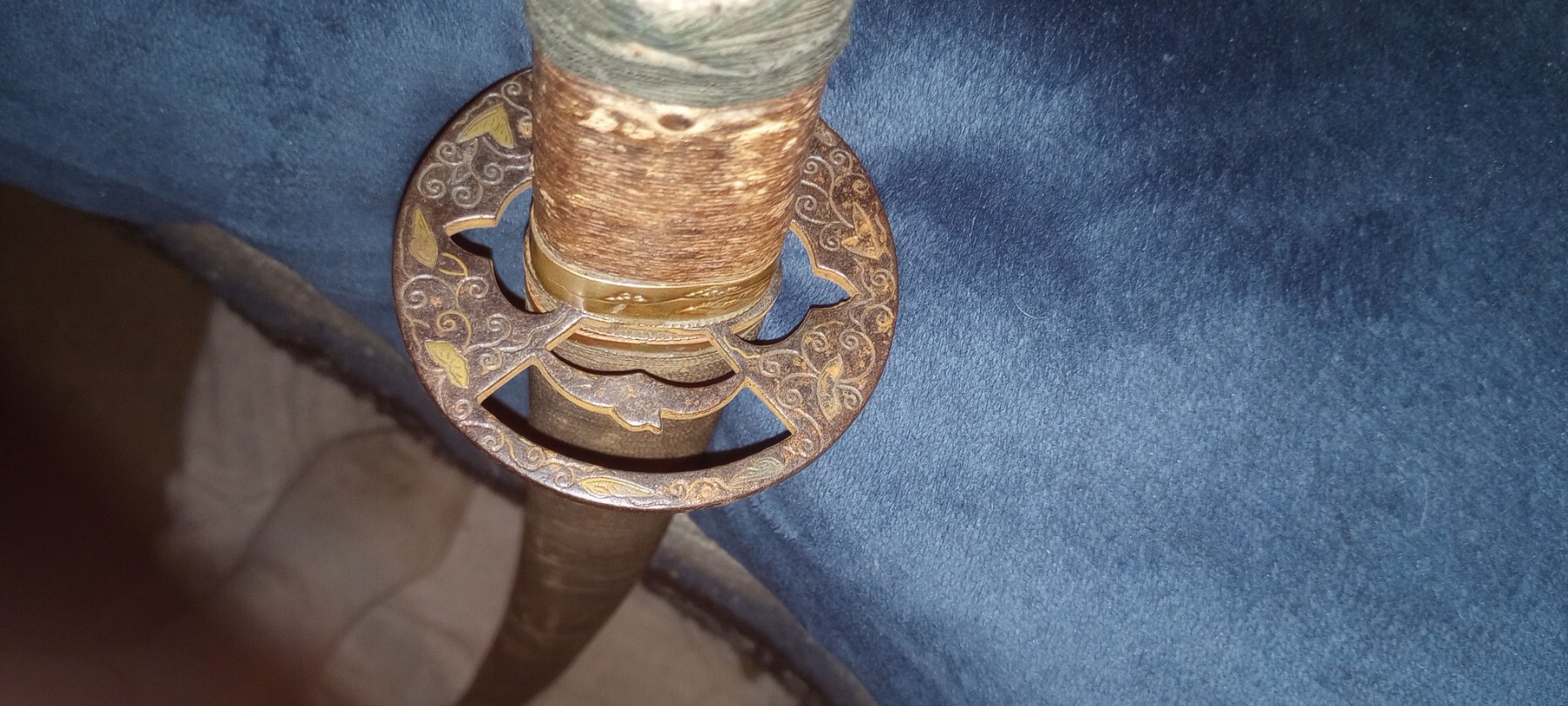
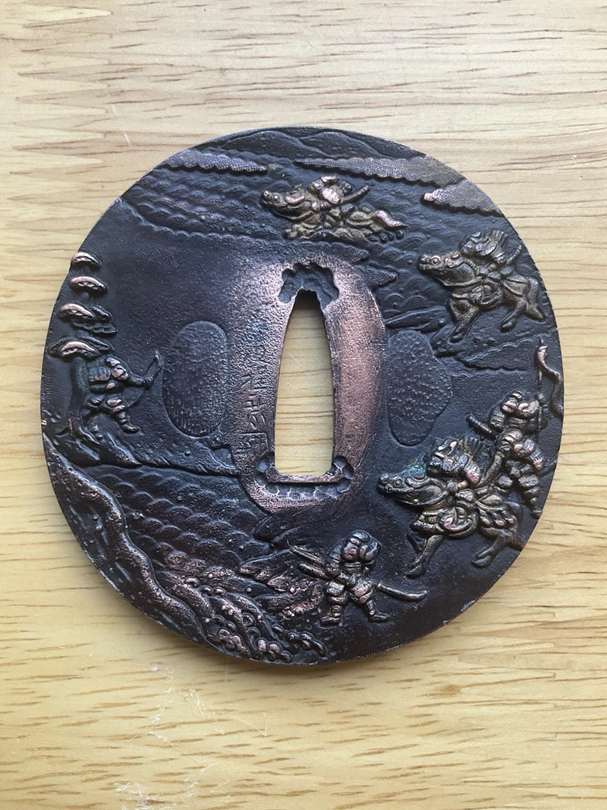
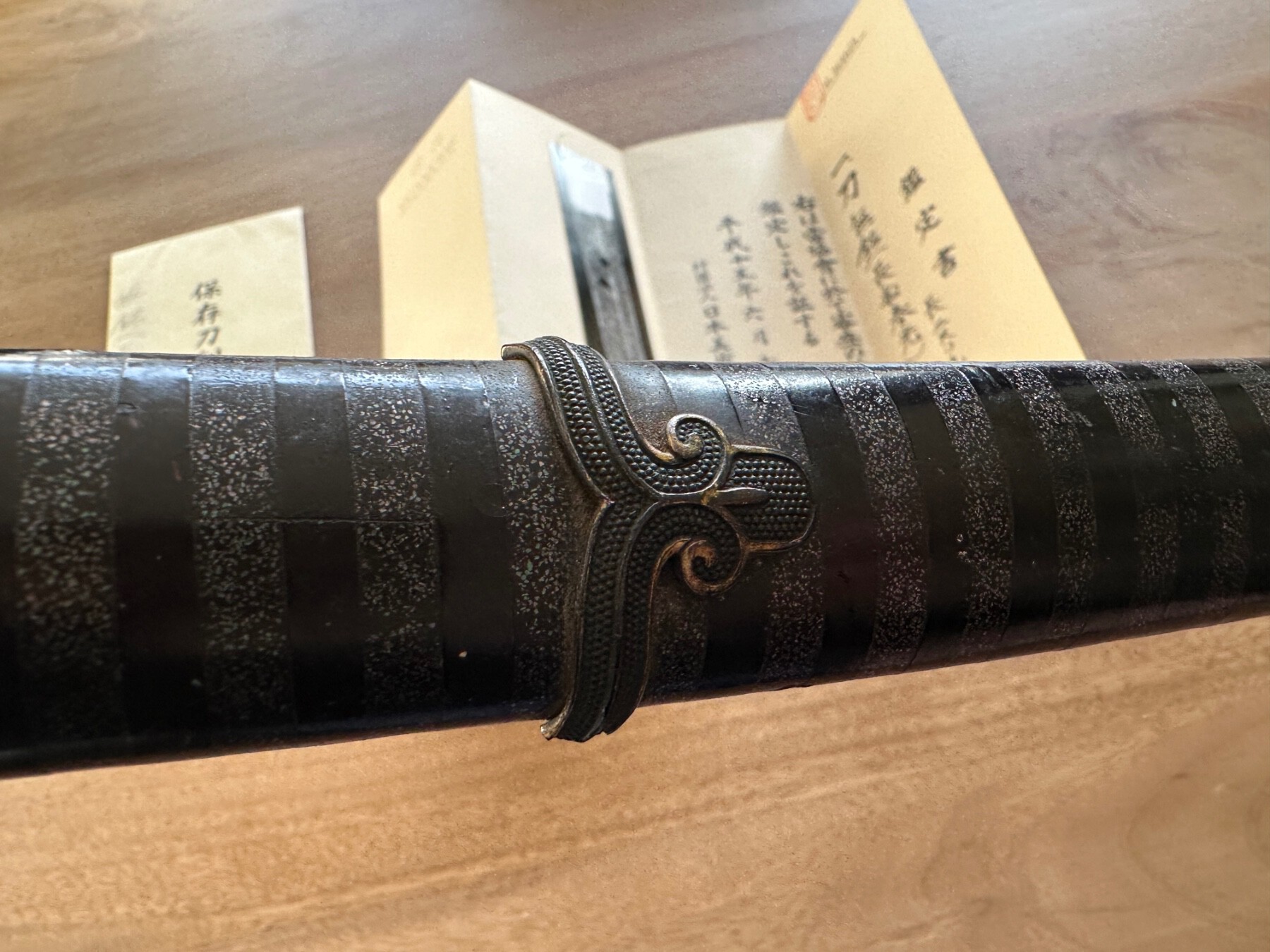
Thank you both - greatly appreciated. The box came with the attached Jingo Oxen design tsuba made by the 5th Jingo ( from comparison with two other signed published examples ) Kindest regards Michael
 2 points
 -
Izumo jū Tadatsuna saku - 出雲住忠綱作2 points
-
Sesko Markus, Signatures of Japanese Sword Fittings Artists, Lulu Inc., 2014, eBook. 680 pages. Possibly the best buy in my nihontō-related library — highly recommended.2 points
-
Hello, Delicate questions. In general, I recommend staying clear from recent TH papers to big names if you cannot assess it in hand and with sufficient experience studying higher level designations for said master. If this is not possible, only go in after having it appraised by someone who can hold it in hand, and has such experience. This is the value that a trusted dealer or collector friend brings. The reason for this is that the Shinsa panel is in a succession phase where it has to invest into new judges and ensure proper knowledge transmission - and this is a bumpy road. I has been so for a few years, let's see what happens at the upcoming Tokuju Shinsa. The last session had some eyebrow raising anomalies. For pieces attributed to Awataguchi Hisakuni, Shintogo Kunimitsu daito, Go Yoshihiro, Masamune without historical kiwame a respected Hon'ami judge or an entry into the Kanto Hibisho, it is quite delicate at the moment. I would even be exercise caution right now with zaimei pieces. With this wide caveat in place, there are still incredible pieces that can surface from time to time. Value wise, every tier of paper de-risks the object, that's all it does, the object does not change, and it is this de-risking that drives market perception and creates the price premium. If I'm a dealer and I tell you I have one of the best Nagamitsu, and it's sitting at TH, and I ask you 40 million yen for it, you're going to think I'm crazy. You won't believe me unless you have the knowledge to truly and deeply assess it, in relation to the corpus, and come up with your own conclusion that it is, in fact, one of the best extant Nagamitsu. Now if I tell you it passed Juyo session 3, then Tokuju session 6, all of a sudden it's a different story probabilistically speaking it is very likely amongst the ultimate blades extant. Sure, it might be the 'lesser' of the series, but these sessions contained an incredible density of treasures and on average, they contained more peak works. Advanced collectors know this, and dealers too, forming common knowledge around these heuristics. On the other hand, if you're one of the most experienced collectors in Japan, and you've "seen it all" - you look at the blade and you just know. You don't need the Juyo or Tokuju paper, you know what's out there, you've experienced most of it, you've been in the circles. You're ready to pay 40 million JPY in a blink for that blade sitting as a TH Nagamitsu. What's the value of his top blades? It's price = n/a. And the dealer might be very relieved you recognized it as such, and happy to sell it to you, because time is money and waiting for submission cycles is financially painful. He will put you into his serious client book, and propose you more such pieces in the future. If by miracle you get handed to you a zaimei Hisakuni tanto with denrai to the Imperial family -at Hozon- in good condition, it will be millions of dollars, and now the paradox kicks in that the buyer will be even happier as it's a secret blade that isn't recorded anywhere as some collectors just enjoy the secrecy a lot. This can help - for artists you follow, as you're looking for comparables out there, check out NW's artist database: https://nihontowatch.com/artists/nagamitsu-NAG281 Just be careful out there, if it looks like it's too good to be true, it probably is. I hope this helps, Hoshi2 points
-
It seems they succeeded to get everything wrong in the description....1 point
-
The article seems to have created a bit of controversy back in 2011. Even so I would love to read it if anyone has a copy. The link is dead and I can't find it in the archives. TIA
 1 point
 -
I have a collection like that too, Jean, except mine are mostly western, not Japanese. Bought a huge assortment as a lot from a roadside antique dealer in Wisconsin about 10 years ago - it was something like $60 for the lot - steal of a deal!1 point
-
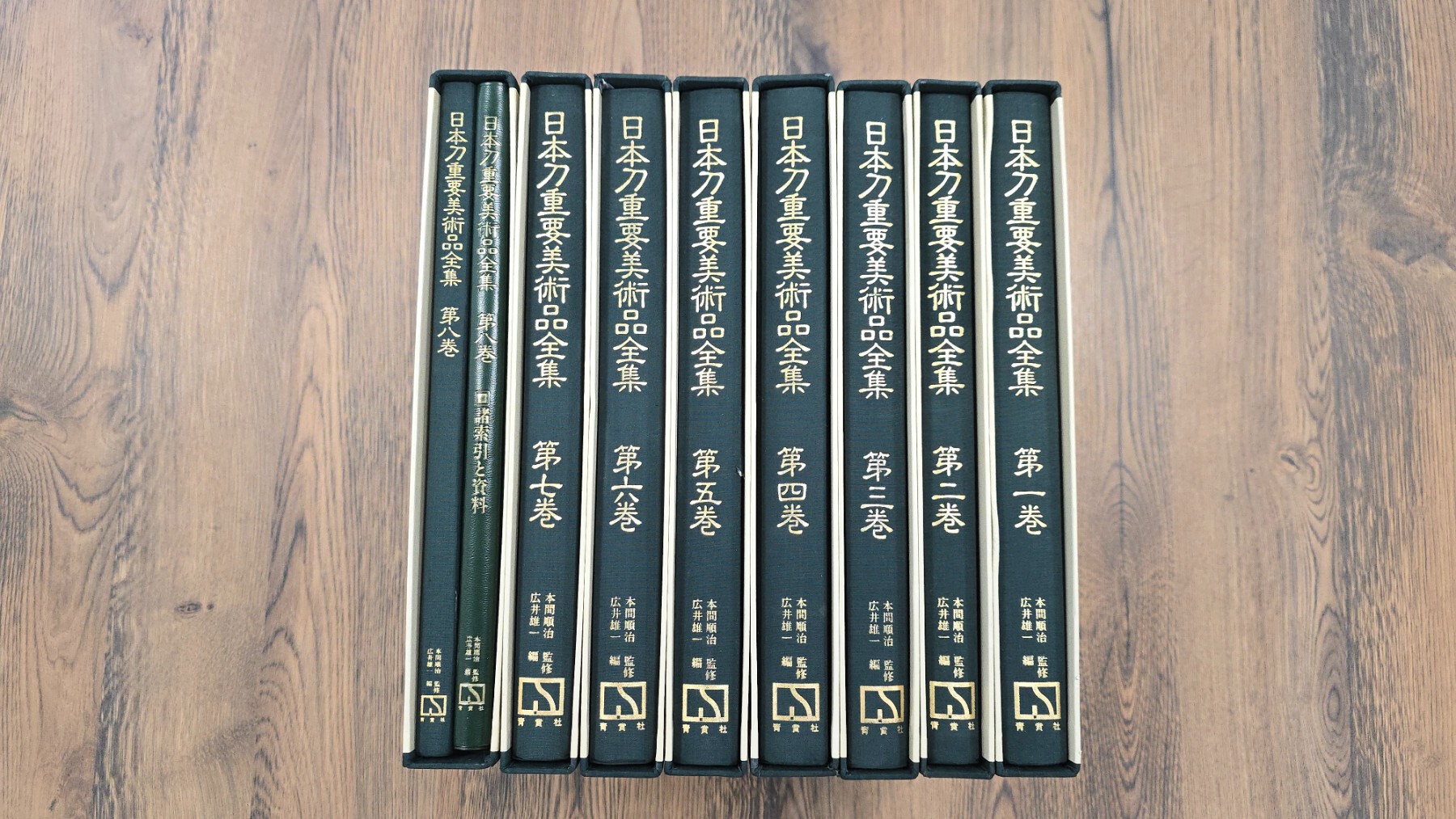
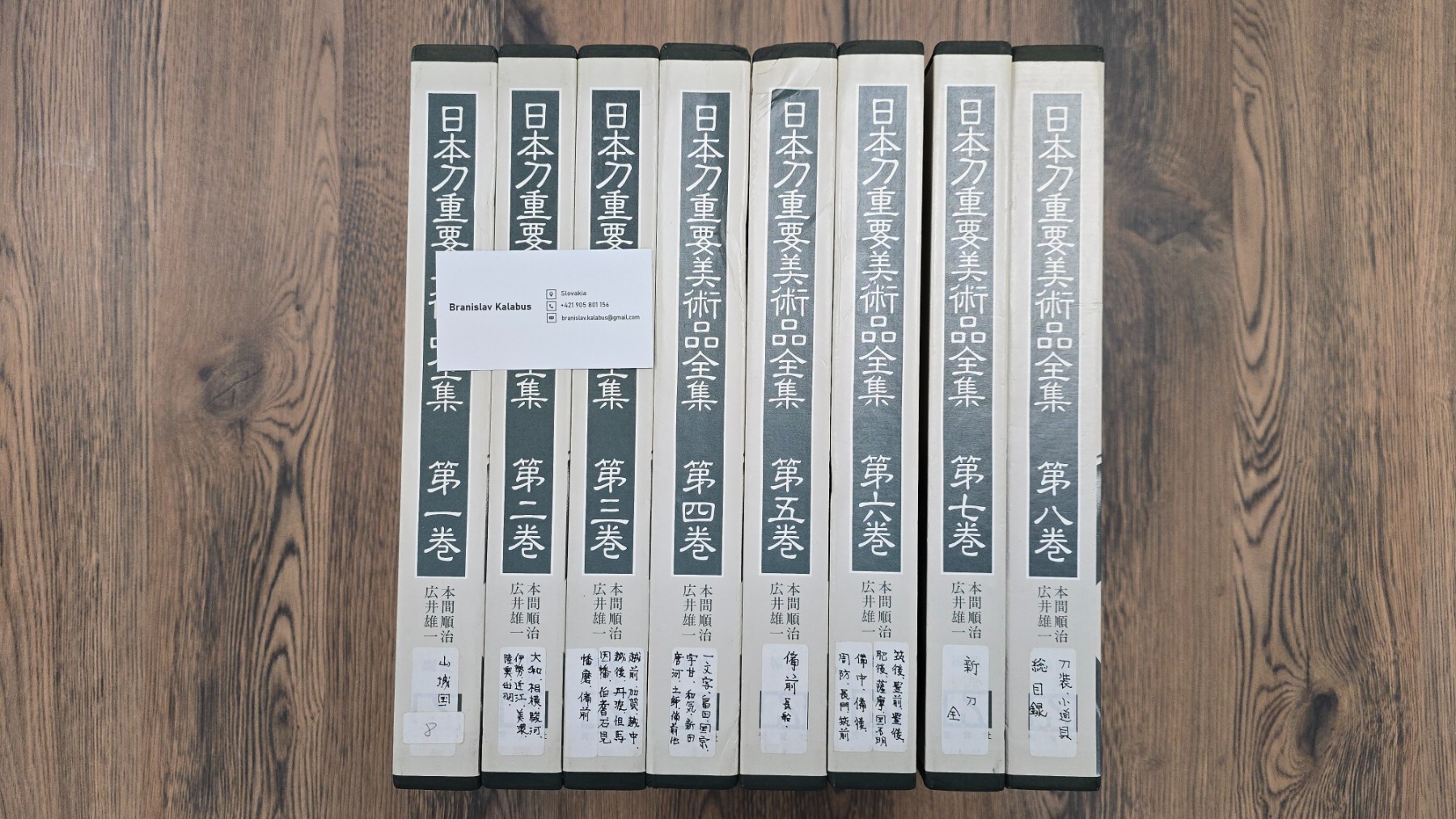
I am offering for sale a complete set of 8 books Nihonto Juyo Bijutsuhin Zenshu ALL BOOKS HAVE CUT BOOKBINDINGS (outer cover is intact) because they were digitized 700 EUR + PP fee + shipping Postage to most continental EU countries (except Scandinavia) ... 40 EUR Shipped from Slovakia


 1 point
 -
Yes Rob it looks like a very nice Sword. The user seems to have no much knowledge about it. Maybe he wants to sell it because he asked how much are produced. If anyone is interested here in the board it could be worth to talk with him.1 point
-
Wow ...looks like a very nice example Chris, thanks. I can never understand why people have to 'polish' the saya throat to see the number a little better....thus number for instance would have been perfectly readable without the extra 'work'.1 point
-
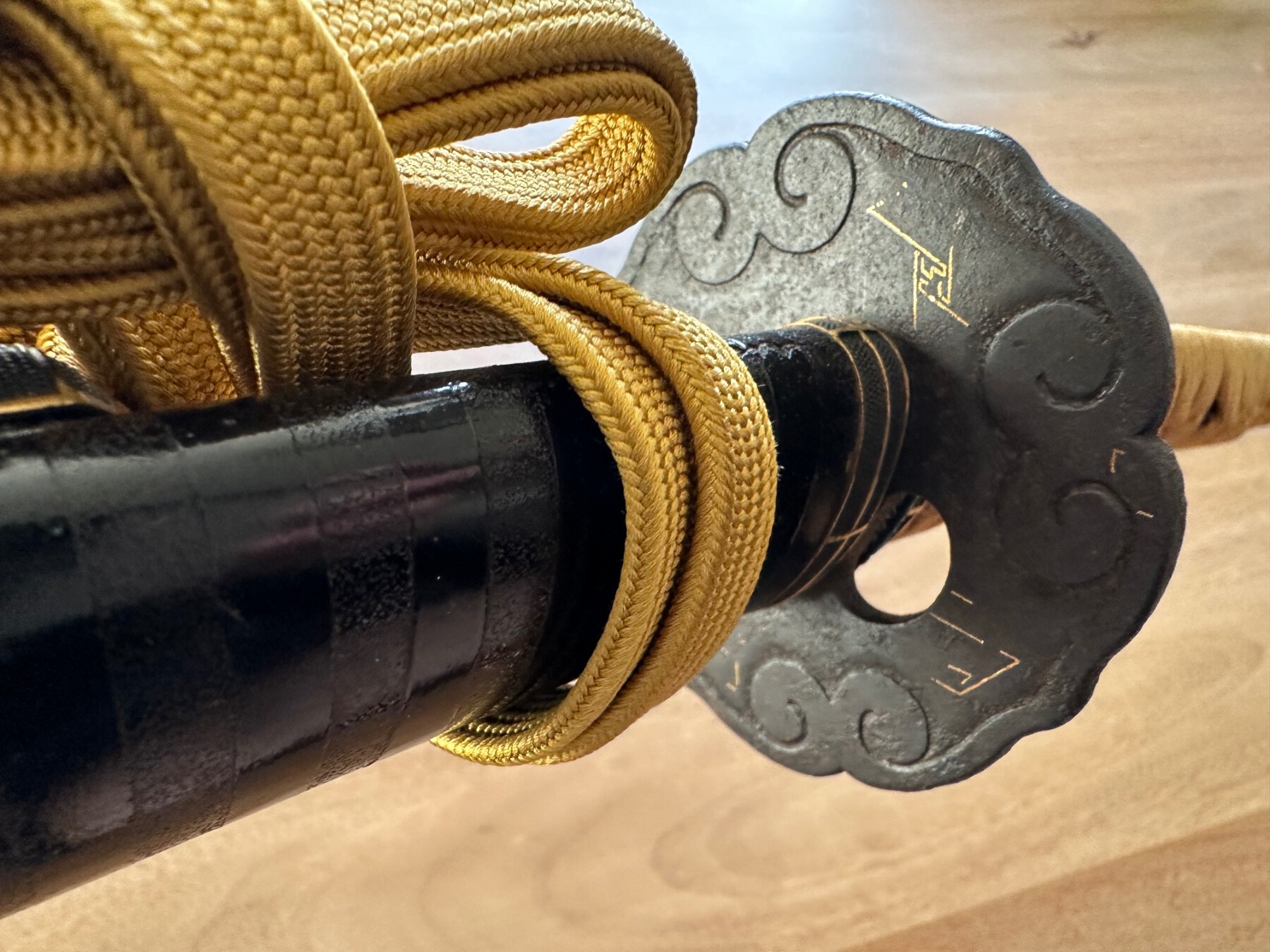
The only vaguely standardised Kyu Gunto would be the arsenal blades, though even those had variations between makers and could be customised for length.1 point
-
Well, now that you've brought the chidori/karigane issue into question, it's seems like an interesting question that I personally had never considered in this way before. I just always assumed the arc of the wings was the only factor that I ever considered in terms of "flight direction". But maybe your naturalistic goose tsuba might suggest the possibility of a forward facing arc for the wings of geese in flight? Also the head and body of some of these tsuba are relative short and stumpy while on others they are longer and more tapered. Is it just differences in craftmanship or actually supposed to be a different kind of bird? By the way, you weren't the only one to think "chidori" because some of the attributions I posted above did mention chidori rather than geese. I just outright discounted those statements as false and went with my gut that was telling me "geese".1 point
-
Stanila (is that your first name?), SHODO is a general term for the art of writing (calligraphy), but this looks indeed like a hot stamp in grass script (SOSHO). Most swords have a YOKOTE when they are executed as SHINOGI-ZUKURI. In fact, all military blades are made this way. Your sword's NAKAGO looks brand-new, so likely not Japanese? Some good pictures would help!1 point
-
If you show the whole script we might be able to make an educated guess. It's tough to tell from just the signature part. @MauroP is a pretty keen collector/admirer/student of Kanzan's writing, so he might be able to give you an opinion also.1 point
-
This is from the Birmingham Museum which I photographed quite a few years ago so I can't really comment1 point
-
@Jussi Ekholm, @Hoshi Thank you so much for the insight as always 🙏🙏🙏 My interests are similar to Jussi as I favor schools that produce rustic/stout blades. The sort of blades that would be considered " lacking elegance" and "artistic value" 😅 I dont think I will ever reach the level of ever considering blades at these price levels but intricacies and nuances when evaluating such blades will always fascinate me. I am very grateful to have knowledgable forum members for whenever these questions eat away at me. Thank you again 🙏1 point
-
Ouch, that's bad1 point
-
Late to this one but in regard to the Goto daisho cticised earlier I noticed this one, for sale on your well known online platform. There is either a happily deluded buyer out there or someone is going to get agitated! All the best.
 1 point
 -
And Chris, we should not forget that these are mostly still handmade! Probably not by renowned Japanese masters, and not old, and often made in series, but still individually made by skilled carvers. It is a good idea to learn from these objects about design, material, artistic expression, and execution.1 point
-
Thanks for the helpful and concise response! I did suspect as much. Regardless, I'll treasure it from a sentimental standpoint - and it's rather appealing, especially at this time of year!1 point
-
Further clarification - I suspect it's rather modern due to the positioning and size of the himotoshi, but would like confirmation. I've no intent of selling it regardless of value- it was a gift and I'm actually quite fond of the larger chick's grumpy face.1 point
-
My next project in this field will be the restoration of woodworking tools (NOMI). It will probably take a short while....
 1 point
 -
Hi Julien, most of tsuba offered in auction were quite impressive regarding their dimension, being in the bigger segment of their own school/tradition. In particular the Tenpō tsuba bought by Dimitri (see above) outstanded for its unusual dimension. Anyway, too many eye-catcher to make wise choices... rationality woke up just when prices compelled me to chose.1 point
-
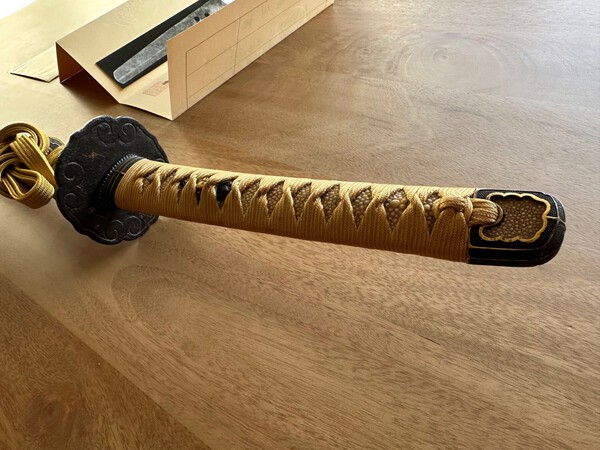
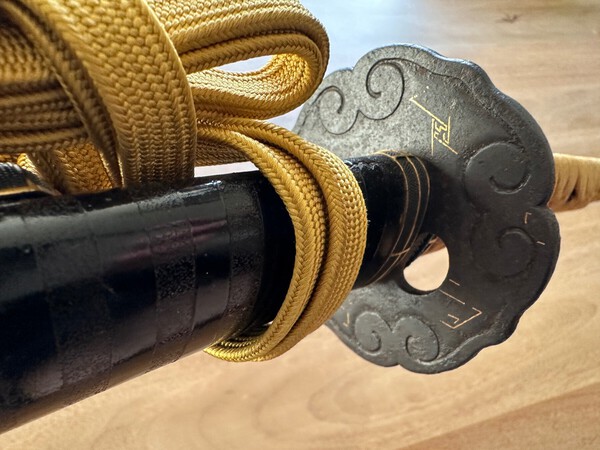
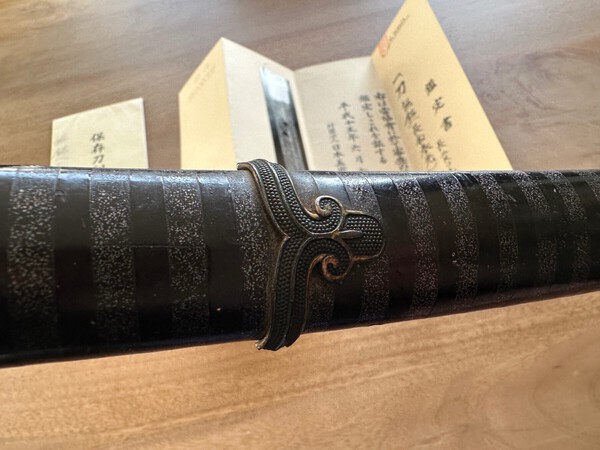
Extra pictures of the koshirae:
 1 point
 -
Chūhō Sōu (宙宝宗宇, 1759-1838) was the 418th chief priest of Daitokuji Temple in Kyoto. His Buddhist name was Chūhō, his given name was Sou, and he was known as Shogetsu (昇月), which means "Rising Moon." He trained under Sokudo Soki, the 406th bishop of Daitokuji Temple and was a highly revered Japanese Zen master, calligrapher, potter, and tea connoisseur. Chūhō admired and was influenced by his contemporary Jiun Onko. Selecting from unusual subject matter that seems quite typical of Chūhō, he brushes a line that comes from an early Ch'an story of an encounter between Ch'an Master Zhaozhou Congshen (趙州從諗, 778–897) and his disciple Wenyan (文偃) or possibly Wenyuan (文遠), as recorded in Jǐngdé Chuándēng Lù (景德傳燈錄), or "The Transmission of the Lamp" completed in 1004 CE (Volume 10, in the entry for Zhaozhou Congshen). This vast text is a foundational history of the Ch'an lineage and contains biographical entries for countless masters, including Zhaozhou. It is also found in "The Recorded Sayings of Zen Master Joshu" (translated by James Green). One day, the Master Zhaozhou saw his disciple Wenyan bowing to a statue of the Buddha. Zhaozhou walked over and struck him with his staff. Zhaozhou: "What are you doing?" Wenyan: "I am paying homage to the Buddha!" Zhaozhou: "Is the Buddha someone to be paid homage to?" Wenyan: "Paying homage to the Buddha is a good thing (好事) ." Zhaozhou: "好事不如無 (A good thing is not as good as no thing)." The last phrase originates from the 增廣賢文 (Augmented Collection of Wise Sayings), a popular Chinese didactic text from the Ming Dynasty that is based on a Taoist principle of "福禍相依" (fortune and misfortune depend on each other): 庭前生瑞草, 好事不如無 (Tíng qián shēng ruì cǎo, hǎo shì bù rú wú) When auspicious grass grows in front of the court, a good thing is not as good as nothing In Zhaozhou's hands, 好事不如無 becomes "A good thing is not as good as no thing." This is a powerful lesson on non-attachment, a core principle in Zen/Ch'an. The horizontal strokes in the 2nd and 5th characters anchor the contrasting halves that are separated by 不. Non-Attachment: Even the act of doing a "good thing" (like bowing to Buddha or giving charity) can become a spiritual obstacle if you cling to the identity of being a "good person" or if you do it to gain merit. The Master is teaching that the state of "nothing" (無) or "no thing" is higher than the state of doing "good things" with a grasping mind. The Trap of Intent: The teaching warns against performing good deeds with a "seeking" mind—doing them for the sake of reward, merit, or to bolster one's ego as a "good practitioner." Zhaozhou uses this sudden, shocking action (striking Wenyan) to jolt Wenyan out of this conceptual trap Beyond Duality: Where there is "good," there is "bad." The phrase encourages the practitioner to move beyond this dualistic thinking into the true nature of emptiness, where there is no need to cling to the label of "good" or "bad." "No Thing" (無) as True Peace: The phrase "好事不如無" points to a state of "no-thing-ness" or wu shi (無事). This doesn't mean doing nothing, but rather acting without attachment, without a self-conscious focus on the doer or the deed. It is the state of natural, effortless action that flows from an empty and peaceful mind. Signature: Daitokuji Chūhō Sōu Seals: Chūhō, Nichigatsu cho
 1 point
 -
Here's a teaser. I wanted to mimic the "feeling" of the design without copying it. The corner braces in their raw form. I will patinate them black to match the old iron. The flowers were stamped in with one of my leather leaf tools (the wife's idea. She thought they looked plain otherwise). John C.
 1 point
 -
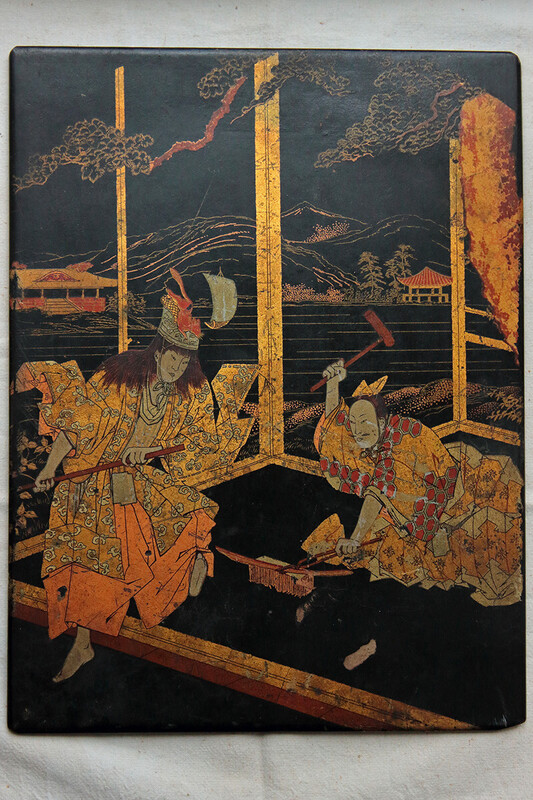
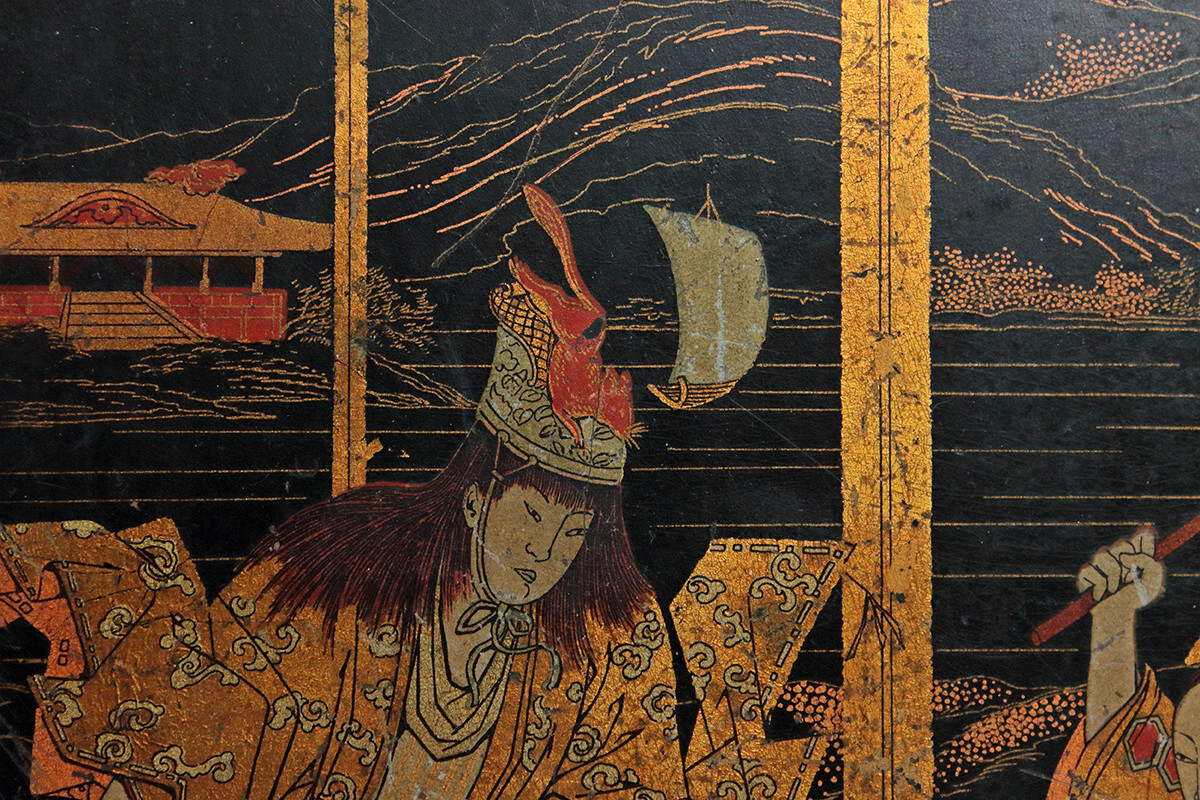
Was going through the listings of a local internet auction when I stumbled upon this lacquer panel. And since it featured two swordsmiths working on a sword, I bought it. It came cheap, less than 50 USD including delivery. It arrived today and I decided to share it here. Is this one of those panels that came in pairs and mainly were for selling them to Gaijin? Also I am very curious about the headgear of the swordsmith to the left. The dimensions of the picture are approximately 307x232mm. I also found a round version of this picture here: https://www.roseberys.co.uk/a0470-lot-494323?el=494323&lo=&pp=96


 1 point
 -
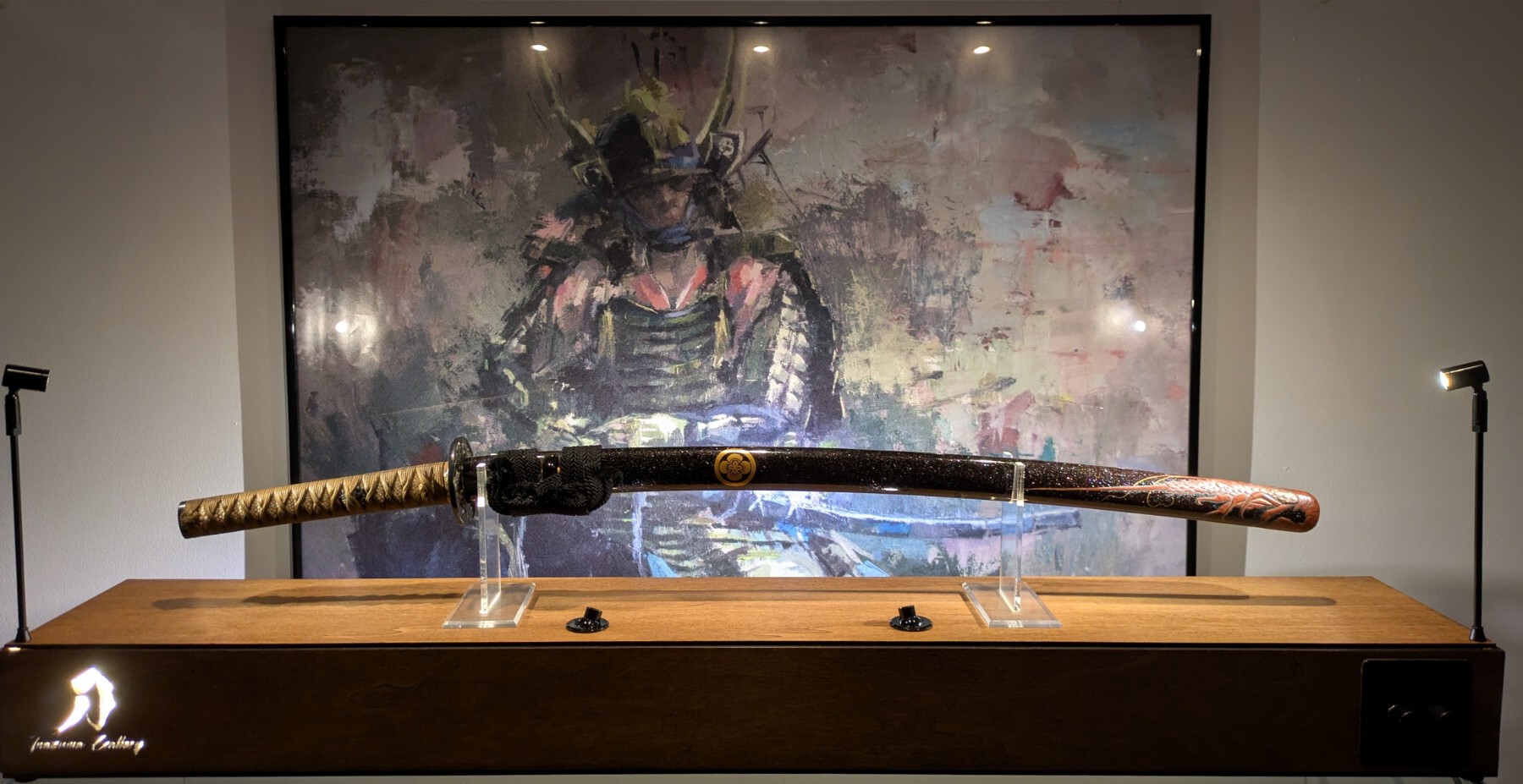
Hi , this is my next project. Please underestand this is a protoype and it's unfinished. It's a cabinet with 4 led dimmable focus, If someone wants to follow the project I leave my instagram account, thanks : @inazuma_gallery

 1 point
 -
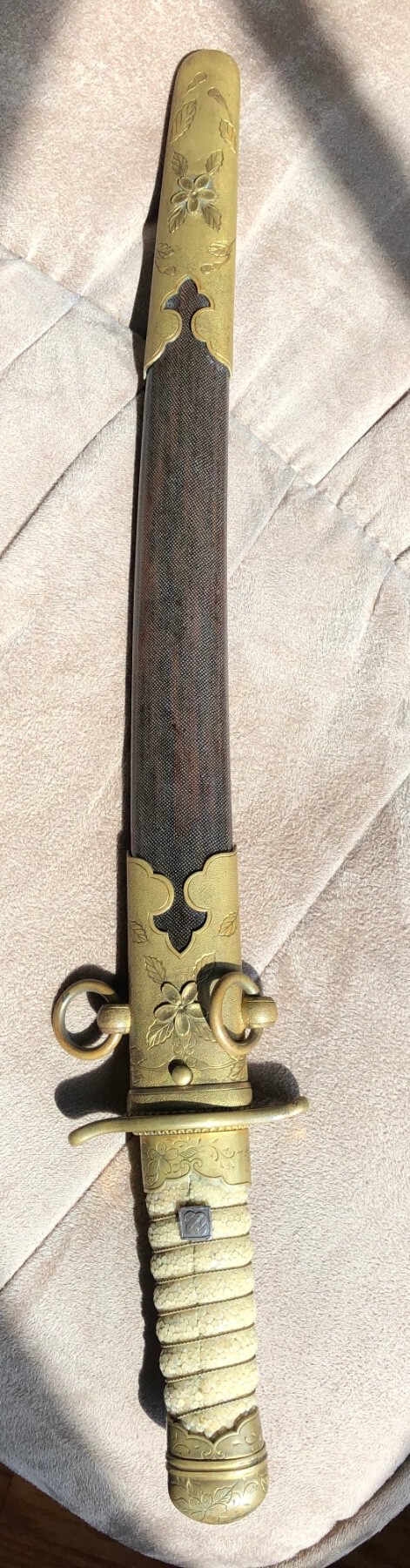
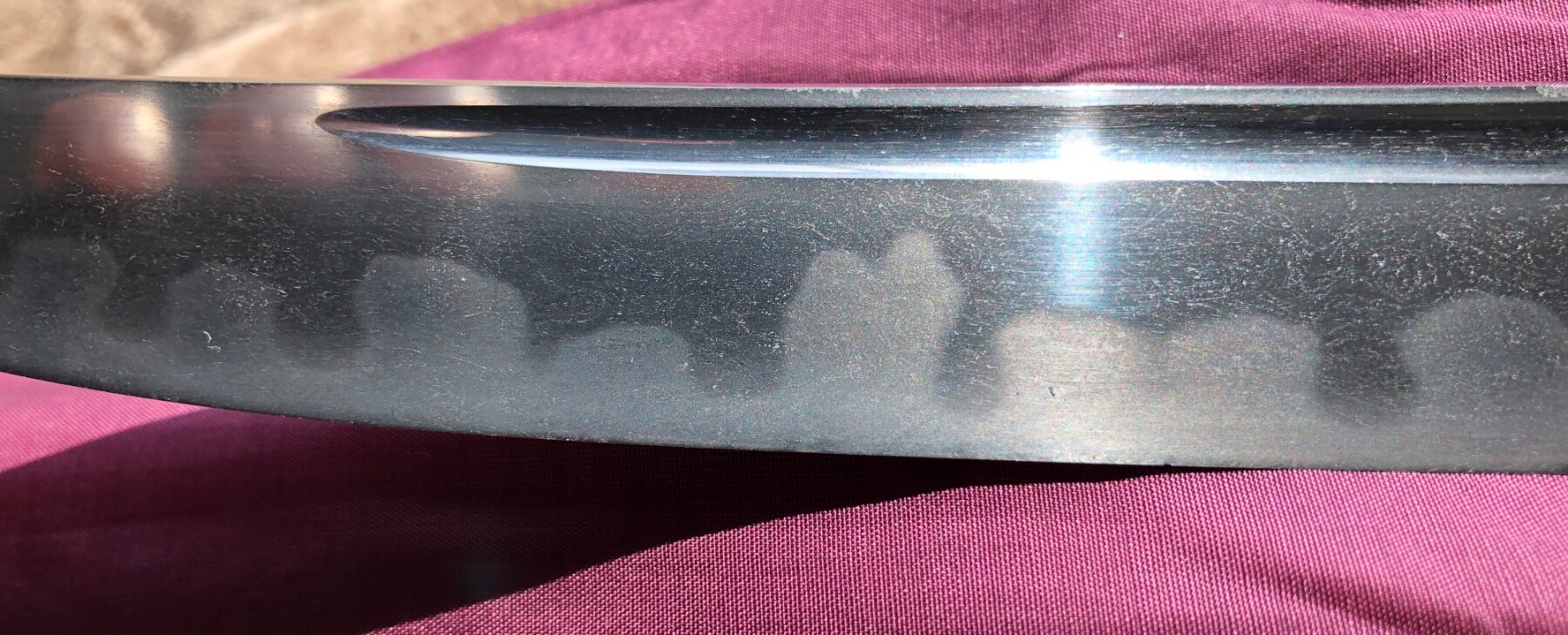
After spending a couple of days on the bottom of Sydney harbour they raised the mini sub and found a sword inside .The Sydney Morning Herald of the 8th July 1942 describes the sword as " it is 36.5 inches long with a slightly curved blade of 27 inches. The hilt is bound with silken cord with bronze or gold inlay .The copper guard is inscribed and is shaped to represent the rising sun . The sword has three coverings its scabbard is enclosed in a leather sheath which in turn is completely covered by a silk lined tasselled purple cloth . The officers initials are printed on the cloth." The following day there is a photograph of the sword in the paper and from what can be seen it looks like a Kai gunto with a leather cover over the saya . I suspect that at some stage the leather cover has been taken off and the same or lacquer has disintegrated at this time . Perhaps someone put the current finish on to cover or protect the wood . I saw General Imamuras sword about 40 years ago when it was still owned by Sir Vernon Sturdee's widow Lady Sturdee . The habaki was interesting as it was gold foil with the characters Goshi on it which I think translates as Imperial gift . Lady Sturdee had a second Shin Gunto also with a general grade tassel on it . Which one was Imamuras is hard to say , perhaps they both were . Ian Brooks1 point





































This leaderboard is set to Johannesburg/GMT+02:00