
Leaderboard


Popular Content
Showing content with the highest reputation on 01/11/2026 in all areas
-
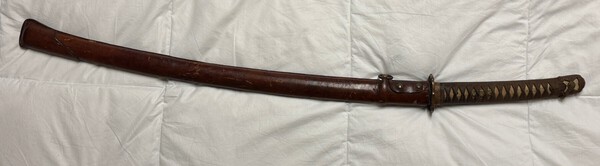
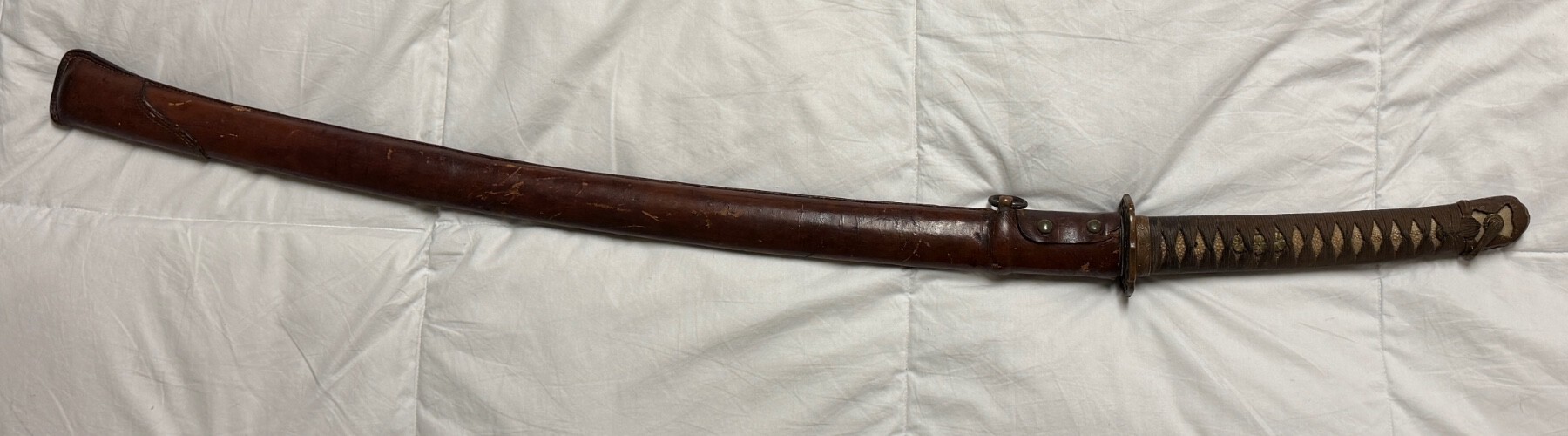
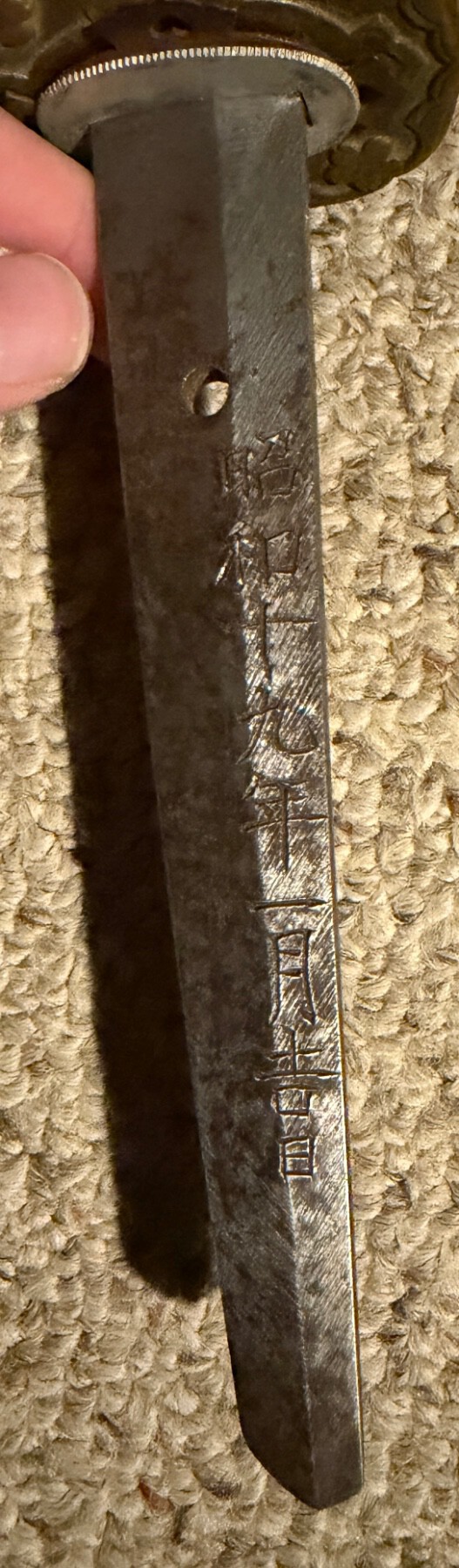
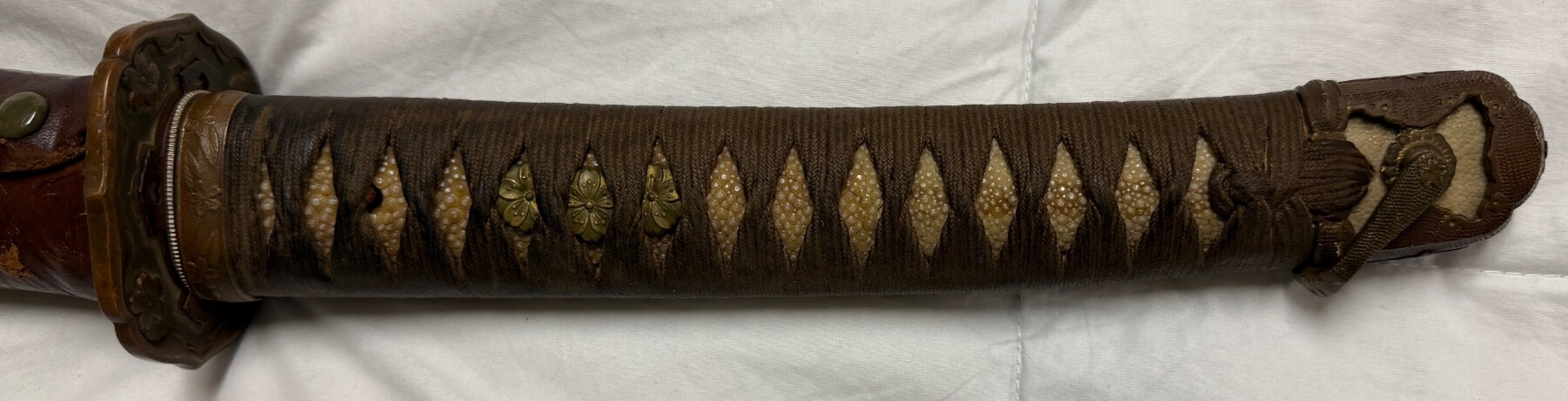
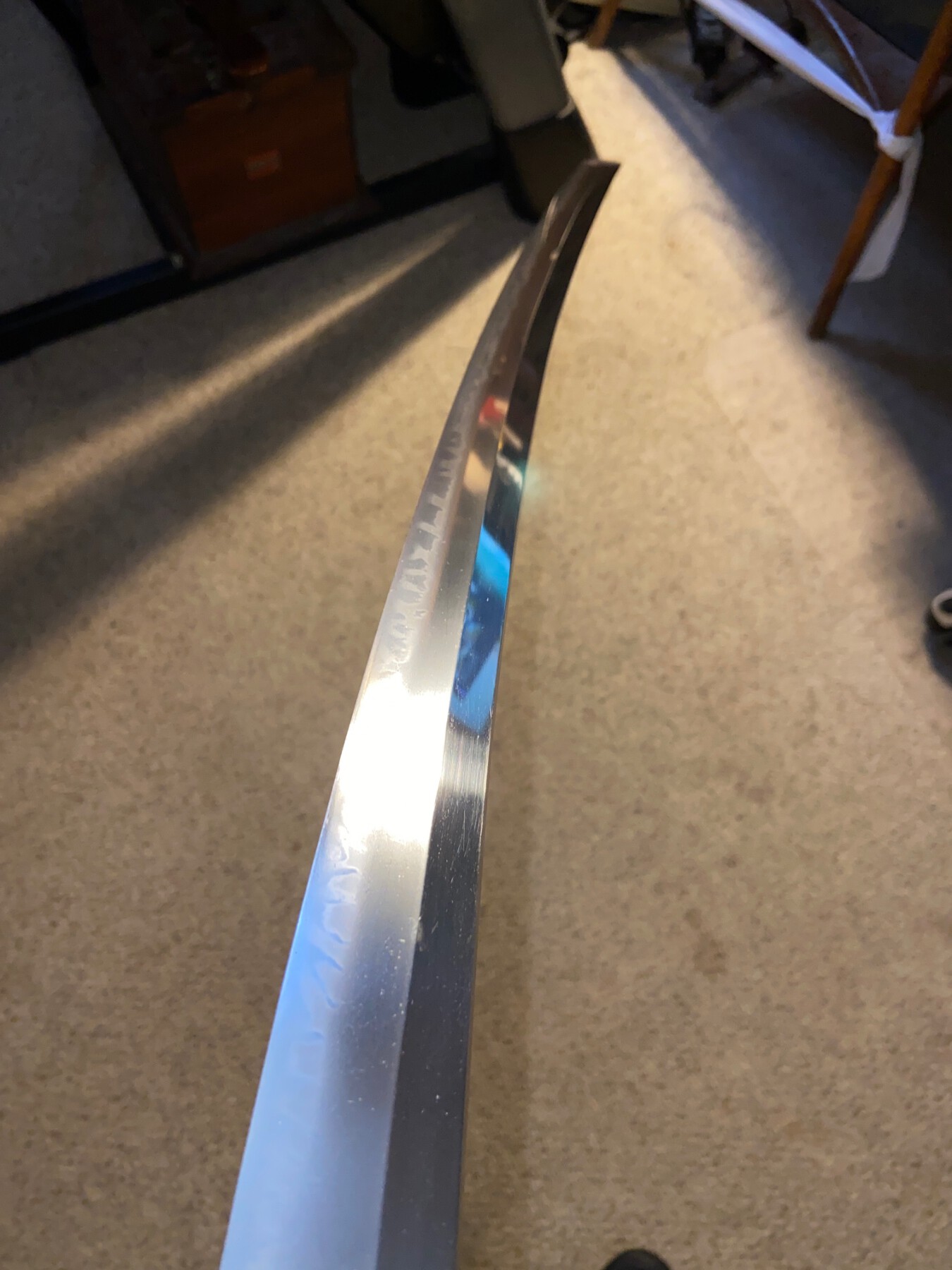
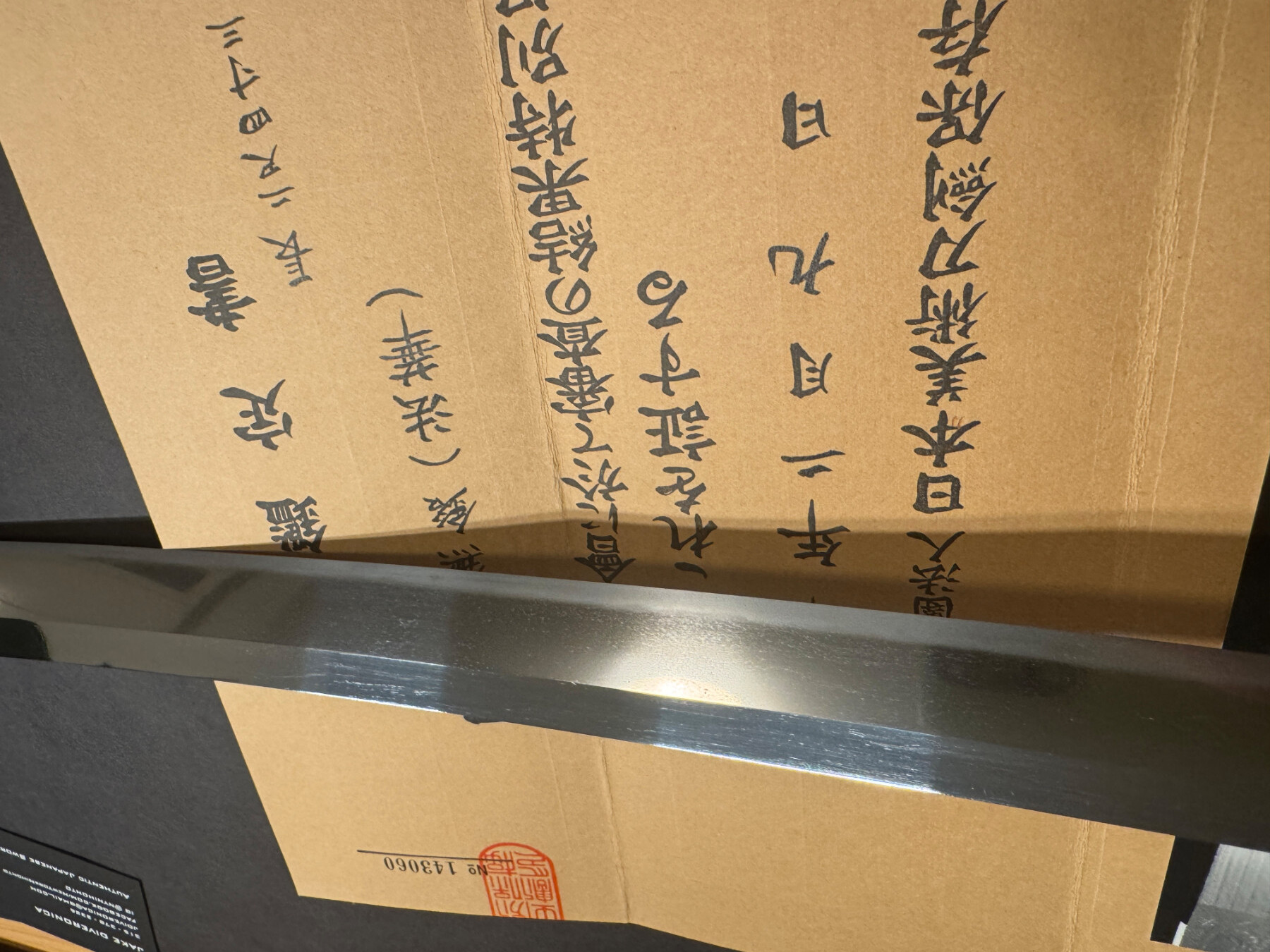
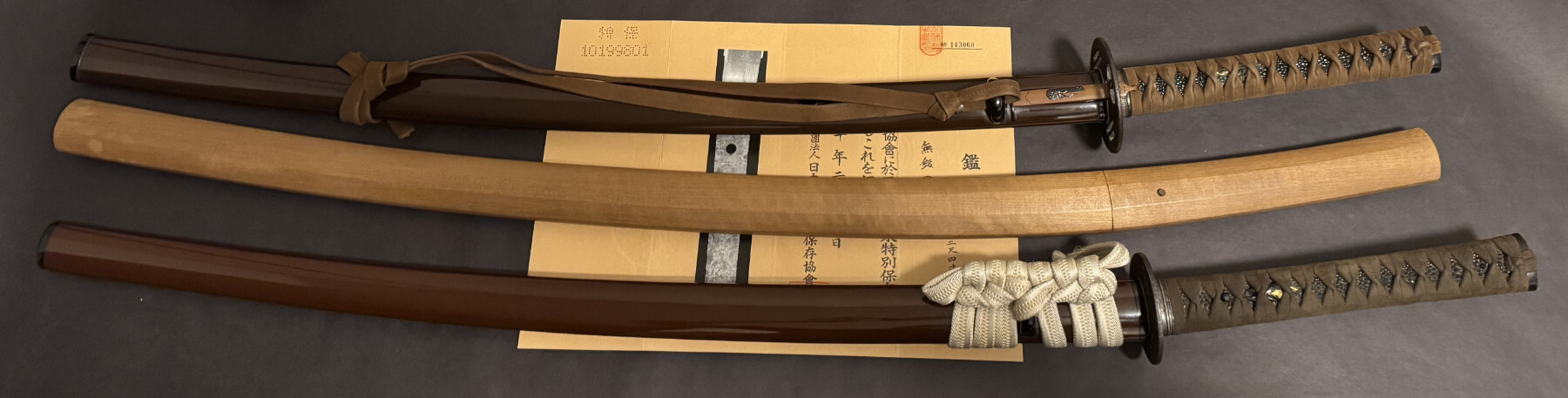
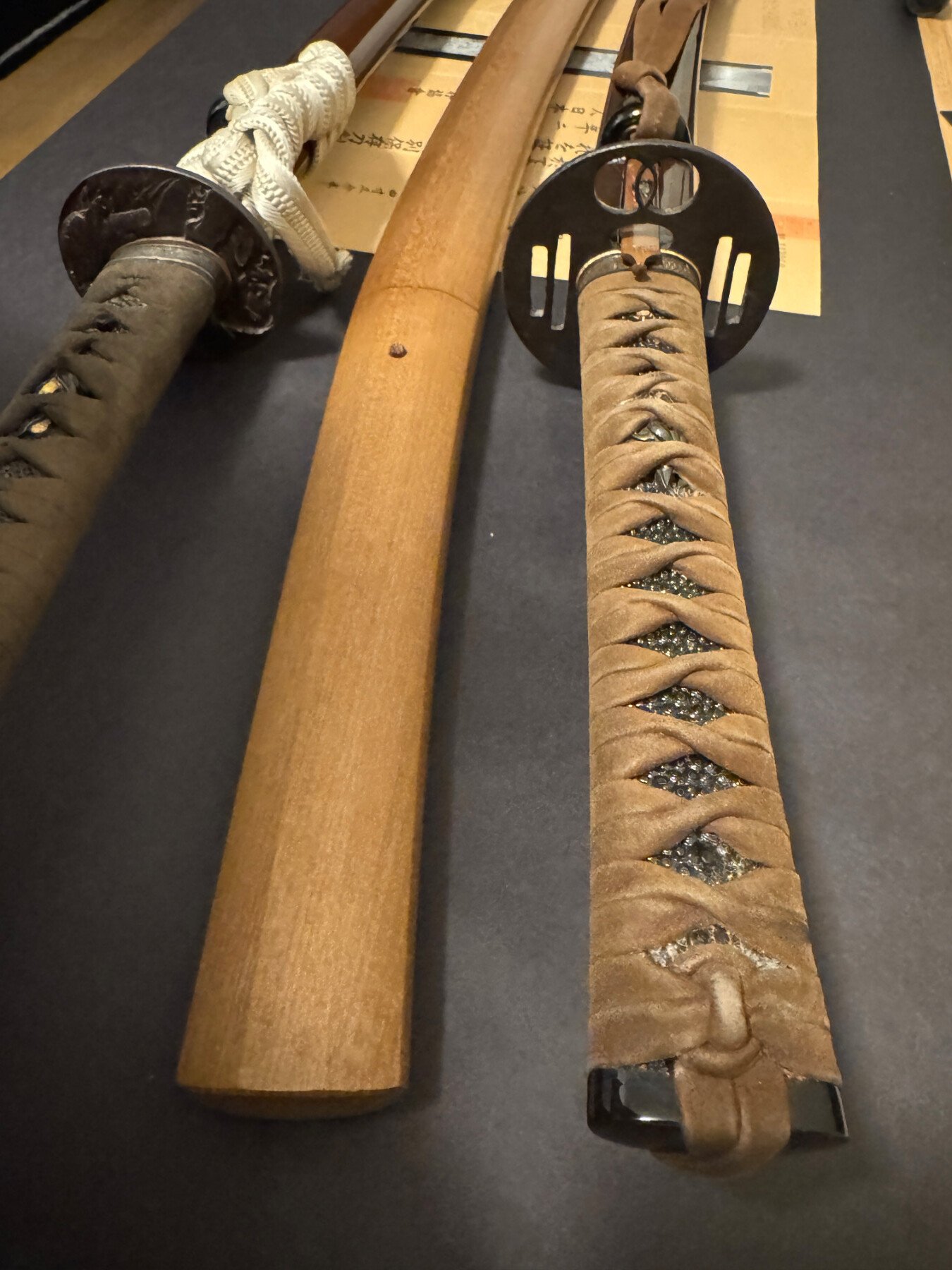
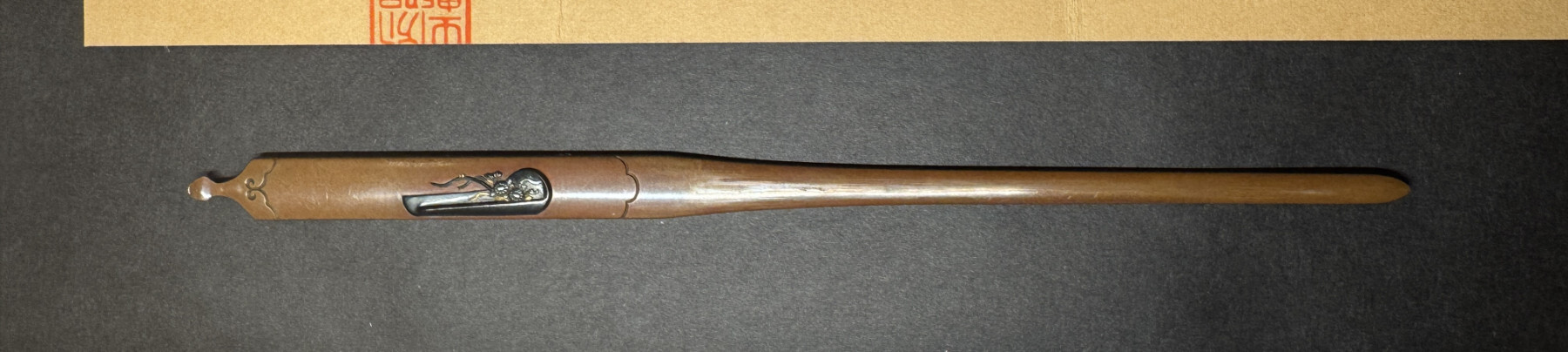
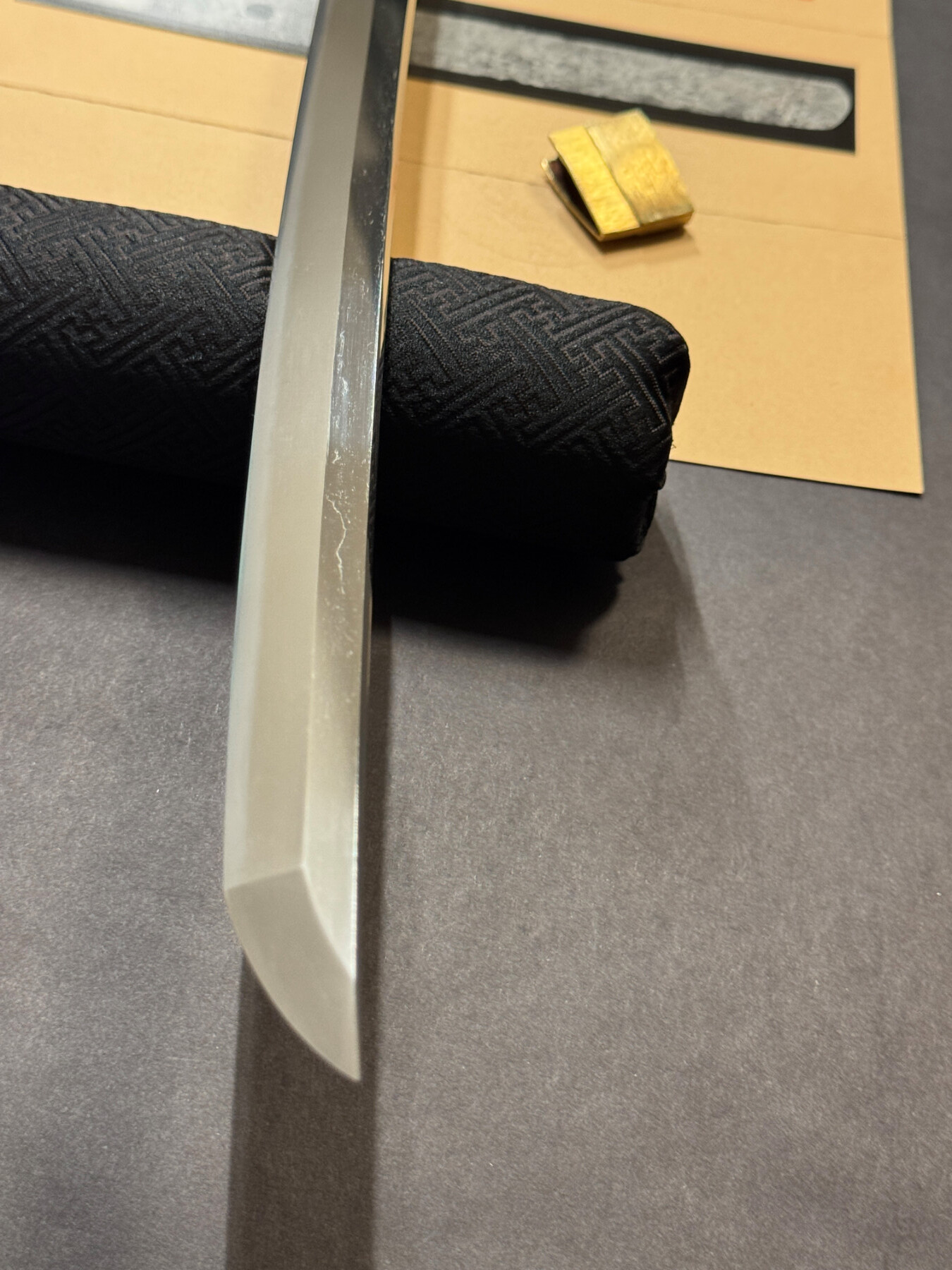
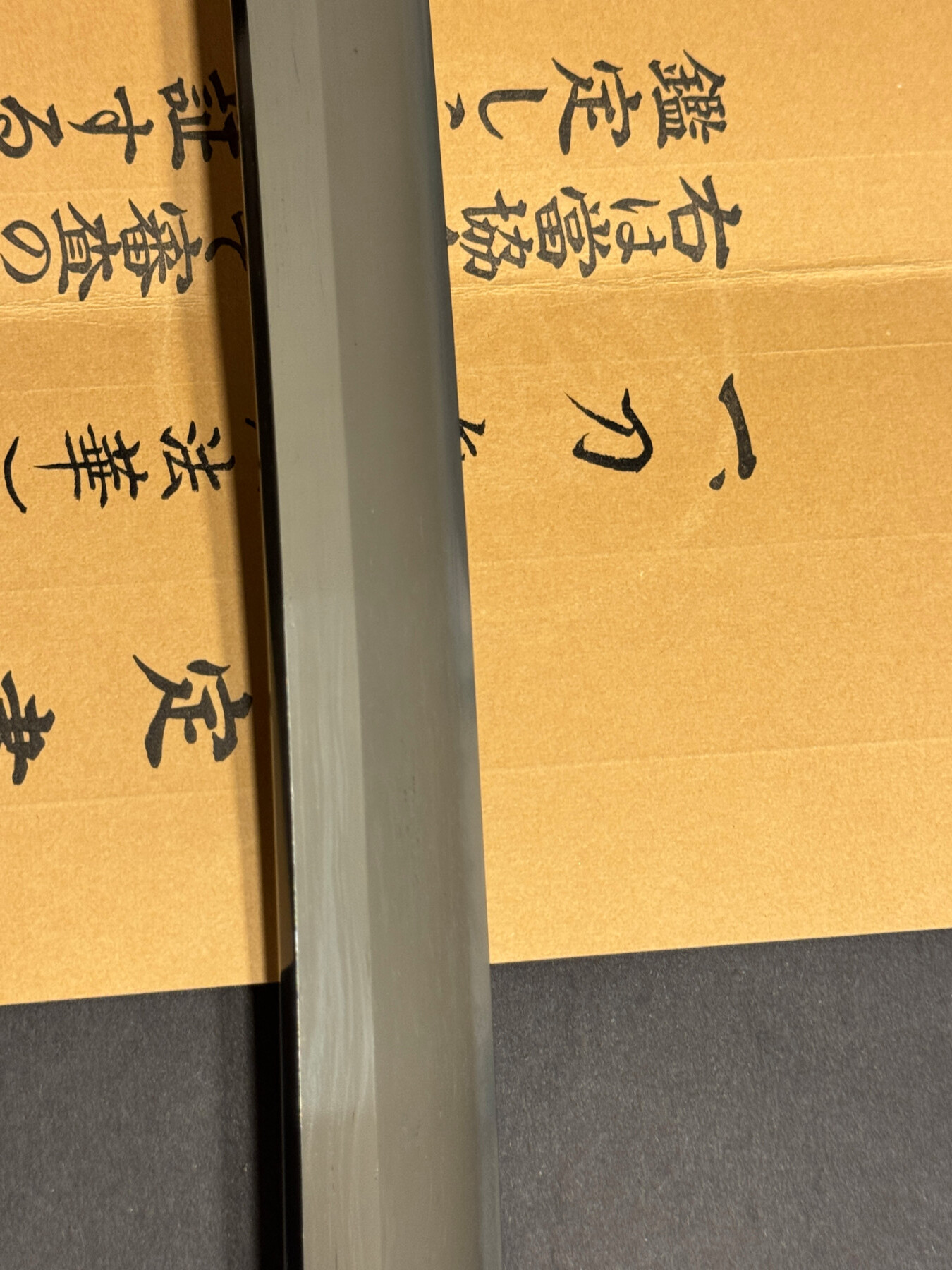
Just want to share.. I took a gamble and picked up this sword a few months ago from the son of a WW2 veteran practically sight unseen. The vets son told me the sword has sat in the closet since he could remember. The sword is signed 士魂明督之作 Shigon Akisuke No Saku and dated 1945. A smith I’ve never heard of before nor have I seen another sword made by this smith. The polish and fittings are in excellent condition. The hamon is flamboyant the jigane is tight. any comments are welcome.

 5 points
 -
The oshigata system was used until photographs became standard. They switched to photographed nakago in the late 90s.4 points
-
@Conway S Showa 19 (1944) my mistake
 4 points
 -
You can usually tell a sword has been shortened without removing the tsuka and inspecting the nakago, the geometries/measurements/overall sugata will be strange compared to what is expected for a given school or line of smiths IMO4 points
-
I was reading the way it was written on the tang. Here's some info from Sesko: AKISUKE (明督), Shōwa (昭和, 1926-1989), Tottori – “Shikon Akisuke” (士魂明督), real name Yata Monji (矢田門二), born August 26th 1899, he was working as a swordsmith from about 1942 onwards, the prefix shikon (士魂) means “Samurai spirit” (see picture right) John C.4 points
-
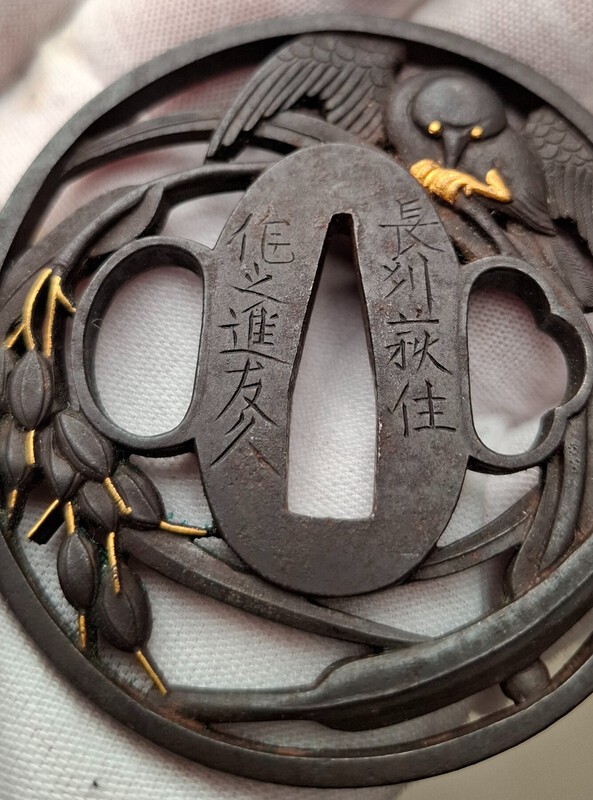
I need help with these tsuba signatures. I am sending €40 to the NMB for support. Thank you in advance.
 3 points
 -
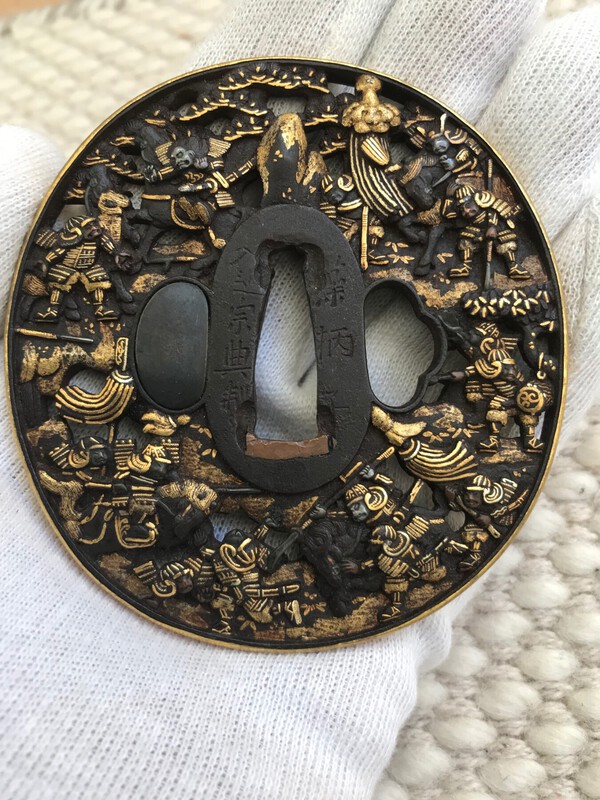
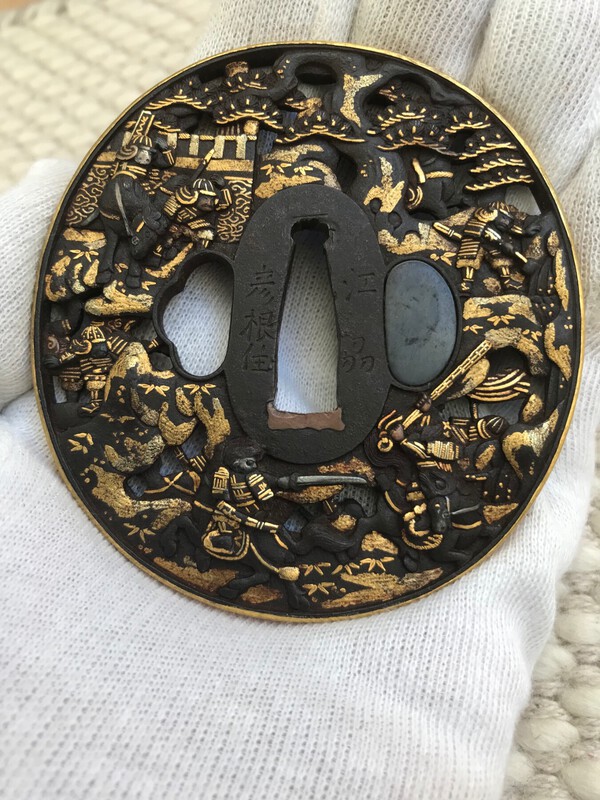
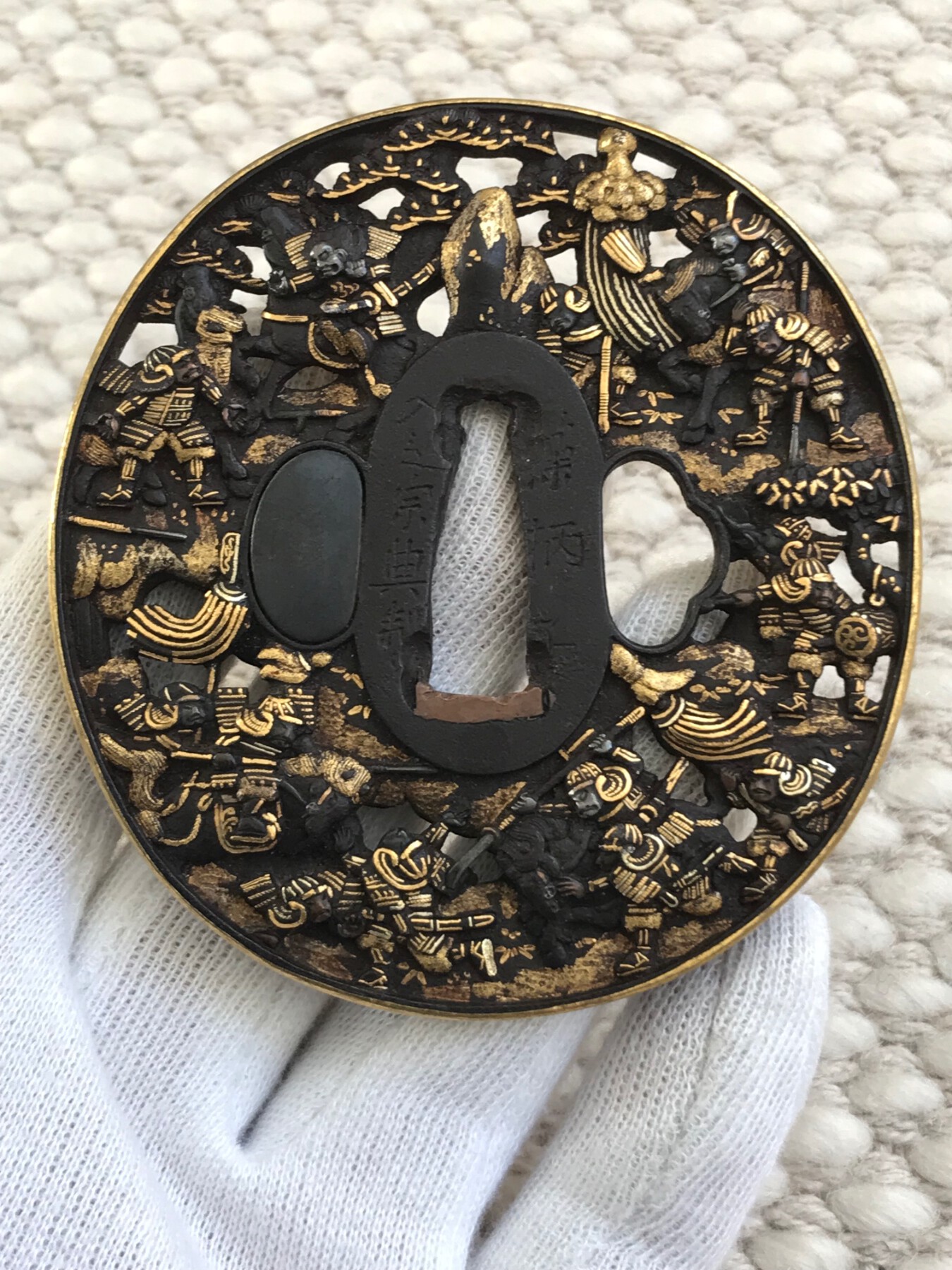
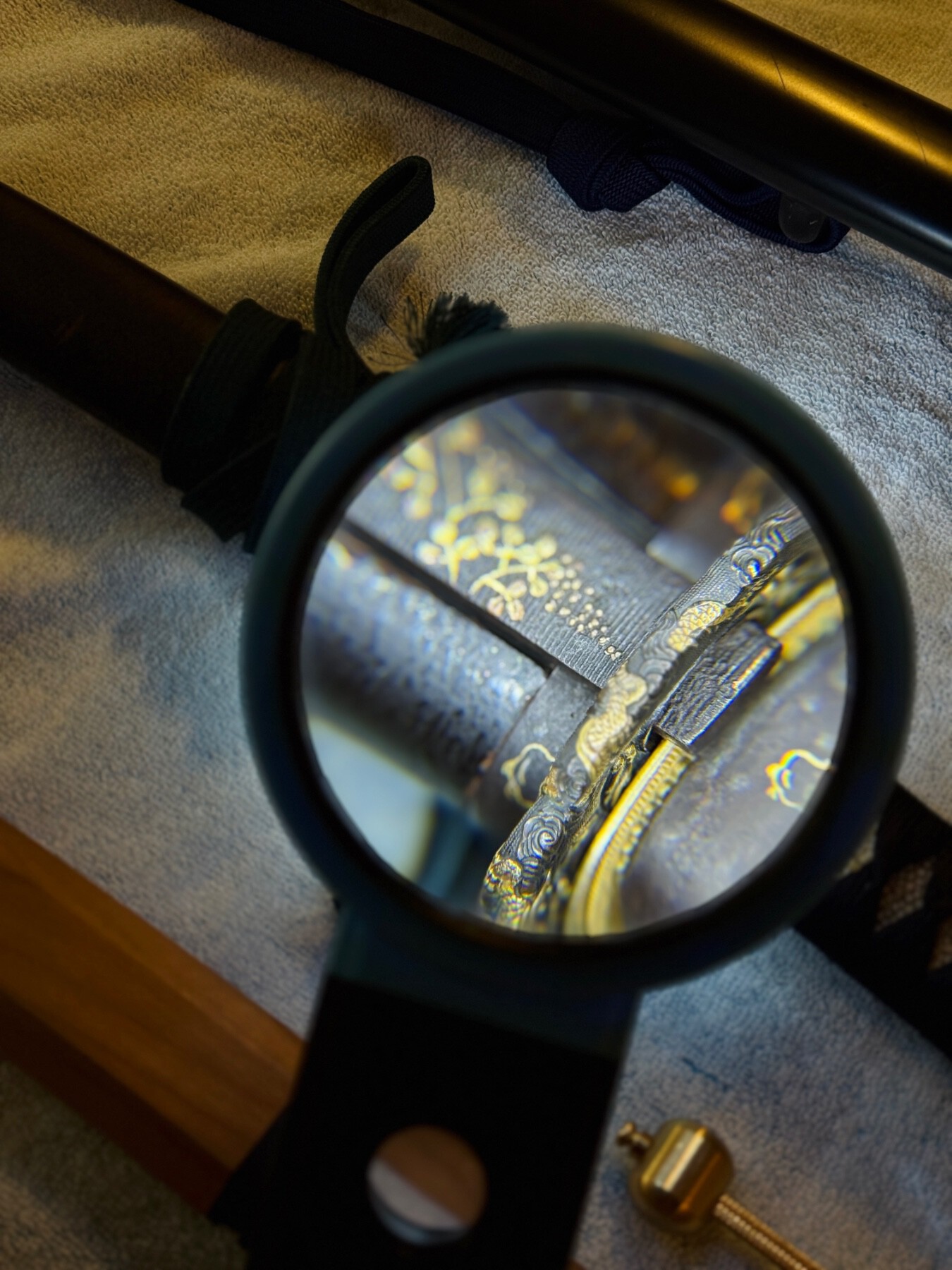
Dear fellowship, First of all - best wishes for the New Year. Secondly - my latest and newest acquisition that found its way into my modest collection through an item exchange between a collector friend and my self. Iron Tsuba, 8,5 cm x 8 cm x 0,5 cm, intricately carved, open work and with different inlays of metal spanning gold, silver and copper. Mei: “Kosyu Hikone Jyu Mogarashi Nyudo Soten Sei” (earlier translation by: Kazushige Tsuruta - who believed the signature genuine in 2015 - judged from photographs by previous owner). My photographs are NOT in any way professional sorry… Any comments are as always welcome. /Soeren

 3 points
 -
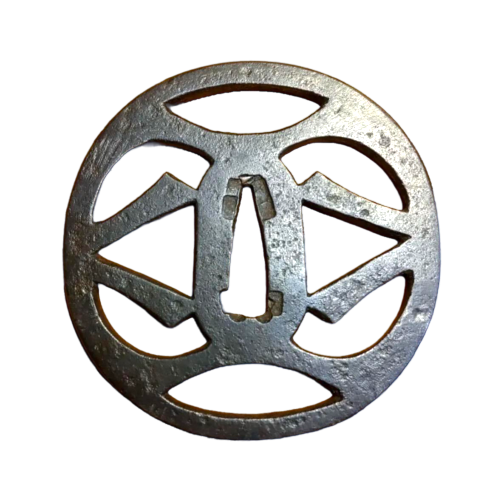
Hi, I am considering this katana tsuba (around 8 cm in diameter). I like the simple tsukashi, surface steel structure and even color but have no idea what the actual design symbolises. So all thoughts are most welcome! Best, Hector
 3 points
 -
For NBTHK I think they are doing great job and it does support the organization financially. My only worry is the large amount of items that they do process through every year. I think the organization realized the problem and they did put a item number limit to Hozon & Tokubetsu Hozon shinsa quite recently, and it is now limited to 1,600 swords per session. Now as they do 4 sessions per year that would be 6,400 swords, then you add the Jūyō submitted swords and it would be 7,000+ swords. Here are NBTHK numbers I digged from magazines 5+ years ago (I had actually forgotten I did this ): NTHK (including both branches) is much smaller organization, however I do know for their international shinsa they have the minimum item requirements for shinsa team to attend. I know NTHK is not preferred by market but I still value their opinion highly too. As the item submission numbers are quite large for shinsa sessions I am left wondering how many minutes each blade gets? Now the time invested will of course vary from item to item. I do understand that experts can see fine details in swords very fast and in few minutes can tell interesting things about the item, I have seen this in European NBTHK meetings for example.3 points
-
There is a timeline problem with the attribution of item number 4. Kozori is actually quite specific attribution time wise and it is for late Nanbokuchō to early Muromachi. So if the sword would be late Muromachi as it would maybe seem to be, then it couldn't be considered as Kozori work. For mumei unremarkable Bizen stuff from late Muromachi I would feel Sue-Bizen would be the grouping I would be most comfortable with.3 points
-
Yes, that is one of the crude theories, but it is ridiculously unlikely when you think about it. I am working scientifically on this TEKKOTSU subject and hope to be able to present results in the near future.3 points
-
江府住 - Efu ju 正之 - Masayuki 正義 - Masayoshi3 points
-
Nick if you just want to buy one or two genuine 94's or 98's but are not interested in progressing the whole nihonto thing, thats ok but I encourage you to use the resources available on NMB by posting good pics/description of what u are looking at and I'm sure you will get useful feedback and hopefully avoid some grief. We all like looking at swords and, believe or not, many of us like to offer opinions Rob3 points
-
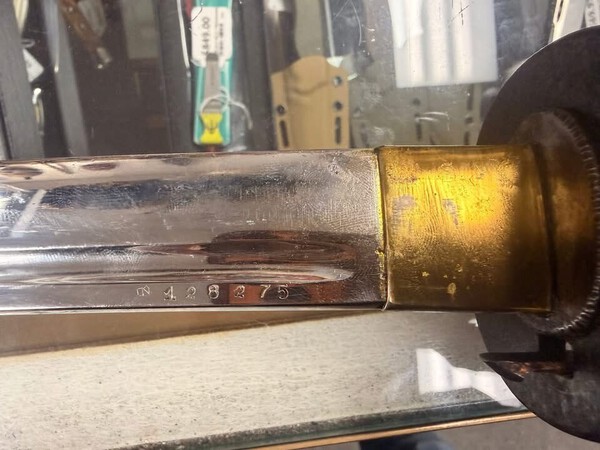
This is a legit Nagoya 95, but the blade has been chrome-plated, and the handle screw is missing. Interestingly, the 名 inspection stamp is stamped sideways.
 3 points
 -
You're leaping to some pretty tenuous conclusions without demonstrating basic knowledge about Japanese swords.3 points
-
3 points
-
I will in fact *NOT* be using Brasso or Brillo pads. I'll leave it to Woody to give it the correction/care it deserves2 points
-
Hi everyone, I wanted to share a reflection after completing my first full year in this incredible field. Over the years, I have been an avid collector of many things, ranging from precisely catalogued historical multiples and rare editions (such as coins and books) to the more subjective realm of fine art and contemporary pieces. I was used to the world of almanacs and the subjective opinions of art critics. But after one year of being entangled in the world of Nihonto, I’ve realized this is something else entirely. What fascinates me most, and what has truly trapped me in this hobby, is the unique intersection of high art and the rigorous Japanese legal framework. Unlike any other field of art, we are dealing with a mandatory government registration system that defines a sword’s existence as a legal art object. But the real magic happens when this legal status meets the expert judgment of the Shinsa. In the world of fine art, you often chase a signature. Here, we look for a soul. When a group of experts gazes into the jihada and hamon, they aren't just checking a box; they are identifying the hand of a master who lived centuries ago. They are giving an anonymous piece of steel its name and its history back. This strict, tiered hierarchy, from Hozon to the Juyo and Tokubetsu Juyo levels, feels to me more than just a ranking, it is a path of merit that honors the spirit of the smith. To hold an object that has been scrutinized by such a body, and to find it recorded in a work like the Juyo Token Nado Zufu, creates a level of gravitas I have never encountered in any other hobby. It transforms a beautiful blade into a verified vessel of both history and spirit. Even after a year of navigating the challenges of the market, encountering gimei, fake documentation, and the complexities of mumei attributions, my respect for this system has only grown. It’s not just about owning art; it’s about the certainty that comes when art, law, and a thousand years of tradition meet to protect the soul of the Japanese sword. I’m curious if others here, especially those coming from a background in fine art, had a similar realization? That the unique Japanese system of judging and registration is actually what sets this apart from every other form of collecting?2 points
-
I would recommend re-reading and studying the concepts in the Sesko article again. And I’d avoid jumping to conclusions of laziness on the part of swordsmiths without studying a lot more on the subject of suriage and anything nihonto.2 points
-
Yves, this is called TEKKOTSU (= "iron bones"). It is a special feature of some TSUBA makers or schools. There is some discussion about what it is and how it is done. Unfortunately, most writers have no metallurgic background and try to approach the subject from the aesthetic side which does not lead far. Your TSUBA would be classified as HEIANJO style, in this case an earlier one with HIRA ZOGAN technique (flat inlay), most of which is still present. There are information that some TSUBASHI working in that style did not make the TSUBA plate themselves but bought them from more specialized smiths to decorate them afterwards. This may be the case here. Attached is an image of a HEIANJO TSUBA with another decoration style.
 2 points
 -
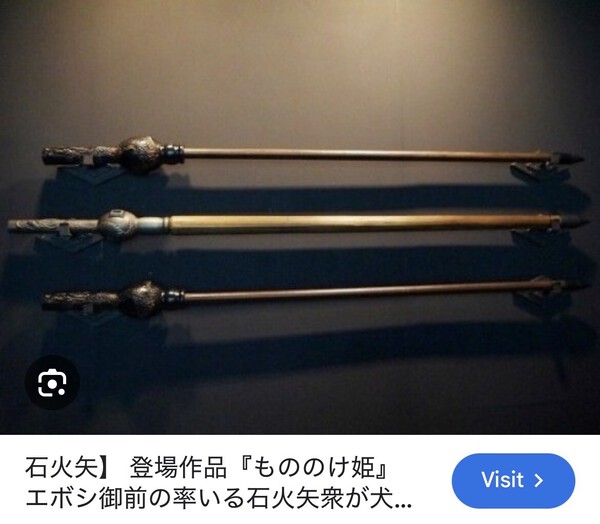
Ah, thanks for that Tom. There are some scenes with early pole guns in Miyazaki Hayao’s Princess Mononoke. I suspect Studio Ghibli did some background research before introducing them into the story, although the early squeezing matchlocks shown in other scenes are probably too unlikely. The photo below shows ‘Ishibiya’ carried by Eboshi Gozen’s troops in Mononoke Hime.
 2 points
 -
While I haven't seen this "study" you're referencing, I'm not sure your conclusions follow or derision makes any sense, at least from your description of it. Do you have a link or source setting out the methodology? More generally, any list of top wines is one person or panel's subjective opinions, and one wouldn't expect a different person or panel to reproduce it. It's not some list with objectively gradiating features that distinguish one from the other in terms of "quality" when clearly they are all good wines. This is why people into wine read reviews and rankings lists written by multiple people and learn to understand the tastes and preferences of the reviewers and how they match up with their own. The question I would have thought more pertinent would be whether the experts (who I'll assume were sommeliers, not just connoisseurs) could identify the wines, not order them based on the results of someone else's rankings. This isn't to say there isn't plenty of bunk in the wine world, but I'm not sure whatever it is you've identified here counts for much. Regardless, back to swords, and while I certainly can't speak to any requirements of assessors, nyusatsu kantei is very much a thing and one would imagine something they participate in regularly. It might be worth your checking out the regular kantei problems posted by the NBTHK (latest here: https://www.touken.or.jp/english/nbthk/swordjournal_December.html) and referencing some of the usual books on the process.2 points
-
Last one could be MASAYOSHI.2 points
-
Not surprizing. How do you quantify "taste" or "liking"? With swords (or any other works of art), it is not much better. There are many facts and variables to learn and to consider when making a statement.2 points
-
Sorry to say that from these images they all look like modern fakes. None exhibit the skill and subtlety of Japanese carving. Some may be ivory which just makes it worse. Personally I would rather own one genuine piece than a multitude of these.2 points
-
(1) 長州萩住 – Choshu Hagi ju 作之進友久 – Sakunoshin Tomohisa (3) 正阿弥 - Shoami 包矩 - Kanenori2 points
-
last tsuba is Umetada2 points
-
I don’t have a photo of this “prototype,” but judging from the blade’s straight form, it appears to be a pointed-tip Western-style sword blade. It may possibly be some kind of experimental Type 25. Please refer to and compare it with the differences in blade shape shown in the Type 25 cavalry saber regulation drawing dated March 19, 1892, provided by Nick.
 2 points
 -
It is a legit type 95. I wish they could all be rescued. If I had the money, I would do it, but if it is not your thing, like everyone said there are nice ones to be found out there. You’ll probably pay more money though.2 points
-
@Kiipu I like it too. I was rather surprised when I got a chance to really take a look at it. Kinda reminds me of horse tooth hamon in some areas.2 points
-
For $895 I think you could get a pretty good and untouched example. Id steer clear personally. While I don’t agree with much of the feedback on Facebook, I think that their reaction to the sword will be repeated if you were to ever show it off, or try to sell it someday. Which can be a frustrating reality with these swords. People are quick to skepticism. But for that price some nice examples are out there; and if you’re interested in the Type 95, I think you can find a good one if you shop around. All the best, -Sam2 points
-
At the end of the day it's a real Japanese sword with decent looking Kai Gunto Koshirae, but if you look closer the cracks start to show. There are a number of dealers from Japan offering these sorts of pieces, the prices are certainly low but all sorts of skulduggery may have been applied to them. The polish is rather poor and typical for rush jobs that photograph well but obscure details The blade appears tired and has Ware (flaws) showing all over It may be a symptom of the polish but the Hamon appears rather weak Looking closer at the fittings, they may have been re-gilt2 points
-
Hi Nick, I agree that it looks genuine to me, and I’m sorry you’re getting such a mixed response on Facebook. There’s a lot of nuance with these swords that few people fully understand. I’d like to address a few of the points that were raised there: 1 - All nagoya stamped blades have the serial number oriented this way, with the edge up. This is standard and not upside down. 2- The iron ferrule did not take stamps particularly well, and this specific range of Type 95s is known for weak or poorly struck markings. 3- There is some variation in serial number fonts, and the one shown here looks consistent and correct to me for this range. 4- the Nagoya blade stamp does look very shallow, but that’s also been observed before, and could be exaggerated by whatever has been done to the blade. What I think we’re looking at is an example that received some buffing, and then maybe been chromed; although I’d like to see better pictures of that spot for any level of confidence diagnosing what that is. I generally agree with Conway, that there are better examples to be had, unless the price is “too good to be true”. -Sam2 points
-
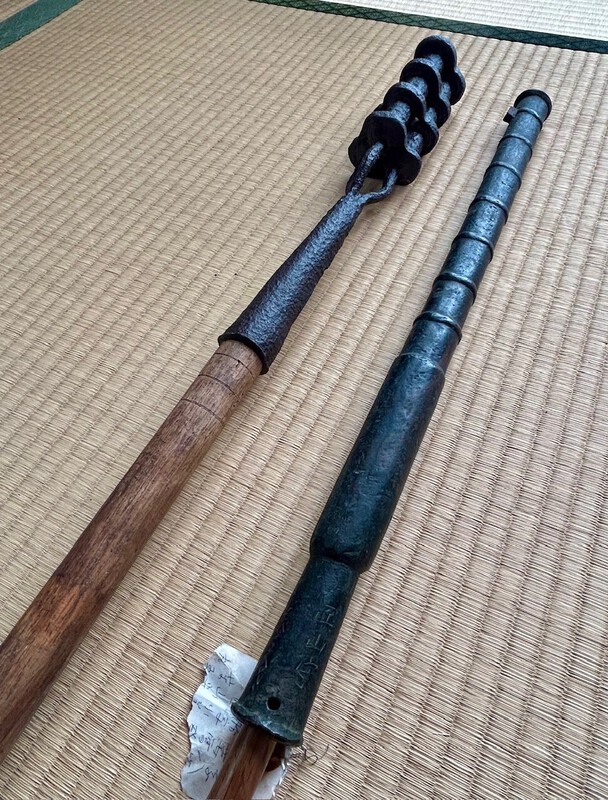
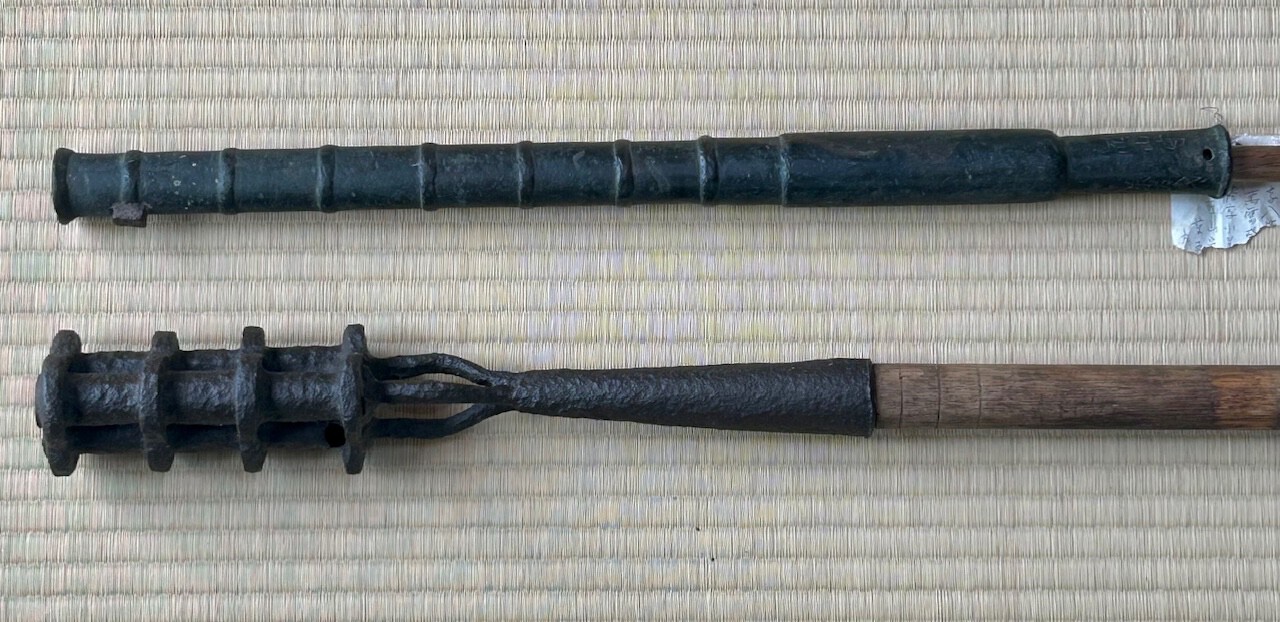
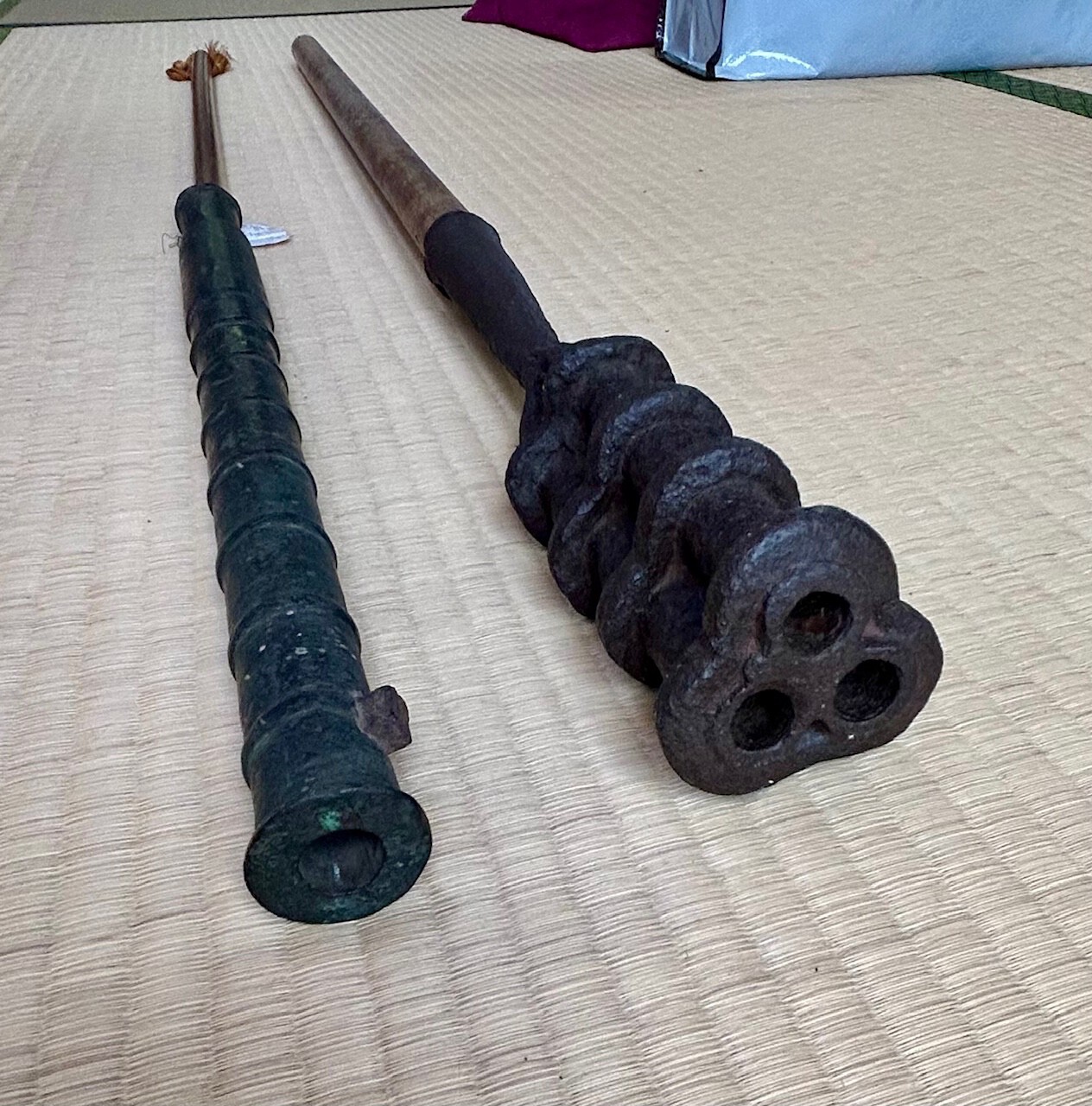
Single barrel and three-barrel side-by-side. Poles are temporary props. From muzzle end From behind


 2 points
 -
A Japanese Type 95 NCO sword and it is real. Made under Nagoya Arsenal supervision sometime in late 1942.2 points
-
Apologies to Kiipu (Tom) for thread napping, but this looked like a good thread to keep alive. Approximate Total length: 54 cm (21.25 inches) Barrel length: 46.5 cm (18.25 inches) Bore: 1:55 cm Weight: 2.4 kg The Chinese names are a separate study. Ishibiya 石火矢 , hiya or hiyari 火槍 these were called in Japan, although the name Ishibiya lingered on and was later used for breech-loading cannon like Furanki-hō. There is an Ishibiya-Chō in Takahashi (old Matsuyama Han territory). Ishibiya probably refers to the original function of scaring people and horses with bangs, flames and assorted stones. In Okinawa they once used coral balls. I’ve heard of and seen pottery ball examples. Iron was also used for ball until sources of lead became readily available.2 points
-
Useful article here from Markus Sesko on Tensho vs Keicho suriage: https://markussesko.com/2018/04/25/tensho-suriage-and-keicho-suriage/2 points
-
I spent some time looking into this and I am uncertain exactly what this sword is. It could be a European sword or a Japanese prototype. The construction is unlike the final form taken by the Meiji 25th Year Cavalry Sword 明治二五年騎兵刀. However, the Meiji 25th went through several design changes before adoption. There is just not enough factual information available to make a judgement at this time. Ran across serial 5297 over at Worthpoint. Pre WWI Japanese Army Type 25 Cavalry Sword ... Cross-Reference Sword Identification Help Needed2 points
-
Congratulations on the acquisition! You can look at it for a long time, like a painting. I really like that works of the Soten school look great as standalone pieces.
 2 points
 -
Maybe the Latin translation of fear of empty spaces: “Horror Vacui” also applies to some Japanese artist It is a very intricate piece of work, and I’m unfortunately not capable at the moment to really capture by photo all the little artistic gems that is to be found under a closer look. Quite happy with this acquisition, and my first Tsuba in this category (School and theme). Thank you all for your comments so far… /Soeren2 points
-
前田泰宏 - Maeda Yasuhiro2 points
-
How’s this bronze hand gonne pole weapon? They have various names in Chinese and Japanese. It’s covered in hard-to-read inscriptions and dated, but there are warnings of fakes out there, so I’m not holding my breath. The date works out to 1583; the Ming (1573-1620) were indeed still using these at that time. I already have a three-barrel example so grabbed this single barrel. Interestingly it has a small iron block underneath, on the opposite face to the touch hole, possibly to hook onto wall edges and absorb the recoil.
 2 points
 -
Kosyu Hikone Jyu Mogarashi Nyudo SOTEN Sei Goshu/Kosyu Hikone Ju (江州彦根住): "Resident of Hikone, Omi Province (Goshu)". Mogarashi Nyudo Soten Sei (藻柄子入道宗典製): "Made by Mogarashi Nyudo Soten".2 points
-
He can be reached via Robert Benson https://togishi.com/index.html2 points
-
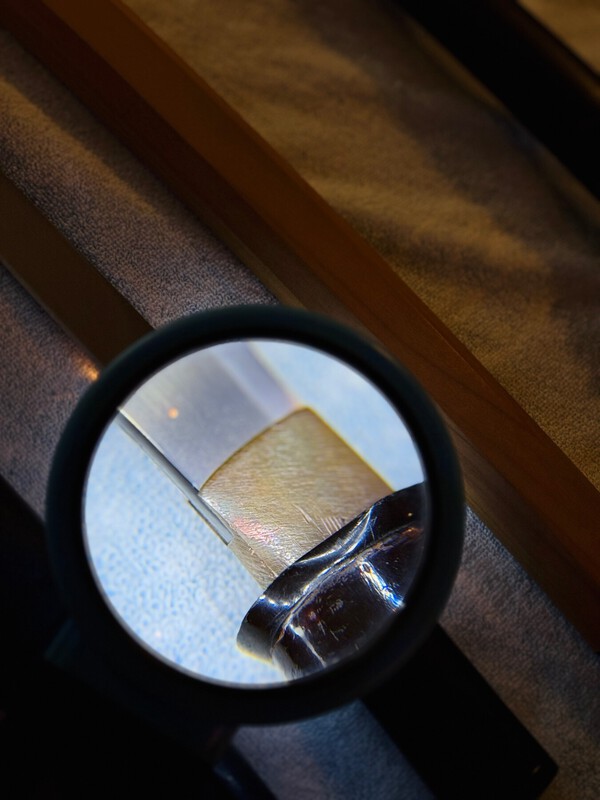
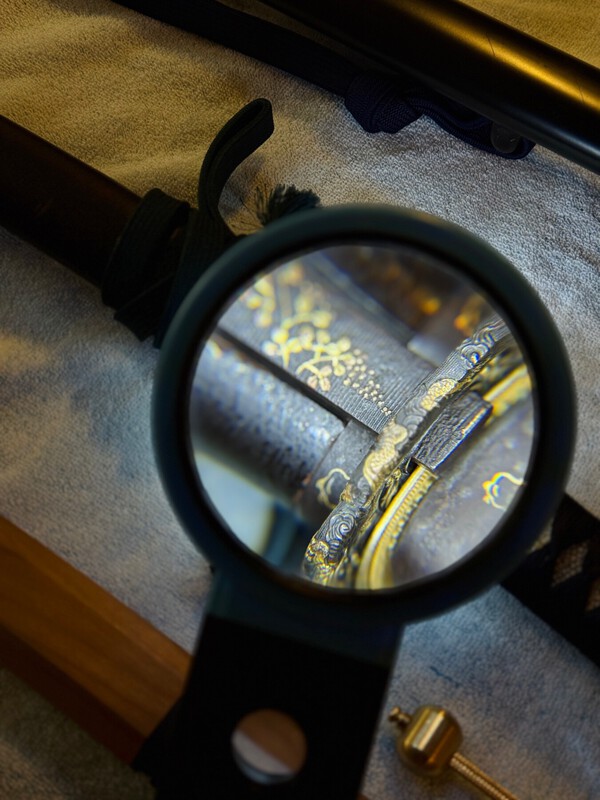
Konichi Wa. Sundays are for sword cleaning 🫧🧽. Many North American antique collections are found in poor condition due to the lack of awareness on what it takes to keep steel pristine - following the ritualistic cleaning of swords by our predecessors. Pro tip: use a mineral oil specific for carbon steel, like for example Yoshishiro brand oil; it protects the blade and other parts of the steel from rust. Mineral oil is colorless, odourless, and you should regularly clean your blades depending on how often you are studying/exhibiting them. As a rule of thumb I will maintain mine every two to three months, as that is how often our Toronto Token Kai (Sword Club) meets, where I serve as director. I begin by wiping the old oil with a microfibre cloth, and then use rice paper to apply a thin, fresh layer of oil on each sword. This method ensures that the artifacts in our care are preserved for future generations. I also commit to this process out of respect for Japanese history and as a meditative practice. These swords left the battles long behind, and the onus is on us to preserve them for their eventual return to the shrines of glorious Japan. 🇯🇵
 1 point
 -
They go with a photograph for mumei nakago to properly document all the dents, bumps and other identifying features, but in the case of a mei they will often use a rubbing/oshigata because it can be hard to photograph in a way that displays it well.1 point
-
If you search Metallurgy on NMB you'll get 286 results. Just to get you started: John C.1 point
-
Withdrawn1 point

















This leaderboard is set to Johannesburg/GMT+02:00