
Leaderboard


Popular Content
Showing content with the highest reputation on 12/08/2025 in all areas
-
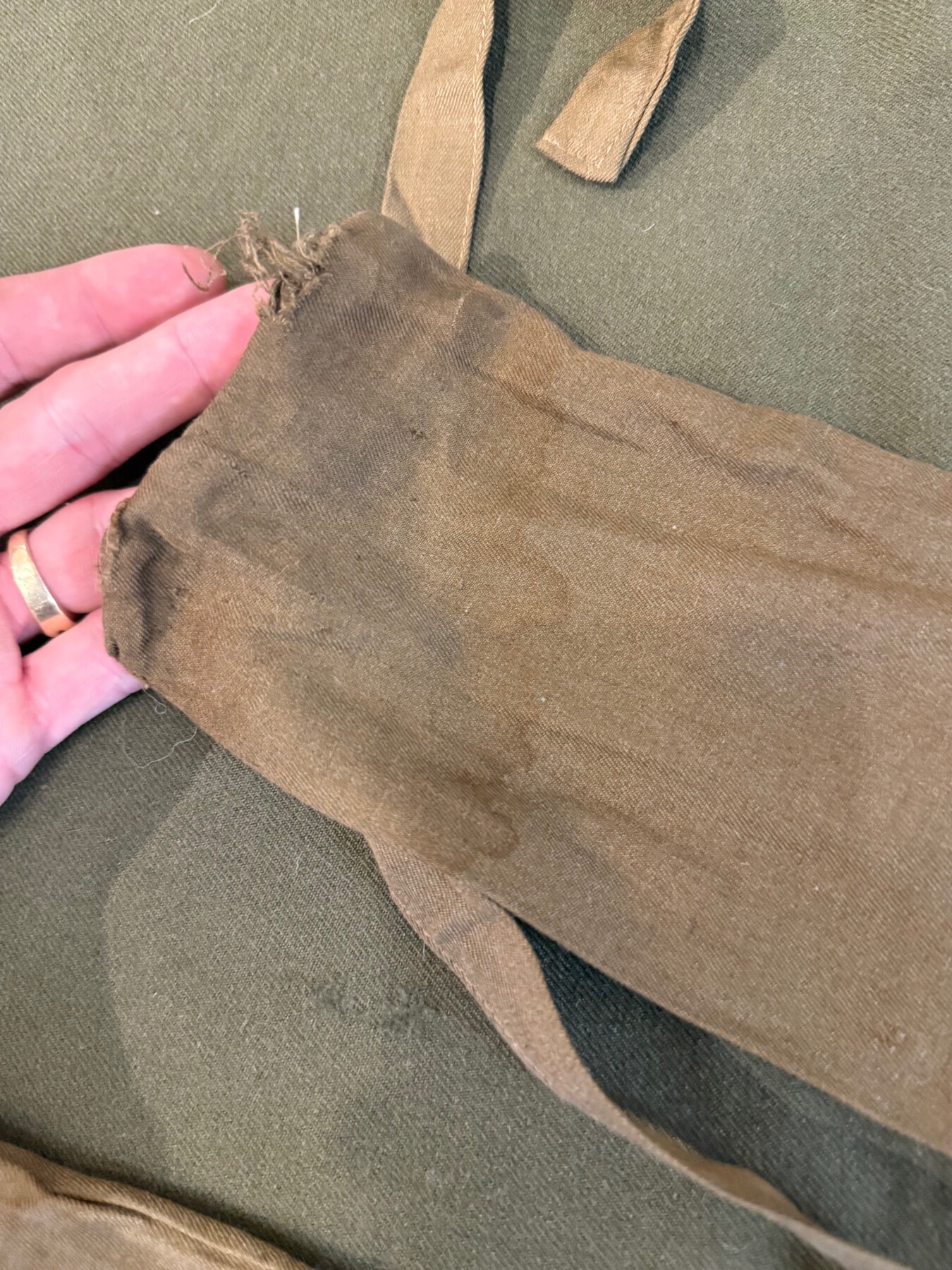
Had our PNW Token Kai this evening, and a friend of mine and club member has what I believe to be a wartime sword bag. The owner noted that it’s made of a very similar material that he’s observed on some Japanese uniforms. It definitely appears to have some age


 6 points
 -
Look up the five sacred mountains of China6 points
-
In Japanese, brazing is called ロウ付け (roh zuke). Roh is Japanese for solder, but it's also the pronunciation of the Japanese word for wax. The latter being much more common, I suppose whoever did the translation got it mixed.6 points
-
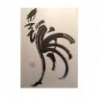
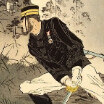
It's a promotional photo for a Japanese drama. Not a period photograph. "The Kamikaze Pilot's Wife" (or, literally, The Wife Who Flew With Her Kamikaze Husband) https://mdpr.jp/news/detail/14950175 points
-
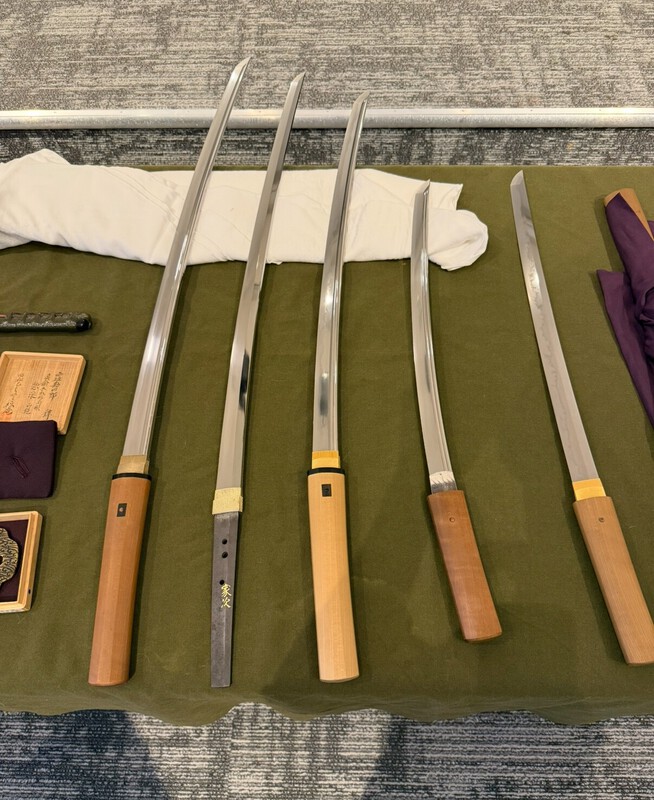
The first meeting was a huge success! Big thanks to everyone who made it, and brought swords to show. Hope to have our next meeting this spring/summer 2026 in Washington state


 5 points
 -
Gary: I believe sword #3 is Asano Kanezane. Here is some info on him from Sesko: John C.
 5 points
 -
濃州関住正行作 = Nōshū Seki-jū Masayuki saku (probably Miwa Masayuki, 三輪正行) 昭和十七年四月日 = on a day in April of Shōwa 17 (1942 CE)4 points
-
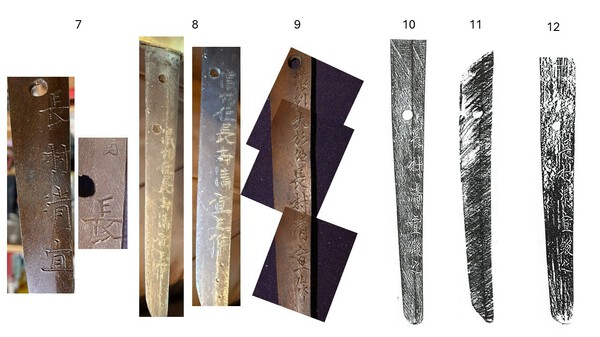
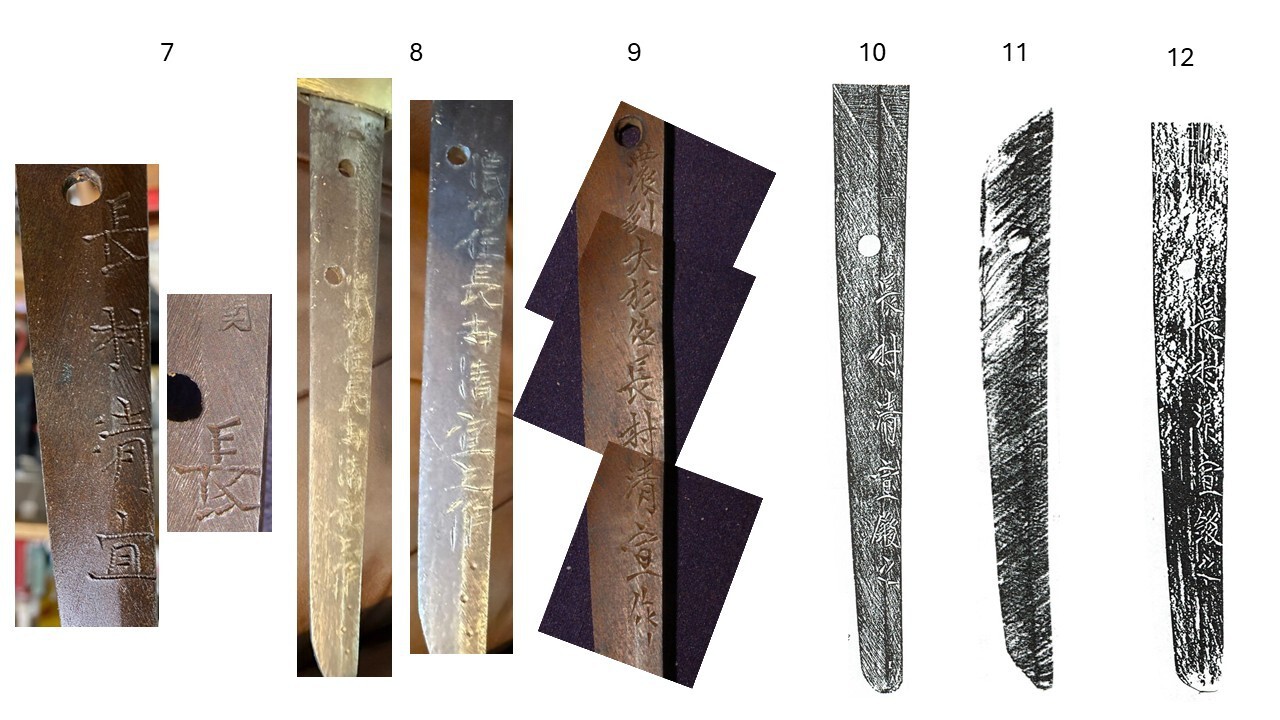
The mei being considered is 清宜 “Kiyonobu”, which can also be read as “Kiyonori”. There is also “nobu” and “nori” as 宣. Reported information on WW2 Kiyonobu: his real name was Nagamura Matsuichi (長村 松市) and he was born Meiji 34 (1901) April 10. (Sometimes referred to as “Osamura”). He was from Gifu Prefecture and registered as a Seki smith on Showa 16 (1941) April 30 (just turned 40) and was living in Kamo-gun, Tahara-mura, Osugi . He is not in the 1940 list of Seki Token Kaji Association. He is listed as a Rikugun Jumei Tosho, but he is not listed in the 1942 Bazuke of Kurihara Hikosaburo, or in the large commercial Dai Nihon Token Meikan of 1942. Nor is he in the 1941 Shinsakuto Exhibition. (He is not listed in Sesko). However, he was relatively productive during the war years. Of examples found, all blades are katana-mei, most have sujikai filing, but two have taka-no-ha (#1 with small stamp; #7 with small Seki stamp of Nagoya Arsenal 1943-1945). Other stamps: #4 small unknown stamp; #10 TAN is early war and better steel. Several mei are cut by specialists (nakirishi-mei) indicating bigger workshop: #6, 9, 10, 12; maybe also 4 and 5. Very little information on him, and more likely he was a blacksmith/metal worker, without formal training as swordsmith. Maybe early worked in smaller forges/shop, then later to Nagoya Arsenal. Some example descriptions of located oshigata (1) “Kiyonobu”, small unknown stamp, katana-mei, taka-no-ha yasurime strongly filed. “Nori” uncommon style. [Nazar, December, 2025, NMB] (2) “Nagamura Kiyonobu tsukuru kore”, katana-mei, sujikai? yasurime. [JSI, Stein] (3) “Kiyonobu”, tachi-mei, sujikai yasurime. Shingunto. [Griffin Militaria] (4) “Nagamura Kiyonobu”, small stamp, katana-mei, sujikai yasurime. [ikedaart] (5) “Nagamura Kiyonobu tsukuru”, katana-mei, sujikai yasurime. [Seiyudo] (6) “Noshu ju nin Nagamura Kiyonobu tsukuru kore” , NBTHK Hozon paper 2010 (Japanese seller read as “Kiyonori”). Katana-mei, sujikai yasurime. No date, no stamp. [e-sword.jp] (7) “Nagamura Kiyonobu”, katana-mei, taka-no-ha yasurime, small SEKI stamp of Nagoya Arsenal (1943-1945) [dwp,Dennis, December 2021, NMB] (8) “Noshu ju Nagamura Kiyonobu kore saku” very poorly cut, katana-mei, taka-no-ha yasirime roughly filed. Three punch marks (assembly marks?), later hole drilled (post-war?) (9) “Noshu Osugi ju Nagamura Kiyonobu saku” (living in Osugi in Mino/Gifu), well cut mei by specialist, katana-mei, sujikai yasurime. No date or stamp. [Jason Jcremer24, March, 2023, NMB] (10) “Nagamura Kiyonobu kitau kore”, TAN stamp, katana-mei, sujikai yaskuri-mei with kessho finish. [Slough, 2001, p.85] (11) “Nagamura Kiyonobu” SEKI stamp, katana-mei, yasurime not clear. Arsenal work. [Fuller & Gregory, 1983, #188] (12) “Nagamura Kiyonobu kitau kore”, katana-mei, sujikai yasurime. Early war. [Fuller & Gregory, 1983, #192] (13) no image: “Noshu Seki ju Kiyonobu saku”, SEKI stamp, date 1942. [Fuller & Gregory, 1983, #255]

 4 points
 -
Thanks guys...that plain WWII bag above is the type we most commonly see...that is why I was impressed with this 'flag bag' and decided to ask members here what they have seen, know about, or have bought or sold. Geo.4 points
-
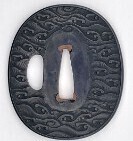
Reviving this topic because I came across this in an auction (apologies for the low-res pic - it’s a screenshot of a zoomed in pic on the app). The theme is pretty much identical, but they have mashed together the various parts depicted on the daisho (omote and ura) into a single scene. So… I am still wondering if this was a well-known motif. It would seem strange for it to be repeated in what looks like something for the quick-sale market in the late Edo period (or Meiji period) that wasn’t something commonly known. Are there any resources compiling the typical motifs used on tsuba so that they can be searched?

 4 points
 -
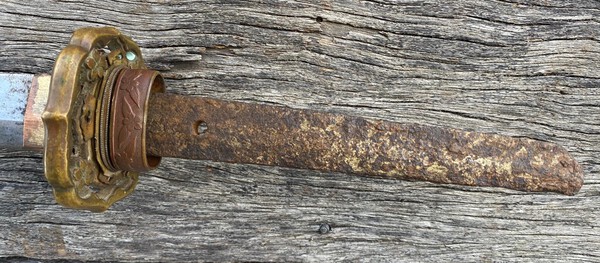
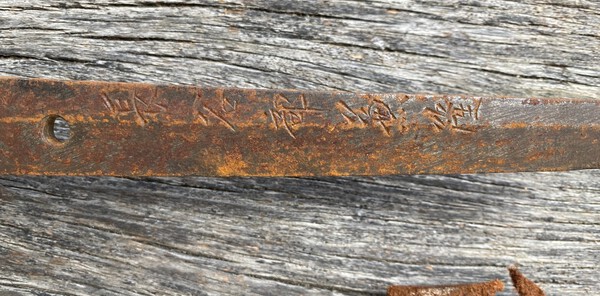
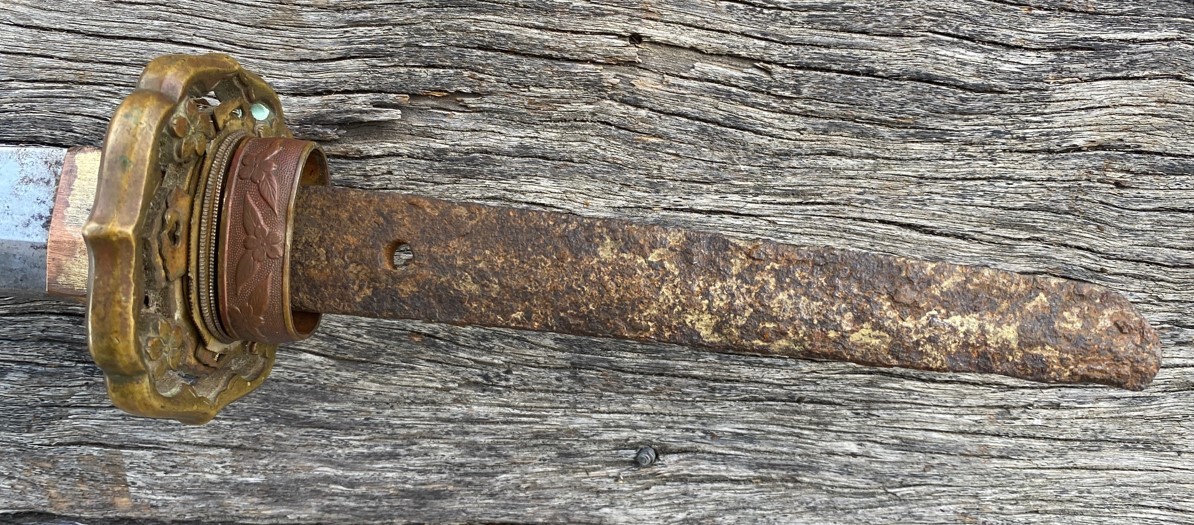
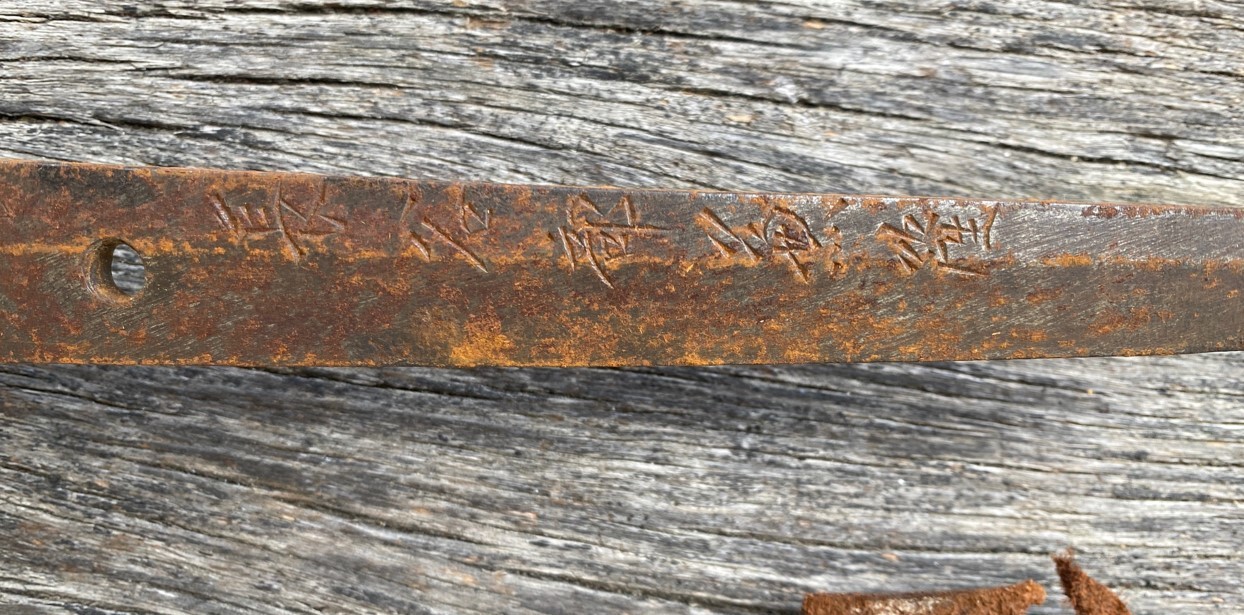
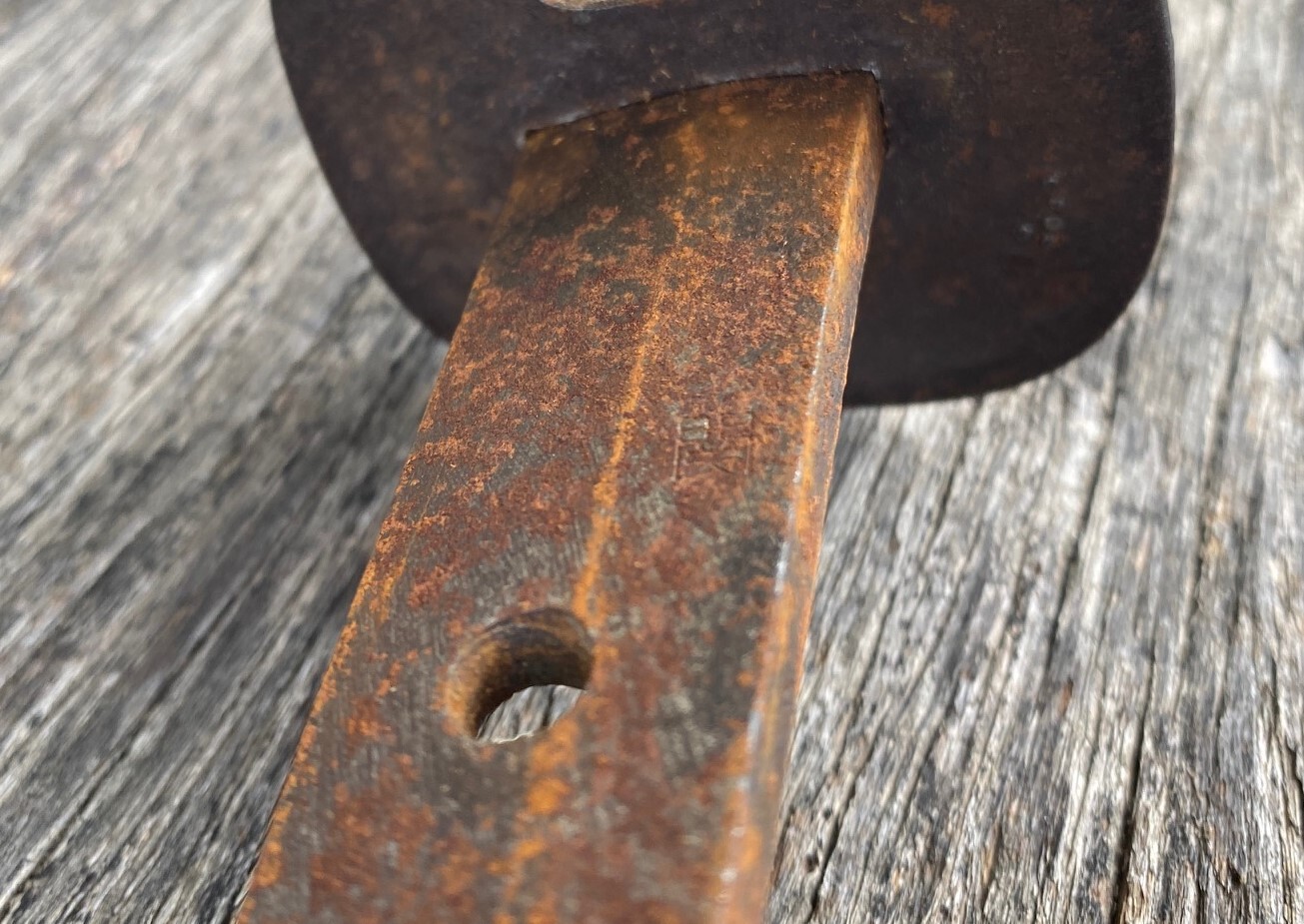
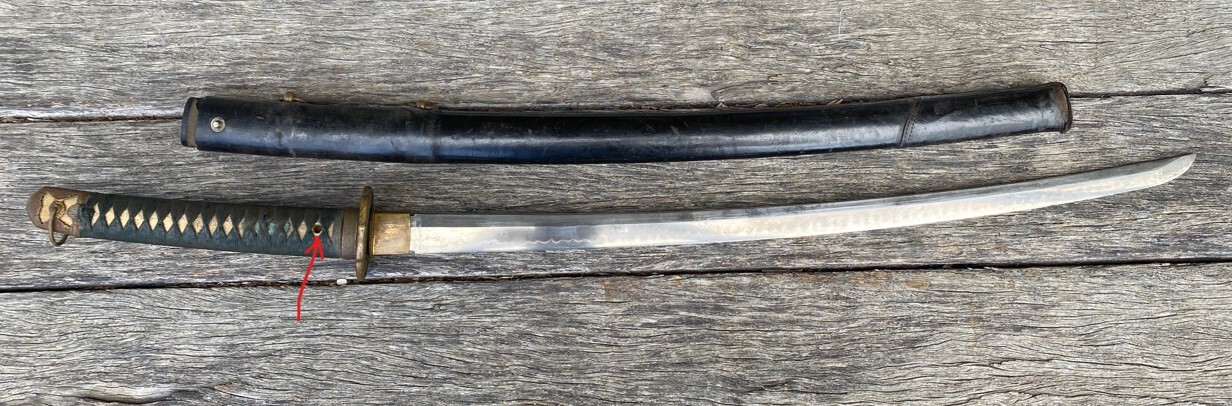
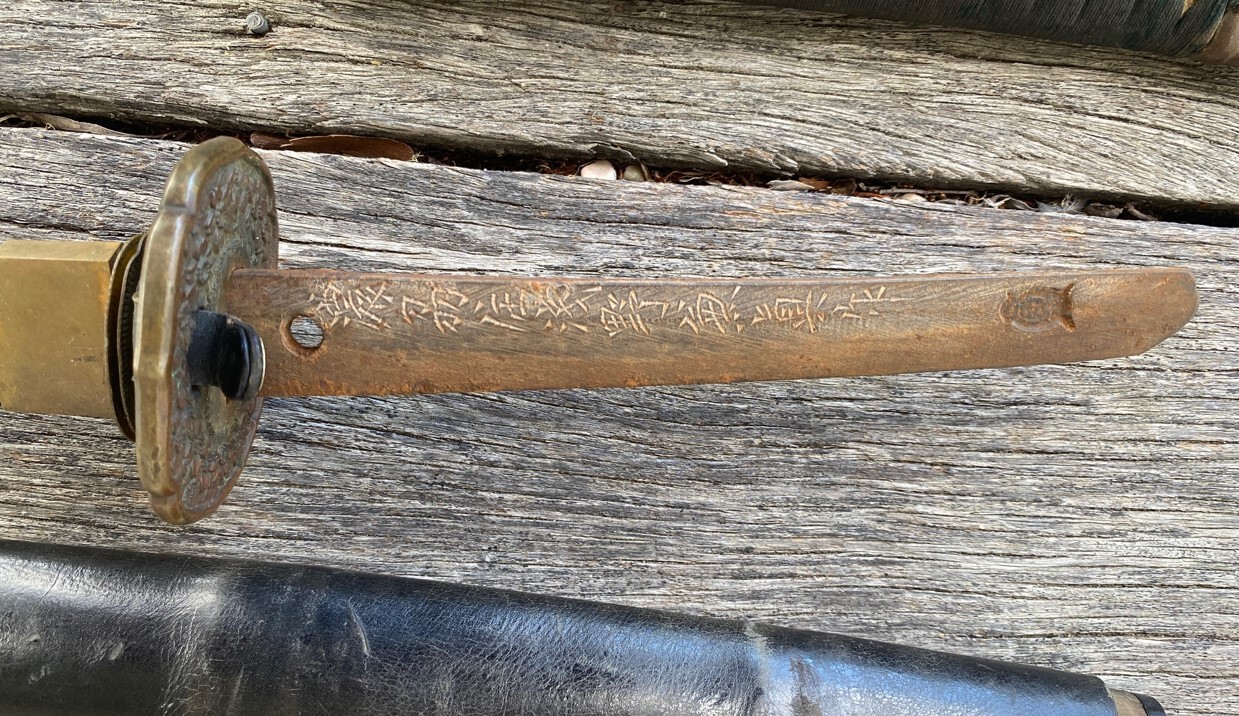
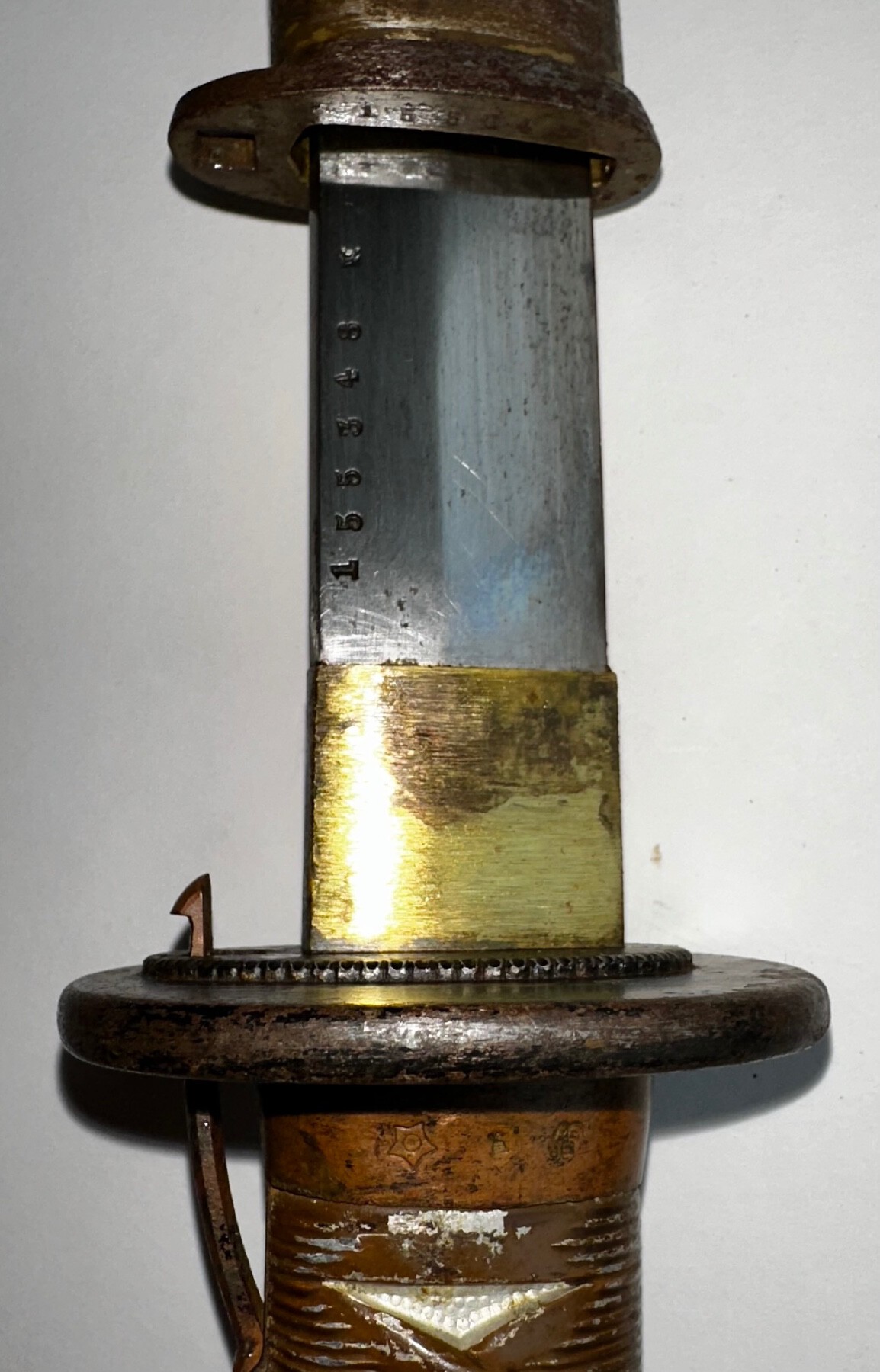
Gary, weelcome to the NMB forum! There is not much you could do yourself to improve the condition of these swords except giving them a thin layer of low viscosity mineral oil AND wiping it mostly off so no oil gets into the SAYA (= scabbard). But luckily you have a real expert in Australia who you could ask for help: Andrew Ickeringill https://touken-togishi.com/ He will probably not work on these machine-made military blades but he could advise you what to do. In the meantime you could clean the red rust off the NAKAGO (= tang) just with a cotton rag, a soft brush, and A LITTLE oil. Nothing abrasive, so the patina is not damaged! This is normally not done on traditionally made Japanese sword blades, but in your case, it is all about preserving a piece of recent military history. Be patient as you clean, as damaging is easy! The MEI (= signatures) are nicely readable on two swords; they were probably made industrially in MINO province in the war.4 points
-
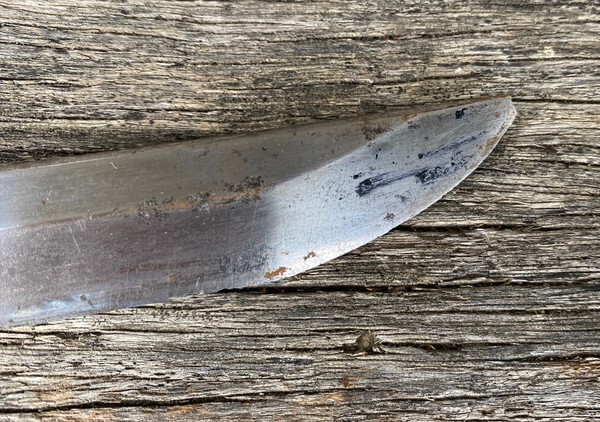
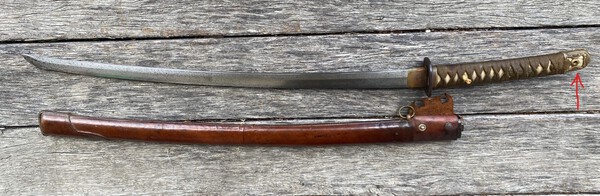
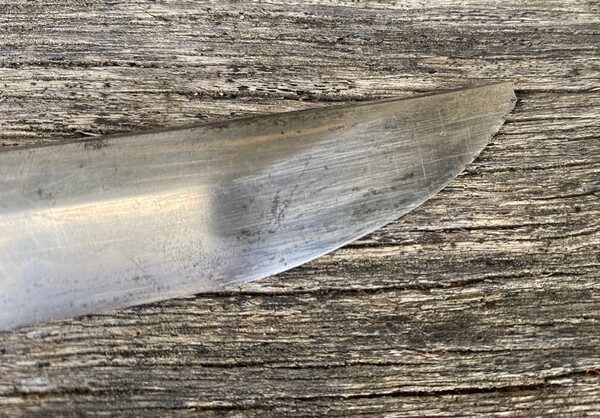
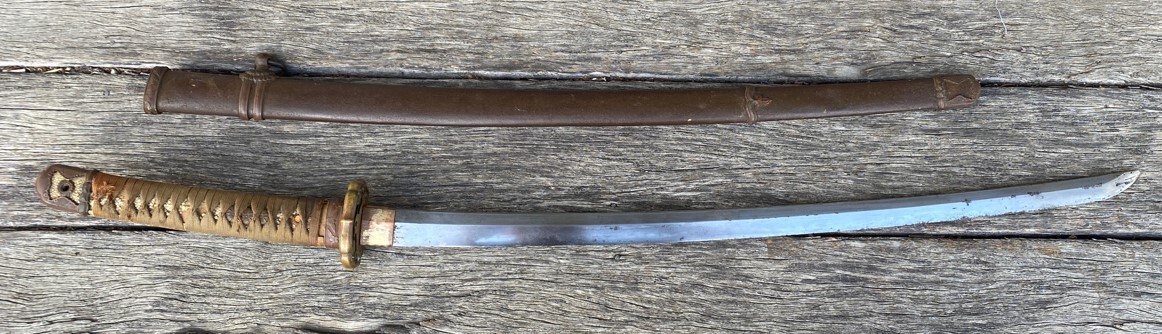
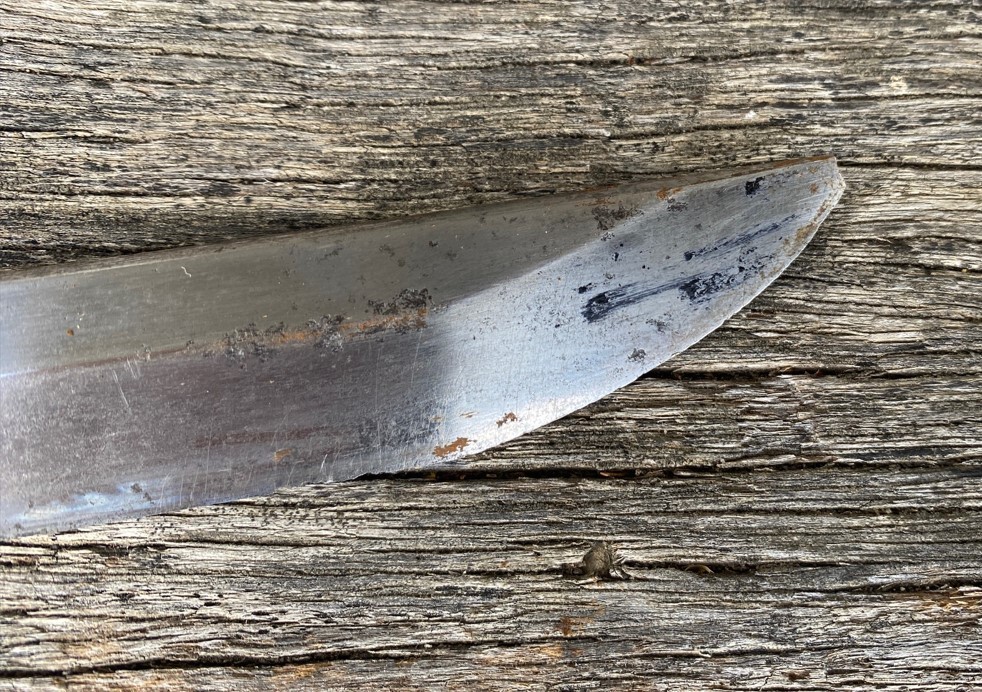
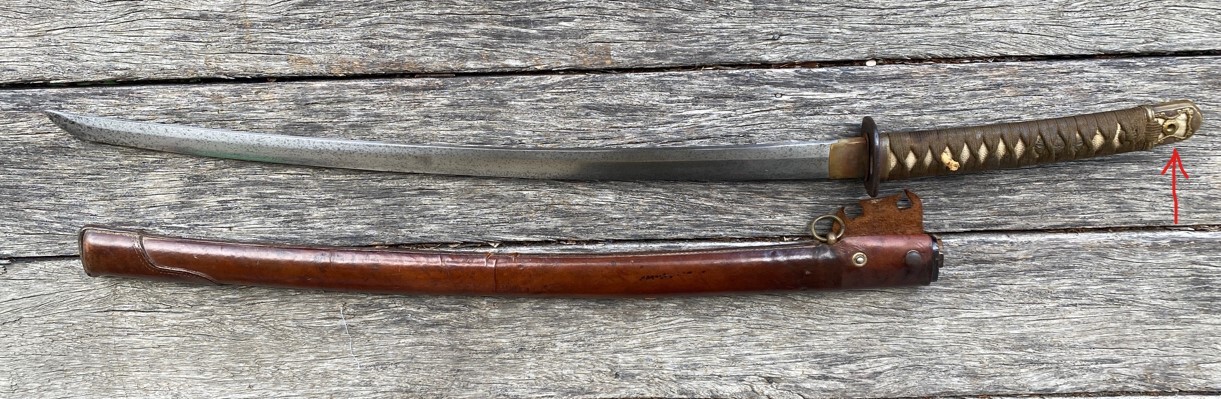
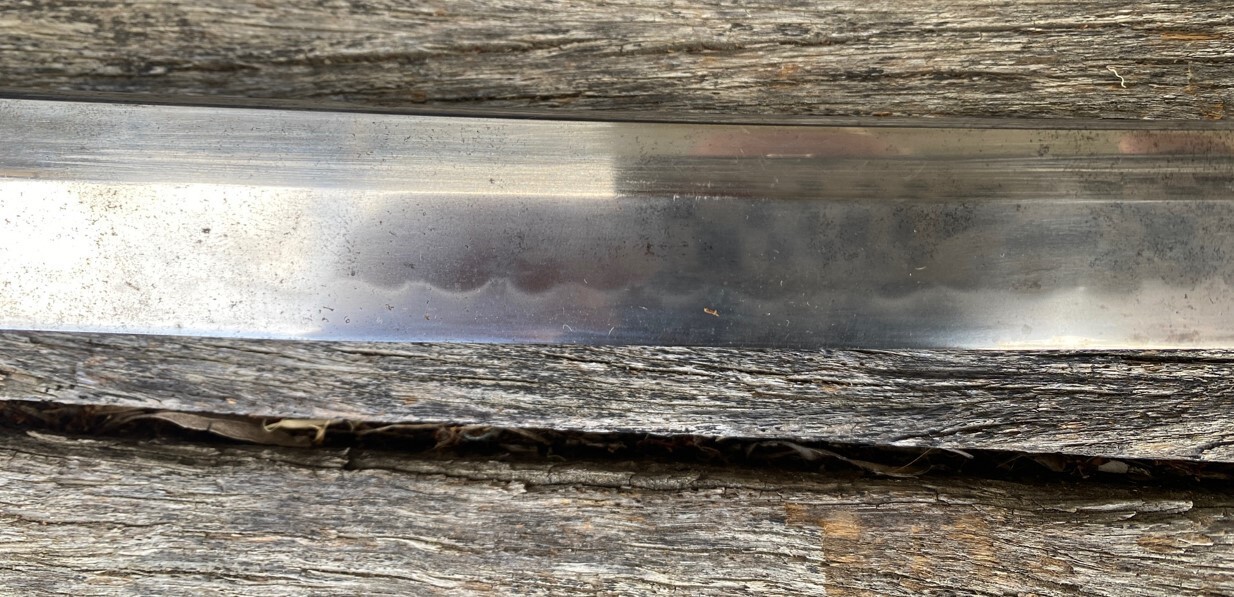
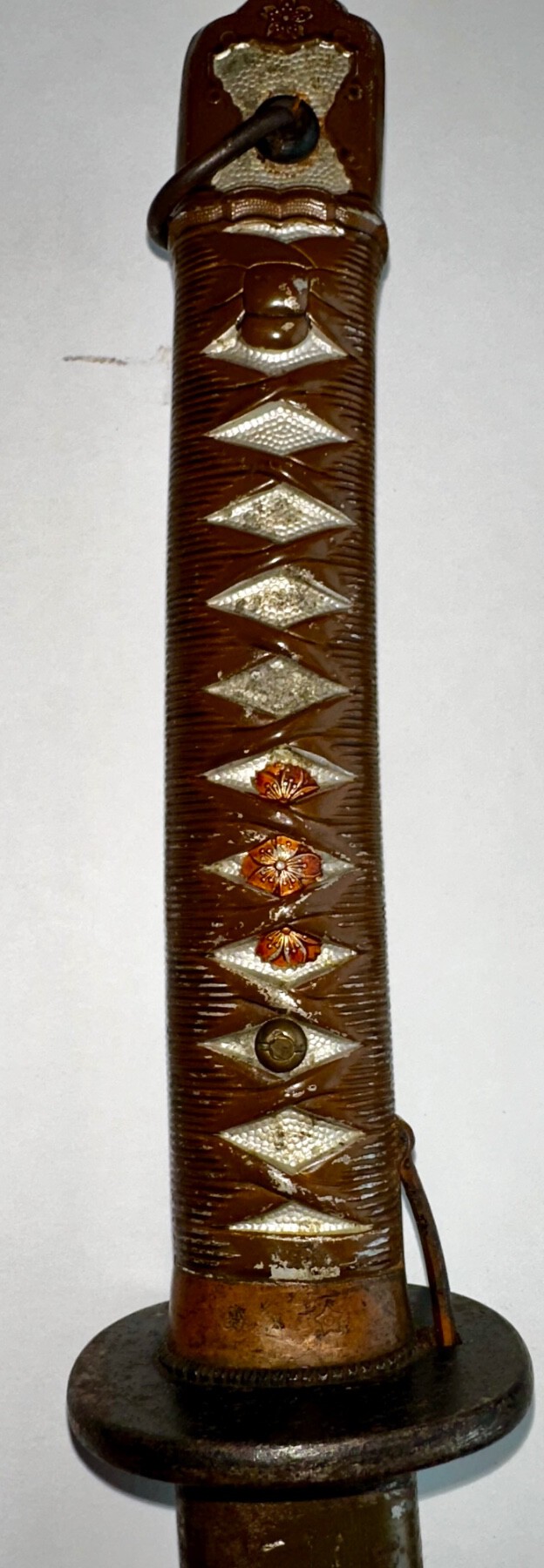
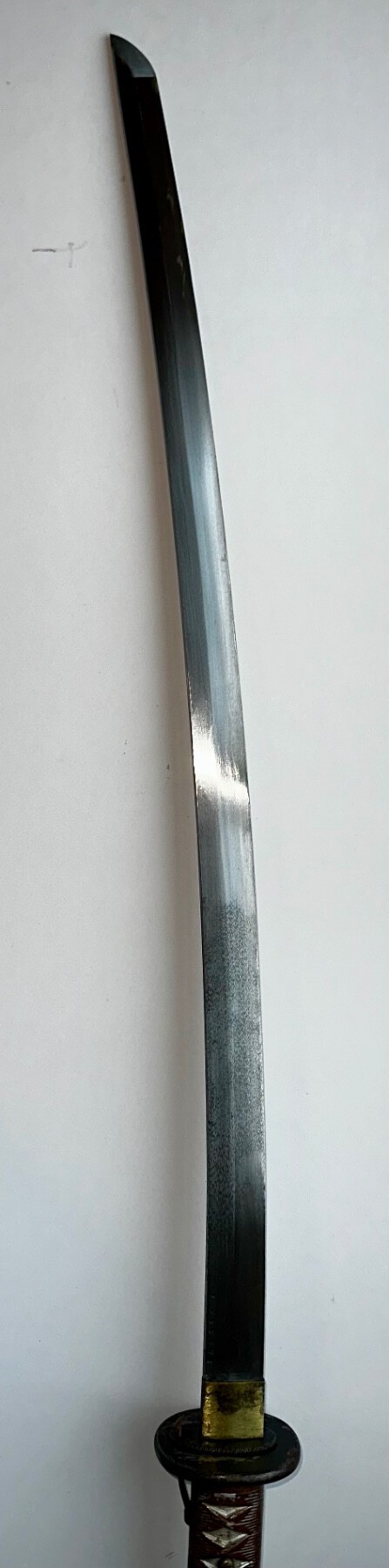
Hello and thank you for allowing me to post on this site. I am the curator of a very small museum collection in coastal NSW Australia (run by volunteers, so not for profit). In brief, our locality was subject to Japanese submarine attack during WW2. Hence we wish to tell that story and these three swords were purchased from a deceased estate, to help tell that story. We have 3 Nihonto (as per the photos). As you will realise, we know very little about Japanese swords. We believe some parts (Fuchi (縁) and Mekugi (目釘) are missing and it would be our hope for guidance on how to bring these Nihonto back to complete standard. We have labelled the swords as "1" "2" and "3" Nihonto 1:- as can be seen the Nakago is in poor condition with no apparent Mei ??? Does this mean it was a "mass produced" blade manufactured during WW2? Unfortunately the Kissaki is broken Nihonto 2:- any information in regard to the swordsmith would be appreciated? Nihonto 3:- This is the only sword with Hamon. Unfortunately the Kissaki is broken also on this blade. Any information in regard to the swordsmith would be appreciated? Of course, we have other photos. Please excuse our bumbling efforts to use Japanese terminology as we begin our curatorial journey in regard to Nihonto.

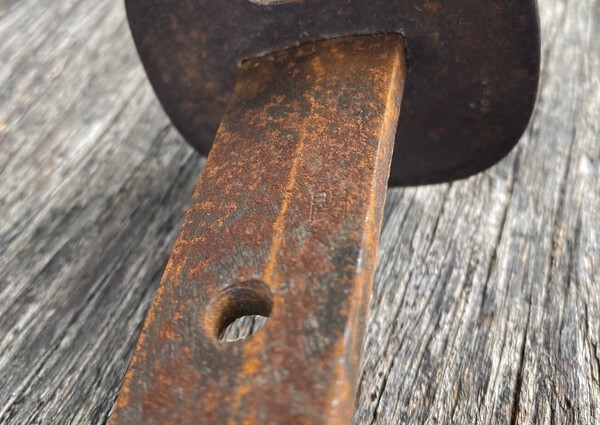
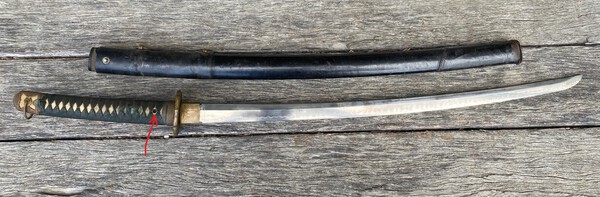
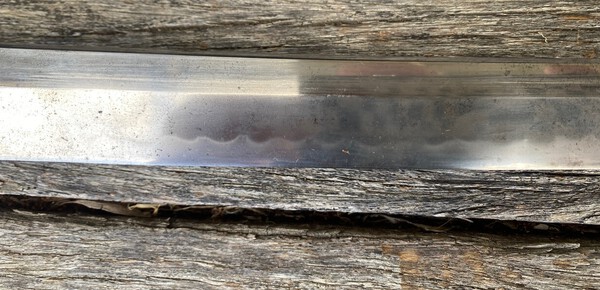
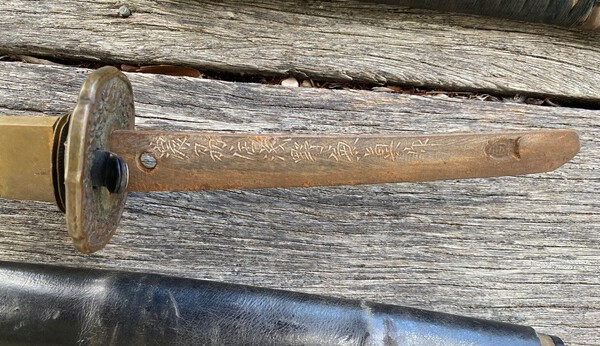
 3 points
 -
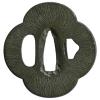
Please may I ask for help on this one? I’m lost as usual…..it’s a meticulously cut very small neat Mei on a heavy copper Katana sized tsuba that I acquired at the Birmingham Arms Fair yesterday. Takemori was as close as I got and I’m probably wrong. The rest is asking too much of my kanji blind brain. Many thanks in advance. Colin

 3 points
 -
Each member had a table where they could display their items. Rules basically were, you have to ask to handle anything, and it's up to the sword owner to decide how that happens. Etiquette was instructed when necessary due to the wide range of experience of our members; ranging from people I consider expert, to entry level individuals with questions about their inherited blades. There was a huge variety of items, and some very high-end blades; including probably the best Aoe blade i've ever seen, and also a Tametsugu. Huge thanks to the more seasoned members and attendees for bringing such incredible swords to study - my only complaint is the lighting in the venue that I chose, and that I didn't have more time to admire those blades. I hope to smooth out those wrinkles on the next meetup, and be more prepared. I'm very excited people were able to make it, and support my efforts to get a club going out here again. Feeling very grateful, and humbled. -Sam3 points
-
Hi Garry, Well done with your terminology although it could be sarute and mekugi. They are all Officers swords. 1. is a Type 98 in classic military mounts 2 and 3 both Officers swords, have a combo of military and civilian mounts (not unusual) and both have leather combat covers probably over wooden sayas. Again, not unusual and if the covers are original (and they look it) it pretty well confirms 'active service' I'm down the South Coast and from what you have said you must be in either Newcastle or Sydney, either way I would be happy to have a chat about preservation and mekugi replacement (easy as) etc if you PM me I'd be happy to give you my number. Not wishing to curtail any further conversation here though. Rob3 points
-
New video:3 points
-
Marcin, Yes the bag is genuine and is well made...it has some wear on the inside where the hilt ends, obviously from the rubbing it received when folded over the hilt end and tied up, so I do think it has 'always' been with this sword. The sword came from a returned soldiers widow who only knew that he acquired it in the Pacific but knew no more of her husband's / the sword's history. Personally, I always thought it was made by the Japanese officer's wife and was made of national flags to reflect the officer's patriotism. To me, this sword bag 'displays' the WWII patriotism of the Japanese officer who owned this sword and the patriotism and affection the officer's wife (who I presume made it) had for him and their country - I certainly do not think anyone would have criticised the officer or his wife for making a 'patriotic' bag out of small Japanese flags as this bag is not the type of item anyone would carry around on public display in the streets. . Considering all this, I wondered if members had any interest/regard for the history/value of these original WWII bags. I'd be interested in what members think of these matters. Regards, George.3 points
-
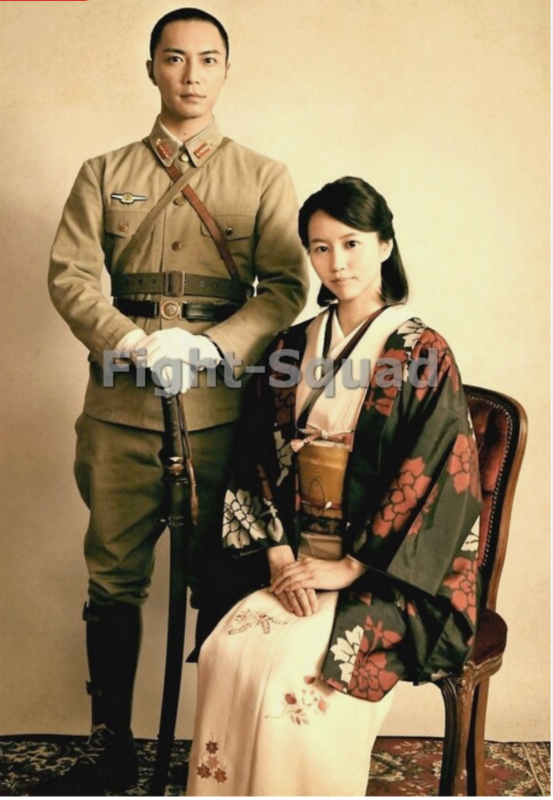
I found this pic for sale on ebay. Not a big deal, however the sword is an interesting configuration. Thanks and credit to Chris (vajo) for identifying the various parts. We often discuss whether or not a particular arrangement of mounts and blade was war-time or post-war. Assuming this pic is indeed period, the sword is a mixture of 1) unlacqured RS ito wrap, 2) type 98 saya, and 3) NCO leather tassel. Maybe he wanted to look more stylish than he could afford? John C.
 2 points
 -
祐國 - Sukekuni2 points
-
I went down a bit of a rabbit hole on this one. One possible answer that I have come up with is that this is a view of Futami Bay and the temple and torii there. This seems to have been a famous view (see woodblock below), the angle of the torii would fit with the angle on the tsuba, there is a temple or shrine in the mid-ground, and there is space for boats on the left.
 2 points
 -
You can fill a little bottle with tsubaki and put some splashes choji oil in it (more liquid and typical smell). Pure tsubaki (camelia) is very thick. A german manufactur offers a mixed camelia oil with some more liquidity (Dictum company). When using pure camellia oil, it tends to dry on the blade if you don't check on it for a while. Btw tsubaki is the best choice for kitchen knifes. That oil is food safe. You can use it for your hair, lipps, and dry skin. Tsuruta san says tsubaki is salad oil.2 points
-
In the future you might also consider putting up multiple listings (e.g. all menuki) in a single post; not only does it make it easier for people to view but some people may choose to buy multiples at once2 points
-
Menuki will never sell without a picture of the backs. This is as vital as the nakago of a sword is.2 points
-
My advice? Don't go there. You've got two historically significant artefacts. I would refix the cap, find a World War II period seppa online (not as difficult as it first sounds) and get the hilt professionally re-wrapped. If you get modern fittings, it will cost you an arm and a leg just to get the basic woodwork done - the likelihood of anything fitting off the shelf is very small. Plus, most modern fittings look cheap or tacky unless you go really high end. Seriously, I would restore what you have there. Best, Hector2 points
-
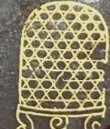
These appear on a tanto koshirae I own. Do they mean anything to anyone? I have searched bonji charts online, but I am struggling. Any help is greatly appreciated.

 2 points
 -
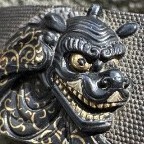
Thanks, @Toryu2020! They are the Taoist symbols for Mount Hengshan (South) and Mount Tai (East).2 points
-
Two of my favourite Nihonto texts are the MEIHIN KATANAEZU SHUSEI and the SOSHU DEN MEISAKU SHU - both extra-large books with large, glossy photographs of masterwork blades and filled with expert commentary. It always bothered me that there's easily found English indexes available for the former, but not the latter, so I spent a bit of my free time skimming all the notes I've been collecting over the years of using the Soshu Den Meisaku Shu as a reference and put one together. It's probably not as vital now as it would have been when I first bought the book all those years ago (thanks to the rise of things like Google Lens) but I hope someone finds it useful. If anyone notices any errors or omissions, please let me know either in here or via private message. Also, at some point I may revisit it and add more information such as blade length, smith rating and/or historical provenance. Soshu Den Meisaku-Shu - English Index.pdf2 points
-
@drb 1643, amazing! Thank you so much! Now I only need the one more example to complete my photo needs. Wooden handle with bohi. If I see one for sale anywhere, I will let you know. Thank you again! You’ve been a huge help. -Sam1 point
-
Hm. Then we’re back to square one. Because we don’t know where that rig came from.1 point
-
This was RKG : https://www.rkgphotos.com/about.htm I believe he was in his late 50s. Has there been an obit for him? @Grey Doffin how did you hear this? I'd hoped he would get through his surgeries.1 point
-
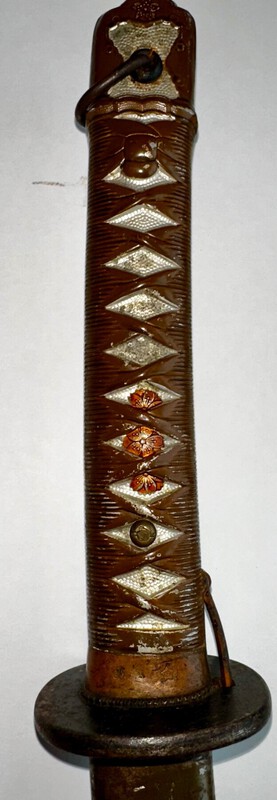
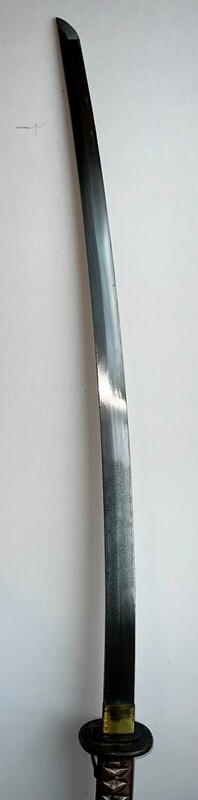
Here’s another one in my collection that you are looking for images of without bohi. Tom


 1 point
 -
@SteveM Thank you so much. Now I can see if I have any info on him. Greatly appreciated. All the best.1 point
-
First impression for me of the latest piece in question above is that it is a “Nagoya mono”……poor quality work from a “maker” famous for cobbling together assorted original designs into a pseudo “Mino Goto” type work. Cast and vaguely hand finished to various degrees in an alloy that is not shakudo. As for the original fine daisho tsuba…..I remain convinced that they depict a flood…..to me it’s fairly obvious and I wonder if it relates to the great “Yoshi River flood” of C1590 that wiped (virtually) out the Bizen tradition of swordsmithing? That would be a fitting theme for tsuba and I once owned the same design on a very high quality Meiji period shakudo and mixed metal box where assorted bridges and buildings were peeking above a massive flood whilst a couple of survivors poled along on small boats, clearly a disaster scene. Just my opinion which counts for little🙂1 point
-
Hi Justyn, Beautiful piece! I am a 悦乗 fan so this looks extra cool to me. I think I have seen this motif somewhere else. Will reply again once I find it. Best. C. C.1 point
-
Wonderful opportunity for seasoned collectors and novices alike. The more exposure we have to nihonto the better for the hobby. Word of advice. Gloves should be worn when handling the blades in shirasaya or displayed with a tsuka. Bare hands when holding the nakago.1 point
-
Sorry, I don't have books on swords to compare, that is something you will have to do now, perhaps online or with books. All online comments you will get from people on the authenticity on your blade are just opinions, based on photos. The only way to be more secure (never reaching 100,00%) would be a SHINSA panel in Japan. They can issue certification papers (= ORIGAMI) for blades and TOSOGU. And there is still another thing: A blade with a faked signature may still be genuine and nice to look at.1 point
-
Interesting, I have a couple of examples with a silmilar polished surface that I think "may" be cast and then have had Nanako etc added, but I still need to have them tested to see if they are bronze. Given the details that can be captured in a cast, I wonder why the extra steps would be necessariy and that the glassy surface properties could be from polishing, or even wear. I will post some similar examples later.1 point
-
No. 2 Maybe ‘Kanetaka’. 兼隆1 point
-
Perfect, thank you the clarification.1 point
-
Also, the stamp on sword #2 is the Seki Cutlery inspection stamp. The smith is Kane (something). You'll have to wait on the translation for that. The stamp usually indicates the sword is not traditionally made (i.e., tamahagane steel; water quenched). John C.1 point
-
Hm. I had seen the mark earlier and assumed it was simply a flaw in the steel. But after seeing another one of his with a mark in the same place, I tend to agree with you. There are many blades with punched dots, but up to now, they are always (there's that word!) near the jiri or on the mune. This does seem a unique personal practice of some sort.1 point
-
That is a very cool bag! You might try posting it on WAF forum if no luck getting info1 point
-
Yes. It was a bit hard to tell. I was looking at the attached sarute barrel and, what appeared to me at least, to be an open tsuba. But I'm probably wrong so I withdraw the question. John C.1 point
-
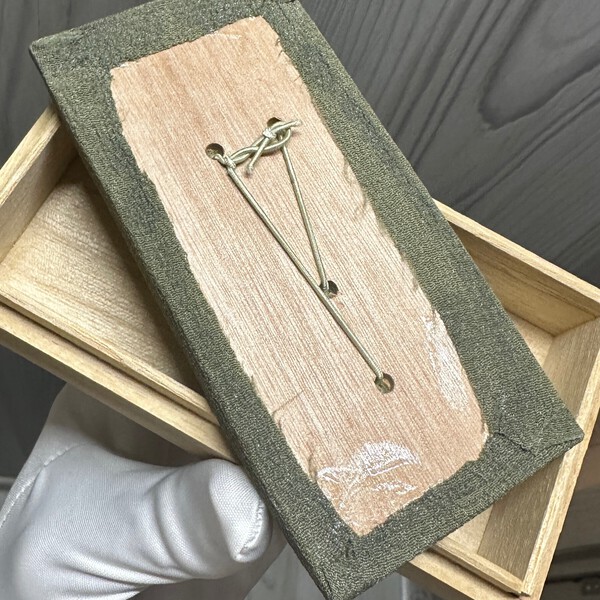
Can someone take the same photo of their box, made in a traditional way in Japan?
 1 point
 -
A finely made Habaki is such a pleasant object, thank you for sharing.1 point
-
There's something comforting, almost meditative, about observing master artisans doing their work.1 point
-
1 point
-
Satsuma bits? Thinking back through my grey matter, just for reference. (Not offering for sale!) All I’ve scraped together over the years. Sadly one katana was quickly ripped from my grasp. 1. Satsuma rustic vase (Tokkuri?) with large ‘kutsuwa’ cross. 2. a) Two Satsuma hitoribiraki priming powder flasks b) Three coarse blackpowder flasks, one with large red lacquer Satsuma ‘kutsuwa’ cross. 3. Satsuma gunyō-zutsu long matchlock. 4. Various little oil lights, oil pots and wick weights from the region. 5. Netsuke of farming lady. 6. Small Naminohira ‘Kaiken’ Tantō. And that’s about it.1 point
-
The last time we spoke, he was undergoing fairly complex invasive stem cell therapy. This had been the sci-fiction goal back in my university research days, and fast forwarding to Richard's situation- I was surprised by the high mortality rate. A long time ago RKG and I were good friends. We would have a bit of a falling out in 2008. Yet I mourn his passing. His photography became his passion, and he advanced tosogu photography significantly. He shouldered a lot of responsibility for his family. I hope his soul finally gets some rest.1 point
-
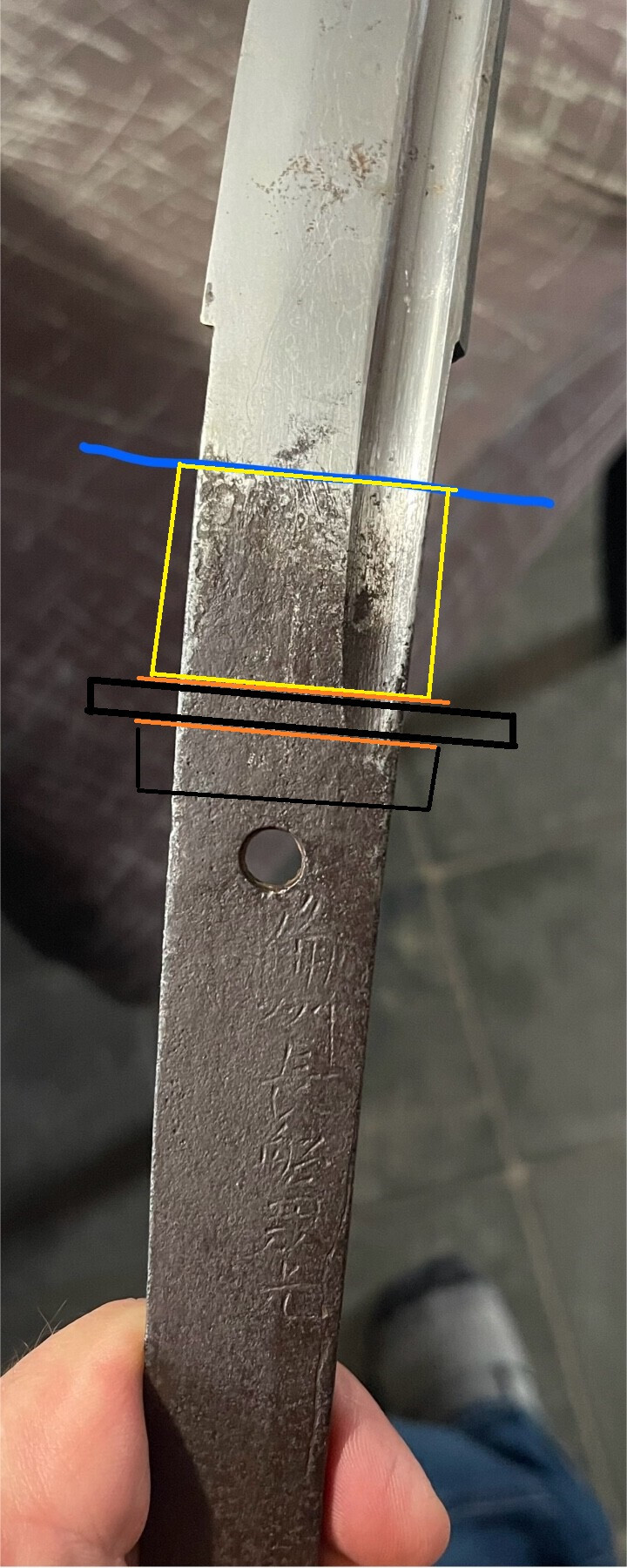
I would agree with the view that Jacques has on this. I would think it would most likely be late Muromachi Bizen sword, wheter actually someone named Kanemitsu that I cannot say. However I would think the sword is in original state. I tried to do quick sketch with paint how I would expect it to look originally in fittings if it would have been machi okuri at your line, of course it is just a rough sketch to give an idea that I have in my mind. To me the hole placement looks perfectly normal now in current state, if it would have been machiokuri then the original hole would have been unusually close to the machi. . I do have some amazing resources on Bizen swords, however I have not been able to find a reference signature of any late Muromachi Kanemitsu. I am extremely grateful for this thread as I tried to search them and ended up discovering absolutely massive Nanbokuchō naginata by Kanemitsu that I was not aware of before. Finding items like that in Japan makes me very happy. One "cursed" thing about smith lineages where there are extremely famous ones is that then many later generations can fall into obscurity.
 1 point
























This leaderboard is set to Johannesburg/GMT+02:00