
Leaderboard



Popular Content
Showing content with the highest reputation on 11/28/2025 in all areas
-
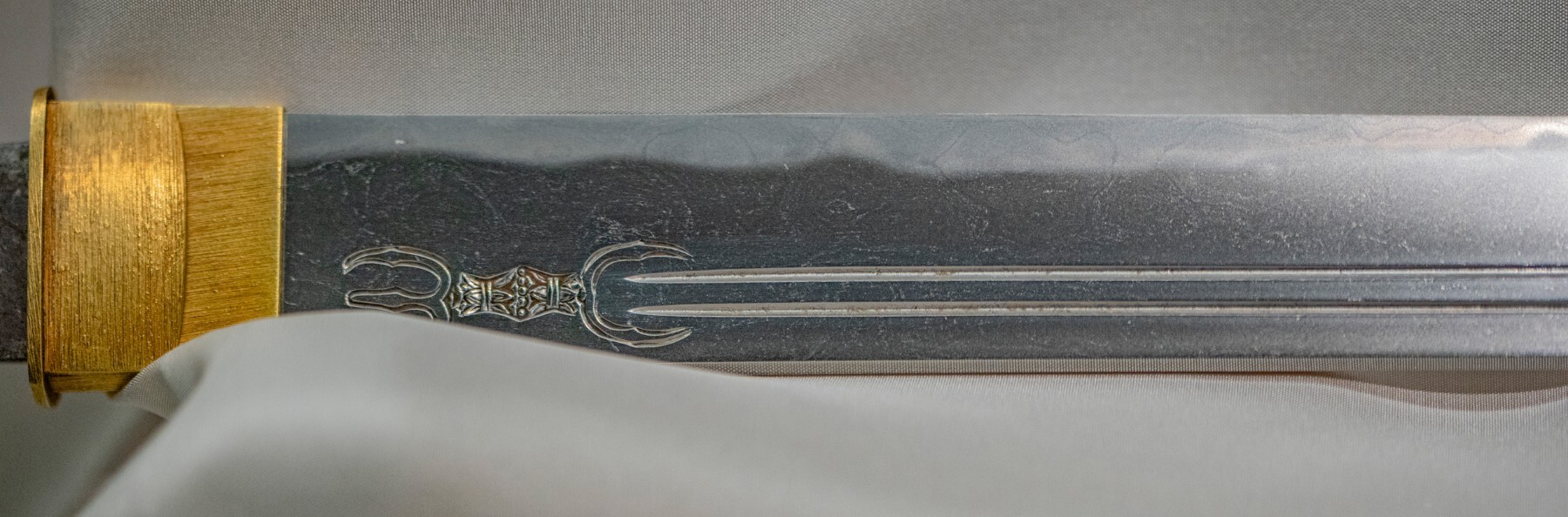
The quality of blades attributed to Go are on a different level. This one went Juyo and was polished by Andrew Ickeringill https://www.facebook.com/photo/?fbid=1994822754423622&set=pcb.1994826924423205

 5 points
 -
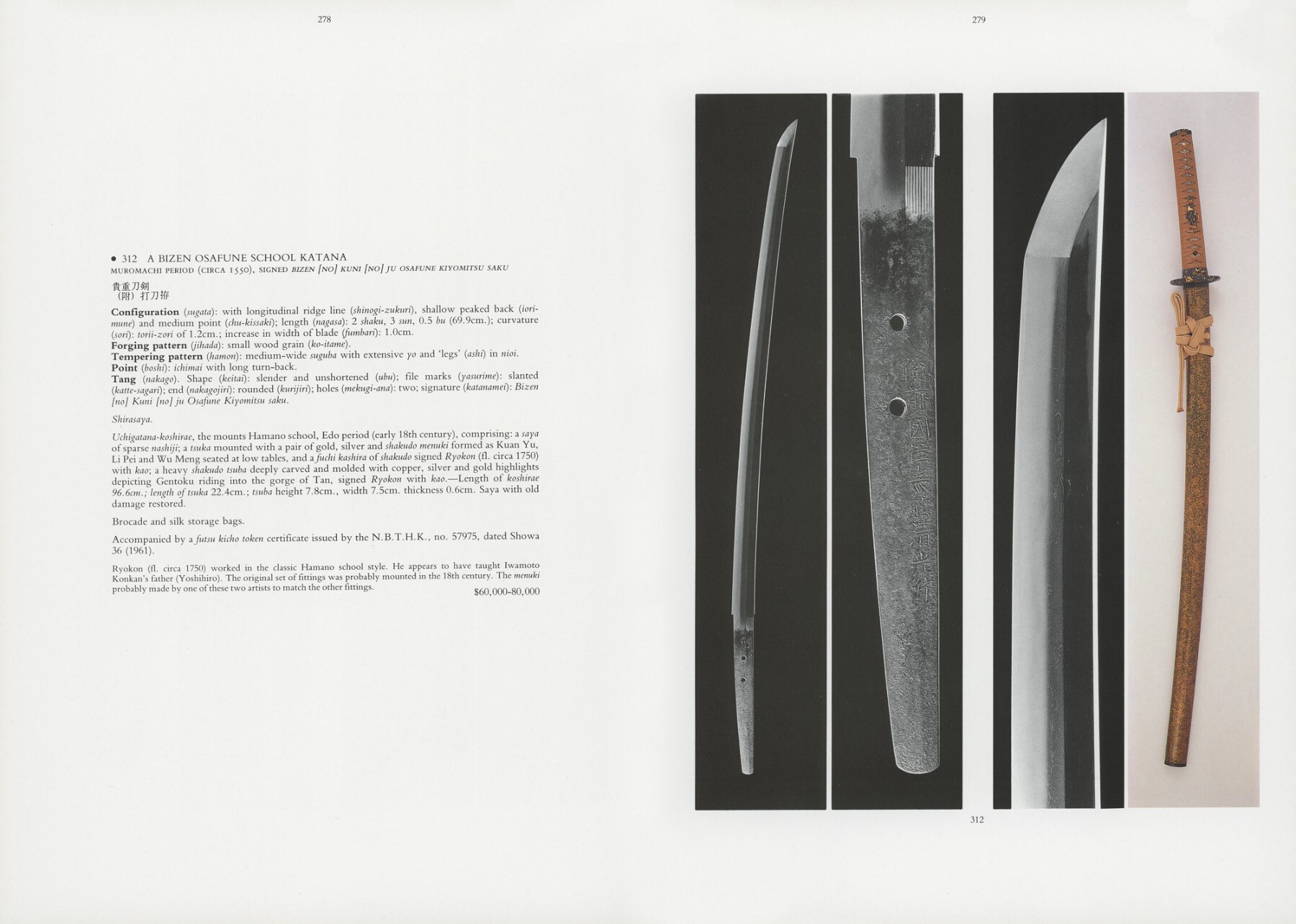
Unfortunately to me the one with red background seems to be signed 備州長船清光 (Bishū Osafune Kiyomitsu). Kiyomitsu smiths were very prominent during late Muromachi. One thing that might be taken into consideration is that it is common for us to call a gimei for a big name smith, while there could have been other smiths signing the same way. Like for example for Kanemitsu we will easily not pay too much focus on Kanemitsu signed katana like the one in this thread as it does not be a work of Nanbokuchō Kanemitsu. Well that does not maybe make a huge difference to most if it would be by unknown Muromachi Bizen Kanemitsu or a gimei. I just think the Japanese sword appreciation is extremely top heavy as they are the ones featured in almost every reference.5 points
-
4 points
-
My heartfelt thanks also go to everyone who has the privileged access to extraordinary works, who capture them in photos and videos, and who make them available to the rest of us. Knowledge always comes at a price, and habituation, can become toxic—it has to do with the way our nervous system functions. In many ways, this is the state we all live in. We are tormented by our ravenous minds; it is both terrible and beautiful at the same time. I believe it is truly a narrow path, and we all try to walk it. That is why we create art. I think each of us knows that a nihonto has power - and the more time we invest, the more meaning they take on for us. For many of us, the photos, videos, and PDFs that some of you have shared this year mean more than you might realize. Most of us will never hold a masterpiece in our hands —perhaps only once a year, during a trip to Japan, when we view it through a glass case in a museum. So we inevitably rely on words and images. But, as good as they are, they remain a poor substitute for direct perception. It’s clear that much will always remain inaccessible to us. We simply have to accept that. Yet the beautiful thing is that this limitation forces us to seek other perspectives; it compels us to look from different angles. This is also how, I believe, some of us experience nihonto: as ancient spirits and deities of beauty, as tools for thinking and seeing, referencing the profound mysteries Japan has to offer.4 points
-
Dear Hector. This is purely a personal take on the sword and might be way off. This didn't start in this shape. The nakago suggests a much shortened sword and the way the hamon runs into it adds to that feeling. Totally different yaurime. On one side there are some areas of shingane showing, on the other much more is evident. My theory would be that this is the top of a shinogi zukuri blade that has been turned into what you see now, removing the shinogi on one side leaving almost total shingane. I don't know if the term 'dog's breakfast' resonates but for me that is what this sword is. If you buy this I do not think it will provide you with much pleasure, and I speak from experience here, there will not be the delight of discovery each time you examine it and soon it will be sitting on your shelf largely unregarded and pretty much unsaleable. I am sorry to be so negative but in a sense this is me speaking to my younger self. All the best.4 points
-
For completeness “大阪住高橋秀次” (Ōsaka jū Takahashi Hidetsugu).3 points
-
Takahashi Hidetsugu3 points
-
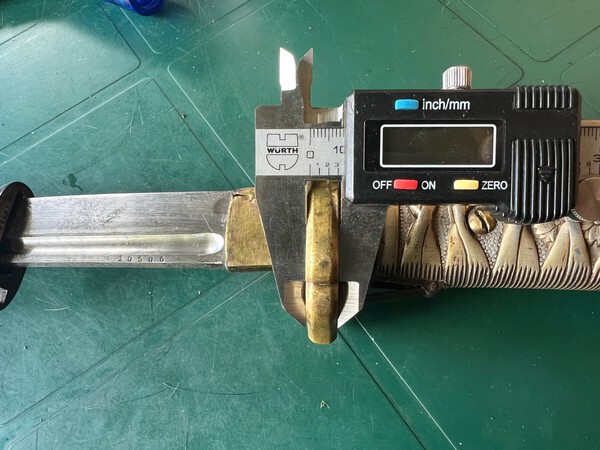
I checked the tsuba thickness on this sword and it is definitely 9mm, not 11mm. This also highlights how certain angles can give a distorted perception when it comes to the appearance of certain objects. In your photo Bruce, I would agree that it looks like the thicker version too. Here’s two photos for the record. Sorry the battery was flat, but you can still see the measurement

 3 points
 -
2 points
-
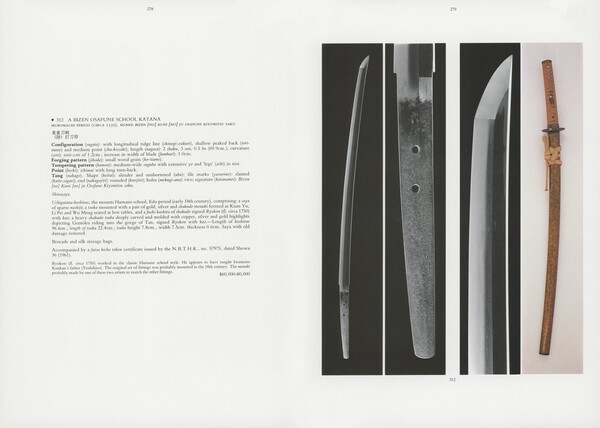
From the Compton Collection: Kiyomitsu without nengo. So it must be gimei.
 2 points
 -
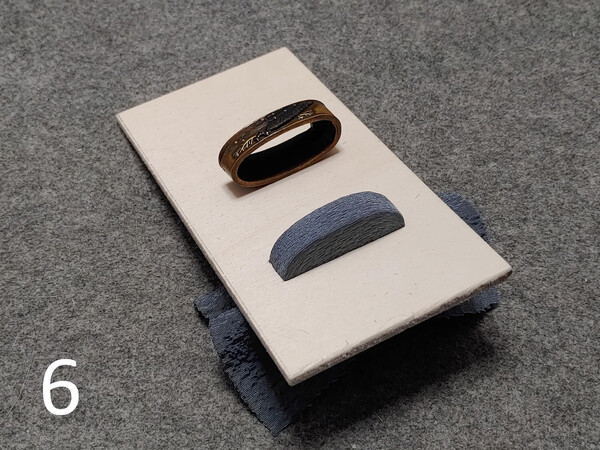
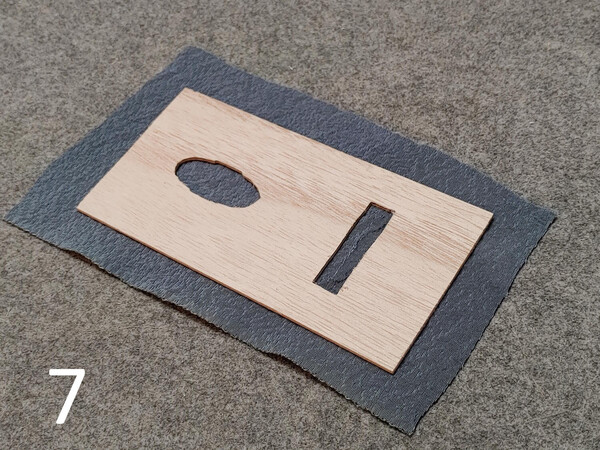
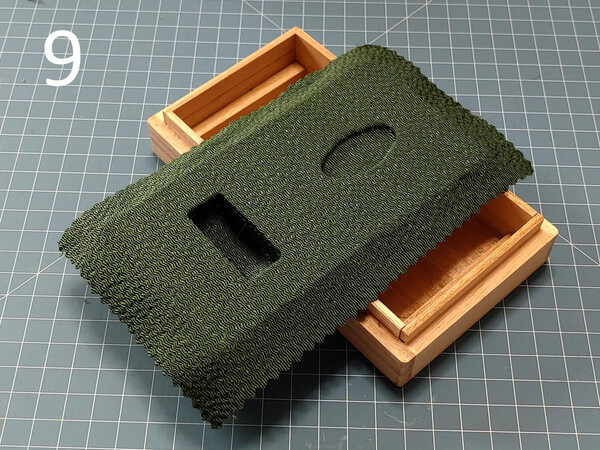
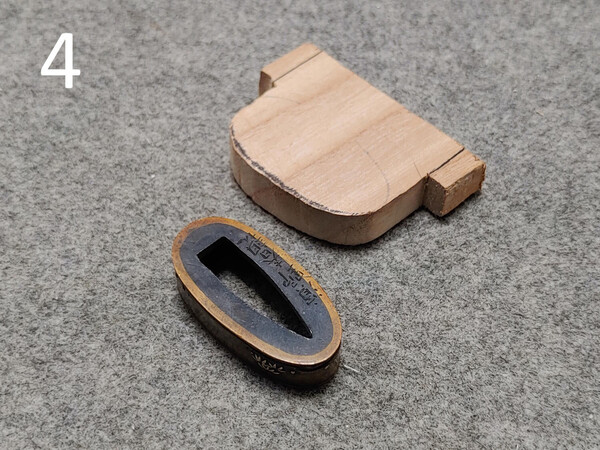
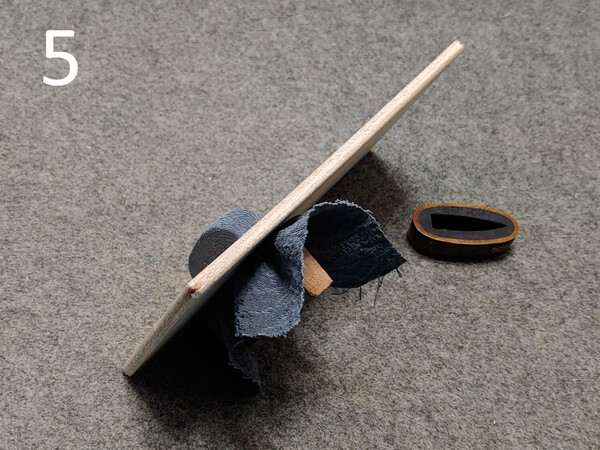
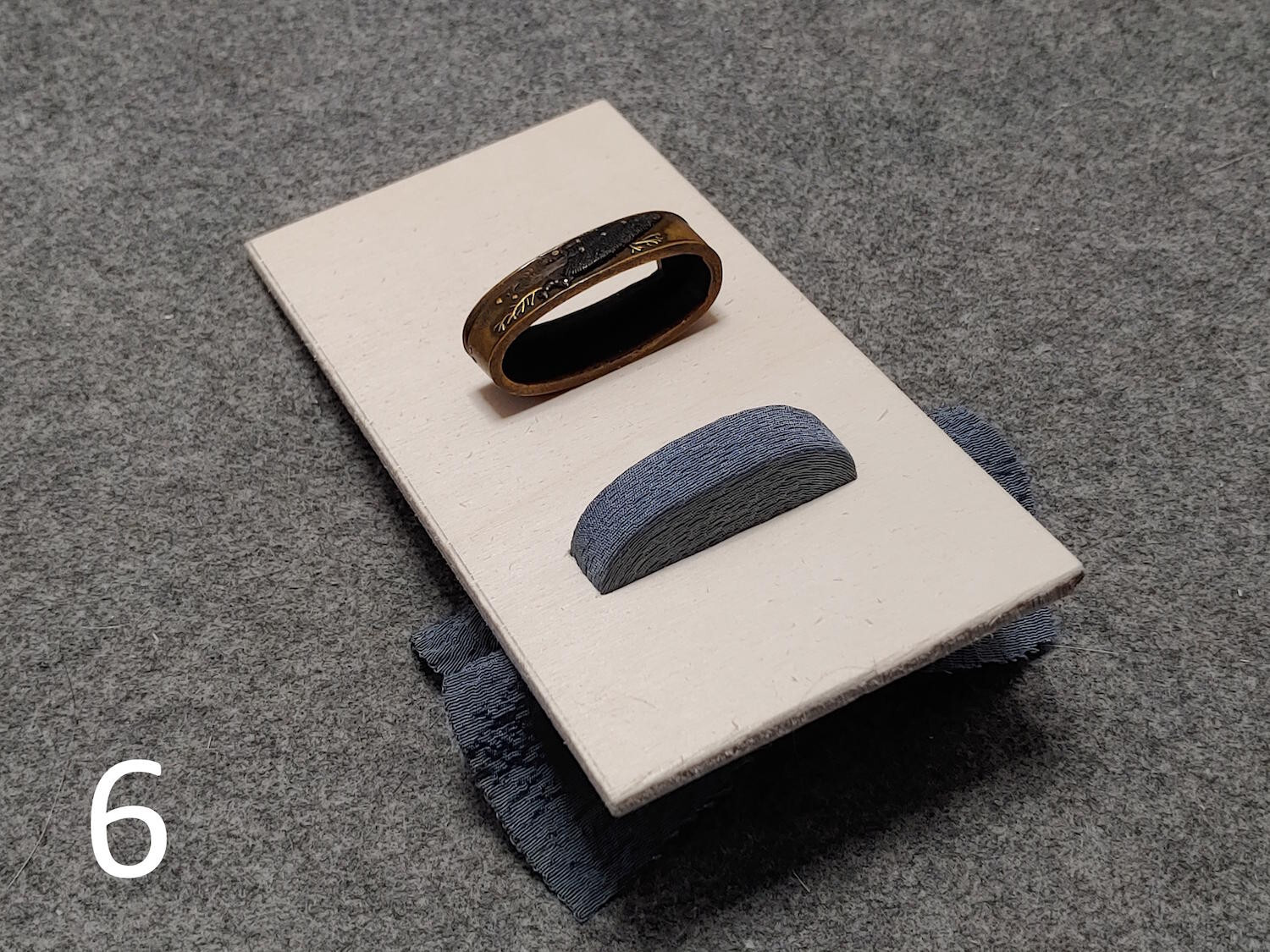
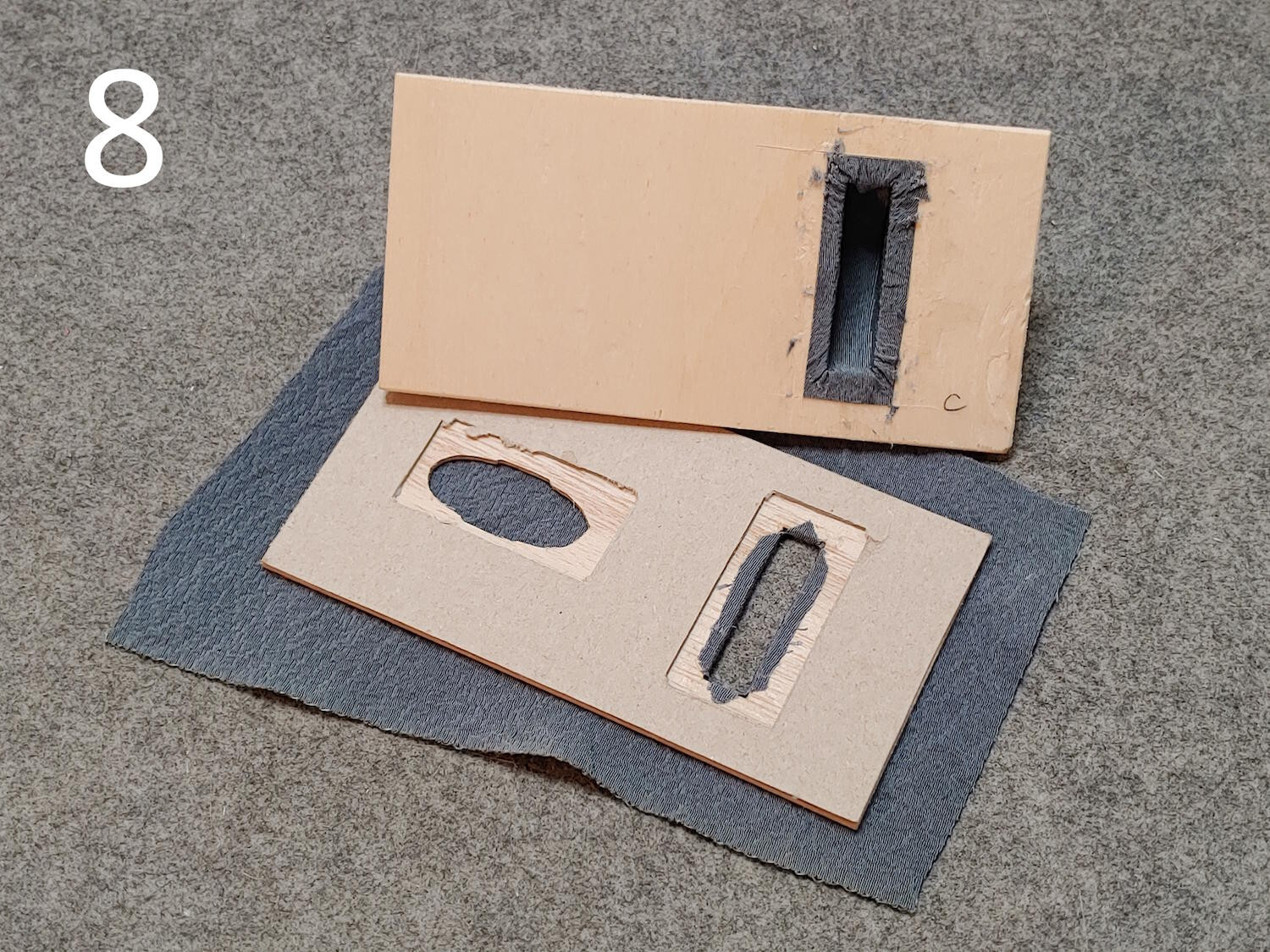
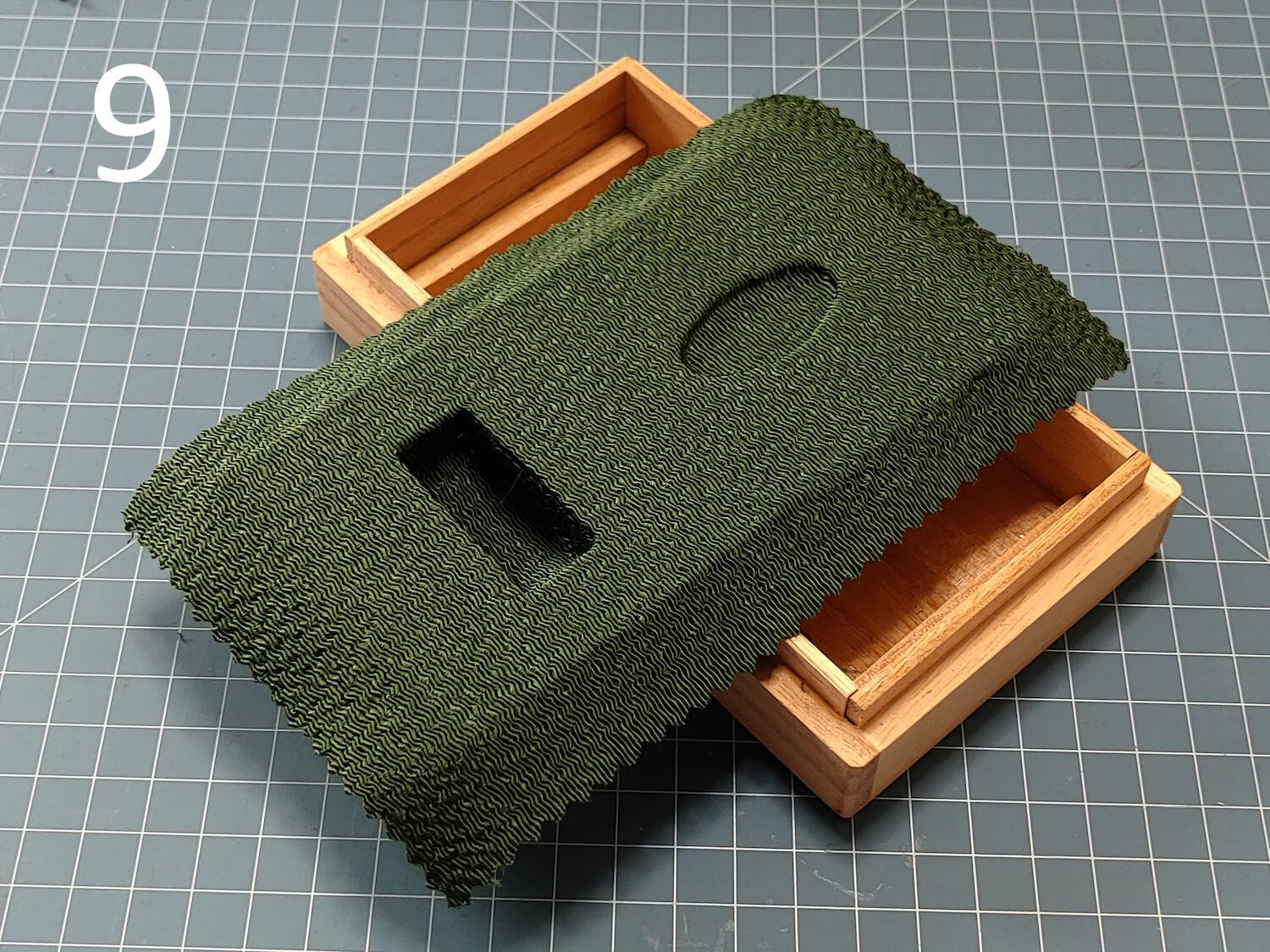
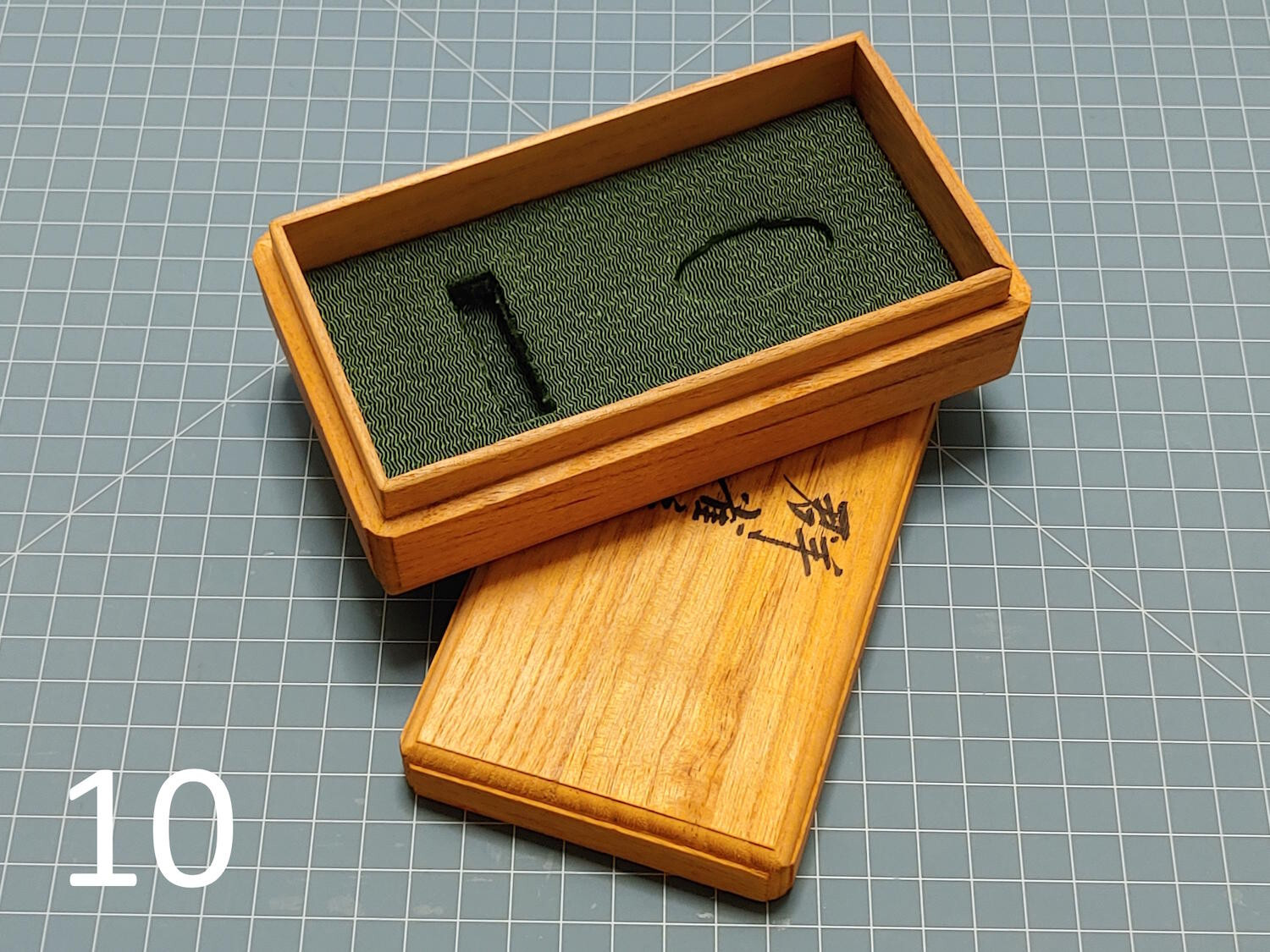
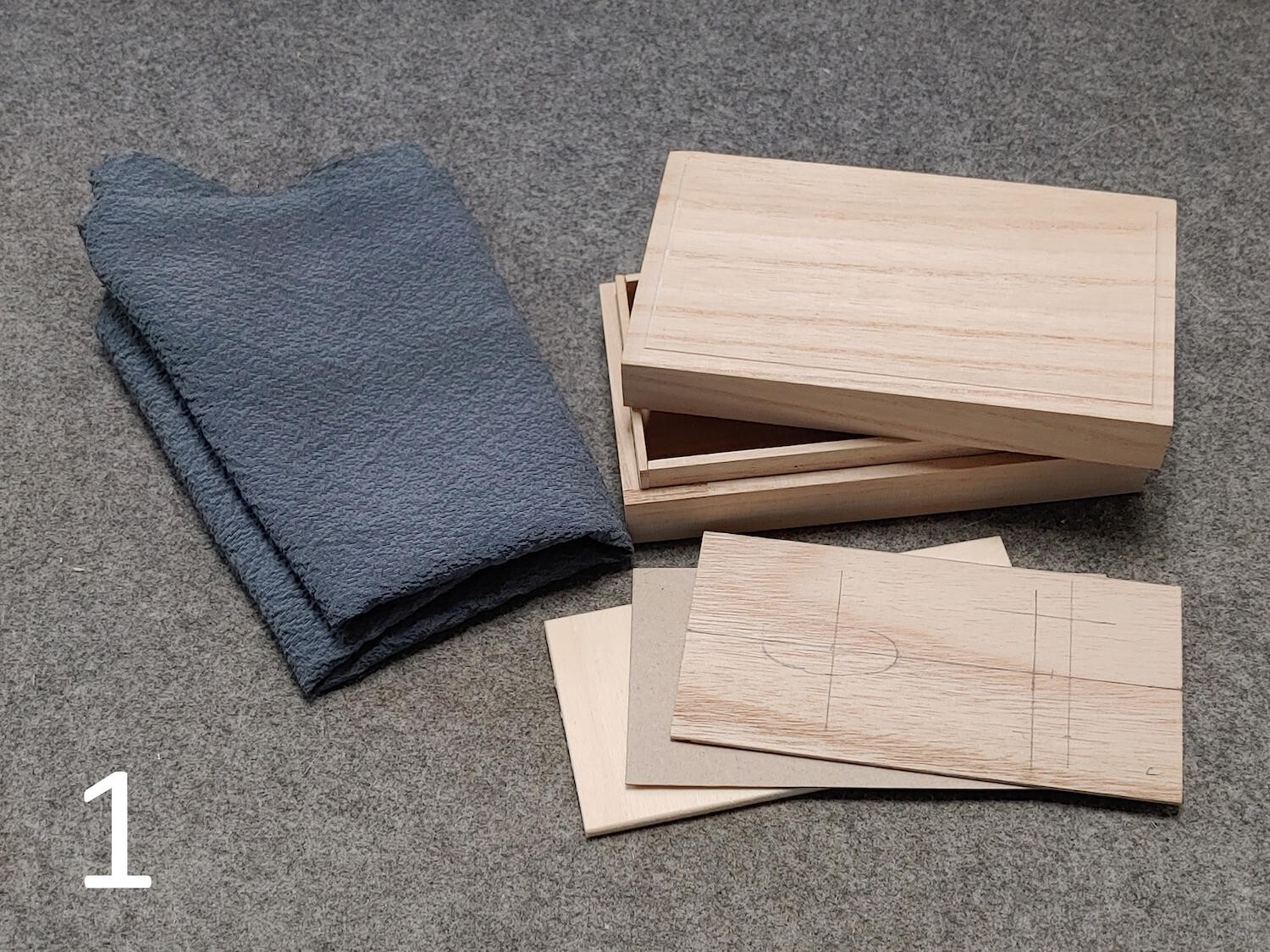
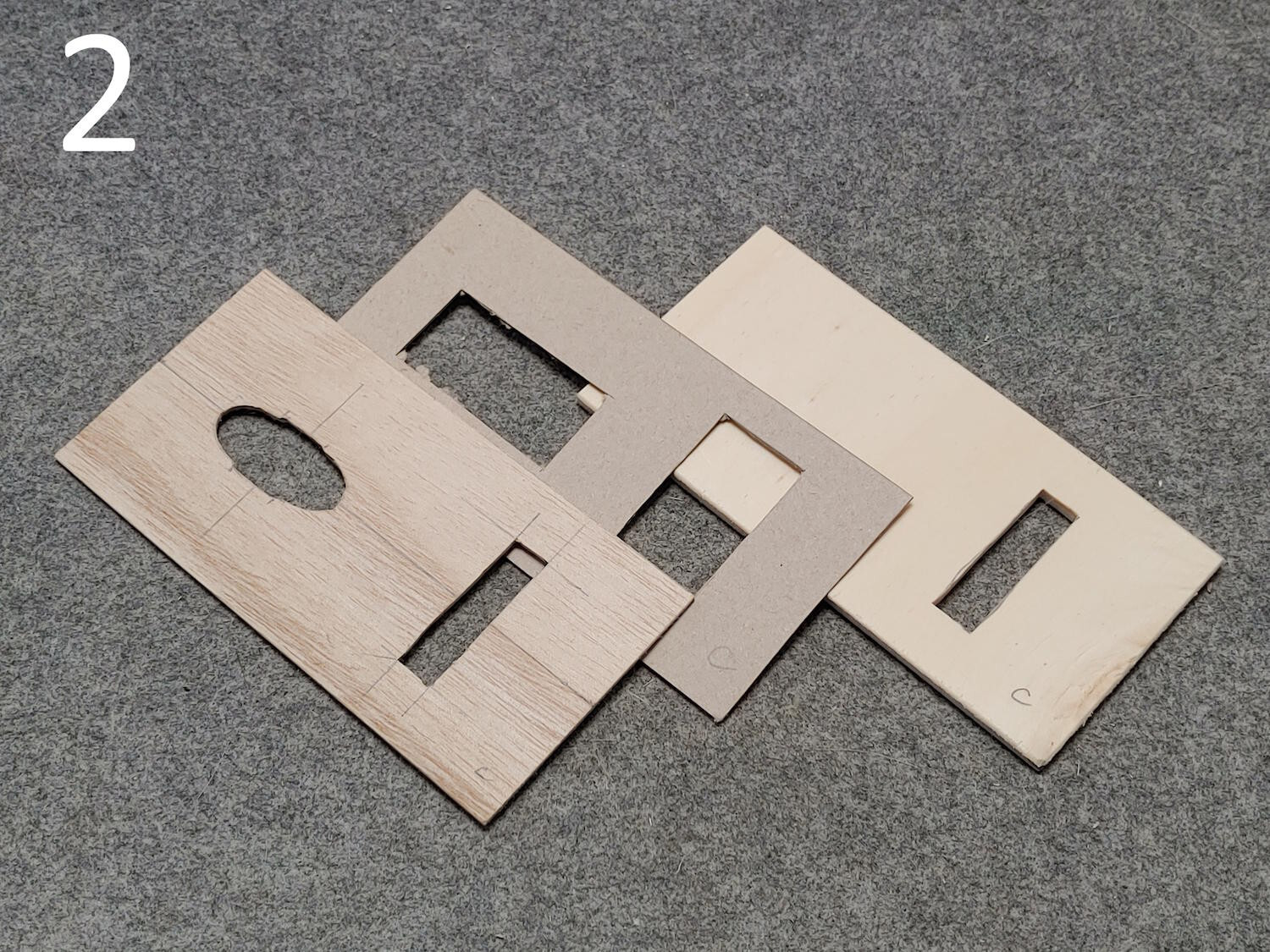
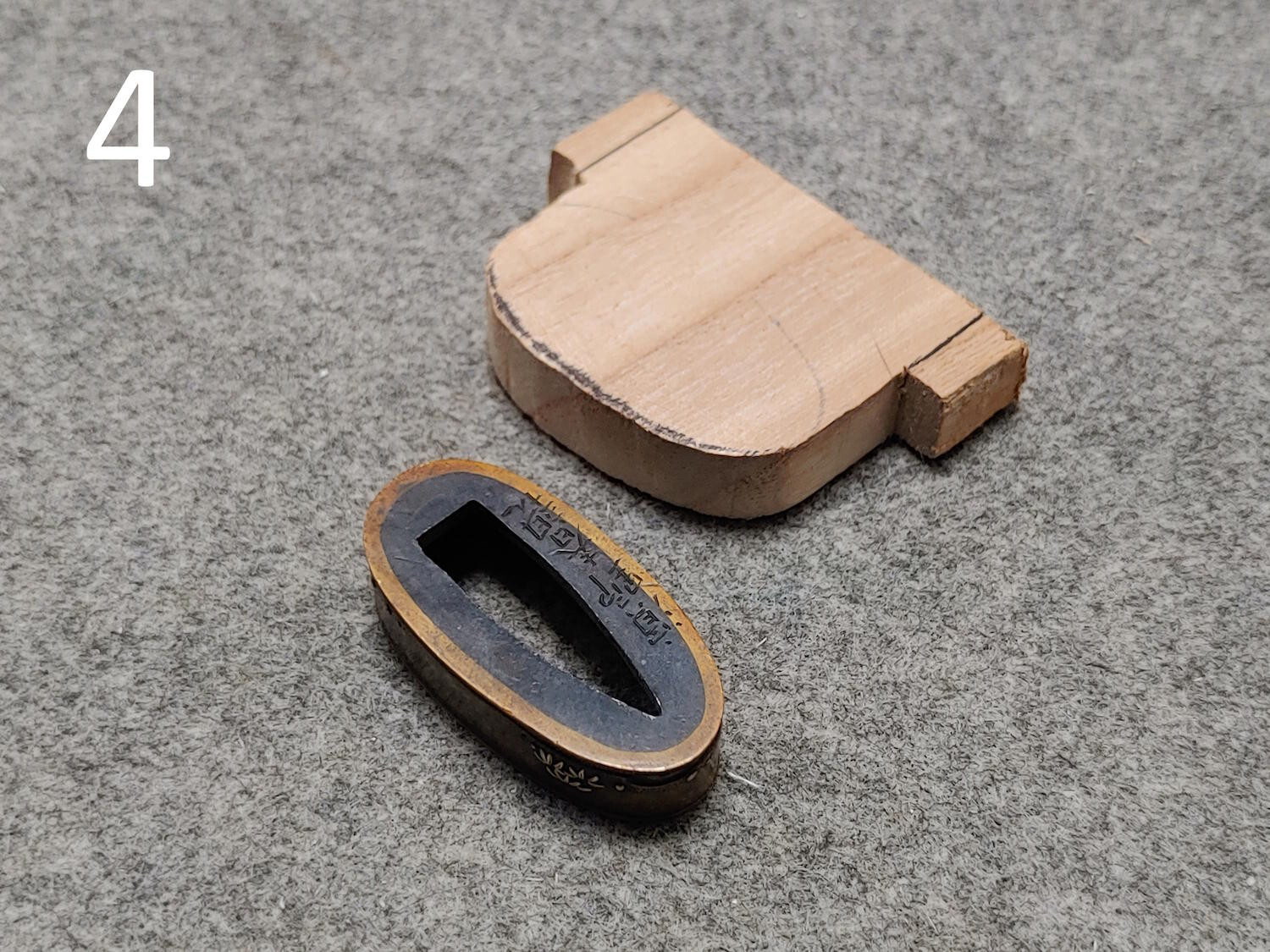
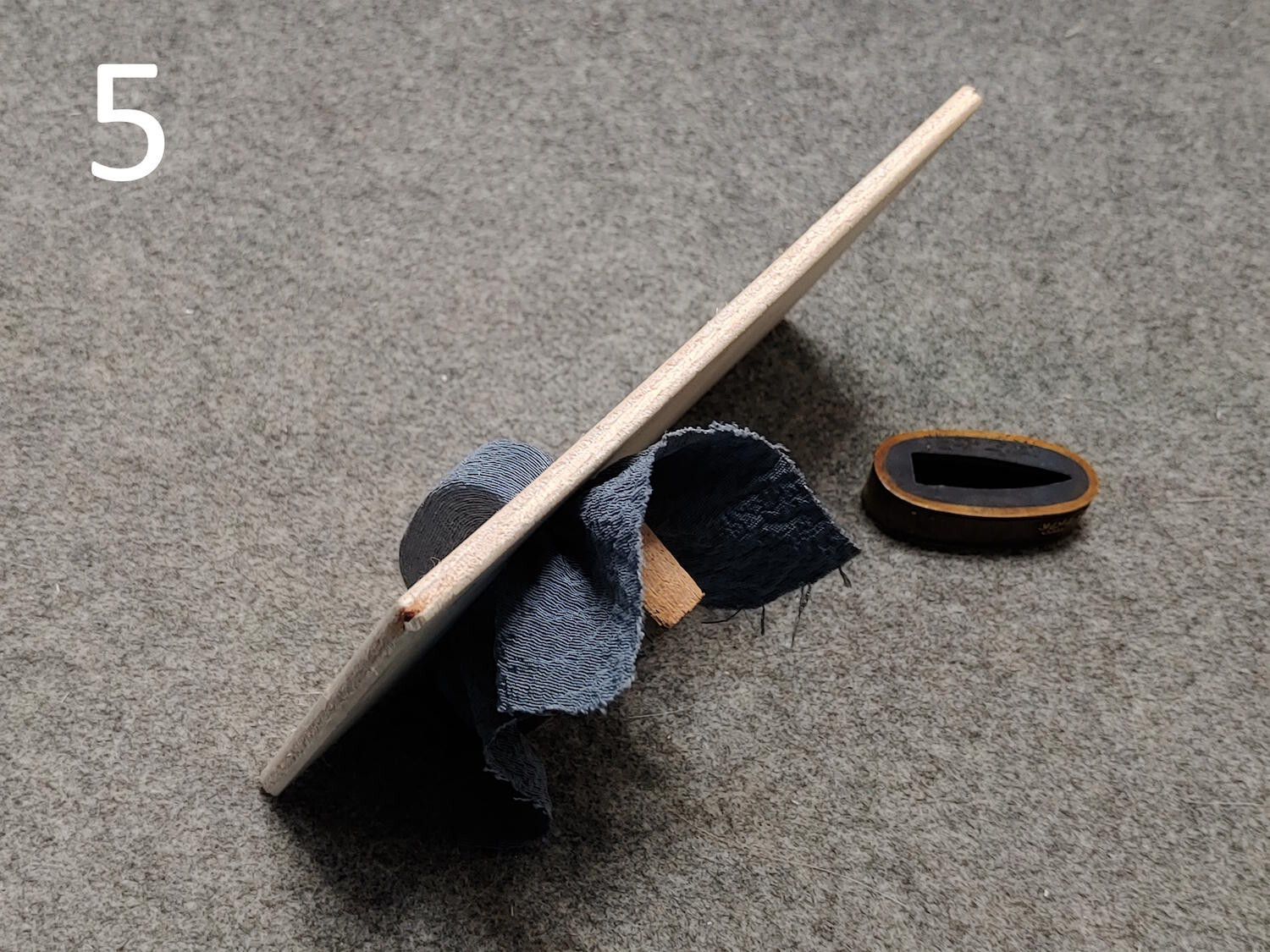
Part 2 To keep it in shape, I tap the silk with a little bookbinder's glue (it's viscous and doesn't seep through easily). The glue acts like "hairspray"... That's the bottom of the top layer. On the bottom of the top layer I glued a layer of thin cardbord. Then both pieces are glued together and the silk is glued in the kashira indentation. In the box there are two squared pieces of wood glued so that the fuchi silk doesn't touch the bottom, when the inlay is in the box.

 2 points
 -
No nengo = gimei....2 points
-
Takehisa, I believe. John C.2 points
-
Please start your own thread rather than hijacking mine.2 points
-
The Kissaki appears poorly re-shaped, if you're located in Japan I would try and locate a mid level dealer and see what they have.2 points
-
Hi, Yes, I agree. Gimei or obscure unskilled smith tend to be discarded the same. This is understandable for Art, but it is unjust to history. I would always err on the side of preserving signatures when there is even the slightest doubt that it can be genuine. Here, there is some small degree of doubt. As others have mentioned, it may be some obscure Muromachi-era Kanemitsu. In which case, it is not an artful blade, but a utilitarian object. The flaws, the hastily forged hada, all point towards a sword made with an intention of expedite production. The sugata, however, points to an earlier, or much later era - and combined with the dry O-hada, the uncertain strokes of the signatures, the stroke tagane style which deviates from Muromacho-era Bizen, and its gross misalignment to the shinogi line, form cues that lead me down the path of a deceptive intent. But these are just cues, and the overall picture is murky. If it is genuine, then it is a historical artifact as it may one be one of the few pieces left by by forgotten smith, and this at the end of the day is interesting from a historical perspective. And there it is, a study piece. Good for learning, which in the end is the goal. Best, Hoshi2 points
-
After searching the internet again I finally found the Kozuka that has the same design and made by Goto 10th geberation head: https://tsuba-kanshou.hatenablog.jp/entry/dcf90a14c54397050ddd0d72b9cd8e852 points
-
Poor Tosa Yoshimitsu and Mihara Masamune... I wonder how many well-meaning folks have dismissed their work or erased their signatures from history thinking "yeah, there's no way this is a high-level Awataguchi/Soshu blade"2 points
-
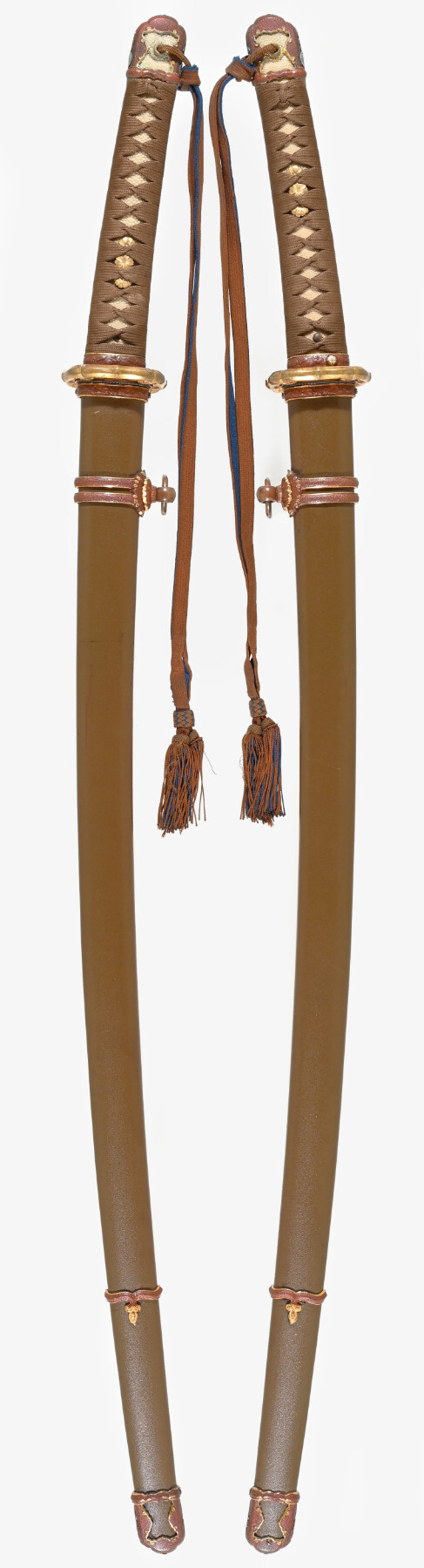
Collecting Notes A collector who only wants to own one Type 95 should look for either a Variation 3 or 4. A very common sword and thus easier to find in decent shape. For a collector who would like just a small sampling showing the major changes over time, a Variation 1 (copper) followed by either Variations 3 or 4 (aluminium) and lastly a Variation 8 (wood). A beginning collector should focus on Patterns 1 to 6 while an intermediate collector could aim for Variations 1 to 9. An advanced collector might consider marking variations, paint colors, and small changes in parts design within Patterns/Variations. As this category is currently outside my ballpark, I would defer to what an advanced collector has to say about it.2 points
-
Variations 2, 3, and 4, are akin to the alphabet soup. This is a result of concurrent production. Conversion Table for Dawson's 2007 book, the Patterns, & Variations in OP Copper Handled Type 95. Pattern 1. Variation 1. Aluminum Handled Variation #1. Pattern 2. Variations 2 & 3. Aluminum Handled Variation #2. Pattern 3. Variation 4 & 6. Aluminum Handled Variation #3. Pattern 4. Variation 5. Wood Handled Variation #1. Pattern 5. Variations 7 & 8. Wood Handled Variation #2. Pattern 6. Variation 9. Wood Handled Variation #3. Pattern 7. Wood Handled Variation #4. Pattern 8. Dawson, Jim. Swords of Imperial Japan, 1868–1945. Cyclopedia edition. Stenger-Scott Publishing, 2007.2 points
-
Similar example from recent auction https://www.catawiki.com/pl/l/99431749-katana-tanto-w-shirasaya-ija-ww-ii-kamikaze-pilot-kaiken-horimono-japonia

 2 points
 -
Well stated, Hoshi. That reminds me of a good friend of mine who was a long time avid hunter. He told me once there came a time when he put down the rifle in favor of a camera, and enjoys it even more.2 points
-
Hello, These are indeed lovely pics of a magnificent nie-deki. We are lucky to live in a time where high-grade digital cameras can take incredible pictures to immortalize experiences, even behind museum glass. There is a point in life where collecting is not feasible anymore. Inevitably, taste outgrow wallets - and if not - the supply wall inevitably hits. The reality is that after some time, as the mind habituates, one comes to realize that there are only very few swords that truly feel otherworldly, and possess this mysterious grace that makes you question if a human could have made it. This is why collecting experiences is the more sustainable path to growth, and through the skillful use of photography, to preserve them and share them with others is a noble pursuit. Best, Hoshi2 points
-
Hizen Tadayoshi has a particular trait of signing Tachi Mei on Katana, you will note your example is signed on the incorrect side for a long sword. You will learn a great deal about Hizen smiths from that website Ray linked in a short order of time. Another useful reference can be found here: https://www.sho-shin.com/shinto-hizen.html2 points
-
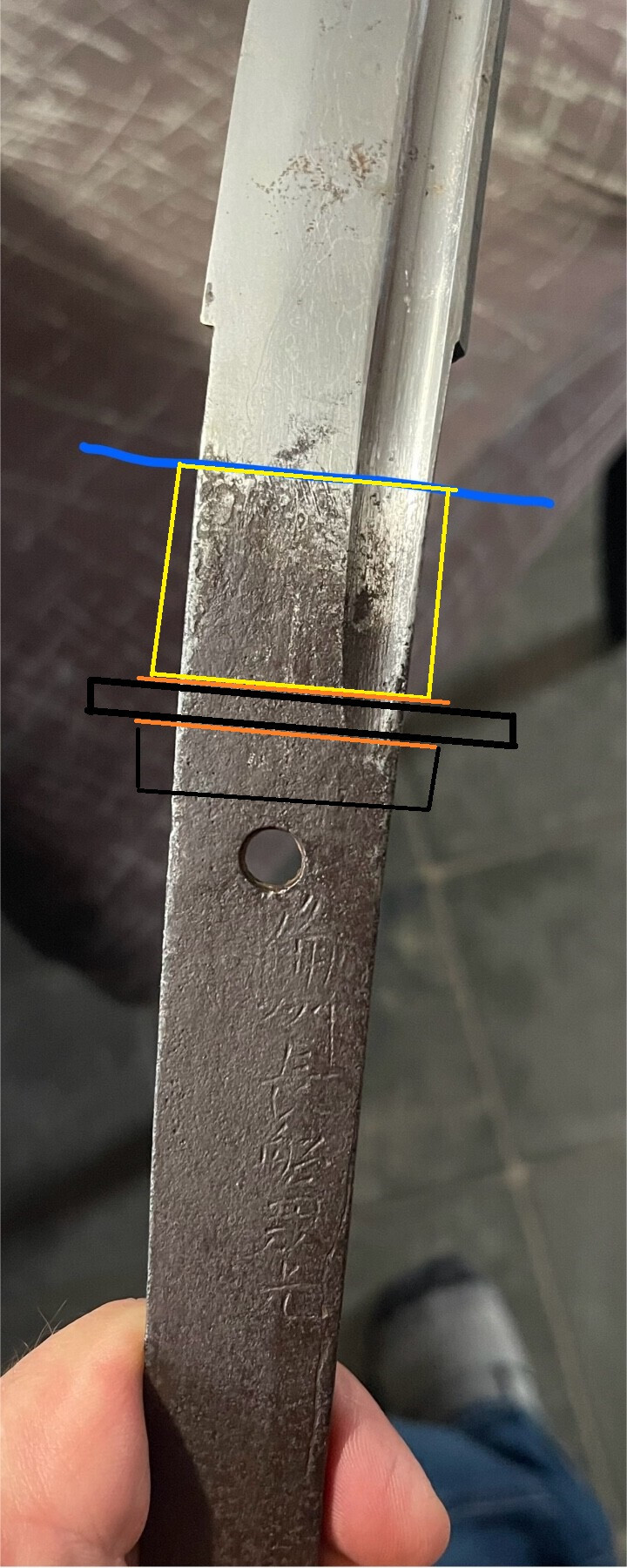
I would agree with the view that Jacques has on this. I would think it would most likely be late Muromachi Bizen sword, wheter actually someone named Kanemitsu that I cannot say. However I would think the sword is in original state. I tried to do quick sketch with paint how I would expect it to look originally in fittings if it would have been machi okuri at your line, of course it is just a rough sketch to give an idea that I have in my mind. To me the hole placement looks perfectly normal now in current state, if it would have been machiokuri then the original hole would have been unusually close to the machi. . I do have some amazing resources on Bizen swords, however I have not been able to find a reference signature of any late Muromachi Kanemitsu. I am extremely grateful for this thread as I tried to search them and ended up discovering absolutely massive Nanbokuchō naginata by Kanemitsu that I was not aware of before. Finding items like that in Japan makes me very happy. One "cursed" thing about smith lineages where there are extremely famous ones is that then many later generations can fall into obscurity.
 2 points
 -
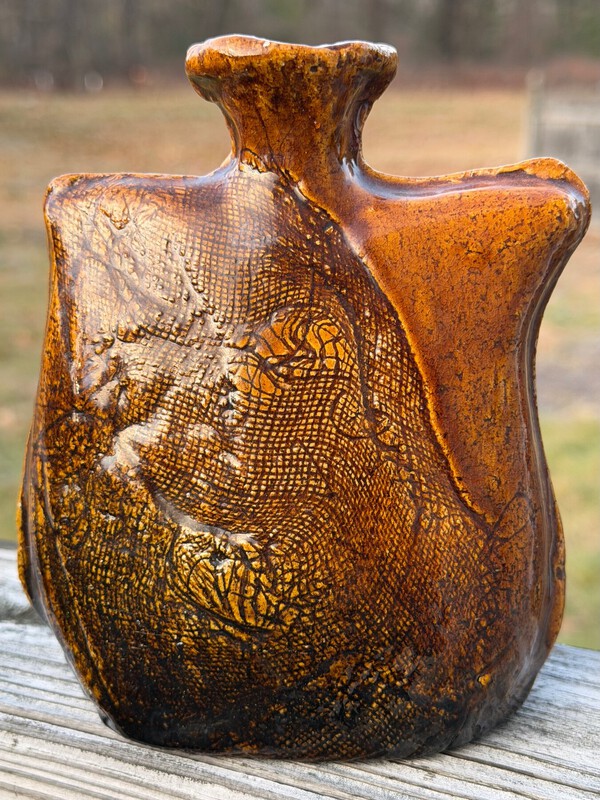
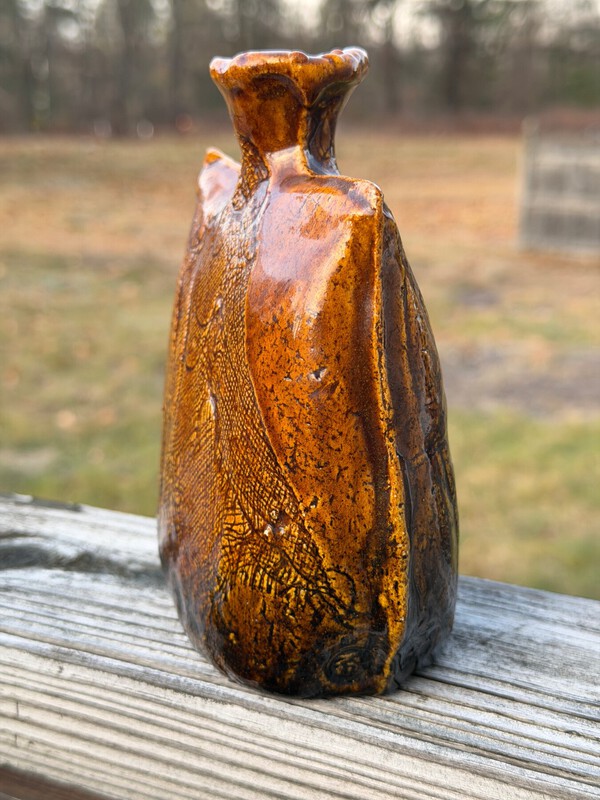
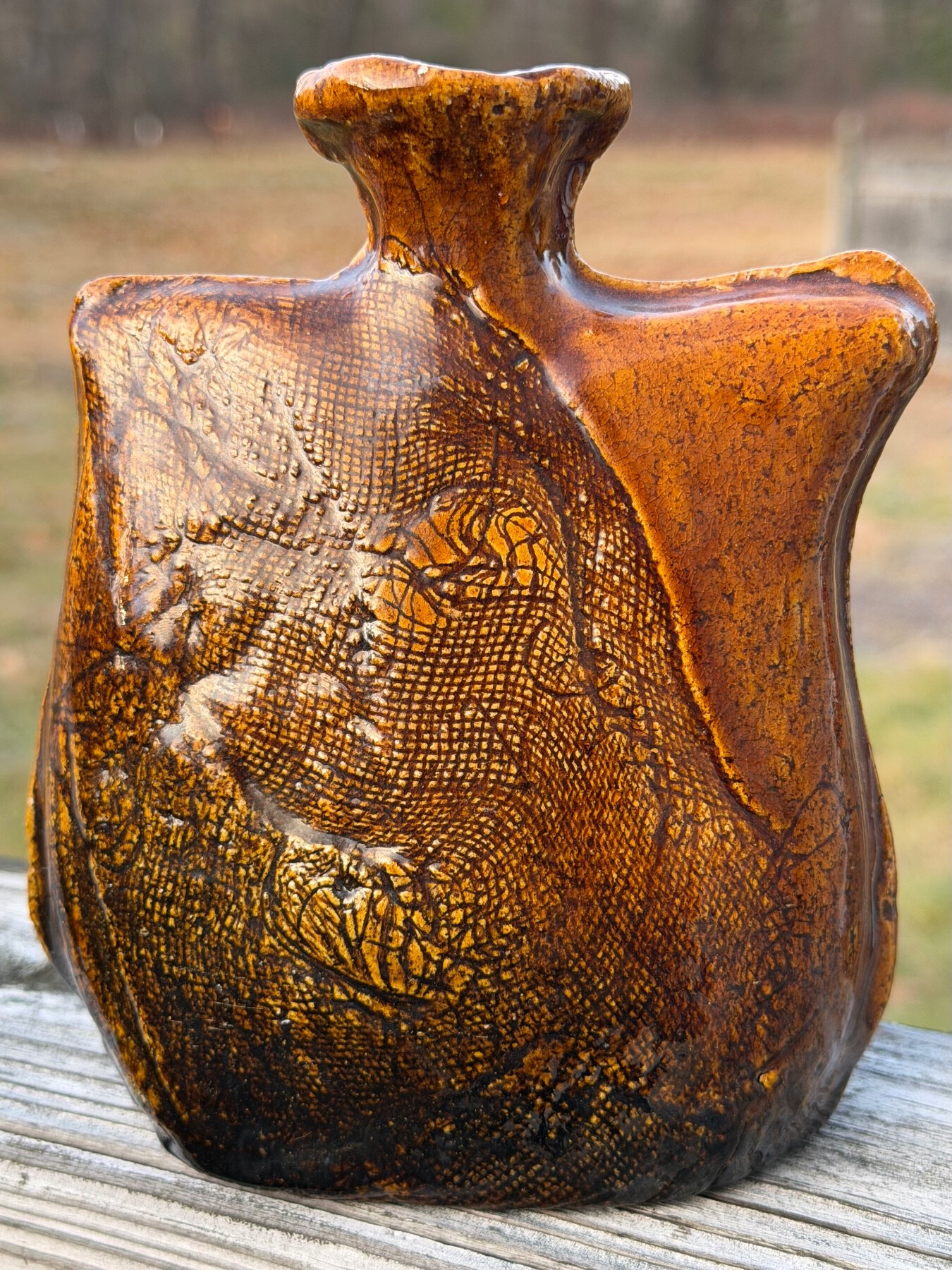
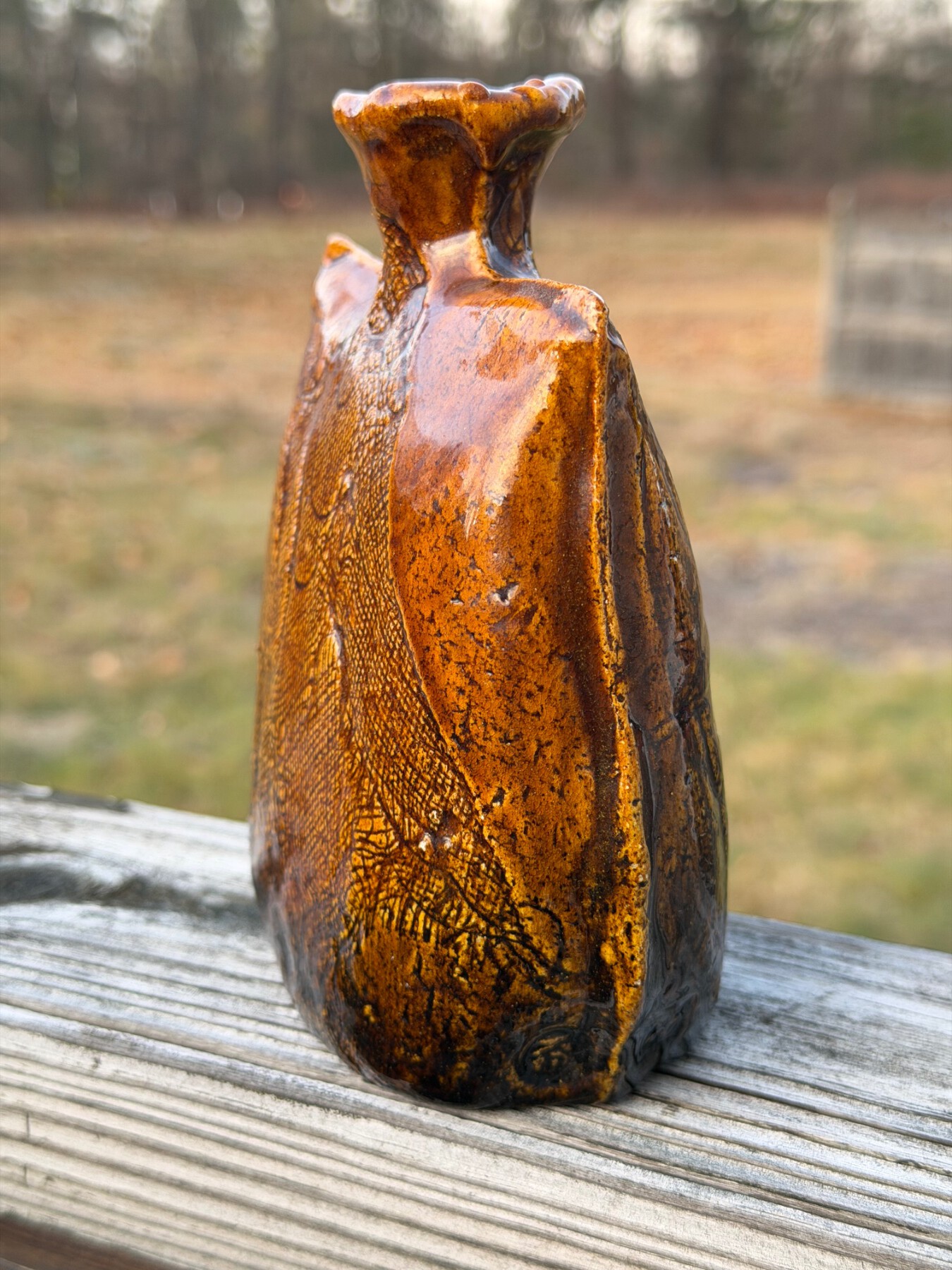
Good evening NMB, I have a few (relatively) cheap and cheerful pieces that need new homes, listing them here first as always before eBay gets a crack at it. All prices listed include shipping to the USA, international buyers please contact me for a quote. First up is an antique Ohi ware vase, but could also be used as a sake bottle - despite the lack of a pouring rim it functions quite well. The form is a woven sack, possibly a take on the common theme of Japanese pottery depicting every day items (very Zen like), or possibly a sakebukuro, which were used in traditional sake filtering. Given that Kanazawa, the home of Ohi ware is also a noted sake producing region, I lean towards this attribution. Despite having multiple stamps near the base, I have been unable to determine the maker. Nonetheless, it is a very accomplished piece and has some age to it, likely late Meiji/Showa. Excellent antique condition with no flaws, stands approx 14.5cm/6 inches tall. $80 Next up is a wonderfully organic Bizen ware bud vase by rising star Kimura Hajime. Fashioned in a gourd like shape, it was likely made symmetrical/veritical, with the intense heat of Bizen firings causing it to lean to one side, resulting in a beautiful piece of wabi and imperfectness that is so prized. Bizen is know to keep flowers alive for a long time (something about the clay), and is a popular choice for vases due to this and the color palette playing nicely with virtually anything you could put in it. As-made, like new condition with its original signed box, cloth and paperwork. 10cm/4 inches tall. $120 Last is a perfect addition for all of you lovers of Japanese cuisine, a delicately beautiful but strongly potted sushi/kaiseki plate. Subtle coloring and outstanding clay flavor make this a very versatile piece that like the bud vase above, will enhance any dish served on it. Author is unknown but condition is flawless. 18cm/7 inches long. $60 Willing to make deals for multiple pieces. Payment via PayPal friends and family is strongly preferred but will take Venmo if necessary for the buyer. Please let me know if you have any questions or need additional pics. Thanks for looking!

 1 point
 -
That was a great read Uwe and it mirrors my reaction to the blade. There is an organic sophistication to the forging that is beguiling, in a very understated way. Truly a masterwork amongst masterworks. The reference to a dated Masamune blade for 1314 was especially interesting. This coincides with the earliest known Norishige sword (1310) and neatly meshes with the presumed death of the atelier's master, which could have been the catalyst for these 'apprentices' to transition towards their independent swordsmithing endeavours and the appearance of these early dated works.1 point
-
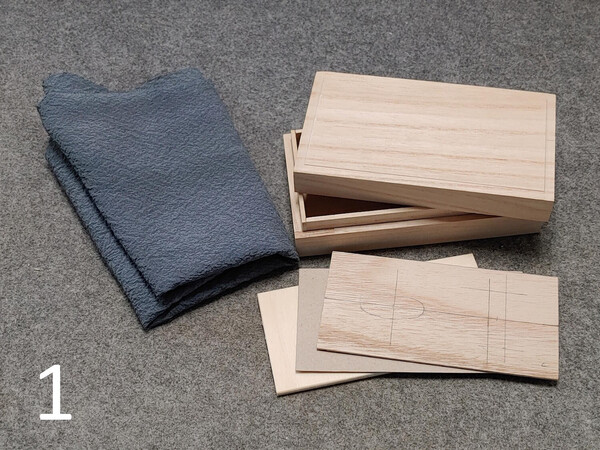
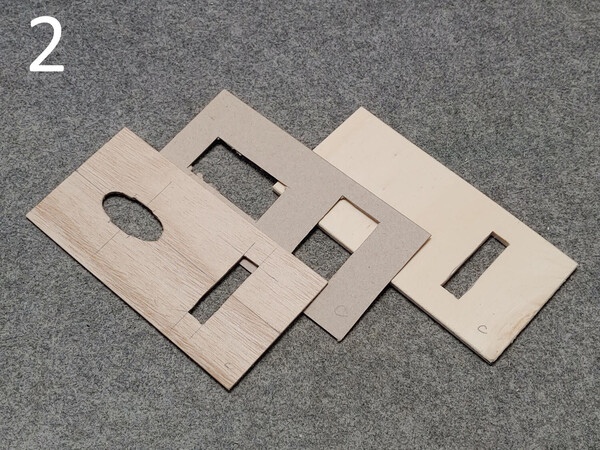
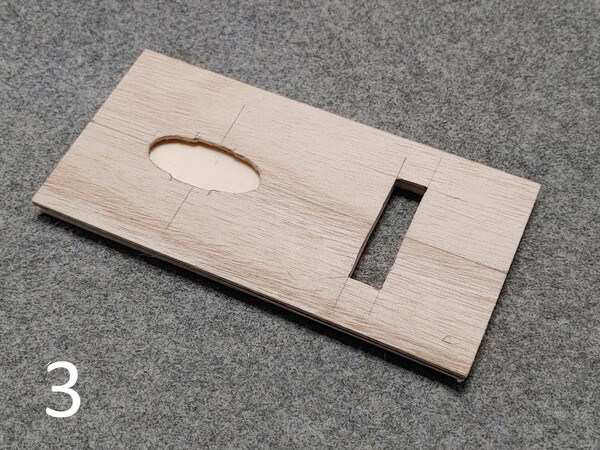
I made some boxes for fuchi-kashira sets taking below steps. Not sure, how professionals are doing it, but for me it worked fine. Silk, kiri wood, card board, plywood... Holes cut. (That's the three pieces together but not glued.) A fuchi template is used to bring the sik in shape
 1 point
 -
@Spartan117 Nice example, Alexis, thanks for posting. Definitely the Chinese plum rather than a Japanese sakura (cherry blossom). If you've read this whole thread, then you know as much as we do. Predominant theory is made in occupied areas for collaborating troops.1 point
-
Yes, concurrent production in the beginning. However, at the end Tōkyō 1st was only making Variations 4 & 6. The brass crossguard was finally dropped by Tōkyō 1st by Fiscal Year 1944. Blocks of serial numbers were assigned to the different makers by the supervising arsenal.1 point
-
Are you referring to this crossguard design below? If so, this was a modification done after manufacture. Type 95 Gunto - Transitional Tsuba1 point
-
After pulling out the records, it is safe to say Variations 7 & 8 predate Variation 6. Variation 6 only showed up on the last 1,000 Type 95s made by Suya. Only Suya made a Variation 6. Last month of production for Suya was March 1945 because of bomb damage. Variation 7 would date to about May 1944 while Variation 8 would date from June/July 1944.1 point
-
七十叟信徵画 Drawn by seventy-year-old-man 信徵 筆力?(篡?)上古? 丹青獨(覺?)眼前物 Probably means "my drawing power is better than all the drawers before me, and my current work is more worthy than the old ones". Doesn't really match the quality of the art I see in the photo. Of course, very likely I read it wrong.1 point
-
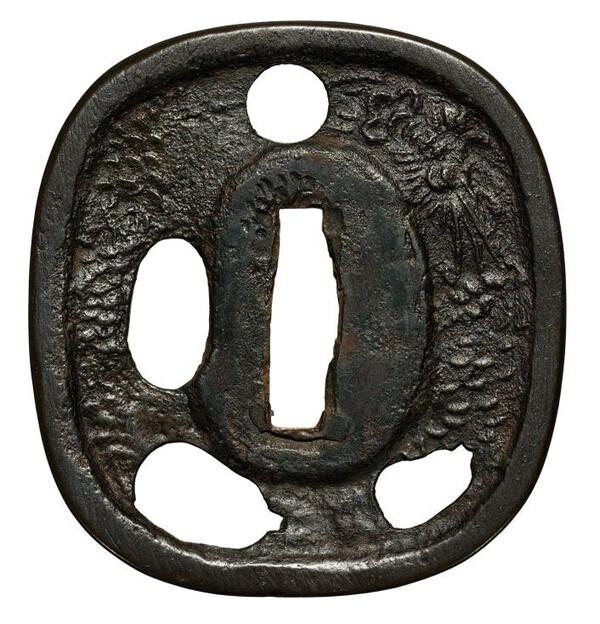
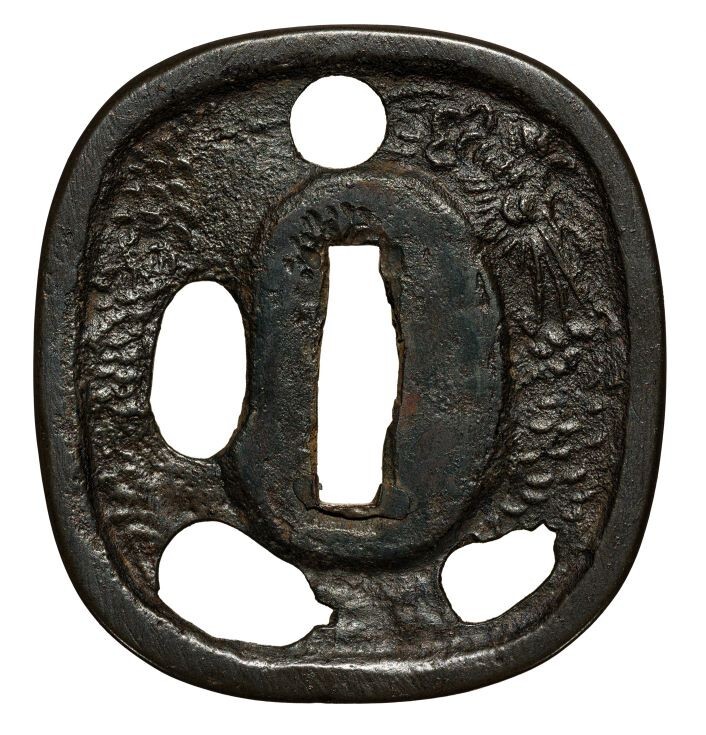
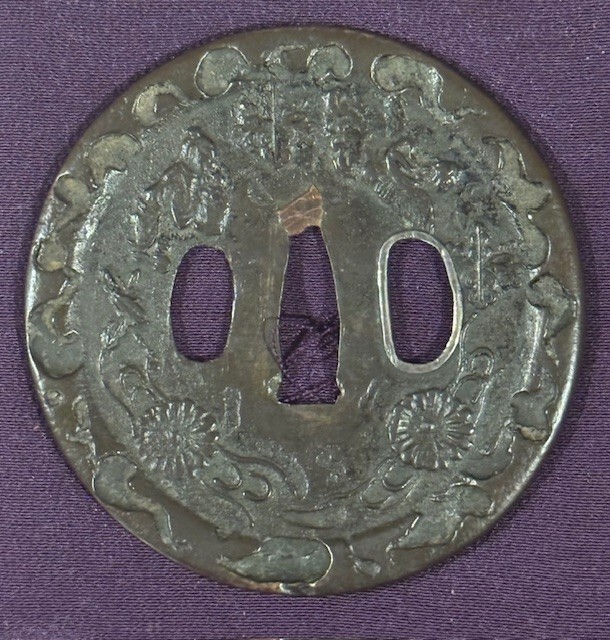
Here is another that is ascending and descending dragons. The plate is only about 1mm thick in spots. I think the two holes at the bottom were casting flaws modified to look like bottles. I see some similarities to #10 in Sasano's book.
 1 point
 -
Mauro Piantanida, Yes, thank you for finding me such. Perfect! Much obliged! I'll definitely be saving that one! Hehe. It's my favorite tsuba style! I don't think such would be a clothes shredder considering how wide and flat the cardinal point edges are. I'd buy it in a heartbeat if it was available and I could afford it. Thank you again for bringing a true itomaki gata type tsuba to my attention. Wishing you well. All the best. Best regards, Barrett Hiebert1 point
-
I'm going to take responsibility and host it, with the caveat that it will be taken down if there are any objections from anyone connected to the book. It will only be of use to those with the book, and may even lead to people buying the book, so there is no downside to the publisher. Let's see. Will upload later today.1 point
-
And the bad news is that a friend told me that once they get your name on the register they will ask you again the following year, and it will be hard to refuse. This means that from now on it is likely that I will have to do the above display or something equivalent every year, unless I can come up with a good excuse. Hmmm…1 point
-
篠垂 Shinodare are generally decorative strips on kabuto running from the tehen down towards the bottom edge of the hachi bowl. Tare is from the verb tareru, to hang, or dribble or run down as a liquid. Shino means bamboo, but the word also indicates thin upright strips or ribs of bamboo (or metal) as those of Sune-ate, that protected the shins. Decorative glazing strips for a kabuto.1 point
-
This type of mei only refers to the swordsmith and where he worked (not a documentation of the provenance and indicate past ownership). Unless you have a surrender tag attached, it is unlikely that you would be able to trace back.1 point
-
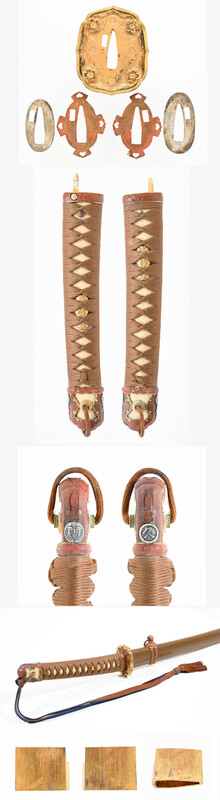
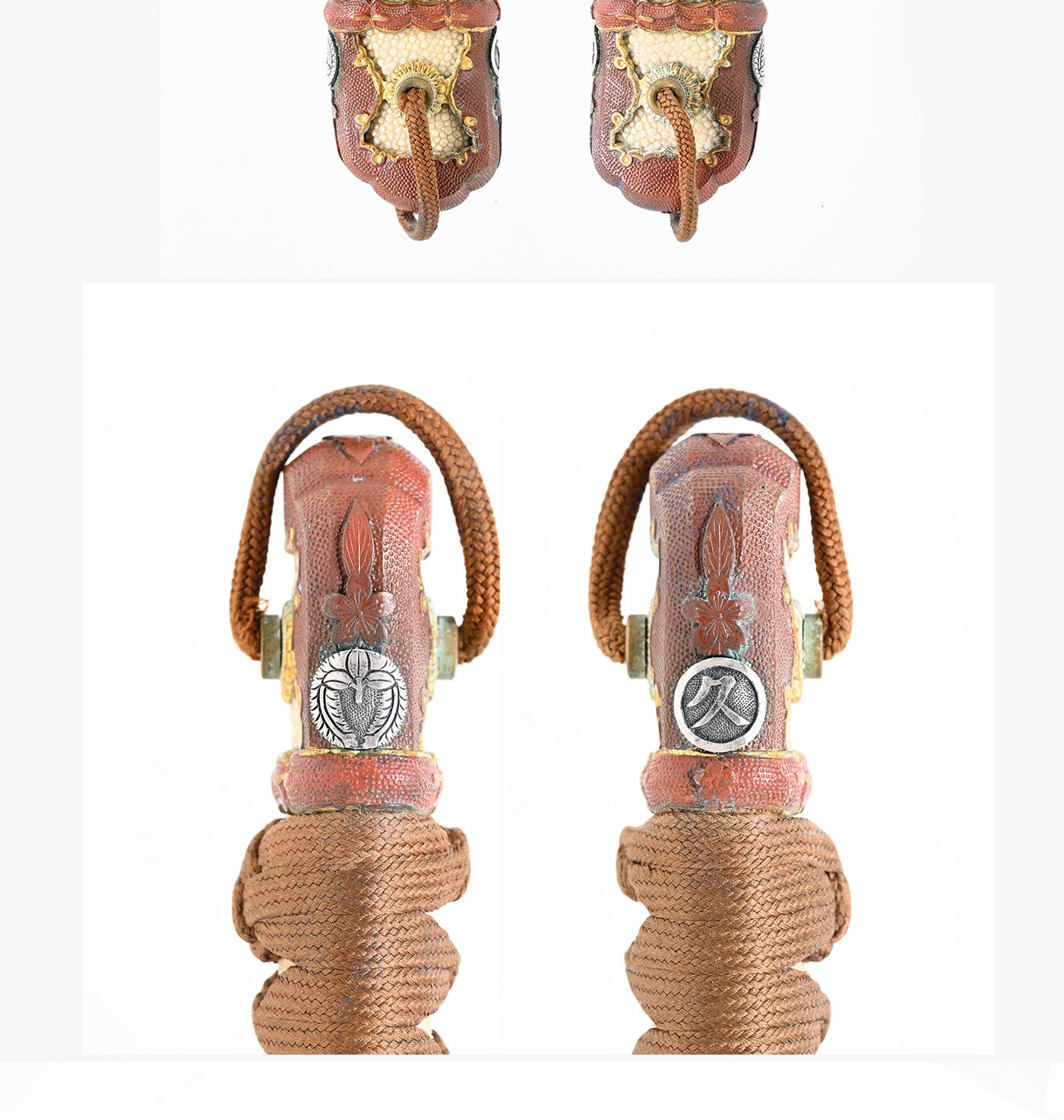
One that appeared recently from Japan, usually the second Mon appears on a Menuki:

 1 point
 -
Hello Jeffrey, welcome to the forum and congratulations on the find. That's a rather nice looking Type 98 Shin Gunto, the blade looks to be Nihonto but in this case likely bears a false signature (Gimei) of Hizen Kuni Tadayoshi.1 point
-
The inscription is Hizen (no) kuni Tadayoshi. You can research at the website below. Hizento.com Irrespective of the inscription, it is an authentic antique Japanese sword1 point
-
I won't claim to know the legal answer, but considering the scan isn't for sale apart, and is useless unless you have the original book...I would be willing to give it a try. Plus it's for non commercial educational use.1 point
-
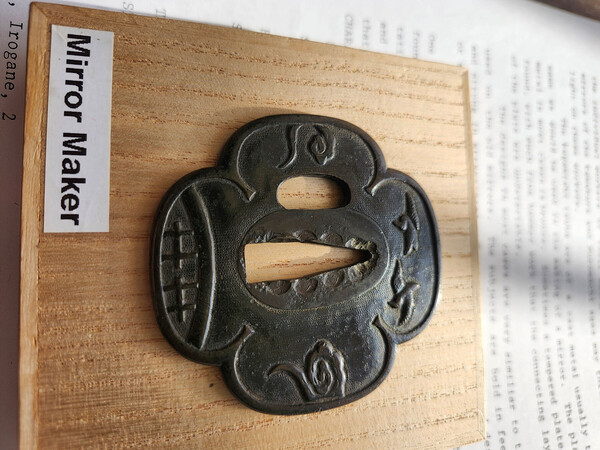
Only one that I own
 1 point
 -
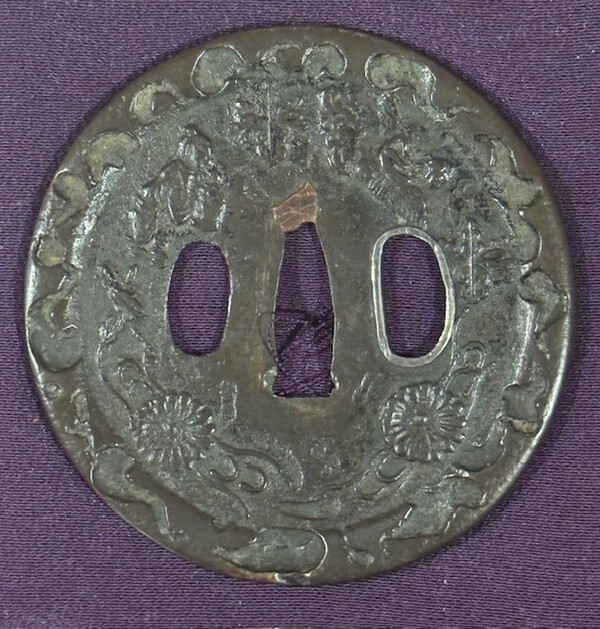
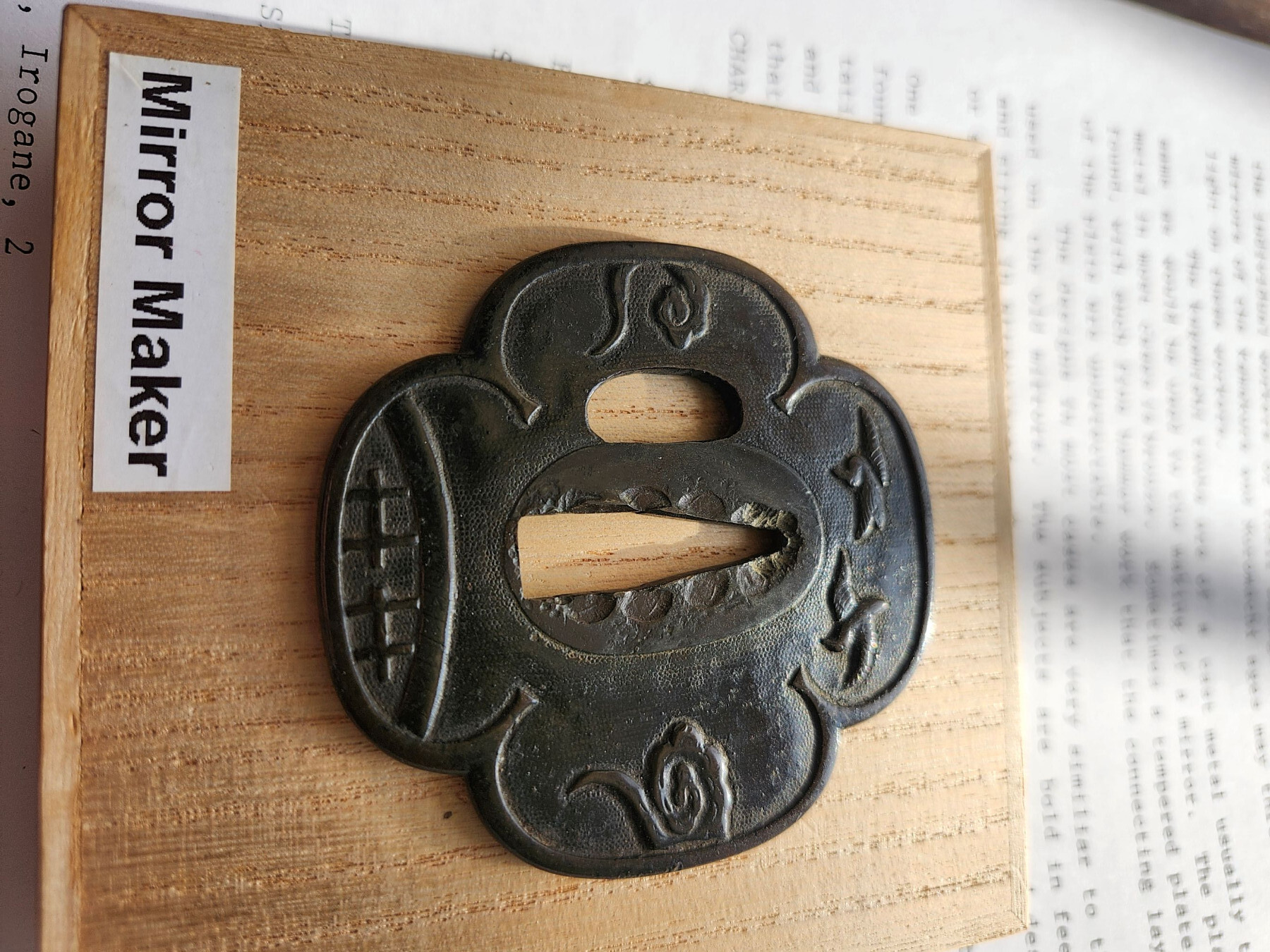
Here's the tsuba. It doesn't photograph well, if I had time I'd enhance the images. I particularly like the "rotten wood" design on the rim.

 1 point
 -
At last year's exhibition at the Shusui Museum of Art in Toyama there were 3 blades with the Yoshihiro attribution The photos are not the best, the blades follow each other in a rightward motion https://eu.zonerama.com/Nihonto/Photo/12422673/4969733941 point
-
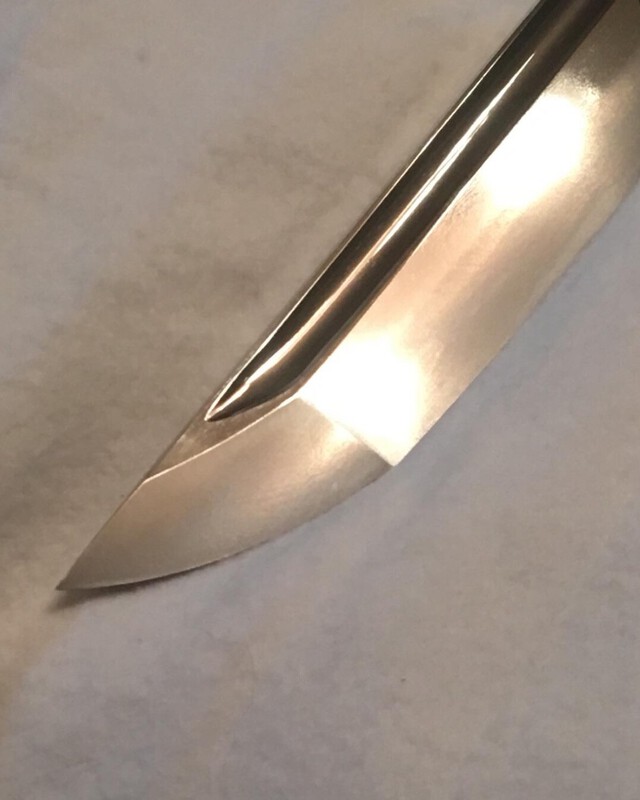
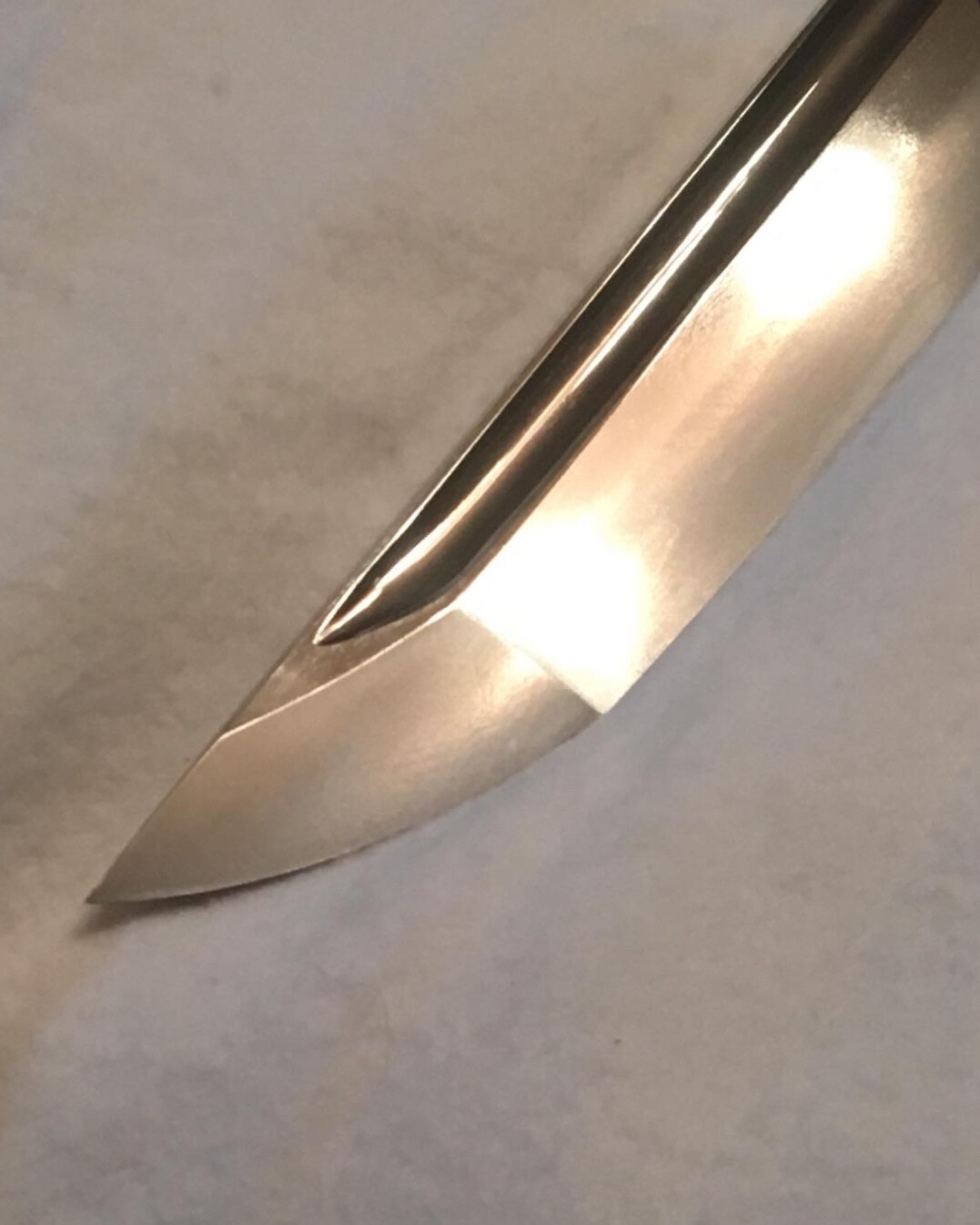
Beautiful contributions by some friends above, who I know are fairly knowledgeable and I can attest they have handled numerous Go (as some of that was a joint opportunity). Elusive as Go is, they do come up occasionally in Japan and if one has the admittedly rare opportunity, they should study them. The nice organic hamon and clarity combined with the uruioi micronie in the jigane is beautiful. Apologies for the bad pictures below but this is what I currently have on my mobile below. I merely want to demonstrate with some photos the “connectivity” to Norishige (note that jihada in some of the Juyo Go photos below) and the lustre. That Go is not one of the most flamboyant but still educational. As Tsuki says, not as prominent chikei or very ostentatious kinsuji but they are still there.


 1 point
 -
I recently held one of these. They're much lighter than a real one. Everything seems a bit smaller. The habaki weighs less than half as much. The tuska feels far too small in the hand. The sword feels tinny. The seppa are complete rubbish and don't fit at all. They're purely decorative. The screw and the screw head is very weak.1 point
-
The black steel tsuba appear in numerous serial ranges. It’s a misconception that these tsuba are later production than the brass ones. Also when swords were refurbished during the war, parts including the tsuba were replaced.1 point
-
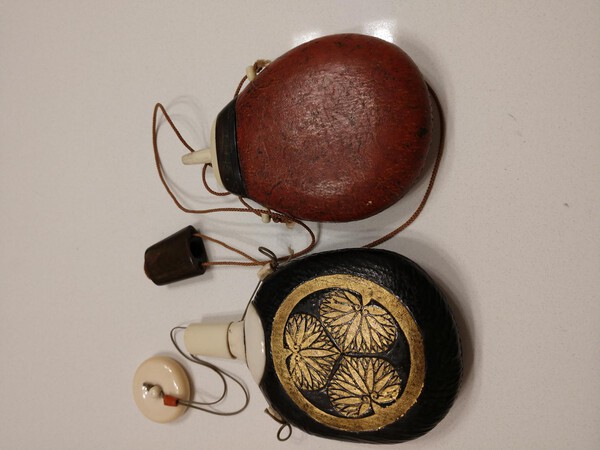
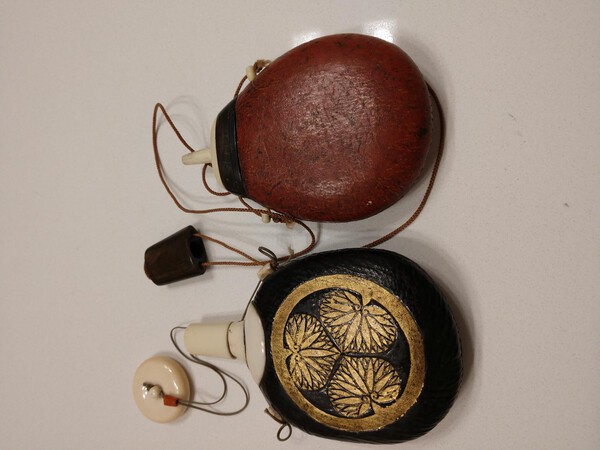
Kyaku ire
 1 point


































This leaderboard is set to Johannesburg/GMT+02:00