
Leaderboard

Popular Content
Showing content with the highest reputation on 08/22/2025 in all areas
-
As they say; It's a marathon, not a sprint. The journey comes with a never-ending series of revelations about just how little you know, and how much remains to be mastered. So, "fluency" is one of those words whose definition seems always just out of reach. Memorize hiragana and katakana. Usually in that order, because that is the way Japanese kids learn written Japanese, and that usually provides the best foundation. But some people choose to learn katakana first because they feel that will give them more immediate benefits if/when they visit Japan. Either is fine, as long as you learn both and don't get lazy, and recognize that hiragana gives better gas mileage than katakana. There are only 46 characters in each alphabet, and some are similar, so its not such a daunting task. Start to memorize the fundamentals of kanji when you've got hiragana and katakana more or less mastered. Stroke order, stroke direction, construction, balance, etc... You don't need to memorize all 2000 at one go. University students will know upwards of 8000-10000, but many of those are single-use kanji, or specific to a particular branch of the sciences, and not particularly useful in everyday life. The point is, learn them as you go, and don't worry that you only know 50 or 100 or 200...you'll pick more up as you go along. Start speaking as soon as you are able. Get a tutor or a mentor or an online partner, or youtube tutorials, anything. Speaking is a different beast than reading and writing, but each supports the others. Before long you realize that things like hierarchy and politeness are hard-coded into Japanese in a way that they are not hard-coded into English. It isn't necessary to nail down all of these nuances right away, so don't waste too many brain cycles trying to complete all of these side-missions. It's enough to be aware that the language has politeness levels imbedded into it, and as you become more proficient in Japanese, you can start to get better at using the correct/appropriate language for the audience. If you try to figure out everything all at once, you won't get anywhere. The language of the sword/fittings world is a specialized field. Don't expect the average Japanese person to understand the vocabulary of the sword world. Its full of jargon and rarely-used kanji and specialized readings...etc. It adds a complication to your Japanese studies. It's like a beginning English student trying to understand the language of nuclear physics. It just doesn't happen overnight, or without a lot of specialized study. Took me one year to become marginally conversational. Took me five years to become barely literate. Took me twenty years to become "fluent-ish". I started diving deeper into Japanese sword/fittings vocabulary after about 25 years, and realized I didn't know diddly squat. From there, each incremental bit of knowledge added to my ability, and made me slightly more fluent. I have N1 and a translator's certificate. I got these fairly quickly, after about 10 years of living in Japan. But really, its only after I got these things that I realized how much I had yet to learn. Still running the marathon...7 points
-
This is a good point, would it have come to where I am now if not for the 100? When i finally started working and earning i set out at first on a path of accumulating as many Nihonto from all the roads. As you know in Nihonto we speak of the roads like Tosando, Tokaido, Sanindo, etc and I thought i could master the Nihonto if I saw a single sword from each kaji along these roads, that became a mammoth task and I eneded up with a very flawed collection because each road or even each of the Gokaden is spread across a millenia and have different representatives. Then I decided to focus on certain districs within the gokaden but to do it for each district across their respective lineages. So you can imagine again a huge task and one that saw me buying single swords from Kamakura period to Shinshinto for Bizen for example. It is at this point I met a group of collectors who helped me understand that im all over the place. Without direction and study and focus I would not achieve what I had originally wanted. They explained that take Hizen, the Kaji in Hizen did everything from Soshu to Hizen hada to Masame, etc but their roots lay in the Heian and Kamakura periods. They asked what do you really want to know about Hizen that studying the original kamakura kaji cannot teach? And this was true of course. They introduced me to study and to observation on swords I would not be able to afford at the time because I had exhausted my budget. Until I had settled on what I wanted to study then they helped me to understand how to whittle down my collection. I could see by then that I had spent a decade plus collection only what I could get my hands on and not what was really representatives from the various schools, I was doing a means to an end style of accumulating and not collecting. Having a community can really save people in this jungle of Nihonto. There is a reason a society is led by senior members vs inexperienced. The swords I have today are still from that original batch, much less but they are the ones that fall into my road, the road I want to discover in Nihonto. And having streamlined im very content reading and learning and letting myself come to blades that fit my path rather than just accumulating or filling a slot. The collection also includes swords from more recent purchases that again fall into my road. I can say at one point I had 15 Kongo Hyoe swords from the inception of the school to its demise many centuries later but it is such a small representation of their work and very ignorant of me to have thought I was doing justice to them as a school. By whittling down the collection i also got to understand what was quality, by going to study sessions with people who had excellent pieces who also studied swords we could never hope to own, we get closer to our hearts content. We begin to see. I was shown a Masamune and TJuyo Chogi back to back as an example and those are moments you get to really study and memorise what you're looking at. Will I ever own one, no, would i have been able if I hadn't spent unwisely, maybe and it would be a single sword collection and I would be content. So, the craziness of accumulating led me to waste money. Would I have been here if not for that, i think if I had listened very early on to the people screaming at me to focus and study first, yes I would be here inevitably. You must understand that selling of the 100 was basically hitting a complete reset button. I started from scratch. My only wish for new collectors is, don't waste by rushing. Study and see and then buy whatever you like after you know your feet are firmly on the path you want to walk. Don't get duped by dealers of low end items. Respect yourself and your intelligence and your hard earned income and buy quality, it will serve you well in the future if you need to sell. Will there be mistakes along the way, yes, but they should not be the kind that makes you reset 10 plus years of hard work and studious love of Nihonto, that is a very arduous and painful path.6 points
-
Hi Bobby, I believe the majority of these copies were 19th-century products, created out of the revivalist spirit that percolated through the Bakumatsu Period. At this time, there was a great nostalgia for the outstanding tsuba of times gone by, especially those of the Momoyama and early-Edo Periods. This is why we see many "homage" works copying the brilliant Nobuiye men of Momoyama, as well as of Yamakichibei, and then also Yagyu. The great father and son Norisuke tsubako of Owari Province -- who were excellent makers of iron tsuba in their own right -- are famous for their efforts to create worthy copies of Yamakichibei and Nobuiye. However, despite their dedication and skills, their works are a far cry from the genuine article, and they were among the very best at making these utsushi. This all goes to show that genius is difficult (read impossible) to replicate convincingly. Real is real, and if one wants that experience -- of seeing and appreciating and "bonding" with that genius, one must have the works of these early masters in hand. Photographs, even the best, simply cannot capture their magic.5 points
-
This was my first gunto. Stainless Type 97 with brown tassel. The leather is pretty dried out, but I've been using Renapur on it and it seems to be working.
 5 points
 -
Rayhan, reading about your 15 Kongo swords etc etc, you obviously have the the finance to throw loads of money at the hobby. The reality here, would say most would be lucky to throw $5000 at a first sword, if that. Thats a lot of money for an average dude, Rolex watch money for something that might just be a one off. To me, this all getting over complicated for folks wanting to buy their first sword, maybe the last.5 points
-
Let's not forget that the TSUBAKO of the late EDO JIDAI were masters of their craft and well able to forge very good TSUBA! In our TSUBA forging workshop this summer the participants experienced how much work is involved to just make a TSUBA blank. From there to a well balanced functional TSUBA with a good size, even thickness and appealing surface texture is still quite a jump. And then imagining the long experience, commitment and talent that are necessary to create a real masterpiece leads to great respect for the old masters and their work!4 points
-
I see the same thing in your comment as Nathaniel does It's a bit childish And also, how many people can admit - I've made so many mistakes And then tell others publicly It happened to me and all I want - try not to let it happen to you Are you curious about how it could have happened and why? There can be several reasons Depth of knowledge at the time of purchase After a few years of study (depending on how much of our time we spend on it) many of us think we know enough to know what is good We gain confidence and try to build an amazing collection We often get into the so-called dead zone for nihonto with our purchases Too expensive for most collectors, but too cheap for it to be a great blade and be of interest to a collector with knowledge and a sufficient wallet (whether we like it or not - every hobby, including nihonto, is about money and our financial capabilities at the end of the day) And some stay here - and some study further and find that they will never know enough to be able to say that they really understand nihonto Nevertheless, they have learned more and can appreciate blades that they could not a few years ago And therefore they decide to say goodbye to some blades in order to get new And such sales almost always bring a loss4 points
-
So, where I started was with some of the bigger Japanese dealers, with an online presence - and catering to the Western market somewhat. This meant that the first sword I bought included a modern, put together koshirae, that doesn't really add anything from a connoisseur's perspective. I started with a papered-only policy, meaning just modern NBTHK kanteisho, as a safety net from my ignorance. Nowadays, I'm confident enough in a narrow range of schools / smiths to go it alone. But, if I bought a new smith, I'd still opt for papered. I live a little vicariously through swords I've seen / handled in collections and study meetings. This provides a useful calibration, especially for the ones offered for sale, to see what's being paid for what. So far, no huge clangers, I did buy a cheaper sword once - and initially thought I had a bargain, but over time learned why it was the price it was - so, didn't lose anything and gained some insight. Now very useful for comparison. I even bought one from an online auction, unseen and unpapered! That one got sent to shinsha and got TokuHo, so very happy.3 points
-
Actually, maybe this is a better way of showing the comparison. I replaced Jacques oshigata, with the photo of a Gassan Sadakatsu katana dated Taisho 10 (1921). Cheers, Bryce
 3 points
 -
"The Craft of the Japanese Sword" is an excellent book helping to understand the technical aspects of forging a proper Nihon-To. It helps understanding the difference between a mere tool and an object of beauty within objective parameters not easy to comprehend for an outsider. A most common misunderstanding still; especially here on this board, where the fruitless discussions about art and the qualities of Nihon-To never end. reinhard3 points
-
My purchases is somewhat backward. My first nihonto is still today my favorite and most cherished piece. And most expensive as well I fell in love with Kiyomitsu and my first prurchase was a Tokubetsu Hozon "Bizen Koku Ju Osafune Kiyomitsu". Was a bit more than I wanted to spend but I had to have it. 70cm and a very heavy 850gram. Had shiage togi done by the great Woody Hall and it s even better than it was. Found another one earlier this year . A Hozon "Bishu Osafune Kiyomitsu" dated Eisho 10 . Lovely blade but nowhere near the raw quality of the 1st one. I look through the net for Kiyomitsu almost everyday and Eisho 10 is the earliest I ve ever seen. So naturally as Kiyomitsu collector, I had to have it. Currently with Woody Hall for Shiage Togi. My Latest which is still with Aoi and waiting export is Tokubetsu Hozon Ko-Kongo Hyoe. One of my absolute favorite school. Even with suriage it is personally the most beautiful blade I ve even seen on Aoi. So I absolutely had to have it. Dont really care much about resale. They are from the smith/school I love and in my price range so thats all I care about

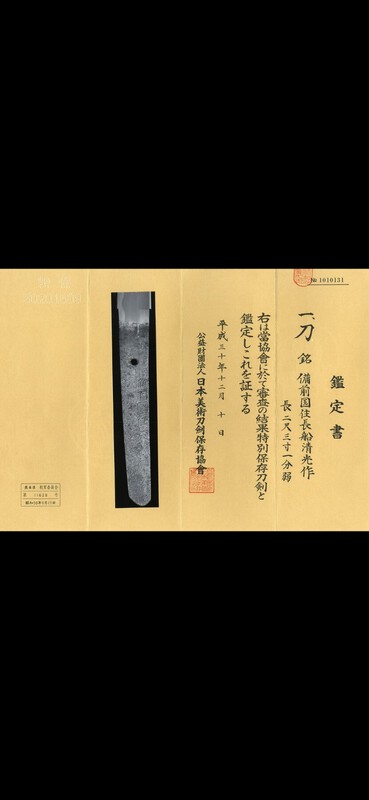
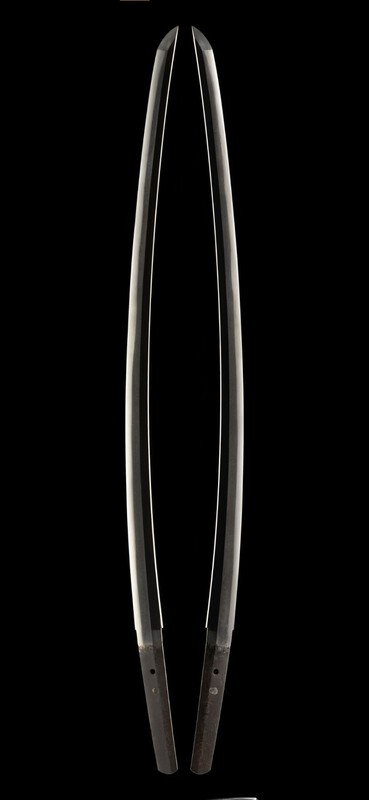


 3 points
 -
Buy keepers, in this day and age with issues with shipping, don't want to be buying stuff and having to ship a year later. The pain of knowing that, no beginner will understand2 points
-
Dear Hokke I thought I answered you But I understand - maybe it wasn't obvious So, if anyone gains some knowledge and at the level of this knowledge creates a collection in the best faith - he can make a repeated mistake From his subjective point of view - because his education has moved in time and he suddenly realized that his decision in the past was a mistake from today's point of view However, many others who would look at his blades would say - don't be crazy, your blades are amazing It's all subjective, a question of education, budget freedom ... I really don't know if it's understandable for people who use English as a native language And yes - I use a translator, because my English is not perfect What is a "very expensive mistake"? Something different for everyone - and I think in this case the absolute amount is not important, but it is certainly significantly higher than your upper limit, because we are talking about a hundred blades at the mid-to-higher quality level here.2 points
-
What I got is an Ishido Teruhide blade, made in 1940, sitting in a fresh Japanese polish. Has an original gunto koshirae with junior officer's tassel. Everything is in pristine condition, in fact I have rarely seen, let alone held such a preserved gunto. Huge thanks to the person who made the purchase possible! I have yet to take some proper photos, in order to provide the admiration this nihonto requires. But I will now share two quick close-up pictures which try to capture the beauty of the blade in polish. I believe it has a very tight ko-itame hada, at least in person it looks like ko-itame to me (in the proper light). What do you guys think? I will definitely share more photos once I find the time to take them, probably in a week or so. But I am a very, very happy person right now.
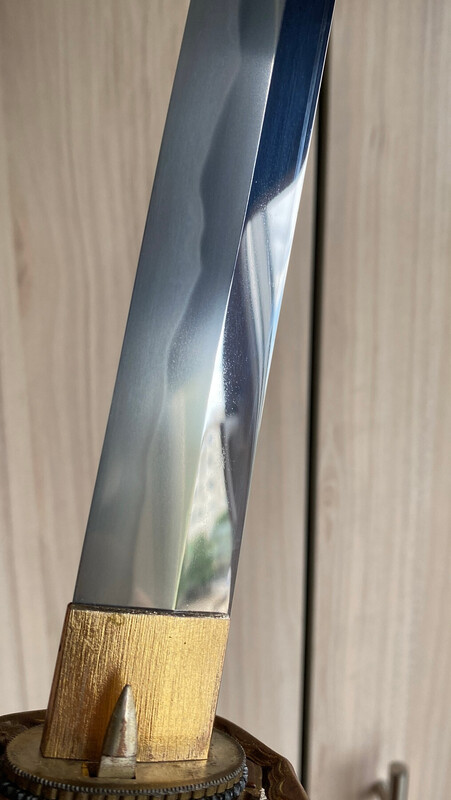
 2 points
 -
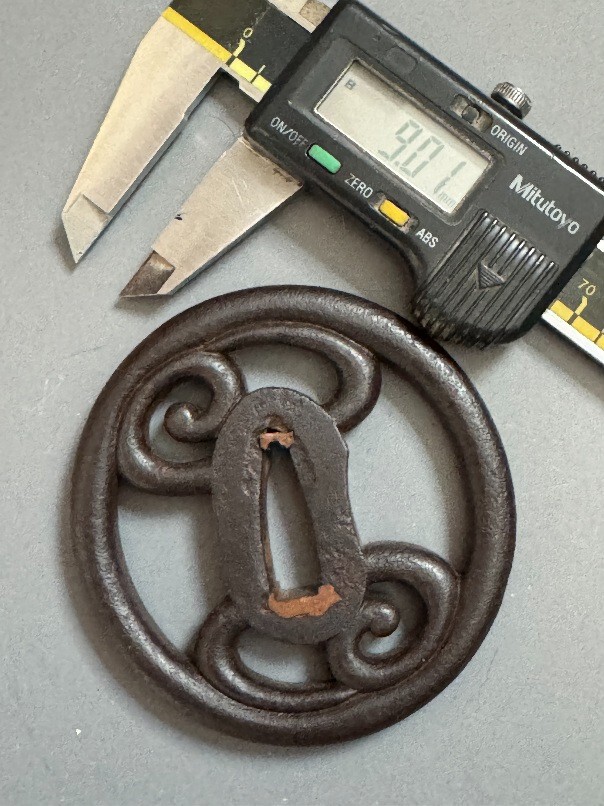
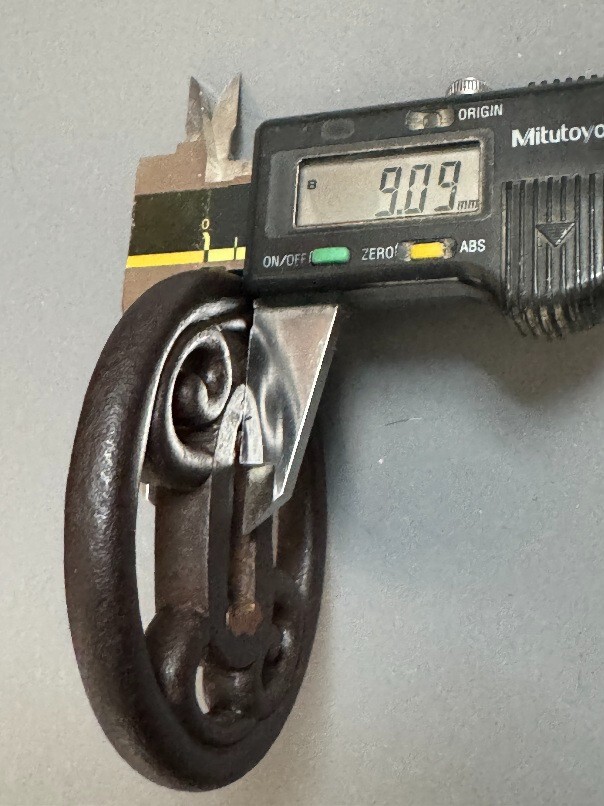
Thickest one I have 66 x 67 x 12.5mm. Why so thick?
.thumb.JPG.4ef9491a36dfb3d9454b64d2ea90c983.JPG)
.thumb.JPG.b39dd88af0f32d79816a5443db17f93c.JPG) 2 points
2 points -
The art of the Japanese sword is really good and approachable. I had Craft for a long time, but got Art later, and what Grey says rings true. It’s the most “page turner” of them all, and I think it would be a great foundation before you dive into connoisseurs. Connoisseurs is a little more textbooky, but it will be a perpetual reference and guide as you’re learning. Beware, that getting a firm grasp on the vocabulary takes some time on its own. Do not be discouraged, if at first, it’s hard to get through paragraphs without double checking on definitions. I struggled with that for a long time before things began to click, but I’m also not the sharpest tool in the shed Best of luck! -Sam2 points
-
I appreciate there's been some animosity as of late on the board, but I'd implore some civility. Mine was truly a genuine question (or set of questions, more accurately), and having more threads dragged into attacks and ultimately locked furthers none of our pursuit of this hobby. There have been some very insightful posts on this thread and I'd like to see that continue personally. I don't mean this as an attack in any way on you @Hokke, and genuinely appreciate your contributions to the board as well. It just seems like tempers are running a bit hot as of late.2 points
-
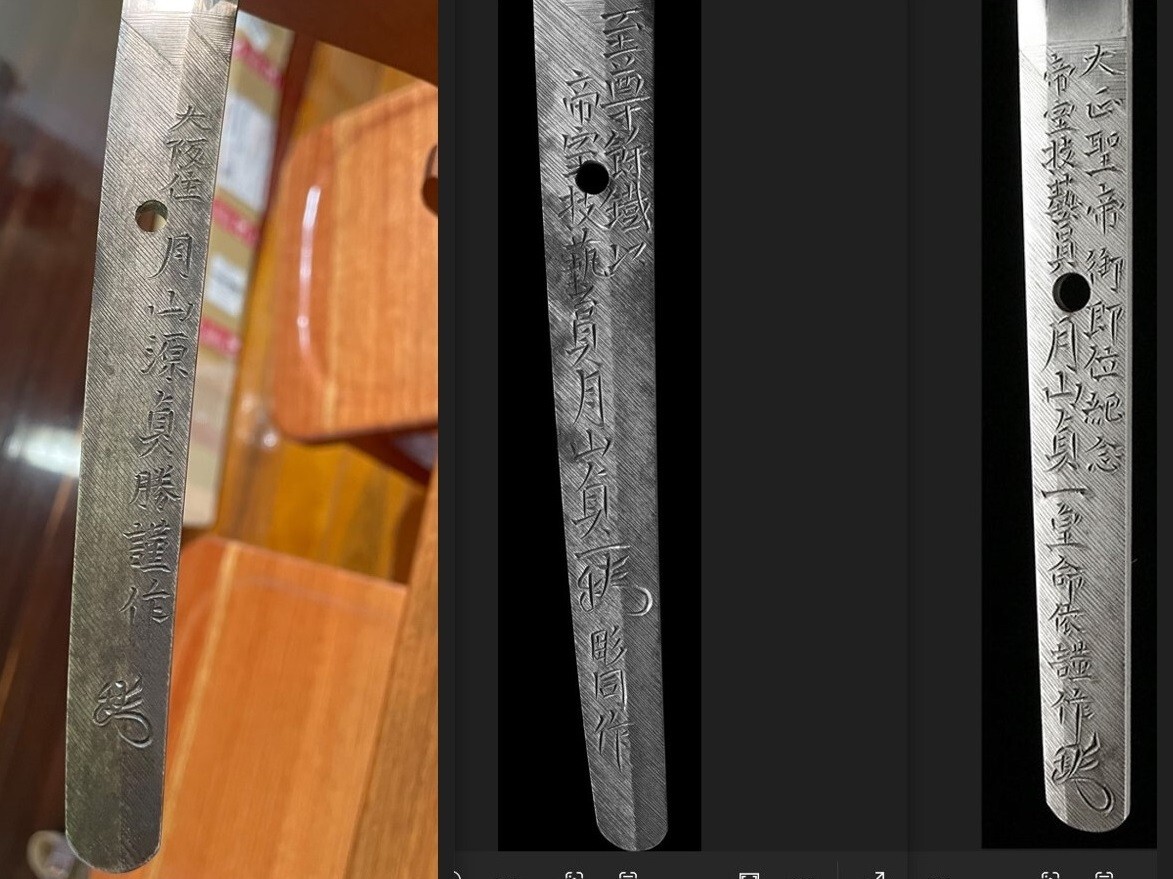
G'day Jacques, To add to what Adam said about Roger and Hizento mei, most examples of Gassan Sadakazu/Sadakatsu mei are easy to pick, but there are a small number where it isn't immediately obvious. We are dealing with humans here, not machines, so there is variation. There is no single thing that differentiates or unites the two, it is the sum total of a large number of characteristics. If I use the oshigata that Jacques posted, which I have already said was signed by Sadakatsu and sandwich between it and another Sadakatsu mei one actually signed by Sadakazu, you can see the differences. So Sadakazu in the middle, Sadakatsu each side. Cheers, Bryce
 2 points
 -
Hi Alex, Well, there could be factors like aesthetics, structural reinforcement, and even just the personal preferences of the person commissioning the tsuba. In the two pieces I mentioned above, these are both ji-sukashi forms with quite a bit of "air" within/among the metal forming the sukashi walls and the rim. Perhaps the very thick rims could be seen as a way to "counter" the relative lack of material substance in the guard?2 points
-
Second sword was kodachi purchased a year ago from Ginza Choshuya. This was chosen more with the heart this time. TH, ex-Tsukamoto Museum blade, Yamato and Soshu features. Only shirasaya this time and I asked the dealer to see if Tanobe would add the sayagaki, which he agreed to do. The hataraki on the blade is more than I hoped. With a macro lens and the correct lighting all the fine Nie formations can be seen. Third and most recent purchase was purely acquired with the heart and a modicum of hope that others see what I saw. Horyu papers, out of polish, dated 1308 but Mei for a grand master. Tanobe has seen the tanto and agrees with the 2018 Shinsa panel that more research is needed to ascertain the veracity of the Mei.... at least he didn't give it the kiss of death and proclaim it gimei... so winning. Yes, it's not in the best condition but I bought it as a survivor that is worthy of saving. Not everything in the collection has to tick all the boxes. Would I buy another, probably not, but in this case I can justify it as part of the collection of Koto era swords. The price was OK at a fraction of what an ubu Kamakura era tanto by a big name goes for these days and came with a decent saya. Next purchase will be a statement piece which will check most of the boxes. It's currently being examined by a top level togishi who I hope will accept the commission. I'm certain he will do what is best for the blade to preserve it and bring out the finer detail in the hada which I'm sure is hiding behind the light surface oxidation. Whatever the outcome Tanobe says it has a sugata consistent with the date inscribed on the nakago and the Mei/date will not be removed even if, at the next submission for Shinsa, it fails to yield a positive result.


 2 points
 -
First blade purchased 14 months ago at the Japan Art Expo. A TH Yamato Shikkake in good polish. I played it safe and got a blade in shirasaya with Tanobe sayagaki and custom made Tensho koshirae created by the Osafune Museum workshop. Knew exactly what I was buying, thought about it for 3 days and then made an offer which the dealer accepted. Tanobe said it had Juyo potential and I found out later it had been submitted in 2023 but failed to progress. He suggested to resubmit and since 2023 was a tough year, I may do this in the future. Papers, at least trying myself to get higher level papers, are becoming less of a preoccupation as I progress in the hobby.


 2 points
 -
Oh men I see mei diference clearly in yama alone. I don't argue if @Steve Waszak is right or not especially as he is quoted all around [even on site I linked]. Cheers boyz buying this I was expecting all being trash.
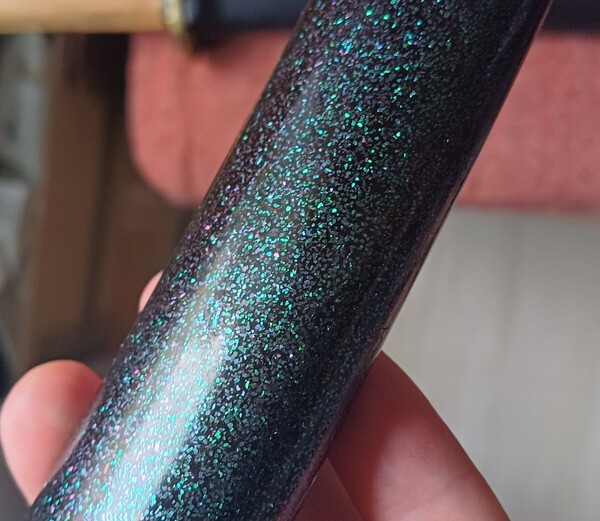 2 points
 -
Would never say this on a public forum, but when I was at college in the US we were given hiragana and katakana to learn as homework. I sat on my bed, leaned back against the wall, lit up, inhaled deeply, and then set to work. Amazing sometimes how you can concentrate. Anyway, I learned the whole bang shoot at one sitting. (Not for a moment suggesting that this would work for anyone else!) Some things were hard, though... too many to record here!2 points
-
It was more a question of language use, really, Curran. From the other fittings alone, I was already getting a feeling that they would not put a real Yamakichibei on there. Even so, I would want to say something like, "I'm pretty sure that", or "It gives me a strong feeling that...", etc. Absolute statements can challenge people, put their backs up. Wait for the inevitable backlash, the demands for absolute proof, etc. I guess I prefer to be more diplomatic!2 points
-
Mistakes must happen, Adam............that's humans. When you think about it, the only real way to be sure a smith signed a sword is to have been there and watched it happen, other than that its all probability, some a lot more probable than others.2 points
-
The Shinsa team look at about 6,000 blades a year, I once heard. Some days when you are not feeling too sharp yourself…2 points
-
Aye, seeing what comes up on various sales sites etc over the years and compiling and studying, one could learn a lot and every so often raise an eye brow, so to speak. Also, to be fair, at times it must give a Shinsa team an headache2 points
-
You're quite welcome, Bobby. Happy to help if I can.1 point
-
The book is a re-printing of a first edition that was considered rare and difficult to find. This book is considered the definitive English translation and publication of her work with many beautiful illustrations of her raga (haiku with painting). In Japan, she is revered. most Japanese learn her “morning glory” haiku in school. When I acquired her calligraphy, I remembered that it brought an enormous amount of bidding interest at a time when Japanese calligraphy is undervalued. Her calligraphy isn’t offered very often for sale. I’m waiting for a raga to be offered. She did her own painting as well as collaborations with other celebrated painters of her day.1 point
-
One could guess that it had a functional purpose in terms of balancing a long or heavy blade? Is there any suggestion that tsuba were used in fighting to deliver a blow like the knuckle guard on a western blade? Other than functional reasons it has to be purely aesthetic?1 point
-
Saw a real thick tsuba in a plain style, like Tosho. It was on a sword at an arms fair. Convex shape, remember thinking it seemed odd and a bit overkill. One of those things where if you don't usually look for them, you don't seem to come across many.1 point
-
There is a nascent group in San Antonio - if interested send me a PM and I will put you in touch. -t1 point
-
Many thanks for the interesting thread and the food for thought; as a beginner I very much appreciate it. I suppose I have a few questions for you - you say that you would rather have saved to spend more now that you have ended up further in your understanding and collection. But without those 100 some odd purchases, do you think you would have ended up where you are? How many of the mistakes have added meaningfully to your understanding and appreciation? Are there any in particular on reflection you think we're worthwhile even though you've now moved on from them? I appreciate many may not have contributed much, and those that have might make for expensive lessons. But I have to imagine they've contributed something in their own right.1 point
-
Here is a brass tsuba that is 10.1 mm, but the seppa dai is inset at roughly 6mm. This one looks like it has been set a couple times and sepoa dai may have been thicker when first made. Jason
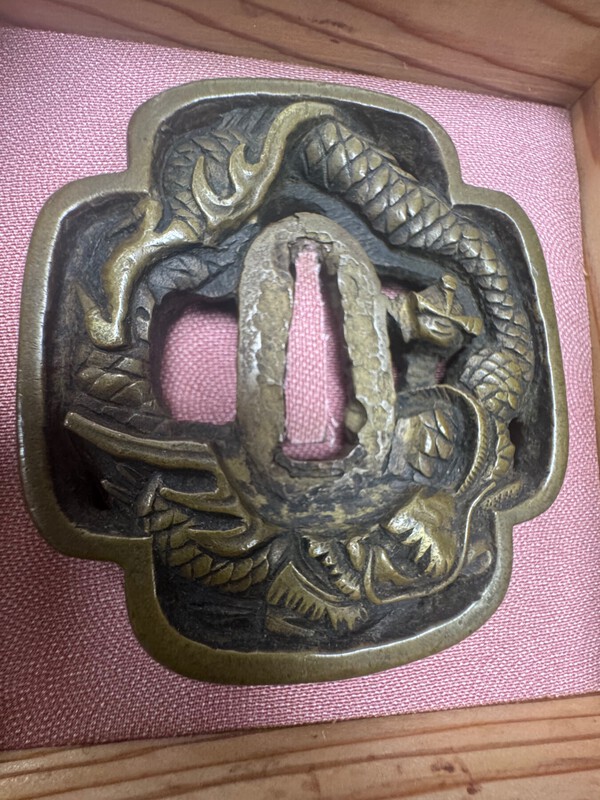
 1 point
 -
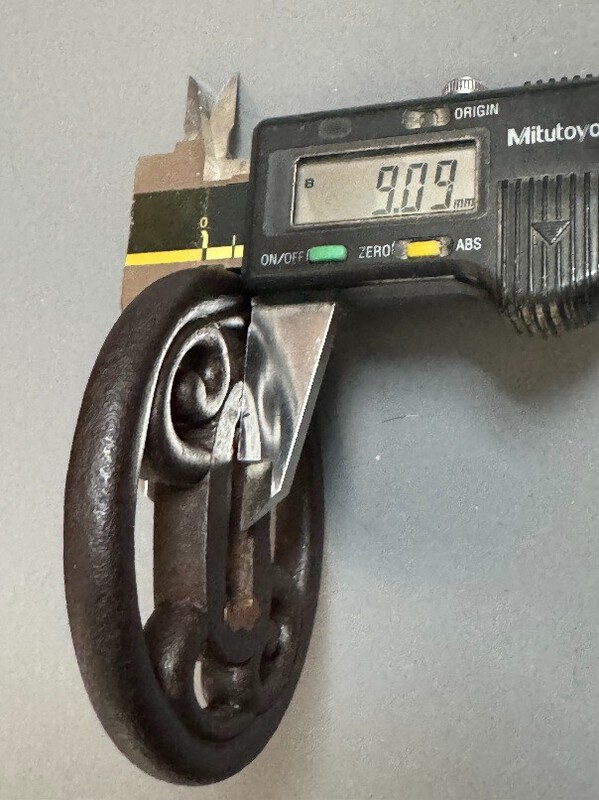
This one is probably 3gen Akasaka . Seppa dai 9mm thick. Inside of the nakago ana you can see traces from the chisel.


 1 point
 -
Several great FREE downloads right here at NMB in, interestingly enough, the Download Section. Highly recommend the Nihonto Compendium by Sesko. COMPLETELY FREE. If you purchase a few of the on-line resources, I highly recommend Sesko’s A-Z Japanese Swordsmiths, and later the Koto, Shinto & Shin-Shinto Meikan’s for an excellent mei reference. He usually has a few sales throughout the year (around the holidays usually) and many of his references can be had at substantial discounts. I like having those on both my phone and computer.1 point
-
David, Yes, yes, all those books will be useful. But, I urge you to meet and get to know sword people. Texas is full of them. Find them. Introduce yourself, see their swords. This will - ideally - let you see swords and give substance of the stuff you will now be reading about. Find other collectors. Ask questions. Discover where/how they got their swords. Look at swords. Make friends, Ask questions. Peter1 point
-
I think the sukashi shows the two parts of a "Fumibako" or document box - there is even a round hole alluding to the bronze ring used to thread a ribbon to secure the two pieces.1 point
-
Really difficult for me to tell. 16th century complete Joseon dynasty with Japanese style curved blade for the lettered nobility, you're probably looking at six/seven figures and it will climb fast (e.g., white jade tsuba, tortoise shell koshirae, the hallmarks of royalty). They are almost completely extinct and are considered invaluable cultural artifacts. Late 19th century utilitarian infantry, Chinese-style sword with simple construction, perhaps closer to a high-end Gunto. Here is an interview of one of the whales in the field, he would be the right person to ask: https://koreajoongangdaily.joins.com/2008/12/16/features/Blade-Man-and-the-spirit-of-the-sword/2898663.html The good ones are so rare, when discovered, they make the news (especially if they belonged to a scholar, that is a big deal in Korea): An unlike Japanese swords, there is no NBHTK. Chinese fakes are everywhere, undisclosed repair, etc - if you think Nihonto is filled with peril, beware the waters next to it. Best, Hoshi1 point
-
I think he's saying the chiselling technique is so precise after you've chiseled the same kanji on nakago countless times, over many years, that it does appear like its machine-made. I have several kitchen knives by a swordsmith with hand chiseled Mei and they would be hard to differentiate without the aid of a magnifying lens, such is the muscle memory acquired over many years. Differences would only be discernable if a different style of chisel was used. Or if its daimei......1 point
-
Also Marcus, if you can find a copy, this is a lovely book on Kagamibuta.
 1 point
 -
Beautiful. Please see George Lazarnick, Vol.1, Netsuke & Inro Artists. PS That says ‘Natsuo’ in flowing kana form. (Not ‘summer’) Two or three clicks should magnify and clarify the image Kinkarakawa purse sagemono set


 1 point
 -
Nope....more true than just about most places in the world. In fact almost impossible to find decent Nihonto even if you have the funds here. And with an exchange of about 18 Rands to $1, even harder to ever save for a decent sword since it would likely pay off a house mortgage or car. Which is exactly WHY I am very comfortable collecting at the lower level, without romancing about the history of the item or treasure hunting. Knowing what you have and being happy with it is what collecting is for me. If I want to see top stuff, I've made a plan to visit overseas numerous times and seen great quality. Looking at out of polish swords and being able to recognize possible good swords, knowing you won't be able to have them polished but preserving them so that someone else down the line a generation or 2 later might be able to investigate more, is enough for me. No...I don't subscribe to the "you can only collect top stuff" mantra. But I also don't build up kazuuchimono to great levels where I think I found the Honjo Masamune either. It's all about a middle ground. I also am able to separate the militaria enthusiast in me that loves having a plainish T95, kai Gunto, Shin Gunto etc as an example of wartime swords, from the Nihonto collector in me.1 point
-
How did you come to be so capable with zukushi-ji? Chiyo-ni’s style is said to be very idiosyncratic, but highly consistent like most great calligraphers. However, translators become expert with a particular artist typically only after a long period of study. The fact that you are just now discovering her is all the more credit to you. A new edition of Patricia Donegan’s book on Chiyo-ni will be available on Amazon next month. I just picked it up in Singapore last week, where I was surprised it was already available.1 point
-
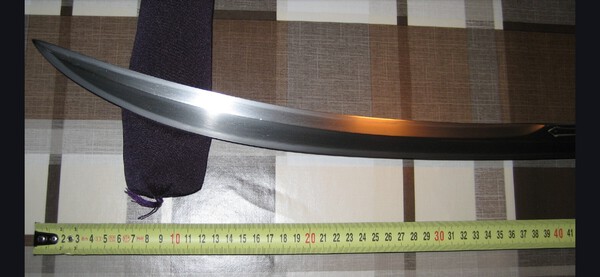
For me it's a Kunitsugu unokubi zukuri naginata of 53 cm, where the first 40 cm is double edged, which is quite rare. A very elegant piece, wonder where it ended up.
 1 point
 -
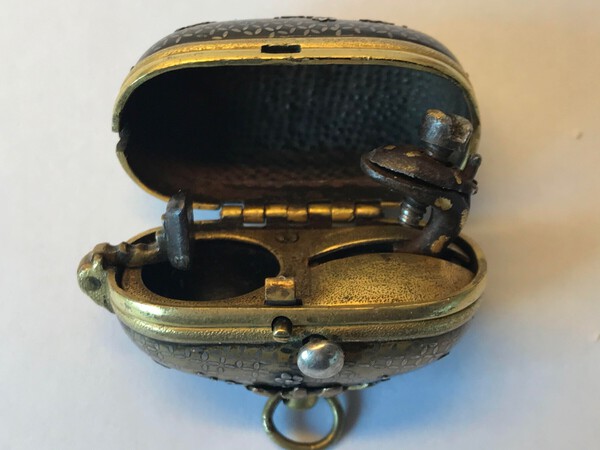
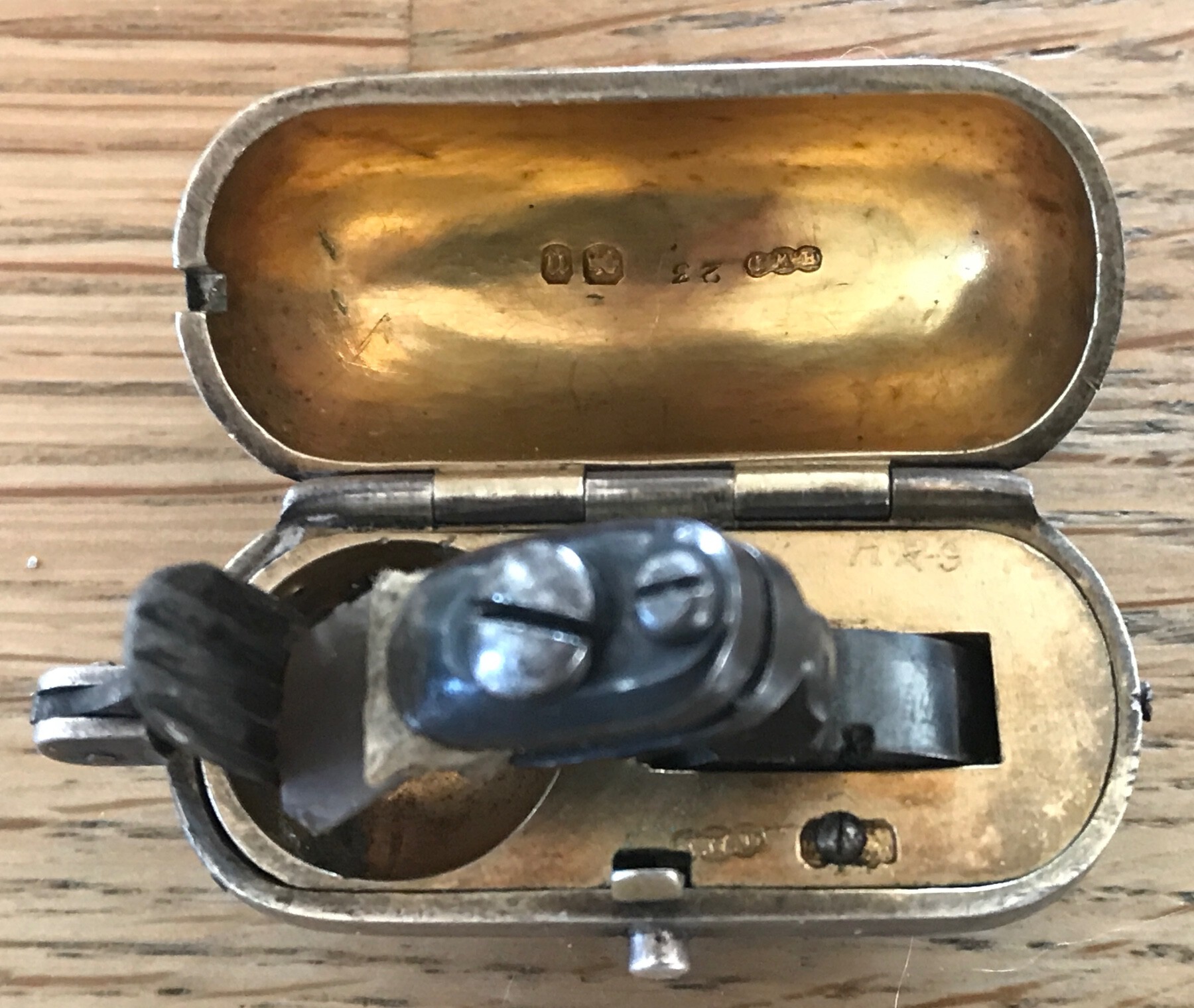
Hi! Here is my example of the Dee silver lighter mentioned above. It’s a beauty with gold on the inside. Enjoy! Regards Anthony


 1 point
 -
Hi! Here is a nice example in more detail. Regards, Anthony

 1 point
 -
The second is a Manju sukashi Netsuke, (sukashi is often called 'Ryusa' in the Netsuke collecting world), hollow and perforated in all directions, openwork. The theme seems to be Kikusui, chrysanthemums and river water, the legend of the Kiku-jido, the boy rejected by his lord, but who was forever faithful. Heavily stained, but under a magnifying glass the material is flecked, not an attribute of the purity of ivory, but more of antler and bone. Made from an antler seat or base. Relatively small in the hand, width 3.99 cm x height 1.48 cm. From top: Underside:

 1 point
 -
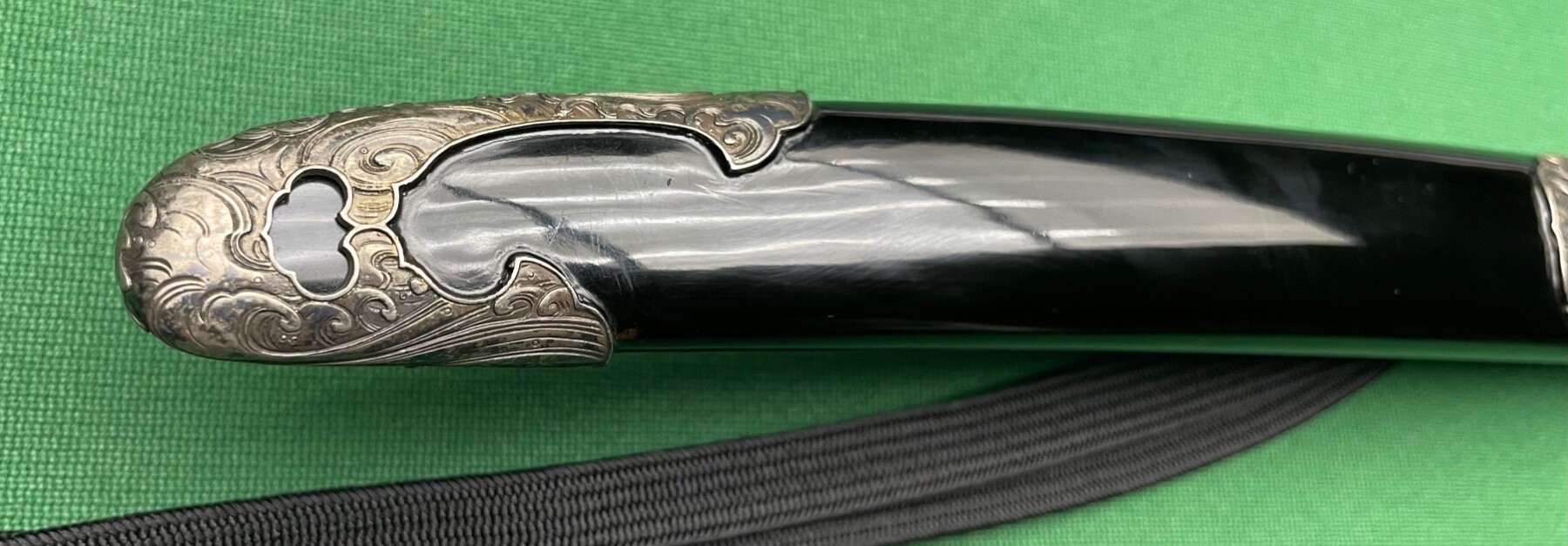
Not Omori level waves, but still, a pretty handsome package:


 1 point






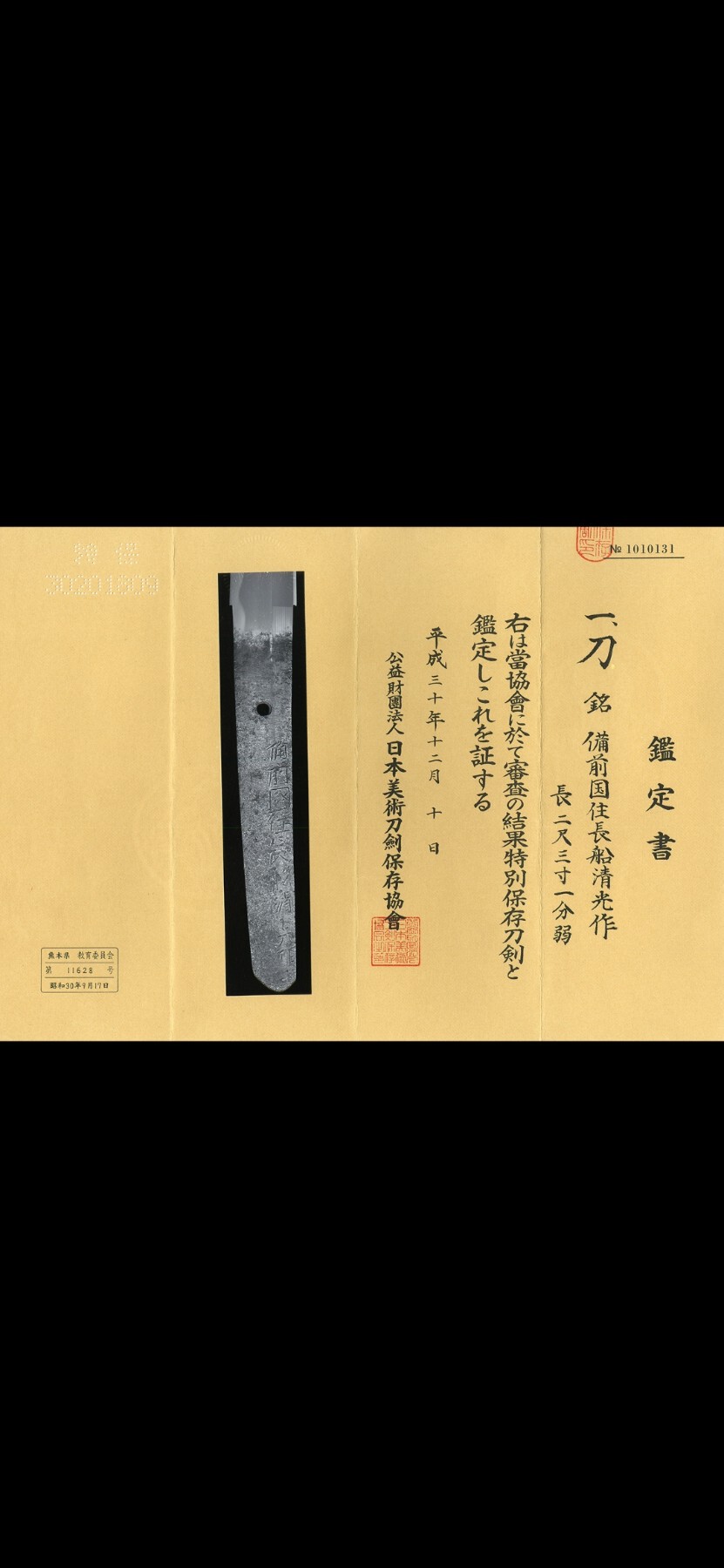

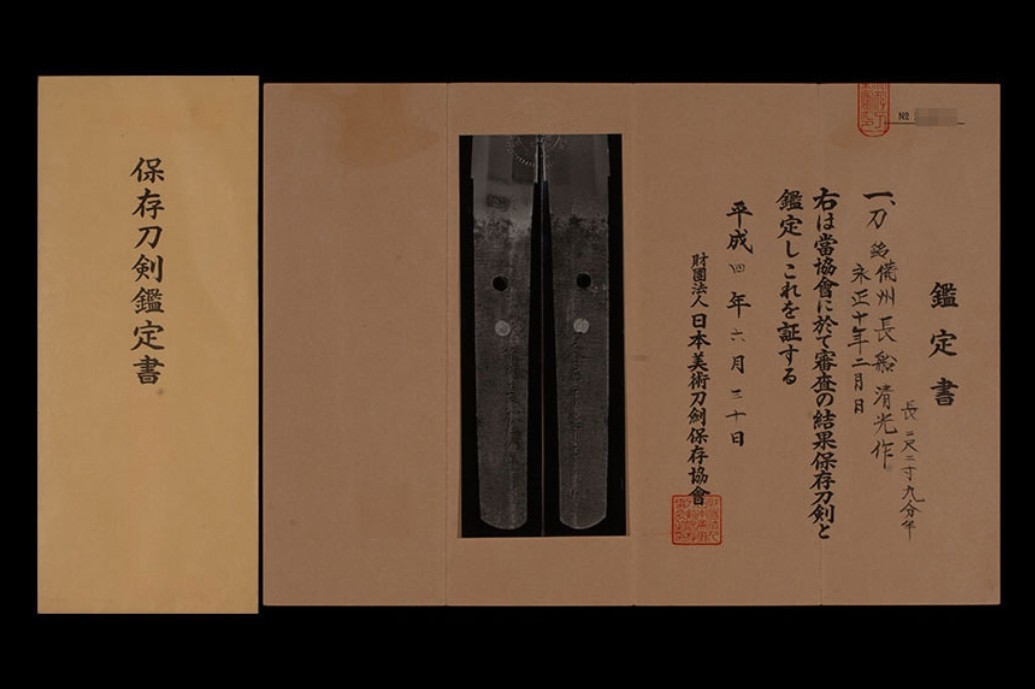


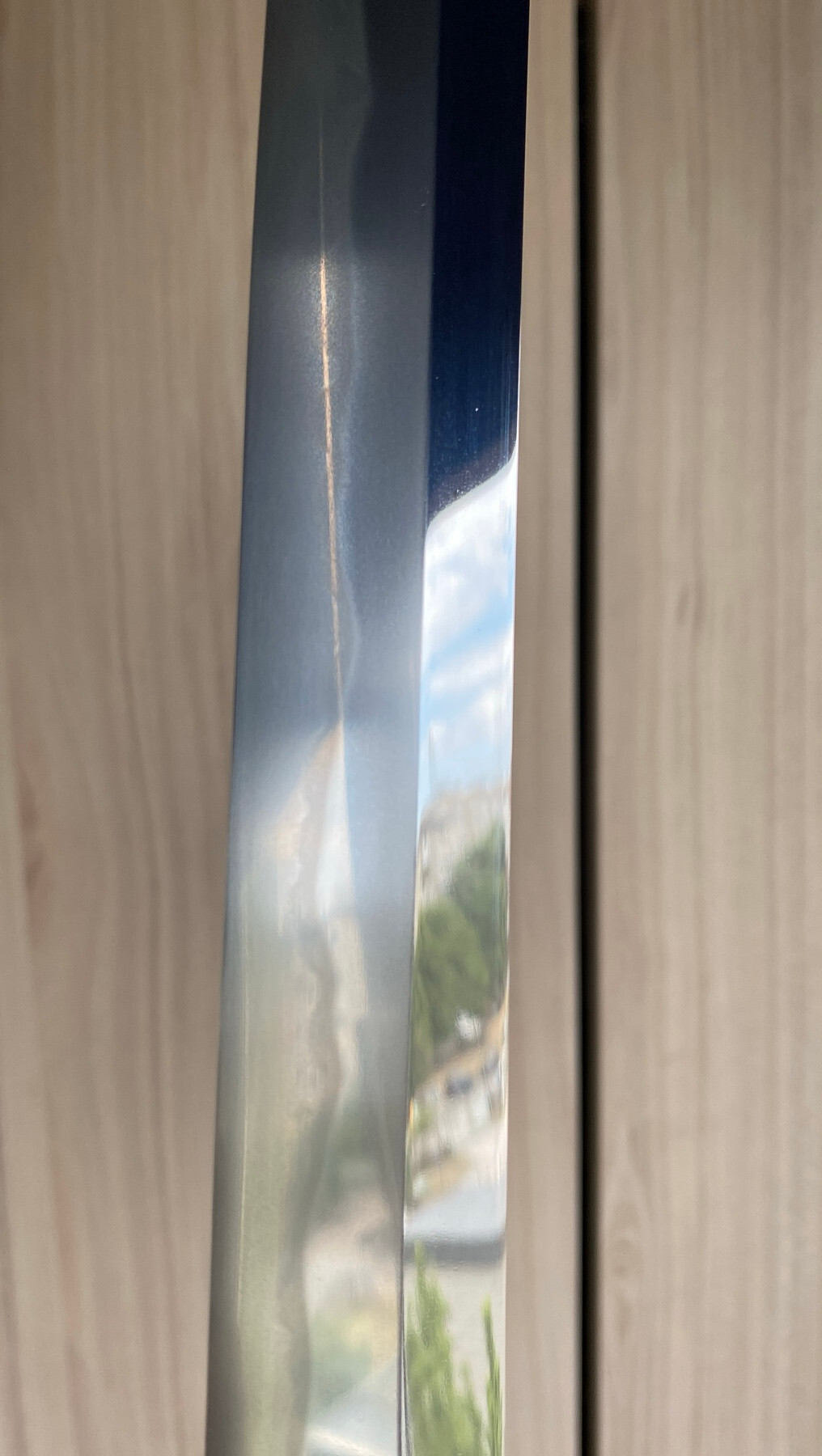

.JPG.4f7818169c2ee3750f929cfa88c17af1.JPG)
.JPG.3c7736f0c1c9256ef03bb17f271ce86b.JPG)













This leaderboard is set to Johannesburg/GMT+02:00