
Leaderboard


Popular Content
Showing content with the highest reputation on 06/25/2025 in all areas
-
I did gave it a thought, but there are several reasons why I don't do that. First and foremost I'm a father of a 2 years old, so my presence here is very much needed. Another reason is that for me this is an hobby, and actually I'd like to keep it that way. There's basically no professional tsubashi even in Japan, they all do side jobs (mostly jewelry), that's because nowadays is very hard to make a living out of it. So I rather work on my spare time, doing the occasional commission and my experiments. Also even in Japan nowadays nobody is working in this style, as you said there was Issei which was a Mukansa, but he left no student and his books didn't provide any information that I didn't knew already. So there won't be much help in going there to study as nobody can actually teach me. I've got so far with my own means, so I think I can keep doing it. Of course I go almost every year to Japan to study tosogu (and nihonto), so I think I'll keep this way, at least for some years 🙂4 points
-
Shoami perhaps, though that last kanji… 正阿弥4 points
-
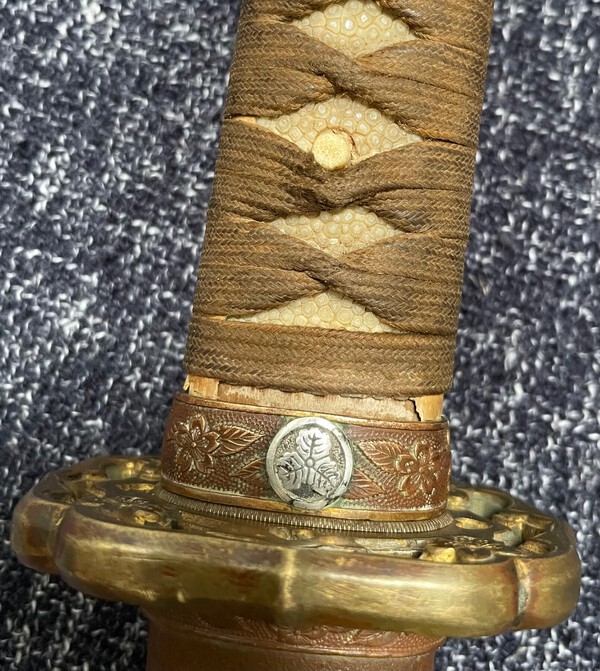
Hi Here is another one on fuchi on my first Shin Gunto. Thanks to @Lareon I know its a Kasai Three Oak leafs. Thanks Tony
 3 points
 -
Then we get accused of censoring any potential future "findings" or evidence. Nah, leave it to slowly bury itself.3 points
-
Locking threads should probably be reserved for when things totally go off the rails or get too troglodyte and troll. This thread has gotten very long at 21pgs. My personal opinion is that it has become a time sink hole. I'd appeal to the fellow members here to move onto something else.3 points
-
Dear Jedediah. This is all adding up to the same outcome really. An unsigned tanto with a pretty cautious attribution, something that the seller has failed to indicate. Add to this the koshirae is of little interest, note the fuchi is simply a metal band around the tsuka and I wouldn't be surprised to find that the fittings were very recent. So the question is, 'Why are you thinking of buying this?' If you are heading for Juyo where will this sit in your collection? All the best.2 points
-
Hi Jesse, (Seki stamp) Noshu ju Mishina Yoshikane. Made in Noshu by Mishina Yoshikane. The Seki stamp means it isn’t a traditionally made blade and was made during or just prior to WW2. Another example of this signature here (which is where I took the reading from):2 points
-
The best 'they' have. So you don't actually have it? Is it in Japan, and would you be able to ask them to submit it for NBTHK shinsa for you? If you have the patience, time and money, then sure, why not submit it to the NBTHK? If the same attribution comes back, that would make the attribution super solid. (Sometimes an unexpected result comes back, but in this case you don't think it will.) As Jussi says, you could always throw away the result if you don't like it. Ultimately 'gold standard' NBTHK papers tend to hold a little more weight amongst potential buyers, if resale is what you are worrying about. If you are confident in the blade, though, that is the most important thing.2 points
-
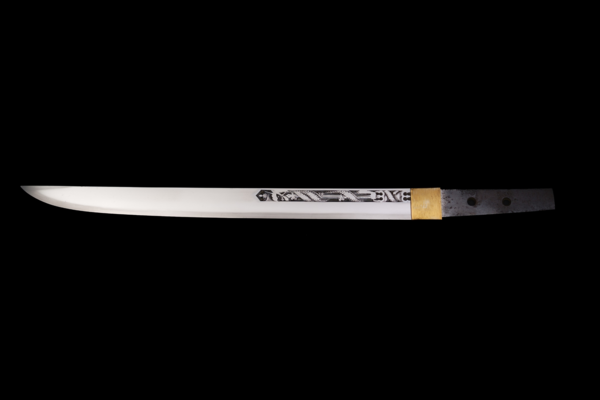
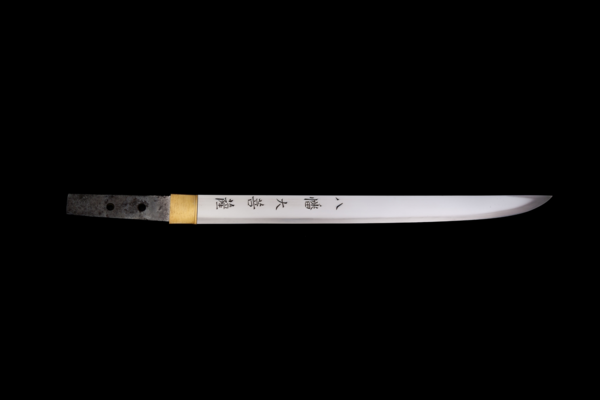
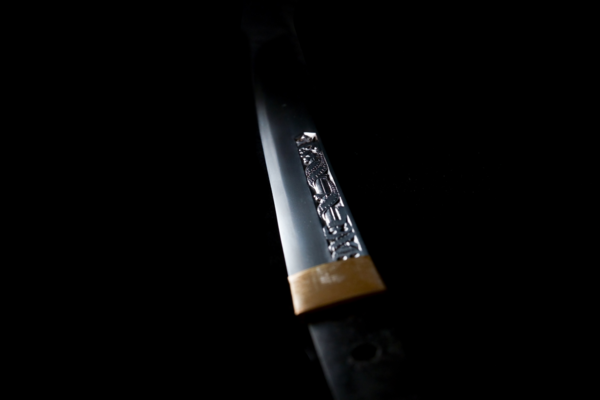
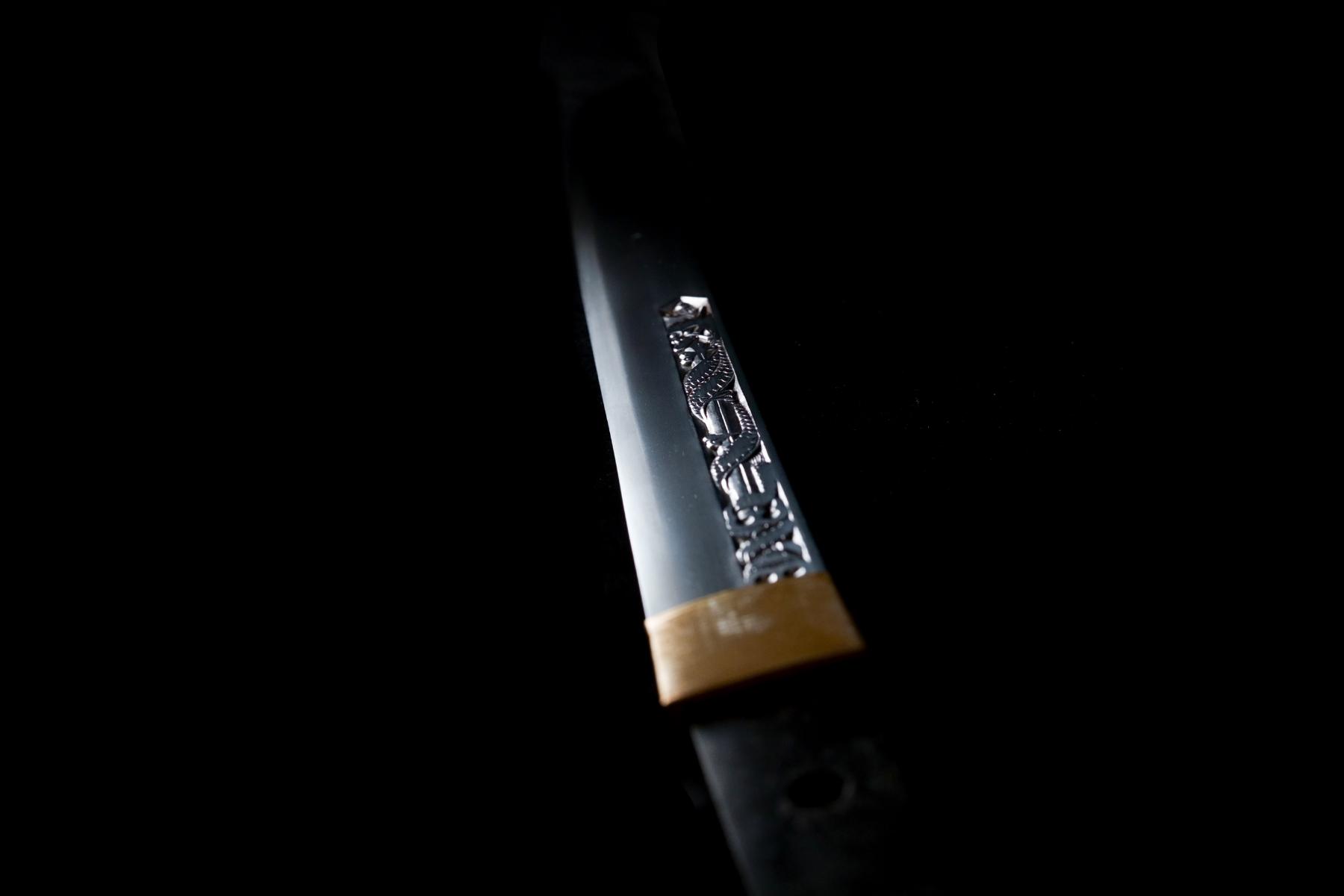
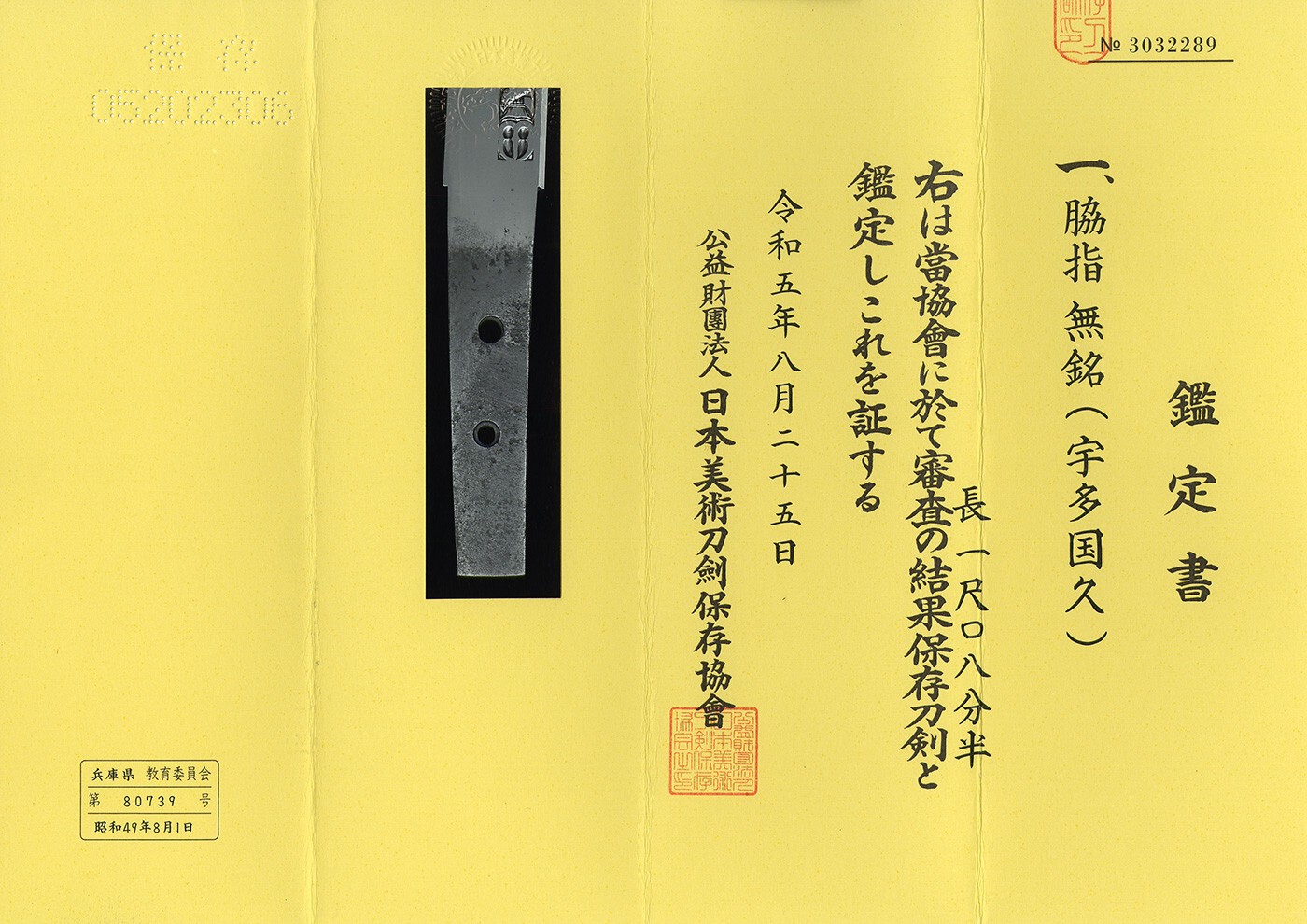
Type (Tachi, Katana, Wakizashi, Tanto, Naginata, Other) : Sunobi Tanto Mei : (Mumei, Signature) : None - attributed to Uda Kunihisa Papered or not and by whom? : NBTHK Hozon and NBTHK Tokubetsu Kicho Era/Age : Late Nanbokucho Shirasaya, Koshirae or Bare Blade? : Shirasaya + Koshirae Nagasa/Blade Length : 32.6 cm (12.83 in) Sori : 0.0 cm (0.0 in) Flaws : None Sword Location : New York, United States Will ship to : Open to anywhere that allows Payment Methods Accepted : Wire Price and Currency : $4250 USD Other Info and Full Description : Hi Fellow Collectors! I have a Sunobi tanto from the late Nanbokucho period up for sale. Comes with a full shirasaya and koshirae set, and has two NBTHK Papers. The more recent hozon papers attribute the blade to Uda Kunihisa, who is said to have been the son of Kunimune, and there were several generations of the same name from Oei to the end of the Muromachi period. The dragon and kanji horimono are intricate and well carved. Blade is in excellent condition with no flaws. You can find a full set of pictures and a verification picture with today's date and my name on it and HD images in the link here: https://drive.google.com/drive/folders/1m2Q2wJBbKIlF_5N3RHMRYZONAr5isCrP?usp=sharing Blade is located currently in the US but willing to ship anywhere that can clear customs. Send me a message with any questions or interest!, am open to any reasonable offers as well!
 1 point
 -
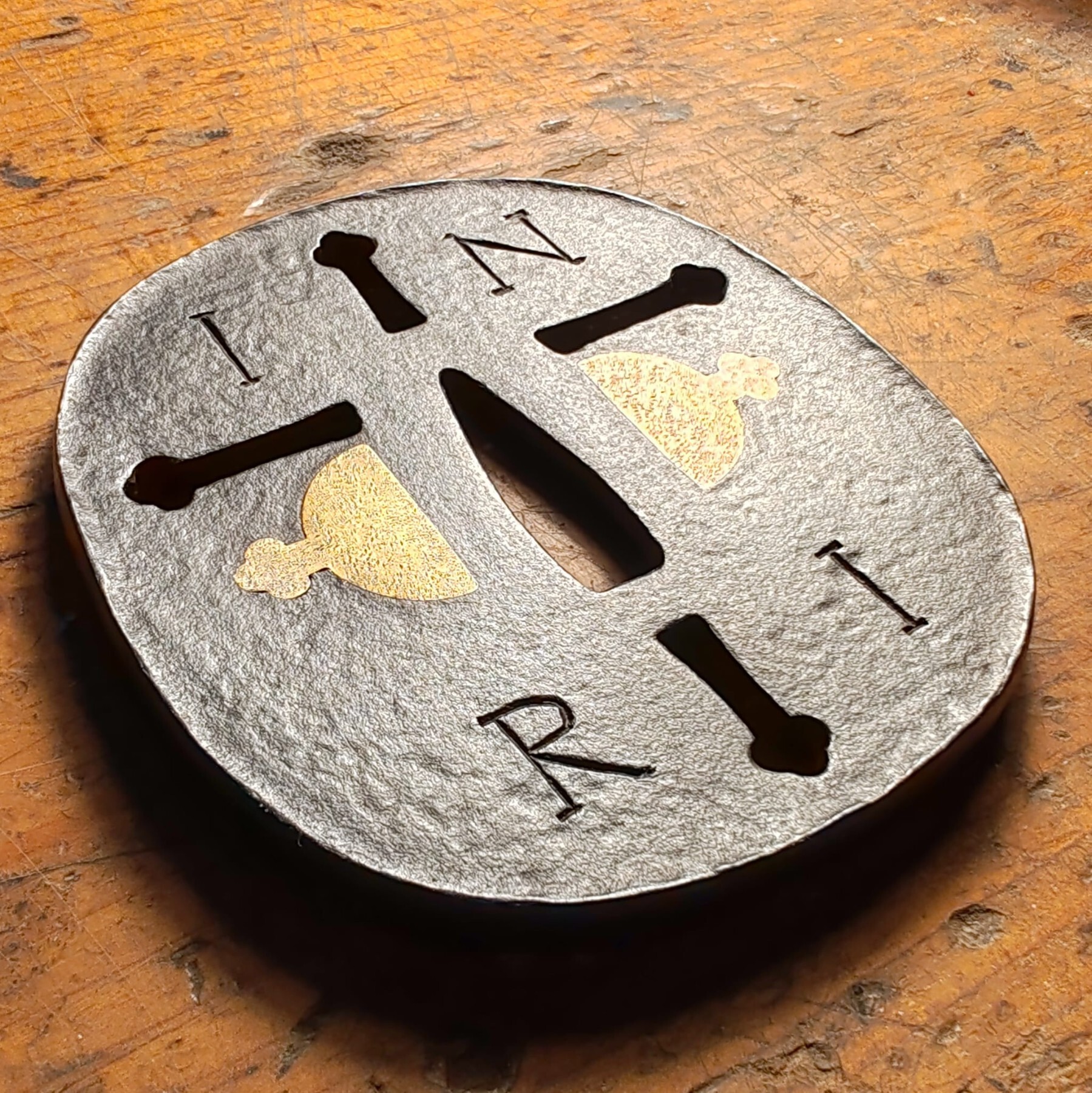
I'm proud to announce that my Kirishitan tsuba got awarded the 4th Effort Award in this year's NBTHK contest! This is an incredible reward for my hard work on improving my skills. To my knowledge i'm the only foreigner to win an award in this category for NBTHK competitions ( Ford Hallam only achieved Nyusen before moving to NBSK). My work will be featured in the catalogue and the exhibition, so please take a look if you have the chance. Following there are the pictures and a link to a video that shows the special feature of the mimi Link to the video https://drive.google.com/file/d/15HyBoEufhpyEx98n4Y9BETWOtrMtt5o6/view?usp=drive_link


 1 point
 -
Wanted to see if anyone would be interested in a PDF or image collection of volumes 10, 11, 12, 13, 16 and 17 of the Honcho Kajiko? I have these and would be willing to compile them if there is any interest. These are all oshigata volumes.
 1 point
 -
Non ragioniam di lor, ma guarda e passa...1 point
-
Kamon are used by multiple, often unrelated families. Impossible to tell who owned a sword just by looking at the mon (unless it is an extremely unique mon, but even then you would want some corroborating provenance).1 point
-
I think maybe you are confusing 堀川門, which is, as John says above, a kind of "bucket" attribution to "the school of Horikawa".1 point
-
Love the Eisho style @klee1 point
-
Jebediah, John is correct: the blade is papered to "den" Bushu Kunimasa. I see there is also a polisher listed on the origami who goes by the name Horikawa Akira. The blade is in decent condition, but as a general rule, stay away from unsigned Shinto works - even those by smiths from famous schools. They are easy to buy and extremely difficult to get rid of later. They also don't hold their value over time very well. I discovered this to my own detriment with (of all things!) a Horikawa Kunimasa katana I bought years ago. It was signed, and was a flawless masterwork, but it would never climb the ranks because it was slightly suriage. At the time, I brushed that aside. Why? In addition to being stunning, in amazing condition and 70 cm long, it also had great provenance that I could trace from the Lord of Himeji to one of his retainers in the late 1600s. But in the end, all that did not matter. The sword was not ubu and that made it mind blowingly difficult to sell when the time came to move on. I sold it at a significant loss. But like I said, that's a general rule. If you love the tanto, than that's a different story. Personally, I would pass.1 point
-
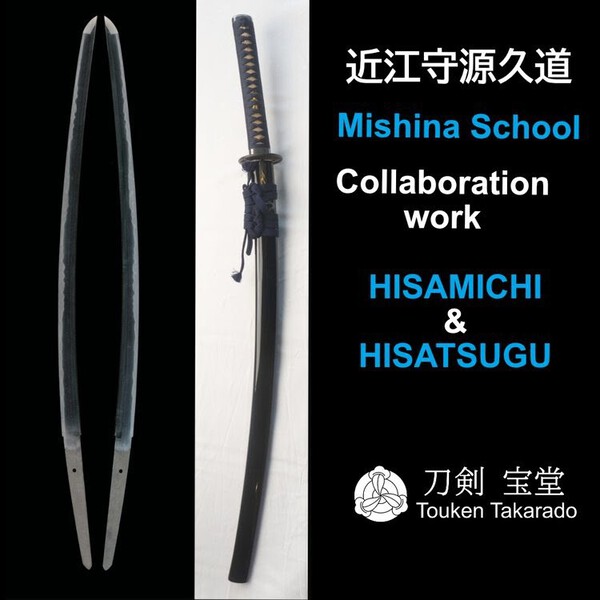
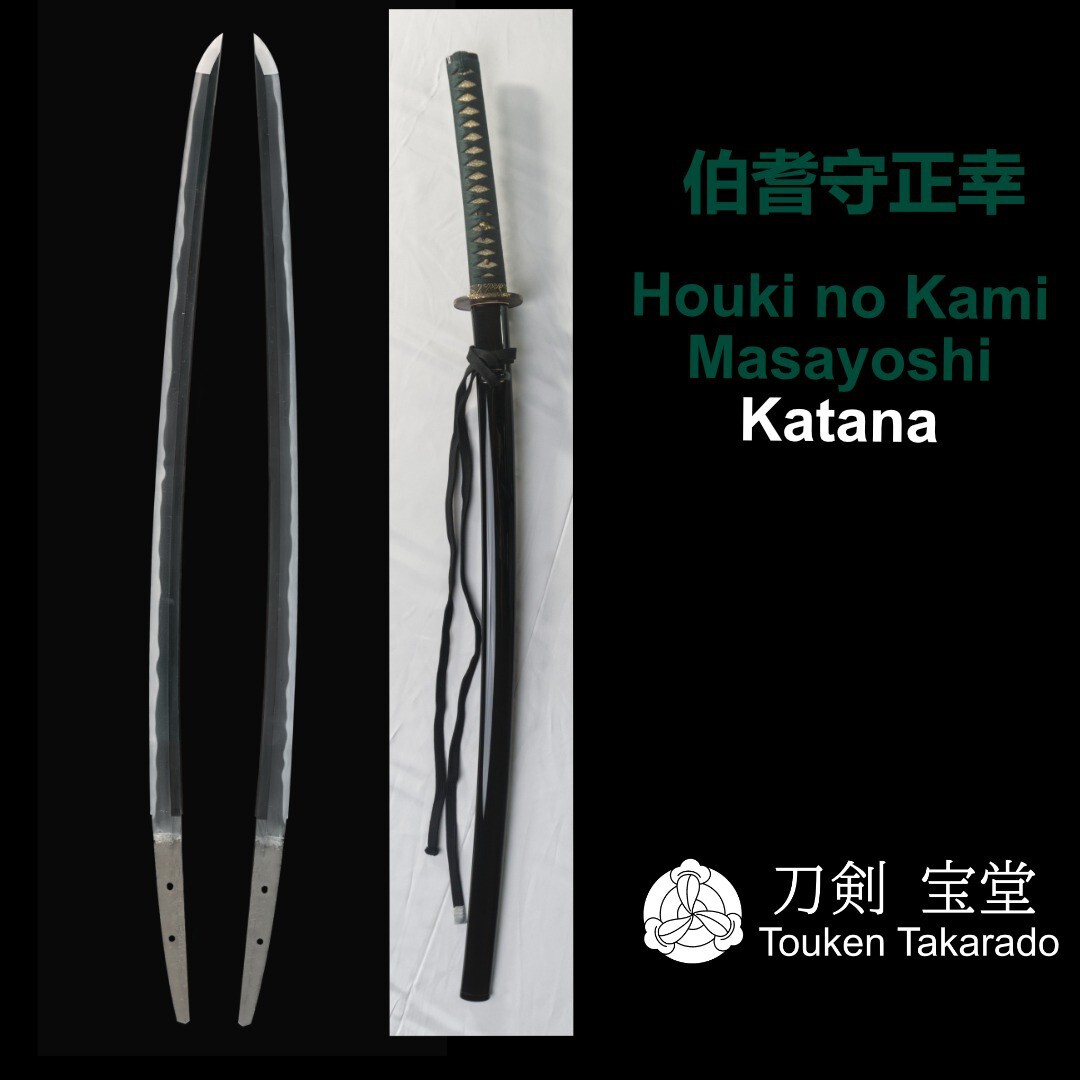
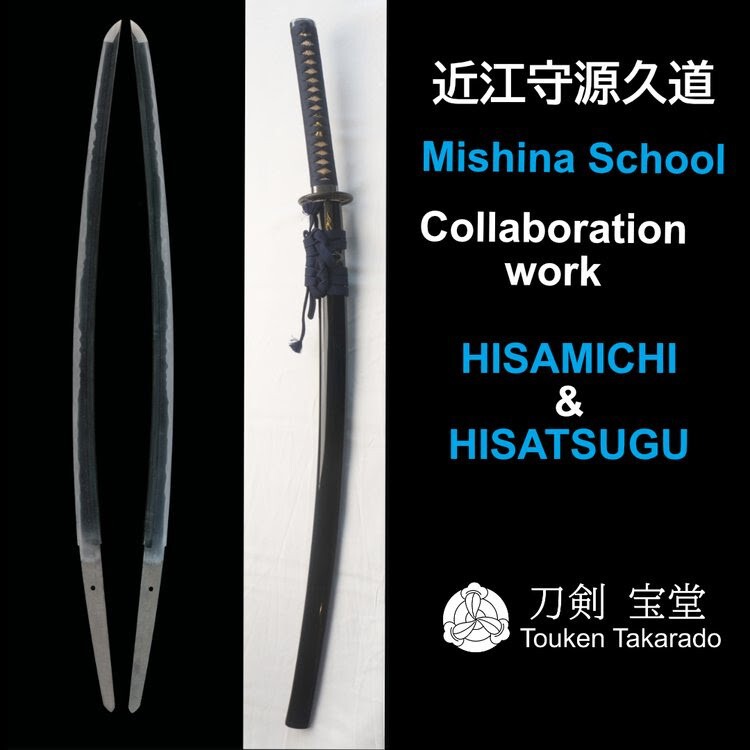
We are pleased to announce the addition of three exceptional Tokubetsu Hozon Katana to our inventory, now available for viewing on our website. Each of these swords is accompanied by elegant koshirae and reflects a unique facet of craftsmanship and tradition: A refined yet more accessible Satsuma Katana by Houki no Kami Ason Masayoshi, showcasing hallmark Satsuma traits and ideal for collectors seeking quality with value. A superb Katana by the 4th Generation Hizen Tadayoshi, representative of the dignified Hizen tradition during the Genroku era. A rare collaborative work (Gassaku) from the Mishina school, forged by Omi no Kami Hisamichi and his heir Rai Hisatsugu, blending the legacy of two generations in one blade. All three swords bear the prestigious Tokubetsu Hozon designation from the NBTHK, attesting to their historical and artistic significance. We invite you to explore these new listings and welcome any inquiries or questions you may have. www.toukentakarado.com/nihonto Warm regards, Nicholas Fu Touken Takarado


 1 point
 -
三つ柏 check out the famous Makino Daimyo family ‘Mitsu-gashiwa’ mon. https://www.google.com/search?q=牧野氏 家紋&client=safari&sca_esv=a9f1afb3224ba41e&hl=en-gb&ei=2b1baIz3IPbq1e8P9rn0gQs&oq=牧野氏 家紋&gs_lp=EhNtb2JpbGUtZ3dzLXdpei1zZXJwIhLniafph47msI_jgIDlrrbntIsyBRAAGIAEMgUQABjvBTIIEAAYgAQYogQyCBAAGIAEGKIEMggQABiABBiiBEiv3gJQqgpYuNoCcAh4AZABBJgBvgGgAYQdqgEEMS4zMLgBA8gBAPgBAZgCHKAC4RWoAgDCAgoQABiwAxjWBBhHwgILEAAYgAQYkQIYigXCAgUQLhiABMICCBAuGIAEGNQCwgINEAAYgAQYsQMYgwEYBMICChAAGIAEGLEDGATCAgcQABiABBgEwgILEAAYgAQYsQMYgwHCAgoQABiABBhDGIoFwgINEAAYgAQYsQMYQxiKBcICCBAAGIAEGLEDwgIKEAAYgAQYsQMYF8ICBxAAGIAEGBfCAg0QABiABBixAxiDARgXwgIJEAAYgAQYBBglwgIMEAAYgAQYsQMYFxgKwgIJEAAYgAQYFxgKwgIEEAAYHsICBhAAGAUYHsICBRAhGKABmAMC8QVNcKR2ViASe4gGAZAGCpIHBDYuMjKgB9Z1sgcEMC4yMrgHwhXCBwgwLjQuMjMuMcgHiAE&sclient=mobile-gws-wiz-serp1 point
-
I agree with Brian. Any summarizing might get accused of auditing / censoring.1 point
-
Also letting either side have the last word as if it were a definitive conclusion might be a bad idea - ideally one of the admins would do a post summarizing the different views and then lock it.1 point
-
You may submit it at NTHK USA for a first appreasal?1 point
-
Nazar, would be very happy to host the files. In fact, maybe I can even set up a section in the downloads section for 3D modelling files that are Nihonto related. Although we all know traditional is preferred, there are still lots of useful tsuba stands, sword stands, other tools etc that are useful in this hobby. Perhaps we can slowly start a library of them.1 point
-
In the previous post it was stated on NTHK papers Kenmu Era ( 1334-1336 ) However, according to sugata I would say a few decades younger around the Enbun/Joji1 point
-
Ah, ok, then in that case, as others have said above, go for it!!! (The wait will be exciting, and don't forget to let us know the result! )1 point
-
Yes still in Japan, i’m getting a Koshirae made and shinsa after that. Im just curious about the outcome.1 point
-
SOLD. Sent you ten bucks Brian, paypalled from me on June 131 point
-
In regards to the date, not sure what is going on with what I would guess is a ten 十. The four 二二 that follows is a variant rarely encountered. Oddities/rarities in datings Arsenal Stamps. Would appreciate your expertise please1 point
-
徳島日本刀東神鍛錬所 東神正茂作 昭和二十年五月日 Serial number 170 https://aucview.aucfan.com/yahoo/k1022131034/ @mecox1 point
-
Hi Piers Hope you are keeping well… yes a magnet does stick to it, it is iron the colour is misleading it does have a good patina. ian1 point
-
Excellent tsuba, the end result is really amazing. Hats off, Manuel1 point
-
Hello Manuel What a great job. Really amazing. Maurice1 point
-
At last. Thats the first time i have ever seen one of those hefty type of unusual tsuba on a sword.1 point
-
The two overlapping plaques remind me of those that are found on Torii at Shrine entrances…..try putting an image on the translation section. eg…
 1 point
 -
It is to be noted that there is huge variance in accepted Gassan signatures. Unfortunately I wont be able to check my resources at home until next week but I should have 40+ Gassan signatures for pre-Edo swords. I will admit off the bat I would agree that signature might not be stereotypical. However if the work looks like Gassan as it seems to look, then I dont personally see a huge issue. I like Muromachi Gassan a lot and I was lucky to see very nice Gassan tantō today.1 point
-
ahhh of course it is Piers! reminds me actually i read your post before on seeing a picture of a large navy with half of the ships Manji and half ura manji in a museum the blade in question is in the following thread, so a WW2 era gendaito but the Koshirae I'm unsure.1 point
-
Clear picture showing sugata would help a lot, but otherwise - I see nothing obviously wrong with the attribution. Weak hamon, ayasuhi hada - not too many other options are here. Nakago is ok. Not burnishing above shinogi is a choice, and often a fine one. Theoretically it is possible that with detailed photographs the signature comes out as very weird and its Muromachi (Tembun) Gassan with a gimei Gassan signature. Such things do happen - mumei from birth and then someone quickly "corrects" the omission and we have a genuine blade with a horrible writing. Another possibility it has a hagire, running off hamon or other issue the seller does not want to show. But again it is most likely Muromachi Gassan.1 point
-
Didn't want to move it from there completely, as it's a vital part of that section. But I can move threads and leave a "shadow" topic that will redirect to where it has been moved. Was going to get that done in a day or 2.1 point
-
Blade arrived today and im pretty appaled at how nice this turned out to be. I guess the auction photos were in pretty rough lighting. And the nakago does not look like it s been cleaned. No idea how it was made to look like that on the ebay pic. In beautiful polish as well. 100% not what I thought I was getting from a cheap auction


 1 point
 -
Blade overall shape. (Shapes of blades generally followed fashions down the centuries). Dale, if you can remove the hilt easily, please lay out the whole blade left to right and/or right to left for an overall balanced shot of it, including the tip of the blade and the bottom end of the nakago tang. PS When you handle it, use your fingers freely on the blackened tang, but do not touch the steel of the blade itself.1 point
-
Best to make a new post in the Nihonto section, so we can discuss the sword itself as well as the horimono. We'd need far more pics, including the nakago and blade etc. To me, it resembles one of the well known horimono done during wartime, sometimes seen on Gendaito and wartime civilian swords taken to war. But let's see more and take it from there. Edit to add: I see you have a discussion on it going here: https://www.militaria.co.za/nmb/topic/52406-can-anyone-help-identifying-this-blade1 point
-
Got off my lazy arse and actually started reading "The Honami Family" by @Markus (Markus Sesko) -published 2012. "Sen no Rikyu was visited by Oda Nobunaga.... (Nobunaga gifts Rikyu with a Masamune)" and "The sword only came in its storage shirasaya, but Rikyu wanted a full mounting..." (top of page 48). Earlier in this thread, I thought the topic was sayagaki on shirasaya . I don't know when that started, but have seen preserved sayagaki on shirasaya from late 1700s or early 1800s, kept nearly as valuable as Honami papers. So, for now, safe to say shirasaya were at least around in Oda Nobunaga and Sen no Rikyu's time. After all these years, a seemingly simple question can throw me. I have no idea when shirasaya came in to use, but it sounds they were common enough in the late Muromachi to early Momoyama period.1 point
-
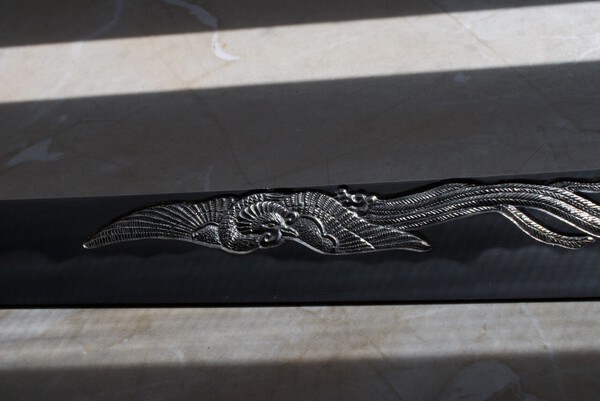
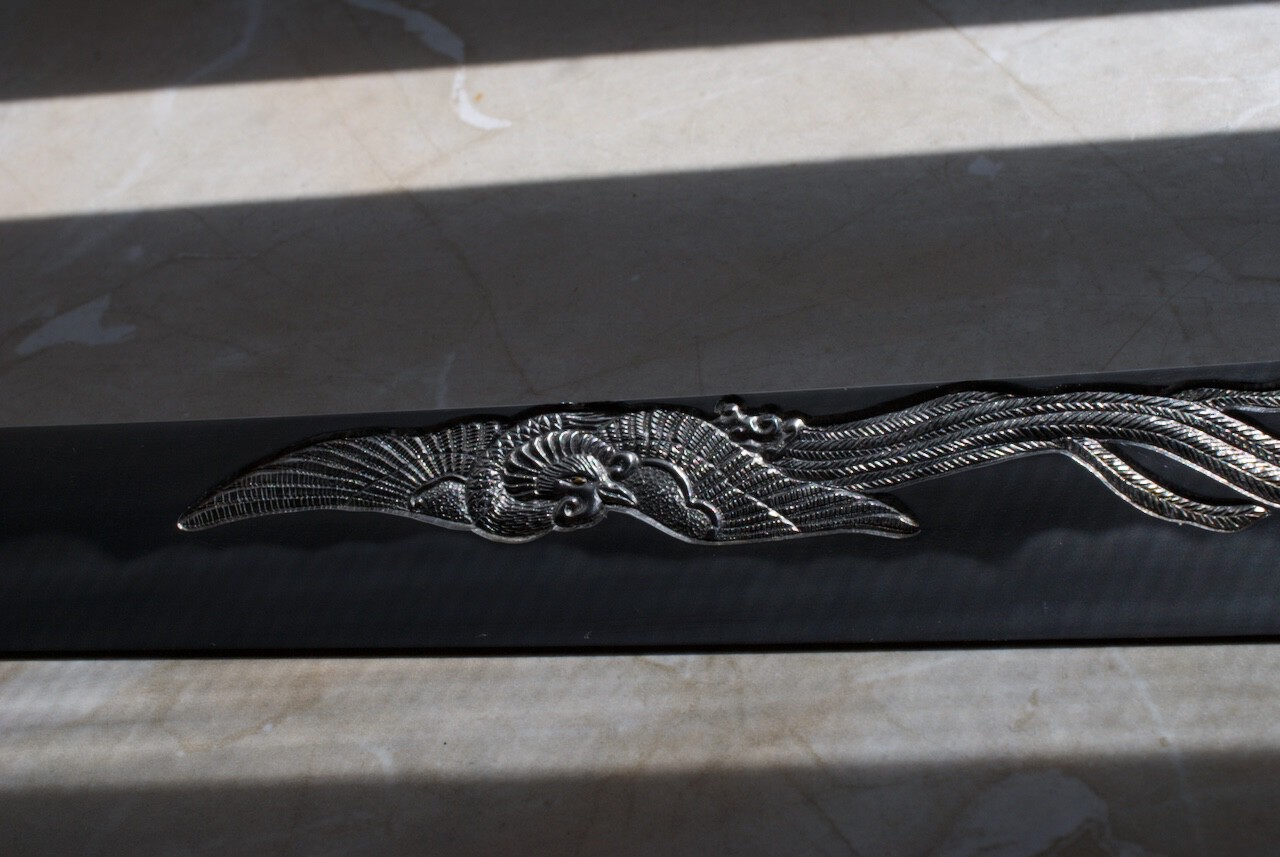
Hi, have a new sword with a horimono with a bird. Can somebody tell me which mystical Japanese bird could it be? Or maybe the meaning? Thanks Oli
.thumb.jpeg.a22536b348e9259d1c34e532157f4ea2.jpeg) 1 point
1 point -
a little better pic
 1 point
 -
some more pics

 1 point
 -
Although i've never bought them here, it might be worth taking a look https://www.metalsmithing-tools.com/shop1 point
-
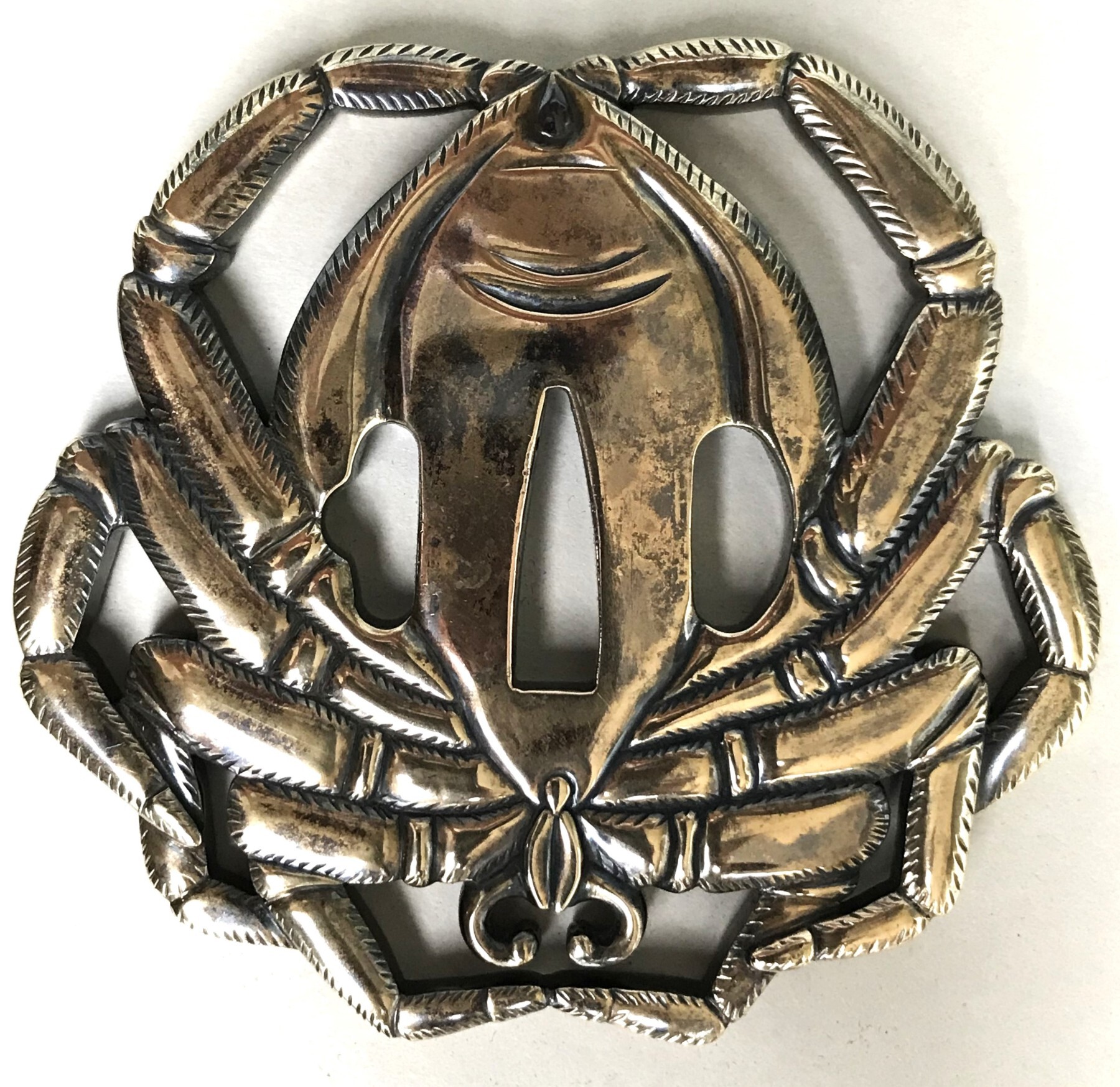
I would like to present my most recent work accomplished with help from Spartancrest who chose the design, did the research to confirm dimensions from the collection curator at the V&A museum where the original is kept and provided the Kanji so I could have a proper mei. Dale and I did some careful planning to create this Utsushi and there are some details I wish to explain that make this work uncommon. As Dale describes it The spider is a problematic design done in this manner because it is difficult to place the legs in a way that make a usable tsuba. The design is based on the Legend of Watananbe who killed a great spider. The project took about six months to complete. All of the work was done by hand using only hand tools and finishing stones The eyes and stinger are Shakudo. The original of this piece is asymmetrical I went to great effort to make my work symmetrical as a way to distinguish the piece as a copy. Funny thing is though despite all the effort my piece ended up asymmetrical as well as if fate or karma predestines this design to be that way.
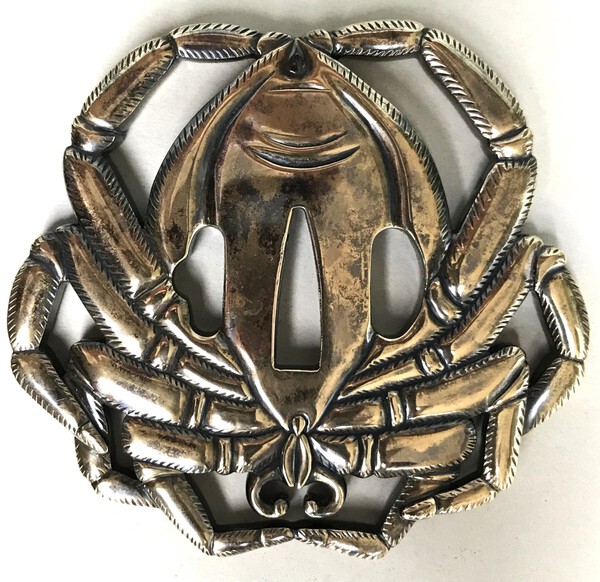
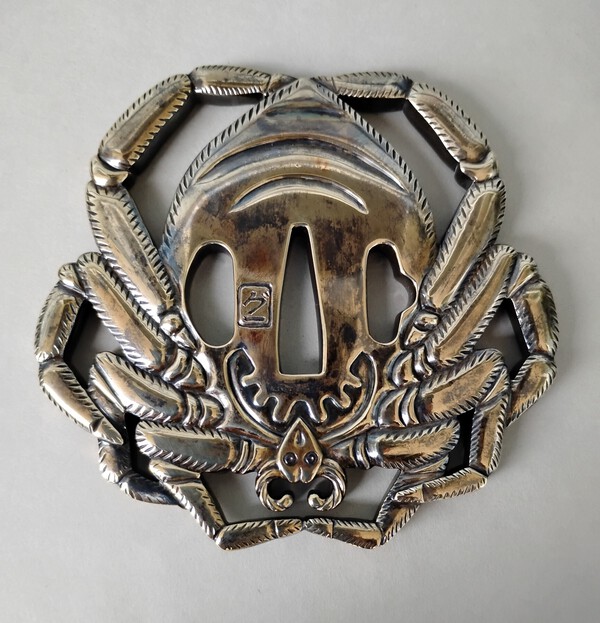 1 point
 -
A bit of trivia on this project, the jewelry saw blades I used to cut the design are WWII era German mfg. The story goes like this my friend Niel is Armenian Jewish descent. During the war his uncle Pierre a highly skilled jeweler was swept up in the Holocaust. His capturers being driven to details discovered that he was useful, pulled him from the barracks and supplied him with vast amount of tools and materials. During Pierre's incarceration he escaped five times. His work was so highly prized creating baubles for the officers they refused to shoot Pierre and would instead put him back in the workshop. After the collapse of the German military Pierre secured all the stuff and moved to New York. Niel gave a lifetime supply of Pierre's left over sawblades as a bonus for some work I did for him.1 point
-
For those people interested in the original piece from the V&A as well as another version that was found in the process of the search. [may be the daisho pair?] PS. Any help I contributed was minimal - the praise for the WORK should all go to Gustavo, who went to extraordinary measures to get the metal from the correct period and has the technical skill to see the project finished. [I only found some images which is all I am really good at.] Now there are THREE BIG SPIDERS!
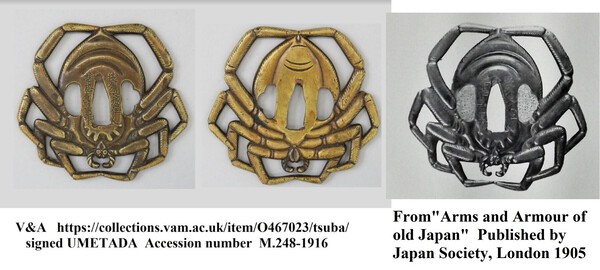 1 point
 -
In my experience, any steel oxidation (rust), whether from light white frosting to spider webs to crusty brown patches, leaves pits. Yes, that does include thin white discoloration, though in that case the pits are so small, they may not be readily visible on a poor polish. Any non-abrasive removal (vinegar, Evaporust, naval jelly, whatever) will take away the rust, but leave the pits. Even reverse electrolytic process will leave some pitting (yes, it will convert iron oxides back into metallic iron, but it all won't be in the same place in which it started). Very light pitting as from white frosting may possibly be removed by some heavy duty uchiko work, though this amount of effort will partially erase the yokote if applied there. There isn't any way around it, rust=pitting, and the only way to completely correct it optically is by use of abrasives. My opinion, not looking for a flame war or pissing contest, YMMV.1 point
-
Hi Bruce, I've had mild success on a similarly out-of-shape blade with alcohol, oil, and some patience. After a thorough wipe-down with isopropyl and a microfiber cloth. I then apply a generous amount of pure clear mineral oil. I then cover the blade with 1 layer of saran wrap, so the generous amount of oil stays in contact with the blade, and the problem-areas. Then I let it sit overnight. Be careful to angle/prop the blade, so oil does NOT drip down onto the nakago, but rather drips toward the kissaki. A day later, I remove the saran wrap, and wipe the blade with microfiber cloth. I then apply oil to the problem areas, and very gently wipe clean until nothing "comes up" onto the microfiber. Obviously this is no substitution for a polish from a trained togishi. BUT it has worked for me to remove some gunk and active rust. I've heard of people doing this method, and also using a piece of horn or bone to "scrape" away at the corrosion, but i've always been too afraid to try that method. I'll be following along with this thread to see what others have to say. If this method brings up any red-flags to anyone, I am all ears and here to learn! Cheers, -Sam1 point




















.jpeg.a38eb0913cf074798e215c0ec0340624.jpeg)




This leaderboard is set to Johannesburg/GMT+02:00