
Leaderboard

Popular Content
Showing content with the highest reputation on 03/28/2023 in all areas
-
My eulogy was supposed to have been posted to the website for the Kokusai Nihon Katchu Bugu Shinko Kyokai. Unfortunately, the person in charge of the administration was not doing his job, and our previous site has come under hostile control. The dangers of trusting people with such responsibilities. What most people don't know is that it is frowned upon to make such announcements without permission from the family for at least 45 days of the passing. I will be visiting his grave in the next week as it is the proper time to do so. No replies are necessary. If you choose to read thank you. The eulogy: My name is Andrew Mancabelli I work under the name Miura Anjin . This name was given to me by my teacher, Miura Hiromichi (sometimes referred to as Miura Kouhou), a Japanese armor maker, with ancestry of the Miura peninsula. I am his successor. His teacher was Morita Asajiro, a craftsman who was born of and studied under samurai artisans who could trace their art back to the Edo period. He is survived by two sons with their spouses and two grand sons and a grand daughter. Miura sensei was born in June 1938 and passed away shortly after his 84th birthday July 2022. He was a designated intangible cultural property of the greater Tokyo area, Itabashi Ward. The only armor maker to hold such a Title. I spent half of my adult life in close proximity to Miura Hiromichi as his understudy and during that time I probably knew him better than anybody. There was not a more loyal person to him than myself. Japanese relationships are a very complex thing and difficult to understand especially for a foreigner. Most foreigners who spend time in Japan never really understand how they are viewed by Japanese people, or even by those who they assume to have developed an intimate relationship with. I had enough fights, sit downs and cry-throughs with my teacher to be able to say that I did have a deep/intimate connection akin to family. The way he treated me on many occasions reminded me of how my own father treated me growing up. I say this because I knew Miura Hiromichi intimately, his ins and outs and his difficult points. Rather than write a bunch of generic facts that are commonly known about him, or the circumstances surrounding his death for an obituary, I think it would be better to share some stories that most people DONT know about him as a “eulogy” to paint a fuller picture of who he was in the greater context of the world and leave a more personalized version of his character while he was alive. This is what I would want done for me upon my death, and I think that he would appreciate it. Some are stories he told me and some are stories that I witnessed first hand. Miura sensei was a very handsome man in his youth. He loved movies and Hollywood and actually tried out for a movie in Japan. In those days they chose actors based on appearance. He showed up with 300 other young guys. They divided them into groups based on how handsome they were and slowly made the cuts narrowing it down to the cream. he made it to the last three. They took his phone number but in those days his family only had one phone and if you missed the call, you lost the role. He always said that he must have missed the call or somebody was on the phone when they called. Incidentally the guy who got the role became very famous. I remember when we did a TV show with Kayama Yuzo (famous for Sanjuro, Akahige, etc.) Miura sensei told him the story. (At that point i heard it a million times) Yuzo said jokingly that Kurosawa told him to be a singer because his acting was no good. Anyway it turned out to be very good advice. He was born the year of the tiger 1938 and died the year of the tiger 2022 shortly after his birthday making a perfect full circle. People say that a tiger leads a generally solitary life and has a ferocious temper. Though he occasionally liked to party, Id say it is relatively accurate. I’m pretty much the same and it’s probably why we understood each other. He had two police medals. Miura sensei once stopped a robbery and on another occasion stopped an assault. In each case, he helped the police to apprehend the criminals and was awarded a special medal for his service both times. Mainoumi the famous sumo wrestler broke his stool. When Mainoumi visited for a TV interview, he spied the Edo period campaign stool in his house and asked if he could sit on it. Miura sensei said yes its strong go ahead. The leather broke and he fell flat on his butt. It was the one time he didn’t get angry for somebody breaking his things. He was friends with emperor Akihito. There was a little seen photograph in his living room of he and his wife with the emperor. It is very rare because the royal family as a rule does not sign signatures or allow photography. However, miura sensei’s son Nagato attended Gakushuin University and became best friends with Akihito’s second son. They played on the same softball team together and during the matches they would converse. Miura sensei always said the emperor came over to make conversation because his wife was so beautiful and he wanted to talk to her. He knew Yukio Mishima. In the 1960s Mishima would attend the annual re-enactment festival. He was often making the rounds between Traditional cultural activities and craftsmen. At the re-enactments, Miura sensei carried his helmet and dressed him in his armor. He once told me; “I always knew there was something wrong with that guy. Japanese people’s eyes curve down like this, but Mishima’s eyes went up like this!” He had a fiery temper. There are few who know that better than myself but the funniest episode was when Takada Nobuhiko (the pro wrestler) did a show with us. Miura sensei blew up over something and Takada san immediately stood at attention. Then afterward Takada san turned to me and said “That old guy is scary isn’t he?” I answered “You get used to it.” He also yelled at several Television stations crews and kicked one out of his house. They still came back. Usually with beer and sake. Though there were a few people who visited from time to time, he only had one deshi (understudy). He said the longest anybody lasted (aside from myself) was a couple weeks. (He was very critical and harsh in his standards) Before becoming an elementary school teacher, his second son helped with some projects, but he only had one deshi that he gave dokuritsu (“freedom”- an artisans right of passage) his named successor, Andrew Mancabelli, or as he called me “Anjin”(he couldnt pronounce my name properly) he said that I should use the name Miura Anjin and gave me permission to use his family name. Miura Anjin koubo is the living legacy and the name of my company. Though he worked and became famous for Japanese armor, he was very interested in western armor as well. He thought about being a western armor maker but his older brother Shigetoshi beat him to the punch and so he became a Japanese armor maker. He never stopped his adoration for western armor and kept a small collection. He hated crowded trains and attributed his inspiration to work from home to the crowded commutes into inner Tokyo which he despised. He was in the Japan self defense forces. Once when we participated in shooting matchlocks, he boasted about his training with the M-Garand in the self defense forces when he was younger. However, when he shot his first matchlock, he was so surprised by the smoke/explosion , that he dropped the gun and ran away with the match still attached to his wrist. He never shot a matchlock again. Incidentally, the same day one of the other participants nearly shot himself in the head. Luckily the bullet only went into the roof of the range. He could be in the guiness book of records for completed armor life works. In his lifetime he completed between 30-40 solid works. Most people dont understand that a yoroi can take years to finish and smaller projects can take many months. The parts and materials are difficult to find and extremely costly without a sponsor. He he likely produced the most o-yoroi of any armorer since the Muromachi period. He was uncompromising. He was known for walking out of a restaurant after one bite of food if he thought it was not up to snuff. His sons told me that once when they were very hungry, right before they got the food in their mouths, he said “Its no good! Dont eat it! Lets go!” And they left(he actually paid the bill but left the food). This same level of scrutiny was held to his own work and like me, he was a perfectionist. He paid extra for the best materials. His words to me were that there were “No Shortcuts”. I live by those words. He loved western culture. Especially American movies. In his latter years when he couldn’t leave his home, we would watch some classics such as quo vadis, ben hur, shane, etc. and he could even sing a broken version of several western movie themes that he tried to teach me. He had a Cowboy hat that hung on his wall, and when we were on a trip in Dallas, Ann Barbier-Mueller took him to a western store. He wanted the southern grey infantry hat which he wore from then all the way home. You should have seen the looks he got. People couldn’t figure it out the Japanese guy in the rebel hat. Ann also bought him an extra large size holster which he adjusted to his size once back in Japan. I always wondered if he put it on when nobody was looking and practiced drawing. He loved the knights of the round table, and the era of chivalry. I can’t help but think that if he could choose a time and place to be reborn it would be medieval Europe as a knight. He never had a mobile phone. He didn’t really need one as he spent most of his time at home working, and his customers contacted or visited him. I can’t really imagine him having used a cell phone actually. He loved his wife very much. He often told me about her. When I first met him, he was in a very bad place. He had all but stopped making armor and I can’t help but feel his depression was due to the tragic loss of his wife. He credited his success to her as she was the bread winner for the family as a piano teacher until he got himself established. She was very patient. After he started teaching me he came out of his slump and produced the last series of work in his life which was a group of helmets based on various insects that he liked. One thing that most people can’t imagine is that my teacher took a lot of criticism for teaching a foreigner. Certain people constantly attacked me and my character without even knowing me simply because I wasn’t born Japanese. Some so called friends stole his materials or manipulated him to sell them to prevent me from getting them, and some even claimed that they made it themselves. It hurt me that he was not able to stand up for me due to the racist politics in the community, but the fact that he taught me and named me his successor speaks more than words. And regards to the taken items: he told me that I didn’t really need them because I was capable of making and doing them myself and the people who took them were NOT capable. And that I was entrusted with what was important: his knowledge and legacy. I have enshrined what I could of his material culture in my library and have made it available to researchers or aspiring craftsmen. These stories are just a few stories of my life with my teacher. If anyone would like to hear more, I’ll be would happy to tell more in person. I just hope that I have helped the people who were interested in his life to know more sides of him. I know that when somebody passes, people may try to use their death for political purpose. I know that he would have liked to greet his friends who he knew and respected once more. And the rest…. he would have said that he didn’t care to hear their opinions at all; be they good or bad. Japanese Version: 三浦先生へのユーロジー 現在、三浦按針の襲名で活躍しております、アンドリュー・マンカベリーです。この襲名は、恩師であり、甲冑師であり、三浦半島に祖先を持つと言われる、三浦公法氏から受け継ぎました。私は彼の後継者であります。 彼の師匠、森田朝次郎氏は、江戸時代まで遡る侍職人から学んだ甲冑師であります。 三浦先生の遺族は二人の息子さんとその妻、二人の孫息子と孫娘一人です。 1938年六月生まれ、2022年七月、84歳の誕生日後まもなく亡くなりました。 甲冑師としては大変稀である、東京都板橋区無形文化財に指定されています。 私は、人生の半分を三浦先生の弟子として過ごし、彼の一番の理解者であり、とても忠実な弟子でありました。日本においての人間関係は、外国人にとって大変理解しがたいものであります。日本での滞在経験が豊富であり、日本人と親しい関係にある外国人であっても大変難しいものです。私は、三浦先生と度々口論し、時には涙を流すときもありましたが、私にとっては家族のような存在でした。三浦先生の私に対する態度は、私自身の父親を思い出させるようなものでした。私は、三浦先生の良い日も悪い日も知っています。彼の弔辞に書かれている様な一般的に知られている三浦先生ではなく、ここでは、私自身の経験と、他にはあまり知られていない三浦先生について語りたいと思います。私があの世に逝った後は、こうありたい様に、三浦先生もきっと喜ぶはずです。一部のストーリーは三浦先生が語ったものであり、また一部は私自身が経験したものです。 1. 若き頃、三浦先生は非常にハンサムな方でした。映画、特にハリウッド映画が大好きで、かつて、日本の映画のオーディションを受けたそうです。彼の若き時代は、俳優は才能や経験よりも容姿の良さで選ばれていたそうです。そのオーディションには300人ほどの若い男性が集まったそうです。彼らは容姿の良さで分類され、最終段階まで絞れらていきました。三浦先生はなんとファイナル3まで残ったそうです。最終選考にて選ばれた男性は電話があるということでしたが、昔は携帯電話など無く、家庭に電話一つという時代であり、取り損ねると役を失うといった時代でした。三浦先生は、映画会社からの電話を取り損ねたか、家族の誰かが電話を取ったために役を逃したと、常に信じていました。偶然にも、そのオーディションで最終選考にて選ばれた男性は、後に有名な俳優になったそうです。俳優の加山雄三さんとTV 出演した際に、三浦先生が、自身のオーディション経験を彼に語っていたこと今でも覚えています(この時点では私は何百回も聞いていました)。雄三さんは、黒澤明監督から、役者としてあまり良くないから歌手になれと言われたエピソードをジョーク交じりに話していました。結果的に彼に取ってとても良いアドバイスとなったそうです。 2. 三浦先生は1938年虎年に生まれ、2022年寅年、誕生日のすぐ後に亡くなりました。寅年生まれは孤独を好み、かんしゃく持ちであると聞きました。割合に的確だと思いますが、時折、宴会好きでした。私も良く似た性格の持ち主なので、彼と気があったのだと思います。 3. 三浦先生は二つのメダルを警察から授与されています。一度目は、強盗を阻止し、二度目は暴行を阻止したそうです。事件の後も警察に協力し、犯人の逮捕につながったので、特別なメダルを警察から授与されました。 4. かの有名な相撲力士、舞の海関が三浦先生の腰掛を壊しました。舞の海関が三浦先生へのインタビューの際に自宅を訪れた際に、彼は、江戸時代の陣床几を目にし、座っていいかと尋ねたところ、三浦先生がいいですよと言って、舞の海関が座った途端に革が切れて、お尻からばったりと倒れたそうです。この時だけが、美術品を壊されても激怒しなかった唯一の出来事でした。 5. 三浦先生は天皇陛下明仁と親しい仲でした。三浦先生の居間には、彼と、彼の奥さんと、明仁天皇が一緒に写っている写真が飾られてありました。一般の人と写真を撮ったり、サインしたりということは皇室のルールでは認められていないので、その写真は非常に貴重なものであります。三浦先生の息子さんが、明仁天皇の次男である秋篠宮と学習院大学での友人であったそうで、彼らのソフトボールの試合では三浦先生は天皇陛下明仁とお話しすることがあったそうです。三浦先生の奥さんは大変美人な方だったので、天皇陛下自らがお話にきたと、三浦先生はいつも誇らしげに当時の出来事を振り返っていました。 6. 三浦先生は三島由紀夫と面識がありました。1960年代、三島由紀夫は、例年行われていた、日本の伝統芸能や職人に関わる時代祭に度々参加していたとは、よく知られていました。三浦先生はそれらの時代祭にて、三島由紀夫の兜を運び、彼の甲冑着用の手助けを行っていました。三浦先生は、当時の三島由紀夫に対し、 “やっぱりアイツは何か違う、おかしかった。普通の日本人の目はこっちによるでしょう(指で目尻を下げて)、でも、アイツの目は(目尻を上げて)こうなってた!” と、振り返っていました。 7. 三浦先生は、時に激しい気性の持ち主でもありました。それを知っているのは私を含めてわずかしかいませんでしたが、そんな中での面白いエピソードとして、プロレスラーの高田延彦さんとテレビ撮影を行った時でした。三浦先生が何らかの理由で激怒した際に、高田さんは困惑した様子で私に、“あの爺さん、怖いね”とこぼしていました。私は何気無しに“慣れてきますよ”と答えました。 さらに三浦先生はテレビ局のスタッフを怒鳴りつけ、その上スタッフの一人を家から追い出しました。 そんな仕打ちにもかかわらず、彼らはその後も多数のテレビ番組のために戻って来ています。ご機嫌とりとして、ビールとお酒を持って来るのが通例となりました。 8.三浦先生に学ぶため数々の生徒が訪れたものの、最終的に彼の弟子となった者は一人しかいませんでした。(私を除く)一番長くもった生徒は二週間だったそうです。三浦先生は職に関しては、弟子であろうが自身であろうが、大変批判的で厳しい方でした。三浦先生の次男が小学校の先生になる前に、三浦先生の仕事を手伝っていた時期もあったそうですが。しかしながら、三浦先生から最後に独立(職人の通過儀礼)を与えられ、後継者として認められた弟子は私、アンドリュー・マンカベリーだけであります。現在私の職人名である三浦按針の名は、三浦先生自らが、自身の三浦姓と私の名を組み合わせ、私の弟子として最後の日に与えられたものです。三浦先生は私の名前、アンディーを正しく発音できなかったため、私は彼からいつも“アンジ”と呼ばれていました。三浦按針工房は現在私の職場であり、彼のレガシーでもあります。 9. 三浦先生は日本甲冑師として名を馳せることになりましたが、実は西洋甲冑にも大変関心がありました。西洋甲冑師を志してみたものの、兄である三浦權利(しげとし)氏に先を取られ、日本甲冑の道に進むことになりました。その後も西洋甲冑への愛着は生涯続き、小さいながらも西洋甲冑コレクションを楽しんでいました。 10. 三浦先生は、満員電車が大の苦手で、東京首都圏への通勤をひどく嫌っていたことが、将来自宅で働きたいという決断に至ったそうです。 11. 三浦先生は自衛隊に所属していました。数年前、火縄銃射撃に参加した際に、若き頃自衛隊で行ったM1ガーランドの訓練を皆に自慢していました。しかし、彼が、最初 に火縄銃を撃った際に、あまりの力強さと煙に驚愕し、火縄銃を落とし、火縄が彼の手首に巻かれた状態にあったにも関わらず走り去ってしまいした。その以後、三浦先生が火縄銃に触ることはありませんでした。同じ日に、他の参加者が自身の頭に向かって発射してしまったそうで、幸いにも弾丸は 屋根の高さ程までしか飛ばなかったそうです。 12. 三浦先生が生涯に制作した甲冑の数は、ギネスブックにのるべきほどの数でありました。私の知っている限り、彼が生涯の制作した甲冑の数は、30〜40領でした。 鎧製作には数年、小さな部品には数ヶ月かかるということを大抵の人達は、知りません。様々な部品および材料を調達することは、スポンサー無しでは非常に困難で費用がかかるという事実を皆さんに知って頂きたいです。そのようななかで、複数の甲冑を完成させた甲冑師は、室町時代以来、三浦先生だけであると思います。 13. 三浦先生は、全く妥協しない、頑固な人でした。レストランで、彼の注文した料理が彼の口に一口でも合わなかった場合は、出ていくという頑なさ知られていました。三浦先生の息子さんの思い出では、レストランにて大変空腹だったにも関わらず、彼らが注文した料理を口にする前に、三浦先生が “まずい、ダメダメダメ、食べるな! 行こう!” と言って店を後にすることが度々あったそうです。(料理に手をつけないにも関わらず、勘定はいつも払っていたそうです) 。これらの出来事からも理解できるように、三浦先生の完璧主義は自身の職人業にも、弟子へも要求されました。私自身も妥協知らずの完璧主義者なので、彼は素晴らしい師匠でした。三浦先生は、最上級の原料や素材には惜しみなく代金を払っていました。彼のいつもの口癖は“近道はないよ!”でした。この口癖は、私の人生の指針でもあります。 14. 三浦先生は、西洋文化、ウエスタン、特にアメリカ映画が大好きでした。晩年、三浦先生が外に出ることが億劫になっていた頃、クォ・ヴァディス(Quo Vadis)、シェーン(Shane)、ベン・ハーなどのクラッシック映画をよく一緒に見ていました。数々のウエスタン映画のテーマソングを途切れ途切れにも歌うことができ、私も教わりました。 15. 三浦先生の壁には、アメリカ、ダラス滞在中、アン・バービエ・ミューラーさんに案内して頂いたウエスタンストアにて購入したカウボーイハットが飾られてありました。三浦先生は、南北戦争中、南軍兵士が被っていた灰色の帽子がとても気に入り、ダラスの空港から日本に到着するまでの間、ずっと被っていました。その姿はとても滑稽で、米南部兵の帽子をかぶった日本の老人を周りの人々が不思議に眺めていました。さらに アンさんからプレゼントされたXL サイズのホルスターを、日本に帰国後、自身のサイズに仕立て直していました。誰も見ていないところでピストルを抜く練習をしていたのかもしれません。 16. 三浦先生は、アーサー王物語、円卓の騎士、騎士道をこよなく尊敬していました。もし生まれ変わったら、彼はきっと中世ヨーロッパの騎士として生まれ変わることを望むでしょう。 17. 三浦先生は生涯、携帯電話を持っていませんでした。自宅で働き、外に出ることがほとんどなく、顧客は彼に直接連絡し、訪問していたので、ほぼ全く必要なかったようです。とは言っても、彼が携帯電話を使っている姿は私には想像できません。 18. 三浦先生は、今は亡き奥さんをこの上なく愛していました。いつも彼女のことを話してくれました。私が三浦先生と最初に出会った頃、彼は心身ともに良い状態ではありませんでした。彼はその頃、既に甲冑作りから離れていました。最愛の奥さんが亡くなって生きる気力を無くしてしまったのでしょう。三浦先生は、自身の甲冑師としての成功は彼女の手柄であるといつも私に語っていました。彼女はピアノの先生として、三浦先生が独立するまで家計を支えていたそうです。大変辛抱強い方のようでした。私が彼の弟子となり、修行が始まると、彼の甲冑作りへの情熱が舞い戻ったようです。その後は、 彼の最後の集大成となる、彼の好みの昆虫をモチーフとした数々の兜を精力的に製作していました。 あまり知られていない事実として、三浦先生は、外人を弟子にとったことにかなり周りから酷評を受けていたことです。私が日本で生まれ育った日本人ではない外人という理由で、他人だけではなく、知人からも、私と三浦先生への非難は絶えることがなかったです。三浦先生の友人を名乗る人々が、彼の作品が私の手に渡らないよう、彼をごまかして低価格で彼の作品を購入したり 、彼の作品を盗用盗作し自らの作品だと言い張ったりと、やりたい放題している様を見てきました。排他的で人種差別的である甲冑職人の環境に立ち向かうことが出来ず、私へ対する批判に表向きに立ち向かうことが出来なかった時が度々あり、思い出す度に心が痛みます。しかし、三浦先生が私を弟子として受け入れ、一人前の甲冑師になる為に時間と知識を費やし、最後には彼の後継者と認めてくれたという事実は、どんな言葉や約束よりも意味深いものであります。 先にふれました、三浦先生の盗用、盗作された作品につきましては、三浦先生曰く、彼らのような職人には自ら立派な作品を製作する能力がないのでこういう悪事を働くのだということです。私には自分で立派な作品を生み出す技術があるのだから、あまり気にするなと言ってくれました。三浦先生の知識とレガシーを受け継ぎ、甲冑師をして良い仕事をしてゆくことが、私が後継者として委ねられた任務です。甲冑研究者、および将来の職人希望の方々の研究目的ために、私のライブラリーには、三浦先生が残した数々の遺品を祀ってあります。 これらのストーリーは、私が恩師と過ごした人生での、ほんの一部の逸話であります。もしよければ、その他のエピソードを別の機会に喜んでお話しさせて頂きます。このユーロジーが、多く人々に、あまり知られていない三浦先生の一面を紹介し、彼の功績を知っていただく機会になればと願っています。三浦先生は、きっともう一度、敬愛する同志に最後の挨拶をしたかったはずです。その他の三浦先生があまりよく思ってなかった人々に対して、良し悪しに関わらず、彼らの意見などどうでもいいというでしょう。7 points
-
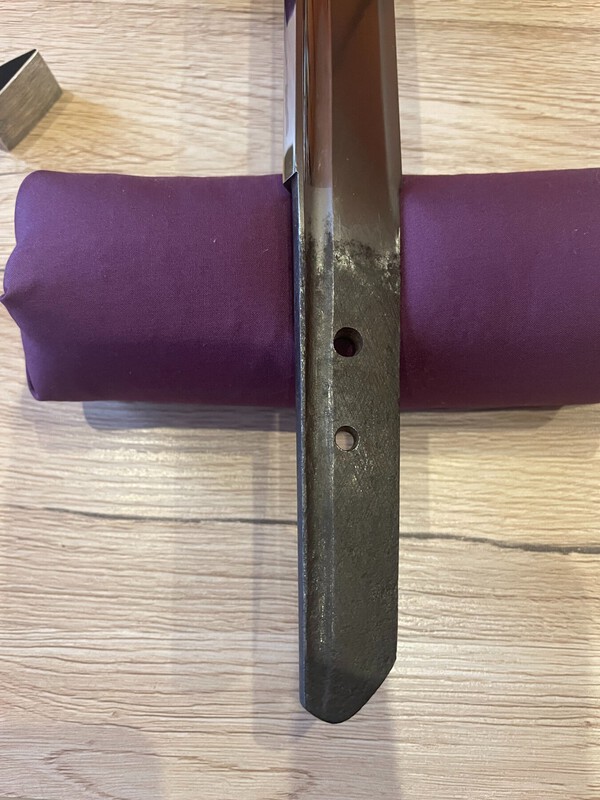
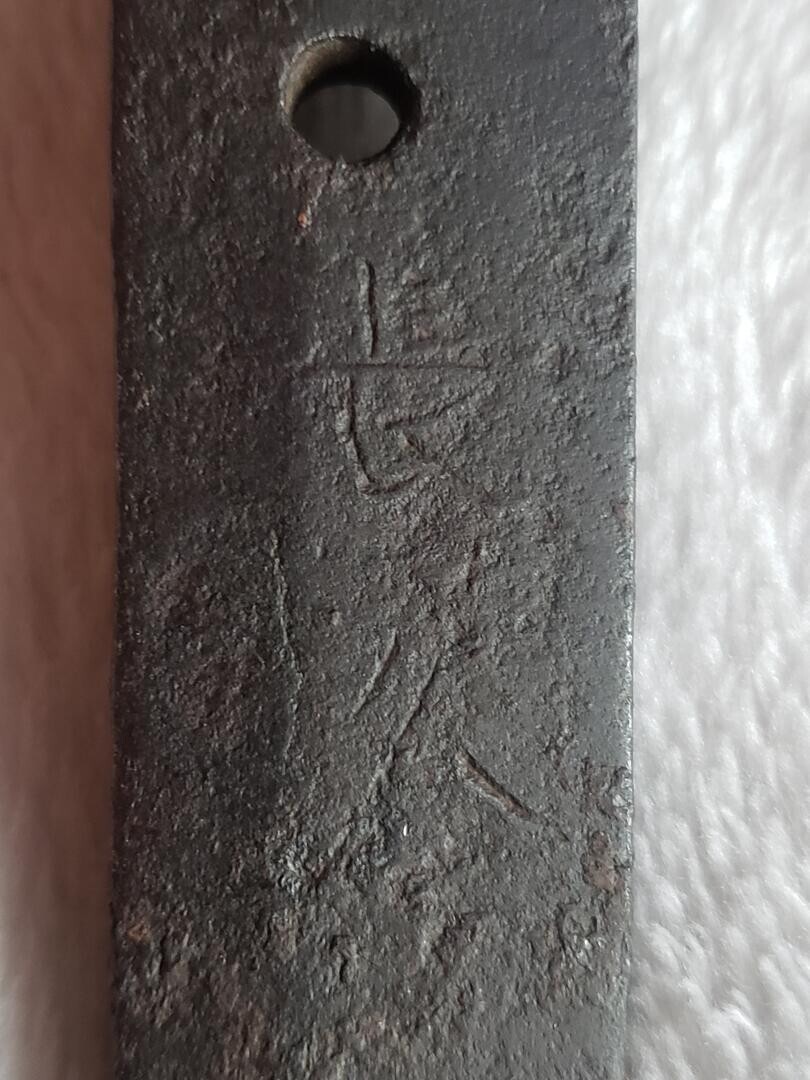
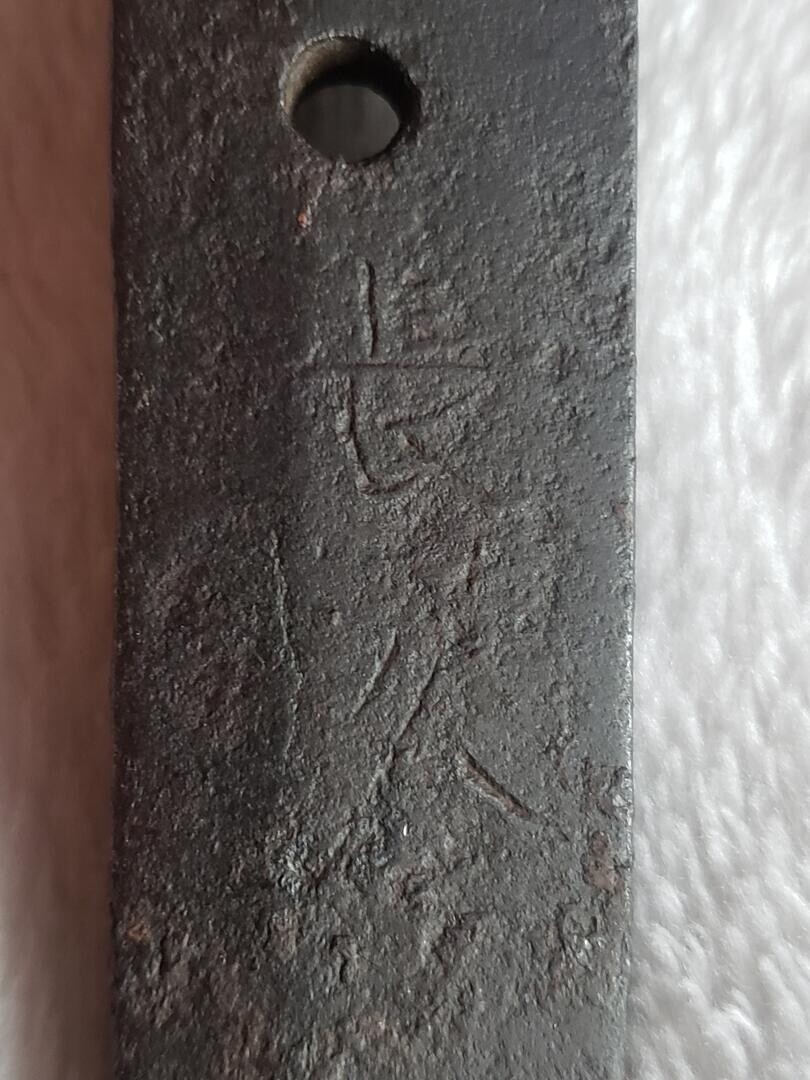
Hello everyone, I just read through the whole conversation here, searching for some examples of ko-Gassan blades, especially Gunsho 軍勝. I own one, sent it for Tokyo shinsa in February this year, waiting for the results now. I will try to make better pictures of the ji-hada and hataraki, when comes back from Japan, hopefully with tokubetsu hozon. The ji-hada is actually kind of "runnig itame", which should be typical for Gunsho. Moto-gasane is 11mm - its a big boy. I would love to see some more examples of blades from this Nanbokucho period smith, as there are non to be seen online. Also some more information about him would be great, as there is also almost none on the internet, and I didnt even find any books that would have some bio of him (I own the exhibiton one from the Boston Museum of Fine Arts). Have a great day everyone, Rgds, Kamil (CZ)


 5 points
 -
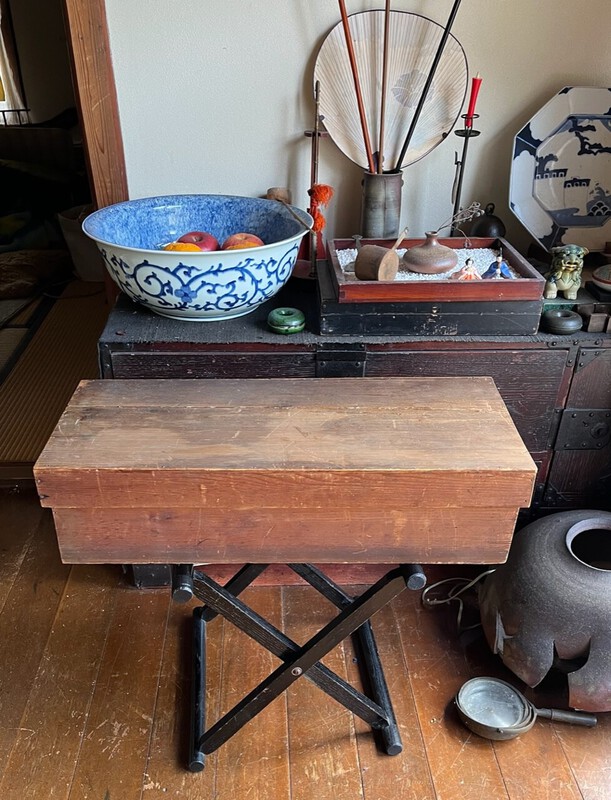
Not worth a photo TBH, Jeremy. The image from the description above should be truer to life! Never been accused of wabisabi before, but I like it. Afterwards
 5 points
 -
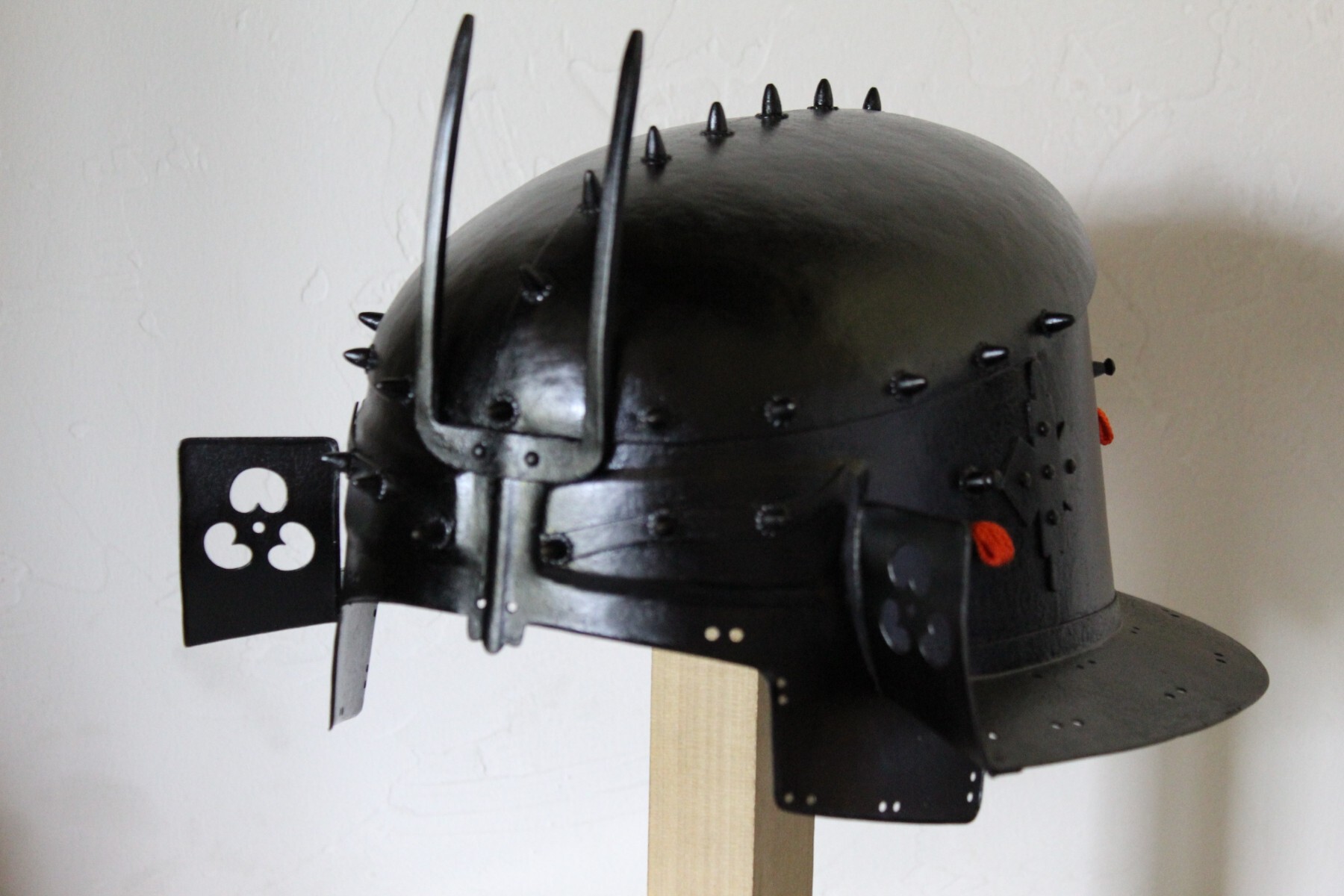
There are a few of us around, but we're rare birds; there are only four foreign kacchushi, and I'm only a 2 year deshi This is one I've been working on for a long time now. Have had a lot of problems trying to figure out the shikoro. People wildly underestimate the amount of research involved I think; I spend more time researching than with a hammer in hand.
 4 points
 -
He sounds like he was a real character. His loss is profound to say the least, but he has left a legacy behind in you. I think it's important to always remember this is a living tradition; it's not something that is just contained in extant pieces or a thing of the past, but something that lives on through the people taking part in it today. The human element is the most important part of all of this, and as a community we too often forget that. Sharing his humanity like this is the true treasure, rather than a list of titles or achievements. Thank you Andy.4 points
-
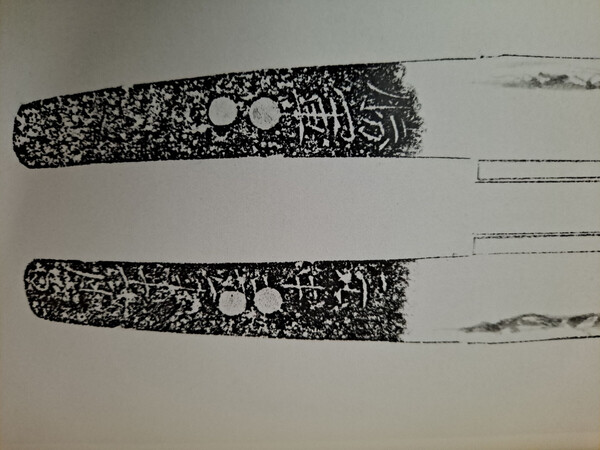
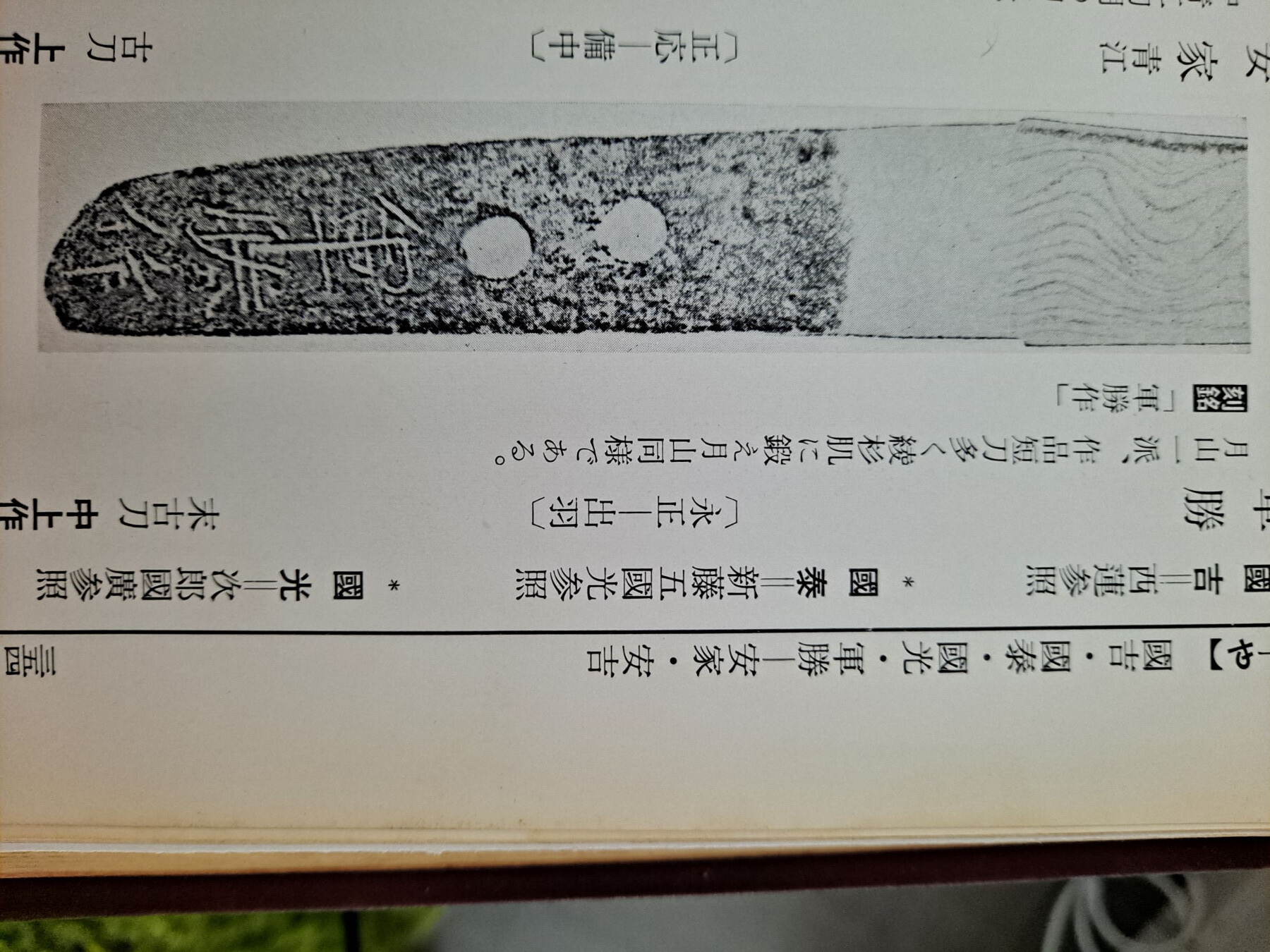
That is nice looking blade Kamil, will be interesting to see what NBTHK judges. To me it would seem more like late Muromachi, and there was Gassan smith Gunshō working around Eishō (1504 - 1521). I only have 1 example by this Eishō era Gunshō but it features somewhat similar shaped nakago. Here is an example of Muromachi signature from Fujishiro. As for the Nanbokuchō period Gunshō information on him is very difficult to find. I am so far only aware of 2 blades by the early Gunshō (軍勝). There is a katana dated 1363 and a tanto that is actually signed Shōgun (勝軍) but is judged as by Gunshō that is dated 1386. Some sources for information in Japanese of this smith are Sano Museum catalog: An Early Style of Japanese Sword, Jūyō Nado Zufu 21, Nihontō Kōza (small bit in English in Afu translations), Few Tōken Bijutsu magazines, in overall it is very difficult to find info on this particular smith. Here are the two authentic Nanbokuchō signed items. I don't understand why it turns the pictures sideways. They are differently on my phone & computer.


 3 points
 -
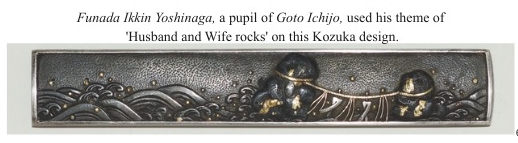
I believe there is more than one set of these “wedded rocks” in Japan…..may account for differing perspectives?3 points
-
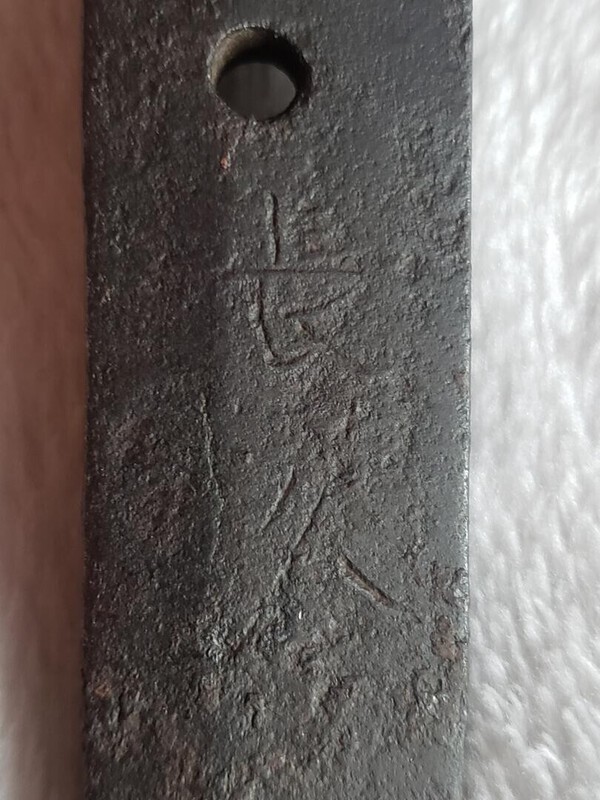
A recent study sword this past weekend a wakizashi-size sword signed tachi-mei NOBUHISA. The sword has good age, possibly Kamakura, based on the nakago. Interestingly, The mei appears above a very old (original) mekugi-ana as was often done on early swords. The sword is a little machi okura which make this "original" ana set 4-fingers down from what would have been the original ha machi, again an early trait. The sword has had nice nie hataraki brough out with finger stones running along a slightly narrow hamon of, let's call it a midare hamon. Utsuri can be seen "hanging down" from the narrow shinogi-ji. I have no photos of the sword because of its out-of-polish condition. A knowledgeable opinion was expressed earlier judging the sword to possibly be a ko-dachi of the Mokusa-kaji who made swords in Mutsu Province since Heian times. My question today is where to find more information on this group of swordsmiths. I found several listed in the Meikan but being in Japanese text, I cannot read these entries. An interesting sword that may eventually be sent to Japan for answers and restoration, if that's warrented. Any comments will be most welcomed, especiatlly where to find additional info on this Mutsu group. Ron STL
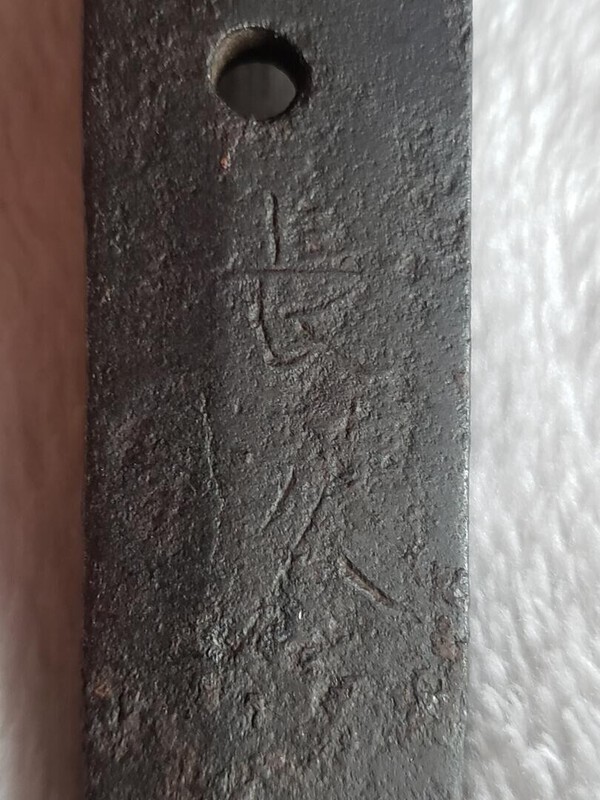 2 points
 -
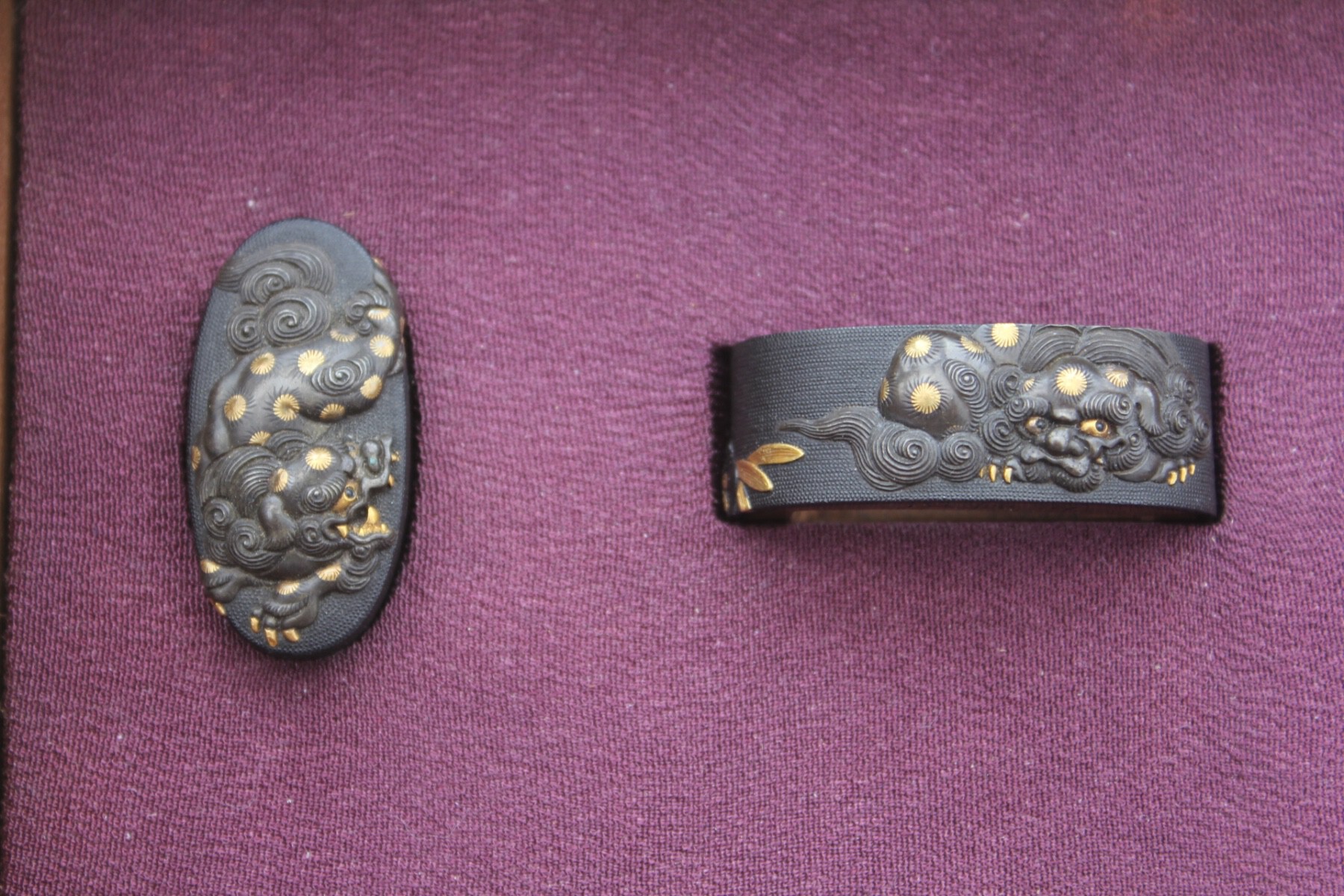
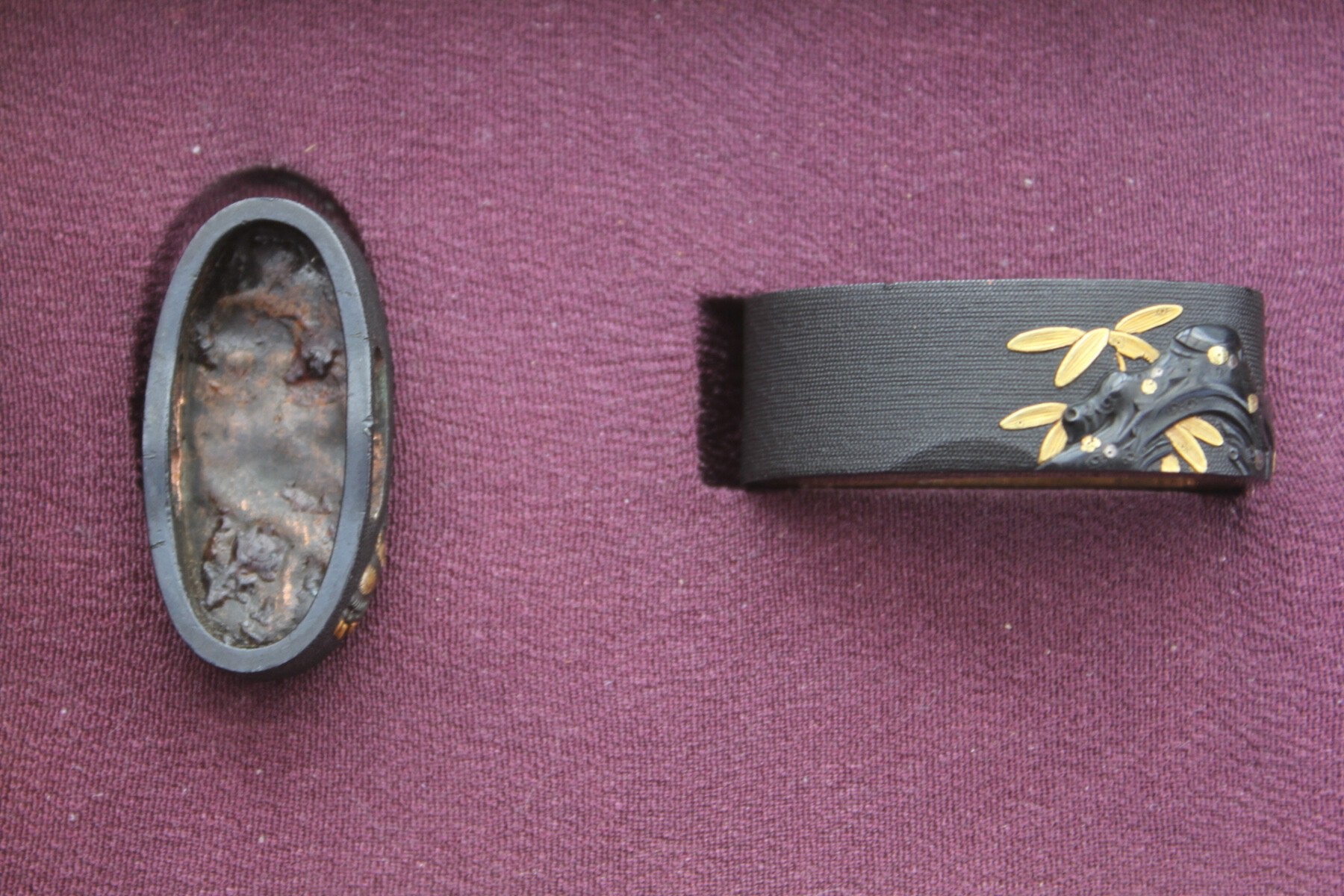
Item No. 296 Fuchi Kashira in Shakudo with Shibuichi and Gold Subject of Shishi , from the same set as the two previous items. signed Gyonen rokuju-san , Soyo with kao ( at the age of 63 ) Another pair of dynamic Shishi images, this time displayed on a fine nanako ground of a Fuchi Kashira. NBTHK papered ( as part of a set )
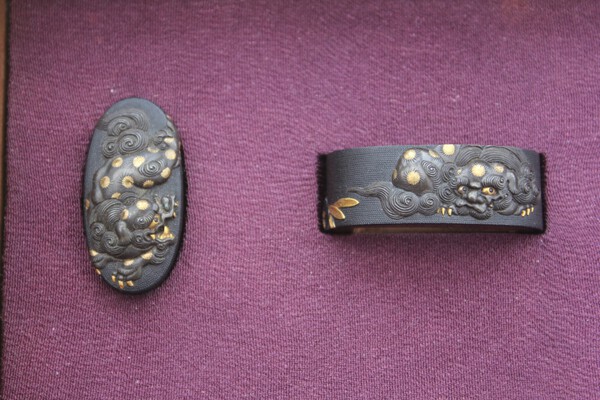
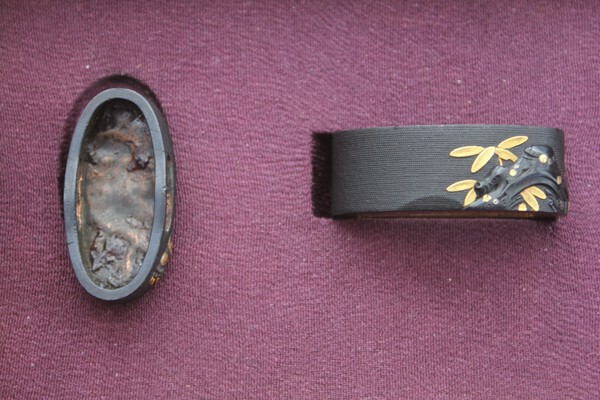
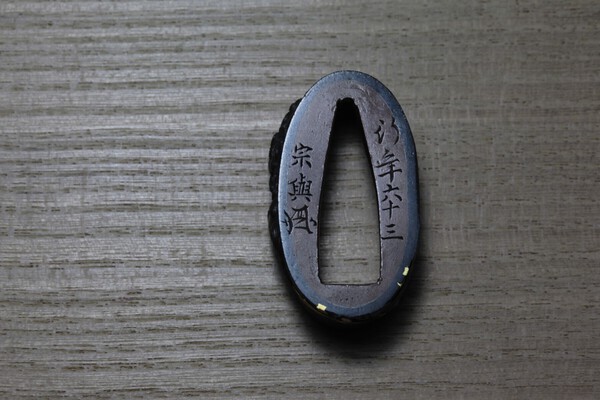 2 points
 -
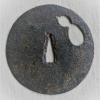
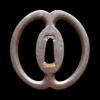
Still works - it is a very recognizable image. This guard by Goto Hokyo Ichijo 1791-1876 has the same orientation as yours does. It must all depend on where you are looking from? But the design does fit better having the small rock on the left.
 2 points
 -
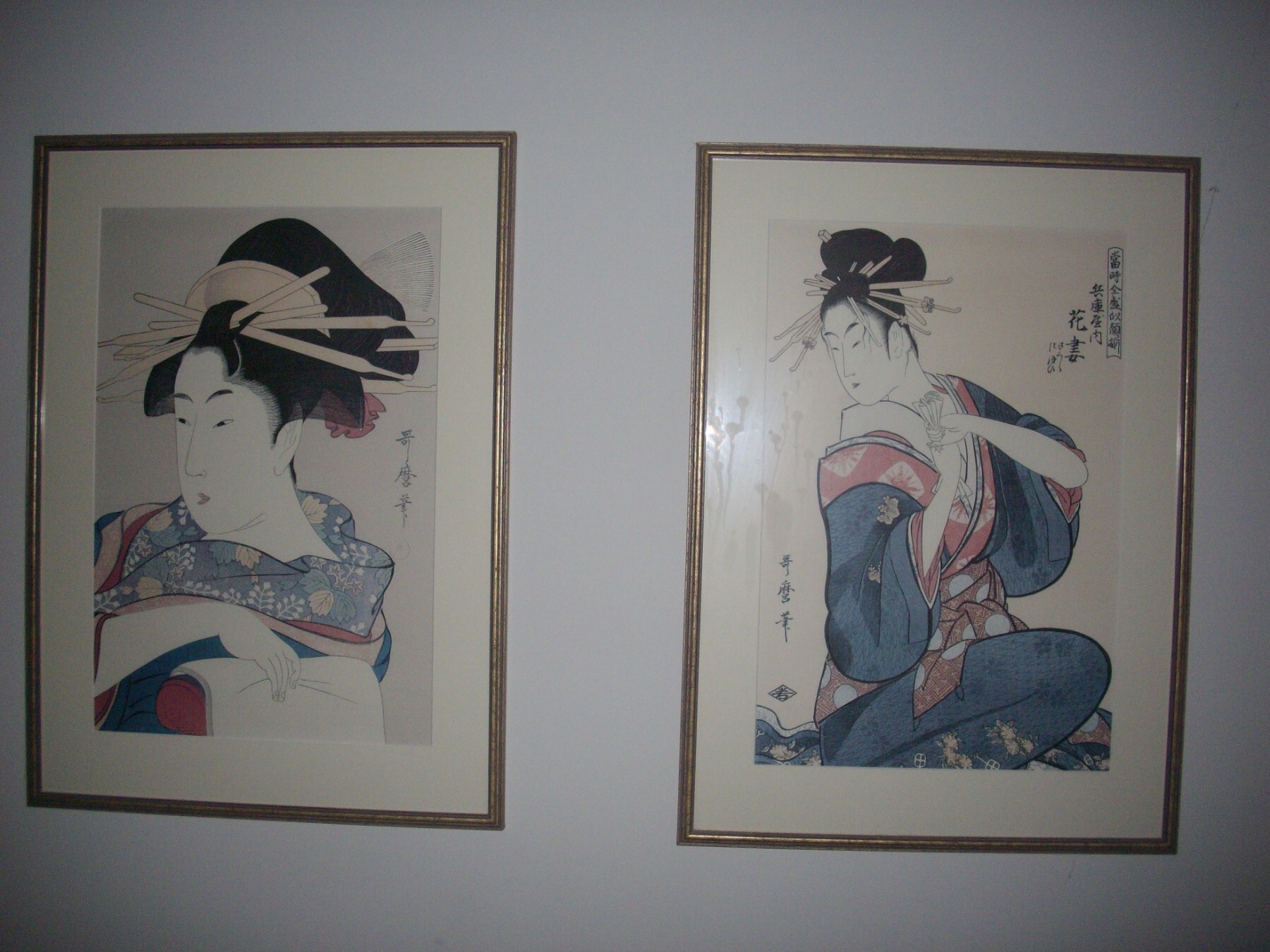
Me too! I have six of these "Beauties of the Floating World" - my camera just ran out of batteries #*#*#! Added one like this single example decorating a wall in our "Granny flat" I had to find a similar image on the net since my camera wants to play up! #### Did you notice the Kunisada image has the taller rock on the opposite side to the one on your guard? One image must have gotten mirror reversed at some stage?
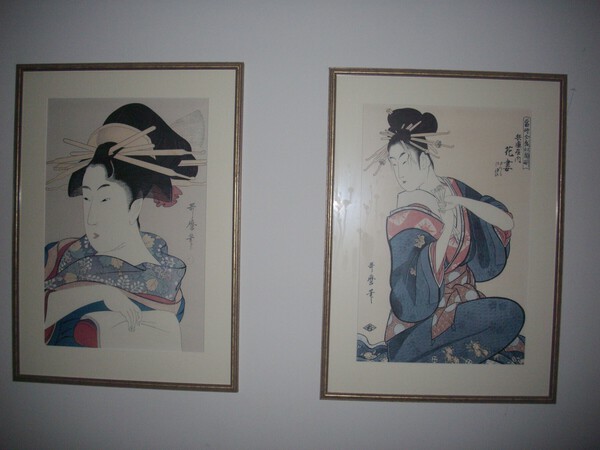

 2 points
 -
Dear Chris. Start with the habaki. All the best.2 points
-
Has character, I like it. Well done.2 points
-
良重 = Yoshishige. 昭和十九年= 1944. He is listed in Part 2 of the naval swords monograph authored by @mecox. Japanese NAVAL SWORDS Swordsmiths & Workshops Part 22 points
-
Straying WAY off the beaten track for a bit here, but I inherited an uchine that needed a box. Everything Japanese needs at least one box to both envelop and display it. The previous owner had made a temporary box from cardboard, which worked very well to protect the uchine, but as a presentation set, looked terrible. Dale's tea ceremony box above would probably have been perfect... In the meantime I visited an antique dealer's warehouse and asked if he had any spare boxes. "Sadly we're down on boxes recently", he said, "but go upstairs and have a look around." With rough measurements in my head I chose something large, to be on the safe side. A dusty wooden box with a removable lid. Nothing fancy. Made with nails, probably less than 100 years old. When I got home, it was obviously too large. It sat around the house for a couple of months until I mentioned it in conversation to someone. "Why don't you cut it down?" he asked. "Huh?" I said, doing a double-take. "Sure, cut it down, that's what I would do!" he added. Well, yesterday after a particularly stressful day I suddenly decided to do just that. I whipped out a pencil and a ruler, and set to work sawing through it, 9 cm off everything from one end, moving the end sections inwards and nailing them in place with some of the old nails. A hatchet job, but hey, a bit of filing down the jagged bits and a quick application of oak stain and now if you are generous it actually does look the part! Luckily the original box was not expensive, and the cardboard nesting box now fits perfectly inside it. Job done. Note. If I find some metalwork ring fixtures at an antiques fair one day, they could add cachet.......... oh, plus a couple of cords.2 points
-
Matt Brice has one for sale on his website. https://stcroixblades.com/shop/products/Japanese-police-shin-gunto-sword-from-the-plimpton-collection-premium-condi/2 points
-
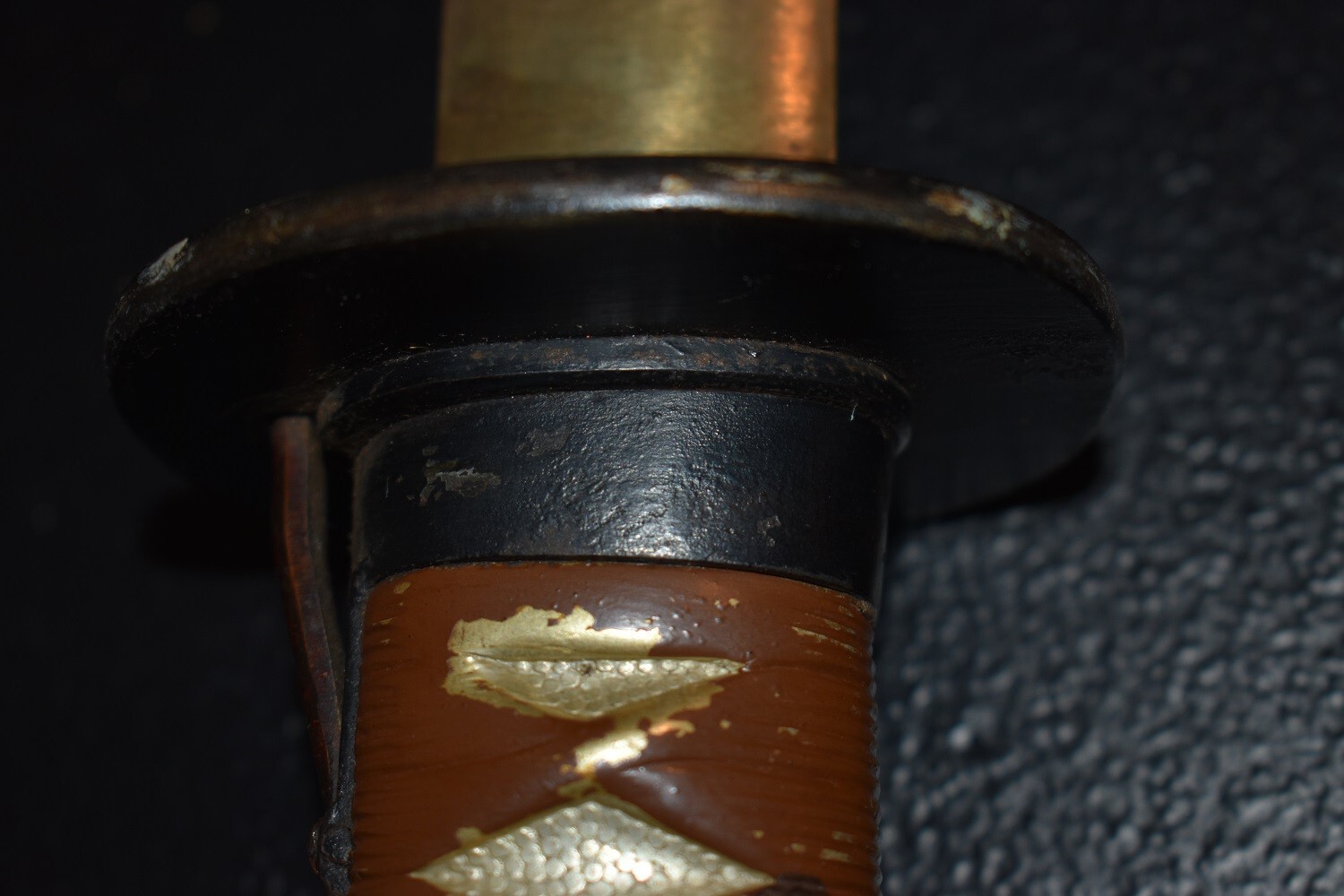
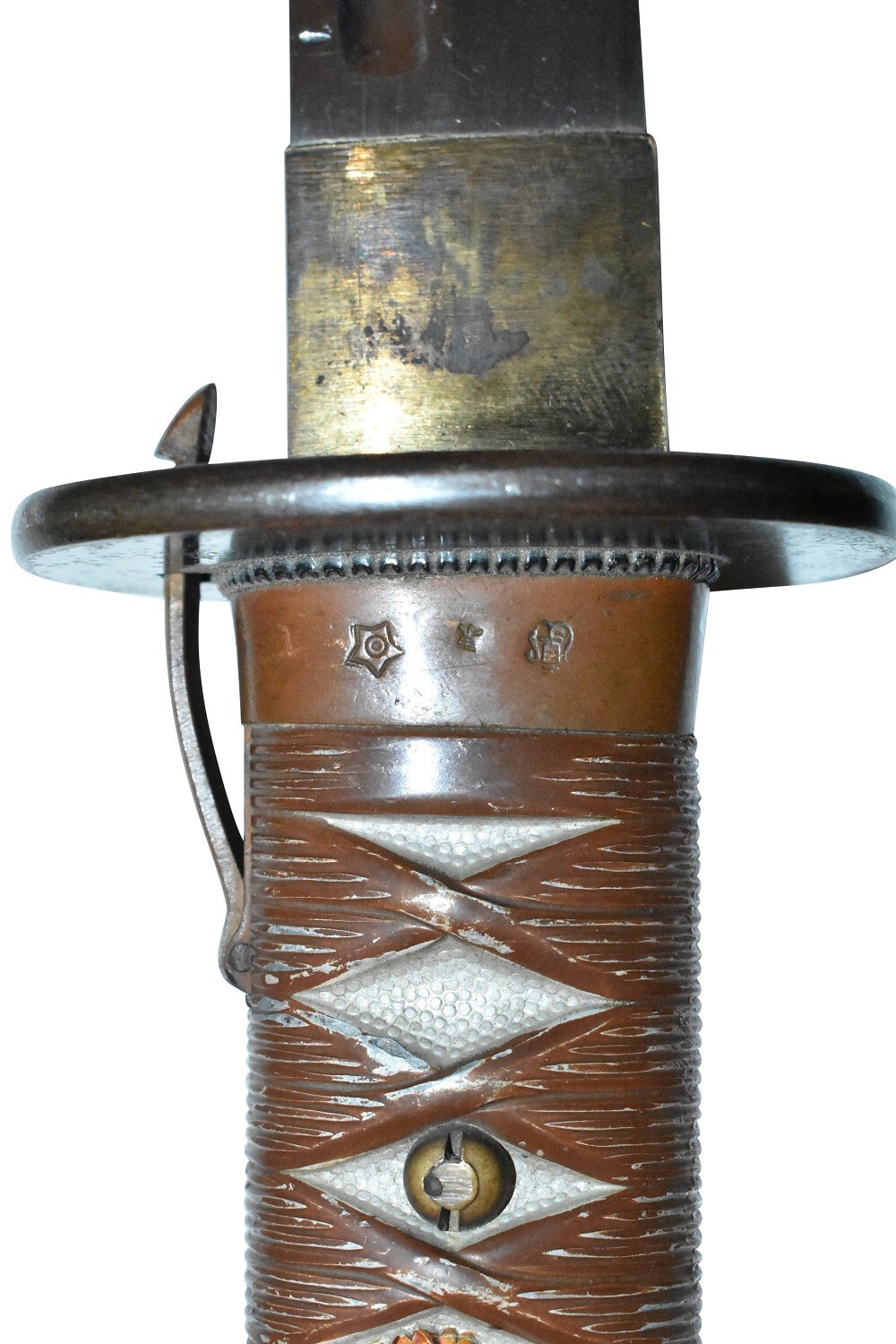
I have had several over the years. I still have at least one. The nicest though was the one we had from Plimpton's collection. Everything on it was mint. Also, on the ones I have had - particularly Plimpton's - the saya was the same or very similar to that on the oft-discussed 'souvenir' sword. Different furniture of course, but the same black finish.
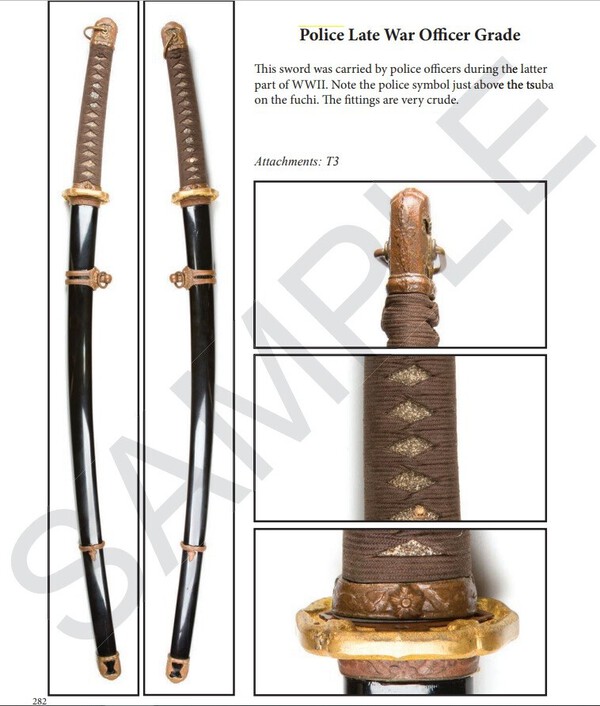 2 points
 -
Hello everyone, just realized I forgot to post an introduction here! My name is Christian (you can call me Chris ). I currently reside in New Haven Connecticut. I was introduced into Nihonto through my interest in Japanese martial arts (used to do Judo and now practice Brazilian Jiu Jitsu). Very new to the subject and very eager to learn as much as I can from all of you fine folk. Please feel free to correct me if I ever say something wrong or suggest something incorrect, I'd like to be a good student and am always open to advice! I'm currently working through reading a the topics from the FAQ and looking for some of the recommended reading on amazon and the like so I truly am very very new to the hobby. I am the custodian of a single piece (a mumei wakizashi) and am currently mostly trying to be a good custodian for it. The community seems great so far and I am very excited to participate here!2 points
-
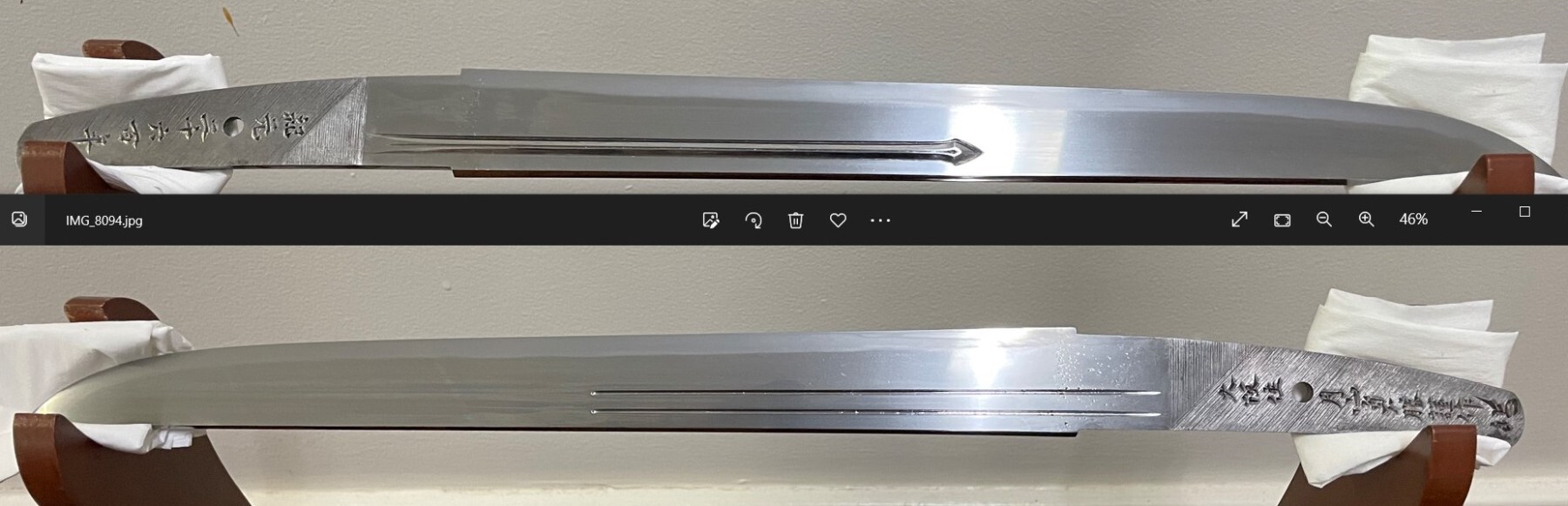
G'day Dave, Here you go, a 1940 Sadakatsu tanto with 30cm nagasa. Cheers, Bryce

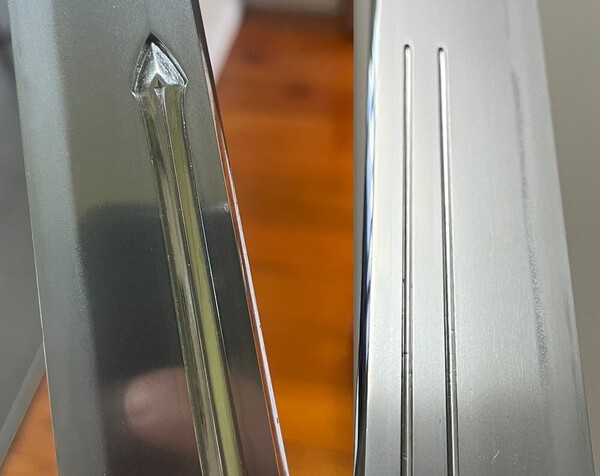
 2 points
 -
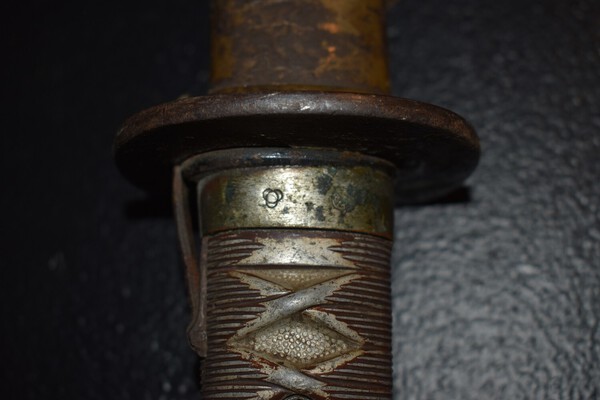
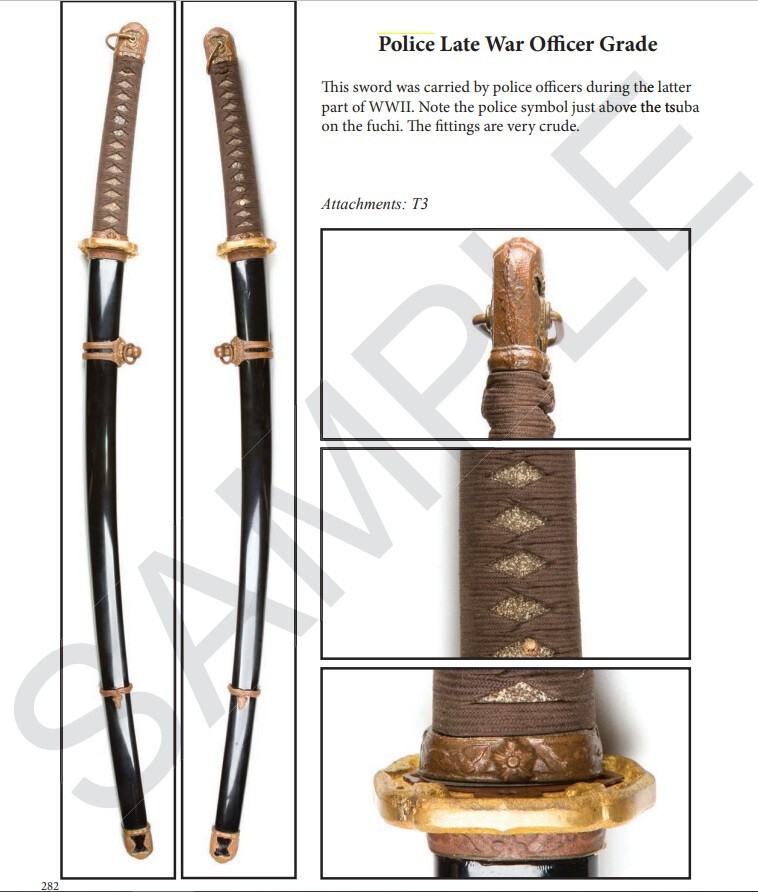
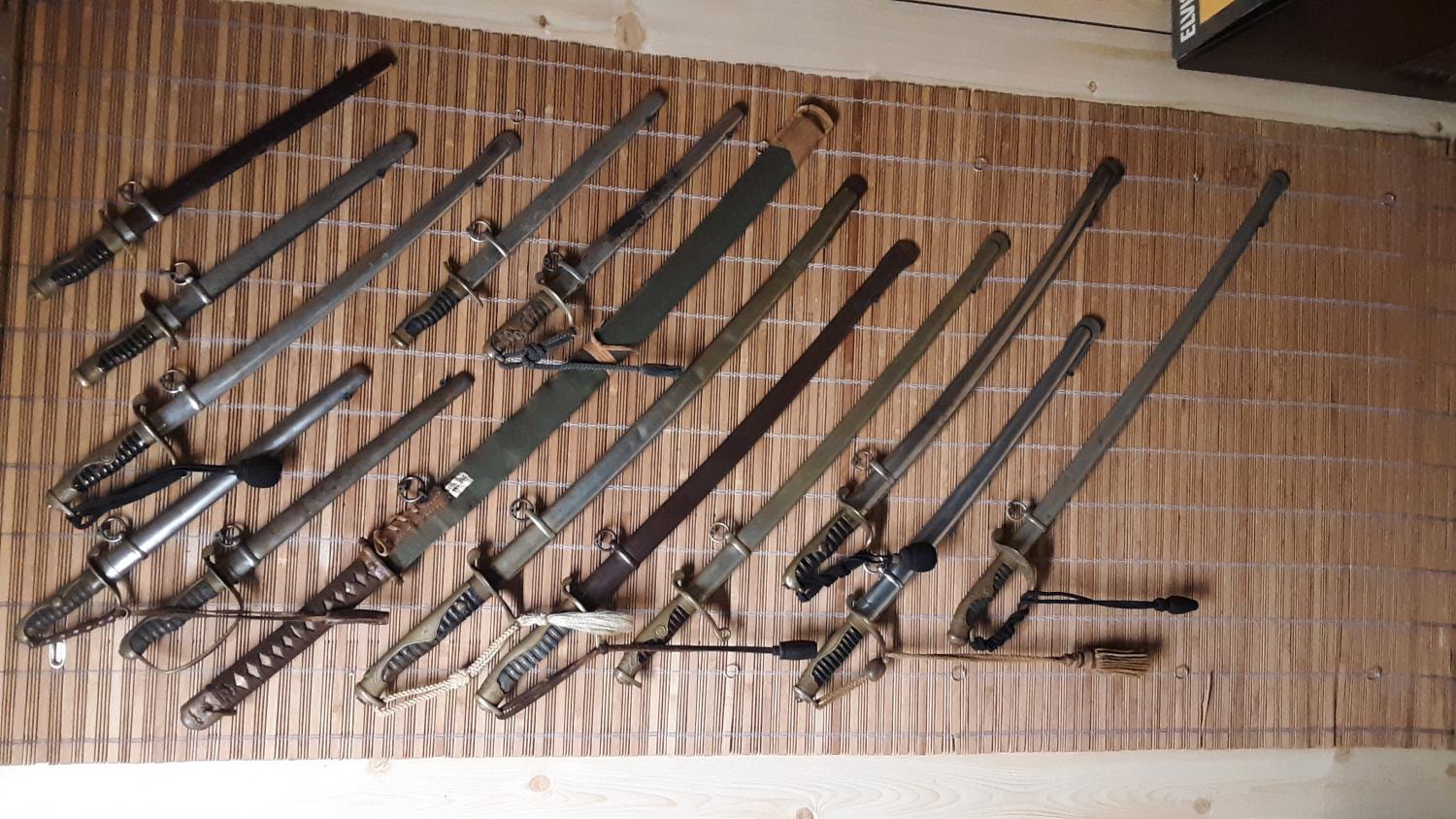
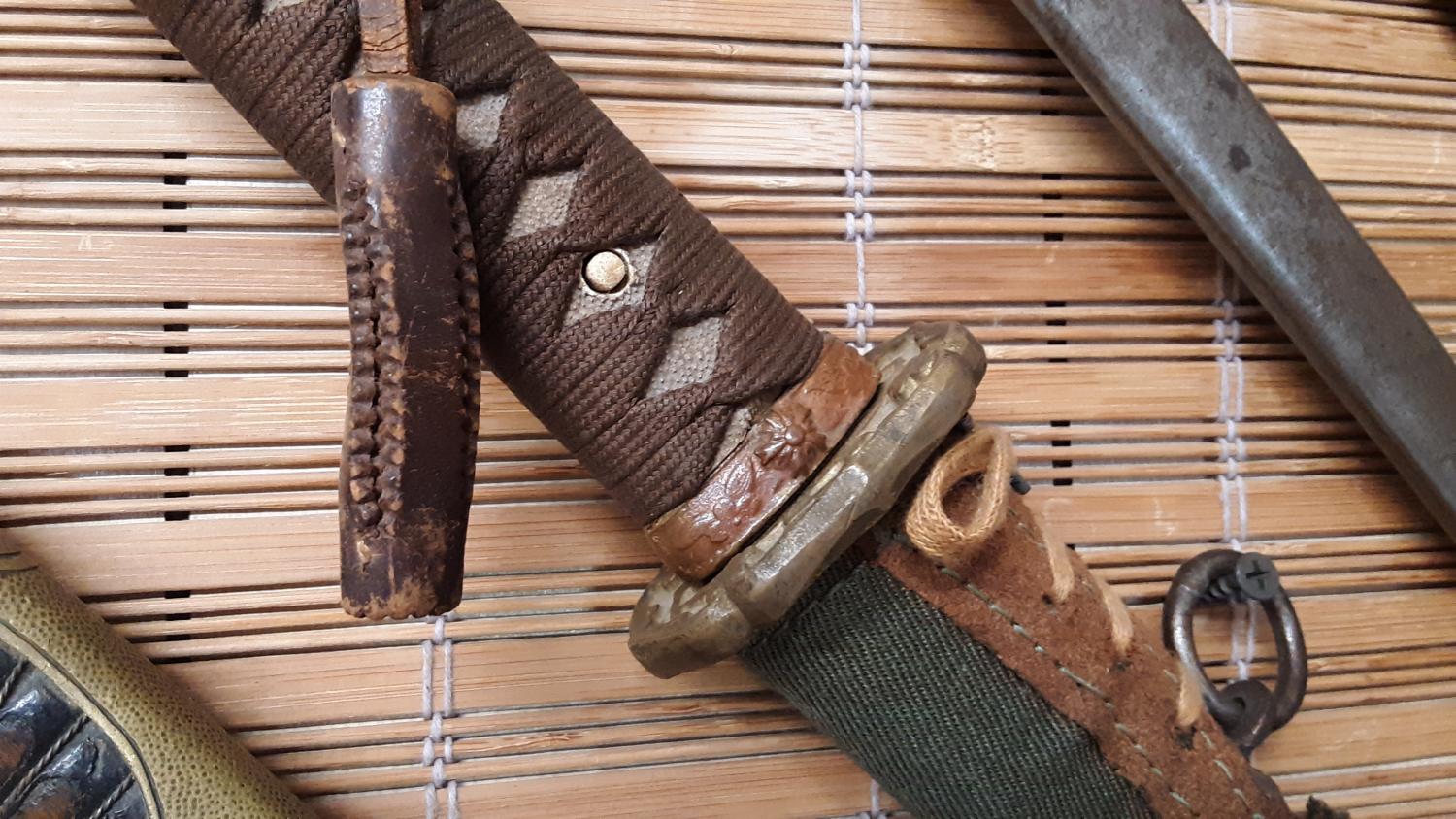
Thought this was interesting. "Trenchwarfare" at Gunboards posted a set of police swords, and right in the middle is a large, Type 98 styled sword with a police badge on the fuchi. Dawason covers this model on page 321, and says the style seems to be a very late war model, as the detail-work on the metal fittings is poor and the saya is a very coursely made wood painted black. The blade in the Dawson example is made in 1945. Trench's is mumei. The canvas says cover was added by the current owner. found here: https://forums.gunboards.com/showthread.php?1151595-Hello-boys-I-m-baack

 1 point
 -
Although in my opinion a stand should not be dominant but remain rather restrained in the background, this is fine work! Well done!1 point
-
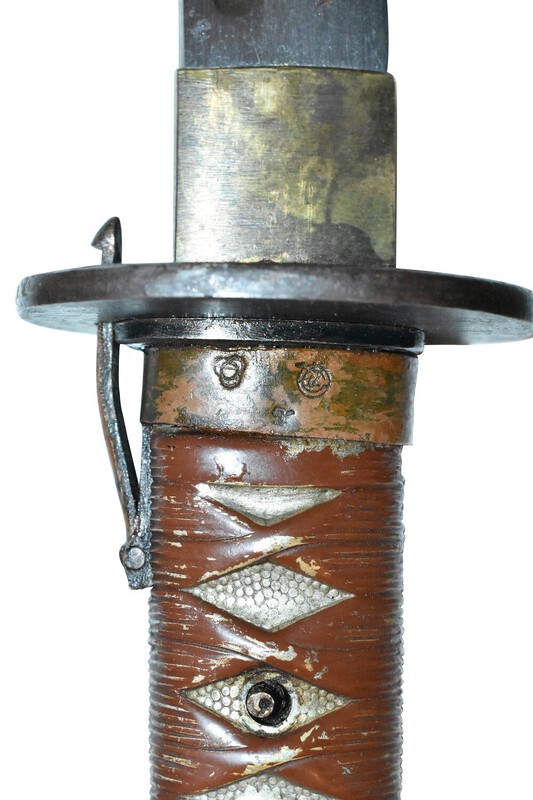
@vajo The seppas and habaki are still maybe a concern. I looked back at a couple that I currently have and several I have had in the recent past (see attached pics). I can't find an example with a thicker seppa on top of the tsuba matched with thinner seppa between the tsuba and fuchi. From my data, looks like if a thick seppa was used above the tsuba, it was also used below the tsuba. Also that shiny gold seppa is a little out of sorts.




 1 point
 -
@vajo Thanks for sharing the extra pics. The blade looks ok to my eye. The kissaki looks within reason, the ko-shinogi is formed ok, and the bo-hi terminates correctly. The yokote can be seen a little.1 point
-
It was somewhere in that facebook groups. I have no clue how to find posts there back. Facebook is a mystery for me.1 point
-
The characters on the right might be 赤坂住 - Akasaka ju.1 point
-
Sounds more like a post-war job. Poor fitting tsuka is usually a give-away.1 point
-
I like it. Nice thick copper. A bit like a blank check/cheque, though.1 point
-
If you can find an economic option, I bet the blade could be restored. I have had them like that and always wondered what kind of magic buffing wheel it took because showato steel is really hard, ask a polisher who has attempted a restoration on one. But, that kind of buffing can be replaced by a fresh polish, I've seen it firsthand.1 point
-
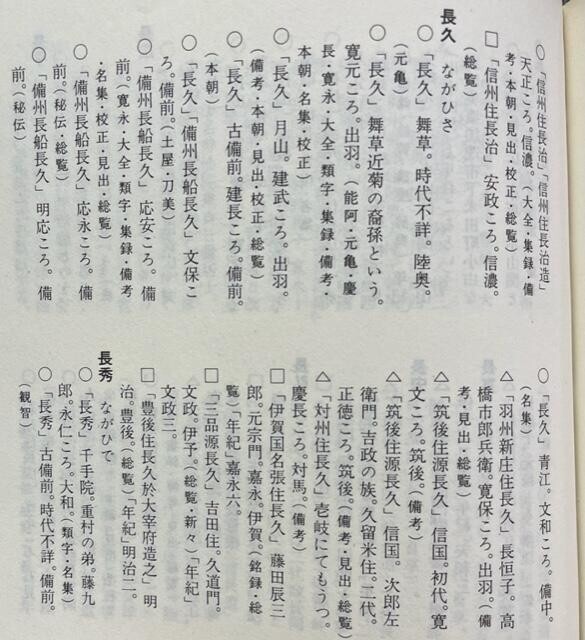
Ron, this is the only 長久(Nagahisa) listed for that time period via Markus Sesko: NAGAHISA (長久), Kenmu (建武, 1334-1338), Dewa – “Nagahisa” (長久), Gassan school, it is said that he also worked in Ōshū province1 point
-
Yes, I think its four (四).1 point
-
Hi Peter, That set has a look and a patina as well as a feel of both age and real use. You may well be looking at a set that is quite old (pre Edo or early Edo period). Personally I could be inclined to “honor” their maker and their original purpose in using them in a re-wrapped quality Tsuka. When ever you handle your Tsuka you will enjoy the connection that is transferred through all that time that has passed. In April 2022 the tread below discussed similar Menuki. All the best. Soren1 point
-
Piers, my story was just about luck and money. Yours is about pleasure and enjoyment and the ghosts of times past. That is indeed the true power of art. Wonderful words.1 point
-
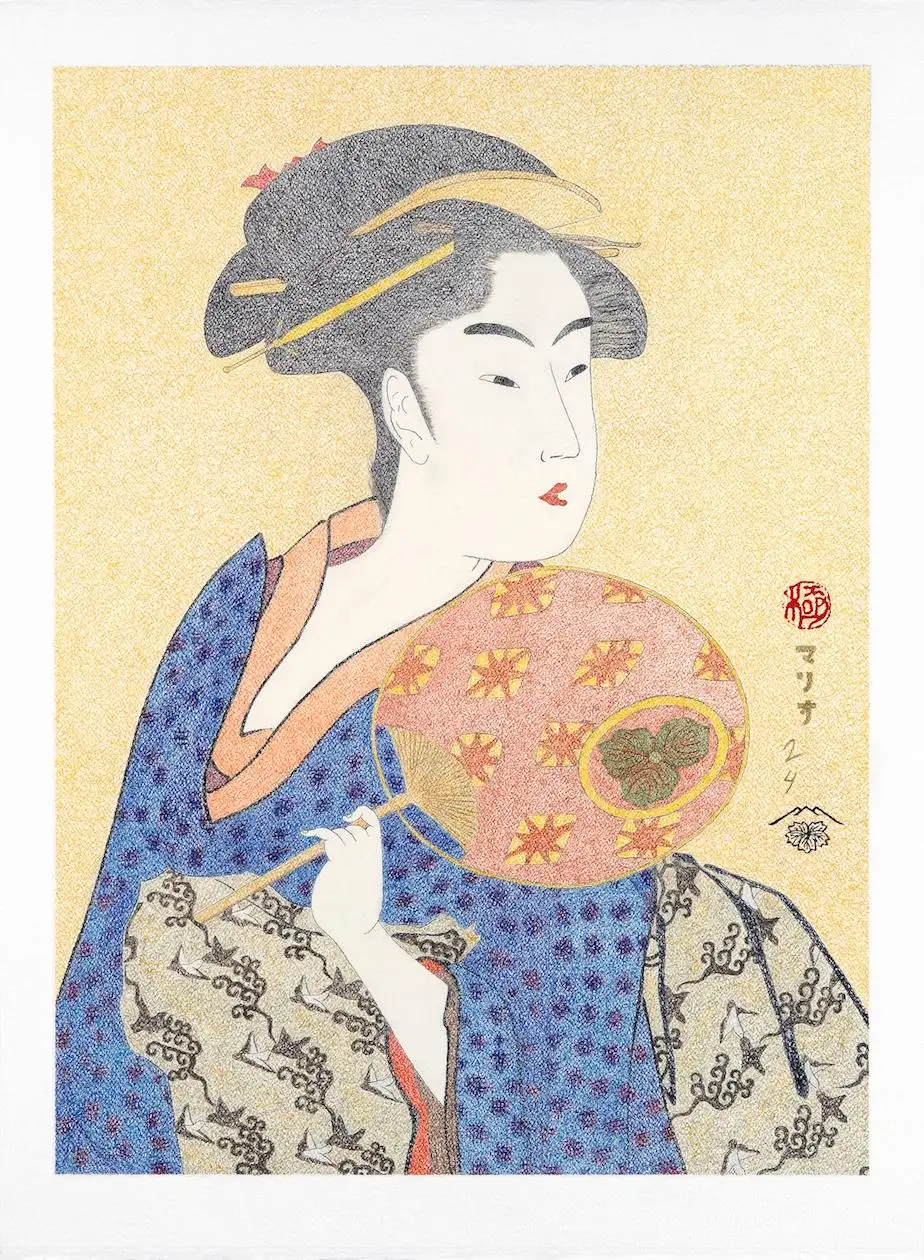
Reminds me of an experience many years ago at an antiques stall in Fukuyama. There was a drawer stuffed full of rolled, bent and worm-eaten ukiyo-e prints. I had a quick look and saw they were 12 Utagawa Kunisada prints telling the story of the Kanadehon Chushingura. (47 Ronin) Quickly I decided to buy them, and the dealer rolled them up and stuffed them in a bag for me. Later I walked round to a temple nearby where the priest always let me park my car. He was a famous collector of Edo Bidoro glass, Chirimen-e, etc., who used to lend his collections to museums around the country. As I rang the bell and thanked him for letting me park, I showed him my purchases. He opened the bag and shouted, "Who wrapped these in newspaper!?!? Take me to the dealer at once, and I'll give him a piece of my mind! These are 初刷りShozuri first runs", I remember him saying. He threw the newspaper wrapping onto the ground in disgust. Nothing like the story above, I agree, on another level, but I was happy, and spent many happy evenings repairing them with removable backing of colo(u)red washi paper to disguise the worm holes. Coming up for air occasionally I saw this old house through Edo eyes, a time slip that enveloped me completely as I walked the corridor to the habakari closet. The power of art! *The artist name escapes me and I don't have them here with me at the moment. Toyokuni Kunisada? Found this which looks the same, with the zigzag edges. Kunisada Utagawa 1786-1865 - 47 Ronin - Kanadehon Chushingura Act.1 - artelino1 point
-
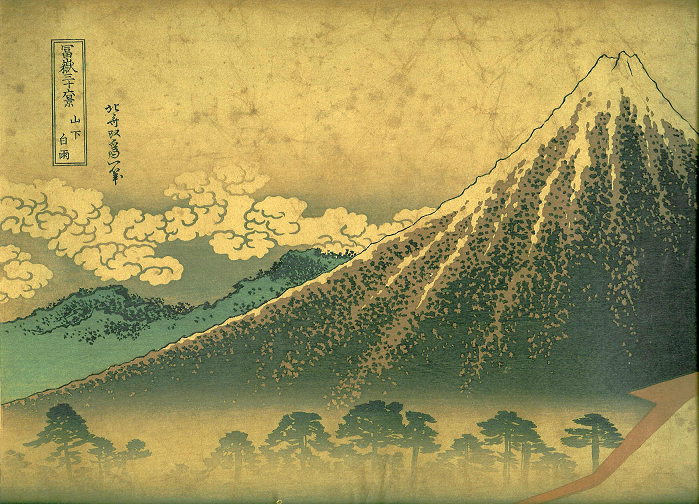
Here's an older repro of some note: BTW, is there a method to remove or reduce the foxing without altering the image? Inquiring minds!
 1 point
 -
PS I have some leftover Shoji screen rice paper probably just enough to wrap blade. Yours if you like, wrap it in style! LOL1 point
-
It doesn't have to be newspaper. Butchers paper will wor, the brown packing paper ect. Save on ink worries. If you live in a humid environment I like light coat of oil and wrapped with Saran wrap then your paper of choice just some more options.1 point
-
Grey, I think that most people don't want the collecting environment to be a toxic place. I think everybody agrees with you. I think you missed the point of this topic within the Katchu thread though. Poison was put into the water making it toxic. If nothing gets said, everybody drinks the koolaid. My organization is only trying to create awareness about what has transpired so that the members and customers are protected. There are people who are members of the NMB that are affiliated in some ways with our organization. I think I speak for Japanese in general when I say, Japanese people detest conflict. So do I. And I detest being put in this position. So I would greatly appreciate it if it wasn't swept under the rug so easily. What has been done here effects all of us in the armor collecting community. Not only the customers, members, friends, and associates of the Kokusai Nihon Katchu Bugu Shinko Kyokai (of Japan). What we should do is stand together. This topic is just a notification to our friends here, for awareness. People don't have to read this topic if it is boring or unhelpful. I'd be happy to see a new topic in the Katchu section as well.1 point
-
Absolutely agree. I have consulted legal and business specialists and they agreed that we have the right to continue to use our name and trademark considering the circumstances. In this case the individual who registered our name and logo did so "knowingly". We assume for bad intentions. Otherwise they would have used a different name and logo if they wanted an organization rather than usurp the name and reputation of an existing one.1 point
-
If it can help, after a quick research i found a company registered in the UK with the name "KOKUSAI NIHON KACHU BUGU SHINKO KYOKAI LIMITED" here https://www.companysearchesmadesimple.com/company/uk/14572429/kokusai-nihon-kachu-bugu-shinko-kyokai-limited/ As you can see there's also the following address : 10 John Street STRATFORD-UPON-AVON CV37 6UB Which is a building owned by https://leighgraham.co.uk/ So you might question them about it1 point
-
"A quick shout to an old friend....." Welcome home Steve, good to have you back in the fold.1 point
-
Jonathan, The short answer is no one knows. It is definitely from a specific sword maker because it shows up on several swords and they are all the same style. But we don’t know what the character means, nor do we know for sure if it is made by occupied territories for the Japanese war effort or if it is just out and out fakery. I personally lean toward the idea that it was made in occupied lands for the Japanese war effort. Seeing yours in hand, personally, reinforces that idea for me.1 point
-
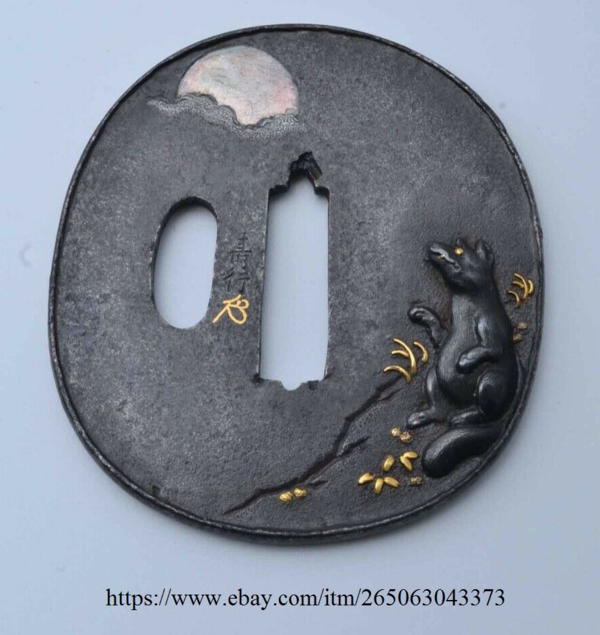
Just a short update on a design from the Chösen Gafu book, the design is of two iron workers pliers [found at the top of page 11] a tsuba from the collection of Georg Oeder [no. 376a/b] shows two pliers of different sizes laid out in a more artistic way. Was just wondering, is this just a coincidence ? Steven King sent me a link to a tsuba with a Tanuki looking at the moon, there are several similar designs in the book - but this one has been to Weightwatchers and is not as 'rotund' as shown in the collage.


 1 point
 -
There have been 3 for sale on eBay in the last 5 or more years. Two I good condition, one in very poor condition. These are rare and possibly could be called the pinnacle of police sword collecting. I really like police swords and collecting them was an alternative to 95s, but there doesn't seem to be as much variation. It's awesome to see a whole collection together like this.1 point
-
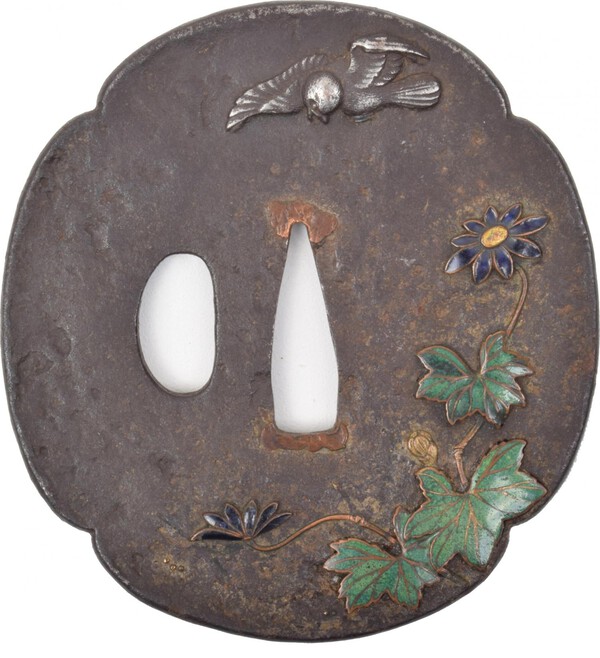
What is your oppinion on this Hirata school Tsuba? I am not in the position to make a judgment. Export work or the real deal?
 1 point
 -
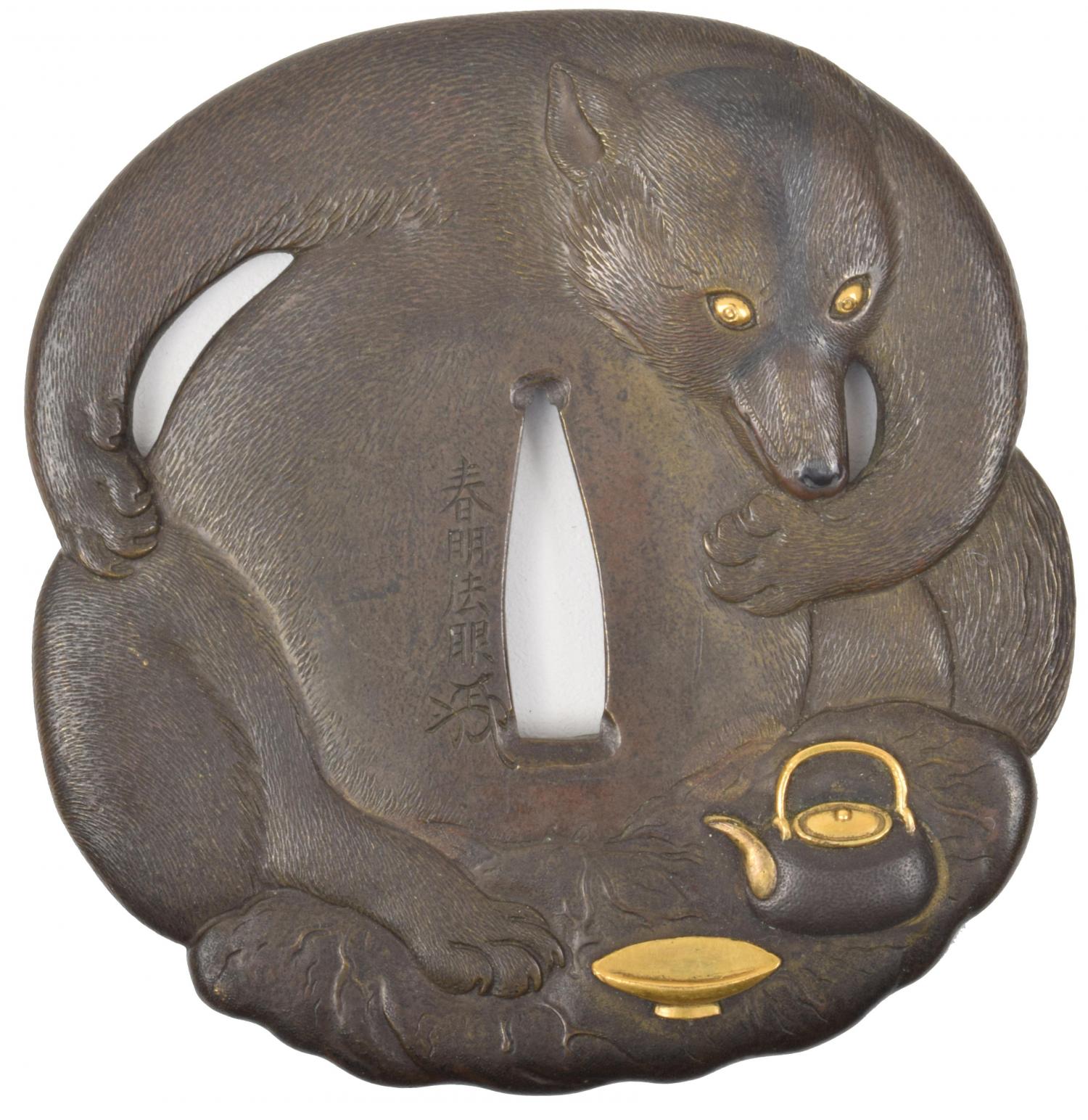
Just a fun fact about the tsuba that Luis posted (the high priced one - reposted below). Did you see that the Tanuki is resting the hot tea kettle, plate and leg on his nut sack? Tanuki have various powers in Japanese myth including the ability to take human (or other) form, drum on their bellies to attract humans, and grow their nut sacks to enormous sizes and use them (their nut sacks) to kill humans by crushing them. On tosogu, you will often see tanuki drumming on their bellies, in the process of changing back from a tea kettle form, or rarely with a huge nut sack like this tsuba.
 1 point
 -
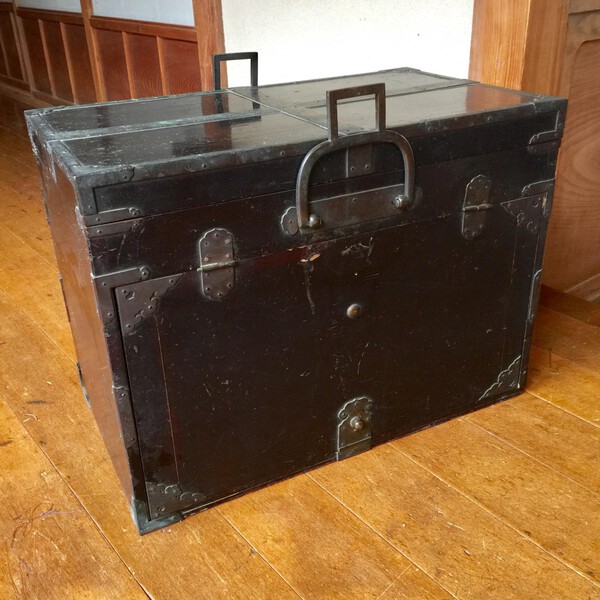
Danyaku-bako ( ammunition box).1 point
-
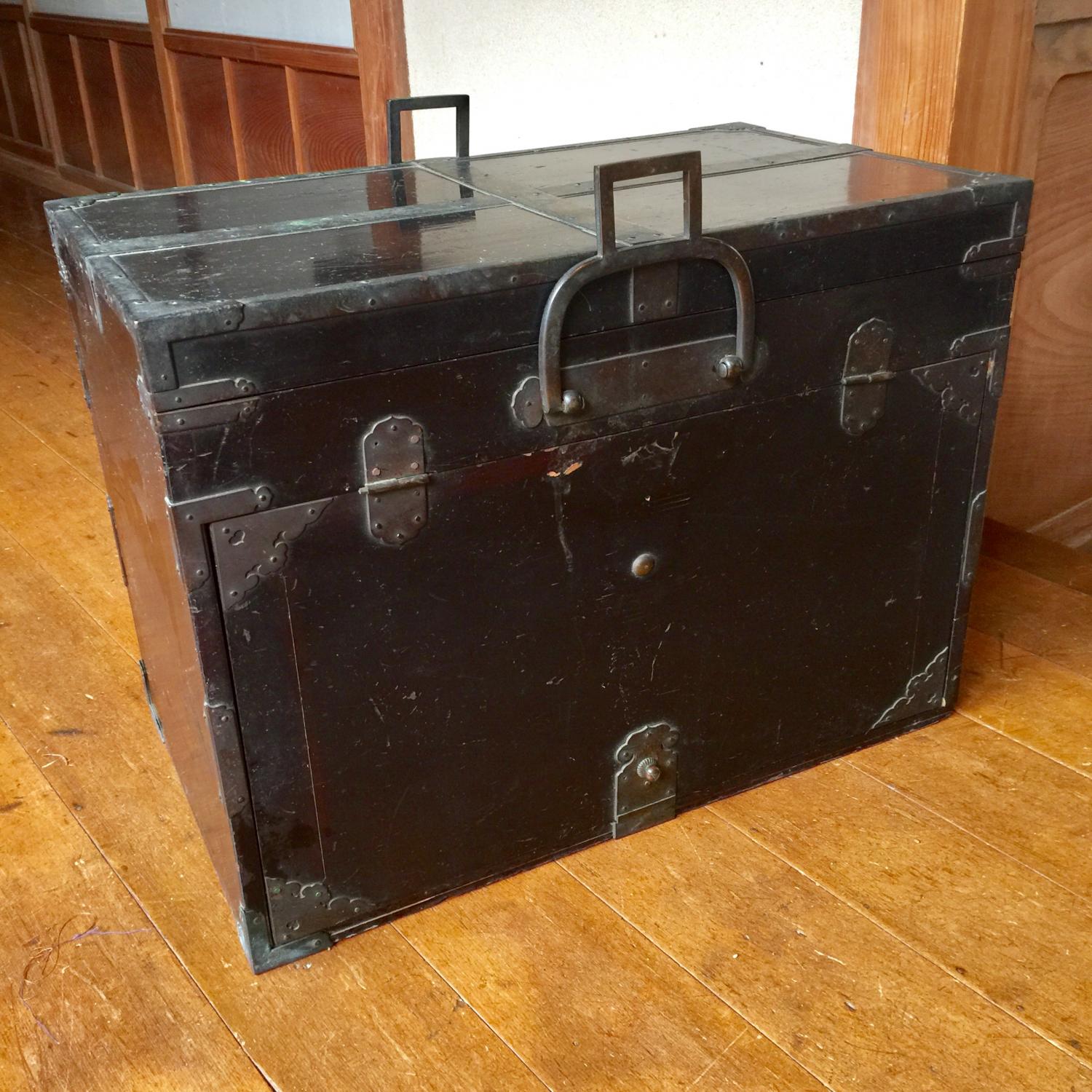
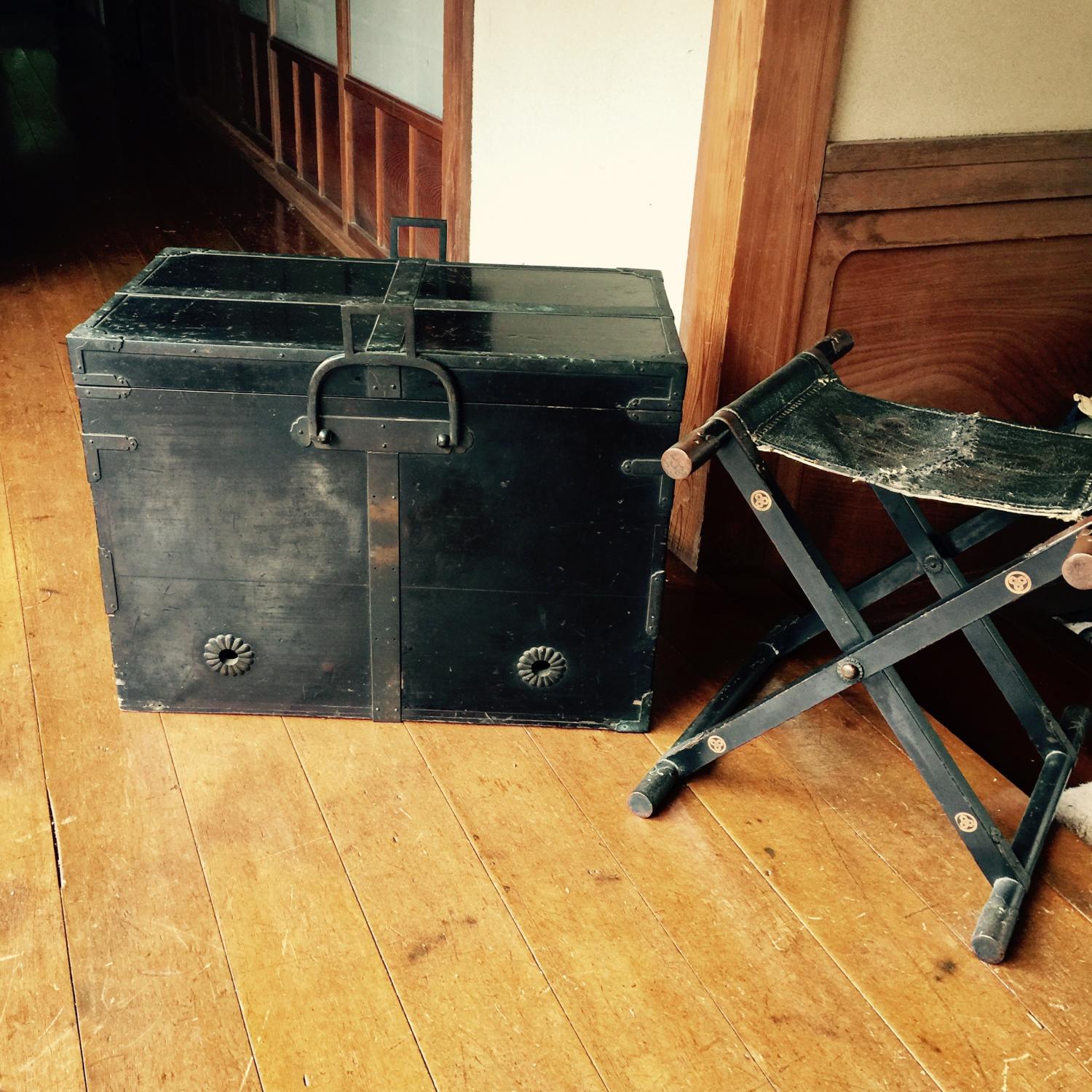
The wife is definitely a restriction on collecting such things, but she went overboard on chests of drawers so that gave me some leeway/ammunition. Tidy little collection there, Tony. Loving the handles on your chest too! Here is a lacquered and reenforced rather battered box probably carried on the Sankin Kotai, for food? One side lifts up, and lacquered drawers are pushed out through fingerholes in the back. The top becomes a high-sided tray.
 1 point
 -
some info that I made for an article Mike Yamasaki
 1 point
 -
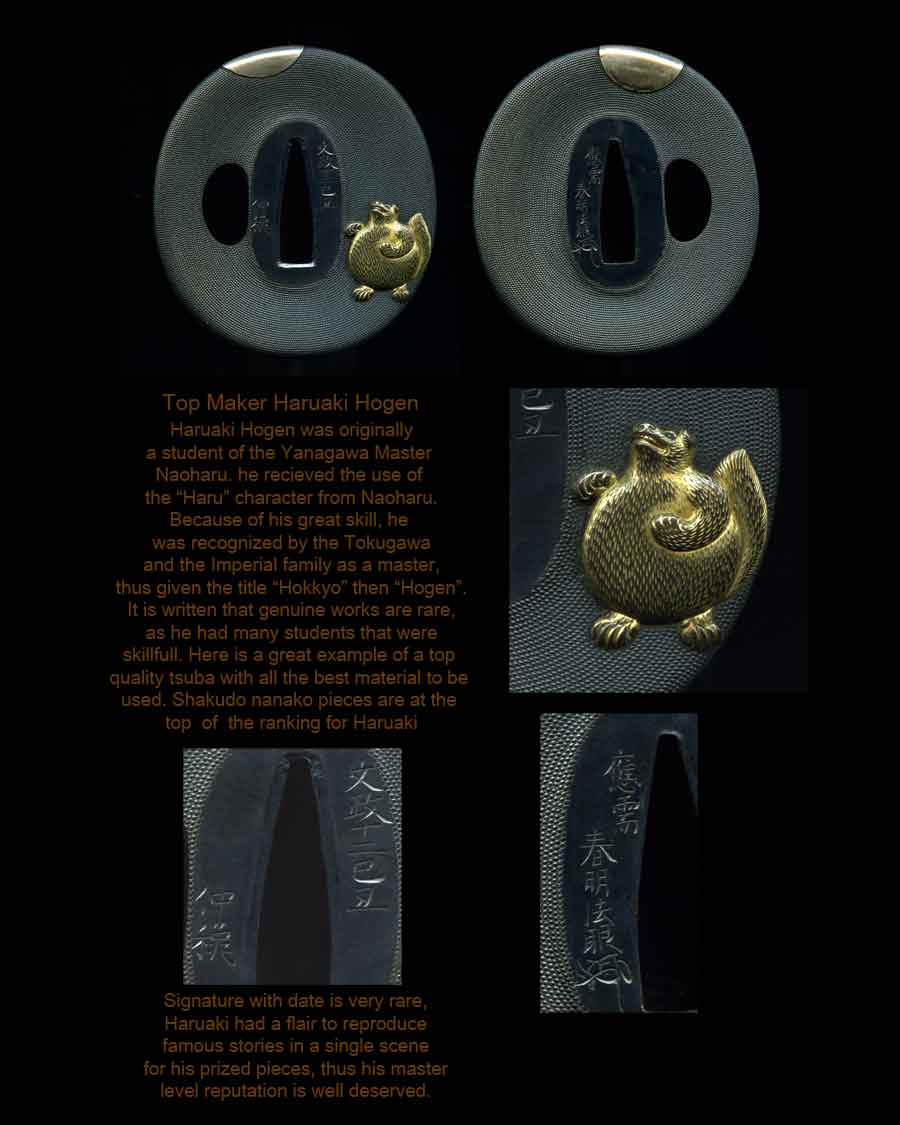
Just for kicks, I have a very nice Haruaki that I will be taking to the Chicago show. NBTHK certified, and excellent piece that has a sense of humor! Mike Yamasaki
 1 point
 -
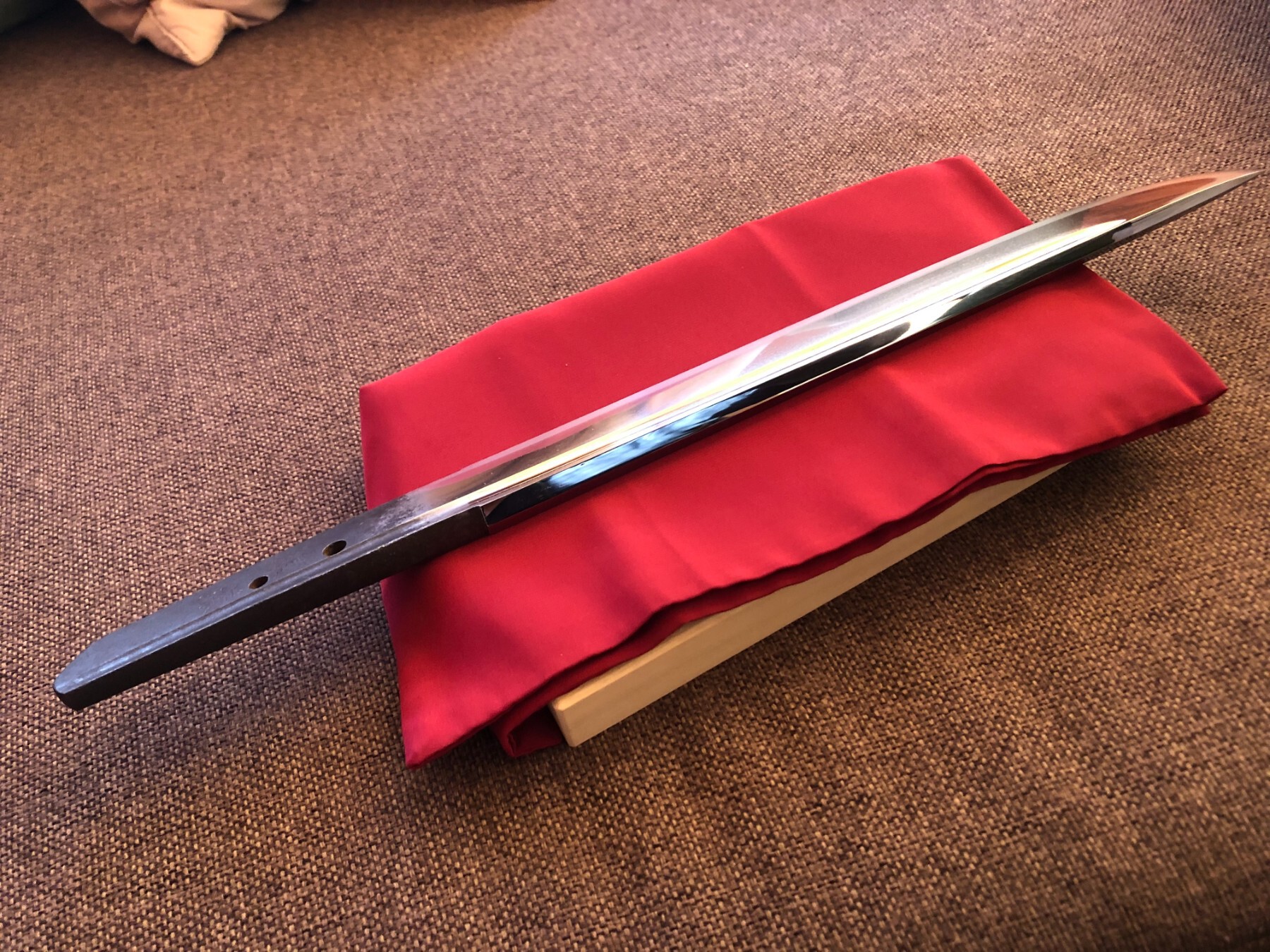
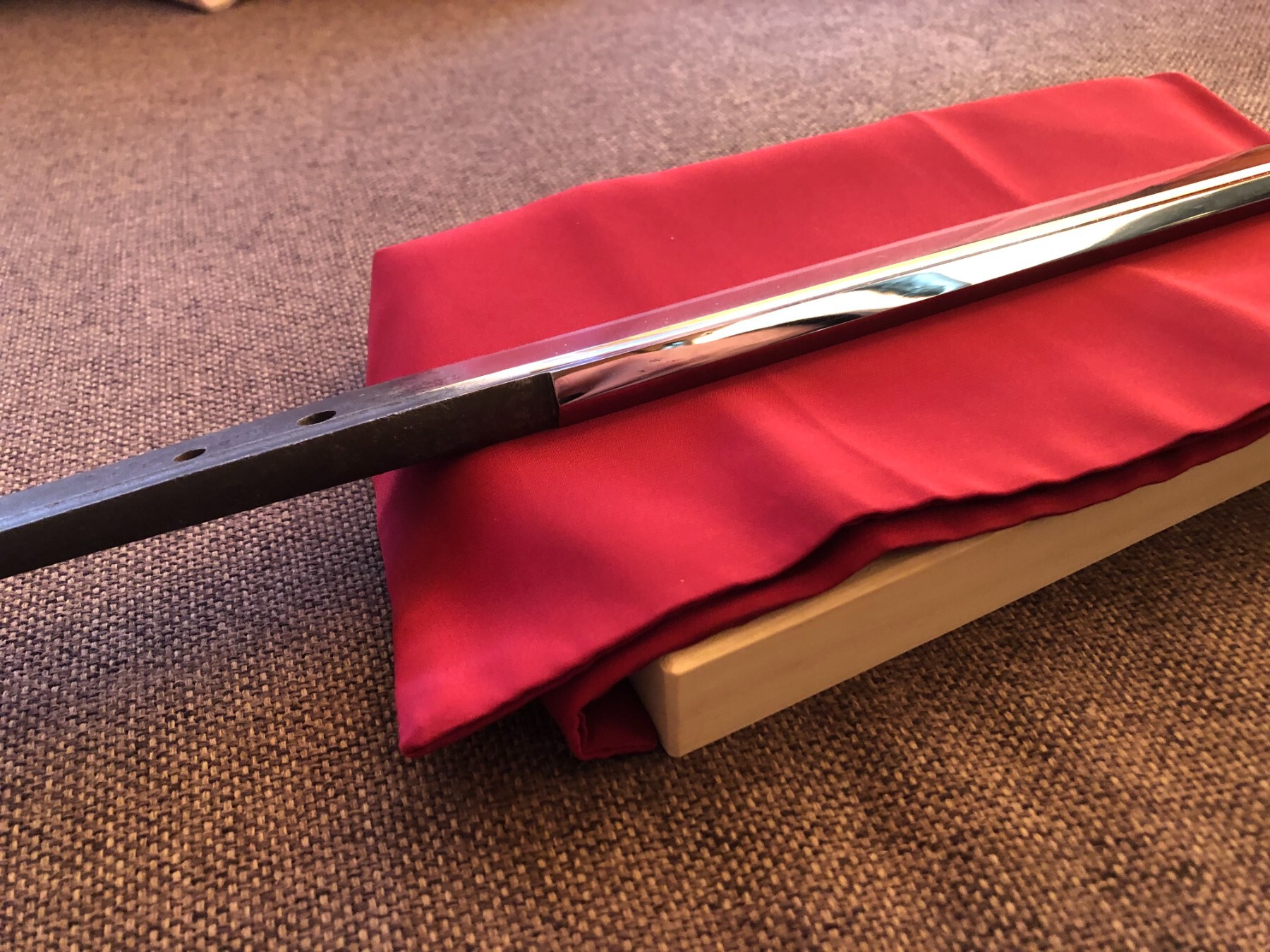
Gabriel, thank you. 1. I was happy and surprised to see that you have a real expert here called 'Nobody'. I like Nobody and his posts, and I hope he stays here. 2. My friend spent over a million dollars on priceless swords but in the long run found that the dealers made huge profits from his purchases and paid a lot less when he tried to cash them in. He says it's a mug's game, and it's full of 'Kitsune & Tanuki'. He even tries to stop me buying Tsuba. So, ssshhh... nowadays I have learned that this is one area where I will have to move silently and secretly whenever I see something that I really like. It's a pity, as he has such a vast and deep knowledge, but there is something bitter there. 3. Photos. Possibly, after I start to feel a little confidence here, a photo might be in order. Strictly blades, though! (I noticed in the intro blurb that anything to do with Samurai and that period are all right. Guns can be a slightly delicate area though... :lol: )1 point












.thumb.jpg.bc10b59027a00aa142dce0349f3ba9e0.jpg)



















This leaderboard is set to Johannesburg/GMT+02:00