
Leaderboard



Popular Content
Showing content with the highest reputation on 12/11/2025 in Posts
-
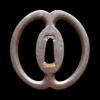
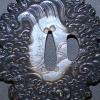
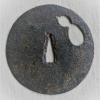
I agree completely, even though they are beautiful works of art, I tend to prefer iron. Especially very late Edo and Meiji pieces do not appeal to me very much. I do have a handful of soft metal tsuba , but I believe most of mine are older than late Edo. Here is one that has been set carefully at least twice, not sure that this museum grade as posted in the topic, but I also feel it is not too flashy either. Jason
 7 points
 -
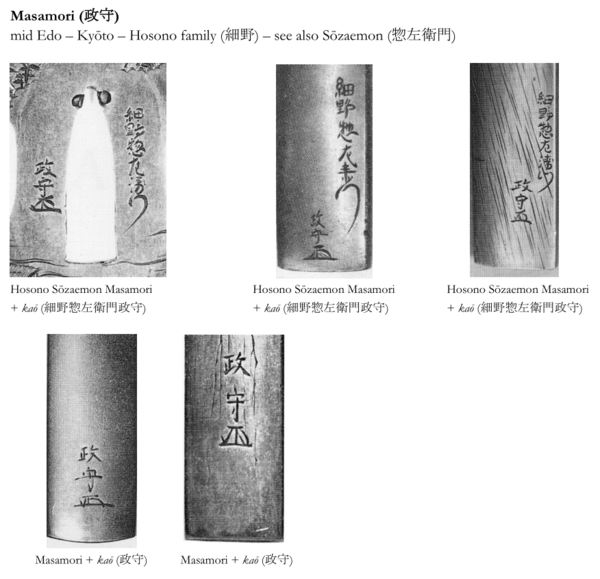
For reference (from Signatures of Japanese Sword Fittings Artists by Markus Sesko).
 6 points
 -
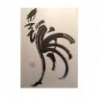
That is an old tokubetsu kicho paper for sword fittings issued by NBTHK in 1976. 黒笛巻塗鞘脇指拵 – Kuro-huemakinuri-saya wakizashi koshirae 頭角縁鷹図赤銅地 – Tokaku-fuchi (=Fuchi-Kashira), figure of hawk, shakudo-ji 目貫人物図赤銅地 – Menuki, figure of person, shakudl-ji 鐔尾長鳥透鉃地丸形 – Tsuba, open-work of long-tailed cock, tetsu-ji marugata 小柄流水扇図赤銅魚子地 – Kozuka, figure of stream and fans, shakudo Nanako-ji5 points
-
It has been a while I thought I'd share this remarkable tanto with you guys,
.thumb.jpg.d78d8b313bb8cb2a4c38fb8b967a23ef.jpg)

 4 points
 -
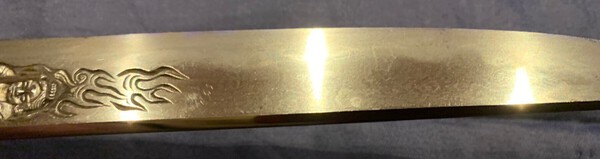
Honestly, I don't think the horimono is up to the standard we'd want to see. It's good, but not at the higher end. As far as the blade is concerned, I think it looks Koto, but I'm not qualified to say more. But overall a nice piece that I probably would have grabbed myself. This is the sort of horimono I'd want to be seeing.

 4 points
 -
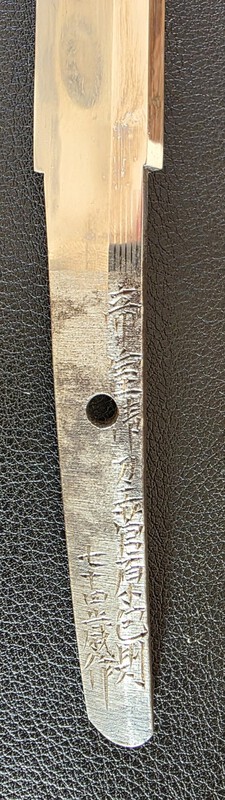
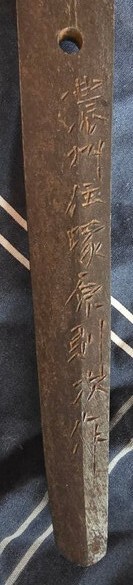
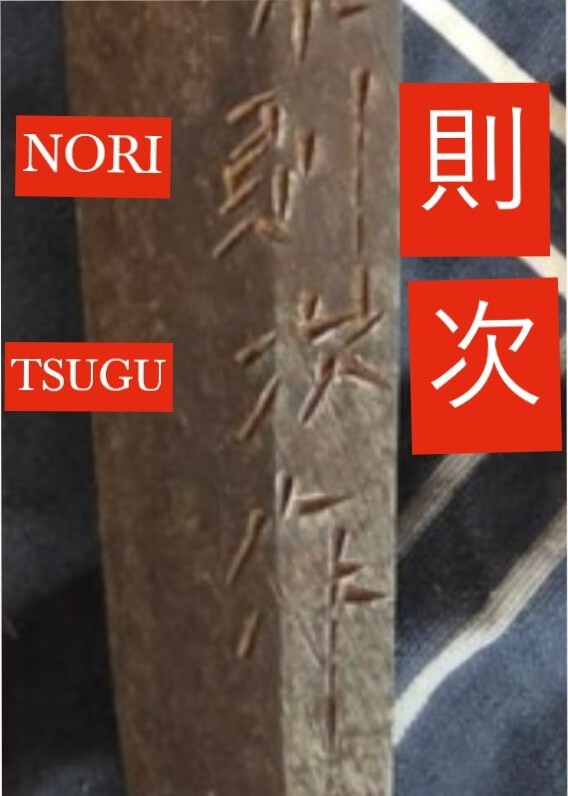
I read it as 濃州住塚原則次作 – Noshu ju Tsukahara Noritsugu saku.4 points
-
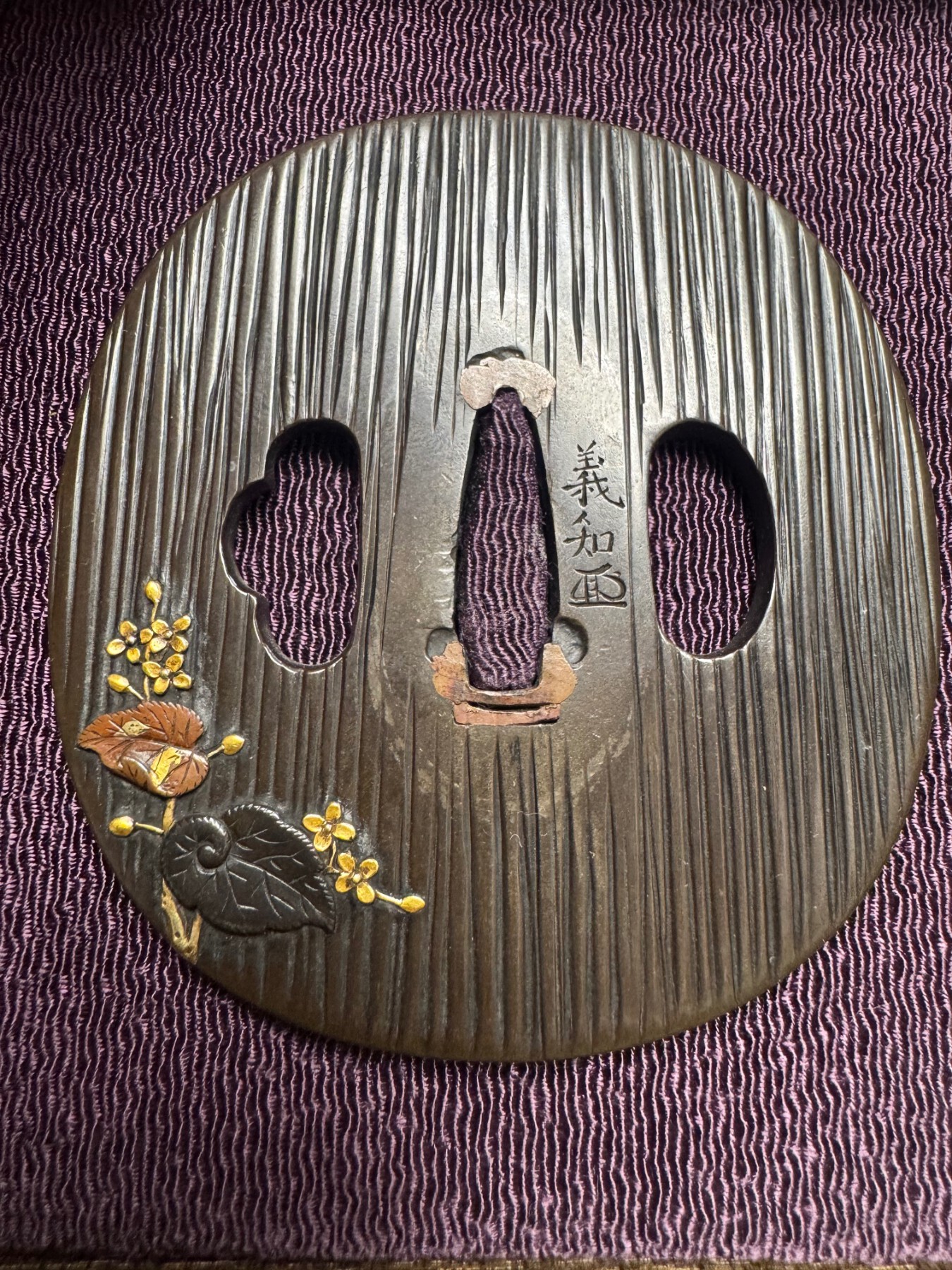
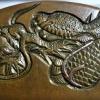
I believe the carving on the plate is supposed to be rain, anyone else have a different thought?
 4 points
 -
I do take Dan's point, though. There clearly are some tsuba that were designed purely as art objects, without any significant intent of them being mounted. For me, that's not the issue, though. I'm more concerned with personal aesthetic values. A lot of those "art object" tsubas are flashy, extraordinary examples of craftsmanship, but not my cup of tea :-)4 points
-
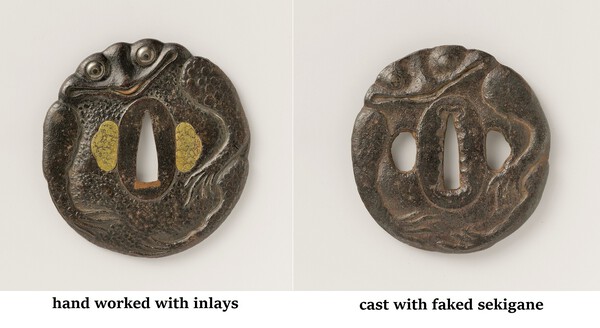
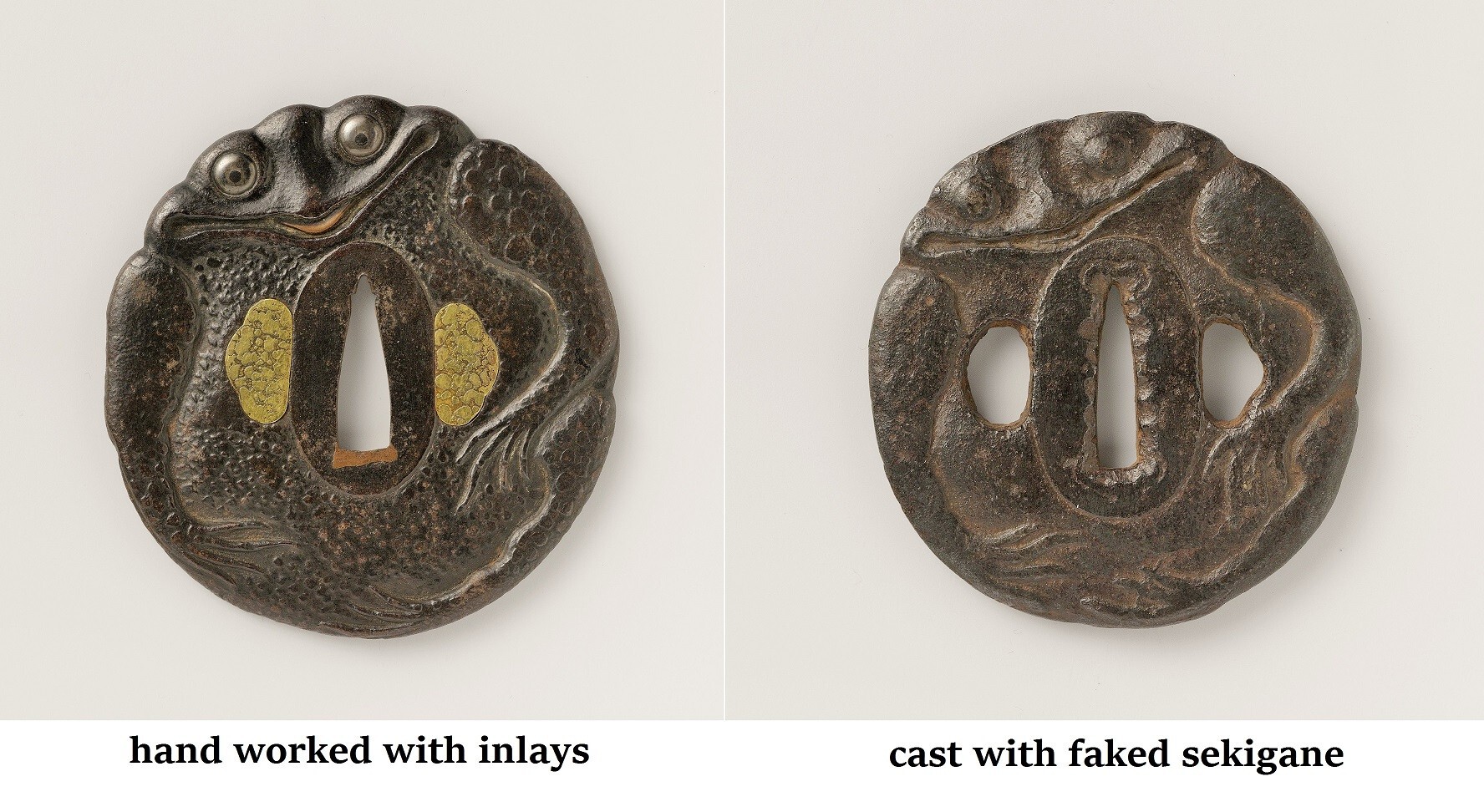
I like frogs... But yes, often what is seen in museums includes the donated "trashy" pieces of a century ago. Most good pieces in museums derive from big, important (&knowledgeable) collectors of Japanese art in the early 1900s and there were not too many. Hamburg Museum has some great ones, as well as Oxford collection. Other museums too of course. But then there were also other collectors which focused on other Japanese or Asian works, but for the sake of completeness also had some Tosogu - these are often questionable items.
 3 points
 -
Yahoo Japan auctions are the main areas you're going to find the bland IJA brown bags.3 points
-
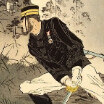
暗そう 明治年間 妻君の 風俗 That is the 27th picture in 32 pictures set which shows 32 daily scenes of women in the era. Ref. File:Tsukioka Yoshitoshi - Looking dark - the appearance of a wife during the Meiji era.jpg - Wikimedia Commons The set is 風俗三十二相 (Fuzoku sanjuni so) published in 1888. Ref. 風俗三十二相 - Wikipedia2 points
-
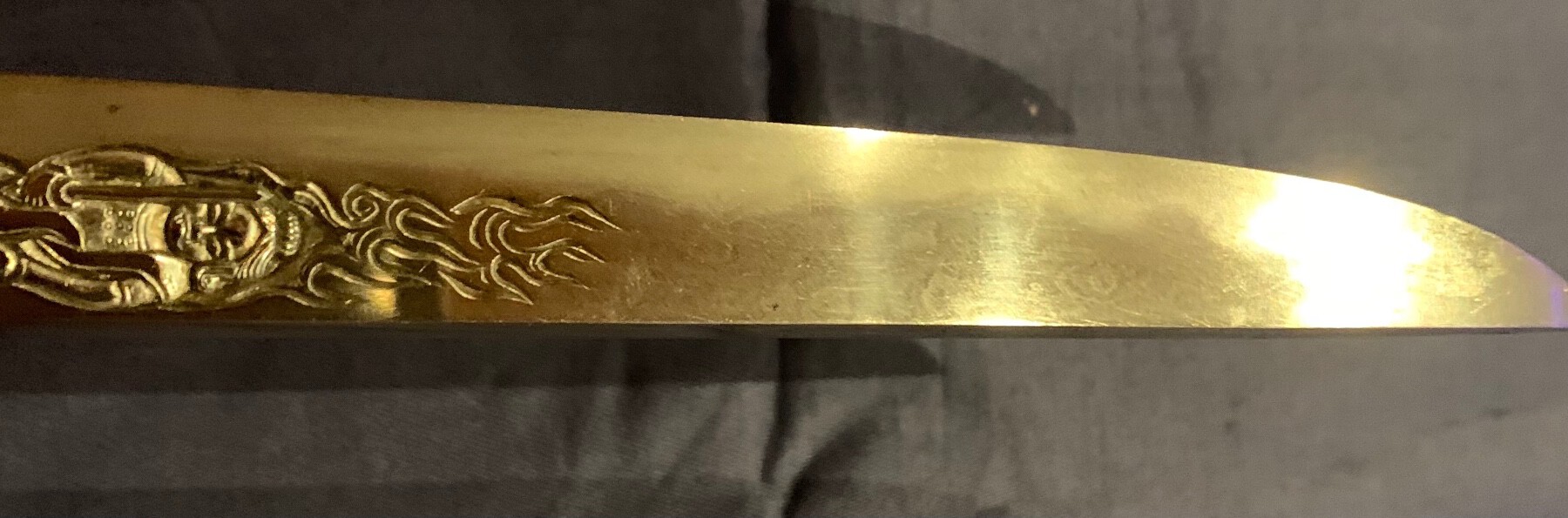
Horimono…..they generate very polarised opinions yes? To the blade purist this tanto would for sure be better off without it but to the bling loving merchant that possibly had it done it was the height of fashion. I suspect this tanto had a very flashy koshirae as well…..possibly Bakumatsu, but that is pure speculation. As John says, figural horimono are notoriously difficult to execute, trying to get a 3d vision of a fierce and scary divinity into a small 2d space is not easy. Dragons, bonji etc are simpler. The actual figure of Fudo is only 4cm high and a lot of detail has been crammed into that space. Personally I think it is 8/10 for a Fudo one but opinions will vary. Also….they are very difficult to get a decent image of and in this case I was focussing much more on the blade forging details which has distorted the horimono on several pics (taken at slanted angles rather that full on flat). Any other opinions anyone? No-one prepared to give the blade a shot?🙂2 points
-
I was going to say exactly this. Here's a video of this process (link to specific timestamp at 46:08)!2 points
-
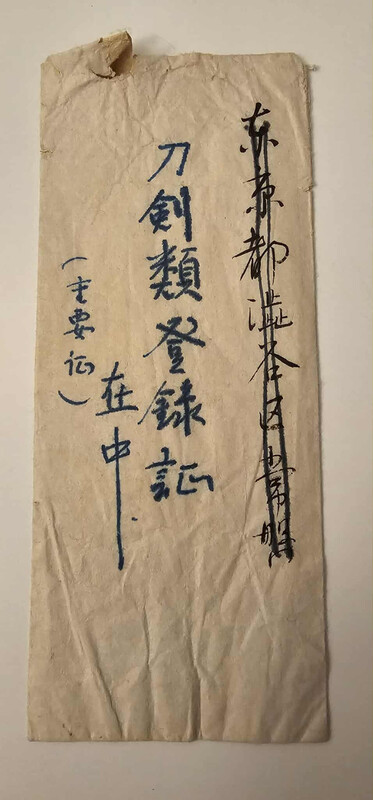
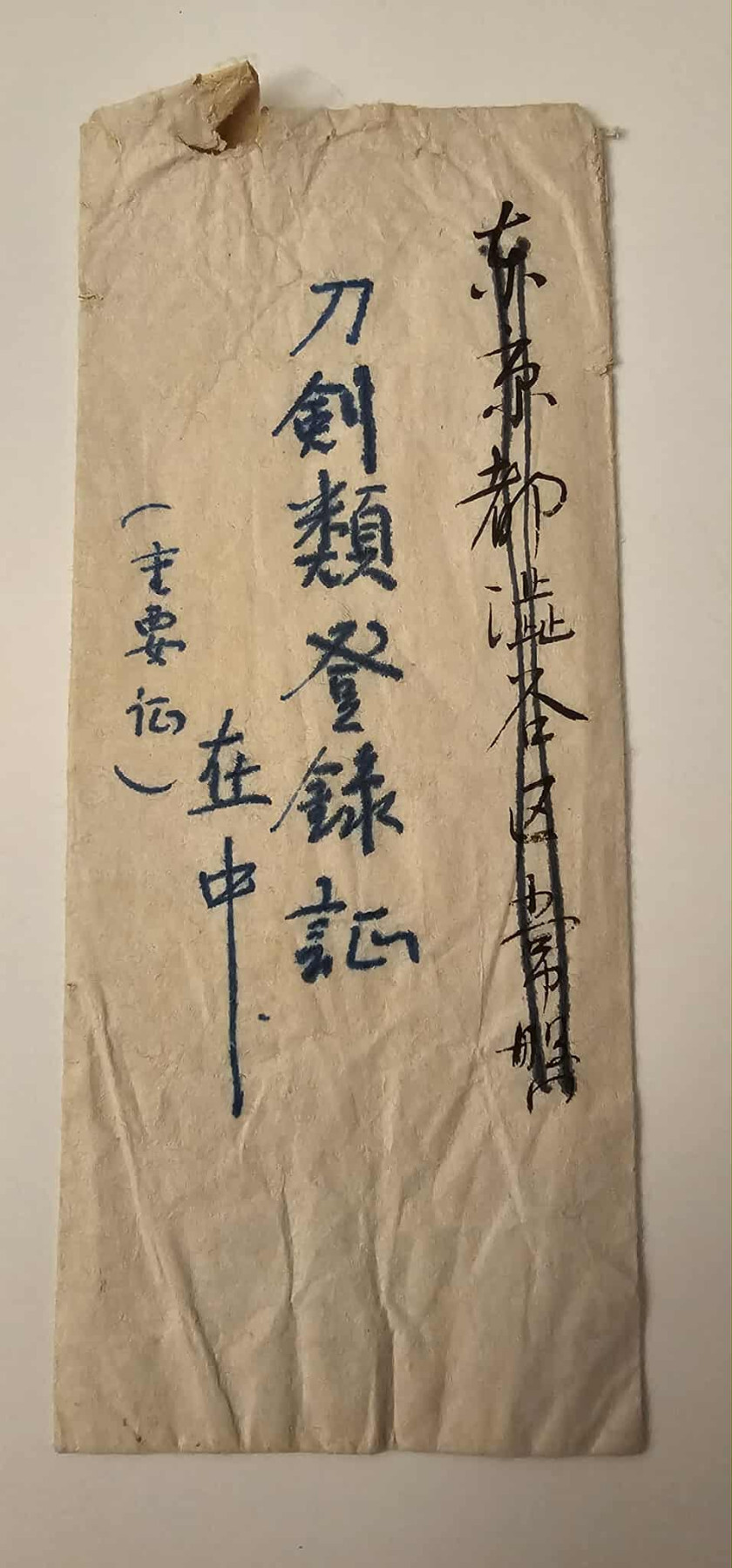
Thank you all again for your assistance, the registration came in this envelope. It's interesting to see an early registration certificate, and that it was first registered in Shimane Prefecture followed by Toyama prefecture.
 2 points
 -
Anton, your sword reads "Noshu ju Tsukahara Noritsugu saku" 濃州住塚原則次作. There is no smith of that name in the WW2 Seki registration (but often smiths are omitted/not included). Sesko lists: NORITSUGU (則次), Aichi – “Noritsugu” (則次), “Fujiwara Noritsugu” (藤原則次), Jōko no Jōi (Akihide, 1942) and Fifth Seat at the 6th Shinsaku Nihontō Denrankai (1941). He may have been in the Nakano Mon in Okazaki, Aichi. Not clear if they are the same (with family name of Tsukahara). Sometimes smiths crossed between these two prefectures. Needs a bit more work to determine.
 2 points
 -
What is 'museum grade' is really arbitrary, but I do agree that joy can be found in tosogu with heavy wear or in mint state. If the former one, I would imagine the warriors fighting with them on the battlefield (especially for those made before the Edo era); if the latter one, I would imagine they were made and cared for with extra attention and may have been appreciated during tea sessions or holiday parties2 points
-
Jason, I don't think so. Would not be typical with flowers and flying insects. Rain is mostly not falling vertically in images.2 points
-
More pics


 2 points
 -
“Museum quality” means absolutely nothing. Knowledge determines the understanding of quality, not what some museum displays show us…..stuff they were left eons ago that they neither understand nor try to understand. Of course, there are some specialist exceptions but mostly I have little time for museums. Fine quality things are safest in collectors hands.2 points
-
I don't like some "museum quality tsuba" Museum of Vancouver DB 403 The Rijksmuseum [Amsterdam] has an authentic frog tsuba and one of the cast fakes. AK-MAK-1077 & AK-MAK-1063 Ashmolean Museum [Oxford] EA1956.2093 Maidstone Museum Plus there is another in the V&A M.1933-1931 and they have this thing listed as well!!! M.740-1931 Museum QUALITY??
 2 points
 -
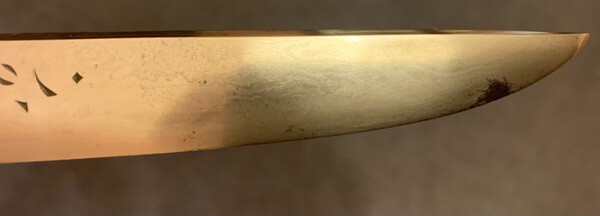
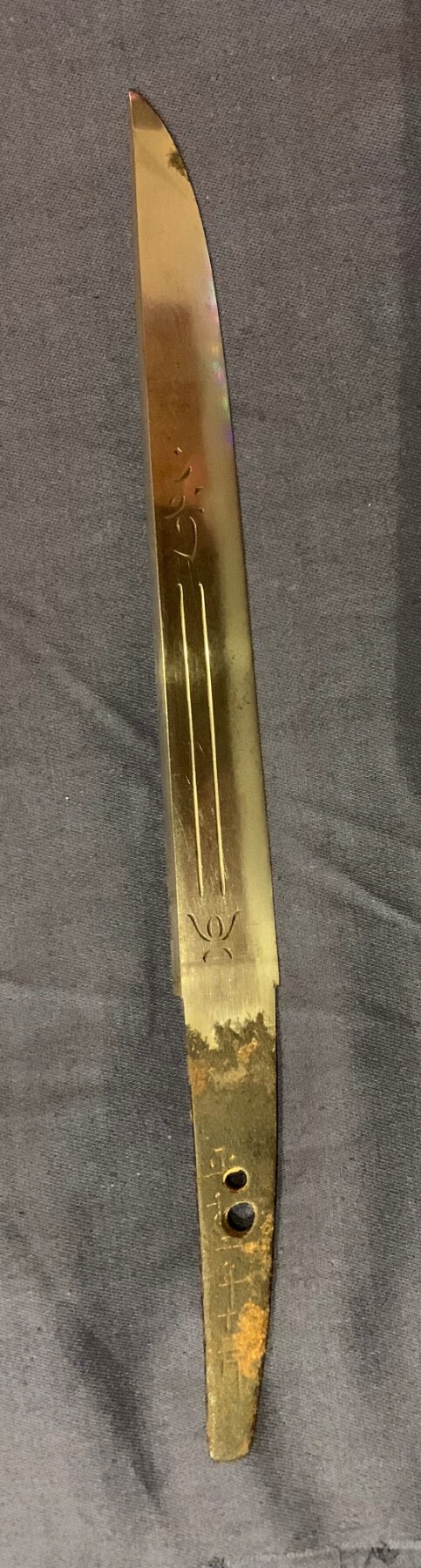
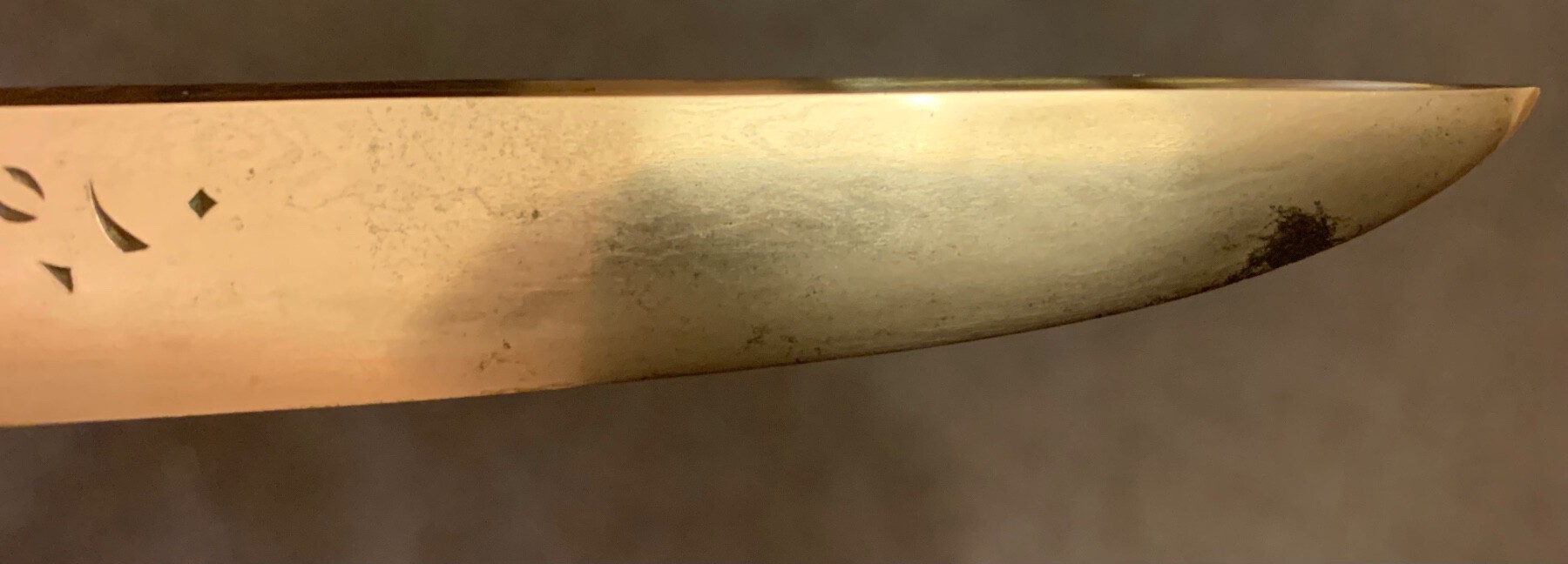
Having just sold my final sword and told myself I was no longer collecting swords (I was never a blade collector….just complete swords) I was caught off guard by this (to me) intriguing little Koto tanto blade in an old shirasaya that whispered “buy me” from across the room at an arms fair. It was just lying there on the table top of a lovely gentleman who had some very interesting diverse weaponry. Just from these first few poor images can anybody put flesh on the “Kunimitsu” Mei…..or the date? The horimono are very well executed imo and the overall appearance is one of elegance and quality (again imo) despite obvious machi okuri. The nakago has a very dark/black patina that does not look fake with some later more active rust. I will try to image the hada and hamon/boshi in due course but meantime……I’d love your opinions. Thanks for looking! And….Seasons greetings!


 1 point
 -
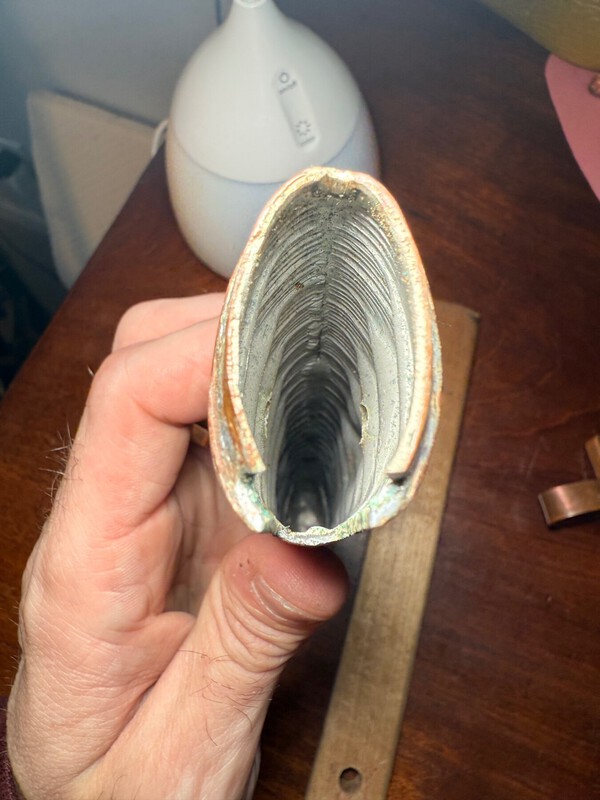
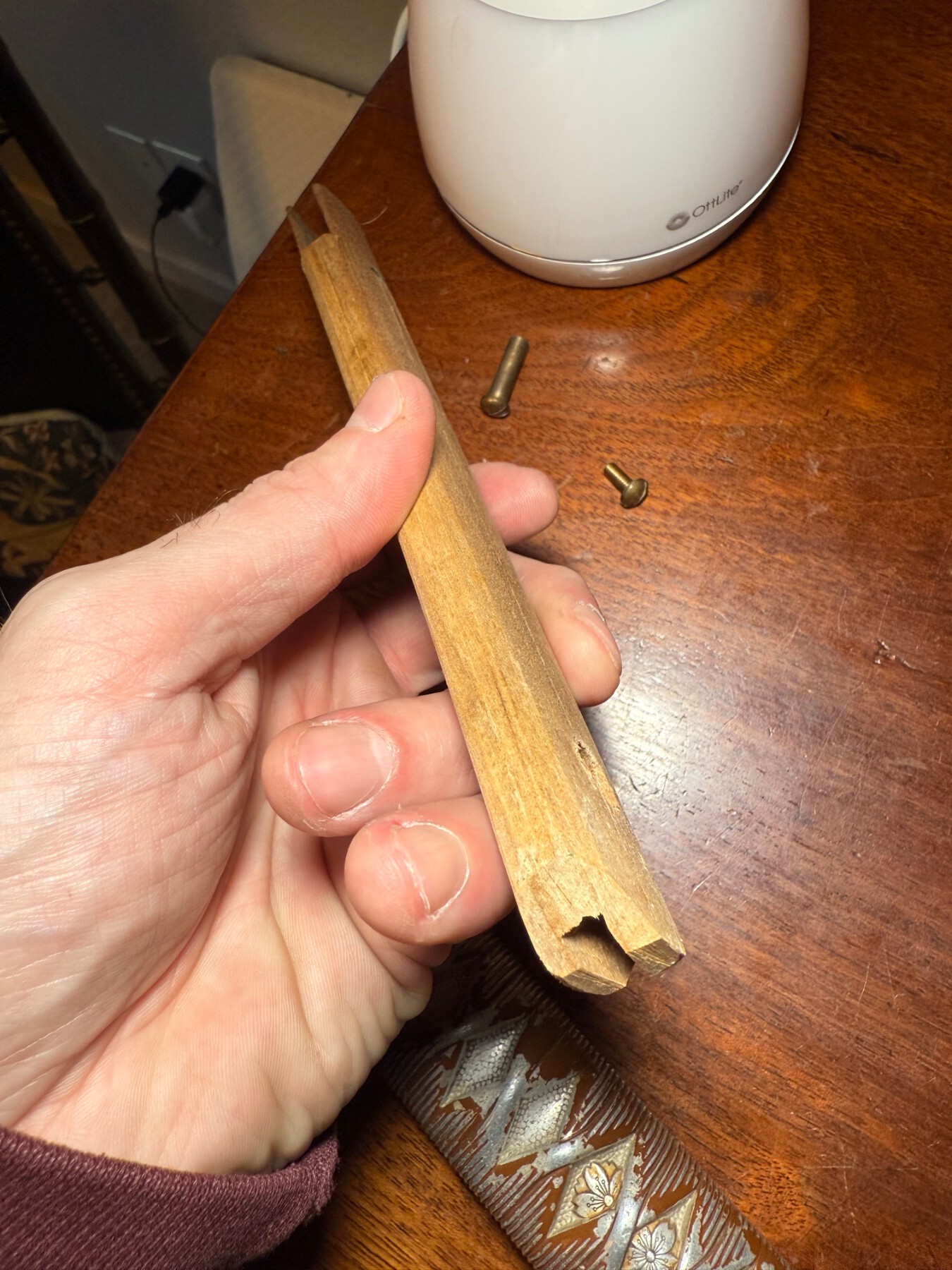
I was given this tsuka over the weekend. Just the tsuka and fuchi, no blade. I disassembled the barrel nuts and removed the wood insert. I thought I’d share here. It is not recommended to disassemble type 95 swords, so I figured this might be an interesting image for those of you who have wondered how it looks. This specific example has the four cannonball stamp, Nagoya 名 stamp, and Gifu 岐 stamp. -Sam



 1 point
 -
Anton, There is no way that this one read "Kanetsugu". Now, there were smiths that changed their art name over the span of their careers. Whether Kanetsugu was one of them, I cannot say. Mal Cox, @mecox, could if anyone can.
 1 point
 -
With many thanks to @SteveM for the translation. (Hosono Sozaemon Masamori) A recent acquisition…..slightly earlier than I first thought…. Katana sized (just about) @ 7.5 cm


 1 point
 -
Thanks Mauro. It was Ford that said his signatures varied quite a bit over a long career (70 years from memory) and what you show does rather confirm that. To my eyes there are sufficient similarities to mine to increase the chances that it is OK. Certainly the workmanship and artistry are of a high standard…..imo far higher than much of his “rural life” outputs. Thanks again.1 point
-
YOSHITOSHI is wonderful!1 point
-
Definitely the first one (i.e. on the left); not because of the design, but because of the minute details and crisp lines. It's the execution that makes it superior. It doesn't just apply to something as complex as a Fudo-Myoo; Juyo commentary will often include things like "in addition, the bo-hi is carved with skill and dignity, adding to the charm of the sword."1 point
-
Soshu-influenced, so Nanbokucho at earliest. Shimada maybe, or one of the northern Etchu/Echizen smiths after being influenced by Norishige. There are more, shall we say prestigious, possibilities, but for that the current state of the polish would hide the fine activities and nie they're known for. Could also be a later smith doing their shot at a Norishige utsushi.1 point
-
I can see why you pounced on this one, Colin. The scent of the hunt! The temptation to take a punt. Love these pursuits for the truth!1 point
-
Lovely video, by the way. No unnecessary dramatics or music, just a trained professional absorbed in his work.1 point
-
I don't think samurai ever thought in such terms - certainly not 'museum quality'. If you were aristocracy, you inherited masterpieces; if you were a super wealthy merchant you commissioned super expensive 'bling'. Functional pieces were just that - functional, additional decoration was down to wallet, then taste. Ive read the very long debate on cast tsuba and I truly can't believe that anyone but the most down at heel bushi would knowingly endanger their lives by using those as they'd shatter on impact with an opponent's blade. Better an ugly, hammered and heat treated plain disk than a decorated accident waiting to happen. Even in the supposedly 'peaceful', hedonistic years of the Edo period, there were still duels, vendettas and bad asses out looking for a fight by being deliberately rude or smacking their saya against someone else's (give a man a weapon and he'll find an excuse to use it). So we can't conveniently say that practicality and functionality both took a backseat throughout the Edo period. However, returning to the original question (if I understand it correctly), then yes, I would always prefer a tsuba which is hand forged, has been mounted, shows signs of use, and is at least restorable by removing active rust with bone and ivory. I can certainly appreciate the exquisite workmanship of late Edo and Meiji period pieces but they are just not my thang in terms of both taste and pocket money. It's like owning a Lamborghini; I can't afford it, I'd be afraid to scratch it if I could and the only guys you see driving around in them in Tokyo are ostentatious old rich pricks driving their 19-year-old trophy girlfriends and revving the engine at traffic signals. 😂 Hector C1 point
-
Have to agree that the blade looks to have some interesting qualities. After examining these closer photos the Horimono is somewhat unfortunate for my eyes at least, but that particular subject of Fudo Myo-o tends to look awkward even when done by known Horimono artists of repute.1 point
-
I will confess that I don't have any competence in this field, so let me ask about the qualtity of the HORIMONO. Just from a solely personal view, I do not find it very appealing, but as it is an expression of another culture, I am probably way off, but ready to learn. How "good" is it actually?1 point
-
Ha ha - it would be in the "Museum of Vancouver" - a Museum that even many people in Vancouver don't know exists. Next time I'm over there I may have to check in and see what the acquisition date was.1 point
-
I can see why you were drawn to this blade @Matsunoki. The condition isn't too bad, and a new polish would really highlight what we can already see.1 point
-
Luc will know well and great you have talked to him.1 point
-
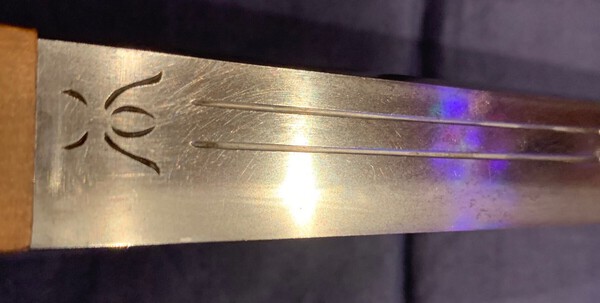
Well, I’ve tried to capture some of the activity in this little tanto. Hellish tricky with an old polish and stains just where yiu don’t want them…..there is a lot more “midare” that falls outside of the remaining Hadori finish that simply will not show up. OK so we do not have the classic Kunimitsu but does anything else suggest itself? Could we say it is a Kamakura period blade or are we drifting later? All opinions welcome






 1 point
 -
Thanks for your opinions and no offence taken. I believe that one has to read some basic kanji, at least the biggest big names here, to really enjoy collecting tosogu. As you mentioned in another post, understanding determines collection quality. I wouldn't imagine collecting Victorian era jewels without reading basic English. People are spoiled to think that English is a default for everyone and ignore that the pronunciation and their original characters are not the same thing at all for many non-roman languages. But I will add a corresponding English wiki, like good Rohan did, next time. Thanks for your feedback.1 point
-
Yep. Ko-Aoe Tametsugu (為次), not Echizen/Etchu Tametsugu (為継).1 point
-
It is a receipt issued by the Board of Education in 1951 to Mr. Fuse Takashi in Tsuwano cho. The price is 150 JPY as the registration fee of swords.1 point
-
Watch out for "the backyard blacksmith" as well https://www.jauce.com/user/CAWaKufXrxBdNGAA4UXmvfeWjVRf he likes putting big copper sekigane on brand new oily black patina fakes. He could do with changing his background image as well!1 point
-
Looks like a "showa22" sword. That blue backdrop is notorious. He likes to "touch up" the blades he gets so I would tread caution with what you get.1 point
-
Guys, before we get carried away, I have no plans on charging for listing or buying. It's tempting, but that is one of our strengths and I think it generally works well. Maybe I can look at a system where a person gets a badge if they have done X number of successful sales, so that they have somewhat of a "verified" badge that sets others at ease, but that we'll look at later. I've just bumped up the hosting with more webspace. Just means the bill in a week or 2 will take all of the Gunto proceeds that is up for auction currently, but at least we won't run out of space. Advertising will likely happen, nothing too intrusive. Guys who take advantage of the services here like translations...well the board is self regulating, and as you can see they get called out. Nothing I need to do...you guys handle it for me :-)1 point
-
I have looked at advertising, and have been playing with placement and it is ready to go anytime. The problem is twofold. Would dealers be willing to pay for it? And #2...the logical thing is to say that Gold membership exempts people from having to see ads. That is easy to do. But if many of the Gold members are serious collectors and the target market, would advertisers not be against a system where paid membership exempts the very market they are trying to reach? It's a problem in my mind. As far as charging a small fee for some translations, my issue with that is that I am indebted to the members here who do those translations. We have many skilled, helpful members here who give of their time and effort to do these translations. The problem is that if we were using this as a revenue stream, from my own morals, I'd want to give back to those guys. They do this largely without any reward at all. But if the forum is making something from it...however small, I would feel obligated to try and give back to those guys. And how do we do that? How do we judge who puts in more effort or who is more accurate or who spends more time on them? It's a morality issue for me, and I already battle with feeling like I don't give back enough to the guys who assist here with info constantly.1 point
-
Facebook and Reddit will always be free. So if the NMB were to charge for services like translating or listing items, people would simply have no reason to do those things here. I hate to go there… but what then happens when AI figures out mei to a reliable degree? Additionally, I would hate to see the NMB be flooded with complicated little transactions for this or that; when it’s supposed to be an accessible resource for like minded people. The finances are one thing. Otherwise the translations and sales are very rarely a problem, with the exception of a select few repeat offenders who abuse the service. I don’t have the answers; but funding for the board just needs careful consideration, IMO1 point
-
Yes, and it's how I get a ton of stuff for my charts, too! Ha! But I understand what you guys are getting at. I don't mind the posts, as my hobby has morphed into just being here to help new guys with their questions. If we don't allow that, we just become an insular bubble of old farts incestuously wallowing in our own stuff. It's like having a "City name" Japanese Sword Club that only allows people to show up if they join first. But I totally get Brian's problem with growing data needs and less than matching memberships/donations. Tough problem, for sure. NMB is like a public library where people can go to look up stuff and learn, yet needing the financial support to keep it open. It is a struggle all non-profits and not-for-profits constantly deal with.1 point
-
As a newcomer to nihonto and tosogu collecting I have found this forum to be invaluable in so many ways. We are in an enviable situation now with plethora of sources of information from books to societies like the NBTHK-AB and EB, as well as local organisations within our jurisdictions. These society interactions no matter how important, are, by their nature, sporadic. The NMB is always there, with members who are often very willing to share the knowledge they've acquired over many decades of diligent research. This is how a field of study grows by participating and sharing. I have found many friends on NMB in the course of the last 18 months, since starting my journey, people I might not otherwise have met. I know for a fact I wouldn't be where I am today without NMB and its participating members. I would not have had the confidence to take a chance on a forgotten blade, one that might have been lost to history in its current state, if its fate had not been secured. Just as I saw something in that blade so we must all decide how much this forum has contributed to our own growth and enjoyment. By subscribing we are doing something small to preserve the knowledge and experience for future collectors, especially those outside Japan. Losing Darcy and his Yuhindo website was a massive loss and it would be a crime if something similar happened to the NMB. By subscribing we ensure this wealth of knowledge, a lot of it only found here, is preserved. As Brian says it's a bargain in the grand scheme of things. Someone made an interesting comment recently which really struck a cord with me. Why are there no grassroots Japanese nihonto forums? You would think this would be the obvious place for such a community to grow and thrive. Is the collecting culture so different in Japan that there is a reluctance to share knowledge and ideas? That really brought home how lucky we are to have this community and one that shouldn't be taken for granted. I will be subscribing as soon as my replacement credit card arrives from the US. As for other ideas to increase revenue? I don't see any problem in charging a small fee to list items in the Classifieds and/or make this a perk for subscribers. Perhaps a third level of membership eg $5 for a month if people want to list items for sale on an occasional basis. Many forums operate such a business model, the VW California Club, Home Barista and Kitchen Knife Forum (for new members or those with low post counts), 3 forums that I also frequent on a daily basis.1 point
-
Same with me, to be honest the incentives on the membership plan i don't even think about. I only subscribe to support the forum which has been invaluable to me over the years, one of my daily websites1 point
-
Mark H wrote: >It would be damaging to the market if word were to get out that it's impossible to tell apart a > contemporary blade from a blade close to a millennia old. There would of course be a strong > financial incentive to keep this hidden (if it were the case). There may well also be the art challenge, as with all forgers, to fool the cognoscenti of the day. However, it was once the case in our time - I'll have to dig out the info. In my decades of accumulating club and society newsletters and inhabiting online discussion boards since 1996, there have been a couple of juicy tidbits on this very subject. One I remember was concerned with a sudden influx of (I think) Nara period swords that were about to be given high and important cultural object designations until "someone" opined that they were the work of a recently deceased swordsmith. A committee was formed to look into it. Now, a definition I remember of a committee is that it is a group of people who lure a good idea down a cul-de-sac and quietly strangle it!! On that point I cannot recall the conclusions of said committee, but maybe someone else remembers the details... A very interesting rabbit hole for this thread... BaZZa.1 point
-
I've wondered the same thing. I somewhat doubt that there's much in the way of technique that wouldn't have been rediscovered or reverse engineered. We're really only discussing surface properties, which arise from chemical, mechanical, and geometrical properties. Geometry can of course be replicated, leaving us with the chemical and mechanical properties (chemical composition, grain, hardness, strength, inhomogeneities, etc). I would guess that smiths have relearned what was lost in terms of forging technique and heat treat (which should take care of the mechanical properties). If that's the case, it would follow that the differences lie in the material itself. I would guess there's a difference in micro-alloying of the metal (niobium, vanadium, titanium, molybdenum, zirconium, boron, etc) which is responsible for the differences in colour, specularity, etc (when polished with the same stones and technique). I have a pair of honyaki kitchen knives which are as close as possible to identical - other than the steel composition. One is around 1.3% carbon and 0.25% manganese while the other contains an additional 0.4% chromium and 1% tungsten. I sharpen and polish them exactly the same way, (on the same stones) but interestingly the blade containing chromium and tungsten has a noticeable blue tinge when they're placed side by side.1 point

.jpg.57335bf9c5ef7b10e0a6581194ae51fb.jpg)























This leaderboard is set to Johannesburg/GMT+02:00