uwe
-
Posts
2,123 -
Joined
-
Last visited
-
Days Won
2
Content Type
Profiles
Forums
Events
Store
Downloads
Gallery
Everything posted by uwe
-
The Japanese Sword -Museo Stibbert
uwe replied to cuttingedge59's topic in General Nihonto Related Discussion
Chris, I was there in 2014 and will be there February next year, for the second symposium of the "Samurai armor society". Believe me it is an amazing place!!! Uwe -
Steve, as Geraint said, hard to define based only on this pics. Despite everything, shape suggests an old blade. Uwe
-
Yep, that`s right Peter! Grüße Uwe
-
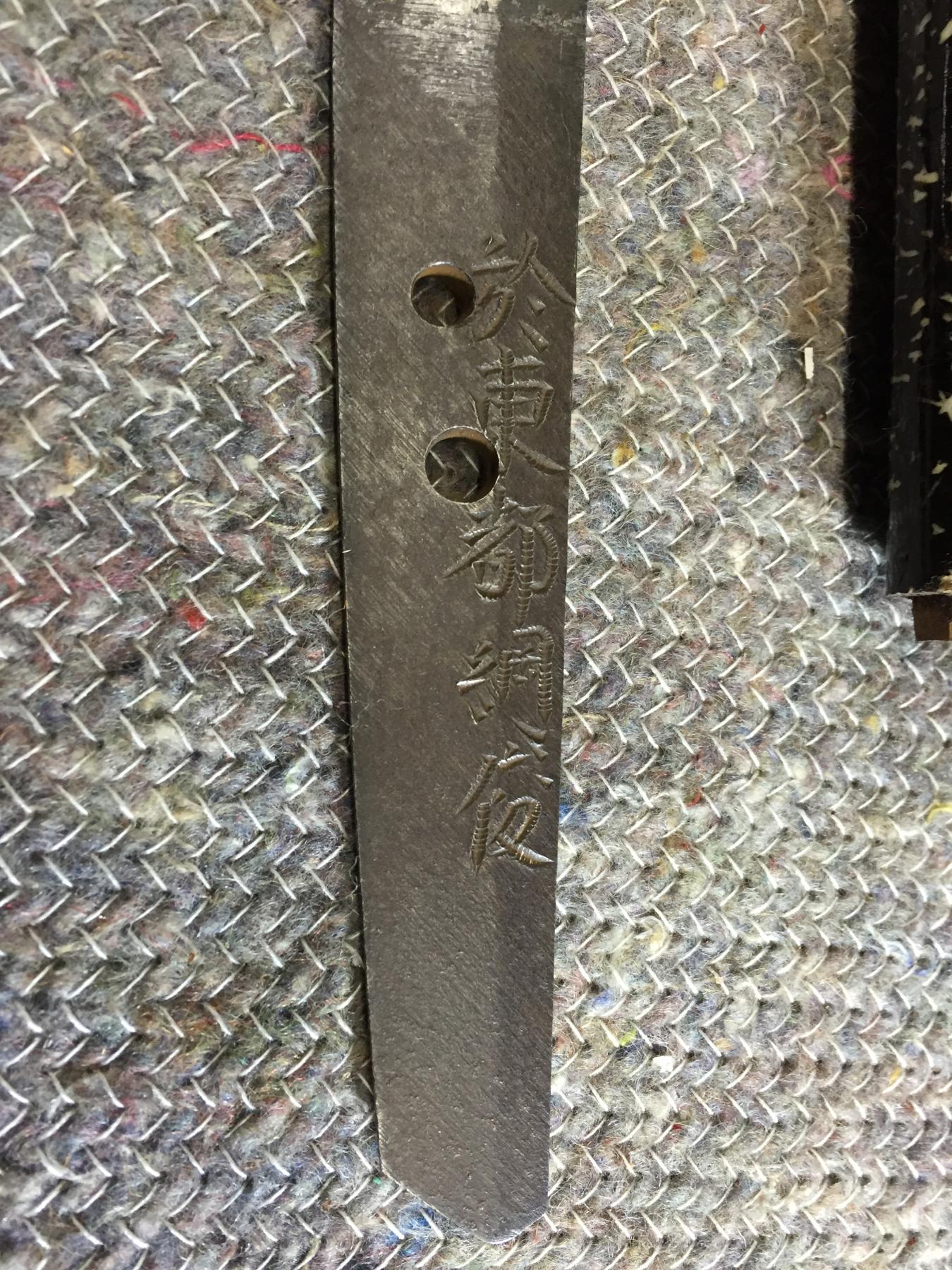
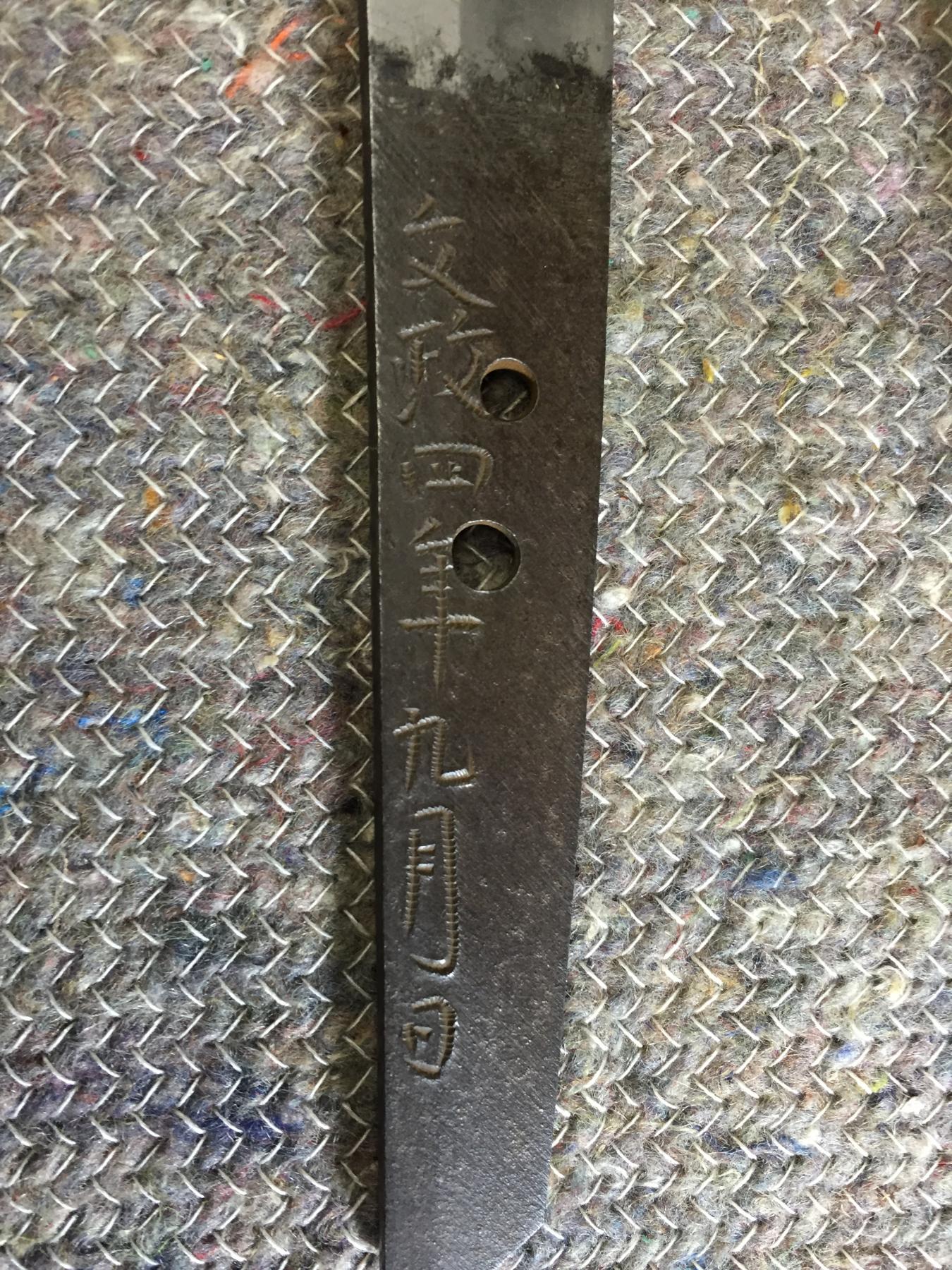
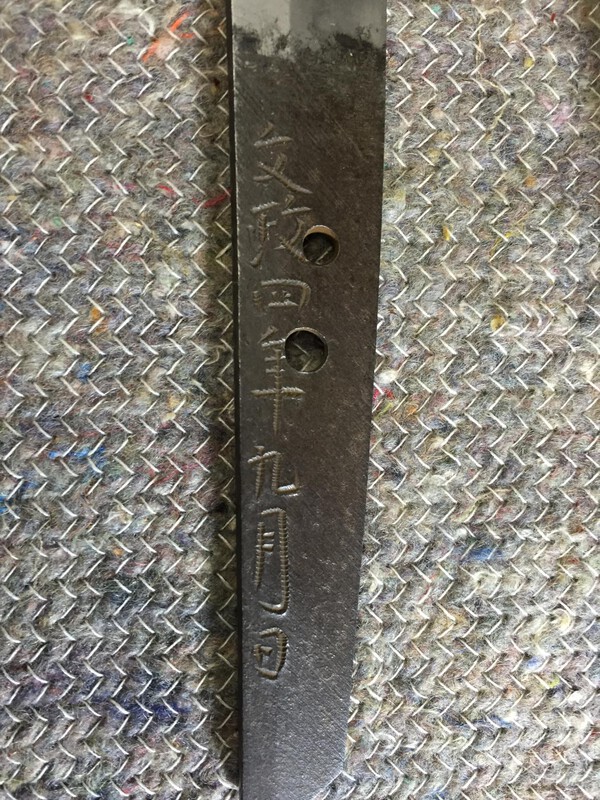
Hi Peter, Tsunatoshi (綱俊), 1. Gen., Tenpō (天保, 1830-1844), Musashi – „Katō Hachirō Tsunatoshi kore o tsukuru“ (加藤八郎綱俊造之), „Katō Tsunatoshi tsukuru“ (加藤綱俊造), „Tōto ni oite Katō Hachirō Tsunatoshi kore o tsukuru“ (於東都加藤八郎綱俊造之, „gefertigt von Katō Hachirō Tsunatoshi in der östlichen Hauptstadt [= Edo]“), „Ushū Yonezawa-jū Katō Chōunsai Tsunatoshi“ (羽州米沢住加藤長運斎綱俊), „Chōunsai Tsunatoshi“ (長運斎綱俊), „Chōunsai Tsunatoshi tsukuru“ (長運 斎綱俊造), „Efu ni oite Katō Chōunsai Tsunatoshi“ (於江府 加藤長運斎綱俊, „gefertigt von Katō Chōunsai Tsunatoshi in Edo“), bürgerlicher Name „Katō Hachirō“ (加藤八郎), er kam ursprünglich aus Yonezawa (米沢) aus der Provinz Dewa und war wie sein Vater Katō Kunihide (国秀) ein Schüler Suishinshi Masahides (水心子正秀), nach Edo kam Tsunatoshi um die Bunsei-Periode (文政, 1818-1830), wo er in der Edoer Residenz der Uesugi-Familie (上杉) – den daimyō von Yonezawa – Schwerter schmiedete, um das erste Jahr Ansei (安政, 1854) überliess er sein gō „Chōunsai“ seinem Sohn Koretoshi (是俊) und änderte seinen Künstlernamen auf „Chōjusai“ (長寿斎) um, Tsunatoshi starb am fünften Tag des zwölften Monats Bunkyū drei (文久, 1863) in der Edoer Uesugi-Residenz im Alter von 66 Jahren, Tsunatoshi brachte wie sein Bruder Tsunahide (綱英) einen tōran-midare an, seine besten Klingen sind aber in der Bizen-Tradition geschmiedet, das jigane ist eine dichte, zu muji tendierende ko-itame mit ji-nie, sein hamon ist dann ein ko-chōji-midare oder ko-midare in nioi-deki mit kompaktem nioiguchi und harten, dunklen Stellen entlang der yakigashira, das bōshi ist ein klein dimensioniertes midare-komi und das jihada eine dichte, zu muji tendierende mokume gemischt mit ōhada, die Klingen sind generell lang, haben einen tiefen sori und eine dicke kasane Tsunatoshi (綱俊), 2. Gen. → Koretoshi (是俊) Koretoshi (是俊), Ansei (安政, 1854-1860), Musashi – „Chōunsai Koretoshi“ (長運斎是寿), „Chōunsai Koretoshi saku“ (長運斎是俊作), „Efu ni oite Chōunsai Tsunatoshi Chōunsai Koretoshi“ (於江府長運斎綱俊長 運斎是俊, „Gemeinschaftsarbeit zwischen Chōunsai Tsunatoshi und Koretoshi in Edo“), zweiter Sohn von Katō Tsunatoshi (加 藤綱俊), er übernahm in zweiten Jahr Ansei (1855) das gō „Chōunsai“ von seinem Vater und folgte nach dessen Tod als 2. Gen. Chōunsai Tsunatoshi, in frühen Jahren signierte er seinen Namen in der Schreibweise (是寿), er fertigte mit seinem Vater während dessen späteren Jahren viele gassaku-Gemeinschaftsarbeiten an, Koretoshi arbeitete von Edo aus für die Itō-Familie (伊東) der Provinz Hyūga, er starb am zweiten Tag des elften Monats Meiji 28 (明治, 1895), dichte, zu muji tendierende ko-itame, chōji-midare oder gunome-chōji in nioi-deki, er signierte das Zeichen für „sai“ (斎) in „Chōunsai“ in der ungewöhnlichen Weise (叄) – es soll noch eine 2. Gen. Koretoshi (是 俊) gegeben haben, die zu Beginn der Meiji-Periode angeblich mit „Koretoshi“ signierte, später ihren Namen aber ebenfalls „Tsunatoshi“ änderte That`s all I have.... Uwe

-
The Reason Why You Should Buy Old Books- Masamune Found!
uwe replied to christianmalterre's topic in Nihonto
Great stuff folks :-) Uwe -
Musée Guimet - Crowdfunding - Armor
uwe replied to Maurice_lmb's topic in General Nihonto Related Discussion
Great armor! Thanks for sharing Maurice. I wonder if I should also start such a crowd funding thing for my next purchase..... Uwe -
.....short reminder Jo!
-
Folks, there is a possibility, that the nakago-jiri was modified. Look closely at G.'s pic! The edge seems a bit shiny Uwe
-
Original mounted swords of a special typ are for sure very rare to find. Most swords are remounted somewhere or the koshirae has been modified (....even perhaps by recent collectors...). Although not 100% agreeing with Guido, I'm after all happy with his description! Uwe
-
Yep Ray, "Bishu Osafune Sadayuki". Seems there were 3 generations. Uwe PS: Can't read the nengo.....
-
Ron, Guido, on Toppai-koshirae usually the tsuka tapers towards the kashira?! In this case the kashira seems to come from a Kobusho-koshirae and the small tsuba maybe Yagyu-style. On the other hand the shape of the tsuka reminds me of Tensho or Higo......a Hybrid?
-
I also started with Yumoto's book. After that, the Nagayama and so on..... Keep going Ryan, it may become exciting Uwe
-
Hi Rob, kabuto of this style were mainly made by armorers of the Saiga school. The school was located in Kii province (named after the titular Saiga-fief) and probably active from the end of the Muromachi to the early Edo period. In case of the kabuto at Christies, I have my doubts, though! Uwe
-
Thanks Mark! But it seems that your last pm is lost ?! Pm regarding the mon send! Regards Uwe
-
Mark, can you show us some pics from the whole armor? Uwe
-
I think this mon is called "shippo" (Seven Precious Things) it was related to several families. For example: Adachi, Aiba, Okada, Tachibana, Asai.......etc. You can refer also; Hawley/Chappelear pg. 22! Uwe PS: But I doubt Takahashi!
-
Olivier, if you are situated in Bruges, Zenon van Damme should be near. He is a nice guy and can be of help in this matter!
-
Sry to say, wasted money! I'm almost sure that this "thing" never saw the edo jidai!
-
New Acquisition Late Edo Period Tanto
uwe replied to DigsFossils-n-Knives's topic in General Nihonto Related Discussion
Well done Henry, late, but a nice package at all! Congrats Uwe -
I can confirm that the one with the cast tsuka is very likely a true late war production. I saw such a piece on a flea market in the formerly known GDR. Hence befor 1990 in an isolated market Tsuka had the same color!
-
Congrats Alton! But seems you put the sode the wrong way around
-
Japan Tag In Germany
uwe replied to BIG's topic in Sword Shows, Events, Community News and Legislation Issues
Peter, Unfortunately I can't manage to come around. Pics would be nice afterwards! Uwe -
Craig Harris
uwe replied to Grey Doffin's topic in Sword Shows, Events, Community News and Legislation Issues
Sad news! I do not know Craig personally, but bought some books from him in the past. I can echo, he was truly a nice guy! My condolences! Uwe -
Cerjak, Jingasa are a difficult topic and many fakes on the market lately, claimed as been Edo period. I think all you can do is judge the material where the urushi is flaked off. Both seems old, but who knows?! The flower mon is Hanabishi type and quite common. For the Hishi-Gata (diamond shaped) mon, can't finde a match. Better regard it as give aways! Uwe
-
Dick Dodge, Another Passing
uwe replied to Peter Bleed's topic in General Nihonto Related Discussion
Again such sad news! My condolences! Uwe