
Leaderboard


Popular Content
Showing content with the highest reputation on 09/30/2025 in all areas
-
My experience is that if someone thinks history ended in 1945, they're on the older side, like me, and actually probably believe that history ended with the end of the Vietnam war. Some younger people I know seem to believe history began when the internet began, and everything was effortlessly online. Everything before that is prehistory . They have a certain point . My nihonto will definitely not be buried with me. I love the idea of gifting them to a younger person who is excited about them, but has limited capital. I have so many amazing things that I've inherited from previous generations - that kind of passing things on is really meaningful to me.6 points
-
This has been an interesting thread even though some of you seem to like to argue about some really meaningless, silly s**t. Stop wasting time on silliness guys. Having said that, and turning back to a more practical response to the OP, I just turned to my wife and asked the “what if” question, and while she is not ‘helpless’, her pause and uncertain answer made me realize I need to create a more ‘concrete’ plan for her to follow. Lucky for her, I’m a bit anal in my documentation, cataloging, and labeling my modest collections (nihonto, tea ceremony equipment, firearms, etc). What I will be putting together for her are avenues for her to consider when she is ready to part with my things and a ‘tour’ of the stored items and where documentation is located. Of course, if given the opportunity, I will part with my collections on my terms. If not, at least she won’t have to worry about being totally lost.4 points
-
I like shinto blades though But serious counterpoint, nihonto aren't just weapons - they have both historic and artistic value too. (Limited doesn't mean none?) Imagine what all previous owners of that blade would think of us intentionally destroying them... We can surely do better than that? They say a person dies twice - once with their own body, and then next when the last person that remembers them eventually dies. Make sure that second death is a long time off - go give a blade to some young adult that couldn't dream of affording them, sparking an interest in them for life. This is a forum for the preservation of Japanese swords right? 😅4 points
-
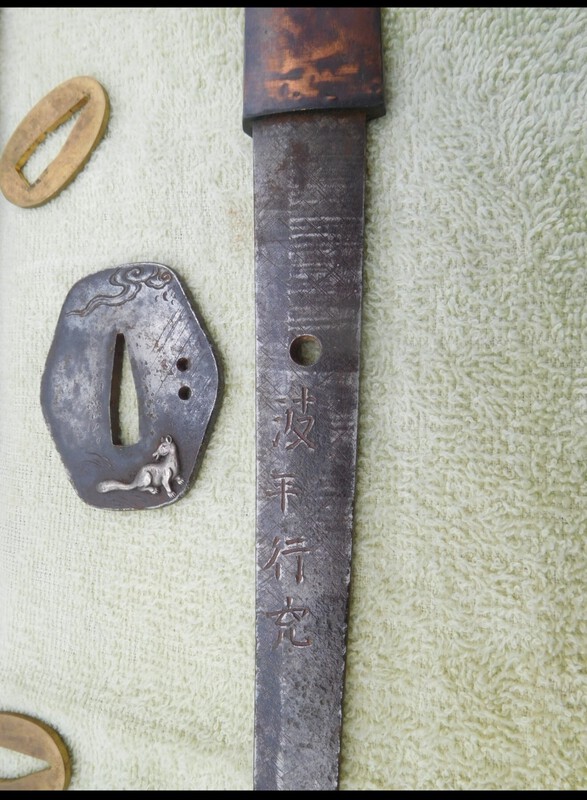
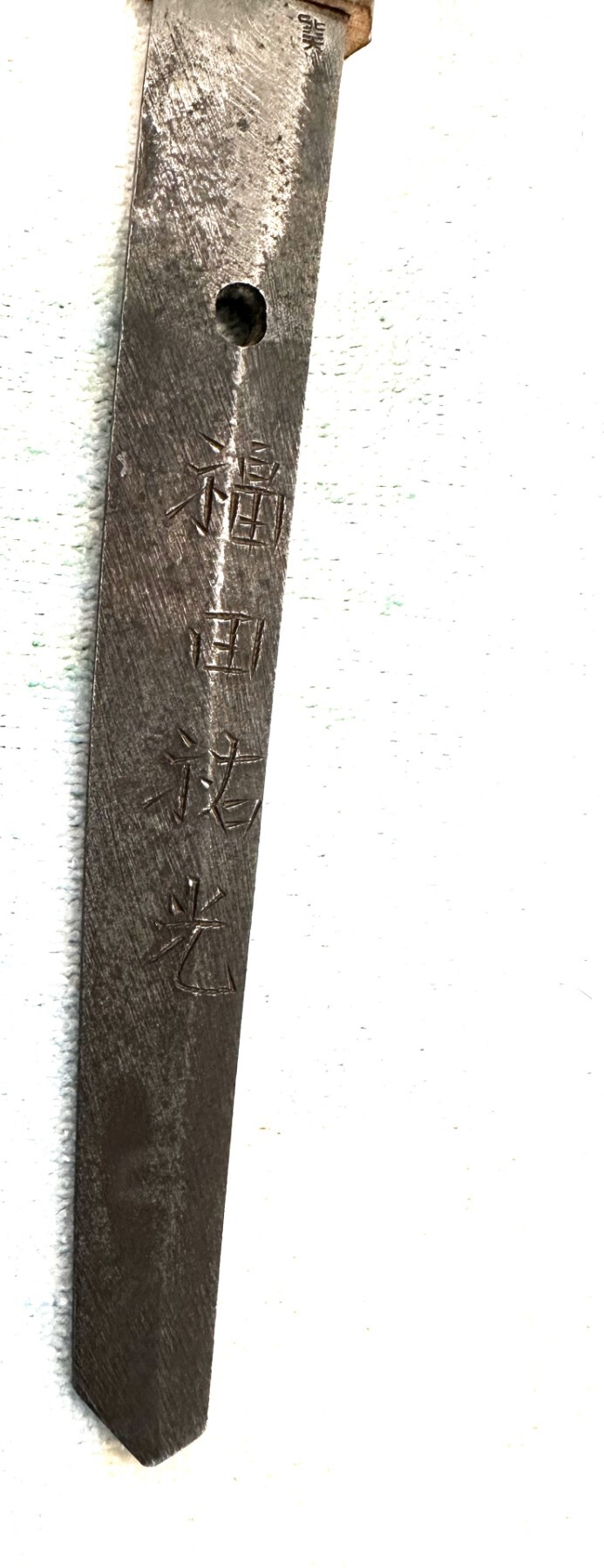
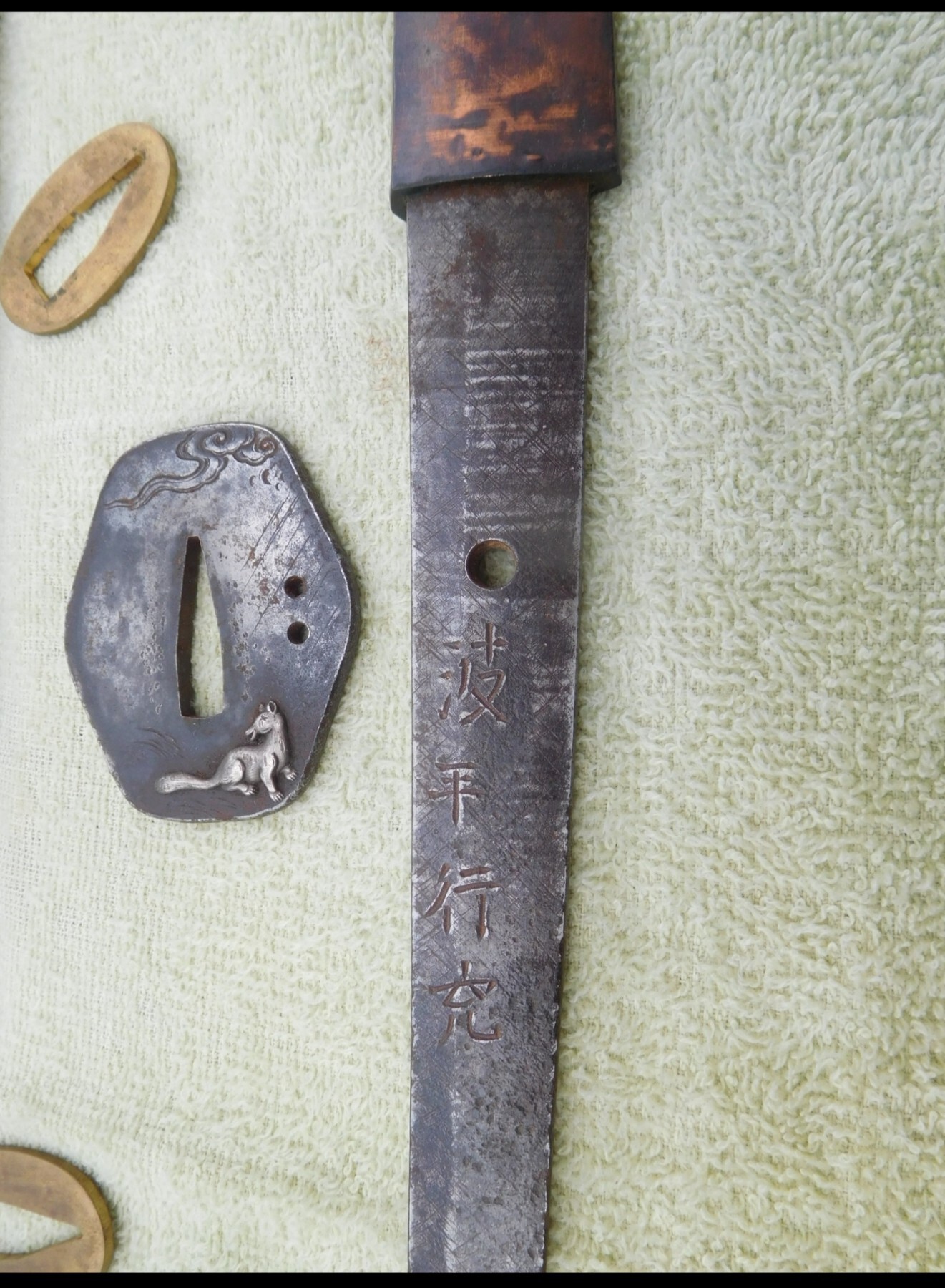
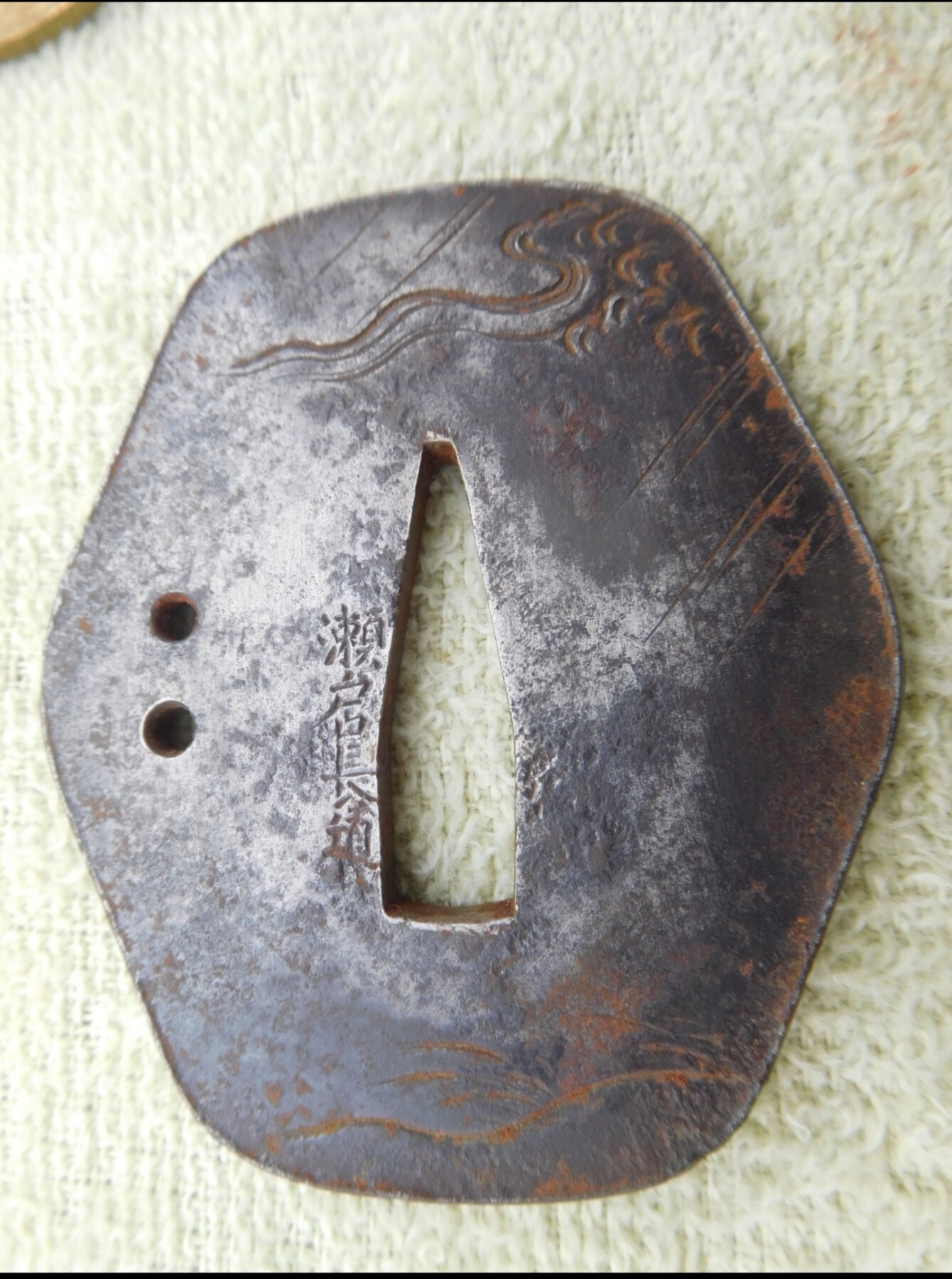
波平行充 – Naminohira Yukimitsu 瀬戸口長道 – Setoguchi Nagamichi3 points
-
If I were to die unexpectedly (I'm only 36), my collection would be left with my wife. For years now, she has patiently put up with me talking about swords, sword deals, and watched me travel all over the place and meet all sorts of people. I've conveyed to her the people I trust in this field. She will have the option of contacting them, or keeping my swords for herself. I wouldn't have married her if I didn't trust her; and I think i've set her up to make the right choice. Lets hope that day doesn't come anytime soon -Sam3 points
-
The era designations are just tools for kantei, in general swords looked like A in the Koto period and looked like B in the Shinto period. When you do Kantei there is only Koto and Shinto - if you bid on a Shinto smith for a Shinshinto maker they do not say "Wrong period". Of course we like to (need to) break it down further, most of the eras cited are political ones EG Nanbokucho and Muromachi while there are given dates for these periods swordsmiths did not change styles based on a specific date, rather they worked in the style of their teachers and perhaps followed trends seen in the capitals, only changing slowly and if you were out in the country you got the news much later. The time periods are generalizations to help you break down all the tremendous data on makers into digestible bites and think in terms of trends. A smith who was born prior to the Haitorei and who worked primarily in the Shinshinto period is a Shinto smith. Born before the Haitorei but working primarily in the modern era = Gendaito smith. There will always be smiths that overlap these dates, some who are trendsetters and some who only follow the trend later...2 points
-
Hi Nick The polisher in question is on holiday right now for two weeks , and when he comes back we are off to Japan together for ten days . And before all the comments come in about trained Japanese sword polishers , as far as in know he is the only one in the UK with an NBTHK approved accreditation certificate to polish Japanese swords .2 points
-
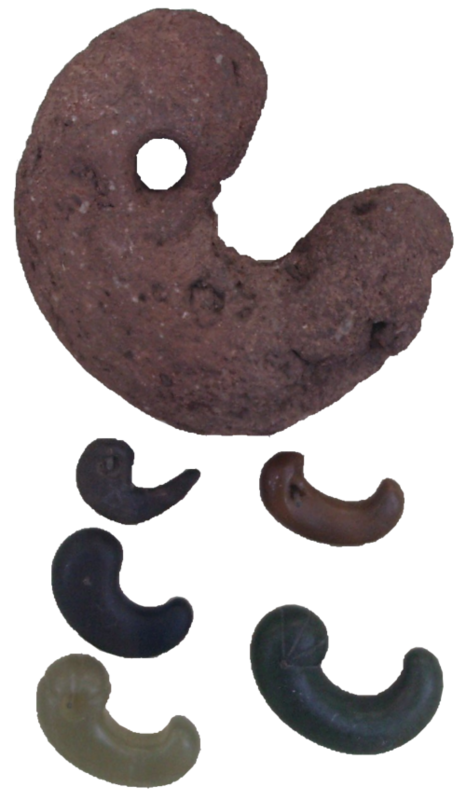
I like the comet idea! I wonder if it could also be a stylized magatama. Especially since it has many associations with dragons, water, and "life essence".
 2 points
 -
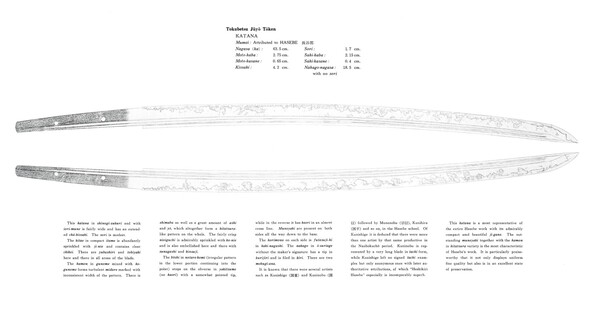
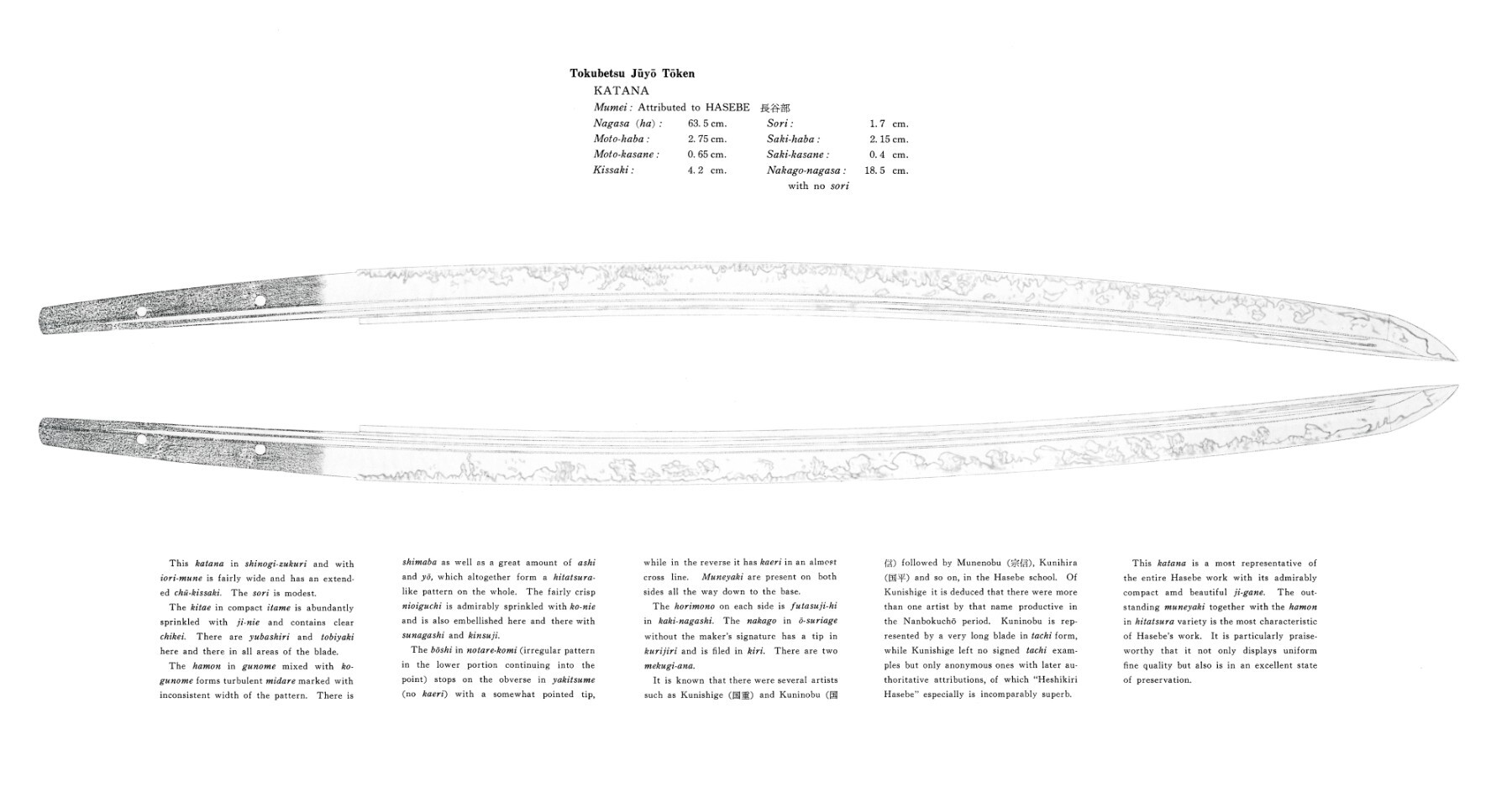
Just a reminder for those who attended the last NBTHK-EB meeting. And for those who didn't. Hasebe. Tokubetsu Juyo Token
 2 points
 -
While not a style that personally appeals to me I can appreciate a blade for its technical excellence. Could there be more than one Kunishige? Shintogo Kunishige was said to be the oldest son of Shintogo but died in 1302, yet the Soshuden Museum seem to suggest they are one and the same, yet with an active period in Kenmu 1334-38. Kunishige (國重)—Son of Kunimitsu, Shintōgo Tarō (太郎), born in the 8th year of Bun’ei (文永, 1271) and died in his 32nd year in the 1st year of Kengen (乾元, 1302);2 points
-
Perhaps 充 instead of mitsu?2 points
-
It would be my honor, John.2 points
-
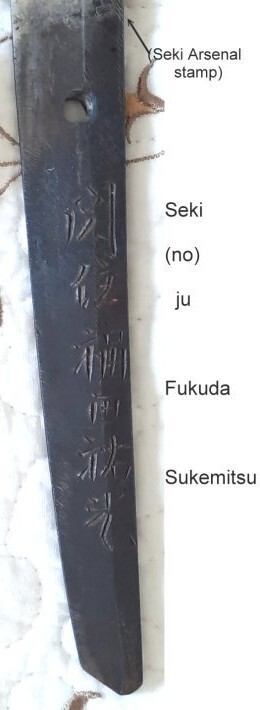
@Bruce Pennington @robinalexander F&G 1983 have another example of the "square cut" Fukuda Sukemitsu (4 and 6 kanji). Their example below was in kaigunto mounts. Its possible these are smiths signing and the longer (8 kanji) better cut or cursive are by a mei cutter (nakirishimei). These two also have Seki stamp. (does yours on right have Seki stamp?) The Sukemitsu all looks to have sujikai yasurime, whereas the Kanetake has takanoha. Found this blog later: tsukamaki.net - Powered by Doteasy.com blade at right from Thomas Buck

 2 points
 -
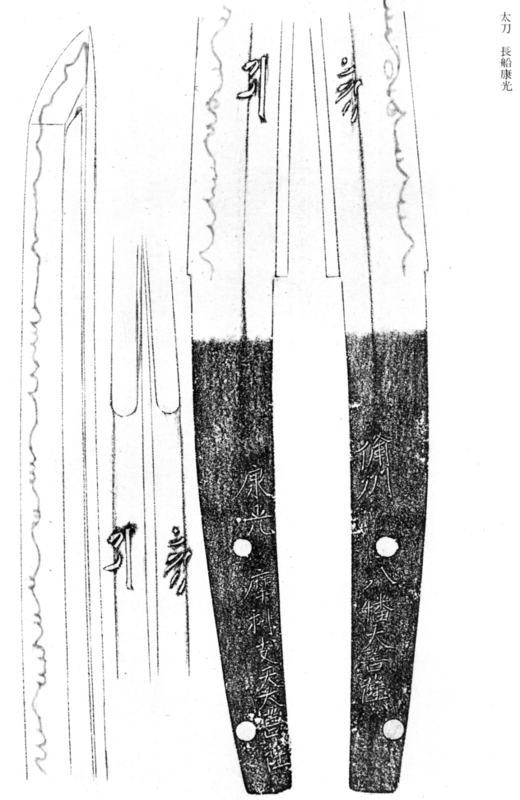
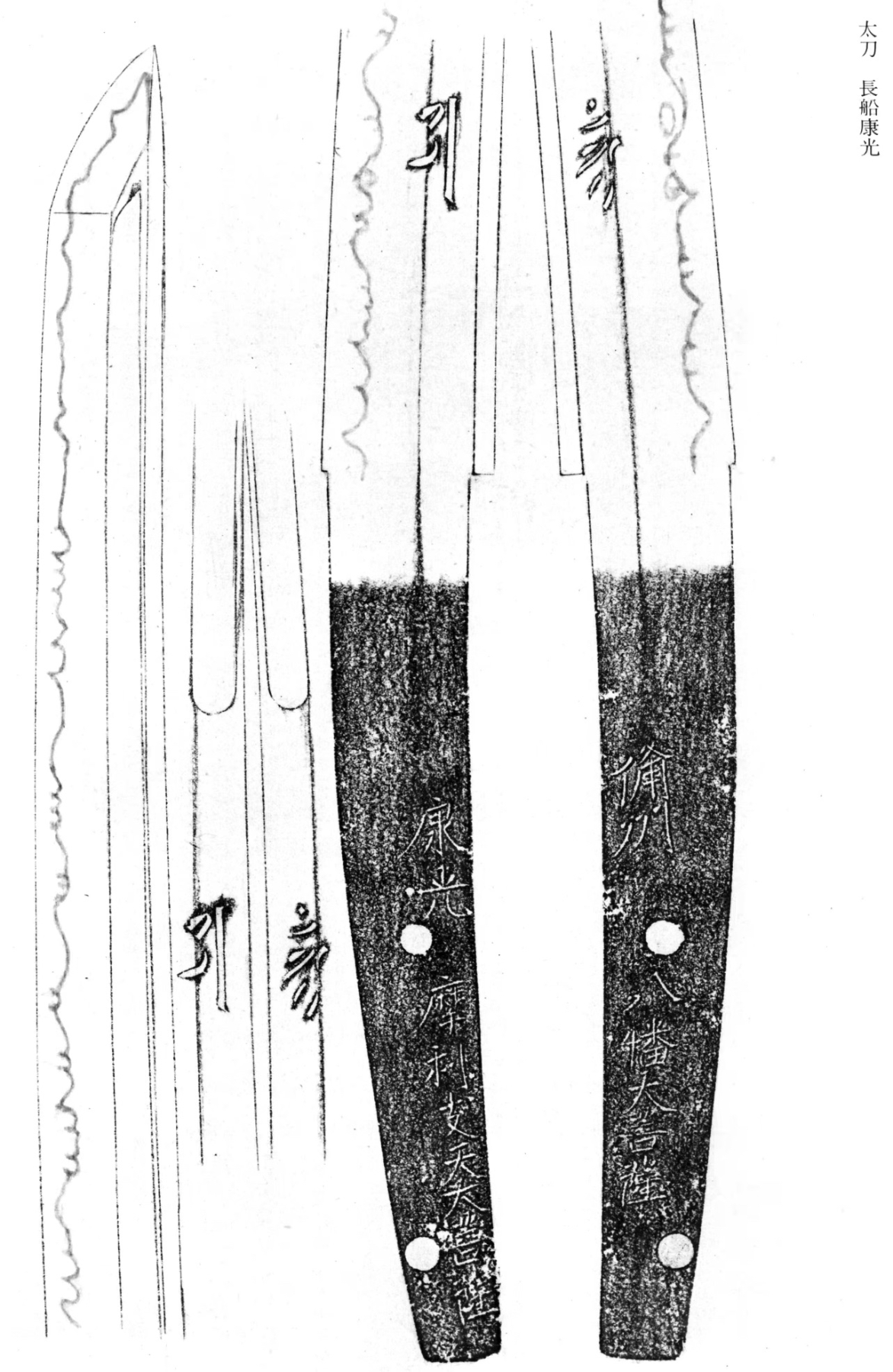
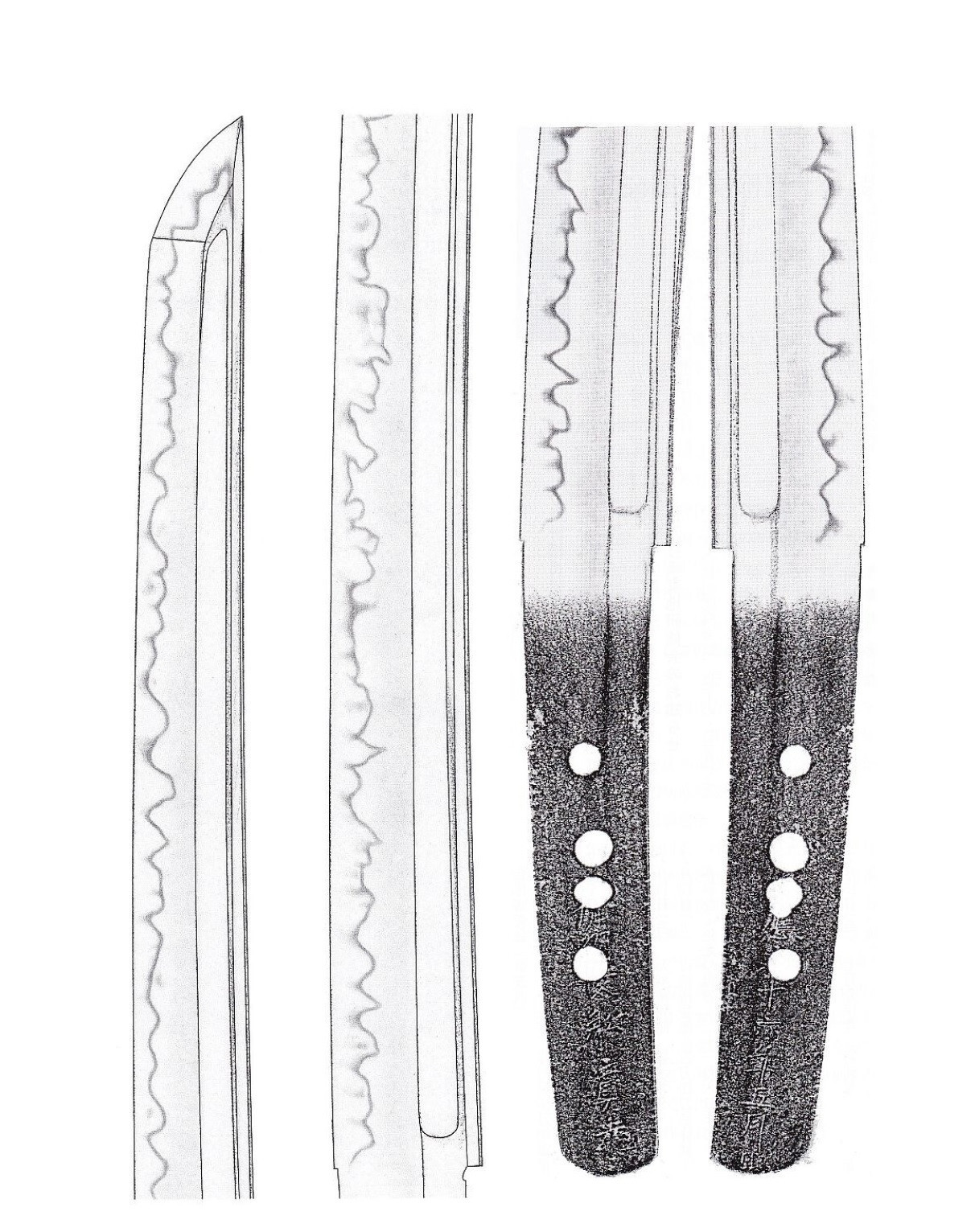
Compare the hamon structure at the hamachi, and the shape of your boshi, with the oshigata below. Notice the very small tobiyaki, and the repeating patterns (3's, 4's). The only noted discrepancy from prototypical Oei works is the height of your sword's yakiba, the lowest valleys are unusually high, this gives me minor pause. I steer more towards one of the three Mitsu's, than Sanemitsu and the others. Your boshi, in particular, is a near perfect match. Juyo Osafune Yasumitsu
 2 points
 -
Fascinating thread, and I realise it's very emotionally charged (not least because of some of the friction/culture on this forum) - but please don't do this A single example of this would make it *really* hard for us to argue that people shouldn't use belt sanders or try amateur restoration on their rusty nihonto. We are temporary custodians are we not? For these swords to be here today they have already had to pass through multiple generations. It seems such a shame to break that chain! On a personal level, I 100% understand wanting to be buried with the items I hold most dear. But please, do consider how letting them go to new owners helps continue your own legacy, albeit in a smaller (but considerably less final) way.2 points
-
Unfortunately metallurgical stuff is my weak point, I am pretty clueless about that. While some signed Hōju swords do feature more standing out pattern and bit rougher appearance they are still quite nice nice worksmanship, some really nice. Then you get these quite rough looking mumei ones that get the attribution. I do think the sword in OP has that "enhanced" look and would look much nicer in more toned down polish. I think the larger hada swirls etc.that can be common in Hōju work style look just so in your face in this current polish. I think it is sometimes difficult to say if the sword has been reworked naginata, shortened tachi/katana or and original shaped item. For me the two possibilities for this one are that this is reworked large shobu-zukuri naginata or an original form shobu-zukuri tachi. The sales description mentions original nakago, which to me might indictate that this would be more like large tachi blade rather than a naginata. I was doing some calculating from the picture and it seems the sword has roughly 30 cm nakago. I could easily seem that this would be fitted with something like 40-60 cm handle, making this tachi/ōdachi/nagamaki hybrid item. I spent quite long time trying to search such reference item from my books as the ōdachi and naginata are my thing. I'm trying to think items I've seen at shrines alongside books and I think perhaps closest fit would be short ōdachi from Itsukushima Jinja, unfortunately I have not yet seen this in person as it was not on display when I visited there. 92 cm blade with c. 26 cm nakago and it has c. 54 cm tsuka. Nakago and tsuka are my estimates from the picture as none of my books with this item have cm value for them. Mostly the ōdachi with 50cm+ tsuka also have 100cm+ blades. Generally naginata & nagamaki tend to have roughly similar sized blade and nakago lengths. And they are often fitted with 80 - 140 cm shafts/handles. There are some naginata with fairly short tangs. So it is somewhat gradual progression from ōdachi to nagamaki/naginata. I would think when it gets close to 50/50 ratio with blade and tsuka/shaft then it starts to be a naginata. Also the ōdachi tsuka in general tend to have varying amounts of curvature while nagamaki shafts/handles tend to be straight or almost straight. Here is interesting Hōju naginata (I was also wishing in 2018-19 I could have bought this). This was also polished when it appeared to another dealer several years later so we can look if we can see difference in some spots This one has blade length of 57,7 cm and 33,6 cm nakago, so nakago is quite a bit shorter bit similar sized to this OP sword but the blade is 20 cm shorter. https://web.archive.org/web/20190308105620/https://www.nipponto.co.jp/swords3/WK327697.htm https://eirakudo.shop/token/wakizashi/detail/7991012 points
-
There is no defined age cut-off point. When do you stop driving, for example? Everyone is different, though health and advancing years do play an increasing part. Some of the people I know in Japan have been discussing decluttering, and letting go of some of their collections. I know people who have gradually narrowed it down to their two or three favorite blades, wishing then to either pass them on to an interested relative or to donate them to a museum. Personally I am not yet ready to give up driving, but I have found that my general enthusiasm and desire to collect in various fields has gently begun to evaporate. Having said that, if I see something nice...2 points
-
Hi Dee, I know this is ragebait, but it's not healthy for the community and should still be called out. It is profoundly unwise to post such a take on a forum devoted to the preservation and study of Nihonto. * edit admin * I trust you'll get back on your feet and grow a thicker skin. Get better soon, Hoshi2 points
-
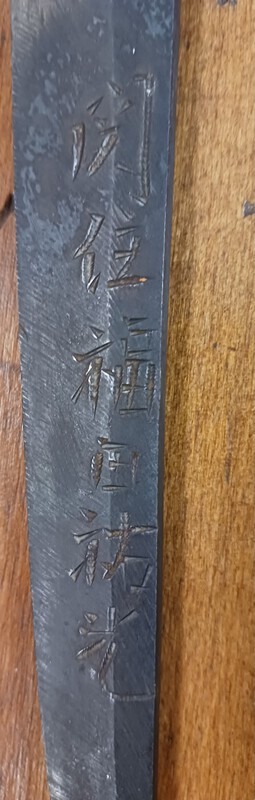
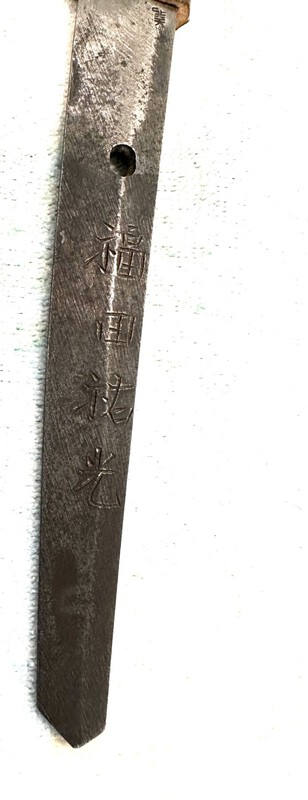
I agree it looks like Sukemitsu with the "mitsu" almost rubbed out. Checking my files, though, none of the 6 I have used this mei. I guess he could have tried something fancy with this one. Here is a couple examples I have:
 2 points
 -
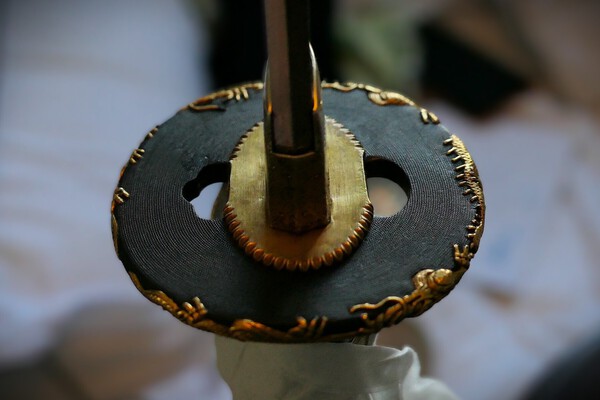
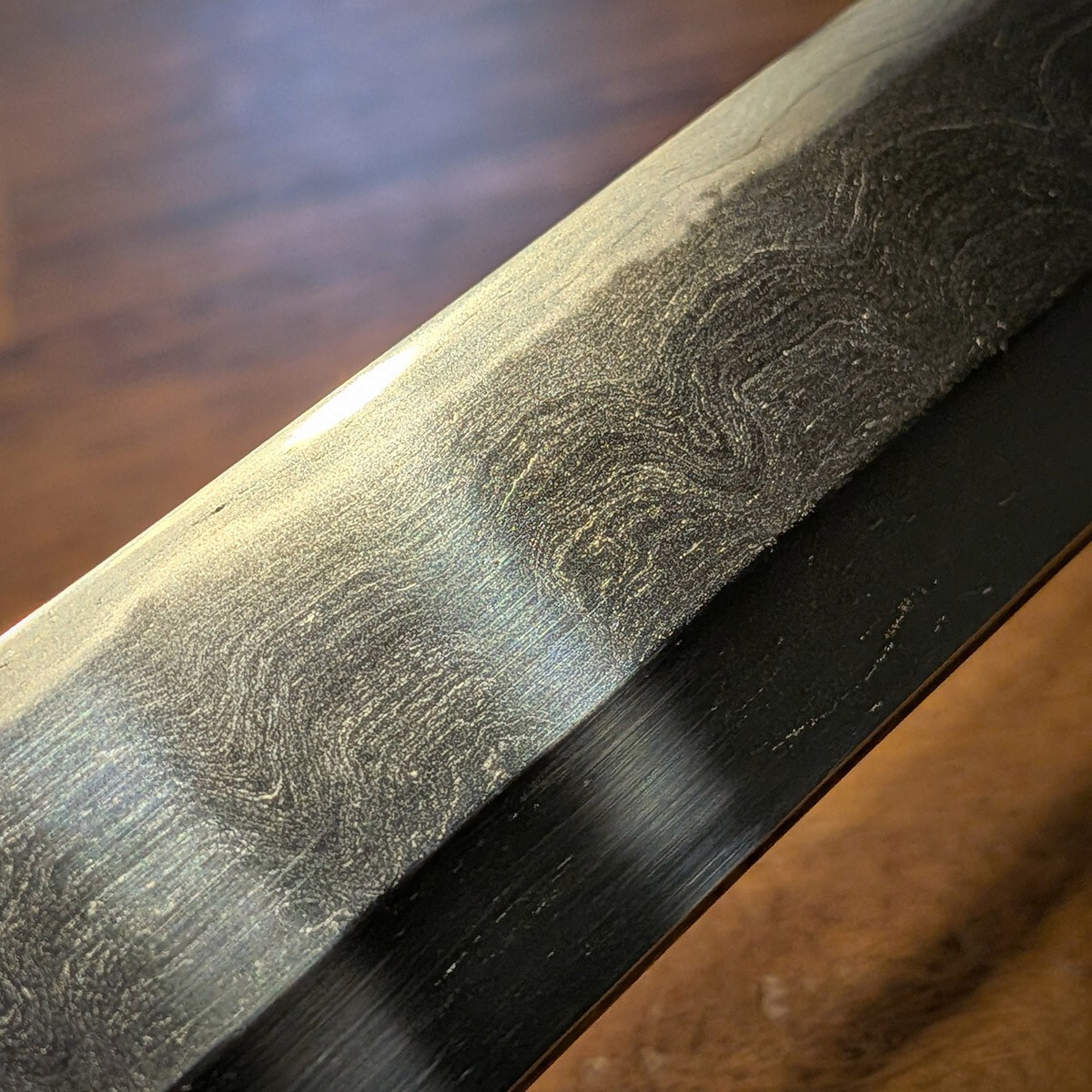
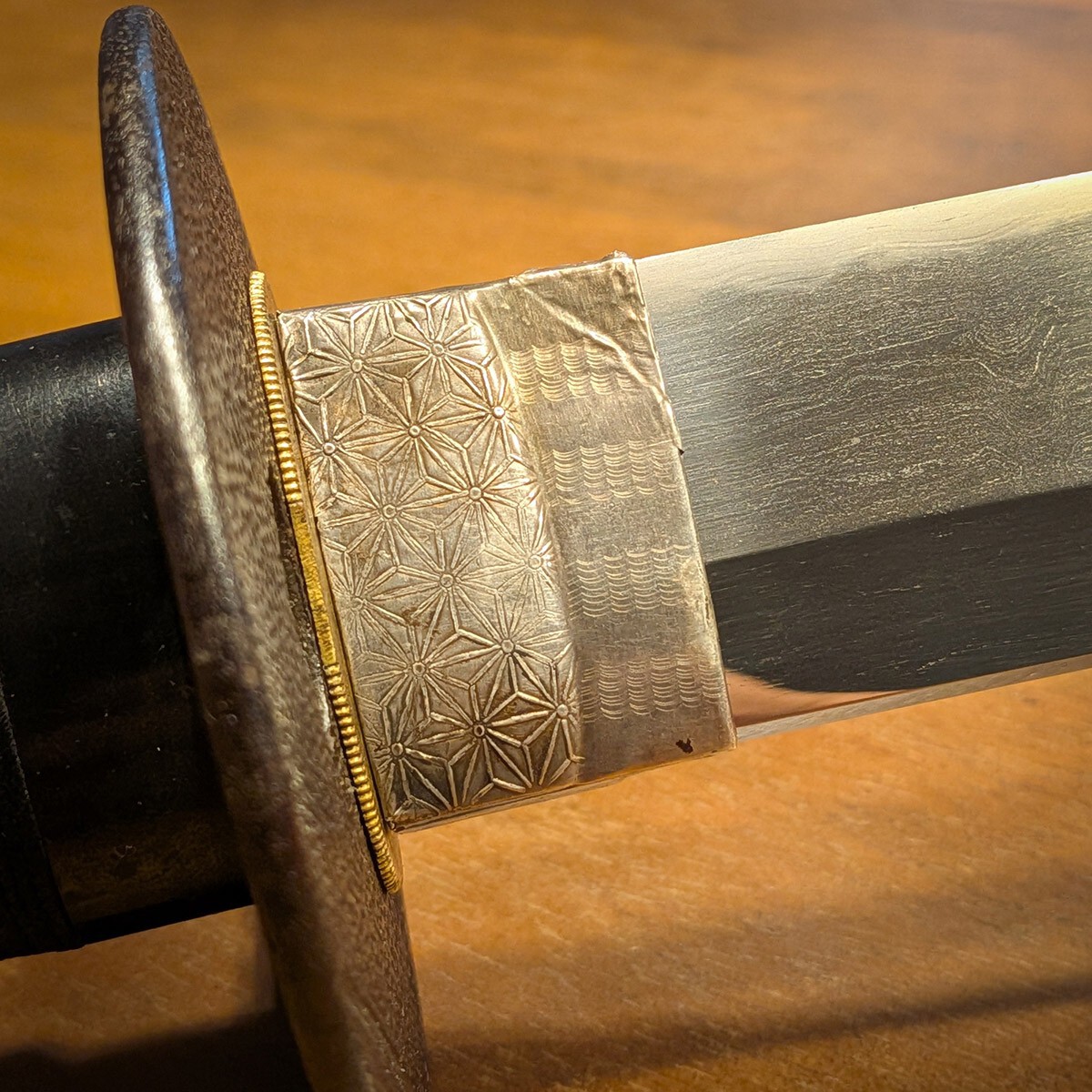
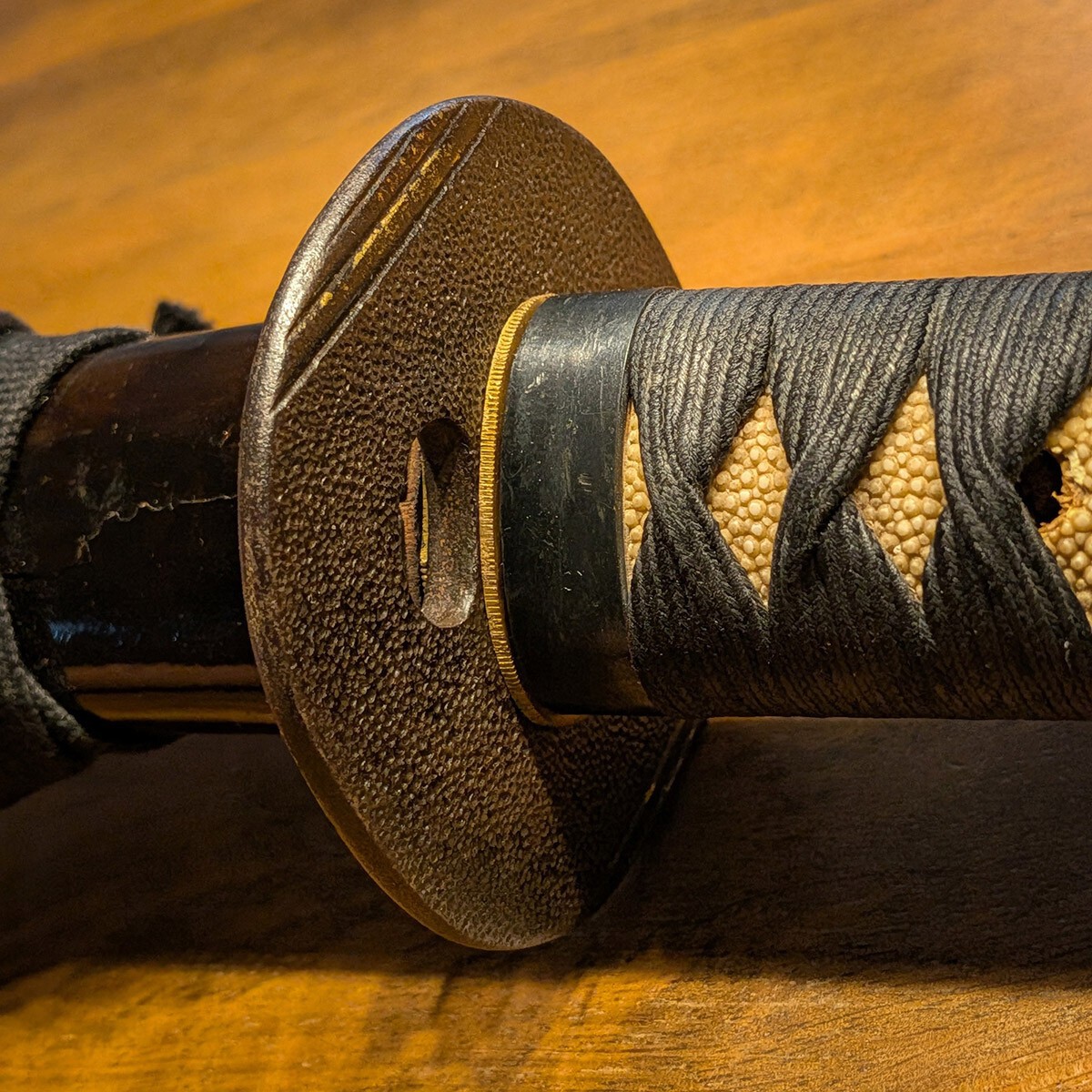
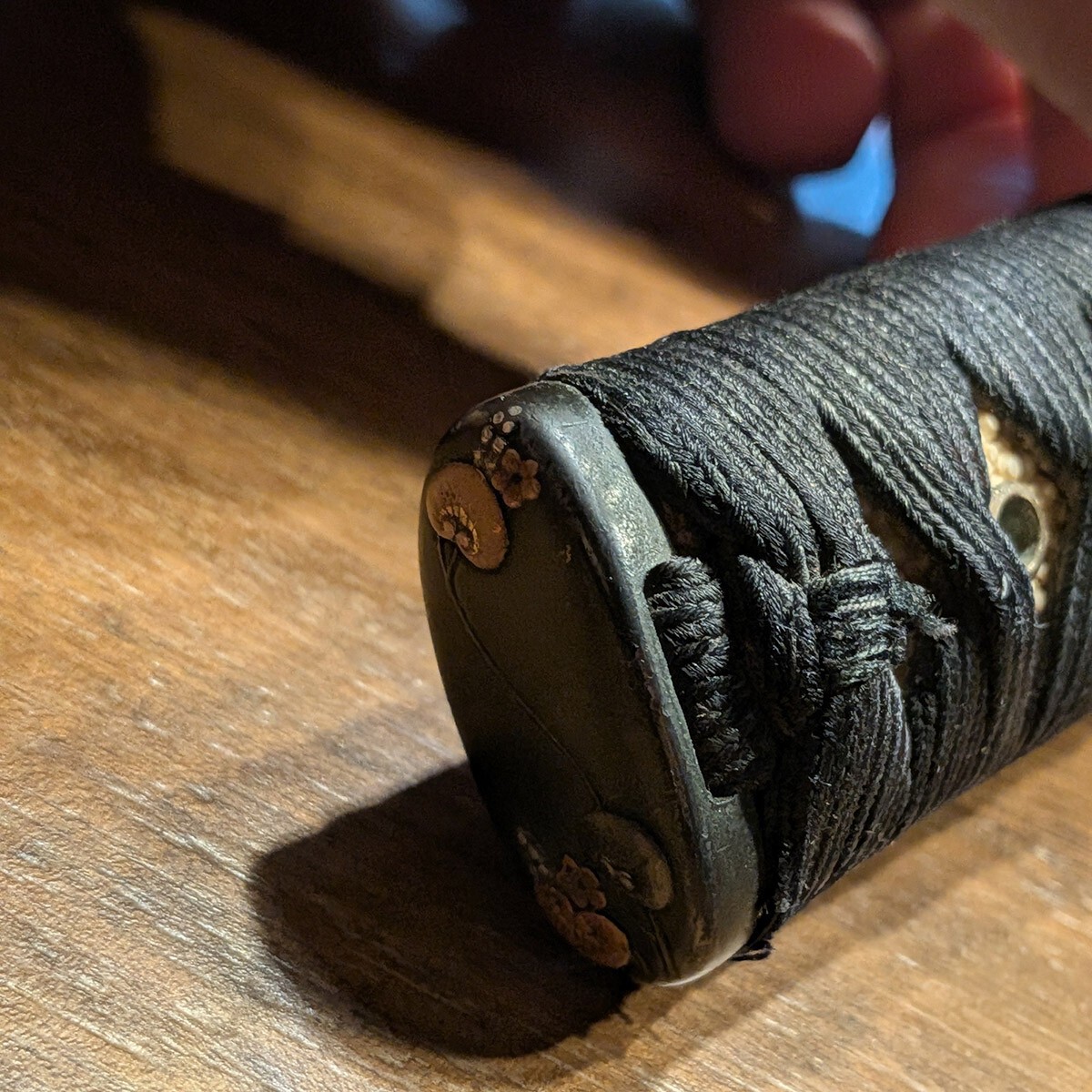
A few bonus tosogu shots... -Marcus


 2 points
 -
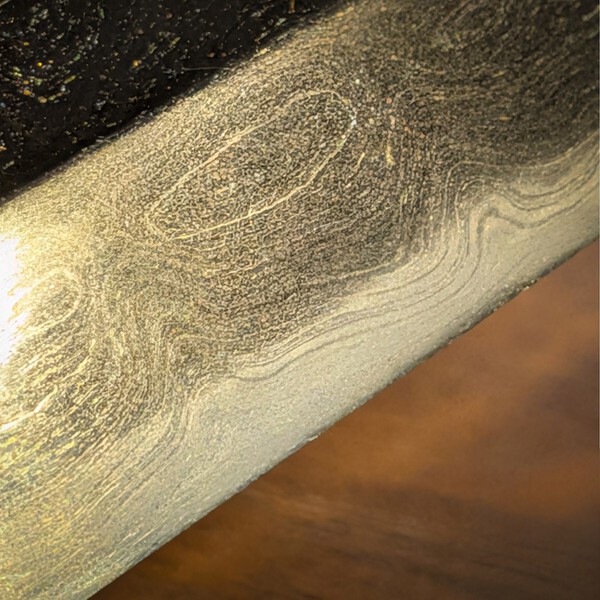
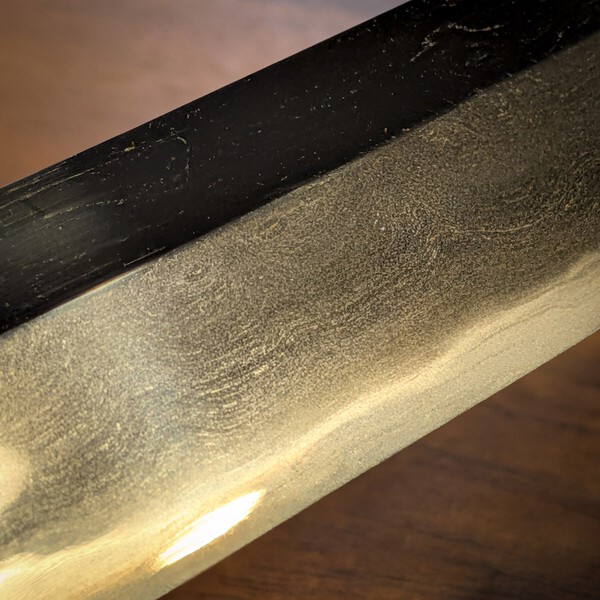
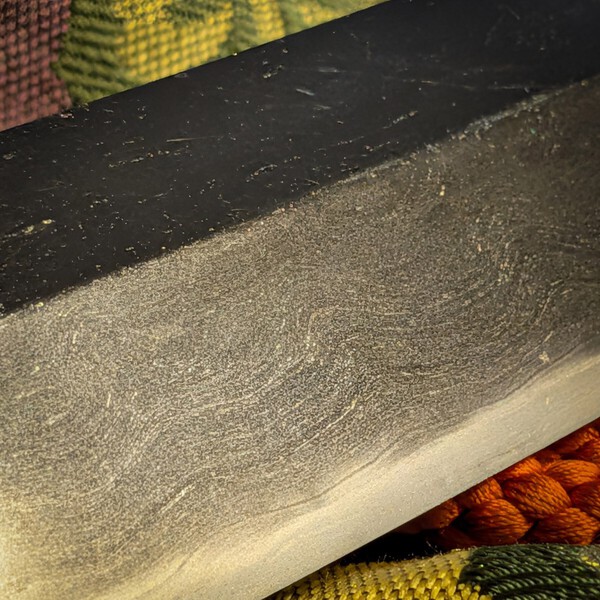
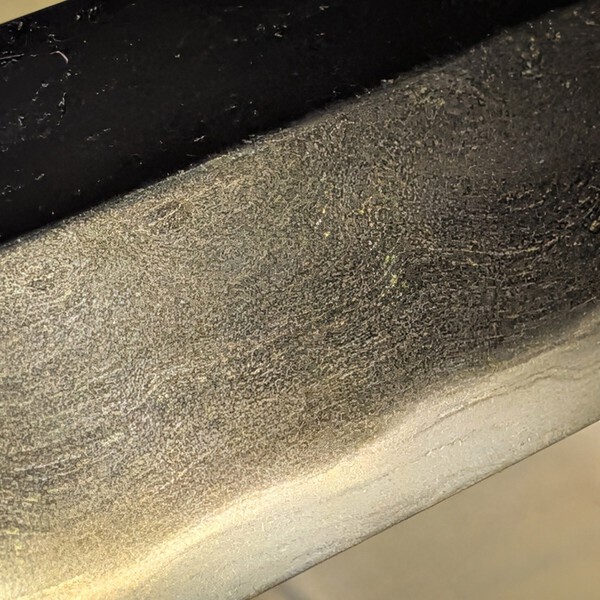
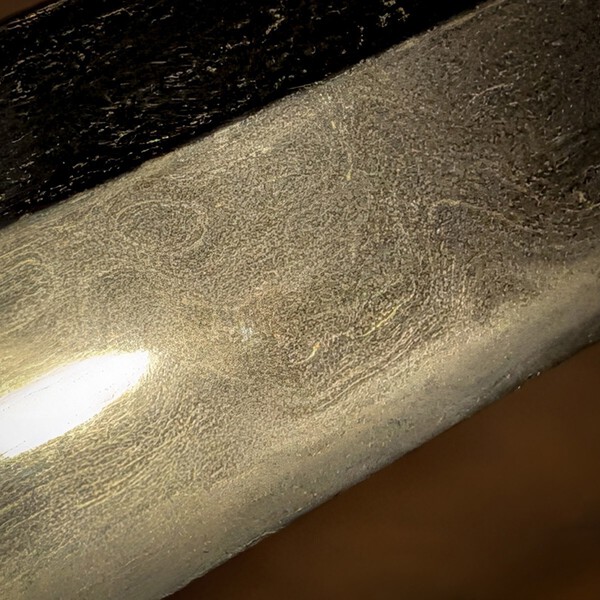
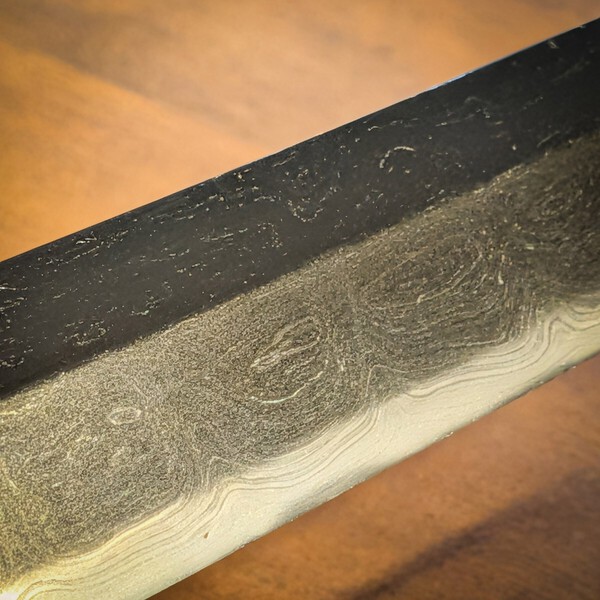
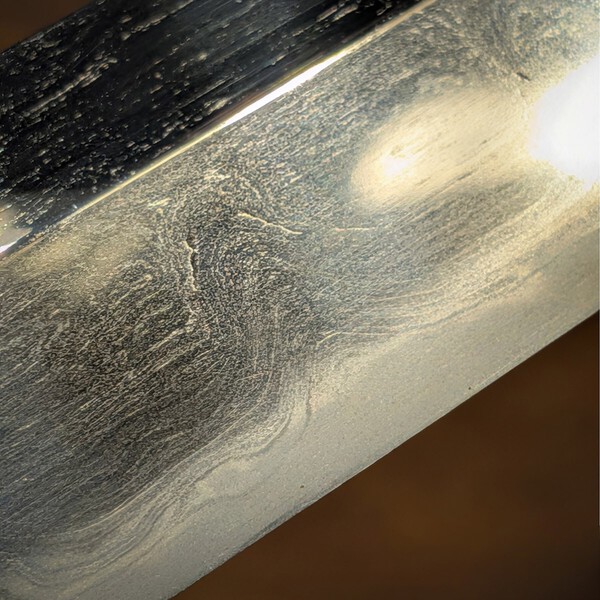
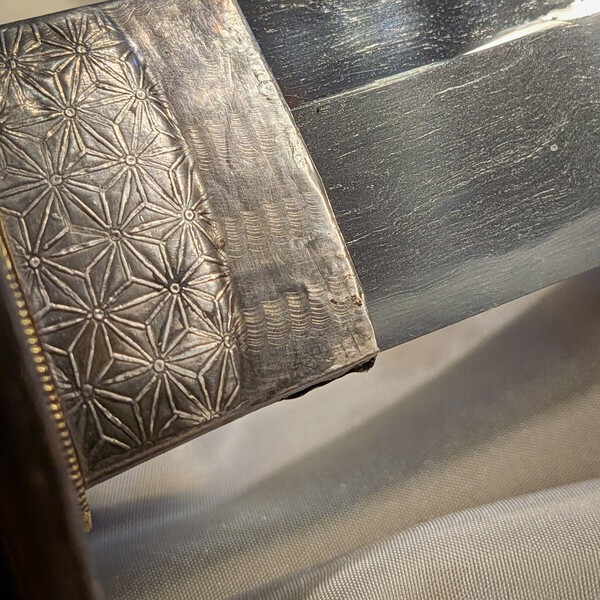
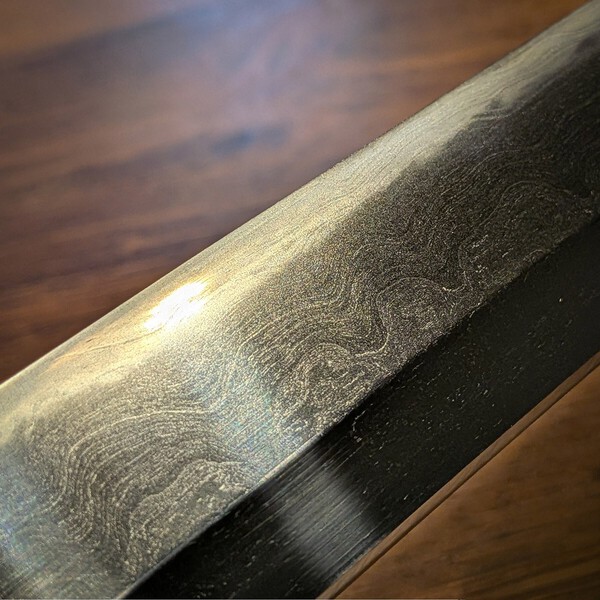
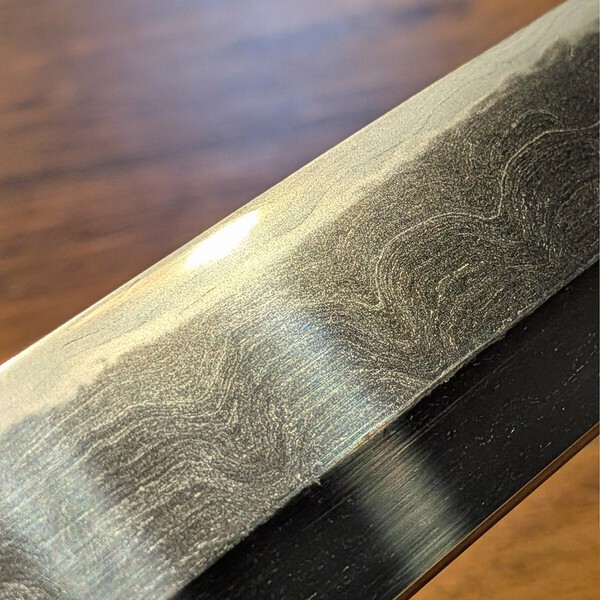
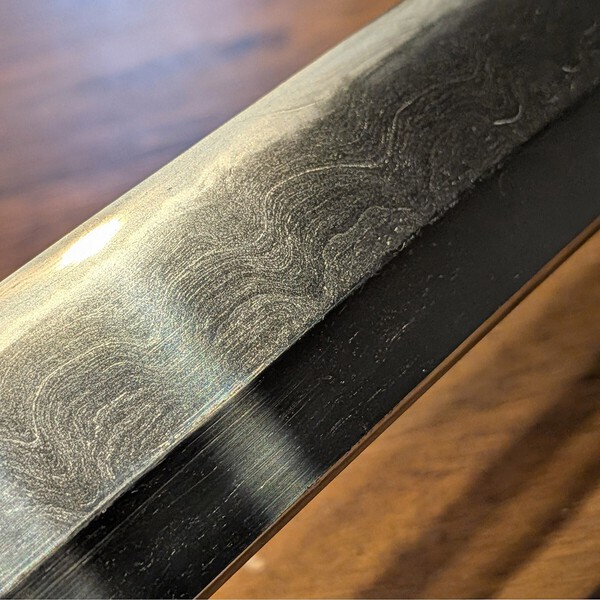
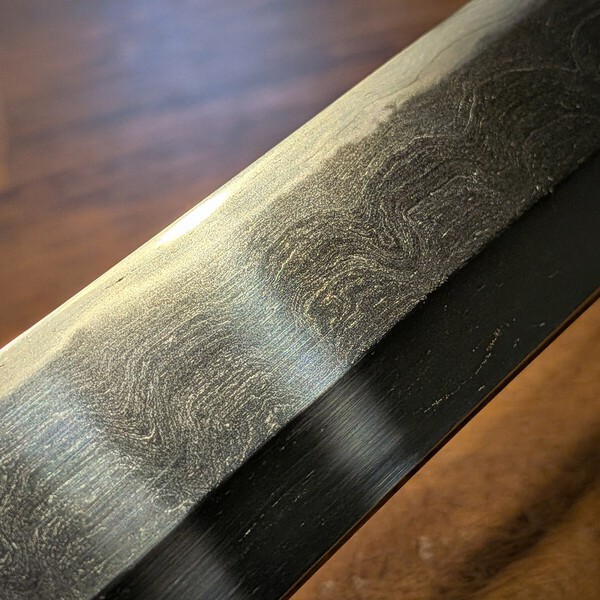
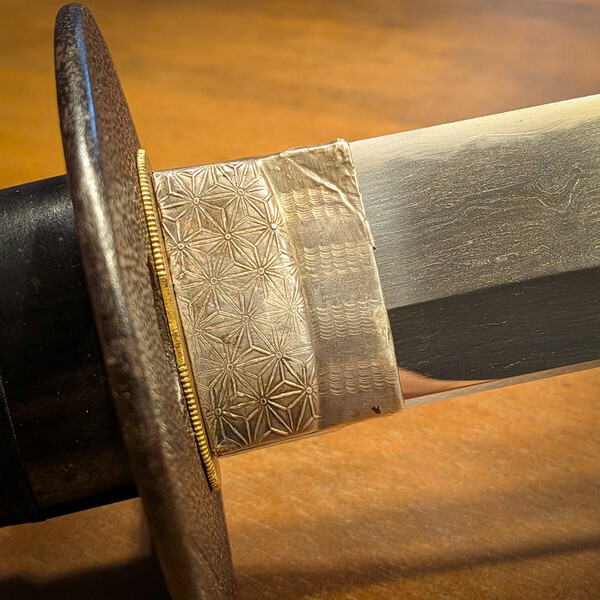
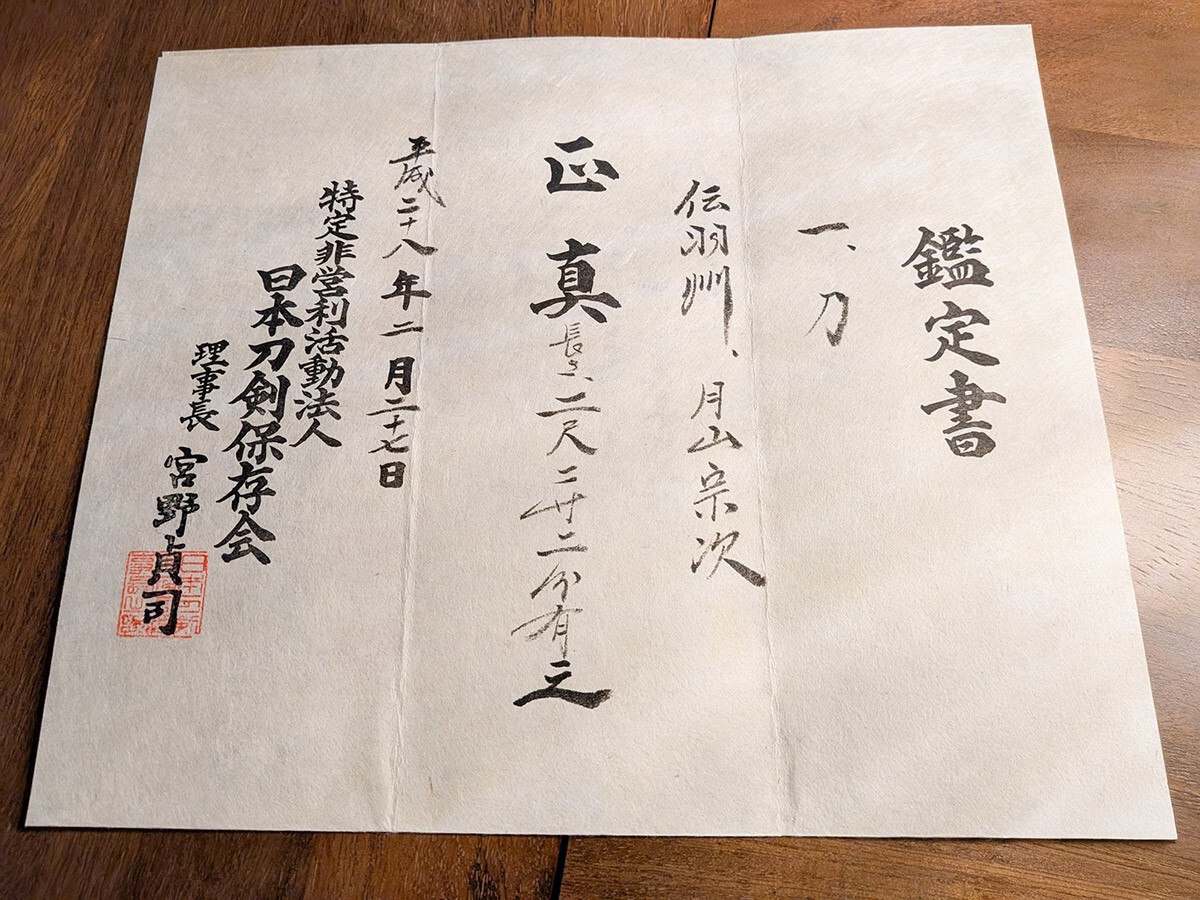
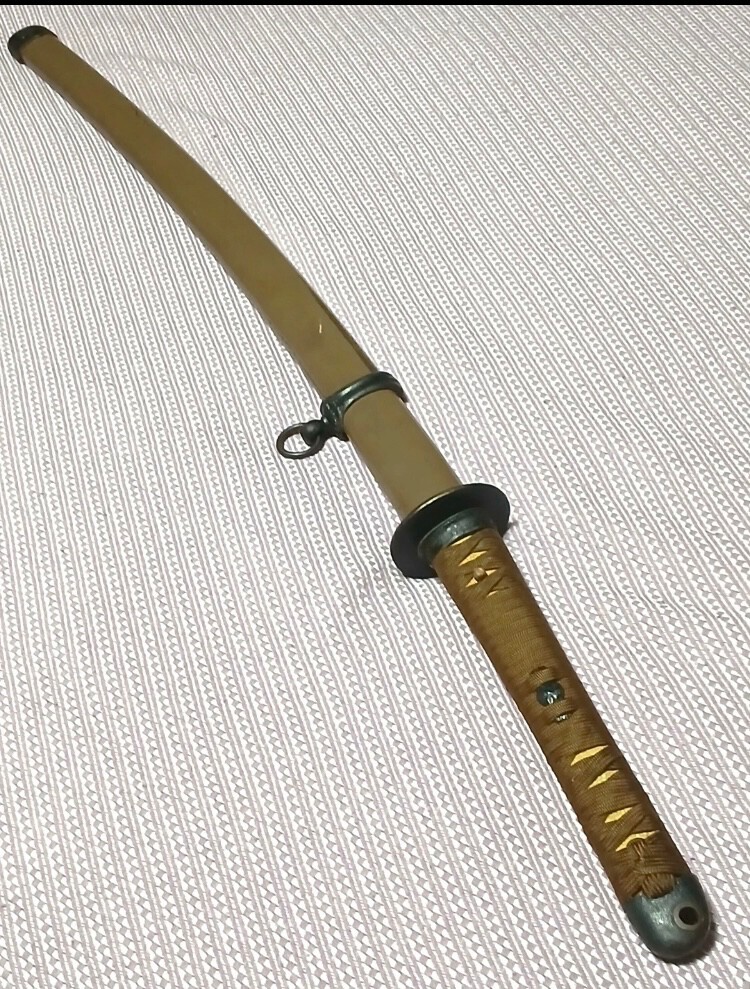
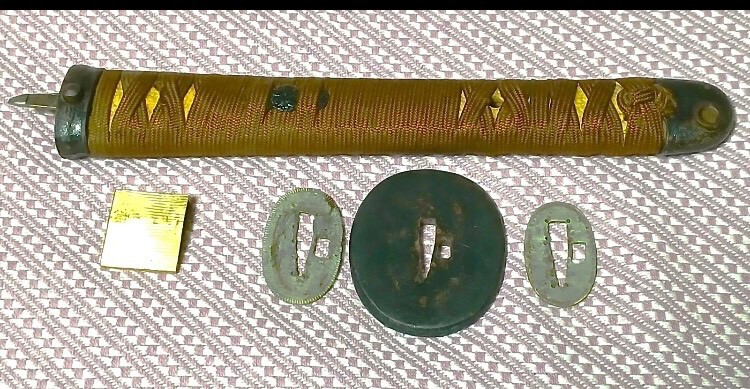
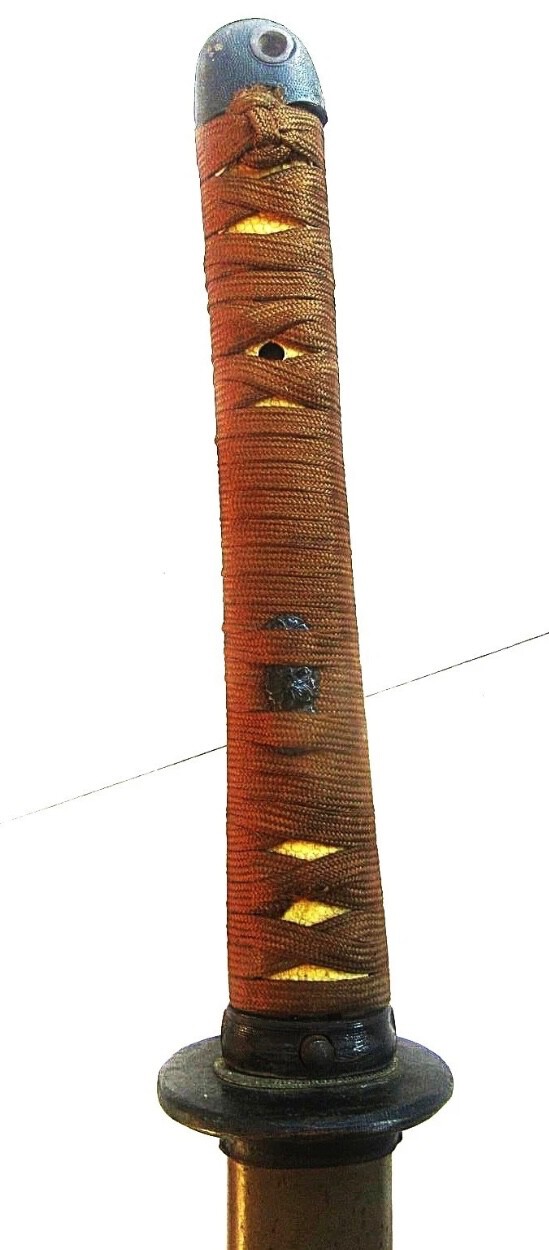
Offering an ubu Muromachi period katana in koshirae with current NTHK kanteisho to the Dewa Ko-Gassan swordsmith Munetsugu. The jihada is a beautiful ayasugi-hada, typical of what you would see from the Ko-Gassan school. The blade has a suguha-based hamon activities which flow with the jihada. The blade is in late Edo period buke-zukuri koshirae, with shakudo fuchigashira and menuki, and an Edo period iron tsuba. The saya does need repairs (a replacement kojiri and to be reglued). While the NTHK kanteisho noted the blade as being Tensho (late Muromachi), the only Ko-Gassan Munetsugu I see documented is from the early Muromachi period, circa Oei. His bio is below, courtesy of Markus Sesko. SOLD + shipping MUNETSUGU (宗次), Ōei (応永, 1394-1428), Dewa – “Gassan Munetsugu” (月山宗次), Gassan school

.thumb.jpg.e858a1e8ab6bcb8e83f46707a3dd4de6.jpg)
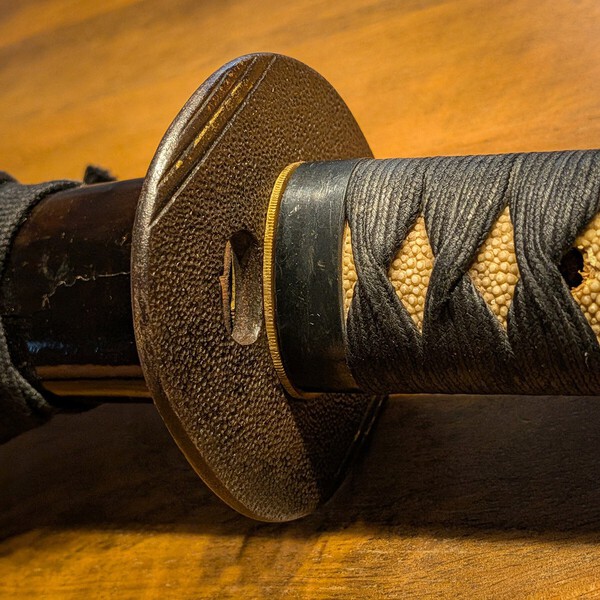
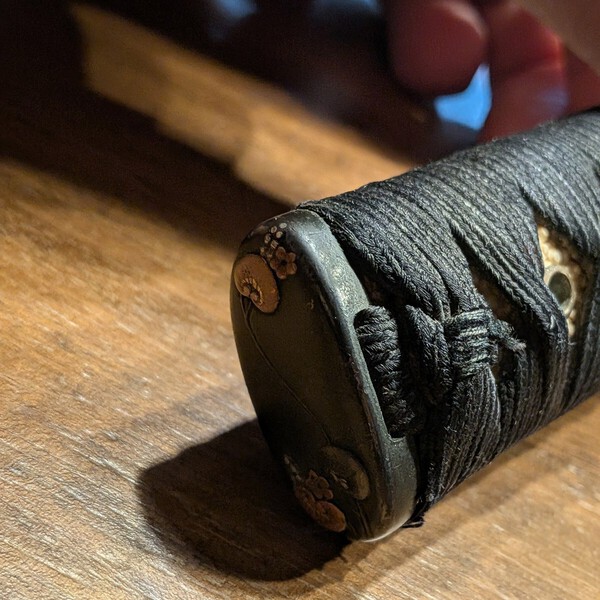
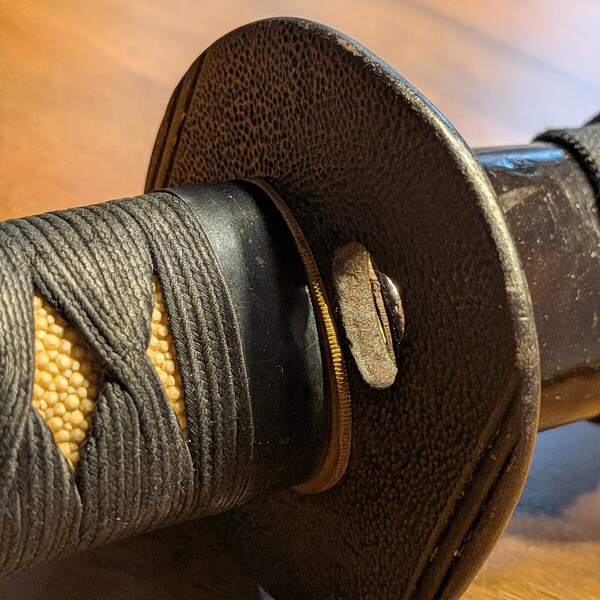
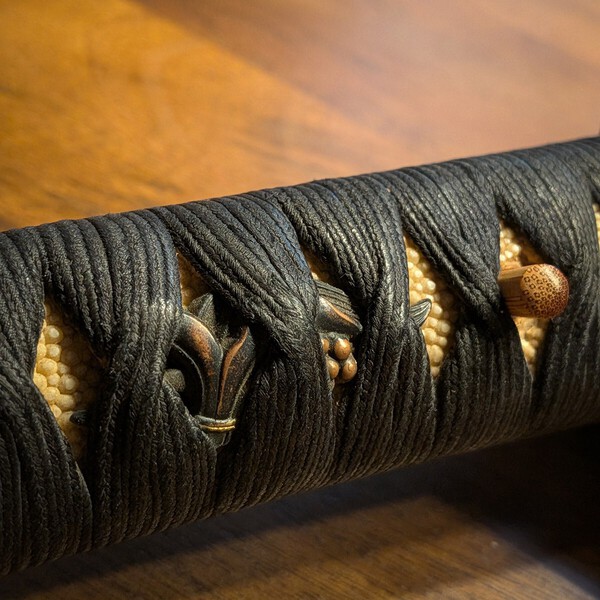
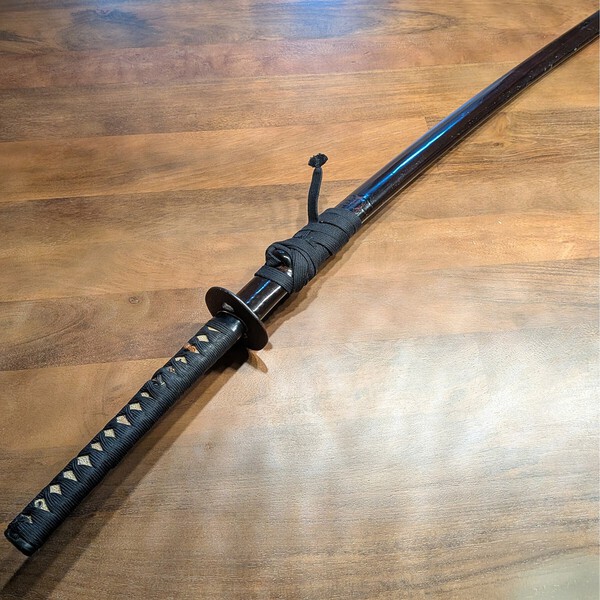
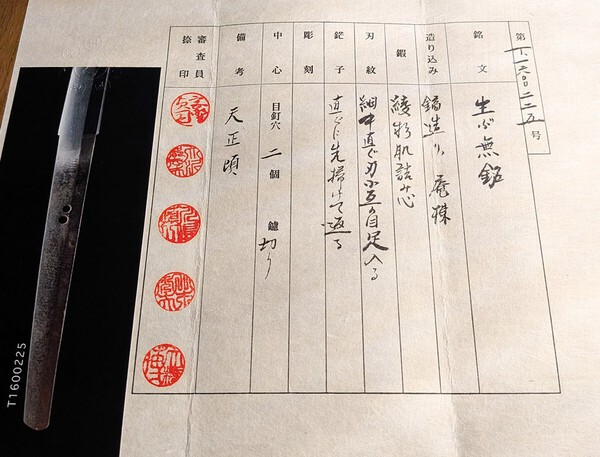
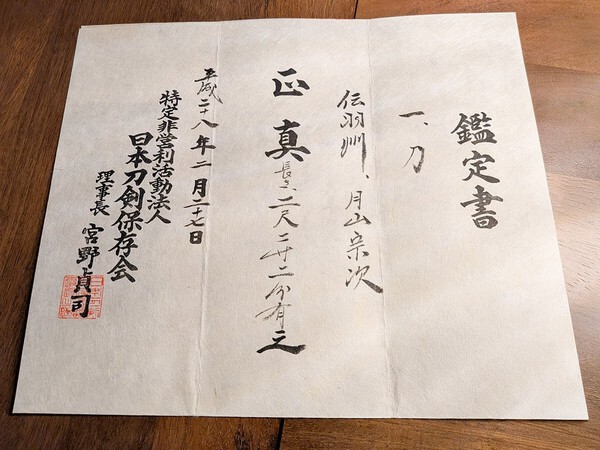 1 point
 -
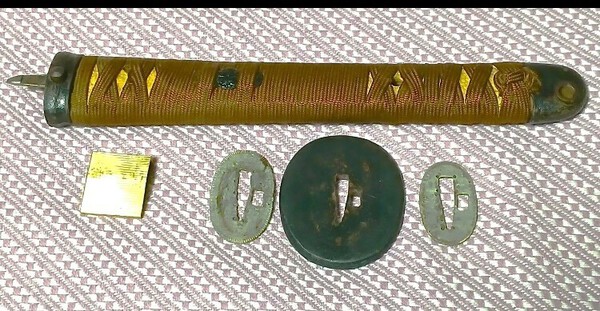
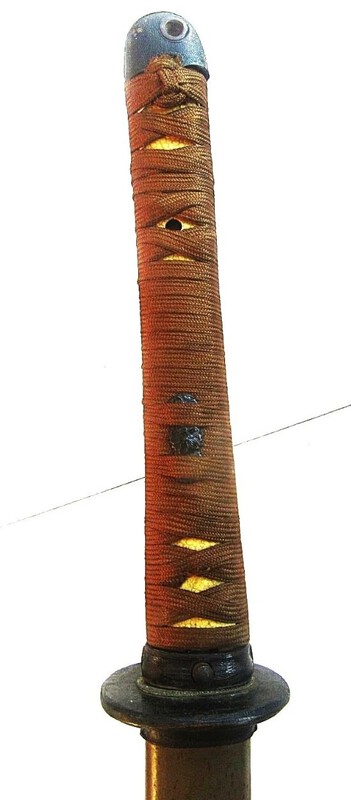
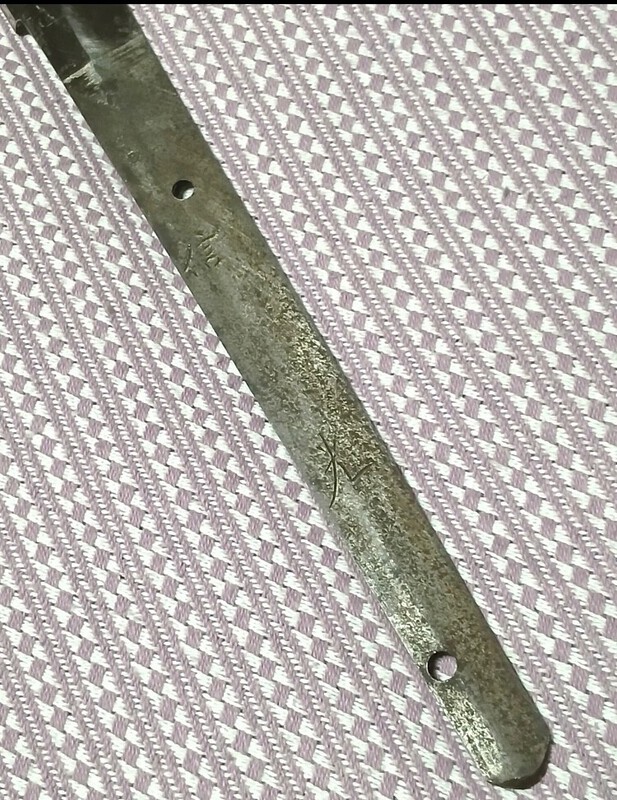
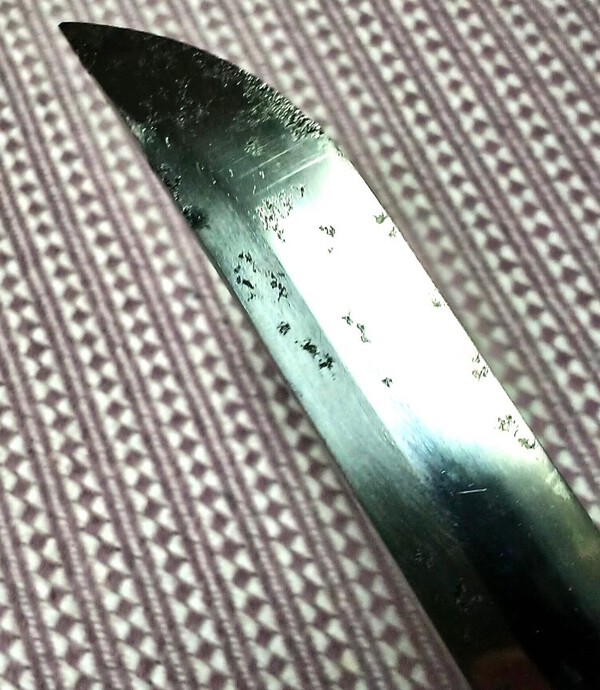
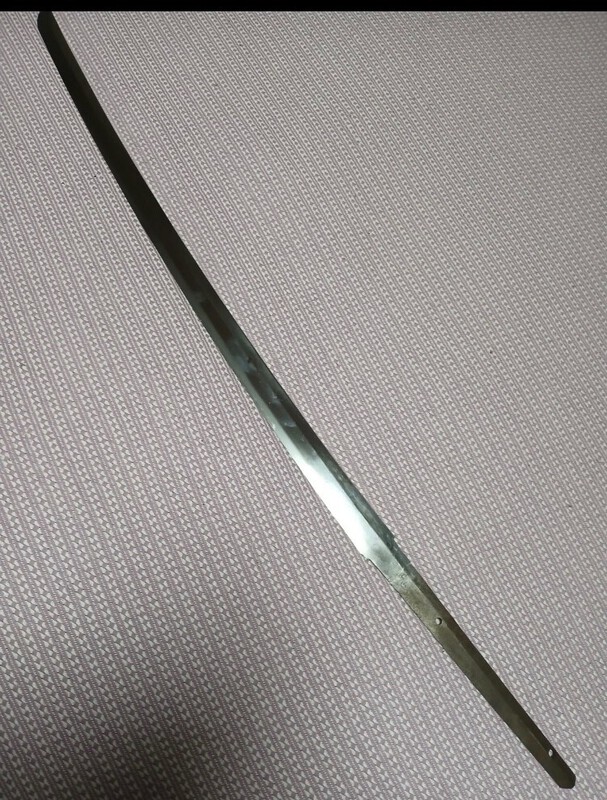
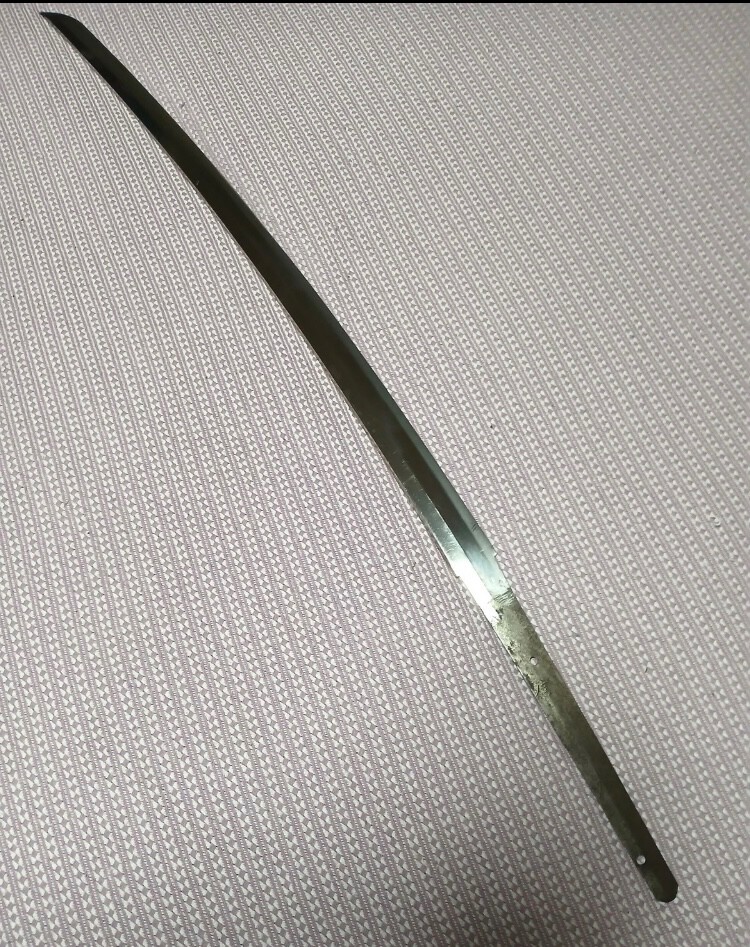
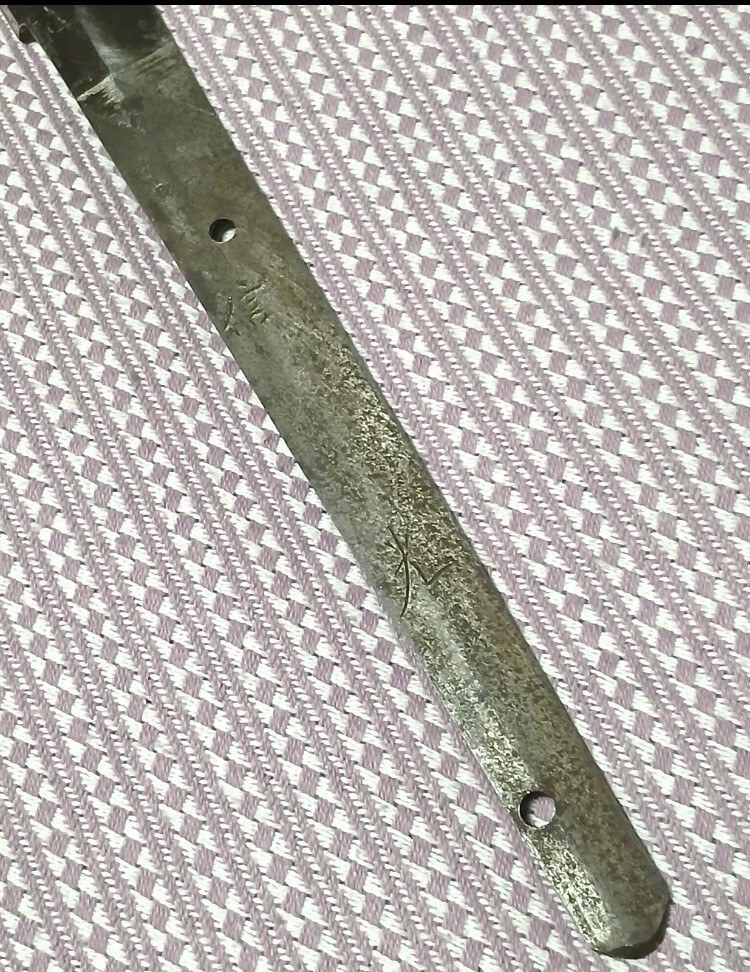
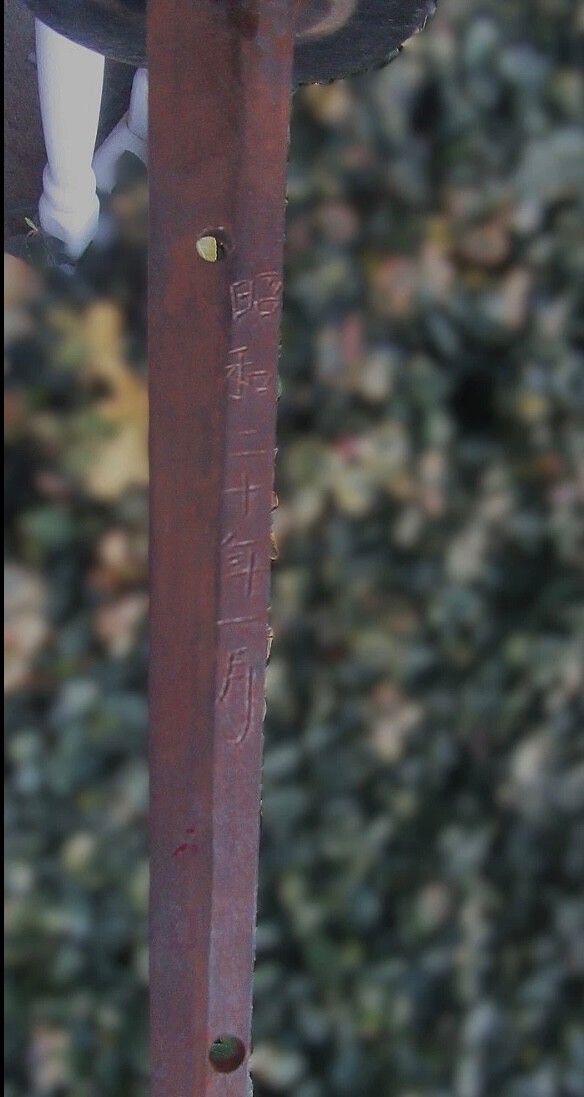
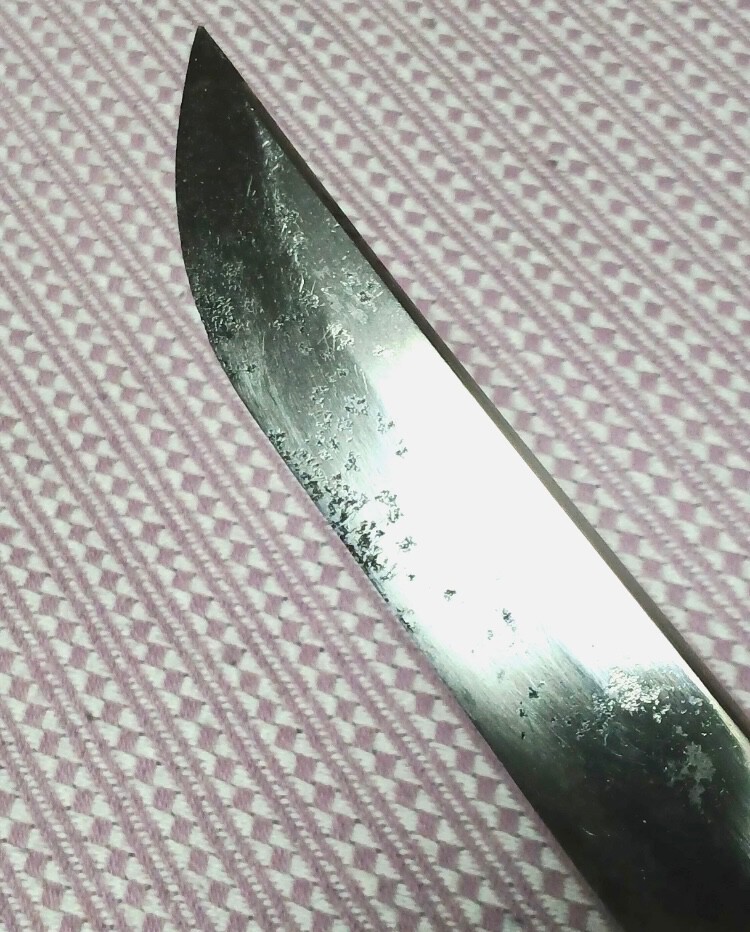
Type (Tachi, Katana, Wakizashi, Tanto, Naginata, Other) : Katana Mei : (Mumei, Signature) : Nobumitsu Era/Age : January 1945 Shirasaya, Koshirae or Bare Blade? : Koshirae Flaws : Pitting on both sides of the Kissaki Sword Location : Hawaii Will ship to : United States Payment Methods Accepted : PayPal Price and Currency : $1,300 plus shipping Other Info and Full Description: I am mostly looking to trade for a gunto or nihonto of equal value however I would also be willing to sell it for $1300. Mei is signed “Nobumitsu Showa 20(1945) First month(January) .Koshirae is in very good condition and locking button works flawlessly. Here is some info on the smith “NOBUMITSU (信光), Shōwa (昭和, 1926-1989), Gifu – “Nobumitsu” (信光), real name Sakō Shin´ichi (佐光信一), born June 24th 1905, student of Kojima Katsumasa (小島勝正), he worked as guntō smith and died July 21st 1993, ryōkō no retsu (Akihide).”
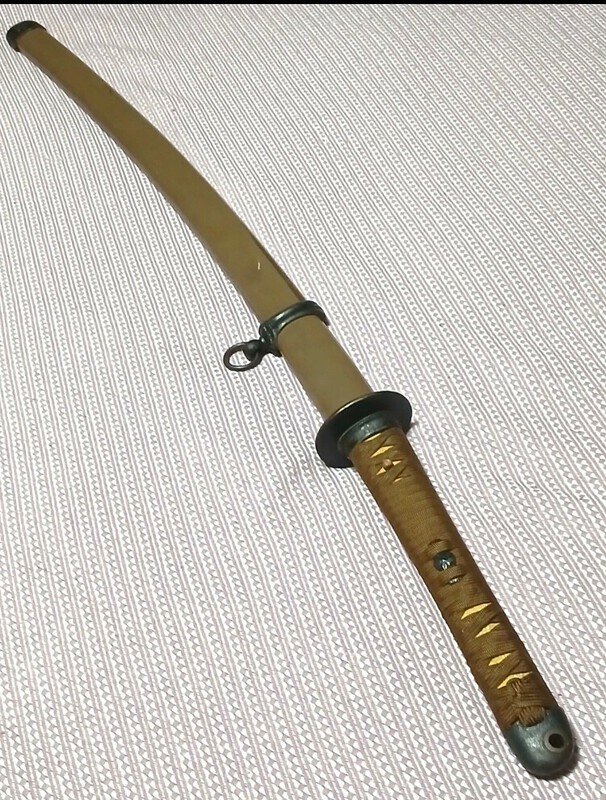



 1 point
 -
As another has said in this thread he is Les Stewart and he's a great bloke, I've had the pleasure of meeting him and he has done some work for me recently. If you check my profile I've posted recently about a wakizashi he put a window polish into that was, like yours, stored improperly. I won't give his details as it's not for me to give them out but if you contact the token society of great britain they might be able to help you.1 point
-
Hi Nick, Sorry, I can't help directly but if you drop the Token Society of GB a line they'll be able to put you in touch.1 point
-
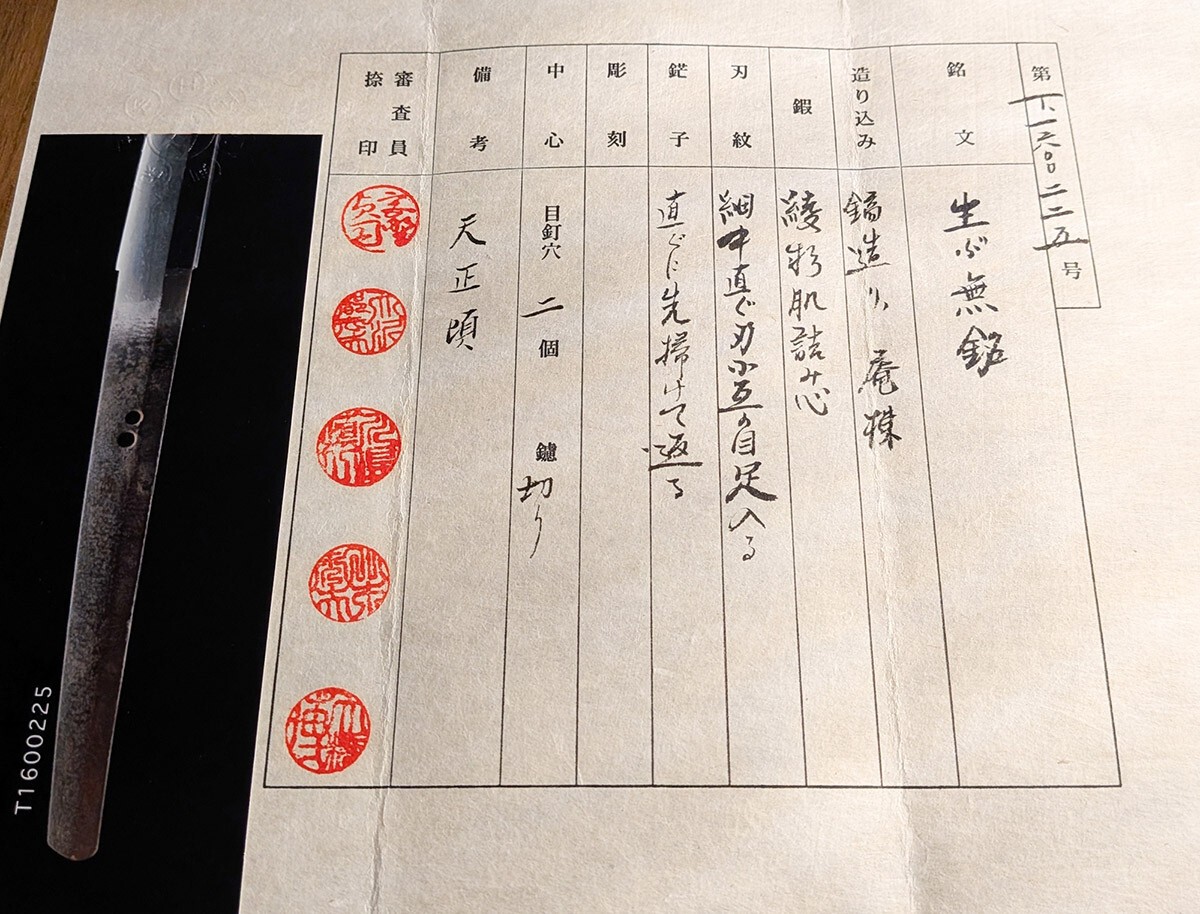
Most of this is beyond my reading skills, but the characters in the leftmost column in the first and fourth images are a name: 山田耕三郎 (Yamada Kōzaburō, probably this guy).1 point
-
Wonderful photography as always ray1 point
-
Another tidbit that could have some interesting connotations. Norishige produced tanto that have mitsu-mune as well as takenokozori-style tanto with iori-mune. This tanto was made in the latter style with slight uchizori curvature. And as stated by Markus "a takenokozori points to late Kamakura in general and for example to Norishige (則重) in particular." Signed Norishige tanto. Sugata: hira-zukuri, takenoko-zori, iori-mune, nagasa 23.8cm, from the Compton Collection

 1 point
 -
@Marcus Devonport I know of 3 fairly decent swords in the UK for sale currently (katana, TH Hozon, with koshirae, in polish) at fair prices if you are interested. Someone retiring from collecting and reached out to me for advice.1 point
-
Looking past the highly-set yakiba, the styling of the hamon is very reminiscent to that of the Yasumitsu sword you posted. I'm beginning to appreciate the similarities between the two swords, and how the shaping of the boshi is a near match. Its made in the same spirit of an Oei Bizen sword, that I'm fairly certain... Being a relative beginner, it takes some effort to see what may be obvious to the more seasoned collectors 😁 Thanks for this, Hoshi.1 point
-
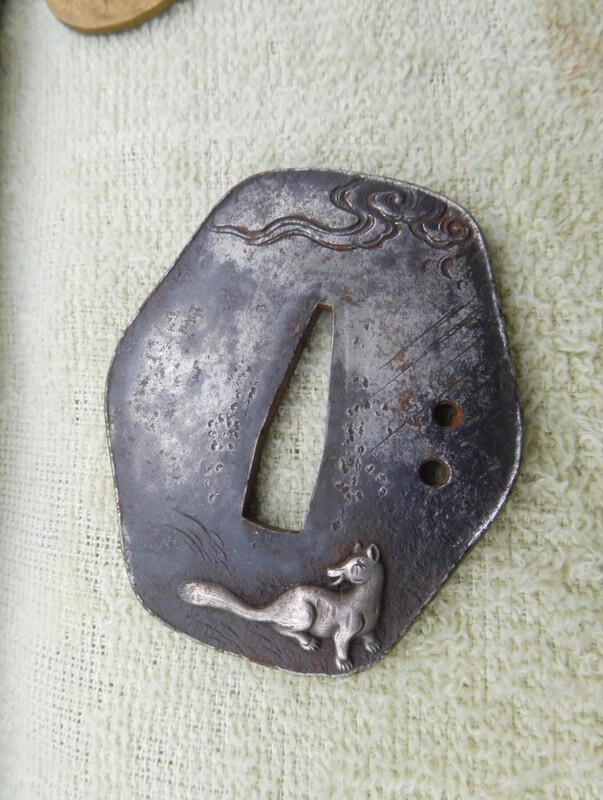
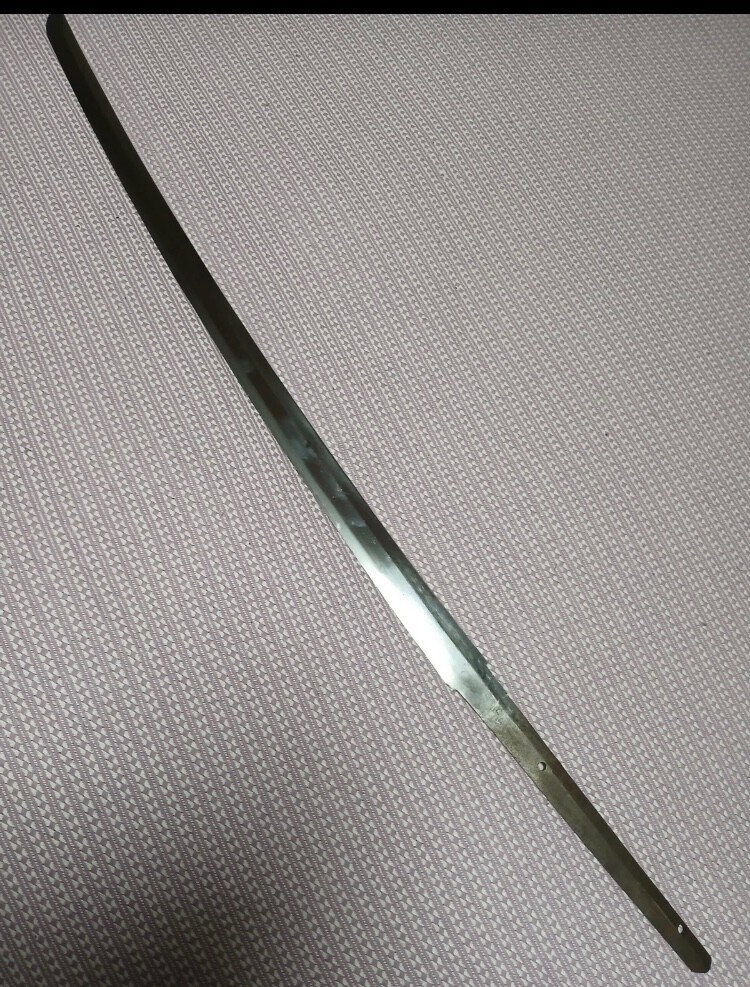
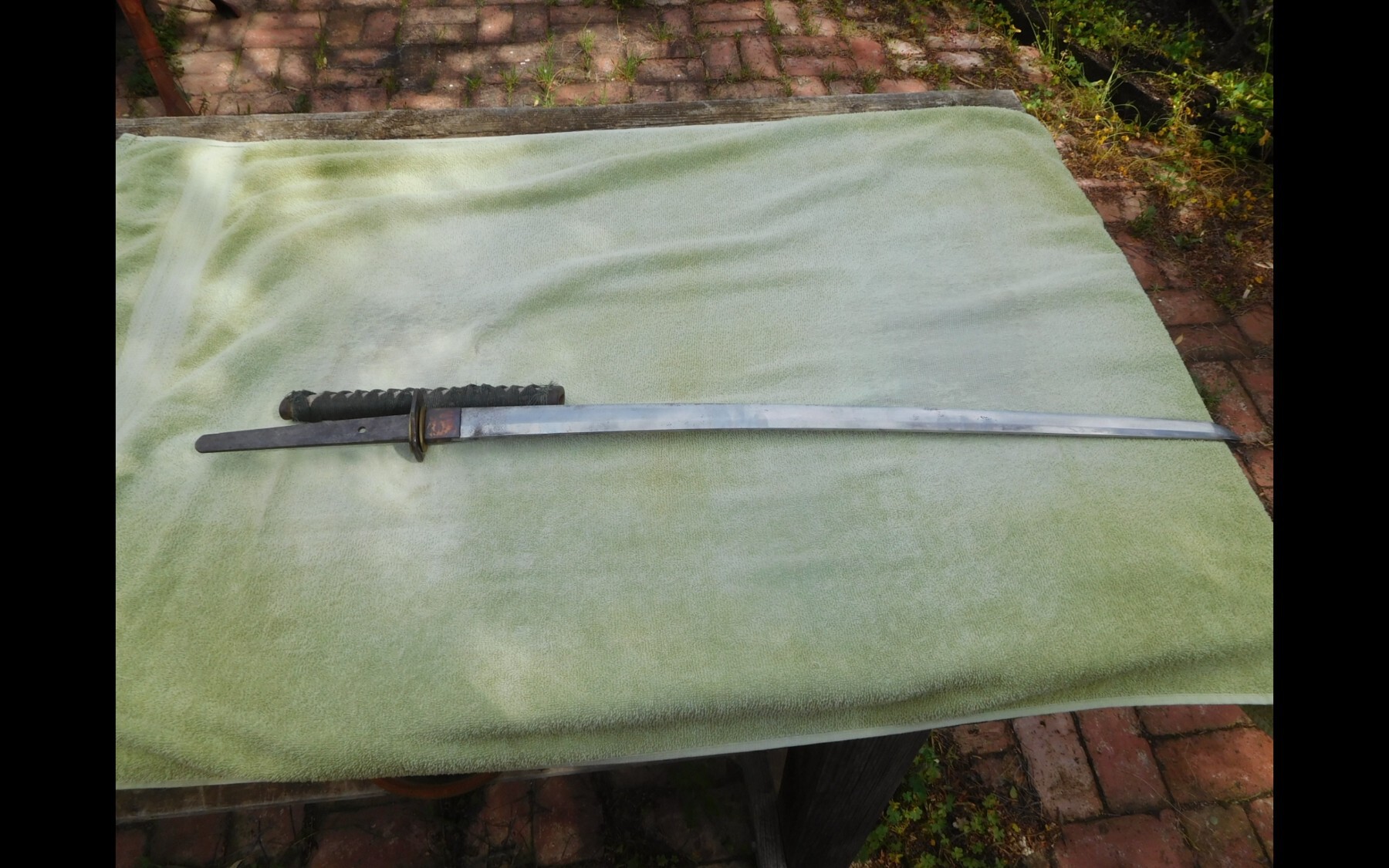
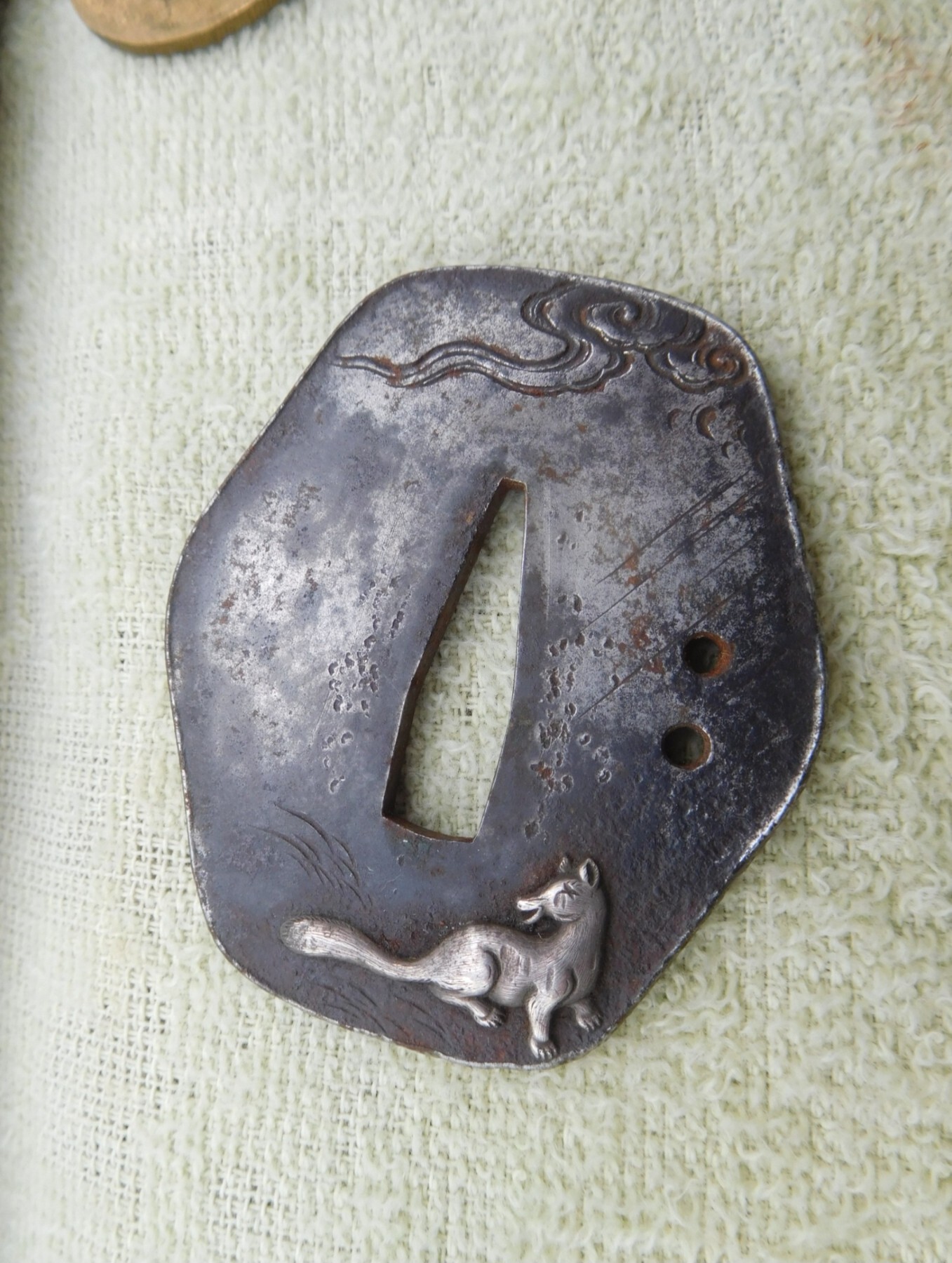
This is the second and last sword owned by the old gentleman I (with your help) am assisting to downsize. Apparently he bought it in a 'job lot' of guns and swords many years ago with no saya. I think the mei could be Yukimitsu but can't find anything on that smith so I'm probably wrong. I have no idea on the Tsuba mei. My first thoughts on the sword mei were pretty negative as it looks overly simplistic but the Higaki Yasurime and maybe good tsuba made me think this may quite genuine. By the way, I'm not in the market for either blade. Tks



 1 point
 -
The blade is TACHI-MEI.1 point
-
A few more informations: SoshuDen-Museum | Hasabe Kunishige1 point
-
I thought Yoshioka or Yasuda (cousins) for the kozuka and kogai. I get @Bazza call for that with the tsuba, though gut instinct is towards something else. Not sure exactly what. Yoshioka isn't a bad stab at it. Just generally looks like a very good package. Even the seppa are better than most. Full choji and visible utsuri on the blade too. Why don't things like this ever pop up in my area? --Last sword to pop up near me had 4 hagire. 4. It was a wonder the blade hadn't snapped yet.1 point
-
Steve: For 3.5k I would rather have a legit KJT. Yoshiteru, Kanenari, Tadatsugu, Mitsuyasu, Kaneyoshi all made traditional swords for the Navy. John C.1 point
-
I've given my wife your info so she'll have a resource when I shed this mortal coil. I'll send you my wife's name so you don't think she's scamming you!!! John C.1 point
-
Spending capital to acquire valuable cultural artifacts with the intent to destroy them is categorically unacceptable from a deontological moral standpoint. This is not up for debate—it is a founding principle of this community. This principle underlies our firm stance against practices such as amateur polishing. There is a troubling pattern here, a parochial bias that coalesces into a kind of populist faction, quick to leap to each other’s defense, with very little grace and forethought. It is understandable—tribal solidarity is deeply human, but it is also hampering your progression in this field. Worst, it hampers the progression of others, as this forum is a public good. Now you know, look in the mirror. You just fell for the bait - hard - on the other side of it. With all that said, @Hokke, I sincerely wish you the best, may you find wisdom and growth. Best, Hoshi ... @Rivkin1 point
-
I take my hat off to the togishi . . . . . charles.1 point
-
It never ceases to amaze me just how strong private collections in Europe are. Gems like this pop up at almost every NBTHK-EB meeting. "Most representative of the entire Hasebe work" and in "excellent state of preservation". Doesn't get better than that. Wish I could have attended but Manching is a little too far from Hannover.1 point
-
love this thread, extremely informative. Good to know theres more to it than Sothebys and Christies. No arguments! loving this so far.1 point
-
I don't get the notion that it would be a burden to your loved ones to inherit your collection. I love all the weird things my dad and (great?)grandparents collected, even if I didn't get to know some of them. The idea that they thought it worthwhile to get and preserve those things, and I get to wonder why is the closest connection I have to some of my grandparents. I guess the only problem with nihonto is the maintenance, so I guess accompanying the collection with a letter and some obligatory reading would help. Worst case scenario they pawn everything off and have a party, but then at least I tried.1 point
-
I would dare to guess that your sword might have been shortened around 8 cm or so. As I believe it is currently bit under 50 cm in blade length it would by my guess originally been bit under 60 cm in length. Of course that is just my speculation but would fit well within the Ōei-Eikyō Bizen size range for borderline wakizashi/katana. With my skills making guesses about individual smiths would be pretty much impossible, as so many smiths worked in very similar style. Here is a Sanemitsu (実光) wakizashi that is 58 cm in length for reference.
 1 point
 -
He was not particularly known for bo utsuri, it sort of overall Muromachi trait, somebody copied from some book. Its all hair splitting since they are very similar, but with Oei Morimitsu and alike you don't expect groups of the same height, 4 elements+. You expect large choji-gunome joined with a few others, quite a bit more non-uniform appearance. Strong groupings with flat hight/similar width are associated with Eikyo-Onin-Bunmei pieces. But they very seldom have midare utsuri shooting to shinogi and ashi tend to start closer to the edge, overall hamon can be narrower on average. Sanemitsu did flat height large grouping with very wide and expressive hamon, with some ko nie sprinkled around the hamon's upper portion. Its a good match.1 point
-
Hi Marcus, This is an Oei bizen hamon structure, it was first introduced by Chogi and the Soden-Bizen group. You can tell by the groupings of gunome and choji formations. Specifically, notice how they cluster together in series of peaks, before receding? Another sign is the relative quietness of the ha, it is fully rendered in nioi, and there is not much activity within, this is also quite typical of these Oei blades. The three most representative smiths of this group are known as the "Three Mitsu" (Yasumitsu, Morimitsu, Norimitsu). They stewarded the Osafune school into the turbulent Oei period (1394-1428). It is very difficult to distinguish between them. There exists multiple generations that extend into the beginning of the Muromachi, but on the basis of the conspicuous utsuri, I would place it with the first generation, and Yasumitsu as the most likely candidate. There are other candidates in Oei: Iesuke, Iemori, and Tsuneie. Here is a masterpiece by Chogi ranked Tokubetsu Juyo, where you can see the origins of the hamon of your blade: https://eu.zonerama.com/Nihonto/Album/11057812 The standout midare utsuri is lovely, and indicates that the blade is in good health. Once upon a time, this was likely a proud tachi with a Kamakura-inspired sugata that Yasumitsu was fond of emulating. Best, Hoshi1 point
-
I once started wondering if these could actually have been made/used for Chinese forces in the war, but quickly realized that wasn't possible. The stamps are clearly fake. If the Chinese forces were making these for their troops, they wouldn't have put Iijima, Gifu, Kokura, etc stamps on them. These are trying to claim they were made in Seki by Japanese firms - which is impossible due to everything about them being wrong. So, long story, short - one of the many fakes in this style.1 point
-
Hi Jan, Sorry to say that's a well known fake. I keep a file on these. Would you mind posting a photo of the sword overall? Is it trying to be an NCO Type 95 or something else? I have several on file from this particular faker, and there is a usually a serial number at the bottom of the etching. Among other things, yours has a date (1940) on it, which is almost always the only date they put on these.1 point
-
STUNNER sword... I'm sure the tsuba is by one of the YOSHIOKA artisans, an excellent tsuba. Thanks for sharing. BaZZa.1 point
-
For traditional kai gunto, I would read Malcolm Cox's excellent manuscripts on Naval Part 1 (updated) and Naval Part 2 (updated) in the Downloads section. Focus specifically on KJT smiths, the navy equivalent of an RJT (some were both). Once you get a list of names, you can search for just those smiths when hunting for swords. John C.1 point
-
Outside Japan the Berlin Samurai Museum is the best permanent venue in the world (IMO) to see nihonto, tosogu and katchu. Beautifully organized and presented top level pieces such as this Kiyomaro. Puts other venues like London's V&A to shame. I will be sure to revisit over the winter.1 point
-
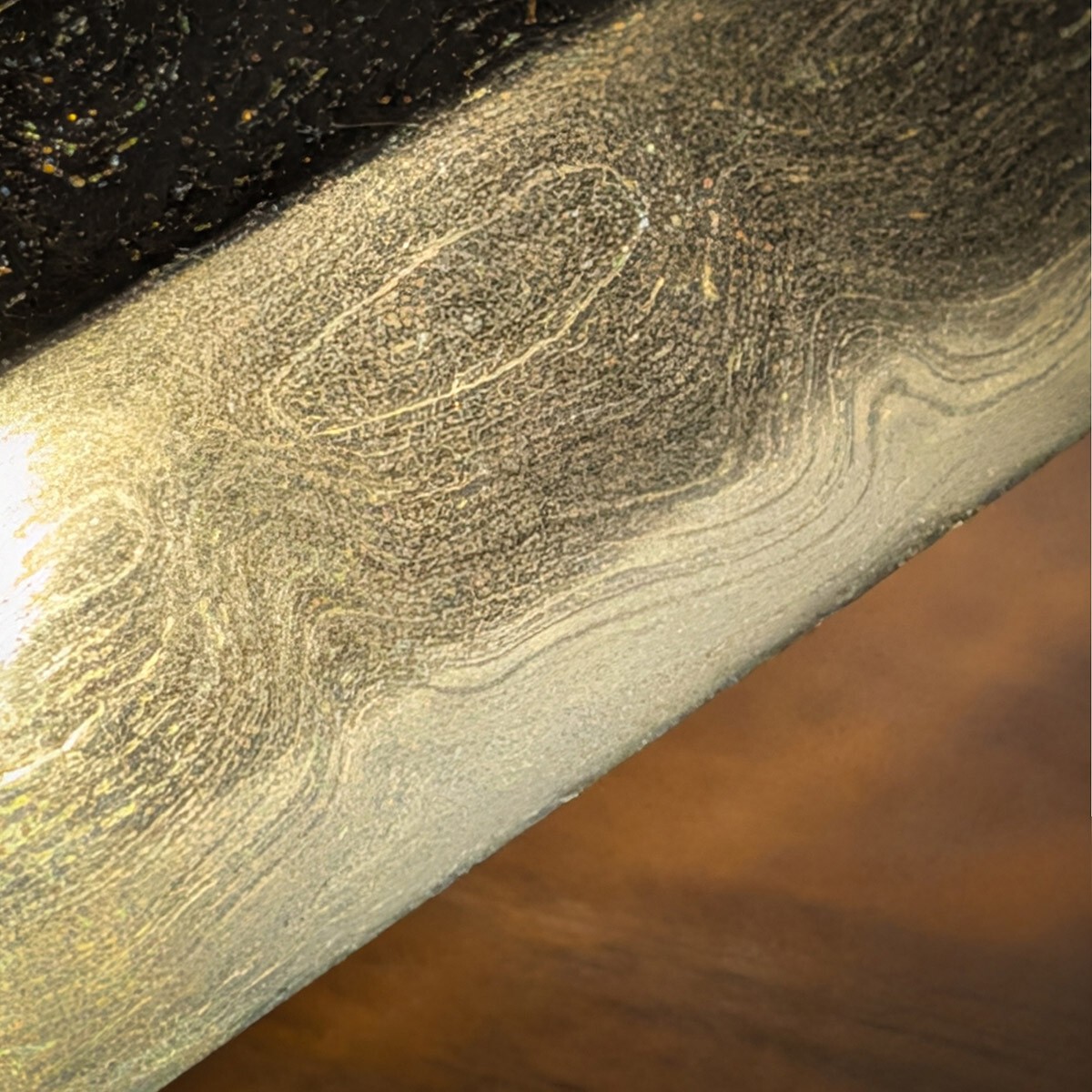
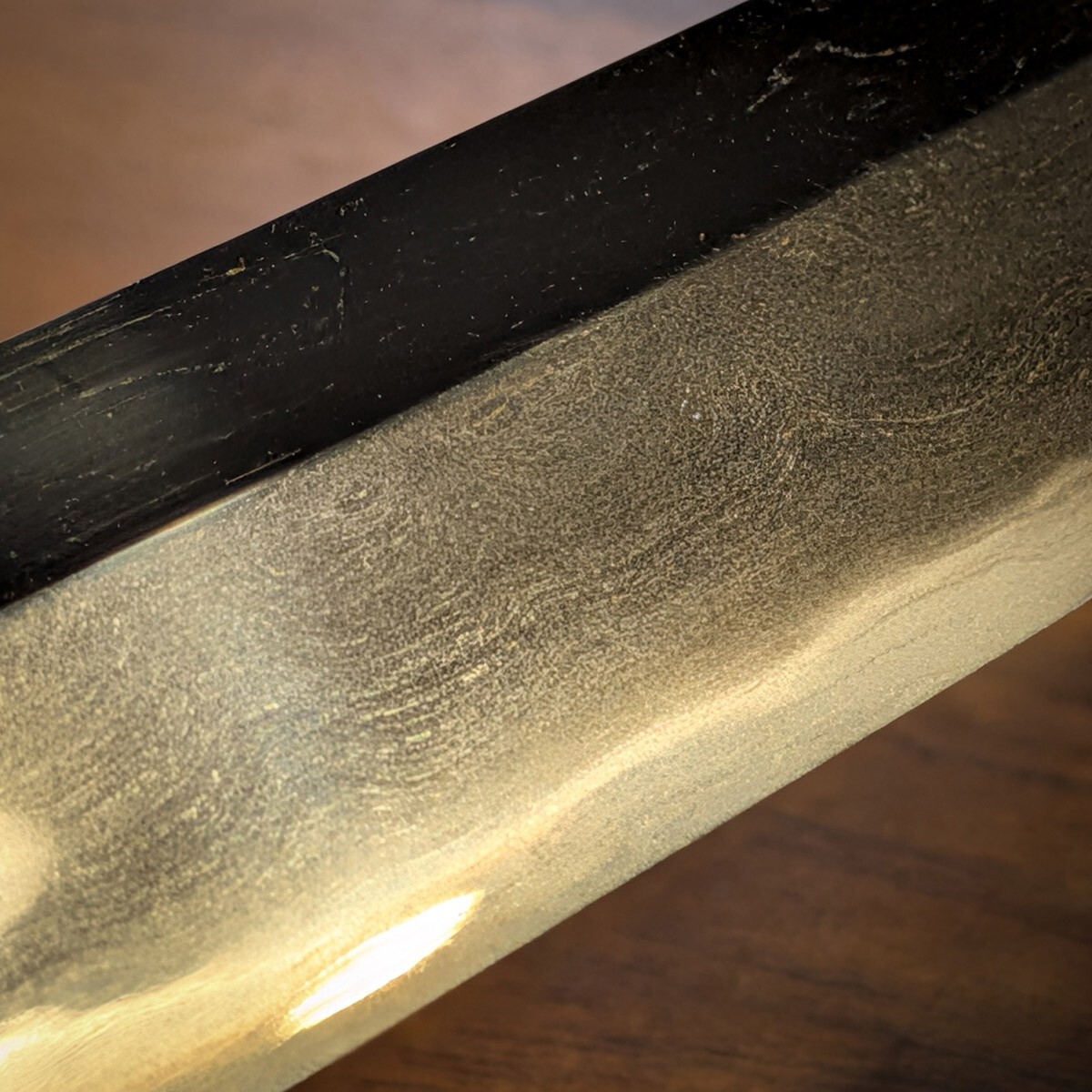
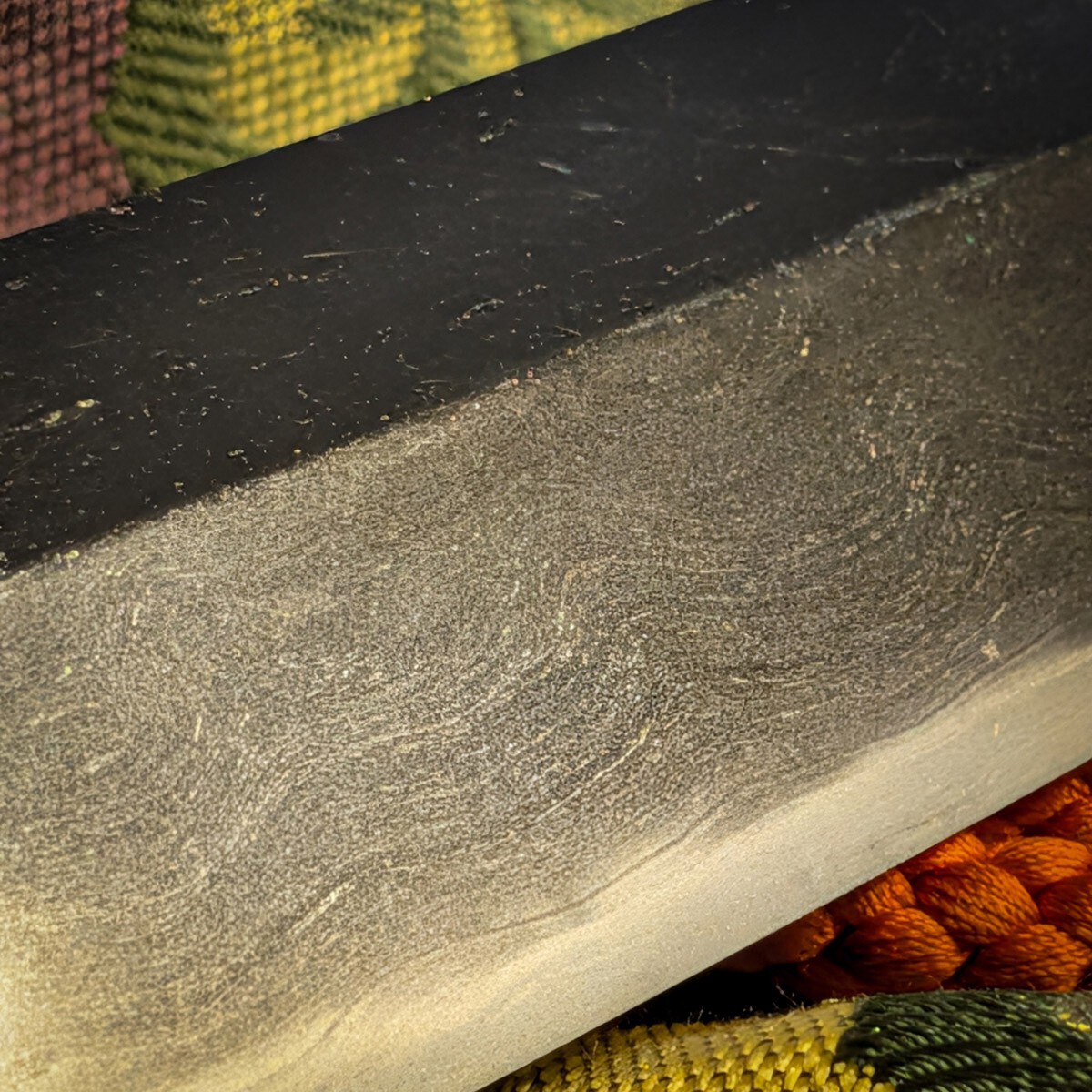
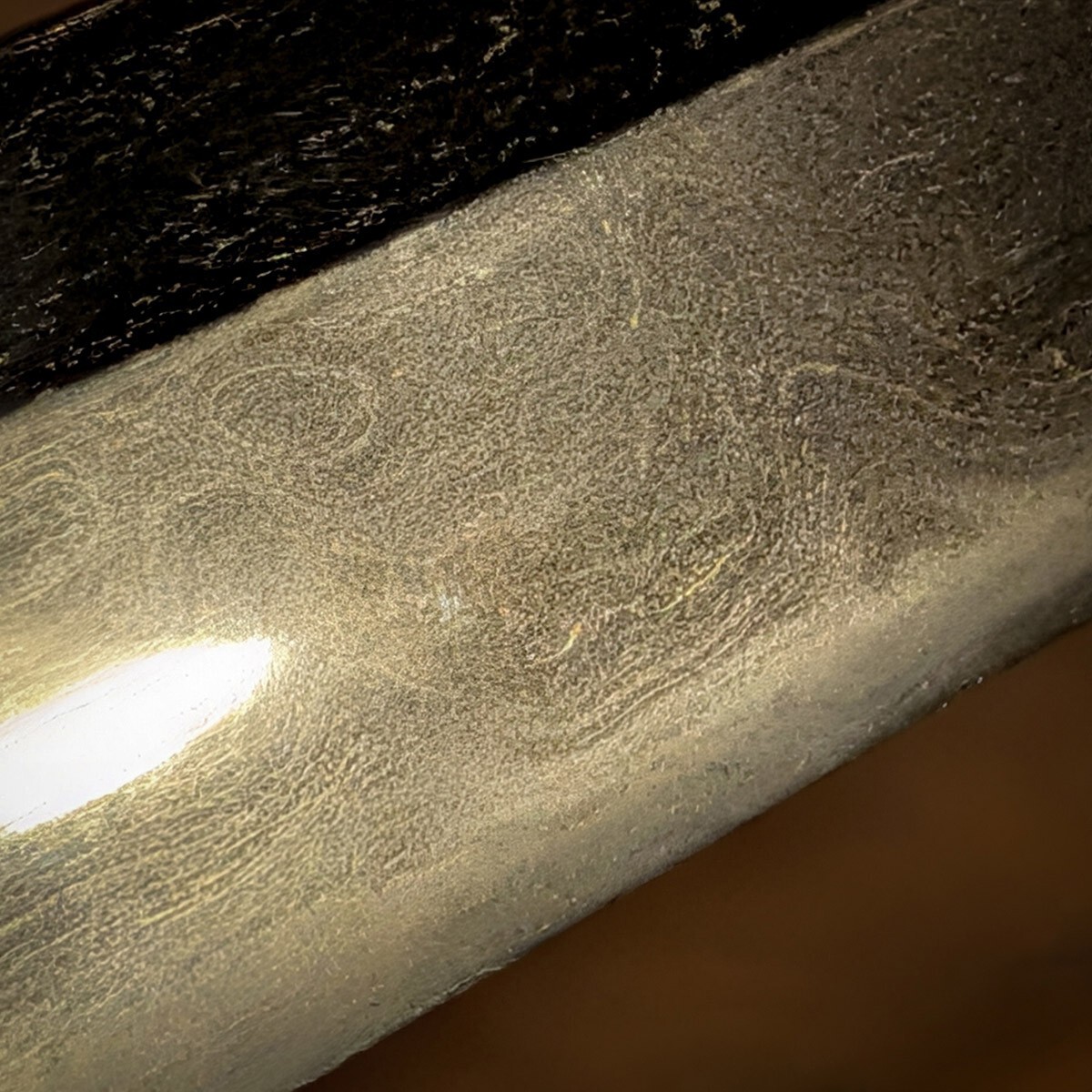
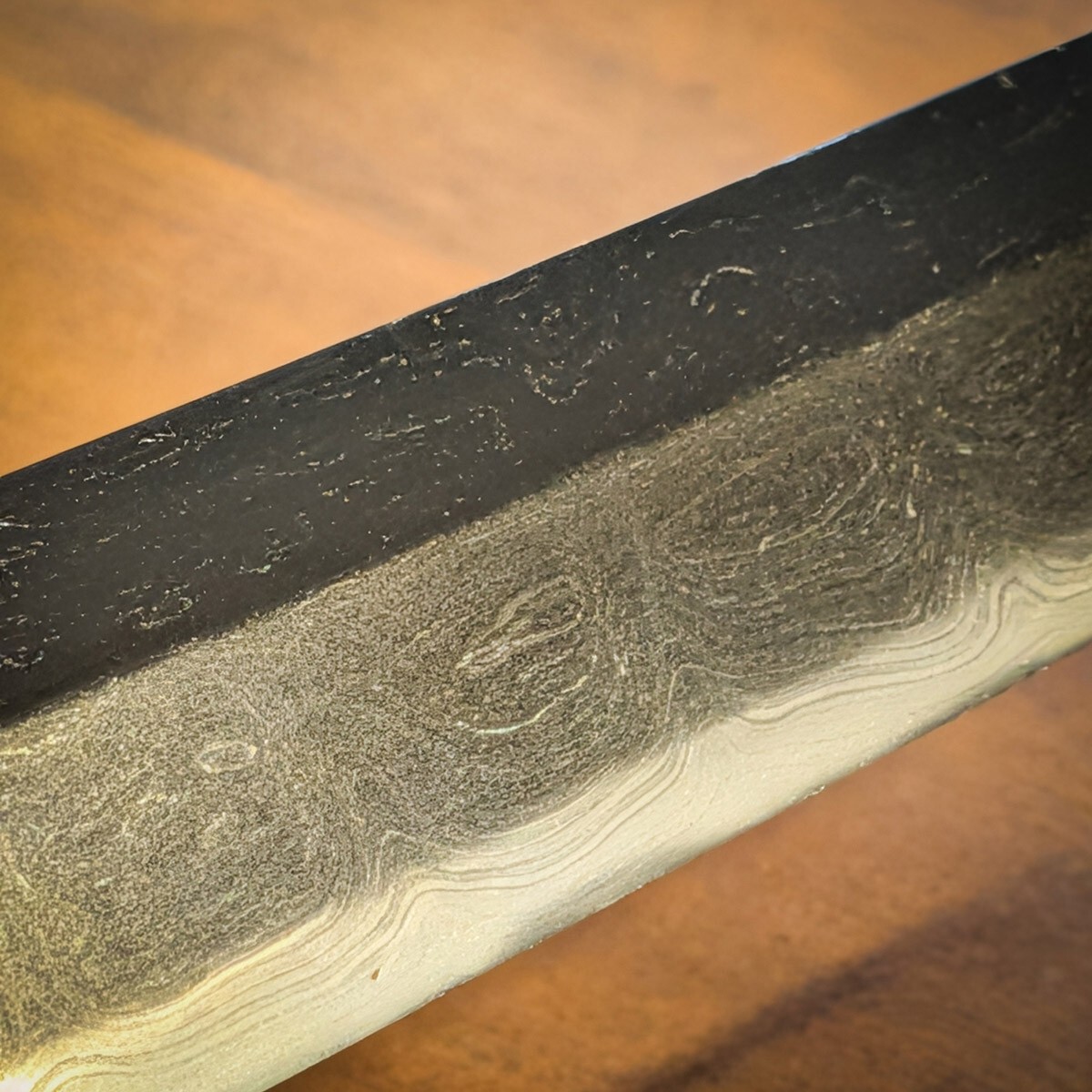
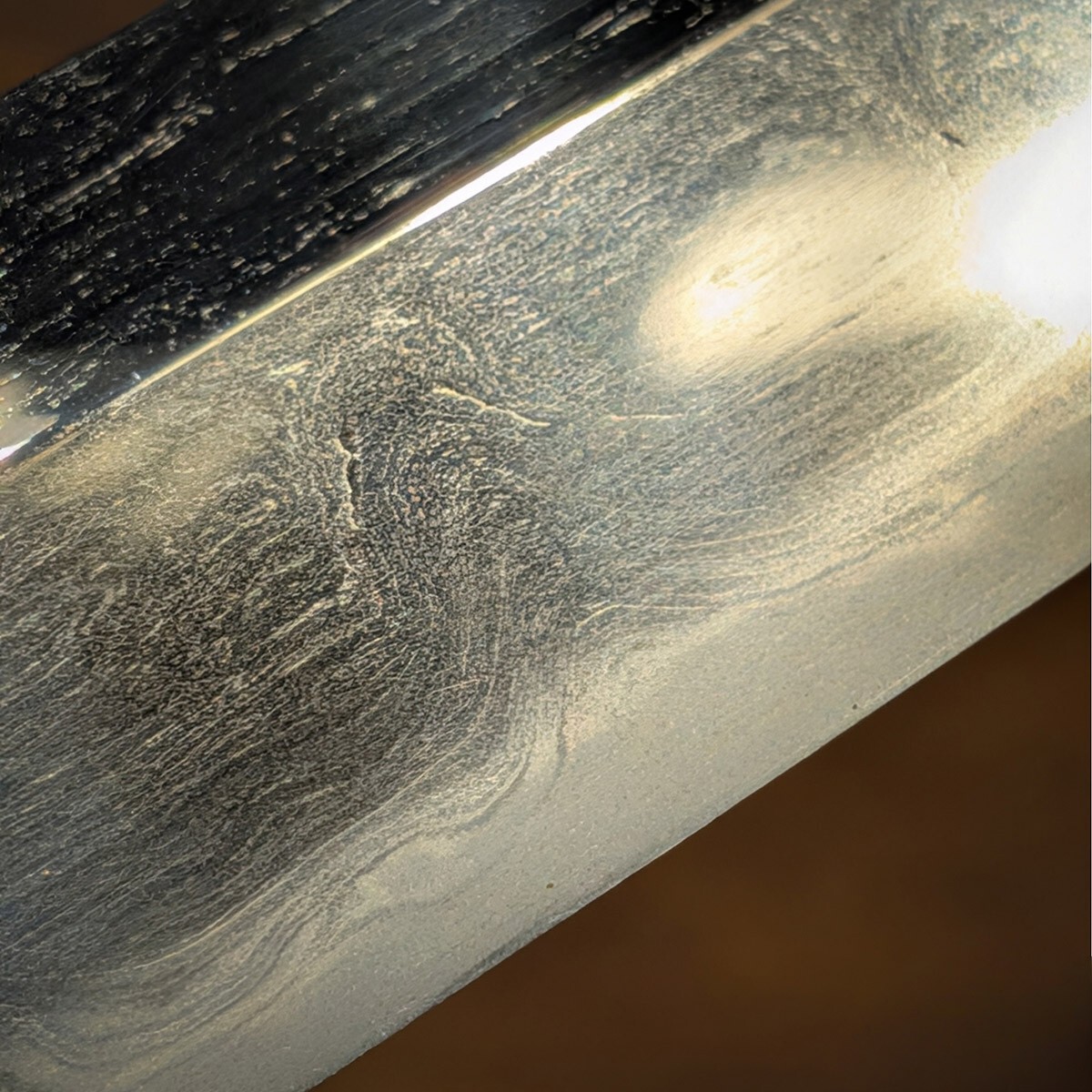
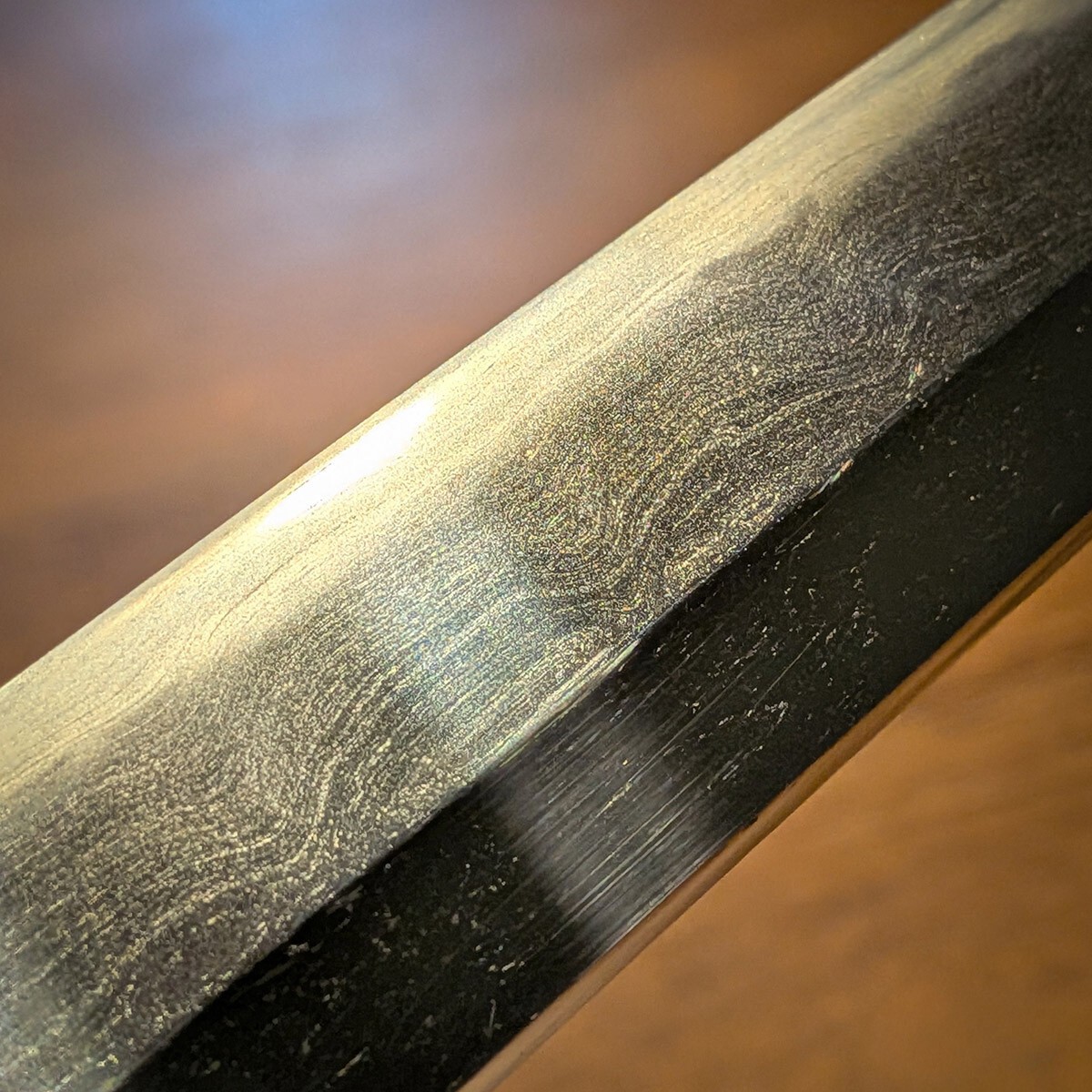
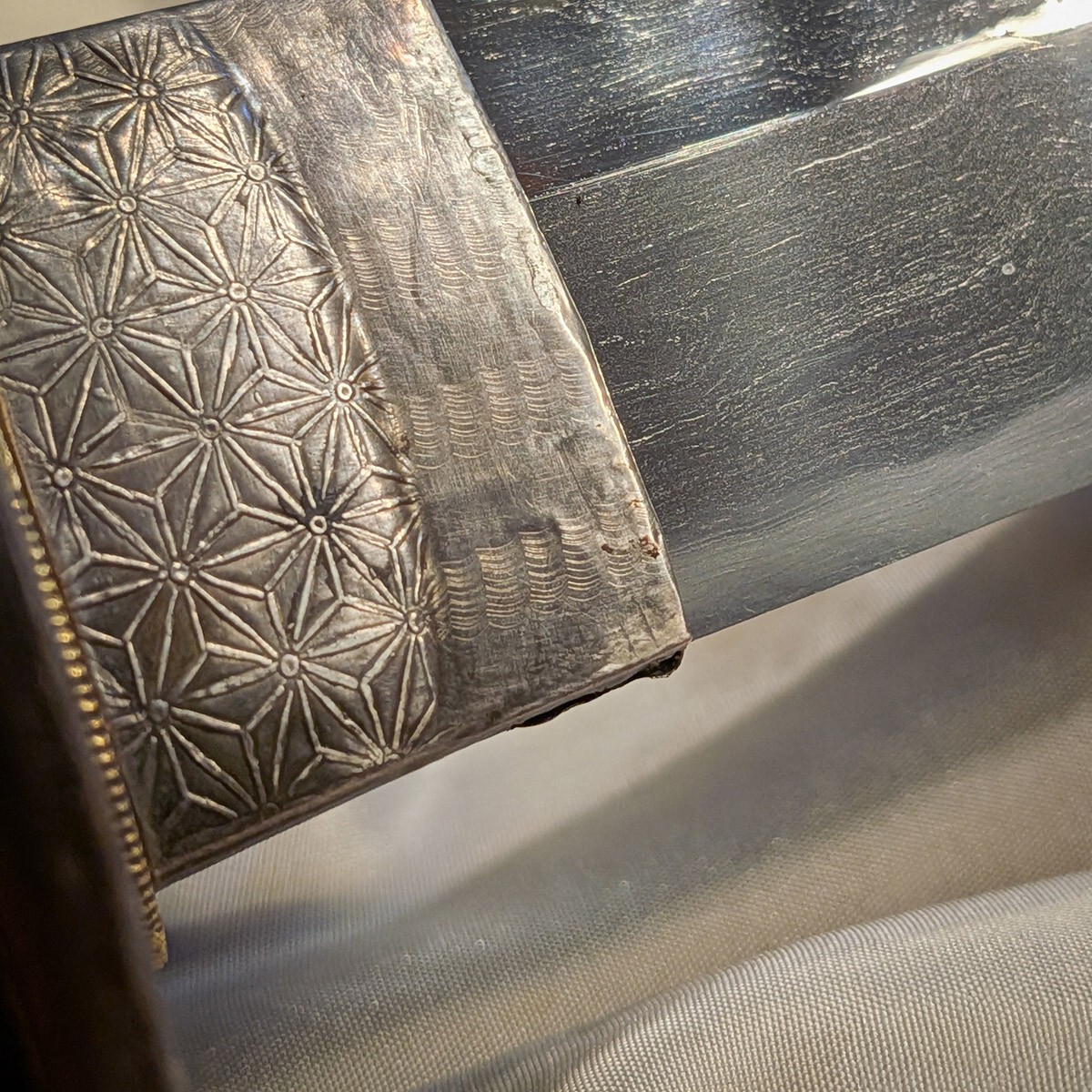
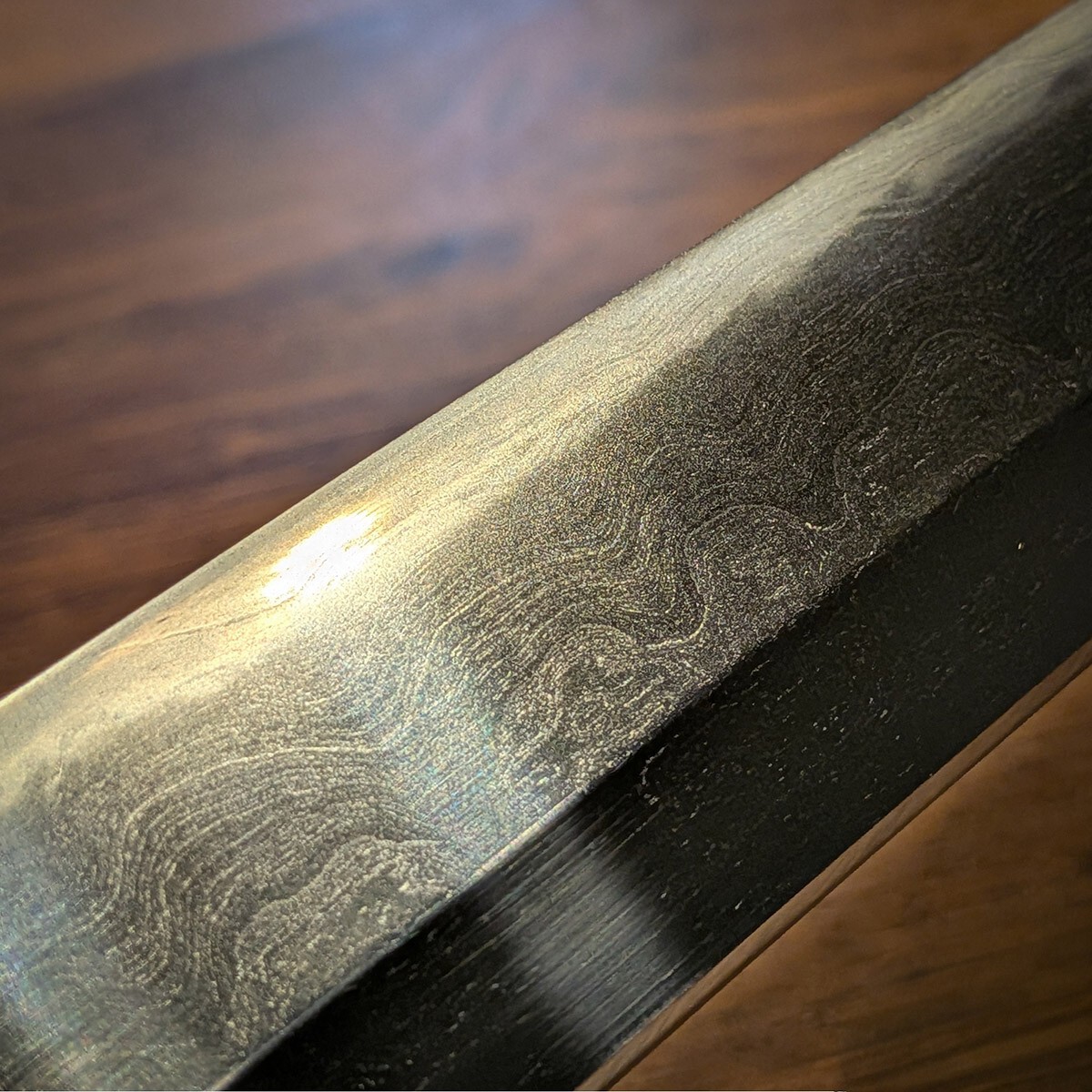
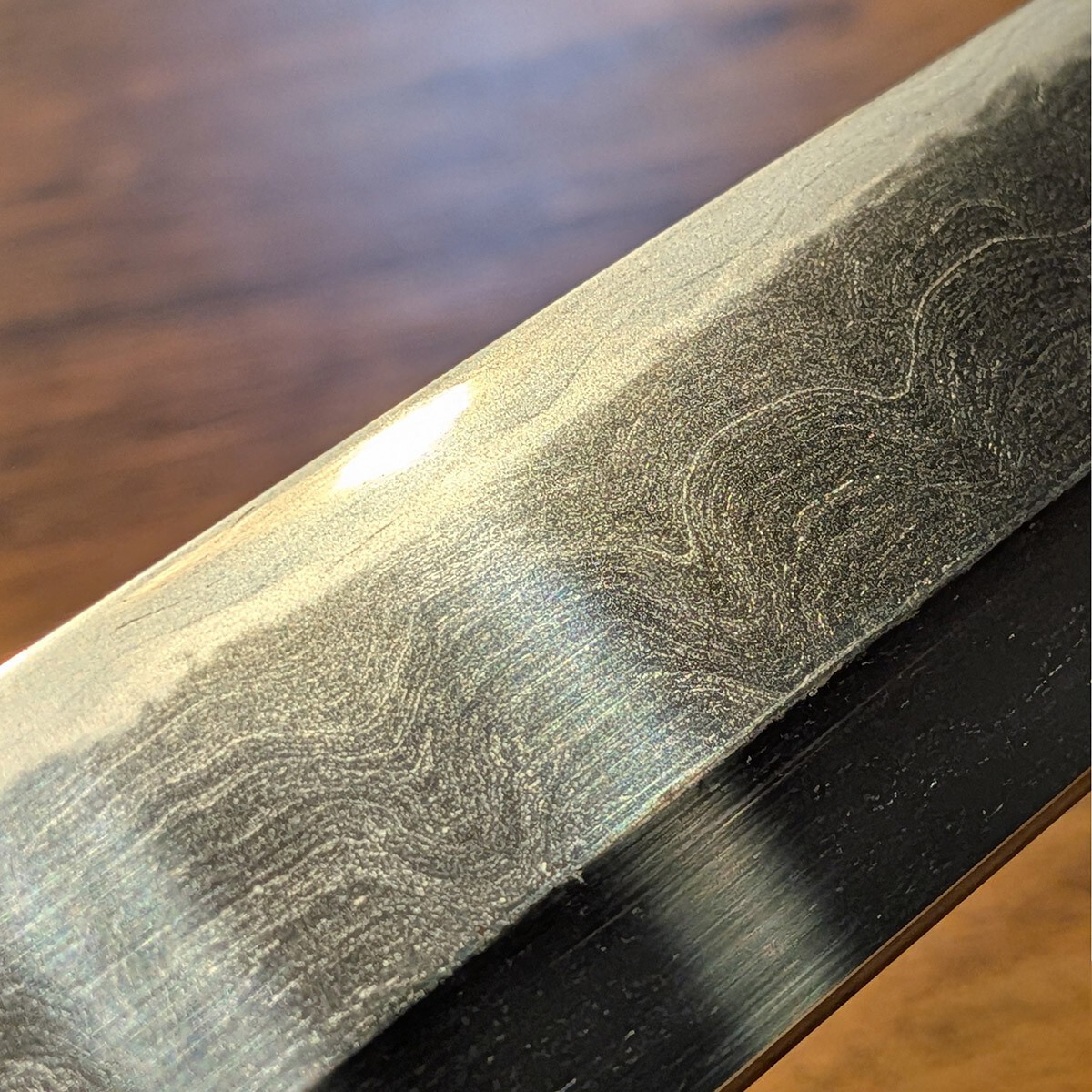
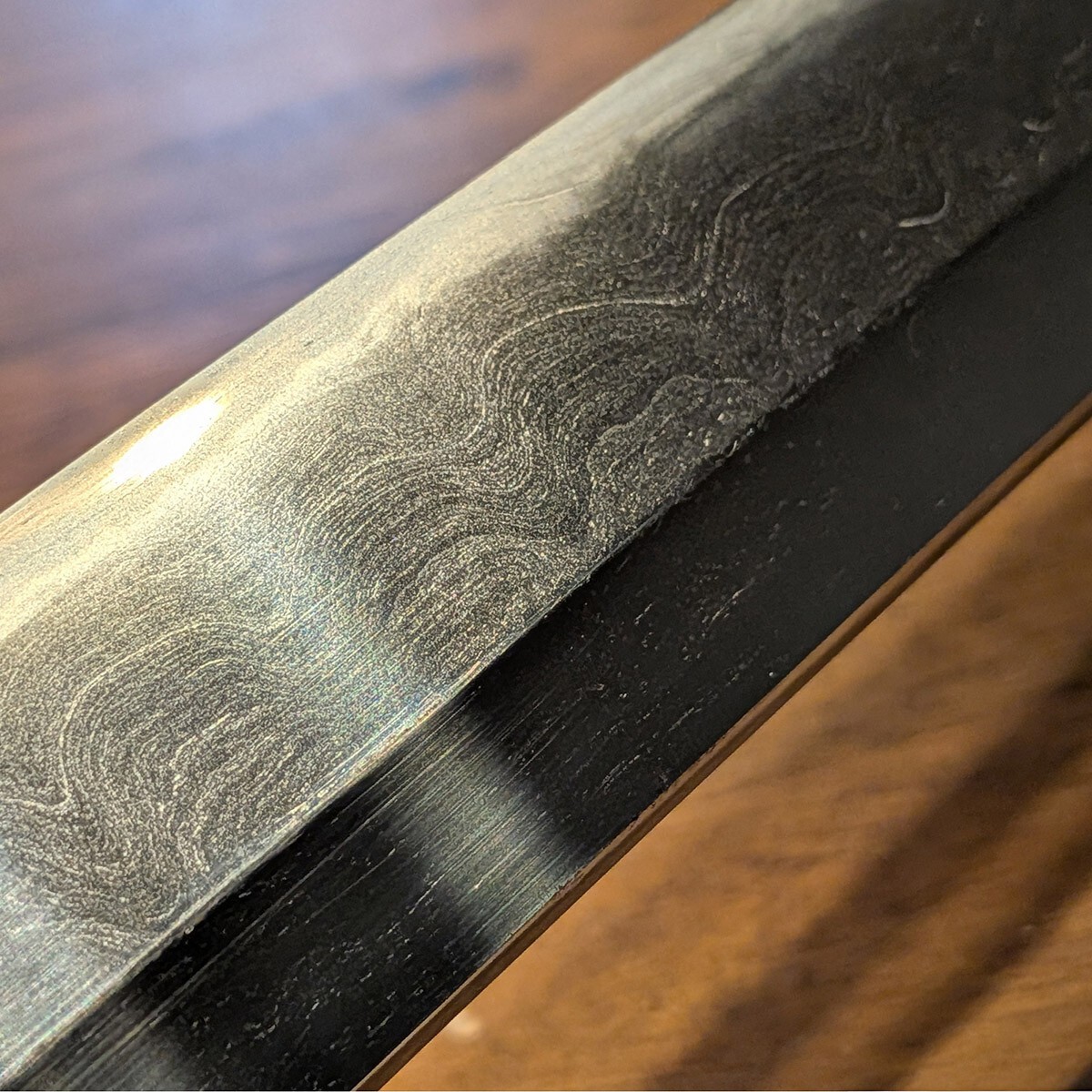
It's a soden bizen blade with a nice jigane that wasn't evident from the photos on their website. It's pity that they don't entertain visits to their store to view their blades in person, but the owner is a stand-up guy to work with.

 1 point
 -
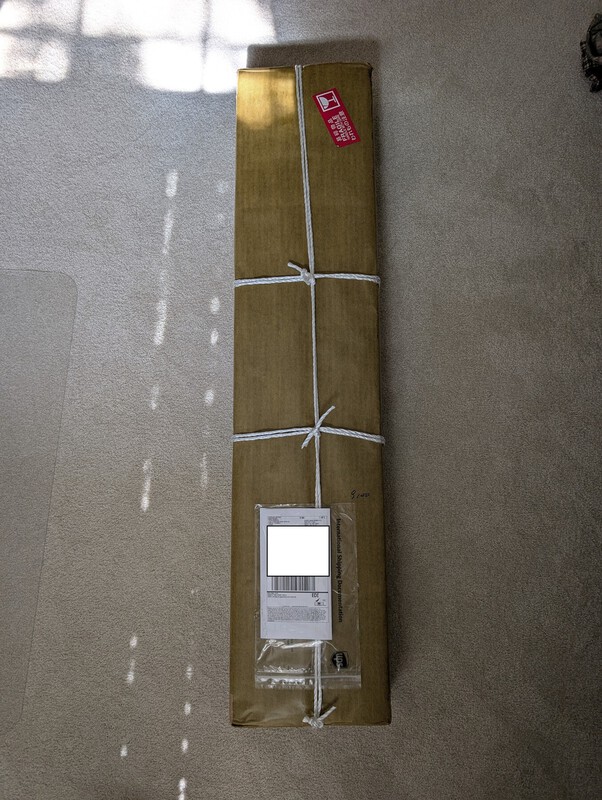
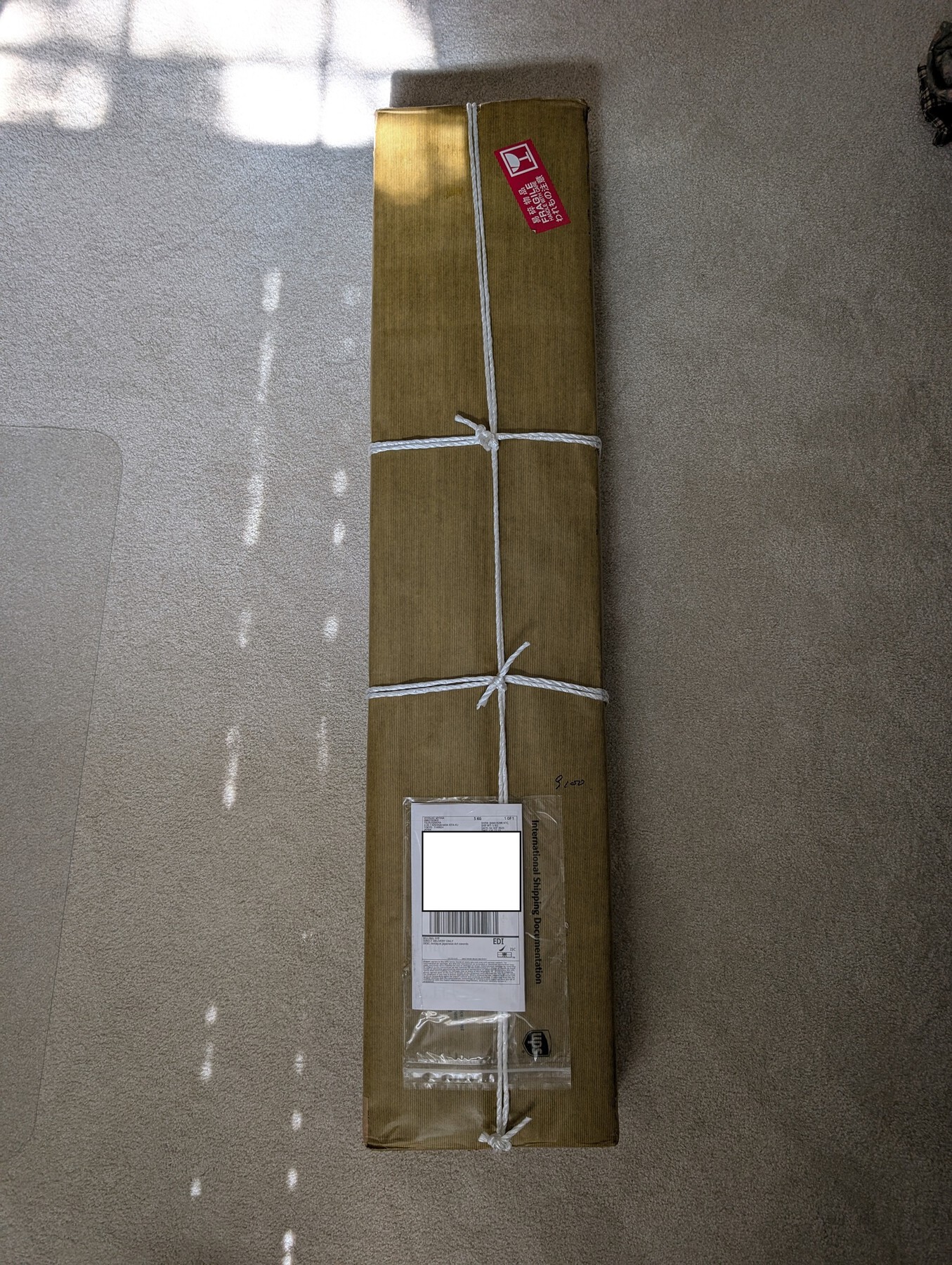
Though I must say that Tsuruginoya has by far the best packaging of all the sword dealers I've worked with in Japan. The sword arrived via UPS from Japan to the US in only 1 day. EMS would have taken a week.
 1 point









.jpg.a2ab9935f5a25afd7955aabcc8ba903b.jpg)











This leaderboard is set to Johannesburg/GMT+02:00