
Leaderboard


Popular Content
Showing content with the highest reputation on 07/27/2025 in all areas
-
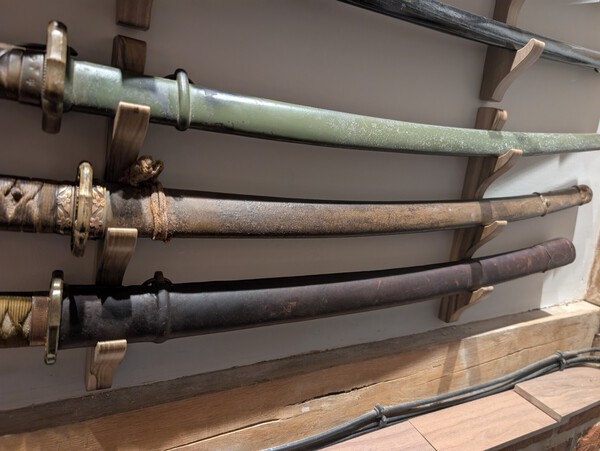
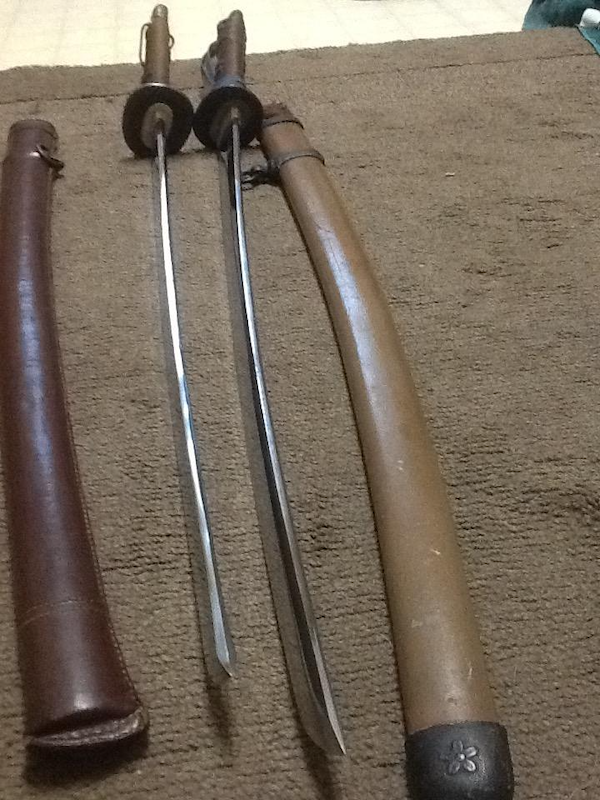
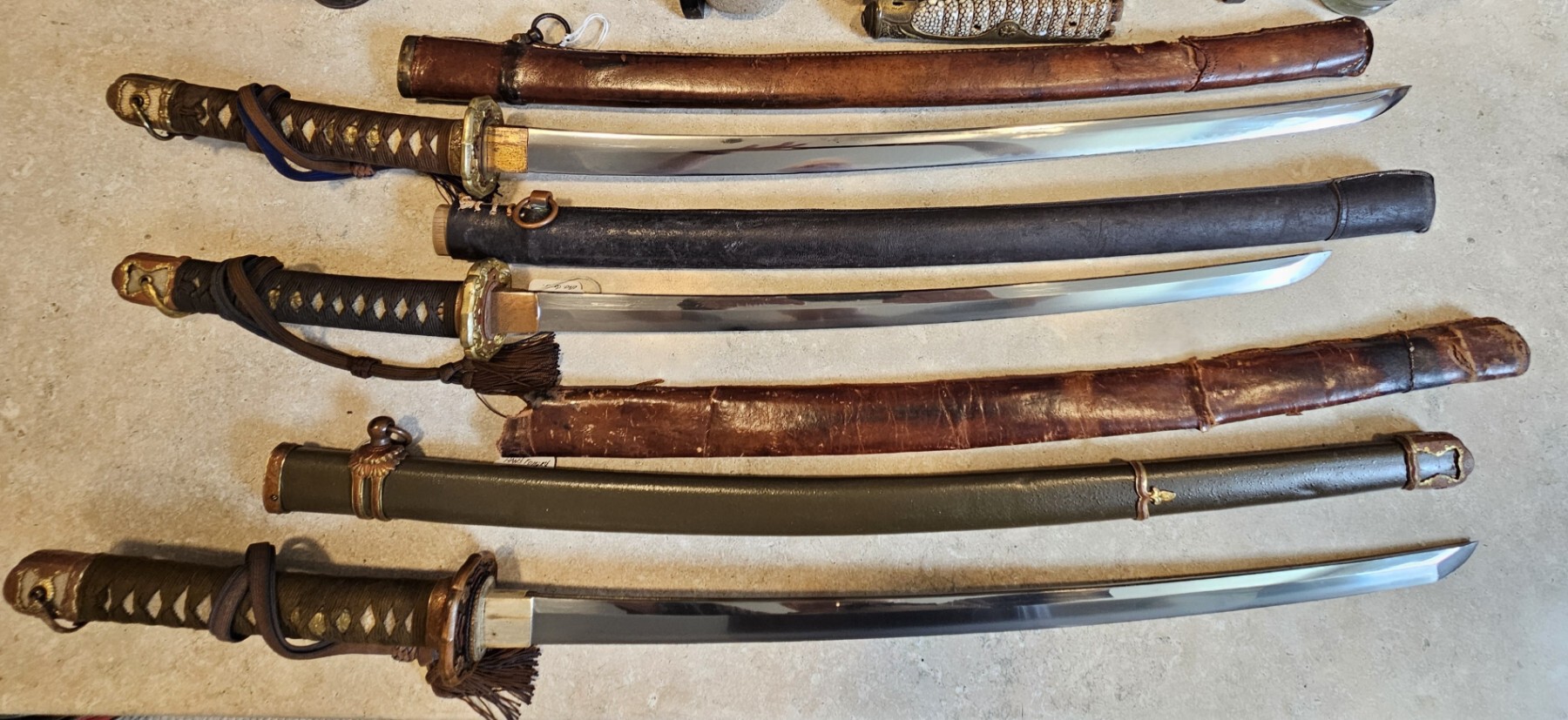
Thought I would add these combat covers mainly just for the heck of it with a couple of "Been There" examples, and also a late war pig skin cover. The upper and lower covers are obviously well used with the upper showing wear as to one can only imagine to where it was worn during the war. The lower cover is in the worst condition, however it apparently did its job as the saya is in overall great condition. It is the original to the sword cover as it was sewn on the saya when it came into my possession yet it became so fragile I eventually removed it. The middle sword very nice Shinto era sword with what appears to be a very supple pig skin cover and almost a tin toy type buckle. It shows practically no wear and almost has to be a late war lack of traditional material situation.


 5 points
 -
right side up: Maybe 則宗 Norimune?
 4 points
 -
Hi Ben, I agree with Rob. Definitely a fake or repro. The biggest tell is the tip of the blade. The profile of the tip is wrong, and also the groove ends too early. Another big fake identifier is the dimpling on the handle; it should be raised and even from the casting process, whereas your example looks like it’s been punched inward with a tool. Other less obvious signs are the font of the serial number and the the stamps on the Fuchi. When it comes to Japanese swords, beware auction “papers of authenticity”, as their goal is primarily to SELL. Hope this helps, All the best, -Sam4 points
-
Hi Ben, IMO it is a fake (reproduction) Here is a good link on the IJA Type 95 NCO sword http://ohmura-study.net/957.html Rob4 points
-
I've got a few In good condition. Also have 4 on their own that I picked up at an arms fair


 4 points
 -
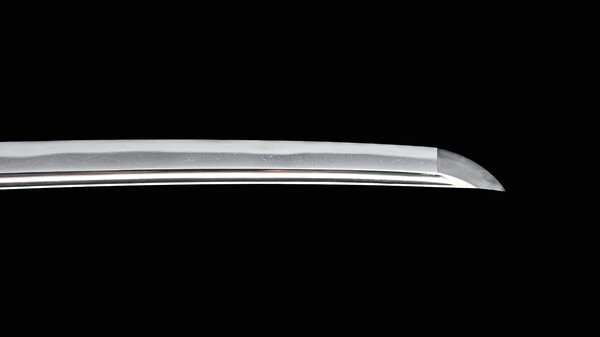
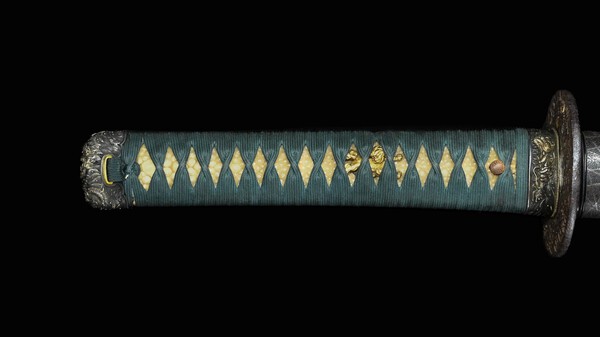
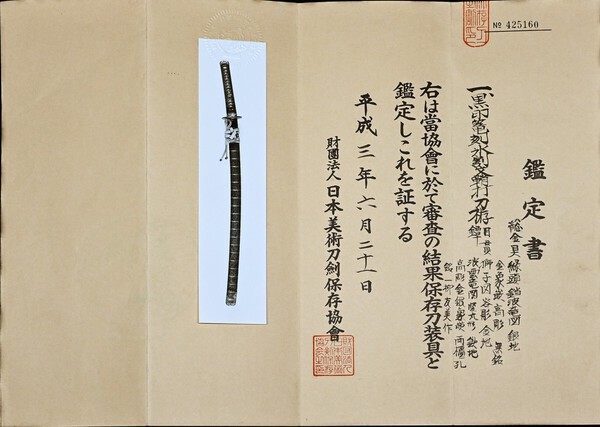
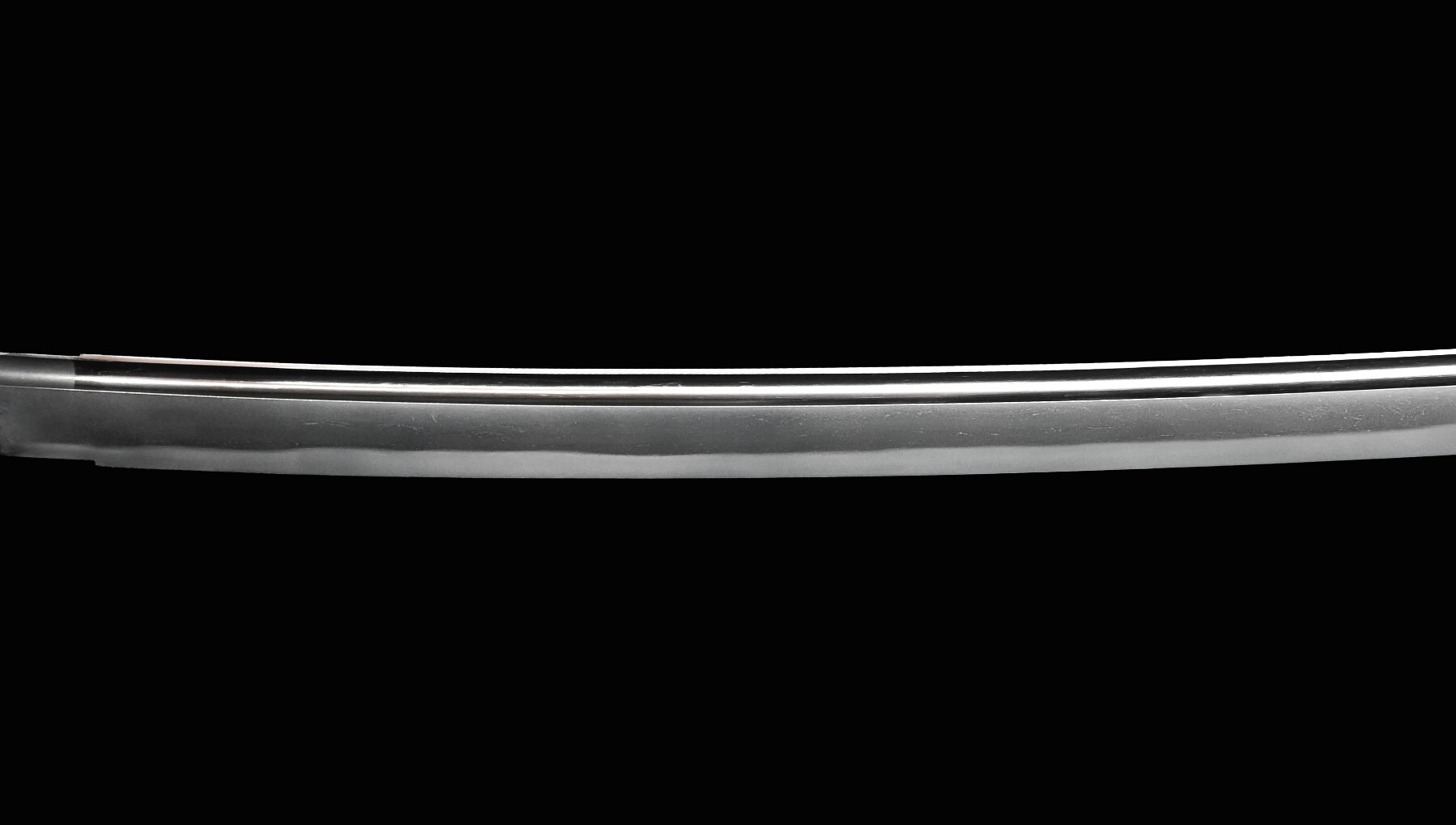
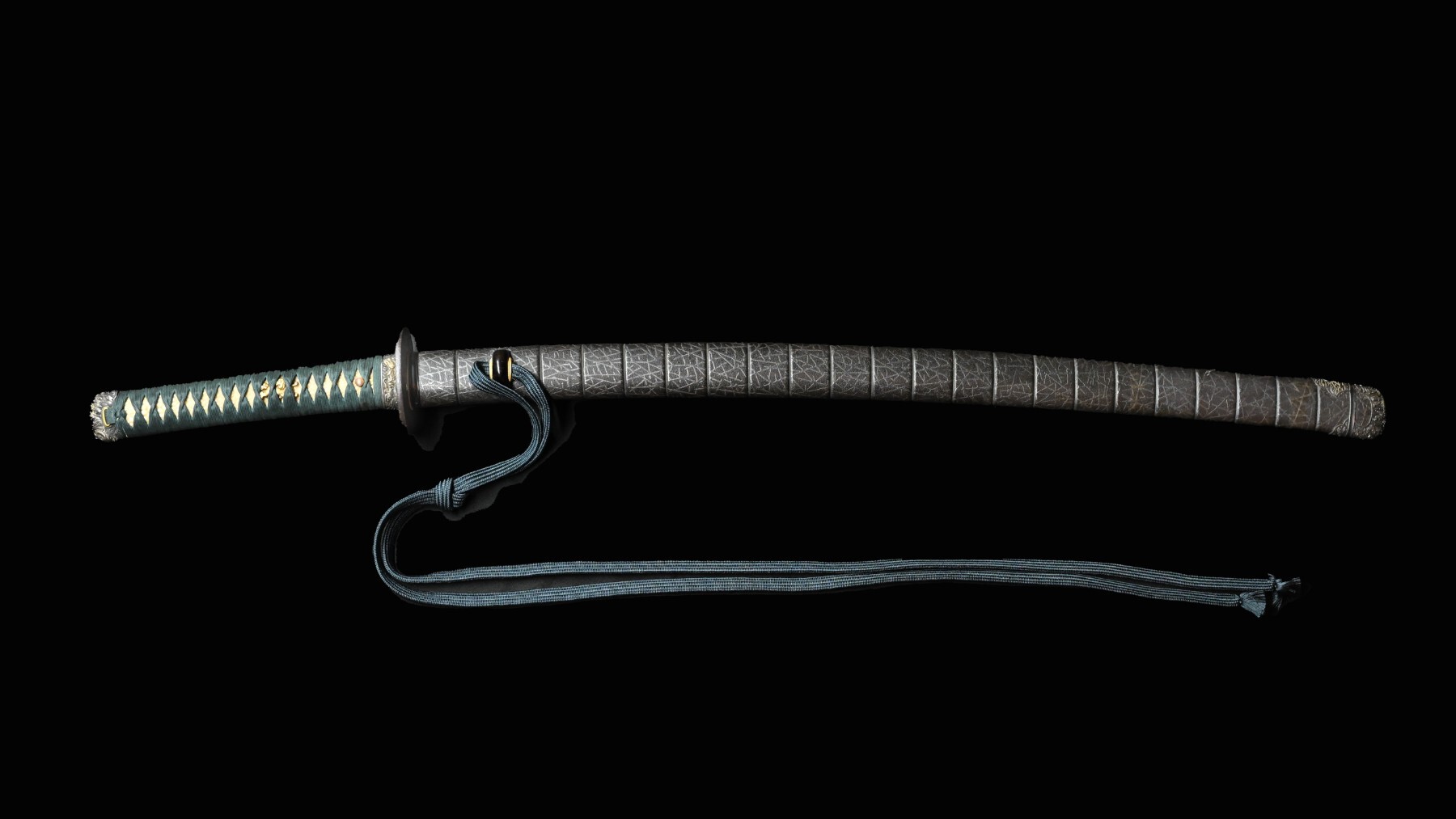
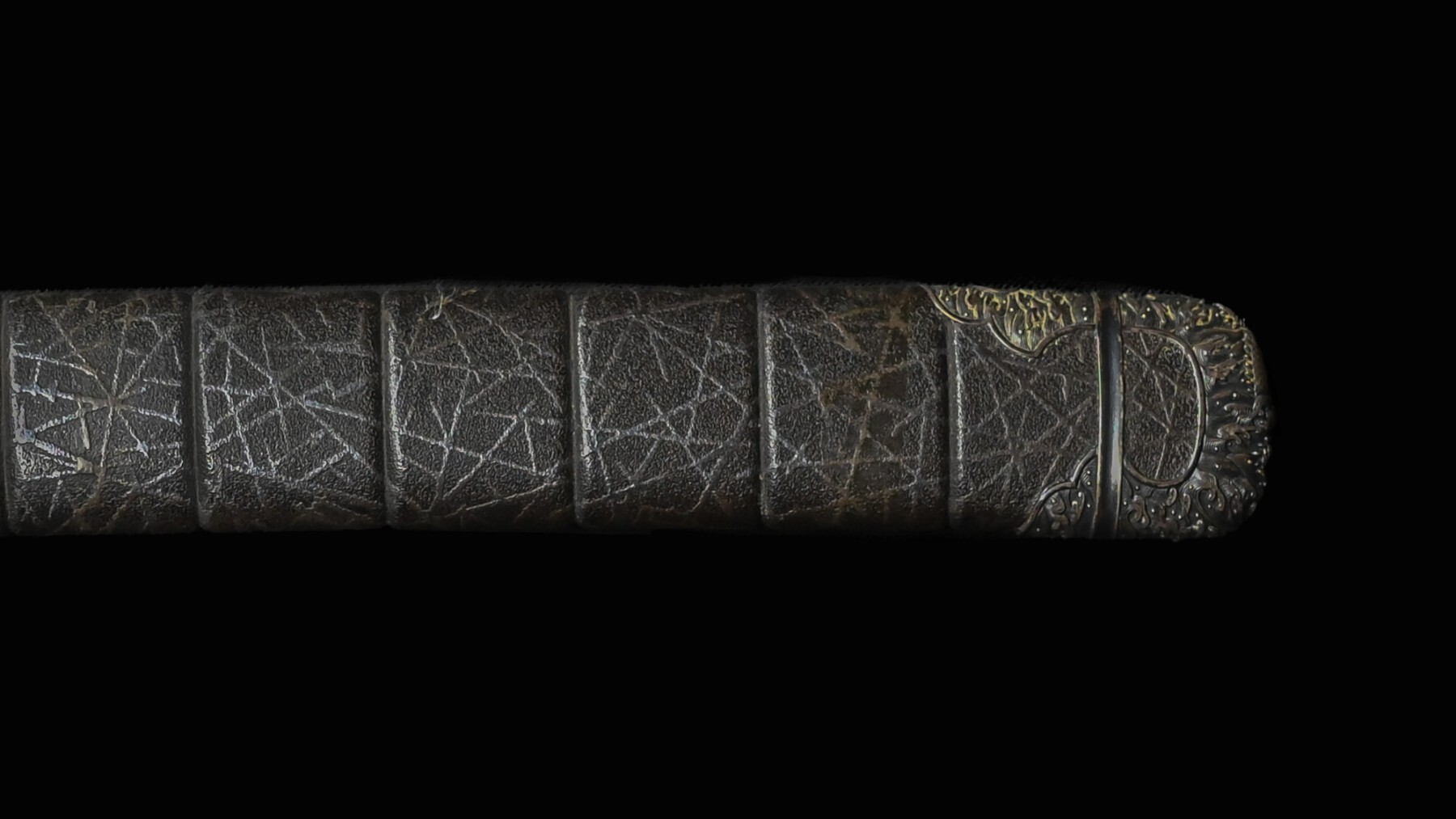
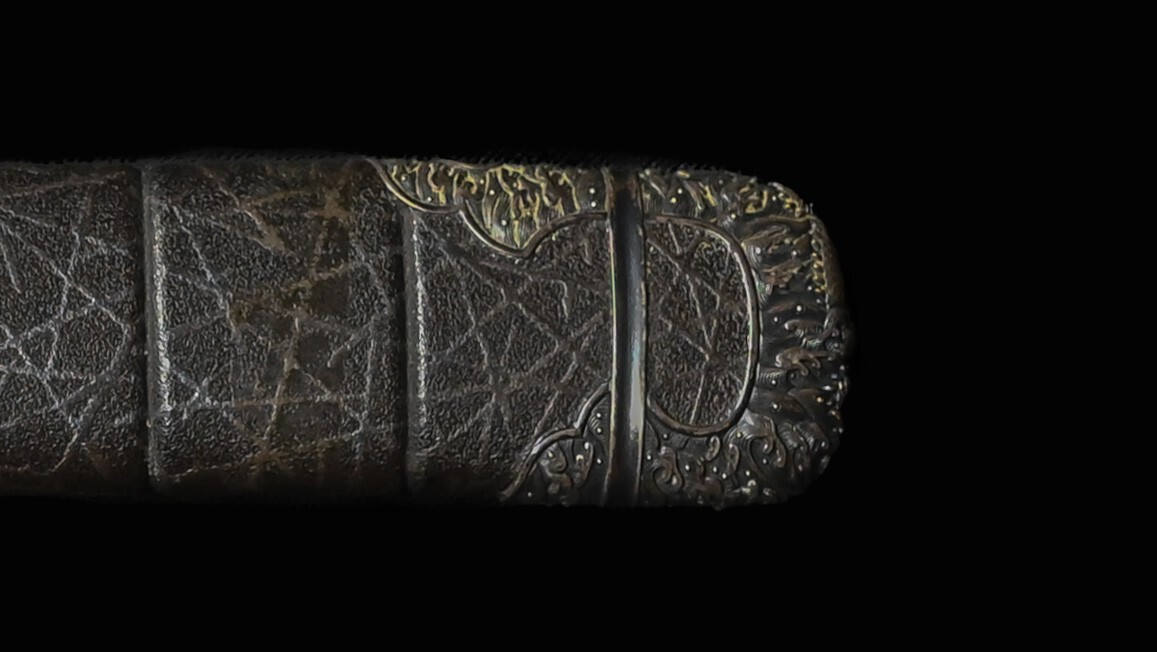
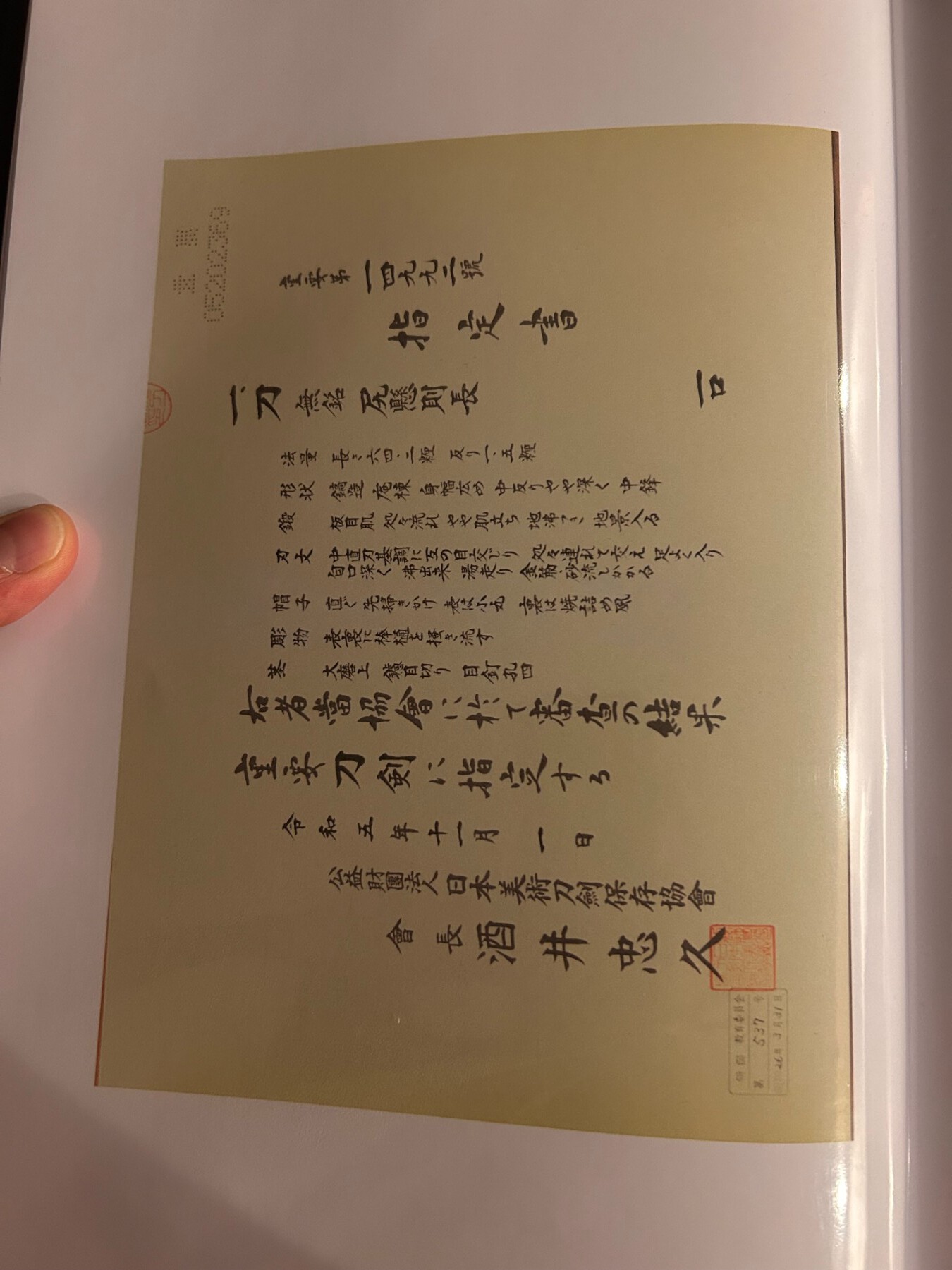
Hello everyone, I would appreciate some informed opinions regarding a sword in my collection. It is a Katana attributed to Shikkake Norinaga (1st generation), founder of the Shikkake school in Yamato, dated to the late Kamakura period. Key details Attribution: Norinaga, 1st gen. (Shikkake school, Yamato tradition) Period: Late Kamakura Condition: ō‑suriage mumei (shortened, unsigned) but clearly attributed Certification: NBTHK Jūyō Token Sayagaki: By Tanobe Michihiro, confirming attribution to Norinaga (Shodai) Mountings: Complete koshirae with NBTHK Hozon papers; signed tsuba by Ichiryū Tomoyoshi IV (stylistically matching) Provenance: Documented provenance from a recognized European collection (details can be shared privately) Key specifications Nagasa (blade length): 64.2 cm Sori (curvature): 1.5 cm Motohaba (width at base): 3.0 cm Sakihaba (width at tip): 2.25 cm Kissaki-nagasa: 3.7 cm Nakago-nagasa: 20.4 cm Nakago-sori: 0.2 cm Kissaki: chu-kissaki Nakago: ō-suriage mumei (shortened, unsigned) From what I understand, there are fewer than 20 documented Norinaga blades at this level worldwide. Given the founder status and complete documented koshirae, I believe this places it above the more typical Yamato Jūyō blades (e.g., Tegai or Aoe). Questions How would the current (2025) market view such a piece? Are there recent comparable sales or price ranges for similar Yamato Jūyō founder works? Do you think the renewed interest in Yamato blades in recent years has narrowed the gap between Shikkake and higher‑tier schools like Hōshō or Senjuin? I am not listing it for sale here – I’m mainly seeking insight and experienced opinions to better understand its position in today’s market. Please check out the attached pictures and PDF (includes a translation of Tanobe’s sayagaki). Thank you in advance for your thoughts! Shikkake_Sayagaki_Final_Combined.pdf






 3 points
 -
Hello Denis, Lovely sword. Koto period Juyo blades by school founders are highly valuable. We know that with five blades ranked Juyo Bunkazai, Norinaga has a long tail of excellence. My heartfelt congratulations on passing Juyo Shinsa, especially during these hard sessions. And I appreciate seeing good sword being discussed on NMB, thank you for your contribution. As for your blade: Strengths: - Attributed to a school founder, which is rare: we have ~50 blades certified blades by the founder, of which 21 are signed and Juyo+ - Comes with a nice paired Koshirae (This is a big factor in the West, not so much in Japan) - Sizeable motohaba at 3cm, all else being equal, wide blades are much appreciated. - Passed a hard session on the merit of its deki (not a rare inscription type) Unknowns: We cannot judge the deki from the photography provided, so this remains a question mark. We know that its lower-bound is juyo level, but not the upper bound. Compromises: - Mumei (half of them are signed, so they exist, including dated works) - Short: 64.2cm is on the left tail of the Norinaga Daito length distribution Here are some good questions for you to research: - Where is it situated in Shikkake Norinaga's broader certified corpus? Lower Juyo? middle Juyo? Top 10% (Tokuju candidates), amongst the top five in existence (Exceeding Jubi, approaching Jubun)? - Early, Middle, late work? Can we tell at all? Typical, atypical? Where does it fit in the story of Norinaga and Yamato-den scholarship, and do we learn something new about Shikkake Norinaga from this blade? For an example study of a school founder's corpus, see here. The fact that it is a Juyo blade attributed to a school founder is very precious in and of itself. These are amongst the most desirable Yamato blades, Chin-Chin Cho-Cho. You are a lucky custodian. Best, Hoshi3 points
-
Darcy would be my point of reference for this opinion. AI also agrees Yes, NBTHK Juyo is a competition, in the sense that a blade's passing is not solely based on meeting a set of absolute criteria but also on how it compares to other swords submitted in the same session. While the Nihon Bijutsu Token Hozon Kyokai (NBTHK) evaluates swords based on quality and condition, the Juyo Token (Important Sword) designation involves a competitive element where only a limited number of blades can pass each year, meaning a superior sword might be passed over for a better example from the same smith or school. Understanding the "Competition" Aspect of Juyo Shinsa: Relative Quality: Even if a sword meets the minimum requirements for Juyo, it might not pass if other swords in the same submission are considered superior. Limited Passes: The NBTHK only awards Juyo status to a specific number of swords annually, making it a competitive process where blades vie for a limited number of slots. Historical Context and Comparison: Judges consider the historical context and how a blade compares to other examples by the same smith or school, potentially leading to changes in opinion over time. Polish Matters: The condition of the sword's polish is also a factor in the evaluation process, and it must meet the NBTHK's standards. Voluntary Entry: Submitting a sword for Juyo shinsa is voluntary, and by entering, you agree to the NBTHK's rules and evaluation criteria.3 points
-
土州住伊藤英吉造 = Tosa-jū Itō Hideyoshi tsukuru 文化十年二月日 = on a day in the second month of Bunka 10 (1813 CE)3 points
-
Without a doubt in my mind, Rob & Scogg are calling it what it is, a reproduction.3 points
-
Hi again Ben, Now I was wrong on one of these the week before last...they are tricky but personally, I wouldn't buy it. As Sam pointed out the kissaki seems overly elongated for a 95 The bohi finishes early on Kissaki end I also noticed what appears to be punched (concave) dimples on the tsuka 5he font on the numbering is unusual and in isolation maybe not bad but if I add everything up, it's a mark against The fuchi stamps are also spac3d out and possibly overly large ...see my comparison picture Don't like the look of the menuki (weird shape/lack detail) ...again see pic of mine from the same Arsenal Small point but the bohi start is in the position but dosent have the normal square/rounded end (there were variations like this though) Kabutogane looks rough lacks detail...large sarute loop.... again maybe variations but lots of small things sticking out for me Rob


 3 points
 -
Winning bid was 3,001 dollars. John C.3 points
-
Hi guys. Ex Marius collection tanto. In shirasaya and in excellent polish. Uda tomotsugu or osafune kiyomitsu from NBTHK and nthk Approx 27cm nagasa with very clear prominent hada. Get more details tonight. Motivated seller. SOLD


 2 points
 -
Check out Sesko's Kotozen-HC kantei reference. There are 3 Norinaga swords, a tachi and 2 katana, described in detail with oshigata on p46-51. Very useful to compare with your blade, especially as these are also mumei although two have kinzogan Mei by Hon'ami Koshitsu and Hon'ami Koson.2 points
-
Tough one. A signed blade is going to have a greater commercial value vs one thats mumei. Yours has quite an early registration number which doesn't do it any harm.2 points
-
Easy way for the most repros. Look at the nanako punches. Original it was positive. On fakes it is mostly negative.2 points
-
That's not all. Looks like someone carved out the Hi with chisel and angle grinder.2 points
-
Maybe 勝正 Katsumasa 正和十八年八月 August of Showa 182 points
-
越前住 = Echizen-jū 伯耆守藤[原] ... = Hōki no Kami Fuji[wara] ... The smith's name was lost to suriage.2 points
-
Kitsune? Trickster fox? "Dancing Skunk" thread here: https://www.militaria.co.za/nmb/topic/51886-old-classic-the-proud-tanuki-tsuba-aka-dancing-skunk-humor/2 points
-
Michael, I would say go for it. I would if I had the opportunity. I think that $2000.00 for both is a Great Deal. If you have the money it would be foolish to leave one behind. If you don’t have the money and have to choose only one than go for the one that speaks to you. Good luck and let us know how it turns out. MikeR2 points
-
@Kaigunto230 Michael, did you look in NMB Downloads.....Japanese Naval Swords Part 2, has many examples.2 points
-
We also need to consider when. During the Sengoku period, there were the Ikko and Ikki, which were large peasant self defense organizations that made their own edged weapons and firearms. These groups were large enough and militarized enough to challenge the authority and territory of the Daimyo. One would assume they were not too fastidious about scavenging battlefields. Oda Nobunaga destroyed many of the Ikko/Ikki, with Toyotomi Hideyoshi finishing the job. Hideyoshi issued an edict in 1587 called "the great sword hunt" to forcibly disarm all non-samurai. The excuse given that that the swords were to be used to make nails for a huge statue of the Buddha, which would bring peace in the present and salvation in the future. Most likely the real reason was to prevent reformation of the ikko/ikki organizations. A reference if you would like to know more. https://www.amazon.com/War-State-Building-Medieval-Japan/dp/0804763704 There are also a number of books by Stephen Turnbull that cover the Sengoku period. https://www.amazon.com/s?k=stephen+turnbull&i=stripbooks&crid=1F4Z0QACCP86S&sprefix=stephen+turnbull+%2Cstripbooks%2C181&ref=nb_sb_noss_22 points
-
Well as I was travelling in Japan this summer I realized I should share the current data I have, because if something happens to me all my long time work is lost. There have been some unexpected passings in the last few years and I have been gathering the data for this file for around 10 years now and it would be shame to lose it all. This is still a work in progress and there is even tiny bit of Finnish language mixed in there. This will never be finished and I will continue to work this hopefully for a long long time. As I managed to pass 15,000 swords in the file I thought it would be time to share it. I am strong supporter of openly sharing the knowledge, so feel free to use this for research, just would be nice to be credited if this is used in research. My original idea was to stop around c.1450, and I mostly did. However I wanted to include some Muromachi stuff I like and old ōdachi in general, and few years ago I started adding late Muromachi and early Edo Naginata to the list. So I think the number of pre 1450 swords might be closer to 14,000. Of course would be amazing to have all swords included but as a solo project just stopping around Early-mid Muromachi has proven to take majority of my sword hobby time. There are most likely some errors somewhere in there and I correct then always when I notice them. It is just due to human error as this is my solo project and 15,000 sword entries there are bound to be errors, and there are still many items that might have XX etc. that I need to do more research. I have included reference for each and every sword, so I do have all 15,000+ swords in my personal references. I have been using this my personal reference system for a long time so for me it is easy. I am always updating this when I have time but I think I have 1000+ written references at home as I have c.800 issues of Tōken Bijutsu. For a long time I have tried to find motivation to finish seeking all the City Bunkazai from city websites but so far I have only gone through 187 cities and I think there are 700+ in Japan. The reference system might be bit confusing but at the bottom I should have quite up to date list of the reference codes I use. Few years ago I started adding additional information and attachments. I should have started it from the beginning as I need to go through references multiple times now. It is still a work in progress but for example additional info I should have around 300 Meitō, I think there should be provenance (denrai) for 1300+ swords currently. Maybe c. 150 shrine dedications etc. For attachment example I should have info on close to 1,500 sayagaki. Just looked and I think I should have c. 400 Tanobe sensei sayagaki. Listed as authentication I should have around 2,500 Hozon & Tokubetsu Hozon papers for these swords. I know there should be 3,000+ but many Japanese dealers never post the NBTHK papers. If I know the location of the sword (museum, shrine etc.) I have written it in authentication field along with the designation of the sword if it has such. I had a huge dream of a website and I had an amazing vision in mind but unfortunately reality hit that I could never achieve that, and on top of that copyright issues would hit hard. As I said I have every item somewhat accessible to myself however I cannot really share them to public. I try to be up to date with current information where smiths belong etc. and try to switch them around. However it is difficult as new theories emerge from Japan. I just read recently that in one view Ōmiya Morikage is now considered to be Osafune smith instead of Ōmiya, and just few years ago I switched Yoshikage from Sōden-Bizen to Ōmiya, maybe I need to do more switching... so some smiths might be in wrong school, or there can be alternating theories. In my defence I have all the references where I can check but there can be conflicting information among the references. Unless the item is dated I have tried to give a decent time range for the smith as I dislike very narrow ranges for mumei items. Some references can narrow the dating of mumei sword to very narrow time frame and therefore I have written what they see the item being. As for me size and shape is the most important thing for me it was logical to arrange the items by length first and foremost. So if present the swords should go ōdachi - tachi - katana - naginata - naoshi - kodachi - wakizashi - tantō - ken/yari. Then for same length I have usually gone higher ranked first (at least that was my plan). Well that is a brief summary of the database file. I hope everyone will have a great summer Koto tietokanta PDF15000.pdf1 point
-
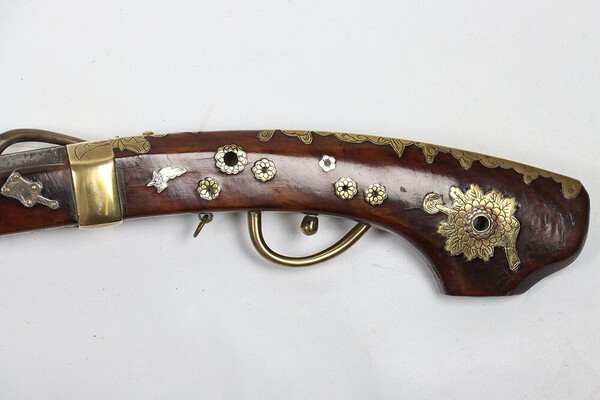
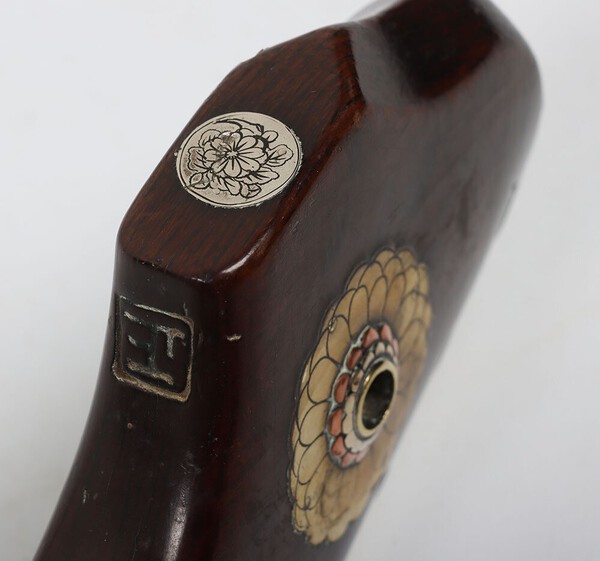
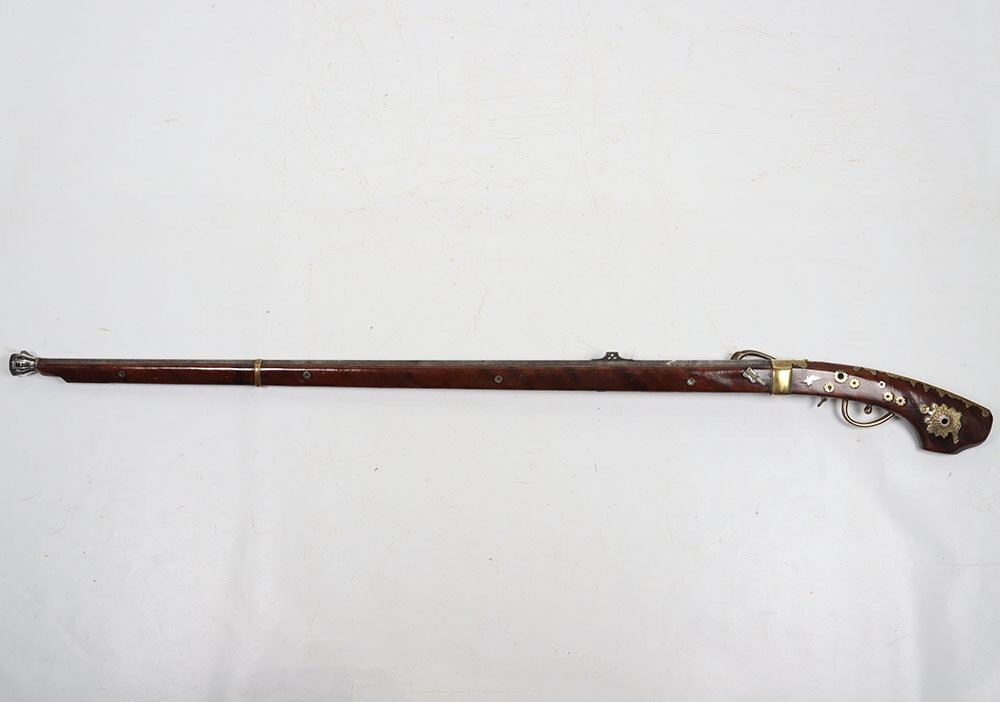
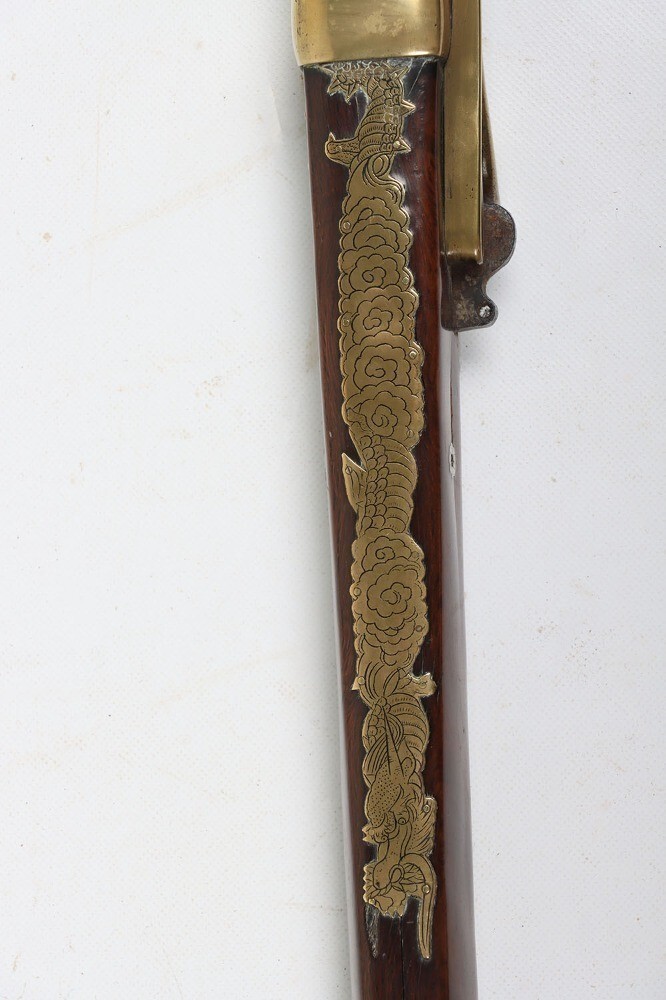
Hi all, I'm new to Tanegashima and have been exclusively collecting swords, this is my first purchase, most simply because i find them beautiful, so please excuse any ignorance i have on the subject. I wanted to post it up to see what people thought, any information they could share, I don't know enough to know if it is genuine or simply a souvenir so any info is good. I only have the sellers photos at the moment so haven't got it in hand to do a deep inspection but just wanted to get a general consensus and share it Thank you for any information you can share. Tony

.thumb.jpg.07fcbee5e6f521ff548ebca8ac53ad53.jpg)
.thumb.jpg.b46f21898fb6cf385a1475c9373eb991.jpg)

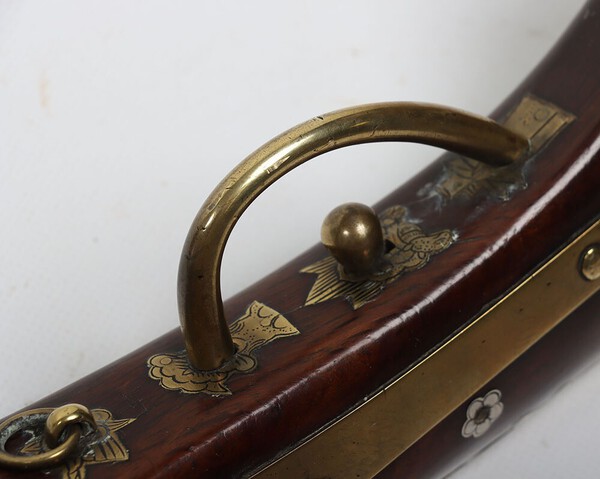



 1 point
 -
Hi, This is a very interesting post which revealed the two major philosophies regarding tosogu collection. Dan, I definitely respect your idea of sharing your experiences about how to find interesting tsuba on eBay. Apparently you have been doing well with your philosophy of buying anything available and pleasant to your taste. I personally am a practitioner of the other philosophy that other kind people posted about saving money and buying more expensive tosogu that very likely with higher qualities, but I agree with you that if you are not interested in re-selling your collection and enjoying your current practice, you should keep doing it. The ultimate goal of anyone who buys tosogu should be to please themselves, then maybe gain some economic profit in due course. I am against some opinions indicated in this post that expensive tosogus are always better than cheap ones, or cheap ones are all of poor quality; but it is true that tosogus of higher qualities are very rarely cheap. So my suggestion to new buyers is that one should probably find as many examples as possible online or in books to decide for oneself what 'good quality' means, then join the trade with cash. I believe this should be true in any collection, not just tosogu, that browsing provides more info to new buyers than buying.1 point
-
thank you so much for the kind words – I really appreciate it! When I was looking for a Jūyō sword, I actually had the chance to choose between several very nice pieces. In the end I decided on this Norinaga because I found the combination of being a founder’s work and from the Yamato tradition incredibly fascinating. It felt like the right piece to study and appreciate over time.1 point
-
Dominik, it’s been suriagé cut short so all that is left is ‘living in Hizen’ Hizen no Kuni Jū 肥前国住1 point
-
Hi Sam, thanks a lot for sharing the Darcy Brockbank article – I just read through it, and it really helps to see why people describe Jūyō as a “competition.” The way he explains the jump from Hozon/Tokubetsu Hozon to Jūyō makes a lot of sense. For my own Norinaga that passed Jūyō in 2023, it’s interesting to think about how timing and other submissions might have played a role, especially with stricter standards these days. Really appreciate you adding this context to the discussion.1 point
-
Here is part of why people say Juyo is a competition. Written by the late Darcy Brockbank who was a respected scholar of Nihonto. It’s a web archive article, so you’ll have to scroll down a bit. I have learned a lot from Darcy’s contributions and am inclined agree with his view https://web.archive.org/web/20201022000337/https://blog.yuhindo.com/hozon-is-a-test-juyo-is-a-competition/ Please understand that this is just one side of the argument here. I don’t presume to know what Jacques believes. Lovely sword by the way! -Sam1 point
-
Interesting conversation. This seems to be an age old collecting debate. I'm not a tsuba collector but this issue covers swords in particular. For me, it is much easier to buy say a $5000 sword on the lower tier than laying out $10k for something special. Either purchase from reputable dealer, if sold down the road, would be lucky to break even but most likely sold at a loss. Seems the best way to come ahead is arm yourself with a lot of knowledge, time and patience. Very difficult hobby.1 point
-
There is an example, but TBH: https://eirakudo.shop/5881001 point
-
Thanks John, I came here to check. Honestly, these days, not a bad price. I wonder what price it could have realized if it were marketed better, on a different platform other than goodwill. I hope it shows up being posted here someday, so I can record the saya number . -Sam1 point
-
越前住 Etchizen Jū (Living in Etchizen) 伯耆平藤…前? Hōki, Taira/Hira Fuji (+Mae/Zen?) (The pronunciation of the last two or three kanji will depend partly on what was cut off.)1 point
-
Here you go another one. https://ebay.us/m/DMWjJU
 1 point
 -
sold Yes you really got a rough time with that gunto Marc. the polish customs are strict1 point
-
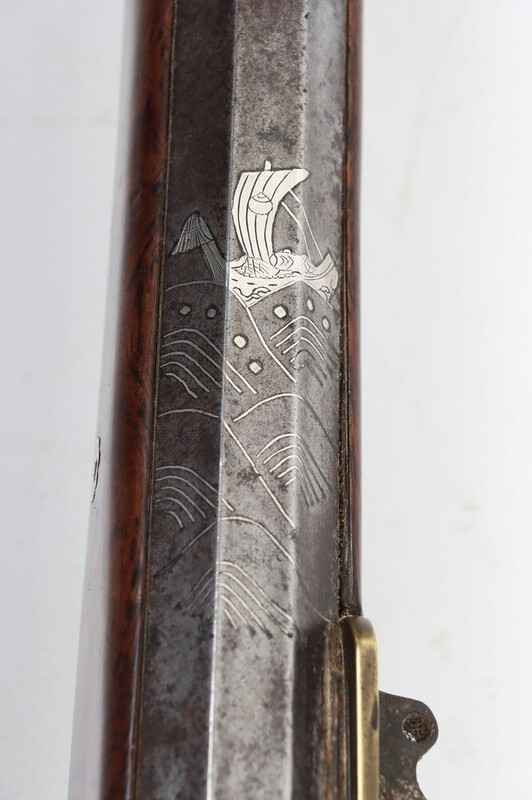
It has 6 petals yes, the breech plug unfortunately is missing from this teppo. it did give me the confidence to go back to my osaka variant and remove the barrel, will add photos to that thread in a minute1 point
-
Home now and have my camera, here's a few shots of details on the barrel.
.thumb.JPG.400bd8037758281ed7ed5900b6172664.JPG)
.thumb.JPG.7504b48d617ac801319d42359f0fc79d.JPG)
.thumb.JPG.f35ec25841f46d730e275062b7cc72a8.JPG)
.thumb.JPG.15e9d16bd5c3e26a6cfed37f530d8071.JPG)
.thumb.JPG.8129e9c1cada6def7f993575053c90d0.JPG)
.thumb.JPG.9d1b7903c7255c124cdf047ffb1bd4cd.JPG)
.thumb.JPG.d9d71907083b1e88c977db50478a0c45.JPG)
.thumb.JPG.41fe91fb9942dca3ba9c3d33d448df28.JPG) 1 point
1 point -
Pre Covid, you'd pay $2,400 for just one intact kaigunto. Haven't kept up with the market on them today, though. With both having custom rayskin saya cover, I'd say the price is great!1 point
-
Personally I don’t believe the second sword looks like a Takayama-to. Their distinctive kissaki is quite beefy. Here is a comparison photo that @Bruce Pennington once posted: Here’s more good info on Tenshozan and anti-rust steel: http://ohmura-study.net/731.html And some threads that may help you understand the fittings on the second sword:
 1 point
 -
The kind of thing you might hand to a giant Sumo wrestler in your army to scare the enemy. Saw one of these for sale at an Japanese antiques fair a year or two back. Seriously tempted, but two things stayed my hand. 1. It was more than I was willing to pay, although I remember debating whether to make a run to a cash machine anyway. 2. Without some clever packing, it wouldn't have fitted into my suitcase.1 point
-
國友弥兵衛尉金次 Kunitomo Yahei no Jo Kanetsugu(?) Interesting to find a Kunitomo smith in … do you think that is that Sesshū Jū, Osaka? You would think they might be rivals. I can’t imagine a Settsu/Sakai smith in Kunitomo, so it does give us a measure of their relative status as bases of manufacture. 鍛巻張 Kitae/Tan makibari barrel forged with (spiral) metal binding(s)1 point
-
Took the barrel off to see beneath Has the number 44


 1 point
 -
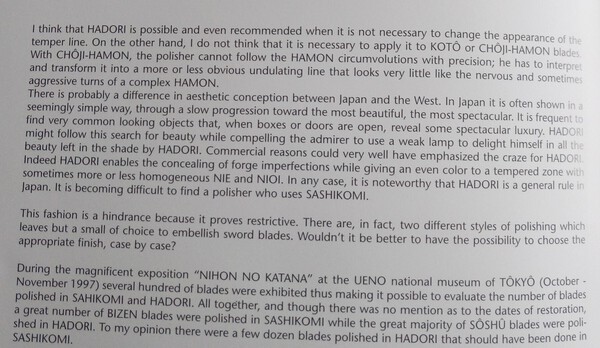
What said a polisher (now deceased)

 1 point
 -
After a recent issue, I am presenting this one with my heart in my mouth I picked this one up from Jauce. It seems to show rice, either after it has been harvested, or just before. Definitely, iron, and highlighted with what looks like gold leaf. Any thoughts on it when it comes to authenticity, origins, etc? This one was not expensive and it looks and feels OK, but I remain very wary of buying from Jauce in general. Thanks in advance…

 1 point
 -
Stag antler. Finally, various stag antler netsuke examples. (Closer shots possible. Please feel free to add your own antler pieces.) Top row from left: 1. Pomander containing something fragrant, but also resembles an upright brazier(?) 2. Sho upright flute, alleged origin of the Western pipe organ. 3. Three examples of Obi-Hasami netsuke, to clip behind the obi sash of standard width. The middle one is Bakumatsu Edo work, signed. The second row are sukashi manjū style netsuke, with an unworked antler base on the right for comparison. No.1 and 3 are carved where the antler bifurcates. Third row. Mushrooms, stone pedestal, katchū Haramaki dō cuirass, and daikon root with leaves. Bottom row. Silk seal, head, with quality control hole and personalized seal underneath. Well-aged Shishi with ball. (Stomach?) Chinese sage with peach. Ama diving girl with small sickle.
 1 point
 -
This first lot of nine netsuke are: 1. Top left. Signed grotesque female head in Tagua nut ‘vegetable ivory’. 2. Lower left. Two bone Netsuke designed to look like bamboo. 3. Top right. Baleen netsuke, w/marine ivory. Wrote an article for Euronetsuké magazine outlining some theories about this one. 4. Second down on right. Walrus tusk manjū netsuke, two Edo travellers. 5. Mask and Jurojin in spermwhale tooth. 6. Bottom right. Two narwhal ‘ikkakuju’ or ‘unikooru’ slice ‘senbei’ netsuke. One is cut away, grated for medicinal purposes(?). The other has a silver central fitment with ‘kugi nuki’ kamon on front, and ring attachment at back.
 1 point
 -
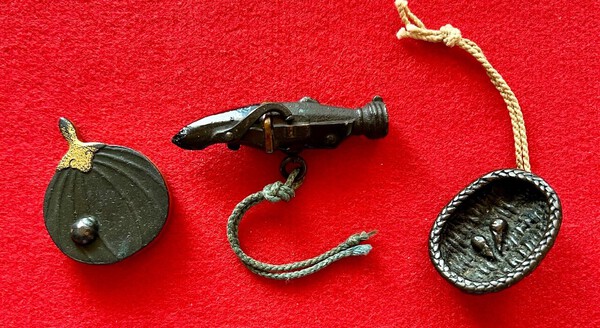
Metal Continuing with fun objects, here are five (or six) metal Netsuke. The first three are 1. a hollow copper fan with a dark ladybird/ladybug on it, 2. a heavy teppō Netsuké (not a ‘netsuke-deppō’) and 3. a woven copper basket with two eggplants/aubergines inside. The basket has holes or gaps in places between the strands, showing that it is actually woven copper wire, i.e. not a single, solid cast piece. Reversed
 1 point
 -
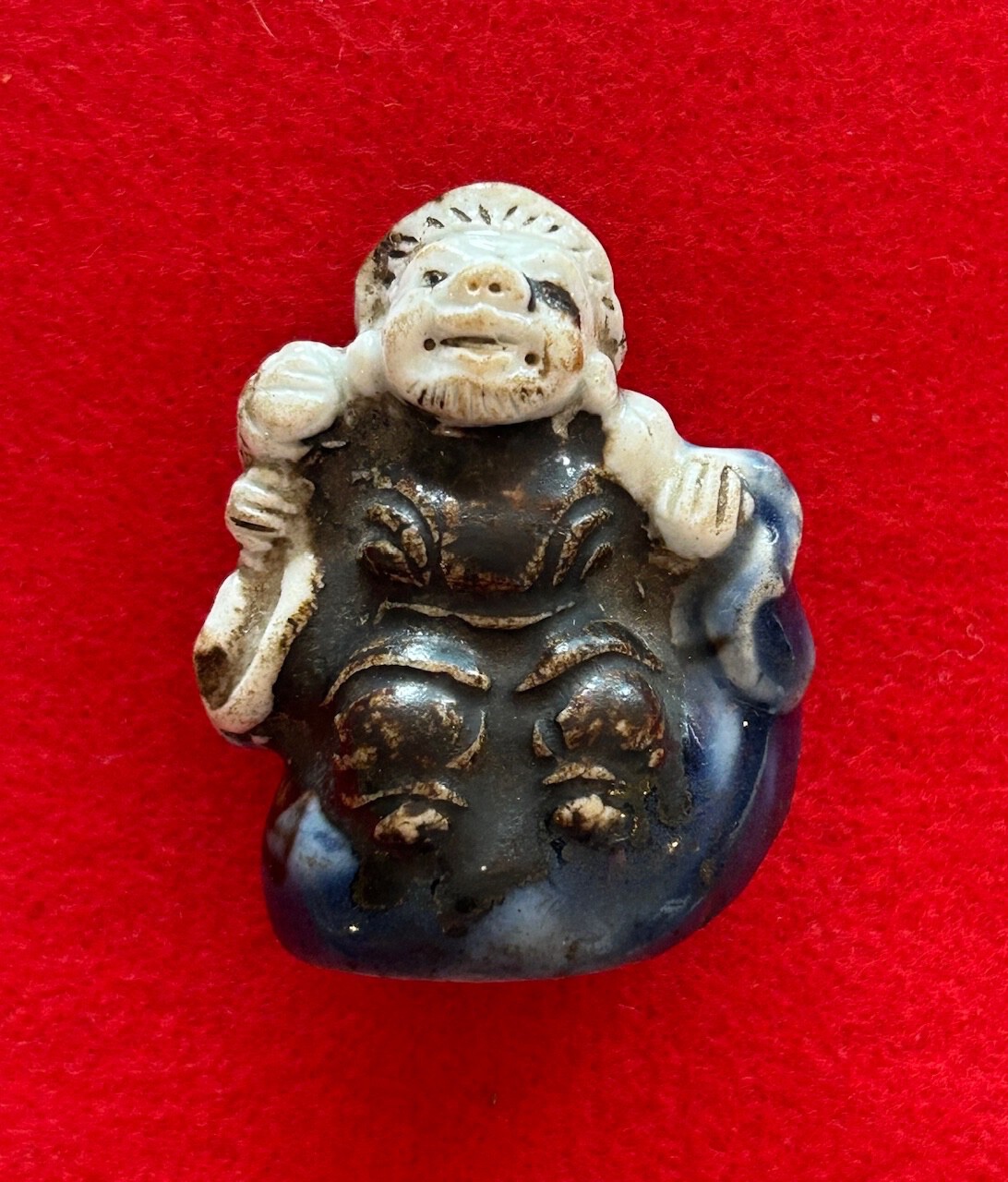
This first is one of the seven gods of wealth and good fortune, Daikoku-Ten or Daikoku, with his magic hammer. A crude but genuine still-intact Edo-period Netsuke. View of Uchide-no-Kozuchi hammer

 1 point
 -
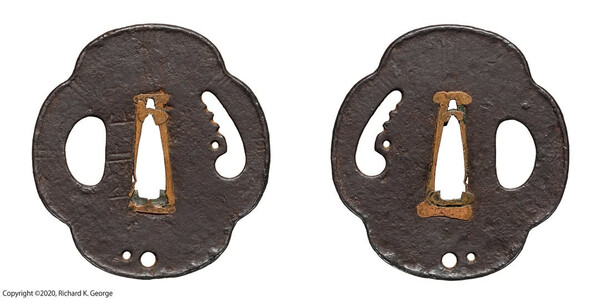
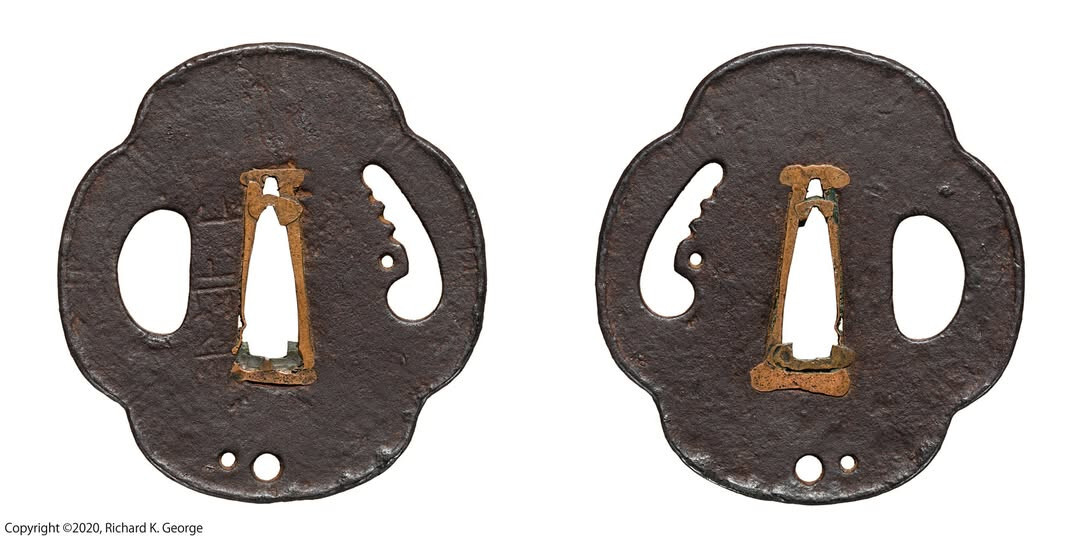
Here are a few of my pieces that have been repaired like that which I could access images of easily... Best, rkg (Richard George)


 1 point





















.jpg.8fd8569ff9d73615a1d030440403b164.jpg)
.jpg.4b2669f787df40c0e293cce266f670d1.jpg)




.JPG.7a6e8f3f7e8fdc716731249266f19625.JPG)
.JPG.0bc7fb590a429491f2fdaa375ad1f584.JPG)
.JPG.b835b1d1f5367246cda8c71714ac8033.JPG)
.JPG.b8fd7af25b67f26e96b6921d06985172.JPG)
.JPG.53600c8c2be9f22c8c022b91fc57e973.JPG)
.JPG.e998b3b0dc942d2b29e80058e07d021c.JPG)
.JPG.e55d7704f744159857c43694a04994b1.JPG)
.JPG.7b1a244d4525e4d4ff4935dff4605b0f.JPG)








This leaderboard is set to Johannesburg/GMT+02:00