
Leaderboard


Popular Content
Showing content with the highest reputation on 08/22/2020 in all areas
-
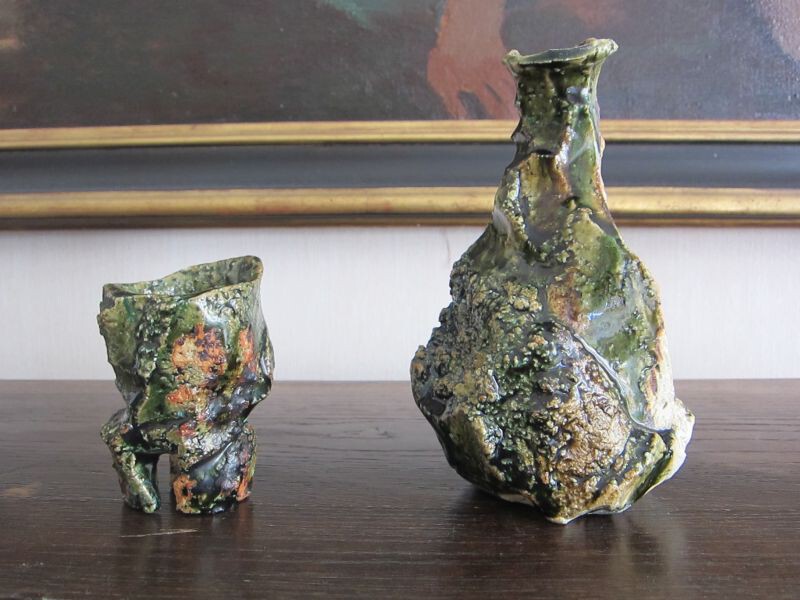
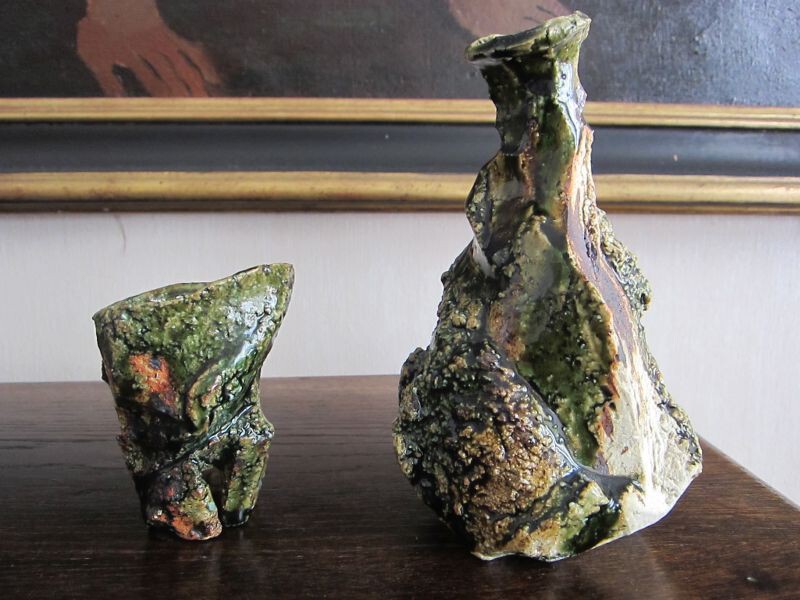
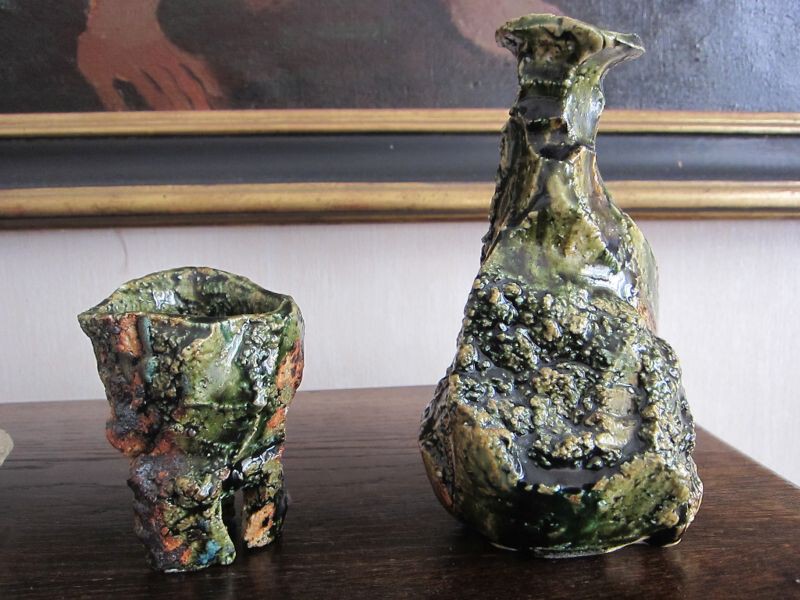
Kowari Tetsuya (Oribe). Bernard D

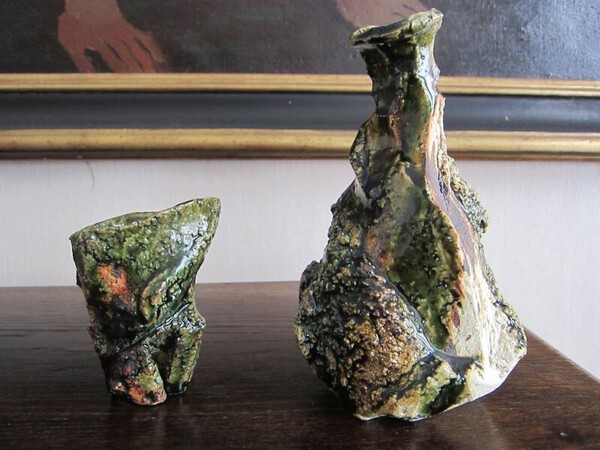
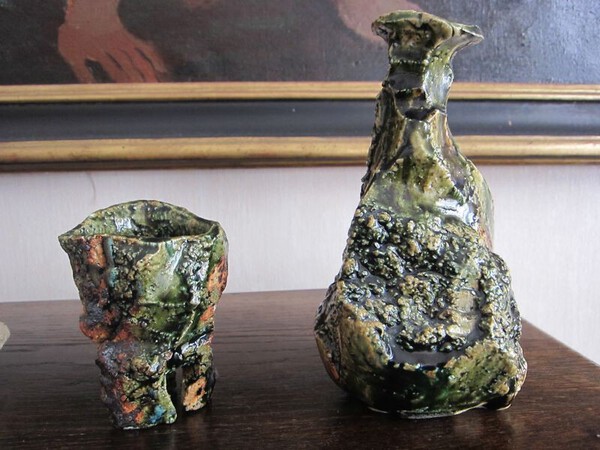 3 points
 -
Talking about polishing swords yourself (No matter what sword) is like asking where is the exit door. Take this as friendly advice, and next time just ask for the translation.3 points
-
Just saw this and thought some of you might like to see it too.

 2 points
 -
I had a boys day sword many years ago and it was a miniature wakizashi. My friend had a miniature katana. The katana had rather low quality fittings and a very slim blade. The wakizashi was miniature in every respect.fuchigashira,kozuka, kogatana tsuka,menuki and saya all approx half size and done as well as any sword. The blade was fully tempered and flawless. When laid next to a Shinto wakizashi is was a perfect reduction. The good ones are very worth collecting. I loved mine.2 points
-
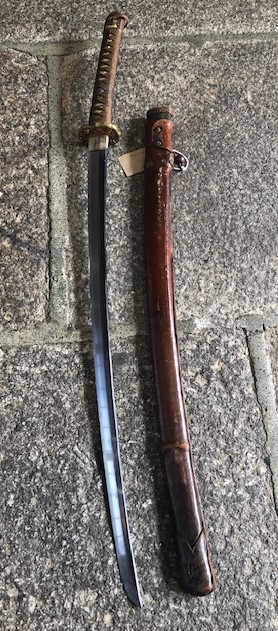
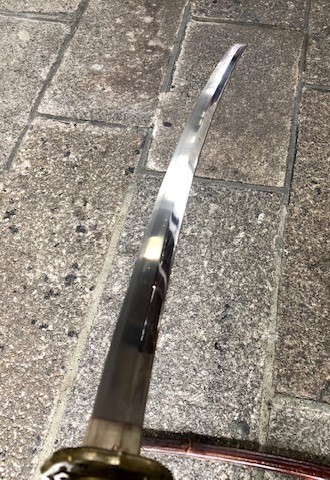
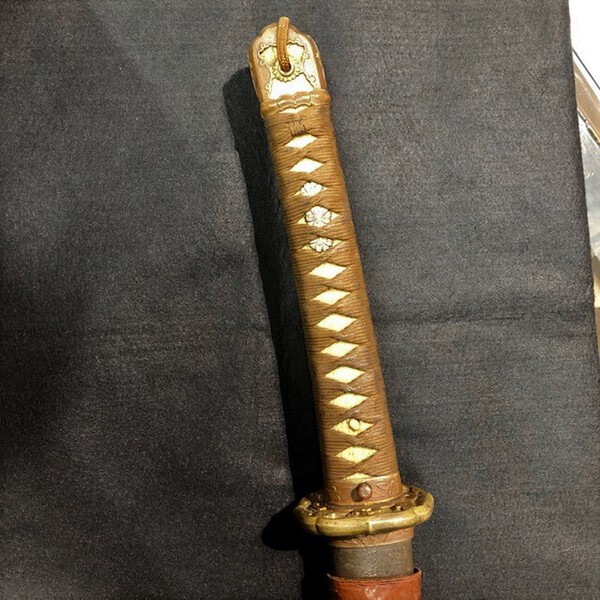
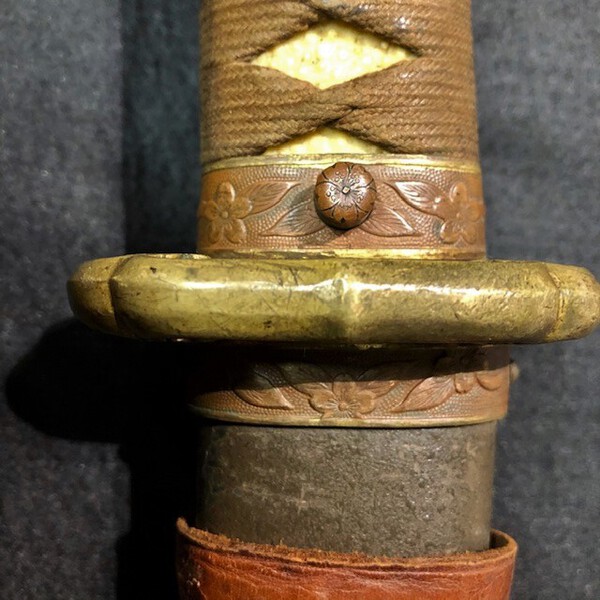
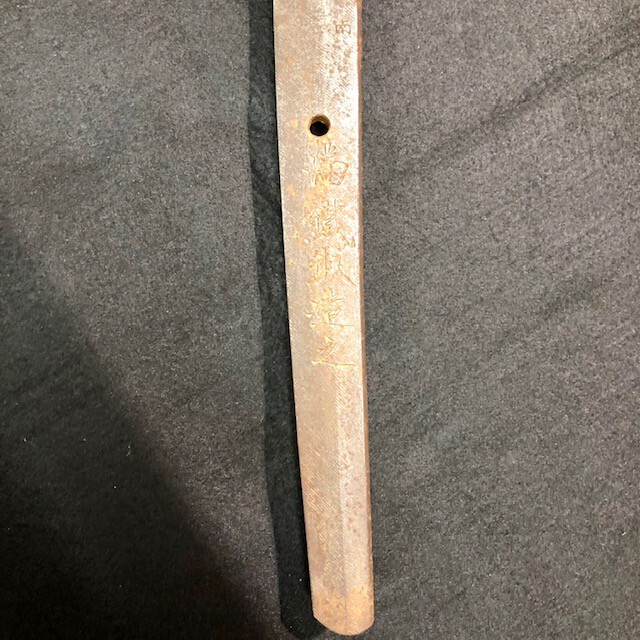
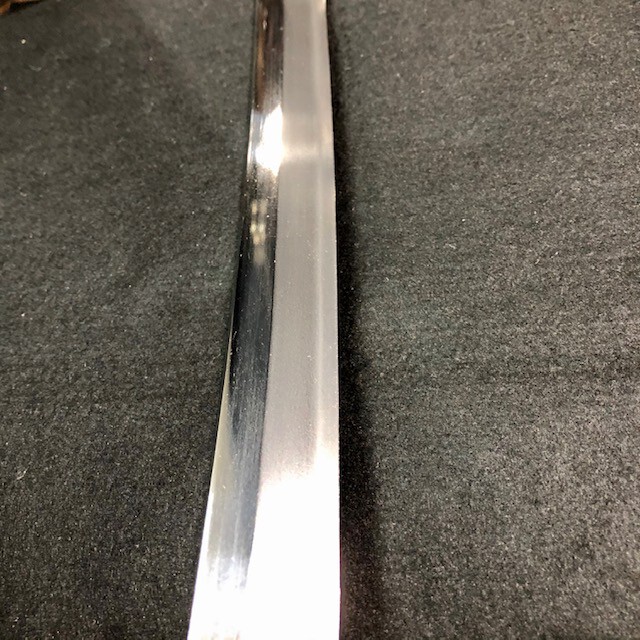
Here are a few more pictures from the seller , after much thought i have took the plunge and bought the sword , i might post some new pics once it arrives

 2 points
 -
It looks of particularly dubious quality, along with the questionable mounts I would take a pass unless absurdly cheap.2 points
-
I have the sword now and I'm blown away by the level of detail I can see. Pictures really can't seem to do any nihonto justice. Seeing it in hand, observing how each feature catches the light just so... well it's overwhelming even with a blade in this shape. I've already oiled it 3 times and it feels glorious to do so in a way I can't adequately describe. Despite all its flaws, I think it's damn interesting and I love it. I've taken no less than 44 pictures in the few hours I've had it, but am only able to upload just under 10MB here. I'll try to find a good way to downsize and post some. Looks a lot better now that it's cleaned up a bit too. It also came with a saya which was not mentioned in the listing, so that was a nice surprise. More to come soon, cheers all.2 points
-
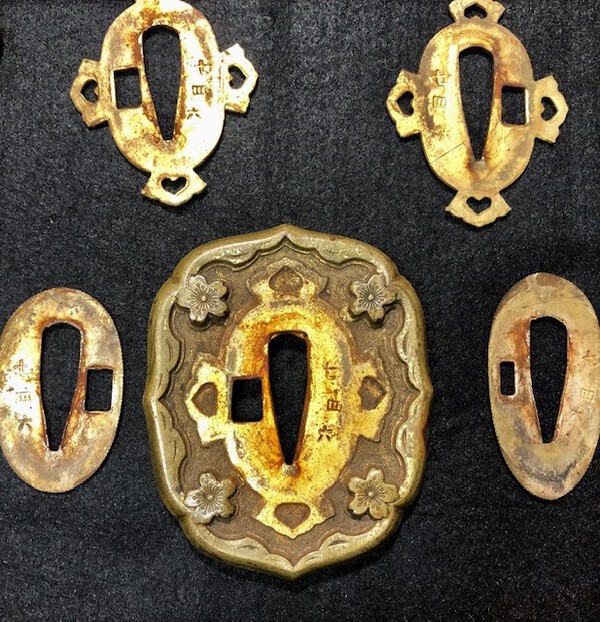
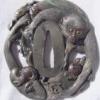
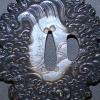
Hello to everybody I am trying to identify the decorations on this Heianjo (or at least this is my guess at the moment) tsuba: For educational purposes I am also trying to do that associating it with the Japanese name including kanji. I have to admit that I am rather unsuccessful so far. My guesses are: Left image: North: No idea of the meaning. Maybe no meaning at all East: Some kind of implement? South: Raven (Karasu - 鴉) close to a river? West: Chrysanthemum (Kiku - ?) floating on a river Right image North: Large and small stripes. Looks lile the hirumaki (蛭巻) pattern found on saya (for example on the Toyotomi Hideyoshi daisho at Tokyo national museum -link ) but no idea of the meaning East: The four leaves top image looks like Paulownia (kiri - 桐) but it is not clear South: Waves from the blue ocean (青海波 - Seigaiwa (せいがいは)) or a wave pattern West: Some kind of implement Any help is appreciated Best Regards Luca
 1 point
 -
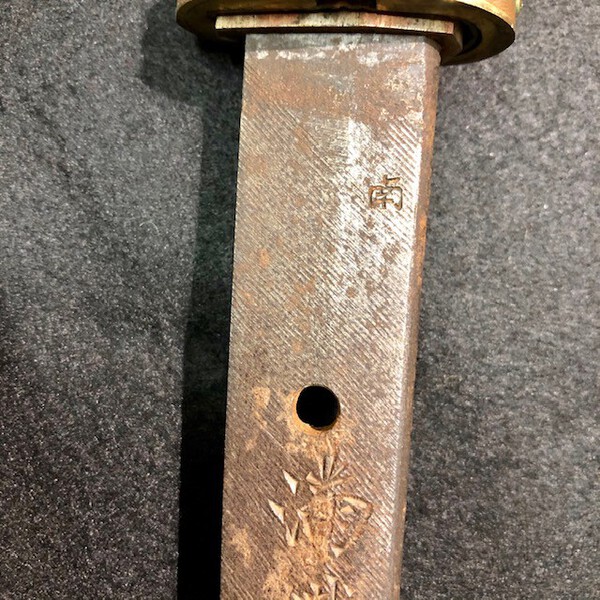
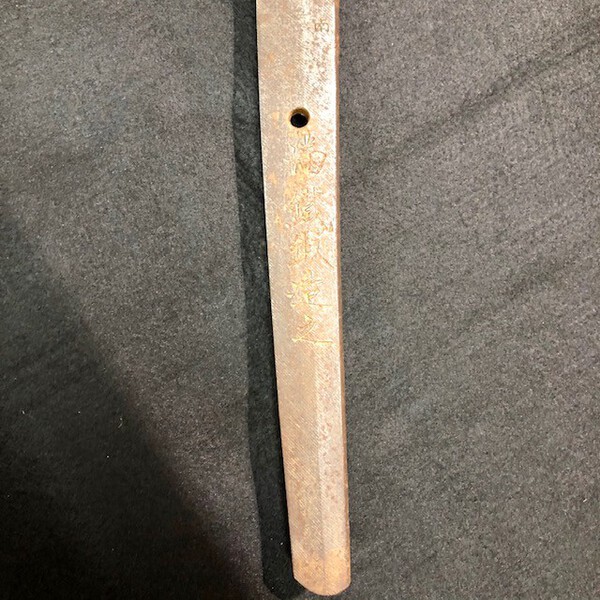
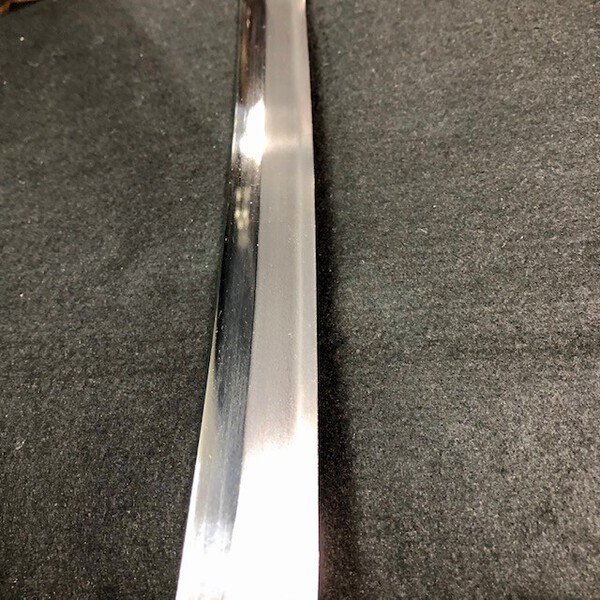
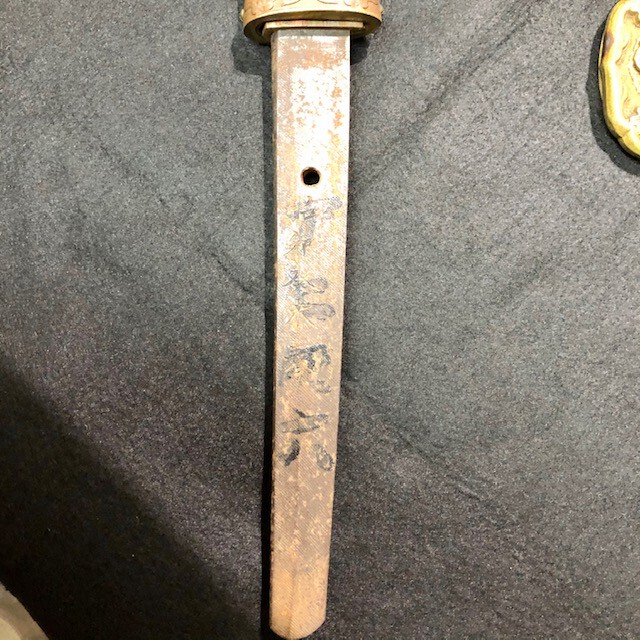
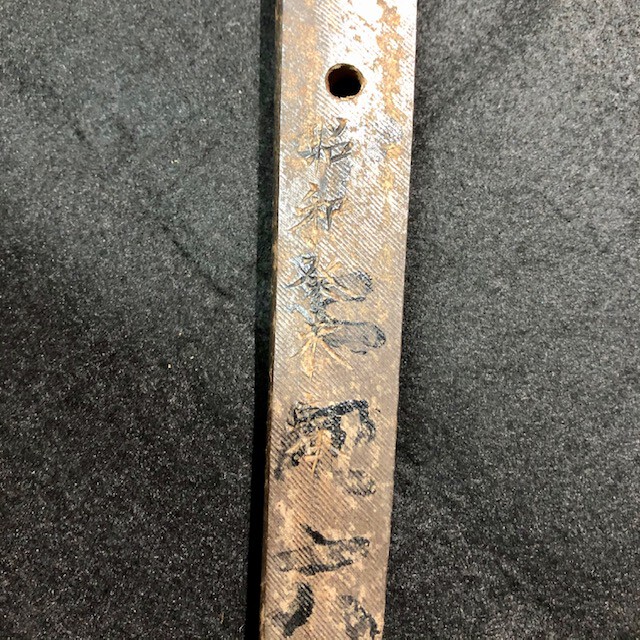
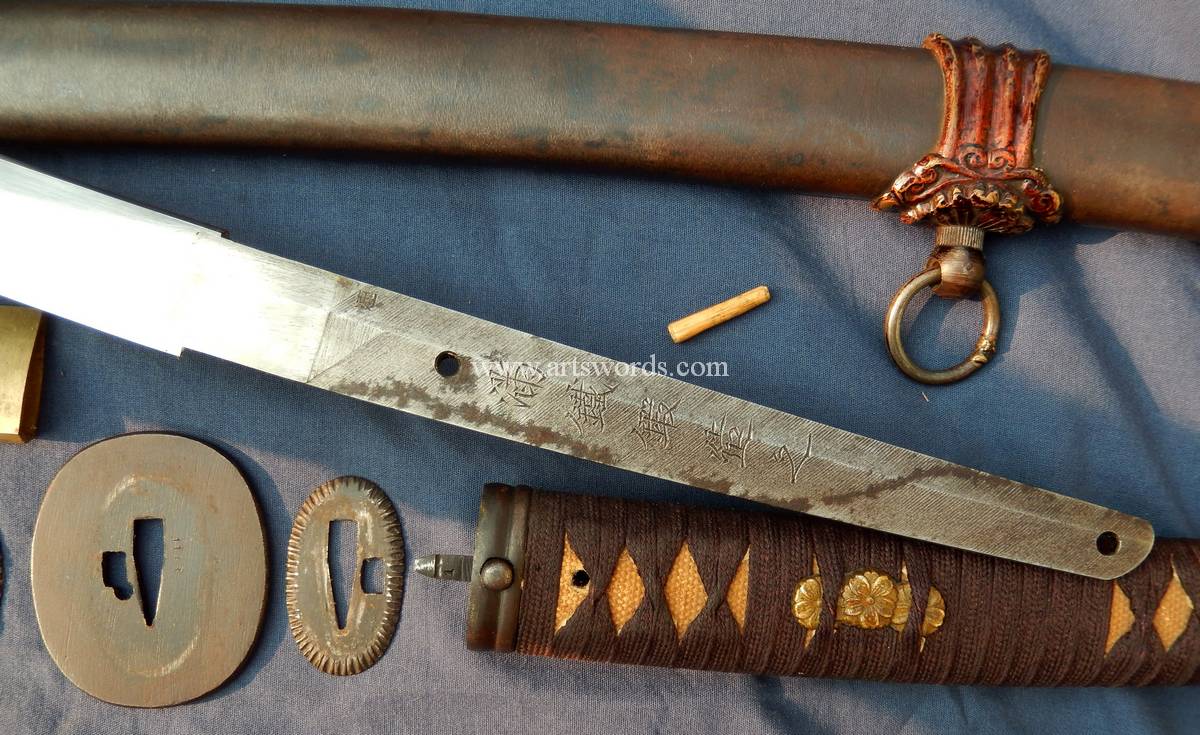
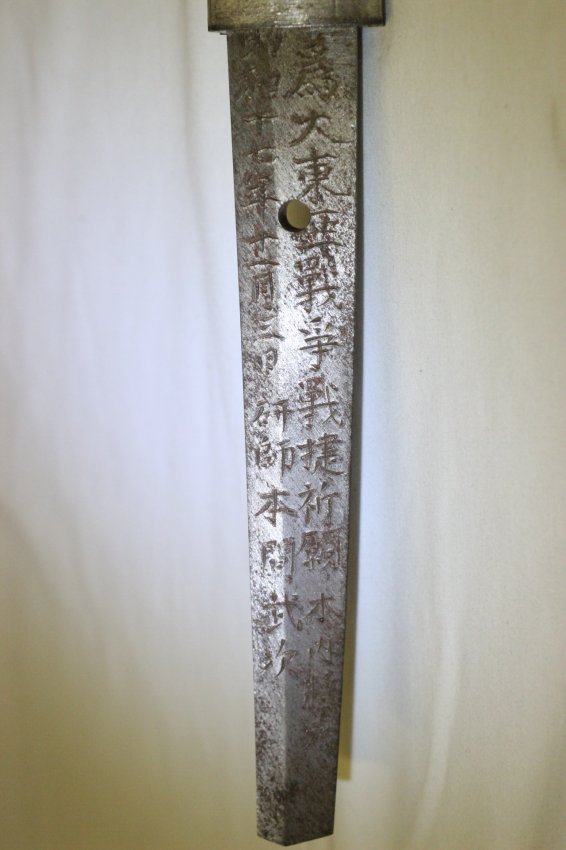
Hi everyone , im very much a novice and im looking to buy a mantetsu sword which i have my eye on , i dont doubt the seller but im looking for a second opinion as such , i hope you dont mind me putting a few pictures up of the signature just to see what you think. thanks



 1 point
 -
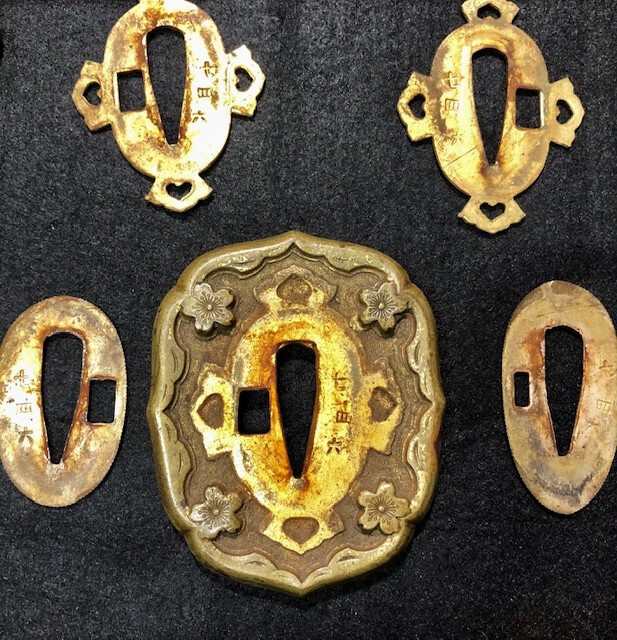
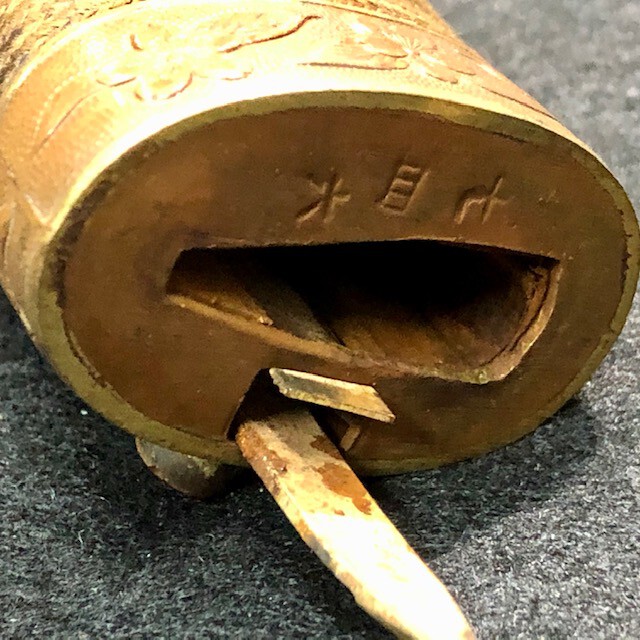
Forgot this thread was started. I'm copying my post from the other thread: Couple of updates on this: 1. Trying to find anyone, either here or on Warrelics, that has documentation or insight to the 連工, or Renkoh stamp (got the English pronunciation from Nick). I'm starting to agree with Thomas (Kiipu) on the idea this was a contraction, like Mantetsu is for SMR, for the 大連鉄道工場 Dairen Tetsudō Kōjō Dairen Railway Workshop, who was the SMR shop making Mantetsu swords. My reasoning is the location of the stamp on the end of the nakago. It is not a normal location for an inspector stamp on Japanese blades. Inspector stamps are found near the tsuba/seppa and on the mune. The only inspector stamp found at the jiri of any blade is the M or W. What we DO see is personal Kao and Hotstamps of smiths, and we see stamped numbers which are either put there by smiths or by the fittings shops. Either case COULD mean this Renkoh is the name of the shop, not an inspection stamp. 2. I also think it's significant that the stamp is only found on the MRS fitted blades. I wish it were true of ALL MRS blades, but it's not. After perusing my files, I've found 6 1944 Mantetsu and 2 1945 mumei Mantetsu in the MRS fittings: 1944 セ 1099 セ 1143 セ 1310 (with leather saya cover!) セ 2430 セ 2575 ? 199 1945 い 1170 Richard Fuller's mumei Mantetsu (unstated serial number) Only 3 of those - 2430, 2575, and 199 - have the Renkoh stamp, although I don't have a full-length nakago pic of the 199 or 1066 blades (so they COULD be Renkoh stamped).1 point
-
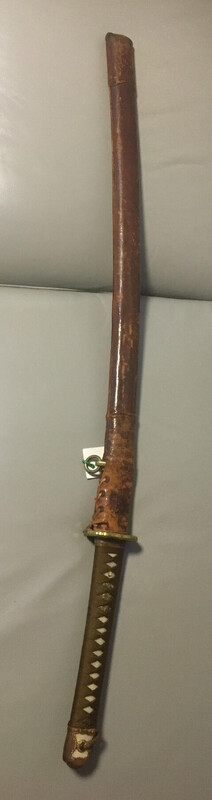
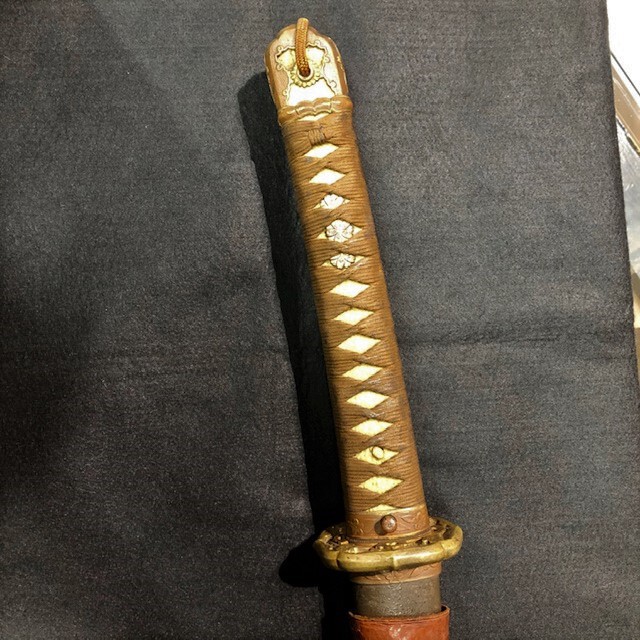
Adam, here is a similar outfit, same dark lacquer Saya, a fitted hanger and complete leather combat cover. BUT with military fittings. This has an unstamped mumei blade. I think yours is a put-together, it should have military fittings.
 1 point
 -
@Brian using your settings and looking for 'masamune' I get 2 results - pretty sure there's more written on this forum about him 😉1 point
-
Look at the number of polishes based on the machi left. And the quality of the blade. I could be mistaken. But this is old.1 point
-
Best sword for taking to war perhaps, I would certainly trust my life to a Koa Isshin Mantetsu.1 point
-
Field re- fits, didn't use antique handles (as far as I know).1 point
-
囗 塚原 銘囗囗 Tsukahara Mei ? ? Super curious to see what this says. I think it might say that Tsukahara is the one who cut the very elegant mei. Annoying how that mekugi-ana just about obliterates that kanji. The kanji after 銘 also has the same 金 radical, but I can't figure it out. 鎚 (kanazuti) maybe? Hoping someone can figure out the rest. Note: Tsukahara was the name of another Seki smith, so it could be a gassaku (although I don't think that's what the mei says)1 point
-
If i were in a better financial (not making water), position then it would be items like this, chanoyu or tea ceremony related items that would float my boat👺👍1 point
-
Carmen, SAMURAI families are still existing today, but I do not know if they carry this custom on to the present day. Probably not with real handmade swords! The TOSOGU which accompanied the blade look very simple to say the least, but that is only my personal impression from the photos. All in all, the whole item might have been more impressive when it was newly made and presented to a proud little boy, and I can imagine that this was in the 19th century. Concerning the sword study group: Even if they don't have public meetings, I am quite confident that they would welcome you to show your blade.1 point
-
those are the best swords. !!!!! sorry spilt my coffee
 1 point
 -
江府住 - Kōfu-jū 逸平義久 - Itsuhira Yoshihisa1 point
-
I just noticed that there is a metal saya underneath the leather. That's a good sign it's all original, and the owner made an effort to protect his gunto with the leather.1 point
-
A nice one and another member joining the Mantetsu proud owners' club. Enjoy it, those are the best swords.1 point
-
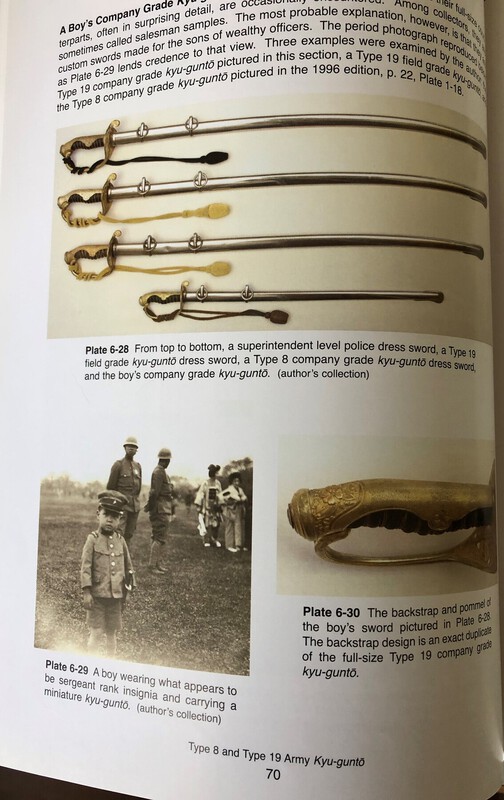
Sladen, Douglas. The Japs at Home. 5th edition. London: Ward, Lock & Bowden, Limited, 1895. Page 255. "Miniature Japanese Army Parade Sword" https://www.warrelics.eu/forum/Japanese-militaria/miniature-Japanese-army-parade-sword-300106/1 point
-
I found one in Dawson's book. I believe there is another referenced, but I couldn't find it. They did exist.
 1 point
 -
Feels repro/painted to me1 point
-
I’m gonna need more than 30 bucks if I award kokuho 🤣🤣🤣1 point
-
John, if you have provenance on a blade, you want it to be valid provenance, & the old kicho papers aren't valid. Now, that being said, when I resubmitted one of my blades, & it came back with Hozon, I didn't throw out the kicho origami. I did staple a note to the kicho that they were no longer valid, in case the next caretaker wants to know the history.1 point
-
Dear Andrew, If I translate Adam's response into polite speech, he is saying that you should be very careful when getting your sword polished. There are very few people (1 or 2) in the US who are qualified to polish swords (even though many claim to be qualified). Those who are not qualified will ruin your sword. You should not use any abrasives or power tools on your sword, just wipe a light coat of machine oil on the blade. The "jagged edged" things are called seppa and yours are very nice quality. When a sword is polished, it is not put back into its original saya (the scabbard) because the saya will have some grit and dirt inside that could scratch the newly polished sword. Therefore, any qualified (or reasonable) polisher would recommend that you get a new shirasaya made for your sword (a simple wooden scabbard and handle without "fittings"). Then the old scabbard and fittings can be restored and will be held together by a tsunagi (a wooden copy of the sword). Often the shirasaya (with the metal blade in it) and original koshirae (scabbard, handle, tsuba, etc. with the wooden tsunagi blade in it) are displayed together (so it looks like two swords to the uninitiated). The really great news is that because the koshirae (scabbard, handle, etc.) of your sword has to be restored some and the blade won't go back in it, you can get almost any fuchigashira (when fuchi and kashira are put together as a word, the "k" changes to a "g") and menuki that you like. The person who restores your tsuka (handle) will be able to make almost any fuchigashira and menuki work. Alternatively, if you want the sword to be back in its koshirae, then you will have to have a new saya made (so it won't ruin your new polish) and you will have to find fuchigashira that work for your blade (once again, the size of the tsuka is less important because it should be remade in the restoration anyway). If I were you, I would contact Ted Tenold (you can find him on this site) for some help. I don't know him personally (and I have nothing to gain by recommending him), but I understand that he is a very honest and helpful person who will probably point you in the right direction.1 point
-
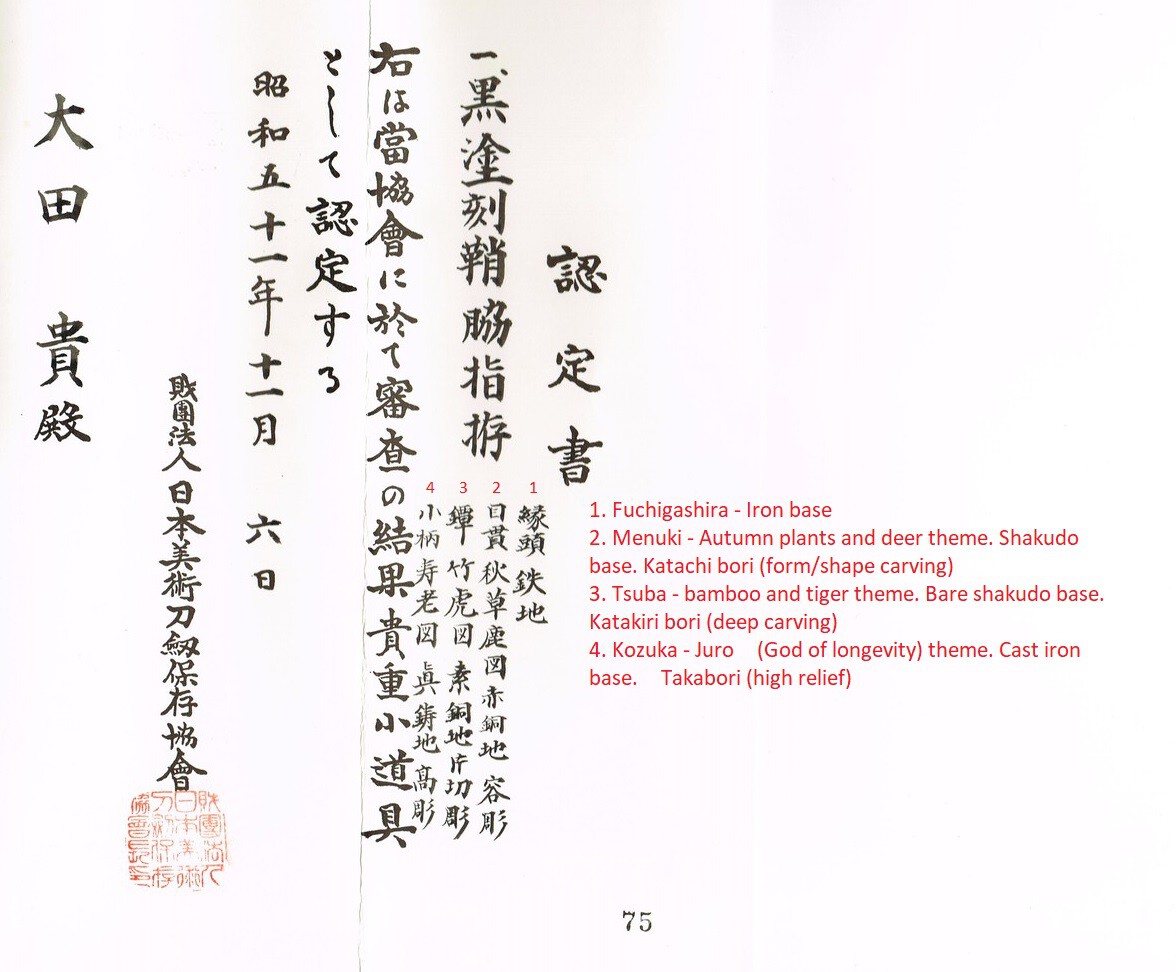
Dan, there's not really much to koshirae kanteisho papers. There's no suggested attribution to whom or which school produced the koshirae, the paper simply provides a description of the parts, which I have translated for you
 1 point
 -
I shall be a bit contrarian here. I know everyone is clapping and congratulating, but I wonder why do people not save a bit more money first, study a bit longer and then buy something a little better? I am not talking expensive swords or waiting too much but a year worth of saving could potentially result in a much better outcome. With a couple of thousand dollars put aside one could buy something they might enjoy more. There are usually very good starter blades on this board or elsewhere, eg Ray and Grey and others sell these occasionally. I hope I do not sound elitist, as this is far from my intention. I merely wish to point out the virtues of patience and checking out blades here or other reputable dealers that come here.1 point
-
Hey I think that was me! Thank you for saying so. We all need(ed) a starting point, and there's no right or wrong way to collect *anything*. In the end, this is a hobby like none other, but the purpose of any hobby in my opinion is to have fun! Personally, I am having a great time on this board while I learn about this fascinating subject, thanks in no small part to all of you. Something I think that's important to keep in mind - in this limited medium of text and pictures, it can be hard to express things like sarcasm or the intended tone. Where one feels offended, I'd bet that in most cases no offense was intended. Also we're dealing with many different people from many different cultures, and English is a second language for a good chunk of our members. Cross-cultural sarcasm and wit don't always translate successfully, and at worst can come across as rude or insulting! If we can all agree that sometimes things get lost in translation, and to never intentionally berate others, I think we'll all be better for it. Thanks again for making this an enjoyable community. I'm looking forward to my future here.1 point
-
For the record: I have entertained this whole discussion because we are a discussion forum. And what is posted is in the interests of collecting. I don’t delete what I don’t agree with, and keep what I do. That said, it would be great if we could all collect top swords only. Ubu swords in great condition, signed and polished. But that’s not reality in this hobby. The majority of us will strive for that, but end up with suriage Shinto or average swords in average condition. And as long as we don’t let our ambitions stay there, and at least study better swords, that is fine. As long as you enjoy your collection, That is just fine. As long as we do no harm to swords we come across, that is just fine. As long as we respect the culture and history of what we are collecting, that is just fine. This is not an either/or situation. Strive for the swords Ray advocates, but collect what you are able to and never feel embarrassed of what you own. This forum will never become elitist or exclusionary. The fact that many members here started out with nothing and ended up with fine papered swords means we are doing something right. Unless I win the lottery, a juyo isn’t in my future. But I enjoy what I own and see some beauty in all of them. Discussion and advice on how to collect is welcome. But let me stress that denigrating anyone or insulting them because of their collecting choices is a fast way out of here.1 point
-
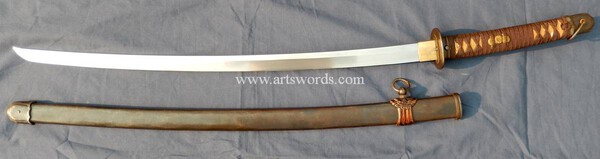
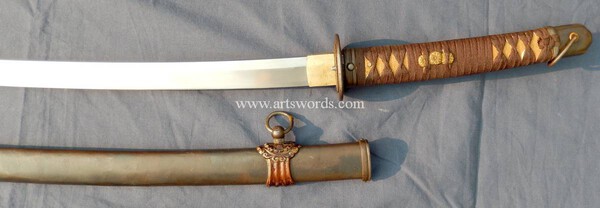
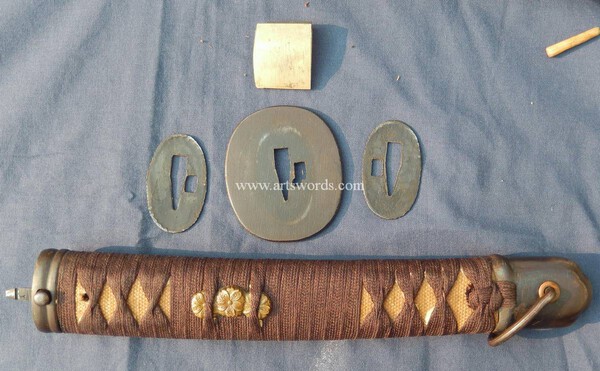
Here is mine that I have in at this time. I have only had a couple of these in the last 28 years and they have all been with Mantetsu blades

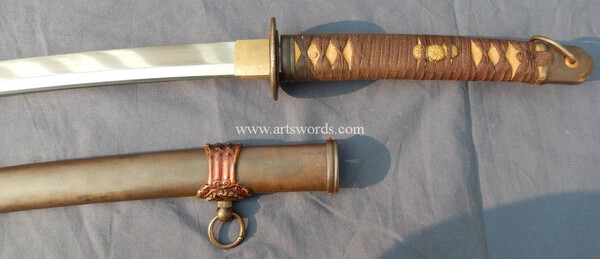
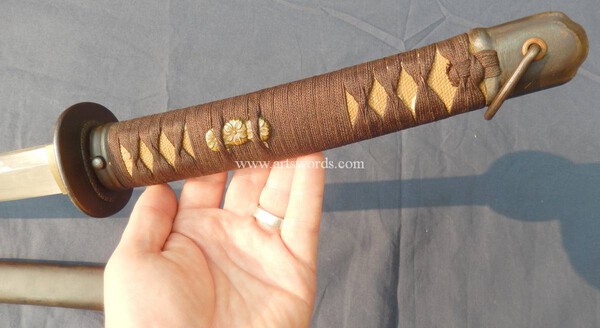
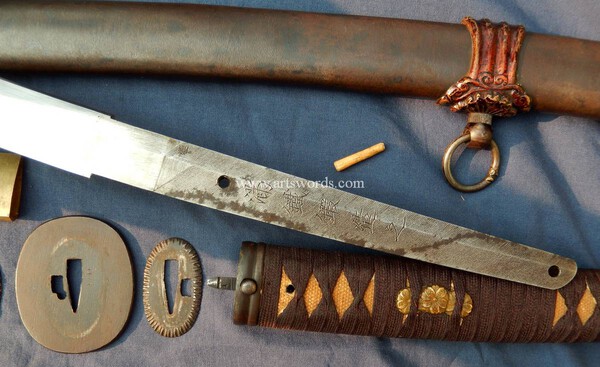
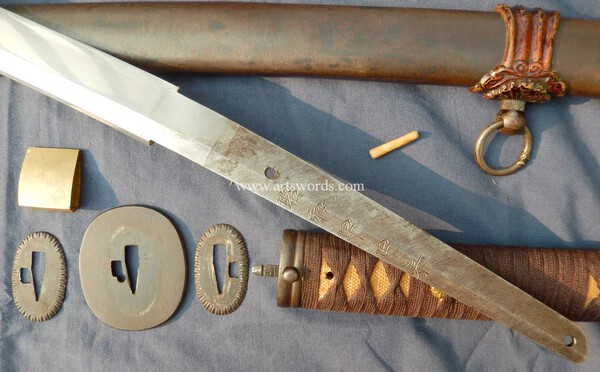
 1 point
 -
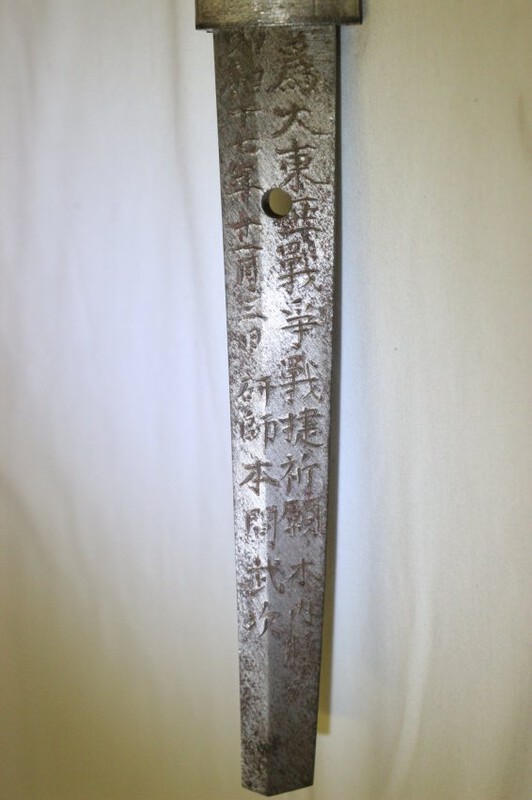
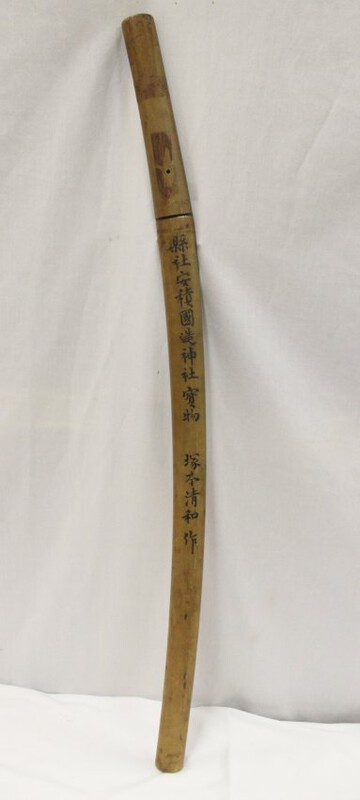
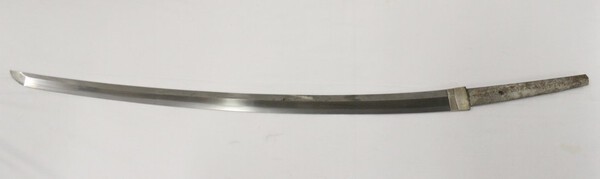
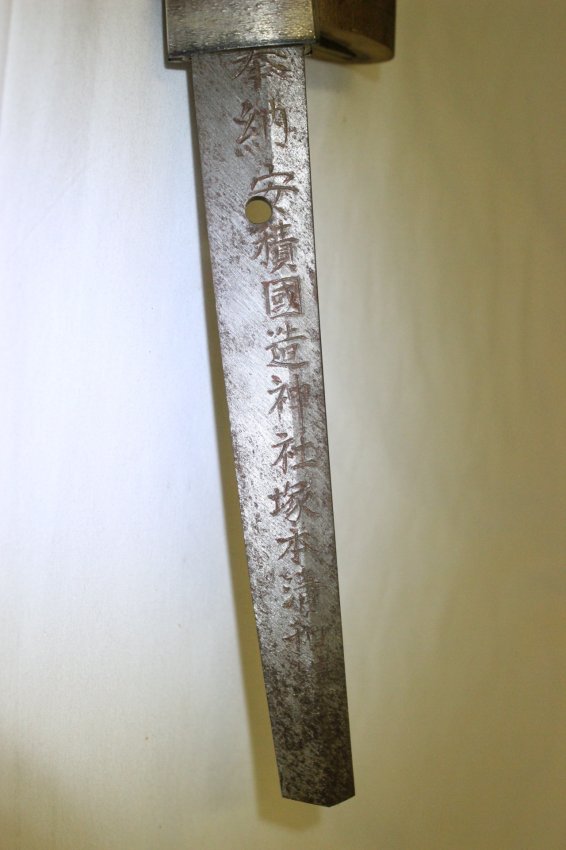
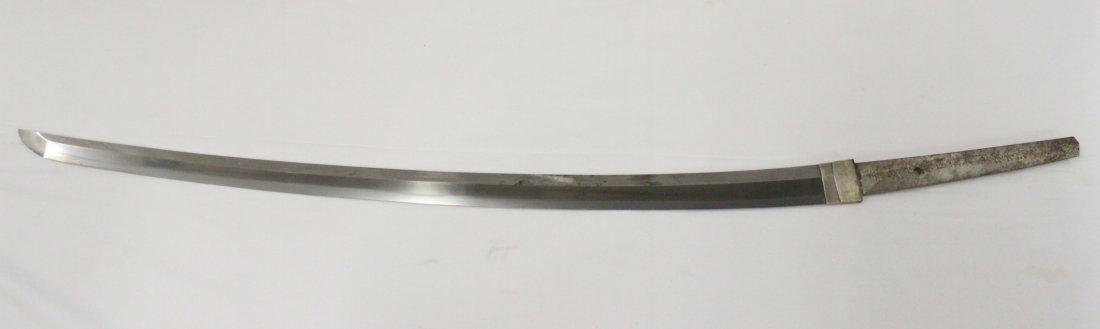
Just bought this from an online auction- was surprised I got it as lately I have been outbid at every turn... Very rare blade by Tsukamoto Kiyokazu, brother of Tsukamoto Okimasa. A genuine "shrine blade" made for his local Jinja in Fukushima city. It has the name of the polisher, Homma Taketsugu, listed as well on the nakago. Very unusual... I have another blade by this smith and if this one is anything like it, I will be thrilled...

 1 point
 -
Well, buy this next: The Connoisseur's Book of Japanese Swords https://www.amazon.com/dp/1568365810/ref=cm_sw_r_cp_api_i_TfVnFb0KEQHK20 points
























This leaderboard is set to Johannesburg/GMT+02:00