
Leaderboard



Popular Content
Showing content with the highest reputation on 03/27/2026 in all areas
-
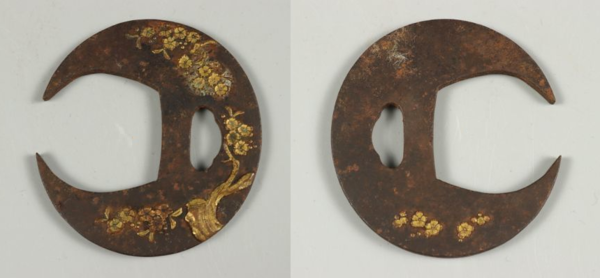
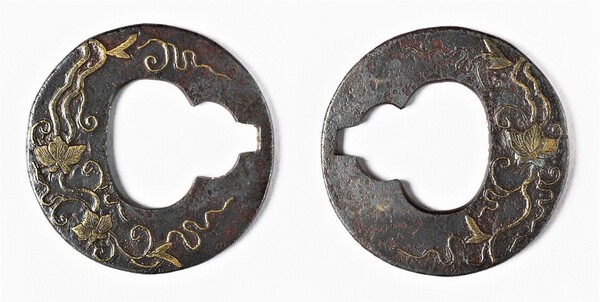
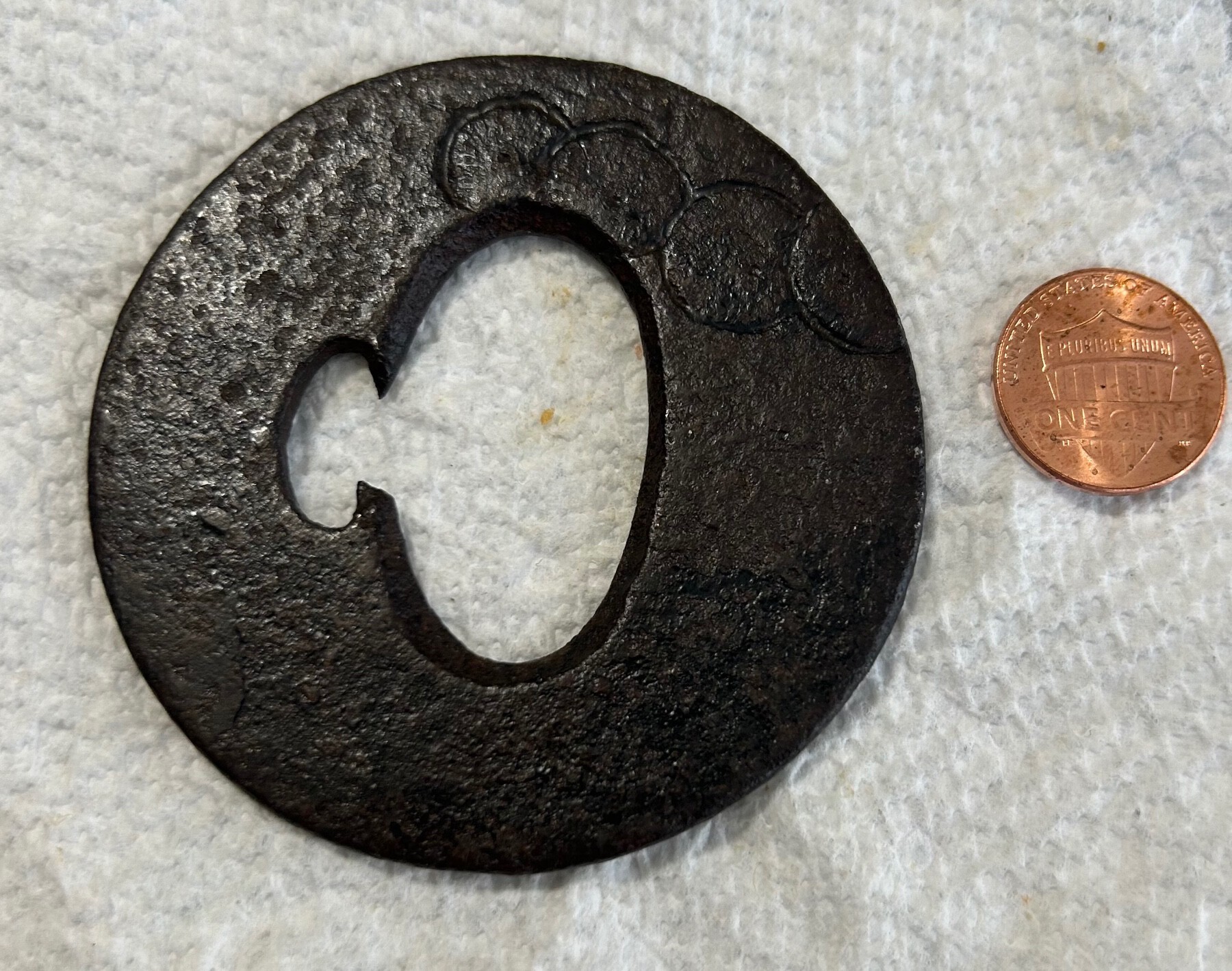
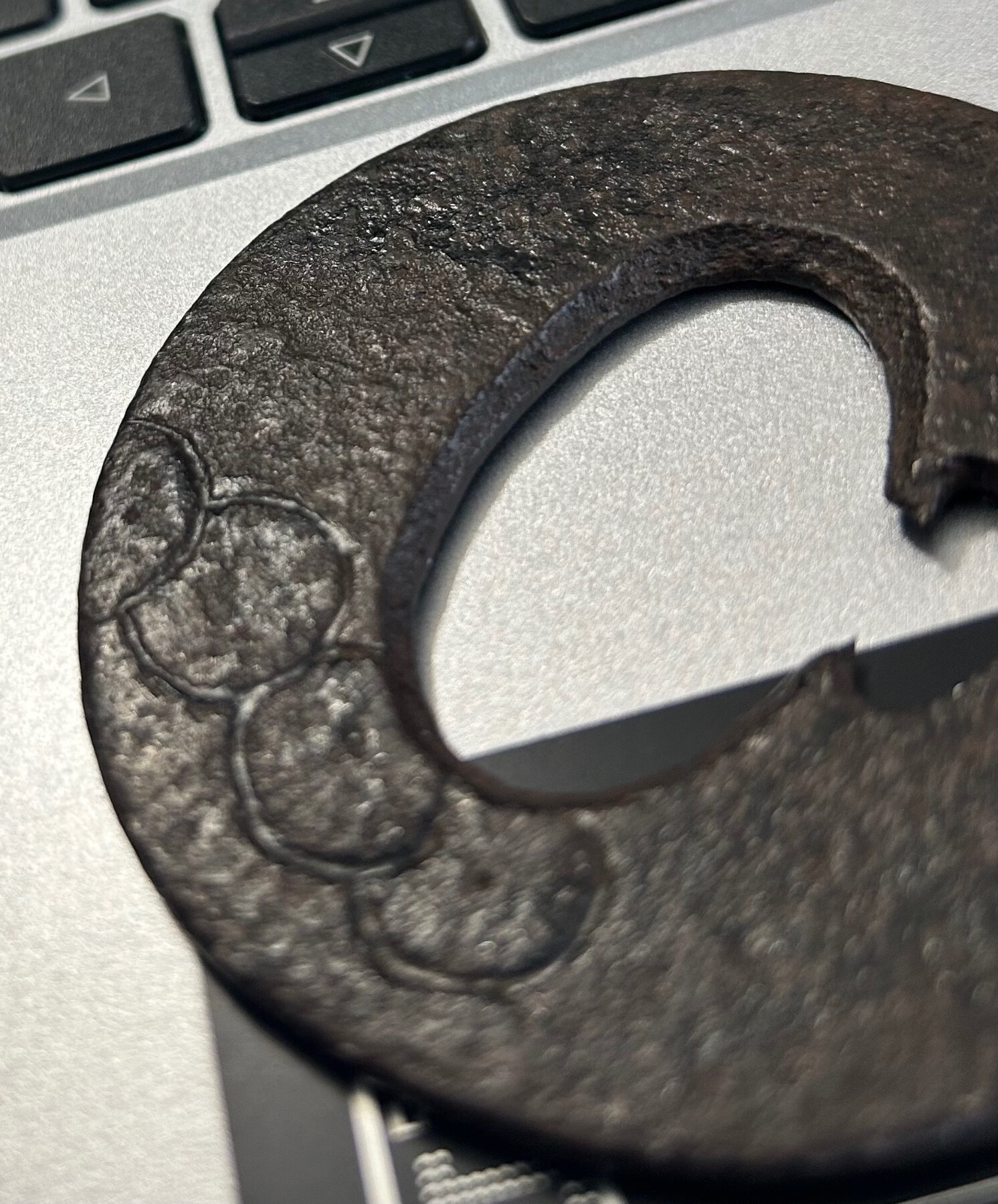
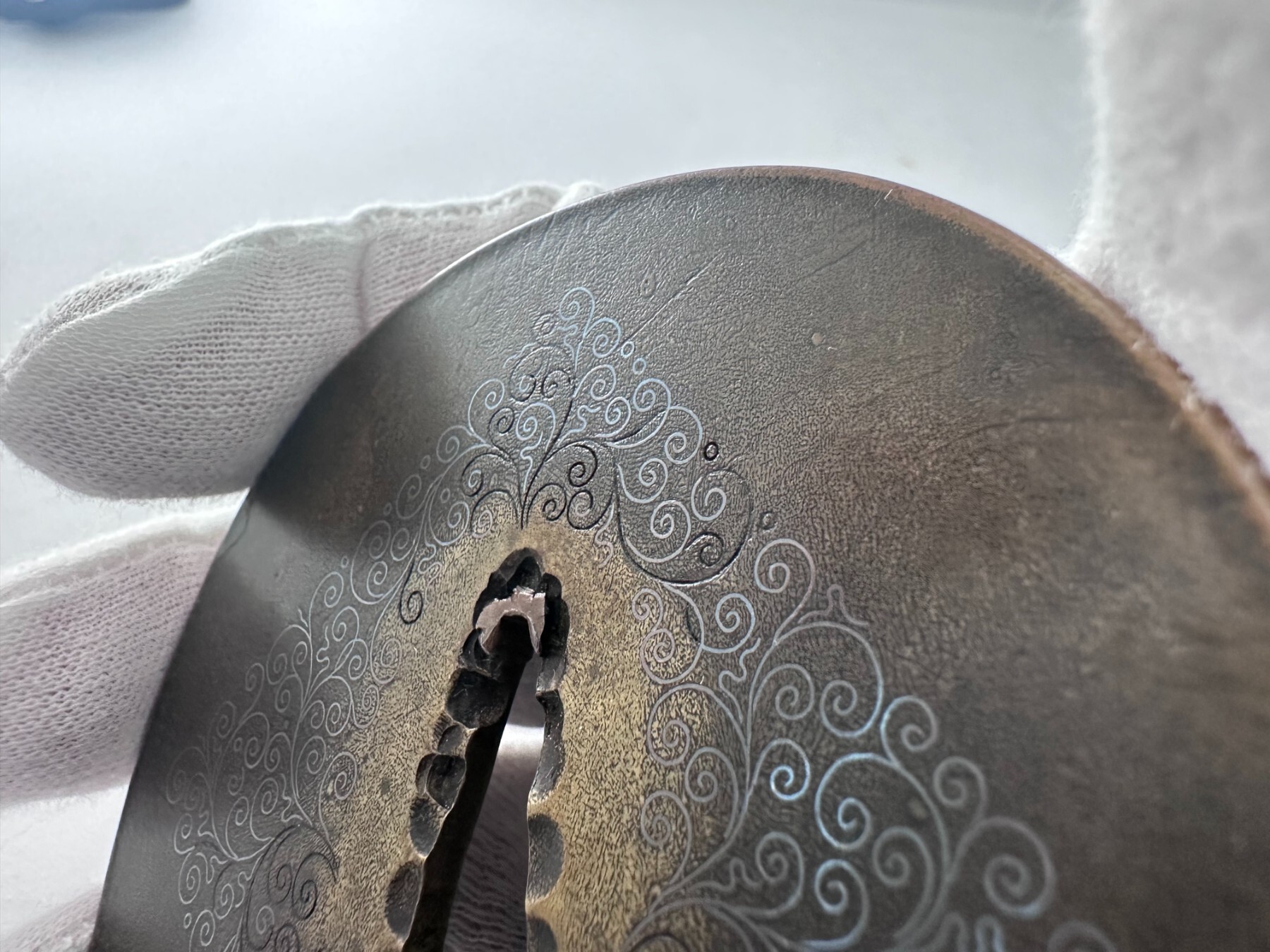
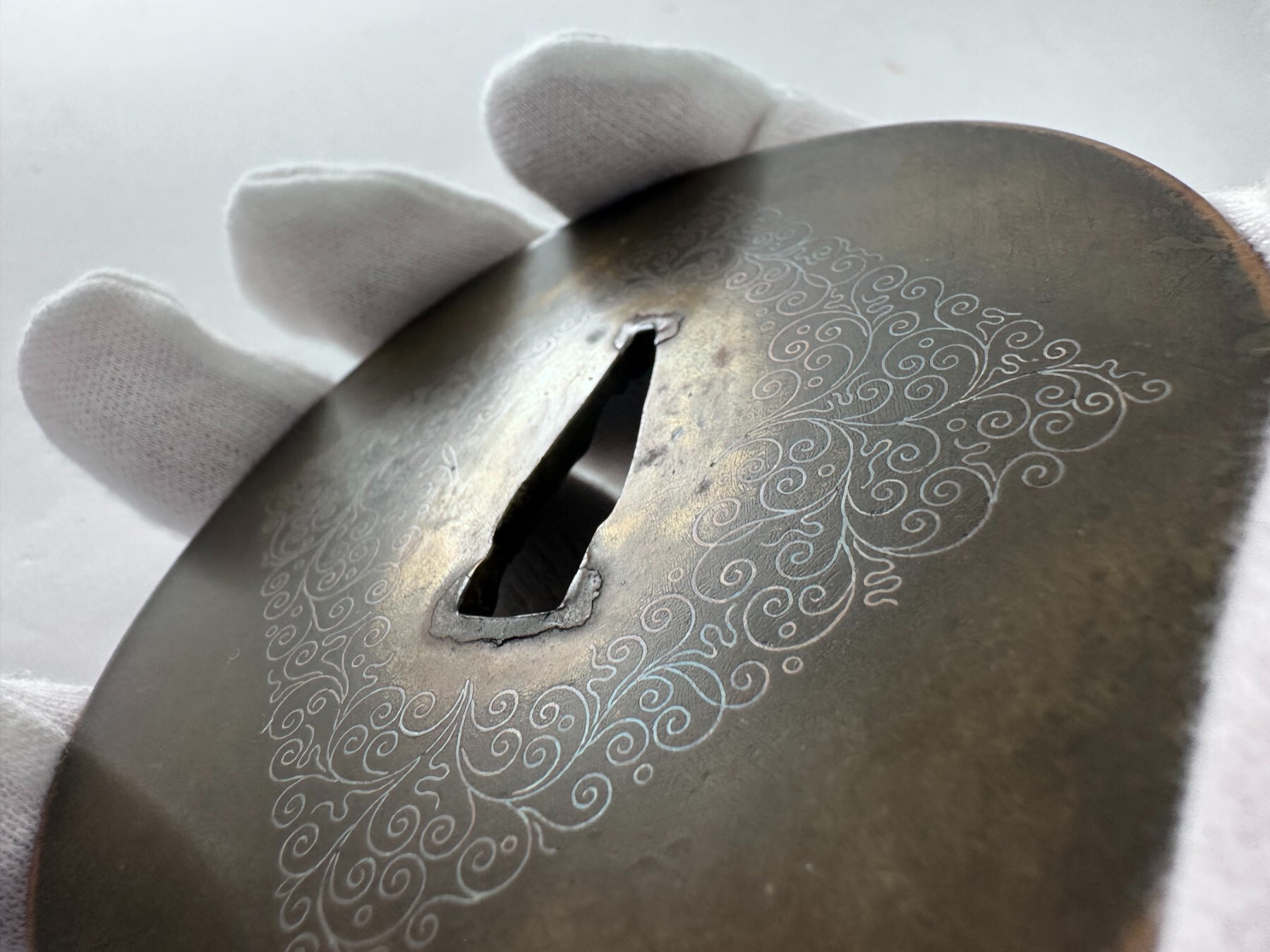
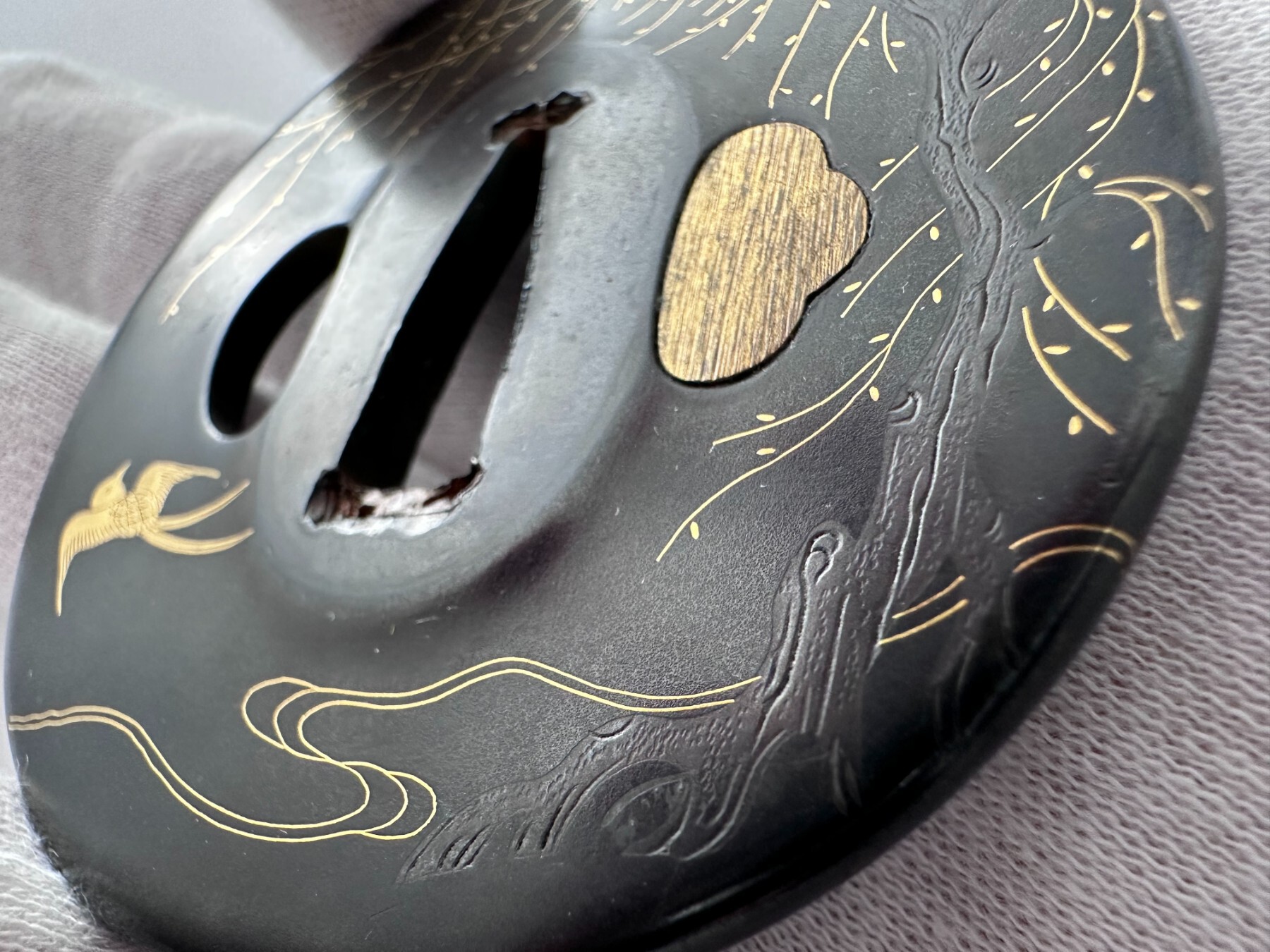
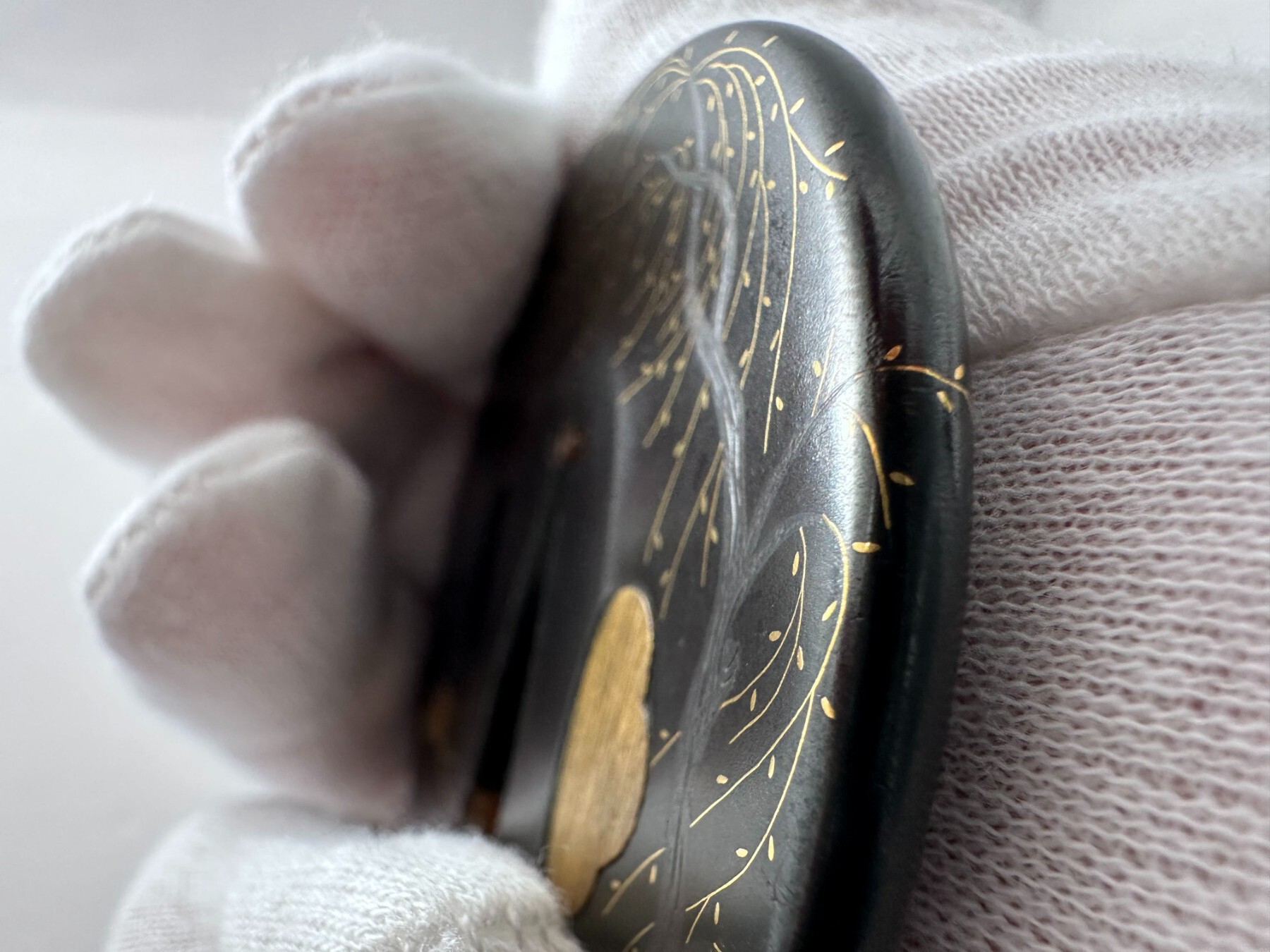
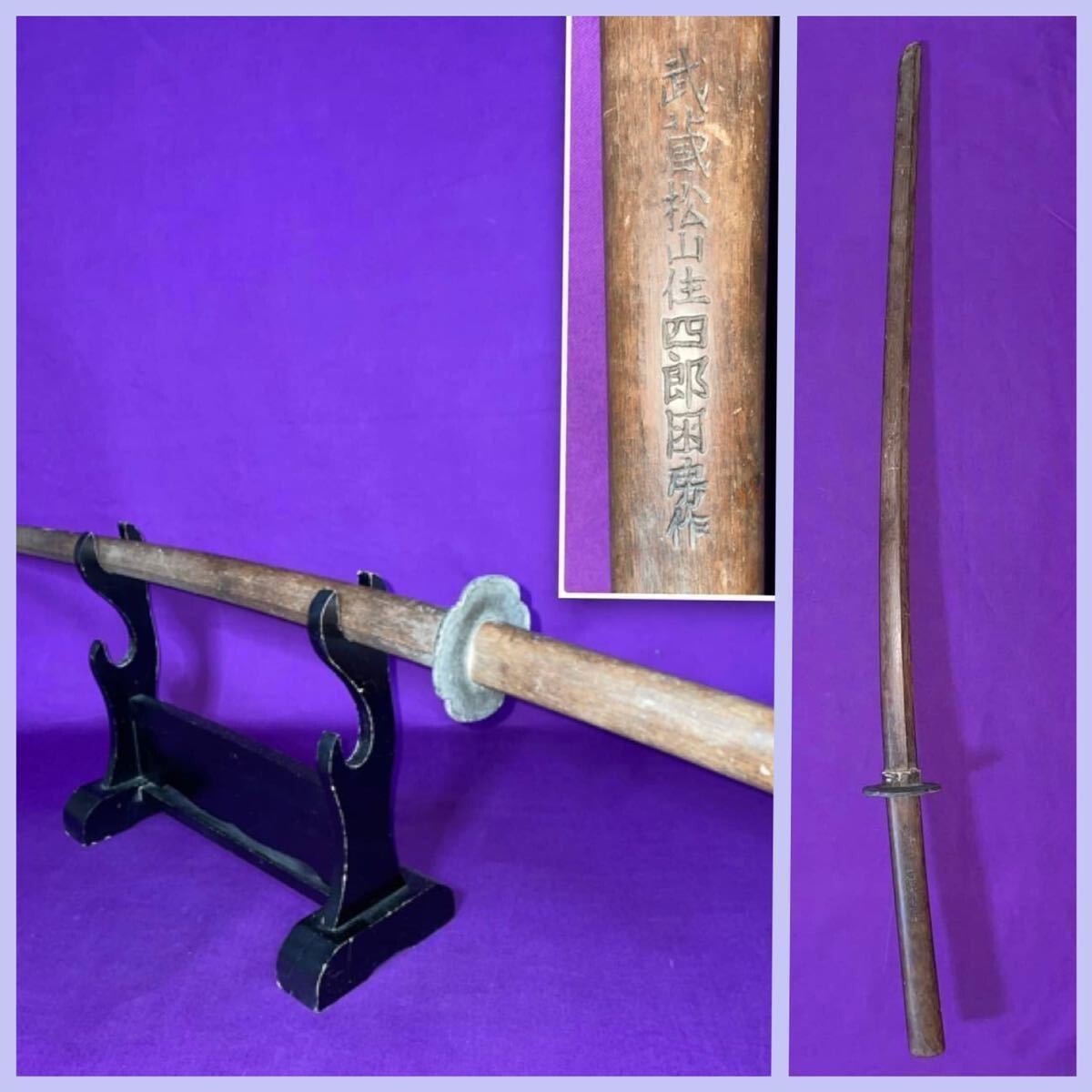
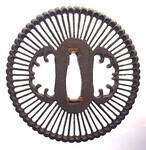
An example from the Ashmolean museum EA1978.250 The size of the hole may have been altered even more, to be used as a maedate "crest" but I think it was first used for a practice sword. Another opinion of the useage here: http://www.nihonto.us/ONIN NAGAMAKI TSUBA.htm But I think it more likely these were used on wooden practice swords as others have stated This one - is anyones guess - not suitable for a practice sword - maybe a maedate. [or a bottle opener ! ] one in this group of twenty https://www.jauce.com/auction/x1224304881 [probably the only one of any interest!]
 4 points
 -
One of mines with a Kogai ana cut in a shakudo plug of an original ana.....
 4 points
 -
I am not a fittings guy but my guess would be it had been fitted for wooden sword, bokutō/bokken.4 points
-
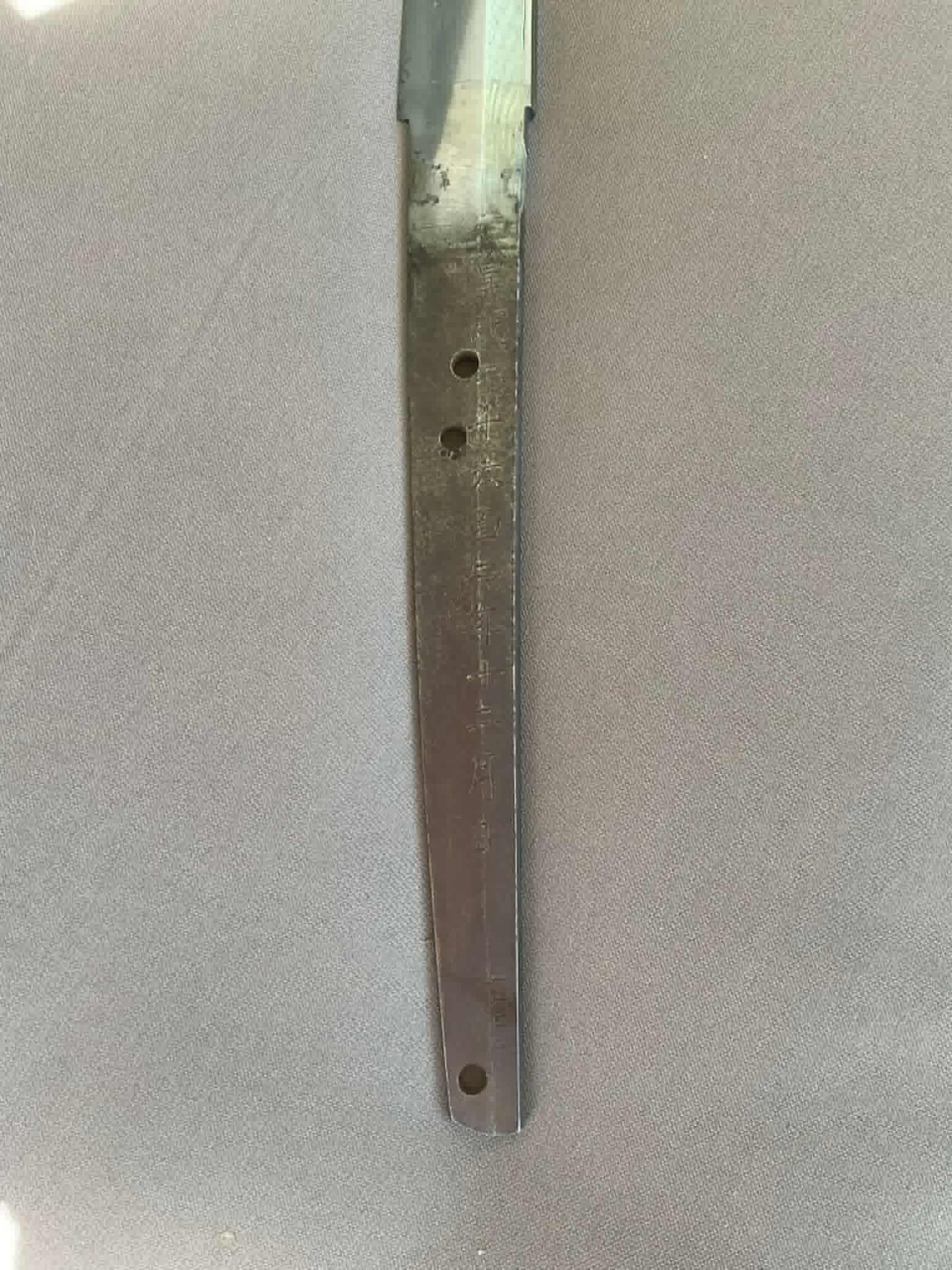
John, I am asking basics to help assess the blade. A signature does not tell all that might be necessary, and if you want competent comments, we need good photos in the first place. As we strongly object any DIY polishing attempts, the actual condition of a blade is of interest and importance. The little that I can see on the less than ideal photos (maybe due to my old eyes) lead me to suspect that the blade was not traditionally polished. Usually, this leads to severe damage and loss of value. So please excuse my critical questions, but I think they were justified to come to useful answers to your inquiry.3 points
-
Of course as Jussi says. A cheap iron TSUBA in not so good condition was repurposed as BOKUTO TSUBA. Not common, but not very rare either.3 points
-
Dear John, I'll try to simplify Jean's post. The blade was previously covered in rust, but now it's not...who cleaned the rust from the blade? You or a professional togishi? This is because when it comes to Japanese blades, the problem isn't just removing the rust, but maintaining the geometry. If you don't maintain the geometry, it's a big problem. This is why becoming a togishi requires years of training...in the photos you posted, the shinogi seems barely visible, which suggests that whoever removed the rust had no idea how to maintain the geometry. @Lindley Suketaka received honorary title “nagato no Kami” in 1789 (Reference Sesko Compendium). All the best Giordy2 points
-
Here’s a pic or two I took about 7 years ago, before the owner sold it. The nick


 2 points
 -
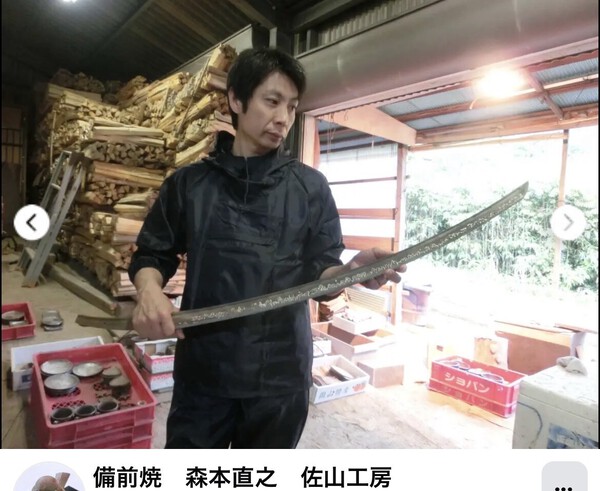
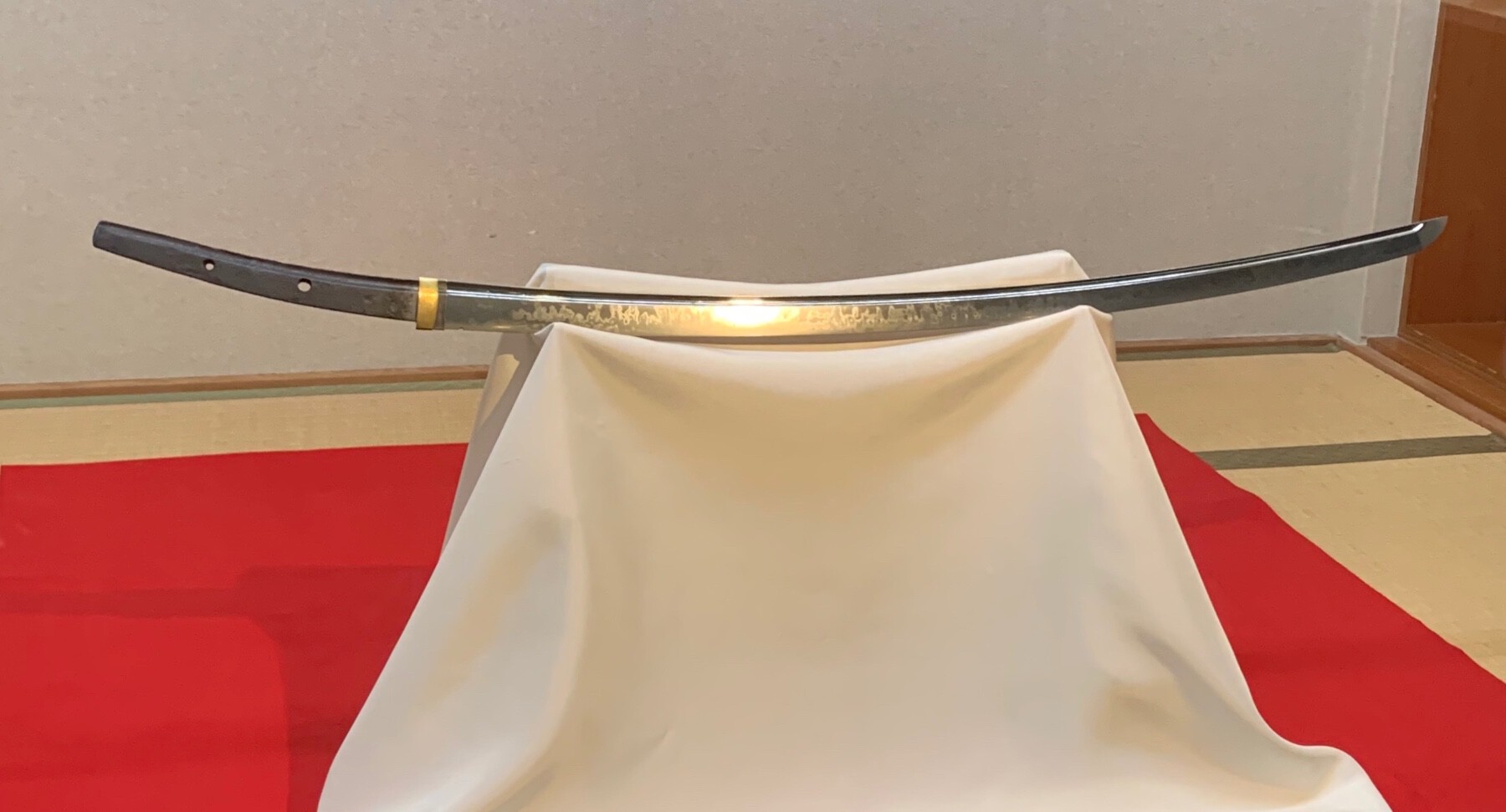
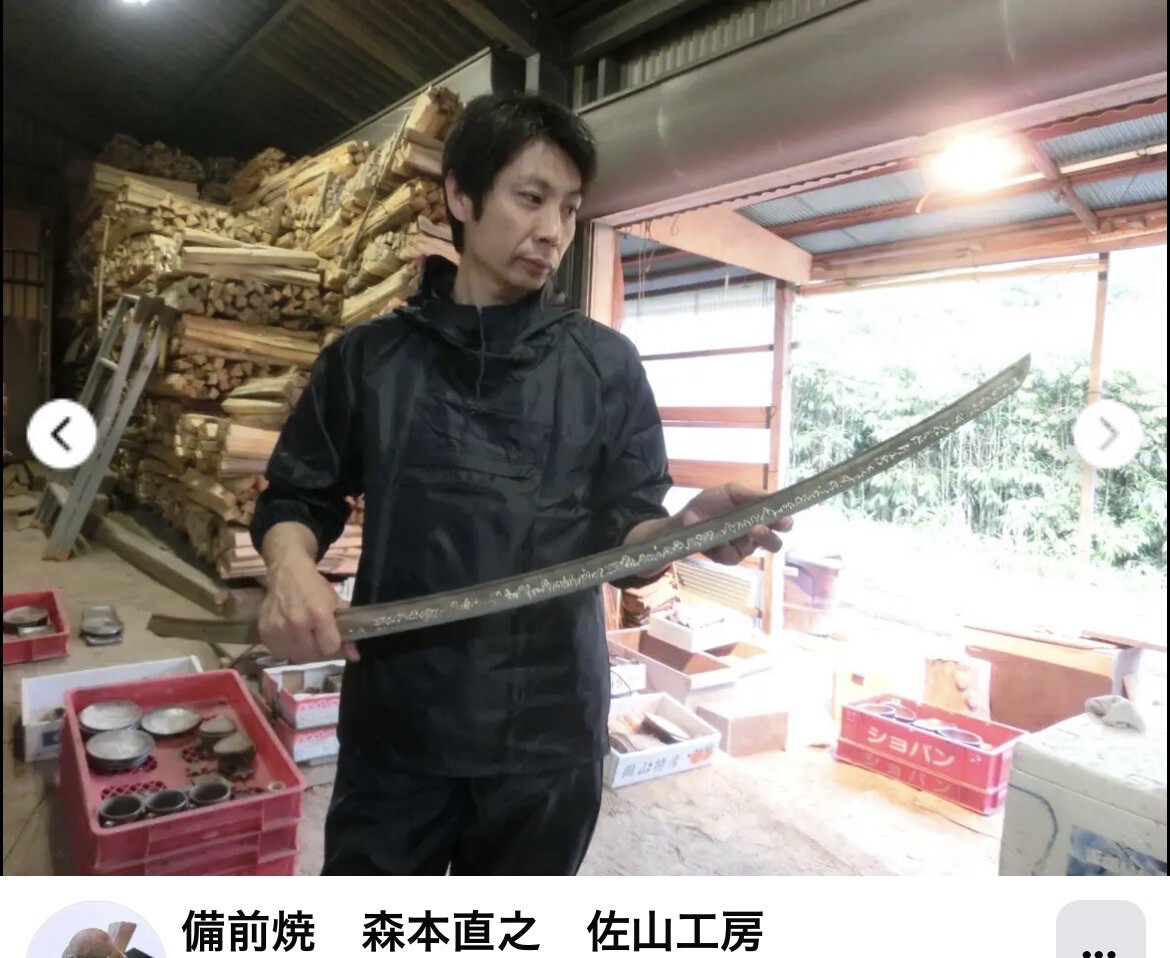
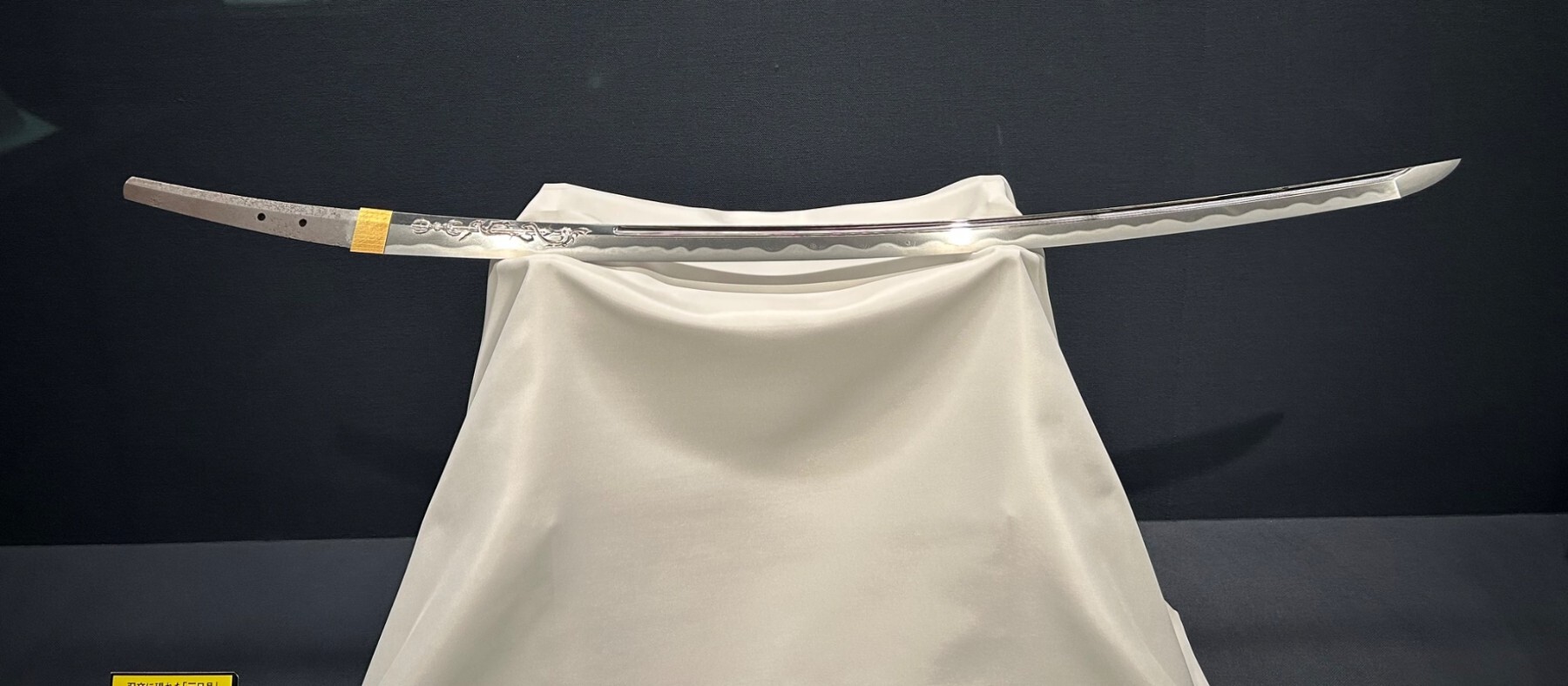
One of our NBTHK members is a Bizen potter and after much effort he eventually succeeded in making a full-sized version in fired clay. Another member creates detailed exact-scale copies in wood, down to the nick in the blade edge. These are not cheap but there is a waiting list for his work, the Sanchōmō and other famous blades. Even the Mei are faithfully chiselled in.
 2 points
 -
Such is the demand to see the Yamatorige that the Museum has lifted its capacity restrictions for the first time ever, meaning that they now have 3x as many people seeing the sword at the same time. This is a new normal. You can read more here.2 points
-
untilAs part of the "Kitano Past and Present: Kitano Swords x Modern Blades" exhibition currently at the Kitano Tenmangu Treasure Hall there will be a special demonstration this Saturday, 28 March featuring: Forging by Swordsmiths Polishing by Tamaki Shiroji Habaki making by Hirata Minoru Tsuka-maki by Toyama Kazuyasu Engraving by Munekaze Kinoshita It will be an exciting event where you can view these master craftsman demonstrating the traditional techiniques required to make complete a Japanese Sword.2 points
-
Hi Klee, For me it's just for the enjoyment.2 points
-
@Jussi Ekholm @ROKUJURO Thank you for your input. This is also something I have considered and I do agree that the last bohi is something that puzzled me too. Another possibility could be that this blade is an utsushimono/"sword in the style of", made during the shinshinto period.2 points
-
Colour me impressed. Always admire a westerner who has mastered Japanese2 points
-
The seller is right it is probably made in the 1940's . The second opinion giver knows nothing .2 points
-
No. I got it for 10 dollars, which is why I decided to buy it. At first I thought the medallion had been altered into a netsuke so I wasn't going to pony up too much. But for 10 bucks I thought it was interesting enough to get. John C.2 points
-
Just picked this up. A 1934 paper weight commemorating the birthday of Crown Prince Akihito. John C.

 2 points
 -
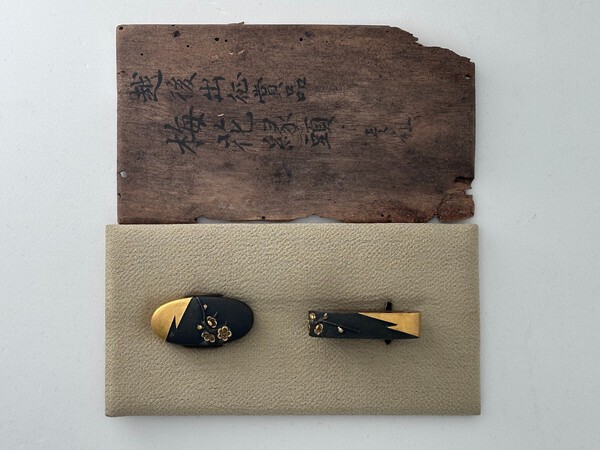
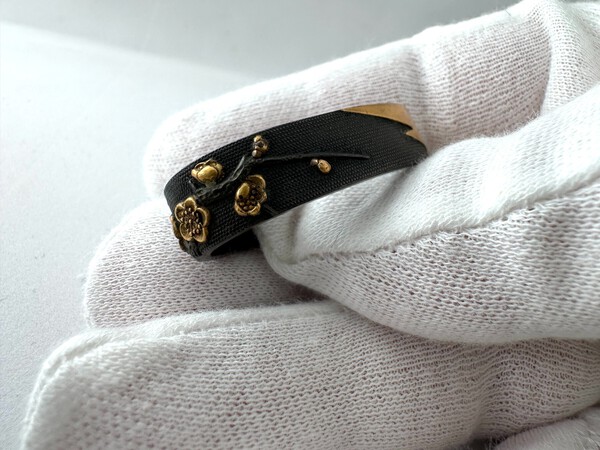
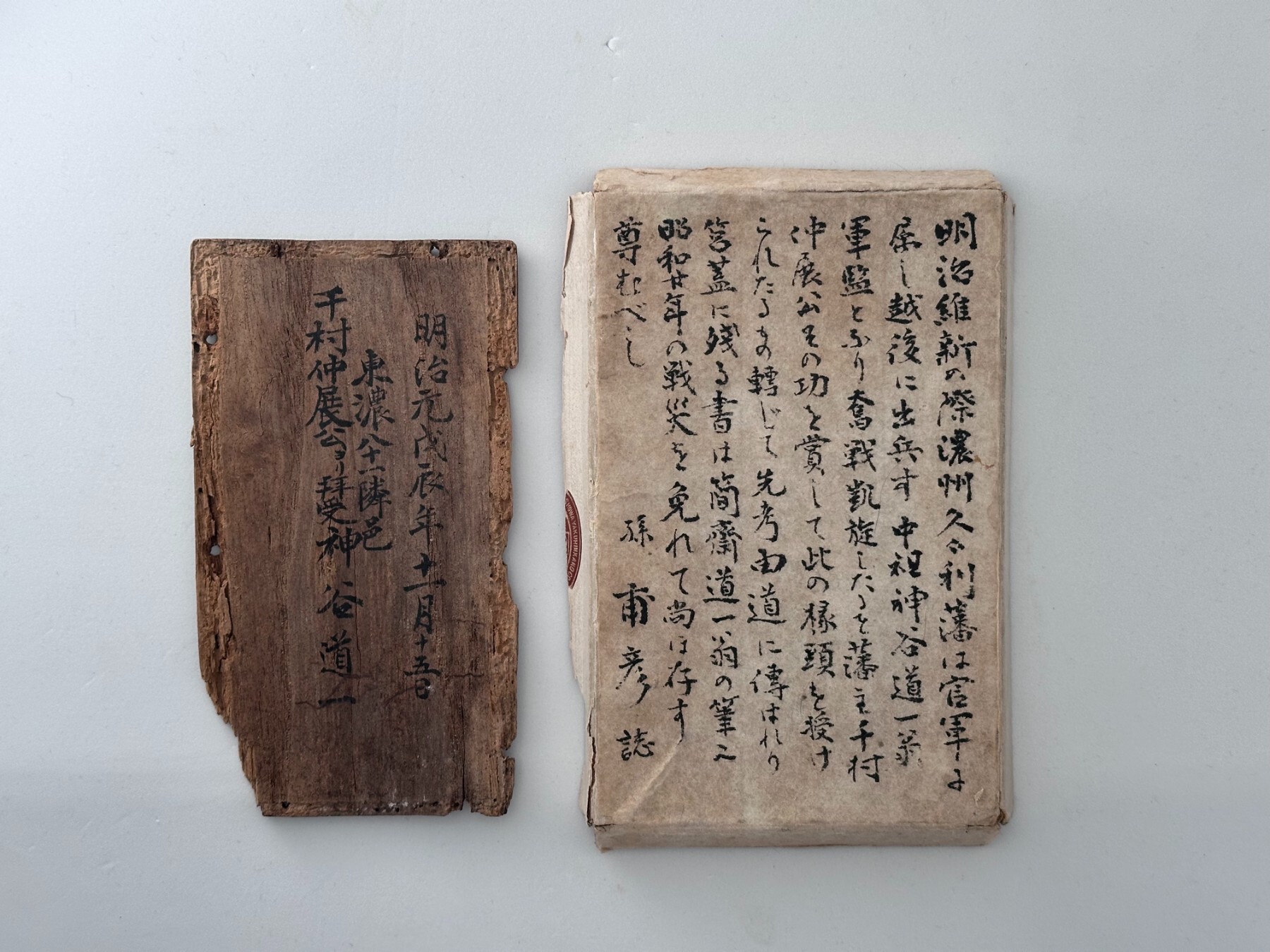
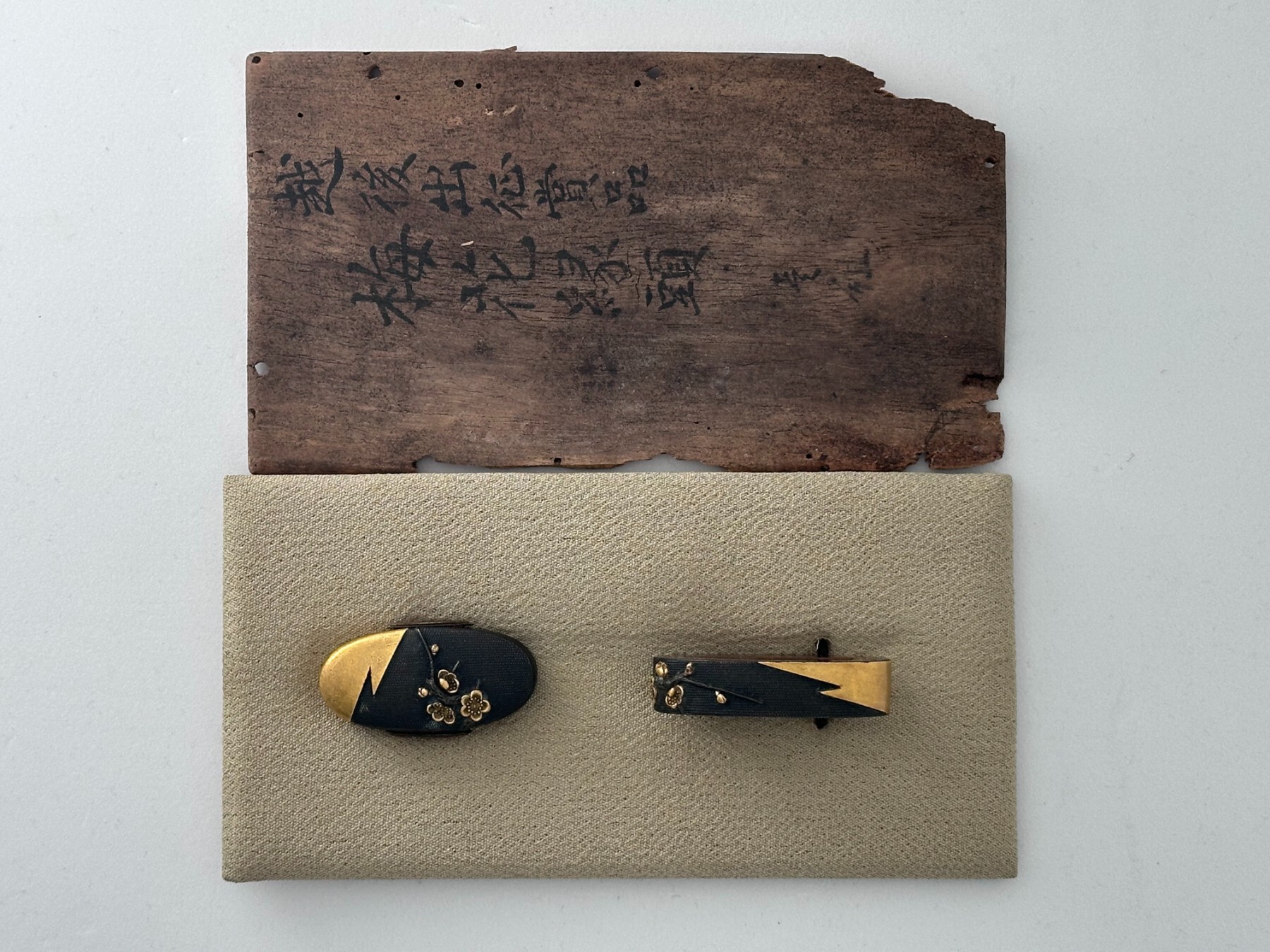
Hi guys, Here is something interesting to show you. A set of f/k awarded to Kamiya Dōichi, by Lord Chimura Nakashige(千村仲展) in 1868. Who was Kamiya Dōichi: Kamiya Dōichi(神谷道一) Known by the courtesy name Shikan and the art name Kansai. He was a Karō (Chief Retainer) of the Chimura family(Hatamoto), Kukuri Domain of Nōshū [Mino Province], during the Restoration. During the Hokueutsu War (part of the Boshin War), he was dispatched as the Commander of the Second Unit. After the Restoration, he became a Negi (senior priest) at the Minami-gu National Shrine. Subsequently, he entered service in Gifu Prefecture, where he was tasked with the editing of historical records. In 1879, he became the first District Governor of Kani, and later served as the District Governor for Ena, Ono, Mashita, and Yoshiki. He resigned from office in 1885 and authored works such as the "Sekigahara Senki" (Chronicle of the Battle of Sekigahara). Translations made by Gemini so I'm expecting some errors, but you'll get the idea. Award for the Echigo Military Campaign. Plum Blossom Fuchi-Kashira. One Set. Meiji 1, Year of the Earth Dragon [1868], November 15th. From the village of Kukuri in Tōnō [Eastern Mino Province]. Humbly received from Lord Chimura Nakashige. [Signed] Kamiya Dōichi. At the time of the Meiji Restoration, the Kukuri Domain of Nōshū [Mino Province] joined the Imperial Army and dispatched troops to Echigo. My ancestor, Kamiya Dōichi, served as a military inspector and fought bravely. Upon his victorious return, the Lord of the Domain, Chimura Nakashige, rewarded his distinguished service by granting him this. From there, it was passed down to my late father, Yoshimichi. The writing remaining on the lid of this case was brushed by the old master Kansai Dōichi. Having escaped the war damages of the 20th year of Showa (1945), it still exists today. It should be deeply revered. Recorded by his grandson, Yasuhiko. Enjoy!


 1 point
 -
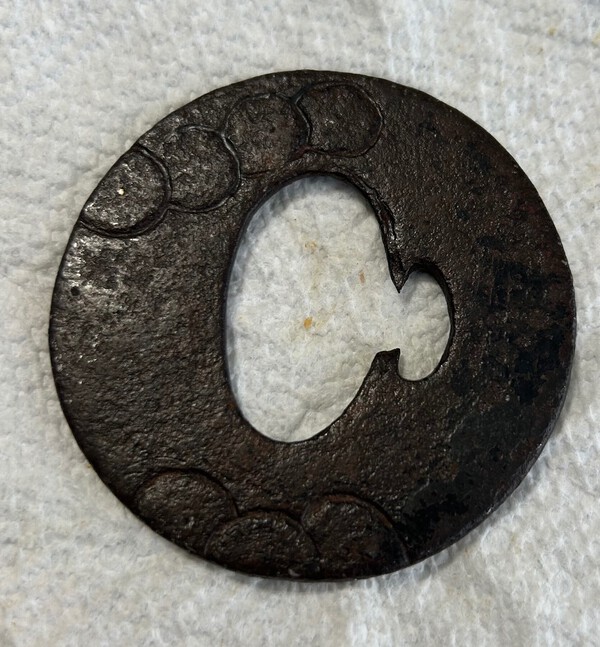
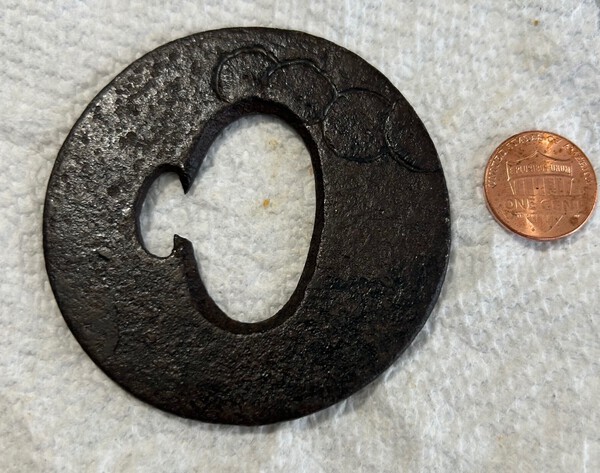
Please see the pictures. I am not sure the purpose of this item. My guess maybe a pole arm? I am hoping someone has seen one before. The center opening is flat on one side and beveled on the other. and not sure why there is a small opening on one side, doesn't seem you would need a kozuka or similar any thoughts appreciated mark
 1 point
 -
We do not promote or encourage DIY polishing on the Nihonto Message Board under any circumstances. Our focus is the study and preservation of genuine Japanese swords and fittings, and proper restoration is a critical part of that responsibility. If a proper restoration is not financially possible, that does not justify attempting to do it yourself. Owning a damaged piece does not grant license to restore it, just as one would not attempt to repair a damaged Rembrandt without the necessary training, knowledge, and expertise. Sorry to be blunt, but it reflects the standards we uphold. DIY polishing sets a dangerous standard within the hobby and ultimately risks irreversible damage to the very objects we are trying to preserve. DIY polishing is an ALL STOP situation here. Regards, -Sam1 point
-
Interesting placement of the star stamp - under the habaki. Later, they are mostly just above the mei. Early and still feeling out where the best spot would be? John C.1 point
-
I have a feeling it will eventually end up with one of the collectors in the USA — it’s just making a brief stopover here for now1 point
-
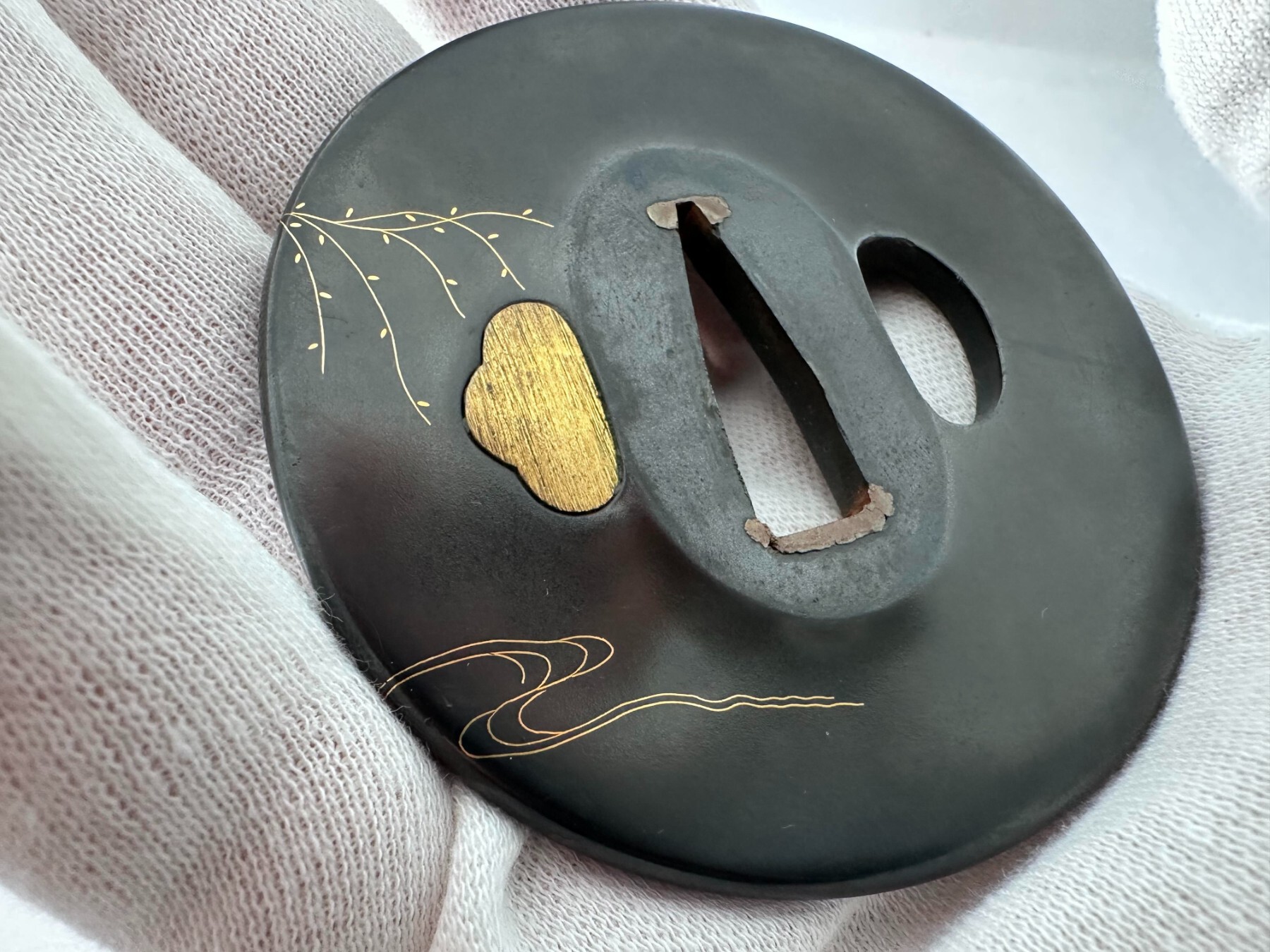
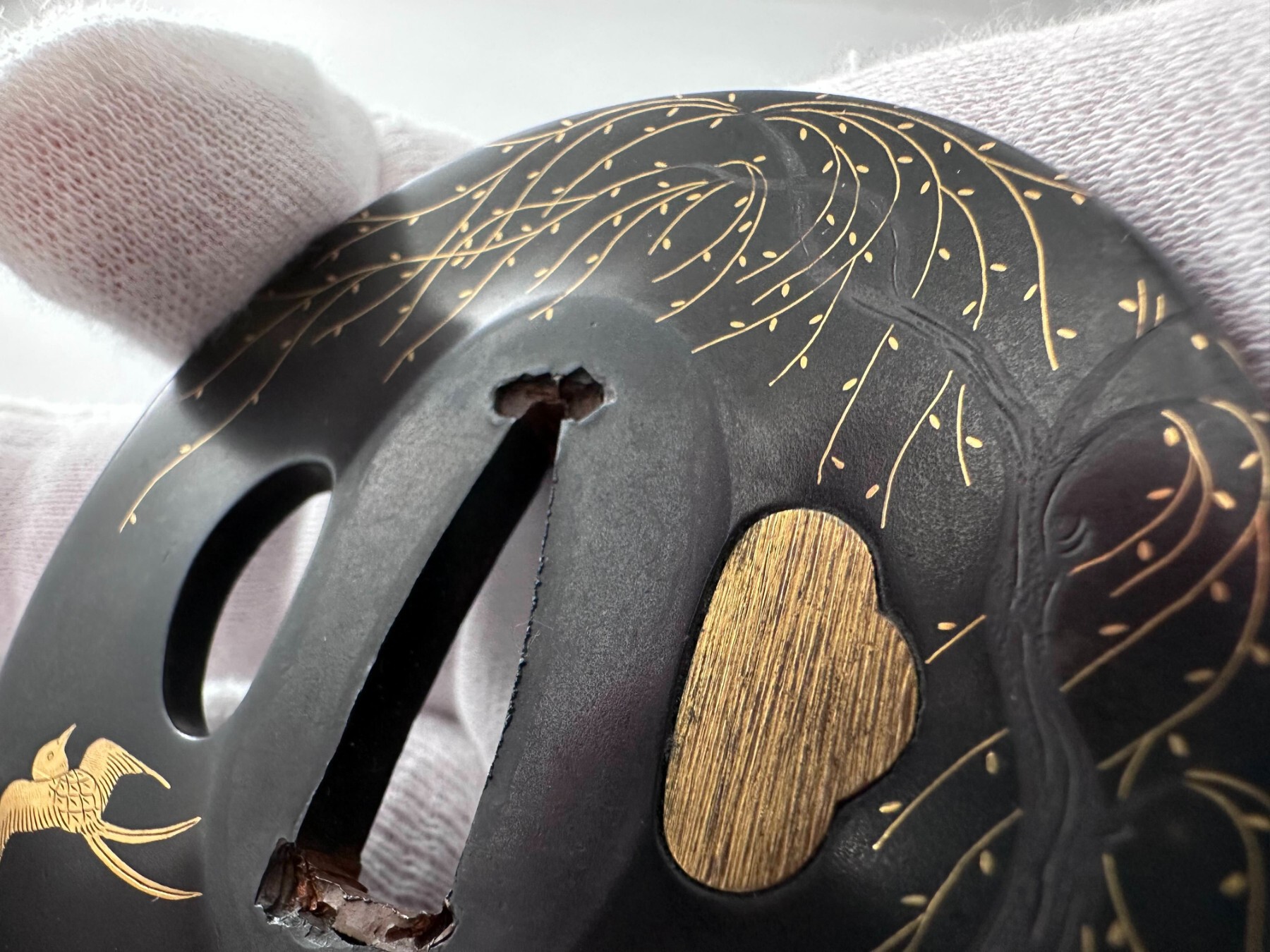
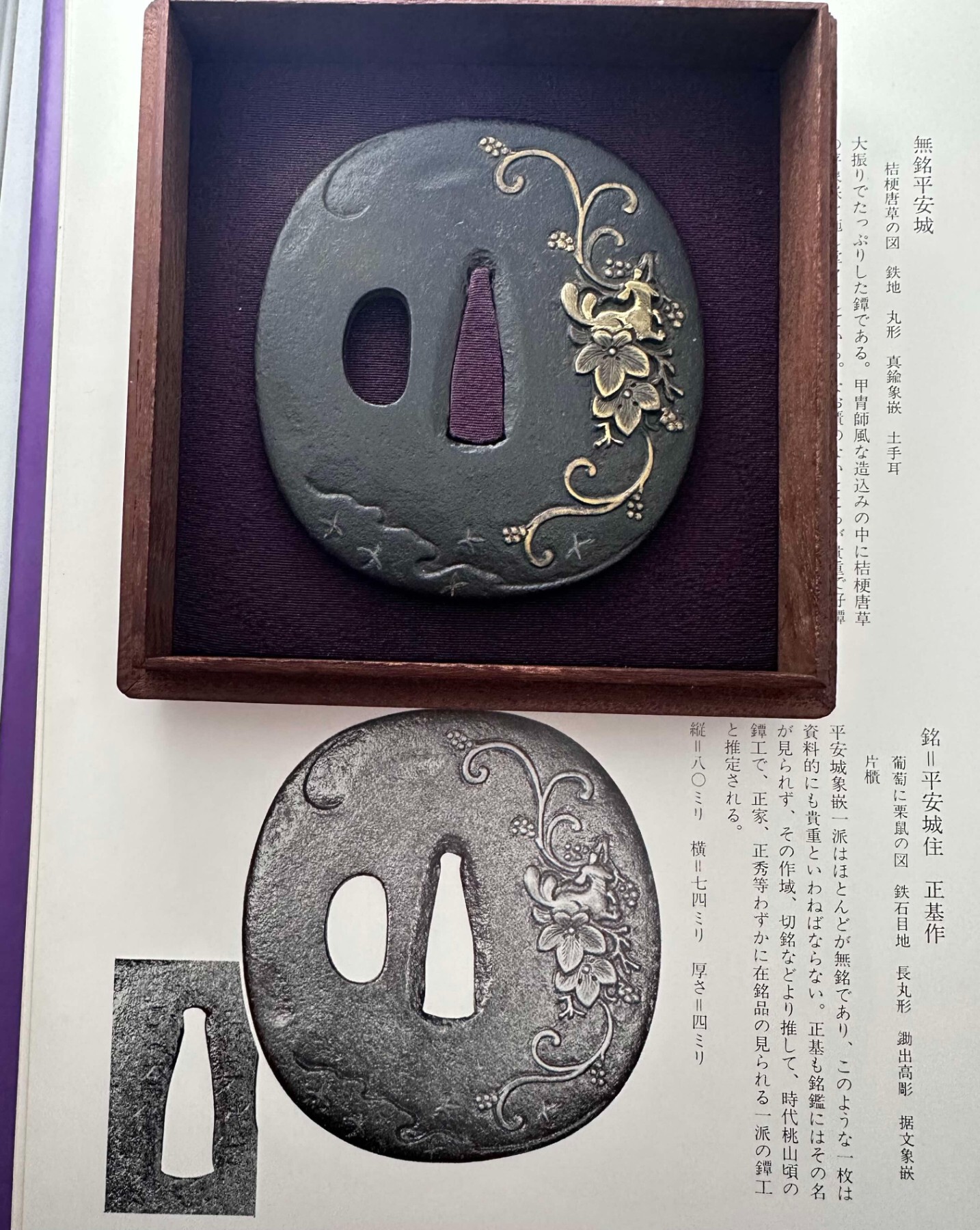
Hi all, I would like to share three tsuba that recently joined my collection: an Umetada tsuba with karakusa design (perhaps Momoyama?), a Kaga piece, and a Momoyama Heianjo. Each has a different taste and gives a slightly different feeling. Any thoughts or observations are very welcome.


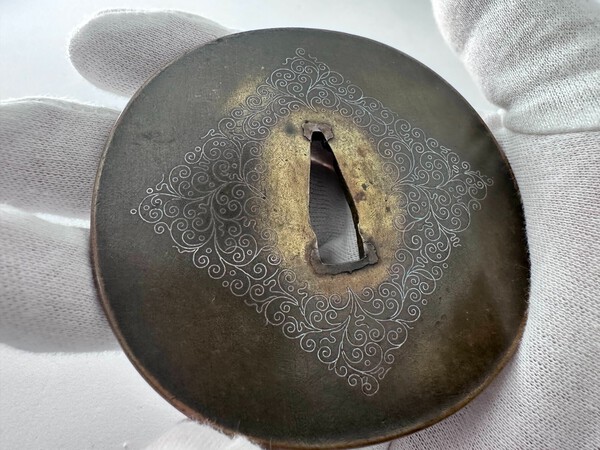
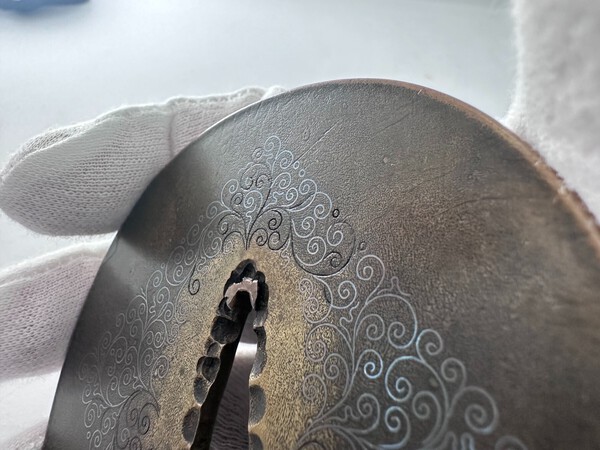
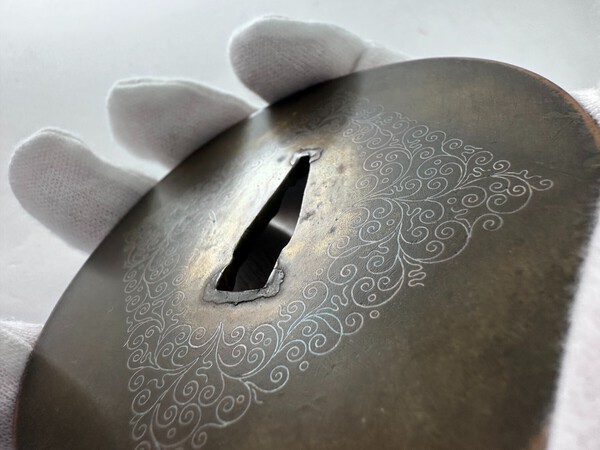


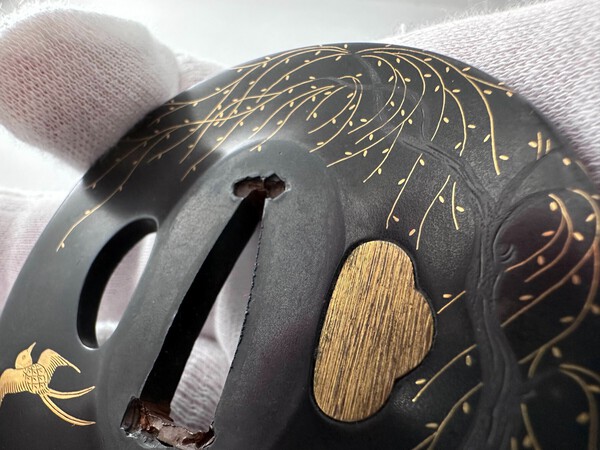
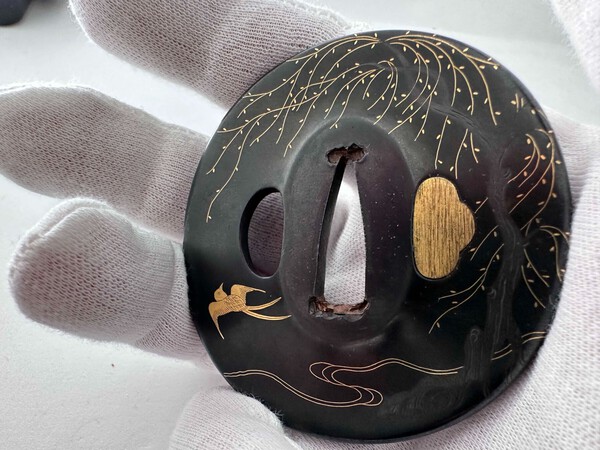

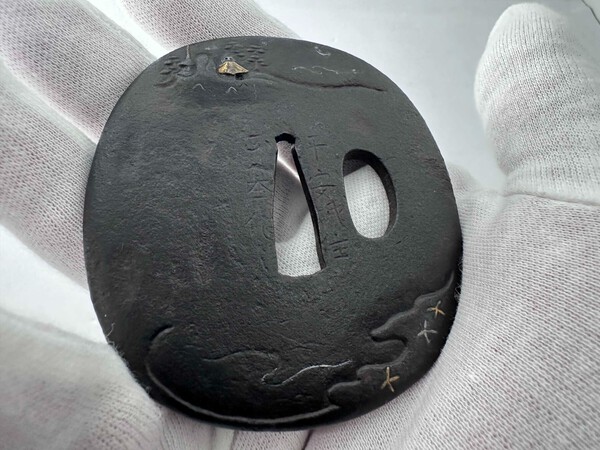
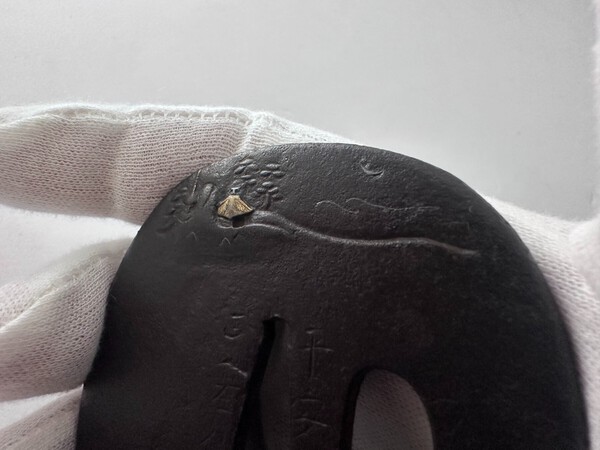
 1 point
 -
War trophy, buddy of mines grandfather brought it home from WW2. I got it from him. Was in very bad shape.1 point
-
Chris Bowen posted this star blade on Facebook. I can't figure out how to post an address for it, but it's in the Military Swords of Imperial Japan Group. Unique in a few ways. It's a Masakuni, but using 眞国, dated Dec 1941. So the forth earliest RJT blade I have on file. It's in RS fittings, so the earliest dated RJT blade I have in RS fittings. The three earlier blades are in T98 fittings. Also, the saya is painted black, usually associated with later war design. Let me know what you think: I have only one other Masakuni blade on file, June '44, but the smith signed 正国. Japaneseswordindex only shows one Masakuni, but they don't show a first name or prefecture, and it's not unusual to see unlisted RJT smiths show up.

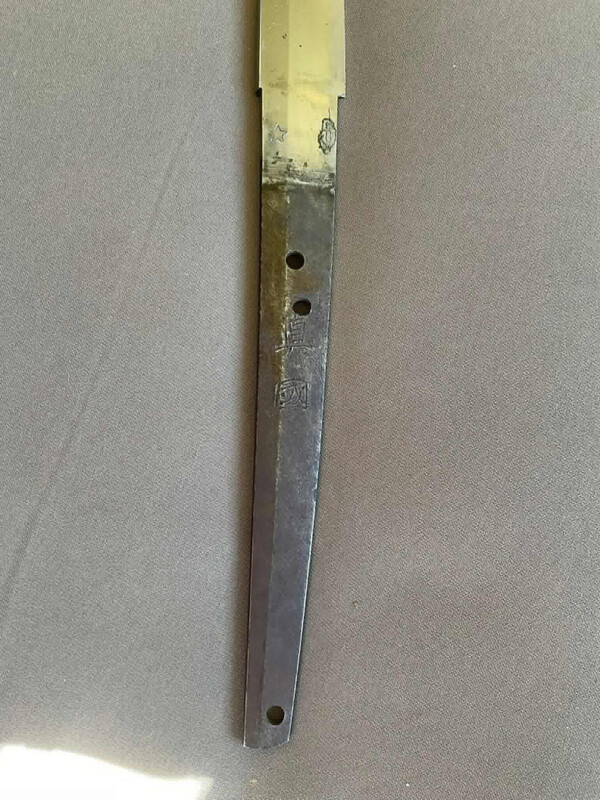
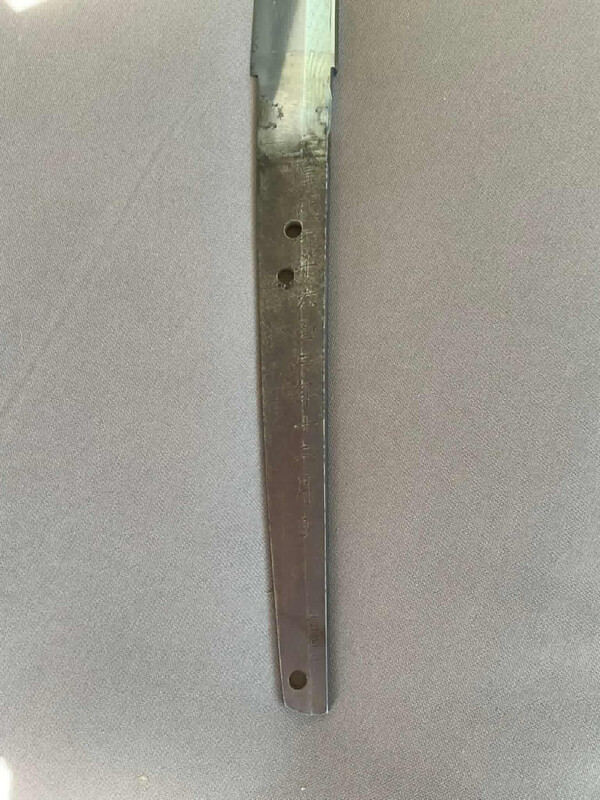
 1 point
 -
Hi Julien, most of tsuba offered in auction were quite impressive regarding their dimension, being in the bigger segment of their own school/tradition. In particular the Tenpō tsuba bought by Dimitri (see above) outstanded for its unusual dimension. Anyway, too many eye-catcher to make wise choices... rationality woke up just when prices compelled me to chose.1 point
-
1 point
-
I do have concerns about the sword. In my opinion, it looks severely altered or messed with. The proportions make me wonder if it’s been machi-okuri, and the nakago looks like artificially accelerated aging rather than natural patina. That makes me question whether there might have been an effort to obscure a stamp, or make it "look" older than it is.
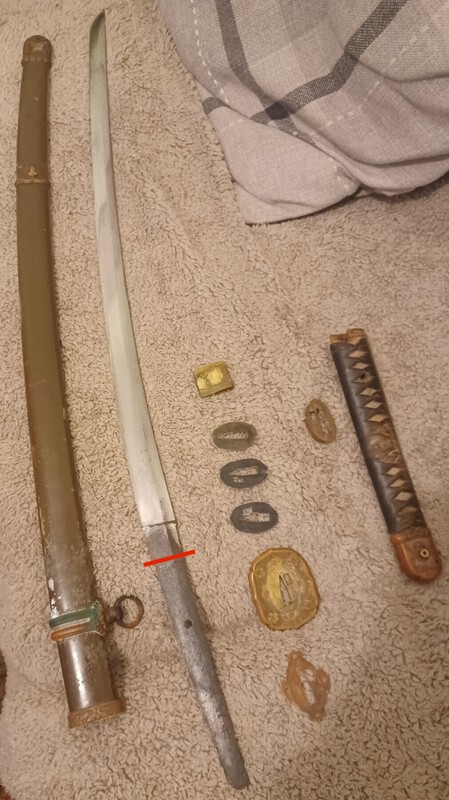 1 point
 -
1 point
-
WW2 sword. Forget fantasies about it being older. Also would likely have another nakago ana if it was refitted. Nothing there suggests older. The hamon appears that way because it has an amateur cleanup/polish. It's just showing the hardness difference. Fairly typical WW2 sword in fair condition.1 point
-
Agree with Ian, this is clearly a WWII period made blade. The significant rust (likely from being submerged in water) gives a much older appearance.1 point
-
Well that is a great price for something of historic value. As a talking piece alone I think you have done well. [I have an overly large collection of "tsuba" paperweights myself - still interesting things ]1 point
-
@Bruce Pennington Yamamoto guntoya https://ebay.us/m/odtyGq
 1 point
 -
Thank you very much for the responses! I agree, it's very hard to see the black on black... When turning the monitor brightness up quite a bit it does show things more clearly but it would've been better if it were just about any other background color there is. Good catch on the rivets, there's only one there, I didn't spot that before! What is the giveaway that the maedate isn't Edo period? The seller even lists it has a 'period correct way of attaching'. Yeah I already figured this was kind of snake pit/minefield I'm getting into. I usually do quite a bit of research upfront before getting into a new 'hobby', but sort of ran into this one while browsing Catawiki when killing some time and then started seriously considering a purchase so it's the other way around this time. Still not dumb enough to blindly buy it though.1 point
-
The green ( old ) nbthk paper doesnt really have any value today unfortunately. If resale was a concern then a new NBTHK shinsa submission would be wise but that would put this blade at well north of $4000 usd in investment which is equivalent to some very nice signed Hozon/Toku Hozon wakizashi in todays market so I personally dont think it s worth it. Plus you d be waiting about 4-6 months for the blade and paper I would just stick with the NTHK paper if you love the blade and plan on keeping it1 point
-
Indeed for a wooden sword.
 1 point
 -
1 point
-
Images designed to make it look dramatic without really showing anything (as Uwe says above). That alone makes me very suspicious. Also the black finish on the shikoro does not look like old lacquer. Also the “gold” plates on the shikoro are heavily worn but the lacing looks brand new. Also the missing rivets holding shikoro to hachi suggest it does not fit correctly…..possibly a marriage? I am also a novice collector of armour and my opinion is worth little but I try to look closely at images to spot things that make me nervous. To my uneducated eye this looks highly dubious. Parts may well be old but………1 point
-
@John C Thanks for the tip on the field grade ranks. That was the start of the writing on the tag. I found that Sasebo is a city in Nagasaki Prefecture. Nagasaki is where my neighbor’s father acquired the sword.1 point
-
It is nice looking item, and an interesting one. I am definately not a Sōshū fan, so I cannot identify the small details. However I am shape and size guy and to me the hi at the bottom is throwing me completely off. I do think in my references I should have hundreds of examples of this type of horimono and I cannot remember single one that would have another hi under the main carving, as usually the placement for this type of horimono is pretty standard. The presence of the lower hi would also indicate the sword would have been much longer than it is in it's current form. I am liking the item but I admit the carvings have me completely puzzled out.1 point
-
I do think it is a tricky item. It supposedly has a Hon'ami Kinpun mei to Horikawa Kunitomo. However I don't think either organization sees that one as legitimate. You have the old NBTHK papers just stating there is a kinpun mei Kunitomo, this often (not always) sees them questioning the authencity of the kinpun mei. Likewise NTHK mentions the kinpun mei in their paper but in their opinion their attribution is to a different smith. Horikawa Kunitomo is very good smith, and unfortunately I wouldn't see this as his work either. I do like the size and shape as I like big hirazukuri blades but the quality and details for what I can see from the pictures would not push me towards good smiths of Horikawa lineage. I am not good at kantei and I think most of my references are for the very good smith 1st Sadakuni but they specify 2nd generation in their attribution.1 point
-
I hope you didn't pay more than these? https://www.fromjapan.co.jp/Japan/tw/auction/yahoo/input/e1017827423/ or https://www.jauce.com/auction/e1017827423 SOLD 2,000 yen or you could pay ten times the price! https://www.fromjapan.co.jp/Japan/tw/auction/yahoo/input/h418421872/ or https://www.jauce.com/auction/h418421872 still running BIN 20,000 yen [OUCH!] Something similar https://www.myday.com.tw/a_myday/product_view.php?apiname=api_japan_yahoo&itemcode=k1119341799 or https://www.jauce.com/auction/k1119341799 SOLD 32,100 yen!1 point
-
Here's the one I got, quite happy with it. I would have loved number 27 or 58, but the bidding went up too quickly. Here's mine, from the Tenhô school.
 1 point
 -
I would have liked to buy the Onin tsuba but too much for me I won this one. Nice to recent papers #218
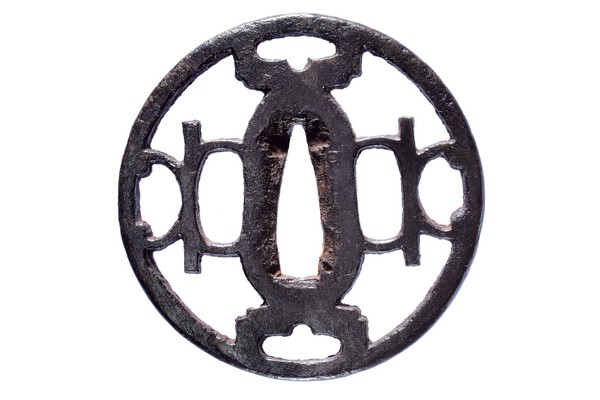 1 point
 -
Shachihoko with perforated mimi - NICE!1 point
-
The classic quote from a Thomas Buttweiler essay: There are perhaps 500 Ko-Bizen swords left in existence today. About 200 of these have been awarded Juyo Token status or higher [ca. 1980]. The vast majority of even these recognized examples are in greatly deteriorated condition. Nearly all of these have been polished down to a point where they retain only a hint of their former elegance. In many cases, the Boshi is incomplete or missing altogether. Many of the remaining blades have been burned or re-tempered. Even so, the desirability of such blades remains undiminished. The words of one elderly Japanese connoisseur while examining a blade with all of the above faults, are classic. He held the blade at arms length for a long time and turned, smiled, and said, “But, it's Ko-Bizen.”1 point
-
Some great photos and video of the Mikazuki starting to appear online... the start of this video catches the tiny Mikazuki just beautifully in the light. What a wonderful sword! Mikazuki.mp4

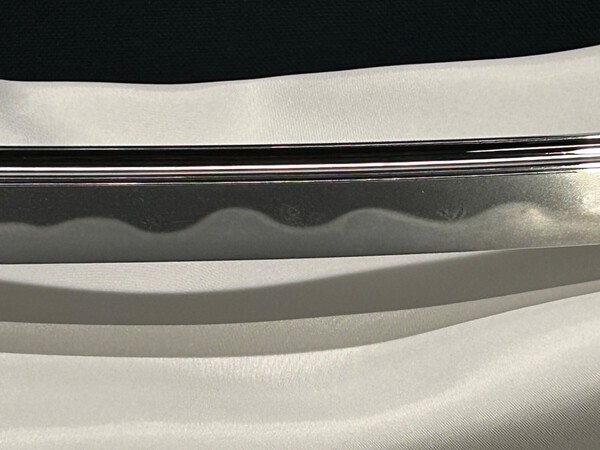
 1 point
 -
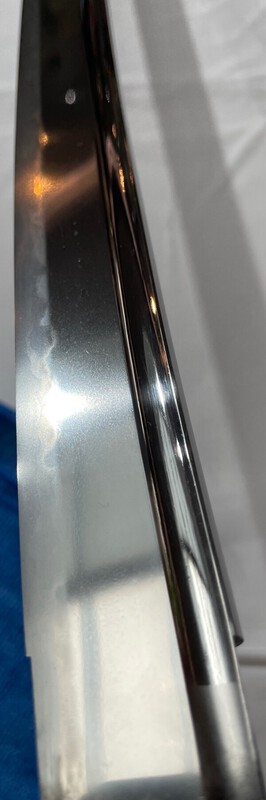
When I visited a year ago they had an extraordinarily healthy Rai Kunimitsu sword in the display booth. A couple weeks later I saw it in hand as part of a special NBTHK-EB event at the Museums research centre and took this video. It had marumune and Hon'ami Kochu Kinzoganmei
 1 point
 -
Multi-tone Kaga works like your #2 are getting to be very rare. When you do see them, they are often rubbed damaged due to the raised shape of the seppa dai. Please take good care of it. On my very short bucket list is a trip up to Kanazawa area for a few days to take in the spirit of the Maeda lands. A really good Kaga Kinko or Kaga Goto tsuba is on also on my tsuba wish list. That and a good Nobuiye of design that suits me.1 point
-
I have made them in the past, but they are a bit of a fiddly thing to make. The Japanese are very clever and if there is a hard way to do something, they will find it. I reverse engineered an old bag and found that it is double lined with a thin layer of padding inside. None of the seams are visible, even when you turn the bag inside out..!.. Basically you have to make the outer and the liner (both inside-out of course to be able to sew them) which are then sewn together on the top of the bag - at what will eventually become the opening of the bag. This is when I also attach the manufactured ring (using the same material) for the fusahiso cord. Then you have to turn one half inside out and then pull the other through it, also turning it inside out so both seams are 'inside' the bag - for want of a better explanation... It is difficult to explain and its a fiddly job. BTW, the liner should be slightly smaller (half inch all round) than the outer so the seams don't bunch or cause creases in the liner later on. Each time I make another bag, I have to sit down and basically re-teach myself the process.. My wife won't touch them..! I used modern materials and sometimes brushed-cotton for the lining of the Koshirae bags, because I could not bring myself to cut up and old Kimono. It is time consuming, but oddly rewarding. I couldn't make them for a living. Of course you can cheat and have the seam showing/ visible inside the bag which is fine, but that is not how they are made. They certainly are worth trying to make though, but study an old bag first. Good luck. Barrie.1 point


































This leaderboard is set to Johannesburg/GMT+02:00