
Leaderboard




Popular Content
Showing content with the highest reputation on 10/01/2025 in all areas
-
One way of looking at it: Top level guys doing fittings for the govt Tokugawa types go to = Goto, individually hand tooled stuff Higher officials needing work appropriate gear go to = Yoshioka shop, good formal. Some minor time saving shortcuts ex: https://www.aoijapan.com/kozuka-kogatana-yoshioka-inabasuke/ Other bureaucrats needing a rig, but a bit more cost go to = Yasuda shop, also pretty good- but maybe more gold plated or lacking in specifics of design. Example: https://www.aoijapan.com/kozuka-mumeiyasuda/ Or ... Fifth Avenue NYC, vs Off Fifth Avenue, vs Filene's Basement / Century 21. All decent, but how bespoke is it? You have Tokugawa mon on the kozuka and kogai. They look very clean yet not too ostentatious in execution. If you look at the nanako, probably it is very uniform and consistently the same size. Yoshioka work is often very clean and strongly uniform elements in the execution. Put another way, they had High quality control. Often unsigned. When they wanted to, they could kick it up a notch or two- so not all Yoshioka work is the same level. Tokugawa mon+ fairly formal with no signs of gold loss + very precise nanako => first guess is Yoshioka.8 points
-
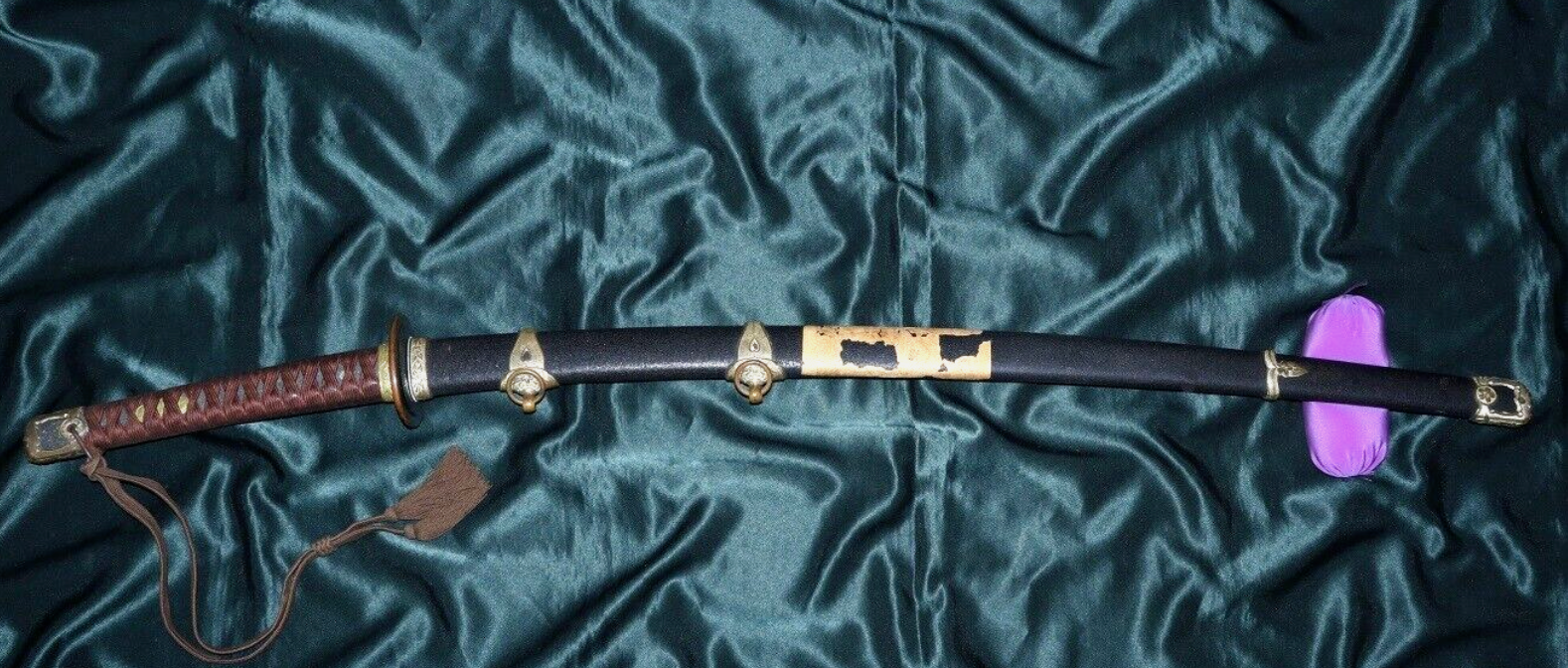
Hi Rebecca! What you have there is a Navy blade made by the Tenshozan sword company in the last days of the war, but mounted in souvenir fittings. Tenshozan contracted with the 8th Army PX (military version of Walmart) to sell over 8,000 of these souvenirs from 1946 to 1950'ish. The painted number - 11402 - tells us the blade was likely made before the war's end, but never used in combat. Many surplus blades were re-fitted for the souvenir contract and sold through the PX in Japan and later in Korea. Value? When honestly sold as souvenirs, they normally run about $450 USD. Navy kaigunto (Navy blades in proper Navy fittings) can go as high as $2,000 plus/minus. You can read about the souvenir operation in this article - The Mysterious NLF Gunto - A Souvenir PS: Could I possibly get a full length photo of the nakago (tang) for my records? I file and track these.6 points
-
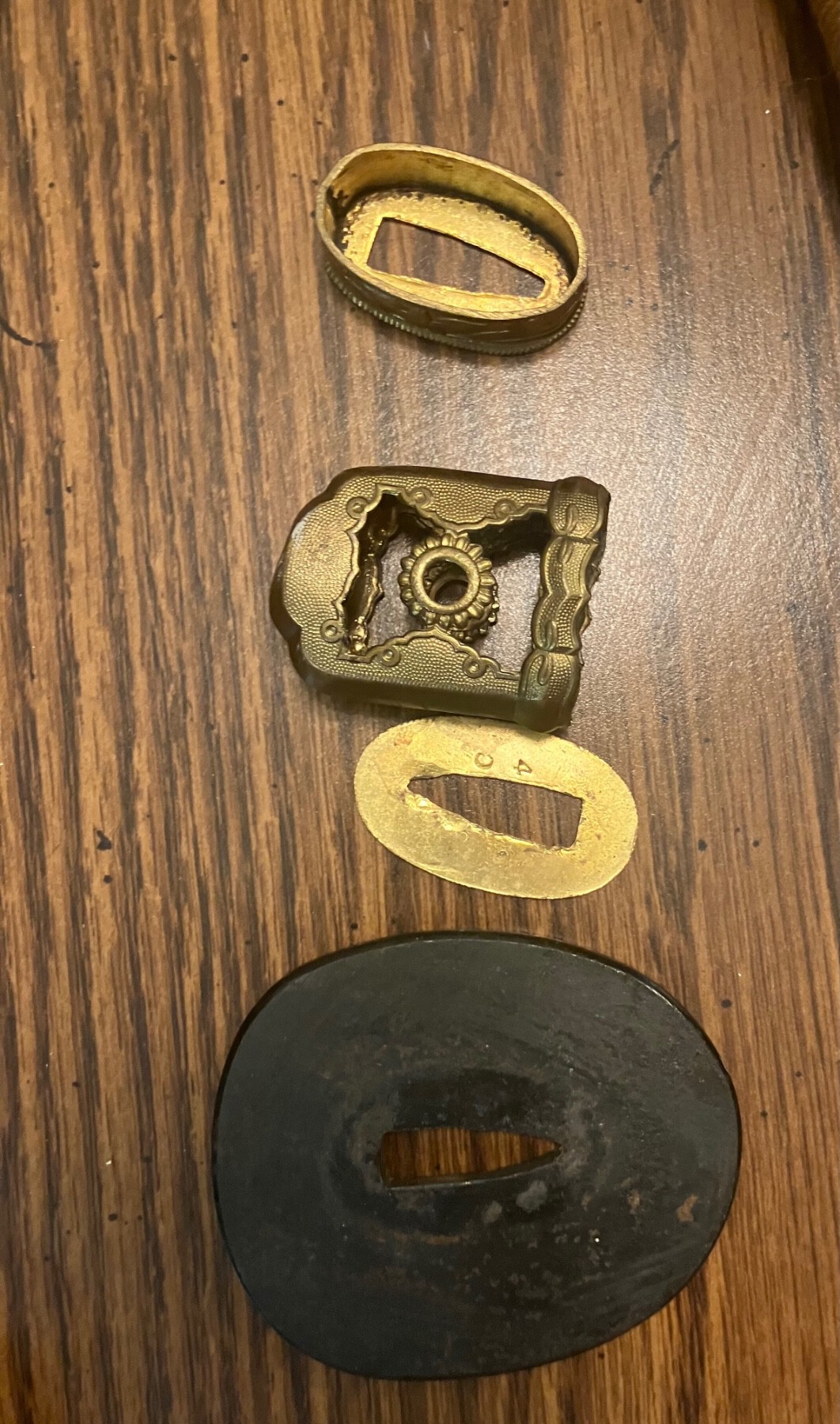
Hi Rebecca, the various small parts will have a one or two digit number stamped or written on them. For example, the tsuba (crossguard) will have this number. Take a picture of this number and post it. This number will match to one of the combination of numbers painted on the nakago (tang) of your sword. When time permits, below is a link to an article about postwar souvenir swords that will answer most of your questions. The Mysterious Naval Landing Forces Sword And finally, many thanks for sharing pictures of your sword.4 points
-
This may help. Tenshozan Tanrenjo naval, date Showa 17 (1942) Nov

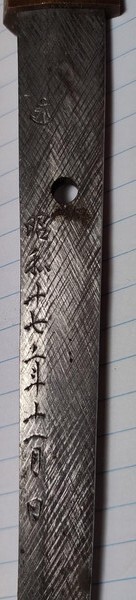 3 points
 -
3 points
-
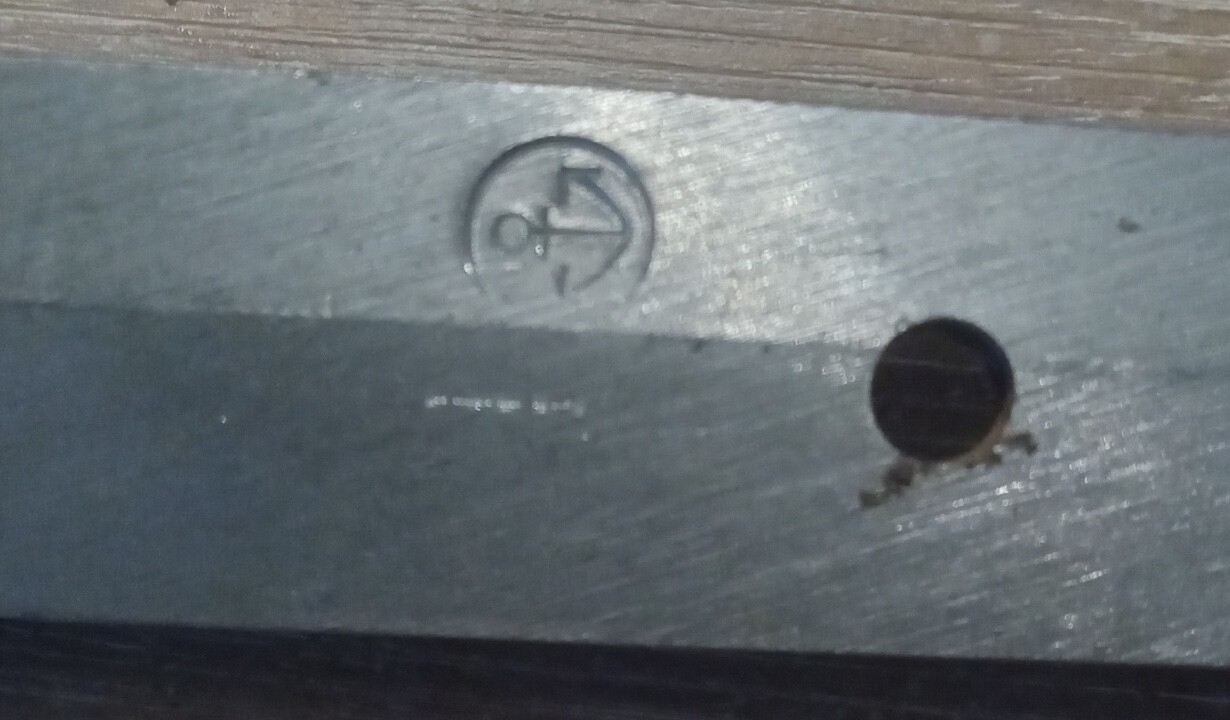
Worthy adding is: -its steinless steel blade, -saya lacquered wood not rayskin wrapped. -tsuba consists of one element [dunno if its brass/copper] For comparison full toyokawa 265 [fuchi and tang marked too] https://www.militaria.co.za/nmb/topic/52795-affordable-kai-gunto/#comment-554951 @Bruce Pennington anchor in circle is toyokawa right? Tenzoshan used anchor without circle.3 points
-
@BANGBANGSAN @Kiipu The painted number seems to have a "40" more freshly painted over " 1 1 ? 2". Can you make out the number underneath? I'm thinking the "40" was a number put there, over the wartime number, while assembling the souvenir.3 points
-
For those of you who haven't noticed - Ito Mitsuru (well-known Japanese collector which you know for writing the 3 Higo books, Nobuie articles, book on Katanakake,...) has started a blog. This looks like it will be well worth the read. Blog2 points
-
Place is a prefecture/ city in north Kyūshū. The first character is a bit “freely executed”…2 points
-
I hate to be the bearer of bad news, but this is not a genuine Japanese sword. https://www.jssus.org/nkp/fake_japanese_swords.html Sincerely, -Sam
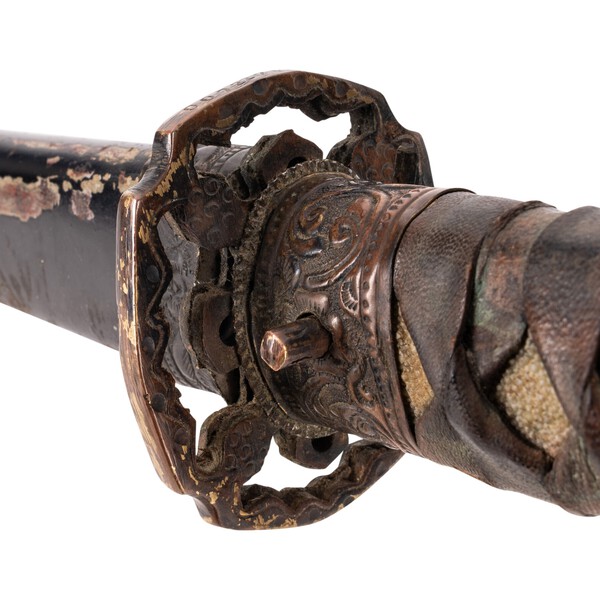
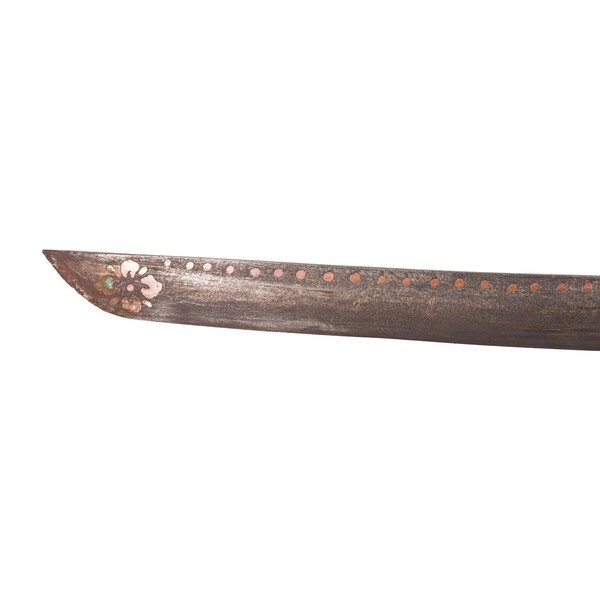
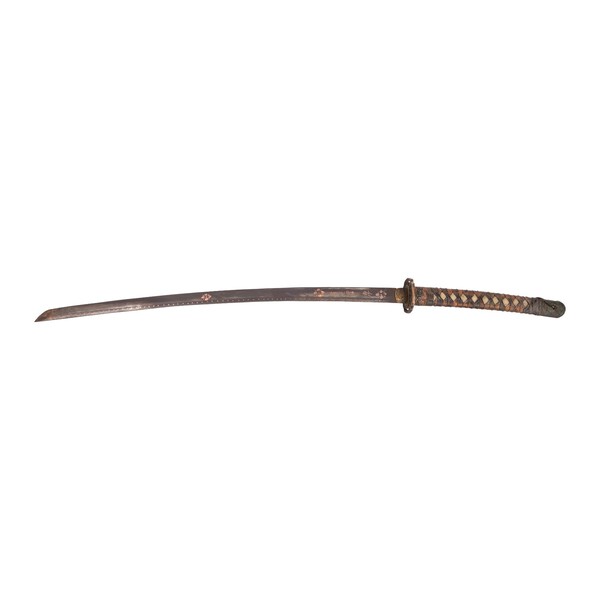 2 points
 -
Steve: Eric has a Tadatsugu gendaito kaigunto for 3,750. https://www.ebay.com/itm/286811740594? John C.
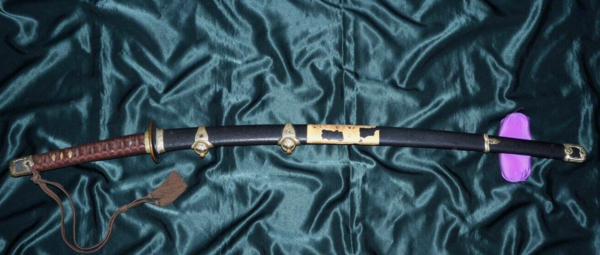 2 points
 -
@Babyboomer1 Ken, here are the pics correct way up, but they dont show much. One shows part of name "Mitsu" the other part of date "16" which likely is 1941. Unfortunately the cleaning/polishing of tang has ruined the value. You need to show the rest of blade and fittings.
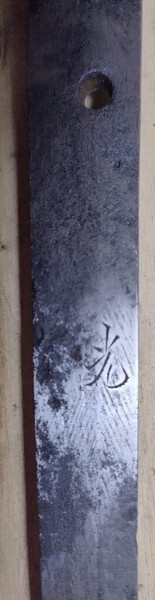
 2 points
 -
Agree, 40 is the souvenir subassembly number. See the picture of the seppa (washer) above. 四〇 = 40.2 points
-
Hello Rebecca: Since these swords are really just PX items sold after the war, they do not hold the value of a war-time sword or a real samurai sword. But one suggestion I have would be to go onto Ebay and search the COMPLETED auctions for souvenir swords and kaigunto. The problem is that MANY folks out there do not know that this is a souvenir and they incorrectly label it as a kaigunto or Naval Sword. You would need to read Bruce's article and examine the differences when searching. Regards, John C.2 points
-
Looks like hakkikake or actually kaen with a bit of nijuba in the boshi.2 points
-
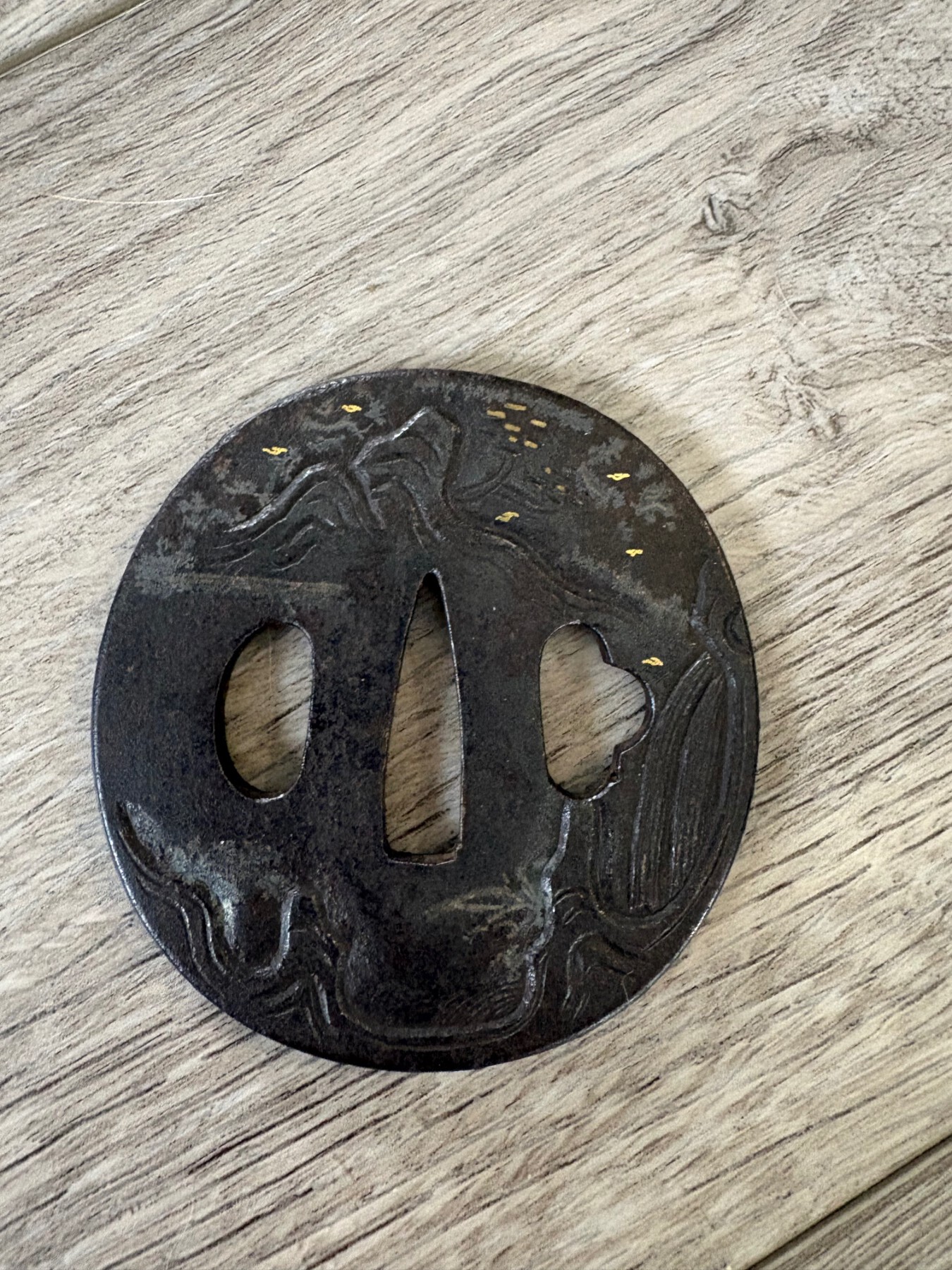
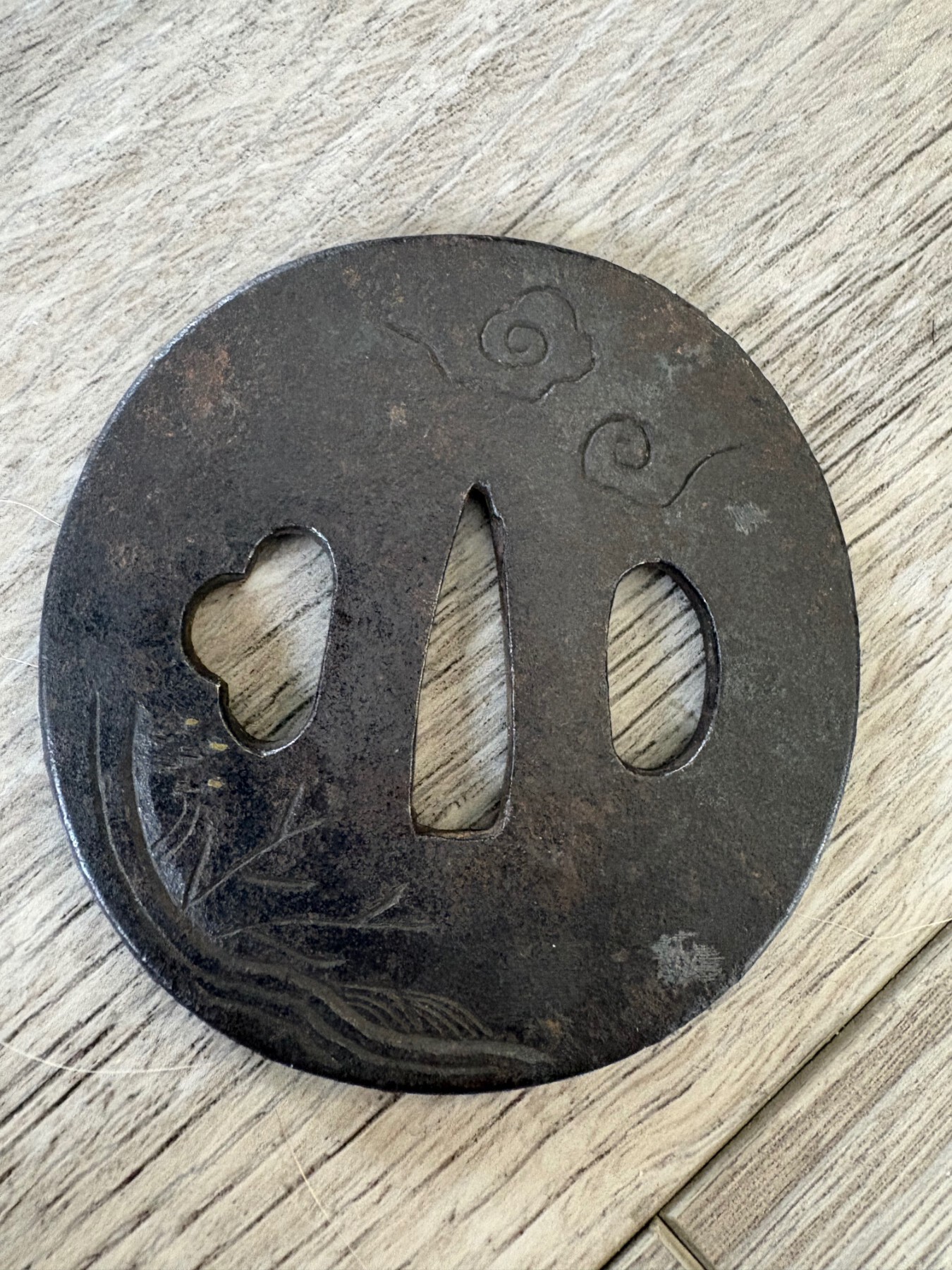
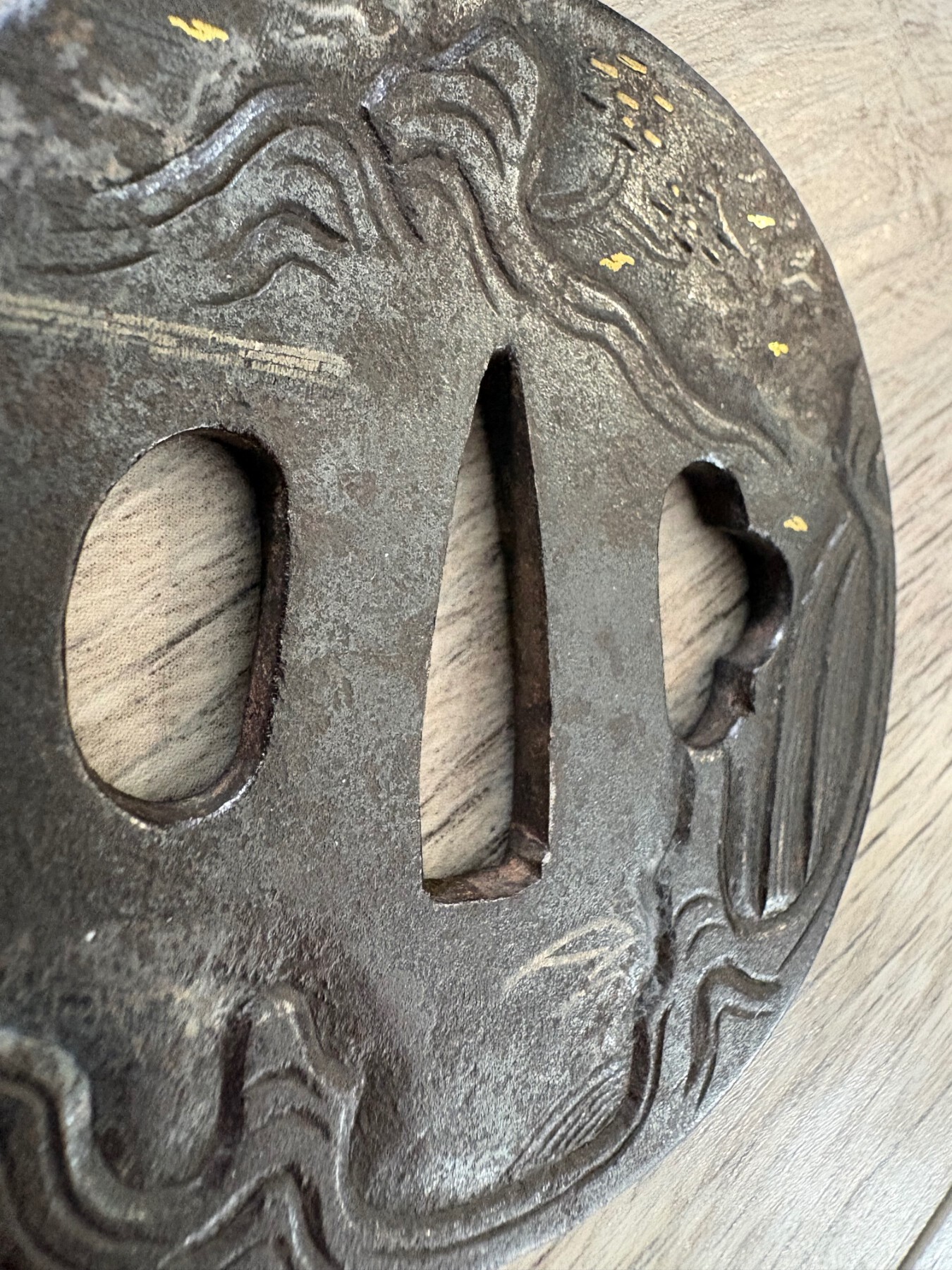
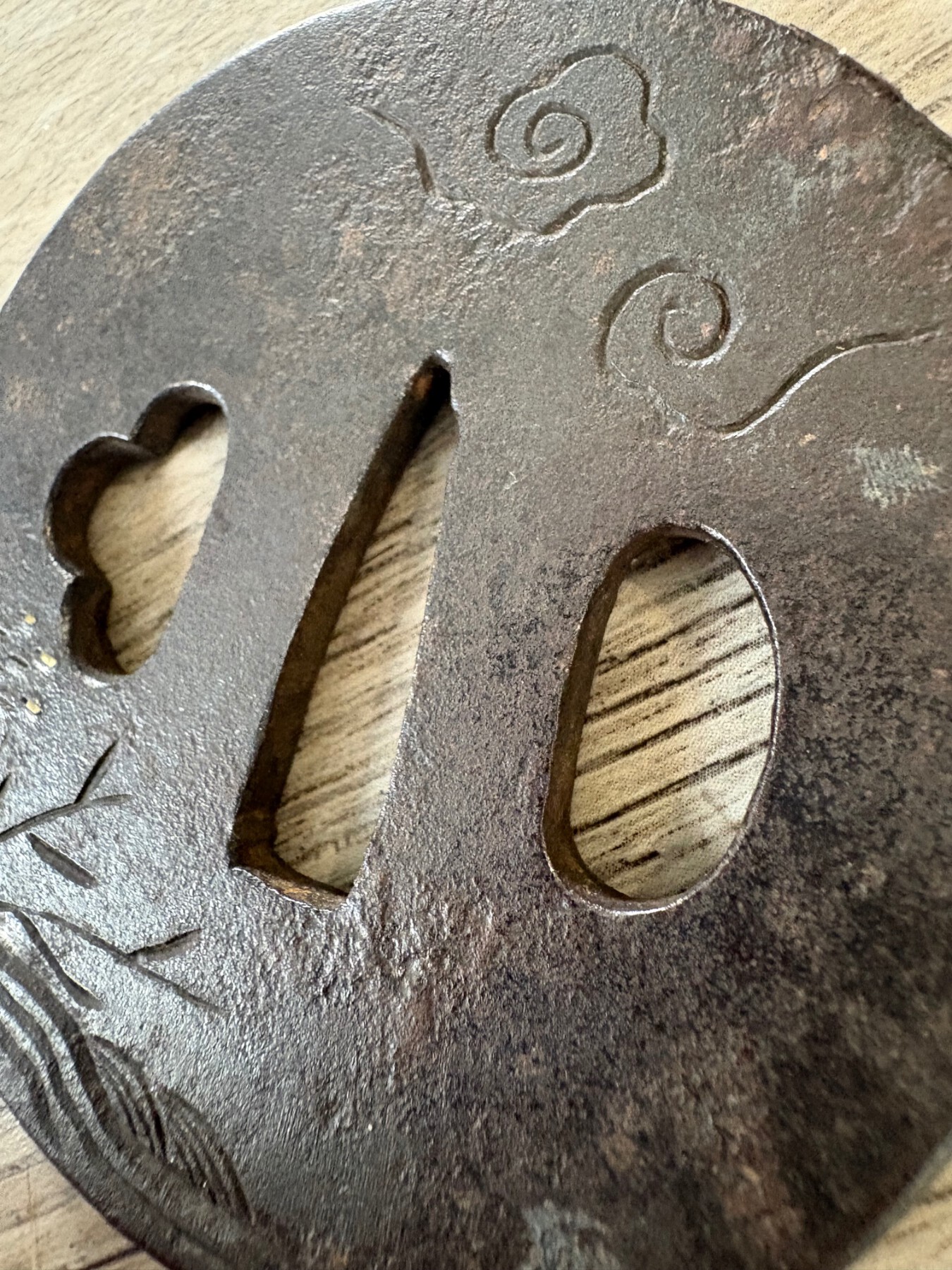
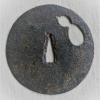
Bought this at a flea market in Japan. Wasn’t expecting much since it’s my first tsuba, just liked the design. Was hoping to learn more about it if anyone has some insight. After doing a bit of my own research - landscape design seems like a pretty common design for tsuba.
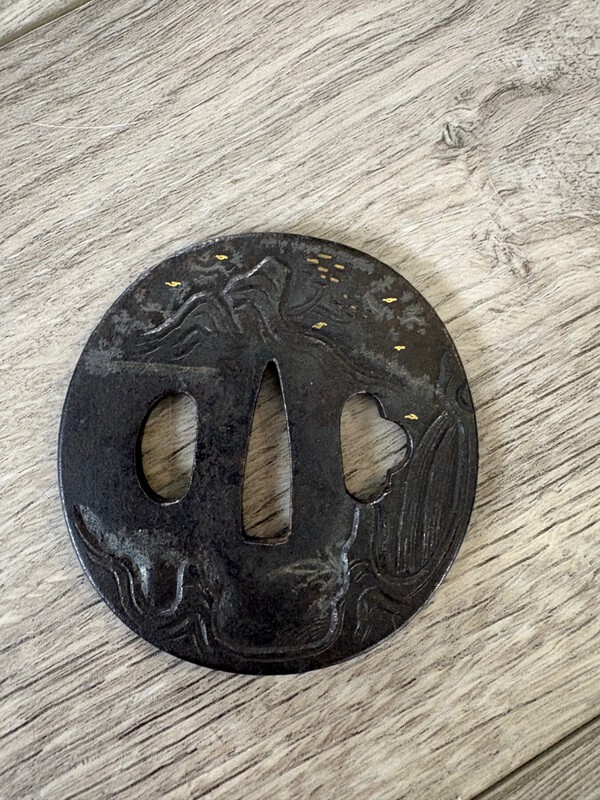
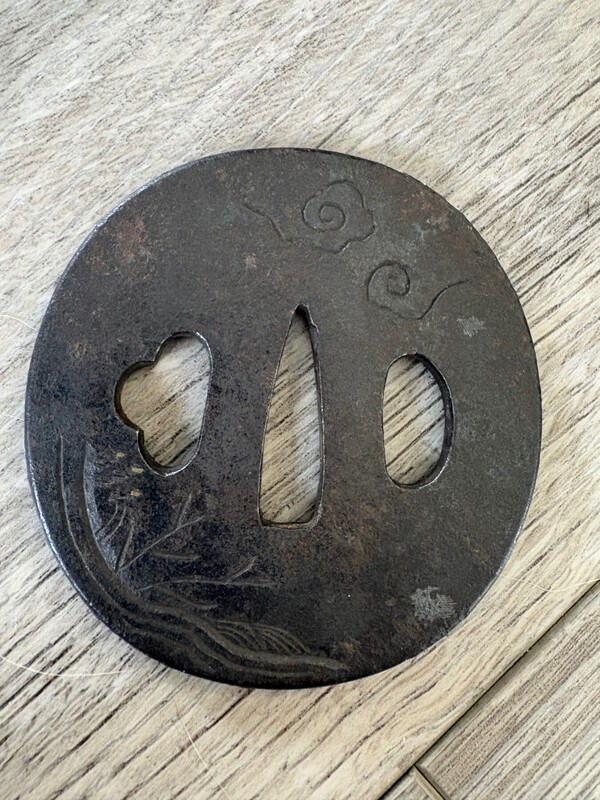
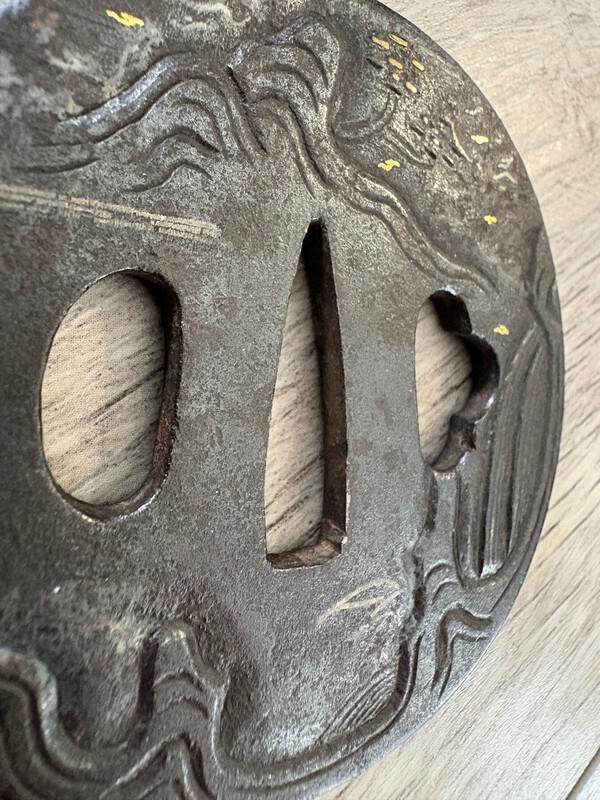
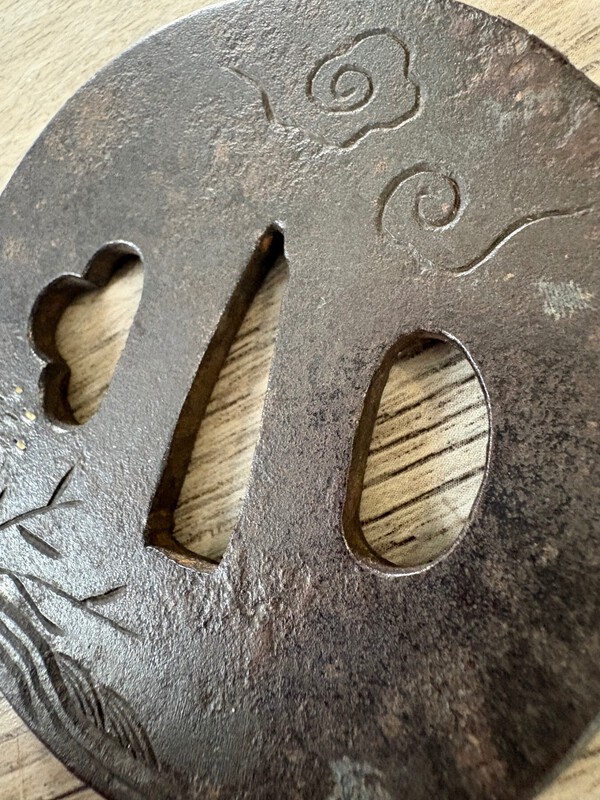
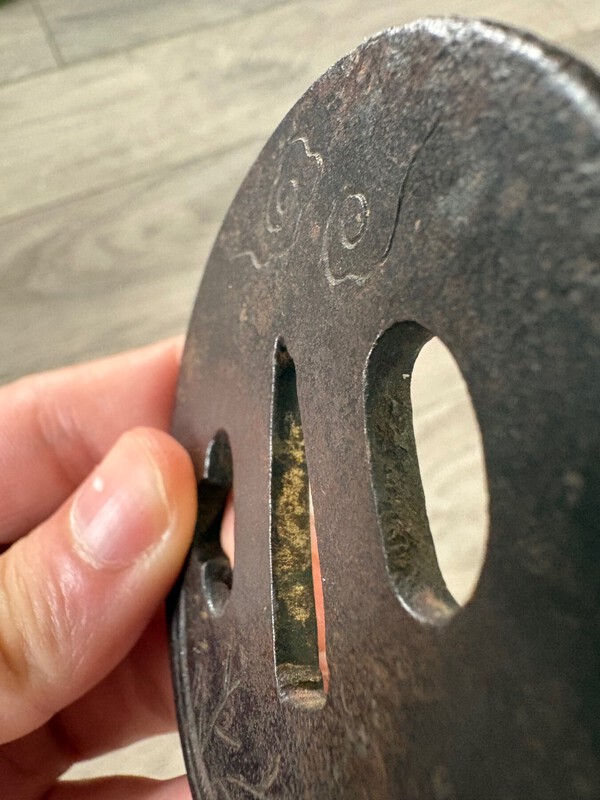 1 point
 -
I’m looking for info on the sword. I’ve been told is a World War II Japanese naval sword of some sort can anyone help me?
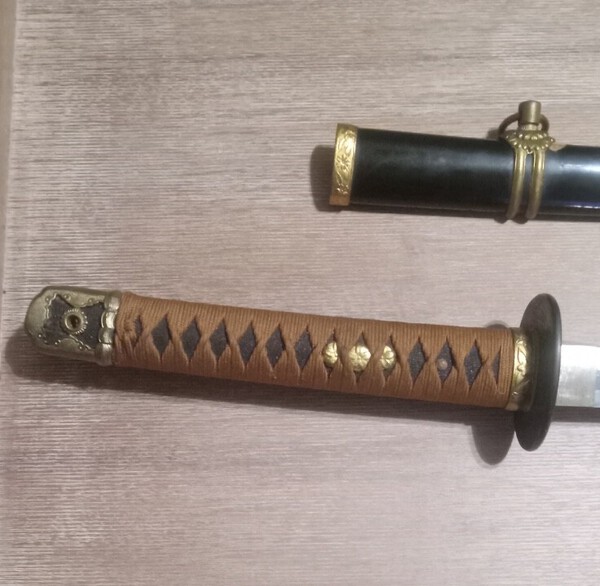


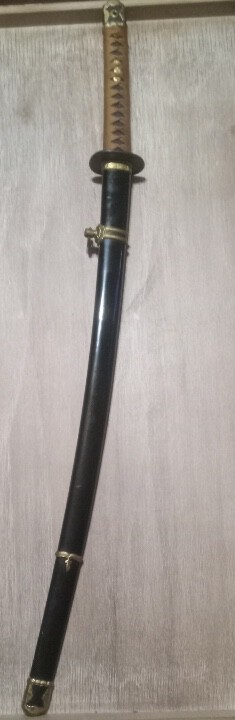
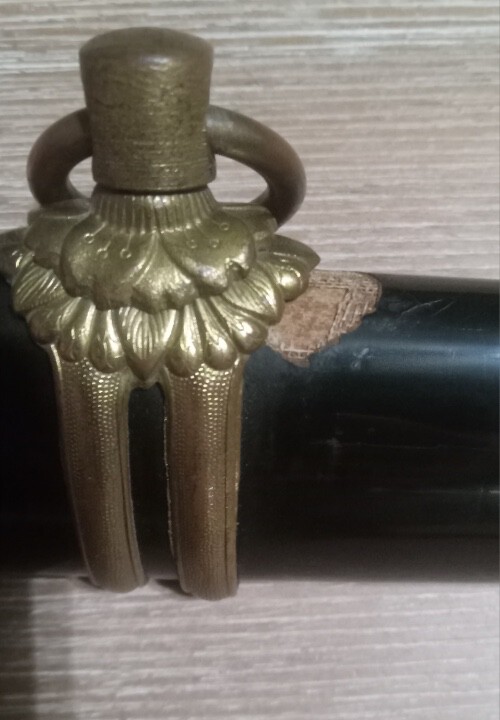
 1 point
 -
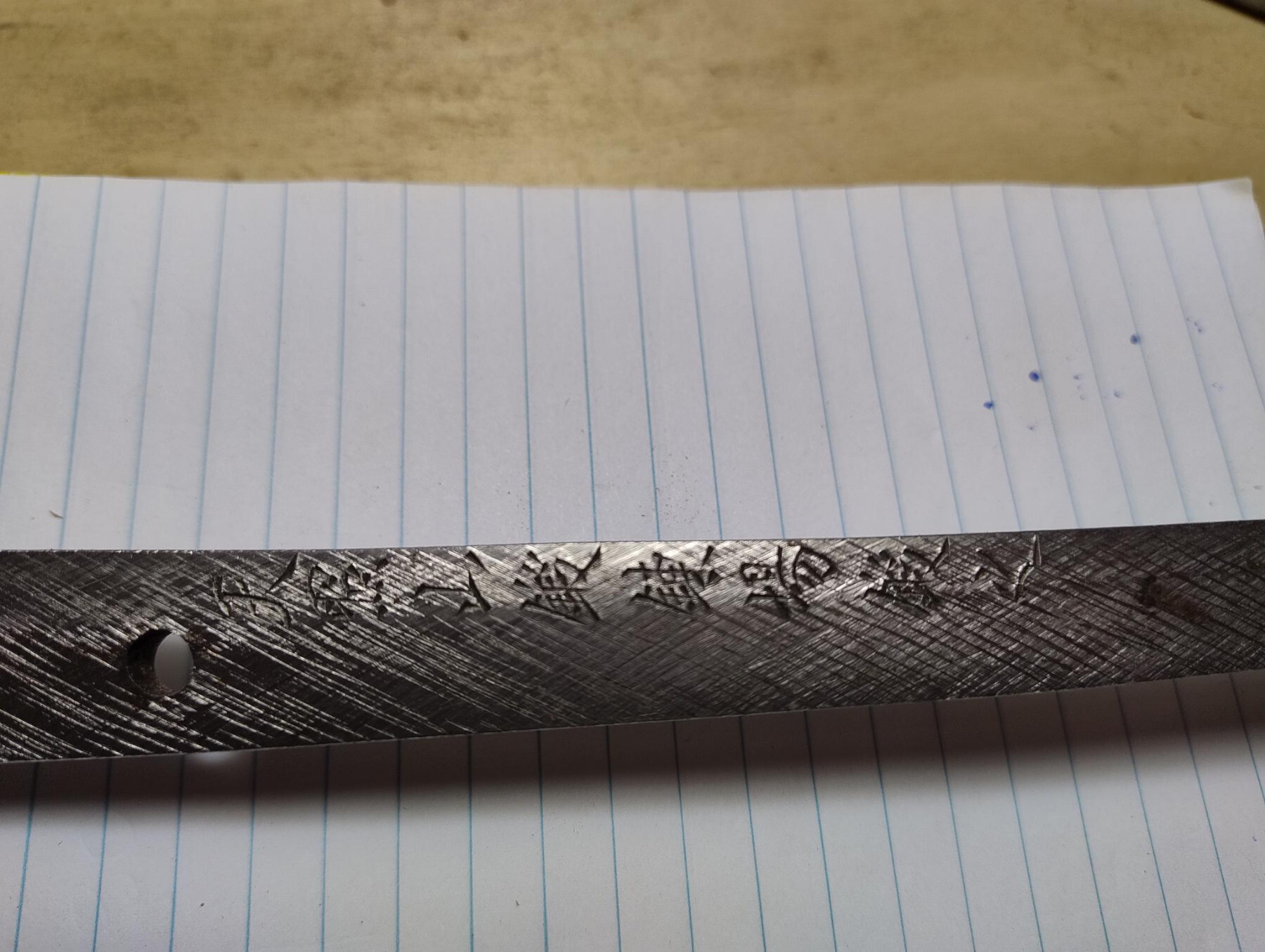
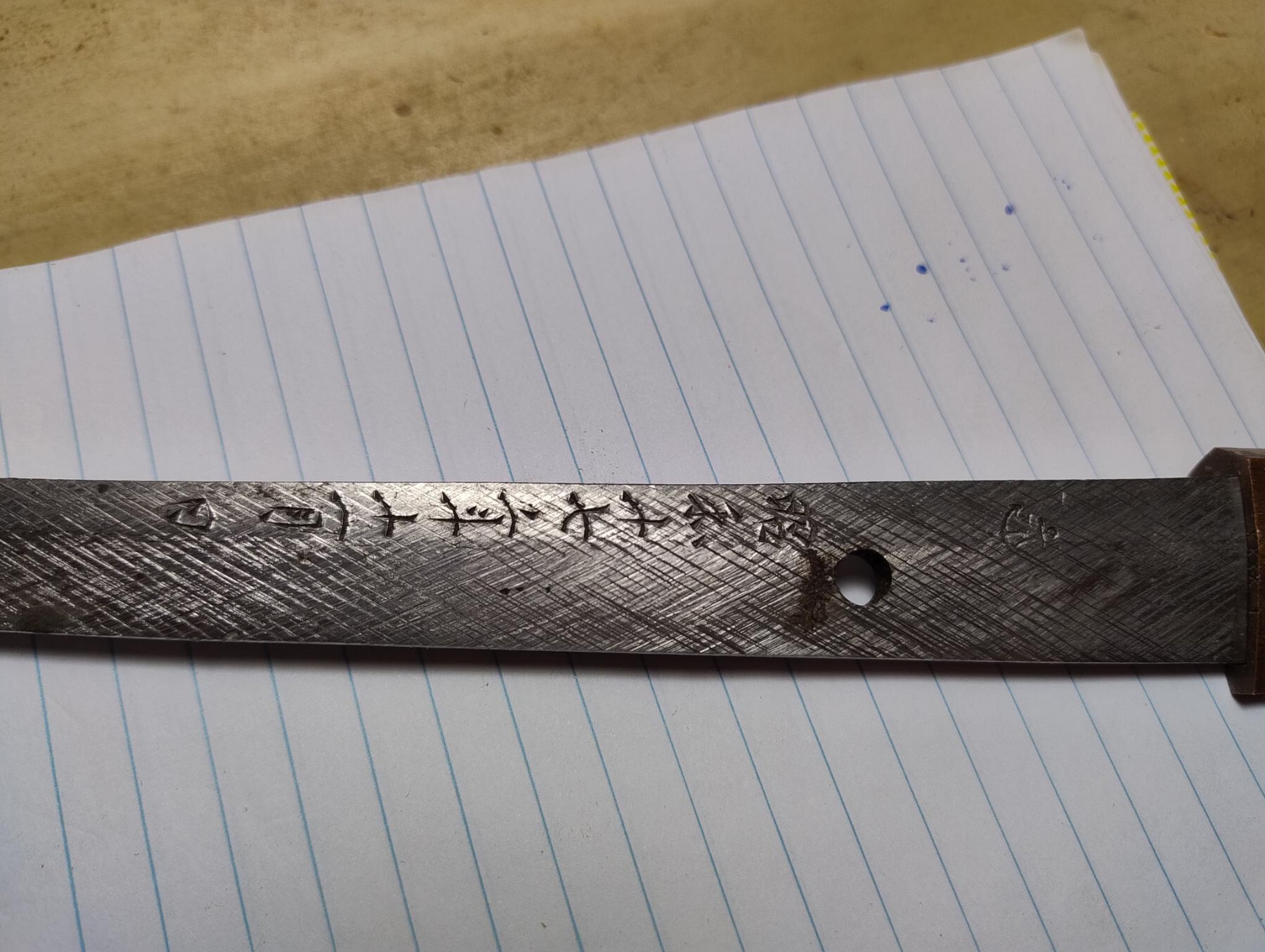
Steve, To give a clue - first two characters = province; next two = place name ( I’m struggling with this) usual character to indicate what is above and then smith name. Also, for an extra clue, check which side of the tang it’s signed on. Edit: the nakago mune has been shaved so it’s a bit tricky to read.1 point
-
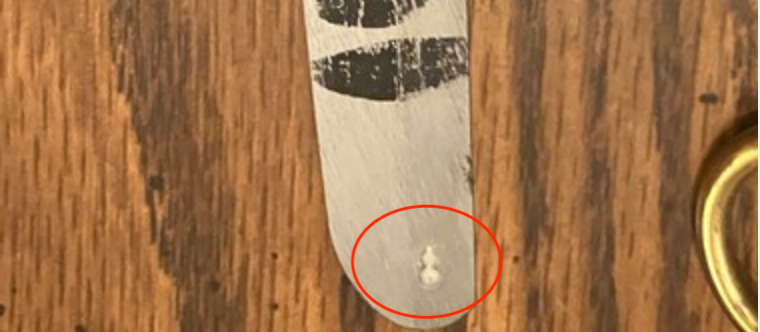
I had to look that one up! 瓢箪 = hyotan The Gourd Canteen See also the story "Tengu no Hyōtan 天狗の瓢箪 The Tengu's Gourd." A little homework assignment for those that just gotta know what I am talking about! Another indicator of an early souvenir blade is that the bottom of the tang is finished versus cutoff. And finally, thank you for the additional pictures Rebecca. We track these souvenir blades by the subassembly number. If you look carefully at the tang, you will see the following two characters have been painted over the older number. As you can see, the parts on your sword match this number. I zoomed in on one of your pictures and also saw 40 stamped on the crossguard. 四〇 = 40.1 point
-
I really like that approach. Not all blades can be fully brought back to perfect condition, but they can still be preserved and appreciated.1 point
-
Yes he and I discussed it and both decided it wasn't worth putting a full polish on it as there's a few even bigger chips close to the hamachi, but we decided on a window as I still wanted to see if I can narrow down the smith. At a later date I think I'll get a polish that preserves the chips to show it some respect however.1 point
-
Steve, on the main page, there is a kanji assistance chart. Have a bit of a go, I am pretty sure you can get at least half of that, it's not a difficult one. Starts with province, last 2 are smith name. It's always worthwhile as you start to learn a few of them without even realizing.1 point
-
My first choice would be our own Swords and Edged Weapons For Sale or Trade section of NMB. You'll save all the ebay fees and taxes. I know I've heard a guy or two talking about wanting one of these. If no luck there, then, personally, I'd try ebay.1 point
-
Good catch, John, thanks! I only had 4 others on file, and they are all on Navy stainless blades - 3 mumei (now 4); one signed by Kiyomichi; all in kaigunto fittings. This supports the idea that this blade was surplus, made for the war but not used until afterwards in the souvenir.1 point
-
Hi Mal, Thank you for the information. I will take so photos of the blades etc on the weekend and post them here. Regards Ken1 point
-
Here you go similar condition 900$. Dunno how to compare blades. Yours have same stamp etc. https://www.liveauctioneers.com/item/208615160_wwii-ijn-Japanese-naval-officer-s-samurai-sword-kai-gunto-swansea-ma1 point
-
PM'ed you1 point
-
Hello I have this Genuine Antique Tsuba that I will be parting with In excellent condition no rust Here's the info: Period: Edo (between 1760 - 1840) Metal: Iron Copper School: Nara (not confirmed) Size: L 7.3cm x W 6.8cm x D 0.04cm Weight: 103 gr Shows a flying sparrow in copper over broken bamboo on a well made iron plate. The bamboo leaves are in Shakudo and gilding in Iroe Takabori. The sparrow or ‘sparrow (suzume) is a symbol of gratitude, diligence and obedience, friendliness, friendship and cheerfulness. In the Kojiki ("Notes of Ancient Events", 712) certain supernatural powers are ascribed to him, and even later he is a popular motif in both poetry and art. Its positive characterization goes back, among other things, to the well-known story of the "sparrow with the cut tongue" (Shita-kiri suzume), of which there are numerous versions; what they have in common is that the person who saves the sparrow and nurses it back to health will be richly rewarded for their kindness, while the spiteful, greed-driven wife or neighbor will eventually get the punishment they deserve. £250 GBP ovno Buyer to pay shipping costs you can also contact me at: dfxstudio@hotmail.com for a quicker response
 1 point
 -
Again, thank you all for your responses. With a bit of luck I can track mr Stewart down, and we can go from there. !1 point
-
If by appraised you mean a written evaluation, I am not sure. But as stated above, you can take the market value to be around $750 or so imho. That is what you would get on a private sale. These still sell as wartime swords, and I think $450 is waaay low. This would likely fetch around the $800 mark on eBay etc.1 point
-
@Bruce Pennington Did you notice the hyotan mark on the nakago jiri? John C.
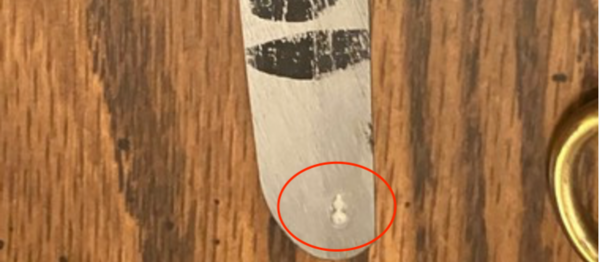 1 point
 -
I’ve never seen one of these sold as cheap as $450 by an honest seller. Like any low-quality Japanese navy swords, these can be found online listed for $700- $1,000. One day maybe casual collectors will recognize these as post-war souvenirs, but for now, I think Rebecca should try to get market value. Con1 point
-
@CNS_44 Chansen in NMB Downloads more info on this smith and swords1 point
-
As another has said in this thread he is Les Stewart and he's a great bloke, I've had the pleasure of meeting him and he has done some work for me recently. If you check my profile I've posted recently about a wakizashi he put a window polish into that was, like yours, stored improperly. I won't give his details as it's not for me to give them out but if you contact the token society of great britain they might be able to help you.1 point
-
The era designations are just tools for kantei, in general swords looked like A in the Koto period and looked like B in the Shinto period. When you do Kantei there is only Koto and Shinto - if you bid on a Shinto smith for a Shinshinto maker they do not say "Wrong period". Of course we like to (need to) break it down further, most of the eras cited are political ones EG Nanbokucho and Muromachi while there are given dates for these periods swordsmiths did not change styles based on a specific date, rather they worked in the style of their teachers and perhaps followed trends seen in the capitals, only changing slowly and if you were out in the country you got the news much later. The time periods are generalizations to help you break down all the tremendous data on makers into digestible bites and think in terms of trends. A smith who was born prior to the Haitorei and who worked primarily in the Shinshinto period is a Shinto smith. Born before the Haitorei but working primarily in the modern era = Gendaito smith. There will always be smiths that overlap these dates, some who are trendsetters and some who only follow the trend later...1 point
-
Hold on a mo. Most people know but they probably haven’t yet seen this thread. I’ll have to go and look it up. It’s me old memory failing me. Don’t have things at the fingertips any more. (Some time later) Got it! Les Stewart.1 point
-
Shinto/shinshinto In the late 18th century, swordsmith Suishinshi Masahide criticized that the present katana blades only emphasized decoration and had a problem with their toughness. He insisted that the bold and strong kotō blade from the Kamakura period to the Nanboku-chō period was the ideal Japanese sword, and started a movement to restore the production method and apply it to katana. Katana made after this is classified as a shinshintō (新々刀), "new revival swords" or literally "new-new swords" So shinshinto period smiths started making swords in koto style. It's never clear period boundary but a longer process. But new things appear like shikomizue or "samurai spirit reborn" gendaito for army straight said had to resemble koto.1 point
-
It's sword era. Ban on swords [1876] not a start of meiji era [1868] is a timestamp. https://www.japaneseswordindex.com/period.htm So you don't look on sugata but date. If someone currently tries to do blade resembling kamakura in shape it's still shinsakuto. Many smiths actually schifted from sword making into making tools. It was tragedy for art/industry. "Swords forged after the Haitōrei Edict are classified as gendaitō. The craft of making swords was kept alive through the efforts of some individuals, notably Miyamoto kanenori (宮本包則, 1830–1926) and Gassan Sadakazu (月山貞一, 1836–1918), who were appointed Imperial Household Artist." Look into Akihide Kurihara and his father history. Also first blast furnace was built in 1857 by Takato Oshima. You don't divide blades itself looking on characteristics in this actual period becouse smiths were making blades the old fashioned way. Unlike muromachi/edo with strict measurements included in emperor's decree.1 point
-
Most of this is beyond my reading skills, but the characters in the leftmost column in the first and fourth images are a name: 山田耕三郎 (Yamada Kōzaburō, probably this guy).1 point
-
To me, this looks as if the BOHI were in the JI rather than in the SHINOGI-JI? If I am seeing this correctly, the BOHI might have been added later in an attempt to conceal a bad KIZU that appeared while polishing.1 point
-
He was not particularly known for bo utsuri, it sort of overall Muromachi trait, somebody copied from some book. Its all hair splitting since they are very similar, but with Oei Morimitsu and alike you don't expect groups of the same height, 4 elements+. You expect large choji-gunome joined with a few others, quite a bit more non-uniform appearance. Strong groupings with flat hight/similar width are associated with Eikyo-Onin-Bunmei pieces. But they very seldom have midare utsuri shooting to shinogi and ashi tend to start closer to the edge, overall hamon can be narrower on average. Sanemitsu did flat height large grouping with very wide and expressive hamon, with some ko nie sprinkled around the hamon's upper portion. Its a good match.1 point
-
Larrin has a PhD in metallurgy and his father is a famous blade and kitchen knife maker in the US called Devin Thomas1 point
-
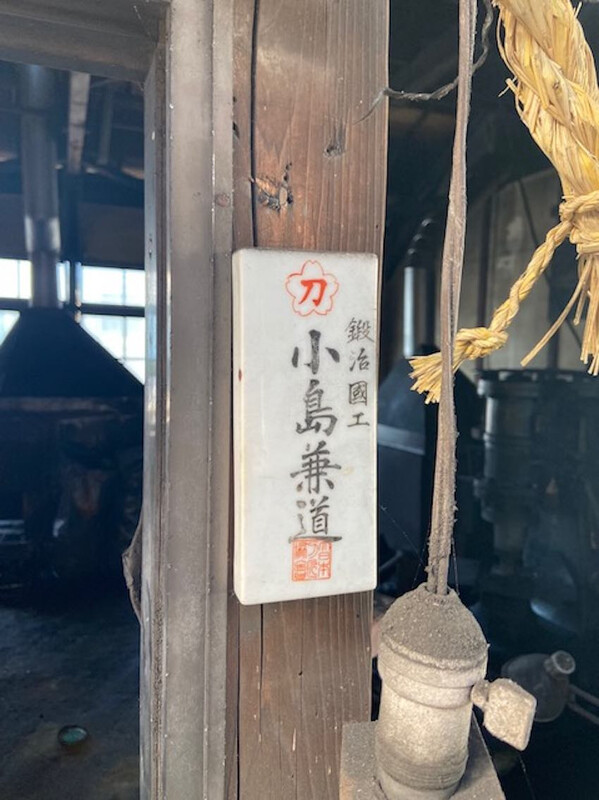
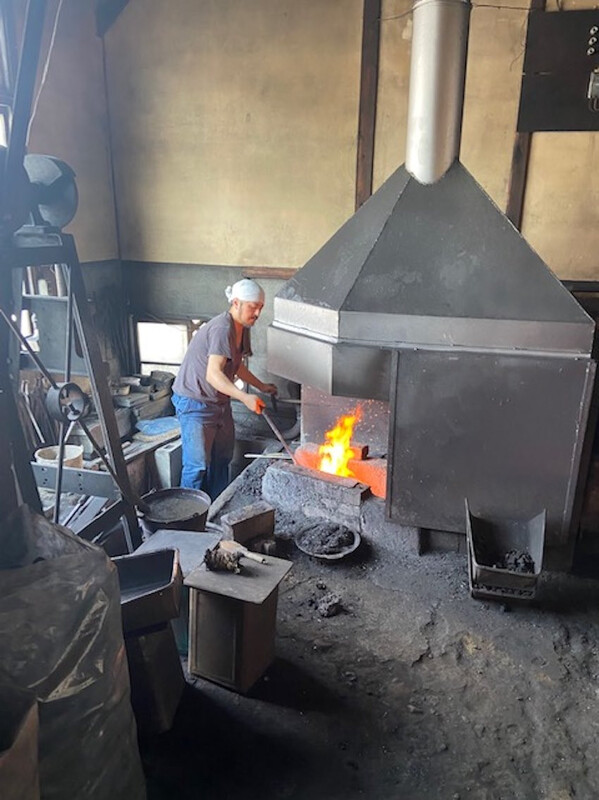
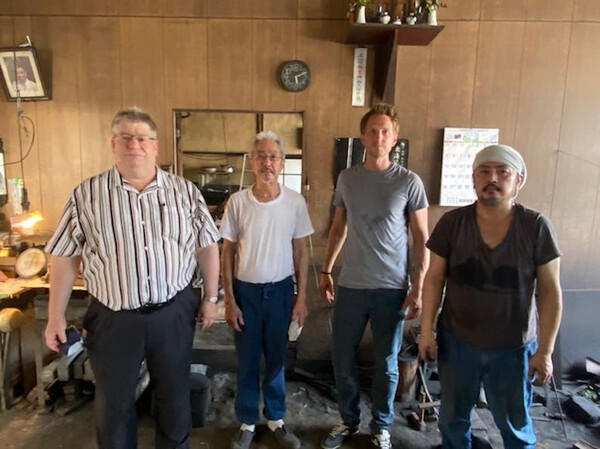
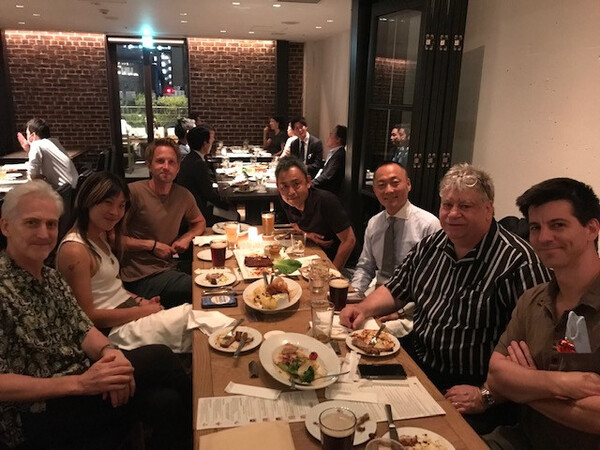
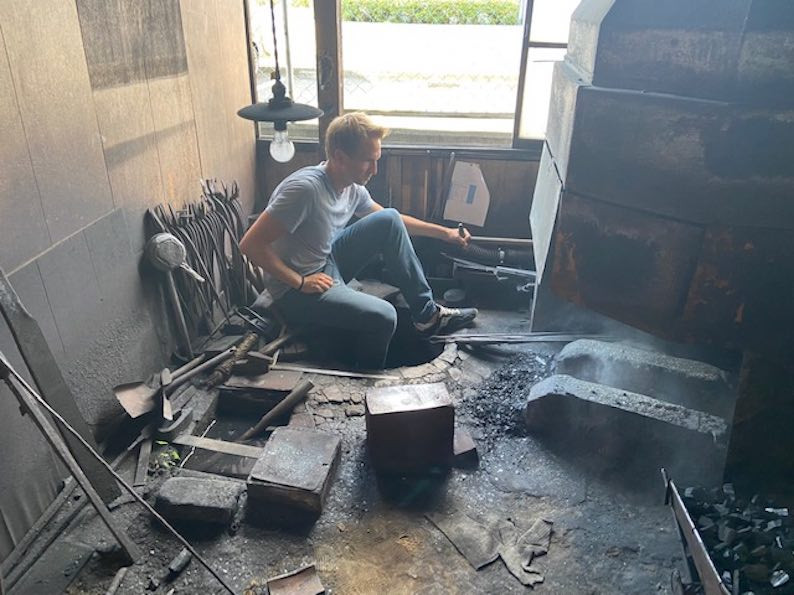
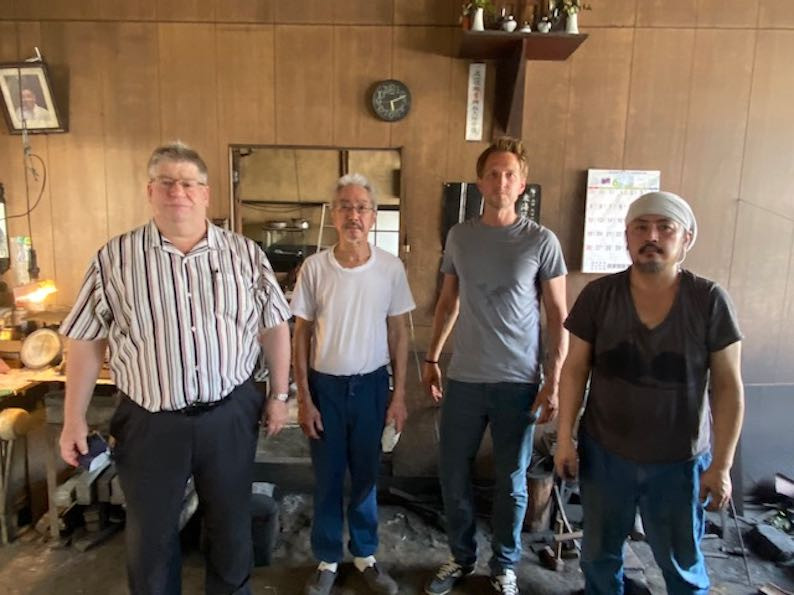
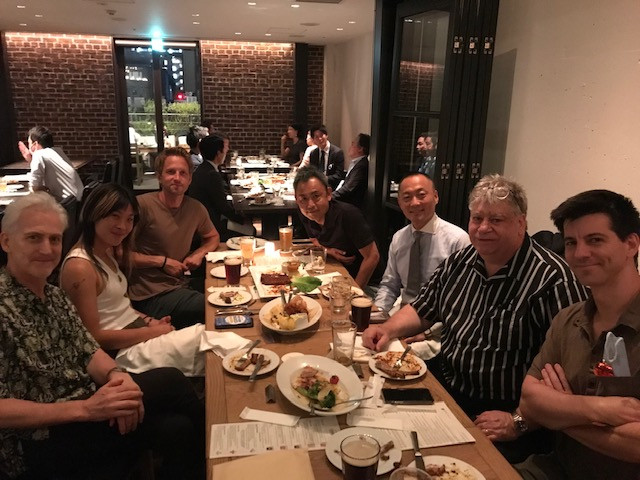
The Return of the Umeki Family Sword https://japannews.yomiuri.co.jp/society/general-news/20220705-42741/ Some of you may have seen the headlines announcing how a Japanese sword returned home several weeks ago to the Umeki family in southern Japan. The news story details Kevin Chroust’s successful account of returning a sword his grandfather had retrieved from a beach in Okinawa where a number of confiscated weapons had been piled up at the end of W.W. II hostilities. Although not mentioned in the news article, I can modestly say I played a small part in assisting Kevin to complete his mission. Kevin reached out to me several months prior to his journey to Japan through an introduction by Mark Jones. I offered advice pertaining to sword licensing and made arrangements for the sword to be licensed prior to Kevin’s arrival through my friend Hisashi Saito at Seikodo. With Kevin on and off during his Japan visitation, many experiences were enjoyed and the beer taps flowed. Memorable adventures included a visit to show the sword to Tanobe Sensei who corroborated my kantei of the sword as sue-koto. There were some Kashu features in the work, but Mr. Tanobe evaluated it as a Seki/Mino production and he suggested a couple of smiths. With this information Kevin and I travelled to Seki and we spent an afternoon in the Seki Sword Museum where much can be learned about this regional center of sword production. While in Seki, we visited the sword forge of the talented father/son Kanemichi smiths. On a blistering hot day, they fired up the forge to give Kevin an appreciation of summer heat… and hot iron: the full combination of earth, wind, water, and fire. As we were in the area we also took in the Masamune exhibit at the Tokugawa Art Museum in Nagoya. These were a few of the highlights that supplied a solid foundation for Kevin to understand the sword, prior to returning it to the Umeki family. By the way, Kevin is a journalist and no stranger to adventure. Read this account of his daring bull sprint in Pamplona, Spain. https://themorningnews.org/article/the-bull-passes-through As you can see in the photograph, Tanobe Sensei, former director of research at the Tokyo sword museum, looks very well and has recovered from his serious traffic accident when he was knocked off his bicycle by a delivery truck. He has evolved from a walker to a cane, and now to pretty much free mobility. I have monitored his progress over several visits since the accident. Many years have passed since my first meeting with Tanobe Sensei in 1986 at the old sword museum, a fifteen minute walk from my apartment at the time in Shinjuku. Prior to Kevin’s return to Denver, the full support cast assembled at TY Harbor Brewery on the Tokyo waterfront for an epic five hour session of sword banter and libations…. In the house was renowned NY/Tokyo photographer Shina Peng. Check out her portfolio here: https://shinapeng.com/portfolio Stay tuned for the full report as Kevin was on assignment for Outside Magazine and his fleshed out story will be coming our way in late November/early December with Shina’s photographs. Oh…. you might have to buy the magazine…. nobody rides for free!
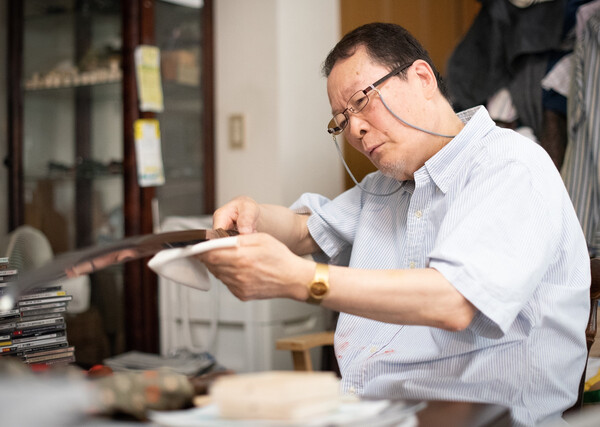

 1 point
 -
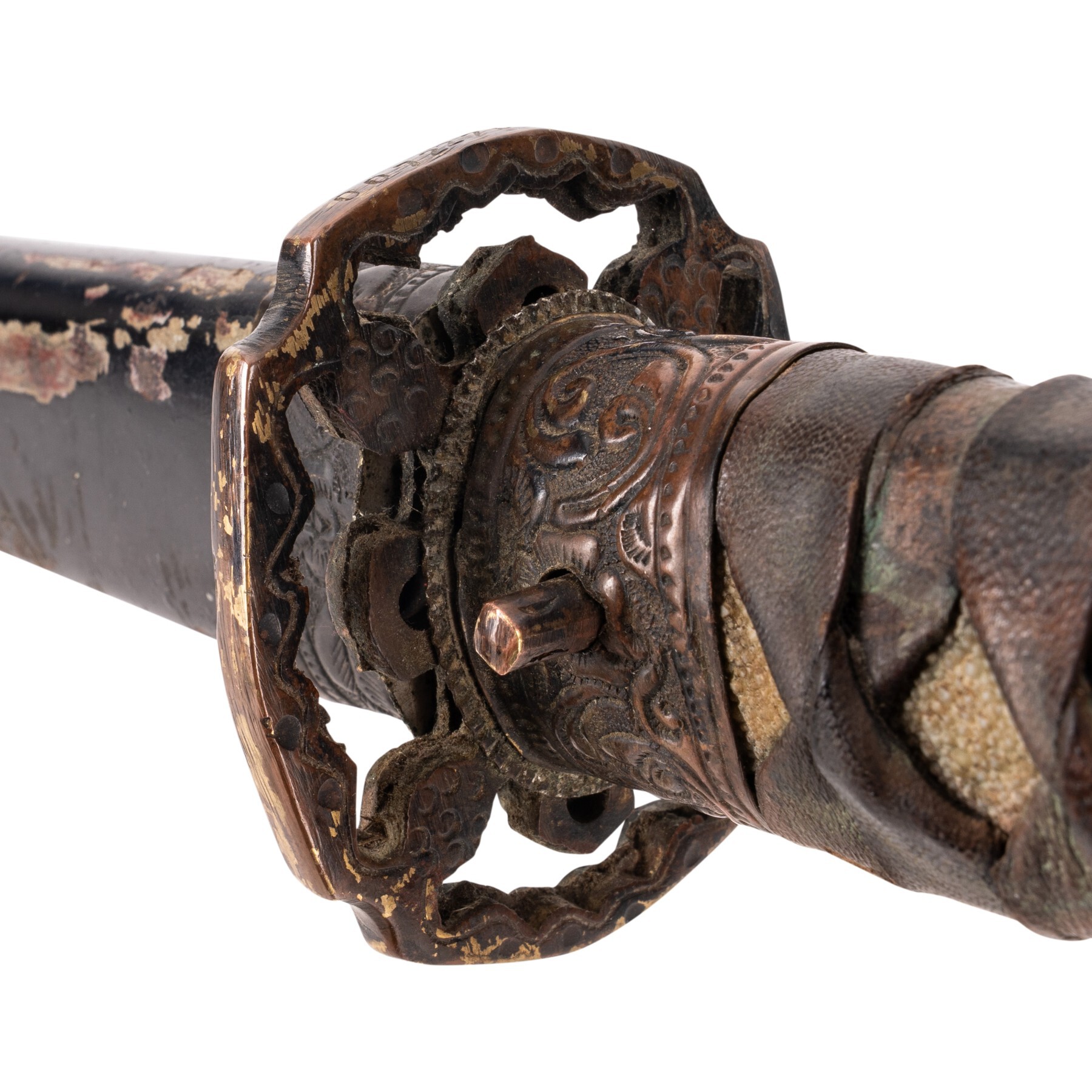
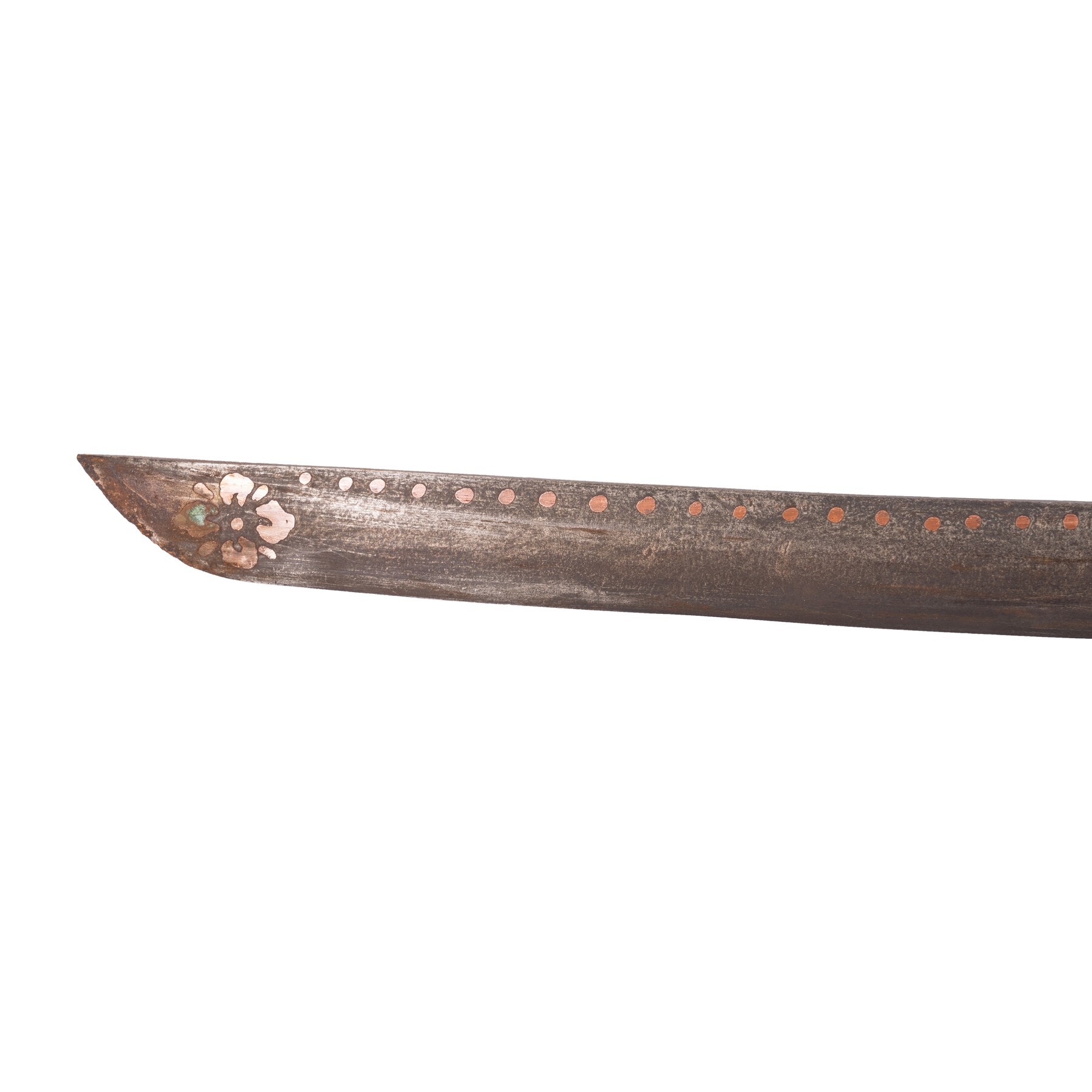
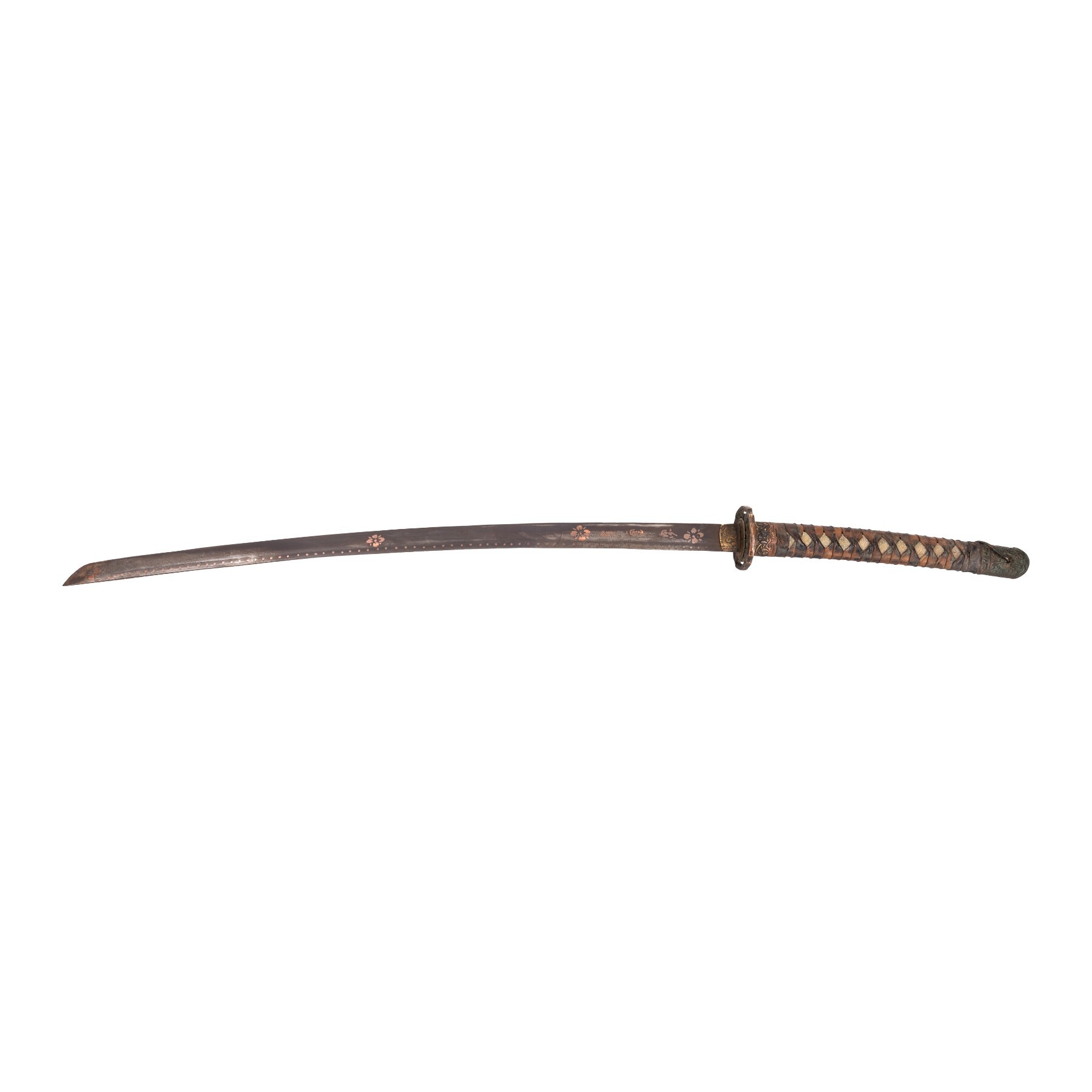
https://www.the-saleroom.com/en-gb/auction-catalogues/chiswick-auctions/catalogue-id-srchis11138/lot-67a636a9-1900-486b-b7bb-b36400ea14f3?queryId=7e6d42815a4c84d3ebe8d072a302c6090 points
-
It could have been worse [back of the sheep]0 points
-
Indeed0 points
-
Comments would be helpful to vendors.0 points
-
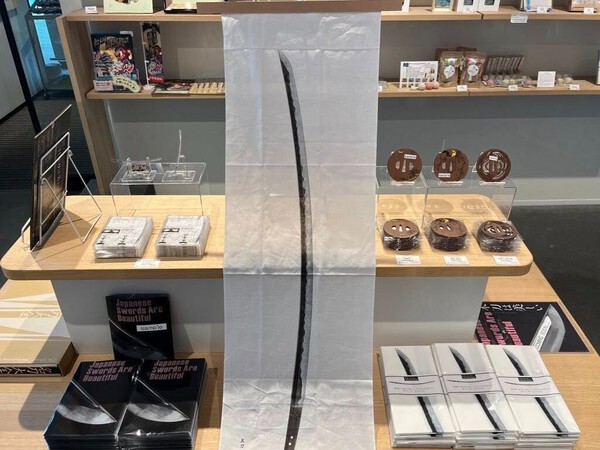
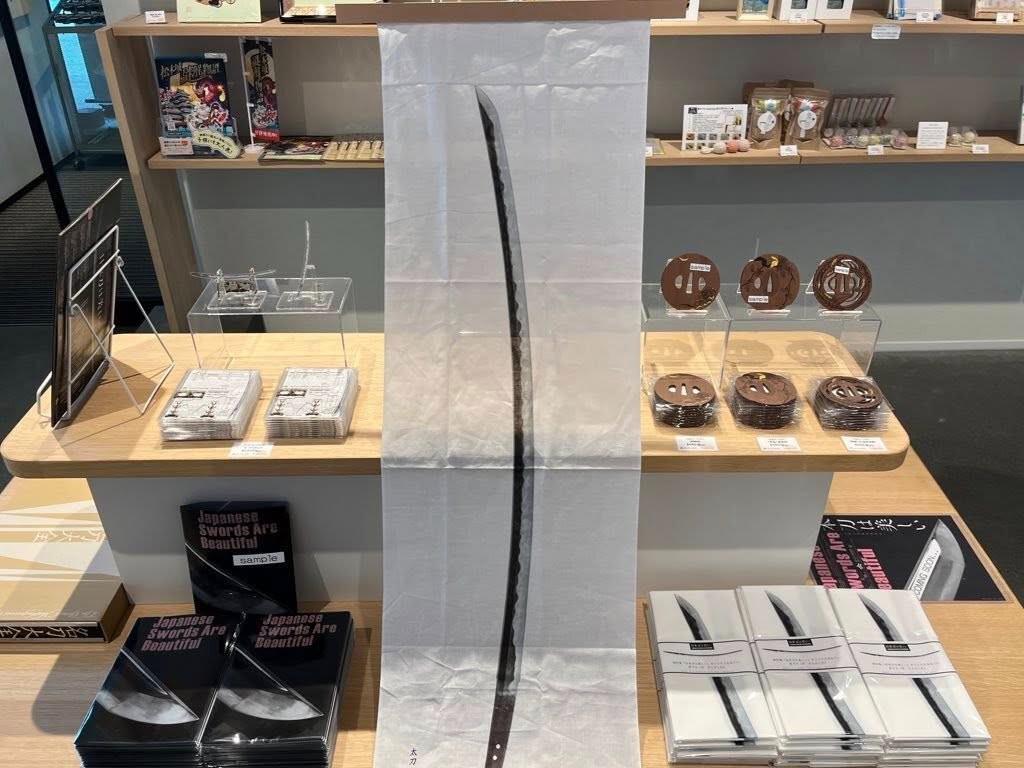
Looks like a particularly nice one... They have some sexy plastic sword stands for sale for the exhibit as well...
 0 points


















This leaderboard is set to Johannesburg/GMT+02:00