
Leaderboard


Popular Content
Showing content with the highest reputation on 12/08/2024 in all areas
-
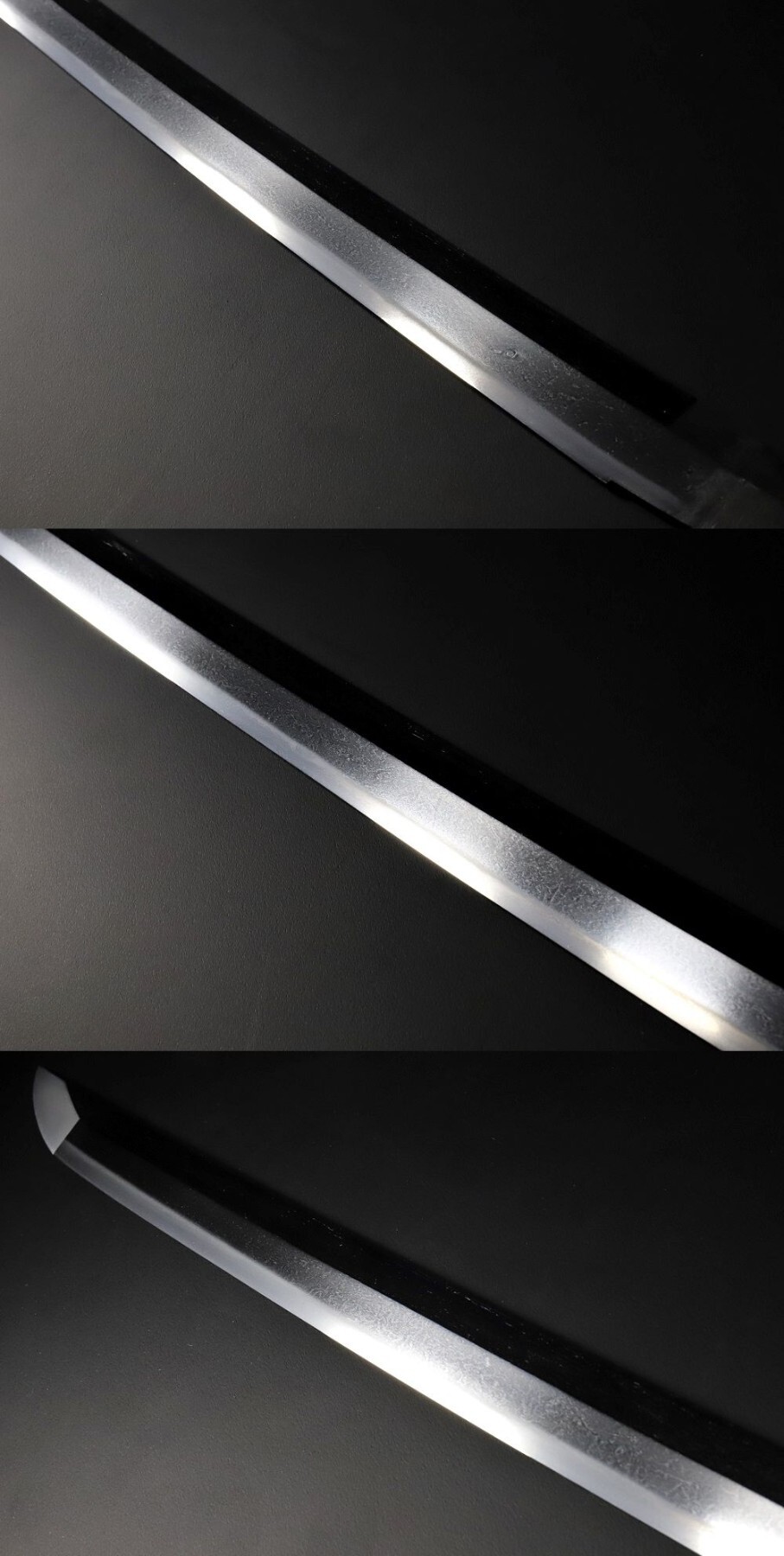
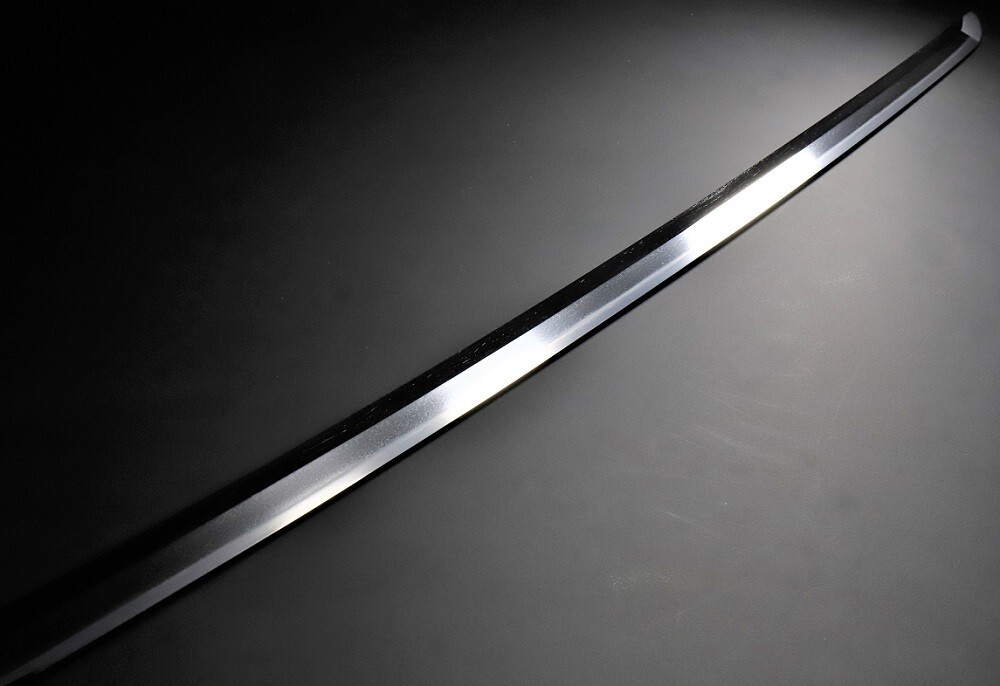
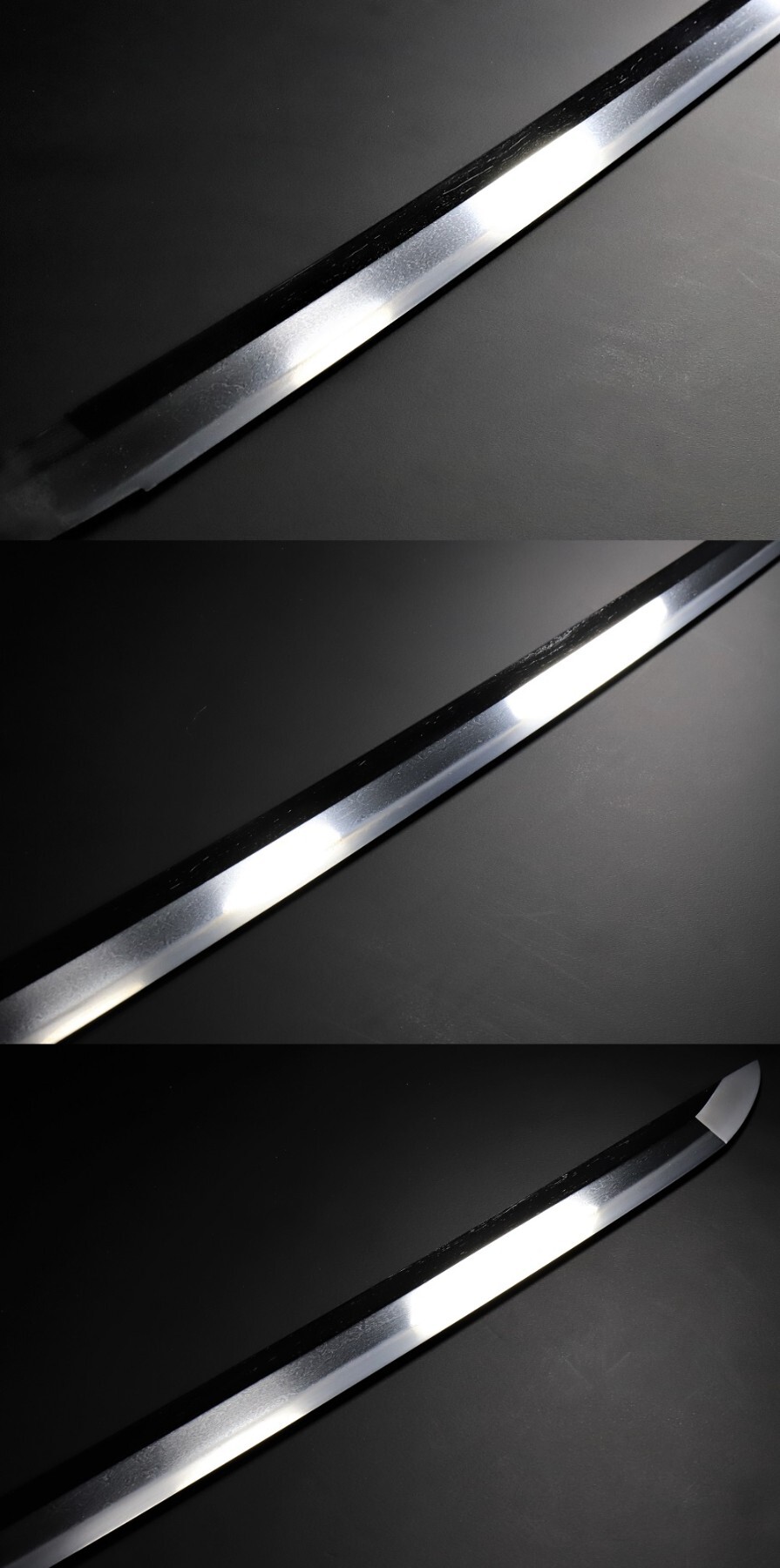
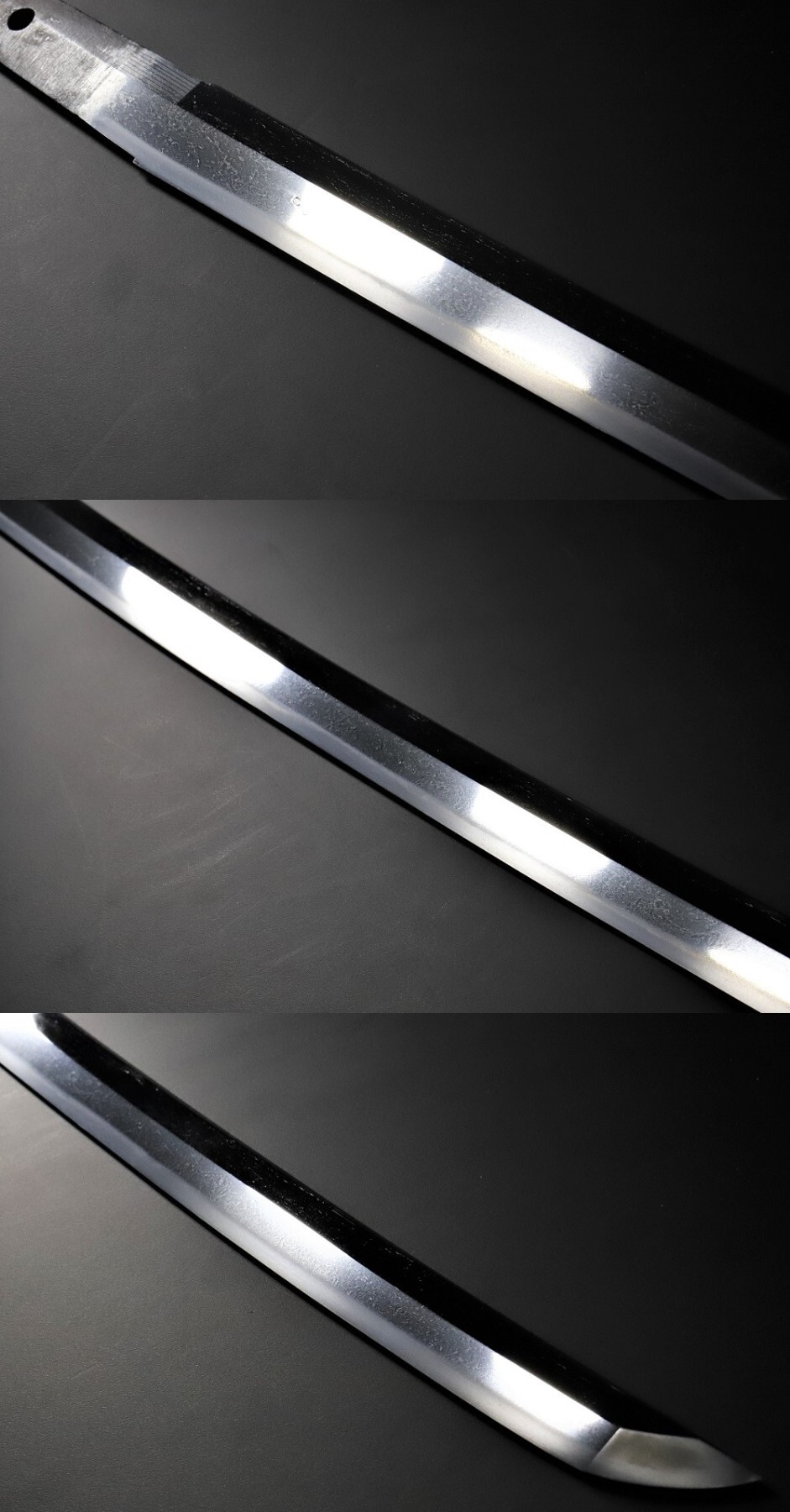
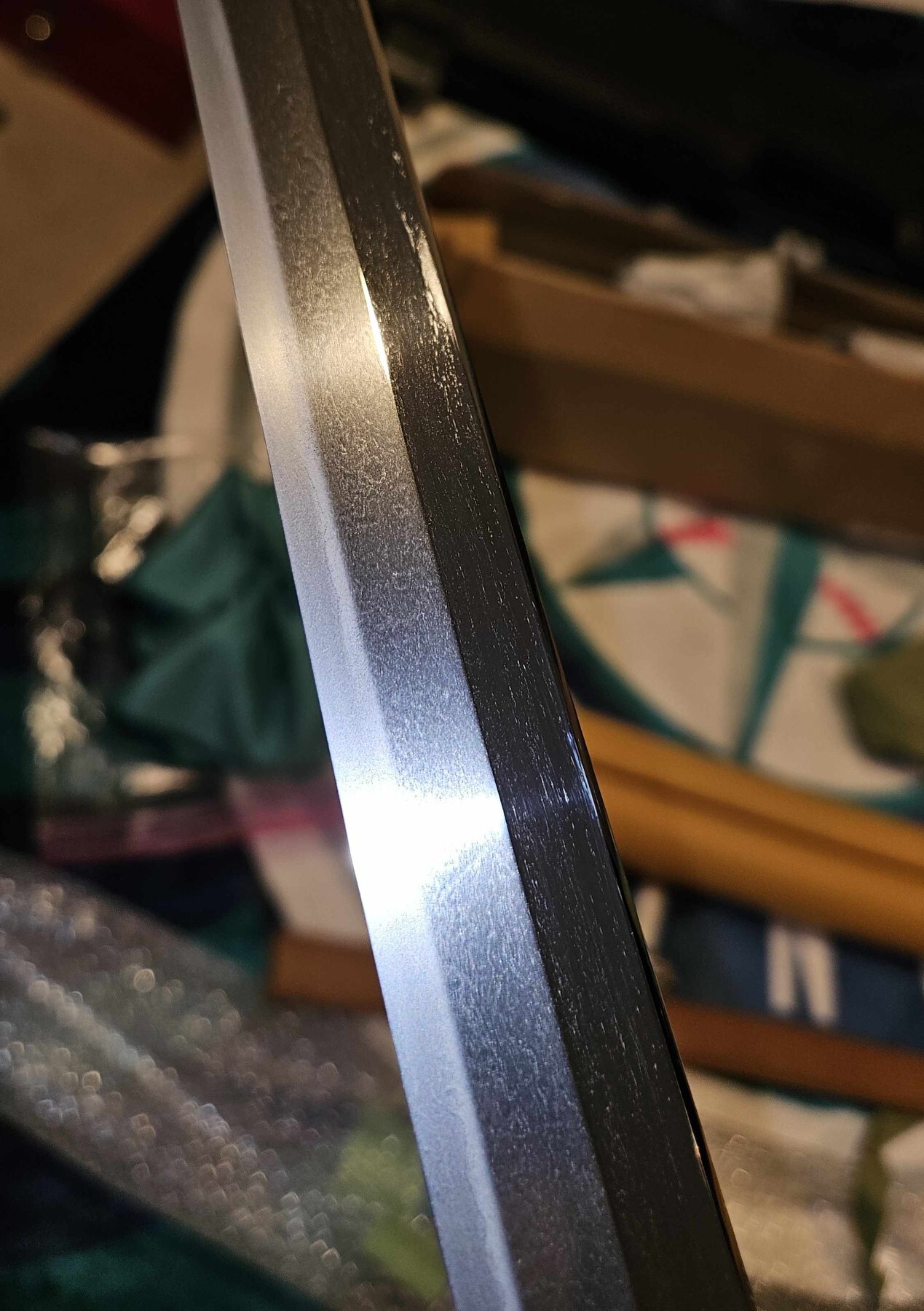
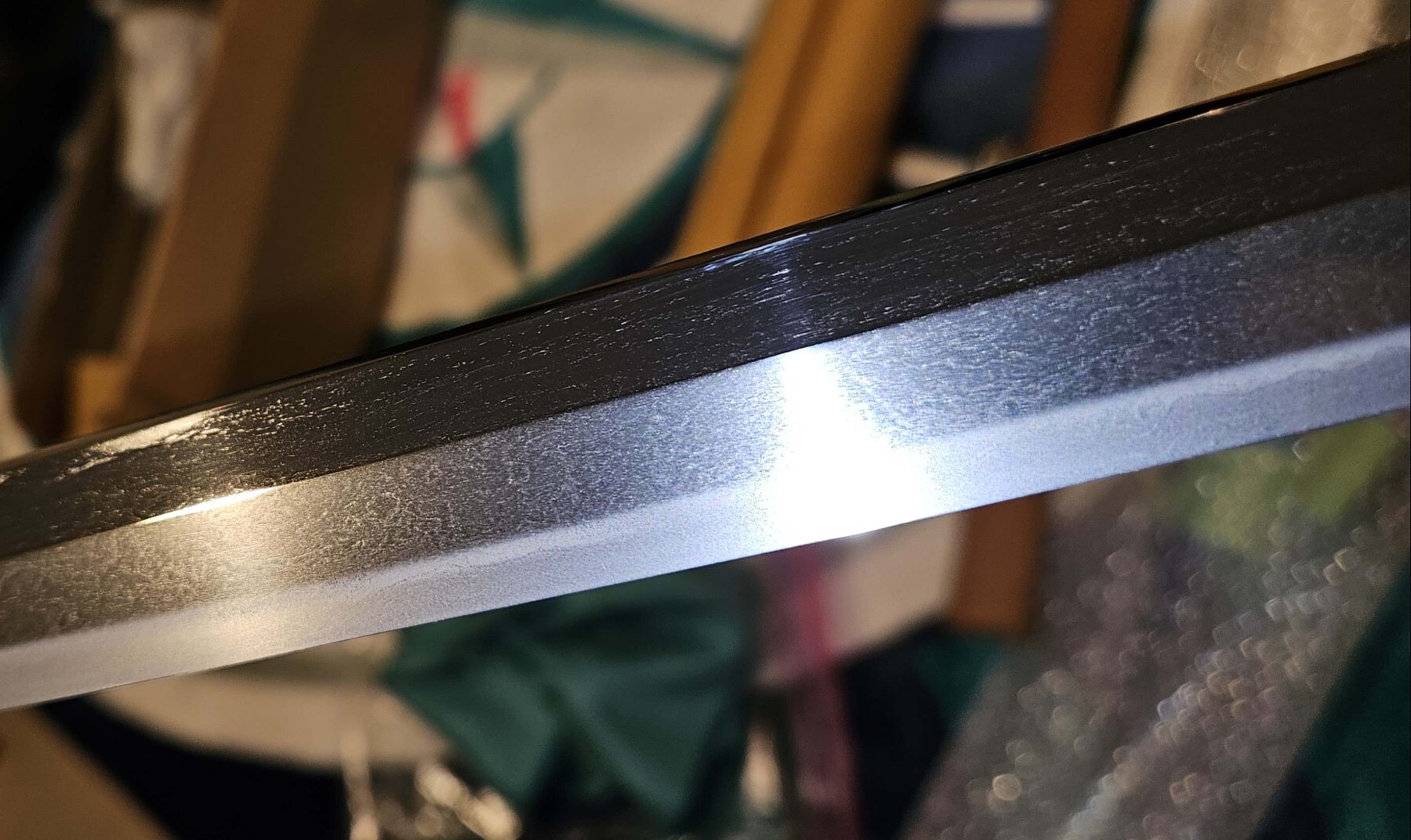
I don’t see anyone giving false hope or helpful words but neither did I see anyone giving helpful constructive comments or advice until Jacques felt obliged to explain himself. Better to try and explain what a “tired” blade is and why this looks like a very tired blade which to his credit Jacques has tried to do in his second effort although again he cannot resist attempting to assert his superiority (which is pretty pathetic and unhelpful against a beginner who is here asking for help) So yes, the blade has large areas of forging flaws and core steel showing. Yes the polish is not good with a heavy Hadori finish probably applied to hide or enhance a hamon that has been degraded by many polishes. So is a blade like this a useful learning piece?…..of course it is. Ivo now sees first hand with his own eyes some of the assorted issues that occur to greater or lesser extents on many blades. His eye will be greatly improved. …..and the best lesson and one that we all remember is the one we learned the hard way. We all started somewhere.10 points
-
和州包永末 河内守包定 = Descendant of Washū Kanenaga, Kawachi no Kami Kanesada 延寳三年八月日 = on a day in the eighth month of Enpō 3 (1675 CE)8 points
-
I,m an entry level collector, have 1 Nihonto Waki and 3 Gunto's. I know this isn't a $1000 blade, just want to know the age and some blade teminology. Thats all, my grandma is also dead but I still love her...Thought this was a forum for all Japanese sword collectors, not only for connoisseurs. Thanks...6 points
-
So very much like the Rai hada you find so appealing? 🤣 Jacques, it really wouldn’t hurt you to offer something constructive. Many other board members take their study seriously but manage to do so without your attitude. If you can’t say anything good, say nothing.5 points
-
I looked. I saw the issues……but I thought we were trying to encourage constructive learning especially for those less experienced? Please point out the FATAL FLAW. …..and don’t bother trying to tell me what to do.5 points
-
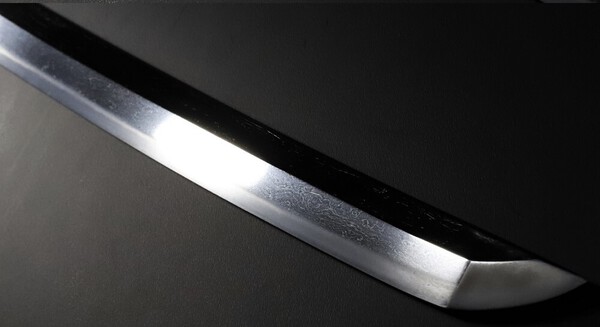
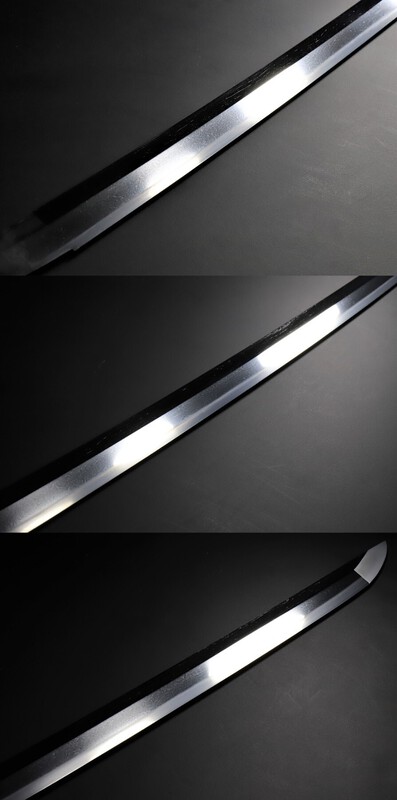
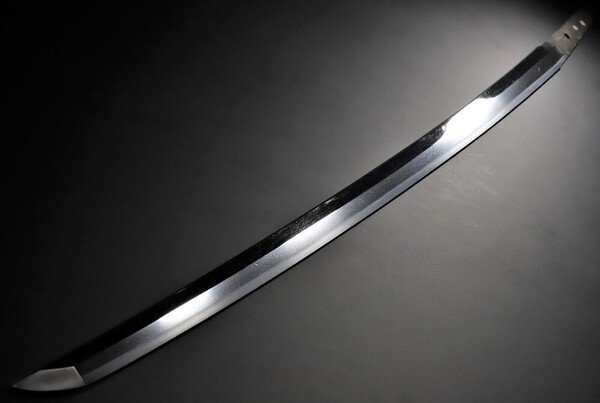
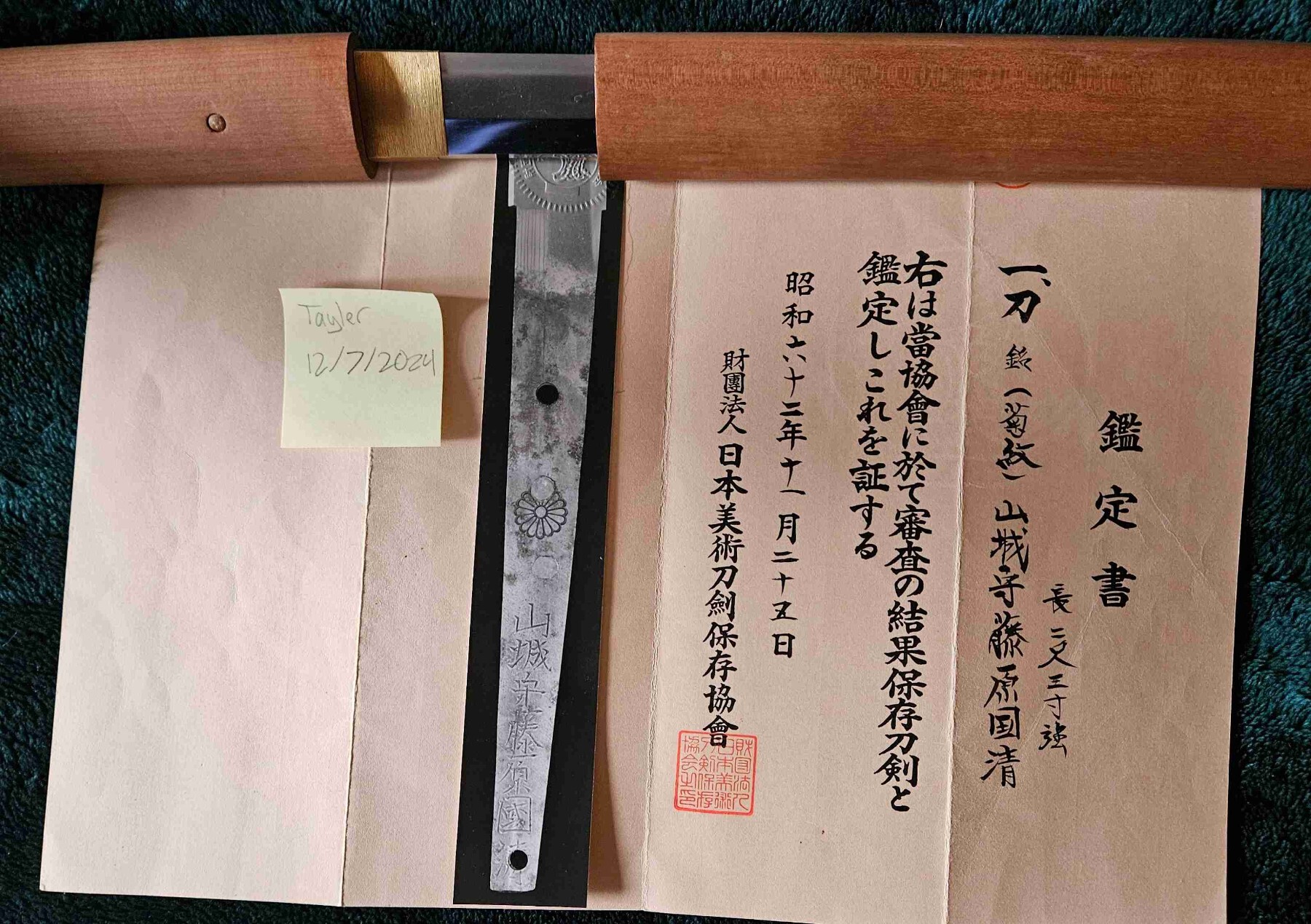
Mei: (Kikumon) Yamashiro no Kami Fujiwara Kunikiyo Shape: Shinogizukuri Iorimune Region: Echizen Province Era/Age: Early Edo Length: 70 cm; 27.6 in. Sori: 1.0 cm; 0.4 in. Motohaba: 3.1 cm; 1.2 in. Sakihaba: 2.1 cm; 0.8 in. Munekasane: 0.6 cm; 0.2 in. Certification: NBTHK Hozon Token Jihada: Komokume, resembling Chirimen with Chikei and Jinie Hamon: Notare and Suguha with Hotsure and Kuichigai Boshi: Sugu Komaru with Hakikake turn Nakago: Suriage, Sujikai file pattern Habaki: Gold foil Kunikiyo was active from the Echizen Province and belonged to the Horikawa tradition. According to the features of the Mei, this katana was forged by the 2nd generation in 1668 or 1669. The 1st generation Kunihiro was a disciple of Horikawa Kunihiro. His lineage continued to the 5th generation in the mid Edo period. This lineage signed katana with a tachi-mei. The kitae with Komokume, resembling Chirimen with Chikei and Jinie is quite impressive. Credit to Mark Sesko: KUNIKIYO (国清), 2 nd gen., Kanbun (寛文, 1661-1673), Echizen – “Yamashiro no Kami Fujiwara Kunikiyo” (山城守藤原国清), “[chrysanthemum] Ichi Yamashiro no Kami Fujiwara Kunikiyo” (一山城守藤原国清), real name Shimada Shinbei (島田新兵衛), he adopted later the first name Kichizaemon (吉左衛門), he signed in early years with Kunimune (国宗) and carved also a chrysanthemum on his tangs, his oldest son Ichizaemon Kunikiyo (市左衛門国清) died in the first year of Meireki (明暦, 1655) young, the 2nd gen. Kunikiyo died in the eleventh month Genroku eleven (元禄, 1698), mostly a suguha which looks quite like at a Hizen-tō at a glance, but the hada stands somewhat more out and the blades do not have the Hizen-typical clearness and brightness, from the 2nd gen. onwards the character “Ichi” was added after the chrysanthemum but the 2nd gen. also signed sometimes without “Ichi,” jō-saku SOLD + Shipping, Paypal




.thumb.jpg.13f4423daa392e65ee1eea90a4067332.jpg)


 4 points
 -
Hi @marivo, welcome to the forum. I saw your posts over on Reddit about this item. My guess would also be late muromachi, maybe. Just my novice collector guess though. Don’t be discouraged. This forum has members with the highest of standards. Which is actually a good thing, but it can be disheartening to hear their observations on our beginner and lower end items. We all strive to be connoisseurs, learn, and have the best swords we can manage. For what it’s worth, the age of a sword is generally decided based on its general shape (sugata). So an image of the whole sword profile without any of its fittings helps people roughly date the item. It looks like your sword might have been shortened (suriage) at some point in its life, making the age of it difficult to surmise. One thing you can learn a lot from your swords is how to properly measure, store, and care for them. Also general handling and sword etiquette. Avoid using Uchiko powder for now. https://www.Japanese...ndex.com/measure.htm https://www.militaria.co.za/nmb/faq/question/3-how-to-oil-and-maintain-nihonto/ https://swordsofjapa...ary/nbthk-etiquette/ Always happy to have a constructive conversation about any sword in any condition. Best of luck, -Sam4 points
-
I'm not sure if I understand your question with regards to treating a katana as a tachi. If you're talking about for example a 70cm o-suriage mumei Kamakura blade, it is a katana (in the eyes of the NBTHK). It was once a tachi and is now a katana, unless it has been placed into tachi koshirae and is being used as a tachi again. Sometimes blades are papered at juyo and above alongside their koshirae, and I believe there are edge cases where the NBTHK wouid call such a blade a tachi when paired at shinsa with its koshirae. However separate from the organization, dealers like to call osuriage mumei koto daito tachi because it helps with marketing their swords (improves sellability, by making the piece sound more desirable). In my opinion you should look at what is written on the papers and use that for the description.4 points
-
1, 鉄地丸形真鍮象嵌土手耳小柄櫃穴 2. 丸に三引両紋草花図鐔 3. 無銘 応仁 4. 室町時代ノ応仁年間(一四六七~一四六八)頃ニ製 5. 作サレタト伝ワル薄手土手耳ノザングリシタ 6. 地鉄ニ点象嵌縄目切込ノ真鍮象嵌ニ 7. ヨル簡素ナ文様就中櫃穴ヤ切羽台ヲ真 8. 鍮象嵌デ囲ム技法ハ応仁鐔ノ特色也 9. 平成十九年十二月誌[kao?] 10. 付 コノ鐔ノ小柄櫃穴ハ最初ハ無ク後世ニ開ケラレタモ 11. ノデアル表裏ノ穴マワリノ真鍮象嵌文様ガ切断サレ 12. テイルコトニ依リ明白也 13. 保存刀装具鑑定書付(平成九年六月二十日)4 points
-
Hi Deen, Welcome to NMB. Unfortunately I think the blade is a Chinese copy - the signature on the tang is some randomly chosen characters, not well inscribed. I’m presuming that the fittings are also fake, but my interest isn’t in military swords and you might get some better news from the guys who know about that. It’s a long shot but someone might have used a cheap blade as a mount for the fittings.4 points
-
Another amazingly unhelpful contribution from someone who lectures us ad nauseam about not judging blades from images.4 points
-
If it was an authentic but knackered Van Gogh, David Hockney, Monet, da Vinci, Kooning etc in a shop for €500 ……you’d leave it? You wouldn’t buy a tired but authentic Masamune….Kiyomaro etc in similar circumstances?…...unrecognised sleeping in an antique shop?3 points
-
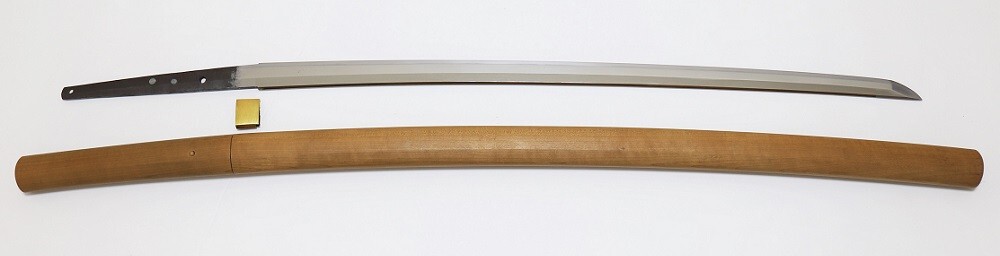
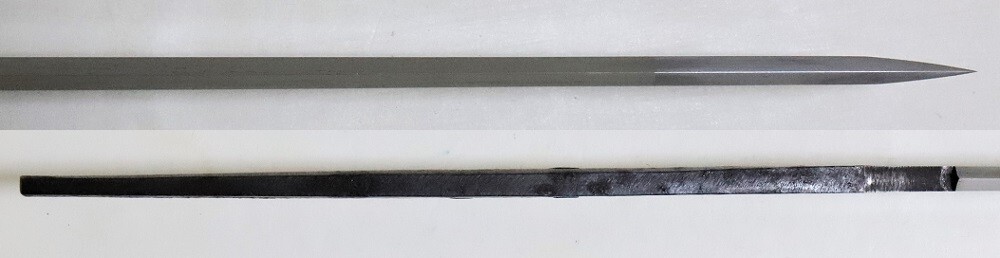
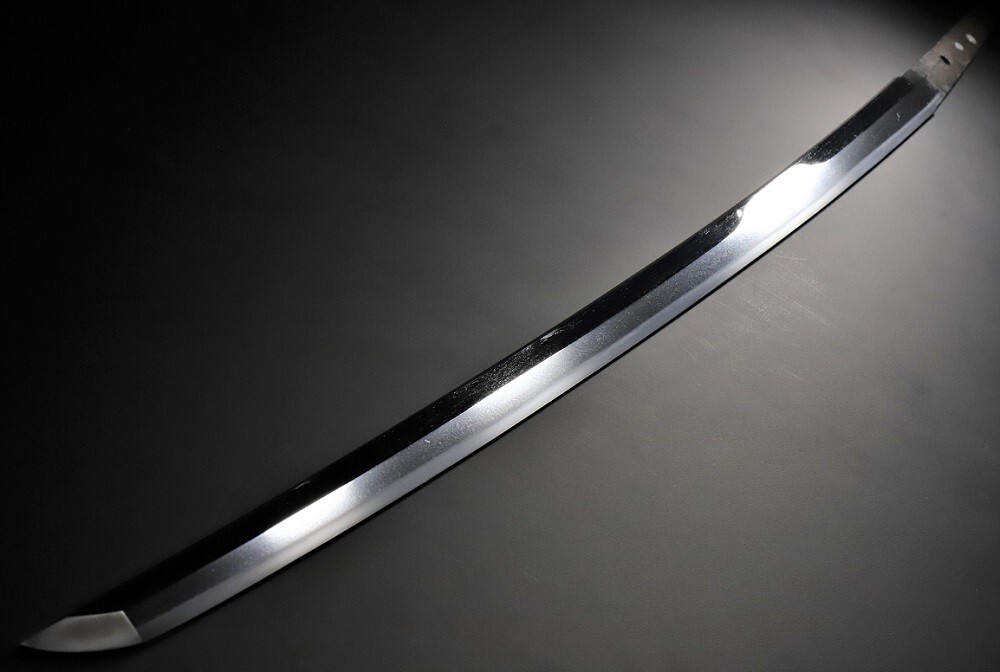
Well, what can we see in your images? (An image of the whole blade without habaki would help) The blade has obviously been polished many times and is a shadow of its former self. The kasane (thickness) of the nakago is far greater than that of the blade. The hada is not really discernible but we can see a lot of assorted forging flaws and openings. All the above suggests it’s an old blade that was perhaps not of the greatest quality to begin with. This in turn might suggest Koto, maybe late Muromachi….a time when many swords were hastily made. Hopefully others will offer opinions but the problem created by some members who post on here…..their attitude deters others from “having a go”. ..just an opinion……possibly wrong🙂3 points
-
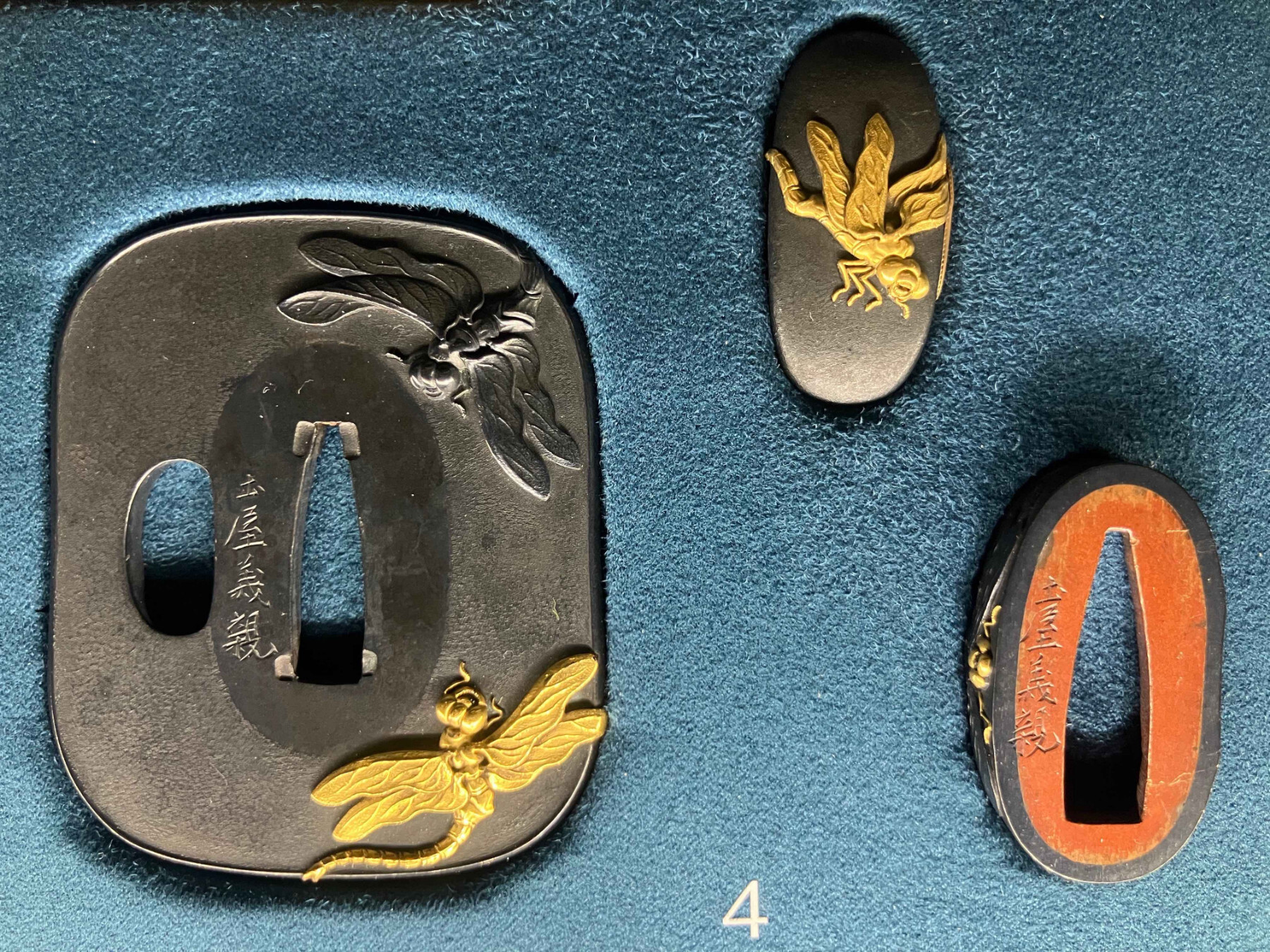
Tsuba should be right side: 城州西陣住 left side: 埋忠橘重義 Jōshū Nishijin-jū Umetada Tachibana Shigeyoshi3 points
-
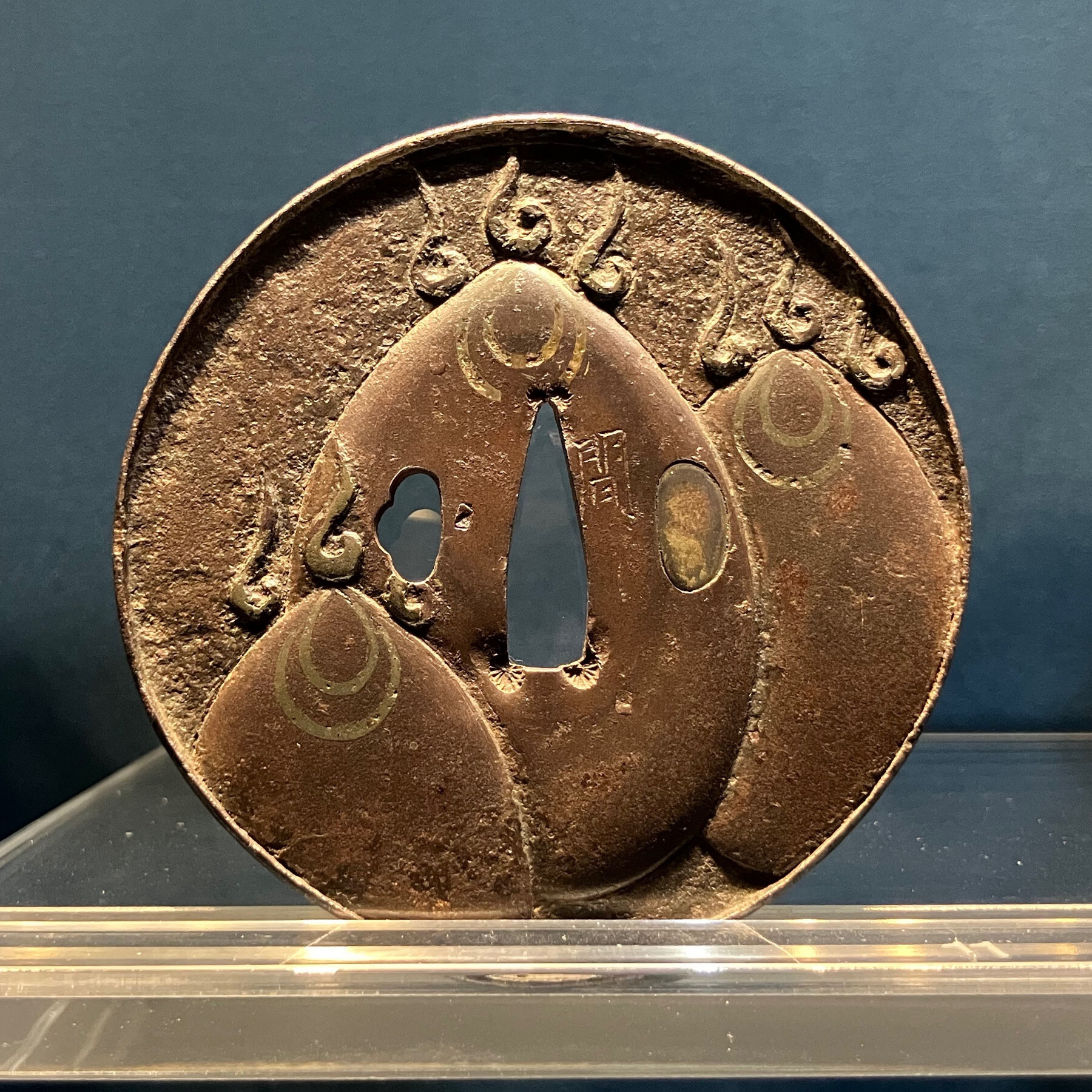
Hi Jean @ROKUJURO, it's hard to say for sure (as usual for an old looking unsigned piece ), but it could be anywhere from the late Muromachi (which we have evidence of), up to the early Edo period (which we have evidence of from the brass casting molds excavation discovery, which means they were still being produced at least until that time). Again there simply isn't any concrete evidence to place it any further back in time, other than the theorizing of a select group of writers, who had the greatest influence on our current system of looking at and appraising tsuba. So I'd suggest we might be able to put it "safely" in the window of mid-1500s to mid 1600s and unfortunately, brass doesn't corrode like iron and can perhaps be more easily coloured to look old, so there's always the unfortunate (but less likely) chance that it was made later as an attempt to deceive. I say less likely a forgery because it sure seems like there were a fair number of these kiku type tsuba made in that 100 year window. Again, that's just my "evidence based" take on it3 points
-
Here is a tanto3 points
-
Thanks for these images, Thomas. They help to reinforce the idea that sukashi tsuba in these two forms -- kuruma sukashi and kiku sukashi -- were used in the mid- to latter part of the 16th century, if not earlier. As Glen has said, though, they don't really prove, I don't think, that such forms were used before the latest decades of the Muromachi Period.3 points
-
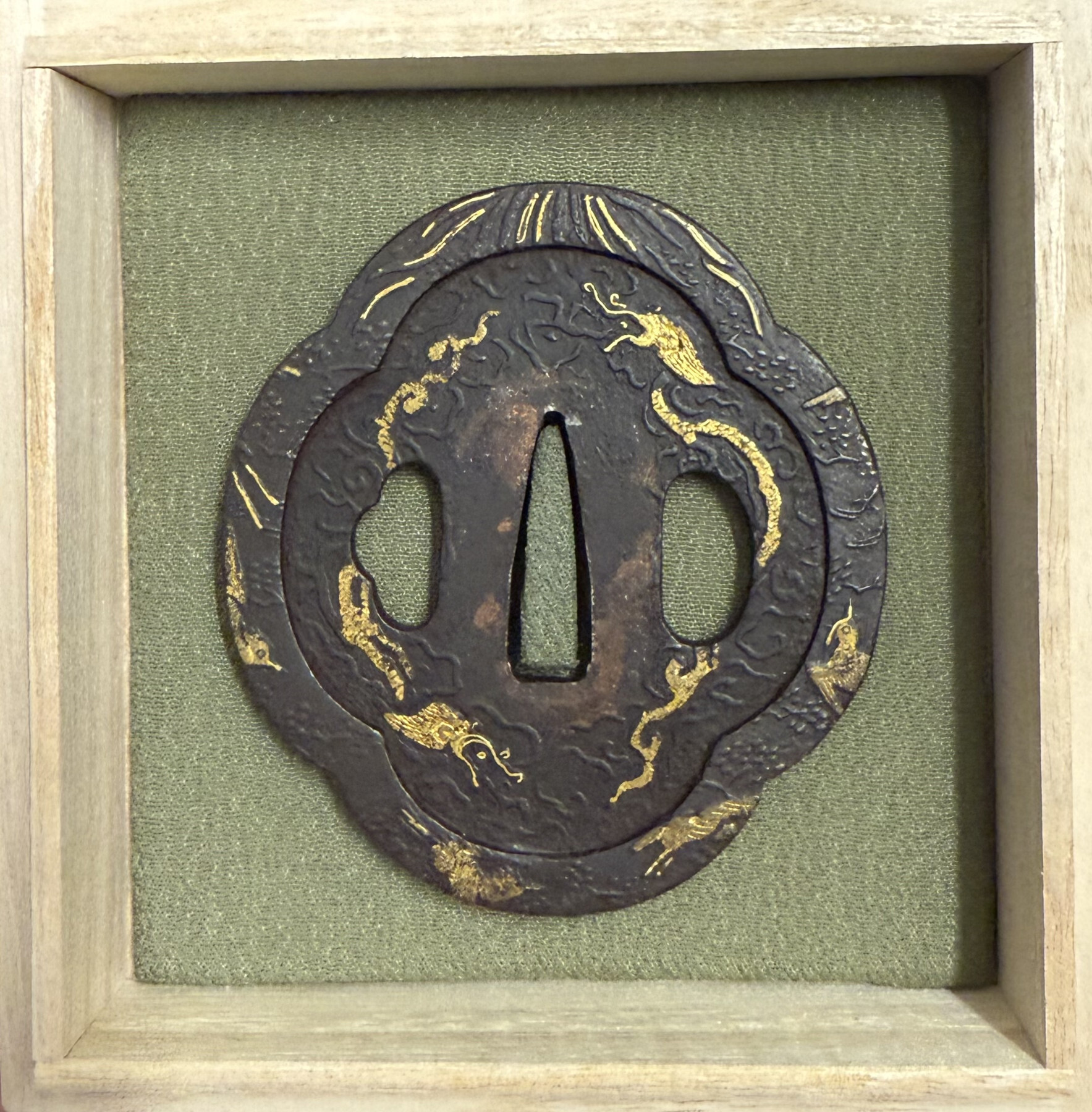
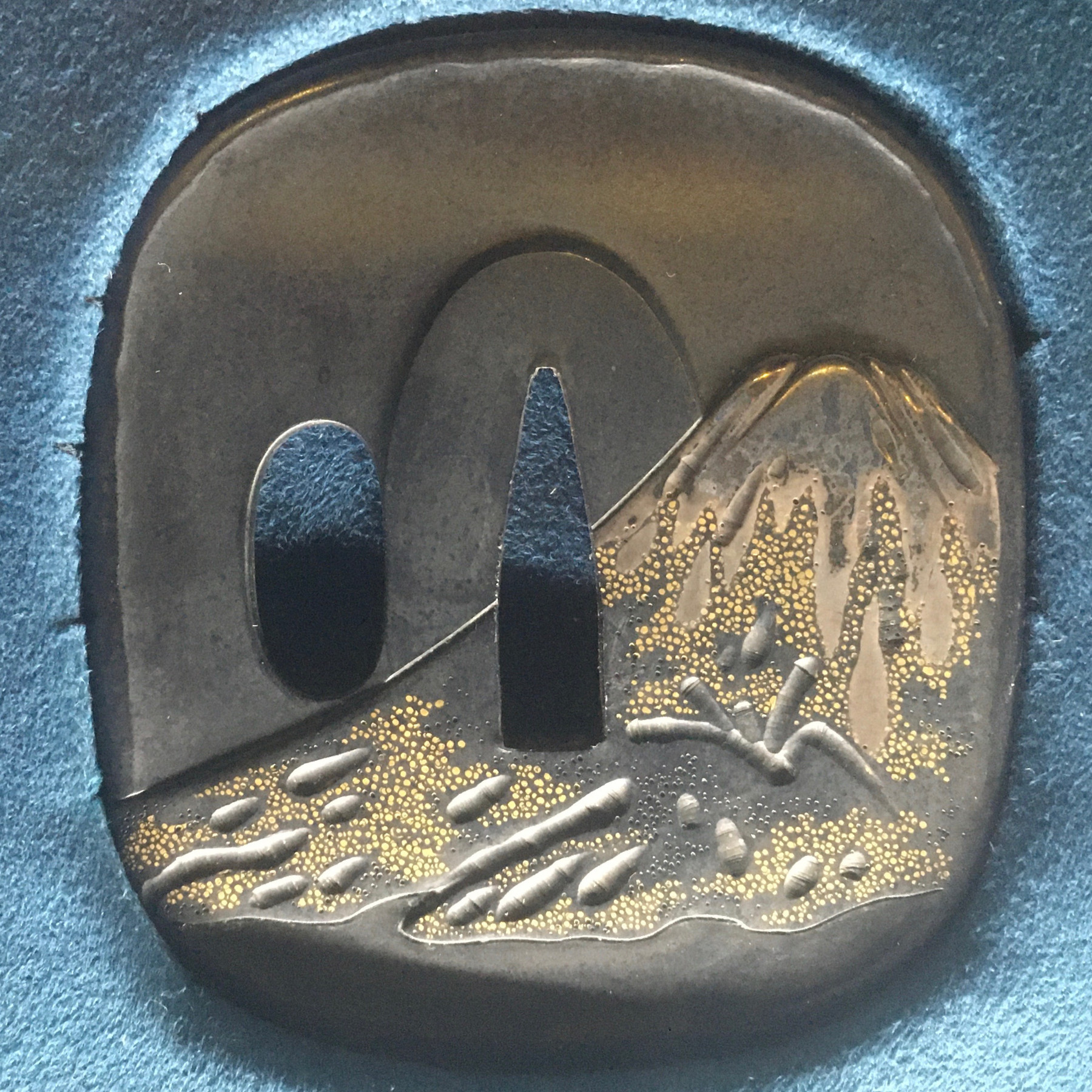
Hi everyone, I am looking for help identifying this tsuba regarding, age, school, style, etc. Any information or resources would be greatly appreciated. Recently purchased in Kyoto but didn't receive much info about it. Thank you

 2 points
 -
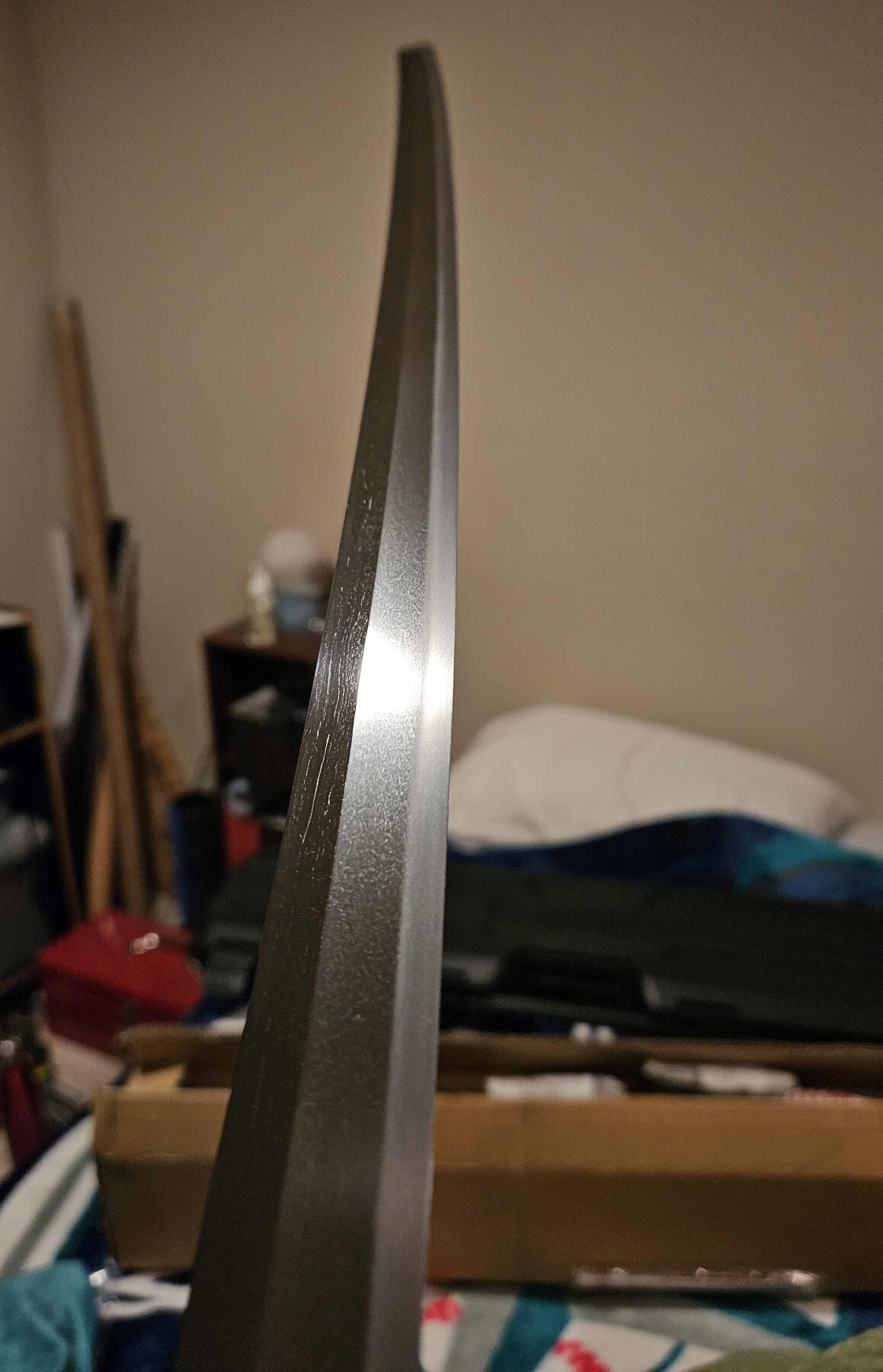
Maybe a shortened Momoyama sword, longish kissaki. Some more reading Ivo, plenty on the internet. Changes in the Shape of the Japanese Sword | Japan Forward2 points
-
Hi Jean, I wasn't implying yours was made in a mold. I was just pointing out that this style of sukashi tsuba was still being made in the Early Edo period. I was just trying to frame a most likely window of time, since to the best of our knowledge, these type of sukashi began being made in the late Muromachi (mid 1500s). The fact that it is made of yamagane doesn't help date it any way either since there wasn't a single narrow window of time in which yamagane tsuba were produced. But that does set yours apart from the majority of the brass ones. It falls squarely in the "old but not iron" ko-kinko category... which further exemplifies the "great body of knowledge" (i.e. utter lack of information regarding pre-Edo tsuba) that our current system is built upon2 points
-
The NBTHK does not generally categorize daito as tachi if they are osuriage mumei, even if they were made at a time before katana were produced. Ie. An o-suriage mumei katana from the Kamakura period would generally be papered as a katana. However, being signed tachi-mei or being ubu from that time period will steer towards categorization as a tachi.2 points
-
Edit, cant be bothered getting into another pointless debate.2 points
-
Well that's freed my afternoon up.2 points
-
羽州山形住齋藤 - Ushu Yamagata ju Saito There is no Fujiwara in the mei.2 points
-
Hi Tom, we are getting closer now, and with the help of one of our experts, Mauro, you now have a realistic time frame for your TSUBA's manufacture. EDO period was almost 300 years, so the positioning in the first half of it means it was probably made in the late 1600's or early 1700's. It does not show the NANBAN (Portuguese) influence of many other HIZEN TSUBA. The dragons are famous symbols in China and Japan, and your TSUBA is stylistically influenced by Chinese mythology. Concerning the decoration, we can assume that the dragons are not inlaid in gold but probably applied in IROE-ZOGAN technique. This is an onlay-technique. The TSUBA plate may have been treated with an etching technique to produce this special surface structure, but this has to be seen in-hand. It is an interesting TSUBA in obviously good condition, and other members may be able to tell you much more about it.2 points
-
How is it dead Jacques? It is certainly tired and overpolished, but I don't see any apparent fatal flaws. I suppose unless you count core steel as fatal.2 points
-
Could be worse, could be in Ricks hands, saw this earlier, the Scufftinator Luckily its his own sword2 points
-
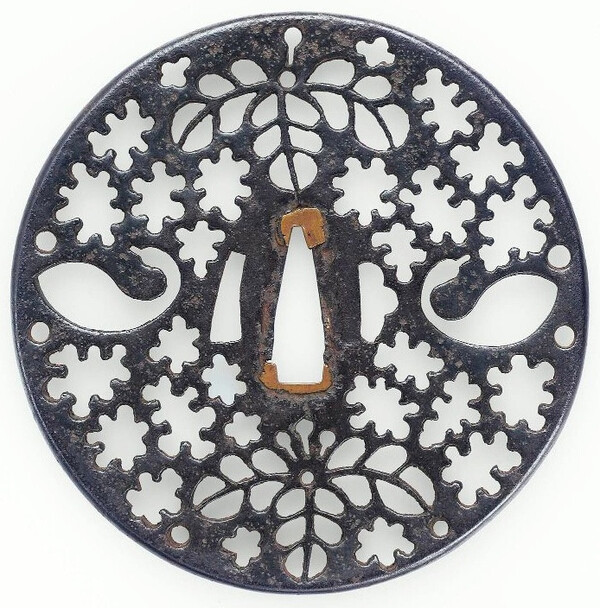
Concerning the timeline I waited for this Tsuba with controversial dating to pop up but now I yield it by myself: It is owned by the Museum of Fine Art in Boston and according to Okabe Kakuya who wrote the first museum catalog in 1908 it is a Momoyama piece. Okabe interpreted the combination of gourd and kiri as a hint to Toyotomi Hideyoshi and the background pattern of snowflakes is said to have been a popular fabric design at this time, too. I think even today the museum refers to this dating (see also „Lethal Elegance“ by Joe Earle). The very same Tsuba is depicted in Sasano’s TOSOGU NO KIGEN (1979). He focused on the peculiar form of the hitsu-ana. In the named book he sums up the development of Kogai and Kozuka pointing out that the early ones have a flat design while later with the Goto-lineage more and more relief-like decoration appeared. This makes it necessary to change the form of the hitsu-ana to larger, rounded ones. In correspondence with other examples showing similar primary hitsu-ana he dates it back to the Nambokucho period. About 200 years difference! There are others who dated it in between those periods and I don’t think there will be ever an ultimate answer. But why I mentioned this Tsuba is that the age estimation is based on one hand on the design, on the other hand on a technical background. Best, Florian
 2 points
 -
Must be strange for someone coming to a forum just looking for help and end up there being a debate about whats ok or not to collect.1 point
-
Whether the mei is authentic or not, the nakago looks genuinely quite old. I would advise having an evaluation done (and madoake if necessary) to research further.1 point
-
Bizen kuni Kane?.?.?.? Edit….Kanehira??1 point
-
Gendaito Project YOSHIHIRO (慶広・慶廣), Saitō MOTOHIKO (元彦), Saitō KIYOMARU (清丸), Saitō KAZUFUSA (和房), Saitō MASANAKA (正中), Saitō1 point
-
Learn what is Ray hada and after that come to me... Would you buy a painting with half the paint missing? I wouldn't.1 point
-
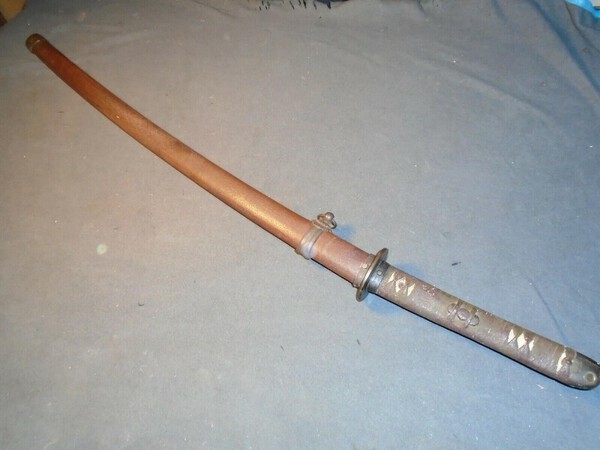
Got another - Oct '42 Akiyoshi, stamped with "153". Didn't save the link but it was a Worthpoint post of an old ebay sale:
.thumb.jpg.47f5b89f4fdd92b92e4d5b4ae23e0dda.jpg)
.thumb.jpg.4a841d5c2e184b0f4e597c16169a1b65.jpg)
.thumb.jpg.b882610f8817324ece6085567f5d1d54.jpg)
 1 point
 -
There is still a lot of error, lack of knowledge and information, and necessary doubt involved in the subject of TSUBA age. Here is one offered as "pre MUROMACHI": https://www.samuraim...MCV76k8AwSswt0JaIXQG and I bought this little KO-KINKO TSUBA with KUCHINASHI design as "pre-EDO" which I would love to have confirmed:
 1 point
 -
Tom, with these measurements, it would not be a TSUBA, and you would not be able to lift it from the ground. Maybe it is 77 x 70 mm with a thickness of 6 mm? It looks like a TSUBA with 'normal' dimensions. On the images, the SEPPA-DAI looks like copper in places. Did you test it if it is magnetic? If not, it is not iron.1 point
-
Welcome Tom, I'd suggest a Hizen (肥前) attribution for your tsuba, early to mid Edo age.1 point
-
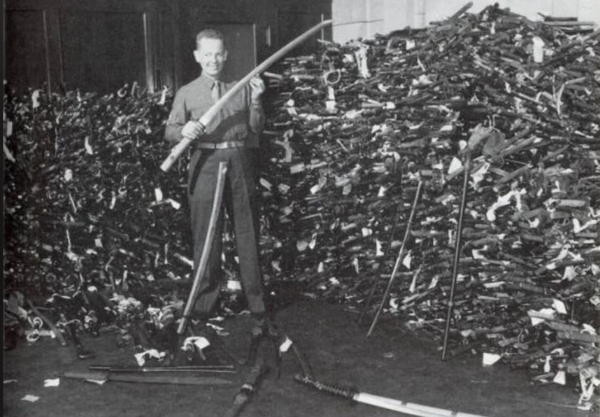
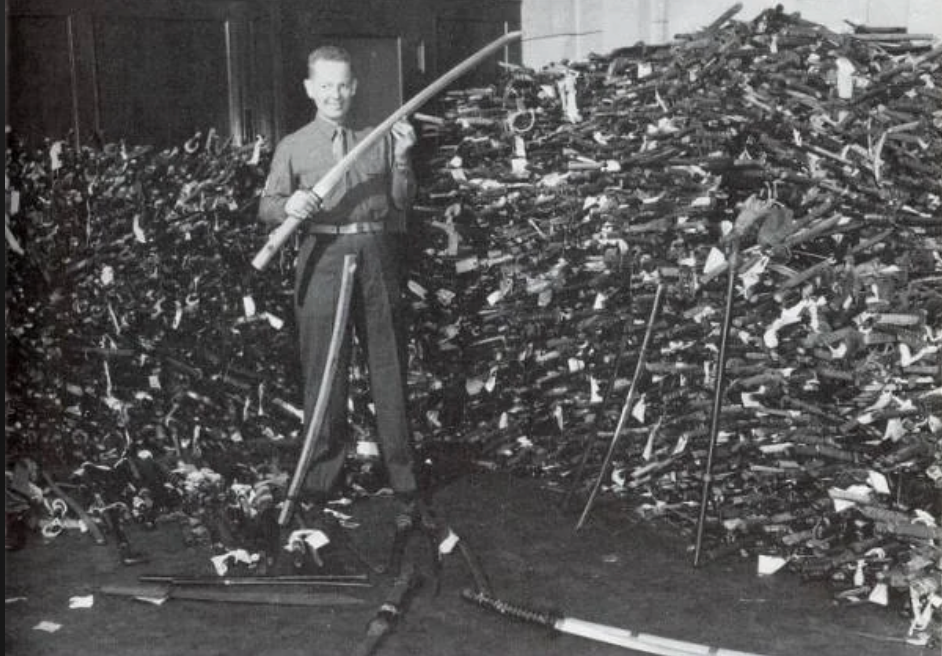
Jeff: I think the vast majority of swords provided for the Japanese military were purpose made for the war effort by various entities. Although there were some who took family blades into battle and others who donated family blades (primarily if they did not have a son to go to war), these were not the majority. The biggest impact would have been the law to disarm the civilian population after the war and make them turn in their weapons. But MacArthur understood the cultural significance of the sword and made allowances in certain cases. This law, therefore, was tempered somewhat by efforts to declare certain blades as national treasures or important to Japanese culture. Many examples of petitions exist where citizens are trying to get their family heirlooms declared as important to the Japanese culture in order to keep them. Were some national treasures destroyed? Most likely. The most telling pic is probably the one shown below. How many national treasures are in that pile? We will never know. It is also important to note that we relinquished military rule in 1952, allowing the Japanese to keep their swords as long as they were registered (torokusho). Many of the sword smiths were still alive and were able to teach sword making once again. John C.
 1 point
 -
Same here!!! It's been sort of an obsession for me for the last two years or so. That's why I started going down the rabbit hole of checking all the existing sources of statements, and trying to discern which ones are valid and which ones are still just theories or hypotheses that have somehow accidentally turned into facts over time through repetition.1 point
-
I see Paul your point that the discussion might evolve into green papers etc. But it is unavoidable. This being said, I disagree with much of what was stated in your original post. So I have no choice but to upgrade my troll level to "department chair". First and foremost - collecting is a personal and subjective endeavour, and the notion that there is a "right way" to do that runs into a plethora of limitations. I much rather believe in what my tactics instructor said "The question is not what you can or can't do. The question is whether you understand the consequences". I am probably equally discusted (if I read your post correctly) with the fact that every discussion of a blade evolves involves 5% being said about the blade and 95% about the papers. This being said, I think the path of "buy the blade, not the papers" has its thorns. First, it is unlikely the said blade will be with you forever. And to sell any blade, one needs some papers. Otherwise at a show the buyer will walk away from your table, move to the next one, point the sword towards the next dealer with "look what I got... what do you think about it", and will come back enraged 15 minutes later after somebody sitting 40 tables over will tell him "well, it does have hagire". It ALWAYS happen. So must sell with papers. But then selling Juyo and TH are two completely different things time and economics wise and not to take this into account when investing would be unusual. Second, most purchases today are done online. In this case, papers help to put the item into ballpark of sorts and clarify what is missing in scans, photographs etc. Third, the argument which I disagree with, but it has its merits. Courtesy of my acquaintance. "nihonto is a field with a continuous 500 years long history of collecting", as he likes to point out. "If during this time the item was not recognized and assigned in the very least TJ, then it is not important. People buying things papered any level below either don't value their time and money, or don't understand nihonto, and most likely - both". Period. No excuses. BTW, I asked him sort of "what are the bad papers", and its definitely jubi. Garbage through and through. Let us return to this in a moment. Yet those who are collecting the same subject in fact have very different goals. I learned that for me the thrill of learning something new is a major factor. Studying something in hand, something that has potential, but where the truth is elusive and requires a effort, is a reward by itself. Which meant going through a lot of garbage in the very beginning. Which in good times means digging up either unpapered or unloved blade and having a top name associated with it couple of years later. So there is higher than average risk of gambler-like behavior, or having a very good blade, which yields a different name anytime its submitted. Is this an inappropriate way of collecting? It is not for everyone and it has its own risks. And maybe moneywise that is simply what a simple lecturer can do, and the rest of the many words is just a fancy justification of this path. Another approach is to say something like - you are better off owning one Juyo than 6-7 "regular blades". In some cases you learn more about what good blade is supposed to look like by having a single Juyo. But if 6-7 blades are at least decent to good, chances are you'll learn more about what you really like, or about the different styles that exists. But then if collector has been active for a decade+ and you see now hundreds of blades to his name and none are outstanding, that's an issue. But then again - it is an issue only if the consequences are not properly appreciated. So, now to the "bad papers". For me the classical example are those issued by Honami Kachu. The knee-jerk reaction, taught to us by dealers - "oh, he was a great appraiser, just there are many fakes". No, the appraisals he did for Owari Tokugawa, they are still in the collection there. They are about as bad as a random selection of his papers purchased on yahoo Japan. Burned blades, horrible as life blades, given the top names. In fact, before him Honami barely issued any papers at all, and then he opened the floodgate. But because his papers are still commonly encountered with the masterpieces, we opt for a polite "there are many fakes". Yes, there are, but it is not where the problem is. Then comes jubi. Dismissed papers. Yet the market on them is 5-20 million yen. Many quietly argue it is extremely overvalued, and if those were to repaper - the names would be a notch smaller, and the price would be in 1-4 mil range for quite a few/majority of those. Would I recommend burning jubis? Well, that's quite a bit extreme. They can be overvalued, yet there are some fantastic jubis out there as well. Greenpapers… The great obfuscation lies in blaming "provincial branches". Pretend outrage, yet no exact name from NBTHK being mentioned. How familiar it is to those experienced with Japanese business model. "In the act of noble sacrifice our President retired to take responsibility for the acts of provincial account department, of which he obviously had no knowledge". Been there. The reality is that if you are to track the "ambitious" green papers, chances are - they originated in the head office. In 1970s the market for swords was booming for the first time in many decades, NBTHK was a monopoly (seen many NTHK papers from the period? Overall pre-2000 NTHK, non-US papers?). Two thirds of judgements rendered at the top level were optimistic. Juyo papers... Many would not repaper today at all, most would be just run of the mill koto blades. Optimistic sayagaki by Dr. Sato. There is a reason they cost less than Dr. Honma's. Even if you don't believe that after 1976 he was in a hospital where blades were not allowed. And yes - optimistic green papers. Which are apparently the only things maligned - because they are relatively proletarian in price today. The facts are that a very solid majority of them are as honest as any papers issued today by any group. If you suspect that Mino Kanefusa is troublesome only because it has greenpapers - the problem is not in papers. The problem in not being able to kantei even simple and straightforward examples, and not understanding why those who can do not put great emphasis on whether these papers are green, blue or yellow. Green with Yasutsugu attribution - I personally would not go for that. Shinto kantei is hard and peculiar, I don't know how to do it and will always suspect some issue with the blade - even if I like it. Buy the blade not the papers - if I understand the subject, and here I don't. If you know your Yasutsugu - who am I to suggest what you should or should not buy. Green with major koto names and sayagaki. I take those by default as optimistic, one notch up from what they should be. Top name in the school instead of a representative name in the school. As I said, maybe I am a gambler. So far I did not run into problems (yet, with a notch-down expectation) with repapering, though I am certain that sooner or later there will be a day when I will. I personally am ok with that. It is unfortunate that in Japan these items still yield larger prices than the notched-down attributions. But such is the market. What is being sold in "green" in the US are honest mid rank blades and I don't know why am I supposed to have problems with them. So finally - to the question of Studying. I suspect because of the frequency it is being mentioned, the hardships of this path are not fully appreciated. Maybe in 1950s-1960s some roads were more open and the officialdom more relaxed or even helpful. This is very much not the case today. Unfortunately, more often than not the lack of personal experience is filled by "logical extrapolations". Certainly gentlemen of the nihonto world do not concern themselves with studying even the most important collections of continental tsuba or chokuto before publishing works on the said topics. But you'll be surprised it is not that different when things come to Yasutsuna or Masamune. And really, really, finally - a dilemma of sorts. Robert Haynes went through a whole bunch of tosogu and dismissed a number of papered (modern NBTHK) tsubas as "obvious gimei". What to do if one is to sell those??? I heard from quite a few tosogu collectors believe that NBTHK shinsa is bad, but I don't have strong background in tosogu to understand the issue myself. Aaagh! Kirill R.1 point
-
Sorry but I have to disagree a bit. If the mei/attribution is a big name or if the sword is being sold by a dealer in Japan (where access to newer papers is relatively easy), no problem with what you've said Darcy. But I often come across swords and kodogu that were papered under the old system decades ago and have been in the west ever since. If the work is mid level (not important) there is no reason why we should suspect the authenticity and/or accuracy of the paper. If you have a tsuba with a Kicho paper to Shoami, no one in his right mind will spend $600 to send it to Tokyo for a newer paper. I understand that this paper doesn't add as much value as would a Hozon, but it does add value and I would sell the tsuba with the paper and make no apologies for having done so. And, unless I knew for a fact that the paper is bogus, I would never destroy it; it is part of the history of the piece. Grey1 point



.jpg.d9181668722870be289696429762b5b4.jpg)



















.jpg.4ba125dbe28459faec12d1cf01460814.jpg)
.jpg.dd7fd5d2dd04c7f62850c64b24283262.jpg)
.jpg.0ab2f06ff274c2837ac01f8e70631de0.jpg)




This leaderboard is set to Johannesburg/GMT+02:00