


Ray Singer
-
Posts
5,374 -
Joined
-
Last visited
-
Days Won
147
Content Type
Profiles
Forums
Events
Store
Downloads
Gallery
Everything posted by Ray Singer
-
I am sure given that it was Mike, the sword has NBTHK papers. The sword was described as a mumei Shinto blade, so Hozon level.
-
 FWIW, the Morikuni jumonji yari is excellent. It was mine and was previously sold here on the board. Morikuni was of the Tegai lineage and that one has a beautiful suguha hamon...
 -
Muromachi Period Ko-Gassan Katana In Shirasaya
Ray Singer replied to Ray Singer's topic in For Sale or Trade
Bump and a small reduction to $3,900 (plus shipping and PayPal). -
A Moriie Wakizashi, But Which Moriie?
Ray Singer replied to PNSSHOGUN's topic in General Nihonto Related Discussion
My impression is that this is Muromachi. -
Yes, that type of tanto was featured in a recent discussion. http://www.nihonto.com/a-fan-for-all-seasons/
-
Muromachi Period Ko-Gassan Katana In Shirasaya
Ray Singer replied to Ray Singer's topic in For Sale or Trade
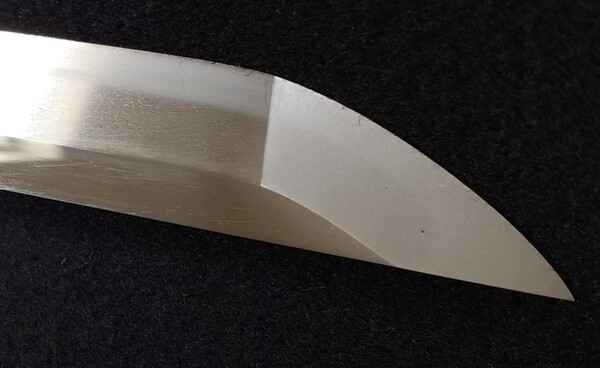
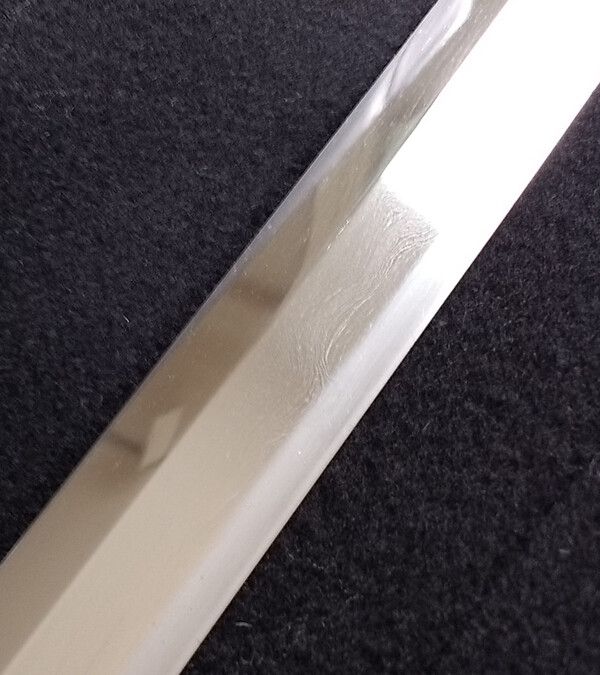
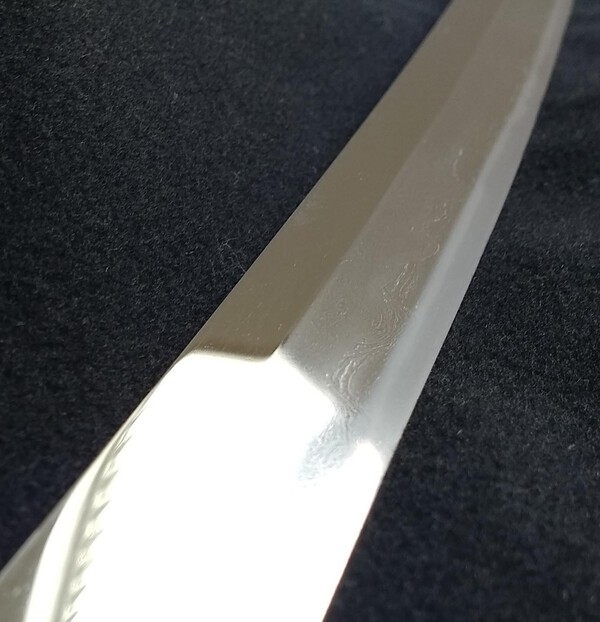
Appreciate the kind words guys. As you mentioned, it is much nicer in hand than my poor quality mobile photos show. -
Muromachi Period Ko-Gassan Katana In Shirasaya
Ray Singer replied to Ray Singer's topic in For Sale or Trade
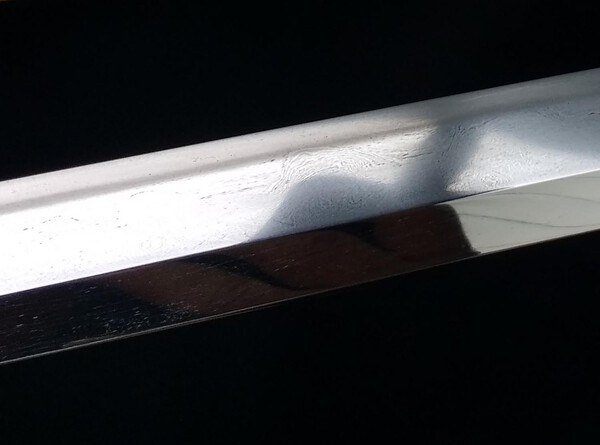
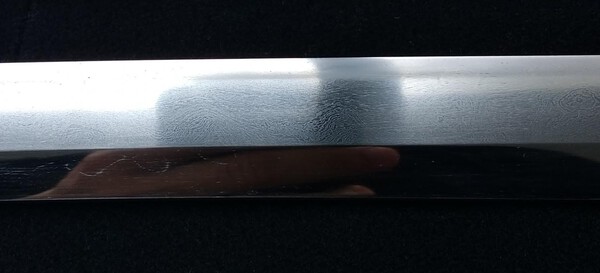
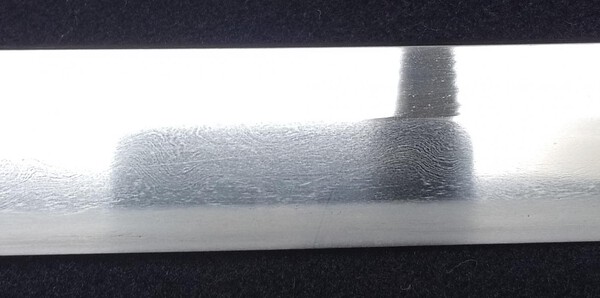
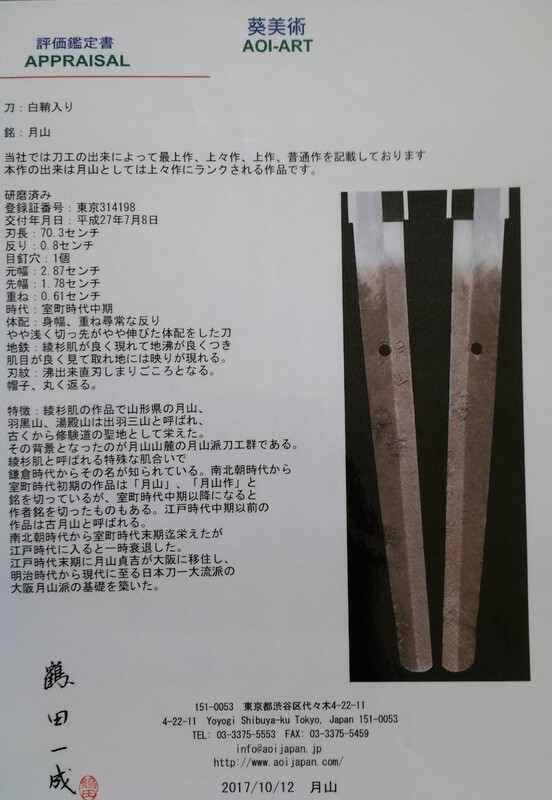
Utsuri can be seen here.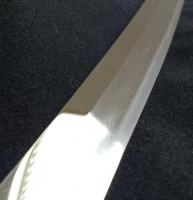
-
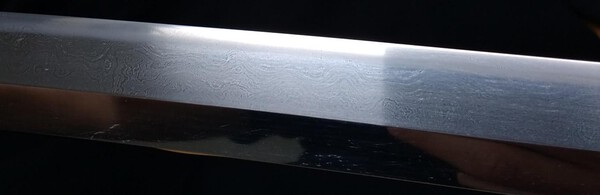
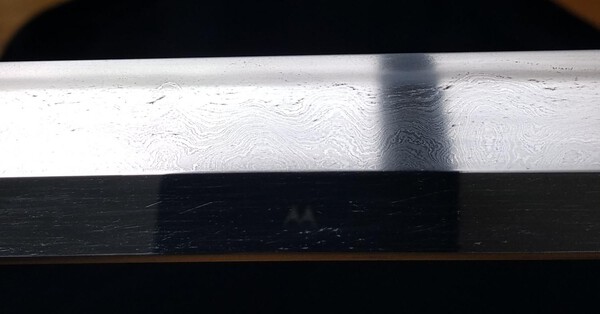
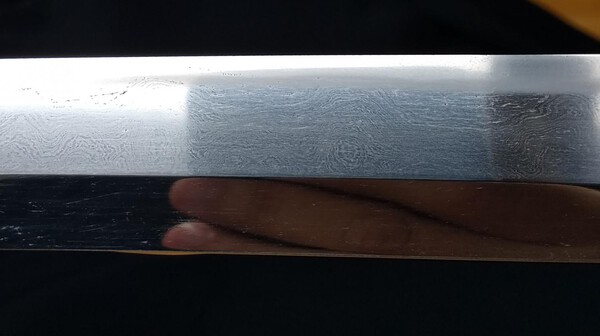
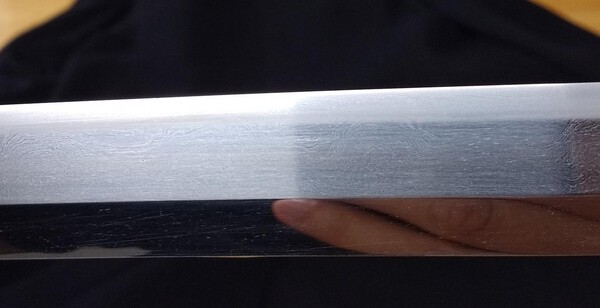
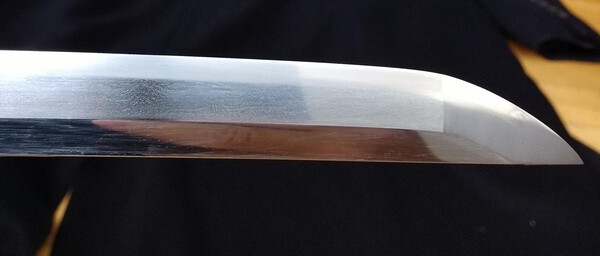
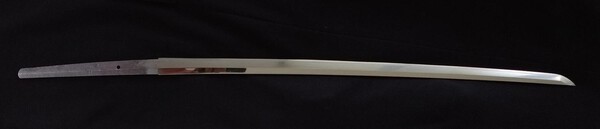
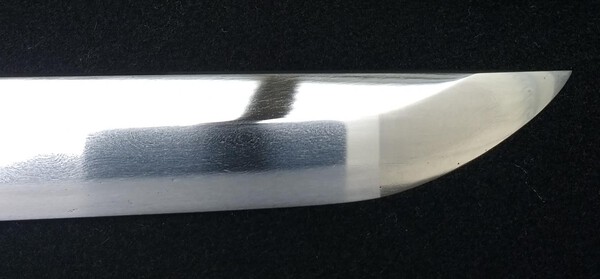
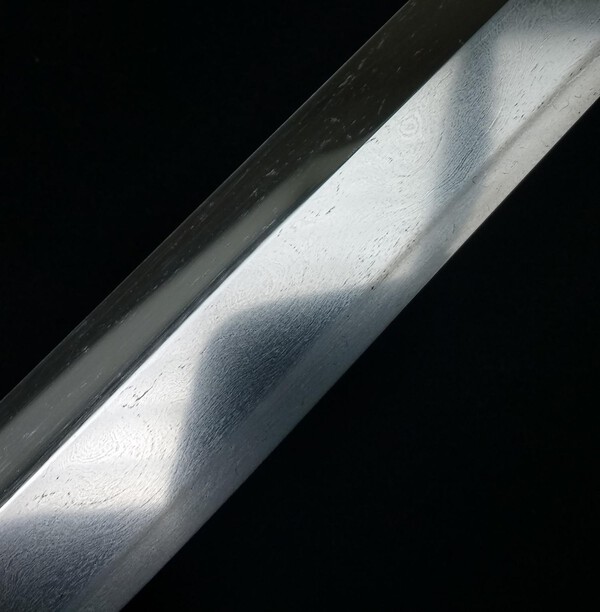
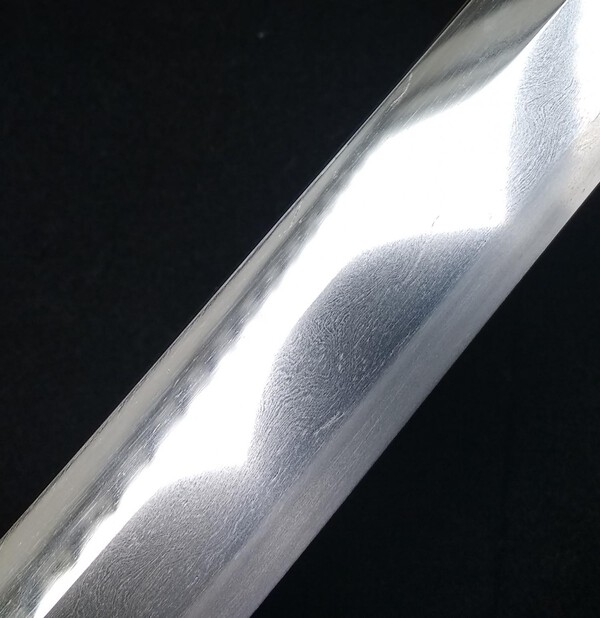
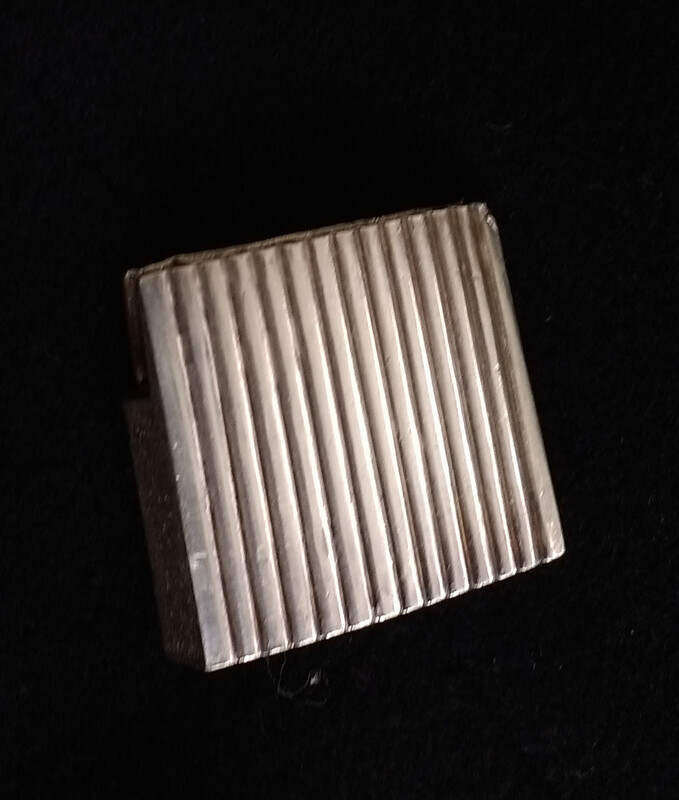
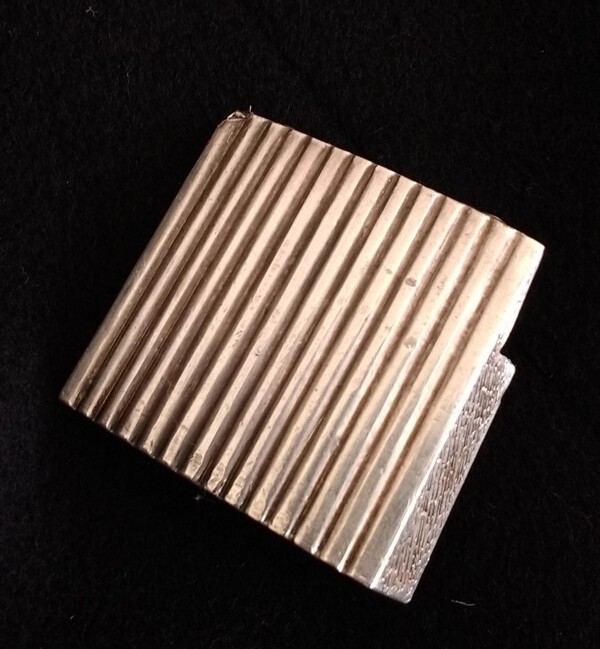
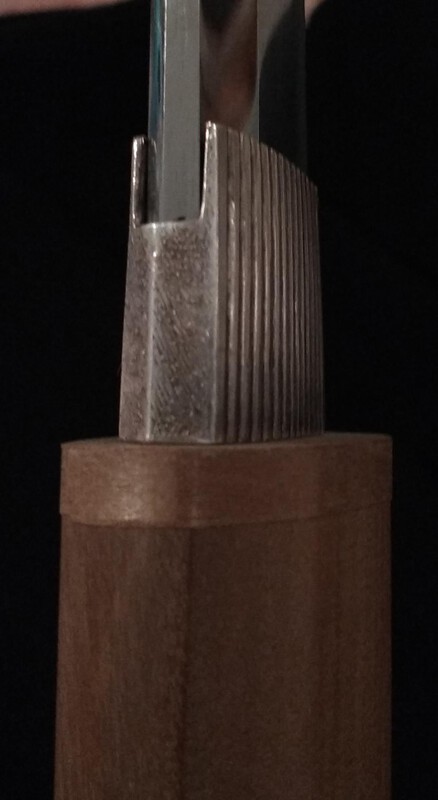
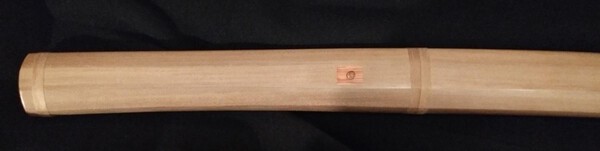
Ko-Gassan, works from the Gassan school dating to the Muromachi period, are some of more scarcely seen and desirable Japanese swords. This blade is a long 70.3cm daito which (per the accompanying Aoi Bijutsu certificate) dates to the mid Muromachi period. The workmanship is textbook, including a somewhat naturalistic ayasugi hada which is relaxed in areas, unlike the rigid ayasugi seen in shinshinto times. The hamon is a perfect suguha witg fine kinsuji. The ji features a very vivid utsuri, which can be seen in the oshigata. There is a nijimei of 'Gassan' but I do not believe it is authentic. The blade is healthy and completely flawless. It has a well made silver foil habaki and top quality shirasaya with bamboo. $4,200 (plus shipping and PayPal). Any questions please email me at Raymondsinger@gmail.com.

-
The appearance is caused by large, rough, clumping nie throughout the ji.
-
Looking For Some Cheap Oppinions On Signature
Ray Singer replied to TheGermanBastard's topic in Translation Assistance
At a glance, the tanto has the appearance of a polished down Sue-Bizen (late Muromachi). Does anything remain of the hamon? -
Looking For Some Cheap Oppinions On Signature
Ray Singer replied to TheGermanBastard's topic in Translation Assistance
Kunitoshi -
http://www.nihonto.com/muramasa-3/ http://www.nihonto.com/muramasa-2/
-
Agreed, this looks like Kanetsugu to me as well.
-
I have been told a smith will try to do his best work in forging the first sword of a given year. I have always given a bit extra attention when a sword is dated shogatsu, and it does seem generally true that swords dated to the first month show good quality for that particular smith.
-
More than once in Japan I was corrected and told that the first generation used the reading Teiichi (rather than Sadakazu). The reading for the second I was told is Sadaichi. Not stating this is fact, just sharing what I have heard...
-
Example of a Yasukuni Onkashi-to. http://www.ricecracker.com/inventory/864_tanto_yasunori/864_tanto_yasunori.html
-
Onkashi-to were distinguished by placement of the mei below the mekugi-ana.
-
Hasebe Kunishige? Your Thoughts Please
Ray Singer replied to mareo1912's topic in General Nihonto Related Discussion
My last post in this topic. The Yukimitsu was on display for public view as part of the Masamune exhibition. It is a piece from the Imperial collection, and while a beautiful tanto, it has sustained its share of past polishes and shows degradation mid-blade where the hamon becomes somewhat thin. The top of the horimono is level with the ji, both the areas of the horimono which appear worn and the ji itself would be making contact with the polishing stones at the same time. I just don't see how one can argue that horimono is 'made that way' as it shows every evidence of degradation due to past restoration, and the uppermost sections of the horimono show exactly the losses one would expect based on the height of the ji itself. -
Looks like Kanetsugu to me.
-
Hasebe Kunishige? Your Thoughts Please
Ray Singer replied to mareo1912's topic in General Nihonto Related Discussion
No, they are not all in excellent condition (if that is meant to say untouched). Some clearly do show wear from past polish and were not simply made this way. What are the answers to your quiz Jacques?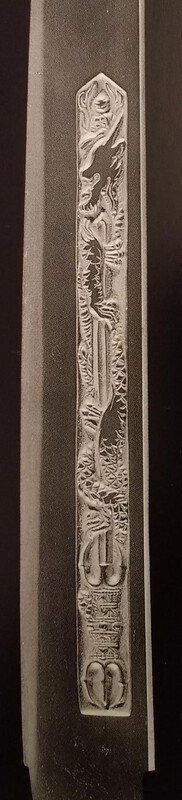
-
Got it, apologies if I misinterpreted your post Marco.
-
"going pretty well" implies that something is currently being done to the sword, rather that was done in the past. Is this sword in the process of being polished?
-
Marco, what has been done to this sword?
-
Hasebe Kunishige? Your Thoughts Please
Ray Singer replied to mareo1912's topic in General Nihonto Related Discussion
None strike me as being obviously a work of an Edo horimono-shi. Photos 1 and 5 appear in the style of horimono from the Bizen school like what you would see in a sword from Katsumitsu and Munemitsu. Photo 2 is the Soshu Yukimitsu tanto I shared before. Photo 3 is the Fudo Masamune. Photo 7 is Bizen Tomomitsu. The others may be koto as well. Photo 4 is a fragment and I'll hold off offering an opinion. I am not a horimono expert so if I am mistaken, so be it... -
Hasebe Kunishige? Your Thoughts Please
Ray Singer replied to mareo1912's topic in General Nihonto Related Discussion
I was trying not to be overly critical, but to my eyes this horimono is very poorly done and reeks of late work. Look at the execution of the face of the dragon. The perspective is inconsistent and distorted. The overall expression is comical. The face, upper jaw and teeth are all going in their own direction (buck-toothed comes to mind). Again, in post #27 I asked to see an original, Nambokucho period horimono which looks like this. I certainly have never seen one from the Soshu jo-ko which is similar.



