Ray Singer
-
Posts
5,367 -
Joined
-
Last visited
-
Days Won
147
Content Type
Profiles
Forums
Events
Store
Downloads
Gallery
Everything posted by Ray Singer
-
Kanetaka
-
Interesting, thanks for the feedback Curran.
-
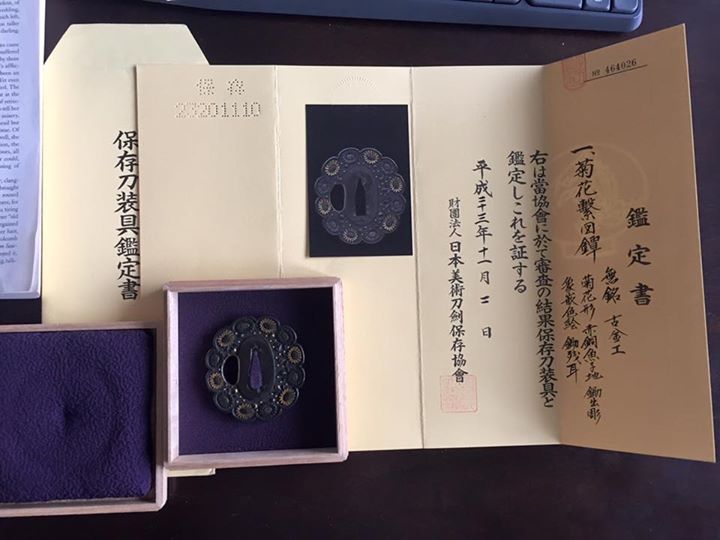
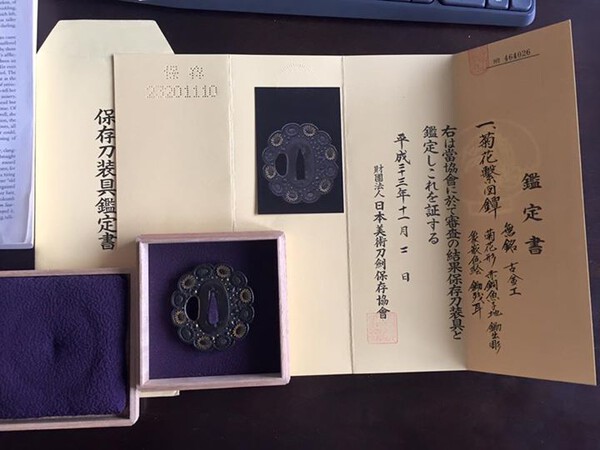
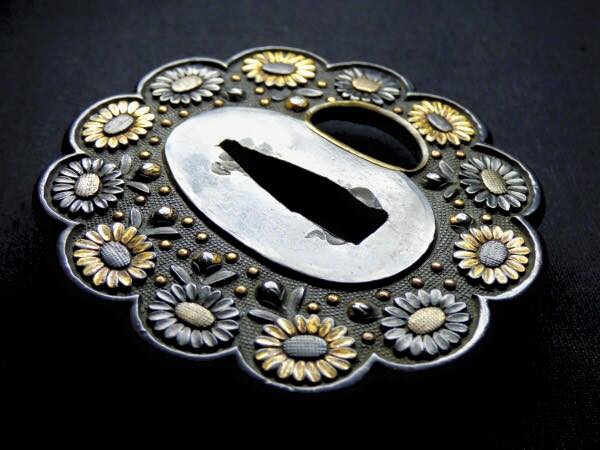
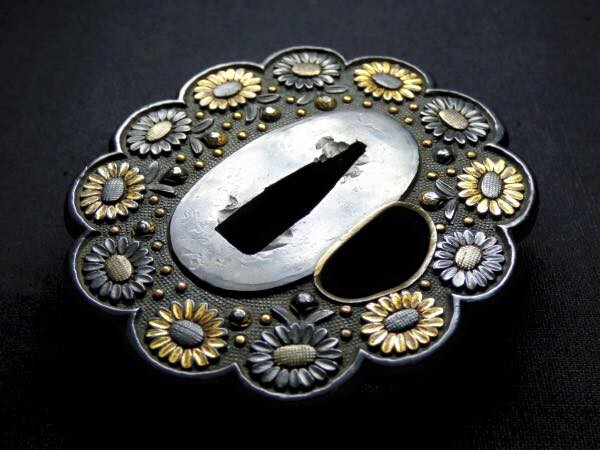
A local collector asked for my thoughts on the attached tsuba which is for sale, and I would prefer to ask the opinion of members who are more knowledgeable in this area. https://www.facebook.com/groups/nihontodo/permalink/1620405071413303/?sale_post_id=1620405071413303 Appreciate any feedback... Kind regards, Ray
-
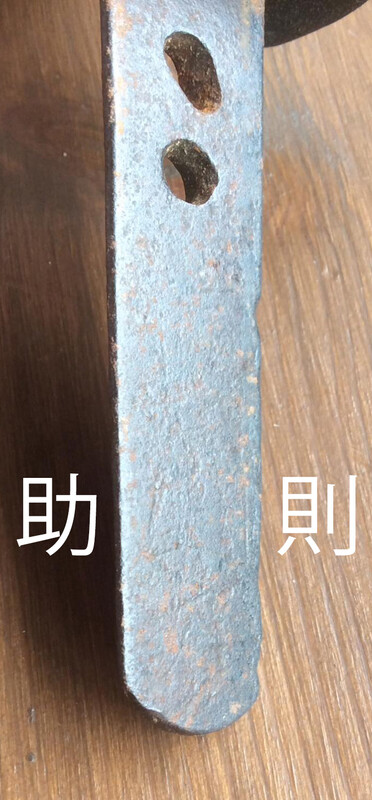
To throw another couple of options, what appeared to be Kuni (國) may alternately be Suke (助) or Nori (則). FWIW, there were several smiths who signed 則定.
-

What Generation Omi Daijo Fujiwara Tadayoshi ?
Ray Singer replied to rantoulpawn's topic in Translation Assistance
Thank you for the update Klaus. Best regards, Ray -
Thanks for the kind words Hoanh . This is a nice sword for someone who enjoys Soshu-den.
-
The nakago has an Uda shape and there appears to be more kanji above Kuni. I would guess it is Uda Kuni___ (possibly Kunimune 國宗 or Kunifusa 國房). The compressed appearance of the kanji at the bottom of the nakago is typical of Uda.
-
Mishina Sword School Fans
Ray Singer replied to Vermithrax16's topic in Auctions and Online Sales or Sellers
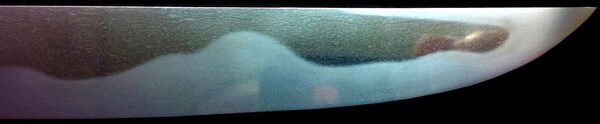
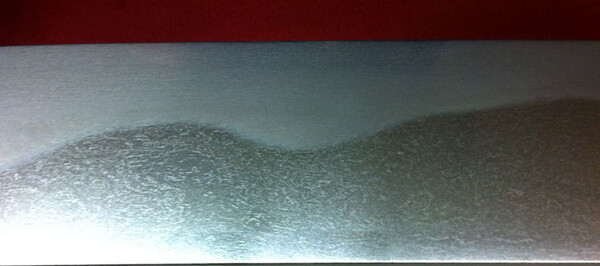
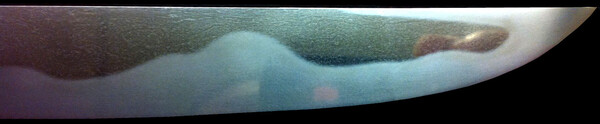
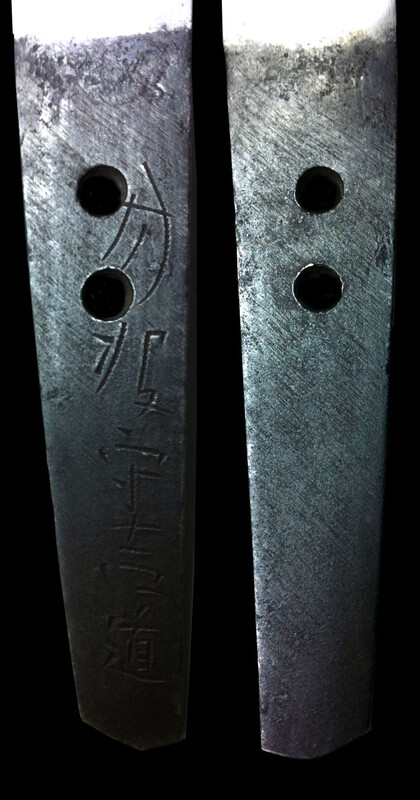
A married daisho I owned by shodai Kyo Tamba (no) Kami Yoshimichi.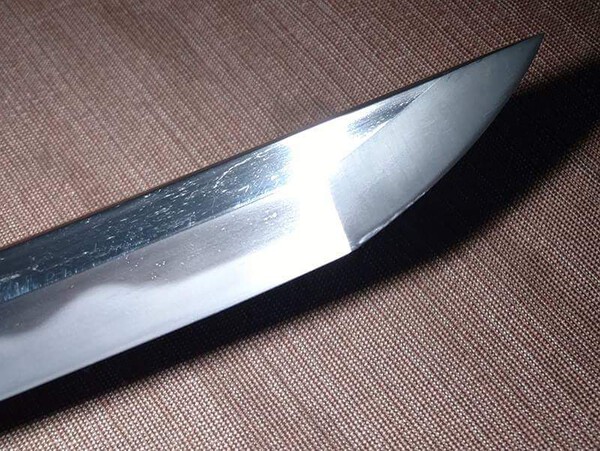


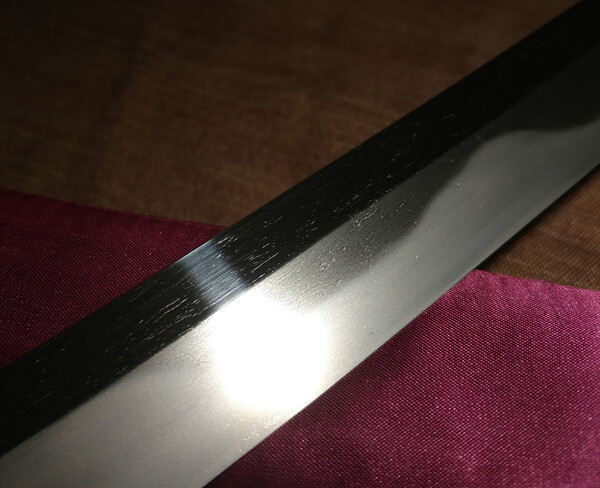
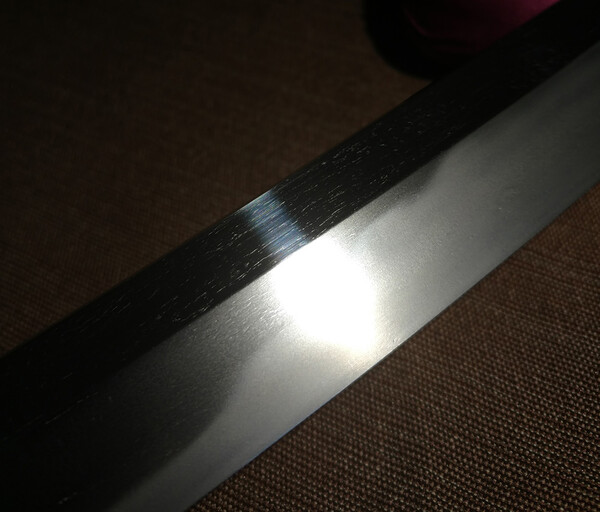
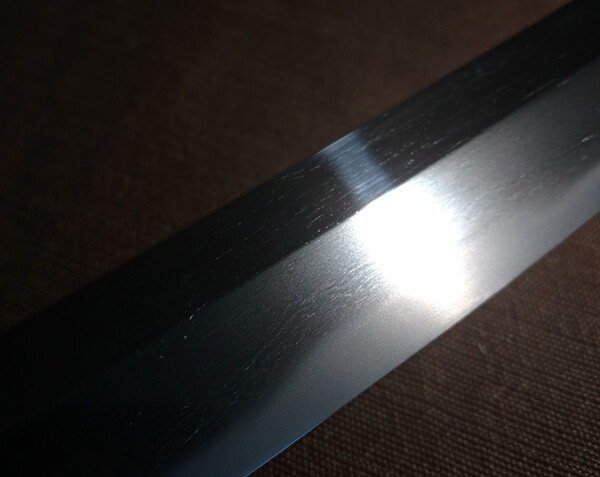
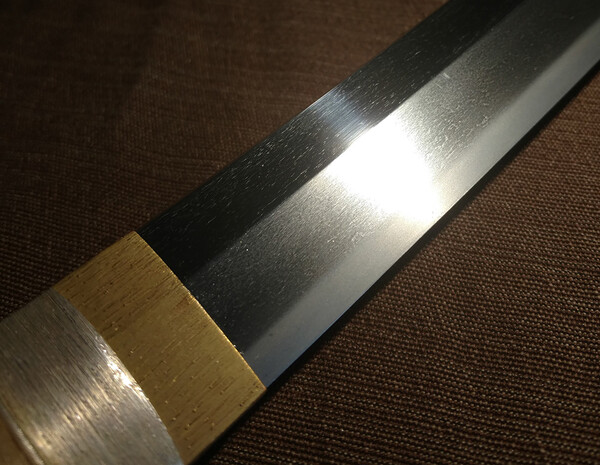
-
Looks like Masayasu (正泰)
-
Kind Of Stuck On This One. Could Use A Little Help.
Ray Singer replied to tesscoothome123's topic in Translation Assistance
Both swords named Mikazuki have that name due to the crescent-shaped activity in their hamon. May be worth looking for in yours. -
Kind Of Stuck On This One. Could Use A Little Help.
Ray Singer replied to tesscoothome123's topic in Translation Assistance
There are two famous swords also named Mikazuki. Mikazuki Munechika Mikazuki Kanemitsu -
Kind Of Stuck On This One. Could Use A Little Help.
Ray Singer replied to tesscoothome123's topic in Translation Assistance
Takagawa Narinari. https://nihontoclub.com/smiths/NAR48 -
Very nice. Yokoyama Sukekane. Kiku Ichi Sukekane saku Some info on the Yokoyama Bizen group pere https://www.aoijapan.com/tanto-bishu-osafune-ju-yokoyama-saemon-sukekane https://www.aoijapan.com/wakizashisunnobi-tantobizen-osafune-yokoyama-sukekane-saku http://www.ricecracker.com/info/sukekane.htm http://www.militaria.co.za/nmb/topic/6519-help-with-bizen-yokoyama-sukenaga/ https://nihonto.dilanhosting.com/archive/fss439.htm https://www.aoijapan.net/katana-yokoyama-kaga-suke-ason-sukenaga/
-
Please share a photo.
-
A crack partially through the nakago is not generally considered fatal and I know of such restored (in Japan) and receiving papers afterwards. I would not discount the sword too quickly. The blade has a nice shape with very wide bo-hi, like what you might see in Miike (Sue-Miike). Someone thought well-enough of the sword to have a reasonably nice koshirae assembled. I think at minimum the sword is worth having a mado-ake (window polish) done to see what is there and would not break up the complete set to sell the tsuba, blade, etc separately.
-
If the mei is authentic, this would be a late Muromachi smith. There are several generations listed in the Toko Taikan, Nihonto Meikan and Fujishiro. The Sue-Mihara school produced some very nice work, and also work that was of more average quality.
-
Mihara ju Masachika - 三原住正近
-
What Am I Looking At? Chrysanthemum Stamp
Ray Singer replied to lanceoa's topic in Translation Assistance
Uncertain of the generation. These were both offered by a Japan dealer. -
It seems that many of these were made by the Kinmichi lineage, who were granted the right to use the kiku-mon on their swords. https://www.aoijapan.net/bashinkankyuto-kikumon-kaminari-yoke-fujihara-kinmichi/ http://www.nihontocraft.com/Mishina.html
-
What Am I Looking At? Chrysanthemum Stamp
Ray Singer replied to lanceoa's topic in Translation Assistance
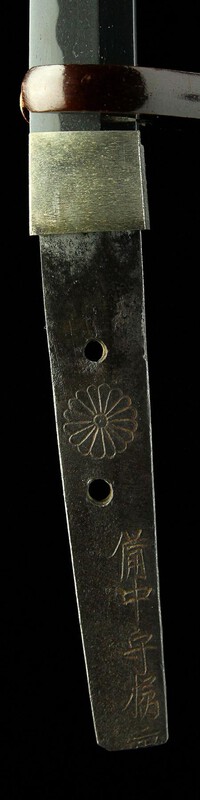
That is not always the case. Please see attached for a couple of reference examples.
-
Showato only refers to swords which are not traditionally made. This is a traditionally made sword, a gendaito. Both Showato and Gendaito were made during the Showa period.
-
What Am I Looking At? Chrysanthemum Stamp
Ray Singer replied to lanceoa's topic in Translation Assistance
That was my thought before bidding for Yasuhiro, however my reasoning was that Harima would typically appear before '(no) kami' and I was not able to find a smith whose mei contained Harima and additionally used that kiku-mon. -
Thank you Michael, PM sent.
-
My feeling is that this sword is an authentic Shinto blade, maybe Kanbun, which had a gimei added. The hazy amateur polish gives a very skewed impression. Nothing of the jitetsu can be seen. Something has been added to the nakago (powder?) to make the mei easier to read.
-
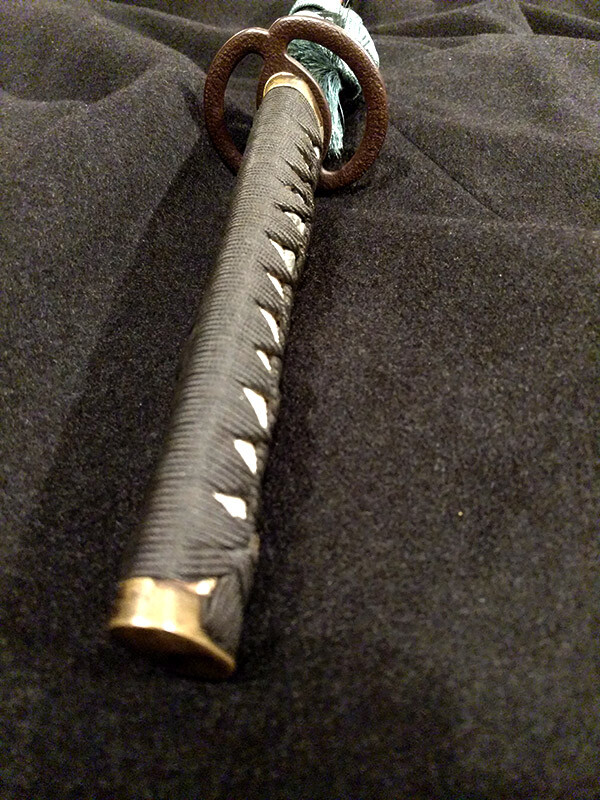
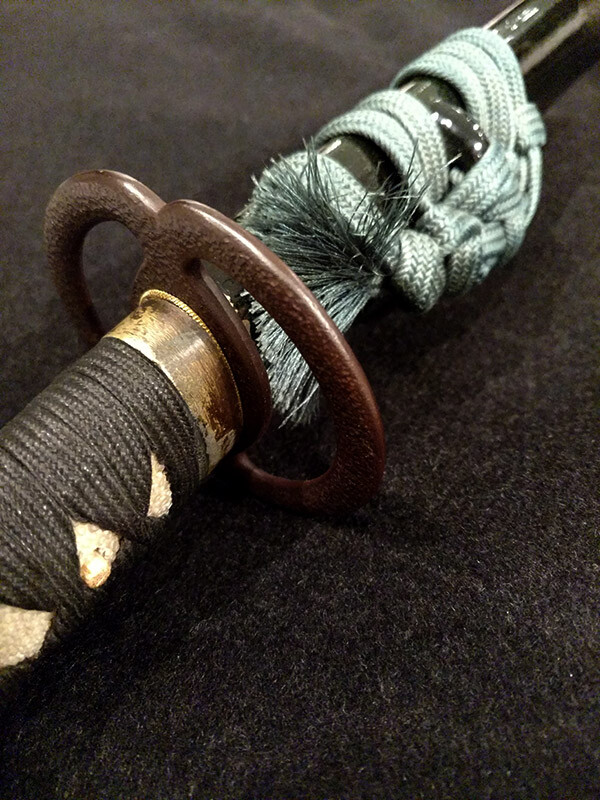
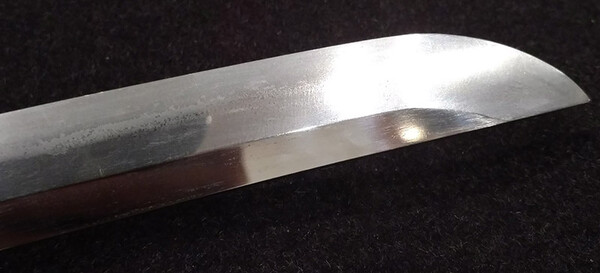
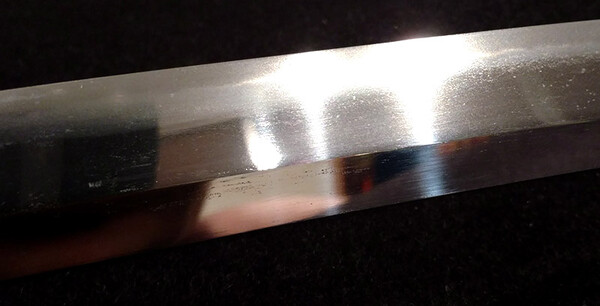
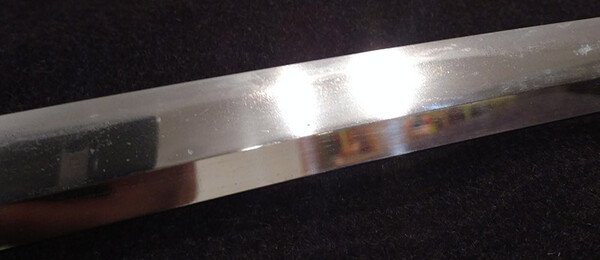
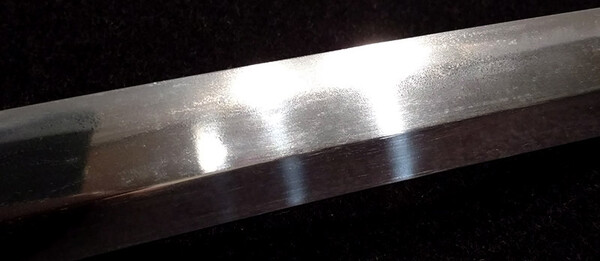
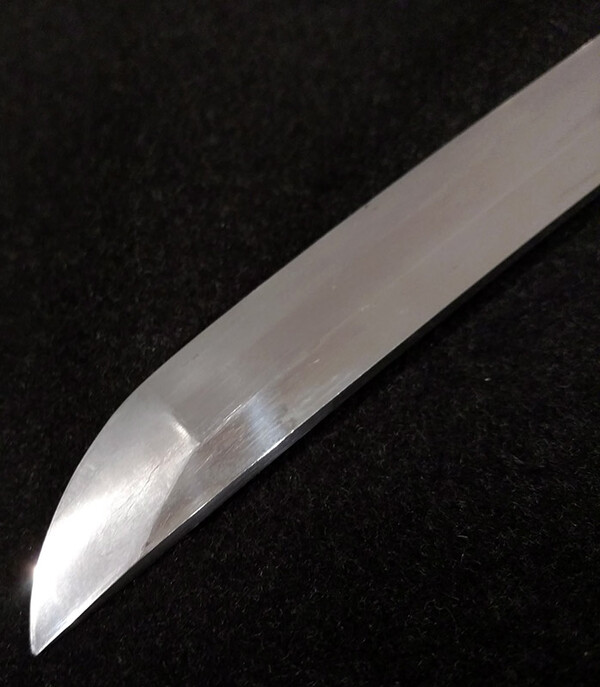
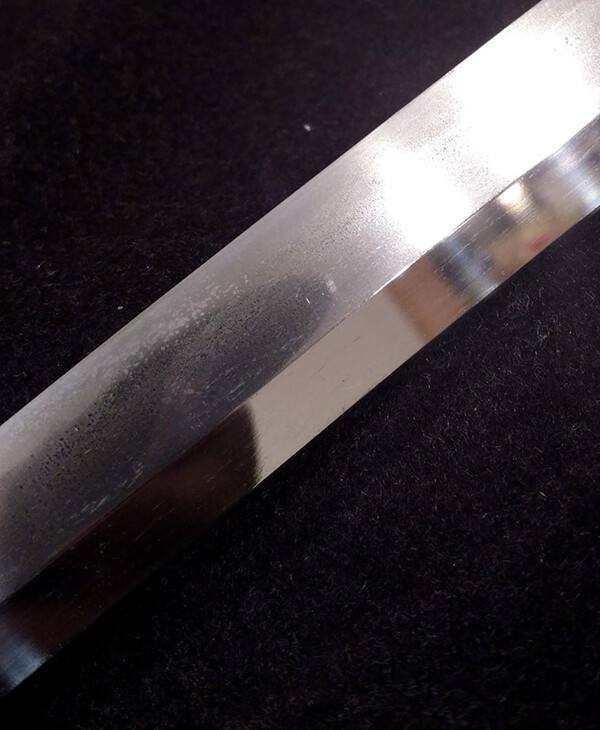
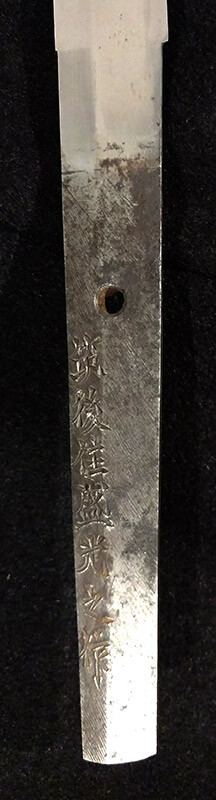
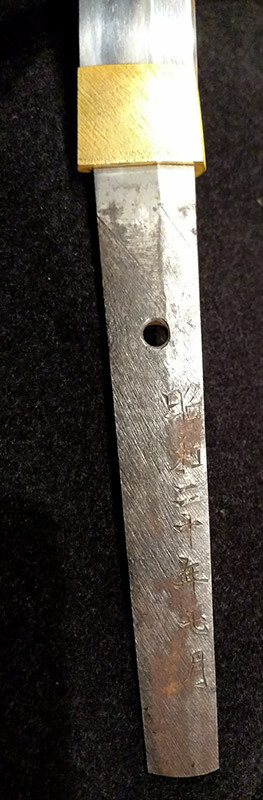
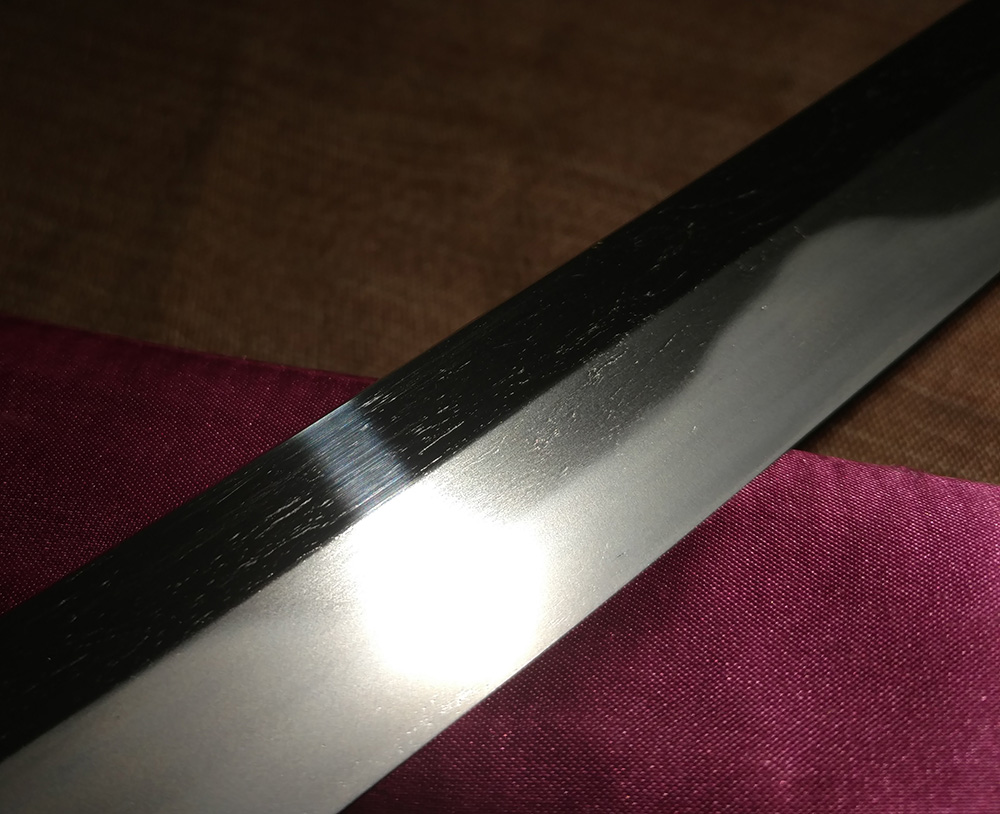
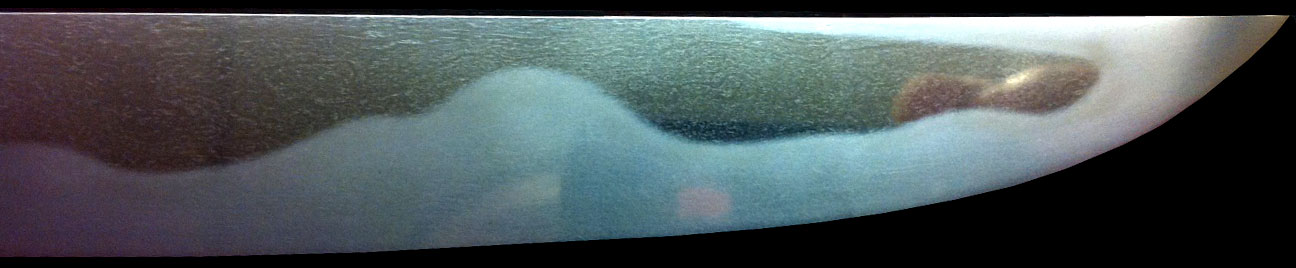
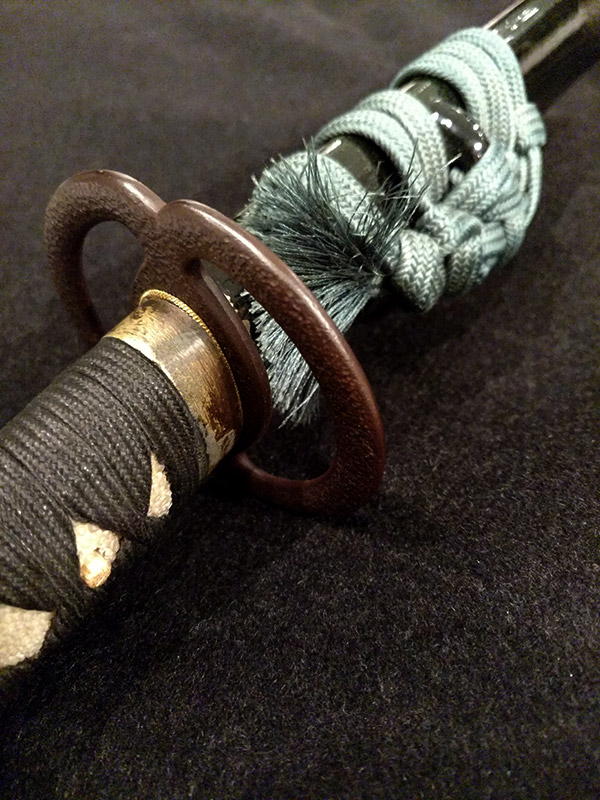
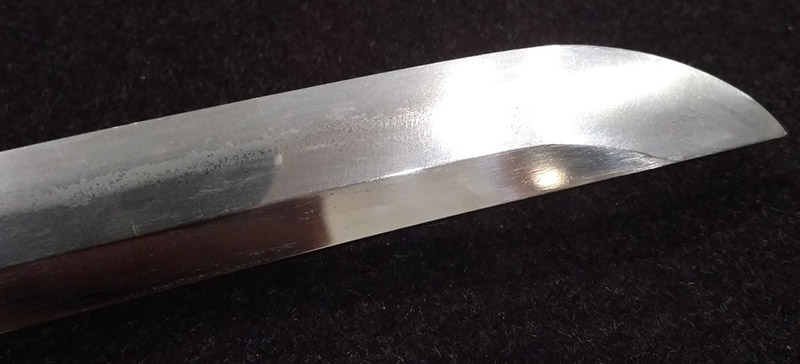
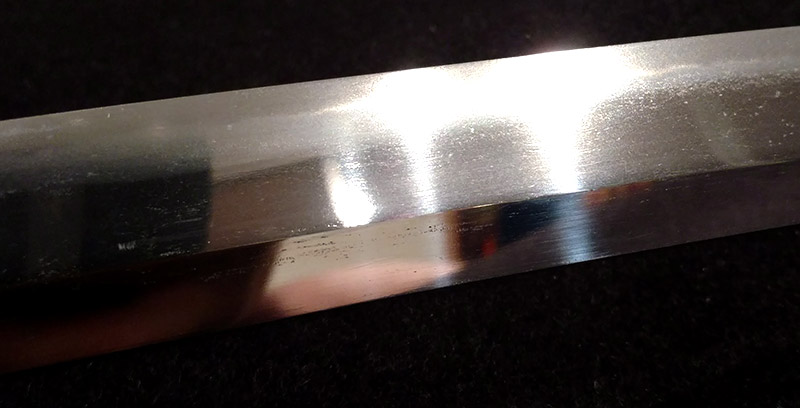
Selling a very active gendaito by the smith Morimitsu. This smith’s given name was Tatsumi Kinzo, and he was born May 9th, 1898. Morimitsu was from Fukuoka and was a student of the famous gendai smith Suetsugu Shigemitsu, along with Oyama Nobumitsu. He also signed Chikugo Kuroki ju Morimitsu. This sword measures 64.4cm, with a 31mm moto-haba and 7mm kasane. The hamon is a notare-based, blown out with profuse nie that both runs along the hamon as sunagashi and rises up into the ji with yubashiri-like activity. The jitetsu is a nicely formed itame with areas of nagare. There are no kizu. Mei: Chikugo Ju Morimitsu Saku No Date: Showa Ni Ju Nen Shichi Gatsu (July, 1945) The koshirae is gendai and is in the Higo style. The tsuba is a namako style that was purportedly designed by Miyamoto Musashi. The koshirae is overall in very good condition. $2,500 (plus shipping and PayPal). Any questions, please email raymondsinger@gmail.com.